Bees, beetles, butterflies, birds, blooms–all are the big Bs of wildlife gardening and my garden was chock full of them this past month. Welcome to Wildlife Wednesday, celebrated on the first Wednesday of each month by and for gardeners who cherish wildlife in their gardens.
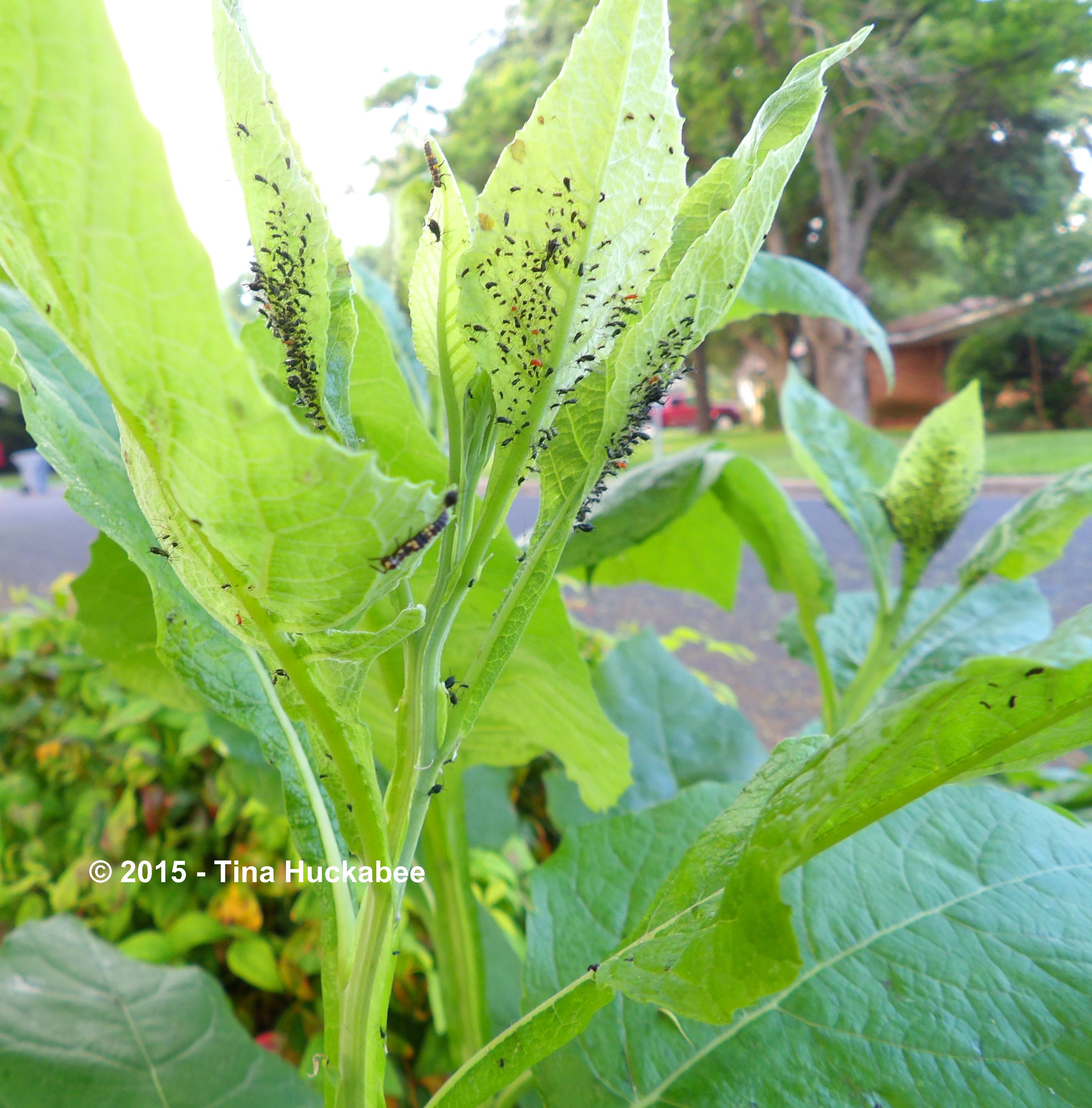
It was the good, the bad and they ugly in my gardens this past month. A crew of icky aphids set up an all-you-can-eat diner on the foliage of some of my Frostweed, Verbesina virginica. I’ve never seen the Frostweed host these damaging insects before–until this spring.
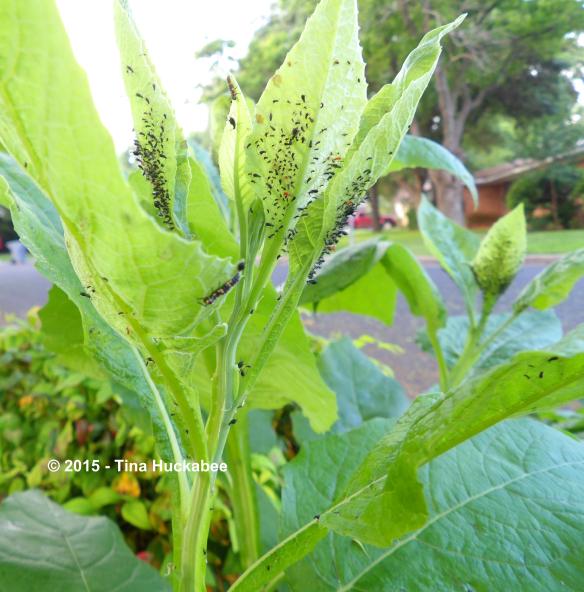
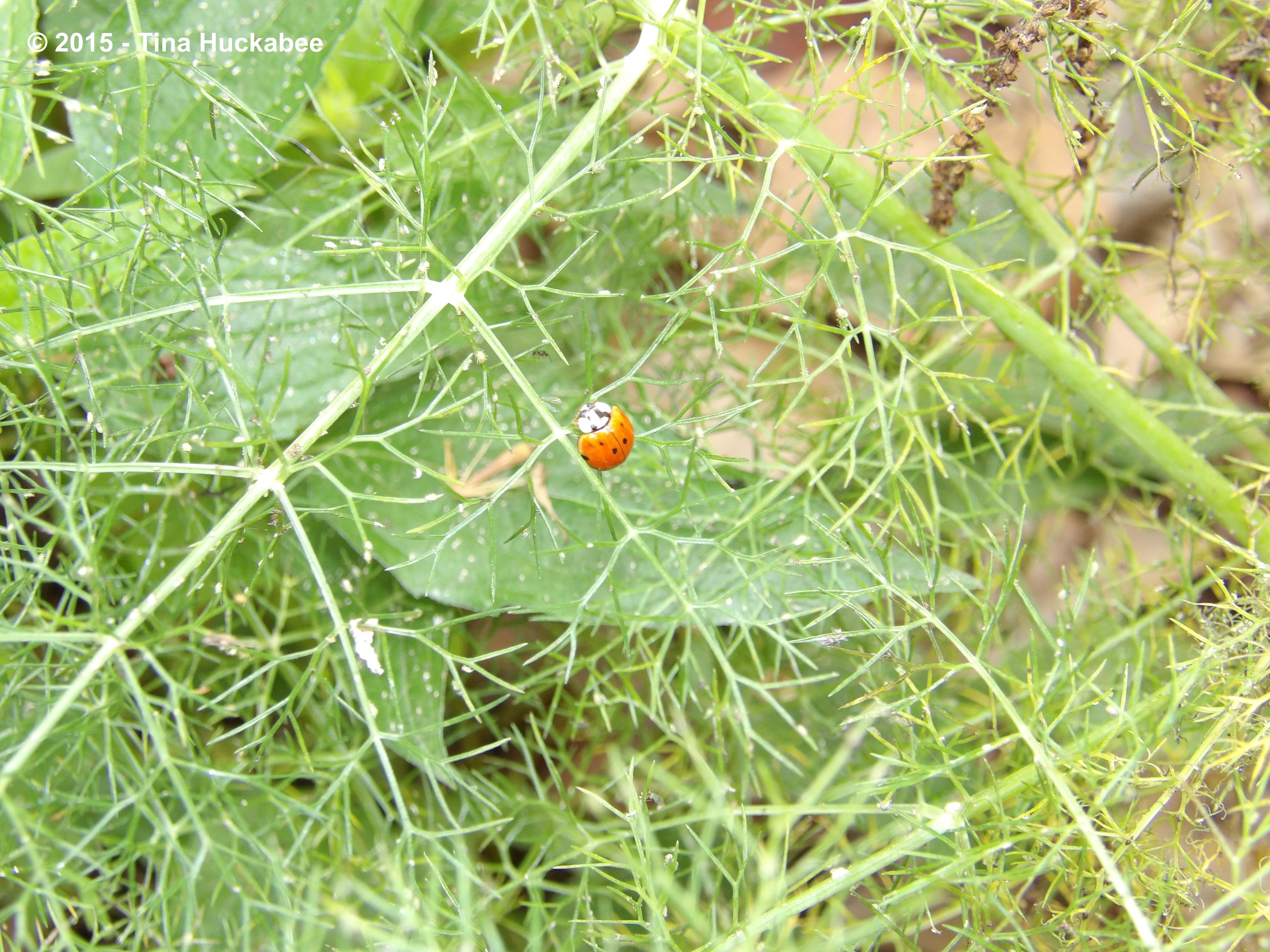
I hit the foliage with a stream of water three different times within the span of a few days to knock off the aphids and by then, the good guys, Lady Bird Beetles like this Seven-spotted Ladybird Beetle, Coccinella septempunctata, and their larvae moved in for the kill. Or, rather, the meal.
The adults eat, but their larvae, typical of all kids, eat more. These little alligator-looking Ladybird Beetle larvae contentedly munched away at their favored food, the squishy, juicy aphids.
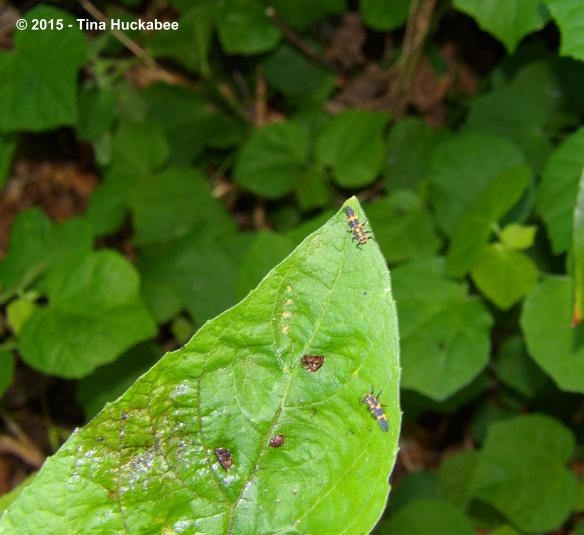
The aphids are gone now, thank goodness, and the Frostweed is on its way to its autumnal glory.
Lady Bird beetles have made themselves at home on other plants too–presumably because what they eat (like aphids) have been abundant this spring. They hunted on the wildflower, Lyreleaf Sage, Salvia lyrata,
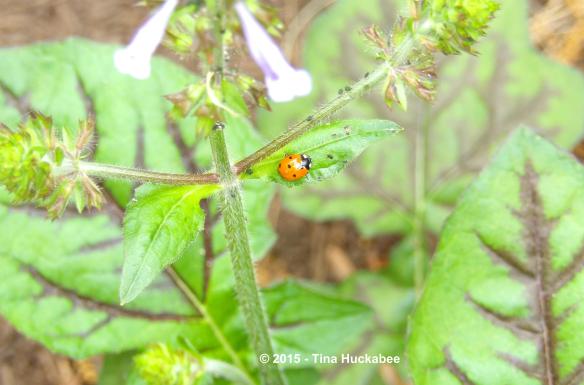
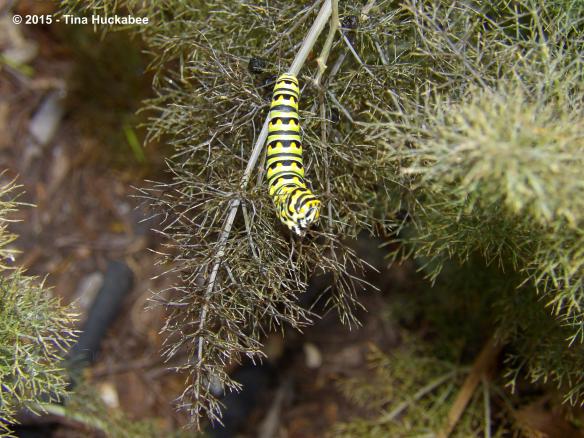
…where you can see the aphids amidst the eating beetle. I’ve also seen plenty on fennel which I plant primarily for the Black Swallowtail, Papilio polyxenes, butterfly larvae, like this well-fed beauty.
Once the Ladybird Beetle larvae eat-n-grow and complete their four larval molts, they pupate, like this one,
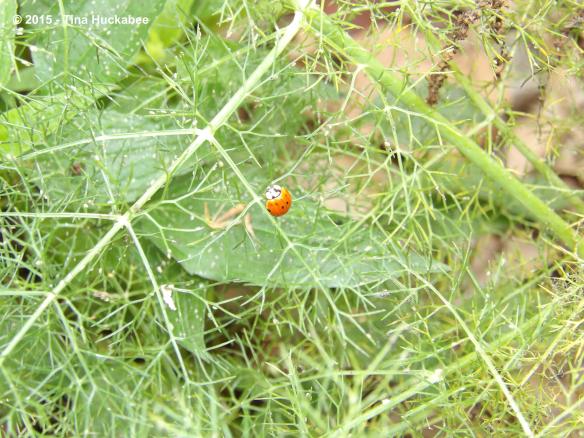
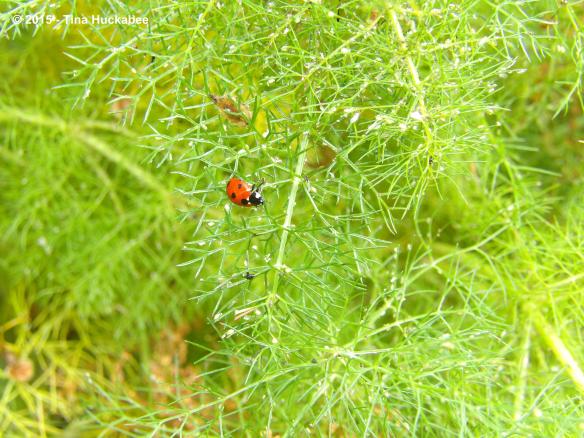
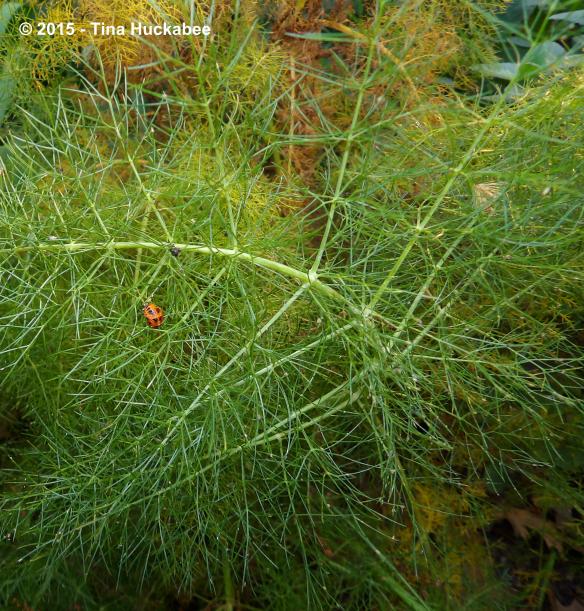 …to become adults, like these two.
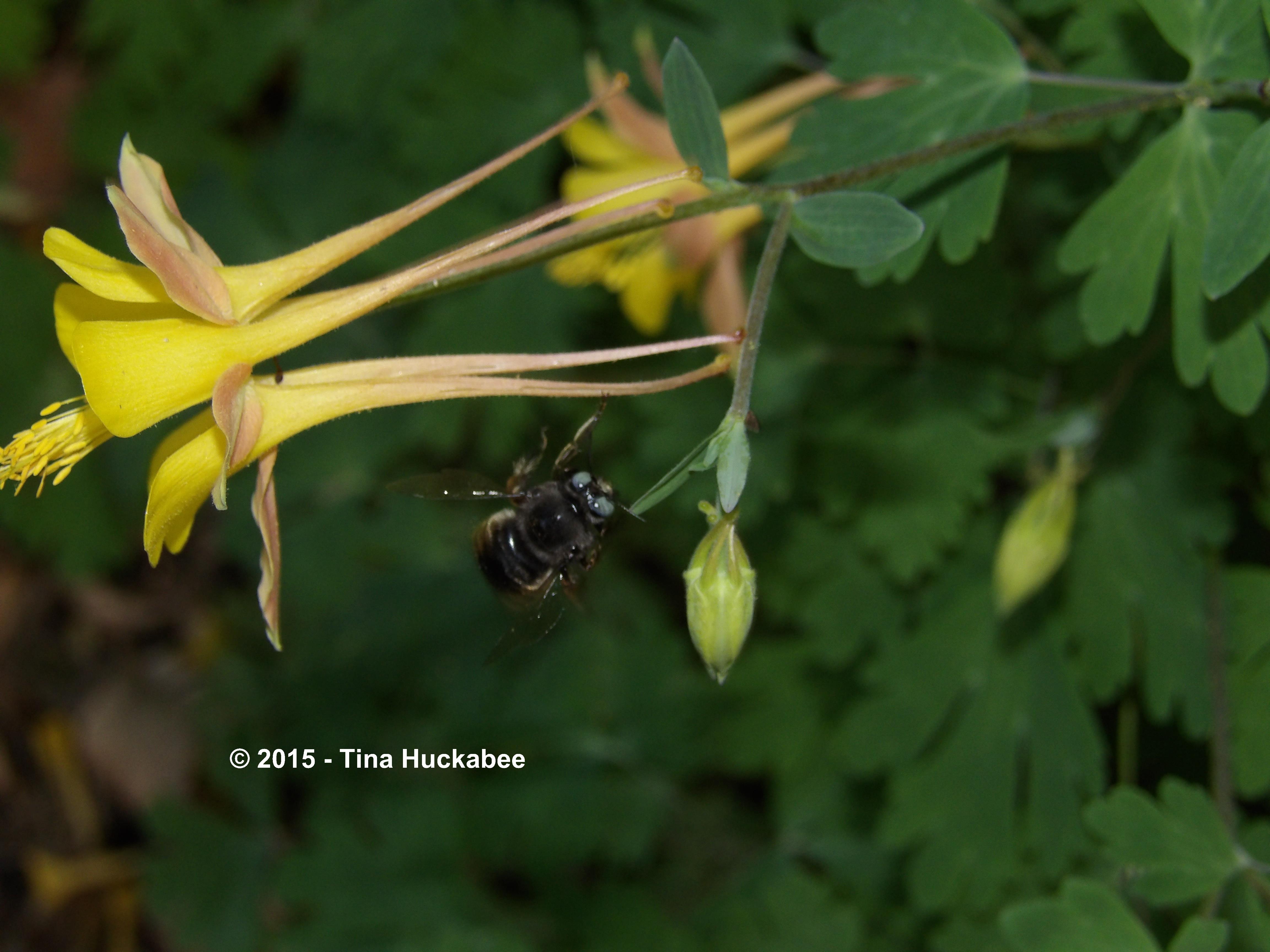
Last month, I identified this excellent garden companion, the Horsefly-like Carpenter Bee, Xylocopa tabaniformis.
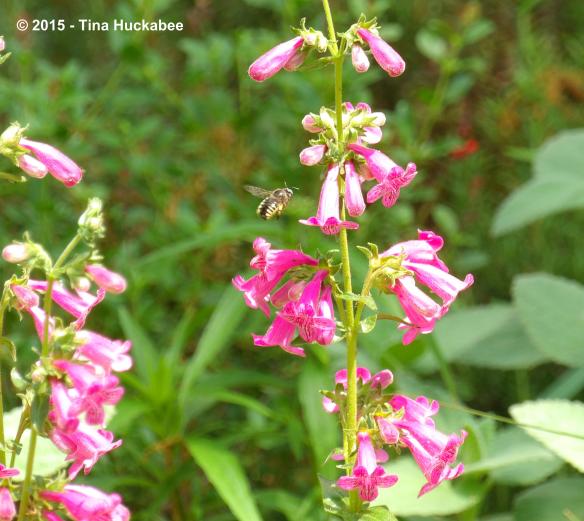
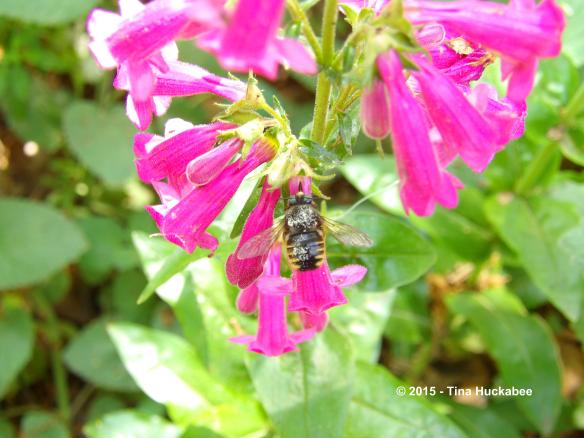
I’m charmed by these bees–they possess a je ne sais quoi, which is unexpected in a bee.
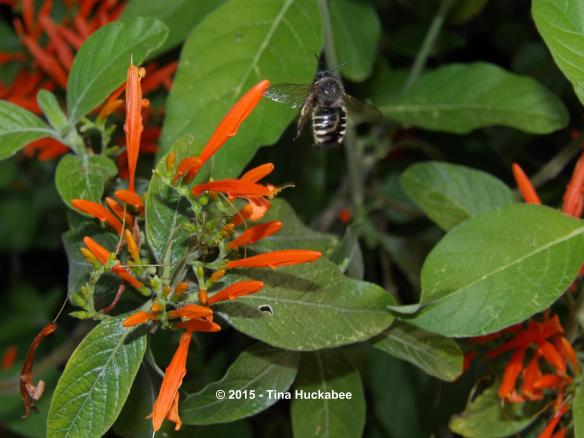
These native bees are common in my gardens, working blooms from sunrise to sunset.
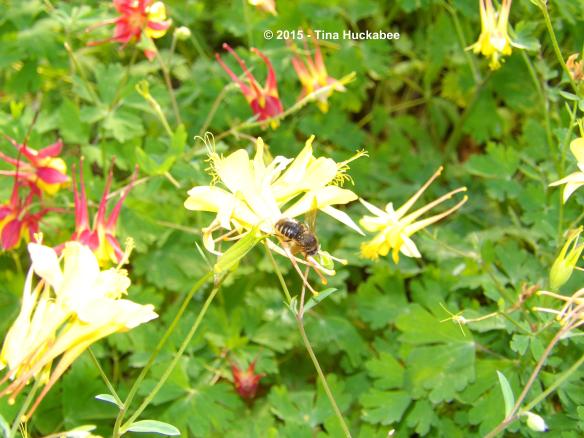
I love watching them in my garden, though I’ve had trouble photographing them because they’re so active–zooming up, down, and all around. I’ve finally captured a couple of good shots and would you take a look at those baby-blue eyes,
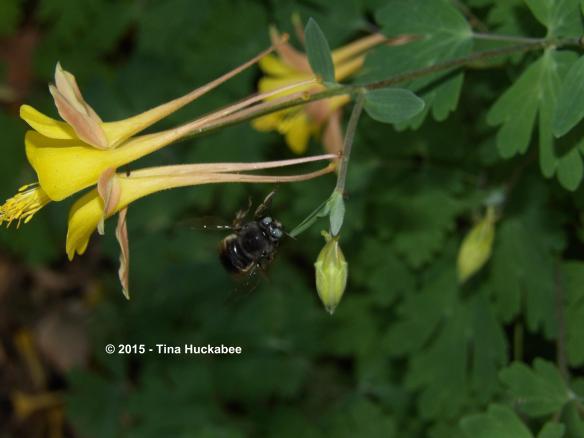
…and that cute face,
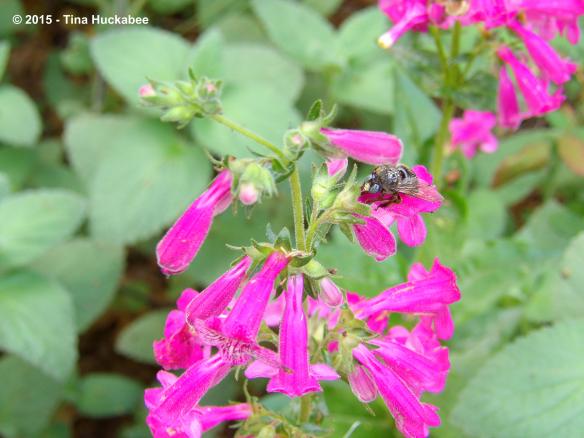
…especially when playing hide-n-seek with me.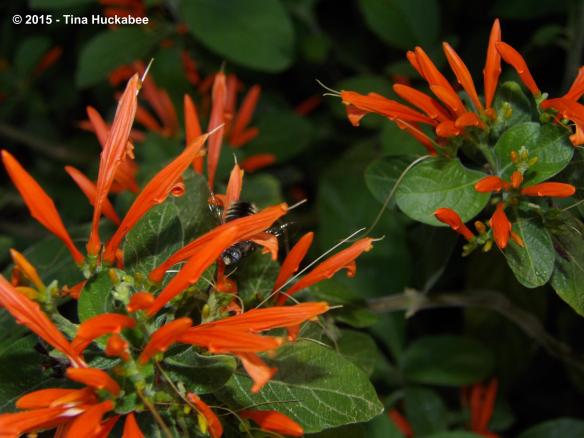
I think Paul Newman would be jealous of their beautiful peepers.
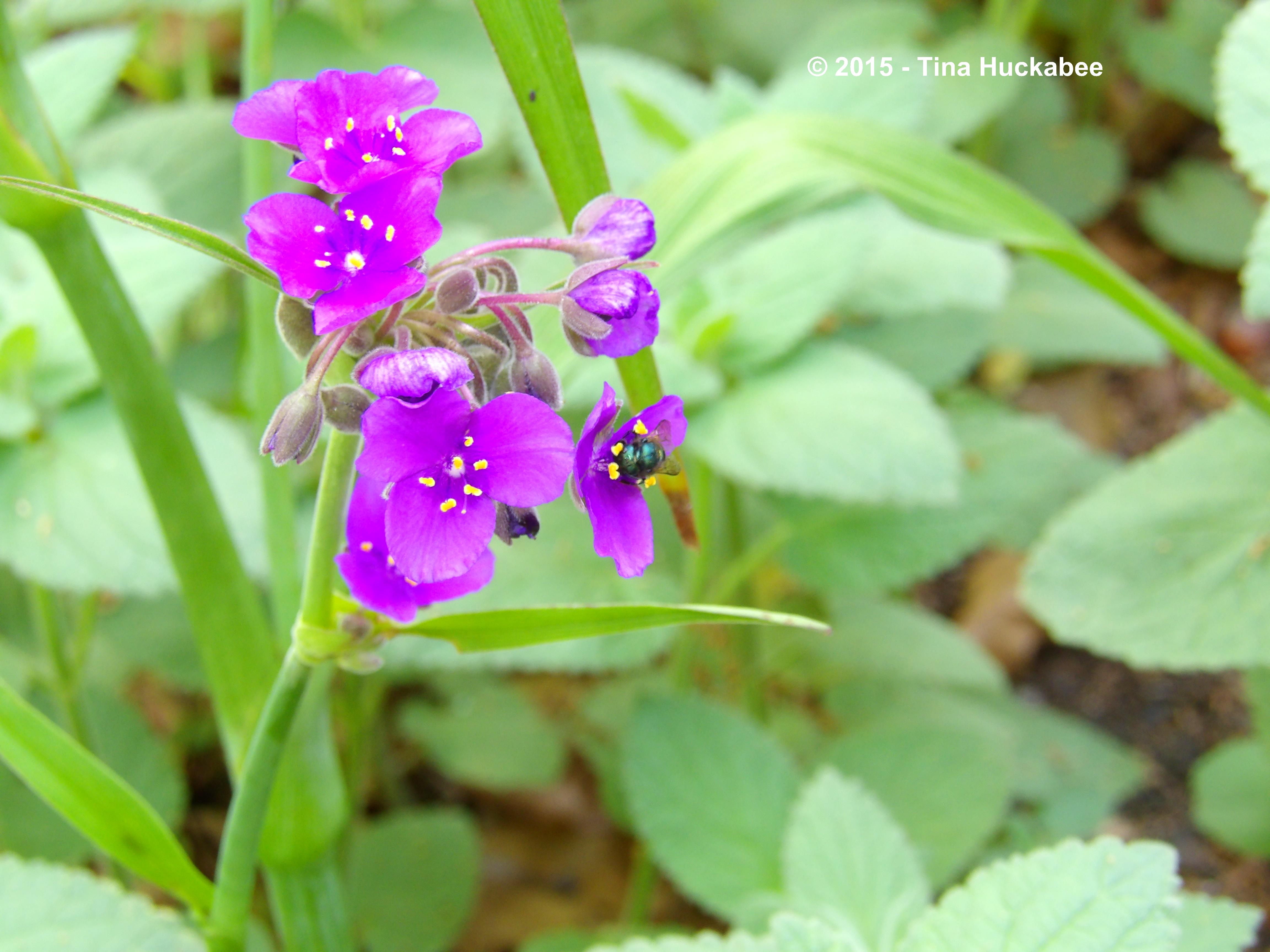
Bees are the bomb in any garden. This native Sweat Bee, maybe a Augochloropsis metallica(?), was only willing to show her abdomen while she pollinated a native wildflower, a Spiderwort, Tradescantia, ssp.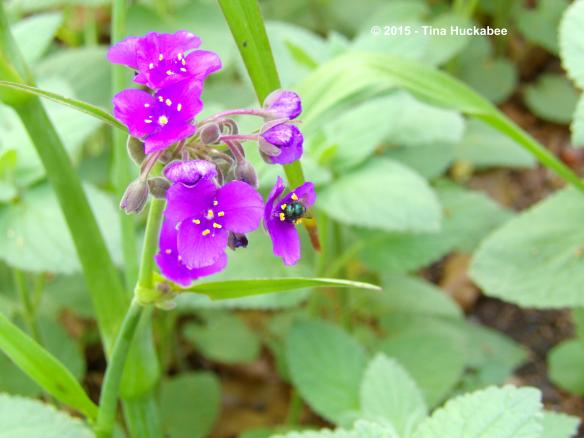
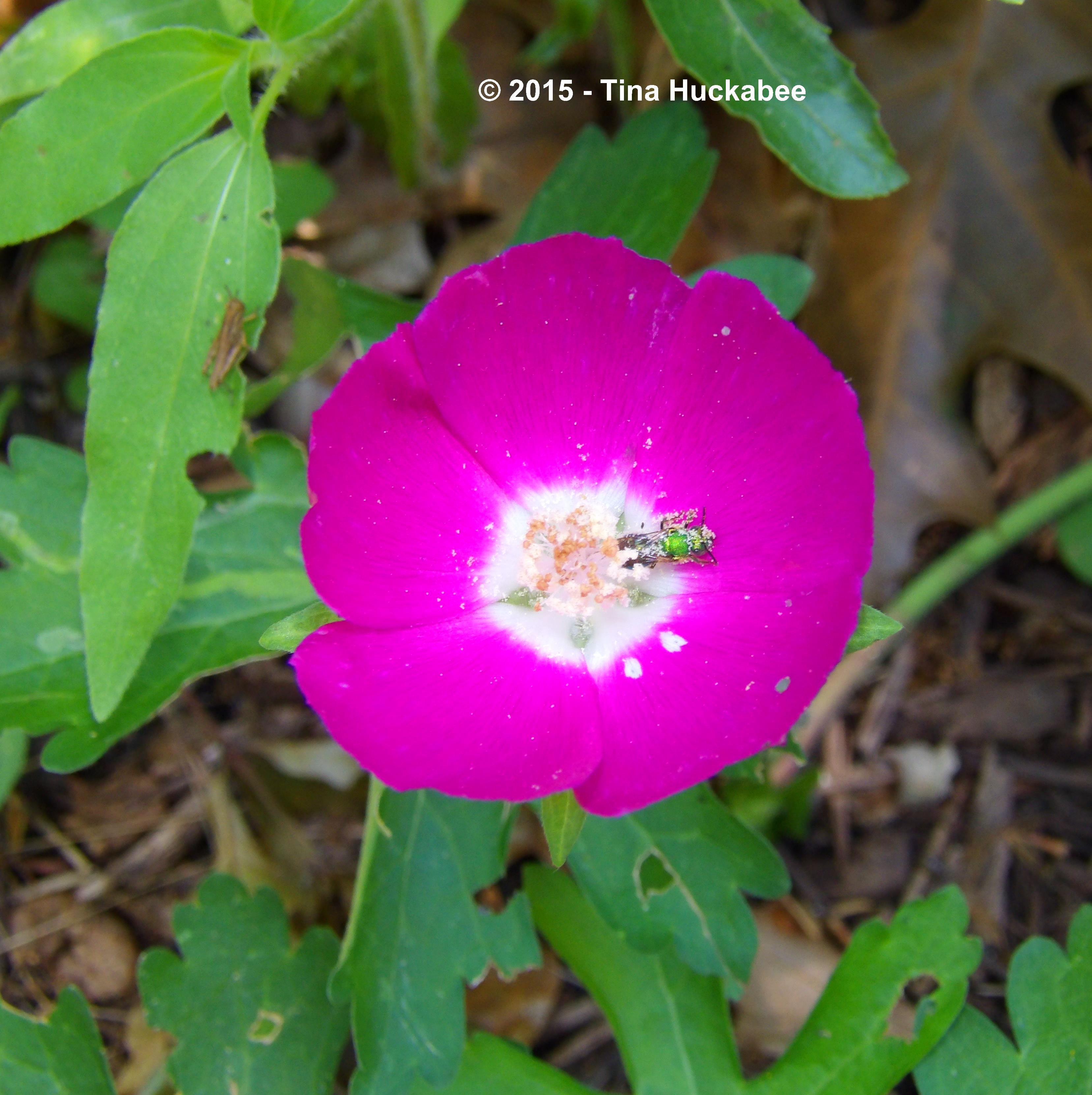
But the Metallic Green bee, Agapostemon texanus, on the open Winecup, Callirhoe involucrata, worked intently and not shyly while gathering pollen for her offspring and nest. She performed admirably for me and my camera.
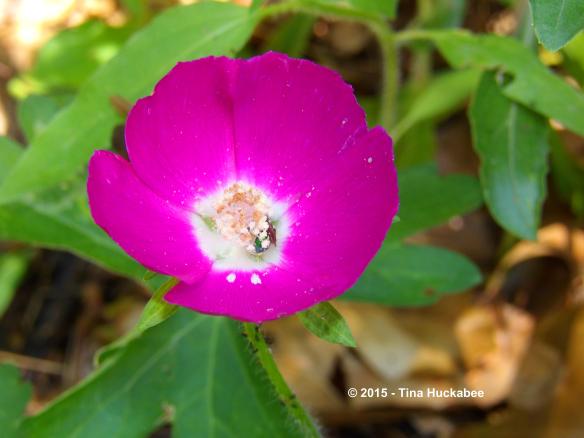
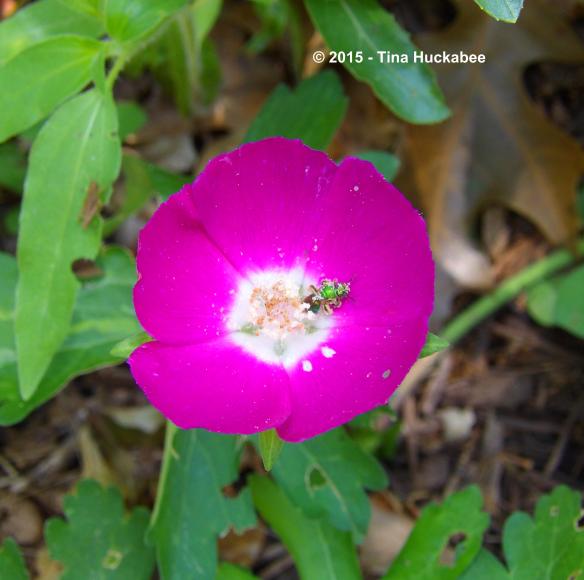
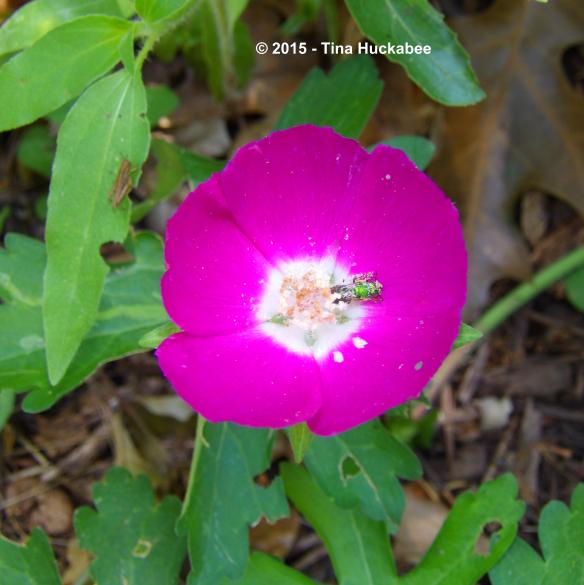
I particularly like this shot. Head stuck deep in the pollen center of the flower, with only the abdomen and splayed back legs visible. There’s also a tiny companion ant on the flower.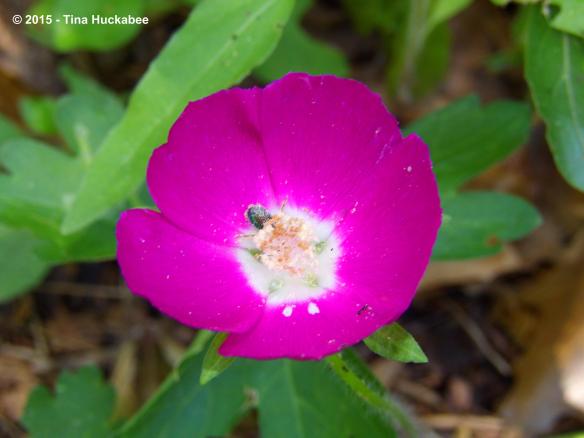
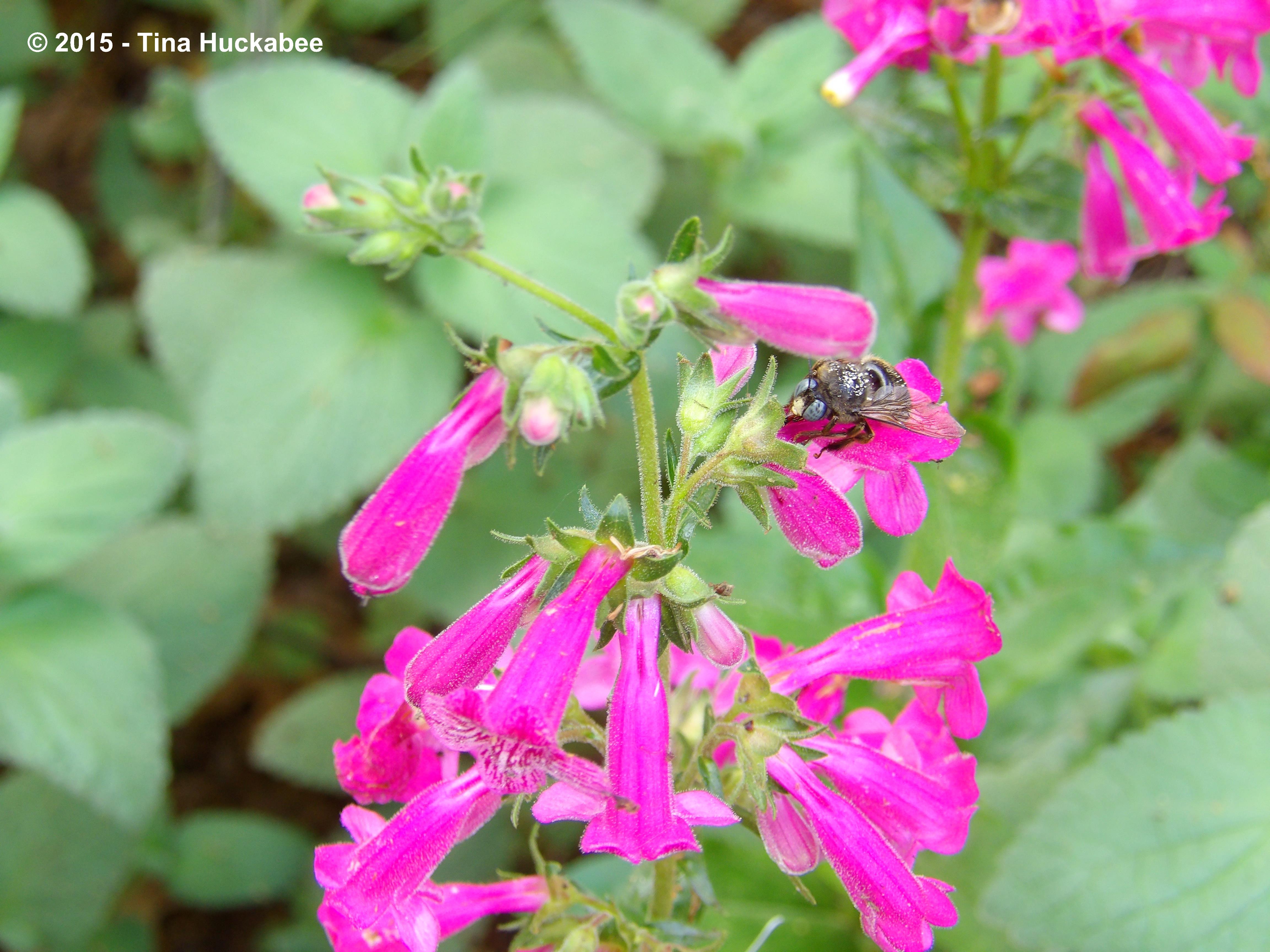
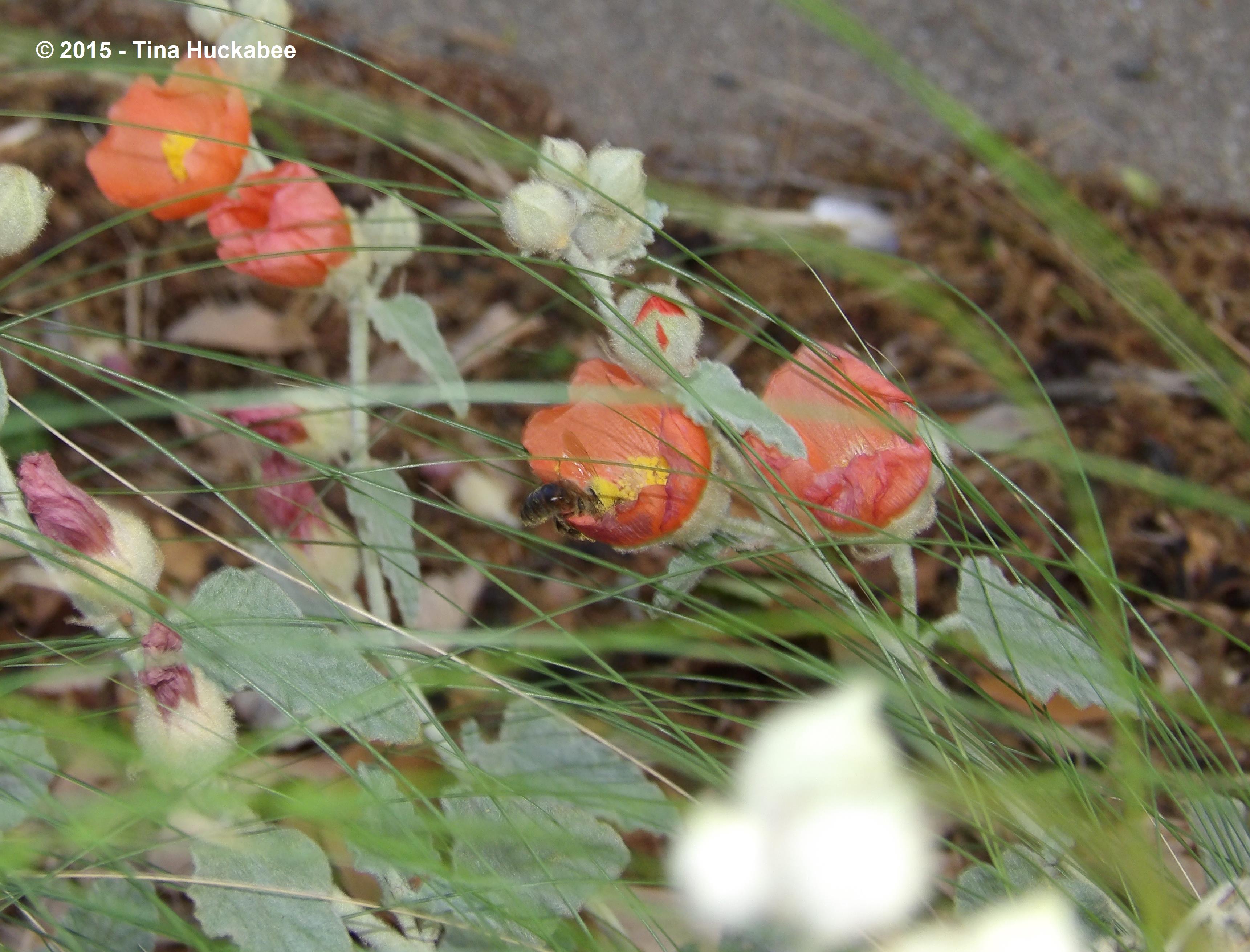
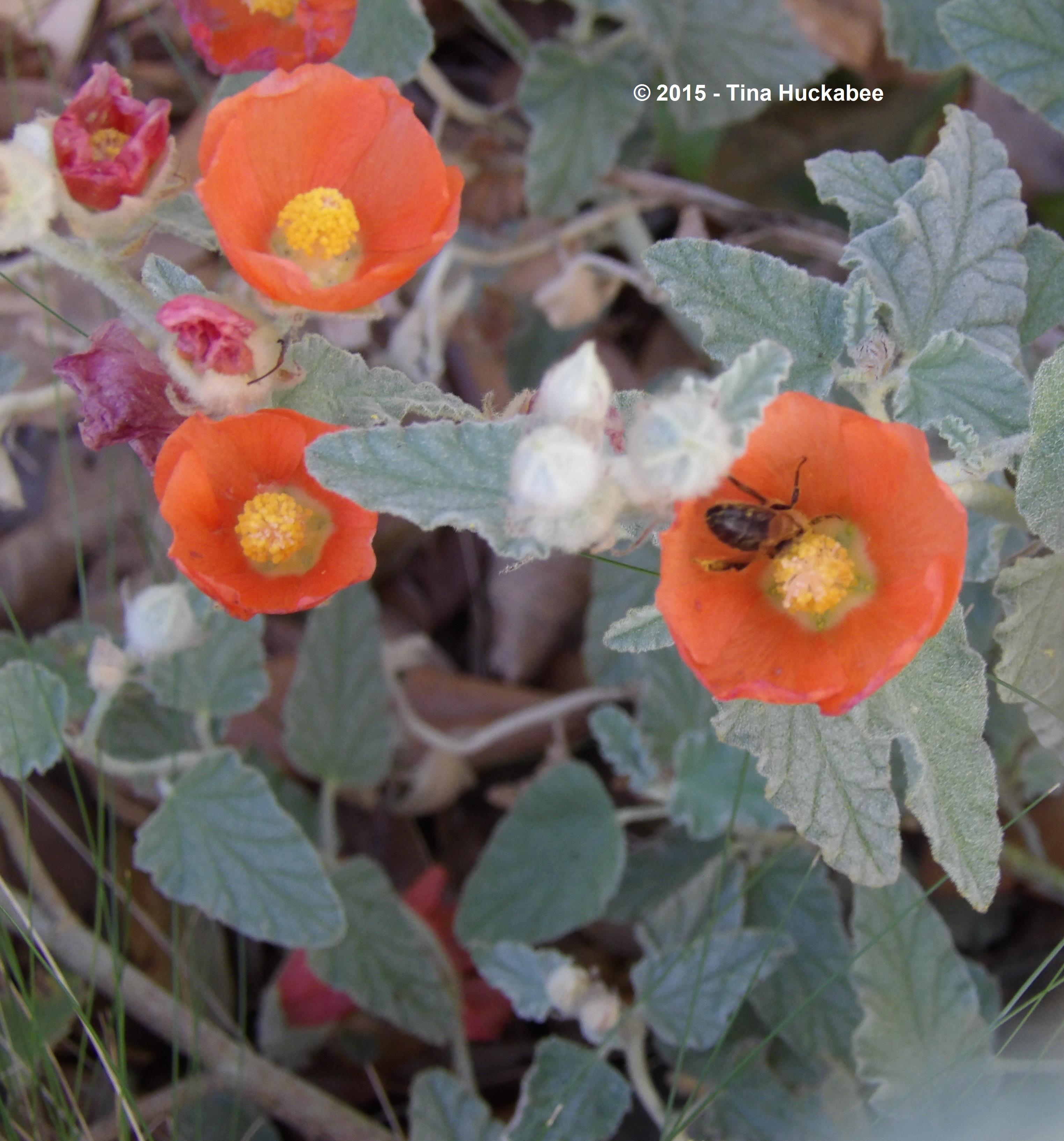
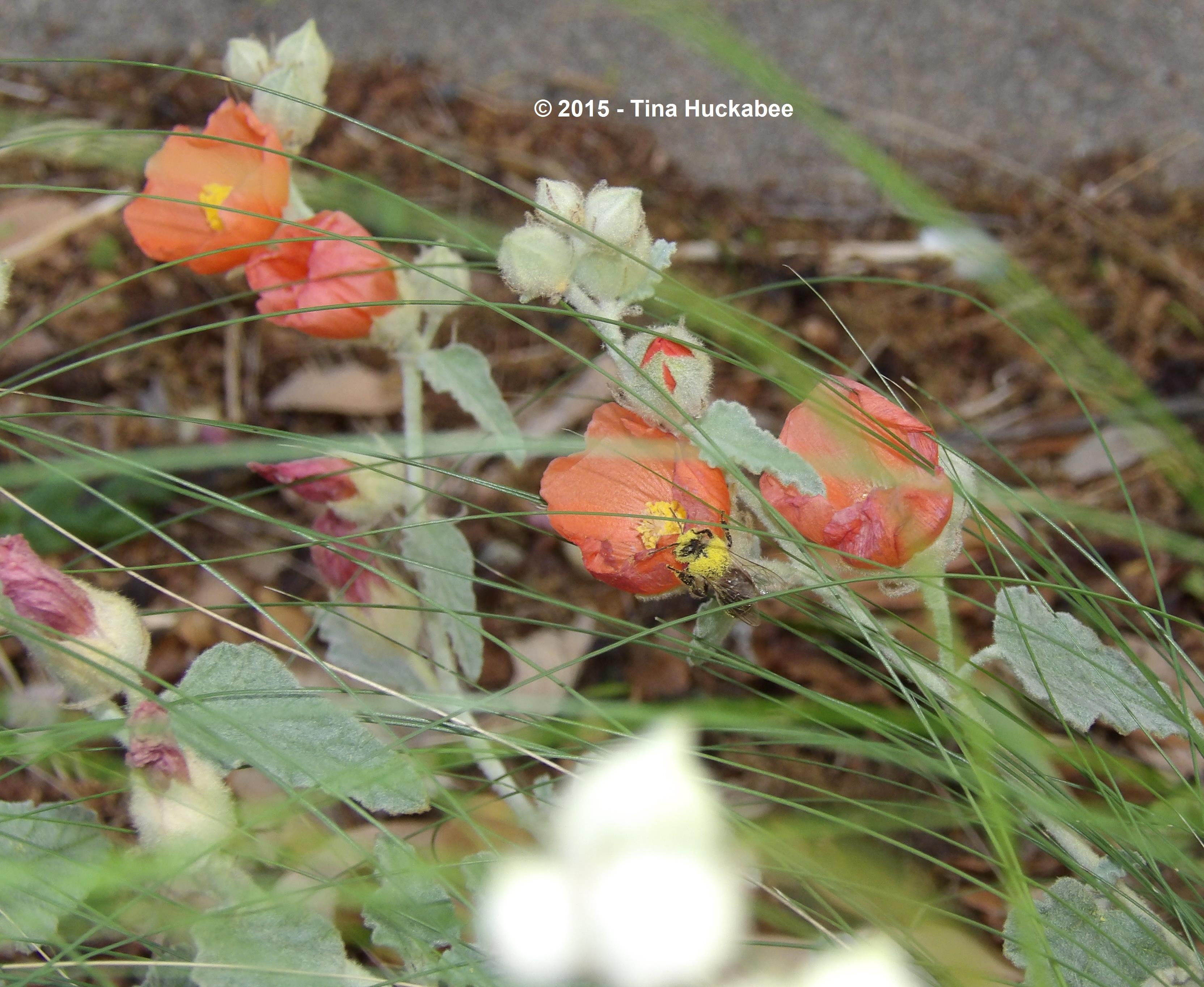
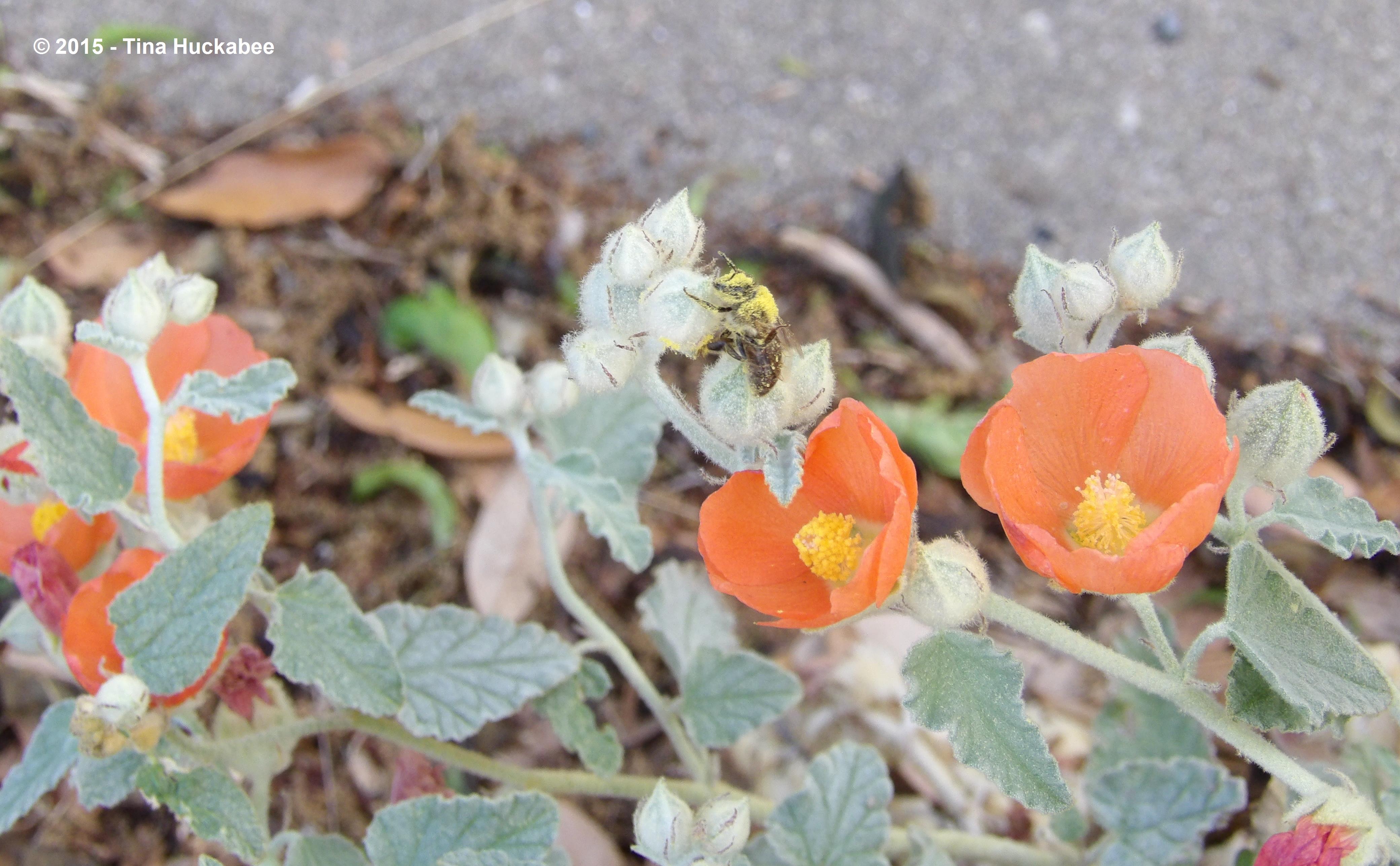
I gave up on an identification of this pollen-covered bee, though I suspect it’s some kind of carpenter bee. The medium to large size, dark/black coloring and relatively hairless body are good general descriptors of carpenter bees.
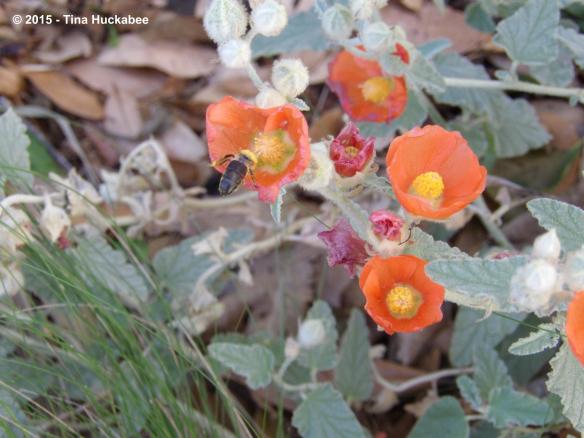
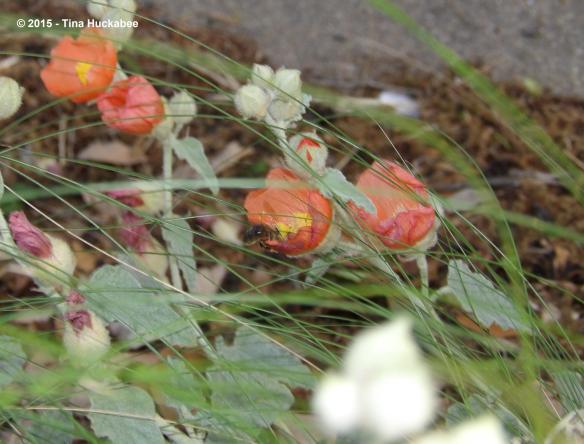
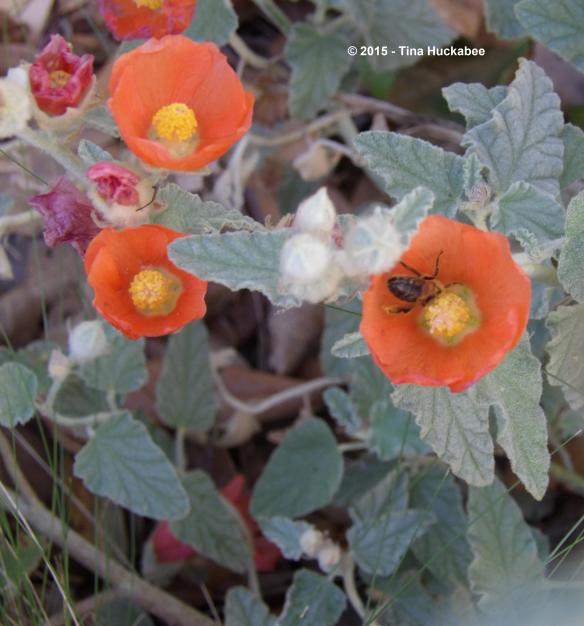
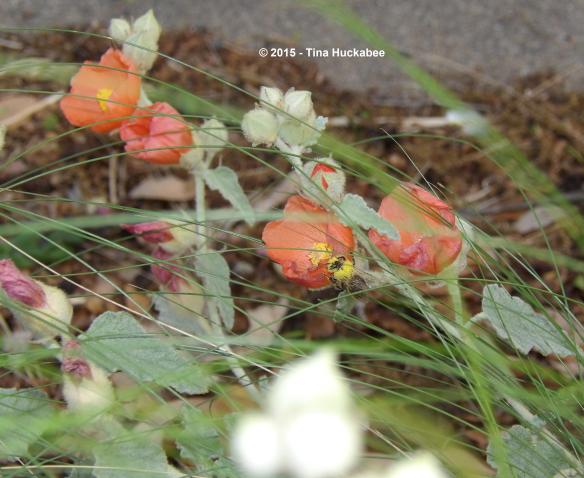
I watched her crawl around the blooms of a Globe Mallow, Sphaeralcea ambigua, one Sunday afternoon and was impressed at the amount of pollen she gathered on her body. How does she fly and see with all that stuff on her body and in her eyes?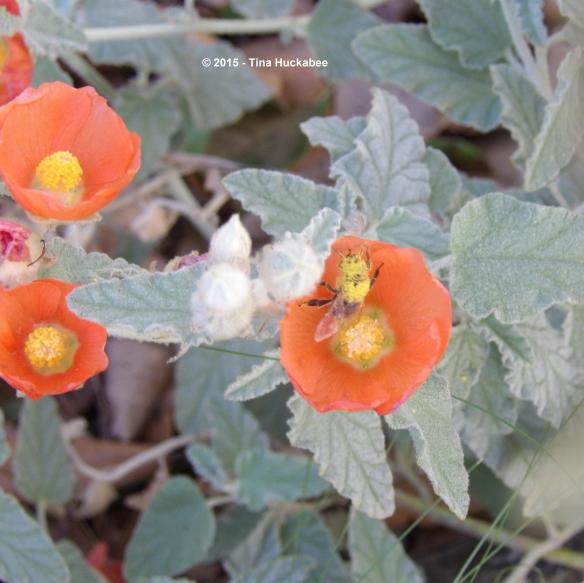
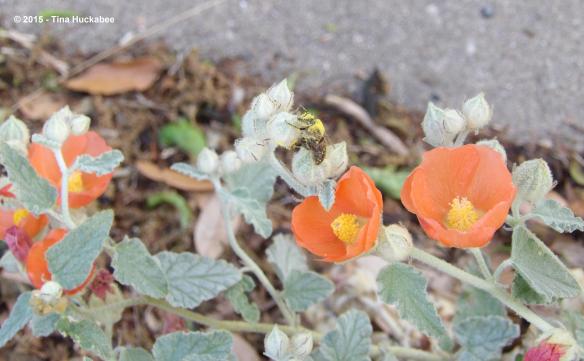
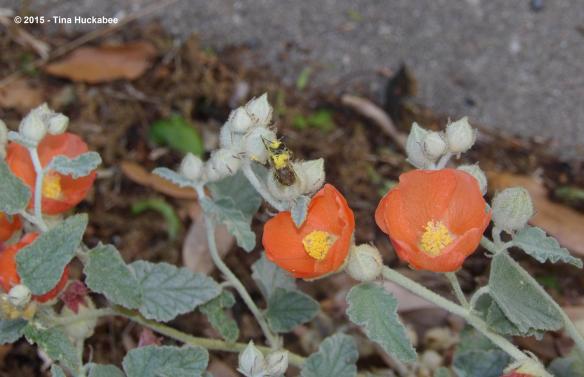
If you know what this bee is, give a holler; I’m stumped, but glad she’s visited!
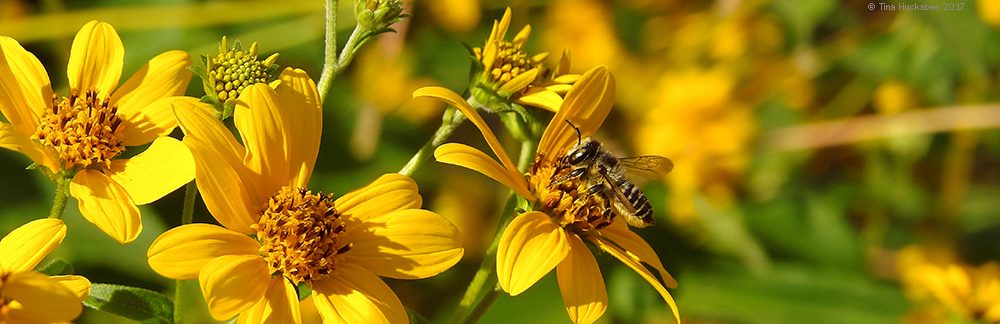
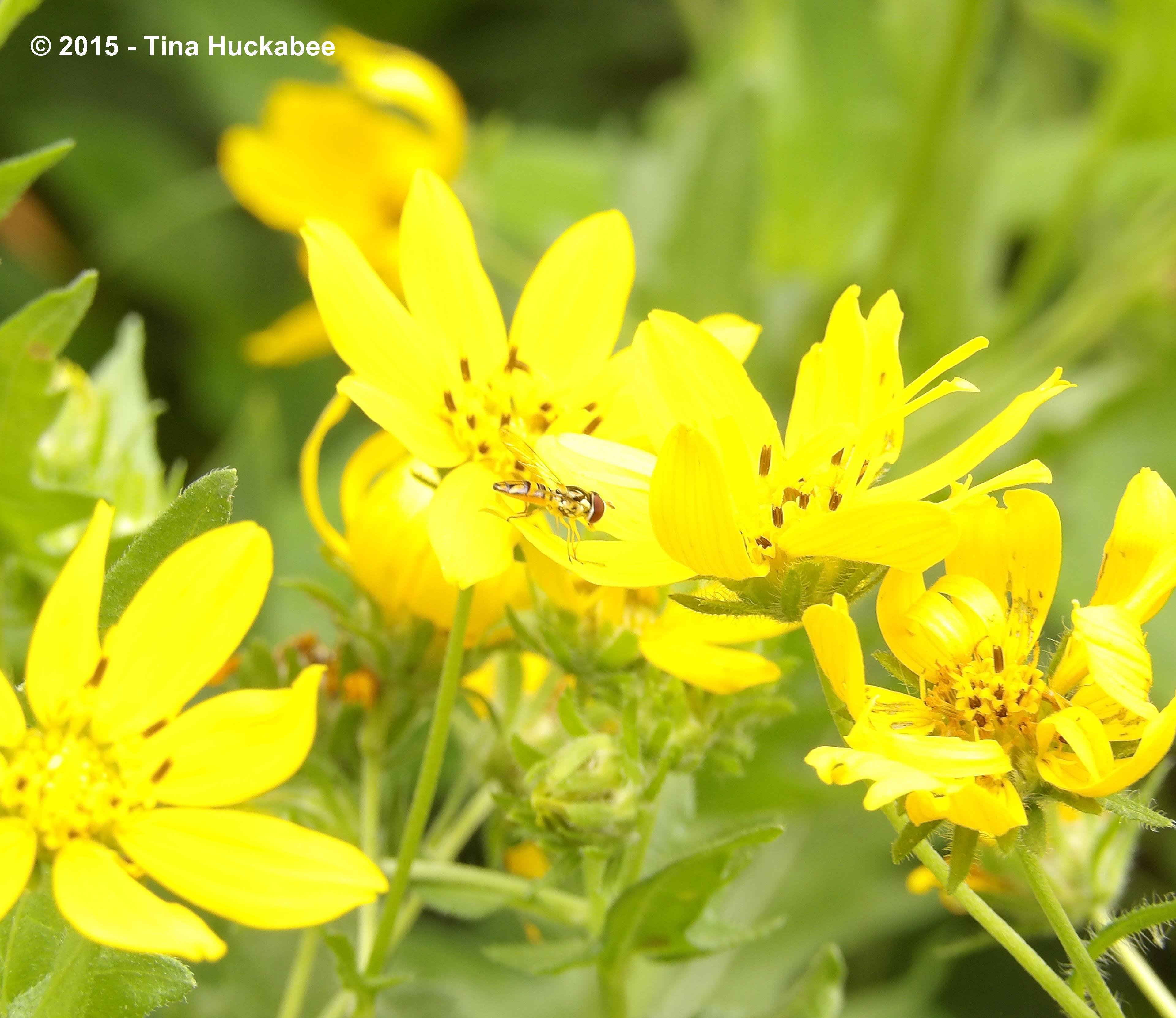
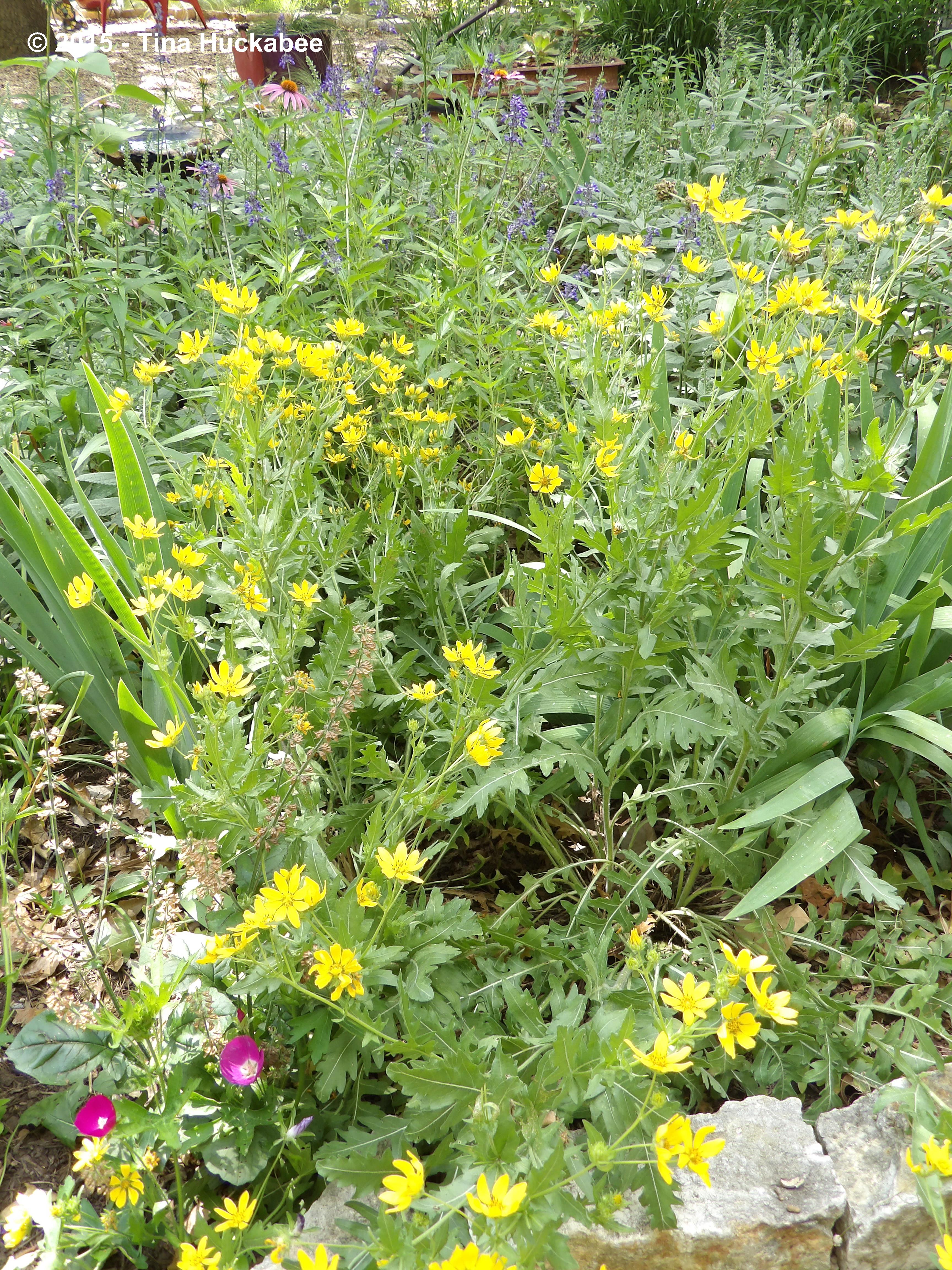
I think the wildlife plant-of-the-month award goes to the Engelmann or Cutleaf Daisy, Engelmannia peristenia. It’s currently serving as Syrphid Fly central,
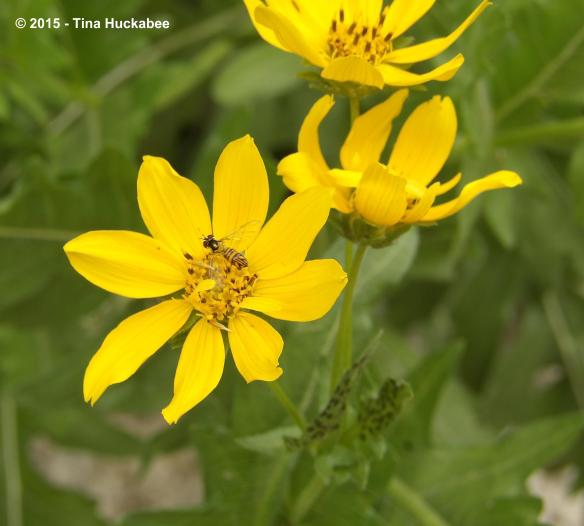
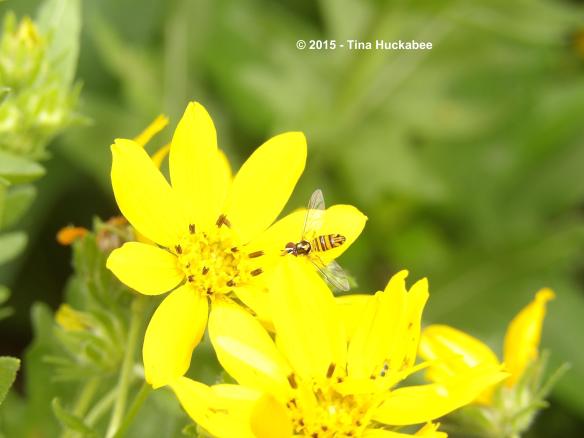
…providing nectar for the adults, also known as Flower or Hover flies, and aphids for the larvae, which are little green to creamy-yellow worms.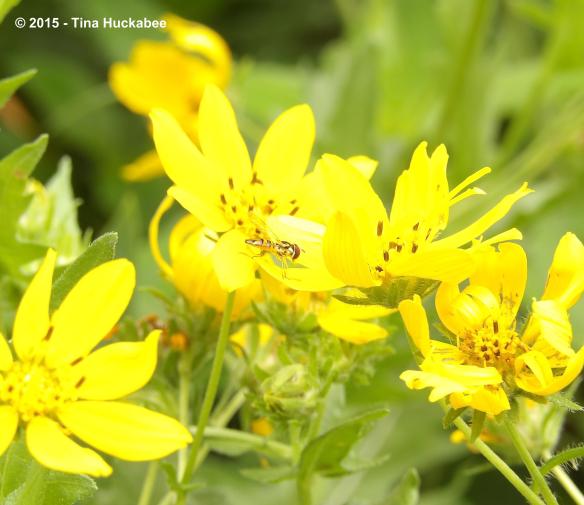
These are beneficial insects, so you want them visiting your gardens.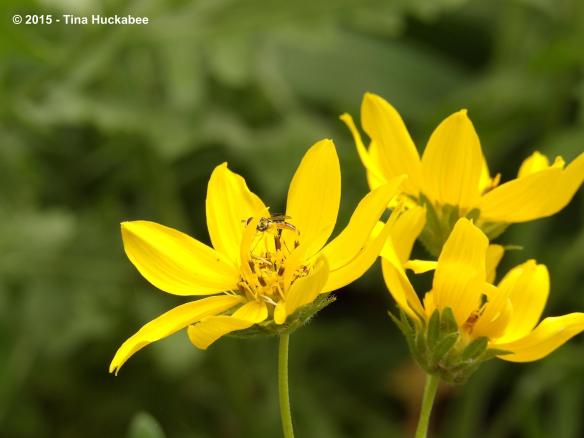
Besides, look how pretty they are–both the flowers and the insects.
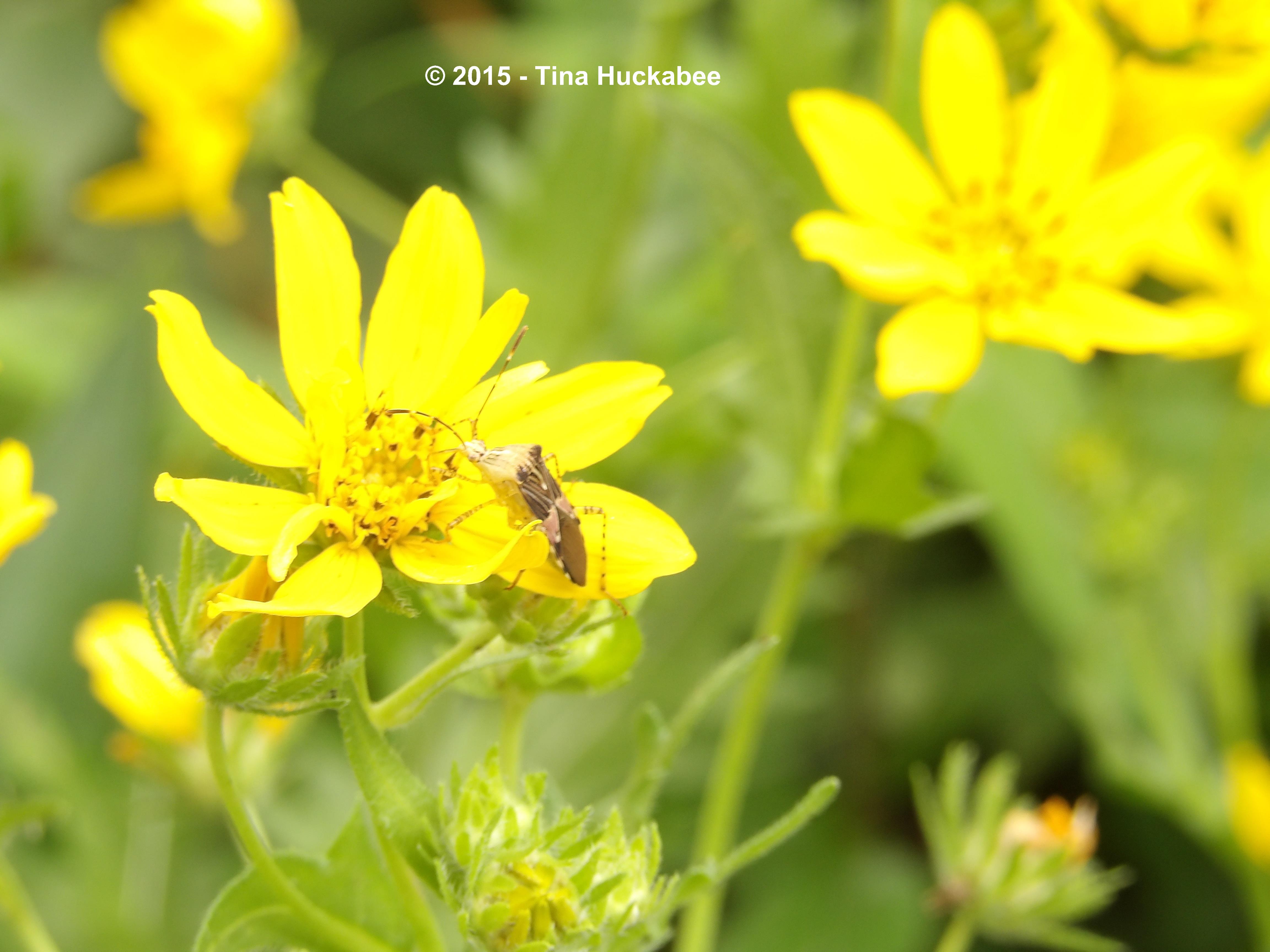
This guy,

…a “true bug” or Hemiptera and in the Family Coreidae or Leaf-footed bug, is a Spot-sided Coreid, Hypselonotus punctiventris, and also liked my Engelmann Daisy. I don’t think he’s someone I really want on my plants, though it looks to me like he’s in a nectar-sipping mode, rather than a sucking-the-life-out-of-the-plant mode.
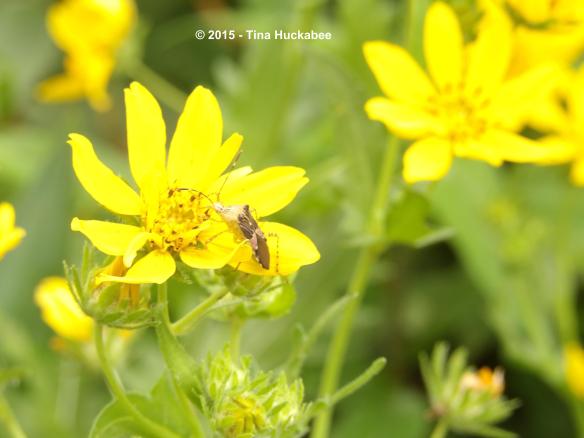 He’s dashing in his brown tuxedo.
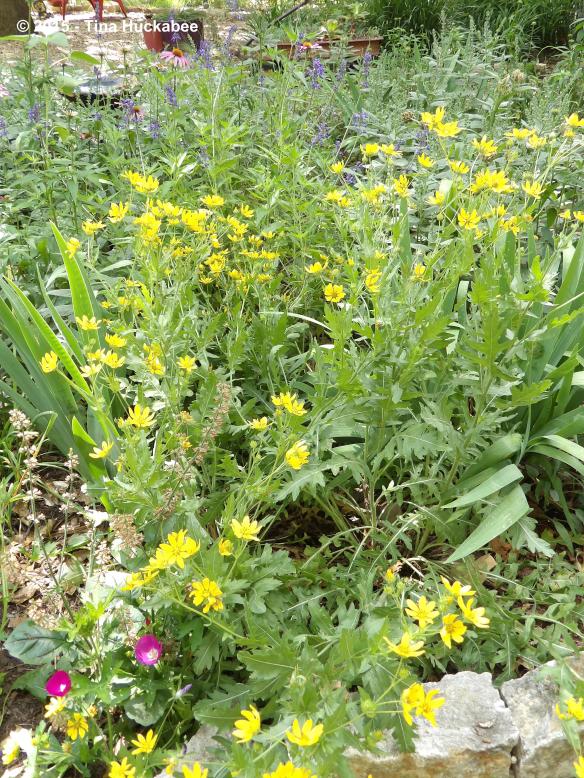
The Engelmann Daisy in my garden has attracted Ladybird Beetles and their offspring and at least five types of bees, as well as visits from butterflies. It’s a good wildflower and wildlife plant. Since it’s National Wildflower Week, I think Englemann Daisy deserves a huzzah! for its usefulness and beauty in the home garden.
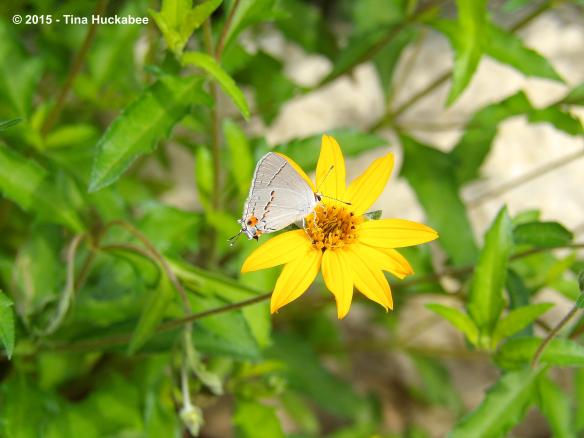
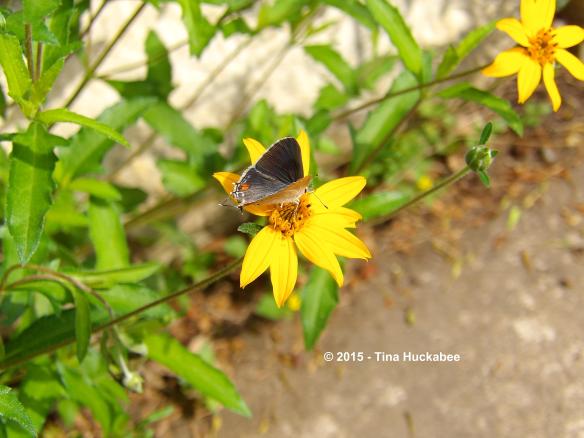
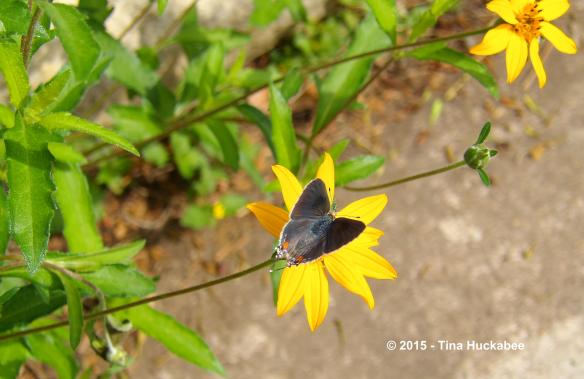
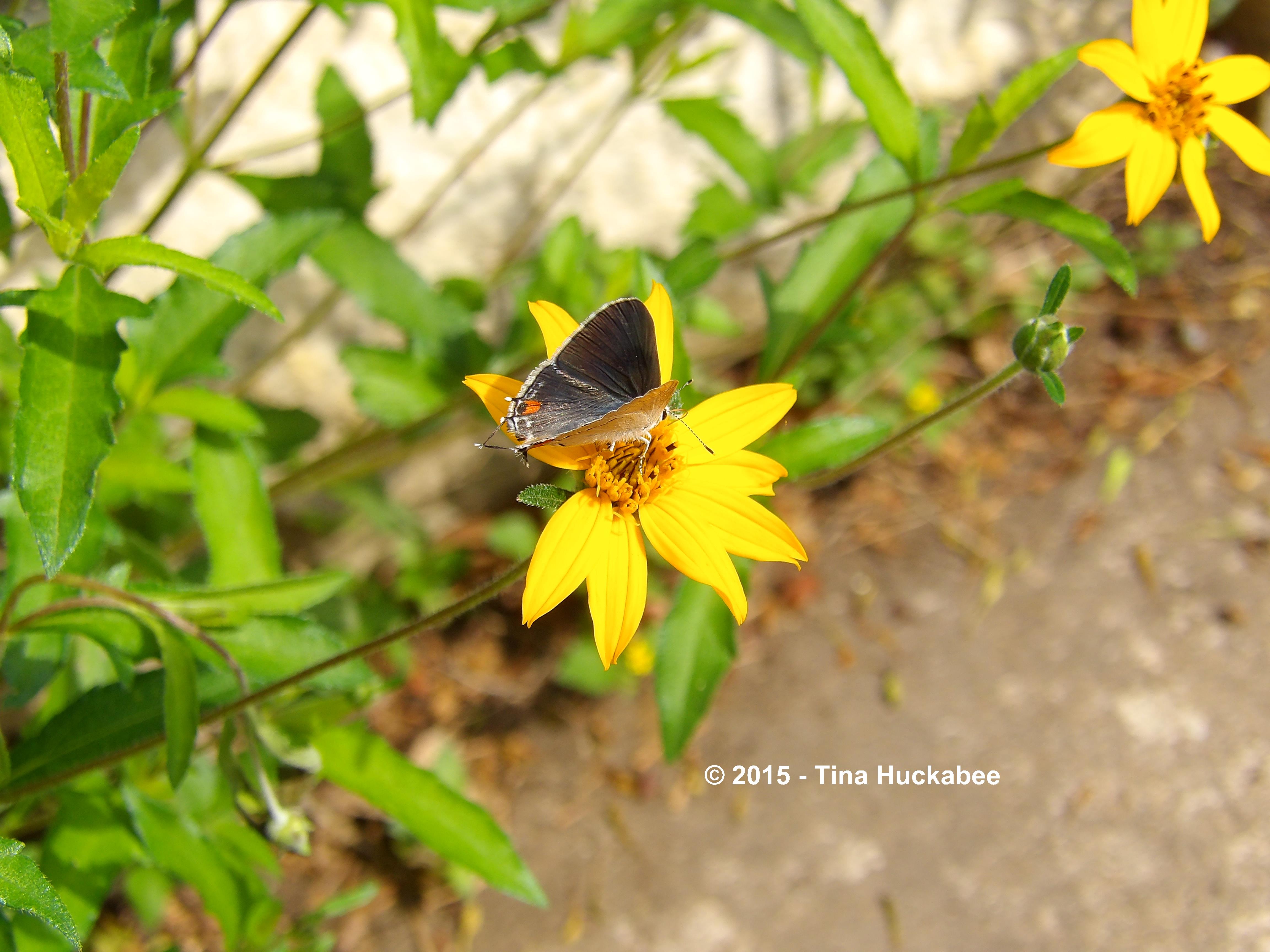
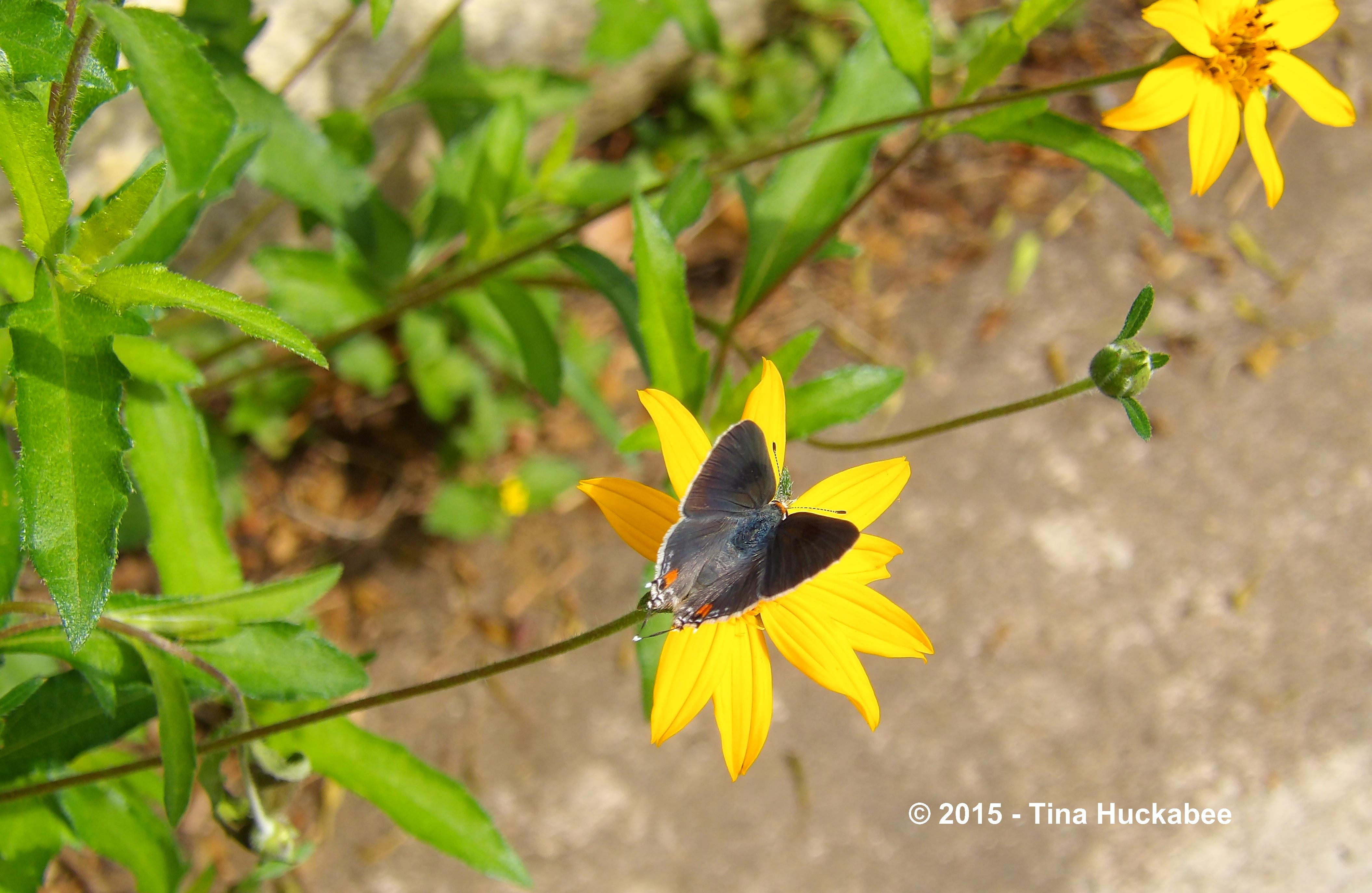
Of course butterflies are happenin’ pollinators this month, as well. This pretty Gray Hairstreak, Strymon melinus, appears to enjoy the nectar benefits of the native wildflower, Zexmenia, Wedelia hispida. The host plant for the Grey Hairstreak includes mallow and pea family plants, but the adults will nectar on a variety of blooms.
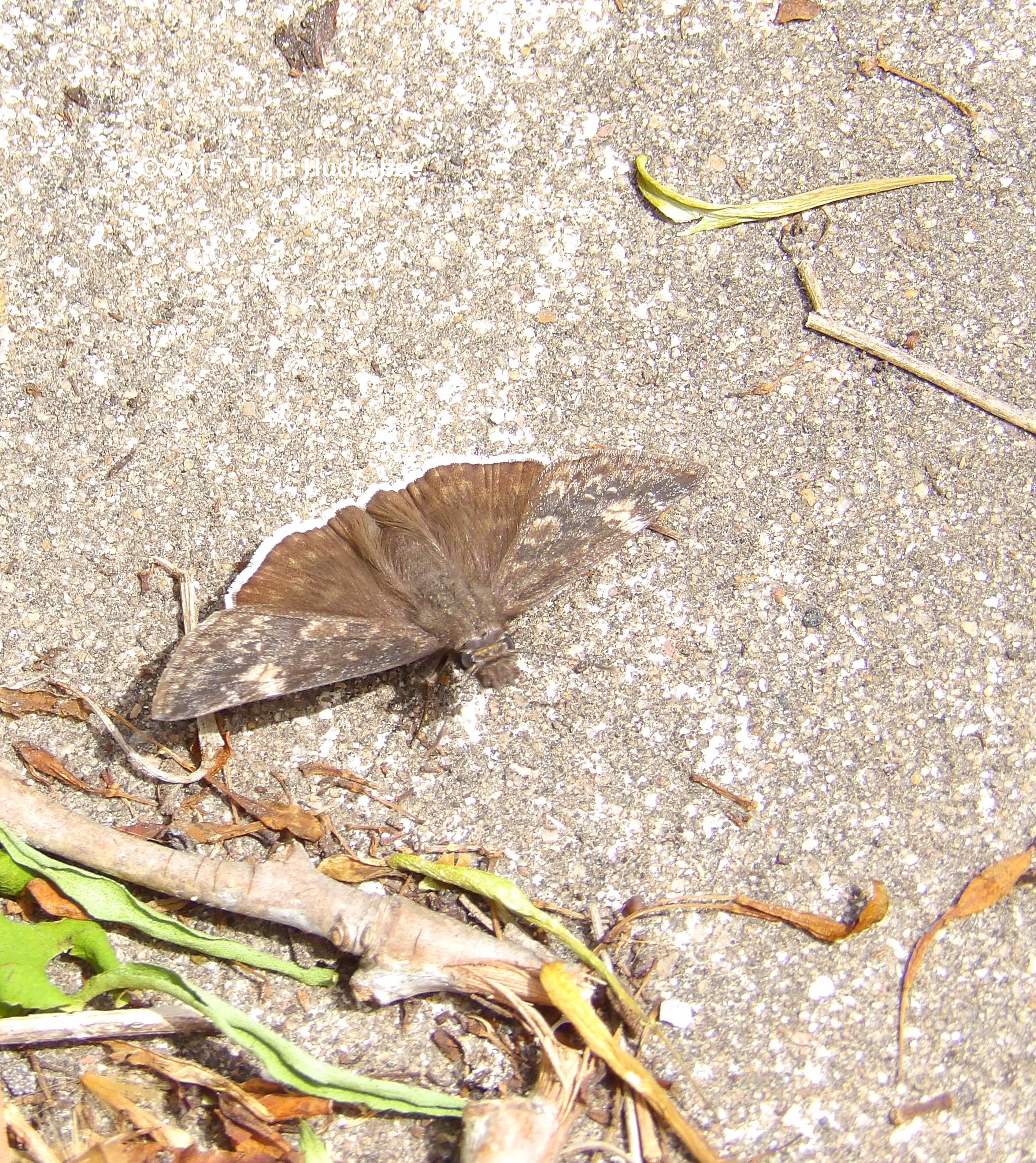
This attractive butterfly, a Mournful Duskywing, Erynnis tristis, doesn’t look particularly mournful to me.
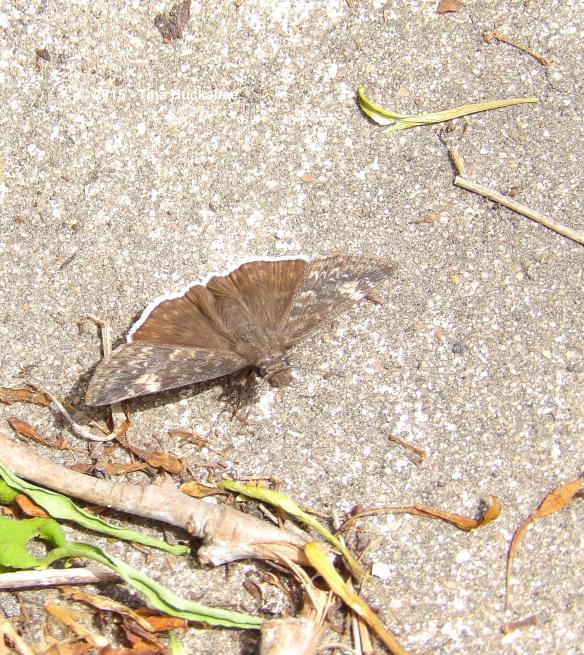
In fact, this little fella looks as if he’s challenging me because I’m wanting him to pose prettily.

Or maybe I disturbed his smooth-moves with a lady-friend.
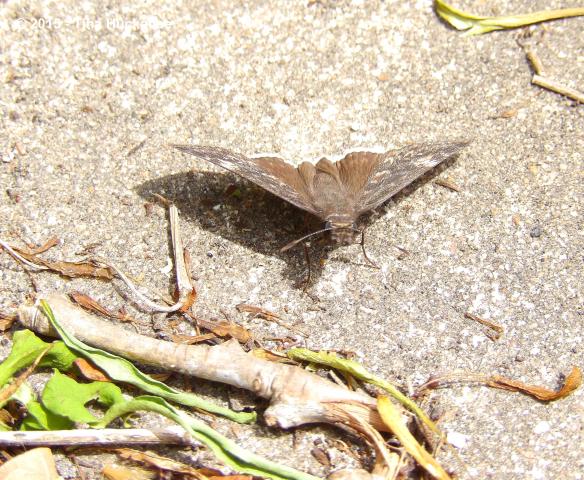
The host plant for his kind includes a variety of oaks and they breed in Texas three times per year. I’ll leave you to it, M. Duskywing–I like seeing you and your bunch around my gardens during the summer.
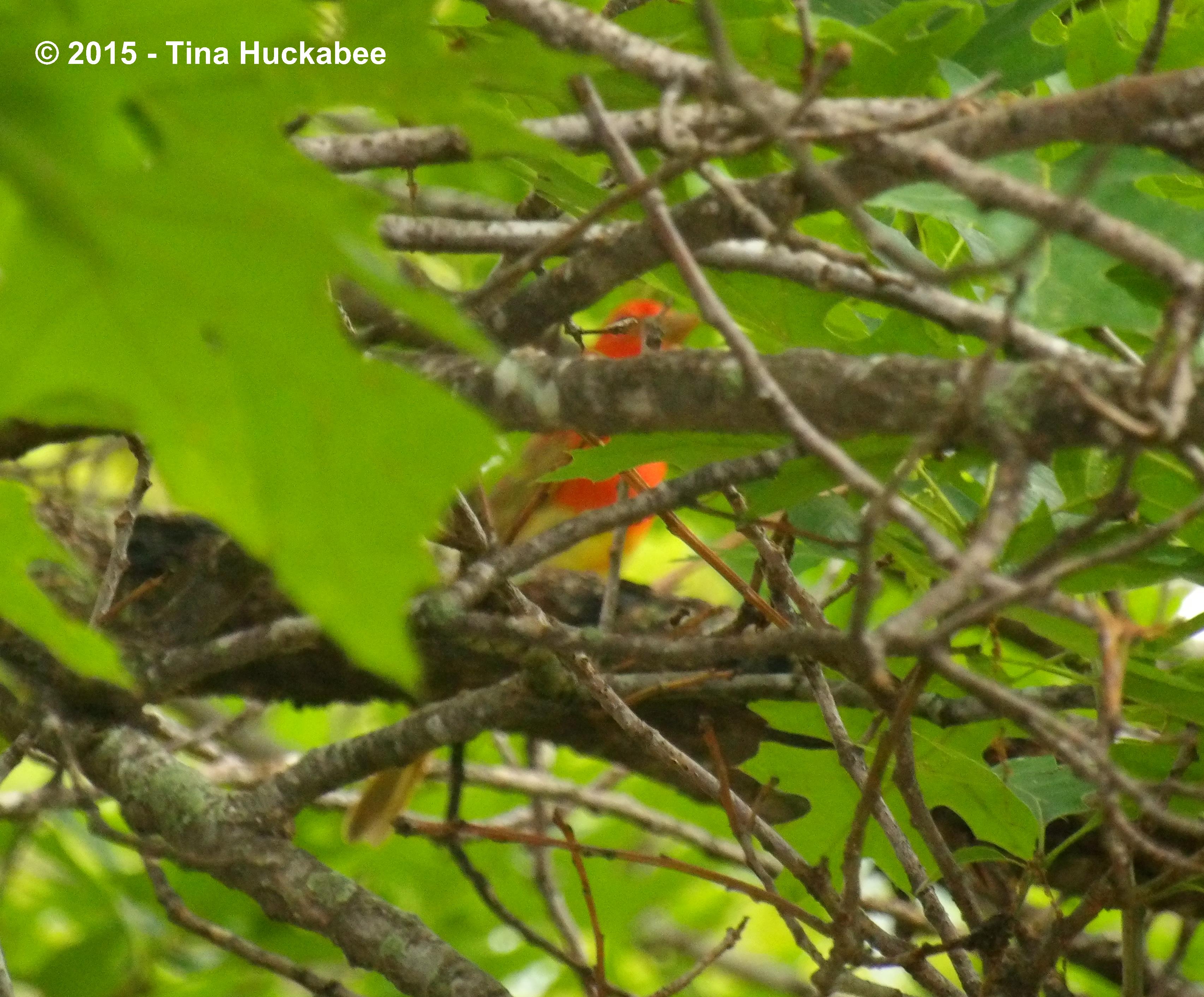
I observed a bird that I’d never seen before, flitting between my Shumard Oak tree, just above where my honeybee hives are located, and a neighbor’s tree. Because he was shy, this was the best photo I could get. Look at that color!!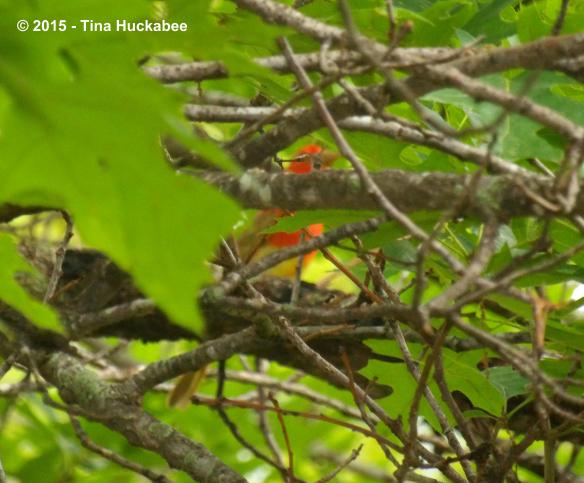
This gorgeous thing is a juvenile male Summer Tanager, Piranga rubra, and is North America’s only truly red bird. They breed in Texas, though I’ve never seen one before; it may have been passing through or perhaps he lives in a nearby area. I wondered aloud why he kept returning to the oak tree and The Husband offhandedly suggested that maybe the Tanager eats bees. I whipped out my phone and checked the Cornell Ornithology Merlin app and read about this eye-poppingly beautiful bird. Indeed, they hunt bees and wasps! They catch the bee as they fly (both bee and bird), hit the bee on a branch (ouch!!) to kill it, remove the stinger and chow down on bee/wasp. My poor honeybees–that’s why the bird was hanging around! But that’s the natural world–not necessarily pretty, tidy and well turned out, but always interesting.
I hope your gardens benefitted from wildlife visitors this month and that you will join in posting for May Wildlife Wednesday. Share the rare or mundane, funny or fascinating, beneficial or harmful critters you encounter. When you comment on my post, please remember to leave a link to your Wildlife Wednesday post so readers can enjoy a variety of garden wildlife observations.
Happy wildlife gardening!
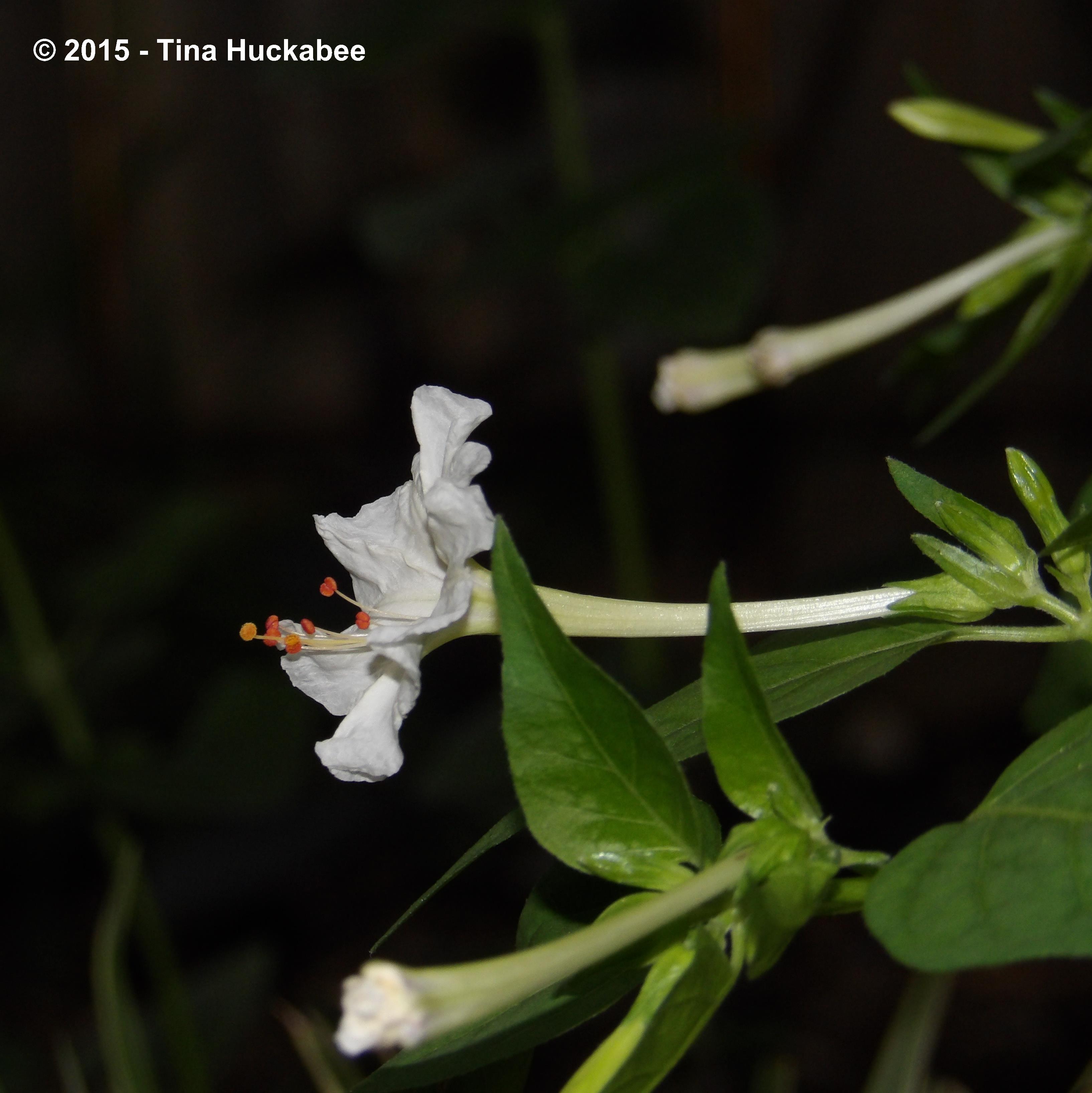

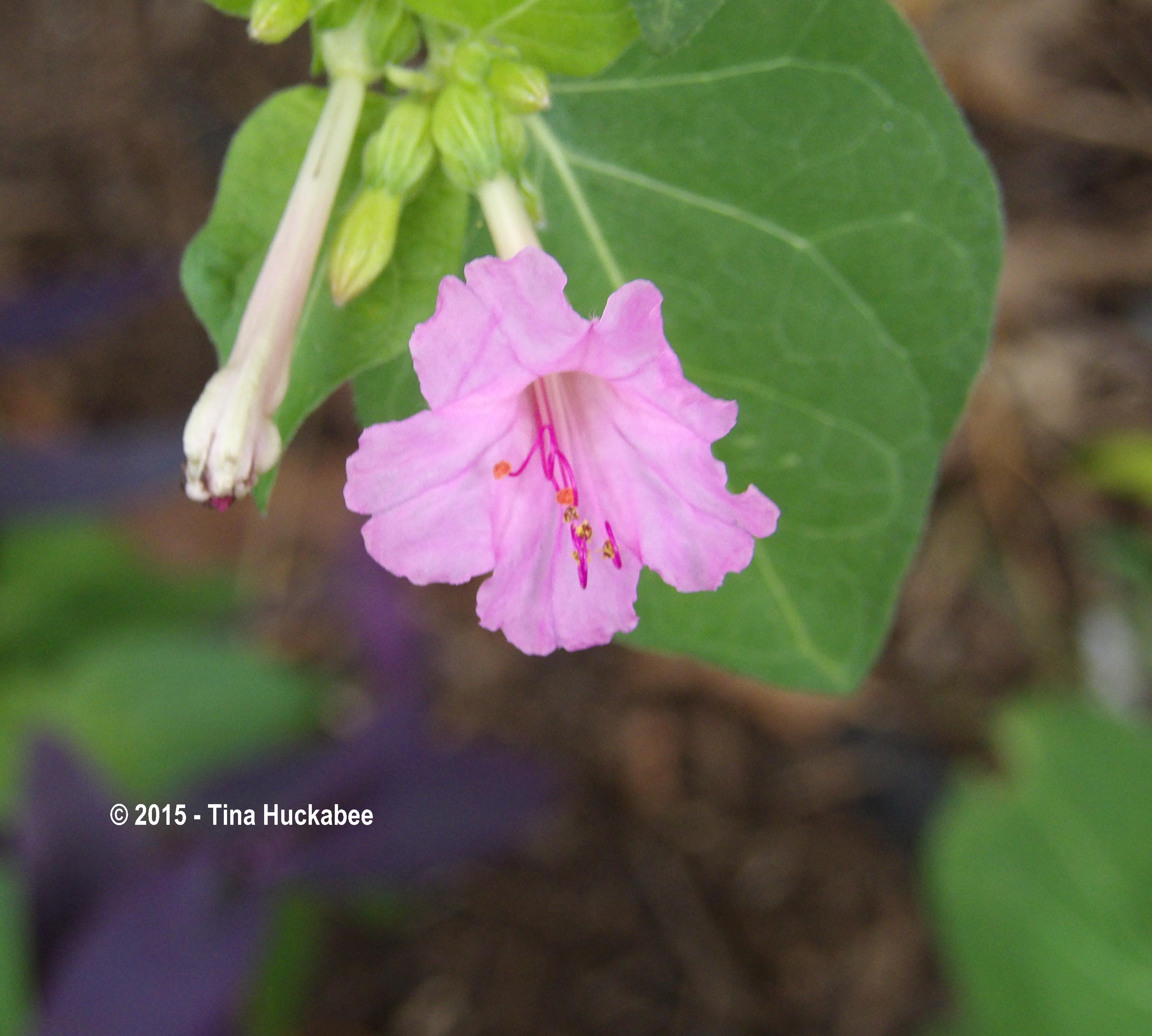

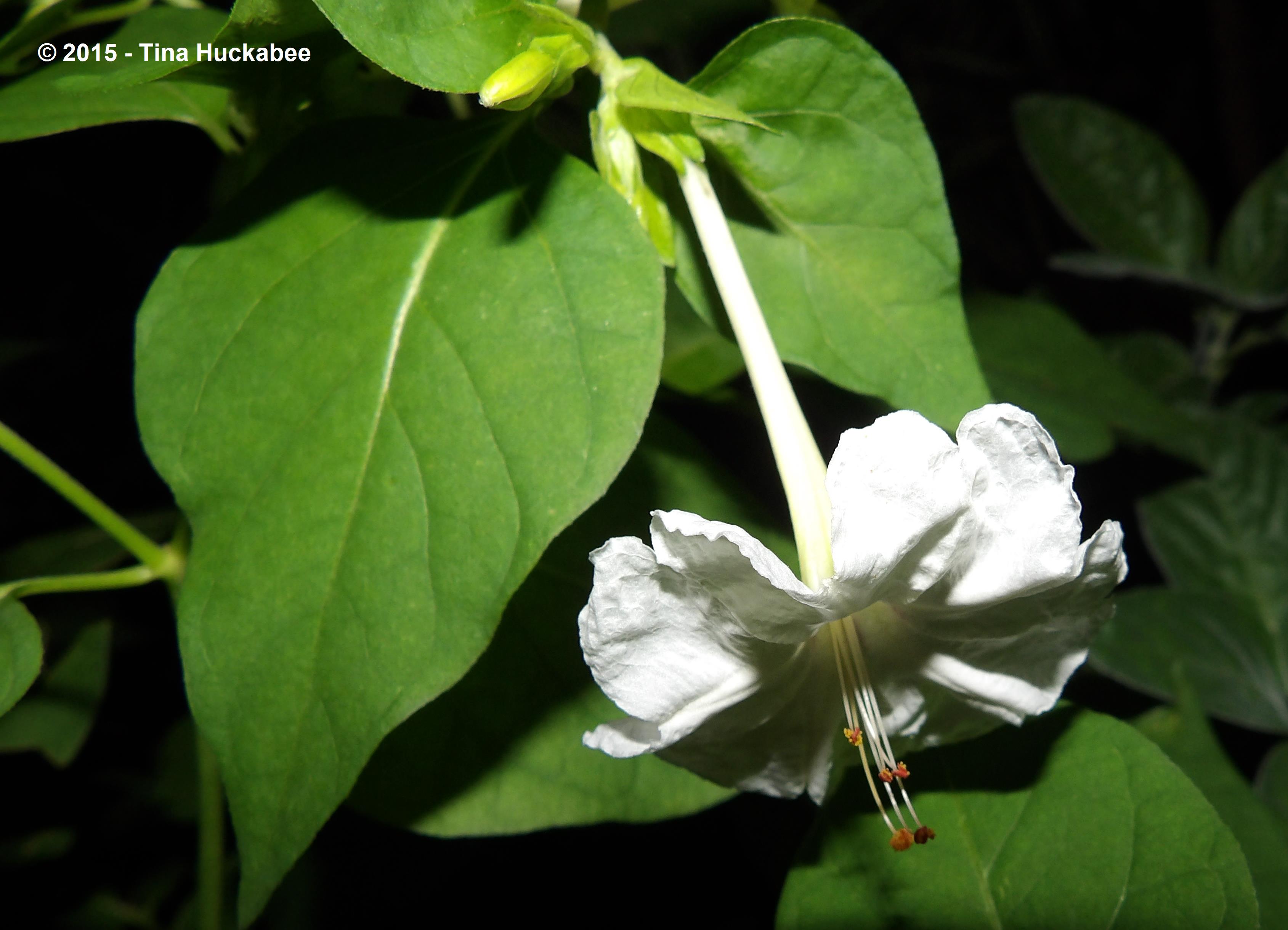
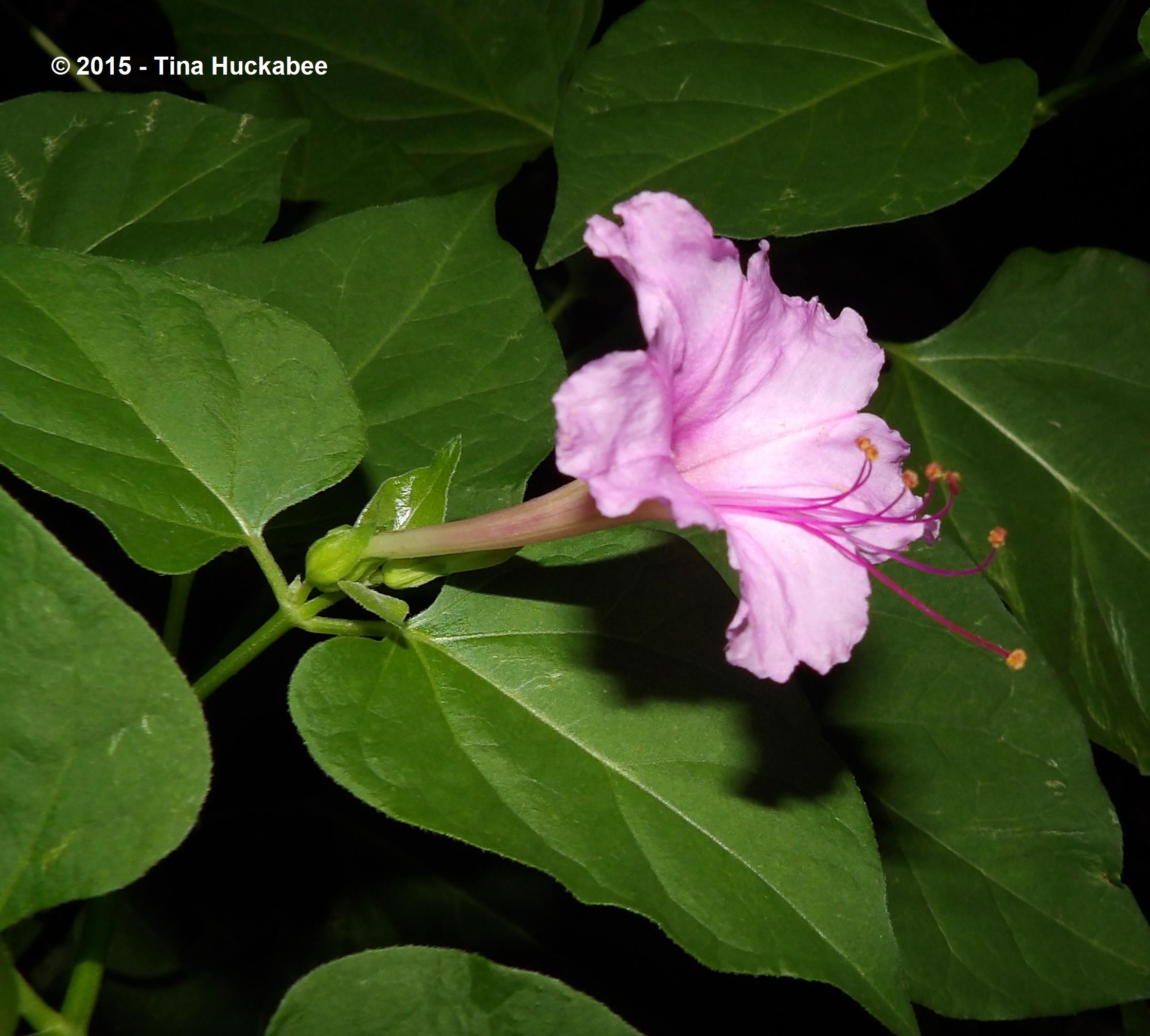
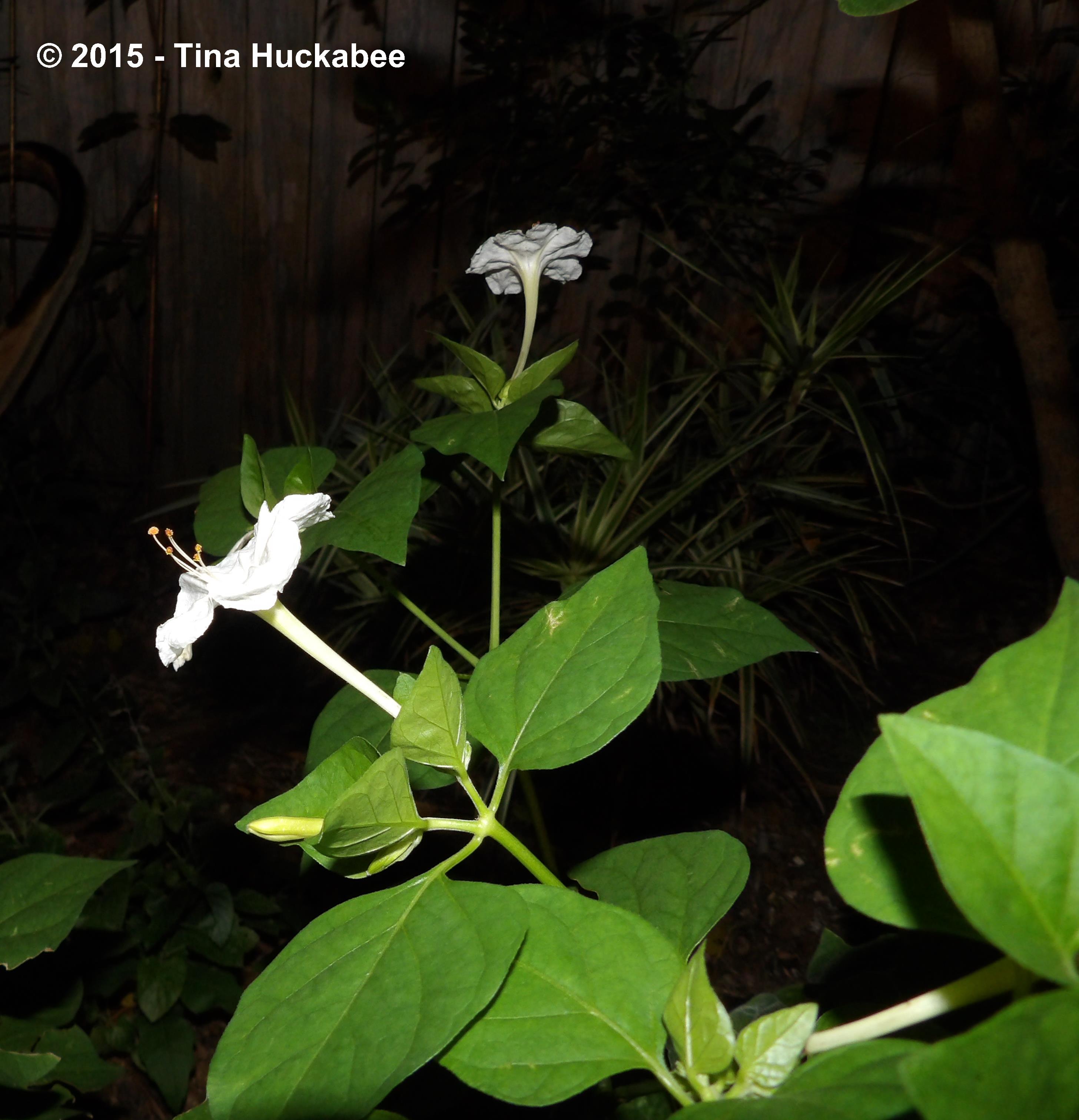

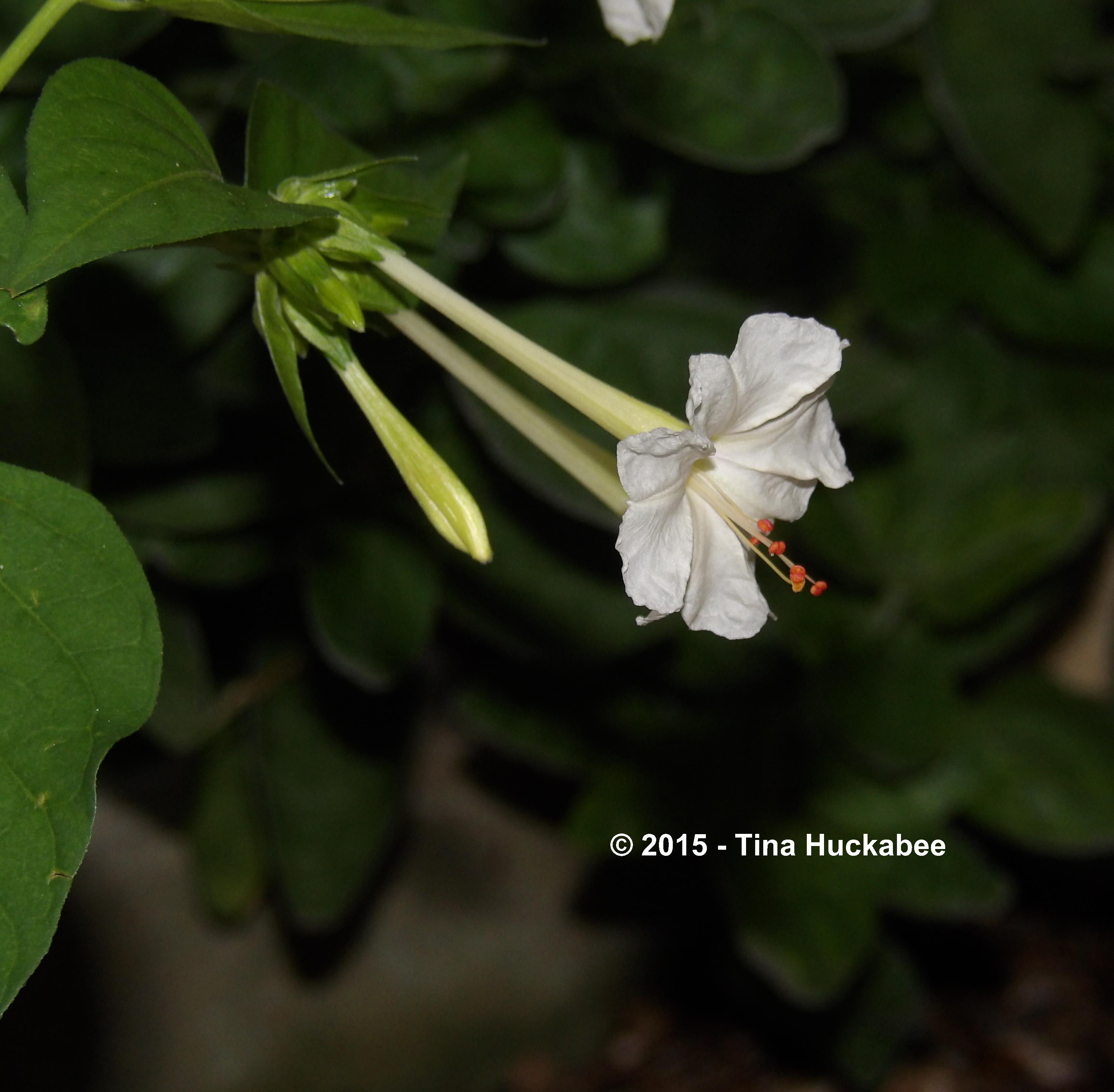
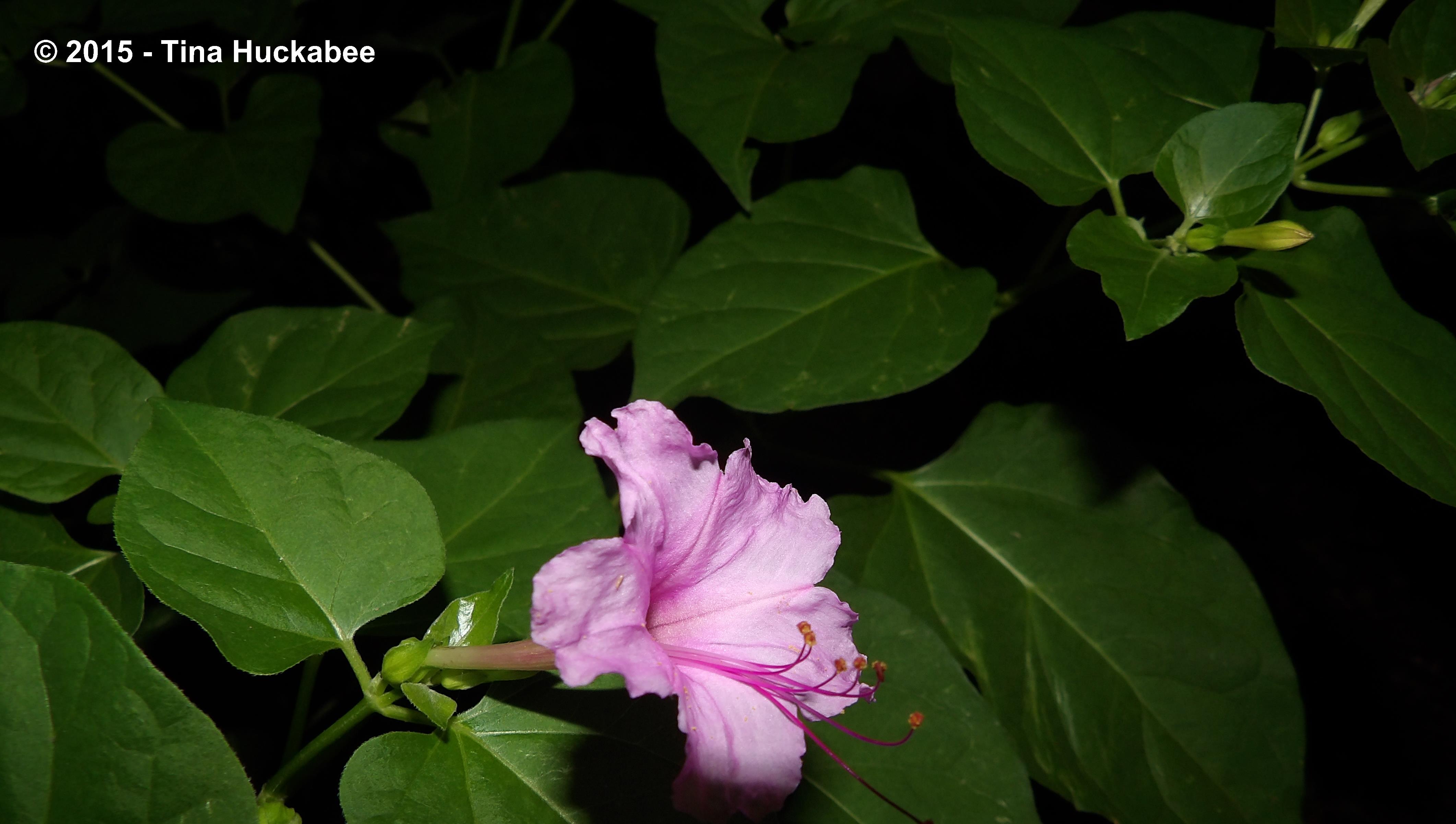
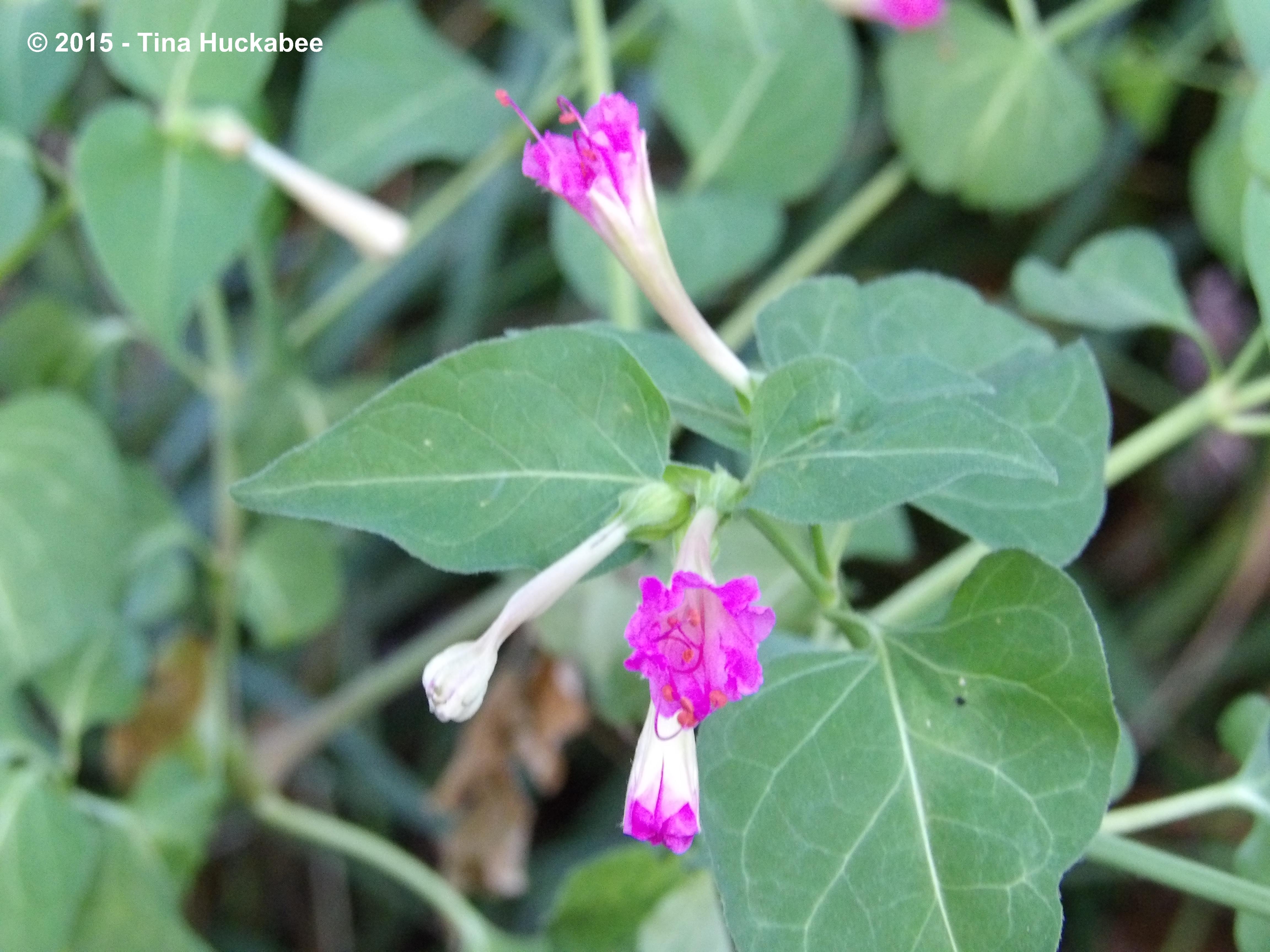
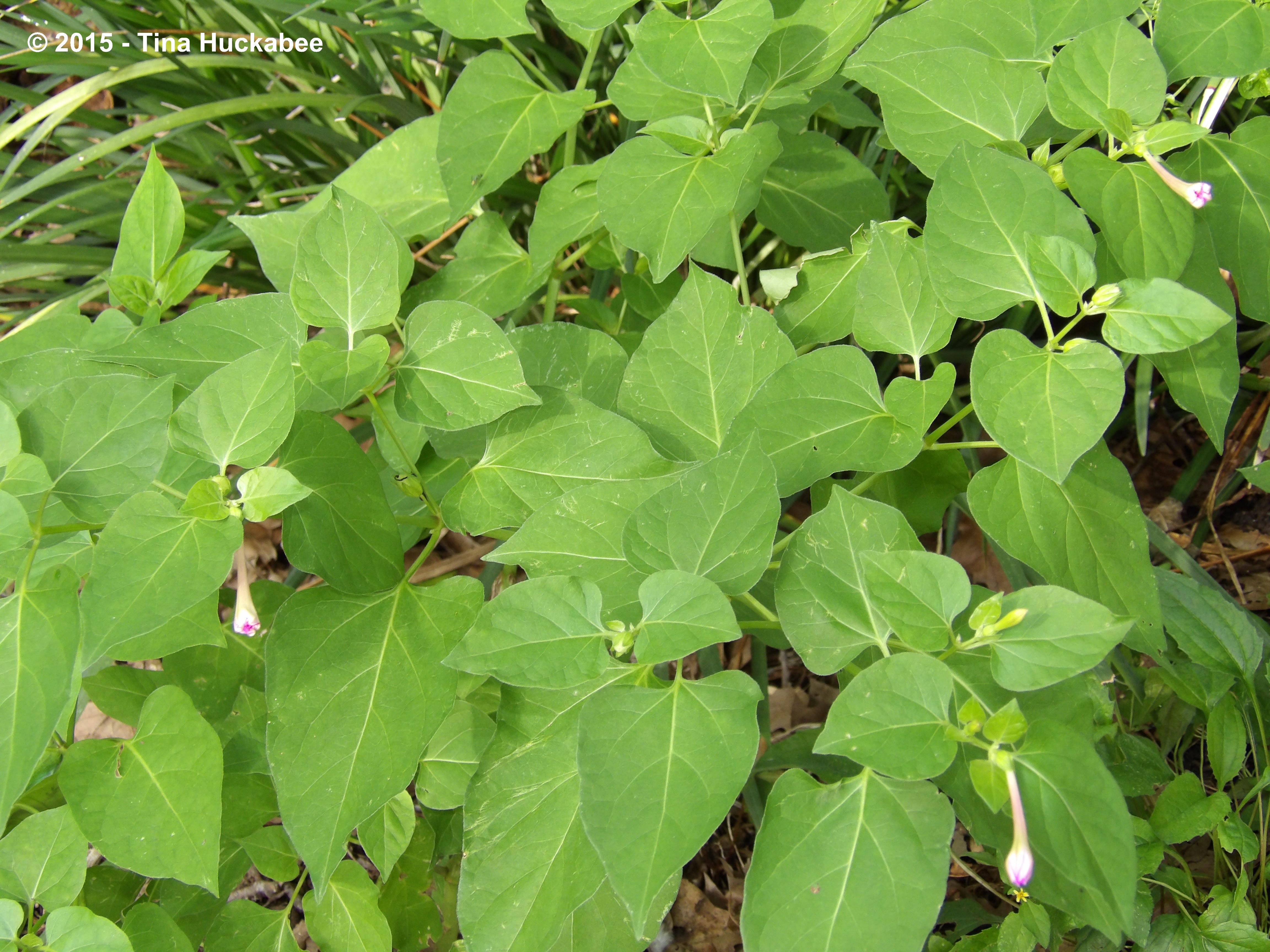
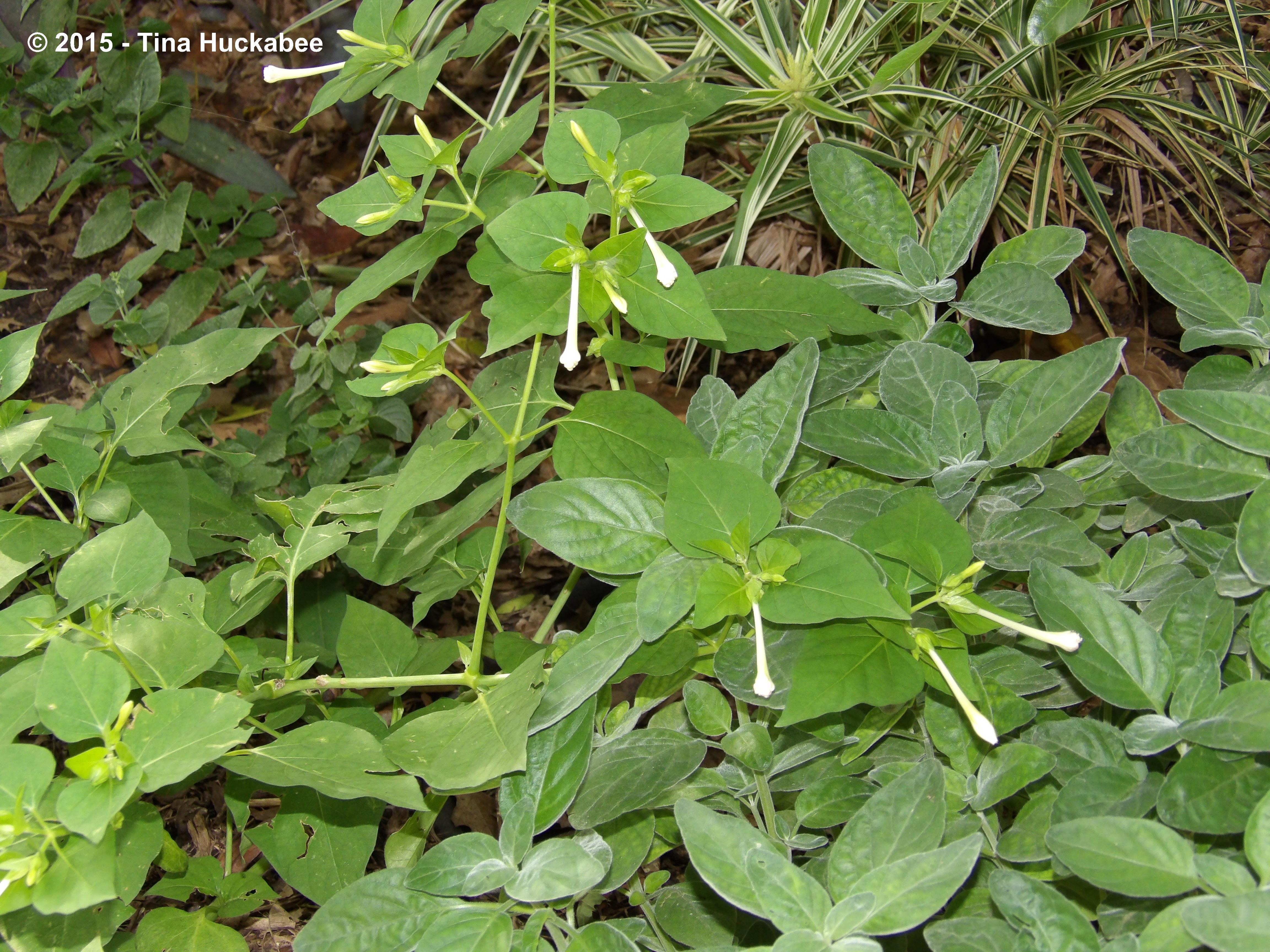
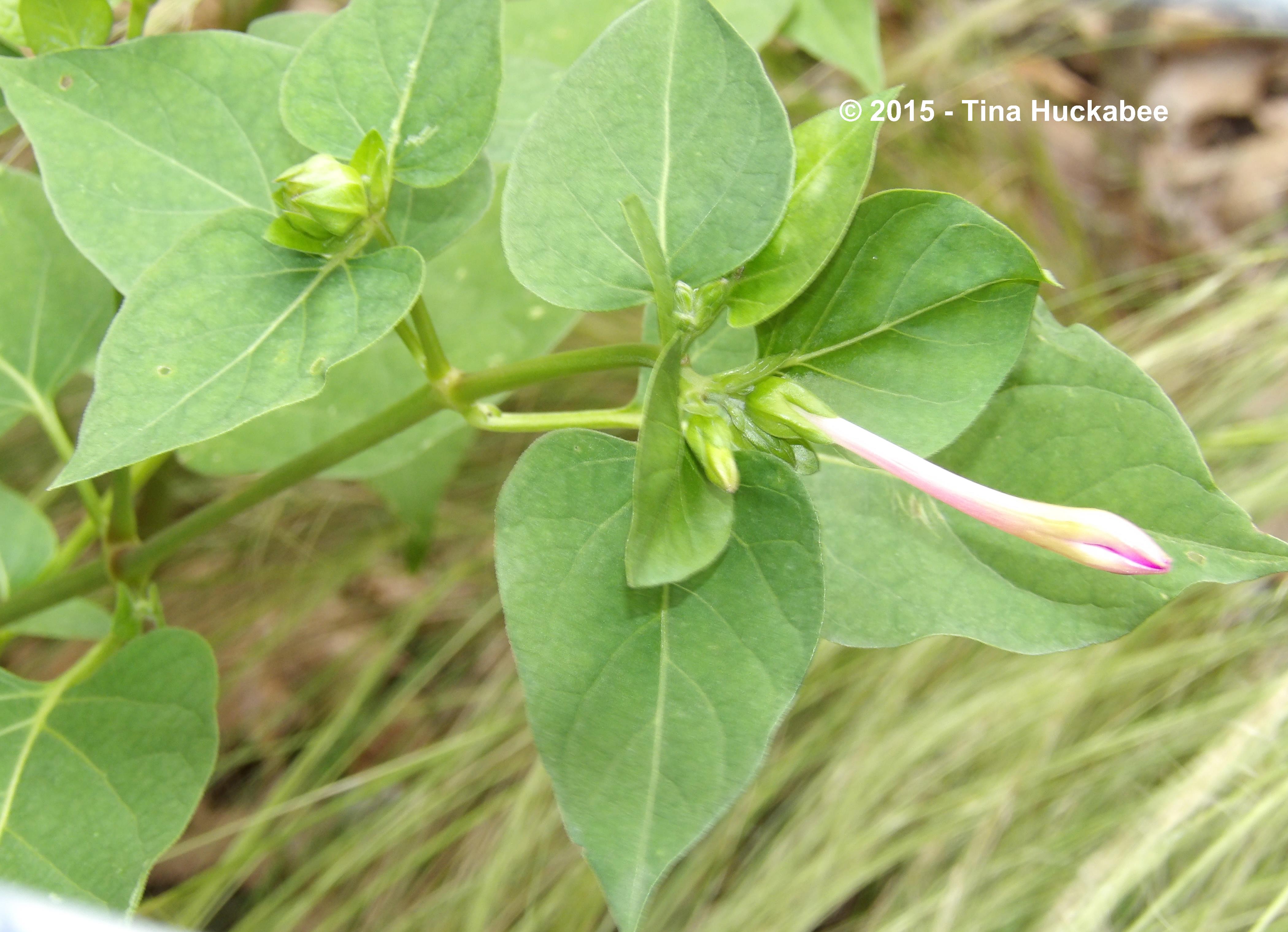
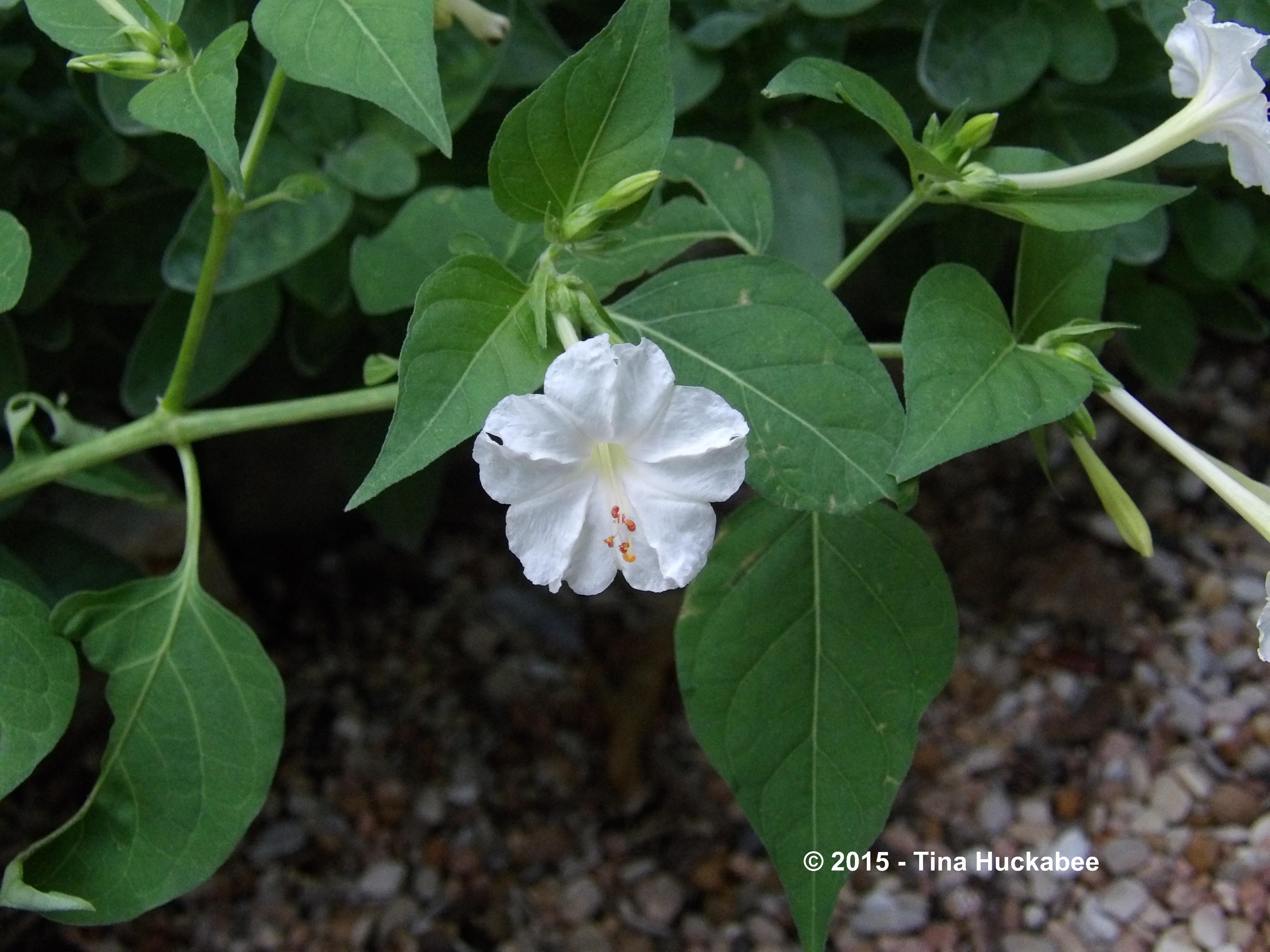 I’ve always thought Four O’Clocks would be great companion plants to the native Texas Rock Rose, Pavonia lasiopetala.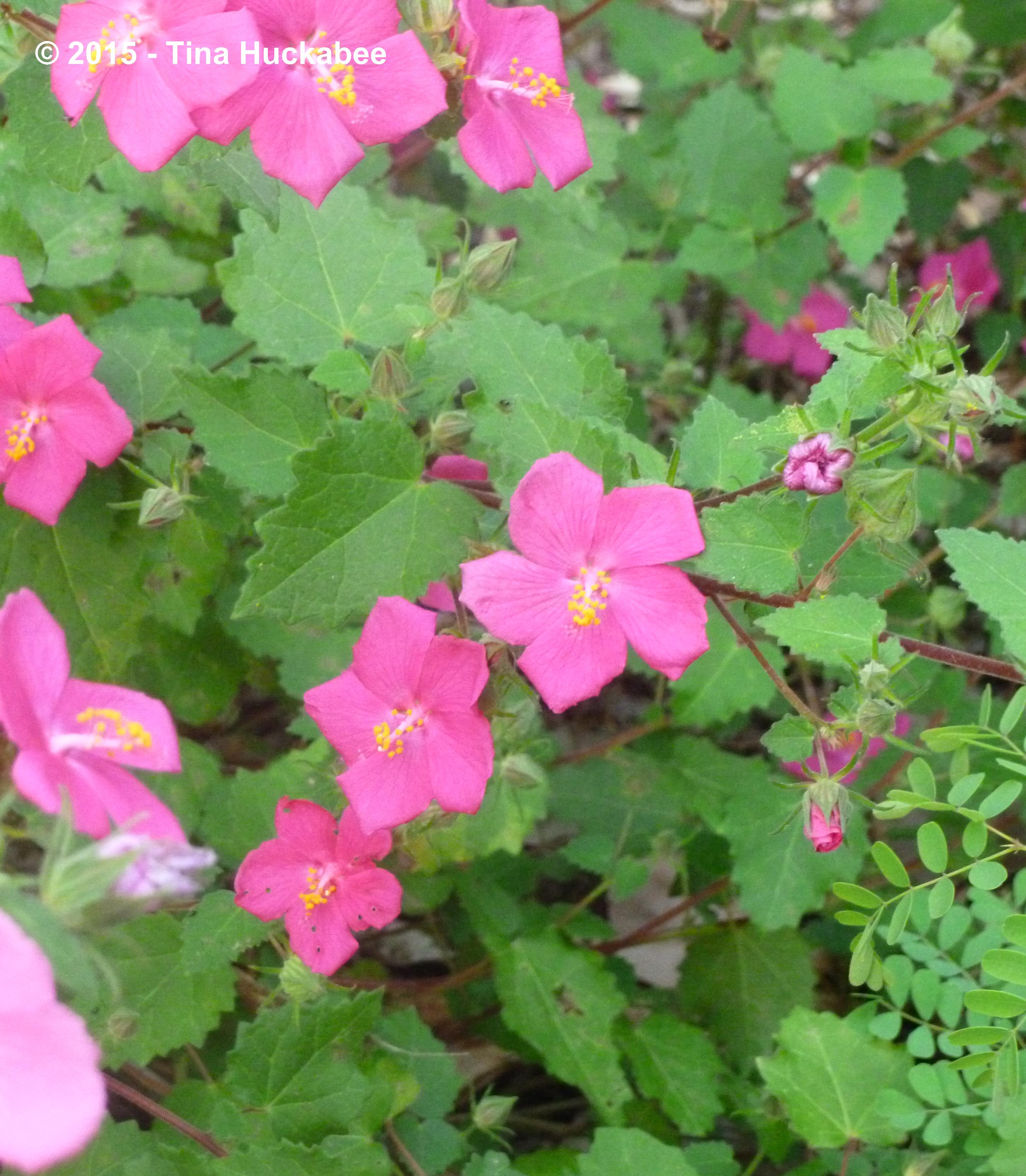



















 My Gardener Says...