To mark the 17th year of celebrating native plants of Texas each third week of October, I thought I’d profile a few of my favorites. That’s a bit of a joke, as at one time or another, I’ve designated all of the plants I grow in my garden as one of my favorite plants!
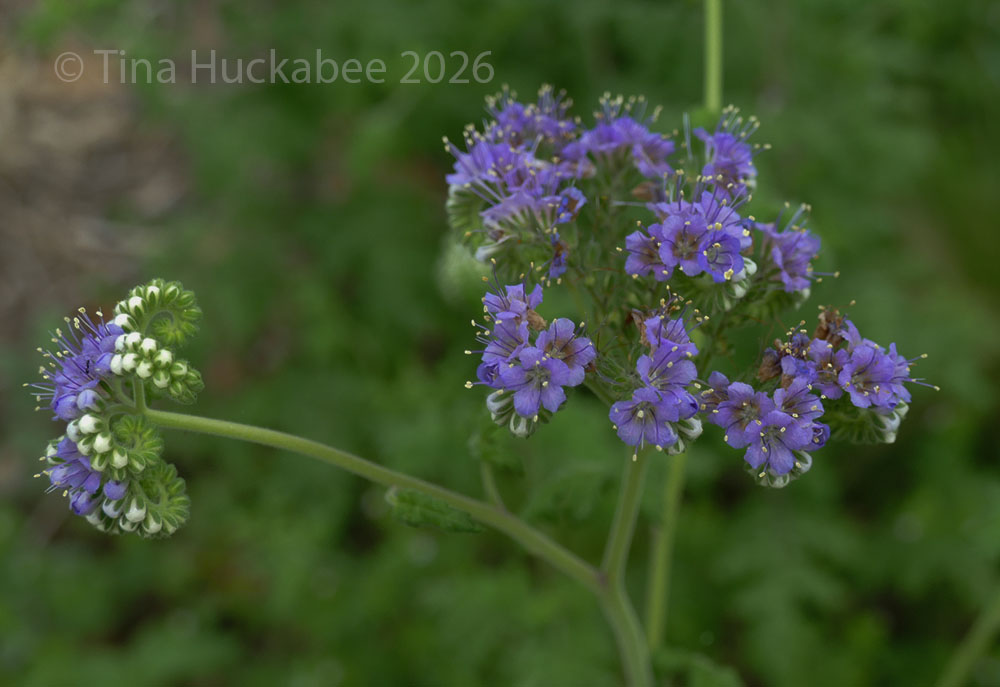
I’m not a purest, I grow a number of plants that aren’t native to Texas and they really are some of my favorites. But Texas is a big place with a huge variety of flora and fauna and our native plants are–like all native plants everywhere–lovely, resilient, and special to this particular place on the Earth.
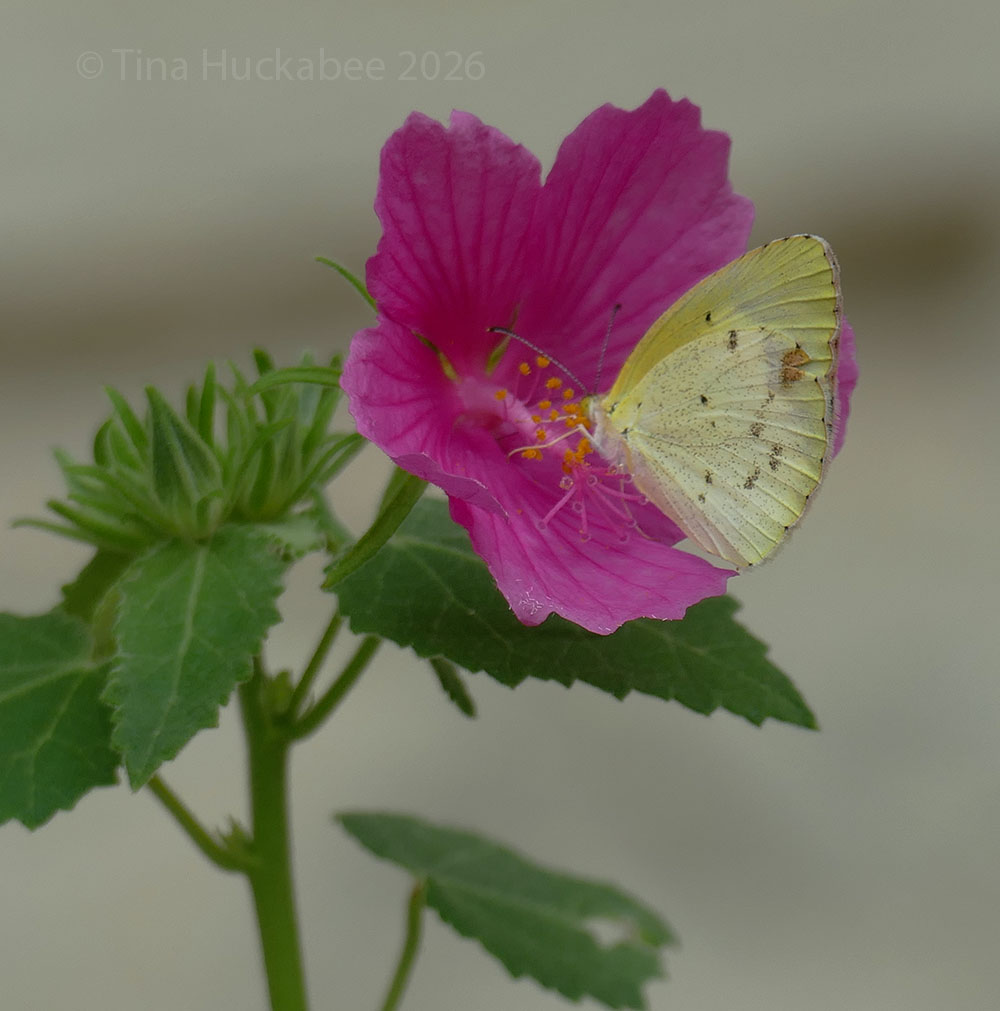
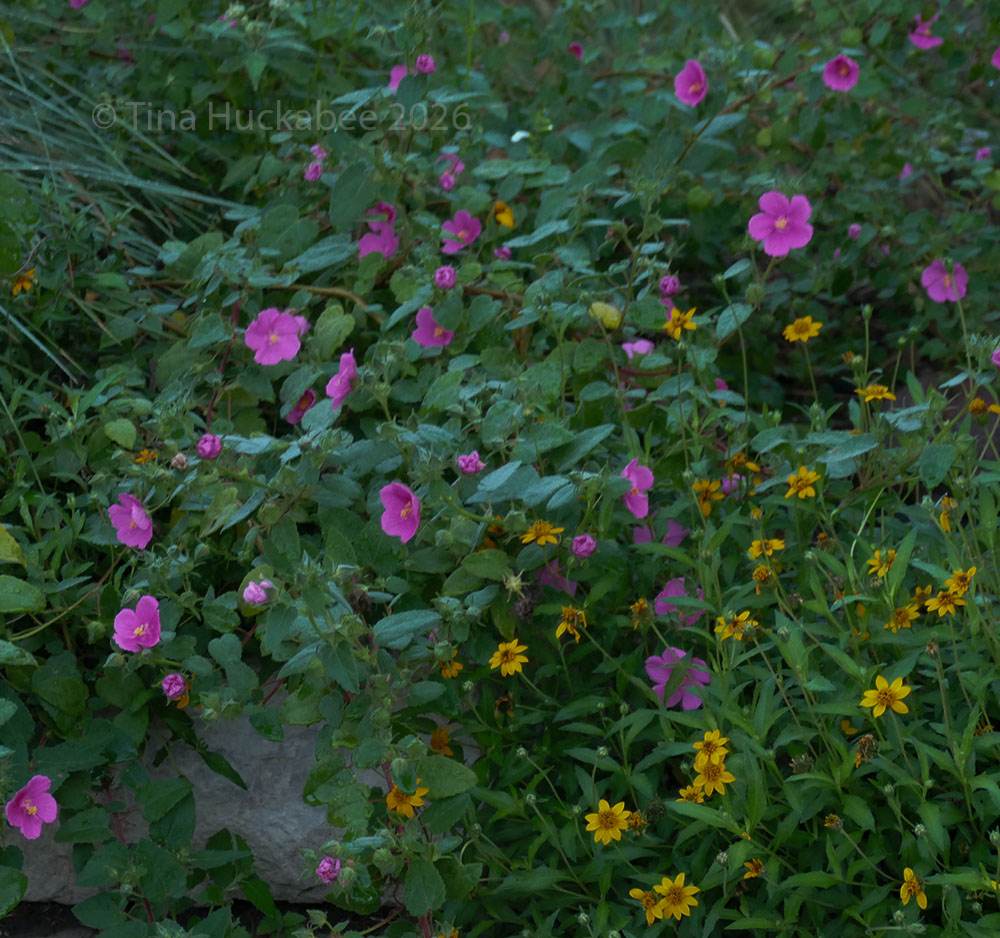
I live in Central Texas, straddling two ecological regions: westward resides the Edwards Plateau, eastward sits the Blackland Prairie. My own garden profiles plants comfortable growing in both regions, though plants evolved in the Edwards Plateau generally need good drainage and full sun.
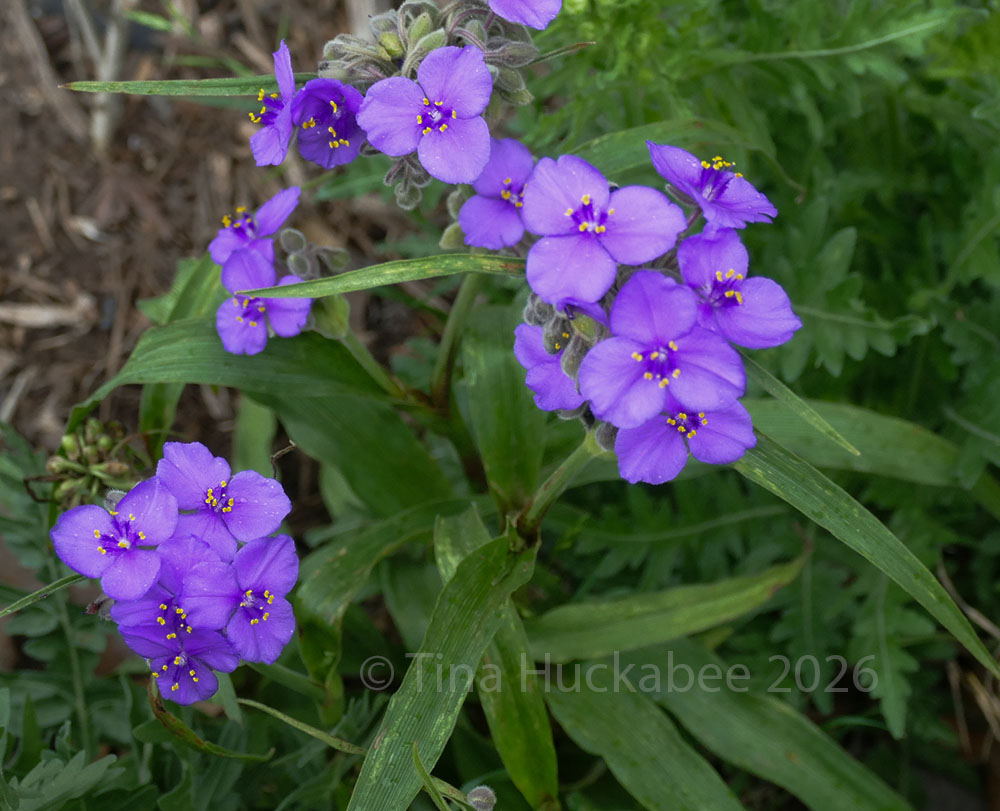
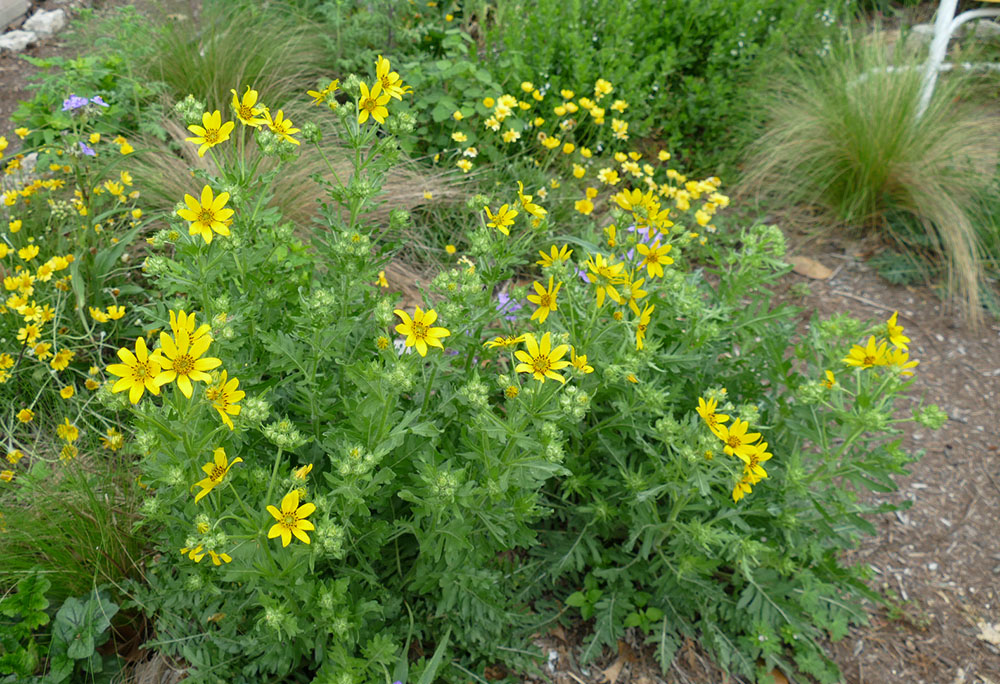
My garden’s soil is richer and deeper than in other parts of Austin, for which I’m grateful. I don’t augment my soil for trees, perennials, shrubs, or annuals: I dig, plant, sometimes toss a dab of compost over the dig site, then mulch and irrigate. From early in this gardening adventure I desired hardy plants which thrive in the native soil, with little fuss or bother.
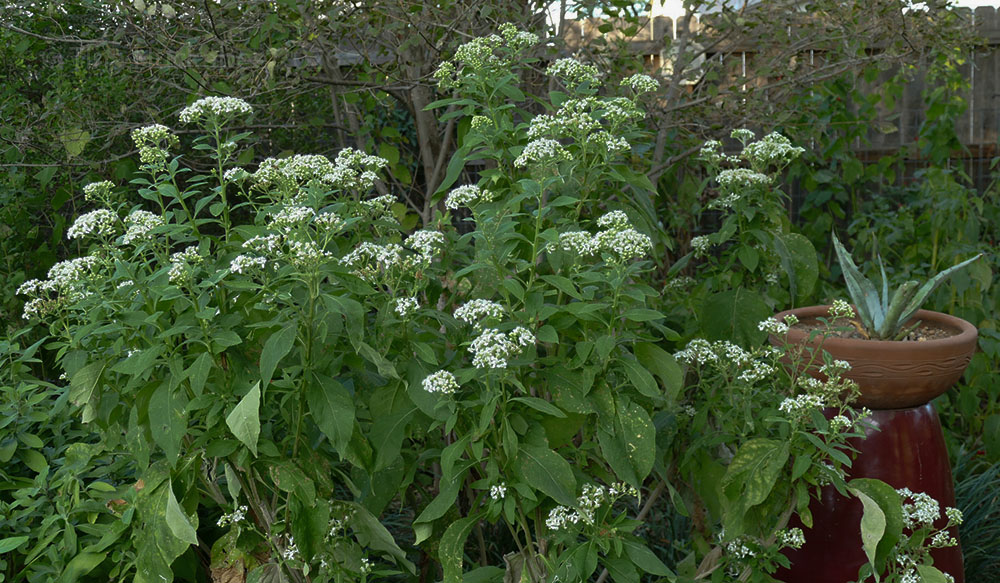
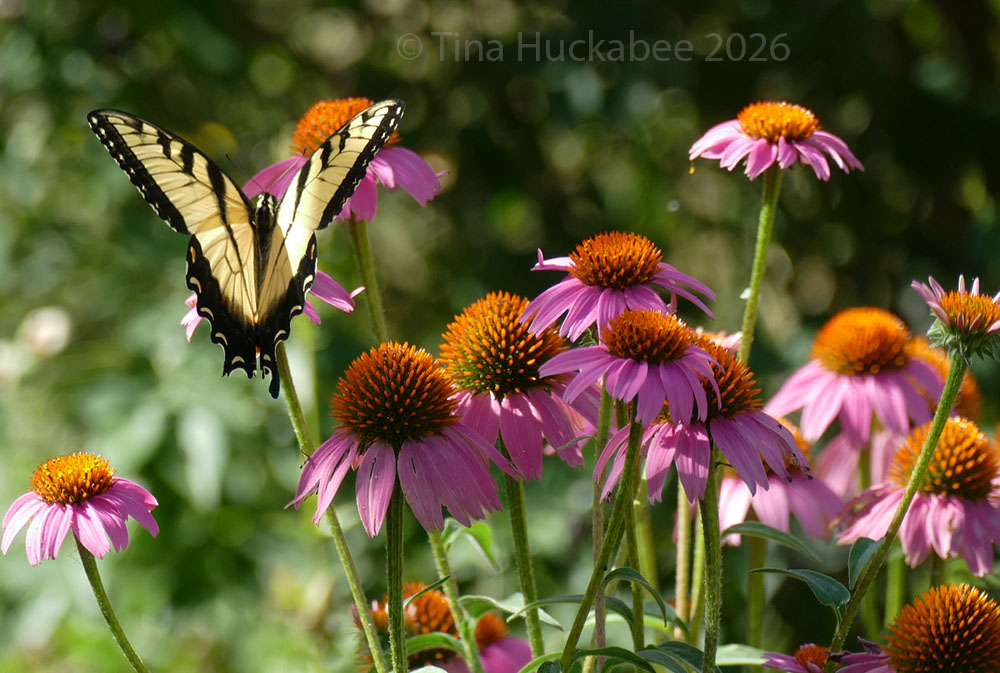
I don’t baby any plants, but rather grow what works in my garden with minimal exertion.
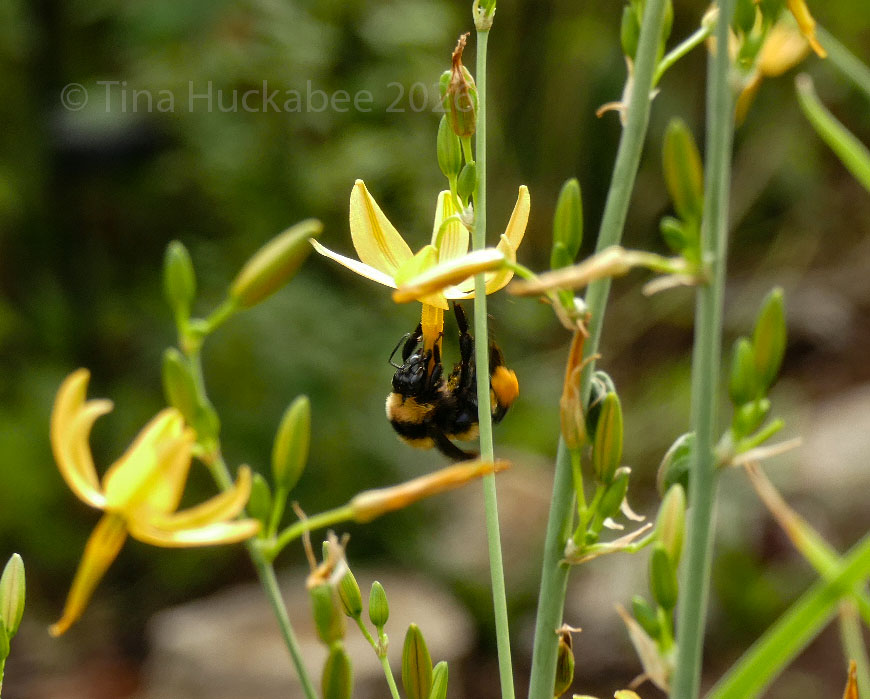
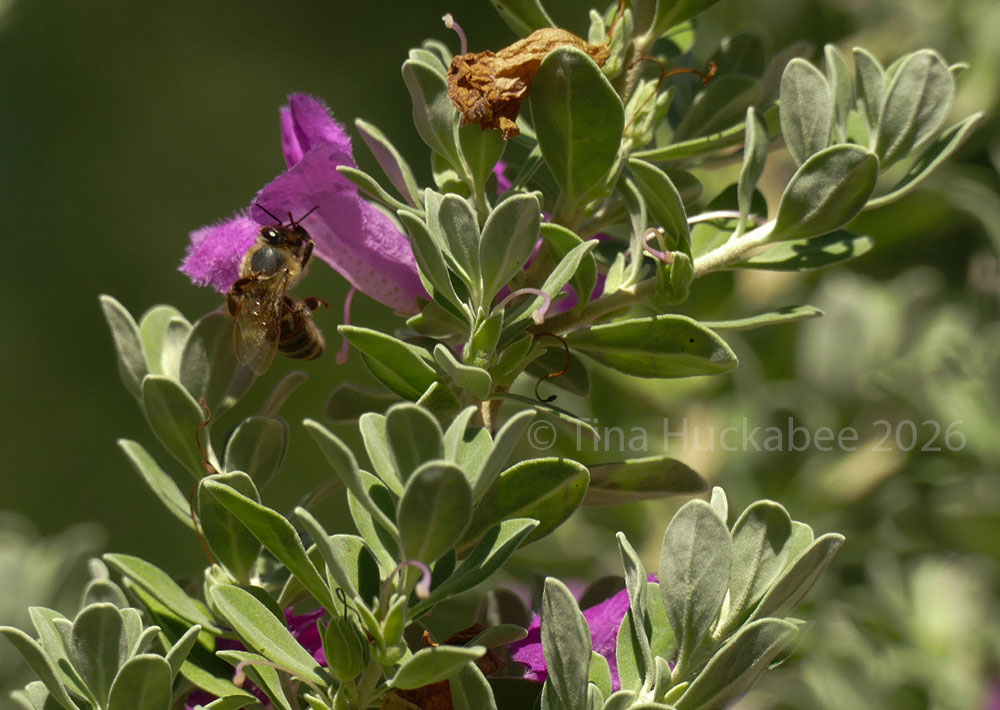
I water sparingly. I don’t have a sprinkler system, but only a network of soaker hoses which “sweat” water to the root system of the plants. I hand water when I transplant, but only for the initial period of a few days or weeks, depending on the season. For established gardens, I irrigate only during the mid-to-latter part of summer. My back shady gardens receive only what nature delivers.
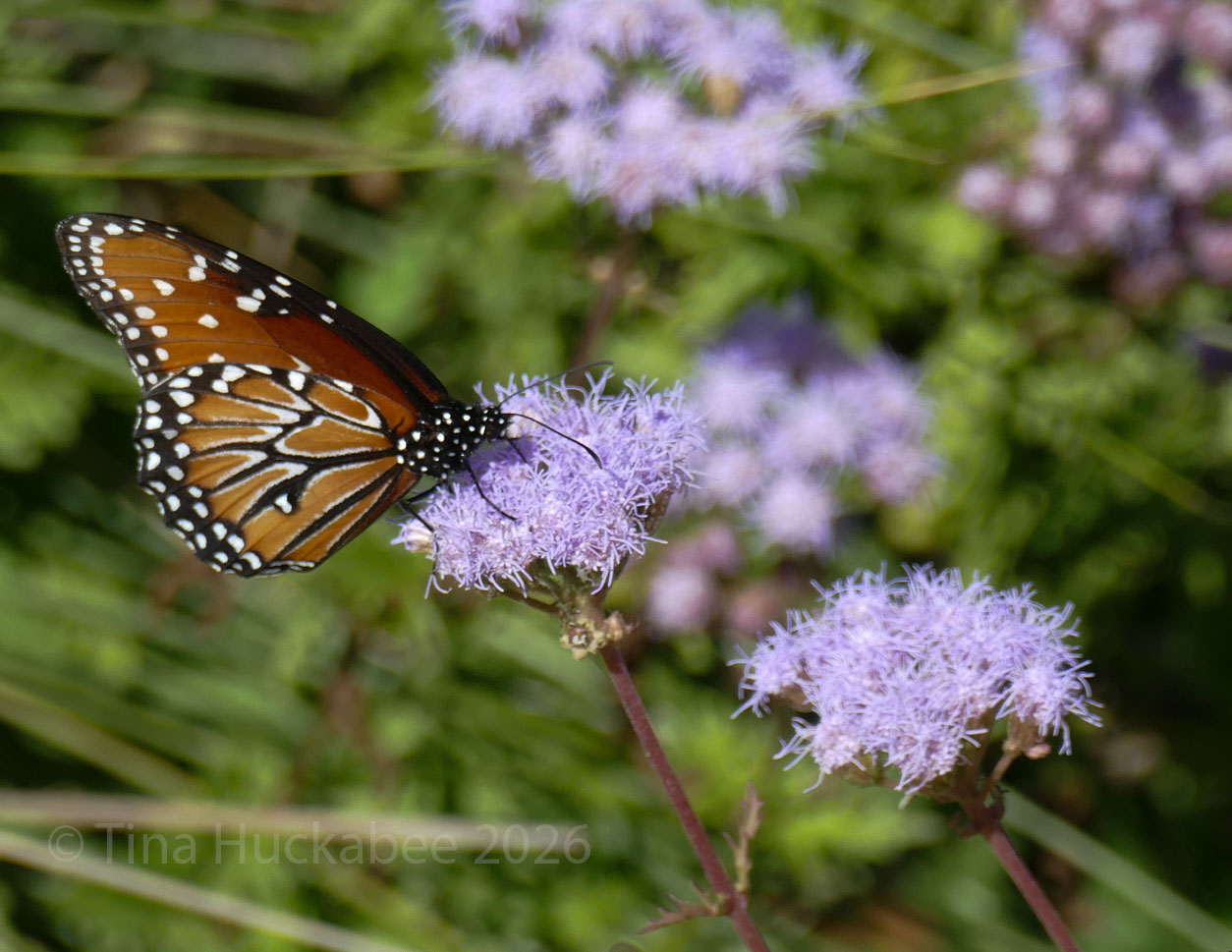
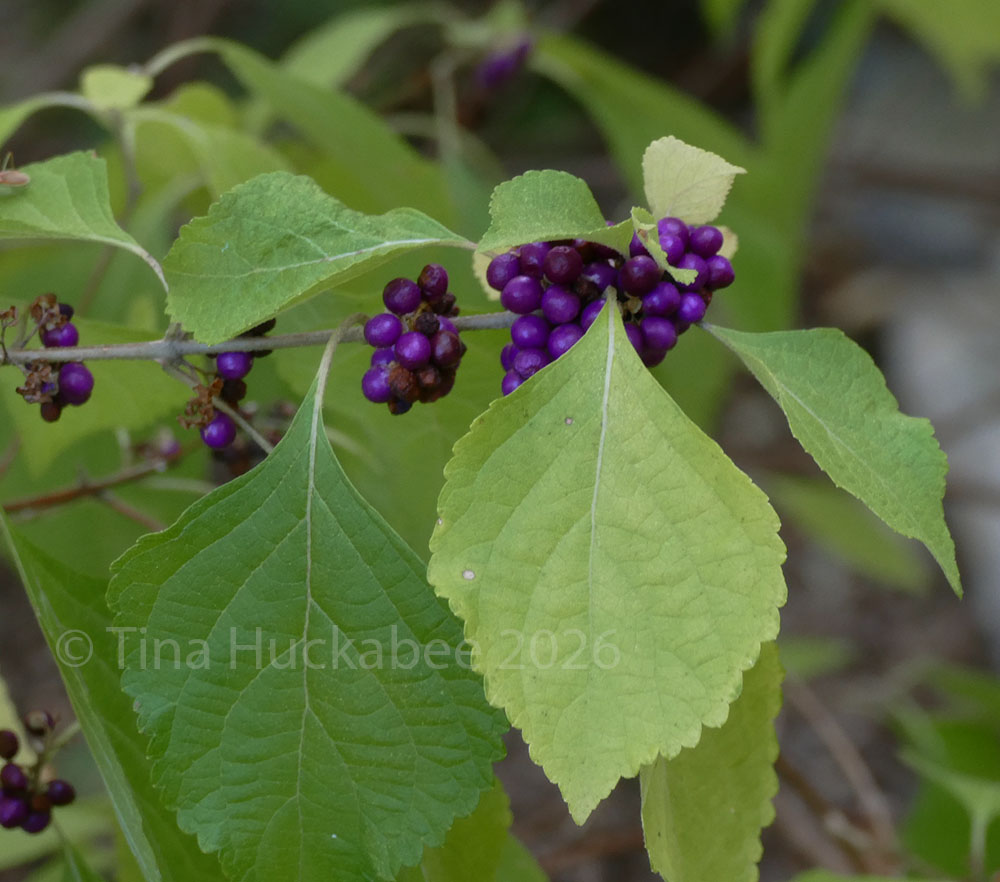
I plant for diversity, for wildlife, and for what can survive and thrive without constant care.
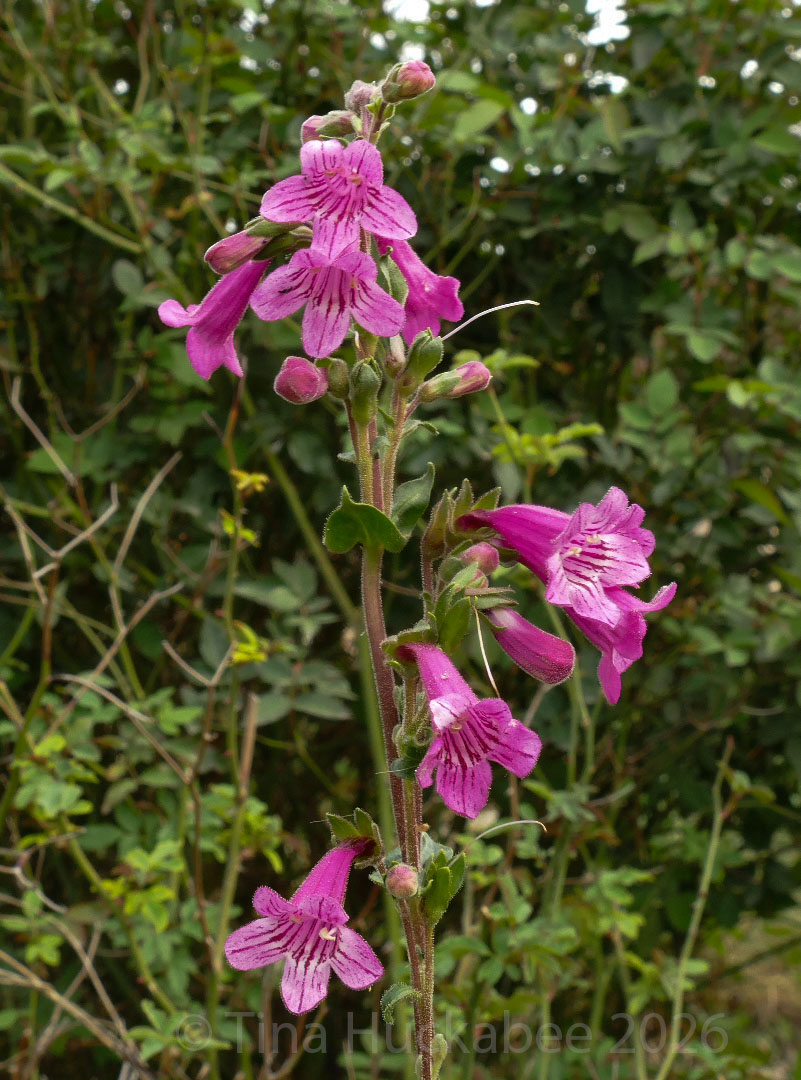
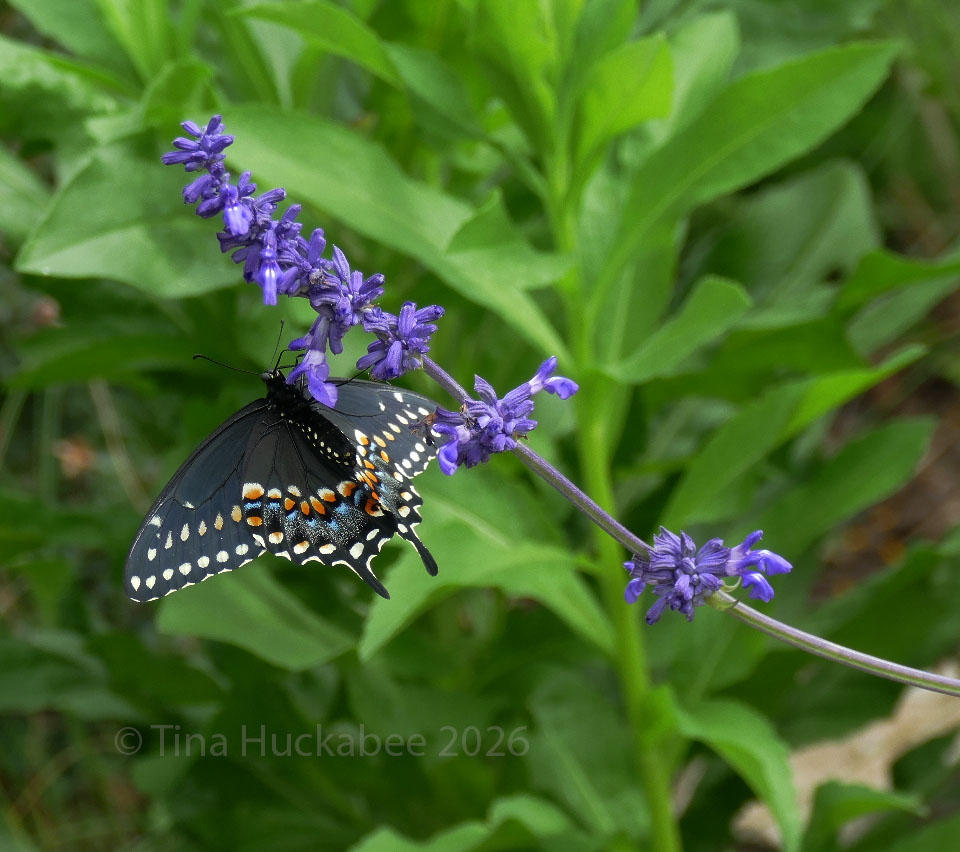
For this post, I profiled perennials and shrubs. There exists a whole world of shade trees, smaller understory trees, and annual wildflowers which deserve their own story. Perhaps another time…
I view my gardens as separate communities, each growing with different combinations and textures, and exposure to sunlight. I allow those that re-seed to have their way–to a point–but take control when plant chaos threatens. After all, native plants are survivors and they reproduce prolifically for the future!
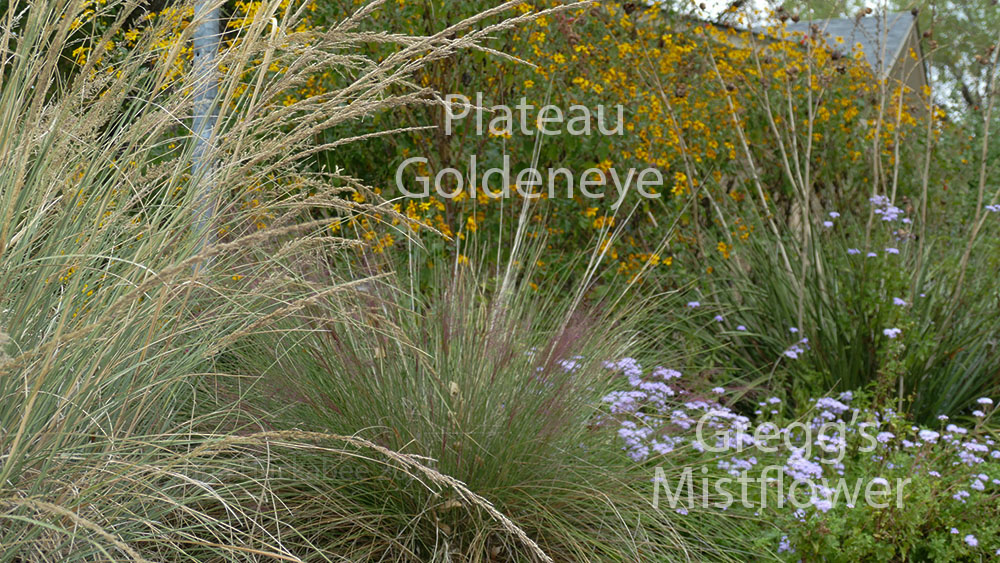
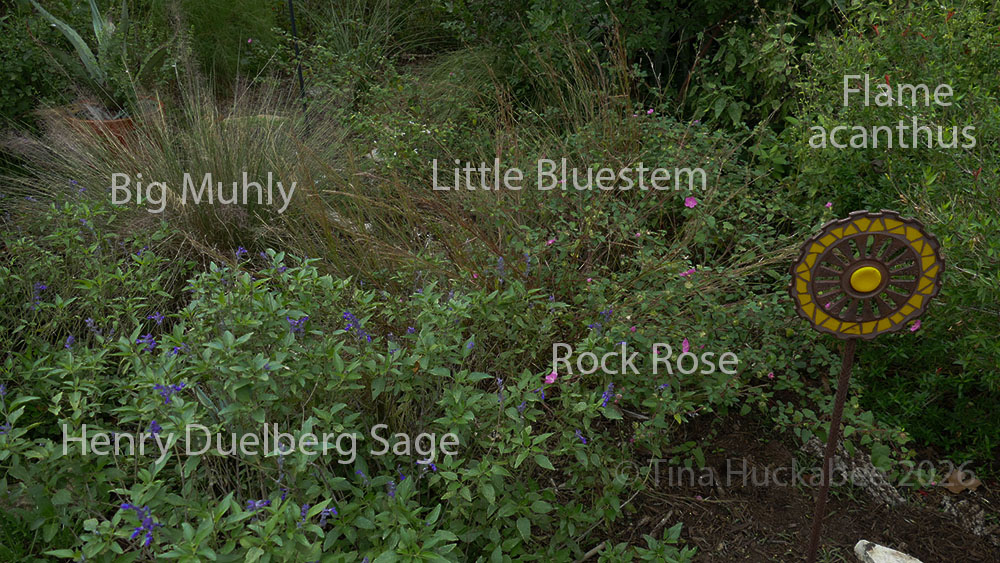
I plant what I find beautiful, but also requires little effort. I plant to support critter life: birds, insects, mammals, reptiles. I plant to limit water use. I plant for what brings me joy and a sense of place. Native plants fulfill all those requirements.
Go natives!