Congratulations! You’ve decided that you’ve had enough of your boring, sterile, wasteful, water-hogging, hydrocarbon-spewing, chemically dependent lawn. You’re going to remove some or all of it and plant a native plants garden!
Woohoo!!
Now what? Where do you go for information?
The thing about gardening that most folks don’t realize is that it is a region-specific endeavor. The way I garden here in Central Texas, and specifically in my part of Austin, is very different from how someone in Dallas, Texas, Oshkosh, Wisconsin, or Eugene, Oregon gardens. Gardening practices common in the Northeastern part of the U.S.do not work at all in Arizona. From temperature variations to soil considerations, appropriate plant choices and gardening practices are significantly more complicated than most people realize and require some level of knowledge and planning.
Our horticultural industry is partly (okay, largely) to blame for confusion in new gardeners: they want to sell me the same plant that they sell to a gardener in Maine, or northern California, or Florida, and it just doesn’t work. Or, probably it won’t work. Sure, there are some plants that transcend region, but few.
That’s one reason why using native plants is important. Native plants impart a sense of place–born and bred where they grow in nature, they belong to particular areas. Native plants thrive with regional temperature variations and soil complexities without help. Additionally, wildlife like insects, birds, and mammals of all sorts evolved in concert with their native plant hosts and food sources, and flock, buzz, and crawl to native plants for their sustenance and survival. Plants from “other places” cannot provide for wildlife like those that are biologically and evolutionary attuned to the nutritional and life requirements of endemic and migrating wildlife.
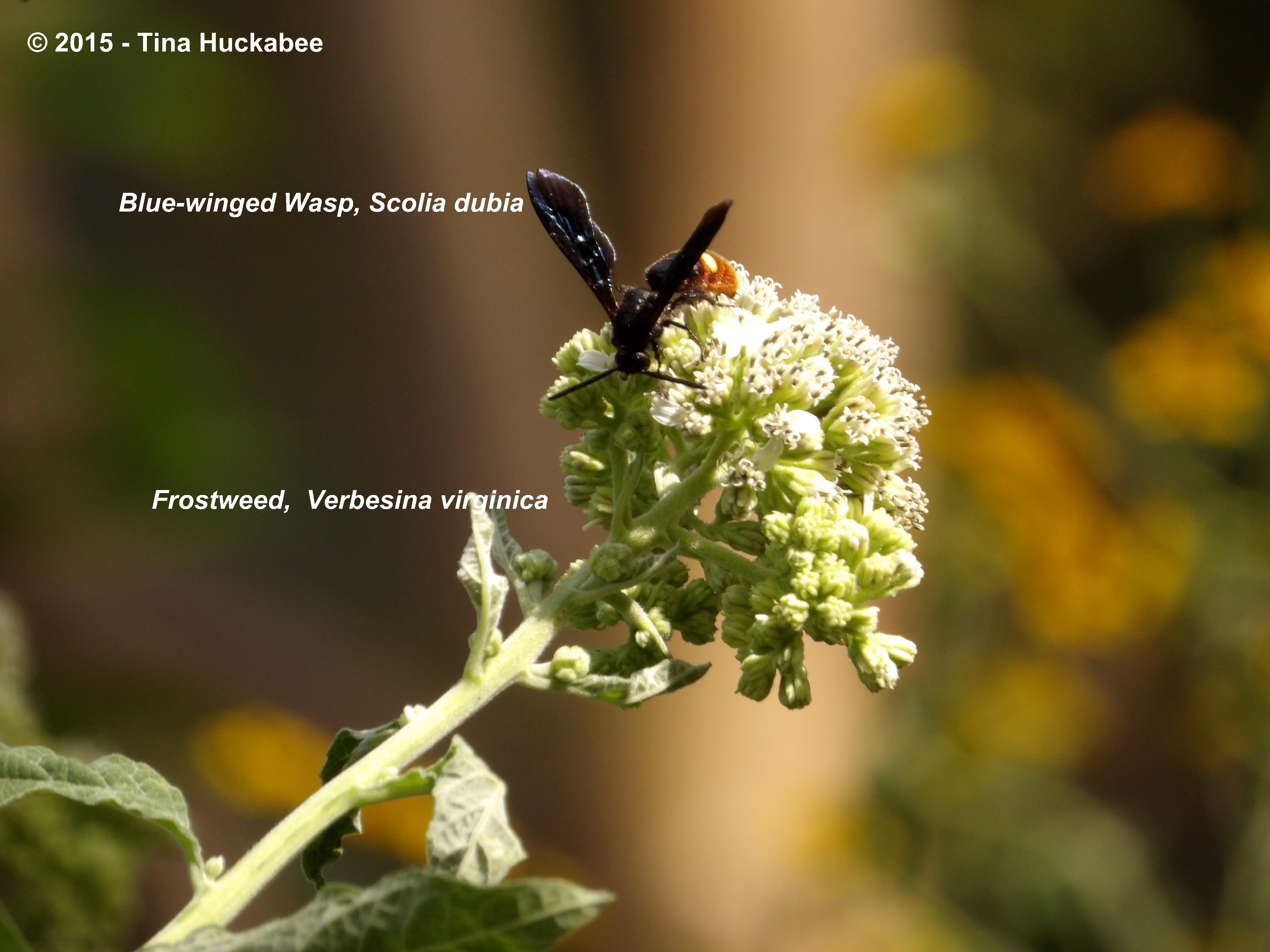
Gardens are more complex than a swath of green lawn and a few foundation plantings.
Where do you go to learn? Your locally owned nurseries and growers are often leaders in promoting the use of native plants. Visit and purchase from them in lieu of the big box nurseries which usually don’t sell native-to-region plants.
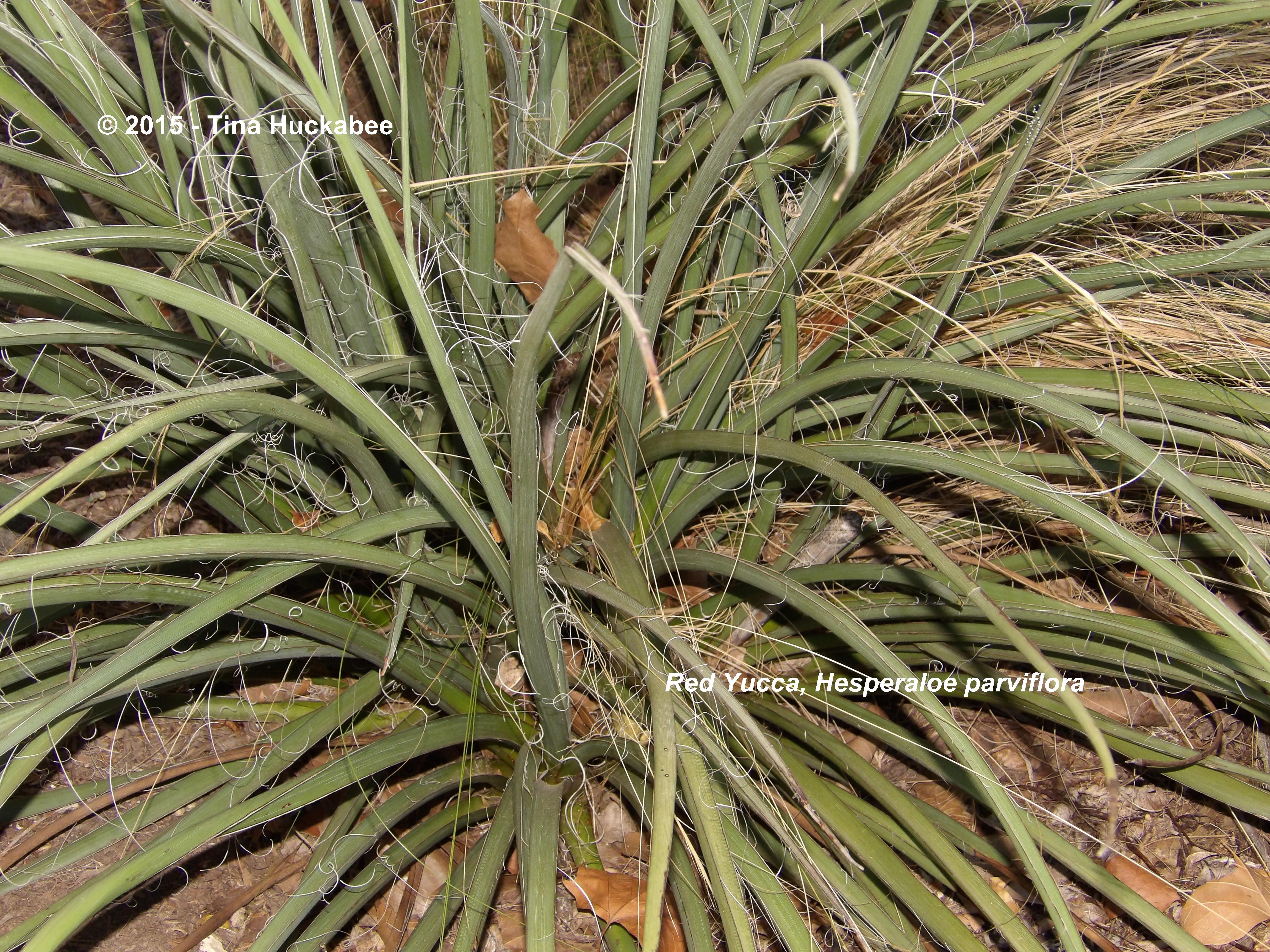
Most communities host a variety of garden organizations, including native plant societies, wildlife gardening groups, Master Naturalist and Master Gardener groups. Attend some meetings and ask questions; visit their plant sales and neighborhood plant swaps. For example, here in Austin we’re fortunate to enjoy an active Urban Habitat Steward program. One of those dedicated volunteers, Carleen Edgar, is hosting the Hancock Native Plant Swap, this coming Saturday, October 24th, from 8-9:30 am. The swap will be held at Mother’s Cafe & Garden, 4215 Duval Street, 78751. Carleen states:
At this swap, we will give away native (Antelope Horn) and Tropical milkweed seeds to all participants.
Here’s how it works:
- Pot up and label some transplants, cuttings, or bring seeds
- Set them in the appropriate area: Sun, Shade, Part Sun/Shade, or Water
- Look around for plants that you would like or ask one of the experts (they will wear badges)
- Take as many home as you brought
Many people just hang out talking about plants, helping others id mystery plants, and generally enjoying their coffee, free doughnut holes, and all things gardening. Master Gardeners and NWF Habitat Stewards will also be there to assist with plant identification.
Our mission is to make all yards in our neighborhoods more beautiful and easier to maintain, while consuming less water…for free!
Isn’t that cool? Free plants and conversation about plants with knowledgeable volunteers AND coffee and doughnut holes!
Goodness, it doesn’t get much better than that!!
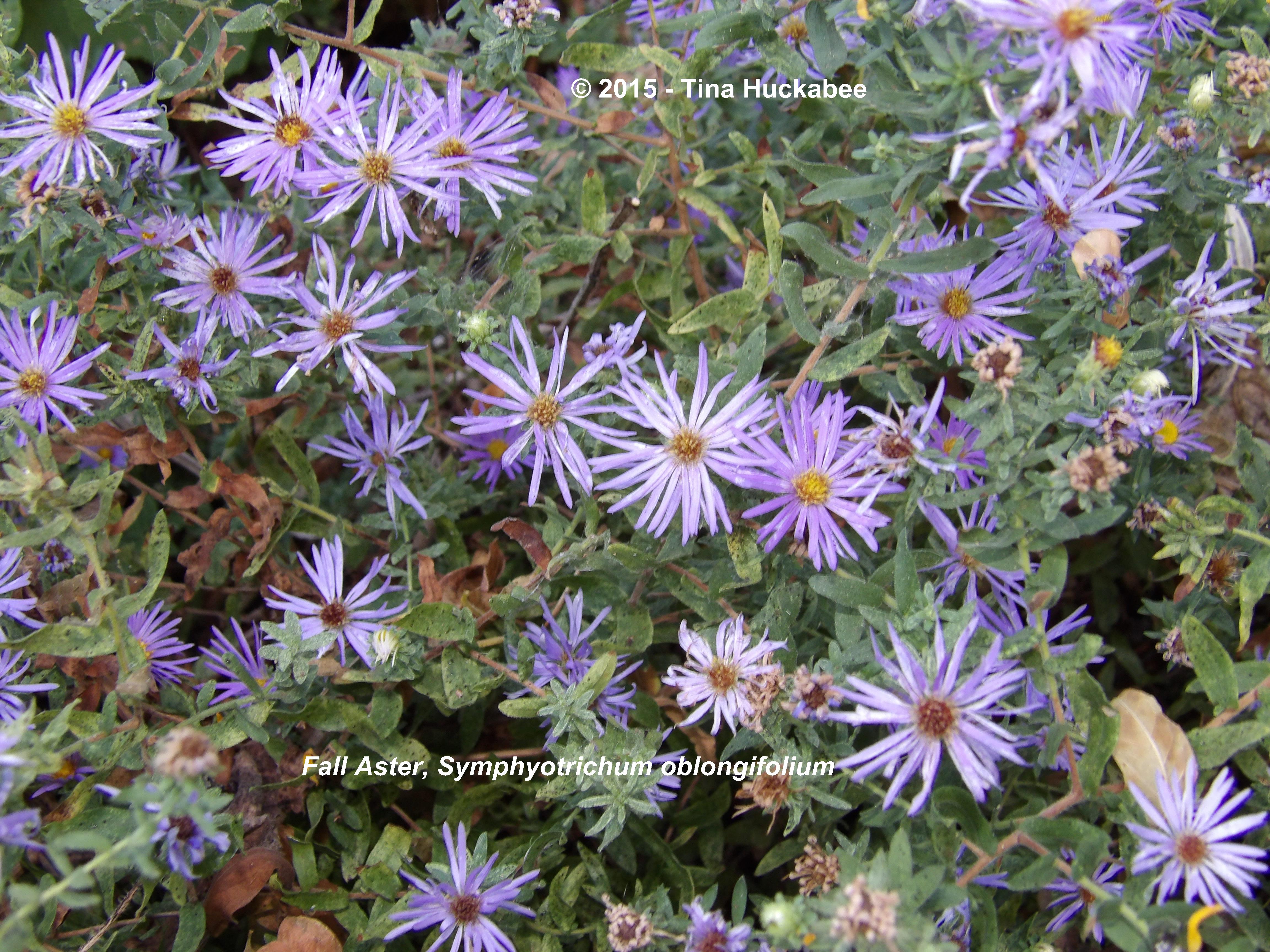
Another resource that newby (and experienced!) gardeners should utilize are the local County Extension Service offices and websites. Every county has one, or access to one. Look’em up on your friendly neighborhood computer and call with questions or log onto their websites for plant and gardening information. The agricultural extension offices are reasonable stops for information on appropriate native plants for specific areas.
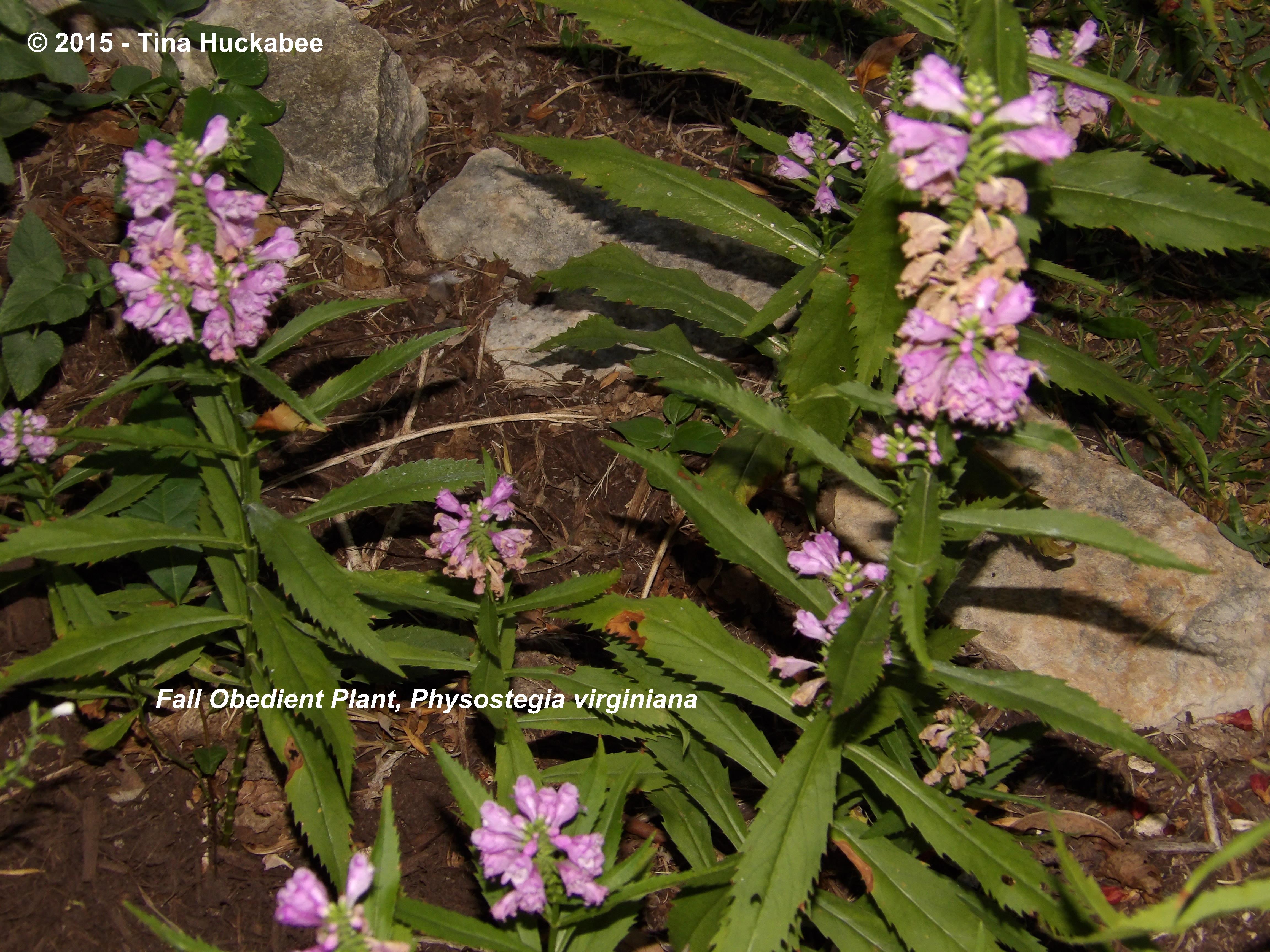
One of the absolute best places to learn about the native plants of North America is the Lady Bird Johnson Wildlife Center website at www.wildflower.org. I’m fortunate to live in Austin, where this national treasure is located and I’ve been a member since the mid-1980’s. The LBJWC is a beautiful and inspiring set of gardens and a tremendously valuable resource about North American native plants. The plant database and Ask Mr. Smarty Plants are worthwhile sections on the website to bookmark and peruse as you undertake your native education.

The National Wildlife Federation’s website, www.nwf.org is another superb resource on plant, gardening and wildlife-related information. This organization provides directives for creating wildlife and/or pollinator gardens–most of which focus on using native plants. Like the Austin Urban Habitat Stewards mentioned previously, many communities have enthusiastic volunteers, ready, able and willing to teach those wanting to learn.
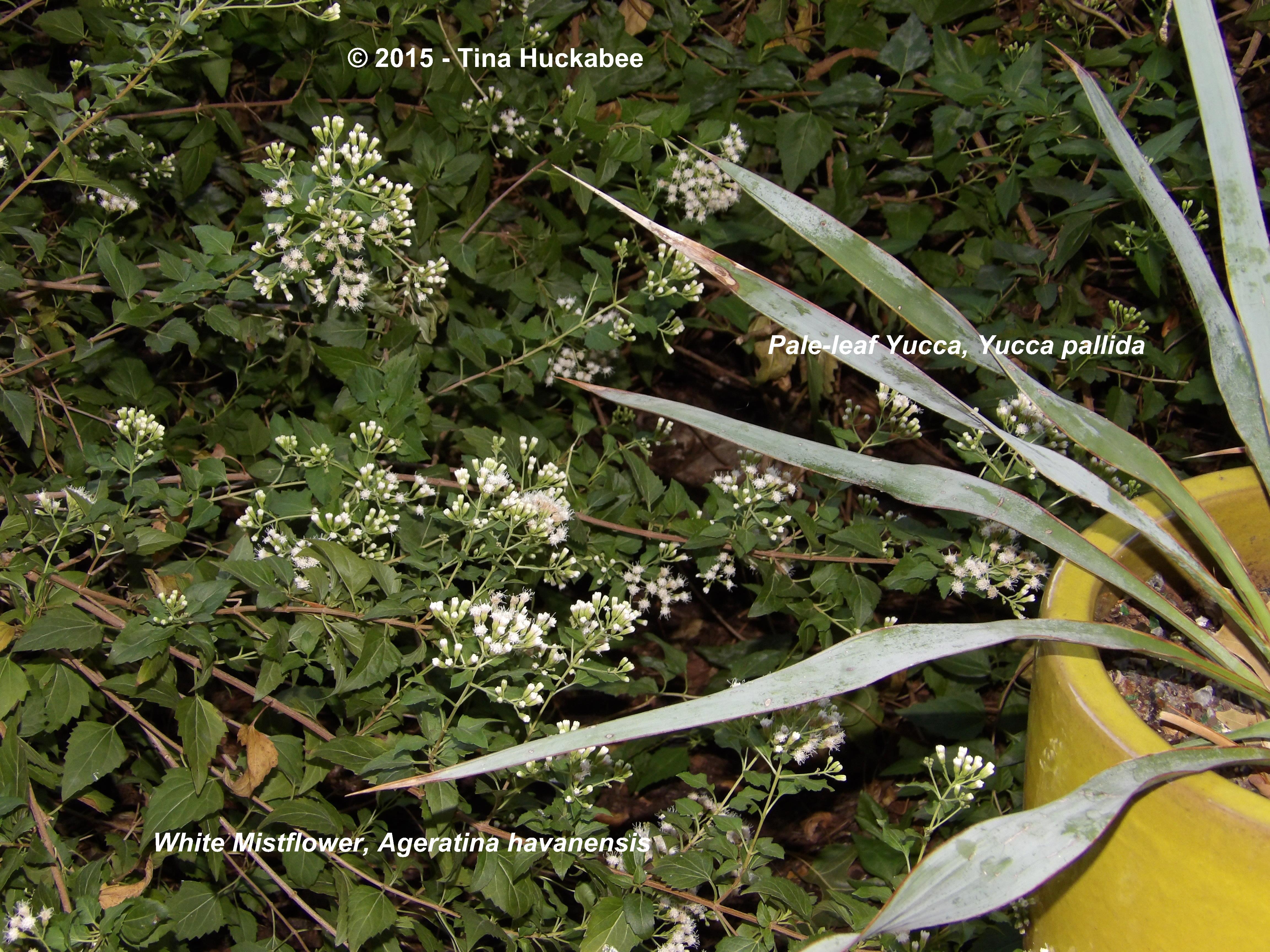
Finally, there are many active and experienced garden bloggers available, at the click of your mouse or the touch of your fingertips, just itching to teach you what to do and how to do it.
Ahem.
Whether you’re interested in native plants (hopefully!), or garden design, or want to learn about another’s path of transforming a landscape from lawn to living garden, complete with native plants and accompanying wildlife, there are many good garden bloggers writing on a regular basis in the gardening blogosphere. Obviously, it’s better if you read about gardening from your specific area of the gardening world, but there’s an incredible amount of valuable information available. Great gardening ideas, solutions to gardening problems, reviews of gardening literature–it’s out there, with free and easy access from experienced gardeners and with myriad interesting perspectives.
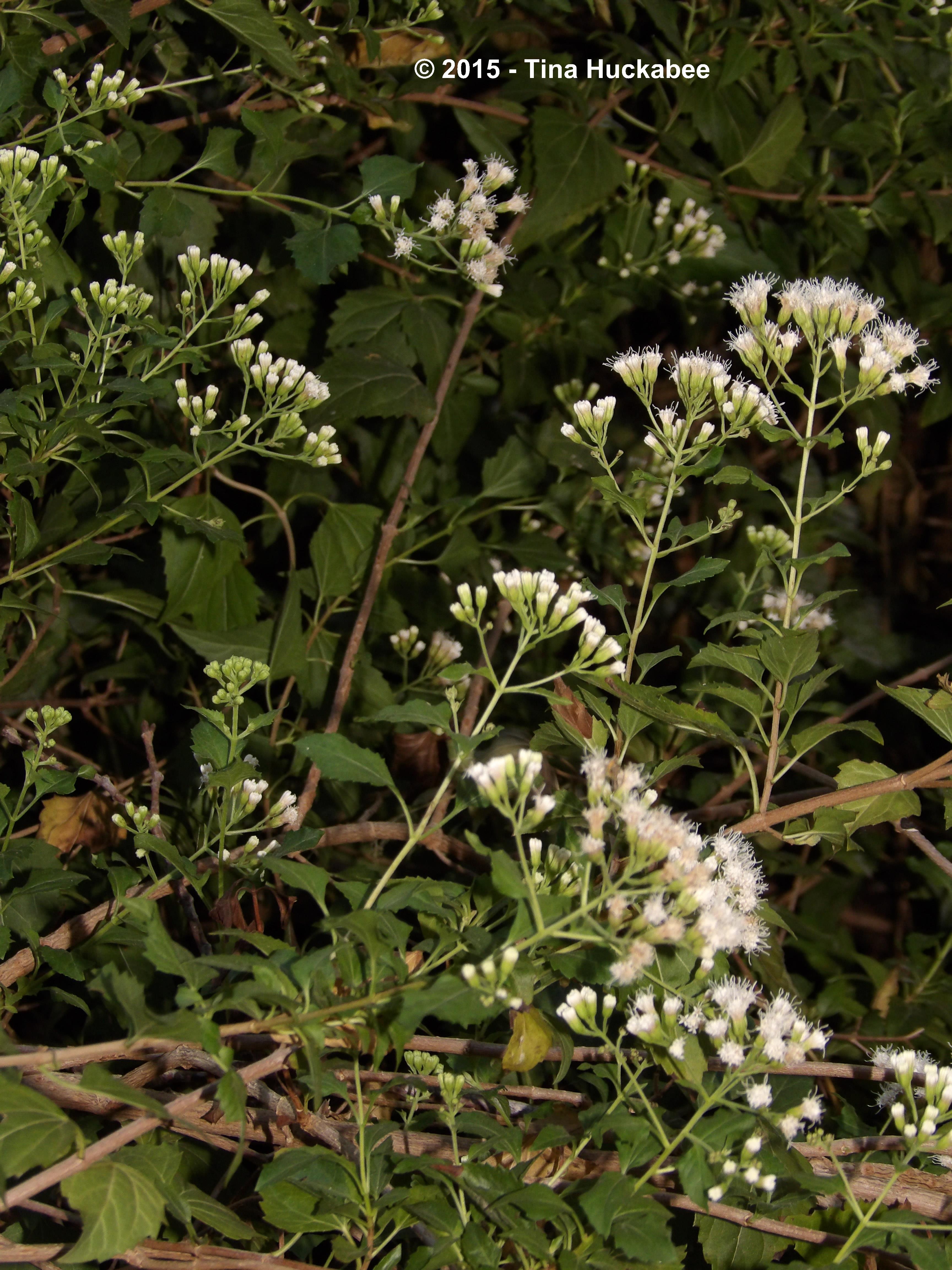
Finally, join with like-minded neighbors and friends, as that’s often the best way to learn and gardeners love to share advice—and plants!
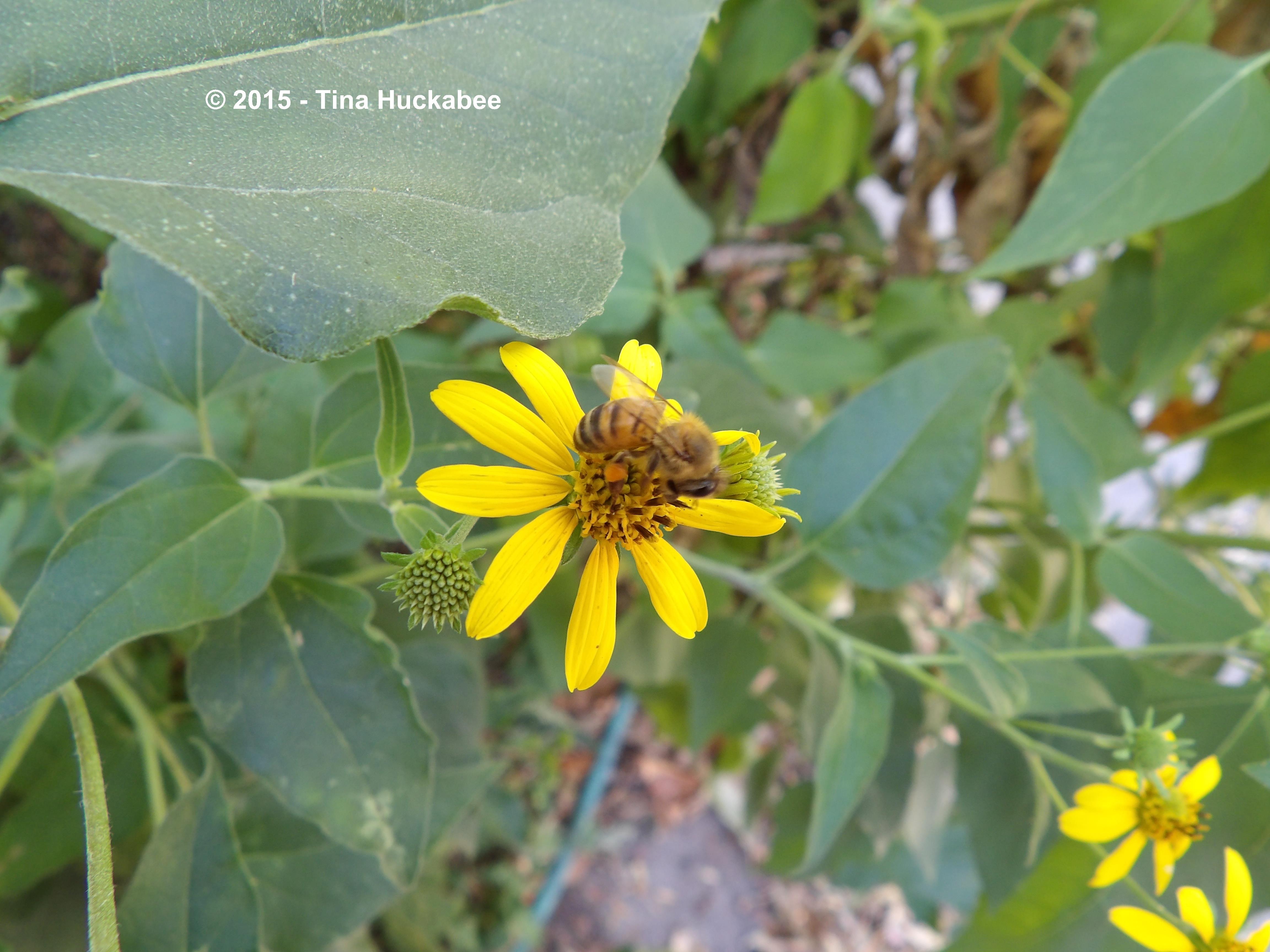
Then grab your trowel or shovel and plant some natives in your garden!


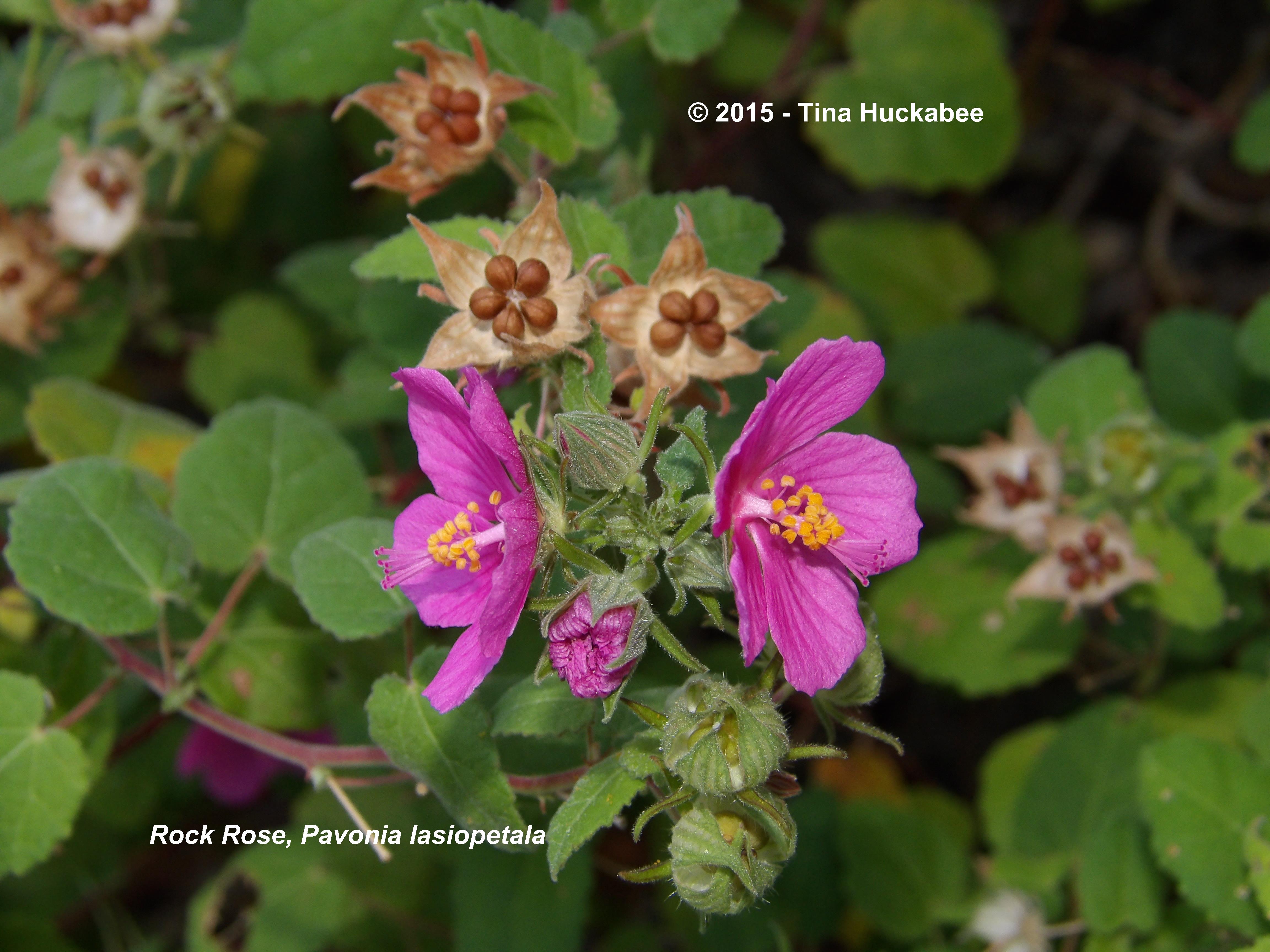



















 My Gardener Says...