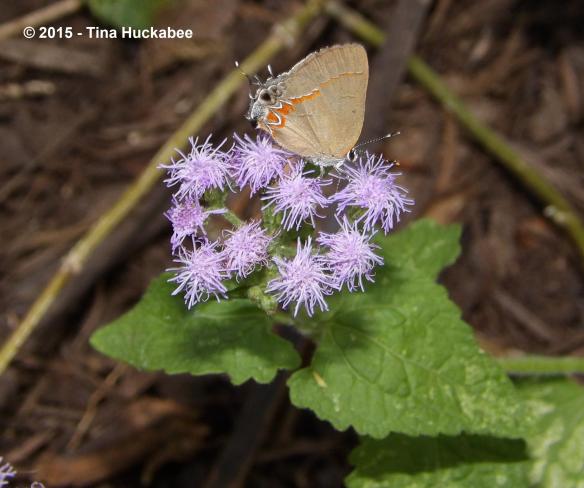
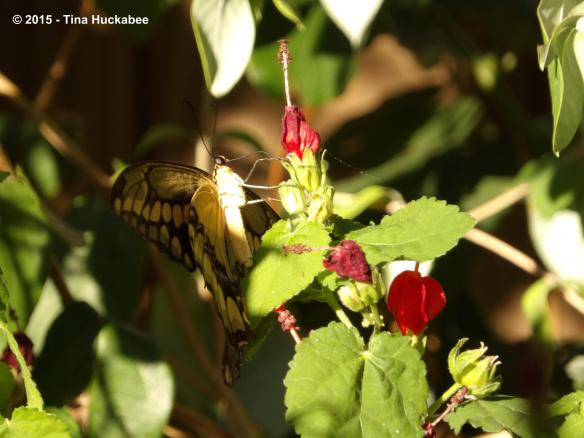
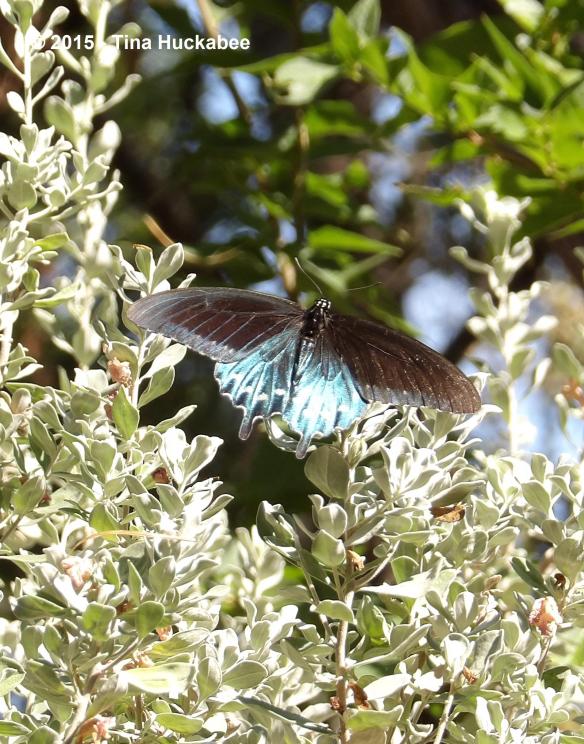
Texas Native Plant Week: What’s Next?

Congratulations!  You’ve decided that you’ve had enough of your boring, sterile, wasteful, water-hogging, hydrocarbon-spewing, chemically dependent lawn. You’re going to remove some or all of it and plant a native plants garden!
IMGP2254.new

Woohoo!!

Now what?  Where do you go for information?

The thing about gardening that most folks don’t realize is that it is a region-specific endeavor.  The way I garden here in Central Texas, and specifically in my part of Austin,  is very different from how someone in Dallas, Texas, Oshkosh, Wisconsin, or Eugene, Oregon gardens. Gardening practices common in  the Northeastern part of the U.S.do not work at all in Arizona.  From temperature variations to soil considerations, appropriate plant choices and gardening practices are significantly more complicated than most people realize and require some level of knowledge and planning.

IMGP2405.new

Our horticultural industry is partly (okay, largely) to blame for confusion in new gardeners:  they want to sell me the same plant that they sell to a gardener in Maine, or northern California, or Florida, and it just doesn’t work.  Or, probably it won’t work.  Sure, there are some plants that transcend region, but  few.

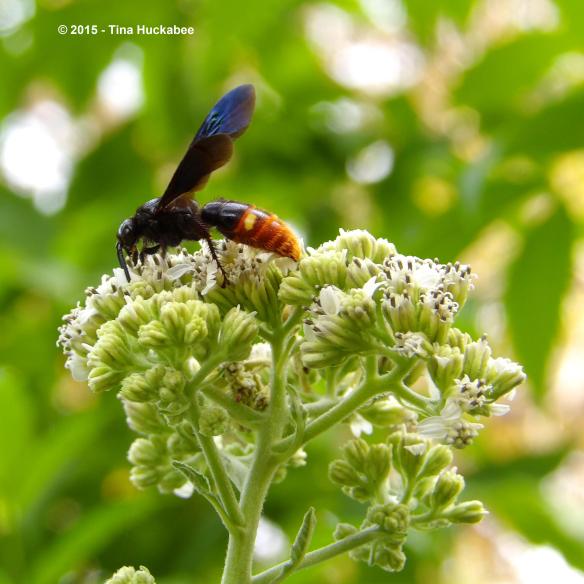
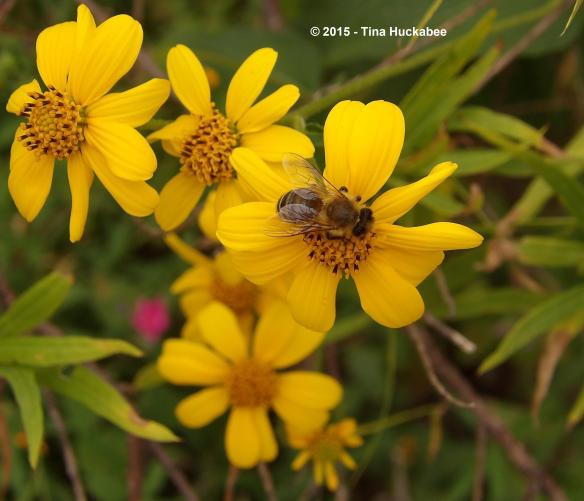
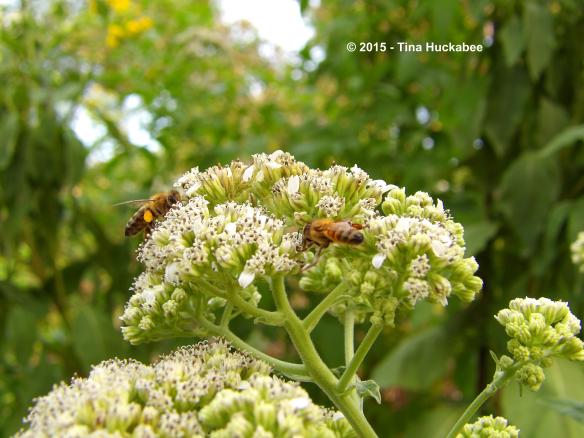
That’s one reason why using native plants  is important.  Native plants impart a sense of place–born and bred where they grow in nature, they belong to particular areas.  Native plants thrive with regional temperature variations and soil complexities without help. Additionally, wildlife like insects, birds, and mammals of all sorts evolved in concert with their native plant hosts and food sources, and flock, buzz, and crawl  to native plants for their sustenance and survival. Plants from “other places” cannot provide for wildlife like those  that are biologically and evolutionary attuned to the nutritional and life requirements of endemic and migrating wildlife.

IMGP2215.new

IMGP1971.new

Gardens are more complex than a swath of green lawn and a few foundation plantings.

Where do you go to learn?  Your locally owned nurseries and growers are often leaders in promoting the use of native plants.  Visit and purchase from them in lieu of the big box nurseries which usually don’t sell native-to-region plants.

IMGP2185.new

Most communities host a variety of garden organizations, including native plant societies, wildlife gardening groups, Master Naturalist and Master Gardener groups.  Attend some meetings and ask questions; visit their plant sales and neighborhood plant swaps.  For example, here in Austin we’re fortunate to enjoy an active Urban Habitat Steward program. One of those dedicated volunteers, Carleen Edgar, is hosting the Hancock Native Plant Swap, this coming Saturday, October 24th, from 8-9:30 am. The swap will be held at Mother’s Cafe & Garden, 4215 Duval Street, 78751.  Carleen states:

At this swap, we will give away native (Antelope Horn) and Tropical milkweed seeds to all participants.

Here’s how it works:

  • Pot up and label some transplants, cuttings, or bring seeds
  • Set them in the appropriate area: Sun, Shade, Part Sun/Shade, or Water
  • Look around for plants that you would like or ask one of the experts (they will wear badges)
  • Take as many home as you brought

Many people just hang out talking about plants, helping others id mystery plants, and generally enjoying their coffee, free doughnut holes, and all things gardening. Master Gardeners and NWF Habitat Stewards will also be there to assist with plant identification.

Our mission is to make all yards in our neighborhoods more beautiful and easier to maintain, while consuming less water…for free!

Isn’t that cool?  Free plants and conversation about plants with knowledgeable volunteers AND coffee and doughnut holes!

Goodness, it doesn’t get much better than that!!

IMGP2173.new

Another resource that newby (and experienced!)  gardeners should utilize are the local County Extension Service offices and websites.  Every county has one, or access to one. Look’em up on your friendly neighborhood computer and call with questions or log onto their websites for plant and gardening information.  The agricultural extension offices are reasonable stops for information on appropriate native plants for specific areas.

IMGP1832.new

One of the absolute best places to learn about the native plants of North America is  the Lady Bird Johnson Wildlife Center website at www.wildflower.org.   I’m fortunate to live in Austin, where this national treasure is located and I’ve been a member since the mid-1980’s.  The LBJWC is a beautiful and inspiring set of gardens and a tremendously valuable resource about North American native plants.   The plant database and Ask Mr. Smarty Plants are worthwhile sections on the website to bookmark and peruse as you undertake your native education.

IMGP2210.new

The National Wildlife Federation’s website, www.nwf.org is another superb  resource on plant, gardening and wildlife-related information. This organization provides directives for creating wildlife and/or pollinator gardens–most of which focus on using native plants.  Like the Austin Urban Habitat Stewards mentioned previously, many communities have enthusiastic volunteers, ready, able and willing to teach those wanting to learn.

IMGP2196.new

Finally, there are many active and experienced garden bloggers available, at the click of your mouse or the touch of your fingertips, just itching to teach you what to do and how to do it.

Ahem.

Whether you’re interested in native plants (hopefully!), or garden design, or want to learn about another’s path of transforming a landscape from lawn to living garden, complete with native plants and accompanying wildlife, there are many good garden bloggers writing on a regular basis in the gardening blogosphere.   Obviously, it’s better if you read about gardening from your specific area of the gardening world, but there’s an incredible amount of valuable information available.  Great gardening ideas, solutions to gardening problems, reviews of gardening literature–it’s out there, with free and easy access from experienced gardeners and with myriad interesting perspectives.

IMGP2191.new

Finally, join with like-minded neighbors and friends, as that’s often the best way to learn and gardeners love to share advice—and plants!

IMGP2219.new

Then grab your trowel or shovel and plant some natives in your garden!

Gregg’s Mistflower (Conoclinium greggii): A Seasonal Look

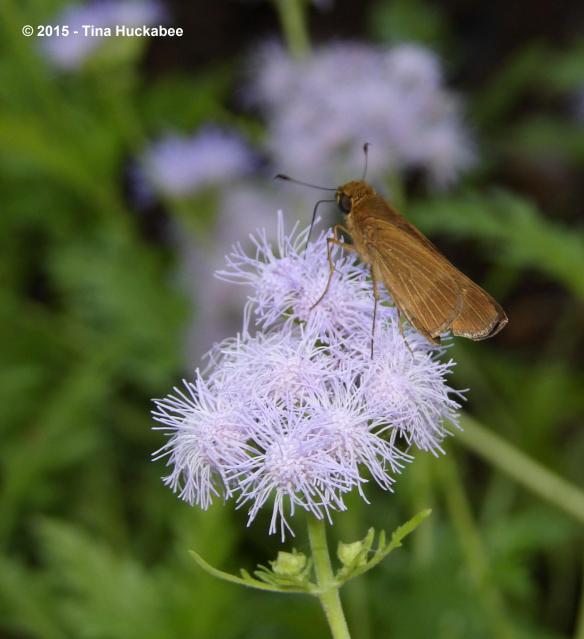
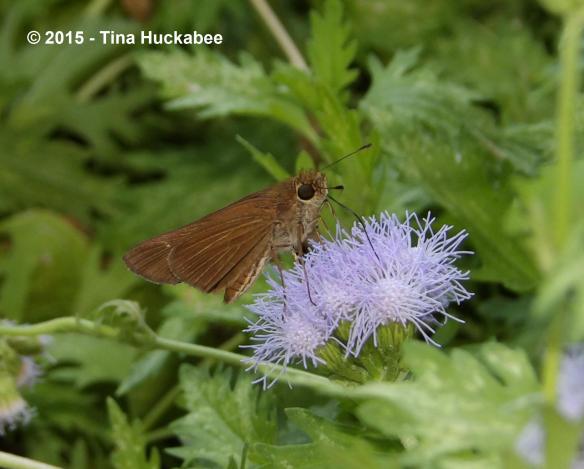
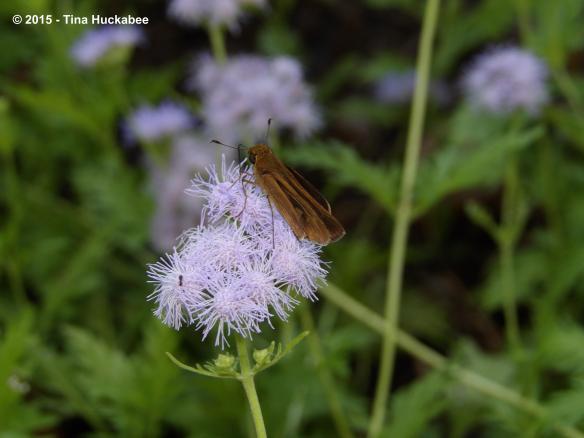
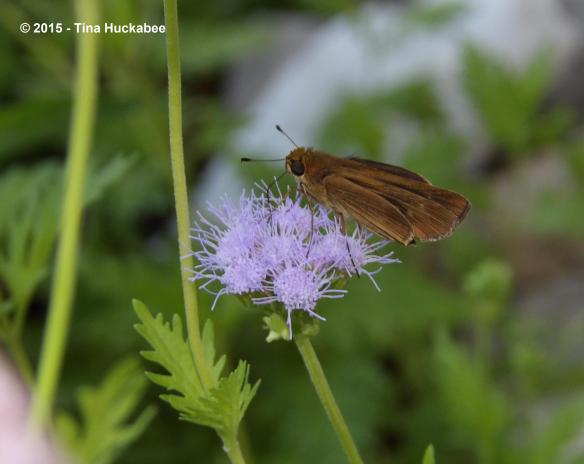
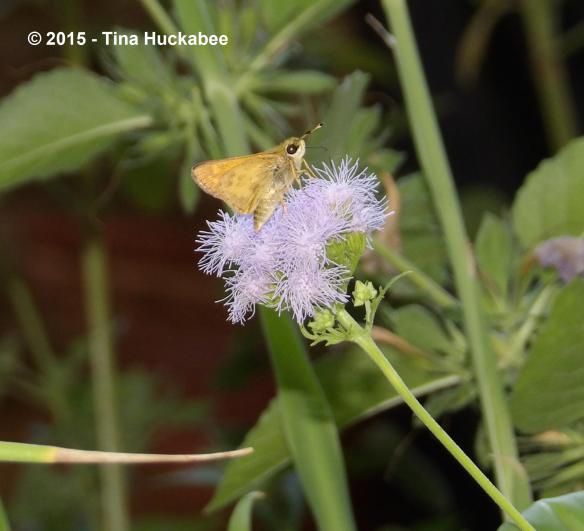
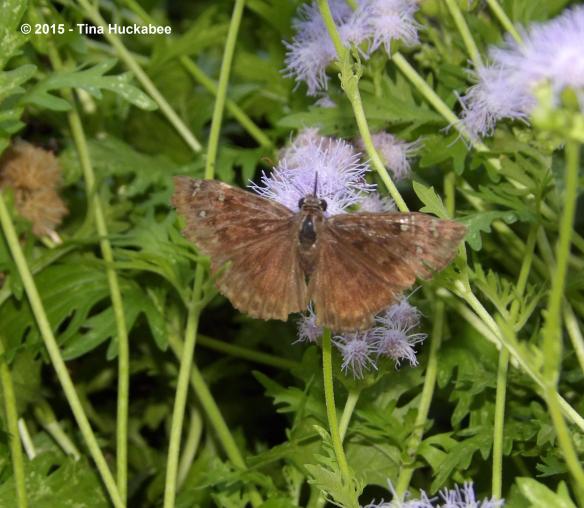
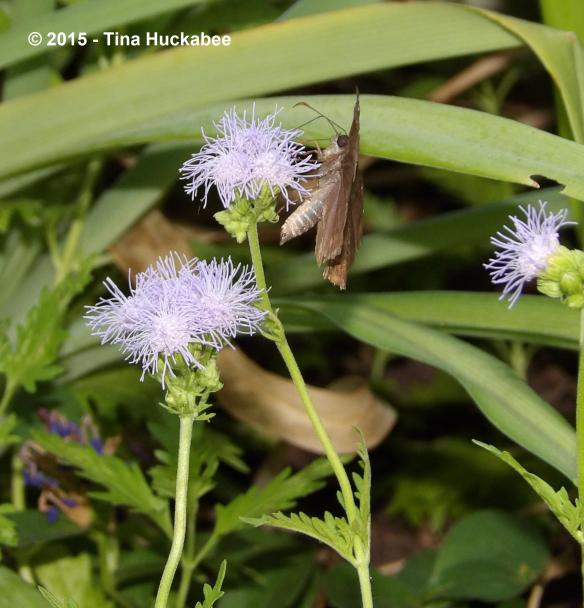
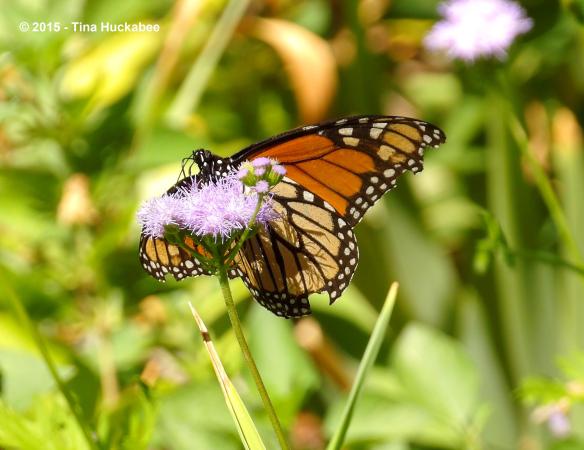
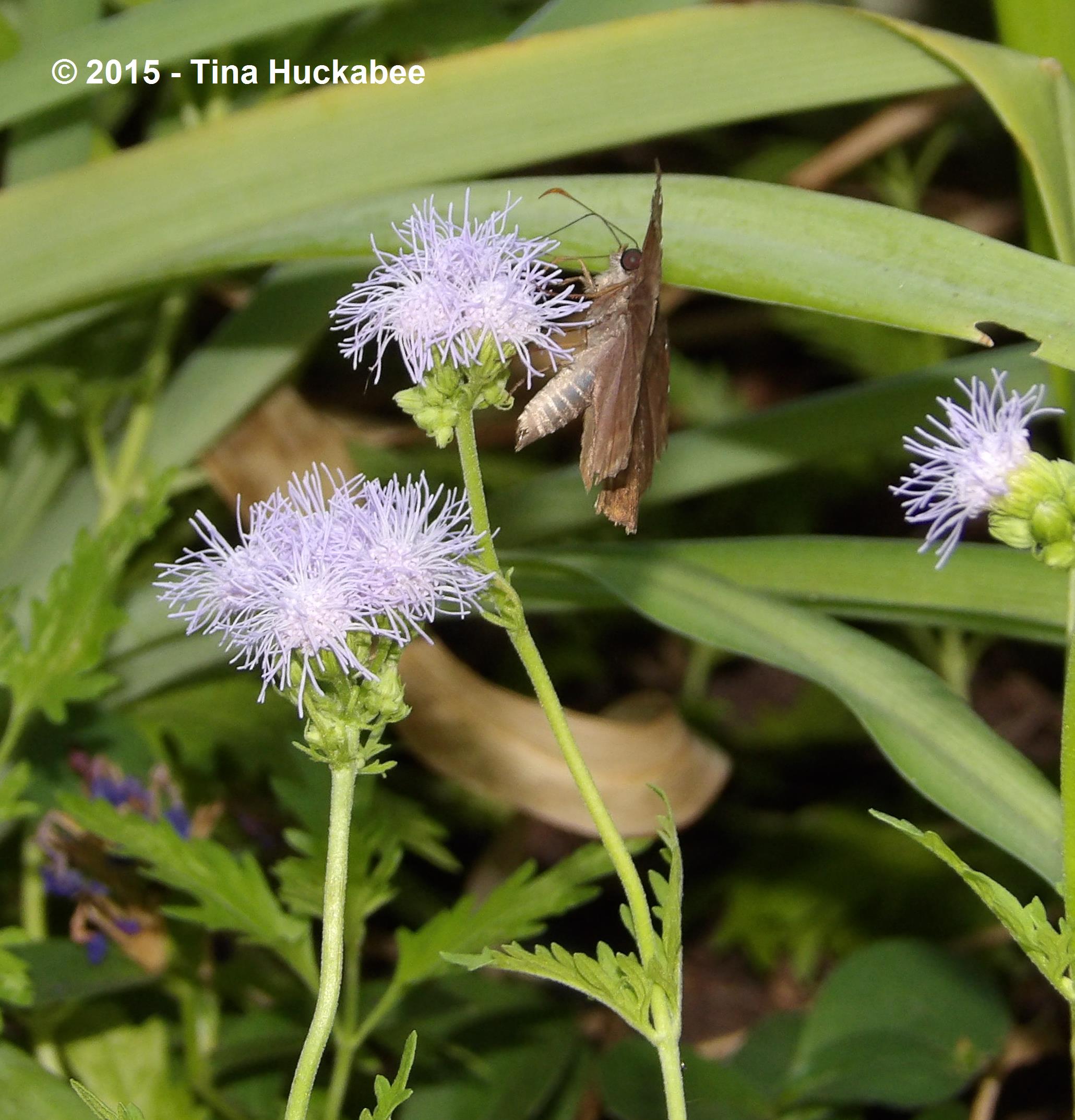
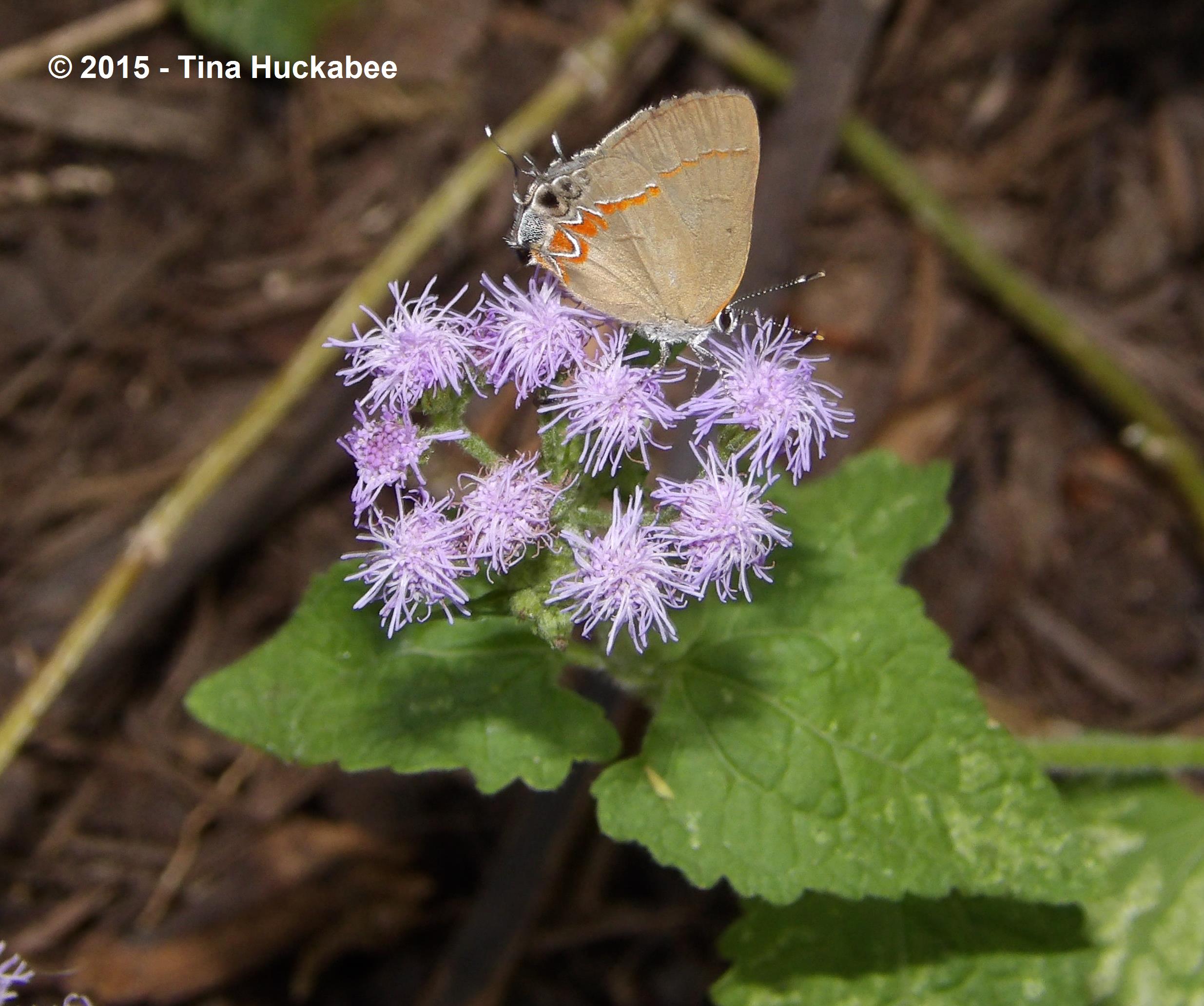
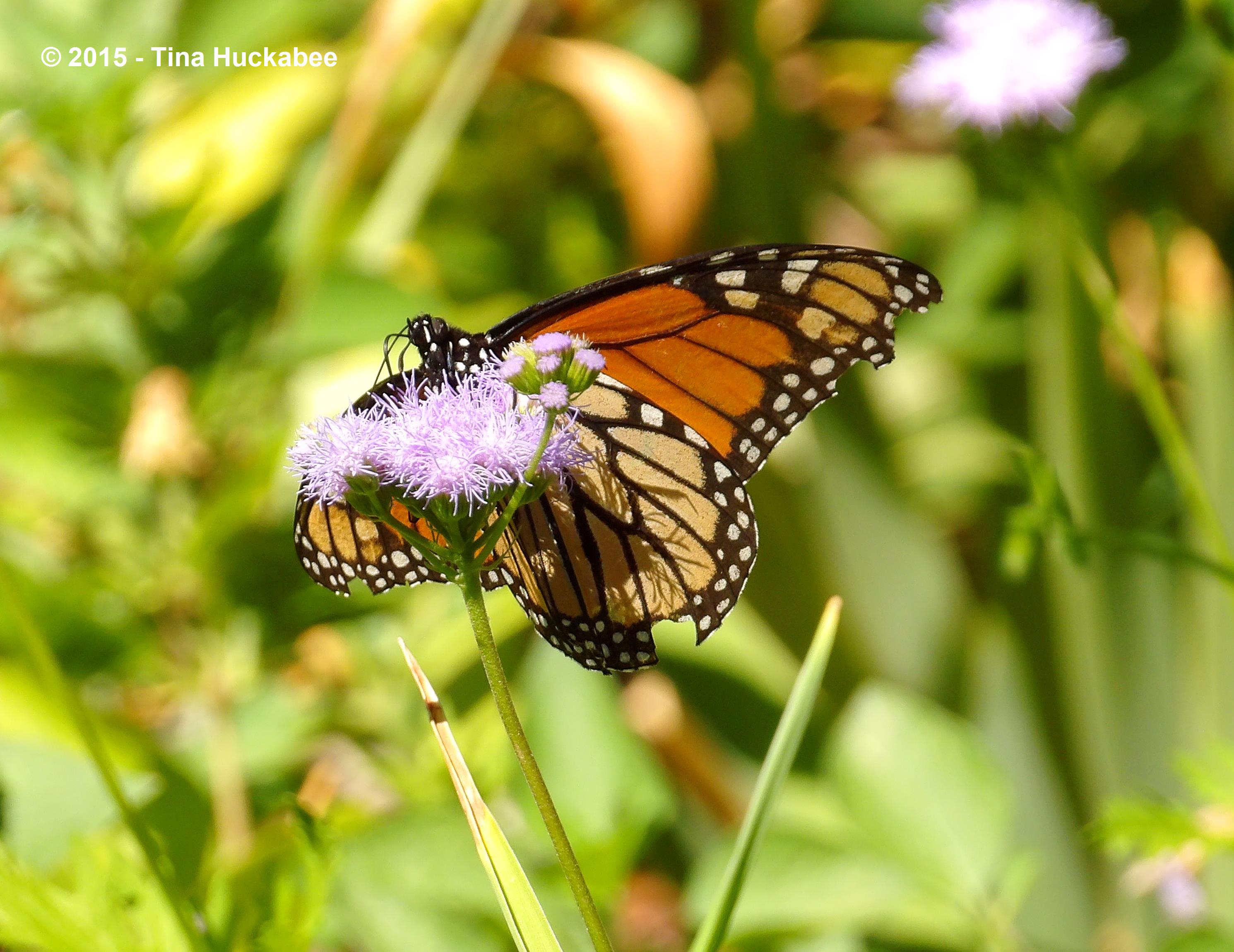
It’s that time of year again:  Monarch butterflies, Danaus plexippus, are migrating through Texas on their way to winter in Mexico.  And what nectar delights do they partake of in their nutritional pit-stops?  Many blooming things, but they prefer sipping from native flowers and high on a list of favorites is the Gregg’s Mistflower, Conoclinium greggii.

IMGP1706_cropped_3830x3010..new

As part of the 2015 celebratory edition of Texas Native Plant Week, let’s take A Seasonal Look at this gorgeous native ground cover–friend to gardener and pollinator alike.

IMGP0579_cropped_2806x2861..new

It’s October and even in my part-shade garden, the Gregg’s Mistflower blooms up in fuzzy, lavender-blue gorgeousness.

IMGP1558.new

IMGP1559.new

IMGP1815.new

Mid-September through Mid-November hosts the peak flowering for this tough and lovely native Texas-to-Arizona plant.  In its native range,  Gregg’s Mistflower is perennial and acts as a ground cover in the garden, reaching a height of only about 12 inches during its blooming period and spreading to cover as much or little space as the gardener will tolerate or encourage.

IMGP1731.new

IMGP1759.new

A member of the Asteraceae family,  the flowers are gorgeous, showy,

IMGP1833.new

IMGP1876.new

IMGP1903.new

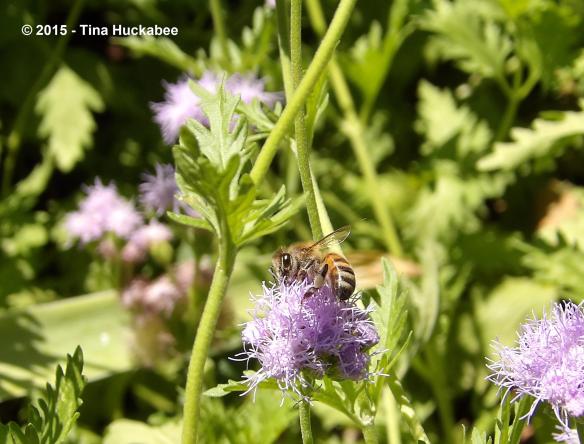
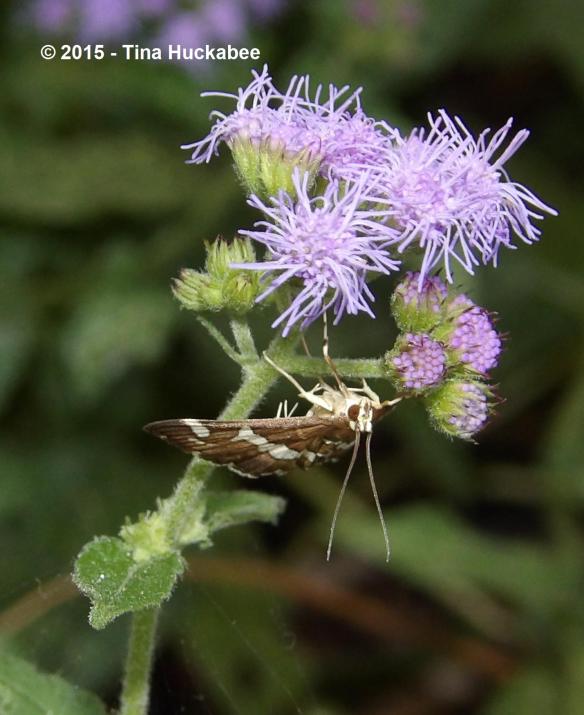
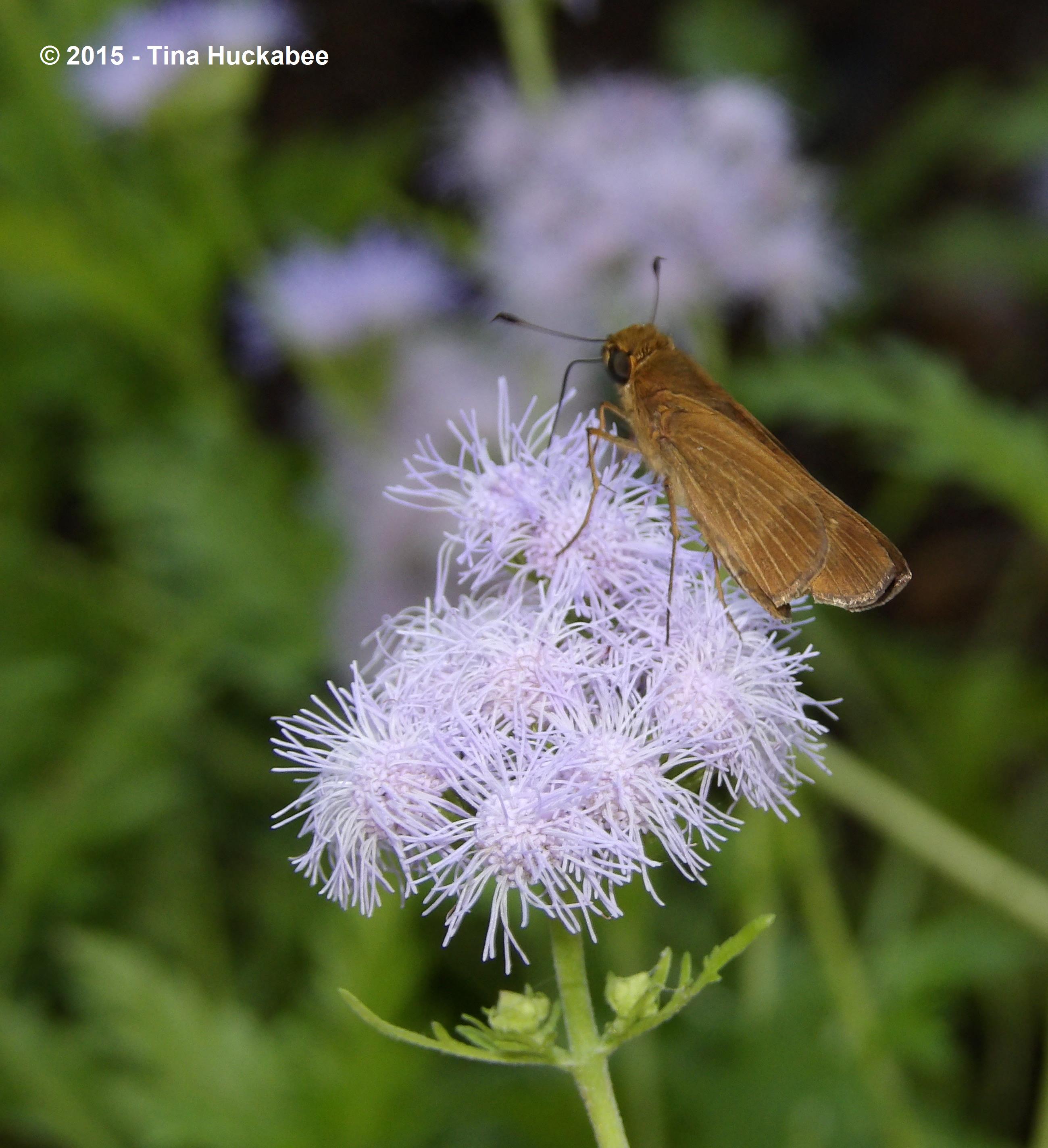
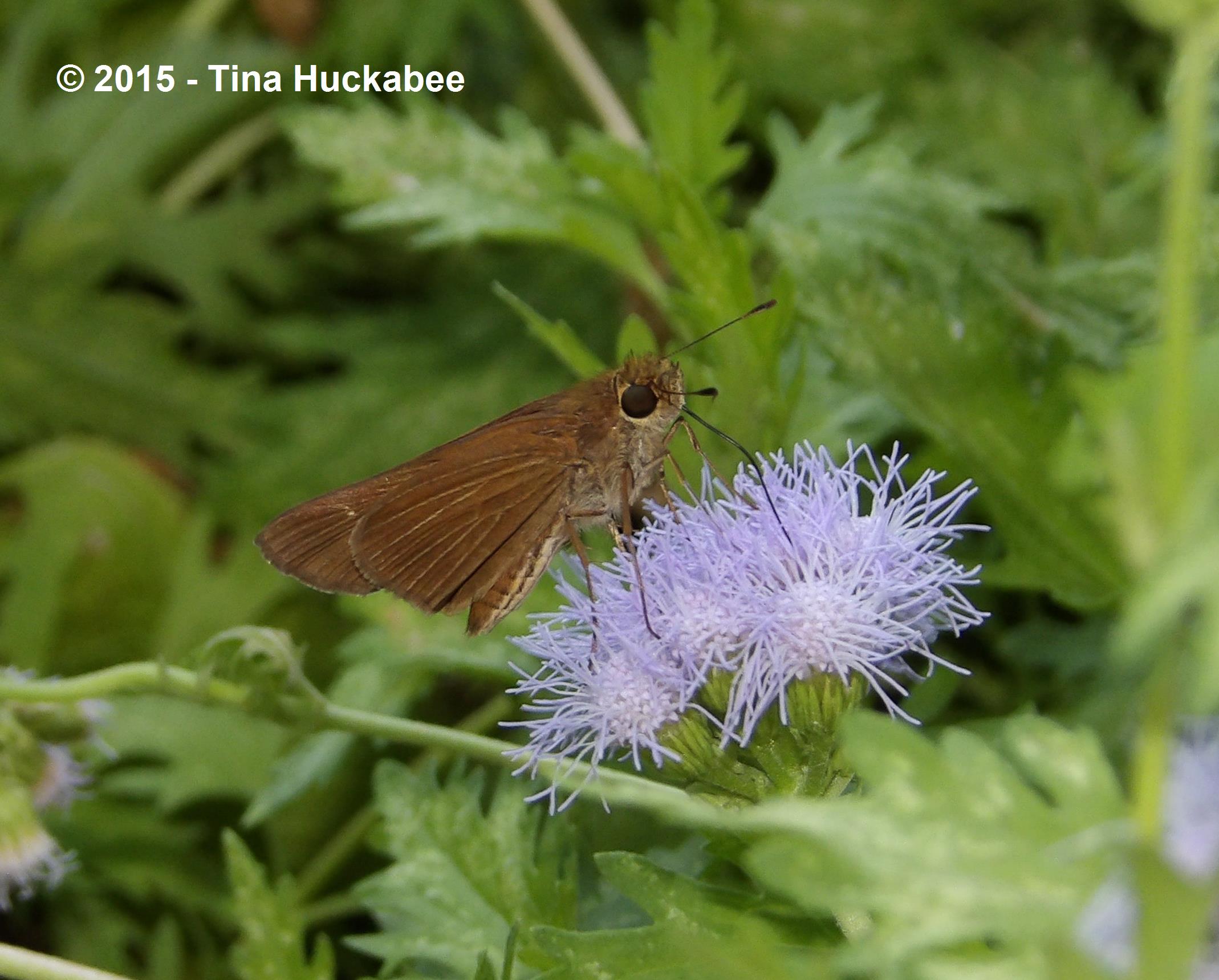
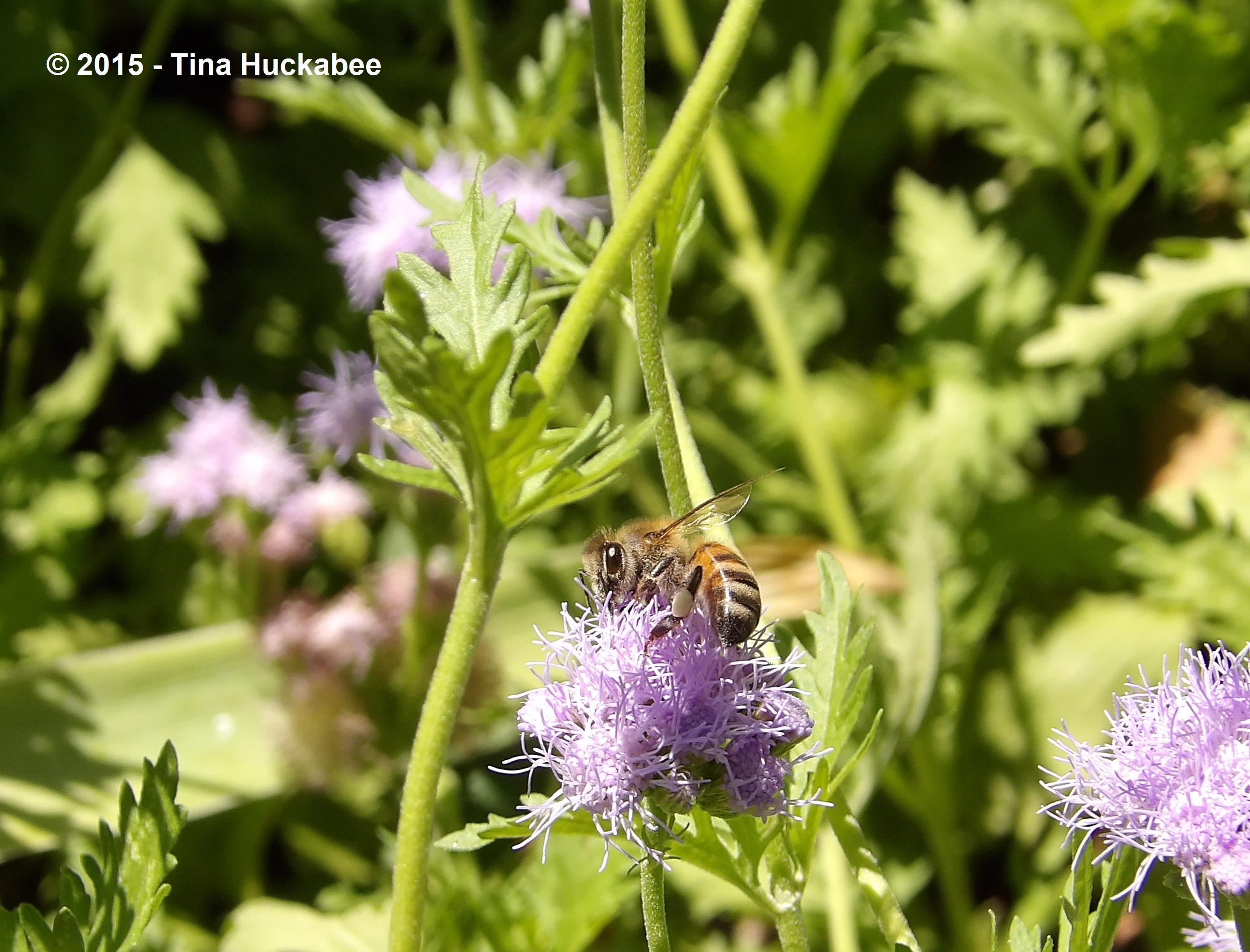
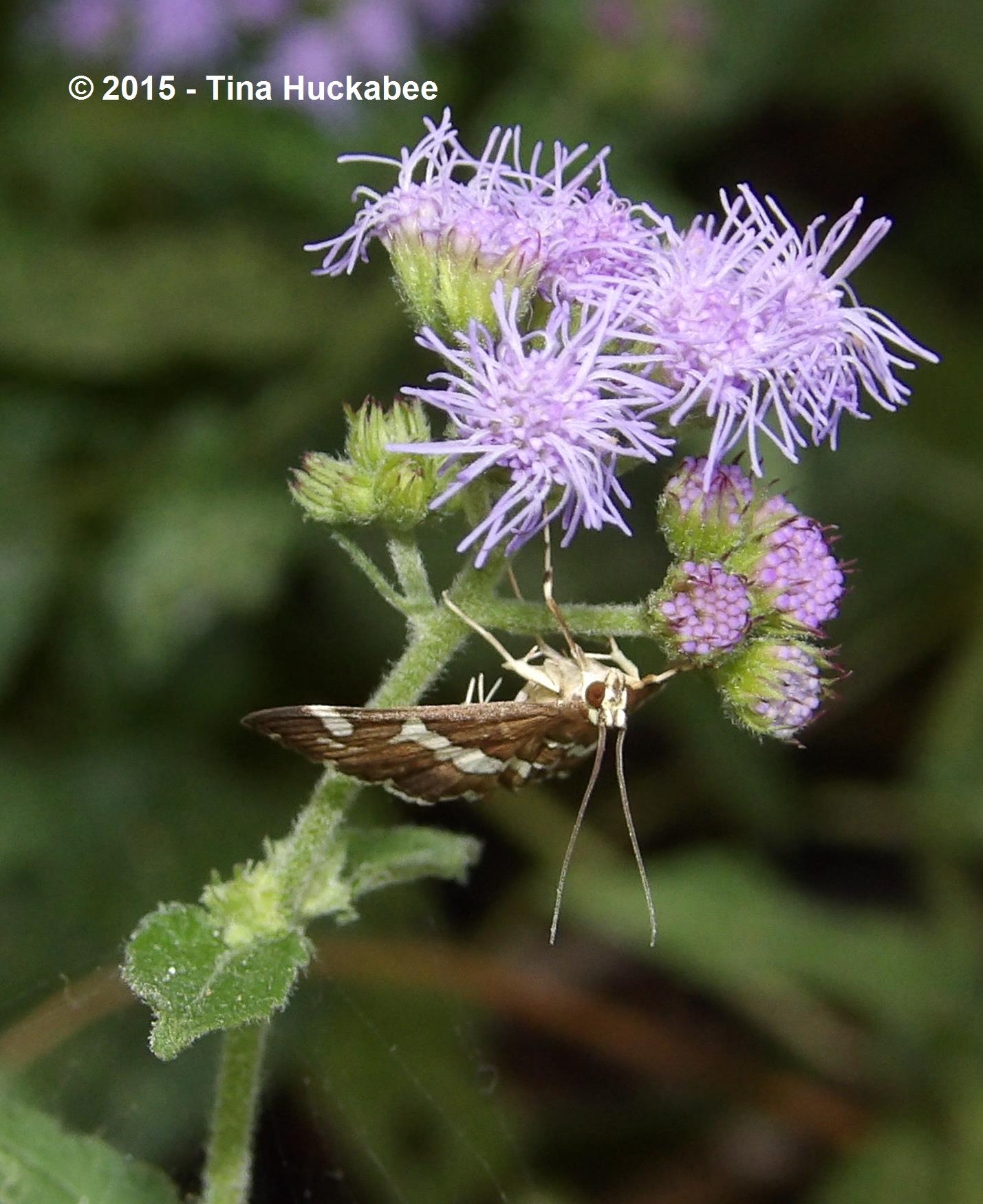
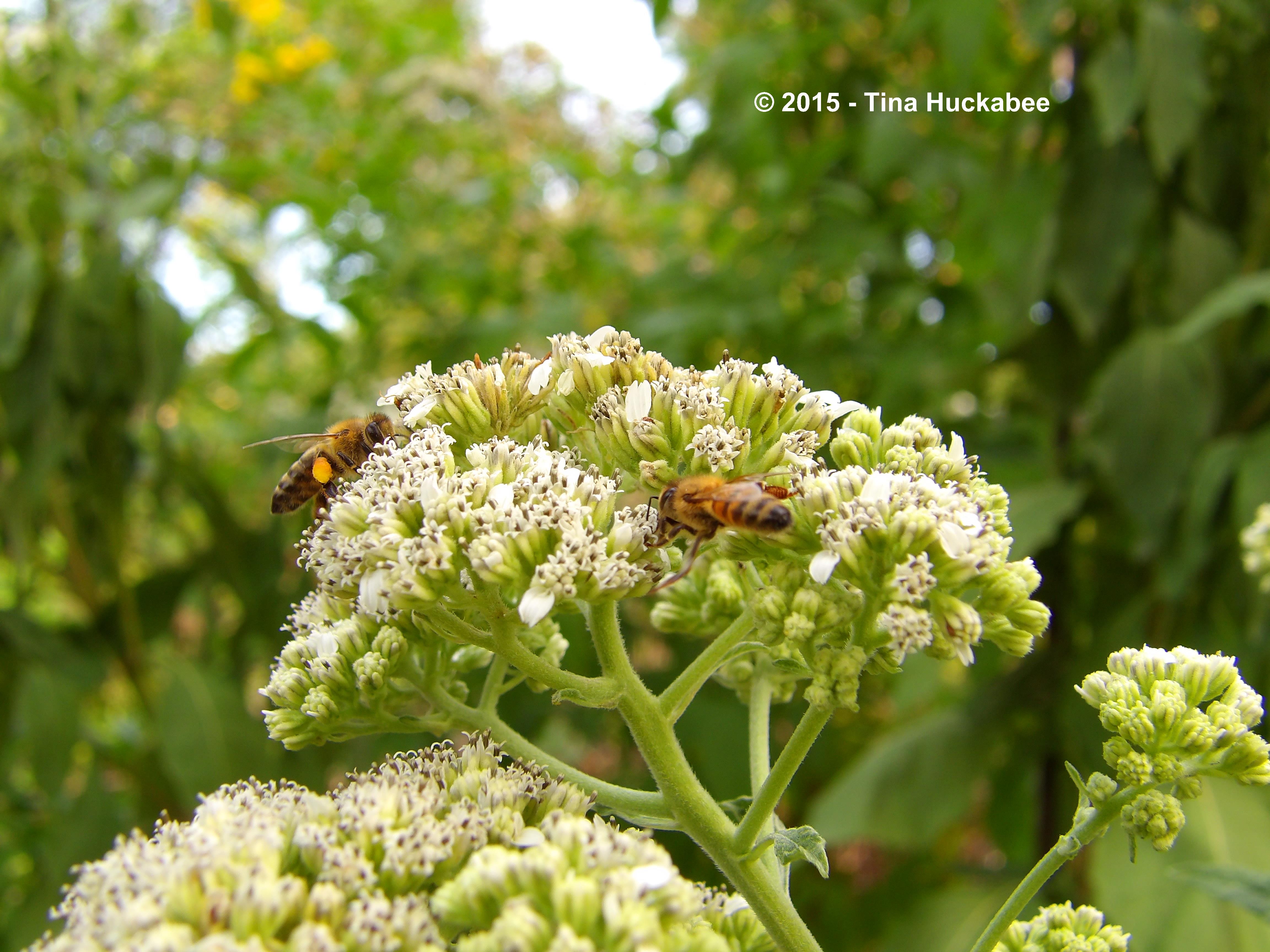
…and unusual. Additionally, they are constantly visited by many a pollinating critter.

IMGP2004.new

IMGP2010_cropped_4111x2346..new

IMGP2061_cropped_3107x2852..new

IMGP2091_cropped_3250x2789..new

IMGP2088_cropped_2770x2360..new

IMGP2094_cropped_3318x2313..new

IMGP2097_cropped_2783x3180..new

IMGP2145_cropped_2765x3096..new

IMGP2148_cropped_3036x3148..new

IMGP2152_cropped_2810x2783..new


Along with Monarchs,

IMGP2096_cropped_3313x2761..new

…the Queen butterfly, Danaus gilippus, prefers Gregg’s Mistflower over other nectar choices.

IMGP1728_cropped_3350x3171..new

IMGP1729_cropped_3539x3396..new

I planted my G. Mistflower group from passed along sprigs with healthy roots attached, and have, in turned, gifted to other enthralled gardeners seeking beauty in botanic and pollinator form.  The flowers are what most gardeners prize the Gregg’s for, but it is generally a no-fuss plant–it carries no disease problems and is a water-wise addition to any Texas-tough garden.

IMGP1732.new

IMGP1879.new

IMGP1927.new


Once its flowering has peaked, the fuzzy blooms fade to a tawny beige.

IMGP2730.new

I find the spent blooms quite attractive and I have witnessed finches sneaking snacks from the seed heads.

IMGP2731.new

IMGP2732_cropped_3880x3203..new

IMGP3012.new

IMGP3009_cropped_2594x2986..new

After the first hard freeze and subsequent foliage drop, the color of the spent blooms lighten just a bit.

IMGP5164_cropped_3562x2871..new


Through December and January, the seed heads become more fragile and begin dispersal.  I’ve never experienced Gregg’s Mistflower re-seeding into other parts of my garden, or elsewhere for that matter.  In my garden it spreads primarily by the roots in the immediate vicinity of the mother plant.  Due to lazy-gardener syndrome,  I usually leave the thin and fragile remains of Gregg’s Mistflower, seed heads and stems, mingling with the fallen foliage from deciduous trees through the course of winter.

IMGP5162.new

I become serious about clean-up only upon arrival of the first spring growth.

P1020705.new

Since Gregg’s Mistflower is dormant during winter, you might want to plant companions of non-native, but evergreen Iris, or native and evergreen Cedar Sage, Salvia roemeriana, Lyre-leaf Sage, Salvia lyrata, or Gulf Coast PenstemonPenstemon tenuis–all which are spring bloomers–allowing for seasonal interest when Mistflower is dormant.  Additionally, by planting evergreens along the edges where you want to limit the spread of Gregg’s Mistflower, you can give a sense of structure to the garden.

Once the warmer temperatures return and spring growth is well-underway, Gregg’s Mistflower grows quickly–adding plenty of filler foliage to augment spring’s beauty. It is a plant that requires some tidying around the edges so that it doesn’t insinuate itself too much out of its desired range, but is easily controlled by simply weeding out the wayward growth and passing along to other native plants gardeners!

P1040268.new

P1040288.new

The foliage is a stunning bright green and is lobed, or palmate, in shape.

IMGP0877.new

Its other common names (aside from Gregg’s Mistflower) pay homage to the palmate foliage. Names like Palm-leaf Mistflower, Palm-leaf Thoroughwort, Purple Palmleaf Mistflower, Purple Palm Leaf Eupatorium are certainly descriptive, though I’m personally fond of the “Gregg’s”.  Named after Josiah Gregg , who was one of the 19th century naturalists who traveled throughout Texas and catalogued  plants (and other things as well), Gregg’s Mistflower is one of many plants named in his honor.

Gregg’s returns from dormancy rapidly and usually there are smatterings of blooms during spring and summer, but the real flower-power show begins in August, picking up blooming steam during September and October, with a slacking off as November strolls through the garden.

IMGP0927.new

IMGP1880.new

IMGP1898_cropped_3382x2990..new

So pretty.

Gregg’s Mistflower is not only an excellent pollinator plant, but also the host plant for the Rawson’s Metalmark Butterfly, Calephelis rawsoni.

Gregg’s Mistflower grow and bloom best in full to part sun, but will take shade.  In a garden that I once managed at Zilker Botanical Garden, one group of Gregg’s Mistflower grew in light shade–it received no direct sun throughout the day.  The foliage was lanky, but still attractive, and the blooms appeared, less abundantly, but on schedule during the autumn months, just like its brethren growing in more sun. In decent soil, this hardy plant only takes about two years to cover a 4×4 foot area. With rockier soil or a shadier spot, the Gregg’s Mistflower covers a similar patch more slowly.

If you enjoy (snort!) deer visiting your garden, be aware that they’re likely to nibble your Mistflower, so if you can grow it in a spot where the ungulate beasties can’t get to the plant, you’ll be a satisfied gardener, even if you’re frustrating your deer visitors

Gregg’s Mistflower, Conoclinium greggii, is a plant that works in any Texas garden, sun or shade, rocky or clayey, formal or casual, and is coveted by pollinators and gardeners.

In Spring,

P1040289.new


Summer,

IMGP0876.new


Autumn,

IMGP1484.new

IMGP2093_cropped_3443x3184..new

IMGP1490_cropped_3756x3282..new

IMGP1877.new

IMGP3011.new


Winter.IMGP3014.new

Texas Native Plant Week, 2015

This week, October 18-24, 2015, is Texas Native Plant Week.

IMGP2067_cropped_3165x2262..new

So delegated each year, the third week of October is set aside for appreciation, recognition, and promotion of Texas native plants. Activities for the week focus on educating Texans–gardeners and others–on the importance of protecting native plants in the wild and gardening with our beautiful and diverse native plant species.

IMGP2128.new

If you don’t live in Texas, there are lovely native plants where you do live.  Learn about them, grow them in your garden, protect them in the wild, and teach others about their value: for wildlife, for a healthy environment, and for beauty.

IMGP2151_cropped_3549x3240..new

Check out the  links below for the  sponsoring organizations of Texas Native Plant Week, to learn more about what each offers in educational activities:

Native Plant Society of Texas

Lady Bird Johnson Wildflower Center of The University of Texas at Austin

Texas Parks and Wildlife Department

National Wildlife Federation

IMGP2205.new

There are many reasons to go native in the garden: to benefit wildlife which is rapidly declining (with potentially catastrophic consequences), to conserve the valuable resource of water because native plants use less of it than traditional lawn and landscape plants.  Plus natives don’t require fertilizers or other chemical interventions which pollute waterways.

Also, native plants are just damn pretty.

IMGP2170.new

IMGP2183.new

IMGP2207_cropped_3009x3189..new

IMGP2209.new

For 2014 Texas Native Plant Week I wrote a series promoting the use of native plants in the home garden.  If you’d like to read some of the reasons why you should switch to native plants as well as information about some of those native plants, check out the following links:

Texas Native Plant Week

Texas Native Plant Week–Rock Rose, Pavonia lasiopetala

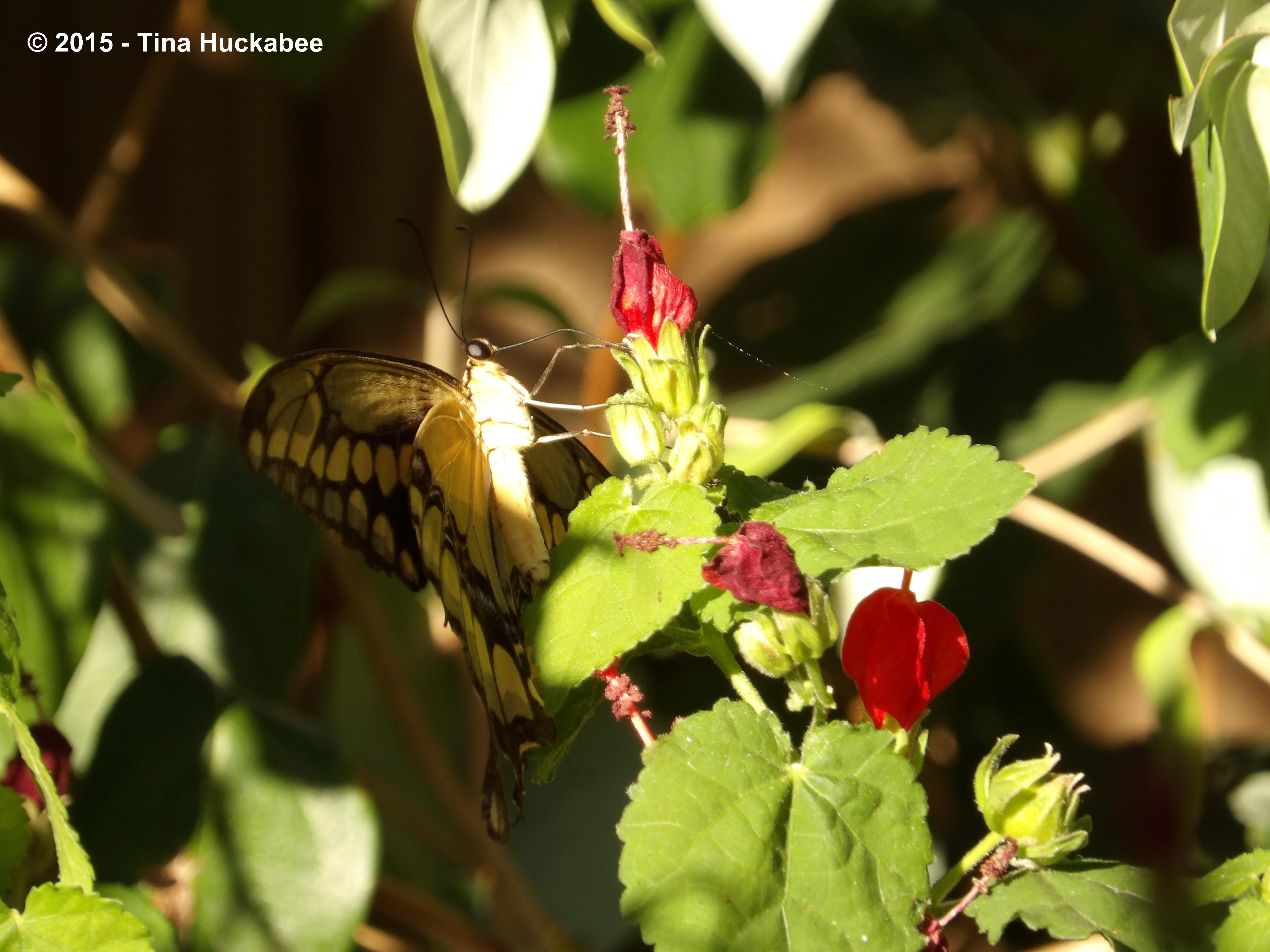
Texas Native Plant Week–Turk’s Cap, Malvaviscus arboreus 

Texas Native Plant Week–Goldeneye, Viguiera dentata

Texas Native Plant Week–Seeds-N-Berries

Texas Native Plant Week–Autumn Stuff

Texas Native Plant Week–Garden Vignettes

IMGP2192.new

IMGP2203_cropped_3401x2733..new

Plant natives!!

IMGP2206.new

IMGP2223.new