Look Who’s Moved In!

For several weeks now, I’ve heard the trilling of an Eastern Screech Owl, Megascops asio, in and around my back garden–either at dusk or in the wee hours before dawn.   Last week, I saw two owls sitting together just after sundown in my Retama, Parkinsonia aculeata, tree. Until then, I’d only spotted one at any particular time.  Early this morning, noticing an upset and noisy Blue Jay cawing into the owl nest box, I spied this sleepy and probably annoyed Screech, settled cozily in his/her box.

IMGP4665.new

It’s a nice neighborhood  and I hope this couple raises their little family successfully, as has happened for most of the last 8 years.

All the best to my new neighbors!

Right on Time

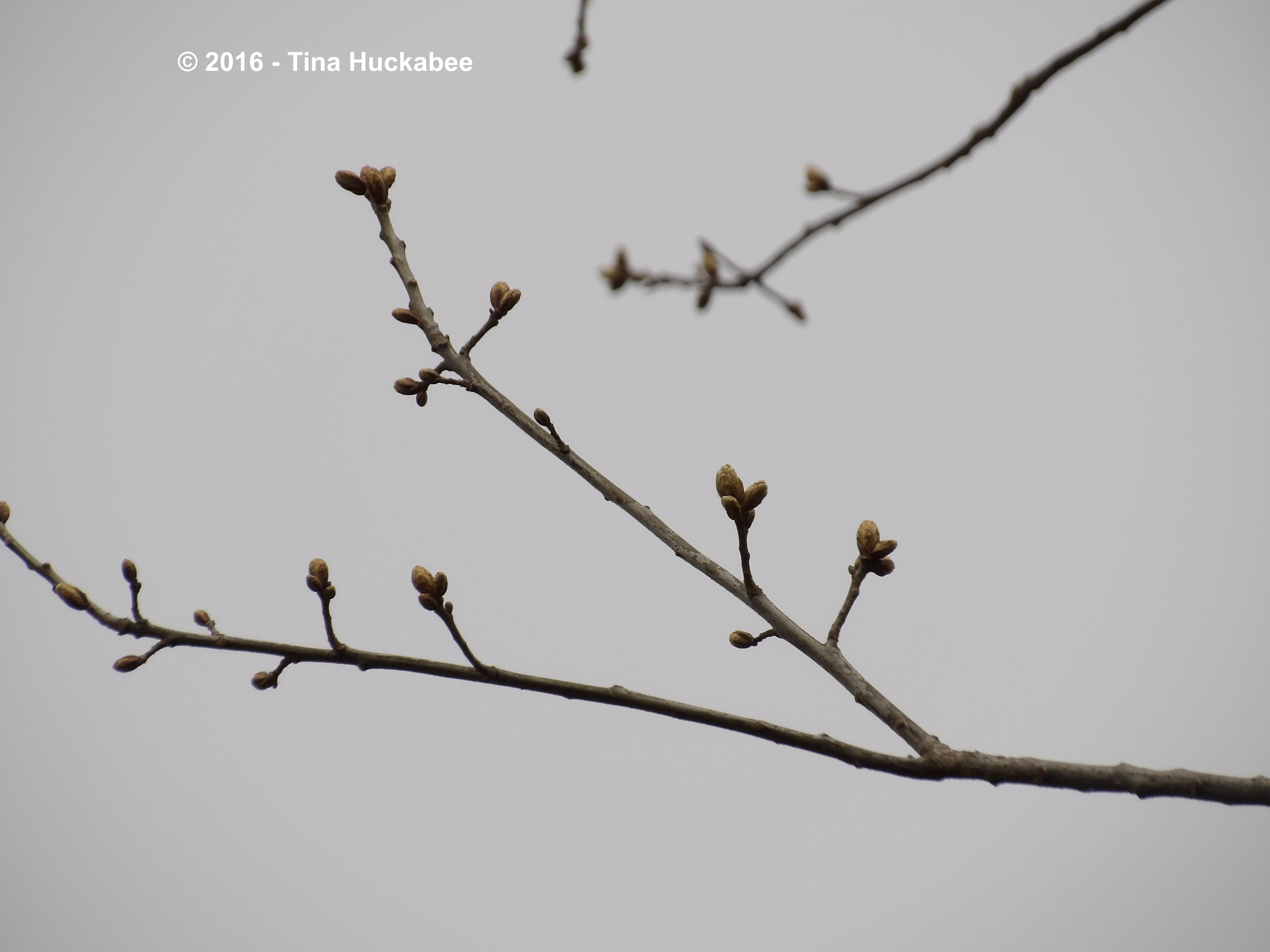
Winter is almost done and was not only late, but a rather ill-mannered no-show in my garden this year.  Here in Central Texas, the trees are flowering and leafing out with abandon, seemingly racing one another to full-fledged foliage.  Even so, the only plants that are weirdly early in my gardens are the Shumard Oaks–they don’t normally flush new growth until the very end of February or beginning of March.

IMGP4651.new

IMGP4652_cropped_4553x3091..new

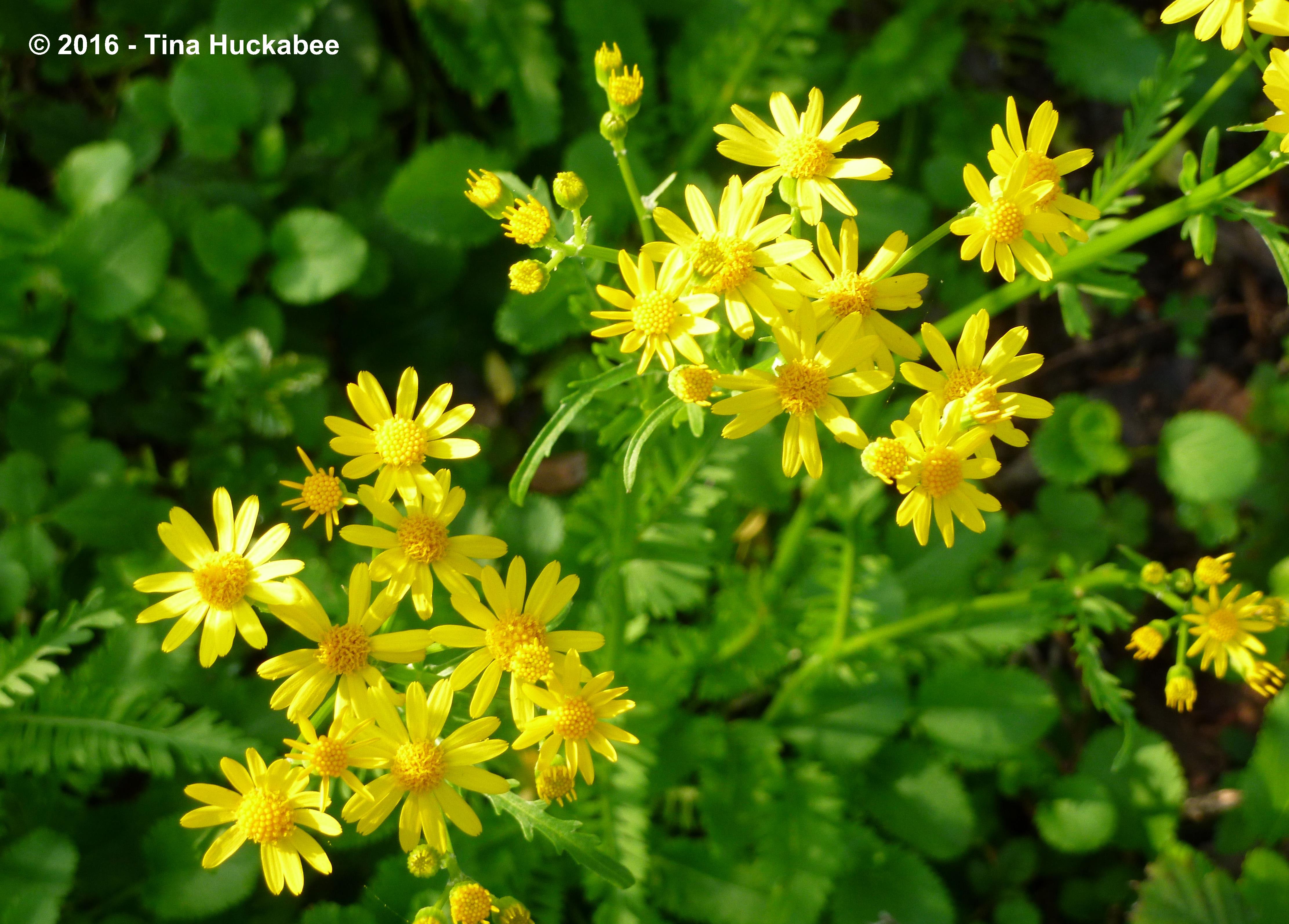
But like an excellent and welcomed dinner guest, the Golden Groundsel, Packera obovata, is right on time in preparation for its flower show. One of our earliest bloomers,  the bloom stalks have arisen and will brighten this shady area in the next few weeks.

IMGP4646.new

While the brilliant flowers are stunning,

20120302_8_cropped_4447x3189..new

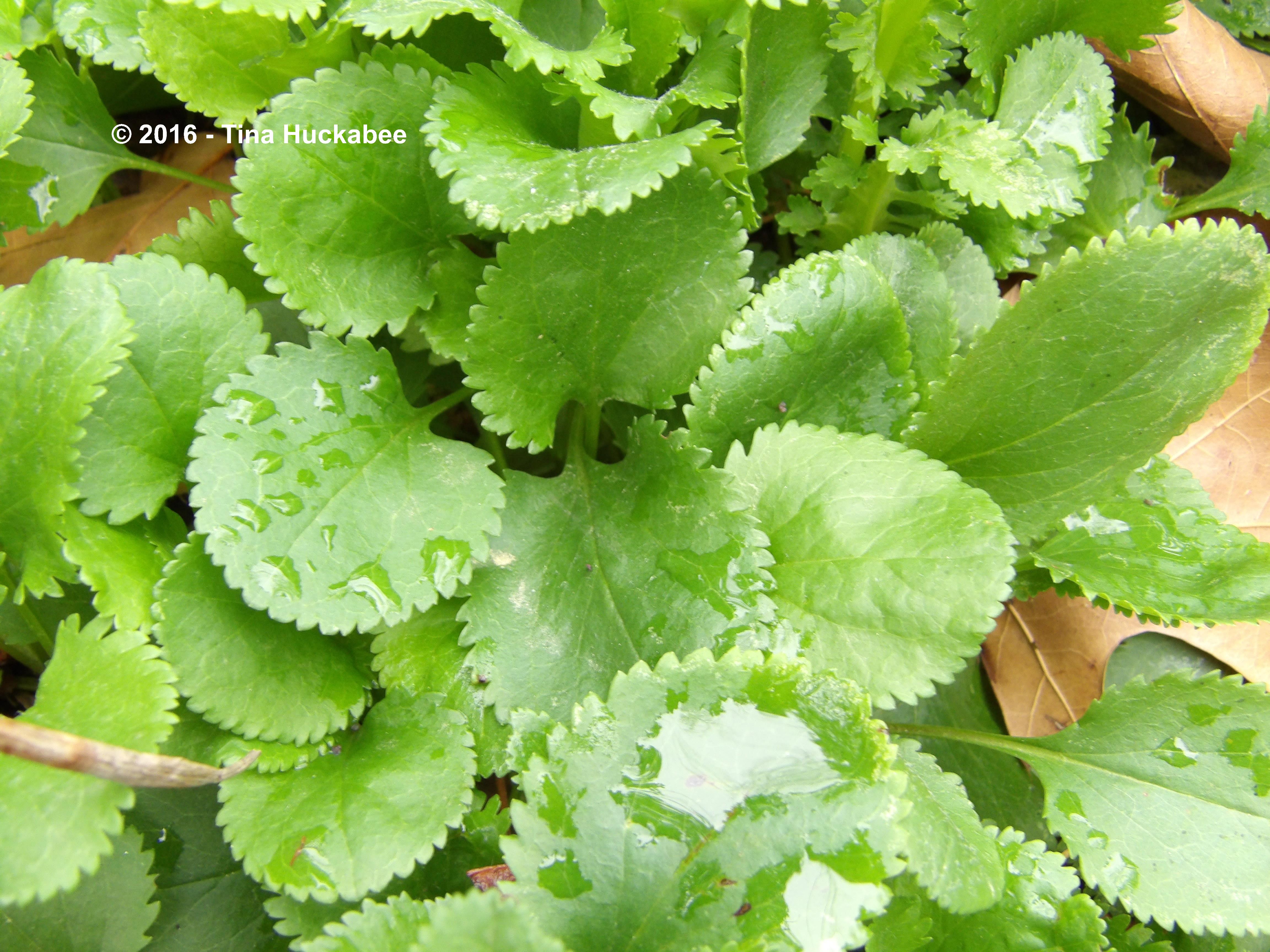
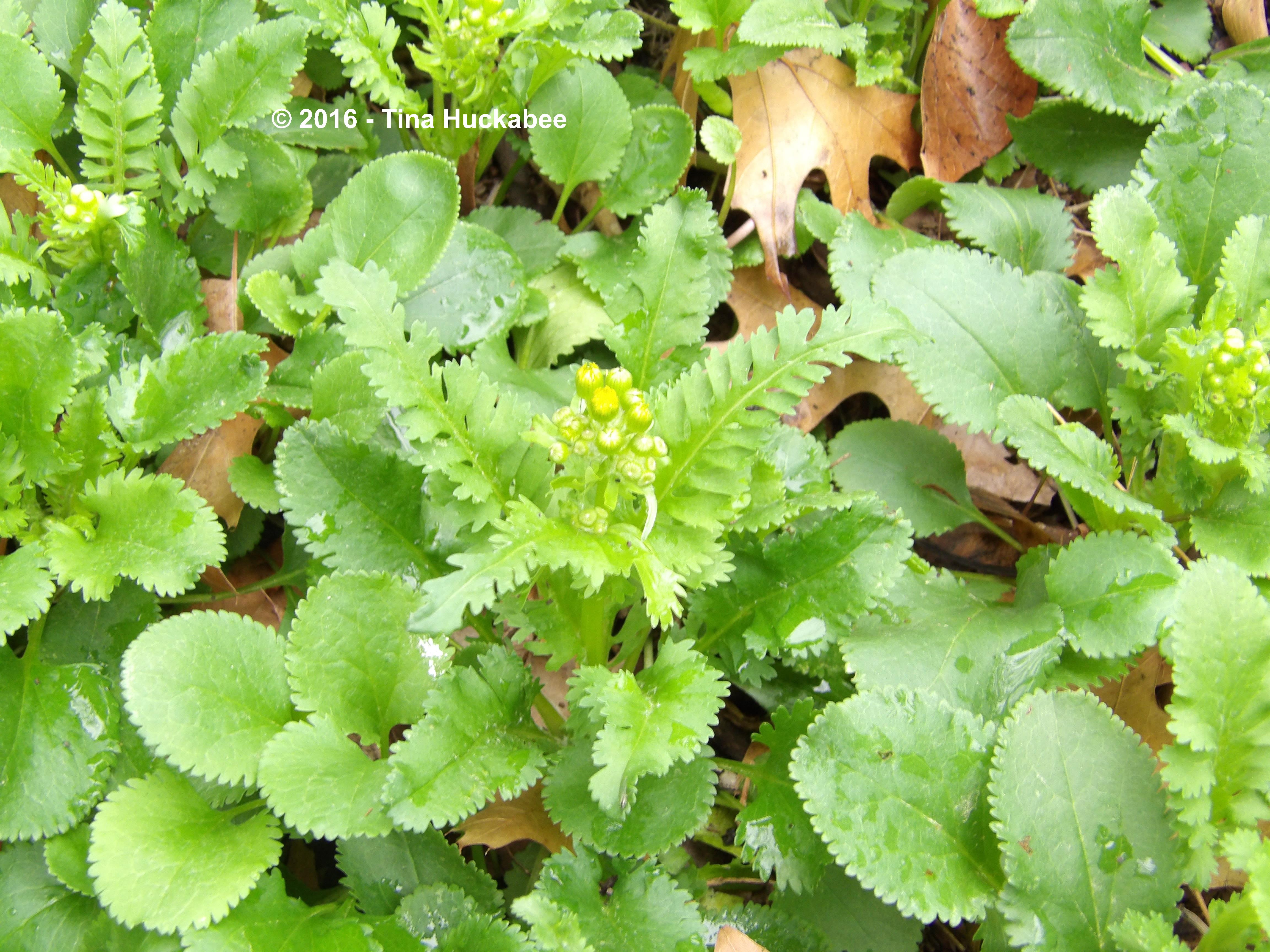
…the foliage of this tidy, woodland wildflower is what I find most appealing about this North American beauty.  Evergreen and ever-lush, the plant forms a colony of finely serrated, ovate leaves and those make up the  “staple” foliage of the plant, year round.

A sprinkling of rain in the last 24 hours is the only rain for the past month.

A sprinkling of rain in the last 24 hours is the only rain for the past month.

IMGP4638.new

As the plant prepares for flowering, the foliage connected to the bloom pedicels develops a more fern-like, deeply serrated character.

IMGP4645.new

IMGP4642.new

The two-fer foliage quality of this wildflower is captivating.

IMGP4647.new

My colony of Golden Groundsel hasn’t spread much in the  5 or 6 years that I’ve grown this plant and I’ve had no good luck in transplanting newer clumps-with-roots to other places.  But it’s a happy and hardy filler in this spot,

IMGP4643.new

IMGP4641.new

…and a handsome ground-cover throughout the year.

IMGP4633.new

Perhaps the blooms will be up and running in time for Garden Bloggers’ Bloom Day in March!

In celebration of February foliage, thanks to Christina’s lovely Creating my own garden of the Hesperides.   Check out her Garden Bloggers’ Foliage Day meme for a look at foliage from many gardens.

Twining Vining

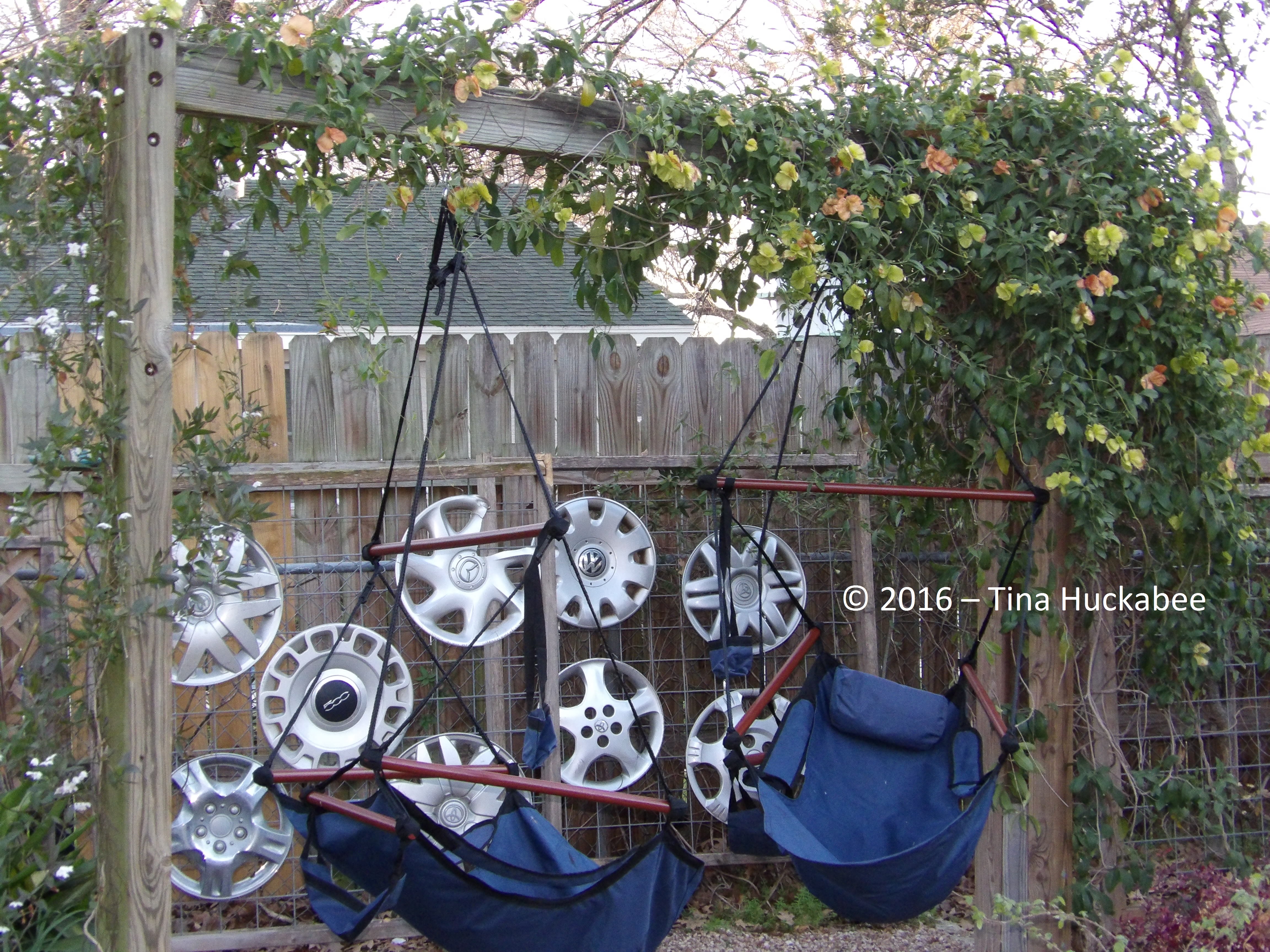
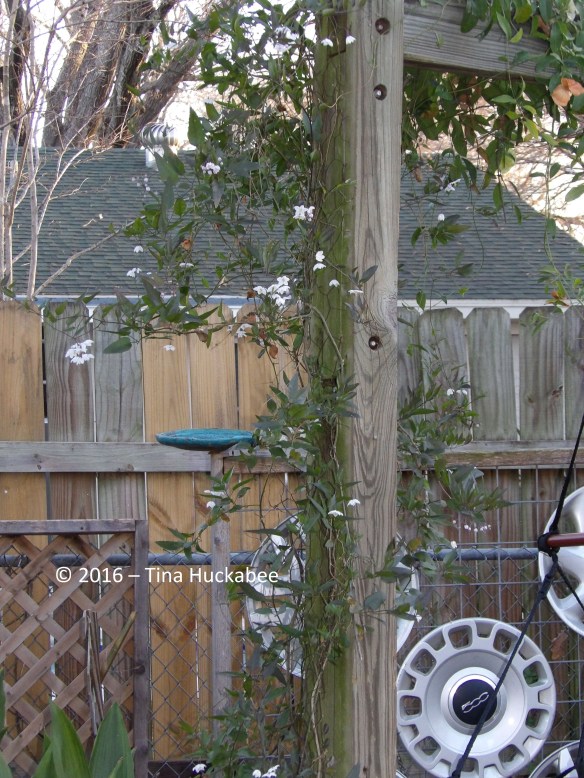
As winter seems a no-show this year here in Austin, Texas, there are plenty of  greens, partial greens, as well as blooms in my garden this February.  Two of the green things twine along this swing beam, which we built long ago for a playscape, but was re-purposed into an adult weekend snoozing spot.

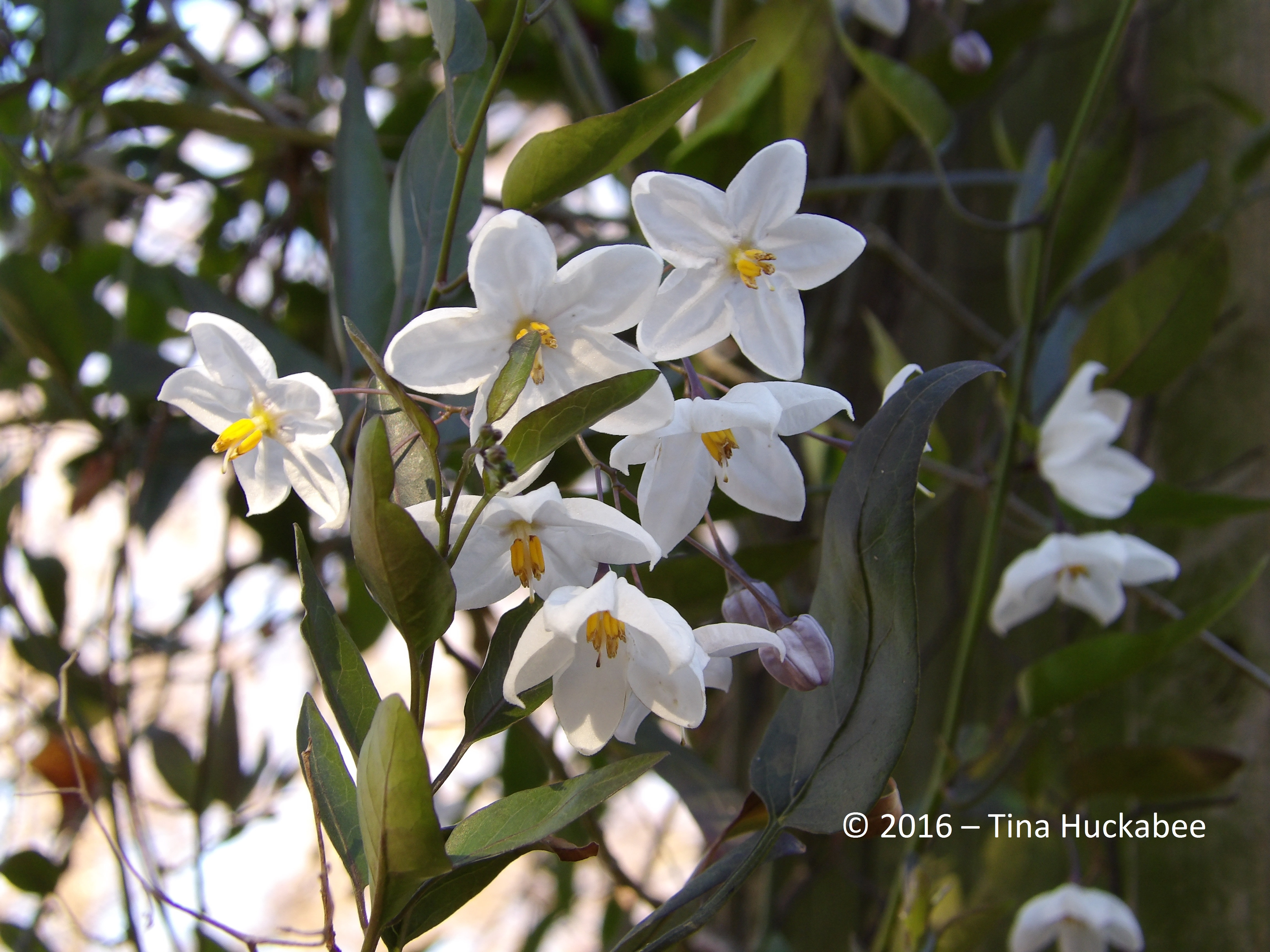
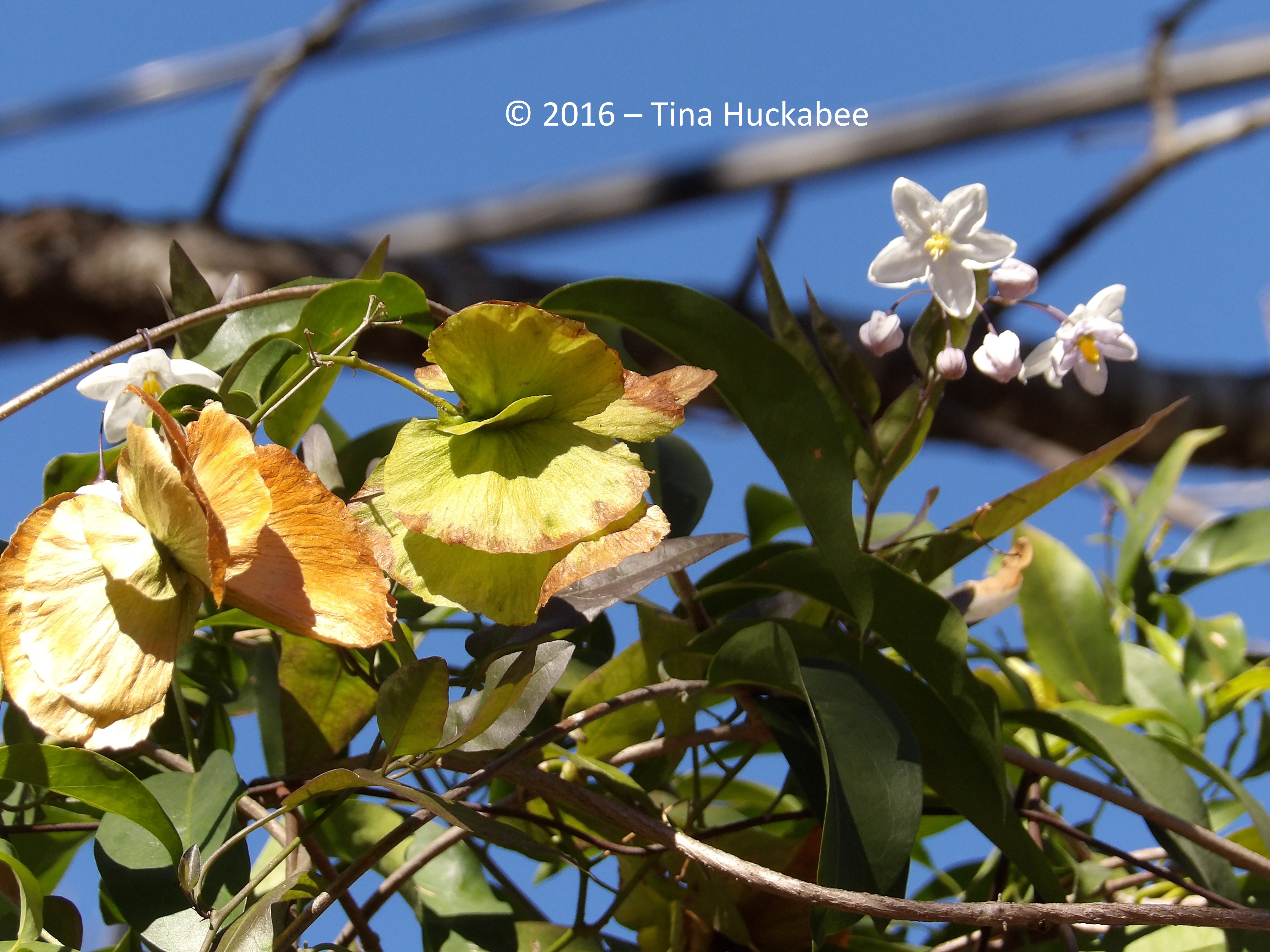
The vines draping the frame are Potato Vine, Solanum laxum on the left side, and Mexican Butterfly Vine, Mascagnia macroptera,  on the right.

The Potato Vine is at its blooming best in fall, winter, and spring.  Our summers are too toasty and dry for the blooms to peek out, though the foliage remains green year-round.

A dainty vine, it doesn’t get too big or full and never requires pruning.
Once freezing temperatures arrive, the foliage develops a lovely burgundy blush. My garden hasn’t seen anything more than a glancing freeze this year, so the foliage coloration is more subtle this February.

The peduncle, receptacle, and calyx mirror the plum purple in the foliage.
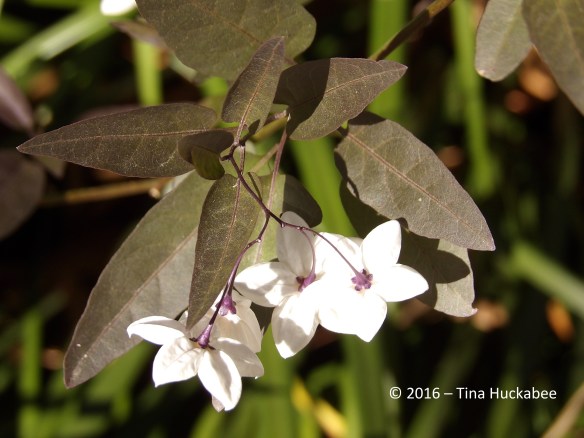
The warm color provides a nice contrast to the winter white of the petals.

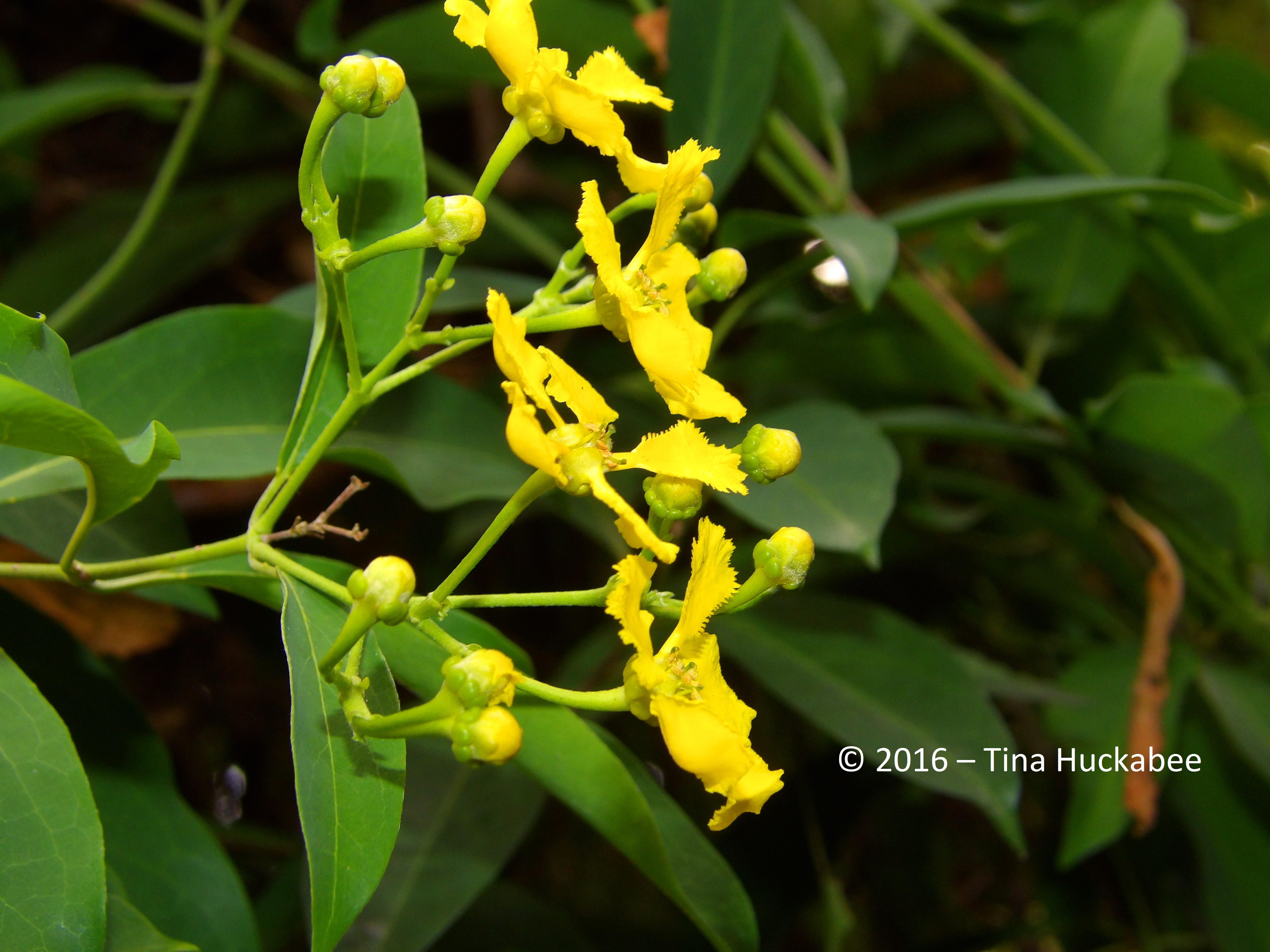
Conversely, the Mexican Butterfly Vine is vigorous grower and bloomer.   Like the Potato Vine, it is a tough and water-wise addition for any Southwest garden.

The strands of the vine grow continuously and I frequently weave them into the full parts of the plant, like errant bits of hair needing tucking behind an ear.
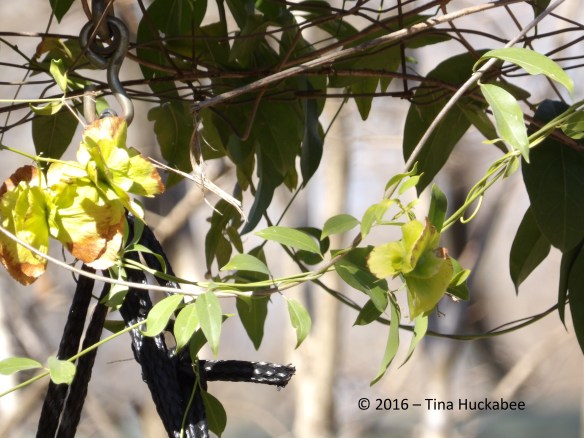
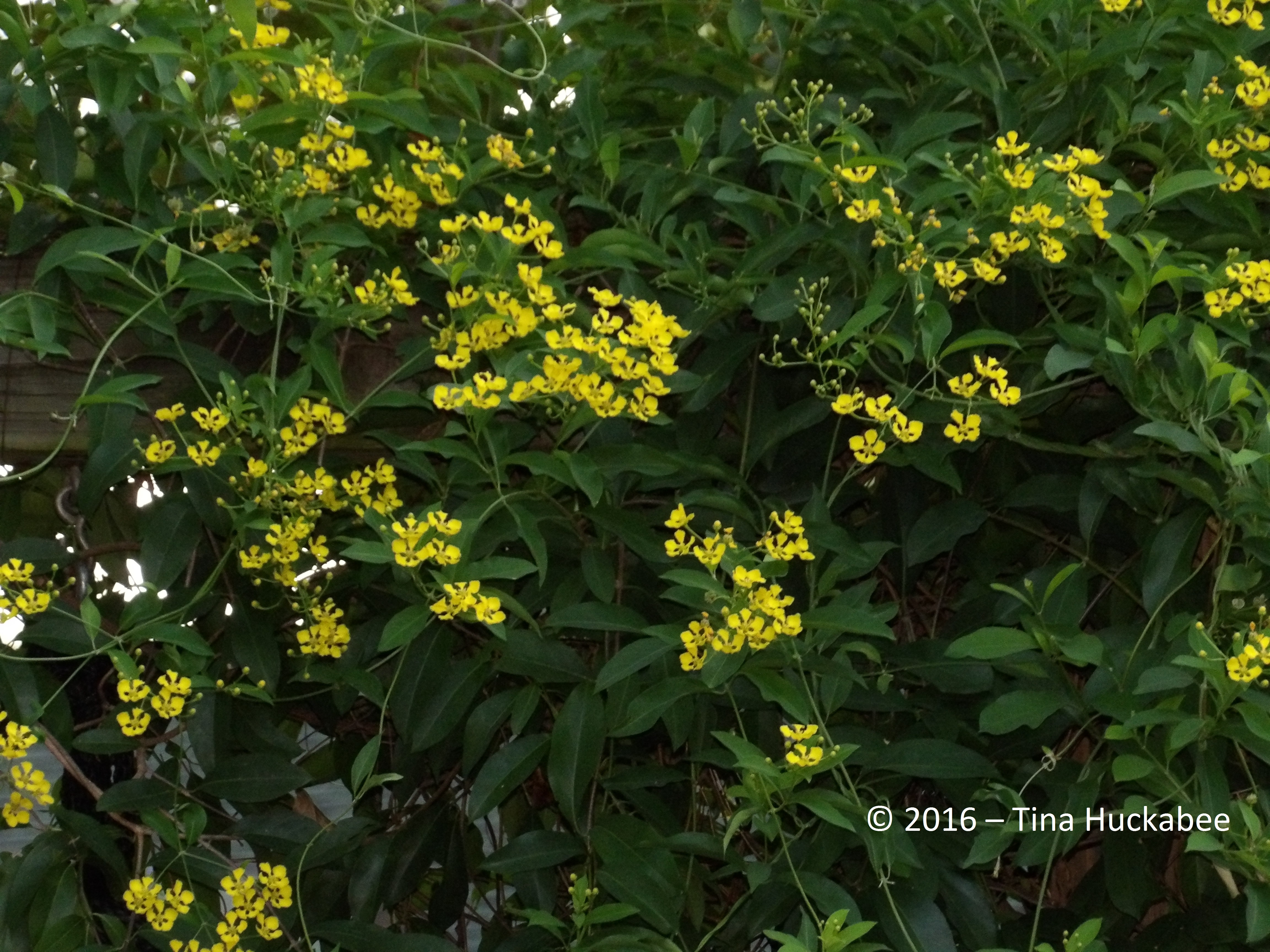
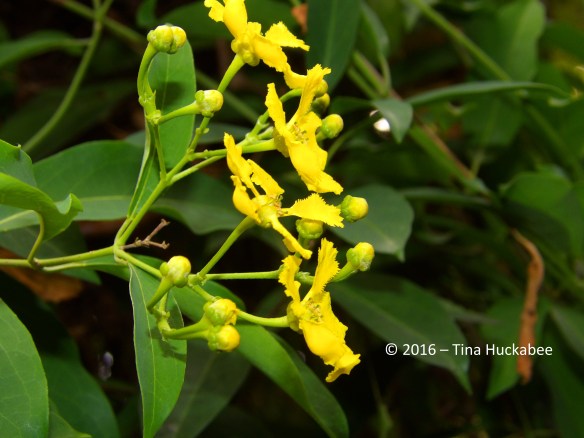
While not flowering now, clusters of bright yellow blooms grace this plant during summer and fall.
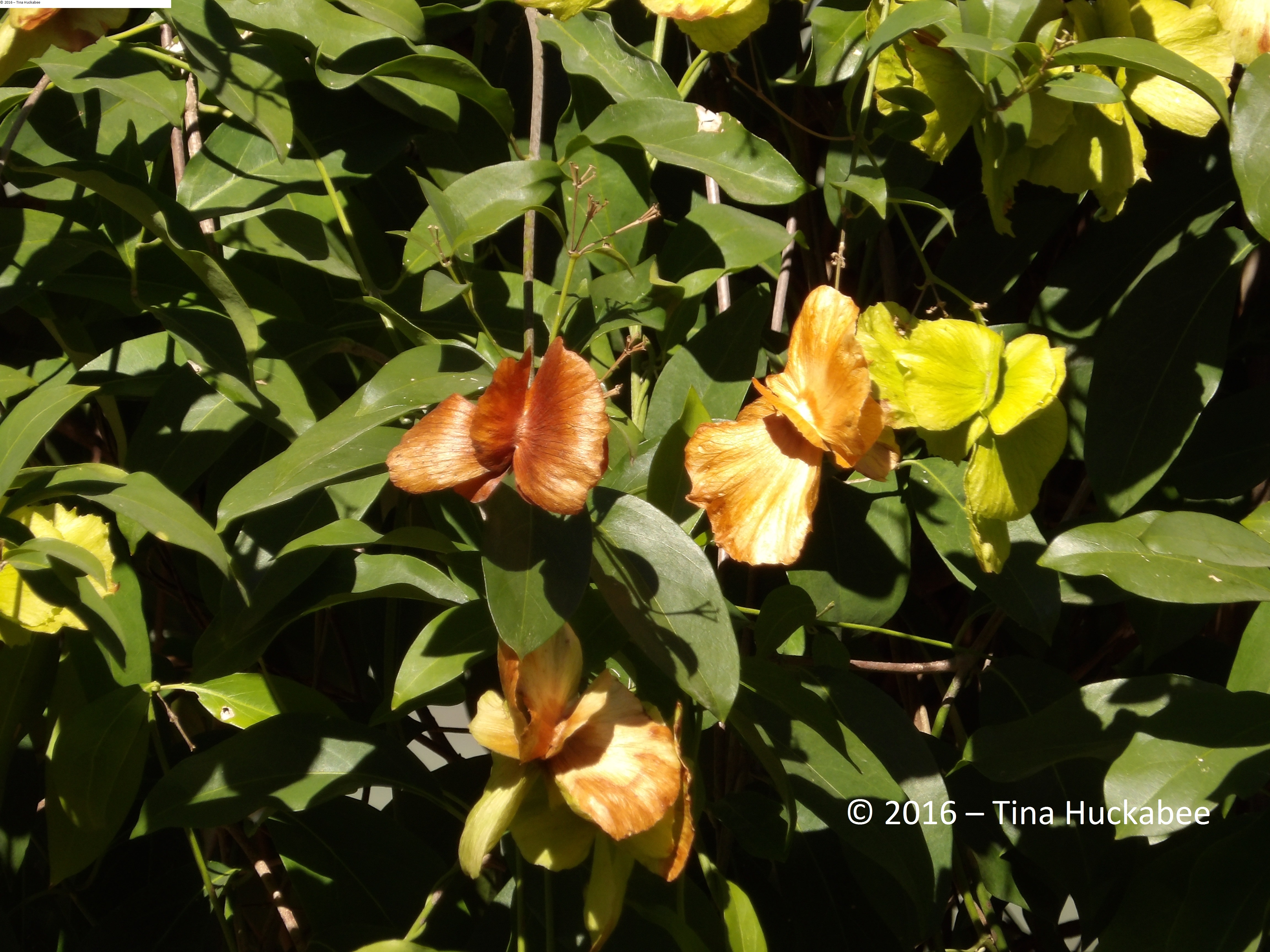
Once the blooms are spent, the seed pods develop into chartreuse “butterflies,”  which eventually become rich honey brown “butterflies.”
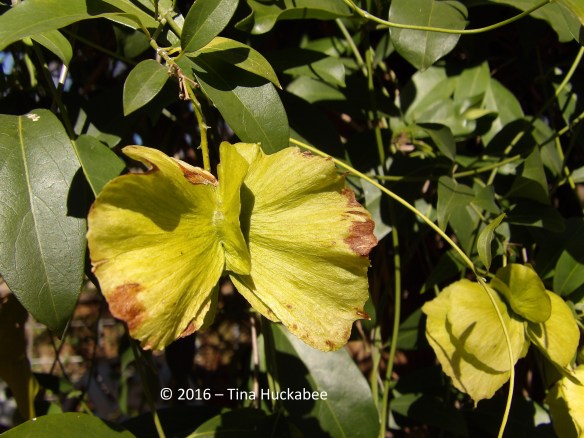
The vine appears to host multitudes butterflies, resting amongst the lush foliage.

For obvious reasons, Mexican Butterfly Vine is a fun vine to grow in the garden, real butterflies or not!

I planted the vine about 10 years ago.  The trunk shows its age and twisty nature.

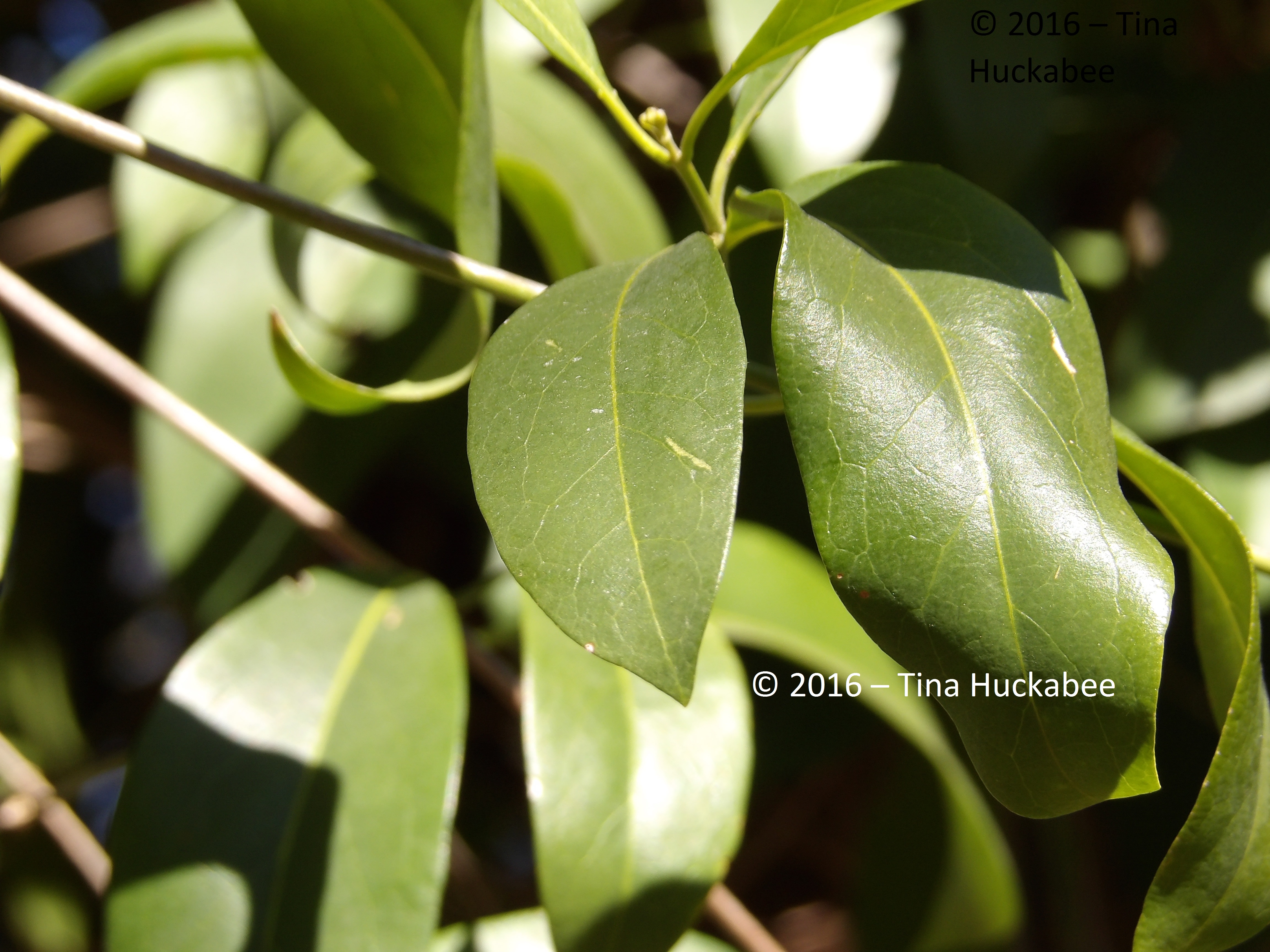
Most winters, the foliage of Mexican Butterfly Vine remains green, though it freezes back completely when we endure temperatures cold enough–well into the 20’s–and for a length of time.  Even when knocked back completely by a hard freeze, it returns from its roots without fail.

Both Mexican Butterfly Vine and Potato Vine are no-fuss and low-water needs vines, and provide year-round interest and beauty.
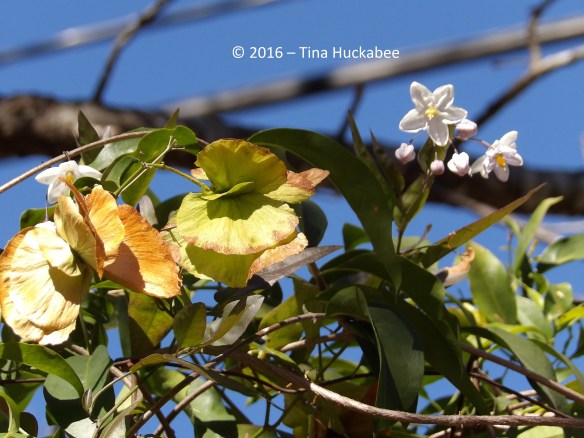
Thanks to Carol at May Dreams Gardens for hosting her celebration of blooms for Garden Bloggers’ Bloom Day  and also to Pam at Digging for profiling the beauty of foliage with Foliage Follow-up.  Please visit each lovely blog to see blooms-n-foliage in gardens from many places.