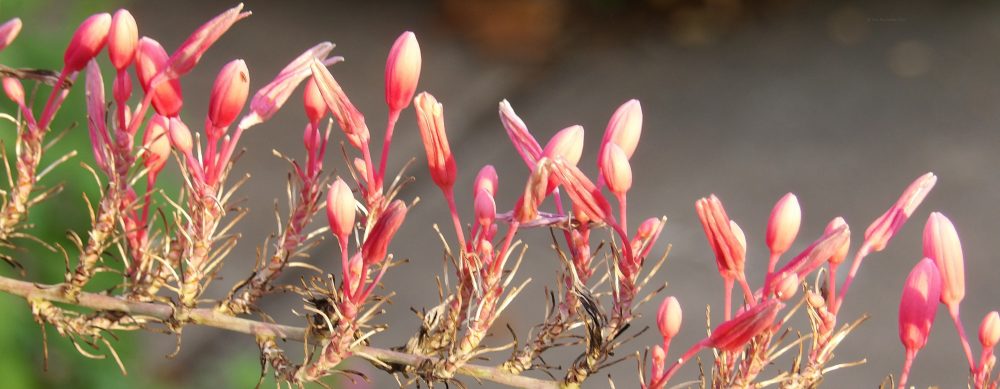
Autumn in Central Texas brings an appreciated dramatic flush of blooms (after the heat and drought of a long summer) but also a generous offering of fruits and seeds from many spring-blooming plants.
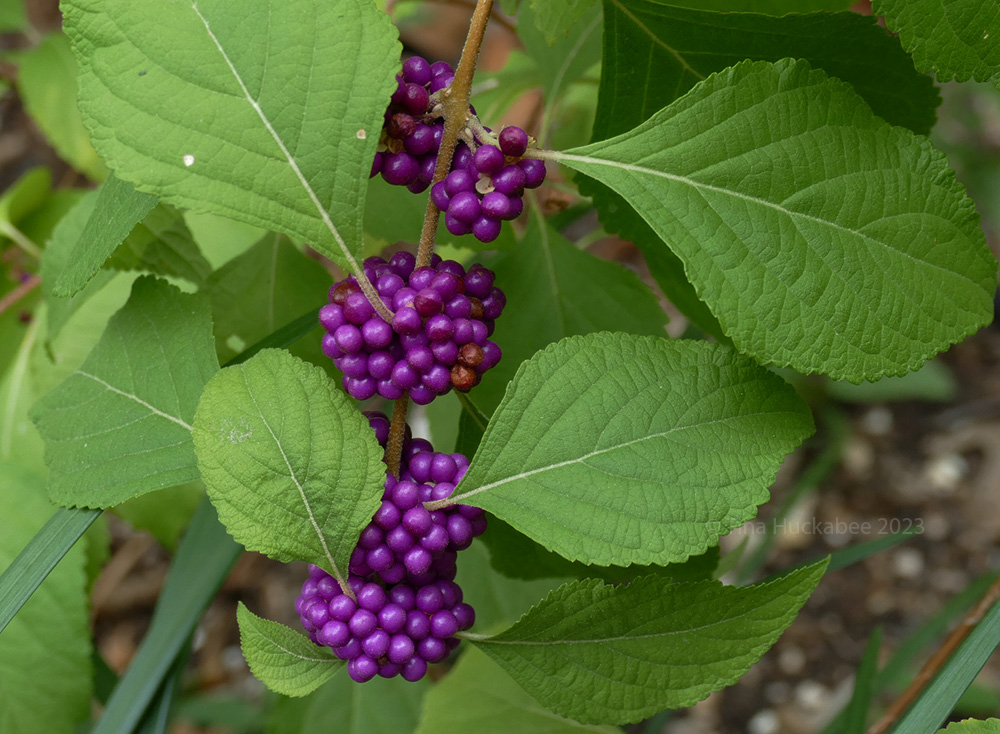
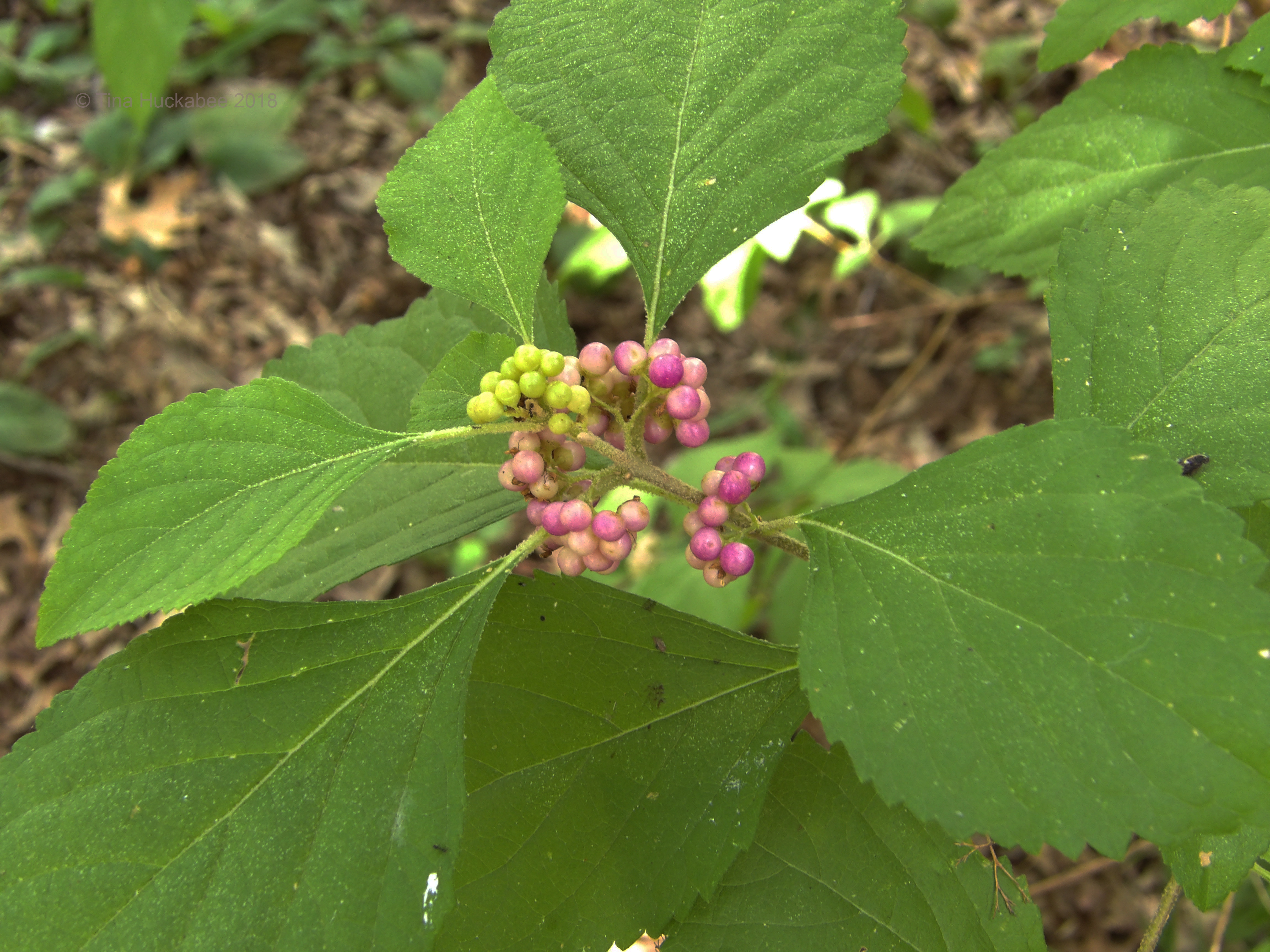
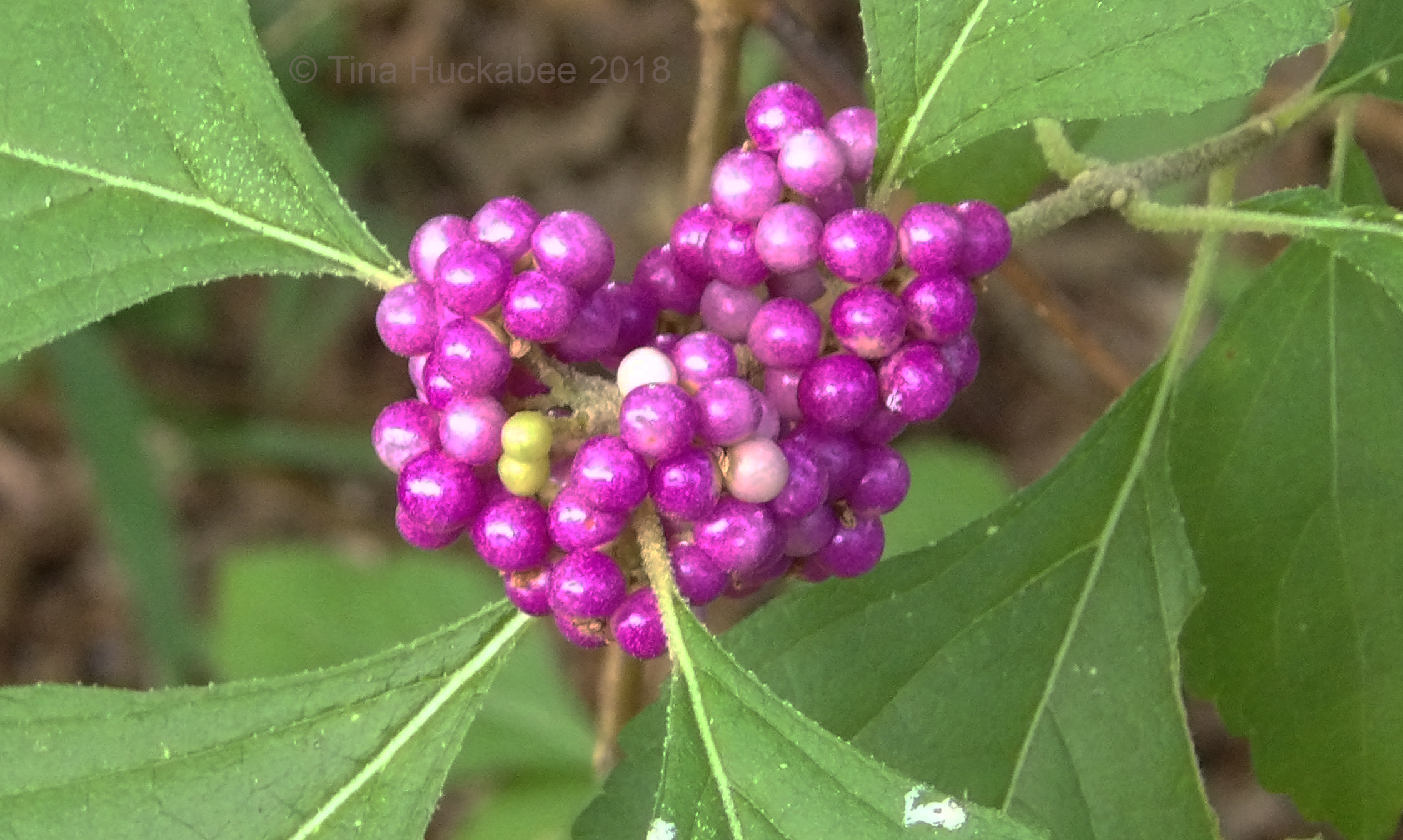
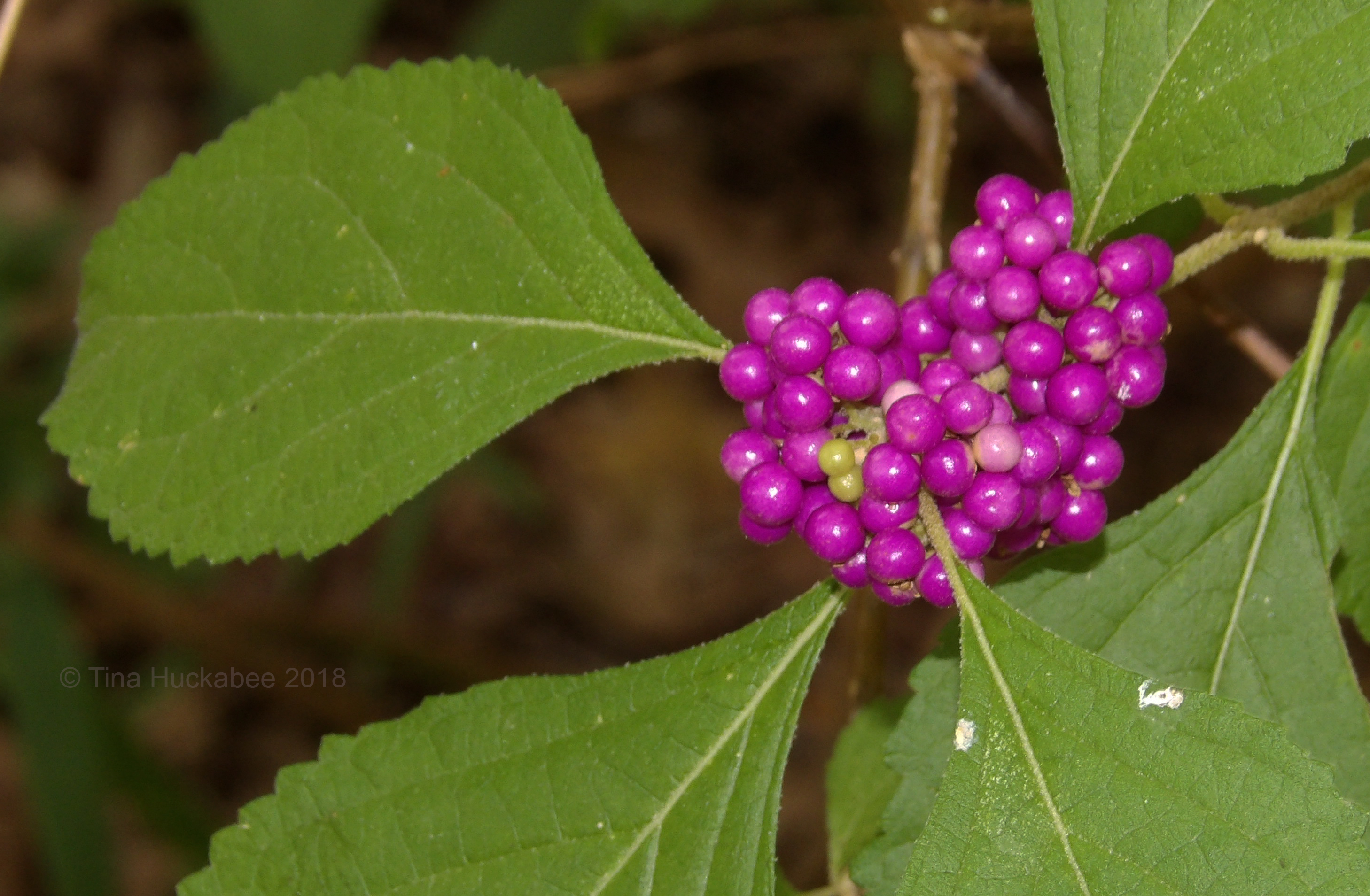
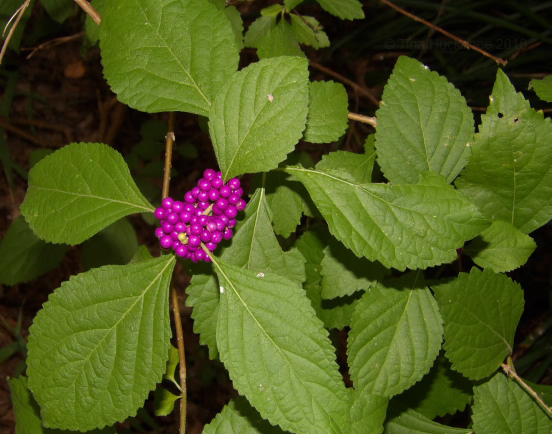
American Beautyberry, Callicarpa americana, is a hardy shade-to-sun deciduous shrub which provides yummy meals for Blue Jays, Mockingbirds and various mammals.
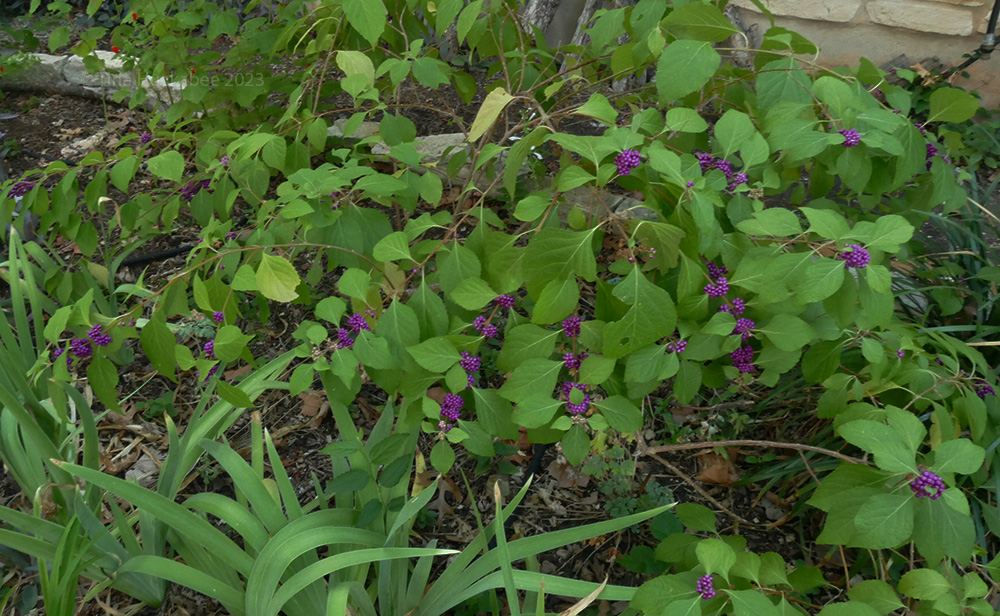
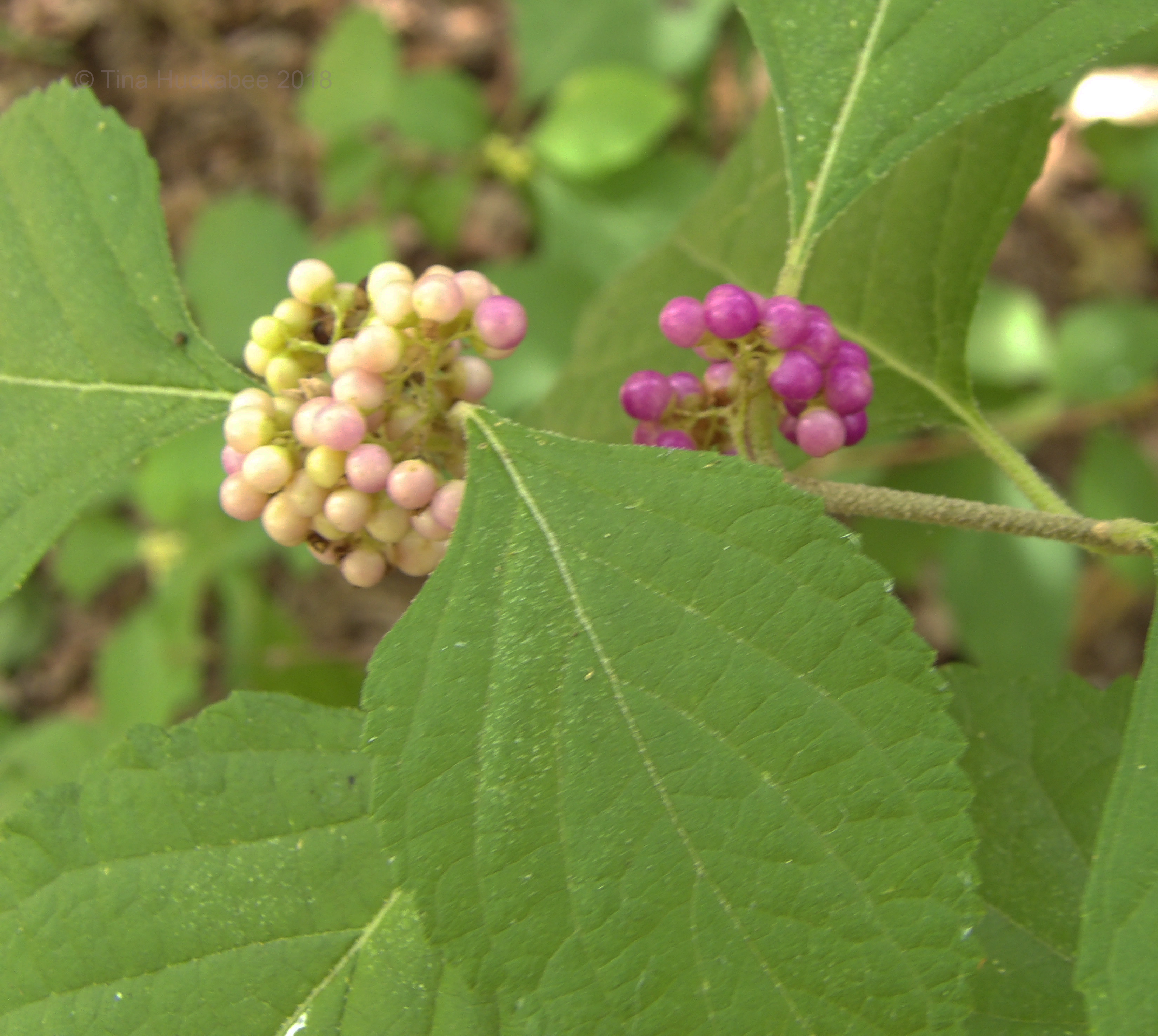
Dainty pink June blooms segue to light green berry clusters in July, which then color-up in August. By mid-September, the berries arrive at their disco-metallic, ready-to-eat form. Critters show up and critters eat. I haven’t snagged a decent shot of anyone nibbling on the berries, as foliage provides good cover. But nibble they have.
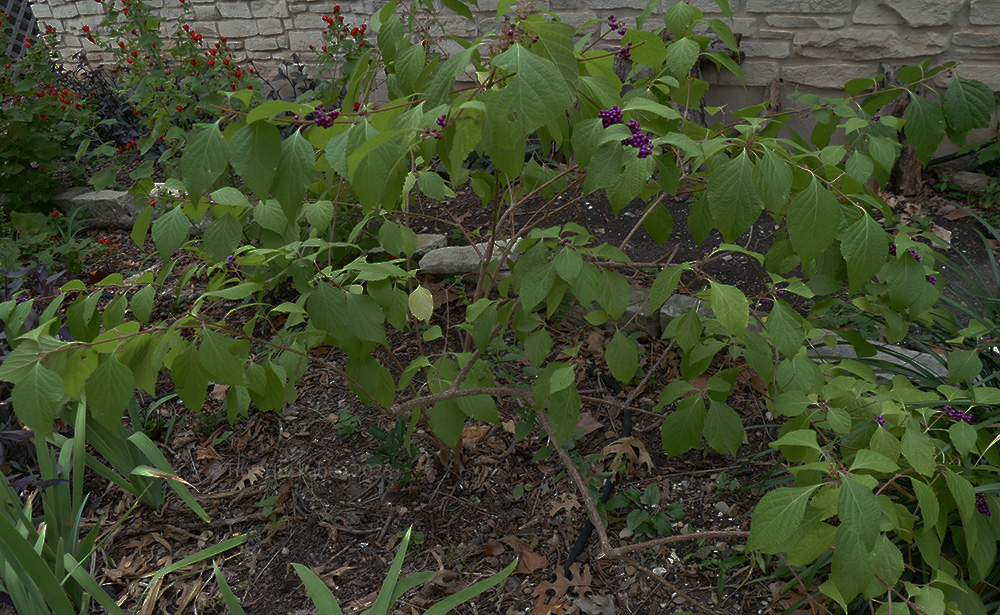
The first photos were taken weeks ago, but with wildlife noshing, most of the purple goodness that decorated the shrub, are gone with those bird and mammal meals. The Beautyberry still holds a few clusters of berries, which I expect will be eaten in the next few weeks. After that, with shorter and cooler days, the foliage will turn butter yellow and eventually drop to the ground, a mosaic of autumn which, in time, will add nutrients to the soil for future growing seasons.
Another plant that resident and migratory birds enjoy is Roughleaf Dogwood tree,Cornus drummondii. This particular tree is situated behind my pond and provides good refuge for bathing birds to escape to when startled, or a restful spot to perch when fluffing wet feathers is required.
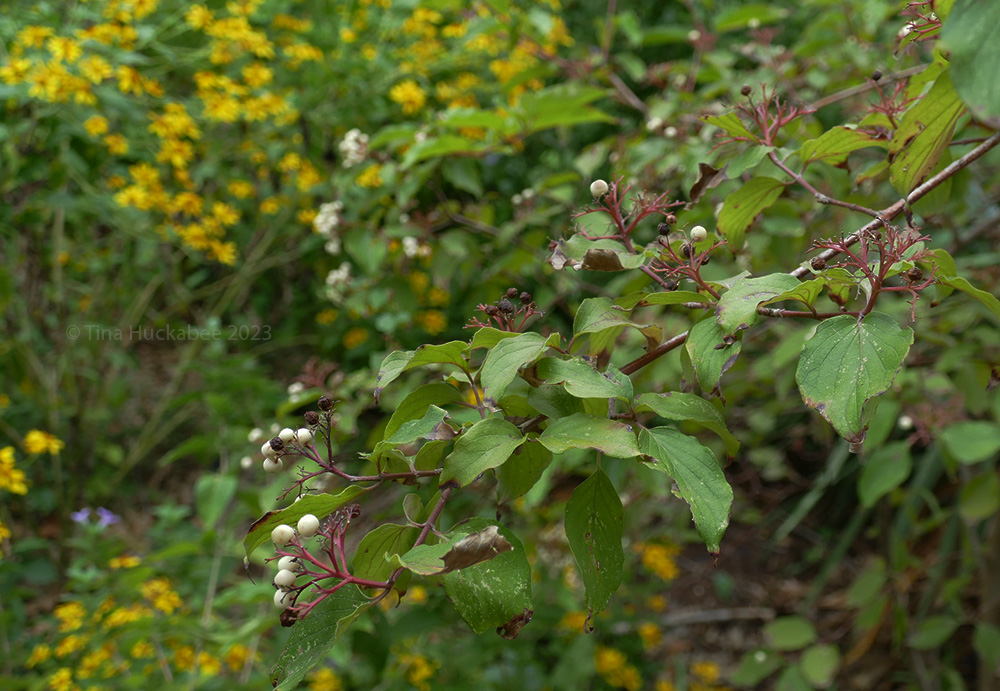
Birds nosh on the creamy white fruits which sit aloft wine-colored stems. Ignored berries have fermented, crinkled, and turned a deep black-blue.

The blast of yellow in the background comes from a couple of Plateau Goldeneye, Viguiera dentata, shrubs. Pollinators are all over these blooms right now and when the blooms end, birds will go ga-ga for the seeds. Once a freeze renders the shrub dormant, finches reportedly use dried leaves for their nesting material.
Before fall fruit development, Rough-leaf Dogwood flower creamy white blooms in April and May, attracting a variety of pollinators, especially fly and native bee species.
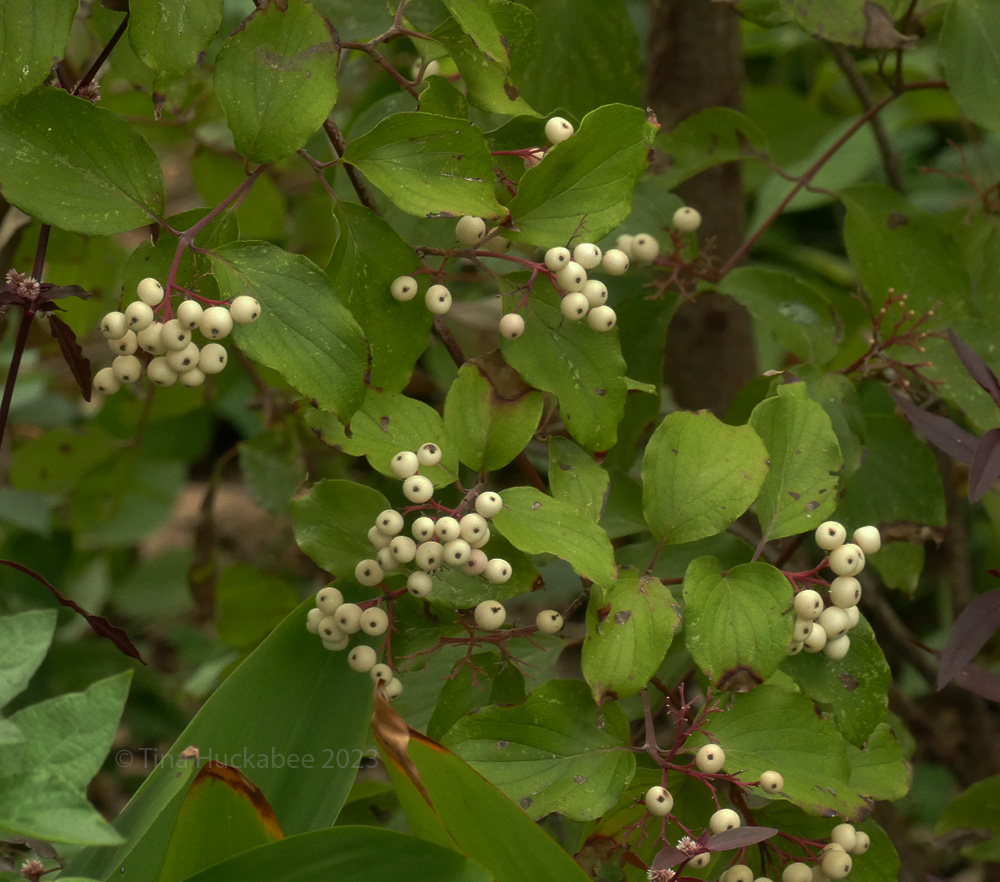
Wildlife friendly gardens require plants that are food sources, as well as havens from danger and for rest. These three plants are native to Texas and are excellent seasonal wildlife plants. All are tough plants and easy to grow, add form and structure for human admiration and important sustenance for wildlife. Autumn is a good time to plant perennials and trees here in Texas, so give native plants a whirl in your garden. You’ll appreciate their beauty and practice good stewardship on your plot of the Earth.








 My Gardener Says...