Who Needs a Rubber Duckie?

Rubber Duckie, you’re the one,
You make bathtime lots of fun,
Rubber Duckie, I’m awfully fond of you…

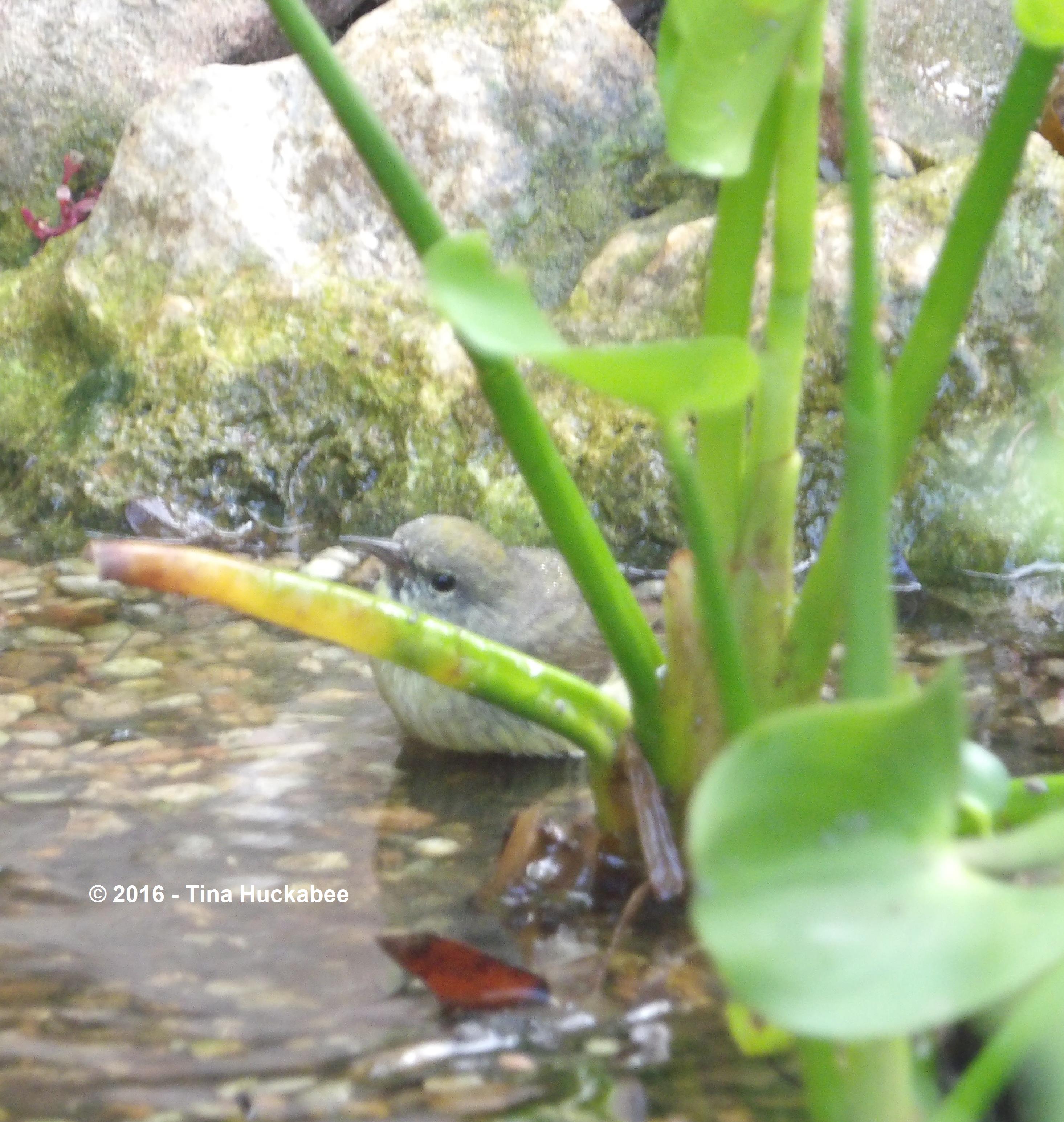
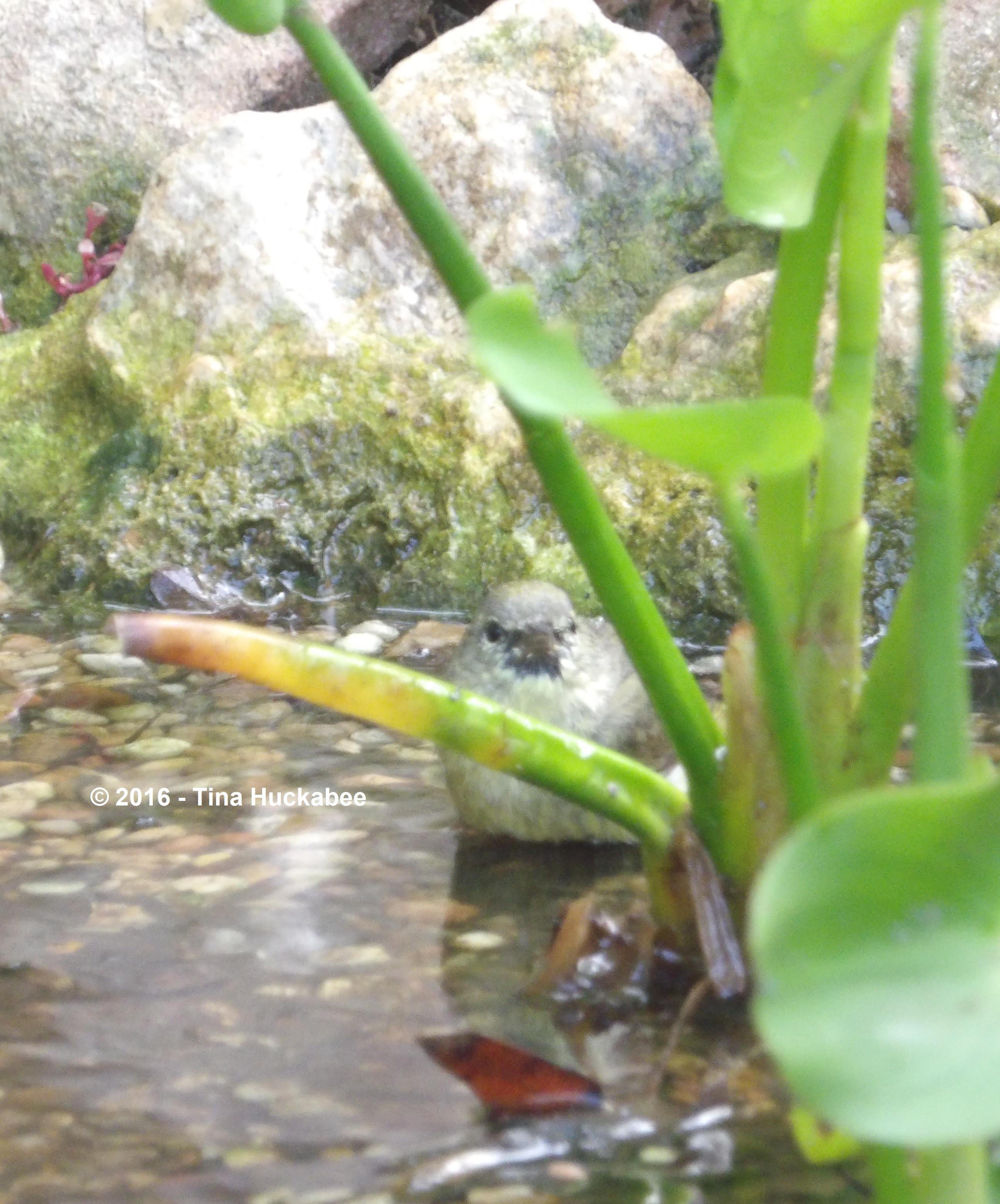
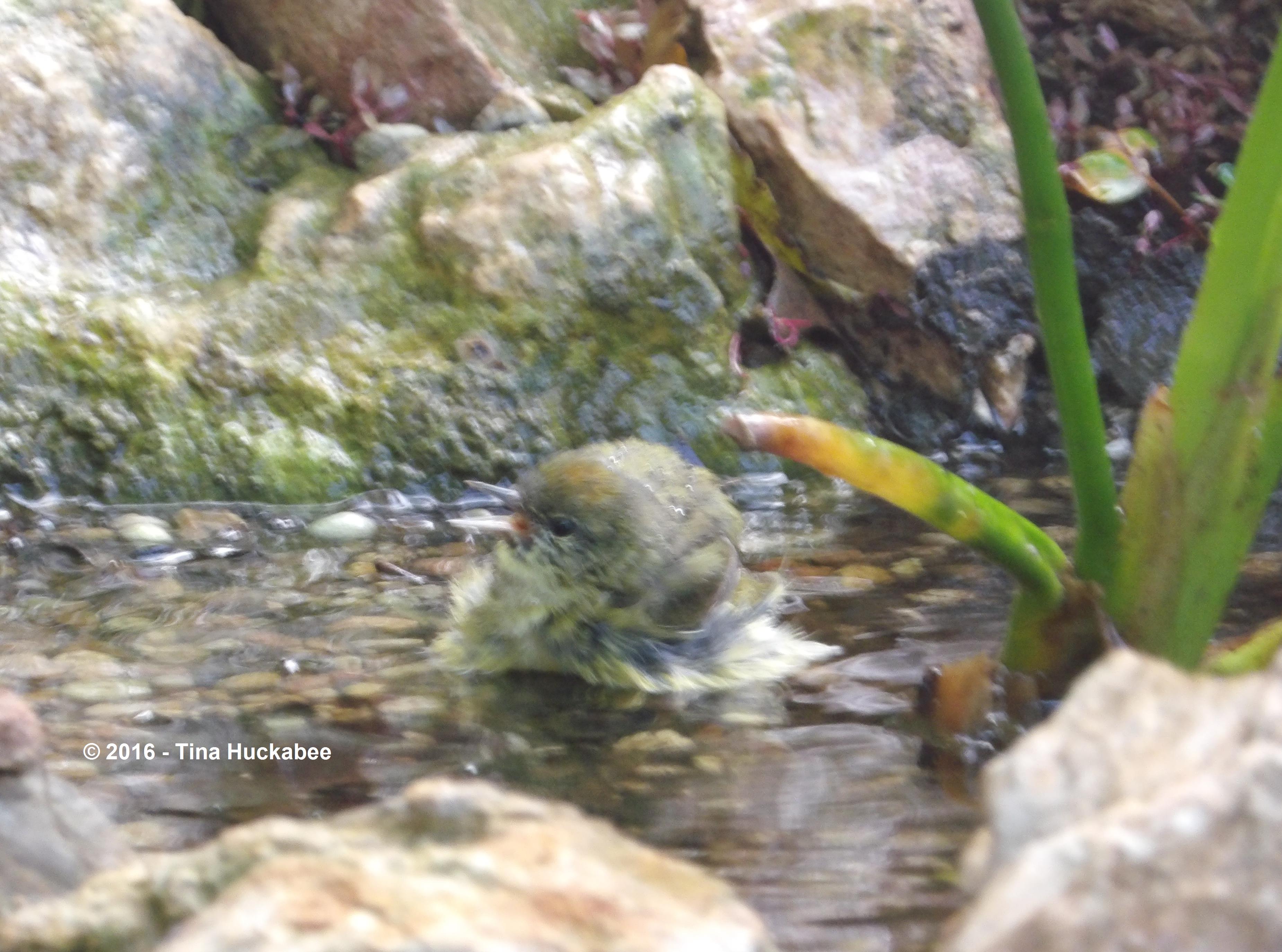
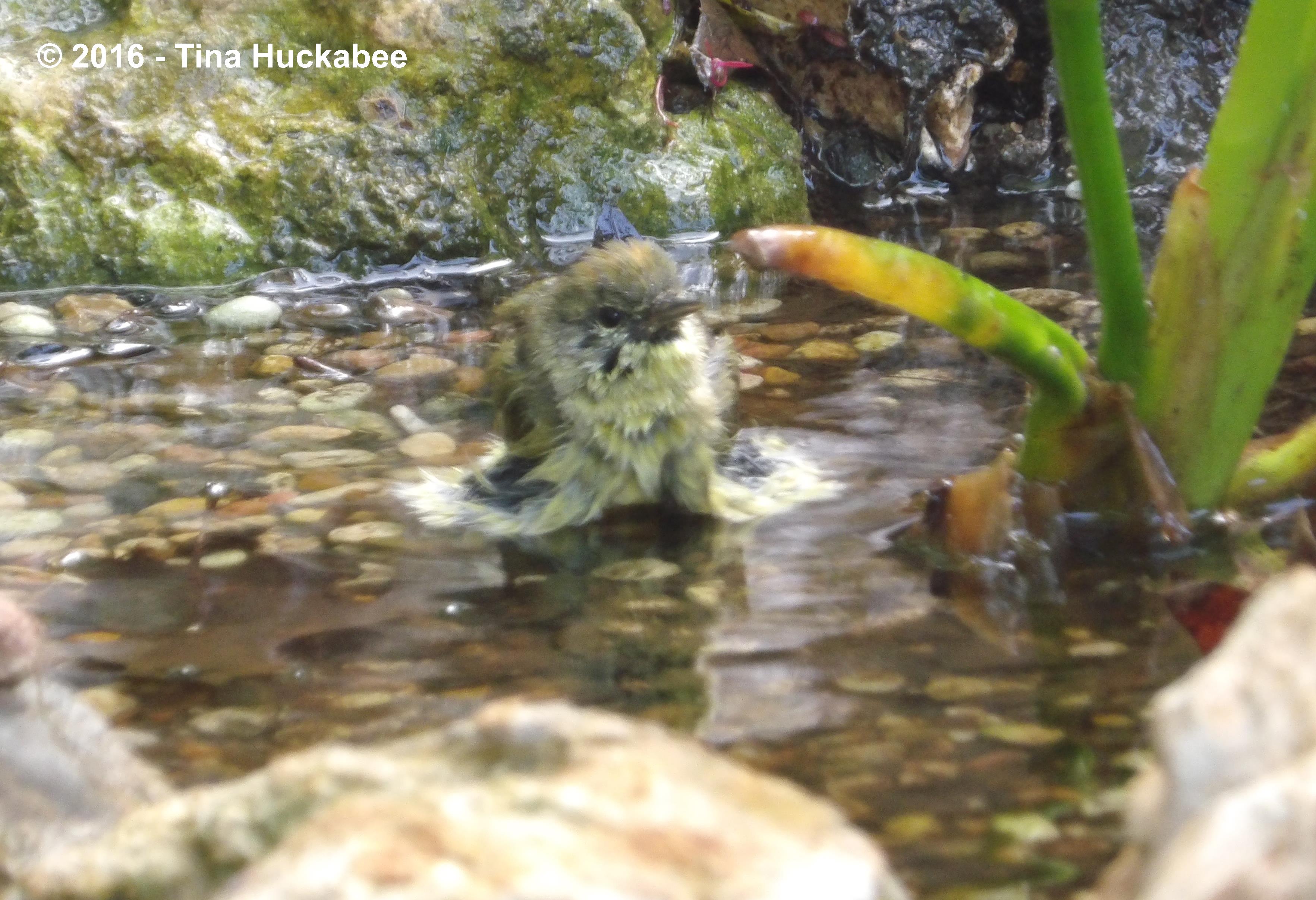
With apologies to Sesame Street, Ernie, and the songwriter, Jeffrey A. Moss, this male Orange-crowned Warbler, Oreothlypis celata, has no need for a rubber duckie to have fun in the bath.

IMGP6850_cropped_2931x3092..new

IMGP6854_cropped_2594x3124..new

On mornings when I don’t have to scoot out of the house too early, I take some time to watch avian visitors as they bathe in the bog section of my pond.   I’ve separated the Pickerel Rush, Pontederia cordata, allowing for more water than plants in the bog, and birds are enjoying the shallow, moving water. This little guy just seems so happy to have his bath.

Sing to the right...

Sing to the right…

Sing to the left...

Sing to the left…

Wiggle and splash!

Wiggle and splash!

Clean and pretty!

Clean and pretty!

Look at that gorgeous orange crown!

Look at that gorgeous orange crown!

I'm so cute, I'll drive the girls wild!

I’m so cute, I’ll drive the girls wild!

After he flew into a neighboring small tree to fluff and preen, his mate hopped to the edge of the public bath.

Guys!

Guys!

She was a bit more tentative and I never got  good, clear shots of her. Trust me though, she had a great time too.

Fun with birds!

A Ballyhoo for Spiderwort

Texas is well-known for its spring wildflowers: BluebonnetLupinus texensis

Bluebonnet.new

IMGP6796_cropped_4461x2977..new

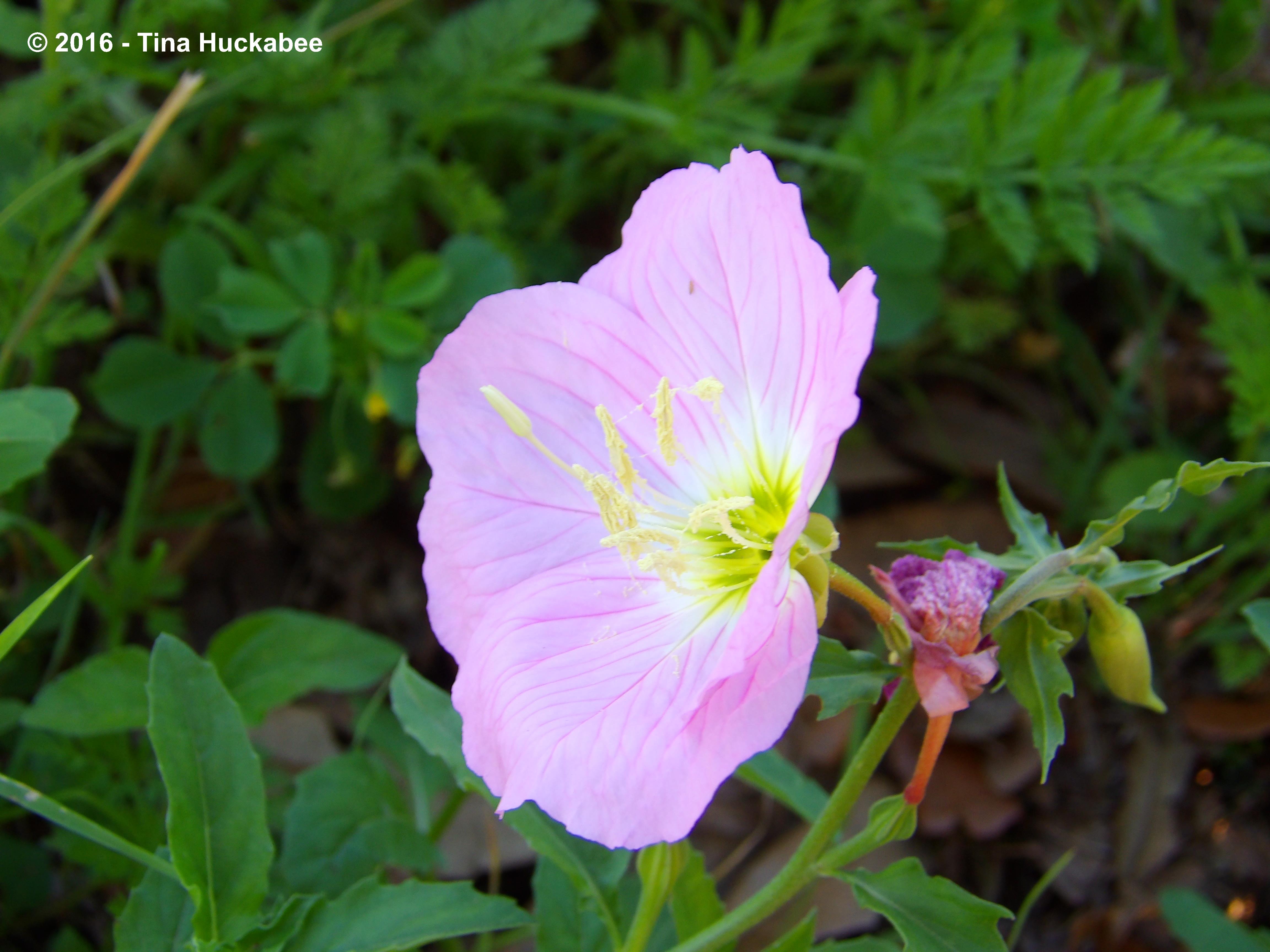
Pink evening primroseOenothera speciosa,

IMGP6793.new

FirewheelGaillardia pulchella,

IMGP6795.new

…and so many others. Folks from far and wide travel to Texas to view the spring wildflower show. In a good year, open spaces and home gardens are resplendent with color from all parts of the color wheel.

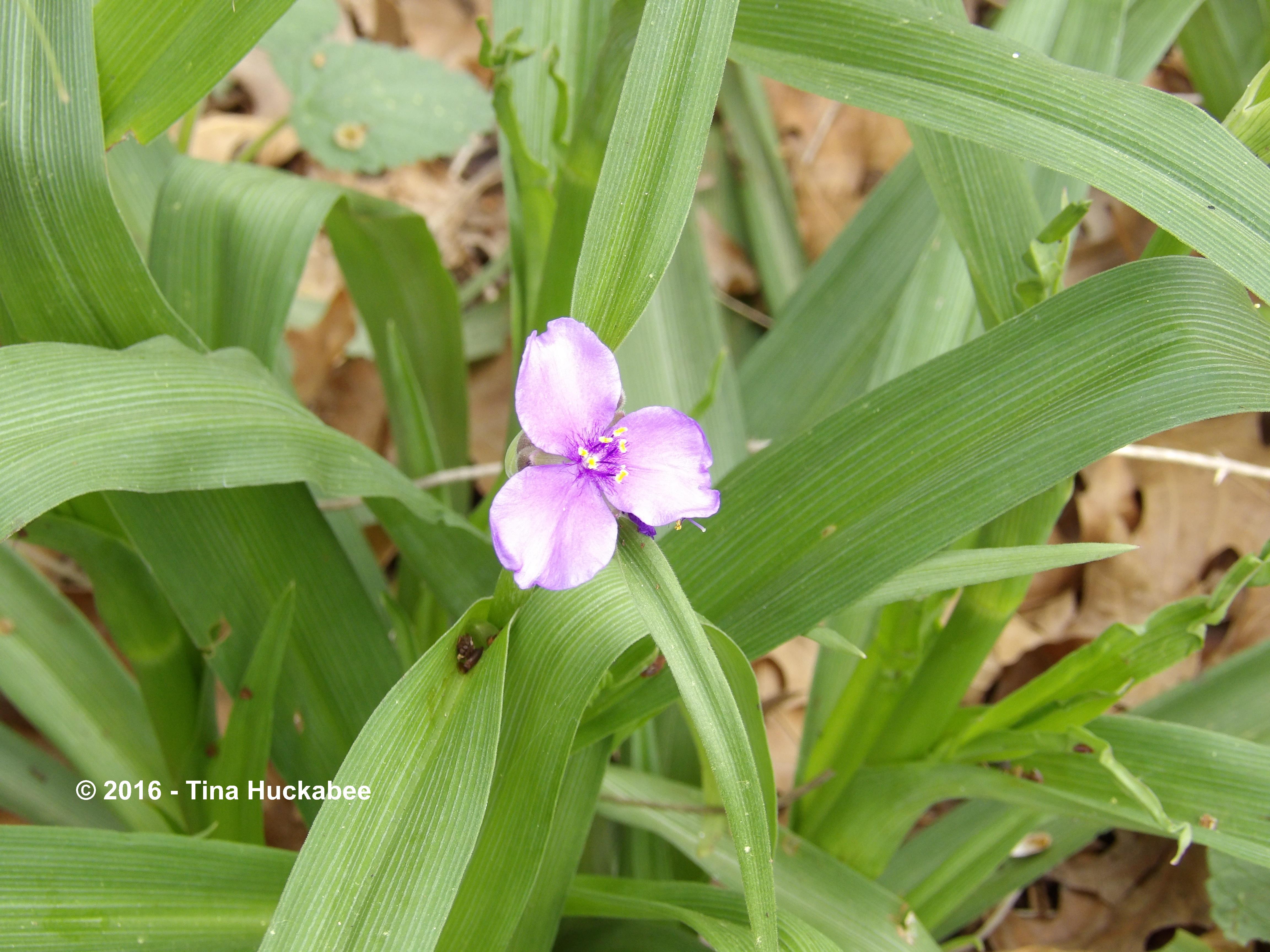
I don’t grow any of the famed Texas wildflowers in my personal garden. Alas, my soil is too heavy and my space too shady for the prairy/grassland flowers that most identify as quintessential Texas wildflowers.  But I certainly love and grow many other native Texas plants and wildflowers and a favorite in bloom right now is a group belonging to the Commelinaceae family–the pride of purple–Tradescantia or Spiderwort.

IMGP6242_cropped_2359x2161..new

IMGP5091.new

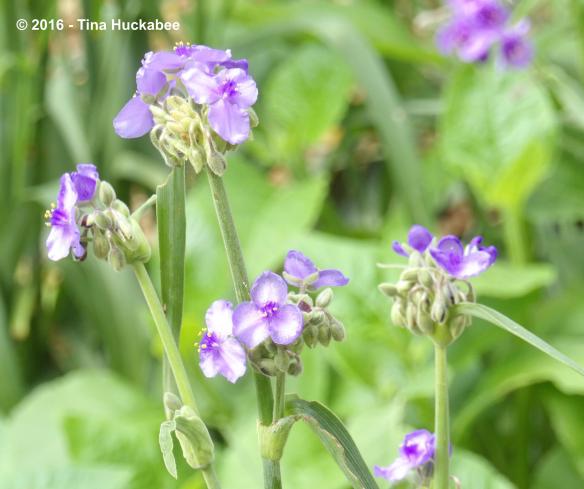
There are 19 species of Tradescantia throughout North America, almost half of which reside in Texas.  A woodlands plant, Spiderwort thrive in a variety of soils, but generally prefer part-shade to shade exposure, though it grows well in more sunny conditions, too.  In short, it’s not a picky plant.

I can’t tell you exactly which one of the Tradescantia that are in my gardens because different Spiderwort mix-n-match with one another, hybridizing readily and creating variations in color,
IMGP6804_cropped_3548x2972..new

…height,

…and petal shape.

A simple Spiderwort petal,

A simple Spiderwort petal,

...and a more ruffly form.

…and a more ruffly form.

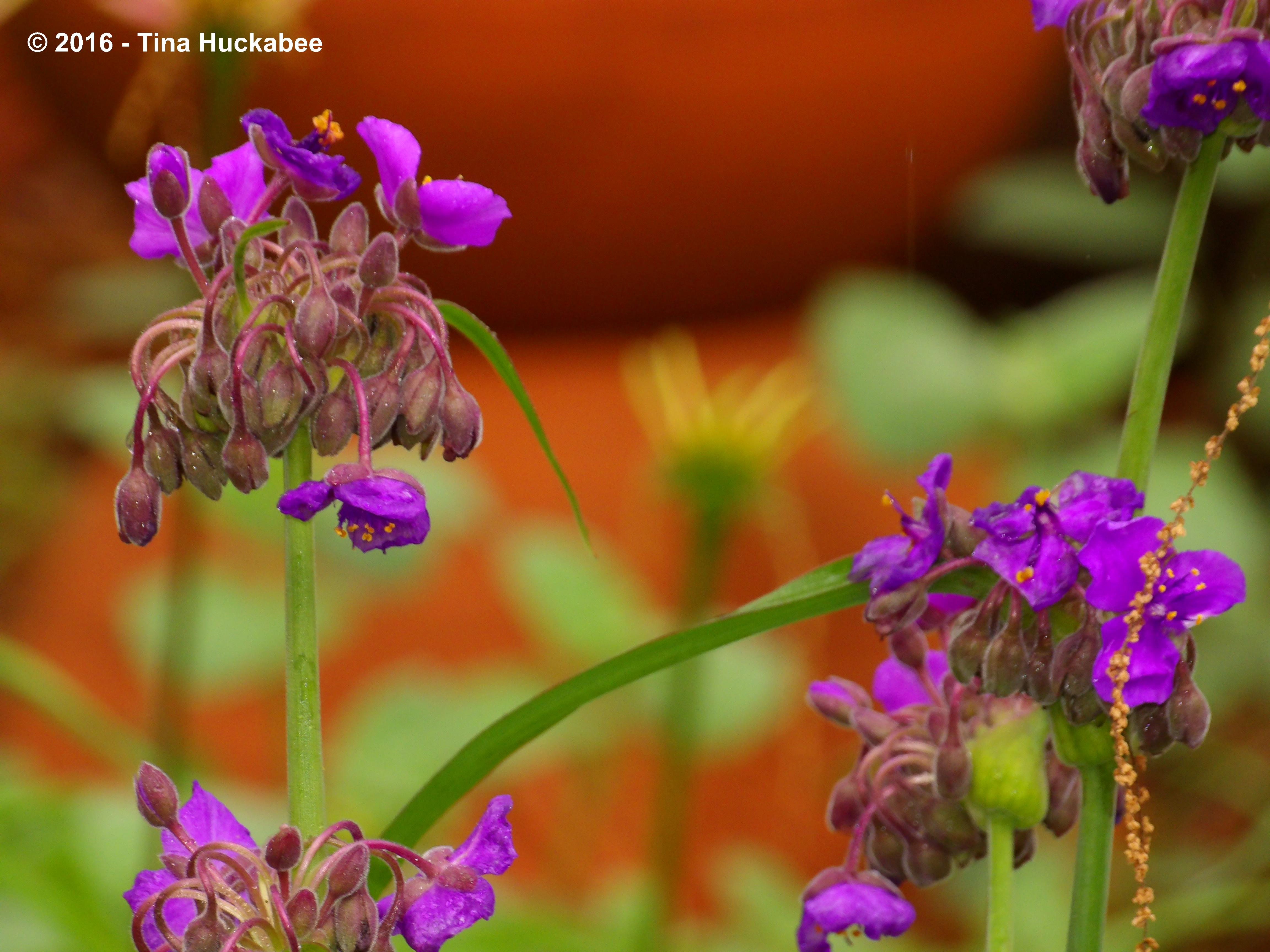
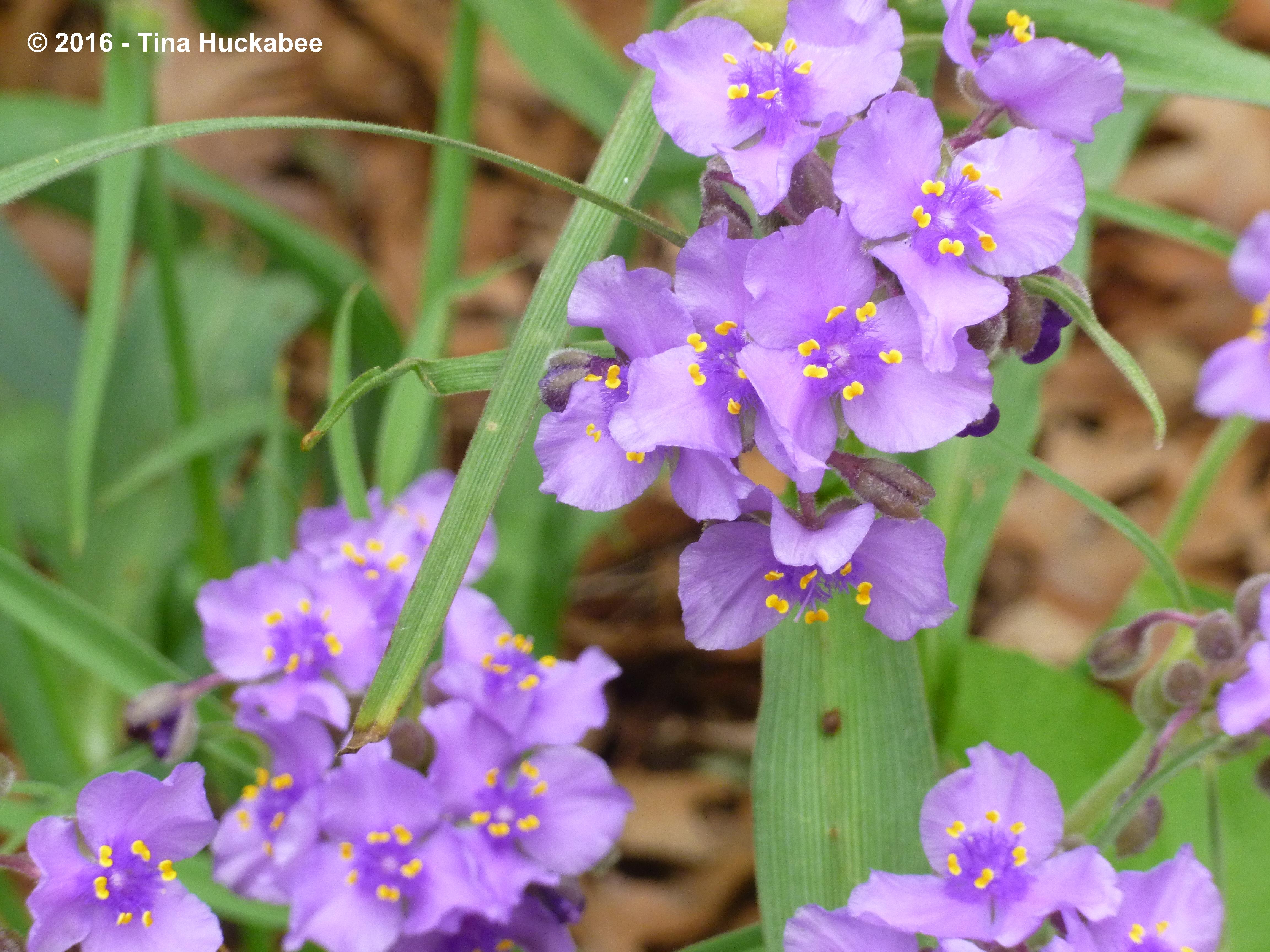
I started with several individuals gifted to me a few years ago and they’ve self-seeded with aplomb.  Some clumps of these purple zingers trend very purple,

IMGP5085.new

…and others lean-to the lavender side of things.

IMGP6208_cropped_2148x2092..new

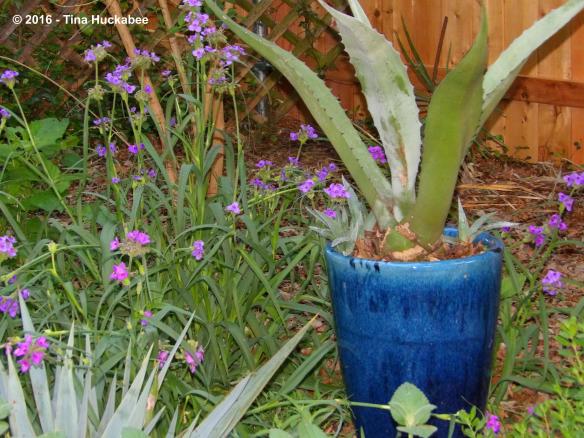
I think the majority of my Spiderwort plants are the Giant spiderwortTradescantia gigantea,  if only because most of them are just so darned tall.
IMGP6288.new

And so darned purple.

Spiderwort pop up in the late fall or winter, sporting grass-like foliage; during the cool season the foliage grows and thickens.

P1020688.new

As the days lengthen and temperatures warm, fleshy stalks shoot up from the base of the foliage.
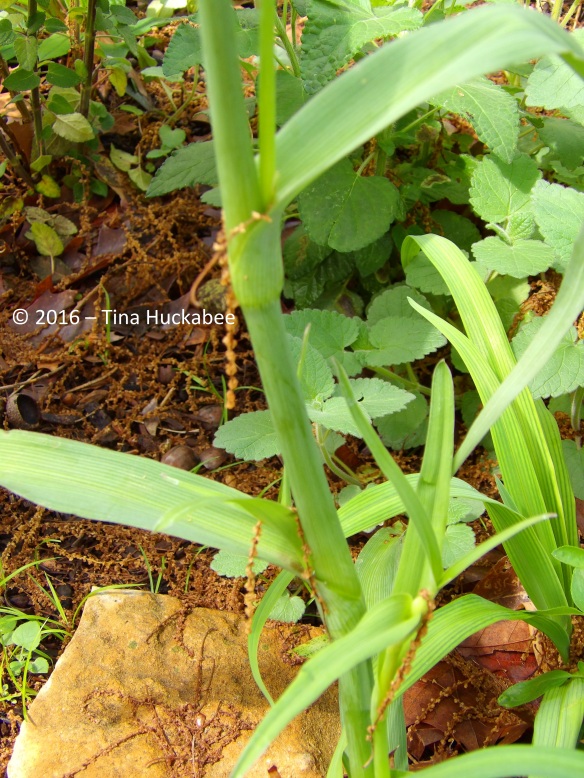
A Spiderwort bloom stalk arises.

A Spiderwort bloom stalk arises.

In time, bloom clusters form atop those bloom stalks and purple play begins!

Spiderwort in blooming tandem with Lyreleaf sage, Salvia lyrata.
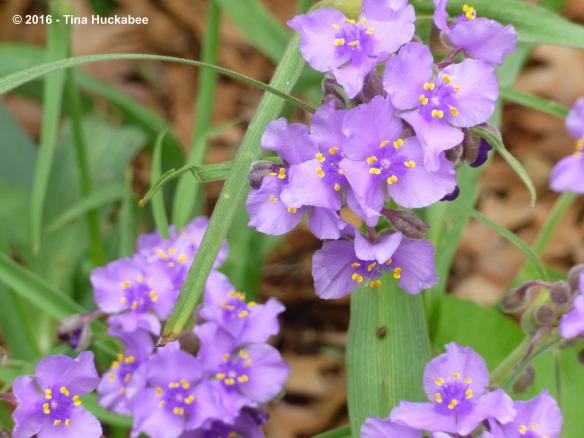
Spiderwort in blooming tandem with Lyreleaf sage, Salvia lyrata.

P1030161.new

IMGP5083.new

In my garden, Spiderwort blooms for  a rather long period.  Often, the flowering begins at the first of March (if not sooner) and continues well through May. Spiderwort plants are best situated in a more casual garden, though if kept in check, it’s a plant that could work beautifully in a formal setting.  The key phrase is kept in check. Tradescantia re-seed with abandon and can prove weedy and thuggish if allowed to seed out ungoverned. You MUST weed wayward seedlings if they grow where they’re not wanted!  A good time to discipline these rogue germinators  is in winter and early spring, as the seedlings emerge.
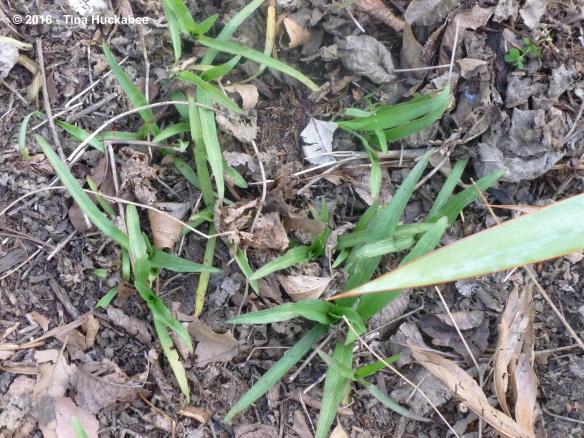
P1020734.new

Spiderwort seedlings alongside sprinkled spent blooms of White Tropical sage, Salvia coccinea.

Spiderwort seedlings alongside sprinkled spent blooms of White Tropical sage, Salvia coccinea.

If I see a mother plant and scads of babies at her feet AND I don’t want them–out they go! The seedlings are easily removed by hand or with a weeding tool.

The mother Spiderwort is toward the top right of the photo, her progeny are everywhere else.

The mother Spiderwort is at the top right of the photo, her progeny are everywhere else.

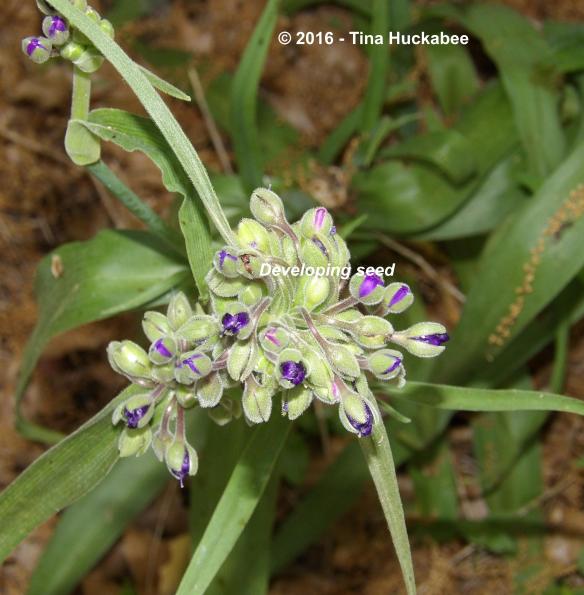
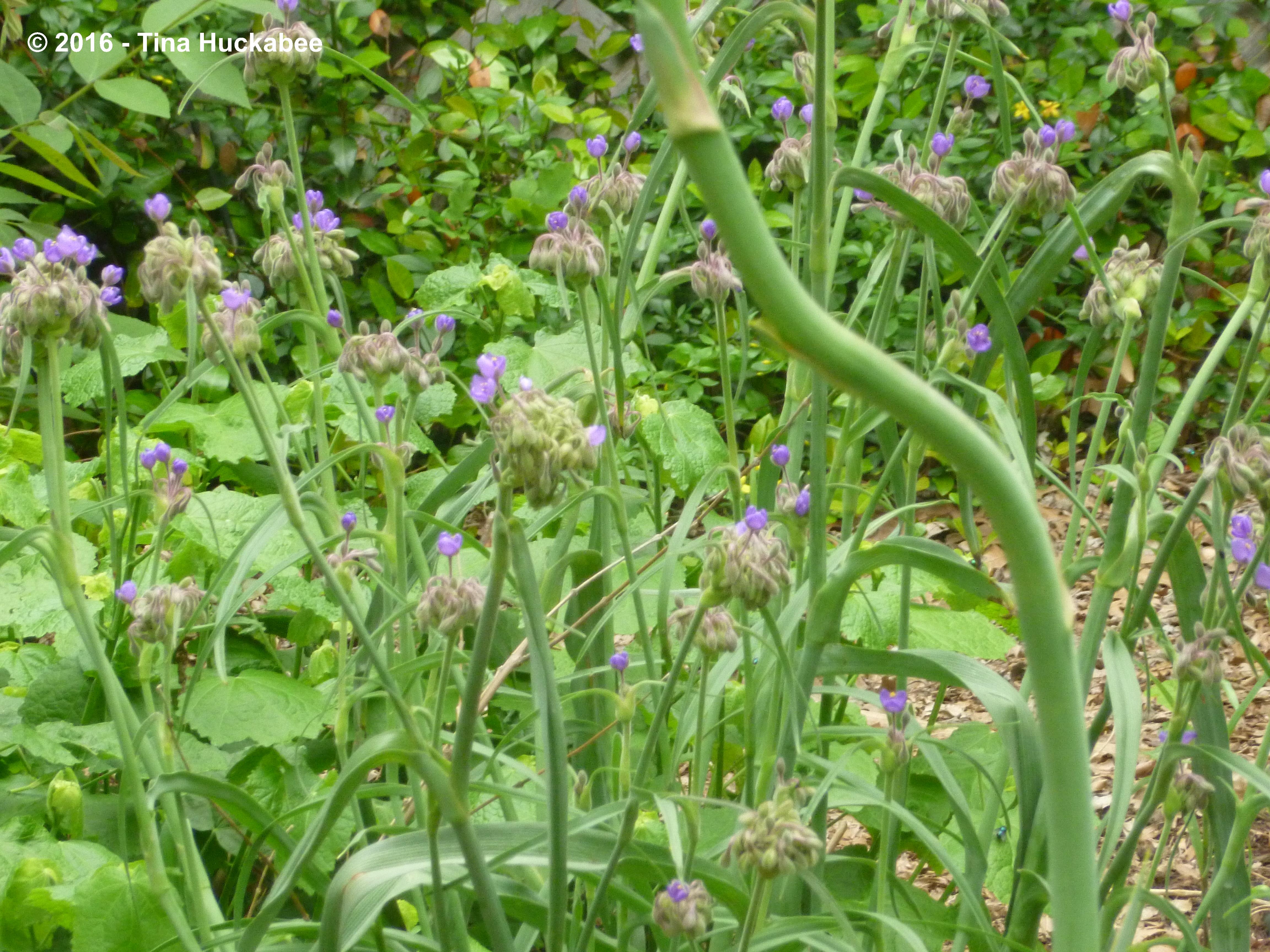
Another strategy is to nip Spiderwort in the bud during the blooming season.  Once I notice less flower production, it means that the seeds are developing and it’s time to snip.P1030500.new

P1030501_cropped_2594x3166..new

IMGP6925_cropped_3046x3106..new

Most of these bloom clusters are ready for seed.

Most of these bloom clusters are ready for seed.

I prune the flower stalks down to the base of the grassy foliage to lessen the spread of the prolific re-seeders.

A just pruned Spiderwort at the end of its bloom cycle.

A just pruned Spiderwort at the end of its bloom cycle.

I’m brutal with this process because I know that if I’m the least bit kind-hearted, Spiderworts will be everywhere in the garden.  I still get plenty of new seedlings each year, but keeping Spiderworts in check prevents mayhem in the garden of the Spiderwort variety.

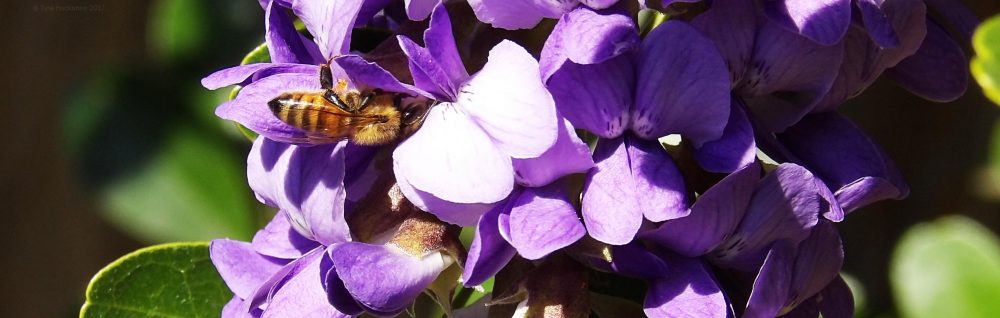
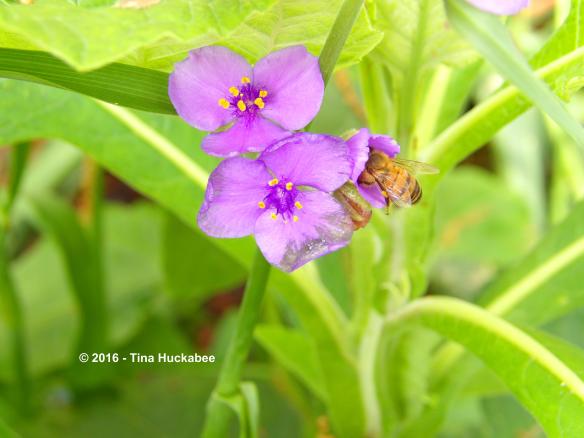
Despite its mission to spread, Spiderworts are valuable to pollinators and pretty  for me to relish, and therefore, welcome in my garden–with practical limitations of course. Honeybees adore this plant and Tradescantia are visited by native bees and butterflies too.
IMGP5008.new

P1030163_cropped_3119x3299..new

A buzzing honeybee sharing Spiderwort pollen with a Syrphid fly.

A buzzing honeybee sharing Spiderwort pollen with a Syrphid fly.

From A Seasonal Look perspective, Spiderwort are primarily winter and spring plants. In a wet and cool autumn, the foliage will emerge early; in a wet and cool early summer, the blooms might last into June, the foliage a little longer.  But once the heat of summer sets in and Spiderwort flowers have bowed out and relinquished the flower show to the heat lovers, the foliage…fades away.  I can’t honestly say exactly when the foliage is no more–but eventually, it disappears.  One of my strategies in planting for seasonal flowering is to plant early spring bloomers underneath the larger summer/fall blooming/berrying shrubs (many of which are herbaceous perennials).  I’m certain that those particular Spiderwort plants hang on for a while after the peak of their blooms, shadowed and covered by the limbs of summer/fall plants.  Since the Spiderwort plants are sheltered by the spread and height of the summer shrubs and perennials, I don’t notice what they’re doing–and I won’t notice (or think about) those Spiderwort plants again until winter’s first freeze renders the deciduous perennials inconsequential and the tell-tale grassy foliage of Spiderwort emerges from the chilled soil.  The caveat is that many of the unwanted Spiderwort in my garden occur because I neglect to deadhead those soon-to-disappear-under-larger-plants Spiderworts.  That’s the downside of planting them underneath larger plants: out of sight, out of mind.
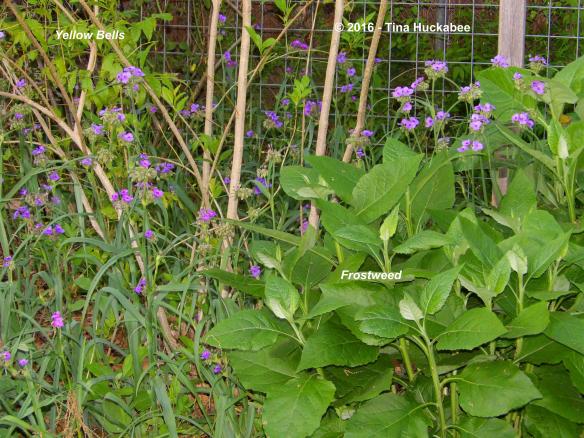
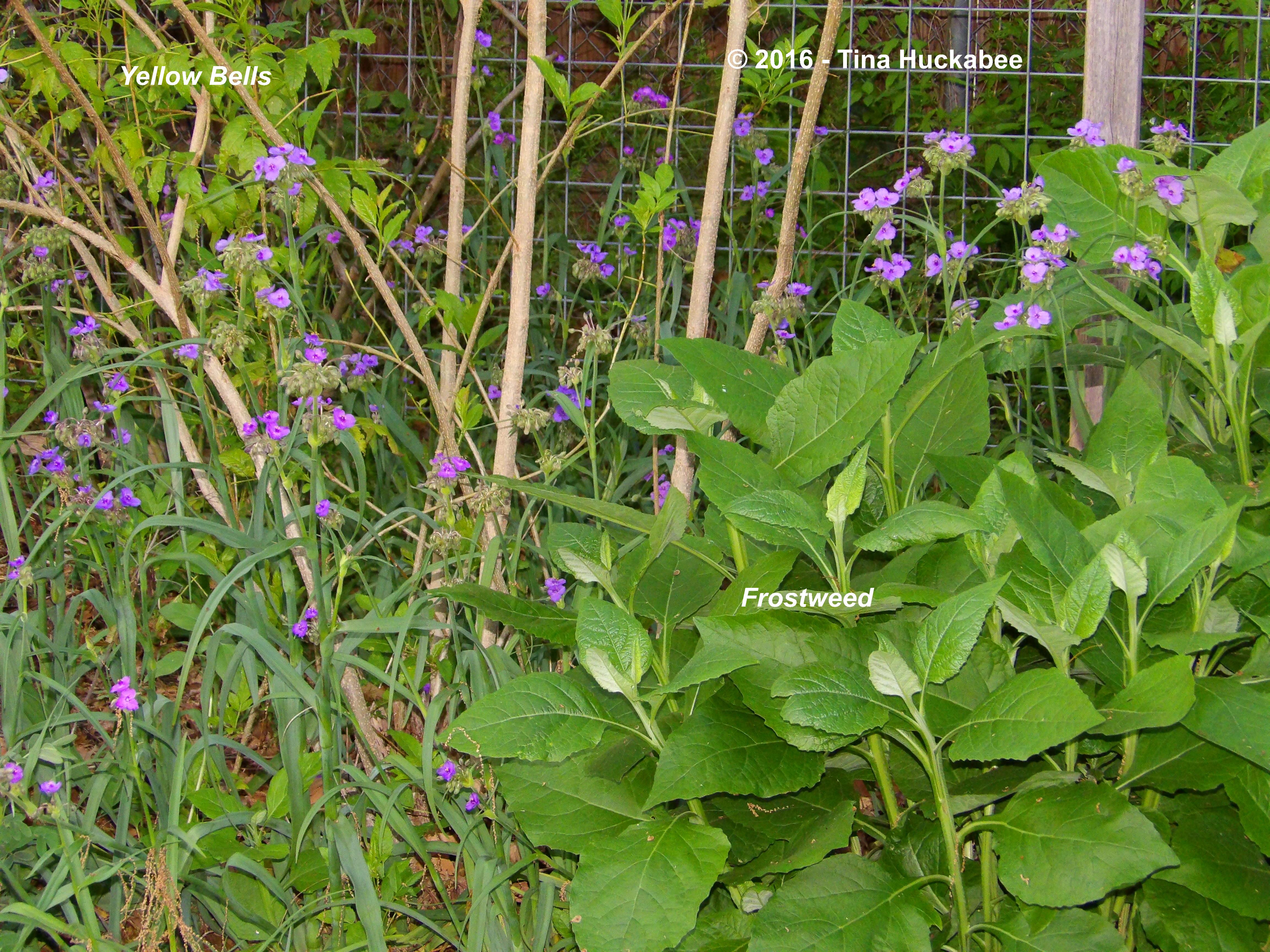
Spring blooming Spiderwort growing amidst Frostweed, Verbesina virginica and Yellow bells, Tacoma stans. Both of these larger perennials will cover the Spiderwort by early summer.

Spring blooming Spiderwort growing amidst Frostweed, Verbesina virginica and Yellow bells, Tacoma stans. Both of these larger perennials will cover the Spiderwort by early summer.

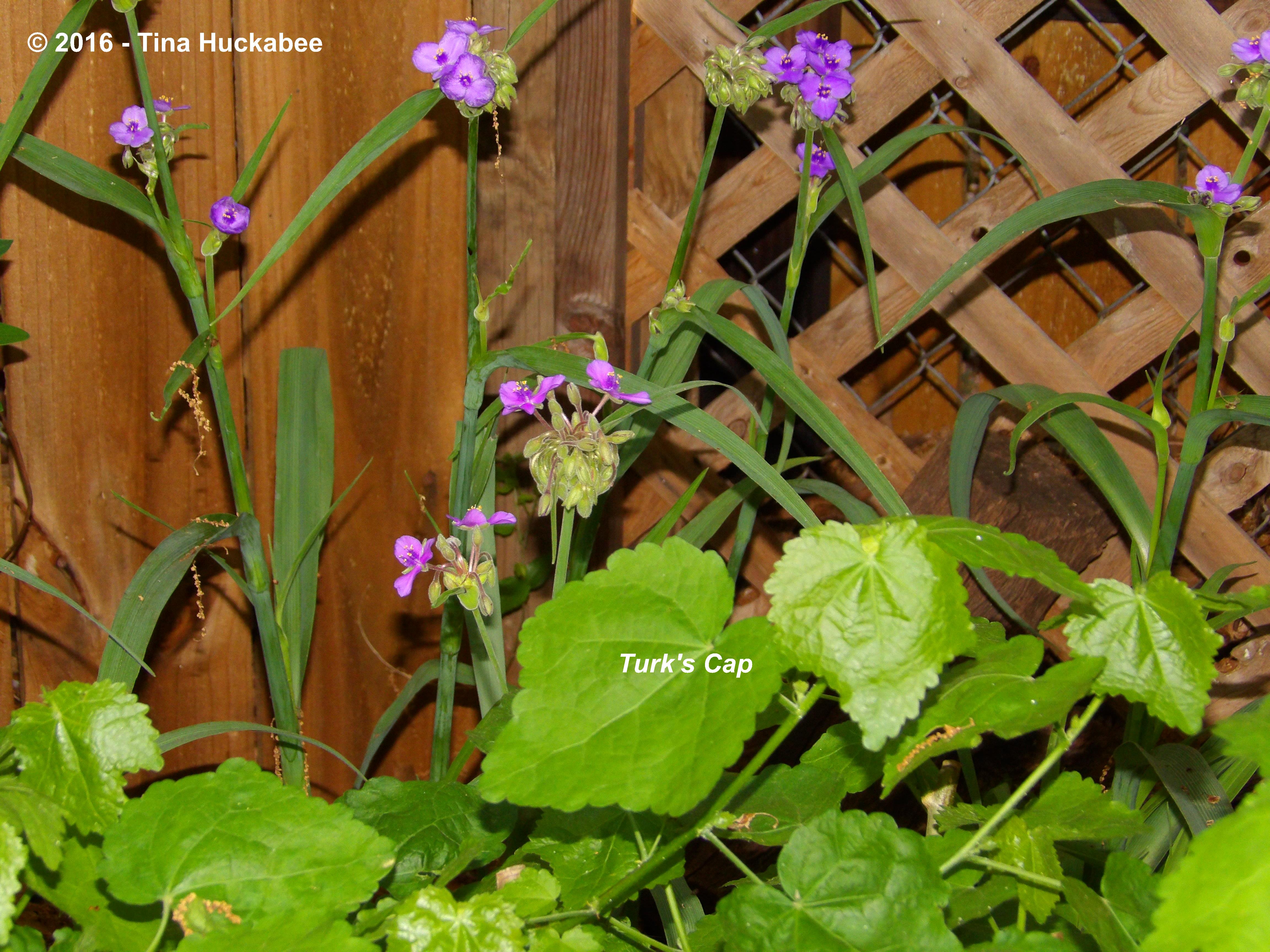
Spring blooming Spiderwort will be overtaken by the rapidly growing Turk's cap, Malvaviscus arboreus.

Spring blooming Spiderwort will be overtaken by the rapidly growing Turk’s cap, Malvaviscus arboreus.

IMGP6274.new

Spiderwort planted underneath a White mistflower, Ageratina havanensis. Most years, the Mistflower freezes to the ground, or nearly so, allowing the Spiderwort a good late winter and spring show.

Spiderwort planted underneath a White mistflower, Ageratina havanensis. Most years, the Mistflower freezes to the ground, or nearly so, allowing the Spiderwort a good late winter and spring show.

For those free-standing Spiderwort individuals that drag into summer, their seasonal end is more obvious.
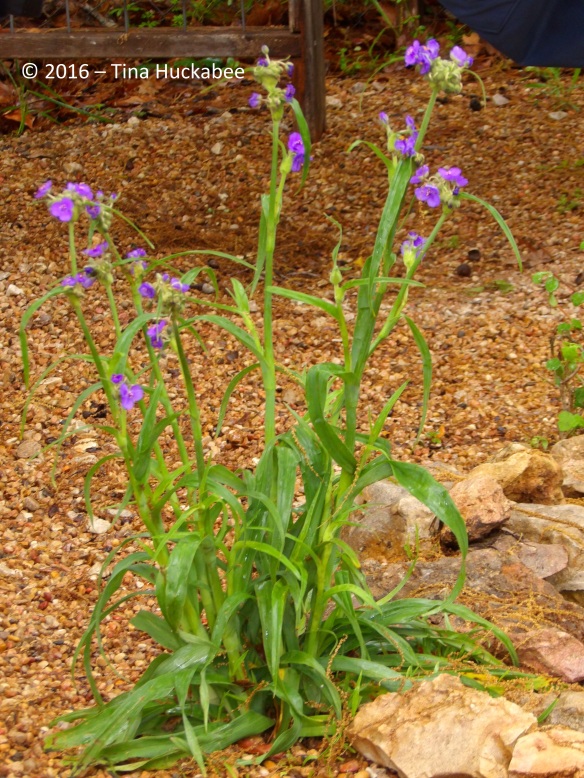
A self-seeded Spiderwort beside the pond. By late May, the bloom stalks will be pruned and by mid-summer, the foliage will wilt and the gardener will prune the foliage to the soil and toss in the compost bin.

A self-seeded Spiderwort beside the pond. By late May, the bloom stalks will be pruned and by mid-summer, the foliage will wilt and the gardener will prune the foliage to the soil and toss in the compost bin.

What typically happens is that sometime in June or July, they become terribly droopy and sad–heat is not a friend to Spiderwort plants.  I relieve any Spiderwort misery with my trusty Felco pruning shears, cutting down the remaining, sad foliage to the soil. The roots stay safe in the ground until more convivial conditions present and ready the Spiderwort story to begin again: lush winter foliage and enchanting spring flowers.

If  basic preventative pruning and/or seedling weeding is employed, Spiderwort is a desirable spring wildflower for the garden with its lovely foliage and flowers, attraction for many pollinators, and easy growing habit.  What’s not to enjoy about Spiderwort?

IMGP5082.new.new

I appreciate the winter foliage and spring flowers–and who wouldn’t?

IMGP5007.new

P1020807.new

IMGP5004.new


Greens, Blues, Greys

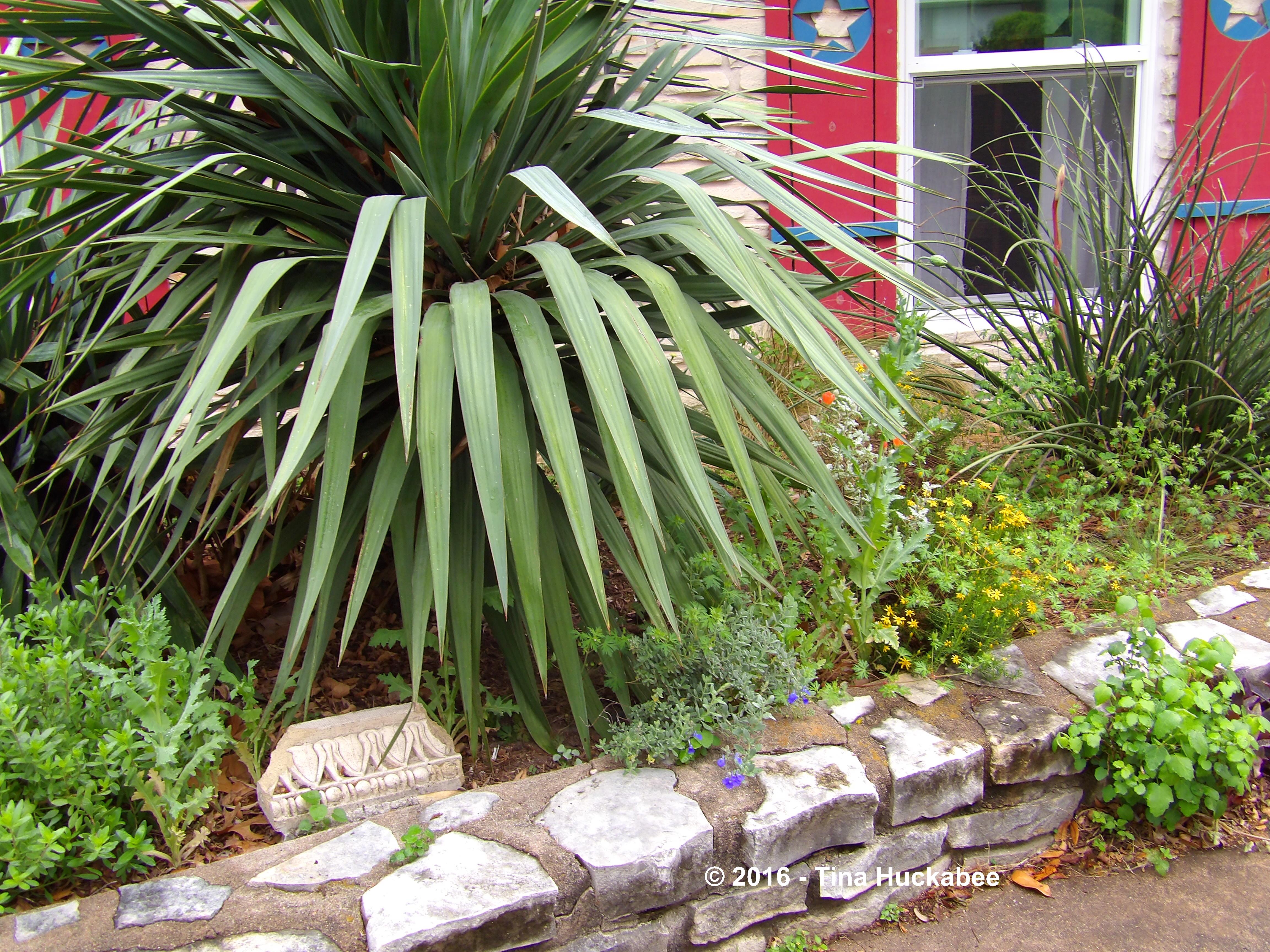
I’m enjoying lovely leafiness which has come into its own in a bed adjacent to the  front entrance of my home.   Let’s take a wide view to get the bearings of this raised bed.

IMGP6164.new

IMGP6165_cropped_4553x2775..new.new

I planted the Soft Leaf Yucca, Yucca recurvifolia and the Red YuccaHesperaloe parviflora as anchor plants in this bed because they are both evergreen and grow to respectable sizes.  Most of the other plants are smaller shrubs or groundcover-type perennials: some are evergreen, some are herbaceous perennials, and a couple are annuals.  There are also some other native perennials, a smaller yucca, and a native perennial grass, all located out of view of these photos.

Reminding me of tiny hands that are spread wide, I’m pleased with the deeply lobed foliage of this little annual/bi-annual thing, a native Wild Geranium, Geranium carolinianum.  It was a gift from birds, or maybe, the wind, but grows well with other pretty-leafed plants.

Tiny, dark green and fragrant leaves of Damianita, combine with soft, frilly poppy leaves, complement the ornate leaves of Wild Geranium.

Tiny, dark green and fragrant leaves of Damianita, combine with soft, frilly poppy leaves, complement the ornate leaves of Wild Geranium.

I noticed one Wild Geranium in the garden a few years ago, left it to seed, and each late winter, more return.  I like its sprawling nature, lacy foliage, and sweet, tiny blooms.  I’ll pull up all of the individuals soon because a few seeds left assure plants for next spring, but many seeds left guarantee too many future Wild Geraniums–much more weeding work–and who wants that?

The Wild Geranium foliage clamors for well-deserved attention underneath the Red Yucca,

IMGP5135.new

…while a seedling Mexican Feathergrass, Nassella tenuissima echoes the spray of the Red Yucca.

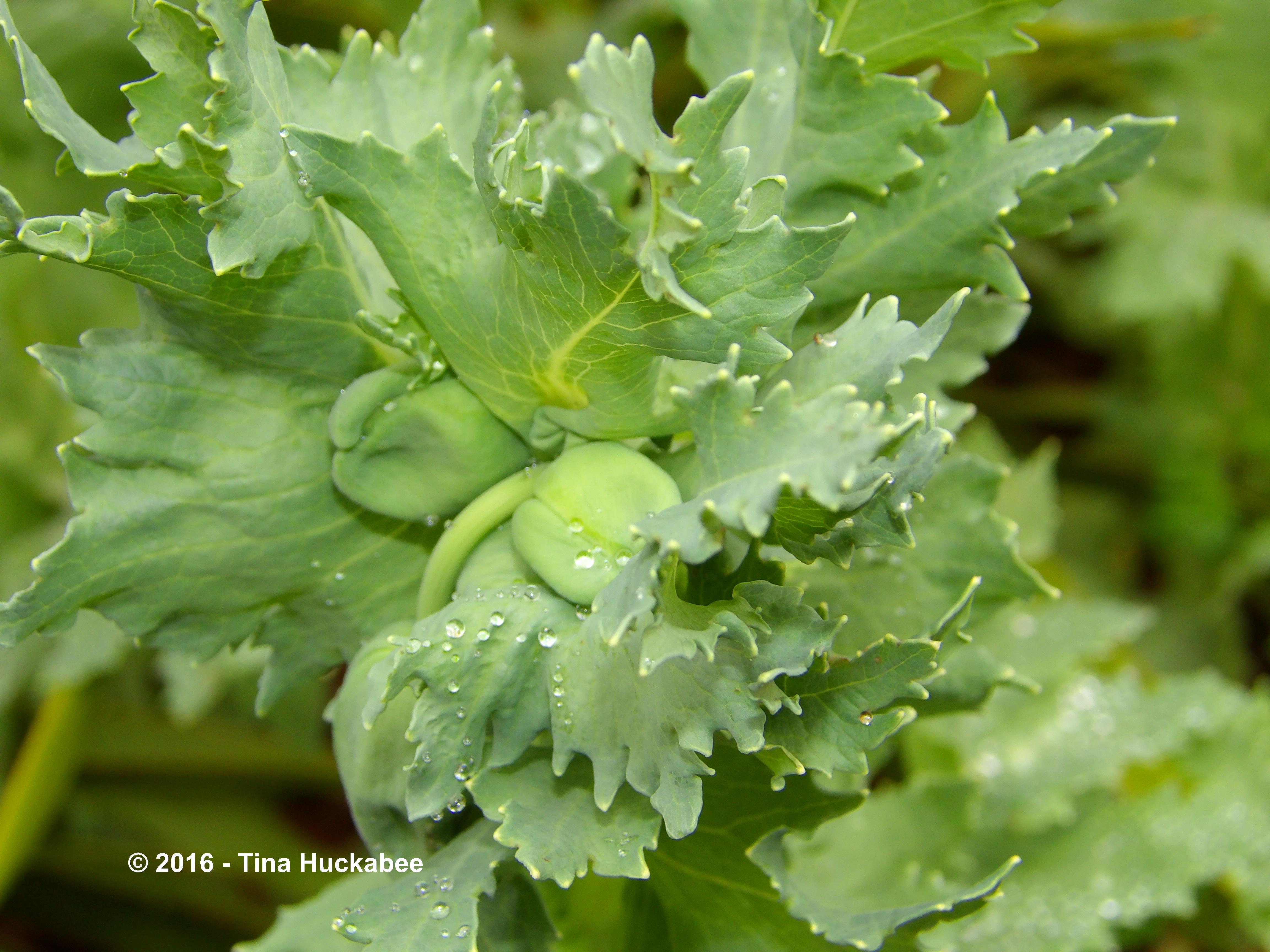
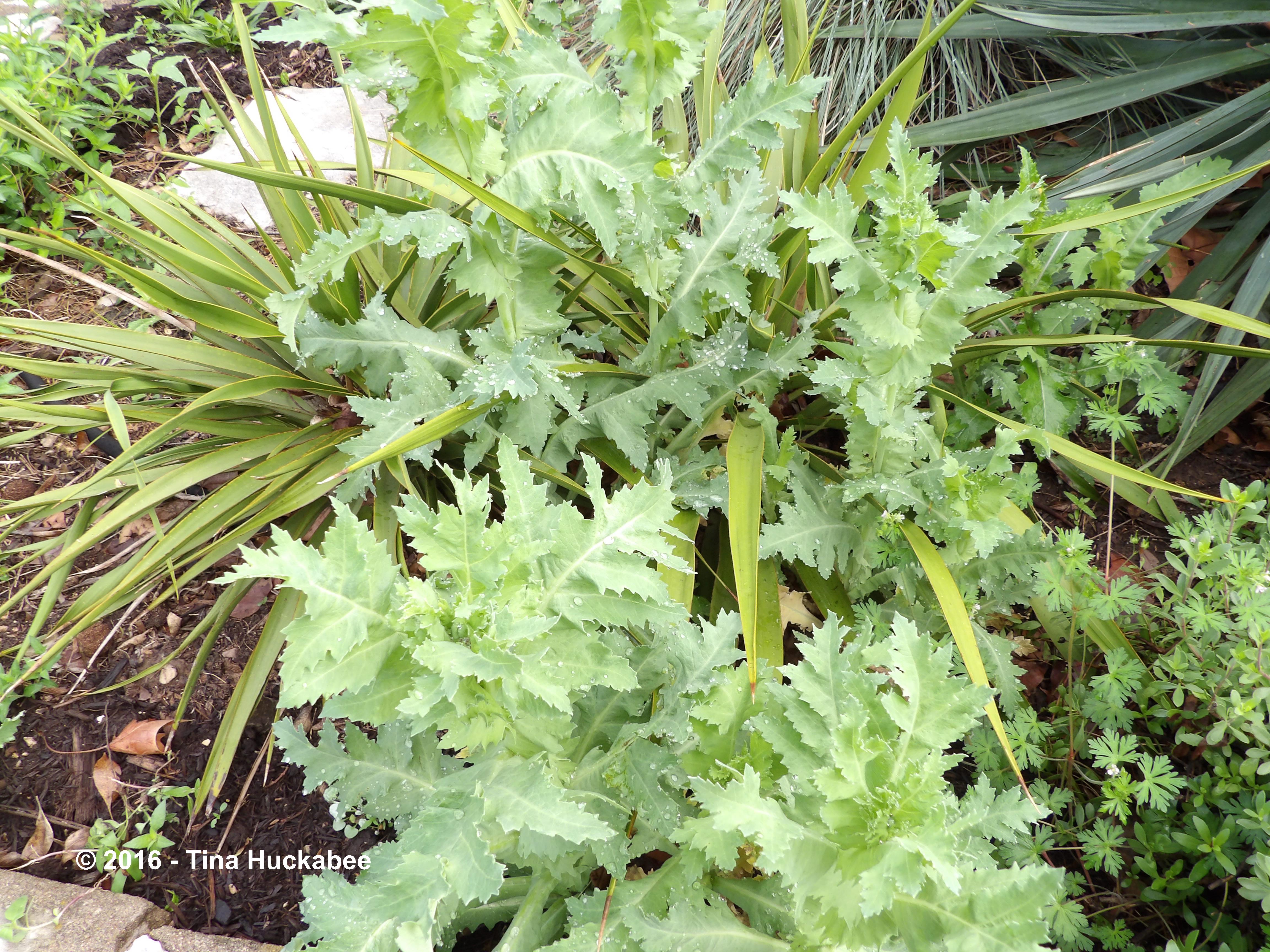
This extravagant set of leaves belongs to another spring annual, a member of the Papaver family, seeds of which were generously gifted to me last year by TexasDeb of the charming  Austin Agrodolce.

IMGP6160.new

Poppies popped in my spring garden for many years, seeds of which were given to me by a German friend long ago, but over time they’d declined and last year I had few poppies to ooh and aah over.  The new poppy seeds from Deb were a timely and quite welcomed gift.  With or without raindrops, I love the scalloped edges of poppy foliage, either alone,

IMGP6159.new

…or in concert with other interesting foliage.  This one poppy certainly holds its own alongside the petite grey leaves of  Germander Sage, Salvia chamaedryoides, the Wild Geranium, and blooming DamianitaChrysactinia mexicana–as well as the points of the Soft Leaf Yucca, bearing down on the rest.

IMGP6153.new.new

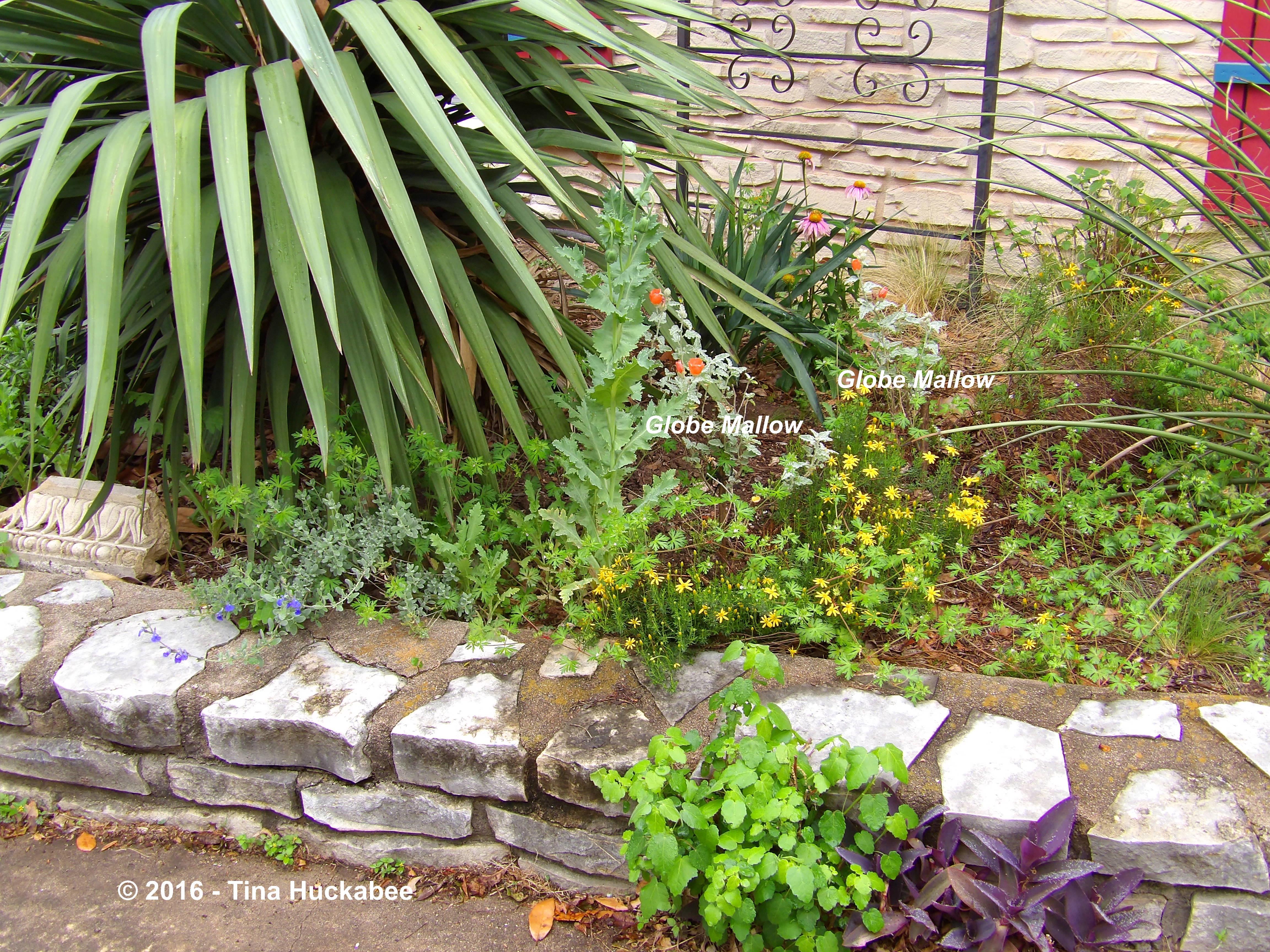
A wider look includes both newly planted Globe MallowSphaeralcea ambigua allowing for some silvery leaf action,

IMGP6162.new.new

…not to mention a couple of orange beauty blooms.

IMGP6158.new


The Germander Sage was an impulse purchase, but I like it–the blue flowers and grey-green leaves are hard to beat.  It’s hardy and easy to grow–a requirement in my garden–and it’s definitely a water-wise addition to this sunny, dry bed.

IMGP6157.new

IMGP6154.new


The sunshiny blooms of the Damiantia almost steal the show from their foliage host and plant partners.

IMGP6151.new

IMGP6155.new

Almost, but perhaps, not quite.

Tidy, smooth leaves of the not-in-bloom Rock Penstemon, Penstemon baccharifolius contrast in form and shape with matte, wavy poppy leaves.

IMGP5139.new


Spiky Twistleaf Yucca, Yucca rupicola appear to reach out from frilly poppy foliage, giving fair warning of their pointy ends as I lean into the garden to weed or photograph.

IMGP5140.new

I’m always poked–somewhere–by those ends. Always.

And from another angle,

IMGP5258.new

…blue-green Soft Leaf Yucca, minty-green poppy foliage, and vivid green Twistleaf Yucca are a verdant combination worthy of any celebration of green in the March garden.

This Green Anole certainly approves–of the straps of the Soft Leaf Yucca, if not of the photographer’s intrusion,

IMGP5261.new

…while his bigger buddy looks askance at me.  Does he know how well he reflects the colors of the Soft Leaf Yucca?  Or, is it the other way around?IMGP6271.new

In celebration of the foliage in the March garden, many thanks to Christina and her lovely Creating my own garden of the Hesperides.   Check out her Garden Bloggers’ Foliage Day for a look at foliage in many gardens, from many places.