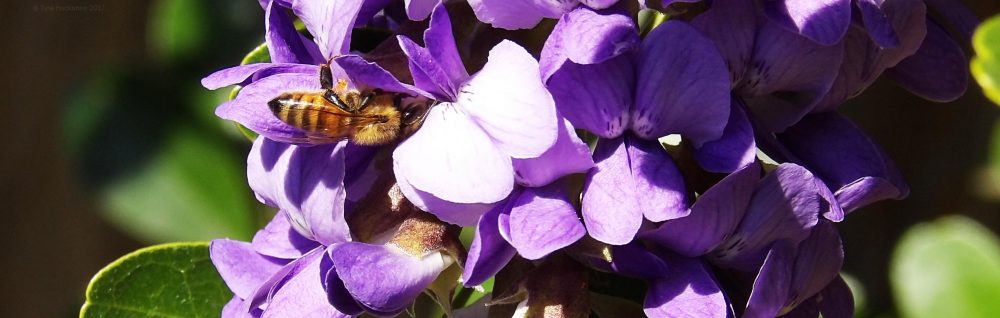
As a general rule I’m not a conspiracy theorist. However, this past month I’ve begun to think that they’re all out to get me. Or rather, they’re conspiring against me, so that I don’t get them–in photograph form, that is. The them I refer to is all the wild critters that inhabit and visit my gardens. This past month, whenever I spied an interesting garden visitor nectaring, breeding, or otherwise creeping, crawling, or flitting, I struggled to fetch or focus my camera quickly enough to snag a photo. I’ve come to believe, cross-species, that there’s an understanding among the wildlife in my gardens: Hey! Tina’s got her camera–let’s vamoose!! And vamoose they did. Even when strolling into the gardens, camera in hand and ready for a wild photo shoot, those in the garden, right there, busily slurping on a bloom or nipping at a seed suddenly, weren’t.
Is it my breath?
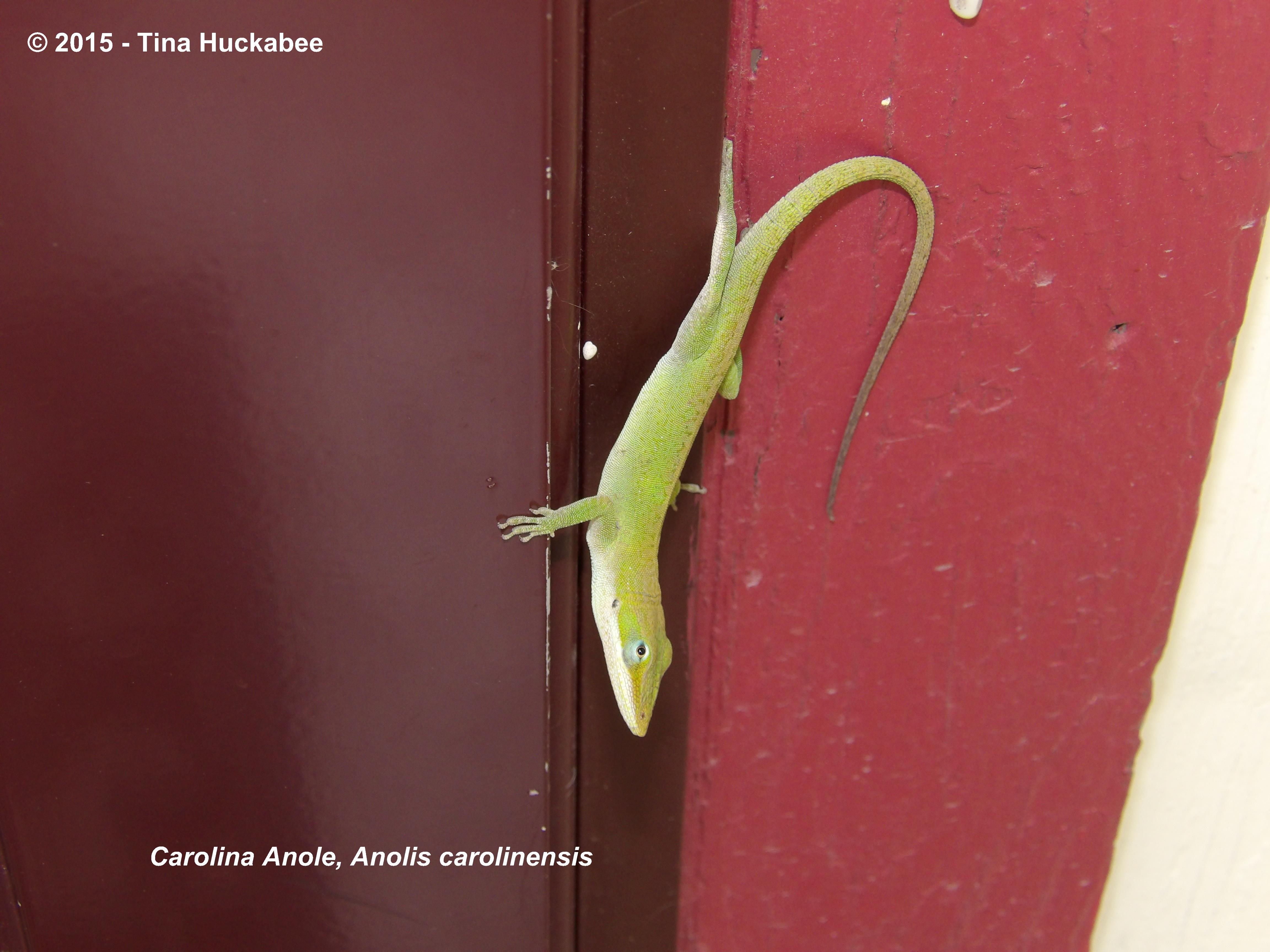
I do have lots happening–bees a’buzzing, butterflies a’flying, birds a’twittering, but they don’t seem to want to mug for the camera.
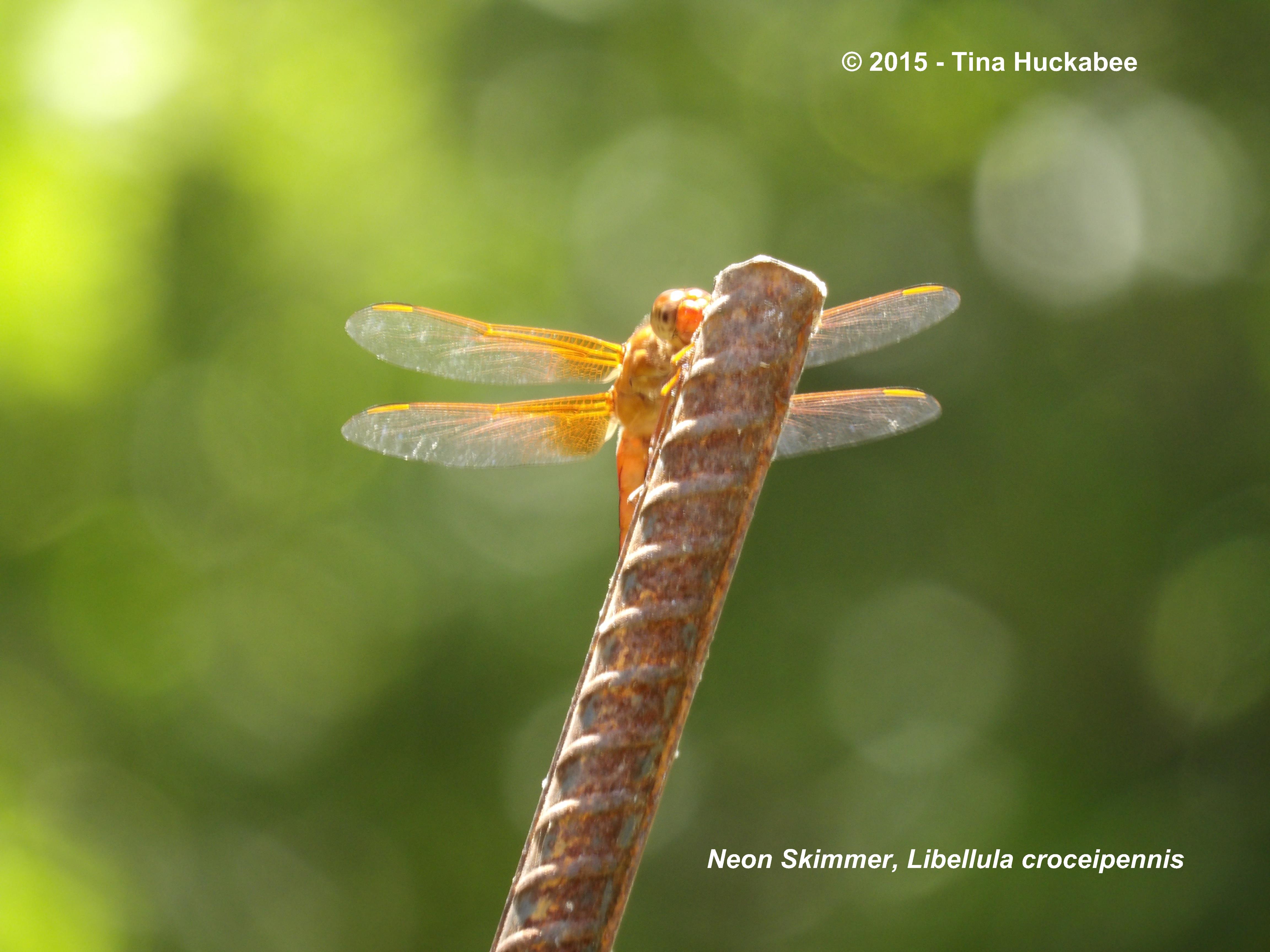
Maybe it’s just too darn hot.

It is hot. The dog days of summer have settled in Austin, but it’s also the first Wednesday of the month and time to celebrate wildlife in wildlife gardens.
There were a few things that didn’t scamper away from me like this nest that I discovered while pruning the blackberry bramble.
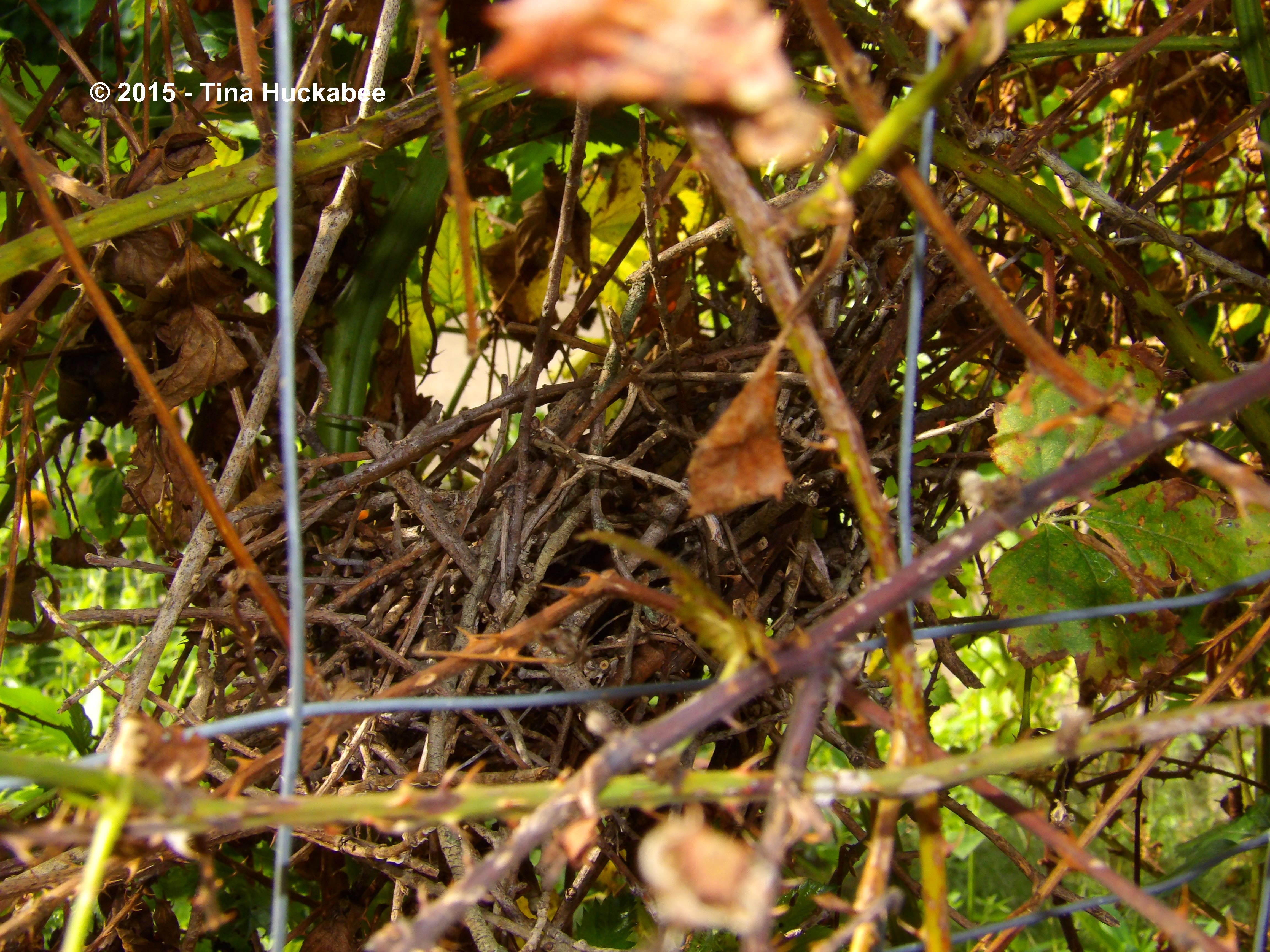
I have no idea who this belonged to and I don’t know when it was built. I didn’t see it during blackberry season (May), so I assume it was built afterwards. I wonder what happened to the builders and/or the residents?
On the other side of the blackberry vine this beauty has built a lovely summer home.
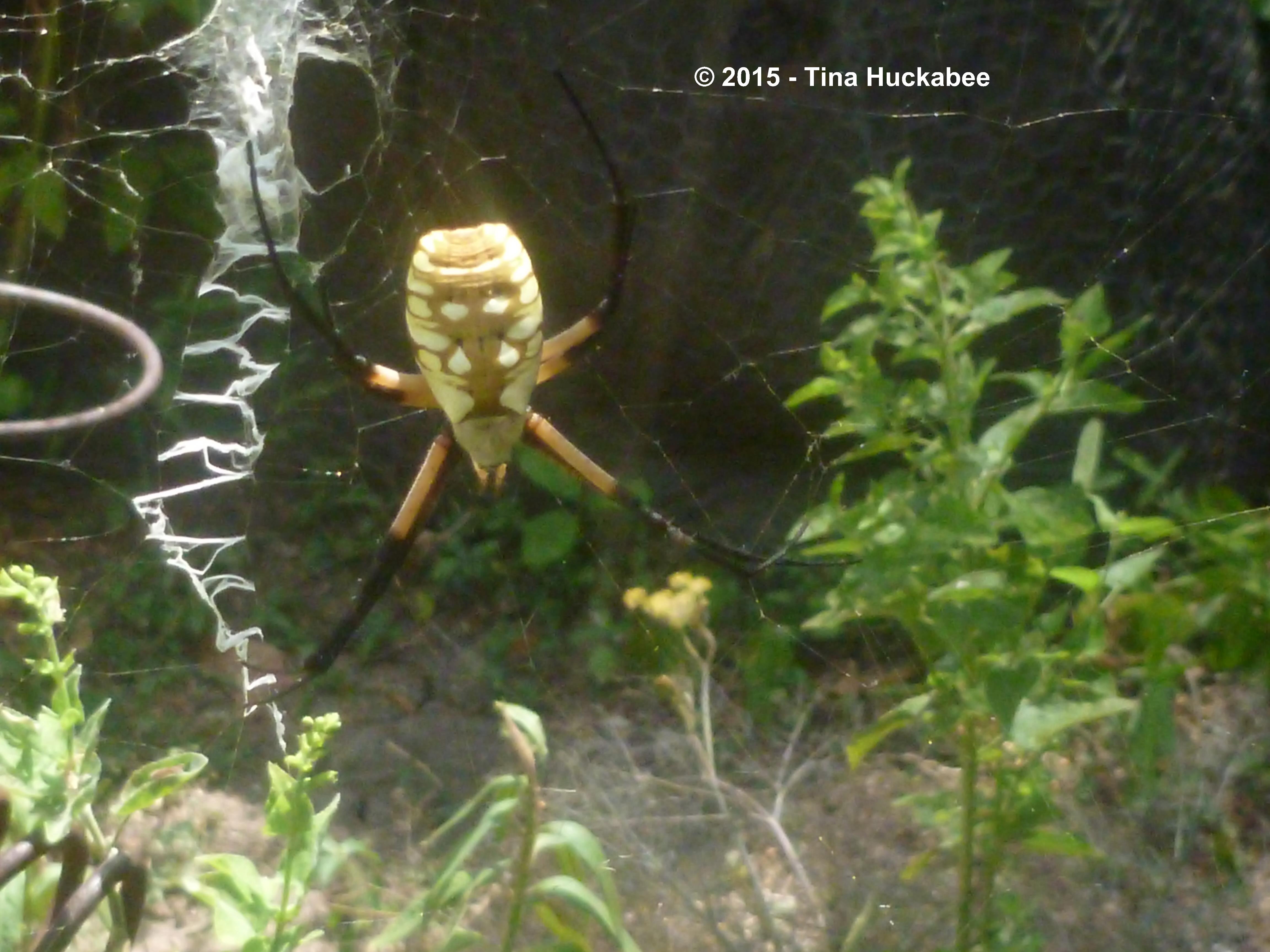
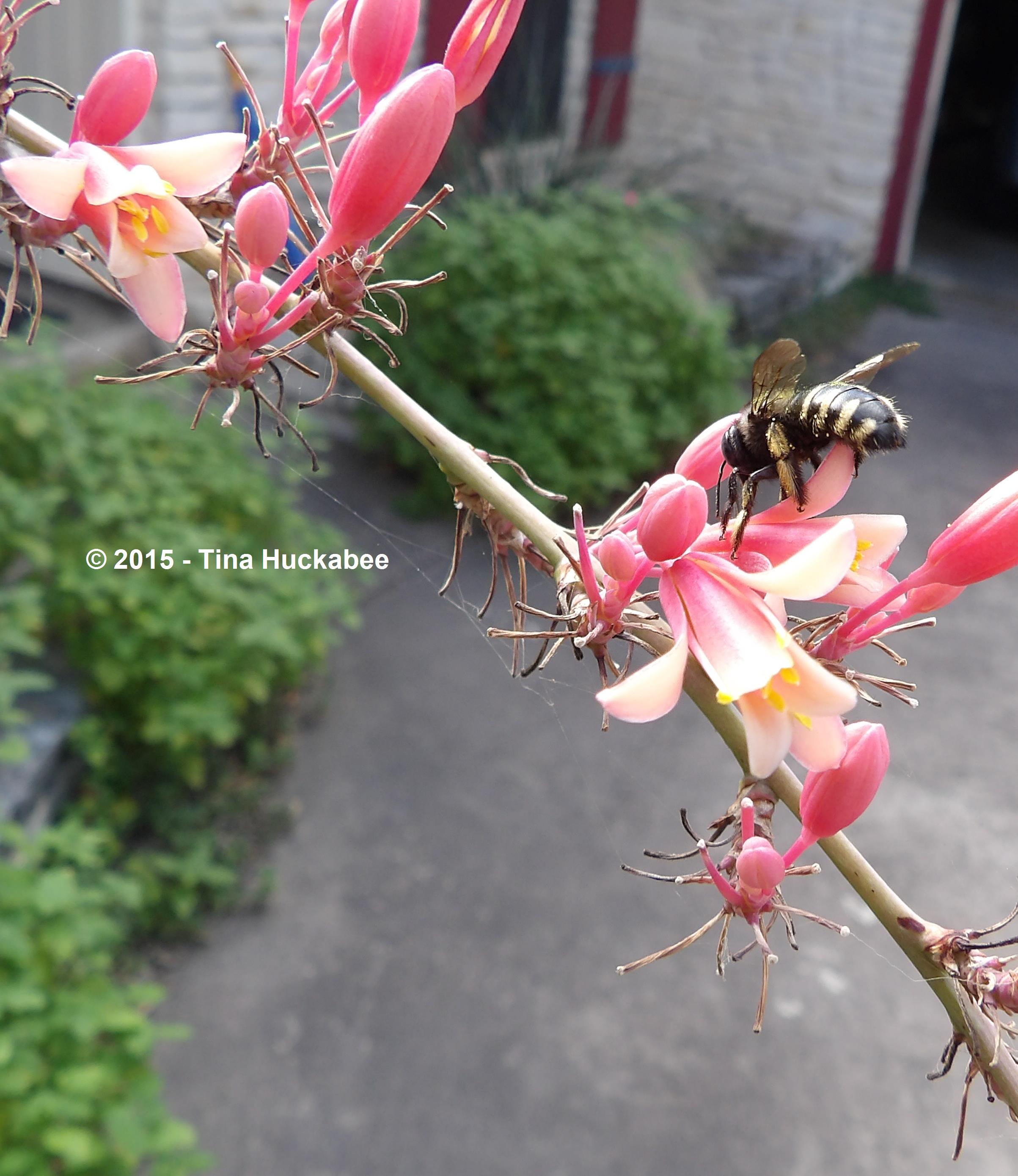
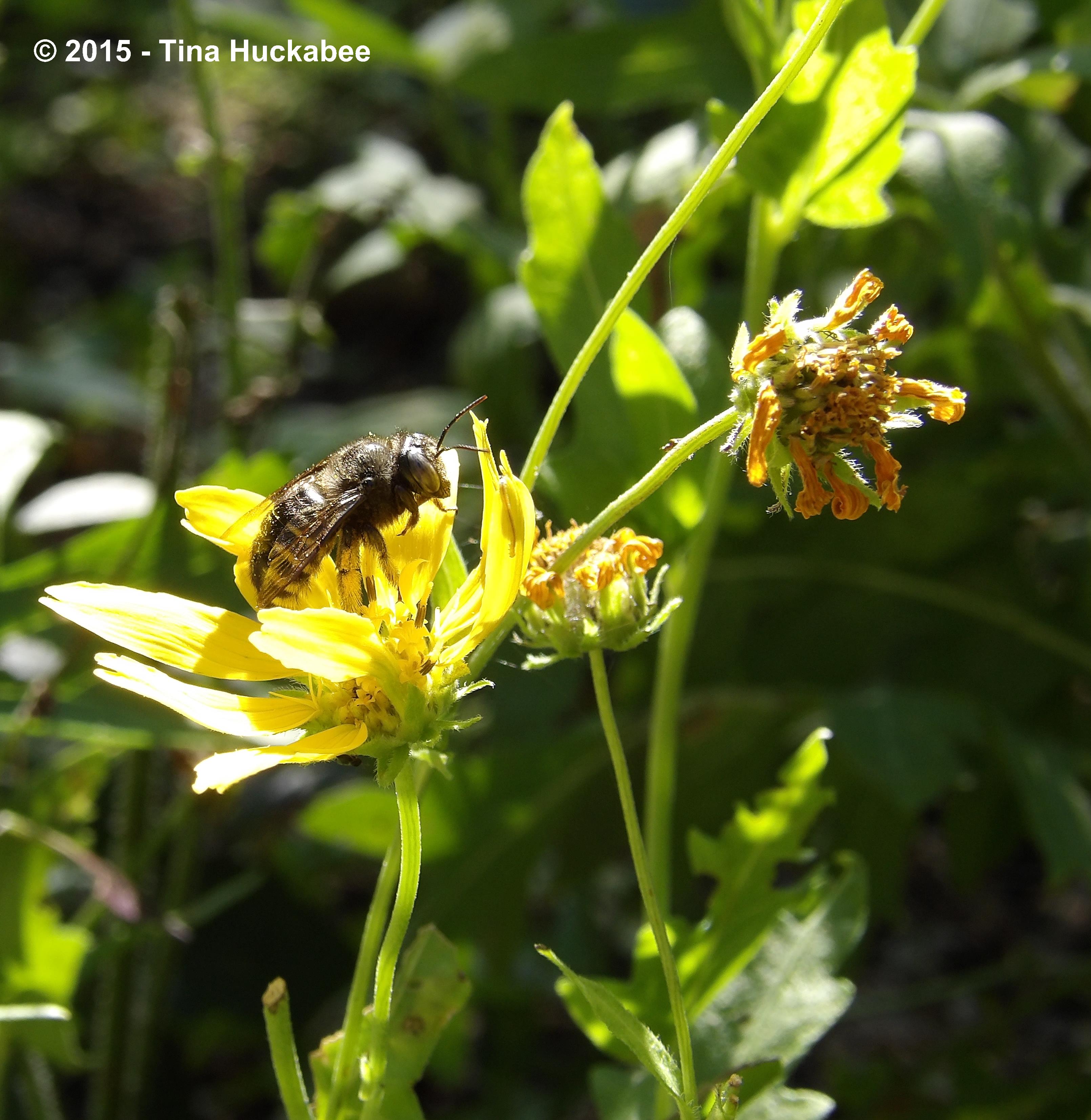
A deadly home though for anyone who bumbles into her webbing, but I welcome these common garden spiders, the Black and Yellow Argiope, Argiope aurantia. I saw that she caught some of the insects that were chewing on some of my veggies and milkweed plants which are nearby. I definitely have mixed feelings about her hunting as I know she also caught at least two of my beloved Horsefly-like Carpenter Bees, Xylocopa tabaniformis, like this one.
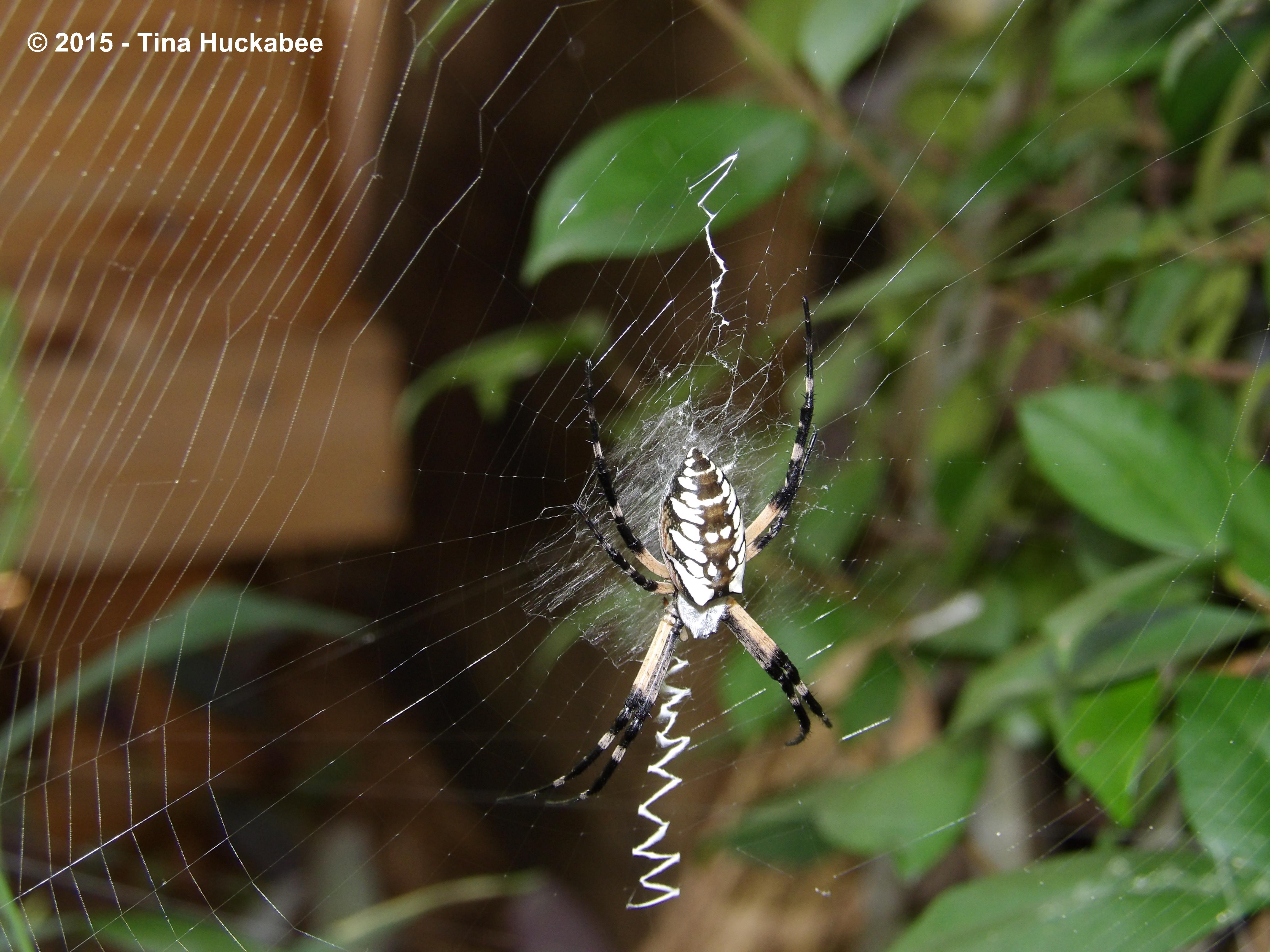
Another Black and Yellow Garden spider set up shop in the back garden, as well. If you’re a regular reader, maybe you’ll recognize the wooden structure in the background?
Yup, she hunting honeybees and I know that she caught at least one. No doubt, there were others ensnared in her web.
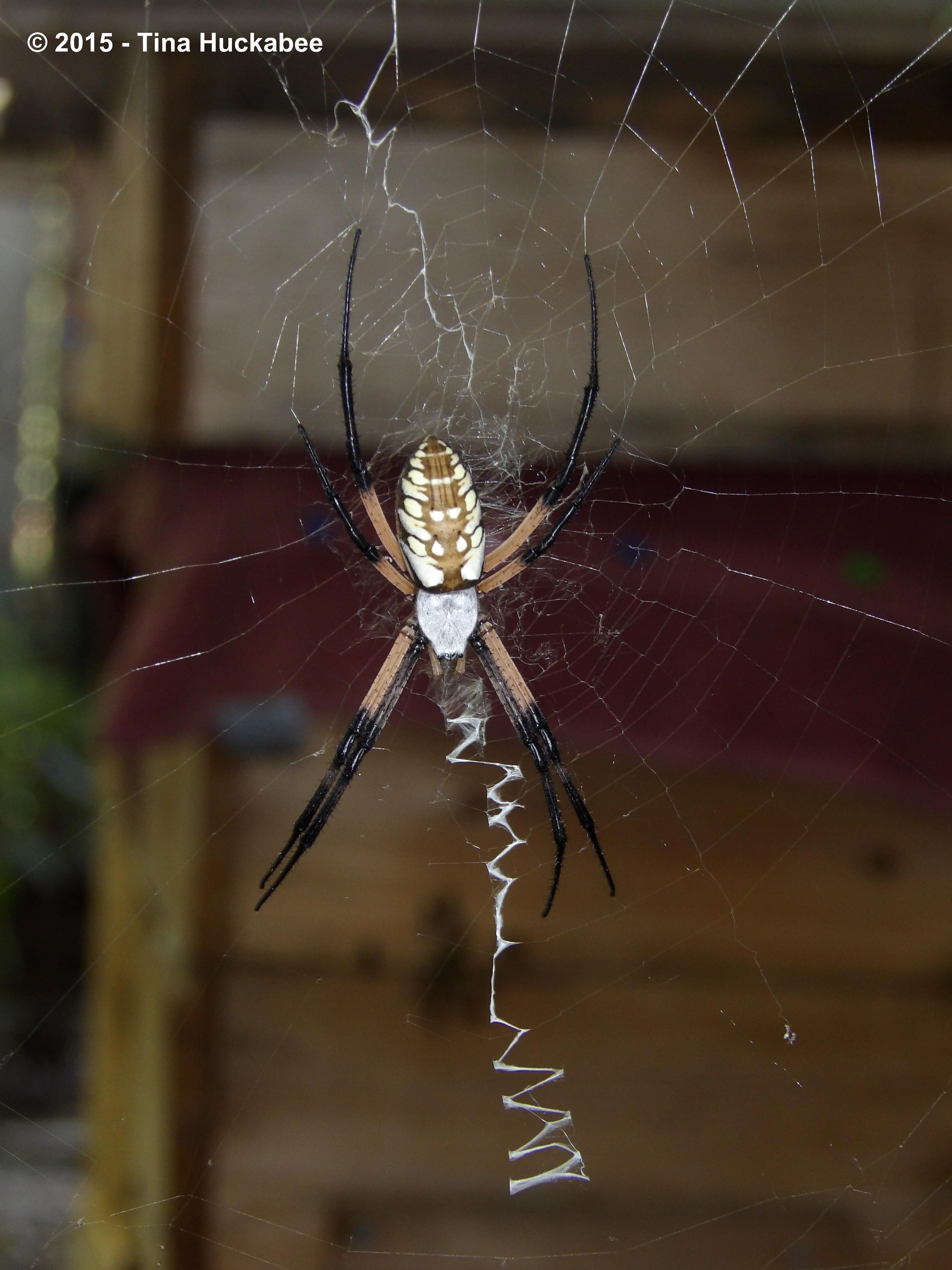
It’s been a couple of years since I had these spiders in my gardens; some years they’re common, some years not. I take a hands-off approach to spiders, insects and most critters in the garden. Even with a very compromised local environment (lots of sterile lawns and few pollinator gardens), my garden space is healthier and relatively balanced if I let everyone do their thing, even if it means eating some of my favorite insects.
Sniff.
The male spider is much smaller and cruises around gardens,
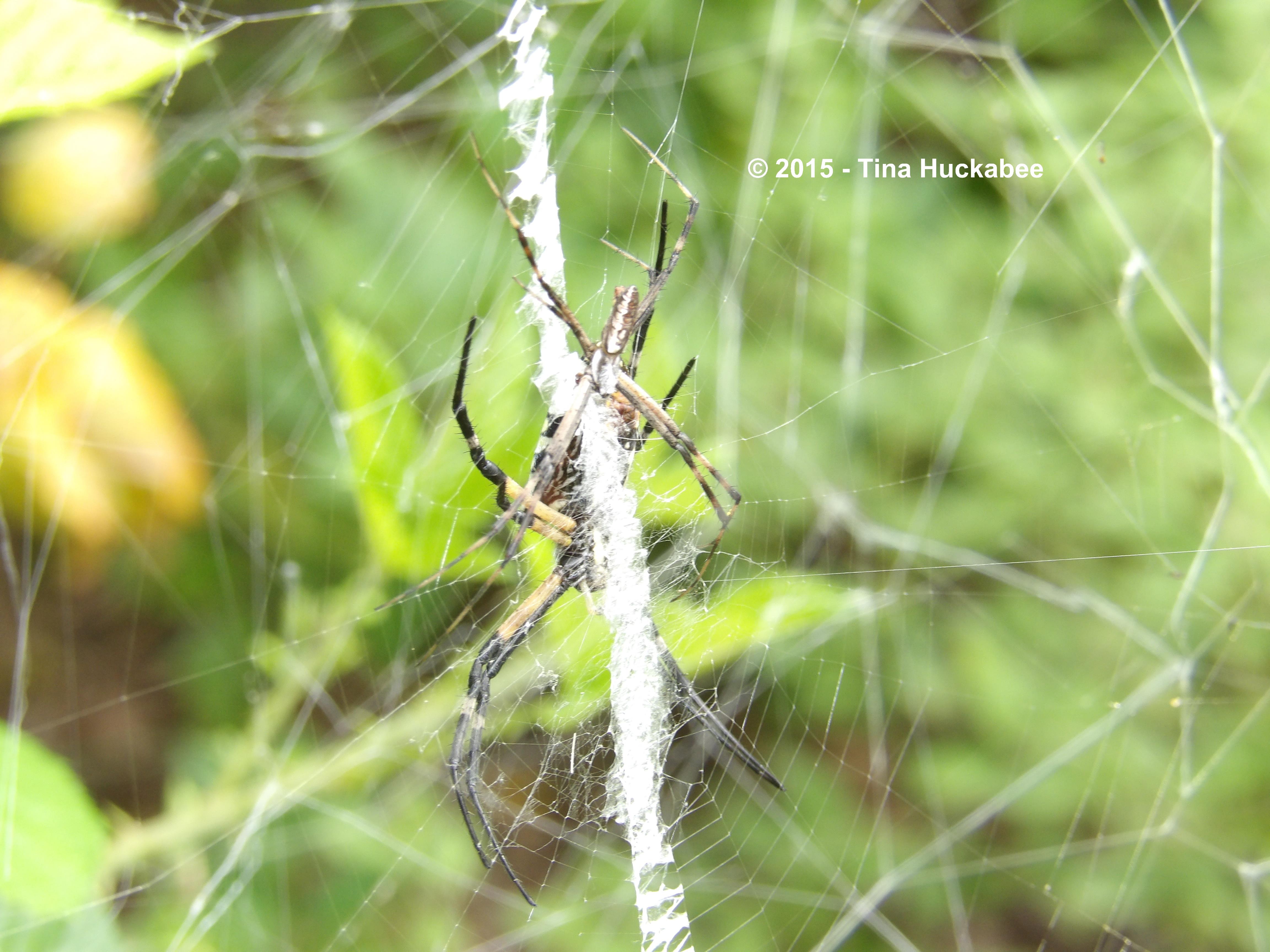
….looking for a female to mate with. I guess these two are enjoying their summer fling.

More spiders in my garden’s future….
Other beneficial garden inhabitants are wasps, like this social Paper Wasp, Polistes exclamans.
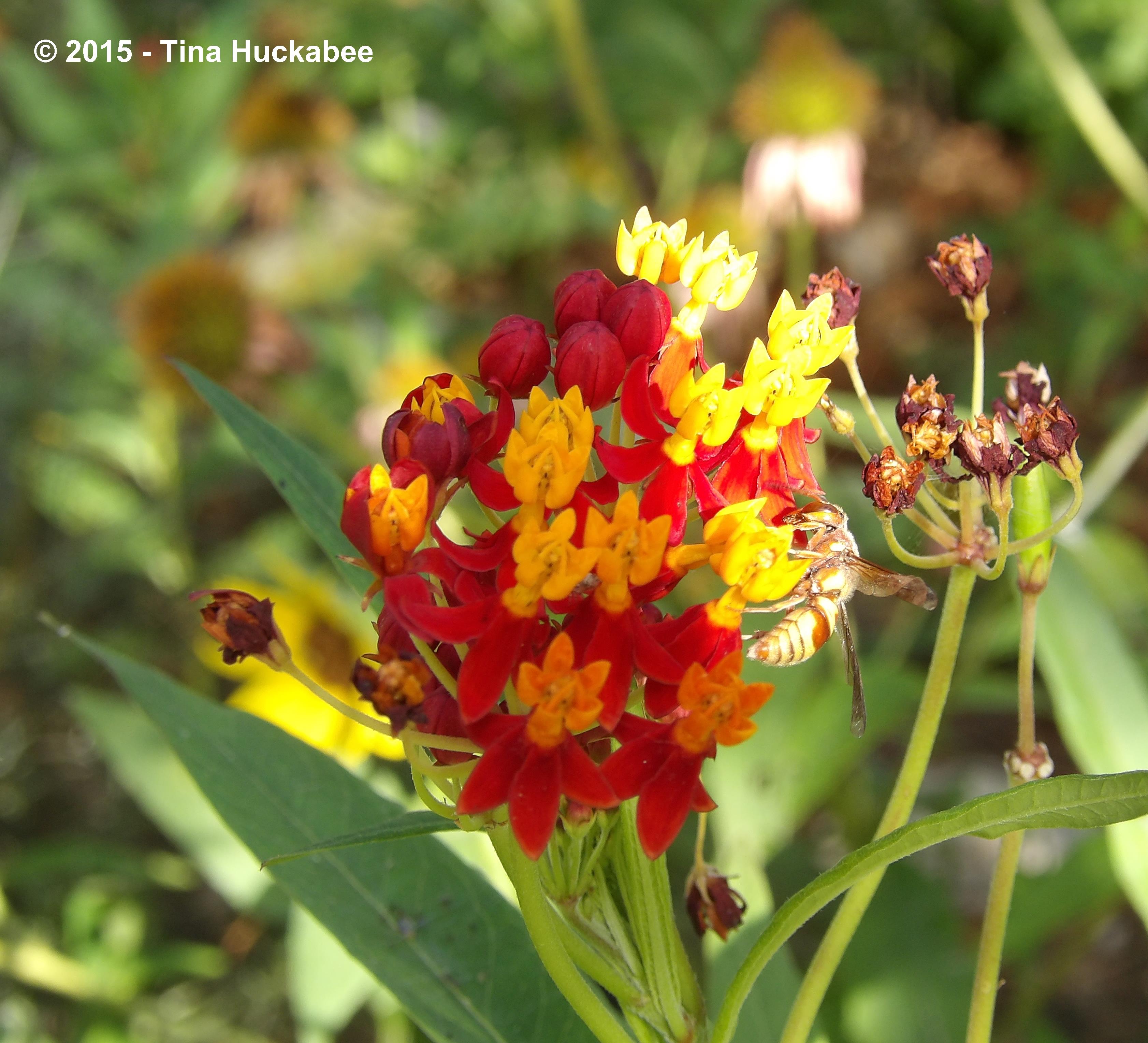
This insect is widespread in Texas and much of the South. I’ve seen a number of them this past month–resting on leaves, feeding at blooms, and sipping at bird baths.
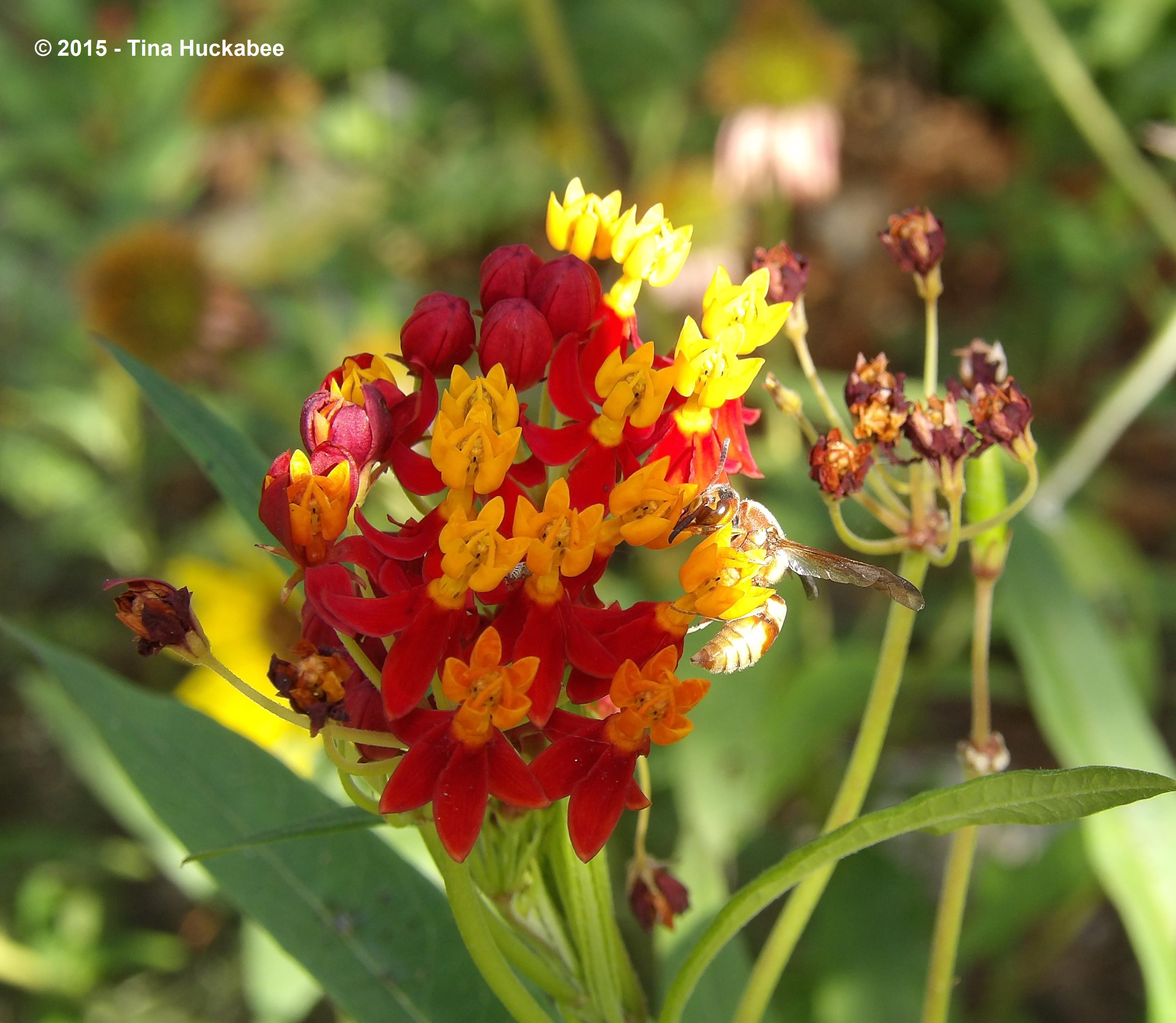
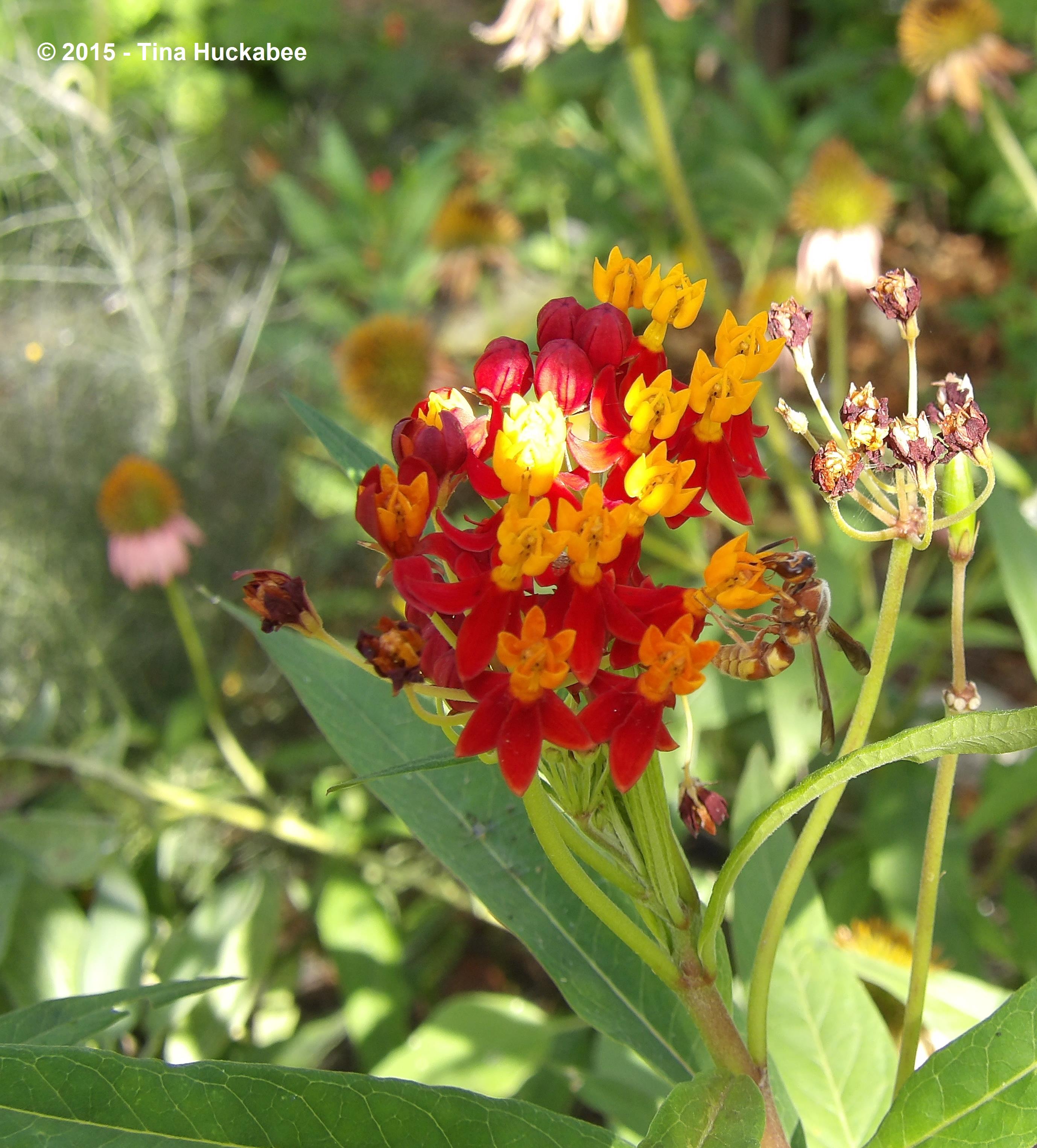
Paper Wasps are nectaring insects and categorized as social because they live in groups with a breeding queen and workers, though many wasps are solitary and are also common in Texas gardens. These particular Paper wasps build nests that are made of cellulose, either out of wood or paper, with cells similar in design to honeybee combs; nests hang from a single stem attached to some object. I know I’ve seen the nests around my property, but of course couldn’t find one to photograph for this post. However, you can see one here.
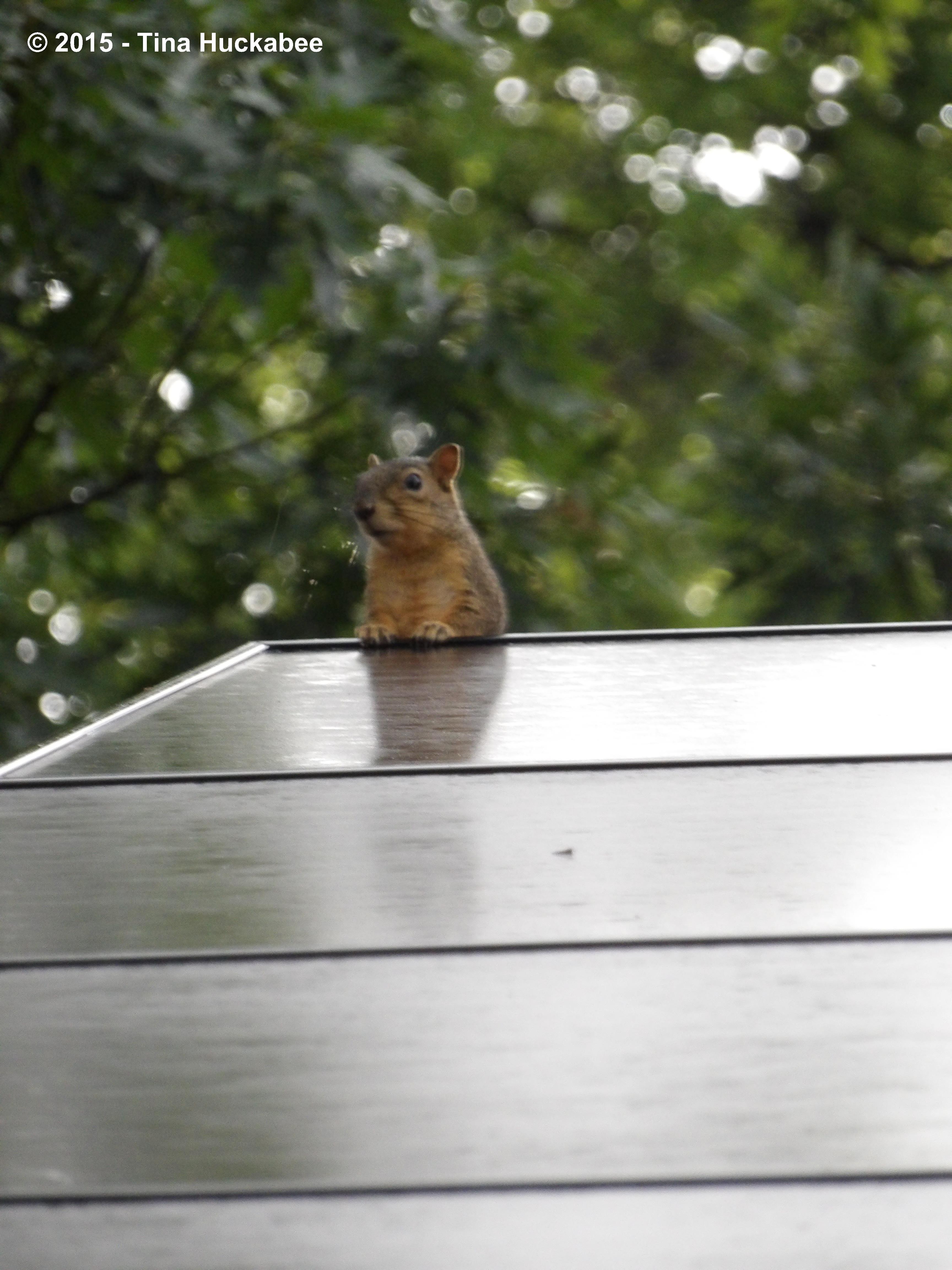
The squirrels are not happy with me. I don’t always fill the bird feeders, but I am this summer. By default and population, I’m also feeding the squirrels. Several of these enterprising rodents began climbing up and then hanging onto the solar screen while nibbling seeds at the ceramic feeder in front of the kitchen window. They were emptying this feeder in front of the kitchen window in less than a day. NOT cool. I finally removed the screen, to their great frustration. Since then, the screen-vanquished squirrels have tried, in vain, to figure out how to get to the feeder.
Glass is not so easy to hang onto.
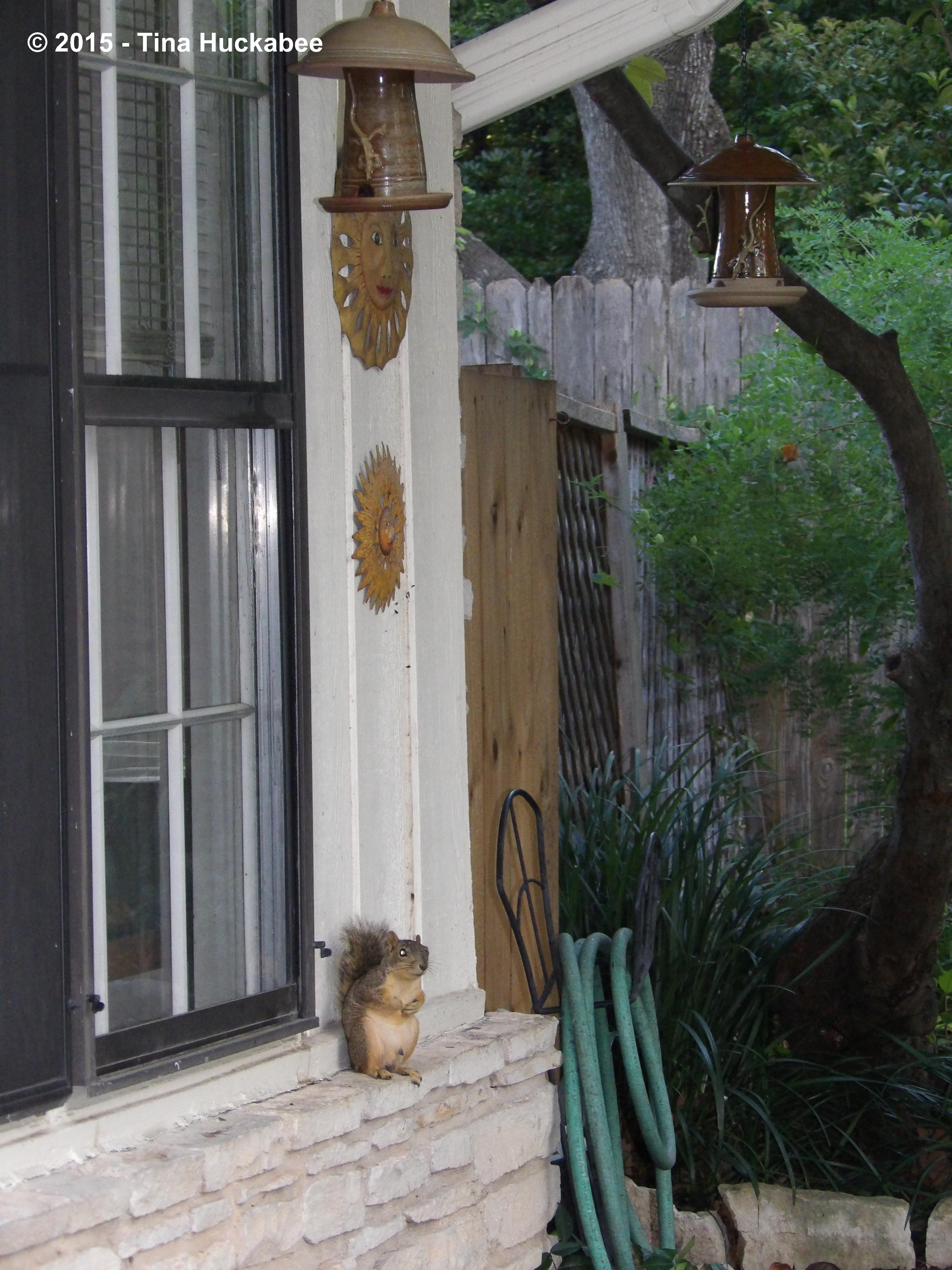
One morning, this little guy sat on the window ledge, looking quite despondent at his inability to reach the feeder. I swear that he had his arms folded and was tapping his foot in annoyance.
It’s a good day when I can out-smart the squirrels.
These female Black-chinned Hummingbirds, Archilochus alexandri (or maybe it’s the same one) have visited on a regular basis. In the first set of photos, the flower-of-choice is the Big Red Sage, Salvia penstemonoides,


…and in this second set, the meal source are blooms of Turk’s Cap, Malvaviscus arboreus.
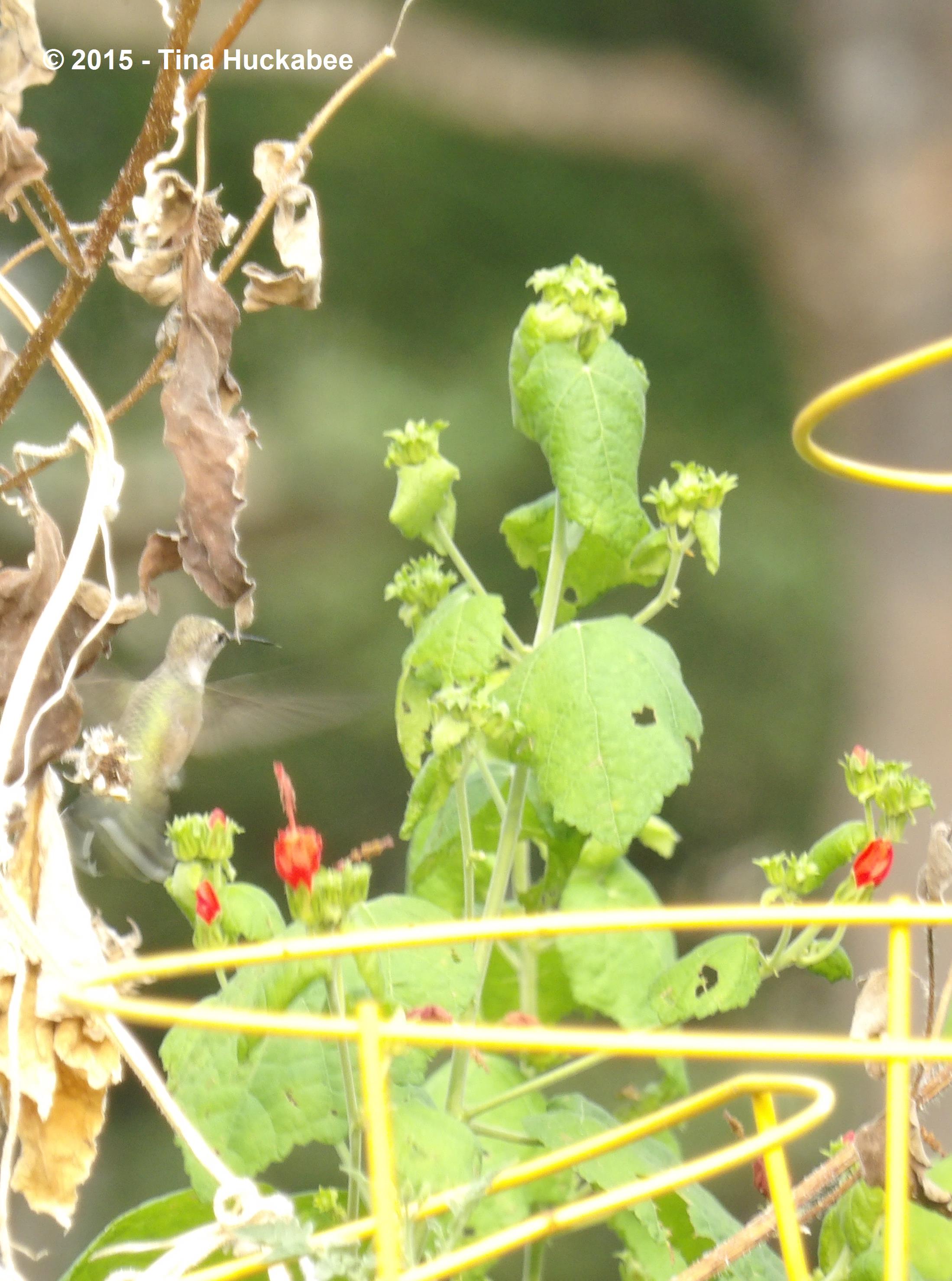

I’ve seen one or more Black-chinned males and male Ruby-throated Hummingbirds-alas, no photos other than those above though. They’re hard to catch, these winged jewels, but I’m enjoying their visits, however fleetingly, as they feed at the plants they favor in my garden.
For several days in mid-July, I was hearing an unfamiliar bird call. I couldn’t find the singers for the first day or so, then finally spotted the jazz-like crooners.
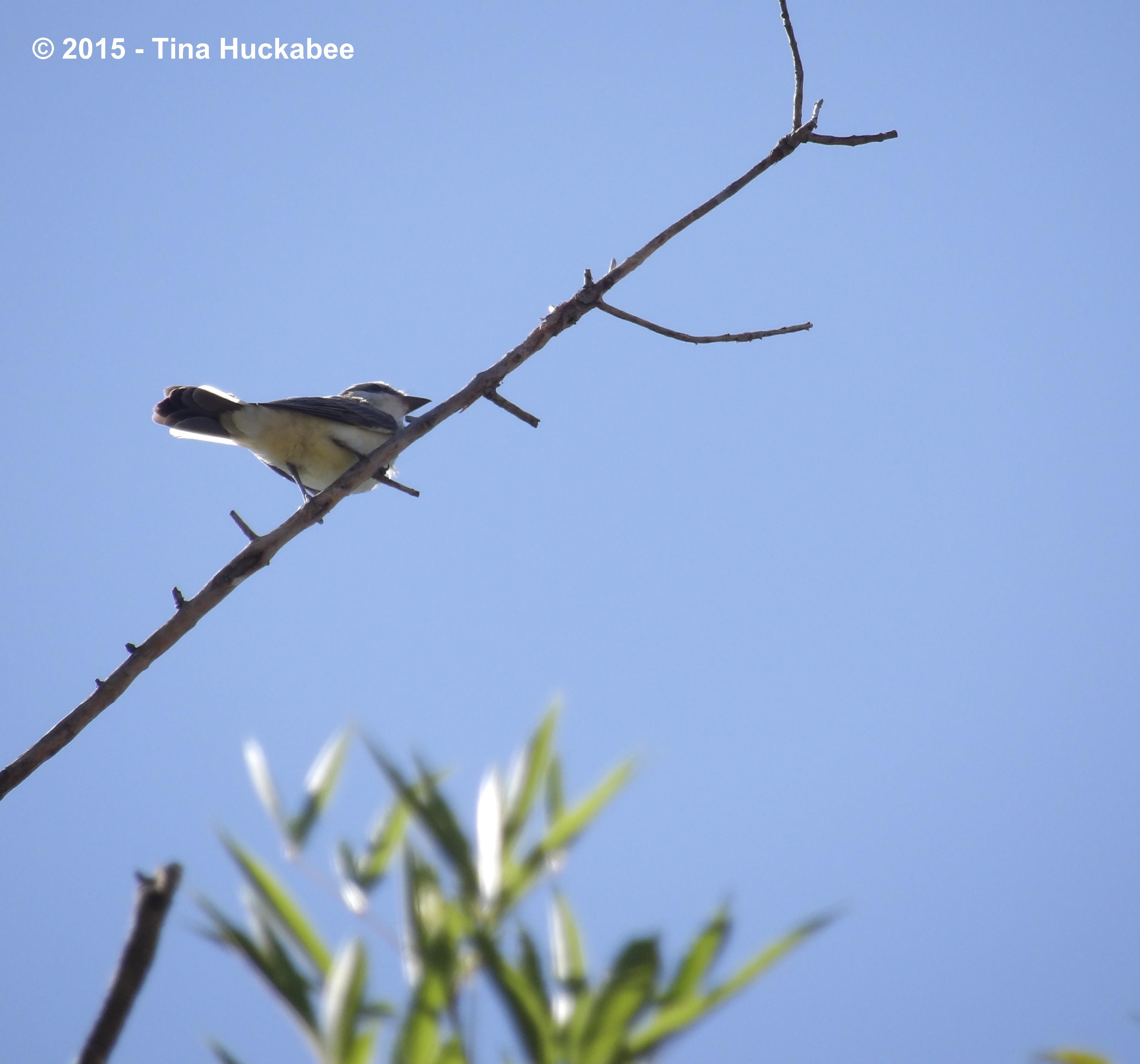
The Logger-head Shrike, Lanius ludovicianus, is a year-round resident of much of the United States, though I’ve never seen one–ever. I was surprised to see several of them, though all I could photograph was their lower halves, due to their perching high in neighbors’ trees around my gardens. They have a varied diet, but also eat insects. Were they after my honeybees? Hmmm. I heard them, finally saw a few, then I left town for a bit. I’ve heard none since. Too bad.
I loved watching this parent Black-crested Titmouse, Baeolophus atricristatus, feeding a young’n.

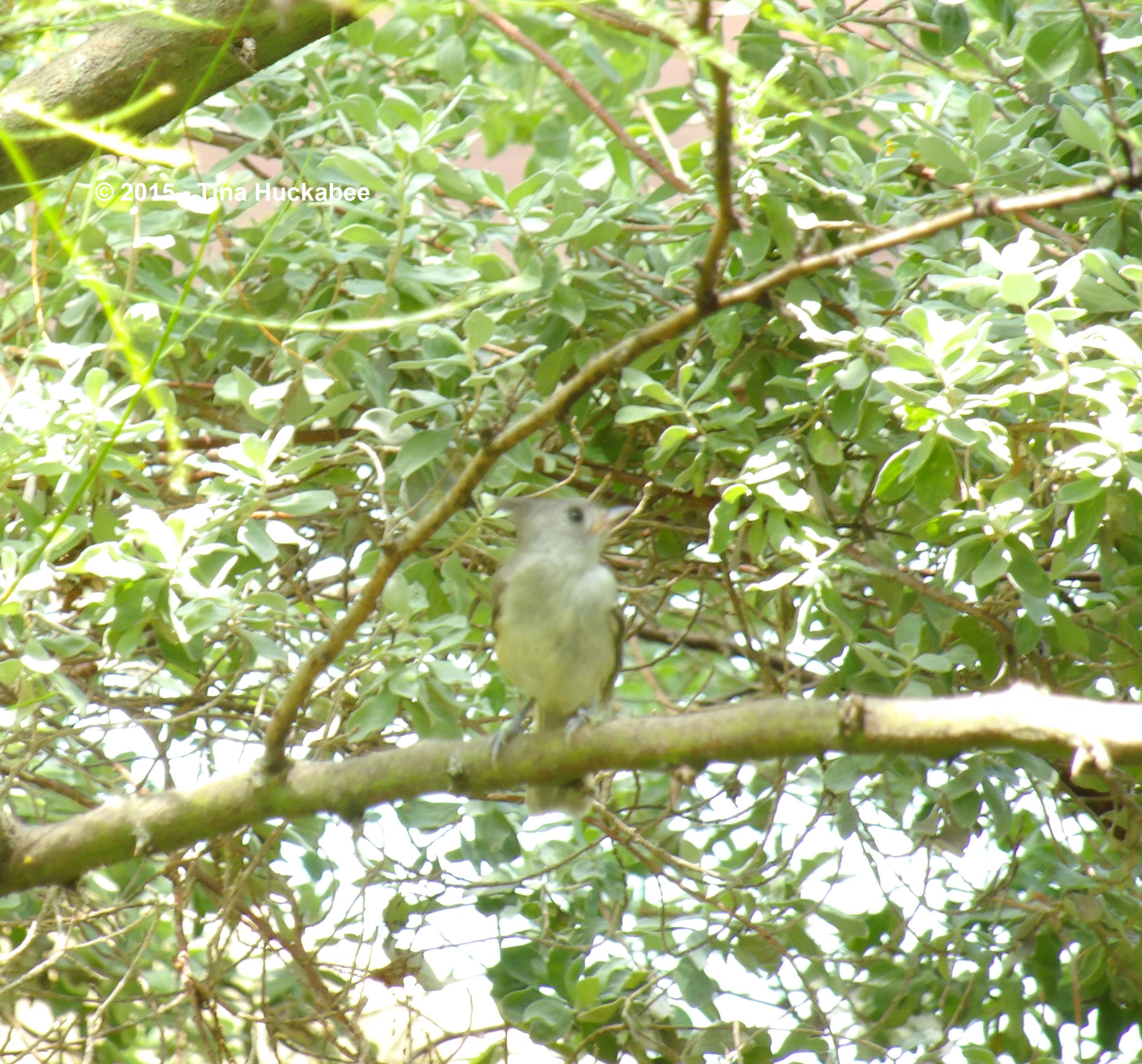
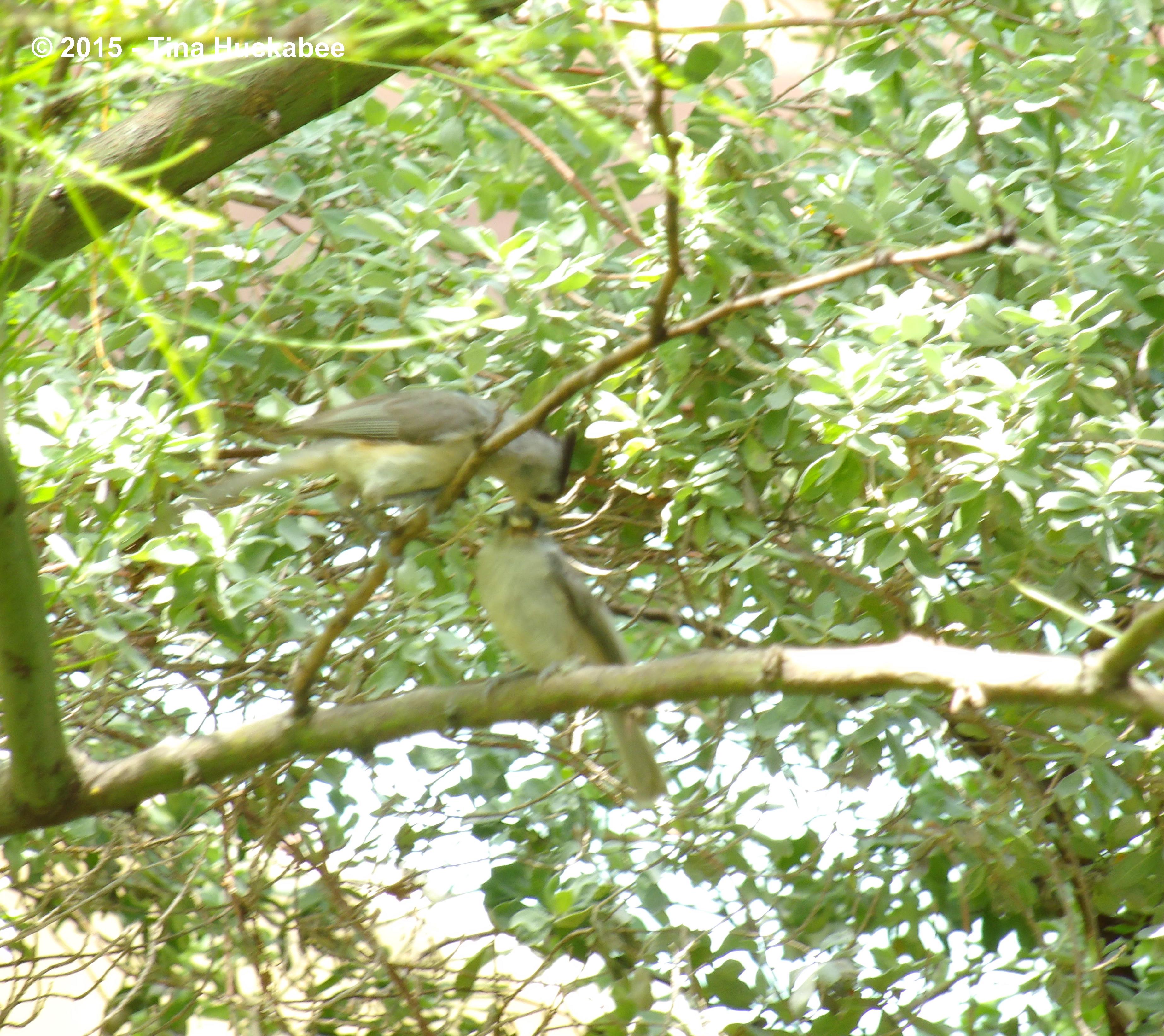
Actually, I guess it was the young’n that I really watched, as he/she looked this way and that for this parent to show up with the seed. Adorable, and gratifying that there’s enough to feed the next generation.
This lovely little Bordered Patch butterfly, Chlosyne lacinia, flitted in the garden for days before I could catch this mediocre shot.
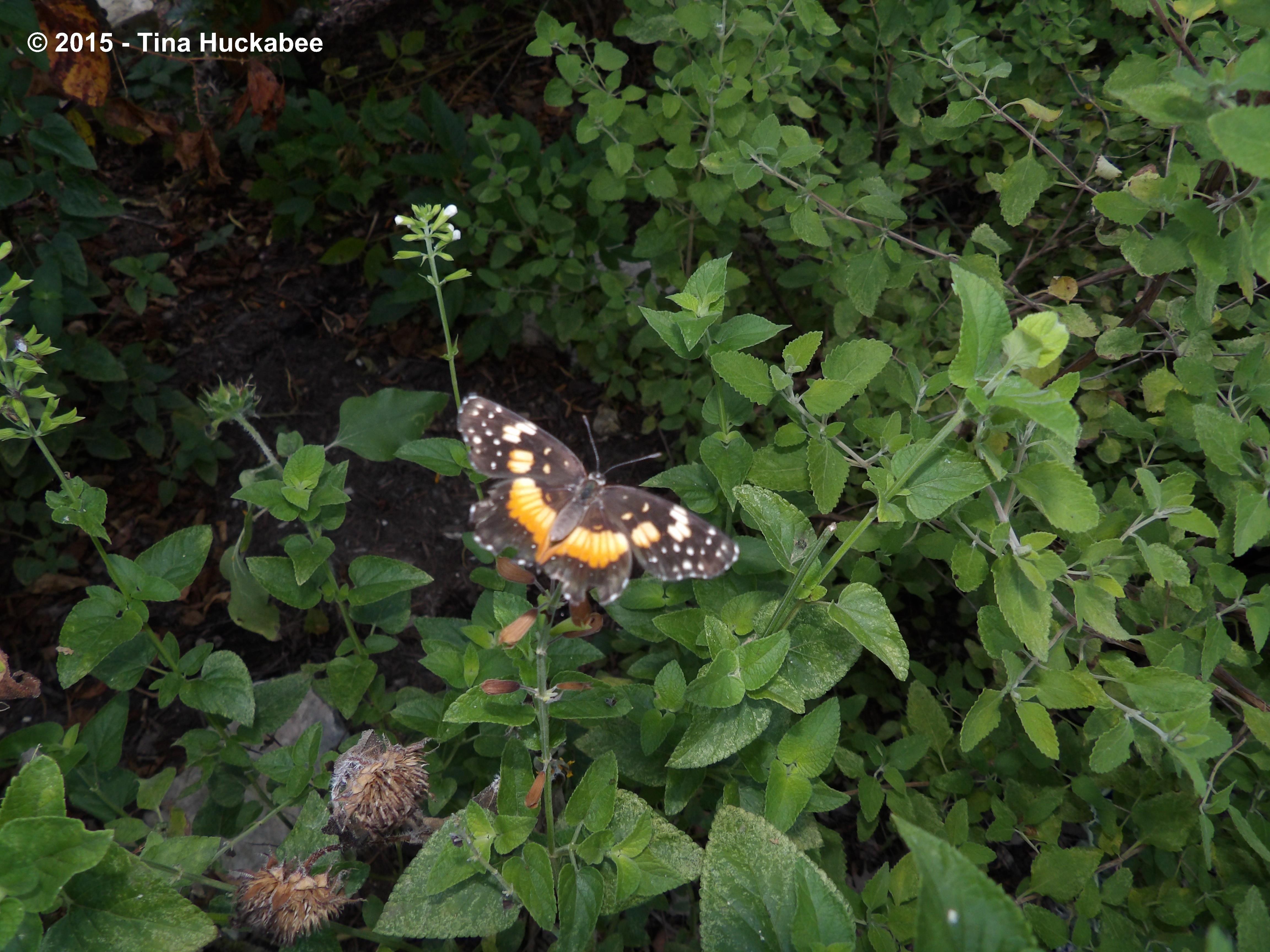
The host plant for this pretty are sunflowers, which are plentiful in my gardens this summer.
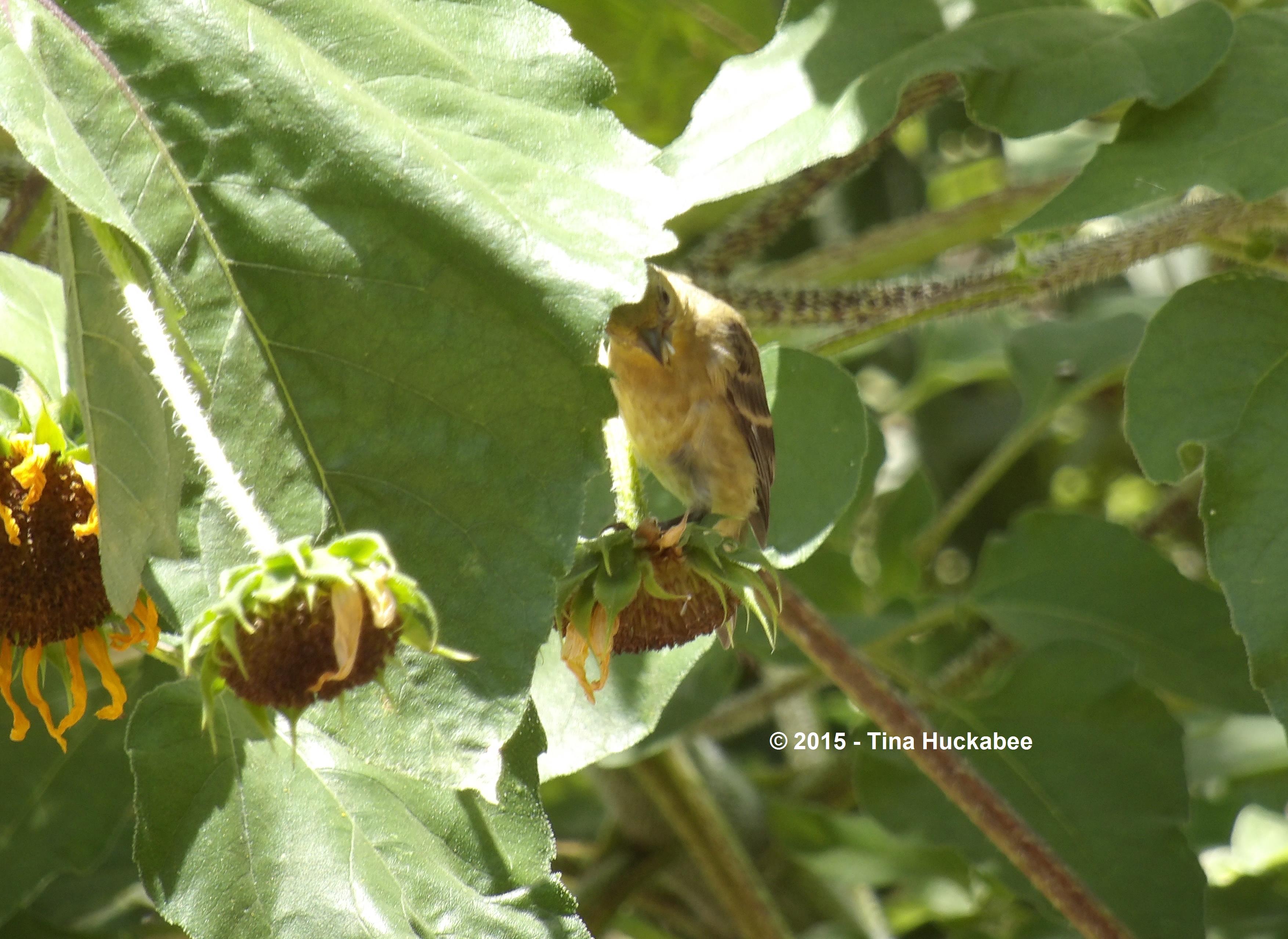
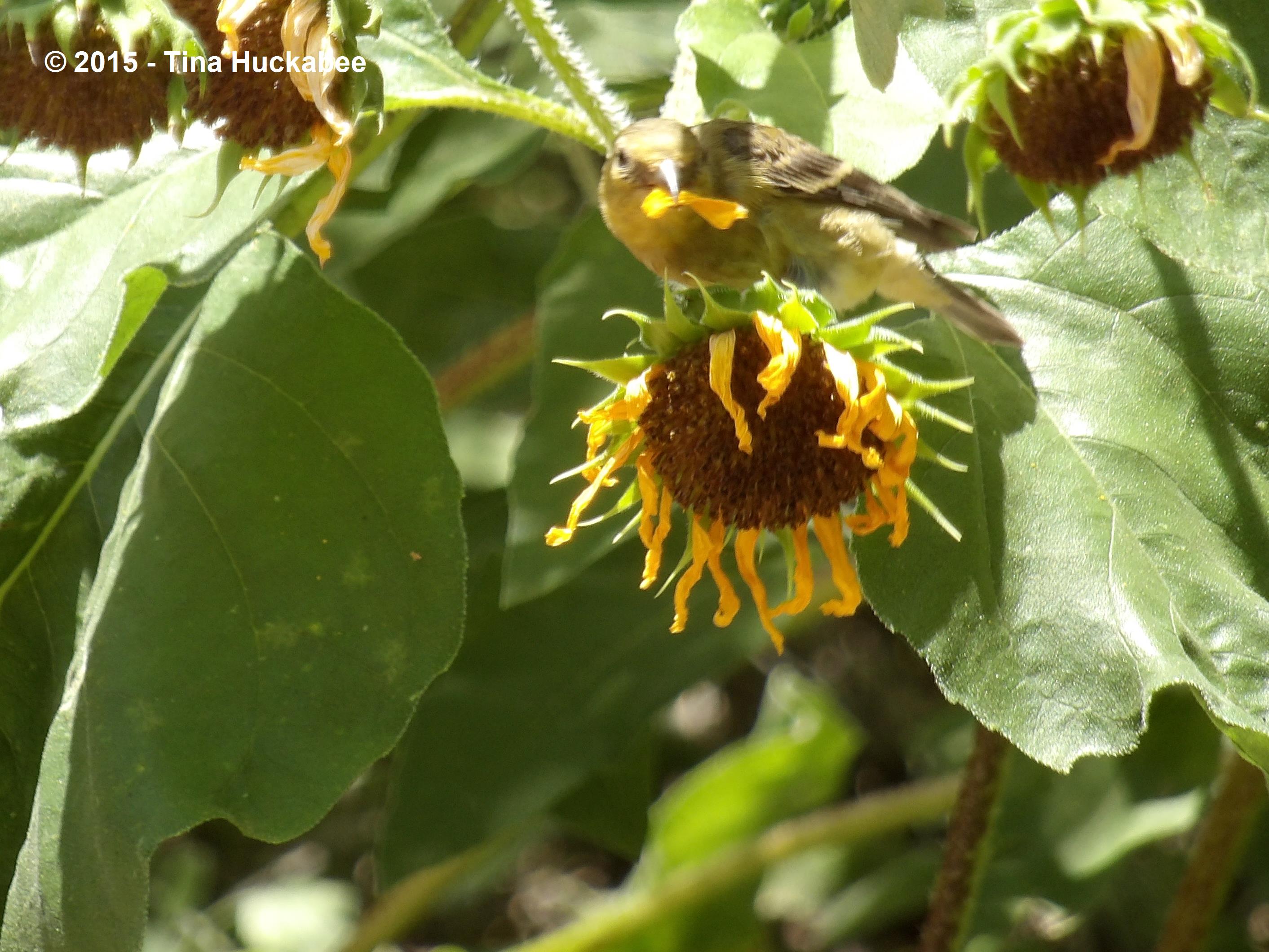
Feeding on the going-to-seed sunflowers are the Lesser Goldfinch, Spinus psaltria, gang–boys and girls alike.
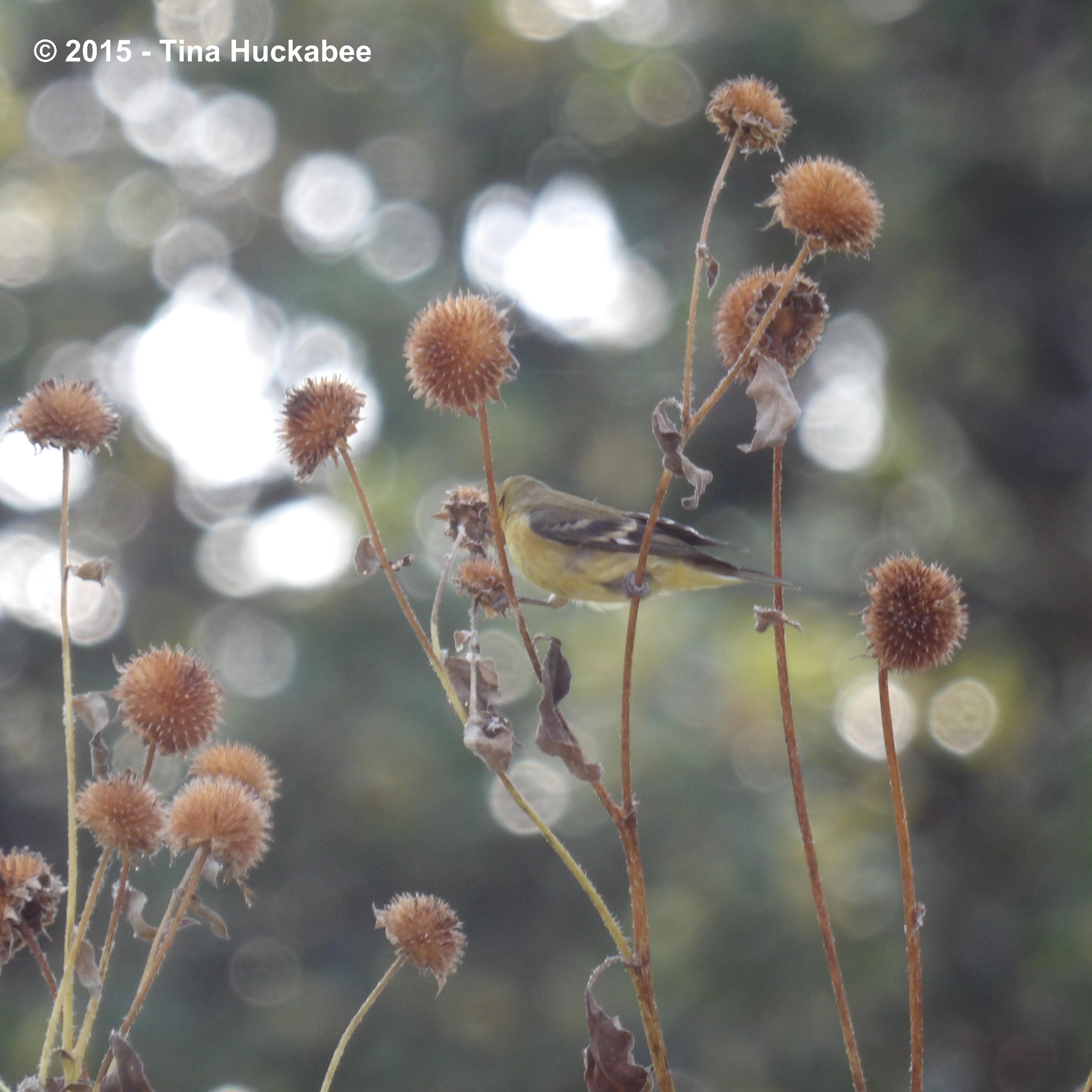

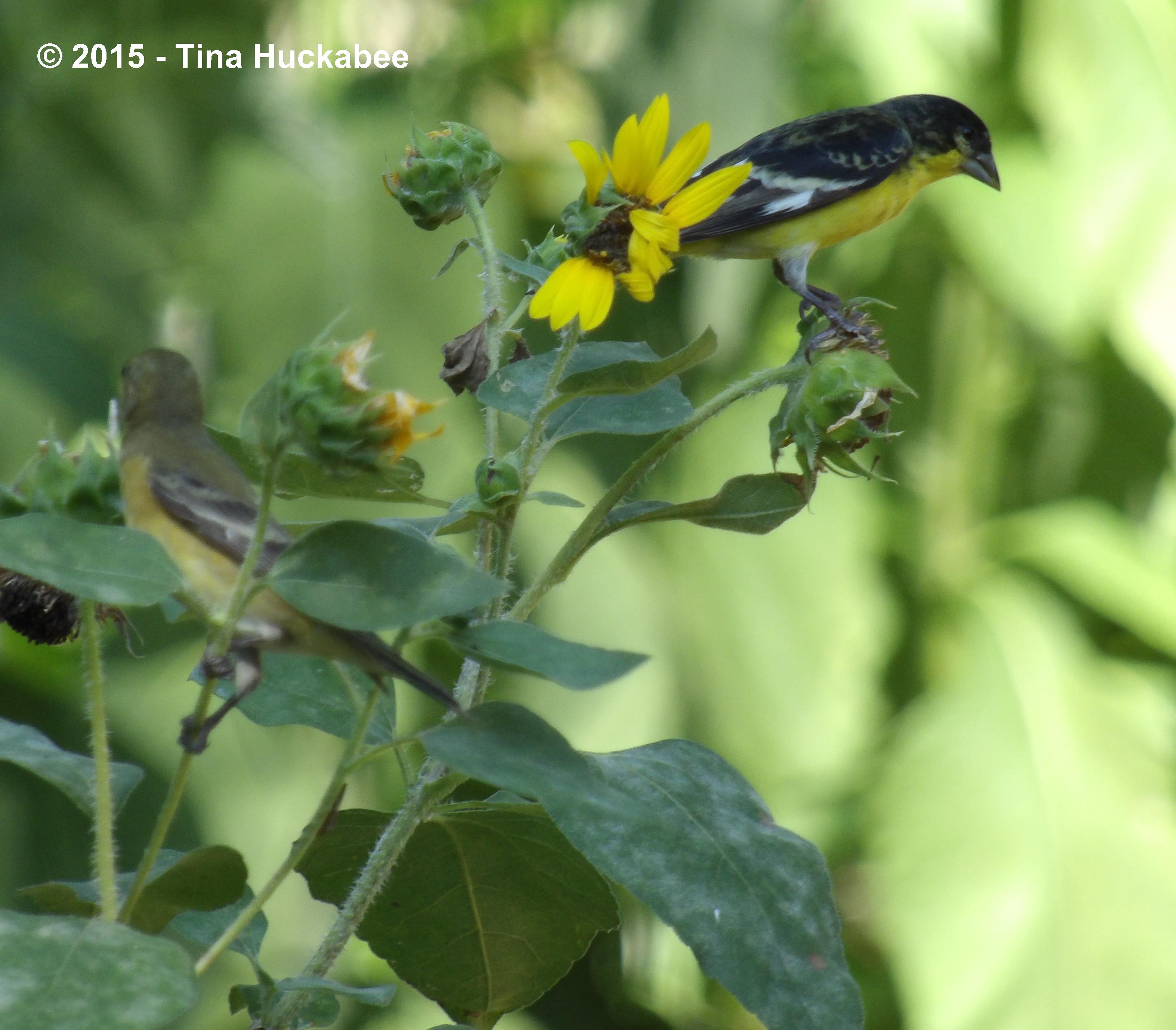
Lessers love the seeds of Asteraceae plants, like sunflowers. I chuckle as they hang upside-down for their food; it’s a neat trick, though I’ll take my meals at the table, thank you very much.
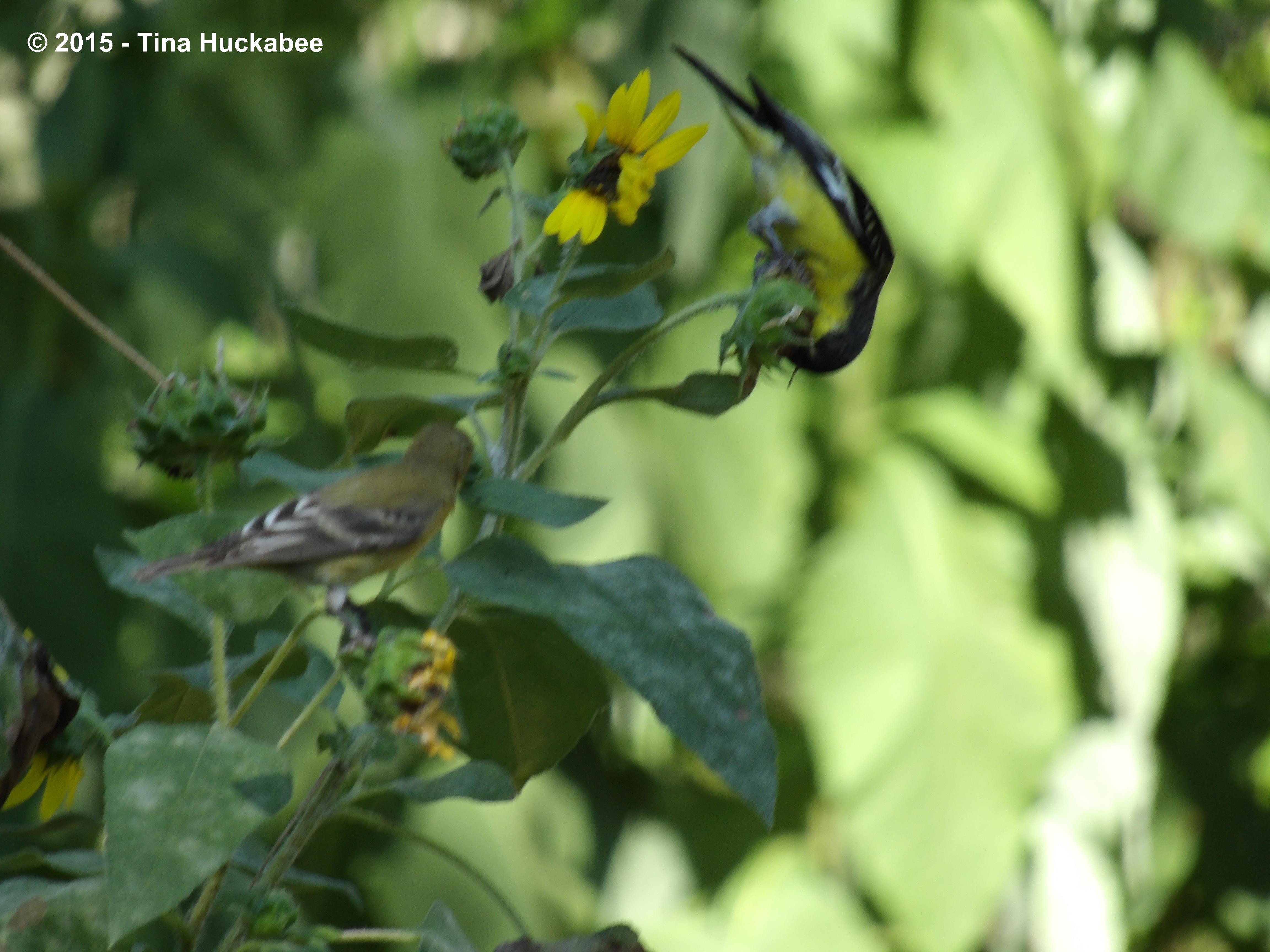
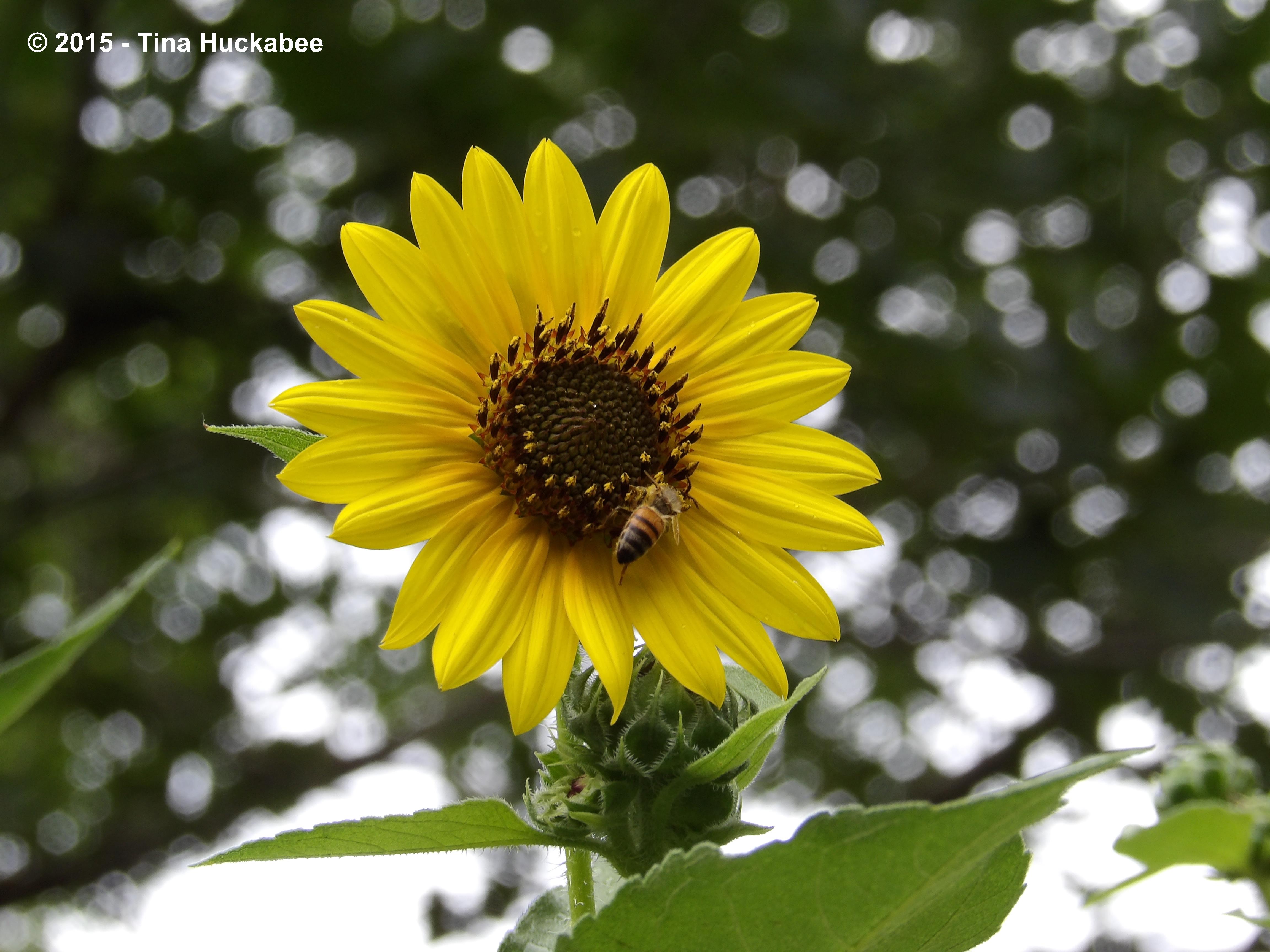
These guys-n-gals will soon finish up with the tall spring-germinating, summer-towering sunflowers. I’ve already pruned a couple of stalks because there was little left on them, either in bloom or seed form. But several sunflowers still have viable blooms, which the honeybees and butterflies are feeding on and seeds which the Lessers and also House Finches and Sparrows, are enjoying.
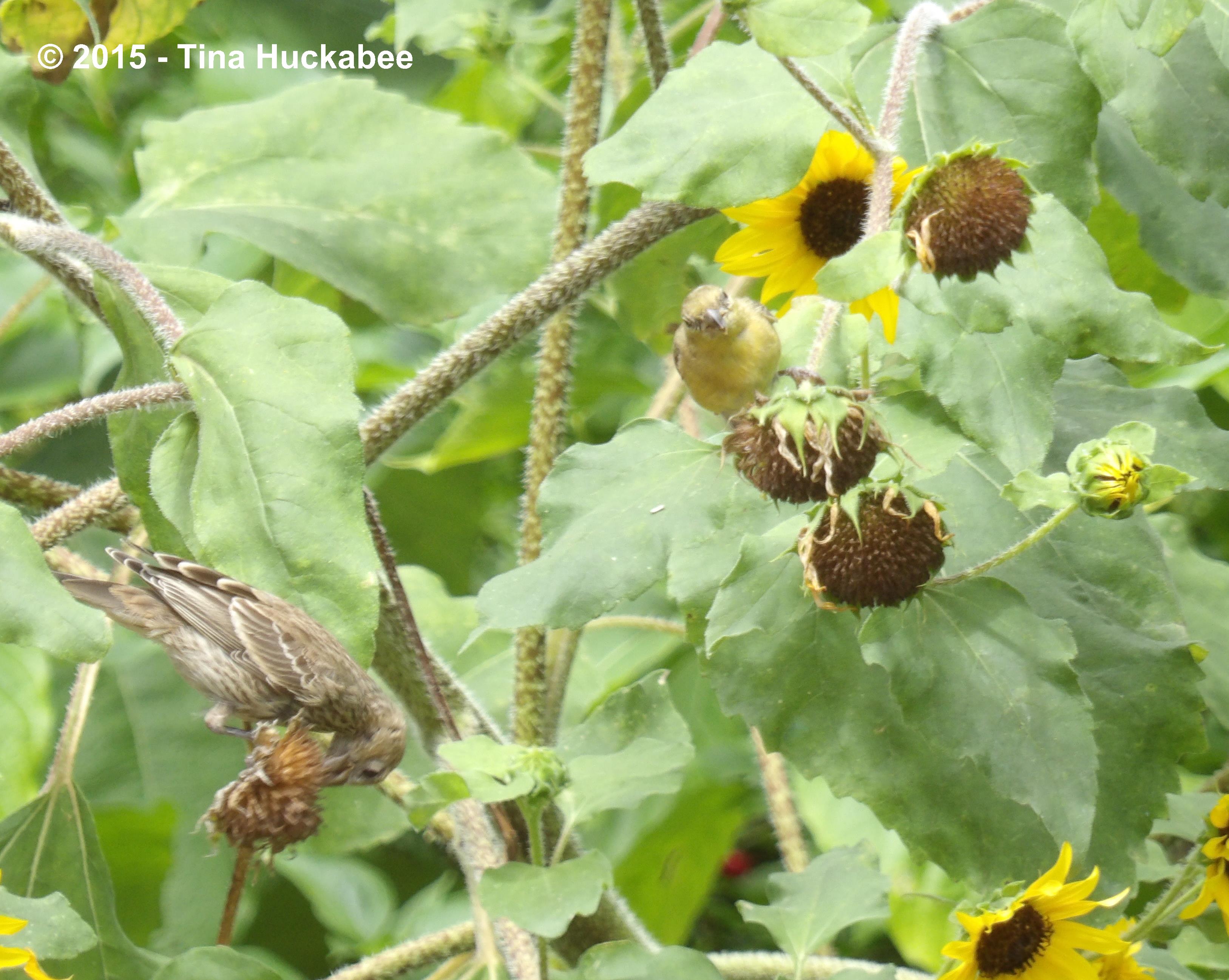
To the “pretty plant” gardener–one who wants the sterile, pristine lawn or perfect, non-insect attracting bloom-n-foliage plants, I’m sure my sunflowers look hideous. But to myriad wildlife–bees, butterflies, moths, syrphid flies, and a variety of birds, the stalks are beautiful for their life-giving bounty. And that is what wildlife gardening is all about.
I lamented that I didn’t have much to show and tell for this month, but I guess there was enough. Thank you critters–for your presence and for enlivening and completing my garden.
Kudos to all of you who garden for wildlife, no matter how much or little: you’re part of the solution. I hope your gardens received wildlife visitors this month and that you will join in posting for August Wildlife Wednesday. Share the rare or mundane, funny or fascinating, beneficial or harmful critters you encounter. When you comment on my post, please remember to leave a link to your Wildlife Wednesday post so readers can enjoy a variety of garden wildlife observations.
Happy wildlife gardening!
**Just a quick and timely addendum. This article is from the Washington Post via. Cornell Lab of Ornithology. A must read for anyone who understands the wastefulness and pointlessness of the American lawn.
Also, the original, beautifully written essay from Ohioan Sarah Baker about her experience in allowing her property to become a wildlife habitat.




















 My Gardener Says...