Wildlife Wednesday, December 2015

Welcome to Wildlife Wednesday for December where all things feathered, scaled, and furred are appreciated and lauded for their contributions to a healthy environment and simply for being.  Bees, butterflies, and birds are still active in the mid part of autumn and are visiting and/or residing in my gardens. Gardens are richest when they reflect the natural world in complexity and diversity of plant and wildlife.  A wildlife garden is a refuge for insects and animals by providing ample food, water, and protection for critters and it’s also a challenging and educational endeavor for gardeners.

Additionally, wildlife are tricky to photograph, or at the very least, not always in cooperation with the photographer’s goal.  I was attempting a pollinating shot of this Horsefly-like Carpenter bee,

IMGP2672_cropped_2940x2410..new

…but the bee was too fast for me and my camera.  However, I’m pleased at the shot of her in flight between the blooms of white Tropical Sage, Salvia coccinea.

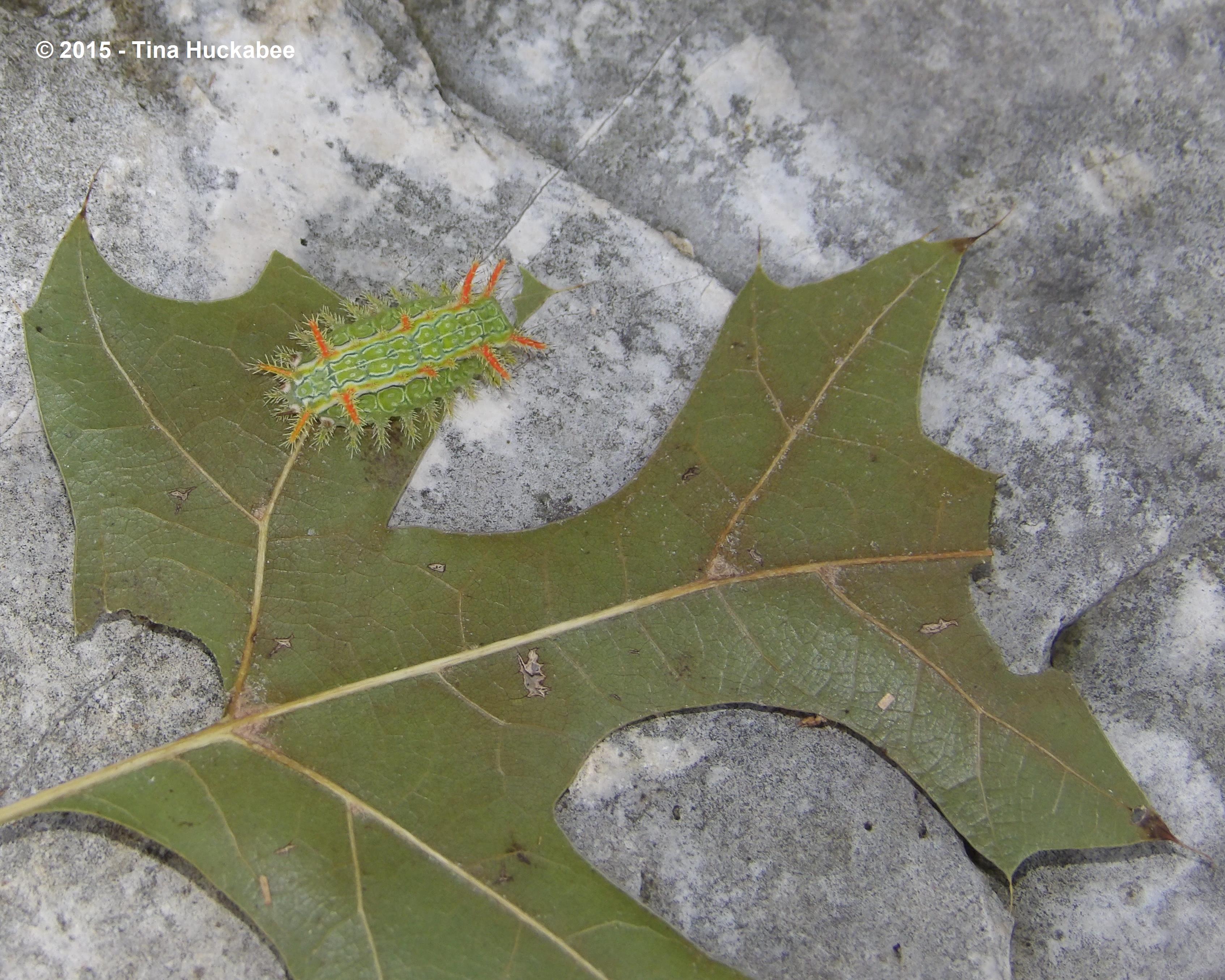
I spied this gorgeous caterpillar on  a single fallen Shumard Oak leaf.
IMGP2624_cropped_3387x2710..new

A  Spiny Oak Slug MothEuclea delphinii, I knew better than to touch this caterpillar because it can deliver a wallop of a sting–birds and gardeners alike are forewarned by coloration and spikes.  I placed the leaf up on a branch, entwining it with another leaf,

IMGP2630_cropped_3014x3244..new

…in the hopes that the moth larva would continue its eating in preparation for pupating to its adult form.  When I checked later, the moth caterpillar was off to other munching territory.  Happy trails to you, buddy!!

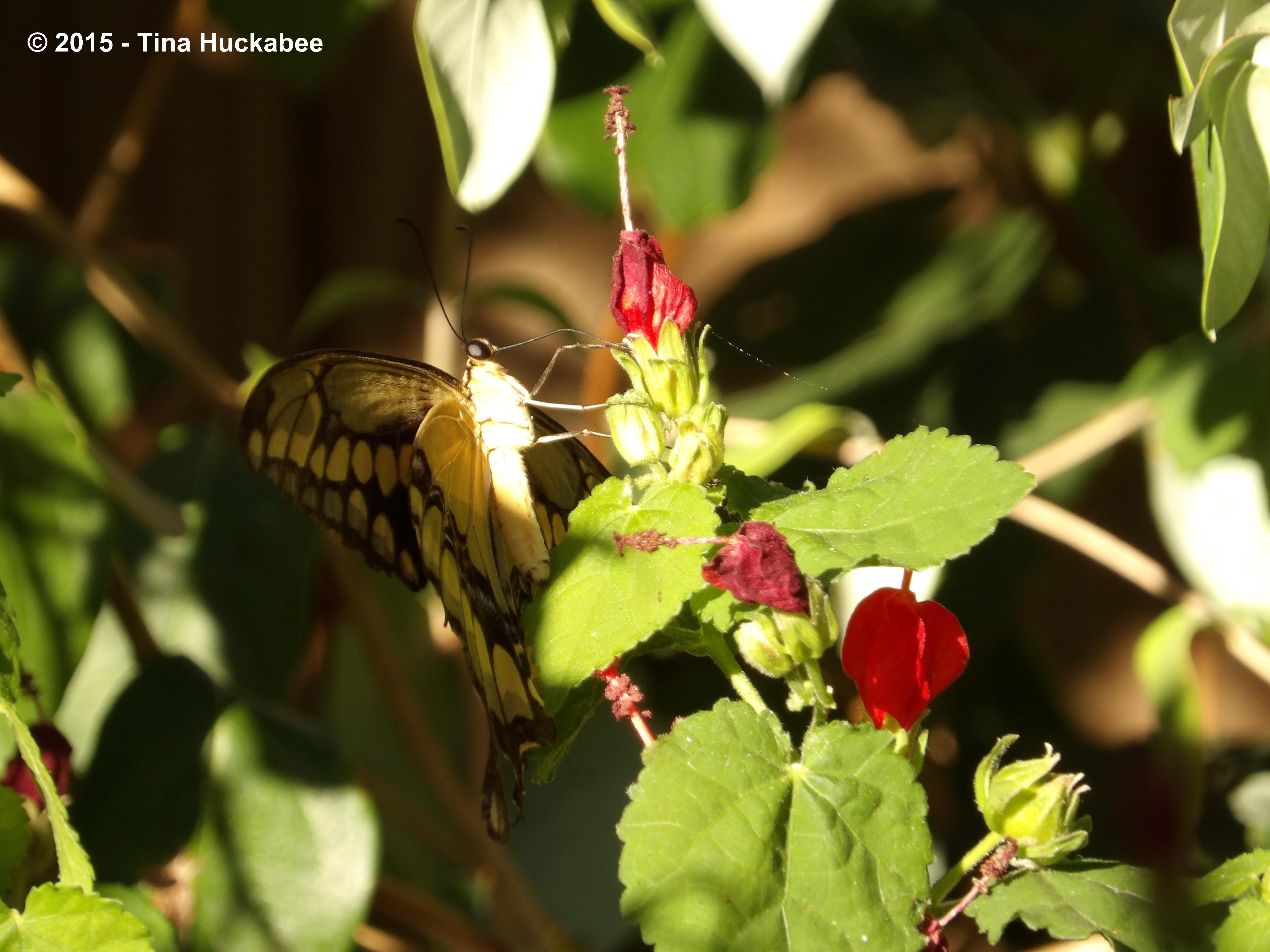
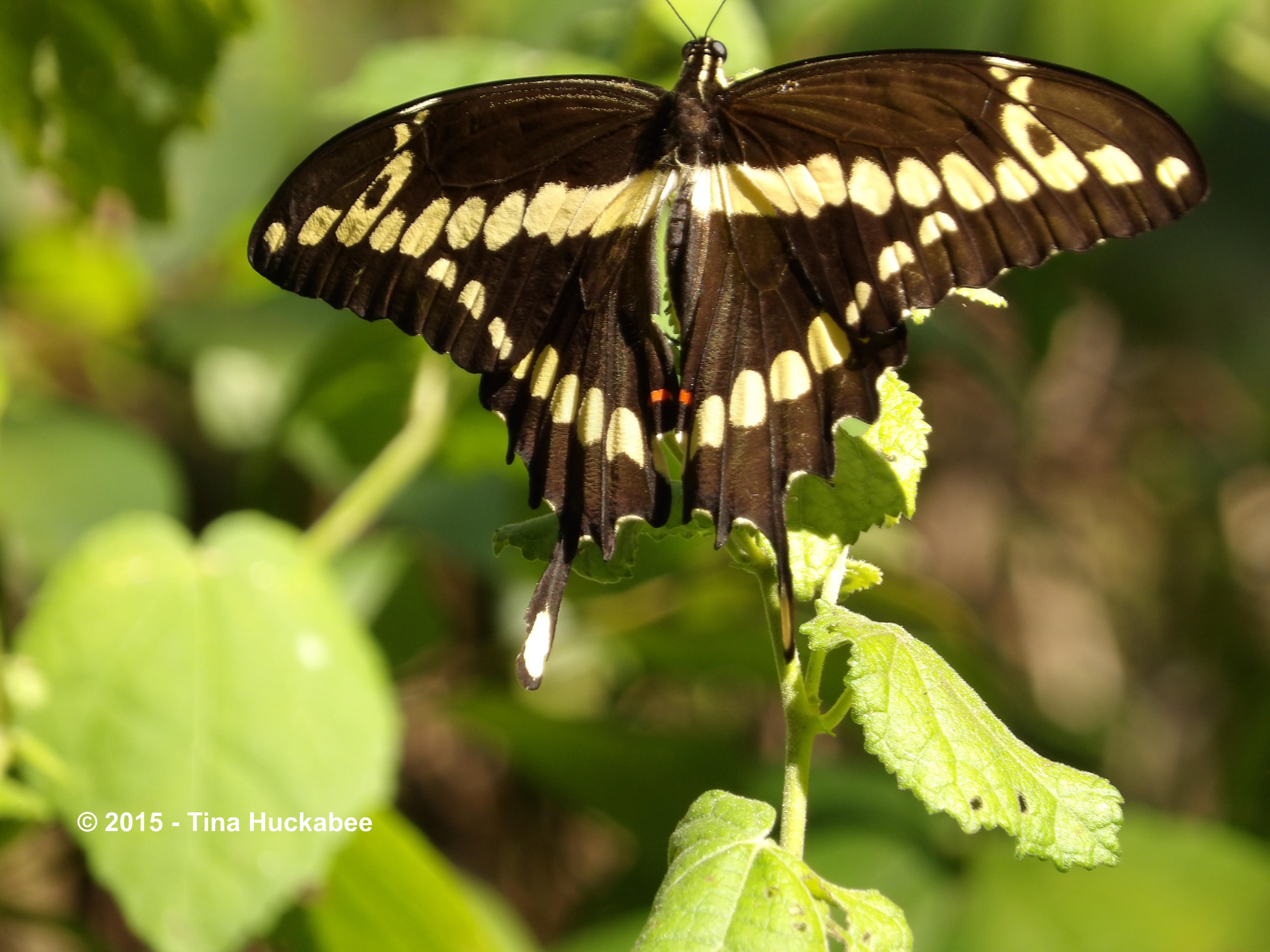
Giant SwallowtailPapilio cresphontes,  visited and pollinated before the weather turned wet and chilly,
IMGP2587.new


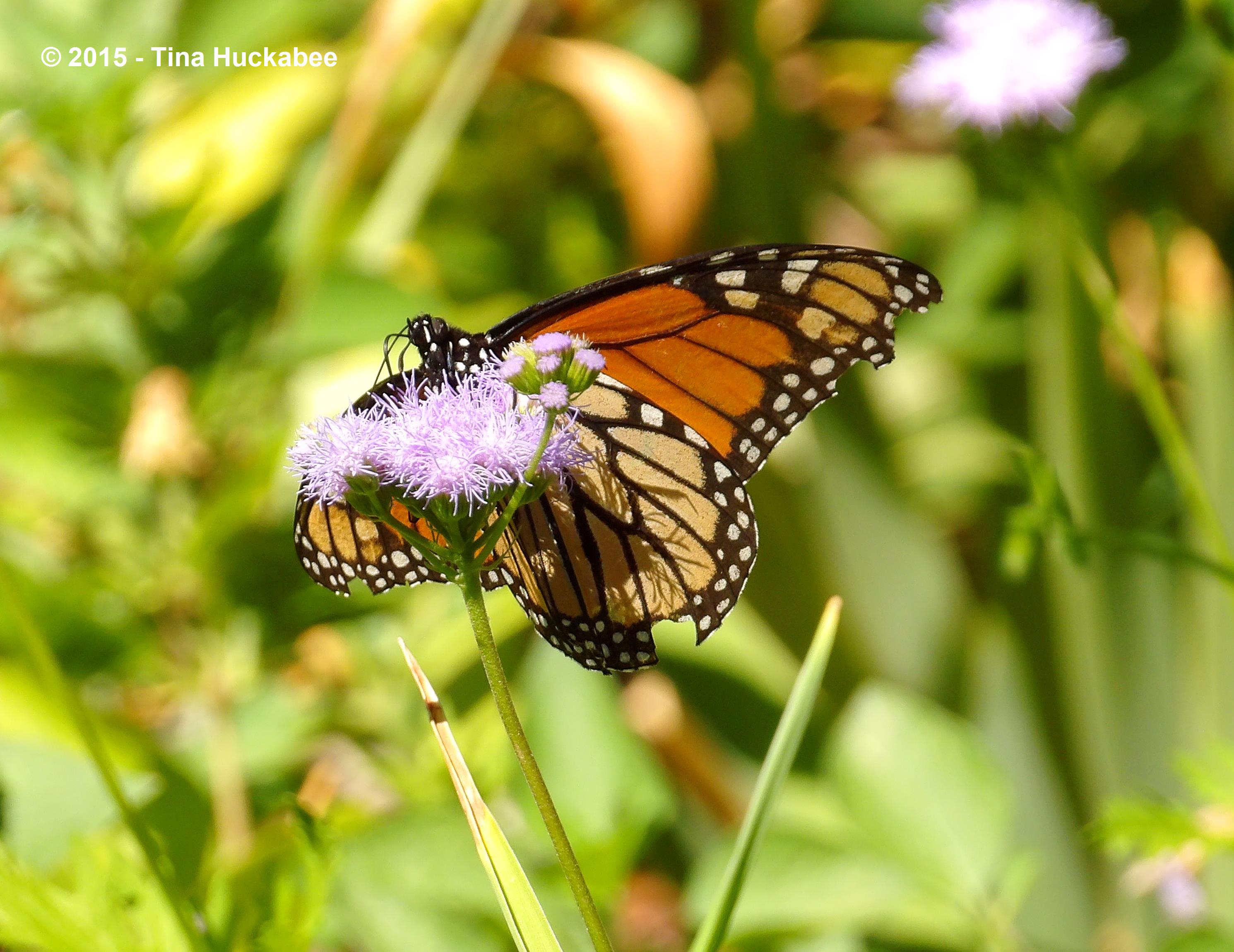
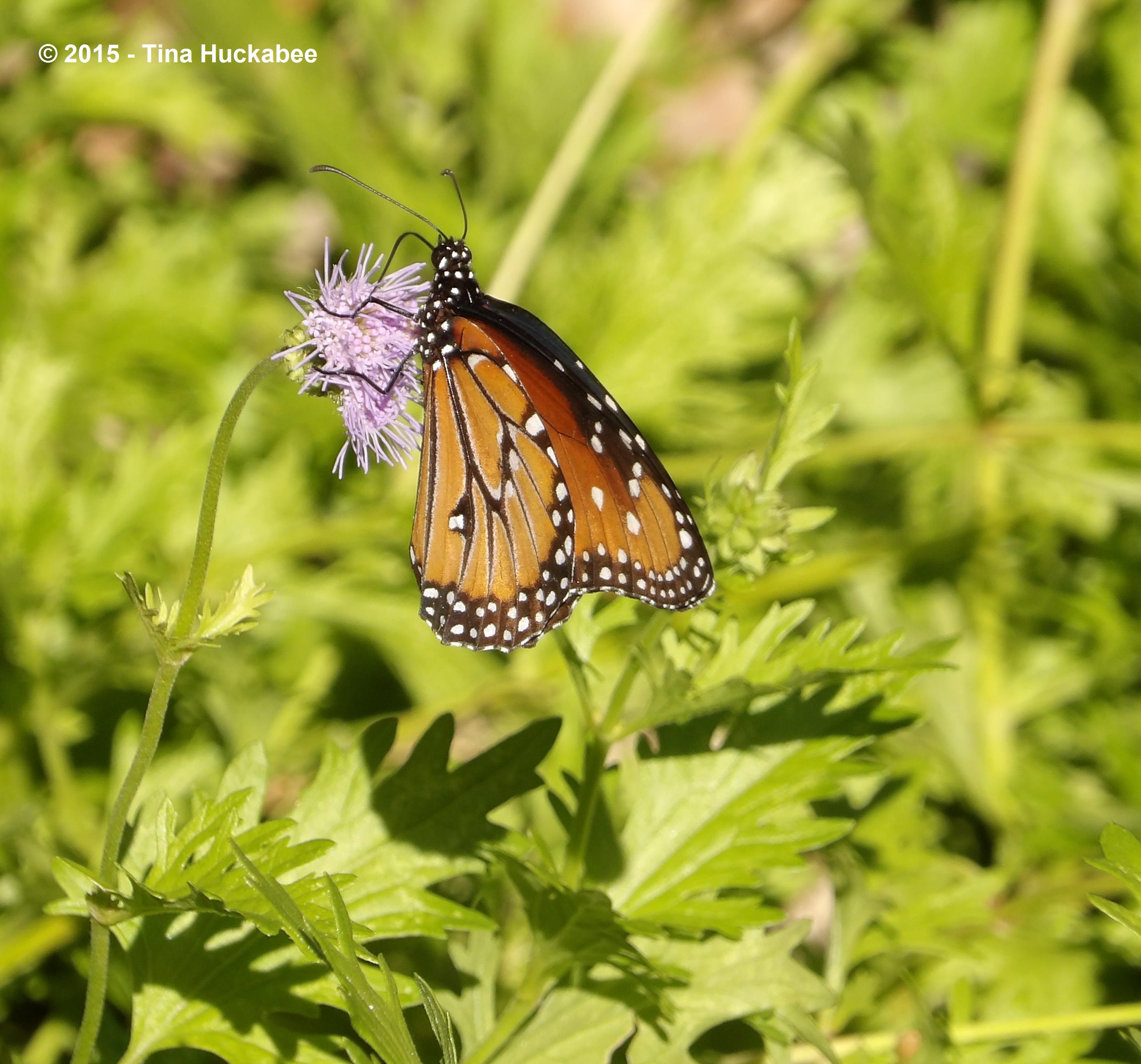
A year-round resident of Central Texas is the QueenDanaus gilippus, who is a relative of the migratory Monarch Butterfly, Danaus plexippus,  and is nectaring on Gregg’s Mistflower, a favorite nectar plant of this species.
IMGP2588_cropped_2931x2733..new

Here, a male Queen rests and poses on the same Gregg’s Mistlfower plant. IMGP2590.new
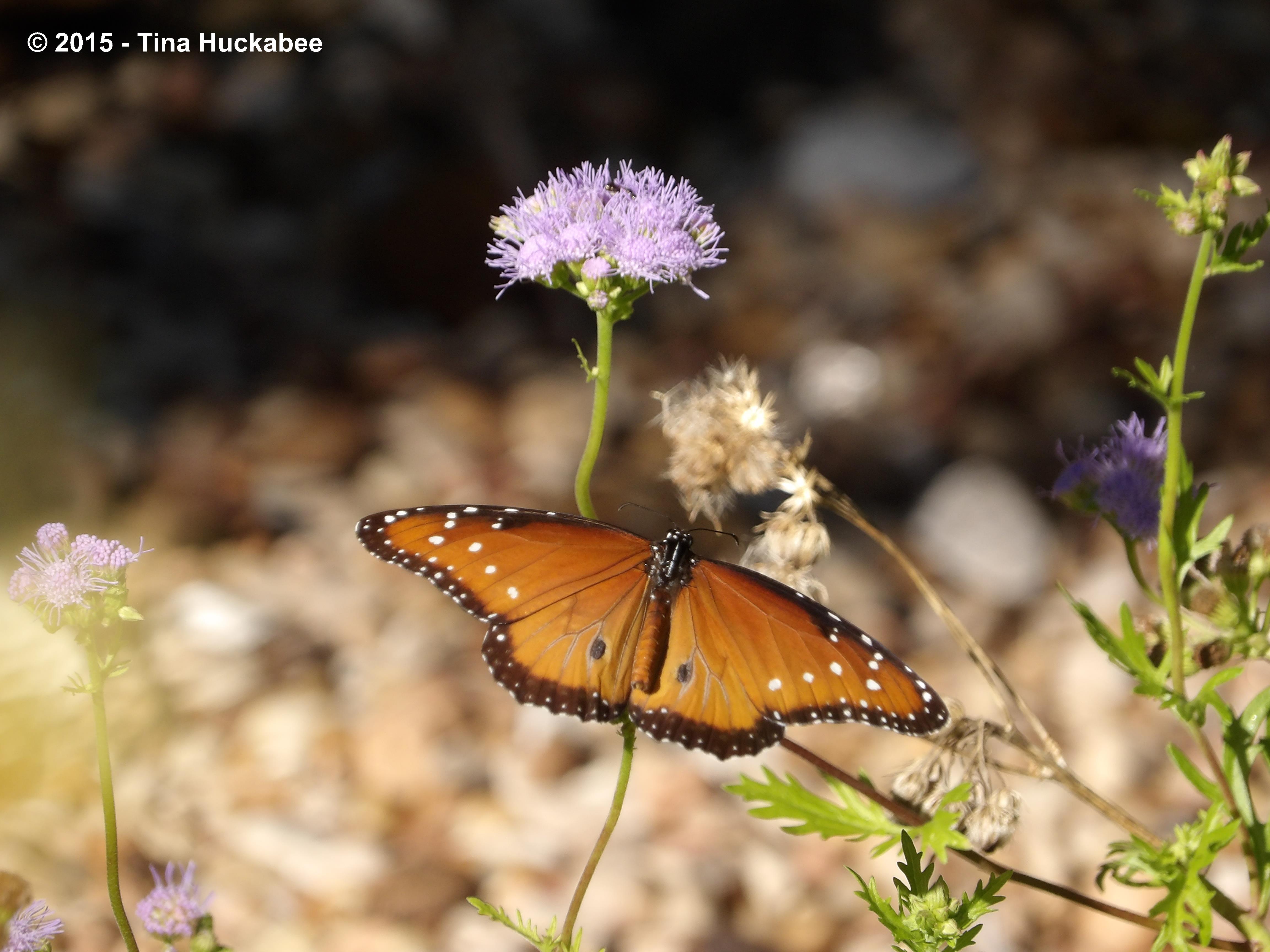
I see a few Queens on warmer days, though lately, Queens and warmer days are fewer in number.

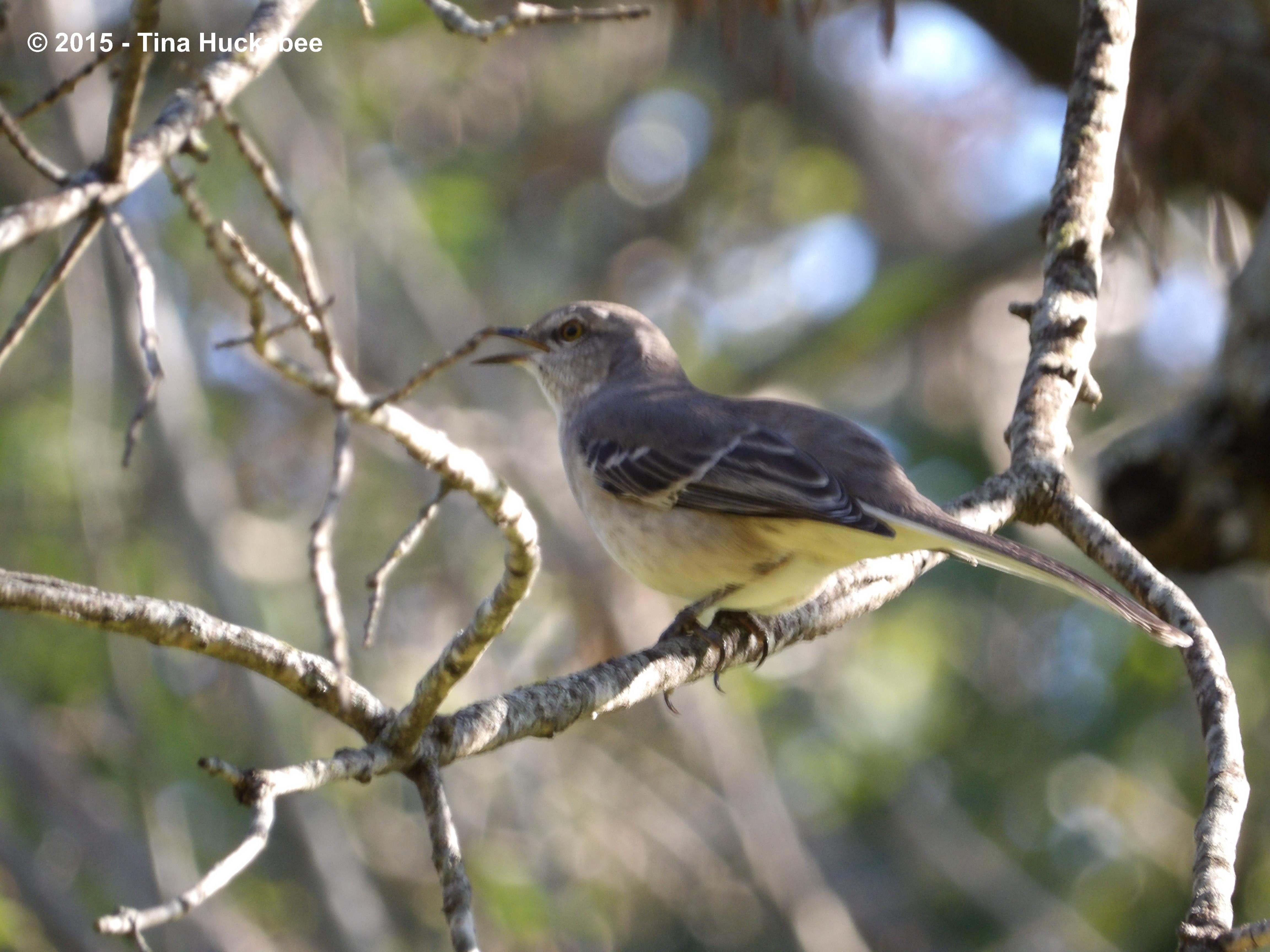
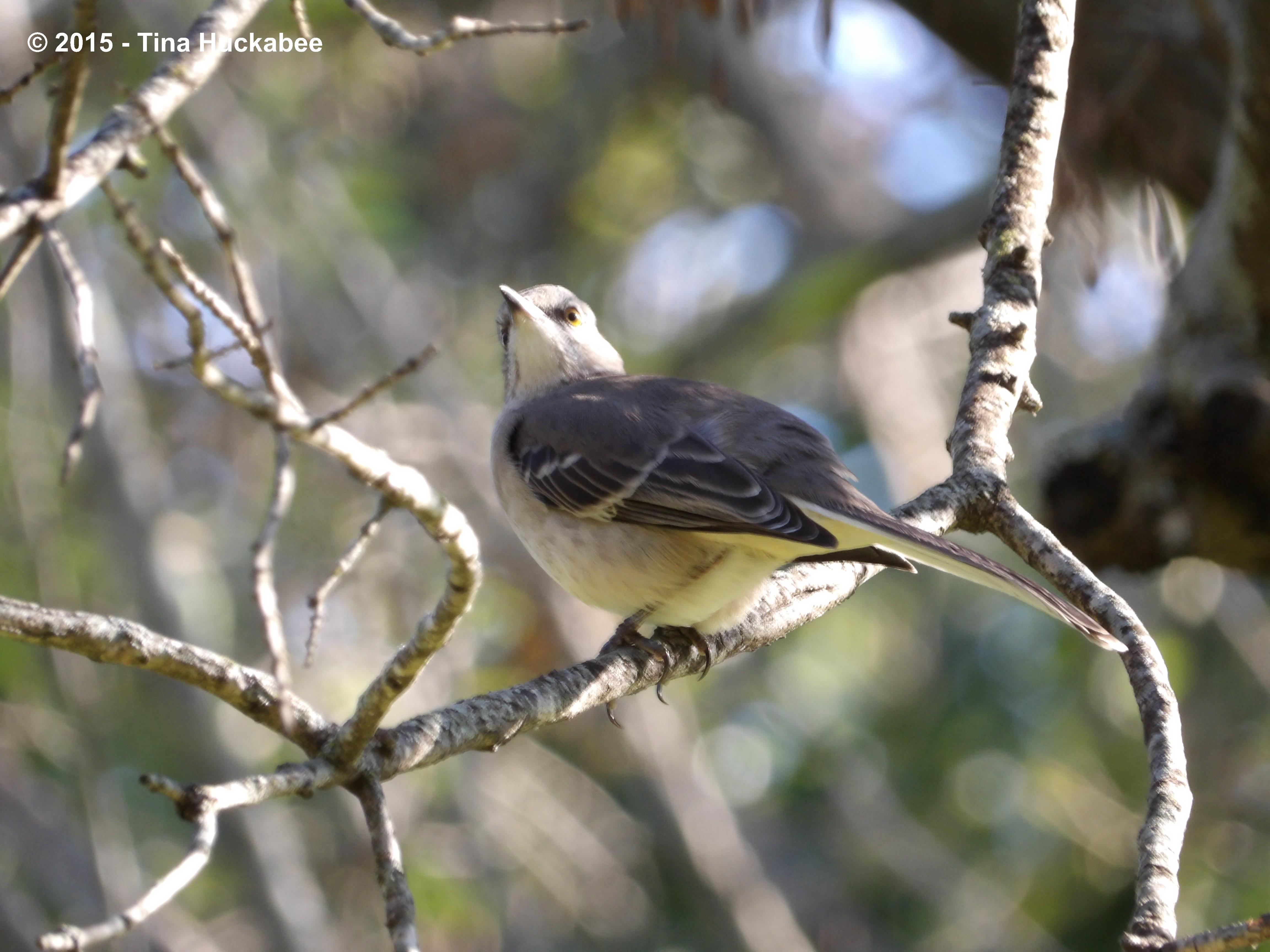
Early one morning, this  Northern MockingbirdMimus polyglottos,  landed near to where I was working and hung out, practically begging me to take some photos.  I obliged:
IMGP2604.new

IMGP2605.new

IMGP2601.new

IMGP2607.new

The belly on this beauty is a very light yellow, but often Mockingbirds sport grey bellies. The color differences aren’t entirely gender related, but judging from photos in my various bird books, might be age related.  I think this might be a first year female.

I was tickled at the success of this photo of a  Carolina WrenThryothorus ludovicianus.

IMGP2986_cropped_3479x3027..new

 These little birds are common in my garden, often announced by their lovely (and loud!) songs, but are quick-moving and hard (for me!)  to photograph.  They flit among the under-story shrubs and low branches at the back of my beds, looking for spiders and a variety of insects, but I do see them at the bird feeders, snatching sunflower seeds along with other birds.

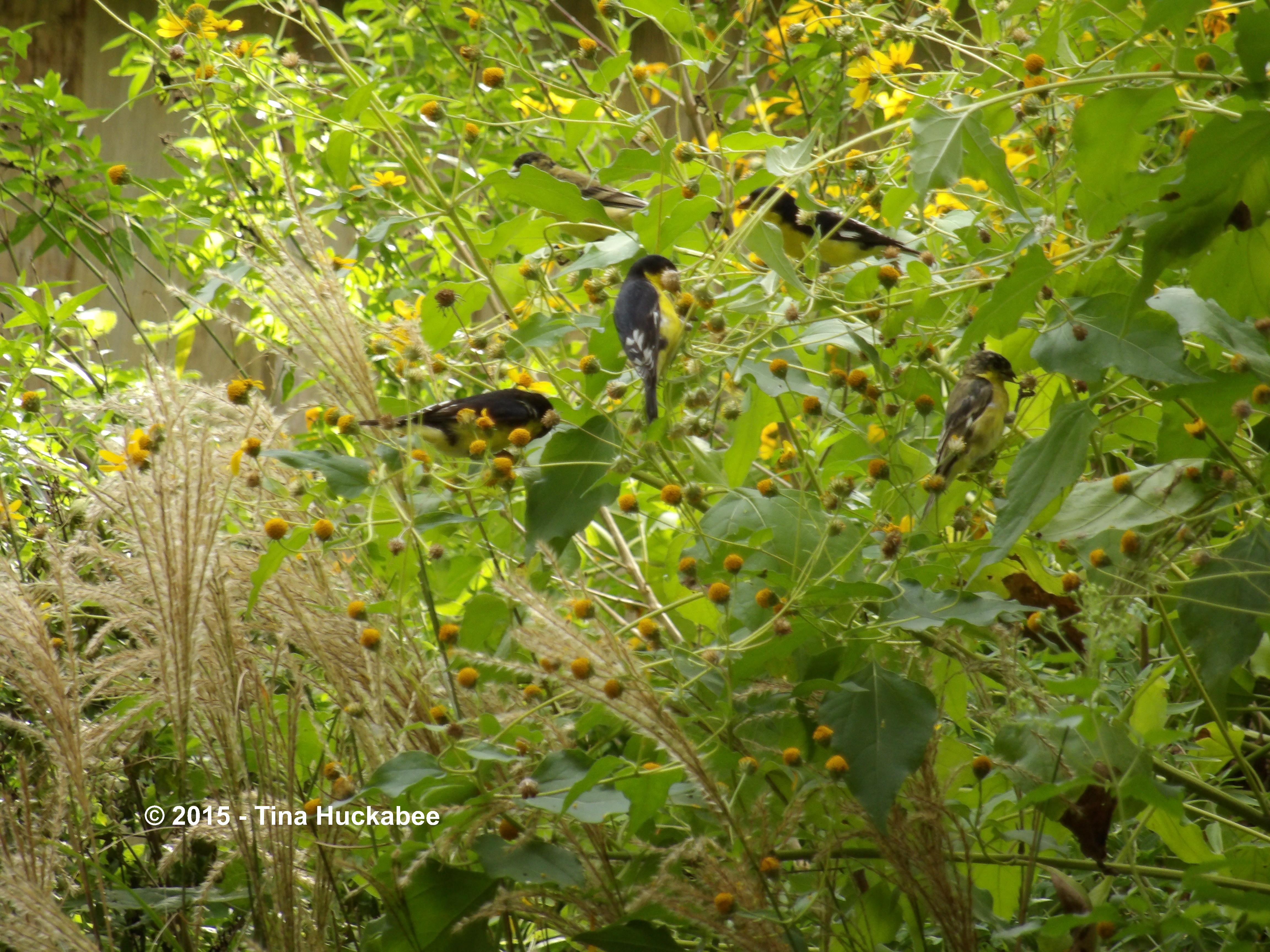
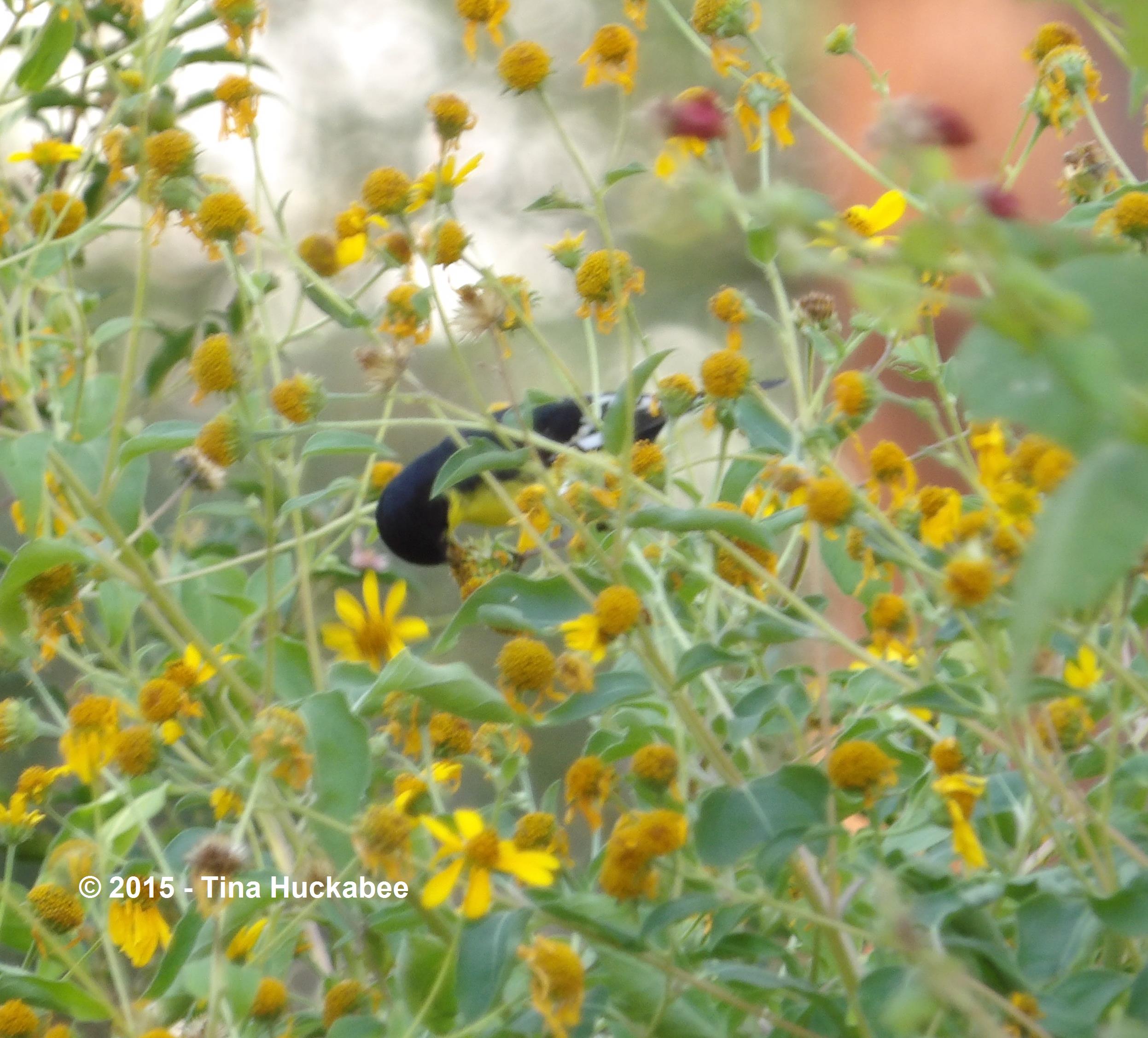
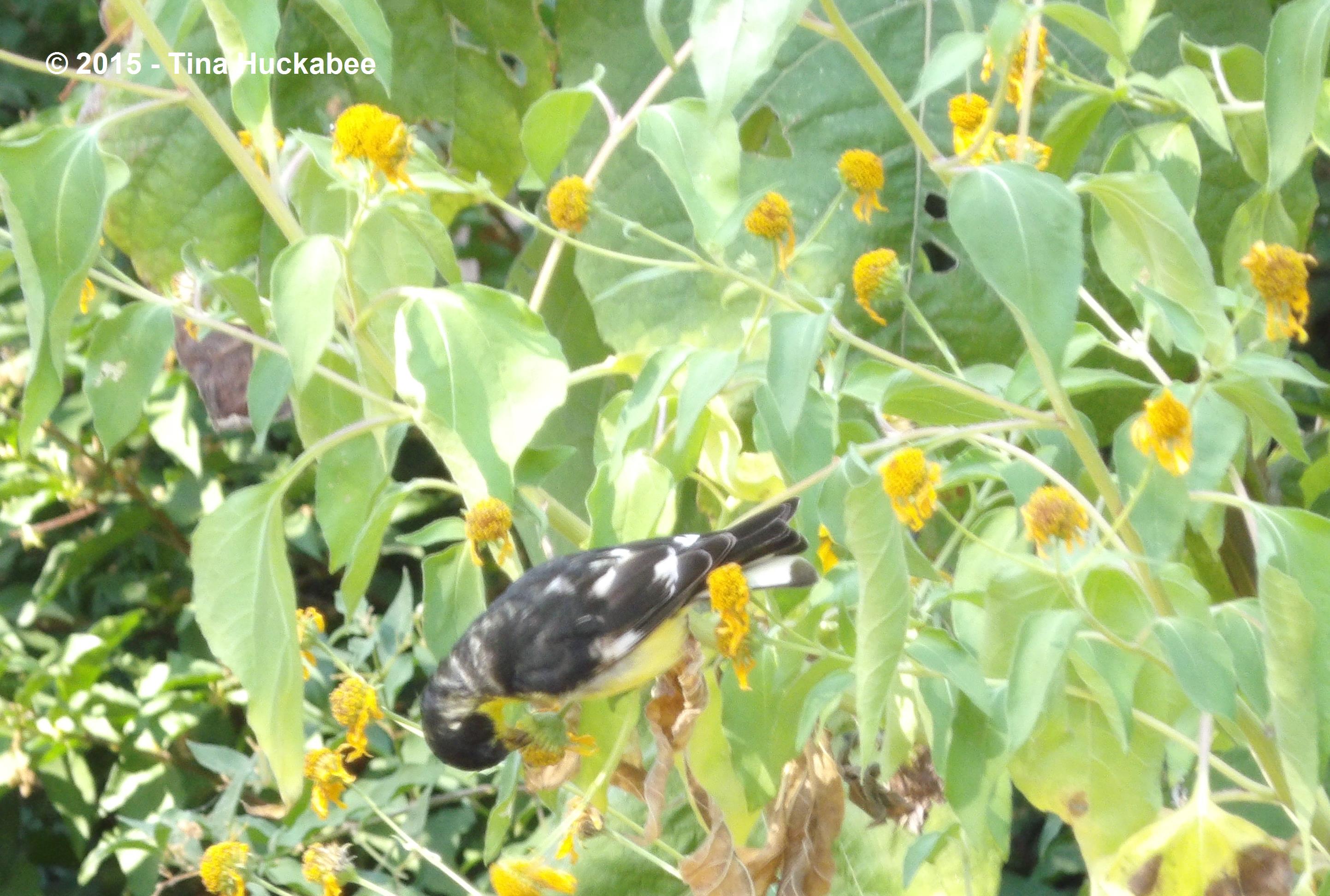
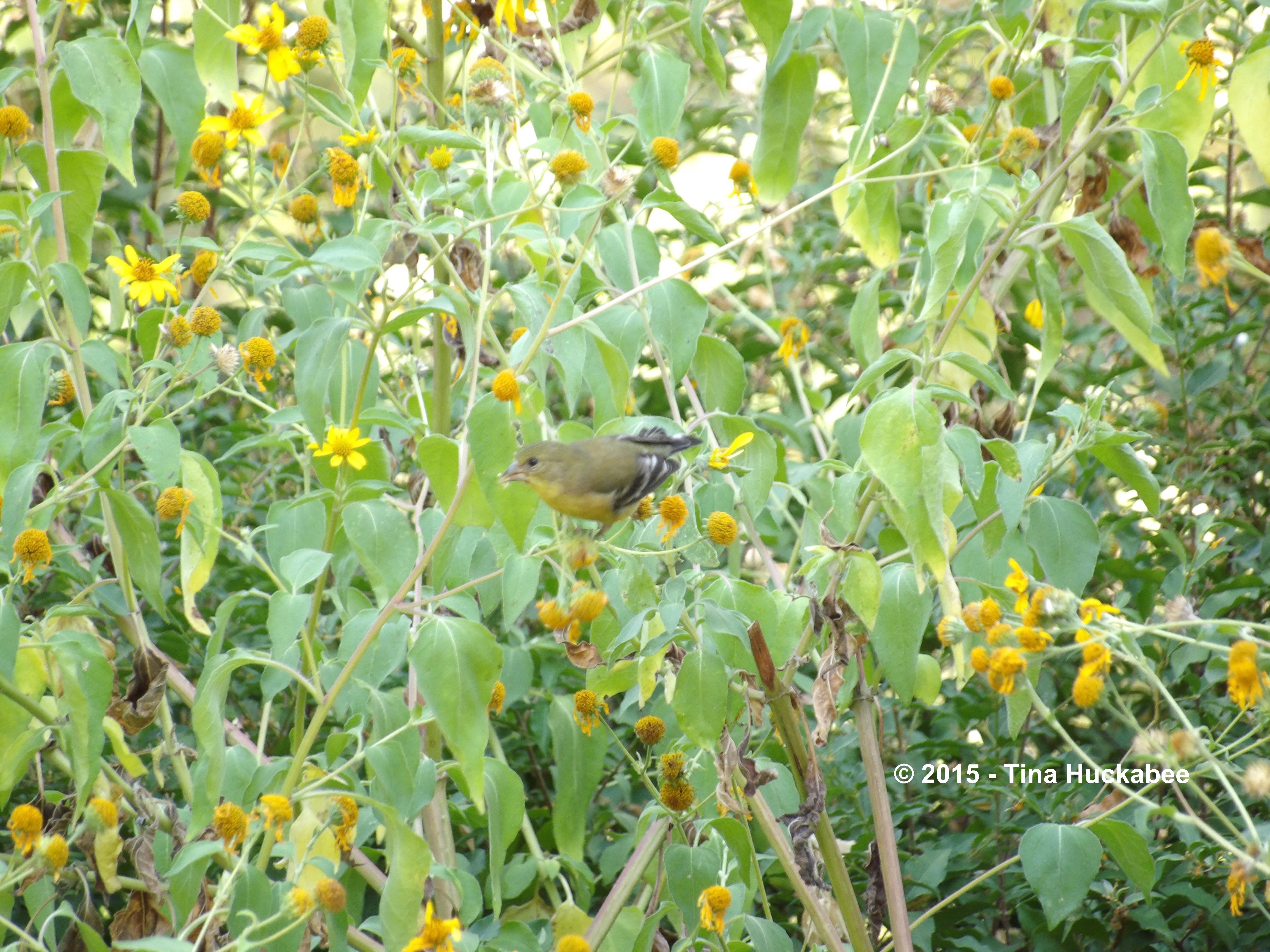
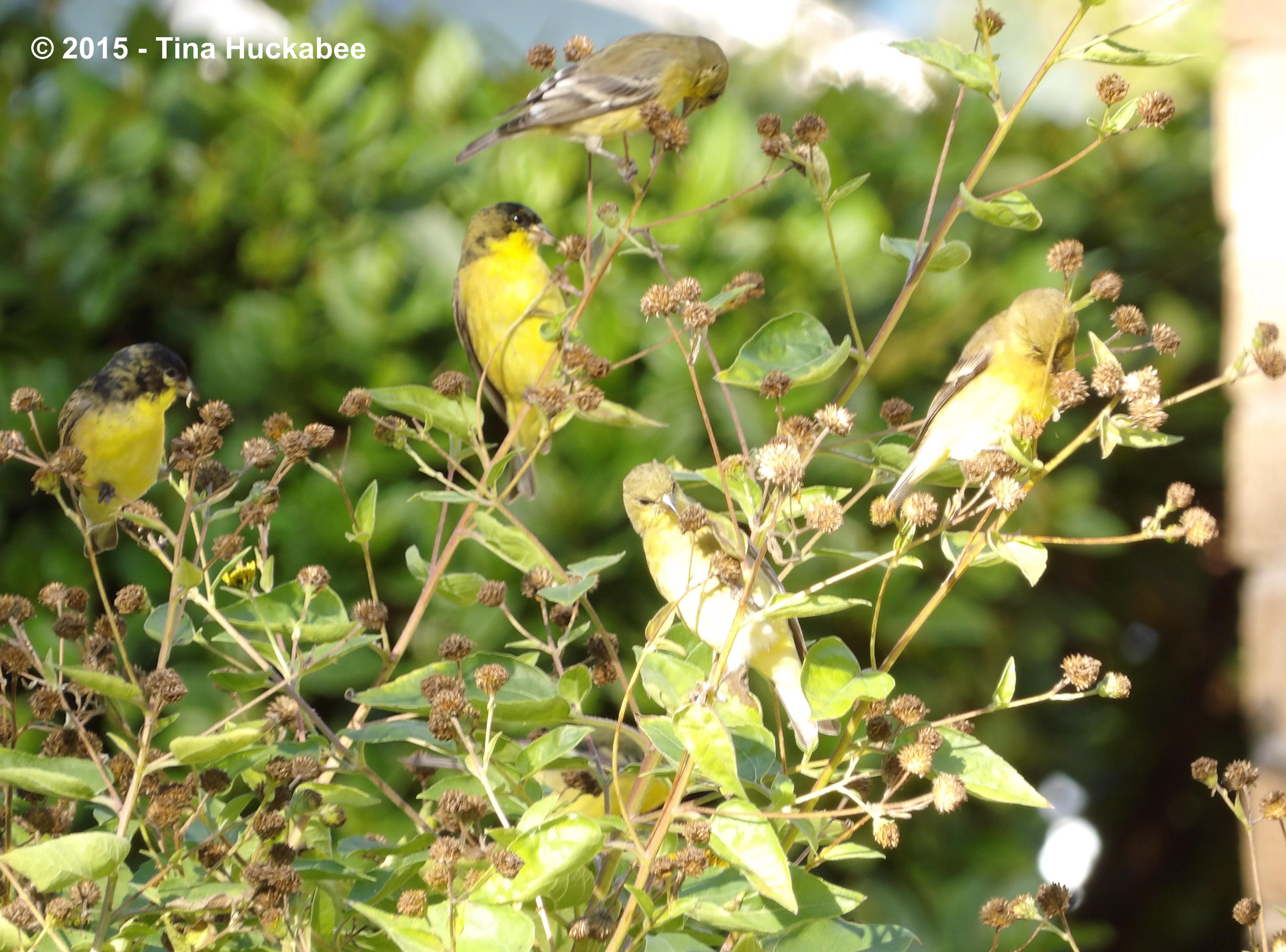
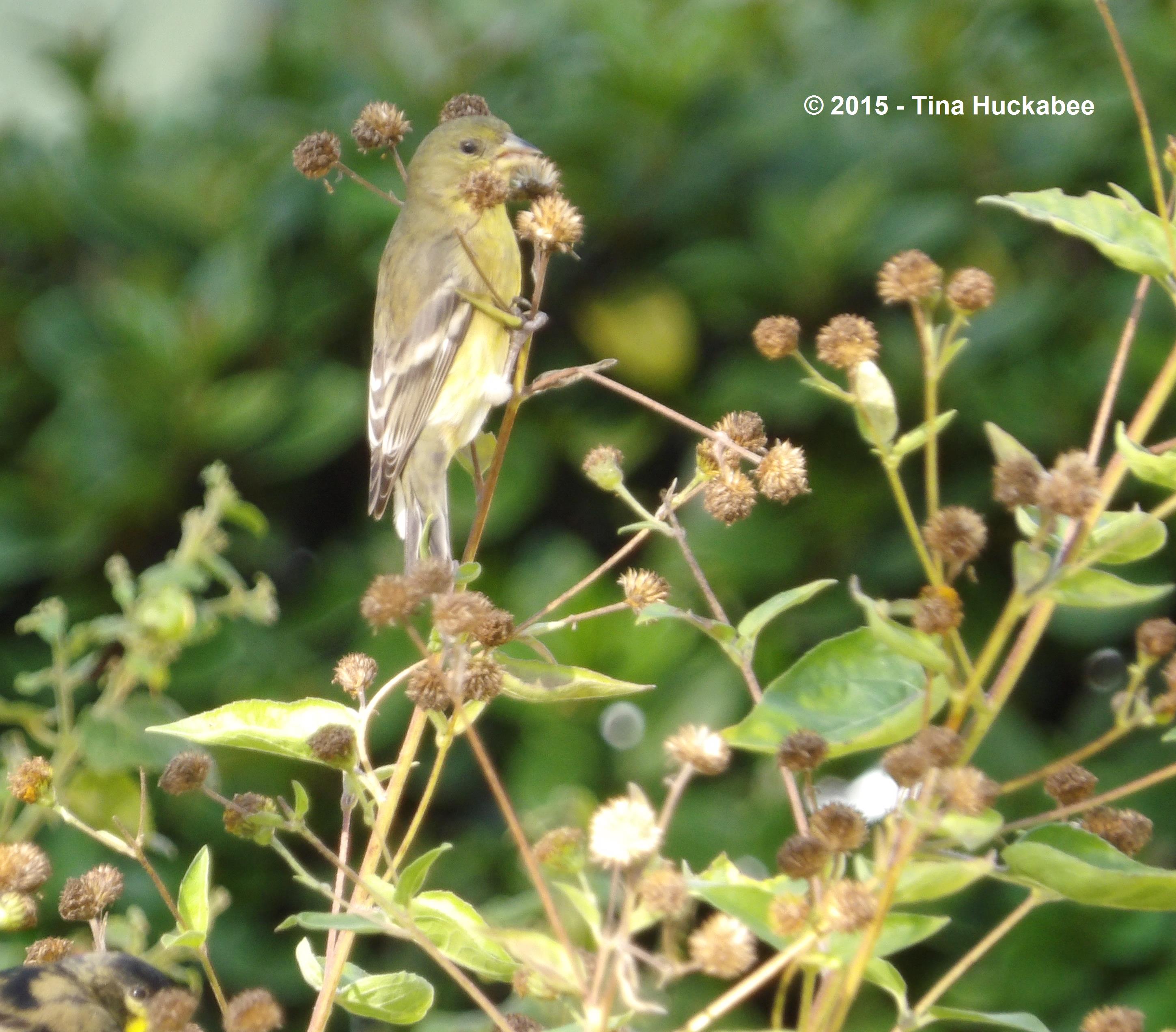
Lesser GoldfinchesSpinus psaltria,  are a favorite bird species of mine.  They love, REALLY LOVE seeds of aster plants.  In the summer, they visit my large Sunflowers and Purple Coneflowers and in the fall and winter, the seeds of the Goldeneye.
IMGP2796_cropped_4115x3046..new

IMGP2834_cropped_2898x2543..new

There are still some flowers blooming and those will seed out in the next month or so.  I should enjoy observing the Goldfinches, on and off, through much of winter.  More importantly, they’ll have a food source readily available in my gardens for a long time.

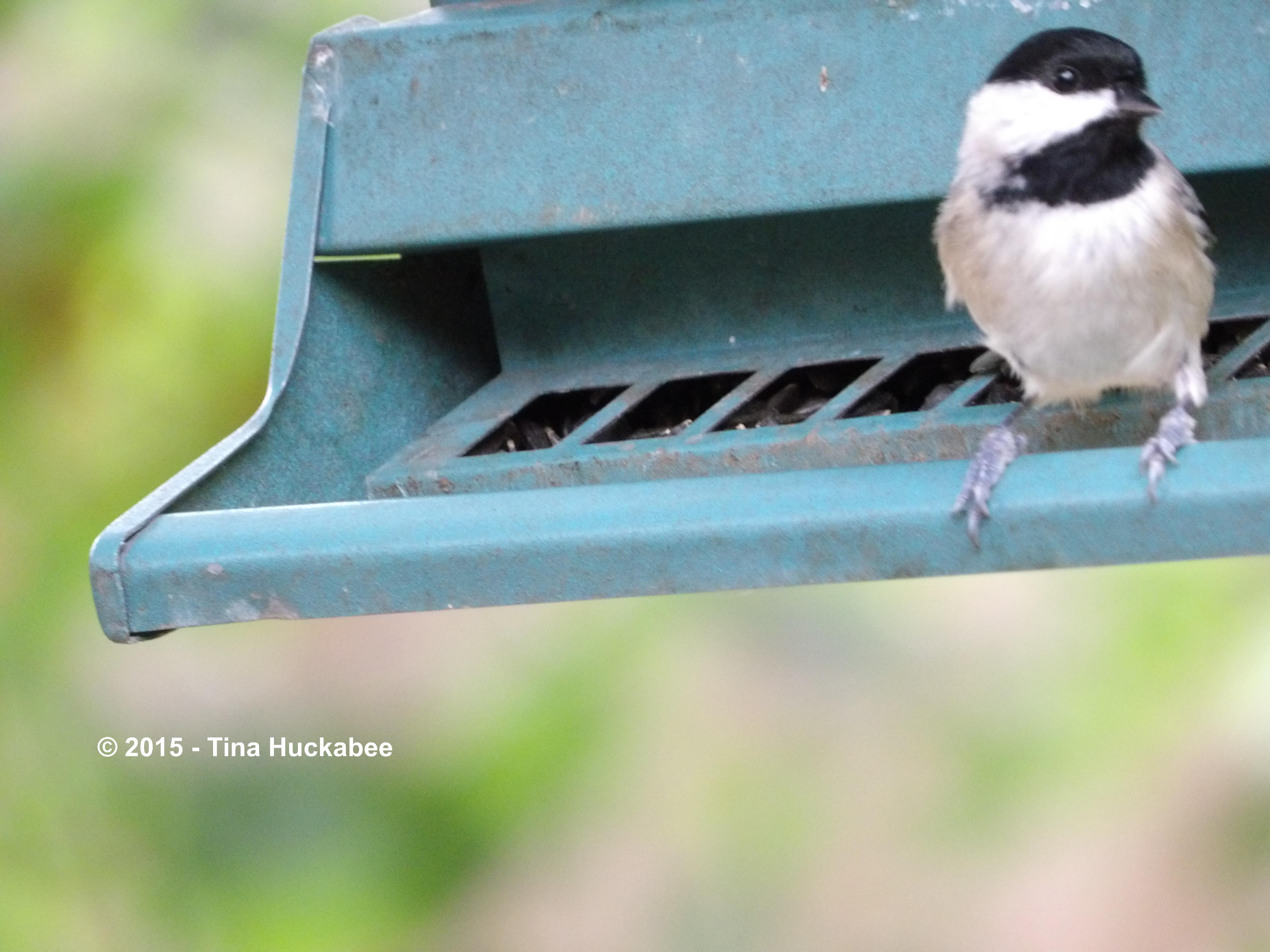
There are two Carolina ChickadeePoecile carolinensis,  pairs who regularly visit my feeder.
IMGP2920.new

Like the Carolina Wren, the Carolina Chickadee enjoy spiders and insects, but also eat seeds and visit backyard bird feeders.  “My” couples feed in tandem with a pair of Black Crested Titmice, who have been very shy with me this month, thus no photos of either Titmouse.

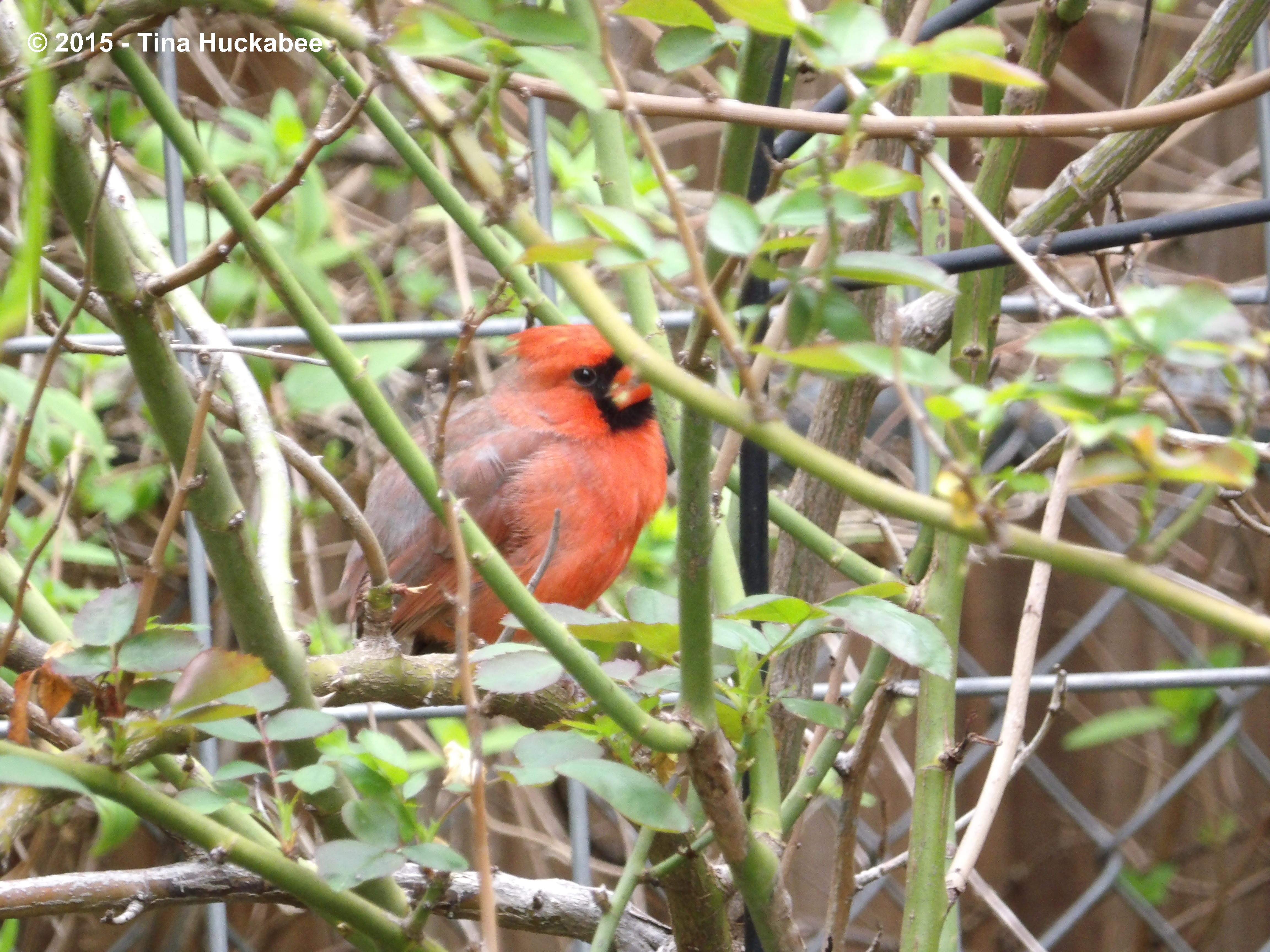
Finally, there was this Northern Cardinal, Cardinalis cardinalis.
IMGP2756.new

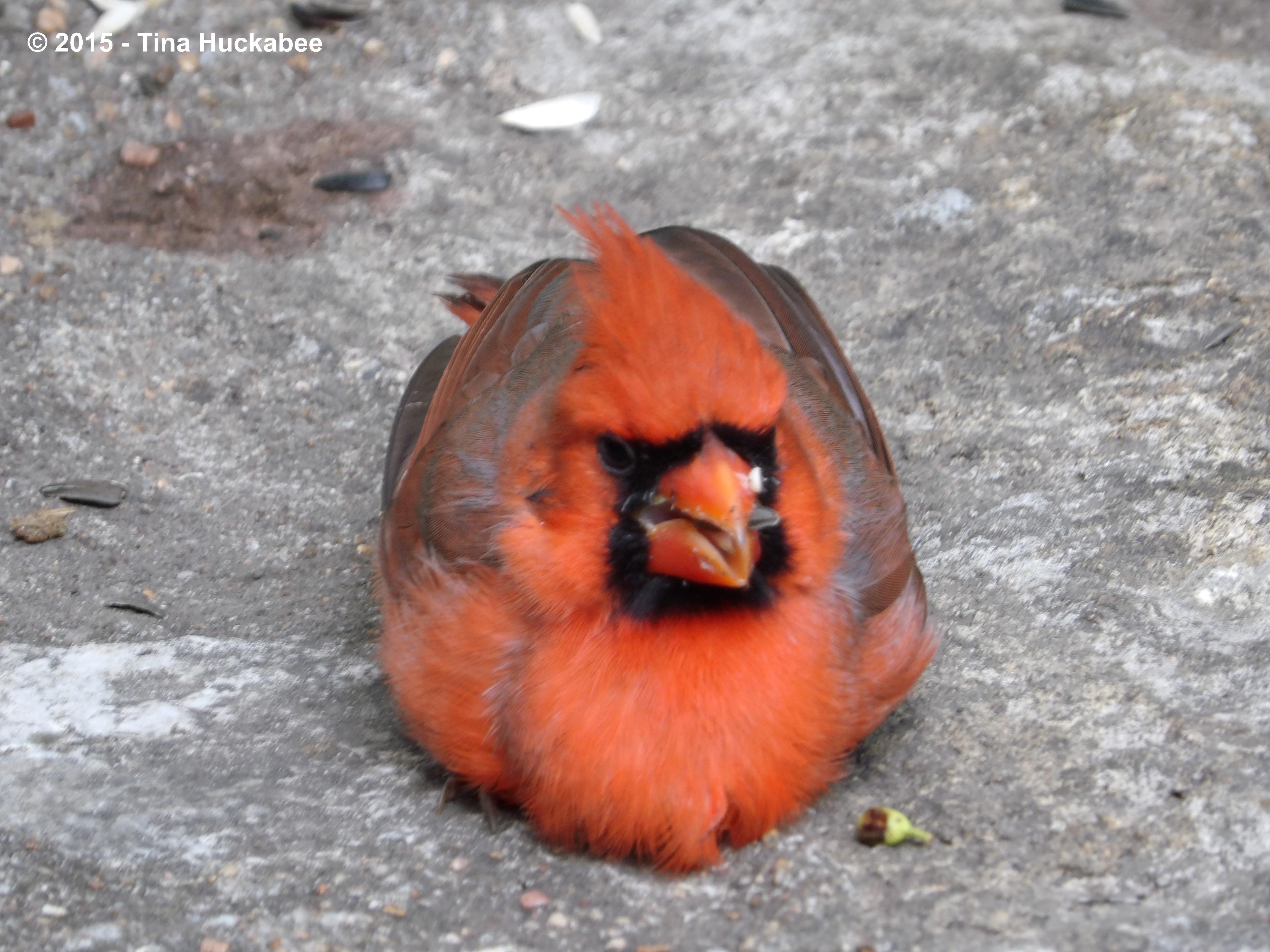
I watched this guy for about a week, mostly seeing him in the brambly part of my back garden.  I would also see him plopped on the ground, in a rather lazy dove-like position, munching away on sunflower seeds which the Blue Jays and squirrels messily and generously  knocked out of the feeder.
IMGP2976.new

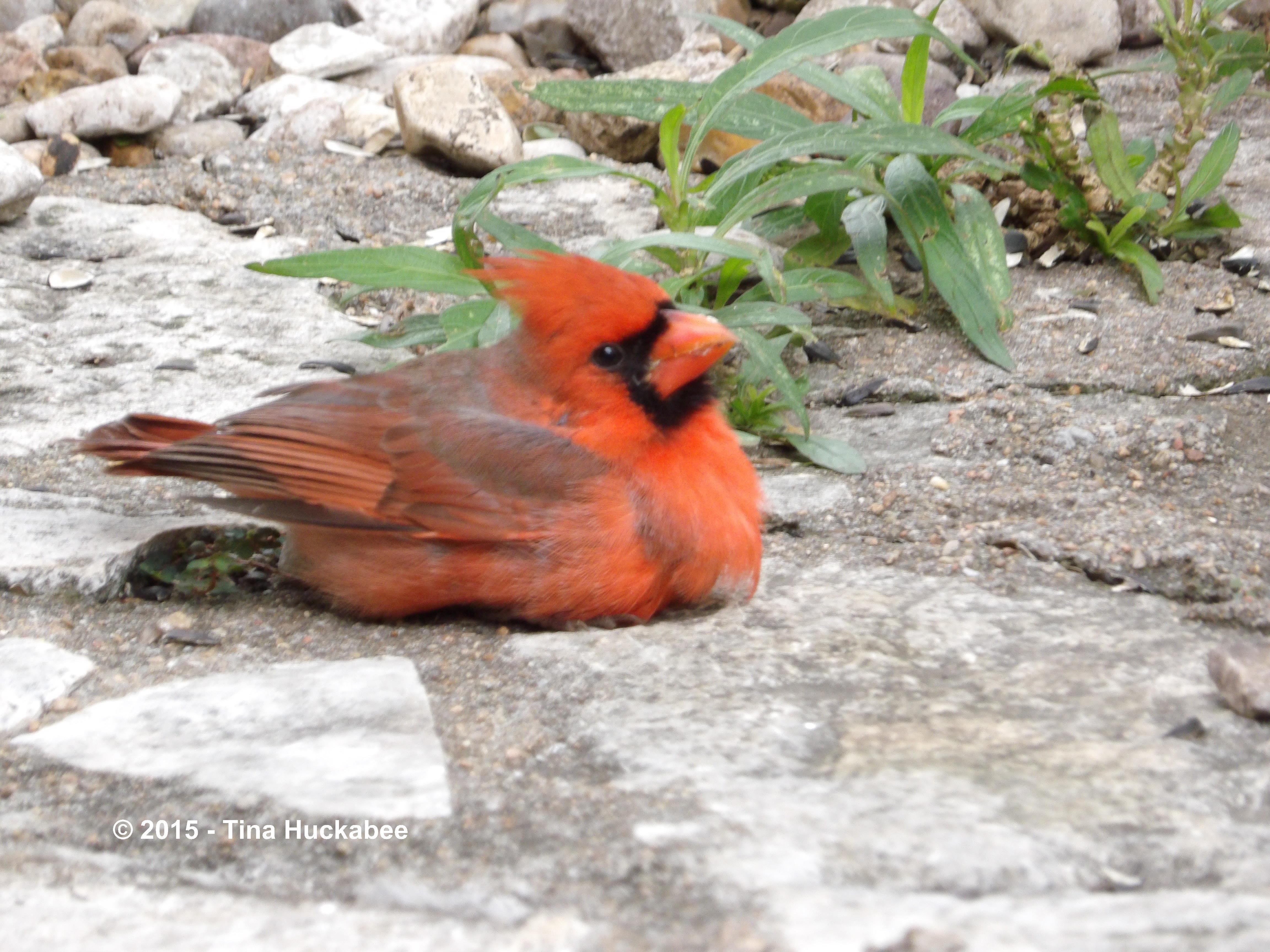
I didn’t, however, see him fly.  He’d flit, low to the ground, and waddled along if I made a move toward him.  I noticed that he didn’t have tail feathers,

IMGP2939.new

…but his wings appeared to work normally, not as if he had a broken wing.  He never gained height in flight, but fluttered through the garden, and when landing, he’d tumble, as if he couldn’t quite land on his claws. I’ve wondered if he’s the mottled juvenile Cardinal that I wrote about in September’s Wildlife Wednesday, but I have no idea.

This past week, as the weather was turning wet with potential flooding (that didn’t happen) and cold (which did), I decided to intervene and catch this odd little bird, rather than have one of the neighborhood cats or perhaps a nighttime rat or raccoon do him in.  I was able to catch him very easily, which isn’t a good sign.  If  can catch a bird with little effort, how easy would it be for a predator to catch him?
IMGP2930.new

Had it been a normal week, I would have taken him to Austin Wildlife Rescue, but the Great Cardinal Catch was the day before Thanksgiving.  I’ve volunteered at Wildlife Rescue in the past and though I didn’t often work with birds, I know the basics of provisions:  gentle handling while wearing gloves, a quiet, protected spot for the bird to rest, water and food.   Ironically, my best cage is my cats’ carrier–but I don’t mention that to the birds that I’ve rescued.   Nor do I mention the trapped and vulnerable birds to my cats.

The Cardinal seem to do well for the first 24 hours–from Wednesday through Thanksgiving Day. He ate and I thought that I would take him in to Wildlife Rescue on Friday, or perhaps, if he improved, release him.  Alas, he was dead by Friday afternoon. I’m not quite sure what was wrong with him, but he wasn’t a normal looking or acting Cardinal from the first.  Post-mortem, I looked over his body and didn’t see any obvious signs of injury and I’m sure of his wings were in good shape.  That he couldn’t fly well or land properly and that he didn’t have tail feathers, which makes me think that he was askew in his development or may have had an injury that wasn’t obvious.

Should I have nabbed him and placed him in the cage?  I don’t know.  I am sorry for his death, but I don’t think he would have survived in my garden in the cold and wet weather and it’s probable that even the dedicated staff at Wildlife Rescue couldn’t have helped him.

This is a sad note to end on for this month, but a realistic one.  There are many factors that impede the health and normal lifespan of wildlife; I sometimes wonder that any  survive the myriad day-to-day obstacles they face.  Northern Cardinals aren’t in any way threatened or endangered–they thrive in a wide geographic range and have adapted well to human urban development.   But that’s not true for many bird (and everything else) species.   North American bird species are in serious decline and that’s been happening for 5-6 decades.   With the advent of industrial farming and urbanization (both of which are major ingredients in climate change), as well as habitat destruction and widespread chemical use in gardens–the list of damaging factors to the natural world, unfortunately, goes on and on–insects, birds, amphibians, and mammals need our support and consideration.

We don’t want to be responsible for creating a silent spring.

If you don’t yet grow for wildlife, why not give it a whirl?  It’s easy:  plant natives and non-invasive, non-native perennials which provide nectar, pollen, seeds, fruits, and cover.  Get rid of some (or all!) of your sterile lawn–there’s nothing in a typical mono-culture lawn that feeds wildlife.  Plant large native shade trees, under-story shrubs and small trees, perennials (evergreen and herbaceous), and ground-cover. Avoid using any poisons for insects (or any other critters, for that matter) because most insects are, in fact, beneficial.  They pollinate, feed on other insects which can damage plants, and comprise a major food source for all species of animals.  Most insects live and feed on native plants (remember my Spiny Oak Moth Slug from earlier in this post?) and rarely, if ever, “kill” a host plant–insects and host plants usually engage in beneficial symbiotic relationships. If the balance of the food chain is maintained, everyone wins:  critters, people, and the environment!

Make water available for your wildlife visitors; it is the stuff of life.

If you provide these things, no matter where you live, wildlife of all sorts will settle in your garden.  You will learn about your garden residents and visitors and also help repair the world, just a little and in your own plot of the Earth, by assisting those who cannot speak for themselves.

IMGP2961.new

Did you have wildlife visit your garden this past month? Please post for December Wildlife Wednesday–share the rare or mundane, funny or fascinating, beneficial or harmful critters you encounter. When you comment on my post, please remember to leave a link to your Wildlife Wednesday post so readers can enjoy a variety of garden wildlife observations.

Happy wildlife gardening!


Golden Glory

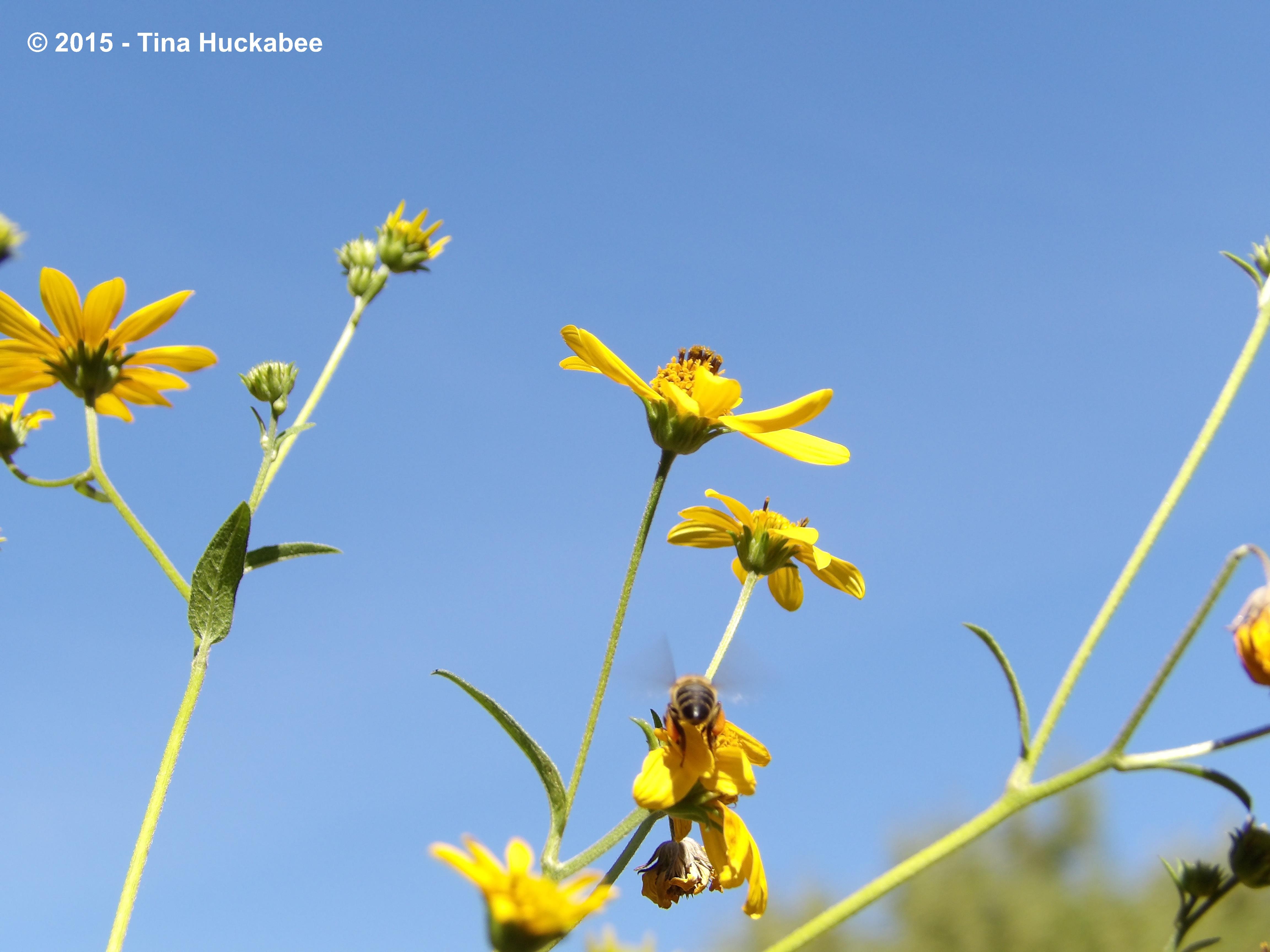
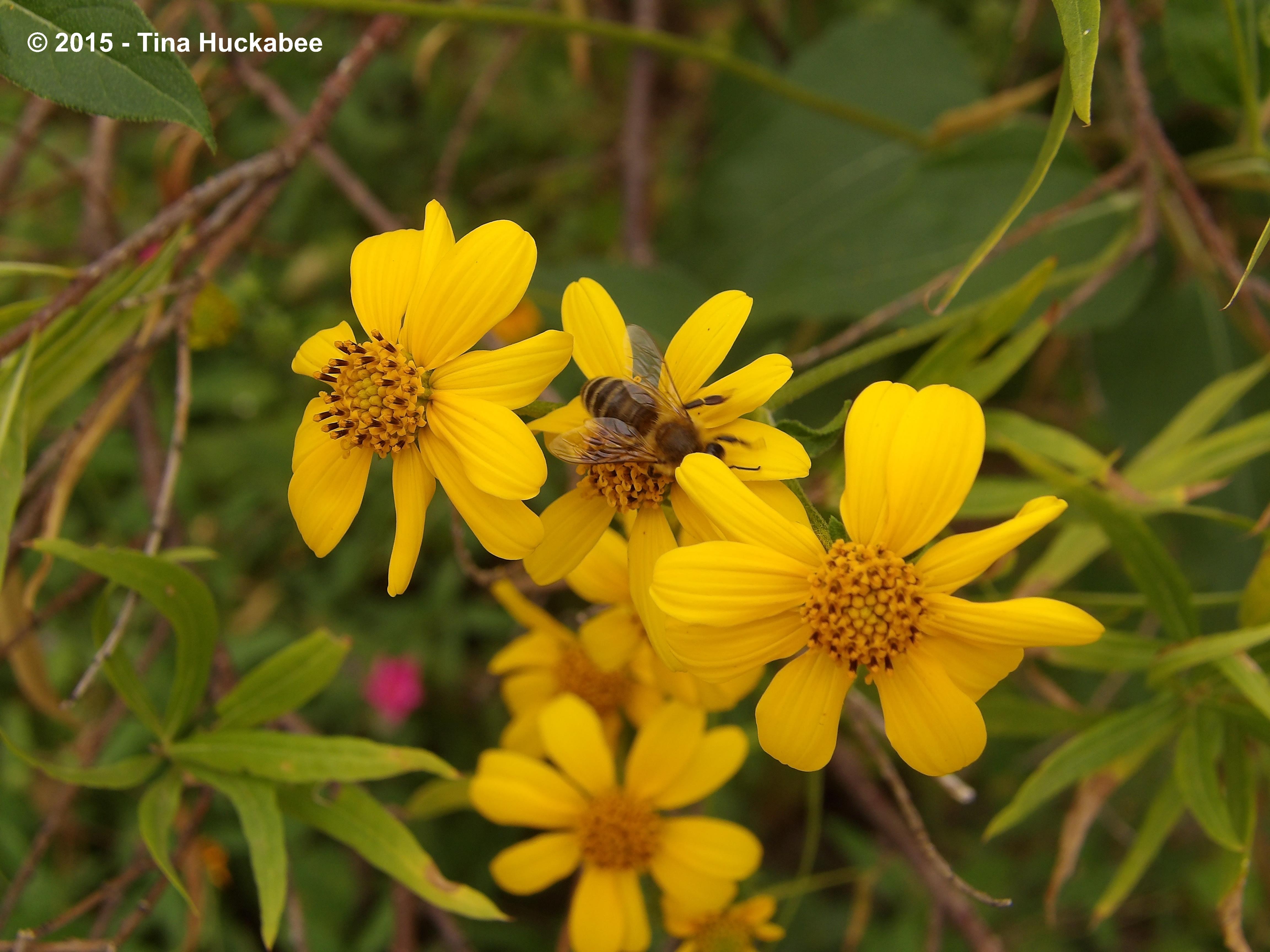
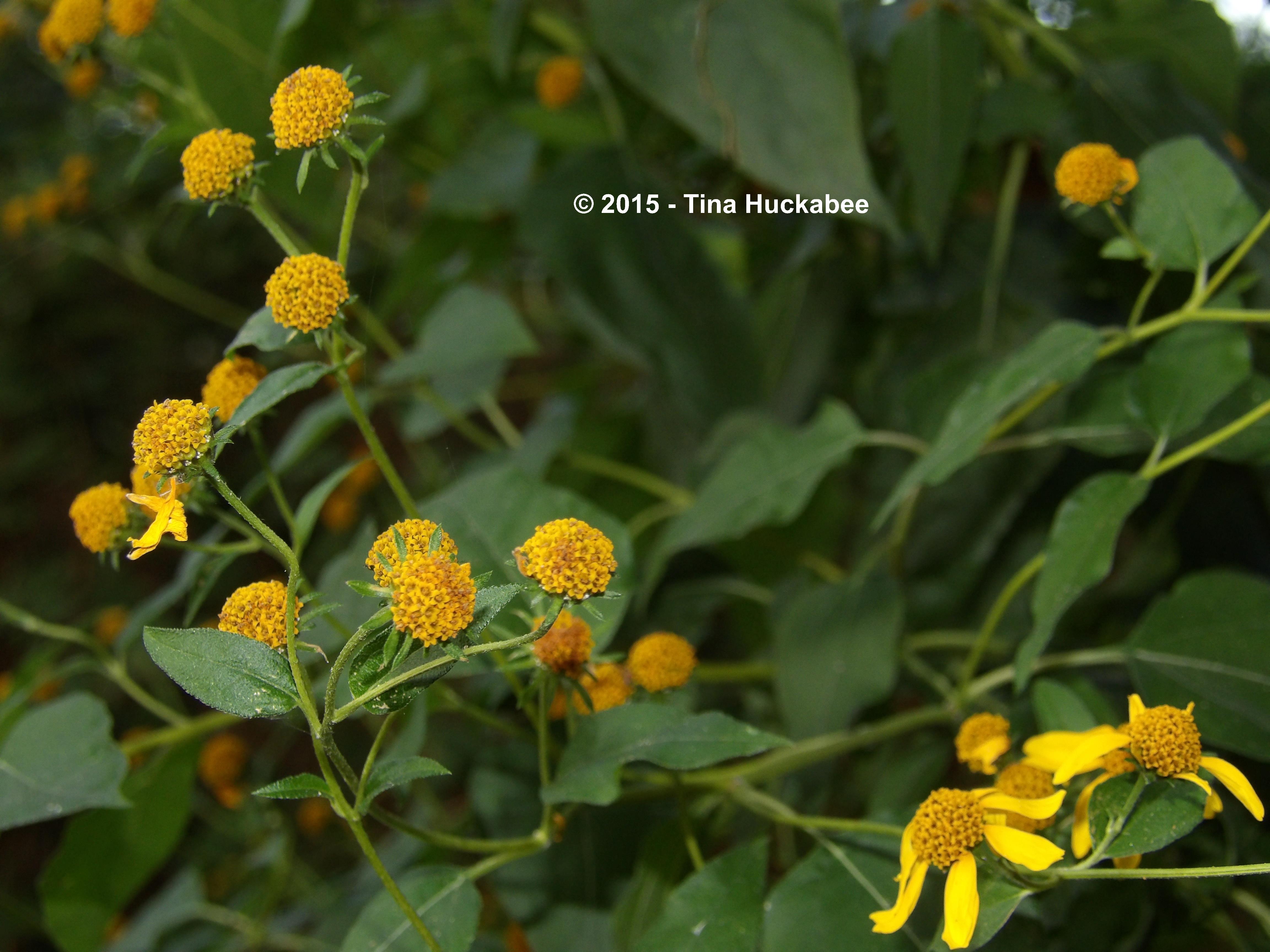
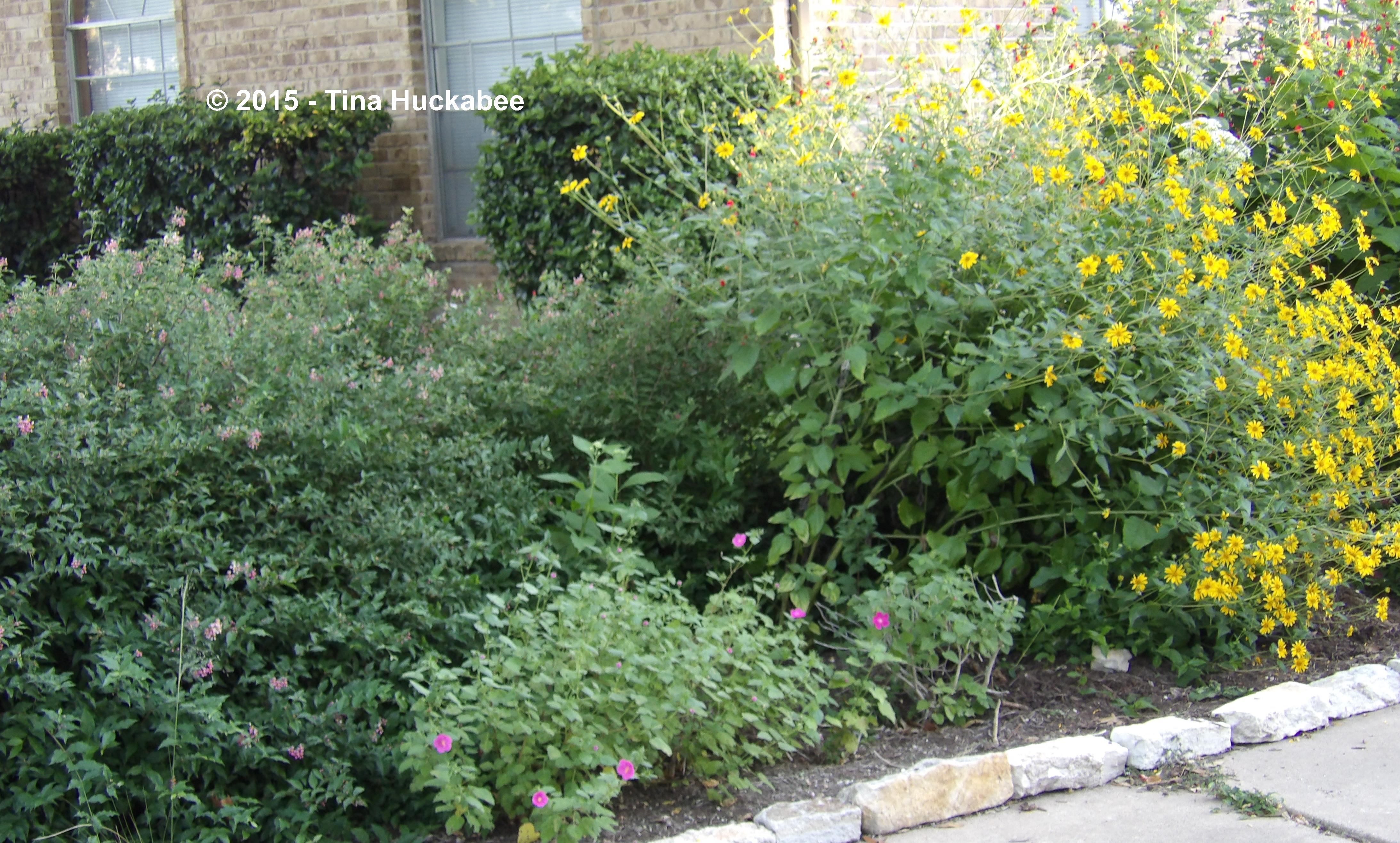
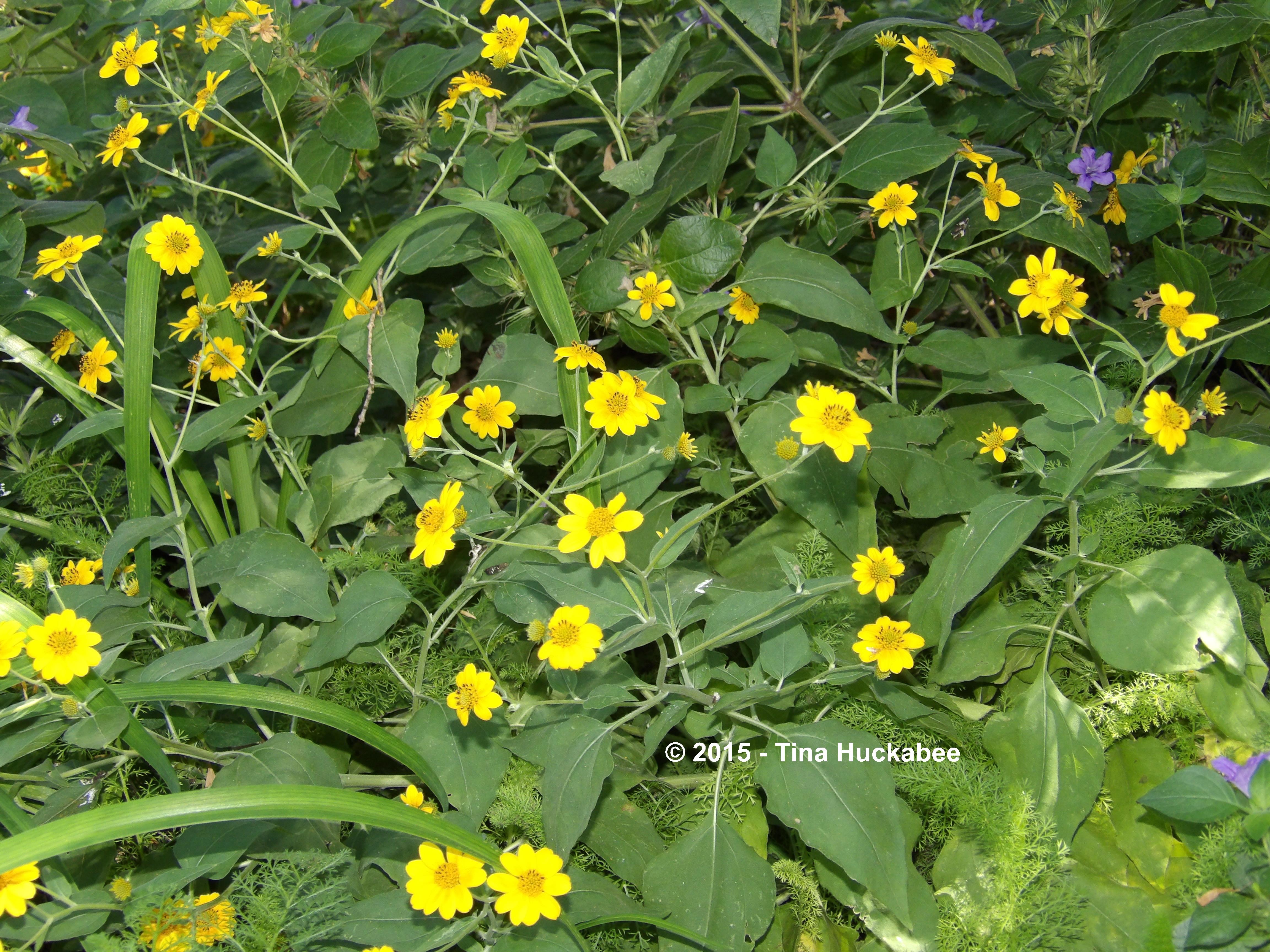
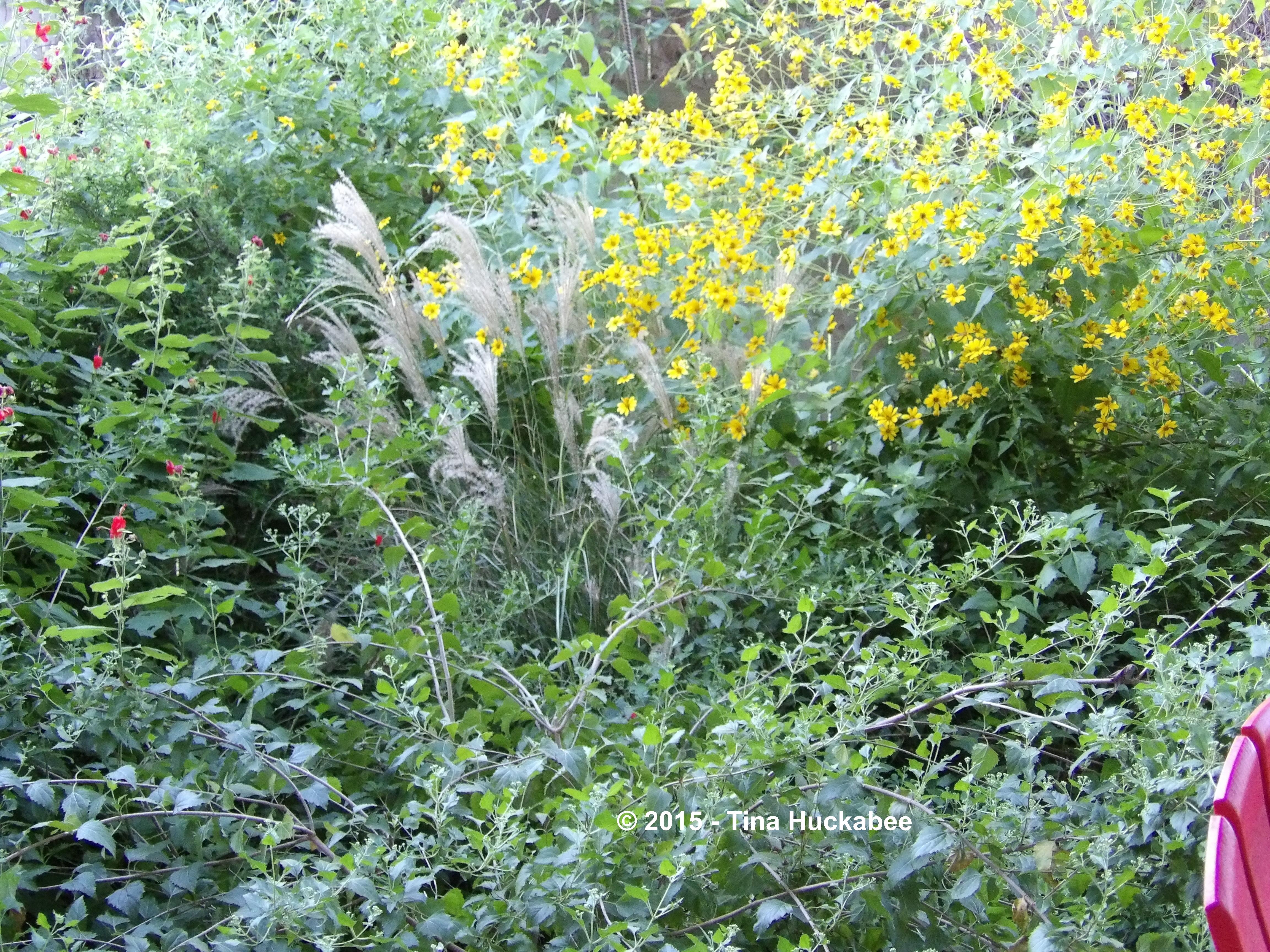
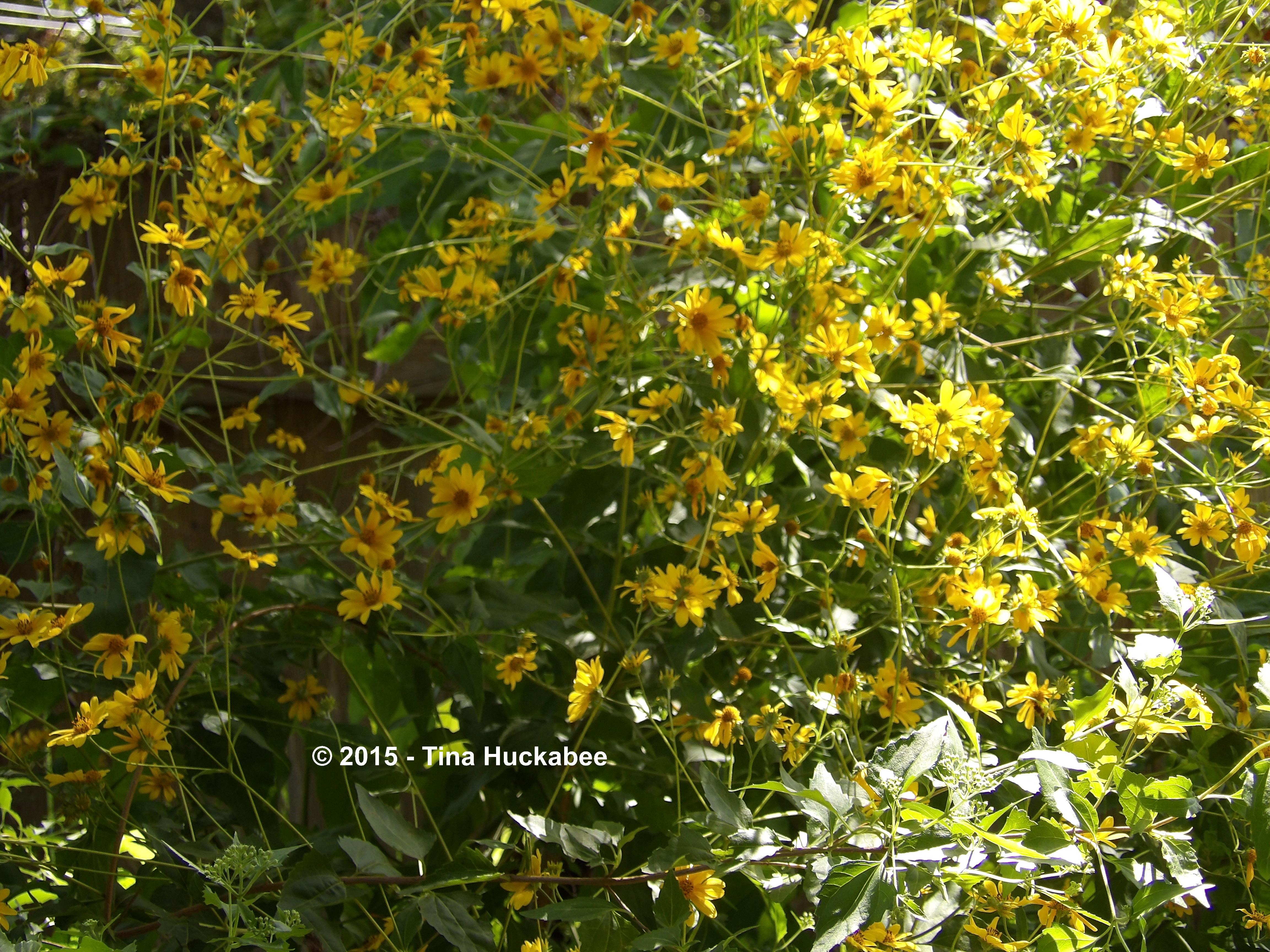
As its blooming season winds down, I’d like to give a blogging shout-out to a stunning native wildflower, Viguiera dentataalso known as Sunflower Goldeneye, Plateau Goldeneye, Toothleaf Goldeneye, and because I like to keep things simple, my personal favorite common name for this plant: Goldeneye.

IMGP1275.new

A most photogenic flower,

IMGP2222.new

…the Goldeneye brightens the late summer and fall garden with masses of sunshine-cheery, little ray flowers adored by pollinators and gardeners alike.

IMGP2031.new

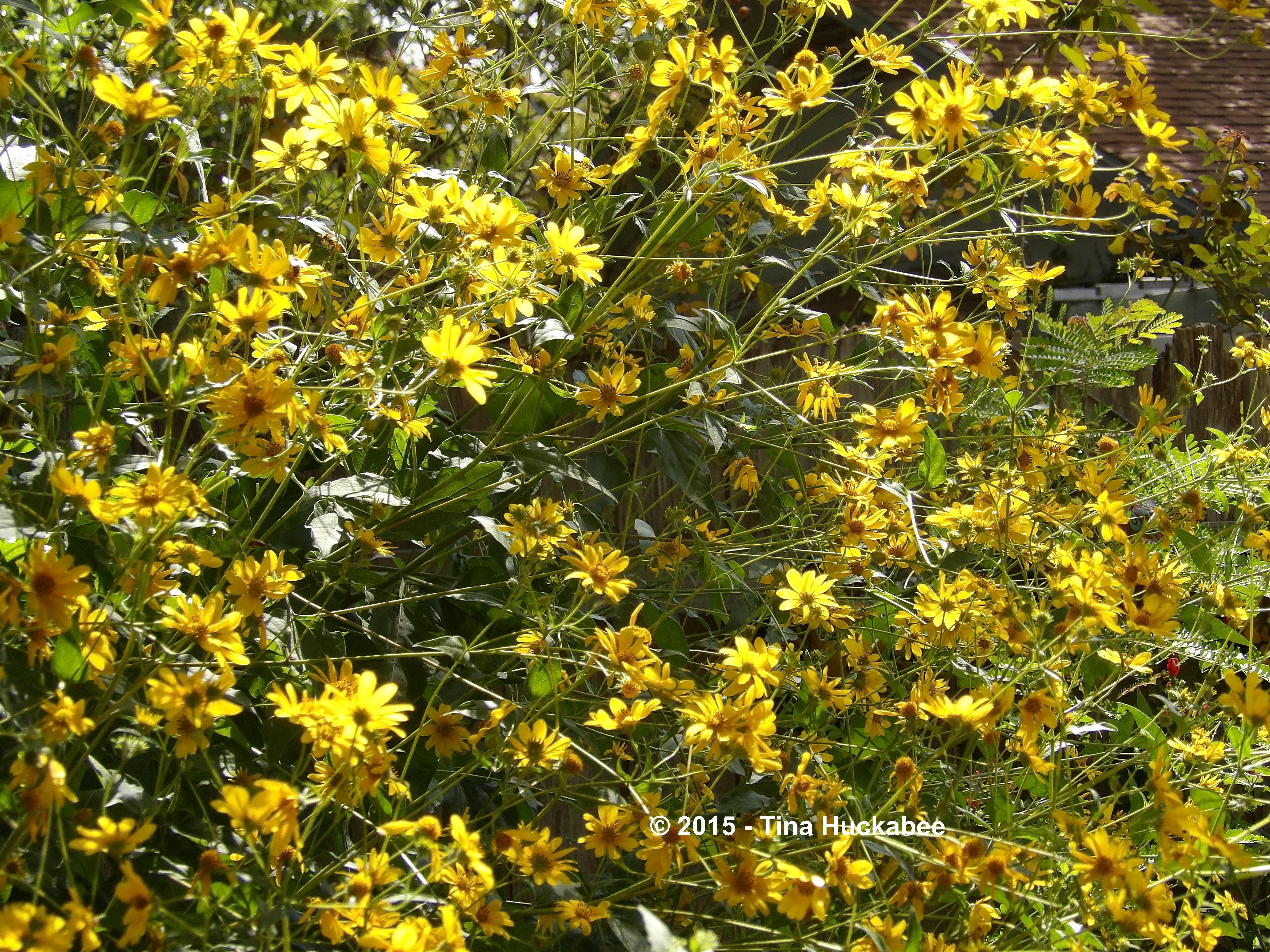
Growing as tall as  5-6 feet, this is a hardy native of Central Texas, but also grows westward to Arizona and southward into Mexico and Central America.   A favorite landscape and wildlife perennial of mine,

IMGP1236.new

…Goldeneye should have a place in all Central Texas gardens. I grew my plants from a few seeds, which have in turn reseeded.

IMGP2278.new

I don’t mind.  I let them pop up, filling in spots where other things might not grow.  I transplant individuals where I want something that is low-to-no-maintenance and that will bloom beautifully, seed out, and provide food and cover for wildlife.  And if I don’t like where one plants itself (has that actually happened?), I can always pop it out and pass it along to another gardener.

IMGP2776.new

IMGP1039_cropped_4373x2632..new

The sprinkling of yellow flowers in late summer, followed by the blast of that same yellow in October, adds some fun and  whimsy to the garden.  And you want some fun and whimsy, don’t you??

IMGP1118.new

IMGP1009.new

There is nothing like the joy of yellow sunflowers in the garden and this one is a real winner.

Goldeneye pair nicely with all other flowers, too.

IMGP1910_cropped_3480x3277..new

IMGP1234.new

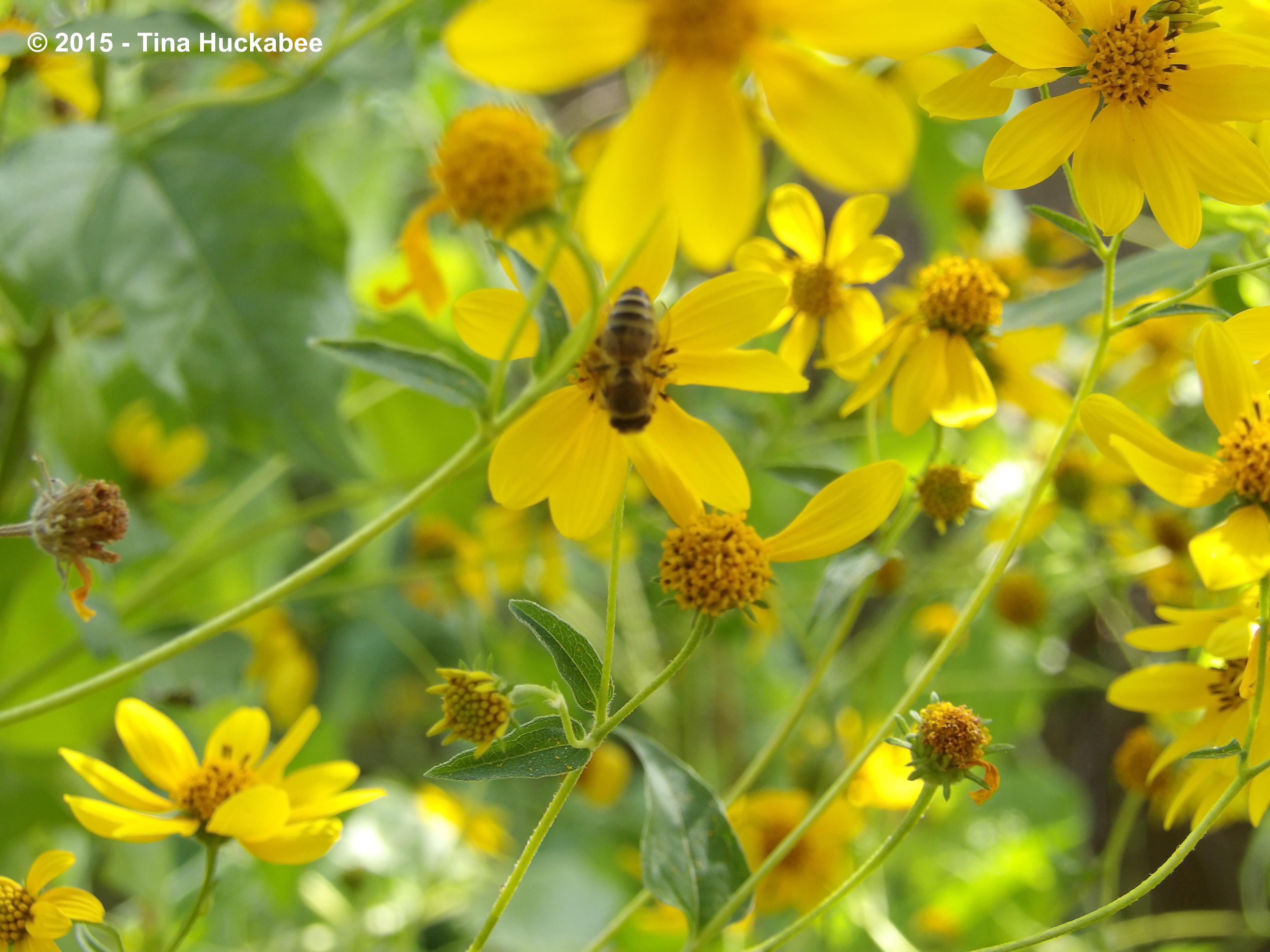
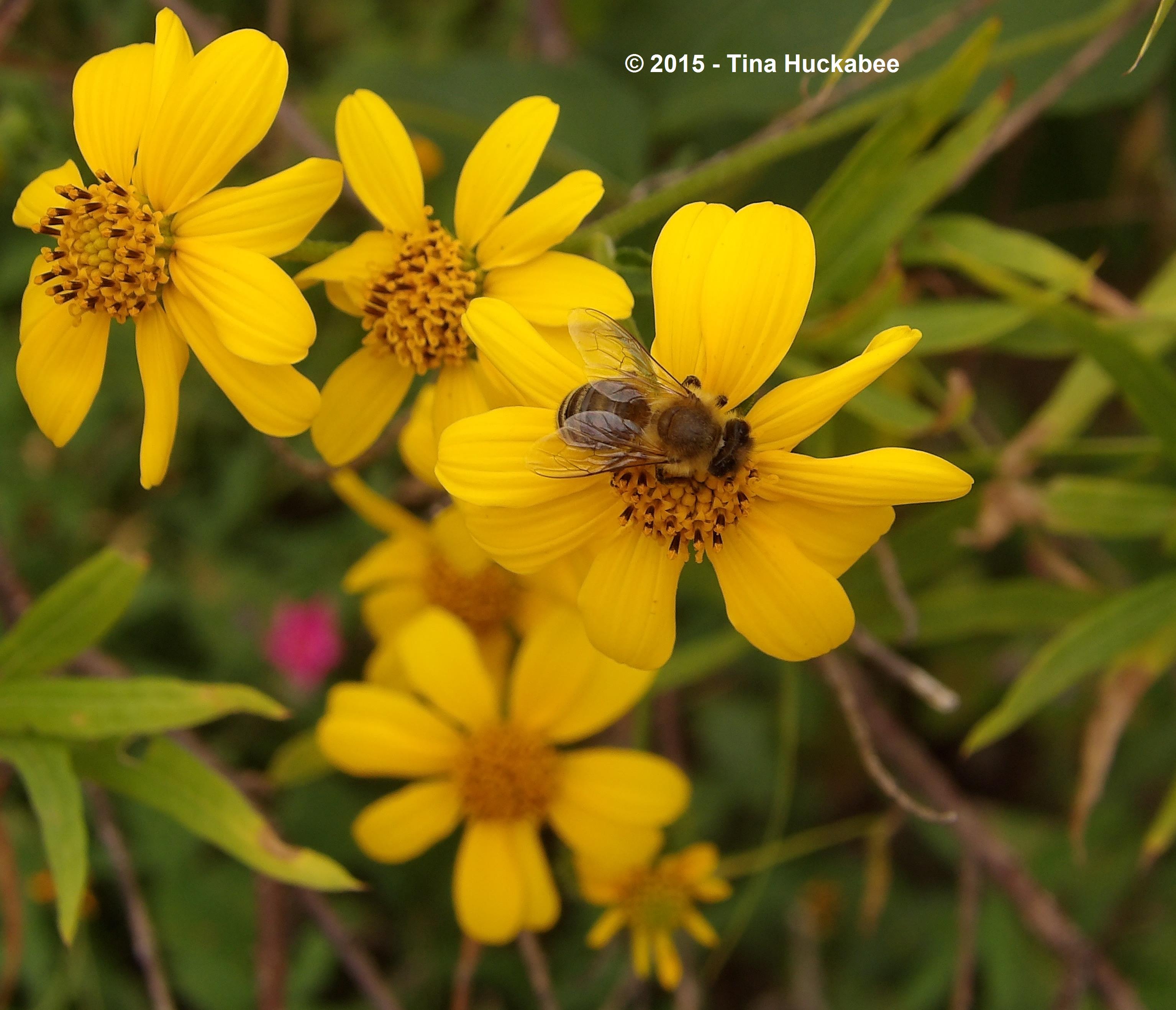
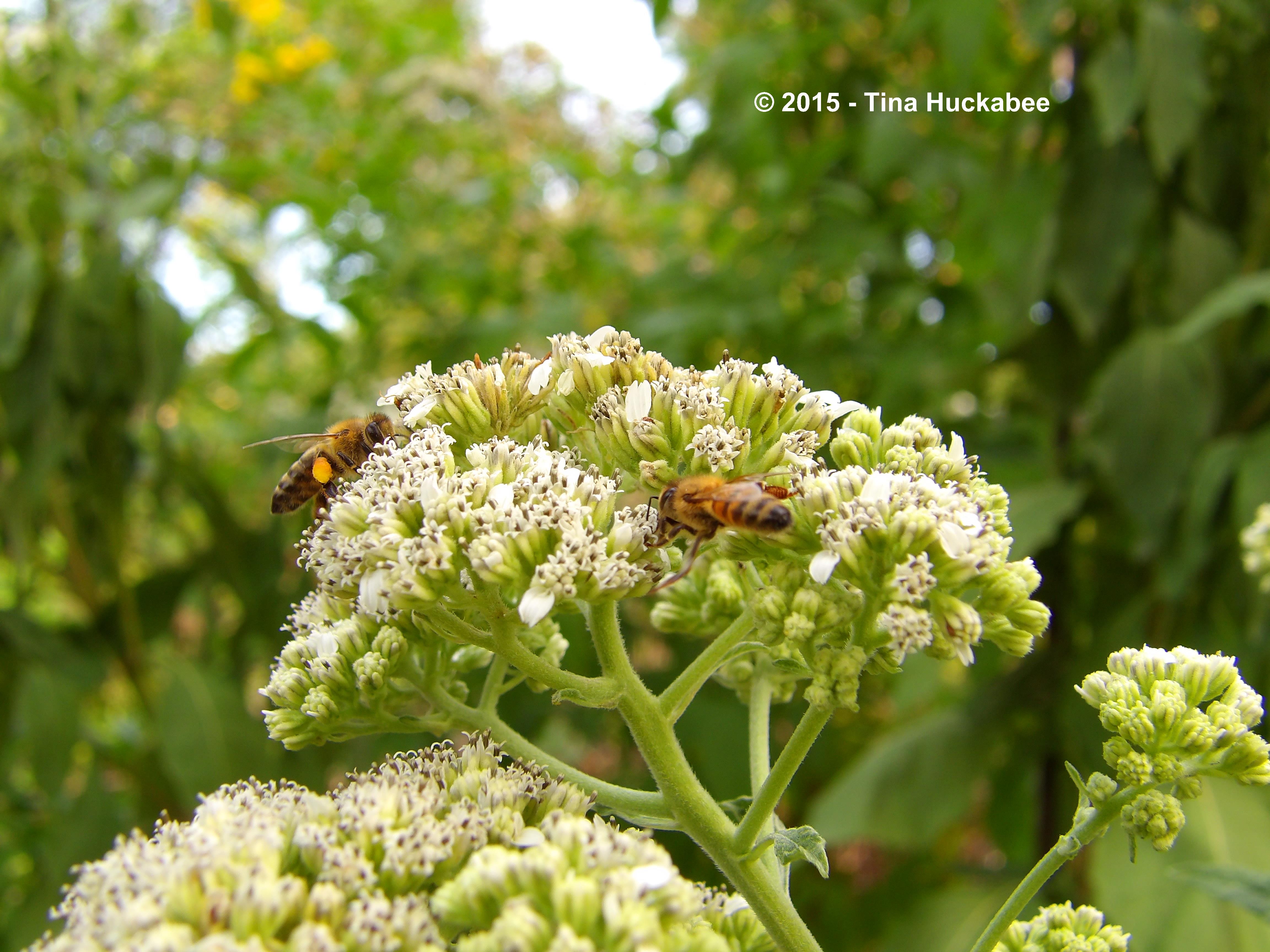
Not only do bees, honey and native,  like Goldeneye,

IMGP1246.new

IMGP2149_cropped_2857x3116..new

…but it’s a major source of seeds, winter food, and nesting material for the ever-darling Lesser Goldfinches.

IMGP1939.new

IMGP2800_cropped_3853x3286..new


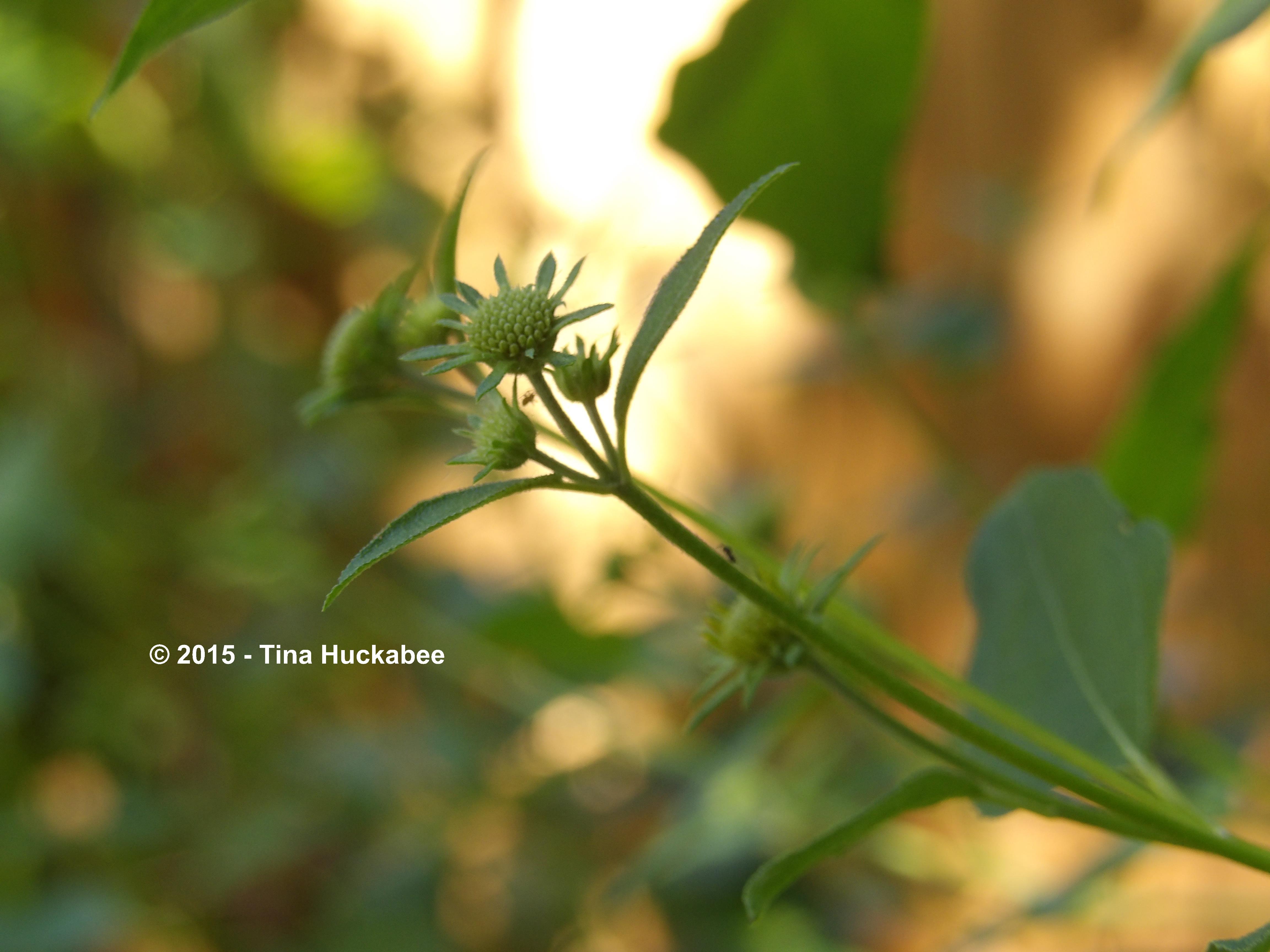
I’m always thrilled with the first buds appear in late summer.

IMGP1209.new

Conversely, I’m sorry as the flowers conclude their flower show.IMGP2225.new

..and go to seed.

IMGP2133.newIMGP2771_cropped_3461x2987..new

But of course, birds show up for the seeds and that means more Goldeneye are spread to far-flung places, or maybe just the neighbor’s house, plus I can look forward to more Goldeneye.

A certain amount of tolerance for rangy plant behavior is a requirement with this lovely wildflower because it does grow large and is top-heavy with bunches of blooms. But considering the garden show and the value to native wildlife, a too floppy plant  is certainly something that I can live with.

I plan a more comprehensive A Seasonal Look on Goldeneye in the not-too-distant future, but for now, enjoy!
IMGP1044.new

IMGP0836.new

I’m joining with Gail at clay and limestone who promotes natives and wildflowers for the home garden through her Wildflower Wednesday gardening meme. Thanks to Gail for hosting and teaching others about the importance and beauty of wildflowers.

For my American readers, I wish a happy and safe Thanksgiving holiday–full of love, family, and friends–and of course, pie.

IMGP2456.new

Wildlife Wednesday, November 2015

October in Austin ushers the end of the seemingly interminable summer and portends a transition to cooler temperatures of autumn and its promises of rain.  This past month was no exception with our typical, atypical early autumn weather.  October saw hot, dry, days, juxtaposed with heavy rain and flooding, augmented with the gift of appreciated and ballyhooed crisper days and nights.  The variable weather also saw many winged things of feathered and scaled varieties in my garden space.  Welcome to Wildlife Wednesday for November, heralding all things wild–by and for–the garden.

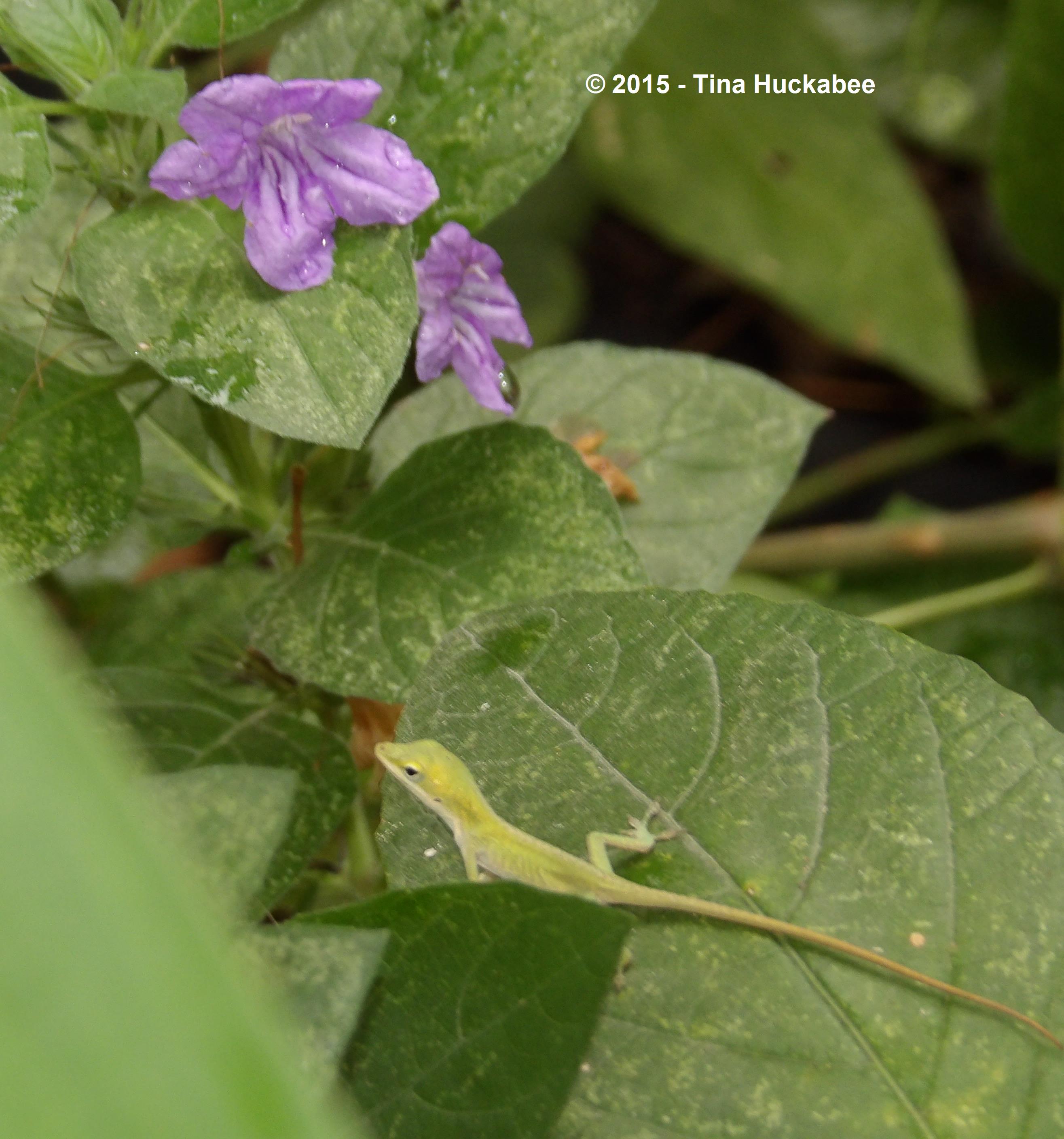
This little guy sports neither feathers nor scales, but instead, his green jammies as he traipses through the Drummond’s Ruellia and keeps a wary eye on anything bigger than himself, including me.

IMGP2462_cropped_2631x2816..new

Many young Green Anole, Anolis carolinensis, lizards are eating and presumably growing in preparation for winter and the spring that will follow.  Wishing them good hunting for anything smaller than themselves and some measure of safety from those who will be hunting and eating…Green Anoles.

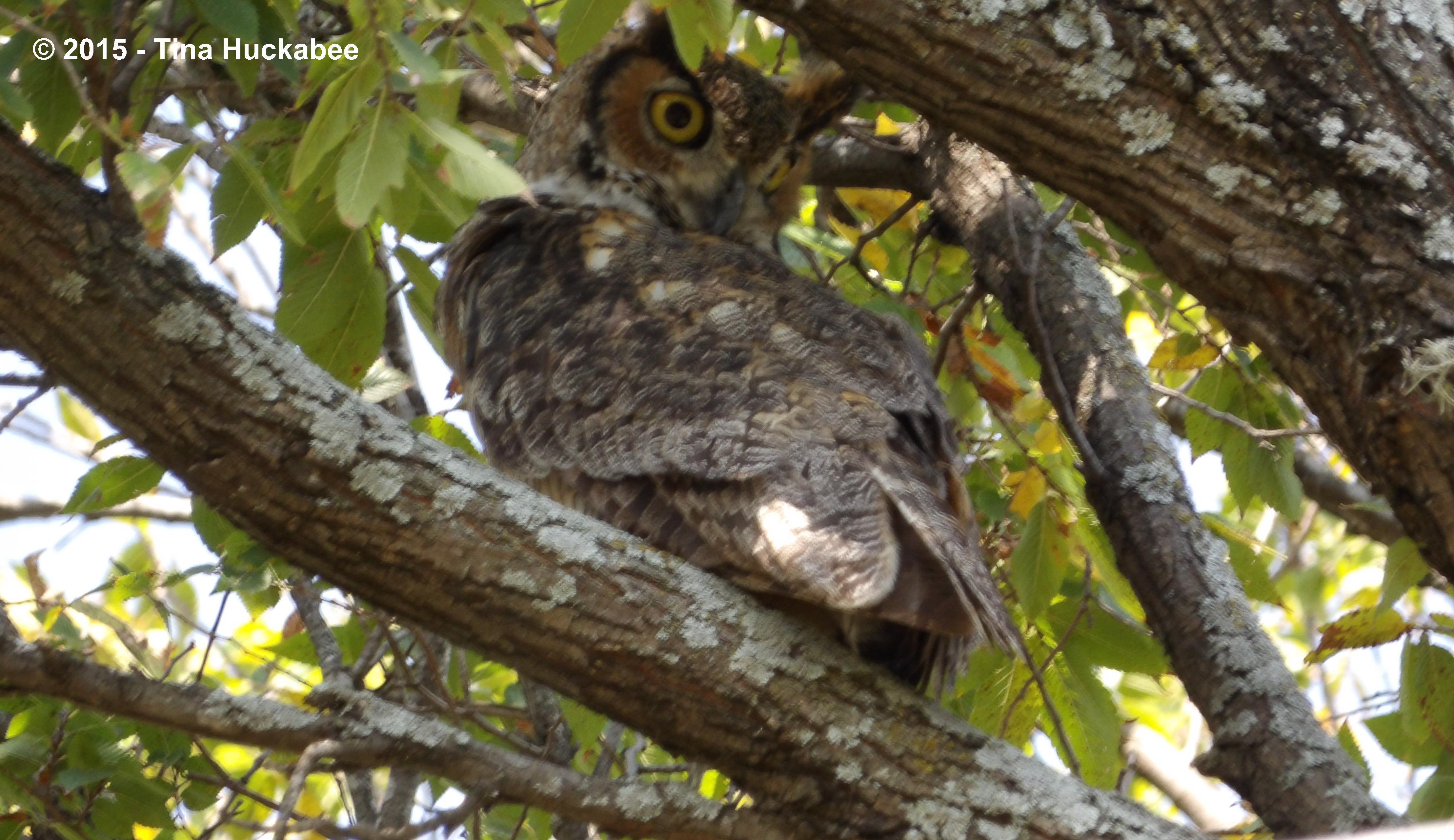
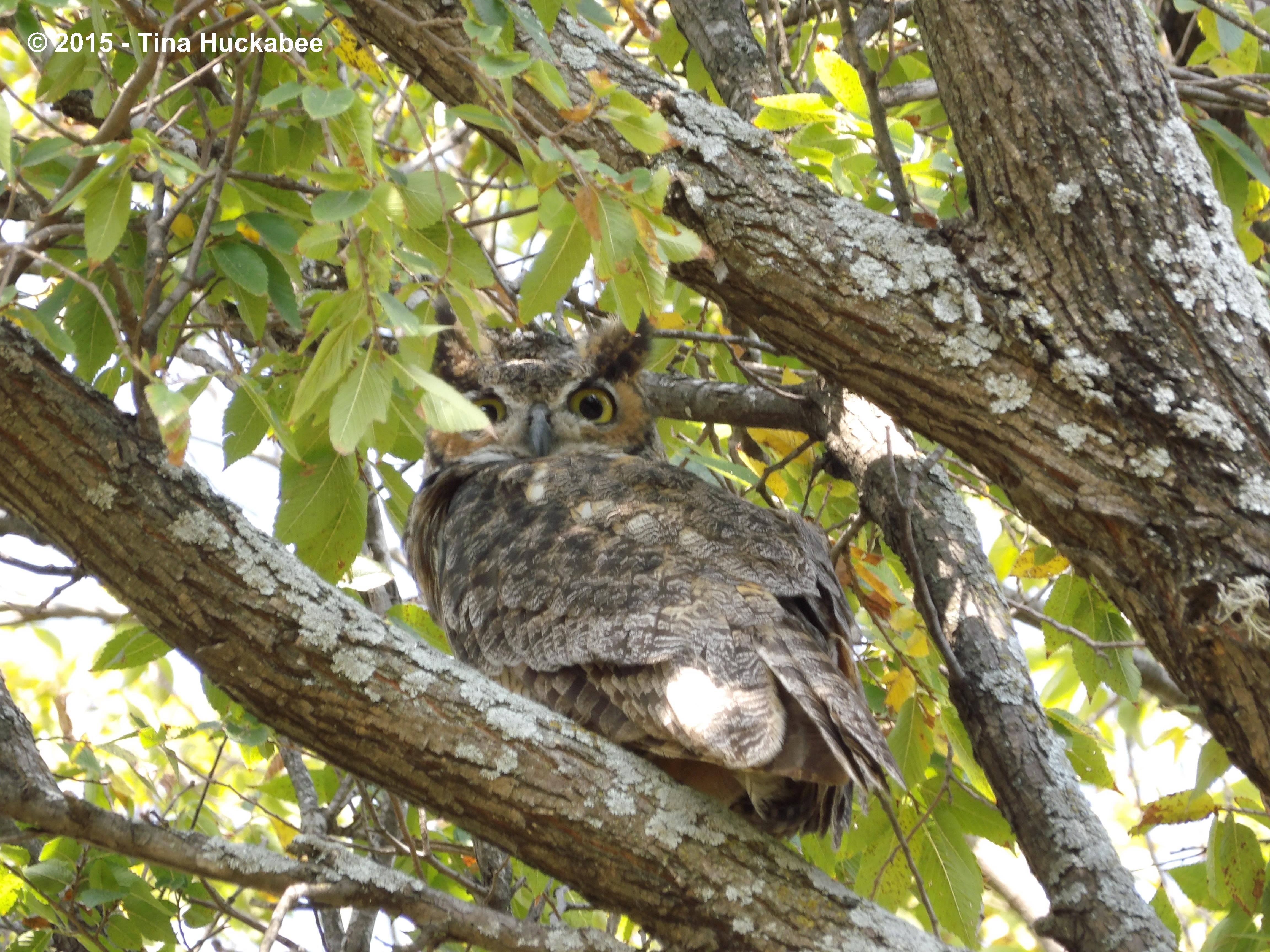
Some of the “whatever” that might be on the hunt for lizards, though I’m guessing they’d prefer bigger and juicier prey, includes this majestic Great Horned Owl, Bubo virginianus, who rested for a couple of days in my neighbor’s large Elm tree.

IMGP2037_cropped_4434x2562..new

IMGP2039.new

Gorgeous.  I haven’t heard any hooting from this one and without a mate to compare, I’m not sure if this beauty is male or female.  But it was a treat to observe the large predator as she/he attempted some  zzzzzzz  before nighttime hunting.

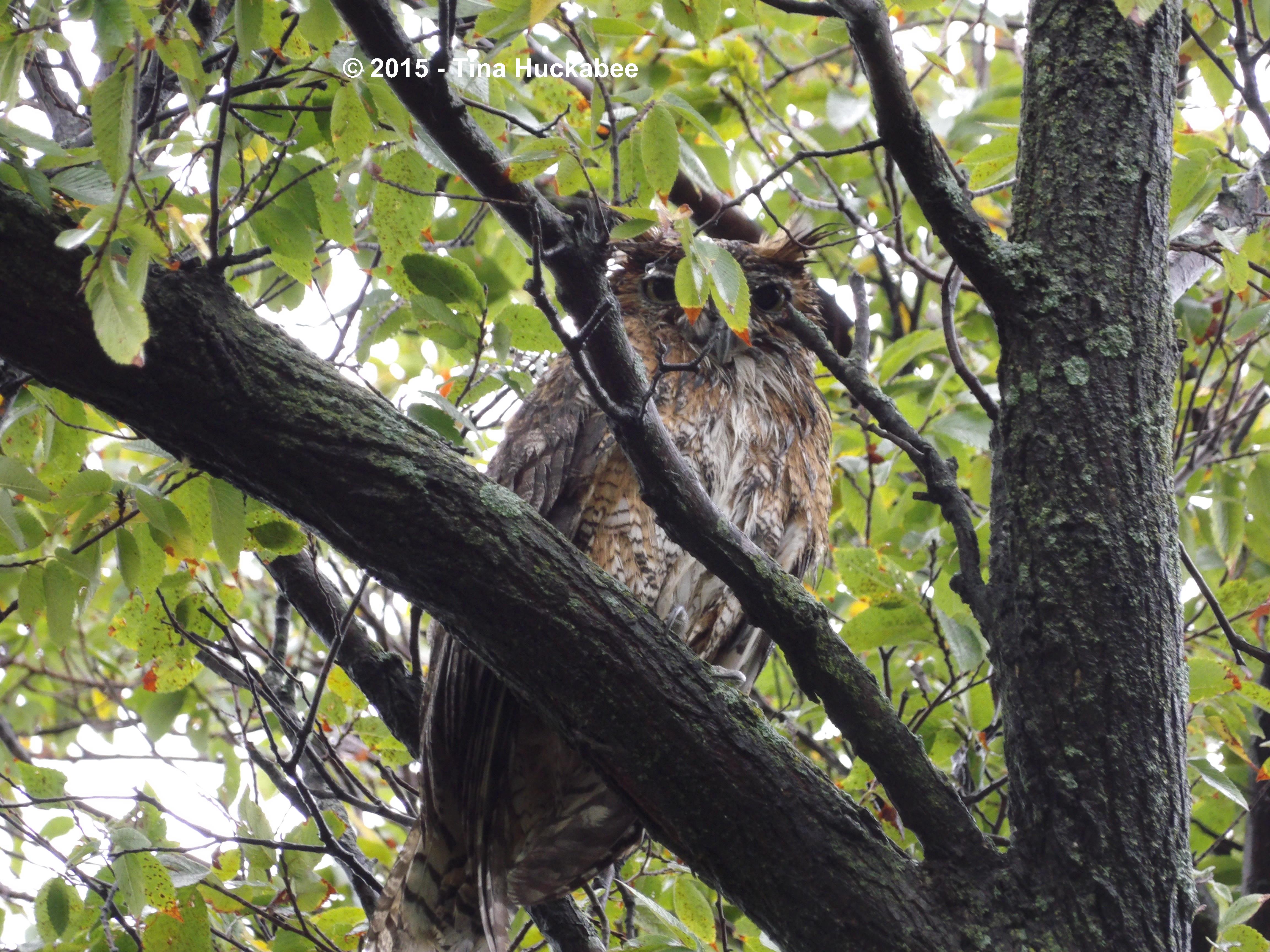
This photo was taking on the second, but rainy day of roosting; he/she looks wet and bedraggled, but owls are tough.

IMGP2477.new

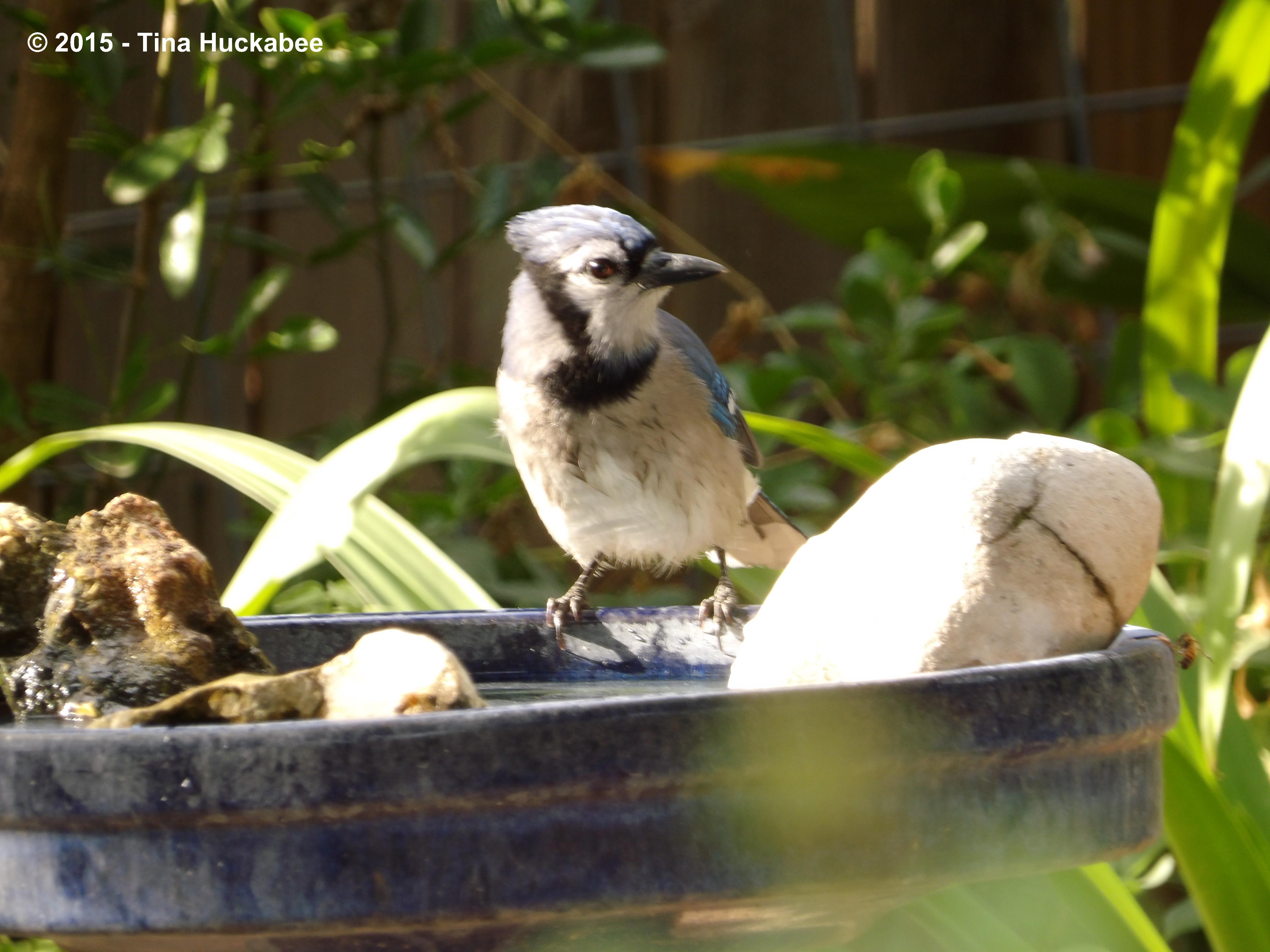
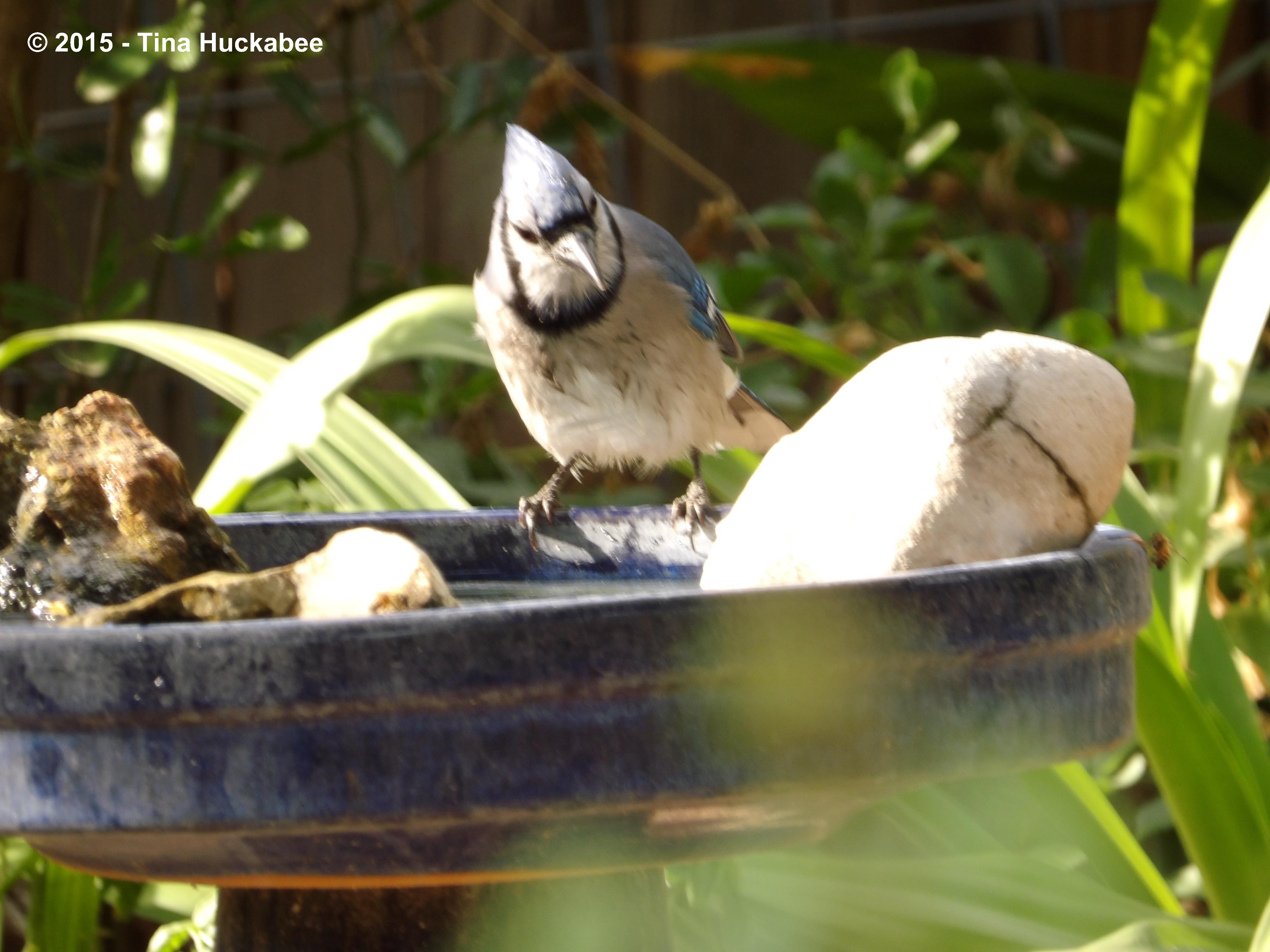
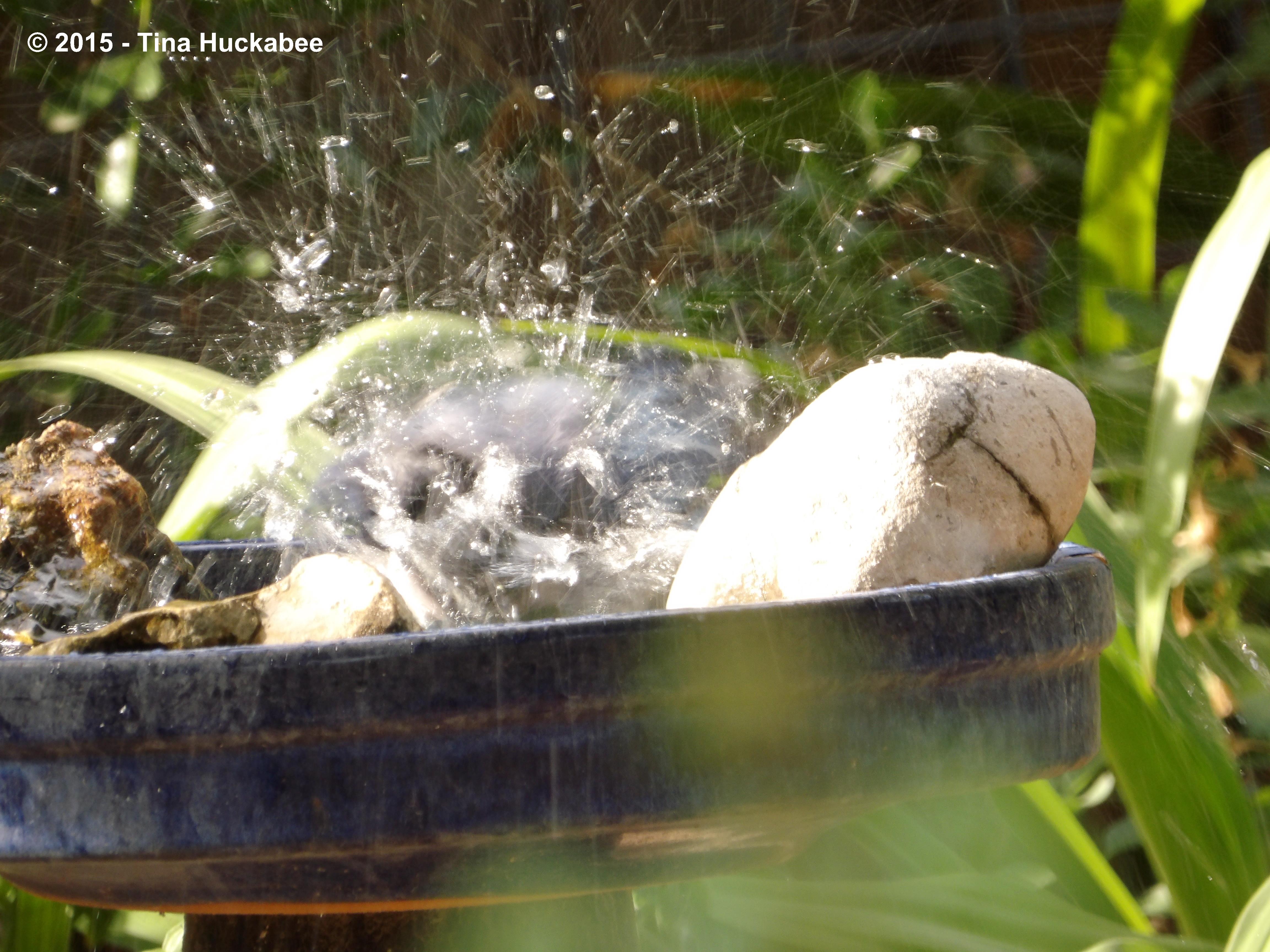
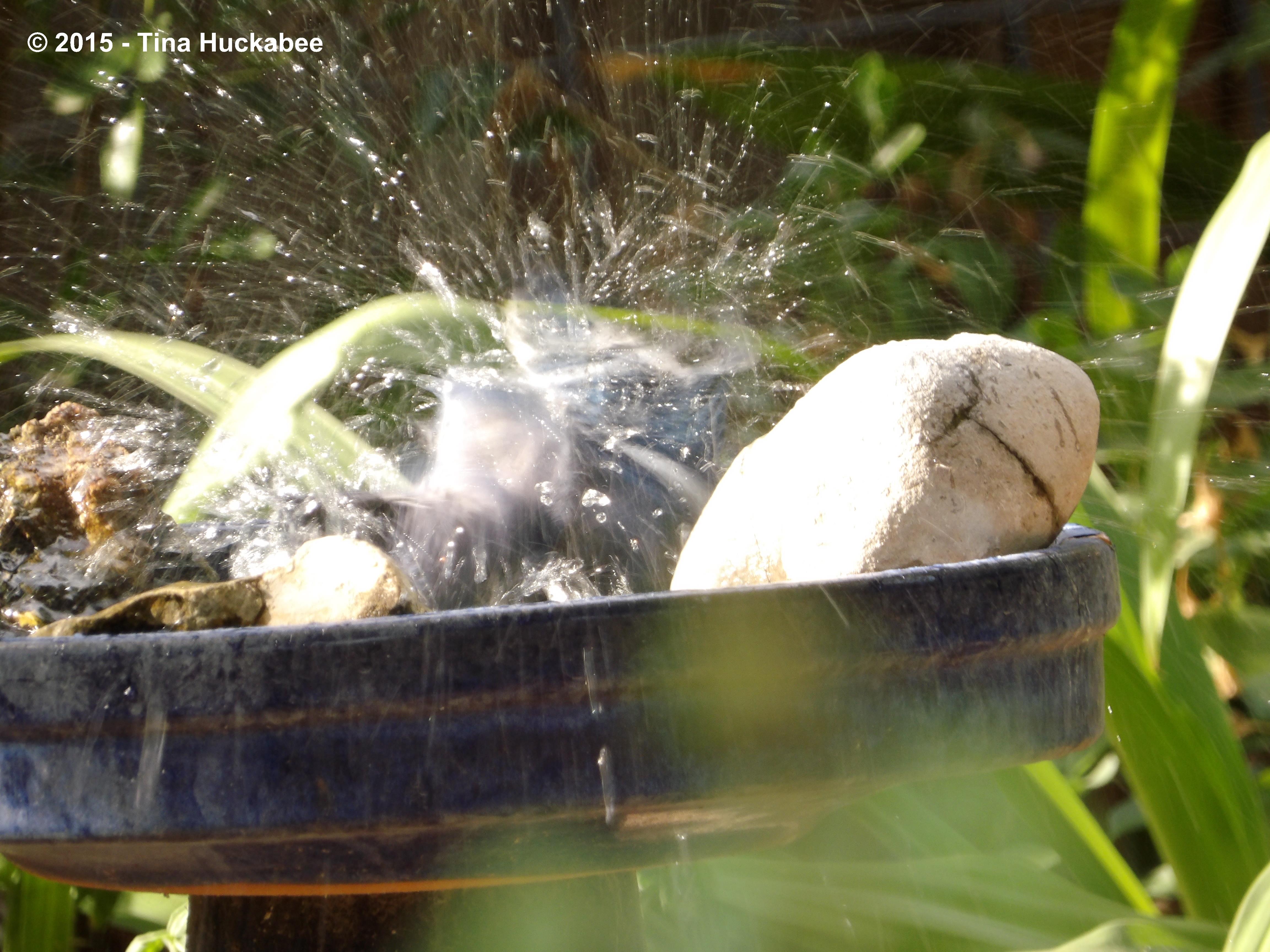
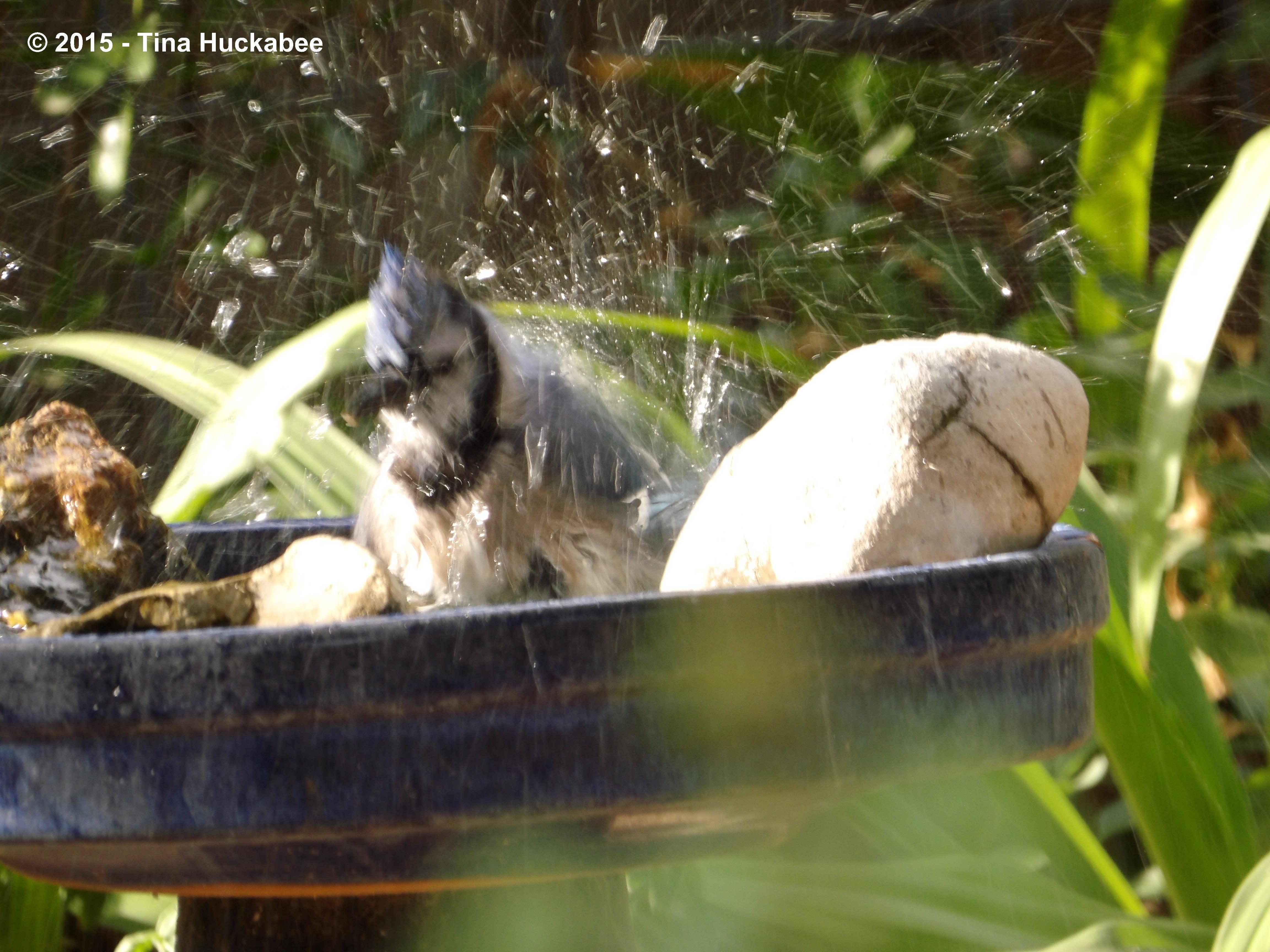
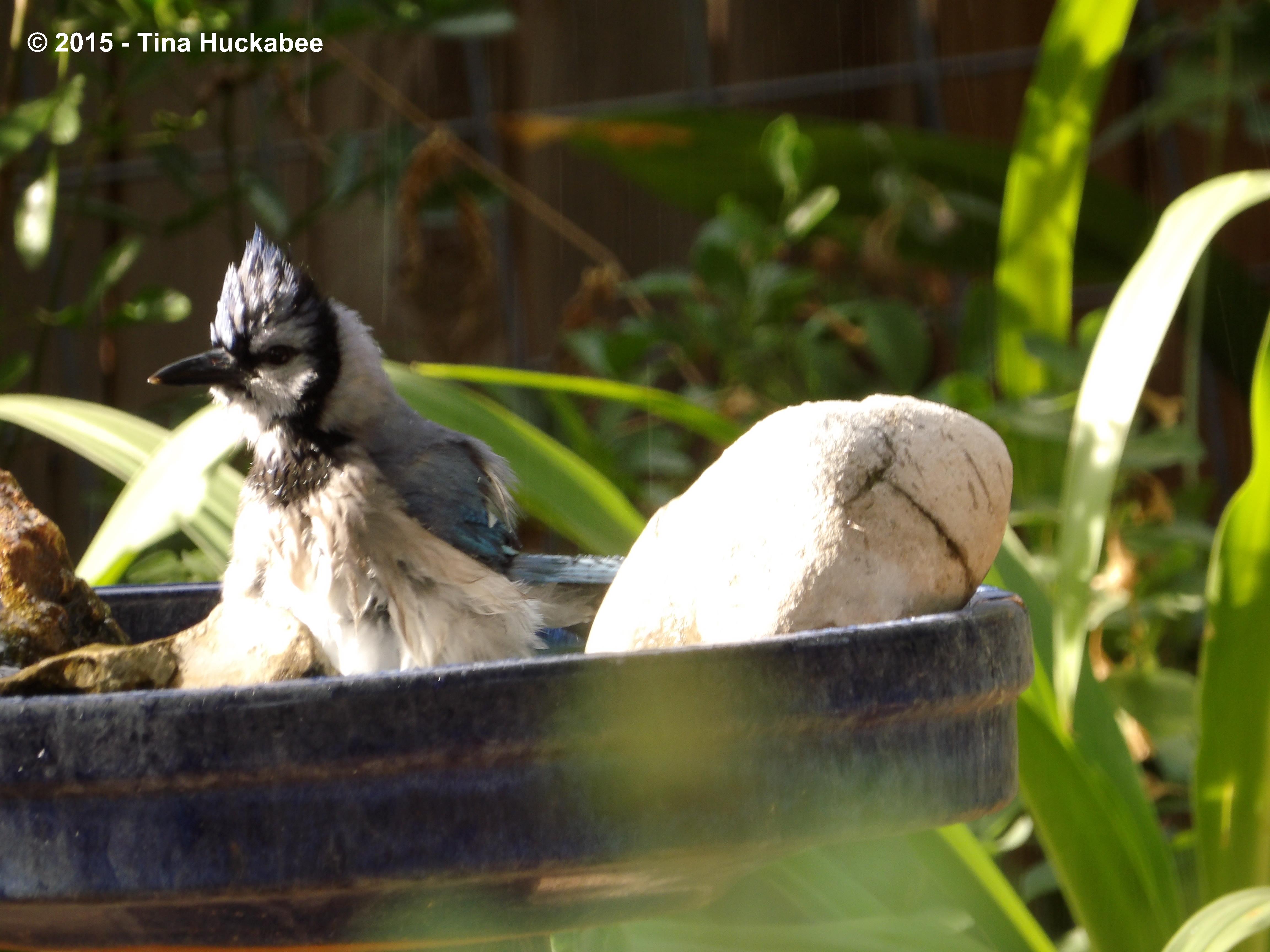
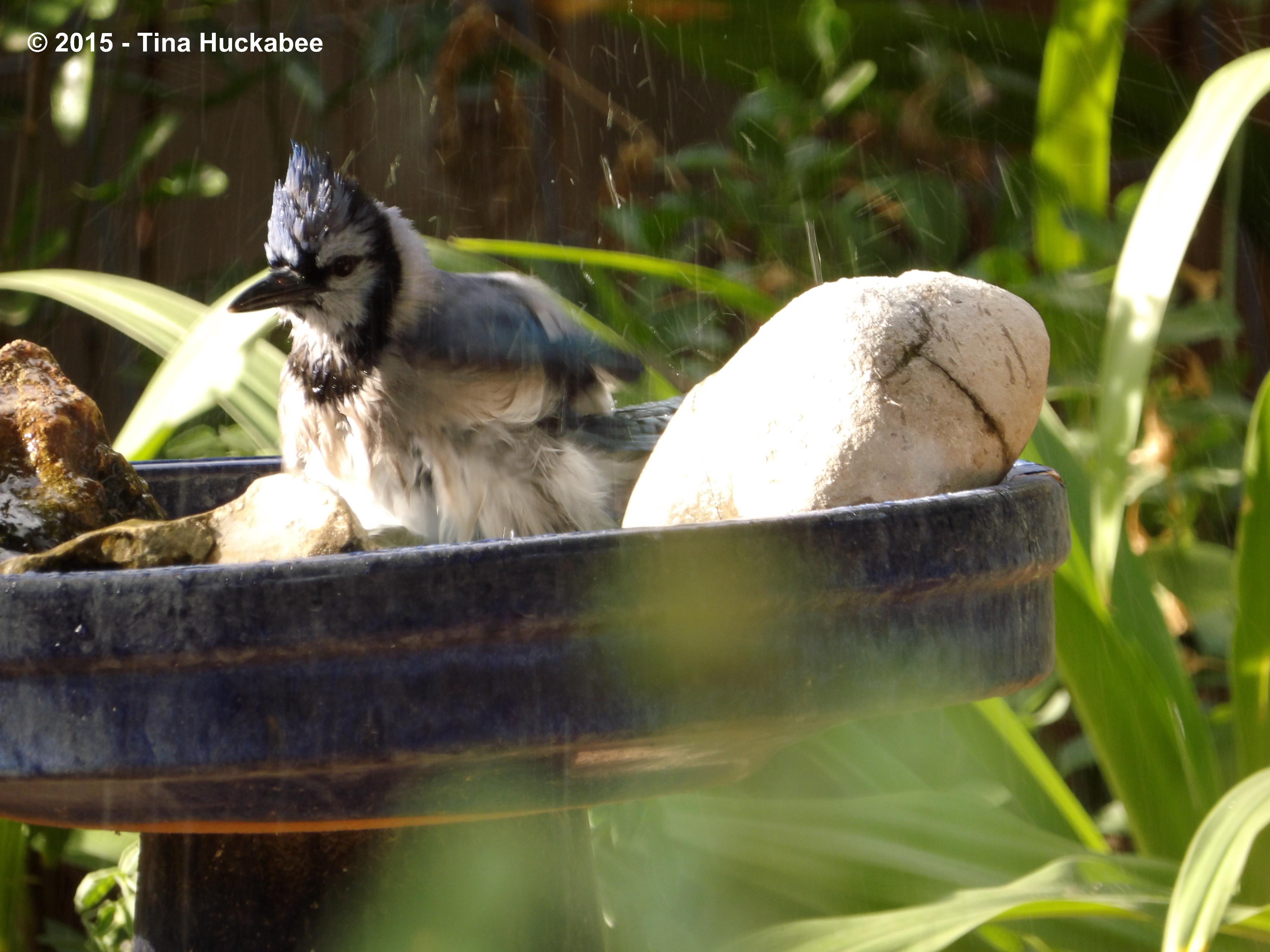
I was alerted to the owl by the complaints of Blue JaysCyanocitta cristata, who are vociferous when anyone visits who is big and potentially dangerous.    Even with their noisy calls and sometimes obnoxious behaviors, no one enjoys a bath more than a Blue Jay.

IMGP1998.new

IMGP2004.new

IMGP2007.new

IMGP2006.new

IMGP2008.new

IMGP2014.new

I guess they know how pretty they are and are pleased that the bathing enhances their good looks.

IMGP2011.new

Fluffed feathers atop, notwithstanding.

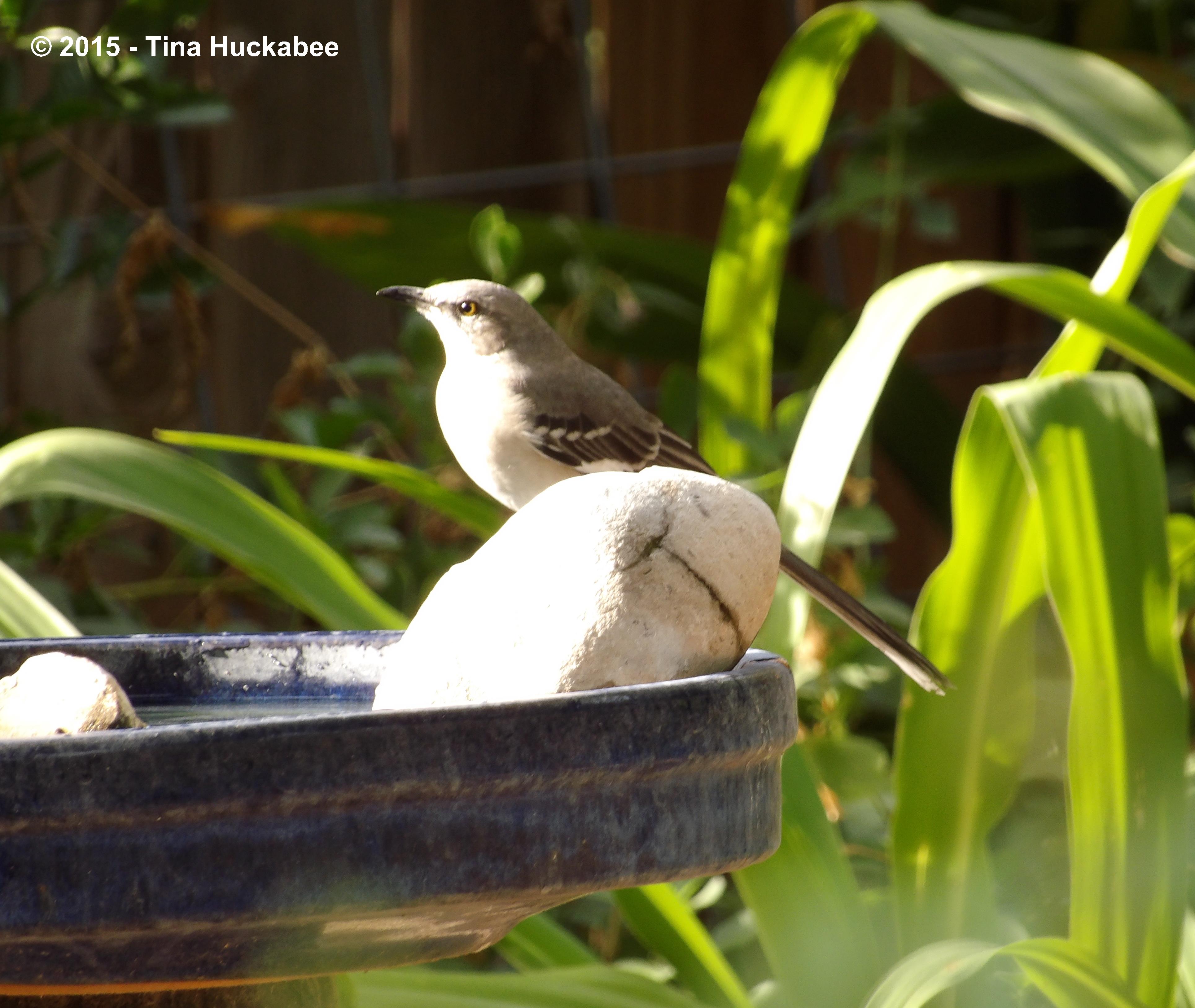
The state bird of Texas is the Northern MockingbirdMimus polyglottos.  There are always Mockingbirds in my gardens–singing, bathing, and eating, but I rarely catch photos of them.  What a shame that is.

IMGP1982_cropped_3858x3254..new

Handsome guy–or gal, I’m not sure which.  Both male and female Mockingbirds sing beautifully and with varied, complicated songs (“polyglottos”) that mimic many other birds. Sometimes unmated males sing at night.  Poor dudes. I guess singing to the full moon is their version of playing computer games on a Friday night, sans dates.

And the Lesser GoldfinchSpinus psaltria, gang is back!!

IMGP2266_cropped_2493x2254..new

IMGP2290_cropped_2885x1944..new

IMGP2339.new

I don’t think they ever actually leave, but they definitely prefer certain seed choices through the seasons.  Currently and for the past month, the Goldeneye, Viguiera dentata,  have produced scads of seeds for feeding the scads of little finches.  I promised myself to catch a couple of decent photos for Wildlife Wednesday and then simply enjoy their antics. And so I have.

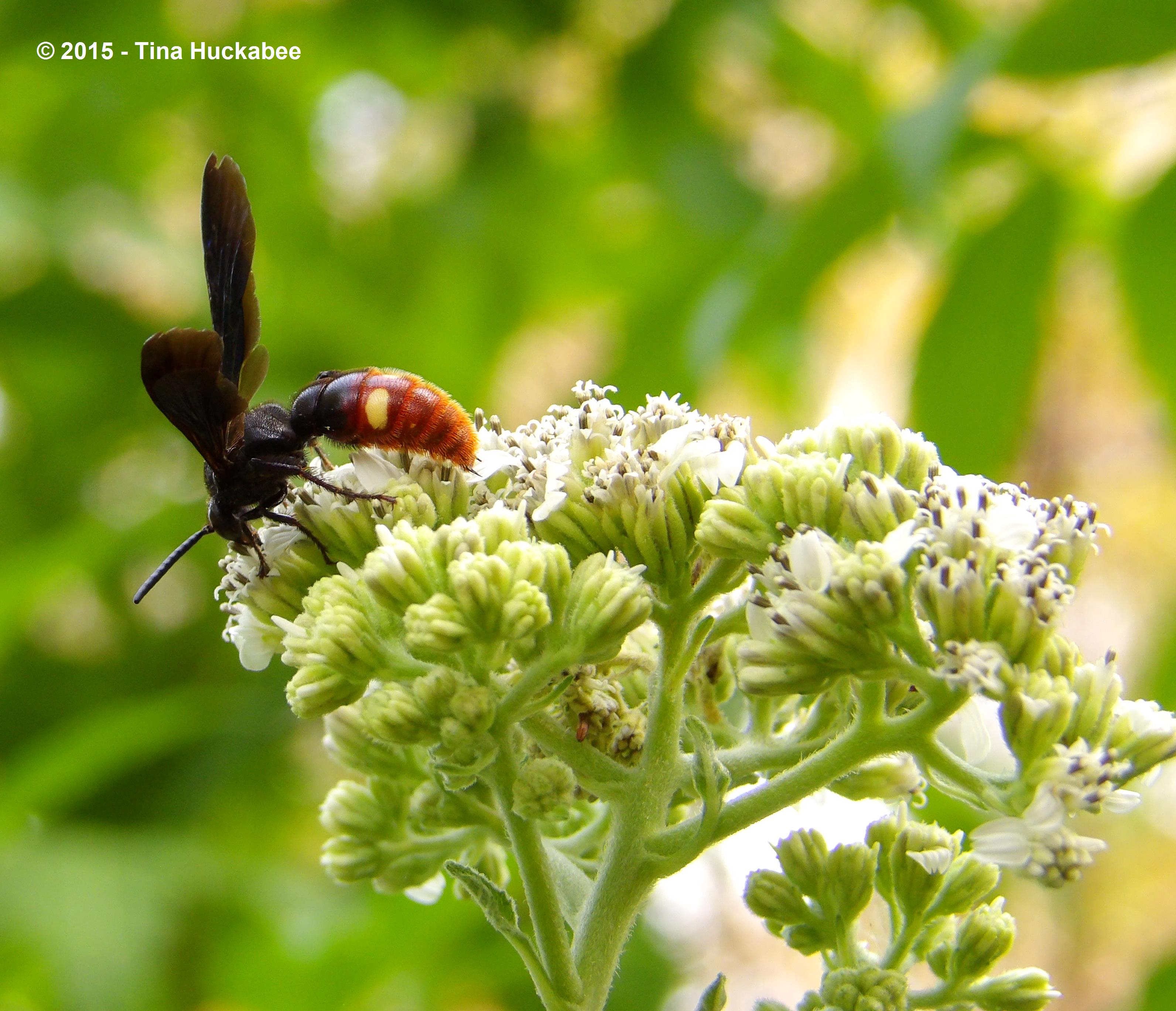
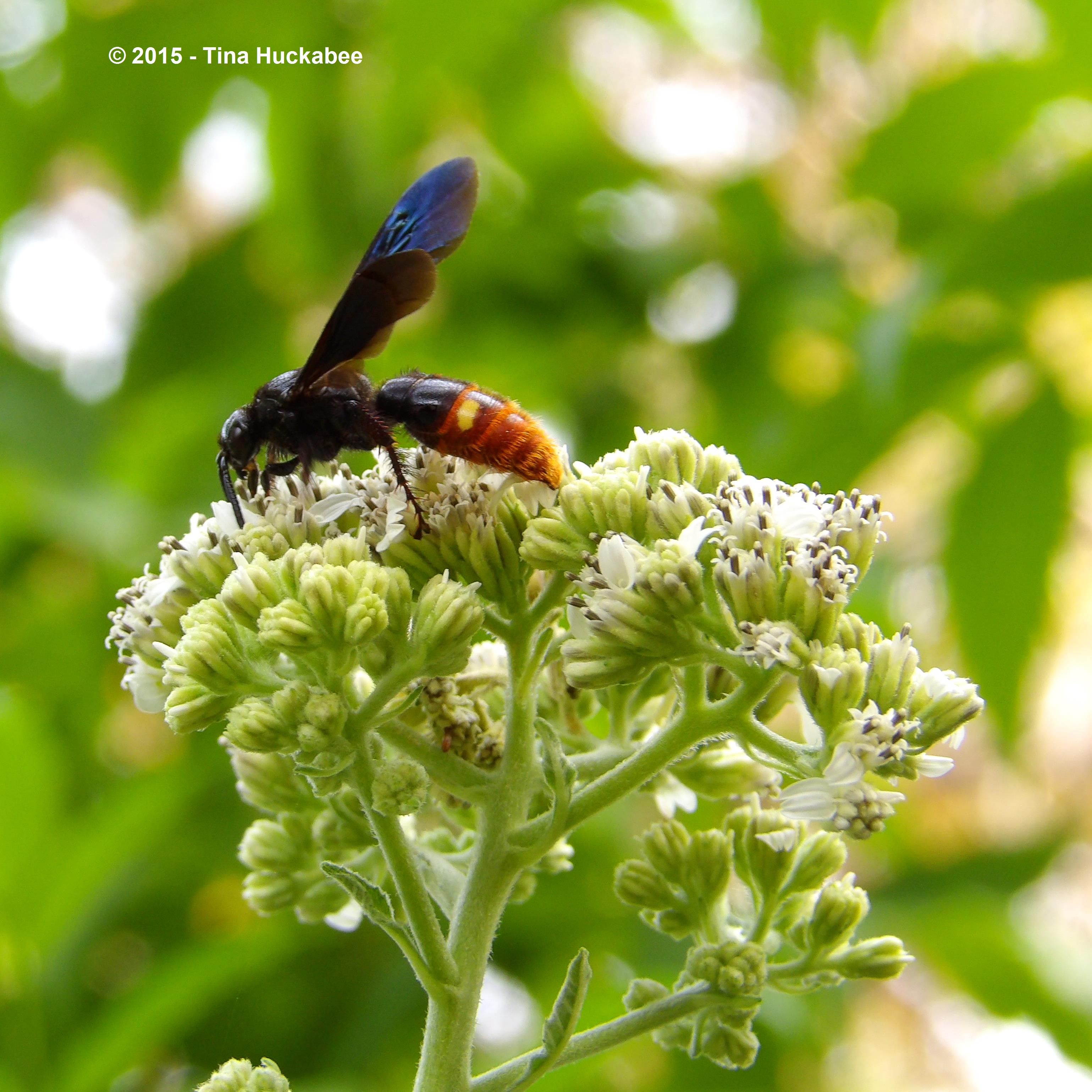
As for other winged wonders, there’s been no real shortage there.  This interesting critter is a Blue-winged WaspScolia bubia,

IMGP1967_cropped_3184x2738..new

…and it enjoyed the blooms of the Frostweed, Verbesina virginica.  Adults enjoy nectar and also beetles–beetle juice, if you will–and their larvae parasitize certain beetle species, especially of the invasive Japanese beetle. Good for them!!   Lots of folks don’t like wasps, but they’re good guys-n-gals.  Leave them alone to nectar, to pollinate, and to do-away with some of the bad bugs.

IMGP1966_cropped_3078x3078..new

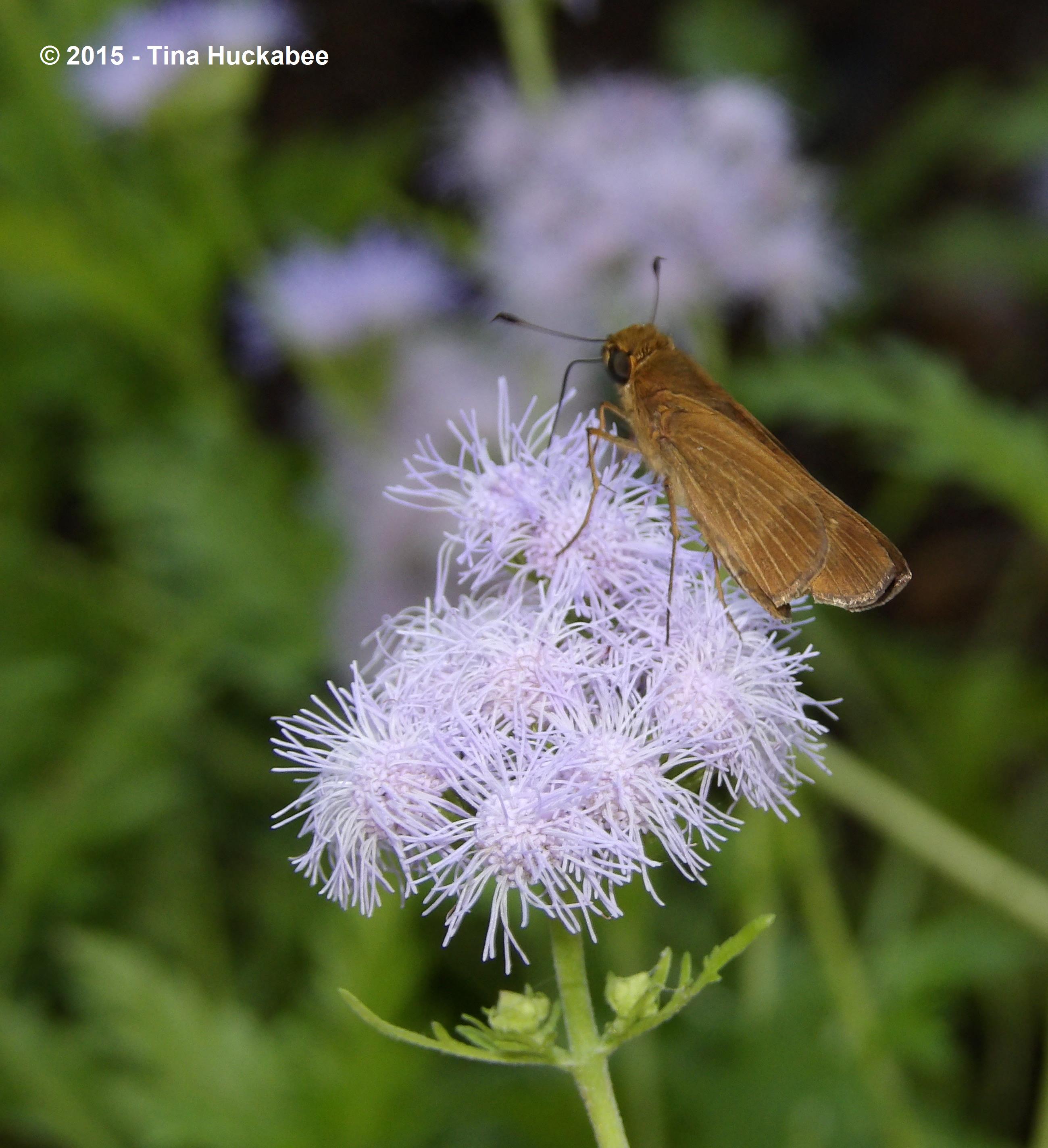
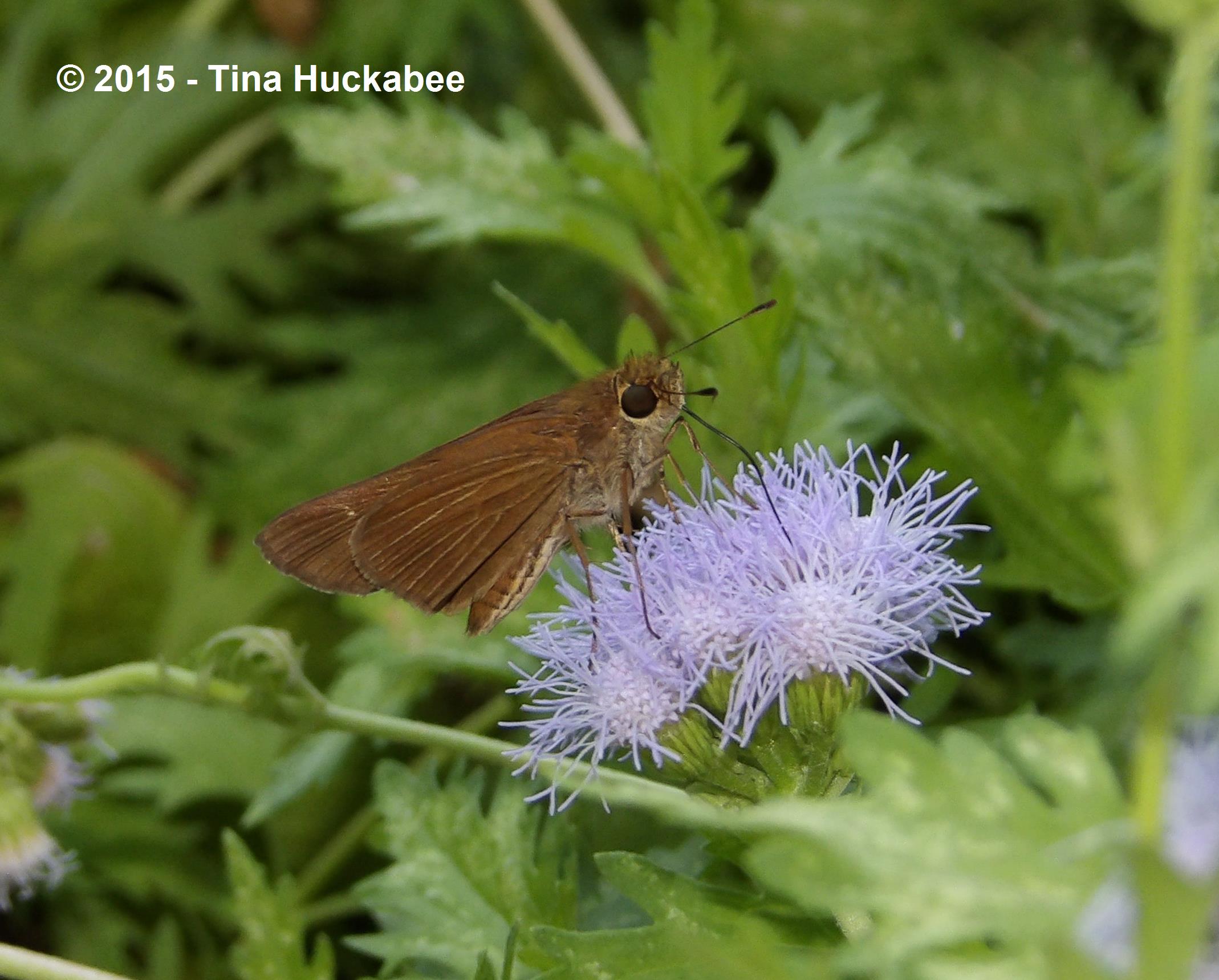
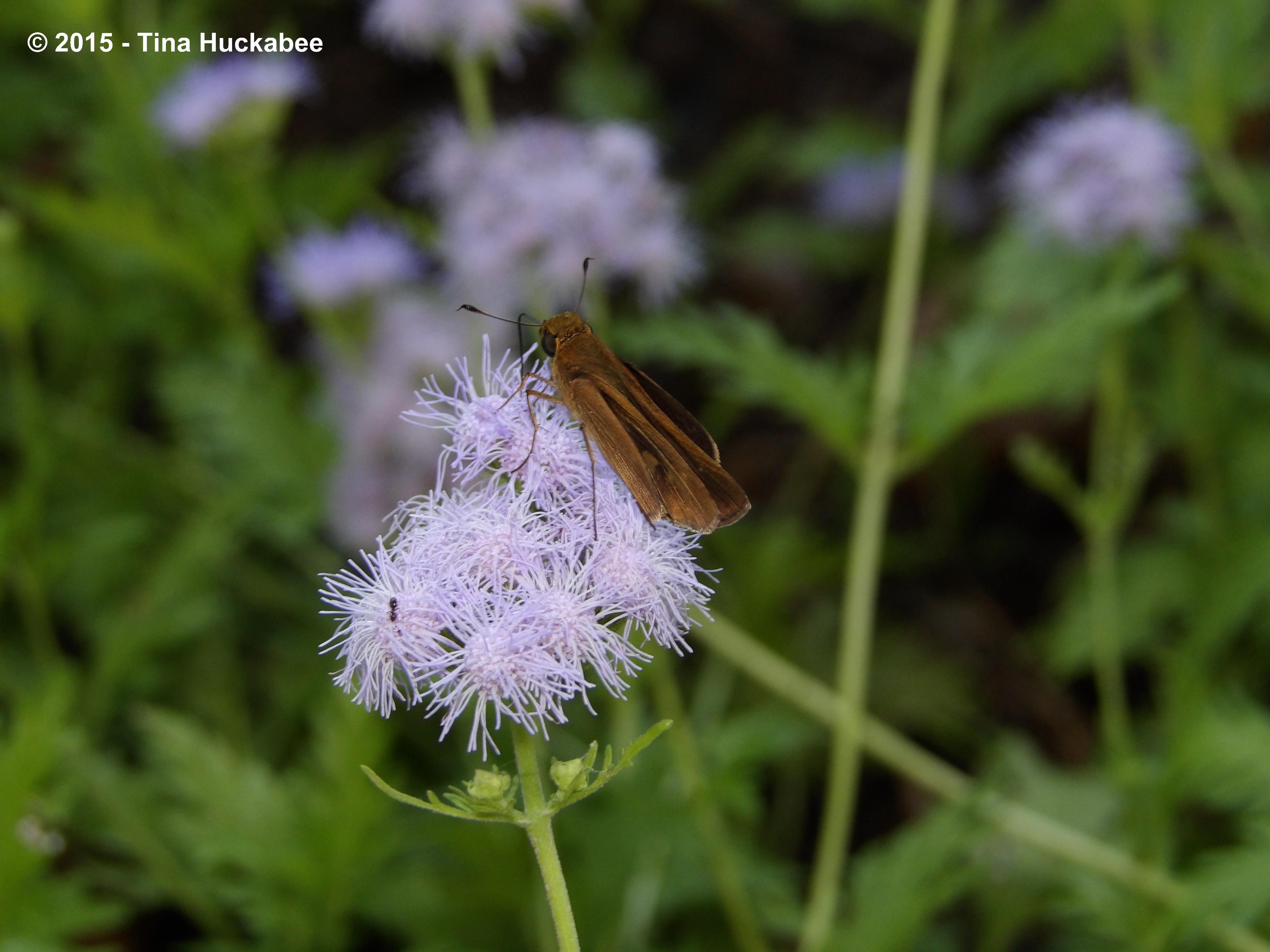
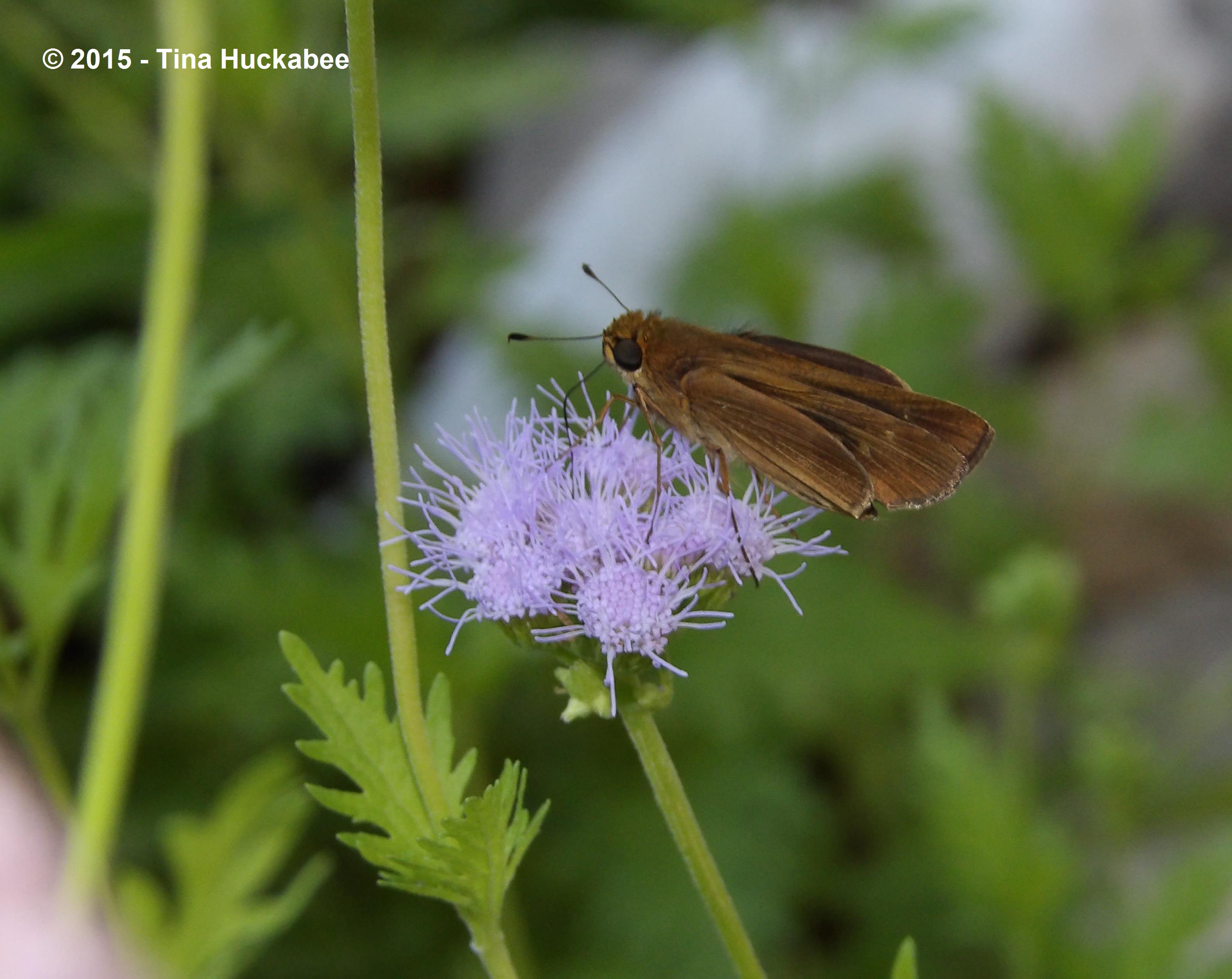
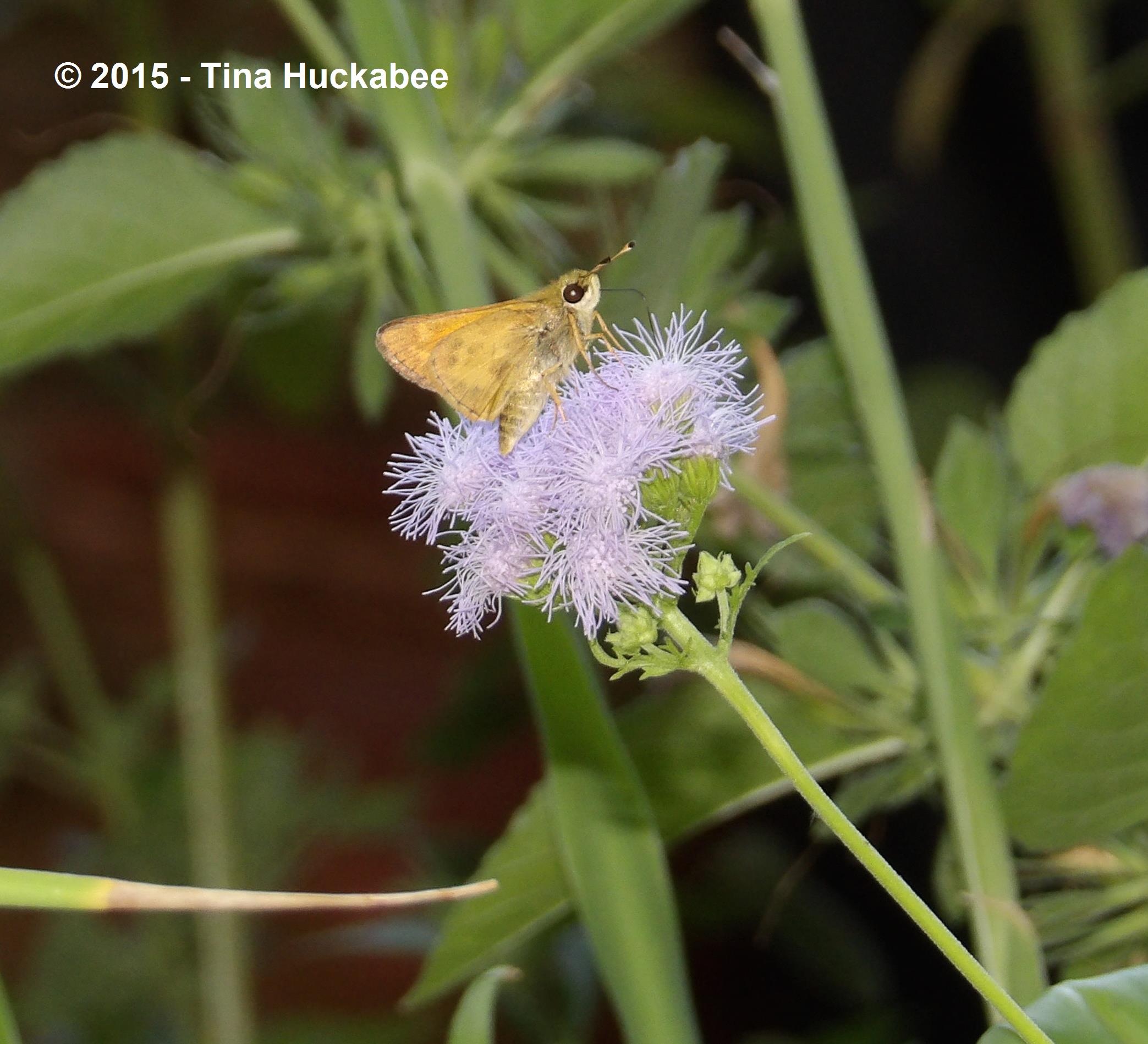
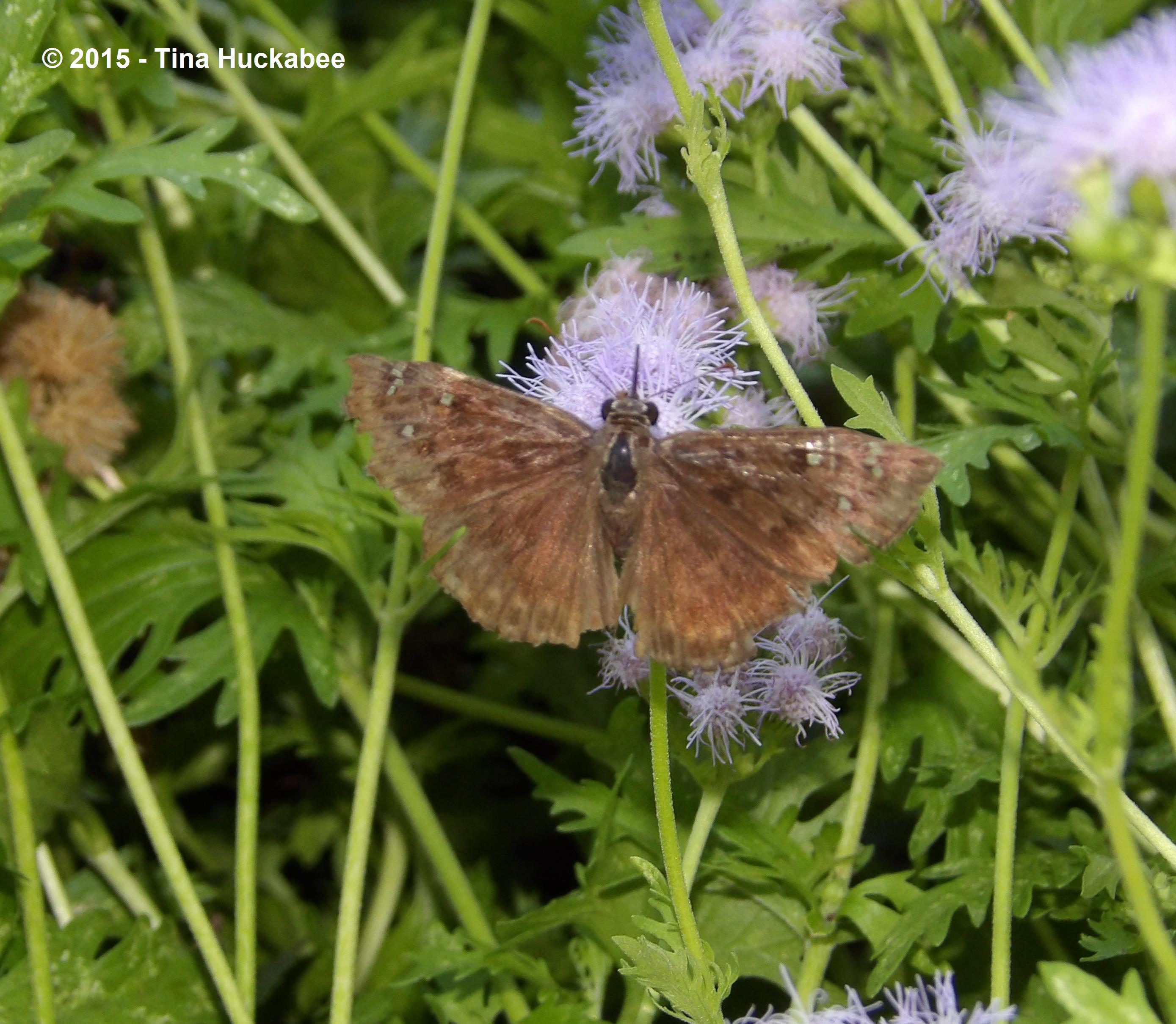
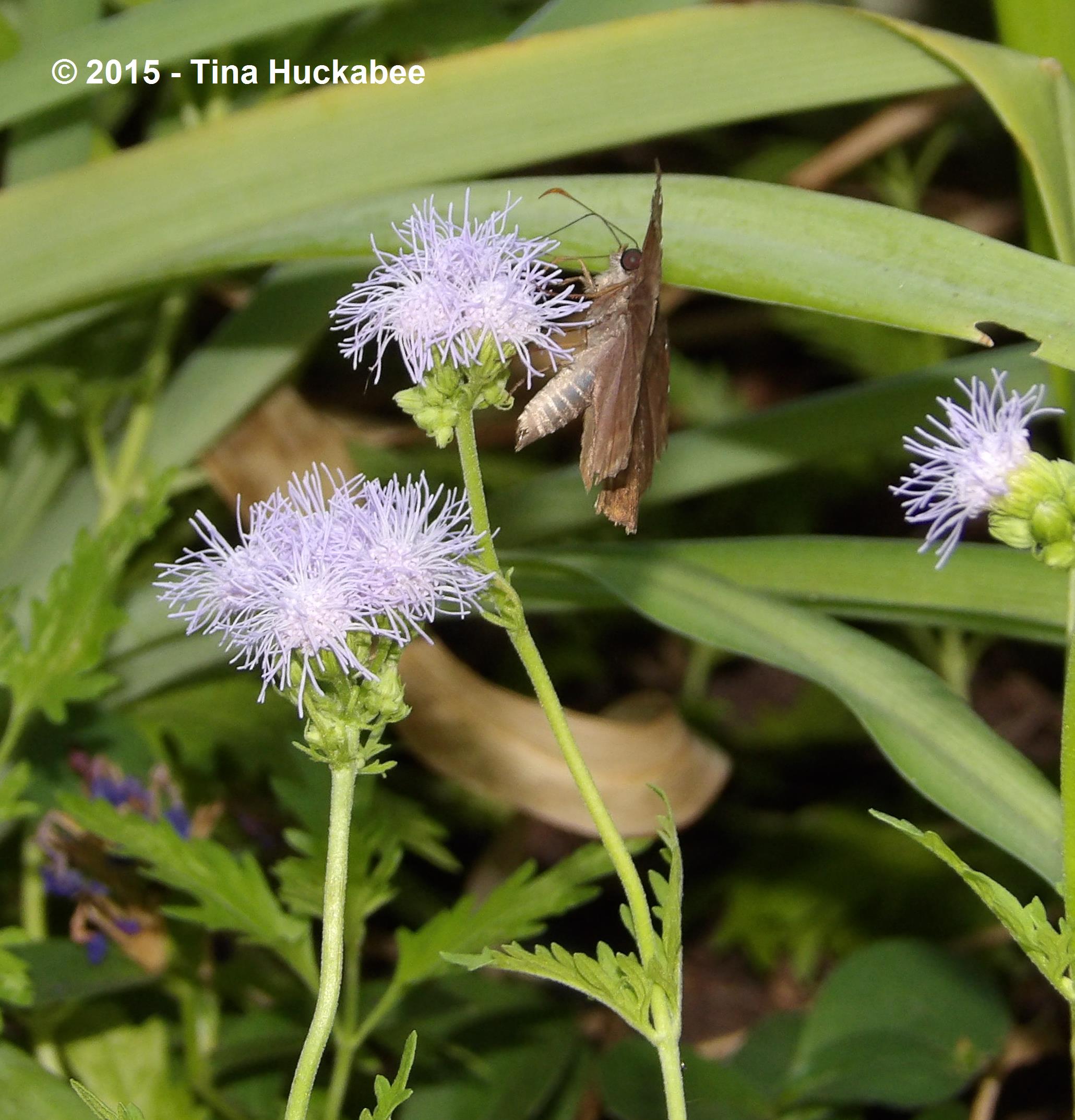
Skippers (Hesperiidae) are also good to have in the gardens, but I have misgivings about photographing them.  Firstly, they’re hard to catch. They’re tiny, quick, and generally, don’t perch still for long periods of time.  Secondly, once photographed, I then have to identify them for Wildlife Wednesday.

So here goes nuthin’!

I  think this is an Ocola SkipperPanoquina ocola,  probably a male.

IMGP2151_cropped_2599x2848..new

IMGP2149_cropped_2138x1719..new

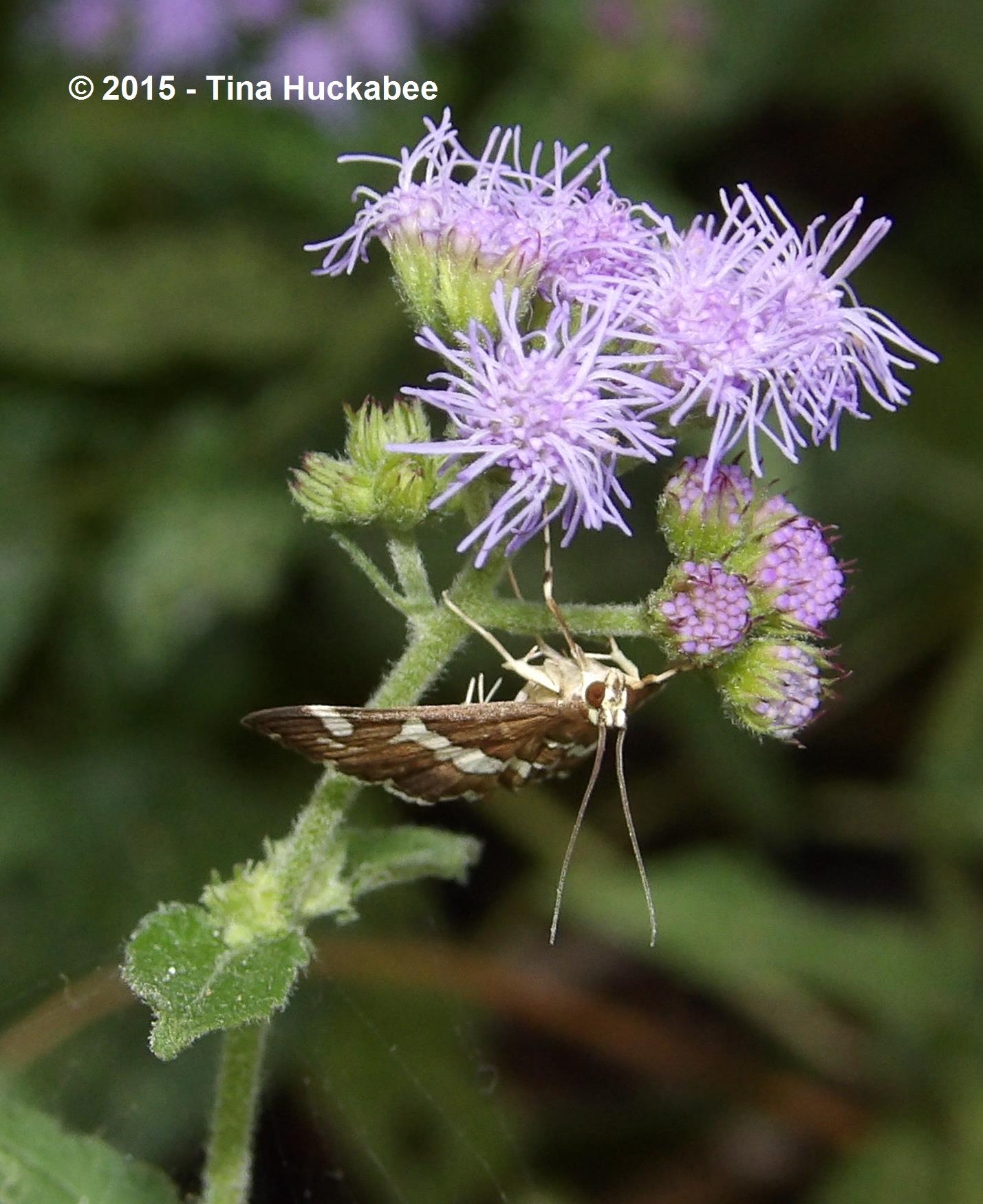
Or, it might be a Dun Skipper, Euphyes vestris.  Honestly, I’m not sure.  Skippers are  common in my gardens and they nectar on a variety of blooms.  In autumn, they have a special affinity for the three Mistflower species that I grow:  Blue Mistflower, Conoclinium coelestinum, (especially) Gregg’s Mistflower, Conoclinium greggii, and White Mistflower, Ageratina havanensis.  

IMGP2150.new

Their wings are held separately in levels–upwards, and to the sides–and is something that is apparently unique to certain species of skippers.

IMGP2159_cropped_2876x2286..new


This autumn orange-colored skipper is a Fiery SkipperHylephila phyleus.

IMGP2147_cropped_2087x1898..new

At least I think it is.  It would be a male, because of the orange coloration (females are  brown/tan) and there are kinda-sorta dots on the undersides of the wings, which male Fiery Skippers sport.  I know that I’ve seen Fiery Skippers in my gardens, I’m just not positive this is one.  Best guess.  So there.

This Horace’s DuskywingErynnis horatius, is another regular in my gardens.  Rather drab in comparison to some, this boy is a hard-working pollinator and thus, welcome anywhere in my gardens and at anytime.

IMGP2155_cropped_2778x2420..new

IMGP2153_cropped_2060x2147..new

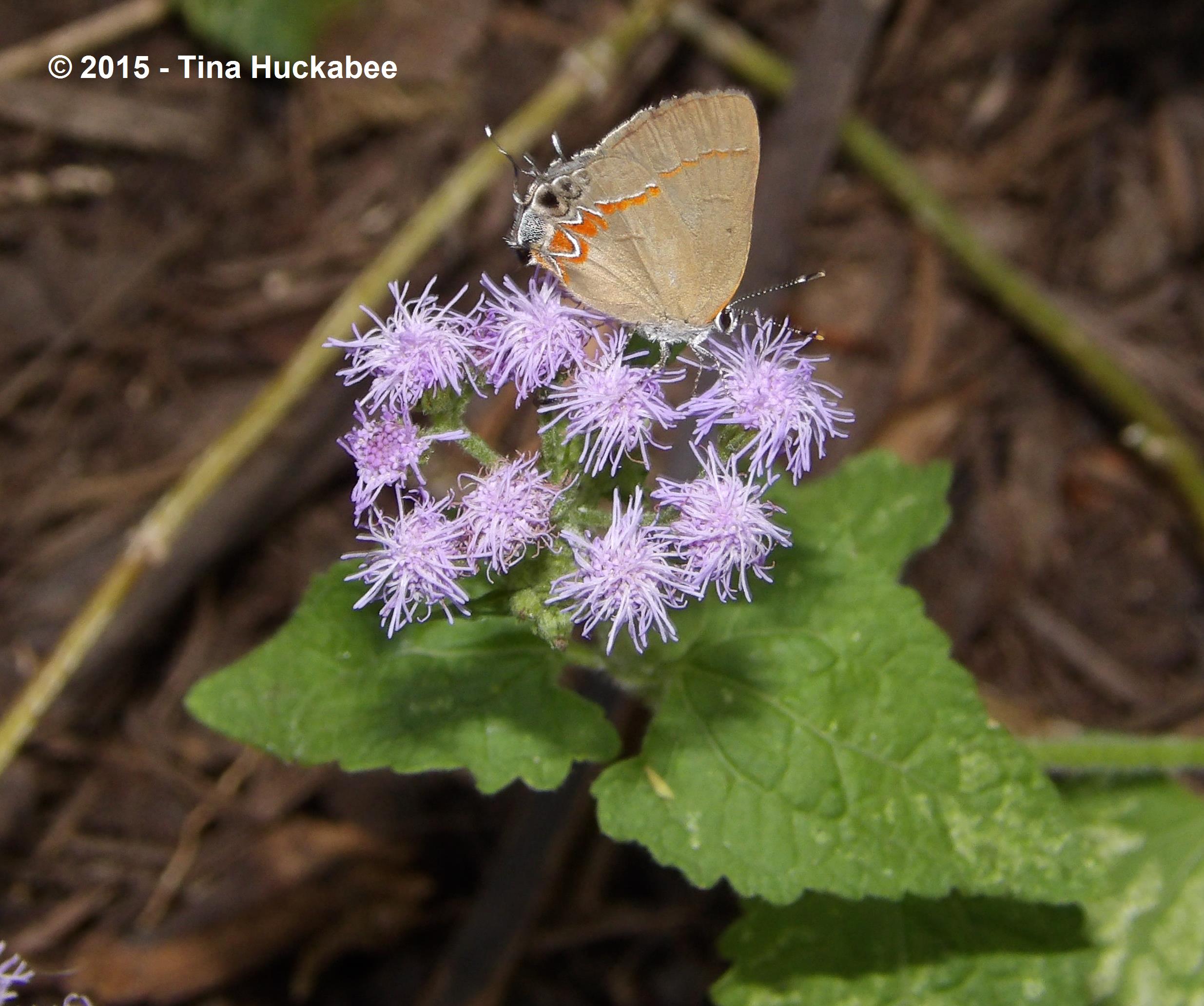
And the last of the tiny butterflies (whoop!) is this Dusky-blue GroundstreakCalycopis isobeon.

IMGP2438_cropped_2470x2064..new

As a group, I think the Lycaenidae Family of butterflies are especially attractive–the Blues, Coppers, Hairstreaks, and Harvesters.  Pretty, of course, doesn’t really matter, but the intricacies of their markings are remarkably artful, it’s hard not to admire their beauty.

And speaking of beautiful, there were a few Monarch ButterfliesDanaus plexippus,

IMGP1947_cropped_2981x2300..new

..though only a few.  Most of the migrating Monarchs veered west of the Austin area this year.

A Giant SwallowtailPapilio cresphontes, nectared on favorite blooms,

IMGP2393.new

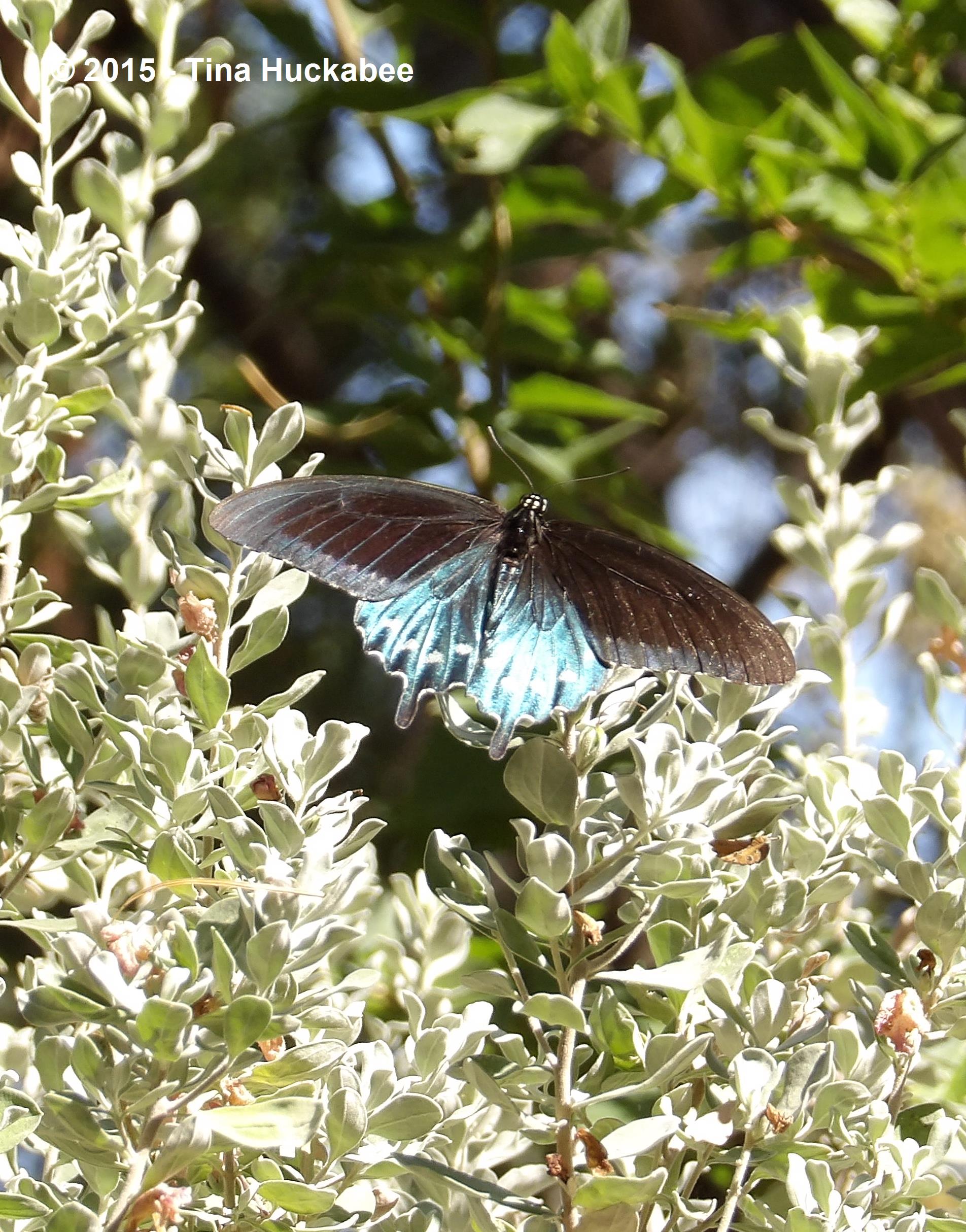
…and a Pipevine Swallowtail, Battus philenor, was a regular visitor as well.

IMGP2249_cropped_1904x2428..new

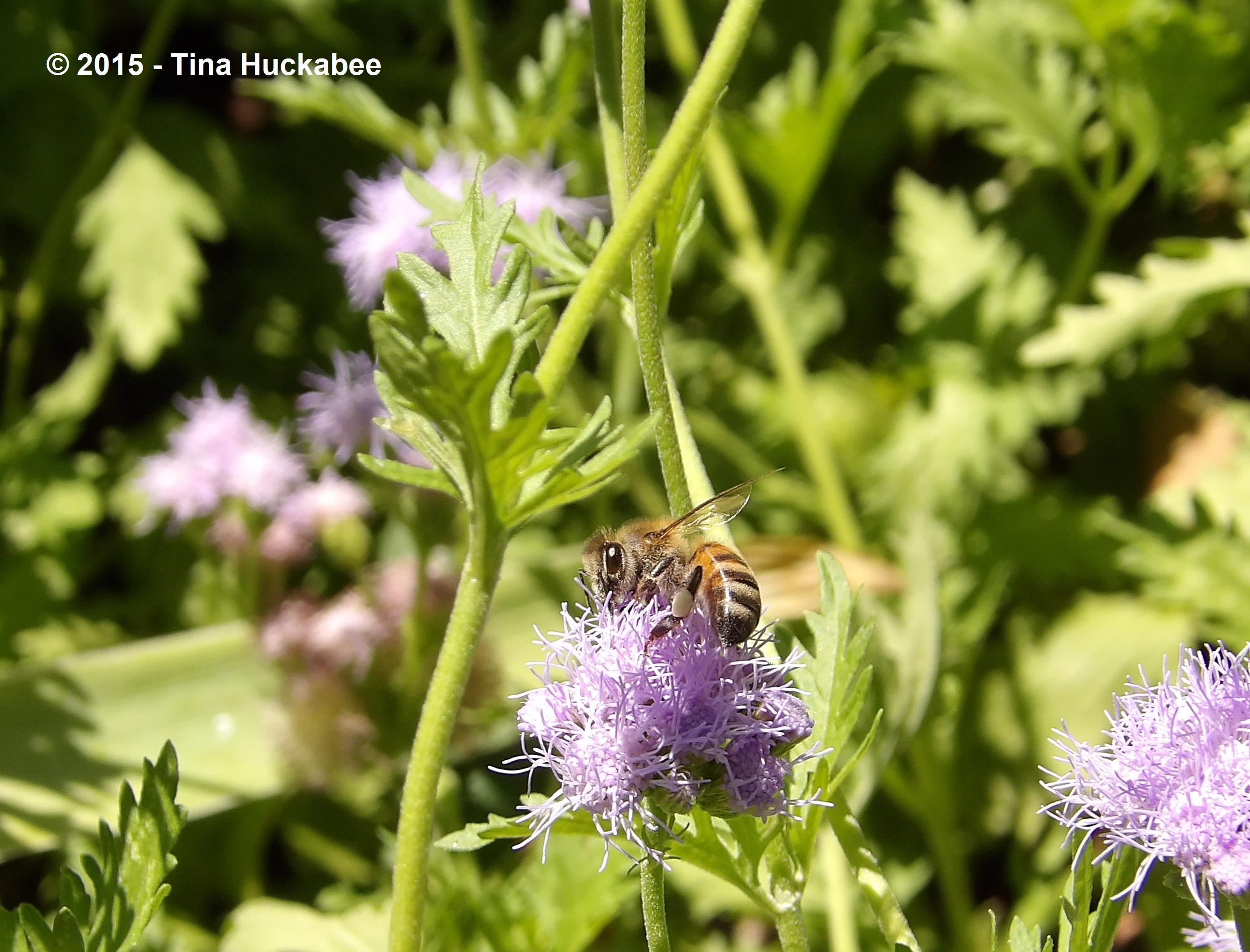
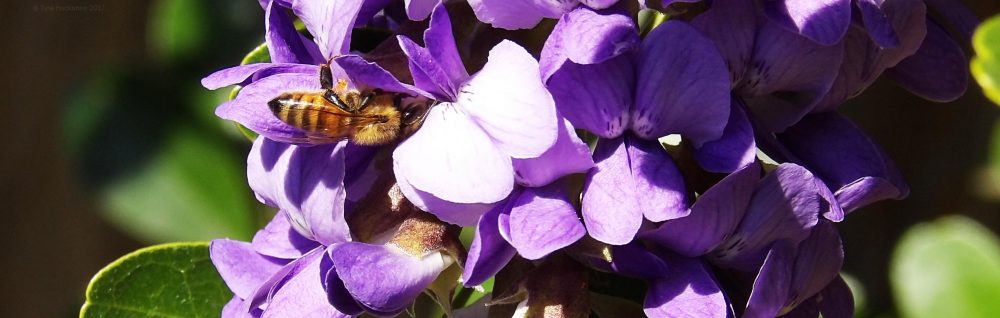
Lastly, the honeybees are gathering for winter storage–delighting all who observe them and long for a taste of their honey…

IMGP2032_cropped_3069x2635..new

IMGP1965.new

IMGP1900_cropped_2673x2036..new

My gardens host a variety of plants which provide seeds and fruits, nectar and pollen, cover,  and larval host food.  Diversity in plant choices and a focus on choosing native plants reflects how nature is intended to work–that is, as a complex food web for a multitude of predator and prey insects, birds, mammals, and reptiles.  Everyone can encourage wildlife in their gardens with simple, yet profound changes:  ridding your space of mono-culture turf, planting with native plants, and avoiding the use of chemicals in the garden.  By making these simple changes, your garden will be healthier and more productive and by choosing to plant for wildlife, you can help heal the world.

IMGP2169_cropped_1429x1751..new

What wild critters are in your garden? Please post for November Wildlife Wednesday–share the rare or mundane, funny or fascinating, beneficial or harmful critters you encounter. When you comment on my post, please remember to leave a link to your Wildlife Wednesday post so readers can enjoy a variety of garden wildlife observations.

Happy wildlife gardening!