All Hail Hymenoxys

All hail, indeed!!  For those gardeners living in Texas and northwestward states to Colorado, as well as southward into Mexico, it’s a tough proposition to find a longer blooming, better-behaved, cheery daisy to place in the garden than the perennial HymenoxysTetraneuris scaposa.

IMGP5608.new

IMGP5611.new

IMGP5614.new

Commonly called Four-nerve Daisy (because of the veins inside the petals, which the Lady Bird Johnson Wildflower Center describes as “dark purple,” but look green to me),

IMGP5704.new …it’s also known as Stemmy Four-nerve Daisy, Yellow Daisy, and Bitterweed.  It’s a ray of sunshine, year-round, in the home garden or along the highway.

IMGP5708.new

IMGP5625.new

I first planted Hymenoxys over 20 years ago in a spot in my backyard when I began the conversion from a high-maintenance lawn to a low-maintenance, native plants garden. The one I planted didn’t last long and that was  because I planted it in a shady spot. I’ve made lots of mistakes like that over the years and (hopefully) have learned from those mistakes.  That’s the best garden education there is–screw up, learn, redo correctly.  Or at least redo; some of us take longer to learn than others of us.  Over the years, I was enamored and distracted with other aster perennials and never replanted Hymenoxys in my gardens.  When I designed the long, narrow Driveway Garden in spring 2014,  I purchased and planted three Hymenoxys daisies.  I knew they would be great additions to this garden,

IMGP5624.new

IMGP5623.new

…and so they are.  These sweet, dancing-in-the-breezes daisies have bloomed non-stop since being popped in the ground a year ago.IMGP5621.new

IMGP5618.new

IMGP5616.new

Borne from an evergreen clump of slender grey-green foliage,IMGP5711.new

…the leafless stems, the ‘scape’ of scaposa,  rise about 6-8 inches, topped by a single daisy.  The stems show a slightly purple tinge (which I do see as purple),

IMGP5700.new

IMGP5712.new

….and in all phases of flower development, the blooms are attractive.

IMGP5609.new IMGP5618.new

The petals are bright yellow and each ends in three lobes.IMGP5620.new

IMGP5623.new

Hymenoxys is a perennial that works well in many styles of  gardens, including sparse rock/succulent gardens and lush perennial beds.  Hymenoxys is a small plant, so it’s best placed in the front of a bed, rather than behind something that will tower or flop over it. That’s one of the reasons I remembered Hymenoxys for my Driveway Garden–it’s very tidy and doesn’t grow huge like so many perennial shrubs.  It fits well in a narrow spot.

IMGP5625.new

IMGP5717.new

It will seed out prolifically if planted in good soil.  I don’t view that as a bad thing, though I’m sure I’ll eventually have to toss some seedlings into the compost because I won’t have any other spot in my gardens to plant the new additions.   This past fall, I transplanted some seedlings from the mother plants,

IMGP6214.new

IMGP6215.new …and they’ve flourished.  Of course they have.

My patch of Hymenoxys bloomed all winter and that’s another great quality about this plant, its remarkably long bloom time.

IMGP5616.new

Hymenoxys is tolerant of a variety of soil types and is heat and drought resistant during our long summers.  The flowers attract pollinators–I’ve seen bees and butterflies at mine.  Additionally, drum roll please, Hymenoxys is highly deer resistant.

Wow!  The perfect plant!

IMGP5621.newIMGP5709.new

IMGP5715.new

Unless you’re not fond of pretty yellow flowers!
 

Possumhaw Addendum

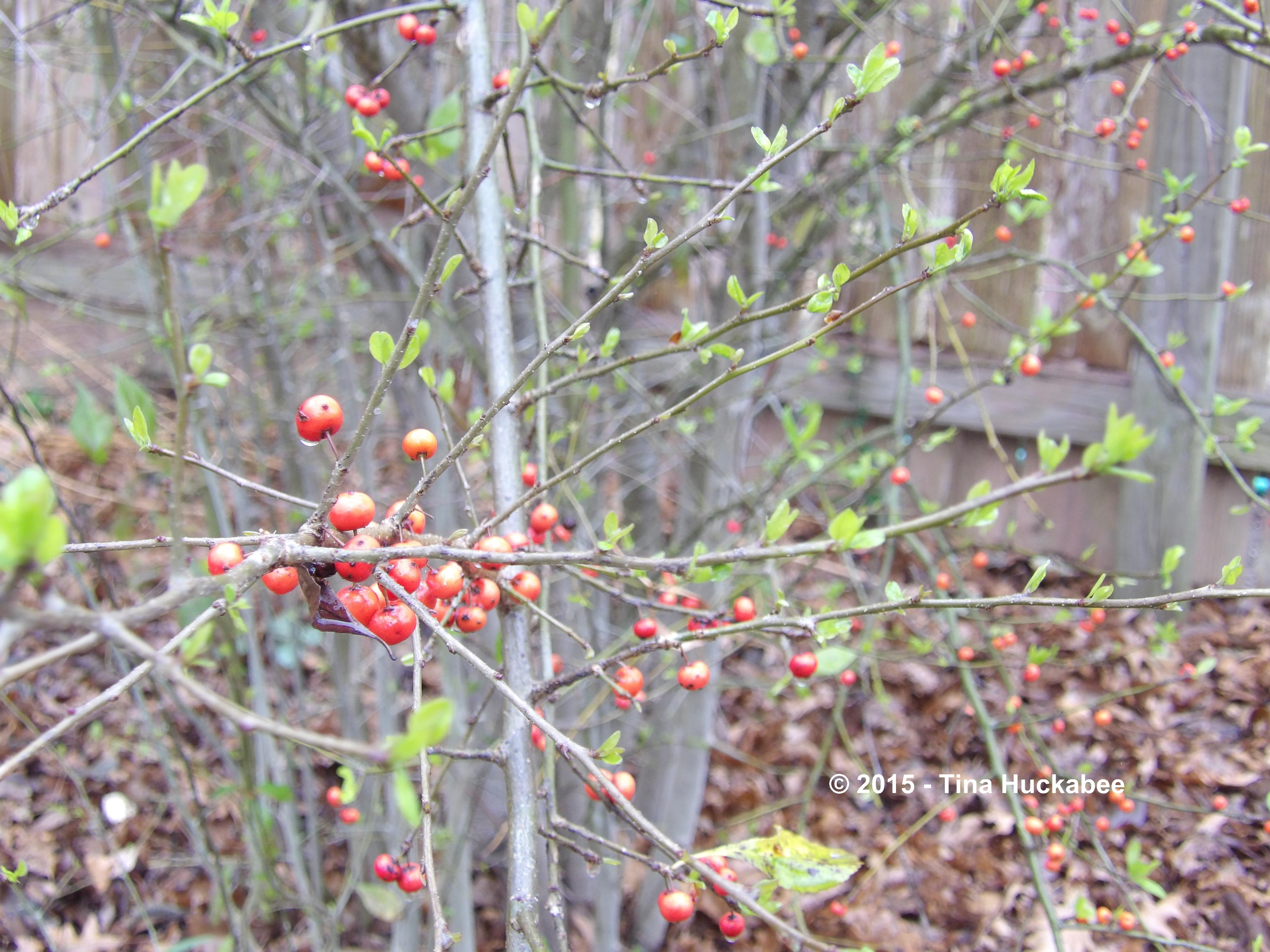
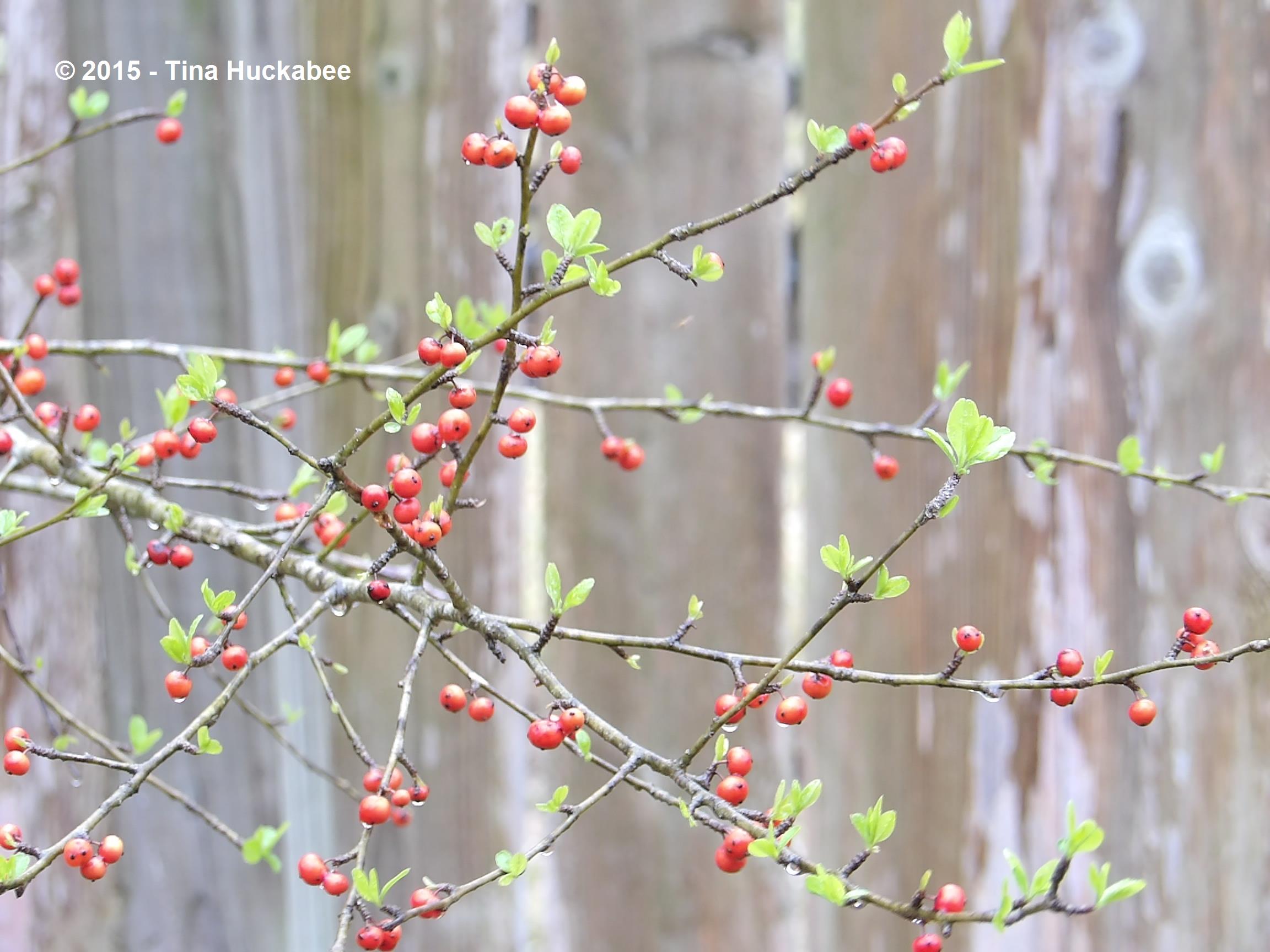
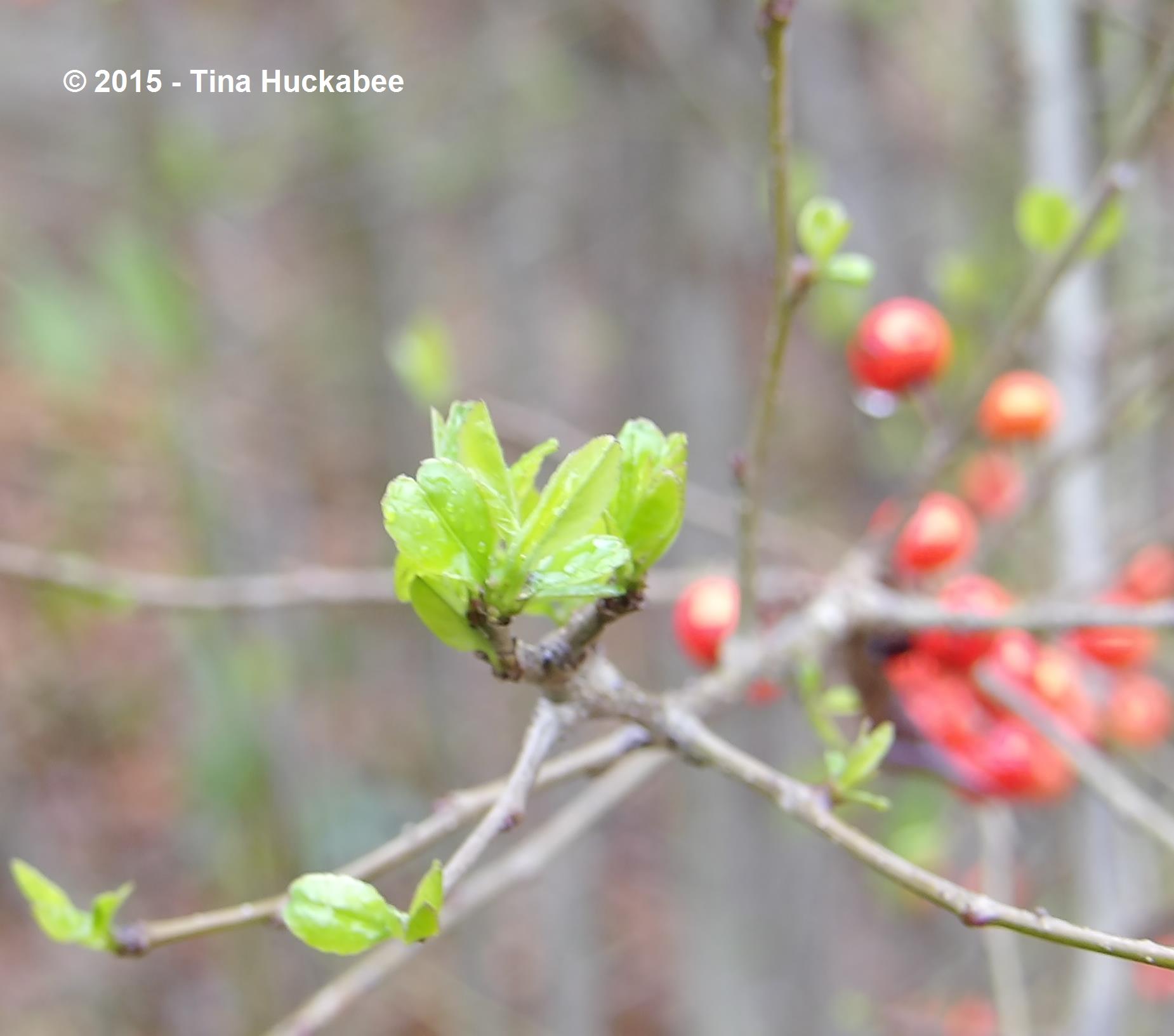
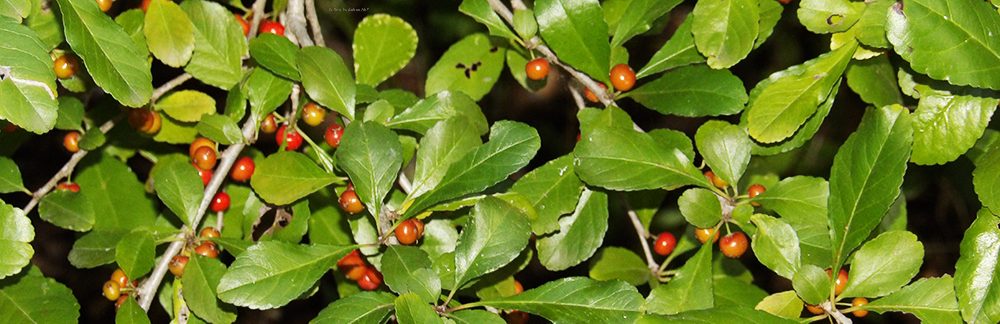
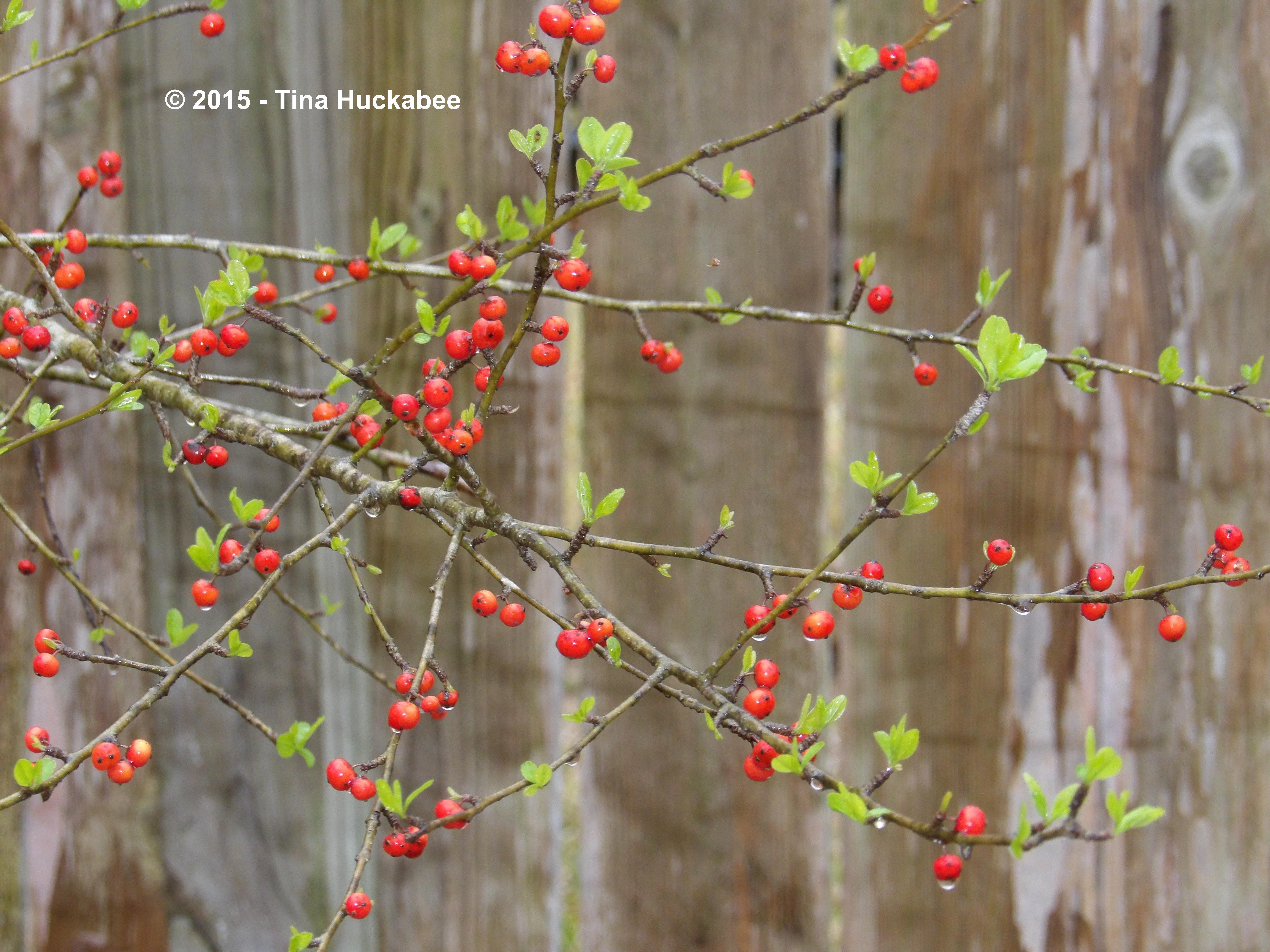
In my Possumhaw Holly Seasonal Look post of Friday, February 13, I mentioned that if the berries aren’t gobbled up by birds during winter, the new spring leaves sprout in tandem with the ripe berries and sometimes, with last season’s “adult” leaves.  Well, spring sprung this past weekend for my Possumhaw and here’s a look at those new leaves and their berry companions–or maybe, it’s the other way ’round.IMGP5402.new

IMGP5408.new

M0015393.new

I’ve seen plenty of Cedar Waxwings flitting about, preening themselves in trees and there are always Blue Jays and Mockingbirds in my gardens, so I’m not quite sure why there hasn’t been more of a run, or swoop, on the berries.  I’m confident though, that the luscious fruits will be consumed in the next few weeks and the Possumhaw can begin its next year of life and production.

M0035404_cropped_1850x1632..new

Texas Native Plant Week-Garden Vignettes

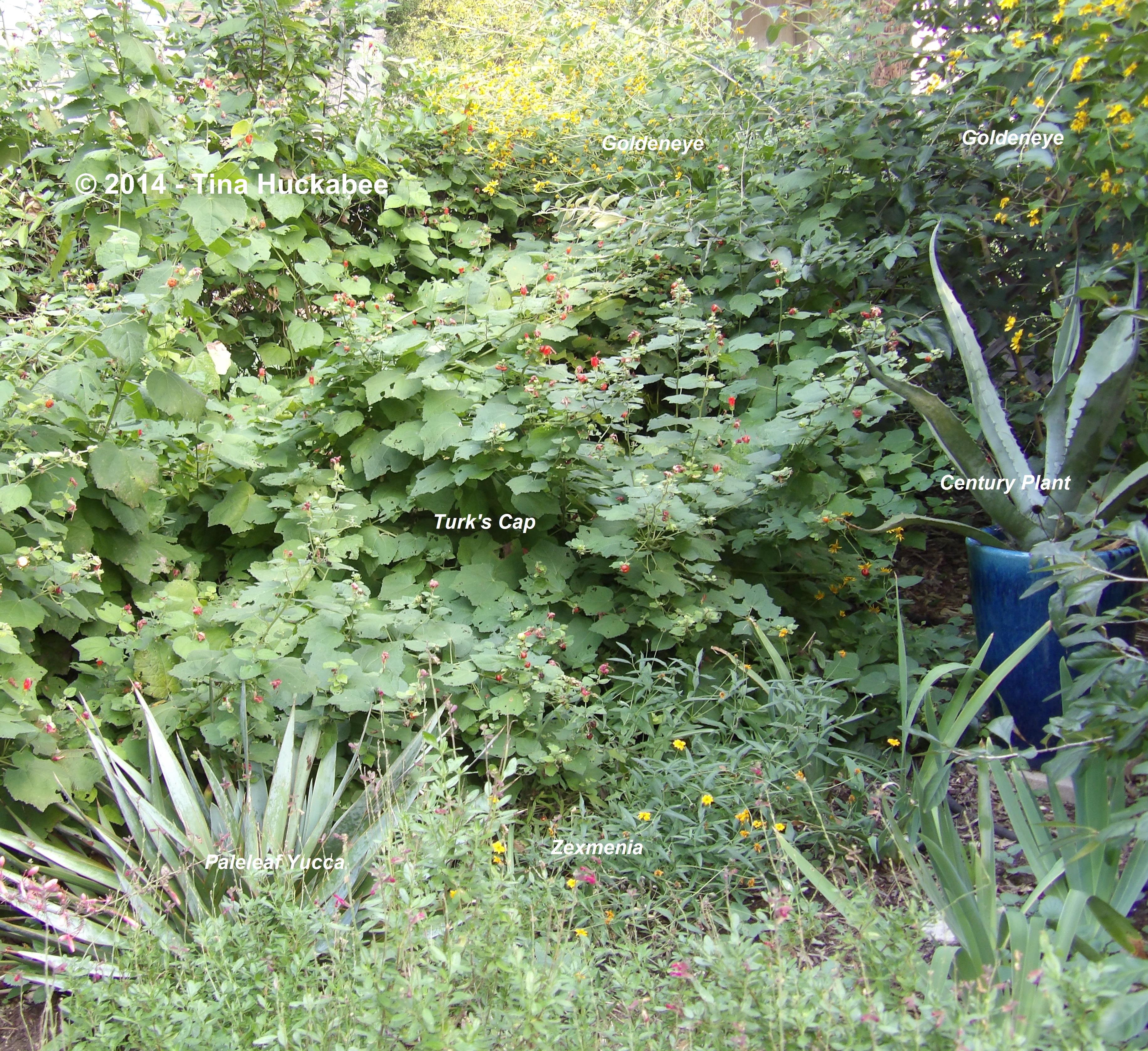
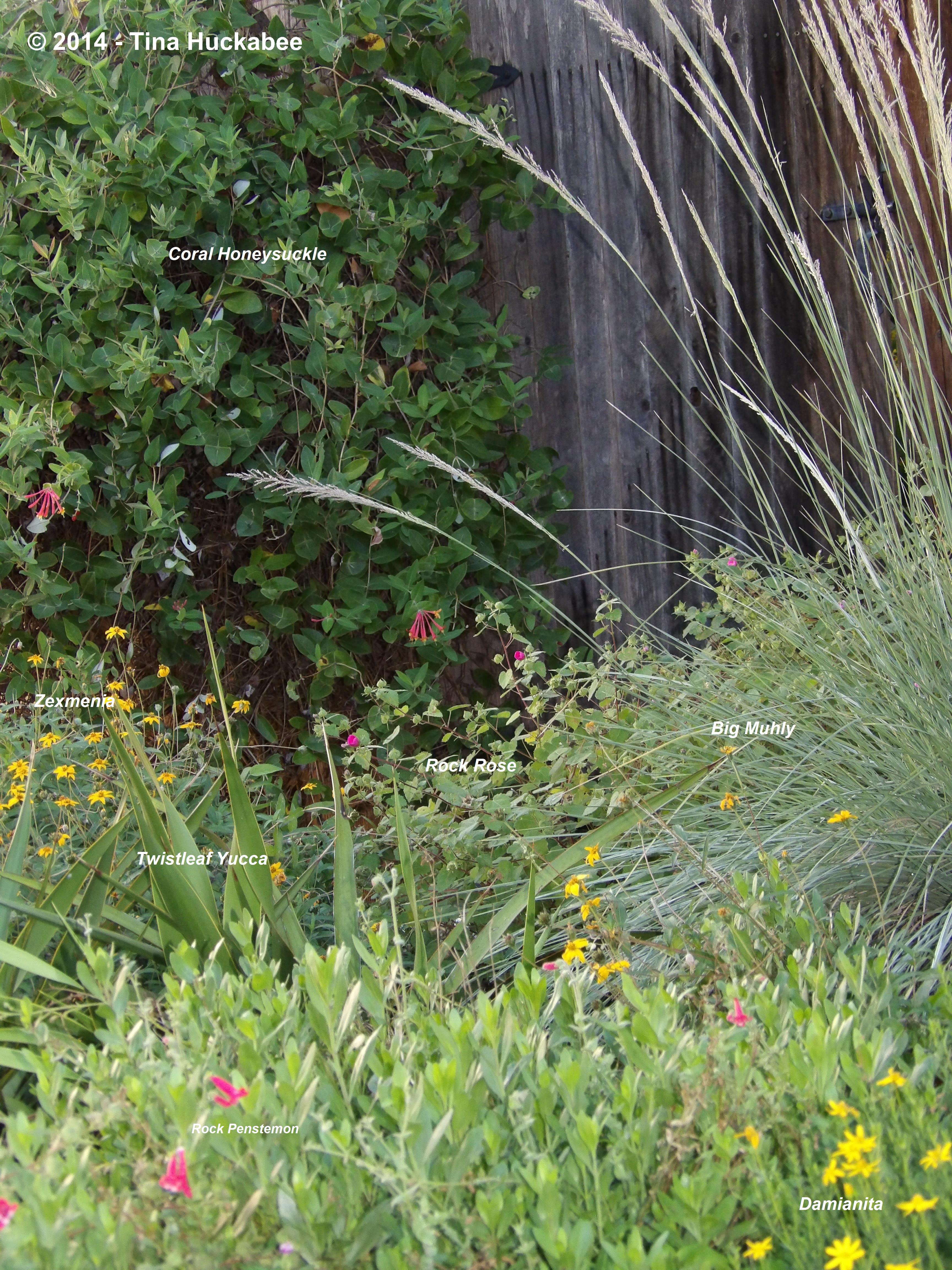
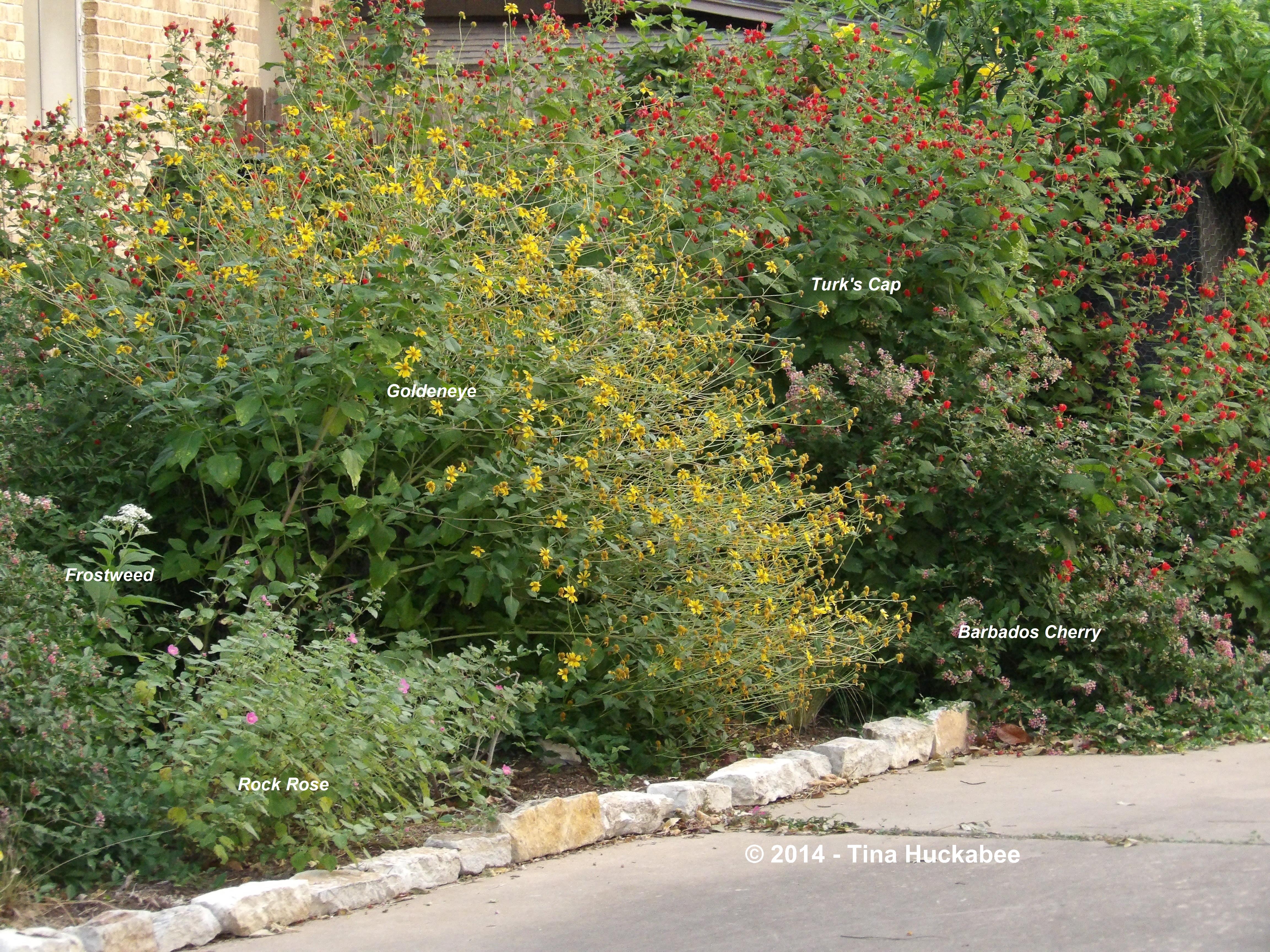
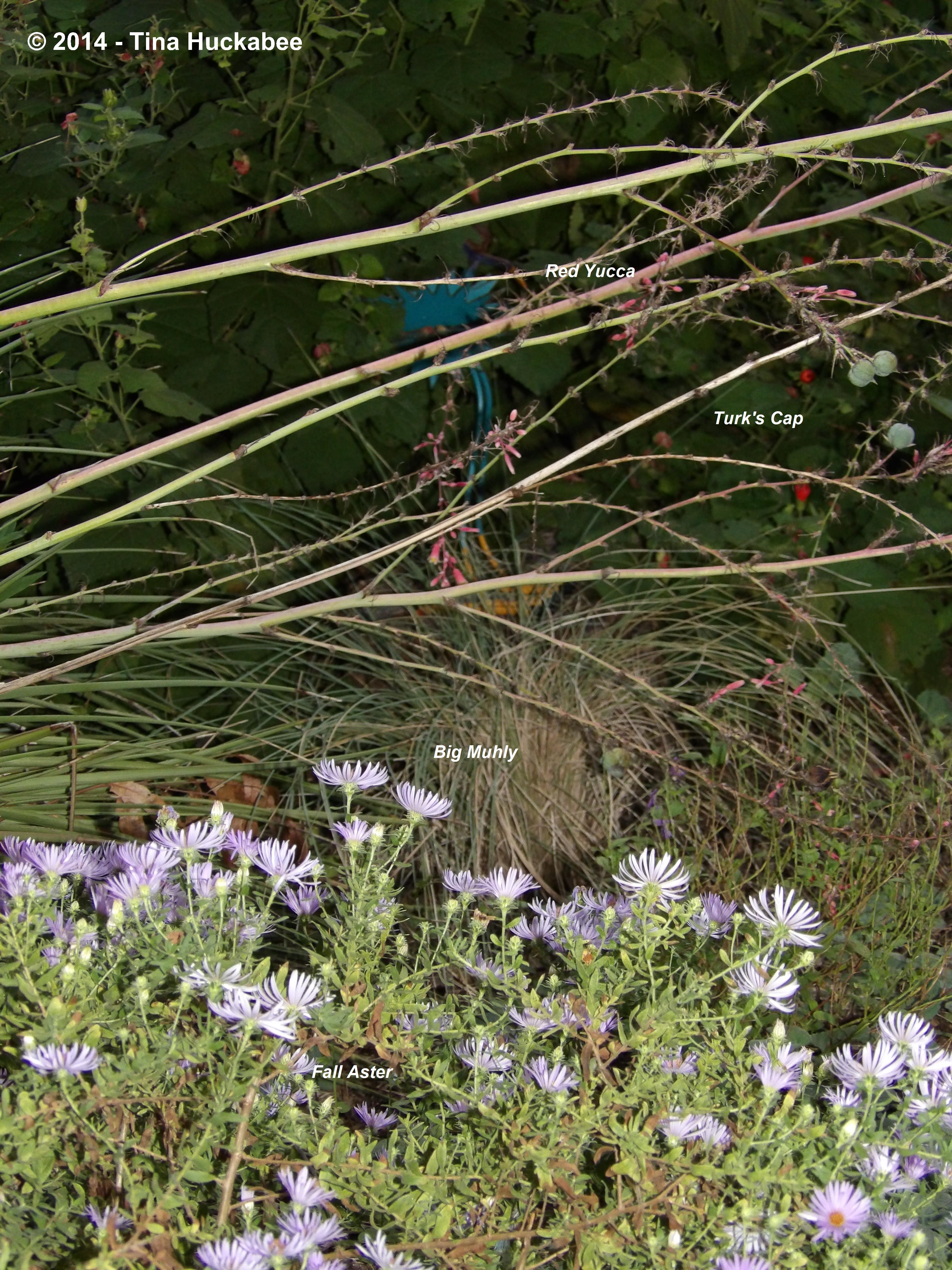
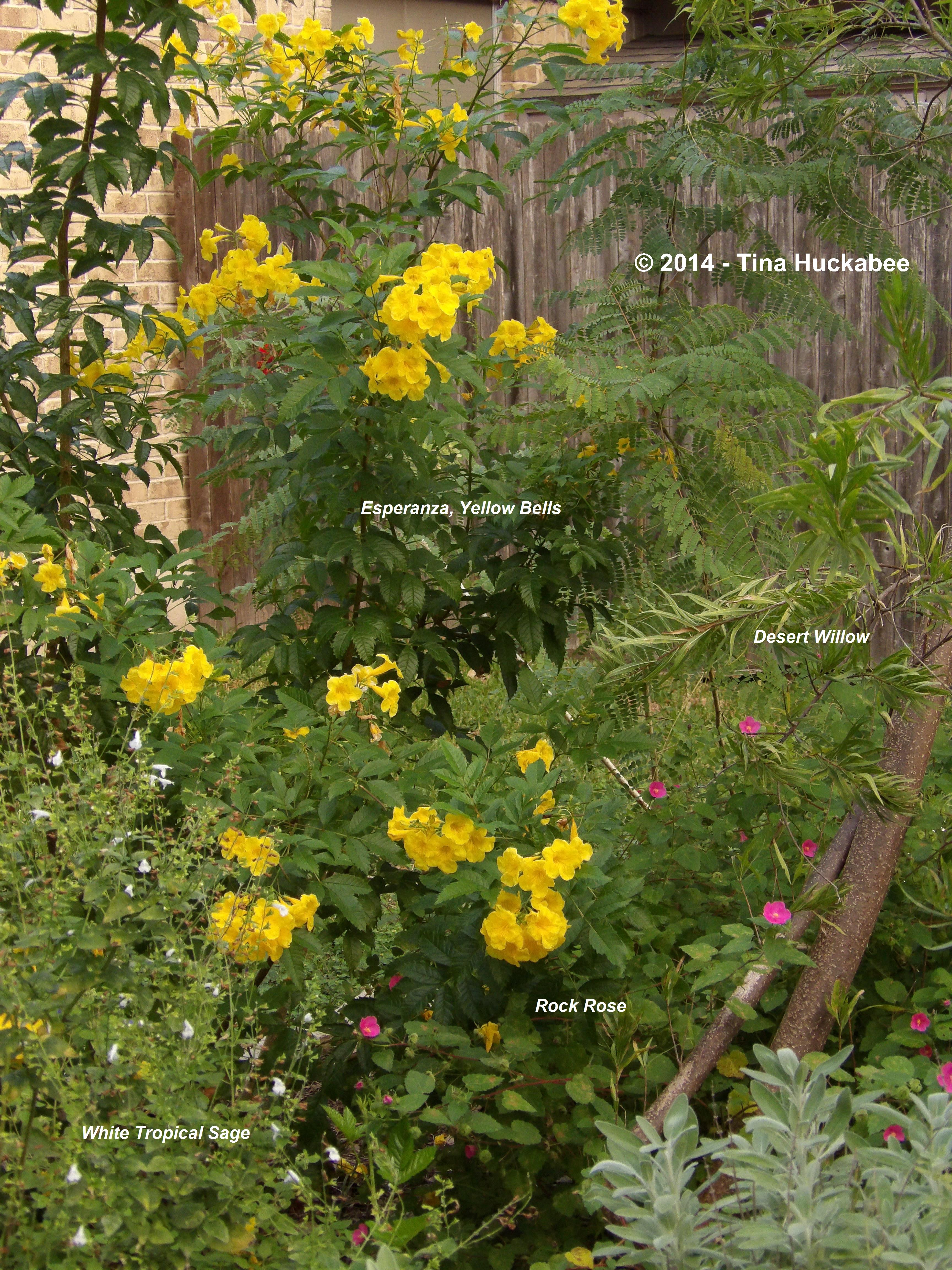
As Texas Native Plant Week concludes, I’ll share one last look at my use of native plants. The great thing about gardening (well, one of the great things about gardening), is that it’s a venture in which education is continual.  There’s always an unknown plant to learn about or a new way of viewing gardening space.   In designing gardens, there are endless combinations to experiment with.  And as the home landscape evolves and requires change, those challenges present opportunities for further learning and experimenting.  One isn’t required to use natives exclusively, but once you invite native plants to your garden party, you experience the aha moment of understanding: native plants work.

IMGP1314.new

IMGP2033.new

Define your plot of the Earth as Texan–use as many native Texas plants in your home landscape as possible and encourage your neighbors to do the same.  If you live elsewhere, use your native plants to express the beauty of your unique place.

IMGP2115_cropped_3663x3354..new

IMGP1899.new

Save  money and time by planting natives which conserve water and don’t require pesticides or herbicides.  Rid yourself of the expense and hassle of chemicals and products that you don’t need when working in the garden.

IMGP1791.new

IMGP2168.new

Plant natives to attract wildlife–you’ll enjoy the many wild visitors you receive when you nurture them by planting appropriately.  There’s no reason we can’t share our space with the plants and critters who are native, who belong here, and whose survival we want to ensure.

IMGP2047.new

IMGP2046.new

Within the parameters of our personal properties, we make compromises: maybe we have such blasting sun that all we want are the meanest and toughest cacti and agave–and that’s okay.  Perhaps we live in shade and dappled shade and must content ourselves with a more limited garden palette.  Whatever the space, native plants can and should play the starring role in any garden.

IMGP2038.new

A total transformation from a “traditional” landscape of turf and shrubs to a “regionally
appropriate” blooming garden doesn’t happen during a weekend warrior marathon of work; the process can take years. You will make mistakes; I’ve certainly made lots of mistakes in my gardens–that’s how I’ve learned. Start small: for example, ridding your hellstrip grass between the sidewalk and street and planting tough perennials instead. Or, install a wildlife garden at the corner of your lot with native and seasonally interesting plants that attract pollinators and replacing the water-guzzling turf which feeds nothing. By adding a garden or two, once or twice a year, eventually you’ll  increase the biological diversity of your space and conserve water too. Then as time permits, you change and augment those gardens.  Before you know it, you’re mowing, watering, and tending less and enjoying the beauty and bounty of your native gardens more.

IMGP2054.new

And you helped to heal the Earth,  just a little.

IMGP2164.new

Gardening is about personal expression as much as food production or providing for wildlife. A garden should to tell your particular story, reflecting who you are–your interests, values, and aesthetics.  Perhaps my gardening style isn’t to your taste or right for your garden, but I hope the results of my journey transforming a high-maintenance, water-hogging turf “yard” to a wildlife-friendly, water-wise, and Texan garden will encourage you to do something similar.

P1060176.new