Garden Blues

My garden has the blues and I couldn’t be happier about it.

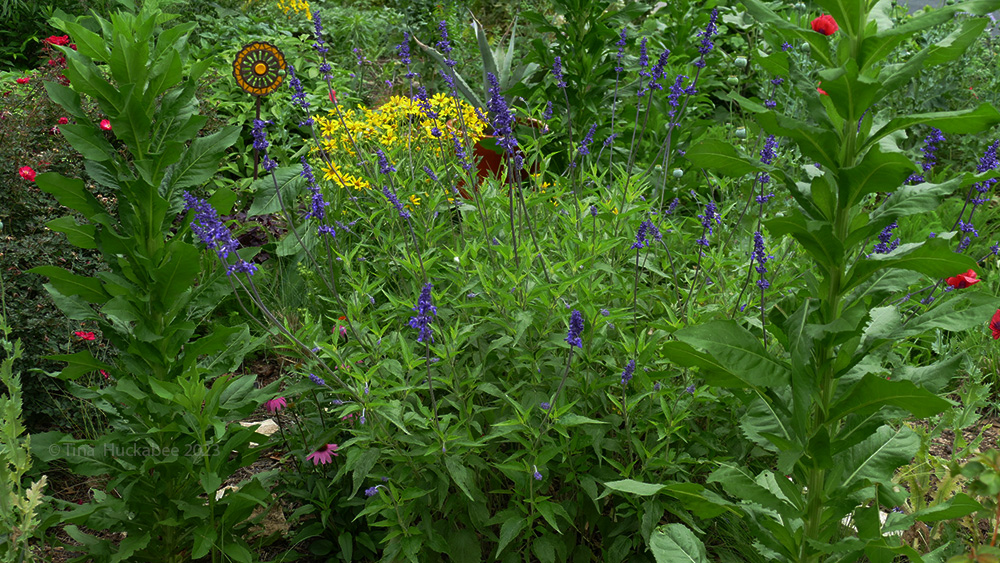
The full sun front garden is bursting with color in its second year of being, the blues not depressing either the garden or the gardener. I’m fond of blue flowers and grow several different species, most of which are native to Texas.

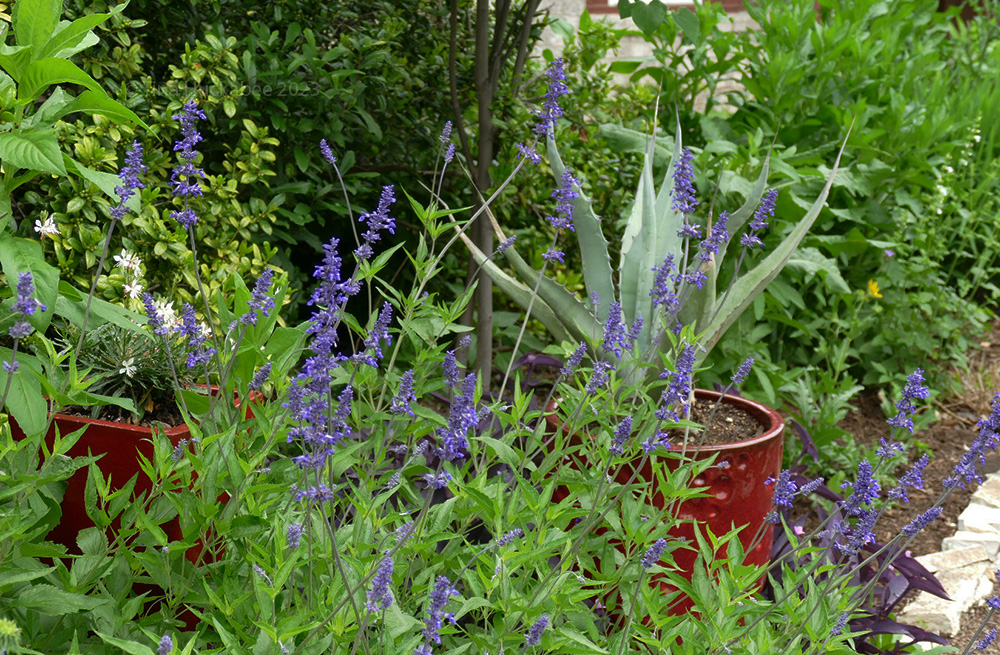
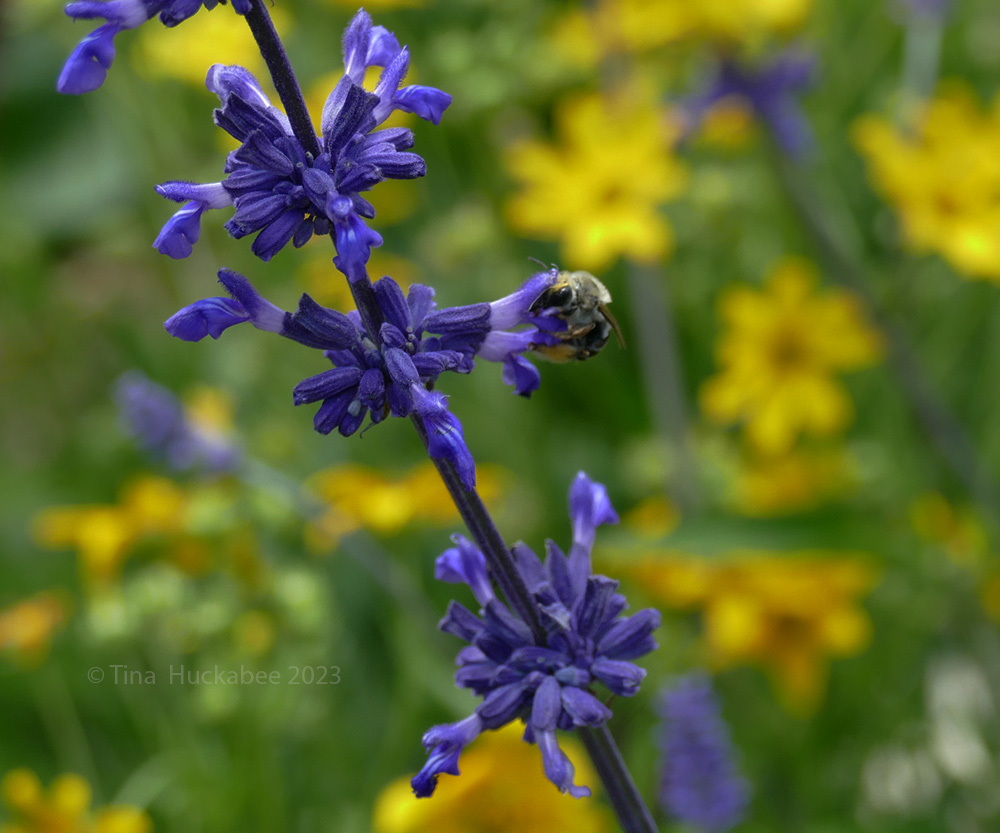
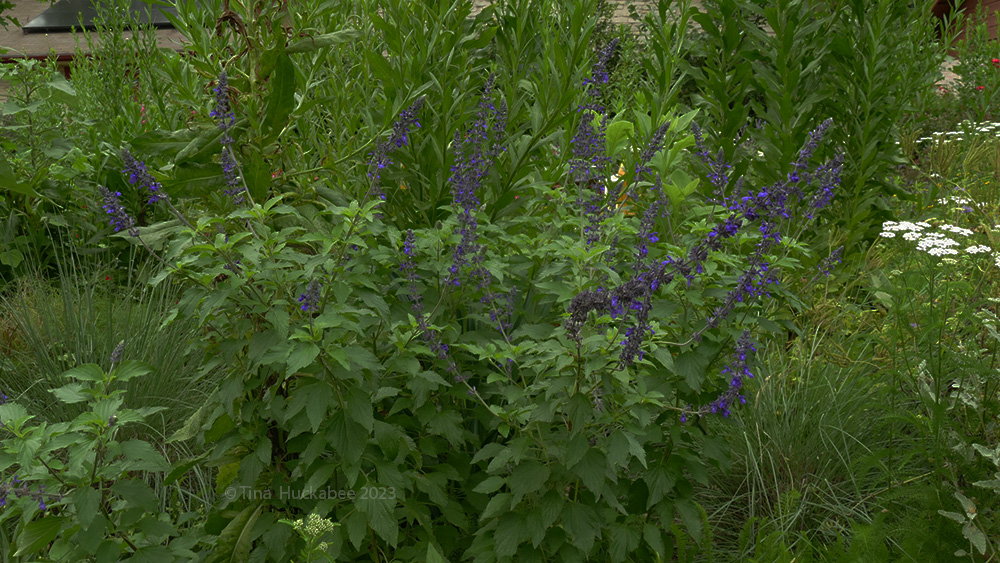
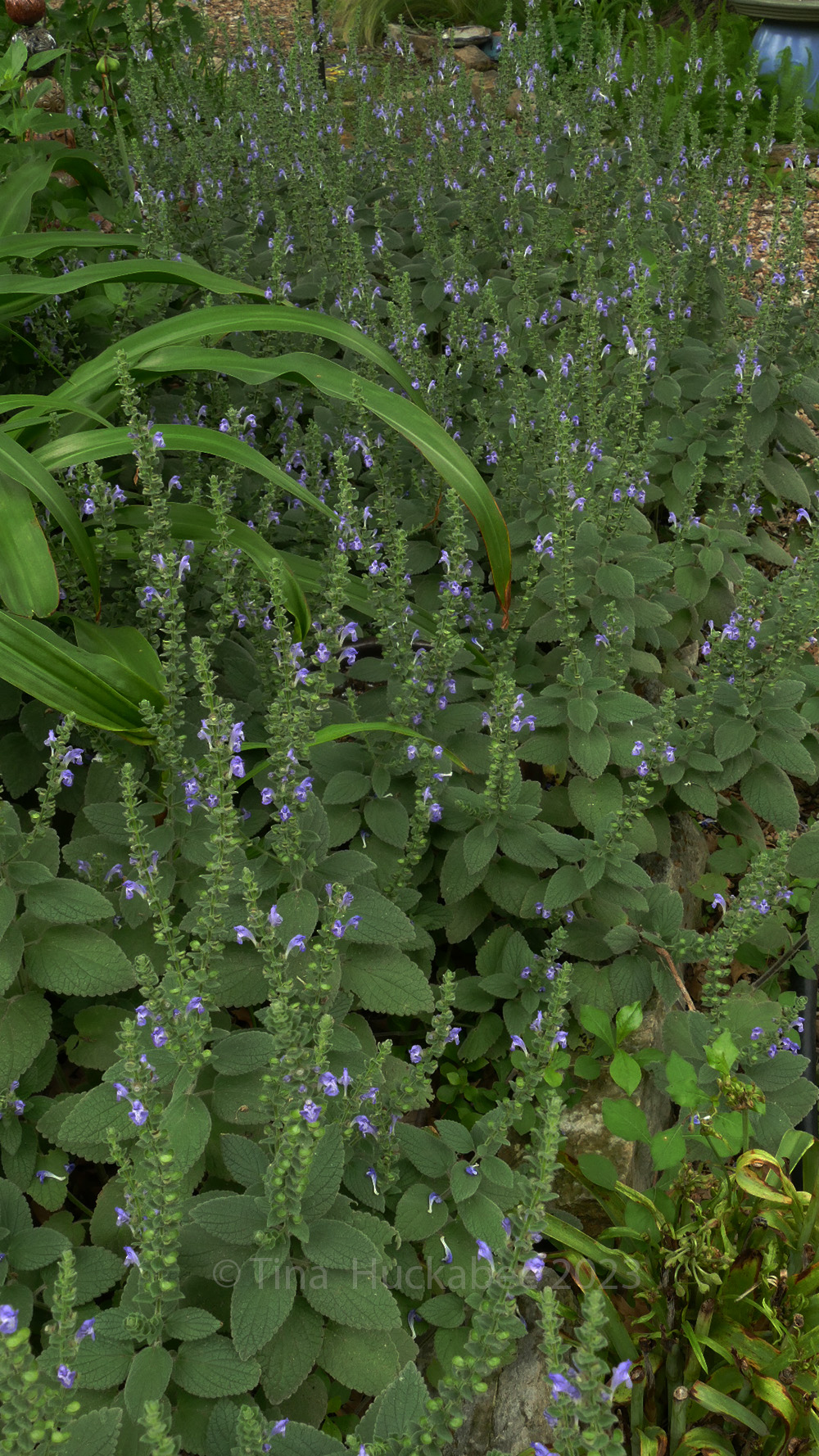
In this new garden I’ve planted five clumps of perennial Mealy Blue Sage ‘Henry Duelberg’, Salvia farinacea; all come from a plant I purchased years ago. This salvia is a late spring/summer/early fall bloomer and spreads by both seed and root. I should add that while it spreads, I don’t consider it aggressive; if a sprig pops up, it’s easy-peasy to yank out. It’s a dream to transplant: pull up a clump with roots, stick said clump in the ground, water a few times and it grows and blooms, beckoning the pollinators!

Mealy Blue Sage is favored by a wide variety of pollinators, like this honeybee. She is all-in for these small blooms.

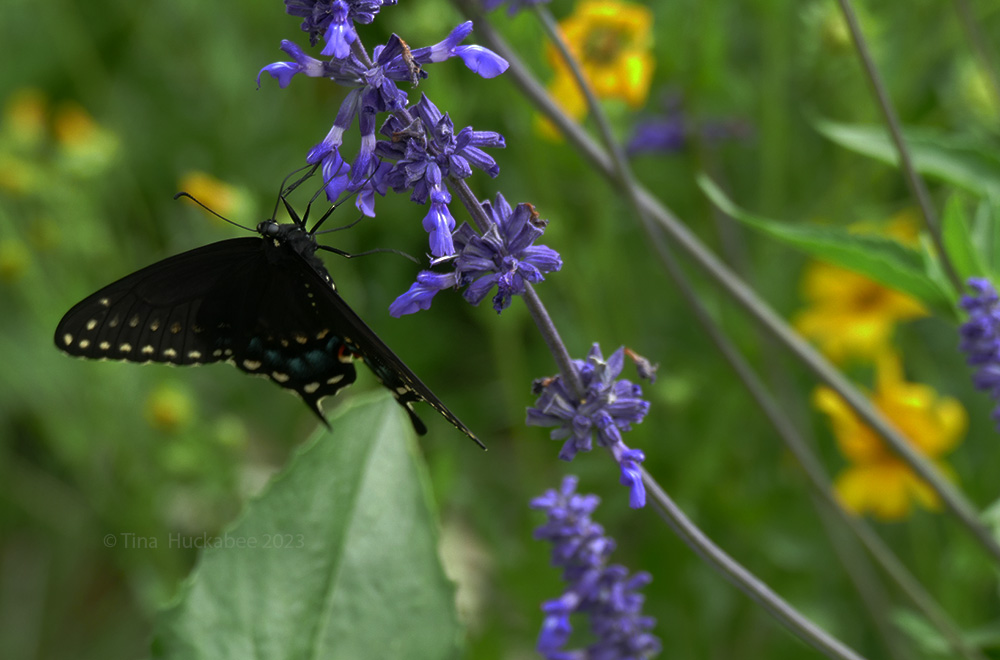
Bigger pollinators, like this Black Swallowtail, Papilio polyxenes, are fans of the mealy blues, too.

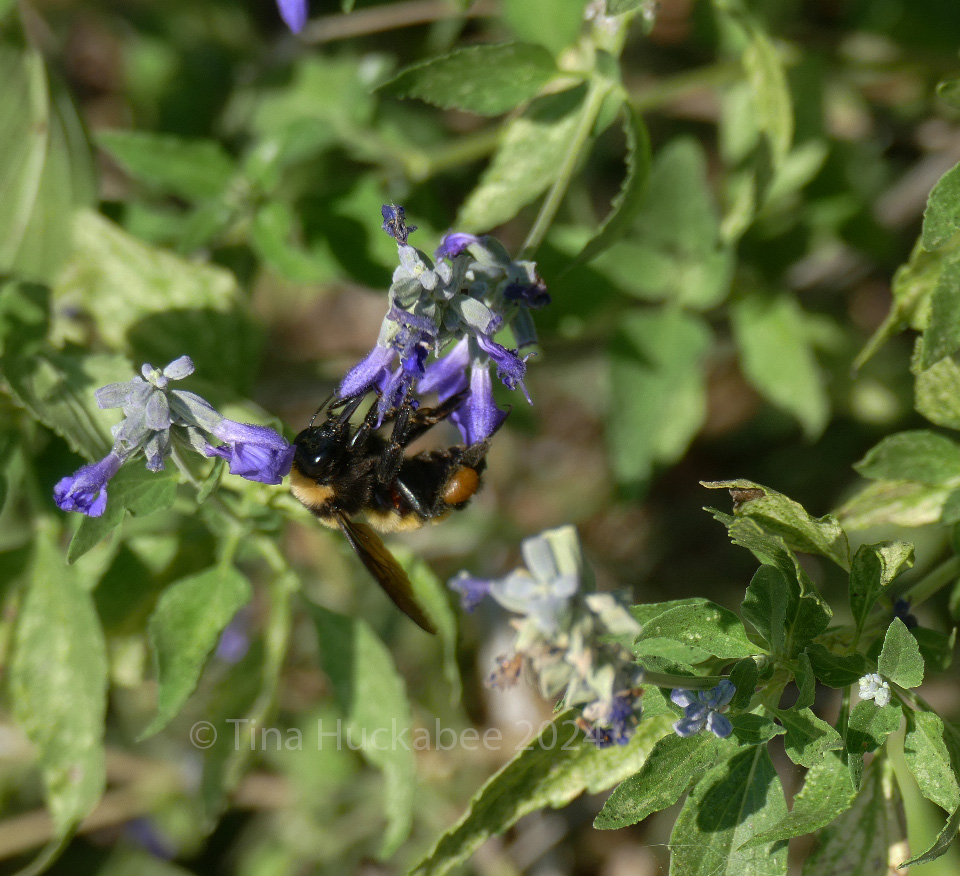
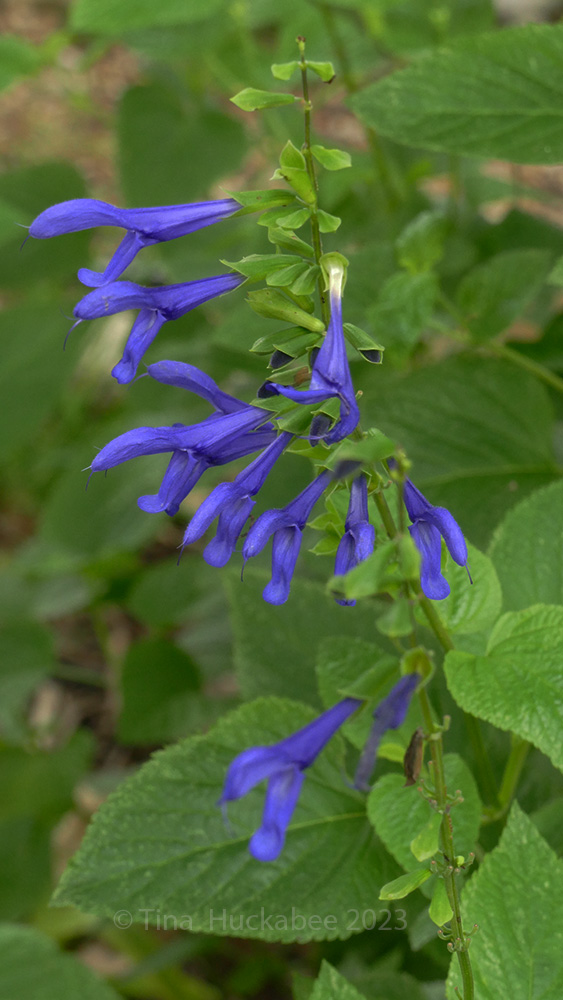
Another blue that makes me cheerful is Indigo Spires, Salvia x ‘Indigo Spires’. This perennial is a hybrid cross of the native Salvia farinacea and Salvia longispicata. I planted this specimen in my back garden a couple of years ago where it received some afternoon sun, but when the front garden morphed to full sun, I moved it there where it would get most-of-the-day sunshine, be a happier plant, and bring on the blues. Indigo is bigger than the ‘Henry Duelberg’, with longer bloom spikes and larger leaves.

Many years ago when my back garden was full sun, I grew an Indigo Spires. In late summer and fall afternoons, there were often fifteen to twenty American Bumblebees working these blooms. Sadly, I haven’t seen that many bees on this plant, but the bees that are around definitely make a bee-line for these blues.

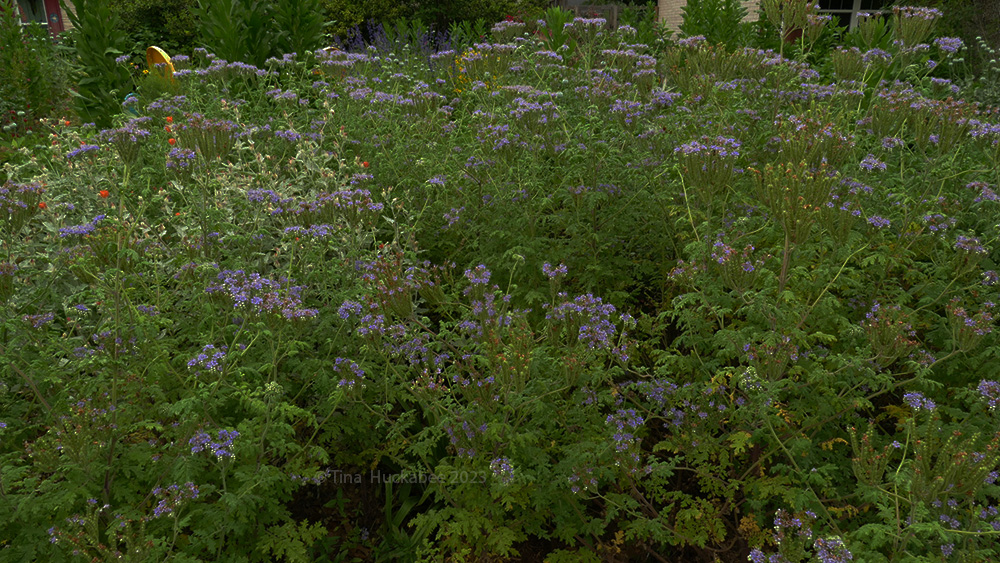
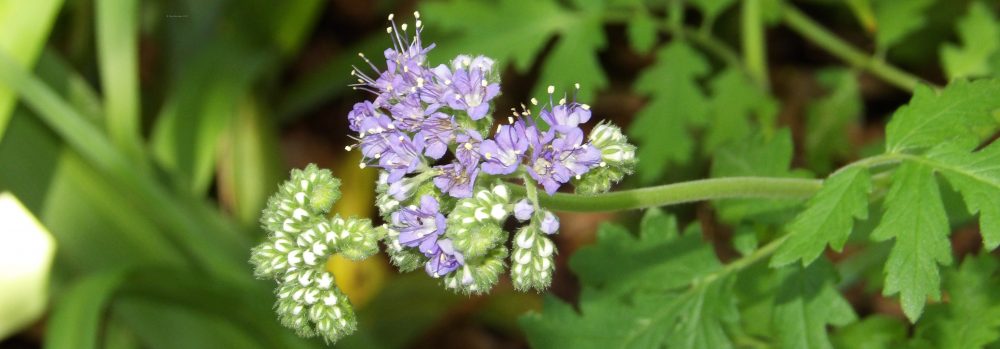
If there was an award for blues in the garden, I think it would go to the Blue Curls, Phacelia congesta. I didn’t mean to have so many this year and I should have culled some of the seedlings, but I am a softy. I have a hard time removing seedlings of desirable plants unless I have someone who will take them to another garden space. These are Texas annual wildflowers, so leaving them in place didn’t stress me too much as I knew that they’d be done with their show by mid-May when I could remove them, making room for the summer perennials.

When the Curls reached the zenith of their flowering, there was a constant gentle buzzing in the garden and movement throughout the garden’s air. Honeybees, Carpenter bees, a myriad of tiny native bees, skippers and larger butterflies all flock to partake of these charming blue-violet flowers.

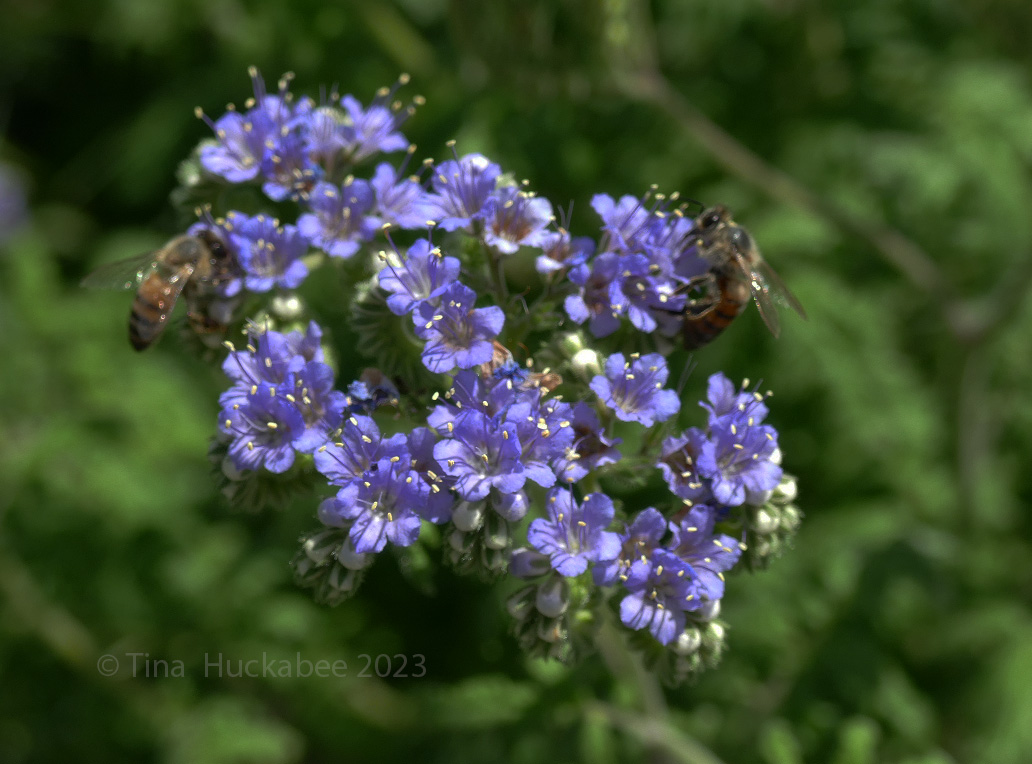
Honeybees sharing a meal of Blue Curl nectar and pollen.
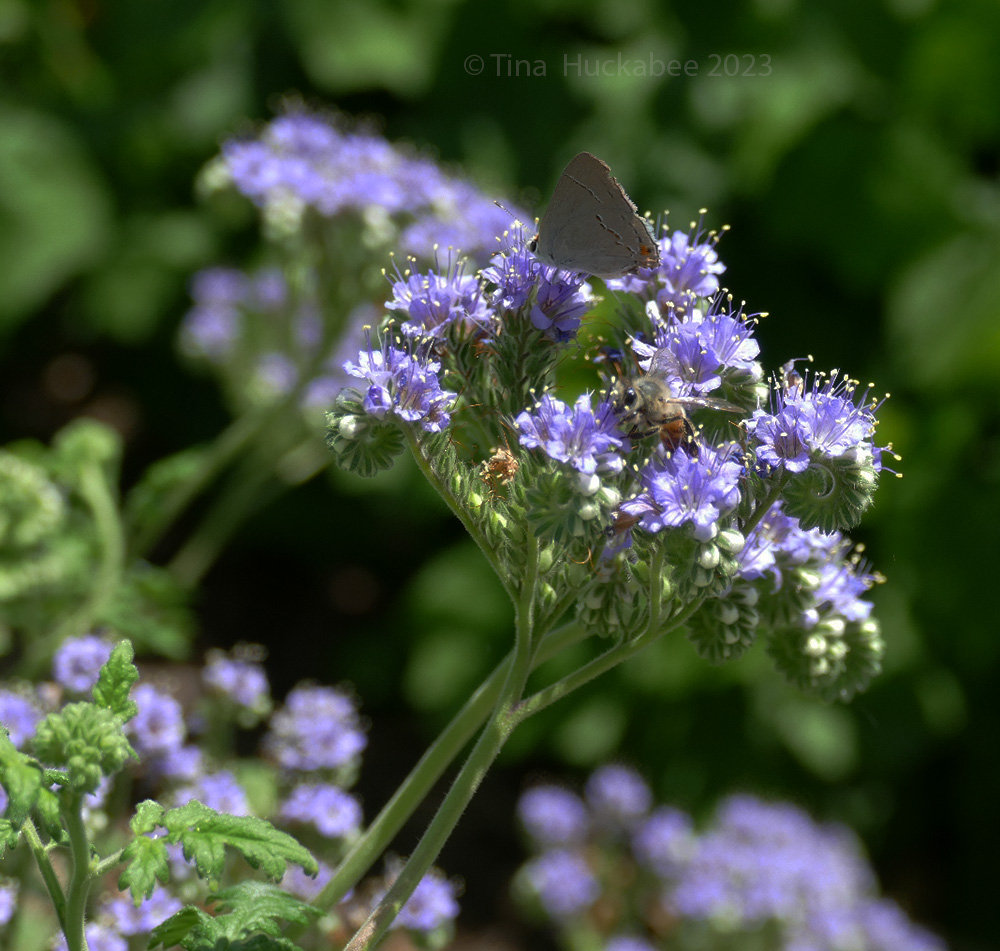
Honeybee and Grey Hairstreak each mind their own business as they sip the sweet stuff.
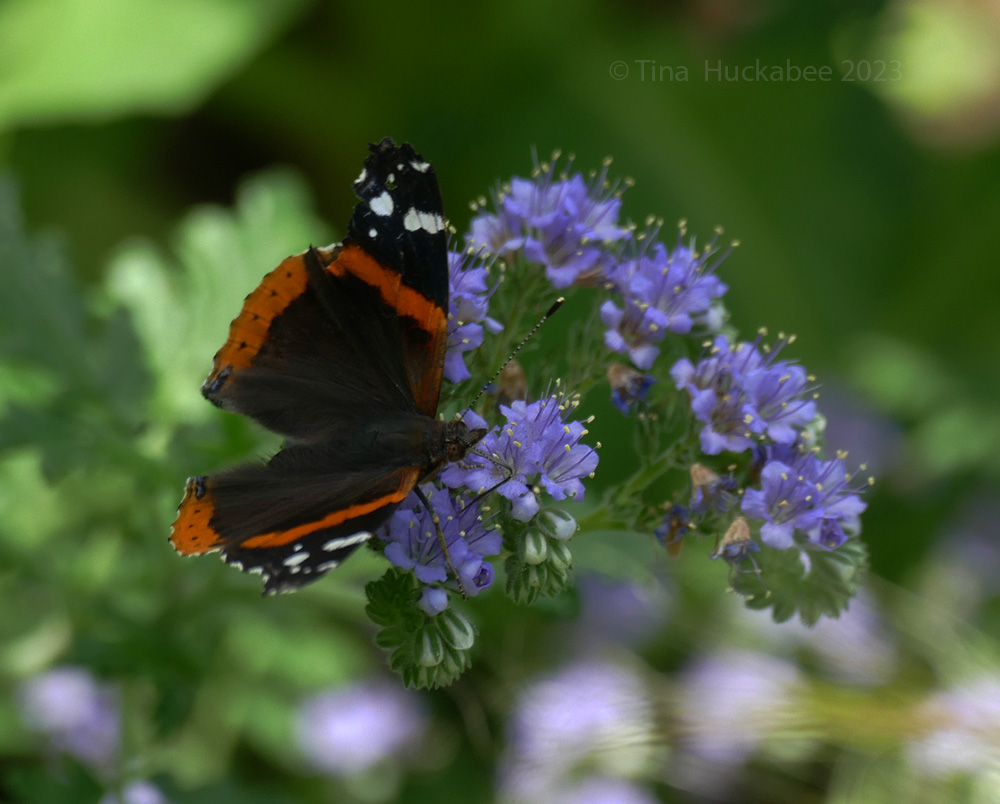
Red Admiral (Vanessa atalanta) on a Blue Curl.
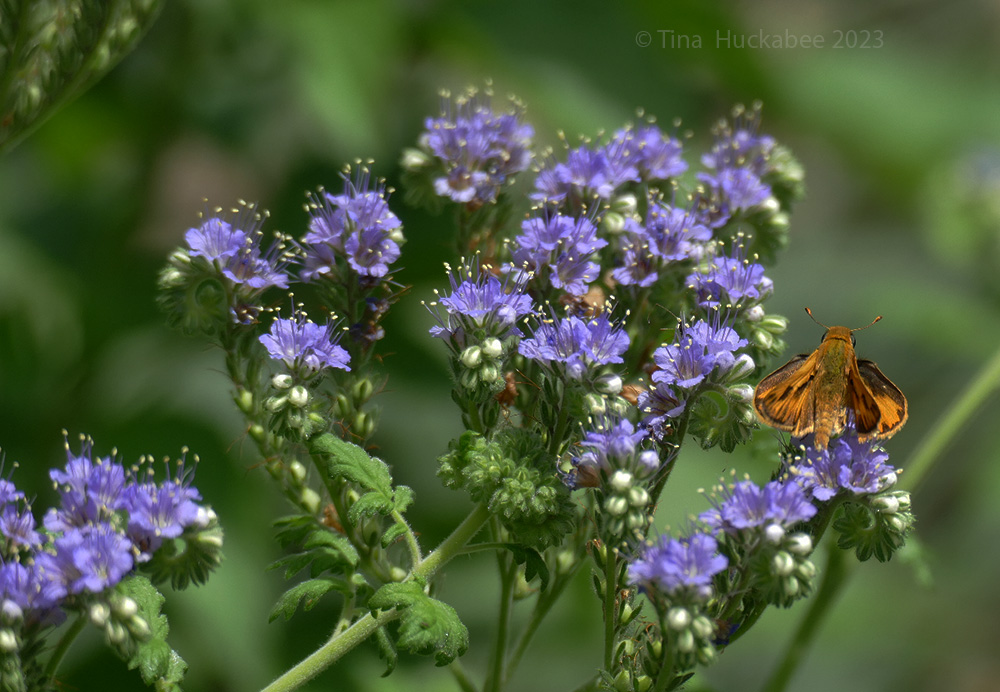
Fiery Skipper (Hylephila phyleus) lights up the blues!

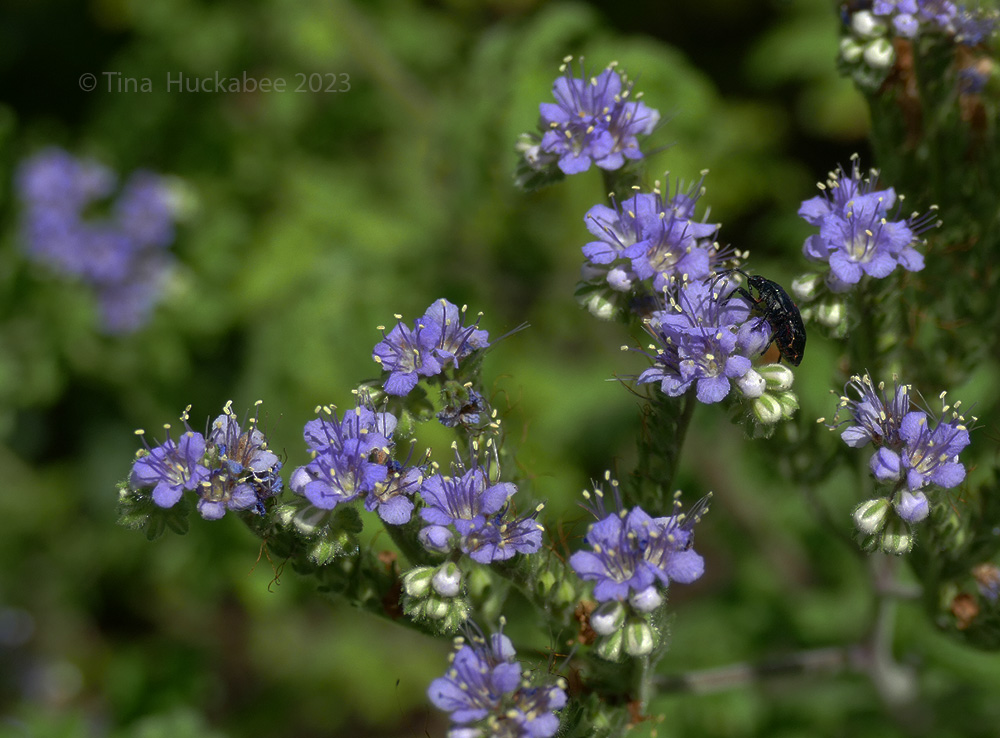
A variety of beetles and leaf-footed bugs got into the act of working these sweet blue blooms! Everybody, it seems, loves Blue Curls.

As the Curls’ blooms faded and the seeds developed, migrating songbirds were in the garden from dawn to dusk. I witnessed Common Yellowthroats, Lincoln’s Sparrows, Clay-colored Sparrows and Lesser and American Goldfinches noshing on the seeds and, no doubt, some of the tiny insects that were also on the plants. As these migratory birds fly northbound from my garden, they’ll pass along seeds to other places for next year’s wildlife.

Blue Curls are a cornucopia for wildlife. The insect and bird song, color, and life that these blue beauties brought to the garden during March and April eclipsed all other plants in the garden.

That’s why I didn’t remove them!

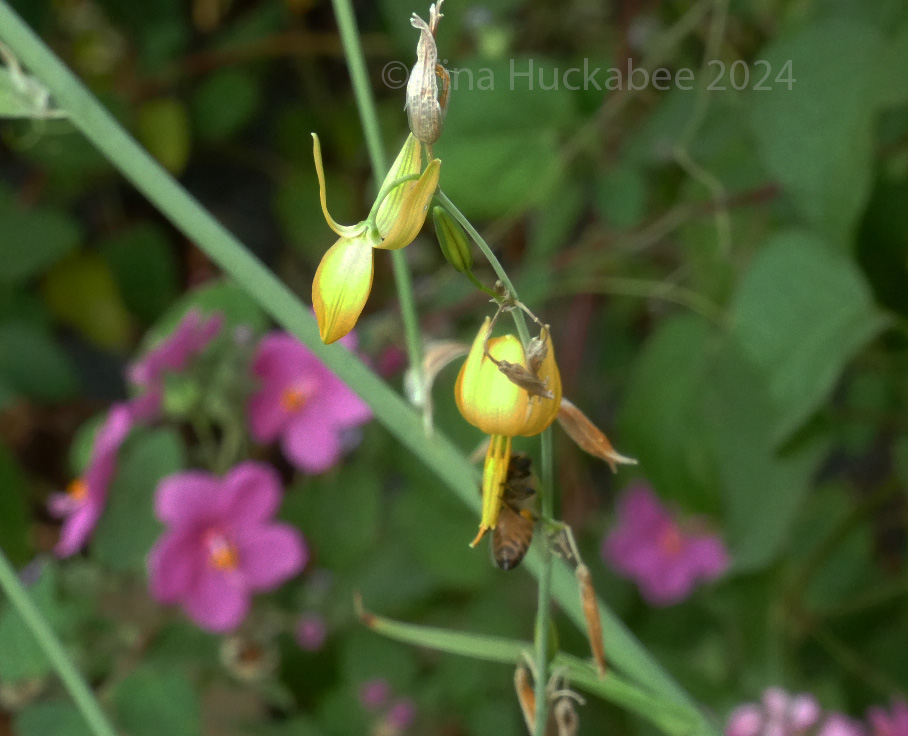
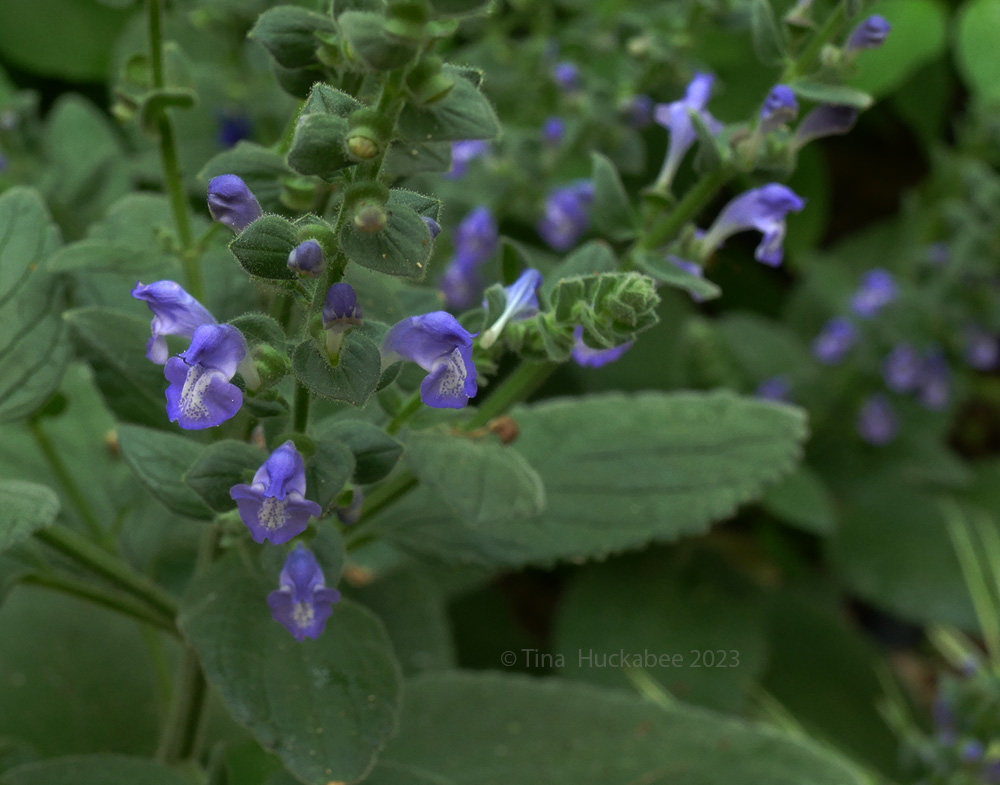
In the back garden, things are shadier, but the blues reign. Another violet-blue flowering plant is the perennial Heartleaf Skullcap, Scutellaria ovata and it thrives in part-shade.

Velvety, grey-green foliage accompanies these diminutive blooms.

The grey-green stalks with fuzzy foliage appear in winter, fresh color against the freeze-rendered browns and tans. Heartleaf Skullcap spreads as a ground cover, adding blue bloom spikes atop the foliage from late spring through mid summer. Summer’s heat ends the blooms and fades the foliage; the plant eventually disappears. The gardener helps that process by shearing to the ground or pulling up the plant. Thick roots lie dormant in the soil, safe from the Texas heat, waiting patiently until cool winter, when it emerges with fresh stems and foliage, ready to grow and begin its cycle in the garden for a new season.

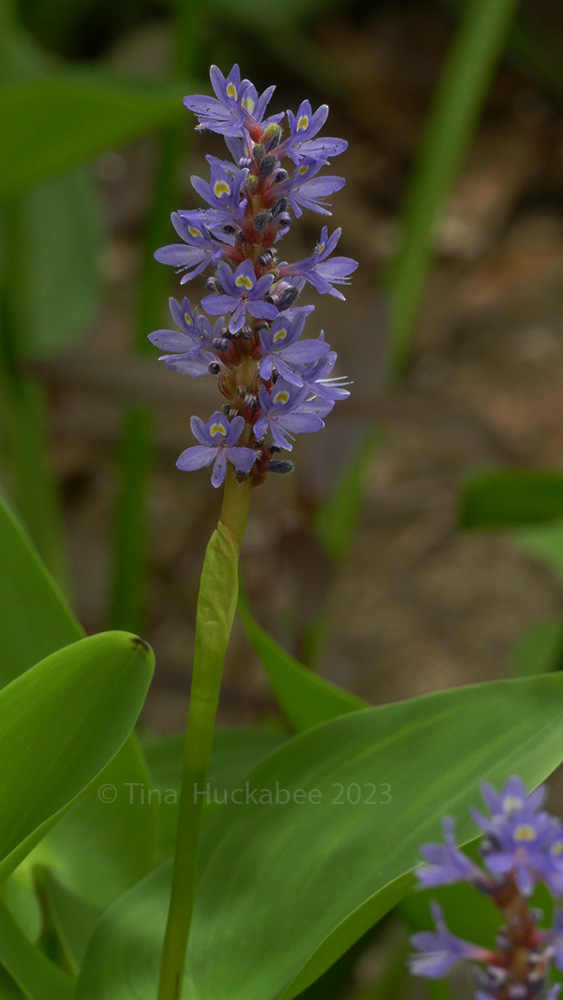
The pond’s water lilies are pink and yellow, but its bog plant, Pickerelweed, Pontederia cordata, rocks teeny violet-blue flowers borne on spiky stems. The plant sits in slow-moving water, blue spikes rise above luscious foliage.

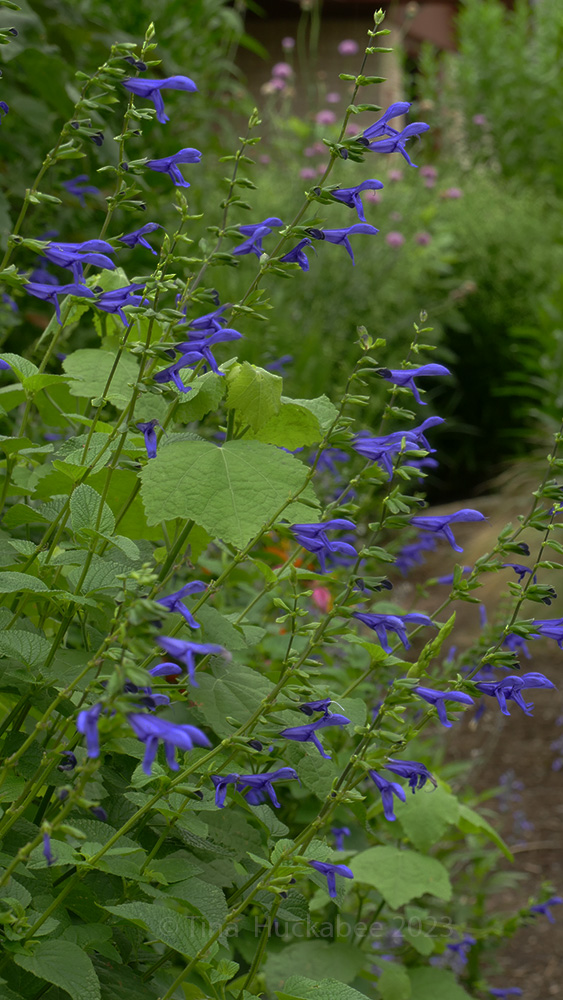
Many of my blues suggest a liaison with lavender or violet, but this final blue is a true blue: spring and autumn blooming Majestic Sage, Salvia guaranitica.

This is the only non-native blue that I grow; its home base is in Central and South America. A gorgeous, rich blue, the plant is colorful in spring and autumn, choosing to rest during the sweltering summer months. Most of the bees that visit nectar steal, though my honeybees and some of the tiny native bees crawl deep into the blooms for their sweet treat.

I grow a few other blues that will sing their songs in late summer and fall. The blues in a garden are the kind of blues we should welcome–for their beauty and for what they provide for the wild things we share space with. Add some blues to your garden, you’ll be happy you did!

Green Sweat Bee

Spring has sprung and bees are buzzing. Honeybees forage during winter’s warmer days, but native bees take a break from their duties, being safely tucked away in nests of wood or soil, or waiting to emerge from enclosures of plants. As days lengthen and warm, they make their way into gardens. This early spring, I’ve observed several native bee species that I regularly see during the growing season. The first ones who show up to work are the tiny black carpenter bees (Ceratina), followed by a variety of Green Sweat bees, like this emerald beauty, perhaps an Osmia ribifloris.

This type of metallic green bee belongs to the Halictidae family of bees and are common in gardens with a variety of flowers for nectaring and pollen gathering. Bees who forage from a wide array of plants are polylectic. As they visit flowers, females gather pollen on their legs (which you can see in the photos) for their nests. This one is working the blooms of Giant Spiderwort, Tradescantia, but I’ve seen her kind on other flowers.

Her whole body is curled around the anther of the bloom where the pollen is located, all-in to her goal of gathering pollen. A front on photo, while not crystal clear, allows us to glimpse her face. She looks determined in her work, as she packs her little legs full of golden pollen.

These shiny, metallic bees are fast flyers, but observable and not at all rare. They and their cousin metallic bees love a blooming garden.

If you plant them, they will come.

Metamorphosis

More than a collection of color and collaboration of texture and form, a garden is the base for life. Providers of pollen, donators of nectar, and deliverers of foliage, plants are foundational partners for biodiverse ecosystems. Insects, as well as other wildlife, are direct beneficiaries of the botanical bounty, frequently repaying that bounty with their own pollination and reseeding gifts.

This green gathering of groundcovers all serve as fuel for others in my garden’s seasonal story.

The plant with the petite sky-blue flowers is a Leadwort plumbago, Ceratostigma plumbaginoides. It meanders through several areas of my garden, dollops of blue attracting small native sweat bees. The bright green, lobed foliage at bottom left of the photo belongs to Gregg’s mistflower, Conoclinium greggii, which is currently not blooming. Its fuzzy, lavender-blue blooms will be available for the late summer/autumn migrating monarchs, as well as for a wide variety of other butterflies and bees. The groundcover with the charming clam-shell, variegated leaves–the majority plant in this particular group–is a White-veined Dutchman’s Pipe, Aristolochia fimbriata, a common non-native host plant for the Pipevine Swallowtail butterfly, Battus philenor.

Alongside some dainty pops of blue on the plumbago, the White-veined pipevine feeds Pipevine caterpillars, like the chubby fella below. This year I have enough of the pipe vine that the cats haven’t completely denuded it as they munch their way to adulthood, but they certainly have eaten plenty of leaves to the stems.

Once the caterpillars eat their fill and morph through their various instars, they follow their chemical signals and settle in a place to metamorphize into a different form of themselves. This one strung itself to the limestone just outside the frame of my back door. It traveled far from its feeding place to get to this spot and I wonder: why here, adjacent to the door? It’s an open spot. potentially vulnerable to predators, less hidden than on a plant, like a stem or an under-leaf. Chrysalises are much better camouflaged in the garden than attached to an open wall. Nevertheless, the caterpillar was resolute in its choice, working to moor itself there on its journey to a new, winged self.

The caterpillar also chose to begin changing during a stormy 48 hours; it strung its string, but remained in the J formation through that cooler, wetter period.

In time, the chemical changes happened, the chrysalis formed, and it remained stationary–though not static–for almost two weeks. The chrysalis emitted light and color as it transitioned, sometimes golden, sometimes green, sometimes dark, but always a little different from the day before.

I missed the debut of the adult, having overslept a bit during the premier morning; butterflies emerge with the sun’s rise; gardeners, not always. At 8am, it was there, drying its wings, waiting for the right time to take flight.

The butterfly did fly later that morning, though I’m not convinced it was entirely ready. I bumbled out the door, focused on some back garden chore, and the startled insect winged its way off of the limestone and over the garden, the remaining drops of its successful chemistry experiment scattering in the sunlight.

I’ve left the shell of the transmutation in place, the remnant of caterpillar observable in form, the memory of brilliant butterfly in warm, gauzy colors.