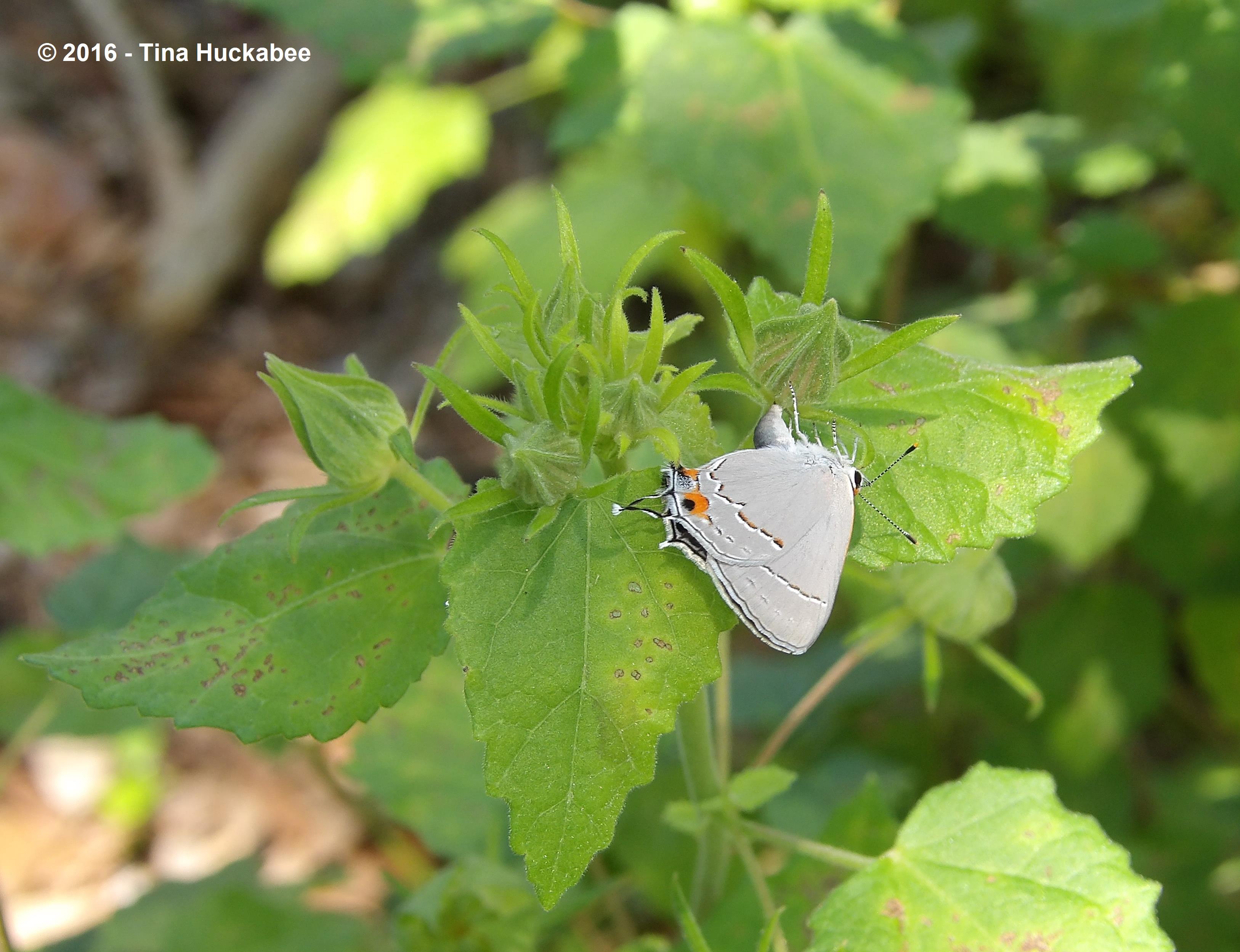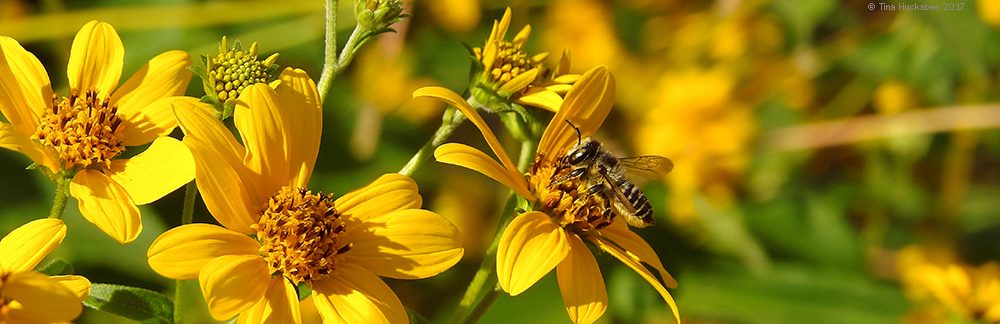
If You Plant Them, They Will Come

June 16-22, 2025 is Pollinator Week, celebrating the importance and beauty of pollinators. Pollinators share outdoor space with humans (and other critters!), but are in decline due to a variety of factors, including habitat loss, use of chemicals, and climate change.
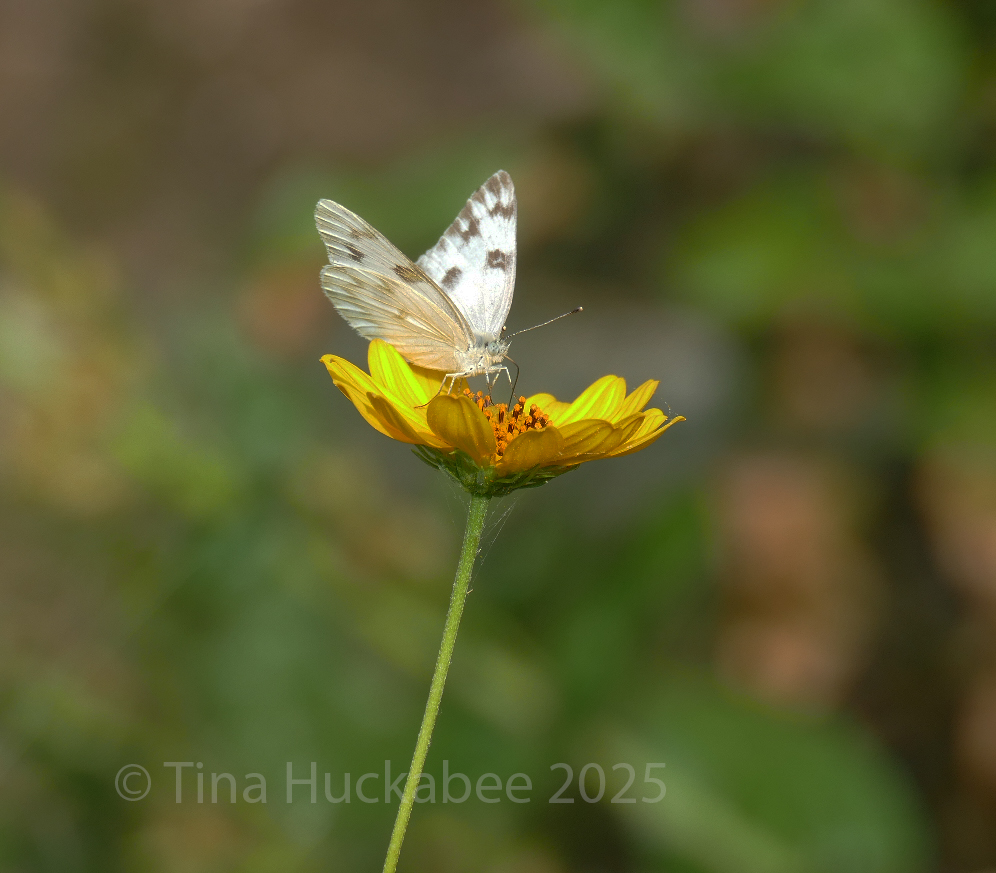
Checkered White on Zexmenia, Zexmenia acapulcensis

But in your own space of a home garden, in nearby public park or school garden, even a small to medium sized pollinator garden attracts multitudes of pollinator participants and adds a bit more beauty and life to the world.

Fiery Skipper on Gregg’s Mistflower, Conoclinium greggii

It’s easy to attract pollinators–just plant things they like to pollinate! Native plants are always best because they usually require less water and effort, and native plants are appropriate in their range. Also, native plants are beautiful.

White Checkered-Skipper on Four-nerve Daisy, Tetraneuris scaposa
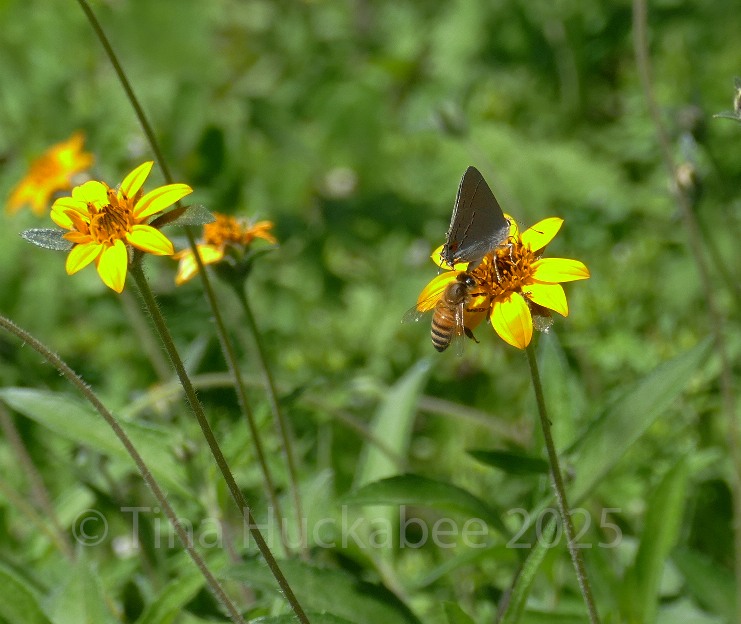
Honeybee and Grey Hairstreak on Zexmenia, Zexmenia acapulcensis
Red Admiral on Purple Coneflower, Echinacea purpurea

Hardy, non-natives are also on many pollinators’ yummy lists, so roses, daylilies, irises and other similar plants are often good choices for a garden.

Metallic Sweat bee on unknown common daylily
Lassioglossum, Sweat bee on Martha Gonzales Rose

In most areas of North America, pollinators are active throughout the growing seasons, including winter in some places. Here in Central Texas, I’ve found that pollinators increase in number and variety as spring segues to summer, then morphs into autumn.

Painted Lady, Vanessa cardui sips from a Blue Curl, Phacelia congesta
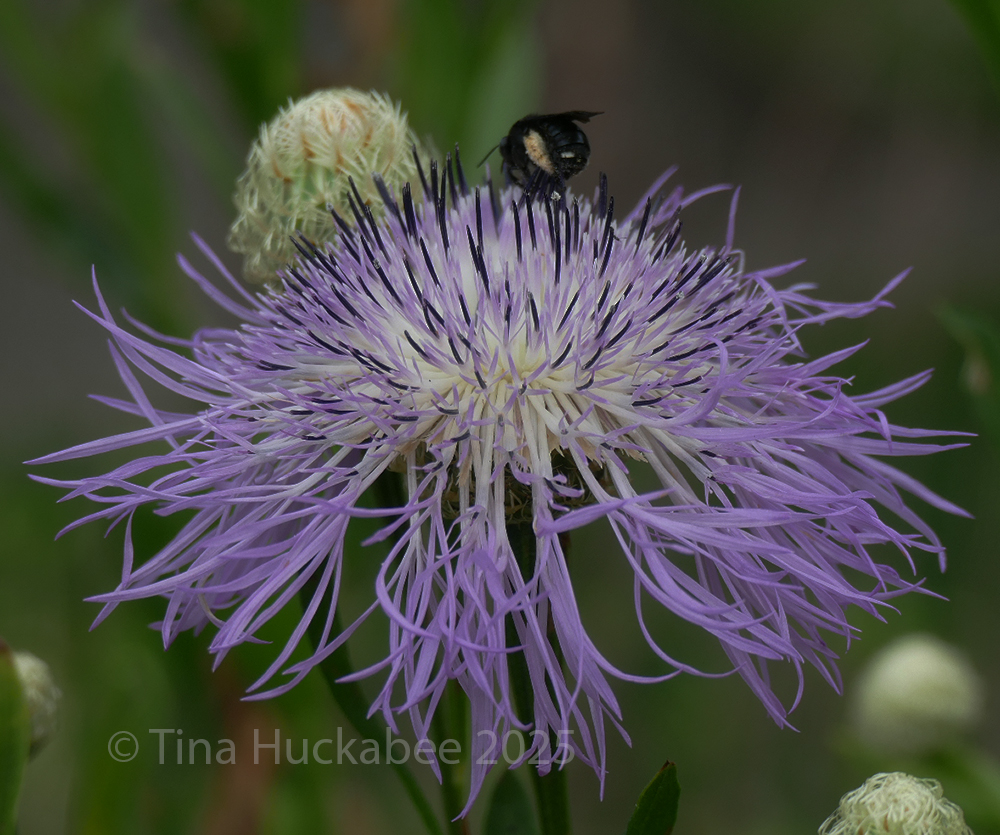
American-basket flower, Centaurea americana, blooms primarily in June and July, providing for many pollinators.

Autumn bloomers are important sources of nectar and pollen before winter sets in. Late summer/autumn blooming perennial shrub, Frostweed, Verbesina virginica, worked by a honeybee, whose corbiculae (pollen pantaloons!) are filled with pollen goodness.

Pollinators and pollinator plants come in all shapes, sizes and varieties. Trees produce flowers for pollinators when they bloom, no matter the season.

Blow Fly, Calliphoridae, pollinating spring blooms of Rough-leaf Dogwood,

Shrubs, perennials, annuals, and ground covers are also in the pollination business.
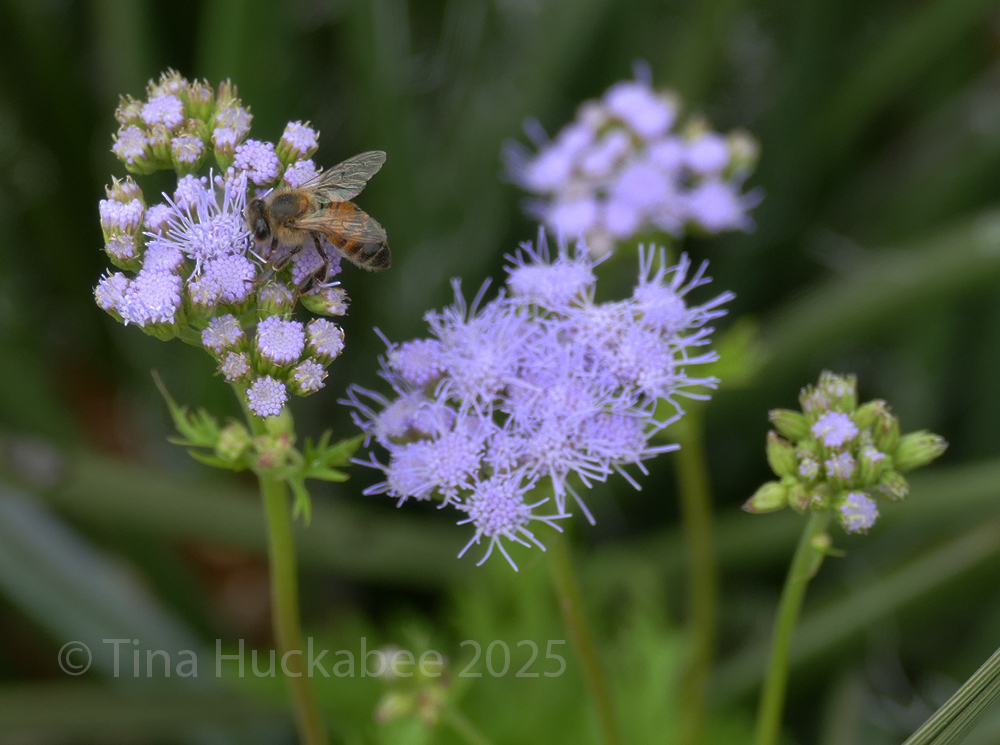
Ground cover perennial, Gregg’s Mistflower provides for a honeybee.
Perennial Engelmann’s Daisy, Engelmannia peristenia, feeds a different honeybee.
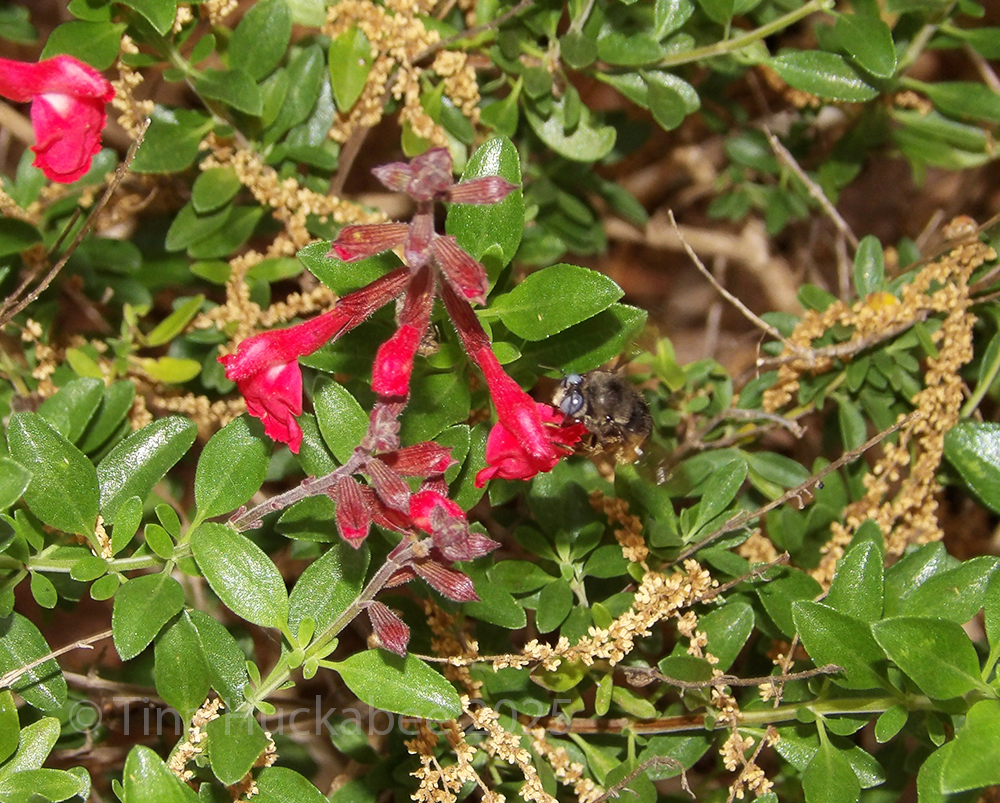
Autumn Sage shrub, Salvia greggii, hosts a Horsefly-like Carpenter Bee, Xylocopa tabaniformis

Most folks recognize that bees (both honey and native), butterflies and moths are common pollinators. But flies, ants, beetles and true bugs are vital pollinator sources and should be welcomed in any garden space.
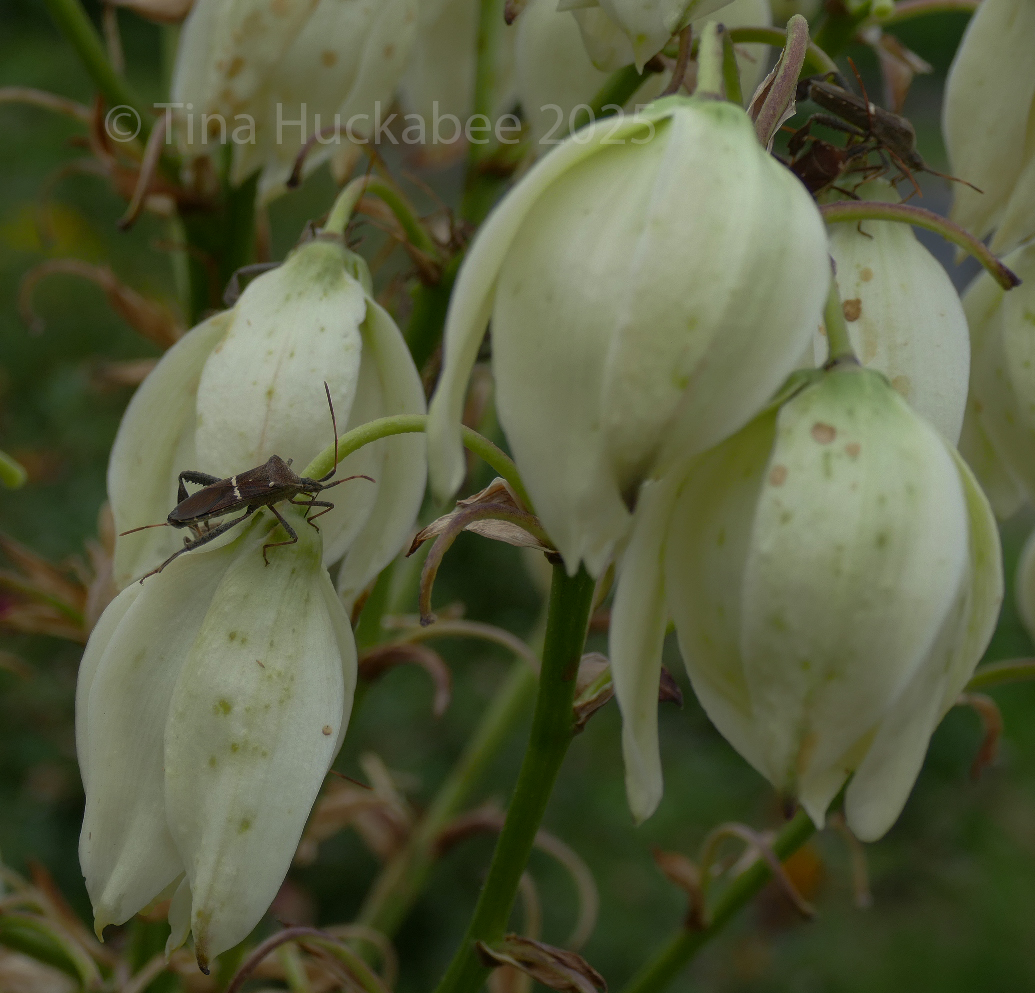
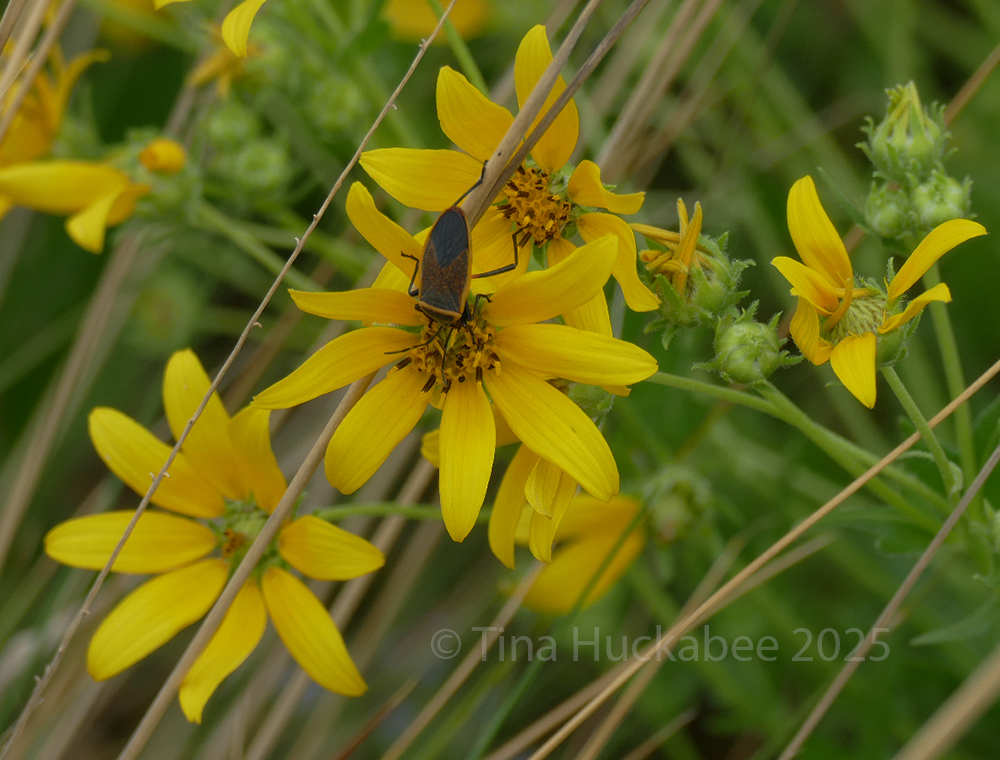
Eastern Leaf-footed bug on Soft Leaf Yucca, Yucca recurvifolia
Lizard beetle, Languriidae on Four-nerve Daisy
Engelmann’s Daisy hosts a Seed Bug, Lygaeidae

To have grown-up pollinators visit your garden, specifically with butterflies and moths, first there must be babies. To feed those young’ns, host plants are required and should be part of any pollinator ecosystem. Yes, foliage will be munched, but it’s a rare event that host plants are eaten to their end by the insects that the host plant nurtures.

Dutchman’s Pipe, Aristolochia fimbriata, with munched leaves from a Pipevine Swallowtail caterpillar

Many herbs and common garden plants are host plants for pollinator insects. This is why it’s a BIG no-no to use pesticides: if you spray for caterpillars, or other “bugs” eating the foliage, it’s likely that you’re killing future pollinators. Remember and repeat: most insects are benign, many are beneficial. So skip the stinky aisle in the big box store and avoid pesticides in the garden.

Check out https://www.butterfliesandmoths.org for information on the kinds of host plants specific to butterfly/moth species. It’s a great go-to site for all things butterfly and moth.

There are honeybees,

…and there are thousands of native bee species.

Lassioglossum, Sweat bee
Horsefly-like Carpenter bee, Xylocopa tabaniformis
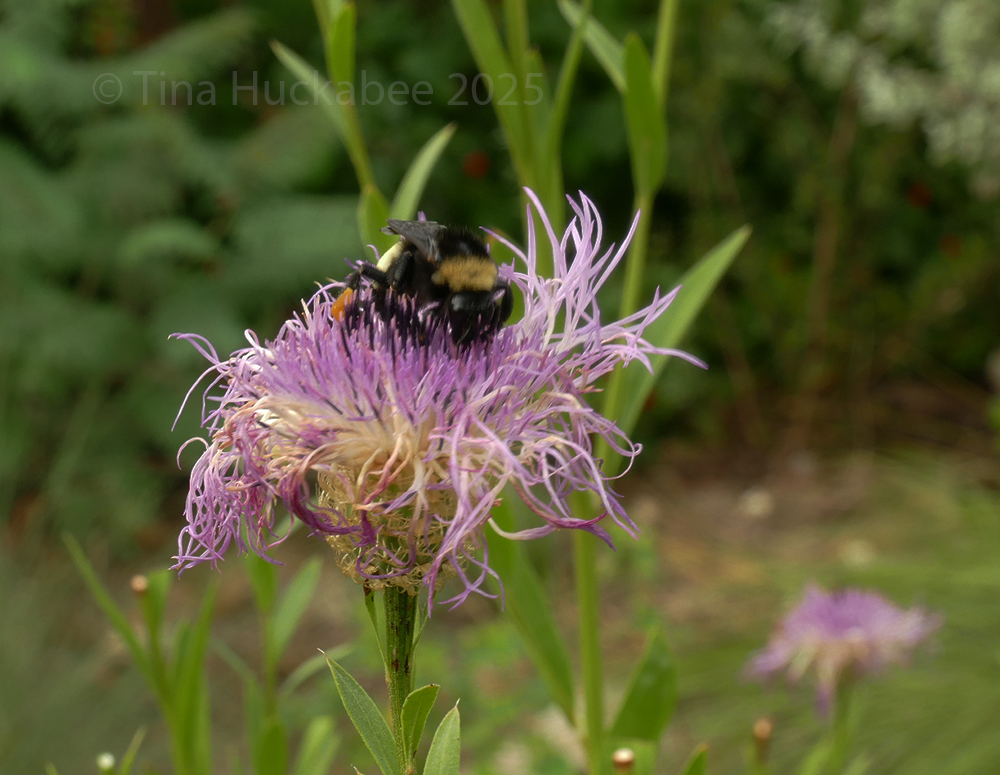
American Bumblebee, Bombus pennsylvanicus

Native bees are generally solitary and nest only for their offspring, unlike honeybees who nest in large collectives. Native bees nest in the ground, in wood, and older stems of plants. You can help natives find spots for reproduction by leaving some wood in your garden, by allowing some soil to remain bare, free of plants, mulch, and ground-cover, and also by delaying winter pruning until just before spring growth. You might also want to build bee “houses” or “hotels” which will provide space for many bees to nest.
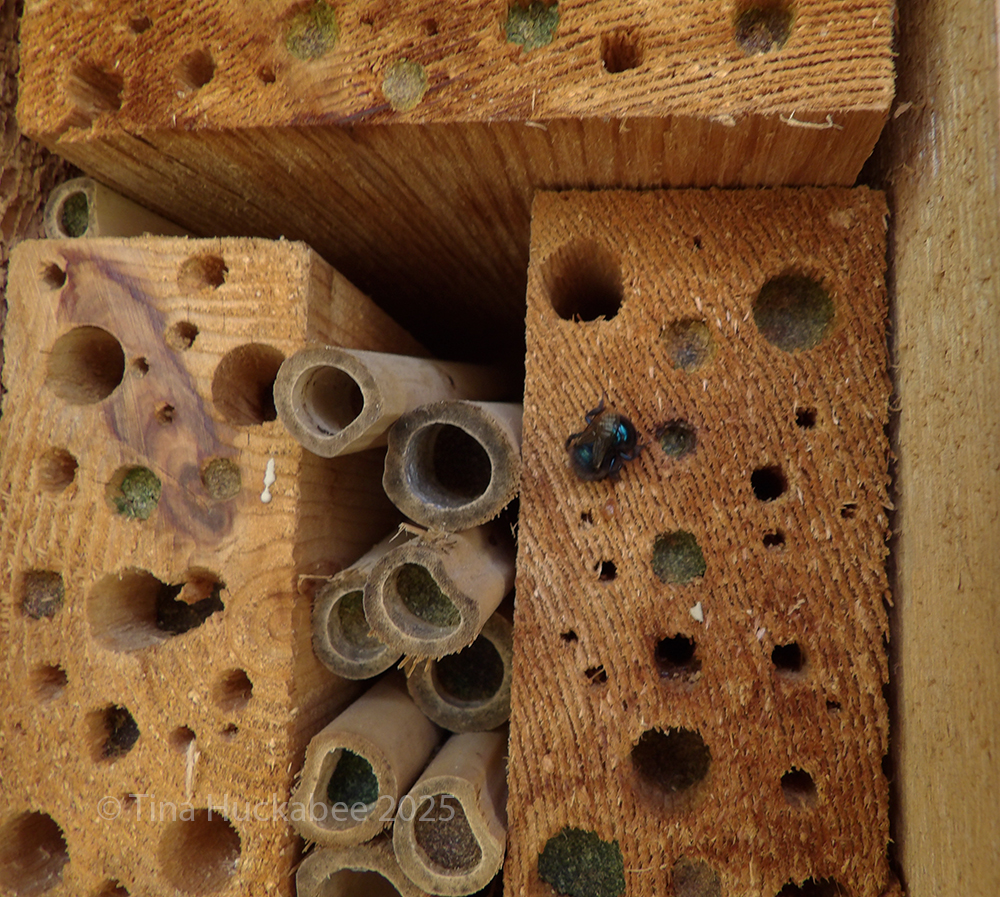
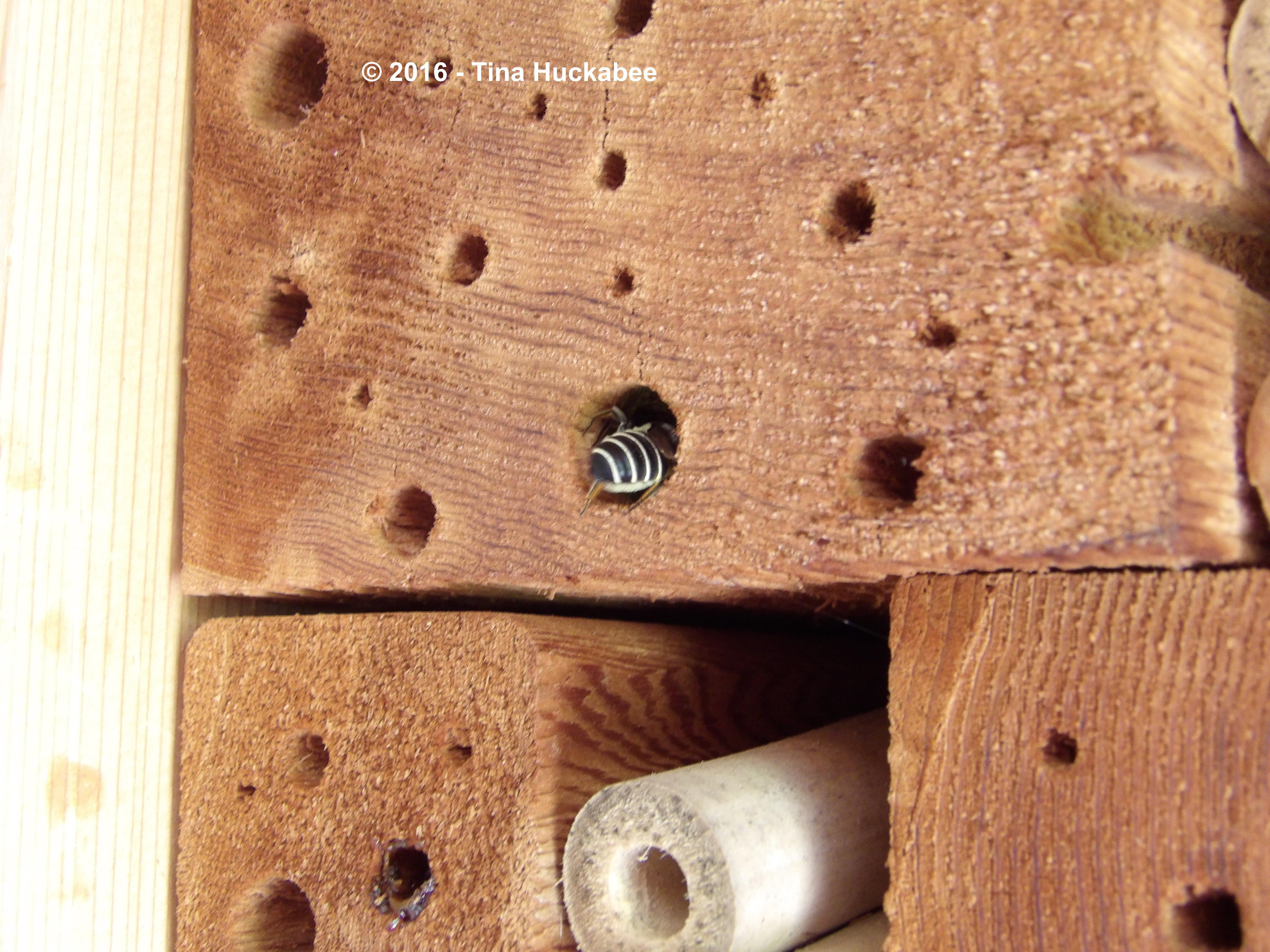
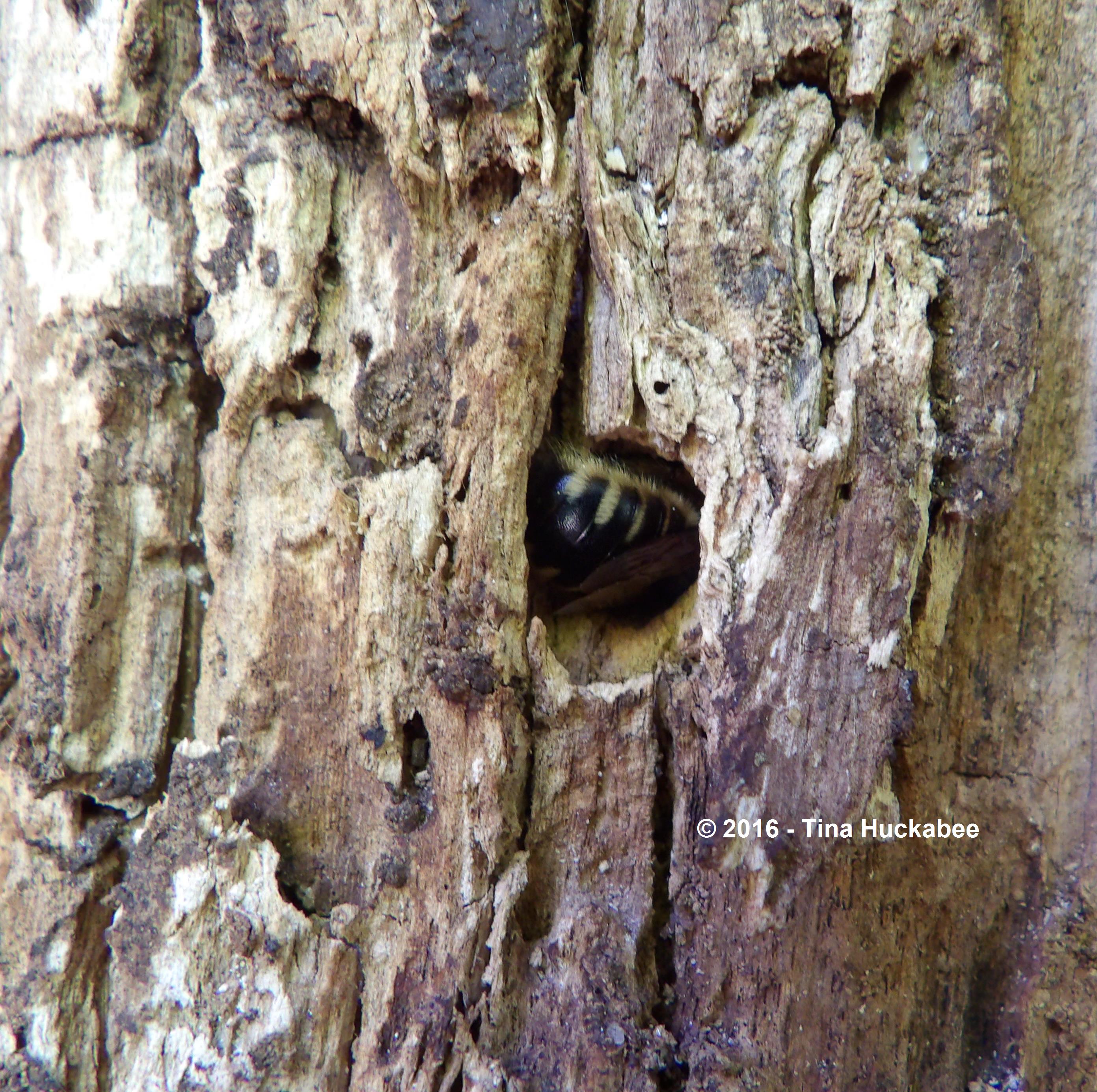
Blue Orchard Bee, Osmia lignaria filling a nesting hole

In short, most garden plants that flower will attract insects, the good kind, and especially pollinators. There are a few tricks to a successful pollinator garden project, but creating a garden is a learning experience and a creative endeavor. Check out your local plants, see what you like and what would work in your space. There’s a great deal of accessible plant, insect, and design information to help you on the way. To create a pollinator garden, research and learn, then unleash your imagination and artistic self and be prepared to perspire. Then have some gardening fun and help heal the world in your own back yard!
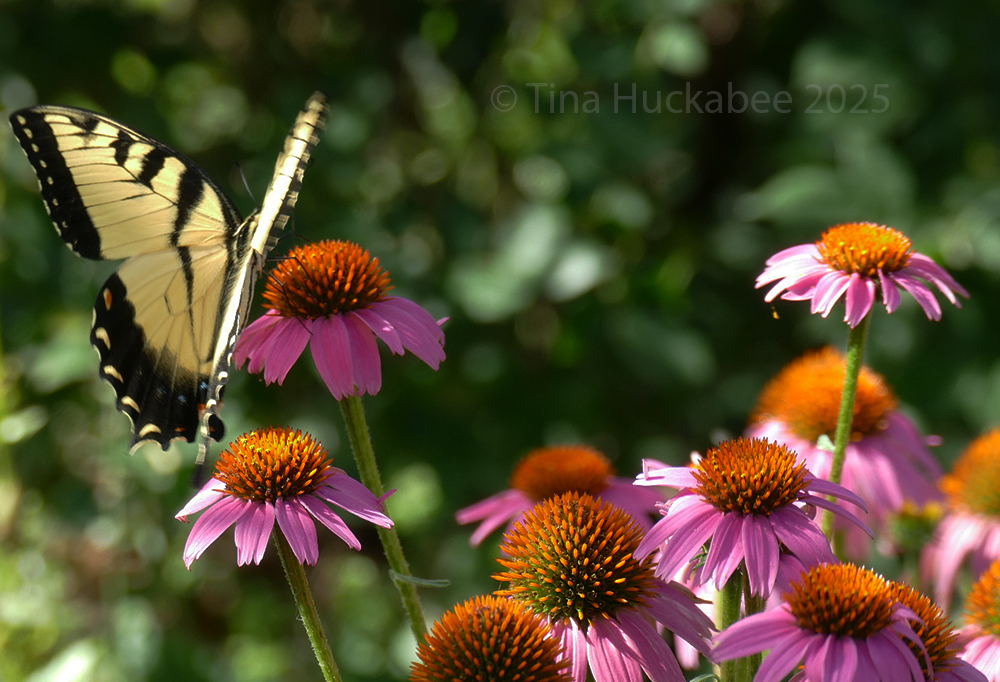
If you plant them, they will come!

Wood-n-Things

Holes.

IMGP8729.new

Hole originally drilled in limestone to hold a shelf on an outside wall of my home, but taken over by a native bee and packed with soil and pollen.

Holes are a good thing.

IMGP8654.new

Holes drilled by a native bee in a log and also in the wood frame on my back patio.

Holes in wood and masonry and bare ground and leaves suggest that pollinators are at work and planning for the next generation.

Continuing  the celebration of National Pollinator Week, let’s talk  about those critters making the round holes: let’s talk native, or wild bees.  According to the U.S. Geological Survey on native bees, there are roughly 20,000 native bee species in the world, about 4,000 of which are endemic to  the U.S.  Native bees are found on every continent (except Antarctica) and are some of the most important, if unnoticed and unappreciated, of the hard-working pollinators.

Many native bees are so tiny that you wouldn’t see them unless you’re really looking.

IMGP7434_cropped_3120x2677..new

Tiny miner bee on a Zexmenia (Wedelia acapulcensis).

Other native bees, like this Horsefly-like Carpenter bee, Xylocopa tabaniformis, are larger.

IMGP8568_cropped_2936x2792..new

Horsefly-like carpenter bee on a Engelmann’s daisy (Engelmannia peristenia). Additionally, check out the holes on the petals–probably made by a leafcutter bee.

Native bees are remarkably beautiful.

M0066017.new

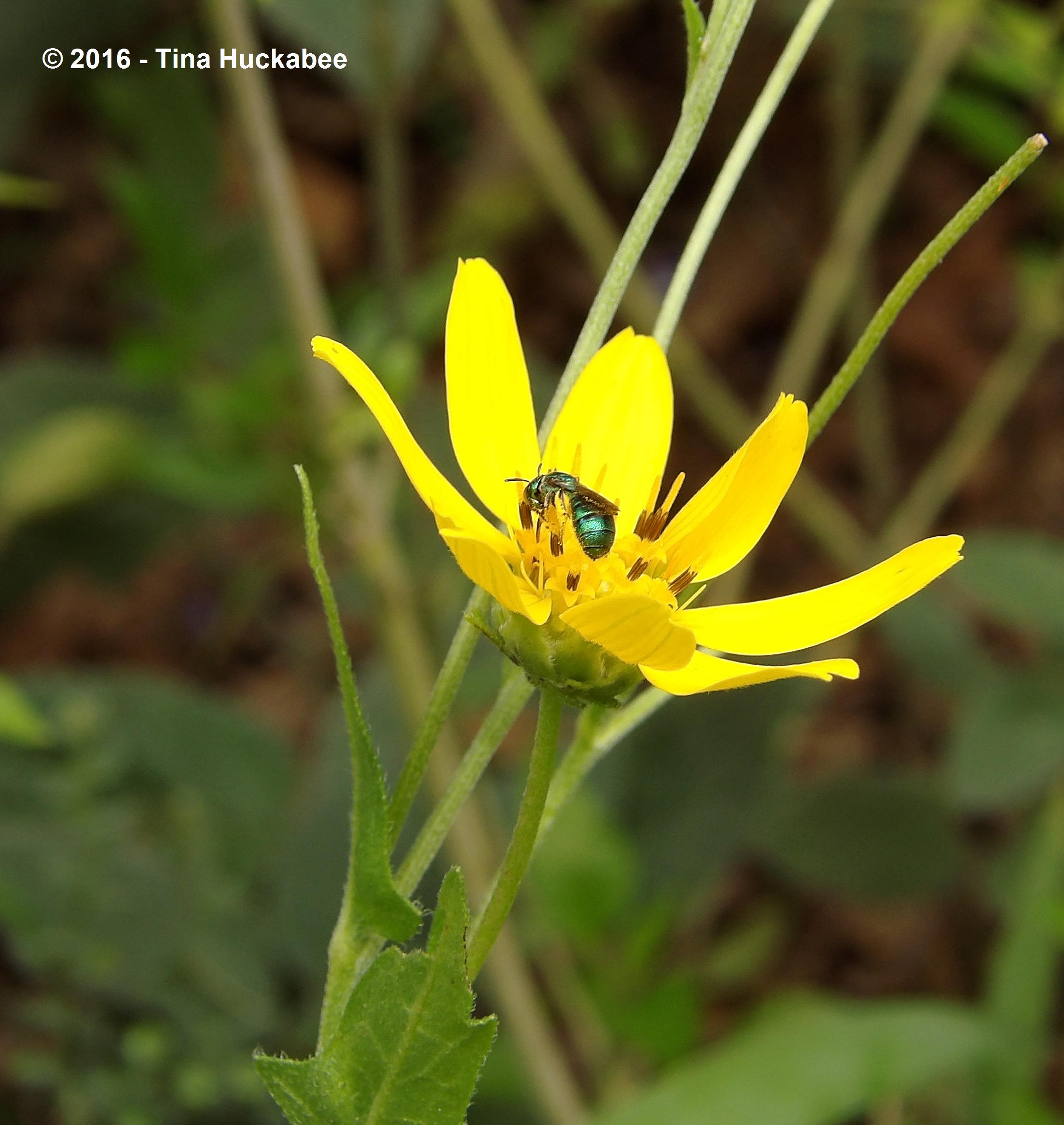
Colorful metallic sweat bee on a Coral honeysuckle (Lonicera sempervirens).

Regardless of size or looks, native bees are the bomb when it comes to pollinating abilities. They are some of the best and most efficient pollinators you’ll ever want to invite into your garden.

Not all native bees make holes in wood or leaves and petals for their nests, but they all need certain environmental qualities to live and thrive.  We know that native bees are declining and some of the common reasons are as follows:  reduction of habitat, pesticide use, lack of pollinator plants.

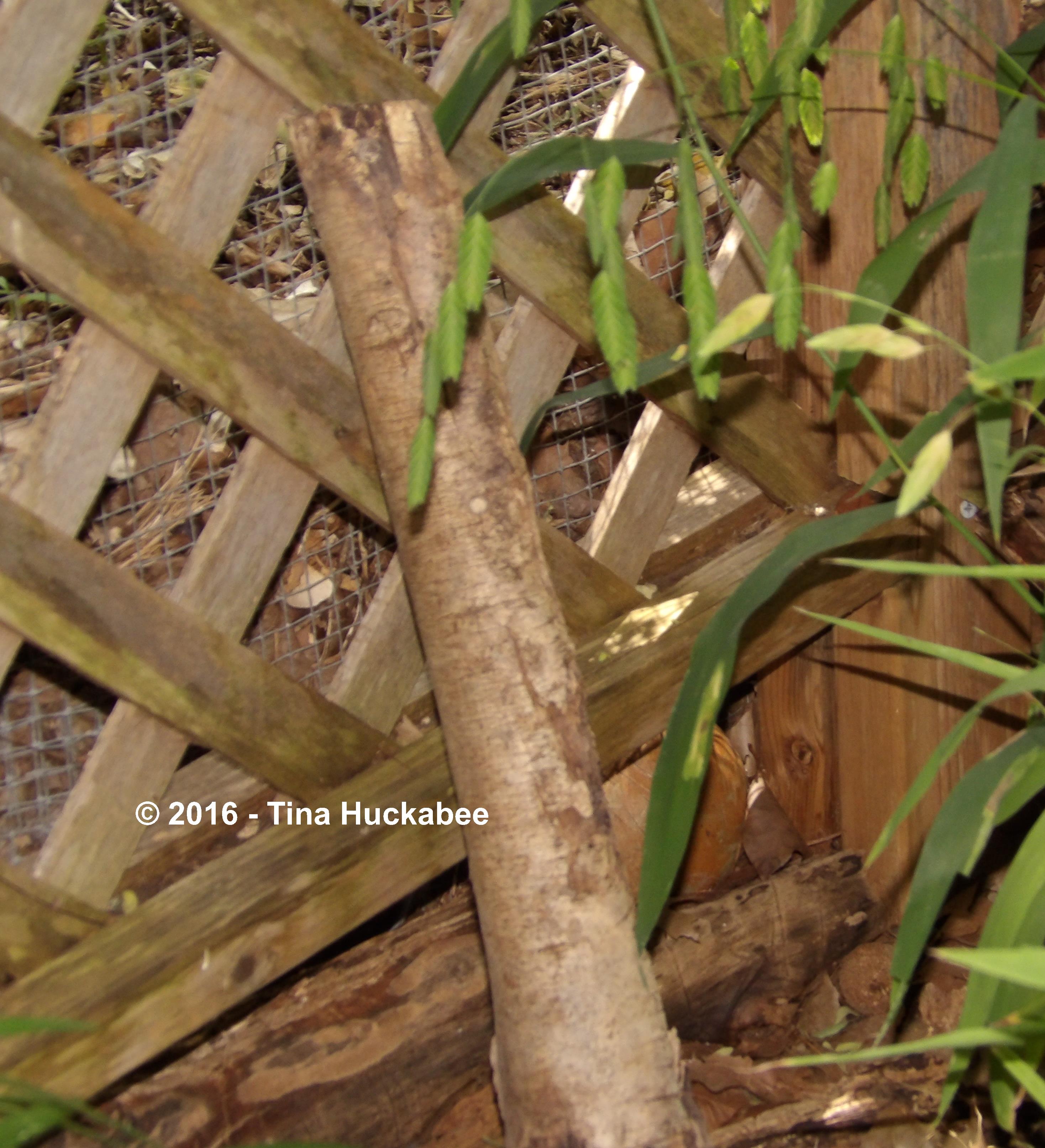
How can you be a part of the solution to slow the native bee decline? Make your garden welcoming to these important creatures. Many native bees (like bumblebees) nest in the ground. You can allow a portion–it doesn’t have to be a large area–of your property to host some bare soil: no mulch, no cement, no hardscaping, no garden or turf of any sort.  I keep a fenced-off work and storage area where my compost bin is located.  It’s not mulched, though I’ve allowed some native plants to seed out. (I just can’t help myself.)  To some eyes, it’s “messy,” but to native bees’ eyes, it’s a welcoming neighborhood with good homes for their babies. And we all want good homes for our babies, right?   A sterile, uber-clean look is not something that native bees like.  While I haven’t spent much time searching the area for bees’ nests, I have noticed that my gardens host more native bees since I allowed this area some wildness.

Many home gardeners are building native bee/insect hotels and that’s a fun way to help native bees find protected homes for their offspring.

IMGP8557.new

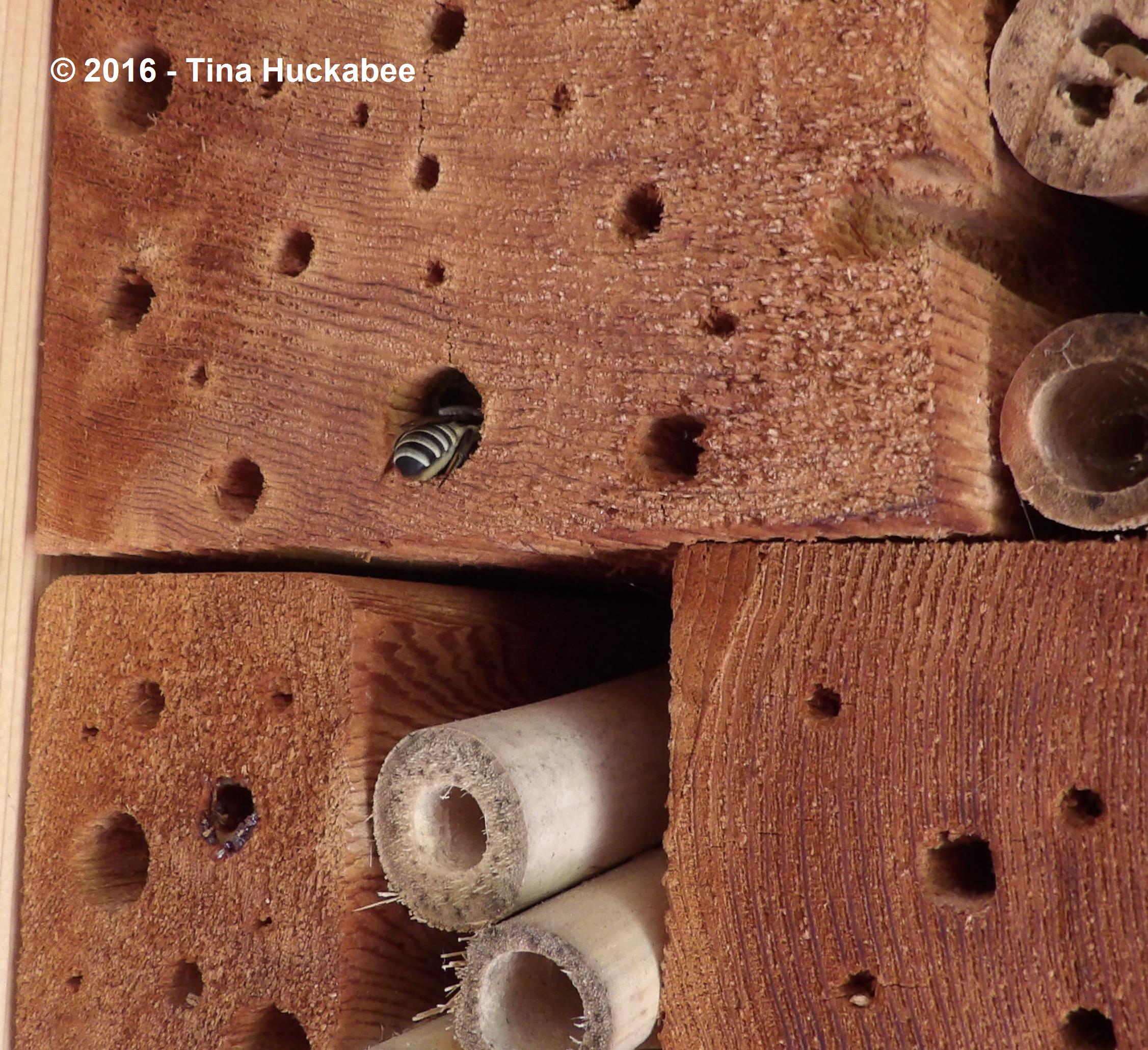
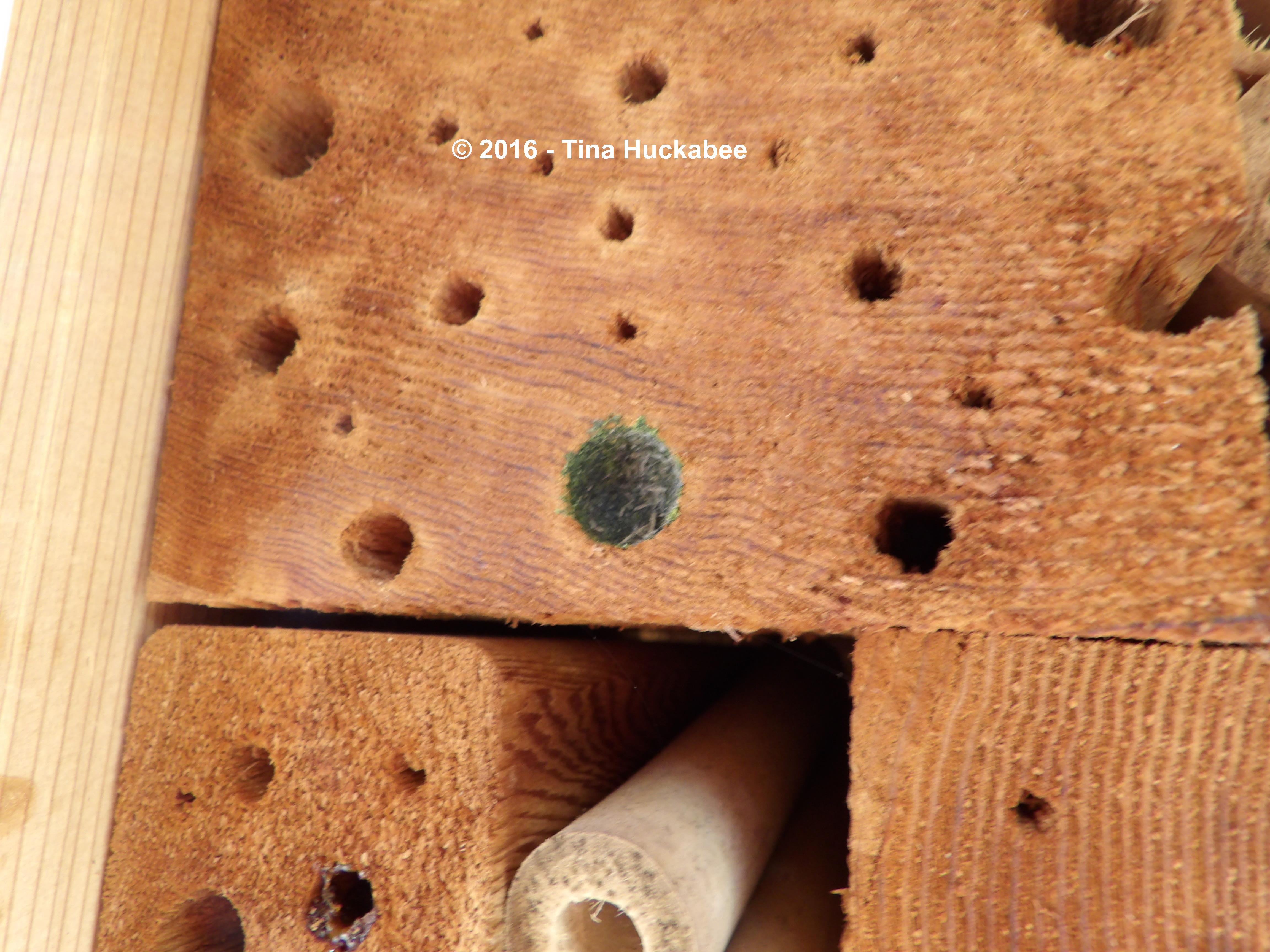
This leafcutter bee flew in and out of the hole over the course of several days.

IMGP8555_cropped_2253x2060..new

IMGP8600.new

When she was done, she’d packed the hole holding her eggs with pollen, leaves and who knows what else. Her babies are safe and sound.

IMGP8483.new

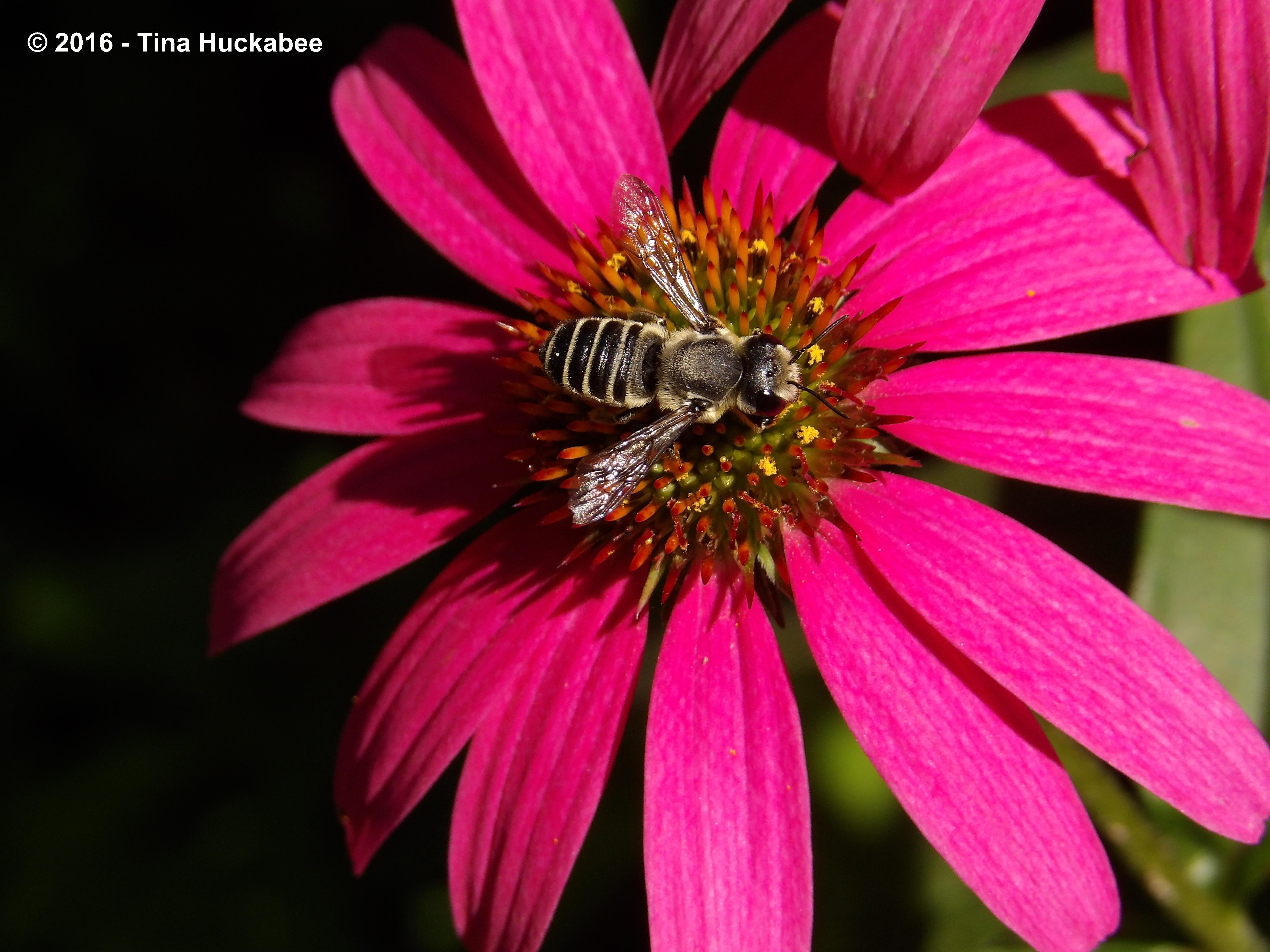
Here’s the same bee type nectaring away on a Purple coneflower (Echinacea purpurea).

I wrote about my insect hotels here, but there’s plenty of information available on the Internet or through garden resources about building insect hotels or houses. These are simple and fun projects to do with kids.

IMGP8480.new

One of the easiest things that will allow native bees to settle in to your garden is to leave firewood (that you won’t use) or downed tree limbs on your property.

IMGP8737_cropped_2936x3226..new

Certain species drill into wood and lay their eggs, so it’s a effortless way to ensure that they have a safe home for their bee babies.

IMGP6970_cropped_2783x2770..new

Horsefly-like carpenter bee working in her nest in a wood log.

I’ve laid logs of wood in various spots around my garden; bees have no trouble finding the wood and getting to work making nice homes for their families.  If you cut down a tree, keep some of the wood and maybe even the stump.  You can drill holes to give your native bees a head start, or leave them to it.  Either way, it’s a win and native bees and your garden will be healthier for it .

Another way to help slow the decline of native bees in your area is to refrain from pesticide use.  There are myriad reasons why home gardeners shouldn’t rely on pesticides, but allowing native bees to nectar and collect pollen, and to create those cool holes in leaves for their nests, are but a couple.  Remember that pesticides kill–that’s their job.  For example, if you’re spraying for adult mosquitoes,  the pesticide will kill bees, butterflies, moths, and all other insects that the chemical comes in contact with.  Pesticides don’t discriminate–they kill all “pests”, aka, insects.

Plant for pollinators!!  That’s the fun part.  It’s best to use native bloomers if you can get them.

IMGP7001_cropped_2930x2866..new

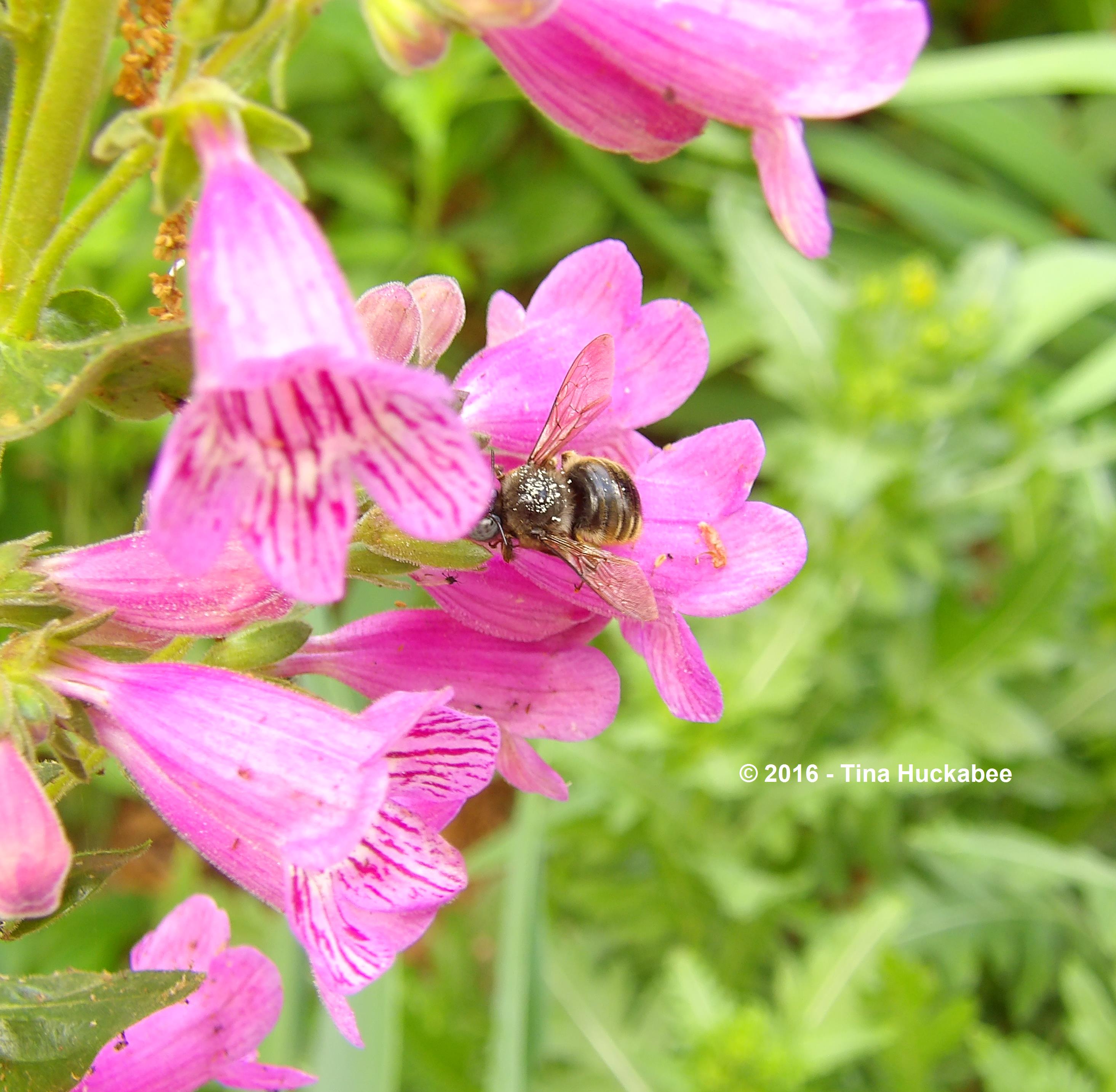
Horsefly-like carpenter bee working a Hill Country penstemon (Penstemon triflorus).

IMGP8479.new

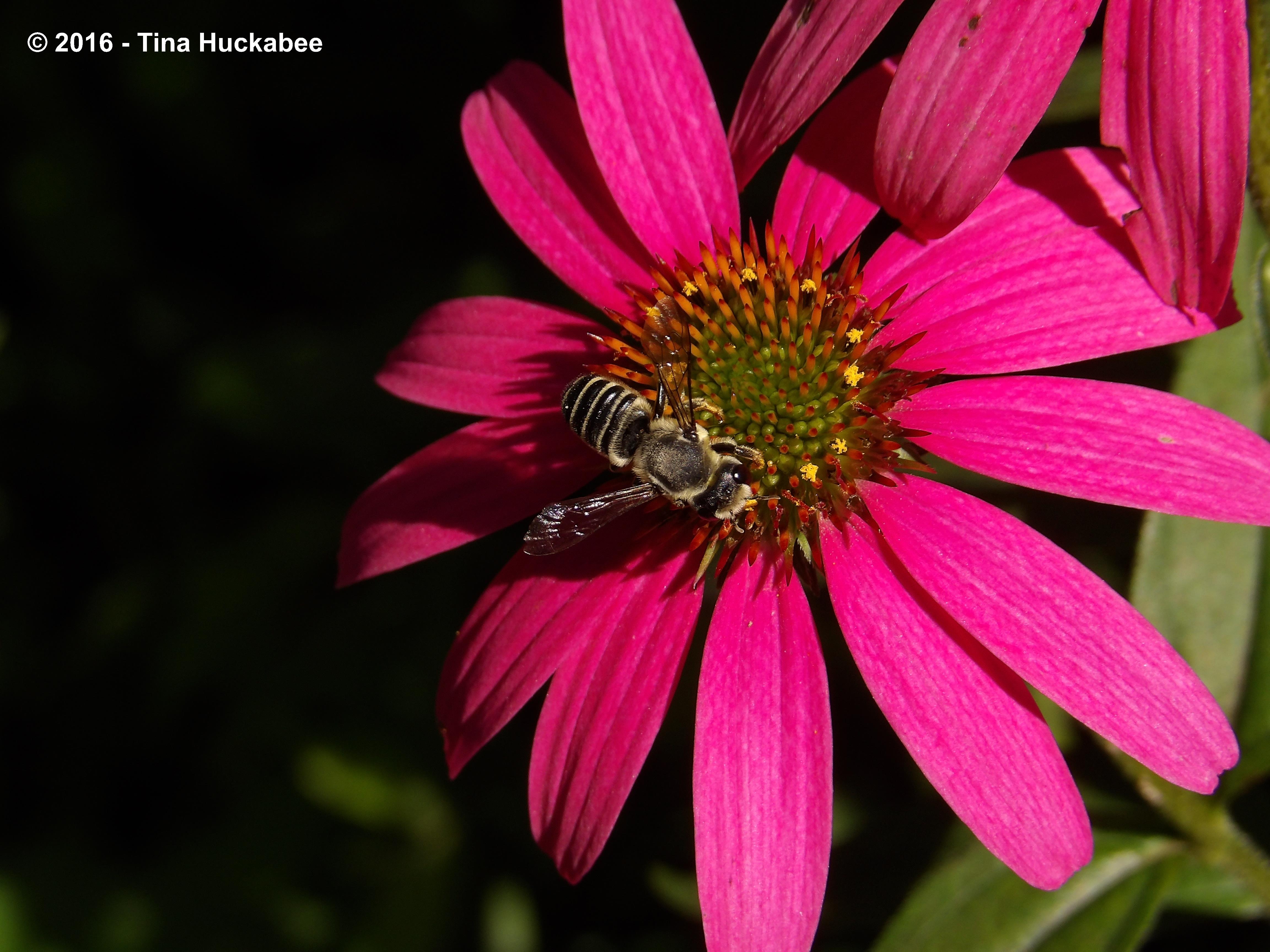
Leafcutter bee on a Purple coneflower.

IMGP5430_cropped_2682x2272..new

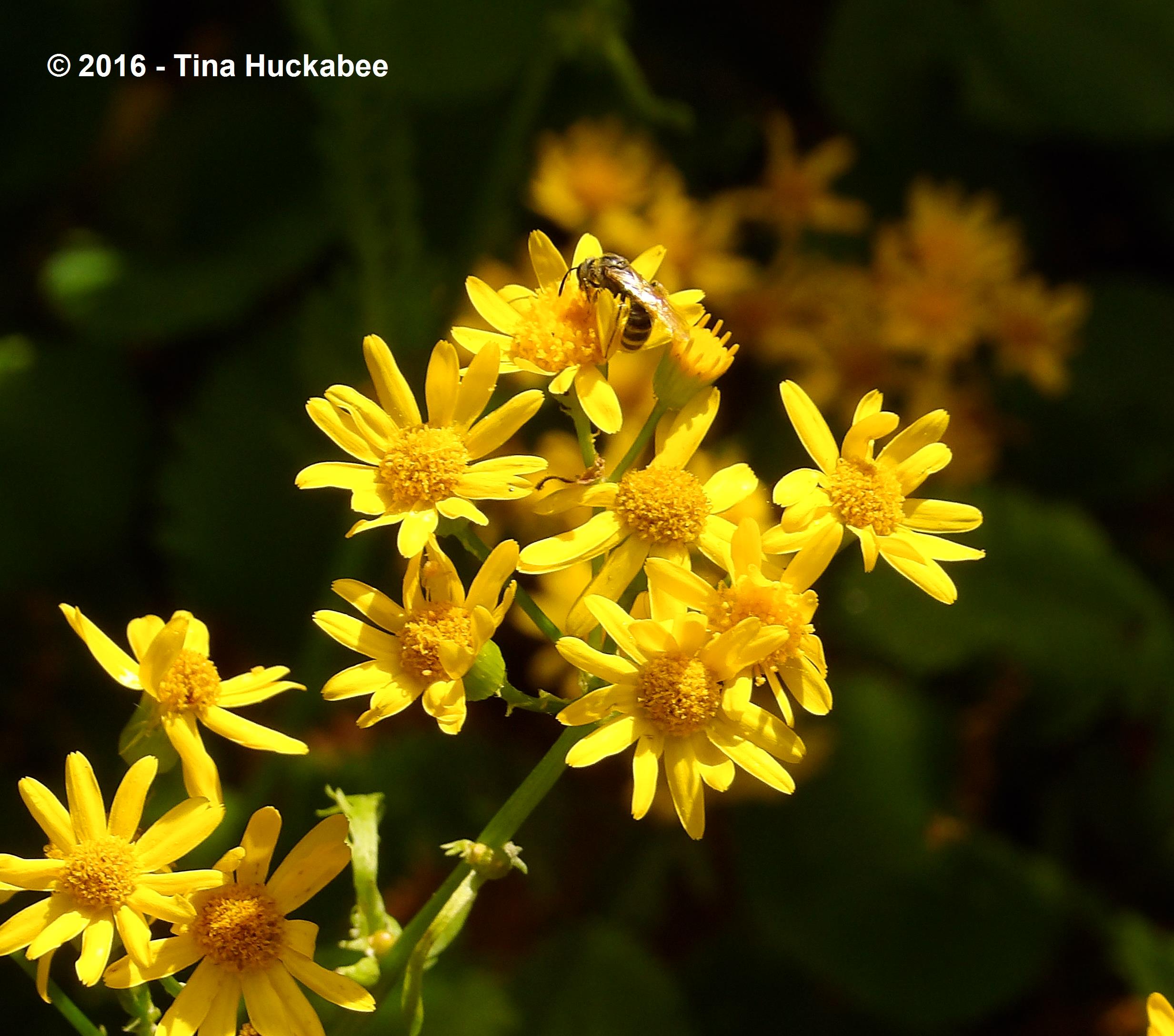
Mason bee (Osmia) (?) on Golden groundsel (Packera obovata).

IMGP5381_cropped_2465x2175..new

IMGP8476_cropped_2456x2466..new

Horsefly-like carpenter bee on Henry Duelberg sage (Salvia farinacea ‘Henry Duelberg’).

If native plants are not readily available, choose well-adapted, non-native perennials and annuals and have fun planting!

IMGP8897.new

Metallic sweat bee on passalong daylily.

Don’t forget that flowers bloom in seasons other than spring–plant for year-round flowering (even in winter if you live in a mild climate) so that pollinators are kept busy and happy.  You’ll enjoy the beauty of the blossoms and the insects that visit and you’ll help repair the world in your own back yard. And front yard too!

When my children were little, we enjoyed observing the the visits of giant, gentle bumblebees–you know the type, the huge black, yellow and fuzzy bees.  The bees were especially fond of a large salvia shrub with blue blooms and at times, there were 20 or 30 of these bees working the blooms all at the same time.  They were fascinating to watch–so focused and single-minded as they gathered nectar and pollen and so gentle, that I could pet them. (I didn’t do that in front of my little ones. No sense in encouraging that!)

There was a field not far from our street, full of native wildflowers and grasses.  Of course, it was going to be developed at some point and in fact, two new neighborhood streets with tidy little single family homes were built over the field.  From a neighborhood perspective, it was the best possible outcome; certainly better than a hotel or yet another shopping center.  But after the construction began, we never saw the bumbles again.

Not one.

Not ever.

I recently saw a giant black and yellow and fuzzy bumblebee in my back garden.  I only saw her twice, didn’t get a good photo of her, but she was there, early two mornings, working the flowers.  I have no idea where her home is.  I can only hope there are more like her and that they have a safe ground home somewhere and plenty to survive on.

Pollinators are life–they pollinate the food we eat, products we use, and they make the world a lovelier and more interesting place in which to live.  Pollinators deserve our attention and respect; they deserve to live.  If you don’t have a pollinator garden, well, why not give it a whirl?  It’s not hard to plant for pollinators–you’ll be amazed by their beauty and impressed with their work ethic.

Happy National Pollinator Week!

National Pollinator Week

June 20-26 is the week set aside this year to celebrate pollinators and the important work they do.

IMGP7078_cropped_3087x2286..new

Syrphid or Flower fly nectaring at a Zexmenia (Wedelia hispida)

EVERY week should be a week to celebrate pollinators and the important work they do.

IMGP8526_cropped_2350x2060..new

Miner bee (Perdita ignota)(?)  visiting a Fall aster (Symphyotrichum oblongifolium)

IMGP8420.new

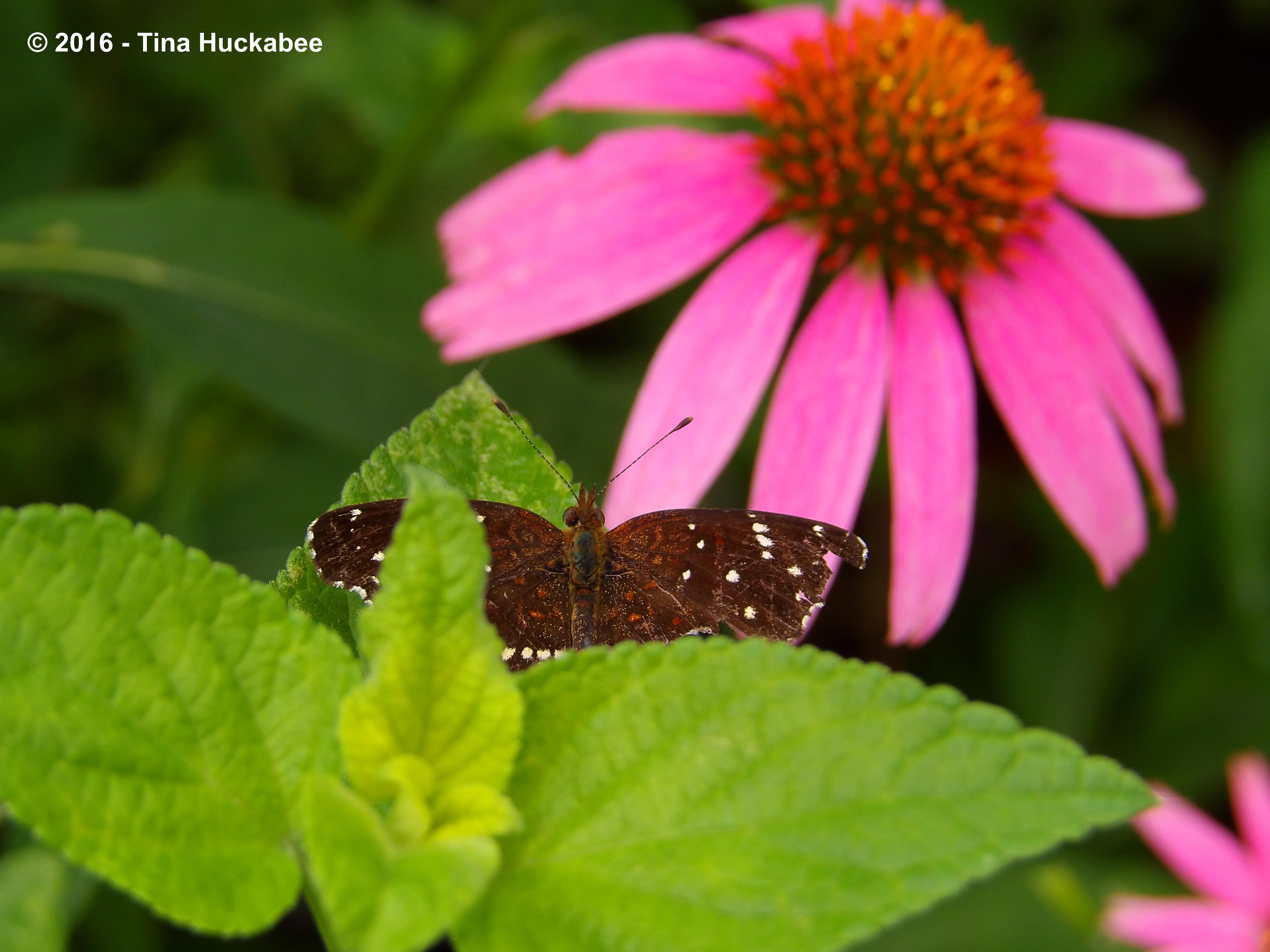
Texas Crescent (Anthanassa texana) considering a trip to the Purple coneflower (Echinacea purpurea)

Pollinators constitute the thread that holds together the world’s food web and native plants production.  Upwards to 90% of native plants are pollinated by insects, birds, and bats; 1 out of every 3 bites of food humans partake of is pollinated by (primarily) bees–honeybees, and wild, or native bees.  According to Pollinator Partnership, 1,000 different plants that humans use in a variety of ways are pollinated by pollinating animals,

IMGP7455_cropped_3234x2903..new

American lady (Vanessa virginiensis) at a Purple coneflower bloom

…and in the U.S. alone, pollinators produce products worth $40 billion annually.

IMGP8417_cropped_3903x2968..new

Two-spotted Long-horned bee (Melissodes bimaculatus) at a Purple coneflower

The bottom line is that pollination and pollinators are principal players in the good health of all eco-systems.

IMGP8272_cropped_2498x2640..new

Sweat bee (Augochloropsis metallica)(?) and an Engelmann’s daisy (Engelmannia peristenia)

What is pollination?  It’s the process whereby pollen is moved, usually either by pollinating animals or the wind, to other plants thus assuring reproduction of the plants with development of seeds and fruit–and the next generation of viable plants.

IMGP8527_cropped_2594x2170..new

Fly and Fall aster

Pollination produces new plant life.

IMGP7316_cropped_3765x2700..new

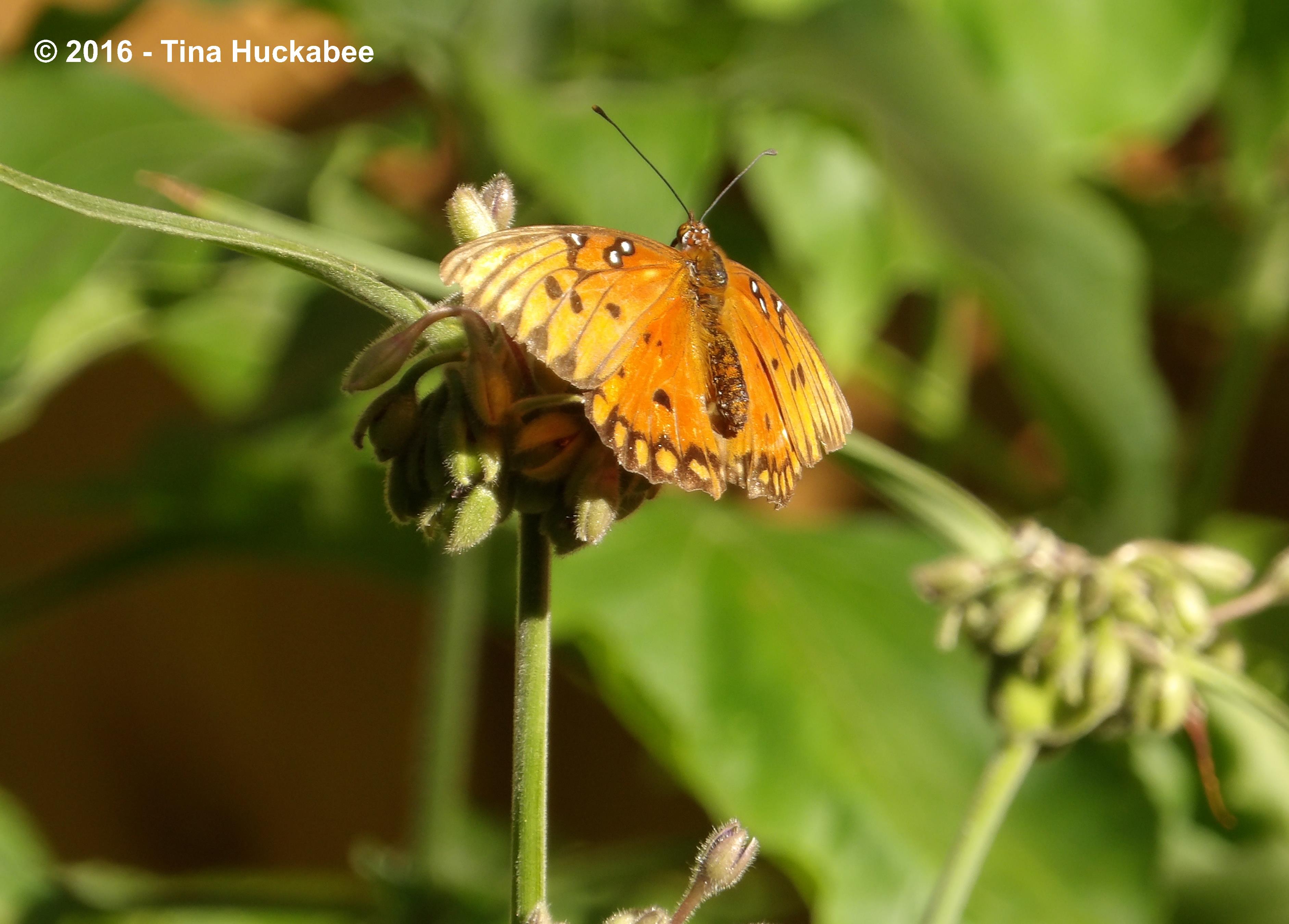
Gulf fritillary (Agraulis vanillae) resting on a Giant spiderwort (Tradescantia gigantea)

What are pollinating animals?  Pollinators include, but are not limited to: birds, bats, moths and butterflies, flies, mosquitoes (Boo!), native/wild bees, and honeybees.  There are many, many other insects that pollinate.  Additionally, in parts of China where overuse of chemicals has killed all natural pollinators, people must hand pollinate some agricultural fields.

That frightening fact should scare all of us into taking care of the Earth’s pollinators.

IMGP8648.new

Honeybee (Apis mellifera) nectaring at a Blue passion-flower (Passiflora caerulea)

We know that pollinators are declining throughout the world because of habitat destruction, over and mis-use of chemicals, certain big agriculture practices, the unfettered spread of invasive plant species and the decline of native-to-region plant species, as well as other reasons, like pollinator diseases.

IMGP8399_cropped_2608x2382..new

Orange Skipperling (Copaeodes aurantiaca) working at a Rock rose (Pavonia lasiopetala)

The outlook for the health of pollinators and therefore, the rest of us, is tricky at best.

IMGP7340_cropped_3074x3189..new

Sweat bee (Lasioglossum) (?) collecting pollen from a Clasping coneflower


So, what can we do?  The easiest thing is to plant for pollinators in our own home gardens, or neighborhood school gardens, or local parks–or all three, plus anywhere else you can think of.

It’s so simple!

Get rid of some (or all!) of the water-wasting turf so common in home and commercial landscapes.  Mono-culture turf feeds nothing, except for problematic insects, and requires more irrigation, more chemicals, and more effort than planting native or well-adapted flowering perennials and annuals.

Once your garden bed is prepared and planted, sit back and watch the show.  If you plant it, they will come.

IMGP8472_cropped_3540x3282..new

Gray Hairstreak (Strymon melinus) working a Purple coneflower

Your garden doesn’t have to be huge, but do plant a variety of blooming plants for the whole of your growing season–the more, the merrier!

IMGP7460.new

Red Admiral (Vanessa atalanta) visiting a Purple coneflower

It’s always best to use native plants if you have access to a local seed source or a nursery that promotes native plants.  But non-native, well-adapted blooming annuals and perennials will also do the pollinator trick.  Ask the nursery or plant provider if any pesticides were used when growing the plants you want to buy.  If so, don’t buy them and TELL the nursery why.  Pesticides and insects are not a good combination–EVER.

IMGP7429_cropped_3567x2839..new

Minor bee (?) nectaring at a Zexmenia flower

Contact your County Extension Agent’s office for a list of good pollinator plants for your area.  As well, locally owned nurseries are usually great sources of information on pollinator plants.  The Pollinator Partnership, Lady Bird Johnson Wildflower Research Center, and National Wildlife Federation are all excellent on-line sources for learning about pollinators and how you can be a part of the solution to their problems.

IMGP7463_cropped_3544x2867..new

Three honeybee amigos hanging out with three Purple coneflowers .


Pollinators are beautiful.

IMGP8394_cropped_3913x3378..new

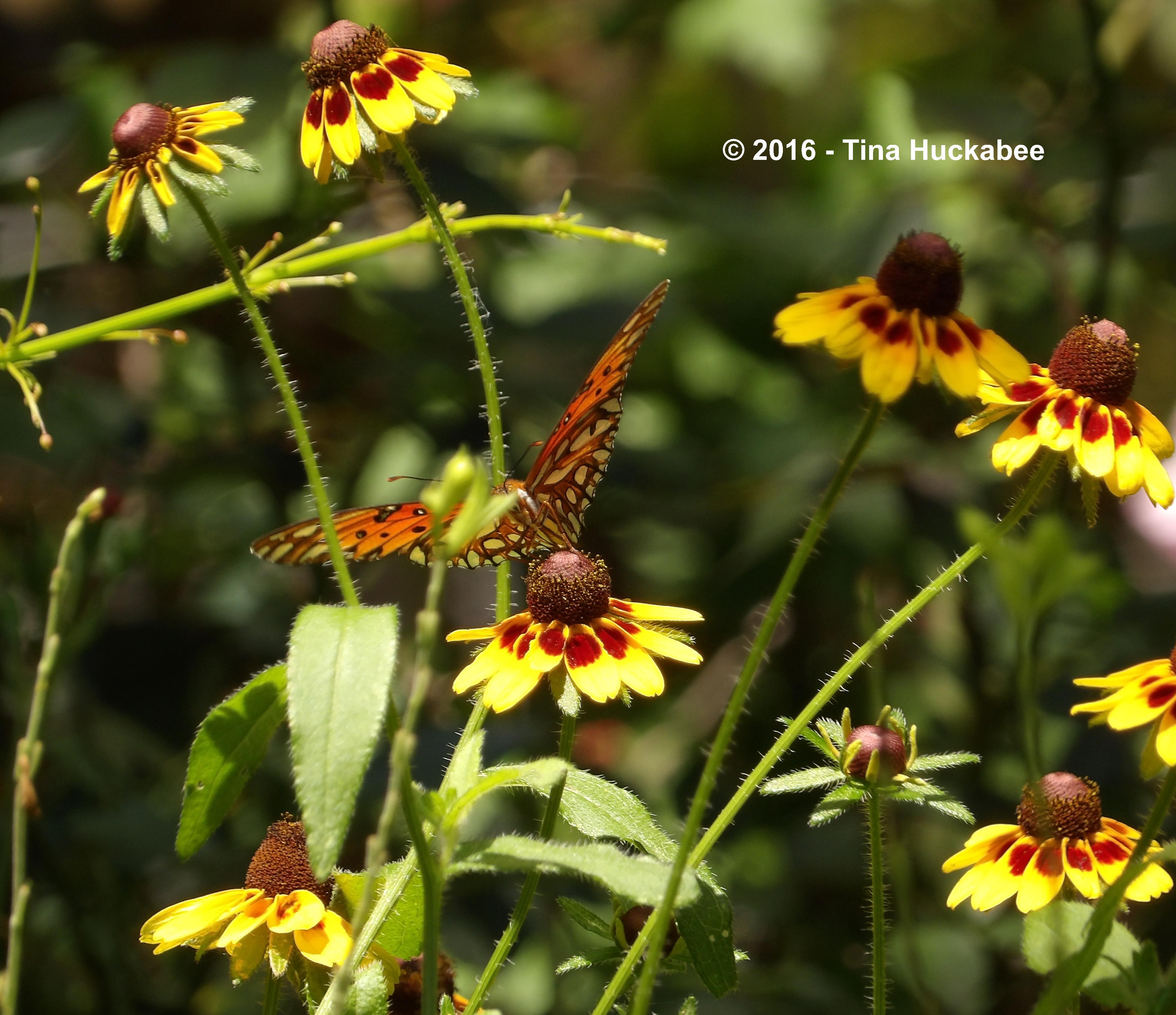
Gulf fritillary visiting Clasping coneflowers


Pollinators are vital links in the fitness of the Earth’s eco-systems.

IMGP8397_cropped_3253x2498..new

Gray hairstreak resting on the foliage of Rock rose

IMGP8402_cropped_3382x2876..new

Minor bee (?) heading for the nectar and pollen of a Winecup (Callirhoe involucrata)


Pollinators deserve to live and thrive.

IMGP8450_cropped_2488x2373..new

Soldier beetle  (Cantharidae family) sipping nectar from a Purple coneflower

IMGP8451_cropped_3005x2723..new

Plant for pollinators in your garden.  Encourage neighbors and community organizations to do the same.  Lobby your local, state, and national representatives to set aside land so that these essential creatures can continue their work and contributions to the well-being of our world.

Happy National Pollinator Week!

IMGP8426_cropped_3240x3222..new

Pipevine Swallowtail (Battus philenor) resting on Turk’s cap (Malvaviscus arboreus) foliage