Wondering Wings

I often use Butterflies and Moths of North America (BAMONA) as a resource when identifying butterflies in my garden or learning about what particular butterflies might require by way of food sources, but I’ve never utilized the  site’s submission process to ID an unknown butterfly or moth.  Instead, I comb through lists of photos from various sites, comparing whatever photo I took with shots from these sites.  While not efficient, there’s something gratifying about this process.  For me, it’s much like strolling through a bookstore or library, perhaps with one book in mind, but gloriously distracted by volumes just begging to be read. Or, visiting a nursery for a specific plant and lusting after the many I might  choose for that one special spot in the garden.

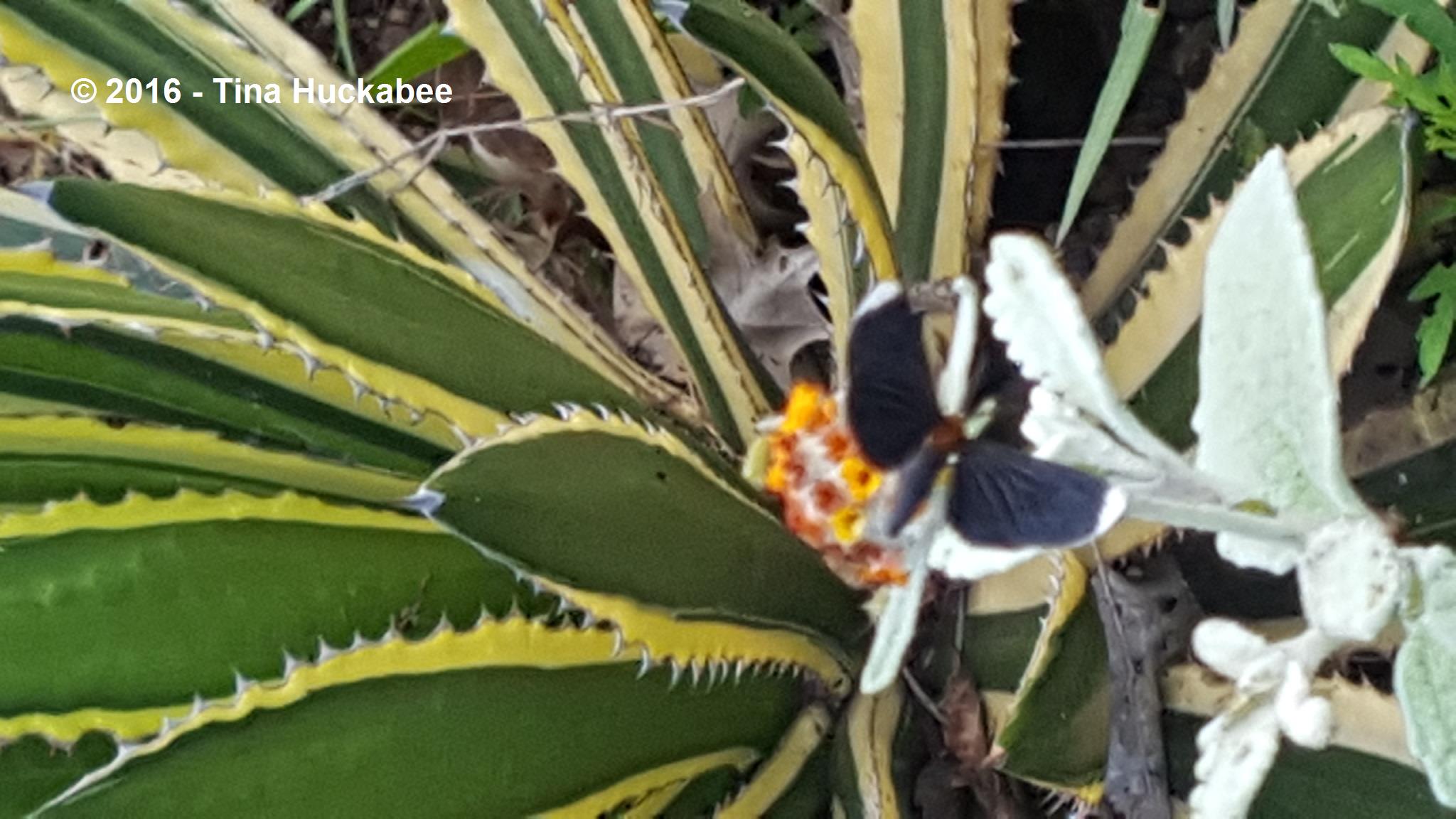
While Butterflies and Moths of North America is a go-to site for me in learning about these insects, I’ve never submitted a photo for identification. Recently though, my enterprising husband did, and we learned about a new (to us) insect in our midst.  Ambling around our street to give our sweet, old dog some exercise, we spied a black and fast-flitting insect working a neighbor’s Wooly Butterfly BushBuddleja marrubiifolia, (which is a plant I would LOVE to grow, but, alas, don’t quite have the full sun required).  The winged thing was swift and jittery in its flight pattern, moving rapidly from bloom to leaf and back to bloom again.  It was tough to get a clear photo with The Hub’s cell phone.
20161112_153356-new

This is not a great shot, but is enough to decipher markings and color.

Once home, The Husband was single-minded in his pursuit of butterfly truth, perusing photos from various sites, eventually landing on the BAMONA site for identifying this mystery critter.  He noticed that BAMONA allows for submission of photos for butterfly/moth identification, so he got right to that task.  To  submit a photo for identification, the site requires a free account, but that’s super easy–Hub signed up for an account and you can too!  In the ‘Get Involved’ section of the menu bar, the drop down menu lists ‘Submit a Photo’ and in that section are general instructions for creating a sighting record, with further information about photo downloads to the BAMONA staff.  Almost immediately after his submission, The Husband received a confirmation email that his submission was accepted, with assurances that he would get a follow-up email.  The next morning, he received that email confirmation of what we observed: our mystery critter was a moth, a White-tipped Black, Melanchroia chephise. The regional coordinator offered a link to BAMONA’s information on this moth, as well as a link to The Hub’s submission, Sighting Record 1108573.   Woot!  It’s cool to be part of the scientific process!

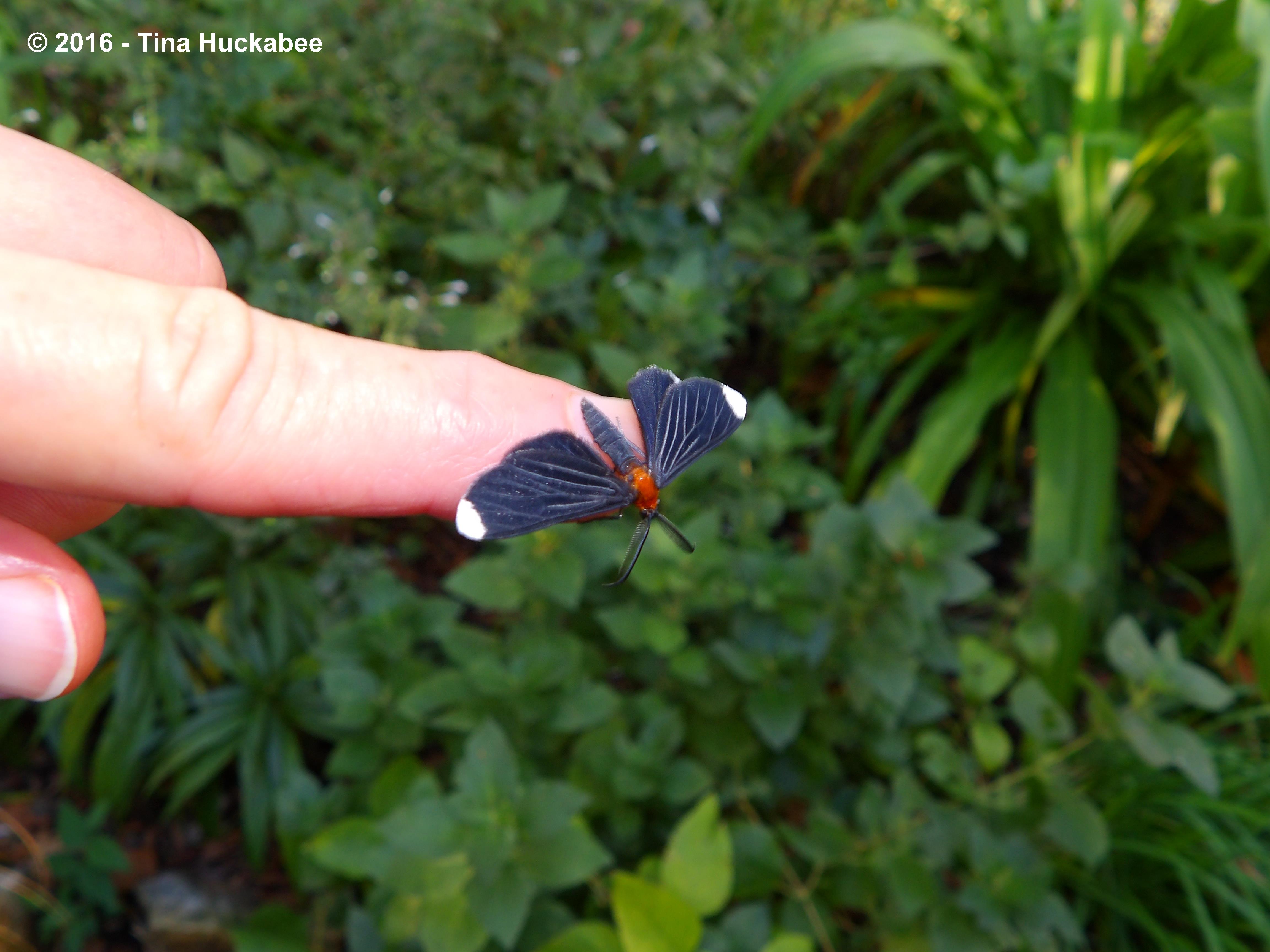
Not long afterward during  an early morning walk with my furry, four-legged friend, I picked up from the street a (probably) dying White-tipped Black.
imgp0946-new

Beautiful!

imgp0947-new

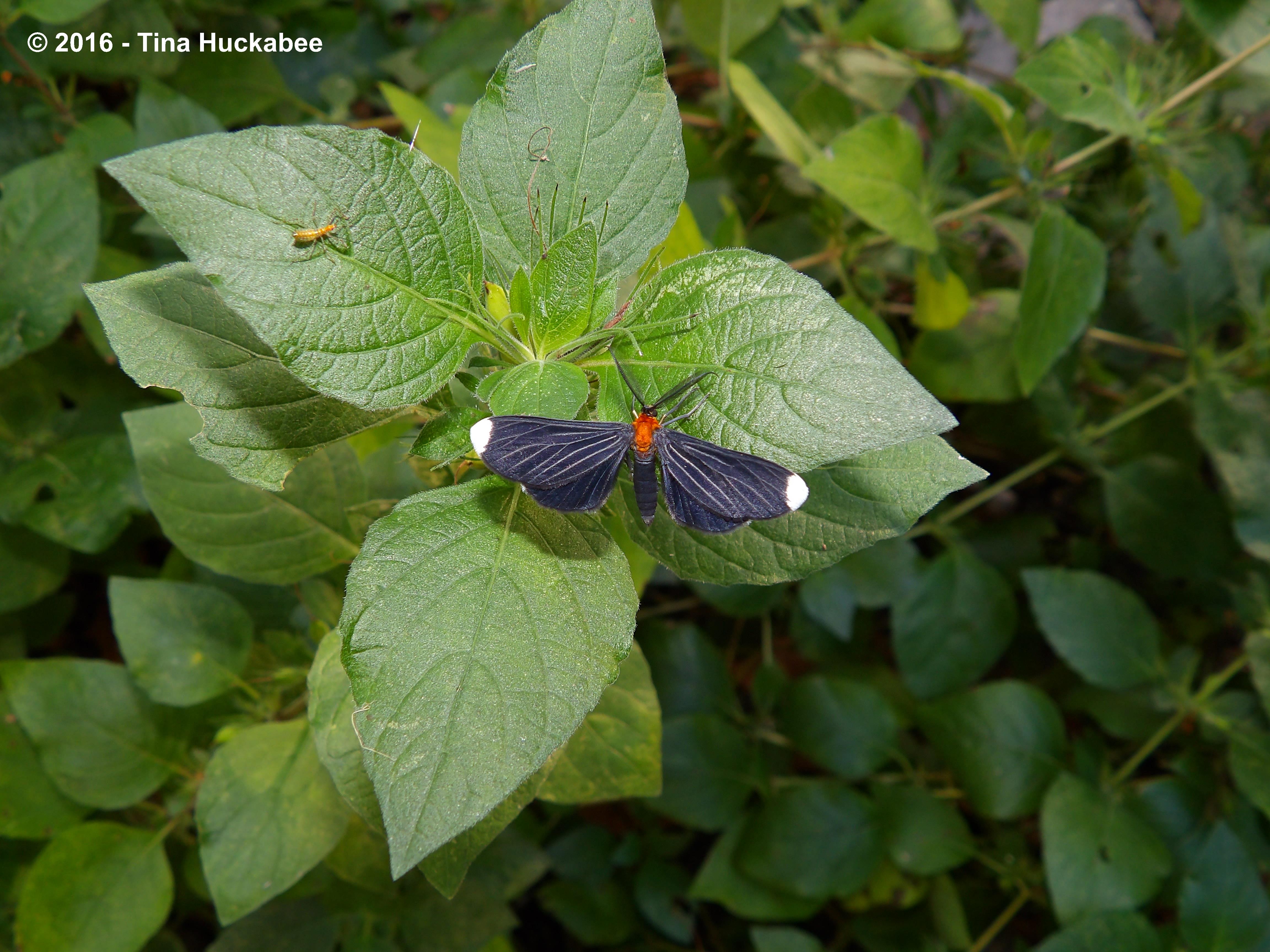
I brought it home and placed it on a Wild ruellia leaf.  It remained there for much of that day, but  eventually disappeared to unknown parts.
imgp0953-new

When we first saw this species on the neighbor’s plant, I congratulated myself because I thought that it might be a moth. I’m reasonably familiar with butterflies in this area and didn’t recognize it, but I’m not so familiar with moths, as they’re more elusive and not necessarily out when I’m out.

One moth characteristic is of fuzzy, feathery antennae, rather than the slender antennae typical of butterflies, and you can clearly see that here:

imgp0951_cropped_1728x1498-new

I was pleased that The Hub’s initiative provided a correct identification of this lovely moth. Many scientific organizations encourage and rely on so-called “citizen scientists” as scientific eyes on the ground,  helping these organizations ascertain wildlife migration patterns and changing demographics. After all, wildlife biologists and related professionals can’t be everywhere!  They welcome avid gardeners and regular folk to assist in research, education and conservation of wildlife and native habitats through controlled observations and recordings.  My own volunteer work with Cornell Lab of Ornithology is another example of a scientific educational and research organization which enjoys plenty of citizen input.

Another butterfly resource is the National Butterfly Center, located in Mission, Texas.   Part of the North American Butterfly Association, the organization’s mission is research and conservation of butterflies and their required habitats.  Along with the other great work this organization does, they sponsor an annual photo contest, the North American Butterfly Photo Contest.  (I’ll bet they also include moths, too!)  This past week, Julie Shaw of Austin was announced as the winner with her ‘Juniper Hairstreak on Milkweed’ photo. Congratulations, Julie, and wow–what a photo!

Fact-based, non-profit organizations like the three mentioned in this post are always in need of support and volunteers;  please consider monetary donations (end of tax year!) to the myriad scientific (and social) organizations whose dedicated professional staff and volunteers work tirelessly to achieve education and/or conservation goals.  In post-truth America, where cynical, dangerous assaults on science, nature, and personal freedoms abound, it is increasingly important to counter falsehoods and misrepresentations with facts, reason, funds, and boots-on-the-ground activity.
 

Wildlife Wednesday, January 2016: All About Birds

Welcome to a new year, with new beginnings, and new wildlife to observe and learn about.

How exciting!

In my gardens, this past month’s wildlife happenings have been all about the birds.

IMGP3020.new

Yes, I know that’s not a bird.  Nor are these.

IMGP3082.new

IMGP3094_cropped_2608x2968..new


But this handsome devil is most definitely a bird!

IMGP3278.new

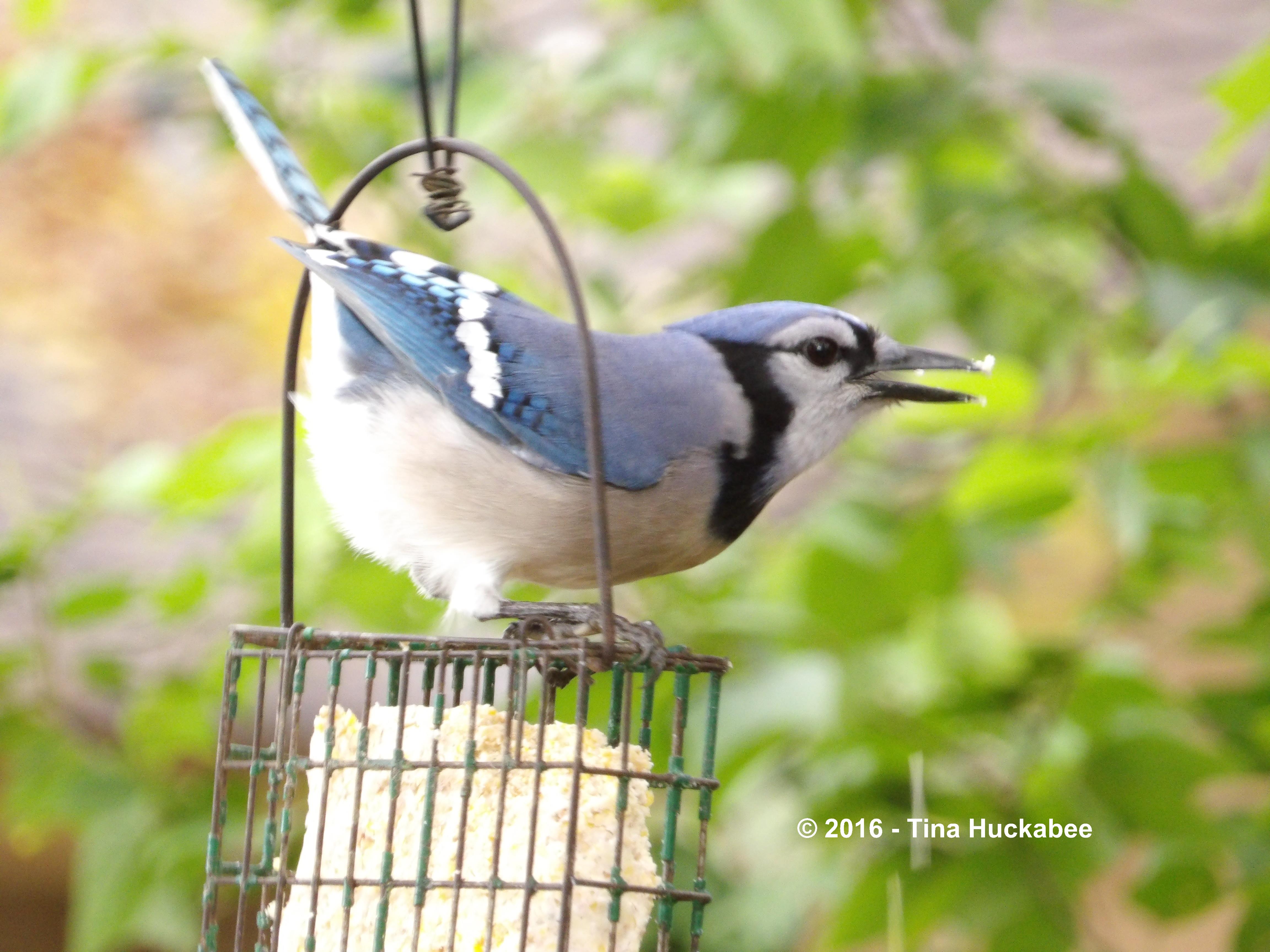
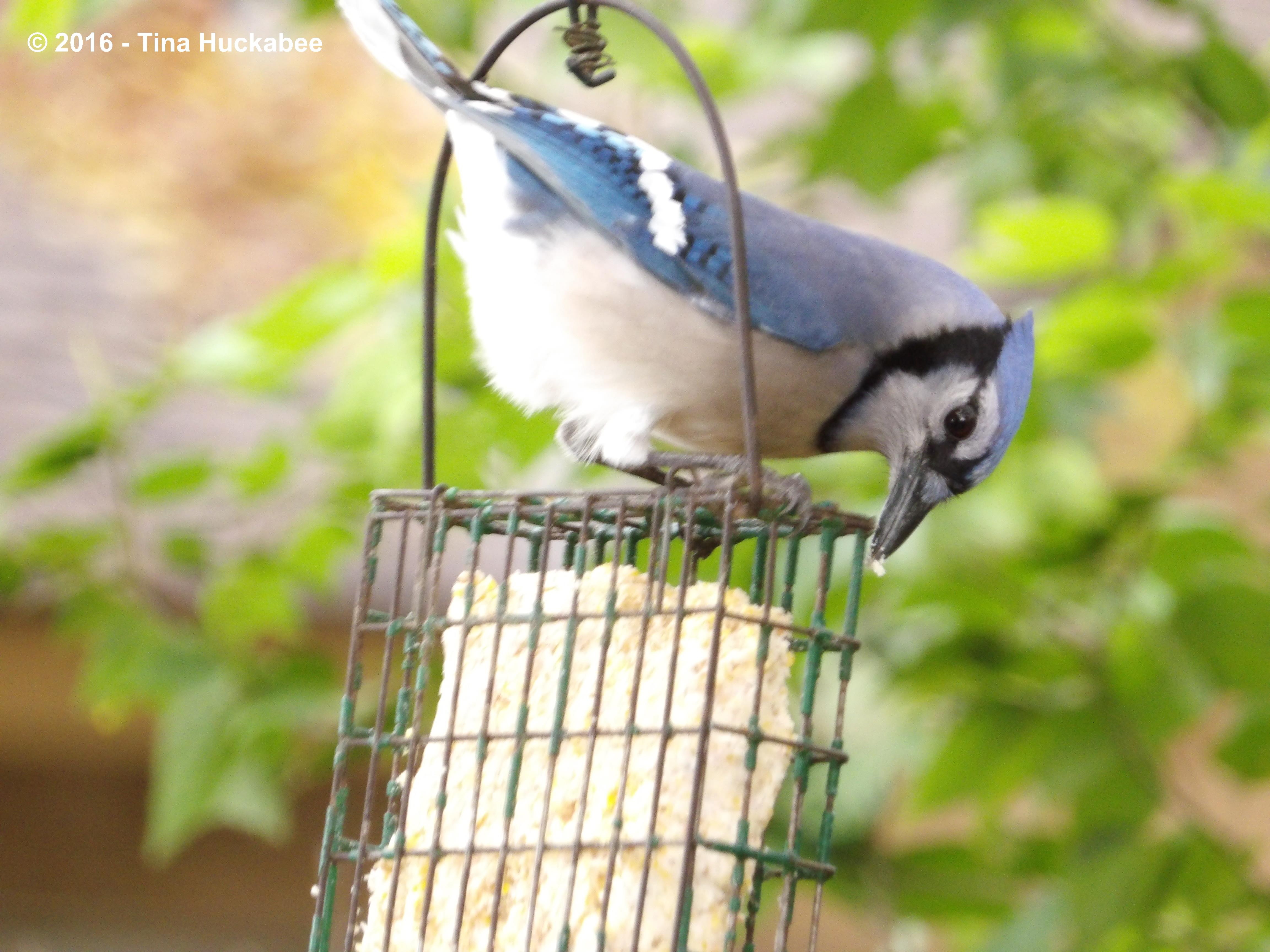
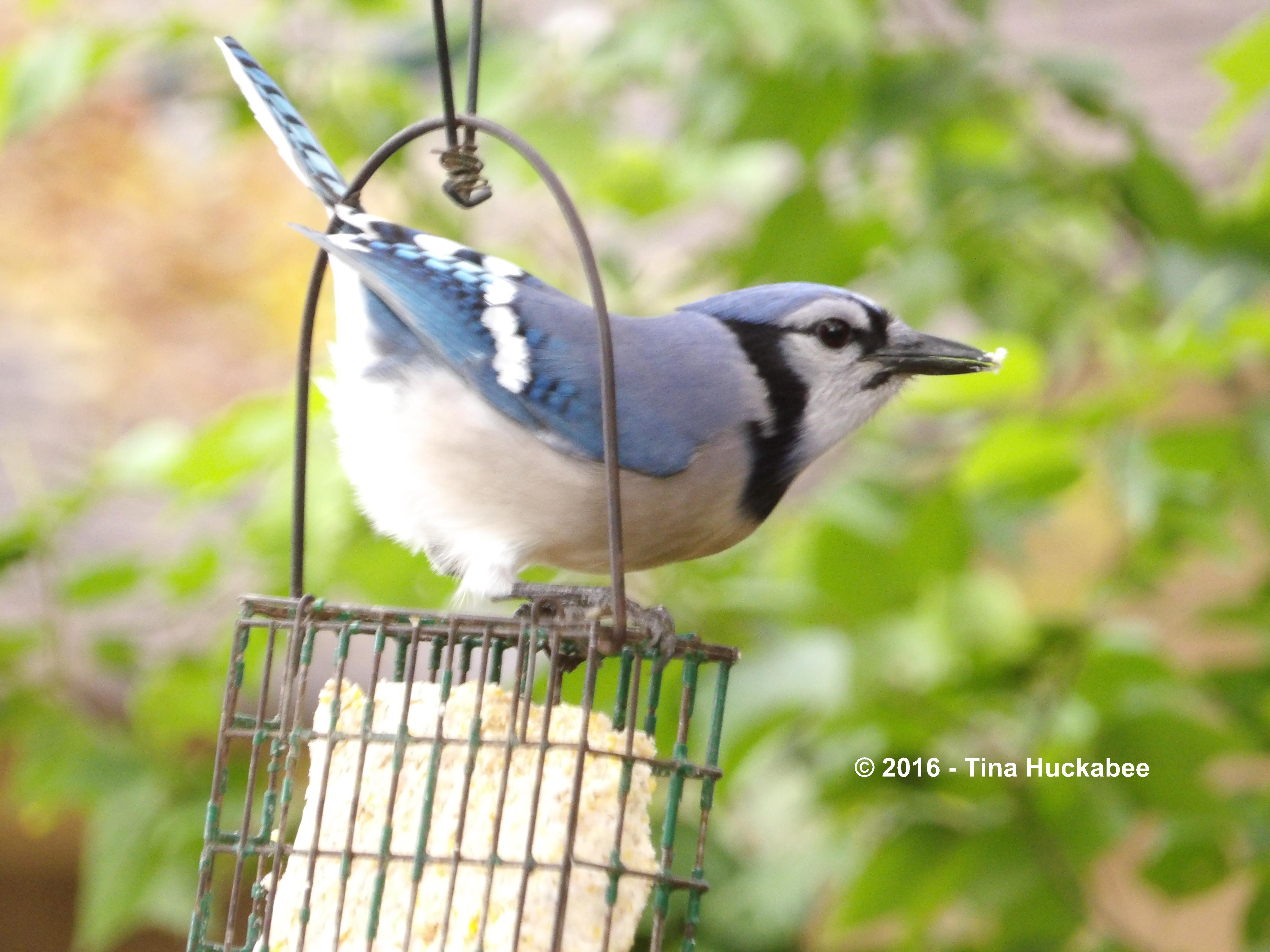
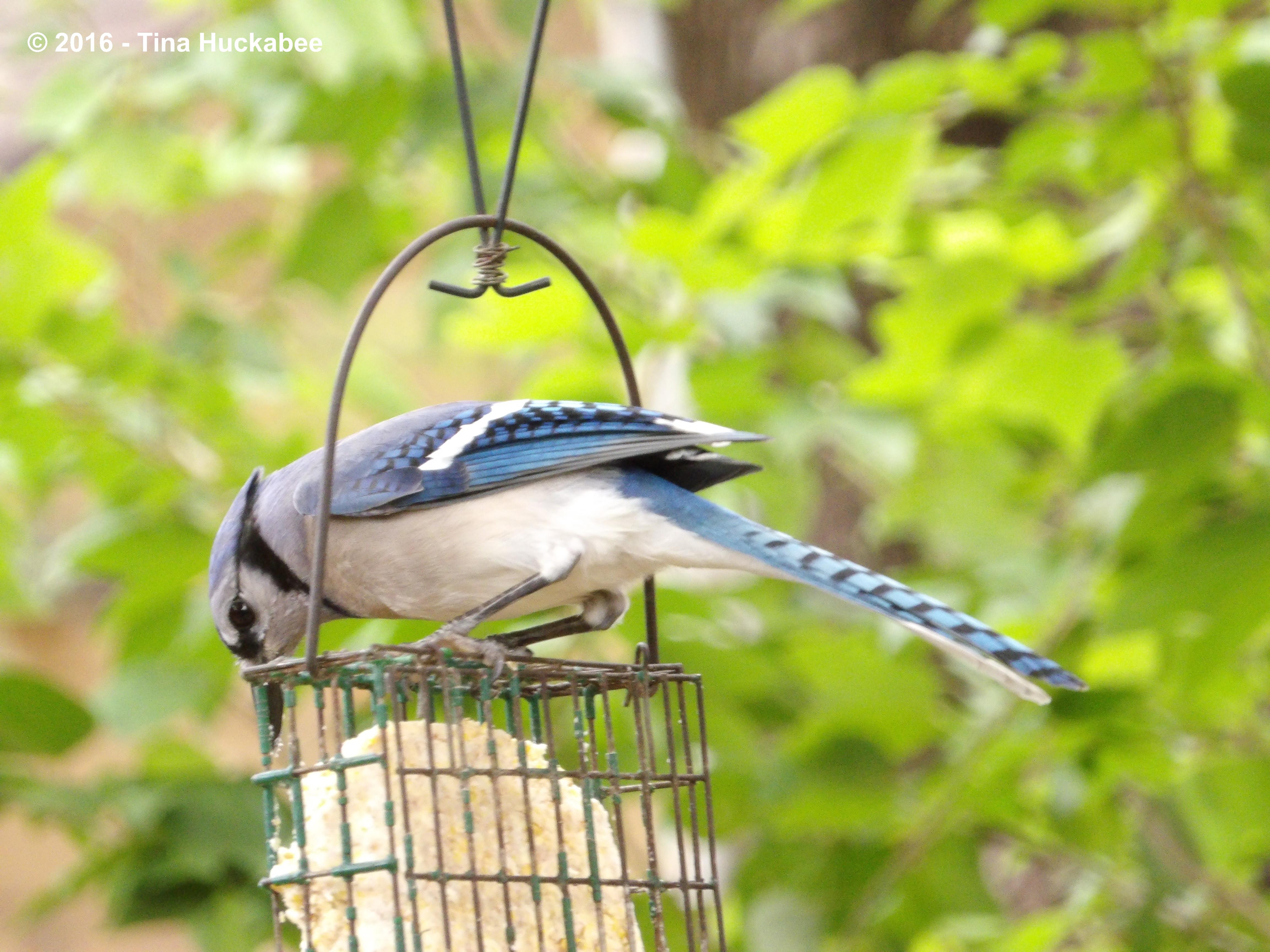
There are a number of native Blue Jay birdsCyanocitta cristata, who fly through my gardens, stopping on a regular basis to nosh,

IMGP3283.new

…and preen.

IMGP3106.new

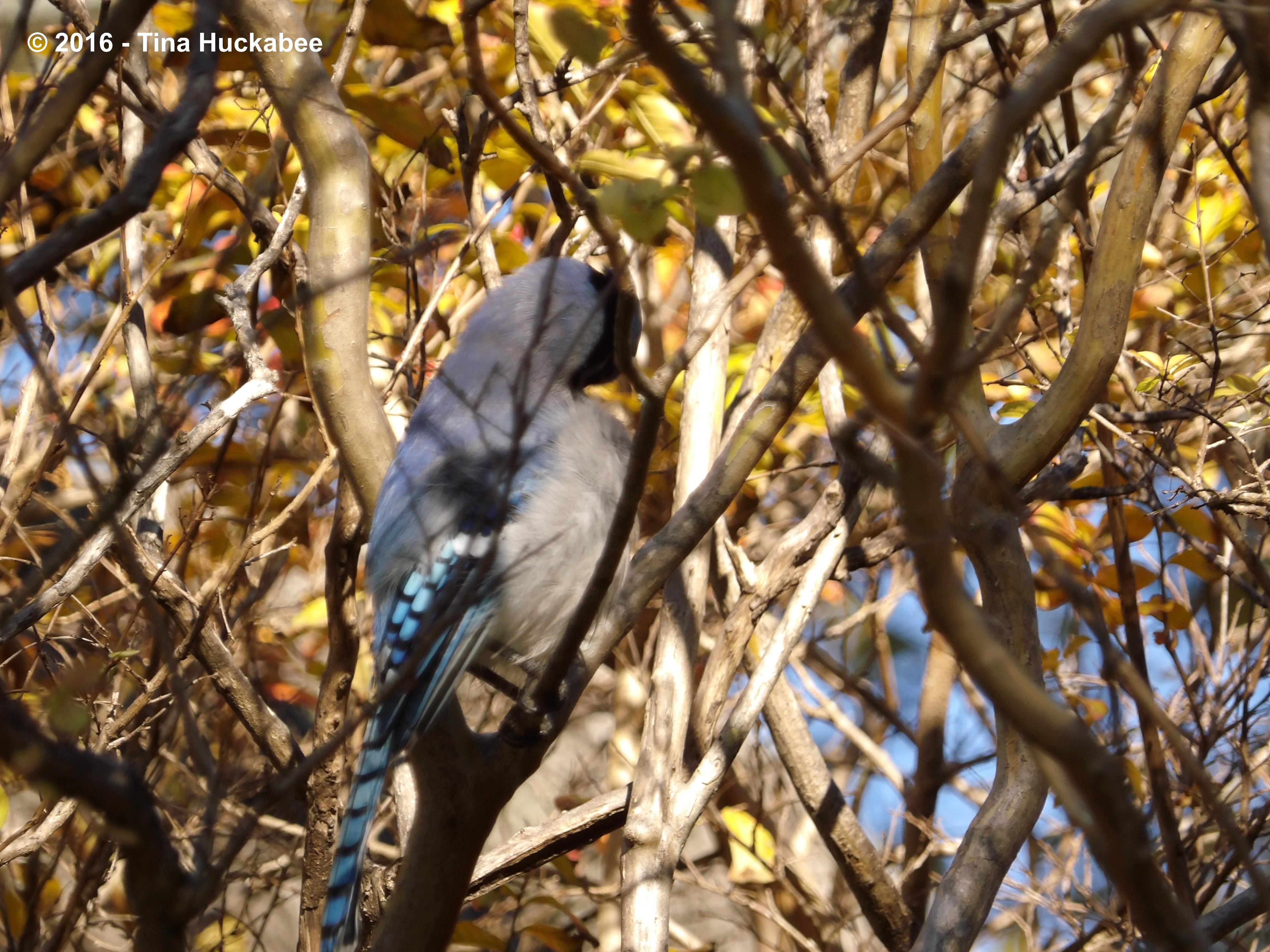
Beautiful birds, Blue Jay males and females are difficult to tell apart.  Their feathers have the pigment melanin, which is brown, but the blue that we see and admire happens because of scattered light through specialized cells along the feathers.

Lots of folks don’t like Blue Jays because they are assertive and noisy, but I’m quite fond of them; their cheeky personalities and gorgeous good looks always cheer me.  I miss the flash of blue when I haven’t seen one swoop through the garden in a day or two, though their not being part of the landscape is rare.  Blue Jays are intelligent birds with complicated family structures and there’s still much that ornithologists don’t quite understand about their family habits and migration patterns.

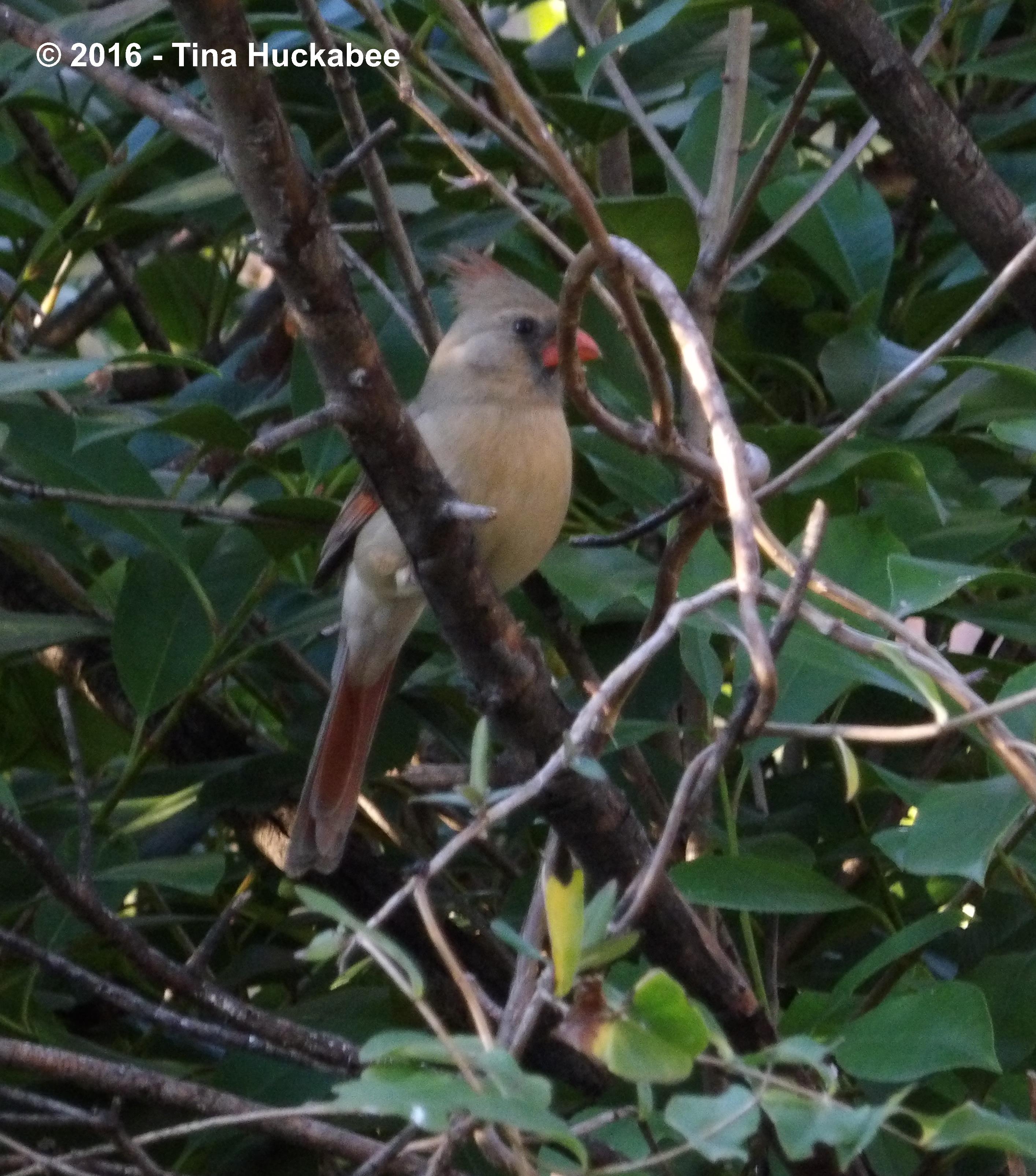
Occupying a different spot of the color wheel is this lovely girl,

IMGP3102_cropped_2829x3212..new

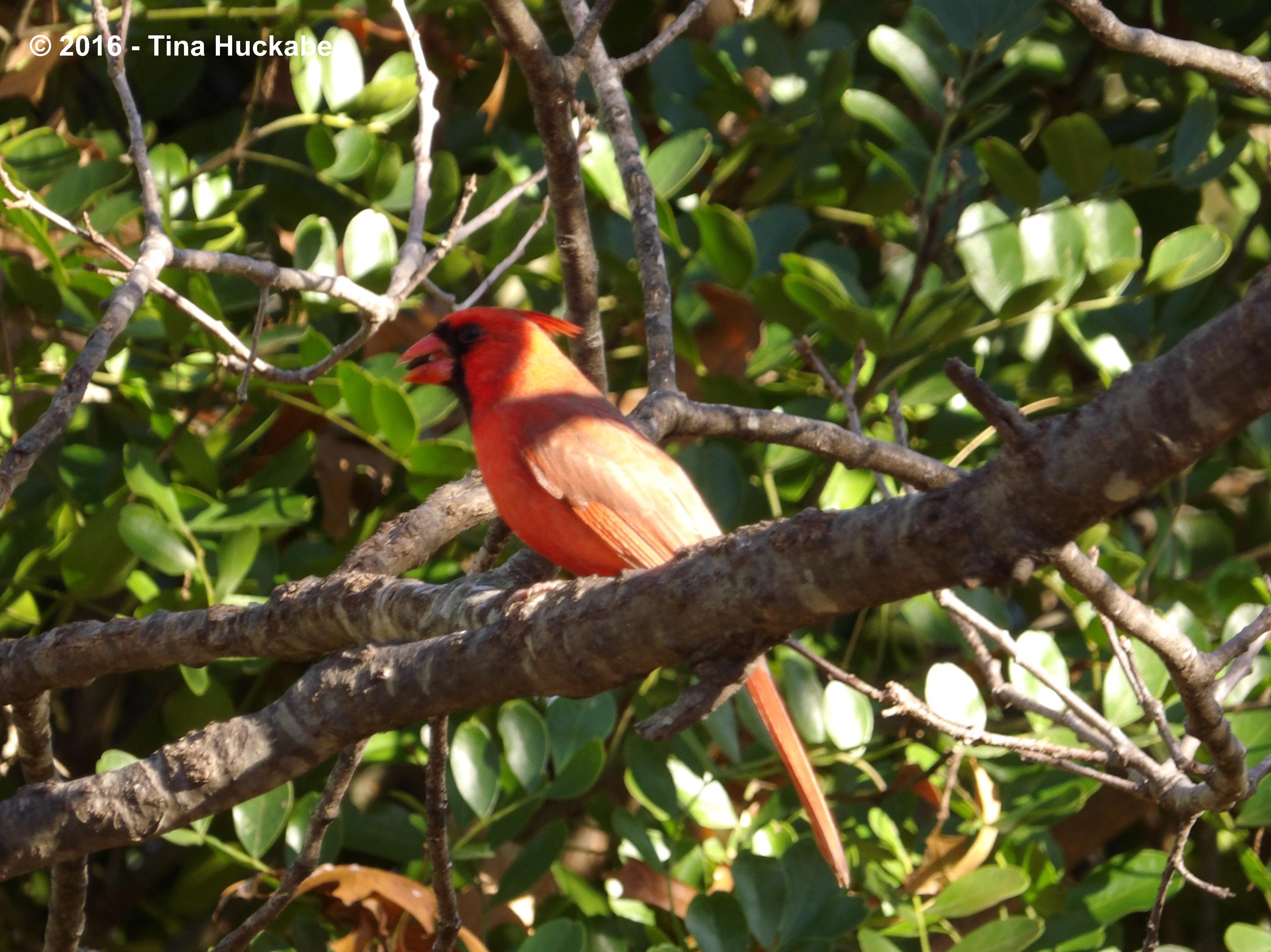
…and her male counterpart.

IMGP3613_cropped_4276x3203..new

Northern Cardinal,  Cardinalis cardinalis, birds  are common throughout  North America and adapt well to the backyard wildlife habitat.  There are two nesting pairs in my part of the neighborhood. They nest nearby and visit my gardens and feeders daily.  During summer, I’m likely to see dad training up his youngins’ on the best places to eat in the neighborhood and how to avoid the neighborhood cats.

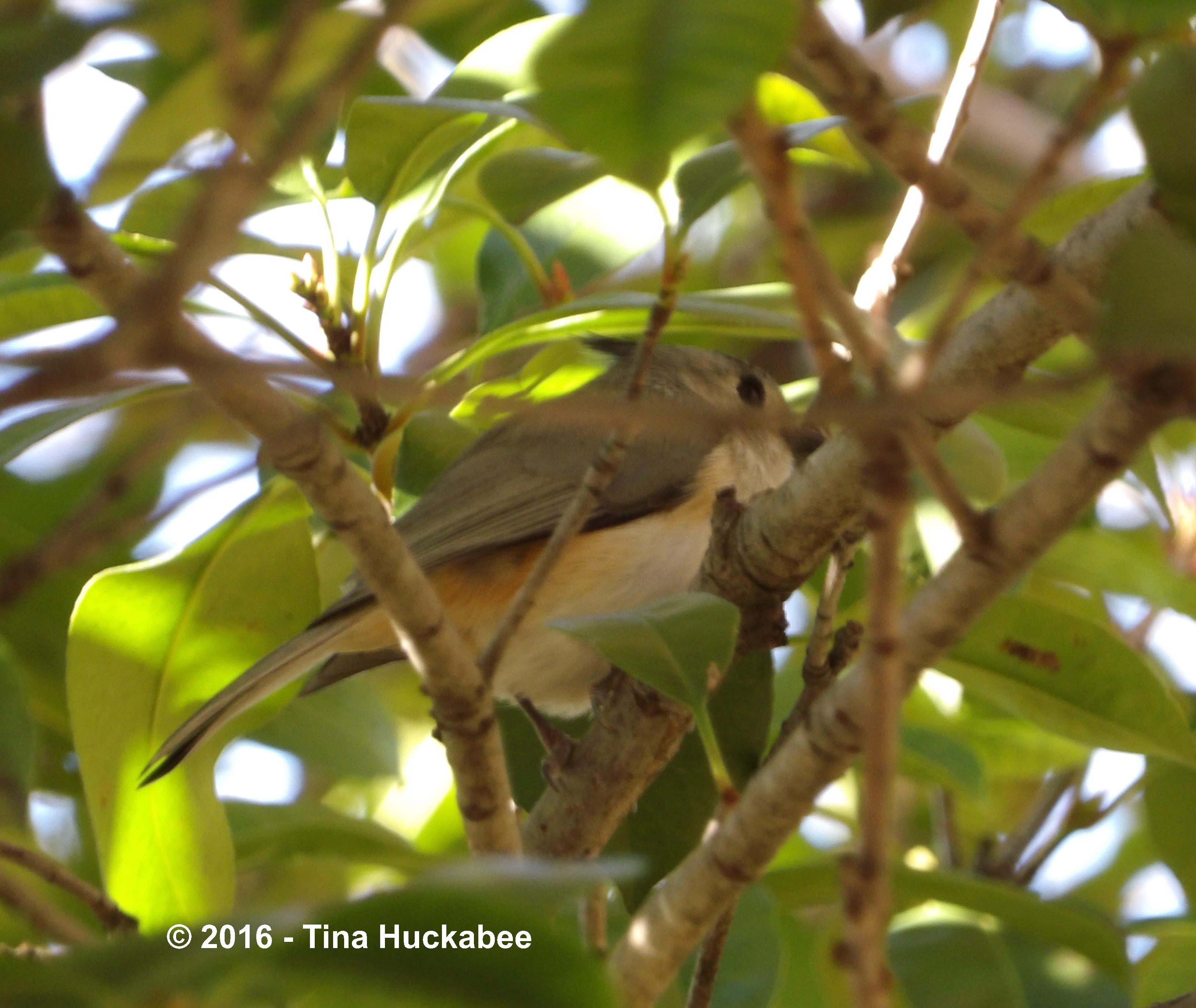
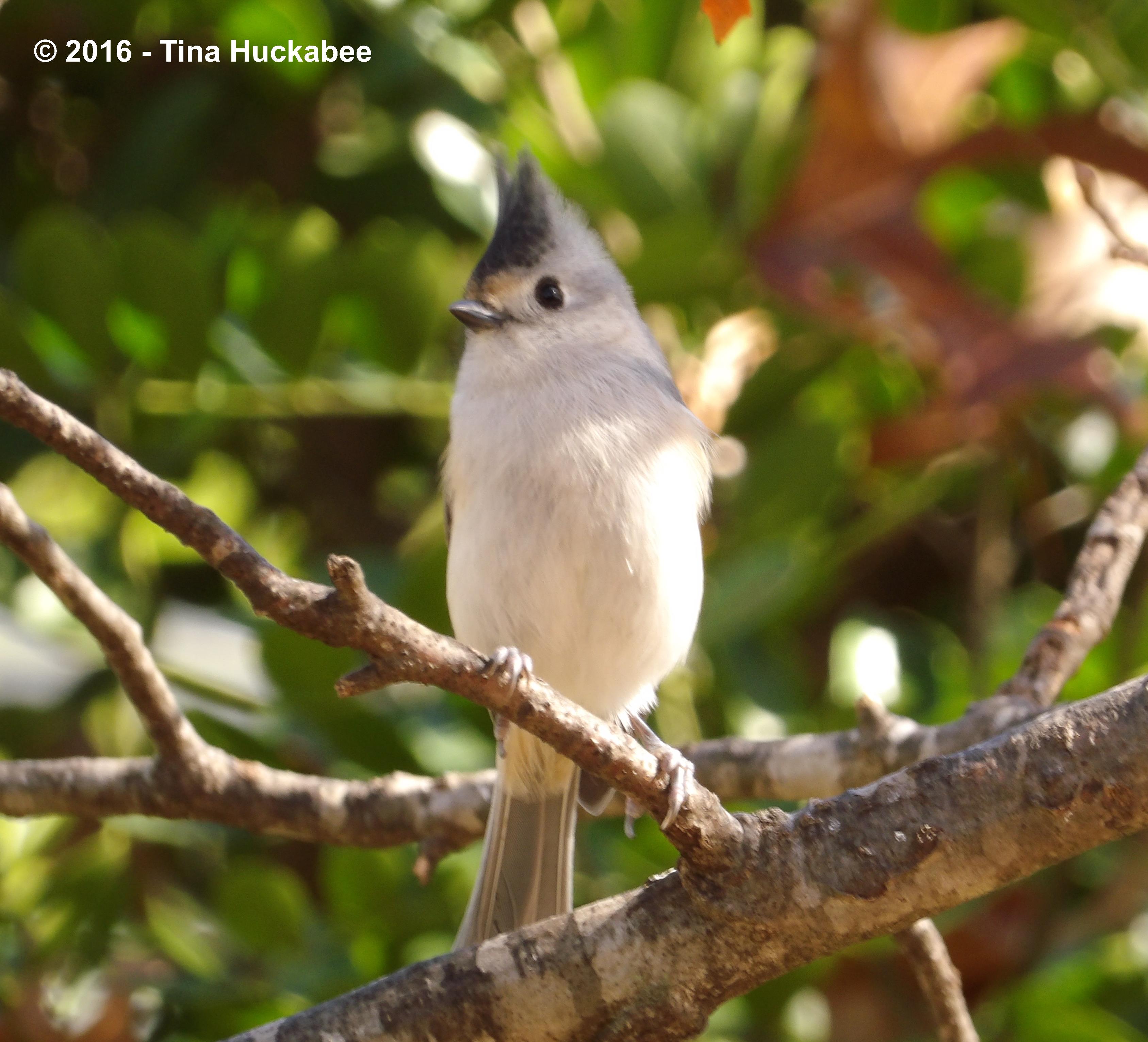
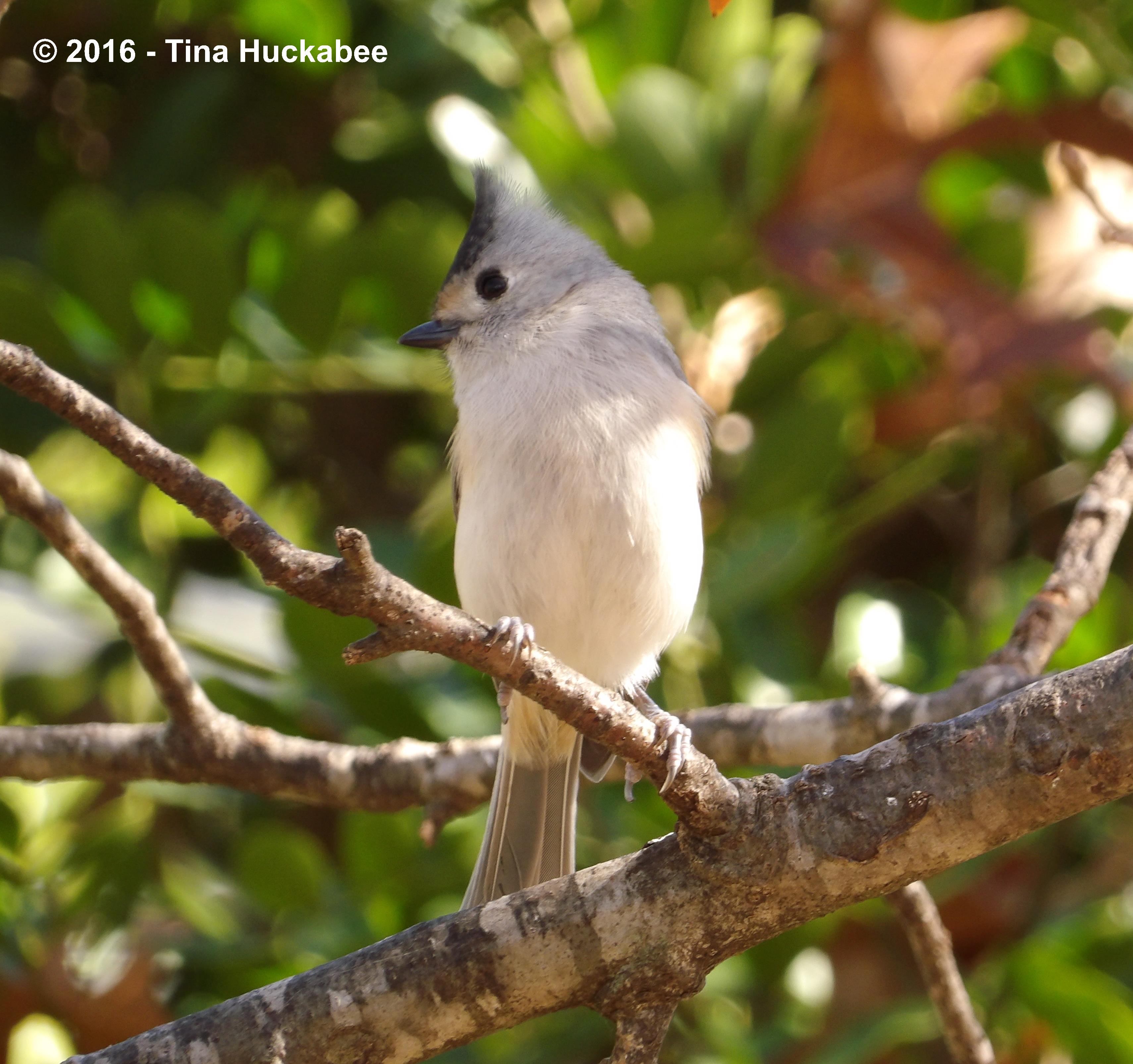
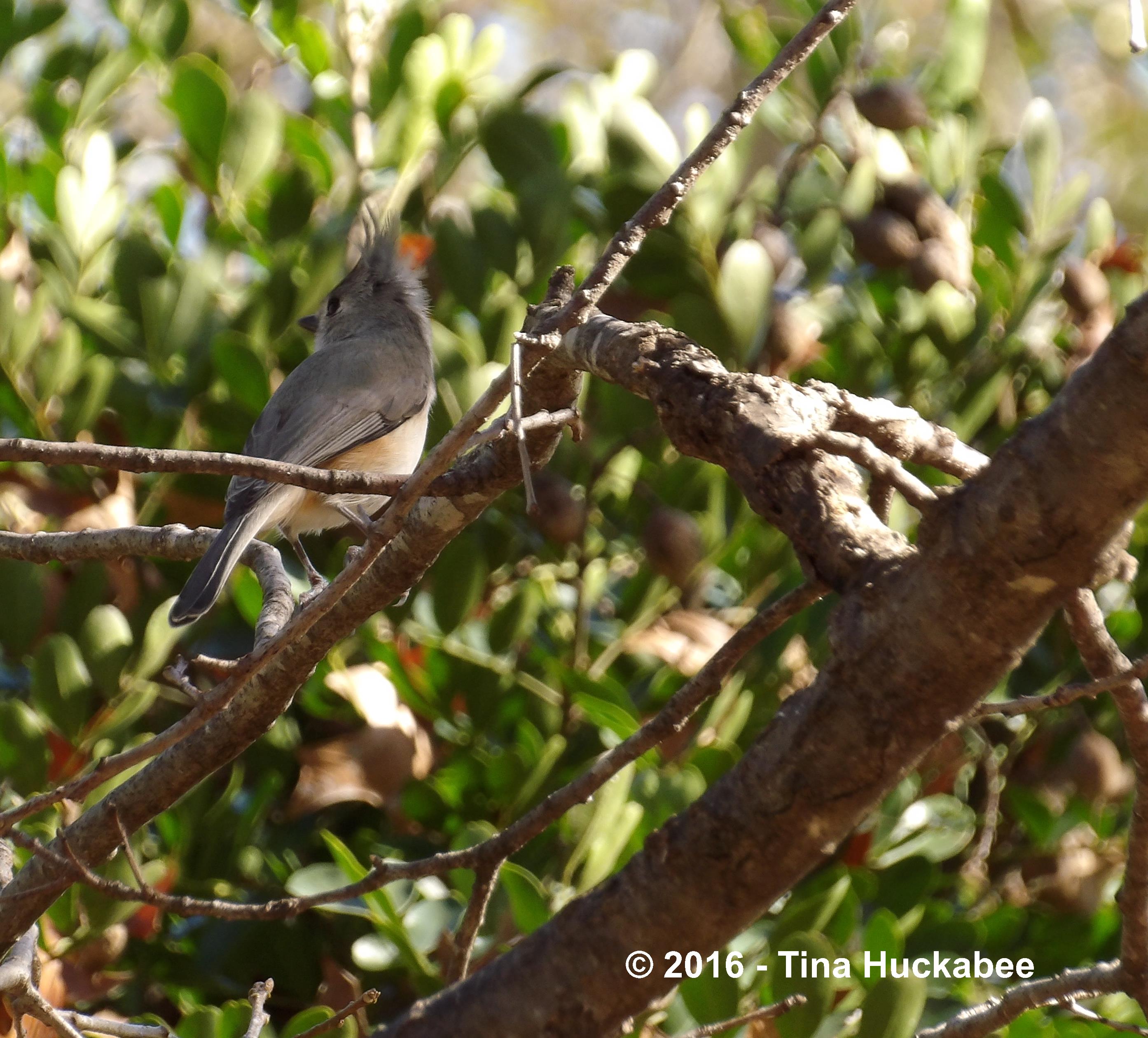
Last month, I attempted photos of the Black-crested Titmouse(s), Baeolophus atricristatus, who frequent my garden spaces. Their charming chirps allure, but their quick movements thwart photographic efforts–mine anyway.   Luckier this month, I captured some photos of some of these darling birds.  Resting between visits to a feeder,

IMGP3315_cropped_3253x2742..new

…and simply resting and looking adorable.

IMGP3576_cropped_3374x3061..new

IMGP3571_cropped_3420x3213..new

This one refused to turn around, smile and say “seeds!”  for the camera.

IMGP3542_cropped_2787x2521..new

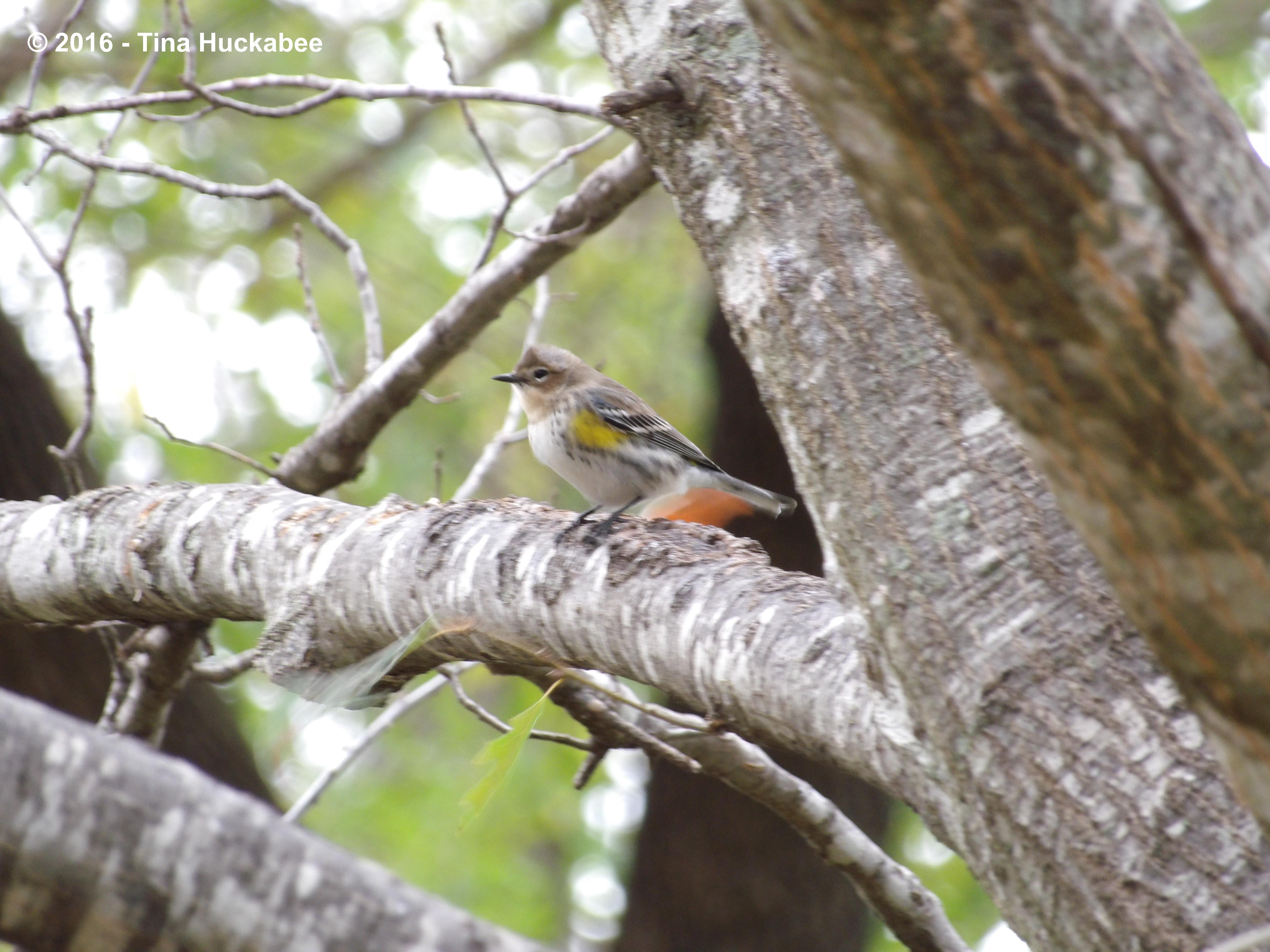
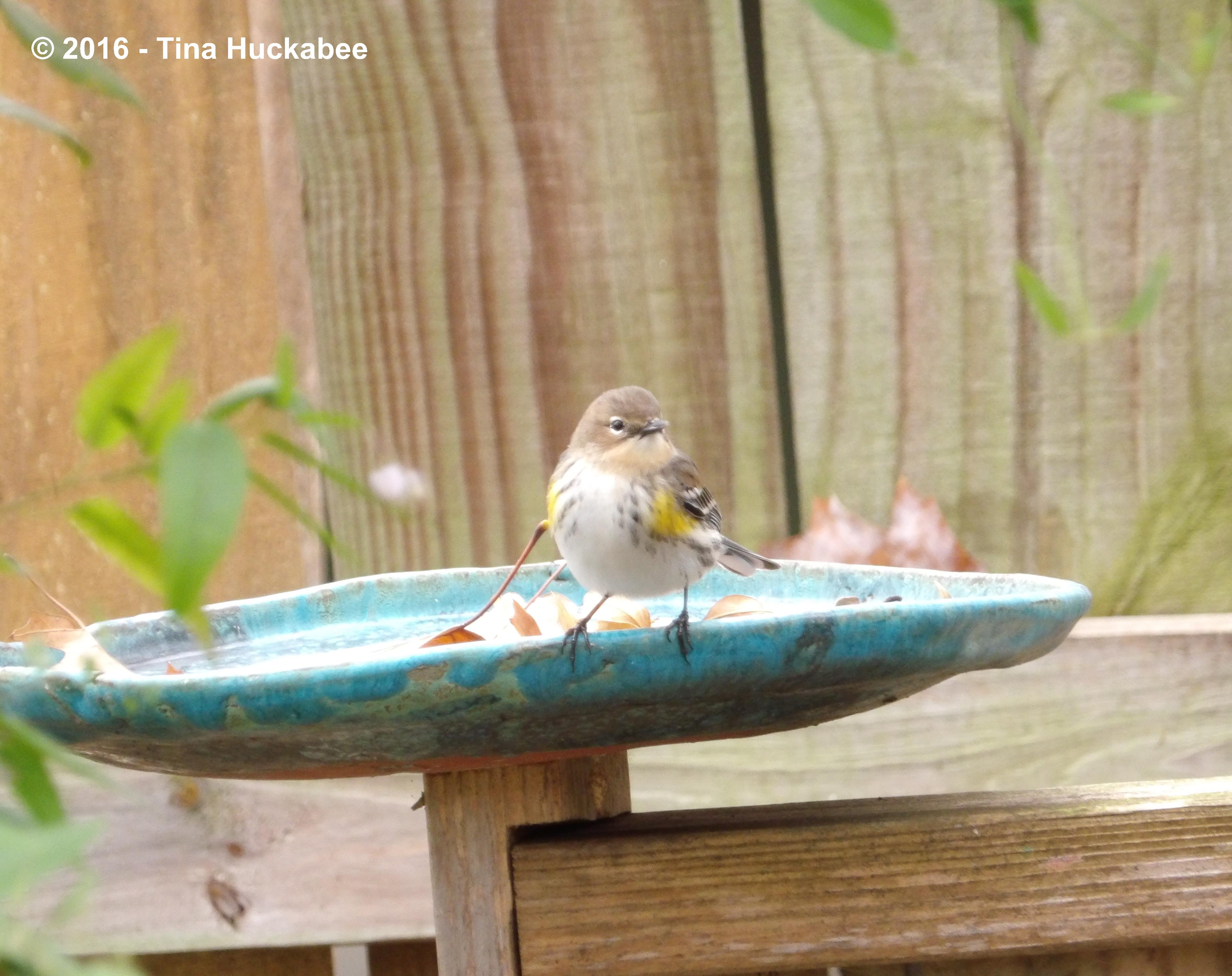
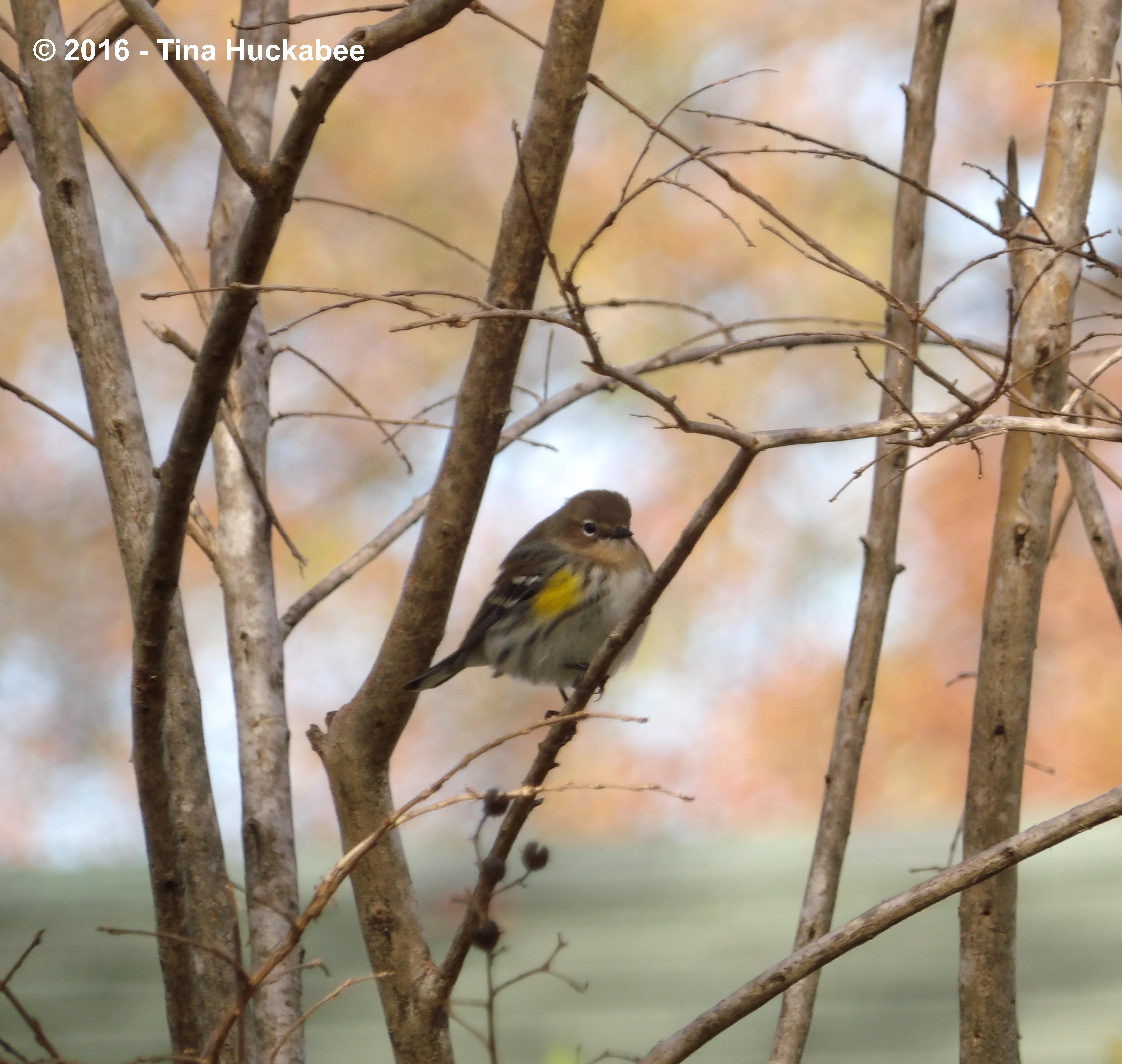
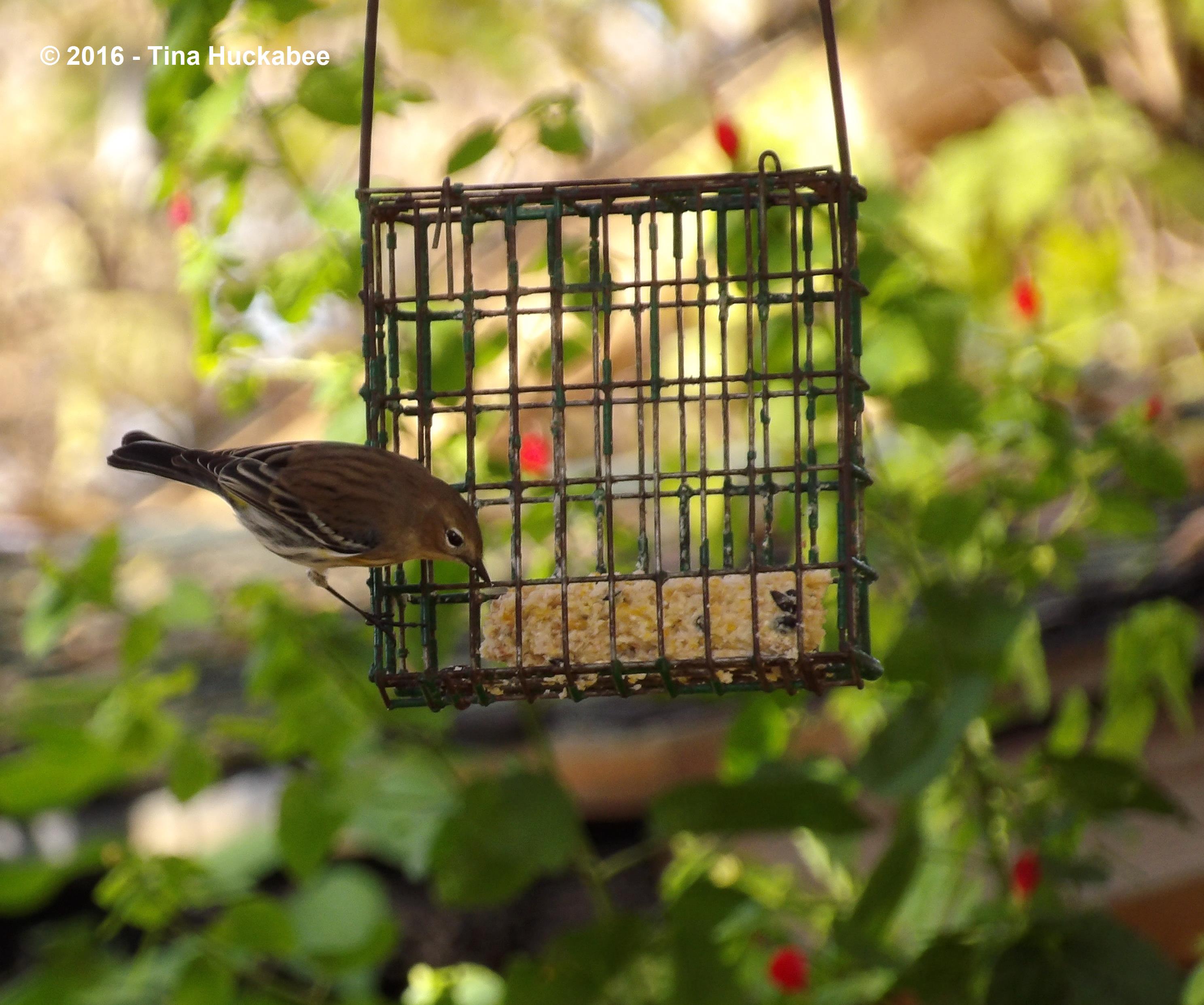
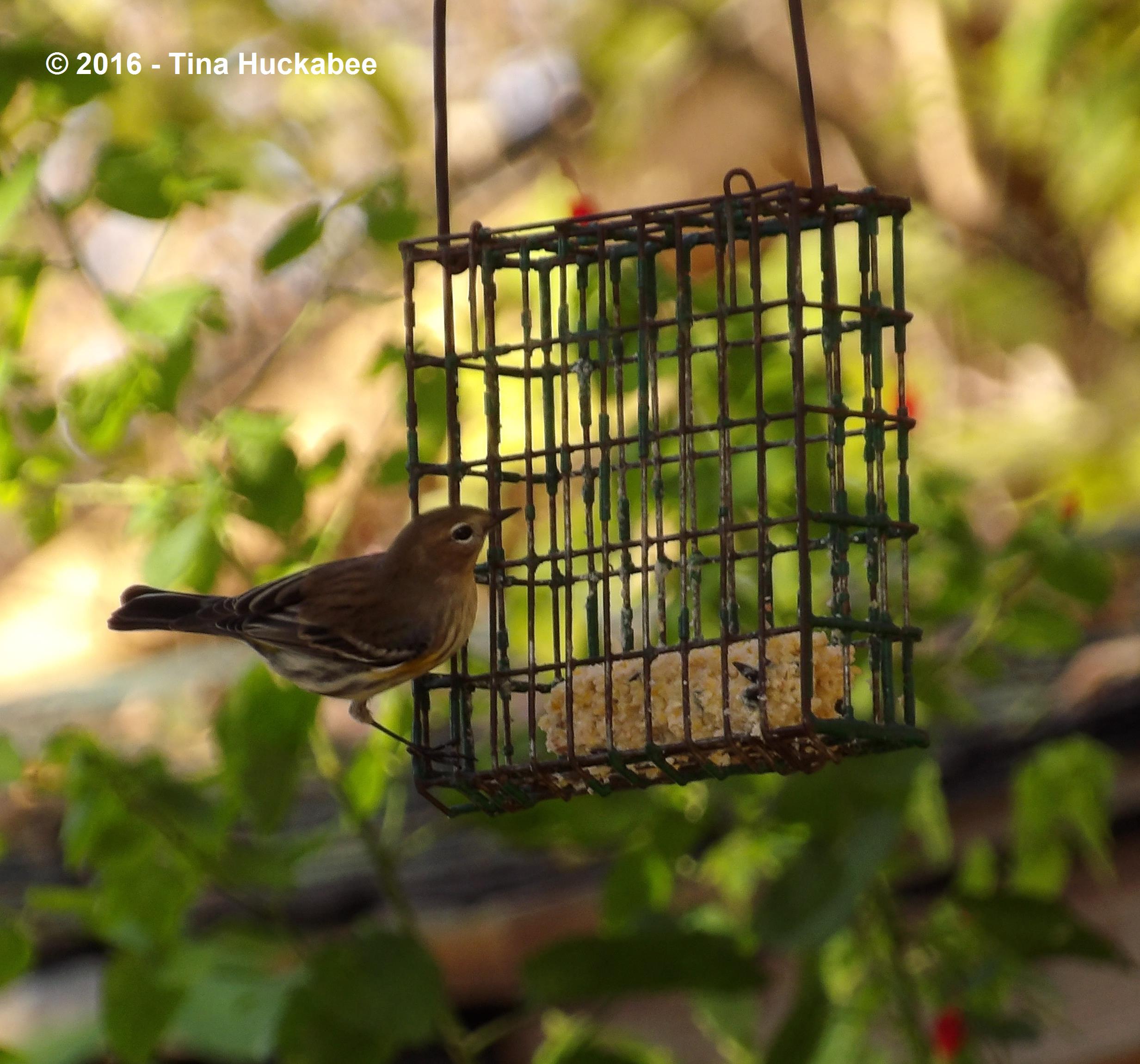
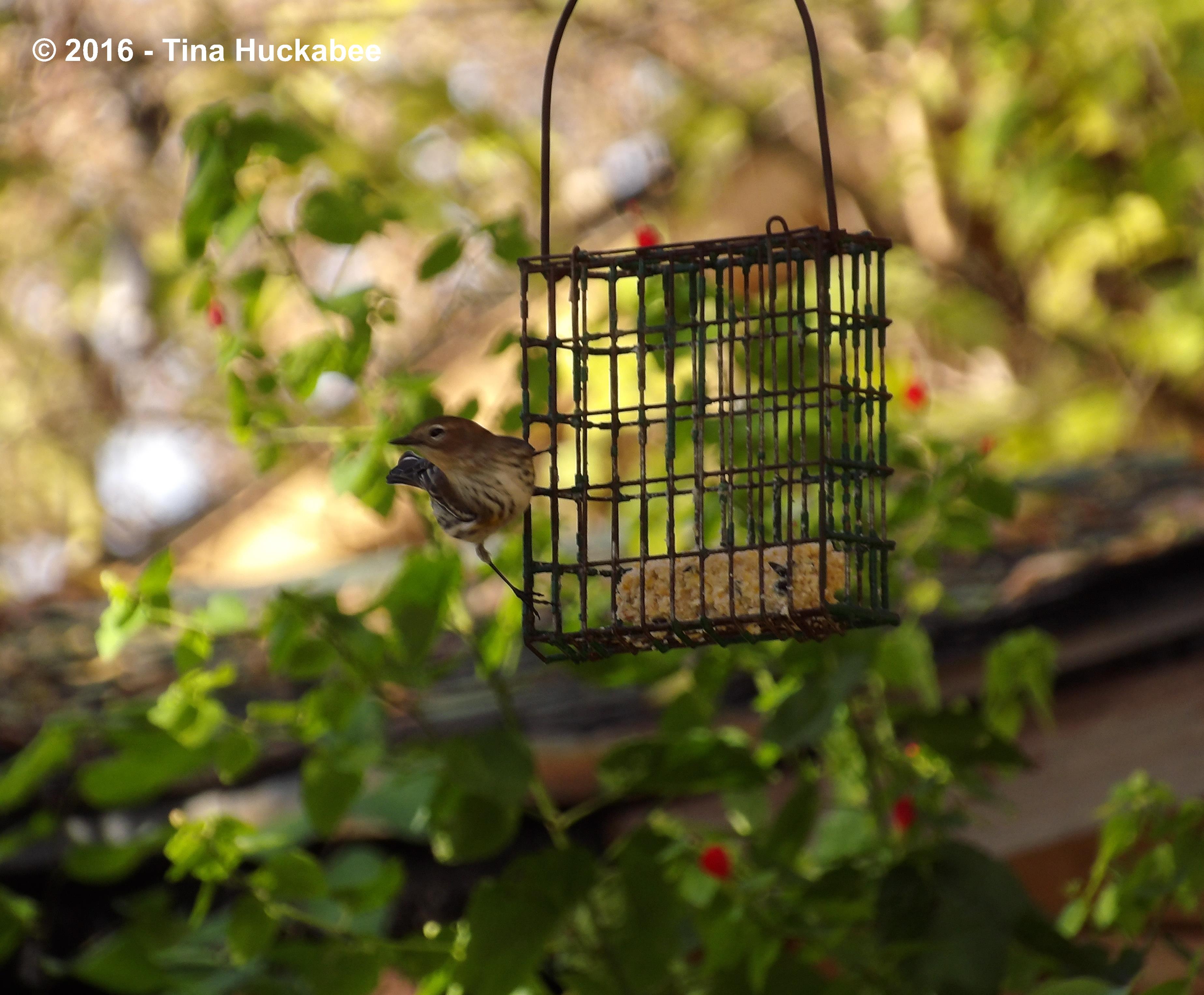
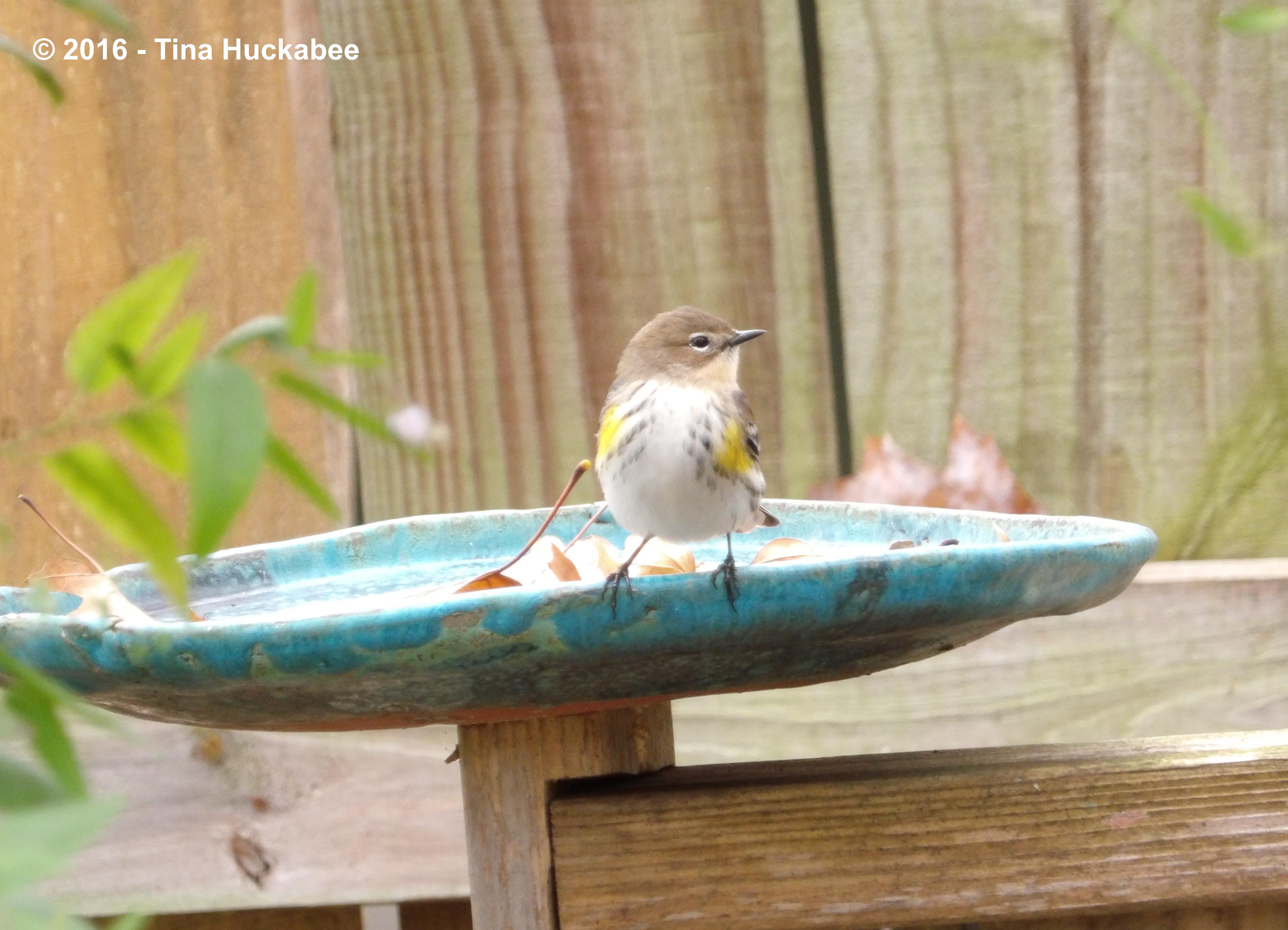
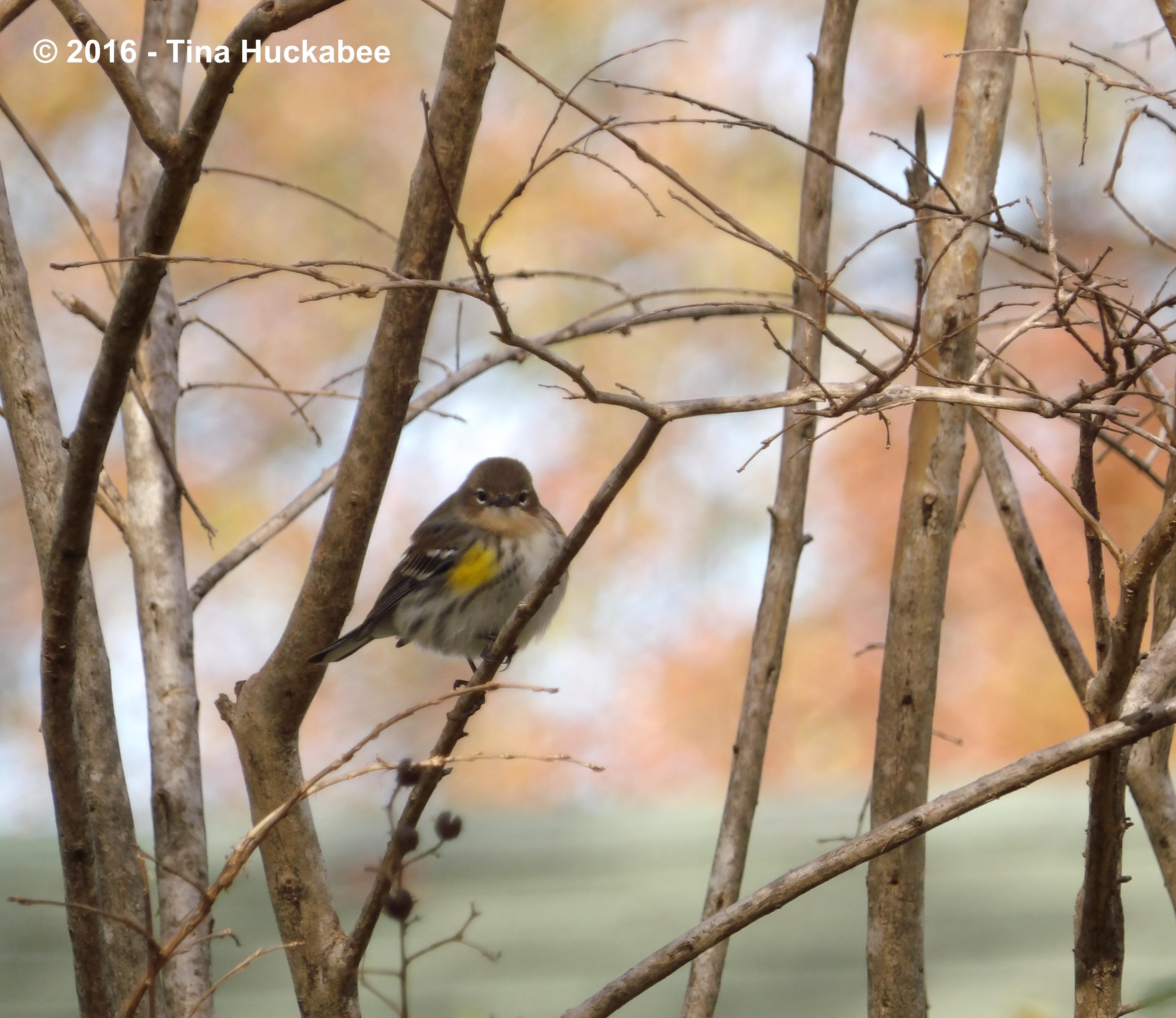
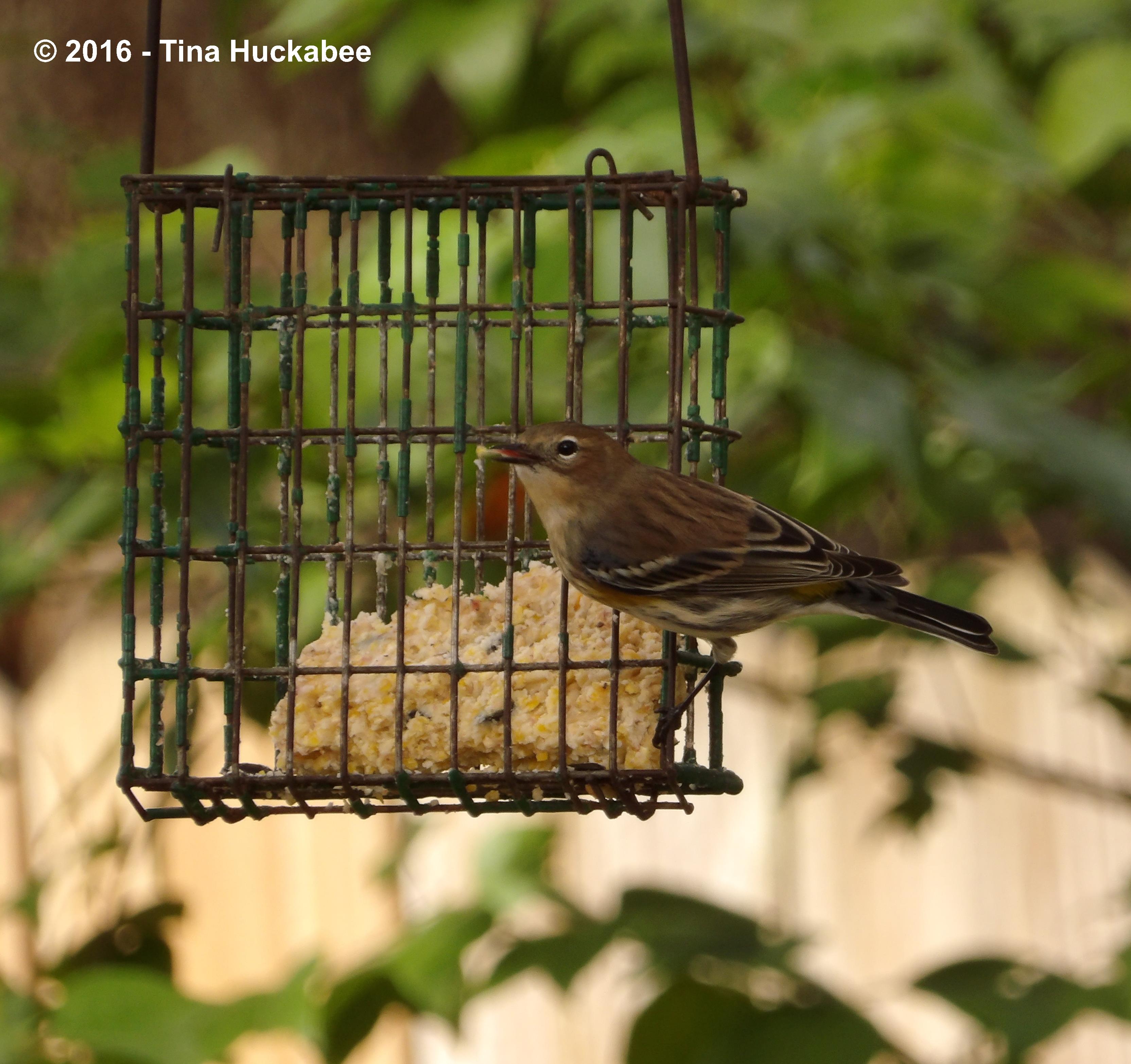
The birds I’m most excited about recently observing in my gardens are a couple of Yellow-rumped Warblers, Setophaga coronata.  This one is a male.

IMGP3508.new

IMGP3499_cropped_3922x3107..new

IMGP3389_cropped_3360x3185..new

Likely as not, I’ve seen this bird species before, because  it’s a common winter Texan.  As I’ve learned about birds, I’m becoming  aware that not all drab little birds are just more sparrows-of-some-sort.  I’m learning to discern their color patterns, size and beak differentiations, and vocalizations. The bird-learning curve is a steep one, to be sure.

IMGP3247_cropped_2976x2483..new

IMGP3235_cropped_2465x2300..new

One must observe closely and (ahem) read a bit about birds to decipher the often subtle dissimilarities between the many species of warblers, finches, and sparrows.

IMGP3226_cropped_3696x3055..new

Most of the little “brown” birds sport colorful plumage here and there,

IMGP3186_cropped_3208x2581..new

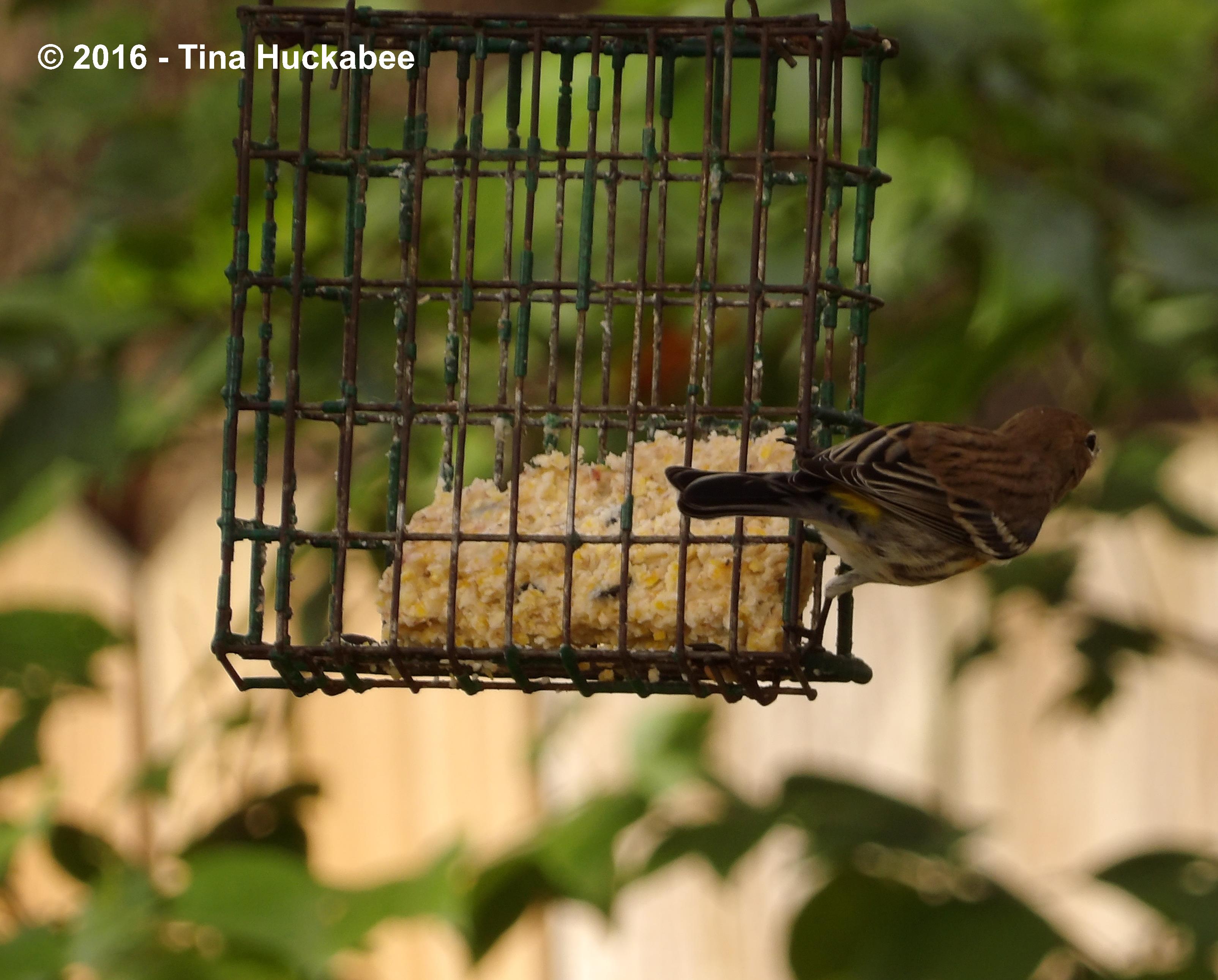
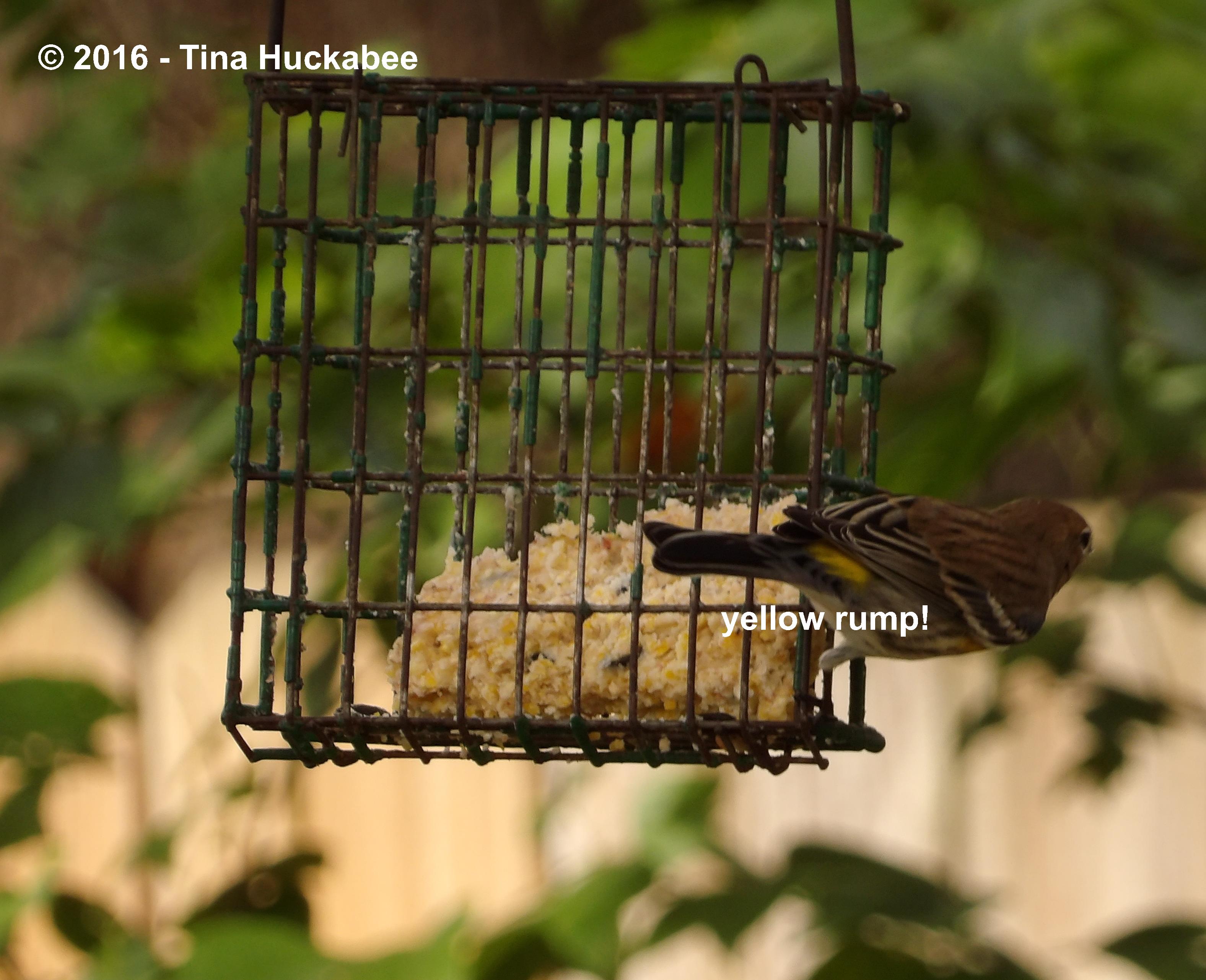
…including on their bums.   Can you see the yellow rump in the above photo?

IMGP3182_cropped_3153x2563..new

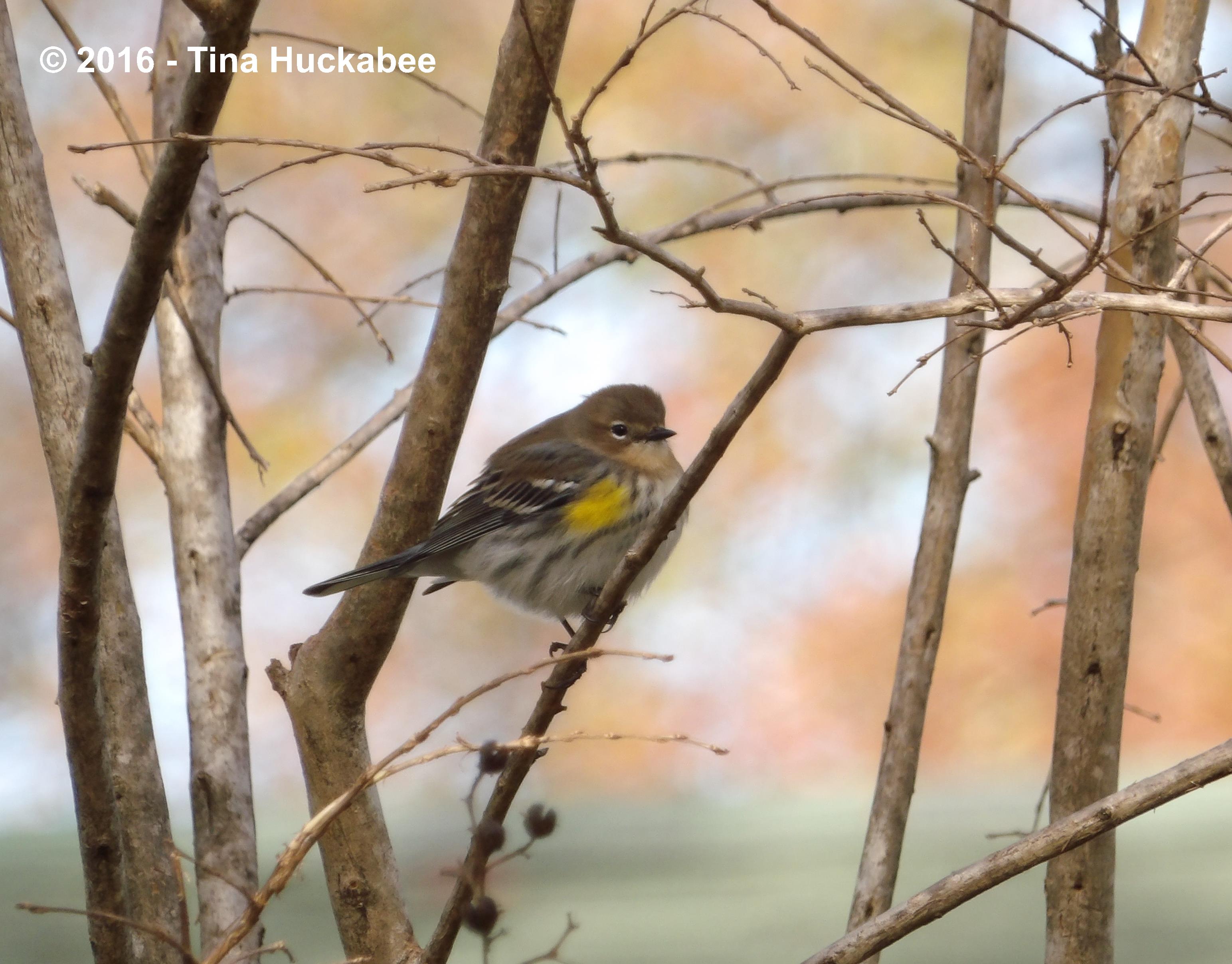
I took a lots of photos before I finally got that yellow in action. There are at least two Yellow-rumps visiting my gardens regularly. This male I see most often,

IMGP3496_cropped_4134x2881..new

IMGP3381_cropped_3087x2415..new


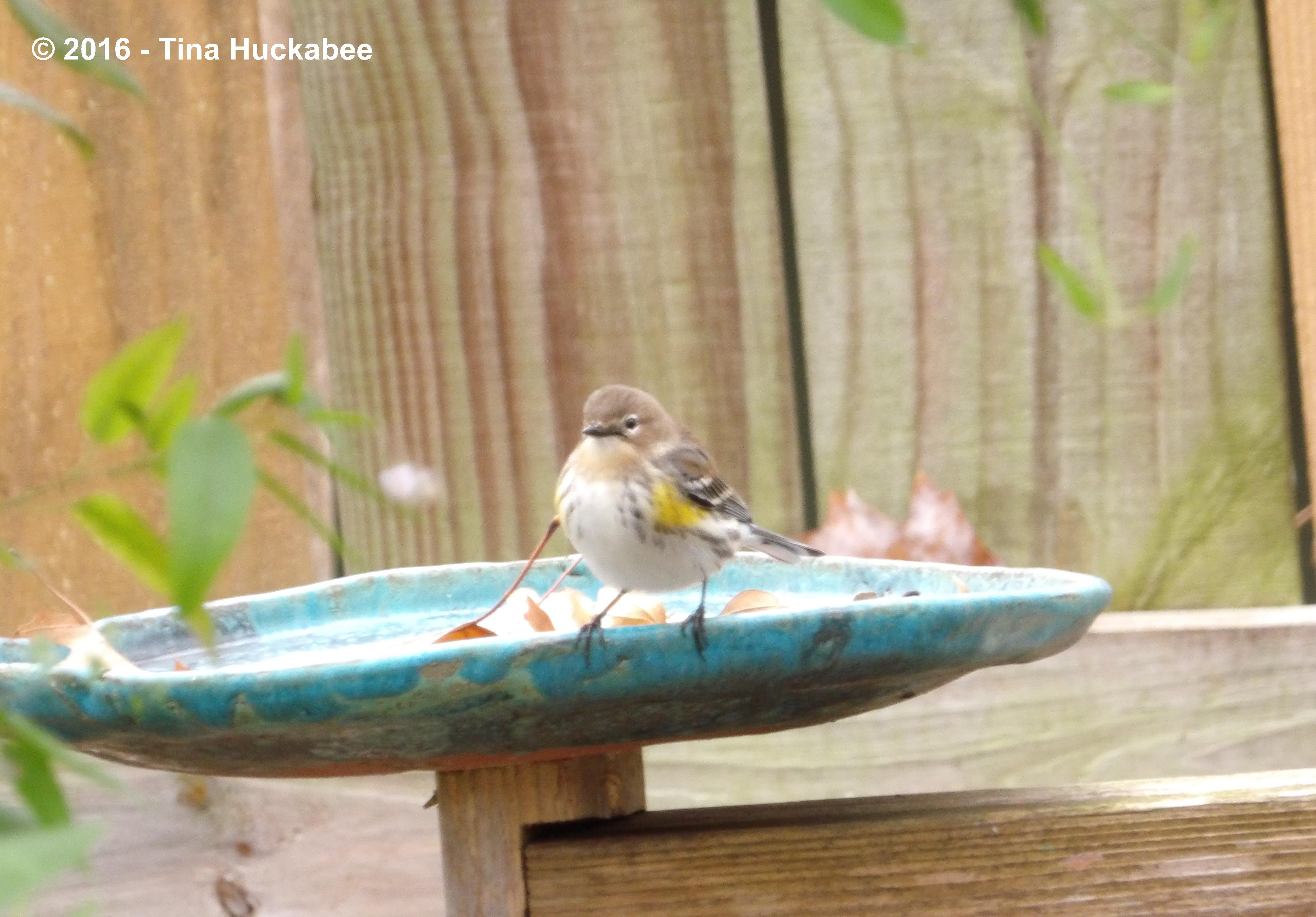
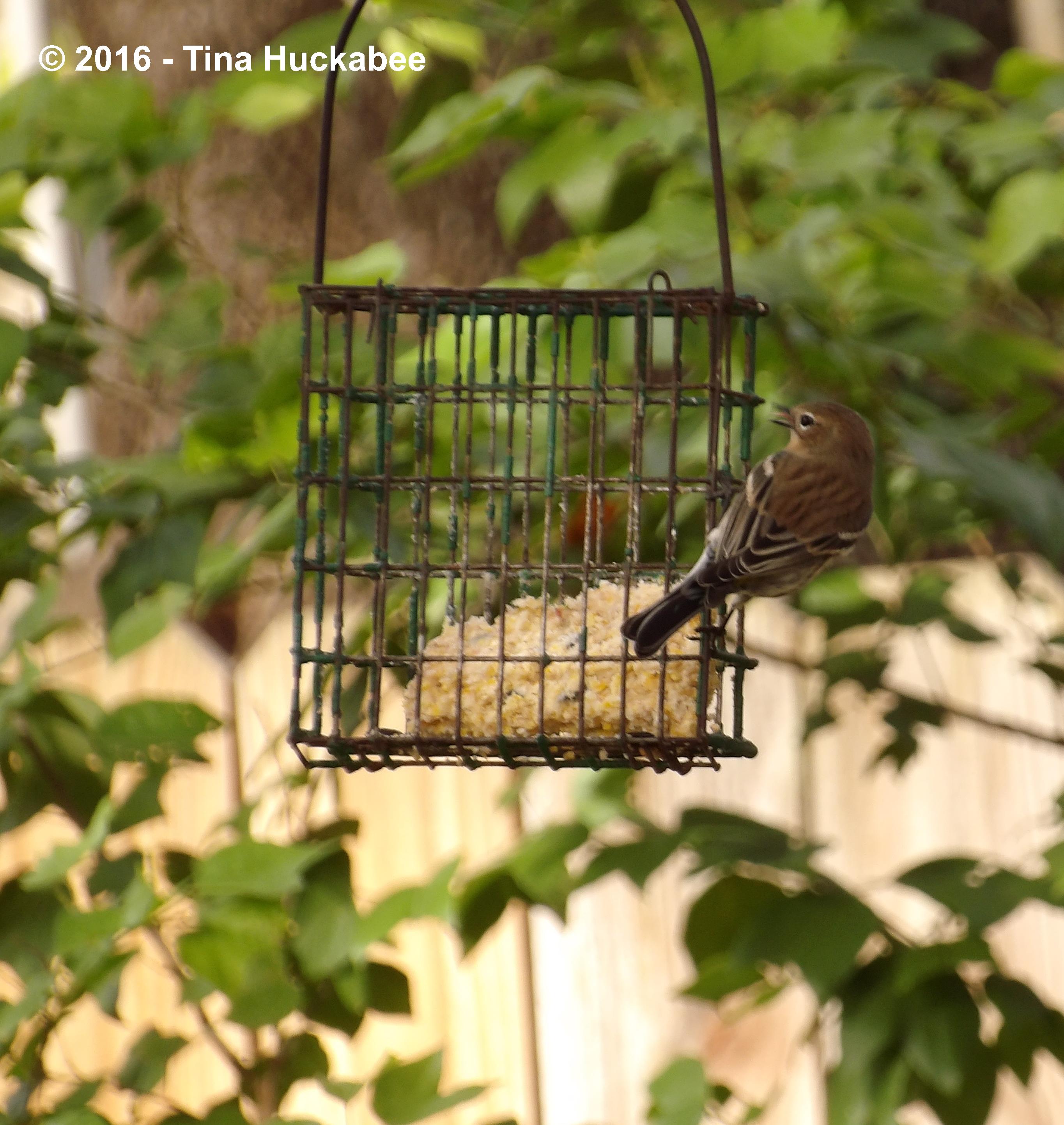
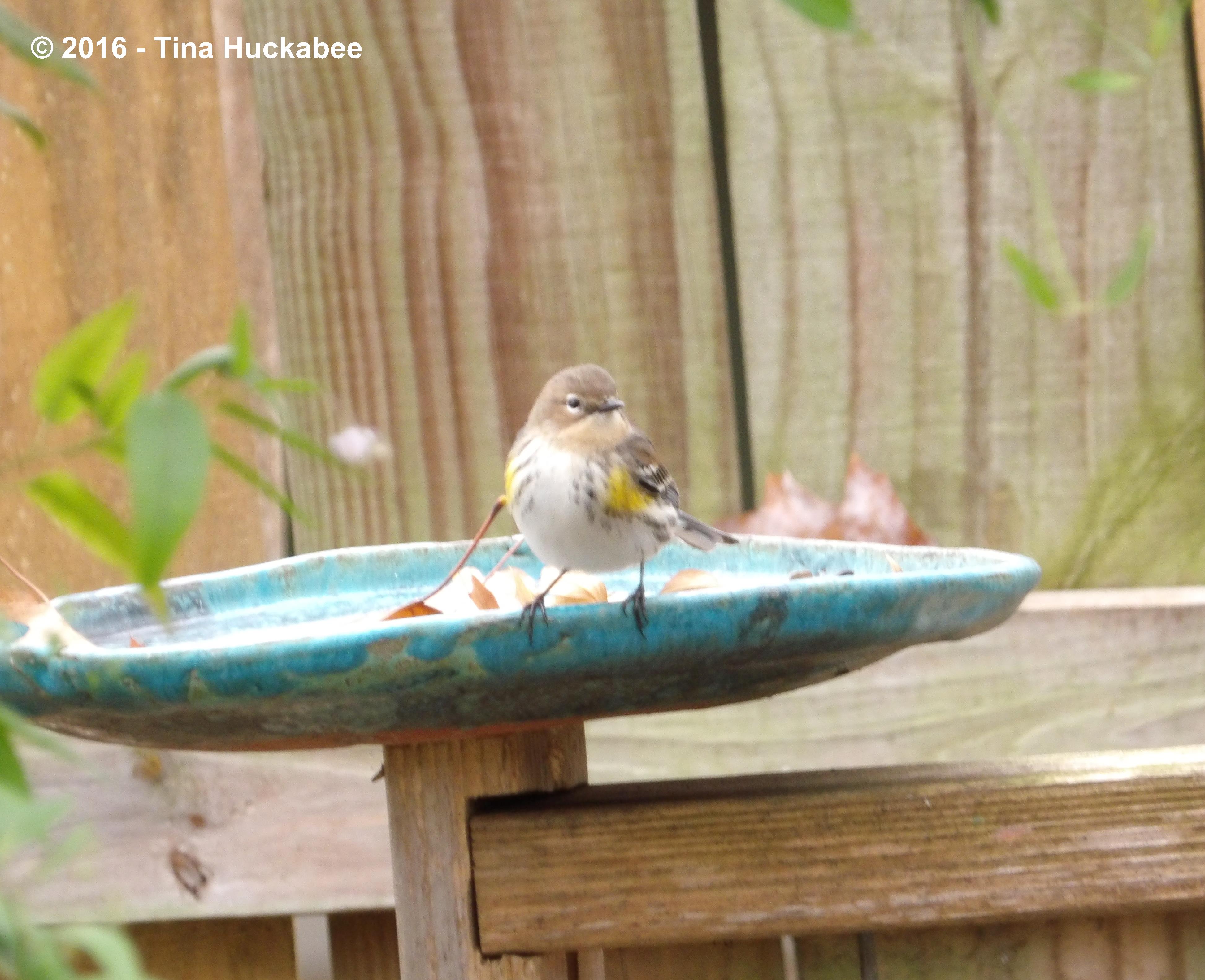
…and a female,  “myrtle” form.

IMGP3155_cropped_2729x2885..new

As it turns out, there are multiple sub-species related to this particular warbler and currently, I’m not nearly enough of a birder to adequately understand, much less explain, variations.  For the time being, I’m content to observe these shy little birds, all yellow rumped and sweet peeps, as they flit about my garden this winter.

While I secured a couple of decent butt shots of the female, I’m still working on a photo capture of the male’s cute yellow posterior. Heretofore, he’s been too busy showing  how pretty he is in other poses.

IMGP3504_cropped_3917x2829..new

IMGP3498_cropped_3893x3166..new


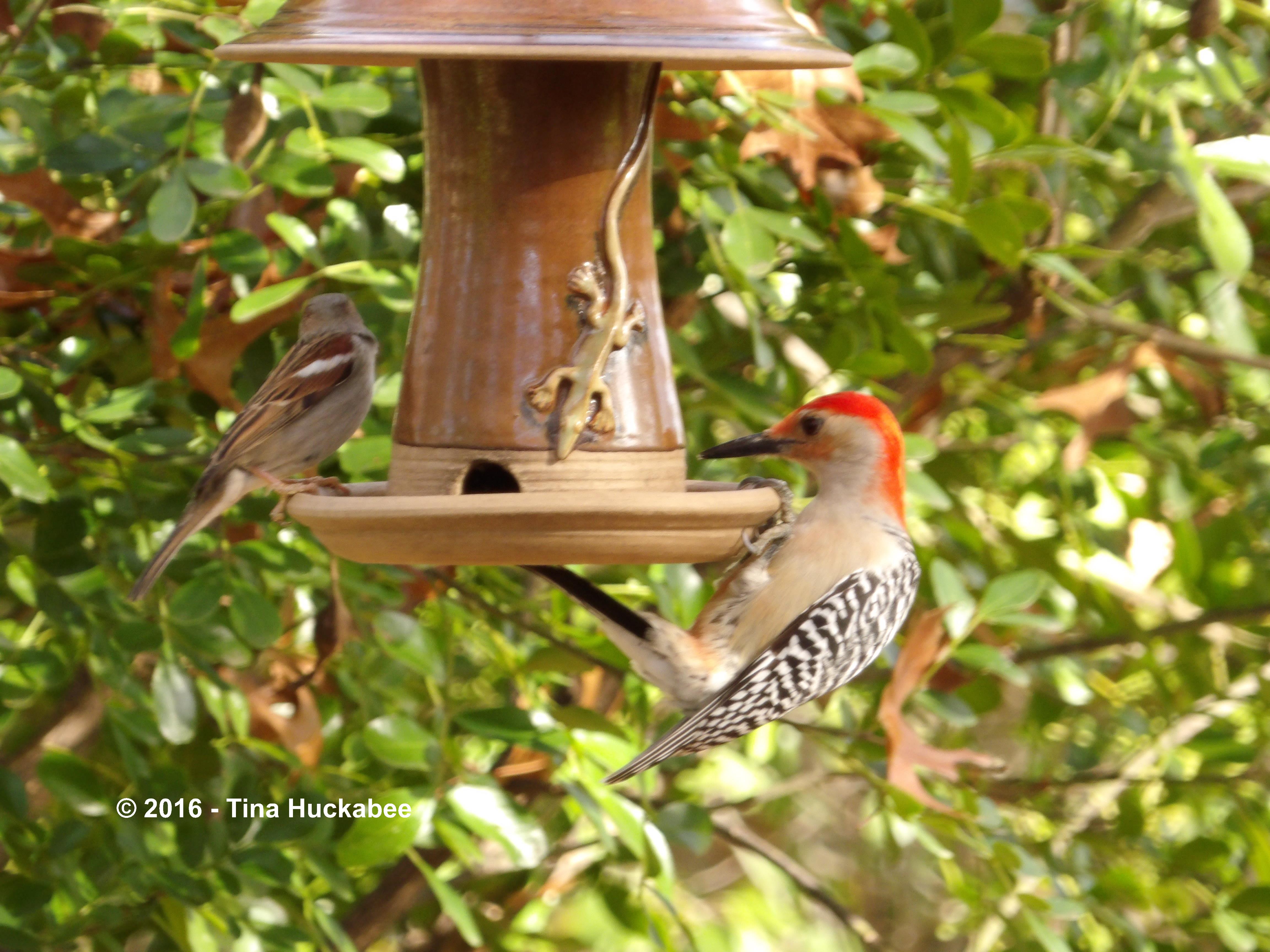
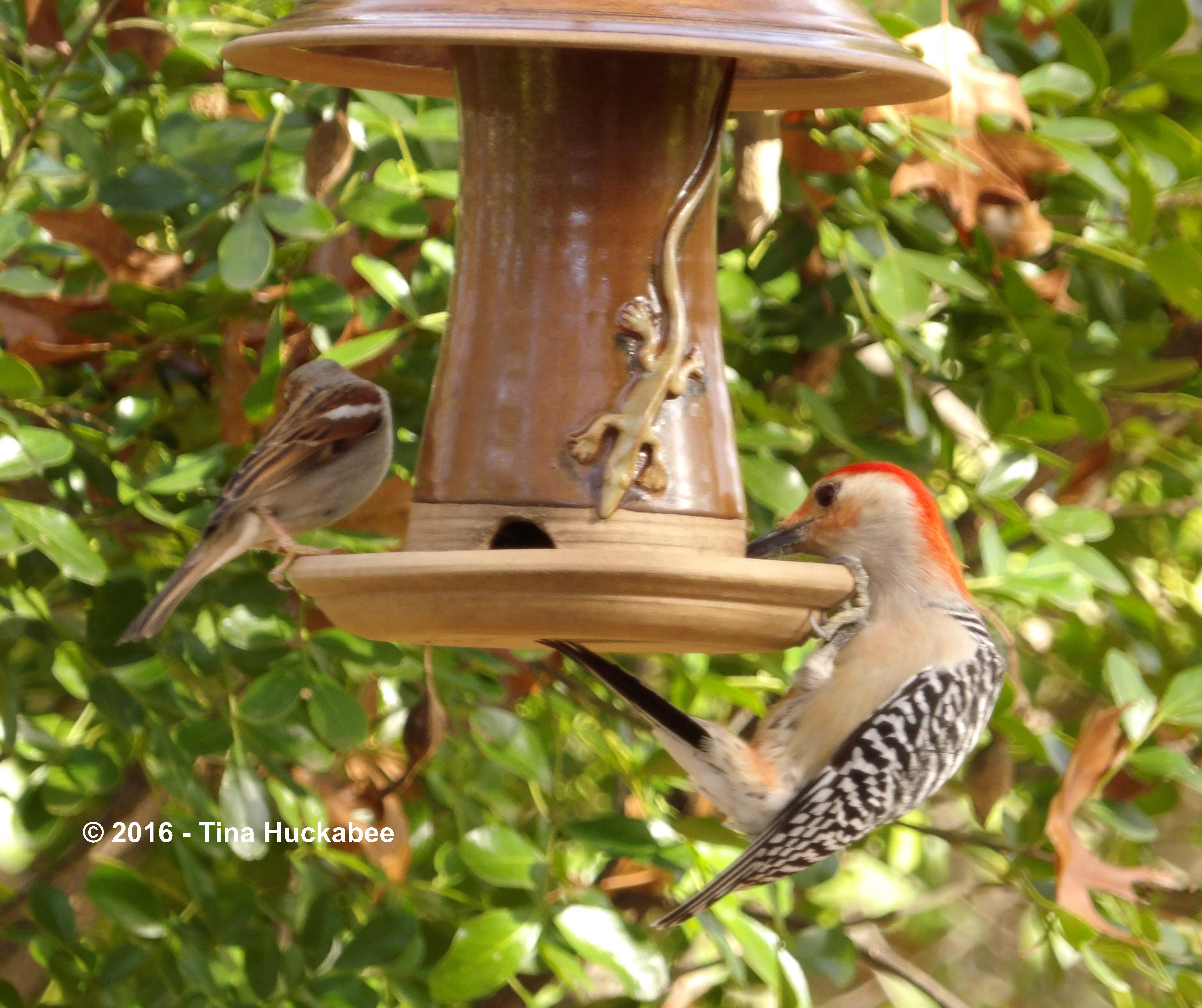
A Red-bellied Woodpecker,  Melanerpes carolinus, is another daily visitor to my feeders and up and down the oak trees.

IMGP3390.new

I love it when he is feeding at the suet and a Blue Jay flies toward and in no uncertain terms, the woodpecker lets the Blue Jay know that it’s NOT HIS TURN!

There’s plenty where that came from, so wait until Red-belly is finished, Mr. Jay.

IMGP3279.new

IMGP3261.new

At this feeder though, the Red-bellied Woodpecker doesn’t mind sharing the food bar with a House Sparrow, Passer domesticus.

IMGP3398_cropped_3830x3213..new

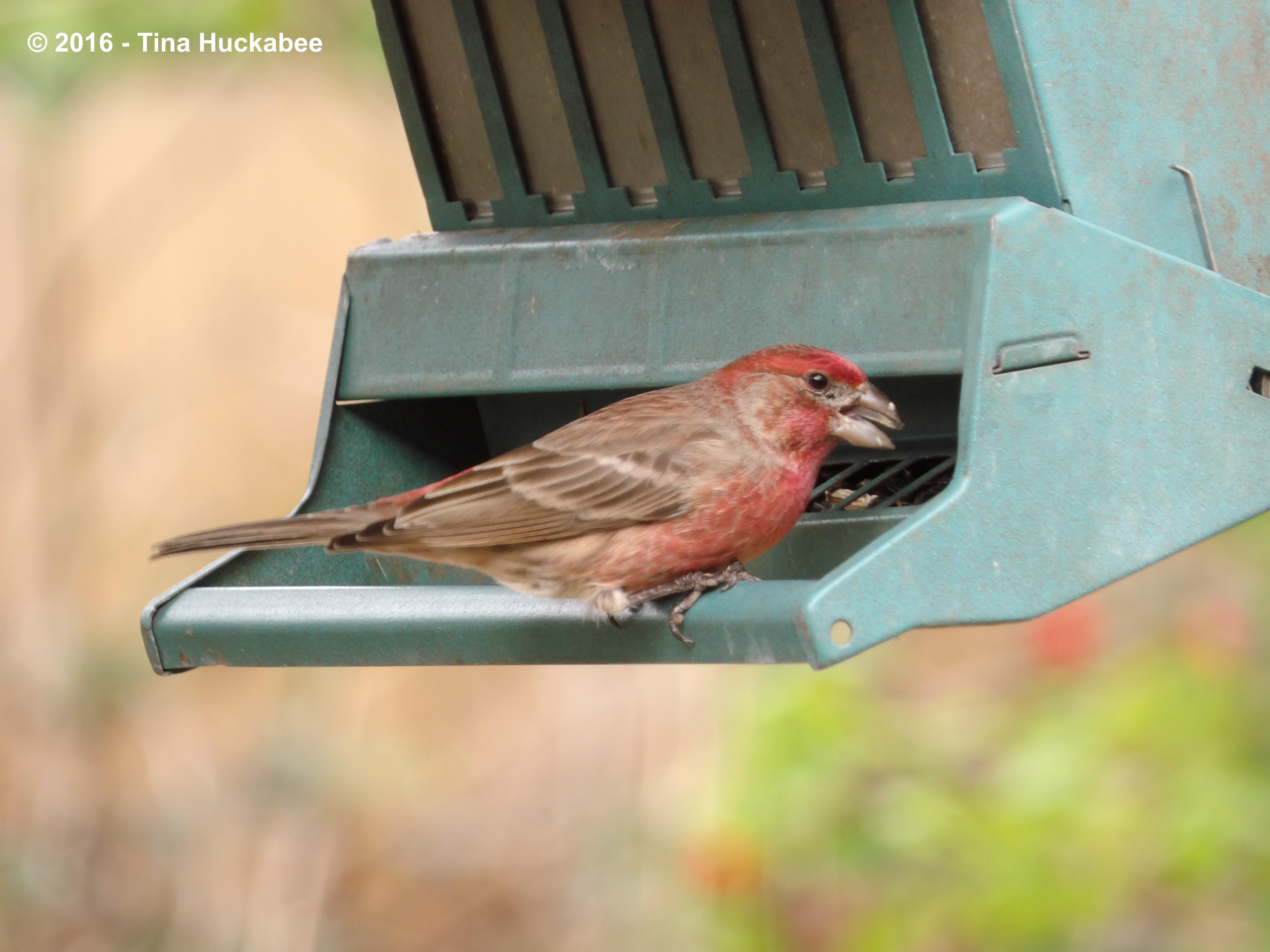
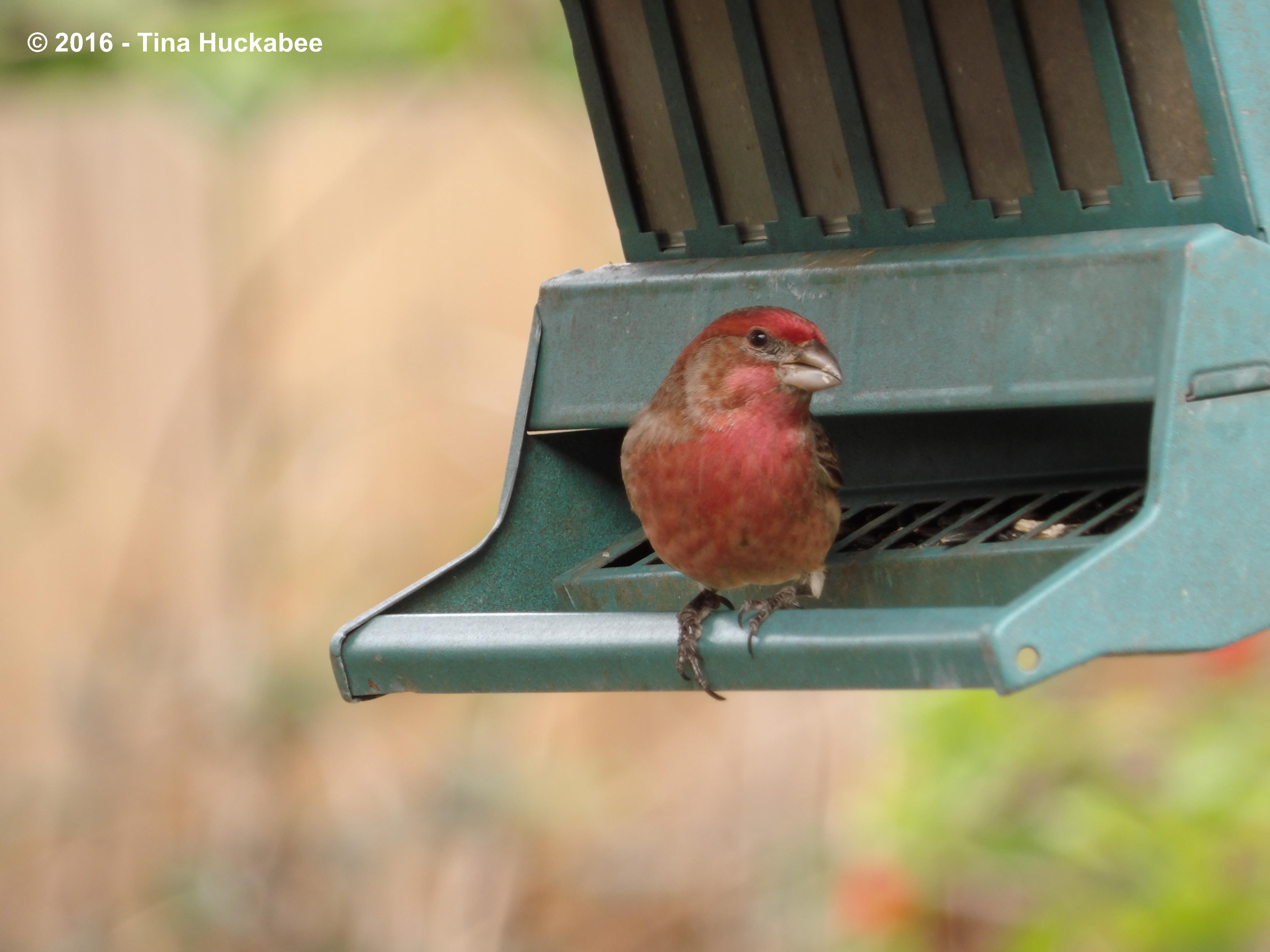
House Finches, Haemorhous mexicanus,   sit in the trees, on the ground, and at the feeders.  I love these chatty birds and I especially appreciate that they sit still, munching away contentedly for long enough to get good captures.  Usually, couples feed together, but at this particular moment, these two took turns–first him,

IMGP3633.new

IMGP3629.new

…then her.

IMGP3656.new

In November I signed up to participate in  Project FeederWatch, a yearly, months-long look at bird population trends organized by the Cornell Lab of Ornithology.  Mostly I did this because I felt the draw to participate in research on the status of North American birds, including migration and population  trends.  Also, I like the idea of being a citizen scientist.

 Snort.

Despite that trumped-up term, the information gleaned by the 200,000 participating volunteers throughout North America, is vital for research on how bird populations are trending up or down and, over time, whether native birds are declining, which, unfortunately, the project has documented.  Cornell Lab of Ornithology is all about the science of birds and through education, the conservation of our beloved and beleaguered native birds.  Cornell encourages concerned citizens to participate in this necessary research.

There are some rules and the counting method is specific and precise, though not difficult to understand or implement, even for novice bird watchers. Project FeederWatch spans November through April, book-ending the autumn and spring migration seasons, as well as the stable wintering population of your particular site. Ideally, observance is weekly, though there’s no penalty for skipping your count from time-to-time.  Cornell ornithologists are happy to get what information they can, when they can, to better understand how North American birds are faring.  Volunteers choose the same two consecutive days each week to observe and record what and how many birds are in the chosen area and for what length of time the area is observed.  Whether for one hour or many–it’s up to the volunteer–weather conditions are noted, and Cornell asks that particular rules of counting be followed to ensure no multiple counts of birds.  The process is well-tuned and the fine folks at Cornell Lab have done their utmost to make the activity easy to use and  educational. Data is either mailed in  hard copy form or entered directly into a user-friendly site; that’s my preferred method. Cornell requests an $18 participation donation for the starter kit, but  I think it’s well-worth that small amount to be part of a long-term scientific study and, like most scientific and educational organizations,  Cornell Lab of Ornithology can use all the moolah they can get.

It’s not too late to participate for this season; check out Project FeederWatch for more information.

Any excuse to watch the backyard birdies!

Oh dear.  I’m becoming one of them. Yeah, that’s right, my binoculars are on the shelf by the back door, ready and waiting.  Ready and waiting for that little female Downy Woodpecker who’s too quick in the oak trees for me to get much of a look, much less a decent photograph.

Oh well, there’s always preparation and photographs for  next month’s Wildlife Wednesday!

Did wildlife visit your garden this past month? Please post for January Wildlife Wednesday–share the rare or mundane, funny or fascinating, beneficial or harmful critters you encounter. When you comment on my post, please remember to leave a link to your Wildlife Wednesday post so readers can enjoy a variety of garden wildlife observations.

Happy wildlife gardening!

IMGP3385_cropped_3525x3051..new

IMGP3195_cropped_3328x3130..new