Juxtaposition

A White-winged DoveZenaida asiatica, looms over a House FinchHaemorhous mexicanus.       .

Considered a medium-sized dove, this member of the bird family Columbidae, looks huge when paired against the smaller finch.  Both bird species are common here in Texas, especially as backyard birds regularly visiting feeders.  The dove’s gender is unknown to me, though I’m sure other doves can tell whether its male or female.  Proliferation of dove babies will be proof of the gender identification and the spring and summer socialization that will follow.   The finch is male in winter breeding colors.

There was no purposeful looming by the dove.  It was just two birds hanging out in winter-barren tree, each awaiting its turn at the sunflower feeder or water feature.


Not Only Butterflies

Along with other contemporary perils, a remarkable habitat in South Texas is threatened by the irrational and incorrect belief that America is being invaded.  It’s not only that a uniquely diverse environment will be demolished, but that ecotourism, which is a huge economic driver of this region, will be seriously impacted.  The National Butterfly Center, as well as Native American gravesites, a historic church, the La Lomita Chapel, and a state park are in the direct pathway of the proposed–and funded–border wall along the Rio Grand River between the United States and Mexico. Sure, cute ‘lil butterflies and birds will lose their habitat and die, and yeah, the endangered Ocelot and Jaguarundi will have difficulty finding their former water source and die, but also private property will be seized and land benefitting many will be fragmented and obliterated for the foreseeable future.

Check out this sweet video of  a Rio Grande River tour with an accompanying explanation of this beautiful and rare area:


Our section of heaven on the banks of the Rio Grande River is on the line, threatened by the Border Wall. This once thriving, recreational area has become the center of a battle for a fully militarized zone between Texas and Mexico.  Please enjoy this tranquil and beautiful sunset cruise, as filmed just downriver from the National Butterfly Center, from aboard Captain Johnny’s Riverside Dreamer in Mission, Texas.

To join us in fighting the border wall, which will place the region’s only source of fresh water behind 30 feet of concrete and steel, please go to our GoFundMe page where you can make a donation to our cause. Here is the link: https://www.gofundme.com/protect-the-national-butterfly-cen…

Help us preserve the Lower Rio Grande Wildlife Conservation Corridor and the incredibly rich biodiversity of threatened plants and animals that live here!

Did you know nearly 150 species of North American butterflies can be seen only in the Lower Rio Grande Valley (LRGV) of Texas, or by traveling to Mexico?In fact, more than 300 species of butterflies may be found in the LRGV, and more than 200 species have been seen at the National Butterfly Center, including a number of rarities and U.S. Records! Incredibly, almost 40% of the 700+ butterflies that can be found in the United States can be seen in this three-county area at the southernmost tip of Texas, where the subtropical climate makes it possible to enjoy the outdoors year ’round.

Even if you choose not to donate to the GoFundMe campaign, click and read, as it explains well the travesty of this border wall nonsense.  If nothing else, the list of federal laws being waived for this horror is illuminating– and horrifying.

For more information about how the wall will affect the the environment, the residents, and the immigrants, please read these articles from San Antonio Express-News  , The Washington Post another from The Washington Post, penned by the videographer of the above video and an employee of The National Butterfly Center, and The Guardian.

Texas Native Plant Week

The third week of October is Texas Native Plant Week.  School children and their teachers, native plant organizations, and individual gardeners are encouraged to learn about and then plant natives in eagerly awaiting gardens.  Aside from their beauty, native plants are a snap to grow with our capricious Texas weather patterns and difficult soils.  Native plants also provide sustenance and protection for endemic and migrating wildlife; diversity in all forms improves when gardeners go native in their landscapes.  Throughout the year and in every part of Texas, native plants are a key driver for conservation of our unique natural landscapes.

If you don’t live in Texas, celebrate the native plants of your region by growing natives in your garden and encouraging neighborhood and school groups to do the same.

Below are but a few of the native plants that I grow in my garden.  Many are passalong plants, shared with me by keen and generous gardeners.  Some are plants that I started from seeds, testing my gardener’s patience as I’m always excited to see how something fares as it grows and matures.  A couple of these plants appeared–unplanned, but very welcomed–by serendipitous acts of birds or the wind.  Many of these plants were purchased at Austin’s awesome locally owned nurseries.  All of these plants grow with little effort and less water than what a typical lawn demands. Ease of endeavor notwithstanding, my garden is alive with pollinator and bird activity, which is how a garden should exist.

No matter where you live and even if some of your plants’ ancestors hail from far away places, make room in your plot of the Earth for native plants.  You’ll help heal the world substantially, by conserving water and natural habitat, and by increasing local diversity of plants and wildlife.

Native plants are beautiful and belong where you live and garden.

Spring:

Pipevine Swallowtail on a Giant spiderwort (Tradescantia gigantea)
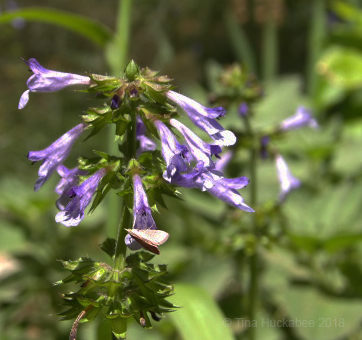
Southern Pink Moth on a Lyreleaf sage (Salvia lyrata).
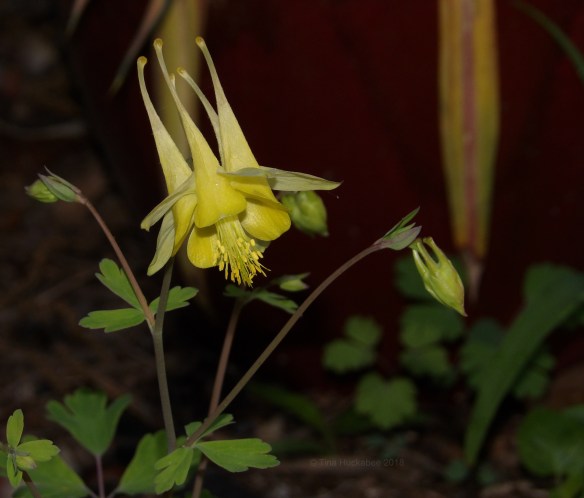
Yellow columbine (Aquilegia chrysantha)
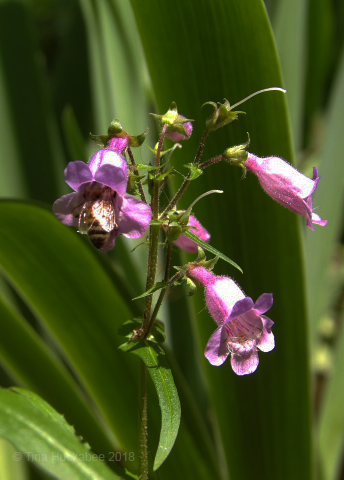
Honeybee working a Gulf coast penstemon (Penstemon tenuis).
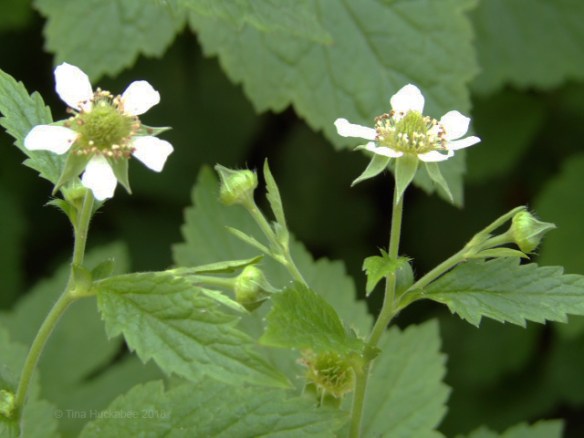
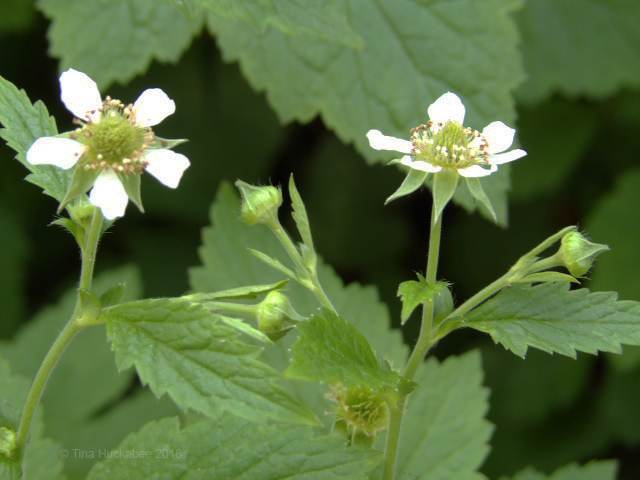
White avens (Geum canadense)


Late spring, early summer:

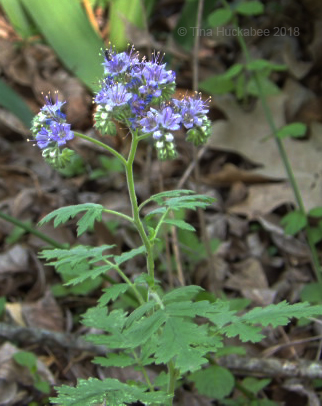
Blue curls (Phacelia congesta)
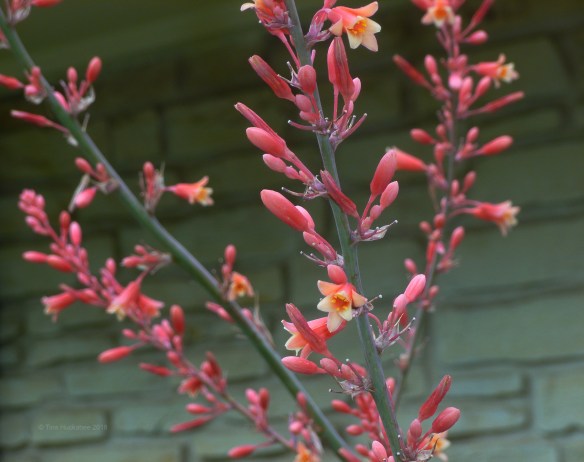
Red yucca (Hesperaloe parviflora)

Purple coneflower (Echinacea purpurea)


Summer:
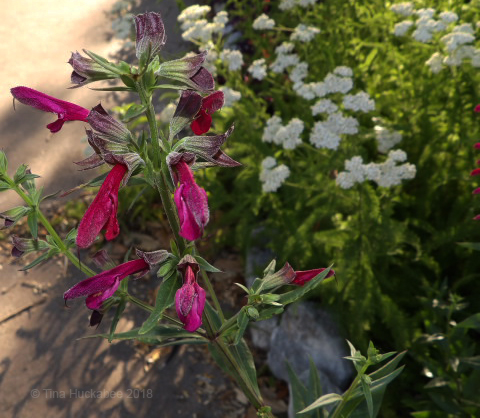
Big red sage (Salvia pentstemonoides) and Yarrow (Achillea millefolium)

Big red sage, bog plant Pickerelweed (Pontederia cordata), with  non-native waterlily, ‘Colorado’.

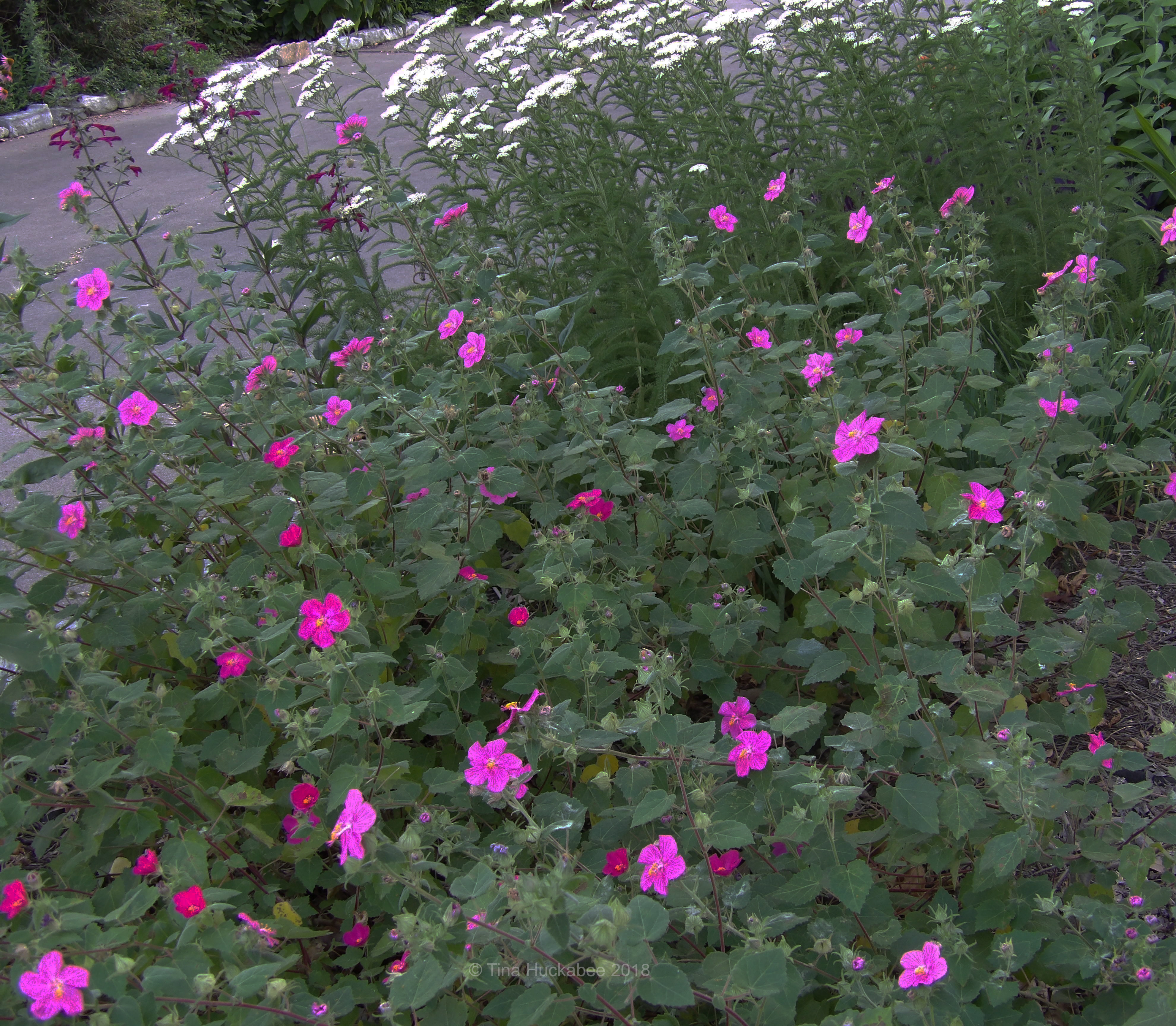
Rock rose (Pavonia lasiopetala) and Yarrow

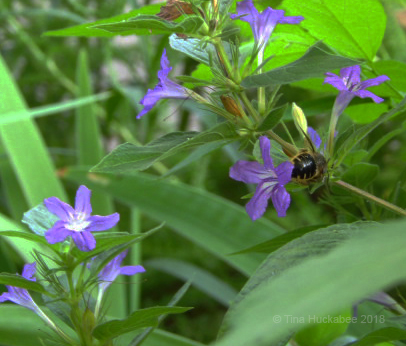
Drummond’s ruellia (Ruellia drummondiana) with attendant Carpenter bee.

Henry Duelberg sage (Salvia farenacia) and nectaring Eufala skipper.

White tropical sage (Salvia coccinea)

Red tropical sage (Salvia coccinea)

Pigeonberry (Rivina humilis) bloom spikes


Autumn:

Fruits of Pigeonberry
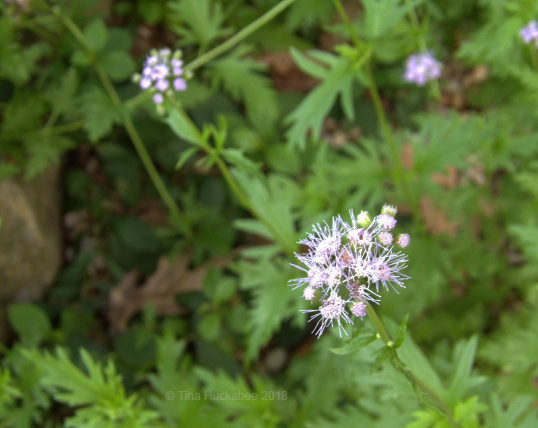
Gregg’s mistflower (Conoclinium greggii)
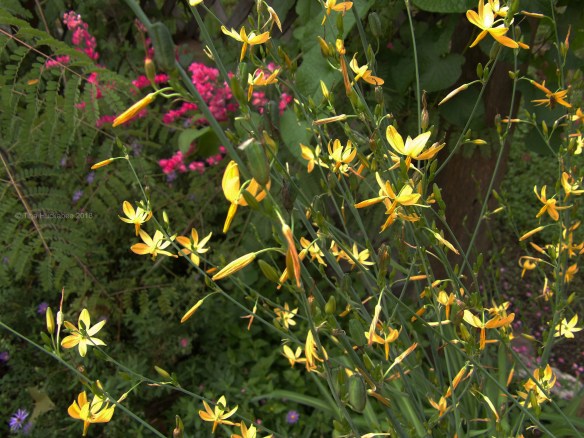
Texas craglily (Echeandia texensis)
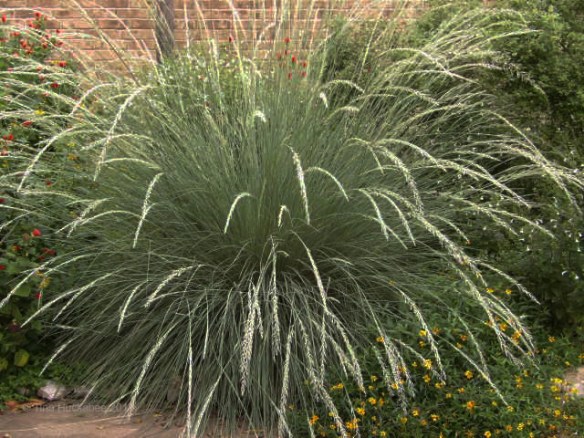
Lindheimer’s muhly (Muhlenbergia lindheimeri)
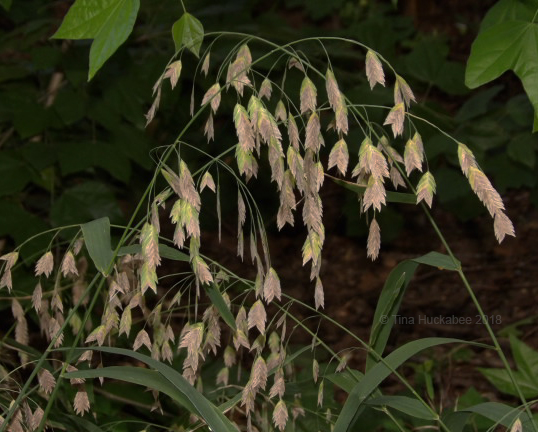
Inland sea oats (Chasmanthium latifolium)

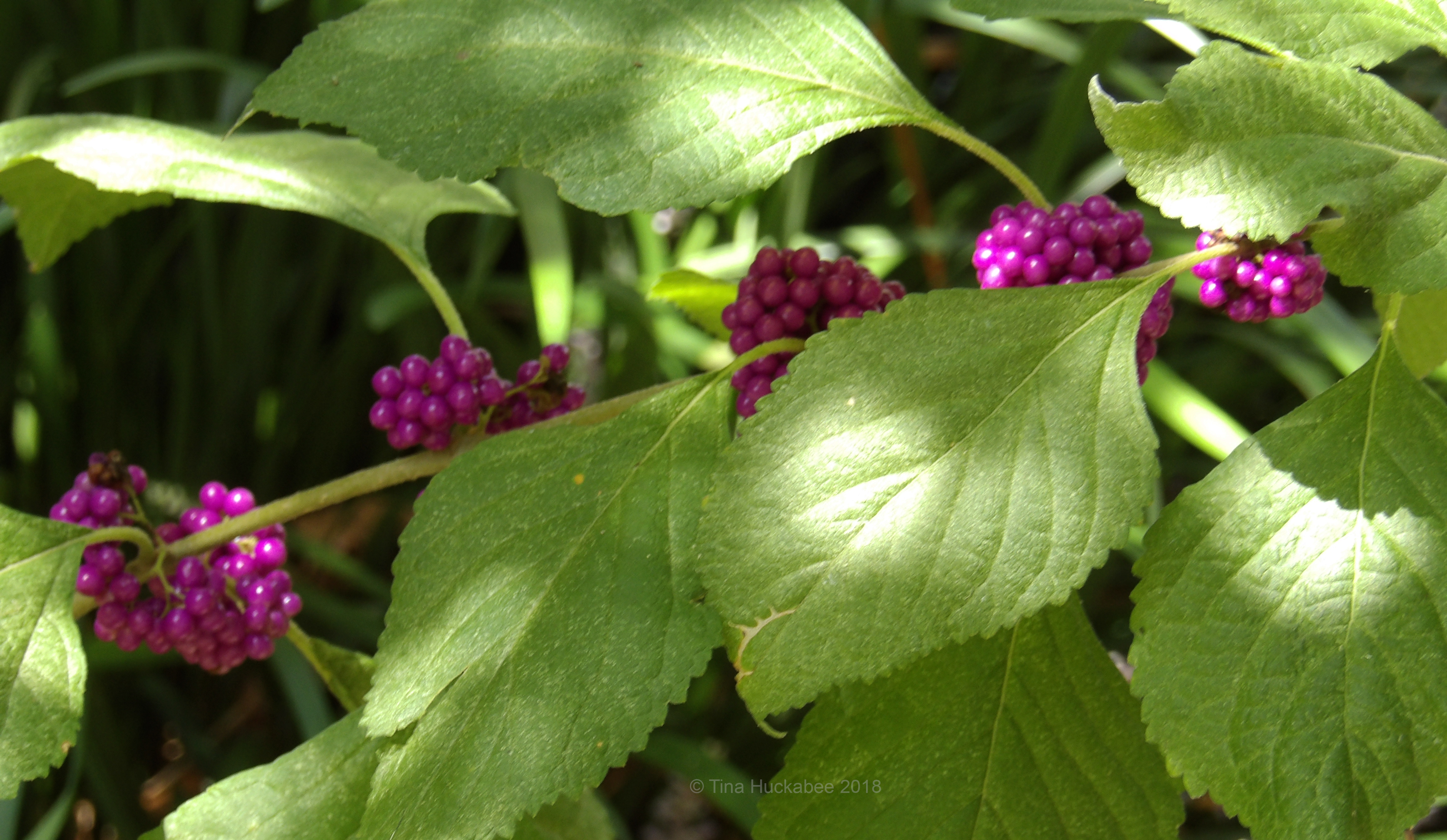
American beautyberry (Callicarpa americana)
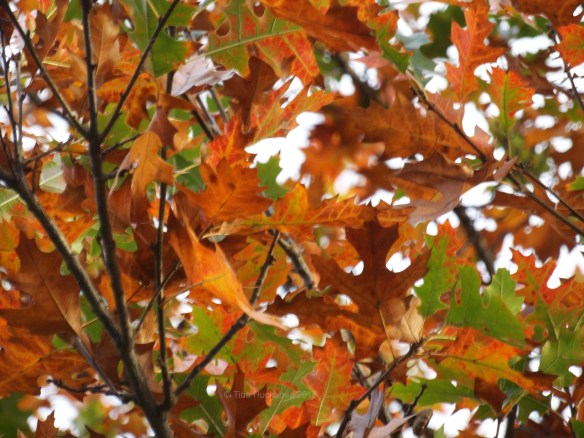
Foliage of Texas red oak (Quercus texana).


Winter:

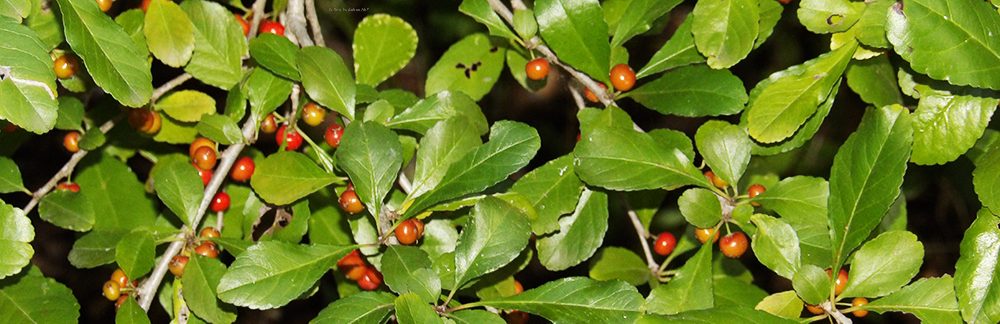
Possumhaw holly (Ilex decidua)
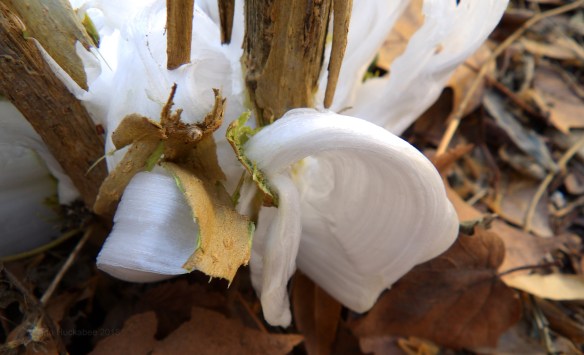
Ice formations in the stems of Frostweed (Verbesina virginica).

Seed heads of Frostweed, with bare stems of Red oak tree to the left, and Retama (Parkinsonia aculeata) to the right.