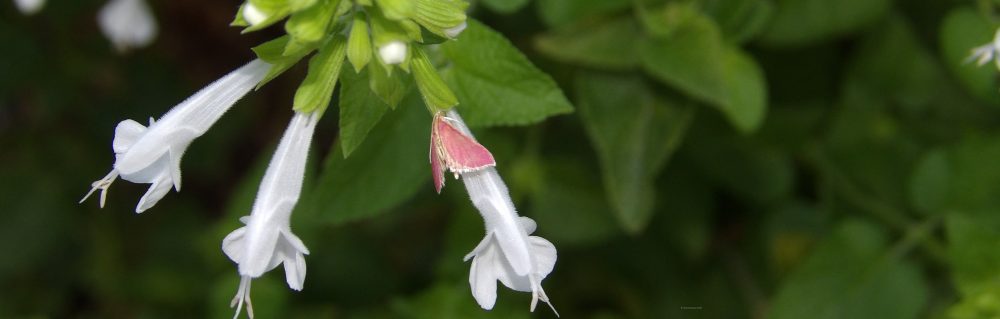
Huzzah and Cheers all around! Yesterday, clouds gathered, rain fell on a thirsty Earth, and the temperature (at least in North Austin) didn’t pass the century mark! It’s amazing how life looks better with touch of the cool. (Note: it wasn’t really cool, it simply wasn’t oven-like.) I pay no attention to the weather folk this time of year (the ‘hot and dry!’ monotony reigns in weather reports!) so I didn’t know there was a chance of precipitation and would have been skeptical if I’d heard about it before hand. Even with the lovely few hours break from the heat and glaring sun, I’m under no illusion that autumn is just around the corner or that our toasty days are done. The 45 day streak of triple digit temperatures may be over, but a new one starts today; there is a heat advisory in place today and for those following. But the days are noticeably shorter, early mornings offer sweetness that was absent for July and most of August, and it is clear that the weather pattern is progressing toward a different, gentler paradigm.
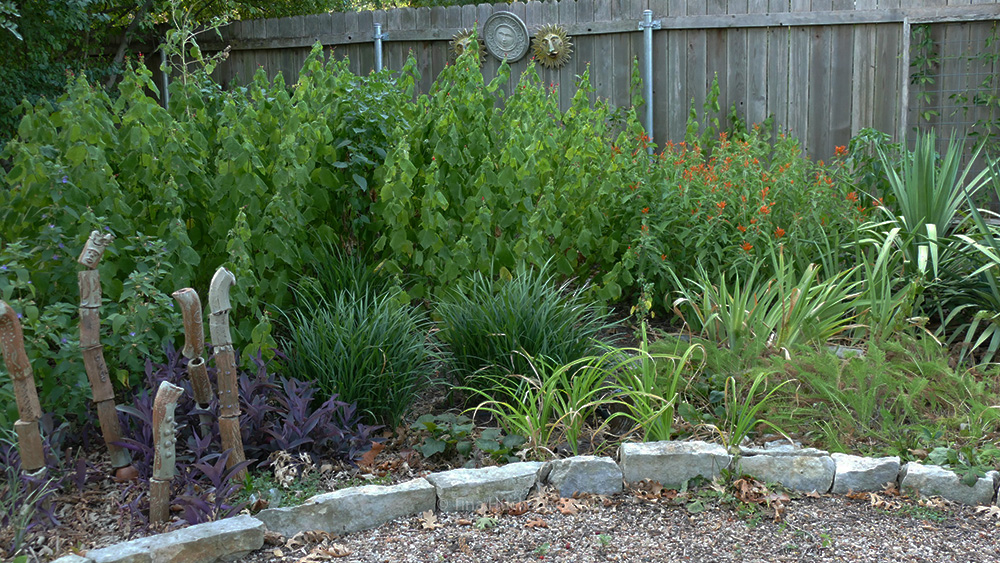
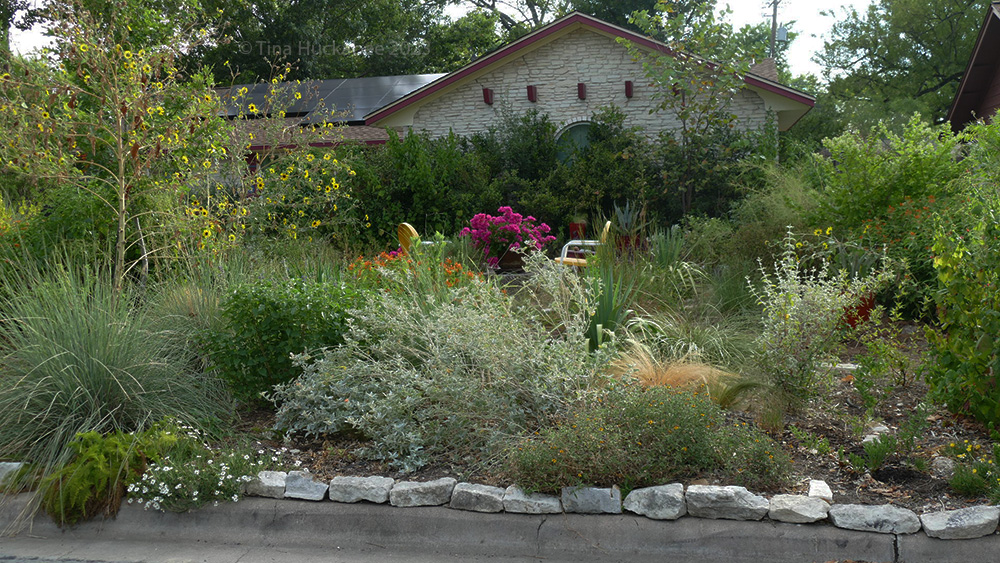
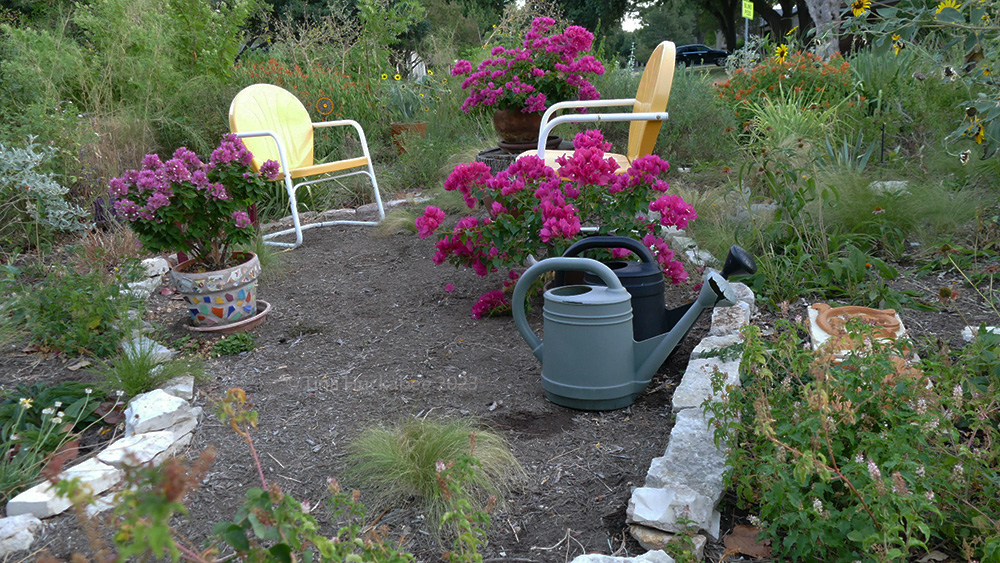
The garden was happy this morning: foliage was fresh, flowers were fully open, bees were a’buzzing. The damage from this historically hot summer is clear though, with plenty of crinkly, brown foliage and yellow-to-pale leaves, bleached so by the relentless rays of the sun. No matter the second spring that we enjoy in September, October, and November, the garden will finish this season bearing scars from summer’s searing heat and devastating drought.
The following photos were taken in the past few weeks, the post planned during that time but not finished until today.
Mexican Orchid tree, Bauhinia mexicana, flowers with cool white blooms, with a blush of pink. Annual sunflowers, which have since been removed, accompany the little tree.
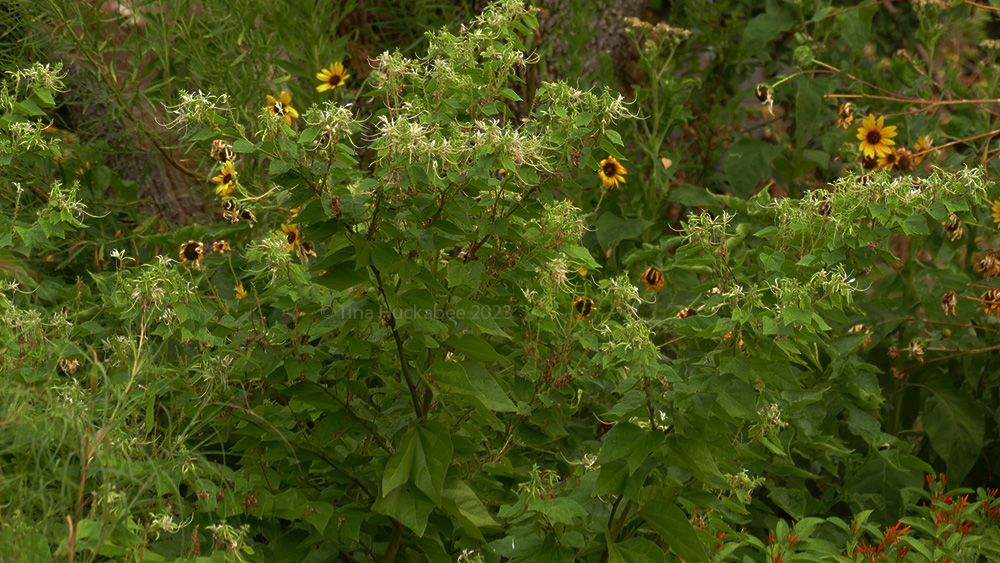
I grow two of the native-to-Mexico plants, the first photo is in full sun, this second photo in mostly shade. Larger butterflies, hummingbirds, and bees of all sorts love these graceful flowers.

Turk’s Cap, Malvaviscus arboreus, are great summer bloomers, producing rich, hot-red hibiscus-like flowers. I’ve noticed there are fewer of these diminutive blooms this summer, but still enough for interested pollinators.

The wowzer blooms of Pride of Barbados, Caesalpinia pulcherrima, thrive in the heat and take what our difficult summers dish out. I wish I had room for another of these beauties.

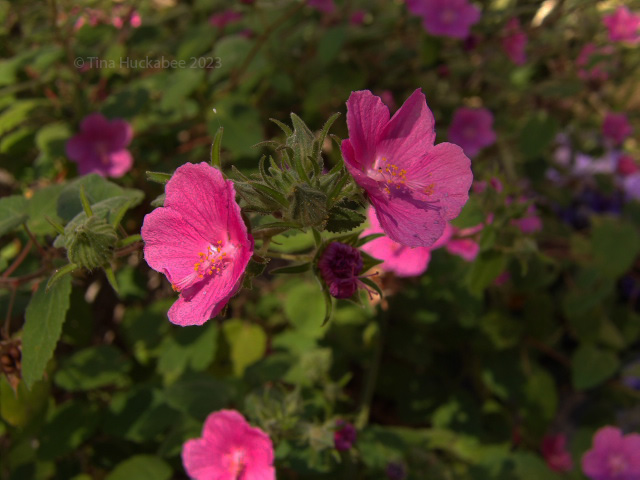
Native Rock Rose, Pavonia lasiopetala, blooms from May to October. The cheery little mallows flower on new wood, so pruning during the course of the growing season assures plenty of pretty pinks.
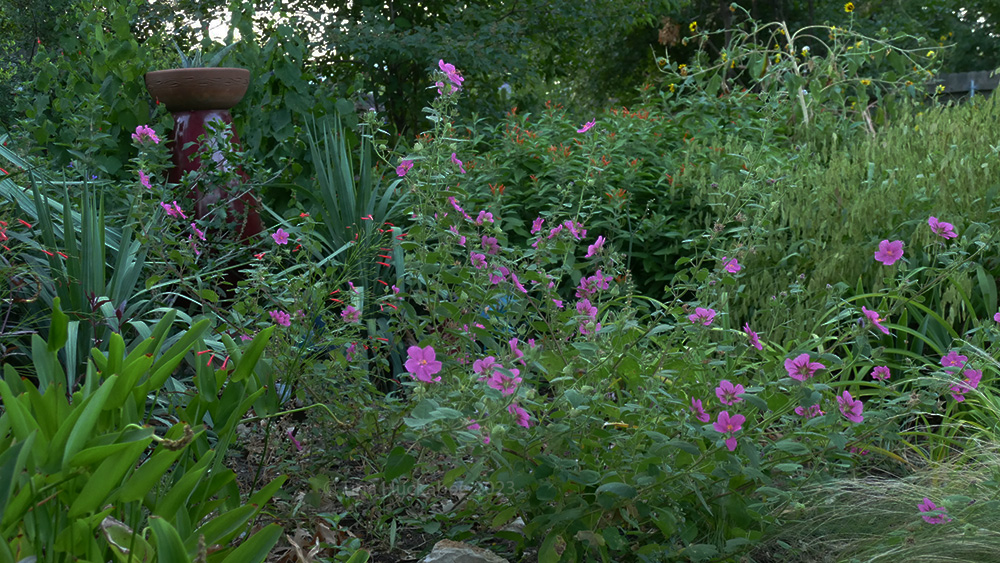
Barbie-pink blooms open before sunrise, but close in early afternoon when it’s hot. As we move into autumn, the flowers will stay open all day. I’m looking forward to that!
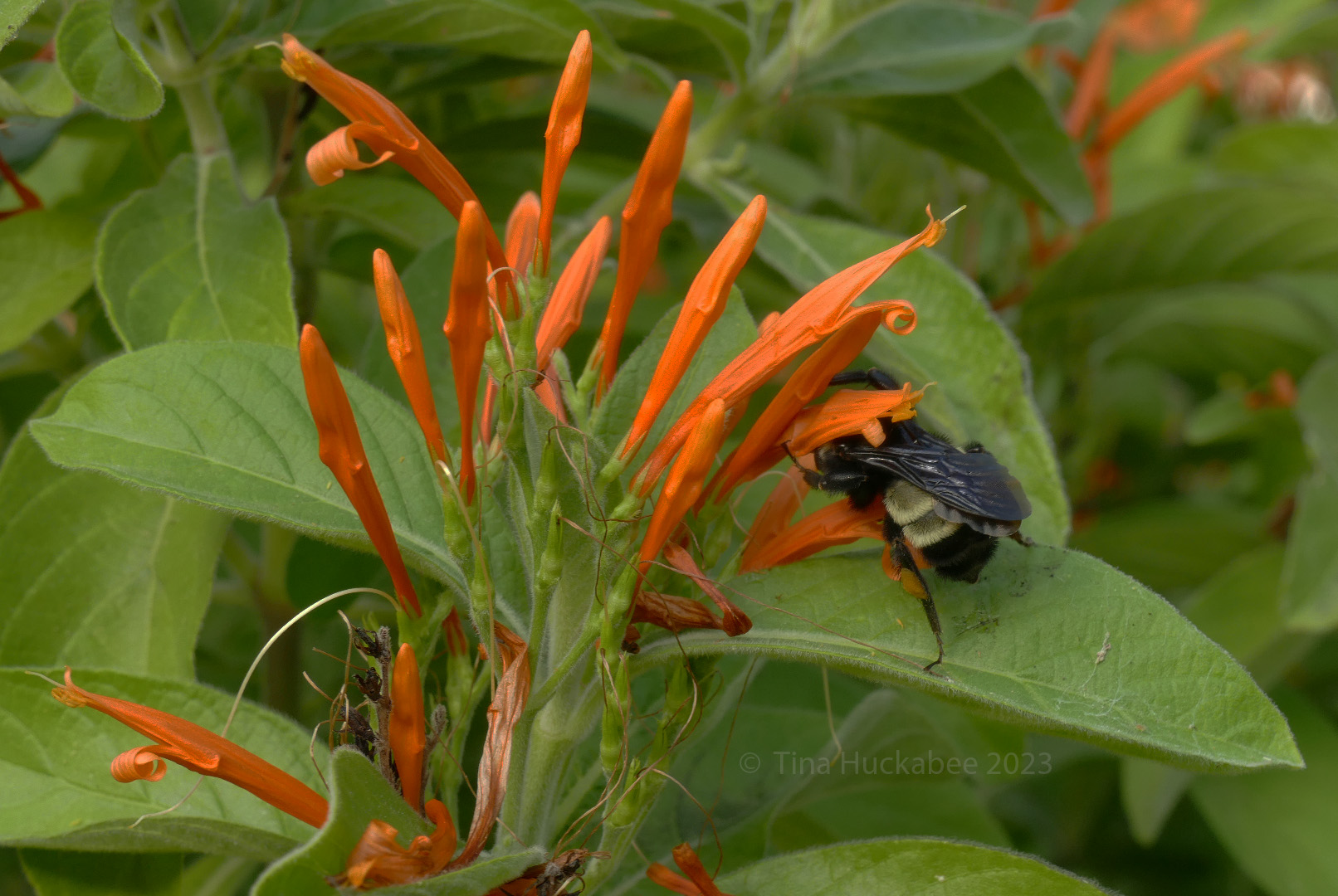
Another native Mexican plant, Mexican Honeysuckle, Justicia spicigera, shines orange in the heat. That being said, this is the first year I’ve seen wilting of the foliage in between sparse irrigation.
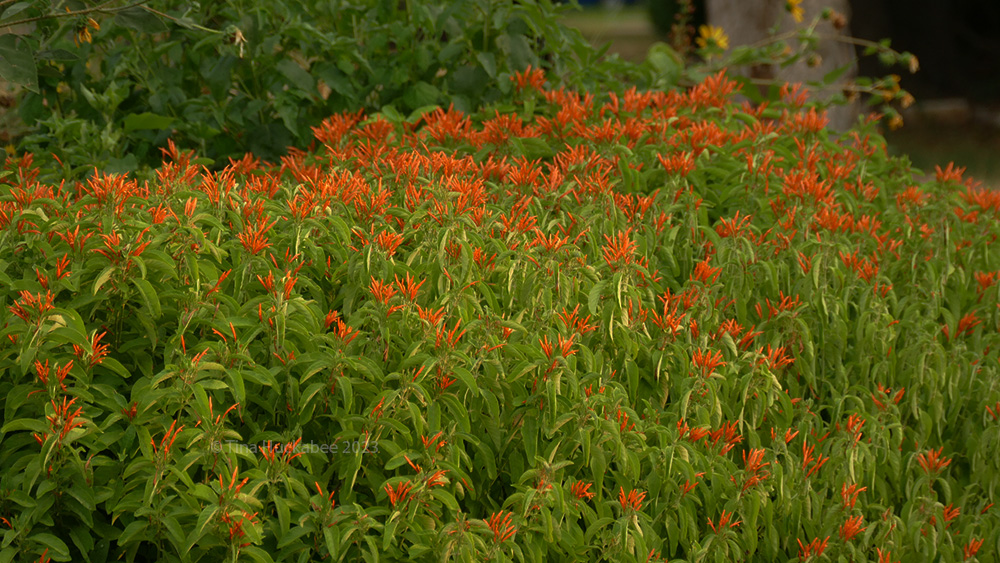
Clusters of bright, tubular flowers attract many pollinators, including hummingbirds, native bees and honeybees, and many types of butterflies.


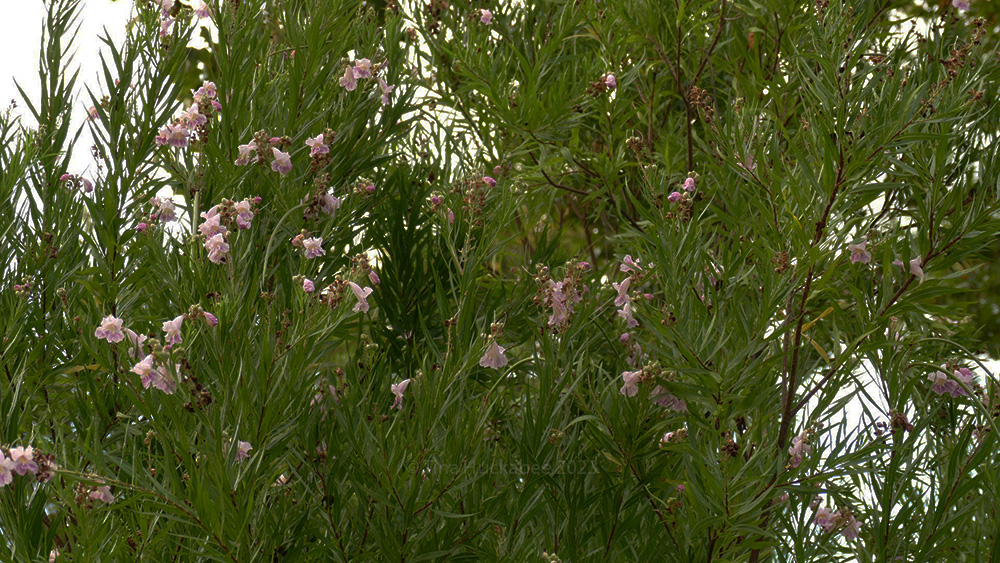
Desert Willow, Chilopsis linearis, is another spring, summer, fall bloomer. This summer’s heat seemed to challenge the tree to bloom more than usual–and the tree met that challenge. The flowers are hard for me to photograph, as they tend to be high up in the tree and there’s often a healthy breeze; I have a tough time getting a good shot of a pollinator enjoying the flower’s bounty. The foliage has also weathered the heat well; it’s green, lush and a good place for birds to hide.
Fortunately, some pretty blooms grow closer to the gardener’s lens.

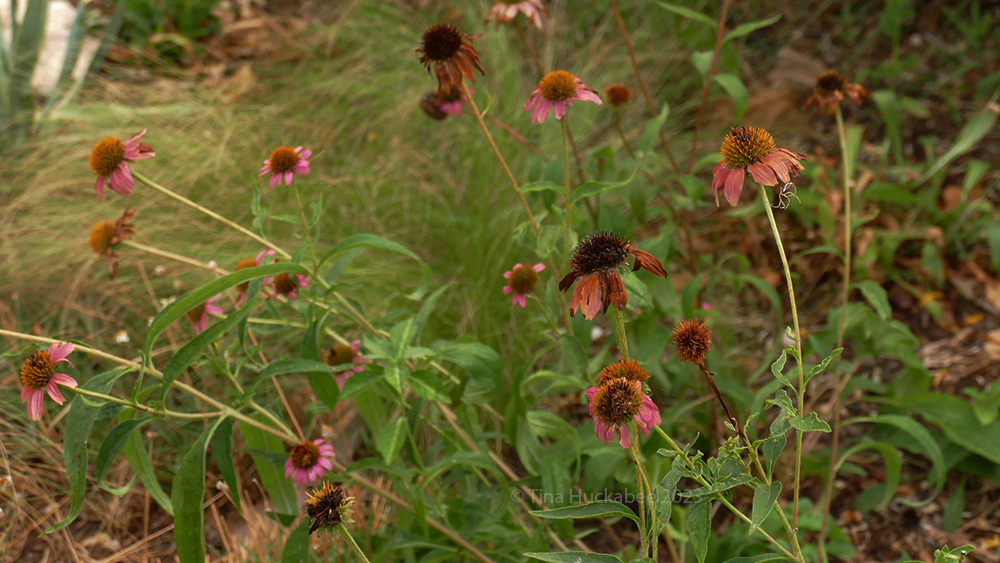
Not all plants have fared well in summer’s heat. Purple Coneflowers, Echinacea purpurea, are gorgeous in spring, but become crispy critters as summer drones on. I see finches occasionally nibbling on the seeds, so I leave the plants until I no longer see birds alighting on spent blooms or until I can’t stand looking at them anymore–whichever is first. The Coneflowers will return a muted bloom cycle if/when the autumn rains come. And next spring, they’ll be stars of the spring garden once again.
Summer–its heat and blasting sun–has a firm grip and won’t let go for a while.
But I see and feel a shift.
With yesterday’s dab of rain and glory of dramatic, dark clouds which blanketed the sun for a time, plus today’s rejuvenated garden (however long it lasts!), I’m reminded and reassured that cycles repeat, that there is a universal turning of time in partnership with seasons, allowing for transformation of a garden and the larger world beyond.


 My Gardener Says...

