Almost Done!

The end of February looms and I’m almost done with the pruning in my personal gardens and the gardens I tend at Zilker Botanical Gardens.  I waited as long as a could before I started pruning, but almost waited too late.  Spring has sprung in mild Austin and I need to wack back the remaining plants that I intend to prune.

I pruned the roses  in my gardens last week.  Most had been blooming for a few weeks, so it hurt to cut back such beautiful flowers.  Gardening sometimes resembles parenting:  the difficult and painful things that you occasionally must do, are often the most important for nurturing growth and blooms.

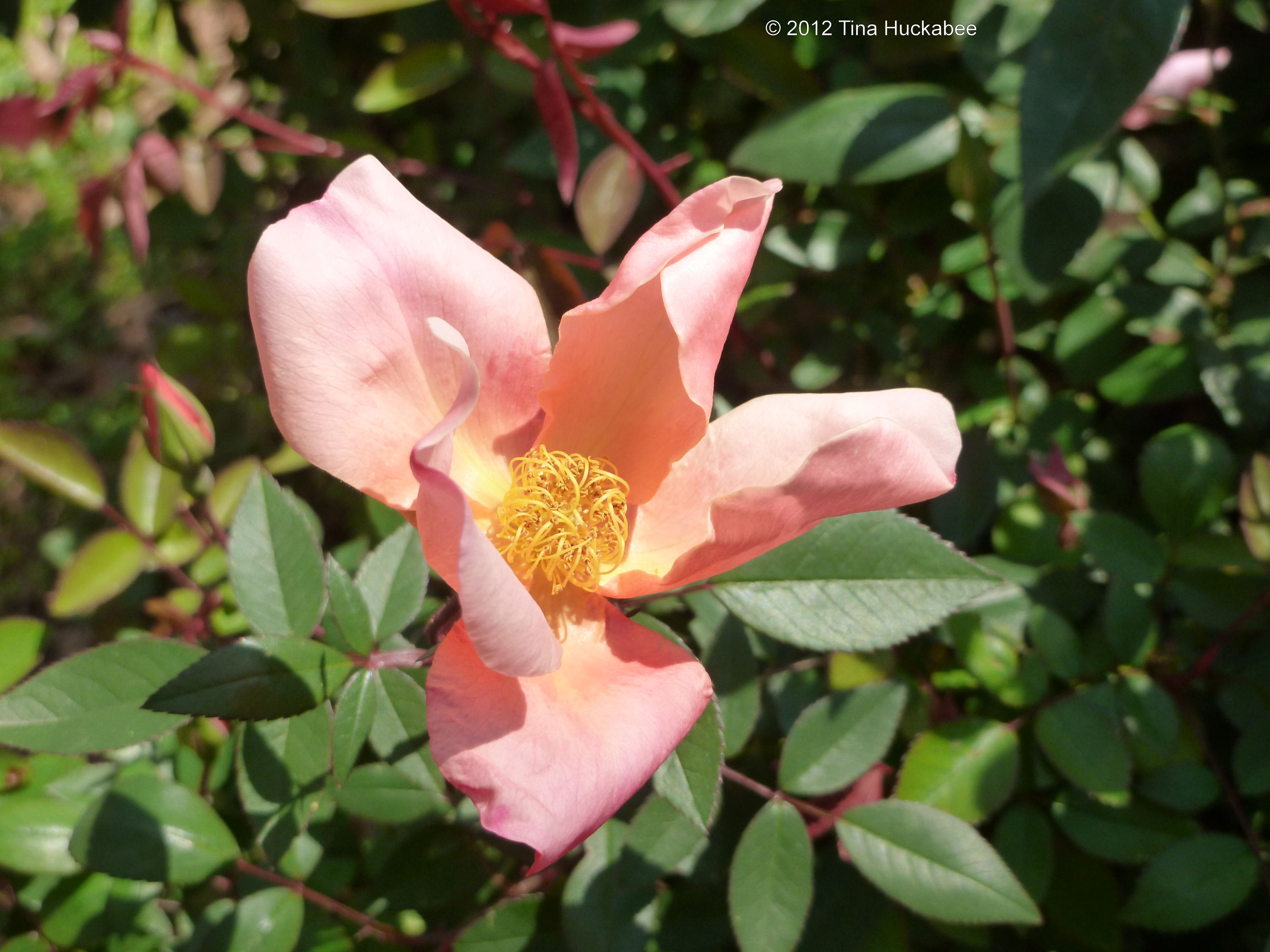
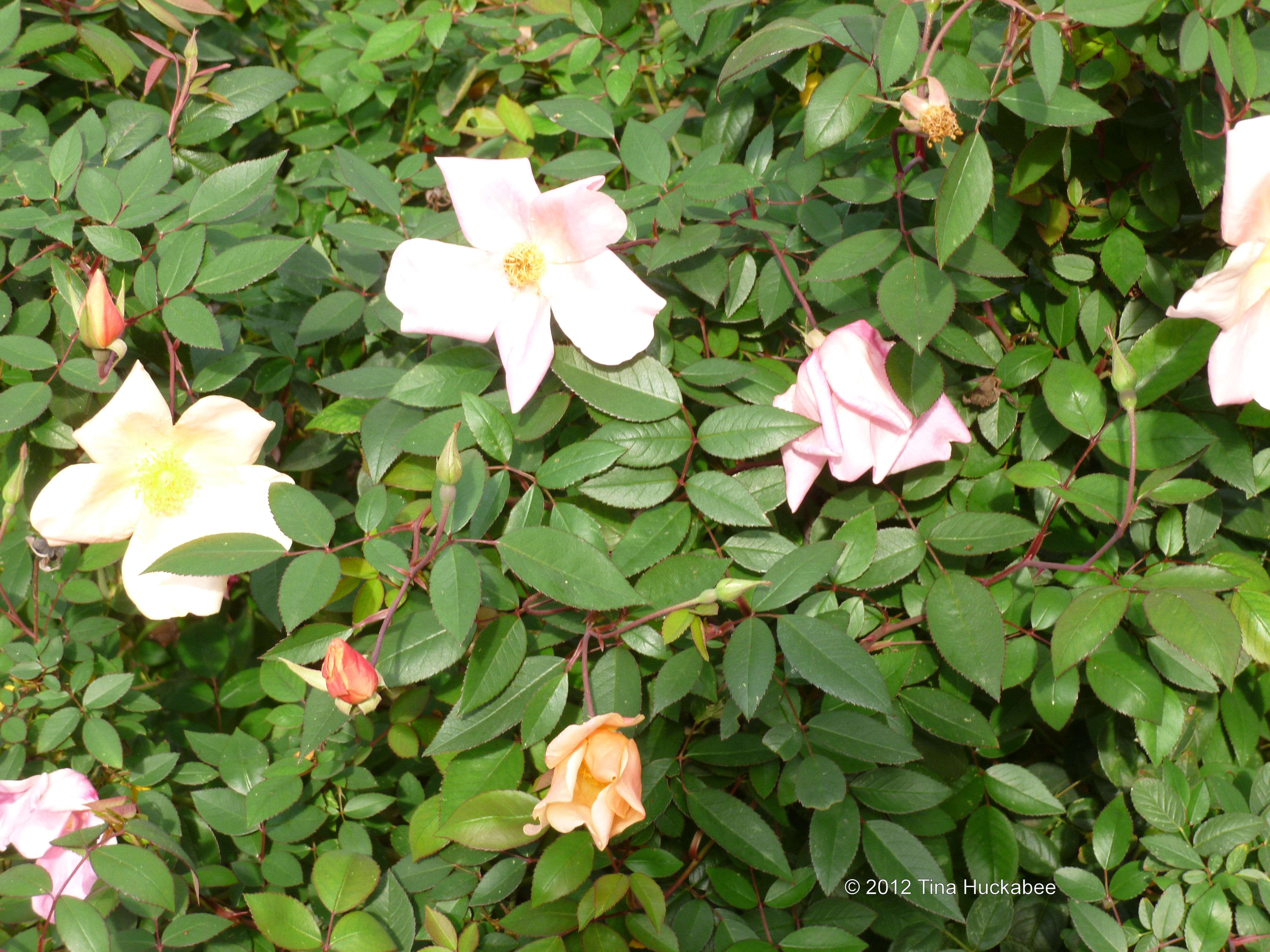
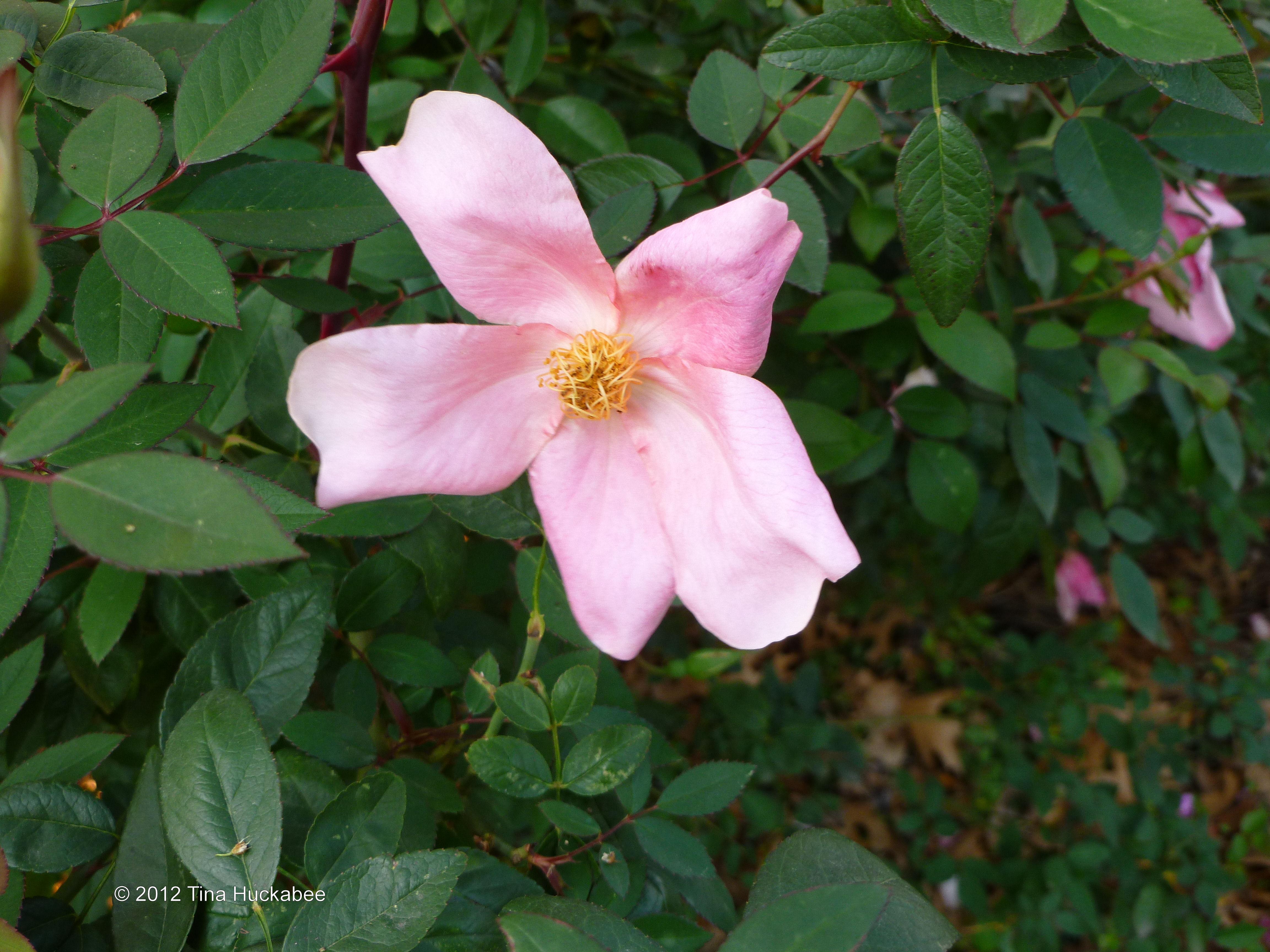
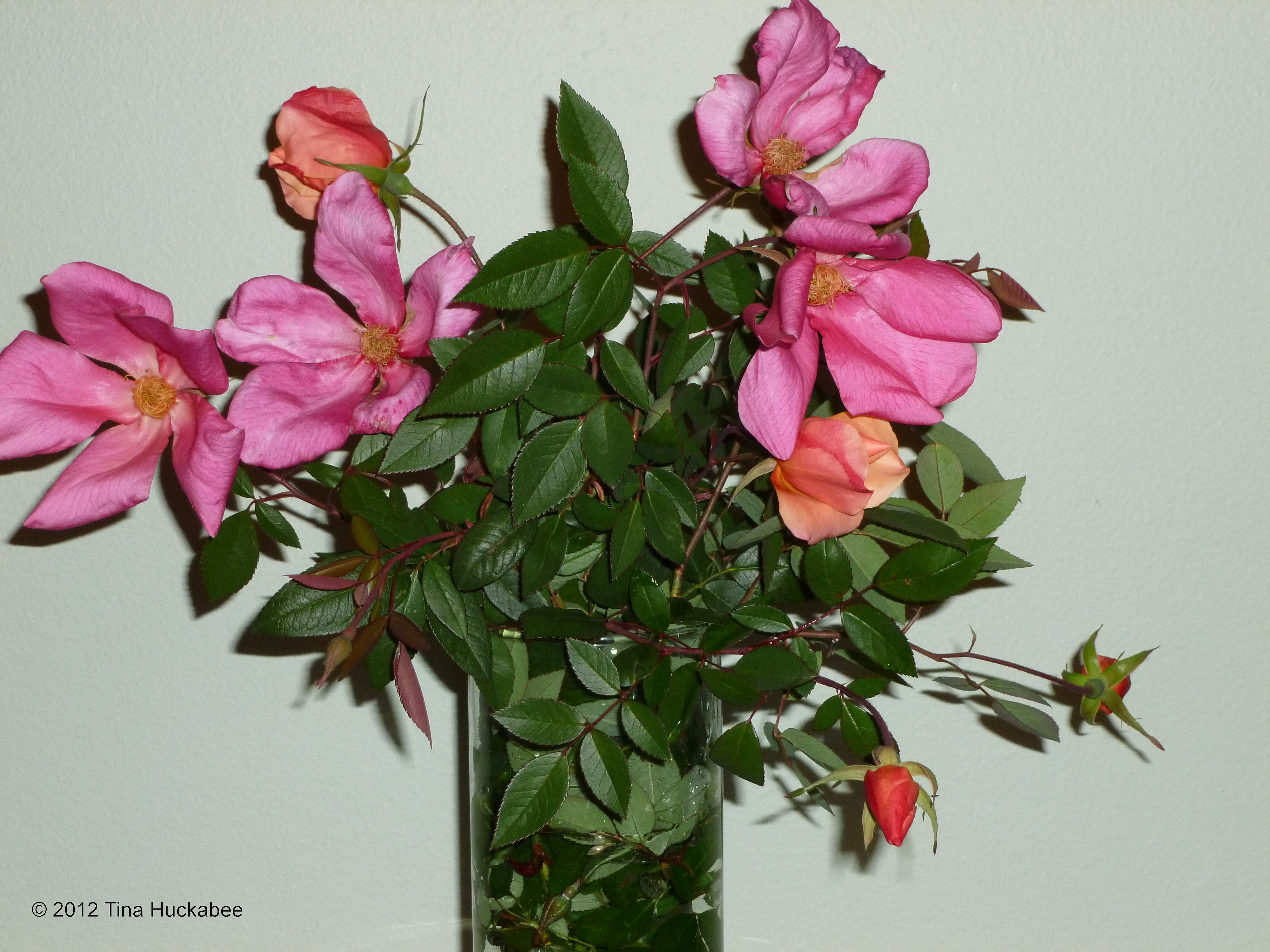
Philosophical musings aside, the Mutabils (Rosa ‘Mutabilis‘) was big and full of darling blooms.

It had even developed new stems.

But it’s pruned back and now ready for new beginnings and a long year of growth and blooms.

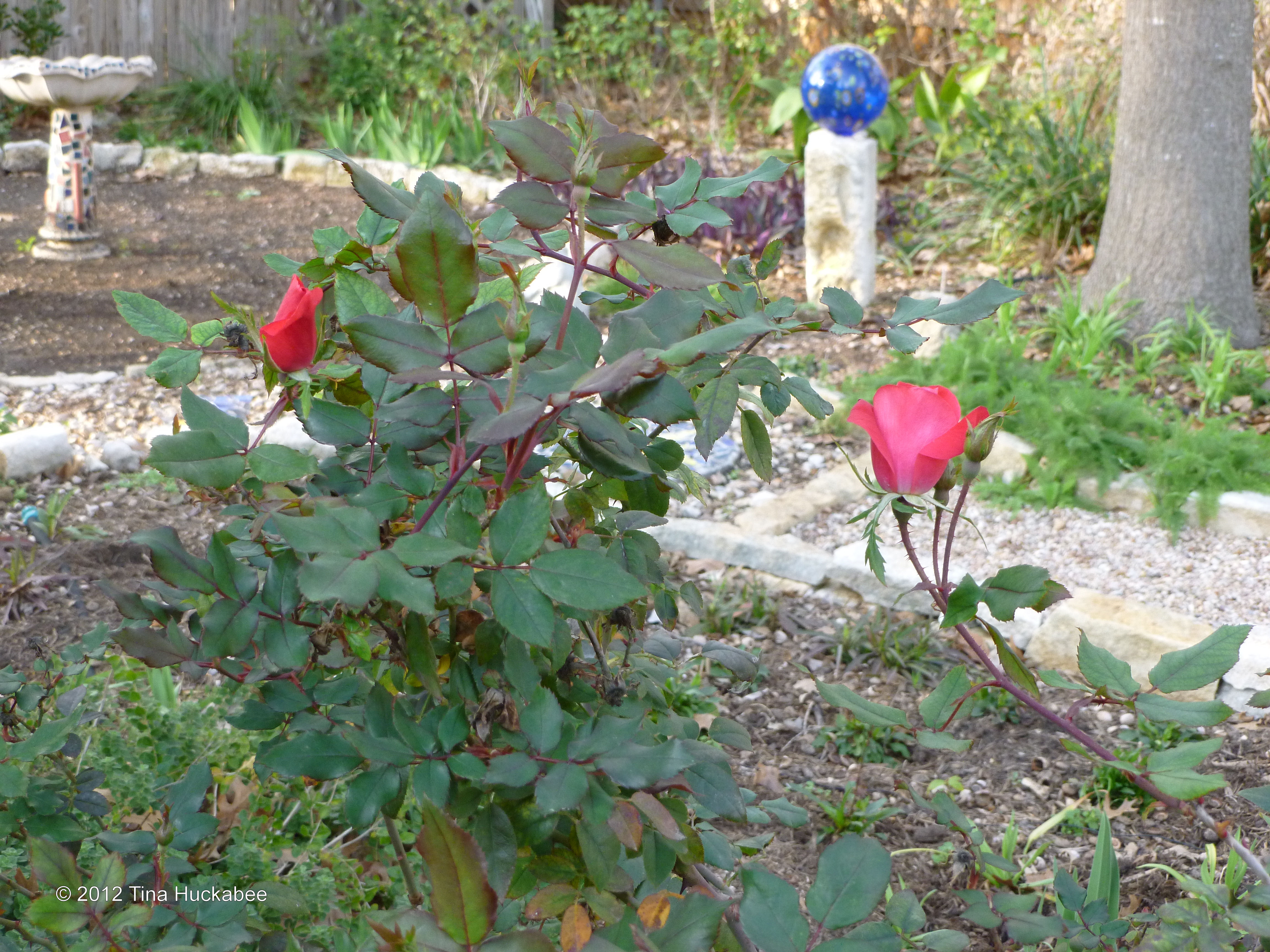
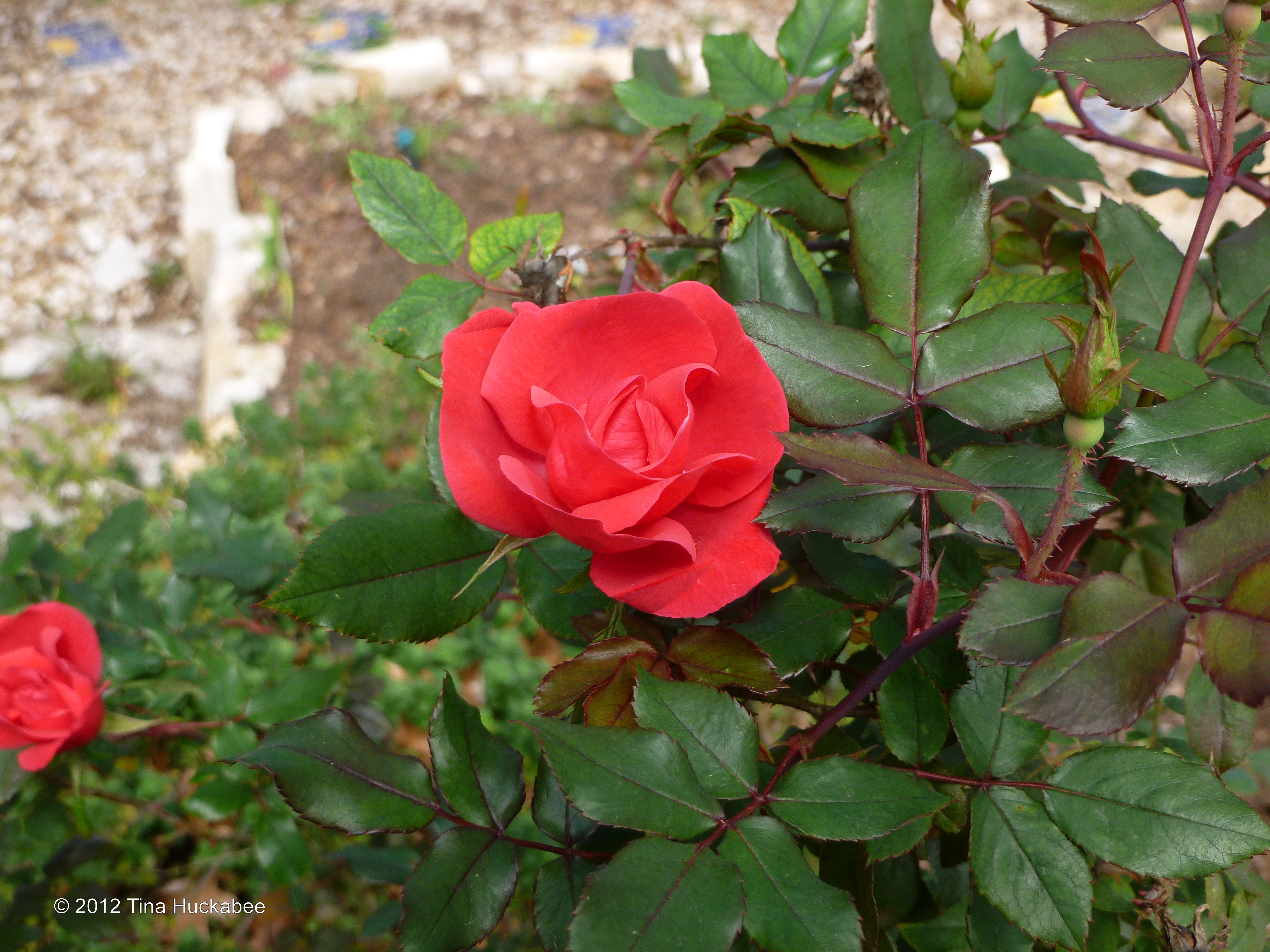
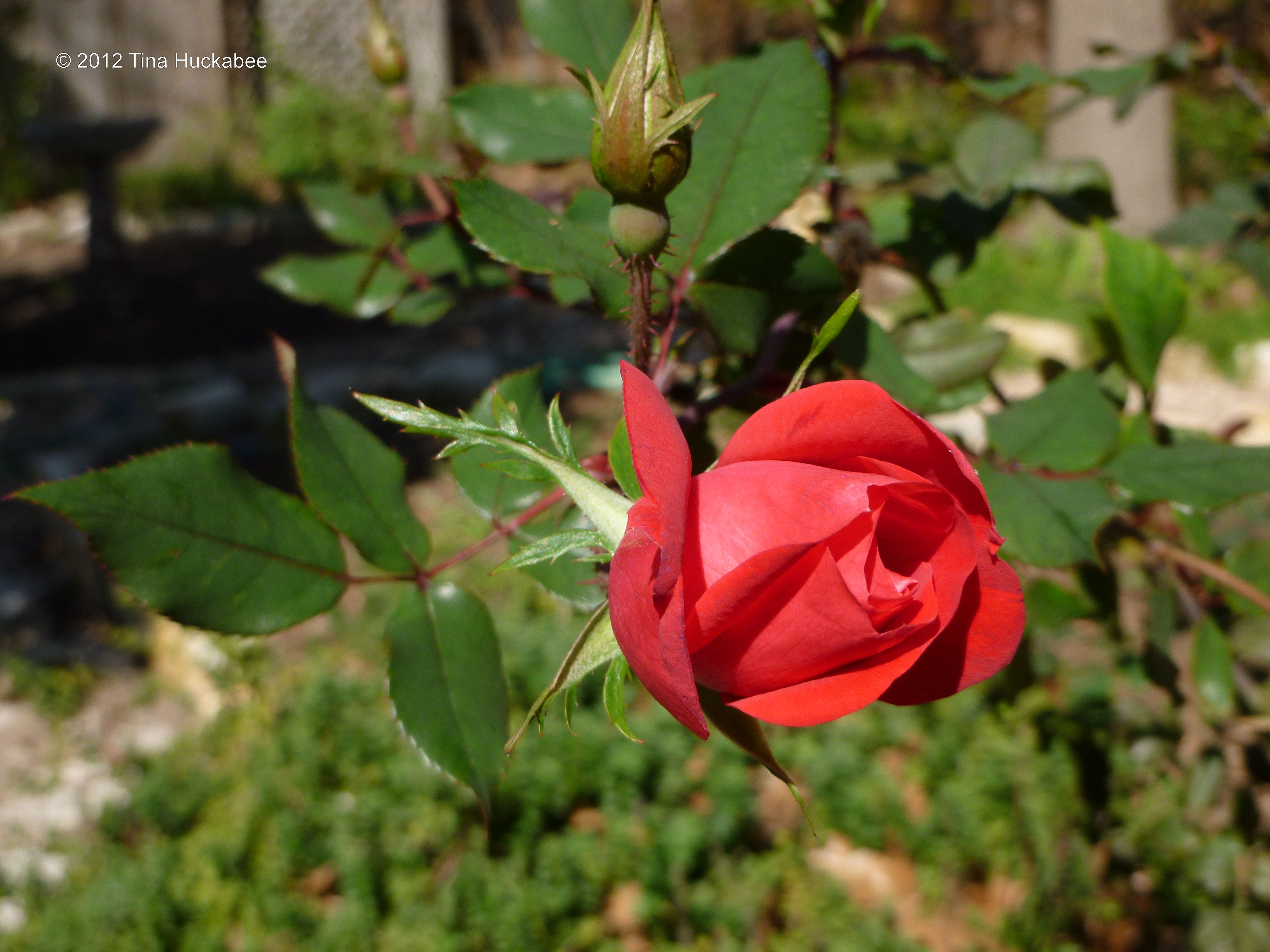
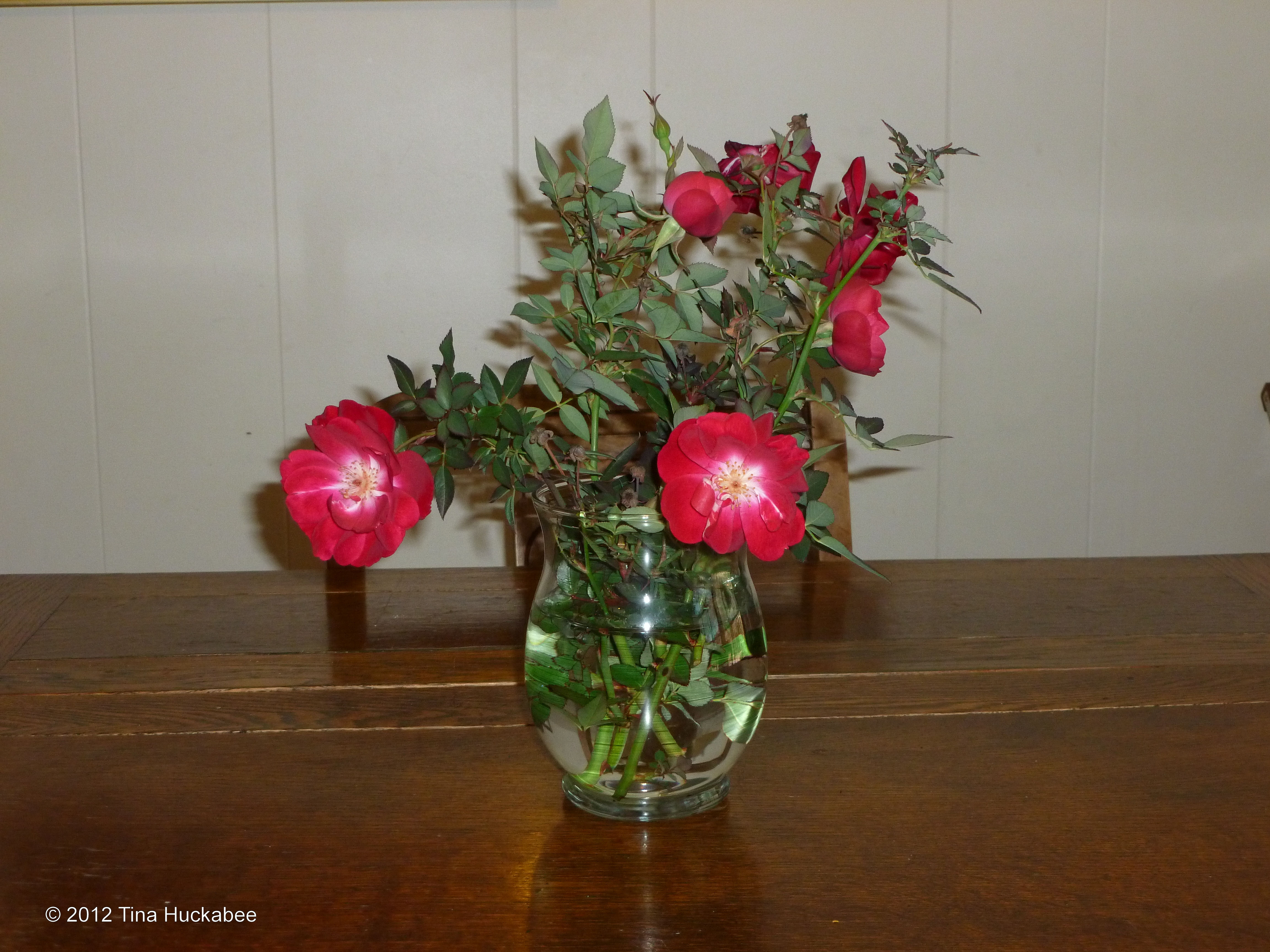
The Knockout Rose (Rosa ‘Knock Out’) produced  lovelies for my kitchen table and to enjoy outdoors,
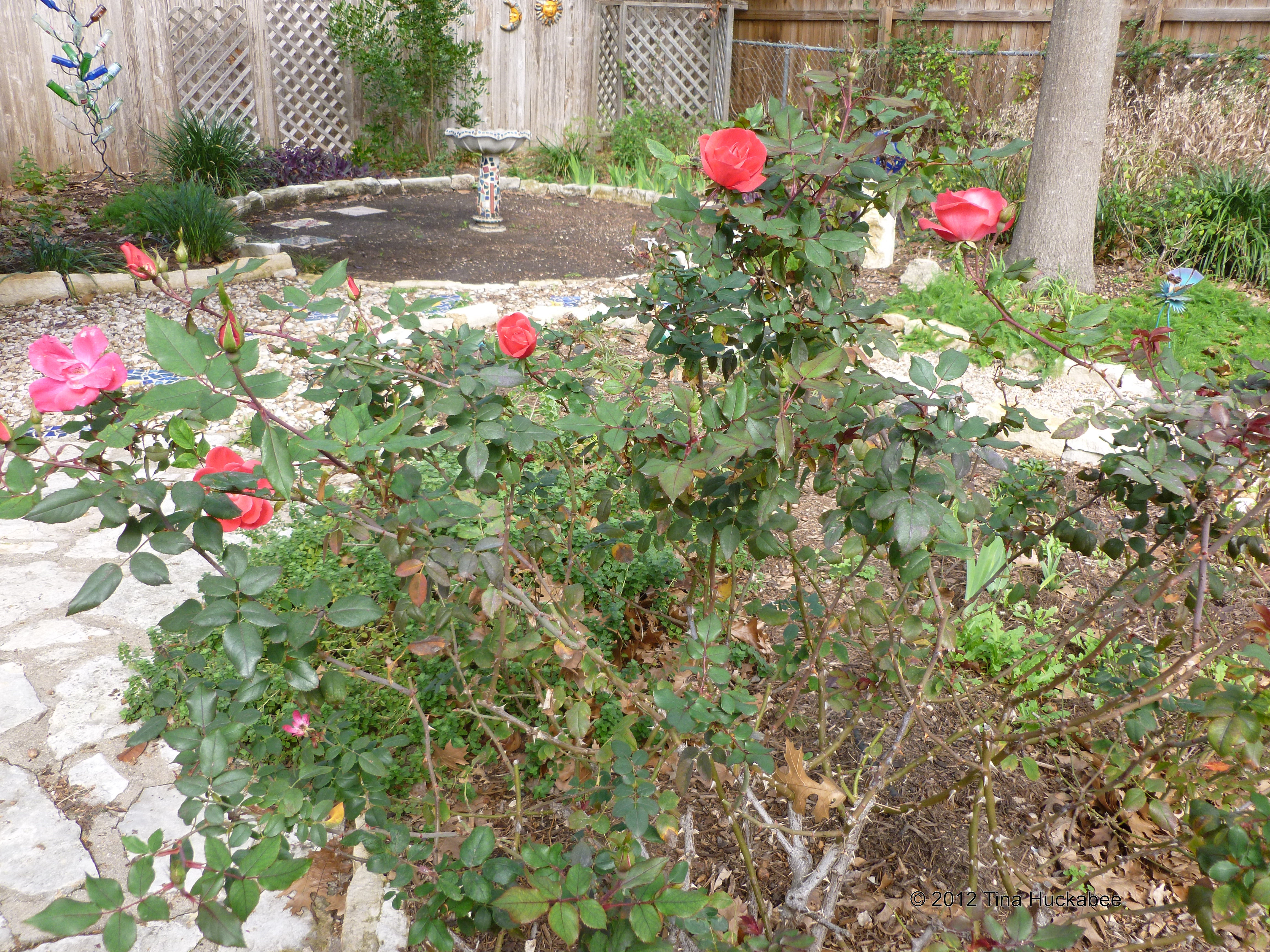
but it too is reduced to mere sticks.

I’m more careful with this rose than I am with my others (although I don’t think it’s  necessary because this rose is a tough one).  I clean (disinfect) and sharpen the pruners before I start with this rose.  I take care to prune the branches cleanly above a leaf node.
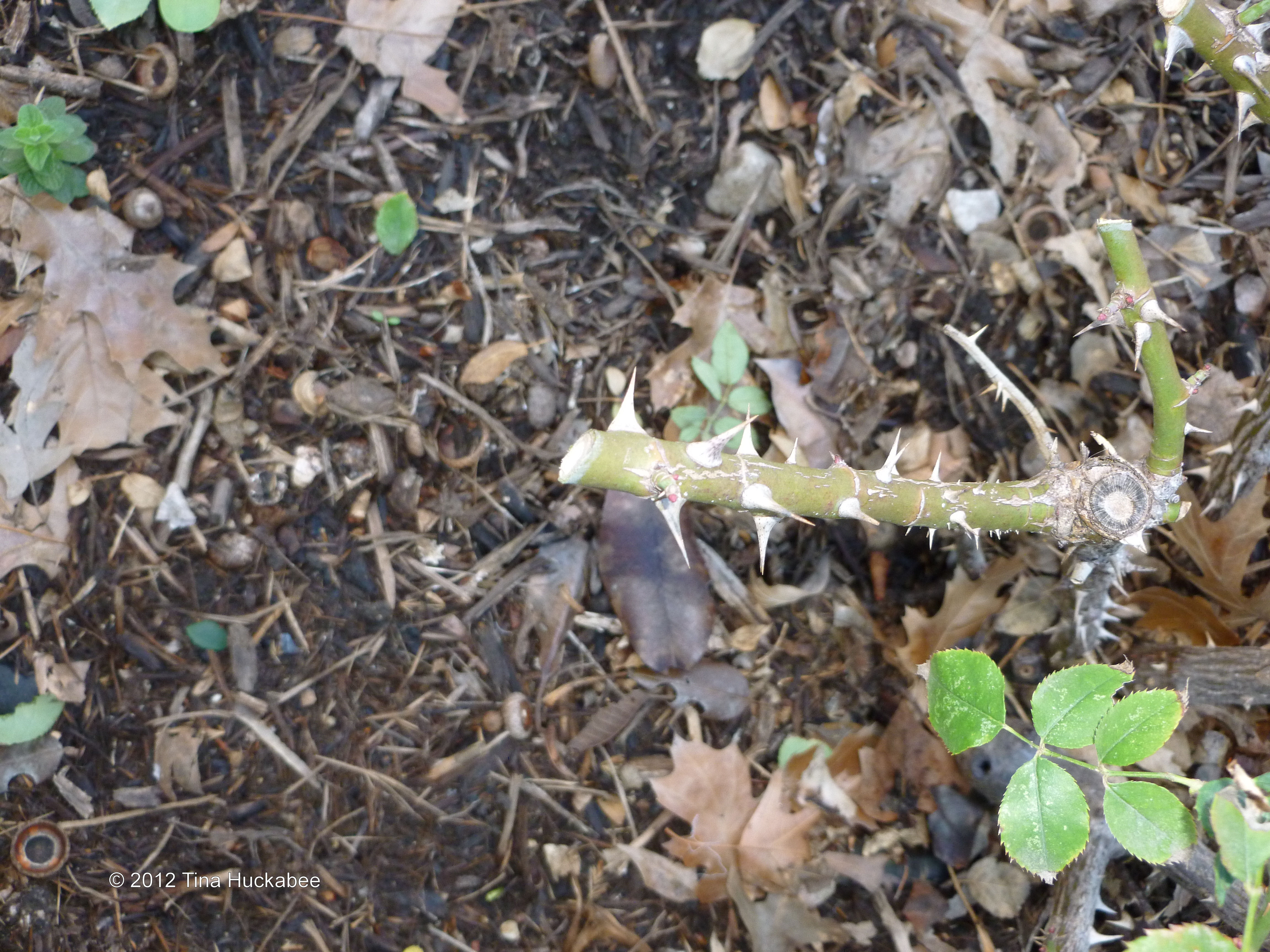
The node is the pinkish bump to the right of the cut, above the thorn.

The Belinda’s Dream Rose is a new one in my gardens, so I’m leaving it as is.
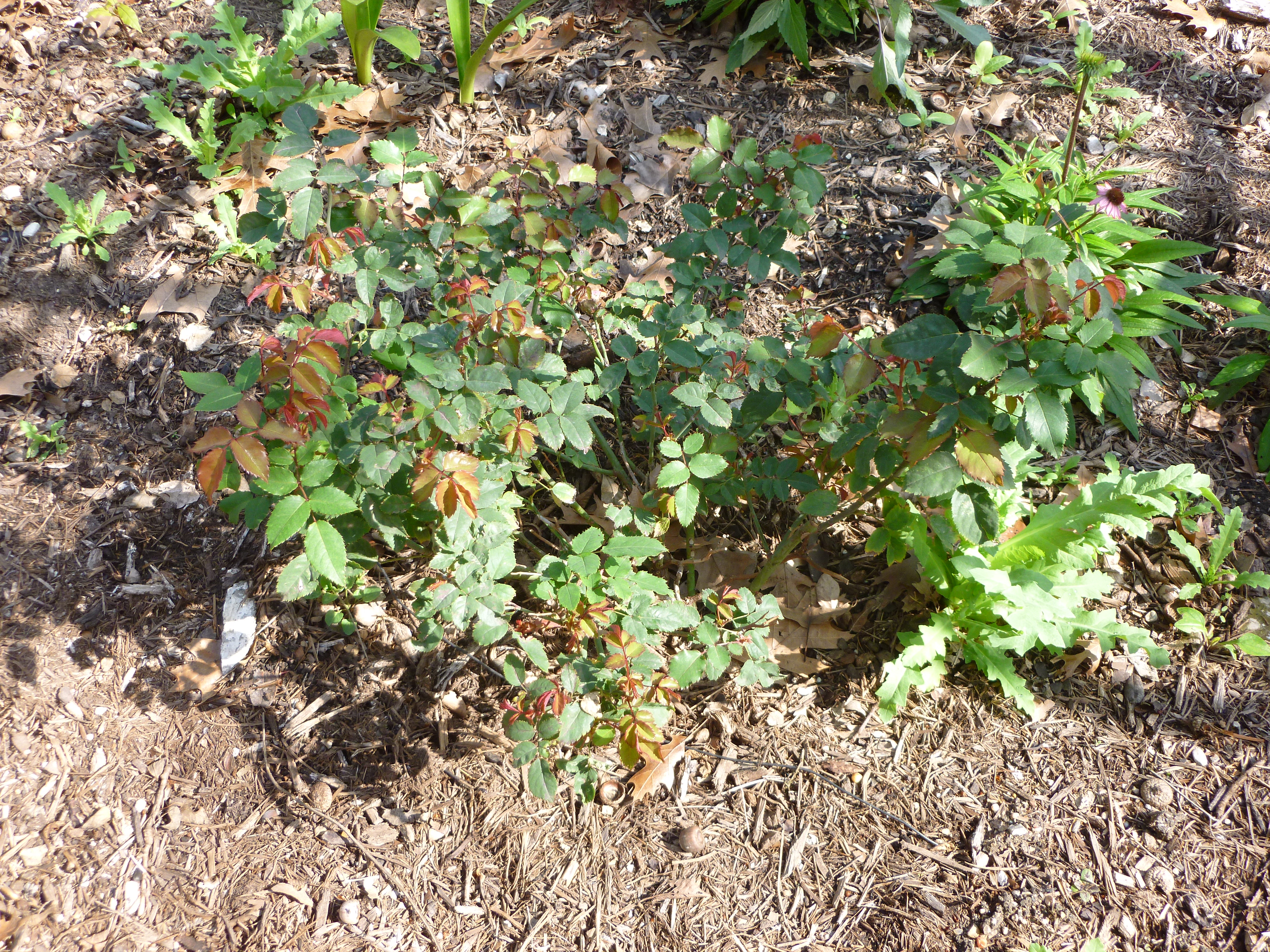
But at Zilker Botanical Gardens, there are two in the one of the beds I tend.   I pruned both down to their major three or four branches.
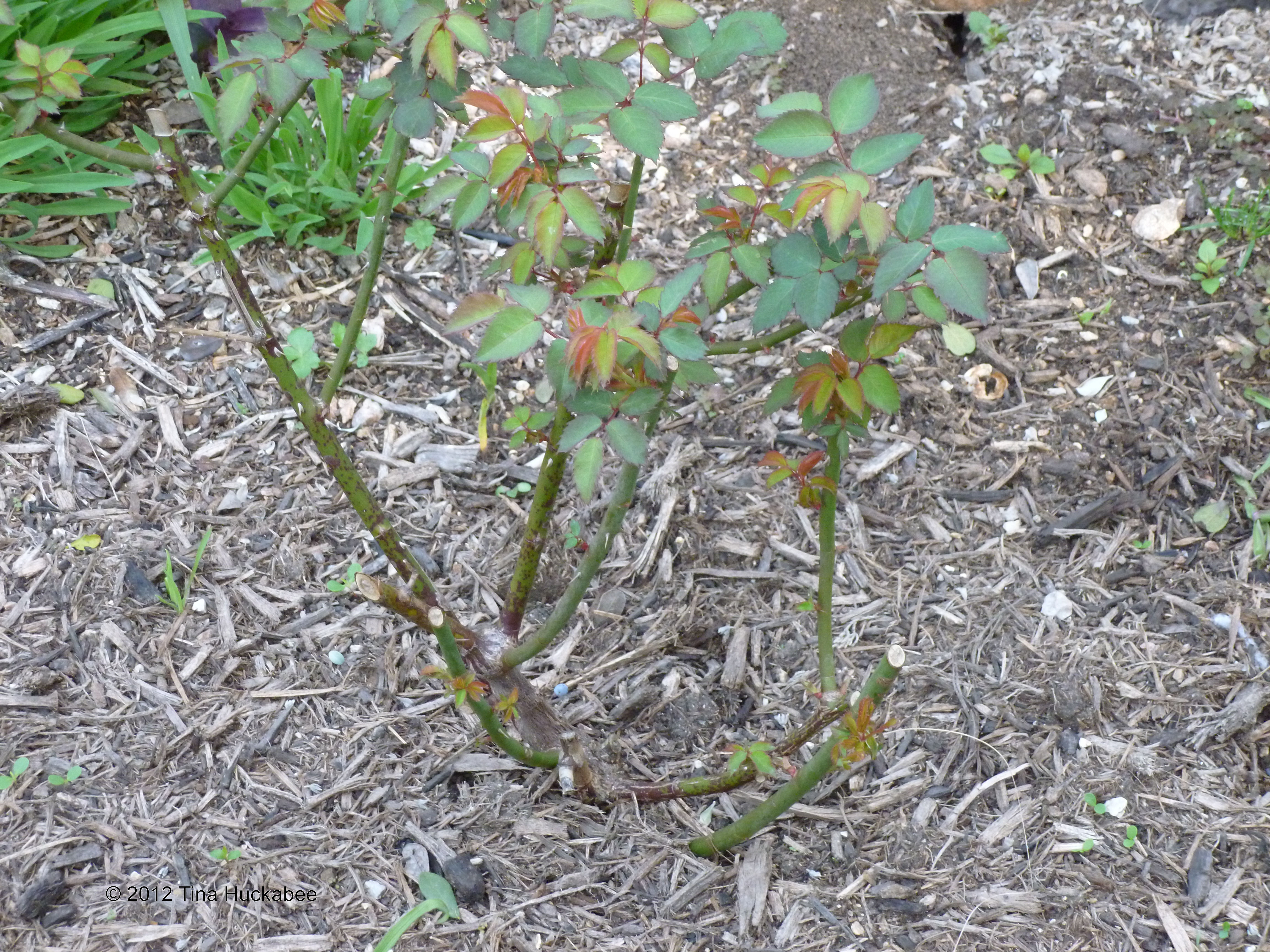
The other roses in my personal gardens, the Martha Gonzales and the Old Gay Hill, are treated like I treat my hardy native shrubs–I thwack away with abandon!  I transplanted both of these last year,

so they haven’t grown much.  But I did prune them back a little,

so they’ll be ready for growth in the coming year.  The Old Gay Hill still had buds n’ blooms, so I left them–there’s no need to be heartless, after all.
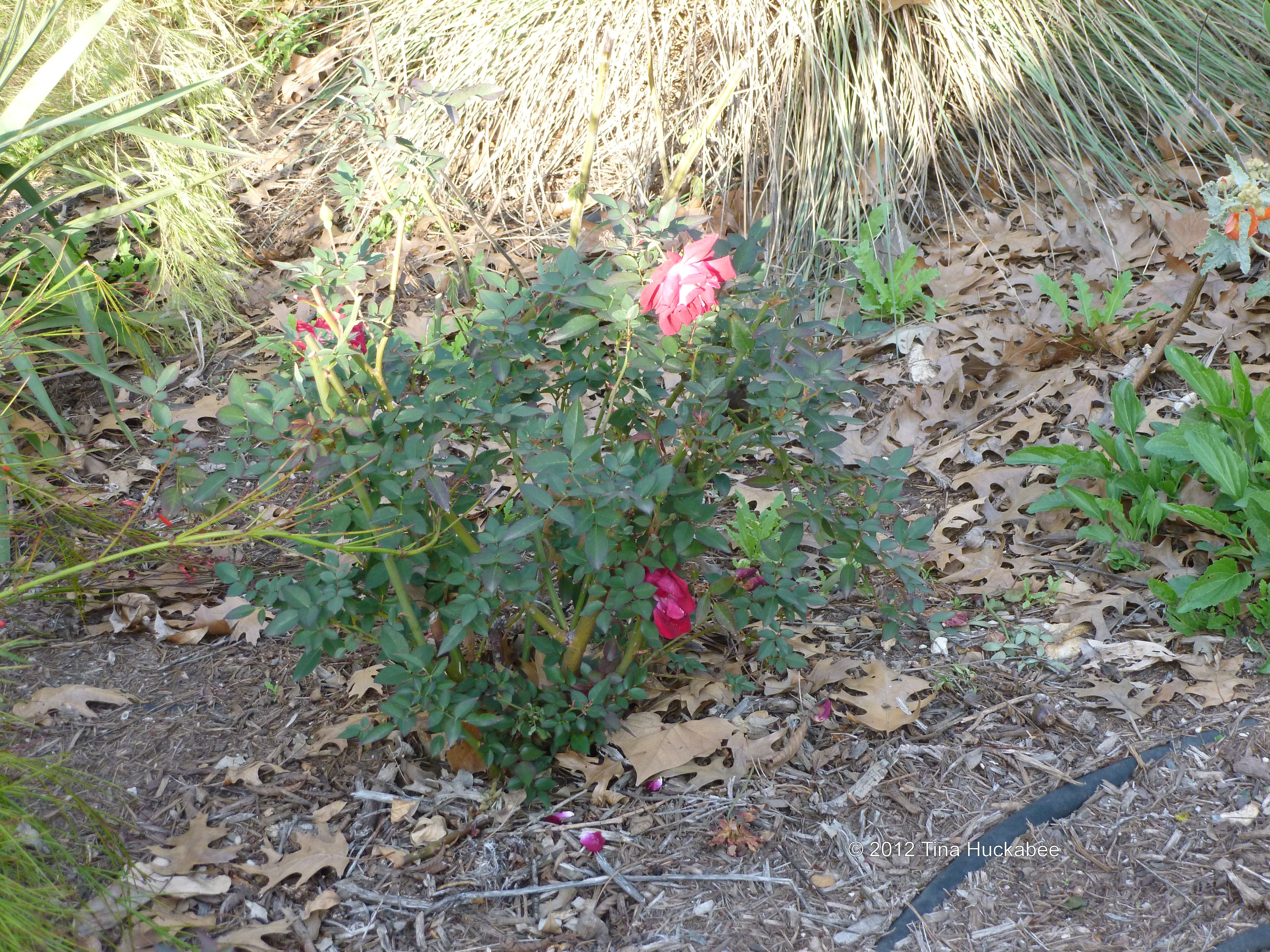
I cut back the Martha Gonzales Roses at Howson Library Garden last week as well.    This photo is on the City of Austin Grow Green Resources page, under the “Landscape Design” section and can be seen when you click the “Classic” design.
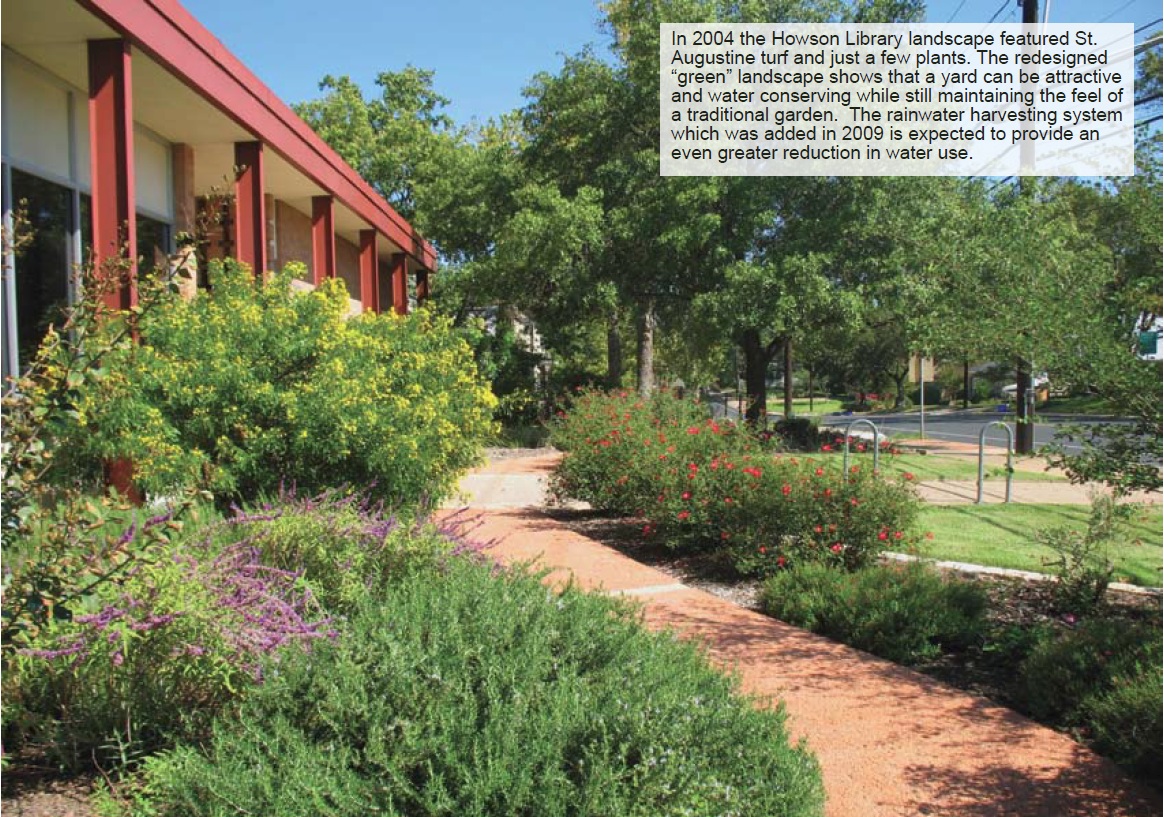
There are a total of eight roses at Howson. This view is of the four at the southern end of the area where the roses are planted.  This photo shows the roses in early fall and by the end of the growing season, they’re even larger.  I didn’t take a photo before I pruned them back last week.  (Oh, no!  That would have made too much sense!)   But, I did take a picture once I pruned.  This is the same angle now, after pruning:

and from the front.

The Martha Gonzales is such a hardy rose that the gardener doesn’t have to be particularly careful about cutting.  I clip off any dead branches, but other than trimming them to roughly the same height and shaping and tidying a bit, not much more is required during pruning time for this beautiful rose.

Pruning roses is easier if you keep the pruners clean and very sharp.  It’s also a great idea for Central Texas gardeners to plant roses that are hardy and tough and don’t require much water.  Check out the “Native and Adapted Landscape Plants Guide”  under “Plants” on the Grow Green Resources page for some examples of suitable roses for our area or visit one of Austin’s excellent independent nurseries for guidance on what roses to plant.

It’s not too late to prune and it’s time to plant some pretty roses in your garden.

Foliage Follow-Up–February 2012–Good Nandinas

One of my favorite plants for nice winter foliage here in mild Austin, Texas is the Nandina domestica (Atropurpurea ‘Nana’).  Nandinas are not native to North America, but are originally from Asia.  The Nana variety is a dwarf (it gets about two feet tall) which doesn’t produce berries, but is grown for its dwarf habit, hardiness in the home/commercial landscape and its foliage.  Because the Nana doesn’t develop berries, it’s not considered an invasive plant in Central Texas, unlike its brethren with berries.

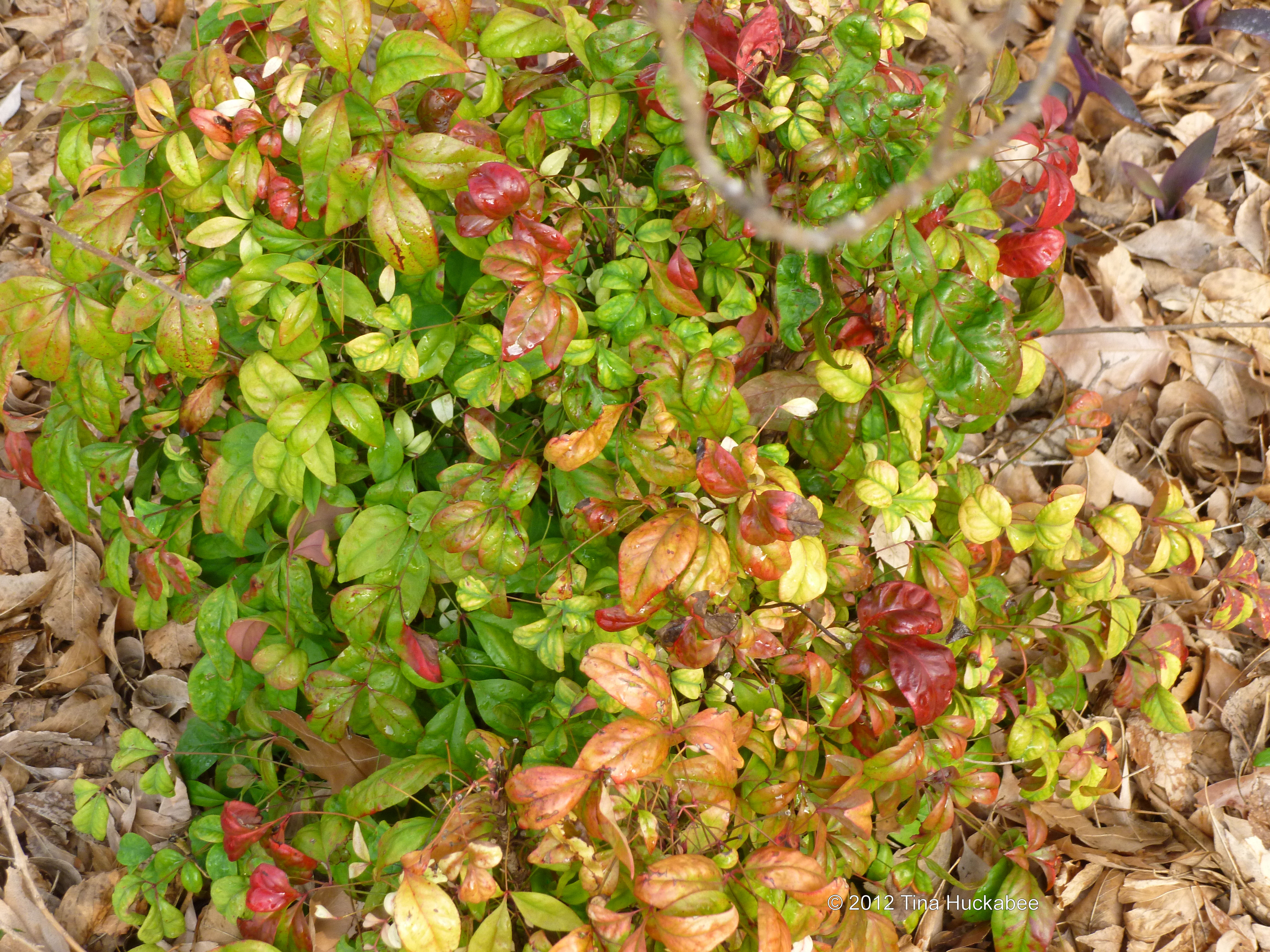
Nana Nandinas can be quite striking in the winter.  During the fall and winter, the Nana’s leaves turn colors ranging from green to yellow to rust to deep red and burgundy.  There’s even a little orang-y/coral-ly thing going on sometimes!

All of the Nanas in my personal gardens are in shade for most of the year, receiving full sun only once the deciduous trees have dropped their leaves. Unfortunately, my plants don’t turn the striking red coloration that shrubs in full sun do.  This Nana belongs to some nice neighbors and is absolutely stunning, I think.

My Nanas have bits of red here and there, but tend to be less dramatic in their coloring, though still attractive and they provide good contrast to evergreens during the winter months.

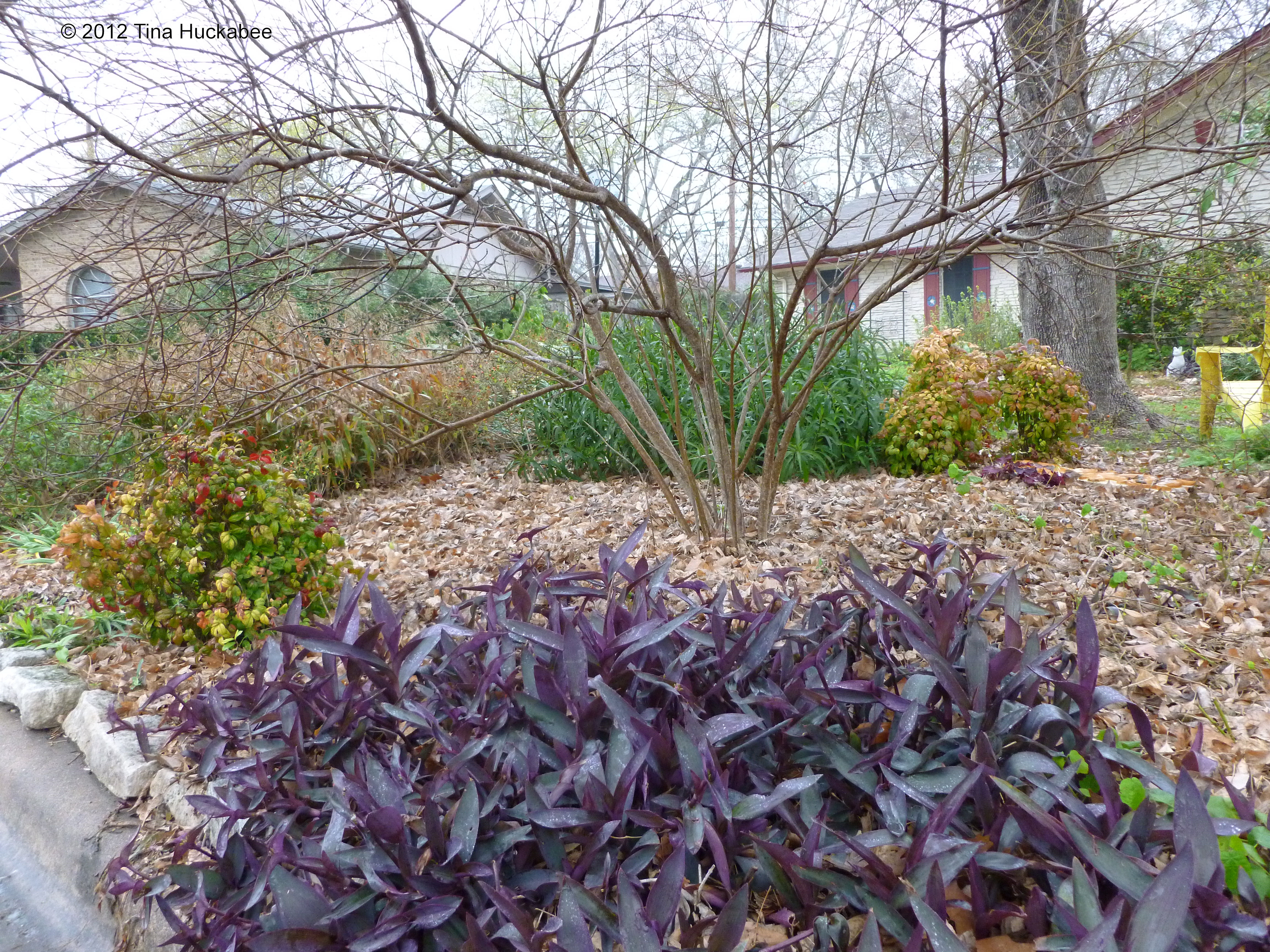
The Nana Nandina is a hardy plant which doesn’t require that much effort.  This Nana  is at the edge of a street/sidewalk and brightens this spot beautifully.

In my gardens, I water sparingly and they perform well in our hot summers. During the growing season, the Nana Nandina is nondescript looking, so I like to plant them alongside showy perennials like Turk’s Cap.  This is what one Nana looked like in October planted with a Turk’s Cap,

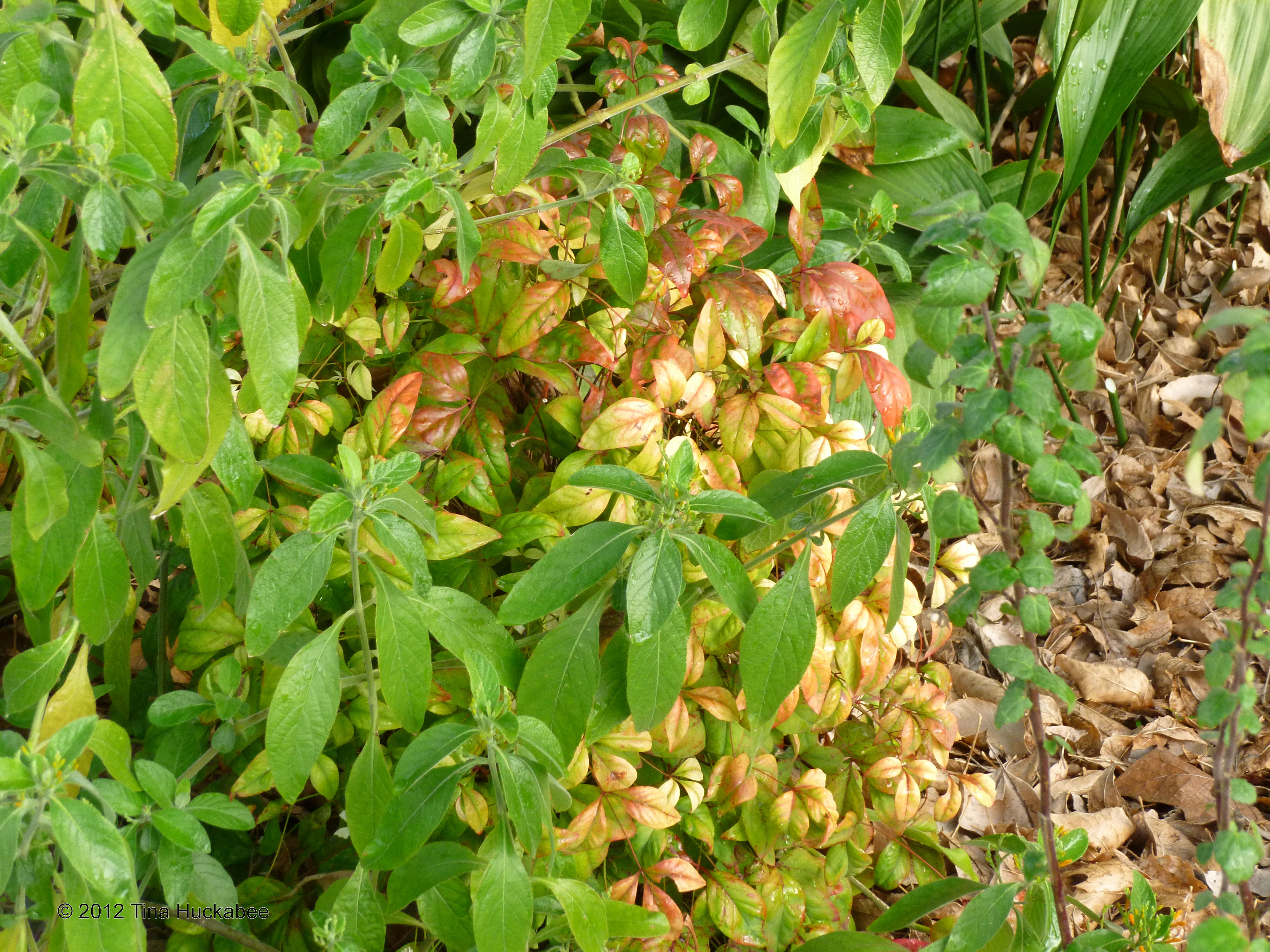
and here it is now.

I haven’t cut this Mexican Honeysuckle (Justicia spicigera) back yet, so the Nana is peeking out from under and behind its overgrowth.  But had the Mexican Honeysuckle succumbed to a hard freeze, the Nana would be colorful and provide structure in this spot.

I recommend the Nana Nandina as a great plant for the home gardener because of its hardiness, form and especially its gorgeous winter foliage.  It’s also non-invasive and that’s always a consideration for the gardener to make.

For more information about invasive plants in Texas and the Austin area, check out  Texas Invasives.org.  This site has a great deal of information about problems that invasive plants cause and solutions to those problems.  It also has links to other sites for lists of plants which are not appropriate for our area and for alternatives that gardeners should use instead.

Thanks to Pam at Digging for hosting Foliage Follow-Up this February 2012.

Garden Bloggers’ Bloom Day-February 2012-Roses, Pre-Pruning

I don’t have many roses in my gardens, but during Central Texas’ mild winter, mine have bloomed well, especially these past few weeks.  So, before I prune them back for the year and while I’m still in a flush from Valentine’s Day,  roses are my gift to Bloggers’ Bloom Day for February 2012.  Hosted by Carol at May Dreams Gardens, thanks for the opportunity to post.

My Knockout Rose, (Rosa ‘Radrazz’), has bloomed for the past three weeks with welcomed fragrance and blooms.

The Mutabilis Rose, (Rosa chinensis ‘Mutabilis’) is loaded with its sweet blooms.

‘The Old Gay Hill’ Red China, which I transplanted last year, seems happy in its new spot by the pond and is showing off by blooming up early.

And finally, my ‘Martha Gonzales’ (Rosa ‘Martha Gonzales’)  continues to do what it does all year: bloom.

So, I’ll cut as many as possible to enjoy in the house as I prepare to prune the roses for the coming year of blooms.

What’s blooming where you garden?