Fabulous Foeniculum

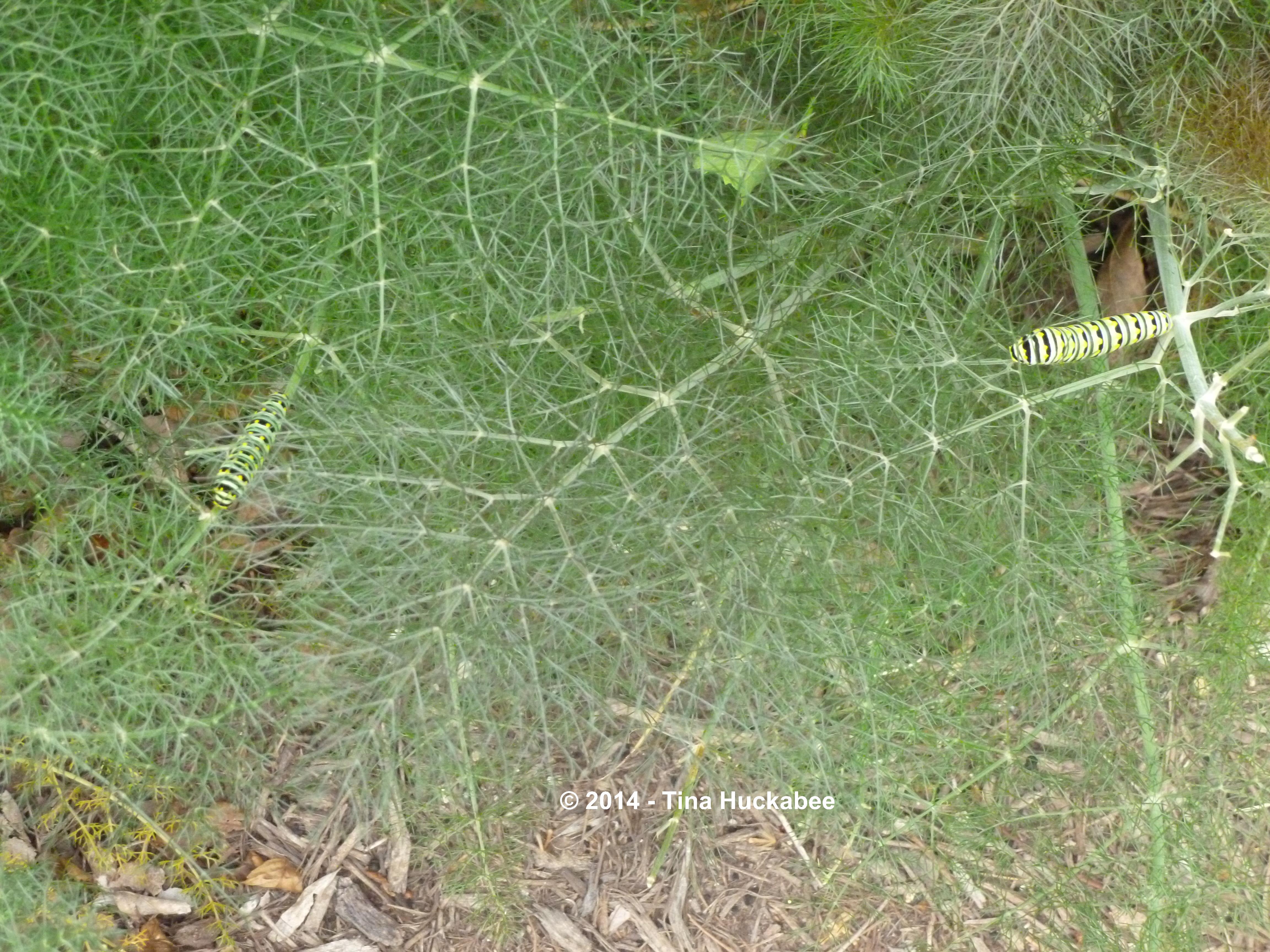
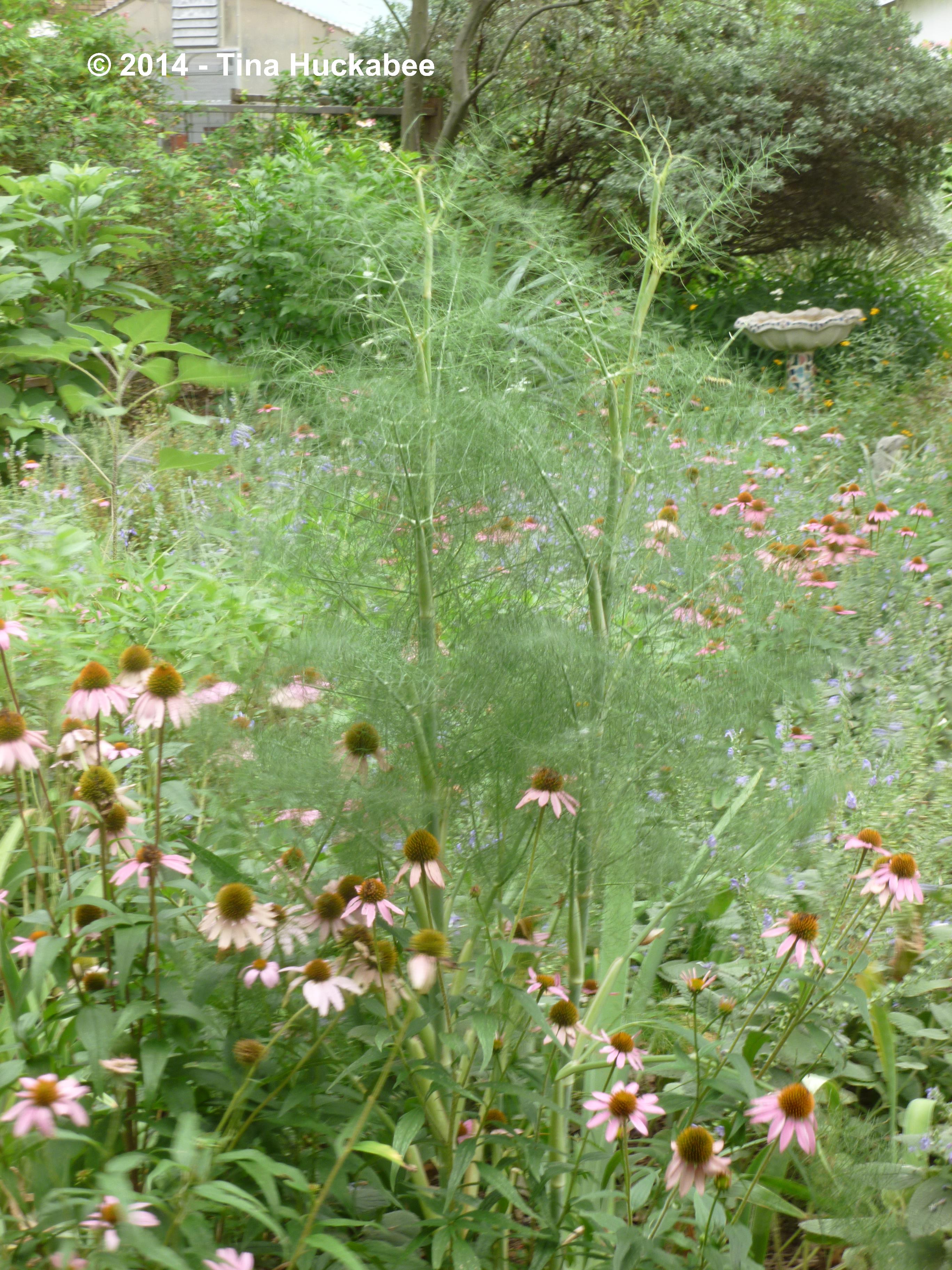
By Austin standards, temperatures for spring and summer of 2014 have been mild to downright cool.  While still drier than normal, there has been some rain.  I think those factors explain the exuberance of this Fennel, Foeniculum vulgare.
P1050195.new

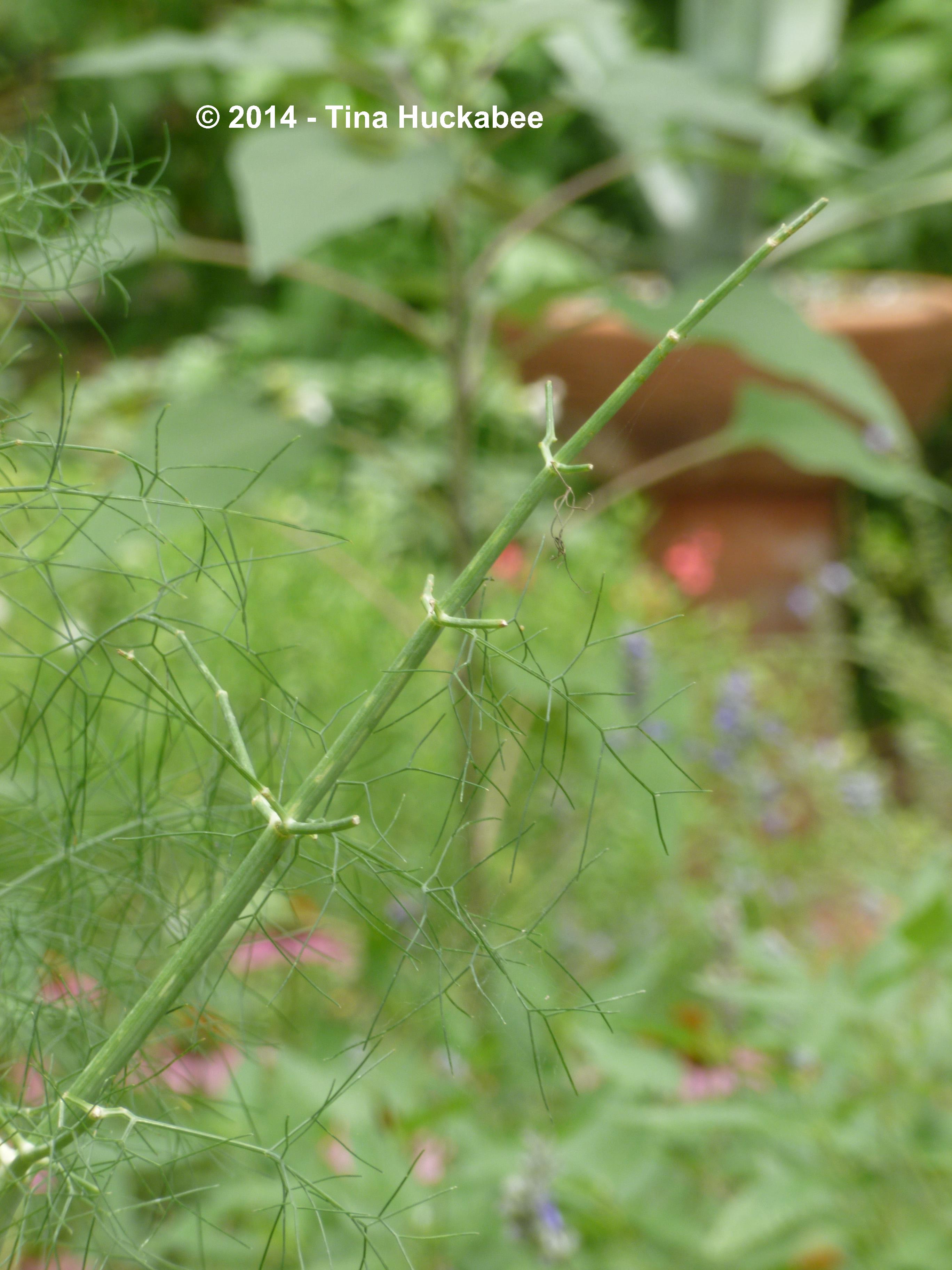
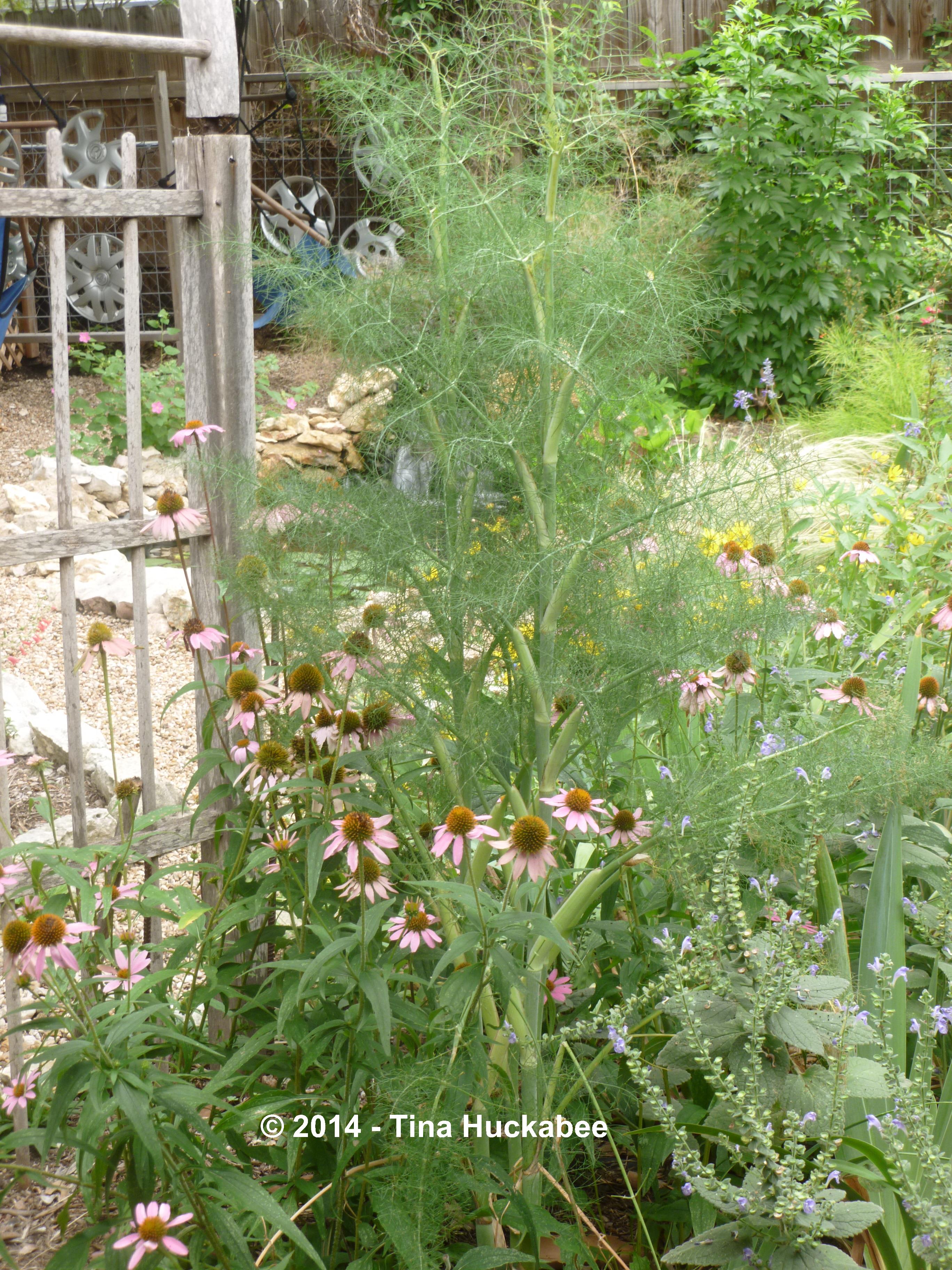
This guy is four and a half feet tall! Where does he think he is? Oregon??  I planted this particular specimen a year or two ago–it’s bumbled along for some time and since last fall, it grew.
P1050197.new

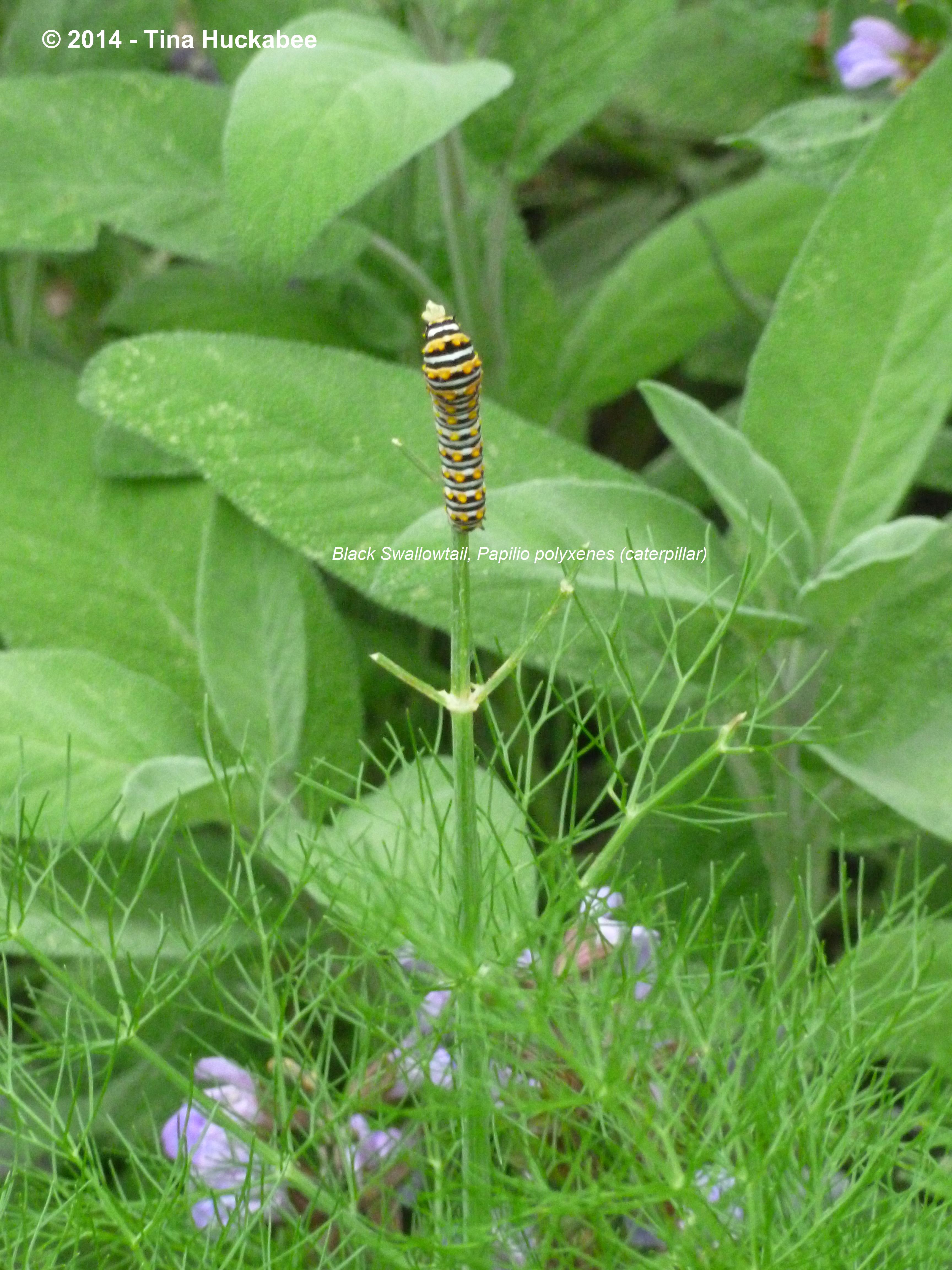
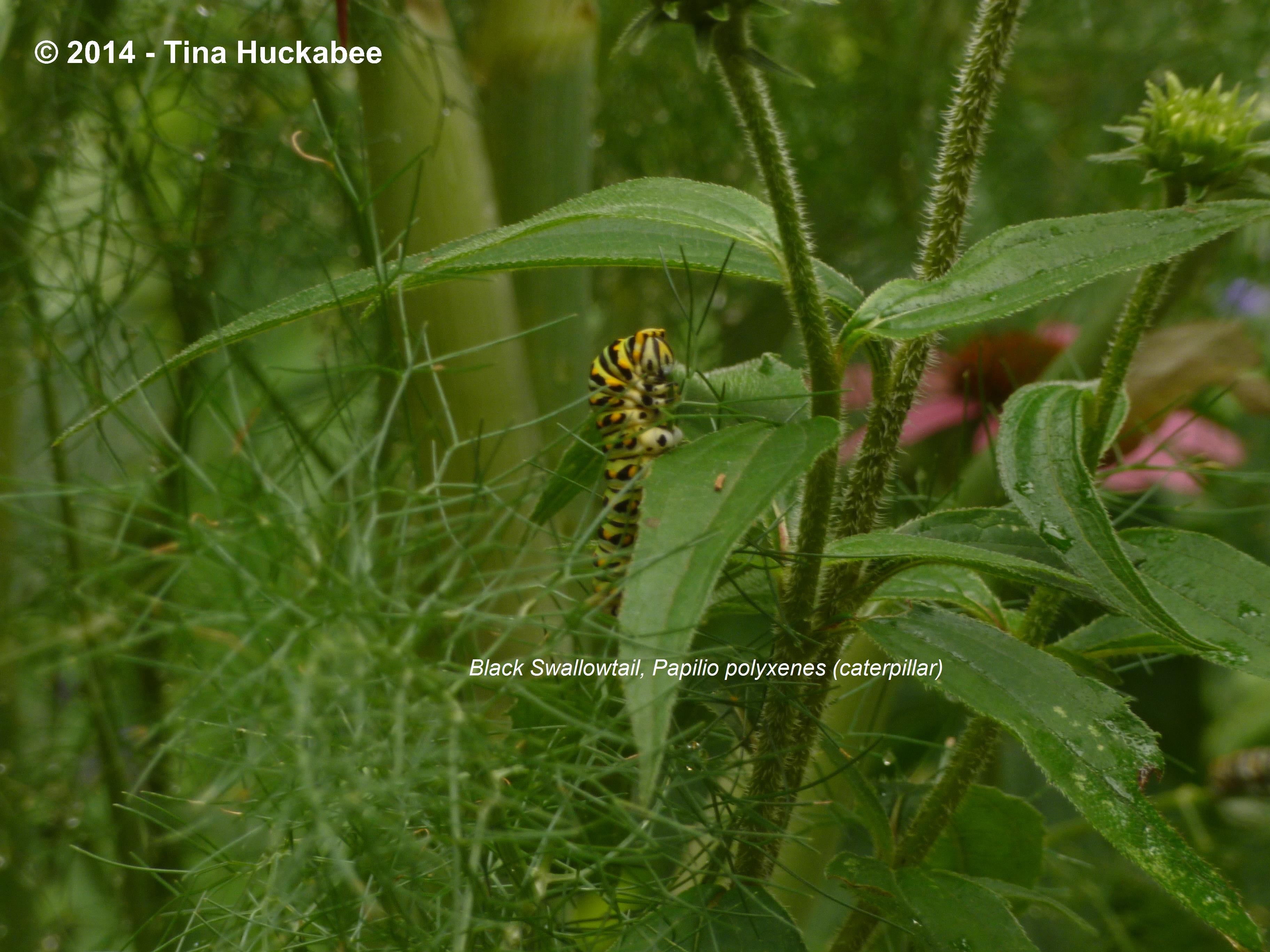
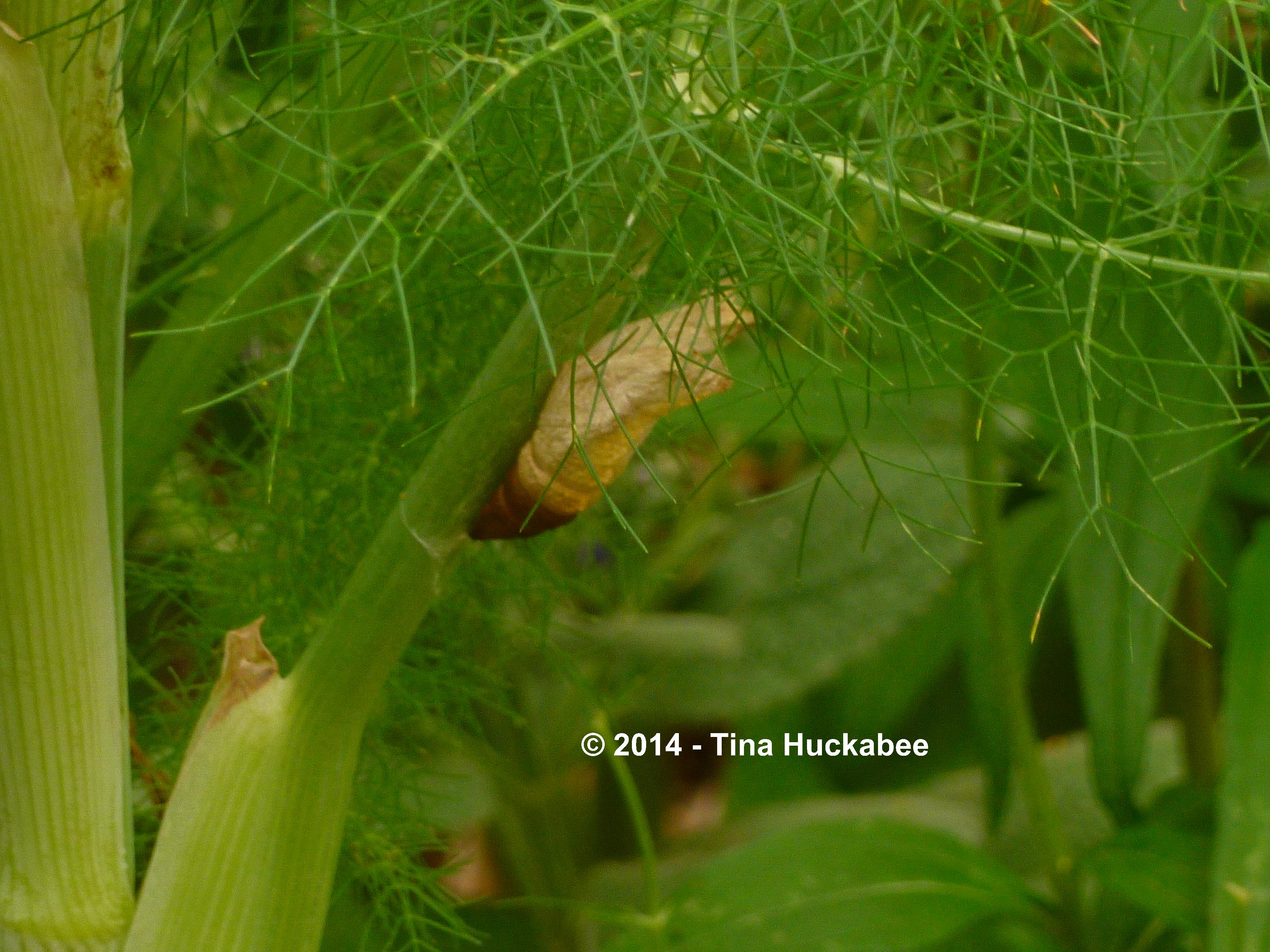
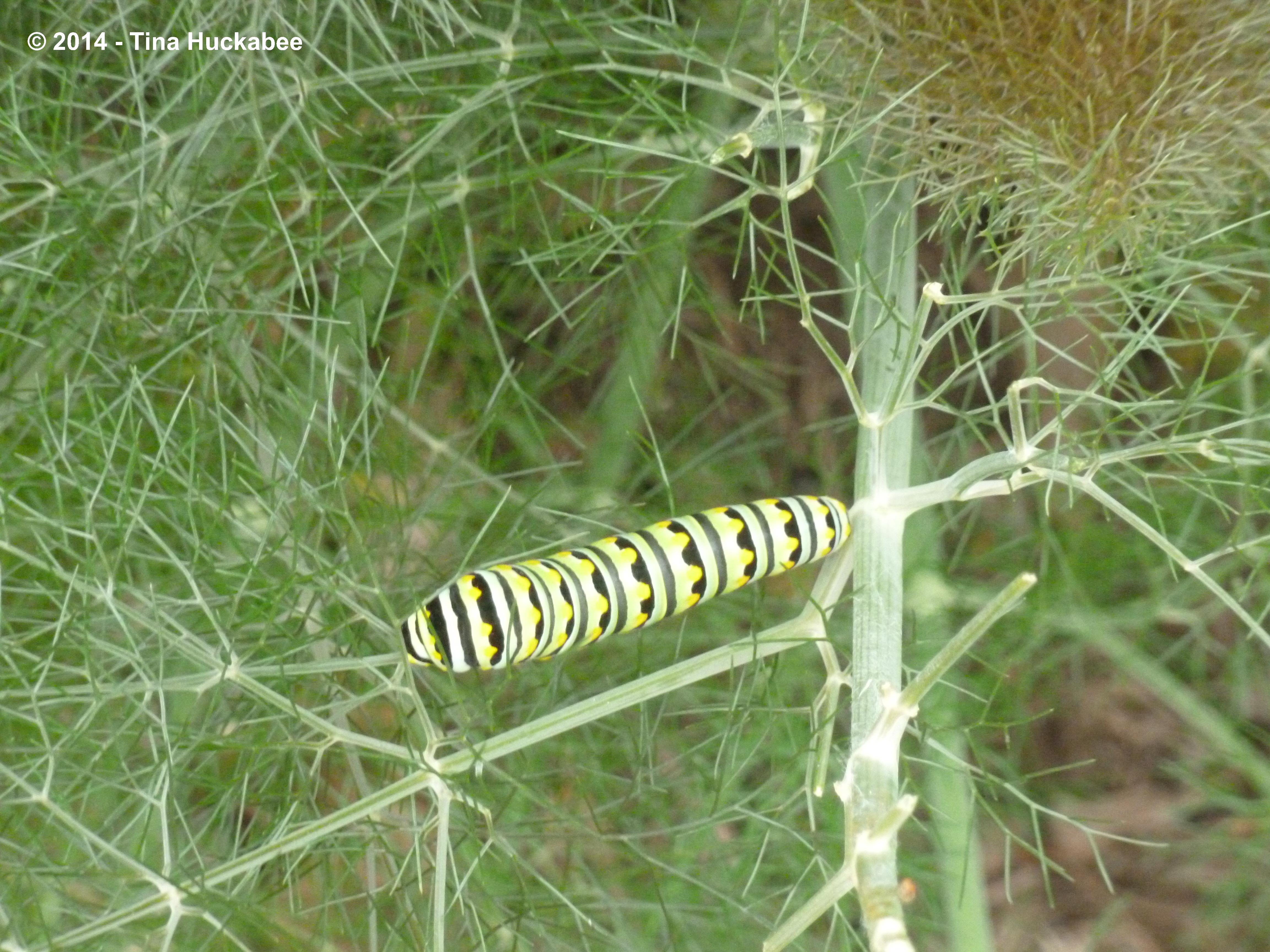
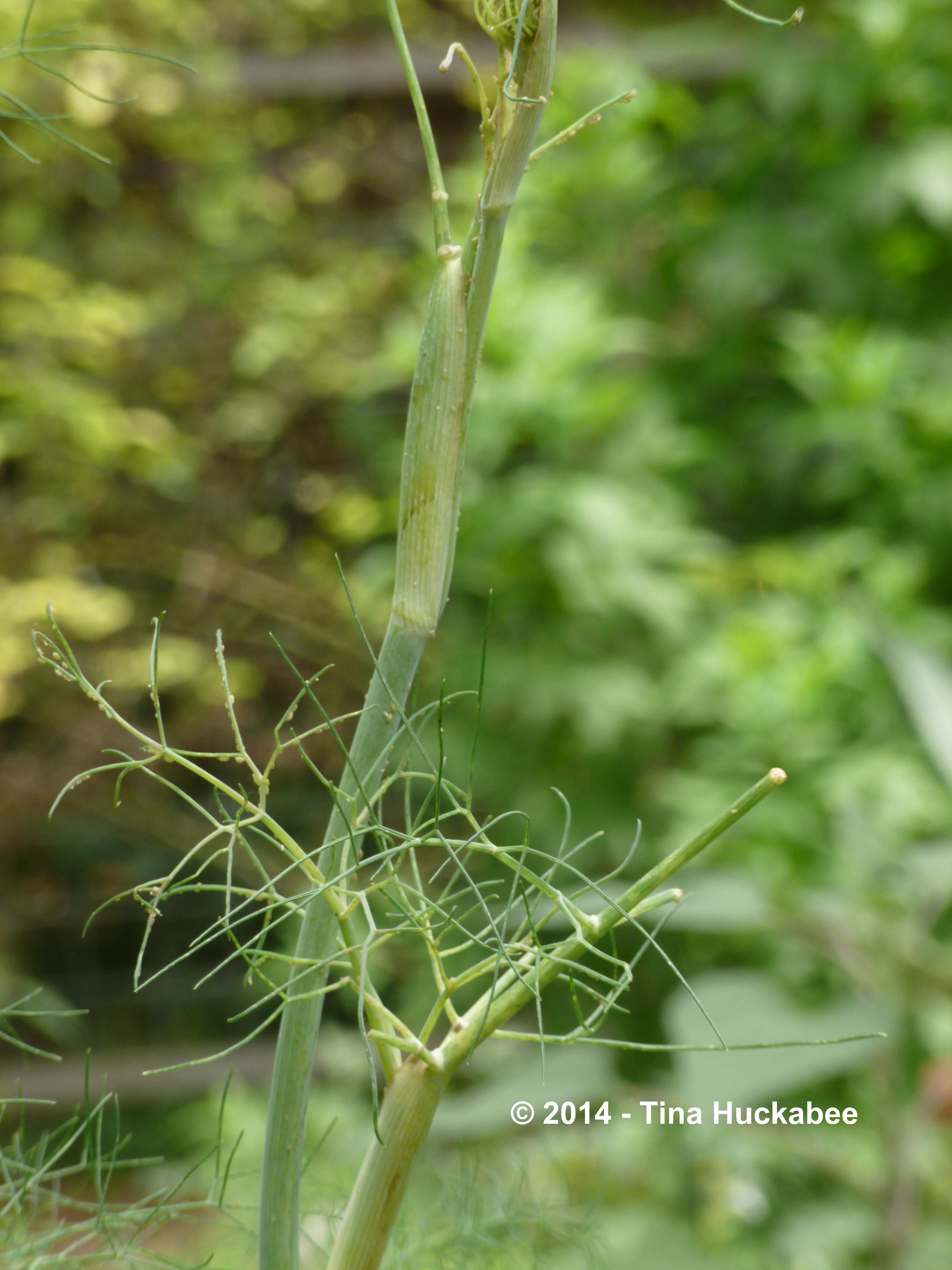
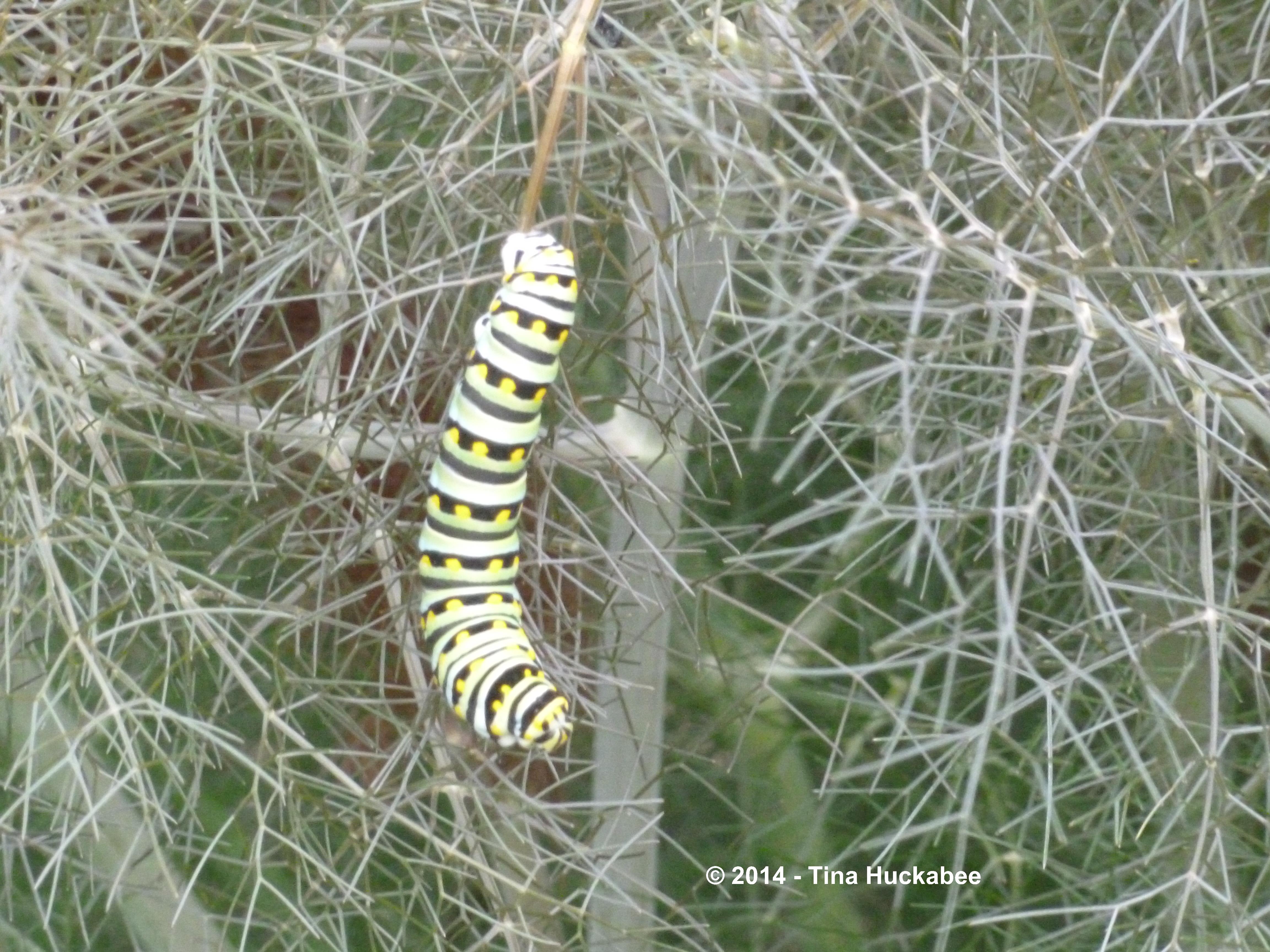
And grew.  I plant Fennel (and Dill, as well) to attract butterflies to my garden.  Fennel is the host plant for several species of swallowtail butterflies.  The adult butterfly lays her eggs on the Fennel, the eggs hatch and the caterpillars eat until they’re ready for their trip through the chrysalis and to eventual butterfly-hood.  Sometimes a chrysalis will form on the Fennel itself,
P1040448.new

but usually the large caterpillar transforms into its adult self elsewhere.  Either way, planting Fennel is helpful in assuring a regular population of swallowtail butterflies.

I haven’t hosted hoards of caterpillars and resulting butterflies this year,
P1030584.new

just a few, here and there.

P1030583.new

P1040687.new

And the caterpillars haven’t eaten the Fennel to the ground. Yet.  Though they are efficient at stripping the foliage from the stems.
P1050295.new

P1050296.new

I have a dedicated butterfly garden in a different part of my gardens, as well.

P1050198.newP1050201.new

I planted these Bronze and Green Fennel for the swallowtails last fall, along with some transplanted Tropical Milkweed, Asclepias curassavica, for the Monarchs.  The Fennel has thrived, though the Milkweed froze in the winter and has been very slow to return.

P1050353.new

Which is just as well as I didn’t spot one Monarch in my gardens during spring migration.  Not. One. Monarch. That is scary and sad.

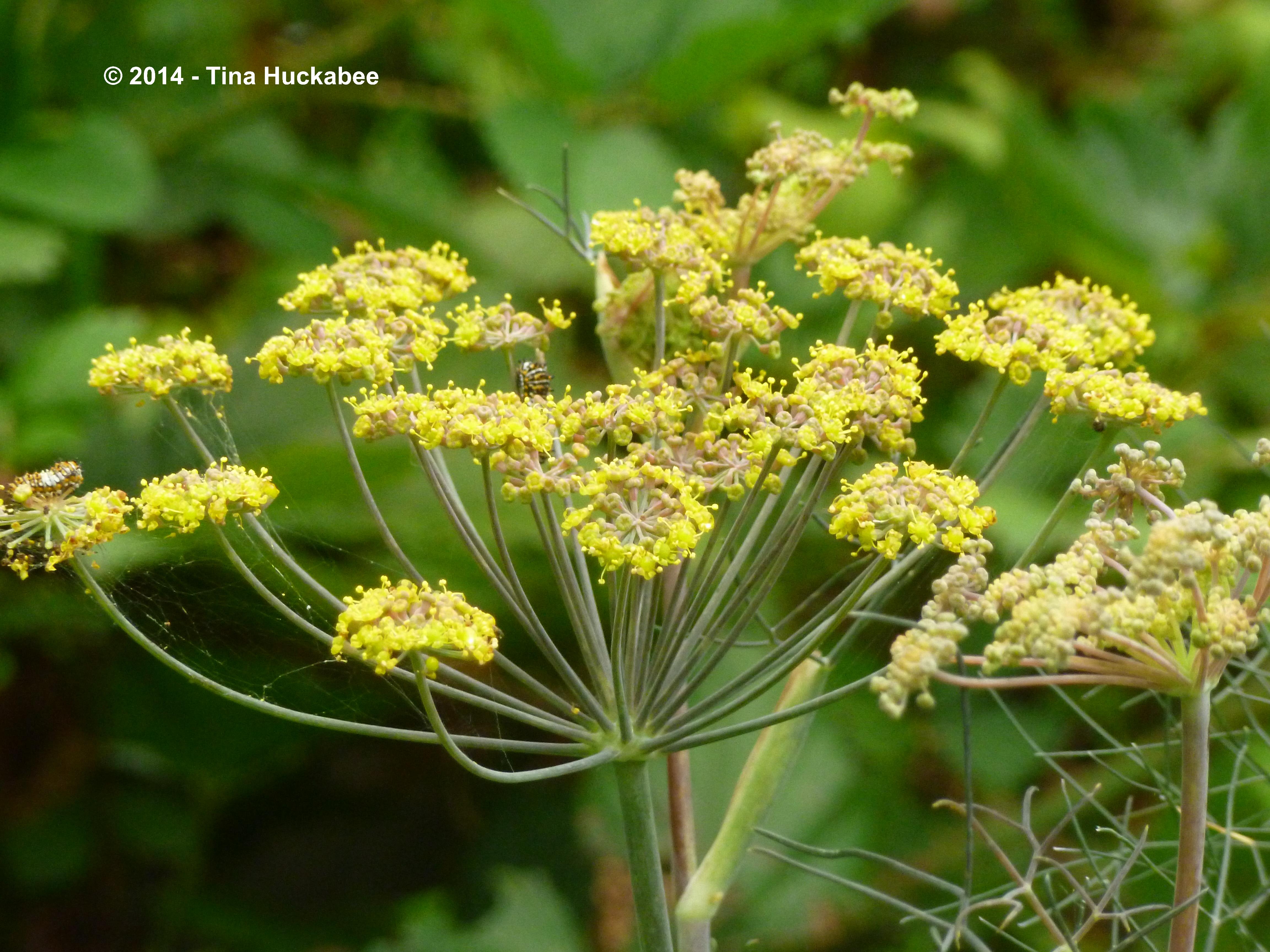
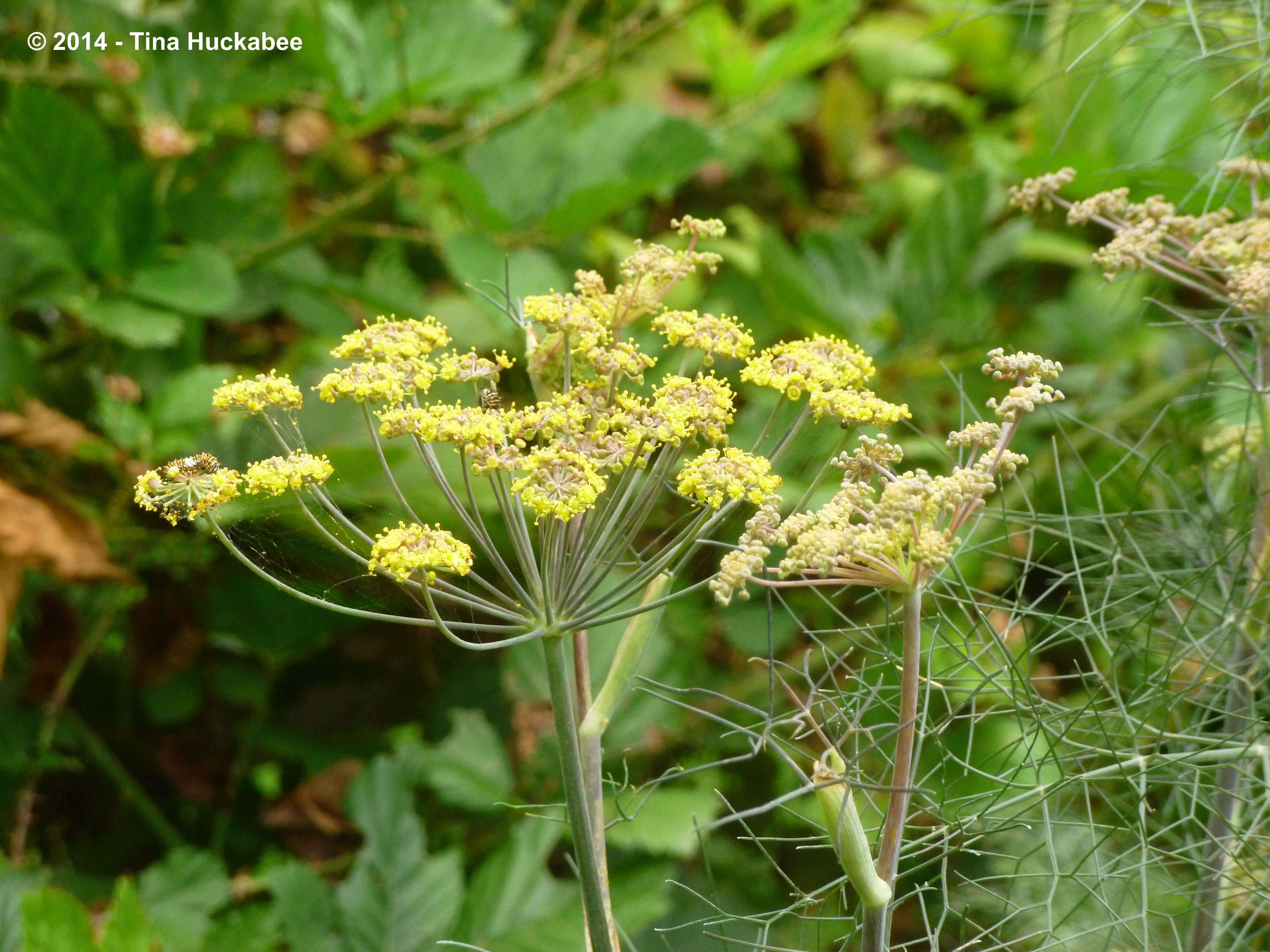
The Fennel provides food for swallowtails and some delicious salad sprigs–for me, that is.  Several of my Fennel are beginning to bolt, which entails producing  flower umbels,
P1050199.new

P1050200.new

and going to seed.

I’m snipping the flower panicles off to keep the Fennel in a growing mode, but summer heat will continue to encourage the bolting process.  Fennel has survived summer before in my gardens and if it doesn’t get too hot this year, it could happen again.  Time will tell.

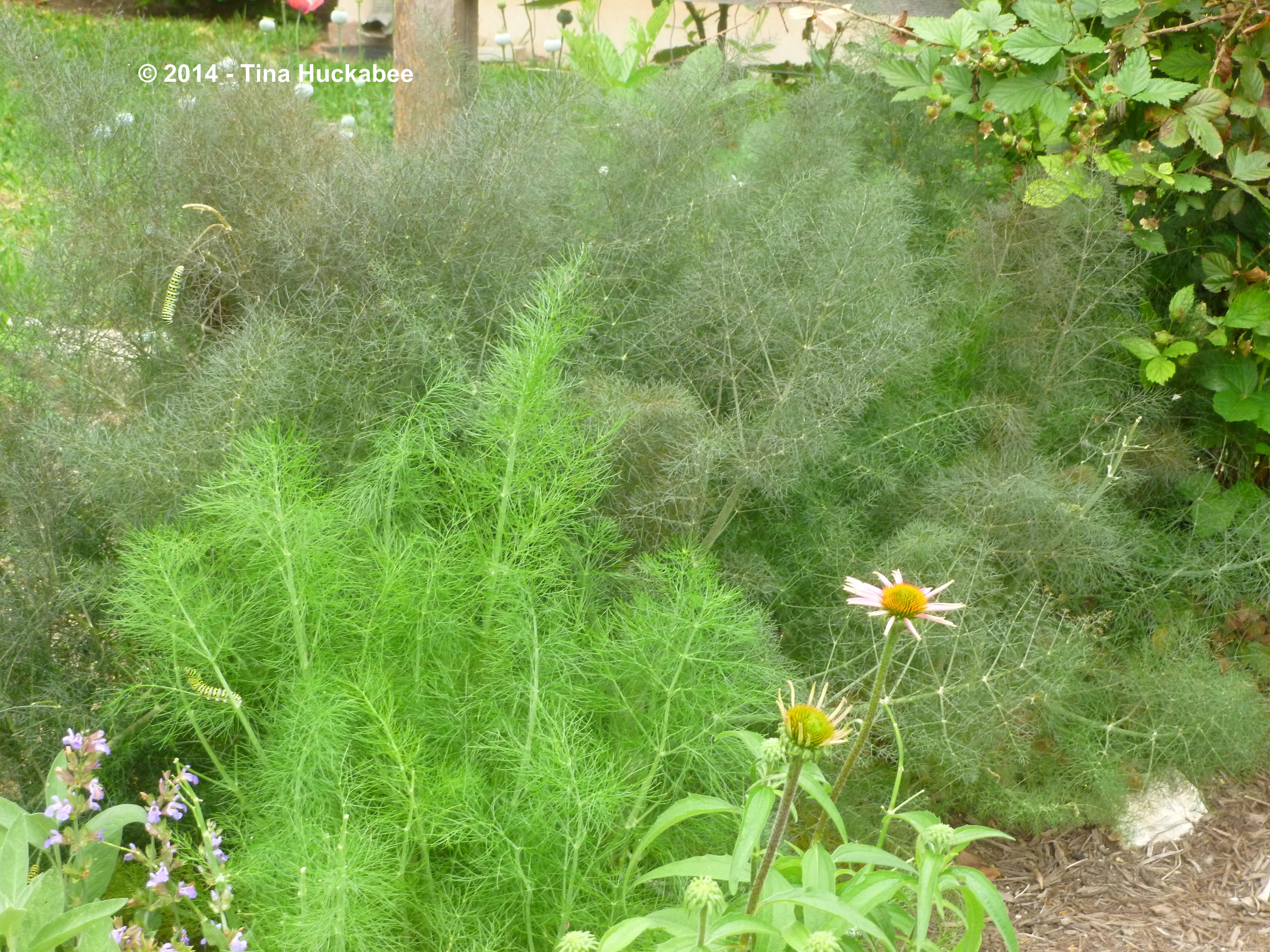
The Fennel has been beautiful for these past eight months. Foliage is the main attraction with Fennel, for people and butterfly larvae. Delicate and lacy–it is also winter hardy, so it’s great to plant in the fall. It can overwinter, grow and be ready for butterfly happenings in the spring and summer.  I’m particularly fond of Bronze Fennel and usually choose that variety though I plant both the Green and the Bronze Fennel in my gardens.
P1030585.new

Butterflies don’t discriminate–their larvae munch on both. Fennel is a lovely, but unreliable, landscape plant.  Gardeners must understand that the caterpillars will eat Fennel, possibly to the ground.  And here in Austin, if the caterpillars don’t trash the Fennel, the heat will.  I recommend that if you plant Fennel, be sure to situate it amongst other summer blooming perennials, so that when the Fennel disappears (either because of caterpillars or summer temperatures), there isn’t a gaping hole left in your garden.

Don’t even think about planting Fennel right now–that would amount to a major garden fail!  Plant Fennel in your gardens next fall, when it’s cooler and there is some regular rain.
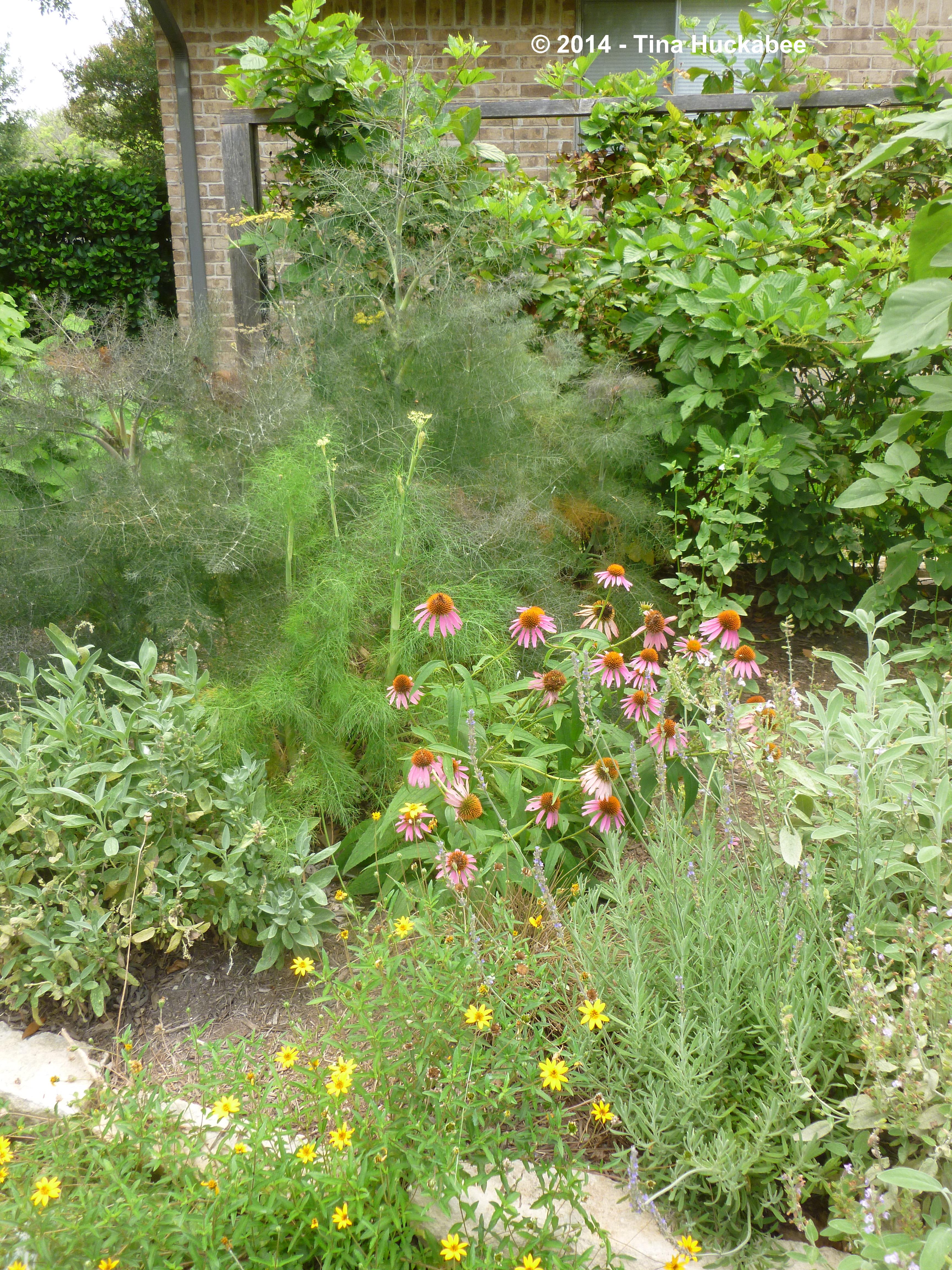
P1050203.new In time, you’ll have a beautiful garden addition, some yummy herbs for your salad and cooking pleasure, and an excellent host plant for beautiful butterflies.

P1030571.new

P1030579.new

P1040687.new


Wild Thangs

Wild thangs.

That’s Texas-speak for Wildlife Wednesday.

Beginning July 2, 2014, on the first Wednesday of each month, I’m inviting garden bloggers everywhere to post about those wild and wooly (or feathery) visitors we all enjoy (or simply tolerate!) in our gardens.

P1030412.new

Gardeners understand that one upshot of gardening is the increased wildlife visiting and settling in our gardens.  Mostly, we love that.

P1040751.new

P1040753.new

Whether we’re particularly fond of insects, birds, mammals, reptiles or amphibians of varying sorts, sustainable gardening requires encouraging wildlife in our gardens.   As habitat is disrupted or destroyed, the home gardener plays an increasingly important role in wildlife preservation through planting for pollinators, planting seed bearing trees and shrubs for birds and mammals, providing cover for protection and the rearing of young and providing fresh water sources.

P1040445_cropped_2375x2163..new.new

Let’s celebrate our wild garden visitors with silly or scientific, informative or artistic blog posts about their visits or living quarters in “our” gardens.

P1040510_cropped_2058x1809..new.new

So, on July 2–don’t be shy.  Post about those bees, butterflies, birds or bears who are in your gardens.  (I’m REALLY hoping for some bear photos!)

This doesn’t count:

P1040504.new

But she would.

P1030763.new

This doesn’t count:

P1040503.new

But he would.

P1040647.new.new.new

P1040648.new.new

I know many gardeners curse them but yes, deer count.

And squirrels–I like squirrels,

P1040621.new.new

they count too.

On Wildlife Wednesday, I’ll ask that you leave a comment on my post with a link to yours so we can enjoy a variety of information about those wild things in our gardens.

P1040818.new

Wildlife Wednesday.  July 2, 2014.

P1050285.new

For more information about how you can encourage wildlife in your gardens, visit Garden For Wildlife  link of the National Wildlife Federation.

Wild thang.  I think I luuvv ya.

P1040505.new


Foliage Follow-up, June 2014

As The Warm settles in for the duration here in Austin, Texas, interesting and lush foliage positions well alongside flowers in our early summer gardens.

Yes, summer in Texas is hot.  But here in Texas reside tough, tough plants that shrug off the heat and the dry and are magnificent to behold.  One such is the Retama, Parkinsonia aculeata.  Retama is a small, airy tree which grows along highways receiving no care and yet is stunning: in form, bloom and  foliage.

P1040311.new

The leaves are tiny, delicate and bright green. They form on a long leaf stalk and are paired opposite one another.

P1040994.new

P1040995.new

The Retama is a Texas beauty.  I’m glad it graces my garden.

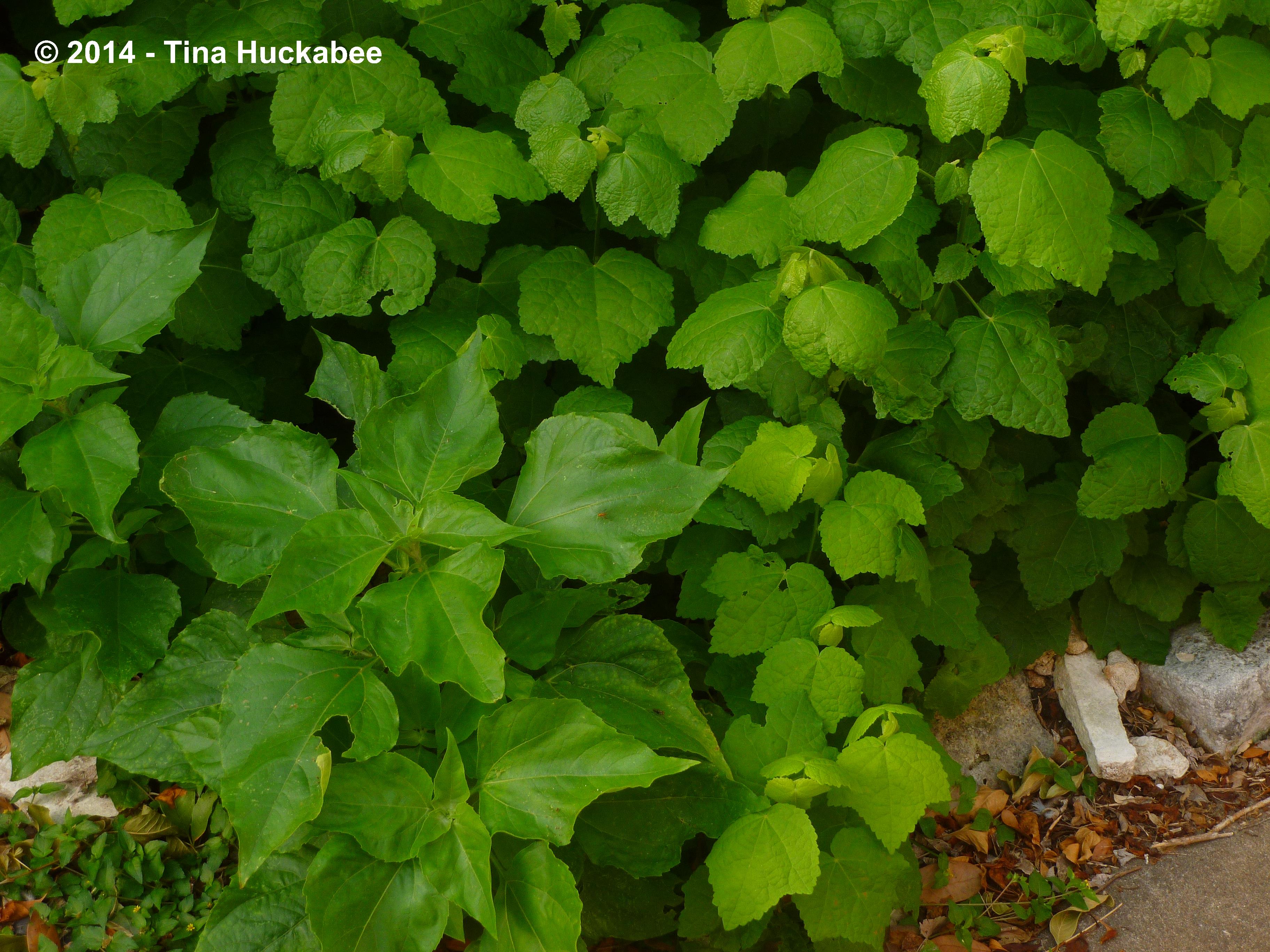
The pairing of a not-in-bloom Goldeneye, Viguiera dentata and Turk’s Cap, Malvaviscus arboreus, provides lots of lushness.

P1040482.new

The Mexican Orchid TreeBauhinia mexicana, returned after our cold winter.  It hasn’t bloomed yet, but the leaves on this little tree have always reminded me of ungulate hooves.

P1040314.new

Really, how often does one have an excuse to use that word??  Ungulate

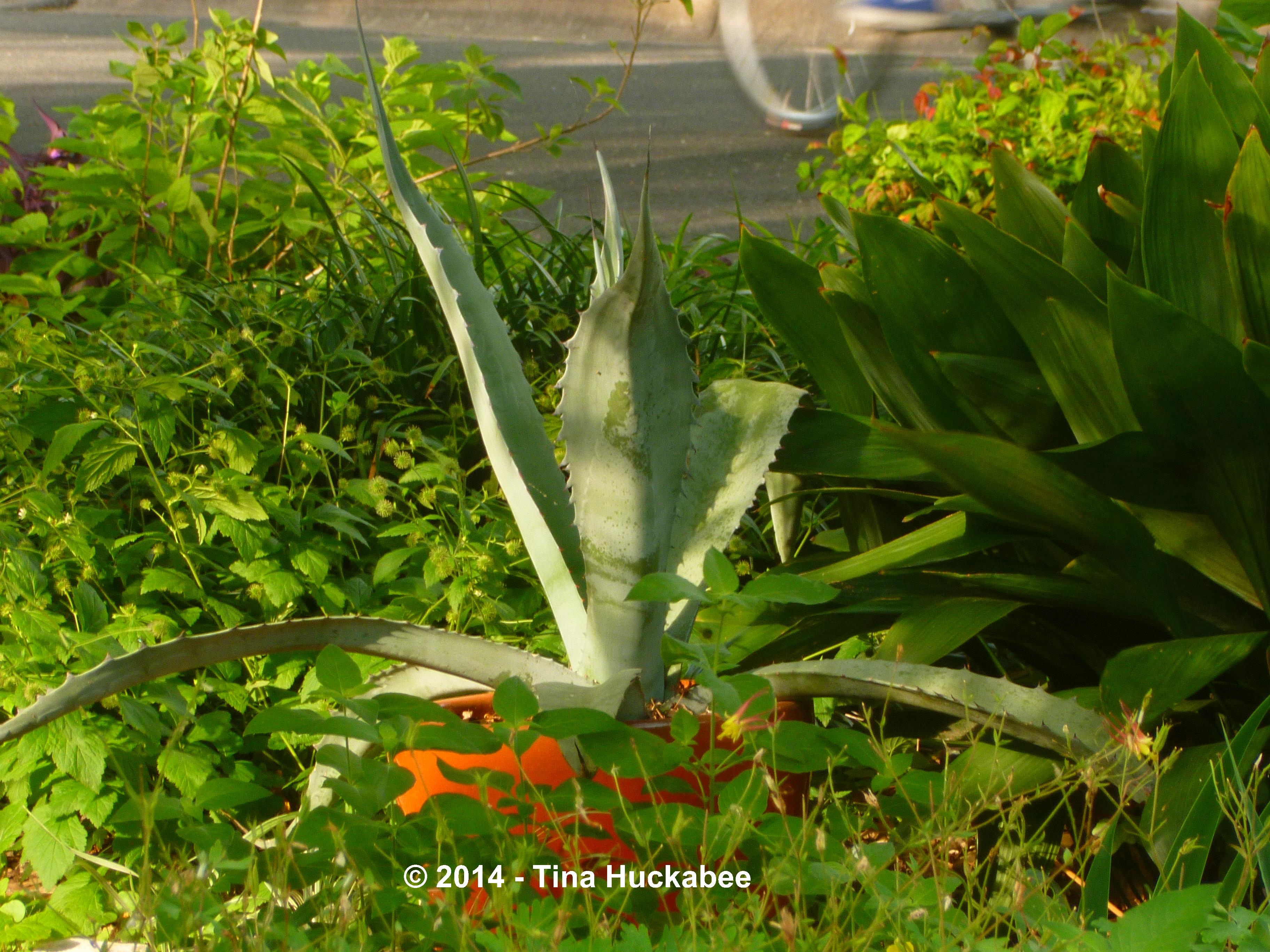
The American Agave, Agave americana, in the container  provides a striking contrast with the Cast Iron Plant, Aspidistra elatior.

P1040484.new

If you look closely at the photo, top right, you can see The Husband’s bicycle, wheel a whirl, as he pedals to work. That’s a brave man in Austin’s traffic.

The unfurling of new Agave growth.

P1040786_cropped_1766x3176..new

Beautiful.

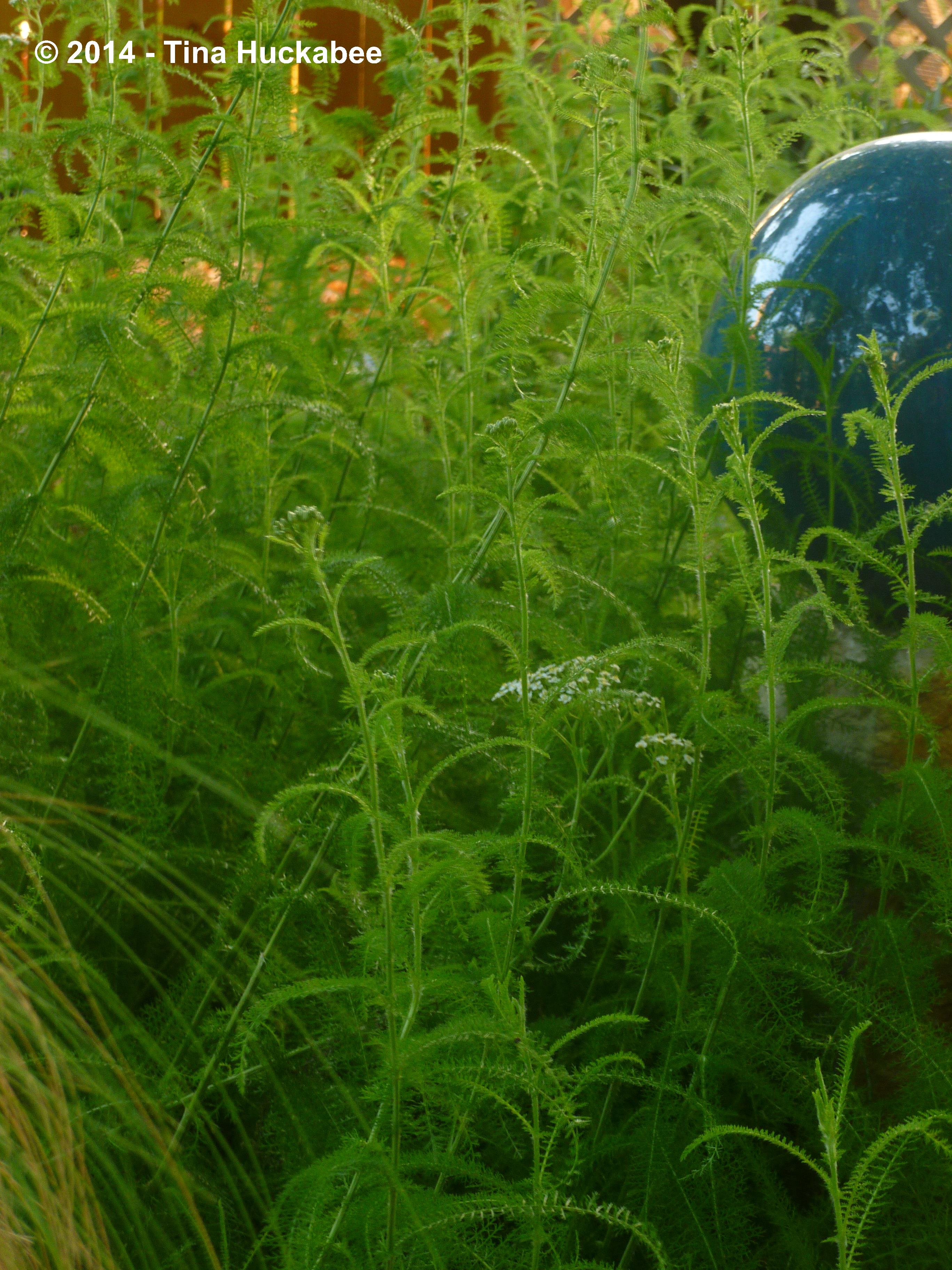
The Mexican Feathergrass, Nassella tenuissima, is lovely with the YarrowAchillea millefolium, in the background.

P1040565.new

Both plants have delicate-looking foliage, but are hardy choices for our challenging soil and climate.

Another look at the Yarrow,  a summertime favorite of mine.

P1040566.new

I love this shot of the Sparkler SedgeCarex phyllocephala ‘Sparkler’, behind (and above!) the Uruguayan Firecracker Plant, Dicliptera suberecta.

P1040573.new

The spiky, variegated ‘Sparkler’ looms over the soft, gray-green Firecracker Plant–they are opposite in  the foliage spectrum, but a nice combination.  The Firecracker doesn’t  bloom often, though it’s pretty when it happens.  I chose this plant primarily for its lovely foliage.  The ‘Sparkler’ is relatively new for me and so far, I love it.  It was evergreen during the winter and seems like a winner for summer as well.

Thanks to Pam at Digging for hosting this festival of June foliage!