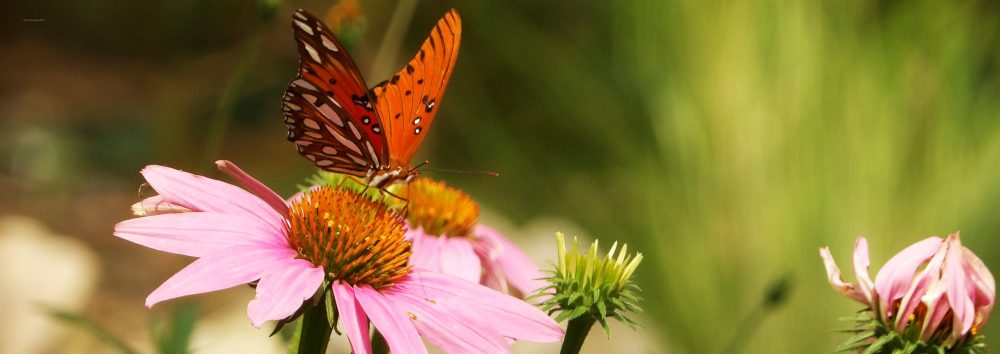
Wildlife Wednesday, July 2014

“Well, here’s another nice mess you’ve gotten me into!”

Except I got myself into this mess and have no one else to blame!

Wildlife Wednesday debuts today and I’m committed to following through with photos and identifications of some of the many wild creatures who share my garden space.  As an avid gardener, I encourage and appreciate the critters inhabiting my gardens. I’ve planted trees and perennials with the purpose of attracting wildlife to my habitat.  Over the years I’ve developed a special affection for bees, butterflies and moths. I bird watch and am thrilled when birds enjoy my gardens and especially when  “new” birds visit.  Underlying all that though is my passion for perennial and native plants gardening.

As I began the process of viewing my garden with a keen eye toward wildlife in preparation for this meme, I realized how much I don’t know about the “wildlife” in my gardens.
When I cruise my gardens and spot spiders, insects, amphibians, birds and mammals, I categorize with generalities: Oh, there’s a spider!  Wow!  Look at those bees!  Oh, the toads are out!   You get the drift.   I’ve developed a general working  knowledge about the creatures in my gardens–who they are, what they eat, how they benefit, or not, my gardens and how, what I plant in my gardens, benefits them.

But rarely do I immediately jump on the Internet or crack open my wildlife-related  books and pour through information about what I’ve observed.   I can distinguish a garden spider from a beetle and a bee from a butterfly, but do I usually know what species that spider or beetle is or how it uniquely operates?  No, mostly I don’t.  I can describe some differences between a honeybee and a native bee, but do I know which specific native bee is pollinating alongside the honeybee?  Not always and I don’t necessarily have time to research that information.   That I have wildlife (of all sorts) in my gardens is enough for me.   I have a rough understanding that most insects are beneficial, so I leave them alone.  I grow hardy, tough plants and virtually never resort to chemical warfare.  The few “harmful” critters in my gardens (aphids, sucking insects, raccoons) I dissuade from my gardens easily, by spraying with water or making noise or occasionally deleting what draws them to my gardens.  Sometimes, I squish’em with my fingers.  (Don’t try that with raccoons–it’s not a good idea.)

I not only tolerate, but in fact, welcome, wildlife to my gardens  Gardens are ecosystems.  Gardens are multilayered with life because of the creatures who visit and inhabit.  Without wildlife, a garden doesn’t exist–it is merely a collection of plants.

So I thought it would be interesting and cool to profile members of the Kingdom Animalia who benefit and support the gardens I’ve encouraged and developed. That is, until I began the identification process.

Science is hard.  Studying plants for my gardens differs from studying the wildlife which arrives as a result of those plants.  Except with wind, flowers generally stay still for photographs; not true of butterflies, bees and birds and the other creeping, crawling, flying things in a garden. They move and often, very quickly.  My friend, Linda Hardison of the Oregon Flora Project, told me once that she thinks she was attracted to botany as a scientific pursuit because, unlike any the study of wildlife, plants don’t move and there’s plenty of time to identify and study them.  I really appreciate that sentiment now, as I embark on researching the many, many creatures in my gardens.  Gardening is one part creative design–planting and arranging in a pleasing, structurally aesthetic form and one part scientific–understanding the life and life-cycles of plants and the creatures the plants serve and benefit.  It is the symbiosis of the two processes, the creative and the scientific, that constitutes gardening in its most complete form.

I hope I’m up to the task!

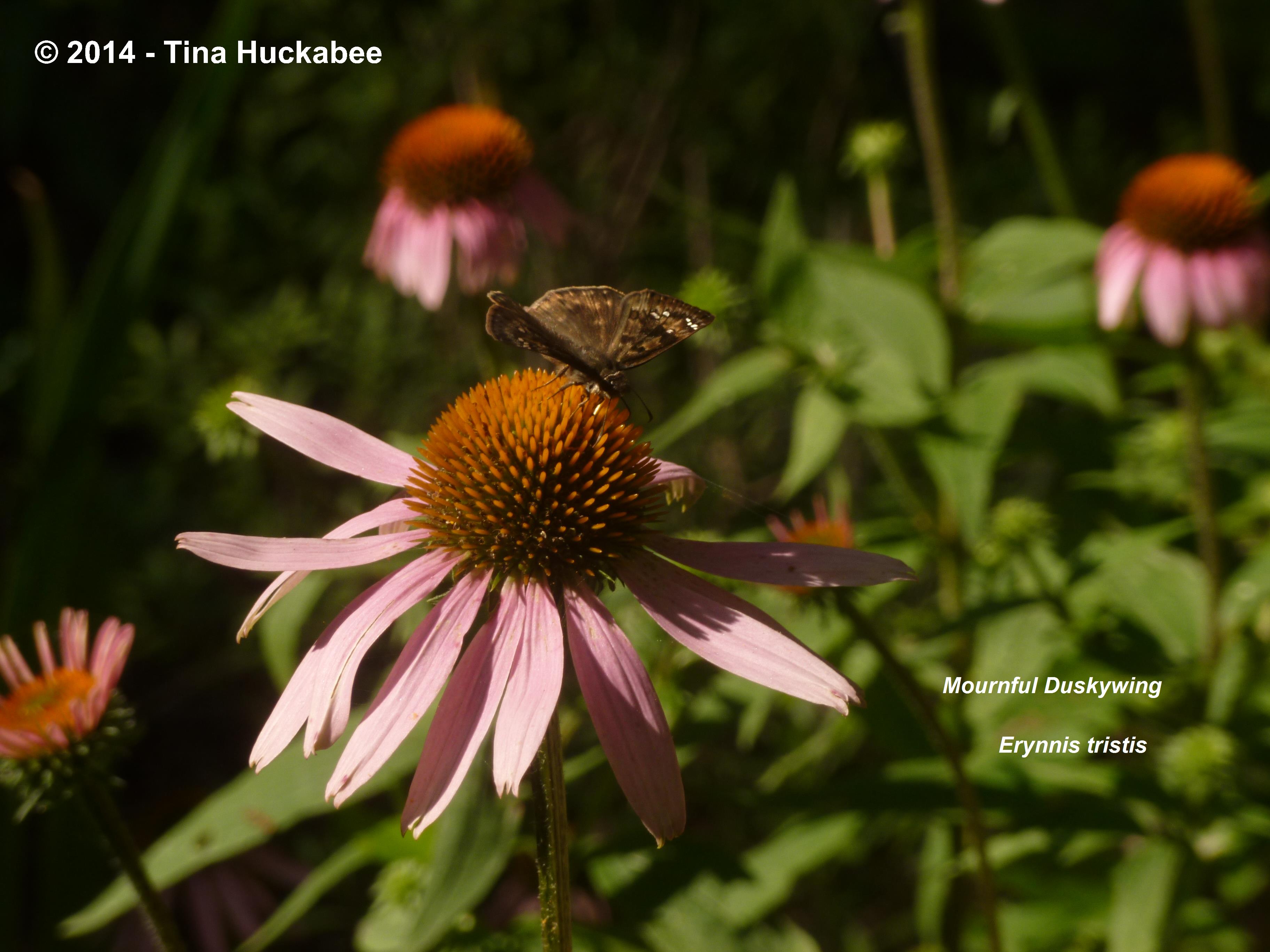
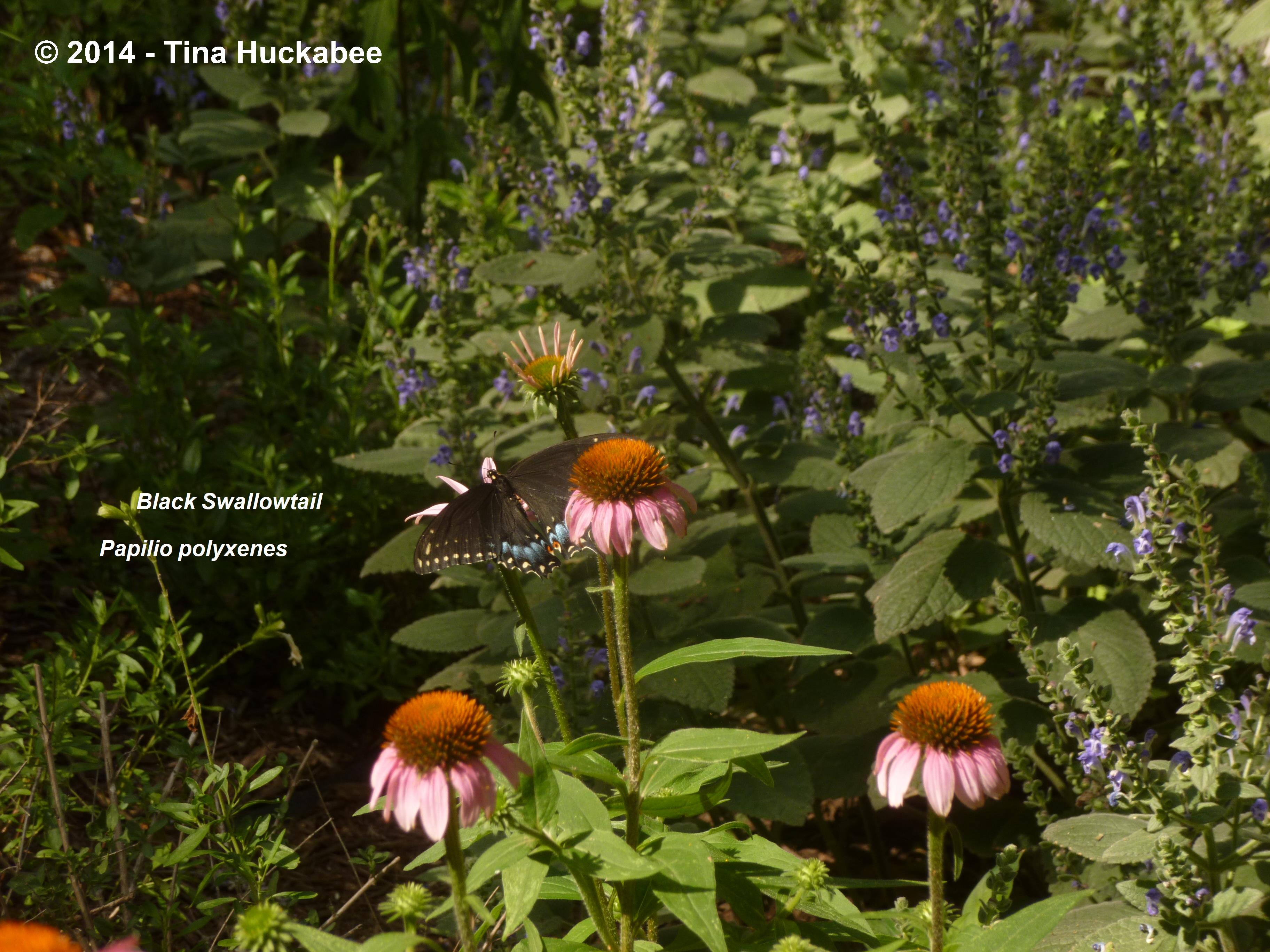
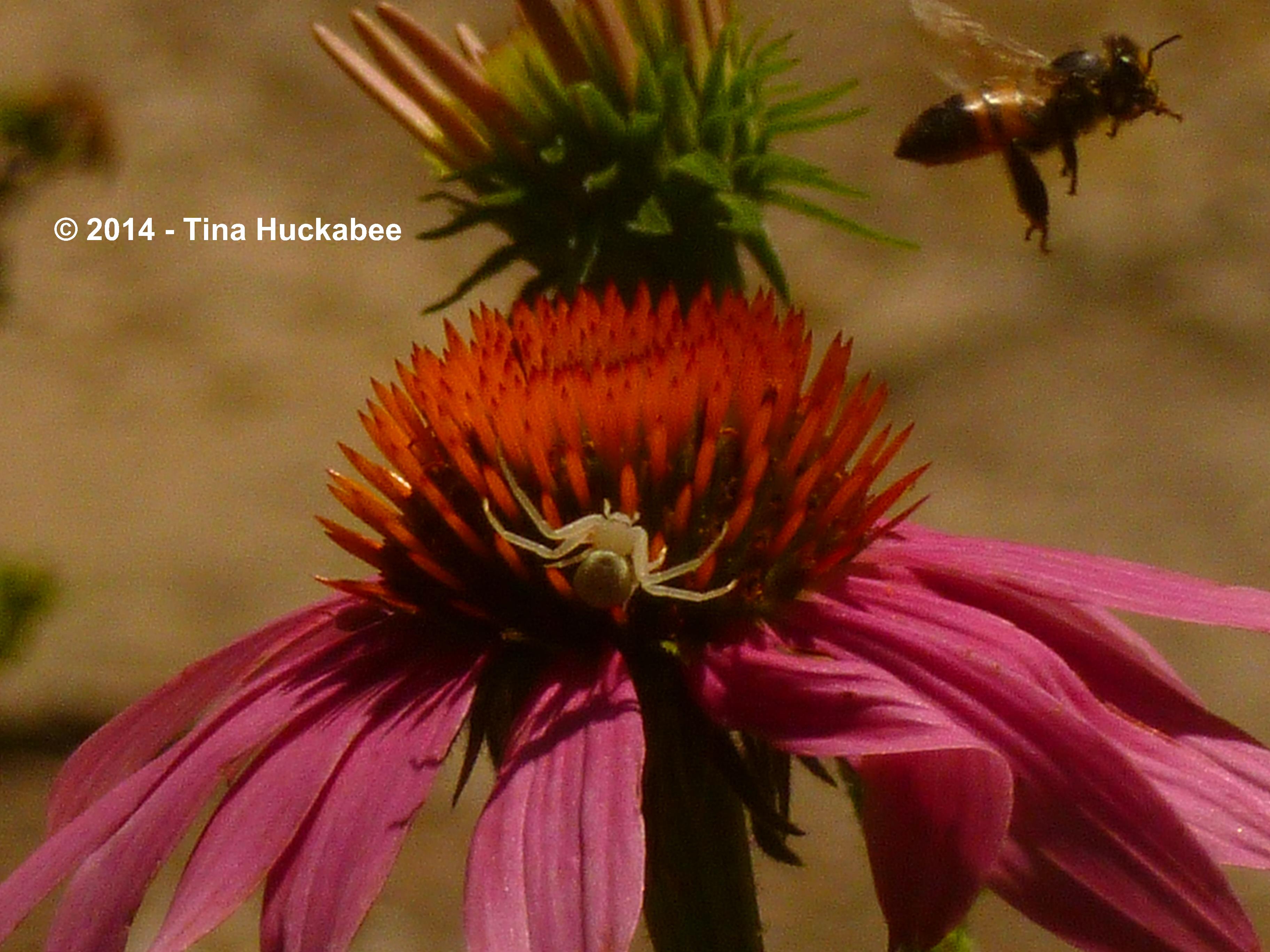
Not to anthropomorphize, but I love to see critters sharing space on a plant, seemingly enjoying the beneficence of what the plant (Coneflower) provides for each.

P1040303.new

On the other hand, it could be that Ms. Honeybee decided to skedaddle before the crab or flower spider, genus Mecaphesa, attacked her.  Wise little bee.
P1040304.new

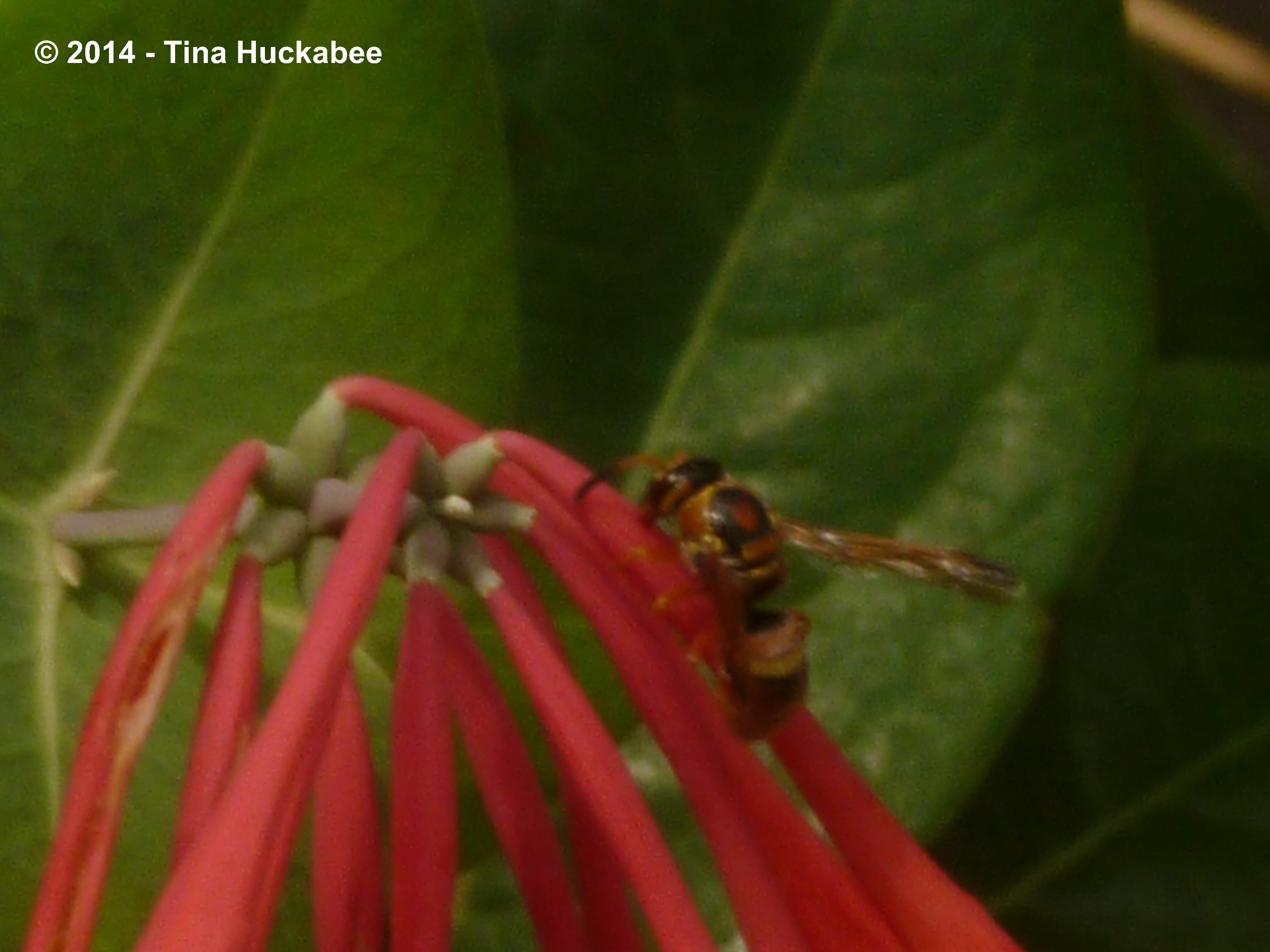
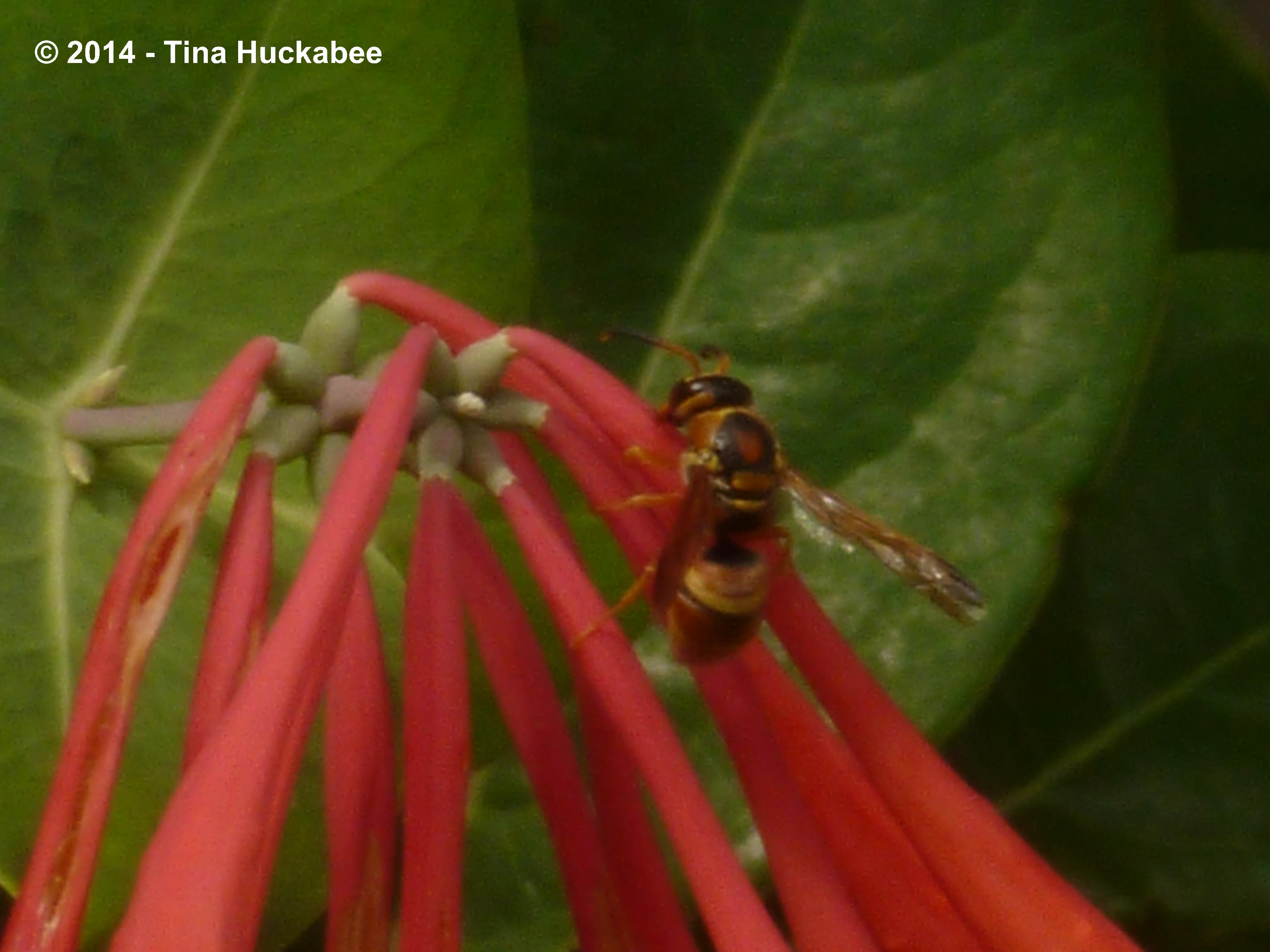
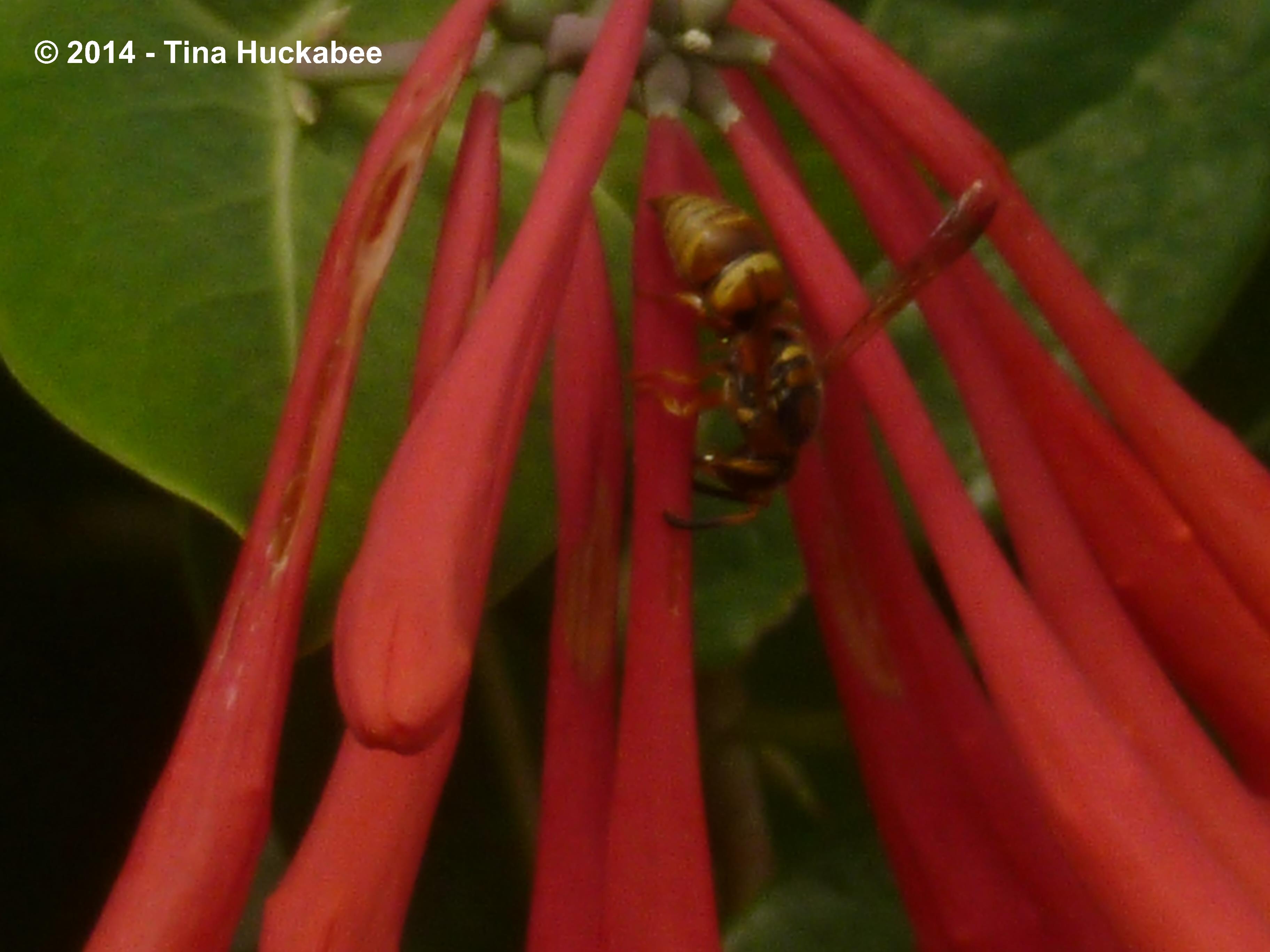
I think this is a type of Mason Wasp, Euodynerus pratensis, working some Coral Honeysuckle blossoms,

P1040771.new

P1040772.new

presumably sipping nectar.  I know that many wasps, including Euodynerus, will insert their eggs in hosts like caterpillars, but I’m not sure that’s what this one was doing.  Not to mention that I have no idea whether it’s male or female.  Gender identification of insects: I guess that needs to be on my bucket list of things to learn.

P1040773.new

These photos were taken some weeks ago and I haven’t seen this wasp (or any like him or her) since.
P1040775.new

P1040777.new

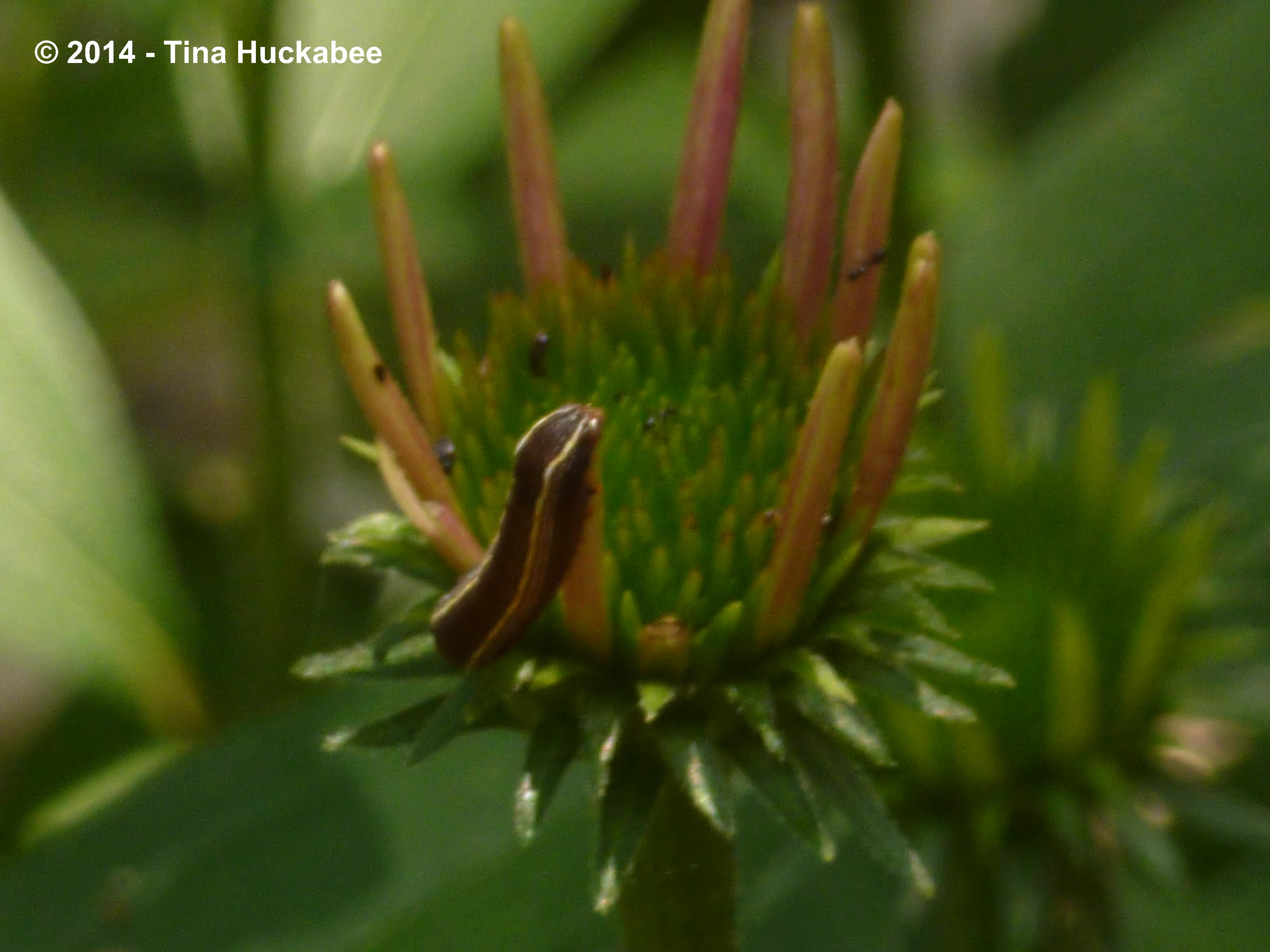
This unfamiliar caterpillar on a Coneflower bloom is possibly that of the Yellow-striped Armyworm Moth, Spodoptera ornithogalli.

P1040912.new

I don’t usually see caterpillars on the Coneflowers–I prefer pollinators only, please.   But when researching this one, I’m fairly certain that I’ve seen the adult in my gardens in recent weeks.
P1040914.new

I found another Crab Spider, Mecaphesa dubia, awaiting something yummy to eat on this happy sunflower.  I was picking blackberries when I saw her.

P1040794.new

Everyone must eat, I guess.

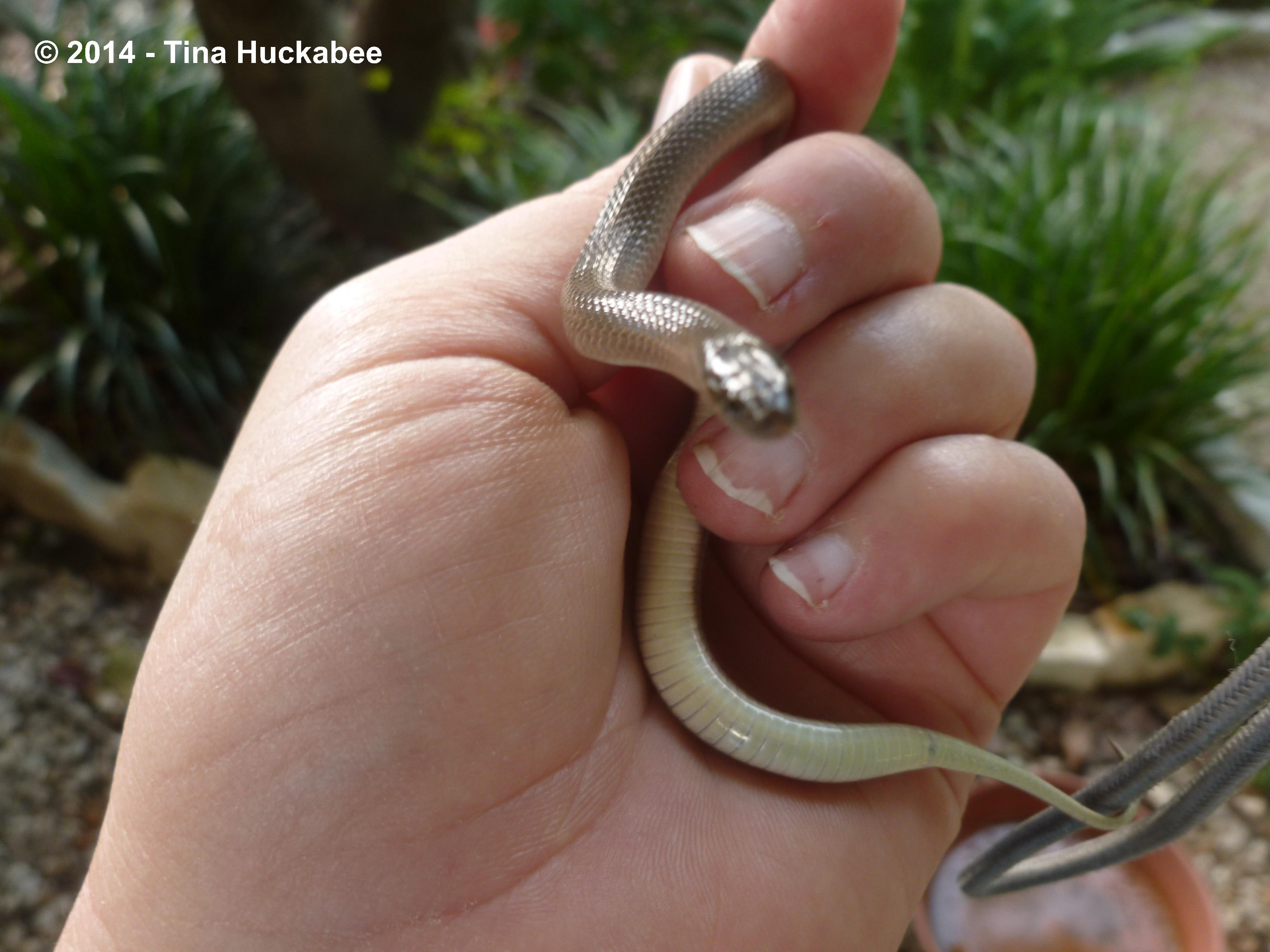
I find little snakes in my gardens throughout the year–sometimes under rocks when  I move them or under un-raked leaves.  This little one is a common my gardens.  I believe it’s a Rough Earth Snake, Virginia striatula. 
P1050006.new

He was coiled happily under the dog’s outdoor water bowl and slithered away (obviously not quickly enough) when I dumped out the water.  I won’t introduce the cats to the snake.

So, there we are.

Wildlife Wednesday.  I dearly hope I identified the chosen critters correctly.  If not, feel free to correct me.

A big thank you to Deb at austinagrodolce for inspiring me with beautiful photographs of her own wild garden visitors and her encouragement in the development of Wildlife Wednesday as a regular garden blogging meme.

Please join in posting about the wildlife visiting your gardens for July Wildlife Wednesday.  Share the rare or mundane, funny or fascinating, beneficial or harmful wildlife you encounter.   When you comment on my post, leave a link to your post for Wildlife Wednesday.

Happy Wildlife Wednesday and good wildlife gardening!
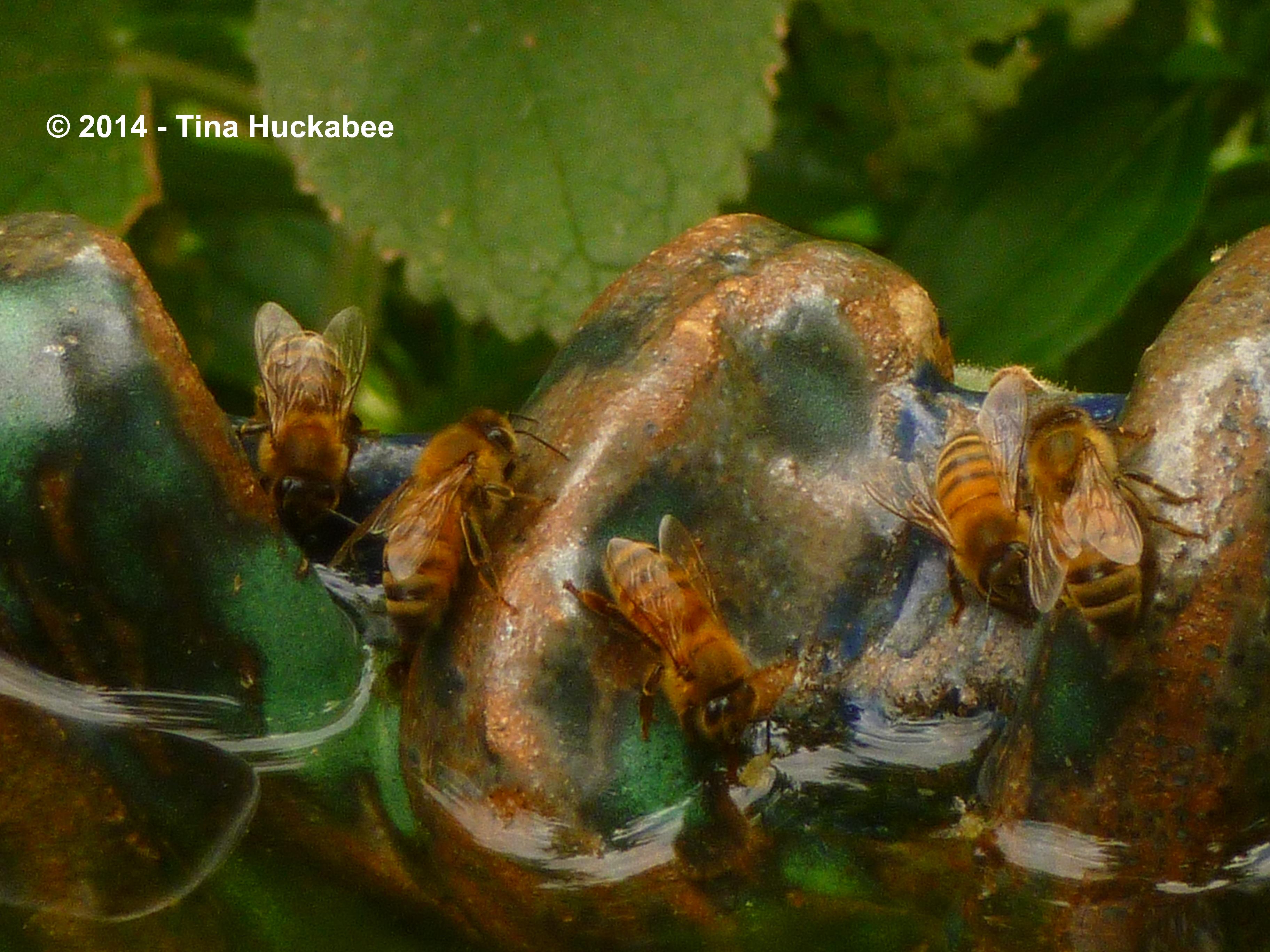
It’s A Bird! It’s A Lizard! It’s A Meme!

Wildlife Wednesday. It’s coming your way.

P1040499.new

On the first Wednesday of each month, beginning on July 2, 2014, please join in sharing your blog posts about wildlife visitors in your gardens.

P1040672.new

P1040682.new

When I told my son that I was starting a meme on my blog to promote posts about wildlife gardening, he was very happy that I had joined 2008.   He asked if I knew what a meme was.  “Yes,”  I said, smugly, “I looked it up on Wikipedia!”   He rolled his eyes.

Punk.

I’m not much of a photographer.  Oh sure, I take the occasional  good photograph–clear, well-framed, decent color. In short, all the things you want in a presentable photograph.  And, that’s about it.  Presentable.  I don’t blog to show off photographic prowess, because I possess little of that.  (I’m not entirely sure why I’m blogging, but that’s fodder for another post.)  I admire those bloggers who are terrific photographers and take the time to identify their subjects and teach the rest of us a thing or two.

P1040761.new

I think that’s why gardeners blog.  Gardeners love sharing what they’ve experienced in their gardens and learning from others’ mistakes or successes.  Blogging promotes development of large, overlapping and active garden interests.  Each blogger is a unique voice in garden blogging.  Maybe we love wildflowers and native plants or enjoy garden design. Perhaps we’re interested in sustainable/ecologically appropriate gardening methods or we wish to share our triumphs and/or failures with vegetable/fruit production.  Whatever motivates our gardening and blogging interests, our alliance with wildlife is an intrinsic part of the gardening process.

P1040878_cropped_2178x2189..new

So let’s join together every first Wednesday of the month, starting next Wednesday, July 2 and post about wildlife in our gardens.  Whether silly or serious,

P1040649.new

beneficial,

P1040613.new

or pesky,

P1050245_cropped_2668x2023..new

P1050250_cropped_2298x1525..new

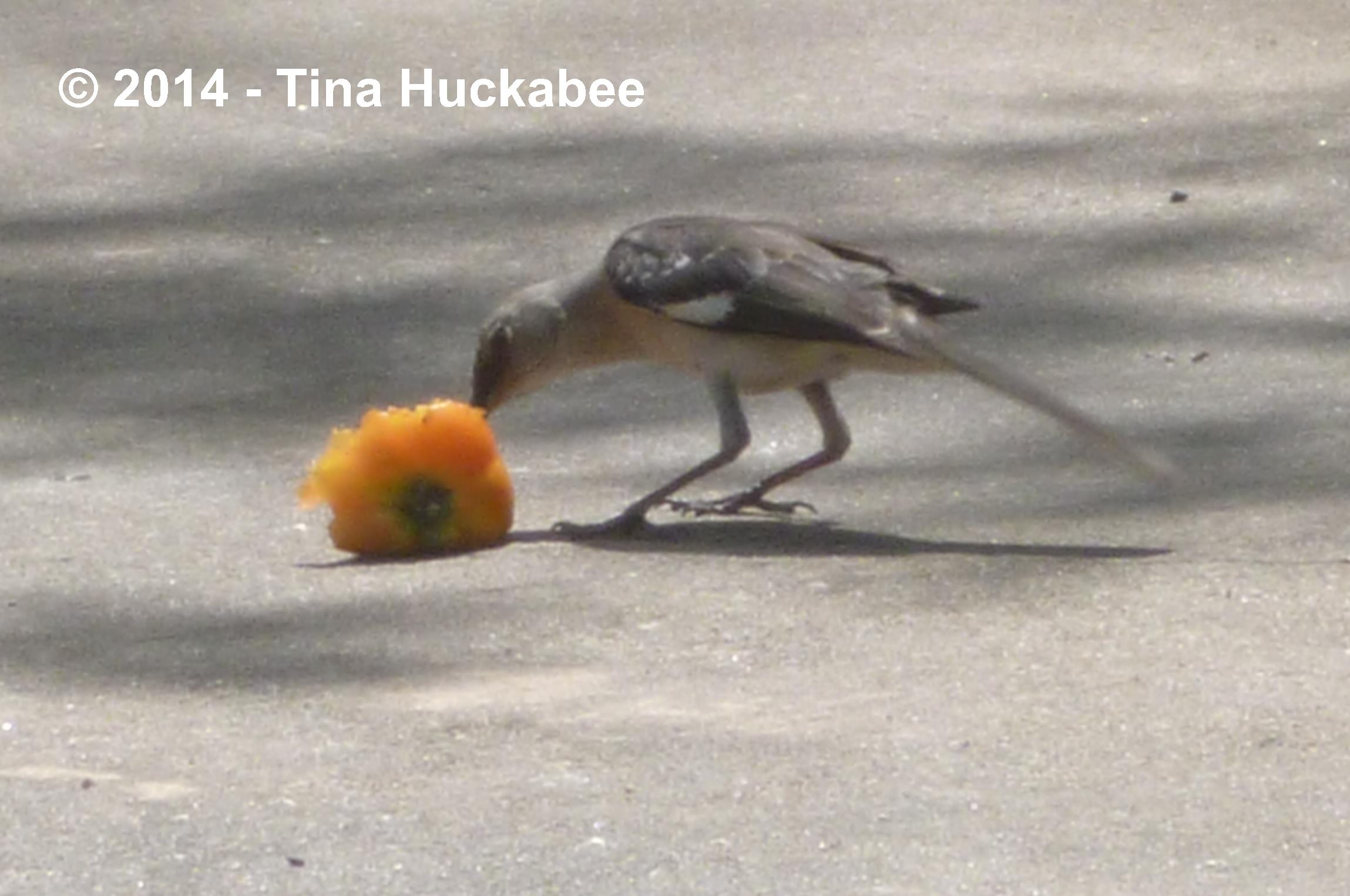
(especially when they’re stealing tomatoes), write and photograph about the who’s and what’s in your garden.

P1040643.new

On Wildlife Wednesday I’ll ask that you leave a comment on my post with a link to yours so readers can enjoy a variety of posts about wild critters in gardens.

P1040683.new

Next Wednesday, July 2, 2014.  Wildlife Wednesday!!

For more information about wildlife gardening, visit the Garden for Wildlife link of the National Wildlife Federation.


Wildflower Wednesday, June 2014

Summer is in full swing in Austin–heat, blooms, heat, blooms.  I tire of the heat and humidity, but beautiful native wildflowers thrive in our sticky summers and today is the day to show them off.  Thanks to Gail at clay and limestone for hosting and promoting the use of native plants and wildflowers in the home garden.

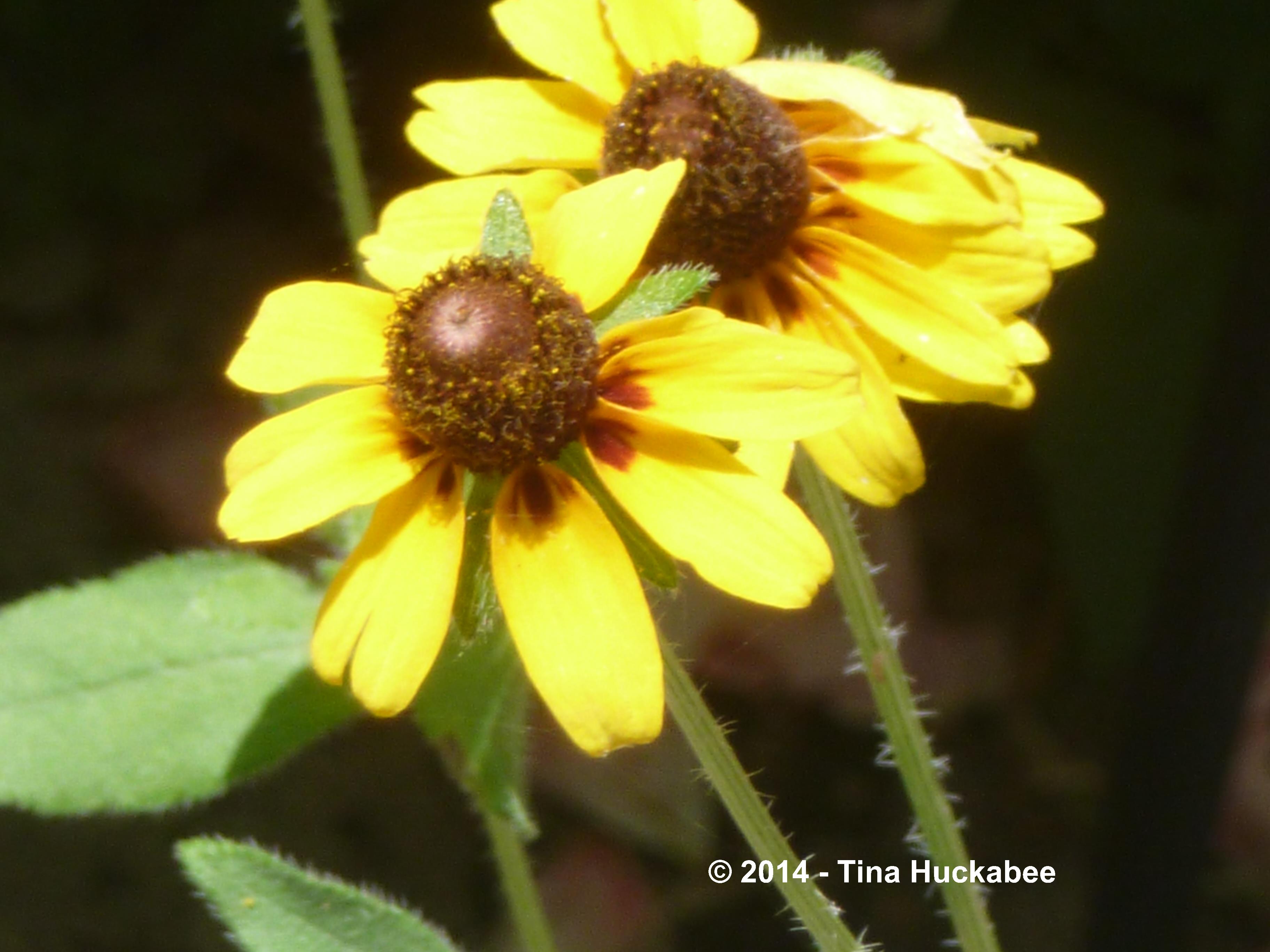
A few years ago at the Lady Bird Johnson  Wildflower Center’s fall native plant sale, I bought a Black-eyed Susan, Rudbeckia hirta.

P1050206.new

P1050205_cropped_2072x2646..new

It was a total impulse purchase and I’m glad for that particular lack of impulse control!  Each spring, this little annual (for me) pops up in a different place in my gardens.  This year?  It’s on the back patio, keeping the potted bougainvillaea company.  I’ll let it seed out this summer and who knows where it will appear next summer.

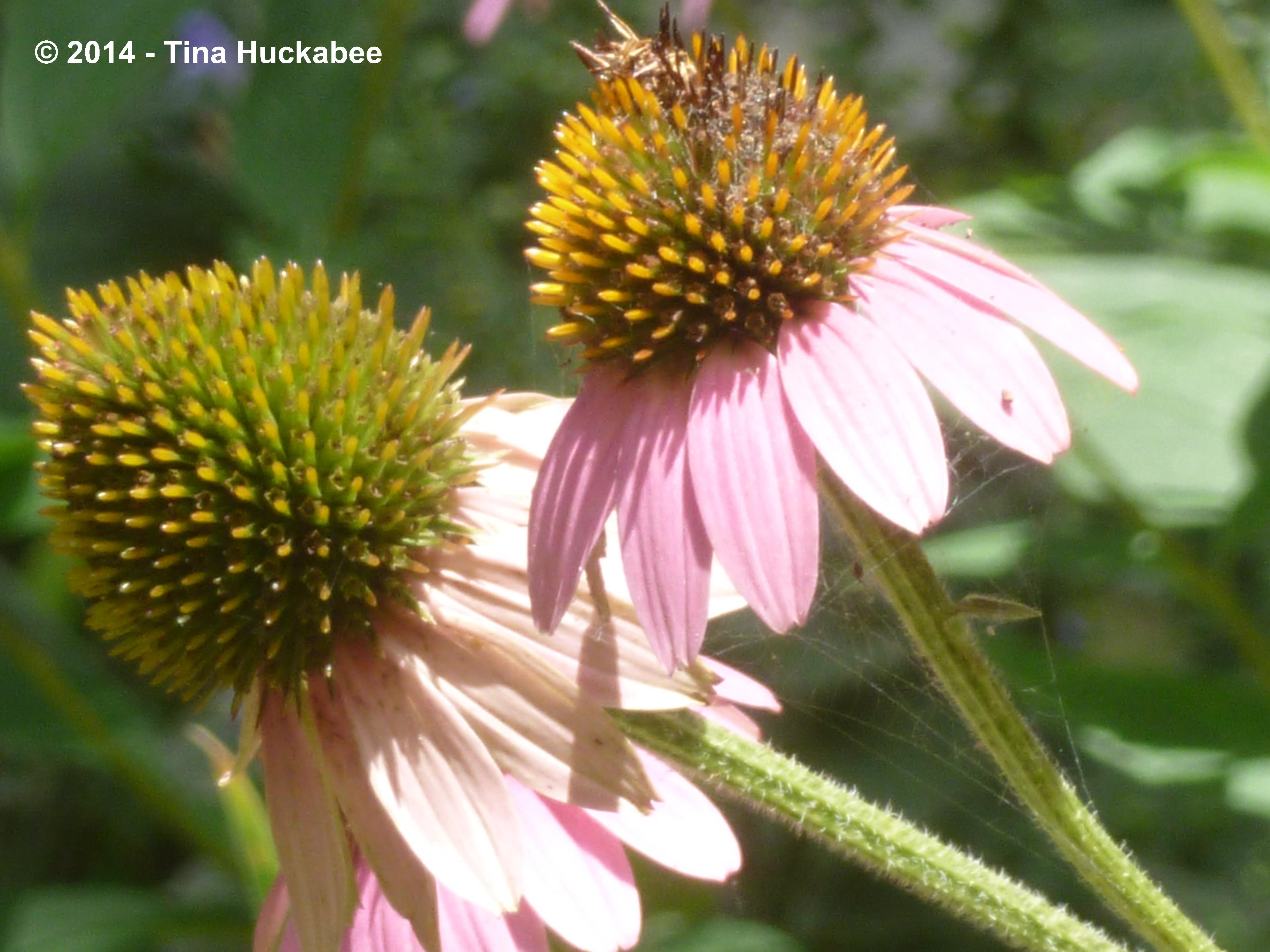
I must share a photo or two of my wonderful Purple Coneflower, Echinacea purpurea.

P1050209.new

P1050210.new

The quintessential summer perennial in my gardens, Coneflowers are tough, happy summer flowers.  They are great for pollinators and also are terrific as cut flowers indoors, if you’re so inclined.

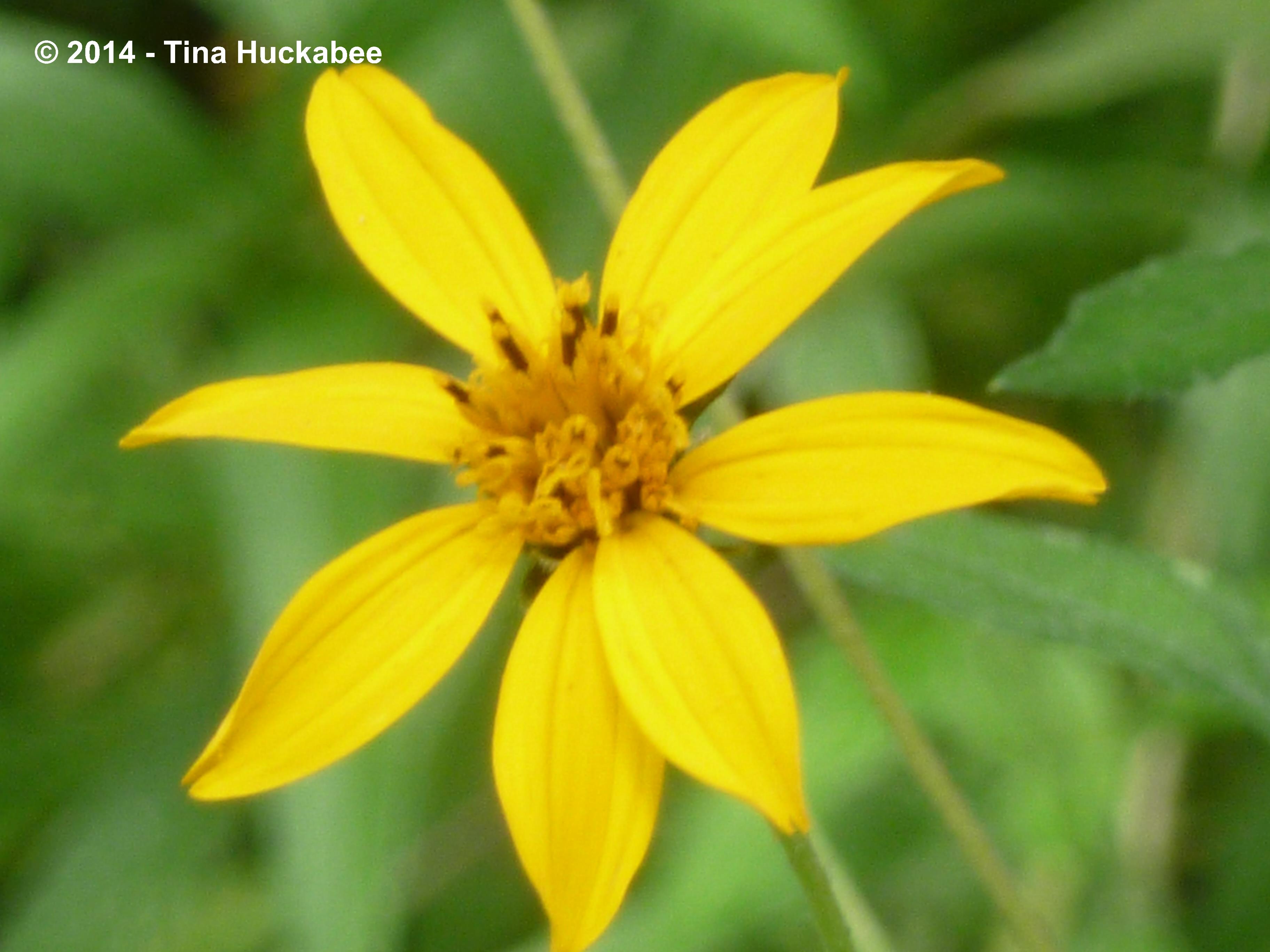
The  Zexmenia, Wedelia texana, began blooming a little late this year, but is in full force now.

P1050215.new

Zexmenia is a lovely Texas flowering perennial and performs no matter how hot it is in Austin.

P1050217.new

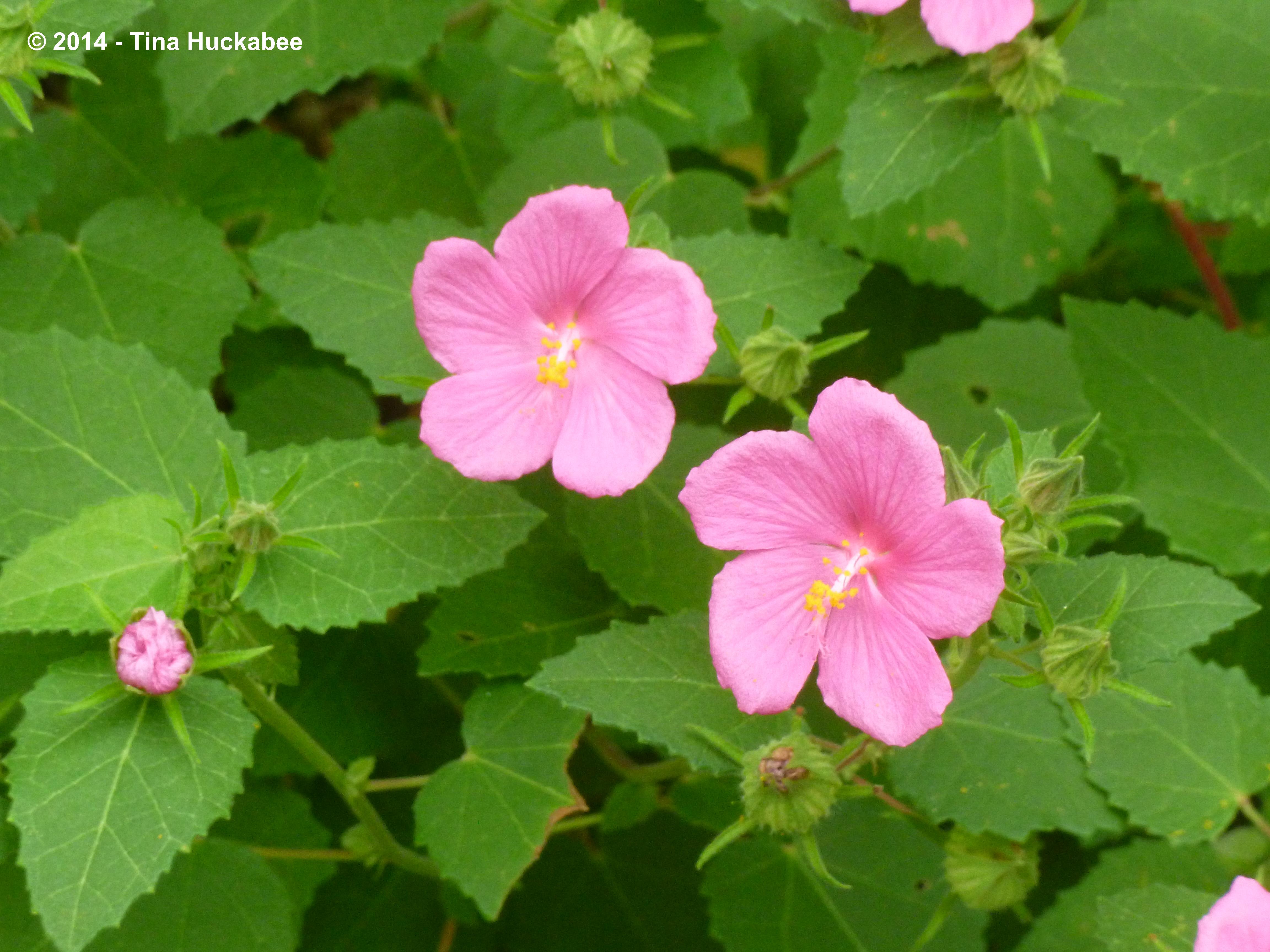
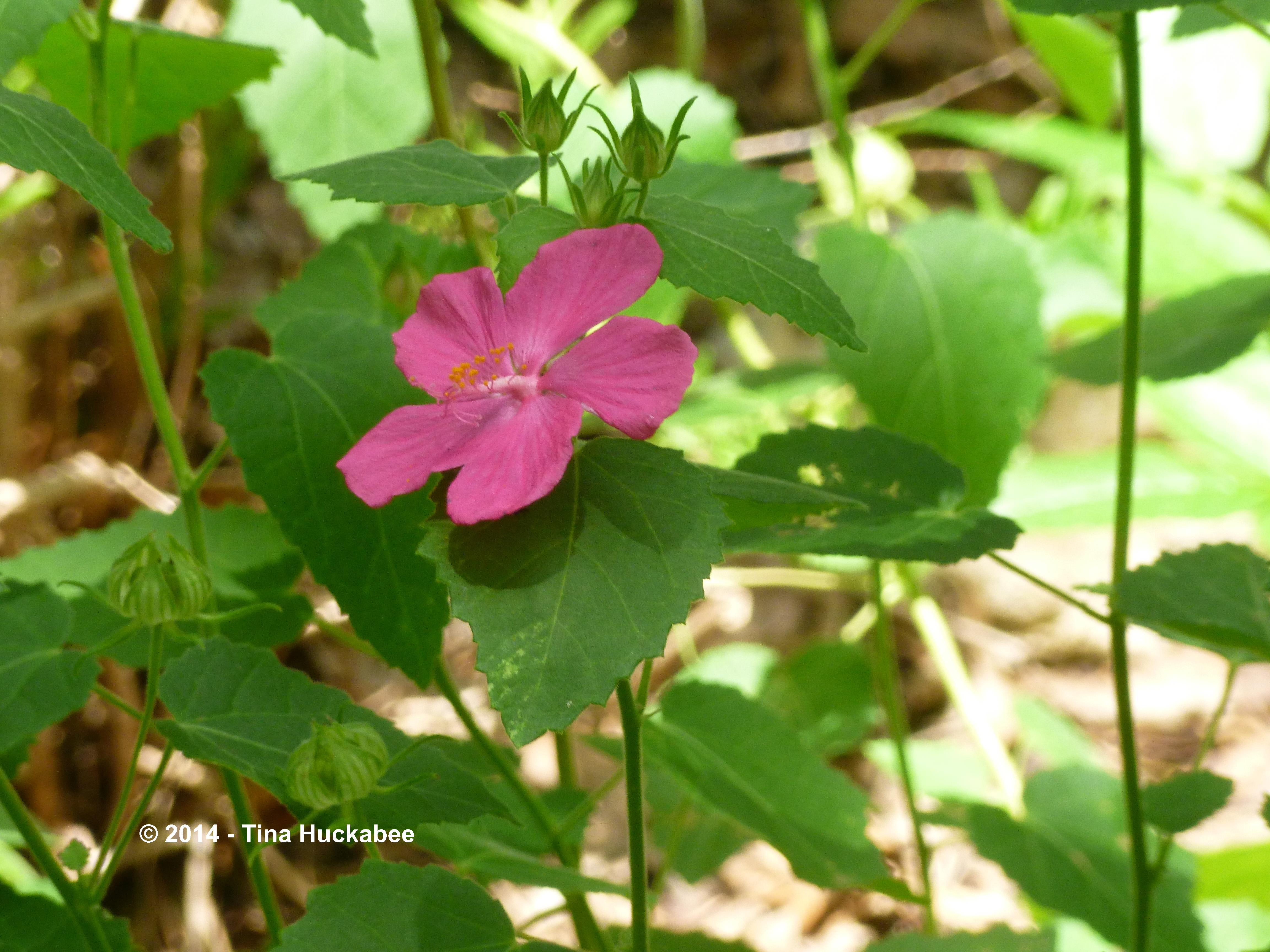
I often pair Zexmenia with Rock Rose, Pavonia lasiopetala, in my gardens.

P1050231.new

From morning through mid-afternoon, the combination of the pink Rock Rose and the yellow  Zexmenia is pretty and fresh.  Both perennials require little water and are favorites of native pollinators. The hibiscus-like flowers of Rock Rose close with the heat mid-afternoon, leaving  the yellow Zexmenia to go it alone until the next sunrise.

P1050173.new

P1050230.new

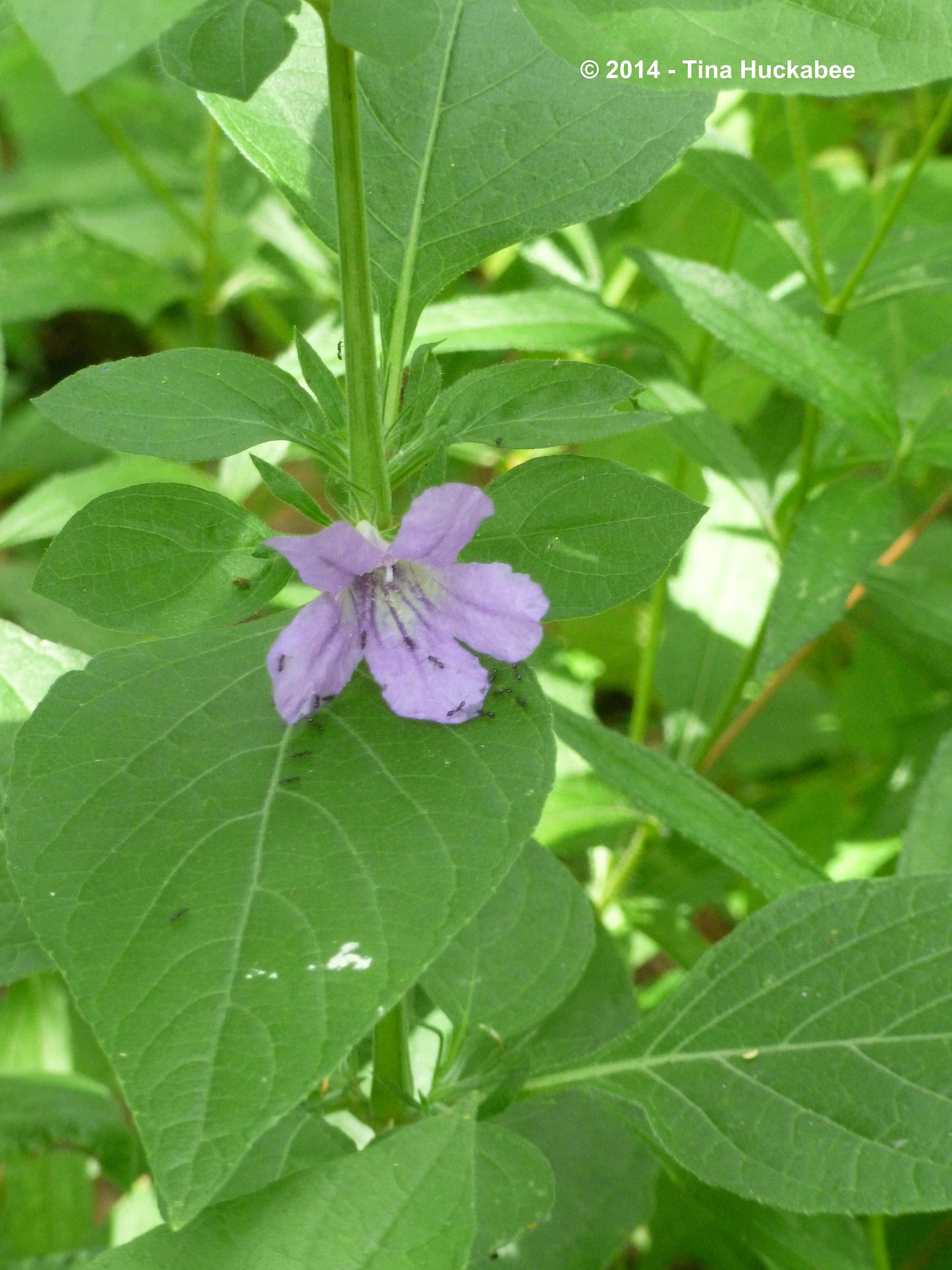
A few years ago, I collected seeds of Drummond’s Ruellia, Ruellia drummondiana. I caught the first bloom of the season recently.

P1050229.new

This ruellia, which isn’t commonly available, doesn’t usually begin blooming fully until mid-to-late summer.  I was tickled to see one open early in the growing season.  It looks like the ants are happy about that too!

The ‘Henry Duelberg’ Salvia, Salvia farinacea ‘Henry Duelberg’ still sports its pretty bloom spikes.

P1050233_cropped_1855x2850..new

It’ll bloom until it’s too hot, then the ‘Henry’ rests, renewing its bloom cycle again with cooler autumn temperatures.  I’ll prune the ‘Henry’ to keep it tidy until its fall bloom cycle.

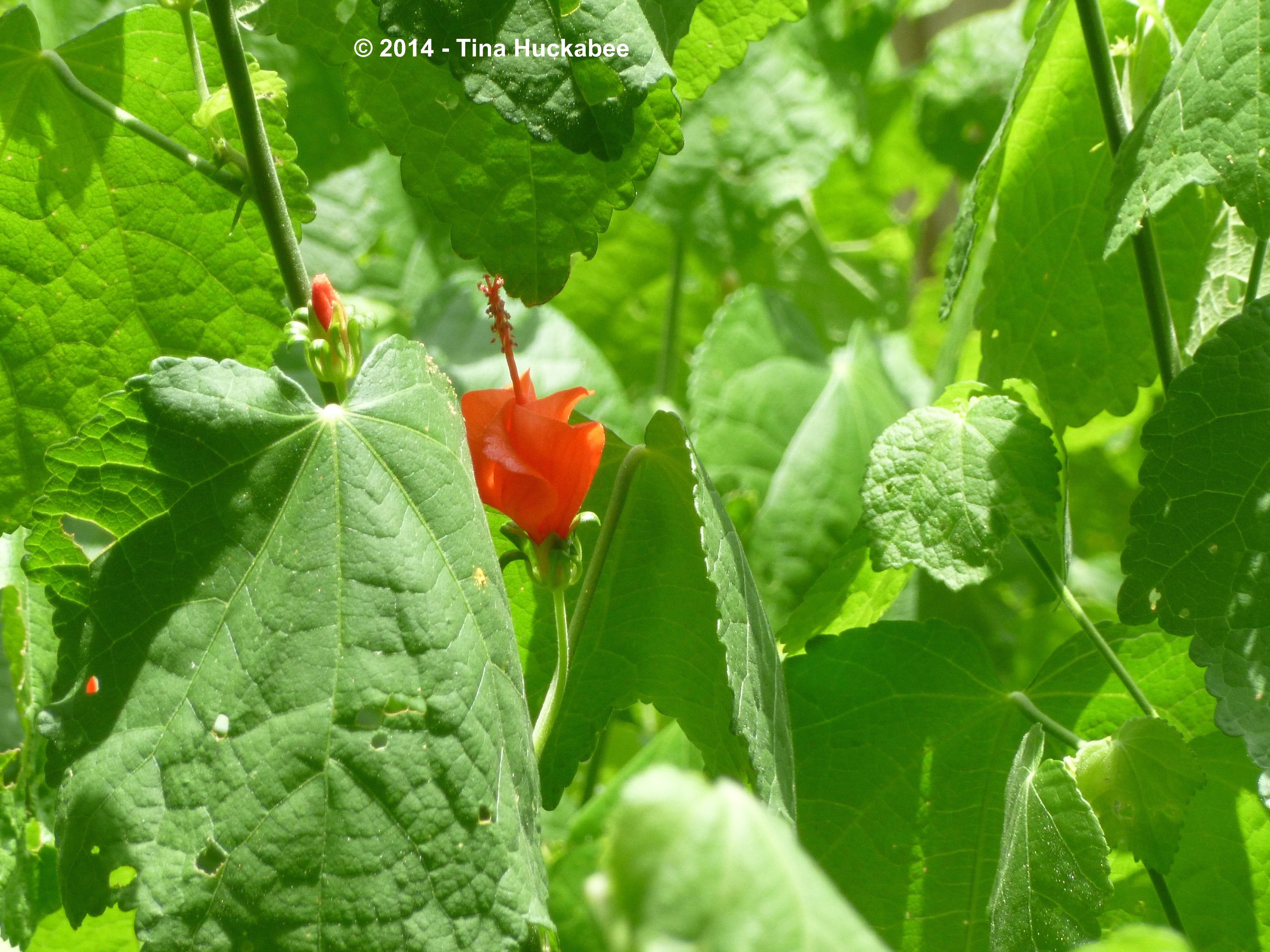
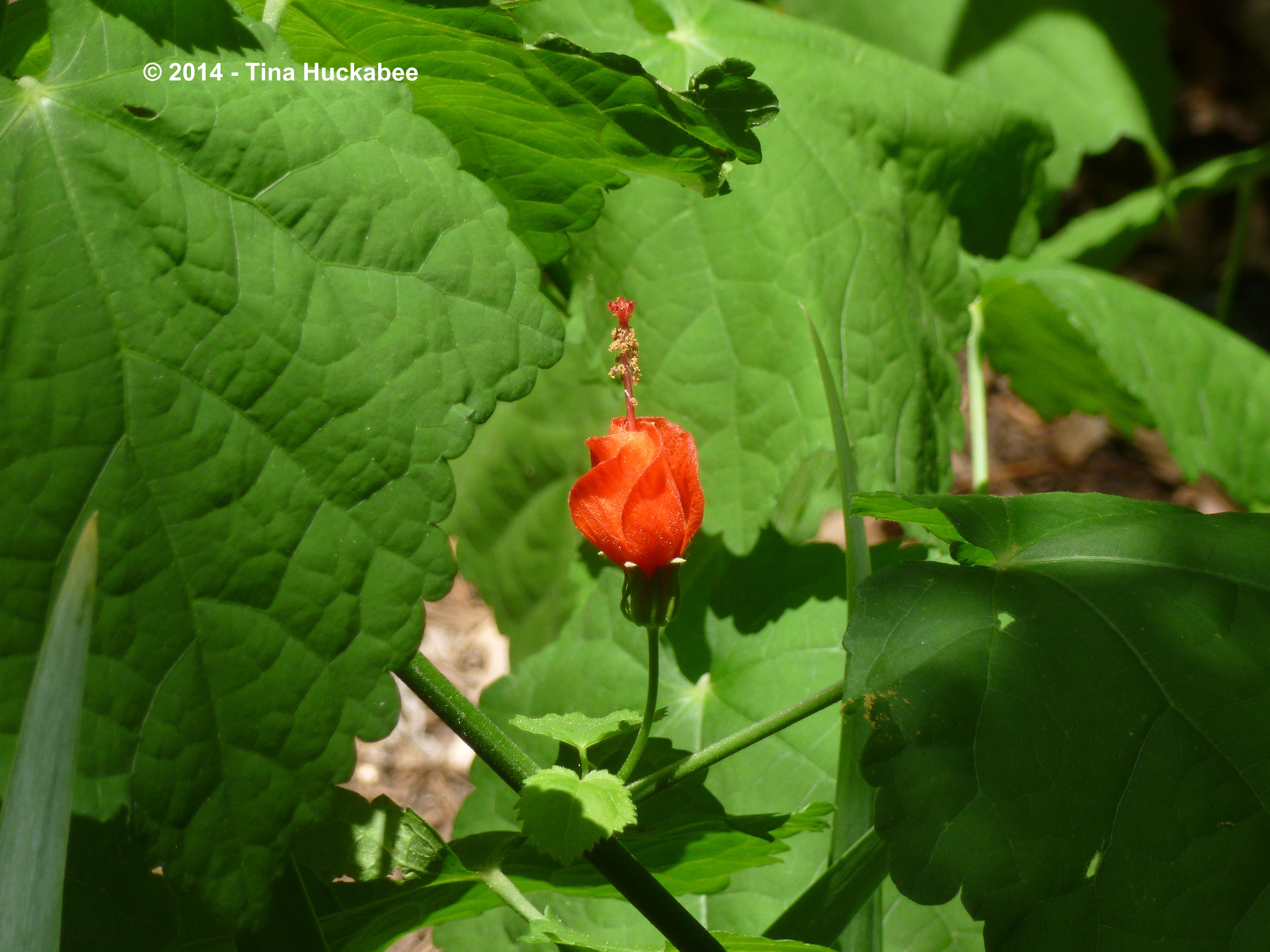
Turk’s Cap, Malvaviscus arboreus, is an excellent summer bloomer and another favorite of mine.

P1050244.new

P1050234.new

P1050241.new

It’s a superb  wildlife plant as well:  hummingbirds, bees and butterflies love its bright red blossoms and the birds devour its fruits in the fall.  It grows as a thick shrub,  so many lizards, birds and insects shelter in it.

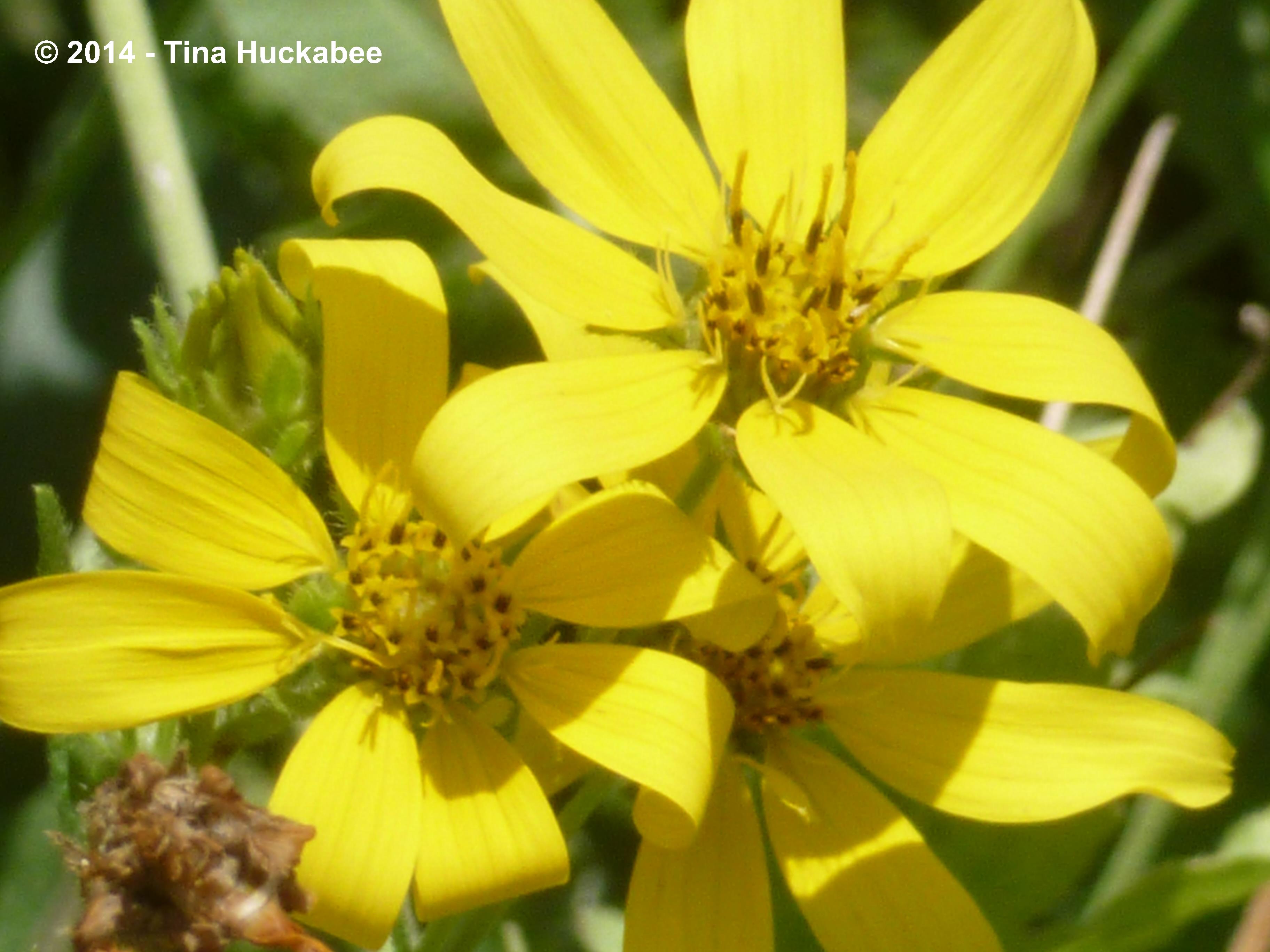
The cheerful Engelmann’s Daisy, Engelmannia peristenia, should bloom through mid-summer.

P1050238.new

One reason I chose this wildflower for my gardens is that I noticed how many bees visit it in other gardens.  That hasn’t been true for this daisy this year and I’m not sure why, but Engelmann’s Daisy is still a bright spot in the garden.

P1050239.new

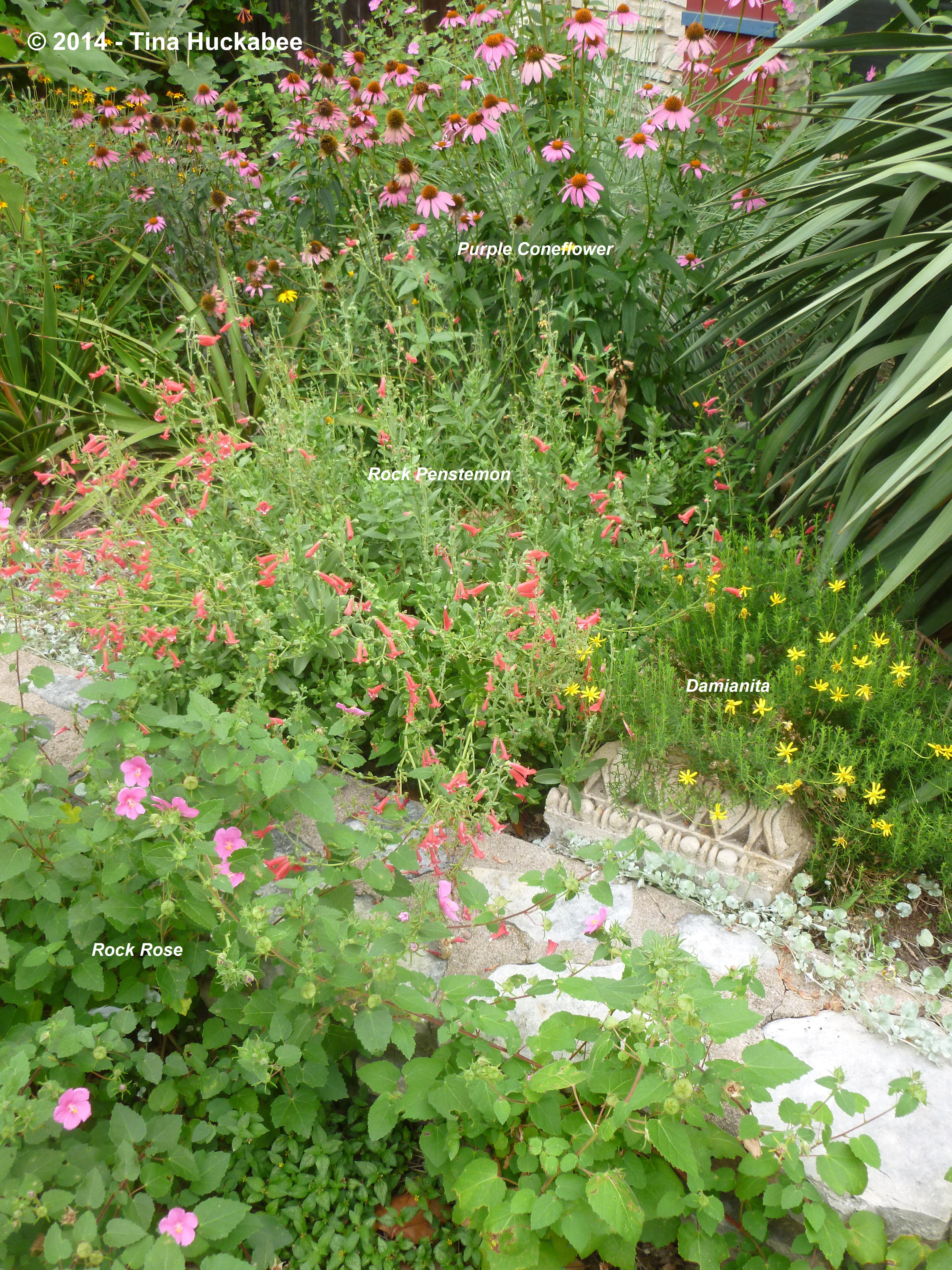
Lastly, this is a nice conglomeration of summer beauties together:

P1050326.new

Two native Texas perennials I haven’t profiled today, Damianita, Chrysactinia mexicana, and Rock Penstemon, Penstemon baccharifolius, are blooming in this photo.  Usually, the Damianita takes a break in the summer after its profusion of spring blossoms.  Rock Penstemon is a hardy summer/fall bloomer.

What native wildflowers are in your garden?  For more wildflower goodness from many places, check out clay and limestone and its celebration of June wildflowers.