Waiting For Rain

Waiting for rain.

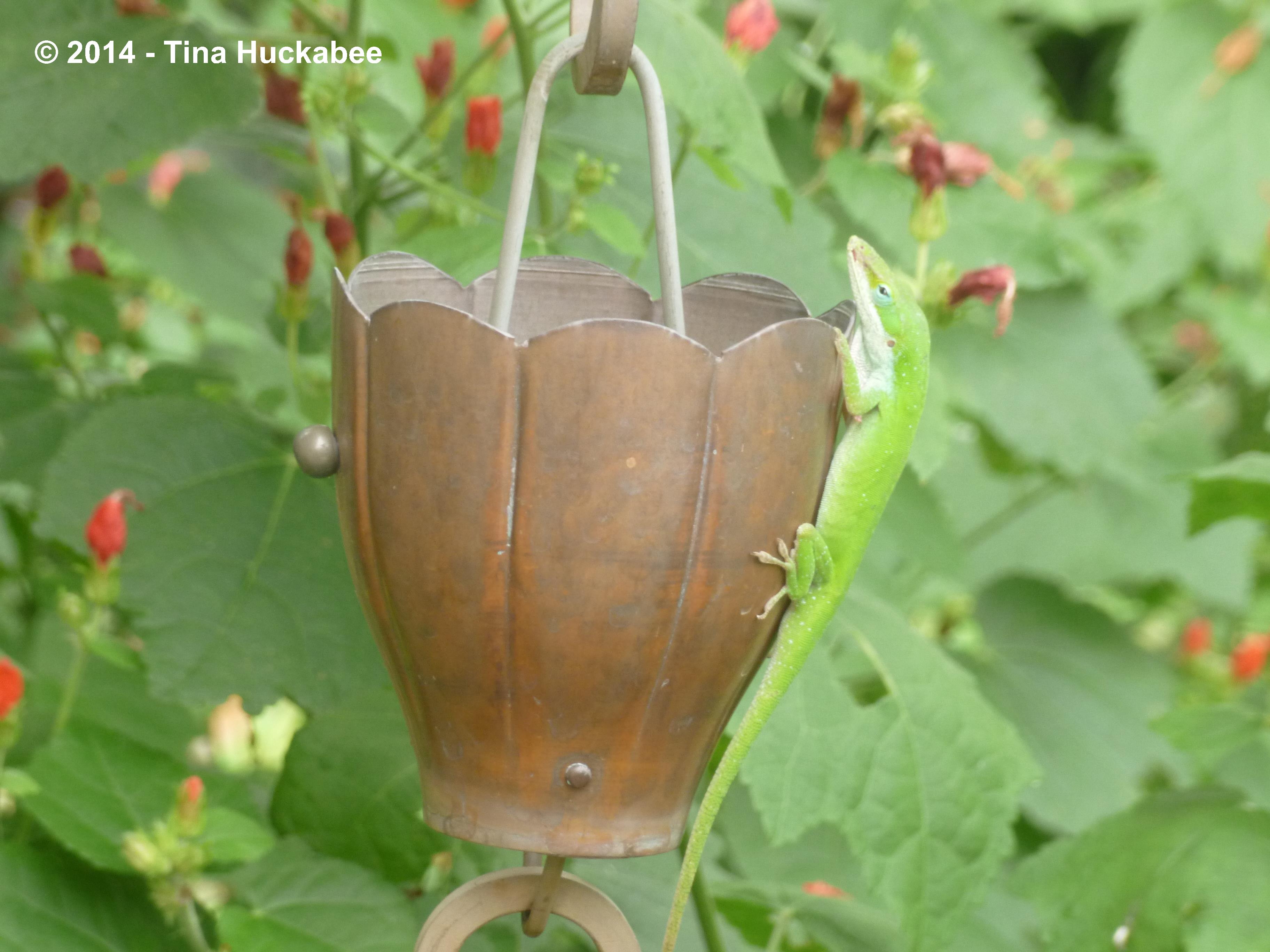
We’re all just hanging out, lumbering through these last few weeks of true Texas summer and waiting for rain.  Like this little guy, a Carolina anole, Anolis carolinensis.

P1060304.new

He appears to me as if he’s expecting raindrops to cascade down the rain chain–any moment now!   Along with the rest of us summer-weary Texans, he would love it if some of the wet stuff would break the Texas August heat and end our summer doldrums.

P1060311.new

In 2011, during the record-breaking drought and high temperatures of that hellish summer, we suffered through almost 100 days of over 100 degree temperatures.  That summer, I once saw an anole creep up to a dripping planter after I had hand watered.  The little anole parked himself under planter and commenced licking the few drops of water.   Poor little guy– he was so thirsty and there was so little moisture in that garden, until the planter dripped. It was a simple but poignant reminder, underscoring to me the necessity of water to all: wildlife, plants, and people.

I’m sure this anole hasn’t searched much for moisture this summer as there was rain earlier, though not in the last month or so.

P1060314.new

Maybe in addition to waiting for rain, he’s also waiting for Wildlife Wednesday?

September Wildlife Wednesday happens next Wednesday, September 3rd. Will there be rain and some cooler temperatures before then?  Stay tuned!

Wildlife Wednesday.  Join in and post about those wild critters, looking for rain or not, who visit and live in your gardens.

September and its promise of cooler temperatures, more regular precipitation, and softer days is almost here.

Wildflower Wednesday, August 2014

Today I join Gail at clay and limestone with heat loving wildflowers for August. No longer cool nor even somewhat pleasant, we’re crawling down the hard stretch of summer here in Austin, Texas. But the light is different and once in a great while, I feel a slight change to the breeze. When there is a breeze.  I say that every year, to anyone who will listen: Sometime in August there is a change–the air is different, the breeze is different! Usually those I’m in conversation with roll their eyes and smirk.

I get lots of smirks.

There’s no smirking though when viewing  this hot, summer/fall blooming GoldeneyeViguiera dentata.

P1060547.new

A few of these flowers open throughout the summer months, but in October? Watch out! There will be an explosion of yellow.

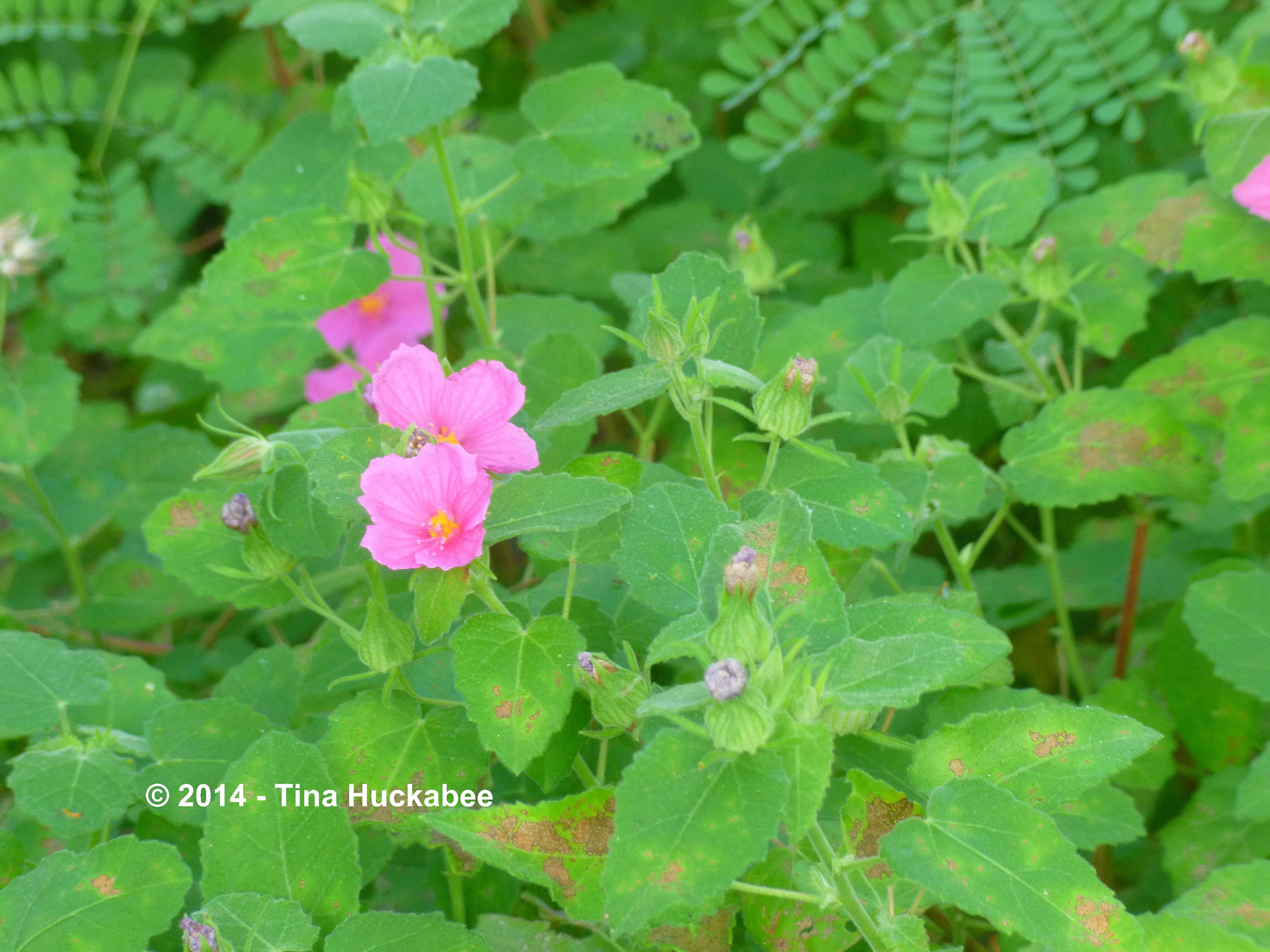
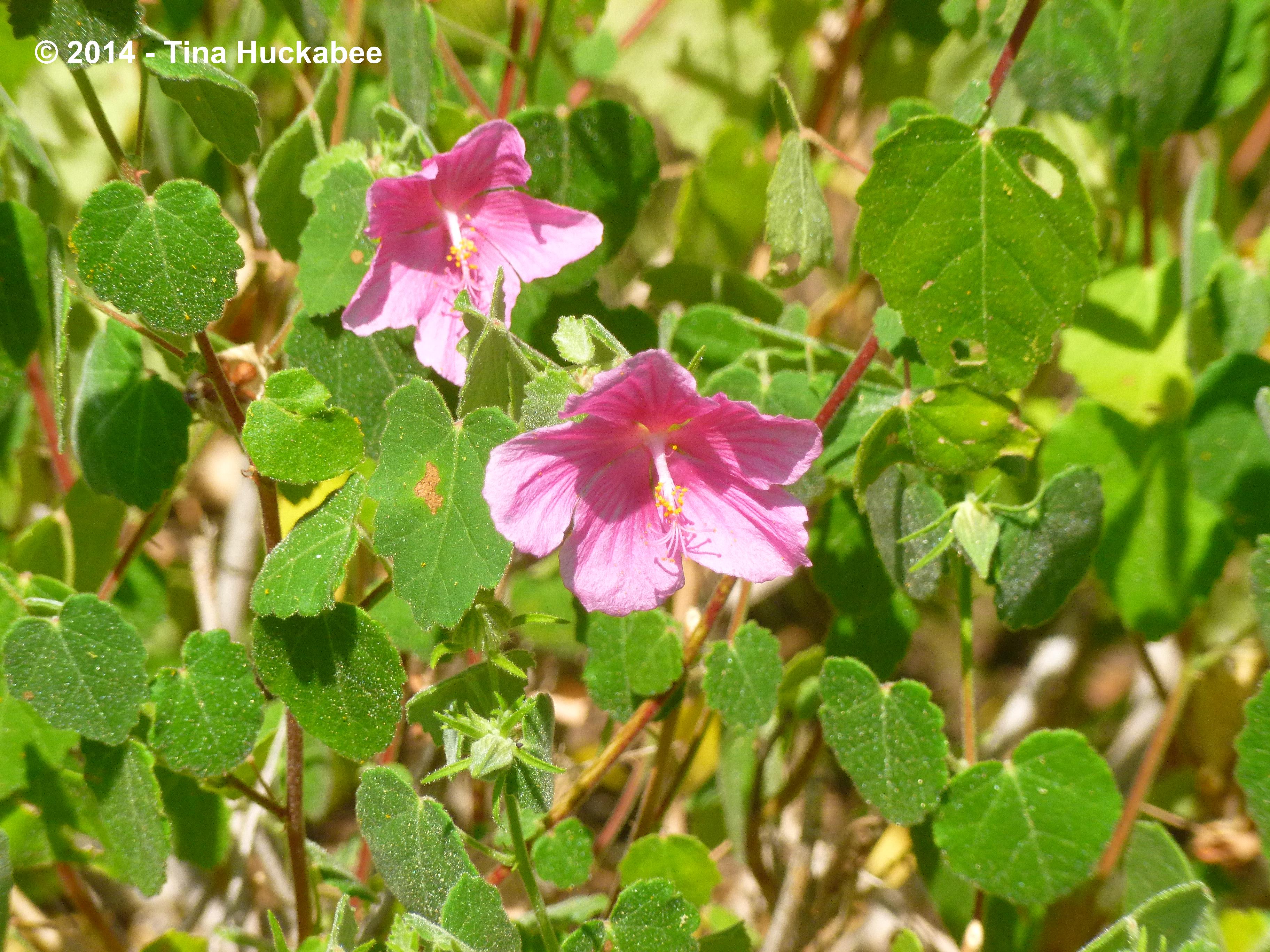
The ridiculously pink Rock RosePavonia lasiopetala, is a long-blooming native perennial. These pinks,

P1060605.new

look almost too pink.  They open in the wee hours before dawn and close in the afternoon heat.  This group is tired of the heat and are closing up shop for the day,

P1060606.new

…while this group contends with both heat and sun.

P1060640.new

By 4pm in hot August, Rock Rose blooms are done for the day. Fresh, perky blossoms will open for business early the next morning.

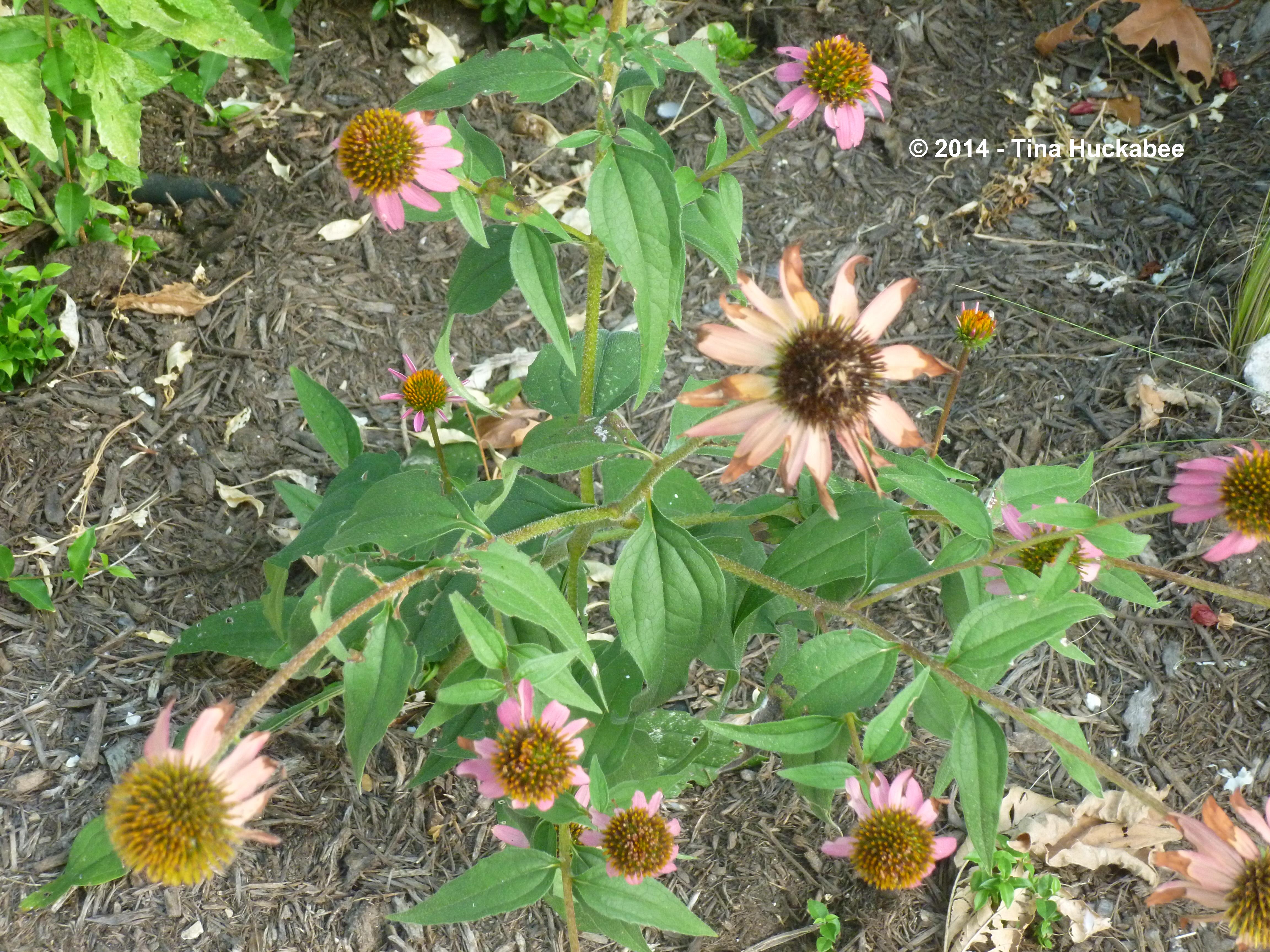
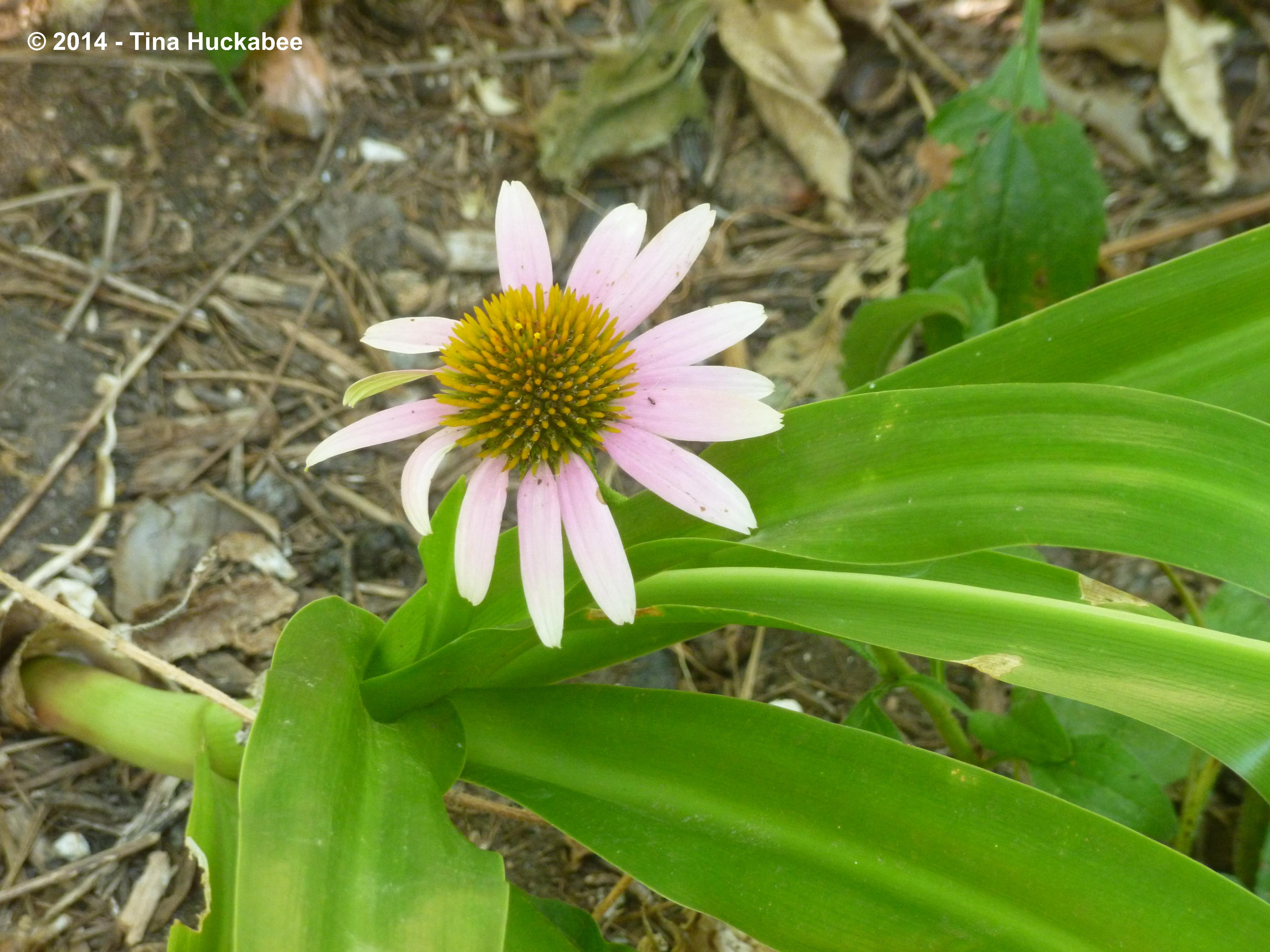
The glory of Purple ConeflowerEchinacea purpurea, 

P1060609.new

is over for the year.   I leave the gone-to-seed flower heads as long as possible for finch nibbling, but the blooms are crispy now and I’ve pruned most back to their rosettes. After the spring/summer blooms are done and pruned, there’s usually a second flowering that is shorter in stature, but very welcomed,

P1060650.new

P1060824.new

…by pollinators and people.  Later in fall, Purple Coneflower will segue again into seed production for winter finch food.

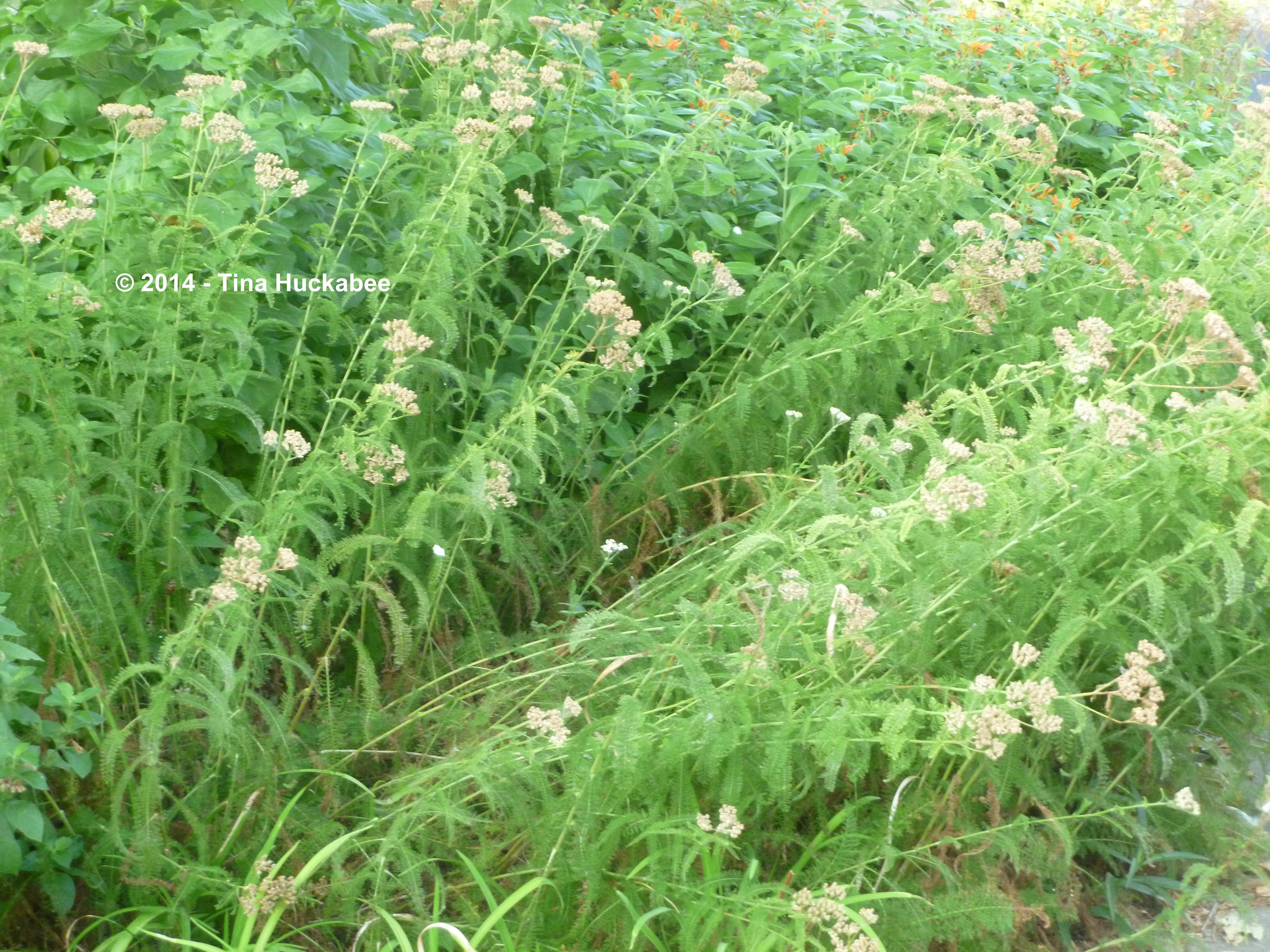
YarrowAchillea millefolium, is taking a bow for its long bloom season as well.  All of mine, save this patch,

P1060611.new

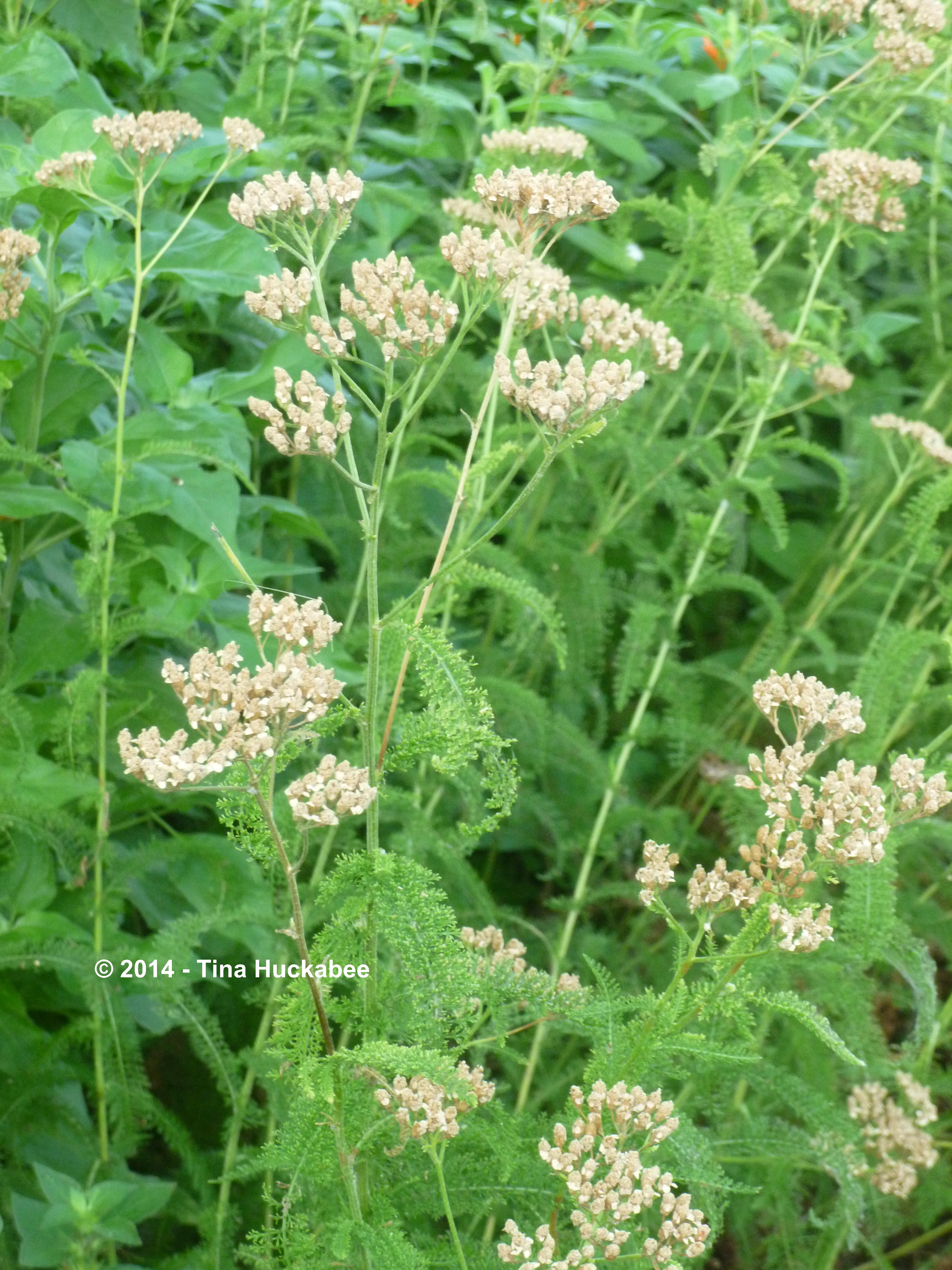
are pruned to their ground foliage for the year.  I’ve always found the ecru disks of spent blooms as attractive as the snowy white of the peak of Yarrow season, so I keep them through the long summer months.

P1060610.new

The finches appreciate the seeds, too.

Turk’s Cap,  Malvaviscus arboreus, blooms magnificently during this toasty time of year.

P1060632.new

Visited by bees,

P1060612.new

P1060613.new

Turk’s Cap produce scads of swirled lovelies with pollen and nectar galore and will do so for another month or two.

Frostweed, Verbesina virginica, employs a hopeful common name.

P1060615.new

Frost.  That’s hard to imagine right now. Frostweed’s snowy blooms evoke a coolness we can only dream about with our daily 100 degree-plus temperatures and the death rays of the August sun.

P1060616.new

Flowering will continue into September, giving way to seed production in the fall.

Slather on the sunscreen, drink plenty of fluids and traipse over to clay and limestone to see other hot August wildflowers.

Bee Mama Missive: Adding To The House!

As a family grows, sometimes the house needs additional space. Though it seems like I’ve tried my darndest to kill my hives Scar and Mufasa, they’re buzzing along just fine, thank you very much.

Recently I’ve felt like Bee Daddy and I are the Laurel and Hardy of beekeeping–just one blunder upon another.  After our bee drama of rolling (aka: killing) our queens, then not recognizing that we needed new queens, then finally realizing that we needed to re-queen and working weeks to see that process through, both Scar and Mufasa are re-queened and thriving.

I think.

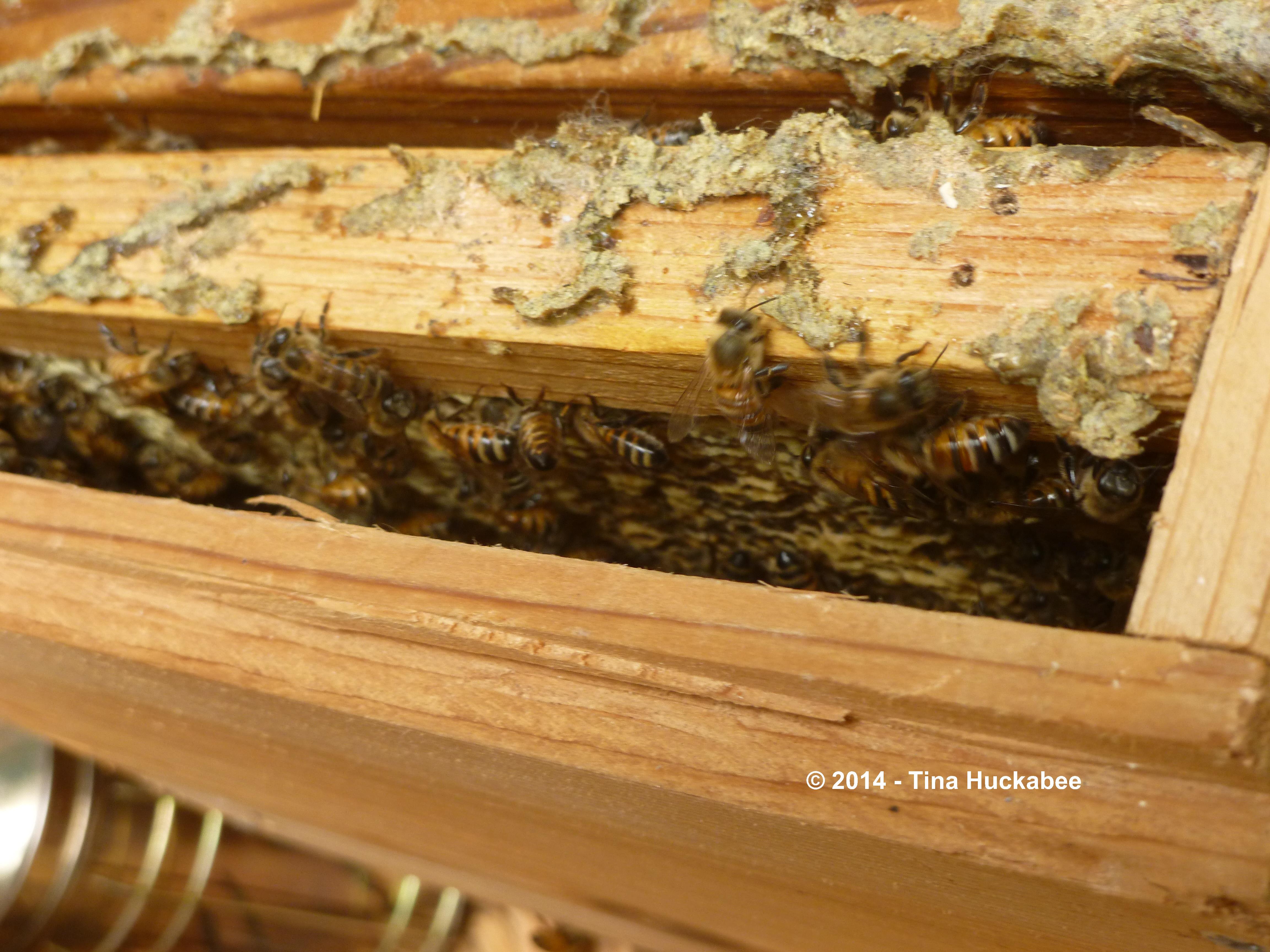
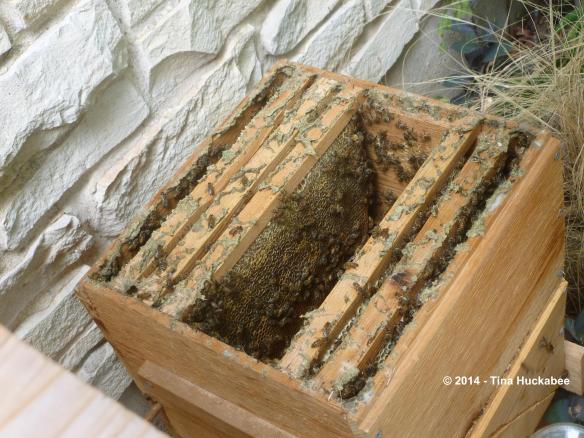
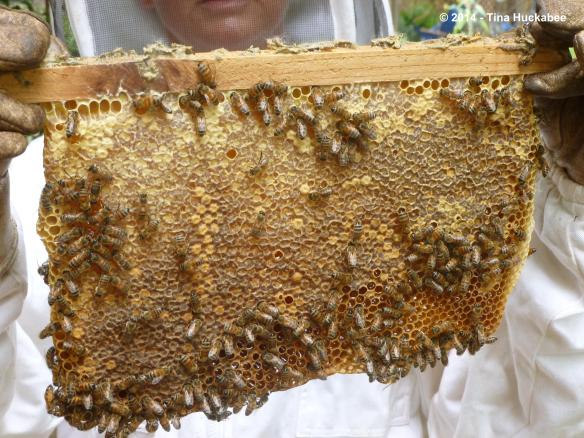
Scar is the more advanced hive–he didn’t go long without a queen and his population didn’t decline much, if at all.  In Scar’s top box, each bar has fully drawn comb,
P1060789.new

…meaning that the bees have made full comb and that comb has capped and uncapped honey.  It’s remarkable how heavy all that sweet honey is.
P1060787.new

The gals will need the honey stores for winter, so we will not harvest it.  The last time we checked the bottom box, there was also fully drawn comb, but with capped and uncapped brood in cozy little incubators for the next generation of worker bees.  Worker bees change careers throughout their lives, driven primarily by the needs of the hives and their pheromones.   But workers don’t live long, so the queen lays eggs constantly for on-going repopulation of the hive.

Scar appears active and healthy.  However, the last two times I’ve opened both hives, I’ve seen several  Small Hive BeetlesAethina tumida–the nasty nemesis of the honeybee.  Oh, good grief, what now?!!

The Small Hive Beetle is an invasive species that damages comb as well as honey and pollen stores.  There are chemical solutions for the hive beetle, but those chemicals can also hurt honeybees.  Duh.  There are other less toxic products as well, but I found the beetles at the low point of my angst about my hives–Queens or no queens? Oh-no-I’m-killing-my-hives! I wasn’t sure it was worth doing anything for the hives. Beetles attack hives which are vulnerable–like those tended by rookie beekeepers.

Ahem.

I didn’t feel like I had much to lose, so I commenced a squishing campaign to eradicate them whenever I saw the little creeps.  Well, actually, squishing those few visible beetles isn’t going to annihilate an infestation, or even make much of a dent, but it makes this beekeeper feel like she’s taking care of her bees. For whatever it’s worth (and the beetles could still rear their rather unattractive little selves), I haven’t seen any of those devils since my hives were successfully re-queened.  I’m also feeding the bees, which will help them maintain strength through their endeavors, our mistakes and the dearth of blooms that is August in Austin.  The only thing beekeepers should feed bees is the bees own honey (if there’s a surplus) or a 1:1 or 1:2 ratio of sugar-to-water.

Fingers crossed that we can avoid a Small Hive Beetle catastrophe.

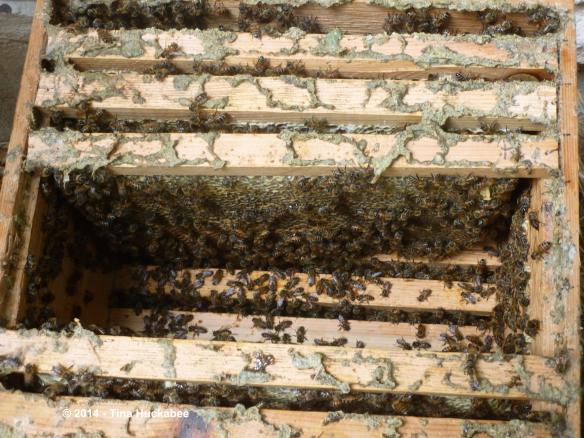
In opening my hives in these last few weeks and acknowledging that Scar is progressing well, I thought: if I don’t totally screw them over with my incompetence, it might be time to add another box to Scar.  Mufasa is also doing well, but doesn’t have fully drawn comb, nor full honey in the top box.  Mufasa has some work ahead before needing a third floor addition.

But Scar?  Verily bursting out of his seams!  Or boxes.
P1060791.new

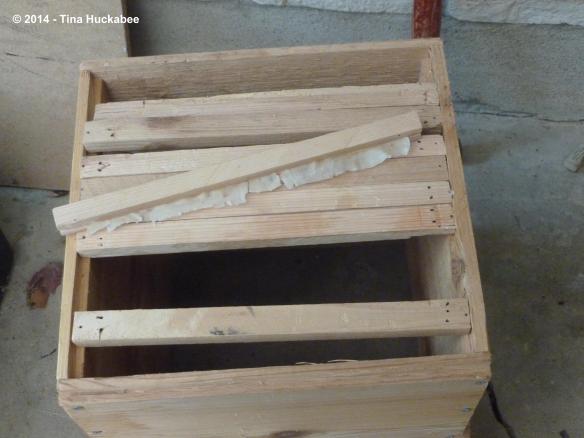
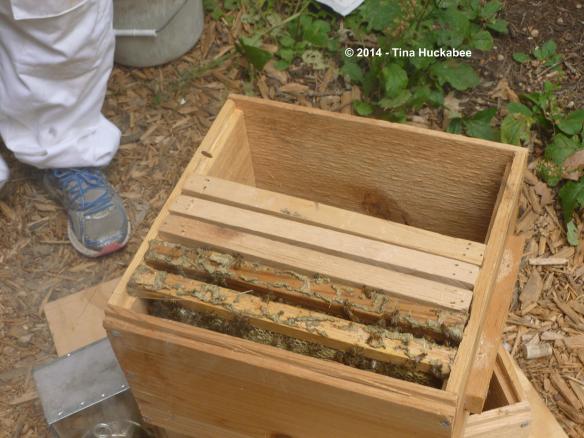
So, I added some wax to eight unused bars to give the girls a place to start,
P1060783.new

…and we opened up Scar, ready for the opportunity to expand the digs.   Scar’s bees are busy, active and yeah, they still sting–even when smoked.  She got me right on the thumb. I put gloves on after that.  Some people never learn.

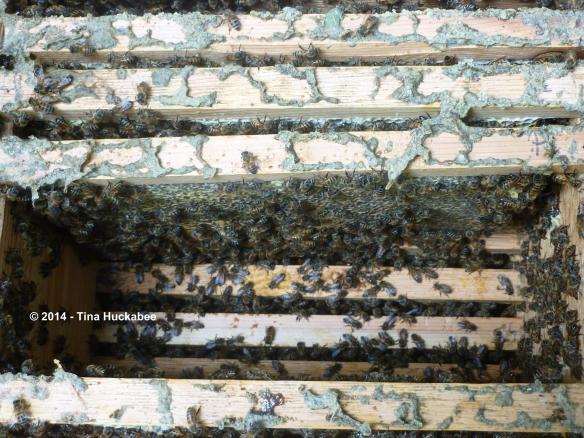
So much wax, comb, honey and bee activity!
P1060793.new

P1060803.new

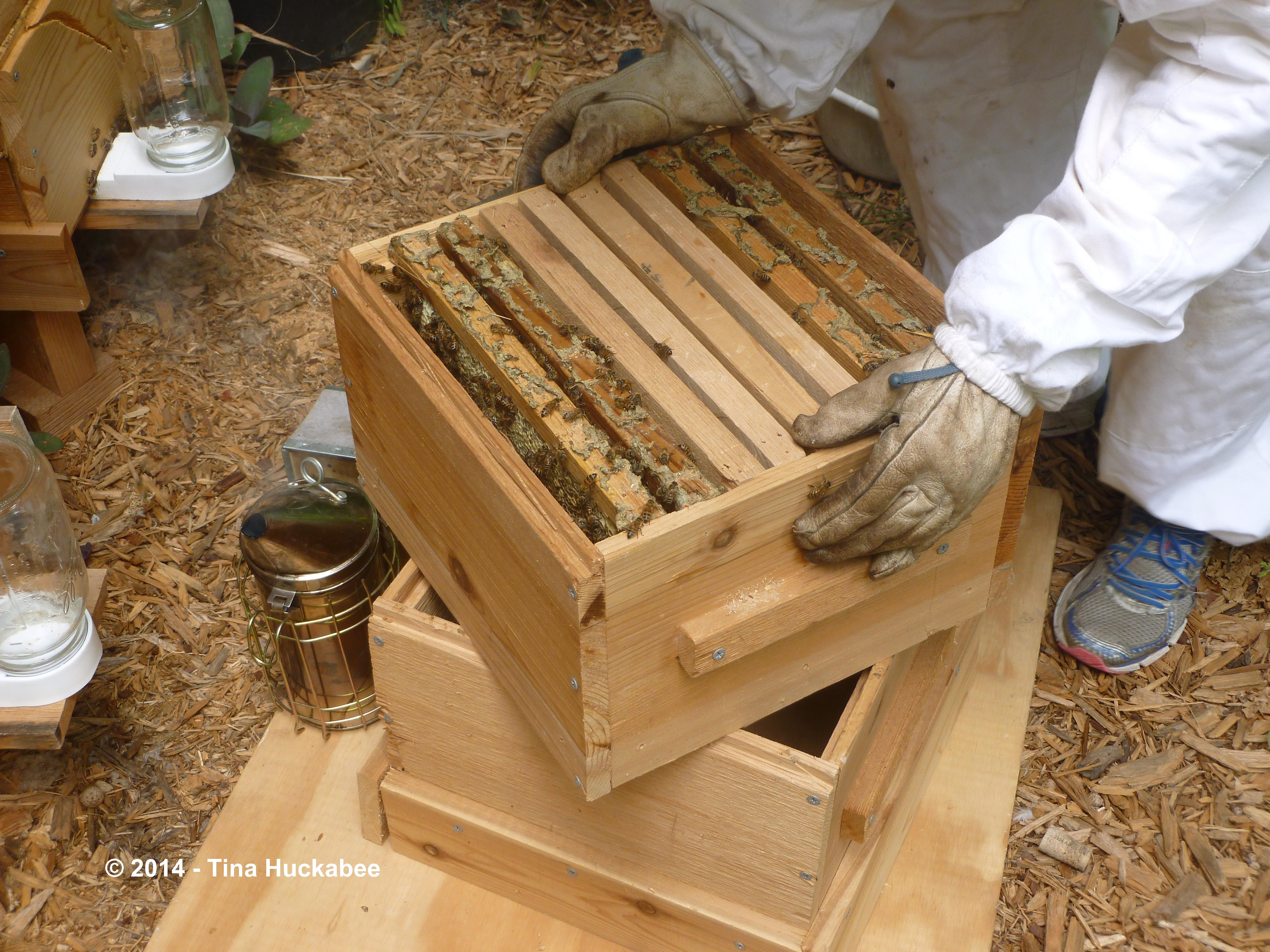
I pulled out four bars with full comb and placed  them into the third (new) box,
P1060790.new

P1060798.new

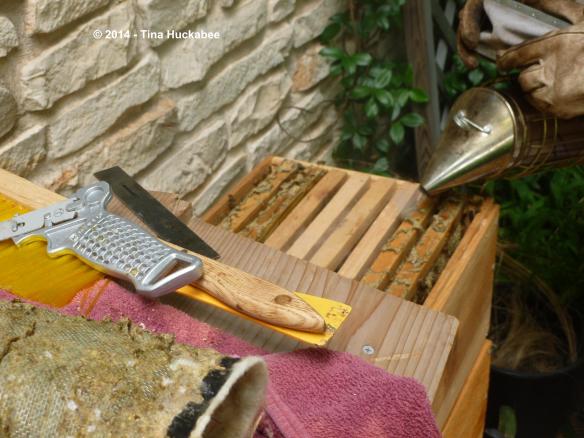
…and placed four new (empty) bars to the second (now, middle) box.
P1060810.new

I evenly spaced the bars in the hives.  The bars must be three-eighths of an inch from one another for the bees to safely crawl around in the hive. This is known as bee space.  I’m so OCD that when checking my hives, if I have to move the bars and I usually do for one reason or another, I measure each space.  Thoroughly, I would say.  Obsessively, others would say.

P1060800.newa

My family loves me in spite of that particular personality quirk.  Trait.

Lastly, I assured that the hives were set evenly on the ground–no tilt allowed or the bees might build cross-comb and that could become a whole thing, which you can read about here.

P1060809.new

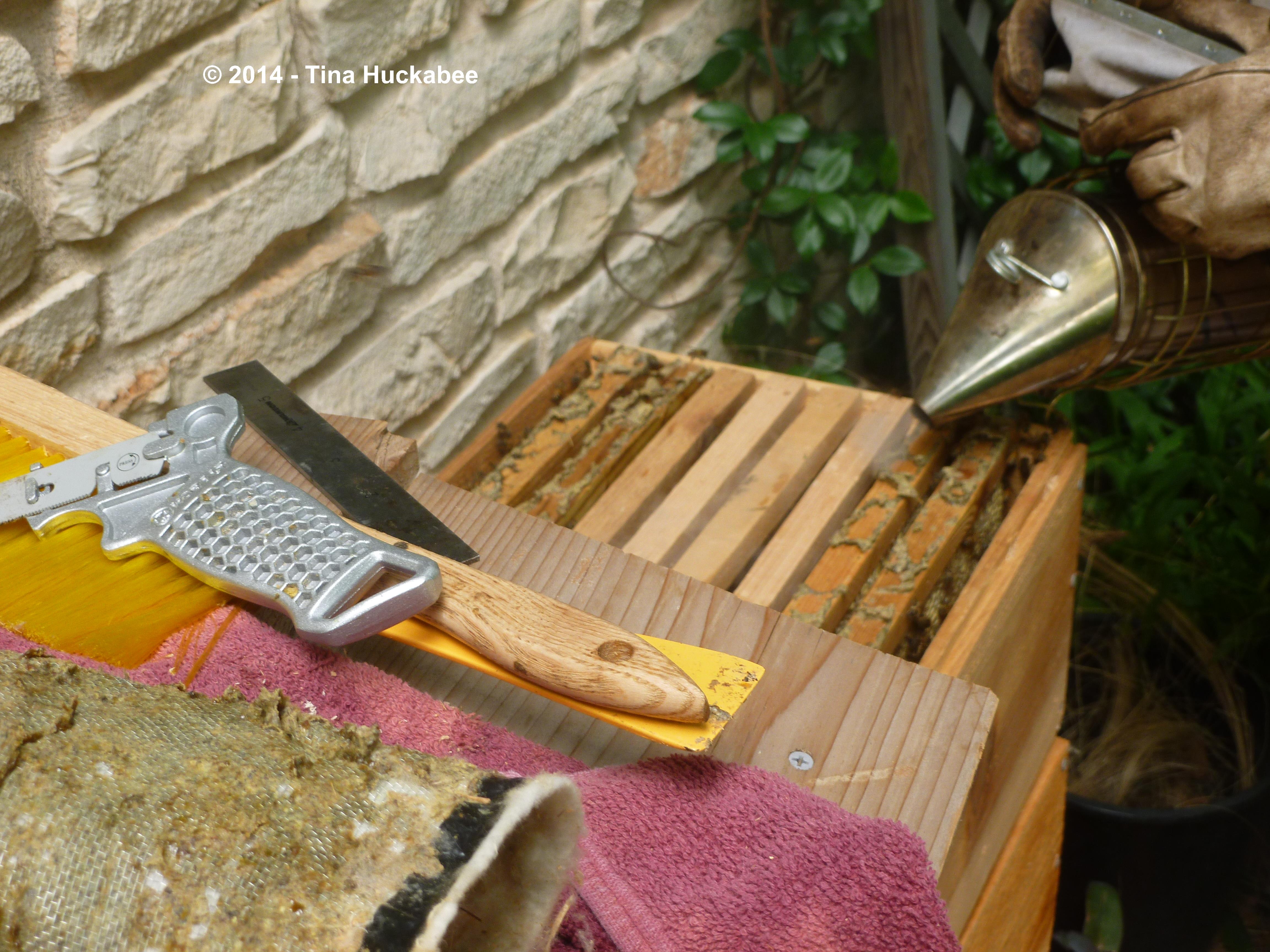
I popped on the tops, while Bee Daddy cleaned up and put out the smoker.  I stood back and smiled at my hives.

P1060813.new

Scar and Mufasa.

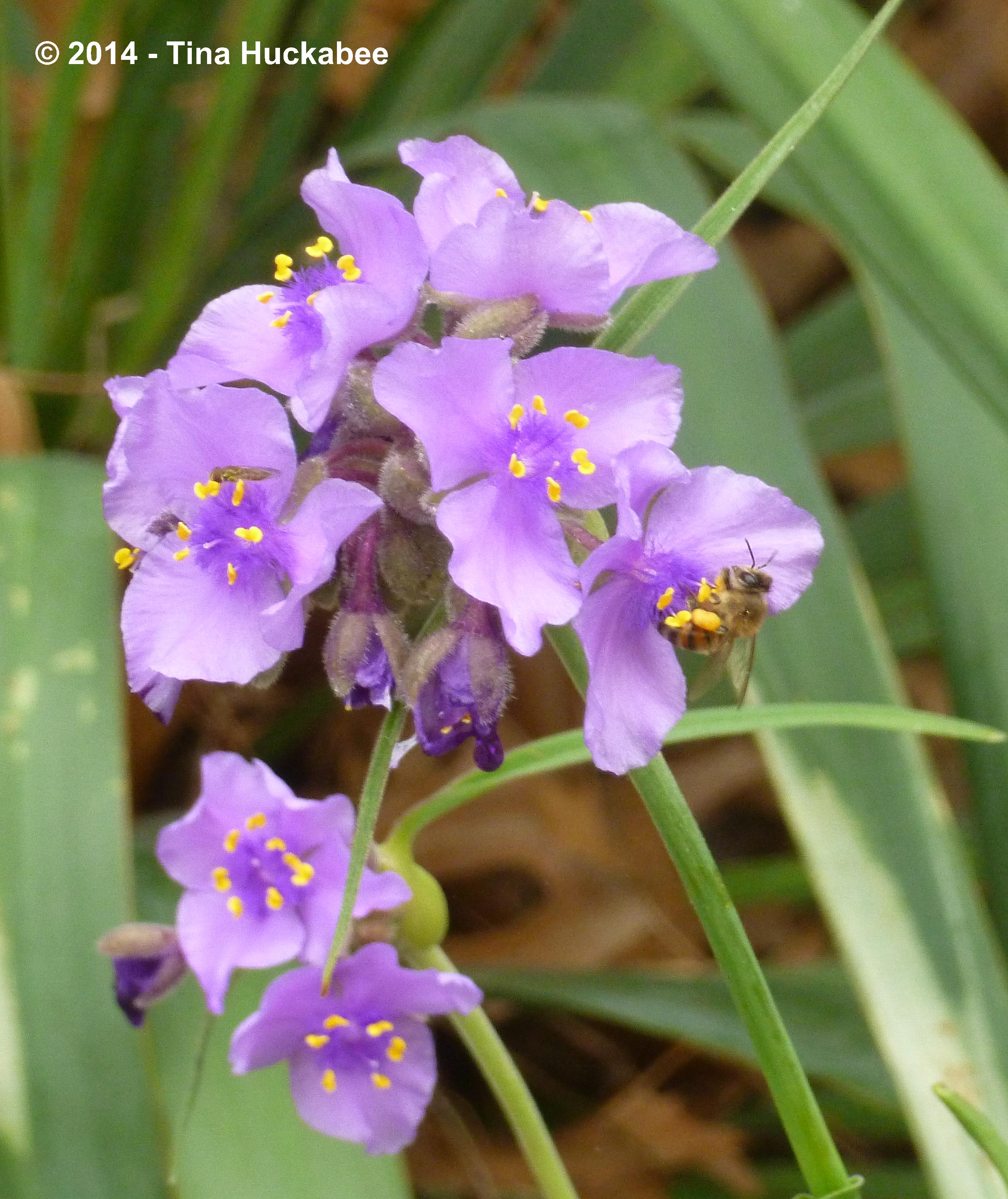
Nice little hives with nice little bees who make delicious honey and pollinate…everything,

P1030166_cropped_2848x3387..new

…and their crazy beekeeper lady.

P1060786.new