I breathe a sigh of relief and with a So long! Don’t let the door hit you on the way out! farewell to the long hot of summer and a cheery, Well, hello there! Where have you been these past months? welcome to cooler nights, softer days, and more frequent rainfall. I know I’m not the only one looking forward to the bounty of autumn. Birds and butterflies are migrating, squirrels are gathering acorns–their silly, obnoxious behavior replete with more immediate purpose, and perennials and trees, formerly hunkered down for summer’s blasting sun and relentless heat, are re-engaging in life as they blossom and berry for winter provisions and the next generation.
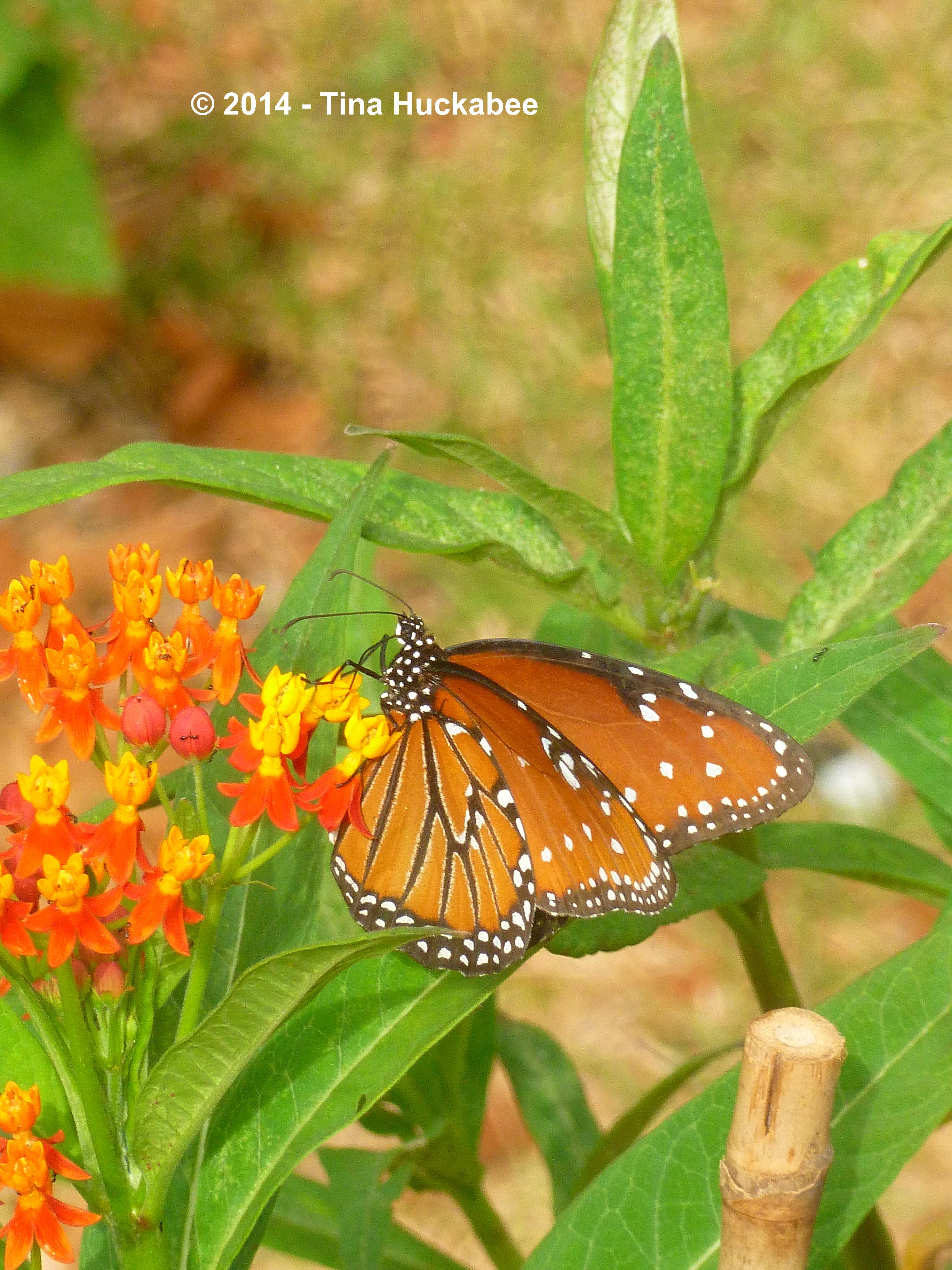
Ever hopeful of seeing Monarchs wafting through my gardens, I sometimes ignore their kin, the Queen butterfly, Danaus gilippus,

…and I shouldn’t. The Queen is smaller, sports more dots than lines in its wing patterning, and also favors the Milkweed, Asclepias curassavica, for nectaring. It is equal in beauty to the Monarch.
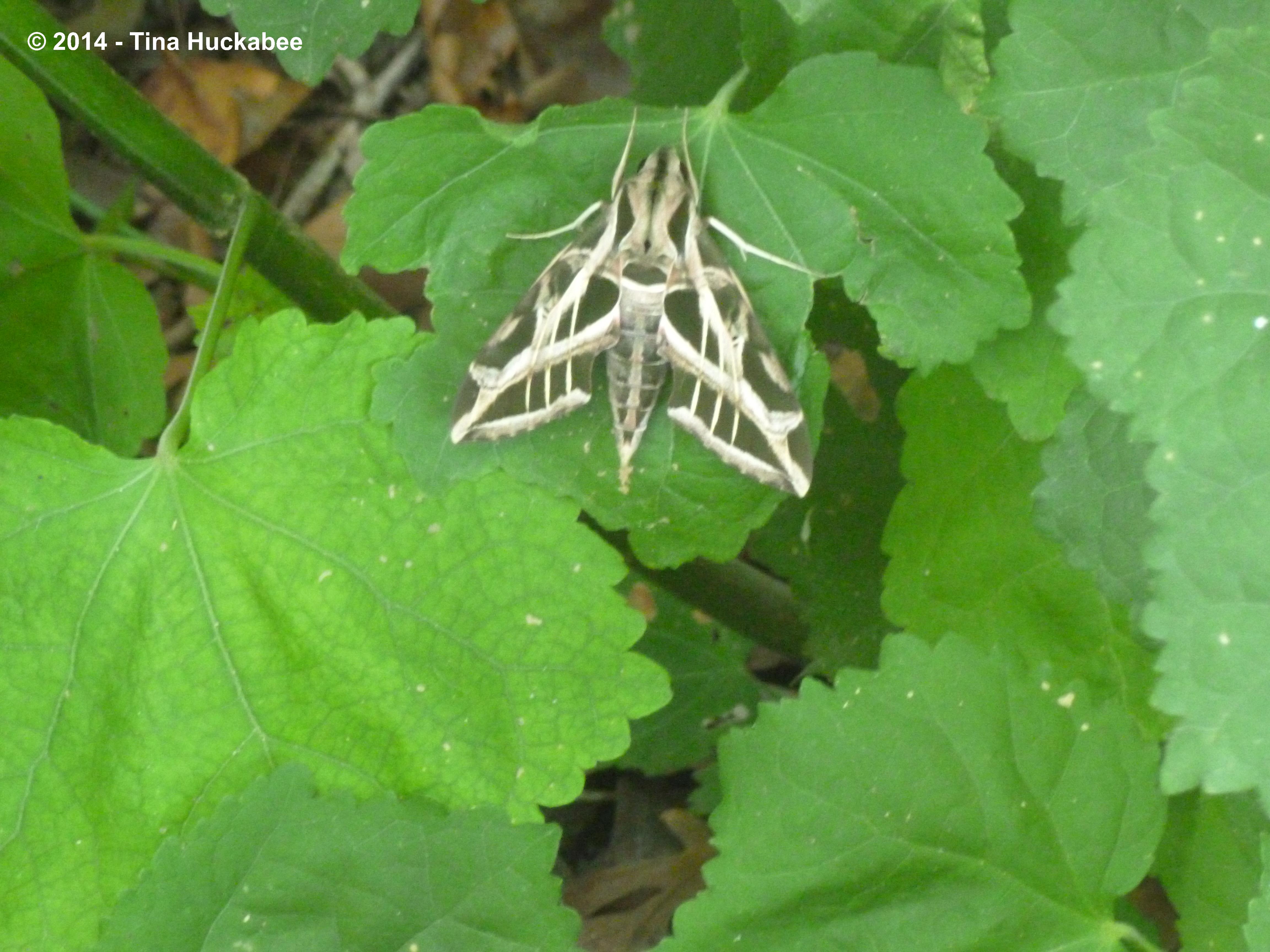
If butterflies are the sparkly, showy theater kids of the Lepidoptera world, their moth relatives are the quieter, more reserved geeky kids. Early one morning, I spied this muted beauty,

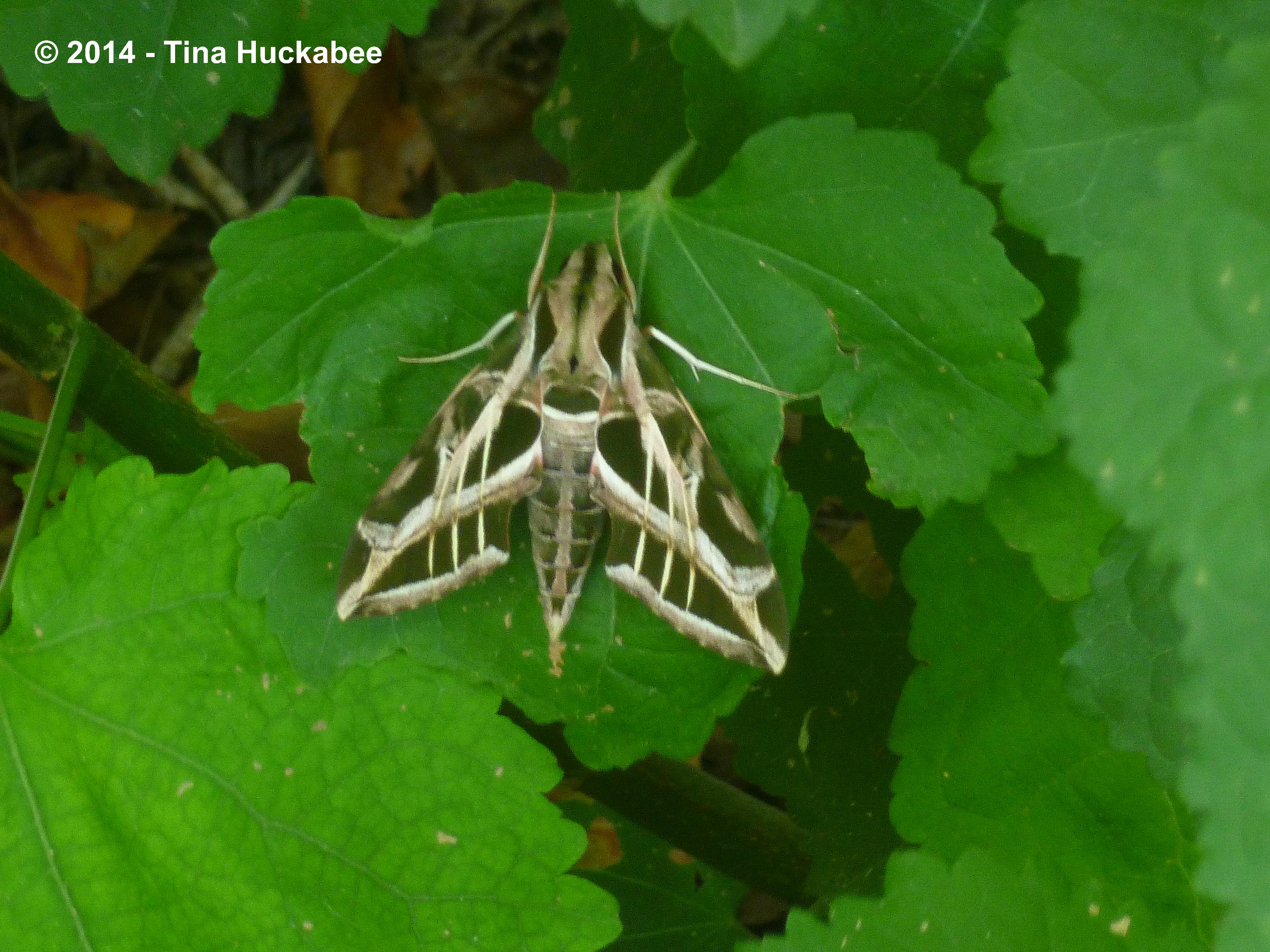
…resting on a Turk’s Cap leaf. I almost missed him and had to double-back on my stroll, so unobtrusive was this Vine Sphinx moth, Eumorpha vitis.

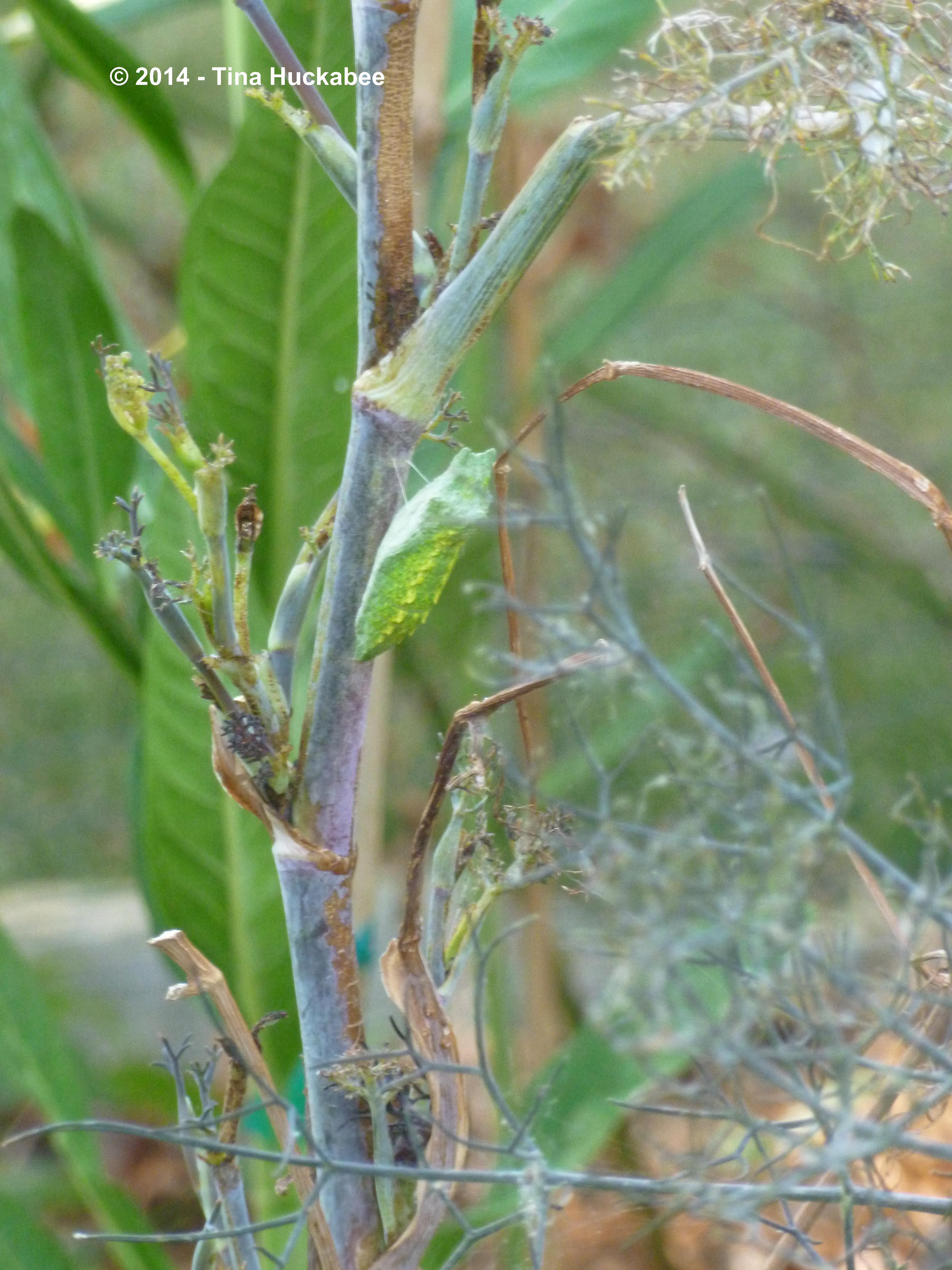
On the stem of fennel, I observed a Black Swallowtail butterfly larva, Papilio polyxenes, as it was metamorphosing into its adult self. I didn’t photograph the immobile J-shaped caterpillar until it was established in full, chrysalis mode. The play of light on the chrysalis renders its colors iridescent.
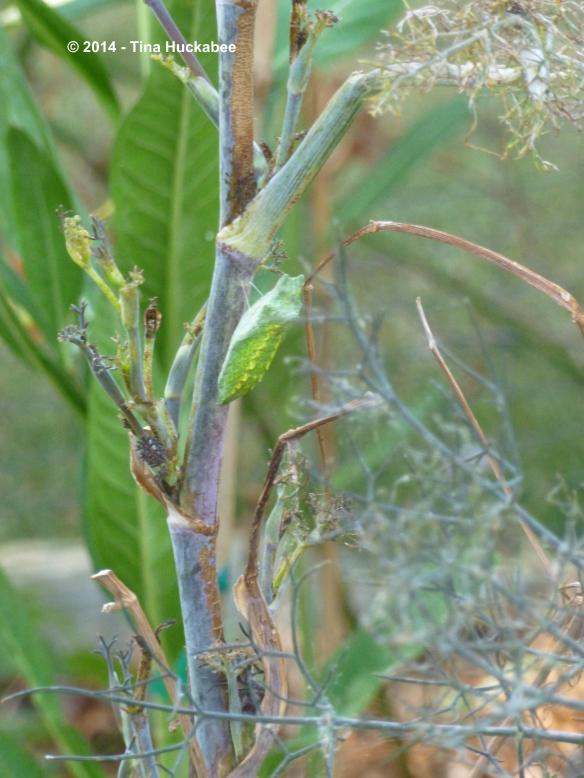
I observed this chrysalis for several days, but on the fourth morning, it was gone. The strings that attached the chrysalis to the stem were severed and there was no empty chrysalis and no adult butterfly nearby, drying her wings. I suspect the chrysalis became someone’s meal during the night or at sunrise. I know whatever breakfasted on the developing butterfly probably needed it, but I was sorry for the end of this winged jewel.
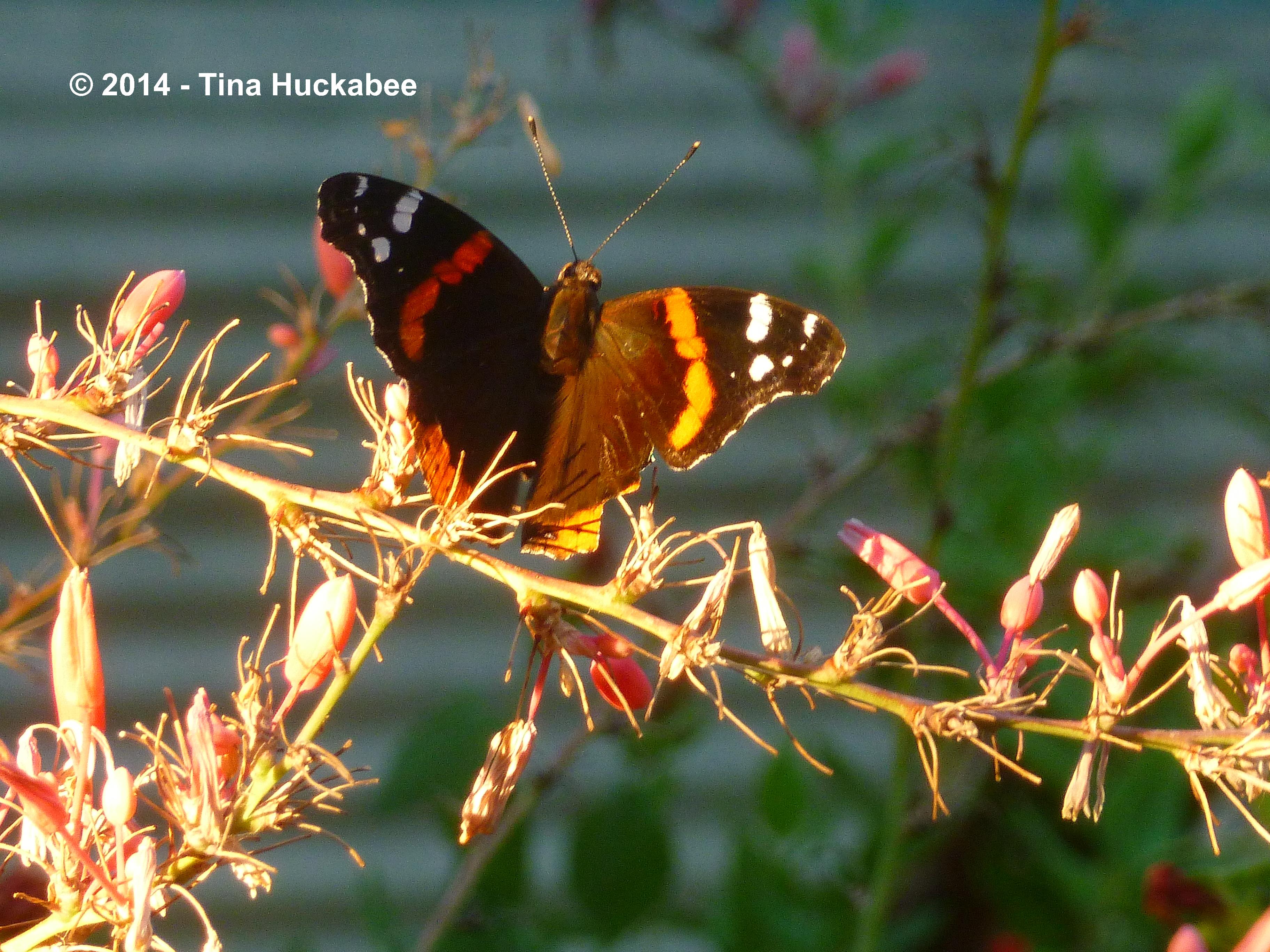
Strictly speaking, this photo of a Red Admiral butterfly, Vanessa atalanta, is not that great, but I love the glow of a late afternoon Texas sun on the colors and the shadows cast by the Red Yucca bloom on the wings.

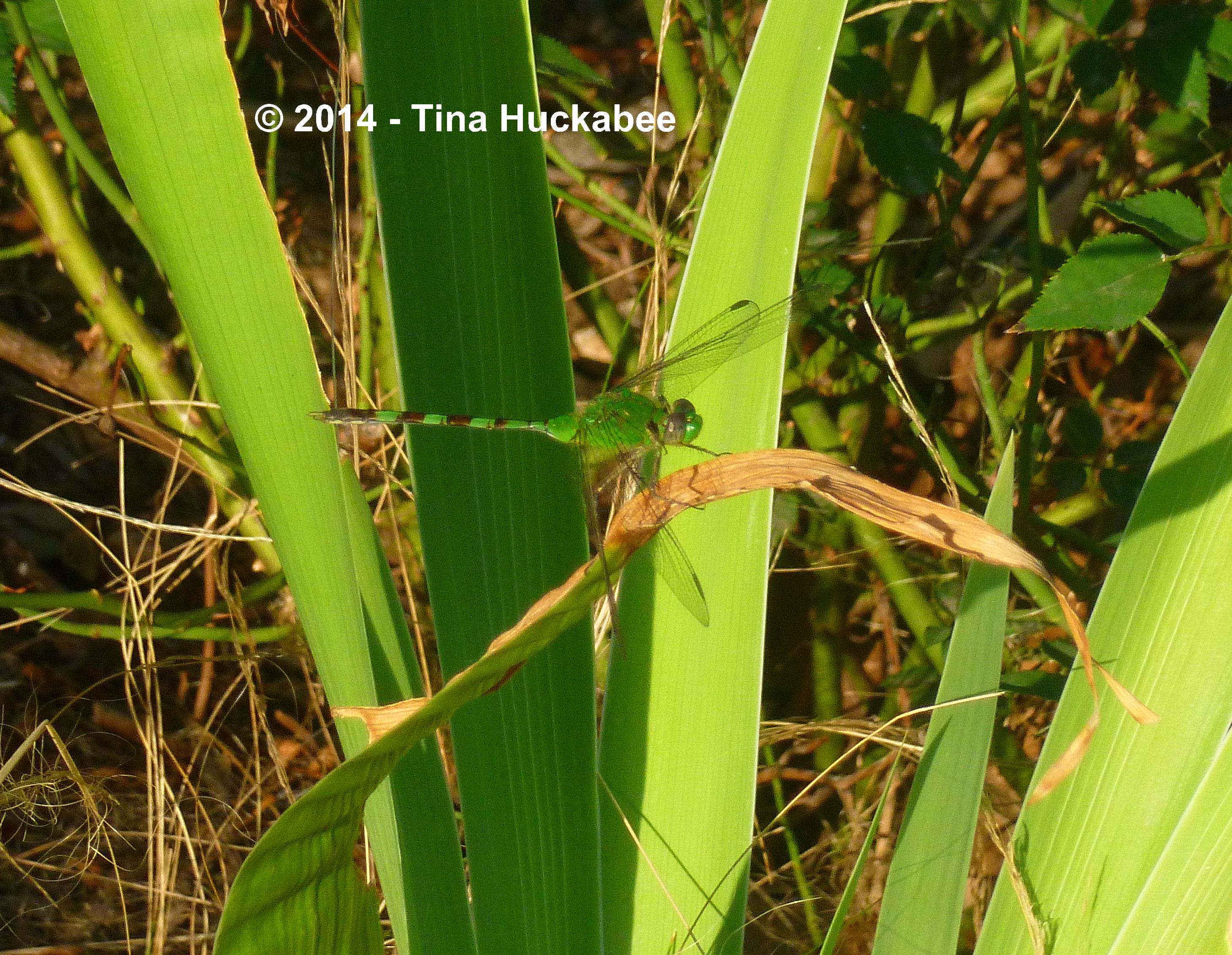
I saw this guy out of the corner of my eye, one evening.

With his ephemeral movements, it took several minutes for me to find him again.
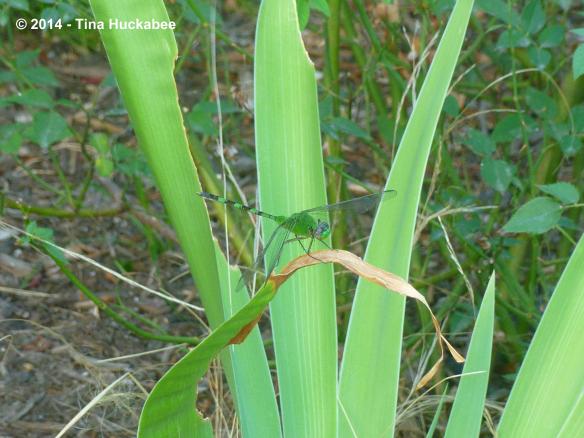
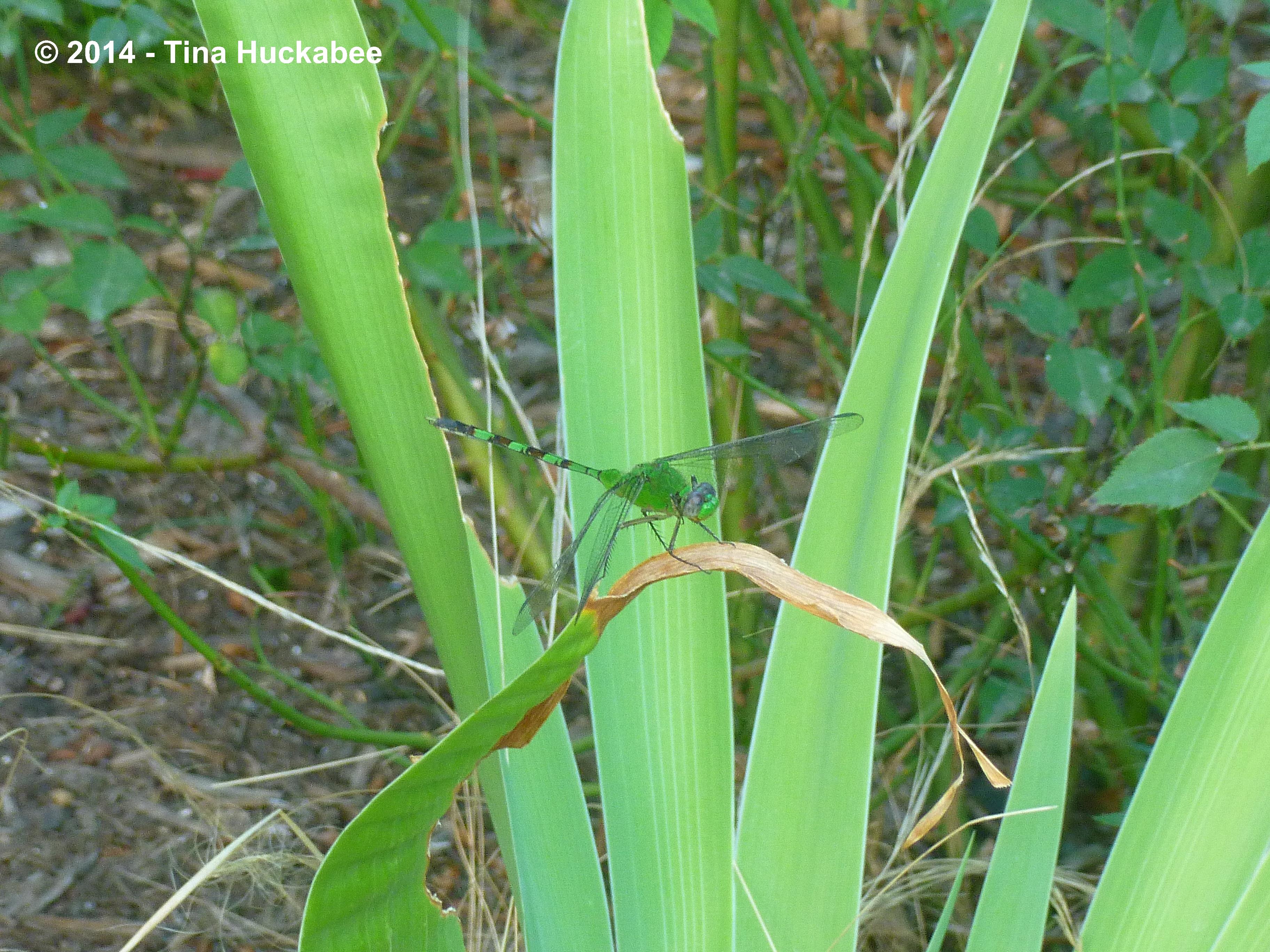
He is a Great Pondhawk, Erythemis vesiculosa, and I’m not sure I’ve ever seen one before. He was hard to spot, flitting, flying, and landing in rapid succession.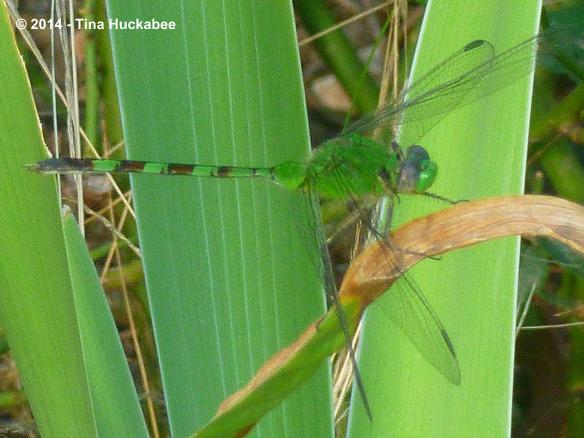
Camera shy, this chap didn’t remain in one place long enough for many good photographs. But he is oh-so-pretty when motionless for a moment or two.
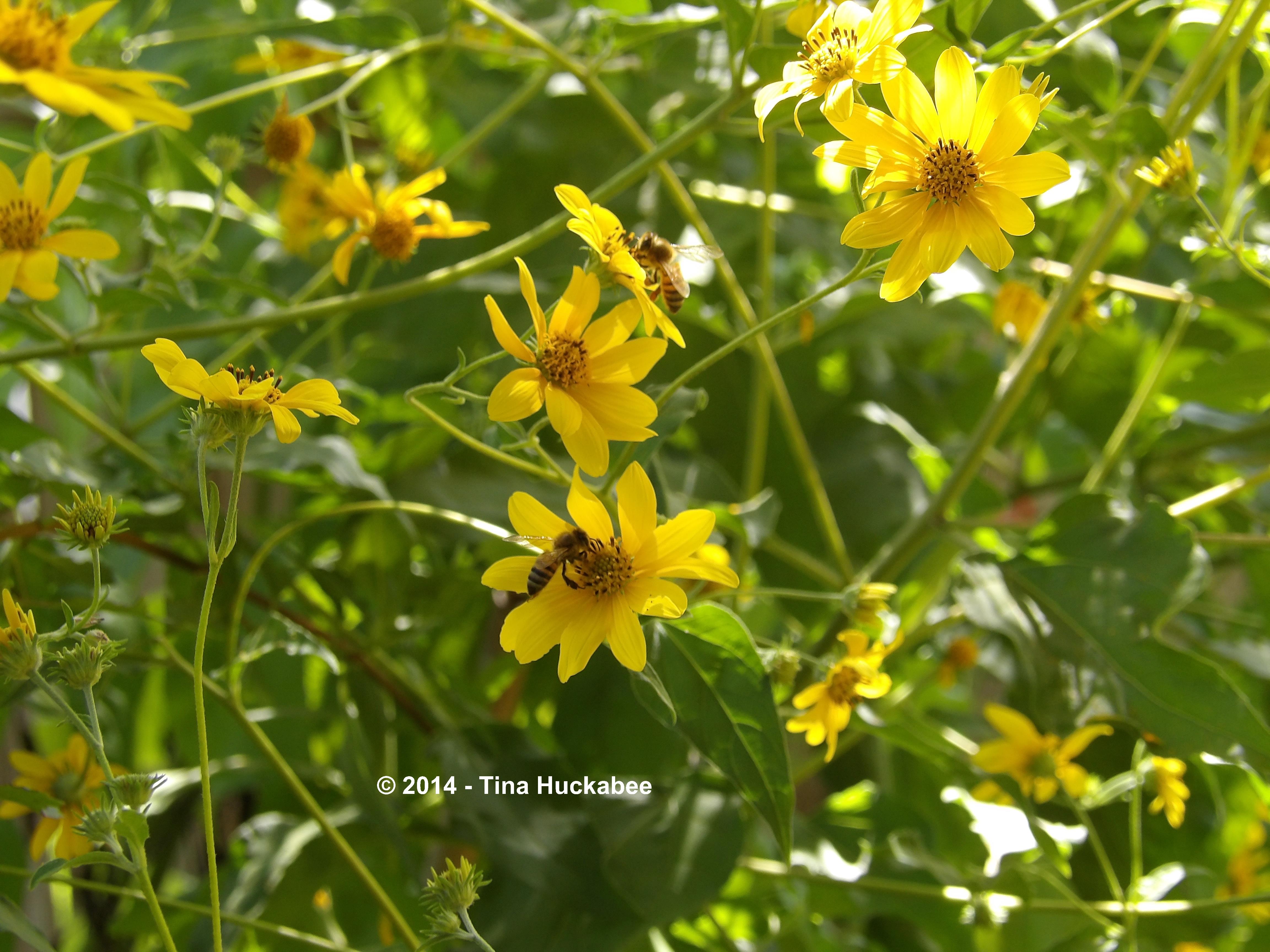
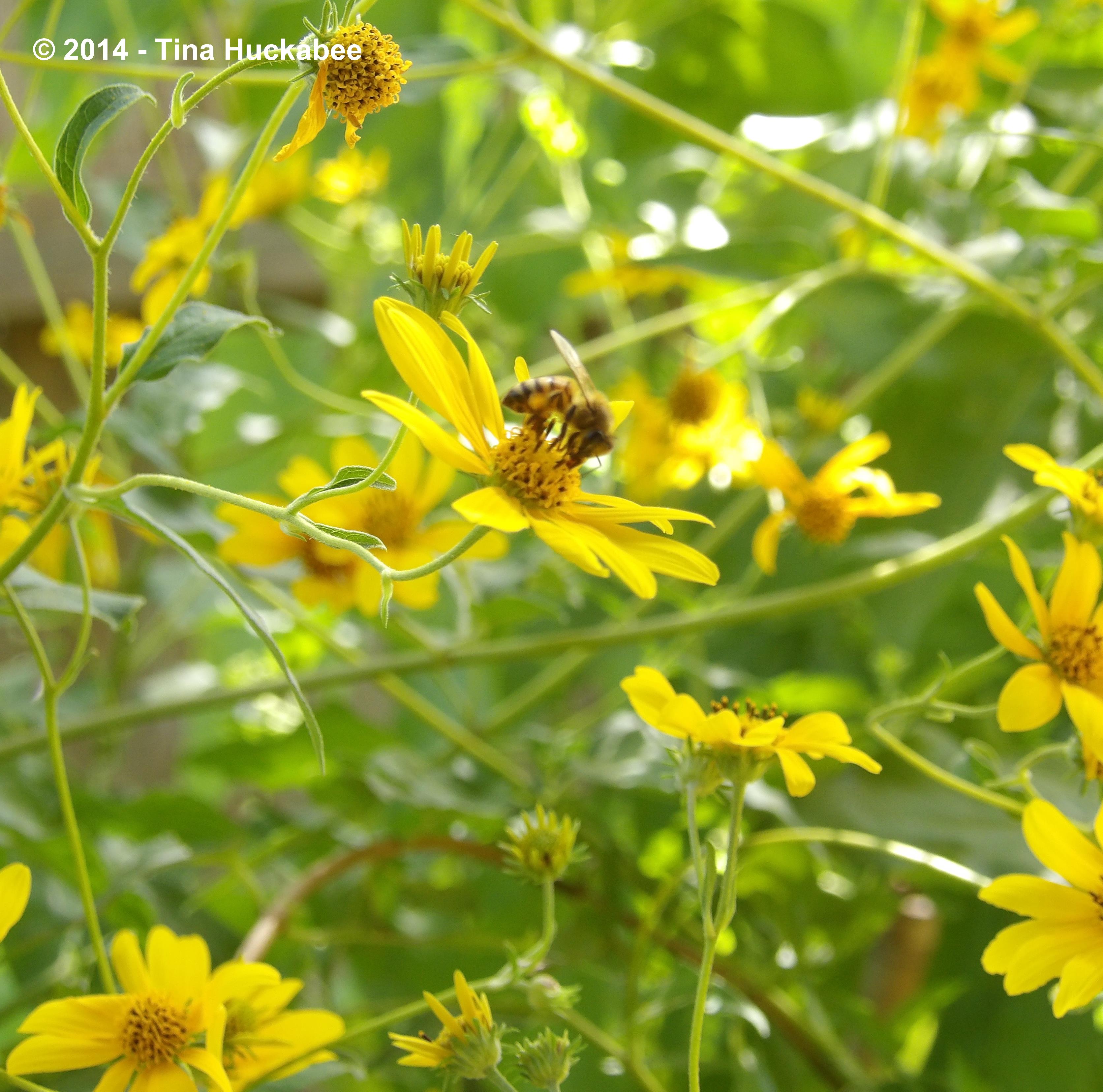
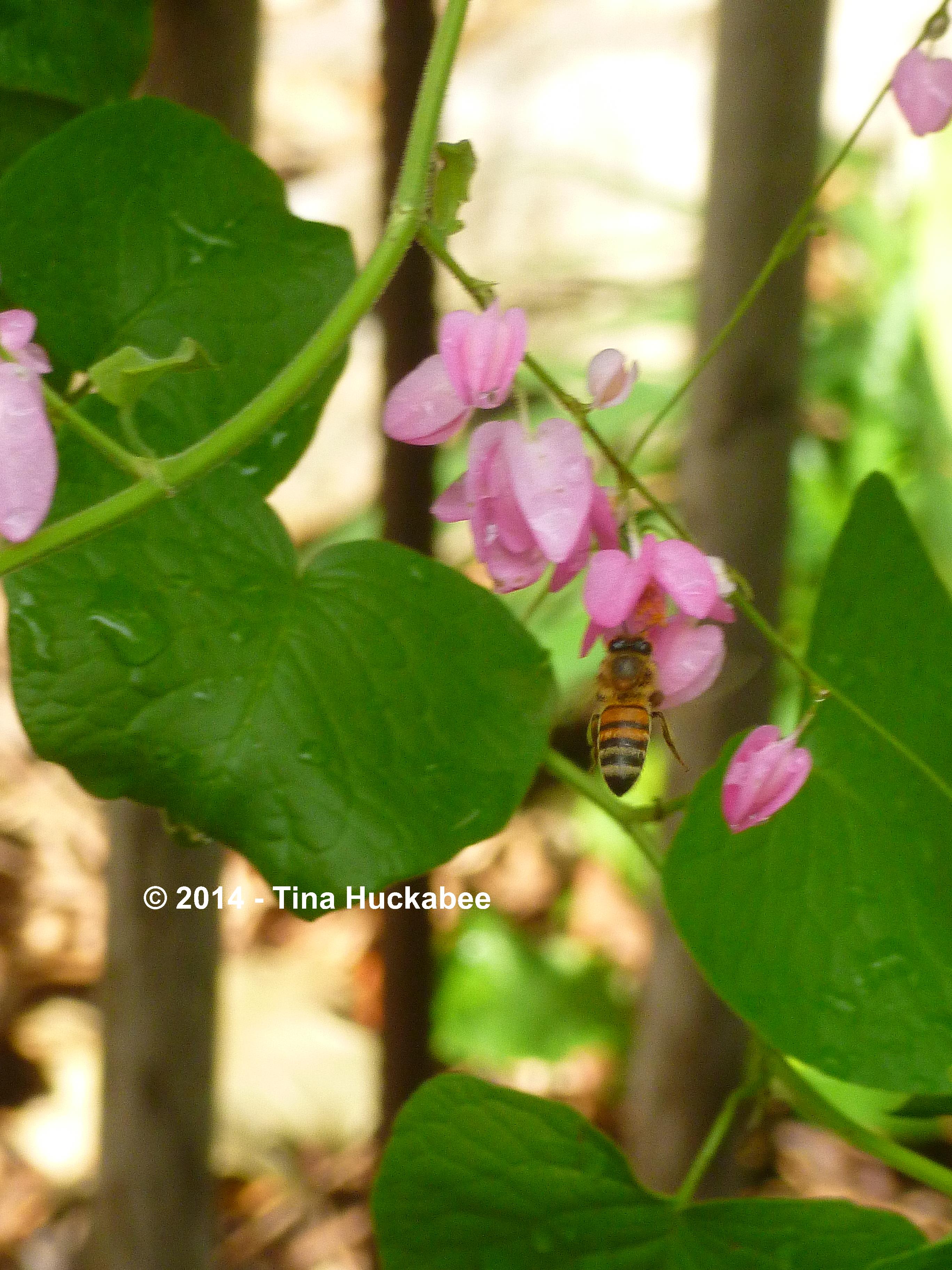
Of course, my honeybees are active, as always.
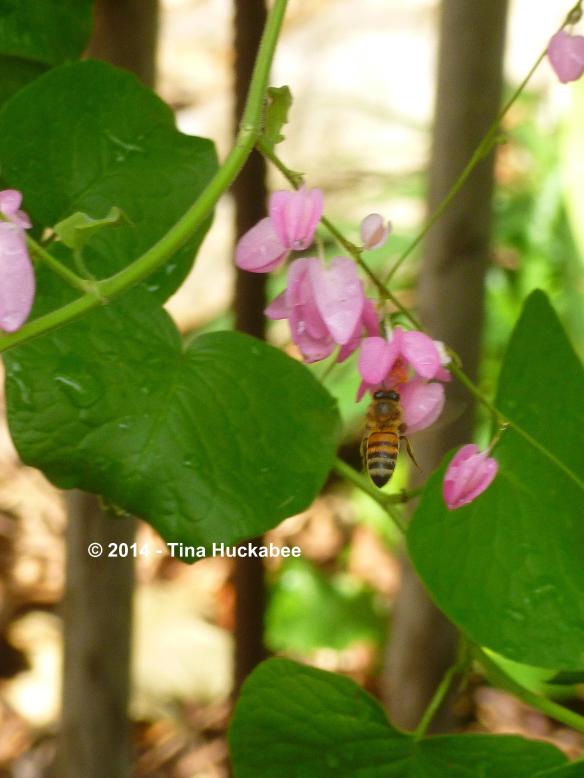


It feels like a cheat for me to consider my little bees as “wildlife” since building two hives for them in my garden. However, they are essential threads in the pollination fabric of my gardens and the surrounding areas, so indeed they’re part of October’s Wildlife Wednesday!
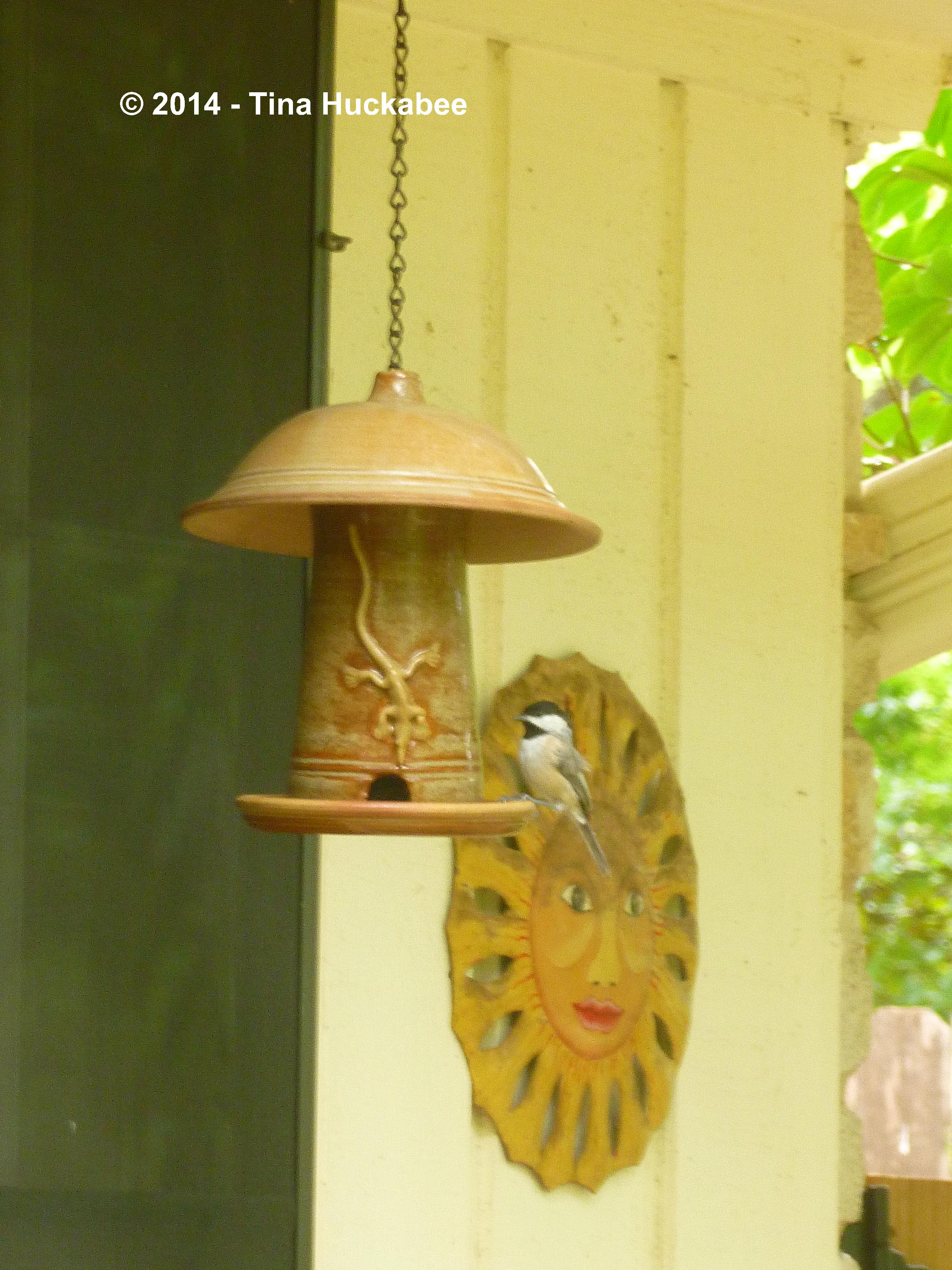
This Carolina Chickadee, Poecile carolinensis, darted to and fro as it nibbled on the sunflower seed I sometimes provide for birds.


I confess to mixed feelings and some inconsistencies about using backyard bird feeders. When I fill those feeders, I attract many White-winged Doves and various Sparrows, both of which I consider nuisance birds. But during spring and fall migrations, or when lovely little songbirds visit, or someone out-of-the ordinary noshes, I’m glad those feeders are full.
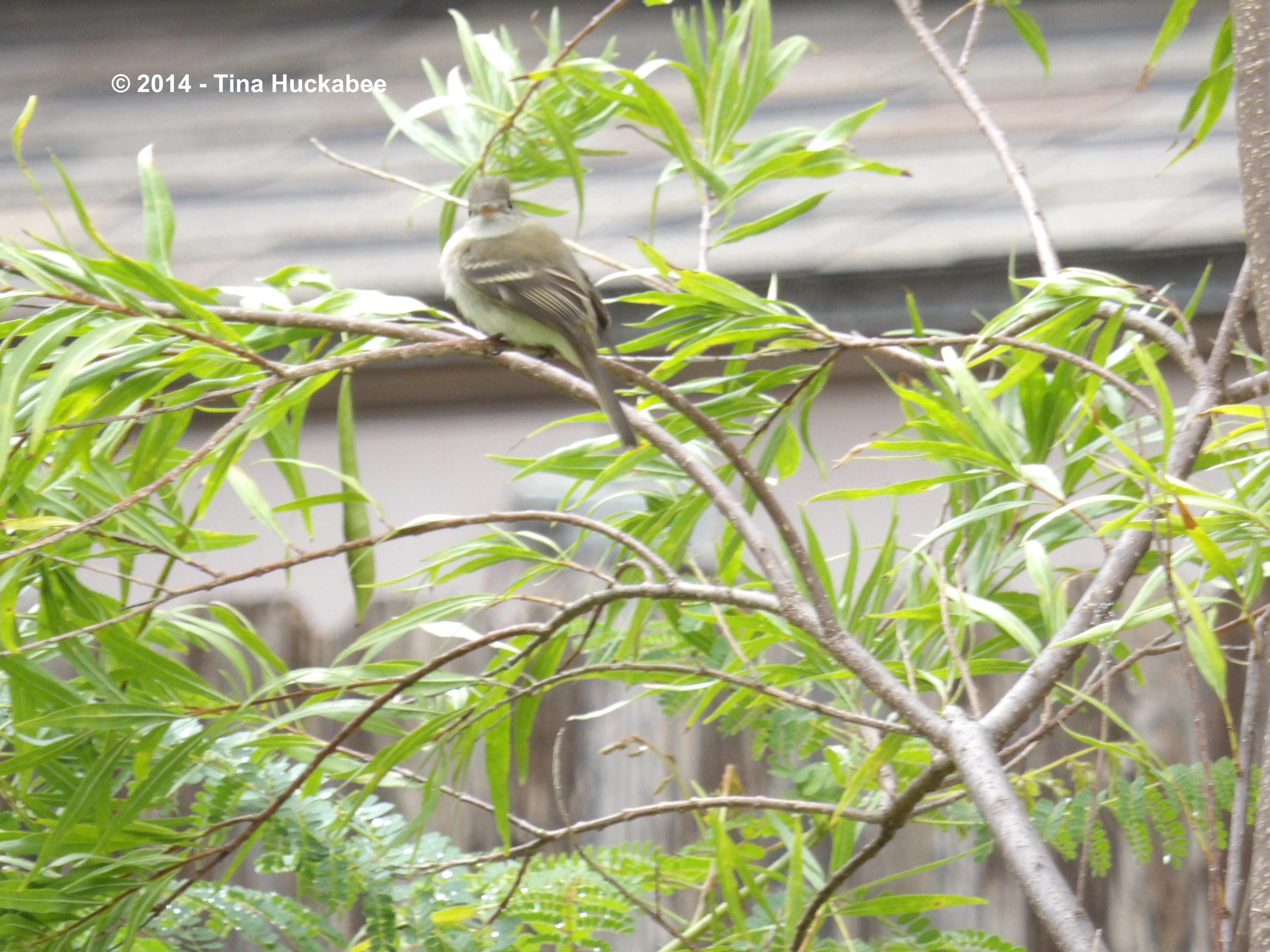
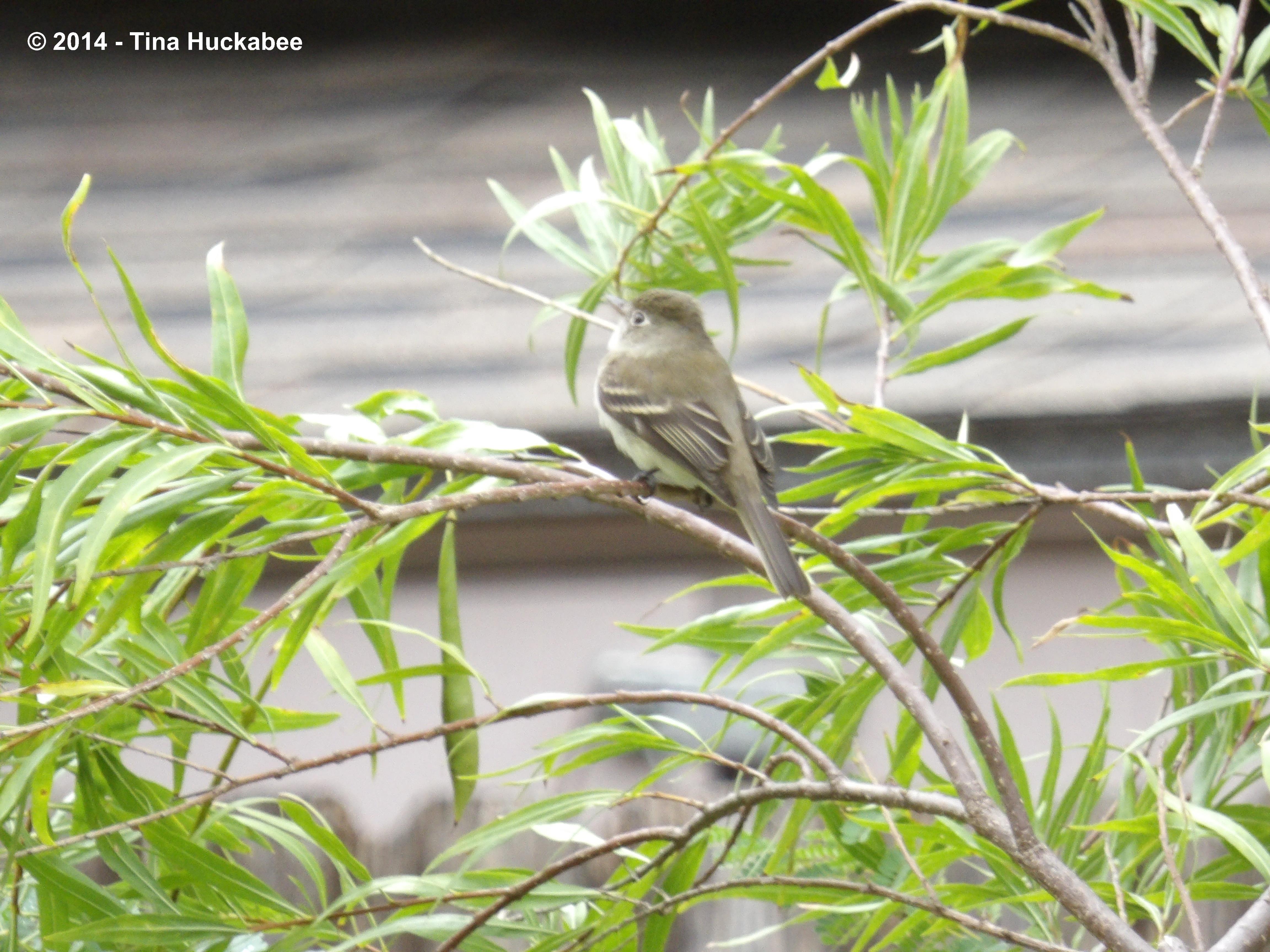
Speaking of migration and out-of-the-ordinary, this Least Flycatcher, Empidonax minimus, perched prettily on limbs of my Desert Willow.
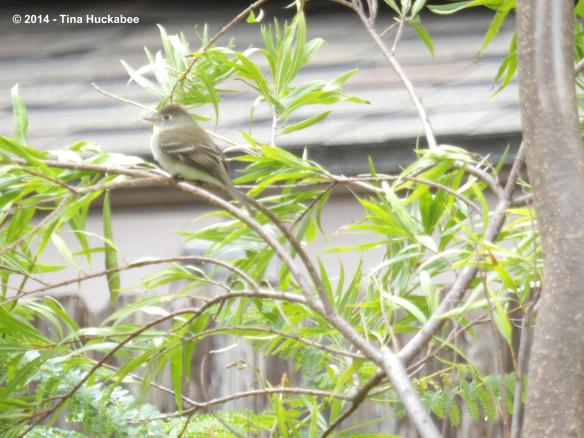
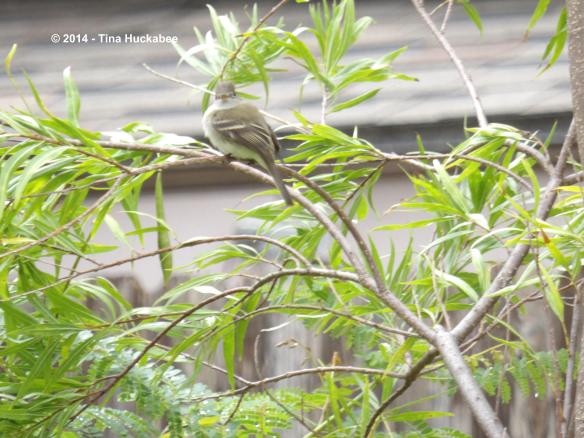
Migratory through Texas, this cutie was a brief visitor that I at first mistakenly identified as a female Lesser Goldfinch. It was only when researching the identity of a hummingbird that my Cornell Ornithology Lab Merlin Bird ID phone app spit out a photo of the Least Flycatcher that looked just like this:

I realized my original guess at the bird was way off base. The truth is that I’m lousy at bird identification. Oh, I can catch the obvious ones–Blue Jays and Cardinals and the like, but ones with the more subtle coloring and markings? Those that are skittish, shy and hard to monitor? I’m not so great with the required skills in observation and the patience in learning names and families. That’s one of the reasons why I’m hosting this meme–it’ll help me to better learn about my garden visitors.
That’s the plan anyway.
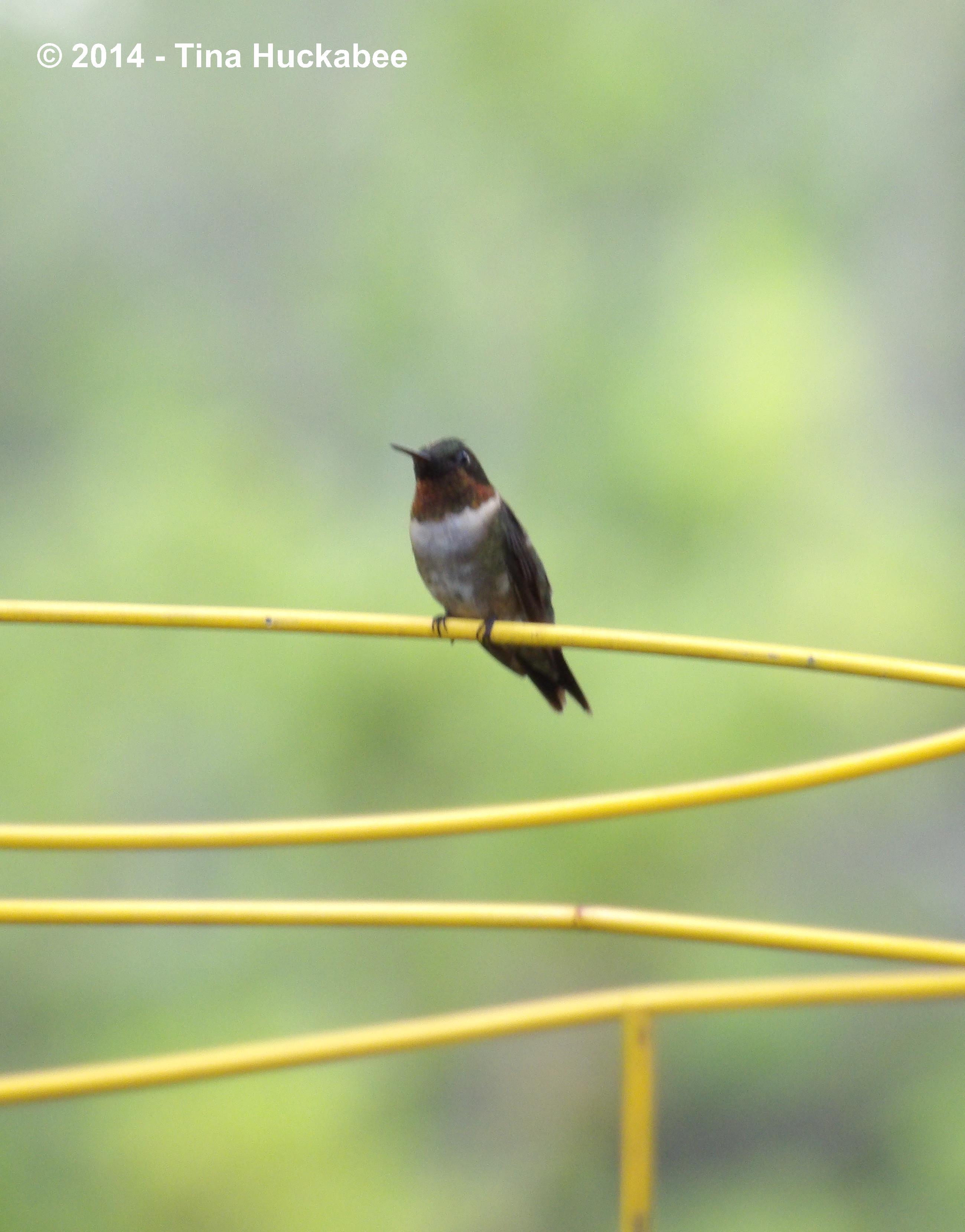
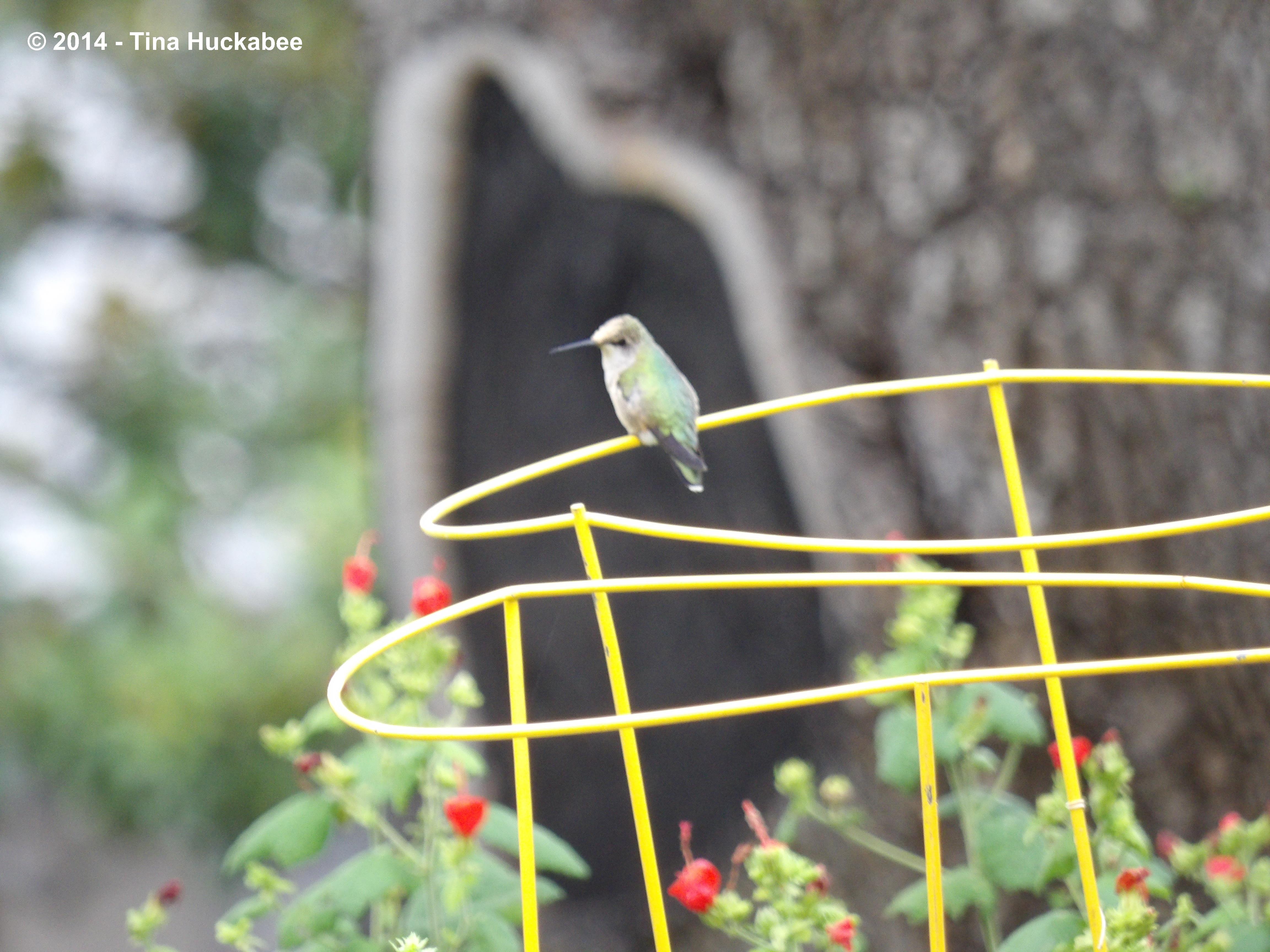
Late summer has always been the best time of year for hummingbird viewing in Austin. There aren’t as many hummers as there once were (sadly, that is a common refrain in gardening and wildlife circles), but there were more hummingbirds in my gardens this past month than in several years. For a few days there was quite the hummingbird rumble occurring in my front gardens. Primarily between this one,

and this male Ruby-throated Hummingbird, Archilochus colubris.
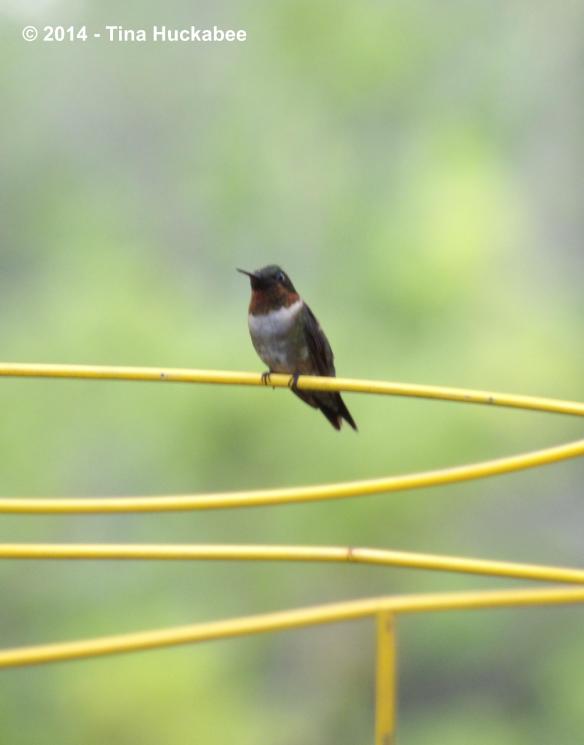
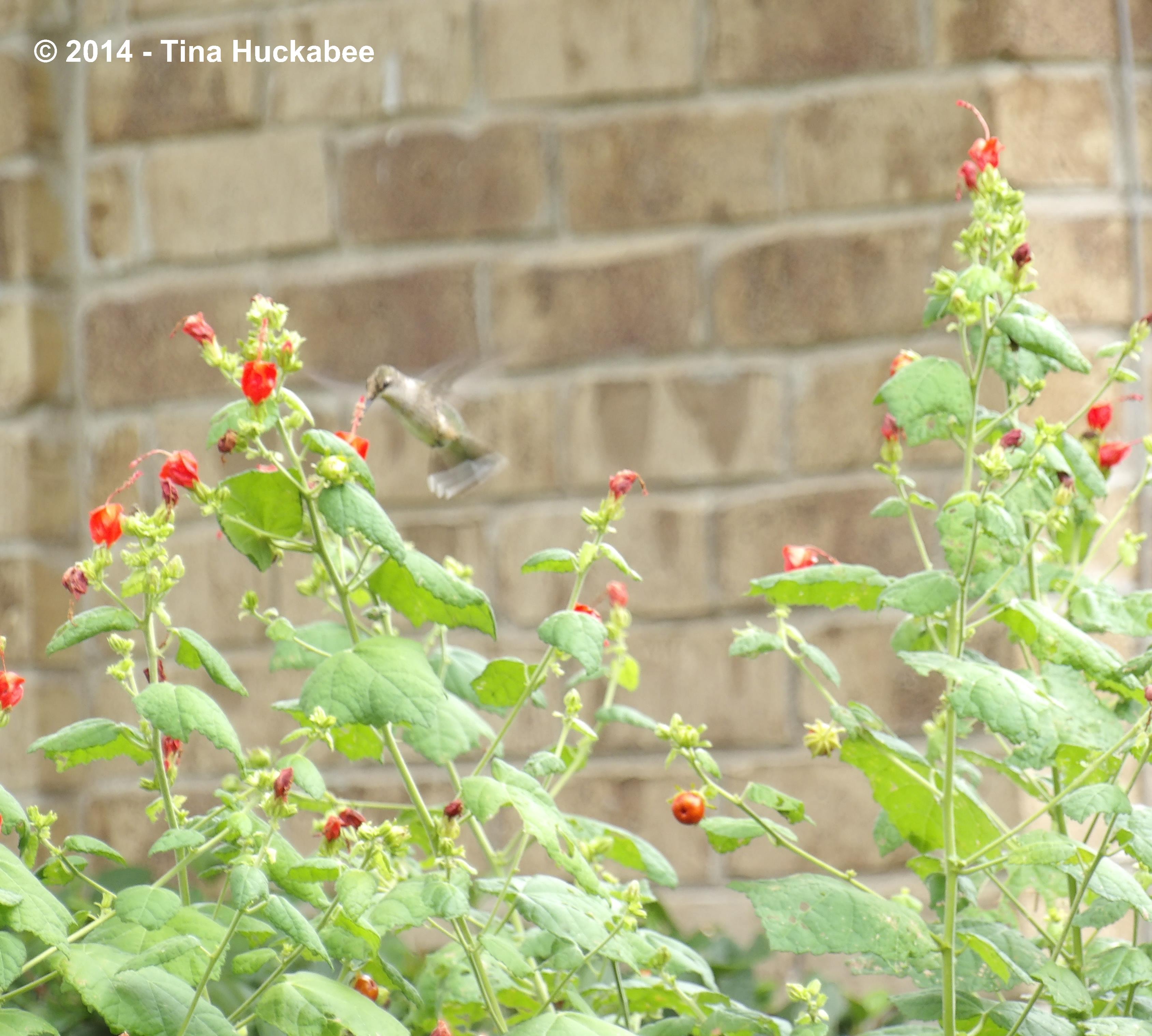
These two and several others that I couldn’t get photos of, dive-bombed and chased each other–all between sips from the blooms of Turk’s Cap, salvias of all sorts, Barbados Cherry and numerous other quick-stop nectar sources. The adversaries took turns landing on the top of the tomato cage on the Green Tower, presumably to survey their territory and harass competitors as needed.

The Ruby-throated Hummingbird was an easy identification, but not so this other hummer.

At first, I thought it was an Anna Hummingbird, but once I read they neither live nor migrate anywhere near Central Texas, I discounted that identification. Duh.


I’ve decided that this hummer is either at female Ruby-throated or a female Broad-tailed Hummingbird, Selasphorus platycercus. I’m leaning toward the Broad-tailed as the correct identification only because of the slight orange tint toward the bottom of her belly.
The Hummingbird Wars were entertaining, with the hummers zooming and buzzing by me a they waged their territorial turf war. I tried to talk sense to them, to convince them that there is plenty for everyone and that they need to work and play well together. Alas, they continued aggressively protecting their temporary food bar. I left town, a cold front or two has blown through, and I haven’t seen any hummers since because they ride the southward-bound winds to Mexico and Central America. I wish them well as they make their way, each migrating alone, to more southern latitudes and tropical growth–where there should be plenty of nectar for all to share. Play nice, little hummers.

I enjoy lots of wildness in my gardens and I’m sure you do too. Please join in posting about the wild visitors to your gardens for October Wildlife Wednesday. Share the rare or mundane, funny or fascinating, beneficial or harmful critters you encounter. When you comment on my post, please remember to leave a link to your post for Wildlife Wednesday so we can all enjoy a variety of garden wildlife observations.
Happy Wildlife Wednesday and good wildlife gardening!
















 My Gardener Says...