They’re Coming! It’s Coming!

Last week while winging my way home from Oregon, I read this article on the Lady Bird Johnson Wildflower Center’s Facebook page. The article, from The Atlantic CityLab, by John Metcalfe, discusses a weird “cloud” moving southward into and through the mid-western states. Meteorologists realized that the “cloud” is actually swarms of migrating Monarchs. They’re coming! By the thousands and thousands, so it seems.  After the steep decline of the Monarch butterfly species in the past two decades, for this season at least, the numbers appear stronger than in recent years.  Not as strong as they should be, but better than they’ve been. I hope this might indicate that the population of this iconic and unofficially threatened North American butterfly, is on a rebound.  Considering the threats to their habitats and migration routes, time will tell whether this butterfly species will survive.

I’ve only seen a couple of Monarchs here in Austin, but am heartened by this news. Truly, truly heartened.  My garden is flush with blooms of all sorts, so I hope these lovely insects will stop by for a visit, a sip and a re-fuel as they make their way to Mexico.

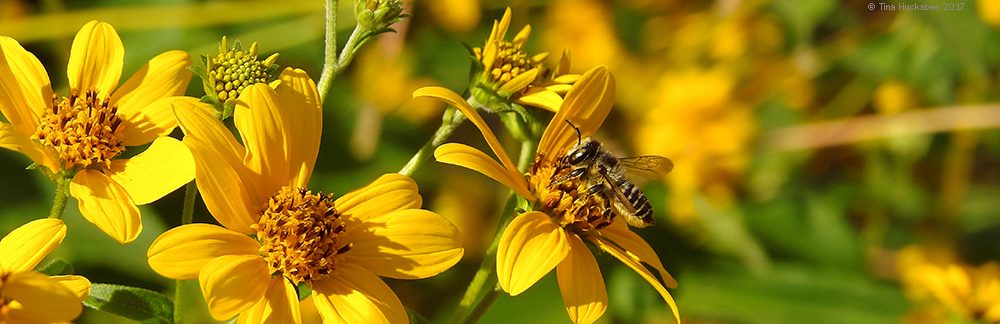
I doubt this dude is waiting for Monarchs, but what could he be waiting for? P1060981.new

Maybe for Wildlife Wednesday and his chance to shine in the garden blogosphere? Wildlife Wednesday, which is this Wednesday, October 1, showcases the wild and wonderful critters in our gardens. On the first Wednesday of each month, garden bloggers are welcome to join with me in sharing photos and stories about wildlife in our gardens: the flighty, fluttery, creepy, and crawly who are essential to the purpose of a garden.

Be there or be square.  Wildlife Wednesday, this coming Wednesday, October 1.

Luscious Lycoris

It’s fall!!

RICOH IMAGING

I can always tell, especially when these beauties surprise me.  Even if I wanted to, there’s no way to ignore this!

IMGP0029_cropped_3161x2401..new

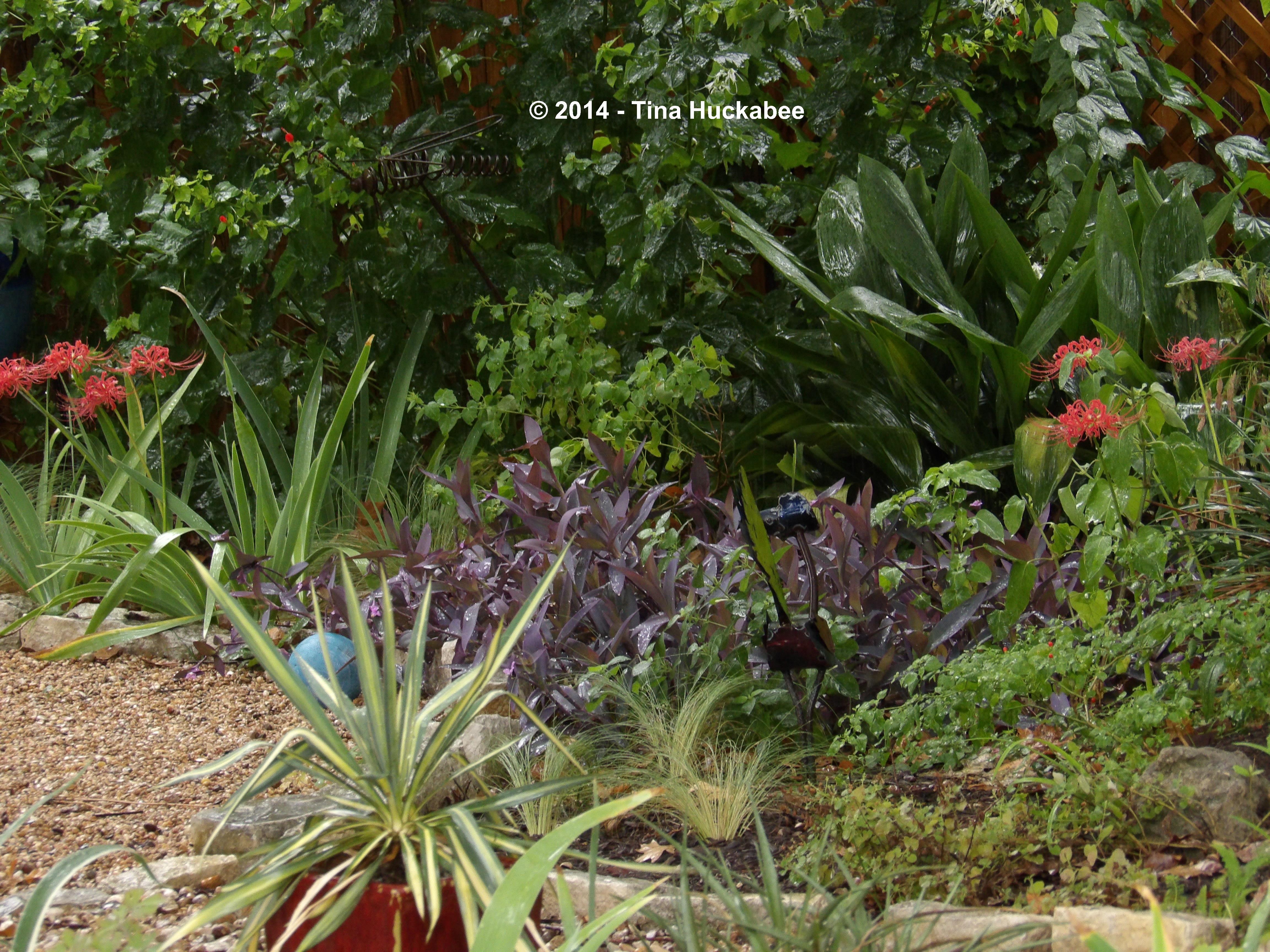
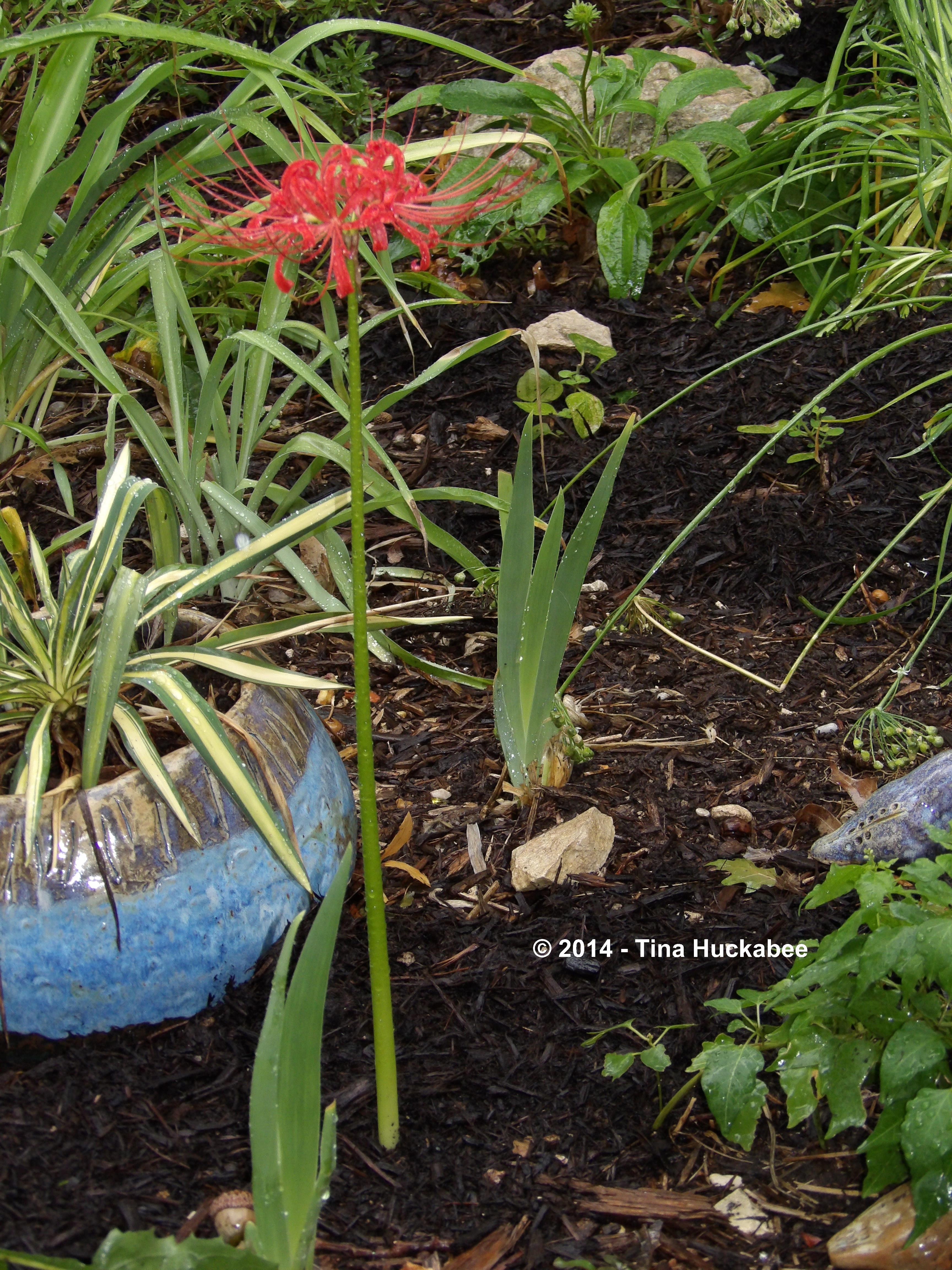
After our first decent rain in early September, the Red Spider Lily, Lycoris radiata, sends up its bloom stalk and in the following days, stunning blooms unfold.

IMGP0030.new

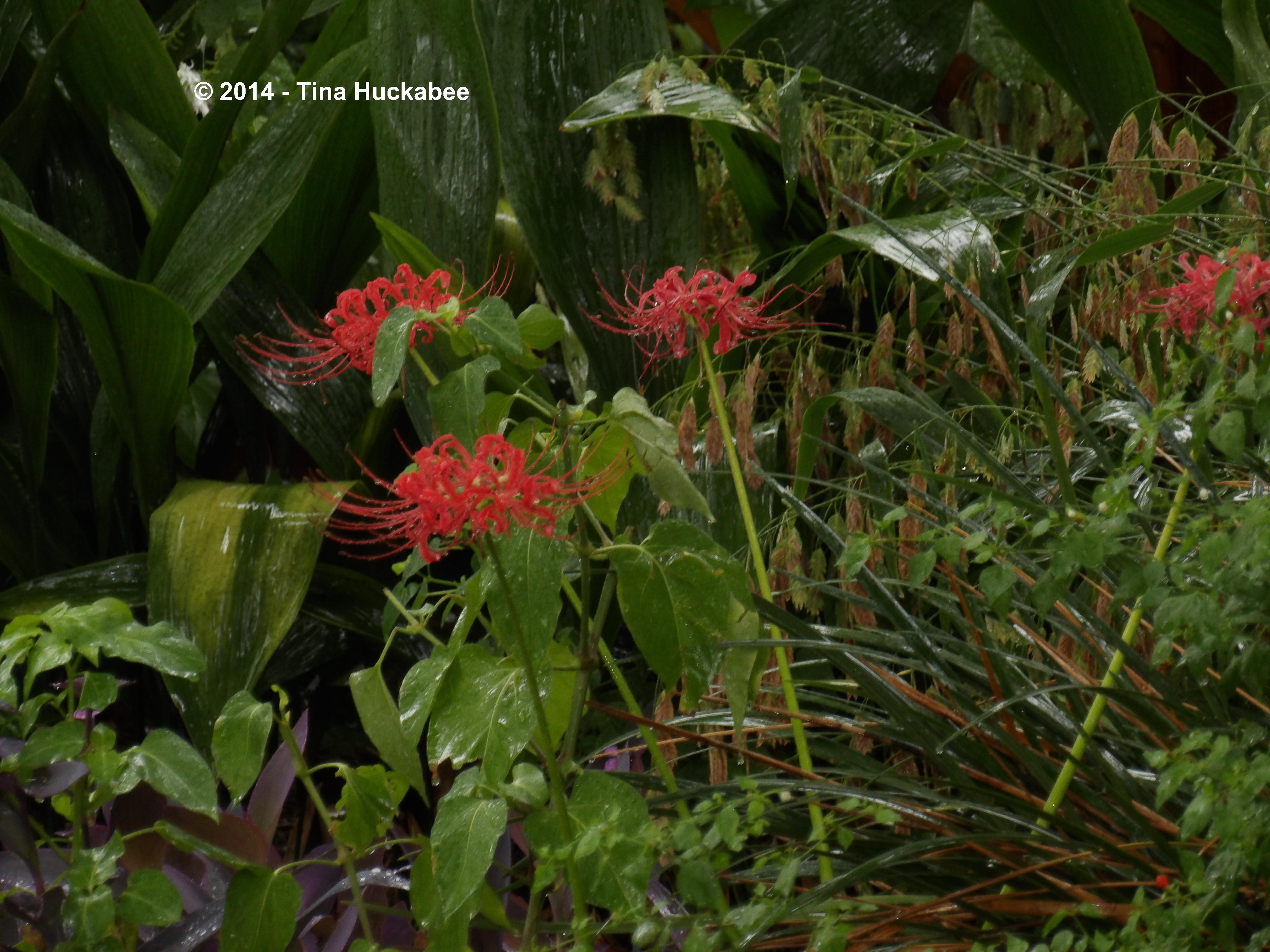
The long stamens give rise the the common name, spider.

IMGP0075.new

These petals and those extravagant stamens still sported rain drops on a recent morning after overnight rain.

In the Amaryllis family and native to the Far East, this bulb has naturalized in the southern part of the United States. Here in Austin, they’re easy to grow.  Plant now (in the early fall), in a part shade to shady spot and wait.  And if you’re like me, forget about them, go on with your life, your stuff, and your gardening.  Then be happily surprised each September–I never remember that I’ve planted them.  They pop out of the ground and do this:

P1070254.new

…and then they do this.

IMGP0130.new

IMGP0028.new

Usually there are several blooms, one atop each scape, rising from the dormant-since-last winter bulbs.

After the flowers fade, the foliage will emerge–it looks similar to liriope foliage, except with a pale-yellow stripe up the middle.  The foliage will stick around until sometime in late winter–I don’t really know because I never realize that they’ve gone.

I only have three groups of L. radiata.  In this area I planted two bulbs in two different spots,

IMGP0132.new

IMGP0128.new

…while here resides a single bulb.

IMGP0136.new

I planted my bulbs three years ago and this is the second year they’ve bloomed. They seem happy here.

IMGP0129.new

So you know how I’m always preaching about planting for pollinators–bees, butterflies, and other assorted wildlife?  Well, forget all that for this one post:  you plant Red Spider Lily for yourself.  Go ahead, be completely selfish and shoot for style over substance. I’m sure in its native range, there’s something that feeds on Lycoris radiata–but not here.  No sir, I haven’t seen anything so much as hover around the Spider Lily, wondering whether this is something worth sipping from or chewing on.  This plant is for looks only–it’s a total fluff plant, indulging the pretty-plant-person resident in every gardener.

IMGP0134.new

And that’s okay.

P1070349.new

Plant, wait. enjoy!!

IMGP0450.new

Foliage Follow-up, September 2014

As with our blooms, the Central Texas foliage perks up with September rains, shorter days, and the suggestion of cooler temperature ahead.  I join with Pam at Digging to celebrate the end of summer, new beginnings for autumn, and all things leafy.

The pond garden is a riot of fascinating foliage.  Just take a look! P1070046.new

Lots of foliage action in this shot!  Clockwise from the bottom, the actual water plants include the lily pads of the two lilies I grow (Colorado and Claude Ikins), the Ruby Red Runner, and the showy leaves of the Pickerel RushPontederia cordata.   All three pond plants contribute to the biological filtration of my pond, though I also have a mechanical filter.

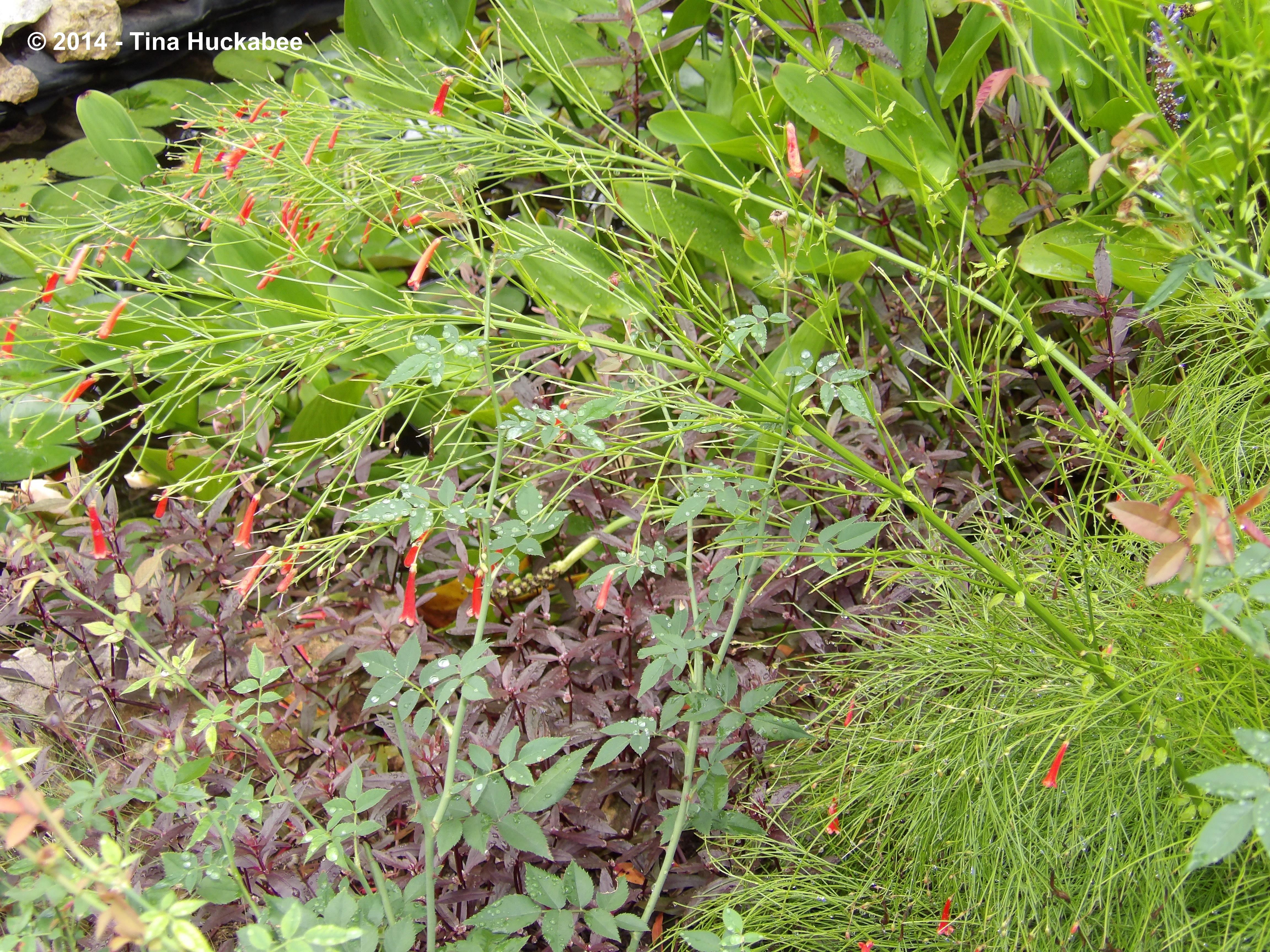
Continuing with the tour d’ foliage, the plants adjacent to the pond include tropical Yellow Bells, Tecoma stans, Soft-leaf Yucca, Yucca recurvifolia, Firecracker Plant, Russelia equisetiformis, Martha Gonzales Roses, Iris, Autumn Sage, Salvia greggii, and Mexican Feathergrass, Nassella tenuissima.  All of these perennials sport differing widths, textures, and colors of leaves.

P1070034.new

Ruby Red Runner dies back in the winter, but by late summer into fall it’s full-on lovely and spreading.

P1070042.new


P1070035.new

It’s seeded out in several places around the pond. This plant, usually used as a waterfall biological filter and prized for its attractive foliage, produces teensy puff-ball flowers,

IMGP0402_cropped_3073x3308..new

…which go to seed, thus, the spread.

Another view of the plants near the pond…

20140914_19.new

Not much blooming in those photos, but a variety of leaf beauty.

I particularly like these water shots with the creeping roots of the Ruby Red Runner, spreading its spidery fingers toward the lily pads,

P1070057.new

P1070056.new

…as if the roots are creeping outward to grab the pads.  Or maybe they’re just reaching out for a watery hug!

The soft, elegant foliage of Lindheimer’s Senna, Senna lindheimeriana,

20140914_11.new

lends structure to, but also softens the back of my garden.  Combined with the bright green leaves of the Yellow Bells and spiky, but matching-in-color American Century Plant, Agave americana,

P1070358.new

20140914_14.new

…the Senna fits well in this spot.

The morning after a recent rain,  the foliage of the Purple Heart, Setcreasea pallida, retained droplets along its edges.

20140914_54.new

With “traditional” autumn coloring, (which doesn’t happen for Central Texas on a large-scale until late November/December), the plumes of the Maiden Grass, Miscanthus sinensis ‘Adagio’, beautifully complement the flowers of Turk’s CapMalvaviscus arboreus, and the orange blossoms of Flame Acanthus, Anisacanthus quadrifidus var. wrightii.

P1070133.new

Here’s a closer look at the inflorescence of the Maiden Grass.IMGP0268.new

Along with the orange-y and autumn-y color theme, this new ceramic container is planted with the ‘Color Guard’ YuccaYucca filamentosa ‘Color Guard’, accompanied by Woolly Stemodia, Stemodia lanata.

P1070197.new

The container sits amidst a nest of blooming and berrying Pigeonberry, Rivina humilis.

What interesting foliage is gracing your garden space now?  Celebrate foliage in your gardens and learn about other foliage by visiting Digging for September Foliage Follow-up.