Tree Following: Retama in December, 2014

Meet my tree, the Retama, Parkinsonia aculeataIMGP2888.new

I’m new to the Tree Following meme, having joined last month, but my tree is native to Texas (where I’m also a native), as well as other areas of the southwest United States, Mexico, and parts of Central and South America.  Last month, I profiled this lovely, small tree in a general way and this month? Let’s see what’s happening, shall we?

Mostly, it’s dropping its foliage,

IMGP2832.new

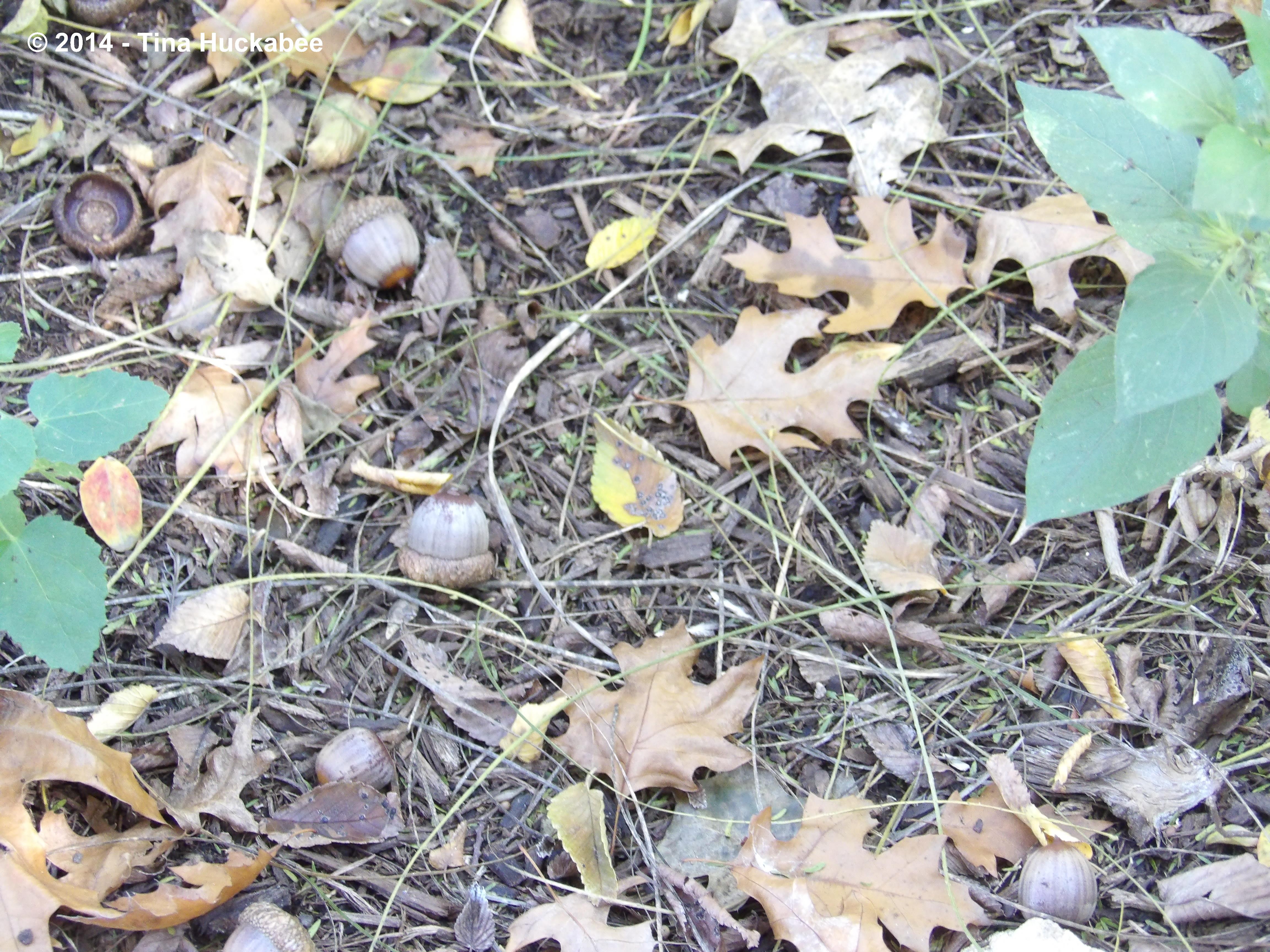
…all around its immediate vicinity.  But then again, so are other trees.  Here lie the slender stalks that are the leaves of Retama.IMGP2833.new
IMGP2881_cropped_3327x3147..new

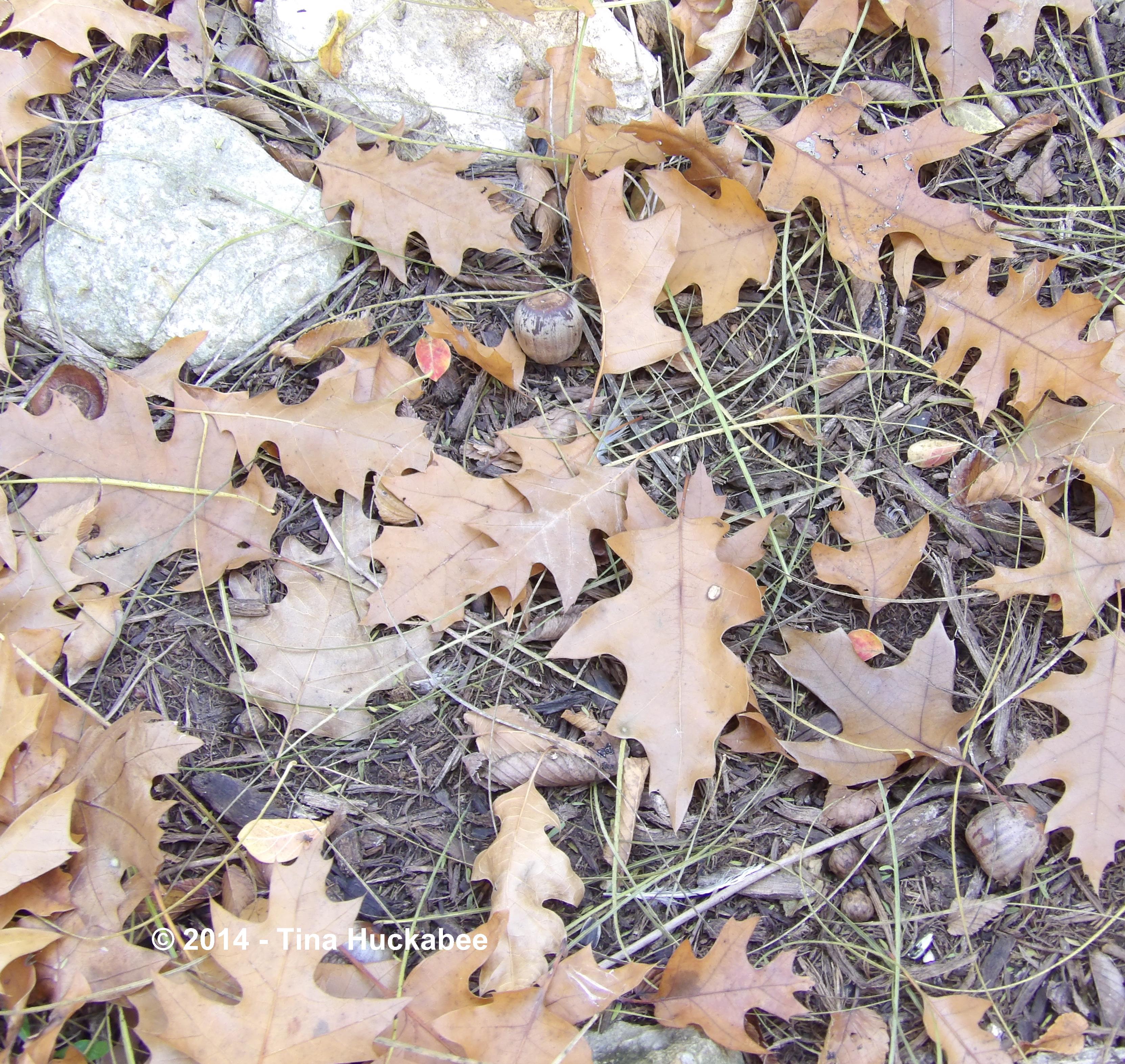
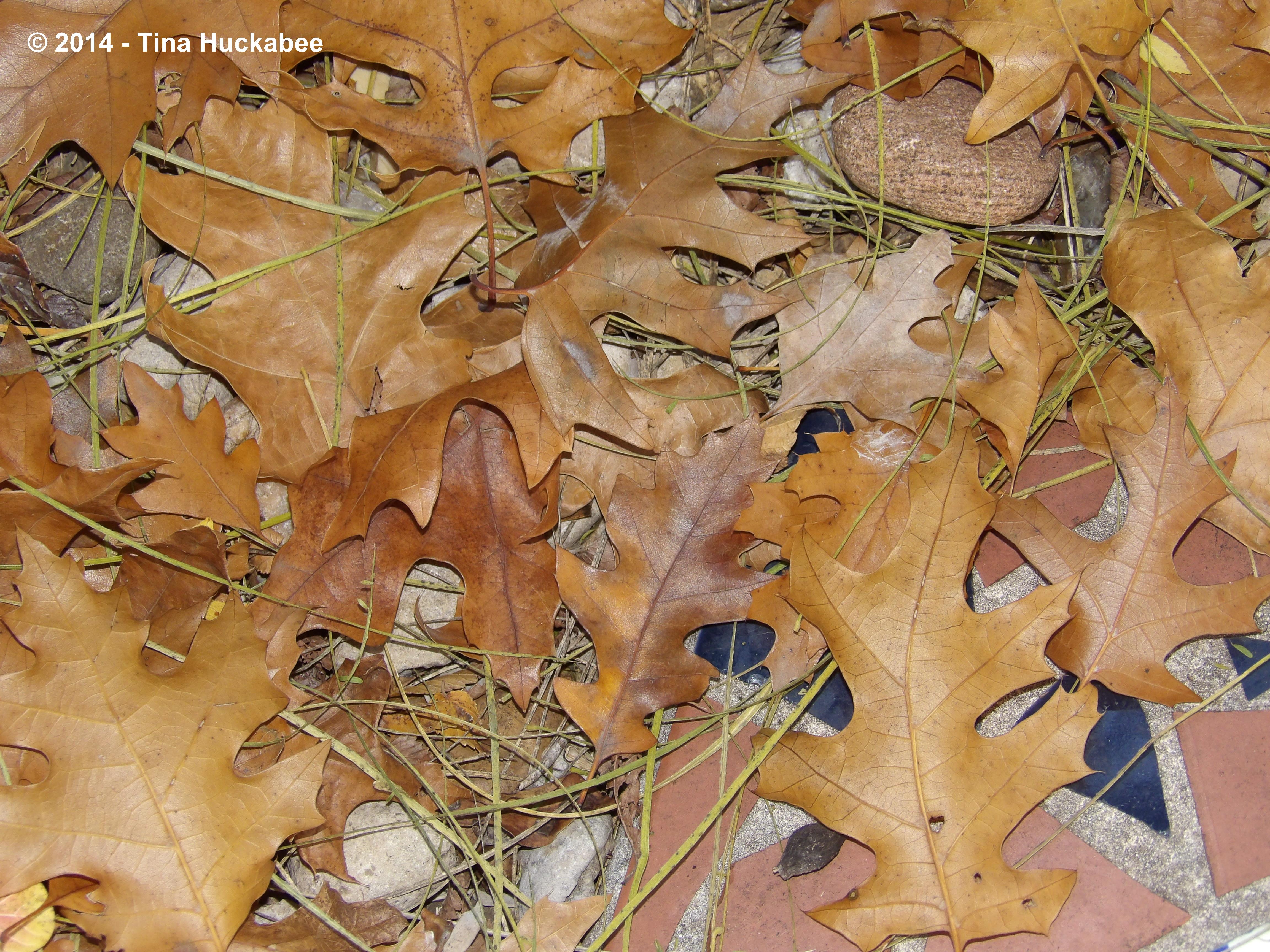
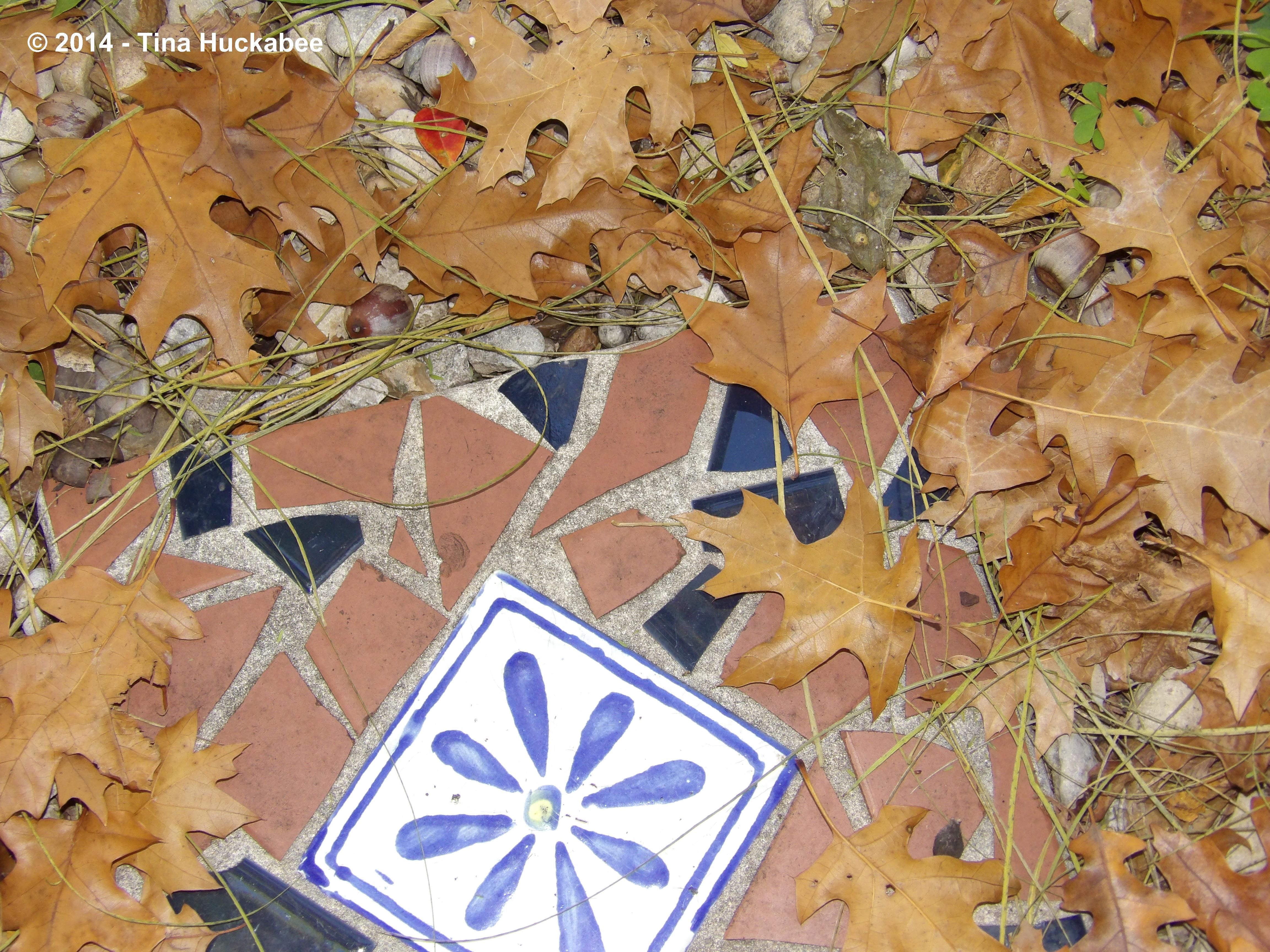
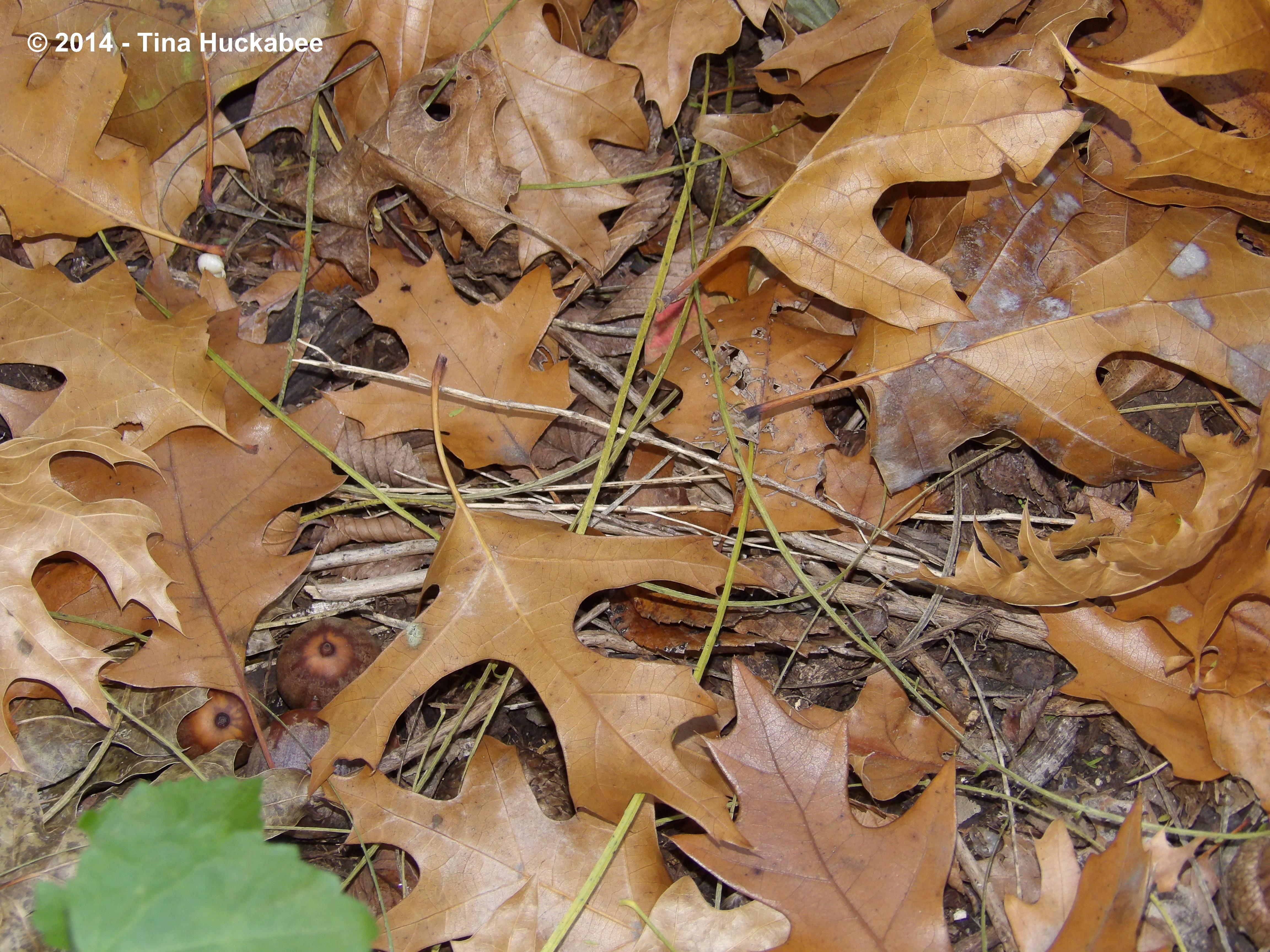
Co-mingling on the ground along with the turned and fallen brown leaves of a nearby Red Oak tree, this interesting foliage resembles little sticks.
IMGP2882.new IMGP2884.new

IMGP2885.new

IMGP2886.new

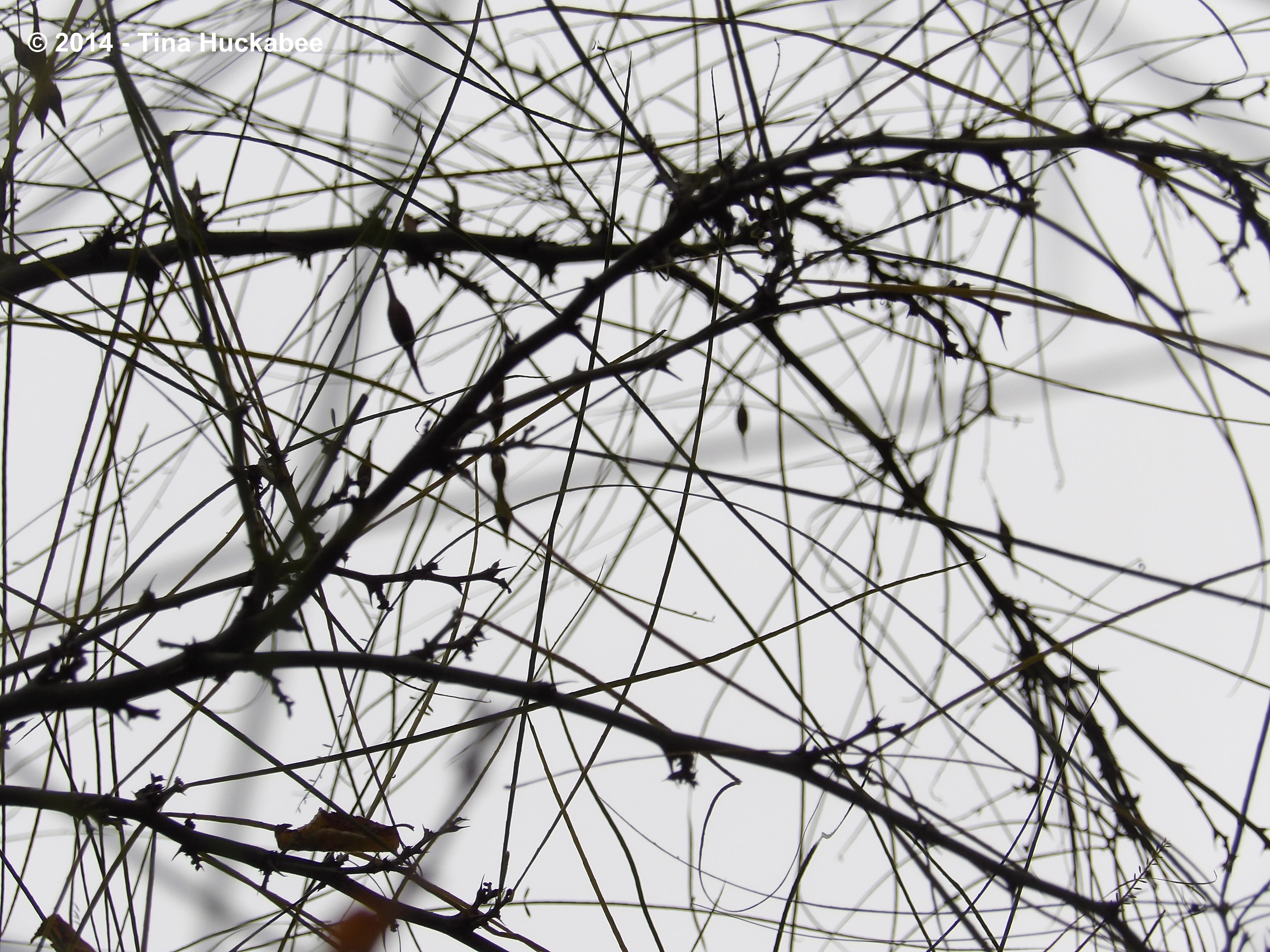
Not sticks though, these are leaves, commonly referred to as “stalks.” The leaf structure of the Retama is unusual–a botanist would describe it as bipinnately compound; there are two stalks from an axis and each stalk has series of tiny leaflets arranged on either side of the stalks.  Most of the stalks and leaflets from my tree have dropped, but you can see remaining ones in silhouette against the sky.

IMGP2942.new IMGP2944.new

As days shorten and cooler temperatures reign, the remaining stalks and leaflets will exit from the tree. Retama is dormant in winter, though during a prolonged drought, the same defoliation process occurs and the trunk and stems carry on the photosynthesis function of the foliage.

IMGP2941.new The Retama is a valuable medicinal plant.  In Brazil, where it’s also  a native, parts of this tree have been used as a traditional remedy for hyperglycemia. In 2011 an article was published about the antidiabetic properties of Retama in Evidence-Based Complementary and Alternative Medicine journal.  Using “aerial” parts of the Retama (parts that are above ground), these researchers dried and combined a powered form of the plant parts in a suspension which was administered to rats (yeah, sorry about that…).    Simplified, the results indicated a decrease in both blood and urine glucose in the rats, without accompanying toxicity or negative side-effects related to the use of this plant during treatment.  Diabetic rats showed improvement in kidney, adipose tissue, and skeletal muscle tissue when ingesting the Retama suspension just before a sugar load.

The researchers concluded that the use of P. aculeata, (what I like to call Retama) is an appropriate treatment either alone or in conjunction with other medications for the treatment of diabetes mellitus.

That’s very cool.

If you’d like to read the full article, click here.  This is the full citation:  Ana Catarina Rezende Leite, Tiago Gomes Araújo, Bruno de Melo Carvalho, Maria Bernadete Souza Maia, and Vera Lúcia de Menezes Lima, “Characterization of the Antidiabetic Role of Parkinsonia aculeata (Caesalpineaceae),” Evidence-Based Complementary and Alternative Medicine, vol. 2011, Article ID 692378, 9 pages, 2011. doi:10.1155/2011/692378

Interestingly, the article indicated that the area where the Retama, P. aculeata, grows in Brazil is a “semi-arid” region–much like that part of the United States where Retama is native–for example, here in Texas.

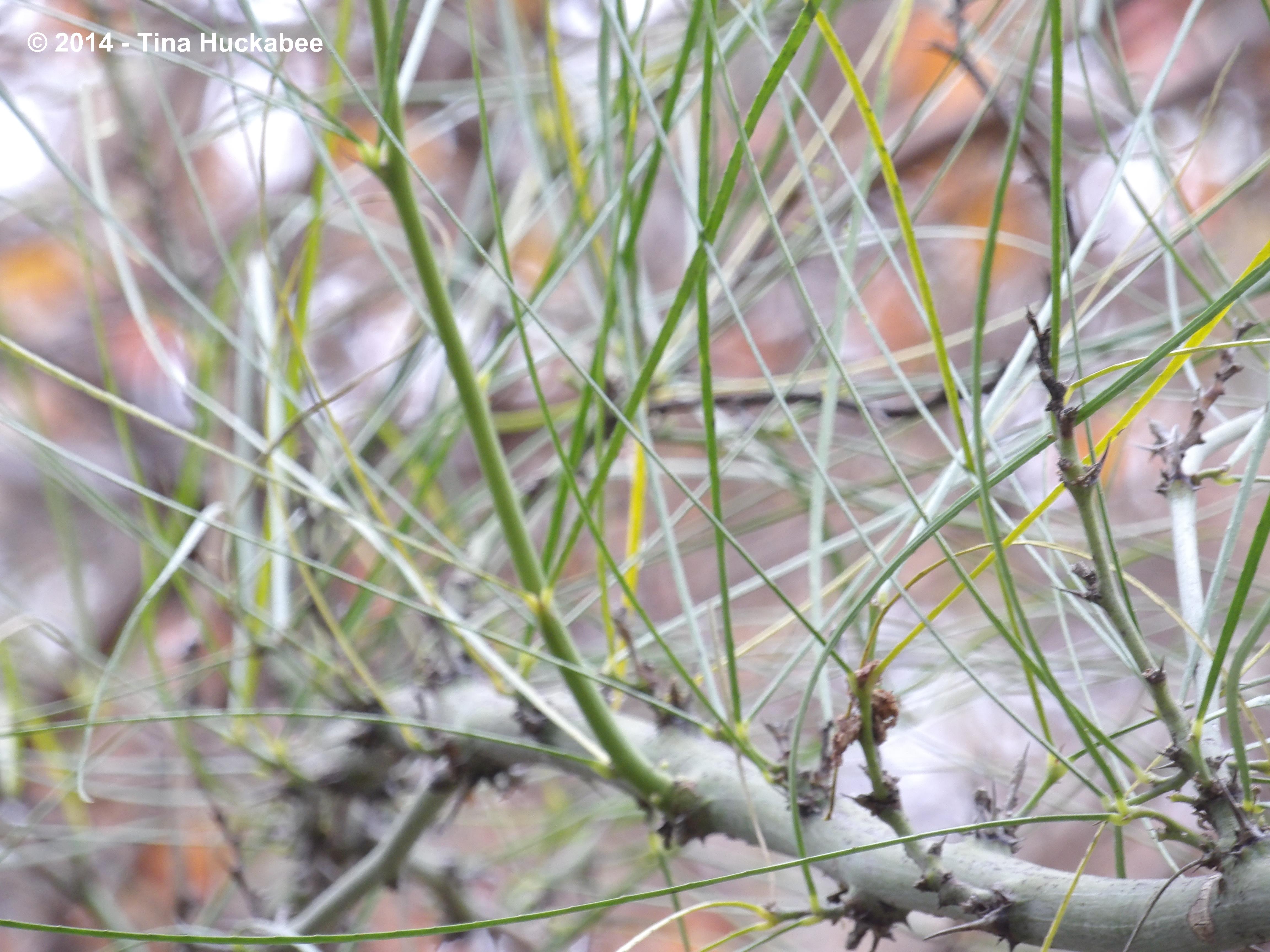
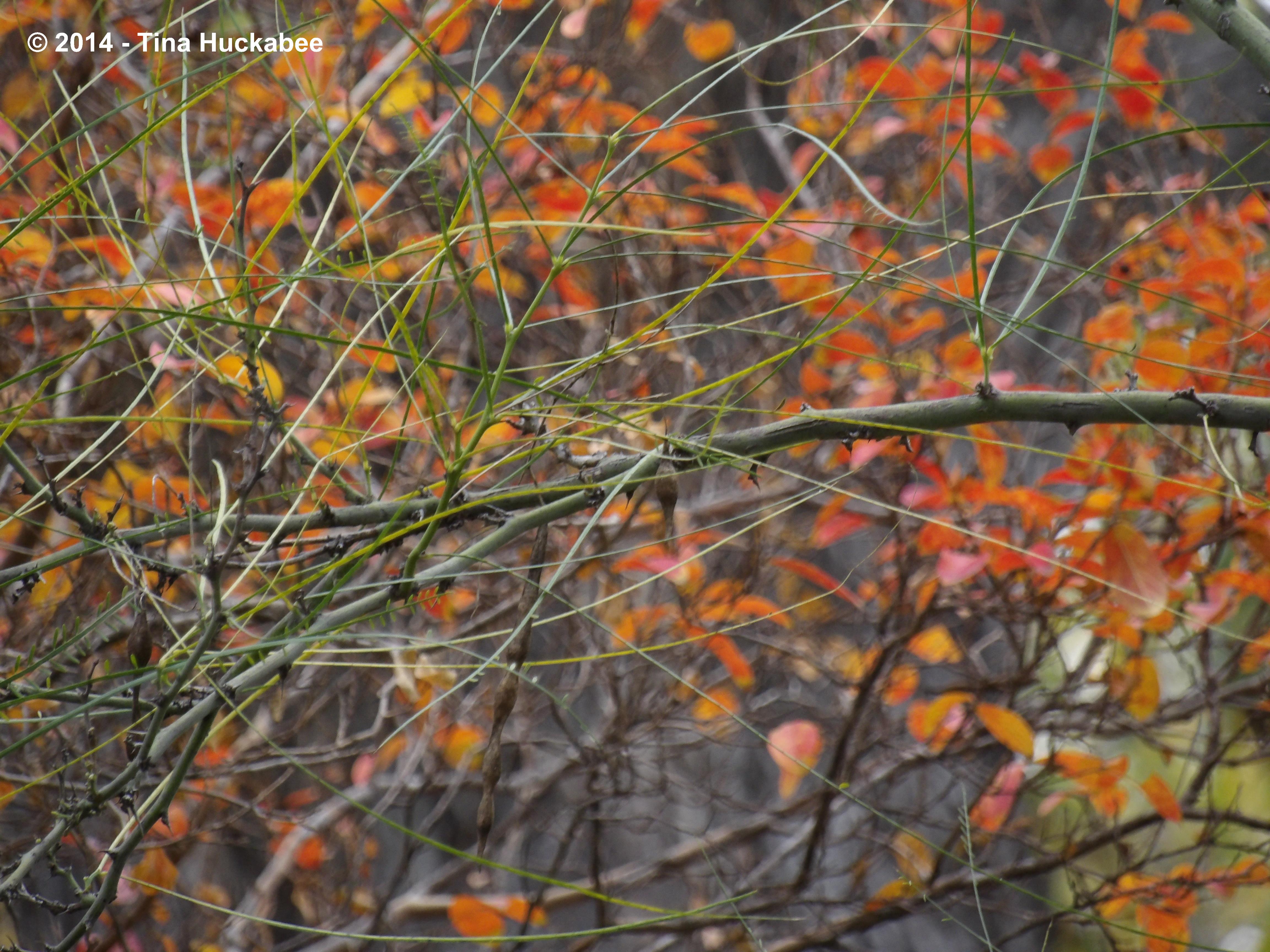
I planted my Retama because it’s pretty.
IMGP2945.new

I planted Retama because it’s a hardy, drought tolerant native Texas tree.  I also planted it because the bees and the birds like it.  I’m fascinated though, that this lovely tree helps people in a far away place and that they’ve known its value (for more than its good looks) for a long time.
IMGP2939.new

Maybe nurseries should advertise:  Retama: it’s pretty and it saves lives.
IMGP2943.new

This coming year, we’ll be learning lots of interesting facts about this extraordinary little tree.

IMGP2957.new

Thanks to Lucy for hosting Tree Following–please pop over to Loose and Leafy and check out trees being followed by garden and tree enthusiasts from all over the world.
And…They’re Off!

I released the last two Queen butterflies this week.  I brought a total of nine caterpillars into my house, mostly Queens, and one Monarch.  You can read about why I would do such a thing here and here. Three of those, all Queens, metamorphosed in the house and at least two, outdoors.

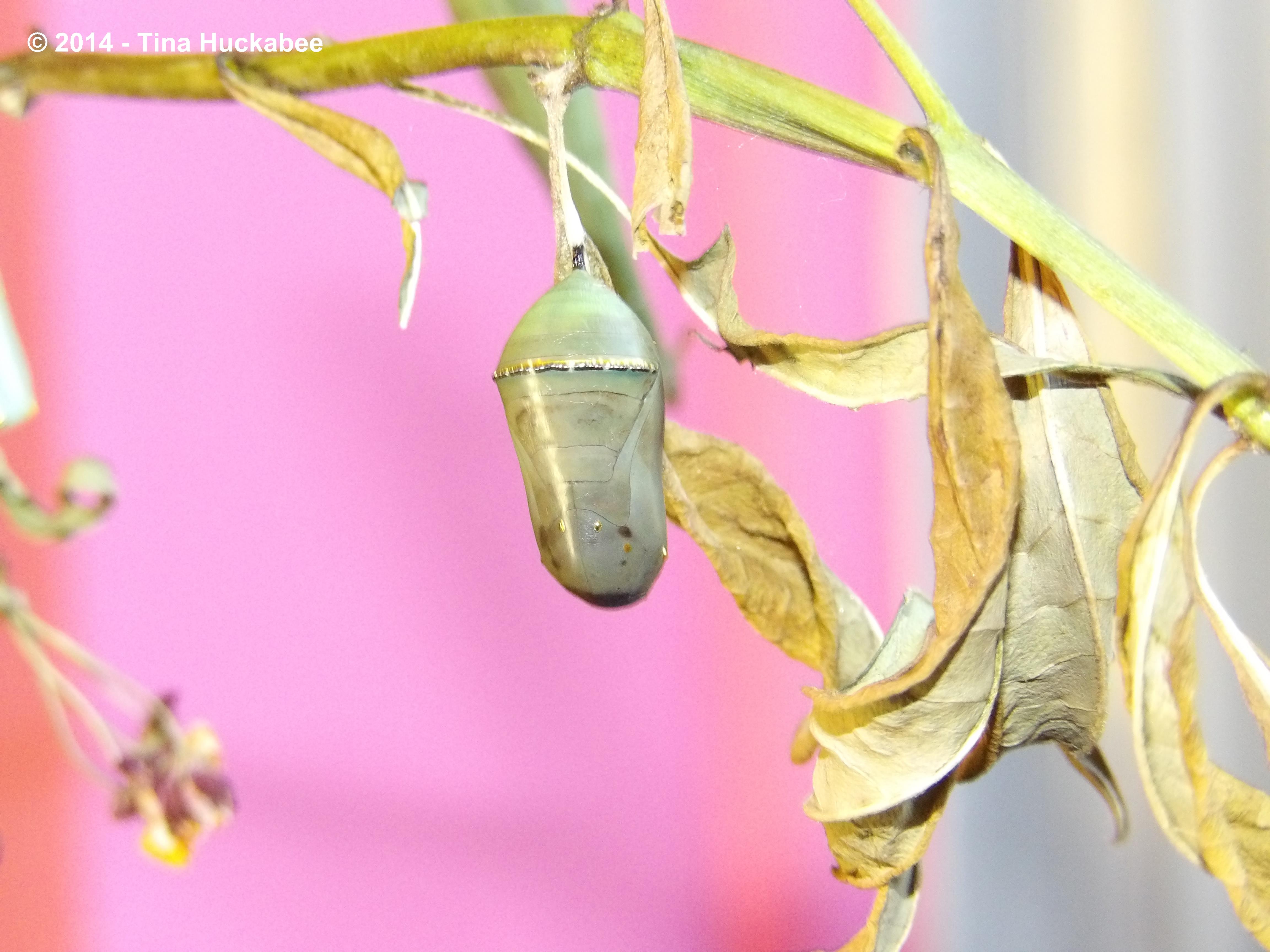
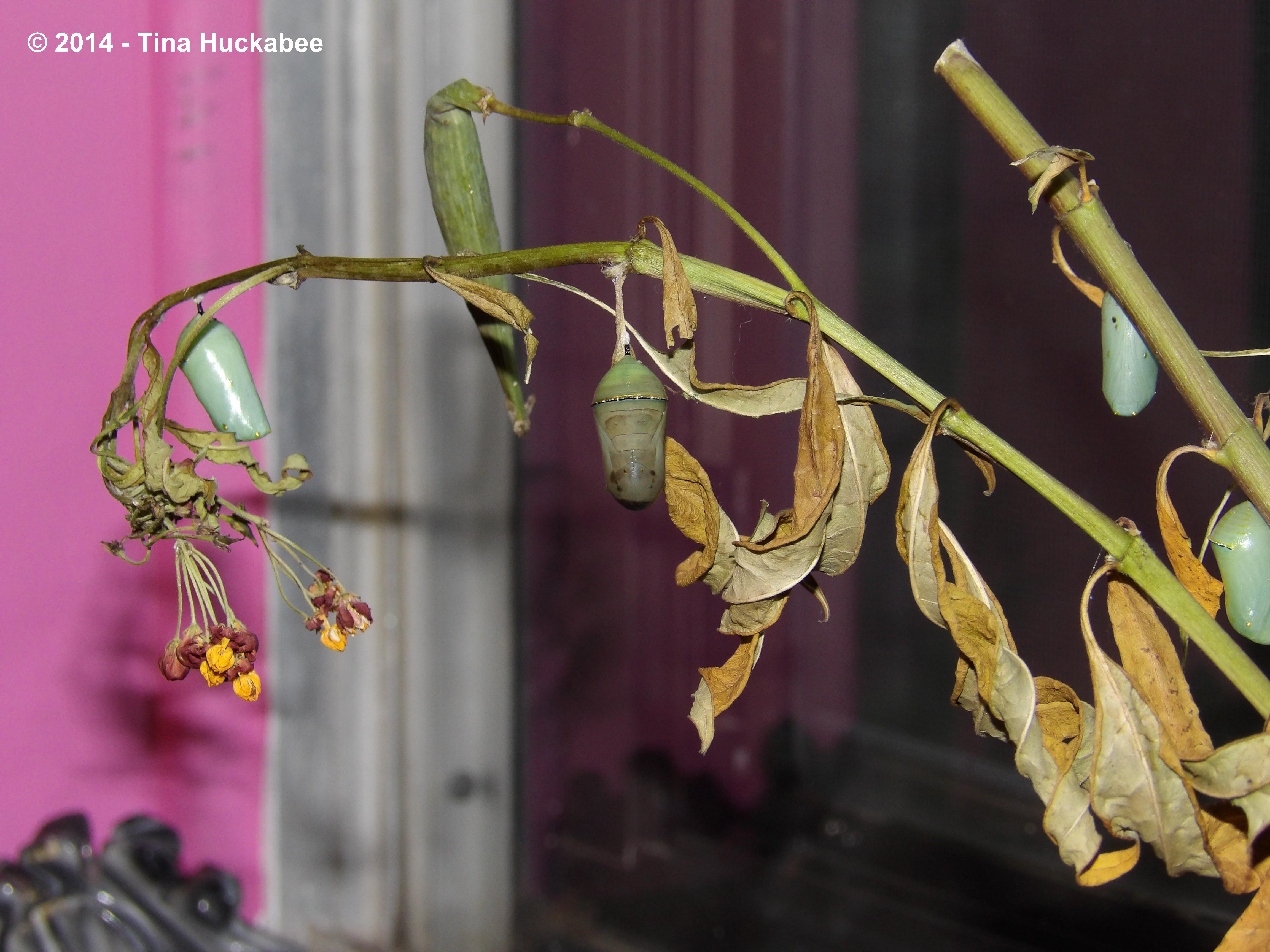
Two of the caterpillars died in the larval stage, but I’m not quite sure how many died as chrysalides.  I watched all of them for longer than the 10-14 days that is the normative time for the process and decided to remove two stems with four chrysalides to my compost pile, assuming that the very darkened chrysalides were dead.  Since I tend to be a rather lazy composter, I don’t routinely dig in new compostable material underneath the old, but rather, I dump on top.  In this situation, that was a good thing.  I checked the stems-with-chrysalides, just out of curiosity, a day or two later, and the two chrysalis shells I located were broken–not squishy as if they’d died, but actually broken as if a butterfly had emerged. My hope is that they did survive and emerge.  That’s what I’m choosing to believe and there’s nothing like a good rationalization to get through the day.

I couldn’t locate the other stem with chrysalides though. They may have actually died.  I now know that one must be careful in handling caterpillars because bacteria can damage, but I wasn’t aware of that before this little save-the-butterflies project started.  All of the chrysalides that I assumed were dead had darkened,

IMGP2828.new

IMGP2830.new

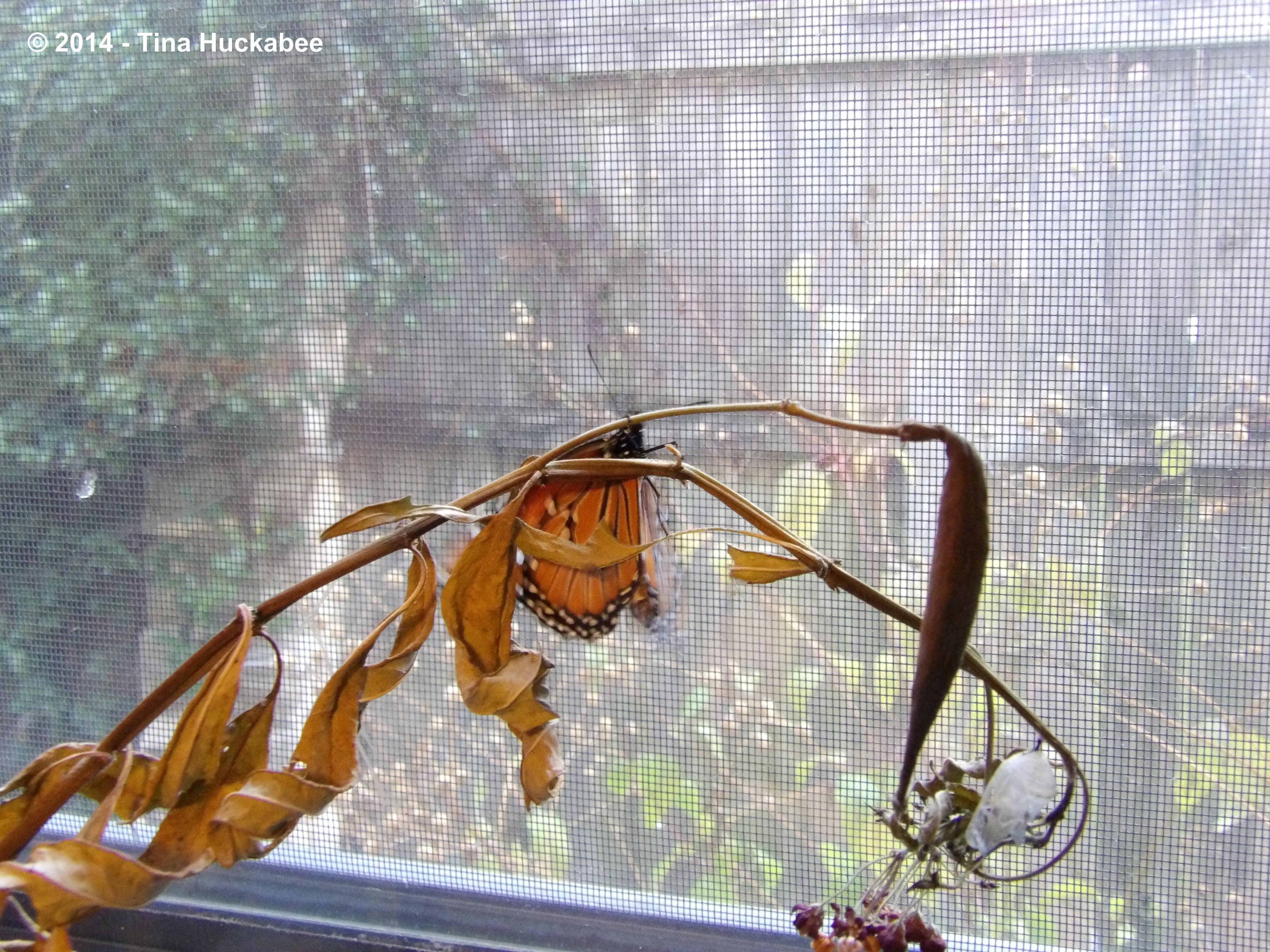
…and two of them were very dark and unhealthy looking, indeed.  So I pinned my hope on the last two chrysalides, one on a stem and the one above the window.

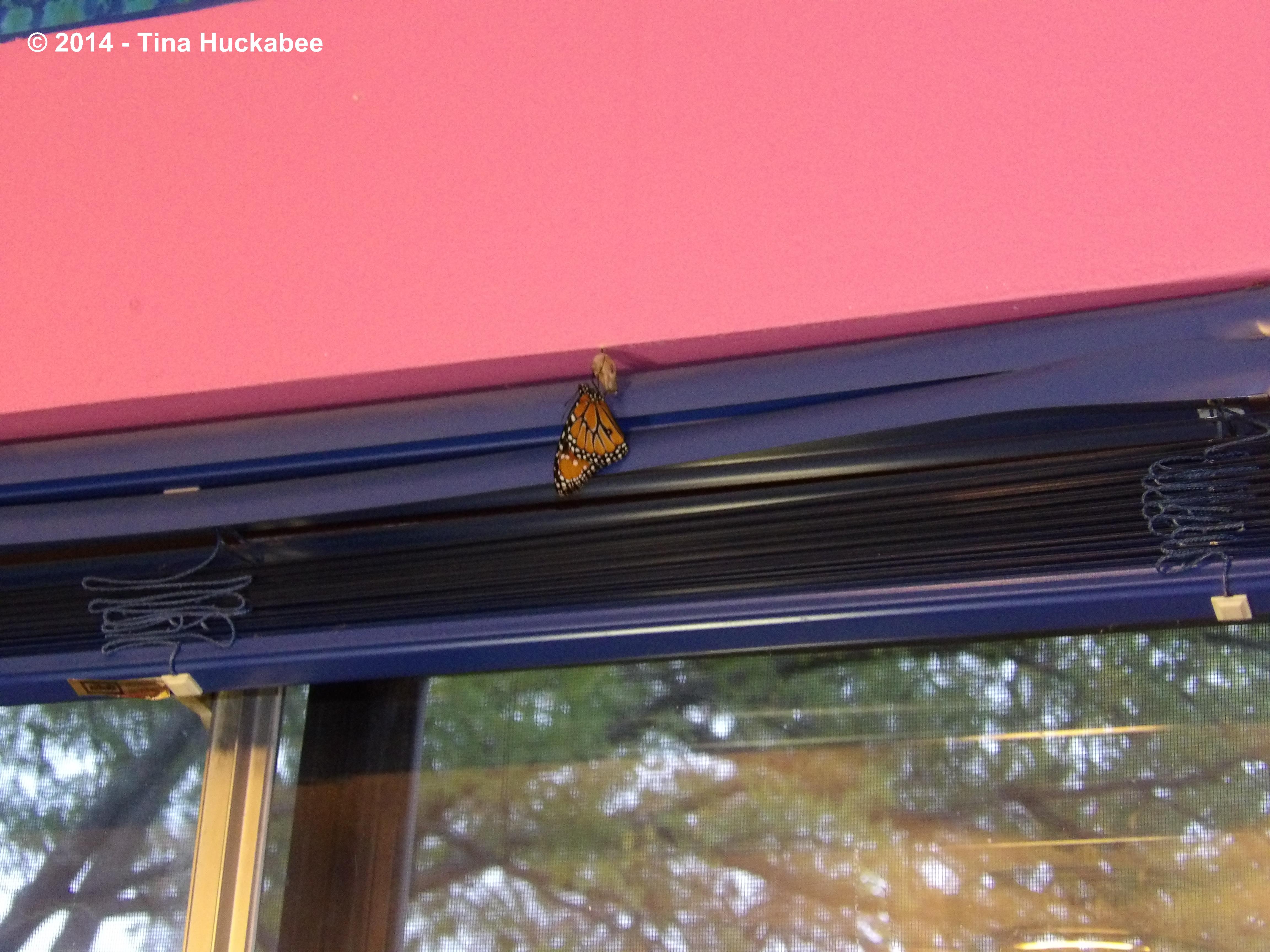
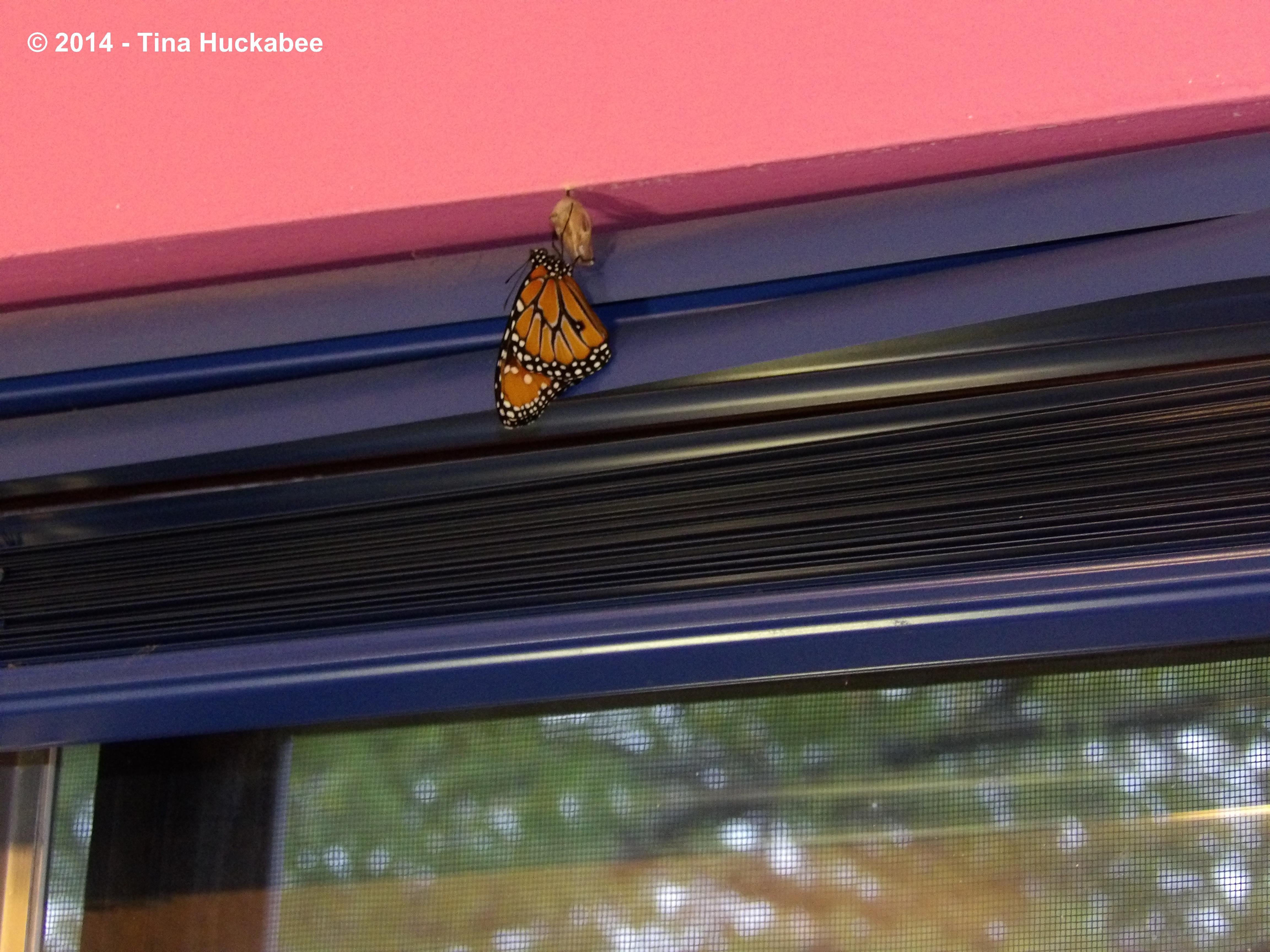
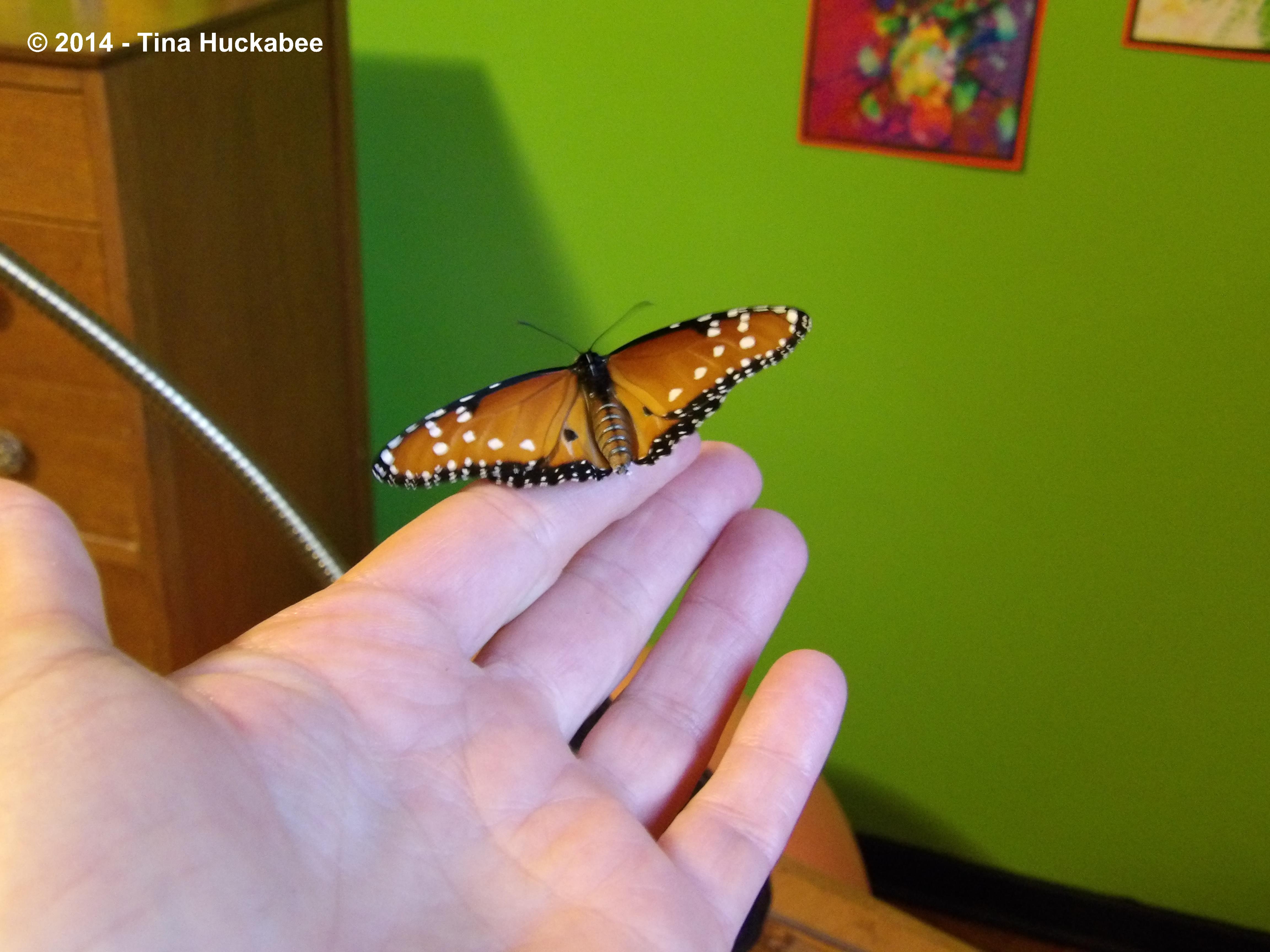
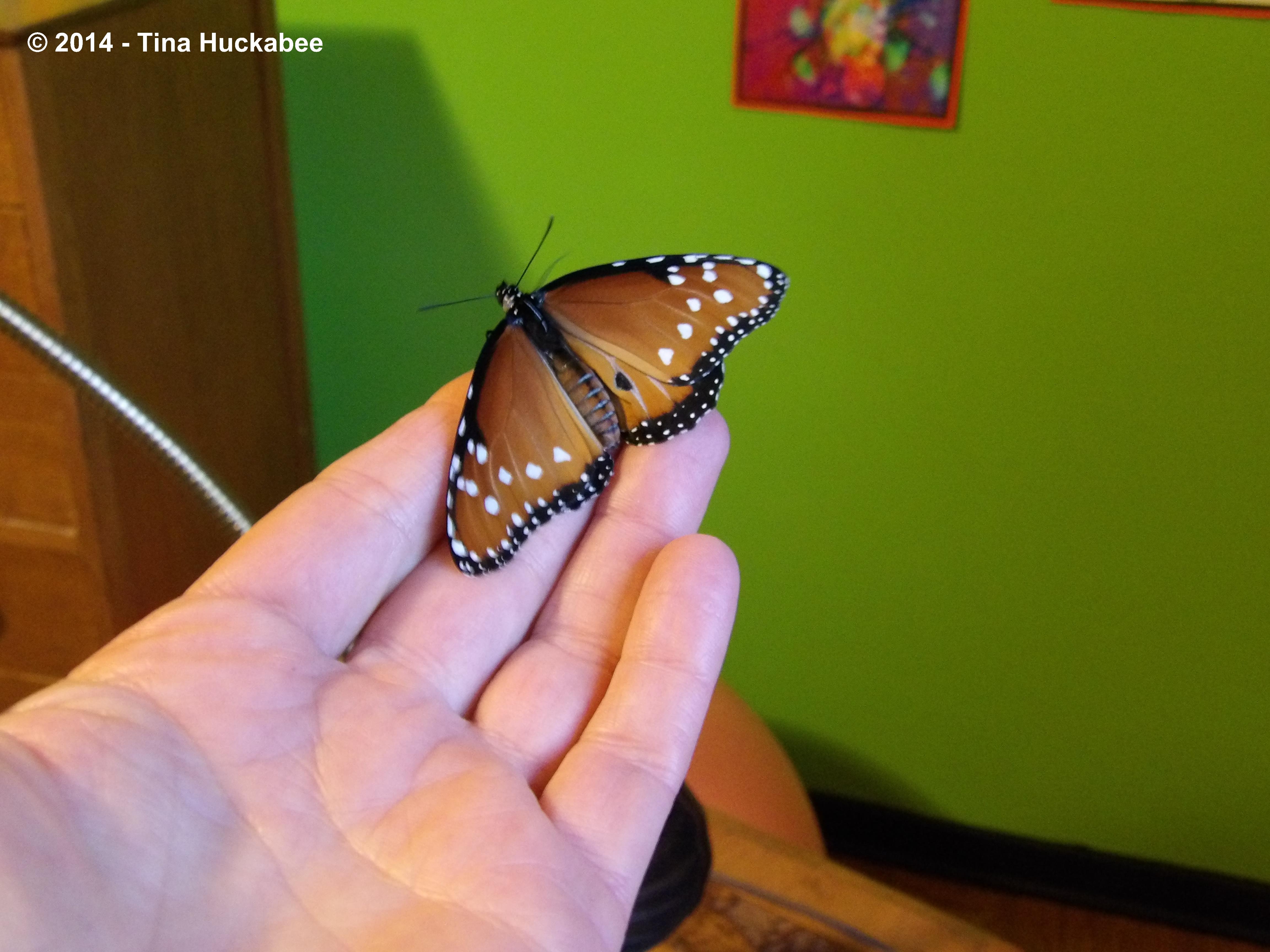
Window chrysalis opened early Monday morning and Sir Queen unfolded from his cozy pupa.

IMGP2891.new IMGP2899.new

IMGP2913.new

IMGP2915.new

IMGP2917.new

IMGP2927_cropped_2562x2894..new

Buddha-fly was female, Sir Queen is male.  Note the two dark spots on each hind wing?  Those are scent spots indicative of a male.

IMGP2929.new

Monarchs sport similar markings–both Queen and Monarchs are in the.butterfly subfamily of Danainae.

It was cold earlier this week and I decided not to release him.  Once I was confident that his wings were dry, I invited him onto my finger and placed him in a protected makeshift butterfly cage–I have cats (the feline sort) so, yeah, I think that was the responsible butterfly nanny thing to do.   Using instruction from a December 3, 2013 post by Texas Butterfly Ranch, I attempted to feed him, but he never showed interest.  Butterflies won’t eat in the first 24-48 hours, but Sir Queen never ate in my presence.IMGP2932.new

IMGP2935.new

It was an instructive and remarkable experience, hosting this handsome fellow and his lady friend the week before.  I observed closely his beautiful markings, how he’d turn his head toward me when I was near, and the intricate patterns throughout his wings, thorax and abdomen.  One can’t appreciate a butterfly in nature like this–they fly away!  And eat!  And do other butterfly related things!

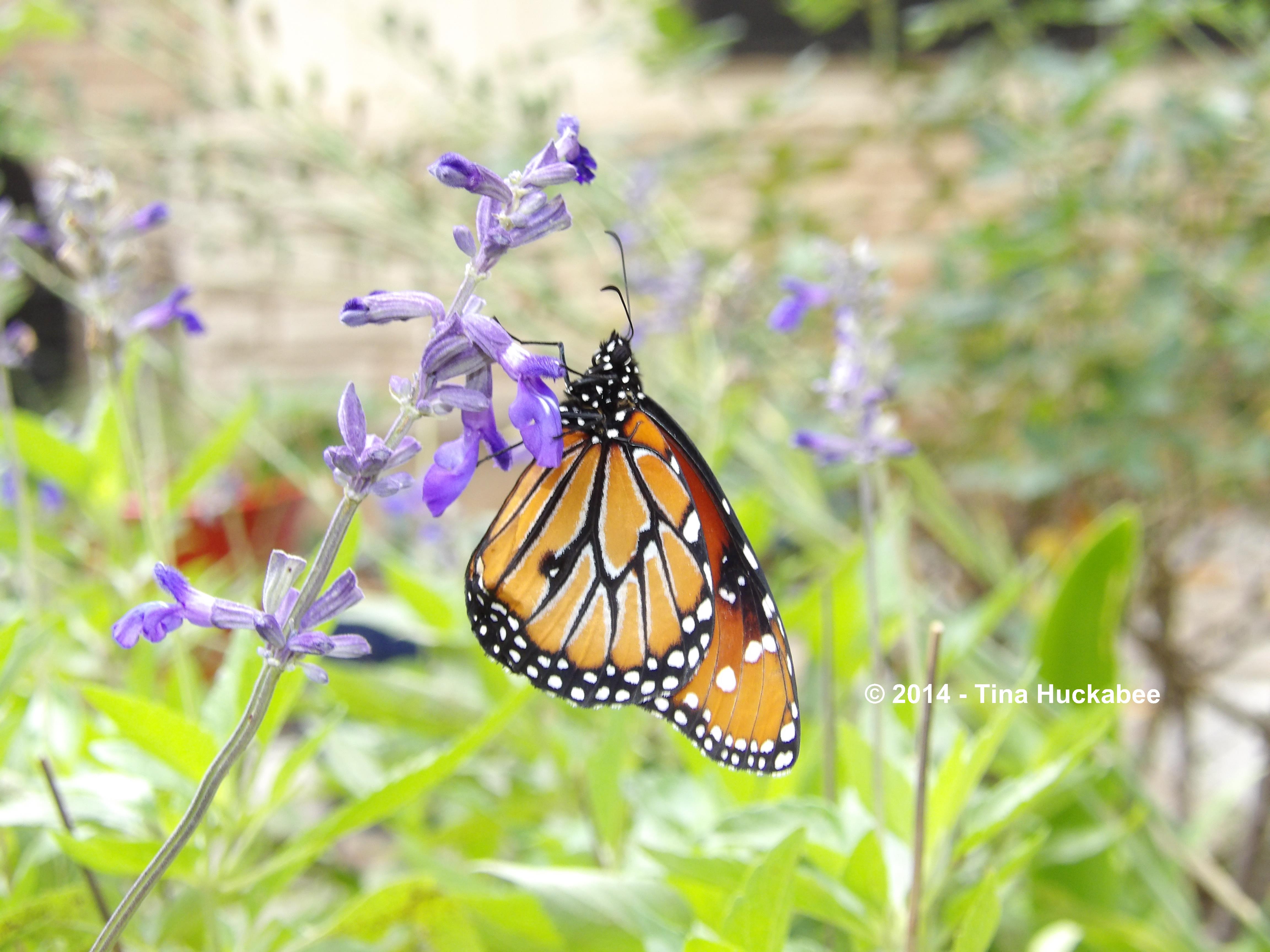
Though it continued chilly and cloudy this week,  I decided on Wednesday that it was better for him to be out there instead of in here.  It was warmer and I placed him on some still blooming Henry Duelberg Sage, Salvia farinacea, ‘Henry Duelberg’.

IMGP2959.new

He didn’t seem all that impressed, but there wasn’t much more I could do, except hope he eventually unrolls his proboscis and gets to work, sipping nectar.

IMGP2961.new

He was still there when I returned later in the afternoon, not having moved much.

IMGP2961.new

I hope he’ll be okay.

Yesterday afternoon I lumbered into the butterfly room, formerly my son’s room to, ahem, pack up more stuff and…Wow!

IMGP2976.new

Another boy butterfly!

IMGP2984.new And a beautiful one at that!

IMGP2986.new

Sir Queen, the Second!

I’d noticed that the chrysalis, while darkening, developed clearly defined dots and lines and I wondered if the adult would appear–I’m glad I didn’t banish it to the compost.

I quickly ushered him outdoors as it was late in the day.  Here they are together in a nice bed of Gregg’s Mistflower–Sir Queen the First and Sir Queen the Second.

IMGP2987.new

May both fly high, nectar much, mate with abandon, and prosper.

Would I do this again, snatching caterpillars and raising them in the house?  I’m not sure. Considering that our weather hasn’t been all that cold, coupled with the questionable survival rate of “my” caterpillars, I wish I’d left them outside to take their chances. Their bodies would have slowed down with the lower temperatures, but they wouldn’t have been disturbed.  At least not by me.  Maybe they would have become bird food, but that’s part of the cycle.  NOT part of the cycle is a crazed, OCD gardener snipping them and their food source out of the garden and plunking them in a room with two bright pink walls and two neon green walls–and a Jimi Hendrix poster.

For myself, it was a gift to observe the process so intimately–larvae, pupae, adults. This business of metamorphosis is awesome–in the true sense of that word. The beauty of each stage and the intricate changes throughout–I’m fortunate to have had the time and awareness to witness this common, but remarkable, natural event.

Maybe one of the Sir(s) Queen will find Buddha-fly and they’ll cruise off together, wings entwined, into the sunset.


Wildlife Wednesday, December 2014

Another month gone and my garden, like many others, hosted fabulous wildlife. Nothing particularly unusual flitted through or crawled around my gardens, but expected and welcomed visitors continue to complete the garden and confirm its purpose with their presence.  Today is December’s Wildlife Wednesday and those who promote and plant for wildlife share stories and wild happenings in their gardens–appreciating the role that the urban and suburban garden plays in  helping to maintain the diversity of our increasingly challenged natural world.

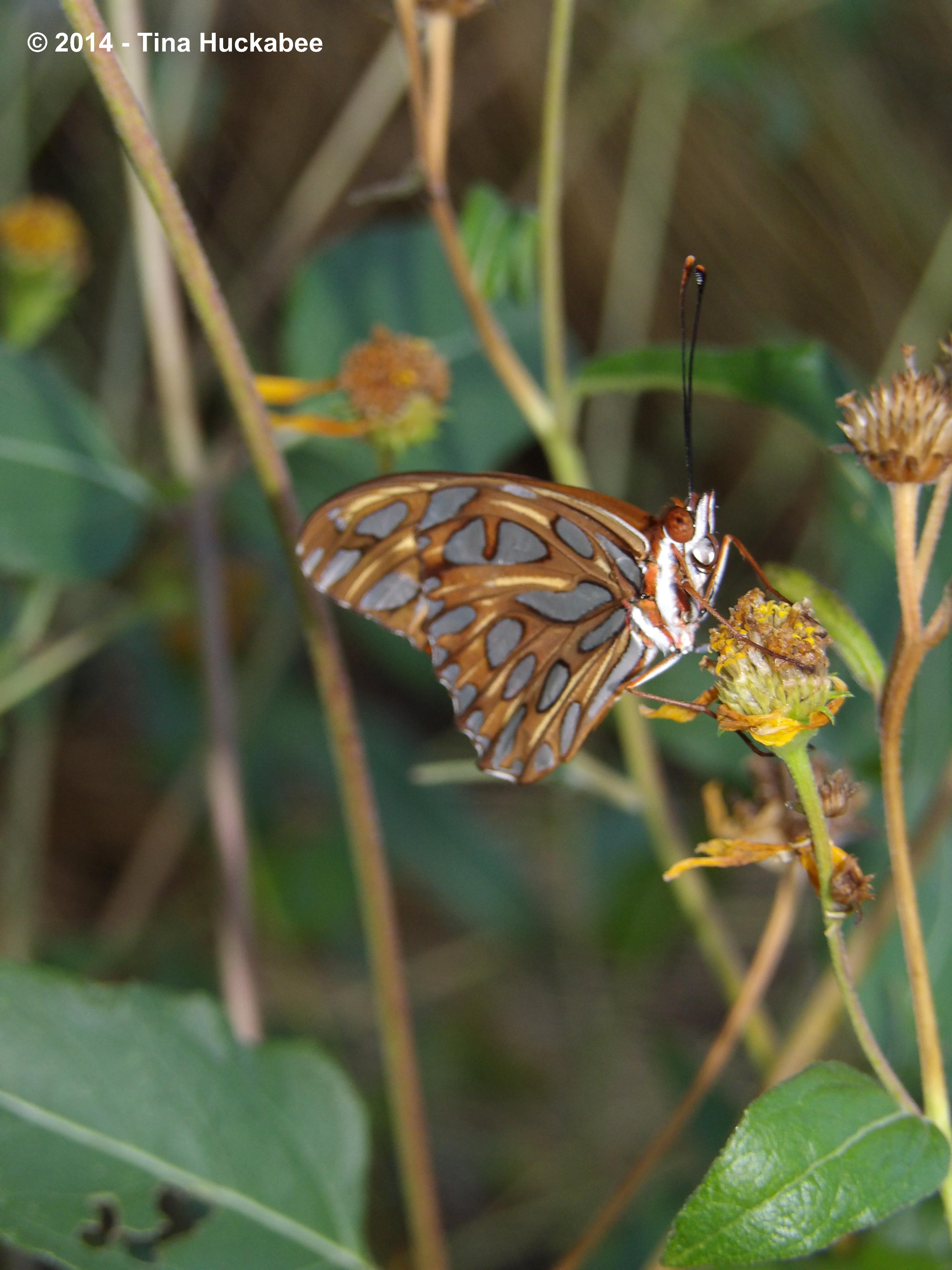
Autumn is usually a good time for butterflies in Central Texas and though there are not quite the numbers or varieties that were common in the past, butterflies still pollinate and grace my gardens and surrounding areas.  If October was the month for Monarchs, November starred the Gulf Fritillary, Agraulis vanillae.  Most days, I observed at least one Gulf Fritillary–nectaring or flying fast through the gardens. This one rested on a Goldeneye seed head early one morning.

IMGP2280.new

He was there for a while–newly emerged, with drying wings. Gulf Fritillary have  beautiful underwing markings and look at that cute face!

IMGP2282.new

This sun-splashed Fritillary rested on spent Goldeneye blooms late one brilliant afternoon.  Autumn sun shining bright and low in the sky, the signature pumpkin color typical of the Gulf Fritillary was blanched to a yellow-orange.IMGP2440.new


On a softer day, this one better represented the natural coloration of Gulf Fritillaries.

IMGP2473_cropped_2806x2940..new

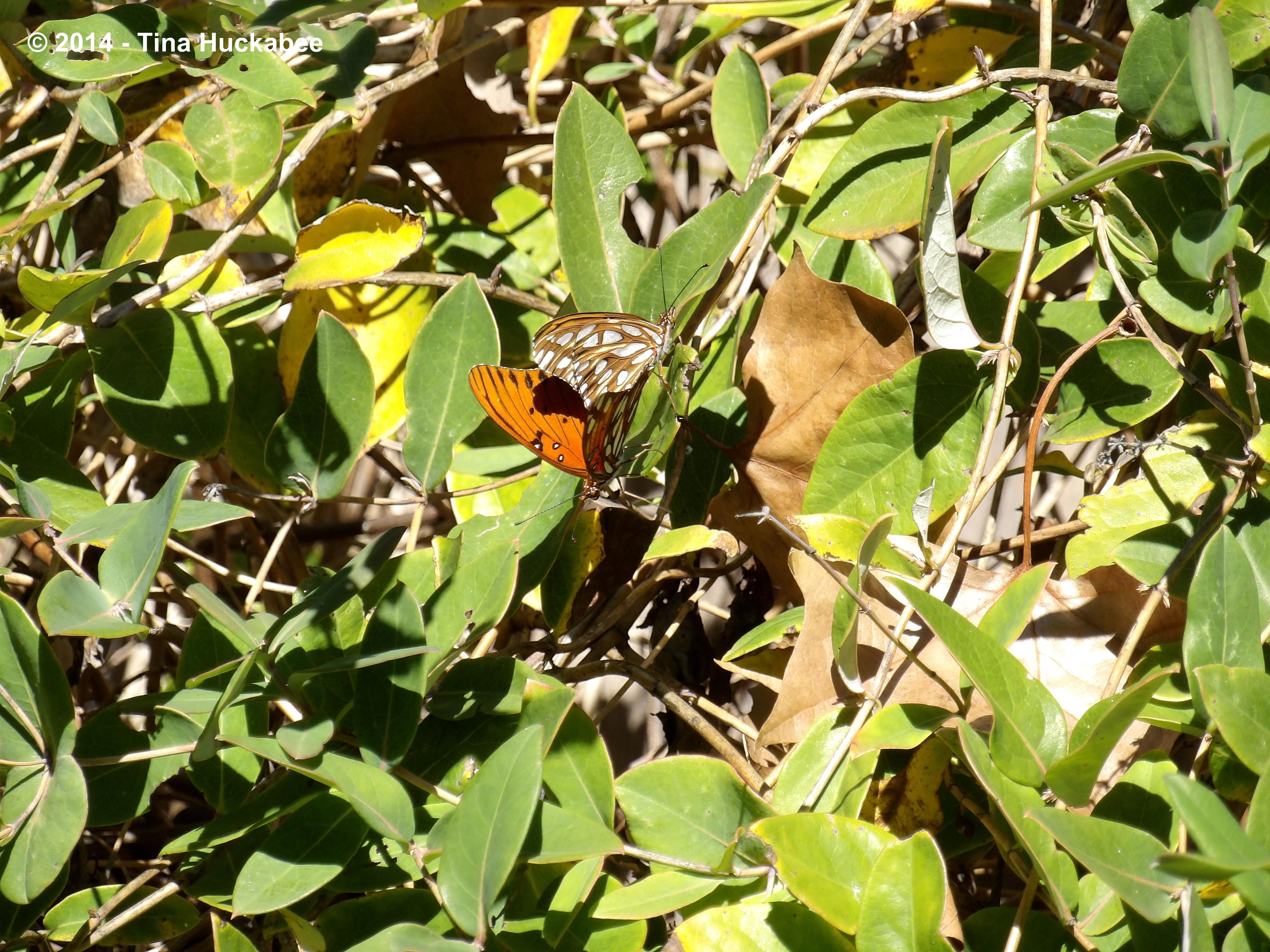
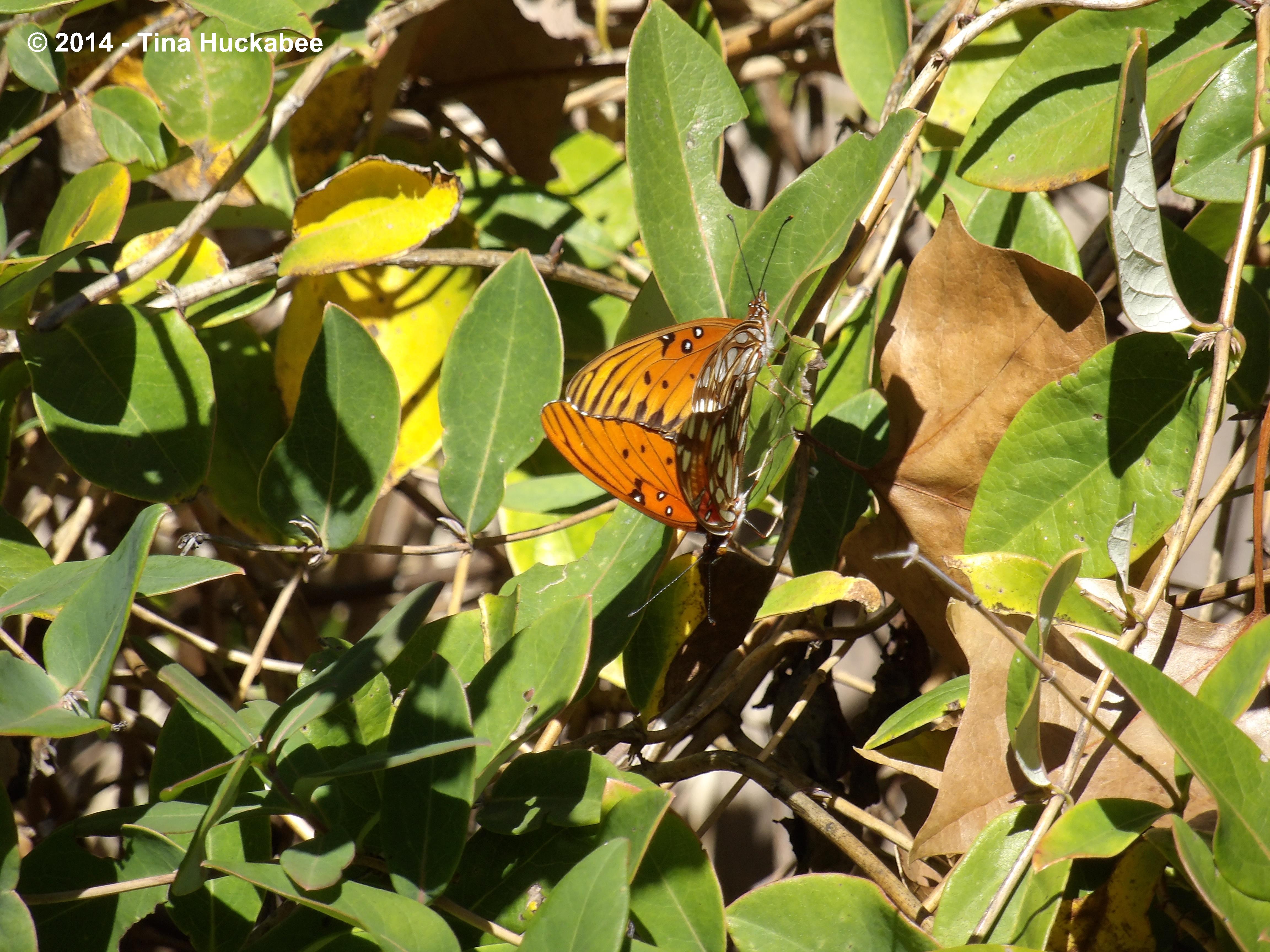
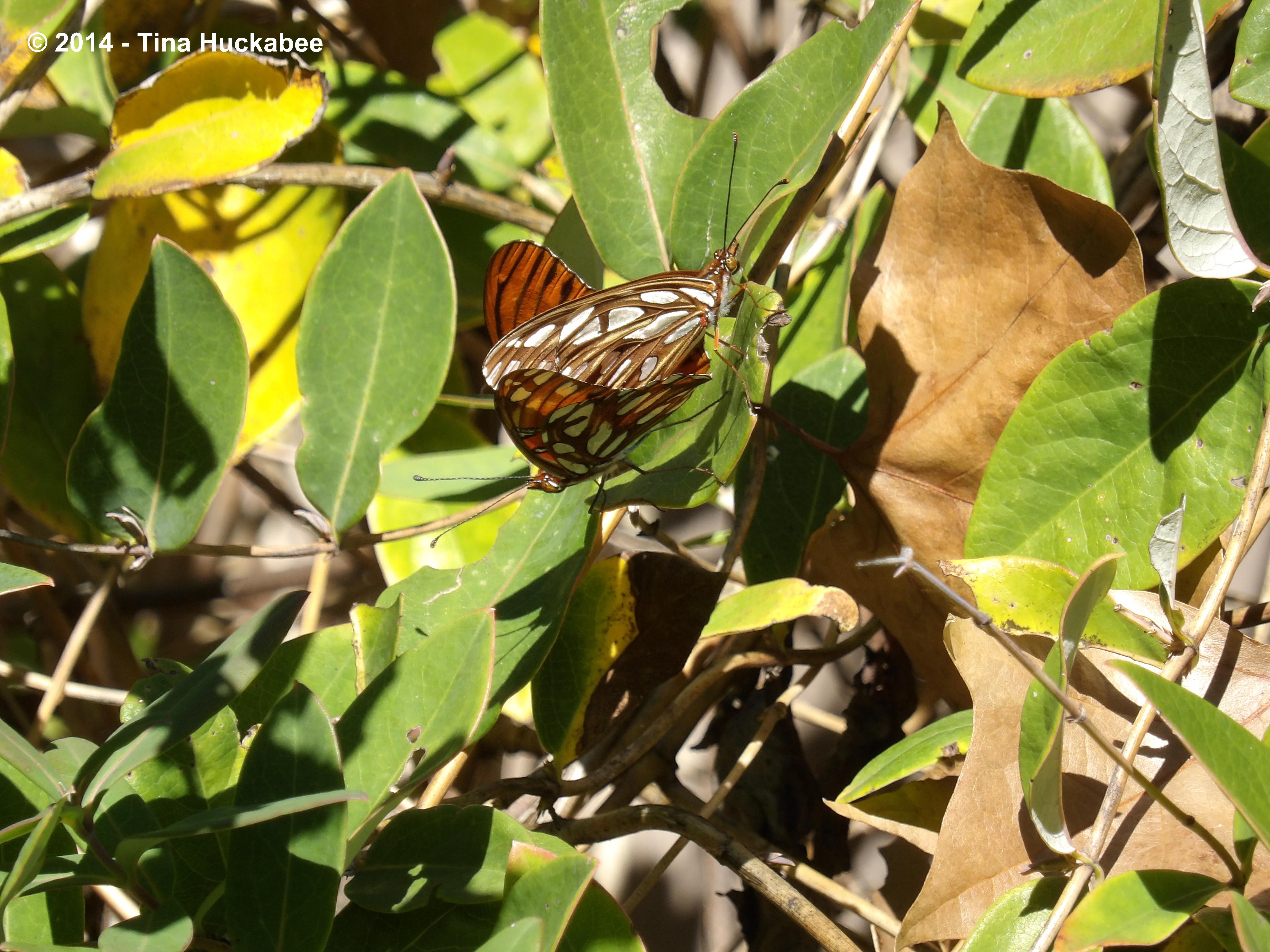
And these two, canoodling on the Coral Honeysuckle vine, were doing their part to assure more of these lovelies in the future.

IMGP2835.new

IMGP2837.new

IMGP2838.new

IMGP2842.new

IMGP2843.new

The host plant for the Gulf Fritillary larvae are various passion flowers.  I grow Purple Passionflower or Maypop, Passiflora incarnata and Blue Passionflower Passiflora caerulea.   I forget to check out the caterpillar action on the foliage of those vines but rest assured, there’s usually at least one caterpillar, munching away.

I’ve chronicled the saga of nannying some Queen butterfly, Danaus gilippus, caterpillars (and one Monarch–sniff, unsuccessfully) in my home at the onset of our first hard freeze. This was the first one brought indoors.IMGP2453.new

Buddha-fly cat!


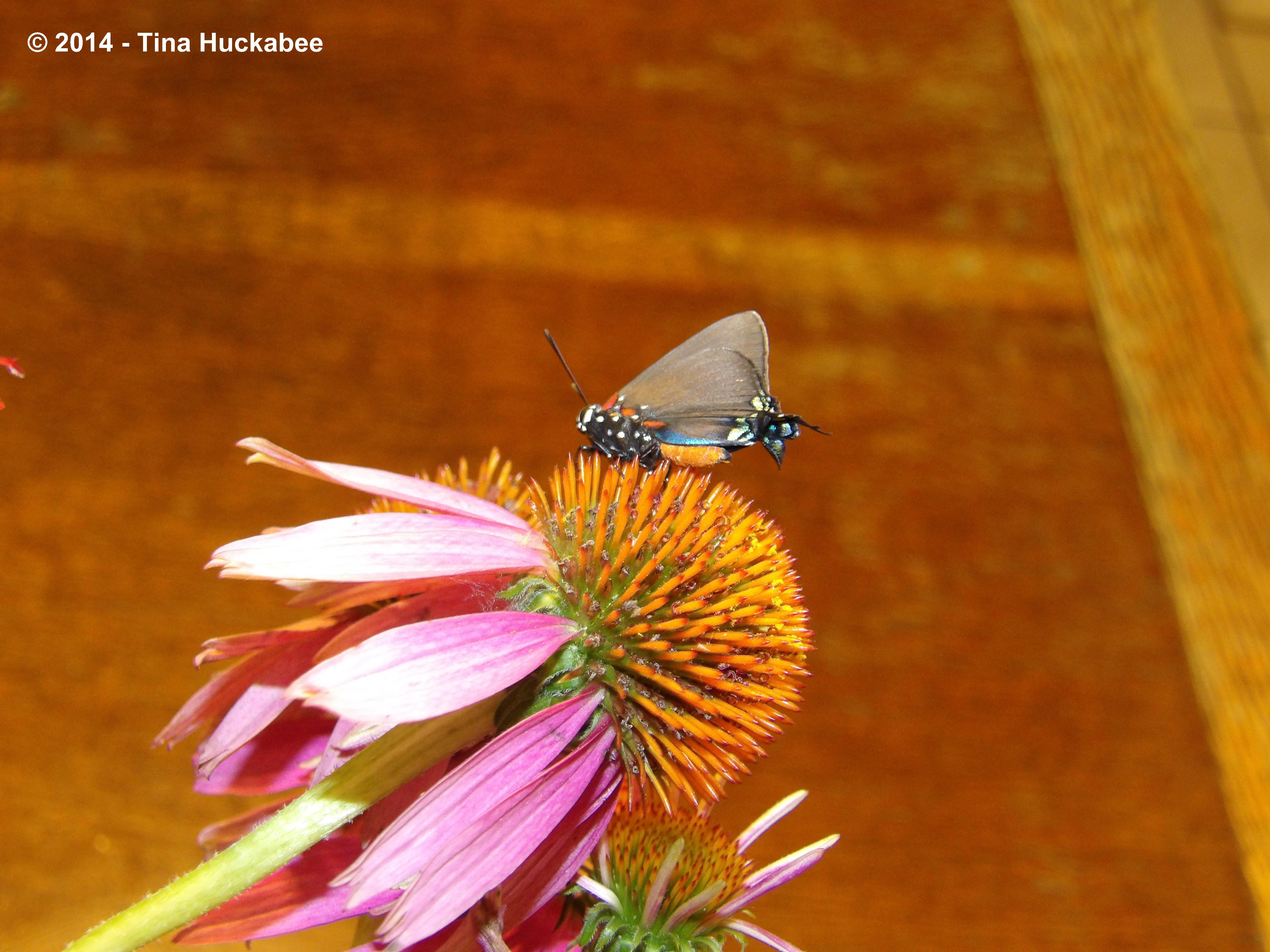
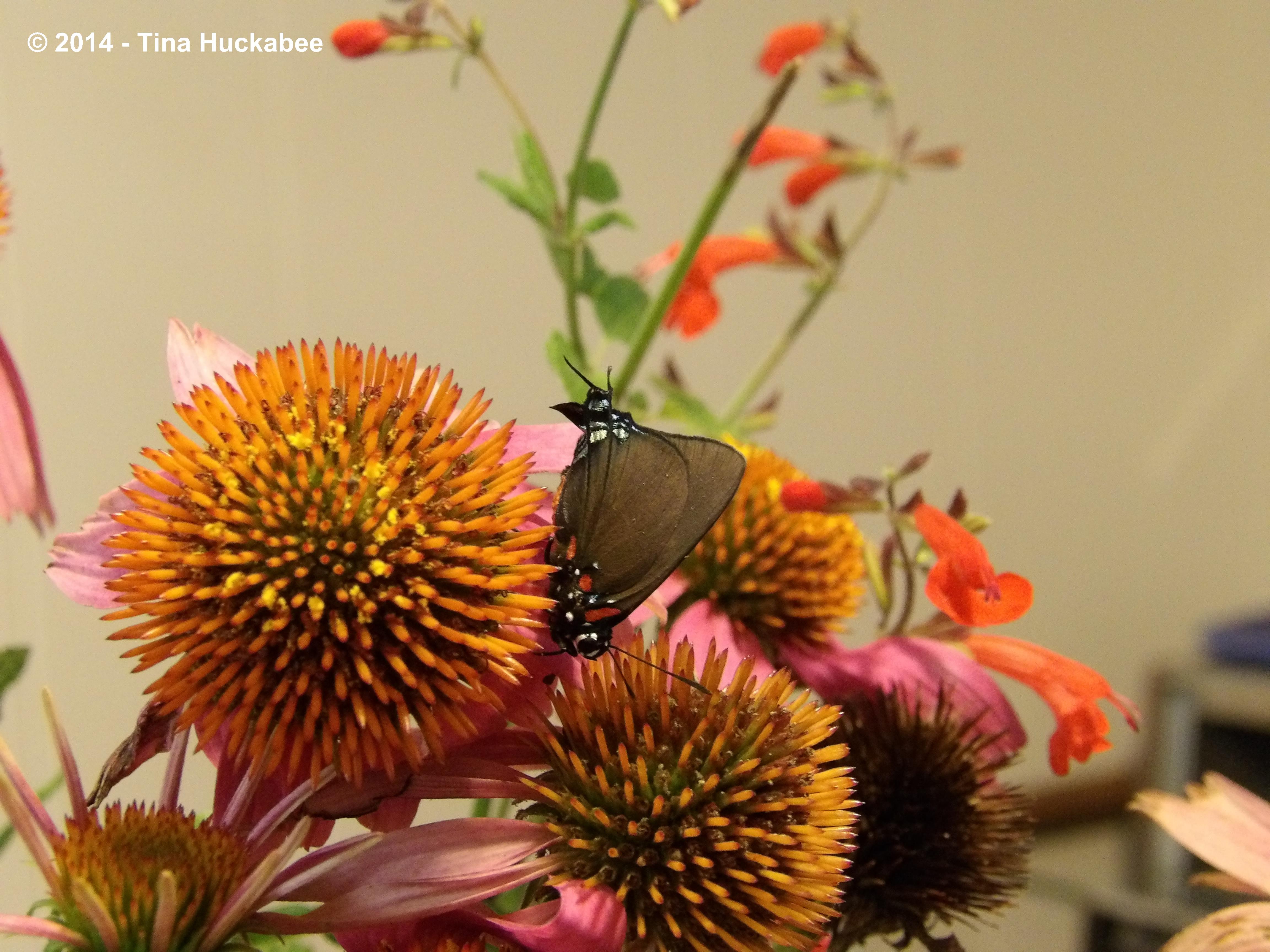
I found this colorful Great Purple Hairstreak, Atlides halesus, stunned with cold and barely moving on the asphalt in front of my house the morning after that first freeze.

IMGP2591.new IMGP2597.new

I brought him inside the house, planning to do…I wasn’t quite sure what, with him. I’d clipped some blooming Purple Coneflower and red Tropical Sage ahead of that forecasted killing freeze and  I was glad to have something for this rescued insect to sip from.

IMGP2598.new IMGP2607.new

I kept tabs on him for a couple of hours that morning before I left the house and he didn’t fly, though he perked up on the blooms-crawling around and tasting.

IMGP2609.new When I returned later, no hairstreak graced the floral arrangement.  I searched the house, but never found him–or his remains.  If he ended up behind a bookshelf, I’m likely to never find his remains–at least not for a long time.

The larval food of Great Purple Hairstreak is Mistletoe and trees such as Live Oak, Hackberry, and Juniper  host that parasitic plant and there are plenty of those trees in my neighborhood. The adult Hairstreak, like many adult butterflies, feed on a variety of flowers.
This spider built a lovely web over my pond and I probably wouldn’t have noticed it if I hadn’t been lounging in my swing chair one sunny Sunday afternoon.

IMGP2286.new I don’t know what kind of spider this is.  I’m hazarding a guess that she’s in the Pisauridae family of Nursery and Fishing spiders because they’re often found near water sources and their bodies tend to be long and slender.

That same afternoon, a male Neon SkimmerLibellula croceipennis, hung around the pond, landing just so, seemingly begging for me to take his photo.

IMGP2431.new

IMGP2432.new

He posed well for this member of the garden paparazzi.IMGP2435.new


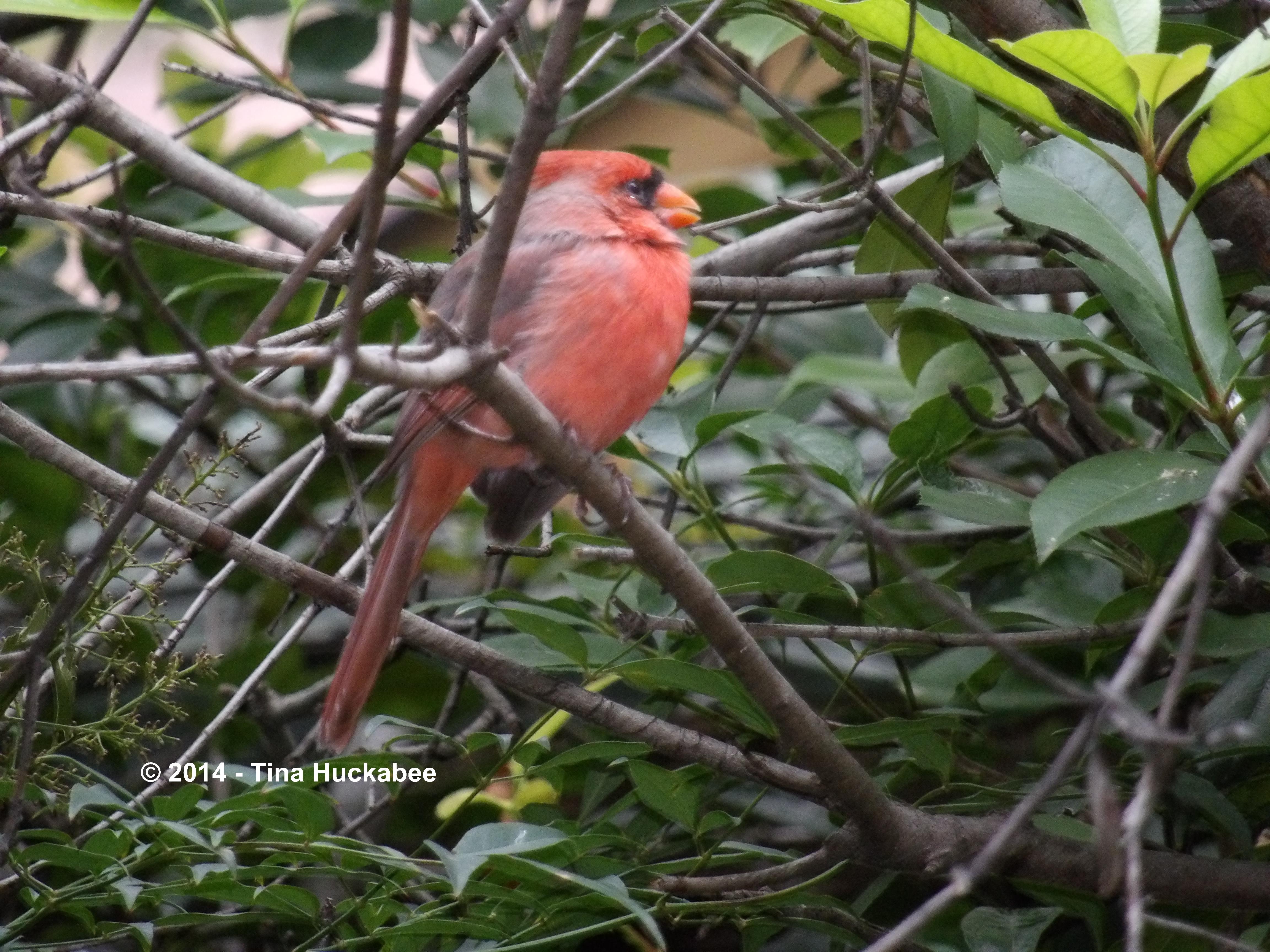
I don’t always get good photos of Cardinal birds, Cardinalis cardinalis, though they’re common visitors to my gardens.  There are two nesting couples every year around my property, though not on my property.  But they regularly visit at the bird feeders and plants which provide protection and food.  This handsome gentleman serenaded early one morning and I pleasured in both in snapping his photo and enjoying his song and beauty.

IMGP2507.new IMGP2513.new


My garden enjoyed a variety of wild visitors this past month and I’m sure yours did too. Please join in posting about the wildlife in your gardens for December Wildlife Wednesday. Share the rare or mundane, funny or fascinating, beneficial or harmful critters you encounter. When you comment on my post, please remember to leave a link to your Wildlife Wednesday post so we can enjoy a variety of garden wildlife observations.

Good wildlife gardening!