Buddha-fly Emerges!

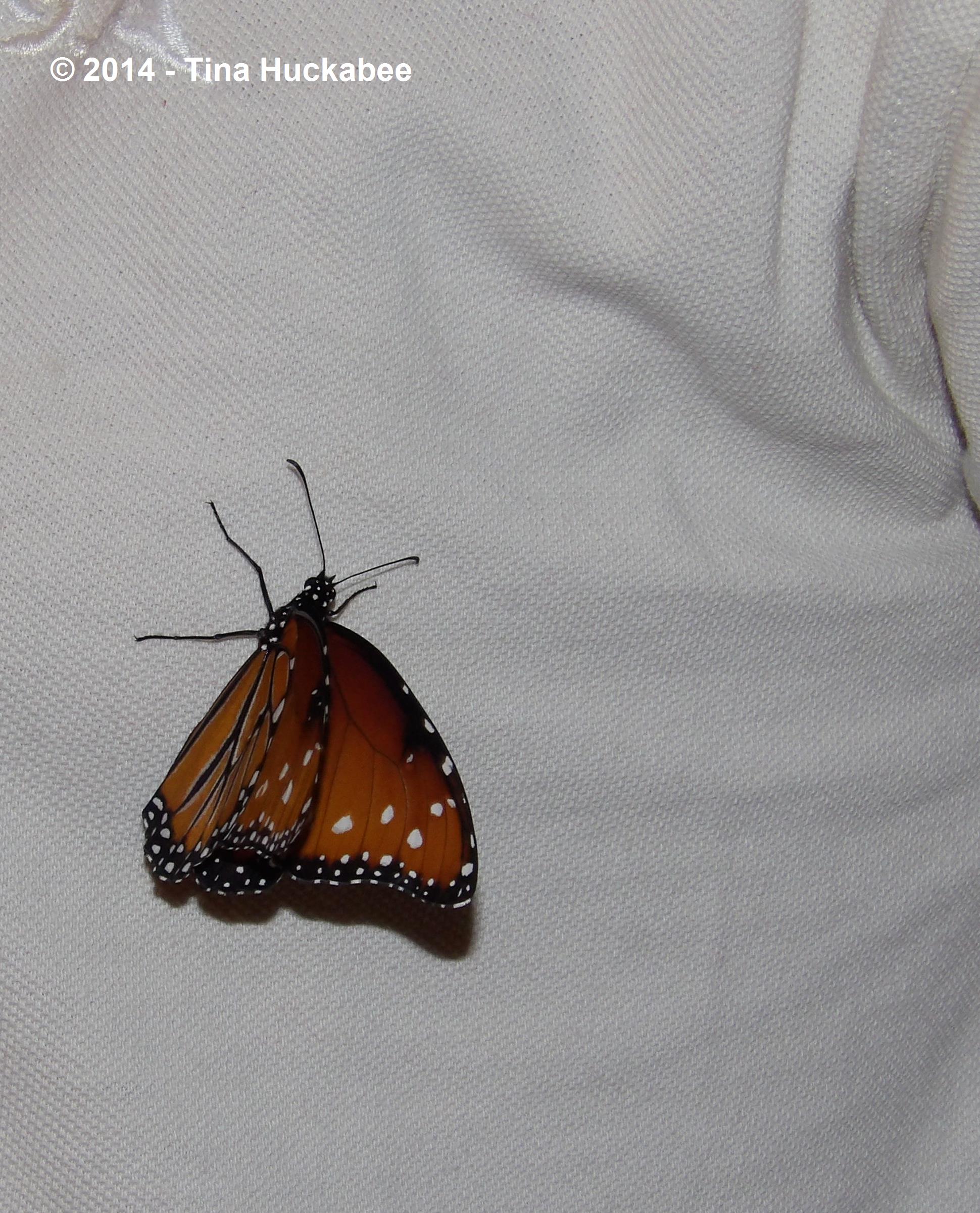
I have nice neighbors who take care of my dog and cats (and often, parts of the gardens) when I travel. I feel fortunate in with this arrangement. They help me, I help them–that’s what community is about, right?  When I traveled from home over the Thanksgiving weekend, I mentioned to my neighbors that at least one of the butterflies I’ve been nannying was likely to emerge.  This concerned Kind Neighbors;  I think they visualized opening the Butterfly Room (formerly Son’s Room) and clouds of the winged lovelies would flit about the house. I assured Kind Neighbors that at most, only one would emerge and it wouldn’t do much, if any, flying until I arrived home.  And sure enough,  a newly emerged Queen butterfly awaited my return.
IMGP2844_cropped_1940x2401..new

Buddha-fly!

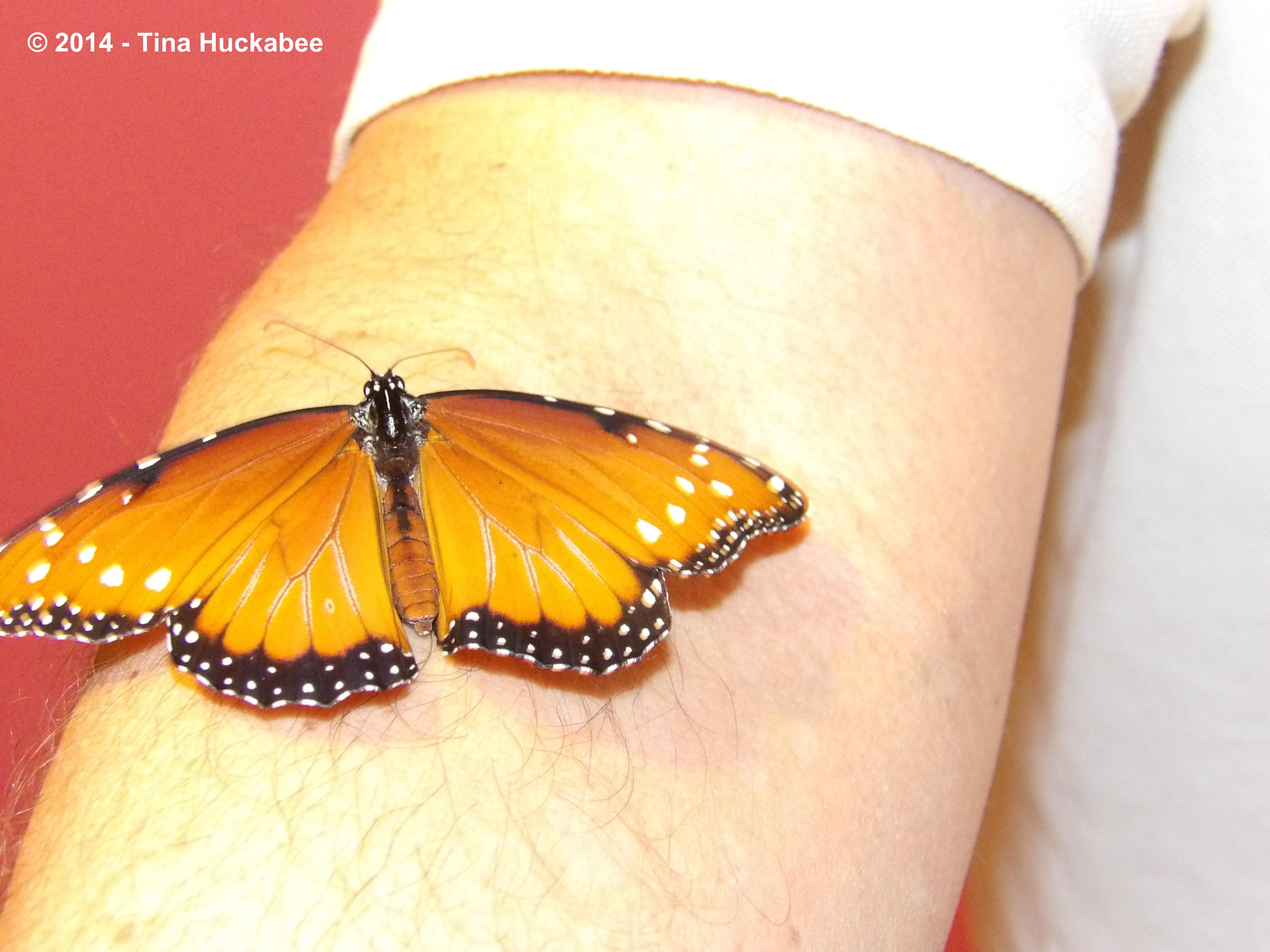
Initially I found her near to the floor, away from where she’d morphed on the little Buddha statue.  An easy and safe (for the butterfly) way to pick up any newly emerged adult butterfly is to wet your finger, then gently place it in front of the insect’s legs–he or she will usually climb right aboard.  My husband picked her up and she proceeded to flit about on his shirt,

IMGP2846.new

IMGP2847.new

…and arm.

IMGP2853.new

IMGP2854.new

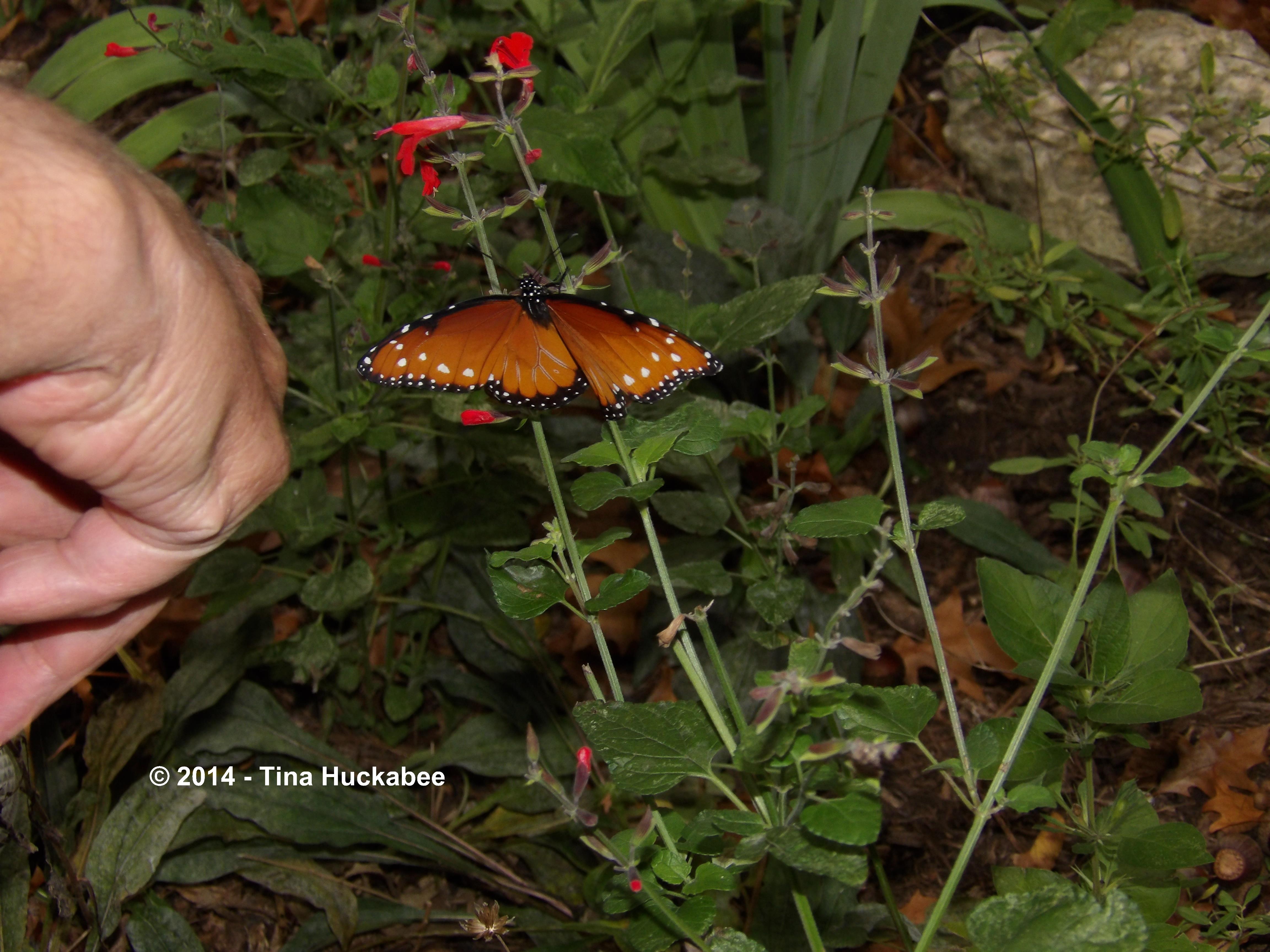
She’s a female Queen;  she lacks the dark scent spots that a male Queen would have on the hind wings. IMGP2857.new


We escorted her to the back garden and placed her on a blooming Tropical Sage,
IMGP2858.new

IMGP2862.new

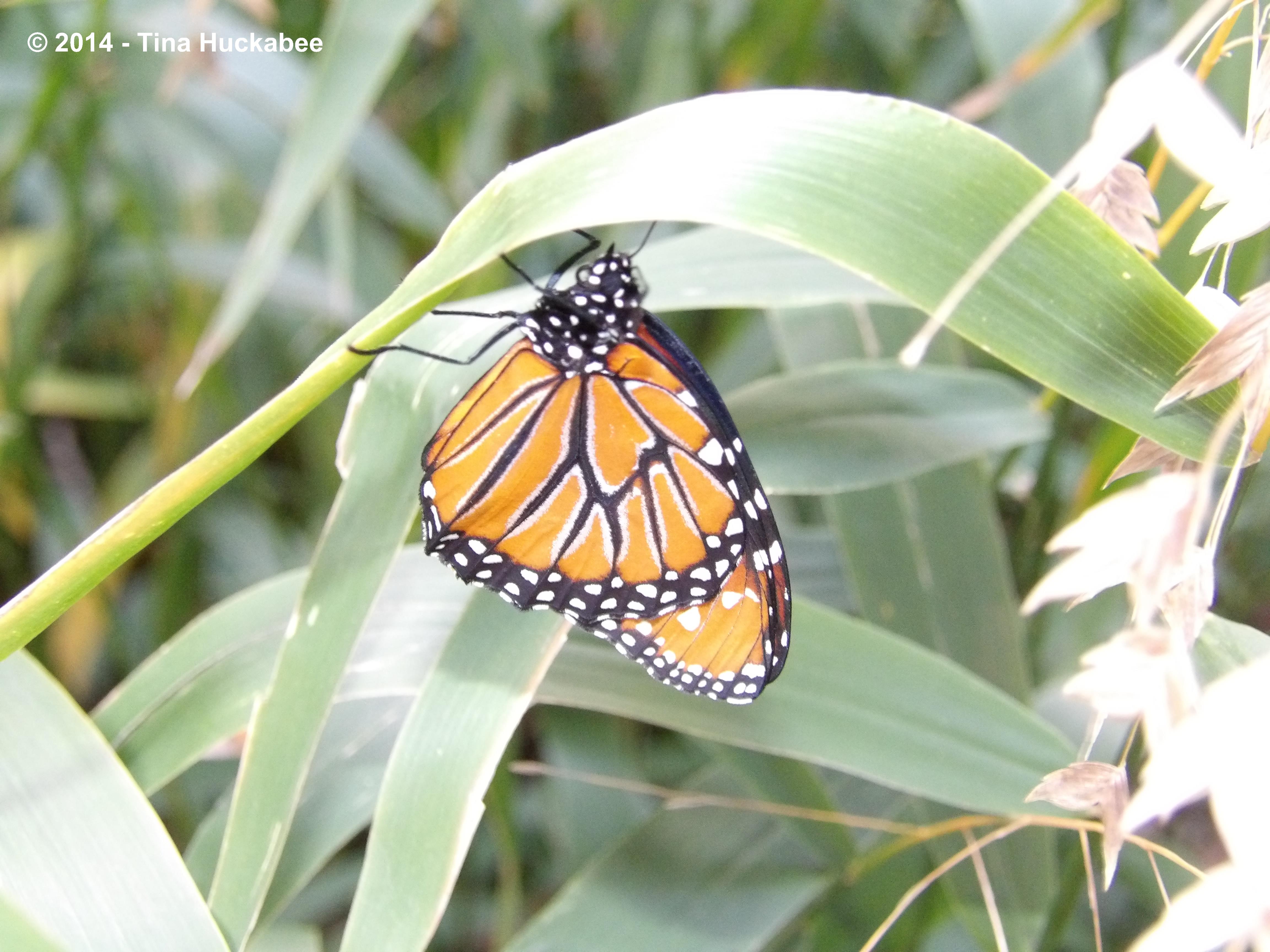
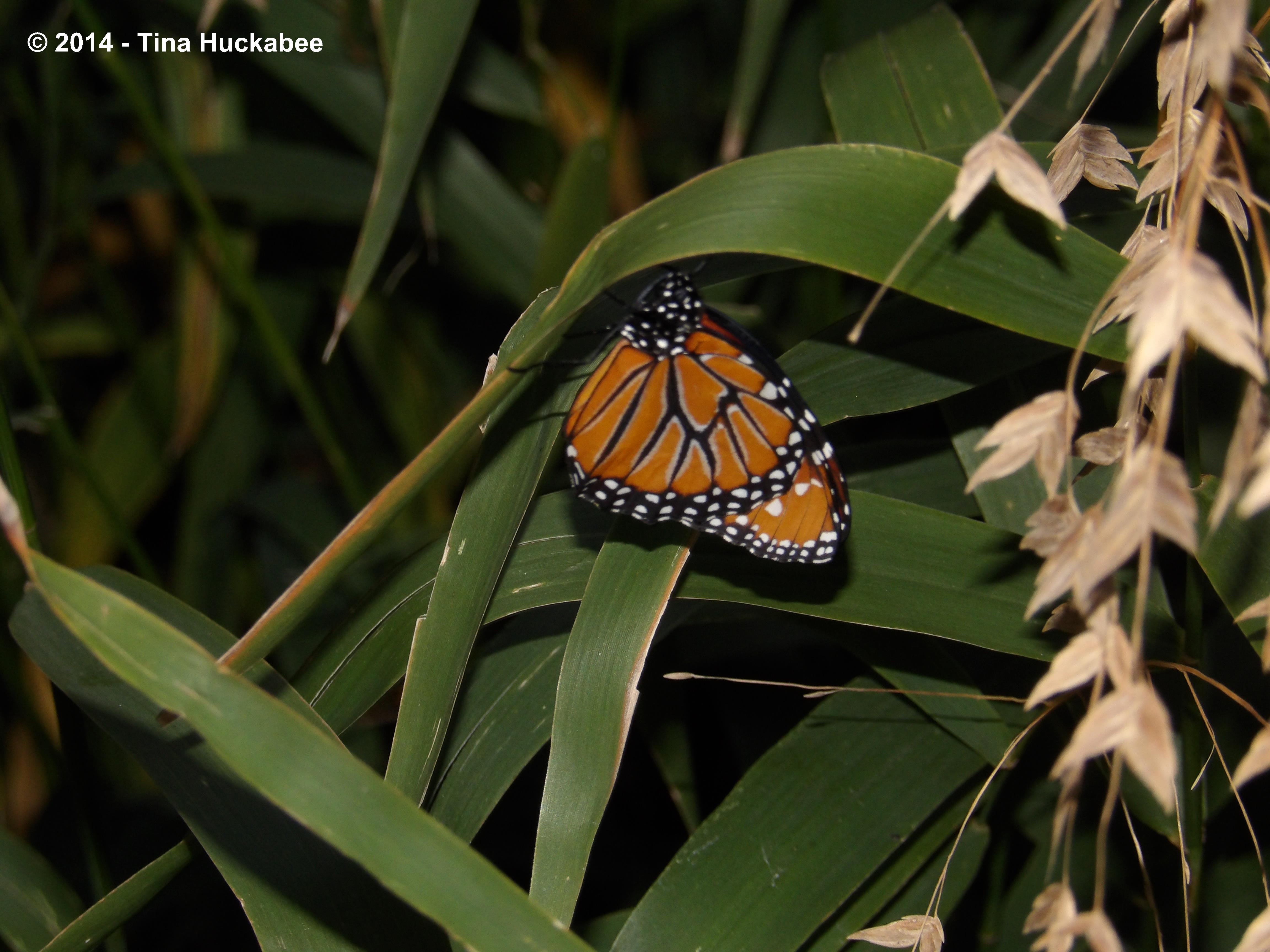
…where she stayed for just a few minutes before flying to a cluster of Inland Sea OatsIMGP2865.new

IMGP2870.new IMGP2866.new

IMGP2873.new She remained there bit longer.

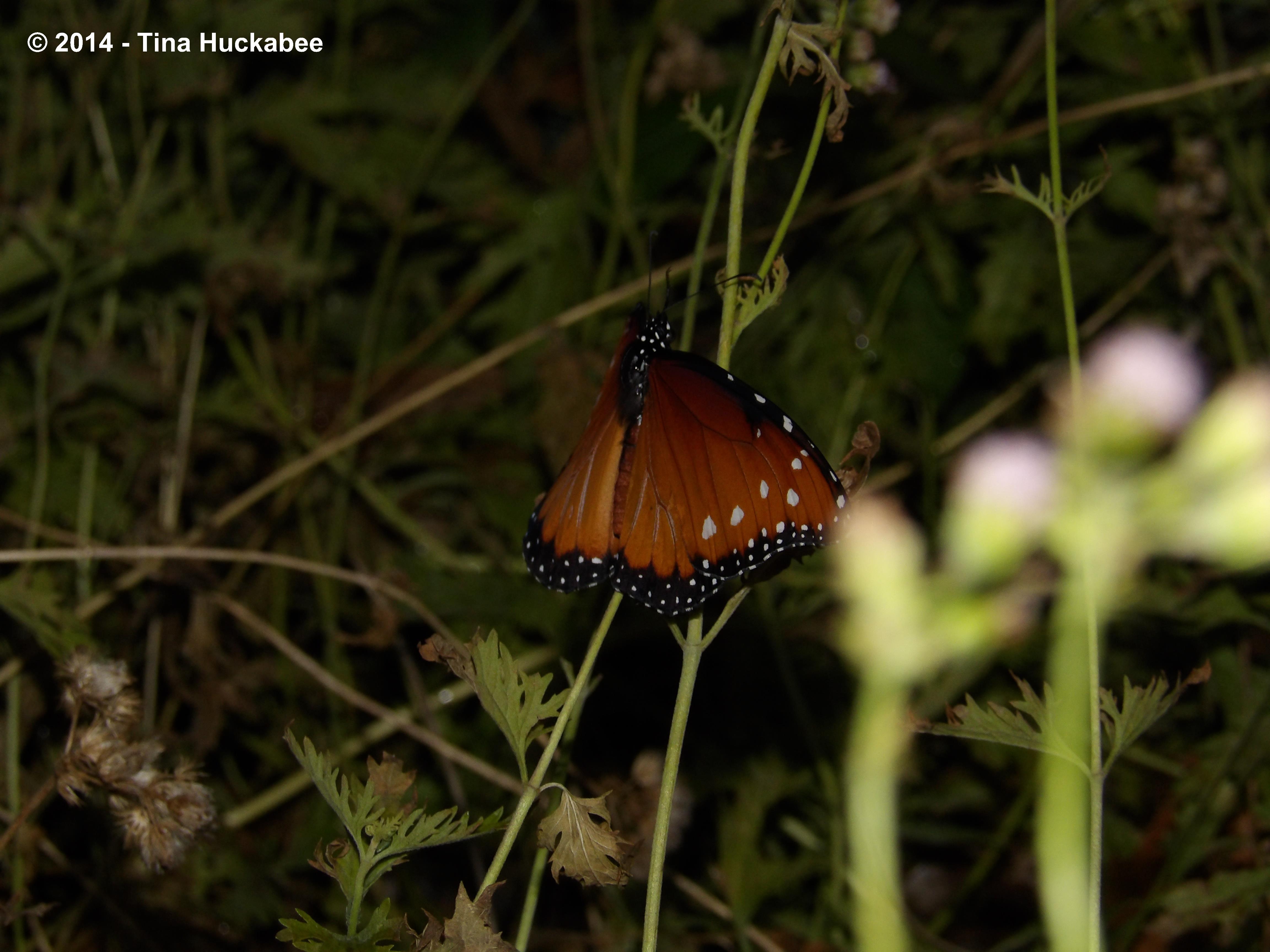
Toward sundown I noticed she’d migrated to a nearby patch of Gregg’s Mistflower,

IMGP2878.new IMGP2879.new

…and that was the last I saw of her.

Good nectaring, flying, and breeding, Buddha-fly!
Curious Anoles

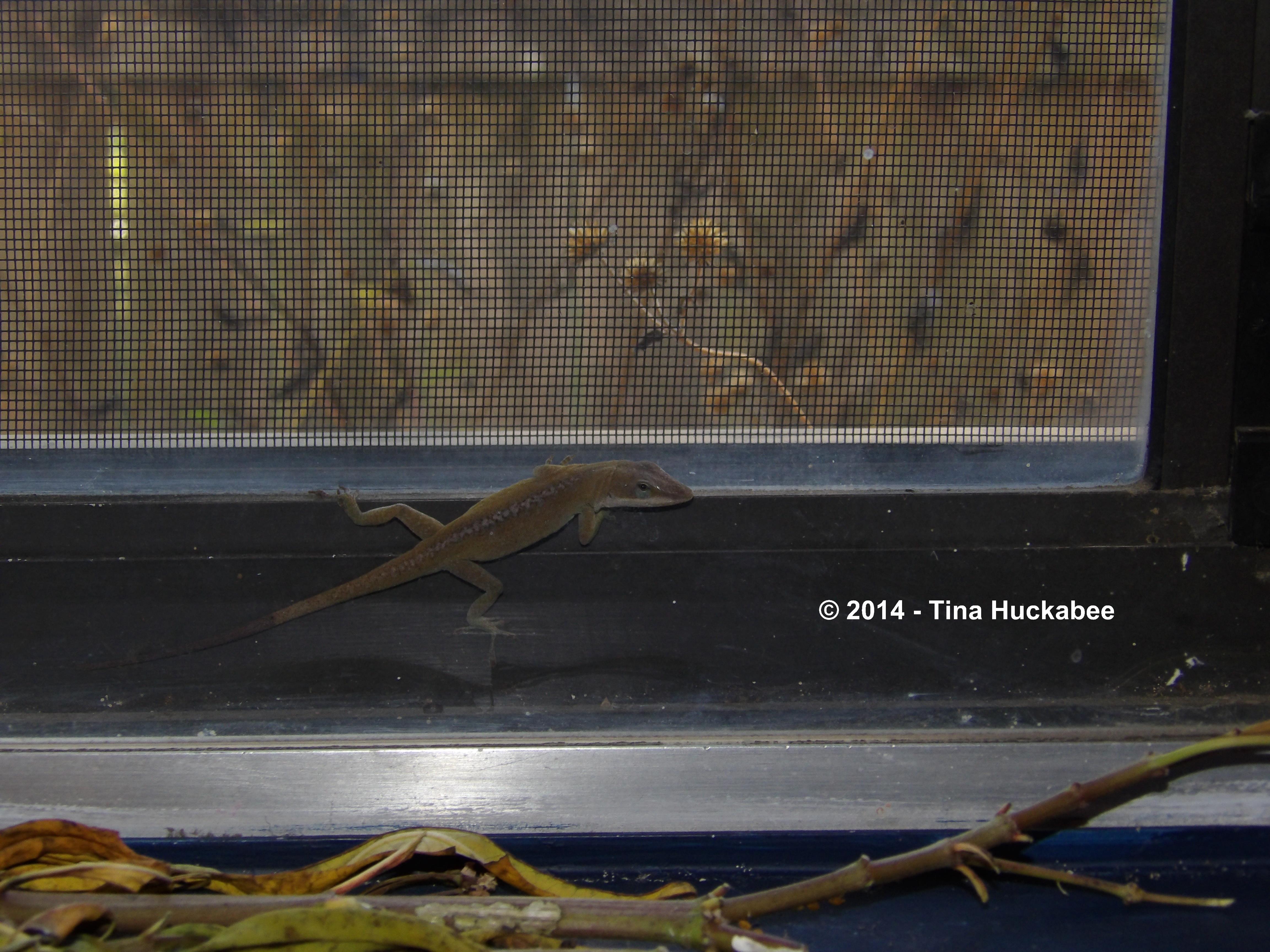
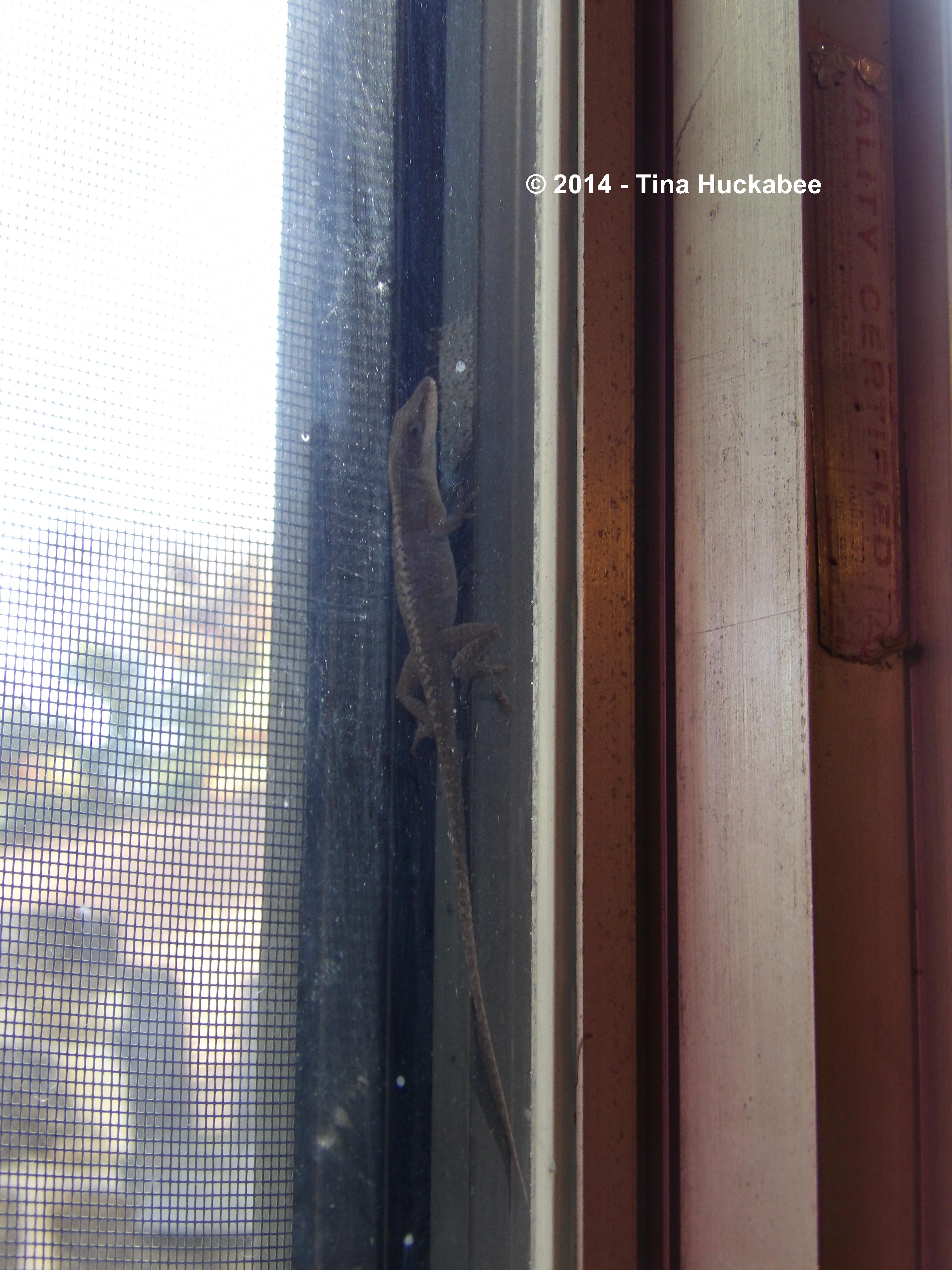
These two anole lizards, Anolis carolinensis,

IMGP2827.new IMGP2825.new

…couldn’t help but find their way into the space between my double windows.  I guess they wanted to check out the caterpillar/chrysalis activities along the windowsill.  In past blog appearances, these little wildlife mascots were green, which they are when  hanging around plants. But here, in and around the windows?  They’ve chosen to don a  nice sedate brown to camouflage from enemy attack. Or from Tina, trying to catch them and put them back into the great outdoors.

Or maybe these anoles want to remind bloggers that Wildlife Wednesday is Wednesday, December 3rd.  I’m sure they want interested garden bloggers to ready their cameras and hone their writing for fascinating stories about wildlife in the gardens.  Even with the madness of the Thanksgiving holiday weekend, these curious anoles hope that garden bloggers will  prepare for Wildlife Wednesday.

Maybe the anoles are also hoping I’ll notice that I could really use some anole-proof windows.

Wildlife Wednesday, December 3rd!


Blog bureaucracy rears its ugly head:

If you glance to the right, I’ve installed a snazzy little widget for Wildlife Wednesday.

If you would like to add this widget to your blog,


…follow these directions:

Copy and paste the following html in the appropriate admin section of your blog :

<a href="https://mygardenersays.com/wildlife-wednesdays/" target="_blank">
src="https://mygardenersays.com/wp-content/uploads/2014/11/meme2.jpg" /></a>

Wildflower Wednesday, November 2014

As the  2014 growing season slows, it’s harder to showcase blooming things for the garden.  Berries?  Sure, lush in their ripeness.  Beautiful foliage?  Yep–in abundance in the trees and on the ground. Interesting seed pods?  All over the garden, the remains of spent blooms.  But blooming things are scarcer and scarcer, even in temperate Austin, Texas.  Today though, I’m joining with Gail at clay and limestone to mark another celebration of wildflowers on this fourth Wednesday of November.

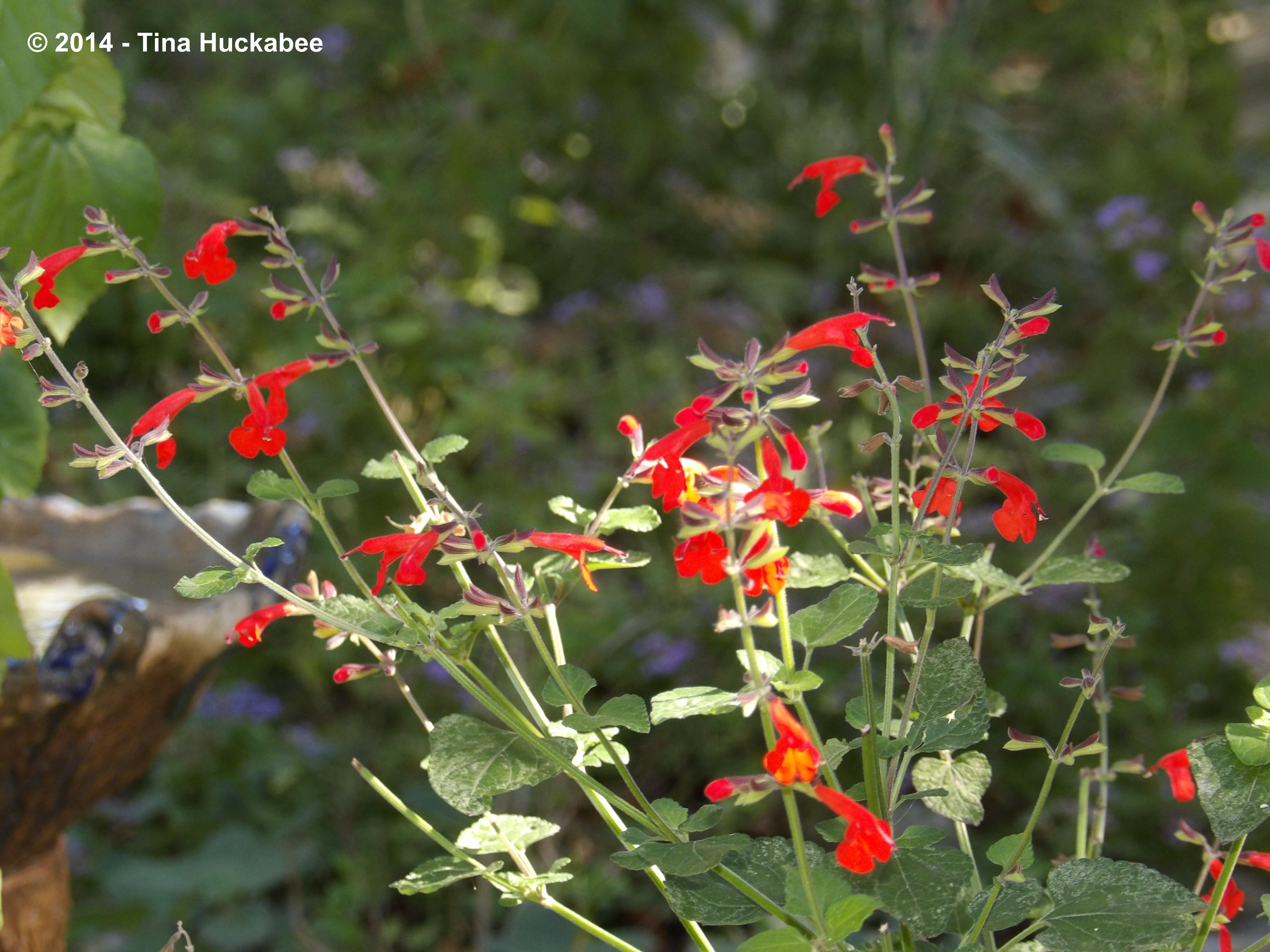
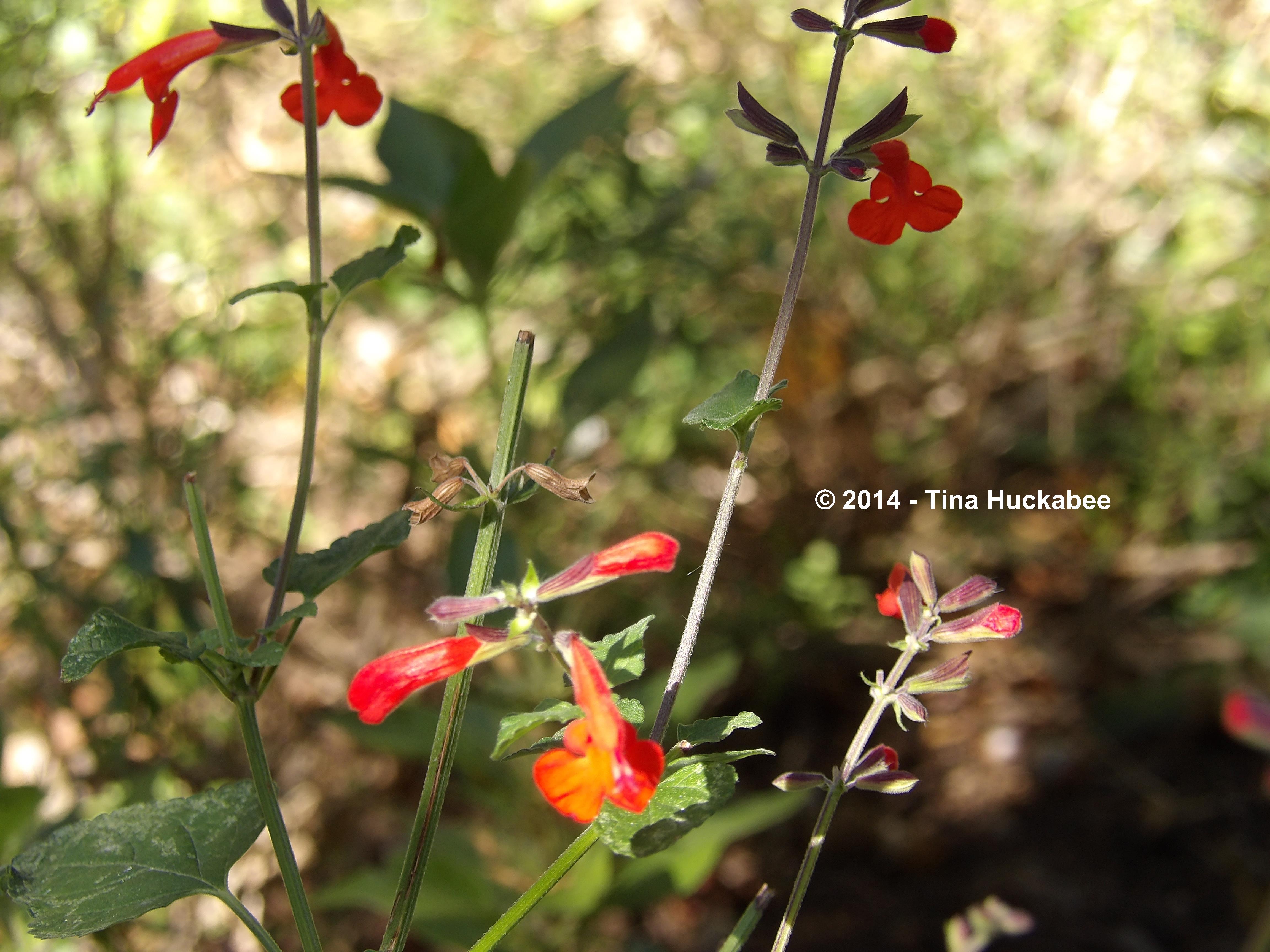
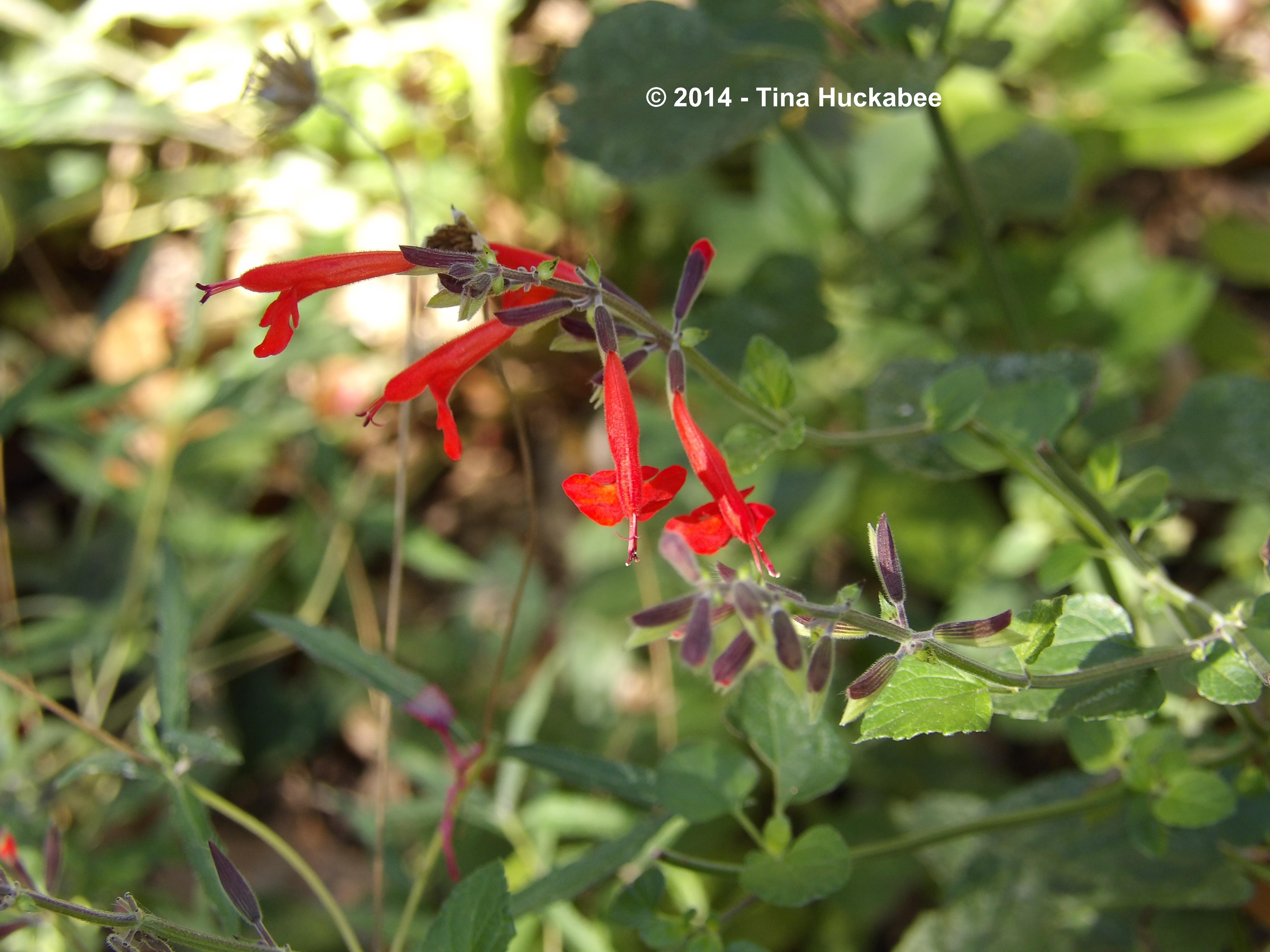
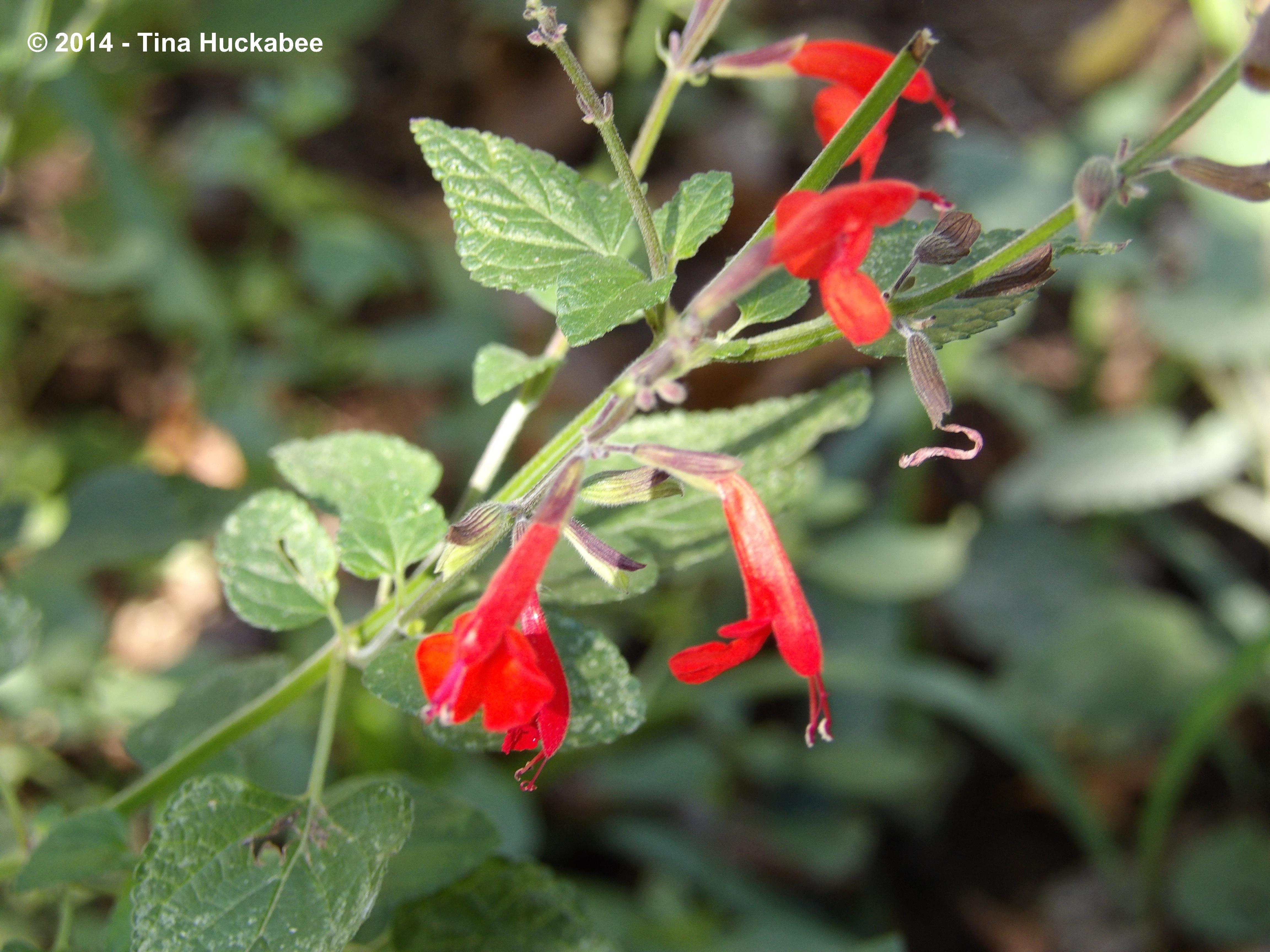
Even after our first light frosts Tropical Sage, Salvia coccinea, blooms.

IMGP2684.new Vibrant scarlet blooms brighten my garden  in these shorter days of autumn into winter.

IMGP2689.new

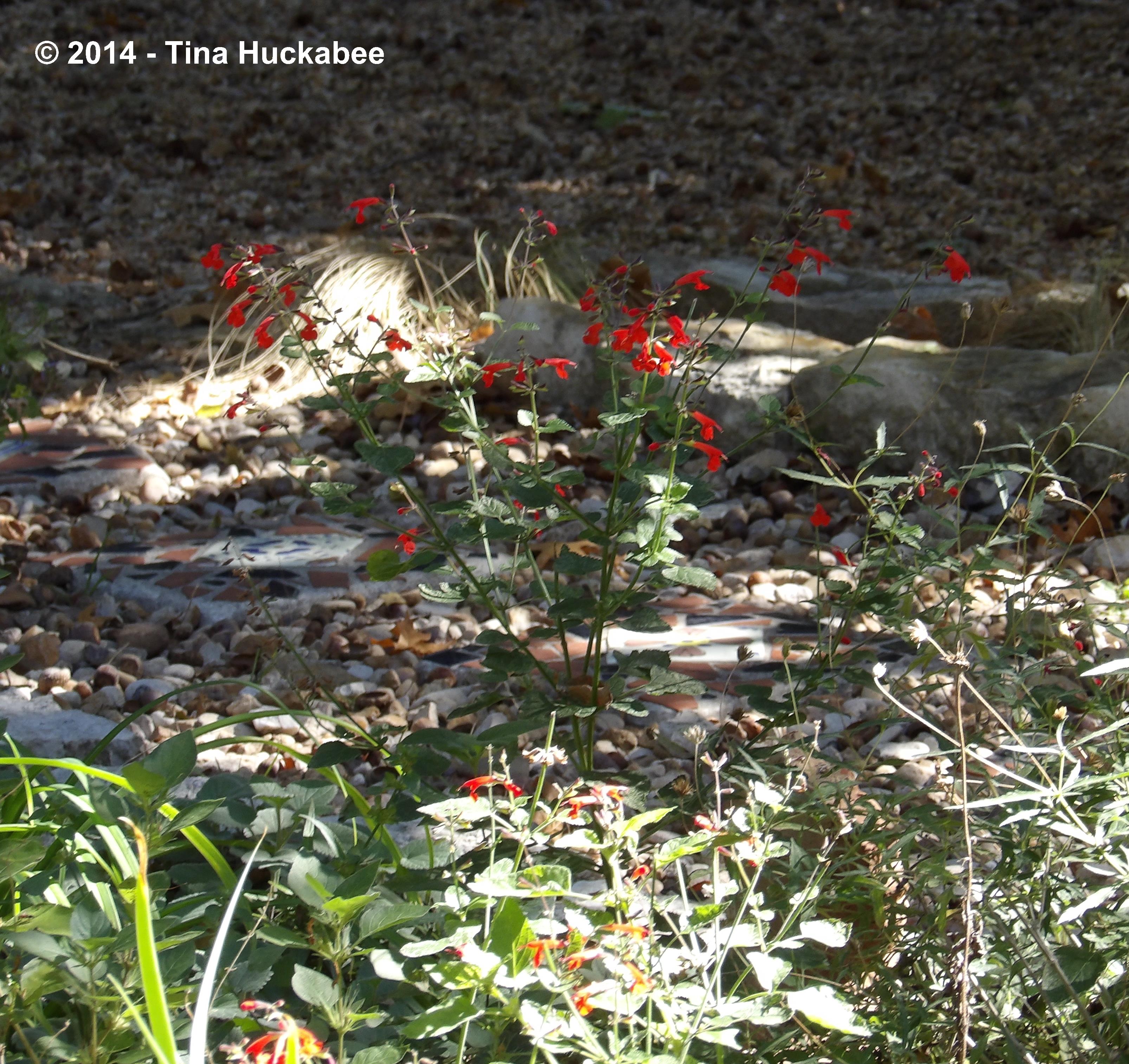
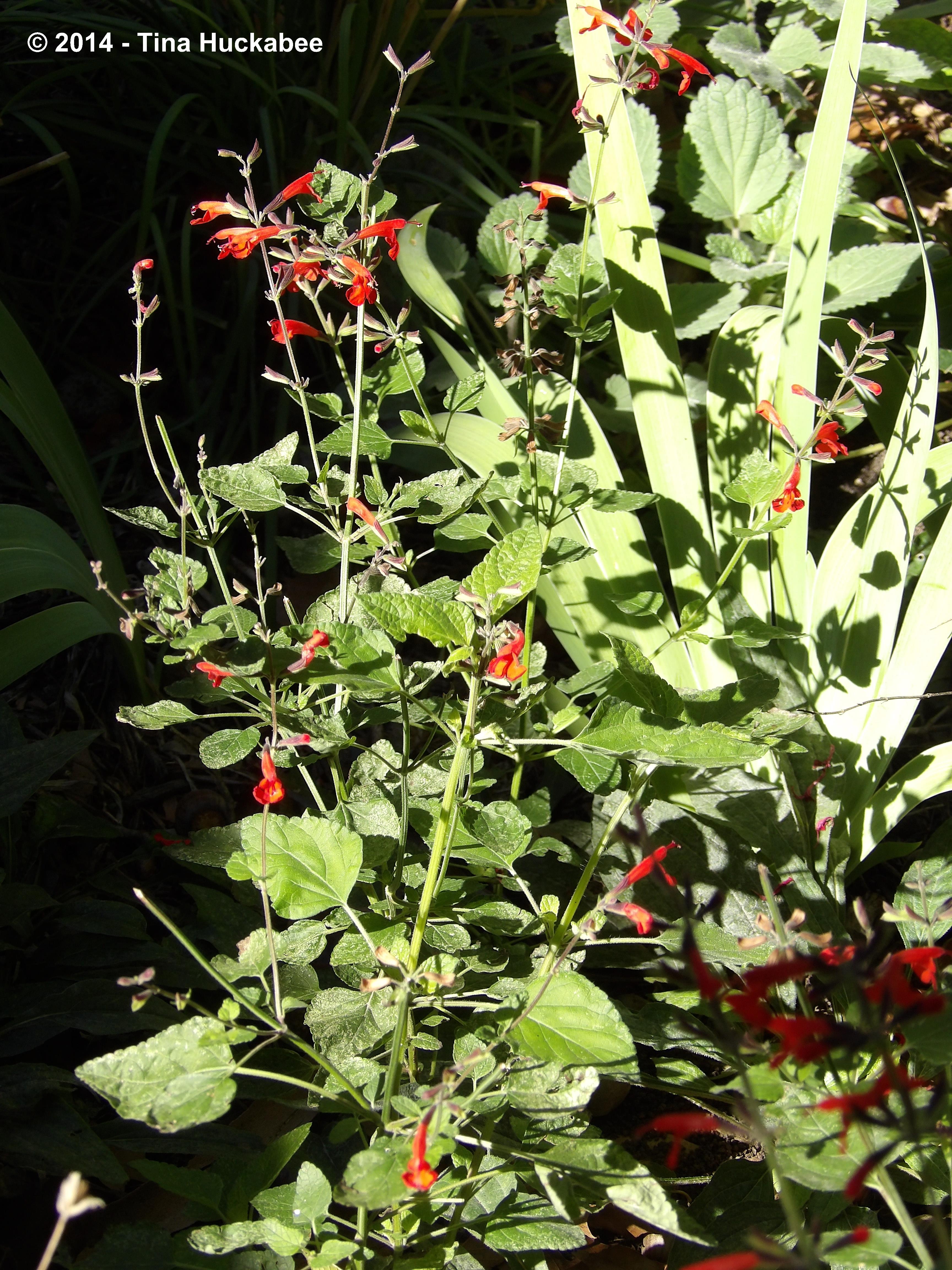
Salvia species of all sorts flowered reluctantly in my gardens this year.  I’m not sure why, though I know that many salvia require lots of sun and that’s something my gardens see less and less of.  The Tropical Sage is an exception to that full-sun rule. These little herbaceous perennials bloom beautifully, in full sun,

IMGP2682_cropped_2972x2954..new

…to mostly shade. IMGP2687.new

These red Tropical Sage begin flowering mid-to-late summer and have bloomed through the fall.   In my gardens, I grow more of the white bloomers  than the red.  The white Tropical Sage blooms late spring through early fall and during a mild winter, throughout. Generally, they’ll bloom in winter, until a hard freeze nips them, which I should add, is the norm.  (My property also is in central Austin, so my garden benefits from a heat-island effect and often doesn’t get as cold as outlying areas.) The red form blooms later for me–late summer into fall and also during winter if conditions allow. Drought hardy, prolific re-seeders, and deer resistant, Tropical Sage are also good nectar sources for pollinators.

IMGP2688.new

Oh and they’re just darn pretty!

IMGP2690.new

Tropical Sage are great to tuck into spots of the garden where there are limited choices, or where you want to fill in space.   I like to group several together in close proximity, like this bunch of almost finished white bloomers,

IMGP2700.new

This gives a larger shrub effect, but without overpowering surrounding plants.

Tropical Sage are moderately fast growers.  I can plant seedlings like these in late fall or even winter,

IMGP2692.new

…and as long as they’re well-mulched, they come back ready for action in late spring.  These are seedlings that I transplanted about a year ago.

IMGP2685.new

IMGP2695_cropped_3212x3027..new

IMGP2691.new

Tropical Sage are native perennials to the southern coastal areas of the United States, including Texas and annuals in most other places.  A great perennial native wildflower–plant them now (in their native range)  or next year.  To celebrate wildflowers and native plants in the garden and to see what wildflowers other gardeners grow, take a turn from this busy holiday weekend and travel on over to clay and limestone.

Wildflowers work!