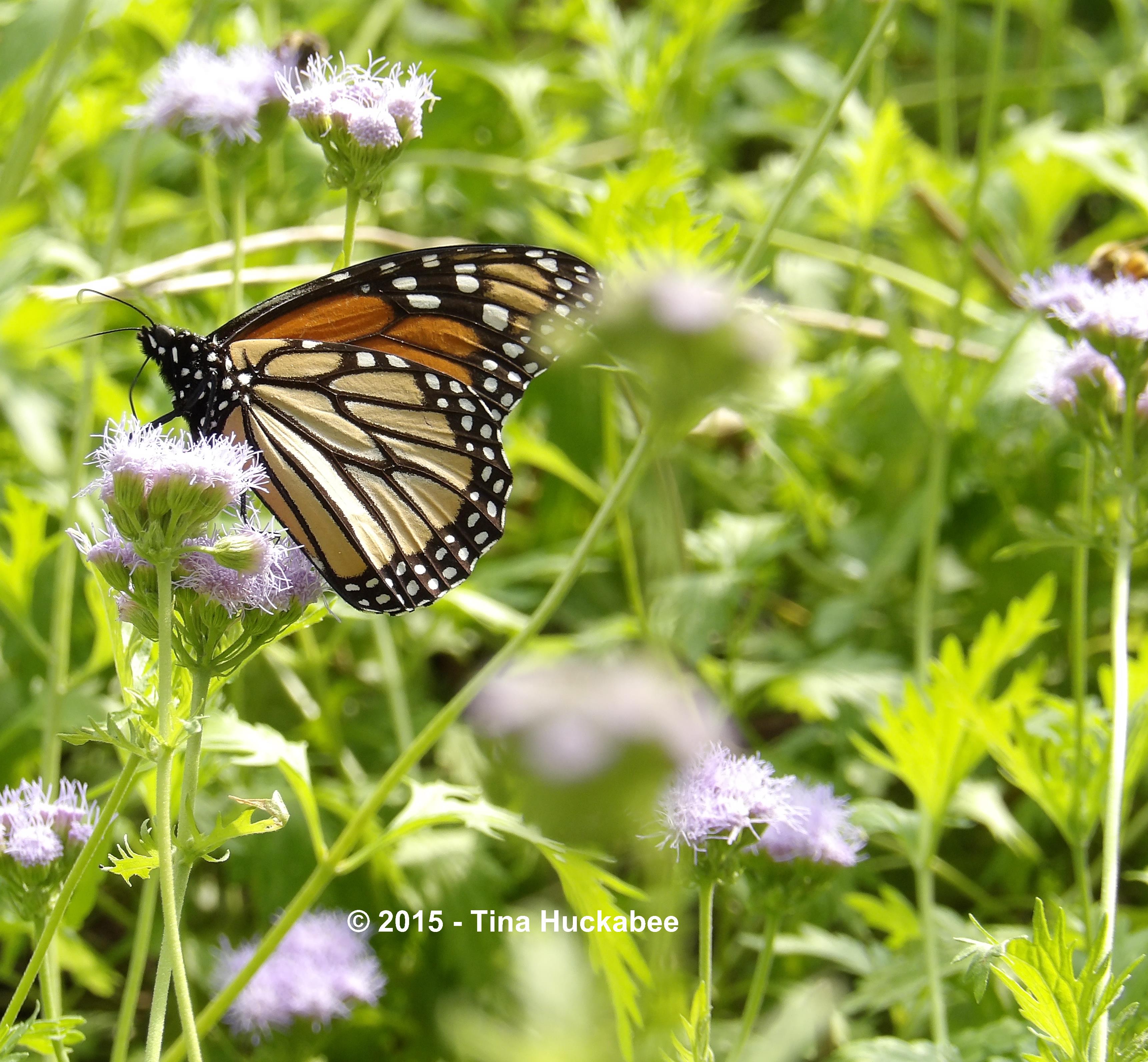
It’s that time of year again: Monarch butterflies, Danaus plexippus, are migrating through Texas on their way to winter in Mexico. And what nectar delights do they partake of in their nutritional pit-stops? Many blooming things, but they prefer sipping from native flowers and high on a list of favorites is the Gregg’s Mistflower, Conoclinium greggii.

As part of the 2015 celebratory edition of Texas Native Plant Week, let’s take A Seasonal Look at this gorgeous native ground cover–friend to gardener and pollinator alike.

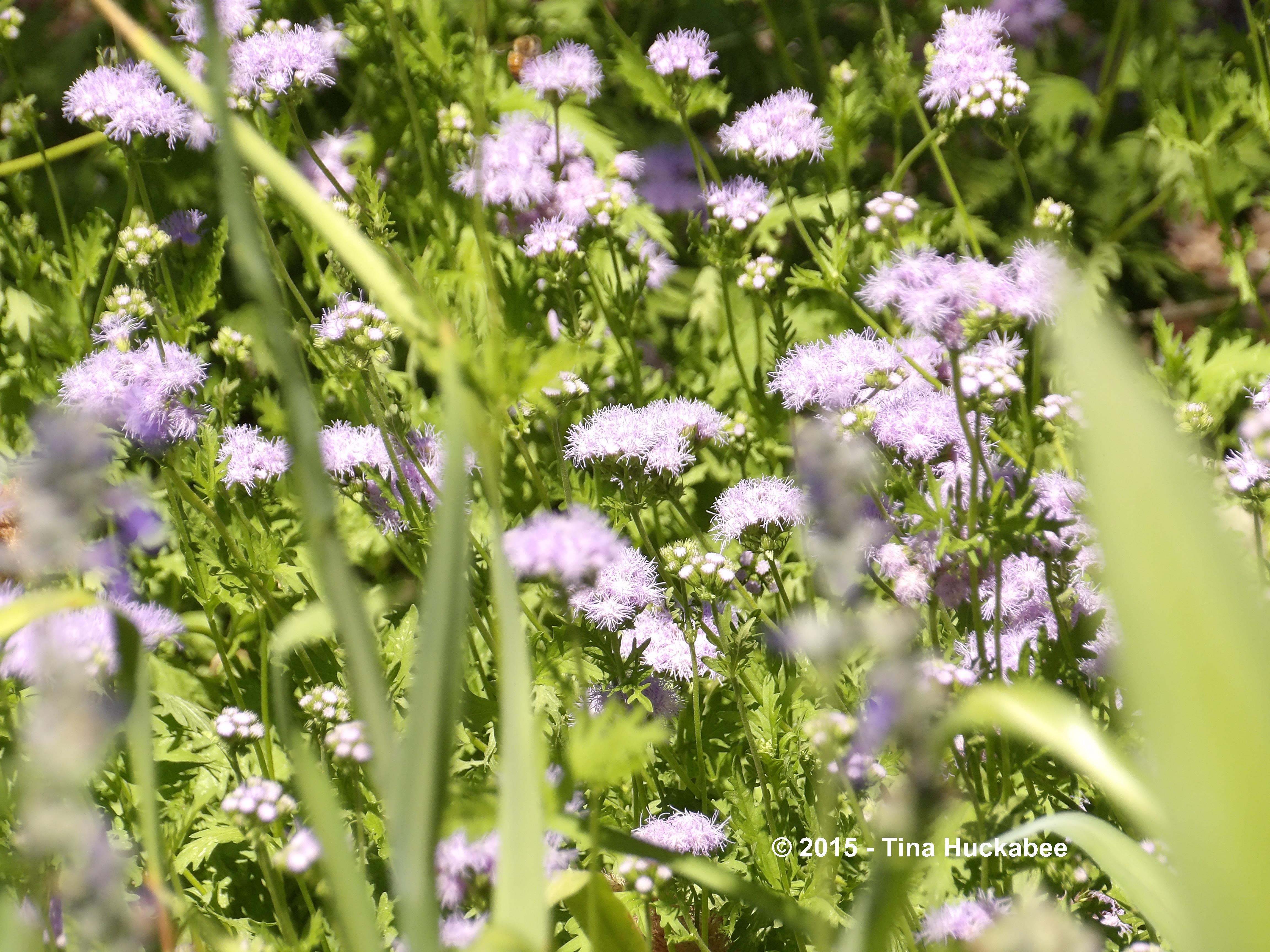
It’s October and even in my part-shade garden, the Gregg’s Mistflower blooms up in fuzzy, lavender-blue gorgeousness.


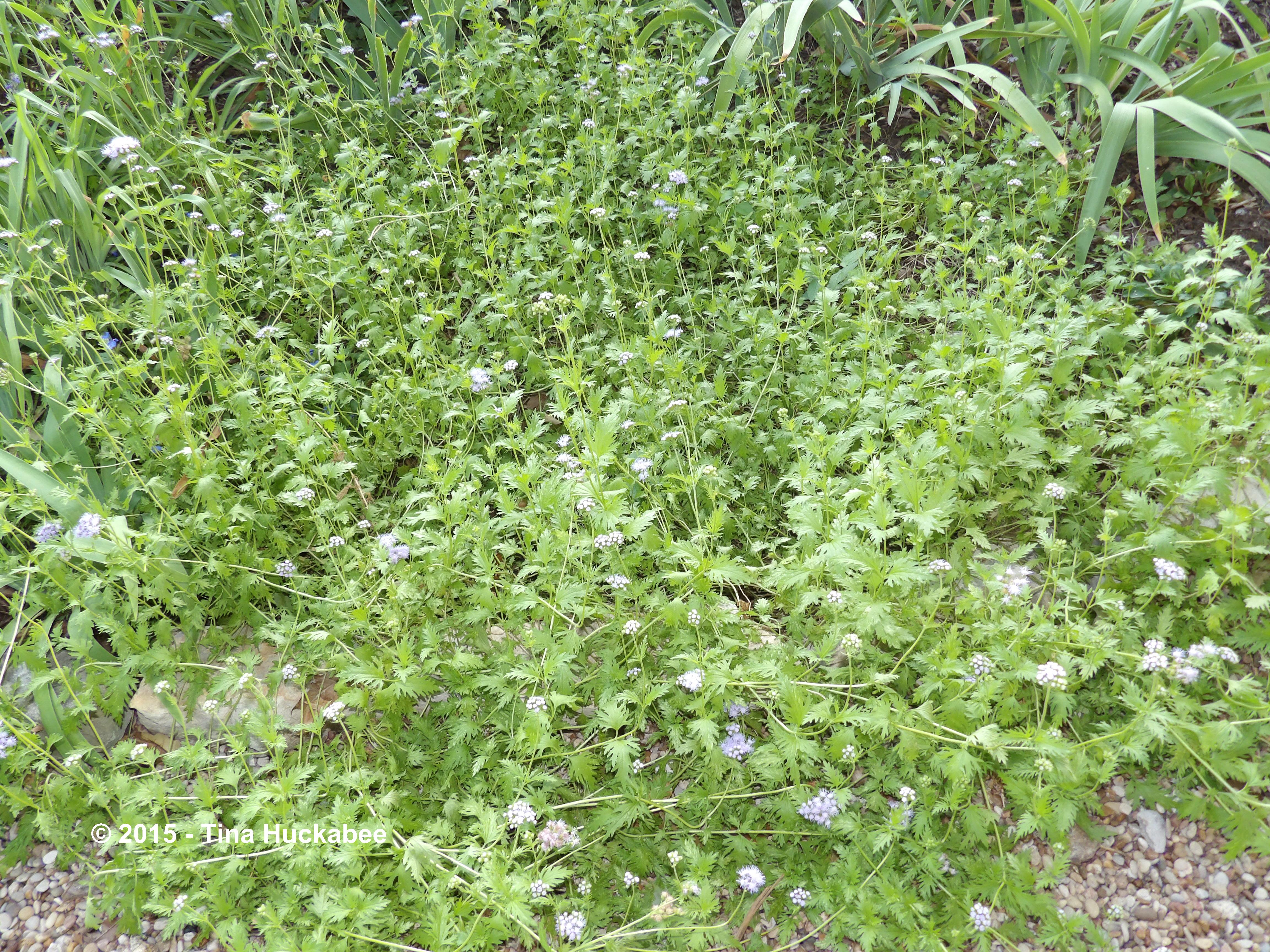
Mid-September through Mid-November hosts the peak flowering for this tough and lovely native Texas-to-Arizona plant. In its native range, Gregg’s Mistflower is perennial and acts as a ground cover in the garden, reaching a height of only about 12 inches during its blooming period and spreading to cover as much or little space as the gardener will tolerate or encourage.
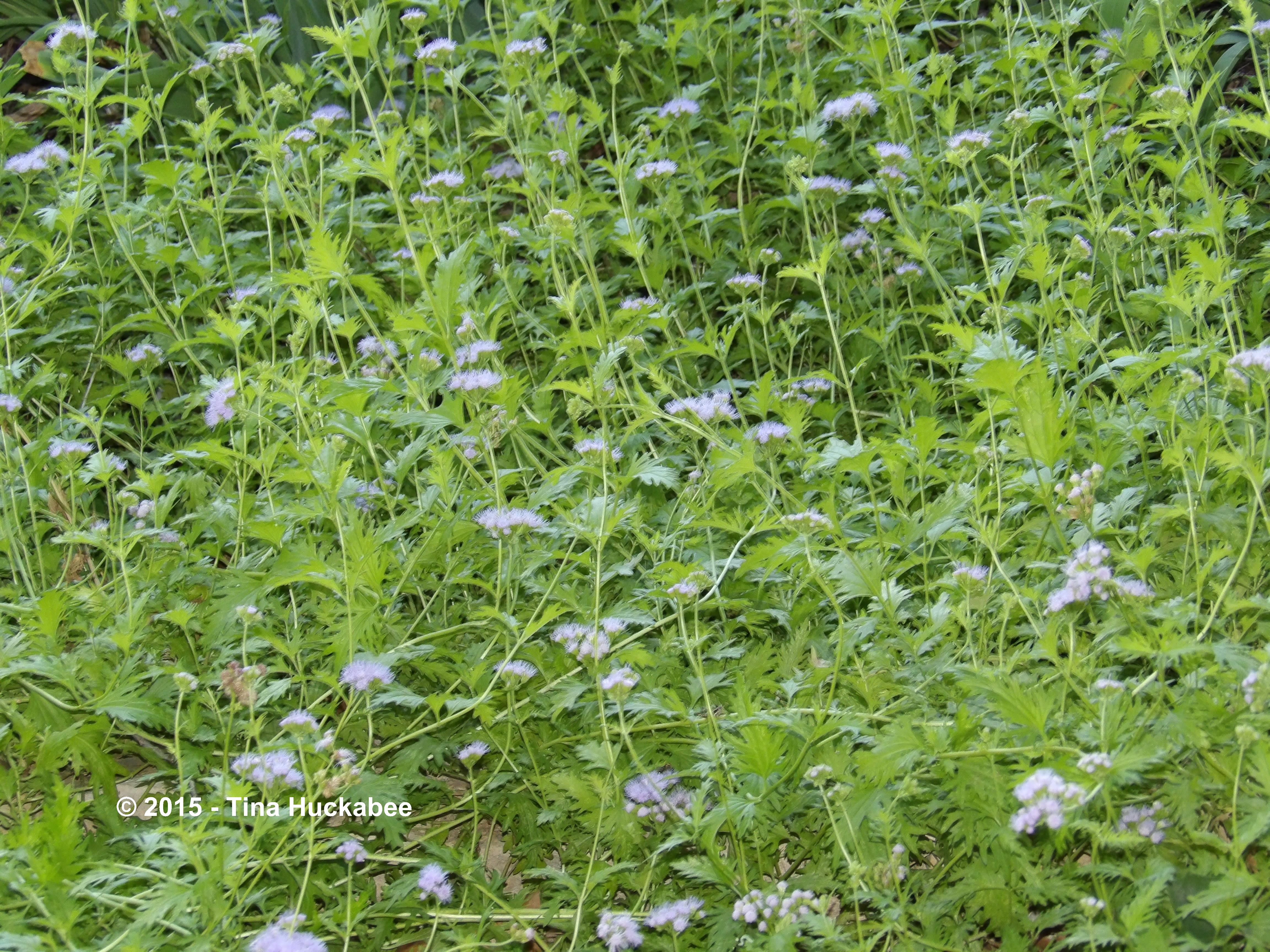

A member of the Asteraceae family, the flowers are gorgeous, showy,
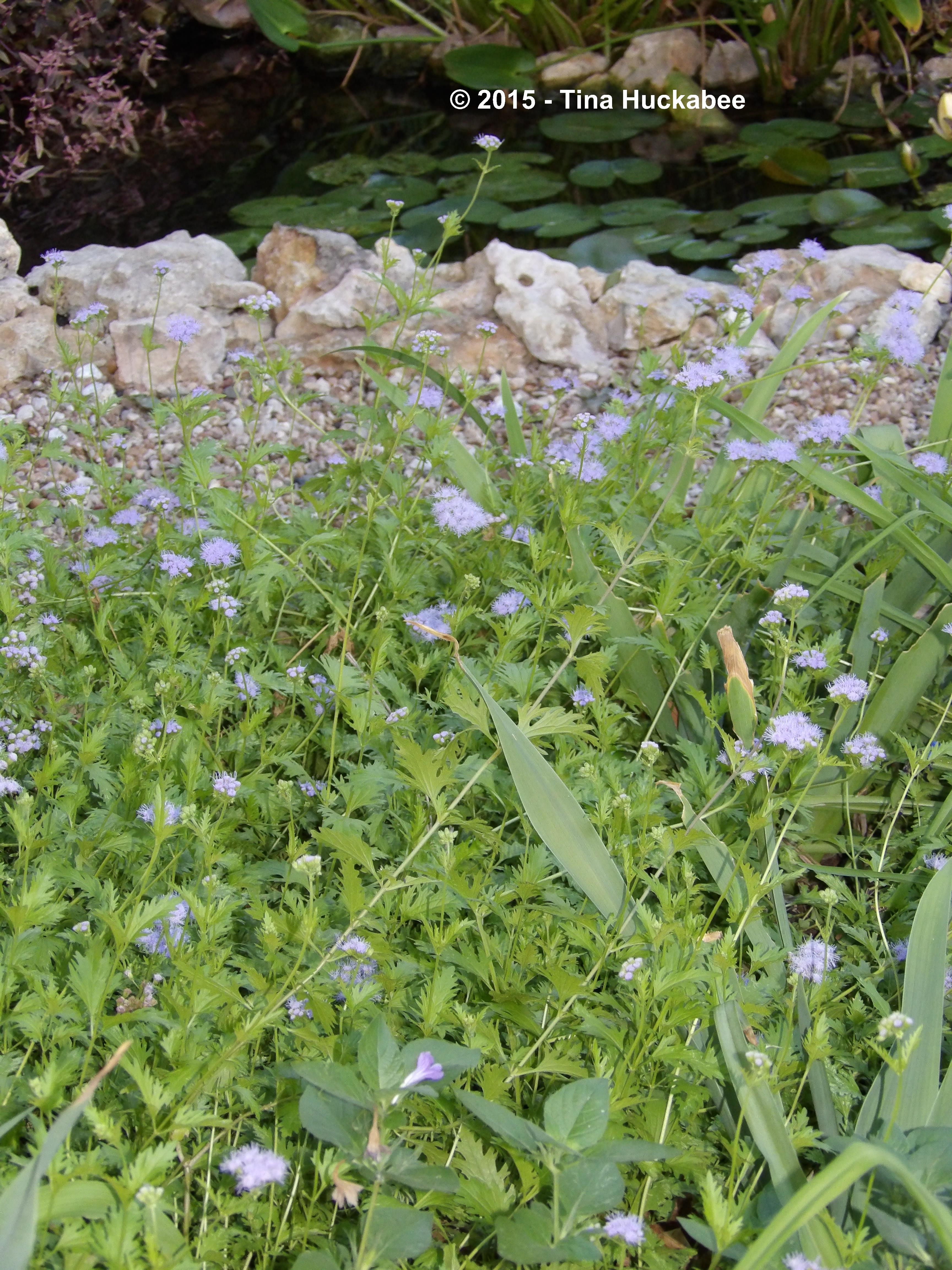


…and unusual. Additionally, they are constantly visited by many a pollinating critter.
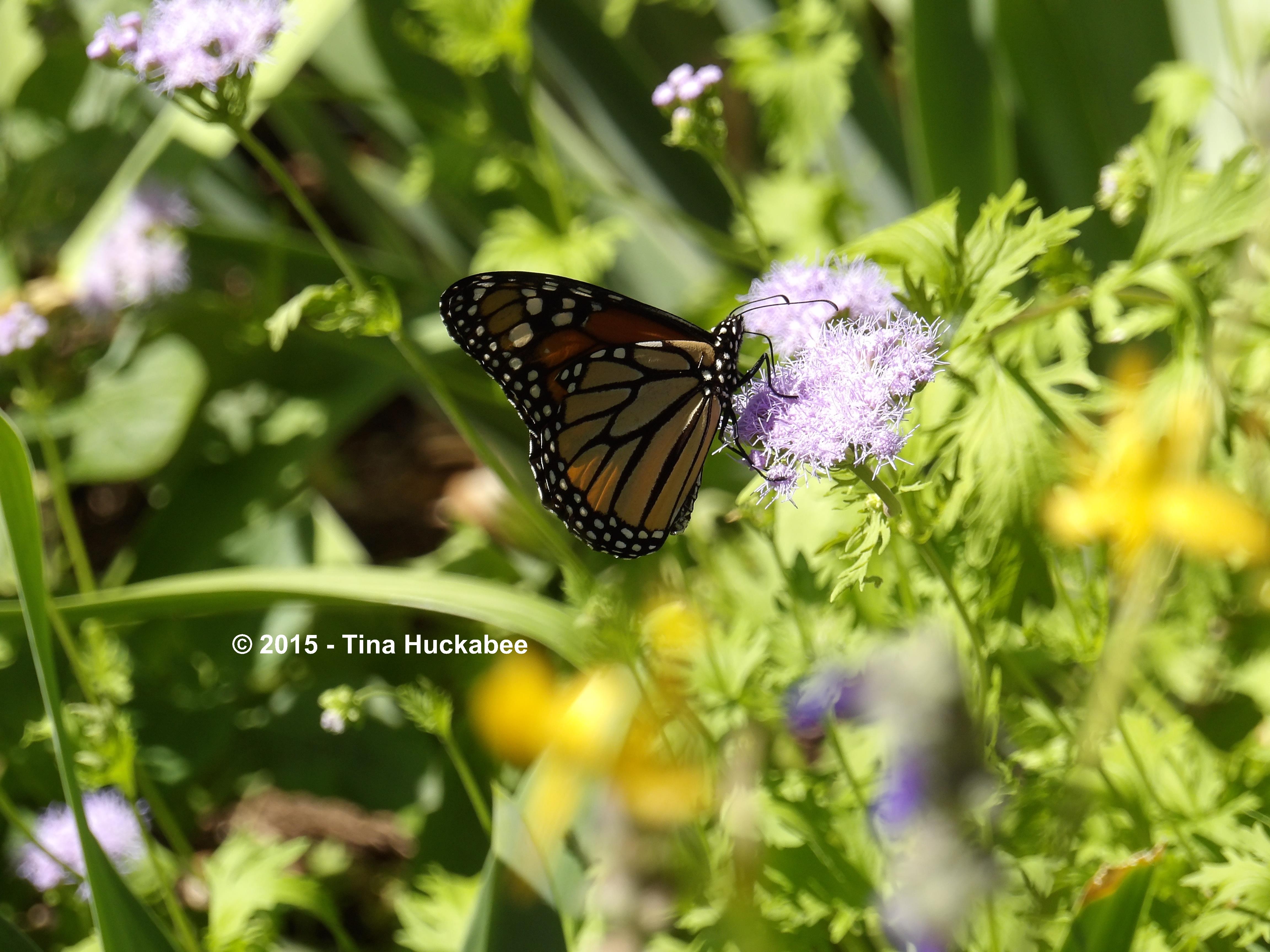
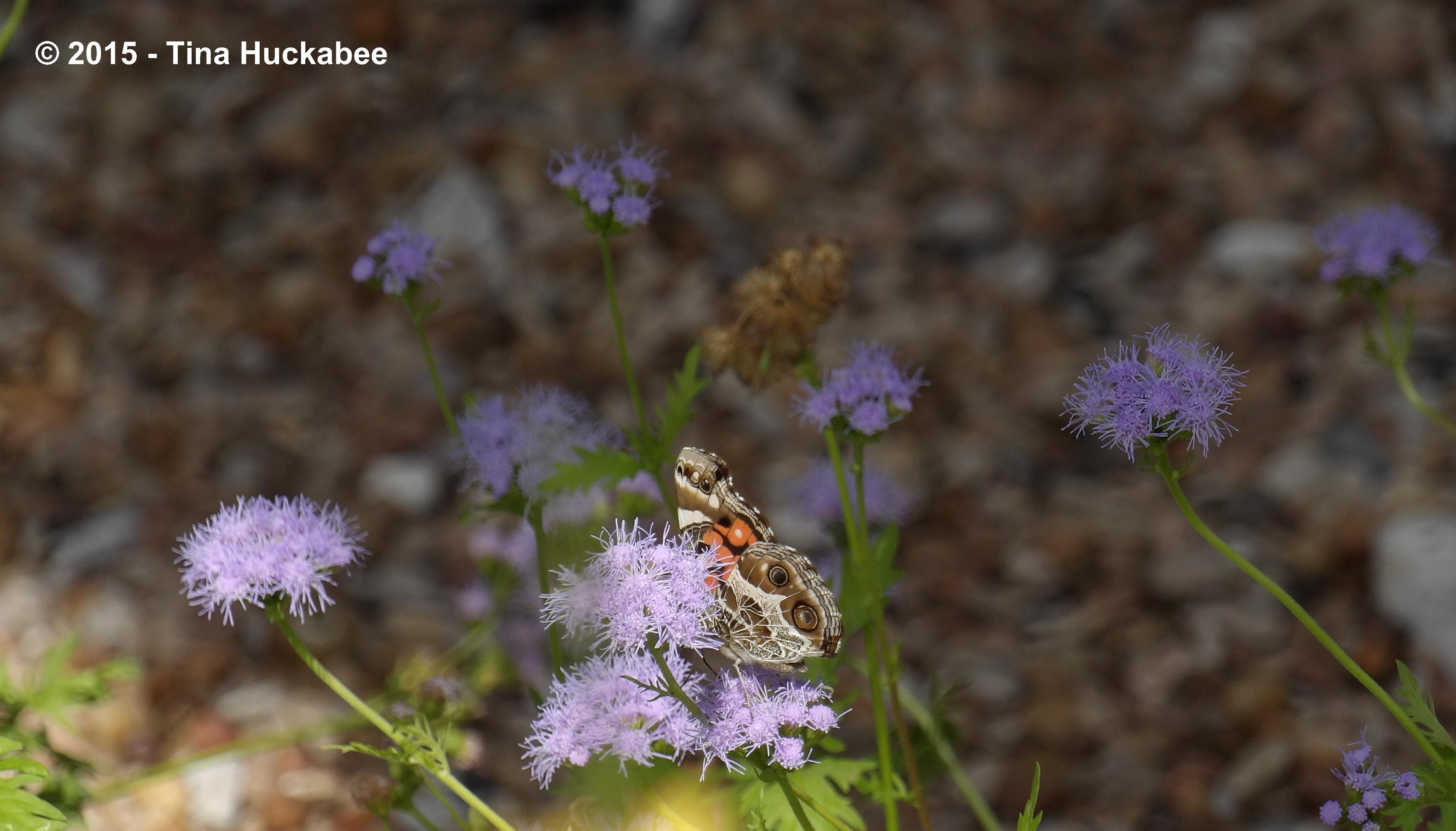


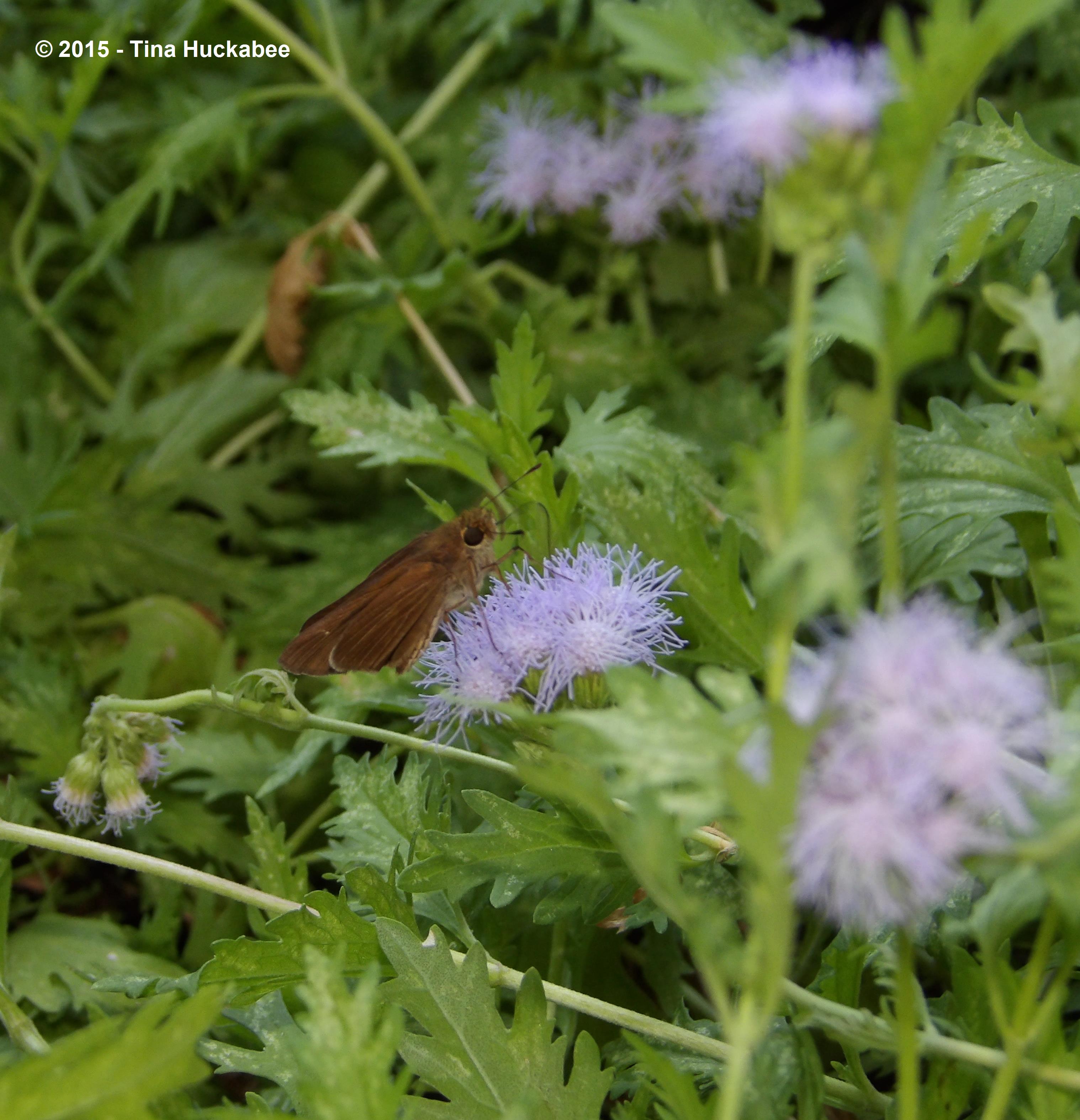

Along with Monarchs,

…the Queen butterfly, Danaus gilippus, prefers Gregg’s Mistflower over other nectar choices.


I planted my G. Mistflower group from passed along sprigs with healthy roots attached, and have, in turned, gifted to other enthralled gardeners seeking beauty in botanic and pollinator form. The flowers are what most gardeners prize the Gregg’s for, but it is generally a no-fuss plant–it carries no disease problems and is a water-wise addition to any Texas-tough garden.


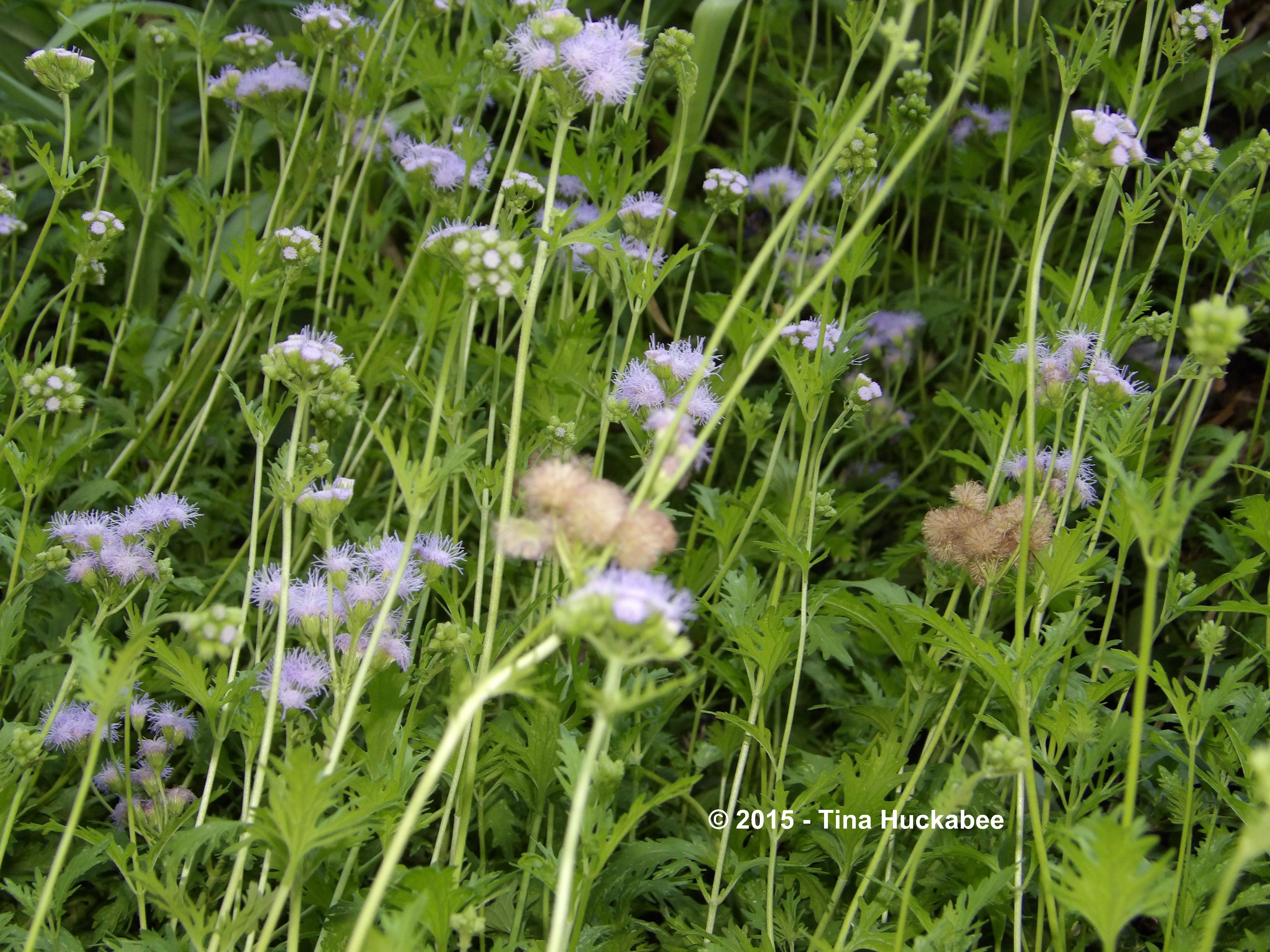
Once its flowering has peaked, the fuzzy blooms fade to a tawny beige.

I find the spent blooms quite attractive and I have witnessed finches sneaking snacks from the seed heads.


After the first hard freeze and subsequent foliage drop, the color of the spent blooms lighten just a bit.

Through December and January, the seed heads become more fragile and begin dispersal. I’ve never experienced Gregg’s Mistflower re-seeding into other parts of my garden, or elsewhere for that matter. In my garden it spreads primarily by the roots in the immediate vicinity of the mother plant. Due to lazy-gardener syndrome, I usually leave the thin and fragile remains of Gregg’s Mistflower, seed heads and stems, mingling with the fallen foliage from deciduous trees through the course of winter.

I become serious about clean-up only upon arrival of the first spring growth.

Since Gregg’s Mistflower is dormant during winter, you might want to plant companions of non-native, but evergreen Iris, or native and evergreen Cedar Sage, Salvia roemeriana, Lyre-leaf Sage, Salvia lyrata, or Gulf Coast Penstemon, Penstemon tenuis–all which are spring bloomers–allowing for seasonal interest when Mistflower is dormant. Additionally, by planting evergreens along the edges where you want to limit the spread of Gregg’s Mistflower, you can give a sense of structure to the garden.
Once the warmer temperatures return and spring growth is well-underway, Gregg’s Mistflower grows quickly–adding plenty of filler foliage to augment spring’s beauty. It is a plant that requires some tidying around the edges so that it doesn’t insinuate itself too much out of its desired range, but is easily controlled by simply weeding out the wayward growth and passing along to other native plants gardeners!

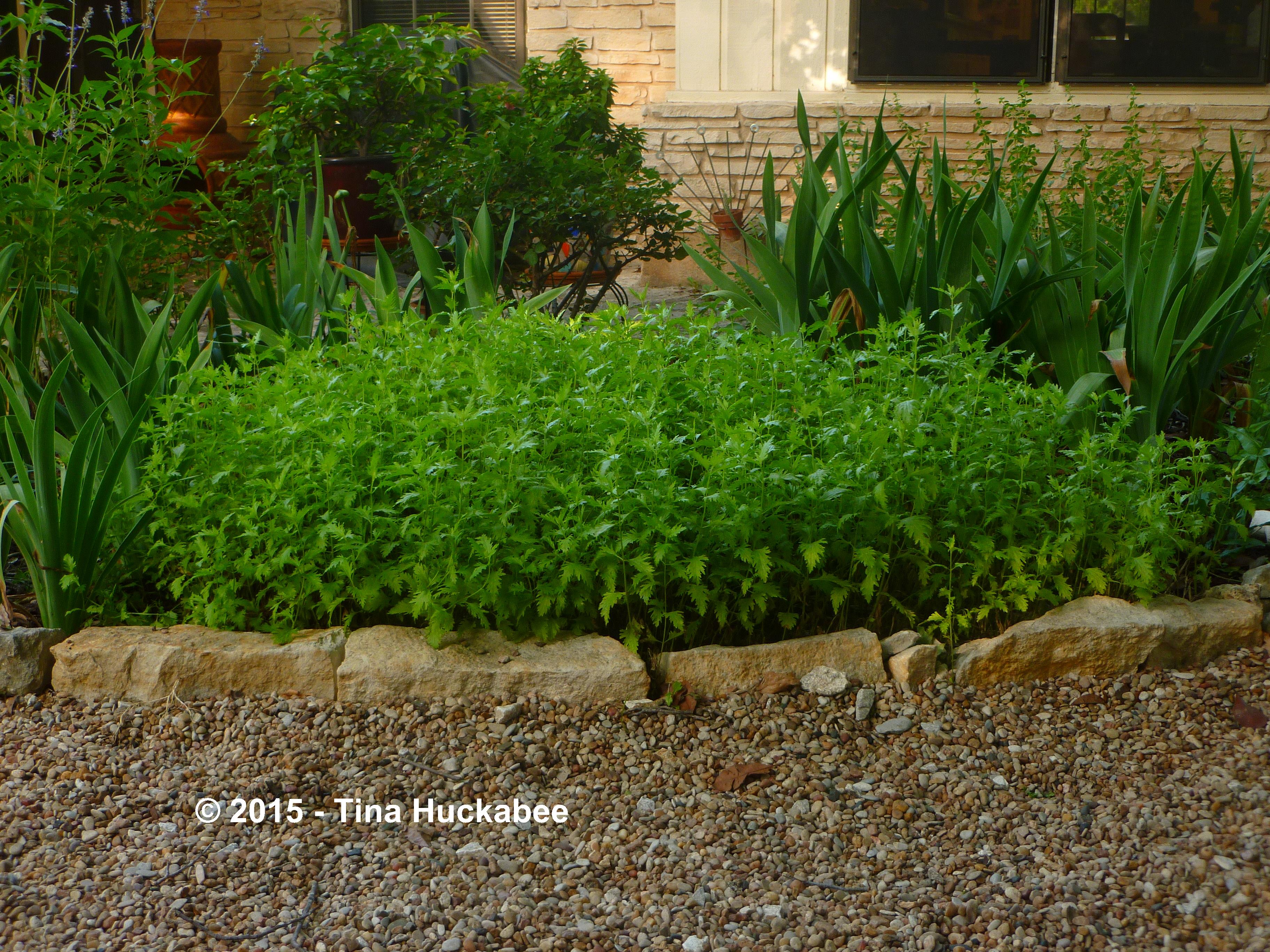
The foliage is a stunning bright green and is lobed, or palmate, in shape.

Its other common names (aside from Gregg’s Mistflower) pay homage to the palmate foliage. Names like Palm-leaf Mistflower, Palm-leaf Thoroughwort, Purple Palmleaf Mistflower, Purple Palm Leaf Eupatorium are certainly descriptive, though I’m personally fond of the “Gregg’s”. Named after Josiah Gregg , who was one of the 19th century naturalists who traveled throughout Texas and catalogued plants (and other things as well), Gregg’s Mistflower is one of many plants named in his honor.
Gregg’s returns from dormancy rapidly and usually there are smatterings of blooms during spring and summer, but the real flower-power show begins in August, picking up blooming steam during September and October, with a slacking off as November strolls through the garden.


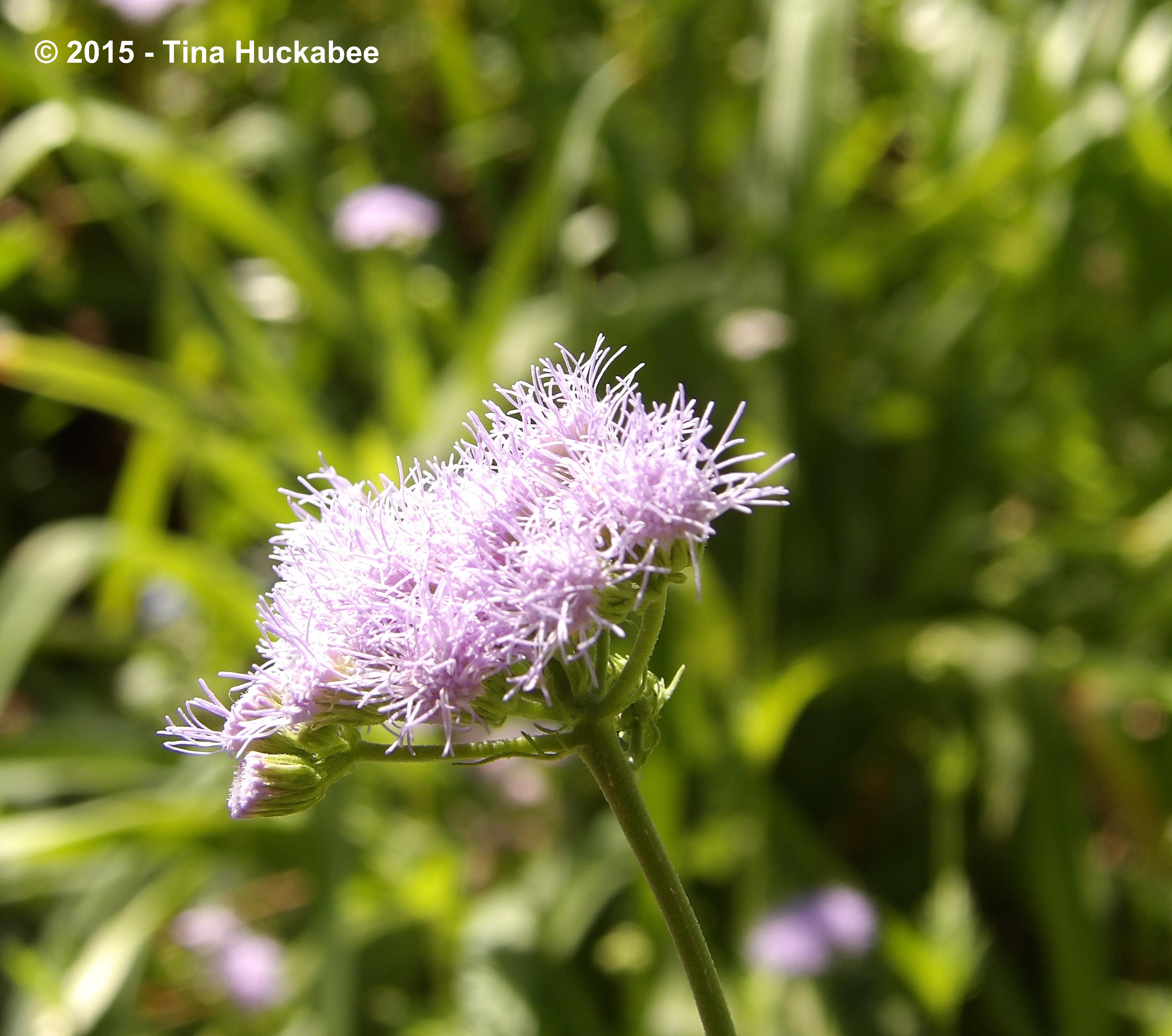
So pretty.
Gregg’s Mistflower is not only an excellent pollinator plant, but also the host plant for the Rawson’s Metalmark Butterfly, Calephelis rawsoni.
Gregg’s Mistflower grow and bloom best in full to part sun, but will take shade. In a garden that I once managed at Zilker Botanical Garden, one group of Gregg’s Mistflower grew in light shade–it received no direct sun throughout the day. The foliage was lanky, but still attractive, and the blooms appeared, less abundantly, but on schedule during the autumn months, just like its brethren growing in more sun. In decent soil, this hardy plant only takes about two years to cover a 4×4 foot area. With rockier soil or a shadier spot, the Gregg’s Mistflower covers a similar patch more slowly.
If you enjoy (snort!) deer visiting your garden, be aware that they’re likely to nibble your Mistflower, so if you can grow it in a spot where the ungulate beasties can’t get to the plant, you’ll be a satisfied gardener, even if you’re frustrating your deer visitors
Gregg’s Mistflower, Conoclinium greggii, is a plant that works in any Texas garden, sun or shade, rocky or clayey, formal or casual, and is coveted by pollinators and gardeners.
In Spring,

Summer,

Autumn,


Winter.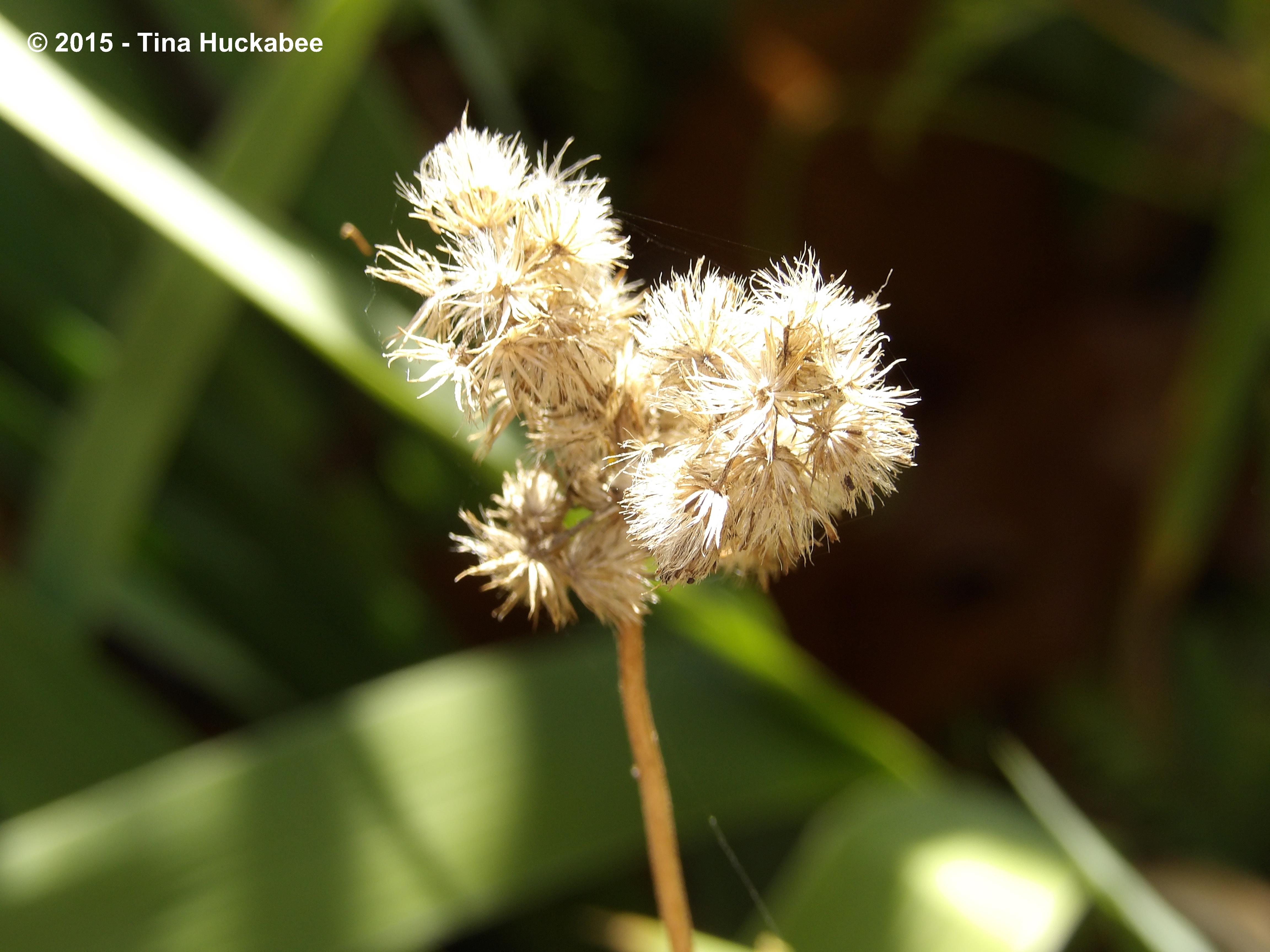






 My Gardener Says...