Wildlife Wednesday, January 2016: All About Birds

Welcome to a new year, with new beginnings, and new wildlife to observe and learn about.

How exciting!

In my gardens, this past month’s wildlife happenings have been all about the birds.
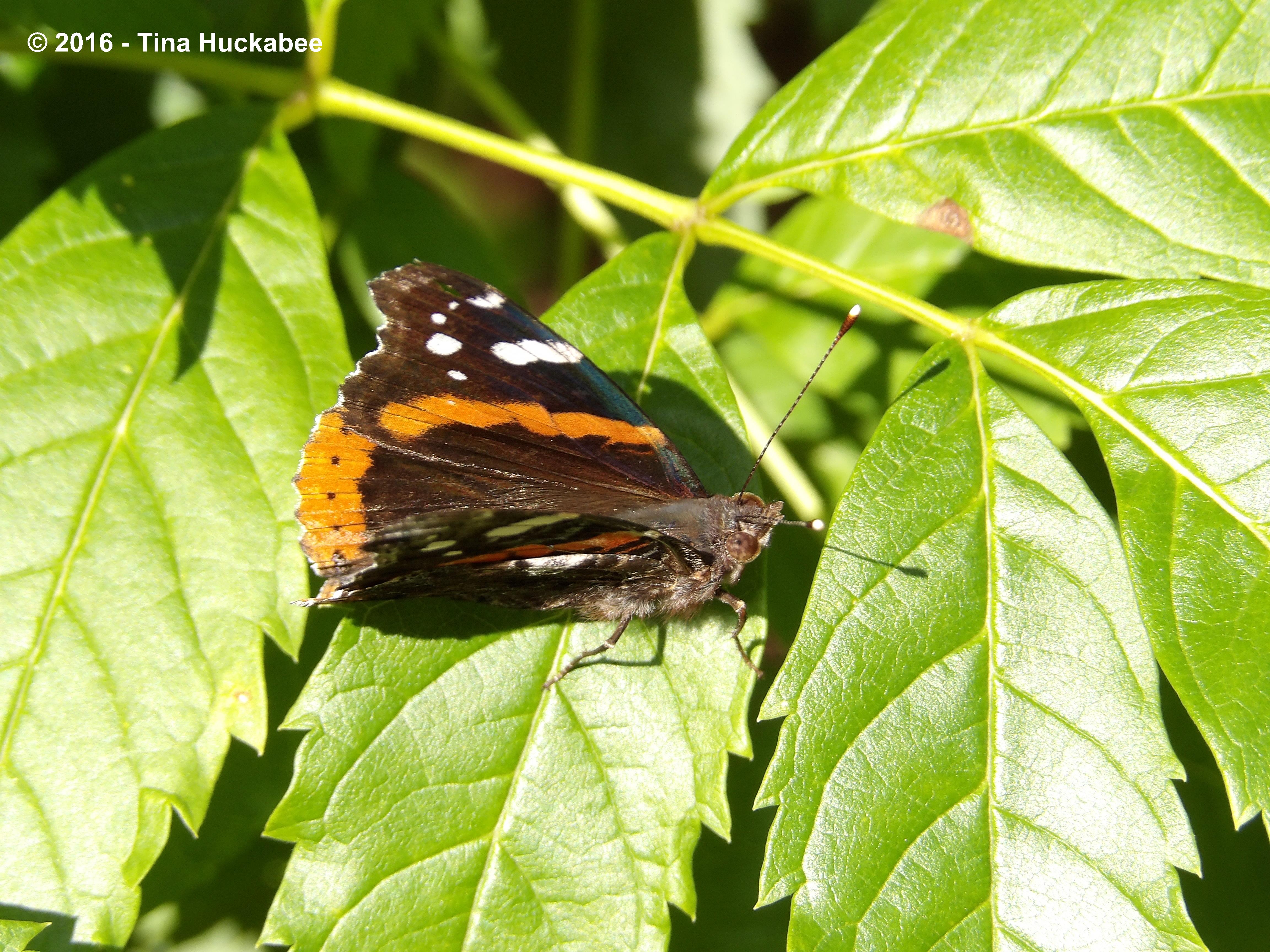
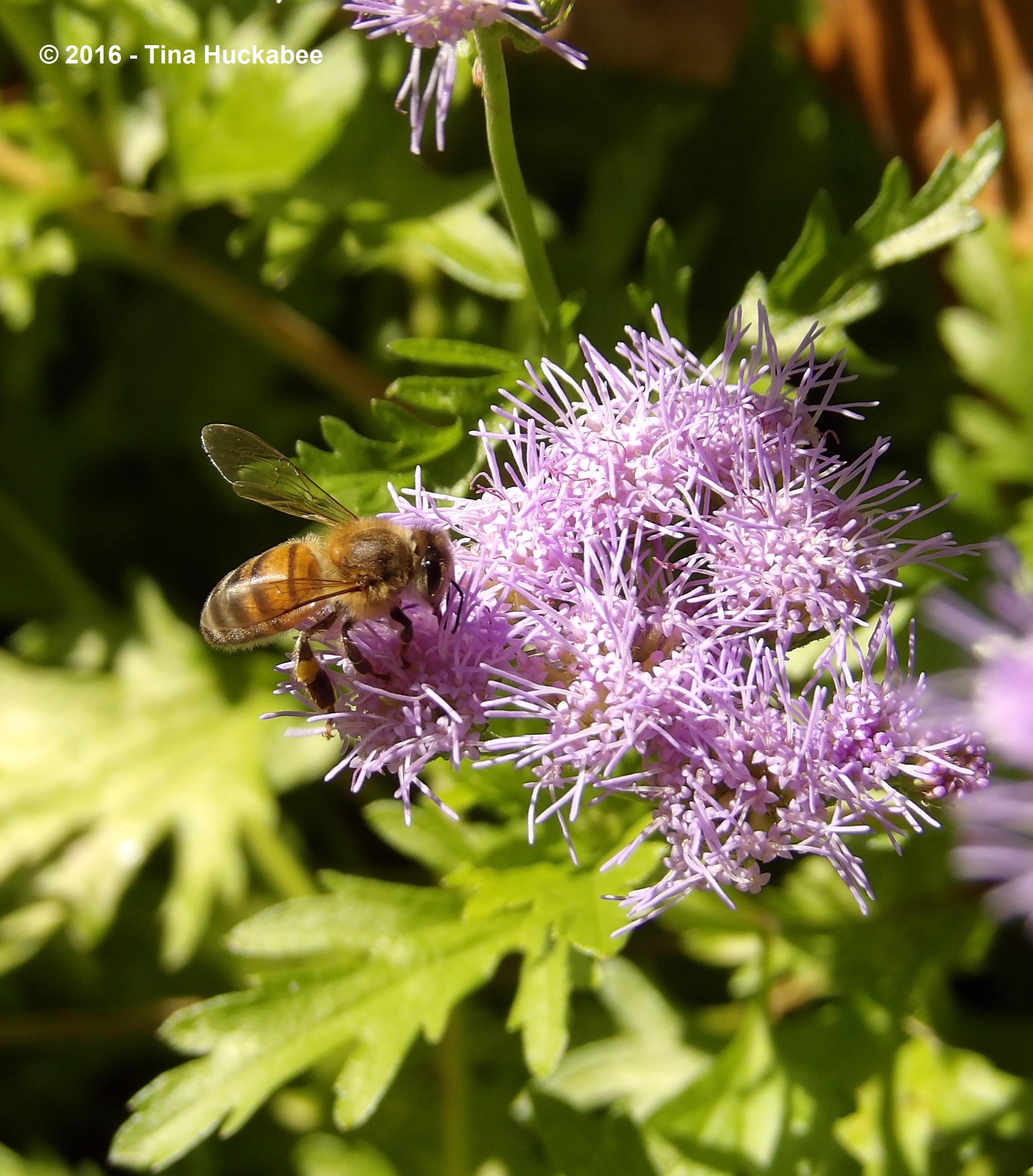
IMGP3020.new

Yes, I know that’s not a bird.  Nor are these.
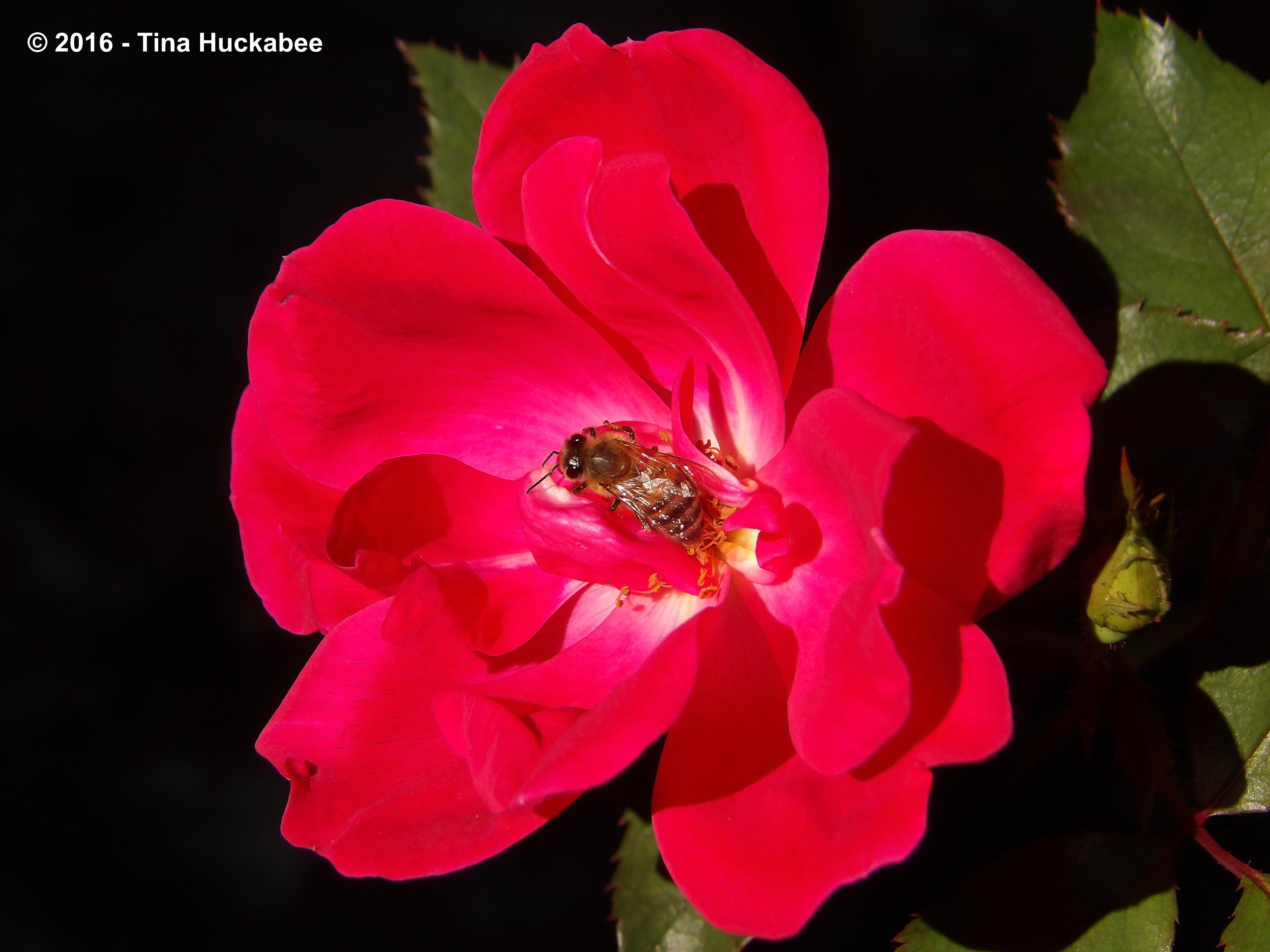
IMGP3082.new

IMGP3094_cropped_2608x2968..new


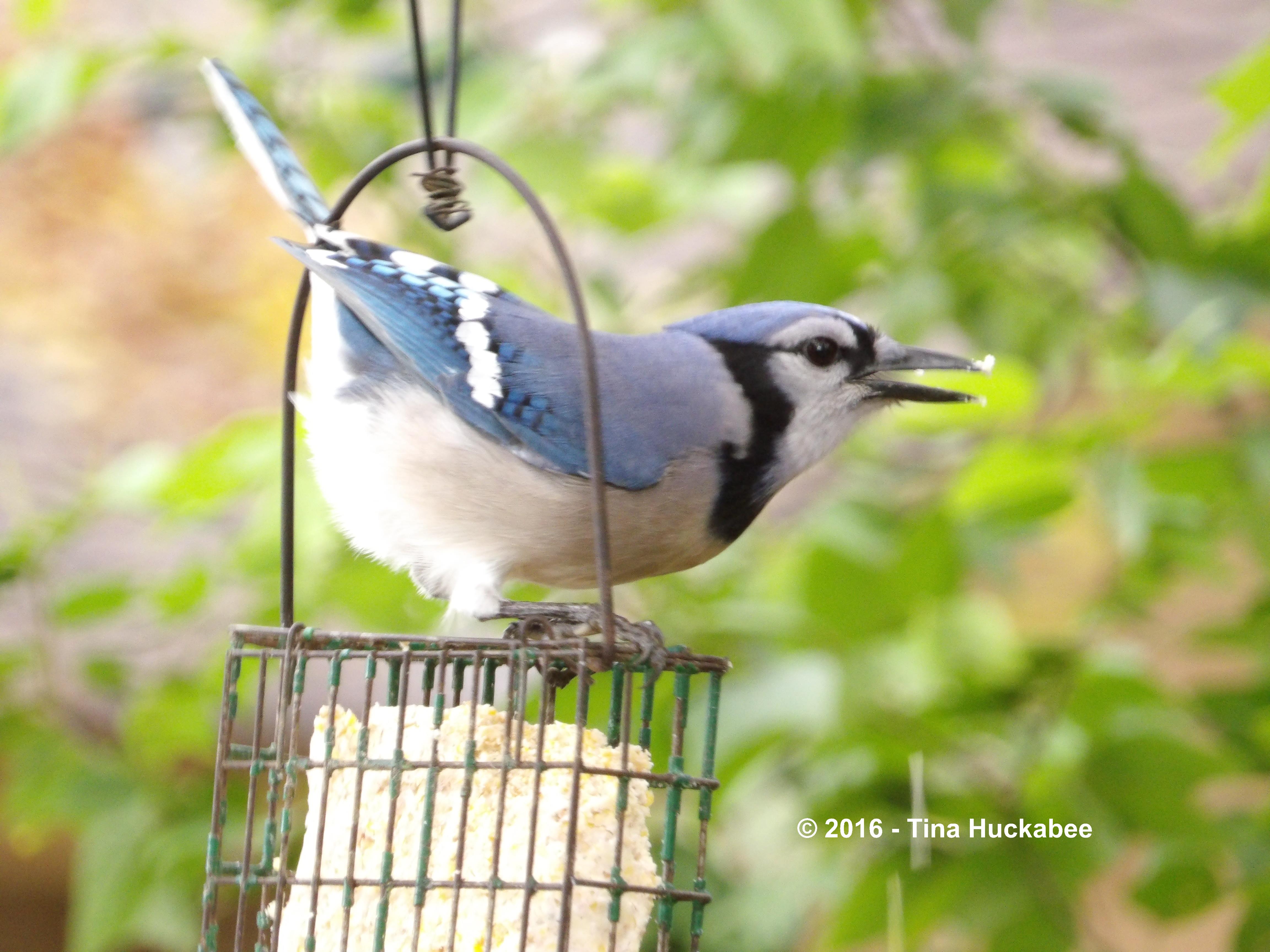
But this handsome devil is most definitely a bird!
IMGP3278.new

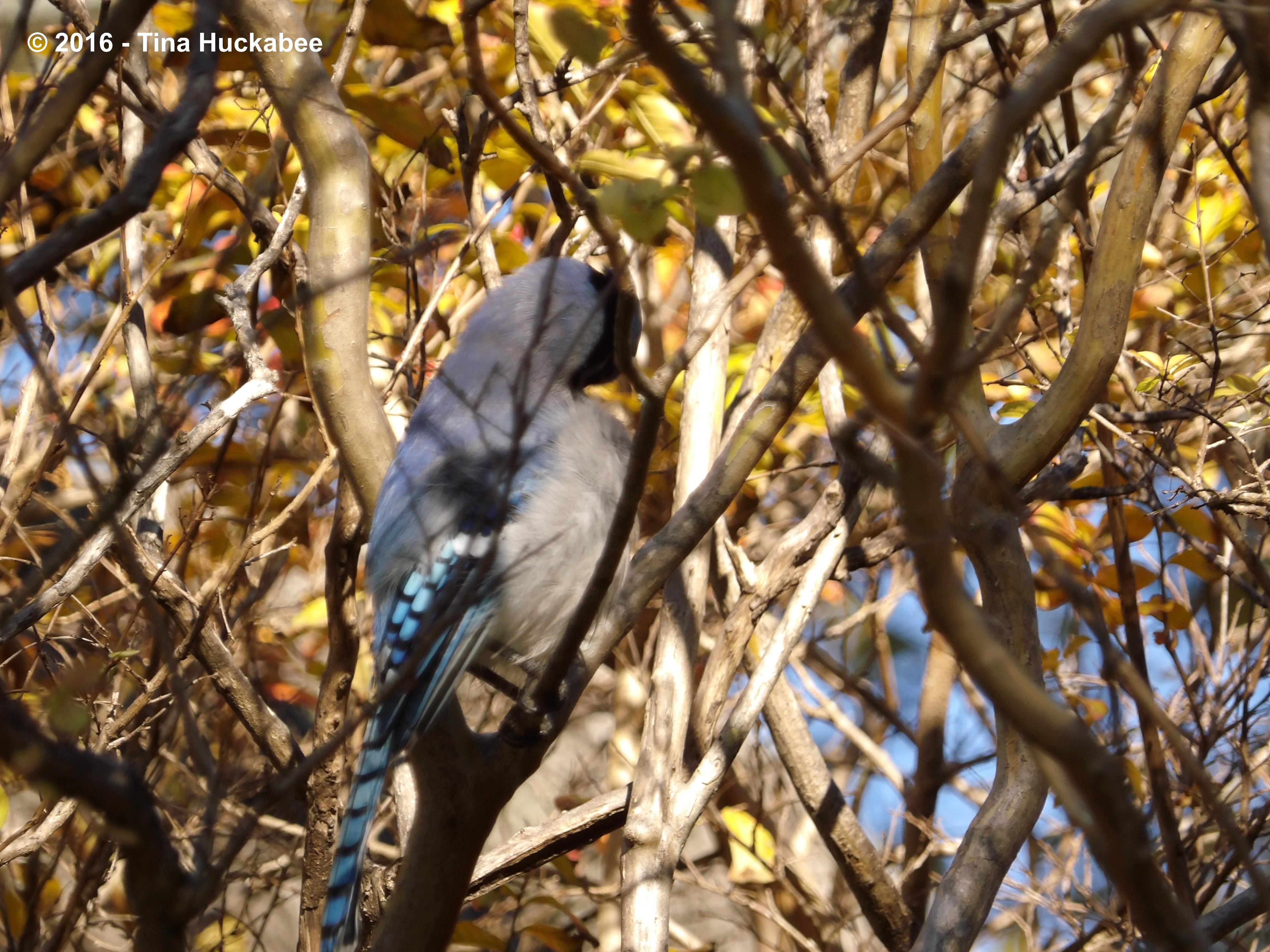
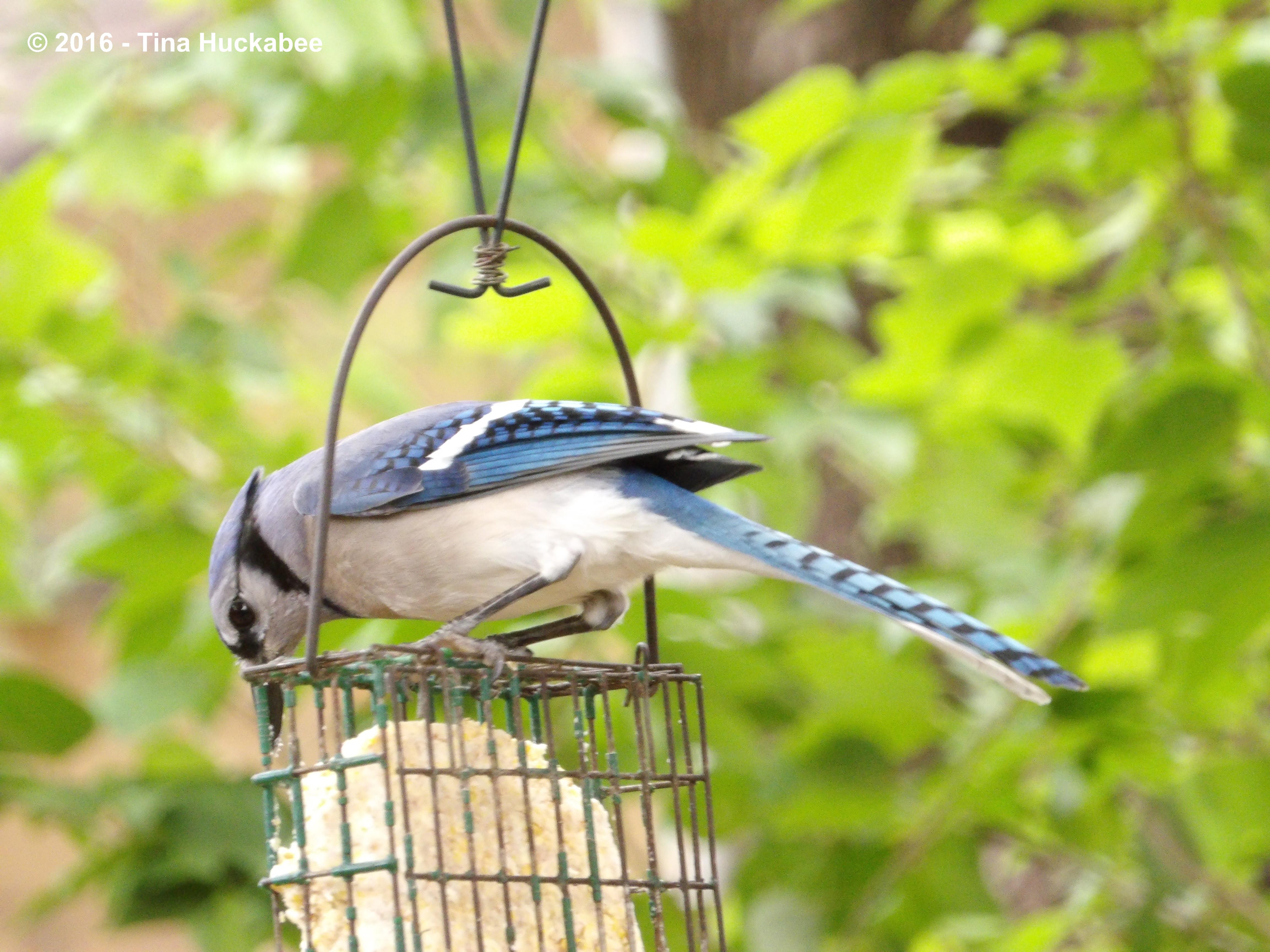
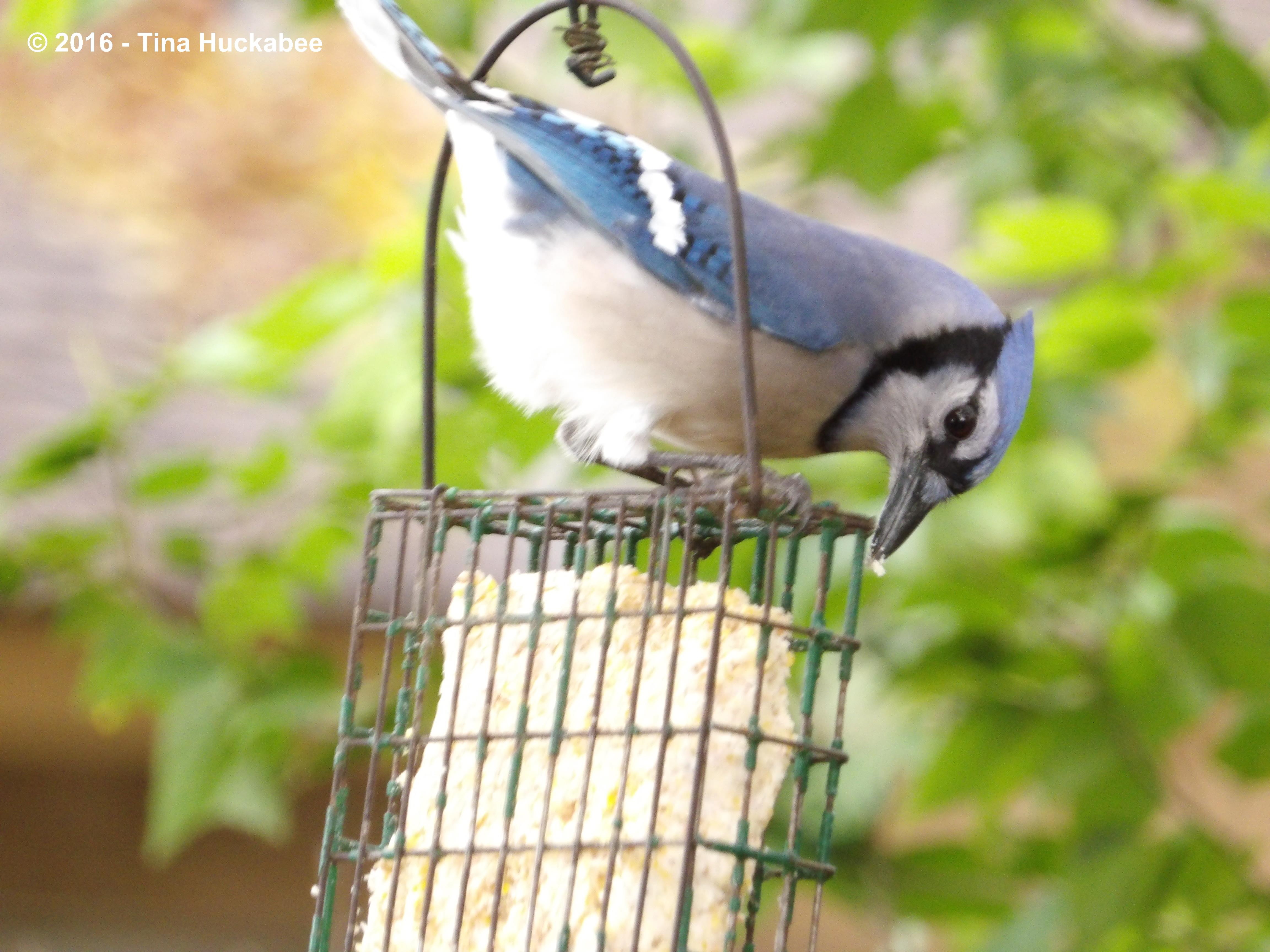
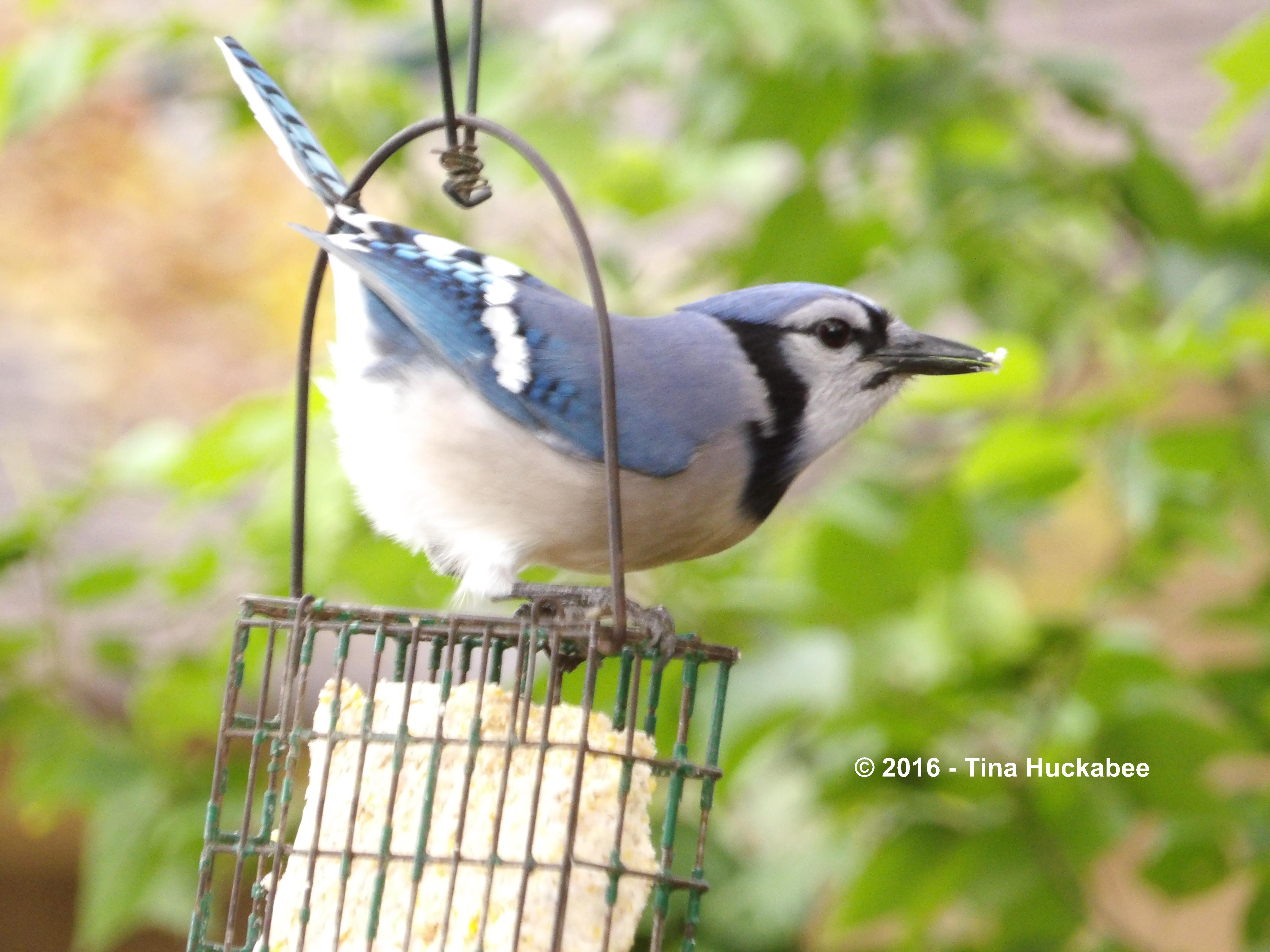
There are a number of native Blue Jay birdsCyanocitta cristata, who fly through my gardens, stopping on a regular basis to nosh,
IMGP3283.new

…and preen.

IMGP3106.new

Beautiful birds, Blue Jay males and females are difficult to tell apart.  Their feathers have the pigment melanin, which is brown, but the blue that we see and admire happens because of scattered light through specialized cells along the feathers.

Lots of folks don’t like Blue Jays because they are assertive and noisy, but I’m quite fond of them; their cheeky personalities and gorgeous good looks always cheer me.  I miss the flash of blue when I haven’t seen one swoop through the garden in a day or two, though their not being part of the landscape is rare.  Blue Jays are intelligent birds with complicated family structures and there’s still much that ornithologists don’t quite understand about their family habits and migration patterns.

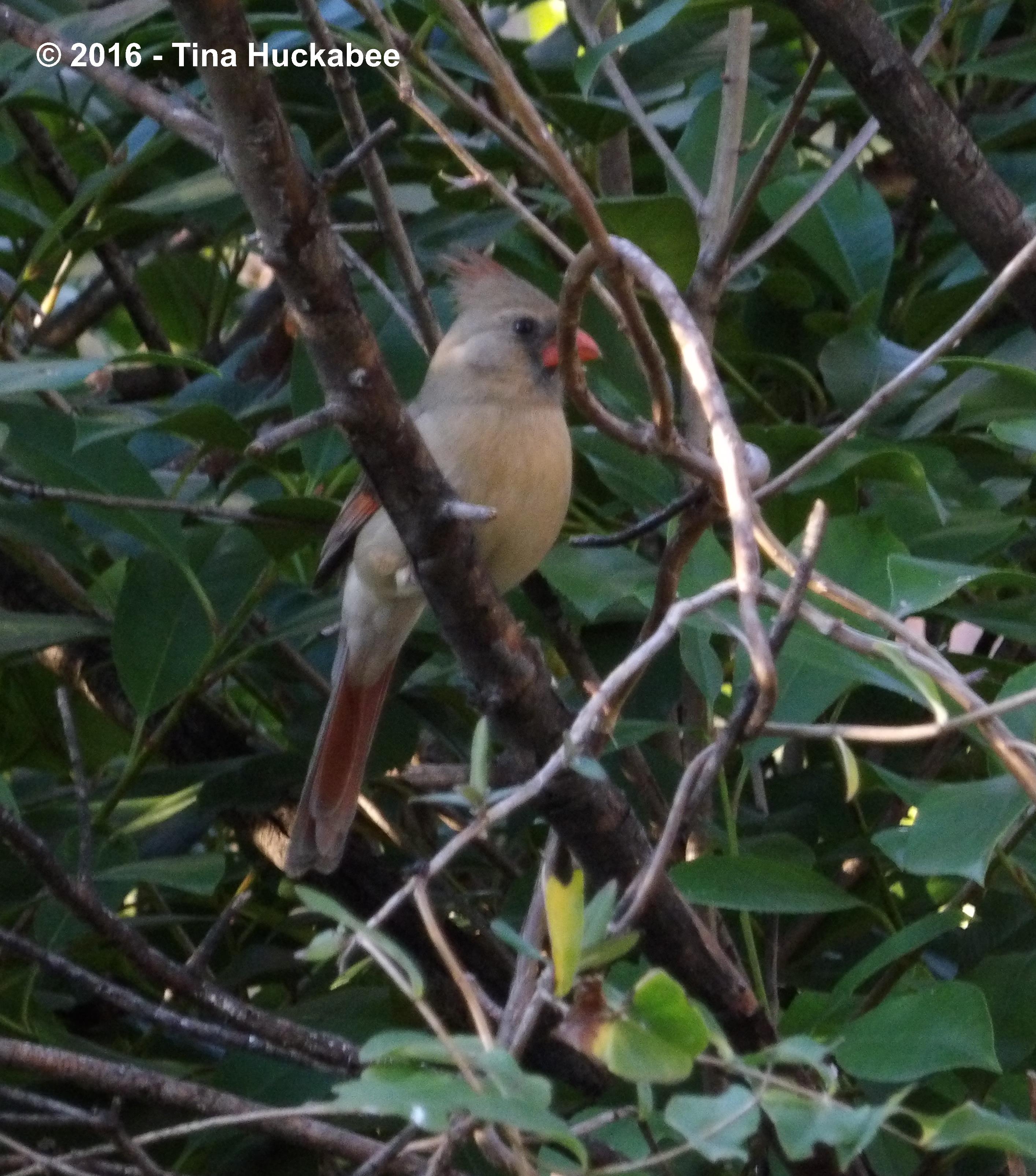
Occupying a different spot of the color wheel is this lovely girl,
IMGP3102_cropped_2829x3212..new

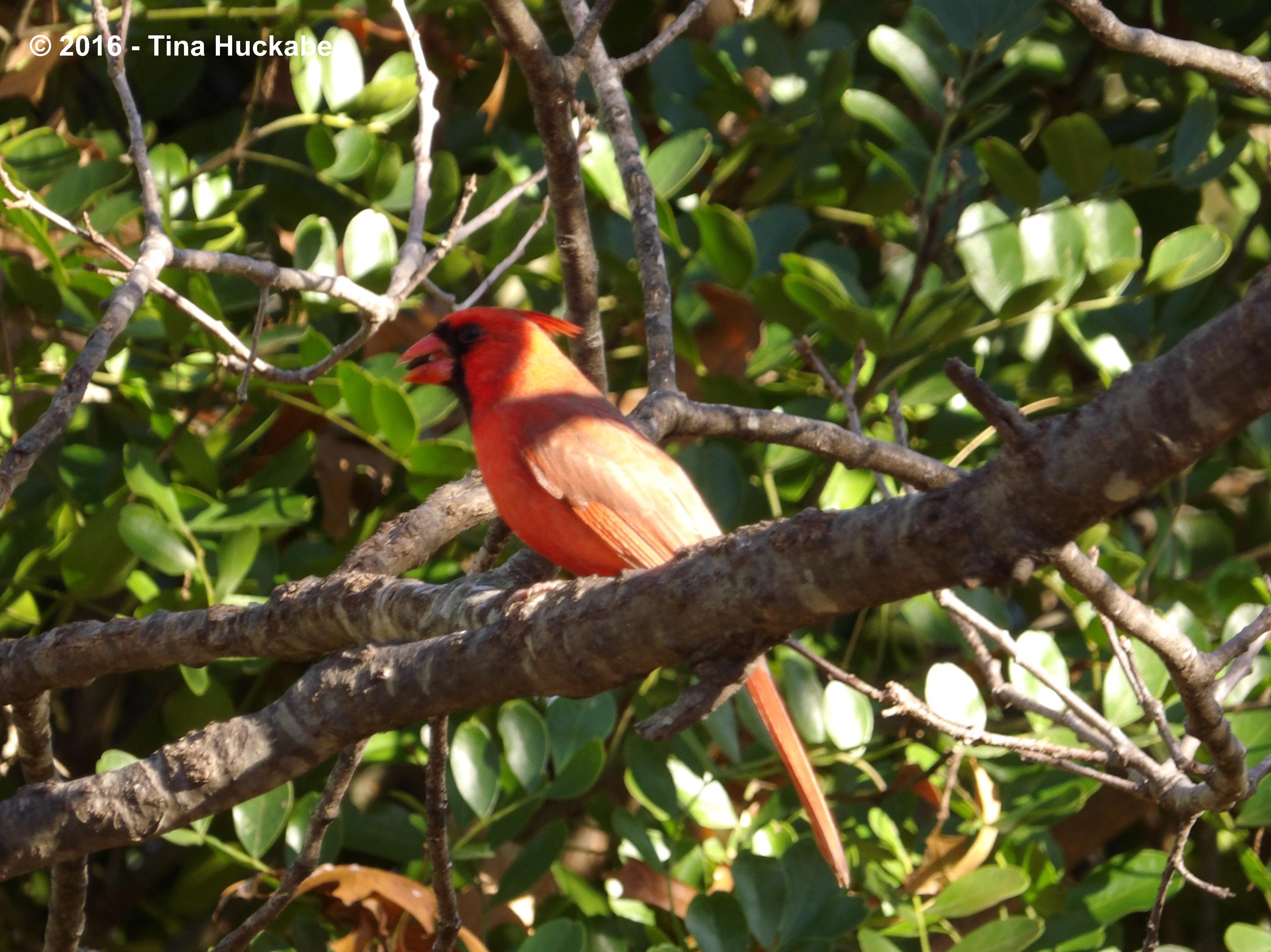
…and her male counterpart.

IMGP3613_cropped_4276x3203..new

Northern Cardinal,  Cardinalis cardinalis, birds  are common throughout  North America and adapt well to the backyard wildlife habitat.  There are two nesting pairs in my part of the neighborhood. They nest nearby and visit my gardens and feeders daily.  During summer, I’m likely to see dad training up his youngins’ on the best places to eat in the neighborhood and how to avoid the neighborhood cats.

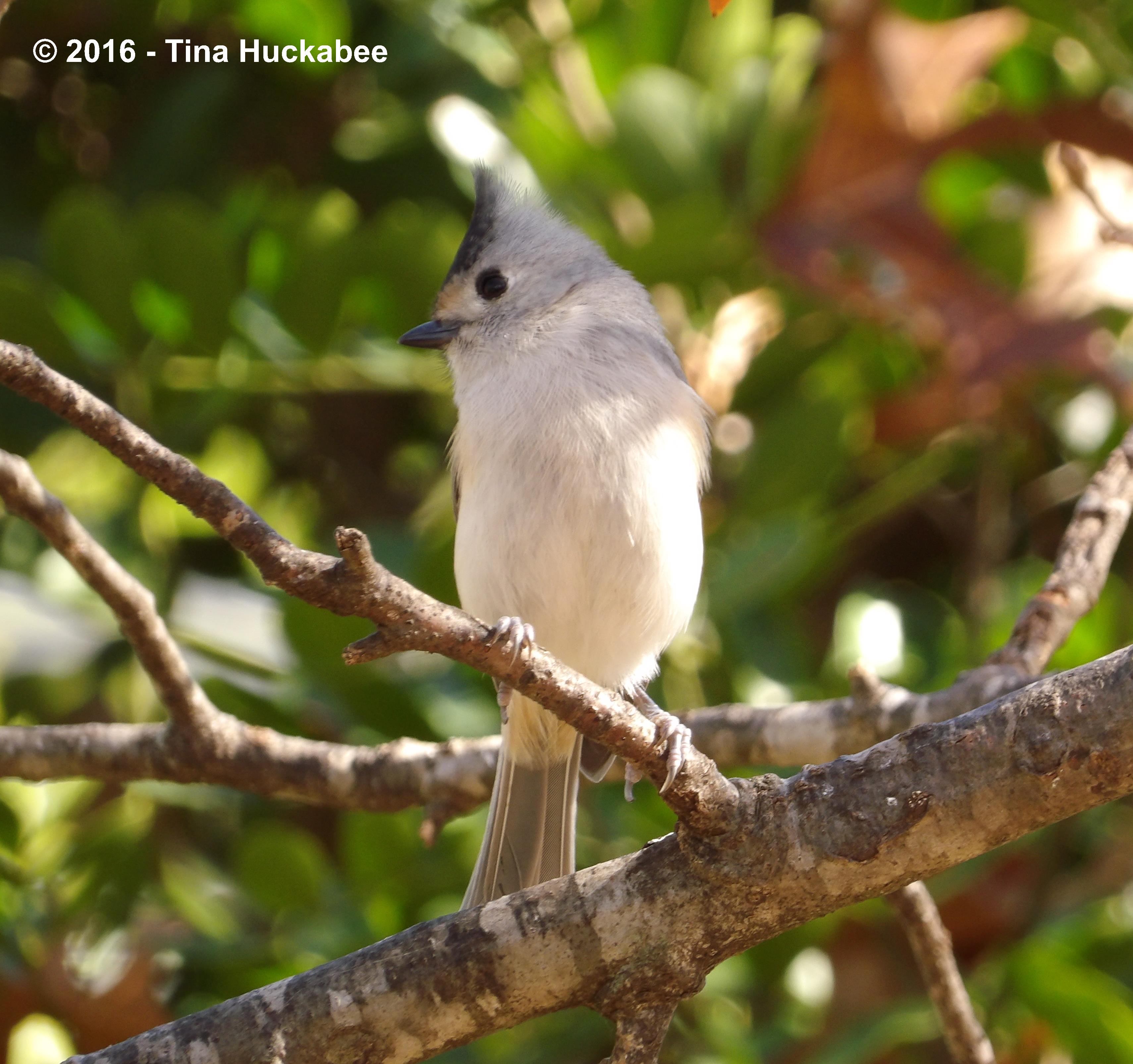
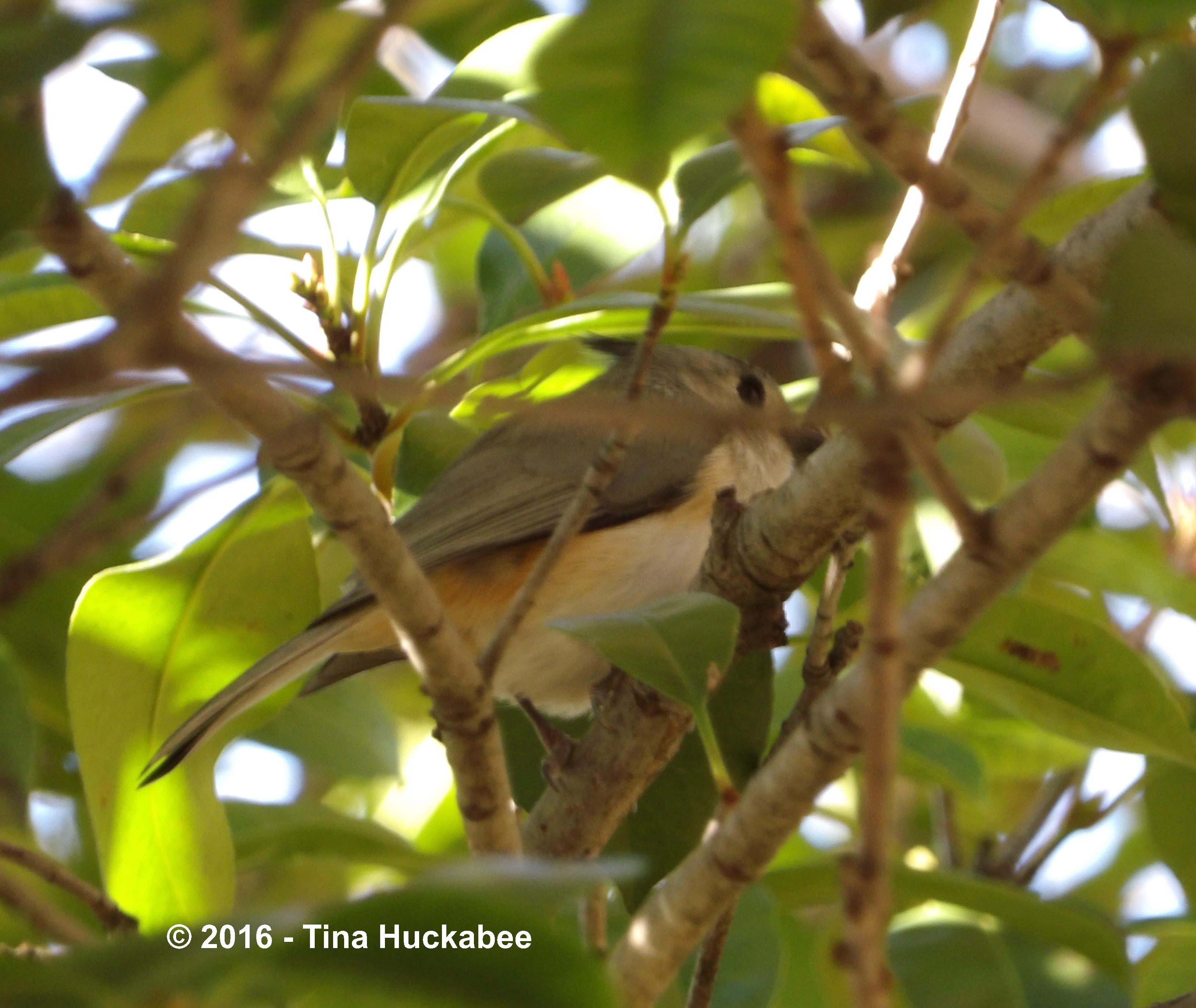
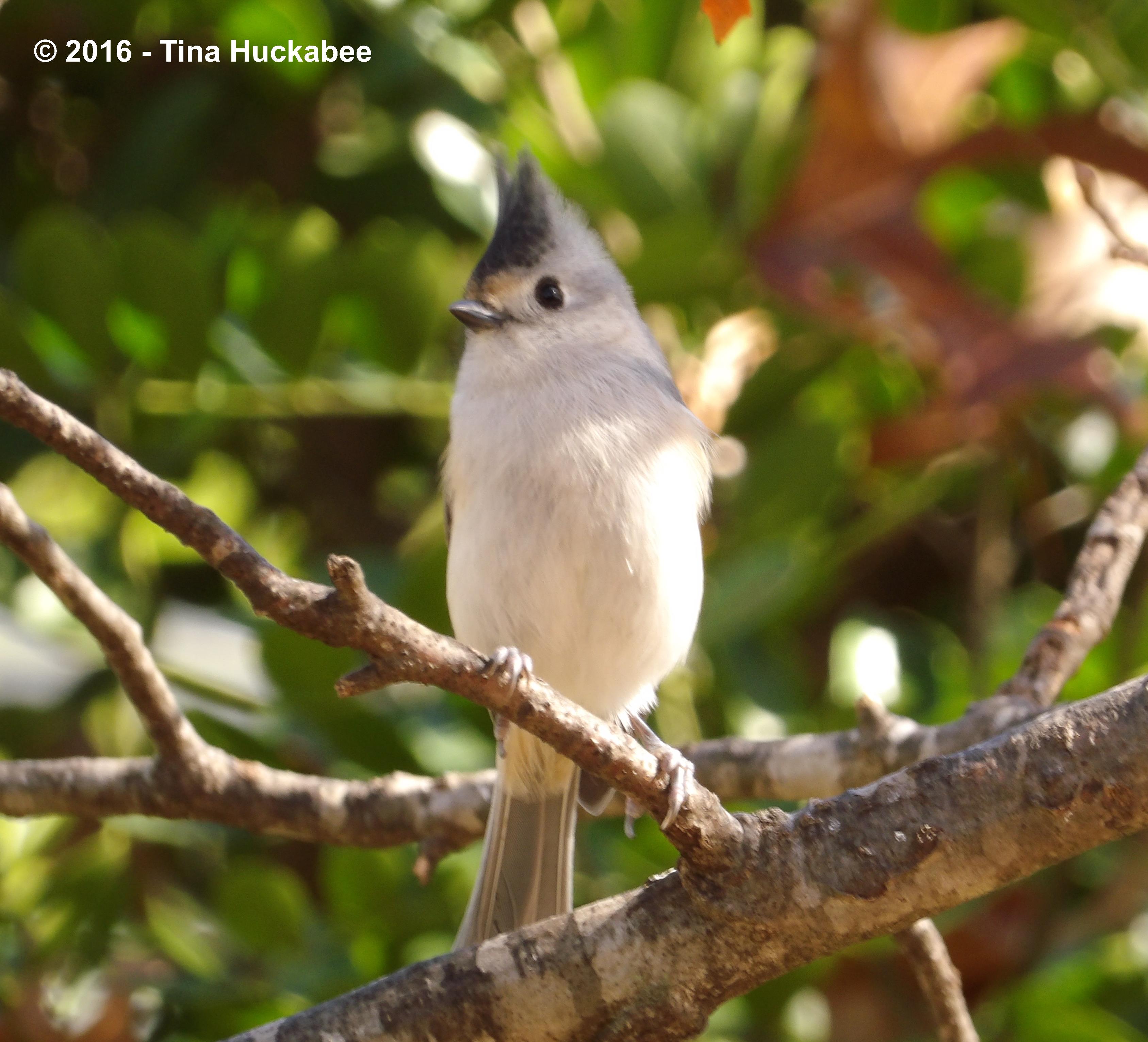
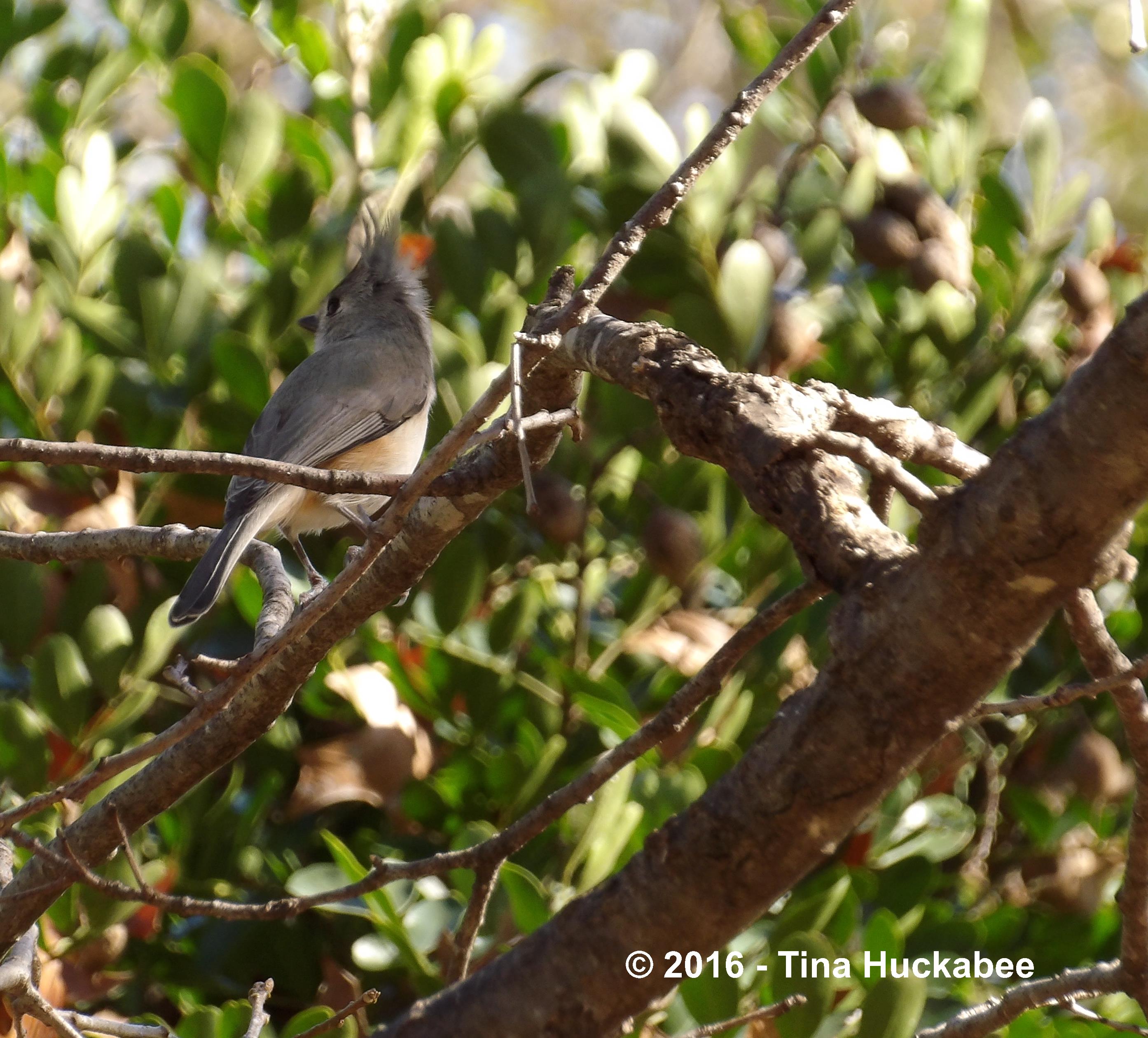
Last month, I attempted photos of the Black-crested Titmouse(s), Baeolophus atricristatus, who frequent my garden spaces. Their charming chirps allure, but their quick movements thwart photographic efforts–mine anyway.   Luckier this month, I captured some photos of some of these darling birds.  Resting between visits to a feeder,
IMGP3315_cropped_3253x2742..new

…and simply resting and looking adorable.
IMGP3576_cropped_3374x3061..new

IMGP3571_cropped_3420x3213..new

This one refused to turn around, smile and say “seeds!”  for the camera.
IMGP3542_cropped_2787x2521..new

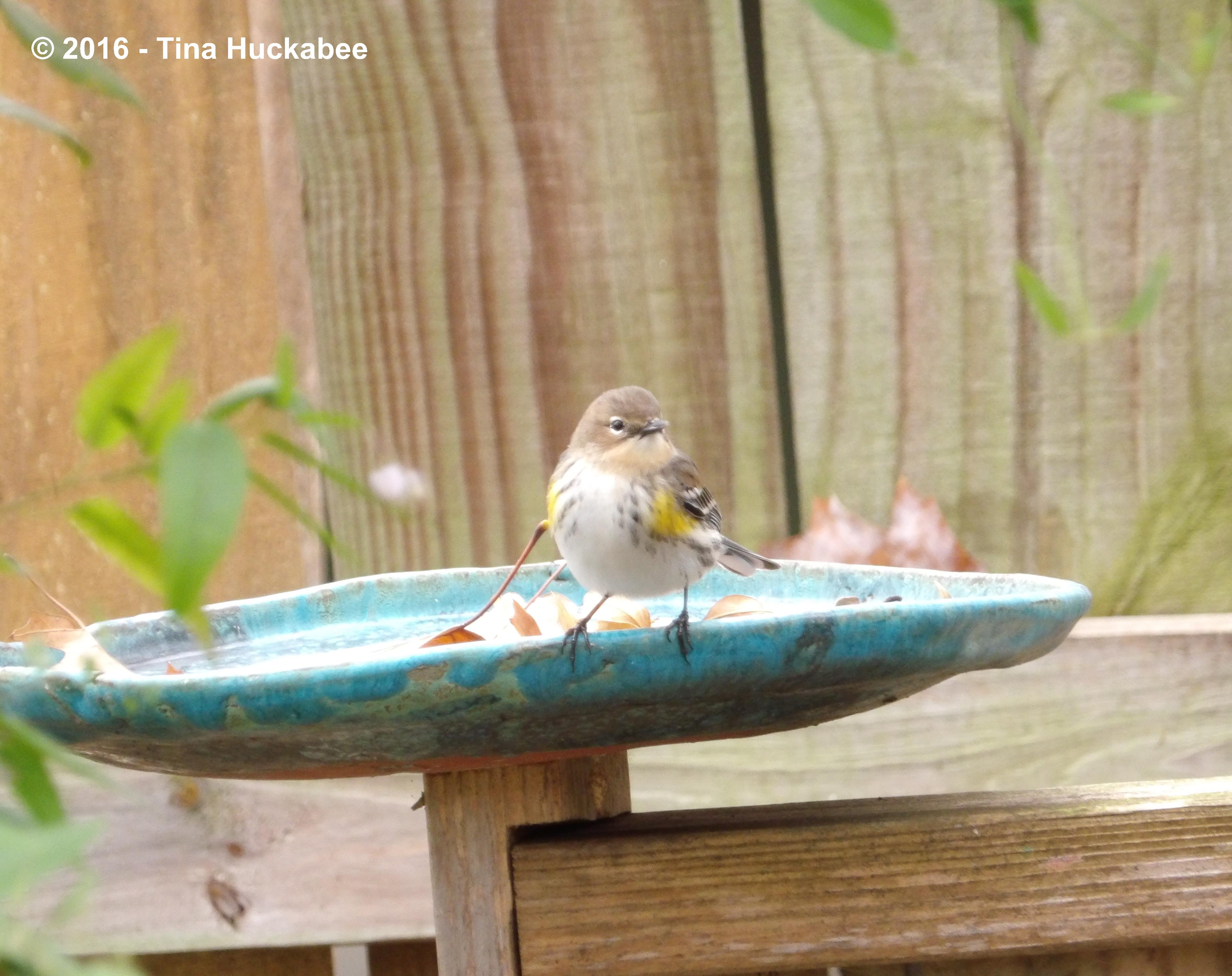
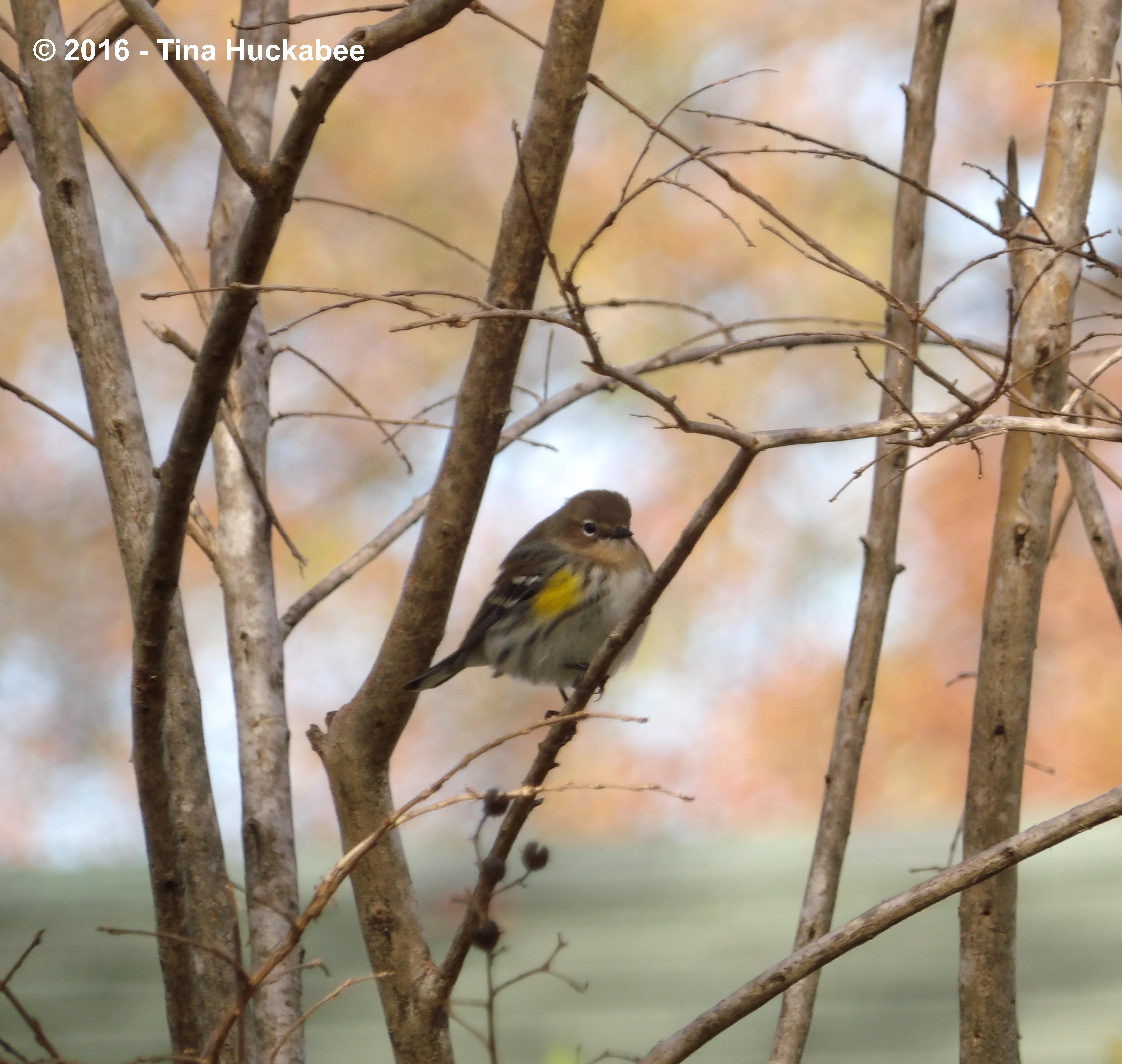
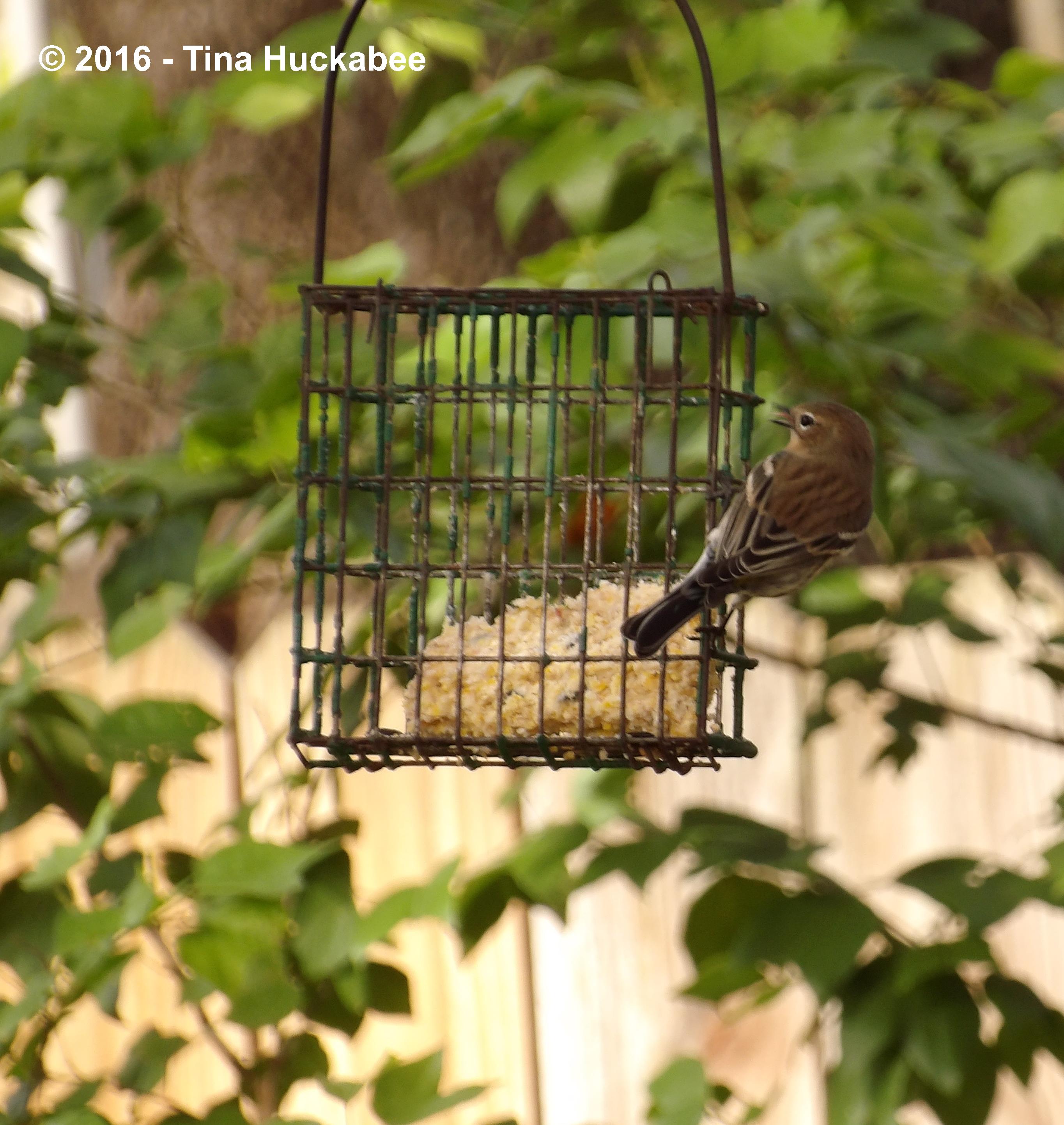
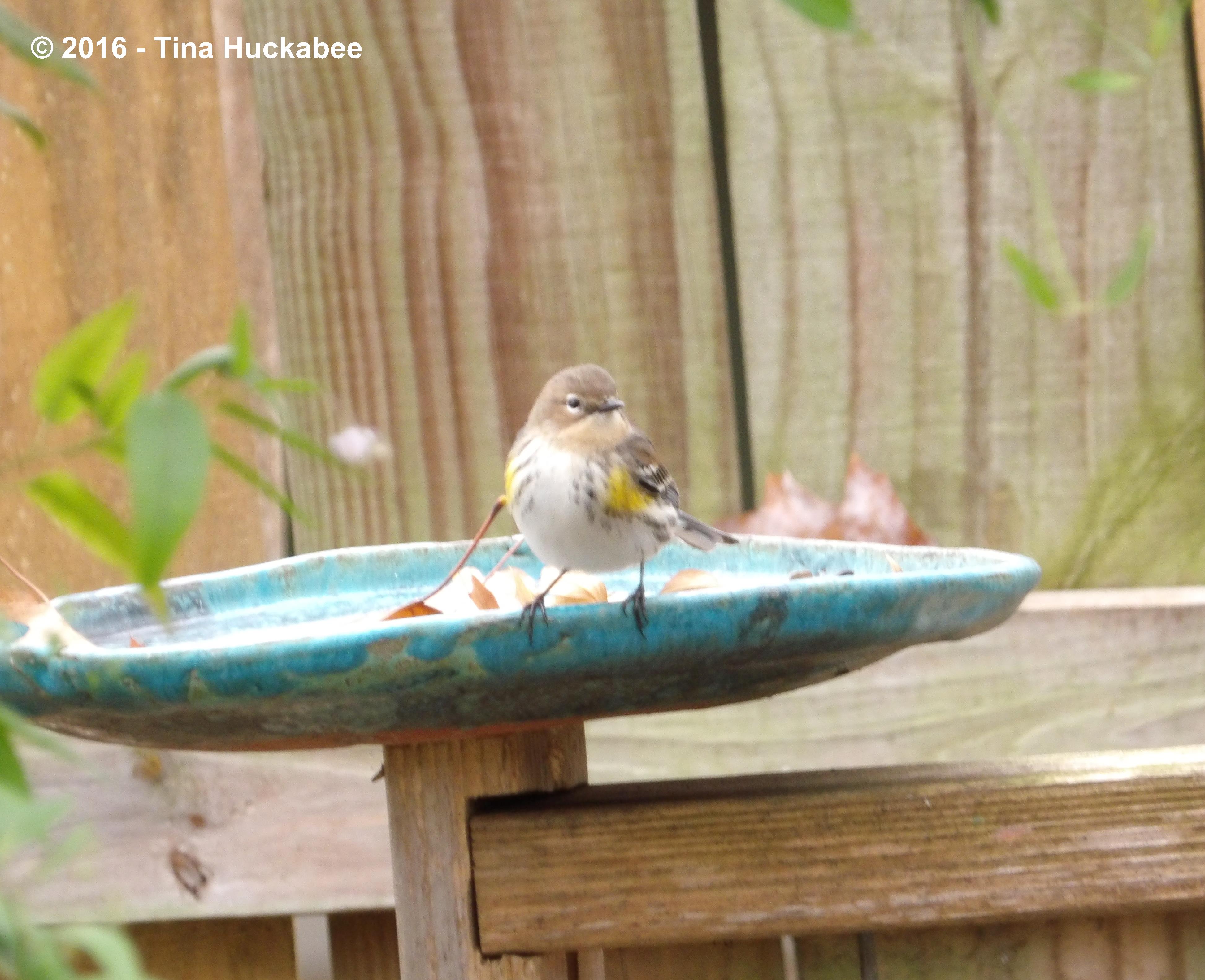
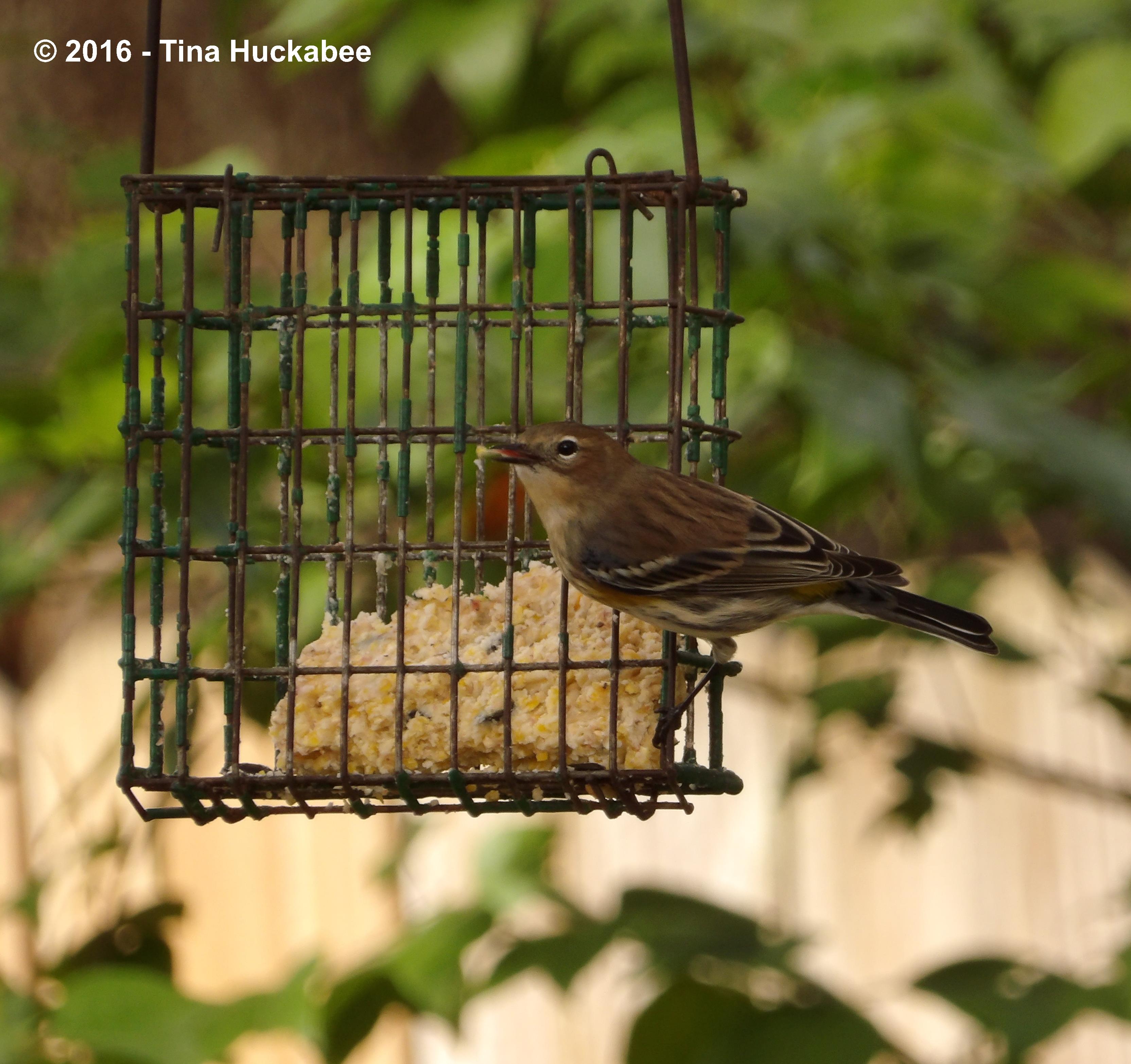
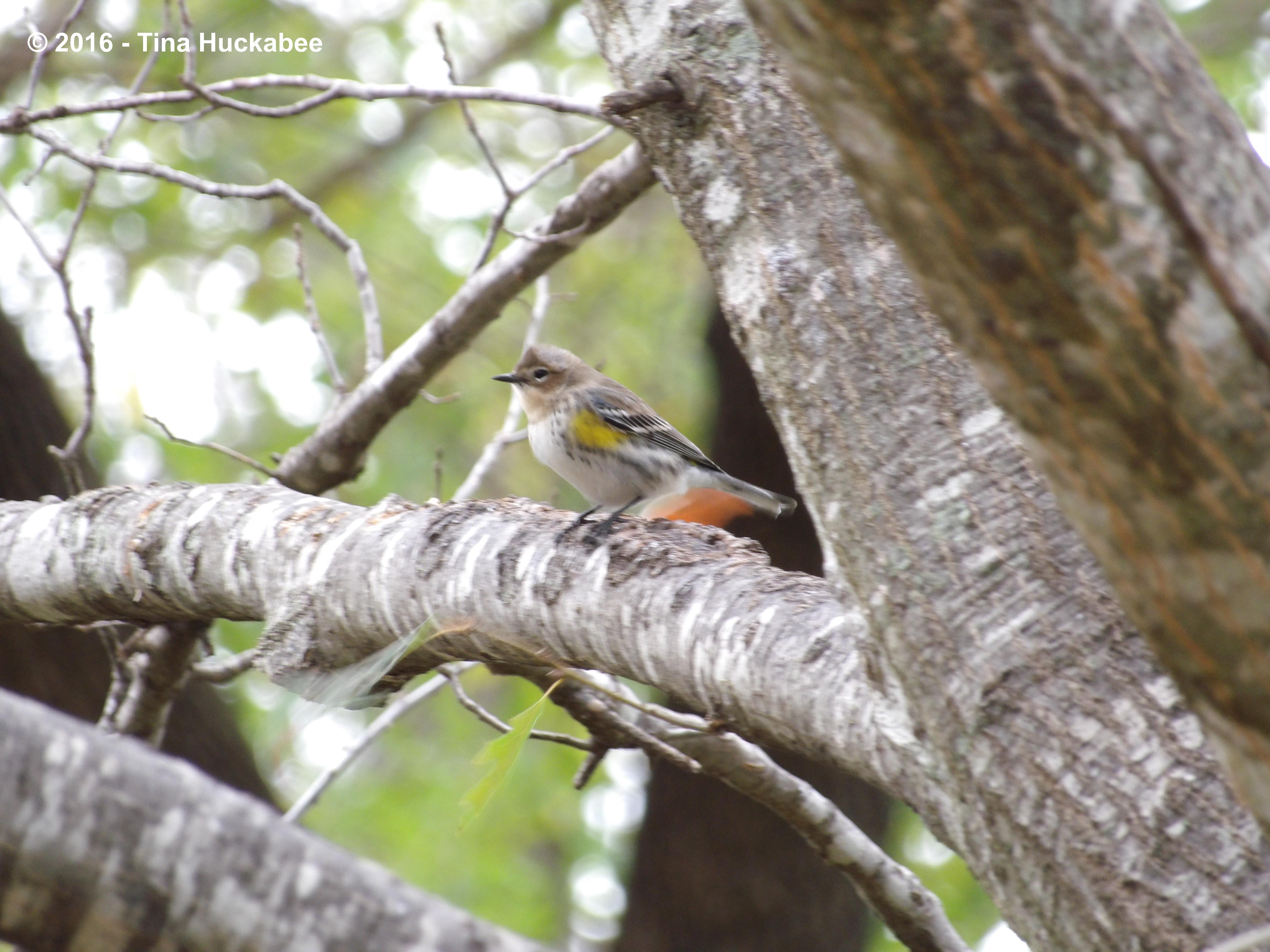
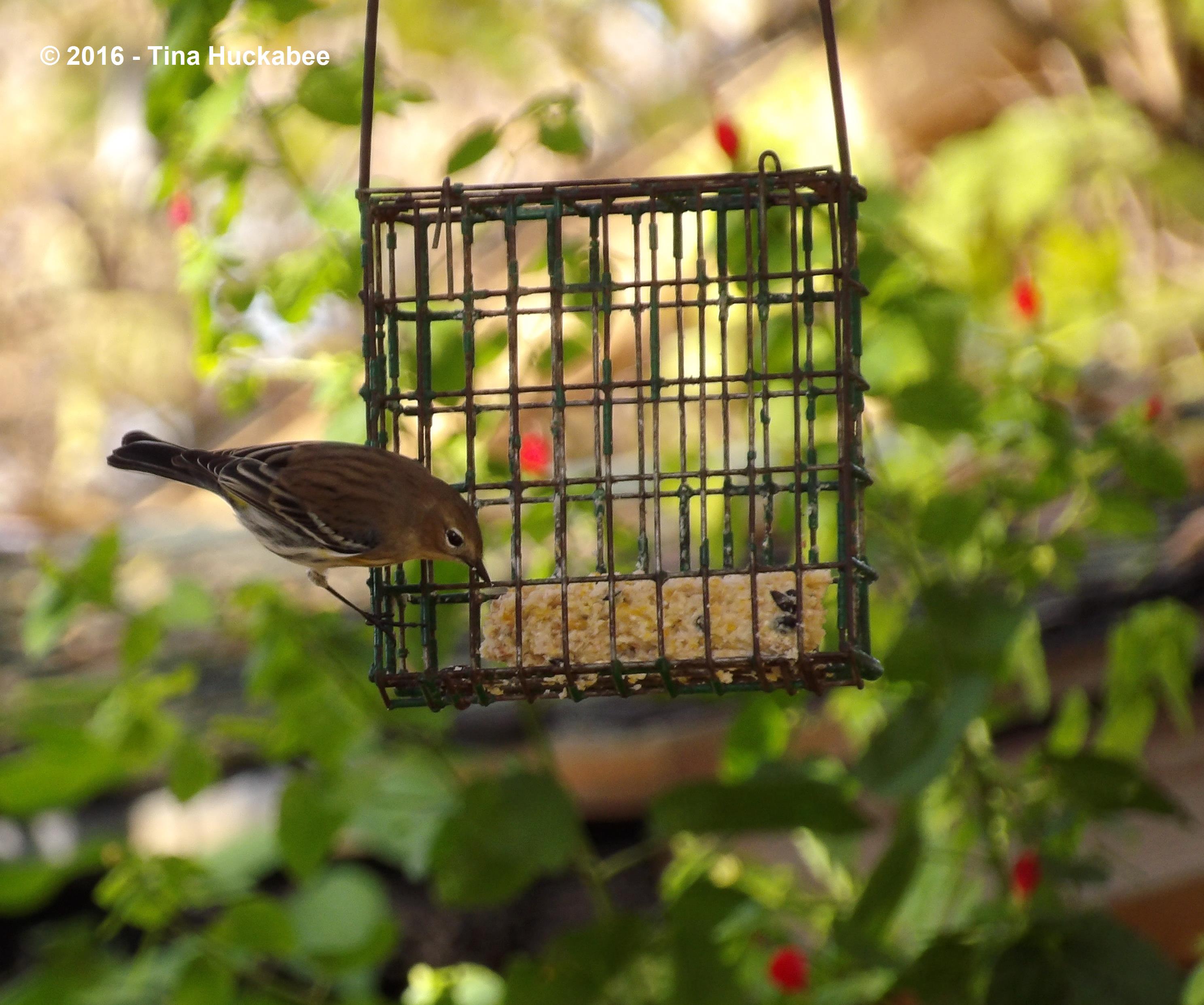
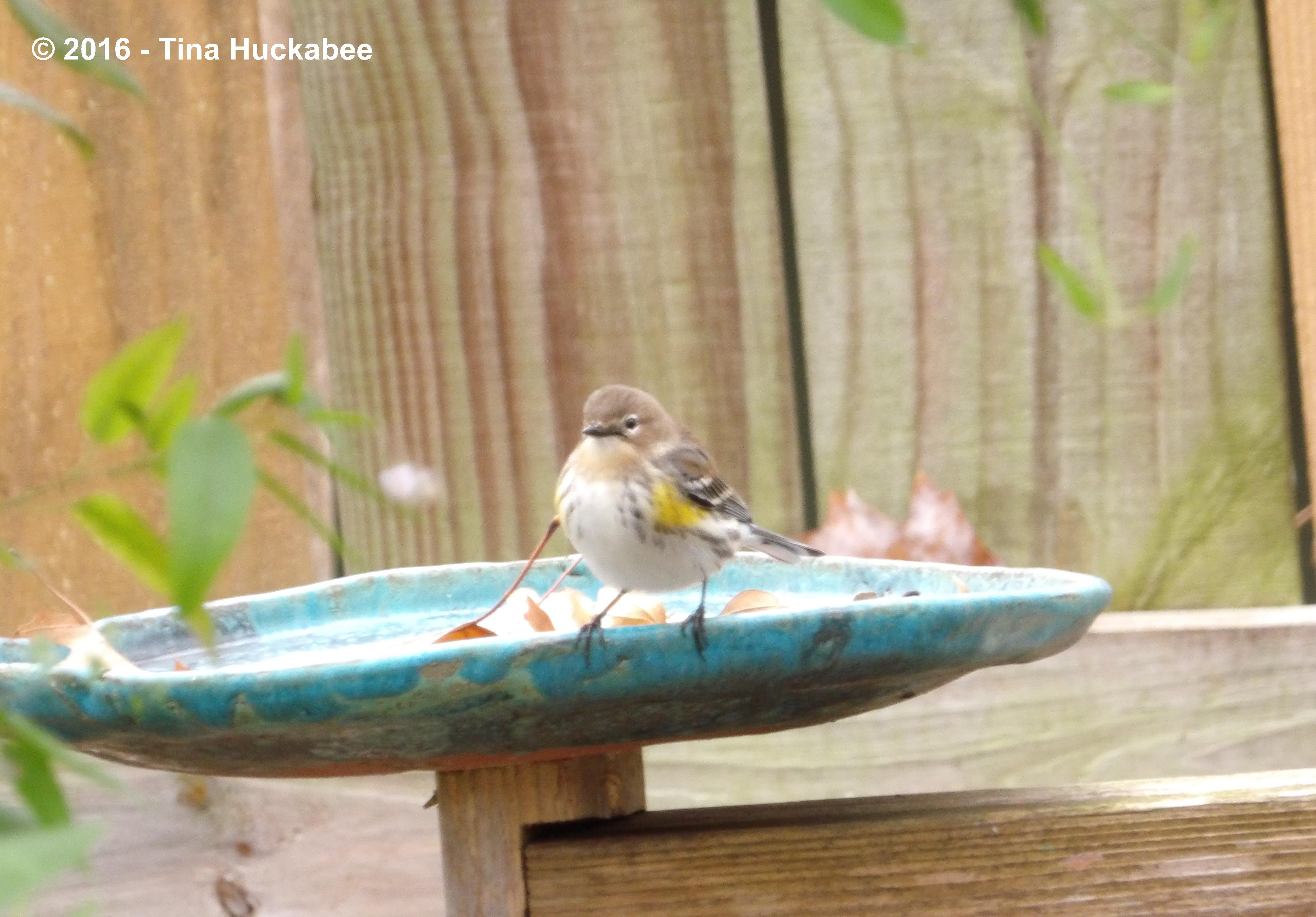
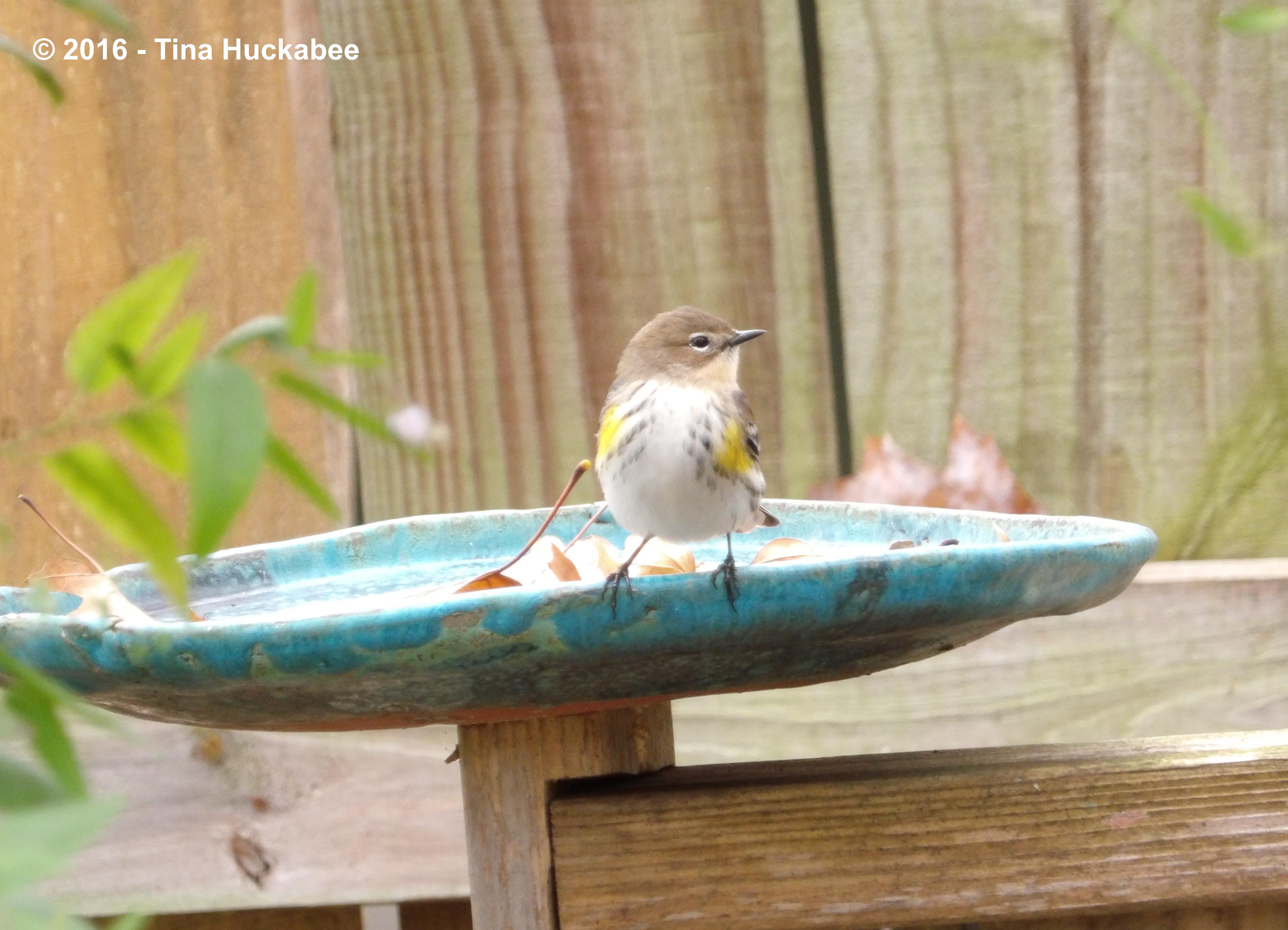
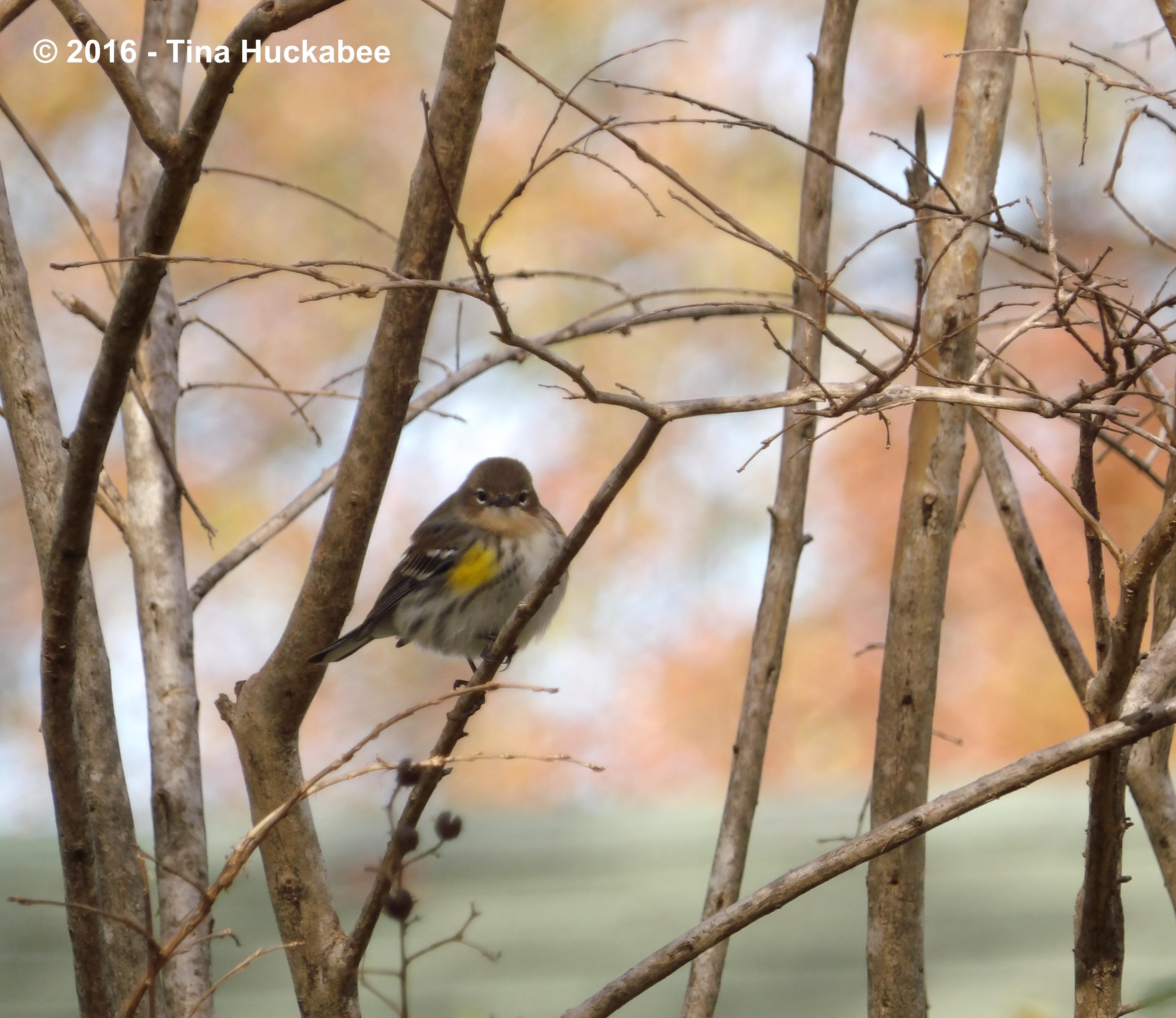
The birds I’m most excited about recently observing in my gardens are a couple of Yellow-rumped Warblers, Setophaga coronata.  This one is a male.
IMGP3508.new

IMGP3499_cropped_3922x3107..new

IMGP3389_cropped_3360x3185..new

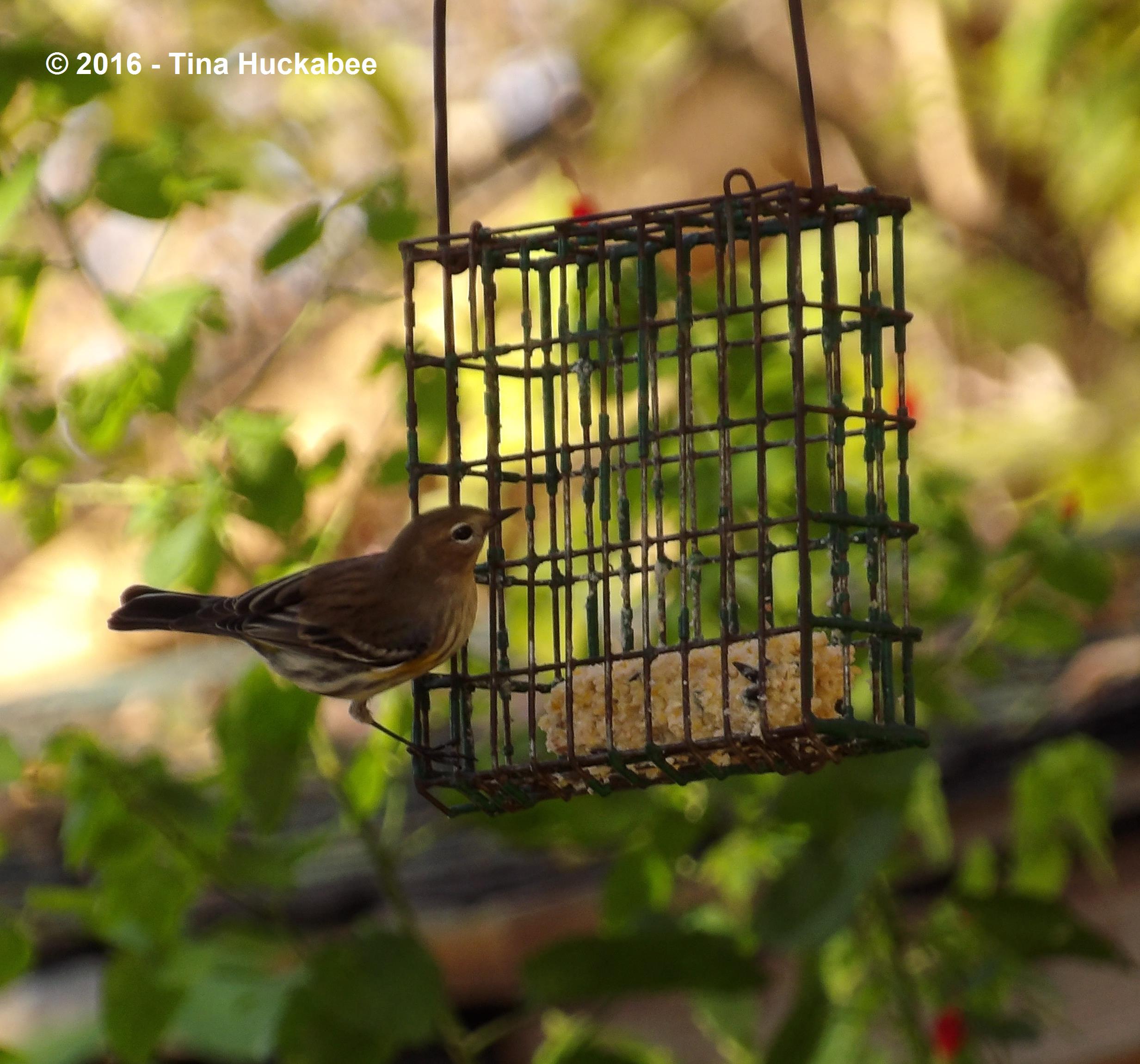
Likely as not, I’ve seen this bird species before, because  it’s a common winter Texan.  As I’ve learned about birds, I’m becoming  aware that not all drab little birds are just more sparrows-of-some-sort.  I’m learning to discern their color patterns, size and beak differentiations, and vocalizations. The bird-learning curve is a steep one, to be sure.
IMGP3247_cropped_2976x2483..new

IMGP3235_cropped_2465x2300..new

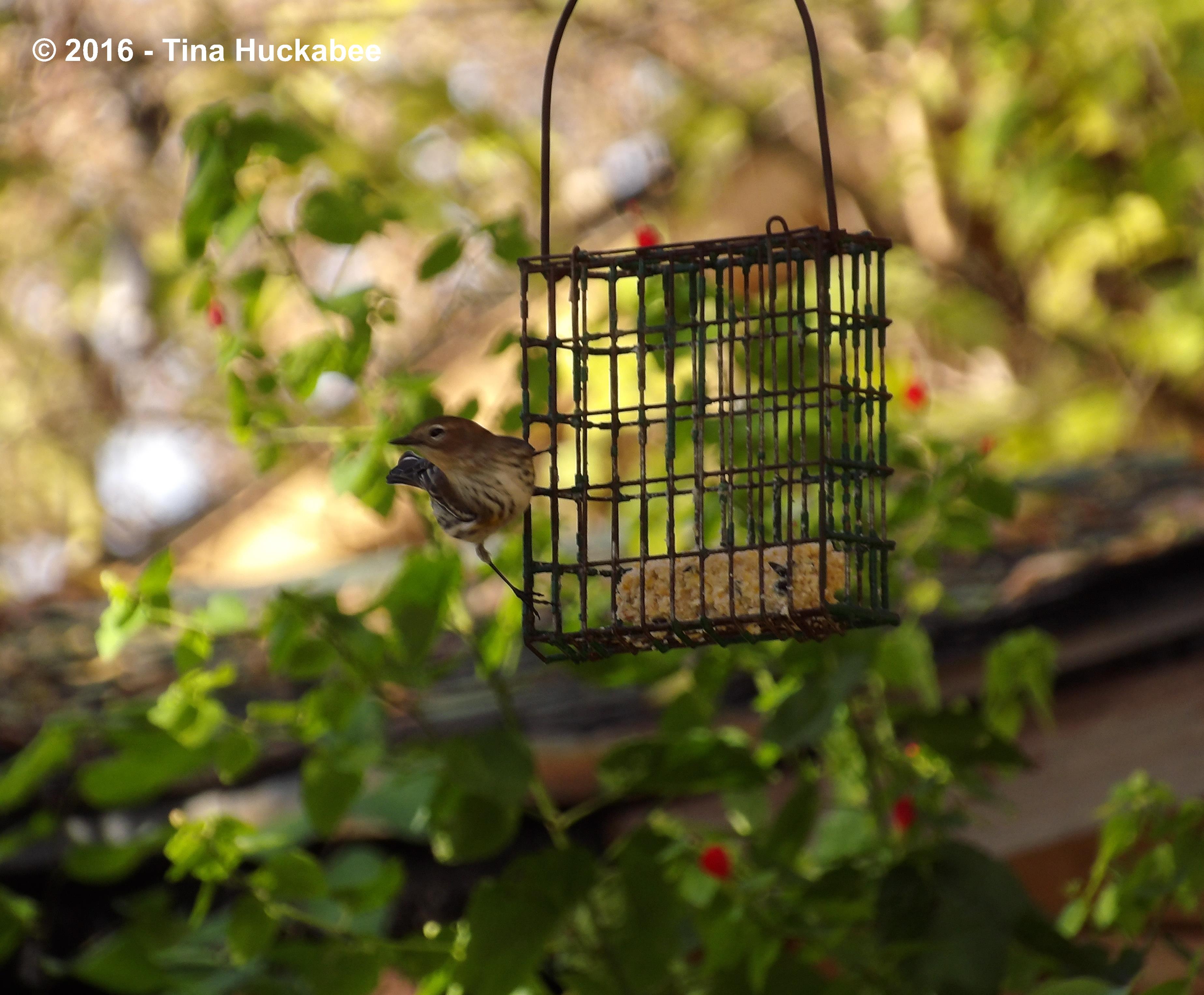
One must observe closely and (ahem) read a bit about birds to decipher the often subtle dissimilarities between the many species of warblers, finches, and sparrows.
IMGP3226_cropped_3696x3055..new

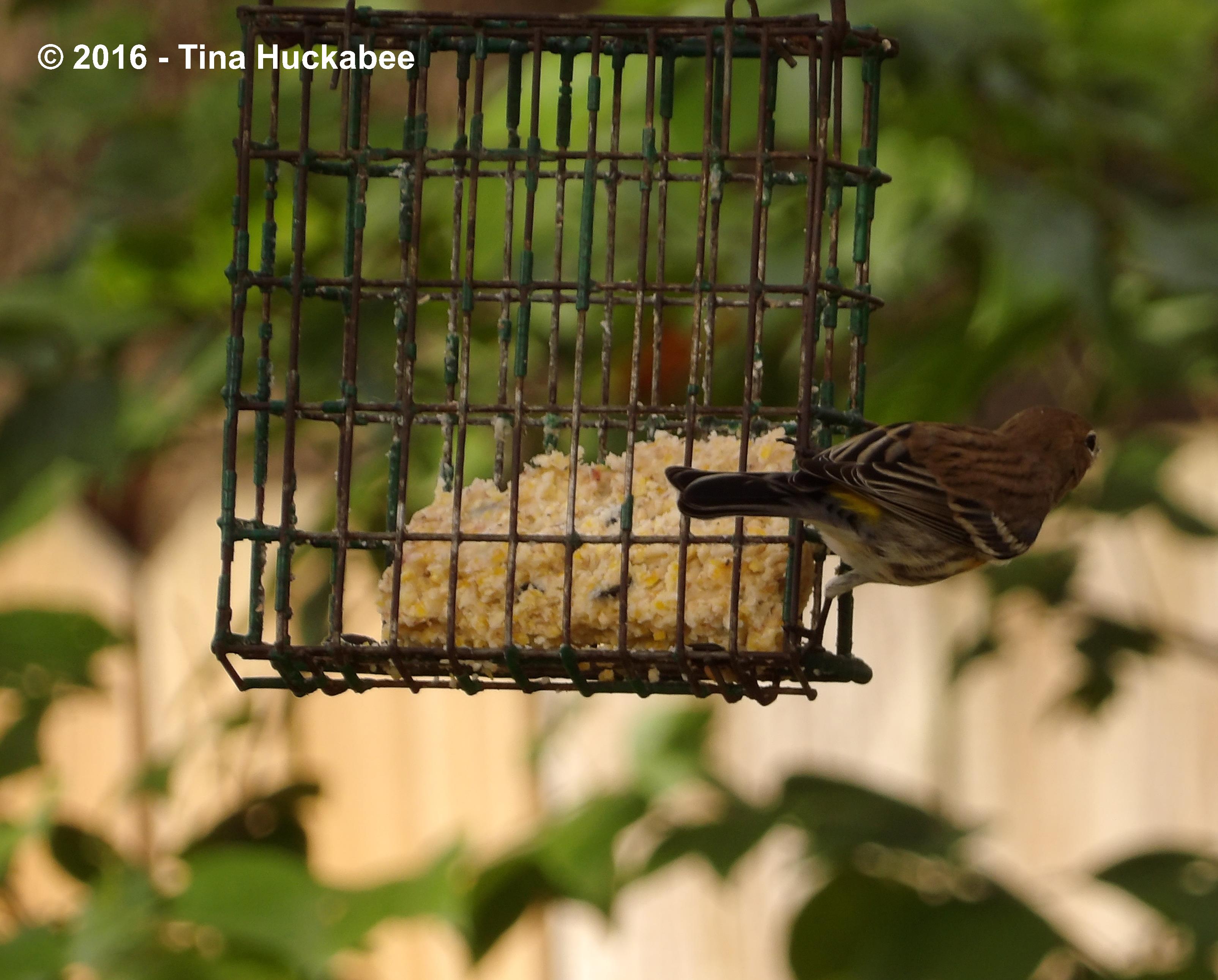
Most of the little “brown” birds sport colorful plumage here and there,
IMGP3186_cropped_3208x2581..new

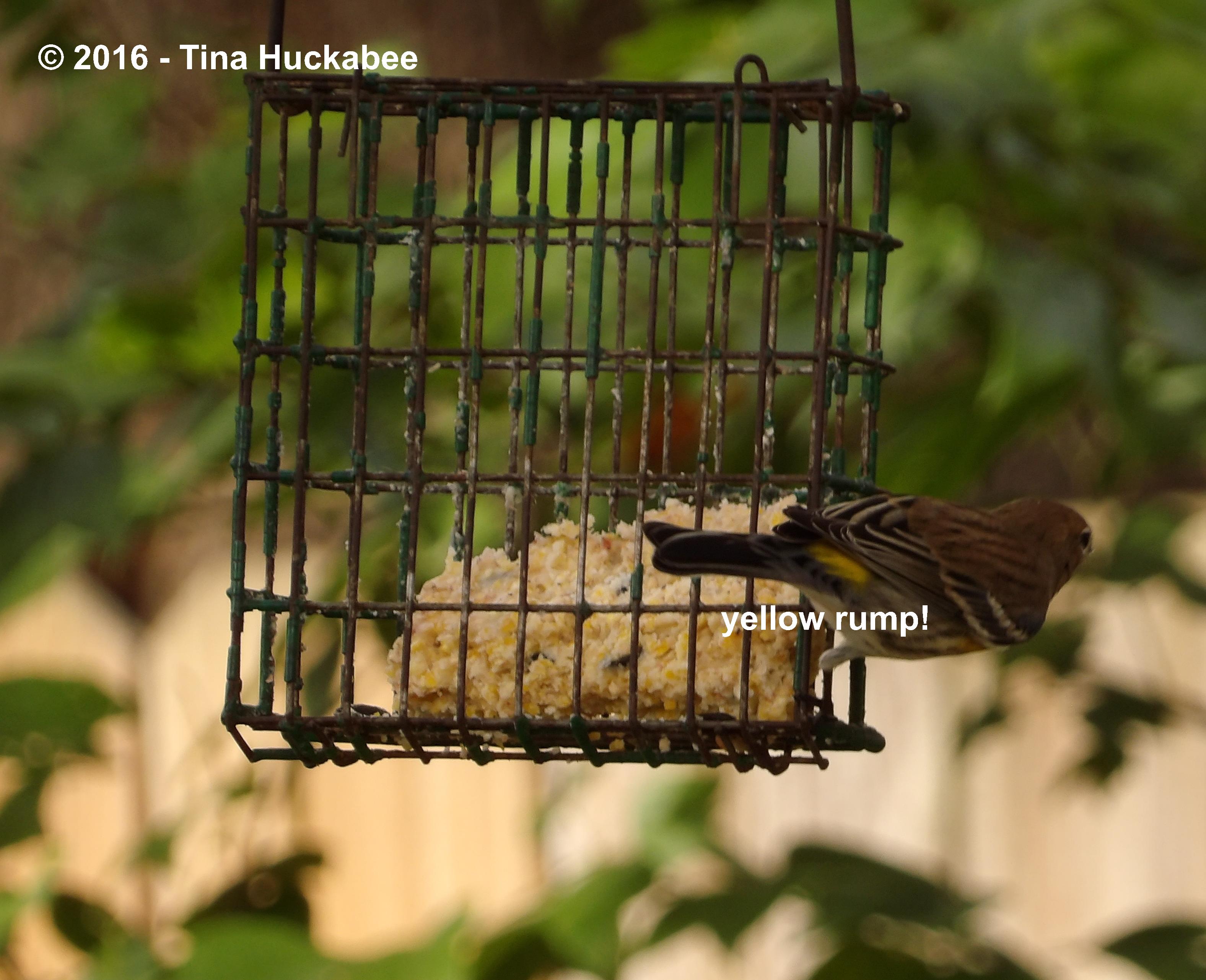
…including on their bums.   Can you see the yellow rump in the above photo?
IMGP3182_cropped_3153x2563..new

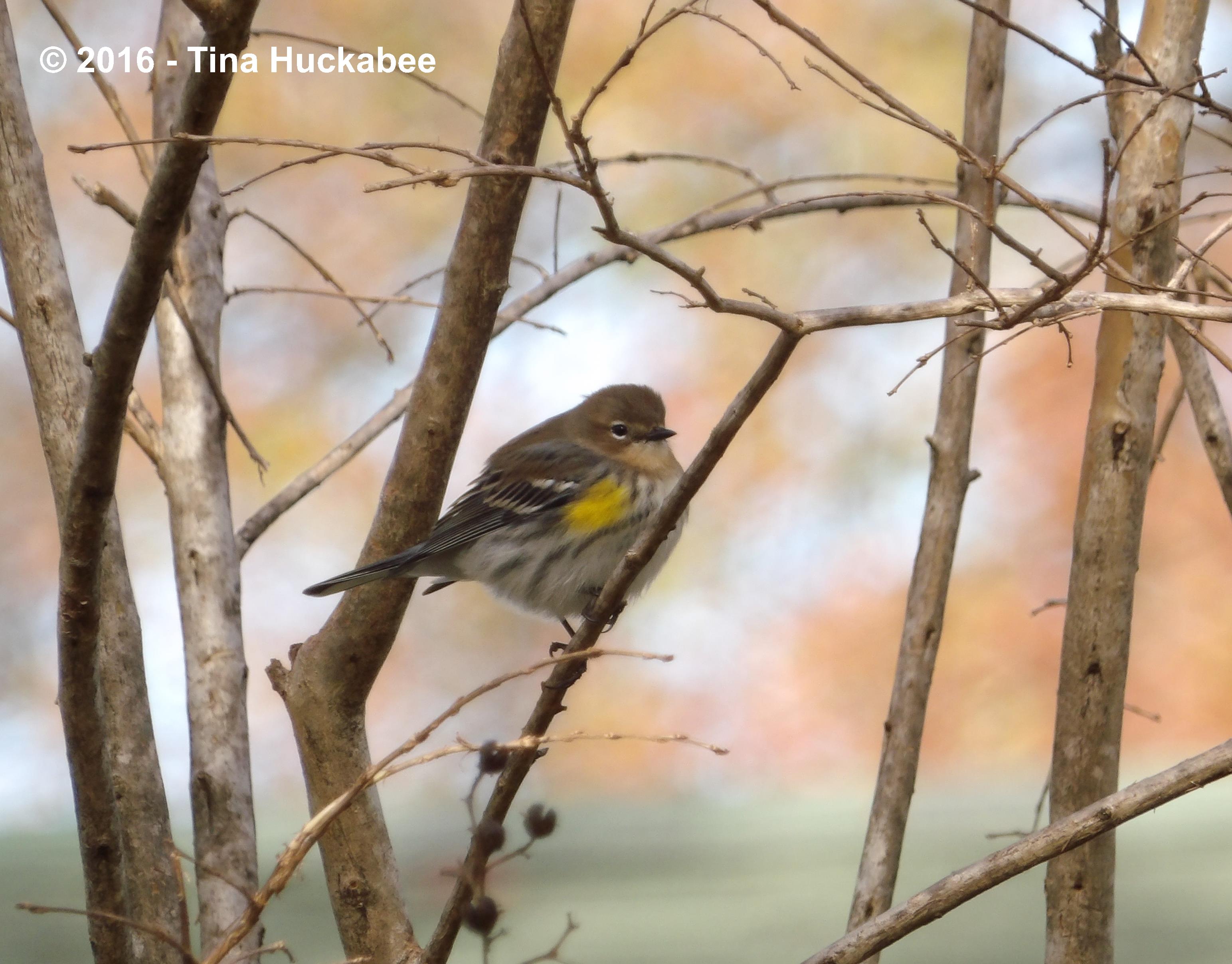
I took a lots of photos before I finally got that yellow in action. There are at least two Yellow-rumps visiting my gardens regularly. This male I see most often,
IMGP3496_cropped_4134x2881..new

IMGP3381_cropped_3087x2415..new


…and a female,  “myrtle” form.

IMGP3155_cropped_2729x2885..new

As it turns out, there are multiple sub-species related to this particular warbler and currently, I’m not nearly enough of a birder to adequately understand, much less explain, variations.  For the time being, I’m content to observe these shy little birds, all yellow rumped and sweet peeps, as they flit about my garden this winter.

While I secured a couple of decent butt shots of the female, I’m still working on a photo capture of the male’s cute yellow posterior. Heretofore, he’s been too busy showing  how pretty he is in other poses.
IMGP3504_cropped_3917x2829..new

IMGP3498_cropped_3893x3166..new


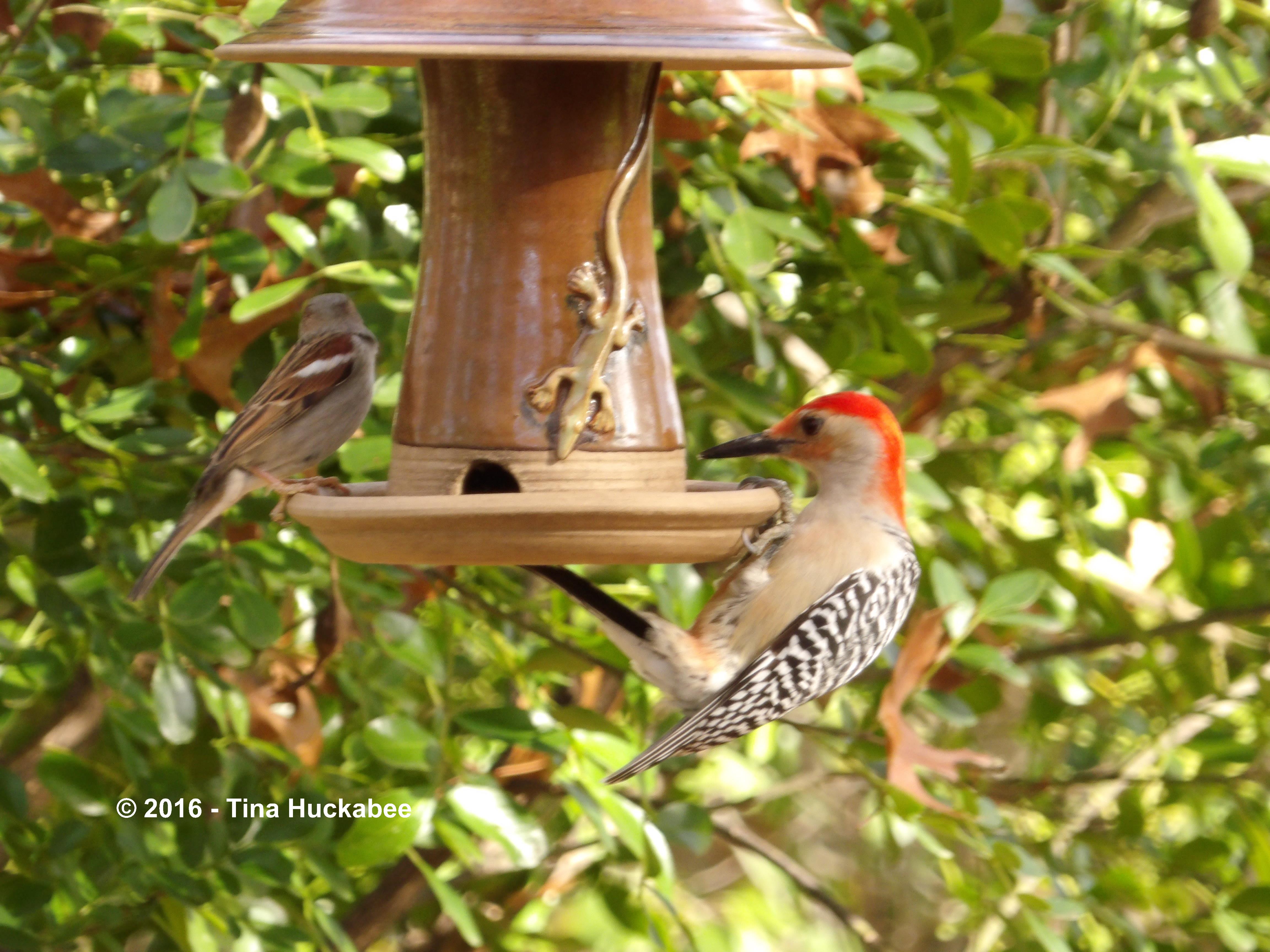
A Red-bellied Woodpecker,  Melanerpes carolinus, is another daily visitor to my feeders and up and down the oak trees.
IMGP3390.new

I love it when he is feeding at the suet and a Blue Jay flies toward and in no uncertain terms, the woodpecker lets the Blue Jay know that it’s NOT HIS TURN!

There’s plenty where that came from, so wait until Red-belly is finished, Mr. Jay.
IMGP3279.new

IMGP3261.new

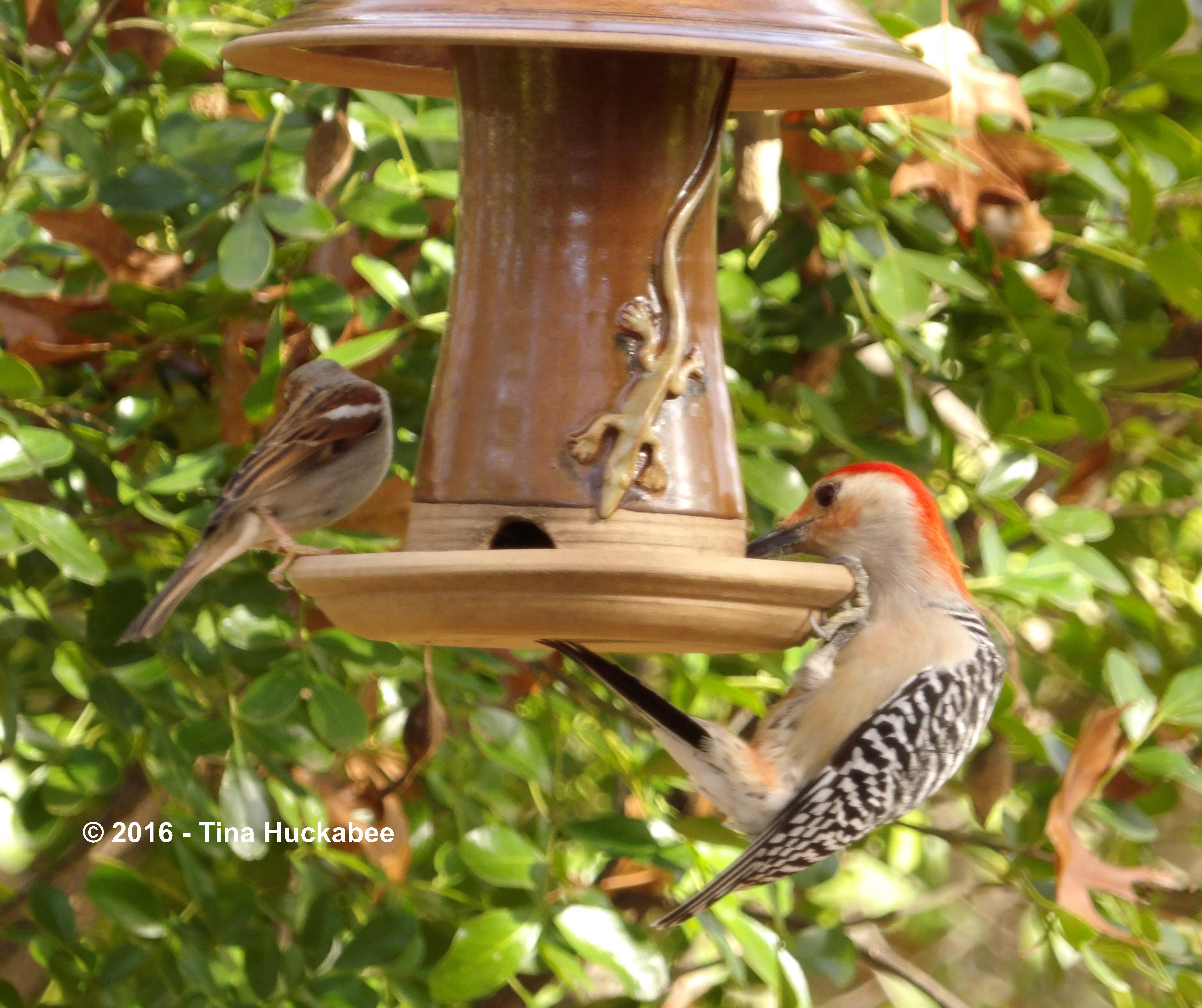
At this feeder though, the Red-bellied Woodpecker doesn’t mind sharing the food bar with a House Sparrow, Passer domesticus.
IMGP3398_cropped_3830x3213..new

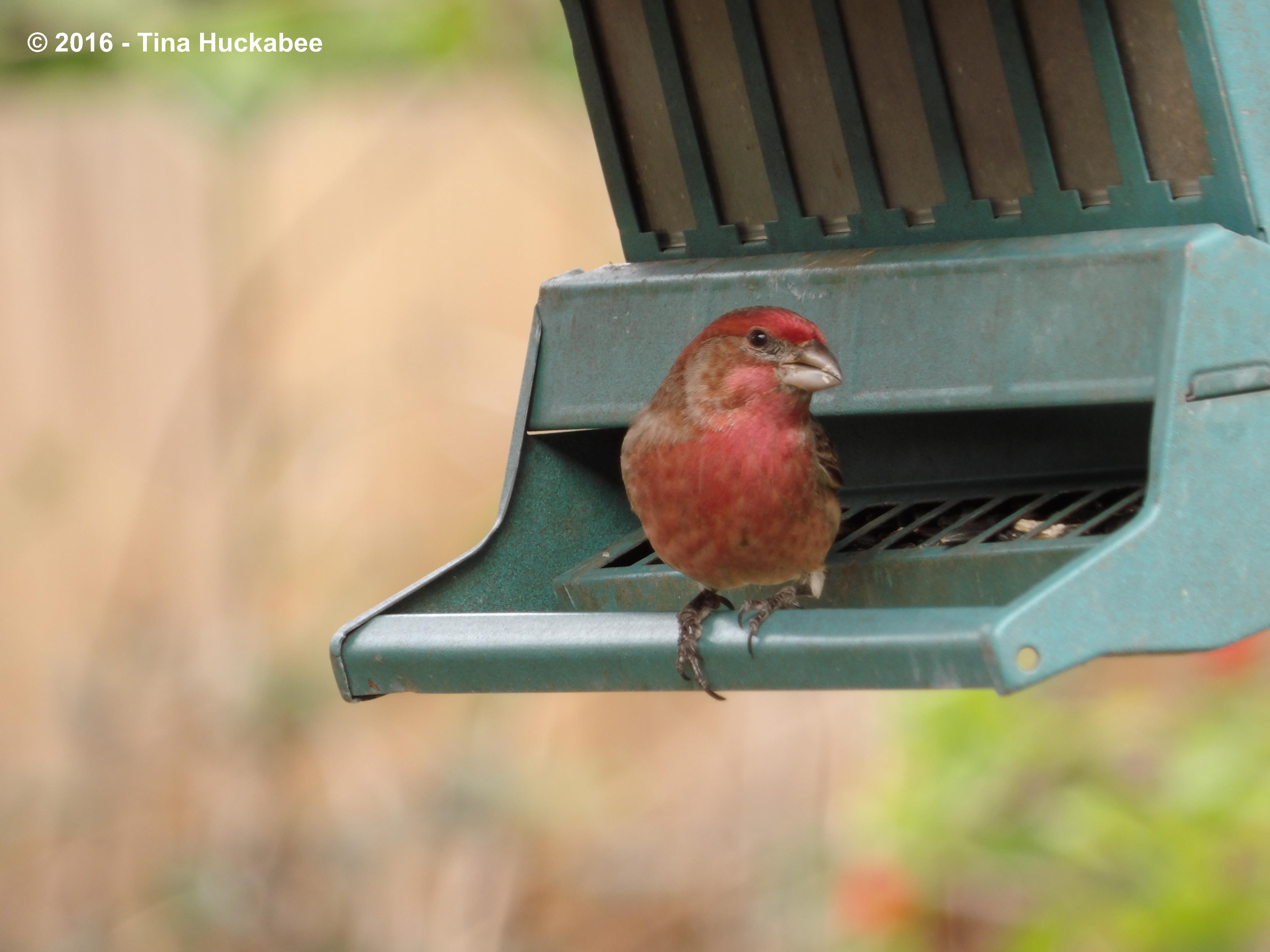
House Finches, Haemorhous mexicanus,   sit in the trees, on the ground, and at the feeders.  I love these chatty birds and I especially appreciate that they sit still, munching away contentedly for long enough to get good captures.  Usually, couples feed together, but at this particular moment, these two took turns–first him,
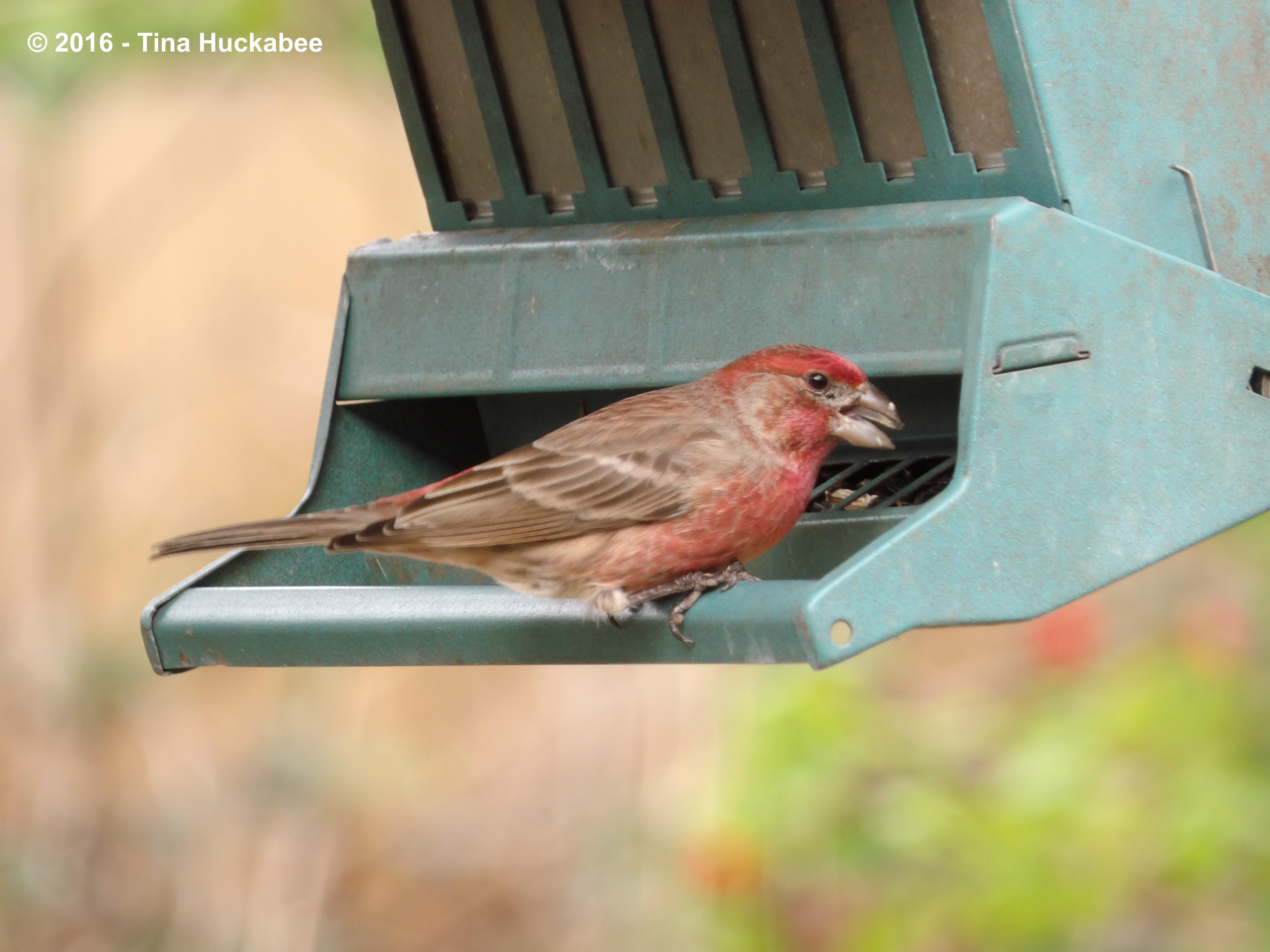
IMGP3633.new

IMGP3629.new

…then her.

IMGP3656.new

In November I signed up to participate in  Project FeederWatch, a yearly, months-long look at bird population trends organized by the Cornell Lab of Ornithology.  Mostly I did this because I felt the draw to participate in research on the status of North American birds, including migration and population  trends.  Also, I like the idea of being a citizen scientist.

 Snort.

Despite that trumped-up term, the information gleaned by the 200,000 participating volunteers throughout North America, is vital for research on how bird populations are trending up or down and, over time, whether native birds are declining, which, unfortunately, the project has documented.  Cornell Lab of Ornithology is all about the science of birds and through education, the conservation of our beloved and beleaguered native birds.  Cornell encourages concerned citizens to participate in this necessary research.

There are some rules and the counting method is specific and precise, though not difficult to understand or implement, even for novice bird watchers. Project FeederWatch spans November through April, book-ending the autumn and spring migration seasons, as well as the stable wintering population of your particular site. Ideally, observance is weekly, though there’s no penalty for skipping your count from time-to-time.  Cornell ornithologists are happy to get what information they can, when they can, to better understand how North American birds are faring.  Volunteers choose the same two consecutive days each week to observe and record what and how many birds are in the chosen area and for what length of time the area is observed.  Whether for one hour or many–it’s up to the volunteer–weather conditions are noted, and Cornell asks that particular rules of counting be followed to ensure no multiple counts of birds.  The process is well-tuned and the fine folks at Cornell Lab have done their utmost to make the activity easy to use and  educational. Data is either mailed in  hard copy form or entered directly into a user-friendly site; that’s my preferred method. Cornell requests an $18 participation donation for the starter kit, but  I think it’s well-worth that small amount to be part of a long-term scientific study and, like most scientific and educational organizations,  Cornell Lab of Ornithology can use all the moolah they can get.

It’s not too late to participate for this season; check out Project FeederWatch for more information.

Any excuse to watch the backyard birdies!

Oh dear.  I’m becoming one of them. Yeah, that’s right, my binoculars are on the shelf by the back door, ready and waiting.  Ready and waiting for that little female Downy Woodpecker who’s too quick in the oak trees for me to get much of a look, much less a decent photograph.

Oh well, there’s always preparation and photographs for  next month’s Wildlife Wednesday!

Did wildlife visit your garden this past month? Please post for January Wildlife Wednesday–share the rare or mundane, funny or fascinating, beneficial or harmful critters you encounter. When you comment on my post, please remember to leave a link to your Wildlife Wednesday post so readers can enjoy a variety of garden wildlife observations.

Happy wildlife gardening!
IMGP3385_cropped_3525x3051..new

IMGP3195_cropped_3328x3130..new

Increasing the Light

In the darkest time of the year, these,

IMGP3209.new

IMGP3318_cropped_4004x3226..new

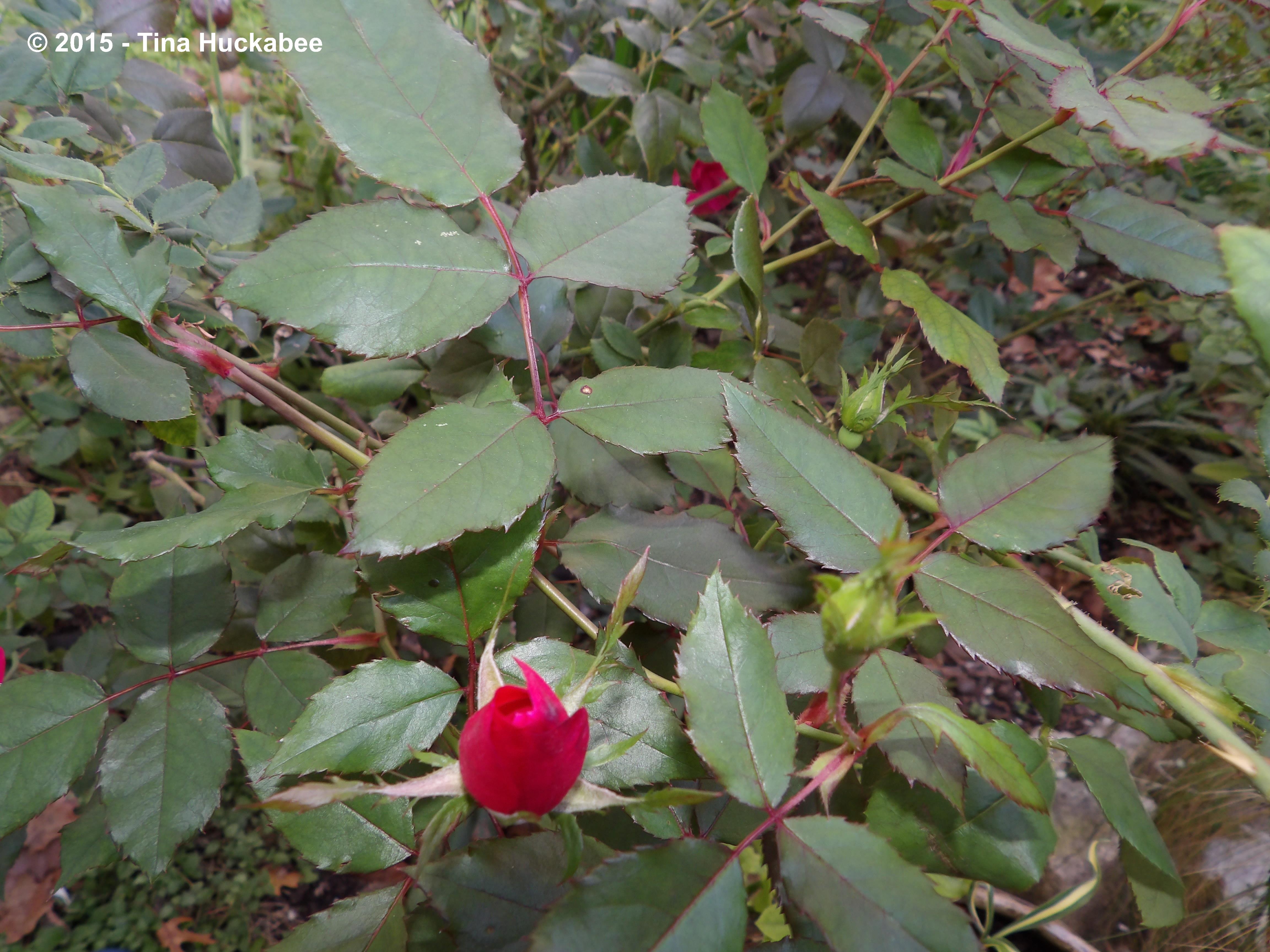
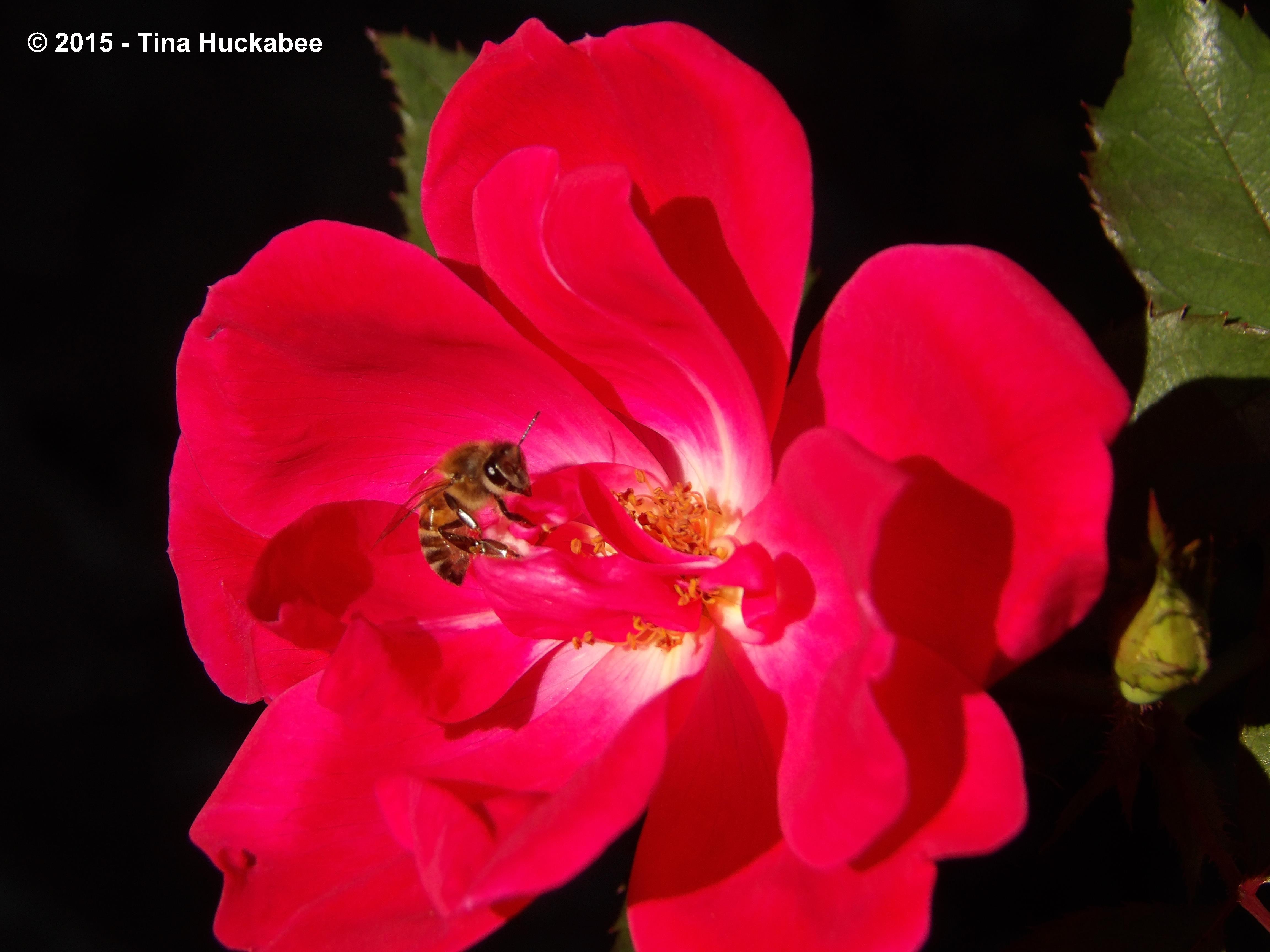
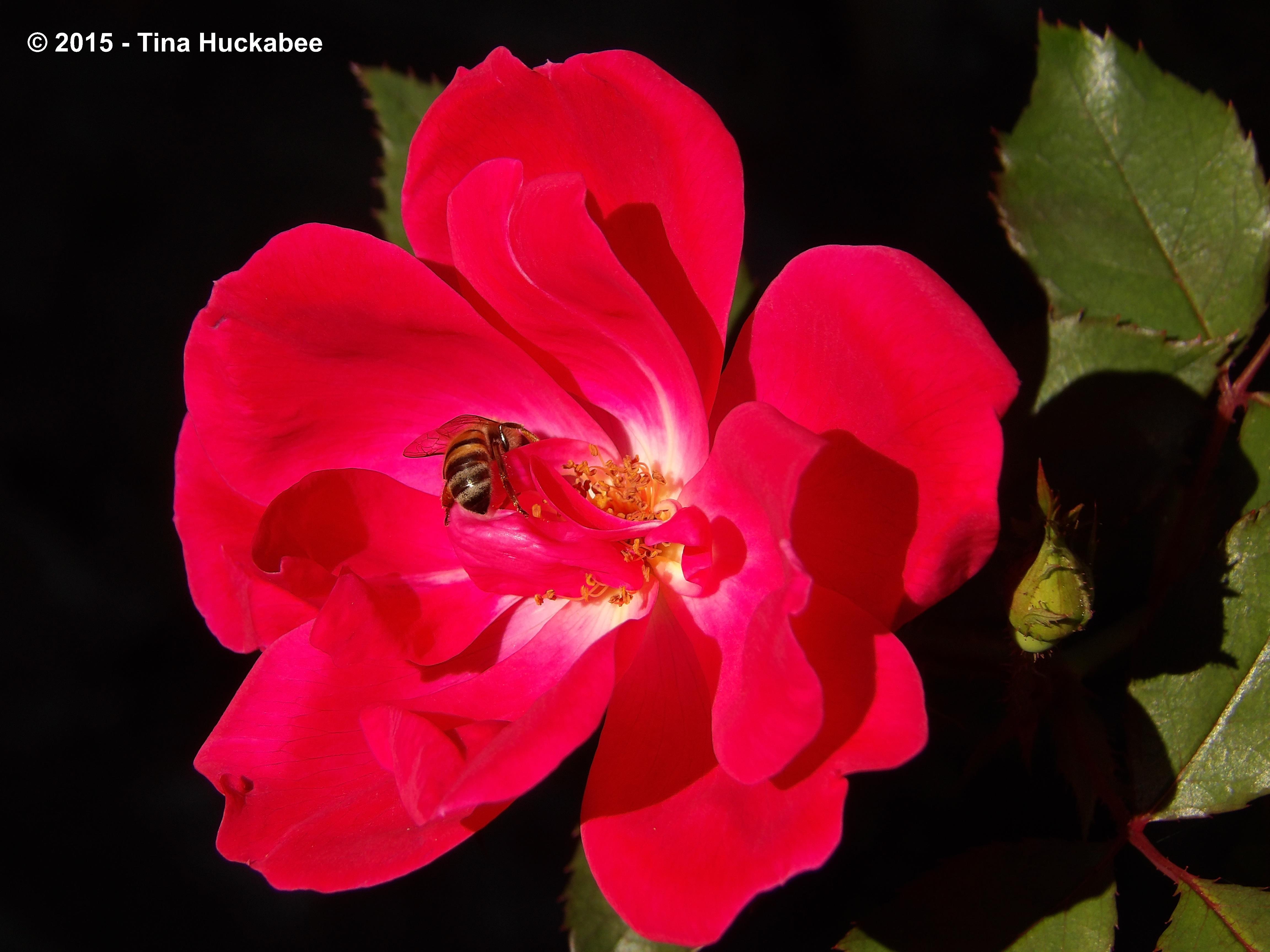
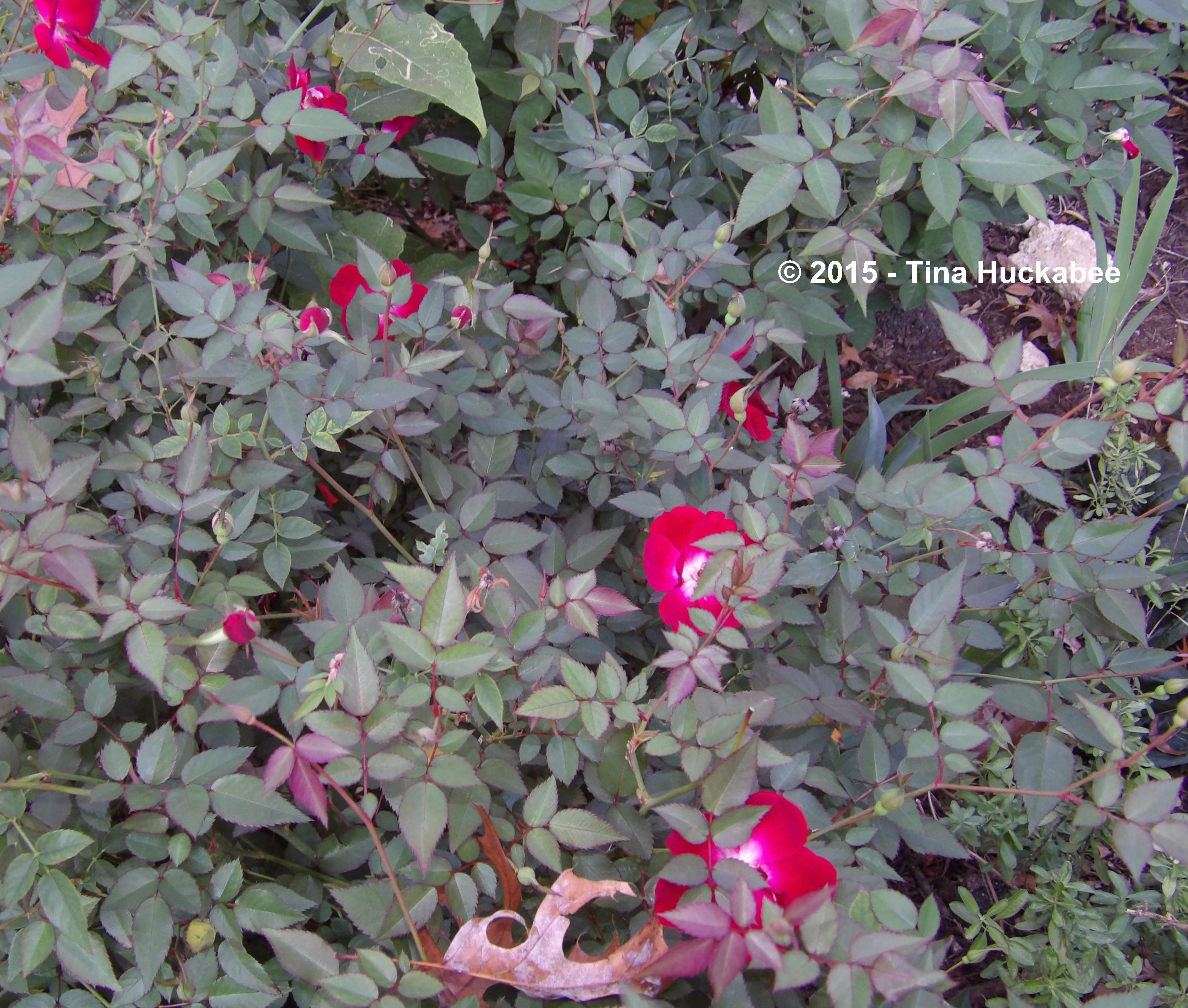
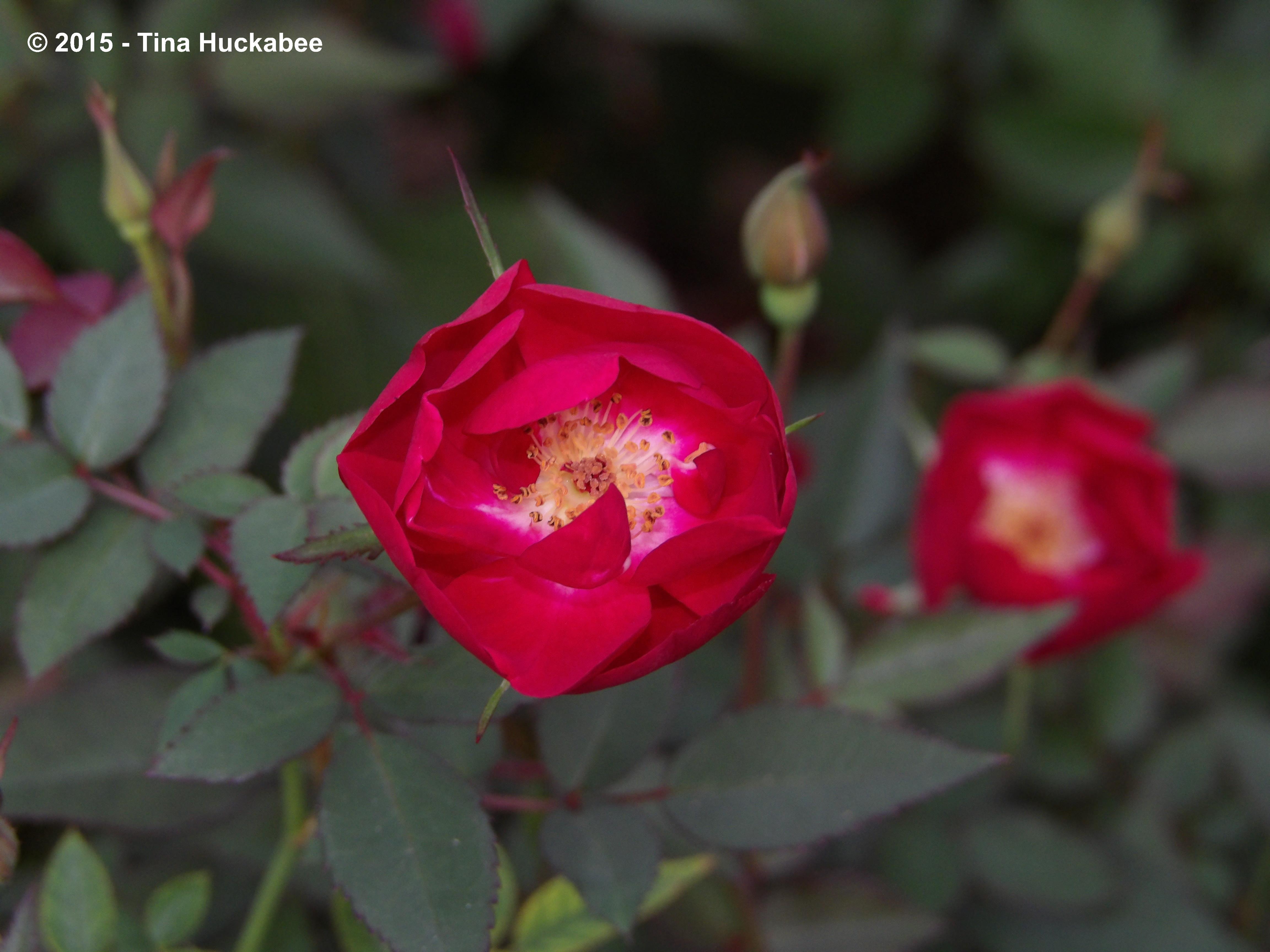
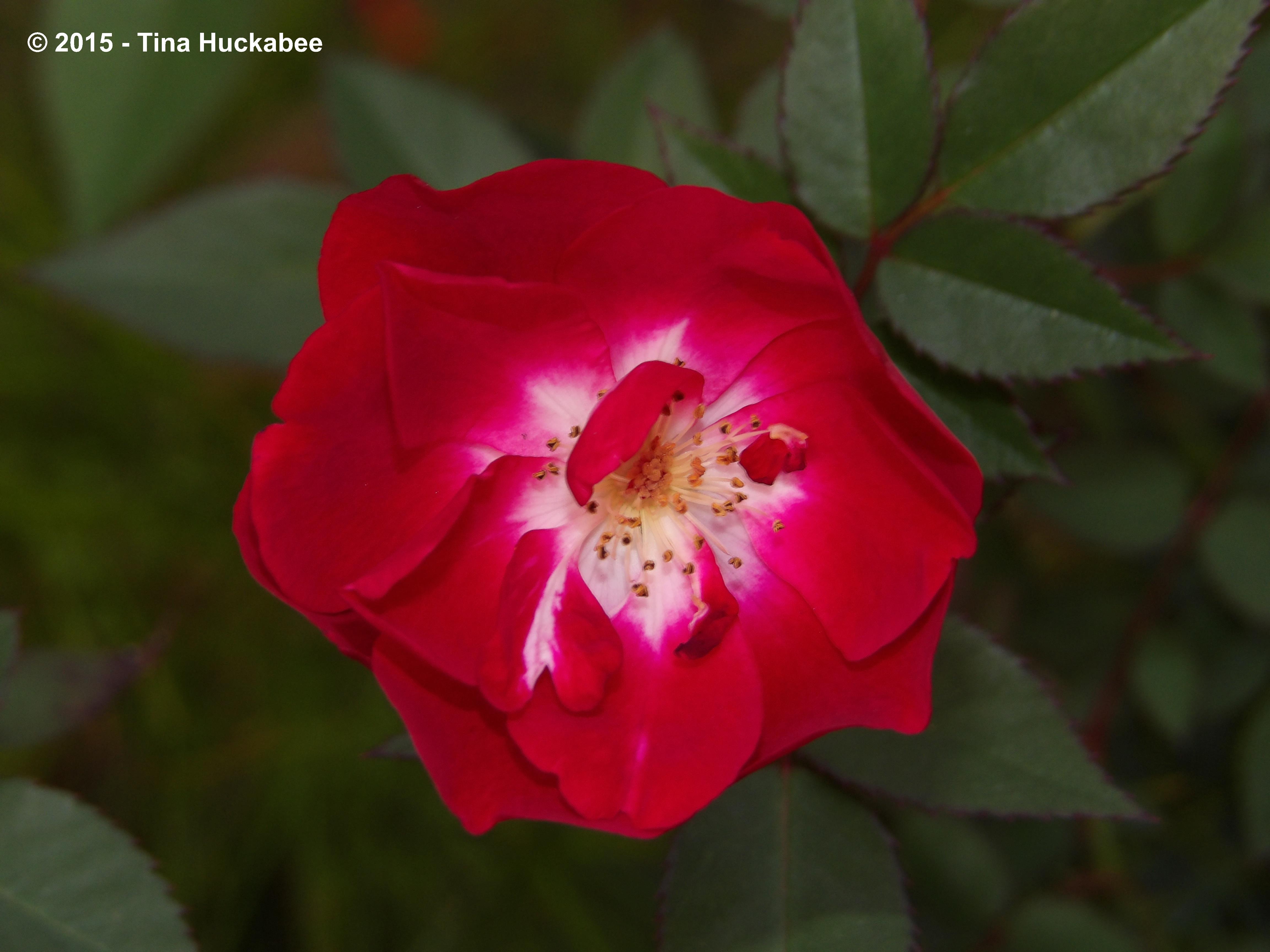
…are a gift of flowering light from the garden. All of my roses withheld  their blooming (rather selfishly I thought) during October and early November, which is typically a showy time for roses here in Central Texas, USDA  gardening zone 8b. Along came Thanksgiving with some damp and chilly weather and the roses burst forth in glory, of both the bloom and foliage type.

IMGP3131.new

This Knockout Rose, (Rosa ‘Radrazz’) opened its petals and let not only the sunshine in, but busy bees as well.

IMGP3085.new

IMGP3083.new

IMGP3084.new

There’s more to come from this tough-as-nails rose,

IMGP3134.new

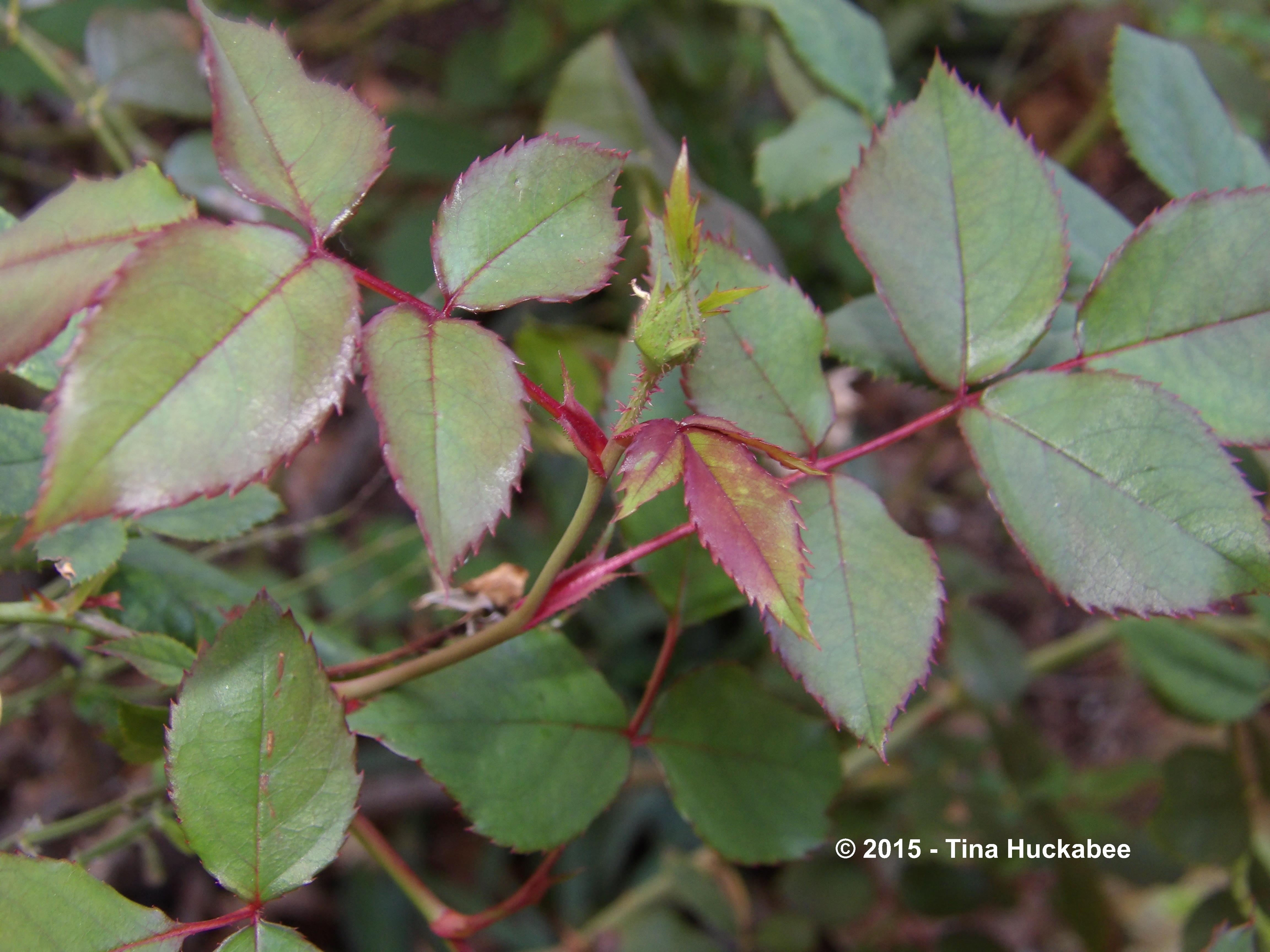
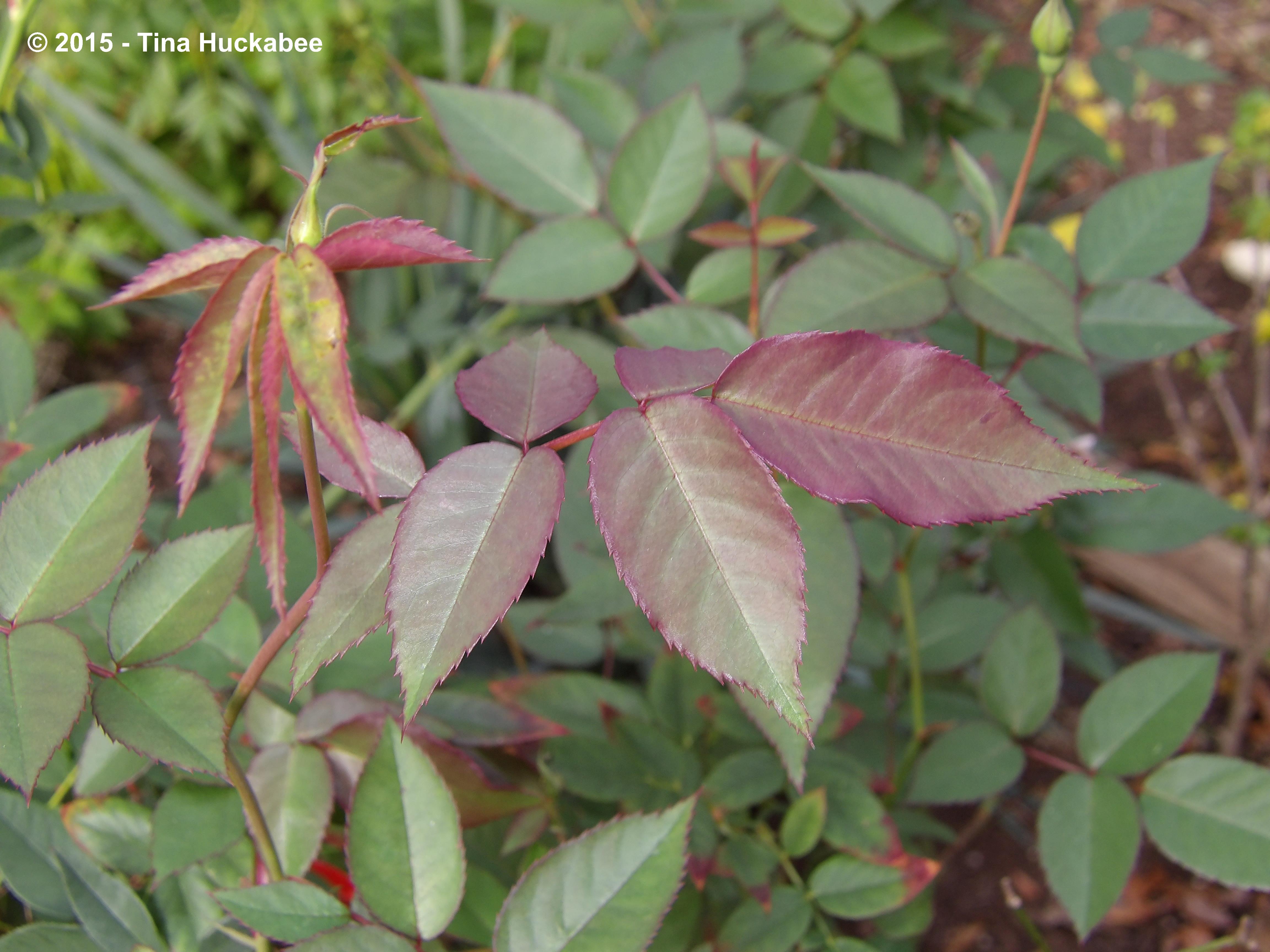
…which also displays luscious burgundy-infused foliage.    The decorative coloration at the toothy leaf margins and along the stems, petioles, and veins of the compound rose leaves,

IMGP3206.new

IMGP3205.new

…augment the blooms and set the stage for cheer in the December Texas garden.  A nod to fall foliage color change (it’s not winter yet!), many rose shrubs present dual-colored foliage, especially when newly flushed-out.

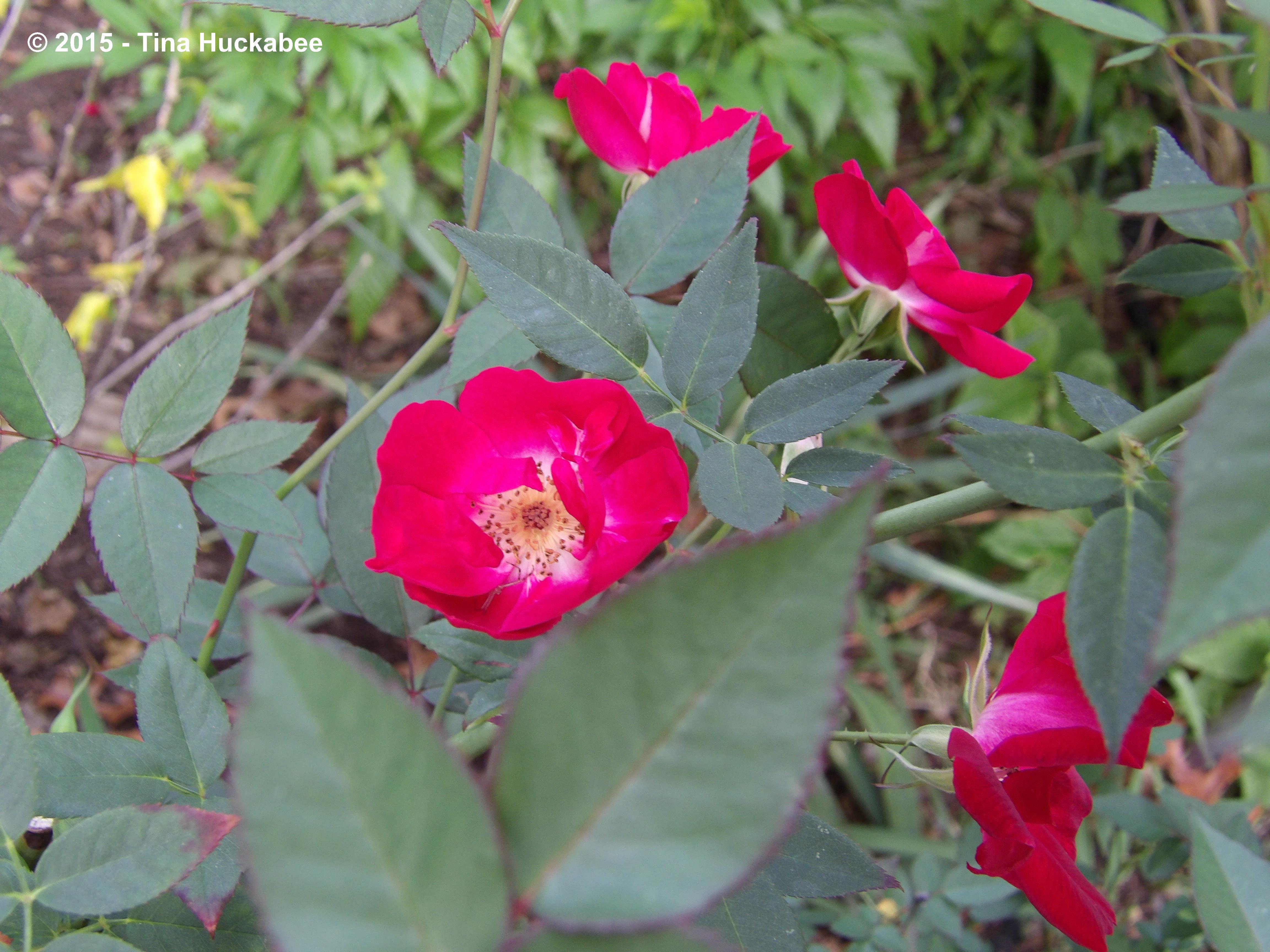
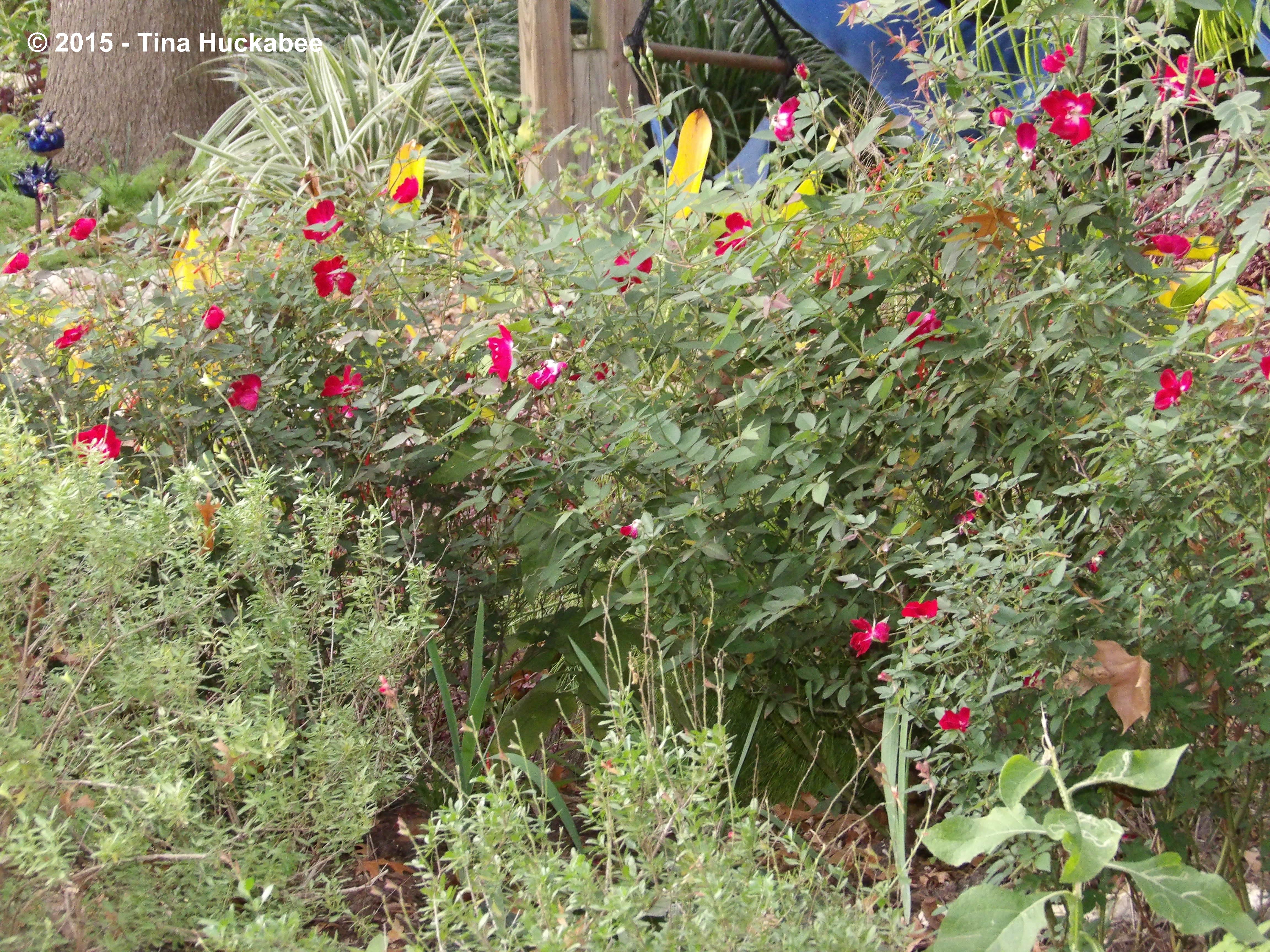
Competing with the Knockout, but strutting their own style of rosy gorgeousness, are my Martha Gonzales roses.

IMGP3214.new

Their diminutive leaves,

IMGP3140_cropped_3714x3152..new

…sport a similar color scheme as the Knockout foliage, with perhaps a smidge more bronzy blush.  With their maroon-tinged leaves, the Martha Gonzales suggest a purple-haze in the garden, even  as other plants fade with winter approaching.

IMGP3207_cropped_3710x3318..new

And those flowers!

IMGP3211.new

IMGP3136.new

Bright red and ready for a kiss from whatever pollinators happen by,

IMGP3212.new

…these blooms are joy in flower form.

A similar plant, the Old Gay Hill Red China rose,  produces slightly larger, fuchsia-red flowers and more robust leaves.  The mature green leaves are outlined in carmine,

IMGP3217.new

…but new leaves blush with burgundy wine.

IMGP3216.new

Old Gay Hill China rose pairs elegantly with the Martha Gonzales roses all year round.

IMGP3220.new

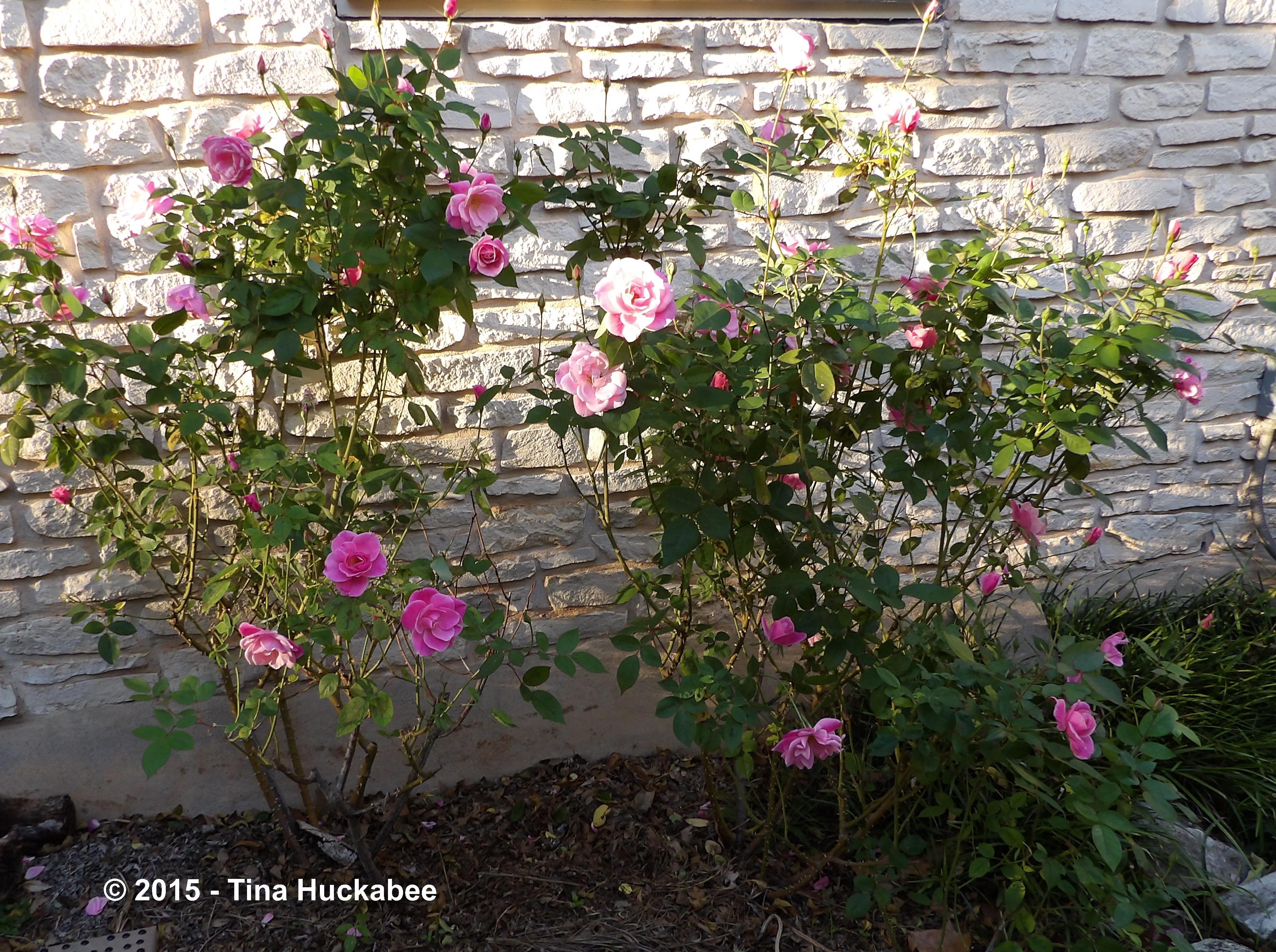
Not to be outdone one bit by their flaming cousins, these pretty pink Jackson and Perkins, ‘Simplicity’ roses, are not slowing down, even if the gardening season is.

IMGP3317_cropped_3802x2838..new

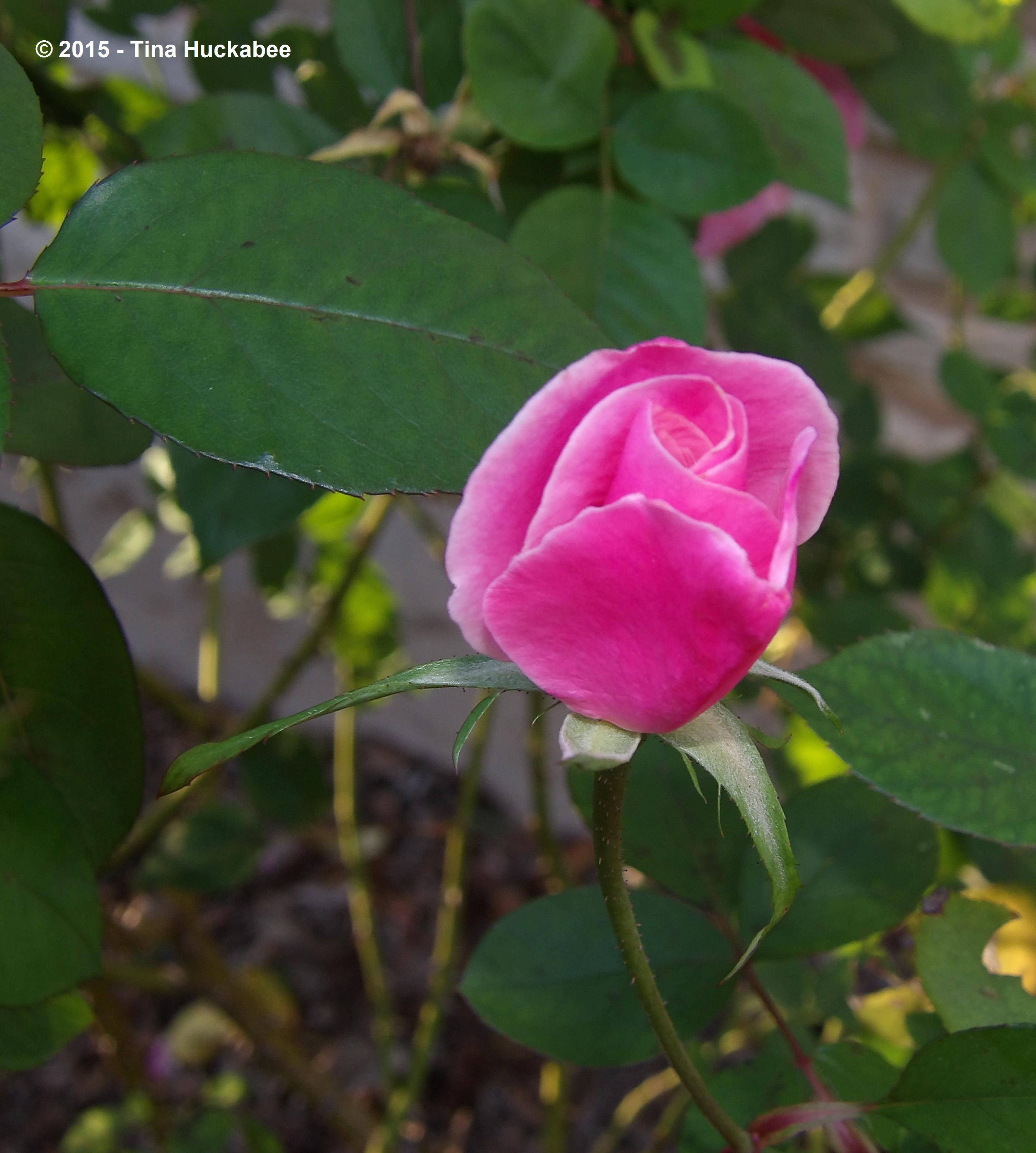
A classic rose bud,

IMGP3319.new

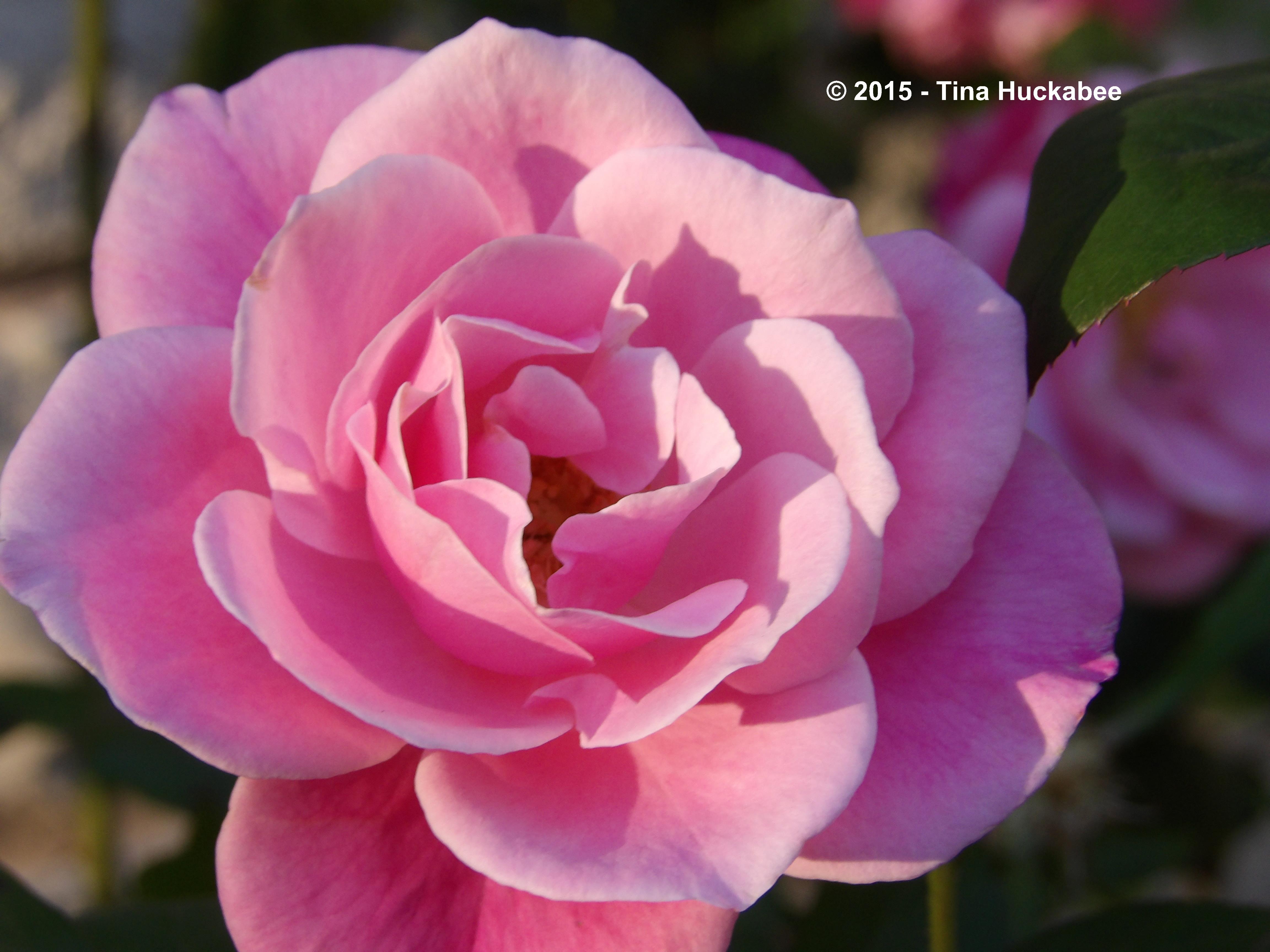
…’Simplicity’ opens to this,

IMGP3329_cropped_2903x3231..new

…and finally, this.

IMGP3323.new

Lush evergreen foliage with few blemishes, there is a touch-of-the-red to spice things up a bit.

IMGP3326.new

Nine ‘Simplicity’ rose shrubs were in my garden when I took up residence in 1985.  Two original shrubs remain and I must say, they’re the most steadfast and hardy bloomers of any rose type I’ve ever grown.  While  roses tend to wimpiness during our dry, toasty summers and our come-n-go droughts, these ‘Simplicity’ bloom.

Continuously.

IMGP3328.new

Take that, Texas climate!

Thanks to Carol at May Dreams Gardens for hosting her celebration of blooms for Garden Bloggers’ Bloom Day  and also to Pam at Digging for profiling the beauty of foliage with Foliage Follow-up.  Please visit each lovely blog to see blooms-n-foliage in gardens from many places.


Tree Following in December: Getting to know the Sycamore

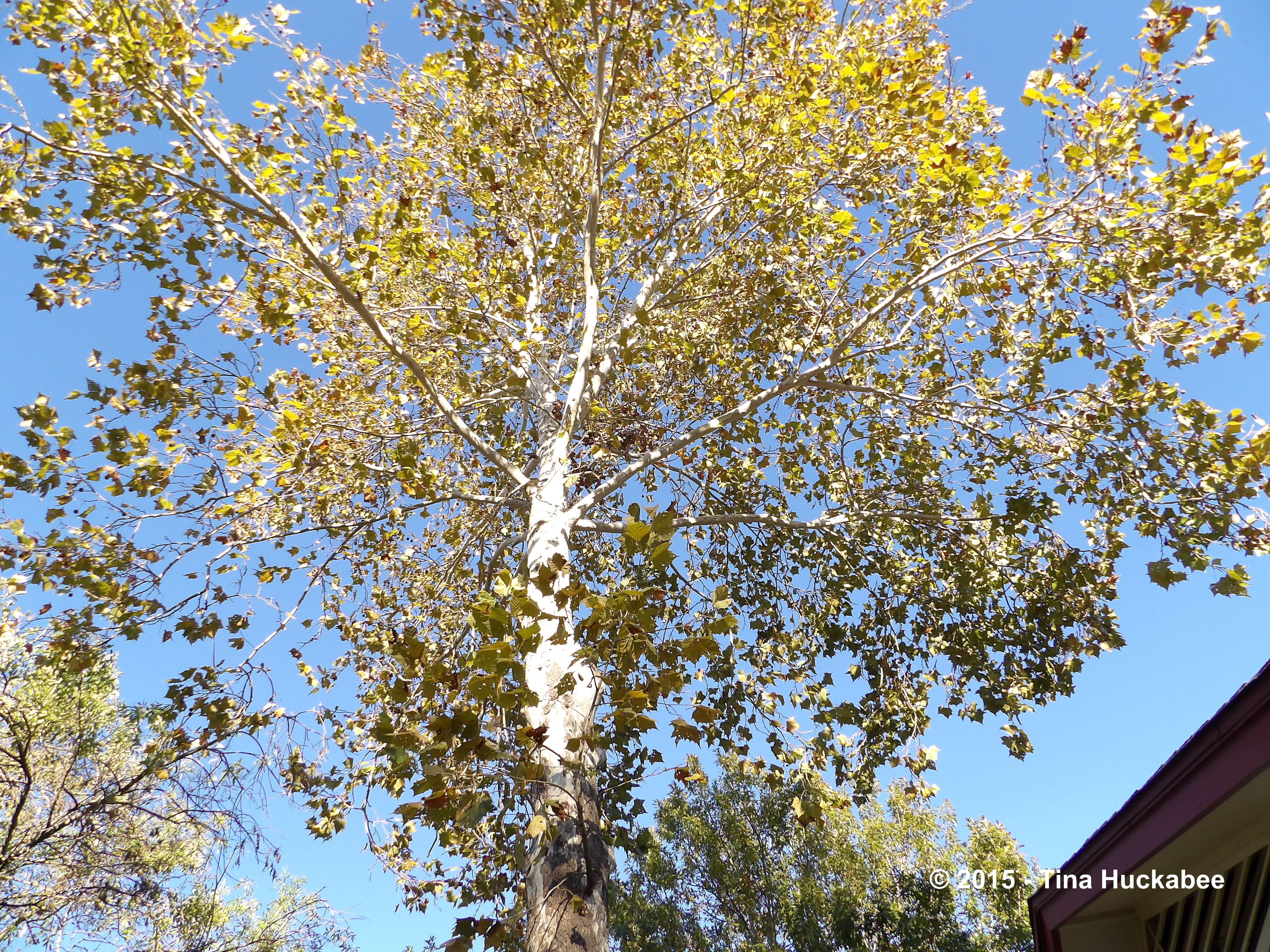
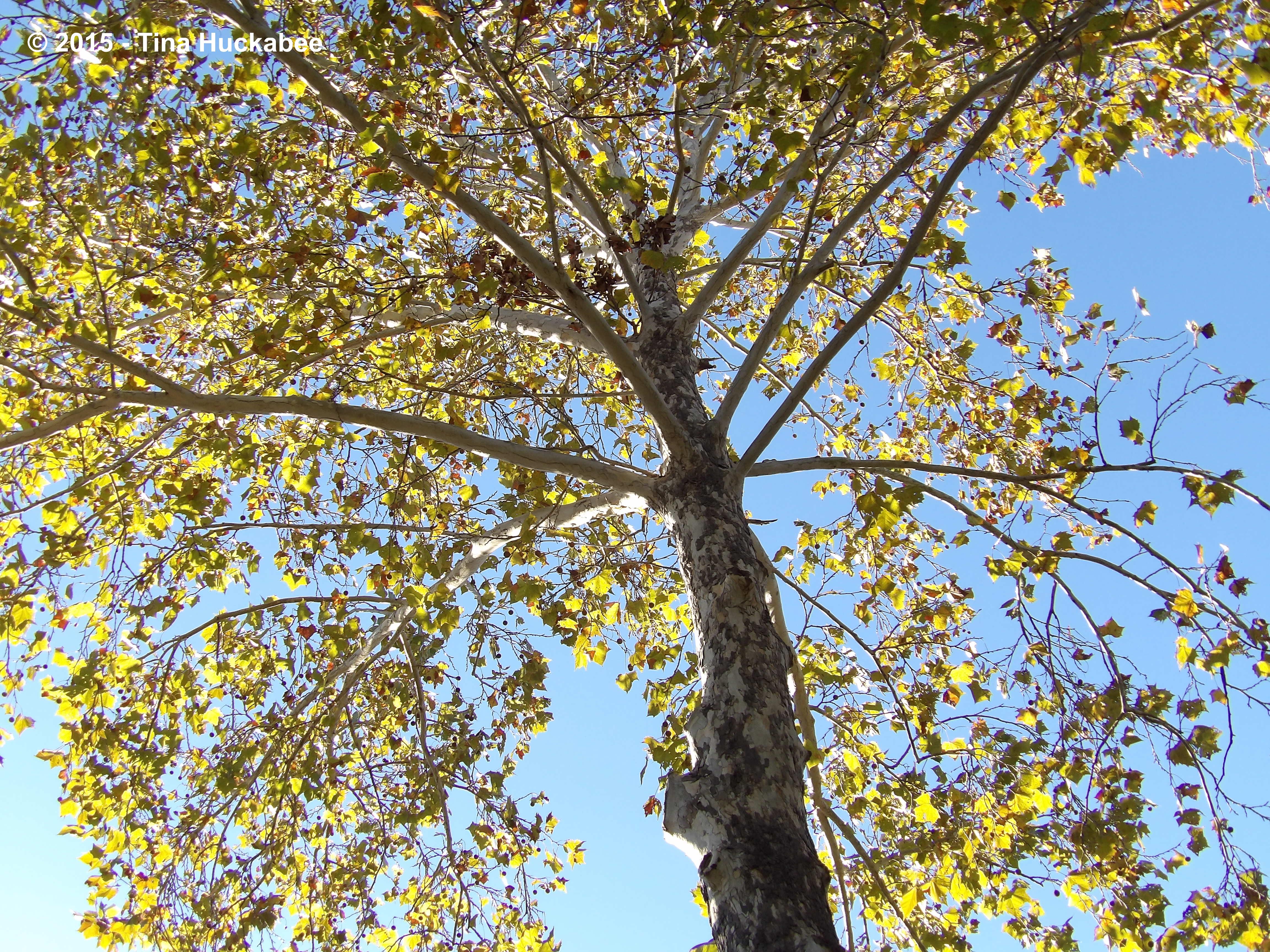
Standing strong and upright, my tree to study for the remainder of 2015 and most of 2016 is the American SycamorePlantanus occidentalis.

IMGP3049.new

Also known by the names Eastern Sycamore, American Plane Tree, Plane Tree, Buttonwood, and Buttonball Tree, I’m sure there are other namesakes, but I like the Lady Bird Johnson Wildflower Plant Database as a main reference when profiling native-to-North America plants and those are the names listed in the database on American Sycamore and I’ll stick with that list.  Who am I to argue with the Lady Bird Johnson Wildflower Center??

IMGP3053.new

I call my Sycamore Shed, which rhymes with Fred, but isn’t. As this post and the year with Shed progresses, you’ll understand why Shed is a good name for this tree.

A member of the Plantanaceae family, the Sycamore is deciduous and grows quite tall, upwards to 100 feet.  I estimate that my Sycamore is about 55-60 feet tall.  I might be off a few feet, because height estimation isn’t my best thing, but I’m in the ball park.  It dwarfs my one-story 70’s urban home.

IMGP3070_cropped_3285x3920..new

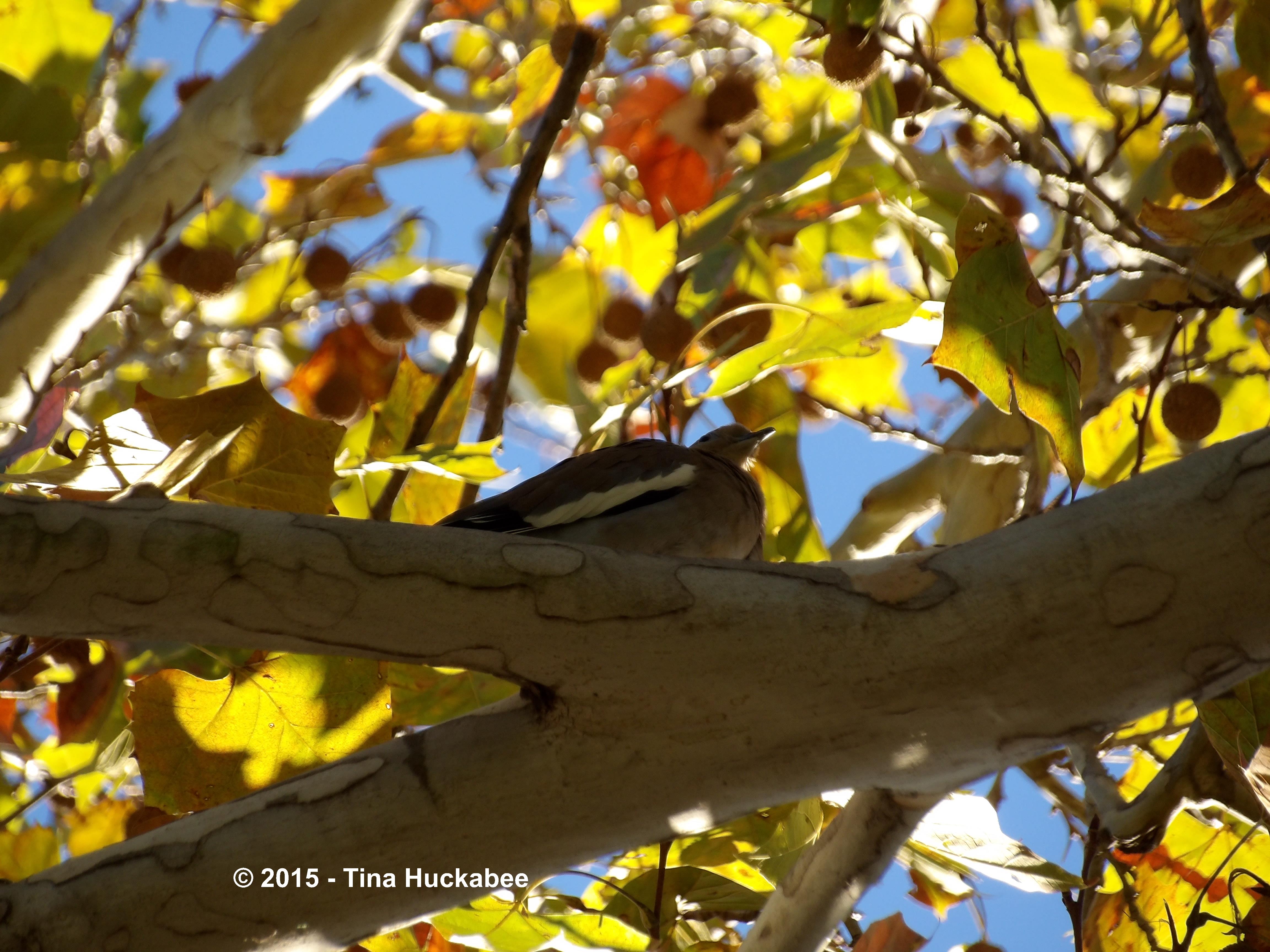
As a general rule, the Sycamore is considered a wetland plant and prefers more, rather than less, water. In nature you’d find this tree along stream and river banks, as well as in floodplains.  So why is it planted at my house in arid Austin, Texas?  Well, it is a native to this region, though we’re at its southwestern edge, and this region busts and booms with drought and flood.  Though we are tending toward a drier climate in the last couple of decades, Sycamore trees are still commonly planted and mature specimens thrive. I wouldn’t choose to plant a Sycamore if I was in the market for a tree because it does prefer a wetter foot, but my  tree was already established when we bought our home and I wouldn’t remove a healthy tree.  It’s been a good tree for my garden:  it provides shade in summer and in winter, reasons for me to complain when leaf clean-up commences.  Additionally, it’s a great resting spot for birds,

IMGP3037.new

…like this White-winged Dove.

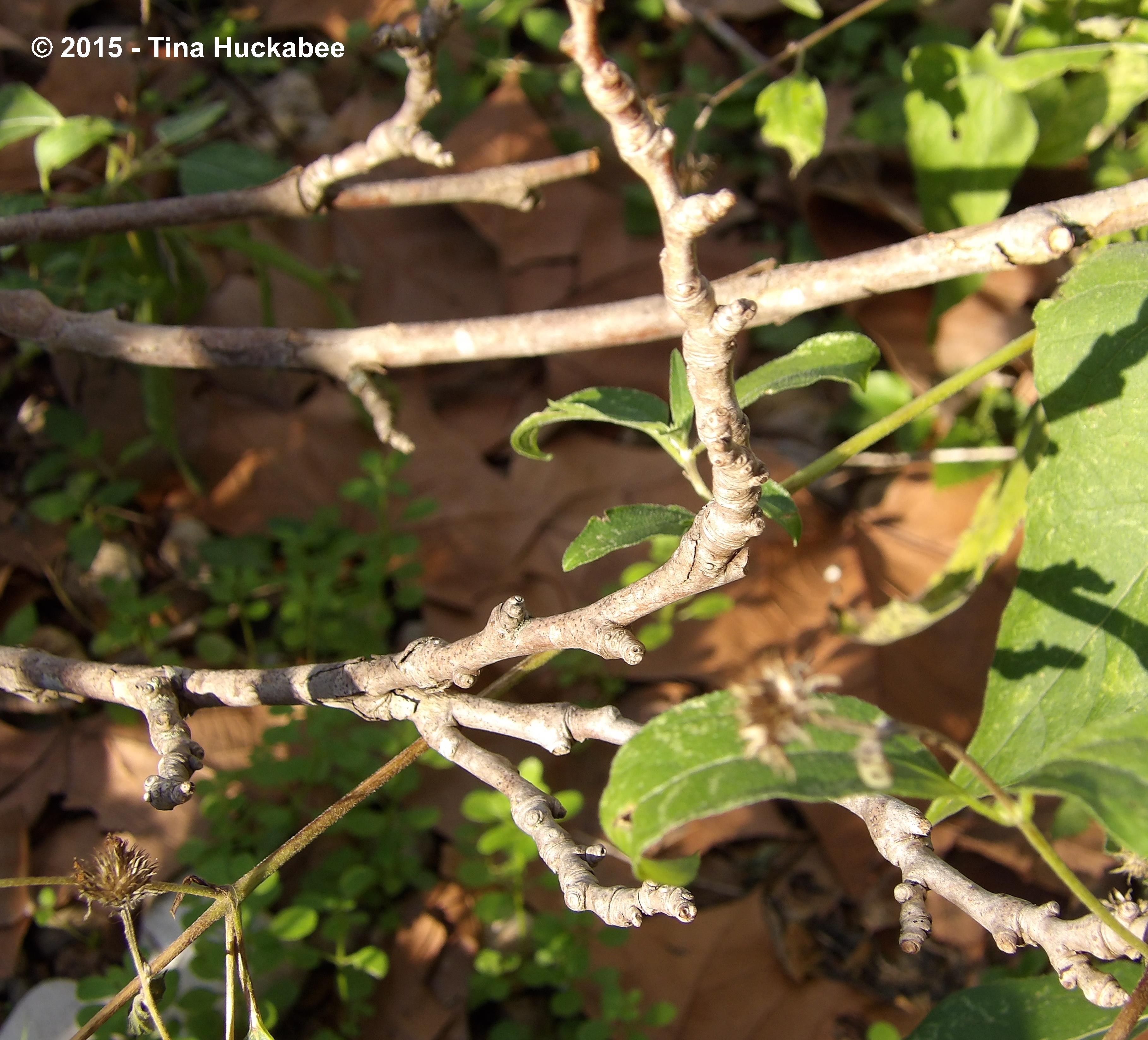
What has it done this past month?  It dropped some limbs, (remember the Shed moniker??), after strong winds from a cold front.

IMGP3043.new

IMGP3054.newIMGP3047_cropped_3637x3296..new

IMGP3064.new

Actually, that last photo is of a limb that bludgeoned to the ground early in the summer and that I haven’t pruned and placed for the nice yard waste folks to remove.  I like to keep some limbs around in my garden for the wood-nesting bees (and anything else that digs wood) and that large limb isn’t in the way, so I’ve left it alone.  I frequently find very small limbs on the ground under this tree; here is one, with long-dead leaves attached, that has broken and is caught in the crook of larger branches, but has yet to fall.

IMGP3021.new

Eventually, I’m sure that mess will end up on the ground for me to place in my yard waste bin.

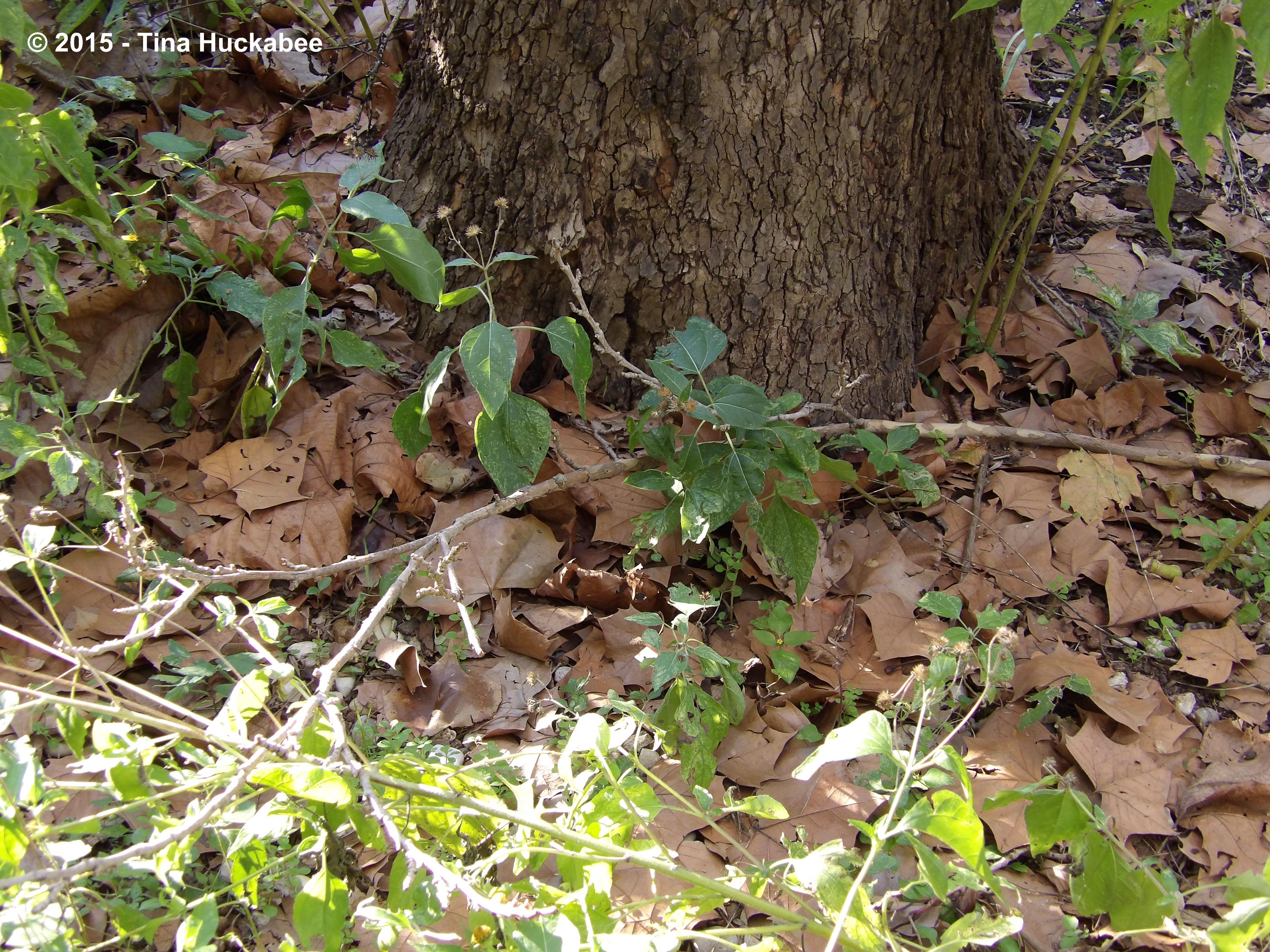
After the bluster of wind with our first cold front, I found this along my front raised bed, which Shed overlooks and…sheds on.

IMGP2860.new

These are the individual seed remains of some of the seed balls that are a signature feature of the American Sycamore.

IMGP3050.new

It’s a little odd that some seed balls disseminated now, as it’s usually in spring that the Sycamore seed balls explode and spread their seedy selves, but it was a blustery wind.

Most of the seed balls dangle in the tree and haven’t yet busted apart and floated to terra firma –but they will.  Eventually.

IMGP3038.new

The foliage of my tree is just beginning its autumn color morph, which can be quite attractive, especially when viewing the total tree, as opposed to individual leaves.

IMGP3039.new

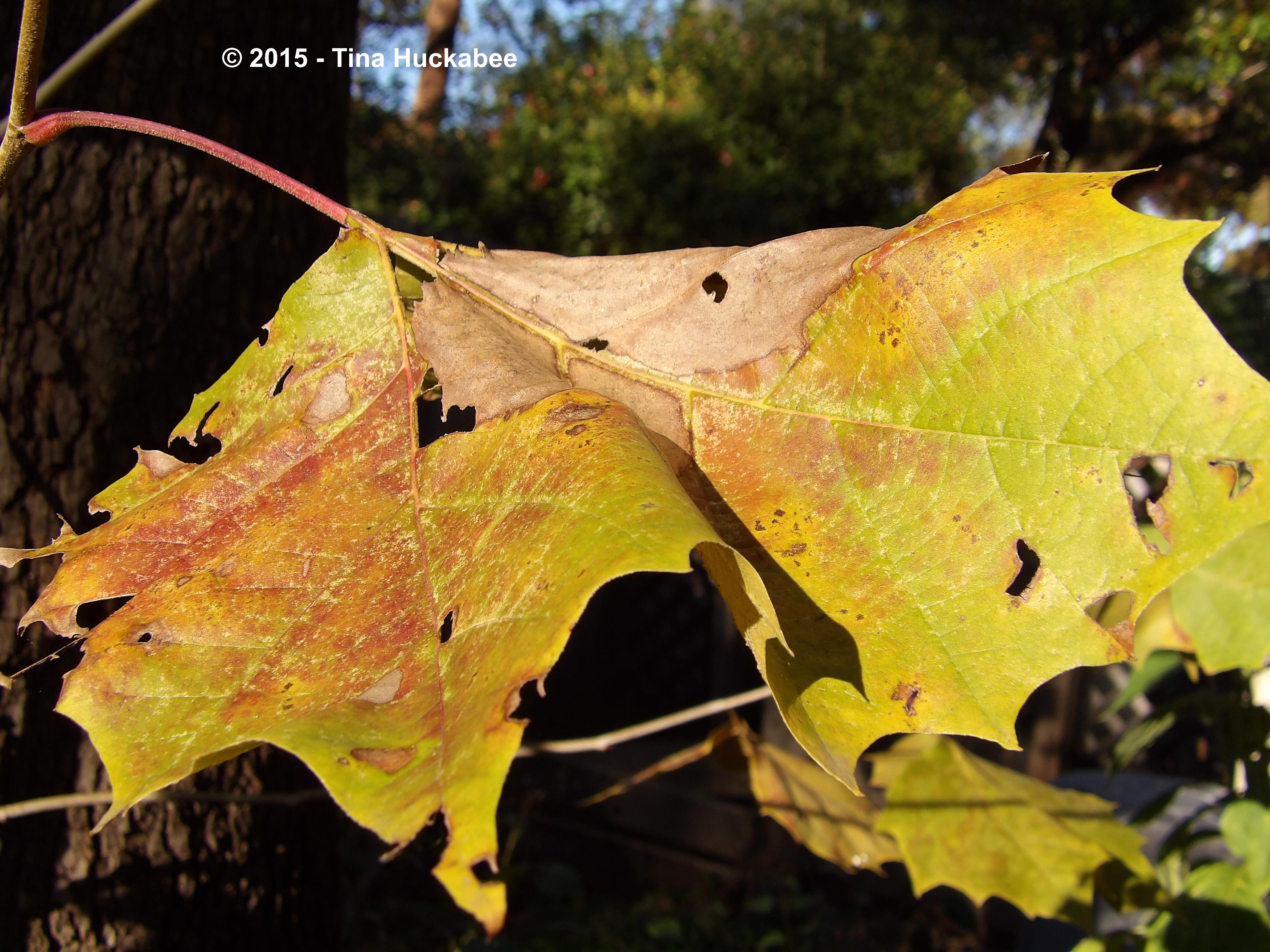
American Sycamore’s leaves are large and thick–bright green in spring, summer, and early fall, turning a golden-yellow before they drop.  They also can suffer some insect, disease, and heat problems depending upon the seasonal weather issues.   Because of our heavy flooding in May and June, I think there was some damage to the foliage from either insects and a possible bout of Sycamore anthracnose, which is a troublesome, though not fatal, fungal disease of Sycamores.  The current condition of many leaves, with some brown patches,

IMGP3024.new

…and colored mottling,

IMGP3027.new

IMGP3028.new

…give me reason to think that during our very wet spring, the tree was under some assault and stress, though I must admit that I wasn’t paying much attention to the Sycamore at that time.

Ahem.

I rather like the splash of red on the leaves, but I can’t tell you if the coloration is normal.

IMGP3032.new

Perhaps in a year’s time, when I’ve followed, watched, and learned, I can speak more knowledgeably about this tree.

Ahem.

The American Sycamore is a hardy tree, foliage quirks notwithstanding, and even when anthracnose is pervasive and a tree defoliates, the tree flushes out with new growth and continues its Sycamore leaf thing for the duration of the growing season.

IMGP3048.new

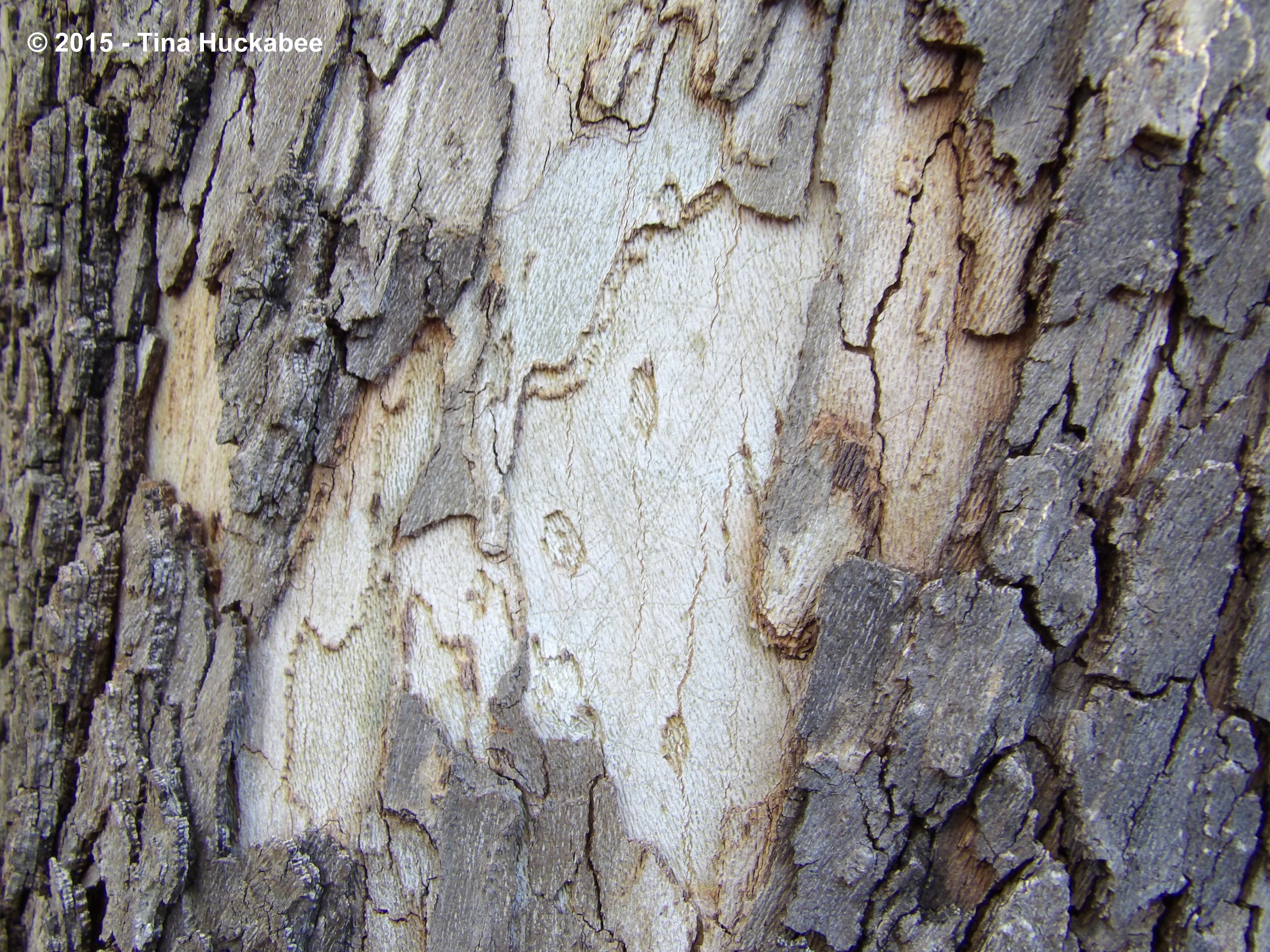
Sycamore bark is beautiful,

IMGP3052.new

IMGP3055.new

…and the tree’s height makes a definitive statement in my garden.

IMGP3062.new

IMGP3068.new

It’s a tough survivor, which is one of the reasons I’m choosing to follow it and learn more about Shed, the American Sycamore.   Many thanks to  Pat at The Squirrelbasket for hosting Tree Following.  Please pop over to her blog and learn what her tree and many others are up to for the December’s Tree Following.