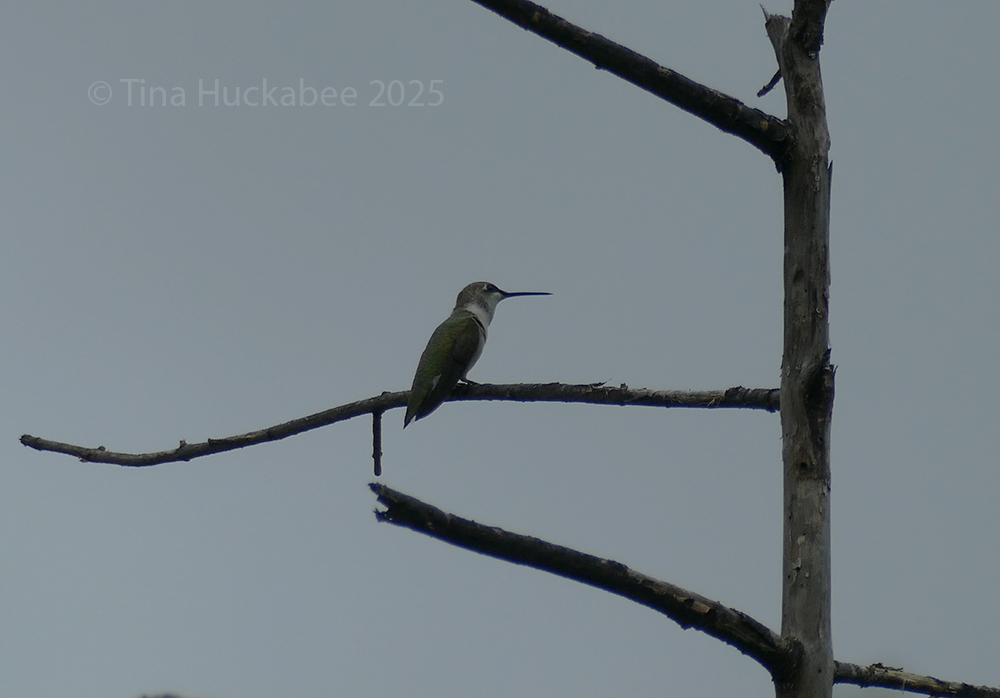
While dead-heading American Basket flowers, fussing over transplants deposited during recent heavy rains, and musing about changes desired, I spied a female Black-chinned Hummingbird, Archilochus alexandri. She perched on a defoliated branch, high up in a neighbor’s declining tree. She sat a bit, zoomed over her territory, then sat again and continued to observe her realm. I attempted a photo while she was still, but she moved each time I pressed the camera’s button. Smears aren’t acceptable.
Finally, despite perspiration and a slightly aching lower back, my patience was awarded…gotcha! Ms. Hummer sat for a quick photo, photographer was chuffed!
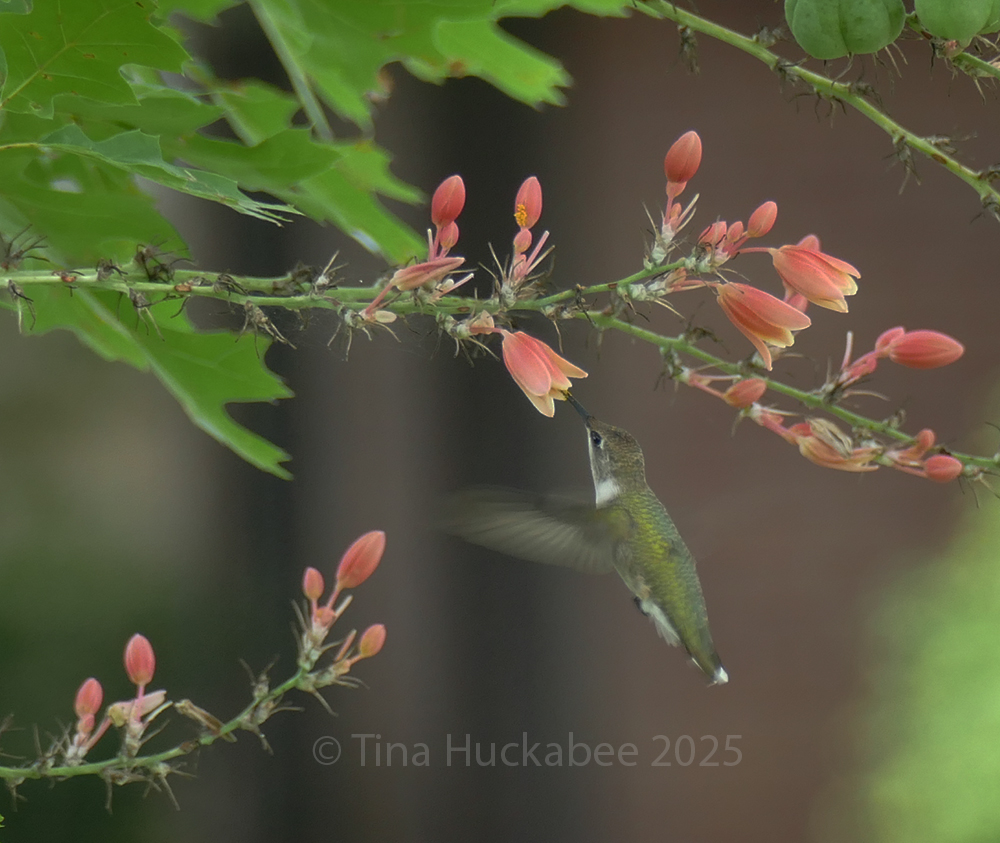
I gardened further, then saw movement at a Red Yucca, Hesperaloe parviflora, which blooms under the increasing canopy of a young Red Oak tree. Ms. Hummer winged gracefully from flower to flower, I followed her feeding with my eyes–all three.
Hummingbirds are now birdie-zooming around the garden. Tiny territorial terrors jealously guard food sources and run off competition, all in preparation for autumn migration southward. The activity is all very dramatic and thrilling, affording this observer a front-garden seat to exciting avian acrobatics, occasional decent photos, and profound moments in the garden, appreciating its seasonal happenings.
I guess in this case, certain critters need their pinks and yellows.
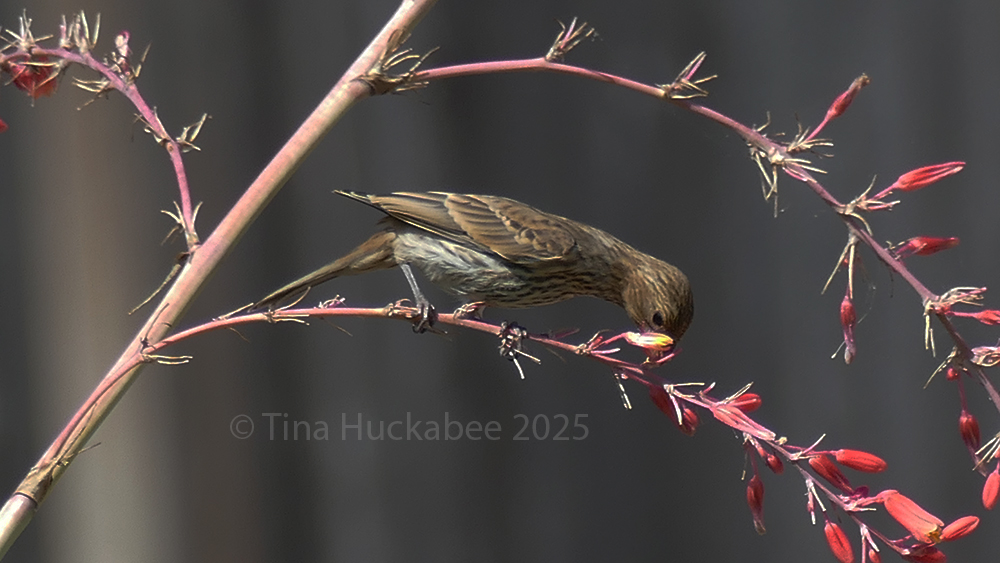
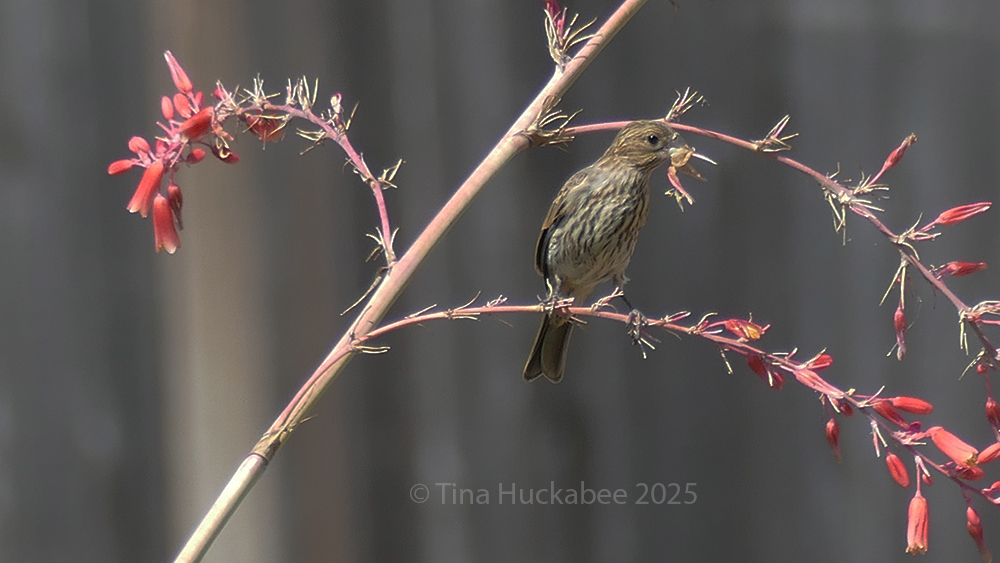
This female House Finch, Haemorhous mexicanus, eschewing the protein offerings of sunflower and safflower feeders, opted for some fresh veggies in the form of the flower parts of Red Yucca, Hesperaloe parviflora.
I observed her for quite a while as she contentedly fed at the yucca blooms. She snitched bits of petals as she worked her way along the stem, her weight (such that it is) on the stem causing movement typically seen only by strong winds.
Birds and mammals often dine on flowers and foliage, along with insects and plant fruits. After all, a diet with variety is healthy, and who doesn’t like diversity in their meals?
June 16-22, 2025 is Pollinator Week, celebrating the importance and beauty of pollinators. Pollinators share outdoor space with humans (and other critters!), but are in decline due to a variety of factors, including habitat loss, use of chemicals, and climate change.
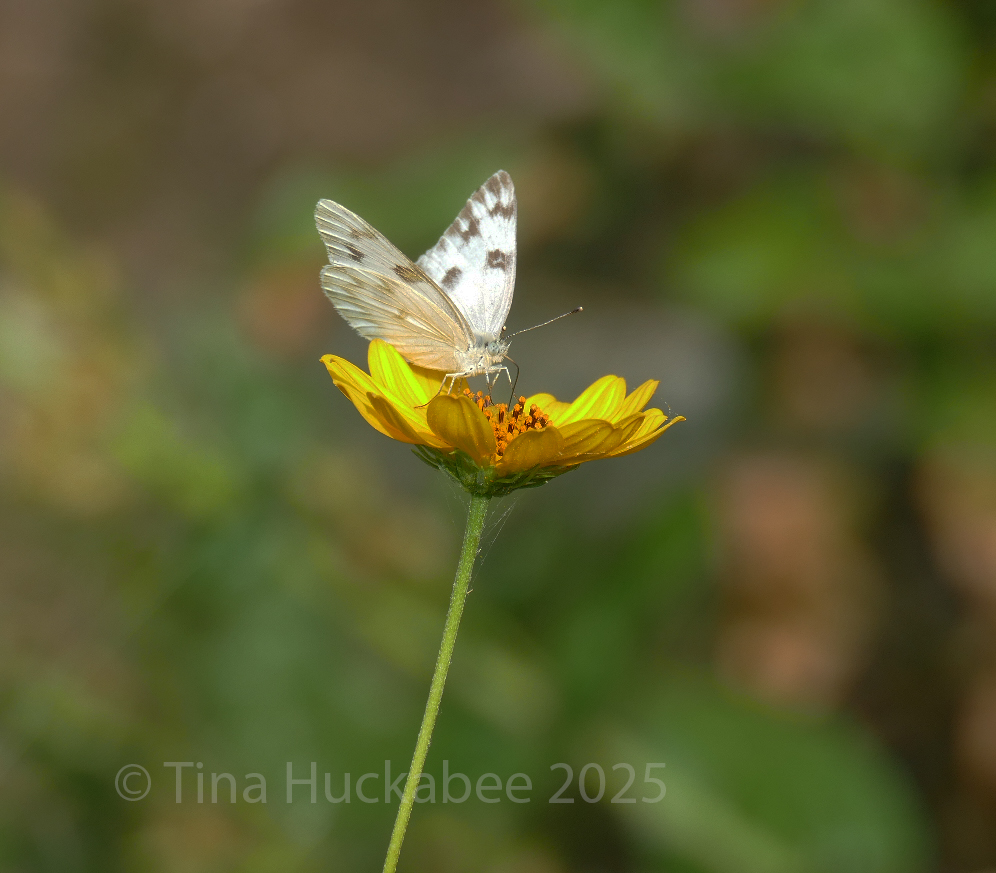
Checkered White on Zexmenia, Zexmenia acapulcensis
But in your own space of a home garden, in nearby public park or school garden, even a small to medium sized pollinator garden attracts multitudes of pollinator participants and adds a bit more beauty and life to the world.
Fiery Skipper on Gregg’s Mistflower, Conoclinium greggii
It’s easy to attract pollinators–just plant things they like to pollinate! Native plants are always best because they usually require less water and effort, and native plants are appropriate in their range. Also, native plants are beautiful.
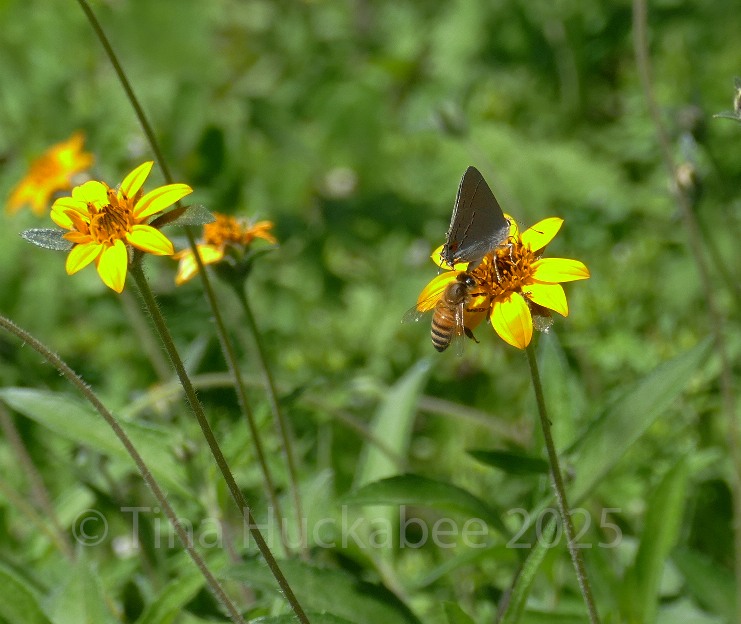
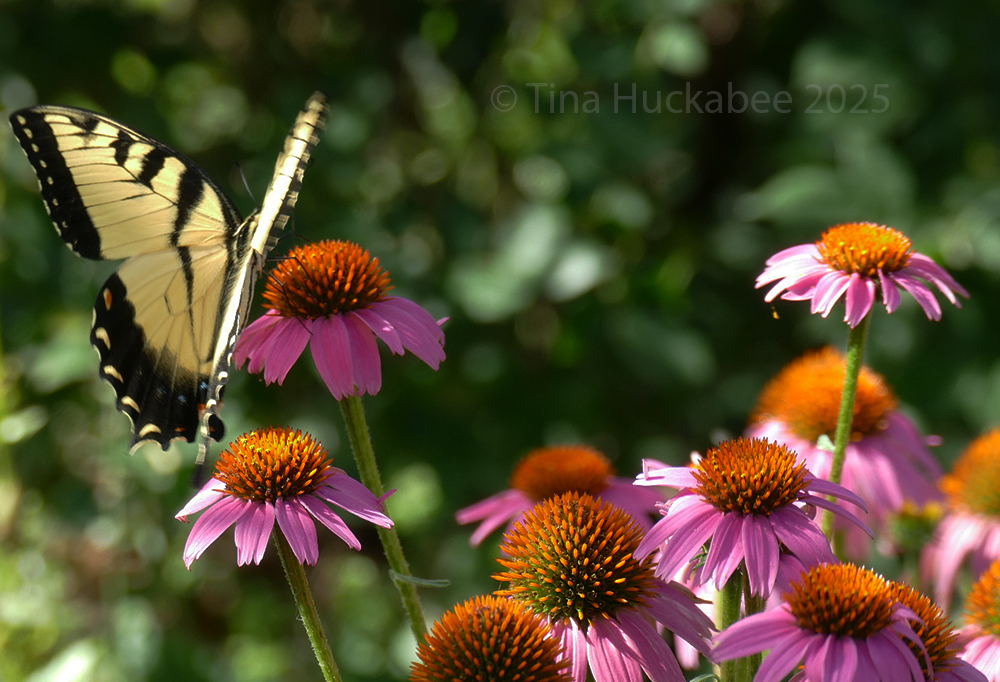
White Checkered-Skipper on Four-nerve Daisy, TetraneurisscaposaHoneybee and Grey Hairstreak on Zexmenia, Zexmenia acapulcensisRed Admiral on Purple Coneflower, Echinacea purpurea
Hardy, non-natives are also on many pollinators’ yummy lists, so roses, daylilies, irises and other similar plants are often good choices for a garden.
Metallic Sweat bee on unknown common daylilyLassioglossum, Sweat bee on Martha Gonzales Rose
In most areas of North America, pollinators are active throughout the growing seasons, including winter in some places. Here in Central Texas, I’ve found that pollinators increase in number and variety as spring segues to summer, then morphs into autumn.
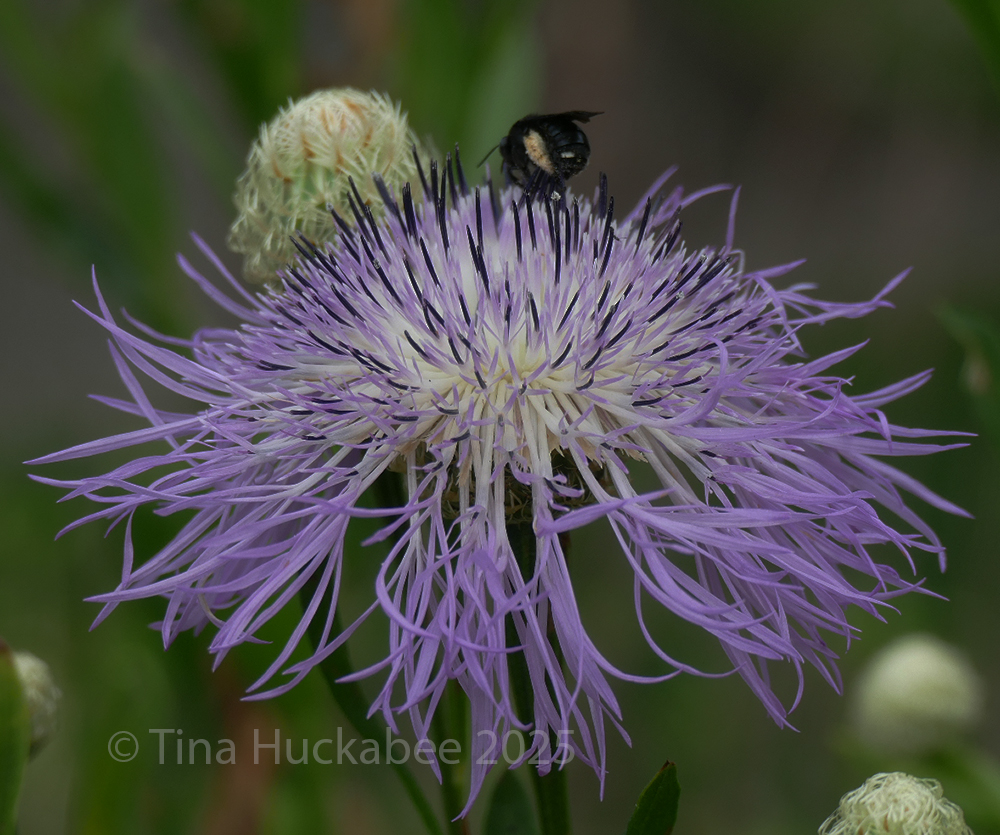
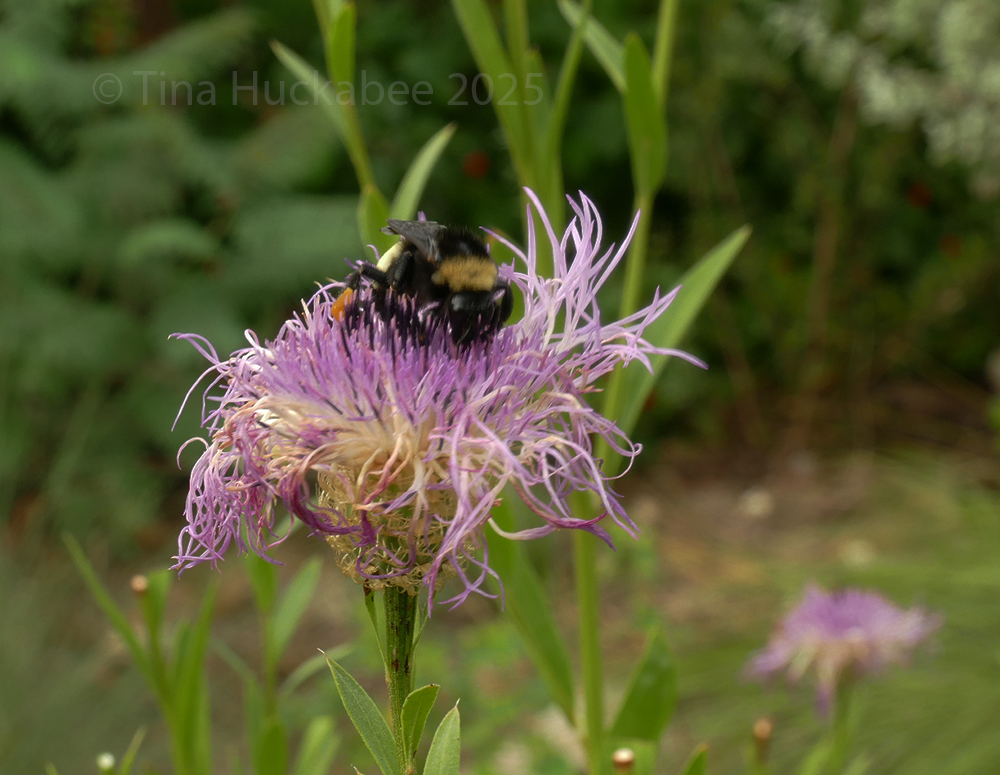
Painted Lady, Vanessa cardui sips from a Blue Curl, Phacelia congestaAmerican-basket flower, Centaurea americana, blooms primarily in June and July, providing for many pollinators.
Autumn bloomers are important sources of nectar and pollen before winter sets in. Late summer/autumn blooming perennial shrub, Frostweed, Verbesina virginica, worked by a honeybee, whose corbiculae (pollen pantaloons!) are filled with pollen goodness.
Pollinators and pollinator plants come in all shapes, sizes and varieties. Trees produce flowers for pollinators when they bloom, no matter the season.
Blow Fly, Calliphoridae, pollinating spring blooms of Rough-leaf Dogwood,
Shrubs, perennials, annuals, and ground covers are also in the pollination business.
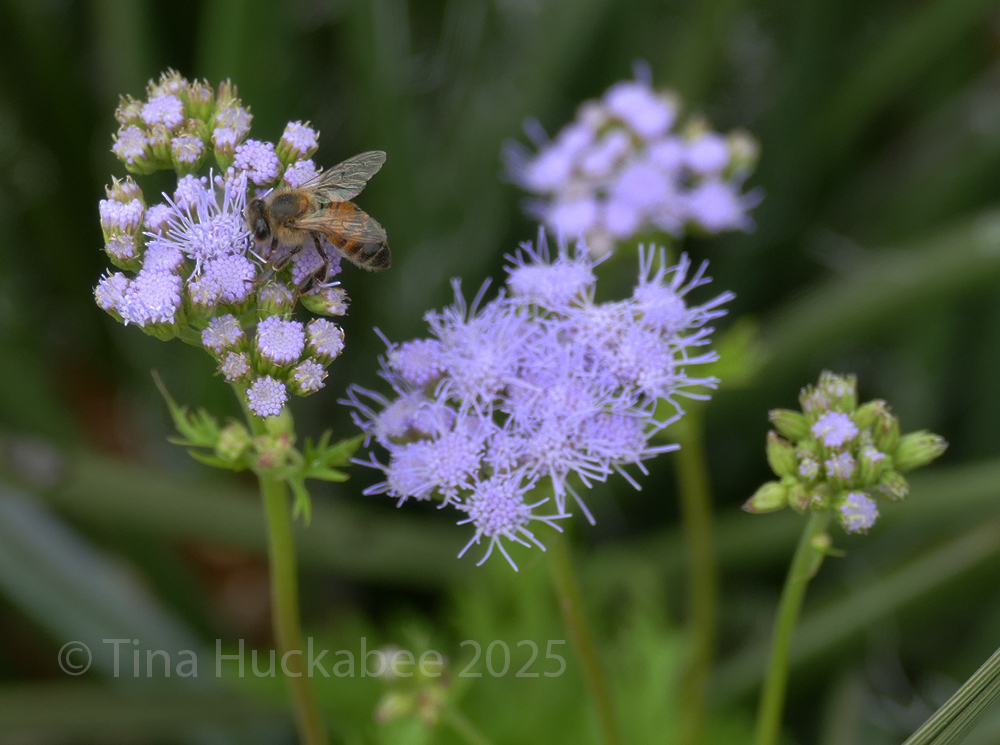
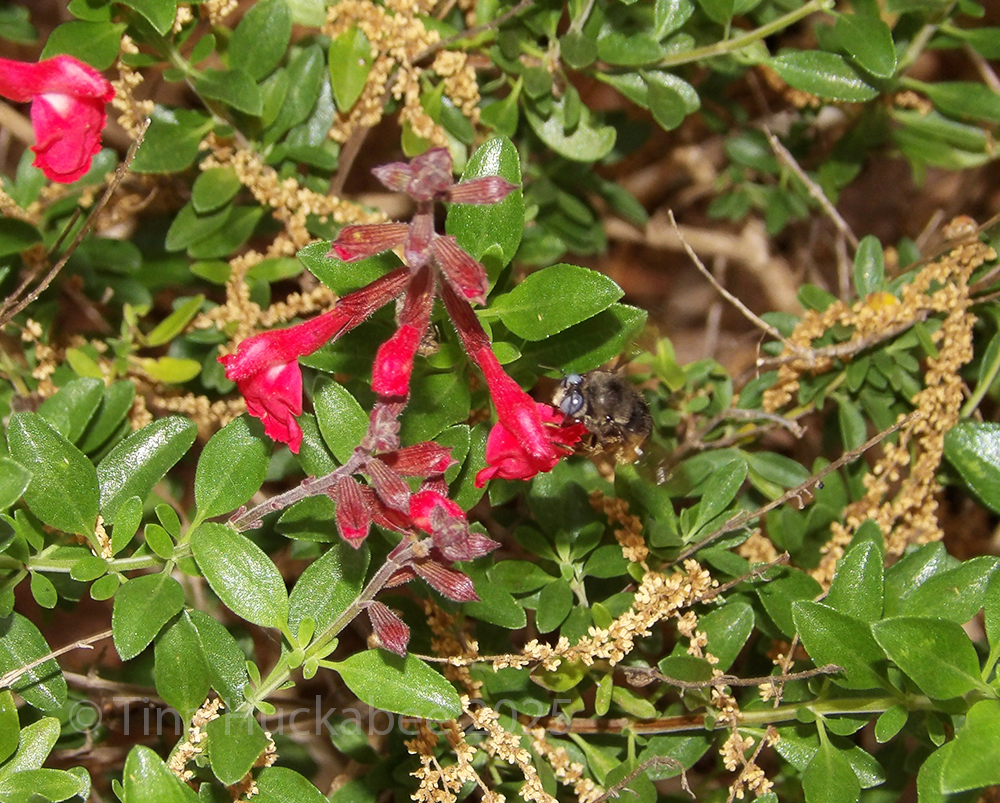
Ground cover perennial, Gregg’s Mistflower provides for a honeybee. Perennial Engelmann’s Daisy, Engelmannia peristenia, feeds a different honeybee.Autumn Sage shrub, Salvia greggii, hosts a Horsefly-like Carpenter Bee, Xylocopa tabaniformis
Most folks recognize that bees (both honey and native), butterflies and moths are common pollinators. But flies, ants, beetles and true bugs are vital pollinator sources and should be welcomed in any garden space.
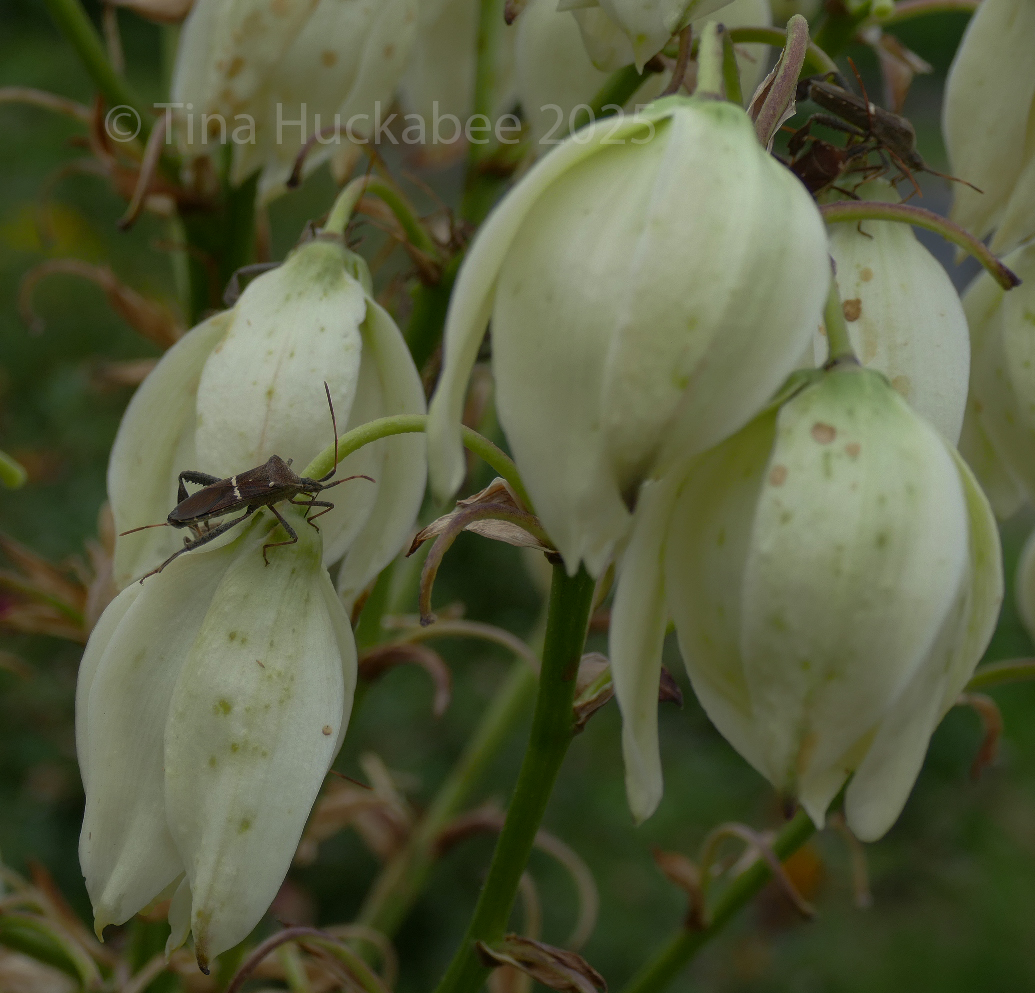
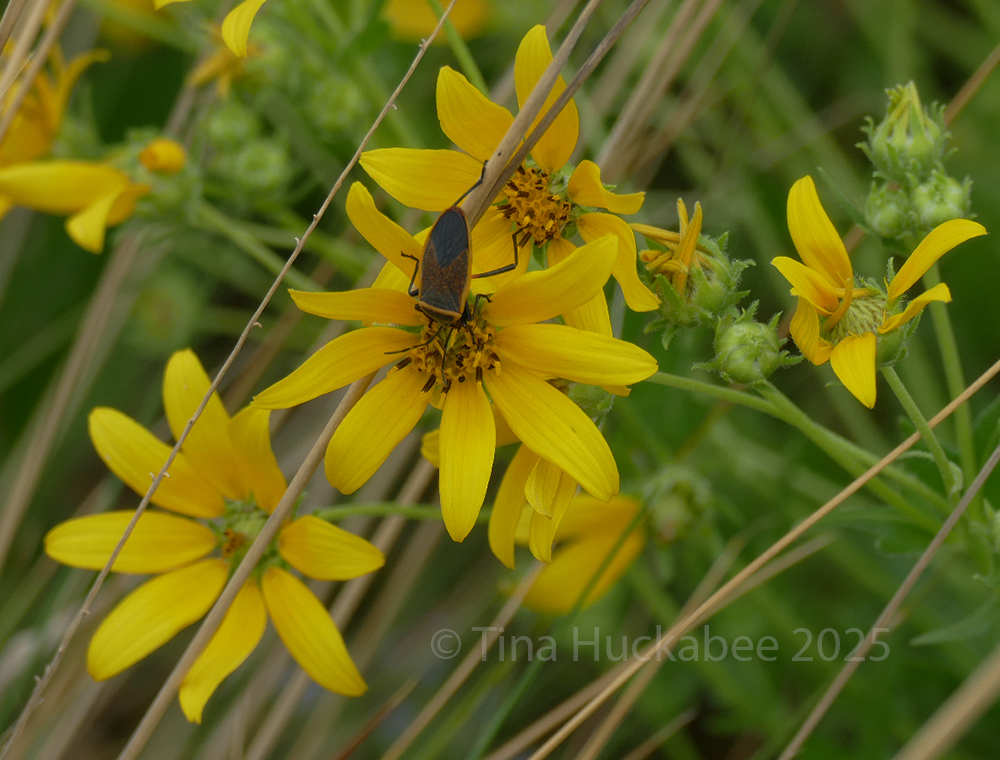
Eastern Leaf-footed bug on Soft Leaf Yucca, Yucca recurvifoliaLizard beetle, Languriidae on Four-nerve DaisyEngelmann’s Daisy hosts a Seed Bug, Lygaeidae
To have grown-up pollinators visit your garden, specifically with butterflies and moths, first there must be babies. To feed those young’ns, host plants are required and should be part of any pollinator ecosystem. Yes, foliage will be munched, but it’s a rare event that host plants are eaten to their end by the insects that the host plant nurtures.
Dutchman’s Pipe, Aristolochia fimbriata, with munched leaves from a Pipevine Swallowtail caterpillar
Many herbs and common garden plants are host plants for pollinator insects. This is why it’s a BIG no-no to use pesticides: if you spray for caterpillars, or other “bugs” eating the foliage, it’s likely that you’re killing future pollinators. Remember and repeat: most insects are benign, many are beneficial. So skip the stinky aisle in the big box store and avoid pesticides in the garden.
Check out https://www.butterfliesandmoths.org for information on the kinds of host plants specific to butterfly/moth species. It’s a great go-to site for all things butterfly and moth.
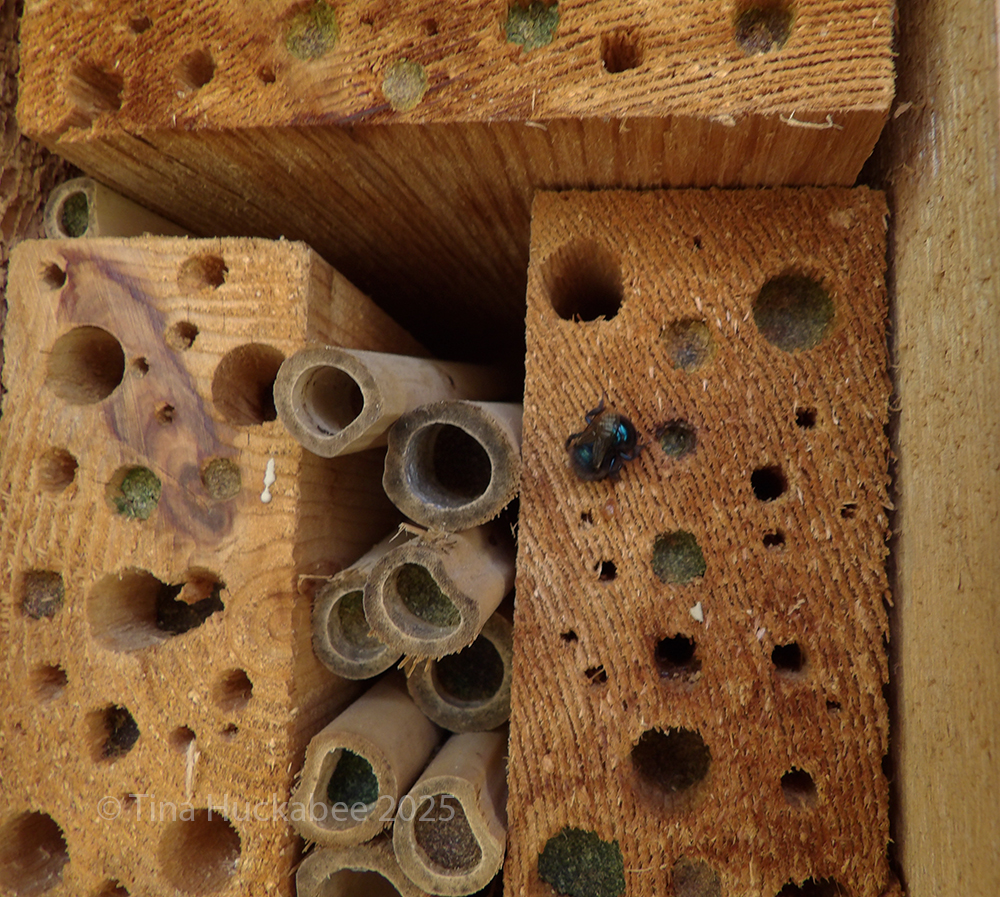
Native bees are generally solitary and nest only for their offspring, unlike honeybees who nest in large collectives. Native bees nest in the ground, in wood, and older stems of plants. You can help natives find spots for reproduction by leaving some wood in your garden, by allowing some soil to remain bare, free of plants, mulch, and ground-cover, and also by delaying winter pruning until just before spring growth. You might also want to build bee “houses” or “hotels” which will provide space for many bees to nest.
Blue Orchard Bee, Osmia lignaria filling a nesting hole
In short, most garden plants that flower will attract insects, the good kind, and especially pollinators. There are a few tricks to a successful pollinator garden project, but creating a garden is a learning experience and a creative endeavor. Check out your local plants, see what you like and what would work in your space. There’s a great deal of accessible plant, insect, and design information to help you on the way. To create a pollinator garden, research and learn, then unleash your imagination and artistic self and be prepared to perspire. Then have some gardening fun and help heal the world in your own back yard!











 My Gardener Says...