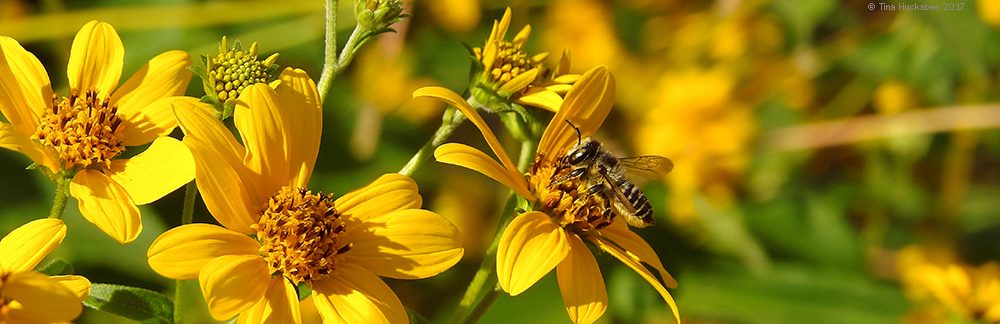
Wildlife Wednesday, November 2015

October in Austin ushers the end of the seemingly interminable summer and portends a transition to cooler temperatures of autumn and its promises of rain.  This past month was no exception with our typical, atypical early autumn weather.  October saw hot, dry, days, juxtaposed with heavy rain and flooding, augmented with the gift of appreciated and ballyhooed crisper days and nights.  The variable weather also saw many winged things of feathered and scaled varieties in my garden space.  Welcome to Wildlife Wednesday for November, heralding all things wild–by and for–the garden.

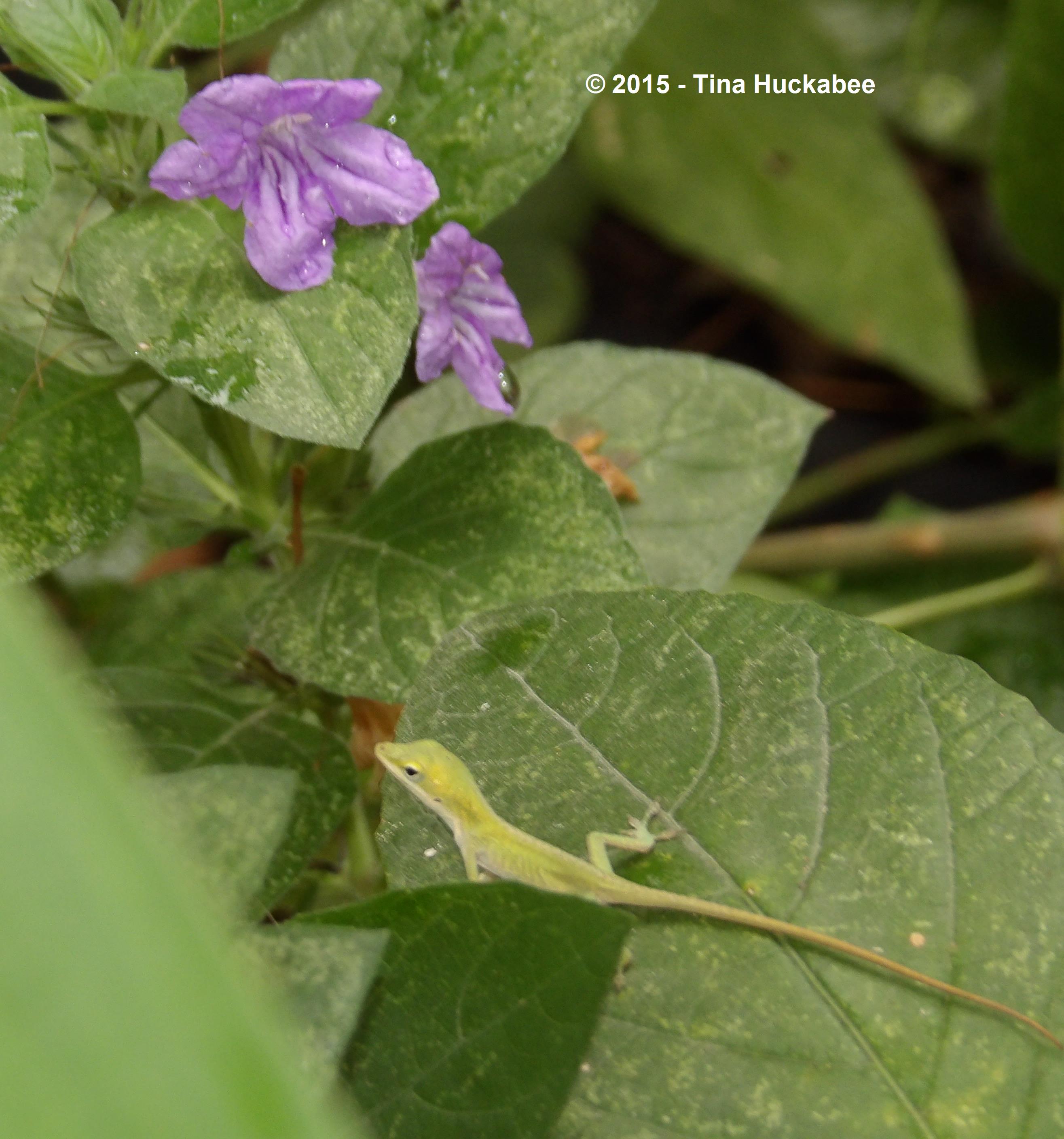
This little guy sports neither feathers nor scales, but instead, his green jammies as he traipses through the Drummond’s Ruellia and keeps a wary eye on anything bigger than himself, including me.
IMGP2462_cropped_2631x2816..new

Many young Green Anole, Anolis carolinensis, lizards are eating and presumably growing in preparation for winter and the spring that will follow.  Wishing them good hunting for anything smaller than themselves and some measure of safety from those who will be hunting and eating…Green Anoles.

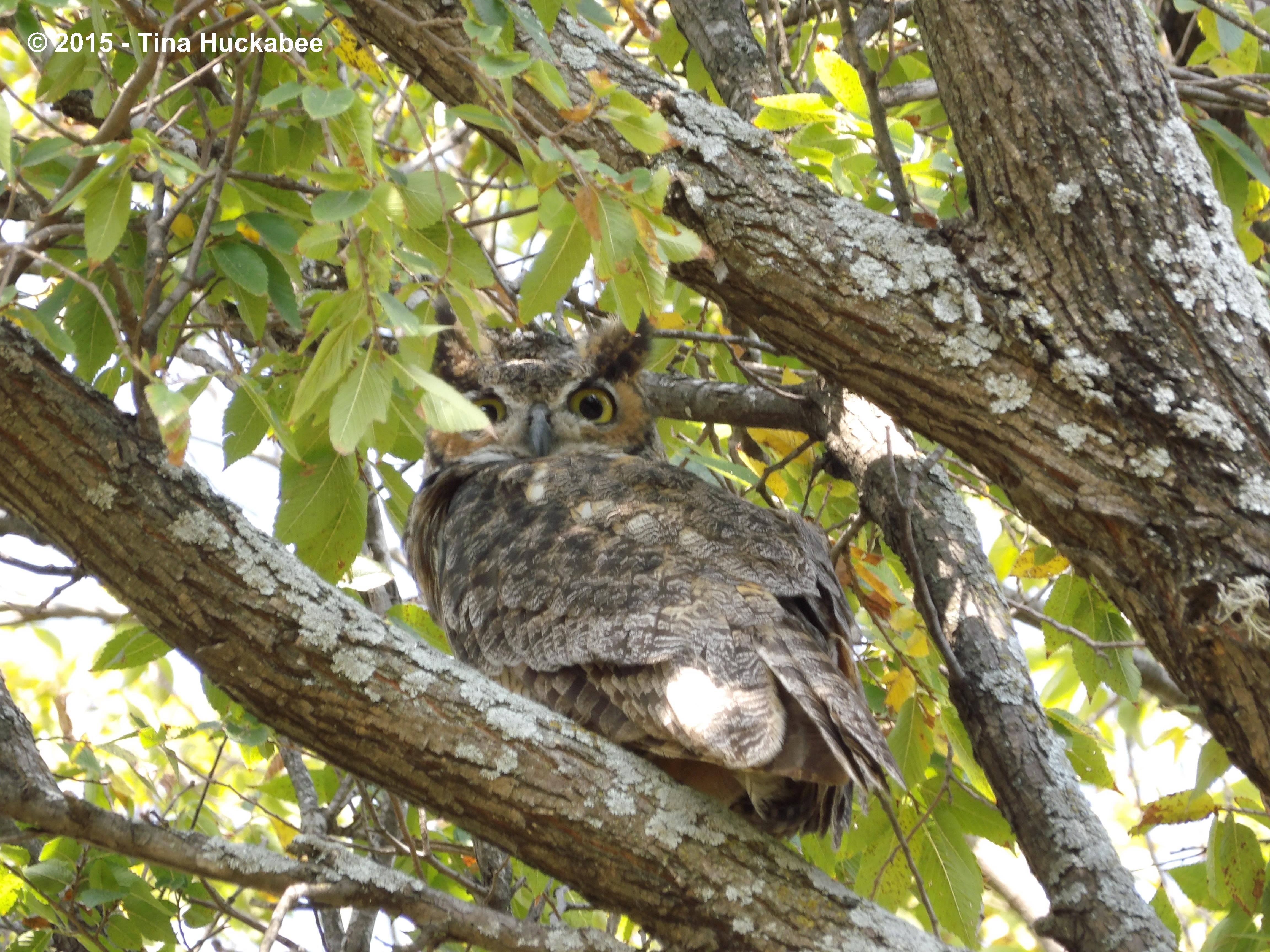
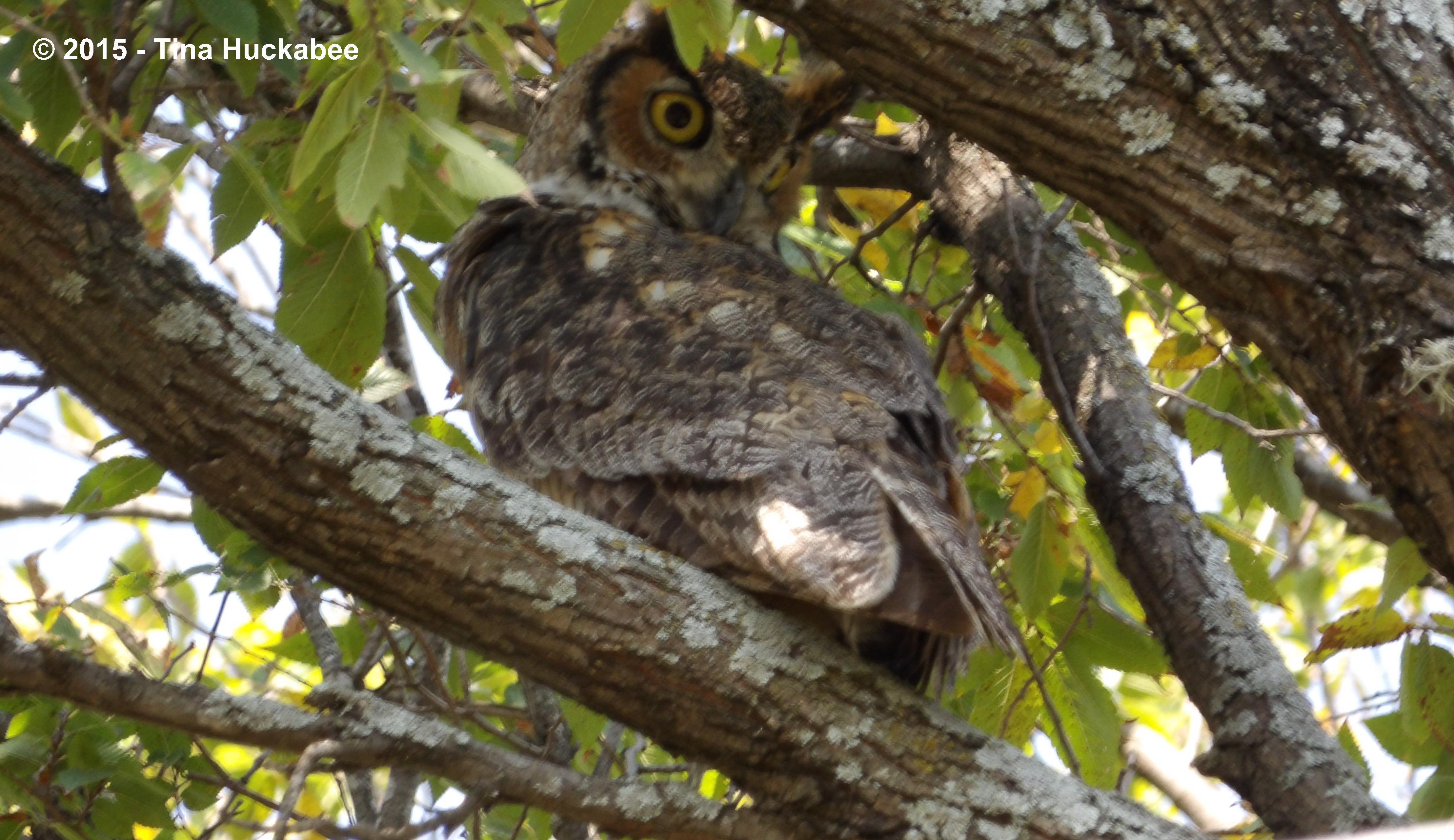
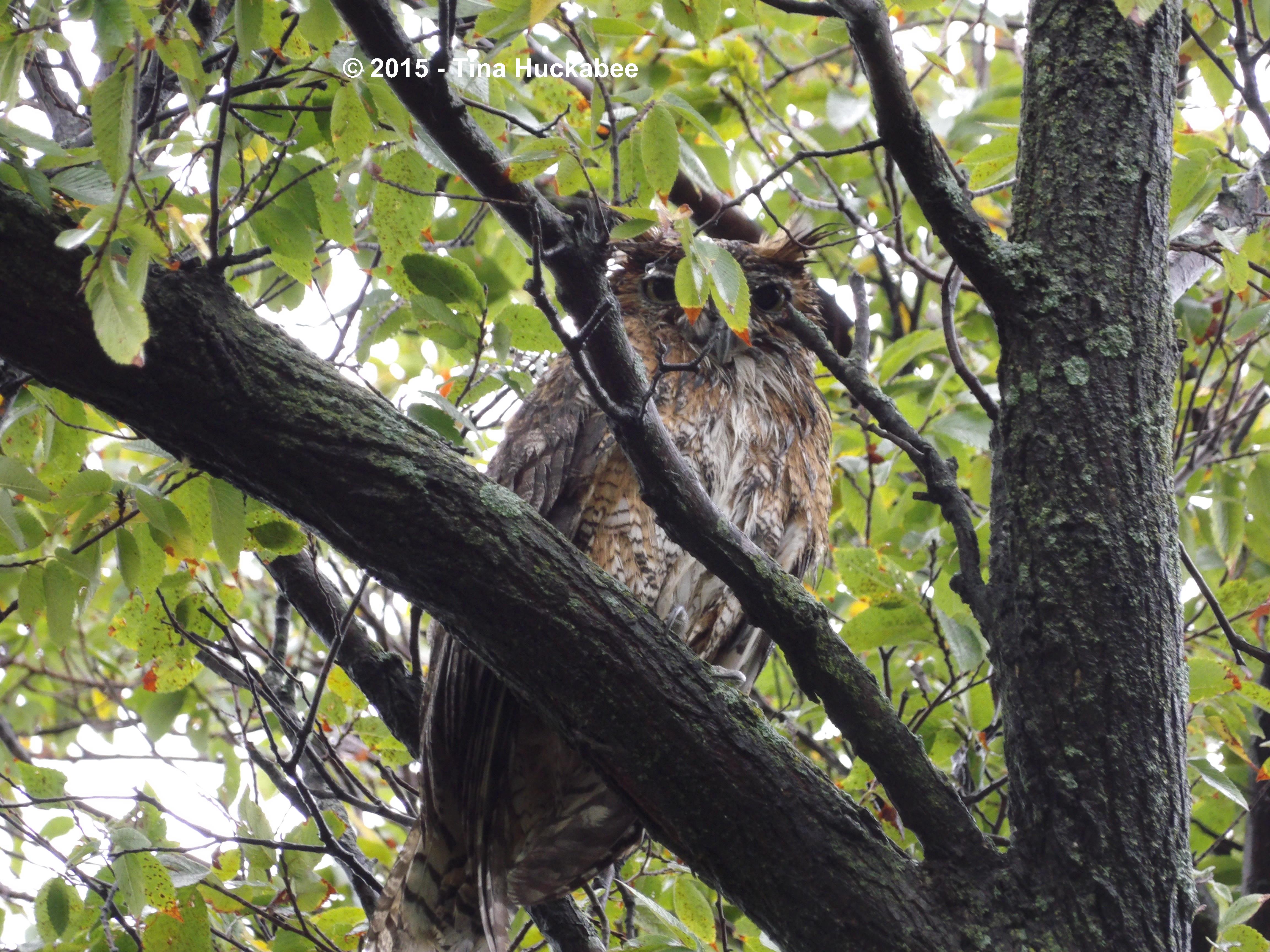
Some of the “whatever” that might be on the hunt for lizards, though I’m guessing they’d prefer bigger and juicier prey, includes this majestic Great Horned Owl, Bubo virginianus, who rested for a couple of days in my neighbor’s large Elm tree.
IMGP2037_cropped_4434x2562..new

IMGP2039.new

Gorgeous.  I haven’t heard any hooting from this one and without a mate to compare, I’m not sure if this beauty is male or female.  But it was a treat to observe the large predator as she/he attempted some  zzzzzzz  before nighttime hunting.

This photo was taking on the second, but rainy day of roosting; he/she looks wet and bedraggled, but owls are tough.
IMGP2477.new

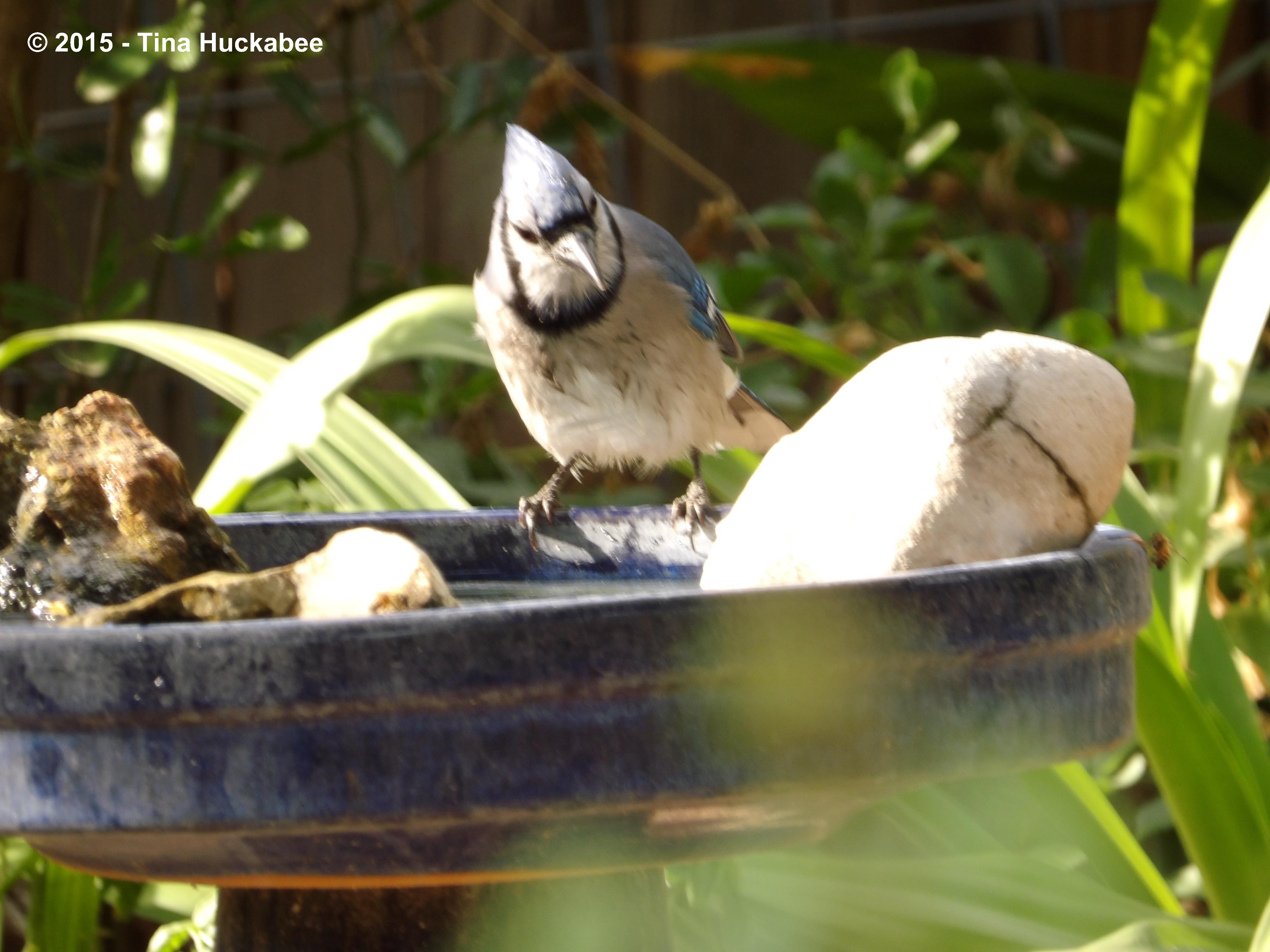
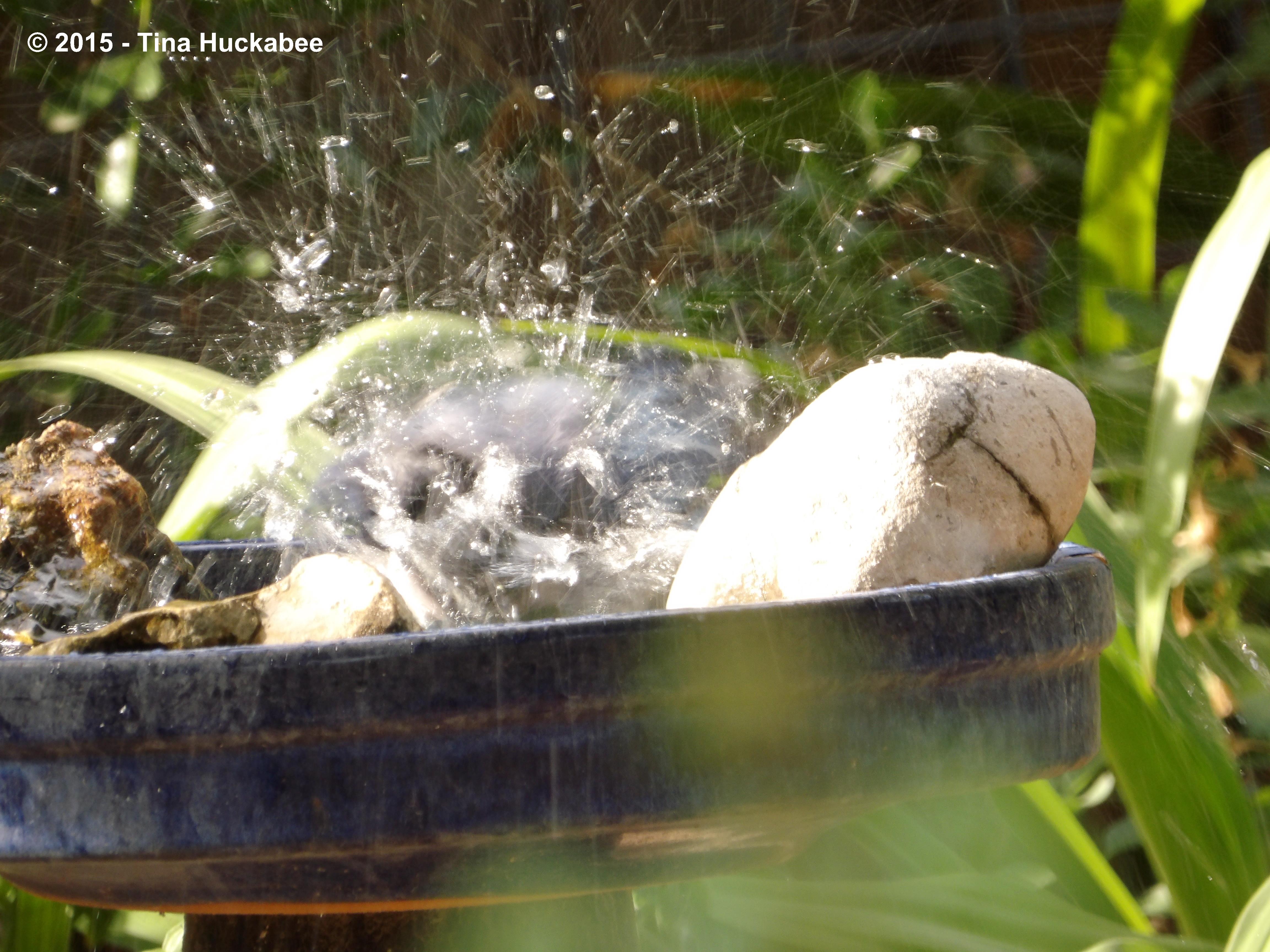
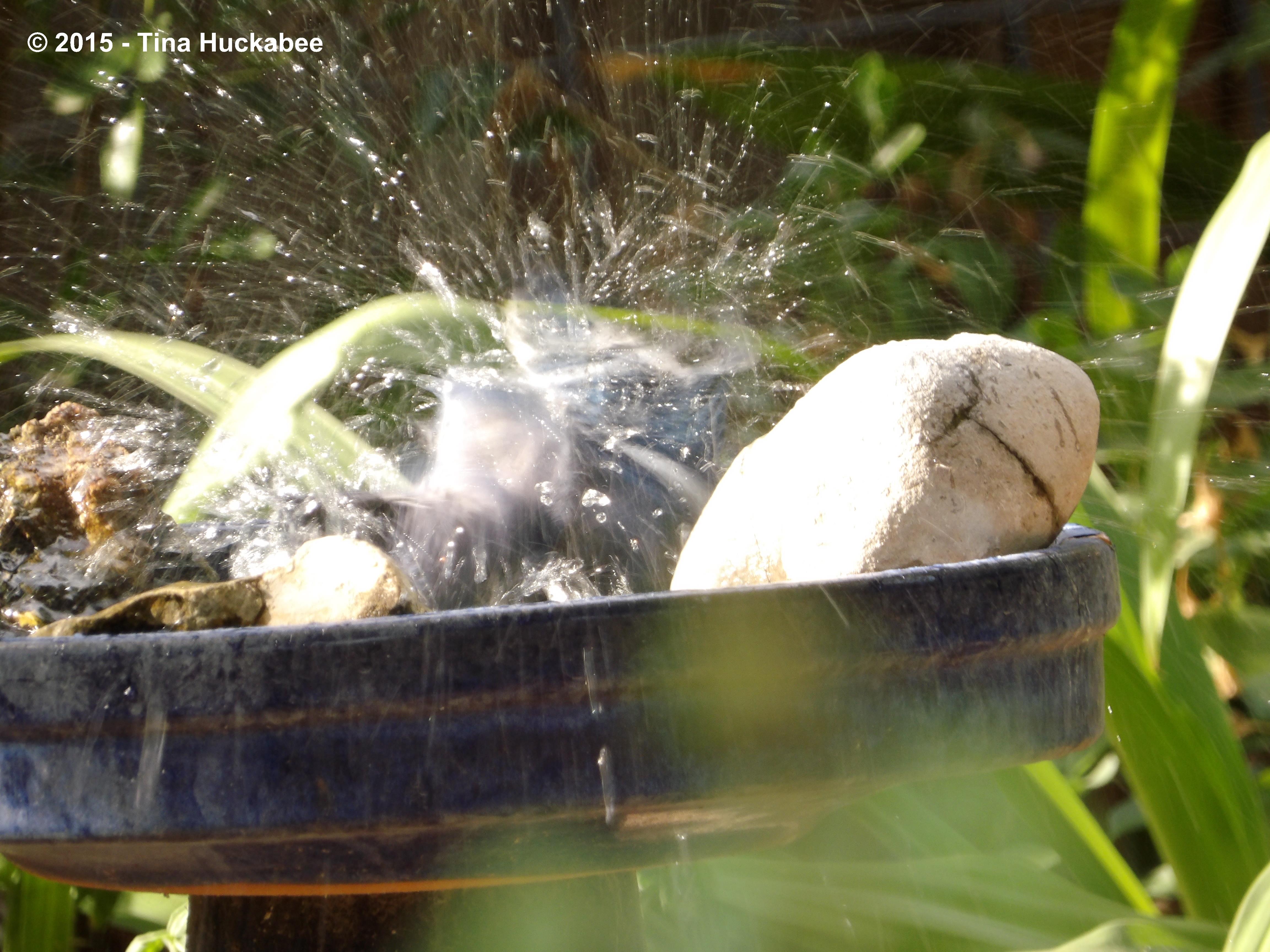
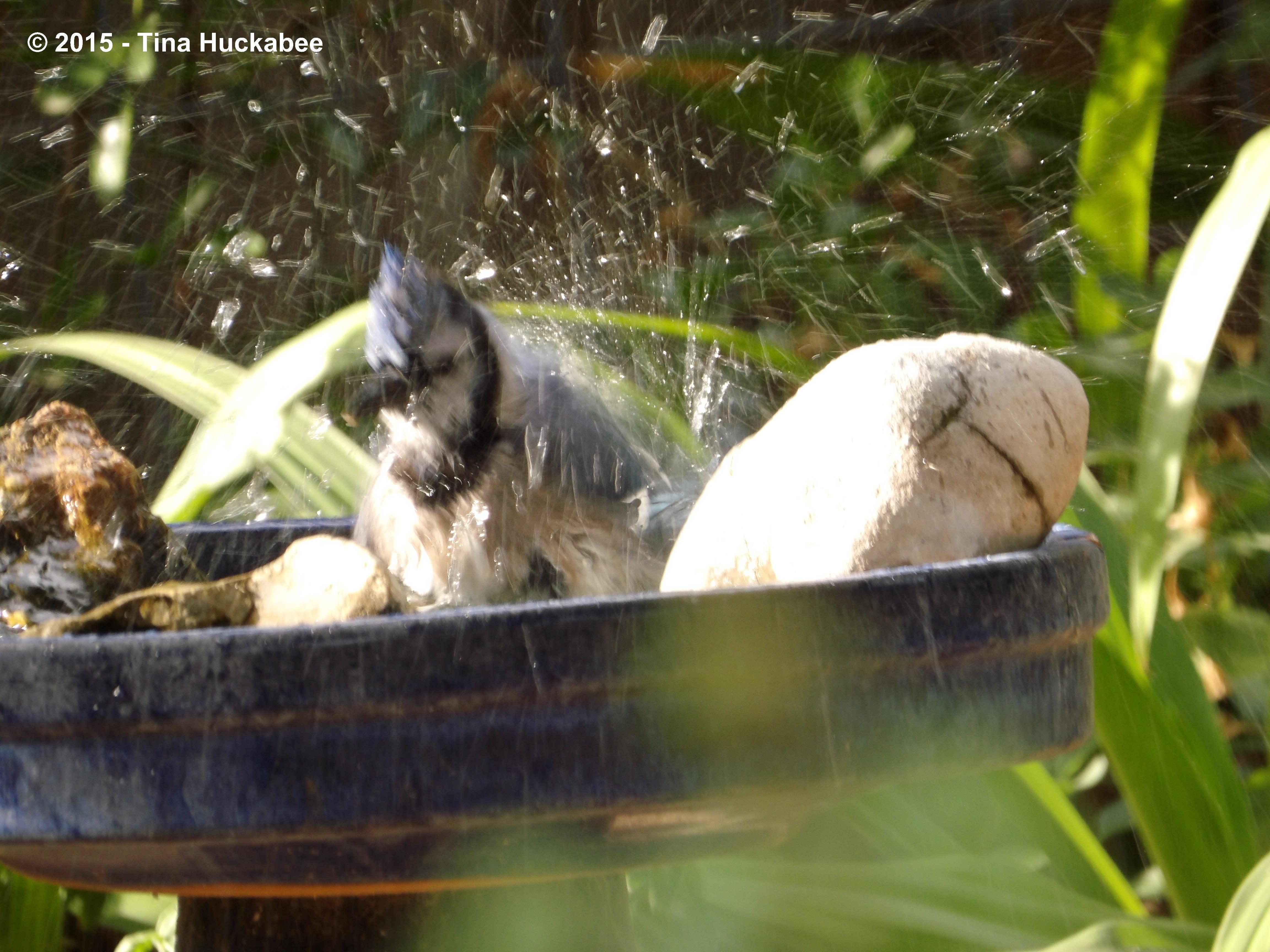
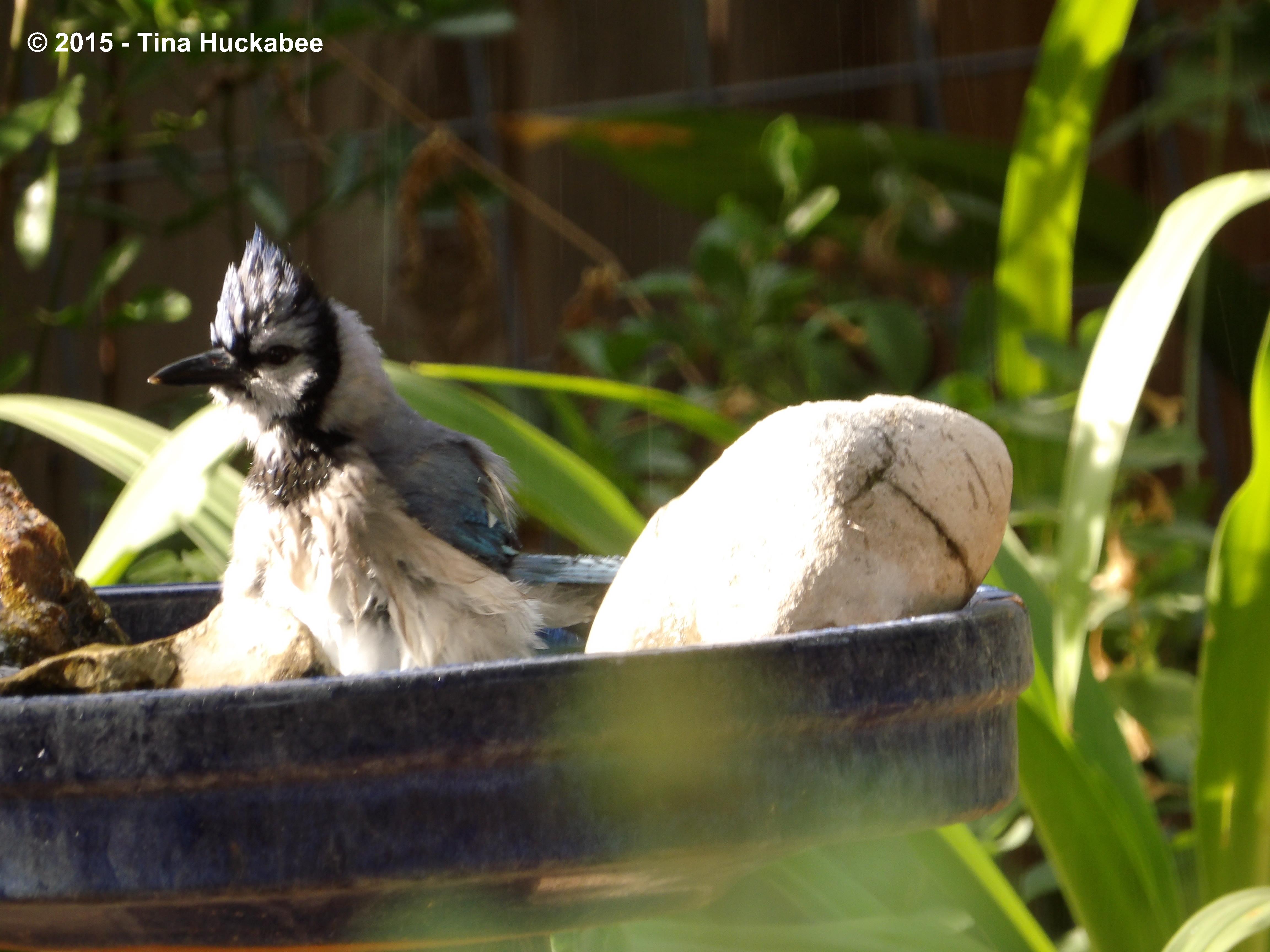
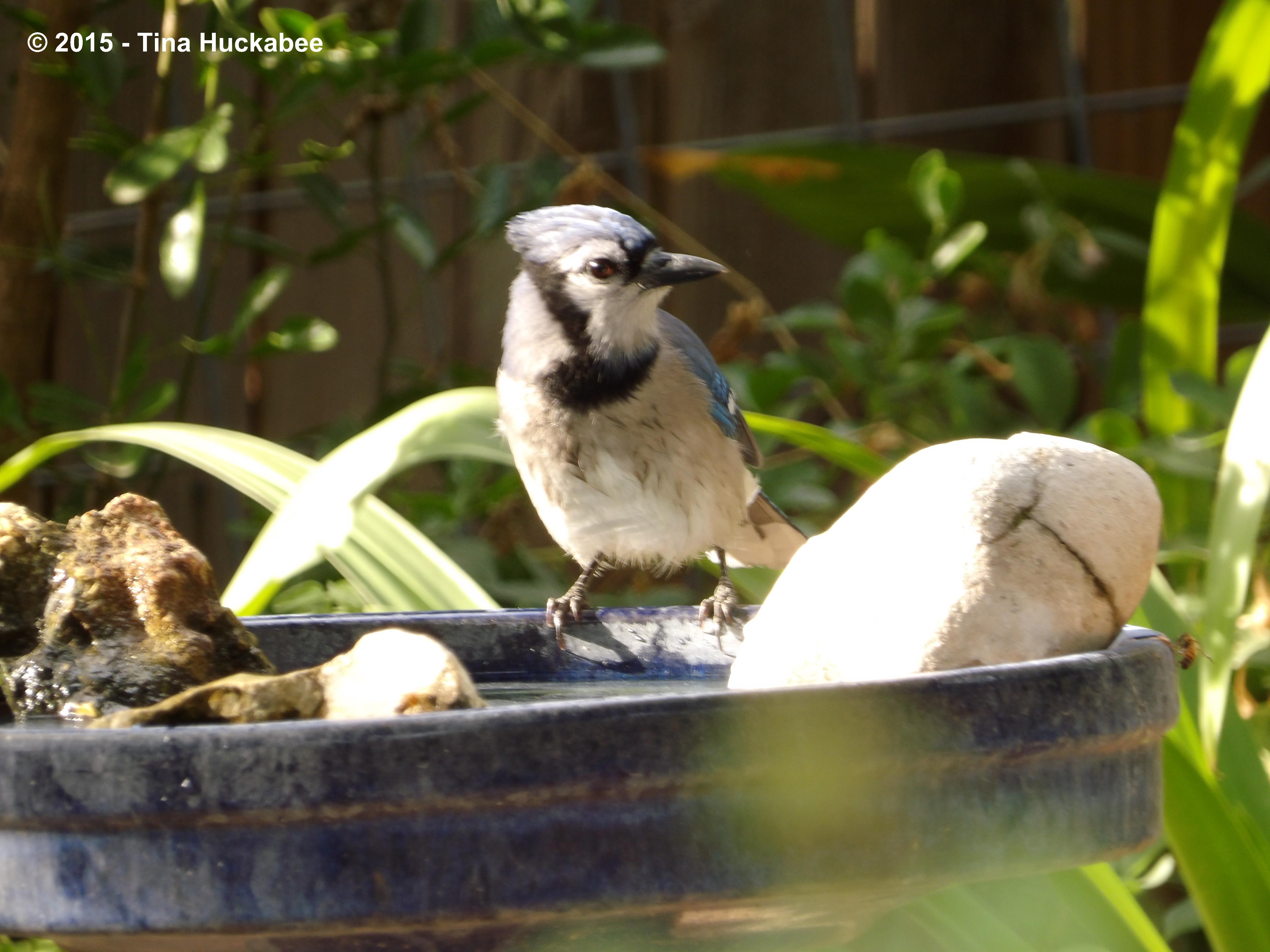
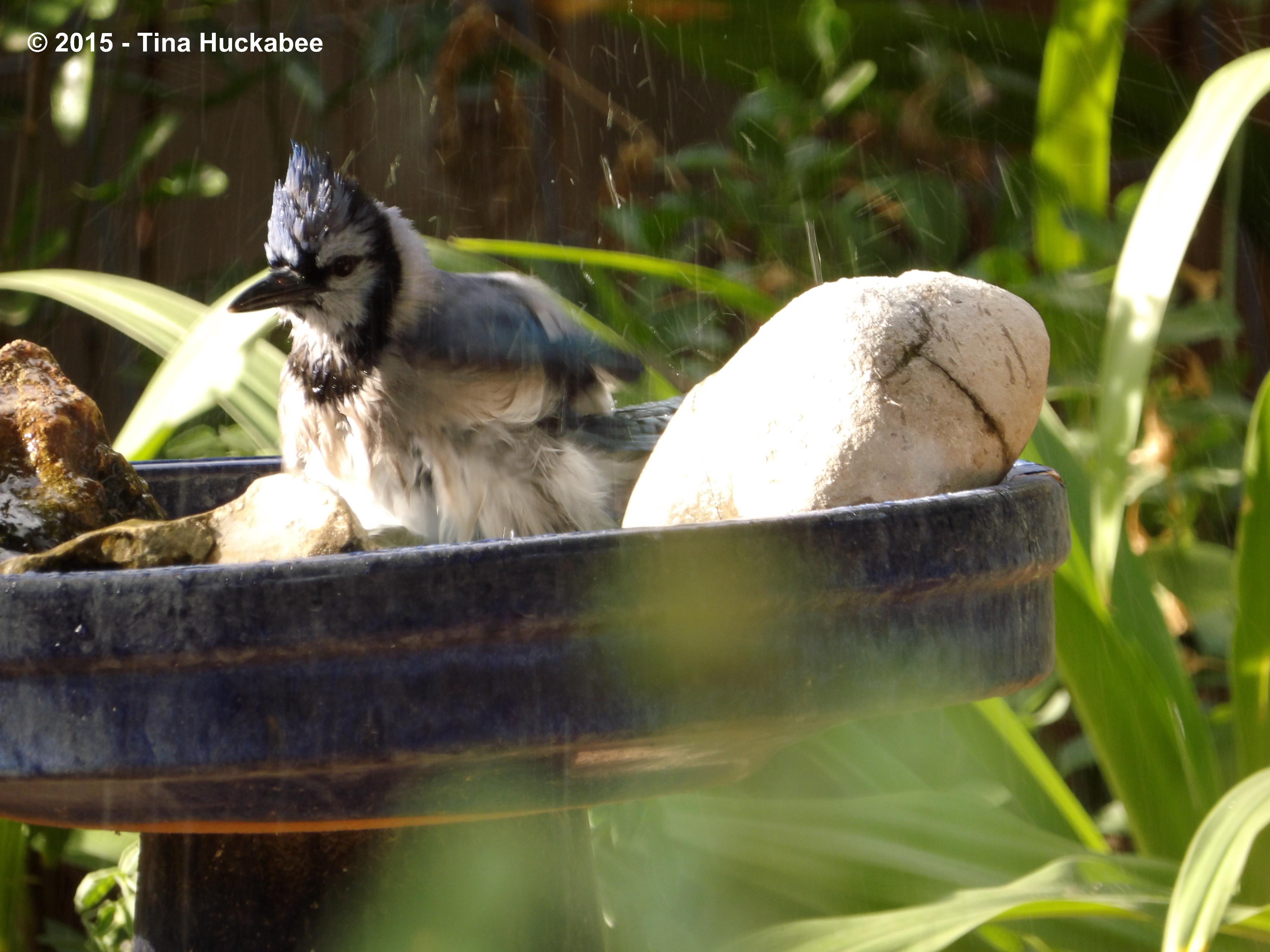
I was alerted to the owl by the complaints of Blue JaysCyanocitta cristata, who are vociferous when anyone visits who is big and potentially dangerous.    Even with their noisy calls and sometimes obnoxious behaviors, no one enjoys a bath more than a Blue Jay.
IMGP1998.new

IMGP2004.new

IMGP2007.new

IMGP2006.new

IMGP2008.new

IMGP2014.new

I guess they know how pretty they are and are pleased that the bathing enhances their good looks.
IMGP2011.new

Fluffed feathers atop, notwithstanding.

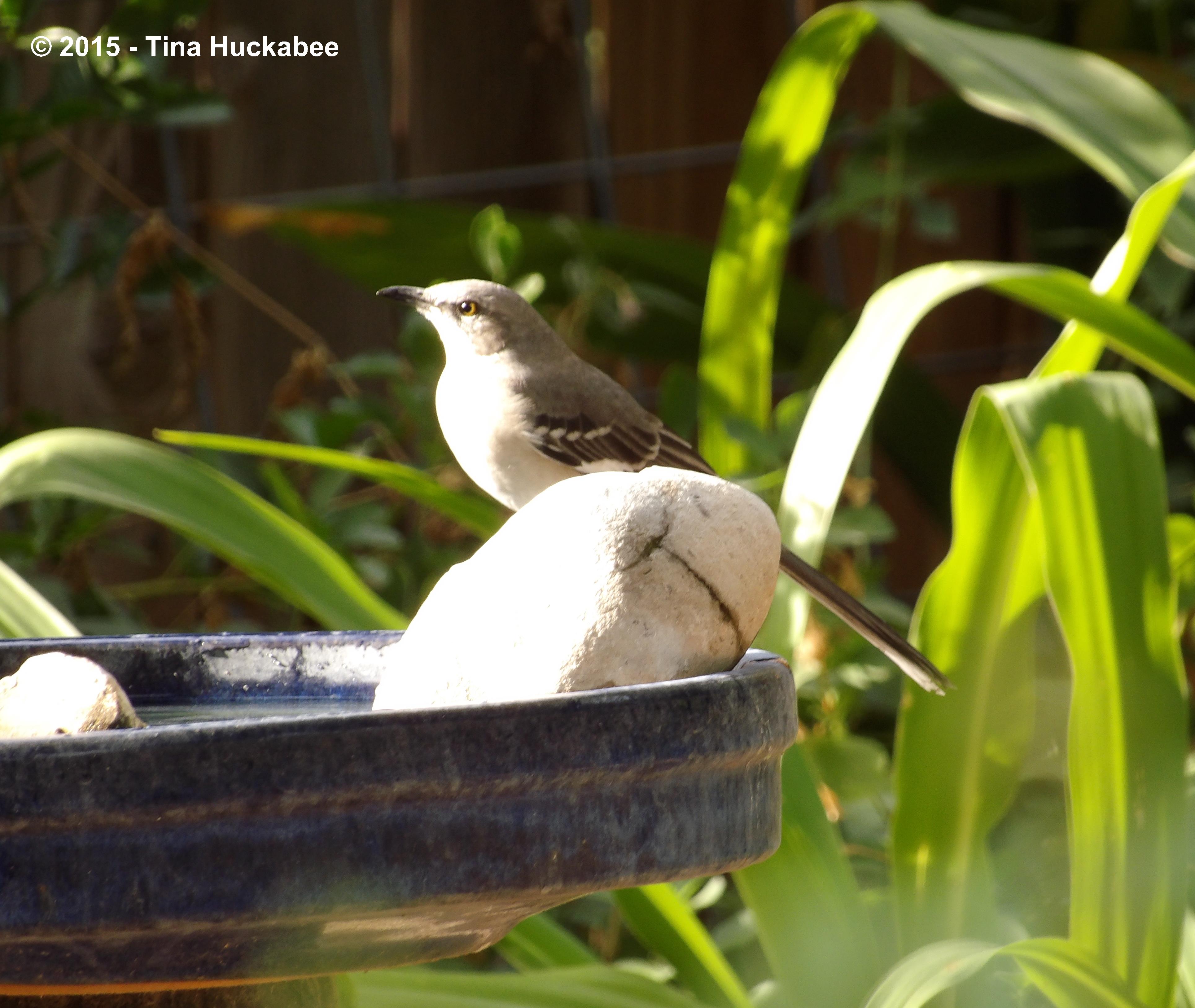
The state bird of Texas is the Northern MockingbirdMimus polyglottos.  There are always Mockingbirds in my gardens–singing, bathing, and eating, but I rarely catch photos of them.  What a shame that is.
IMGP1982_cropped_3858x3254..new

Handsome guy–or gal, I’m not sure which.  Both male and female Mockingbirds sing beautifully and with varied, complicated songs (“polyglottos”) that mimic many other birds. Sometimes unmated males sing at night.  Poor dudes. I guess singing to the full moon is their version of playing computer games on a Friday night, sans dates.

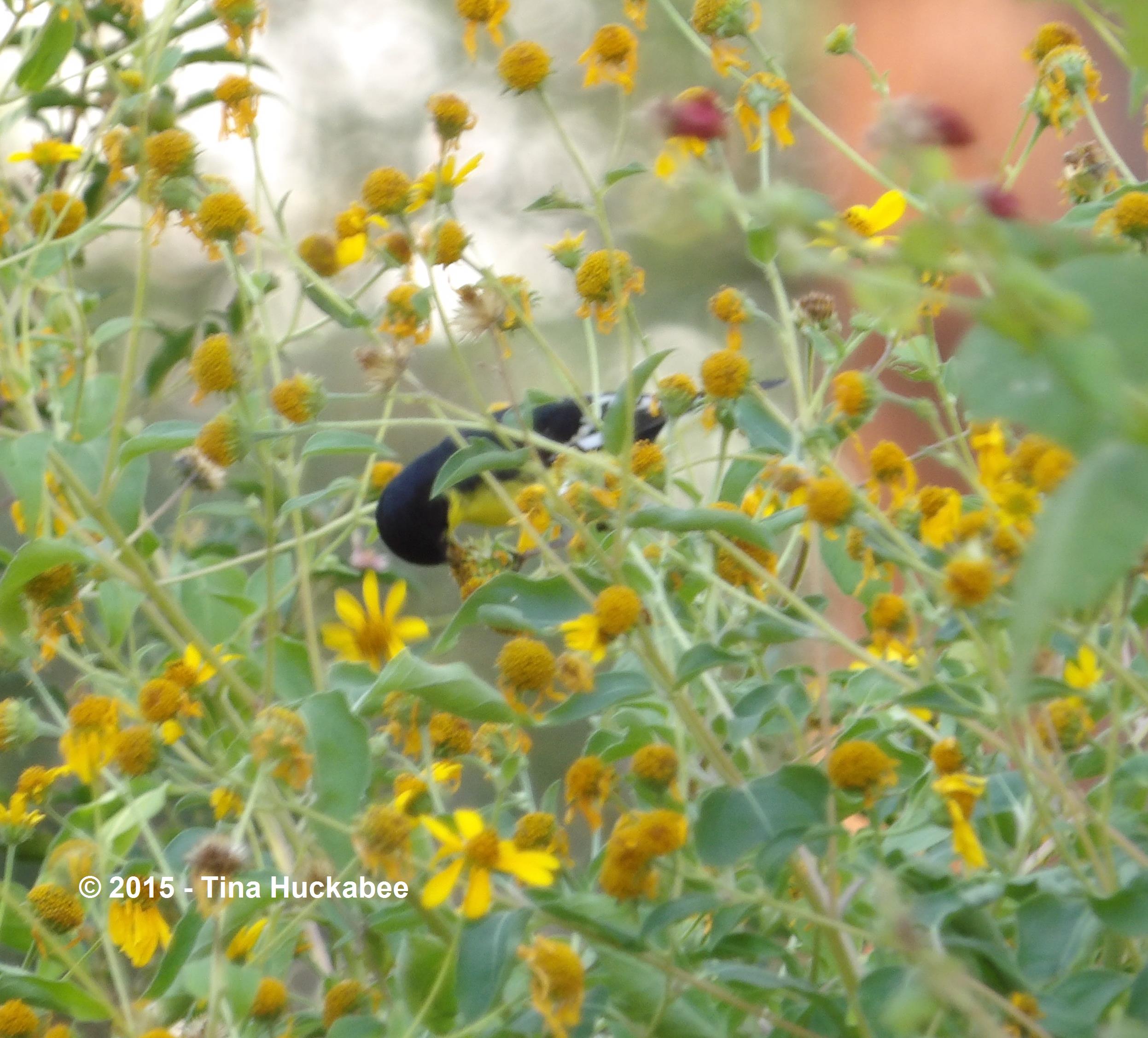
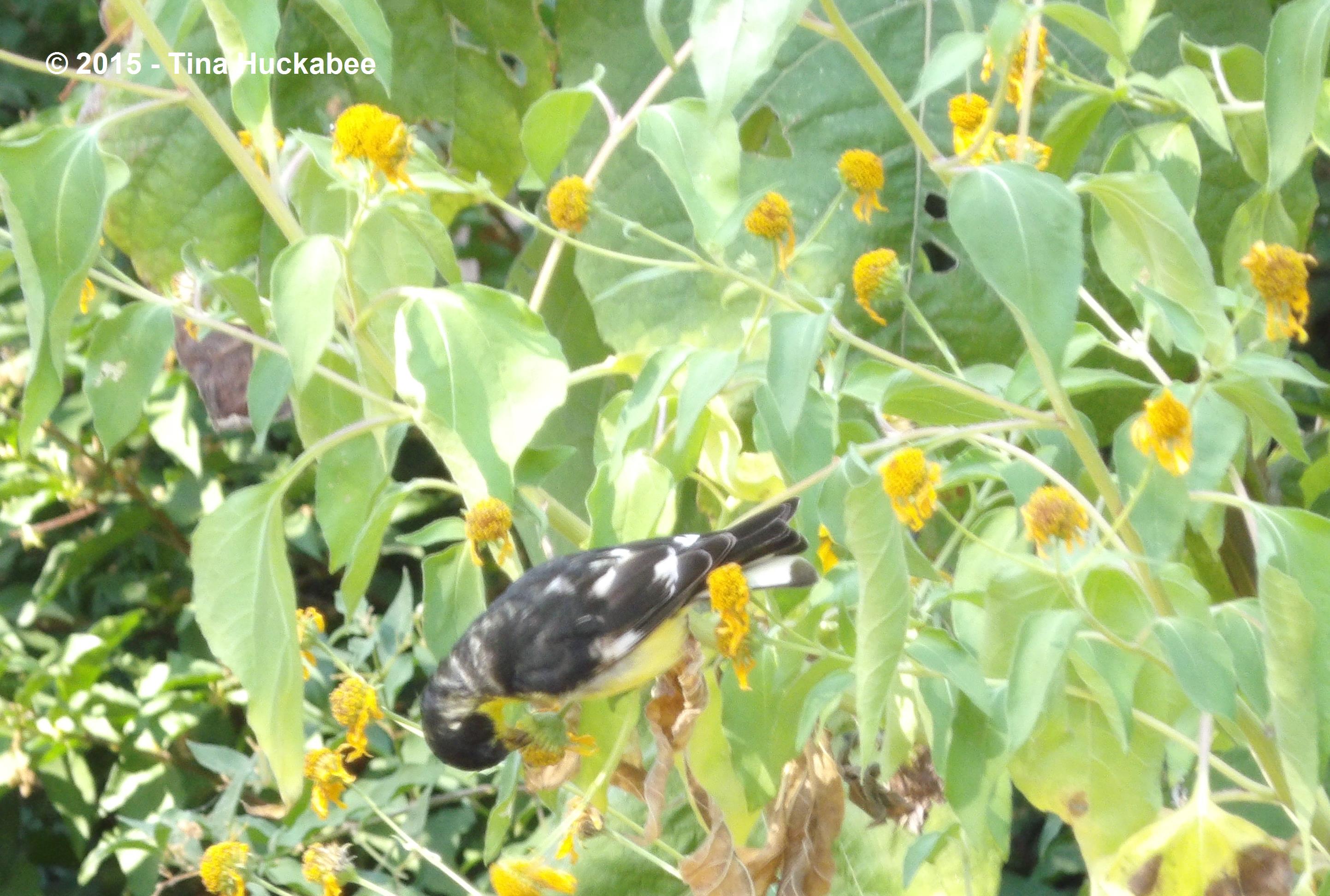
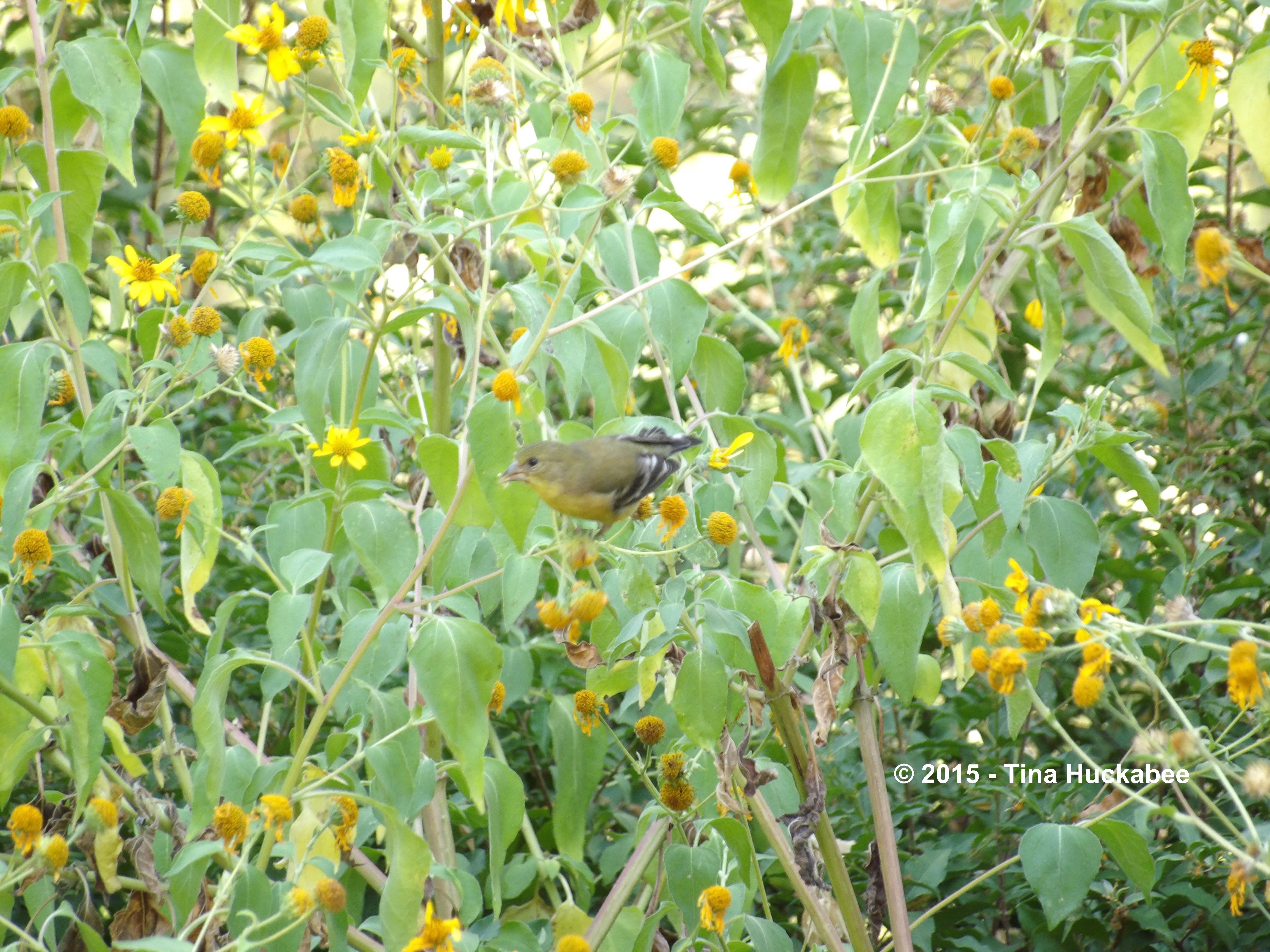
And the Lesser GoldfinchSpinus psaltria, gang is back!!

IMGP2266_cropped_2493x2254..new

IMGP2290_cropped_2885x1944..new

IMGP2339.new

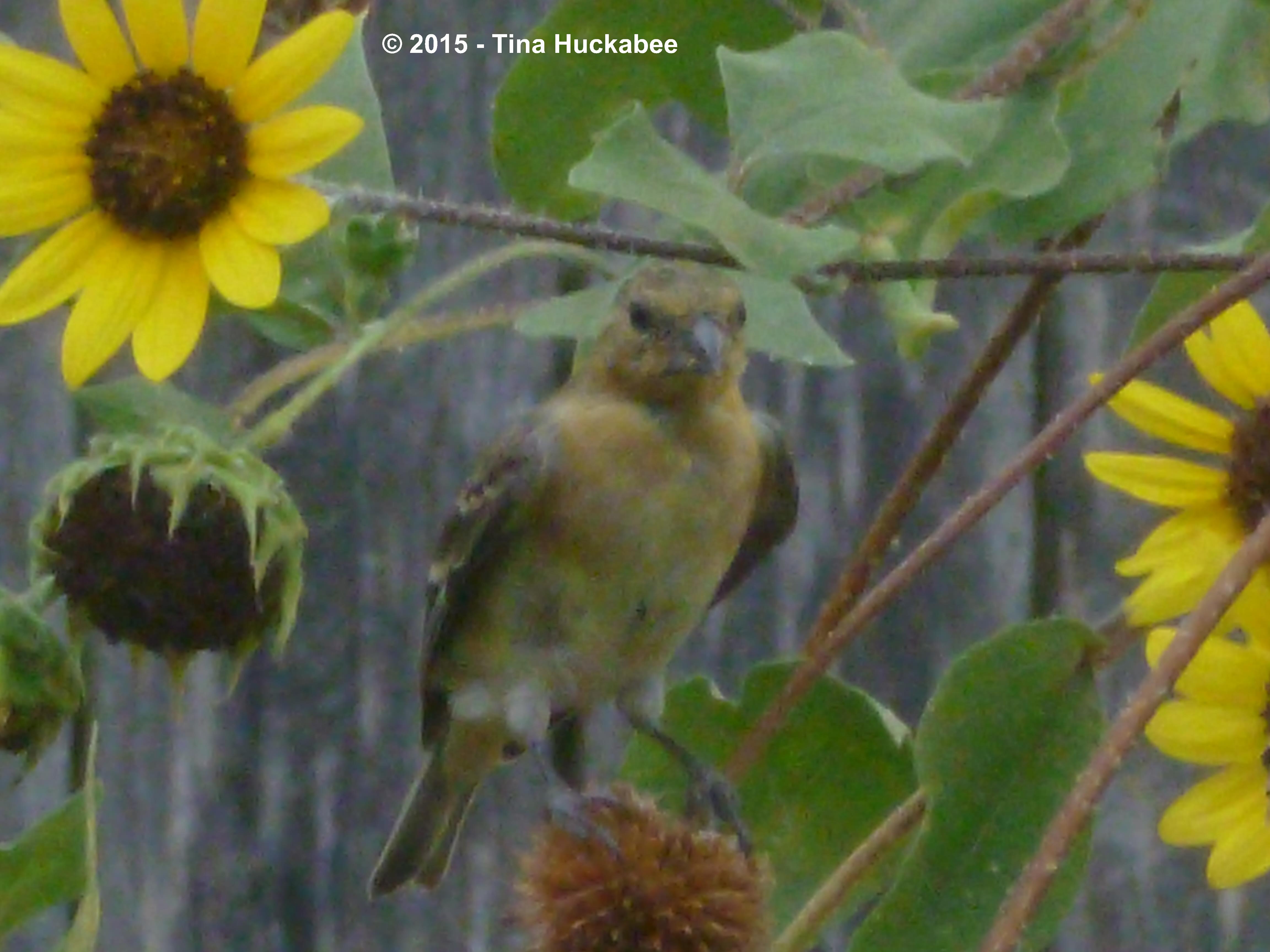
I don’t think they ever actually leave, but they definitely prefer certain seed choices through the seasons.  Currently and for the past month, the Goldeneye, Viguiera dentata,  have produced scads of seeds for feeding the scads of little finches.  I promised myself to catch a couple of decent photos for Wildlife Wednesday and then simply enjoy their antics. And so I have.

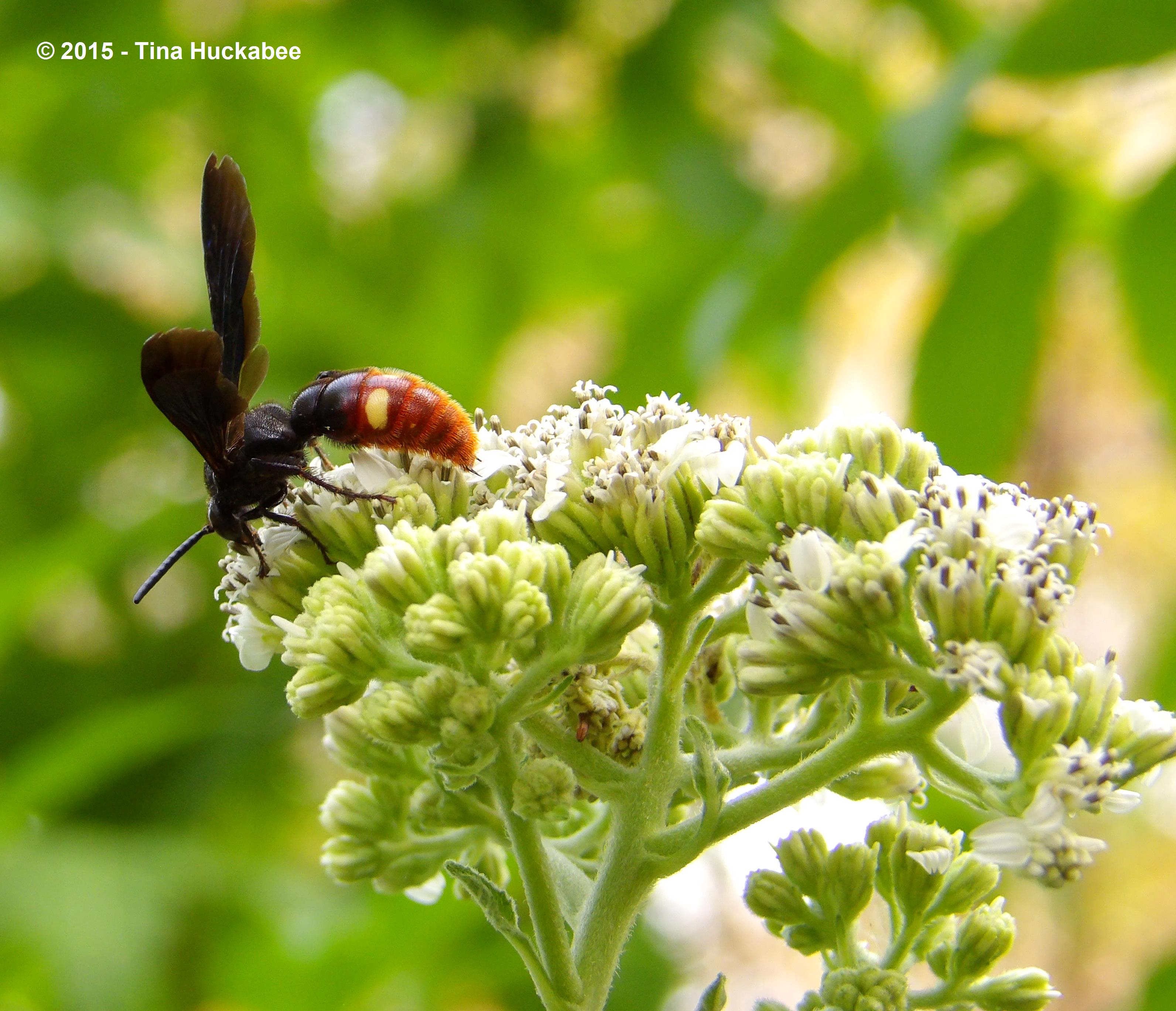
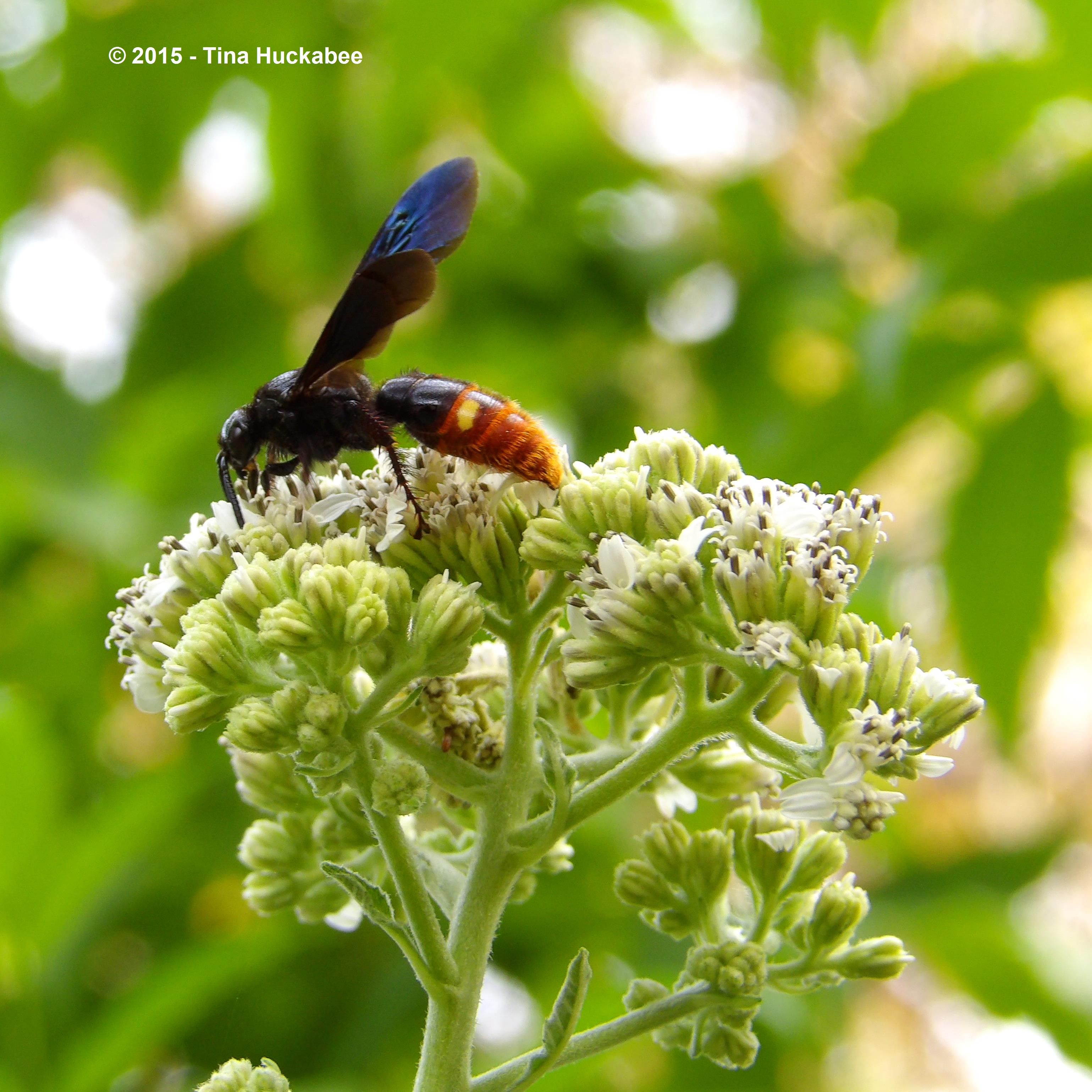
As for other winged wonders, there’s been no real shortage there.  This interesting critter is a Blue-winged WaspScolia bubia,

IMGP1967_cropped_3184x2738..new

…and it enjoyed the blooms of the Frostweed, Verbesina virginica.  Adults enjoy nectar and also beetles–beetle juice, if you will–and their larvae parasitize certain beetle species, especially of the invasive Japanese beetle. Good for them!!   Lots of folks don’t like wasps, but they’re good guys-n-gals.  Leave them alone to nectar, to pollinate, and to do-away with some of the bad bugs.
IMGP1966_cropped_3078x3078..new

Skippers (Hesperiidae) are also good to have in the gardens, but I have misgivings about photographing them.  Firstly, they’re hard to catch. They’re tiny, quick, and generally, don’t perch still for long periods of time.  Secondly, once photographed, I then have to identify them for Wildlife Wednesday.

So here goes nuthin’!

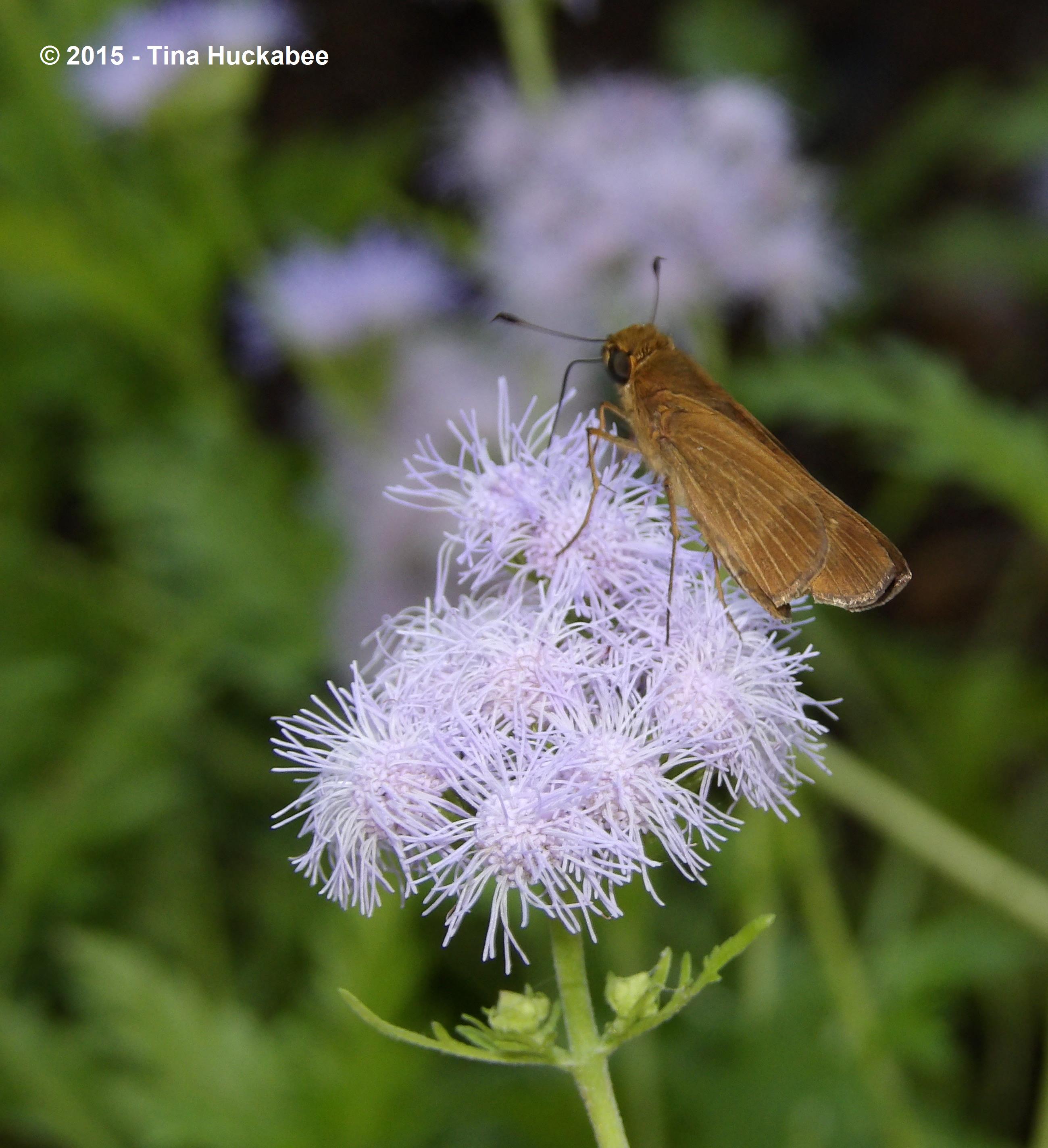
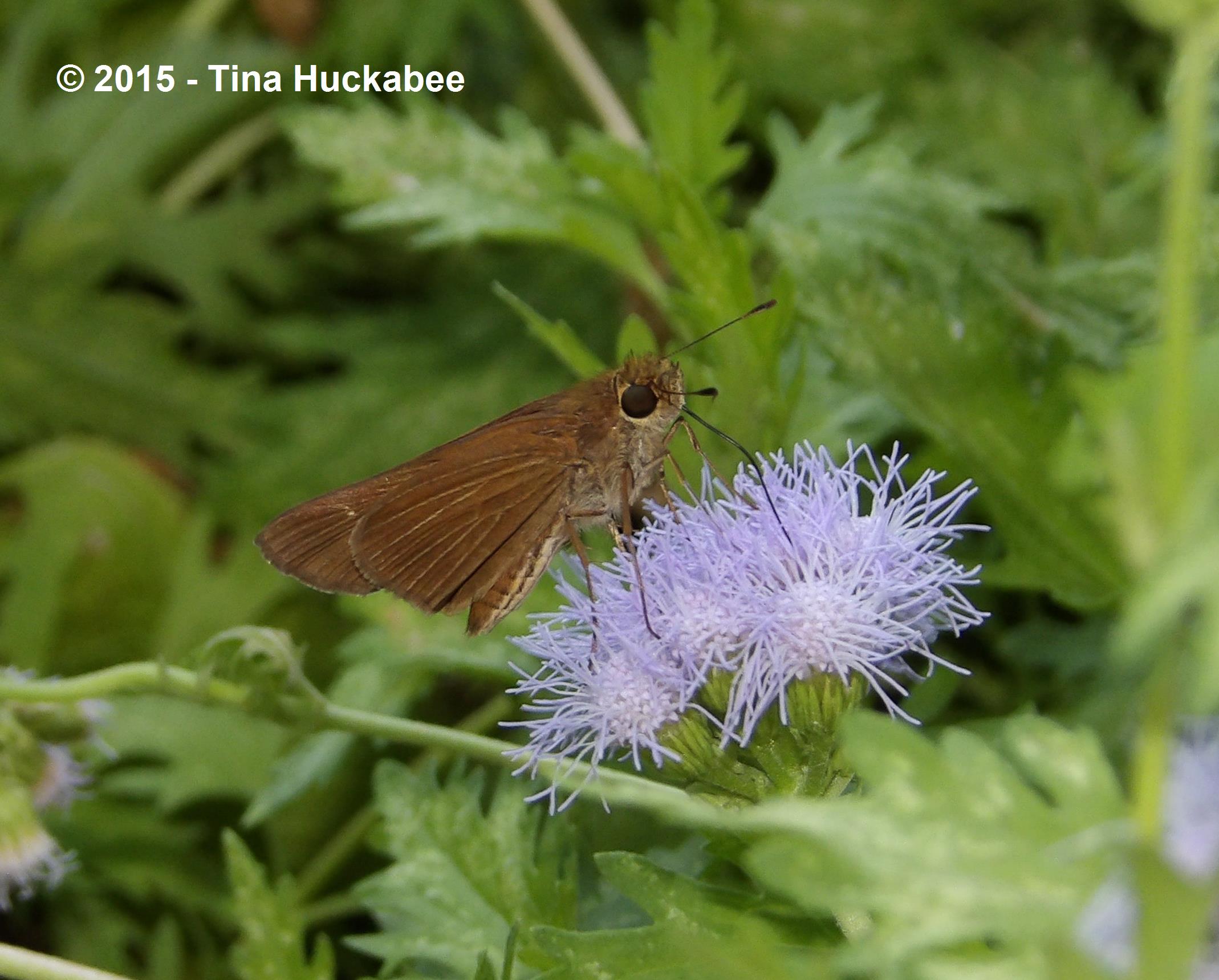
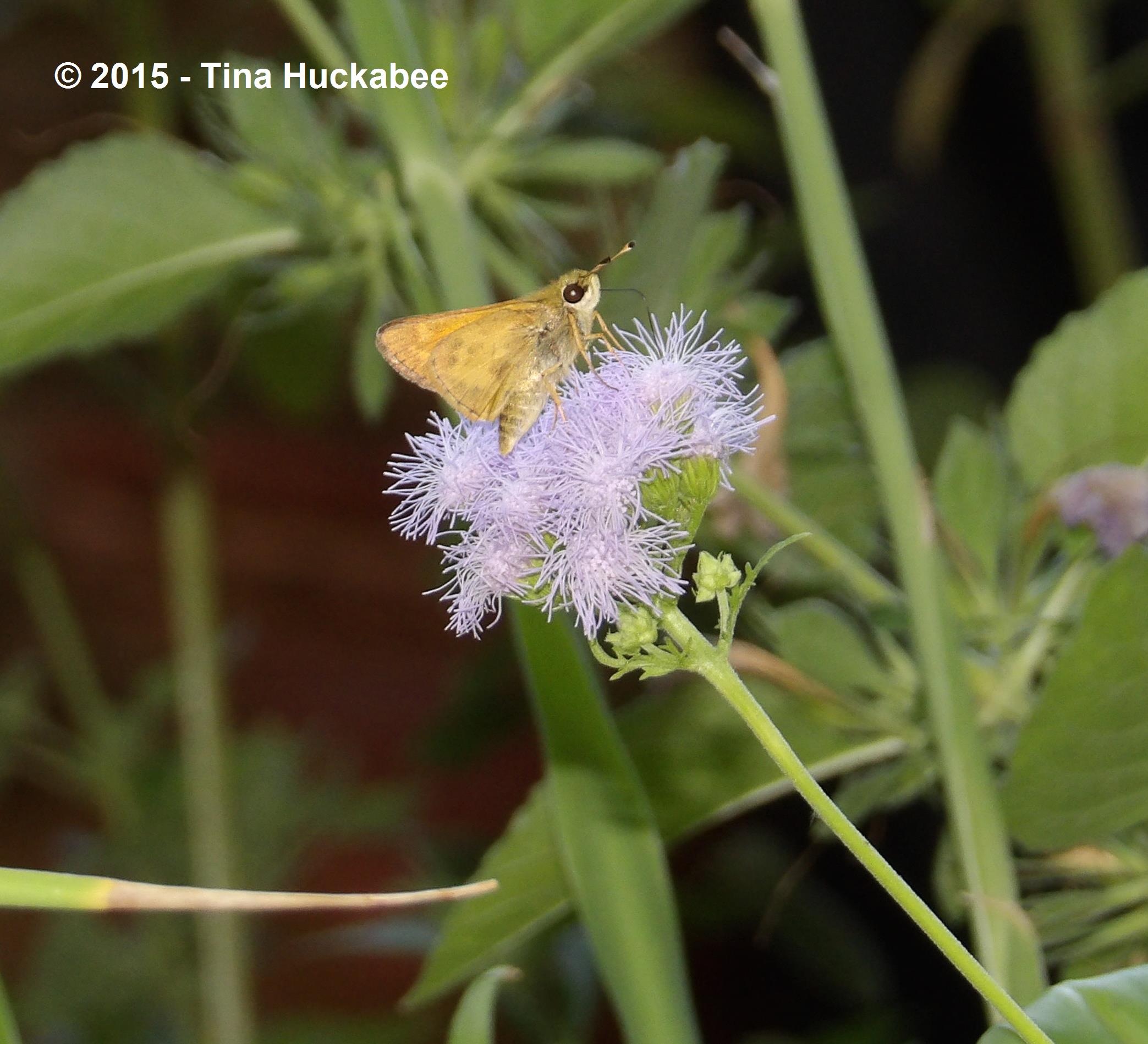
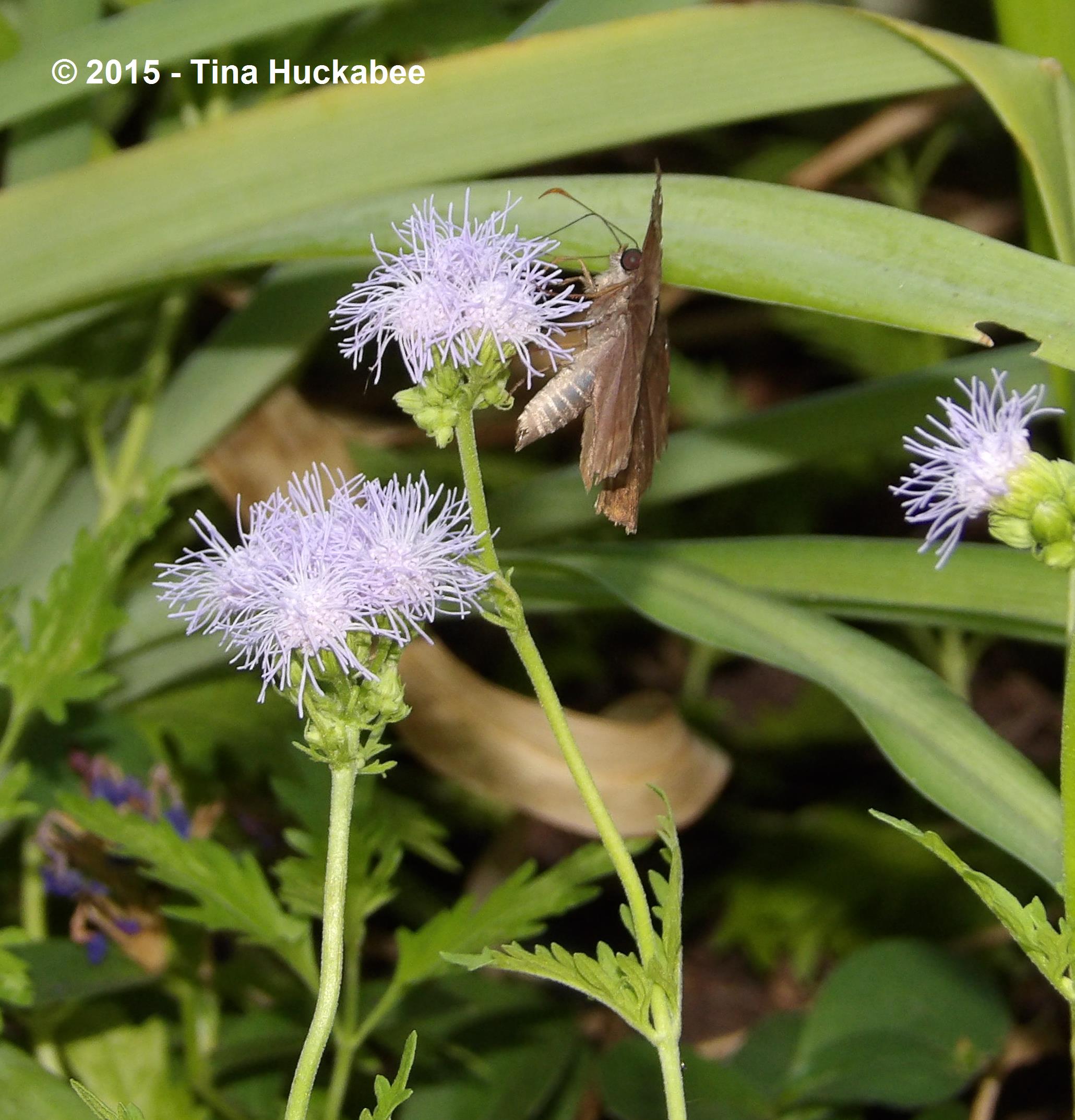
I  think this is an Ocola SkipperPanoquina ocola,  probably a male.

IMGP2151_cropped_2599x2848..new

IMGP2149_cropped_2138x1719..new

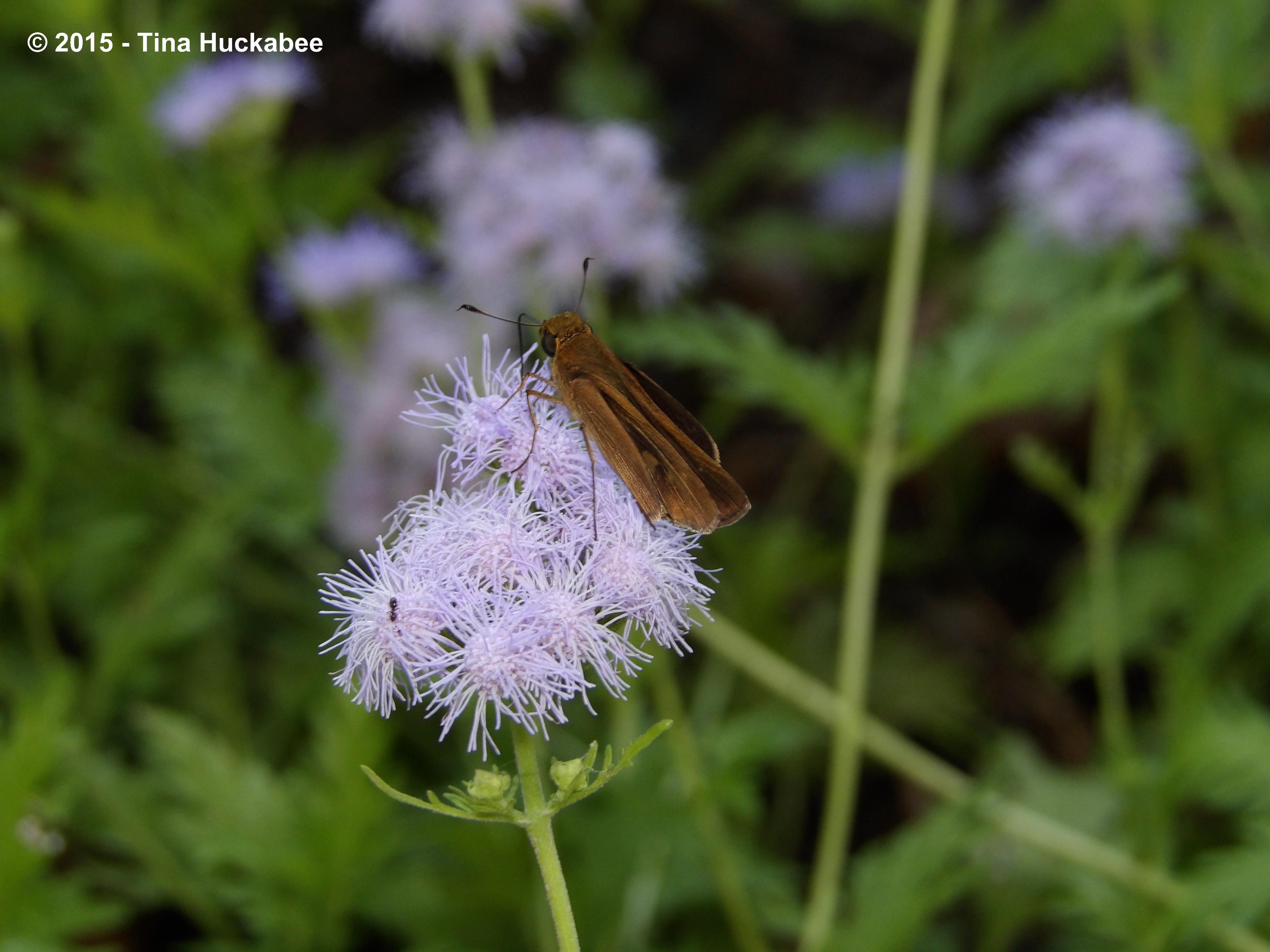
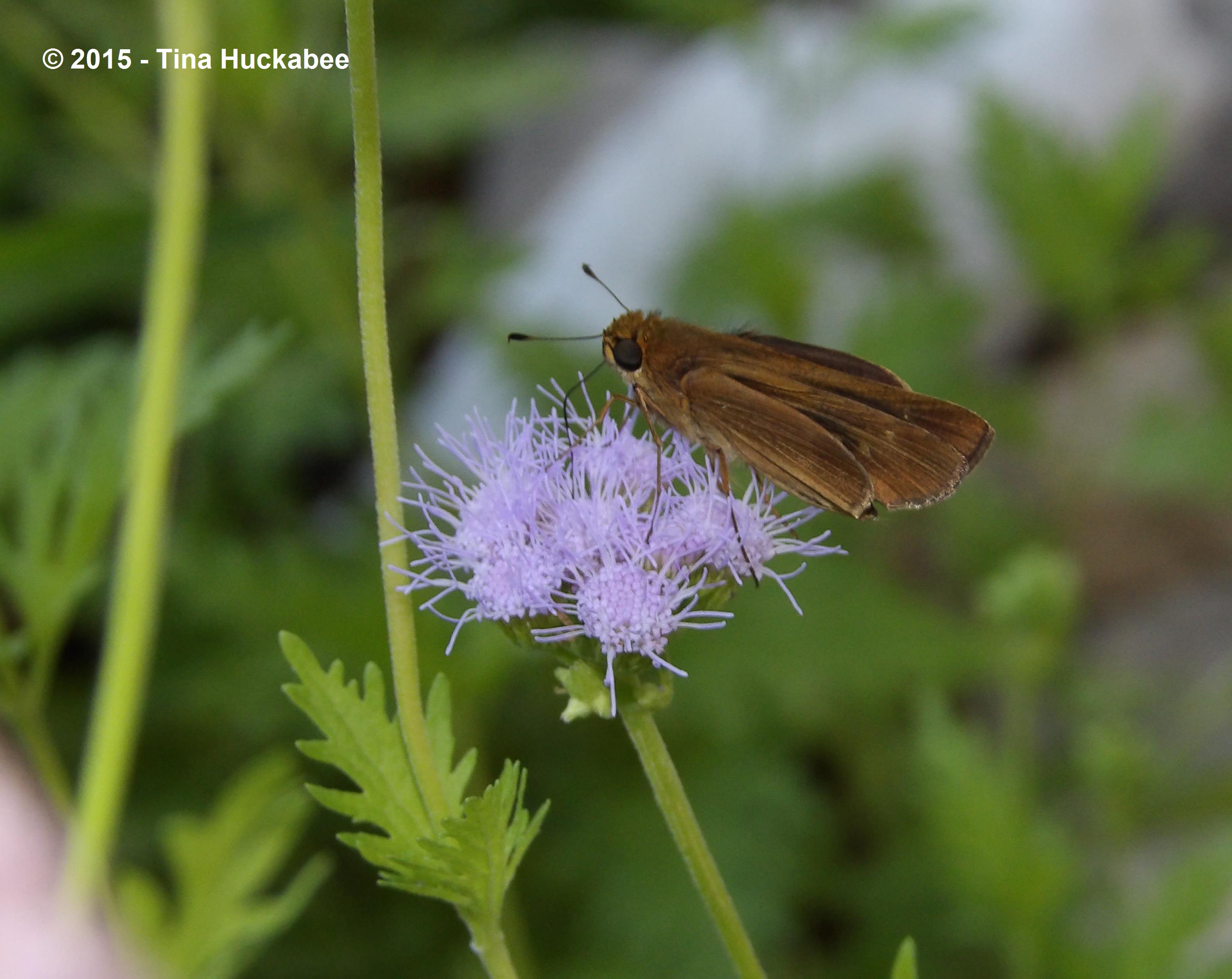
Or, it might be a Dun Skipper, Euphyes vestris.  Honestly, I’m not sure.  Skippers are  common in my gardens and they nectar on a variety of blooms.  In autumn, they have a special affinity for the three Mistflower species that I grow:  Blue Mistflower, Conoclinium coelestinum, (especially) Gregg’s Mistflower, Conoclinium greggii, and White Mistflower, Ageratina havanensis.  
IMGP2150.new

Their wings are held separately in levels–upwards, and to the sides–and is something that is apparently unique to certain species of skippers.
IMGP2159_cropped_2876x2286..new


This autumn orange-colored skipper is a Fiery SkipperHylephila phyleus.

IMGP2147_cropped_2087x1898..new

At least I think it is.  It would be a male, because of the orange coloration (females are  brown/tan) and there are kinda-sorta dots on the undersides of the wings, which male Fiery Skippers sport.  I know that I’ve seen Fiery Skippers in my gardens, I’m just not positive this is one.  Best guess.  So there.

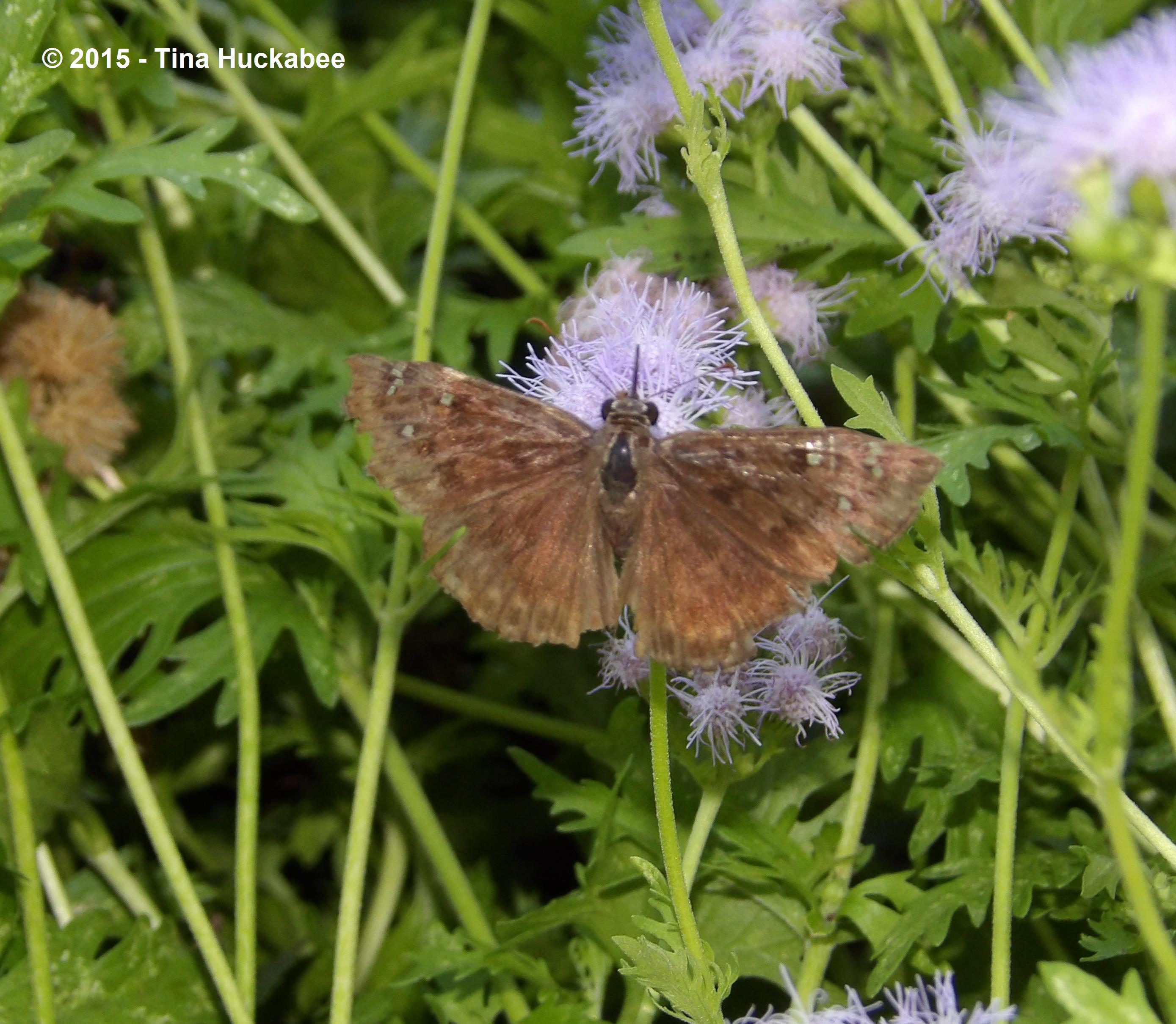
This Horace’s DuskywingErynnis horatius, is another regular in my gardens.  Rather drab in comparison to some, this boy is a hard-working pollinator and thus, welcome anywhere in my gardens and at anytime.
IMGP2155_cropped_2778x2420..new

IMGP2153_cropped_2060x2147..new

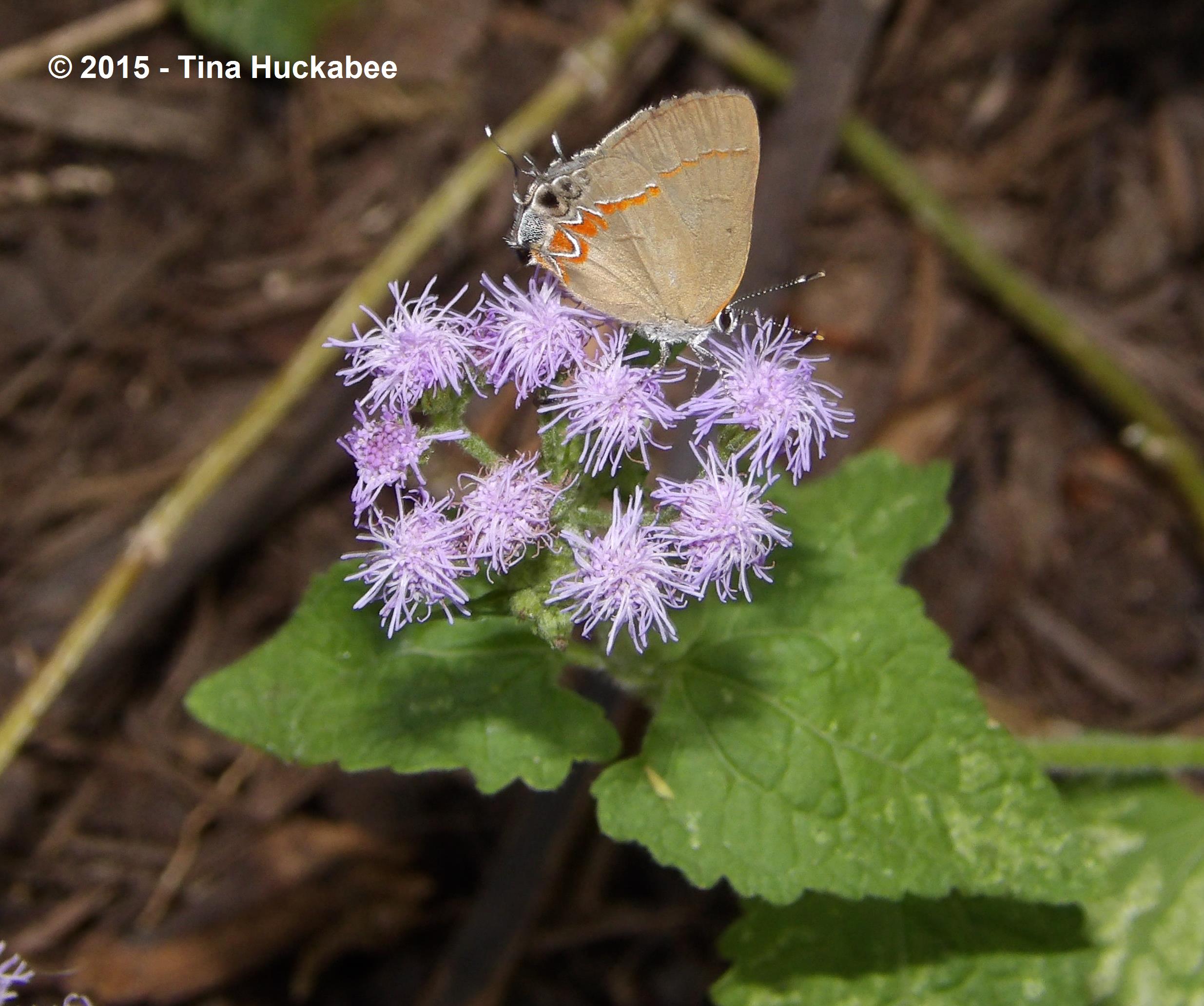
And the last of the tiny butterflies (whoop!) is this Dusky-blue GroundstreakCalycopis isobeon.

IMGP2438_cropped_2470x2064..new

As a group, I think the Lycaenidae Family of butterflies are especially attractive–the Blues, Coppers, Hairstreaks, and Harvesters.  Pretty, of course, doesn’t really matter, but the intricacies of their markings are remarkably artful, it’s hard not to admire their beauty.

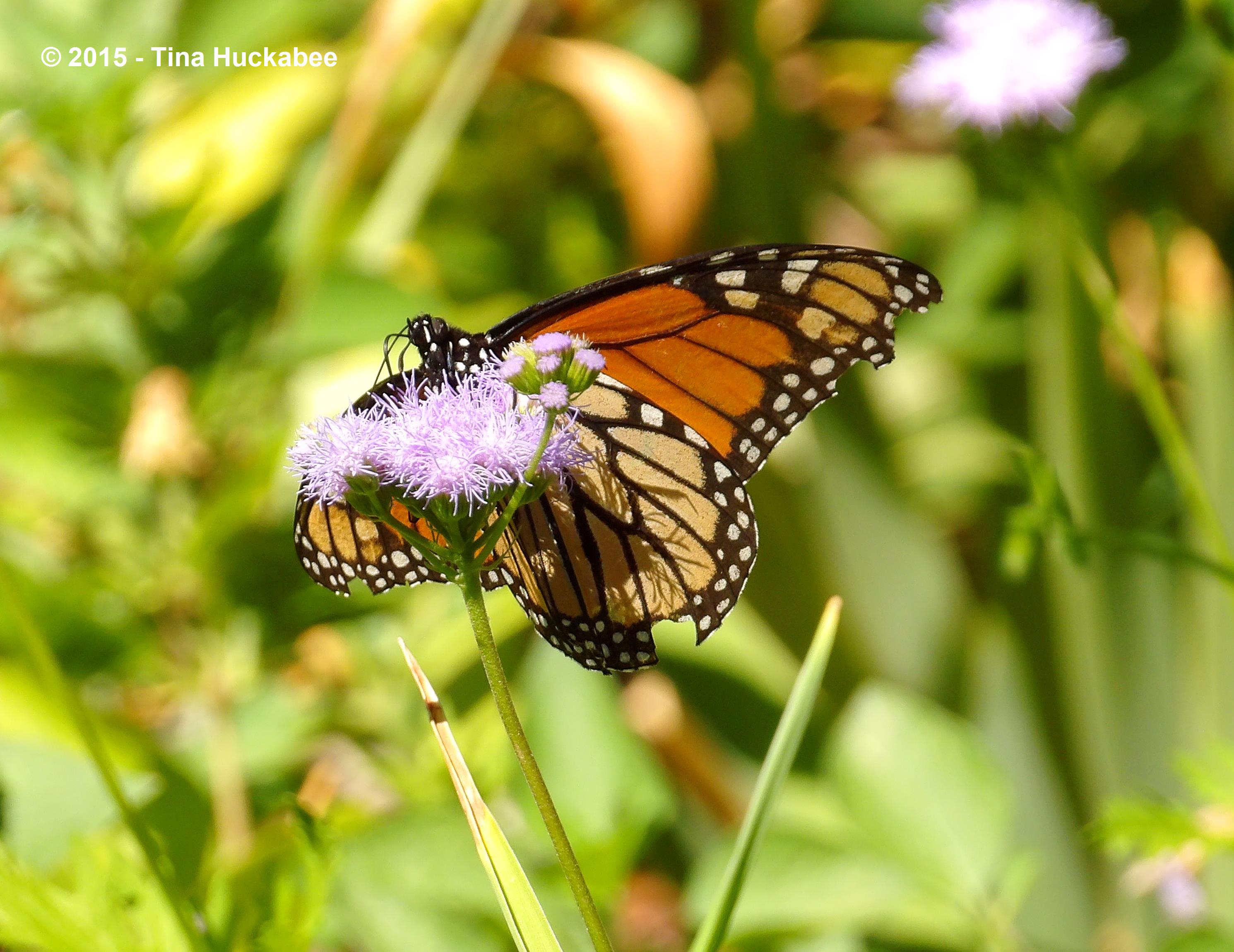
And speaking of beautiful, there were a few Monarch ButterfliesDanaus plexippus,

IMGP1947_cropped_2981x2300..new

..though only a few.  Most of the migrating Monarchs veered west of the Austin area this year.

A Giant SwallowtailPapilio cresphontes, nectared on favorite blooms,
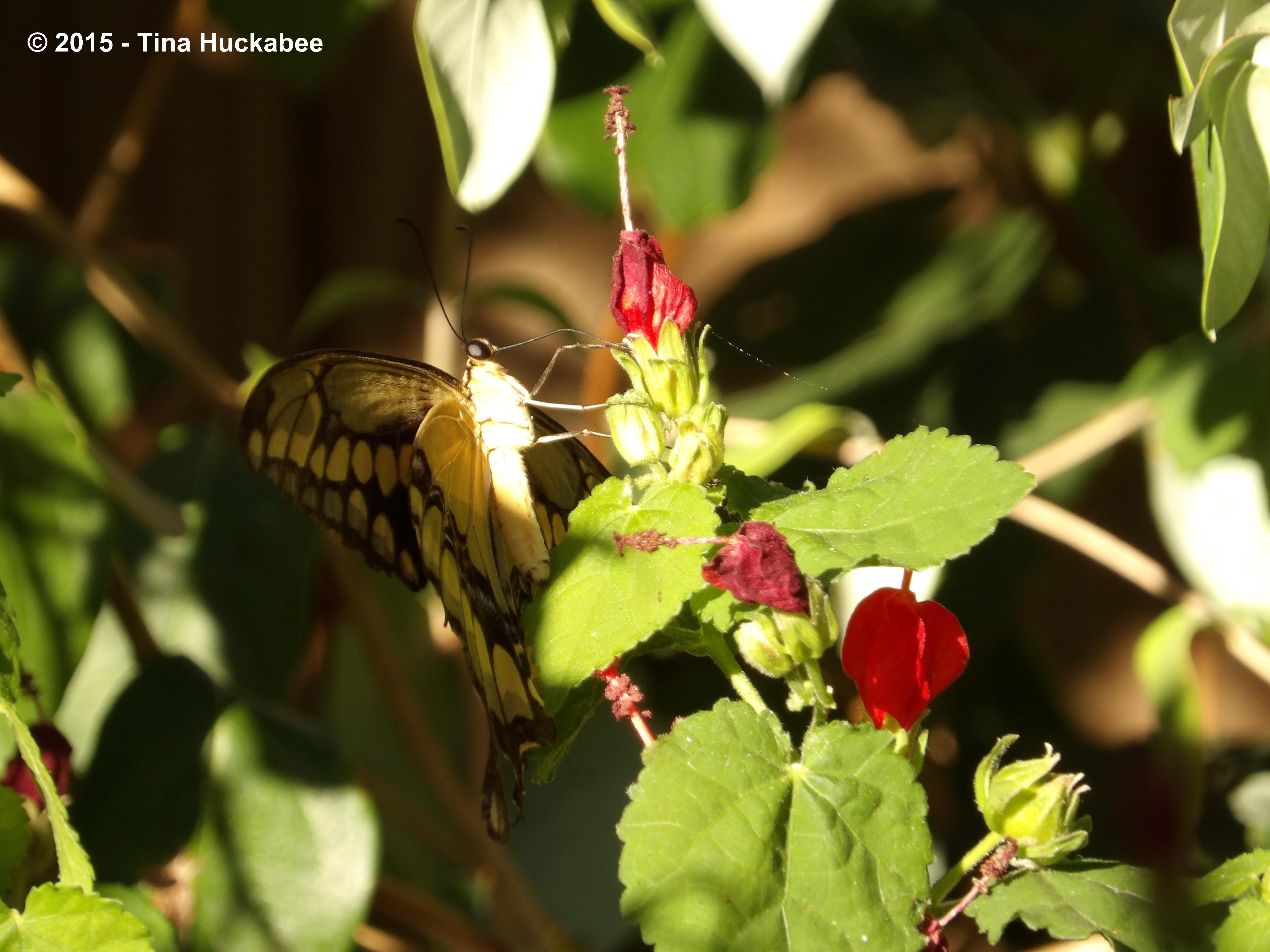
IMGP2393.new

…and a Pipevine Swallowtail, Battus philenor, was a regular visitor as well.
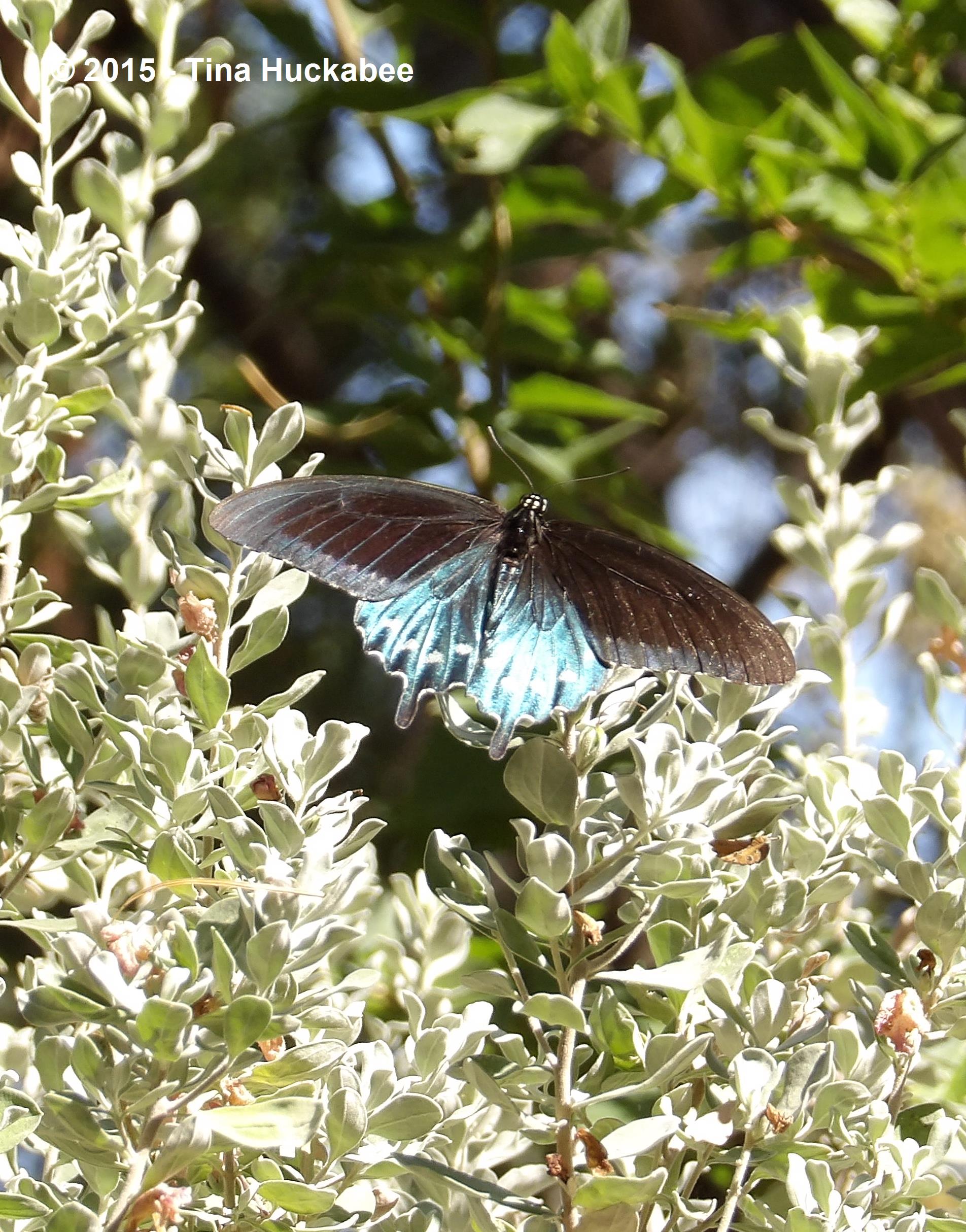
IMGP2249_cropped_1904x2428..new

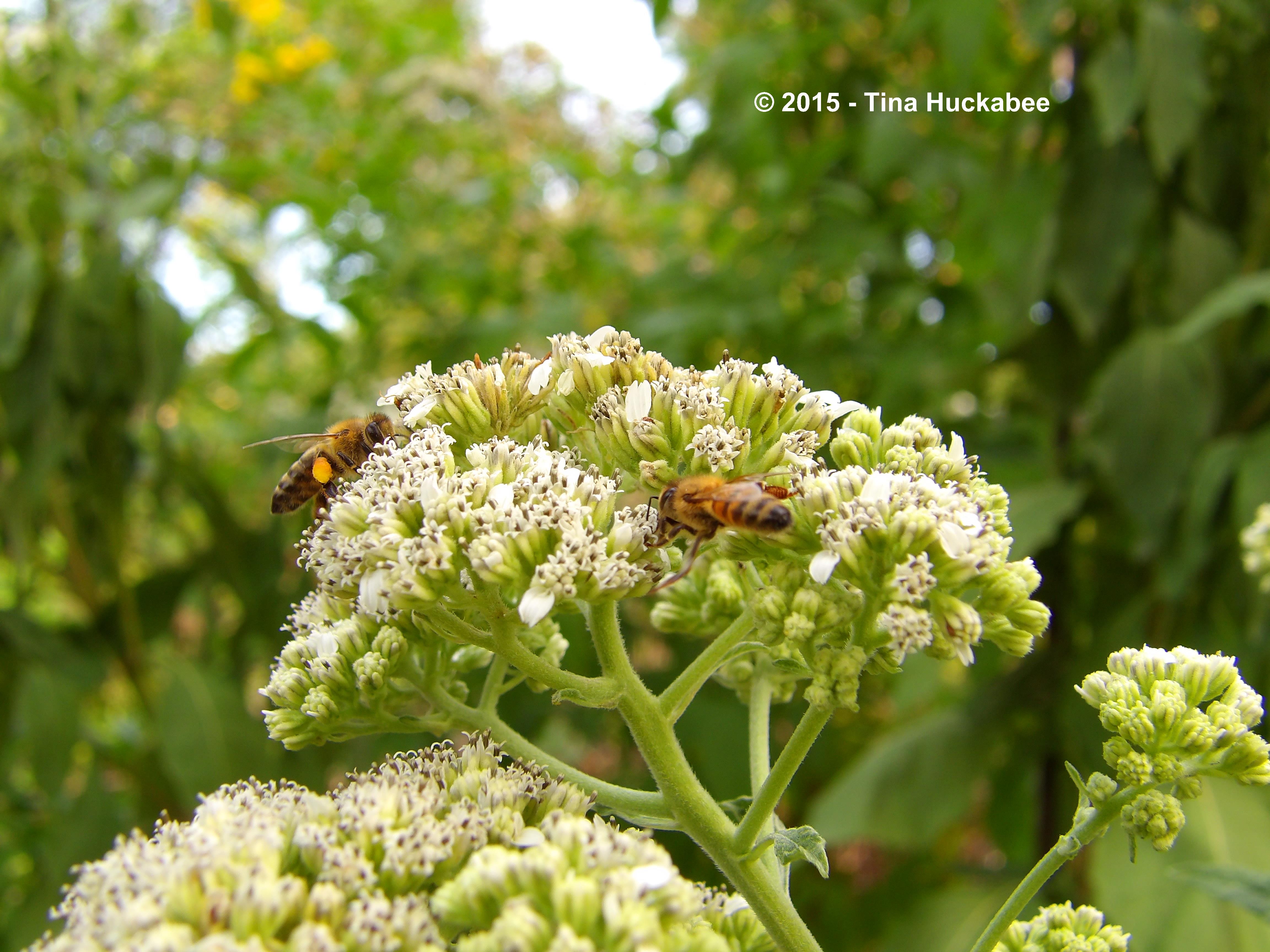
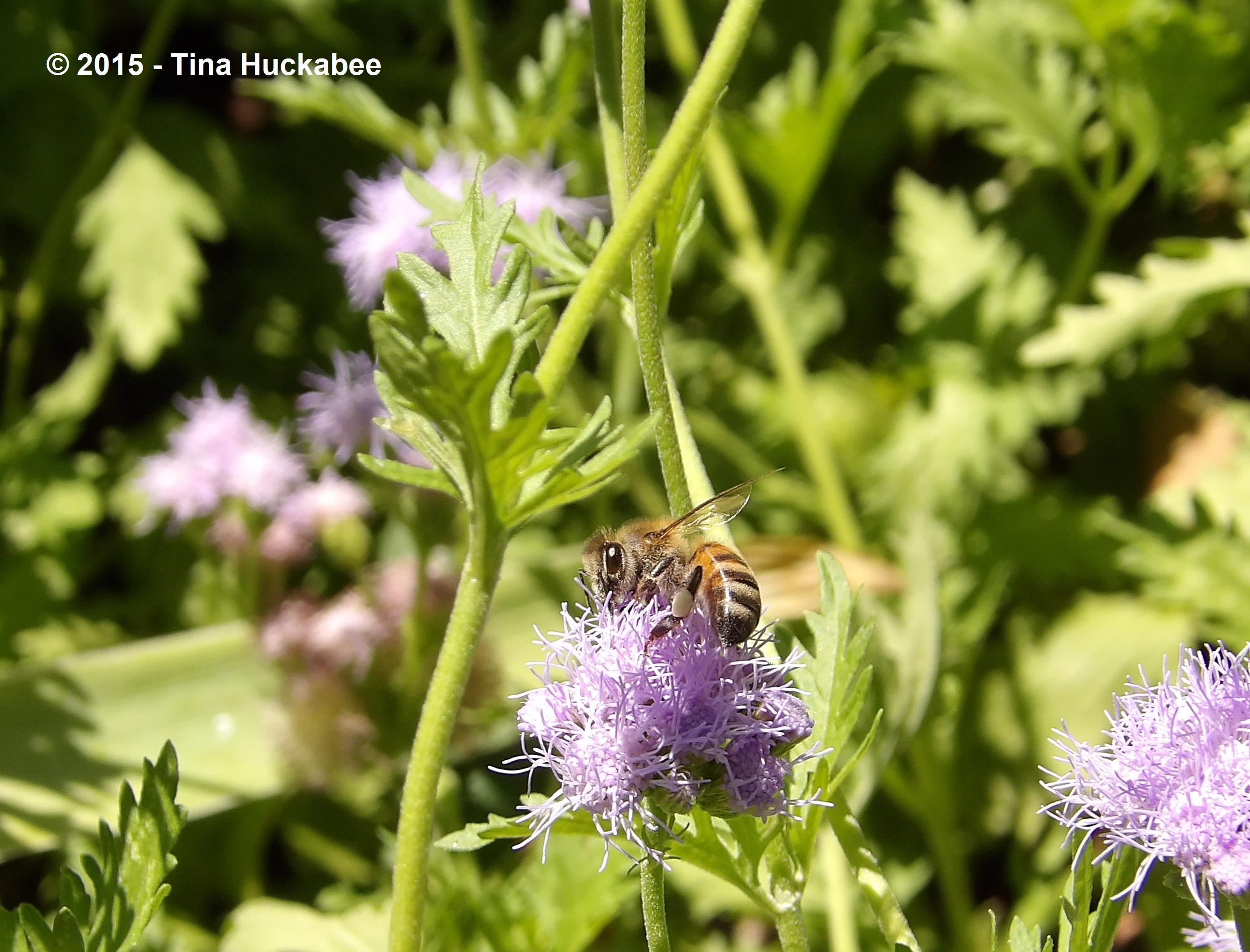
Lastly, the honeybees are gathering for winter storage–delighting all who observe them and long for a taste of their honey…
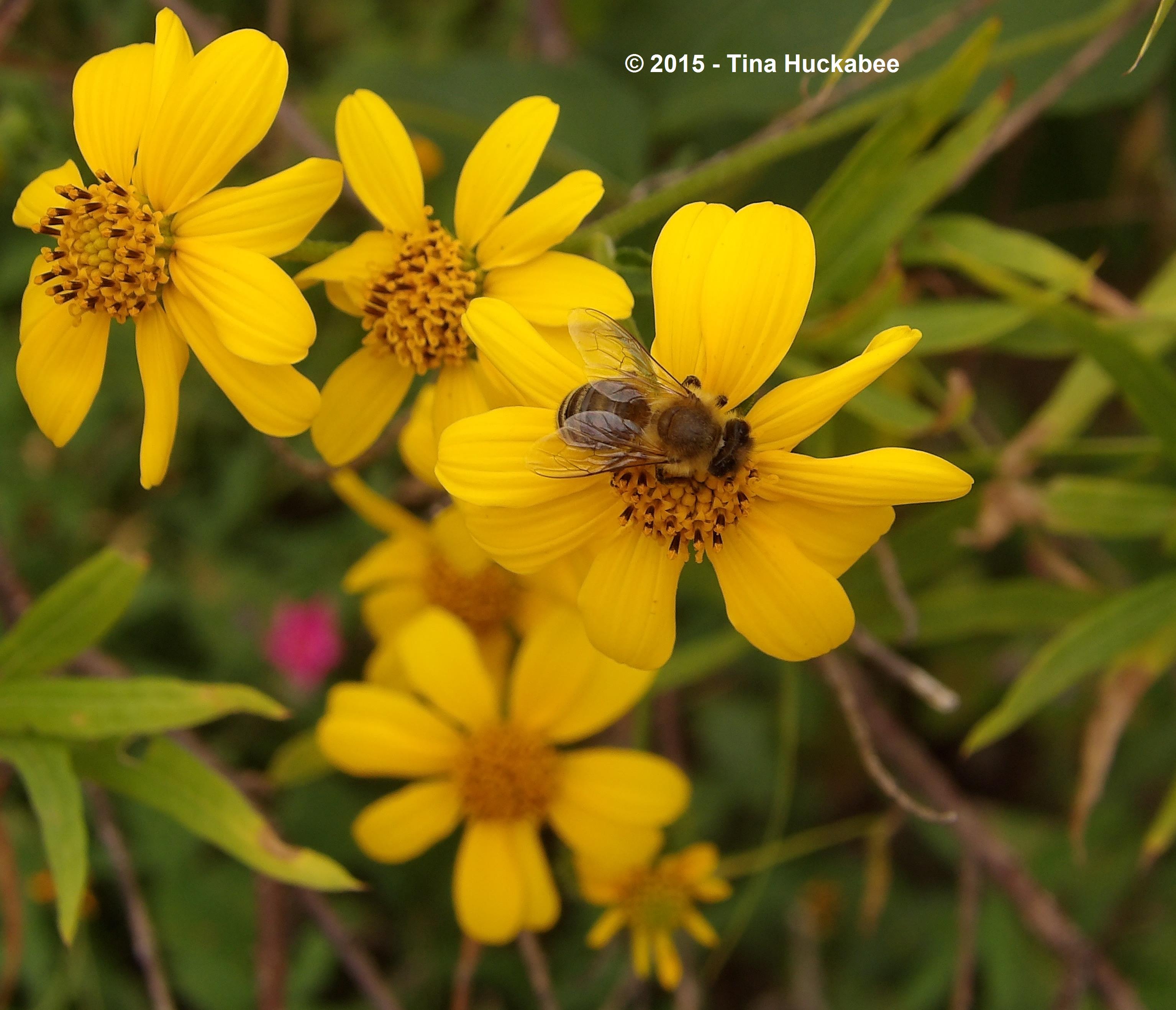
IMGP2032_cropped_3069x2635..new

IMGP1965.new

IMGP1900_cropped_2673x2036..new

My gardens host a variety of plants which provide seeds and fruits, nectar and pollen, cover,  and larval host food.  Diversity in plant choices and a focus on choosing native plants reflects how nature is intended to work–that is, as a complex food web for a multitude of predator and prey insects, birds, mammals, and reptiles.  Everyone can encourage wildlife in their gardens with simple, yet profound changes:  ridding your space of mono-culture turf, planting with native plants, and avoiding the use of chemicals in the garden.  By making these simple changes, your garden will be healthier and more productive and by choosing to plant for wildlife, you can help heal the world.
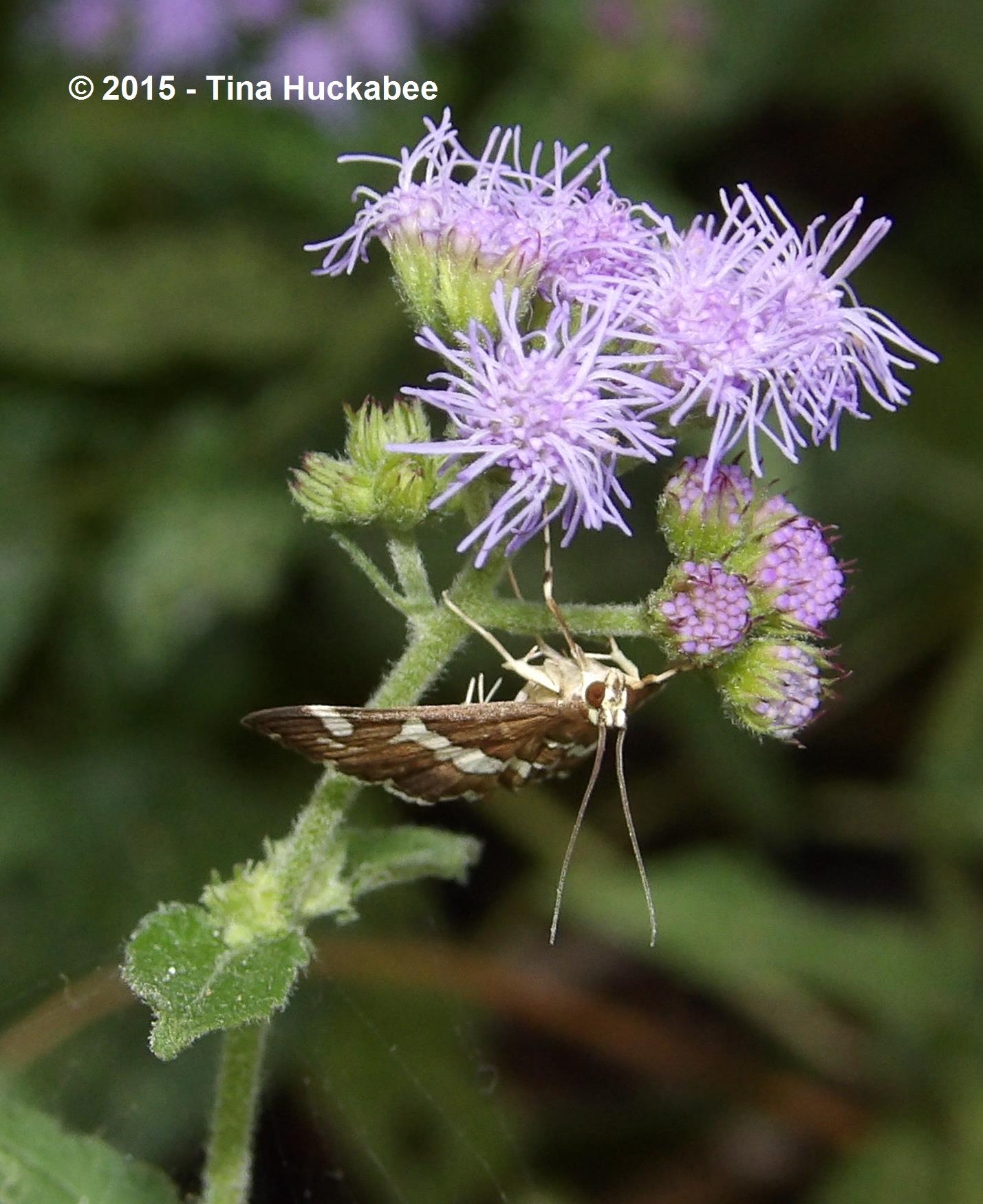
IMGP2169_cropped_1429x1751..new

What wild critters are in your garden? Please post for November Wildlife Wednesday–share the rare or mundane, funny or fascinating, beneficial or harmful critters you encounter. When you comment on my post, please remember to leave a link to your Wildlife Wednesday post so readers can enjoy a variety of garden wildlife observations.

Happy wildlife gardening!
 

Wildlife Wednesday, October 2015

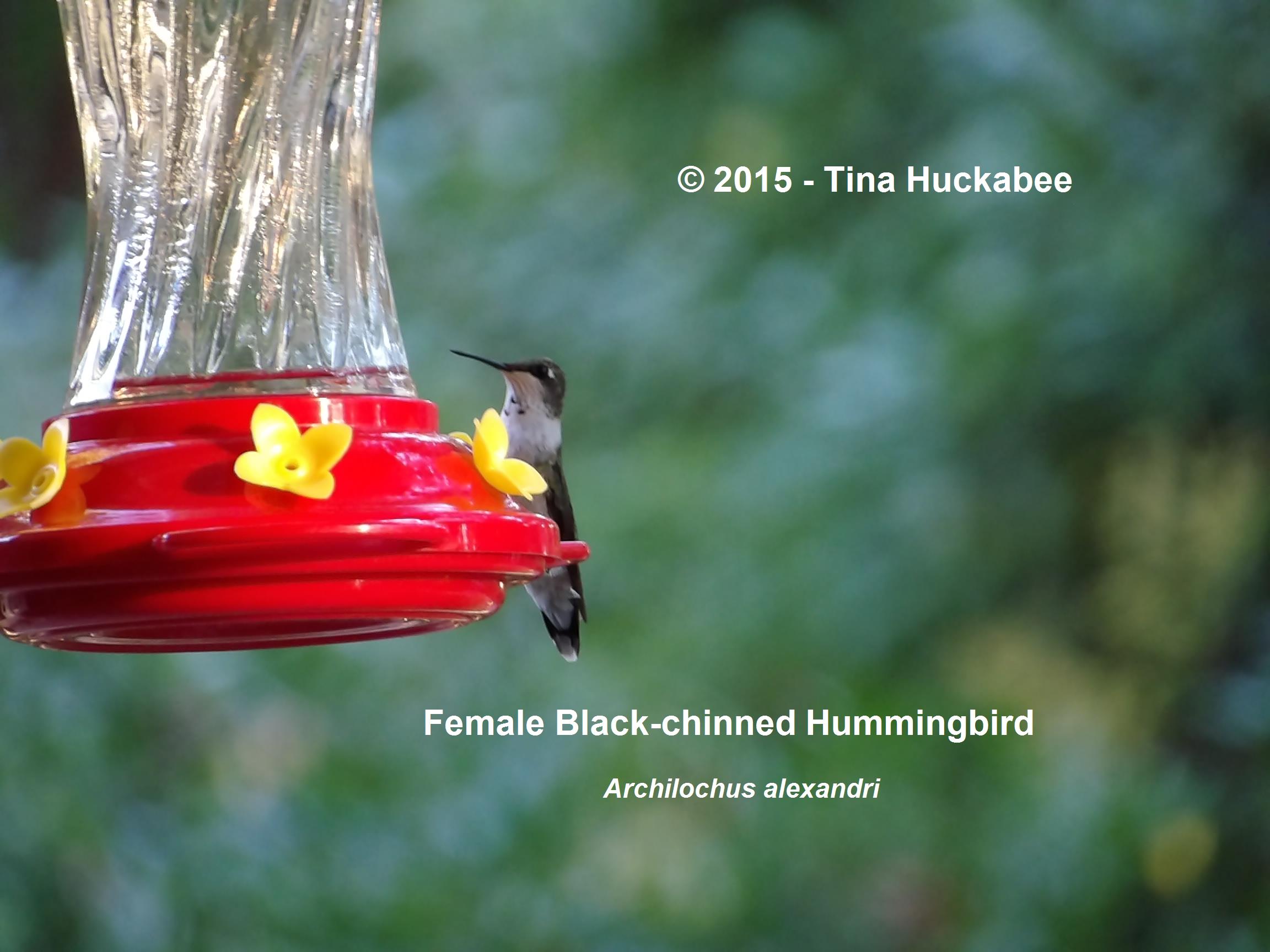
September is over, fall migration through Texas is underway, and in my gardens? Well, it’s the usual wildlife suspects who rule the roost.  Hummingbirds gave great performances prior to their leaving;  they entertained the gardener, paid attention to the flowers, and fueled up for their long flights.  They are now off to winter in lovely, warm Mexico. Here’s wishing them plenty of tropical blooms, while the rest of North America chills out.

M0021552.new

IMGP0192.new

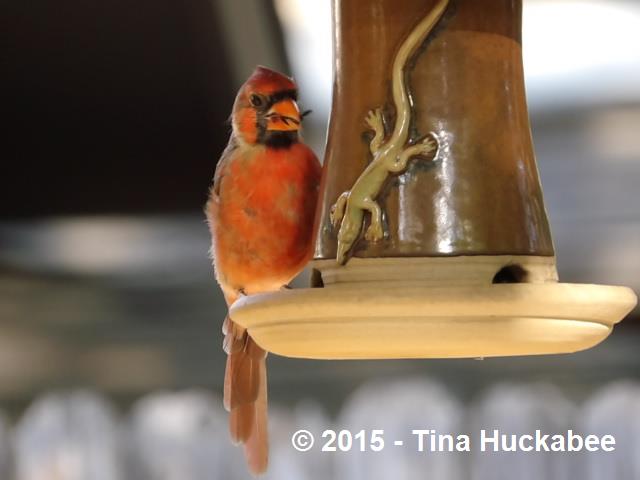
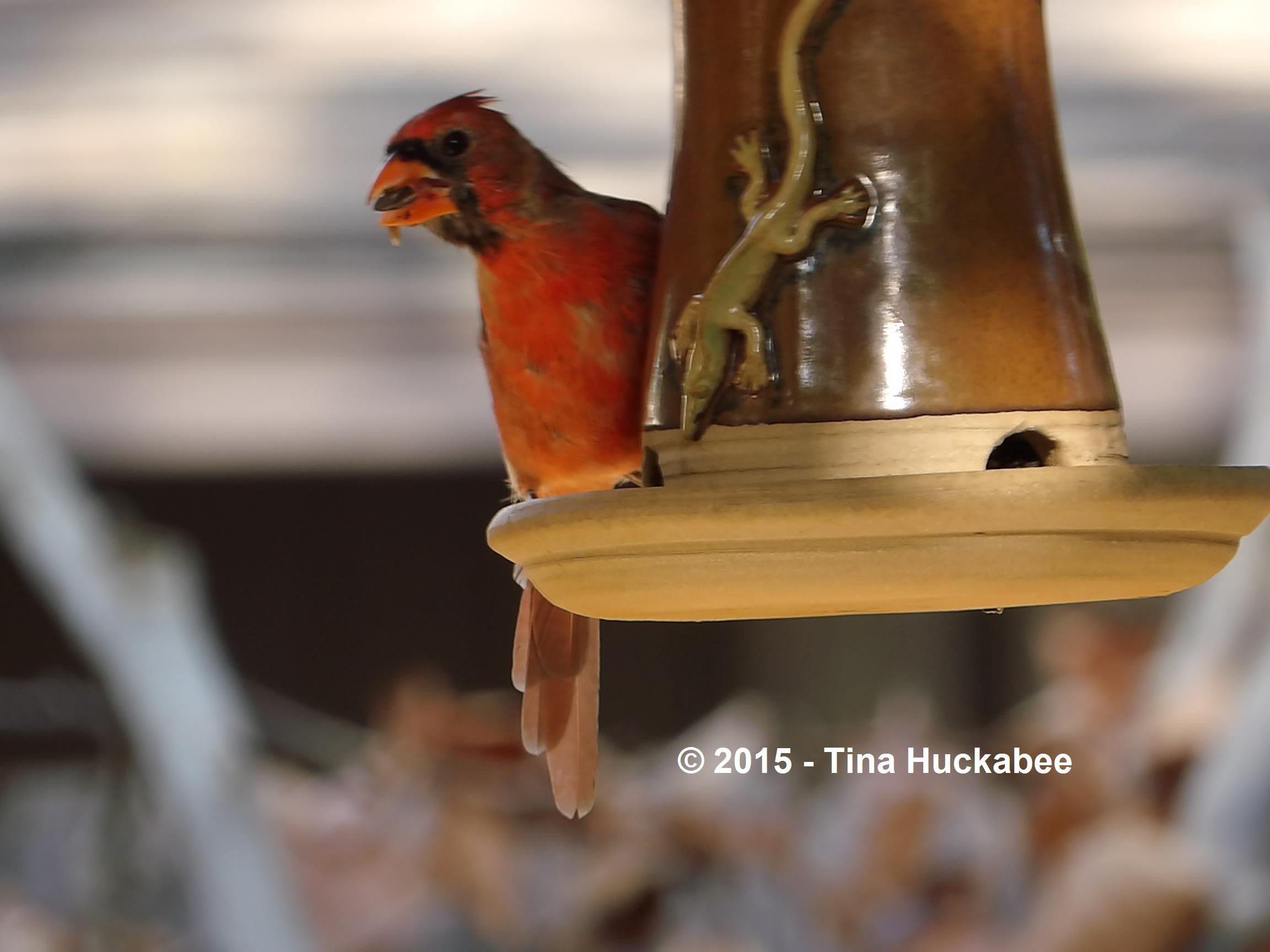
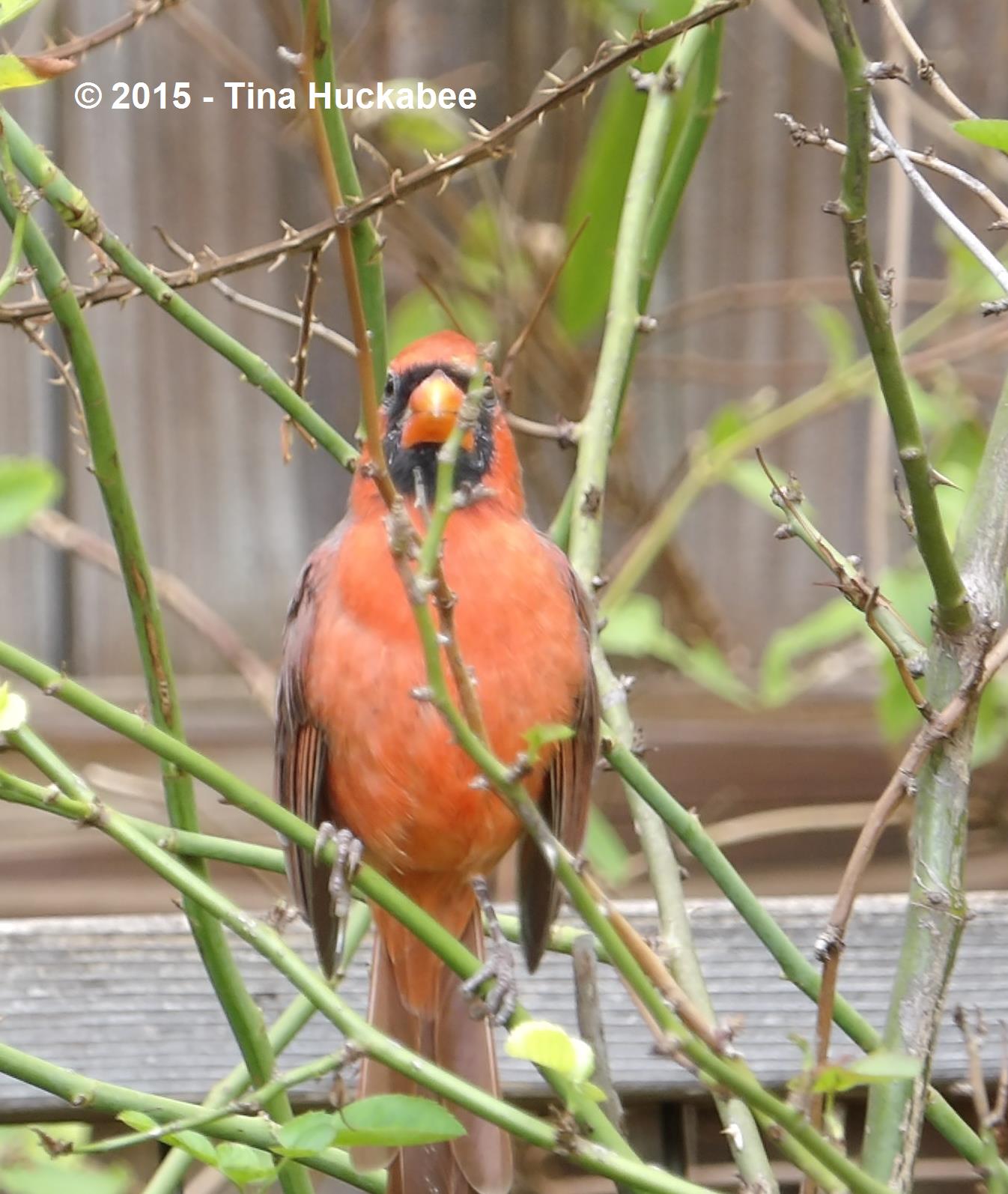
In September’s Wildlife Wednesday, I mentioned that a mottled and probably molting adolescent male Northern Cardinal, Cardinalis cardinalis, was a regular visitor to my garden.  I poked fun at him  because he looked so rangy and awkward–the geeky teen of the backyard bird world.

M0020454.new

Well, shame on me.  I read this article about how tough molting is on birds and specifically as they undergo the preformative molt of the adolescent to adult feathers.  I raised a teen male to young adulthood and remember much angst (mine) and crankiness (his) during his human “molting”.  I guess I should have been more understanding and sympathetic about the changes the juvenile bird was undergoing. Sir Young Cardinal still hangs out, munching sunflower seeds from the feeder, molting, but less molty and, I believe, dressed more cardinal-like.

M0010405.new

Maybe it’s the better camera–my good one is out of the camera hospital.  Nonetheless, Young Cardinal on his way to scarlet beauty.

This adult male glances to the left,

IMGP1759.new

…then to the right,

IMGP1774.new

…and looks like he’s keeping claws crossed that the nutty gardener can’t see him  perched on the shrub.

M0011715_cropped_1346x1594..new

Maybe if I hold my wings really tight, she won’t see me.  

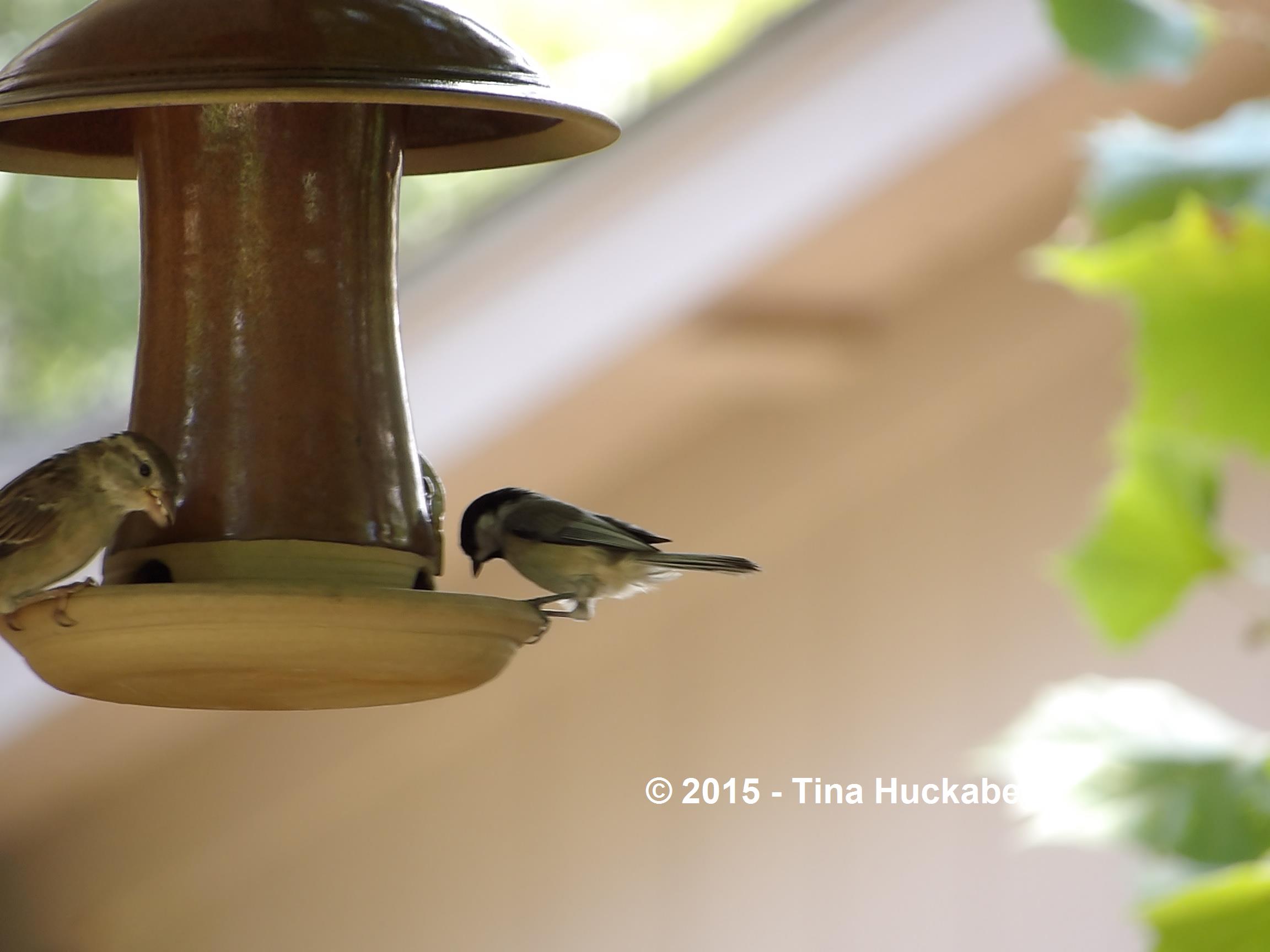
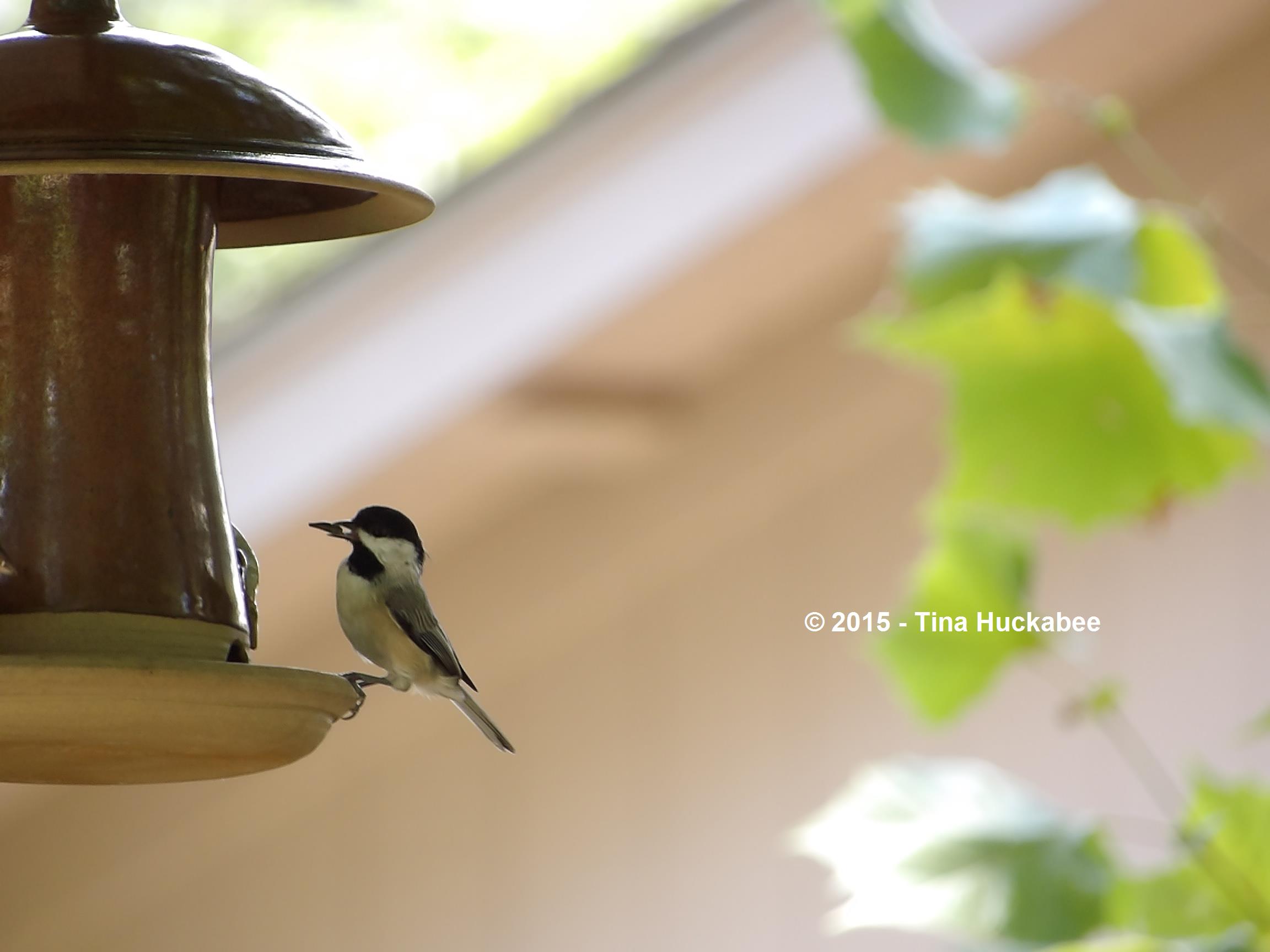
There are plenty of birds at the sunflower buffet, like this Carolina Chickadee, Poecile carolinensis.  

M0019994.new

M0010040.new

I’m especially fond of the Carolina Chickadee;  there is a mated pair that nests near, though not in, my gardens.  They appear in concert with a pair of Black-crested Titmice, though there are no photos of either of that pair for this month.      Both species have sweet verbalizations and I usually hear them before I see them.  That’s often how it is with birds.

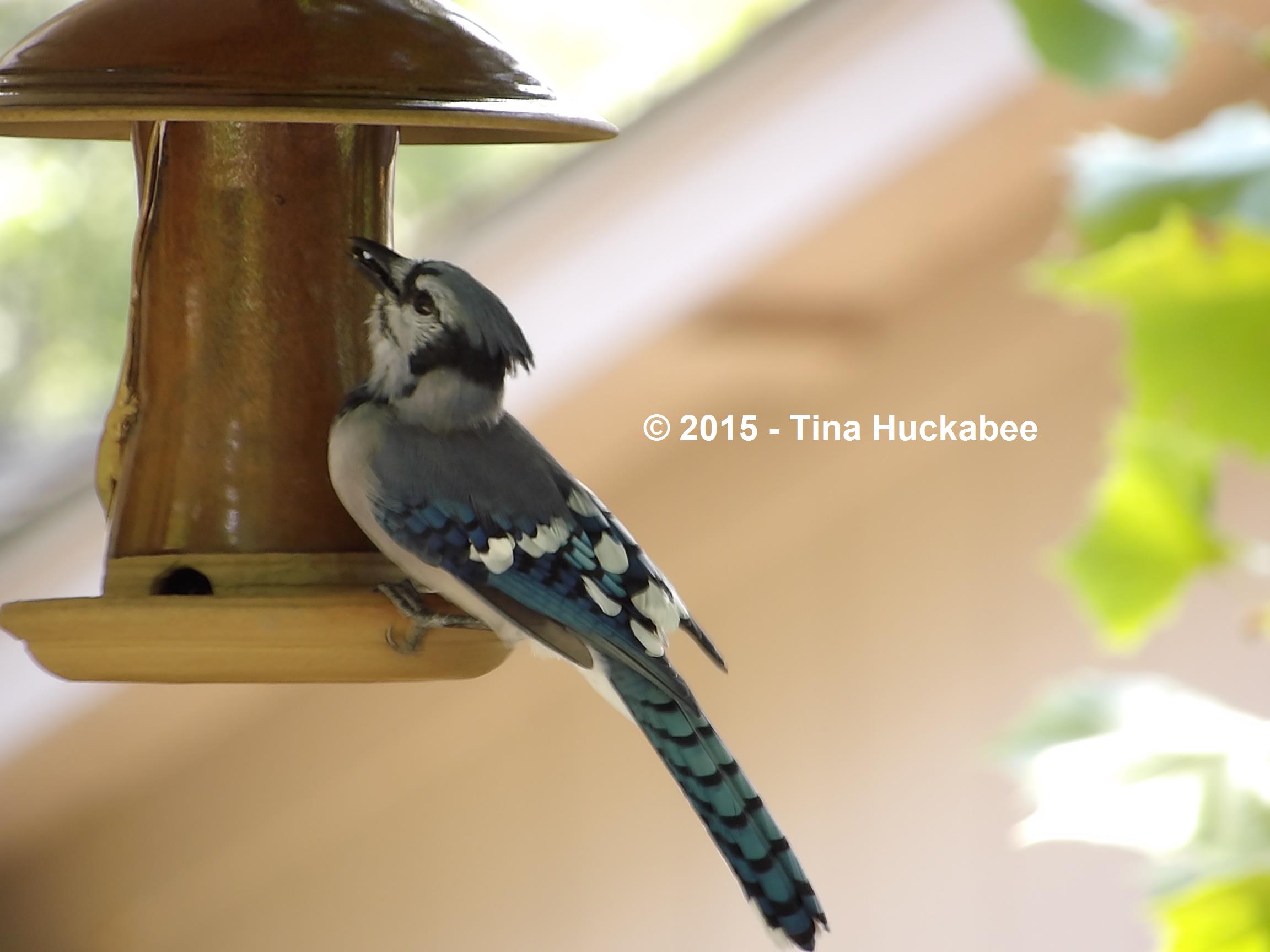
Raucous and beautiful Blue Jays like this one, are also regular visitors to my garden and feeder.

M0030106.new

Most evenings at sundown a group of them protest loudly at what I suspect is one or two Eastern Screech Owls perched in a neighbor’s tree.  I haven’t seen the owls, but have heard them on occasion in the last month or so.  The Blue Jays make lots of noise, but in the end they flap away for the night, returning to sound alarm(s) next day-and also, to eat at the feeder.

There should be more and varied birds through my garden in the next few weeks as they migrate southward.  Already I’ve seen several warblers flitting in the verge, though capturing by camera is tricky.  With good luck and some patience, I will have some success this month–to observe, to learn about, and to share for next month’s Wildlife Wednesday.

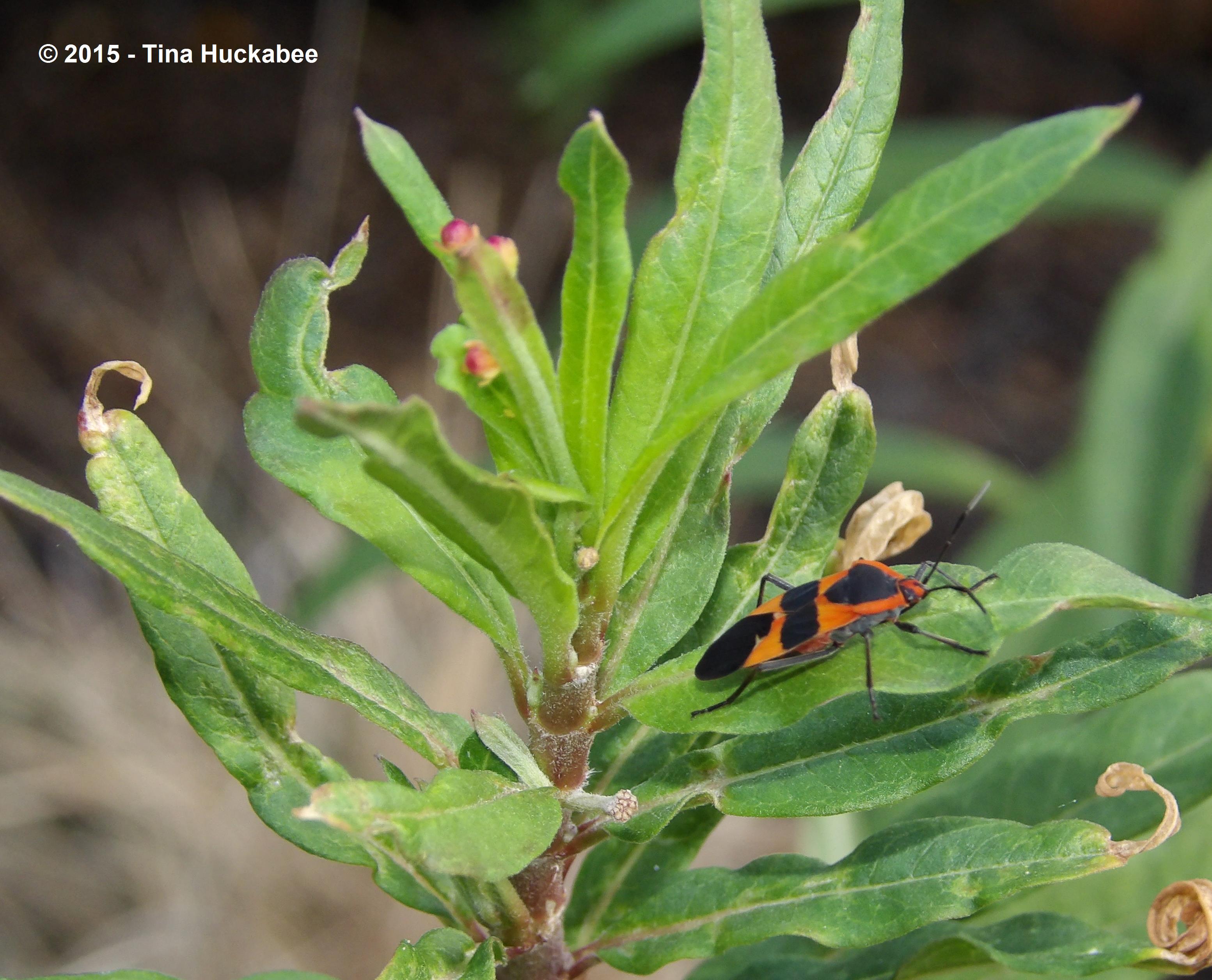
As for the insects, there are plenty of those and that’s mostly a good thing for the garden. This Milkweed BugOncopeltus fasciatus, is not such a beneficial bug in the garden, but apparently doesn’t do  that much damage to the leaves of Milkweed or Asclepias, plants.

IMGP0313_cropped_3107x2512..new

There were quite a few earlier in the summer, but their numbers have dwindled.

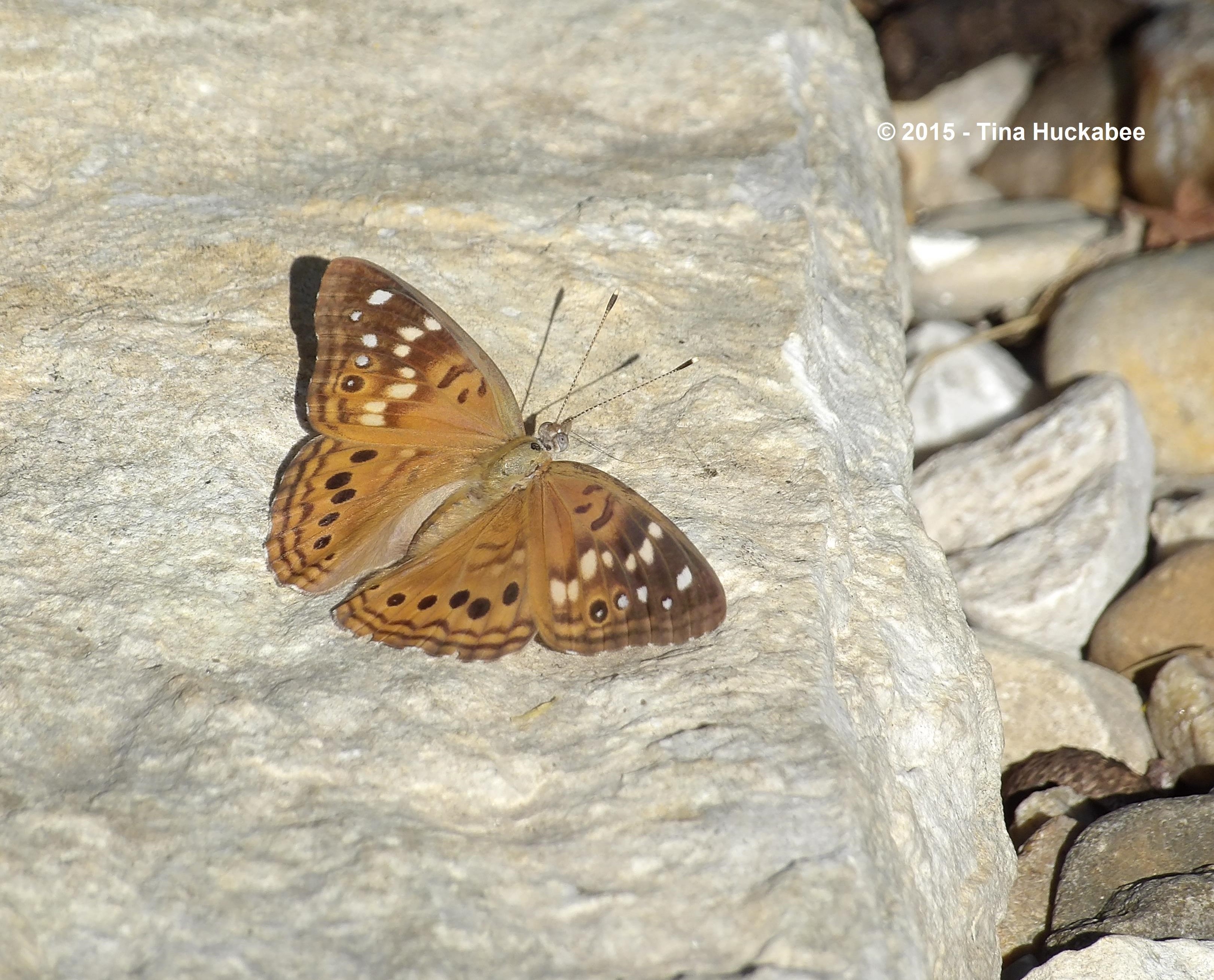
Butterflies and moths are making a comeback since we enjoyed a bit of rain not long ago.  I’ve seen this Hackberry EmperorAsterocampa celtis, sunning herself several times recently. 

IMGP1785_cropped_3244x2618..new

A good thing too, because this species flies so fast that I’ve never taken a clear photo of one around the garden, only in pathways as they bask and allow garden paparazzi to photograph their sunbathing.  Hackberry Emperors feed on dung and sap, so they don’t visit  flowers. The host plant for this butterfly is the much-maligned Texas native tree, Hackberry, Celtis laevigata.  A member of the Elm family, this is the tree that everyone loves to hate, myself included.  But Hackberry an excellent wildlife plant–providing berries that many birds species eat and hosting the nursery for this pretty butterfly.

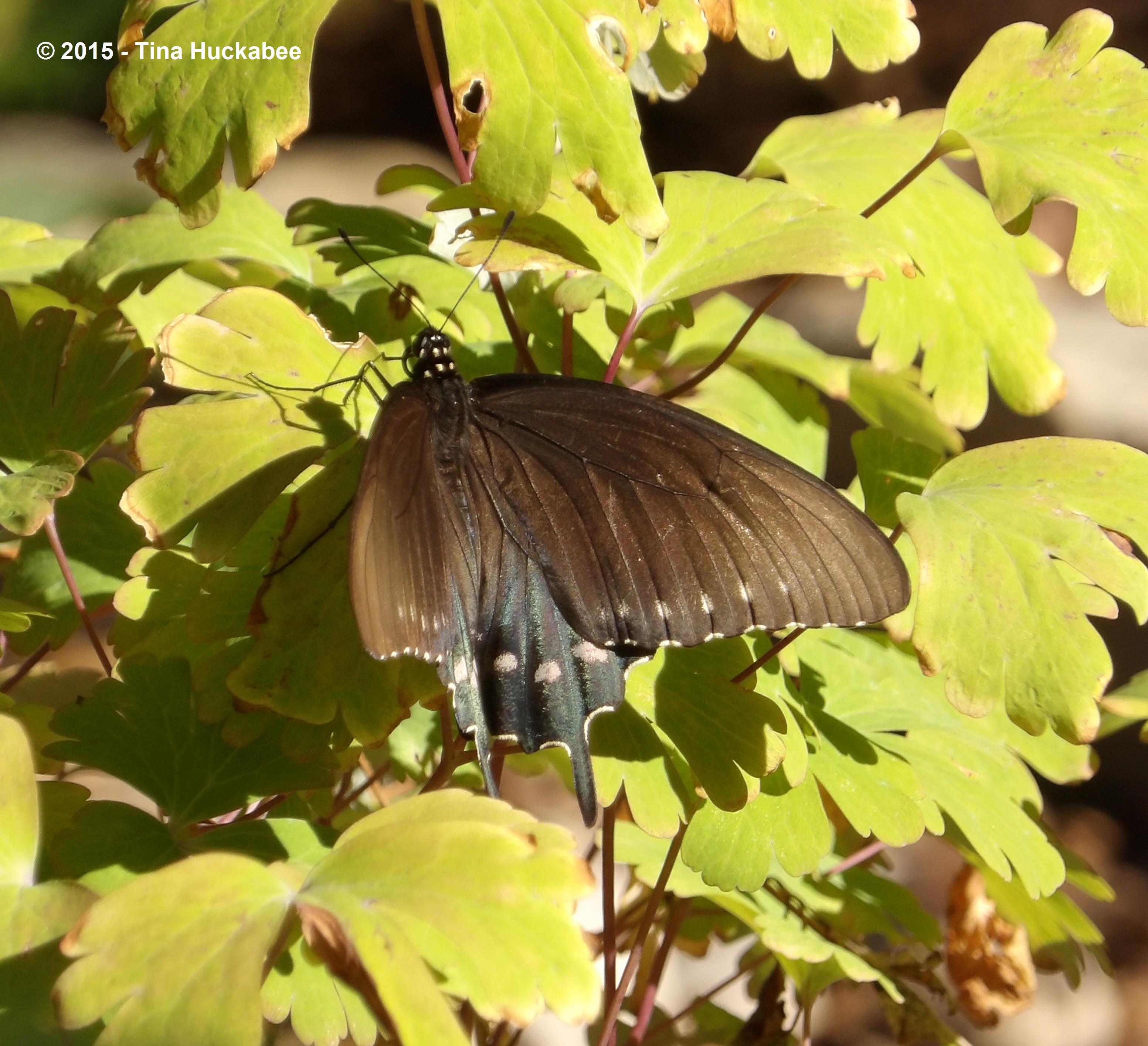
A   Pipevine SwallowtailBattus philenor, posed for me one afternoon with a backdrop of Columbine foliage.

IMGP1047_cropped_3106x2830..new

I often see one fly high through the garden when I’m outside in late afternoon.  The host plant for this beauty is pipevine, which I don’t grow (why not??), but I know there are several specimens in a neighbor’s garden–maybe that’s where this one grew up.

This Great Leopard MothHypercompe scribonia, rested on the trunk of my Shumard Oak one afternoon.

IMGP0627_cropped_3354x3064..new

IMGP0624.new

I see the larval form of this polka dot wonder throughout the summer months, but of course never think to get a shot for a blog post.  Large and fuzzy, the caterpillar is attractive enough, though I’m not sure much can beat the stunning pattern of the adult.

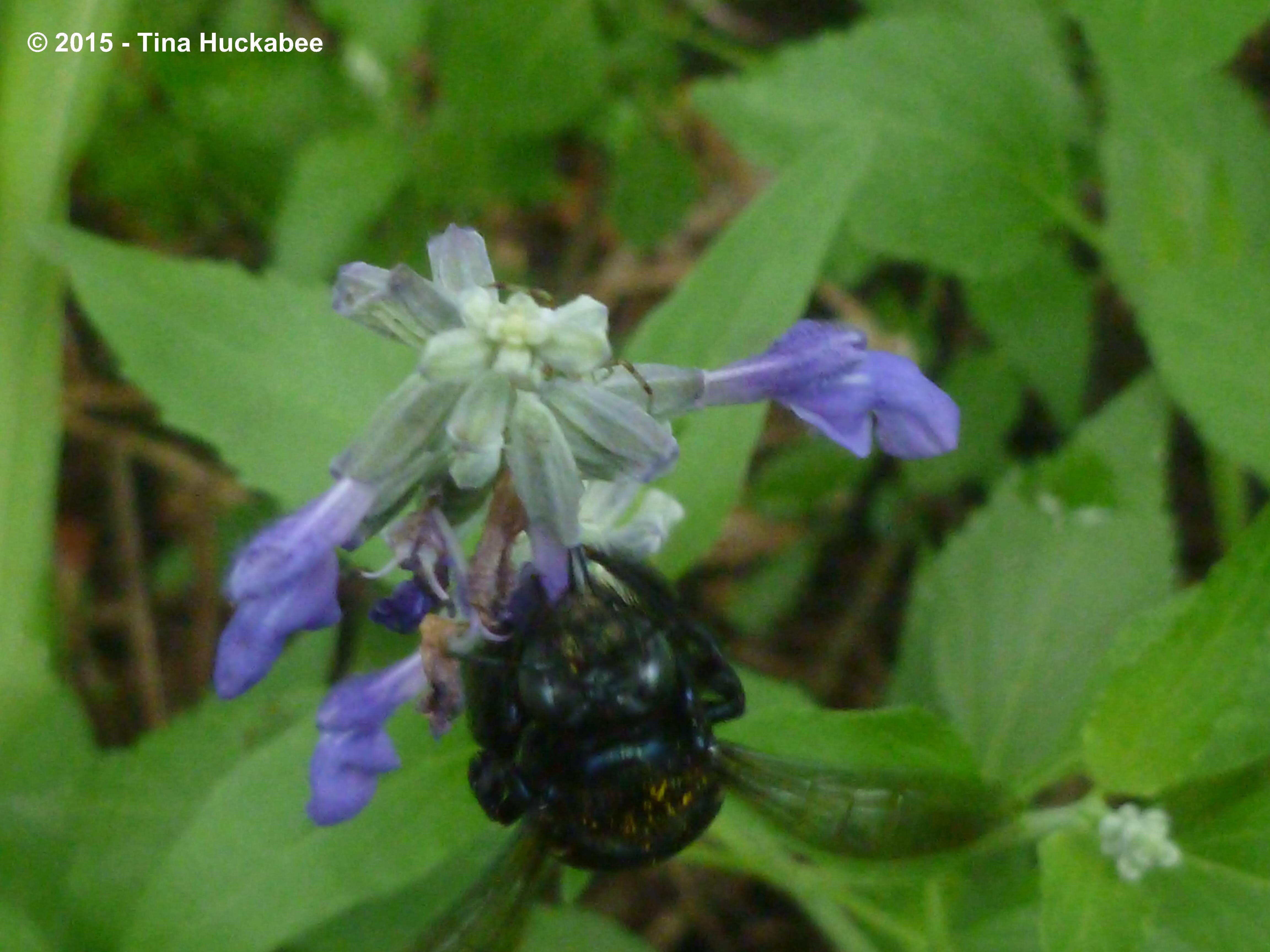
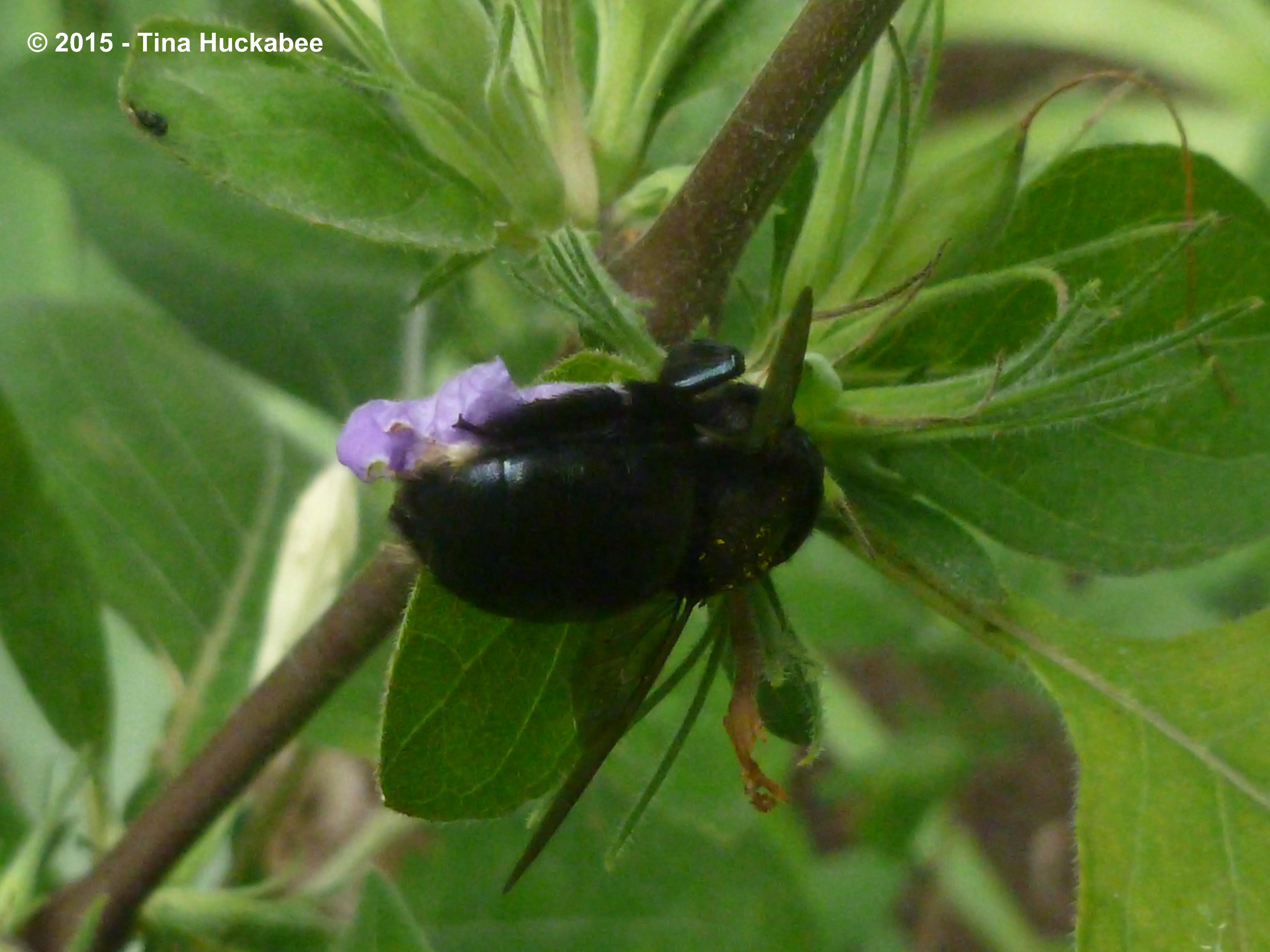
Eastern Black Carpenter bees, Xylocopa virginica,  Southern Carpenter BeesXylocopa micans, have nectared at and pollinated Henry Duelberg Sage, Salvia farinacea ‘Henry Duelberg’,

P1070846.new

…and Drummond’s Wild Ruellia, Ruellia drummondiana, 

P1070850.new

P1070847.new

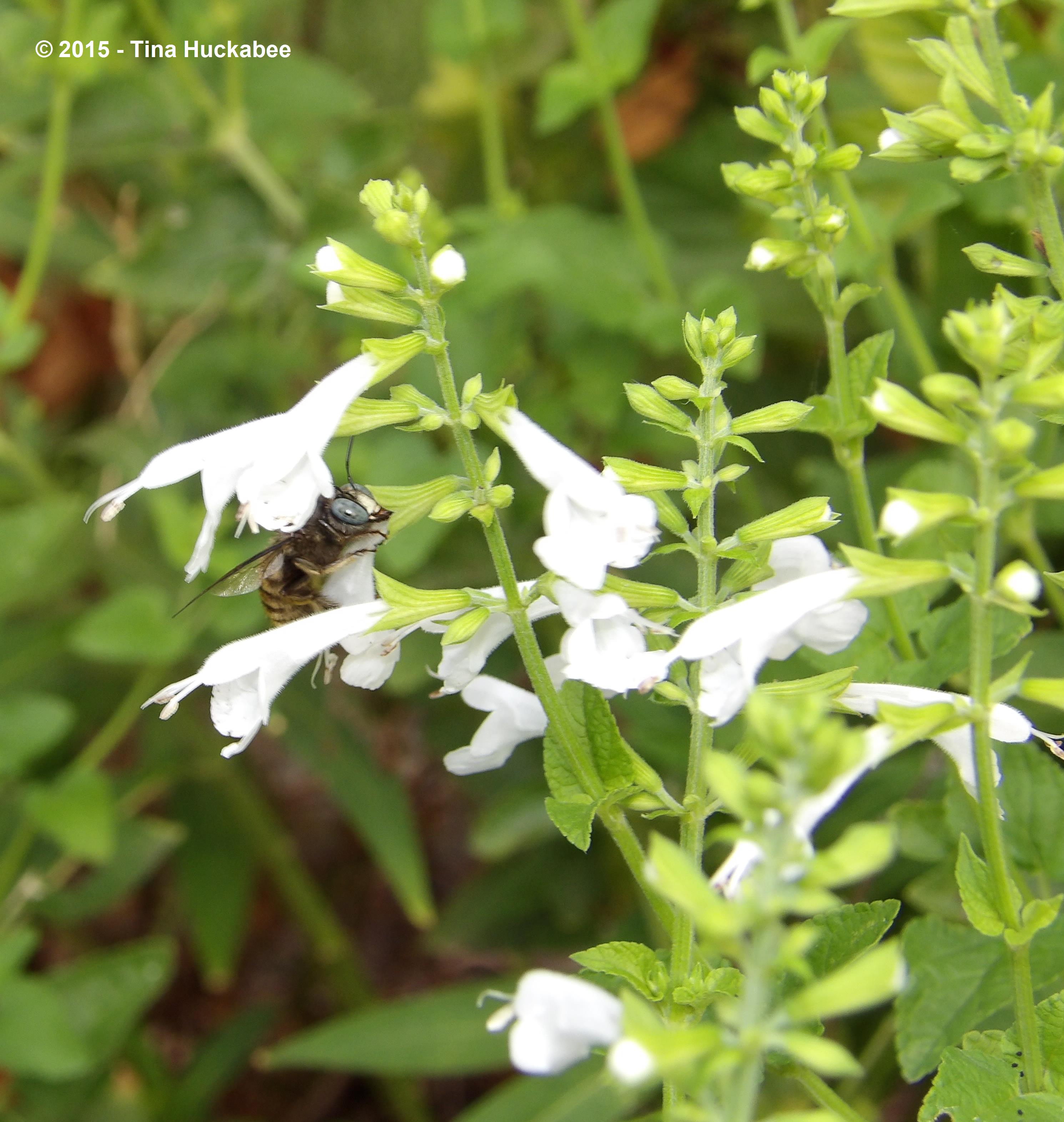
…as well as other flowers for weeks now.*   There are many  Horsefly-like Carpenter bees, Xylocopa tabaniformis, buzzing the flowers, too, like this one on a white Tropical Sage, Salvia coccinea.

IMGP0370_cropped_2981x3143..new

My garden is currently in full, fall bloom and those many flower choices are keeping the honey and native bees are quite busy. Pollinate away, girls!!

The Paper Wasp, Polistes exclamans, sips at the bird bath.

IMGP0171_cropped_2203x1903..new

The Neon Skimmer, Libellula croceipennis, surveys for prey.

IMGP0564.new.new

The Green Anole, Anolis carolinensis,  glares at the annoying camera lady.

IMGP1686.new

And the squirrel?  He/she relaxes after a tough afternoon of stealing birdseed and wrecking my container plants in the effort of burying treasures for winter snacks.

IMGP1689.new

Scamp!  Let’s make that plural–Scamps!  I don’t recall ever having so many in the garden and never have they been so destructive.  The Fuzzy-tailed Devils will not leave the container plants alone.   To dissuade their digging, I’m sprinkling cayenne pepper on a daily basis–not on the squirrels, mind you, just the plants.  And I’m yelling at them a lot.  Not the plants, just the squirrels.

Squirrels are part of the ecosystem, though an annoying part, and they provide lots of entertainment for the cats.

And that’s about it for this wildlife gardener.  So what wild thangs are in your garden? Please post for October Wildlife Wednesday–share the rare or mundane, funny or fascinating, beneficial or harmful critters you encounter. When you comment on my post, please remember to leave a link to your Wildlife Wednesday post so readers can enjoy a variety of garden wildlife observations.

Happy wildlife gardening!

*I misidentified the carpenter bee originally and now believe that the bees I’m observing are Southern Carpenter bees.*

Wildlife Wednesday, September 2015

It seems that August was mostly about the insects in my gardens, though a sprinkling of birds and spiders and lizards added a bit of spice to things. Welcome to Wildlife Wednesday, marked each month on the first Wednesday in observance and celebration of the wonderful wild creatures that we share our world with and who are necessary for gardens to be.

My good camera has spent this past month at the camera hospital, with a full recovery predicted.  No matter, I took decent photos of most things–plants and critters, with a reliable, but limited, point-n-shoot camera.

I’m flustered when birds don’t perch still and pose nicely for me.  With the good camera, shots are crisp and clear, birds flitting and flying notwithstanding. With the point-n-shoot, bird photos are never quite what I see in real life. Nevertheless, there are lots of birds in the late summer garden and a few presentable photos in which to profile them. The birds of August in Austin are the the usual suspects–Grackles, European House Sparrows, doves of various sorts, hummingbirds, Blue Jays, and Northern Cardinals, Cardinalis cardinalis, like this awkward juvenile male.

P1070663.new

Doesn’t he look like a typical teenager, pretending to be cool and looking around to see if anyone notices him, but underneath his splotchiness, just so terribly unsure of himself?   He can’t decide if he’s ready to take on adult responsibilities and the blasting, brilliant red that is his namesake, or if he’d rather be safe, with blander coloration, blending into the background as he prepares to make his way in the big, bad world.  Personally, I look forward to his adult suit, to his attracting a partner, and to the next generation of scarlet and mottled visitors to my garden.

Lesser Goldfinches, Spinus psaltria, girls and boys alike, continued to enjoy the long-lasting sunflower seeds.

P1070619.new

P1070591.new

P1070629.new

And also, the water provided during this hottest month of the year.

P1070667.new

This guy,

P1070542.new

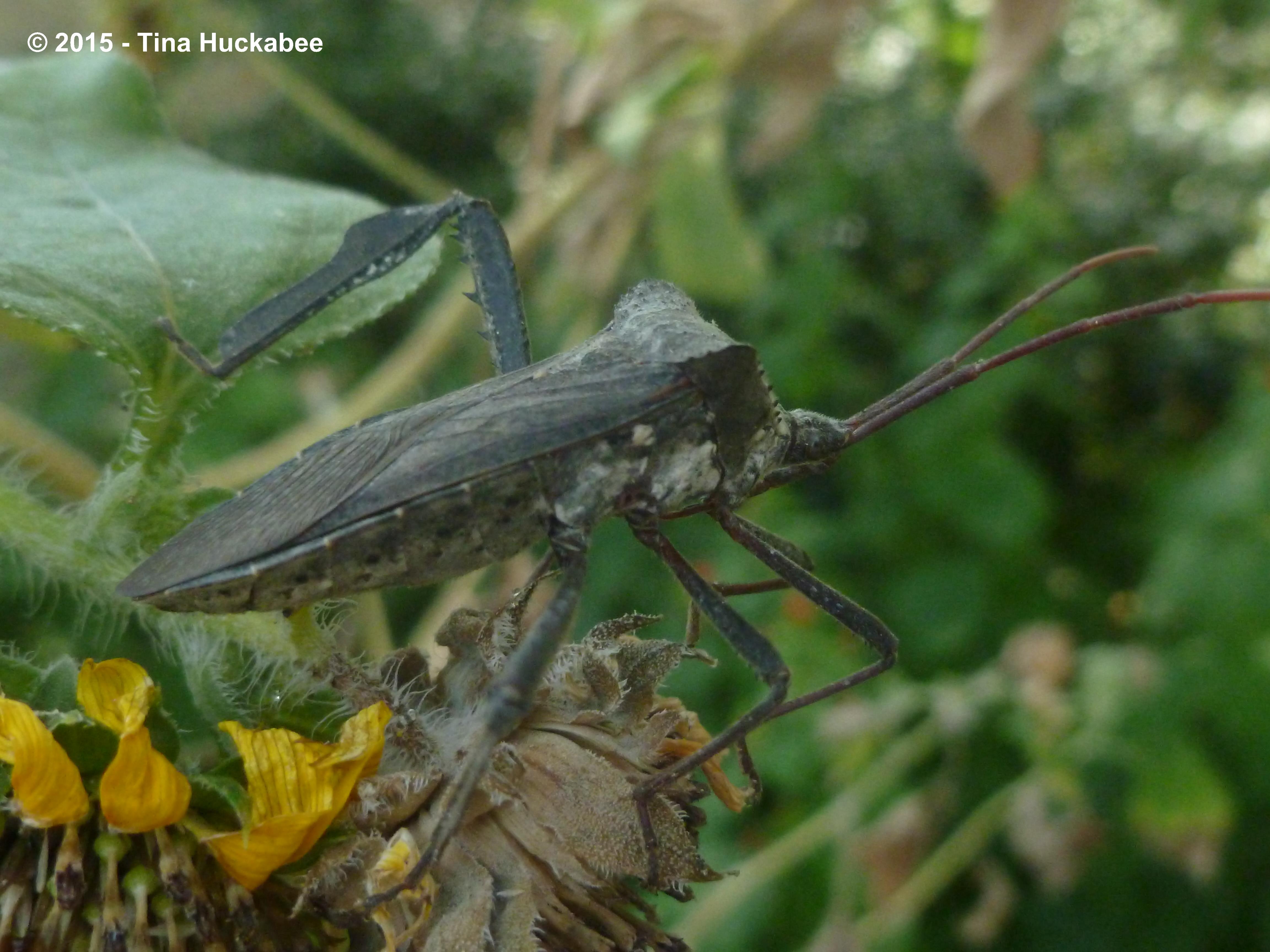
…a Leaf-footed BugAcanthocephala terminalis, hung out in the front garden for a couple of days.  Common in Austin, these bugs and their kin feed on leaves of many plants.  The terminalis part of the name is because of the red to yellow marking at the end of its antennae, though in my photo, the red isn’t all that noticeable.  I love this shot of the bug:

P1070541.new

I imagine it as a Leaf-footed Superhero Bug, profiled handsomely in shadow as it poses, stalwart and brave, overlooking the territory it protects. Dramatic music plays in the background as it surveys its realm.

I do believe that my brain is fried from the heat.

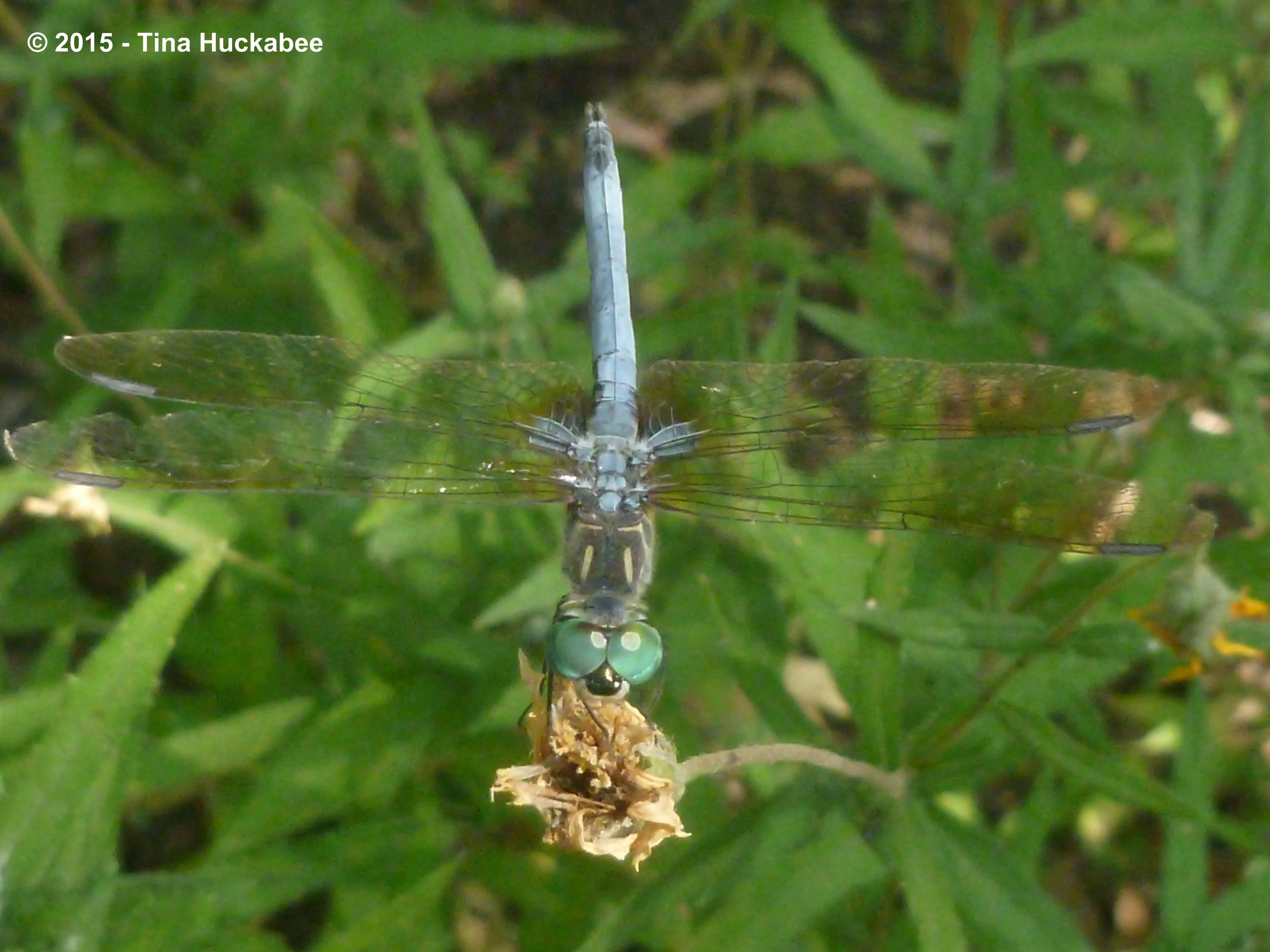
The dragons and damsels are busily hovering around the pond, hunting anything smaller than themselves, mating, and being gorgeous.  This male Blue DasherPachydiplax longipennis,

P1070756.new

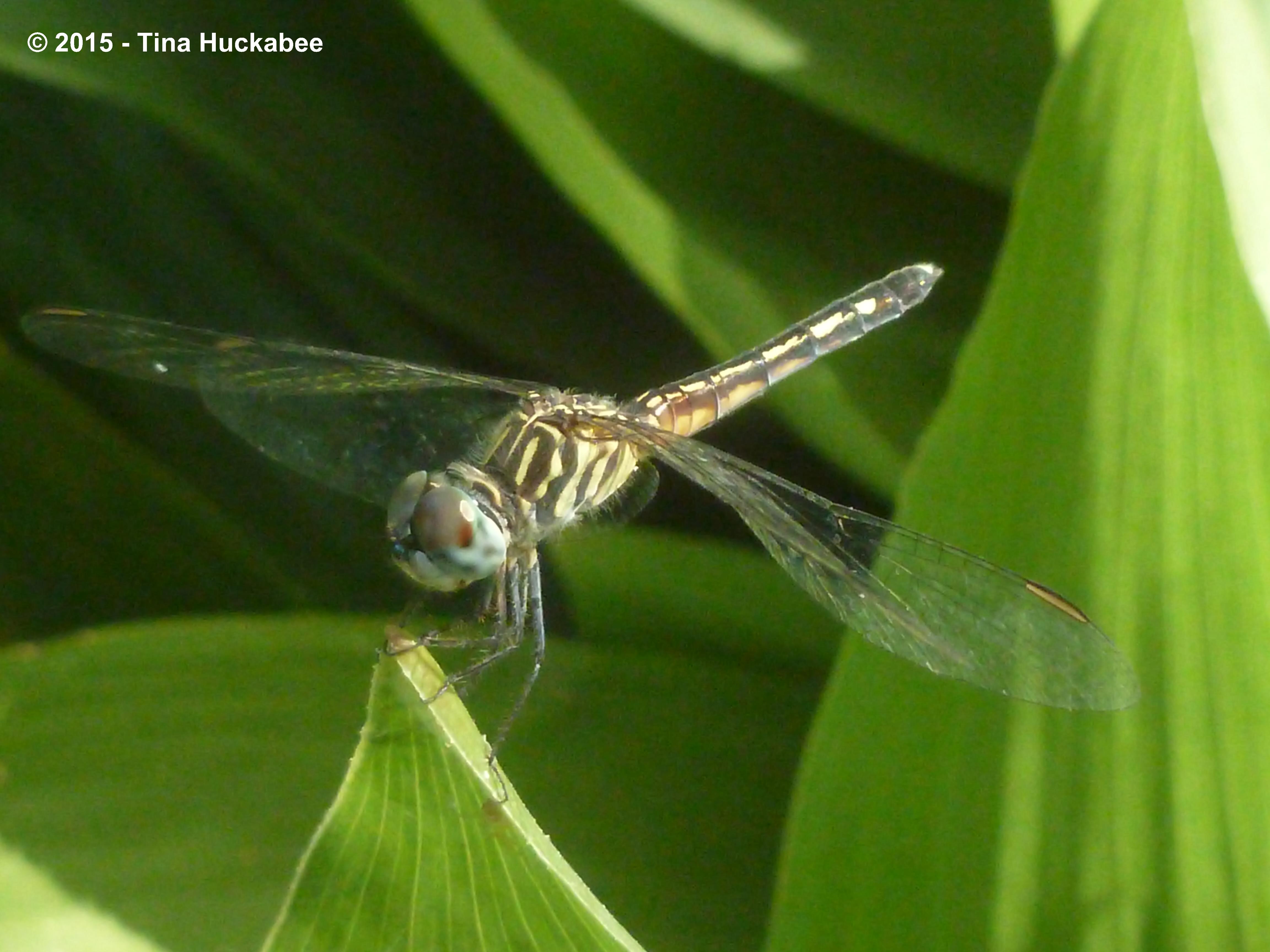
…and a female of the same species are two of the many who are living in my garden.

P1070549.new

I love to watch them–the combination of beauty, fascinating life cycle, and flying agility make the Odonata species worth attracting to the garden.  If you build a pond, or similar water structure, they will come. 

Green Anoles, Carolinensis anolis, regularly adorn foliage, and often, the walls and fences in my gardens.  There are smaller ones roaming the verge in August, the offspring of the older, early summer generation.

P1070690.new

Just as charming as their parents, these little garden buddies hunt insects and stare ( or is it a glare??) at the gardener/photographer.

P1070691_cropped_3180x2111..new

I was thrilled one morning to observe this native Metallic Sweat Bee, Augochloropsis metallica(?)sunning itself on the leaf of a Drummond’s Wild Ruellia.

P1070698.new

So beautiful and such valuable pollinators, I have a hard time capturing these bees in photo form because I usually see them hovering over blooms in constant, flashing-green motion.  They alight on a flower, moving quickly around the bloom, before taking off in flight a few seconds later.  I’m  content with watching and marveling, rather than wasting time attempting to capture with the camera what my eyes behold, thus missing the action.

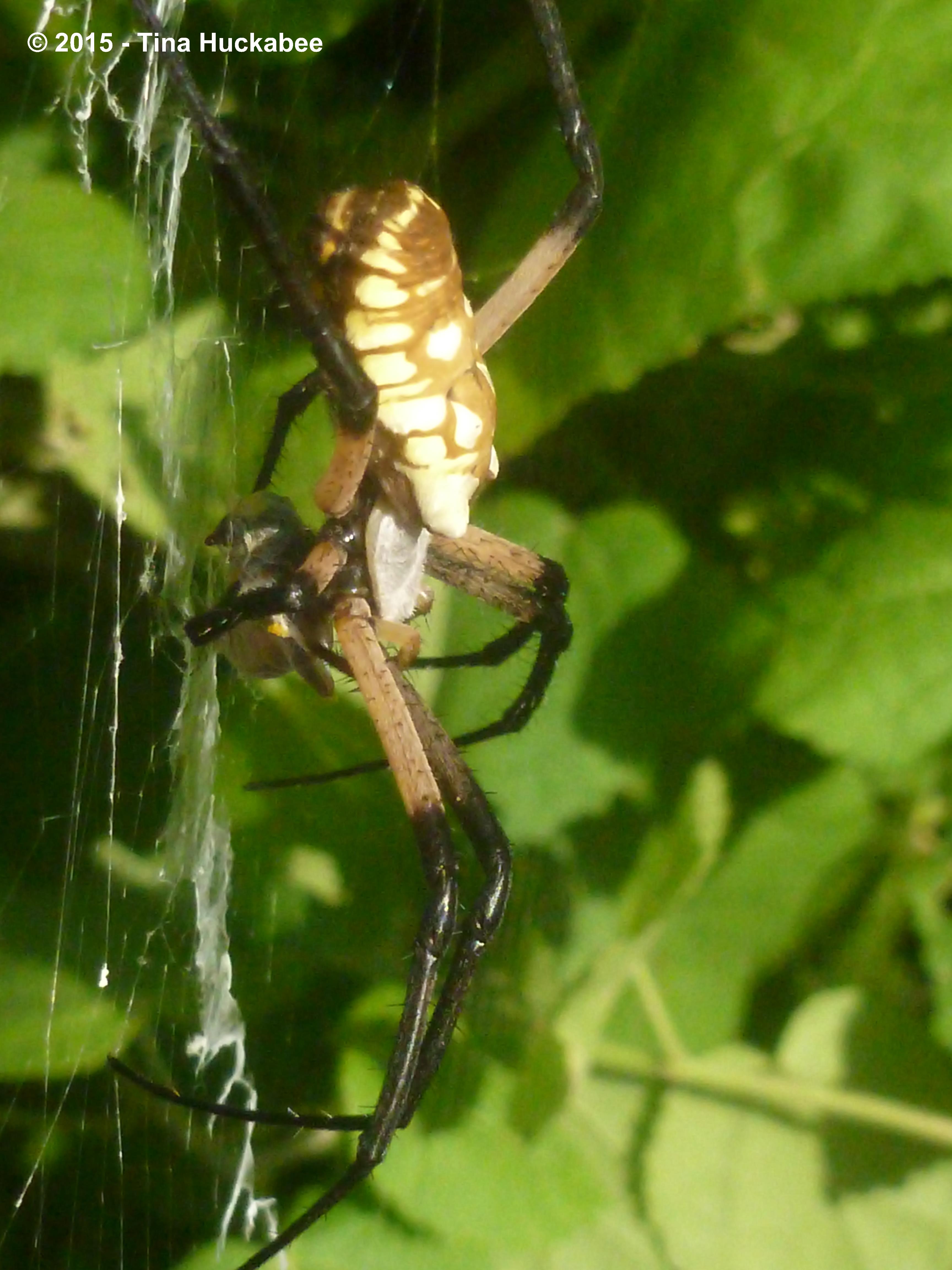
I wrote last month about the common garden spider, the Black and Yellow ArgiopeArgiope aurantia, who’d taken up residence in a large shrub of Turk’s Cap.  Ms. Giant Spider had a sweet spot here in the Turk’s Cap because the flowers are favorites of bees and butterflies, therefore, no shortage of meals for her.

P1070738.new

She’s been in the Turk’s Cap since July, ensnaring and devouring some “bad” bugs, but more commonly, my sweet honeybees.

P1070694.new

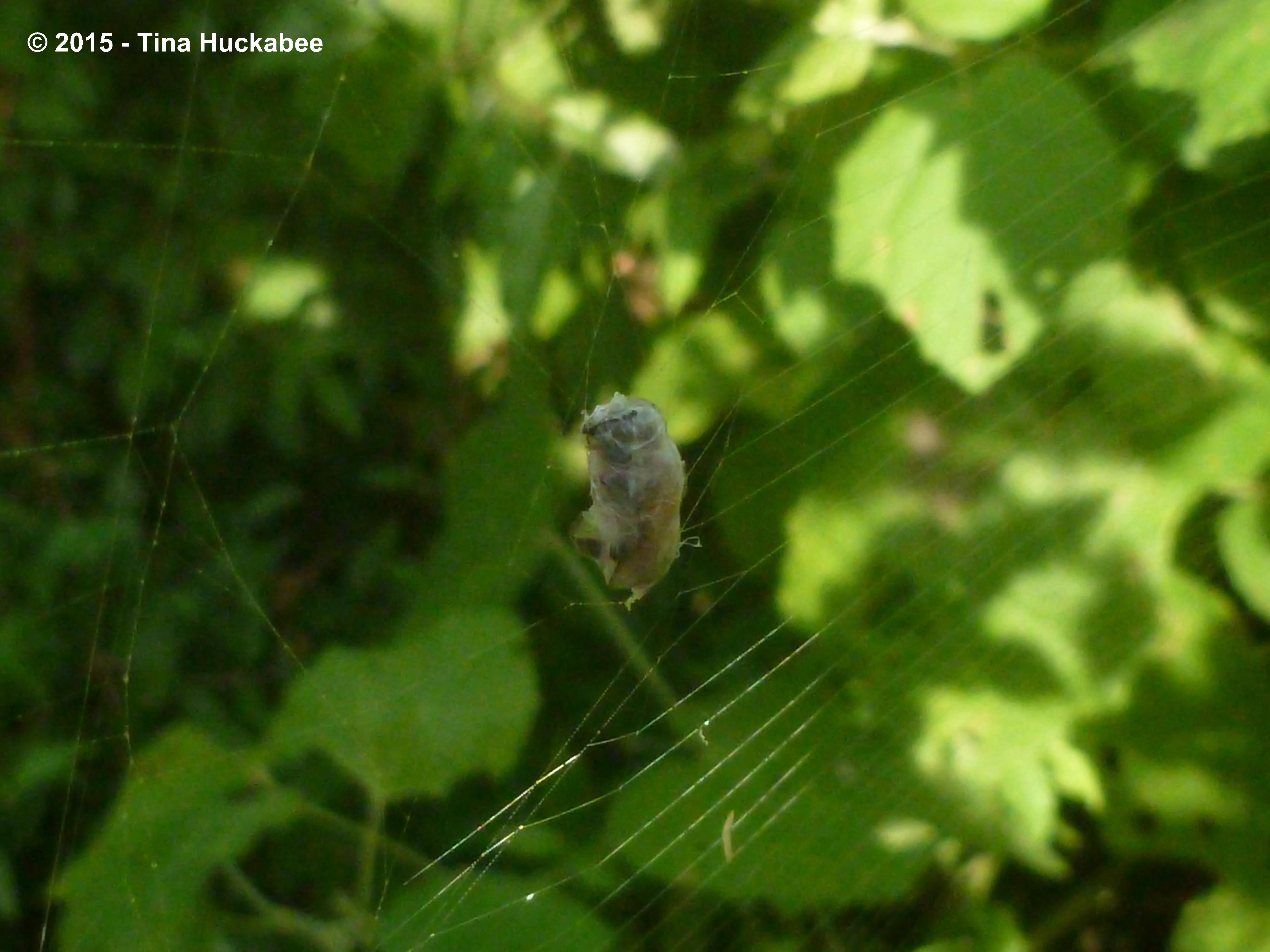
All wrapped up and no place to go–except into the spider’s digestive system.

Poor bee.

Poor bees. P1070693.new

I saw several caught in the web, everyday.

I think this spider meal is one the native or wild bee species that’s common in my gardens and that I’ve written about before, a Horsefly-like Carpenter BeeXylocopa tabaniformis.

P1070838.new

The previous morning, before I’d had my full dose of caffeine, I’d seen a newly trapped Carpenter bee of the same species.  Well, I can tolerate Ms. Giant Spider catching my darling honeybees, after all, I know that the honeybee queens are strong and actively creating the next generation, but I’m not quite so open-minded about this colorful menace wrecking webbed havoc on  the wild bees.  I know the native/wild bees have a welcome home in my garden, but things are dicey for them elsewhere.  Completely ignoring the prime directive (and for those of you who have no clue what that phrase means, please read), I carefully extracted the trussed up and buzzing madly Carpenter bee from the web and gently (VERY gently) pulled away the well-woven webbing and was able to release an angry and no doubt, terrified, Carpenter bee back into the world.

This wildlife gardener interfered with wildlife.

My bad.

In my defense, the spider had two other hapless victims hanging on the web and the bee was still alive; Ms. Spider had other meals waiting and the bee had a chance to live.

I just couldn’t help myself.

I hope the Carpenter bee in this photo wasn’t the same one I rescued, but if it was, maybe it’s best  that the can’t-learn-a-valuable-life-lesson DNA is out of circulation.

P1070838.new

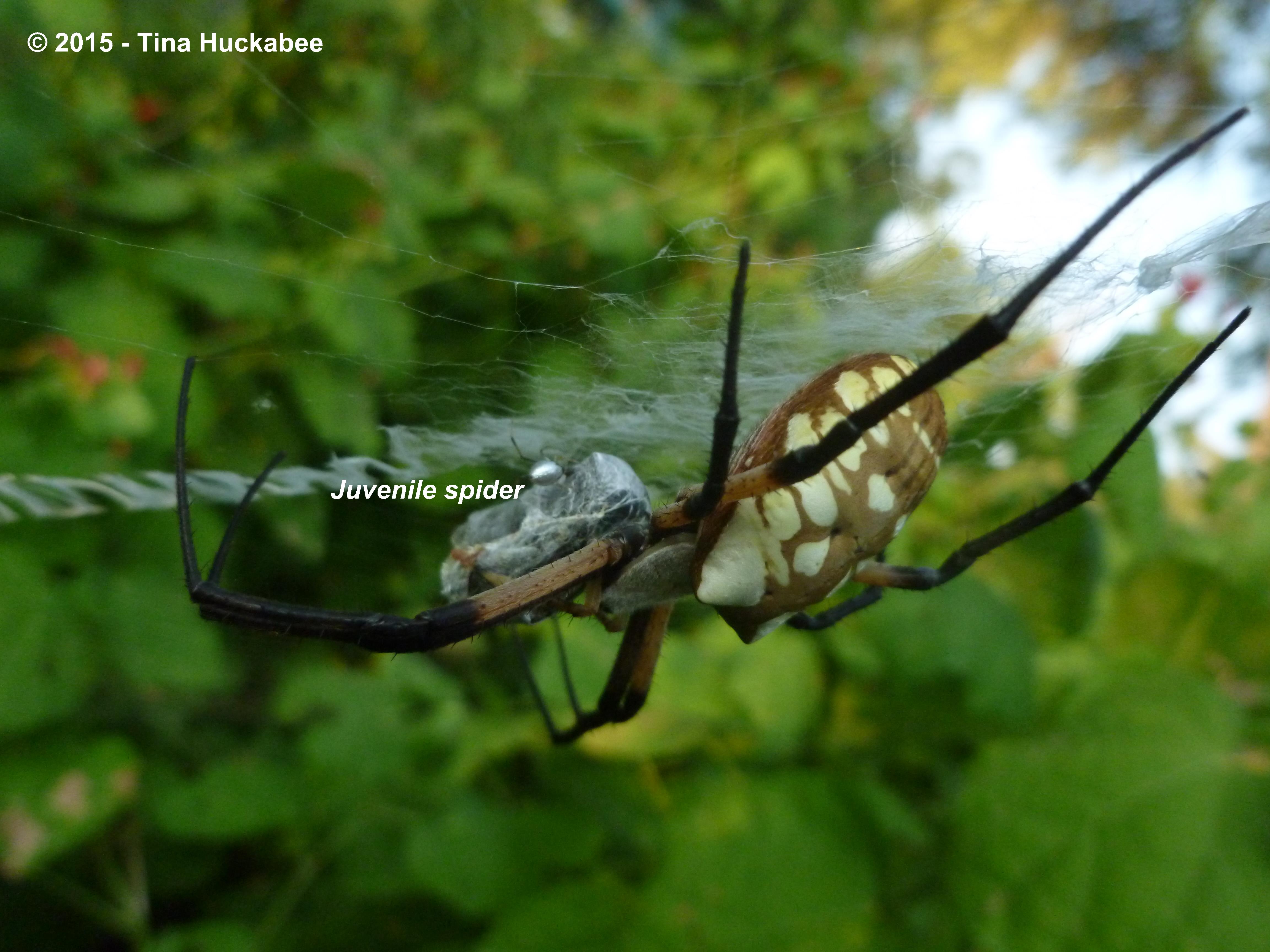
In this photo, the little silver-colored spider is, I think, a spiderling–the tiny offspring of Ms. Giant Spider, enjoying the meal trapped by Mom.

P1070837.new

It’s possible that it’s an unrelated species, but given Ms. Giant Spider’s voracious appetite and penchant for killing anything in her wake, I’m guessing Silver Bells is probably family.

In the last few days, Ms. Giant Spider has disappeared. I thought maybe she’d moved her web, because she’s done that a couple of times, but instead, I located  a smaller version of the same species about a foot away–lying in wait, web at the ready, in a different part of the Turk’s Cap.  I suspect Ms. Giant Spider has gone to her reward and has been replaced by Ms. Junior Spider.

And the cycle begins again.

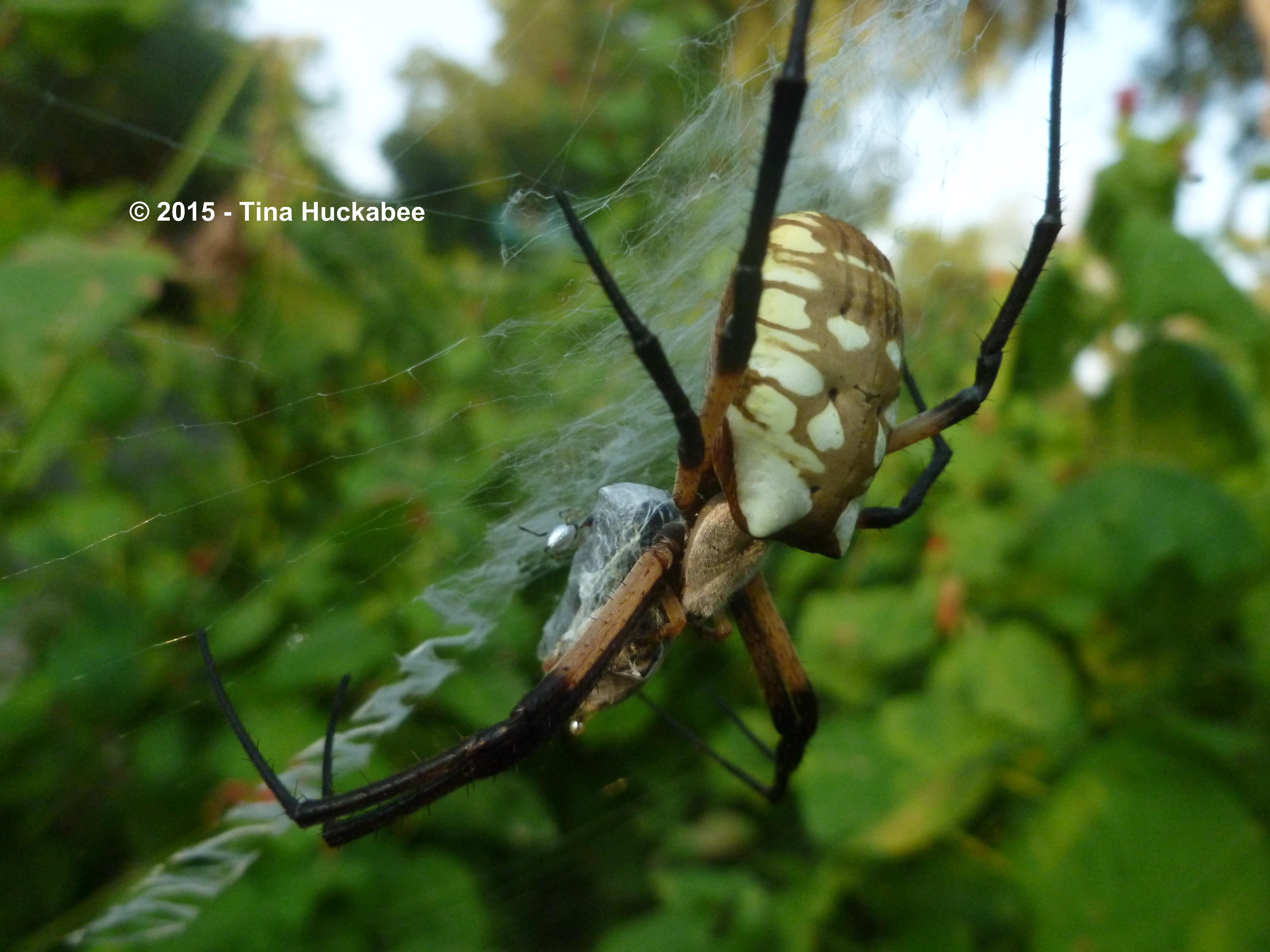
Lastly, I’m fairly sure this lovely green critter is a Spotted Bird Grasshopper, Schistocerca emarginata (also known as Schistocerca lineata).

P1070799.new

He/she was hanging out in the Turk’s Cap, probably noshing on foliage.  I warned it about the webbing that’s situated just behind.  According to literature, the Argiope spider species are big enough to capture large bird grasshoppers. The grasshopper must have made its way safely, as I never saw it packaged up in the webbing.

And that’s about all for this month.  So long!!
P1070798.new

Kudos to all of you who garden for wildlife, no matter how much or little:  you’re part of the solution.  I hope your gardens received wildlife visitors this month and that you will join in posting for September Wildlife Wednesday. Share the rare or mundane, funny or fascinating, beneficial or harmful critters you encounter. When you comment on my post, please remember to leave a link to your Wildlife Wednesday post so readers can enjoy a variety of garden wildlife observations.

Happy wildlife gardening!