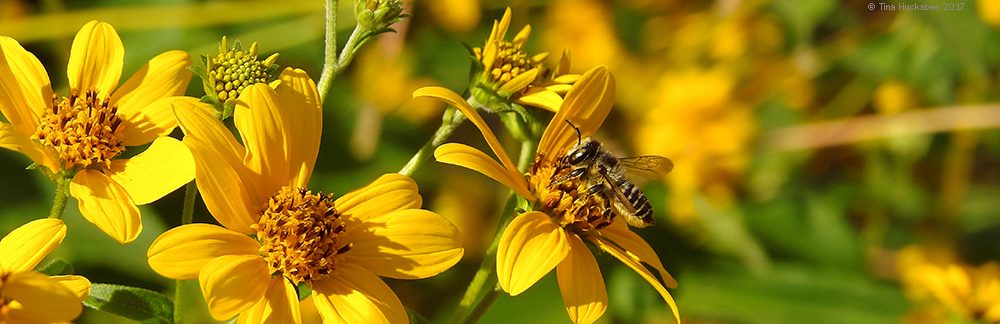
With the cold of the polar vortex well on its way to Central Texas, I’ve said a sad farewell to the flowers still blooming. A freeze is forecast for Saturday night into Sunday morning, the temperatures becoming colder over the following 48 hours. The coldest night will be Monday, when the National Weather Service predicts a nippy 15F/-9C. Tuesday night warms a bit to 17F/-8C. I don’t mind the cold and winter is important, my whining about the end of blooming season notwithstanding.
I’ll dress in layers and wear a coat and hat, but the garden is at the mercy of nature’s elements. I don’t think this group of cheery Forsythia Sage, Salvia madrensis, will remain happy in the freezing temperatures.
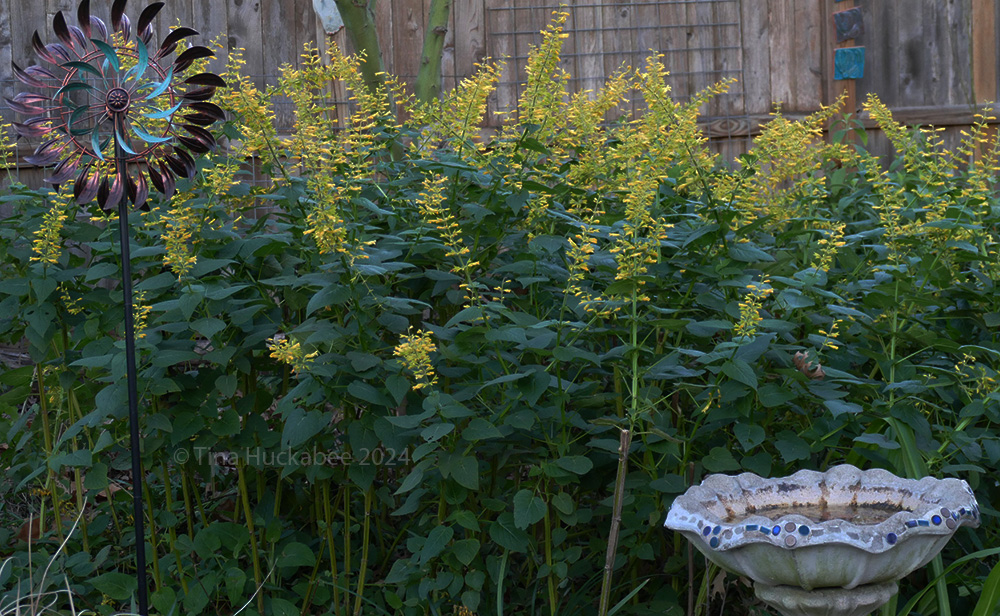
Native to the Sierra Madre mountains in Northern Mexico, this plant is the last in my garden to perform.
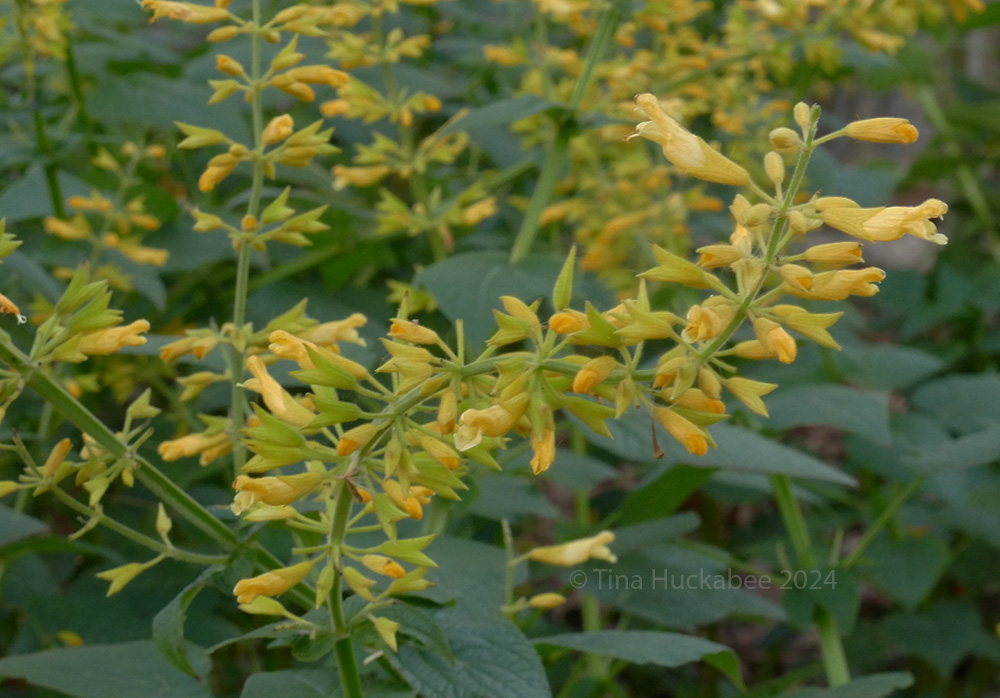
Blooming begins in late October, adding golden glory to the garden in both in beauty to observe and nectar for pollinators. The flowering lasts until a freeze zaps the entire plant to a frozen crisp. Forsythia Sage foliage is attractive throughout spring, summer and early fall, then explodes in sunny yellow at end of the long growing season. As its flowering is so late, honeybees and some butterflies are appreciative visitors.

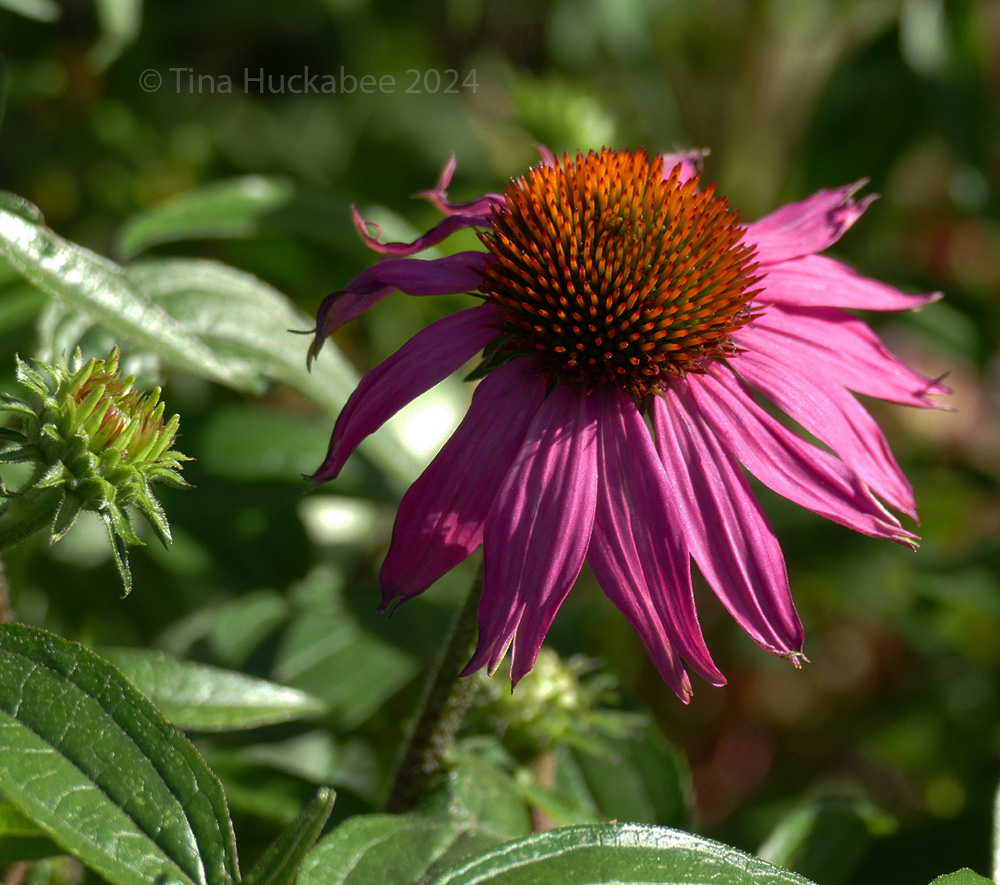
The biggest surprise in recent weeks are the clumps of Purple Coneflower, Echinacea purpurea. They seem think it’s April and not mid-January.

There are always a few Coneflowers which bloom in autumn months, even into December, but usually they’re rogue blooms, short in stature and only one or two per rosette. This January, these crazy things are rocking the spring look of tall, multiple, crowded stalks with numerous blooms-n-buds on each.
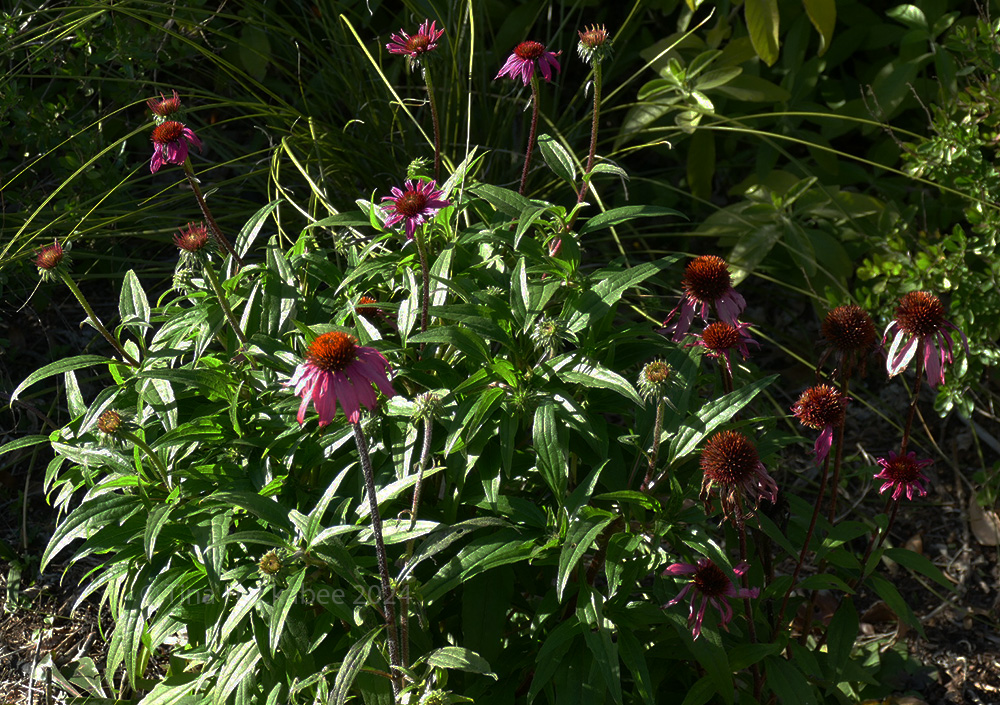
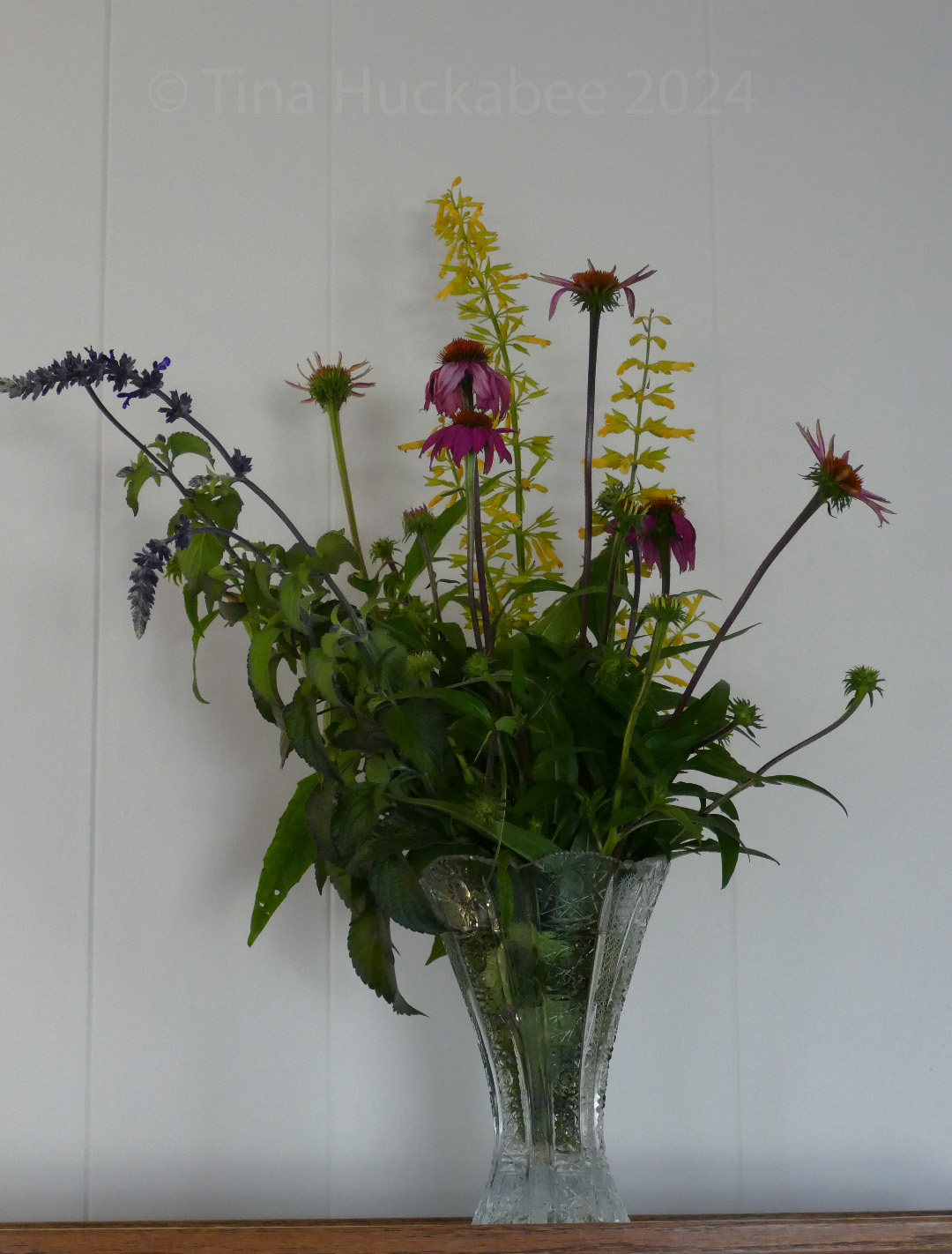
The flower stalks will not survive the coming hard freeze, though their rosettes (the clump of foliage at the base of the plant) will thwart the freeze and remain evergreen. I’ve pruned the stalks with open flowers, brought the bouquets indoors and popped them into several vases, hoping that the buds might follow the flowers’ lead and open.
Finally–the saddest for me–are the flowers and hundreds of buds on my various Desert Globemallow, Spaeralcea ambigua, shrubs.
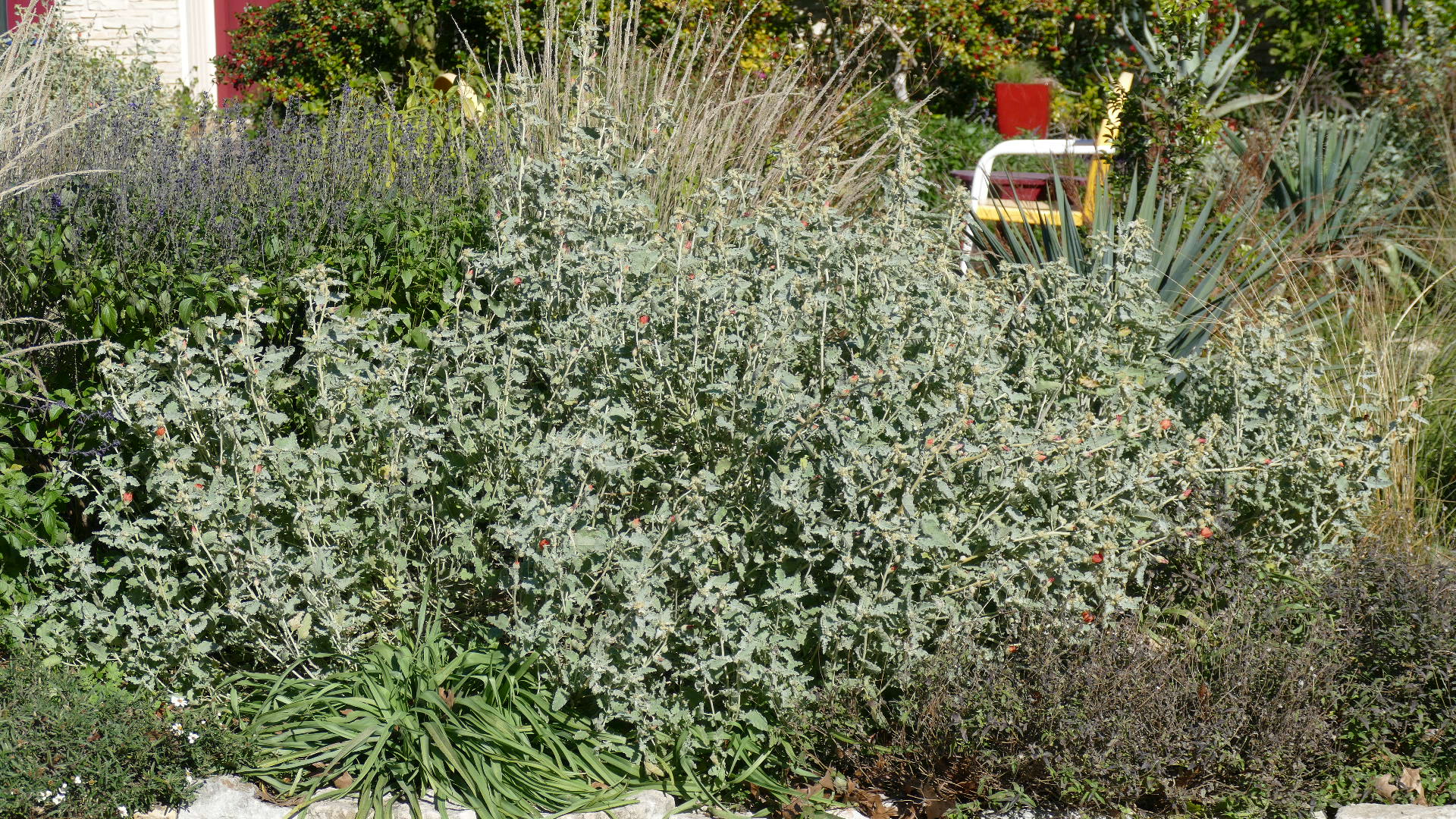
With the loss of my Arizona Ash tree two years ago (also due to a record-breaking hard freeze), I FINALLY have the right conditions to grow these lovely, heat-hardy shrubs. Stunning silvery-green, ruffly leaves combine with dreamsicle-orange mallow flowers to five rise to a beautiful accent shrub. I grow five of these now in the front garden and in recent years, a hard freeze has nipped the flowers and developing buds. Grrrr!

A cool season bloomer, the Globemallow flowers even with moderate freezes. But when temperatures dip into the teens, all bets are off. Each of my shrubs have some open flowers and countless buds awaiting their turn to develop. Honeybees, Syrphid flies, and other pollinators are continually snuggling into the depths of the flowers.

After Tuesday, the flowers and buds will be mush. The shrubs will survive, even if there’s some foliage freeze damage. I’ll prune off damaged parts and, fingers-crossed, flowers will bloom again before summer’s heat sets in.

The cold snap is not the end of things, nor will it permanently damage my garden. I garden with tough plants and they will rally in the near future. When this kind of cold is at my garden’s gate prepared to end the growing season, I walk through the garden, thanking the plants for providing me with joy and wildlife with life. I also take time to bring some of that joy indoors.



 My Gardener Says...