Milkweed flats.
No, it’s not a charming name for some geographical feature out here in the Wild West. Instead, it’s a possible remedy, though by no means a complete solution, for the imperiled migrating North American Monarch butterfly. Monarchwatch.org is an education, conservation and research organization benefitting the Monarch butterfly. One of their newer projects is a “milkweed market” where they’re supplying flats of native milkweed plugs, specific to region, for sale to interested gardeners and citizen scientists.
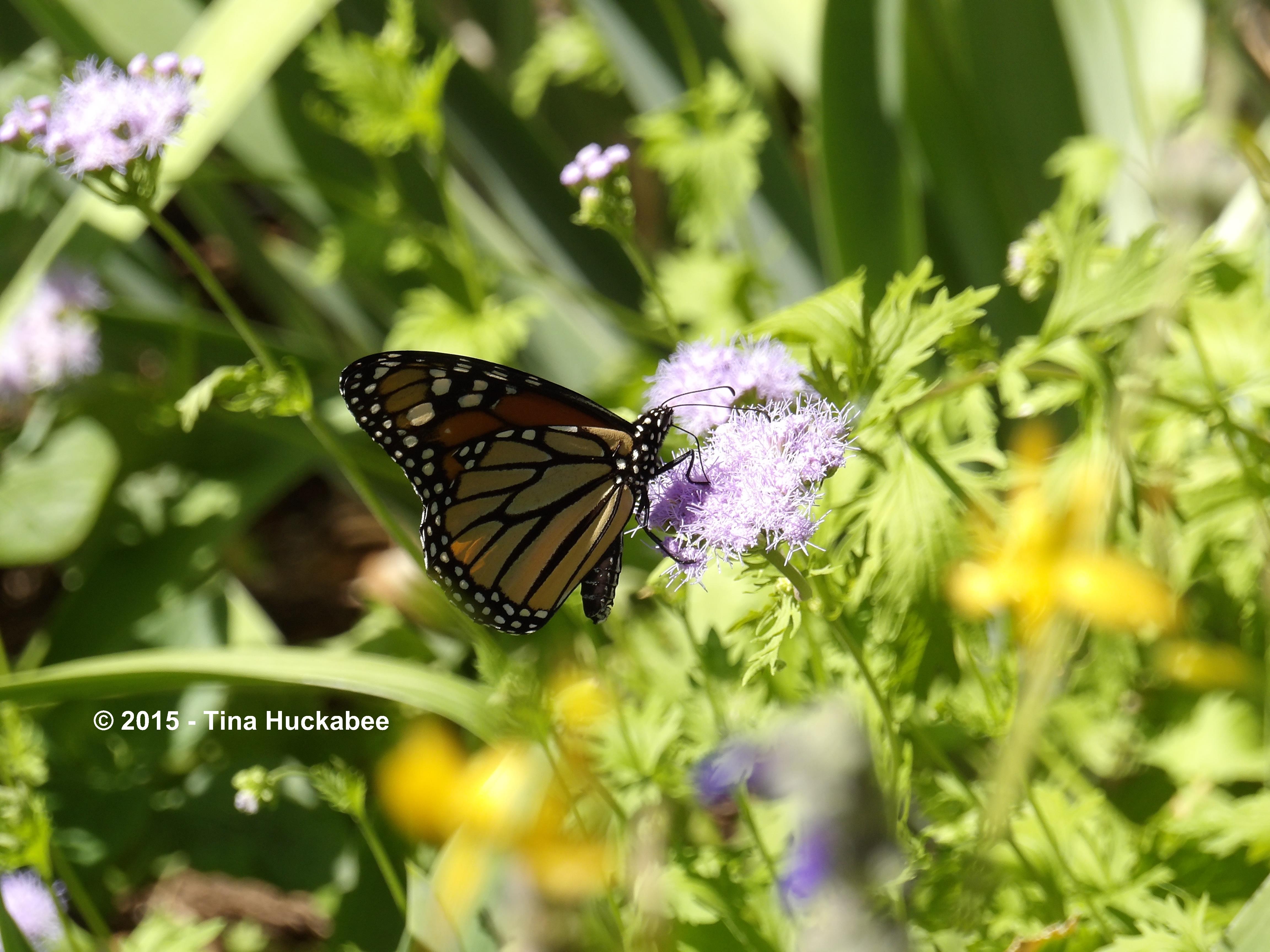
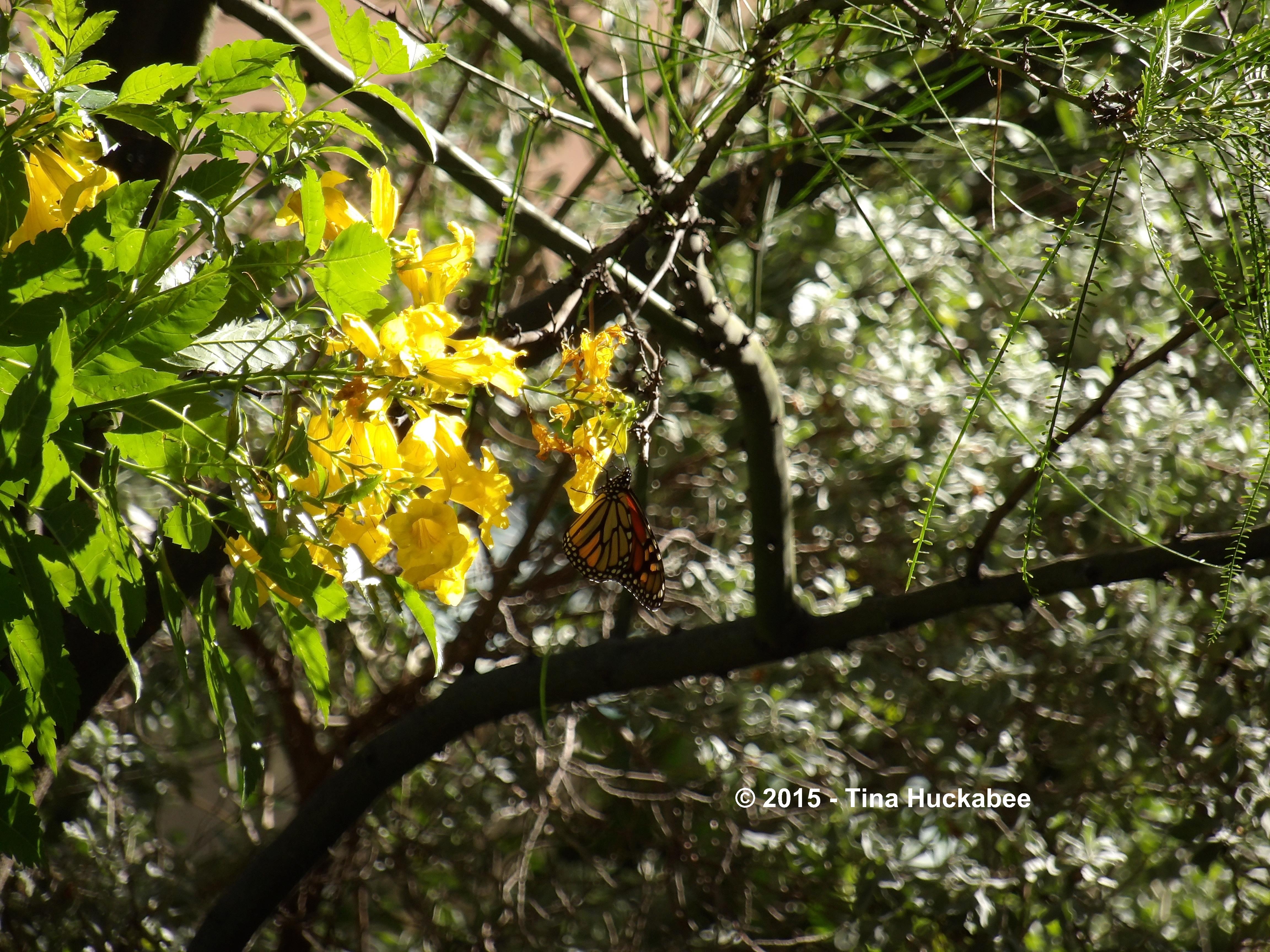
The Monarch requires the milkweed, Asclepias, species for its survival. The females lay their eggs on the milkweed plant, the larvae eat at that plant (and that plant ONLY). The larvae form into the chrysalides, hatch into adults, and the cycle continues with the next breeding generation. Adult Monarchs can feed from a variety of nectar sources, though they typically prefer native plants and wildflowers. The larvae? Those green/black/yellow cats only have jaws for milkweed. All this eating, morphing, flying, and breeding occurs during the remarkable 2000-3000 mile yearly migration: winter in Mexico, flying through Texas in spring, then upwards through the mid-West to Canada in the summer, back again through Texas in autumn, finally to their mountain habitat in Mexico for winter.
The availability of native milkweed is in severe decline because of habitat destruction throughout the United States and Mexico, the use of Monsanto produced Roundup for the Roundup-resistant genetically modified seeds in the mid-West, (which has destroyed huge areas of not only native milkweed, but other flowering annuals and perennials), ongoing drought in Texas, as well as other changes in weather patterns. With declining milkweed, comes declining Monarch population. Adding to those difficulties, “milkweed” is not a monolithic plant; its various species are endemic to particular areas and not easily propagated.
If I can beg further patience, I’ll get to the milkweed flats….
The most common milkweed species found in American plant nurseries is the Tropical Milkweed, Asclepias curassavica, and is not native to the continental U.S. I’ve never read why it’s the most commonly sold, I just assume it’s easiest to propagate and sell because it thrives in a wide range of situations. Commercial nurseries are in the business to make money, so they’re most likely to sell a plant with a wide distribution, rather than plants that are regional, with more local appeal. Native milkweed plants are just not readily available at most commercial nurseries. Though I should add that seeds are available for those who have the space and time to germinate and grow their own plants.
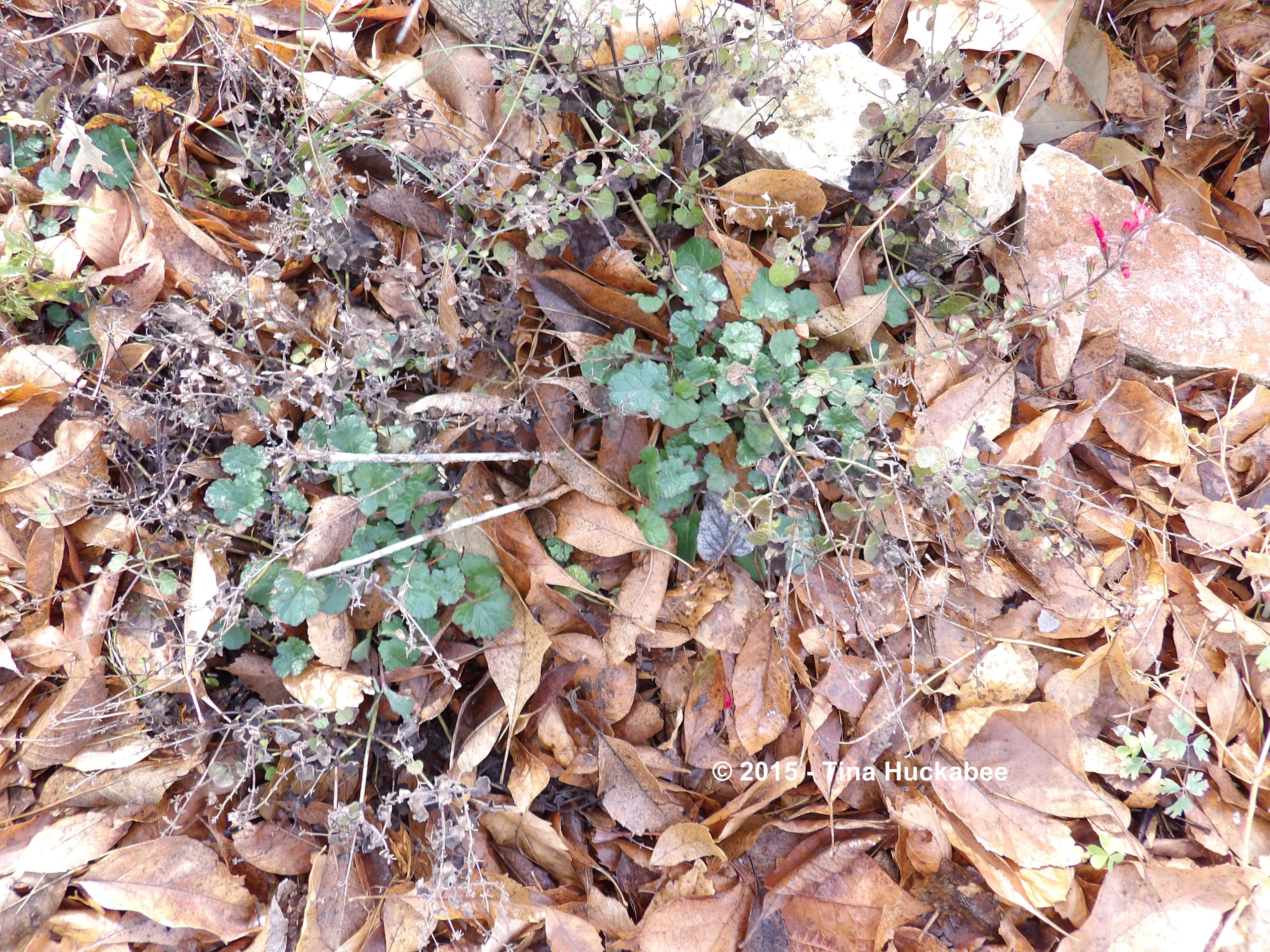
Tropical Milkweed, in certain areas of the southern U.S., pose an additional problem for migrating Monarchs (as if they don’t already have enough challenges!). Most milkweed species die back during winter, re-emerging in spring to coincide with the Monarch migration northward. Tropical Milkweed doesn’t die back in the South and can harbor disease which spreads to Monarchs when they lay their eggs for the larvae. Tropical Milkweed is not the problem, per se, but milkweed that doesn’t die back in winter, is–or at least, the preliminary and ongoing research suggests that overwintering milkweed increases the manifestation and spread of OE, short for Ophryocystis elektroscirrha. OE is a protozoan parasite that cripples and kills Monarchs. The current suggestion is that gardeners prune their Tropical Milkweed for winter, 2 inches above the ground, to limit the possibility of disease spread. While OE is a problem, further study is required and scientists who study Monarchs concur that widespread herbicide use and habitat destruction play a more significant role in declining populations of these remarkable insects than any problems Tropical Milkweed might cause.
Monarch scientists and enthusiasts encourage planting milkweed specifically native to each eco-region of the U.S.
And that brings us to milkweed flats.
Monarchwatch.org is selling flats of 32 native-to-region milkweed plugs. Each flat sells for $63-$69 (including shipping). Click here for the milkweed market link for more information on their process of seed collection, ordering information and links to milkweed photos and descriptions.
Because the flats are a bit pricey and milkweed grows best in full sun and I don’t have lots of sun or gardening room for 32 milkweed plants (wish I did…), I’ve joined with two gardening friends in ordering one flat of native-to-where-we-live milkweed. I still have six Tropical Milkweed specimens that I planted in 2014–it’s a valuable plant and I wouldn’t deny the migrating Monarchs nectar and larval food, but once my native milkweed plugs arrive and are planted, I’ll also have native milkweed in my garden available for their dining and brooding pleasures.
Wouldn’t it be cool if gardeners from the Rio Grande Valley all the way up to the Great Lakes purchased and shared flats of milkweed plugs? Wouldn’t it be groovy to plant for the Monarchs, a solid path of nectar sources and nurseries, along their whole migration route?
Please support these efforts to help Monarchs. Checkout the milkweed market of monarchwatch.org and consider planting native milkweed for Monarchs. Encourage your local nurseries to supply native milkweed plants. Look at Native American Seed or Wildseed Farm, as additional seed sources.

It’s all about the Monarch and its future.
For more information, click on these links:
Q & A: Grad Student Dara Satterfield on Tropical Milkweed and Monarch Butterflies
http://switchboard.nrdc.org/blogs/sfallon/keep_calm_and_plant_milkweed.html