Caterpillar Happenings

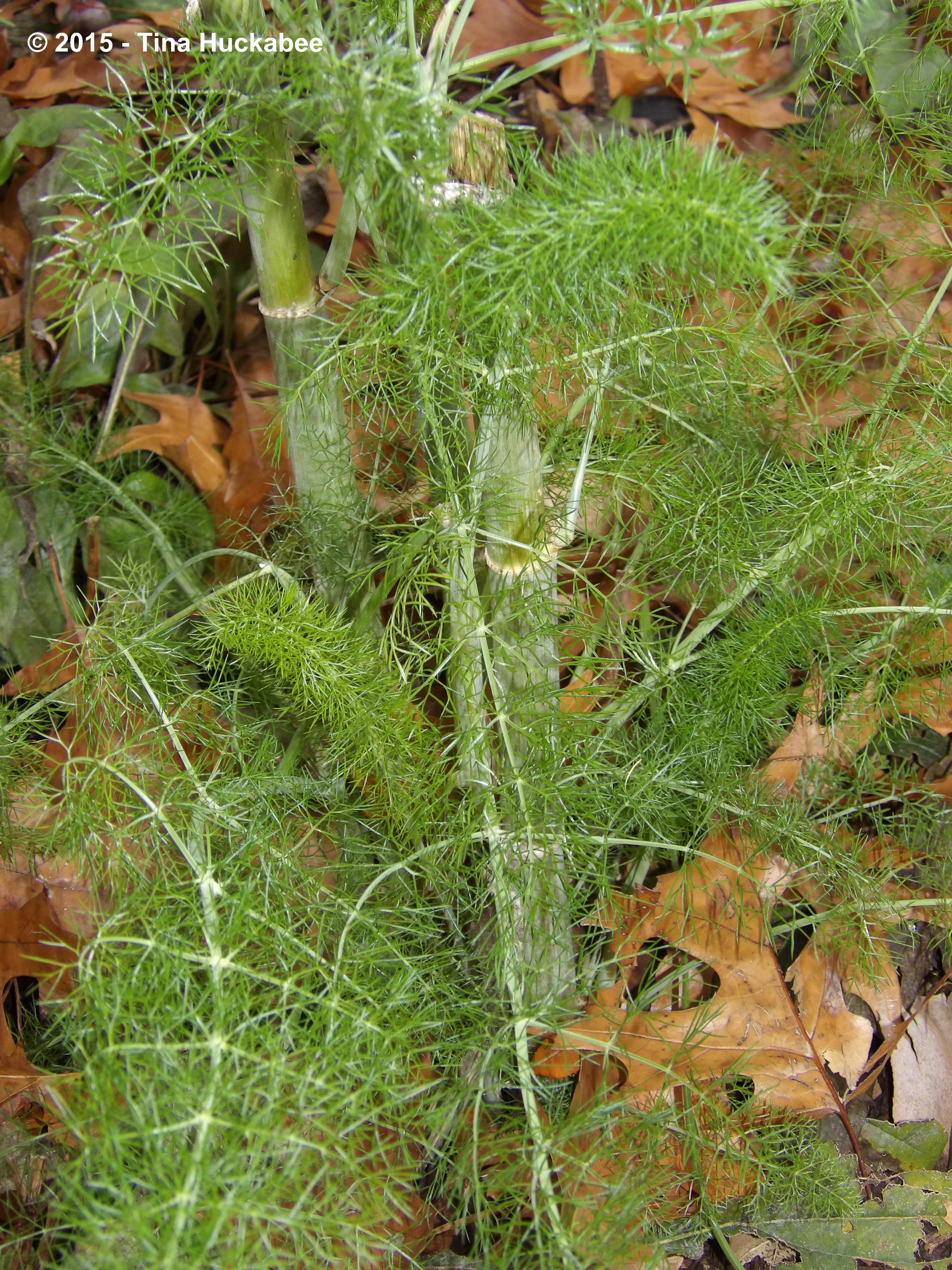
This is one of my fennel plants.
IMGP2221_cropped_3170x4472..new

These are the cause of why my fennel plant looks like it looks.

IMGP1563.new

And these,

IMGP1564.new

…and these.

IMGP1793.new

IMGP2013.new

IMGP2014.new

Actually, they’re all the same caterpillars. They ate fennel and they grew; caterpillars are like that. There were ten Black Swallowtail, Papilio polyxenes, butterfly larvae dining on this fennel over the past week or so.

IMGP2015.new

IMGP2016.new

Eating and eating, until there’s nothing left,

IMGP2180.new

IMGP2181_cropped_2974x4515..new

…except defoliated stems and hiding caterpillars,

IMGP2184.new

…ready for metamorphosis in their cozy chrysalides. I guess I should make that singular,

IMGP2220.new

…because from all those caterpillars, this is the only chrysalis that I’ve found.

I’m sure the others are nearby, safe from munching predators. I’ll keep an open eye for the emerging butterflies during this next week.

IMGP2187.new

Texas Native Plant Week-Garden Vignettes

As Texas Native Plant Week concludes, I’ll share one last look at my use of native plants. The great thing about gardening (well, one of the great things about gardening), is that it’s a venture in which education is continual.  There’s always an unknown plant to learn about or a new way of viewing gardening space.   In designing gardens, there are endless combinations to experiment with.  And as the home landscape evolves and requires change, those challenges present opportunities for further learning and experimenting.  One isn’t required to use natives exclusively, but once you invite native plants to your garden party, you experience the aha moment of understanding: native plants work.

IMGP1314.new

IMGP2033.new

Define your plot of the Earth as Texan–use as many native Texas plants in your home landscape as possible and encourage your neighbors to do the same.  If you live elsewhere, use your native plants to express the beauty of your unique place.

IMGP2115_cropped_3663x3354..new

IMGP1899.new

Save  money and time by planting natives which conserve water and don’t require pesticides or herbicides.  Rid yourself of the expense and hassle of chemicals and products that you don’t need when working in the garden.

IMGP1791.new

IMGP2168.new

Plant natives to attract wildlife–you’ll enjoy the many wild visitors you receive when you nurture them by planting appropriately.  There’s no reason we can’t share our space with the plants and critters who are native, who belong here, and whose survival we want to ensure.

IMGP2047.new

IMGP2046.new

Within the parameters of our personal properties, we make compromises: maybe we have such blasting sun that all we want are the meanest and toughest cacti and agave–and that’s okay.  Perhaps we live in shade and dappled shade and must content ourselves with a more limited garden palette.  Whatever the space, native plants can and should play the starring role in any garden.

IMGP2038.new

A total transformation from a “traditional” landscape of turf and shrubs to a “regionally
appropriate” blooming garden doesn’t happen during a weekend warrior marathon of work; the process can take years. You will make mistakes; I’ve certainly made lots of mistakes in my gardens–that’s how I’ve learned. Start small: for example, ridding your hellstrip grass between the sidewalk and street and planting tough perennials instead. Or, install a wildlife garden at the corner of your lot with native and seasonally interesting plants that attract pollinators and replacing the water-guzzling turf which feeds nothing. By adding a garden or two, once or twice a year, eventually you’ll  increase the biological diversity of your space and conserve water too. Then as time permits, you change and augment those gardens.  Before you know it, you’re mowing, watering, and tending less and enjoying the beauty and bounty of your native gardens more.

IMGP2054.new

And you helped to heal the Earth,  just a little.

IMGP2164.new

Gardening is about personal expression as much as food production or providing for wildlife. A garden should to tell your particular story, reflecting who you are–your interests, values, and aesthetics.  Perhaps my gardening style isn’t to your taste or right for your garden, but I hope the results of my journey transforming a high-maintenance, water-hogging turf “yard” to a wildlife-friendly, water-wise, and Texan garden will encourage you to do something similar.

P1060176.new

Texas Native Plant Week-Autumn Stuff

For this weeklong recognition and appreciation of native Texas plants, I’ve enjoyed sharing my experiences with using favorite perennial bloomers, trees and shrubs.  Because it’s October and not March or April, I’ve focused on plants which are doing something now.  Like other places, we in Texas enjoy our beautiful spring blooming plants, but we also admire those plants that take over the blooming work in the long, hot summer, and we glory in  our “second spring,” also known as autumn.  Many Texas native shrubs and perennials blossom throughout our long growing season, with resting periods between bloom cycles. Plus, our Texas plants take a well-deserved hiatus during the height and heat of summer–late July through August.  Hunkering down is often the phrase used to describe that 8-10 week period of relentless heat and little, if any, rainfall.

And that’s during a “normal” year.

As we’re now enjoying our autumn blooms, today’s post is about the plants that are known specifically as fall performers.  These plants are attractive during the other times of the year, but it’s in the autumn, September through November, that they are the stars, the divas, the lead actors on the garden stage.  So enjoy the photo tour and remember–you too can plant and successfully grow these and many others in your gardens!  All of these plants are carefree and low maintenance.

Check out your local nursery, online native seed sources like Wildseed Farms and the Lady Bird Johnson Wildflower Center for more information.


Frostweed, Verbesina virginicaIMGP0842_cropped_3461x2848..new

IMGP1149_cropped_4119x2617..new IMGP1784.new


Fall Aster, Symphyotrichum oblongifolium

IMGP1478.new IMGP1824.new

IMGP2135.new


Big Muhly, Muhlenbergia lindheimeri

IMGP1859.new IMGP1820.new

IMGP2209.new


Gregg’s MistflowerConoclinium greggii

IMGP1772_cropped_2797x3331..new

IMGP2006.new

IMGP2056_cropped_3995x3304..new

IMGP2099.new


Blue MistflowerConoclinium coelestinum

IMGP1763_cropped_3608x3313..new

IMGP1849_cropped_2889x2718..new IMGP2020.new

IMGP2021.new


Texas CraglilyEcheandia texensis

IMGP1984.new

IMGP1978.new


White MistflowerAgeratina havanensis

IMGP2131.new IMGP2132.new

IMGP1996.new


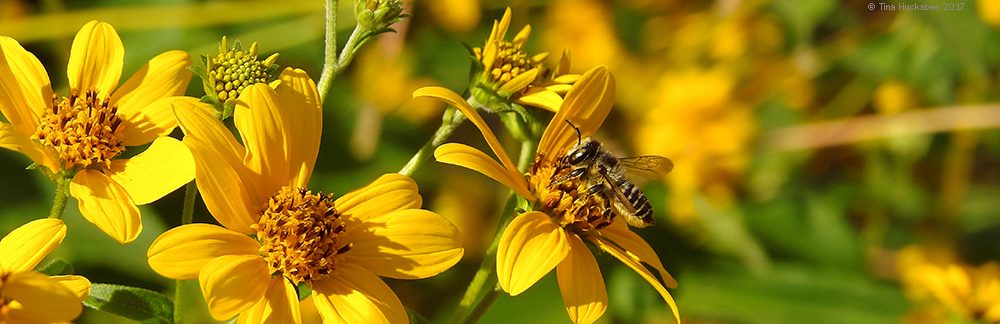
GoldeneyeViguiera dentata

IMGP2120.new

IMGP2122.new


Cenizo, Leucophyllum frutescens

P1060144.new

P1060153.new


Yaupon Holly, Ilex vomitoria

IMGP2141.new


Possumhaw HollyIlex decidua 

IMGP1908.new IMGP1911.new


American BeautyberryCallicarpa americanaP1070184.new

These are the “fall” plants in my garden.  By no means is this a complete invoice of plants whose performance peaks in the autumn months–it’s simply what I grow and have room for in my gardens.  As with the rest of the calendar year in Texas, there are many more beauties for the gardener to choose from.

Go forth, Texas gardeners–plant natives!