The rare August cool fronts which have stalled over Central Texas in the past week or so have brought welcomed rain to the hot August days…and nights, (with apologies to 1972 Neil Diamond). Between the drips, drops, and gushes of rain, coupled with sparkles of Texas sun which has filtered through from time-to-time, foliage in my Austin, Texas garden is washed clean of summer’s dust and birds’ poop.
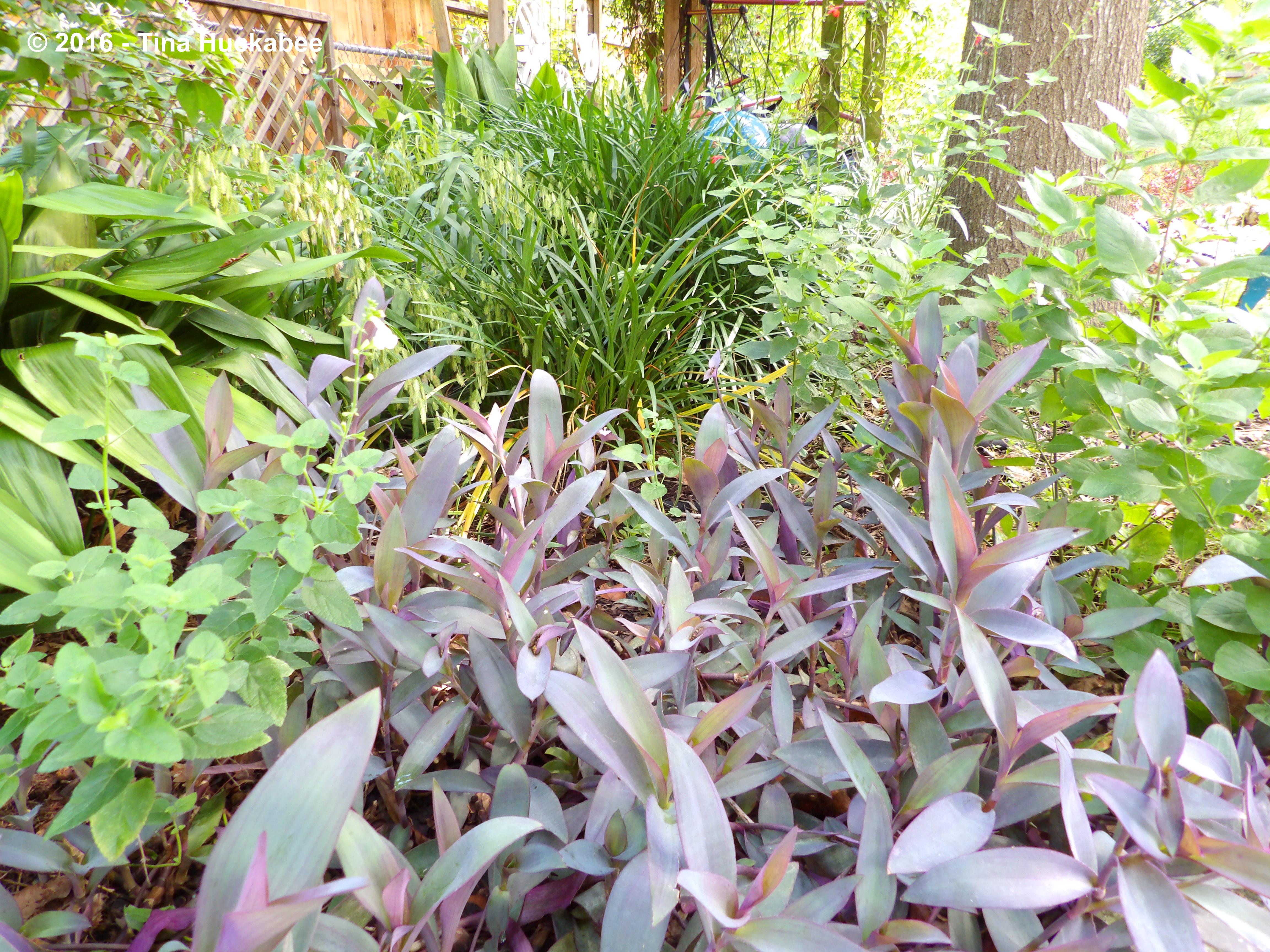
Purple heart plant, Setcreasea pallida, is a native to Mexico, but a naturalized plant throughout much of the southern United States.
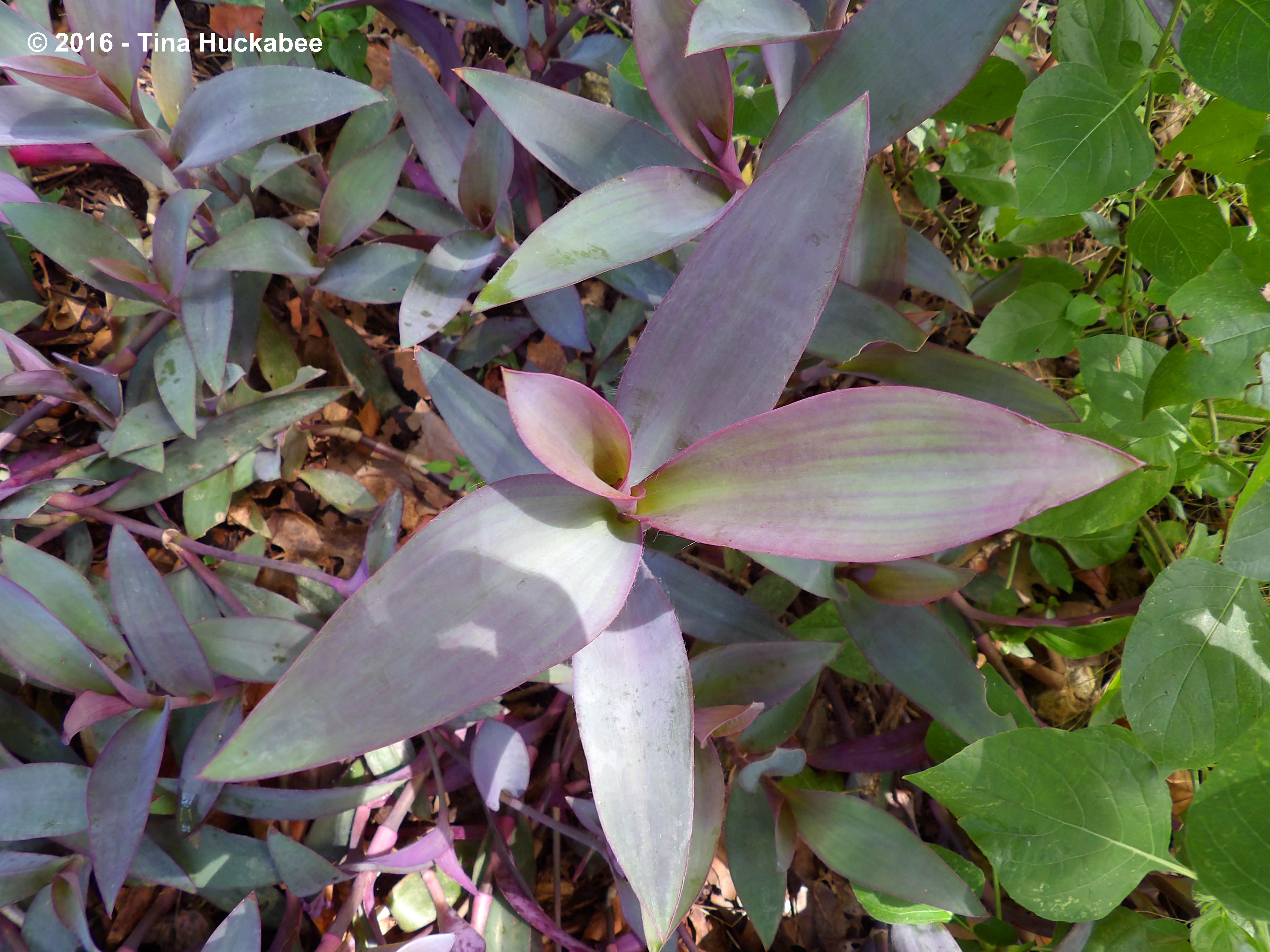
The foliage is of this shade and sun groundcover is purple, but other subtle coloring imbues the plant with opalescence.
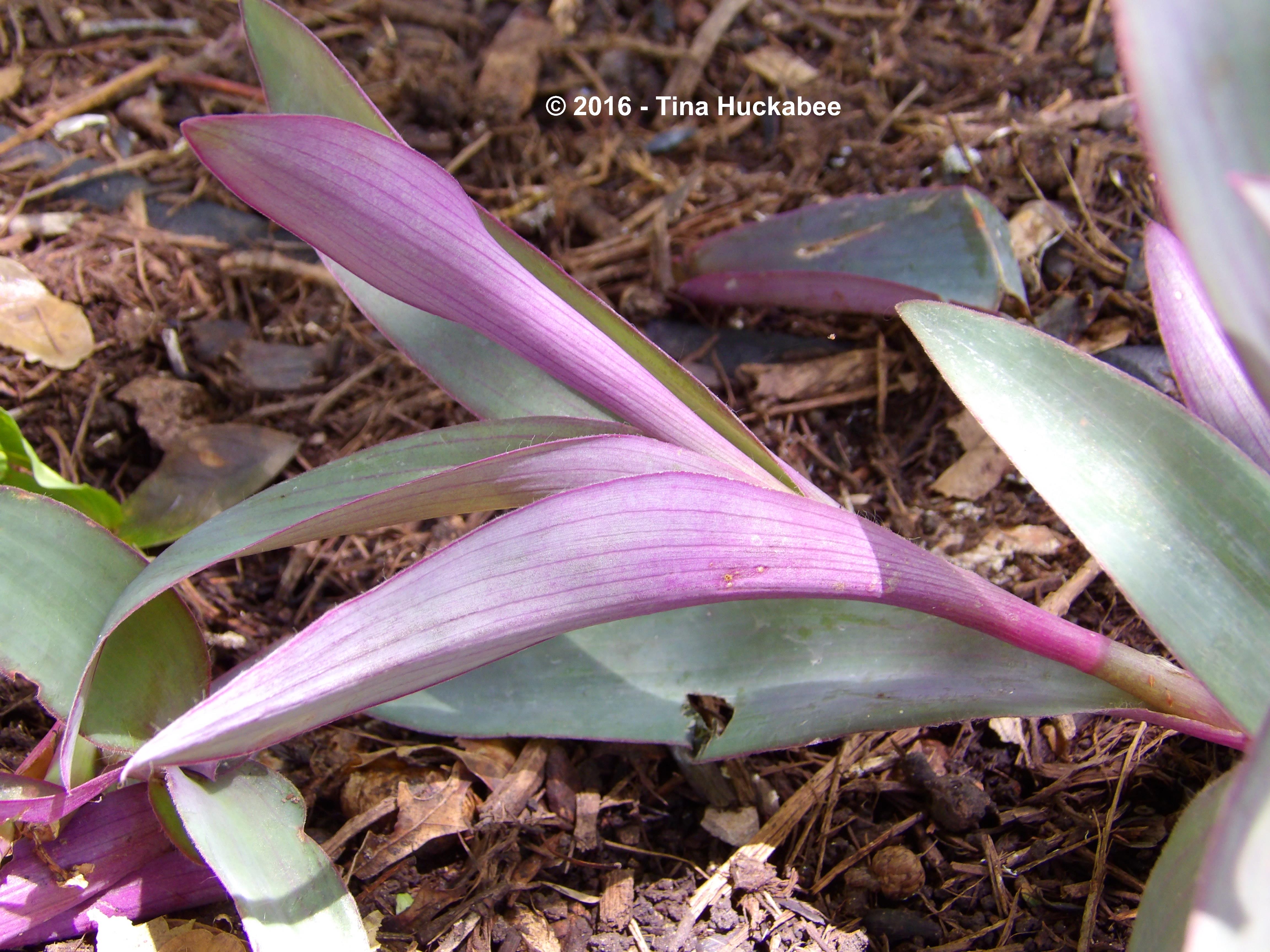
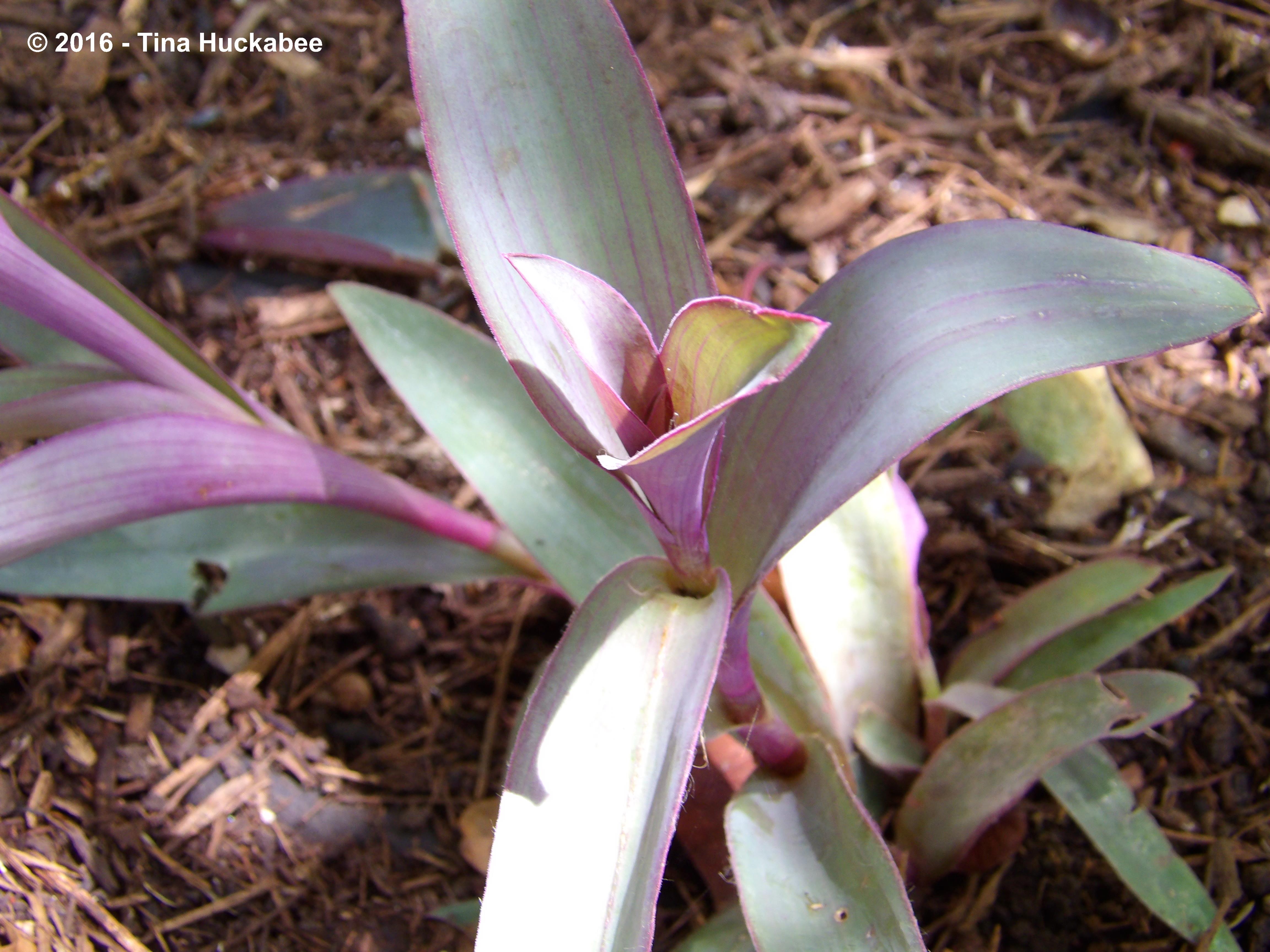
It’s a great ground cover for this area, one that withstands the capriciousness of our climate–drought, heat, flood, and freeze. Once established, it spreads with glee and requires reining in on a seasonal basis. It seeds out sometimes, like in this container of Texas beargrass, Nolina texana.
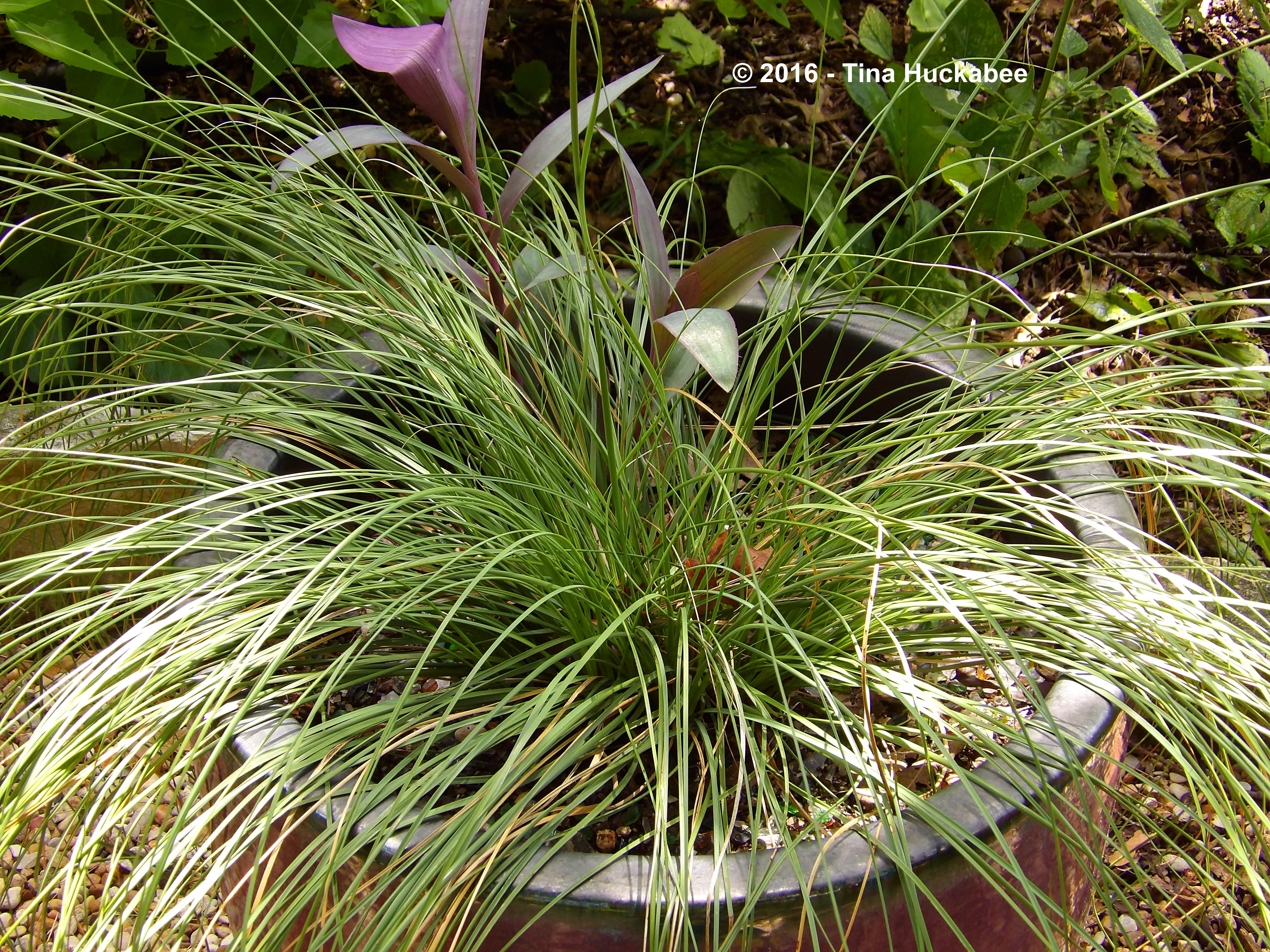
I’m pleased that the Purple heart chose a purple pot to settle in.
Purple heart is one of the few non-spiky, non-green, hardy perennial choices available for this region and adds purple pizzazz to any garden.
Tasmanian Flax Lily ‘Variegata’, or Dianella, Dianella tasmanica ‘Variegata’ is another non-native plant flourishing in my garden.
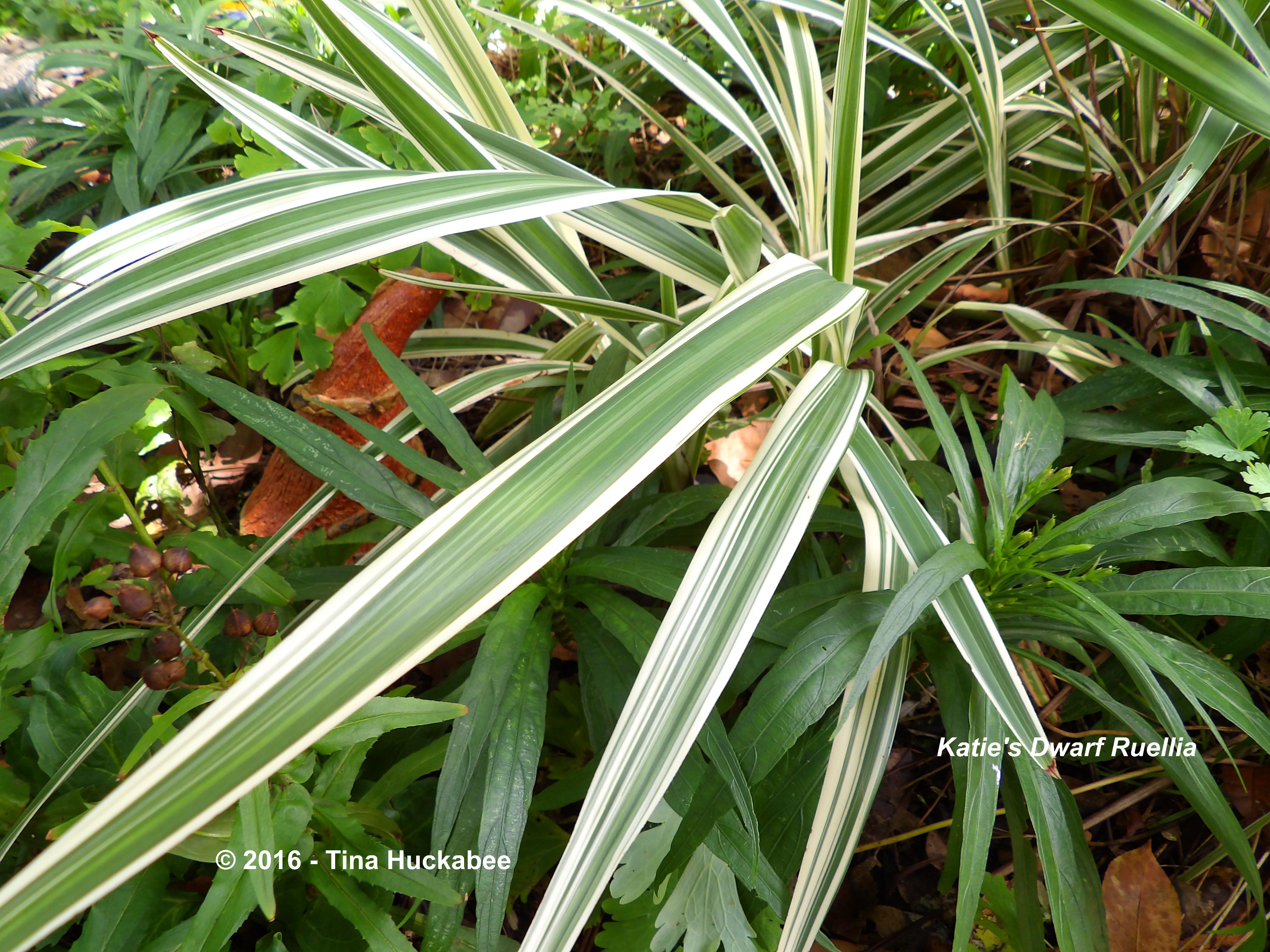
Dianella pairs nicely with Katie’s Dwarf Ruellia
Dianella’s snazzy green and white foliage stripes cheer several spots in my garden and bring needed structure to predominately shrubby plant combinations. I usually plant three or four together for a dramatic effect.
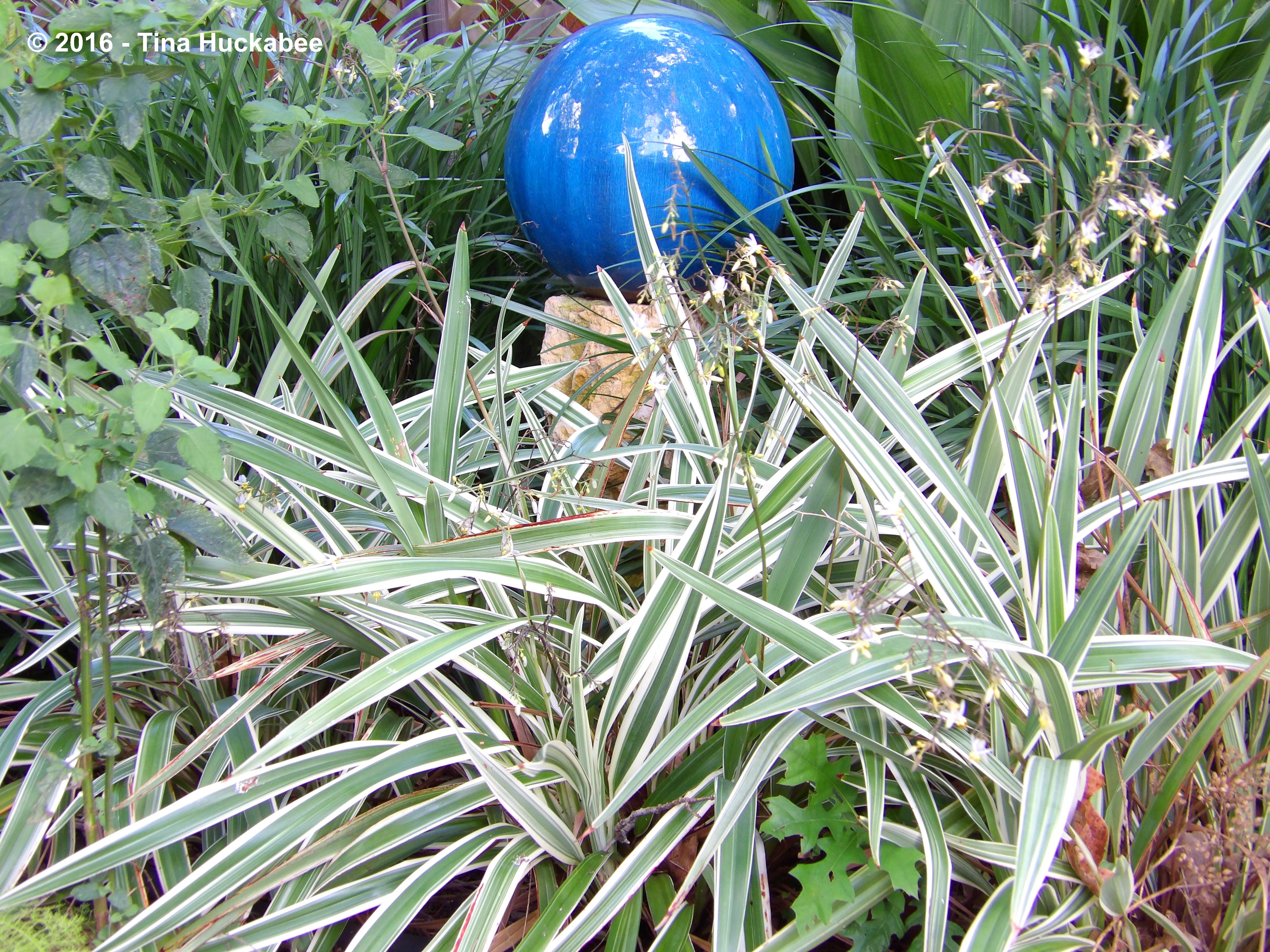
Dianella is water-wise and low-maintenance during our hot summers, though it needs covering during winter freezes. I find this plant well-worth winter babying because it’s light and bright and complements other plants. Dianella also produces flower stalks with tiny blooms atop, though most gardeners plant it for its foliage.
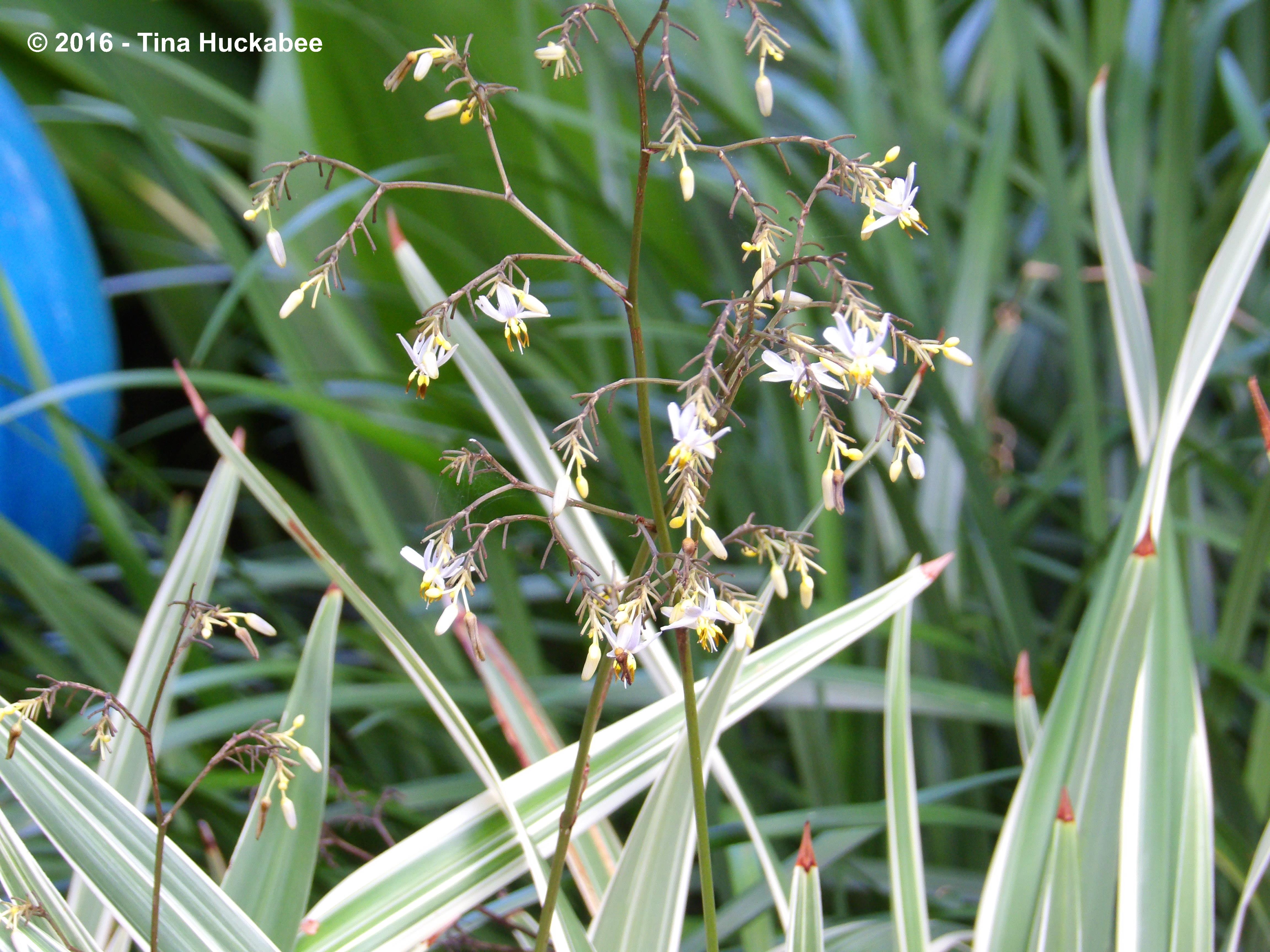
My honeybees visit the dainty blooms and I’ve also seen small native bees show an interest. It’s a win-win for critters and gardeners alike.
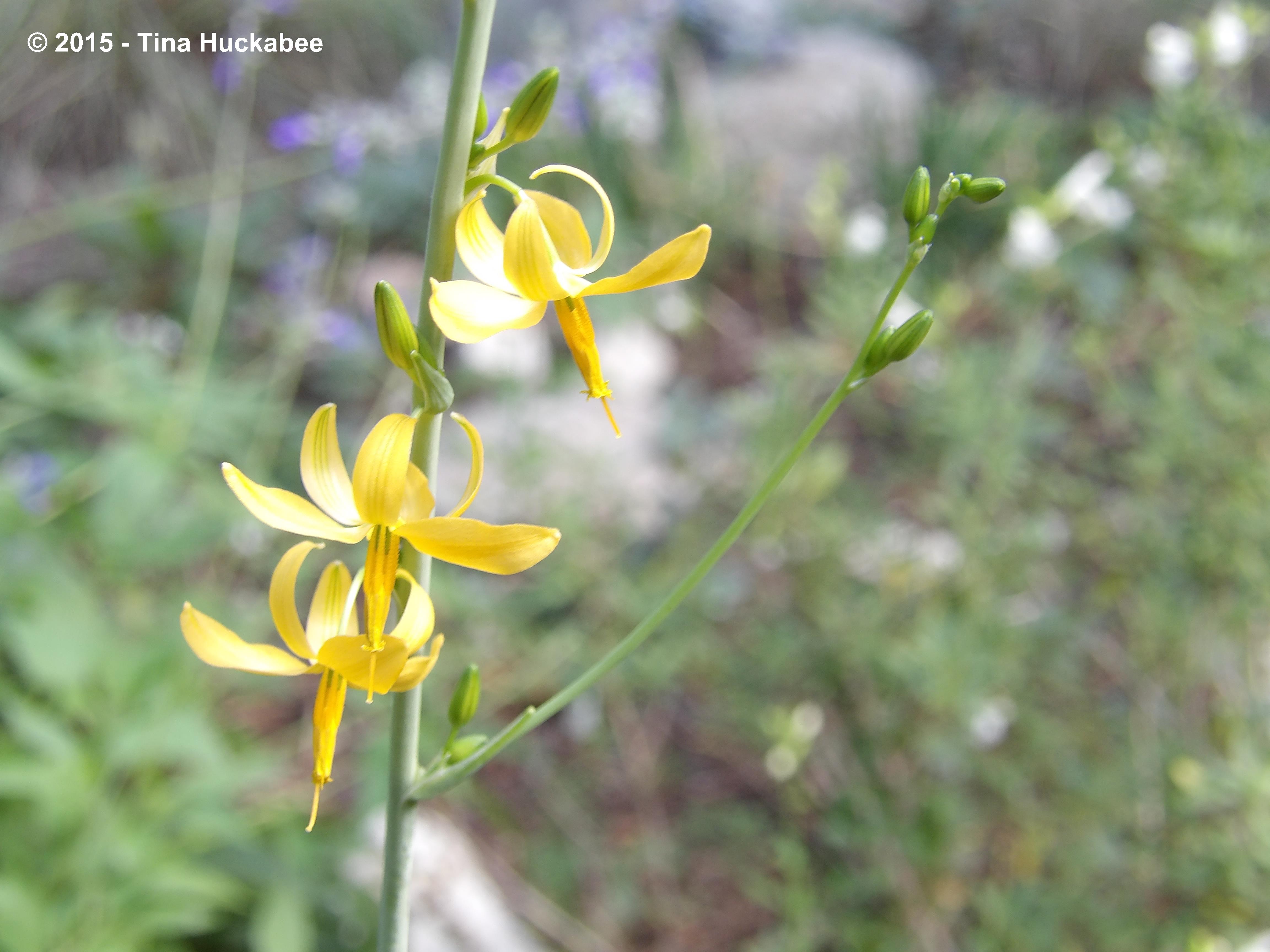
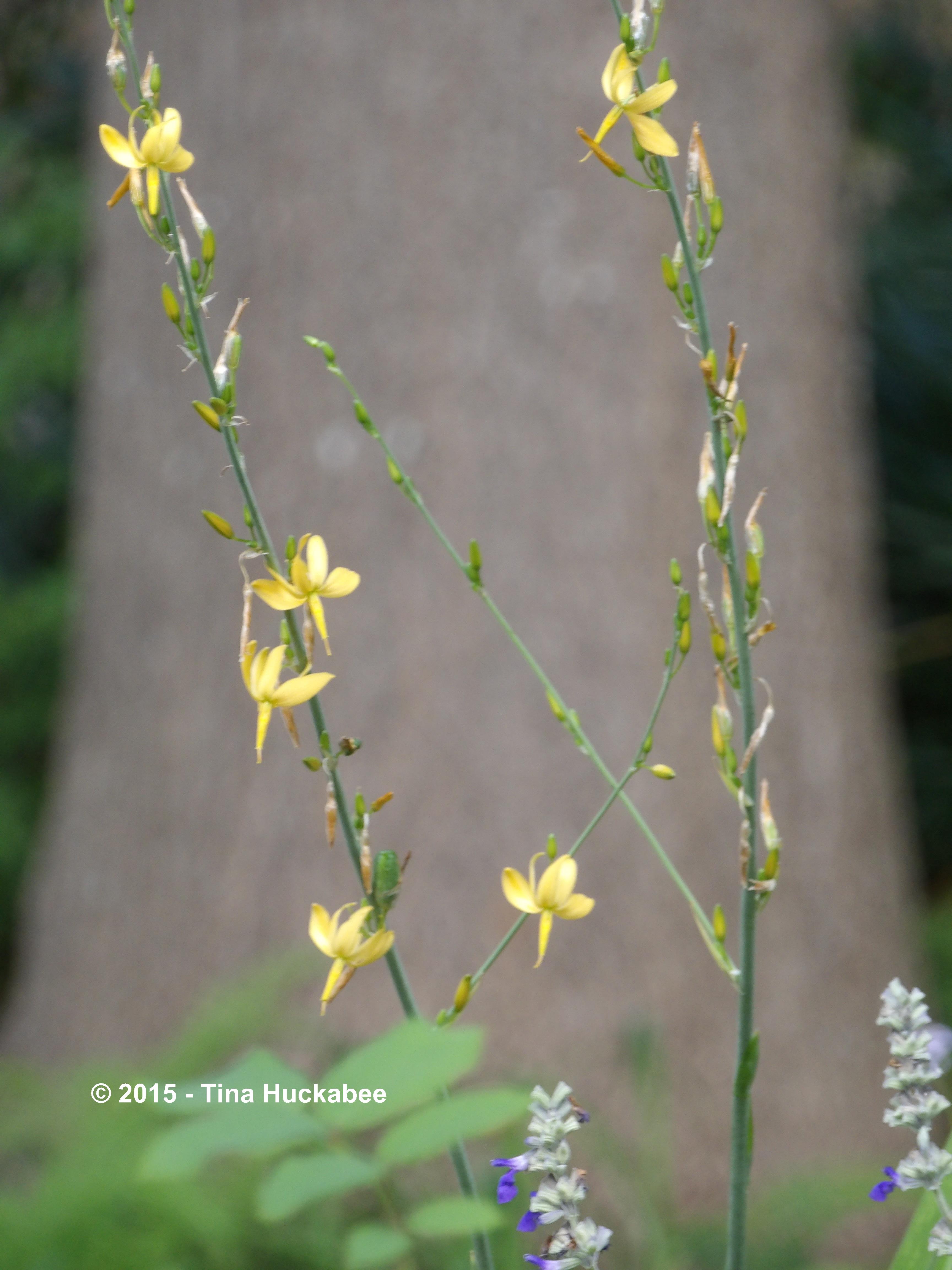
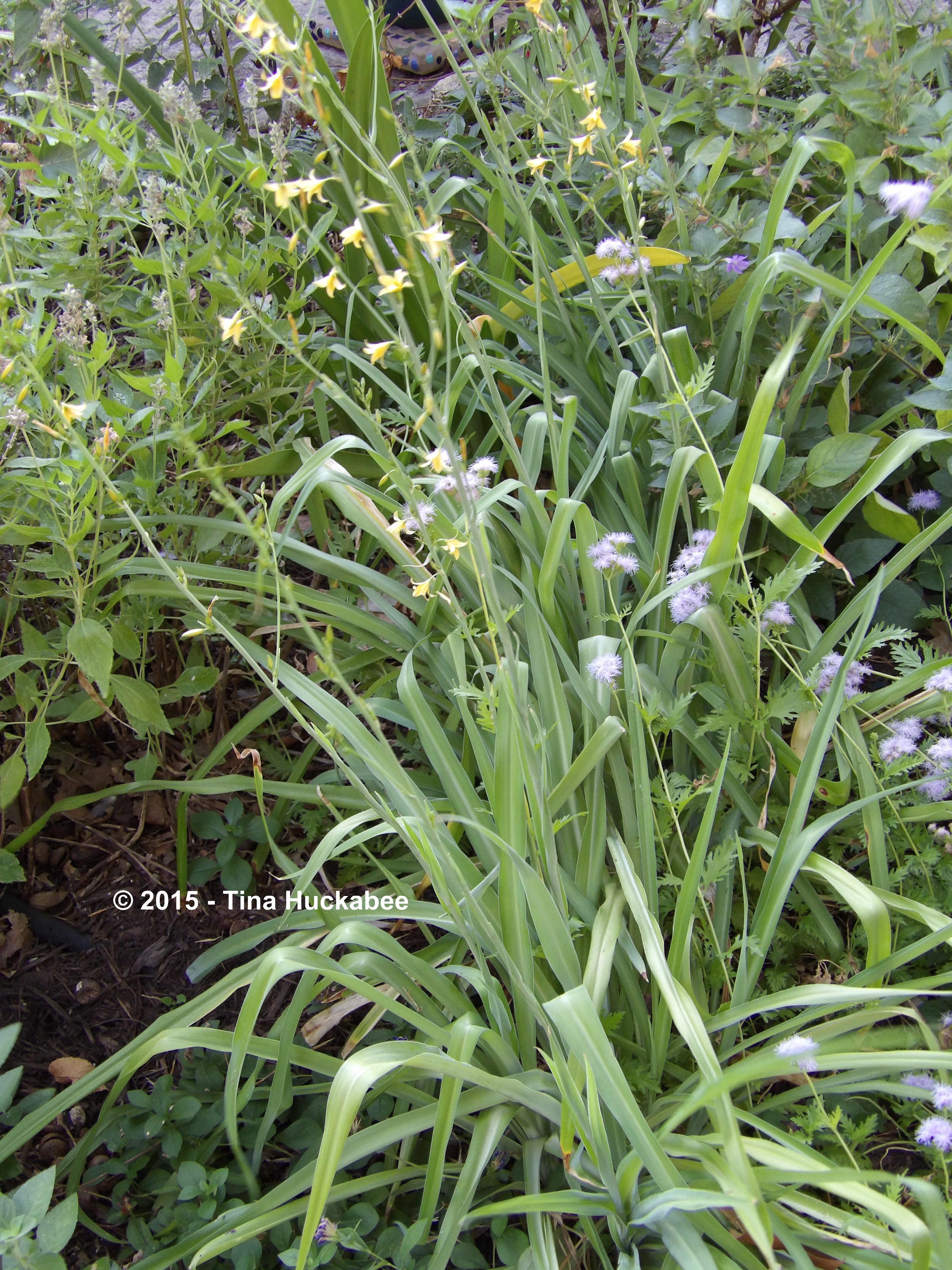
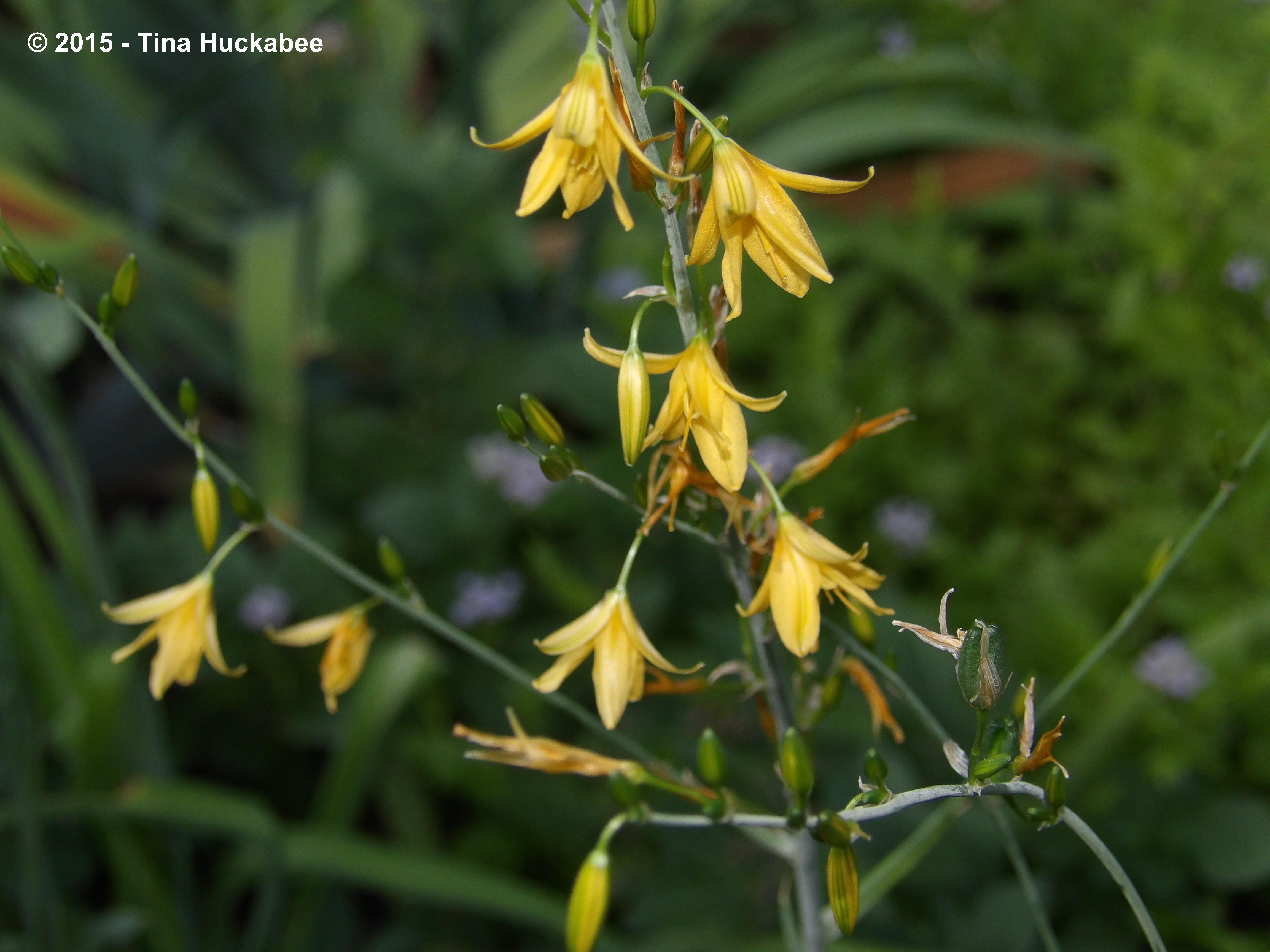
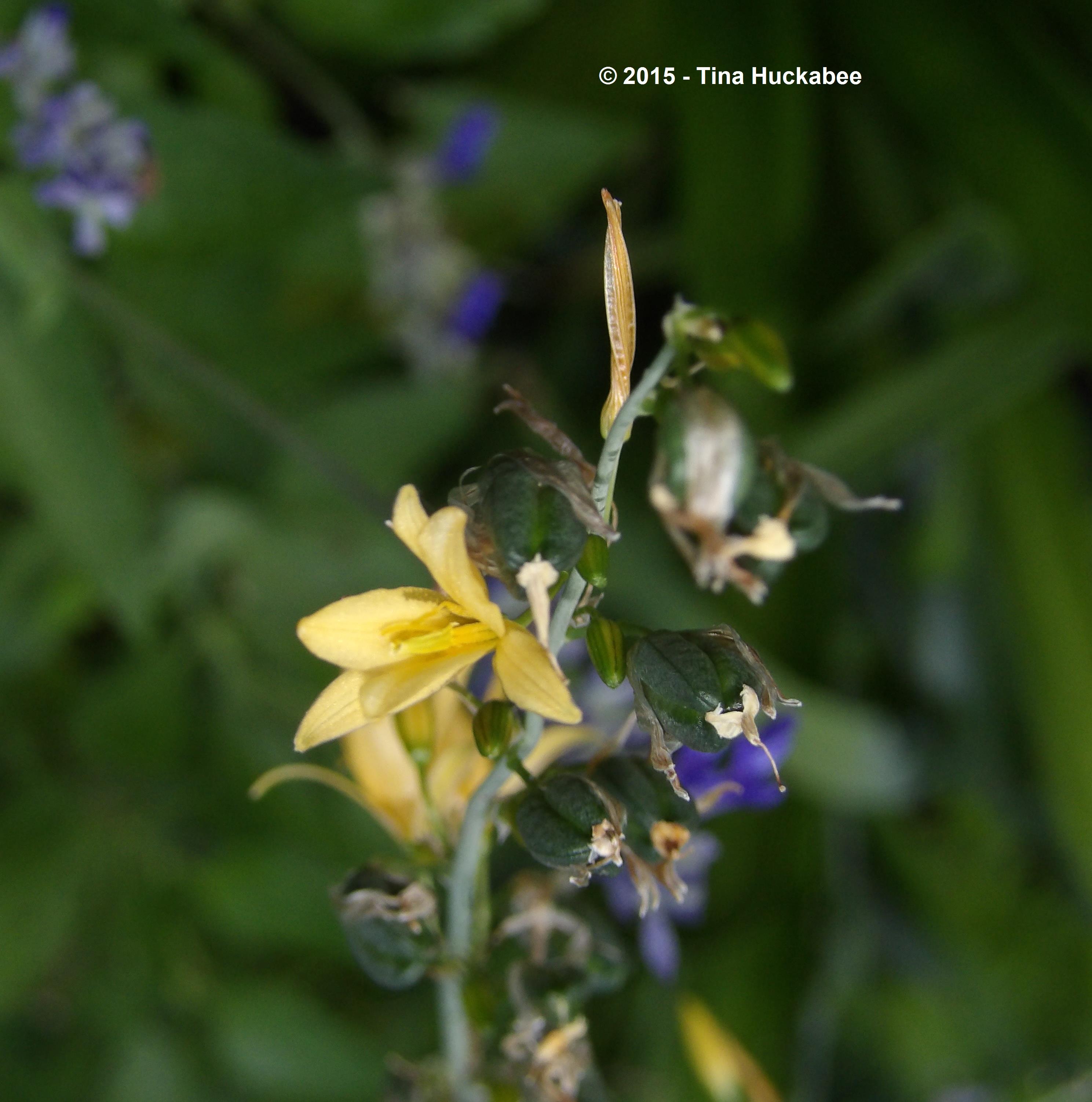
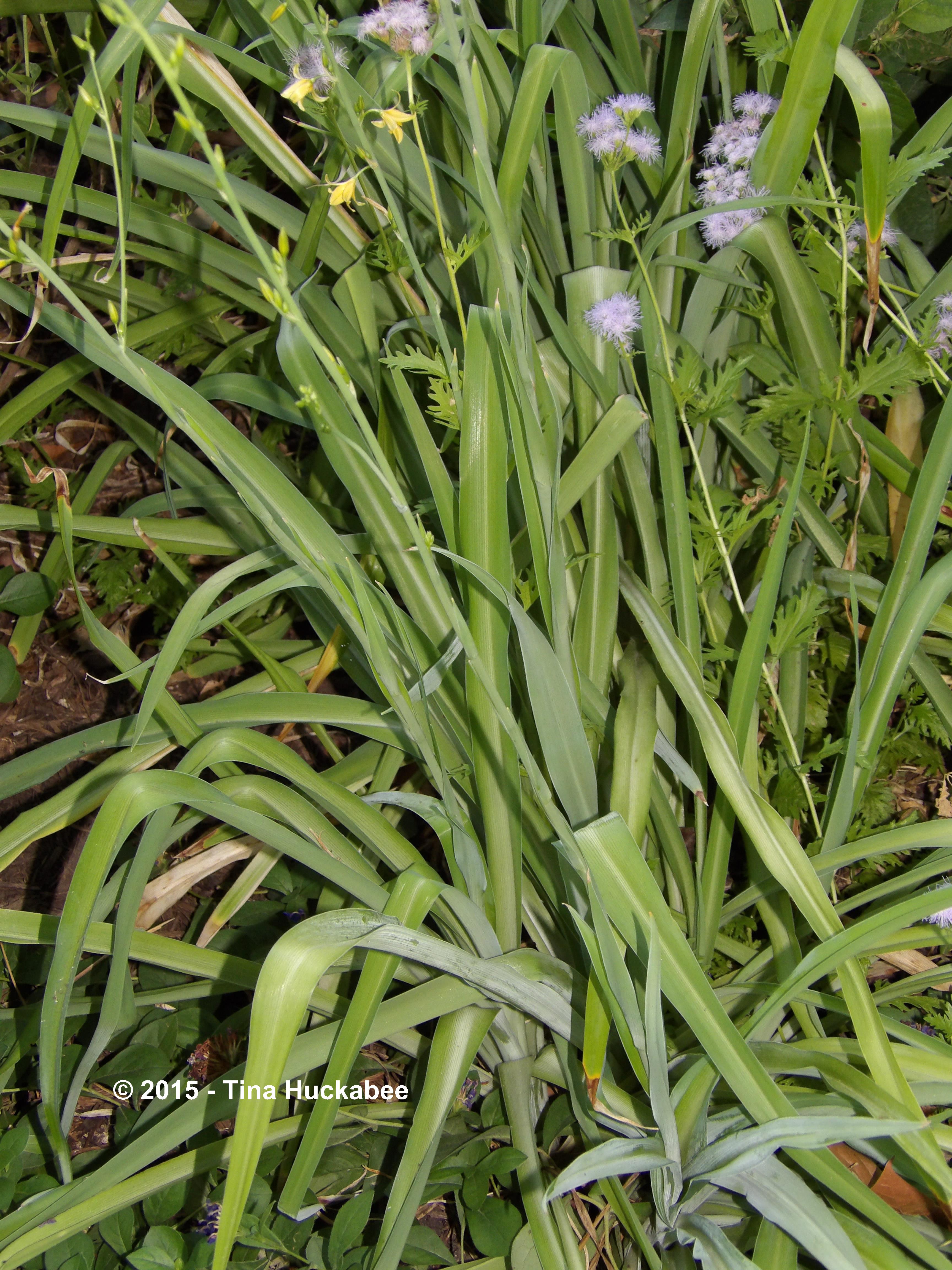
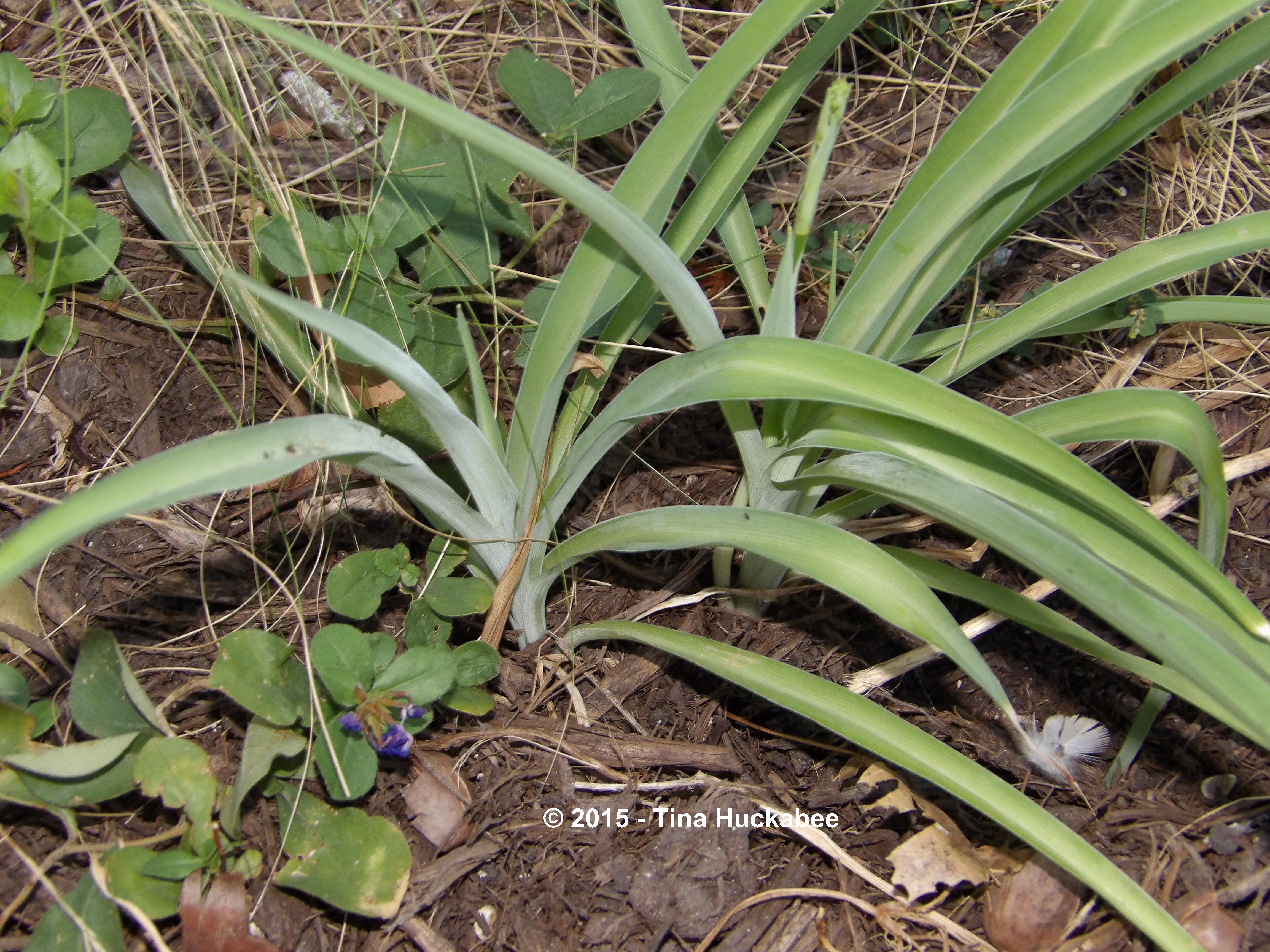
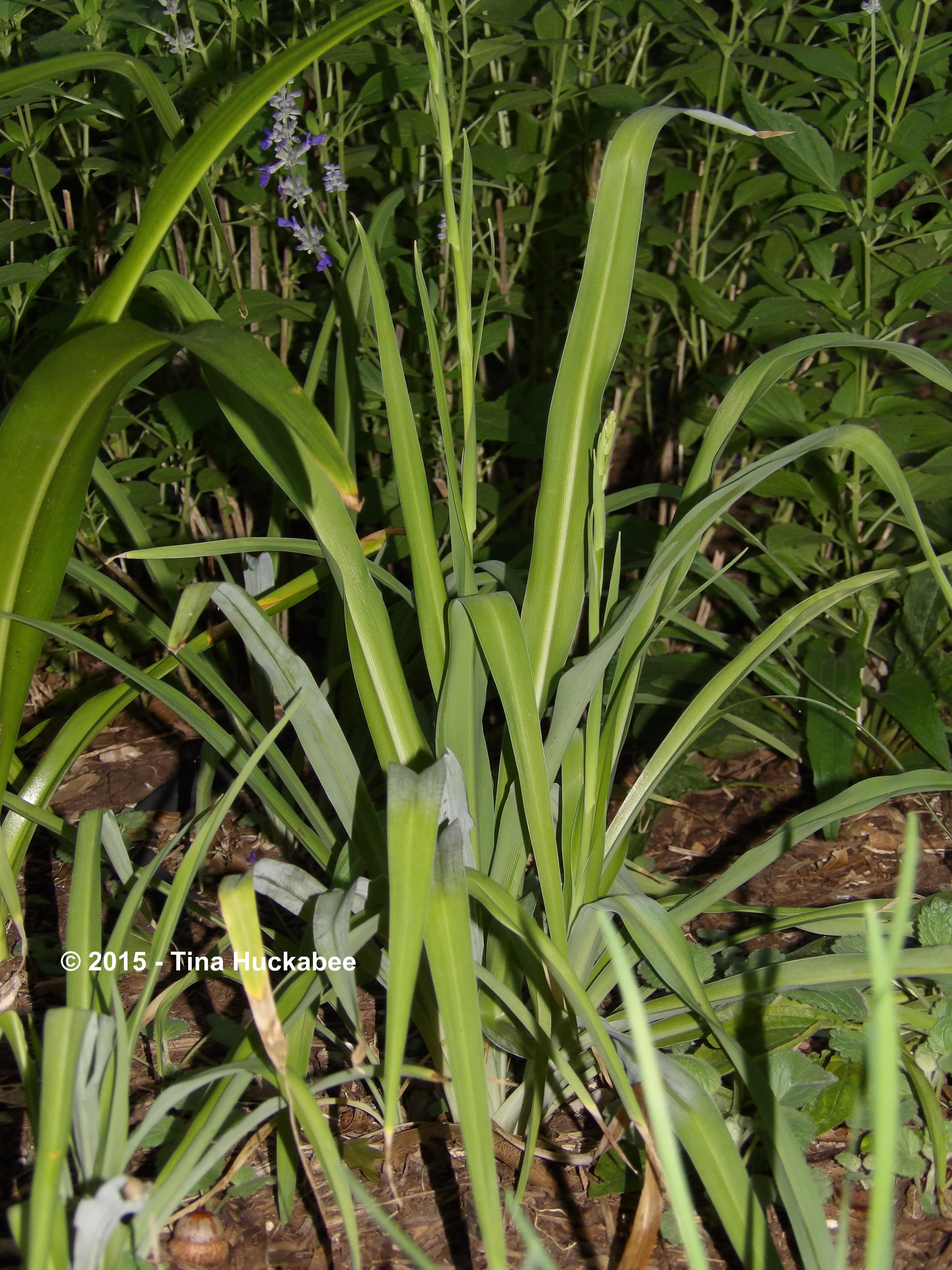
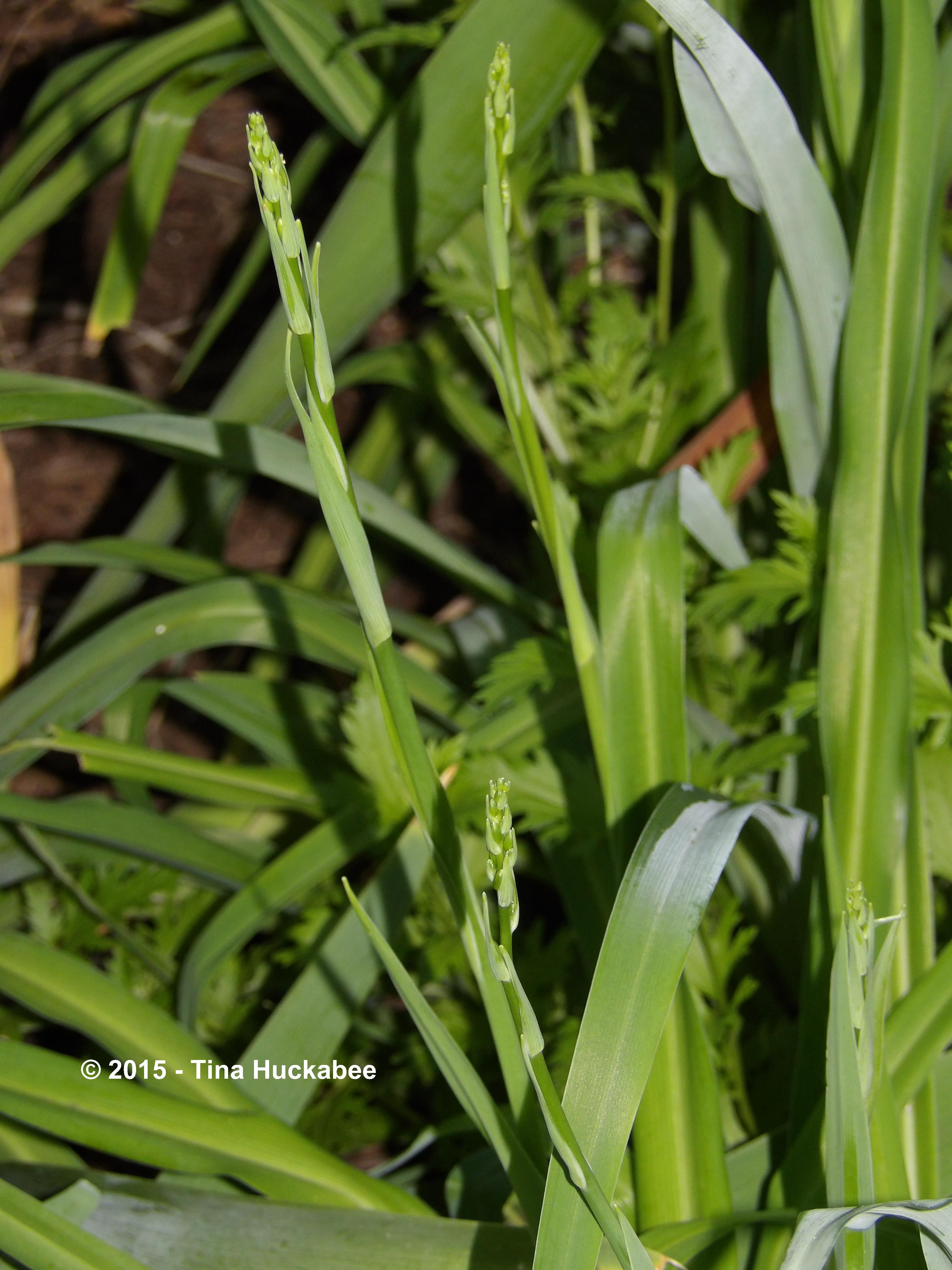
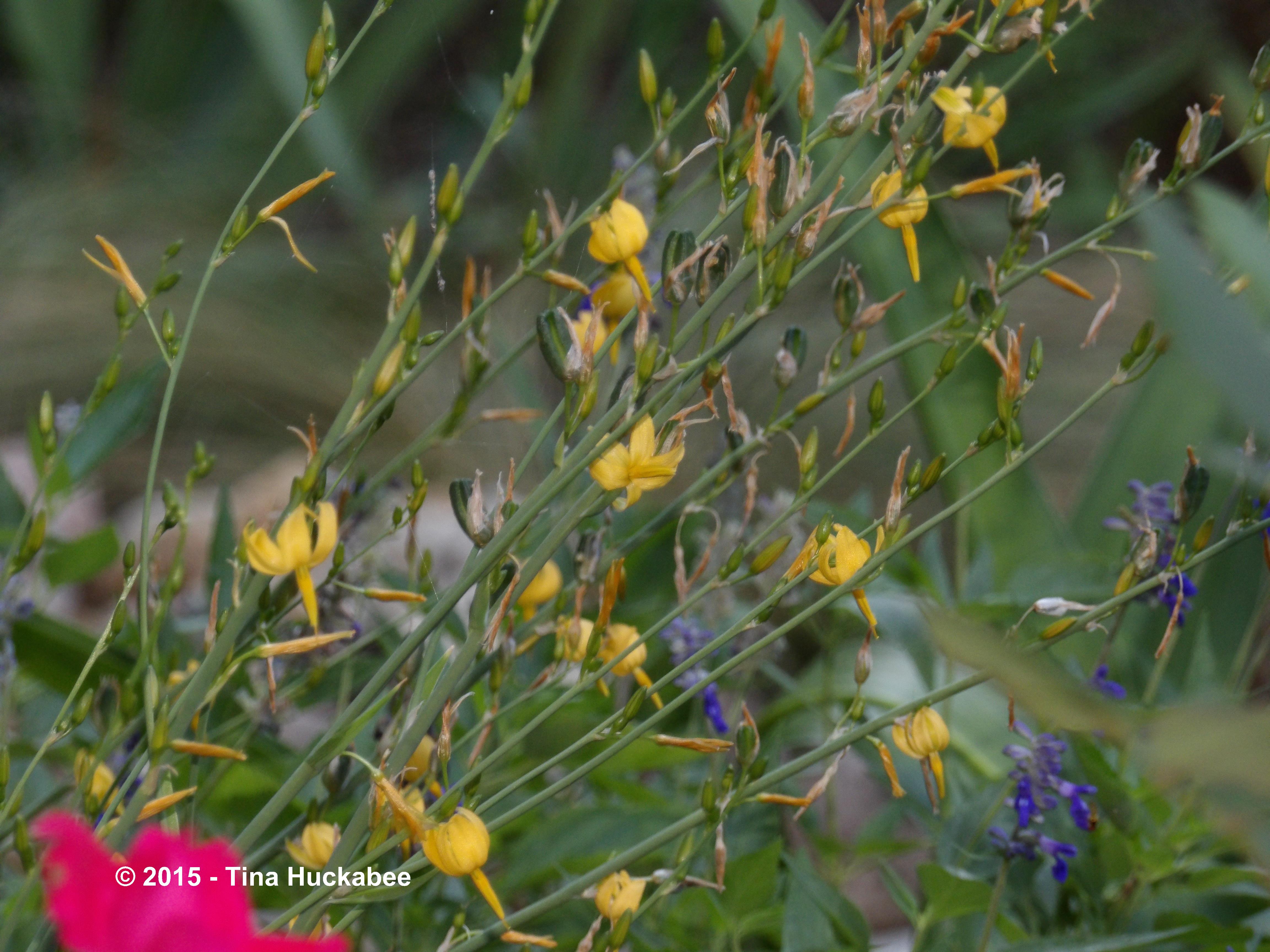
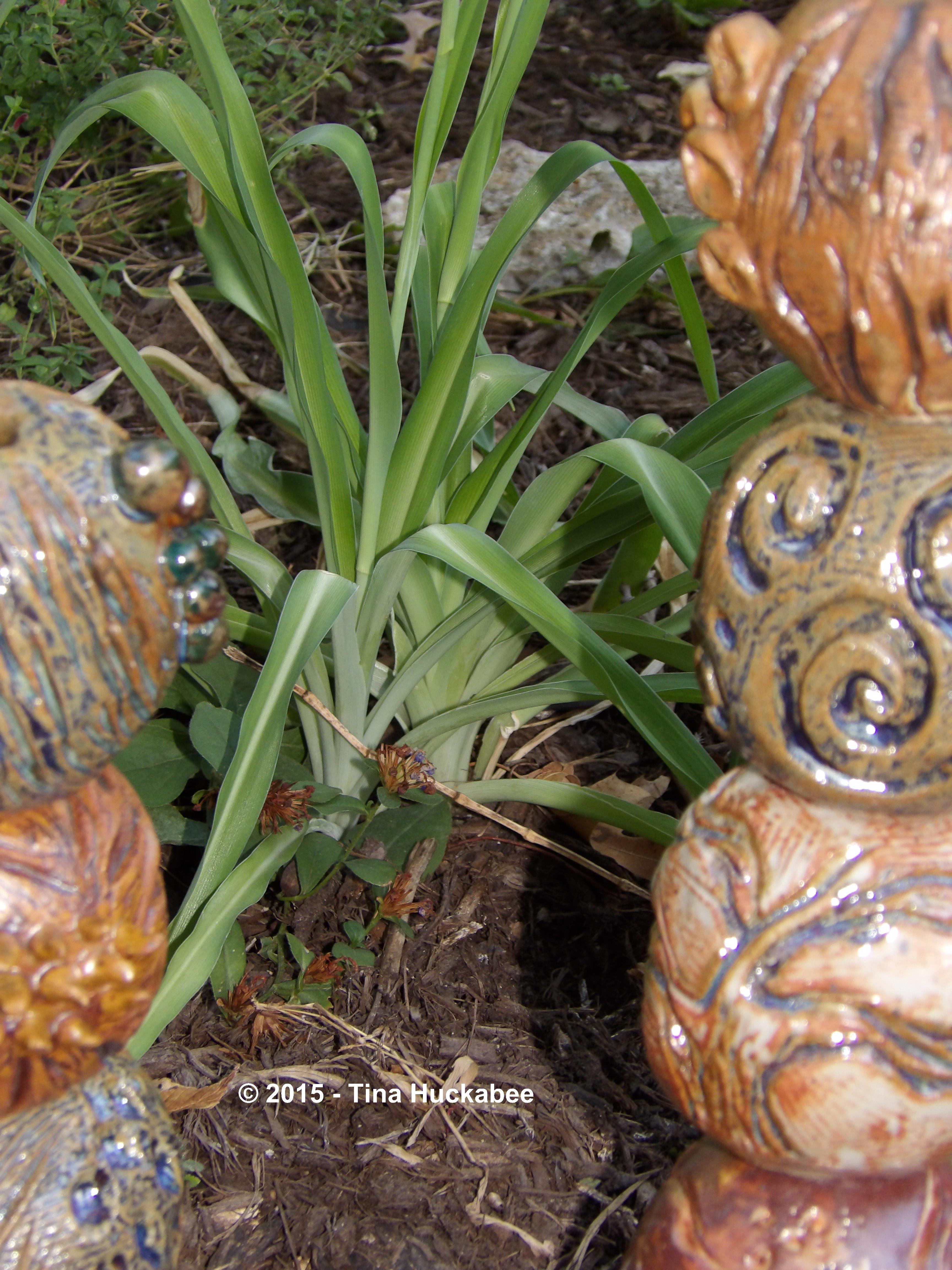
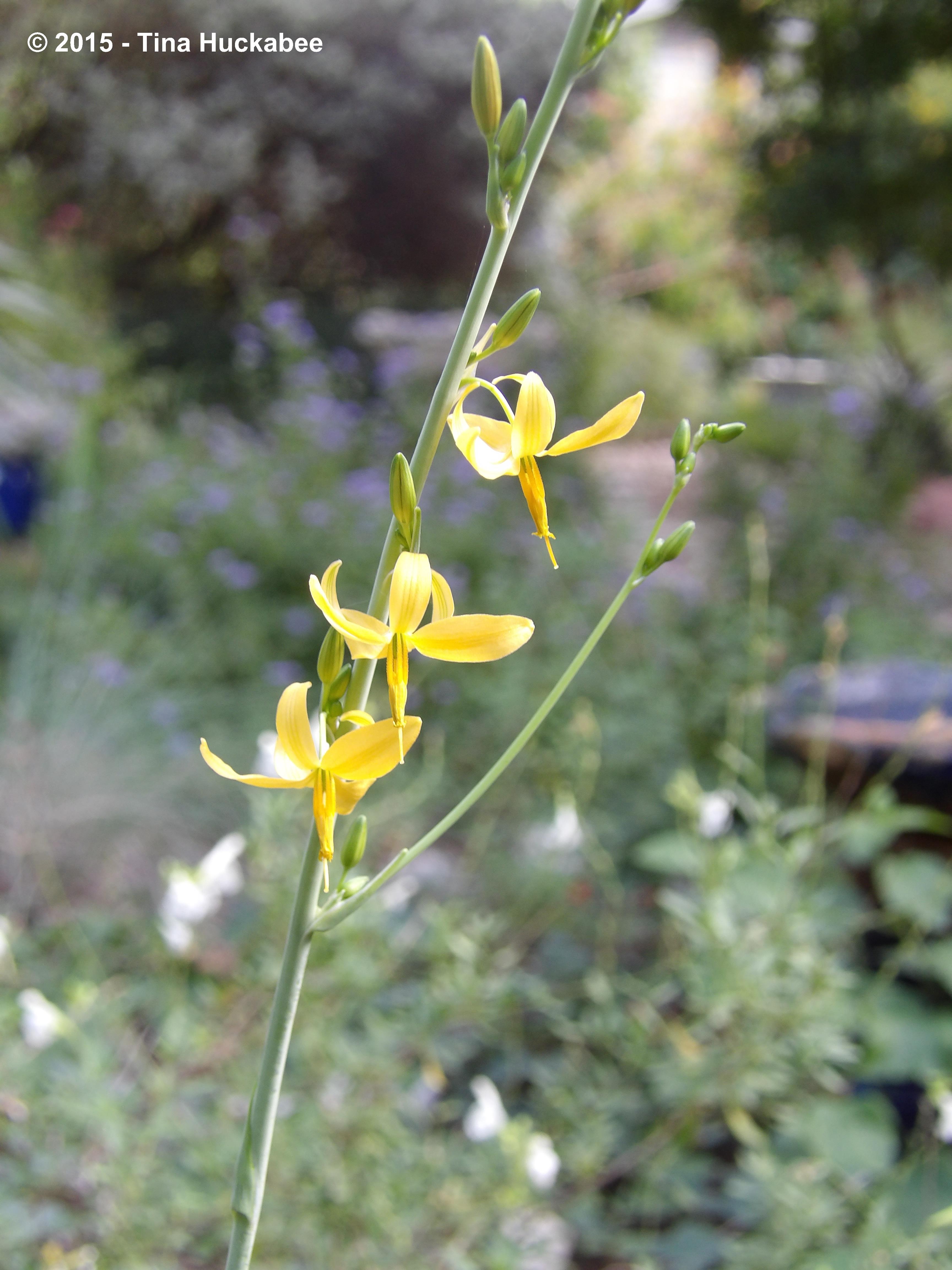
A native member of the Liliaceae family, Texas Craglily, Echeandia texensis, is about to begin its blooming cycle, but the foliage is lush from late spring until frost.
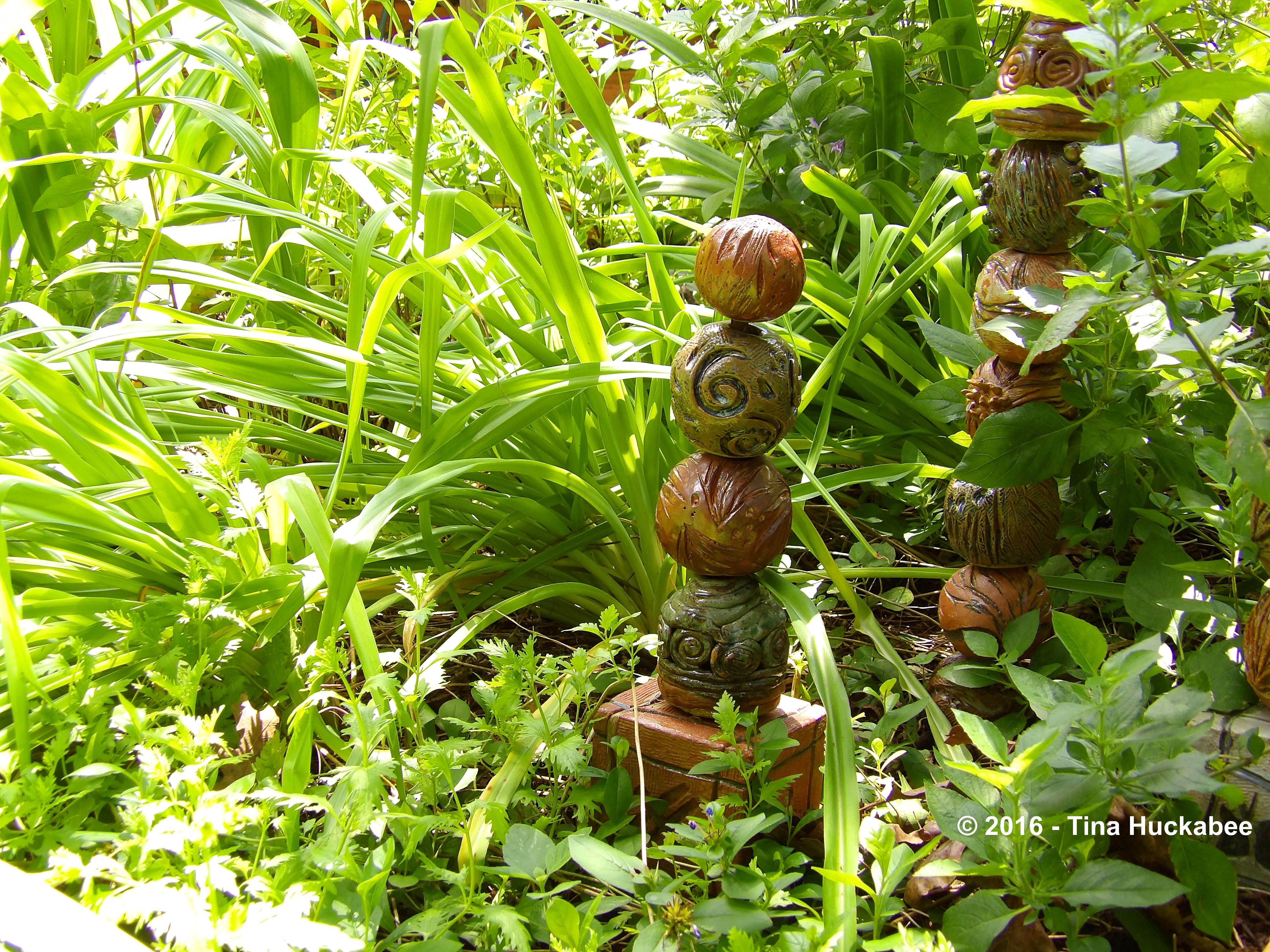
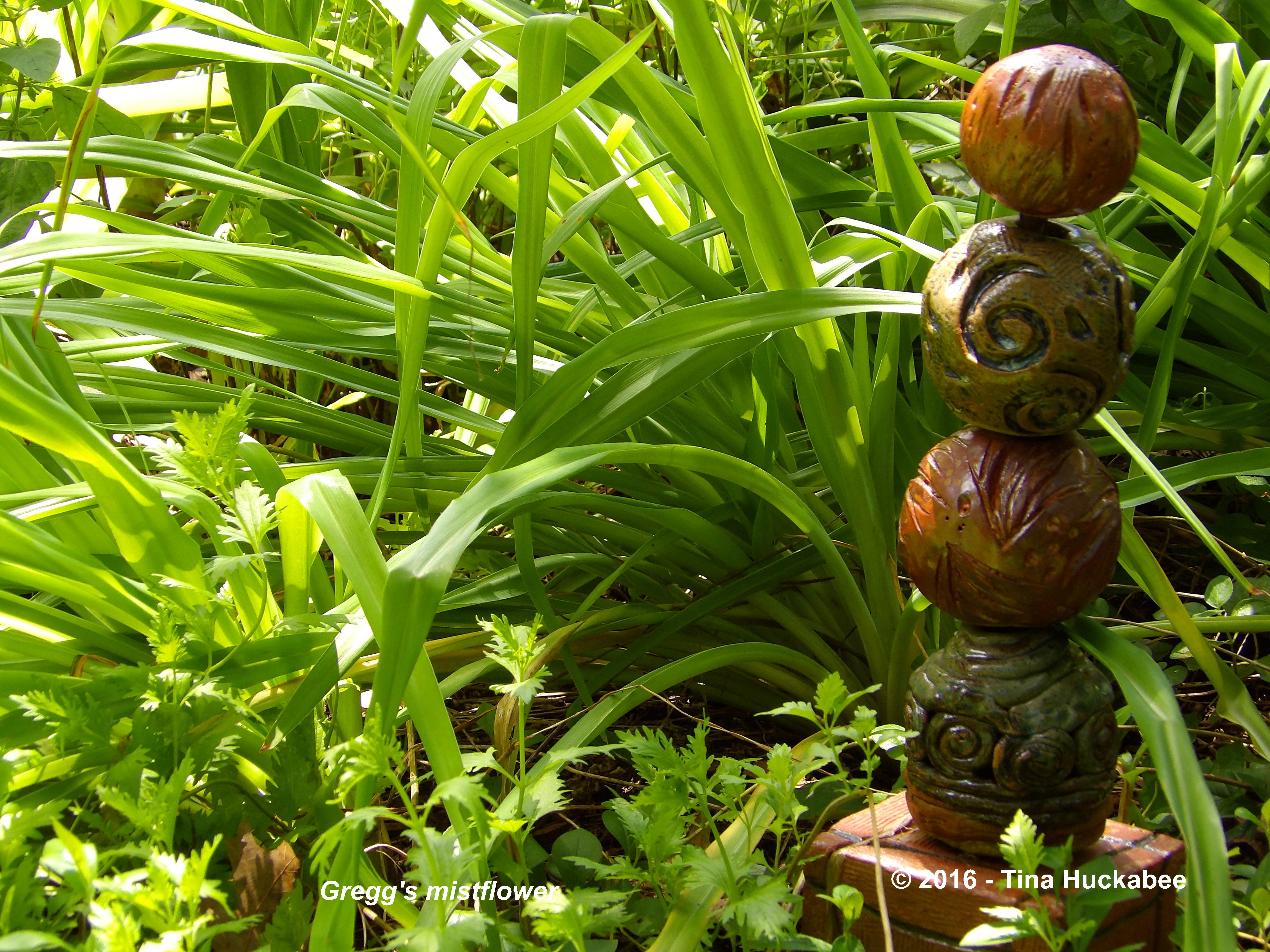
I’ve planted a number of these over the years and enjoy their contribution to my garden.
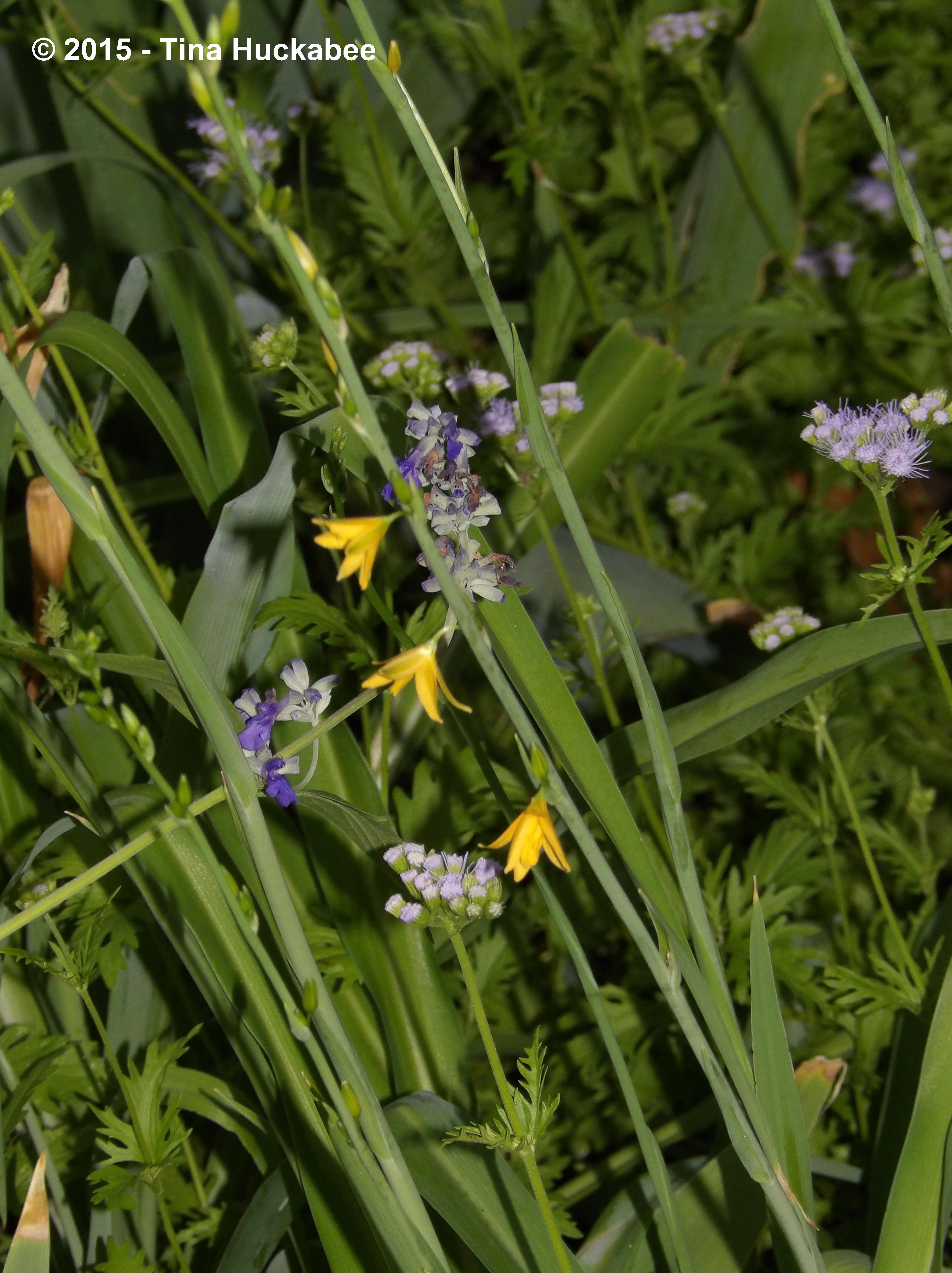
One group of Texas craglily is situated with the also fall-blooming Gregg’s mistflower, Conoclinium greggii, whose foliage inspires common names such as Palm-leaf mistflower and Palm-leaf thoroughwort because of the palmate shaped leaves.
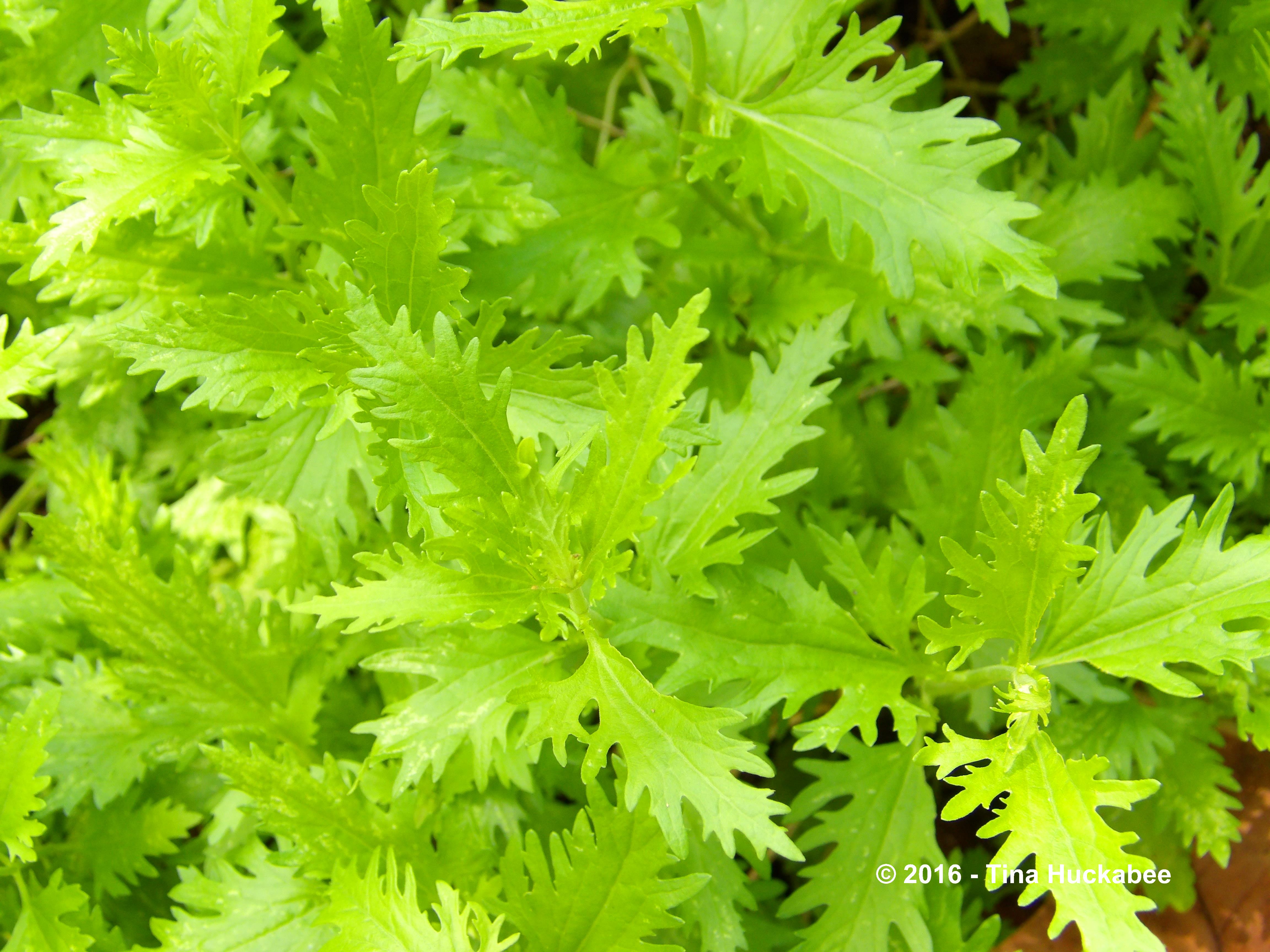
Deeply lobed and vivid green, Gregg’s mistflower foliage is attractive for the whole growing season.
Pink-n-green-n-white is always a winning color combo, but especially so in this recent impulse-purchased and potted Sedum spurium ‘Tricolor’.
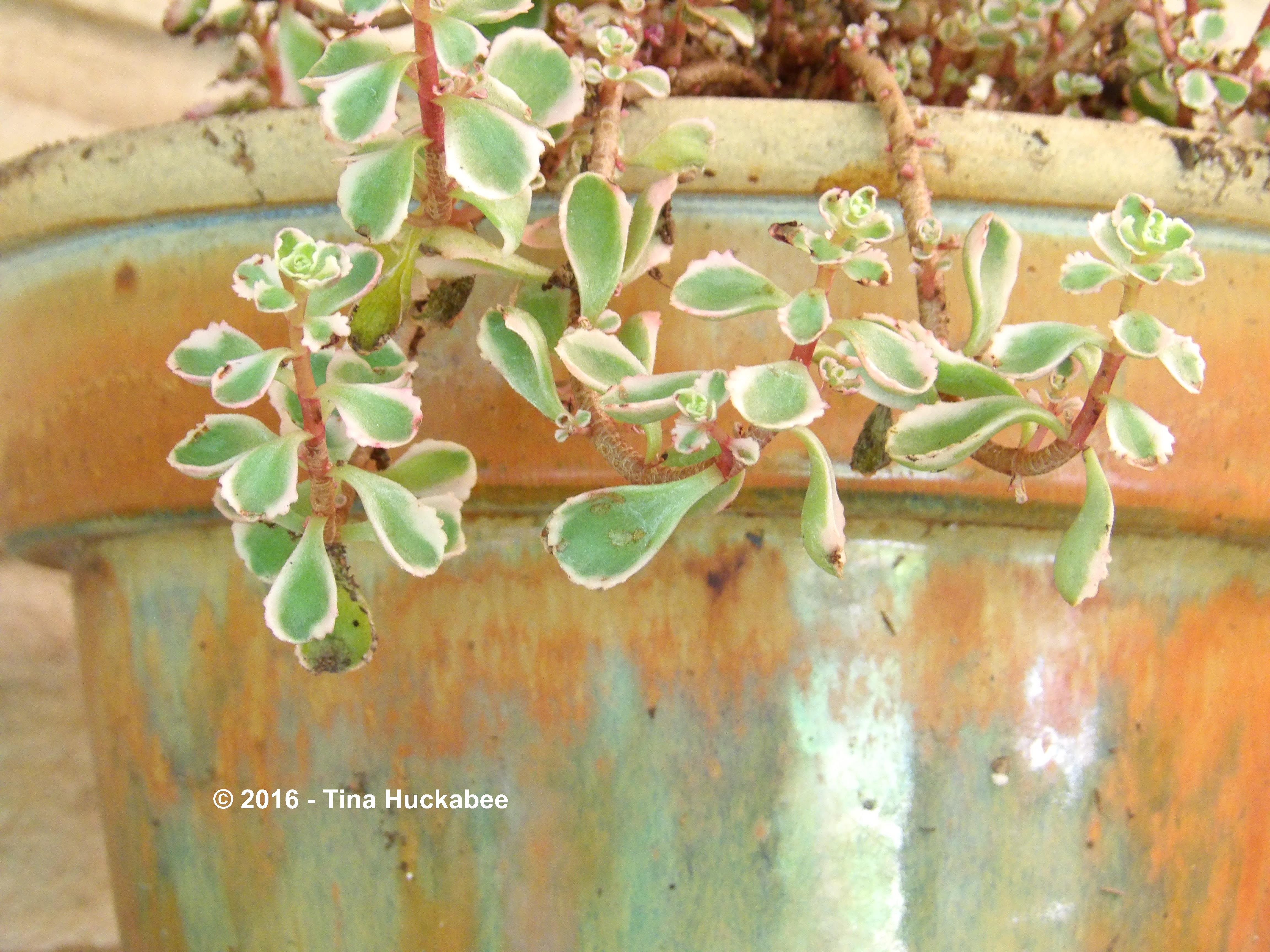
I’m hoping for a glorious draping here and to not over-water the pot.
Finally, a capture of the harbinger of November’s autumn leaf change floating in a bird and bee bath.
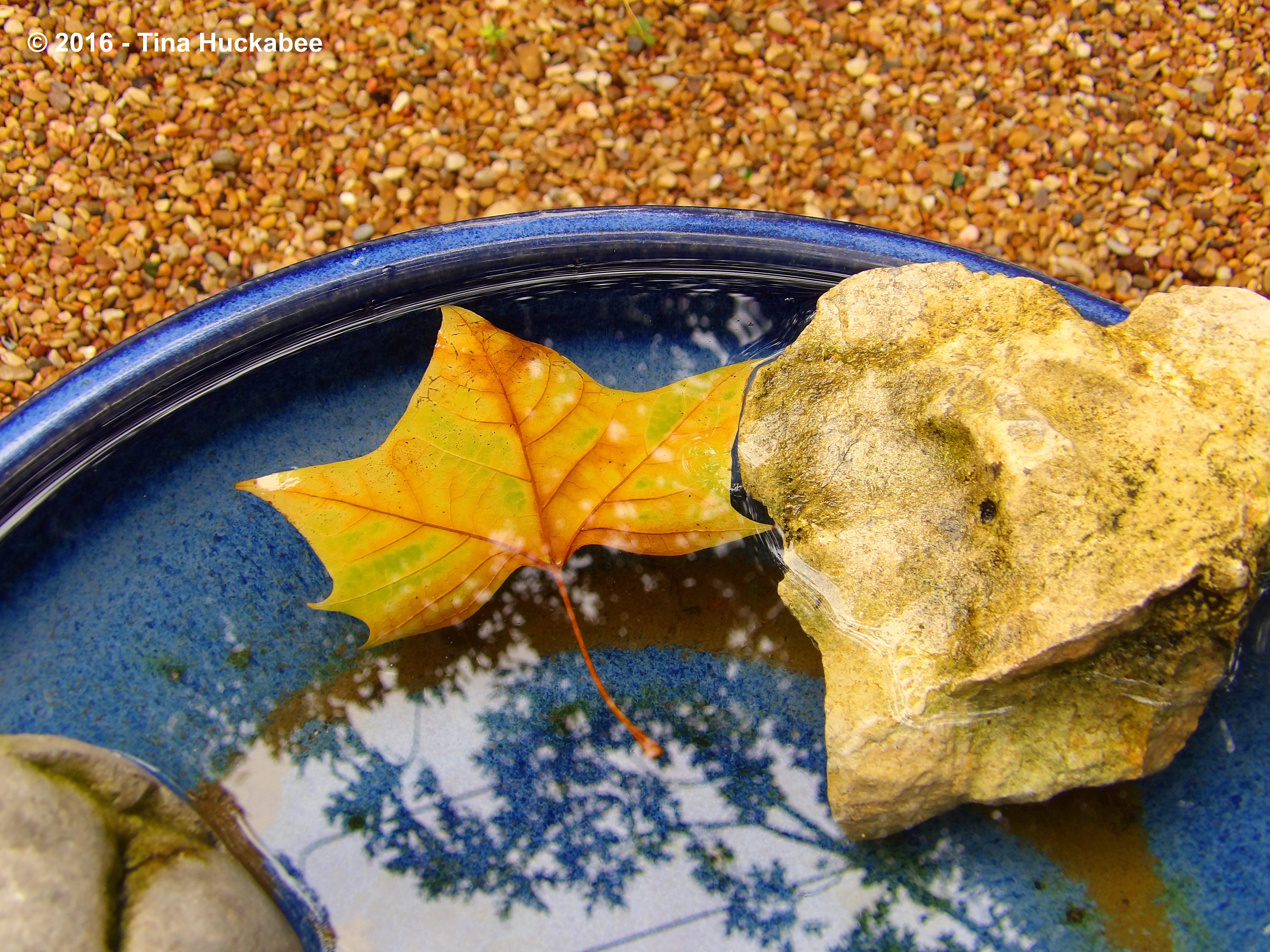
In November, foliage change in my garden will be about the less direct sunlight and cool temperatures. But this American sycamore, Platanus occidentalis leaf is probably a victim of the pre-rain Texas summer sun and heat.
Thanking Christina and her lovely Creating my own garden of the Hesperides for hosting, check out her Garden Bloggers’ Foliage Day post for a look at foliage in many gardens , from many places, and then share your leafy loveliness.










 My Gardener Says...