National Pollinator Week

June 20-26 is the week set aside this year to celebrate pollinators and the important work they do.

IMGP7078_cropped_3087x2286..new

Syrphid or Flower fly nectaring at a Zexmenia (Wedelia hispida)

EVERY week should be a week to celebrate pollinators and the important work they do.

IMGP8526_cropped_2350x2060..new

Miner bee (Perdita ignota)(?)  visiting a Fall aster (Symphyotrichum oblongifolium)
IMGP8420.new

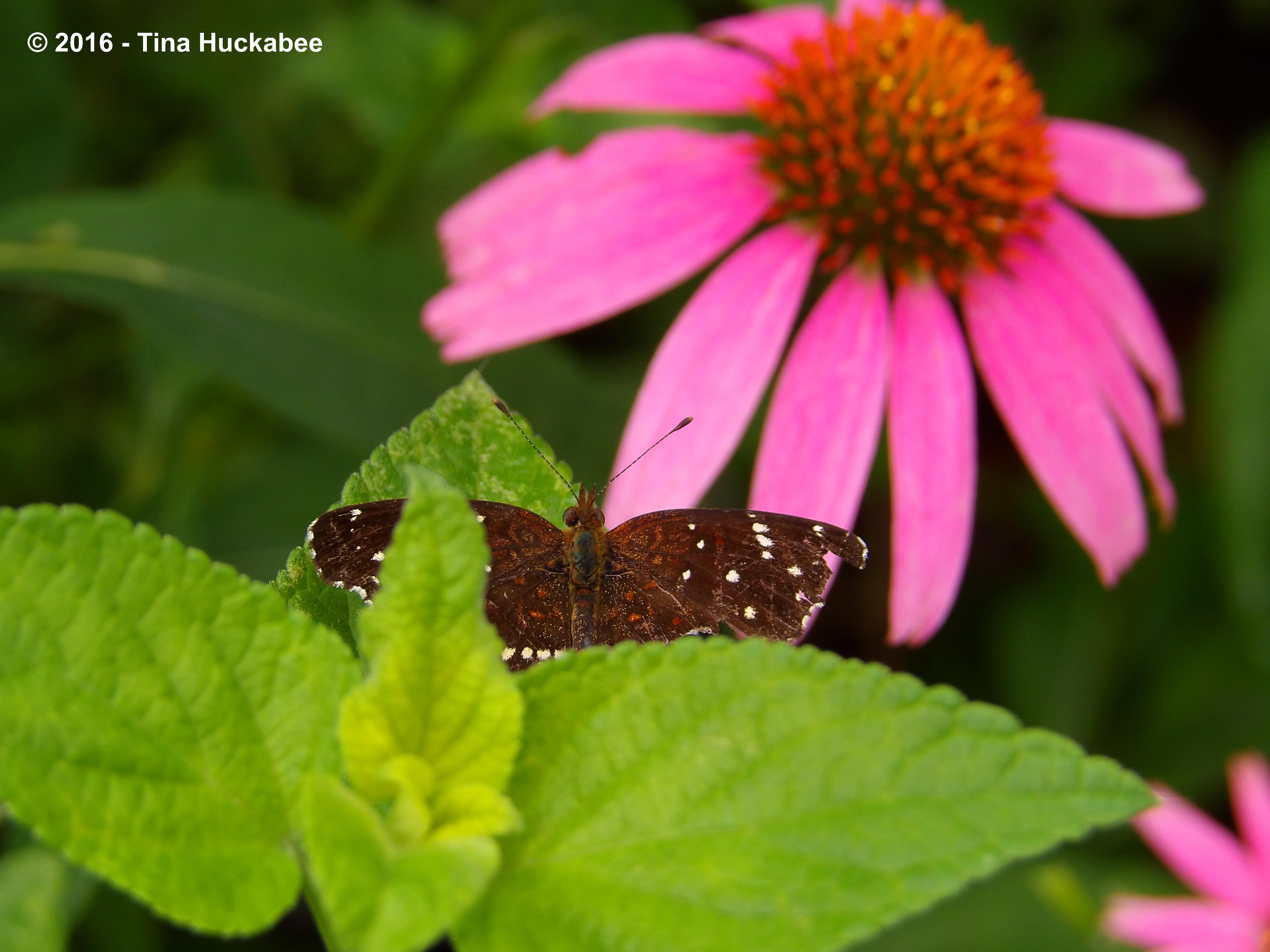
Texas Crescent (Anthanassa texana) considering a trip to the Purple coneflower (Echinacea purpurea)

Pollinators constitute the thread that holds together the world’s food web and native plants production.  Upwards to 90% of native plants are pollinated by insects, birds, and bats; 1 out of every 3 bites of food humans partake of is pollinated by (primarily) bees–honeybees, and wild, or native bees.  According to Pollinator Partnership, 1,000 different plants that humans use in a variety of ways are pollinated by pollinating animals,

IMGP7455_cropped_3234x2903..new

American lady (Vanessa virginiensis) at a Purple coneflower bloom

…and in the U.S. alone, pollinators produce products worth $40 billion annually.

IMGP8417_cropped_3903x2968..new

Two-spotted Long-horned bee (Melissodes bimaculatus) at a Purple coneflower

The bottom line is that pollination and pollinators are principal players in the good health of all eco-systems.
IMGP8272_cropped_2498x2640..new

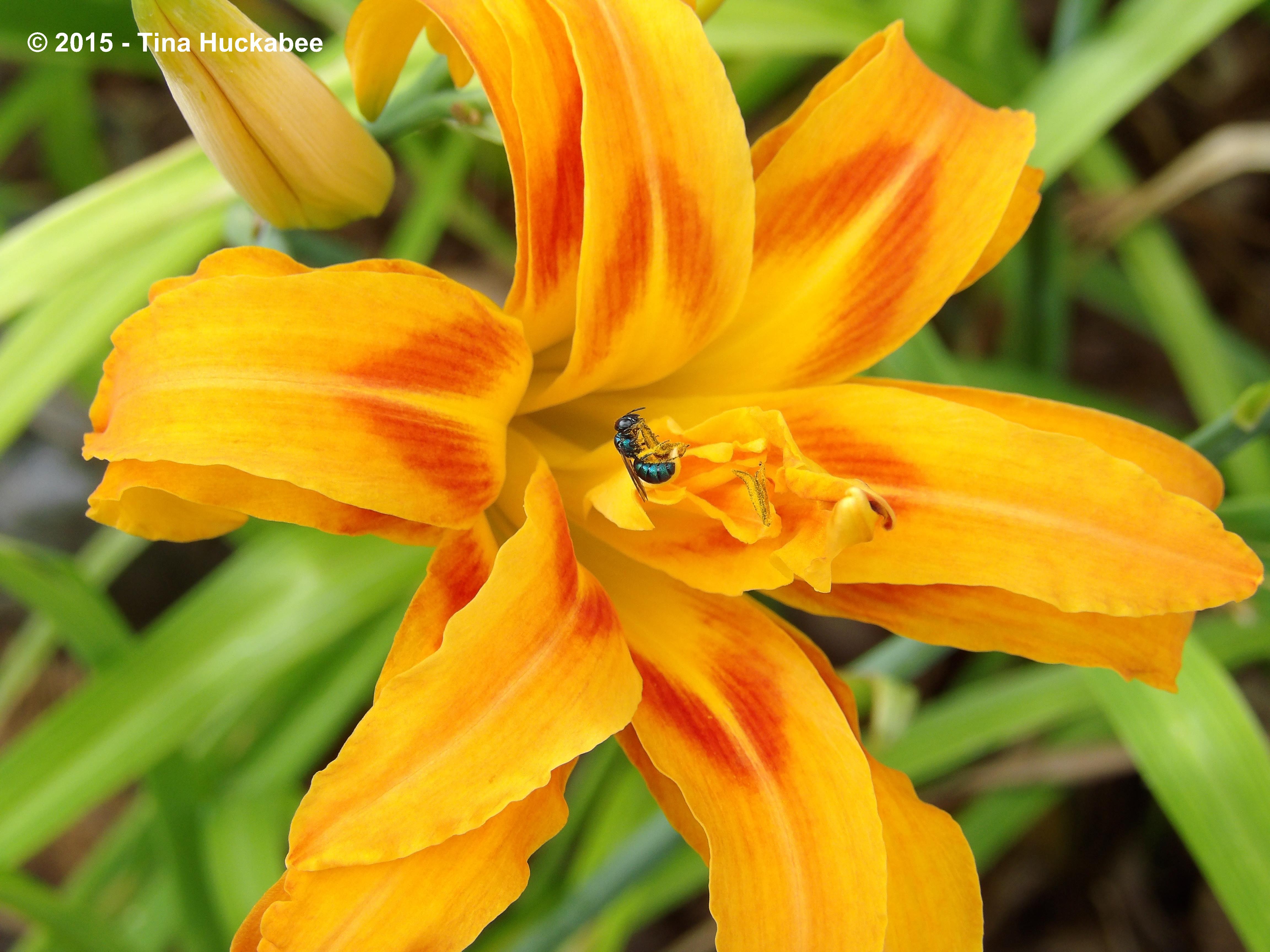
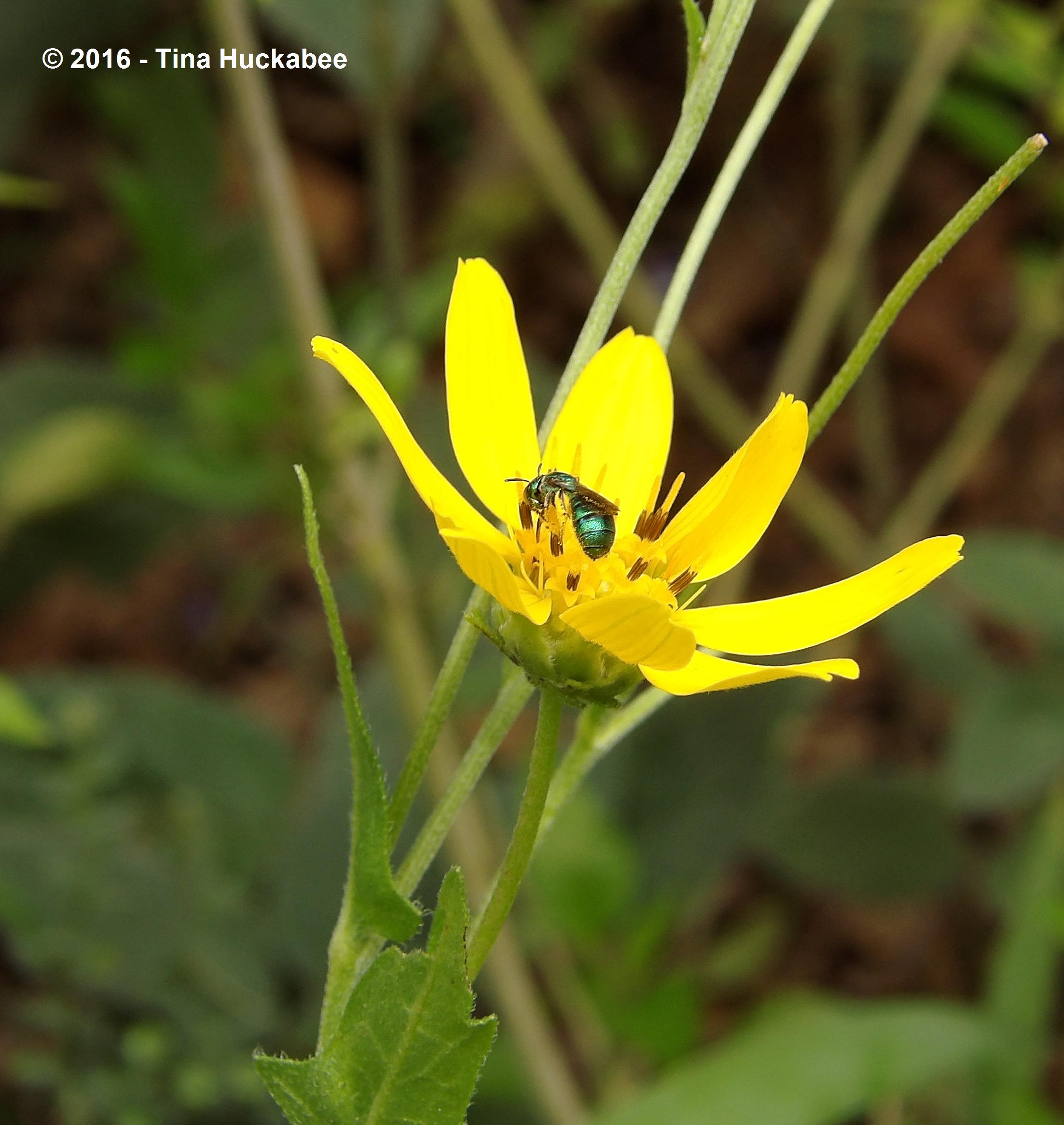
Sweat bee (Augochloropsis metallica)(?) and an Engelmann’s daisy (Engelmannia peristenia)

What is pollination?  It’s the process whereby pollen is moved, usually either by pollinating animals or the wind, to other plants thus assuring reproduction of the plants with development of seeds and fruit–and the next generation of viable plants.

IMGP8527_cropped_2594x2170..new

Fly and Fall aster

Pollination produces new plant life.
IMGP7316_cropped_3765x2700..new

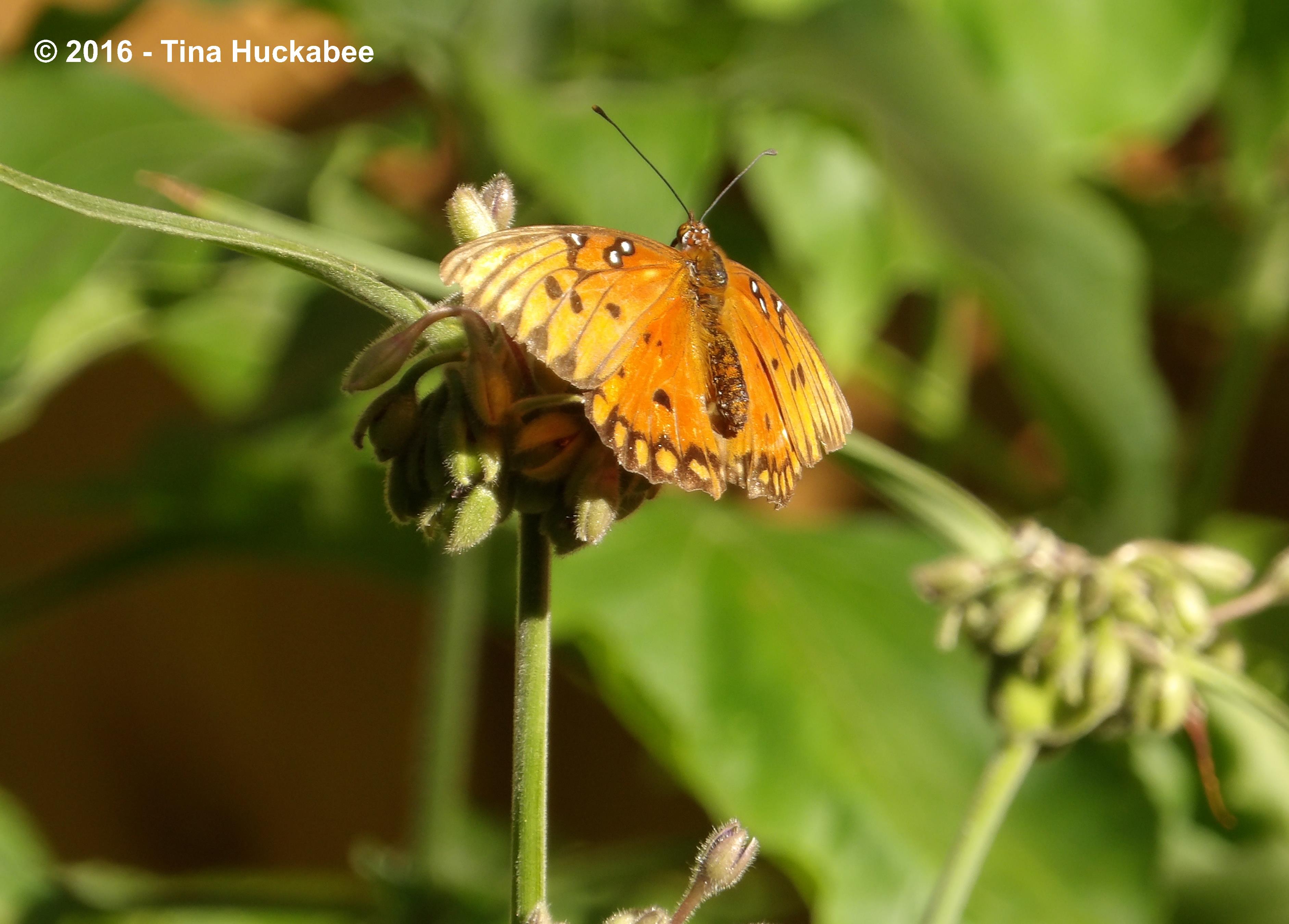
Gulf fritillary (Agraulis vanillae) resting on a Giant spiderwort (Tradescantia gigantea)

What are pollinating animals?  Pollinators include, but are not limited to: birds, bats, moths and butterflies, flies, mosquitoes (Boo!), native/wild bees, and honeybees.  There are many, many other insects that pollinate.  Additionally, in parts of China where overuse of chemicals has killed all natural pollinators, people must hand pollinate some agricultural fields.

That frightening fact should scare all of us into taking care of the Earth’s pollinators.

IMGP8648.new

Honeybee (Apis mellifera) nectaring at a Blue passion-flower (Passiflora caerulea)

We know that pollinators are declining throughout the world because of habitat destruction, over and mis-use of chemicals, certain big agriculture practices, the unfettered spread of invasive plant species and the decline of native-to-region plant species, as well as other reasons, like pollinator diseases.

IMGP8399_cropped_2608x2382..new

Orange Skipperling (Copaeodes aurantiaca) working at a Rock rose (Pavonia lasiopetala)

The outlook for the health of pollinators and therefore, the rest of us, is tricky at best.

IMGP7340_cropped_3074x3189..new

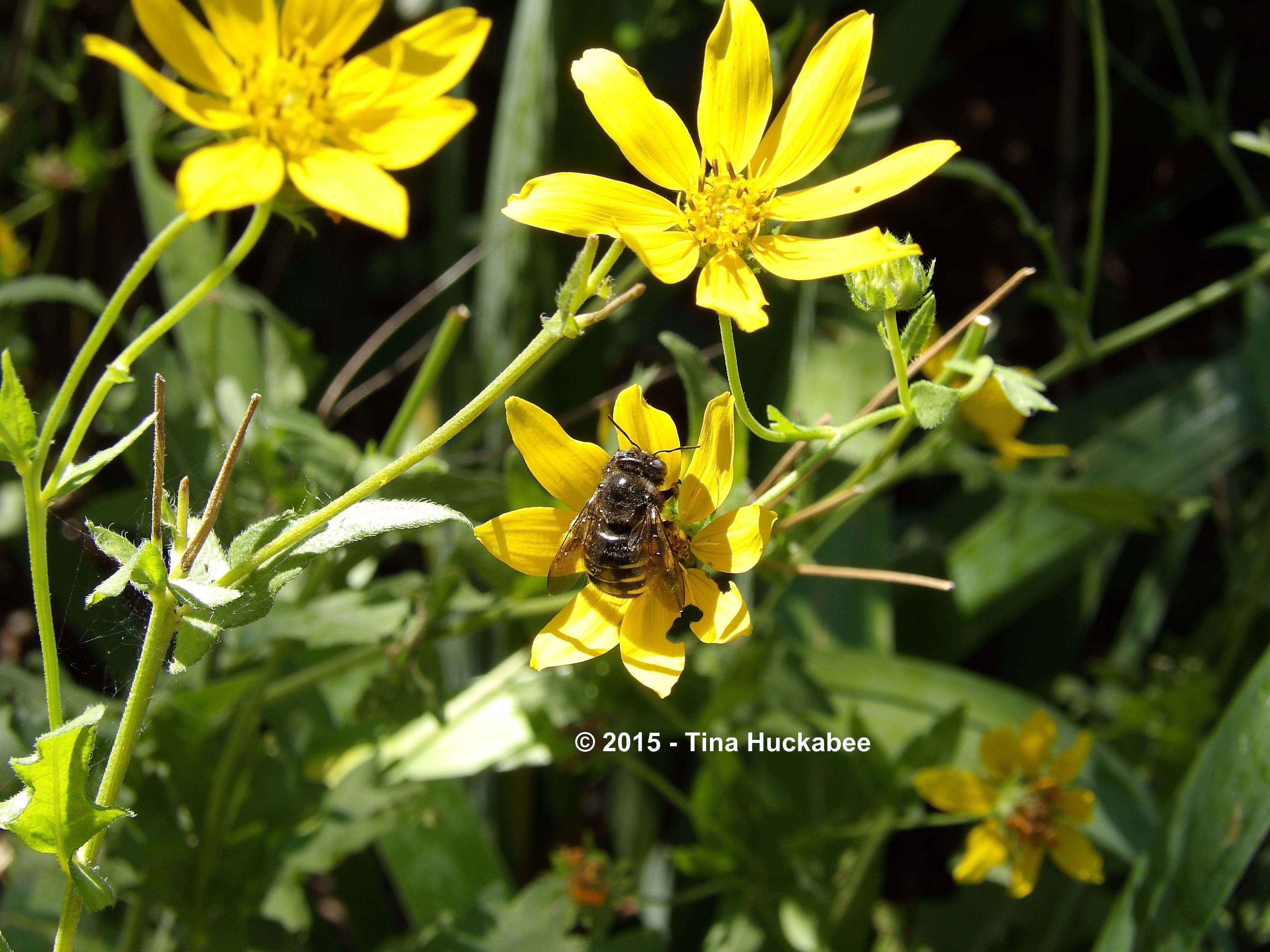
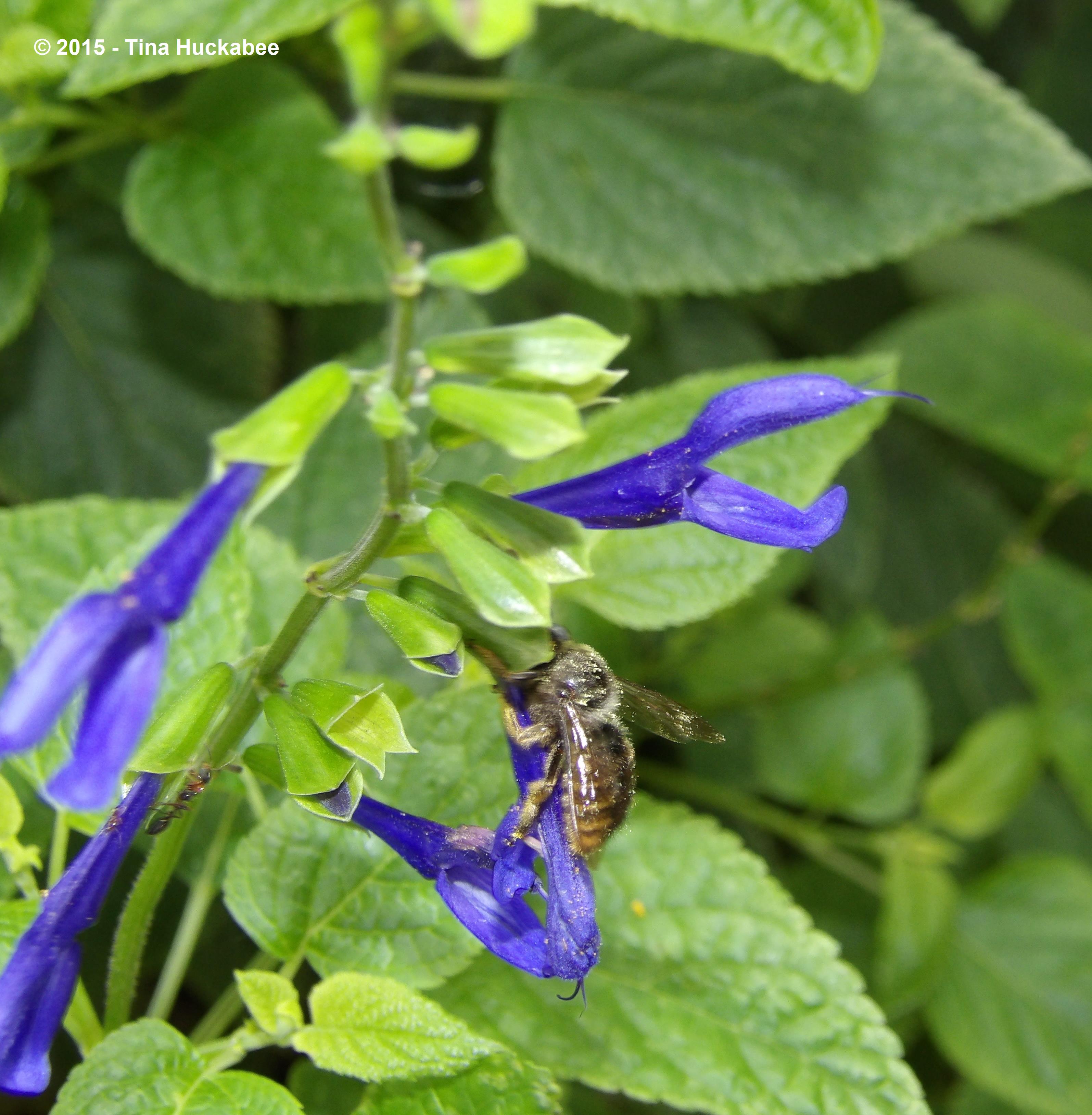
Sweat bee (Lasioglossum) (?) collecting pollen from a Clasping coneflower


So, what can we do?  The easiest thing is to plant for pollinators in our own home gardens, or neighborhood school gardens, or local parks–or all three, plus anywhere else you can think of.

It’s so simple!

Get rid of some (or all!) of the water-wasting turf so common in home and commercial landscapes.  Mono-culture turf feeds nothing, except for problematic insects, and requires more irrigation, more chemicals, and more effort than planting native or well-adapted flowering perennials and annuals.

Once your garden bed is prepared and planted, sit back and watch the show.  If you plant it, they will come.

IMGP8472_cropped_3540x3282..new

Gray Hairstreak (Strymon melinus) working a Purple coneflower

Your garden doesn’t have to be huge, but do plant a variety of blooming plants for the whole of your growing season–the more, the merrier!

IMGP7460.new

Red Admiral (Vanessa atalanta) visiting a Purple coneflower

It’s always best to use native plants if you have access to a local seed source or a nursery that promotes native plants.  But non-native, well-adapted blooming annuals and perennials will also do the pollinator trick.  Ask the nursery or plant provider if any pesticides were used when growing the plants you want to buy.  If so, don’t buy them and TELL the nursery why.  Pesticides and insects are not a good combination–EVER.

IMGP7429_cropped_3567x2839..new

Minor bee (?) nectaring at a Zexmenia flower

Contact your County Extension Agent’s office for a list of good pollinator plants for your area.  As well, locally owned nurseries are usually great sources of information on pollinator plants.  The Pollinator Partnership, Lady Bird Johnson Wildflower Research Center, and National Wildlife Federation are all excellent on-line sources for learning about pollinators and how you can be a part of the solution to their problems.

IMGP7463_cropped_3544x2867..new

Three honeybee amigos hanging out with three Purple coneflowers .


Pollinators are beautiful.
IMGP8394_cropped_3913x3378..new

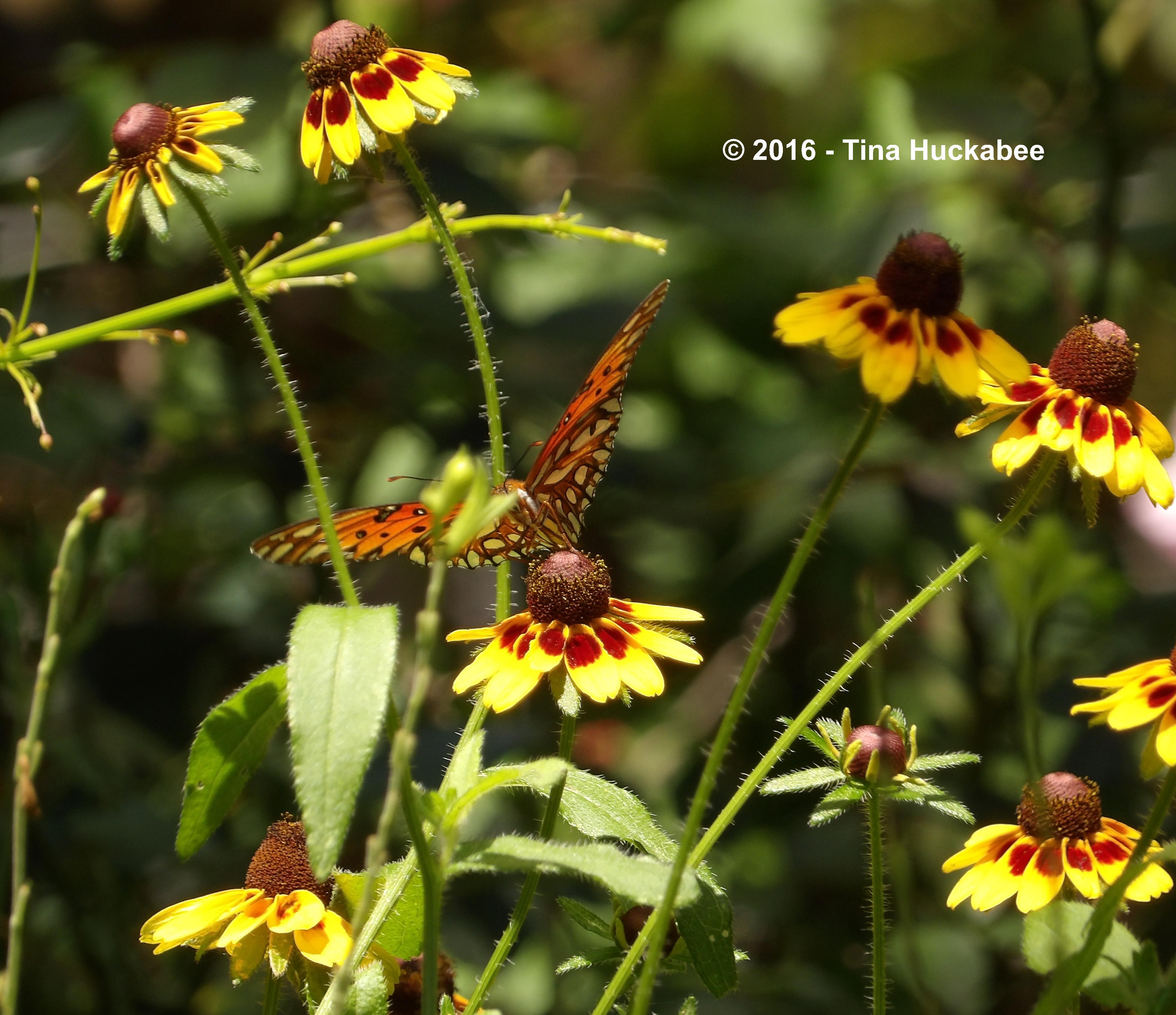
Gulf fritillary visiting Clasping coneflowers


Pollinators are vital links in the fitness of the Earth’s eco-systems.
IMGP8397_cropped_3253x2498..new

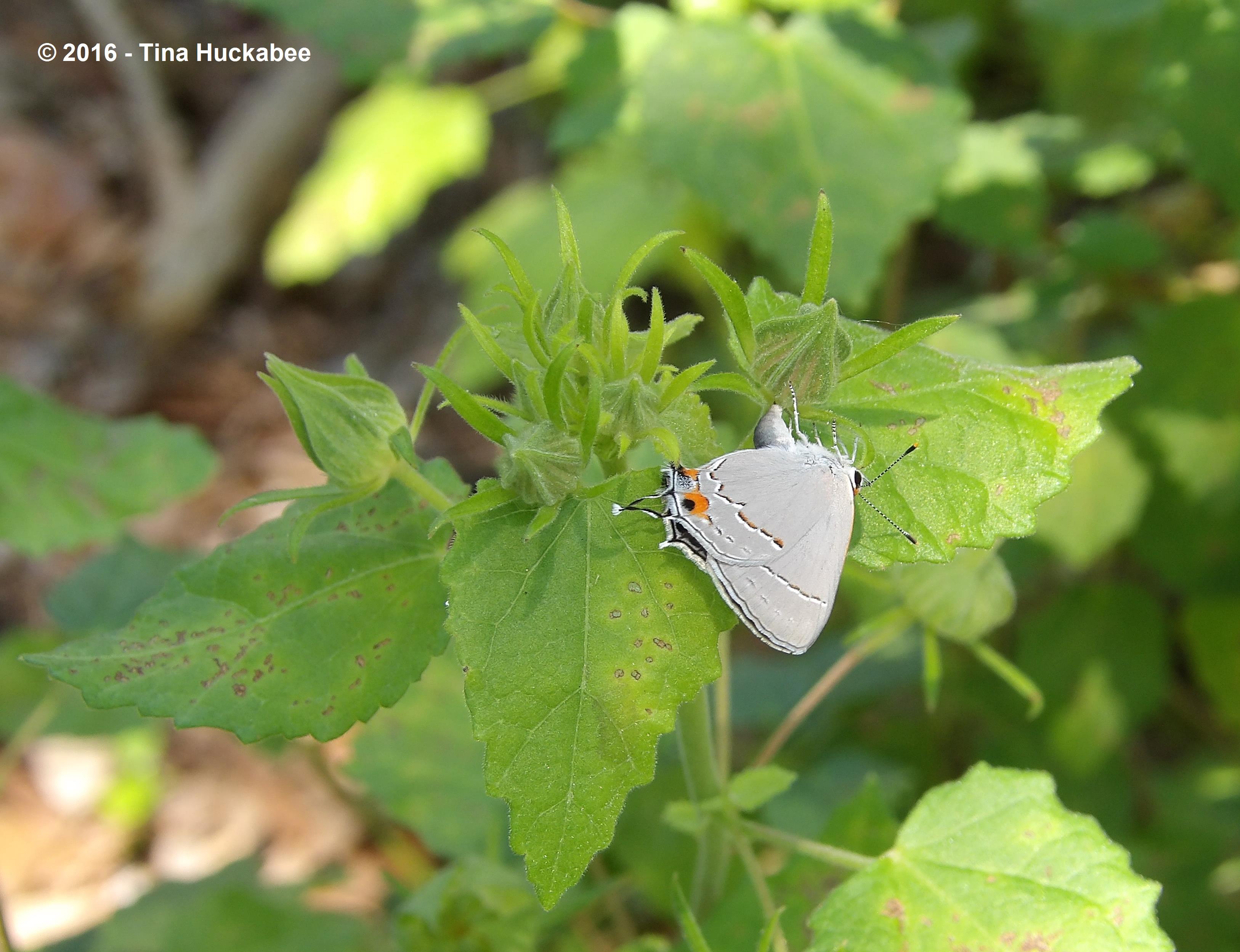
Gray hairstreak resting on the foliage of Rock rose

IMGP8402_cropped_3382x2876..new

Minor bee (?) heading for the nectar and pollen of a Winecup (Callirhoe involucrata)


Pollinators deserve to live and thrive.

IMGP8450_cropped_2488x2373..new

Soldier beetle  (Cantharidae family) sipping nectar from a Purple coneflower

IMGP8451_cropped_3005x2723..new

Plant for pollinators in your garden.  Encourage neighbors and community organizations to do the same.  Lobby your local, state, and national representatives to set aside land so that these essential creatures can continue their work and contributions to the well-being of our world.

Happy National Pollinator Week!

IMGP8426_cropped_3240x3222..new

Pipevine Swallowtail (Battus philenor) resting on Turk’s cap (Malvaviscus arboreus) foliage
Bee Bed-n-Breakfast

I guess the adage if you build it, they will come, is true, or at the very least when building insect hotels, the saying suggests some level of accuracy.  For February’s Wildlife Wednesday, I wrote about our building and placing of two insect/bee hotels in the garden.  While building these things isn’t necessary to provide homes and nesting spots for bees and other insects, they are fun, quirky additions to a garden and  they lend some architectural gravitas to a wildlife habitat.

So far, the houses/hotels have been a big hit with some of the native bees!

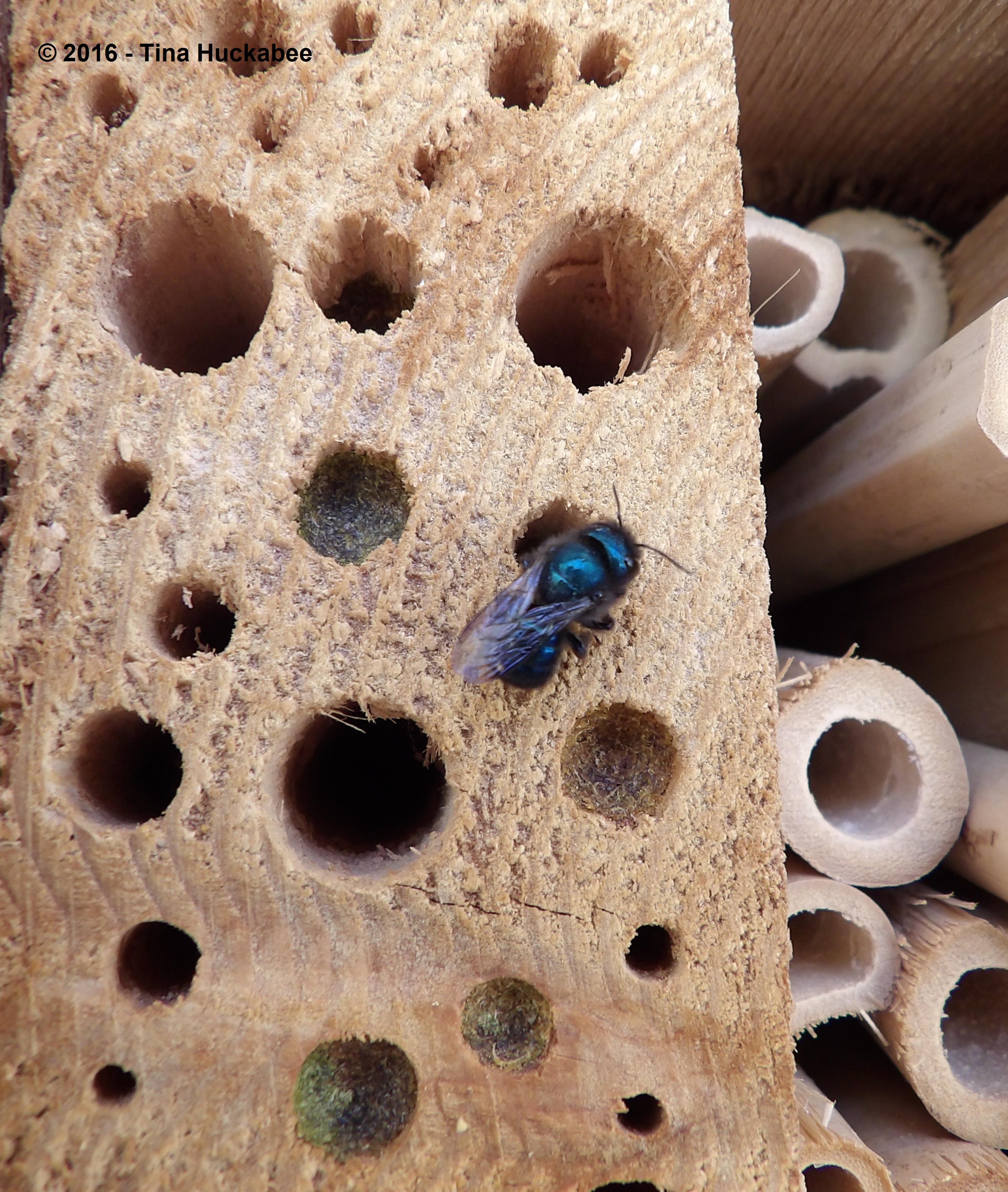
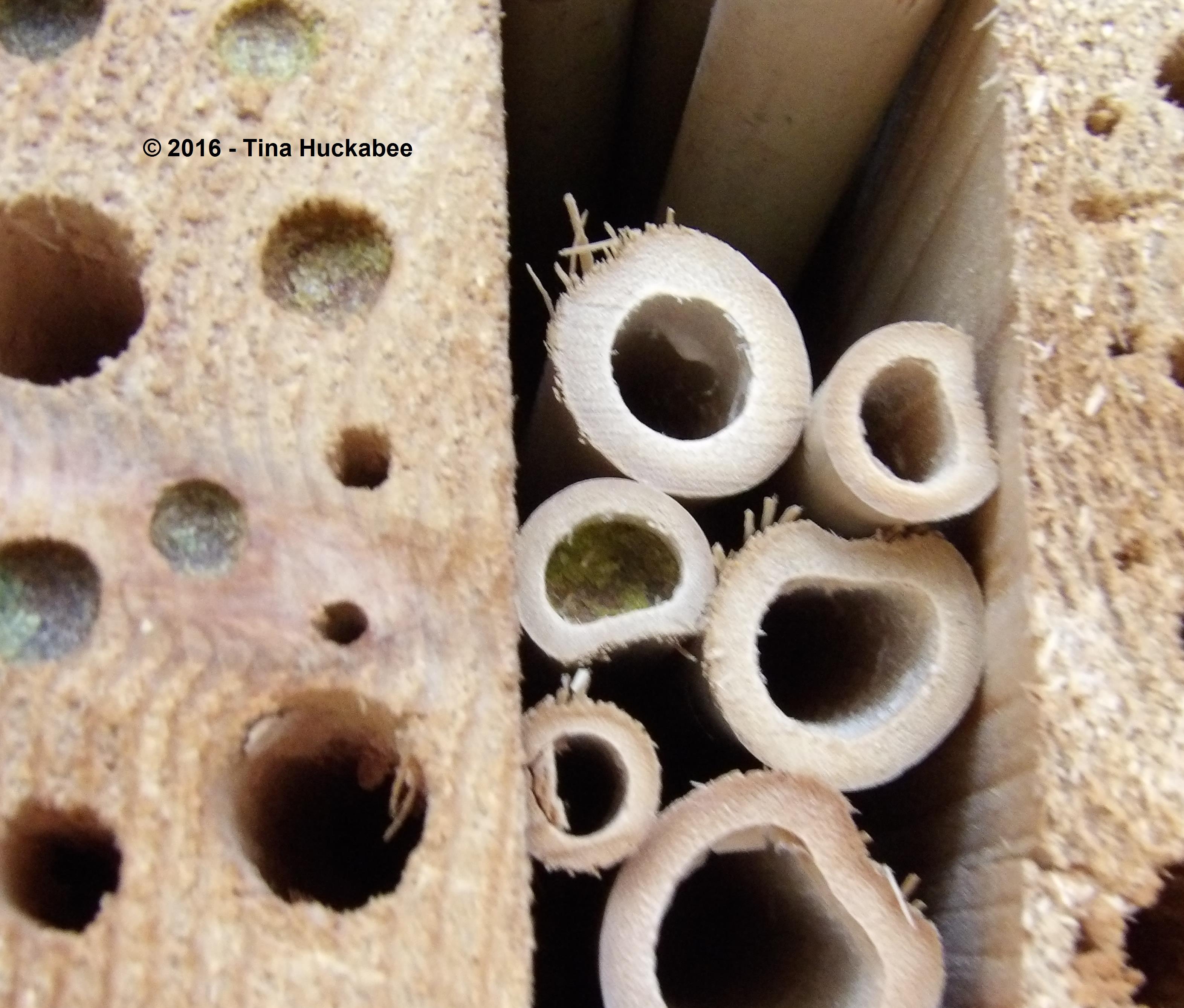
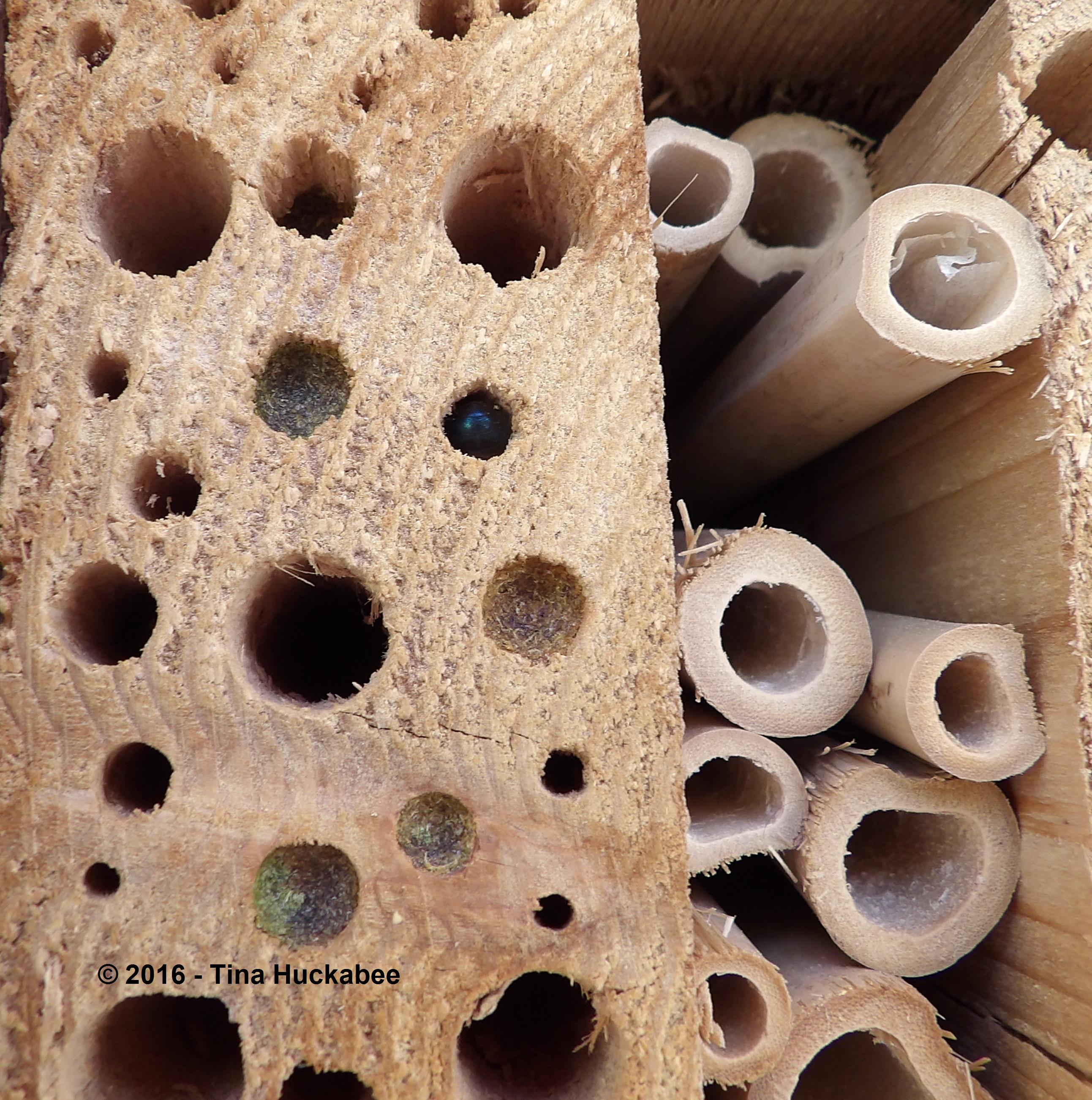
Some of the bee holes are filled providing protection and nourishment for the larvae.

Some of the bee holes are filled providing protection and nourishment for the larvae.

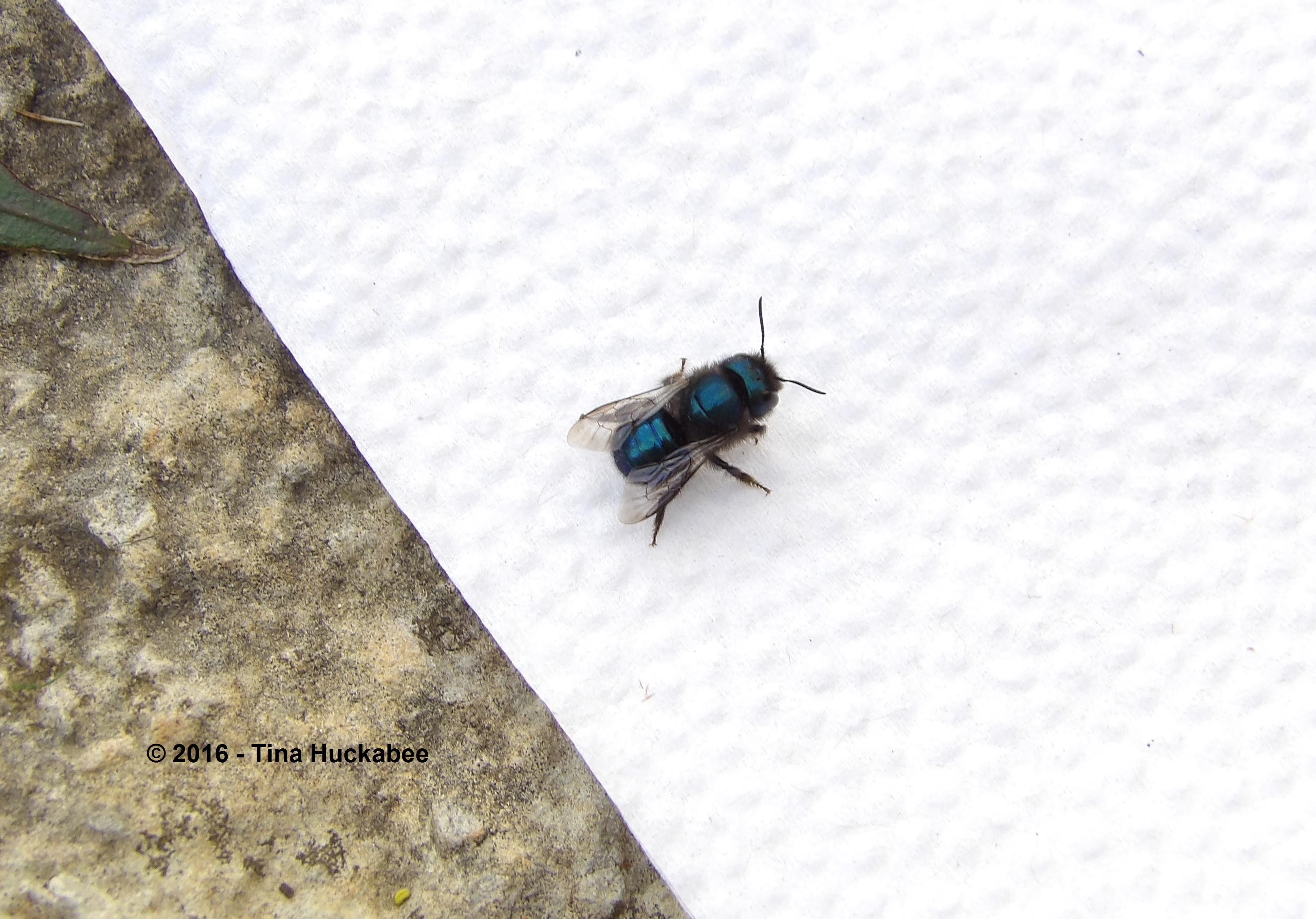
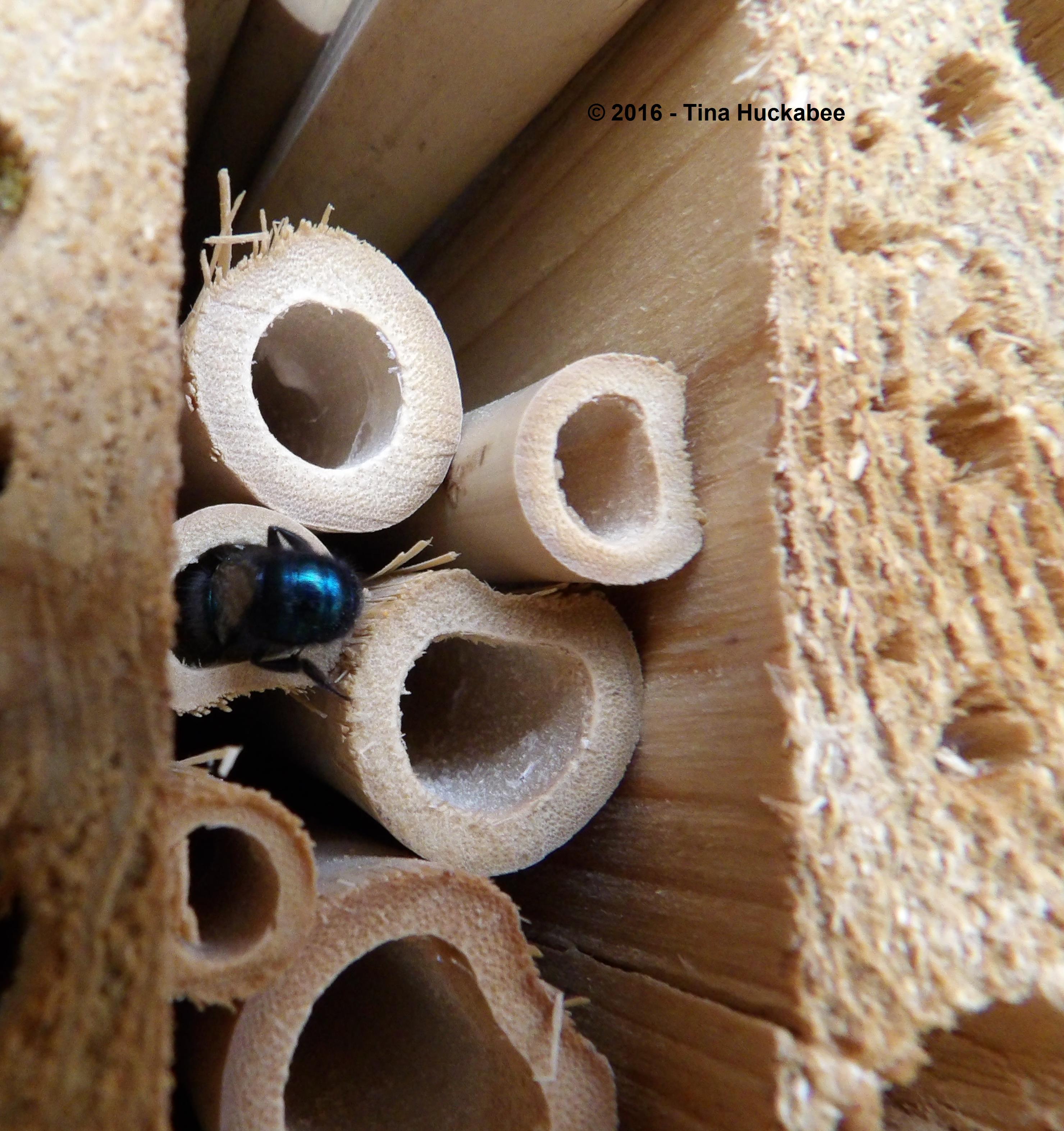
Specifically, one set of native bee species, the Blueberry bee, Osmia ribifloris, has really taken a shine to the new housing available in the neighborhood. [Upon further reading, I believe that this bee is the Blue Orchard BeeOsmia lignaria.  Both of these bee species are categorized as mason bees and the USDA article (linked above) describes the early spring behavior that exactly matches the behavior of “my” little bees.  Regardless, the bees are  valuable and desirable pollinators to attract to the home garden.  And, they’re really cute and interesting to observe.]

Wayward Osmia ribifloris rescued from my kitchen.

Wayward Osmia ribifloris rescued from my kitchen.

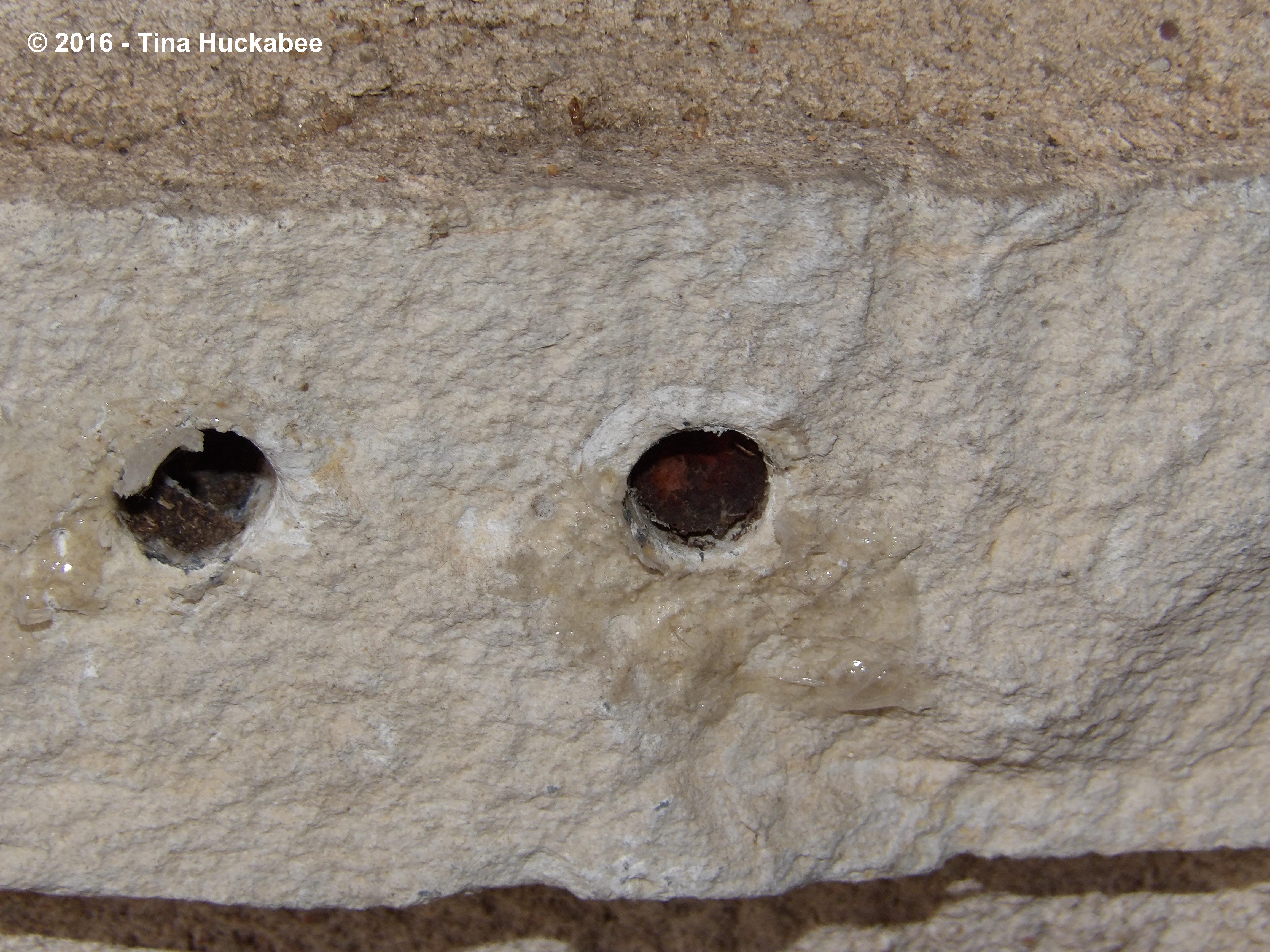
I should add that the identification of this bee species is subject to update–if you recognize this beauty and I didn’t identify the bee correctly–please let me know.  The O. ribifloris O. lignaria is a mason bee and judging from the holes in masonry of my back patio, I see why this species is categorized thus!

IMGP4037.new

Osmia ribifloris searching for just the right hole for her nest.

Osmia ribifloris searching for just the right hole for her nest.

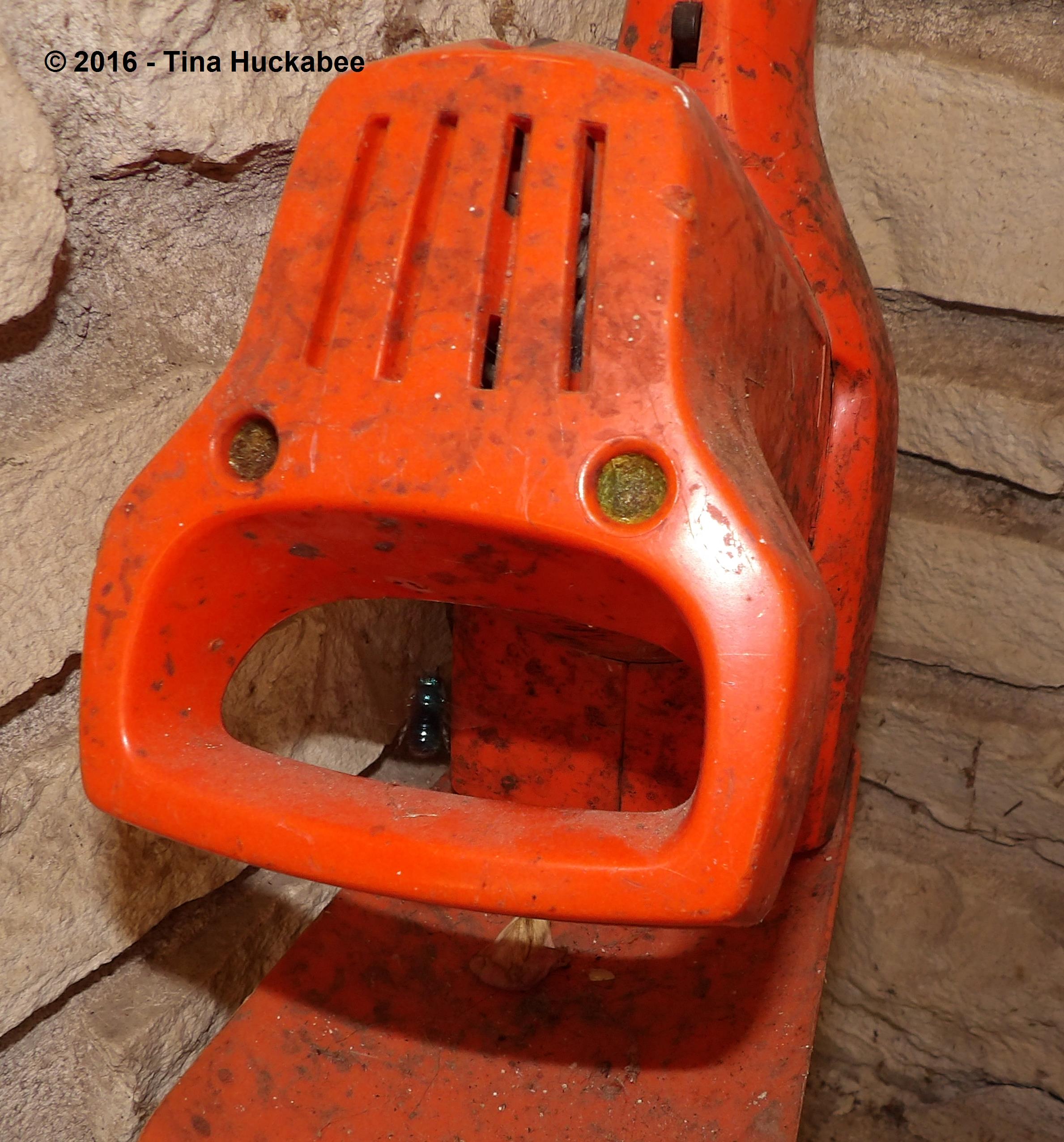
Additionally, these bees also build their nests in the screw holes of my two electric leaf blowers and an electric trimmer that I failed to store in the garage prior to the bees deciding that it’s time to raise up their families.

IMGP4827_cropped_3148x2576..new

Osmia ribifloris searching for another nesting site.

Osmia ribifloris searching for another nesting site.

That’s what I mean when I suggest that insect hotels aren’t required–bees are quite opportunistic and imaginative when finding cozy spots for their progeny. Regardless, the bee hotels are charming and I’m tickled that the bees are using them for their nesting/nursery bed-n-breakfast hotels.  Several O. ribifloris have busily laid eggs and safely tucked in those eggs and future larvae.

IMGP4901_cropped_2138x2489..new

IMGP4902_cropped_2830x2502..new

Fascinating to observe, it takes an individual bee a couple of hours to pack the hole with pollen and soil.  In my attempts to photograph the bee action, I stood for periods of time, camera at the ready, watching one, or more, bees at work. Each bee flies into her chosen hole and disappears for upwards of 5 or 6 minutes. Then each zooms out and off again, disappearing for 5-10 minutes while foraging for more nest-building stuff before returning to the hole.  The process repeats until the holes are filled almost to the rim.

As the hole fills up with packing material, the bee is visible at the mouth of the hole, working and wiggling her bee magic so the bee babies are well-nurtured as they develop.

IMGP4947_cropped_3018x2539..new

What native bees use as “packing material” varies, but it usually includes pollen (often from specific plants), soil/mud, and sometimes leaf material.  Ever had perfect little holes taken out of rose leaves?  There’s no doubt that was the work of some leafcutter bee variety as she was building her nest.

IMGP4826_cropped_2632x3111..new

Not only have the O. ribifloris bees filled the drilled holes, but they’ve utilize the cut bamboo pieces for their nests.IMGP4953_cropped_2959x3144..new

IMGP4963_cropped_3511x2558..new

The bamboo hole was filled in one afternoon by the industrious bee.

The bamboo hole was filled in one afternoon by the industrious bee.

Since taking these photos, other holes have been filled, but really, how many pollen filled-hole photos do you want to see?

My original plan for the insect hotel  was to stack them, one on top of the other in a shady corner of my garden.

But after the squirrels (I always blame garden mischief on the squirrels) knocked them over–several times–it became obvious that a plan B was in order.  I hung the smaller of the two on a pillar of the back patio,

IMGP5147_cropped_3650x3323..new

…and affixed the larger of the two on the fence.  Because the fence-placed bee house wasn’t getting any bee action, and was difficult to get close-up photos of without tromping all over plants and soil, and was soaked during heavy rain, I’ve recently moved it closer to the back patio and in a more protected area.

IMGP5146.new

This is also a spot where I can more easily observe the comings and goings of bees without crushing emerging, or emerged, plants–or tripping over rocks.   So far, for whatever unknown reason, I still haven’t seen any bees nesting in that house.

Oddly enough and for now, these O. ribifloris are the only species choosing to nest in the insect hotels, but I don’t think I’ve seen them  working any of the many blooms that are currently available in the garden.  Perhaps I’m not out in bee-watching mode at the time they’re working flowers, but it is curious that they aren’t bees I typically see in my garden.   I haven’t followed any back into the garden while observing their nest-building because I’ve been too focused (more like too distracted) on checking photos I’ve taken of their work in and on the nests.  Not following one of these intrepid bees was probably a missed opportunity.

Nonetheless, I’m pleased that native bees of several sorts are plentiful in the garden this spring, busy at their flowering work.

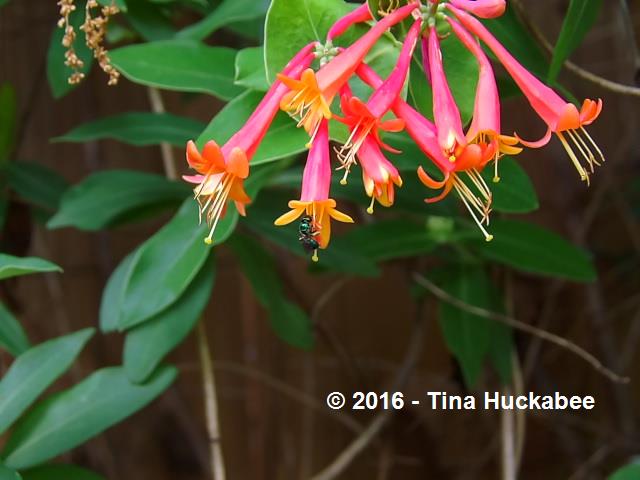
Sweat Bee (Augochloropsis metallica) at a Coral Honeysuckle bloom.

Sweat Bee (Augochloropsis metallica) at a Coral Honeysuckle bloom.

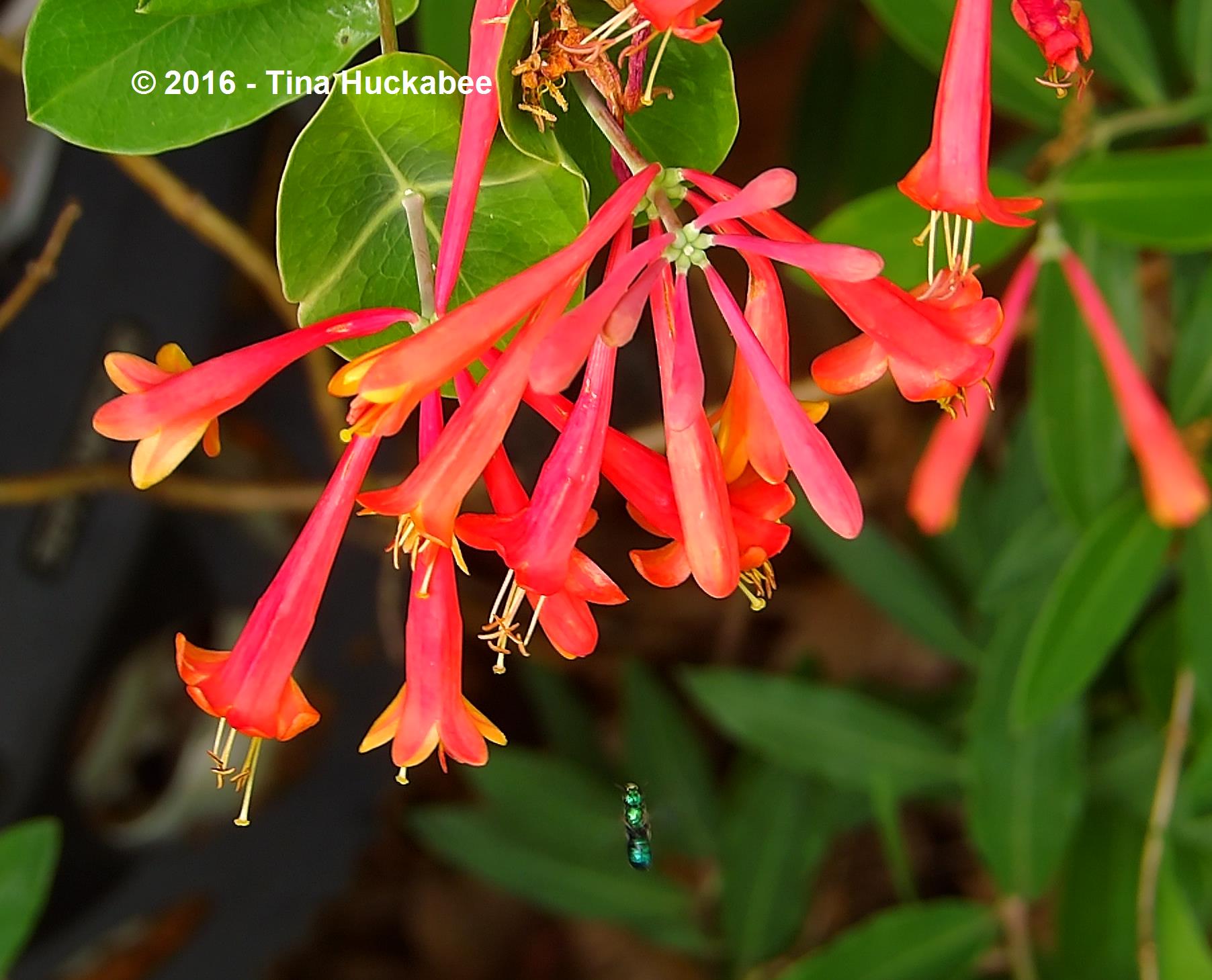
Sweat bee flying in for a bloom landing.

Sweat bee flying in for a bloom landing.

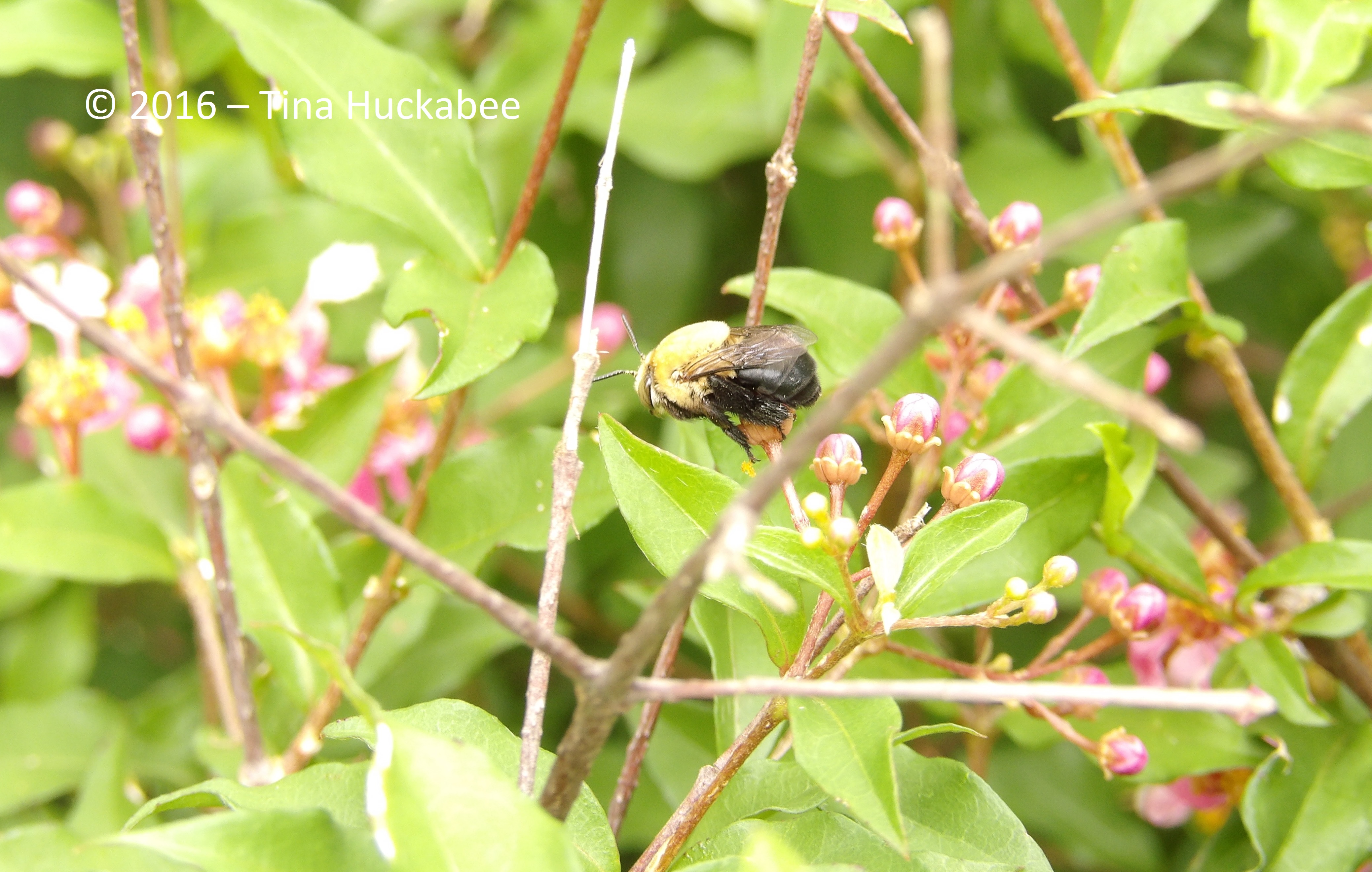
Horsefly-like Carpenter bee (Xylocopa tabaniformis) at a Coral Honeysuckle bloom cluster.

Horsefly-like Carpenter bee (Xylocopa tabaniformis) at a Coral Honeysuckle bloom cluster.

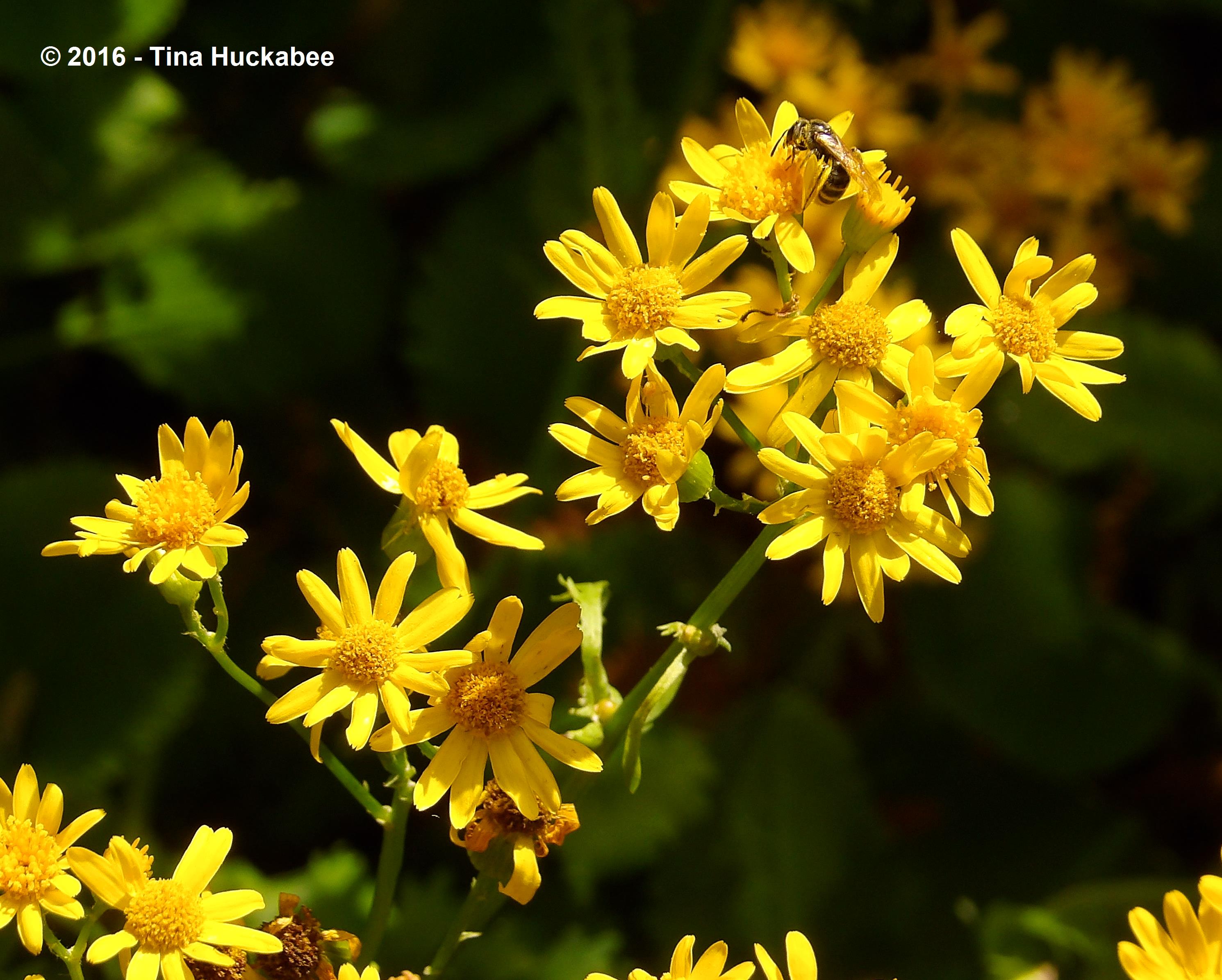
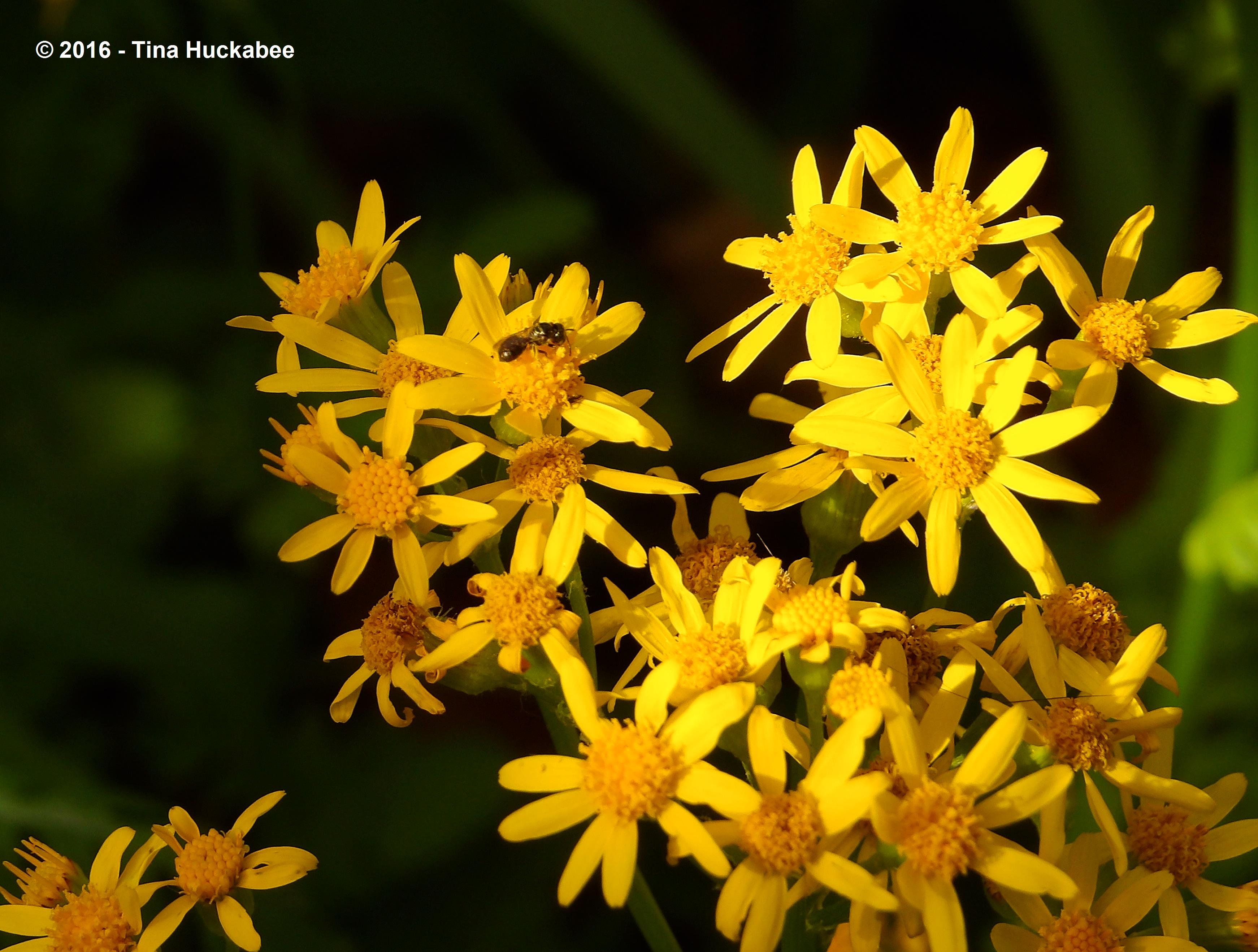
Sweat bee, Lasioglossum spp., at the Golden Groundsel blooms.

Sweat bee (Lasioglossum spp.) (?) at the blooms of Golden Groundsel.

IMGP5380_cropped_2981x2391..new

Small carpenter bee (Ceratina sp.)(?) at Golden Groundsel.

Small carpenter bee (Ceratina spp.)(?) at Golden Groundsel.

For more information about native bees and how you can make your garden appealing to them, check out this link from the Xerces Society.


Wildlife Wednesday, February 2016: Bee House Buzz

It’s the first Wednesday of the month and time to celebrate those wild things who live in, visit, and NEED your garden!  Welcome to Wildlife Wednesday for February.   I’m still enjoying my backyard birds for Cornell Lab, but didn’t want to bore with the usual suspects from last month, though I have witnessed a Sharp-shinned Hawk, Accipiter striatus, visit a couple of times, no doubt looking for a tasty bird meal.  I was too excited to grab the camera, so there are no pics of that gorgeous raptor staring hungrily at the White-winged Doves.

Because it’s deep, dark winter,

Blog_10

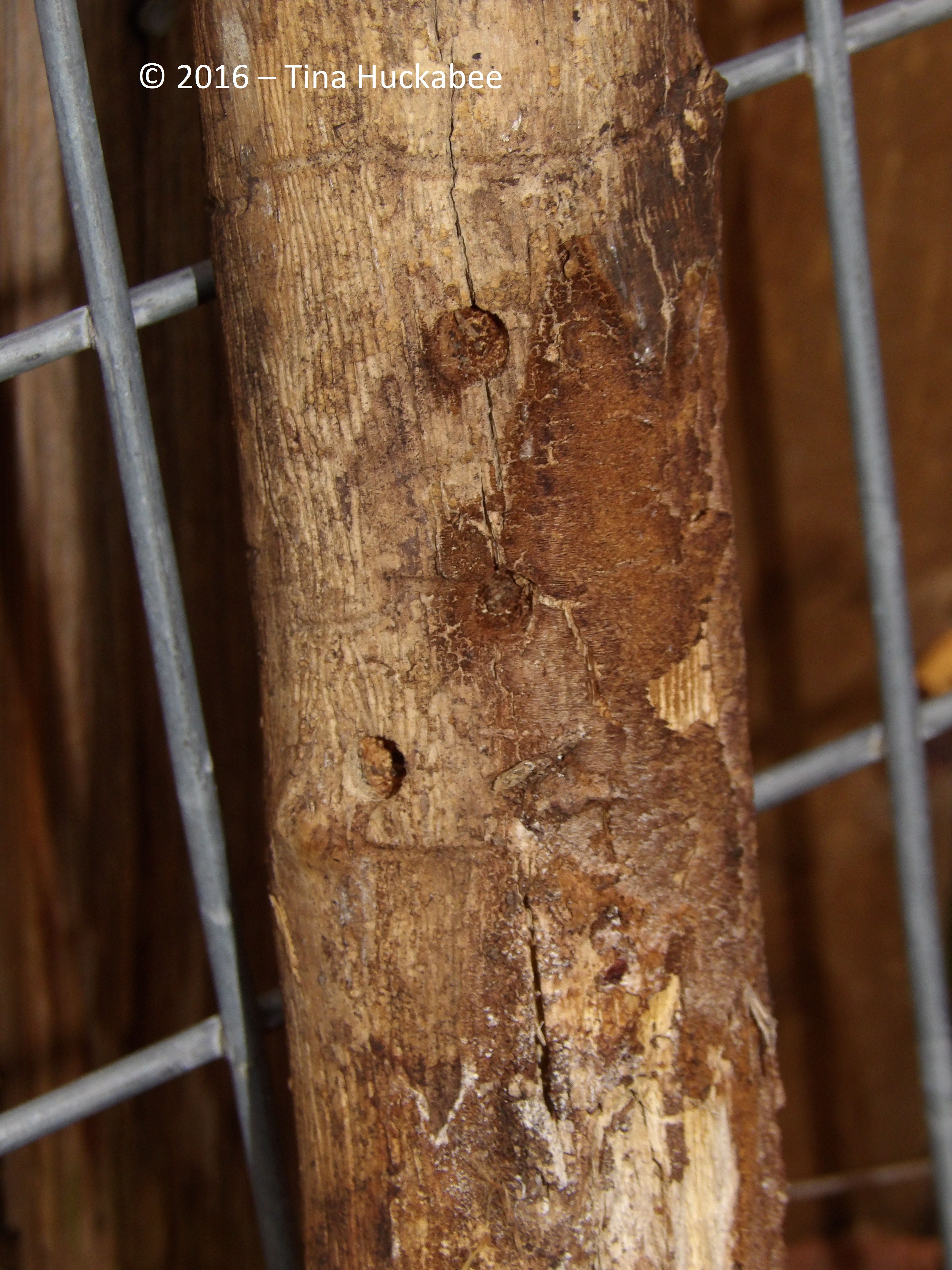
…or not, I thought I’d share a project that Bee Daddy and I undertook this past year.  It’s not related to our honeybees this time ’round, but to our beautiful native bee residents. I’ve long left well-aged wood in my gardens so that bees can make a home for their offspring.    It’s easy to do:  leave wood out in the garden for bees to find.

IMGP6663.new

They drill into the wood,

IMGP6758.new

…to lay their eggs and then tuck those eggs in with pollen, soil, and such, and voilà,

IMGP8568.new

…more native bees are made.

I do so love my honeybees. But the fact is that honeys are lazy pollinators and if you want bees with pollinating pow-wow, you need to attract whatever bees are native to your area of our little planet.  Native bees are the best pollinators around.  They pollinate food sources (one in three or four bites of food, depending upon your reading source) and approximately 90% of native plants are pollinated by native bees.

Native bees are vital for the health of the world.

According to the US Geological Survey, there are roughly  20,000 native bee species in the world, about 4,000 of which live in the U.S.  They do not suffer the many maladies of honeybees, but we know that they are declining.  The decline comes primarily because of human encroachment on natural areas, the move away from using native plants in home and commercial landscapes, and pesticide use. Additionally, native bees nest  in wood and in open ground–all places and things that most folks rush to scrap in their home gardens. The sterile, pristine landscape paradigm is not kind to wildlife–of any sort–but it’s especially unkind to native bees.  Wild bees need wild space. There’s not much we can do about urbanization, but gardeners can easily make our home landscapes amenable and attractive for these incredibly valuable and fascinating insects.

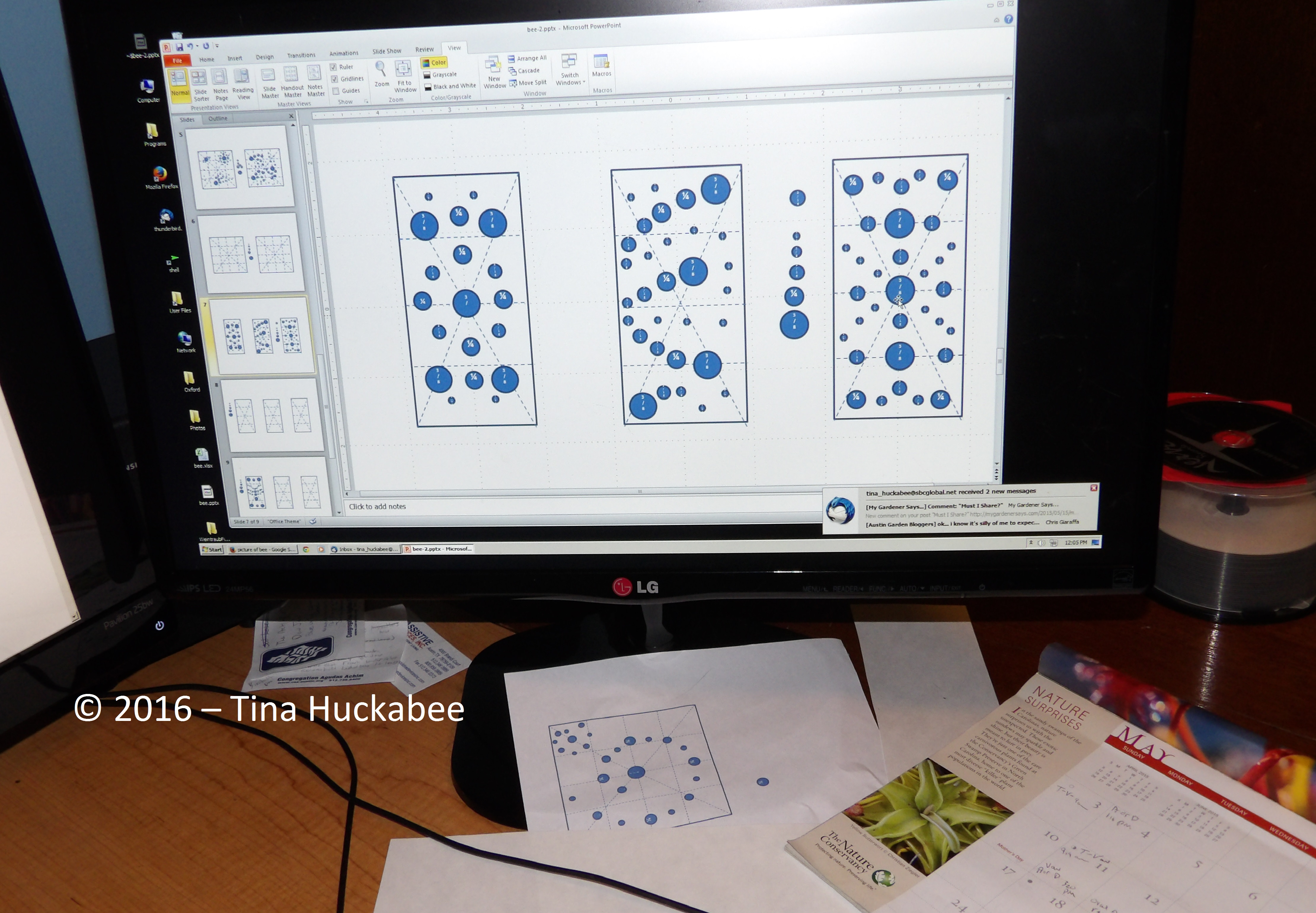
Last spring, Bee Daddy and I designed templates for wood cuts of varying circles sizes and patterns on the computer,

imgp8235-newjpg.jpg

blog_15.jpg

…that we (okay, Bee Daddy, not I) then drilled into cut, untreated wood.

Blog_03

Blog_02

The wood doesn’t need to be expensive (Bee Daddy used inexpensive fence pickets and 2×4 boards), but it shouldn’t be treated with any chemicals. Remember, we’re trying to make nice homes for bees, not homes laden with icky, insect unfriendly chemicals. You want to drill a variety of circumference sizes as well as varying depths for the holes in order to attract different species of bees.

Additionally, we (okay, Bee Daddy, not I), cut various sizes of bamboo (harvested from a friend’s home who was glad to share) to insert between the holey wood.

Blog_01

Ta da!!  A bee/insect hotel!  Or townhouse!  Or apartment!  Or condominium! Or nesting box!

wwfeb16_06.jpg

Whatever!!

What this bee house really does is create something cute for gardeners to look at and safe for bees to nest in and nurture their offspring.  Native bees rest-n-nest in  a variety of situations like the ground and natural cavities of wood or even rock. People-made insect hotels have become popular garden-art additions for those wild gardeners wanting to attract even wilder bees, as well as other  important garden residents.

blog_04.jpg

I stacked the two insect hotels for “my” native bees, one on top of the other, with both popped atop an unused and upturned terracotta pot.  Many insect hotels are free-standing and some are made to hang on fences or posts.The insect hotels can be as elaborate or as simple as your time and interests allow for.  My bee condo is situated in a shady spot and both stories have a little overhang so that the entrances to the holes are somewhat protected from weather conditions.  The different sized holes  assure that bees of all kinds can find refuge for their young.  Additionally, lizards and other insects will probably use this as a shelter and also to hunt critters who happen by.

Such is nature.

Don’t have a handy honey-do, carpenter-happy Bee Daddy to do the drill-baby-drill part of this project?  That’s perfectly okay. Aged firewood, or smaller, broken or trimmed tree limbs make great homes for native bees–and all you have to do is place these soon-to-be-bee homes in your garden and the bees will come.

blog_08.jpg

blog_05.jpg


Can you see this little gal, squirreled away in her hidey-hole?

blog_11.jpg

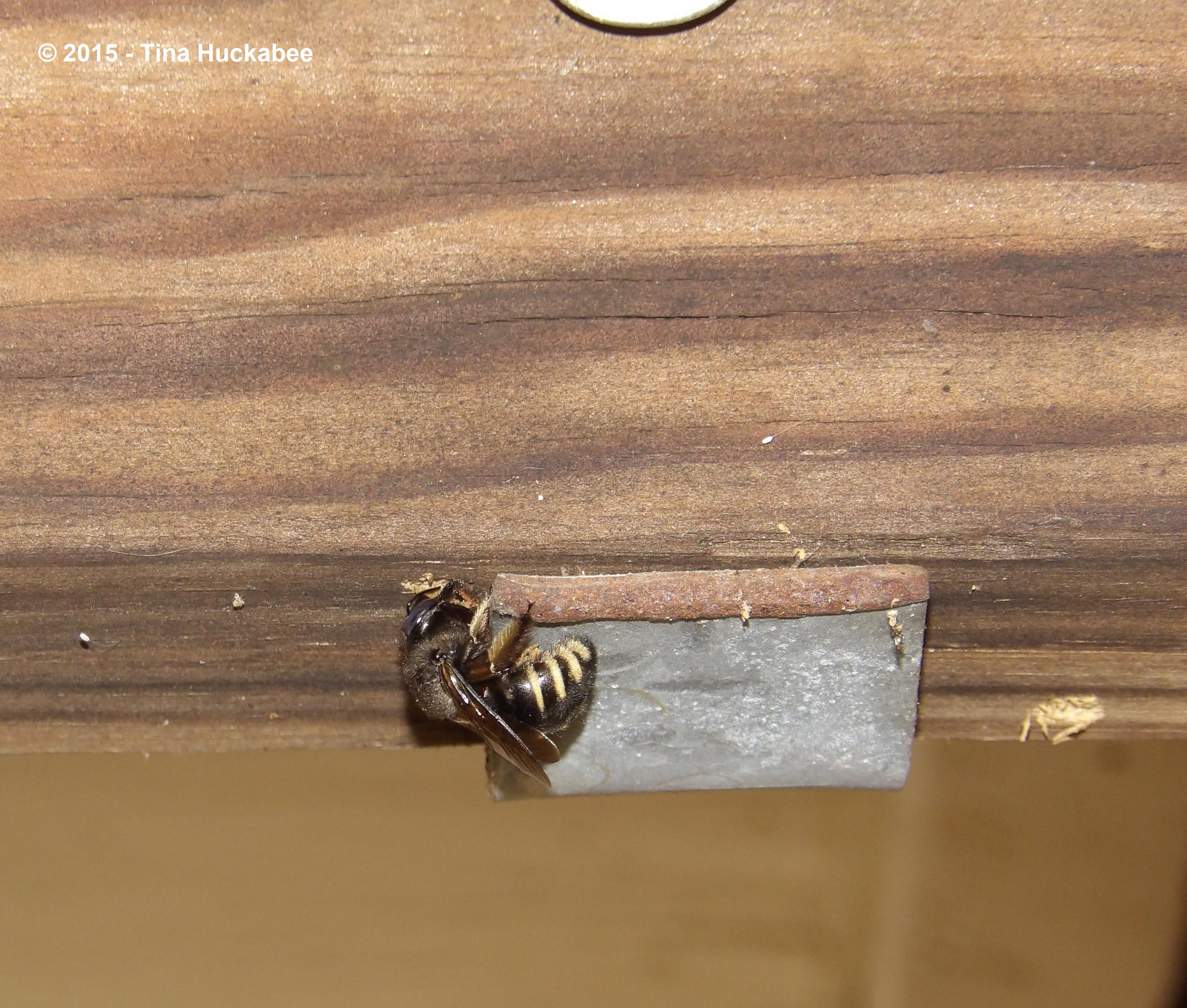
Available wood makes life easier for bees like this female Horsefly-like Carpenter bee, Xylocopa tabaniformis.            .

IMGP6707_cropped_3092x2626..new

IMGP6708_cropped_3442x3170..new

This mother-to-be drilled all afternoon one day last spring, only to abandon her nesting site. I hope she found softer wood here  in which to lay her eggs.

blog_09.jpg

On my back patio, there are holes in the limestone rock that were drilled for shelves that we removed some years ago.  Instead of filling those holes with mortar, I’ve left them open and I’ve seen several species of bees use these holes as nurseries for their off-spring.

imgp4037-new.jpg

blog15.jpg

Nice!  I’m looking forward to viewing whomever emerges from that hole and who will be a pollinating fool all spring, summer, and fall.

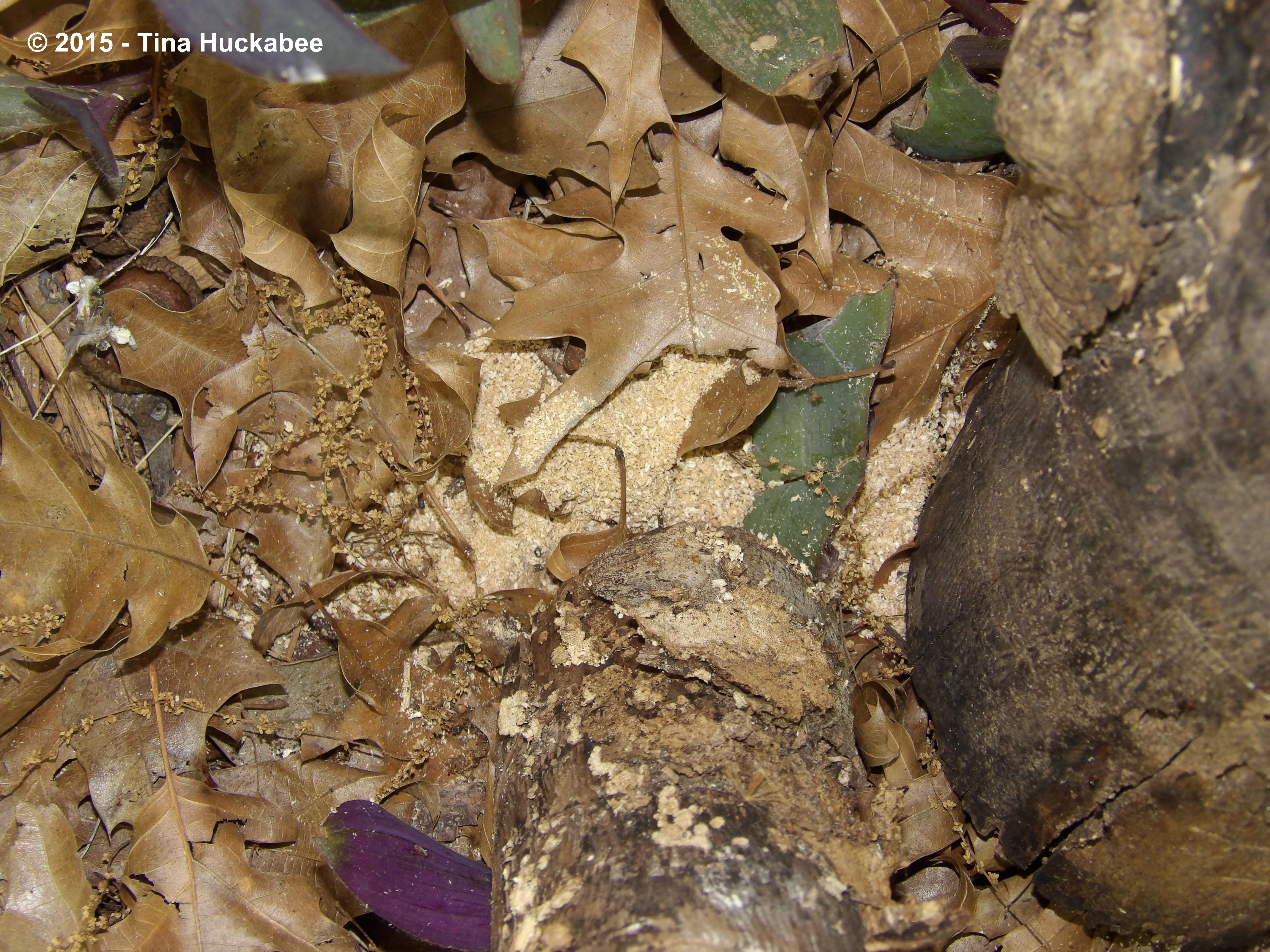
Along with setting out wood or building insect hotels, if there are fallen leaves from autumn, on the ground waiting for “someone” to pick them up–don’t!  Or, at least, leave some leaves on the ground.  Better yet, place that fallen foliage in your gardens.  Many insects, including bees, take refuge in the cover that crinkly leaves and small tree limbs provide.  Plus, the leaves don’t end up in the landfill and  it’s less work for the gardener if the leaves aren’t bagged.
“Less work” for the gardener is always a good thing.

Lastly, don’t be shy about allowing some open dirt space in your habitat.  There’s no garden rule that says every square inch of your property must be mulched, gardened, turfed, or hardscaped.  About half of native bees are ground nesters and some of the most threatened native bees are those that need bare ground, either to over-winter in or to nest in.  You’ll do everyone a favor if there’s a little naked dirt on your property, here and there.

As of now there are no residents in our native bee houses.  Because life gets in the way, it took us a while to complete this project: we made the templates last May, but we (okay, Bee Daddy, not I) finished the frames, bamboo cuts, and holes in November.  I imagine there will be some residents in place by late spring this year.

For more information about building your own native bee/insect house, check out this link from the Xerces Society for Invertebrate Conservation.  There are many Internet sites with information about native bees and how to make insect hotels.  If you have children, this is an especially fun project in which to include them and teach the importance of nurturing wildlife and providing habitat.

Don’t forget to plant gorgeous native plants for your bee buddies to nectar on.

Blog_13

blog_12.jpg

Lovely non-native bloomers also fit the bill and provide for pollinators.

IMGP8897.new

IMGP8367_cropped_3190x3258..new

The world will be a better place for their survival because of your efforts.

Did wildlife visit your garden this past month? Please post for February Wildlife Wednesday–share the rare or mundane, funny or fascinating, beneficial or harmful critters you encounter. When you comment on my post, please remember to leave a link to your Wildlife Wednesday post so readers can enjoy a variety of garden wildlife observations.

Happy wildlife gardening!