Bees in Bloom

I suppose the title should read:  Bees in Blooms.

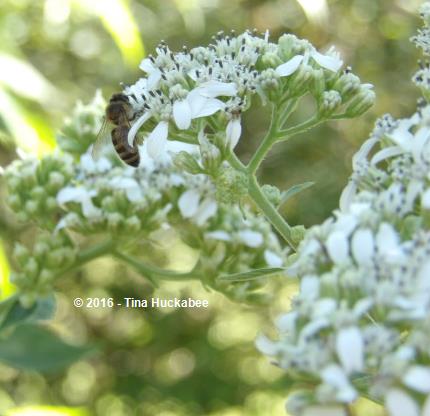
Bees of all stripes and wings are active in the late summer garden, sticking their probosces into the depths of flowers and reveling in pollen. This week, I’m crowning the honeybees as the winners of the bee beauty pageant. From a purely self-interested standpoint, honeybees are significantly easier to photograph, as they’re not speed fliers, nor teeny-tiny, like most of the native bees.

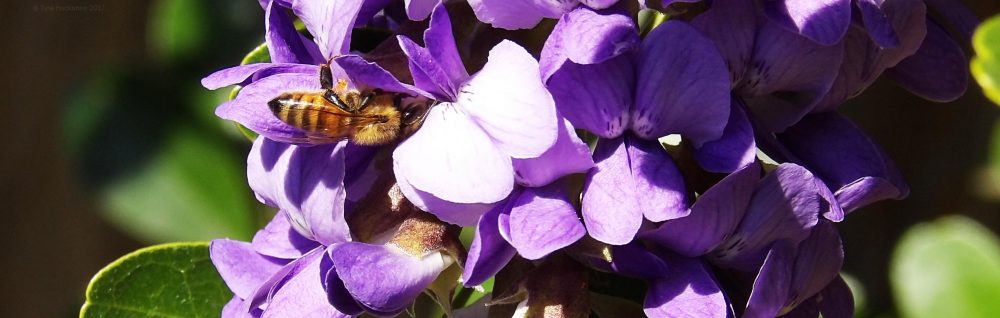
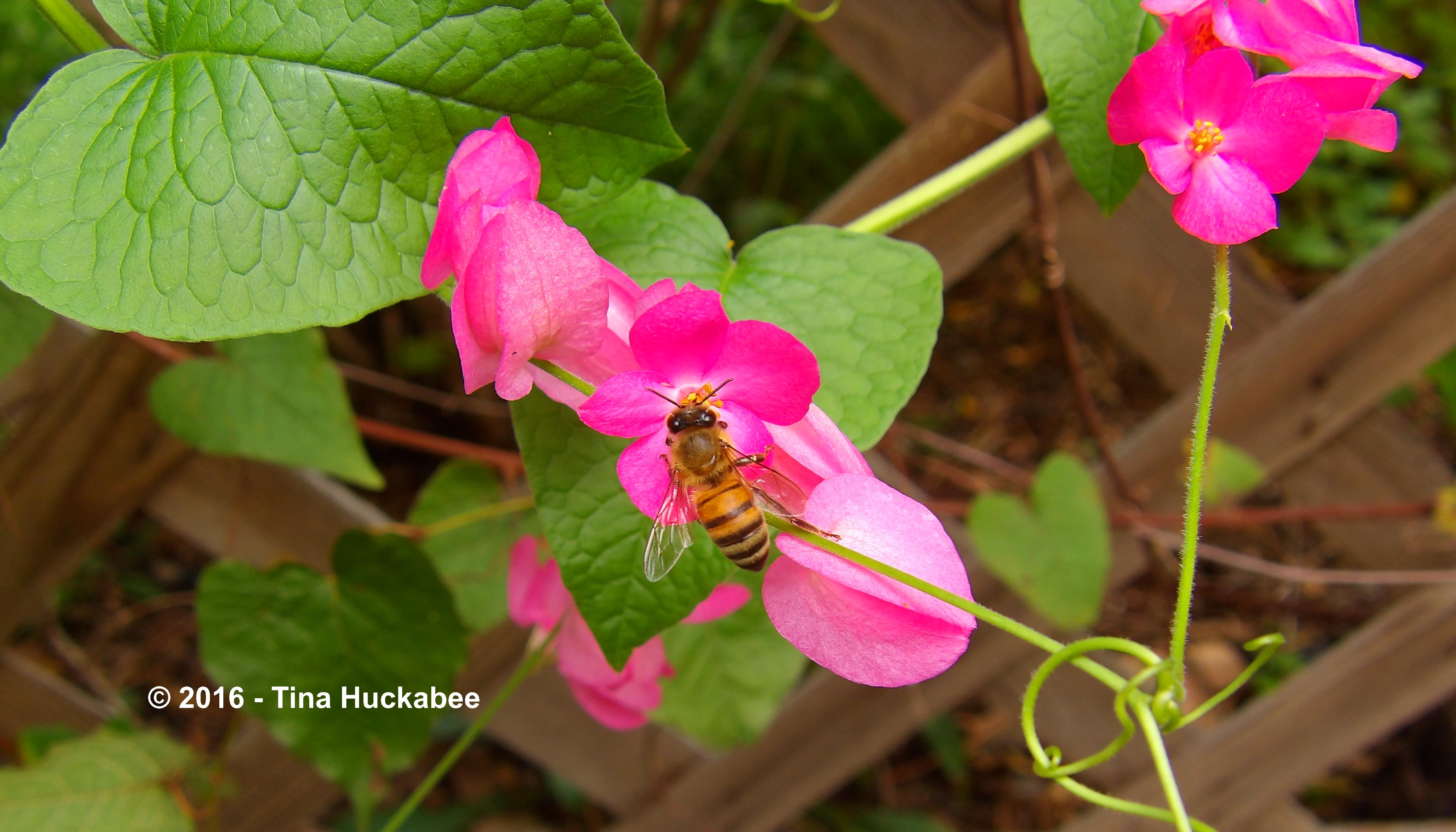
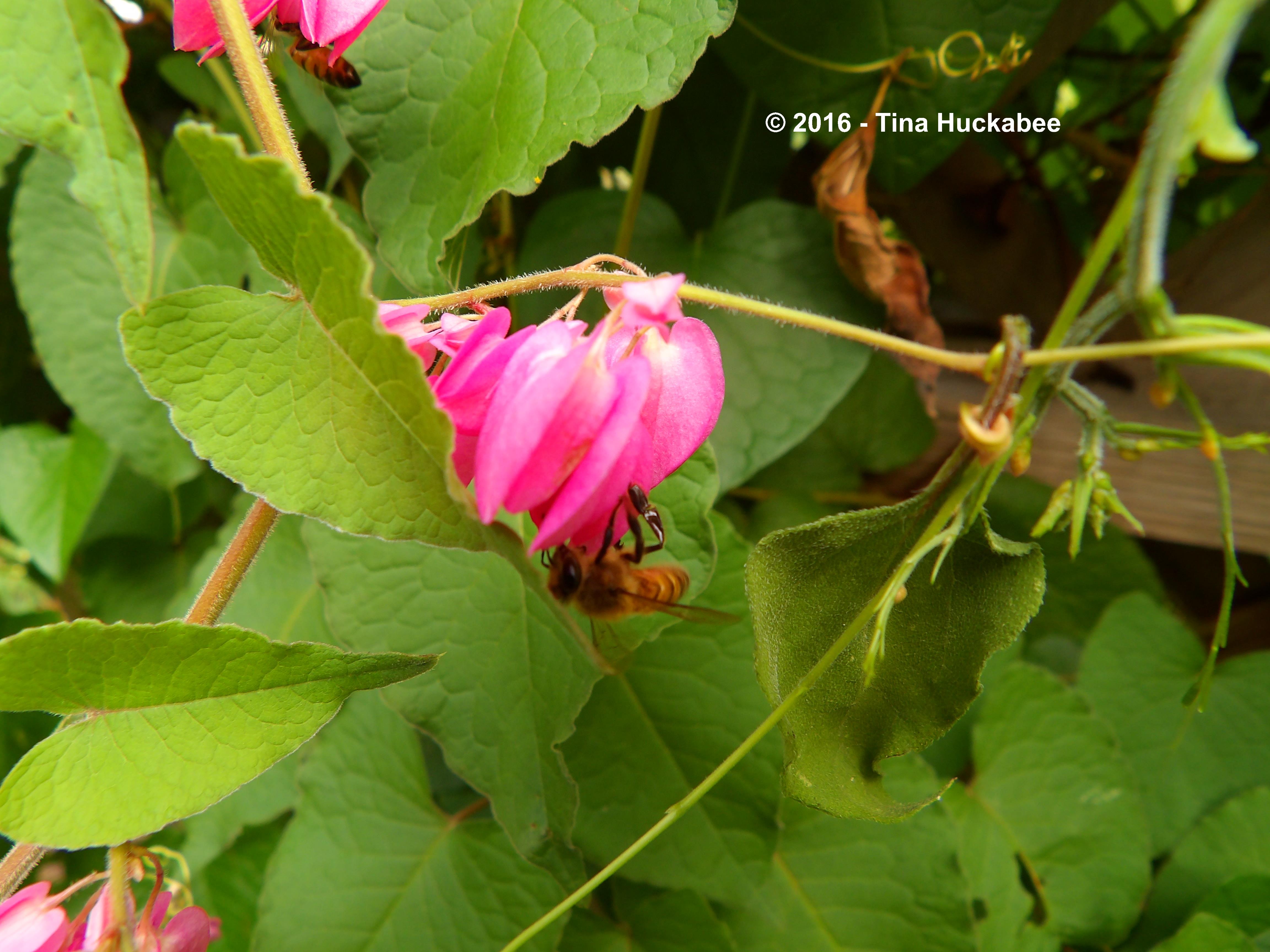
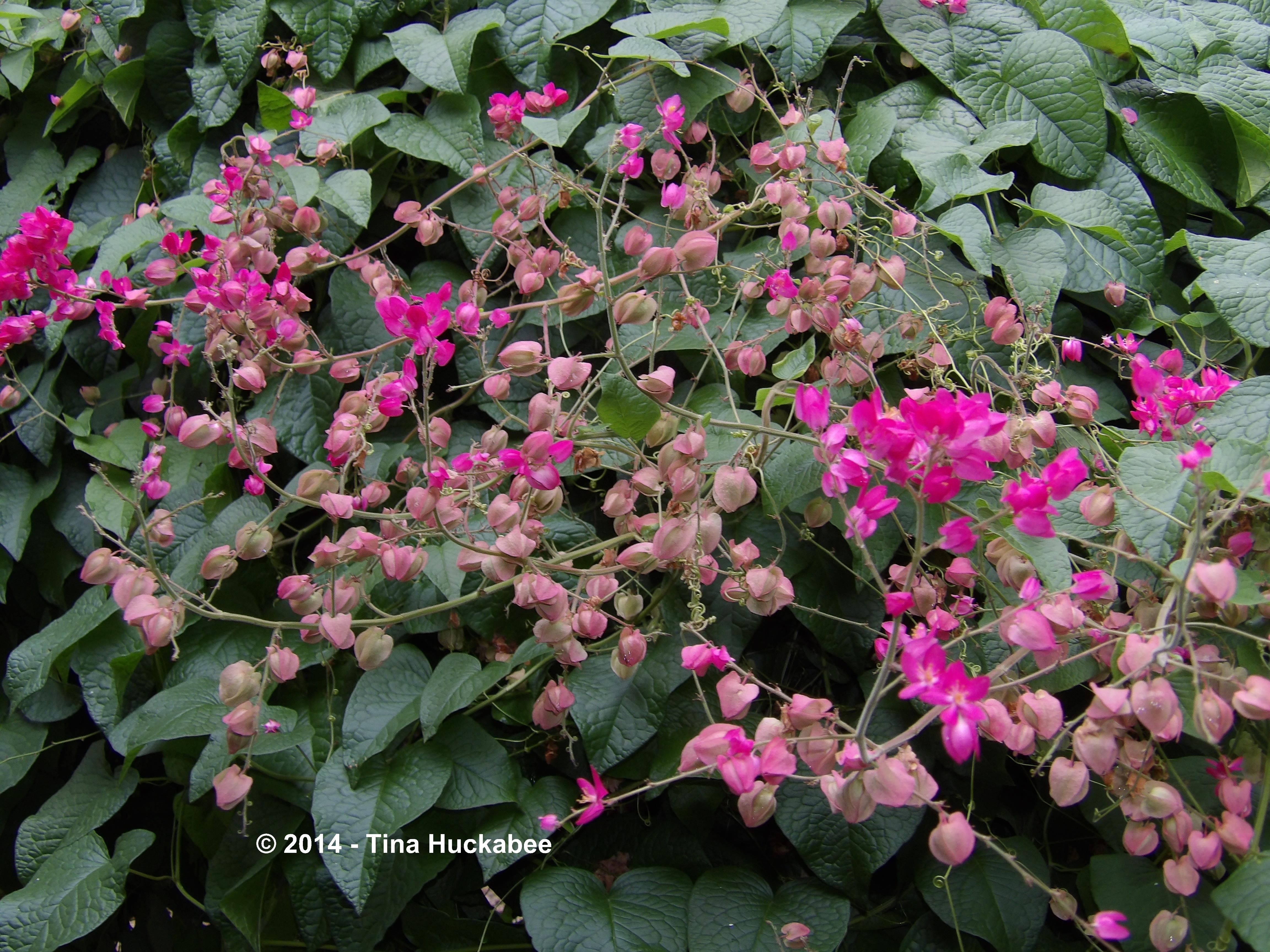
A preferred nectar source for honeybees are the charming blooms of the Coral Vine, Antigonon leptopus.

imgp9746_cropped_2088x2032-new

imgp9744_cropped_4355x2488-new

imgp9737-new

I grow one small bit of this vine and from late summer into fall, the bees are all over it, all the time.  Tagged as an invasive plant here in Texas, as well as some other southern states, in all the years I’ve grown my vine I’ve only seen two or three seedlings develop. That said, I probably wouldn’t grow it if I live in a rural area and not smack-dab in the middle of a city, at some distance from a green belt.  Rural gardeners should steer clear of this plant and choose native-to-region plants instead.

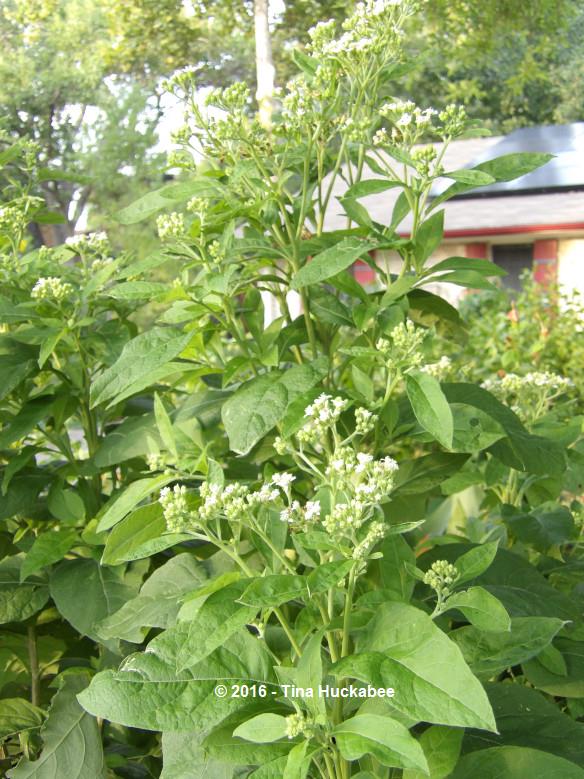
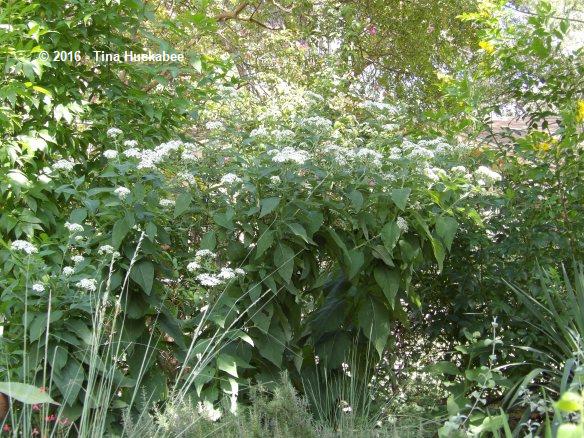
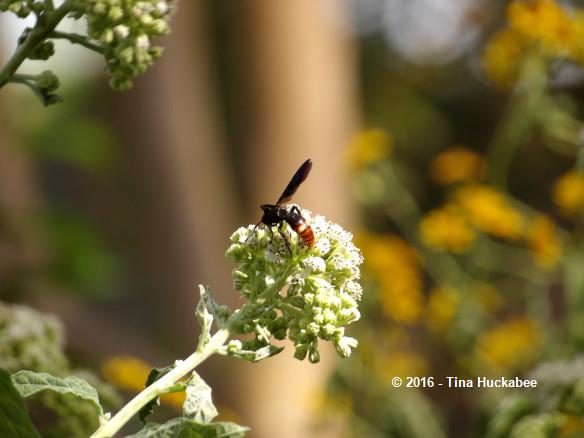
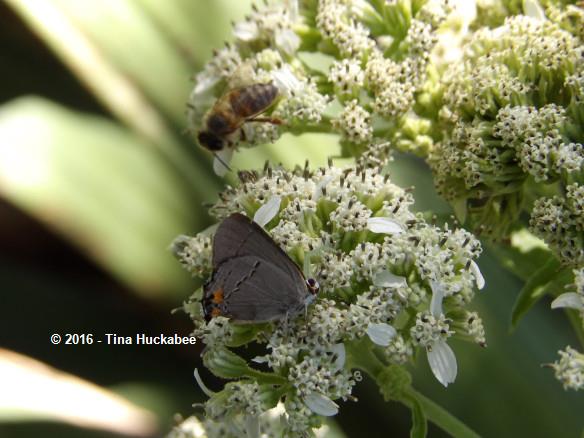
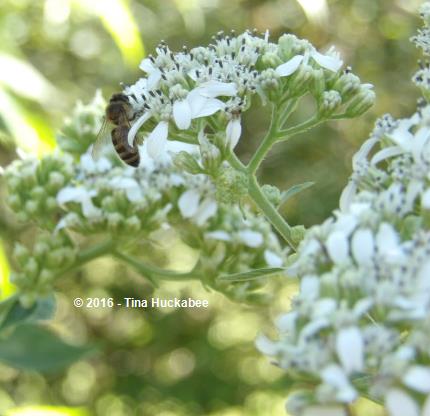
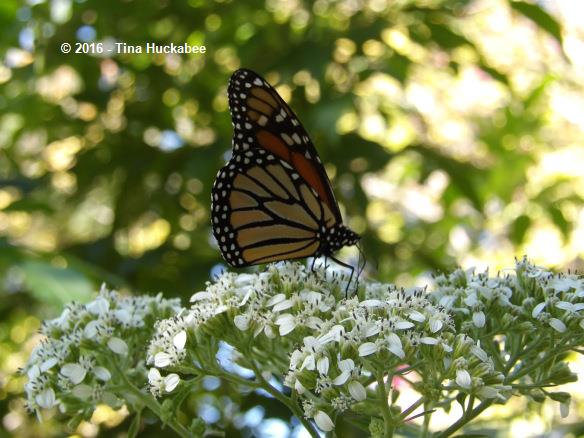
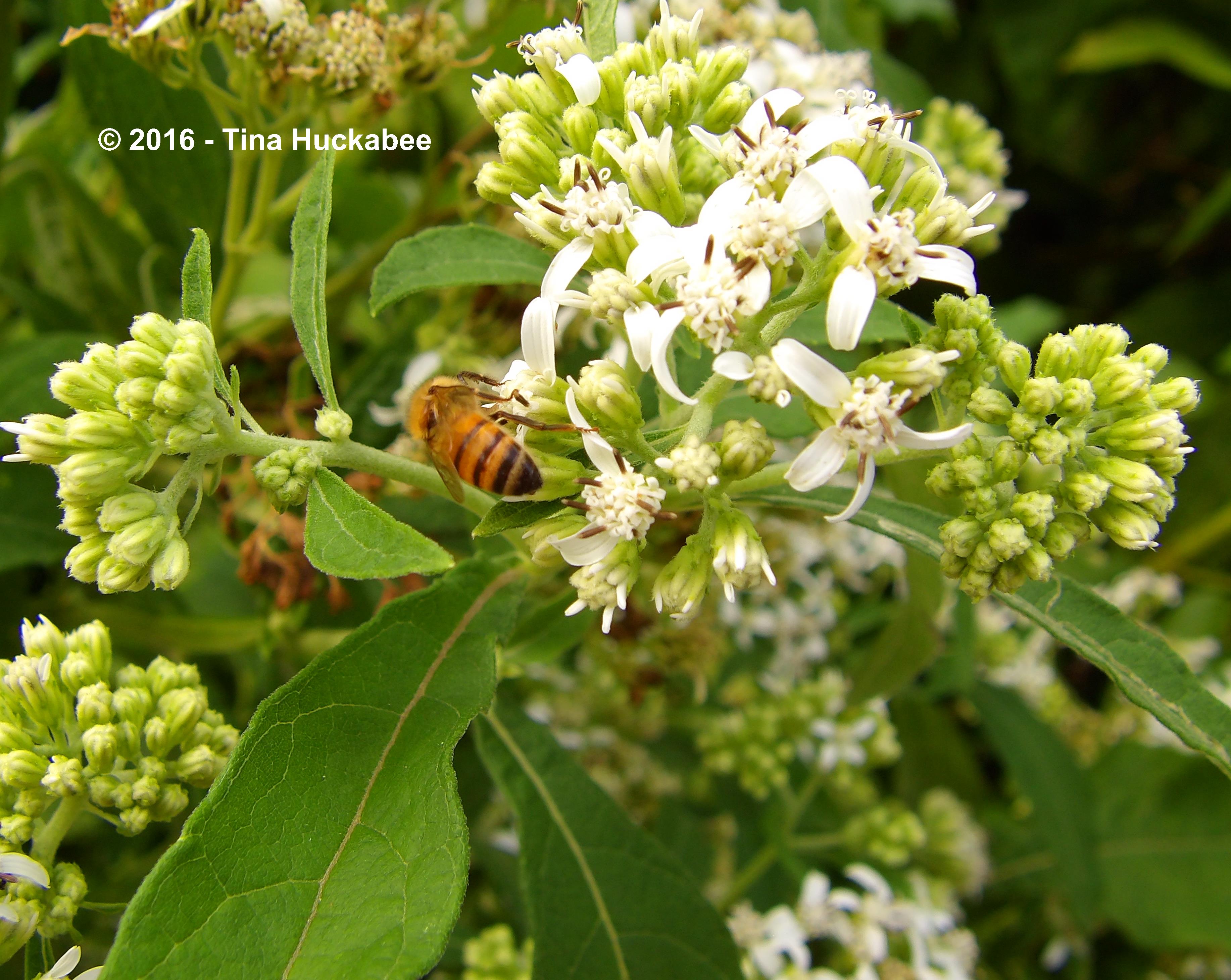
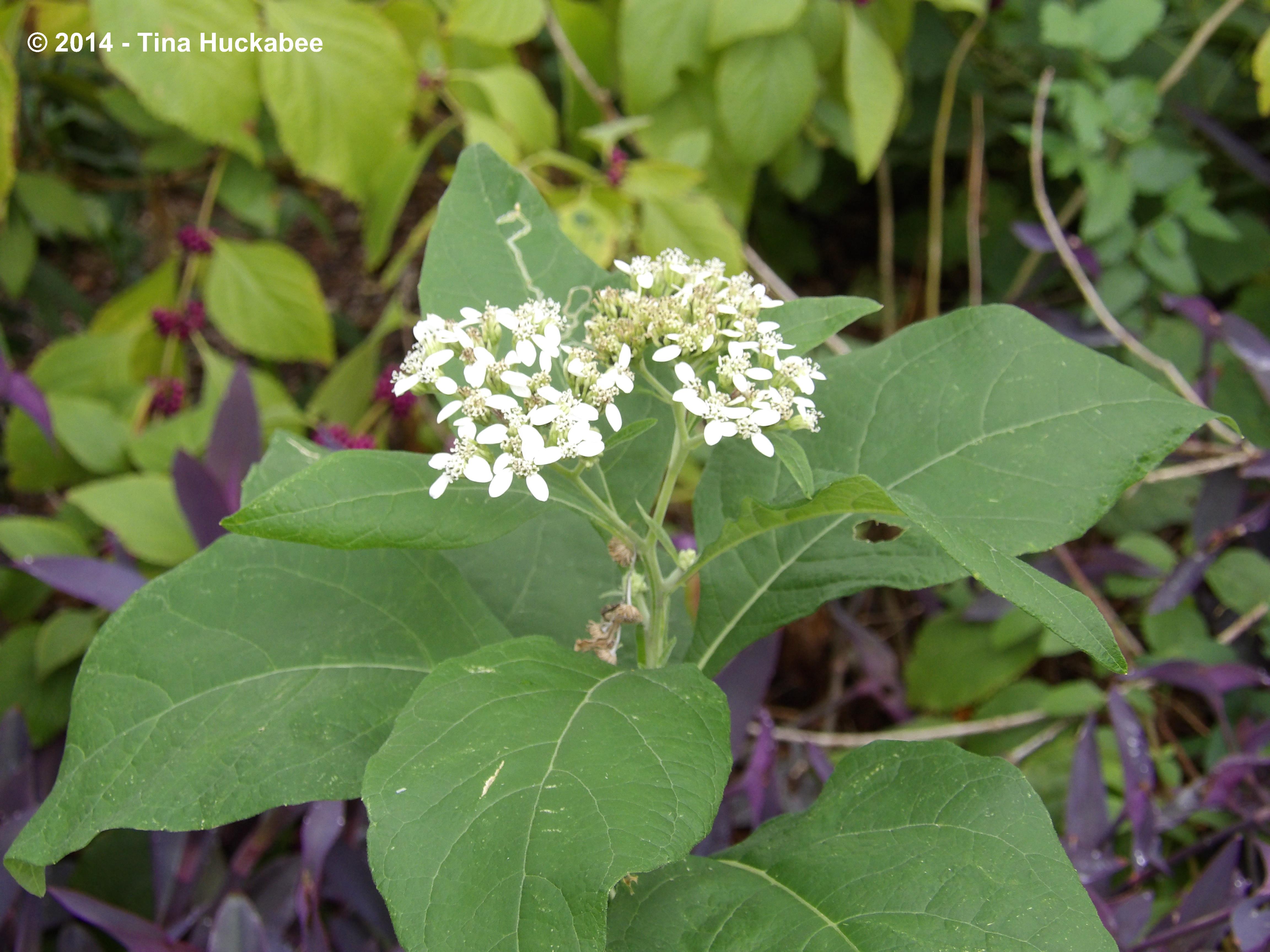
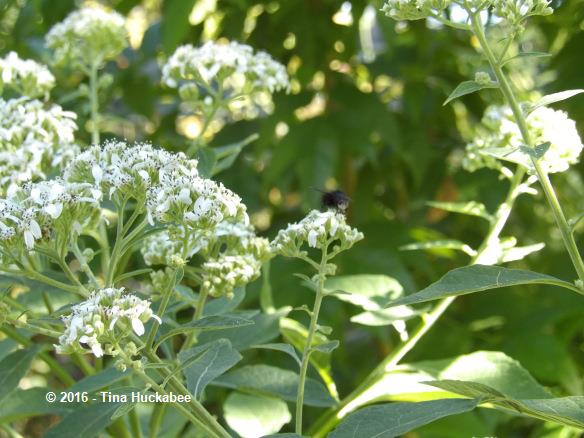
Honeybees enjoy the flowerets of FrostweedVerbesina virginica, a native perennial best known as a migrating Monarch butterfly favorite and a post hard-freeze ice-sculpture plant.

imgp9742_cropped_3668x2921-new

imgp9678_cropped_2649x2843-new


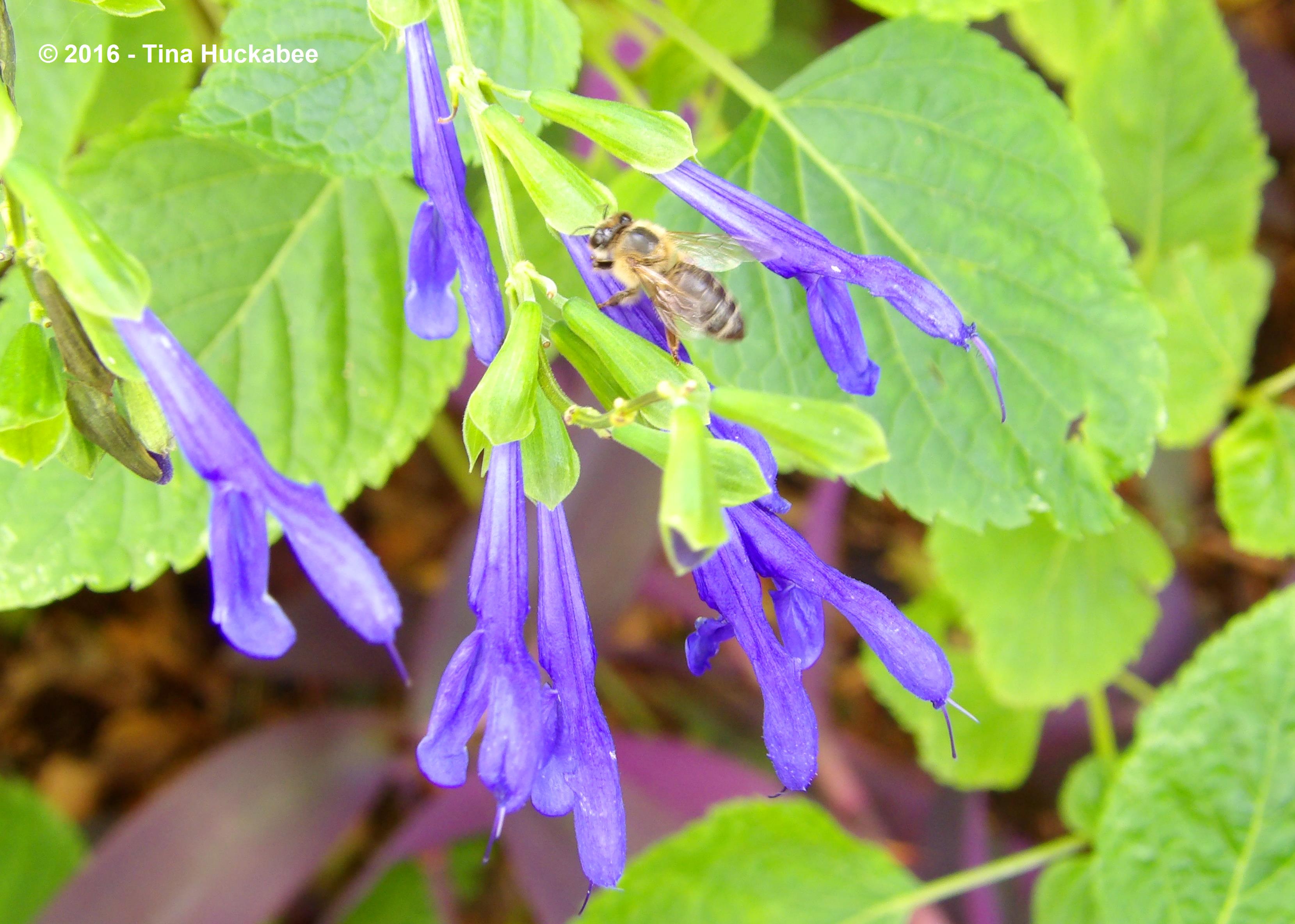
Majestic sageSalvia guaranitica, is lush with its royal blooms this wetter-than-normal summer.   Typically, I see one or two native bee species at this plant, but honeybees have shown interest in stealing nectar.

imgp9706_cropped_3318x2368-new


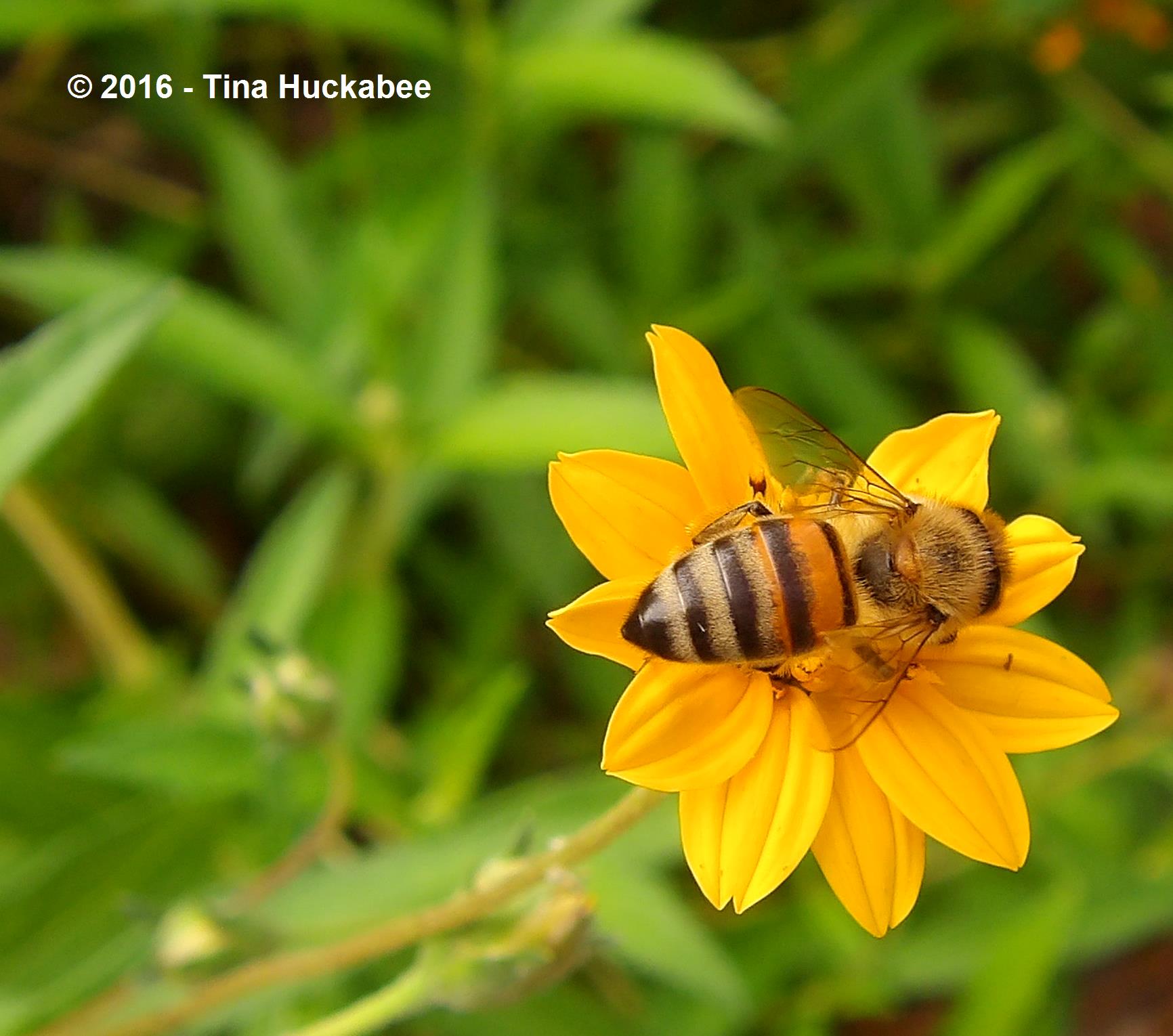
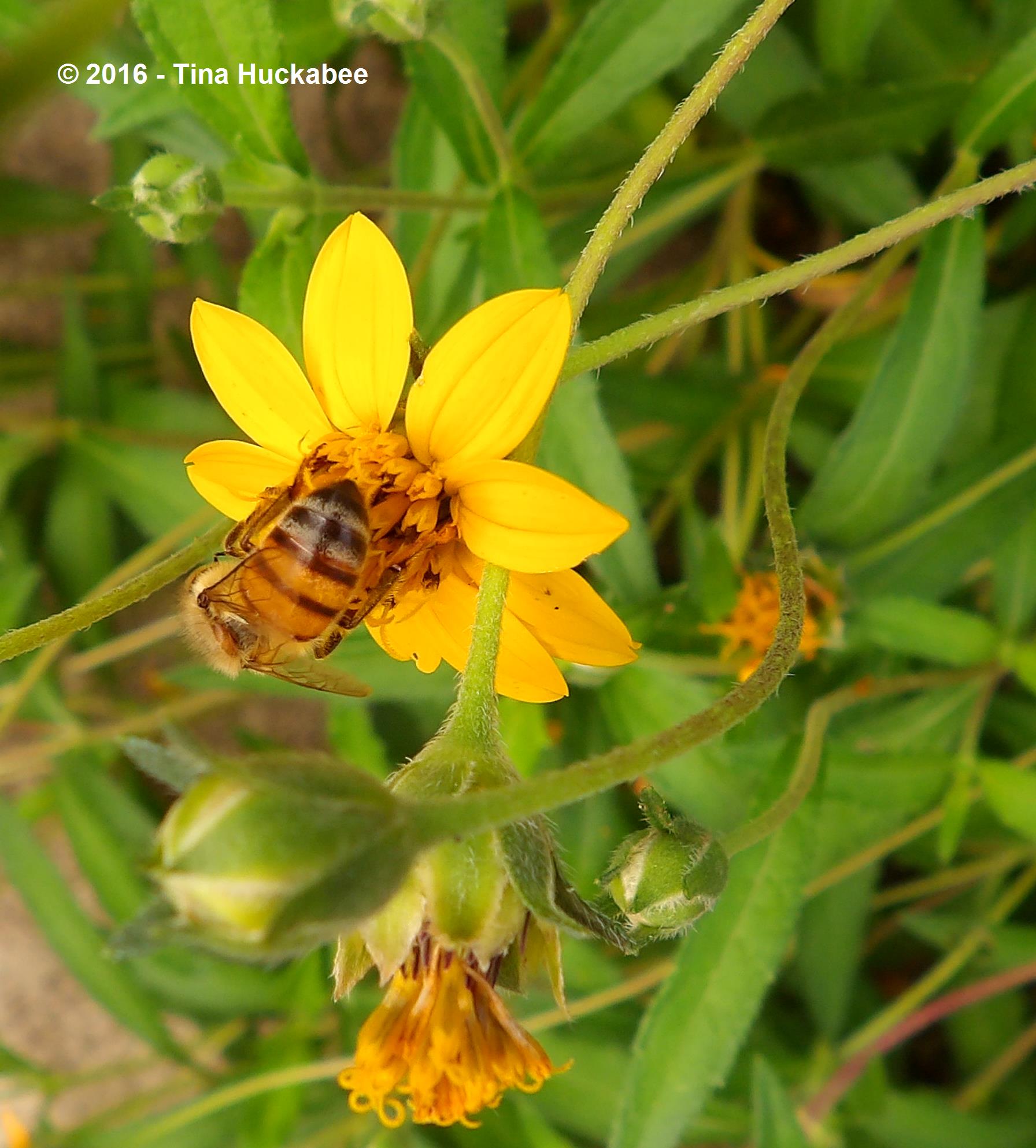
ZexmeniaWedelia texensis, always hosts a variety of  native pollinators who work its cheery yellow blooms;  honeybees are included in that mix.

imgp9743_cropped_1732x1530-new

imgp9741_cropped_1792x1986-new


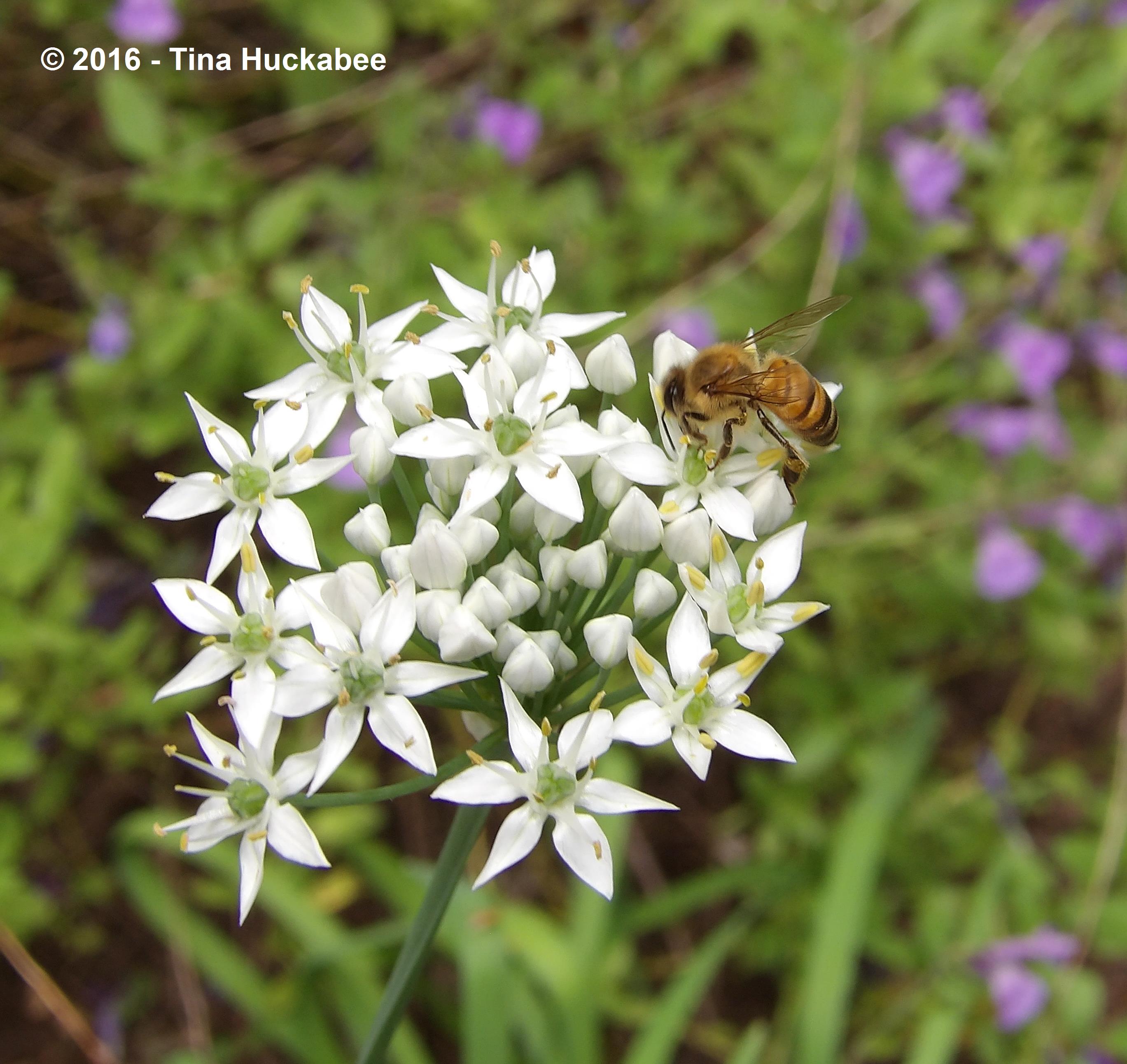
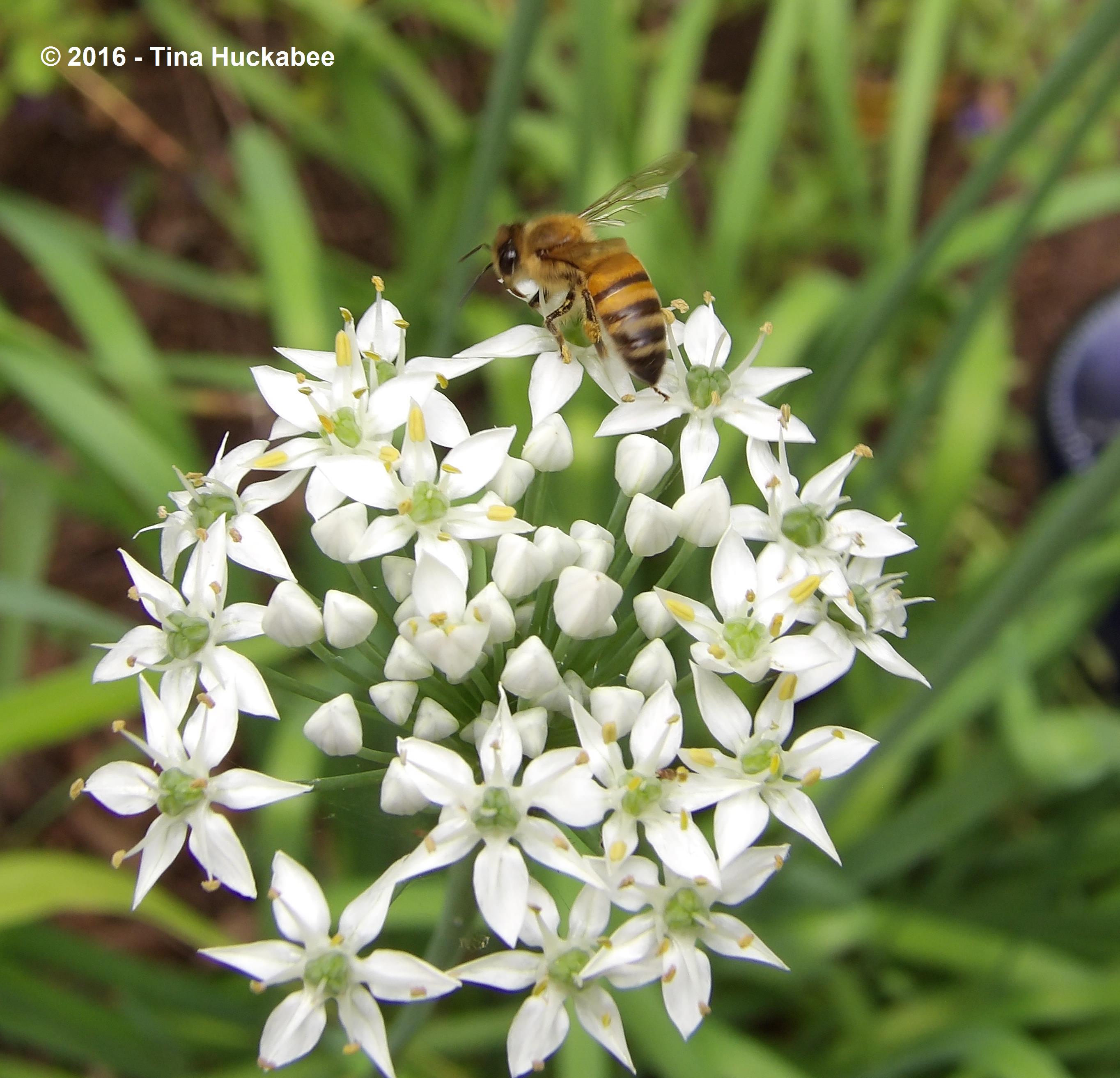
Garlic chivesAllium tuberosum, recently began their short bloom cycle in my garden, but it didn’t take long for the honeys to find them.

imgp9732_cropped_2737x2585-new

imgp9728_cropped_2728x2626-new

I wonder what garlic honey might taste like?  Mmmm!


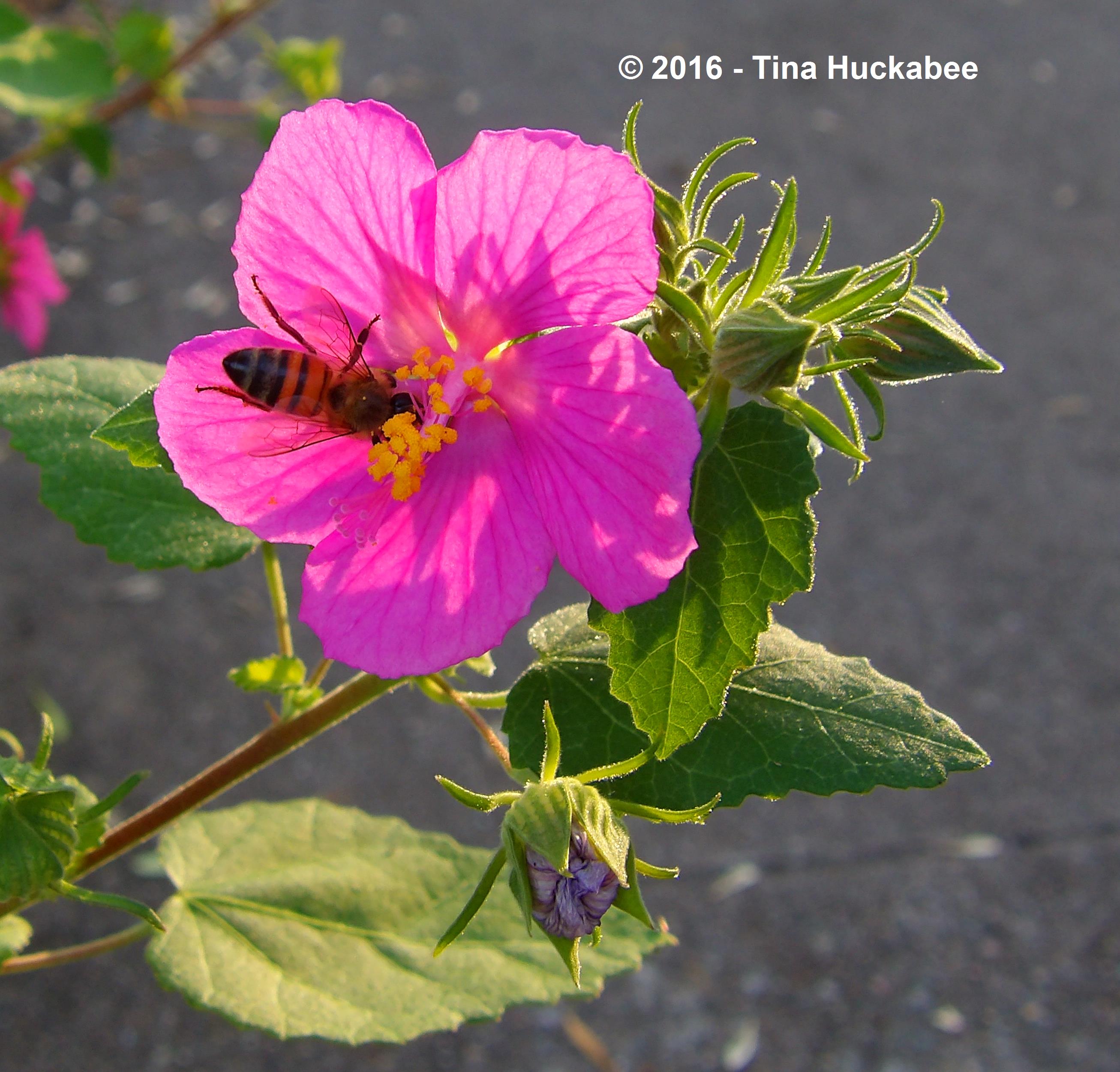
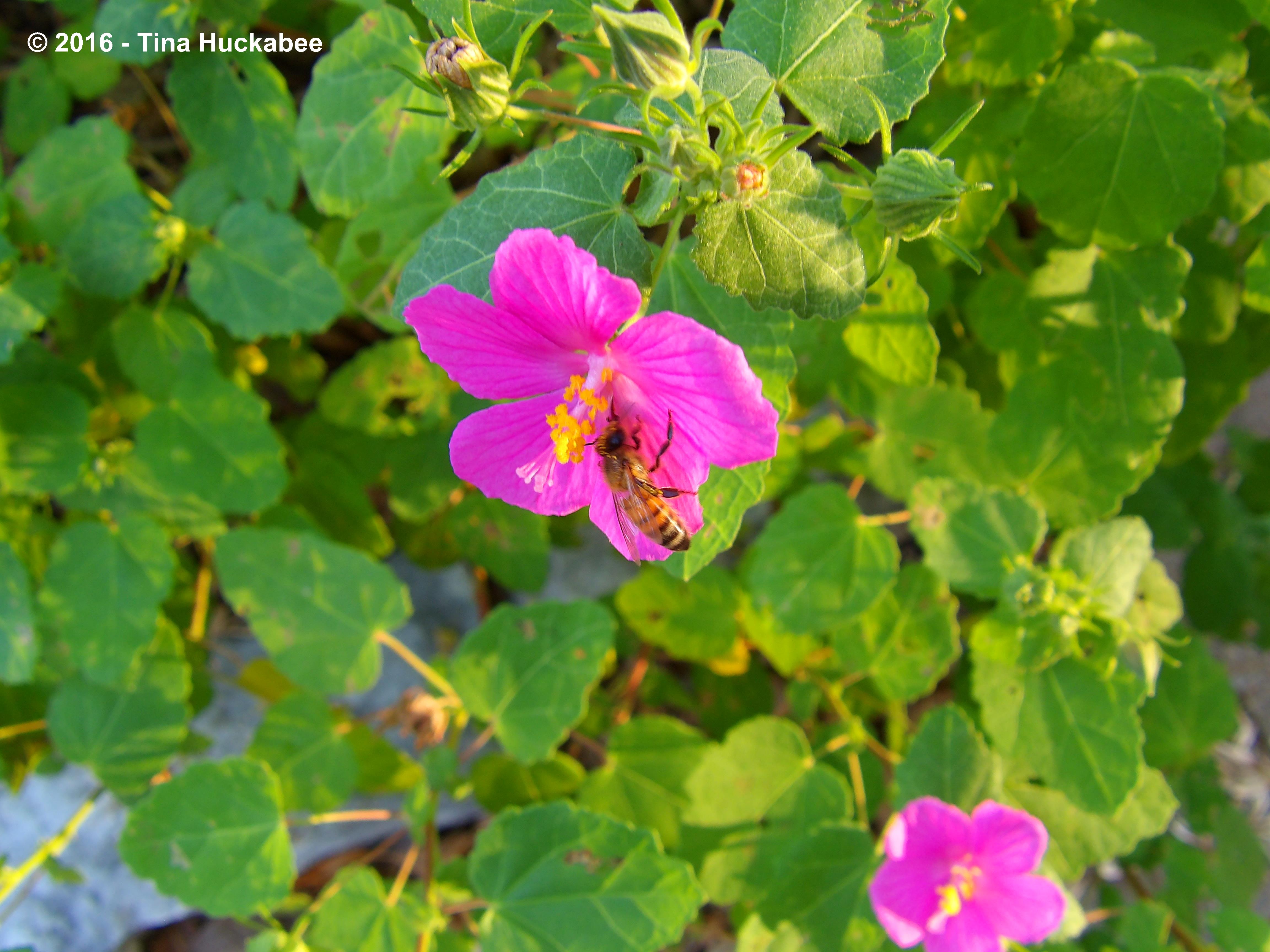
Another perennial preference of honeybees and many other pollinators is the Rock rosePavonia lasiopetala.  I like this back-lit shot with the early morning sun, setting bee and bloom aglow.

imgp9805_cropped_2613x2502-new

As well as this shot, which simply highlights both–and the foliage, as well.

imgp9803-new


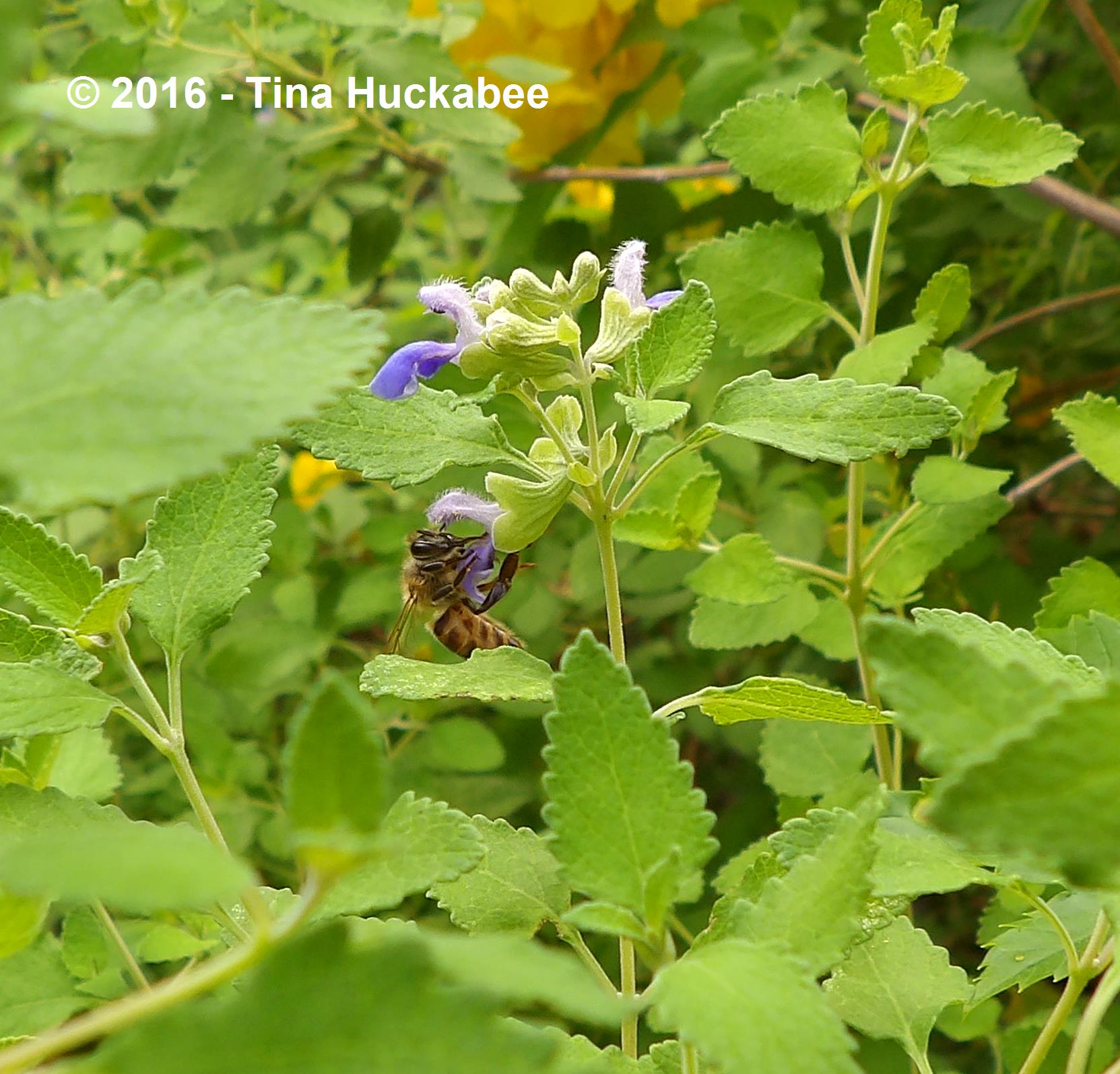
An impulse buy from a nursery a couple of years ago as I observed honeybees clamoring for nectar from its blooms, is this Shrubby blue sageSalvia ballotiflora.

imgp9739_cropped_1663x1594-new

I’d say that the bee is busy and content with its bounty.  The Shrubby blue sage also attracts several species of native carpenter bees, as well as a variety of butterflies.


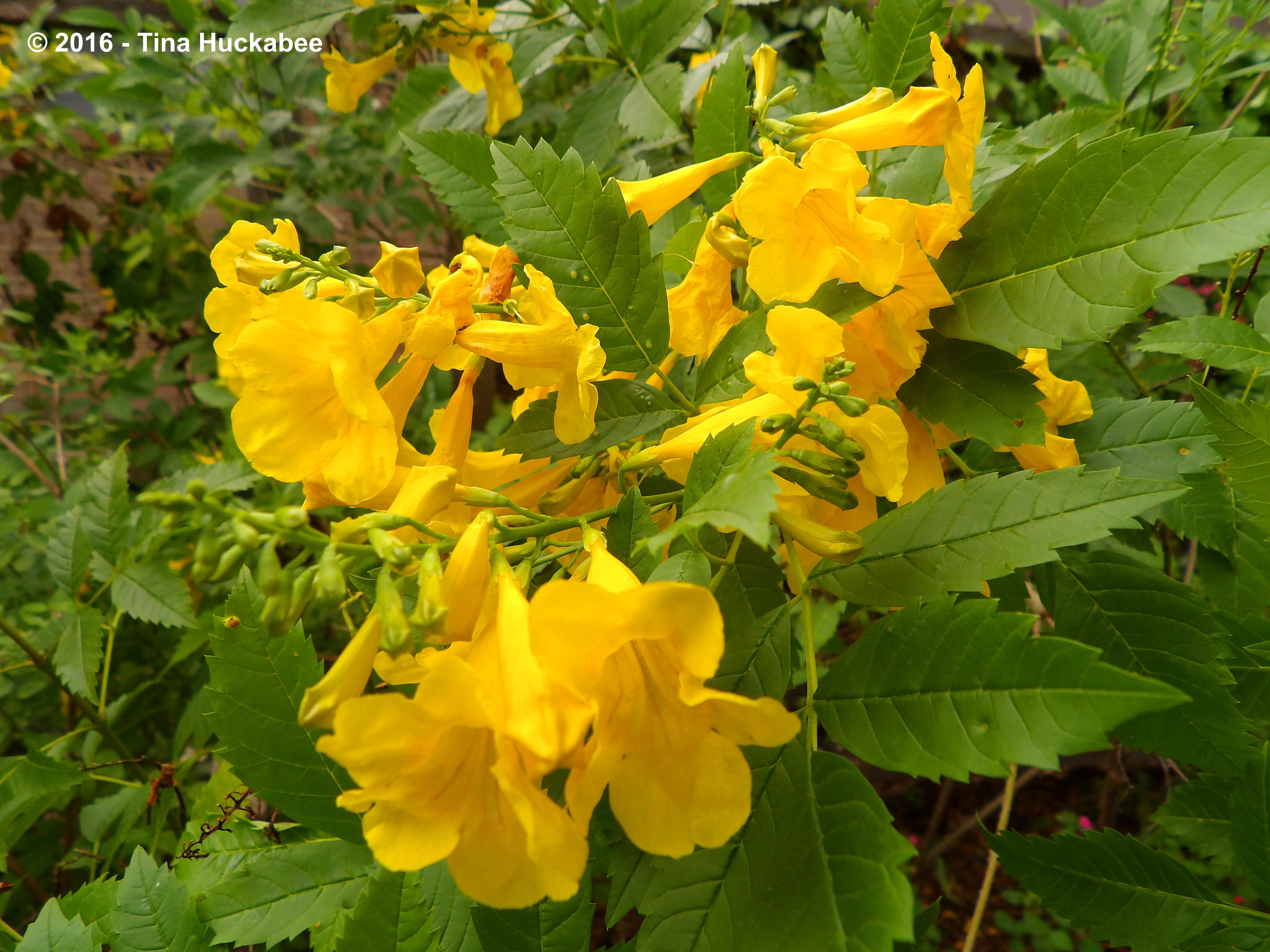
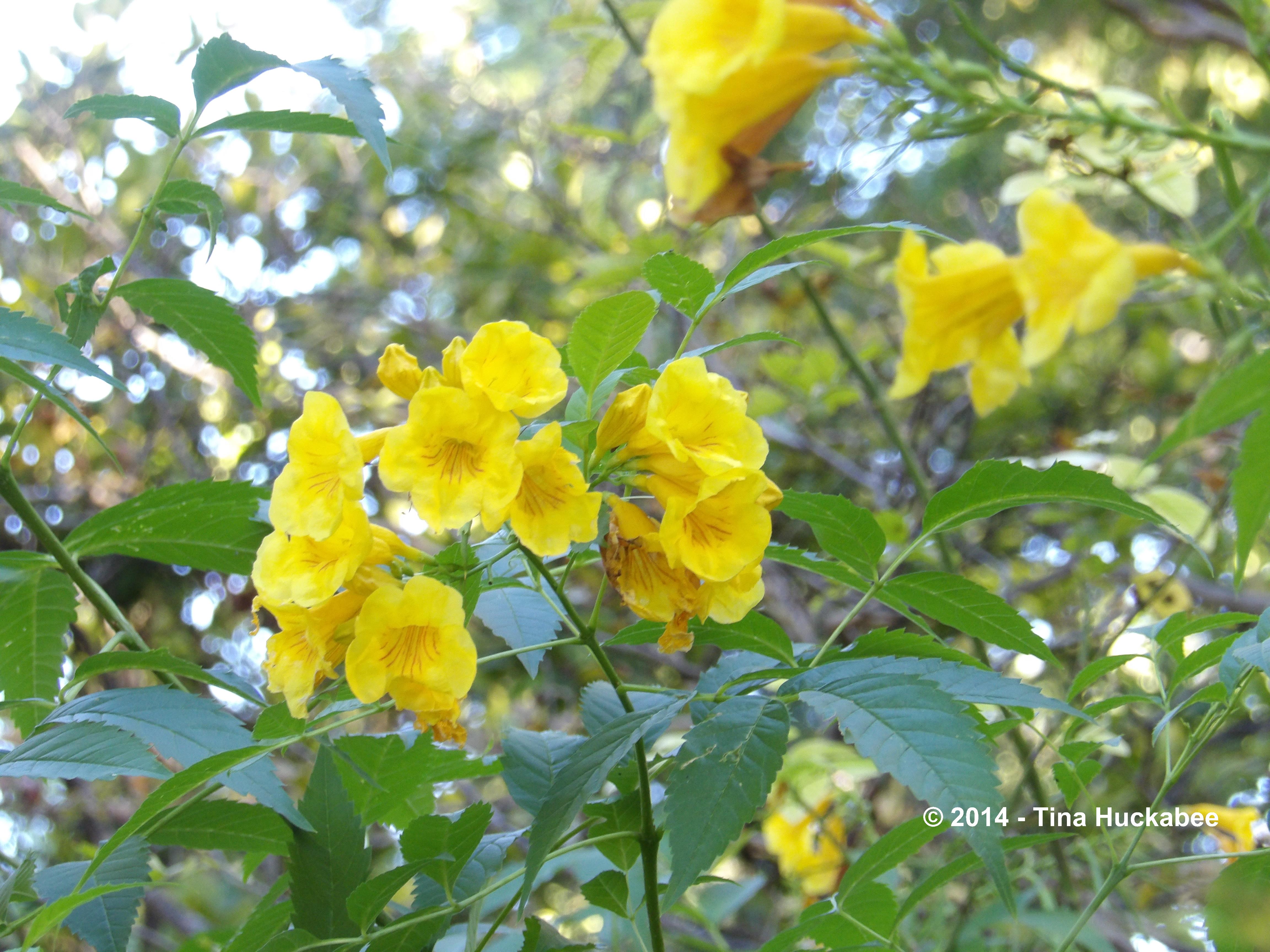
The native-to-South Texas, Yellow bellsTacoma stans, always has bee visitors, but rarely (or so it seems)  at the angle that I can easily photograph.  No bees at this bloom cluster, but these flowers always please.

imgp9738-new

A bee-less photo, but of a great bloomer and nectar source for many different pollinators.


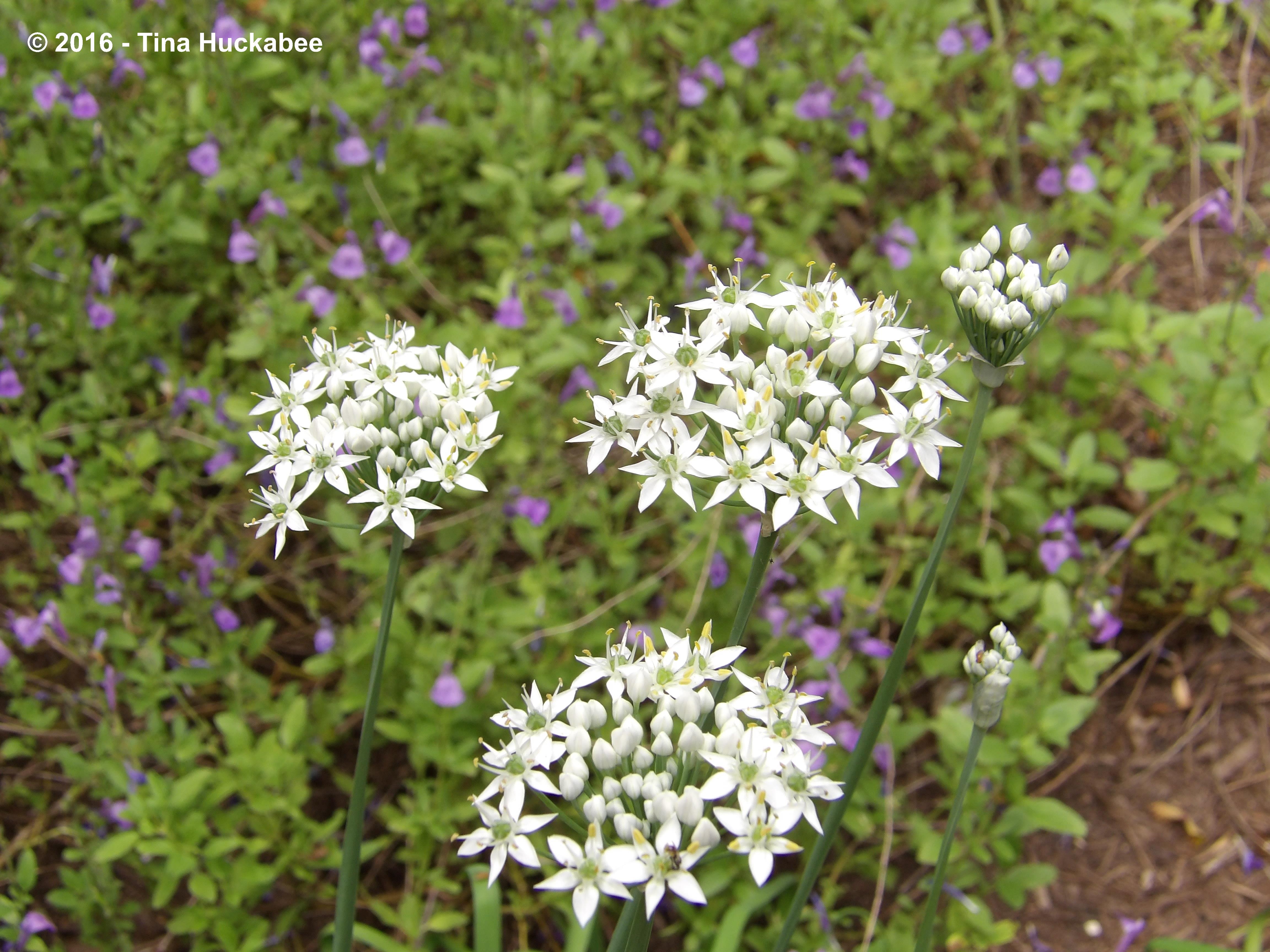
Another bee-less photo is of blooming Garlic chives and in the background, a purple blooming Autumn sageSalvia greggii.

imgp9731-new

 Both typically have pollinators in attendance; I happened to catch the combo in a quiet moment.

I thank Carol at May Dreams Garden for hosting this monthly bloom bonanza known as Garden Bloggers’ Bloom Day.  Join in, share your garden pretties, then click over to her lovely blog to see and learn about blooms from many places.


Frostweed (Verbesina virginica): A Seasonal Look

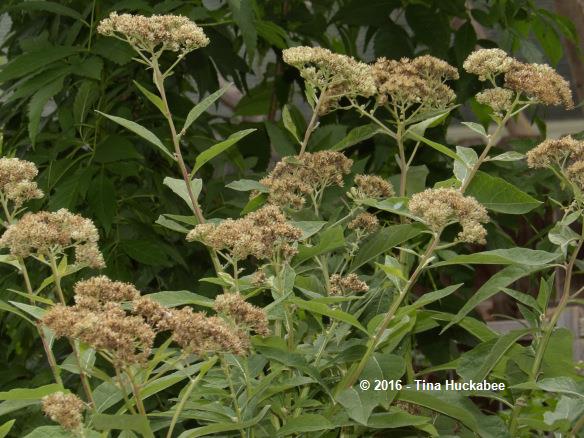
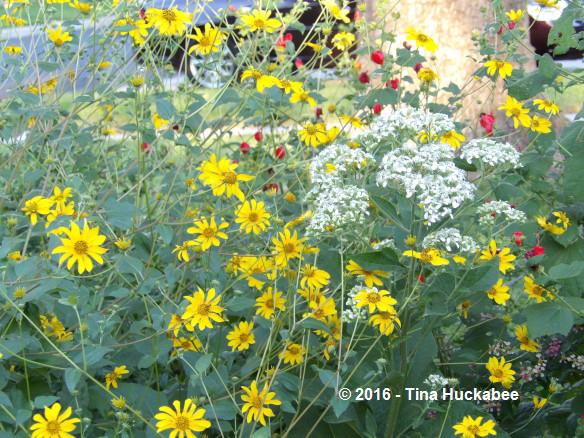
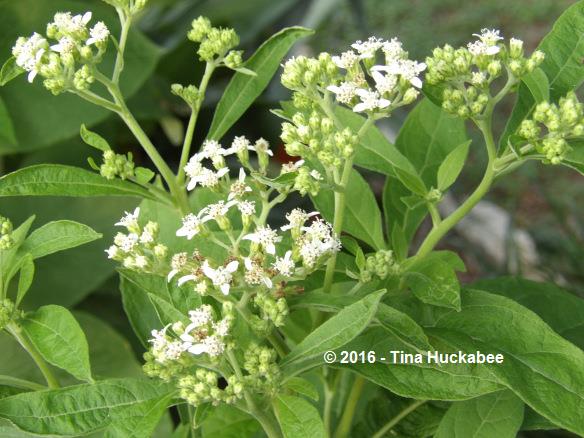
It’s seldom frosty here in temperate Austin, Texas, but when FrostweedVerbesina virginica, graces a garden, it beautifies with icy-white, frothy flowers from late summer through autumn.
imgp0497.new

imgp0498.new

imgp0841.new

A native North American herbaceous perennial, Frostweed is a great plant to profile for A Seasonal Look, because it’s lovely, interesting, and home gardeners, as well as visiting pollinators and birds, should enjoy this plant.
imgp1169.new

The most common of the common names for V. virginica is Frostweed, but according to the LBJ Wildflower Center, it also goes by the names White Crownbeard, Iceplant, Iceweed, Virginia Crownbeard, Indian Tobacco, Richweed and Squaweed.  While I don’t know this for certain, I’m guessing that the Crownbeard variations might refer to the clusters of lovely autumn blooms that V. virginica displays.
imgp1284.new

Additionally, Frostweed leaves provided a tobacco source for some Native Americans, which presumably gave rise to those last two common names.  On  a healthier note, Frostweed was also traditionally used as a fixative for gastrointestinal issues, urinary, and eye problems.

I like it because it’s pretty and tough and a great wildlife plant.
imgp0970.new

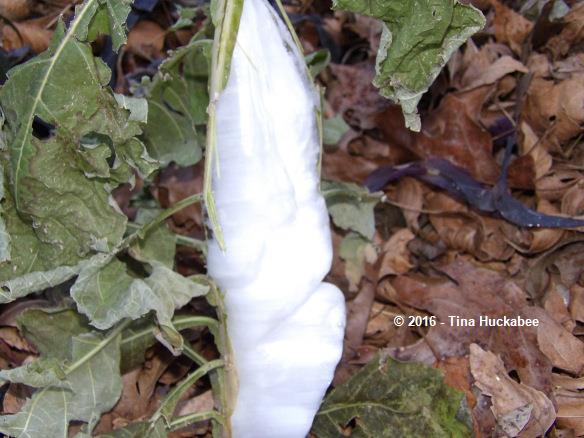
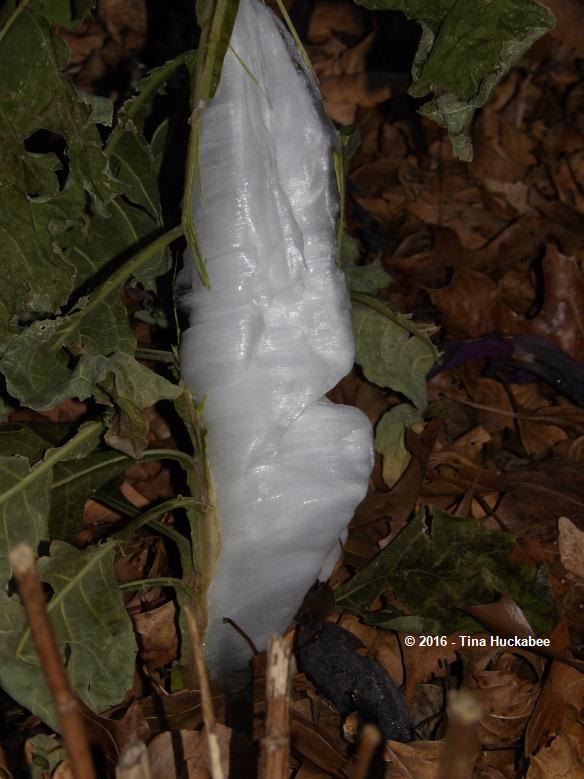
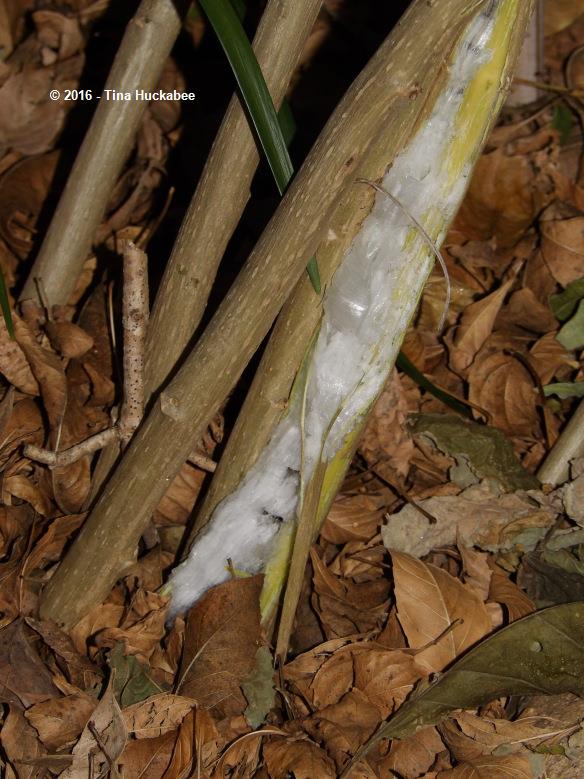
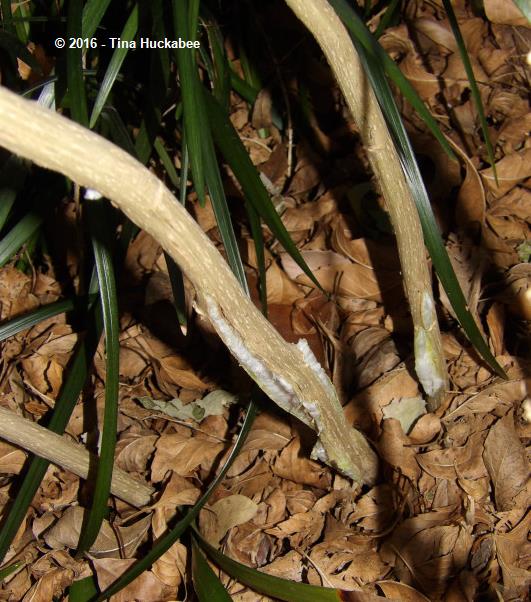
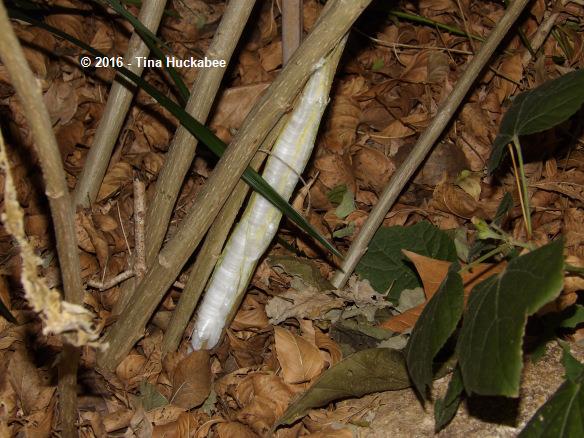
As for the various names suggesting more frigid attributes, those names are not referring to the cool white of the flowers, but instead to an unusual process that occurs with this plant early in winter, at the first hard freeze.  As the temperature plummets , sap in the trunk cools and expands, eventually breaking through the epidermis of the plant.  The sap hits the freezing air, solidifies in thin sheets, moving up along the vertical structure of the plant.
imgp4494_cropped_531x602..new

imgp4489.new

imgp4509.new

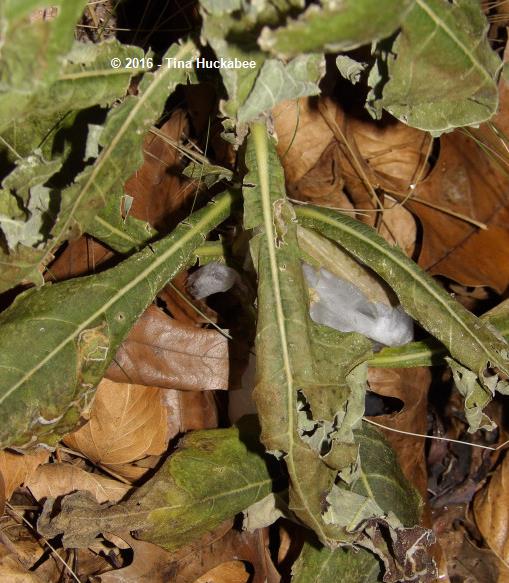
The ice sculptures freeze in a ribbon-like design.  Conditions for this awesome display are particular:  the ground must be moist, assuring the roots are actively drawing  water into the plant.  Also, the temperature drop must be relatively rapid.
imgp4528_cropped_509x583..new

The ice ribbons are fragile and thin, melting at the touch or quickly by air once temperatures rise above freezing. The Frostweed ice extravaganza is an ephemeral event. Not many plants ice dance this beautifully, but Frostweed is one that does. If you’d like to see more wavy-groovy Frostweed ice sculptures, click on the LBJ Wildflower Center’s Frostweed,  68 photo(s) available in the Image Gallery.

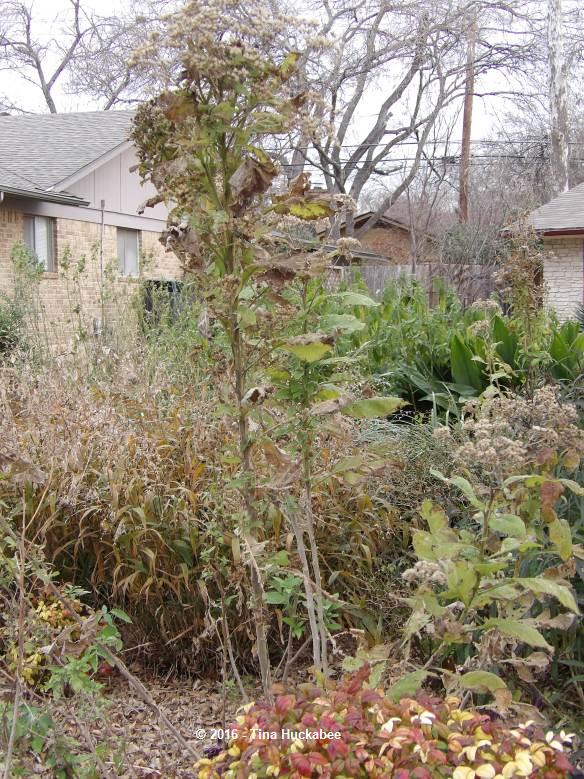
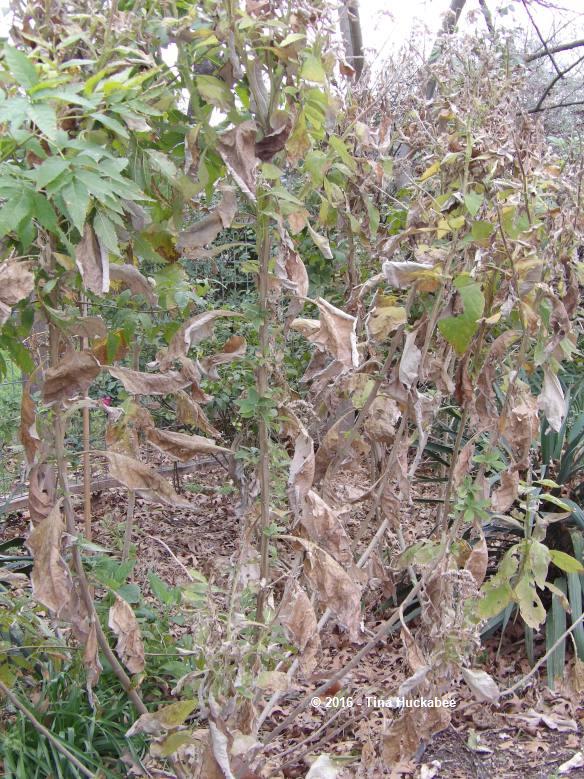
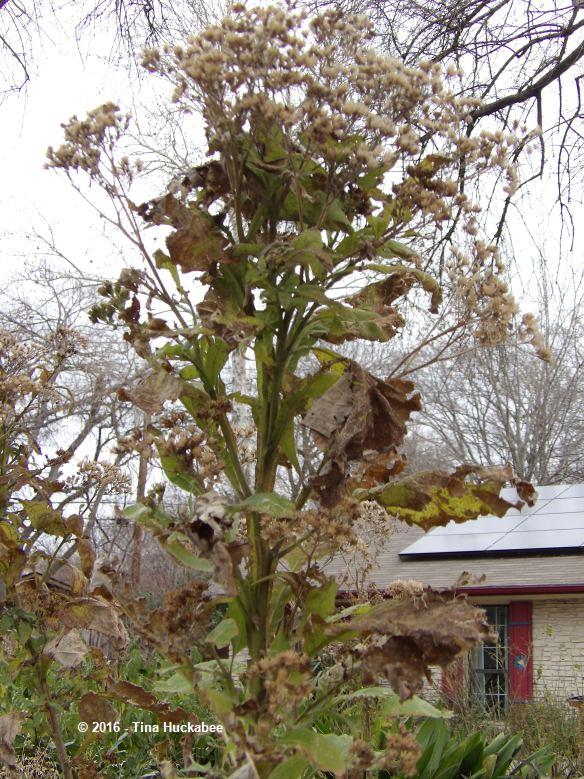
Once a hard freeze occurs and Frostweed concludes its frozen display for the year, the plant is rendered dormant.  I don’t necessarily prune my plants at that point, but one can–it’s a matter of your aesthetics and time.  Some winters are mild and in those conditions, Frostweed doesn’t produce ice sculptures, but the plant will become dormant, or mostly so, even with a light frost.
imgp3971.new

imgp3977.new

imgp3969.new

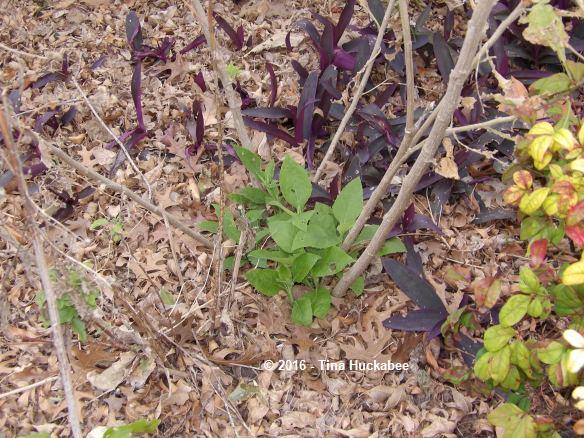
Additionally, in mild winters even after Frostweed is dormant, new growth can appear from the ground when temperatures are warm enough, well before calendar springtime.
imgp3982.new

That’s always tricky because if a late hard freeze occurs, the  Frostweed will die back again. An established Frostweed plant is robust enough to overcome that shock, but new plants might succumb. So, the stalwart gardener rolls up his or her sleeves and plants more Frostweed.

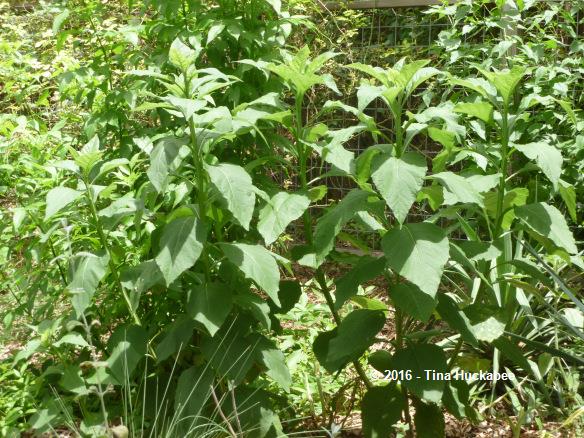
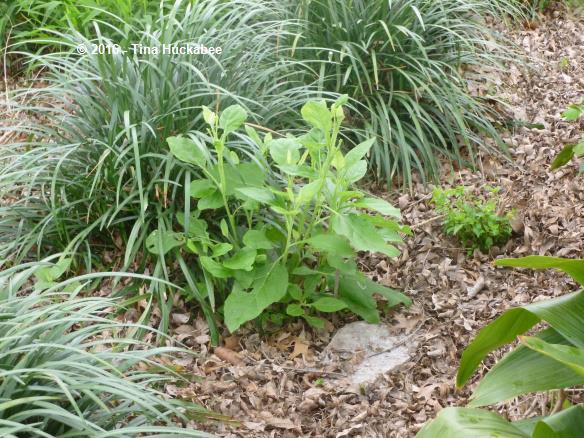
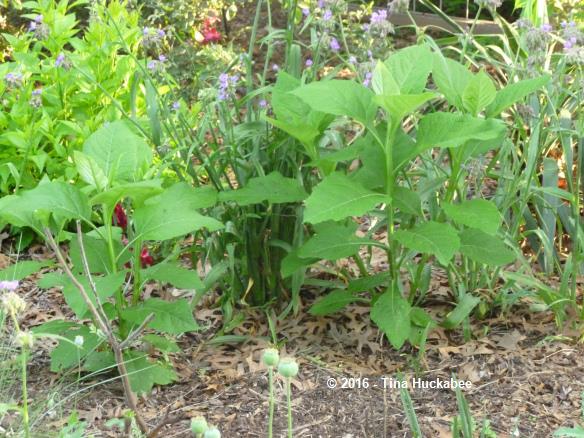
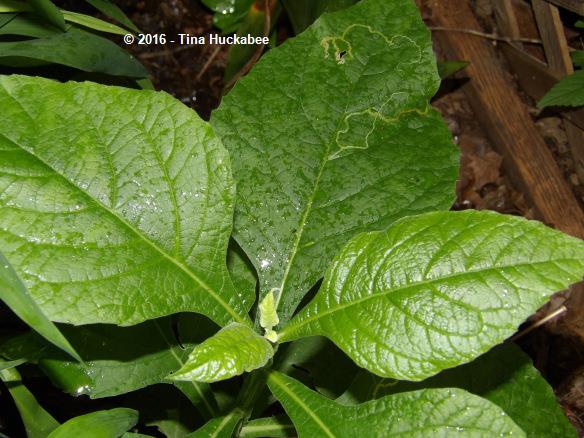
Newly emerged foliage is exuberant and verdant, but like others in the Asteraceae (Aster) family of plants, Frostweed’s leaves are sandpaper rough.  The leaves are also a bit awkward because they’re also quite large, even those on the new spring plants. Frostweed is the plant version of a puppy with large paws.
imgp8315.new

p1050297.new

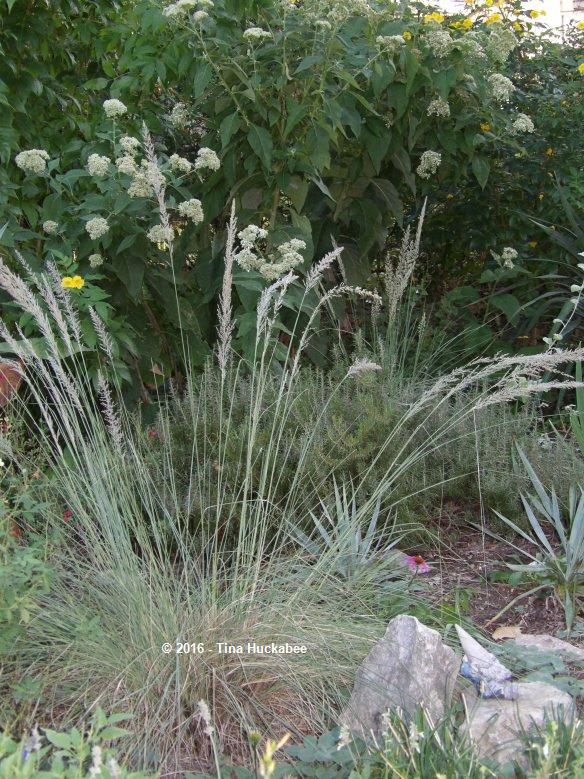
I like the showy, scrappy foliage. I plant my Frostweed with complementary fine or small leafed shrubs and grasses, and also mix it with evergreens (when possible), since Frostweed itself is pruned back in winter.
imgp2128.new

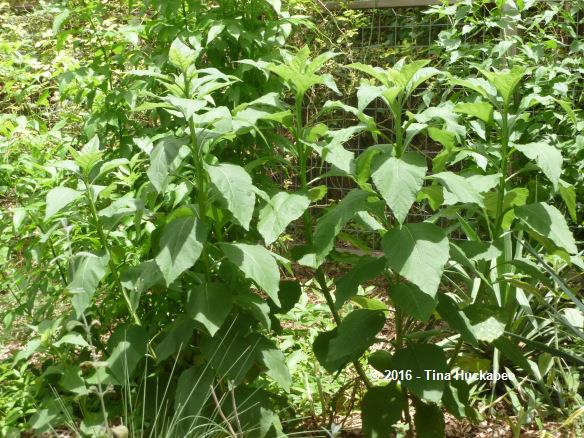
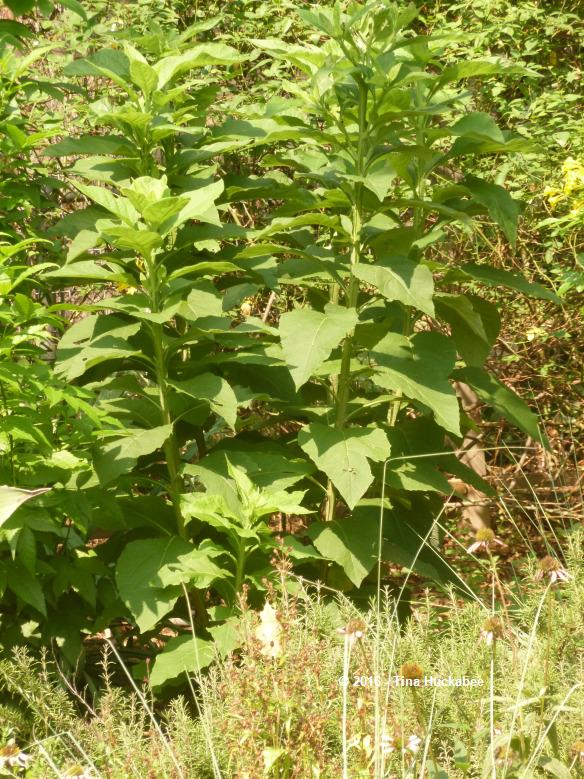
Throughout the late spring and summer months, Frostweed grows and the plant  eventually catches up to the leaf size.  The puppy grows into its feet.
p1050983.new

imgp0340.new

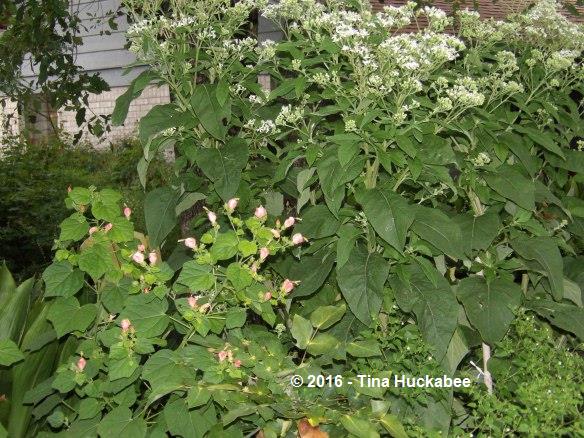
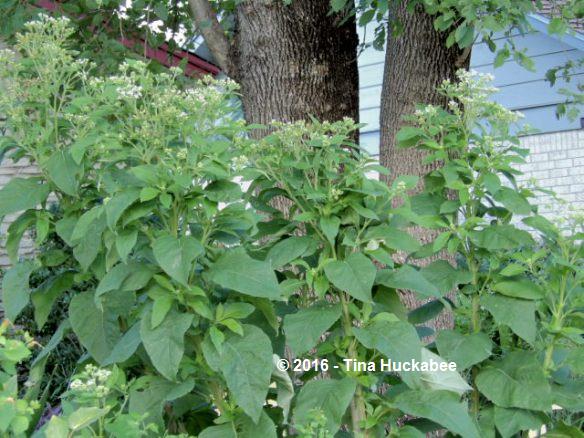
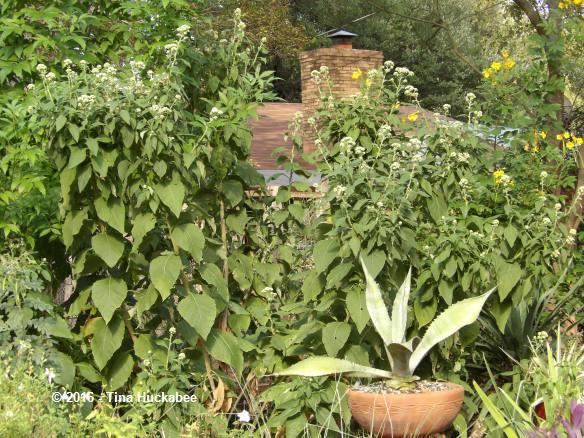
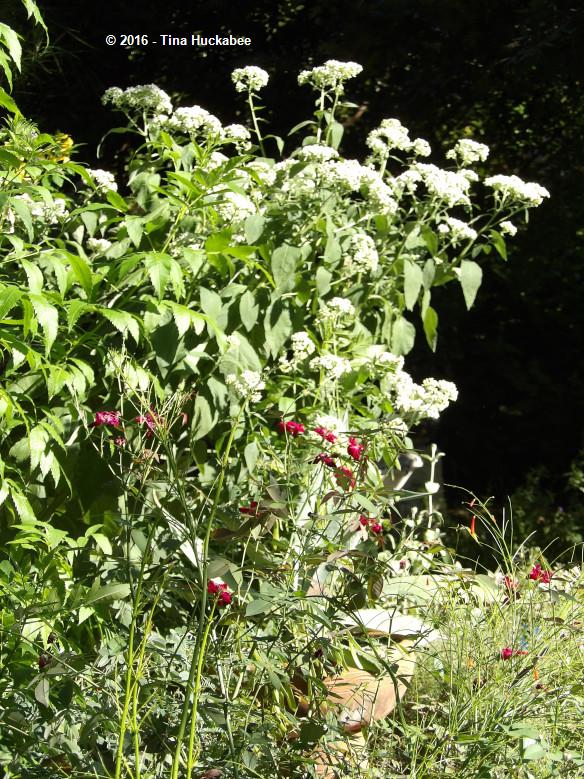
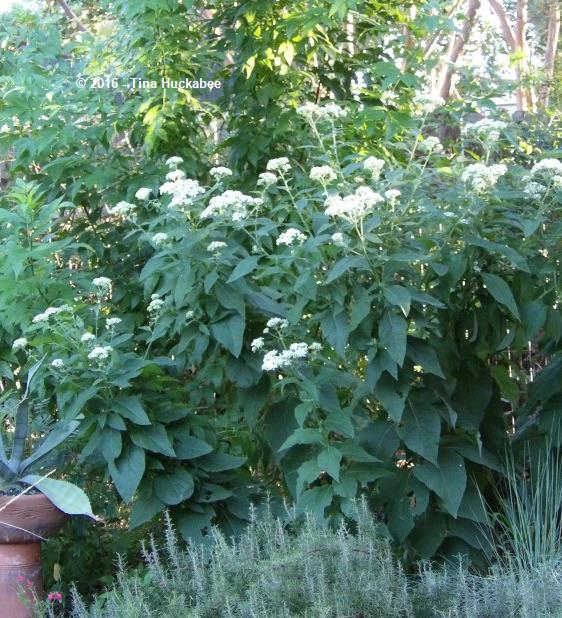
Frostweed’s height ranges from 3 feet to about 6 feet, depending upon soil, sun, and moisture.  It’s a woodland plant and considered an understory, so it grows and blooms well in shade–with or without extra watering.  It’s an excellent dry-shade plant.  Some of my Frostweed get a reasonable amount of afternoon (Texas!!) summer sun and those specimens tend to grow to about 6 feet.  Some years (depending upon rainfall) I stake with rebar because at the first heavy fall rains, Frostweed can flop a bit and I prefer their stand-at-attention persona.
imgp1252.new

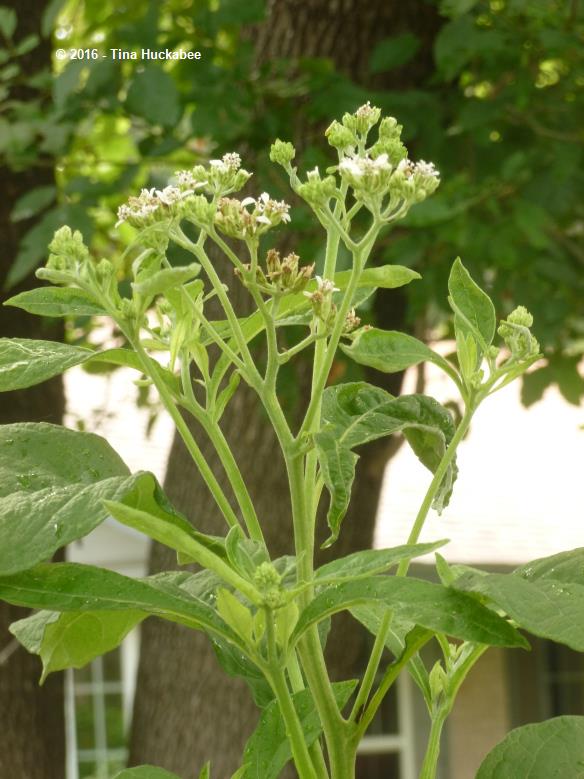
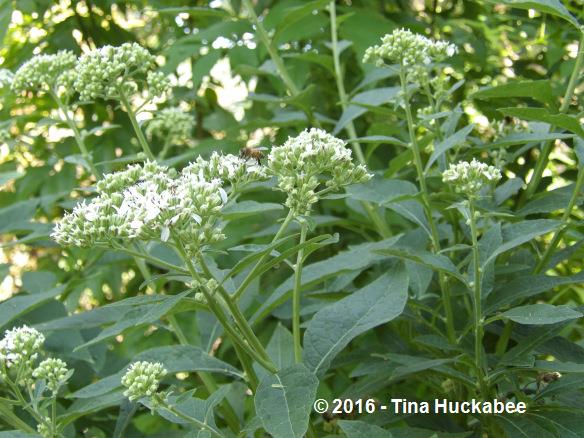
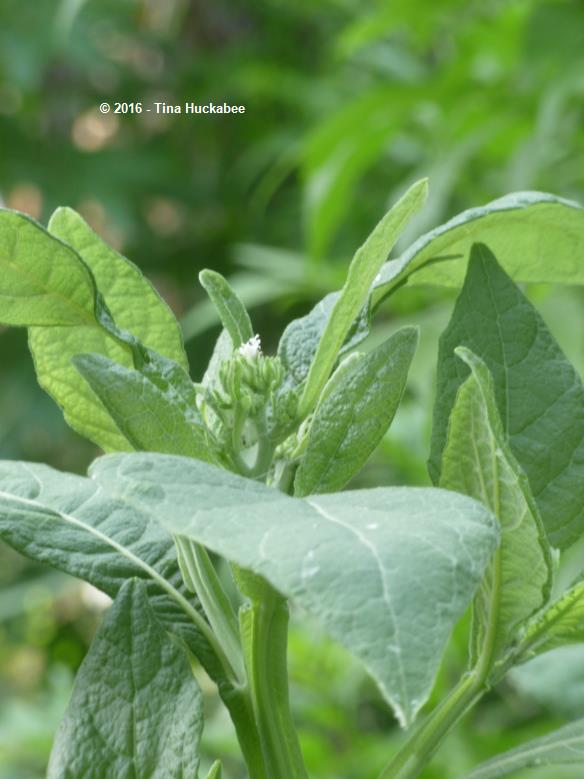
By early August, here in Central Texas, regardless of whether it’s been a dry or a wet (hah!) summer, Frostweed flowering begins. At first, a tiny bit of bloom.
p1050741.new

…then more.

p1060015.new

And more.

imgp1059.new

imgp1227.new

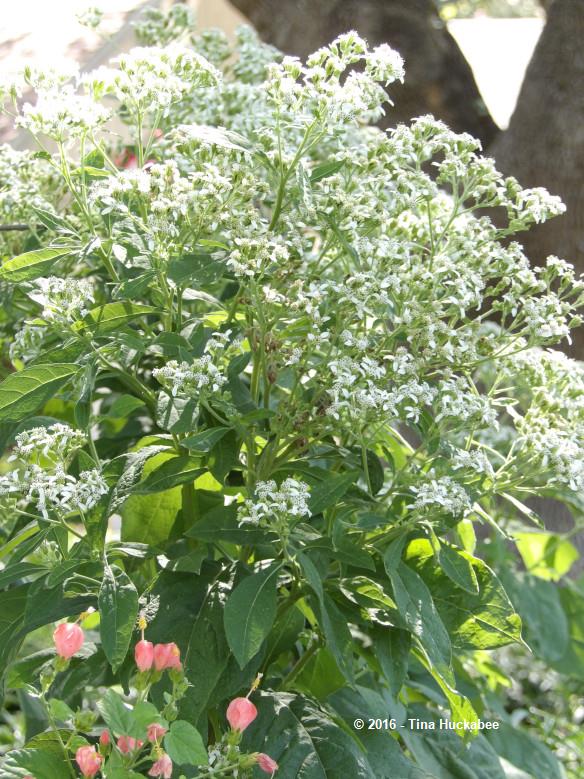
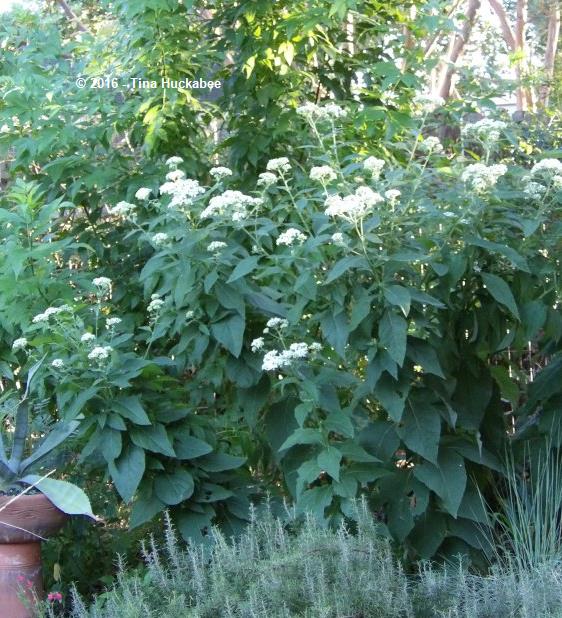
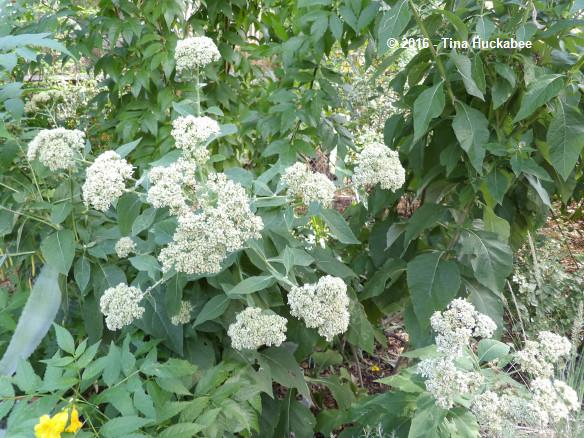
It can take  6-8 weeks from those emergent blooms for the whole set of flowers to burst forward in full cauliflower-style glory, but when they do, stand back and enjoy.
imgp1007_cropped_562x618..new

imgp2175.new

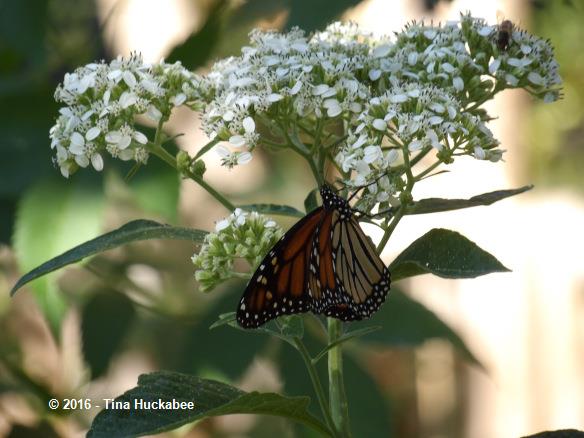
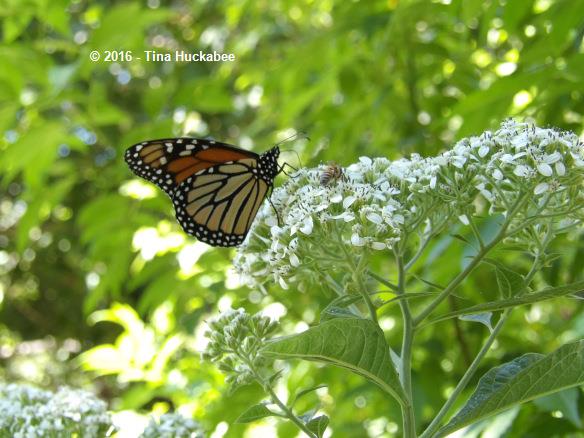
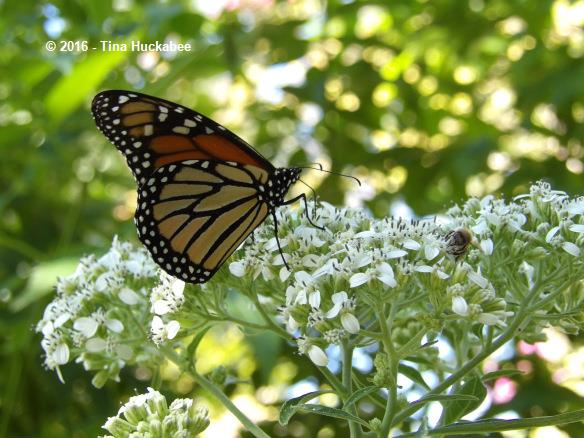
A favorite of many pollinators, Frostweed’s blooms are timed for the autumn Monarch migration.
imgp1151.new


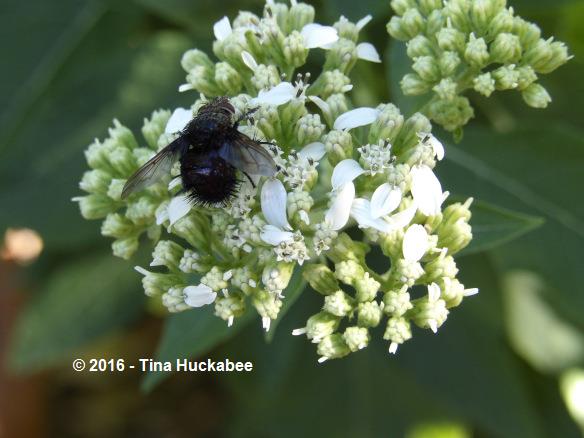
Many other pollinators visit too:

imgp1969.new

imgp2067.new

imgp1077_cropped_430x416..new


This Tachnid fly is one that I never see–except when Frostweed blooms.
imgp1065.new

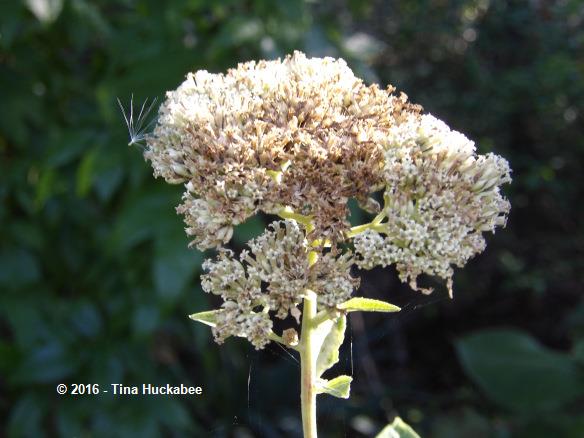
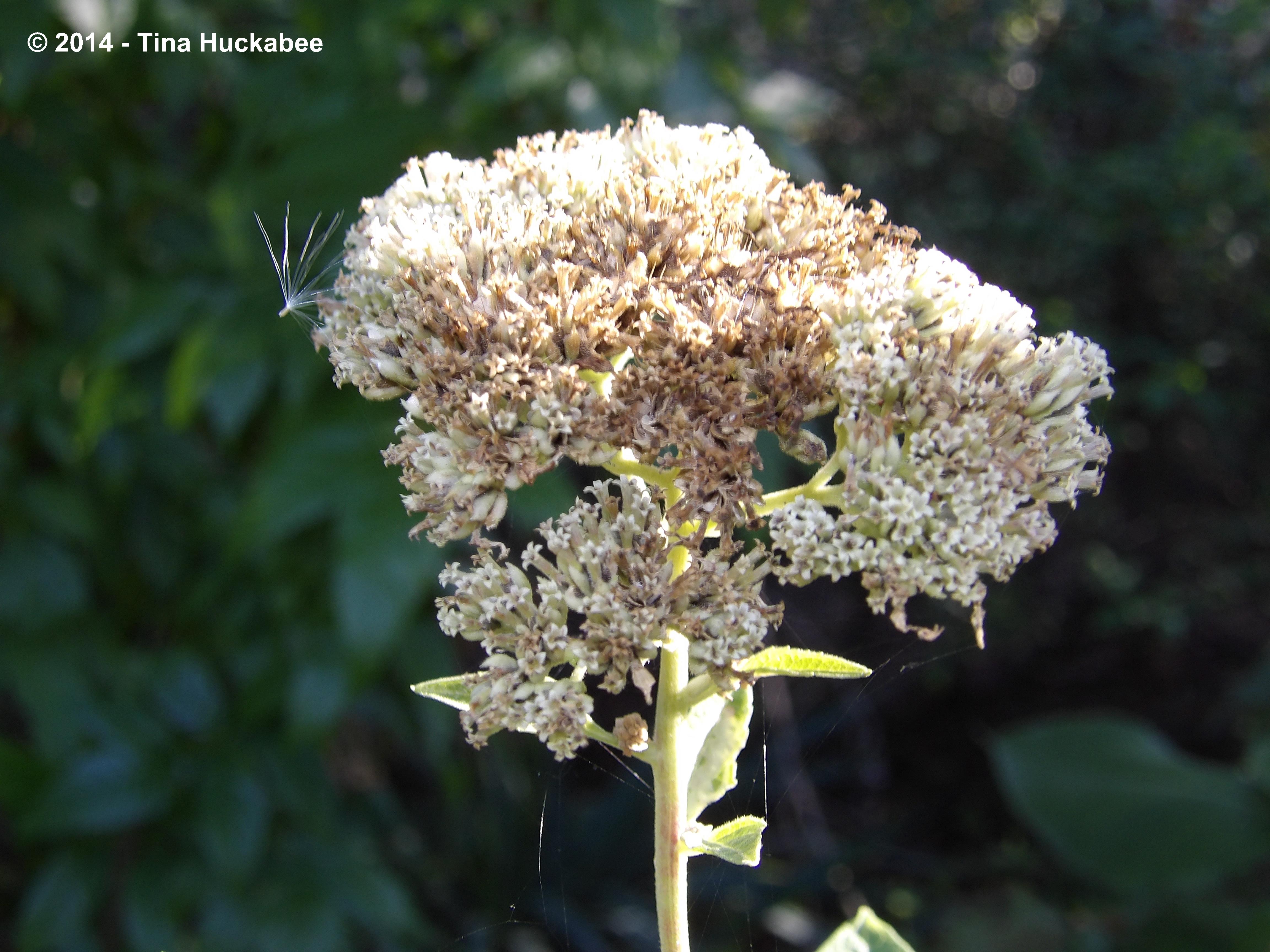
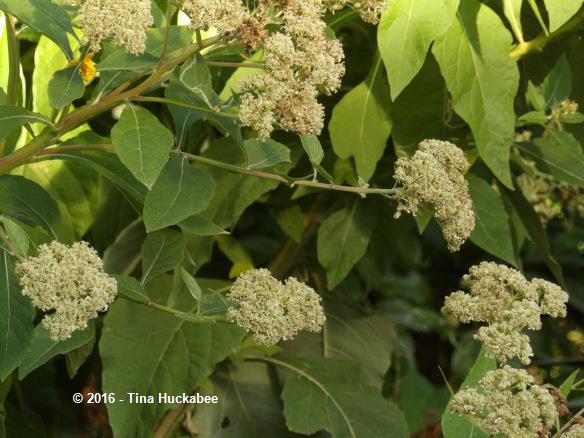
Frostweed blooms from August through early November.  Once the blooms begin fading, they turn a pale green,
imgp2295.new

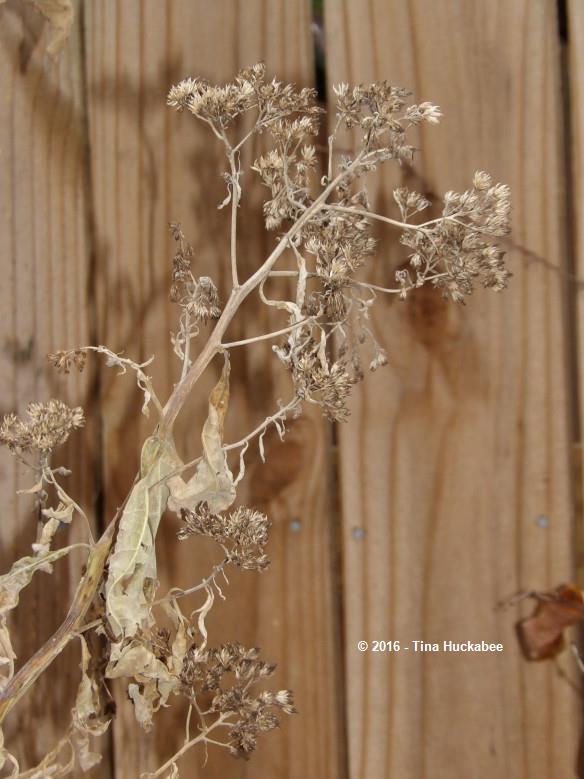
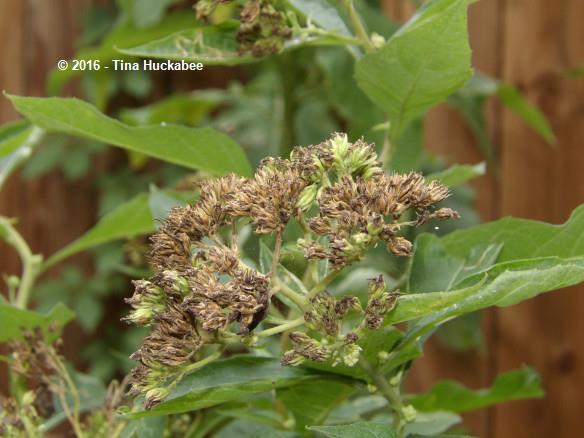
…then toasty brown.

imgp2542.new

At this point in late autumn, seed development is well underway; finches and warblers are present and snitch Frostweed seeds from time-to-time.
imgp2681.new

Still, there are plenty of seeds that drop, germinate, and produce seedlings for the next growing season–either to give away or to transplant to other places. Overall, I think that Frostweed is a superb  insect nectar source, but it’s also a fair seed provider for the avian set and for future Frostweed production.  In short, Frostweed is a great wildlife plant addition to any garden.

Frostweed is found throughout a large area of North America, from Texas to the deep South and northwards to the mid-states of the US.  I would imagine that in the areas where freezes are a sure thing, Frostweed’s ice show is always a winner, though that’s not always true where I live in Austin.

I would also suggest that Frostweed is a casual plant.  In literature about using Frostweed in the garden, it’s often suggested that it’s best planted in an informal setting or as a transitional plant situated between a cultivated garden and a more natural wildscape.
imgp1007_cropped_562x618..new

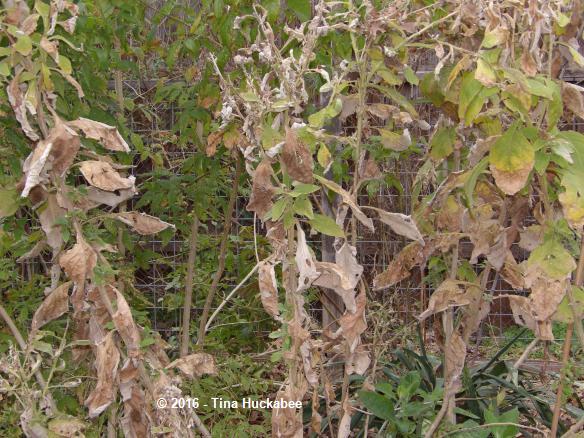
Frostweed is not something that is pruned and shaped, nor is it something that you want to tidy too much.  For the more formal garden and gardener, Frostweed’s crinkly winter leaves won’t appeal,
imgp3973.new

…nor will its rangy growth be a desired outcome.  Frostweed’s beauty lies in its hardiness and value as a wildlife food source,
imgp1159.new

imgp1077_cropped_430x416..new

..and of course, those pretty, pretty blooms.

Left to its own devices, Frostweed will create a thicket and that is typically how you’d find it growing in a wild area.  It’s deer resistant and needs no irrigation–gosh, the perfect plant! So where do you get this perfect plant?  If you’re in or around Austin, I’ve seen it for sale at the LBJ Wildflower Center’s spring/fall plant sale.  If you live in Frostweed’s native range,   check out your locally owned nurseries and if they don’t carry Frostweed plants or seeds, request that they do.  Native American Seed, an online native seed source, carries Frostweed, as well as many other native North American seeds.  In my quick Google search on where to buy Frostweed, I noticed that Amazon also carries them, along with everything else.  No word though whether a drone would drop off seeds at your house. Best bet?   Find a garden buddy who’ll share his/her seeds–and enjoy the results.

A year in the life of Frostweed, Verbesina virginica:

Winter:
imgp3981.new

imgp4526.new

imgp4532.new


Spring:

p1030207.new

p1030461.new


Summer:

p1050297.new

imgp1791.new


Autumn:

imgp1227.new

imgp1163.new

imgp1026.new

imgp2469.new

Plant it!
Bloom Day, November 2014–Dodged the Frozen Bullet

After a chilly week and our first real touch of winter, there are still blooms in my gardens. Lucky gardener!  Lucky pollinators!  I live in central Austin and those supposedly in the know predicted our temperature would fall to the high 20’s by early Friday morning.  Well there was no freeze for me and mine.  Outlying areas received their first freeze, but much of  Austin was spared–this time. To celebrate those lucky blooms, I’m joining with Carol at May Dreams Gardens for November Garden Blogger blooms.
The Coral Vine, Antigonon leptopus, bloomed its signature fuchsia necklace  rather late this year.

IMGP1604.new

Now with colder temperatures and shorter days, the blossoms are fading on the vine.IMGP2341.new

I think my honeybees will miss this favorite nectar source.

The native Texas CraglilyEcheandia texensis,  still blooms, IMGP1507.new

IMGP2343.new

IMGP2344.new

…though it’s going to seed. One patch blossoms in tandem with the blue Henry Duelberg SageSalvia farinacea,’Henry Duelberg’.

IMGP1978.new

A freeze would have quickly ended that pretty pairing.

Rock RosePavonia lasiopetala, sports flowers this November and that’s unusual–they normally stop production by late October.IMGP2383.new

IMGP2362.new

IMGP2360.new

Heavy with seed, I’ll expect more of these lovelies in seedling form next year.  Any takers?

And GoldeneyeViguiera dentata?  It just won’t quit.  This most photogenic of flowers, has bloomed since September.

IMGP2379.new IMGP2381.new

This is one of my two last blooming Goldeneye plants.

IMGP2531.new

The Goldeneye plants in the back garden bloomed first, then set seed and were followed by others throughout my gardens, each individual plant taking turn at adding cheeriness and wildlife goodness to the world.  I’m glad these hardy natives have planted themselves all over my gardens.  Bees, butterflies, birds, as well as this gardener, enjoy and appreciate a long season with these pretties.

IMGP2387.new

The last FrostweedVerbesina virginica, is in flowering mode.

IMGP2384.new

While most of that species are setting seed.

IMGP2469.new

A few Turk’s CapMalvaviscus arboreus, still bloom.

IMGP2394.new

Yellow BellsTecoma stans, ‘Esperanza’, are available for passing bees and butterflies.

IMGP2467.new IMGP2471.new

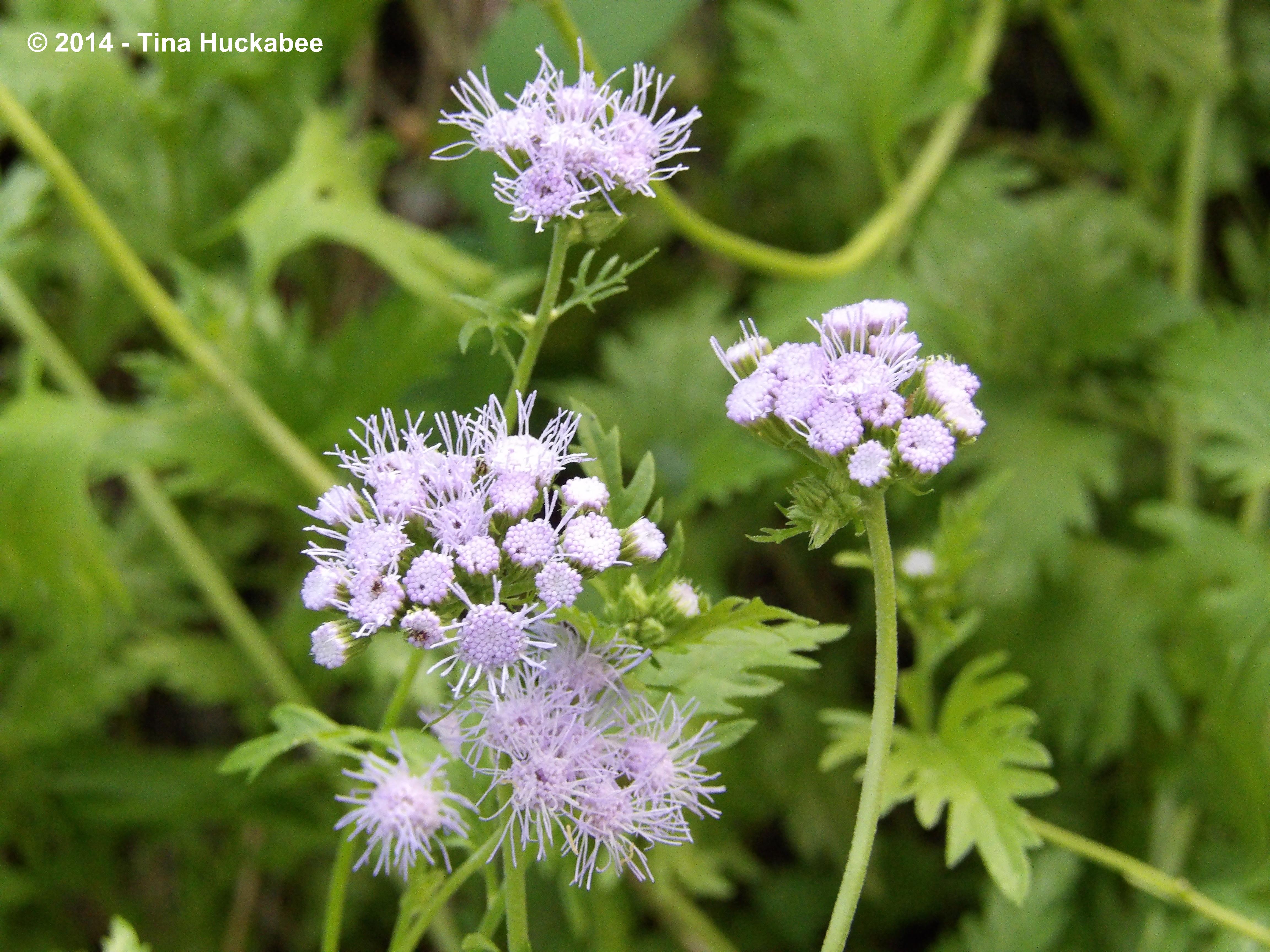
Blue MistflowerConoclinium coelestinum,

IMGP1475.new

and Gregg’s MistflowerConoclinium greggii, 

IMGP1555.new

IMGP1560.new

…are toward the end of their season.  A true freeze will force the blue blooms into a tawny fluff, ready for dormancy.

Red YuccaHesperaloe parviflora, blossoms on its long bloom spike until a hard freeze.

IMGP2364.new

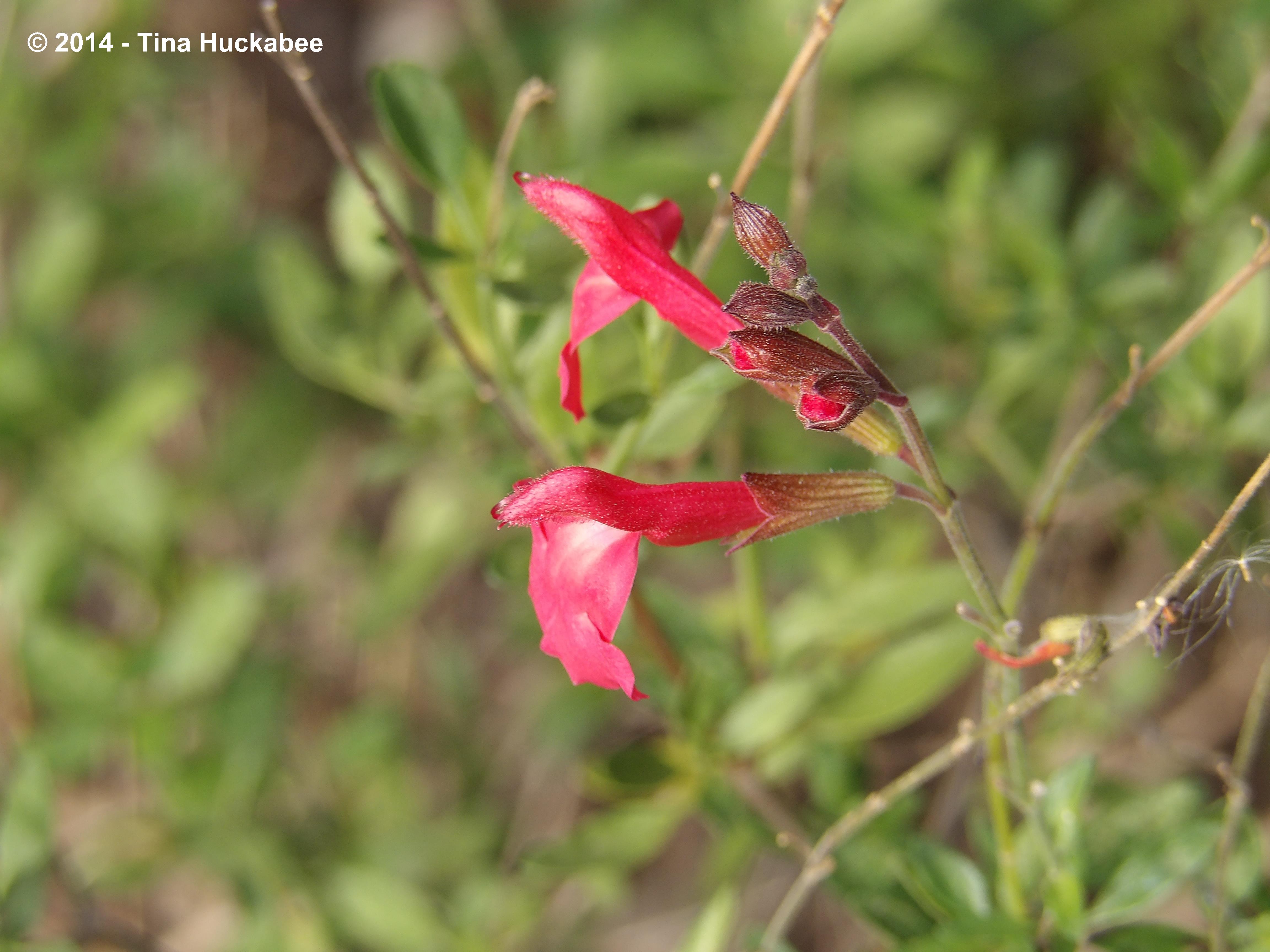
This hasn’t been a banner year for my salvia species.  They’ve bloomed, but not regularly nor as fully as usual.  But they aren’t quite ready to close up shop, so bloom they will until it’s just too chilly and dark.  Salvia like this red Tropical SageSalvia coccinea,

IMGP2354.new

…and this Purple Sage, S. greggii x mycrophylla,

IMGP2560.new

…and this red Autumn SageS. greggii, 

IMGP2611.new

…and another,

IMGP2614.new

…and this coral Autumn Sage.

IMGP2612.new

They’re determined, if not prolific.

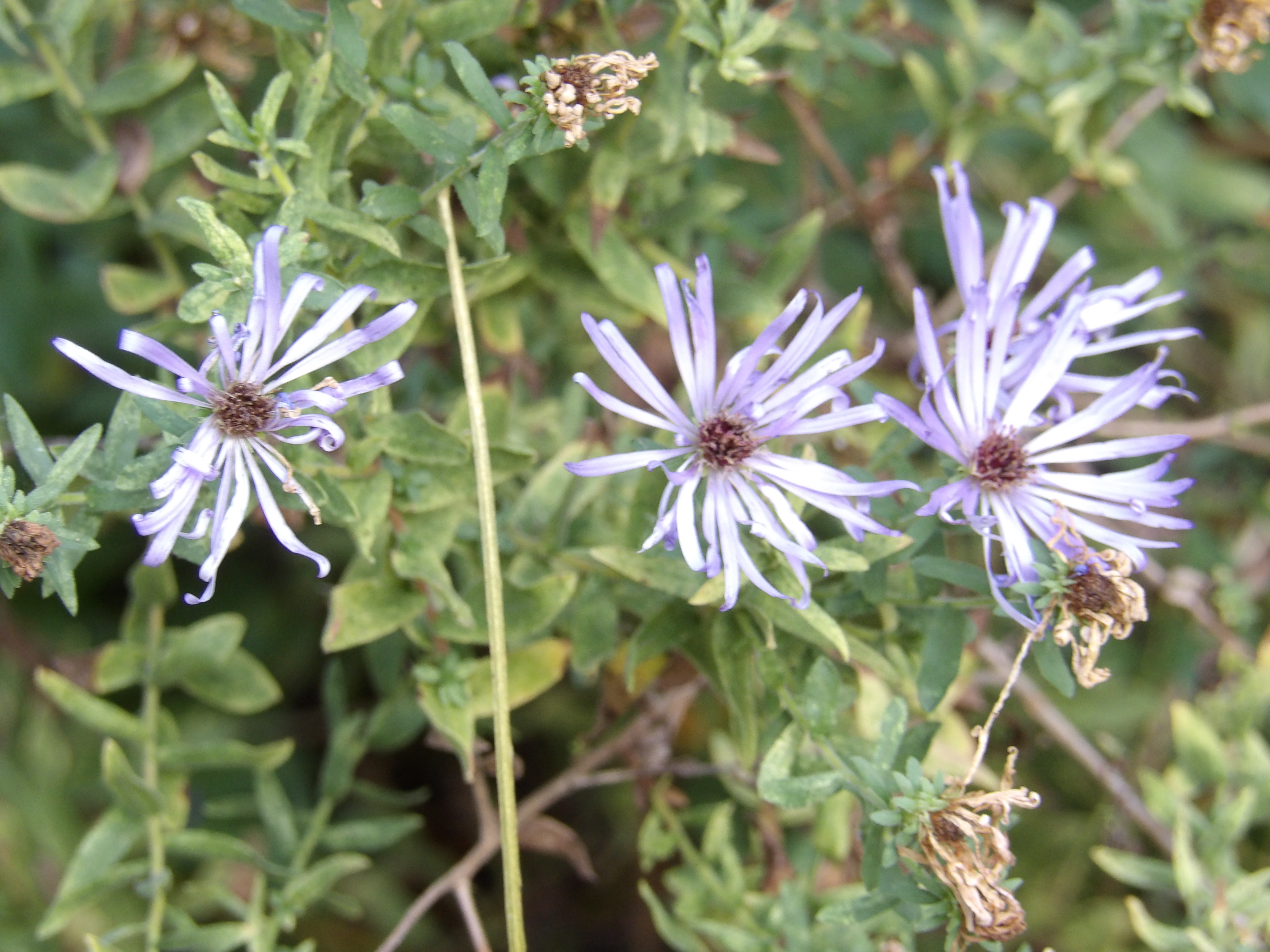
The remains of Fall AsterSymphyotrichum oblongifolium, are tired of blooming and ready for seeding themselves.

RICOH IMAGING

When I thought there would be freezing temperatures, I cut the last of the fall blooms of Purple ConeflowerEchinacea purpurea and Tropical Sage and did this:

IMGP2616.new

As well, I cut a few Goldeneye and basil and did this:

IMGP2590.new

I’m not much for cut flowers in the house (I much prefer a garden full of blooms), but they are nice when it’s gloomy outside. I guess November in my garden and my house is not so barren after all!

Pop on over to May Dreams Garden and enjoy a show of November blooms from all over