Pollinator Week

Hosted by Pollinator Partnership, June 17-23 is a week to celebrate pollinators in the garden. It’s easy to nurture a pollinator garden: plant flowers and the pollinators will come. Every season provides opportunities to grow plants that pollinators need for survival. Some pollinators are common throughout the growing season, while others appear only when certain flowers are available. Still others are migratory, showing up in the garden as they travel to other destinations to complete their life cycles. Pollinators add beauty and movement to a garden, and are indicator species of a healthy ecosystem; good gardeners always strive for a healthy ecosystem. Choose native plants in your garden, if available, but many non-native plants are excellent pollinator providers. Seasonal wildflowers, perennials and shrubs, as well as flowering trees will all attract and sustain pollinators of every stripe, wing, and kind. Pollinator insects include beetles, bugs, bees, flies, butterflies and moths. And don’t forget that bats and birds also pollinate.

So if you want something like this:
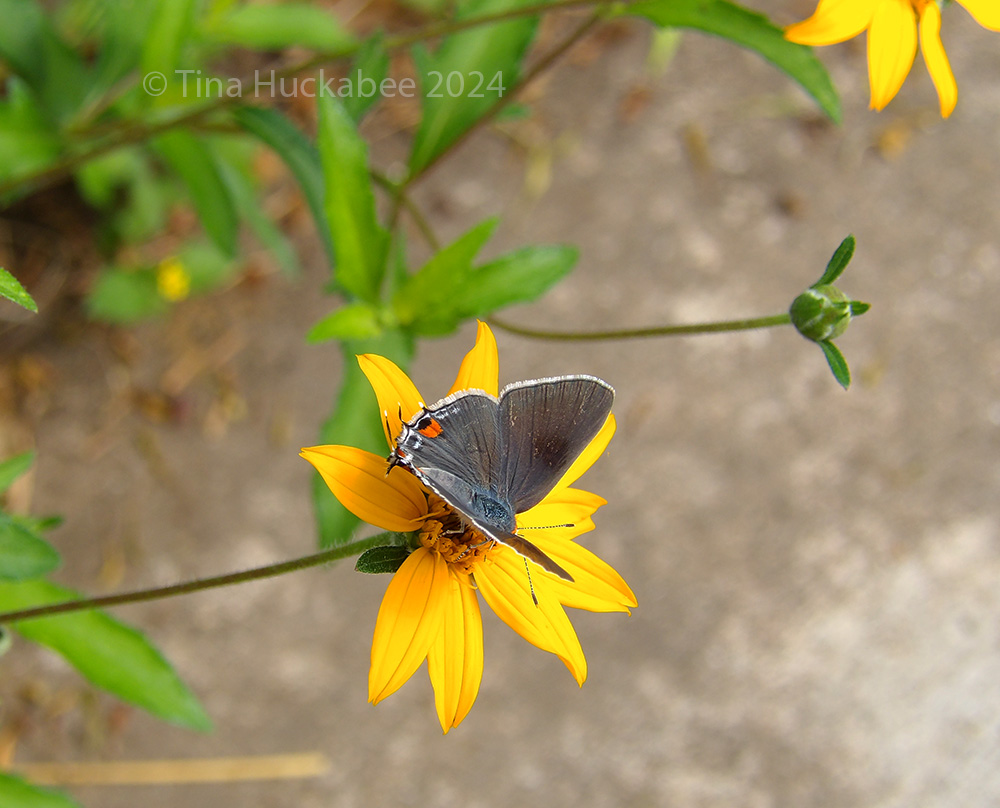
Gray Hairstreak, Strymon melinus on Zexmenia, Wedelia acapulcensis var. hispida

…or this:

Honeybee on Spiderwort, Spiderwort sp.

…or these:

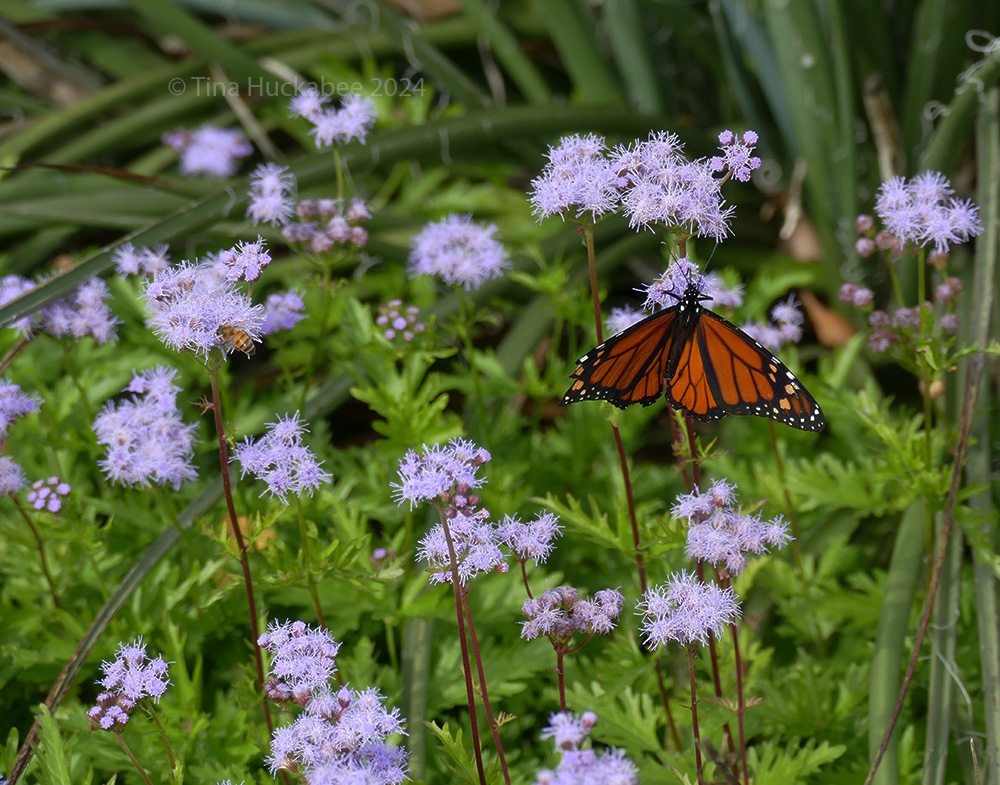
Honeybee and Monarch Butterfly, Danaus plexippus, on Gregg’s Mistflower, Conoclinium greggii

…or this:

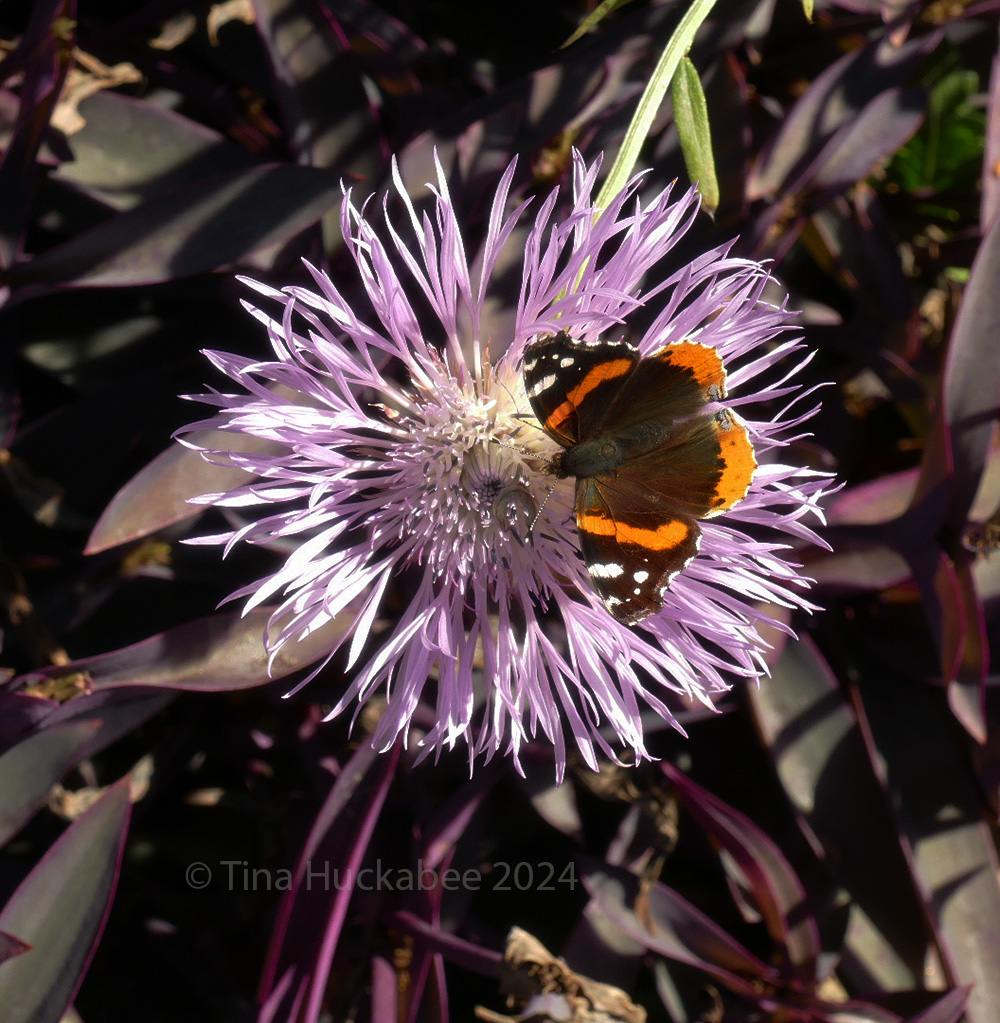
Red Admiral, Vanessa atalanta on American Basket Flower, Centaurea americana

…or these:

Two different native bees on Four-nerve Daisy, Tetraneuris scaposa

…or these:

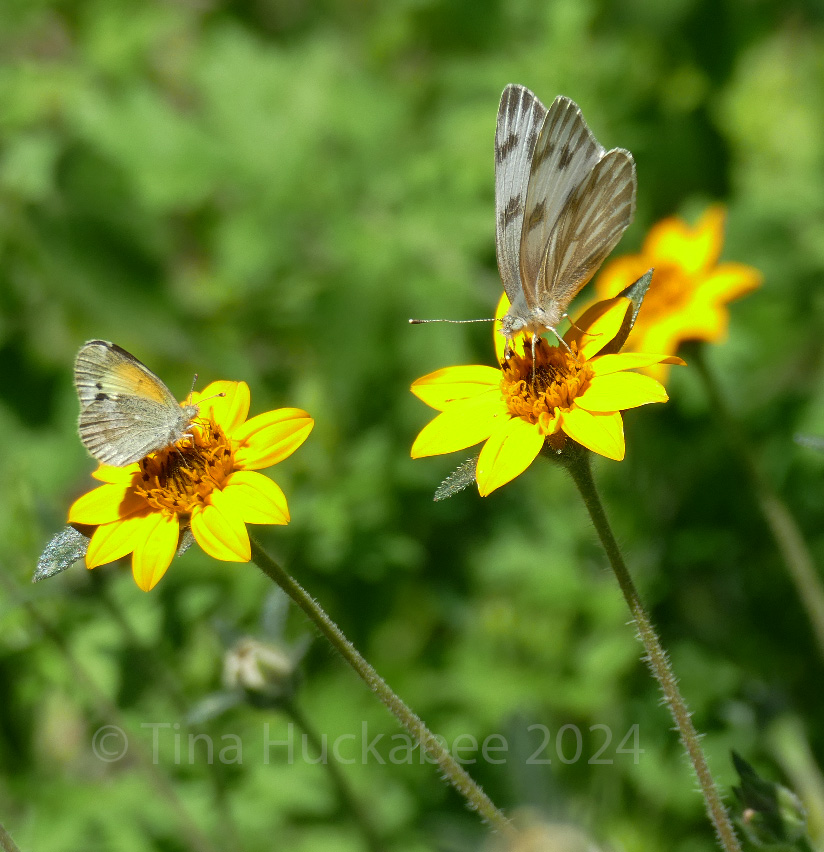
Checkered White, Pontia protodice (R) and Dainty Sulphur, Nathalis iole (L) on Zexmenia bloom

…or this:

Queen Butterfly, Danaus gilippus, on Blue Curls, Phacelia congesta

…use native and well-adapted plants in your garden and the pollinators will come.

Insects and plants evolved together and form an interdependent partnership. Good gardeners accept that plants are eaten by beneficial insects, including those that become pollinators. So a little garden patience is required, understanding that some plants will show foliage damage–and that’s just fine. In particular, native plants are resilient and a little foliage munching by a pollinator juvenile won’t kill the plant.

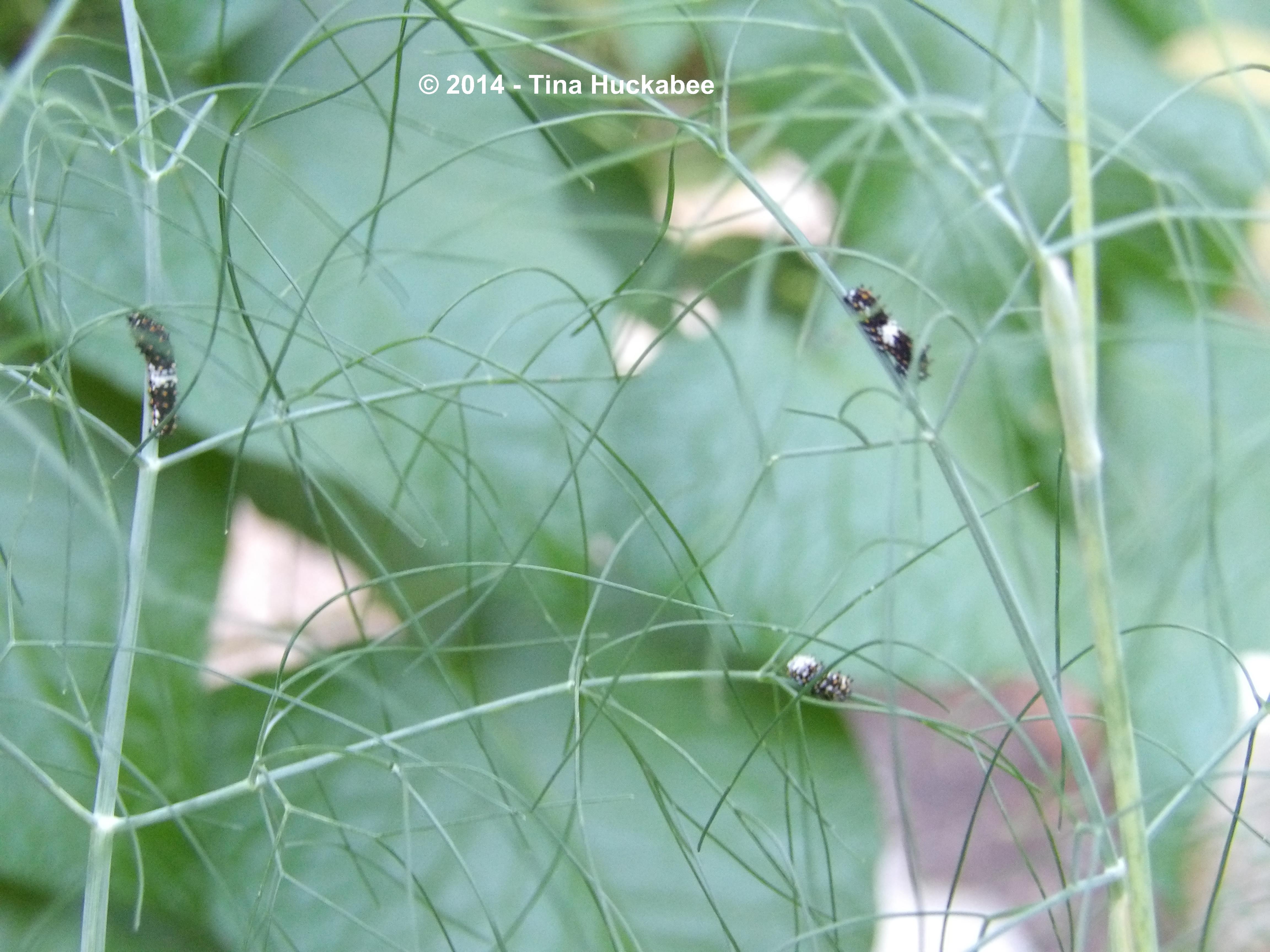
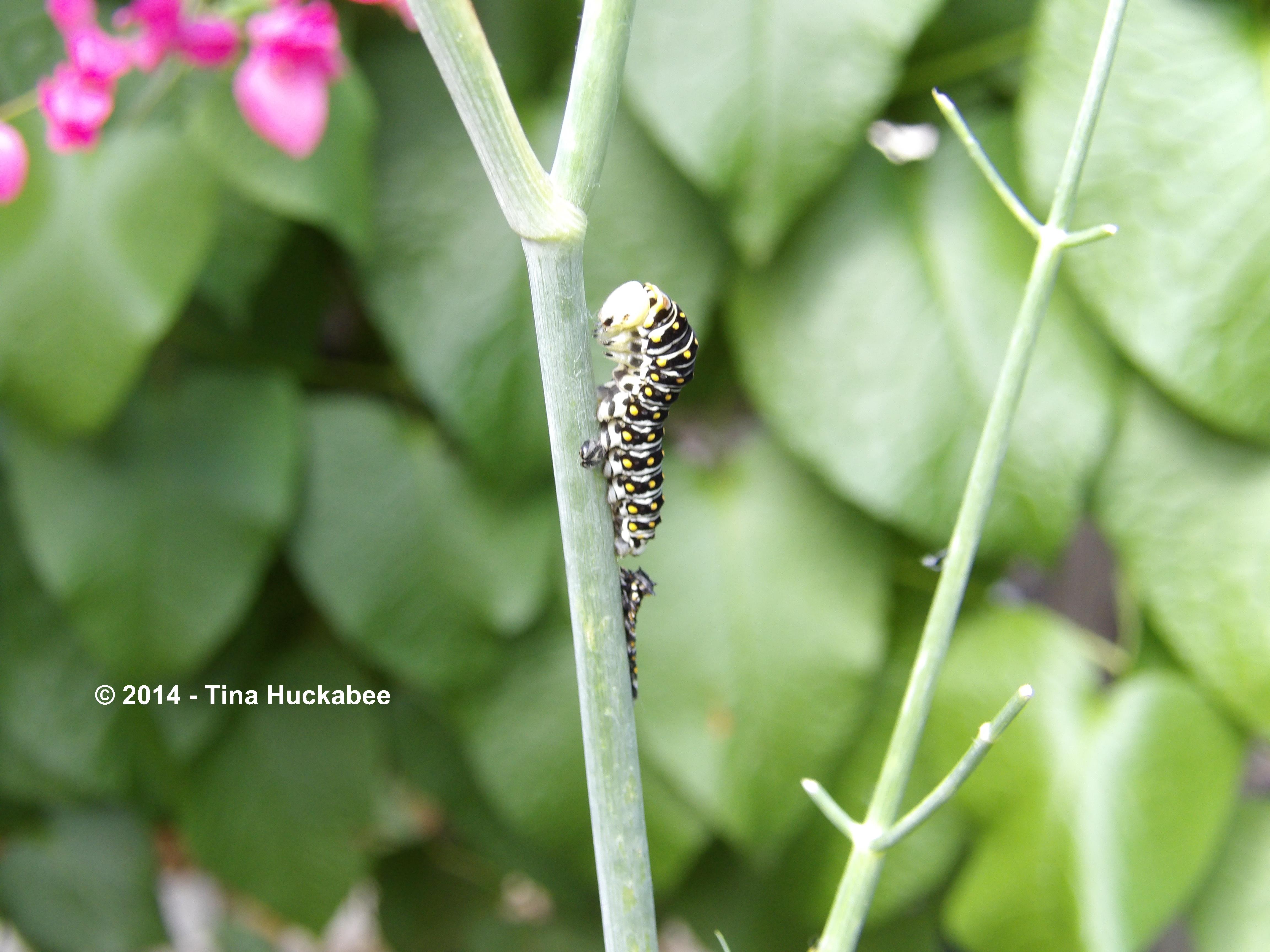
Before they become jeweled and winged things, butterflies and moths are caterpillars, like this stripey beauty, an Eastern Black Swallowtail, Papilio polyxenes, caterpillar or larva. It will eat and eat, then grows and grows. Yes, the very hungry caterpillar causes some damage to the foliage, as well as leaving some poop, but look at that fat, healthy caterpillar!
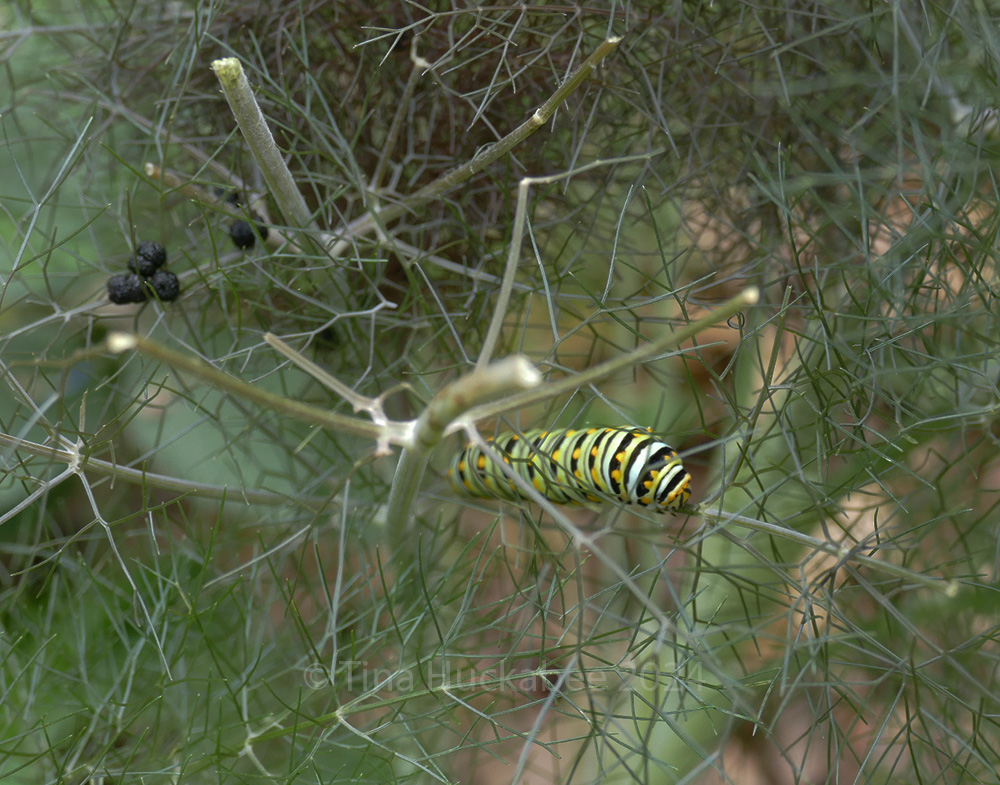
Fennel is a host plant for Eastern Black Swallowtails

In time, a nice home will chemically form for the transformation from larva to adult butterfly.
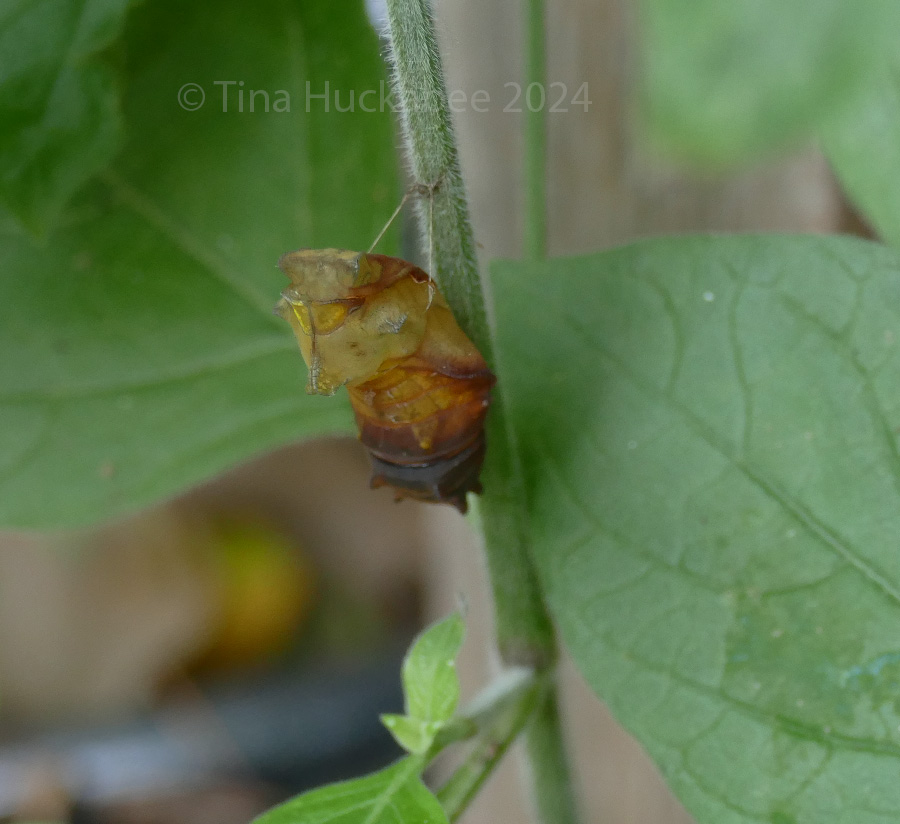
Eventually, the adult insect emerges and joins the throngs of other pollinators in the diverse and thriving garden, nectaring from a wide array of plants, for both its and the plants’ benefit.

Eastern Black Swallowtail on American Basket flower

Pollinator gardening is a win for everyone! Pollinator gardening is easy, rewarding, and will usher the gardener to observe and appreciate a whole new community–right on their own plot of the Earth.

If you plant them, they will come.
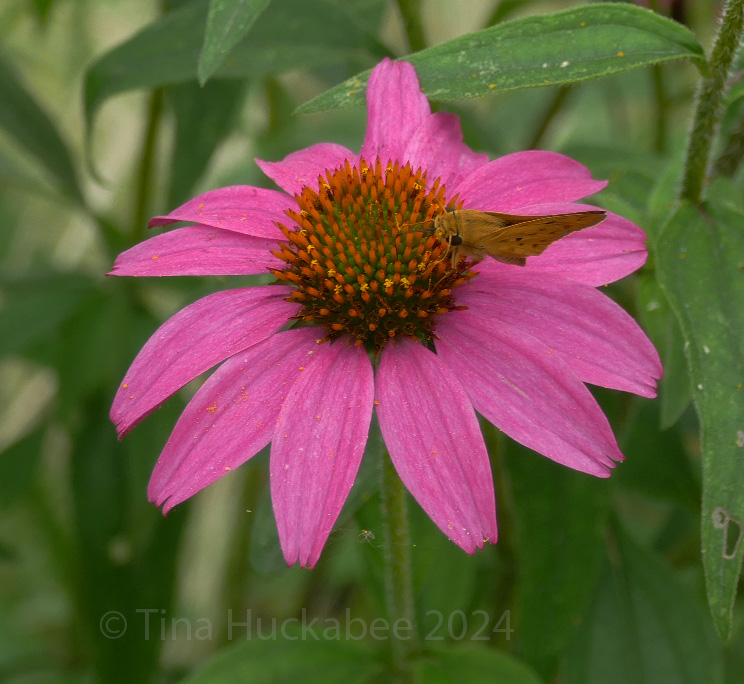
Happy pollinator gardening!
Caterpillar Happenings

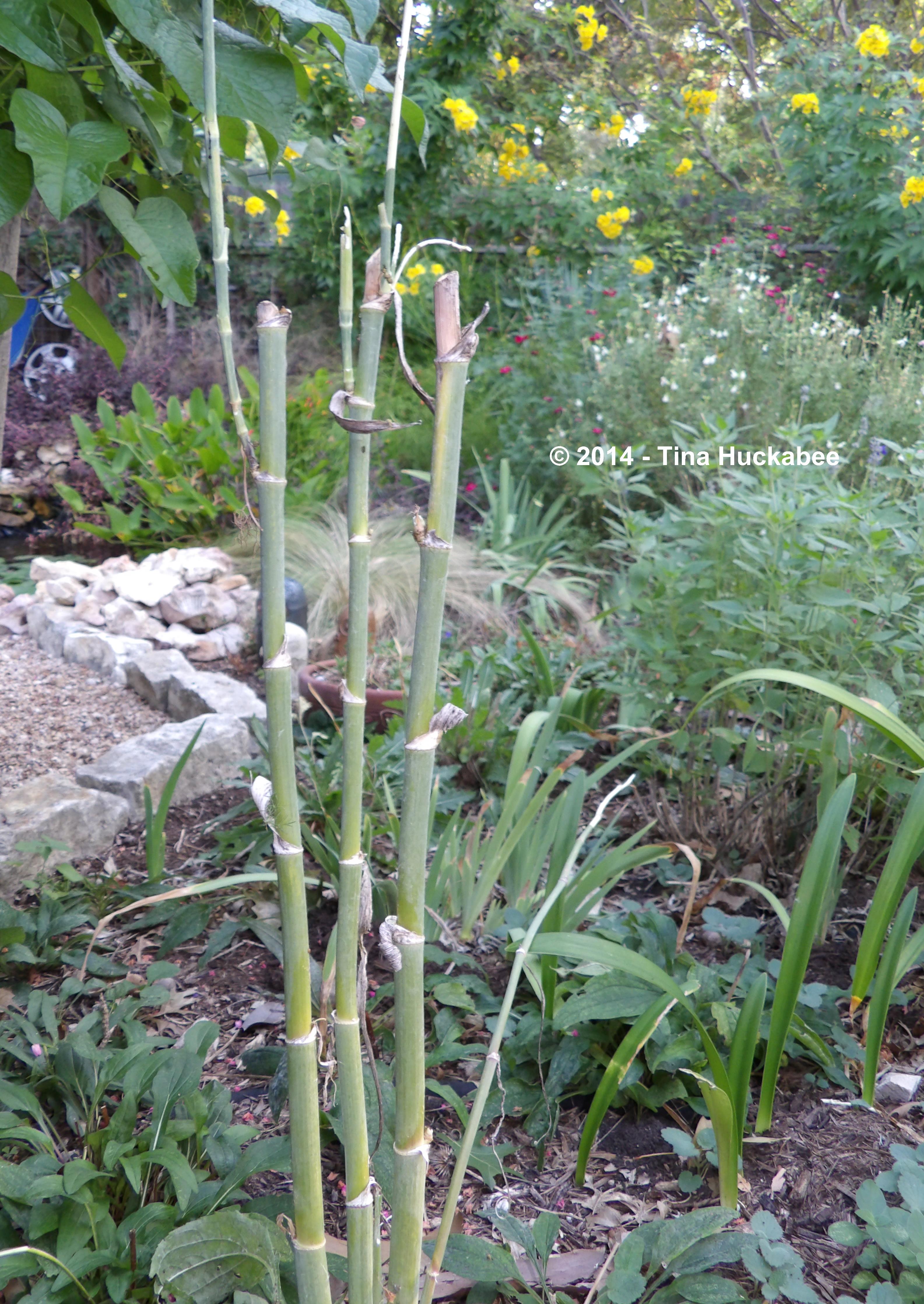
This is one of my fennel plants.
IMGP2221_cropped_3170x4472..new

These are the cause of why my fennel plant looks like it looks.

IMGP1563.new

And these,

IMGP1564.new

…and these.

IMGP1793.new

IMGP2013.new

IMGP2014.new

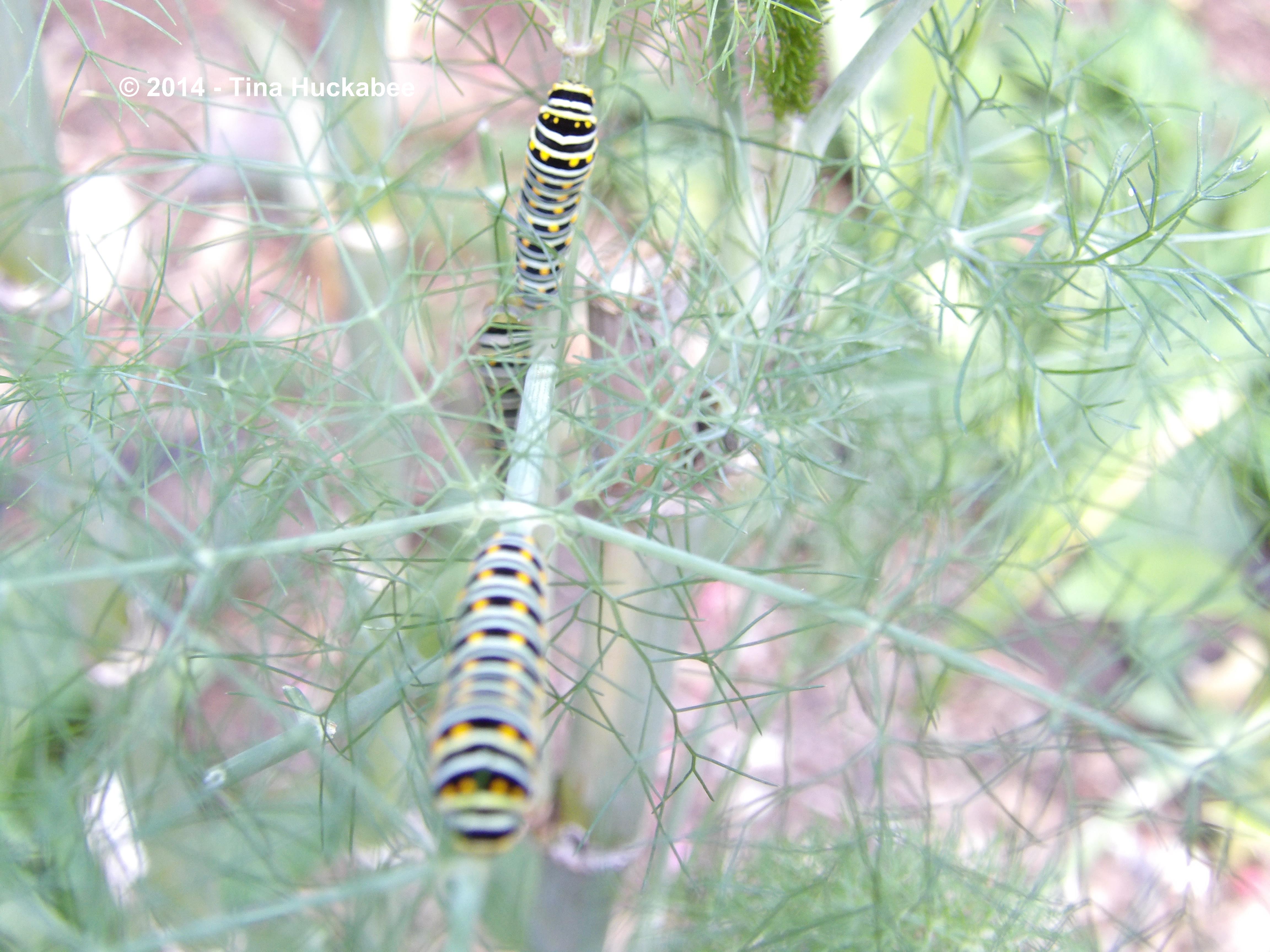
Actually, they’re all the same caterpillars. They ate fennel and they grew; caterpillars are like that. There were ten Black Swallowtail, Papilio polyxenes, butterfly larvae dining on this fennel over the past week or so.

IMGP2015.new

IMGP2016.new

Eating and eating, until there’s nothing left,

IMGP2180.new

IMGP2181_cropped_2974x4515..new

…except defoliated stems and hiding caterpillars,

IMGP2184.new

…ready for metamorphosis in their cozy chrysalides. I guess I should make that singular,

IMGP2220.new

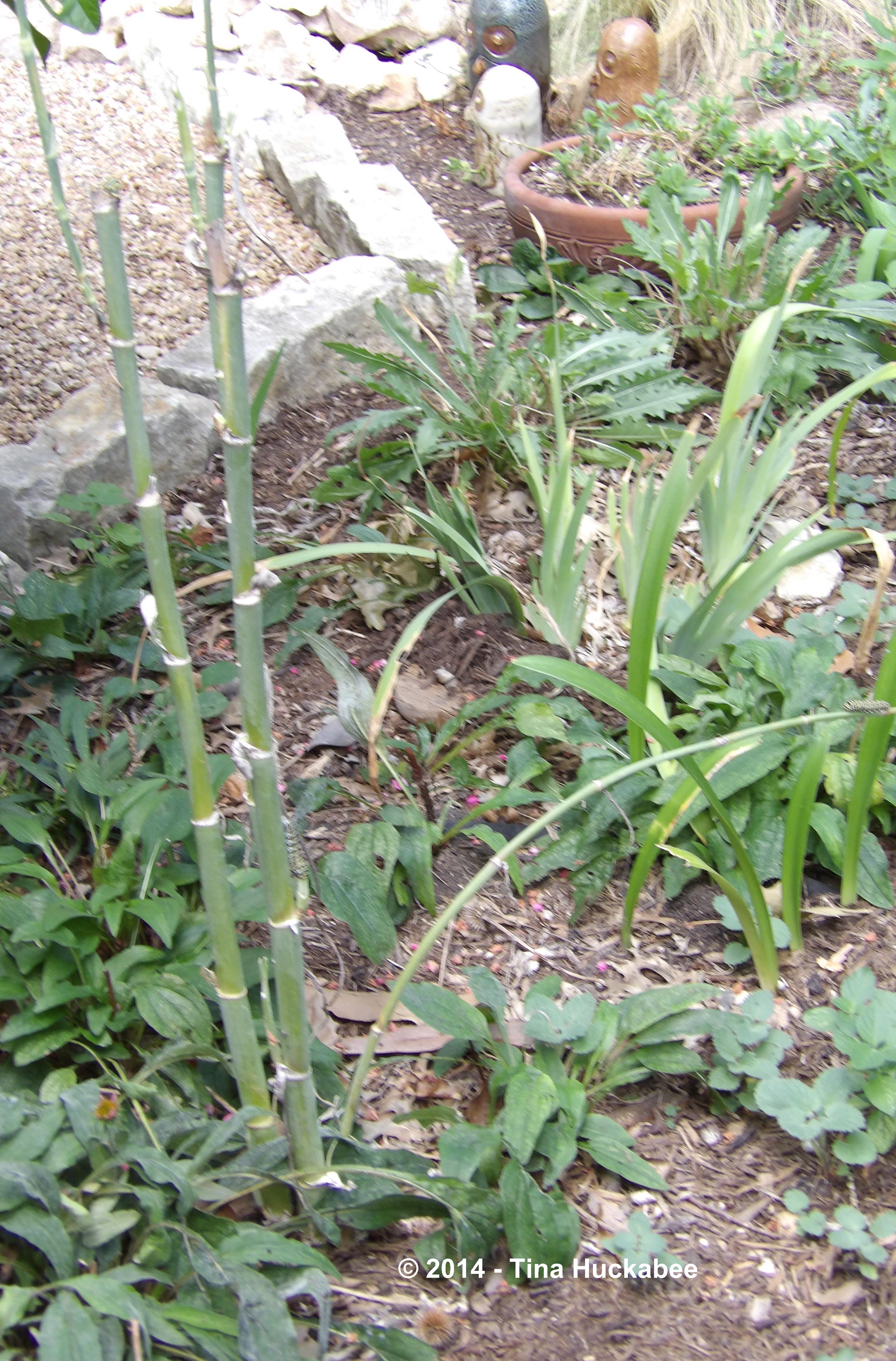
…because from all those caterpillars, this is the only chrysalis that I’ve found.

I’m sure the others are nearby, safe from munching predators. I’ll keep an open eye for the emerging butterflies during this next week.

IMGP2187.new

It’s Not All About The Flowers

I do so love flowers.

P1040334.new

P1030504.new

But a primary reason why  I choose native plants and xeric (drought tolerant) plants for my gardens is to attract wildlife.

Neon SkimmerLibellula croceipennis, (male).

20120816_5_cropped_2364x1903..new

Black Swallowtail Caterpillar, Papilio polyxenes.

P1030584.new

Scarlet Tanager, Piranga olivacea.

Also, I choose natives/xerics to limit water usage.  I choose natives/xerics to challenge myself in the study of plants and related fields of interest.  I choose natives/xerics to experiment with aesthetic design of those plants in my gardens.  I choose natives/xerics to add beauty to my corner of the world.

I digress.

When I began the re-landscaping efforts from my boring, water-thirsty lawn to the diverse, water conserving, perennial garden that I now enjoy, I scattered seeds of Purple Coneflower, Echinacea purpurea,  purchased from the Lady Bird Johnson Wildflower Center.  This was 18 or 19 years ago–my children were wee bairns.  What I remember about that patch of Coneflowers is that when the butterflies were startled as they sipped Coneflower nectar, they would flutter into the air en masse.  There were so many butterflies that I could actually hear the whoosh of their wings.  It’s been a long time since I’ve seen that many butterflies (or any other pollinators) in my gardens.  Drought, habitat destruction, climate change, overuse of commercial and home chemicals have devastated wildlife of all sorts.

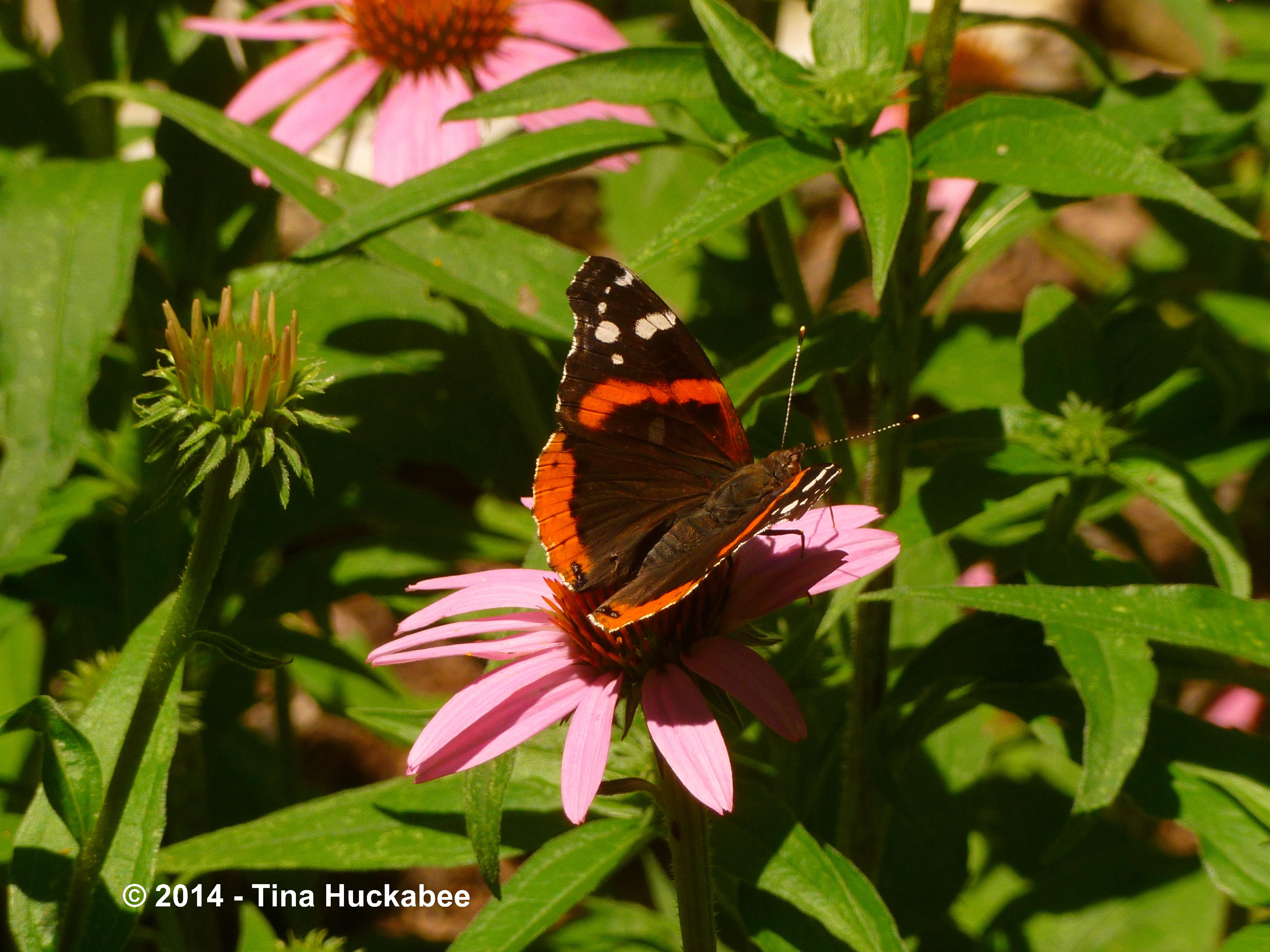
Even so, there are still butterflies around.   Recently, I watched this common Red AdmiralVanessa atalanta, enjoying the spring nectar of a Coneflower.

P1040244.new

He (she?) posed nicely for me.

P1040243.new

P1040236.new

Gardeners usually have competing reasons for the gardening they undertake and appreciate the bounty that a garden grants.

Thanks to Deb at austin agrodolce for introducing me to BugGuide.net