
Traditional summer road trip vacation time is nigh upon us. If you’re wondering what might make an interesting and beautiful trip this summer, specifically if you’re in Texas, look no further than a newly published book, A Traveler’s Guide to Texas Gardens. The authors are my friend and neighbor, Amy Culbertson, and her good friend, Susan Urshel and they’ve profiled accessible public gardens in Texas. I can’t say it any better than the press release from the publisher, Great Texas Line Press:
An indispensable guide for touring public gardens in Texas
For those who love to explore gardens, Texas offers infinite rewards. From the misty bayous of Shangri La to the austere beauty of the Chihuahuan Desert Botanical Gardens, no two public gardens in Texas are alike. In their new guidebook A Traveler’s Guide to Texas Gardens, authors Susan Urshel and Amy Culbertson traveled to every region of the state to find 70 unique and surprising public gardens worth stopping for or driving to.
Who would expect to find one of the world’s premier collections of waterlilies spreading its exotic blooms across a series of public pools in a quiet little park in San Angelo? Or a global pharmacy garden with hundreds of healing plants in tiny Round Top? An Anglo-Asian statuary fantasia near Weatherford? A Mediterranean-style island of rose blooms in urban El Paso? A classical Persian garden interpreted with native Texas plants in the middle of Houston? Writer Culbertson and horticulturist Urshel take you to all these and many more, guiding you to navigate the major legacy civic gardens in cities like Dallas and San Antonio and to discover secret gems in unexpected corners of the state.
A Traveler’s Guide to Texas Gardens is filled with evocative descriptions and crammed with practical information — everything you need to get the most from the gardens you take in on your travels. Perfectly sized for toting in a pocket, purse or glove compartment, it’s also perfectly priced, at $8.50 retail, as an impulse gift for the garden-lover.
Available through Amazon, Barnes & Noble or Great Texas Line Press.
I purchased several copies directly from the Great Texas Line Press. The book is small and easily carried in a handbag, day-pack, or pocket, and is an ideal gift for wondering and wandering garden aficionados. In time, there will be an link online for the book with additional photos.
I’ve visited some of these gardens, but certainly want to visit others that Amy and Susan have profiled in this practical mini-manual. Texas is a big place, with a wide range of eco-regions, as well as great cultural and ethnic diversity. Amy Culbertson is a beautiful writer and Susan Urshel enjoyed a long career as a successful horticulturist. Together, they’ve made some magic with this sweet, useful book, a loving nod to the knowledge, creativity, and perspiration that makes a garden–big or small.
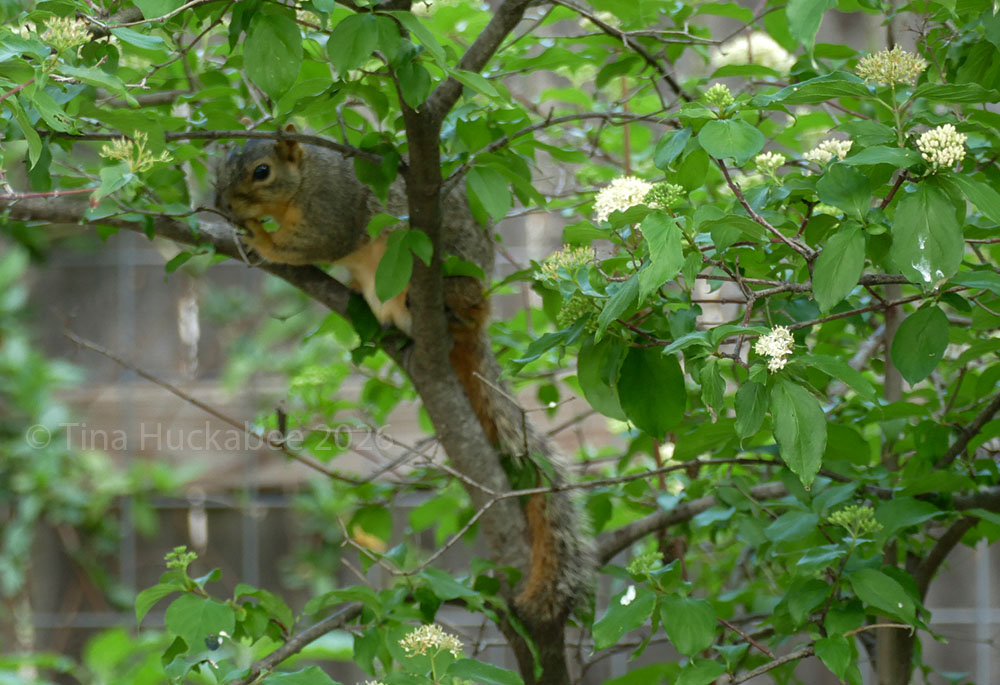
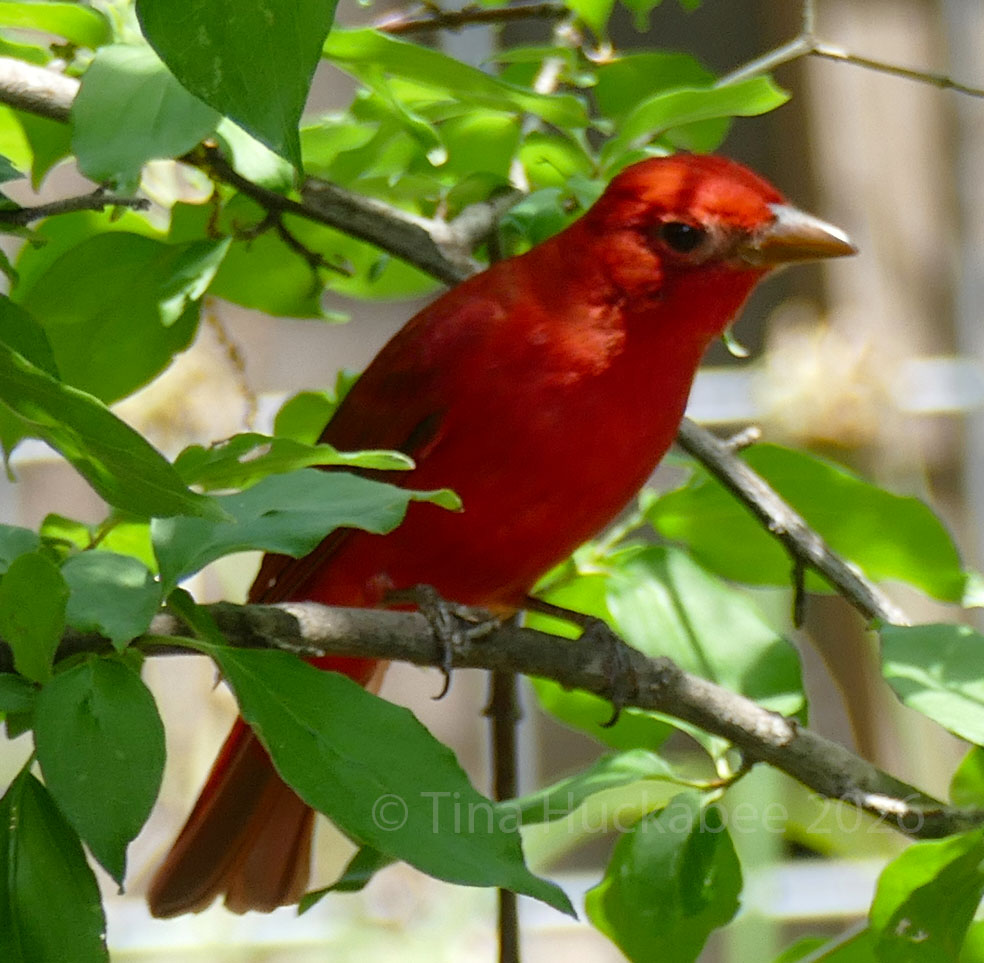
My own garden is a place I need to visit each day, though will never be a “destination garden” or a “worth a look” garden to anyone but local wildlife–and that’s okay with me!