Recent strolls through my front garden gladdened my gardener’s heart. This formerly shade, now full sun space, has delivered in blooms and foliage beyond my original dreams for it! It’s a hot garden in the long summer months, though full of flowers, with attending birds and insects busy with their lives, beauty and utility on full display. In those months I enjoy the early mornings and late evenings, the hot afternoons are a time to assess the plants’ viability. Those visits are short bursts of garden appreciation and sometimes, a recognition of design mistakes. Texas summers demand respect and practicality.

The autumn bloom-up, our so-called second spring, sometimes starts in October, sometimes in November, rain and temperatures being the deciding factors. This year, November is the graced month, with a bit of rain (though not enough…) and cooler temperatures. I traveled most of October and thought I would miss a good deal of the second spring, but warmer-than-normal temperatures and little rain at that time delayed the show. My garden has performed admirably in November and I have enjoyed every minute!
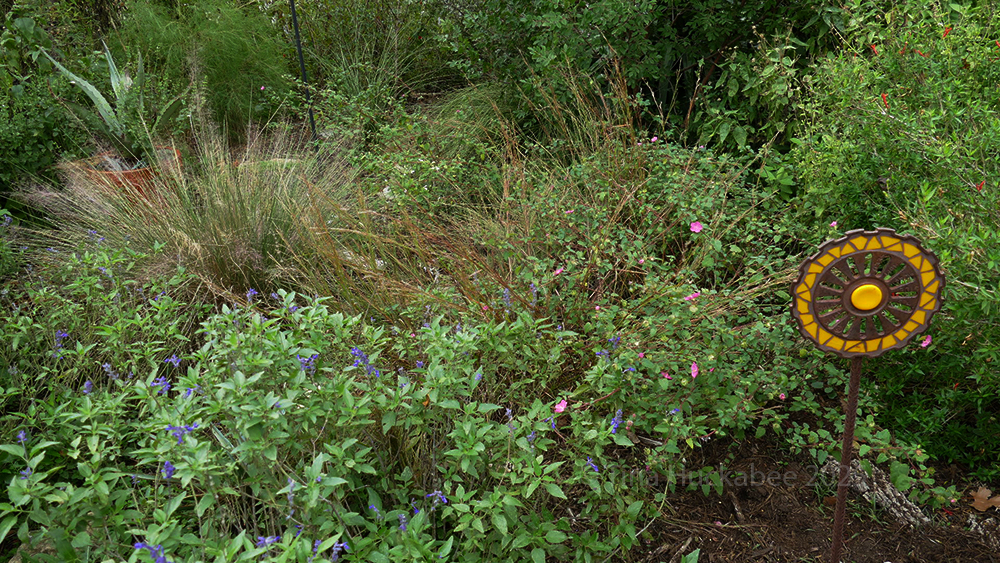
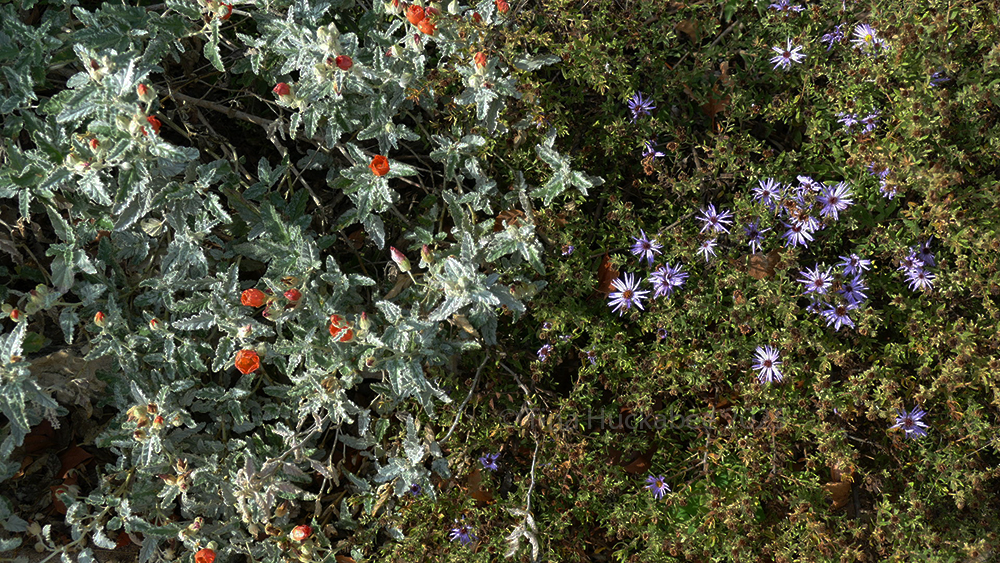
Autumn specialty plants, those which show-off in fall, are plenty and varied. Here, Fall Aster, Symphyotrichum oblongifolium, perky and pretty flowers abloom, bask in the late season gentle sunshine.

Some asters share space with Globe Mallow, Sphaeralcea ambigua, dark green, tiny leaves of the aster and its purple ray flowers a perfect companion to the grey, ruffled leaves and dreamsicle orange mallow blooms.
On colder days, the mallow blooms are reluctant to open up for pollination business. I’ve watched honeybees struggle to nuzzle their way into the center of the mallow, determined to work in the tight space. Sometimes they make it, sometime they shrug their little bee shoulders and move on to a more amenable prospect.
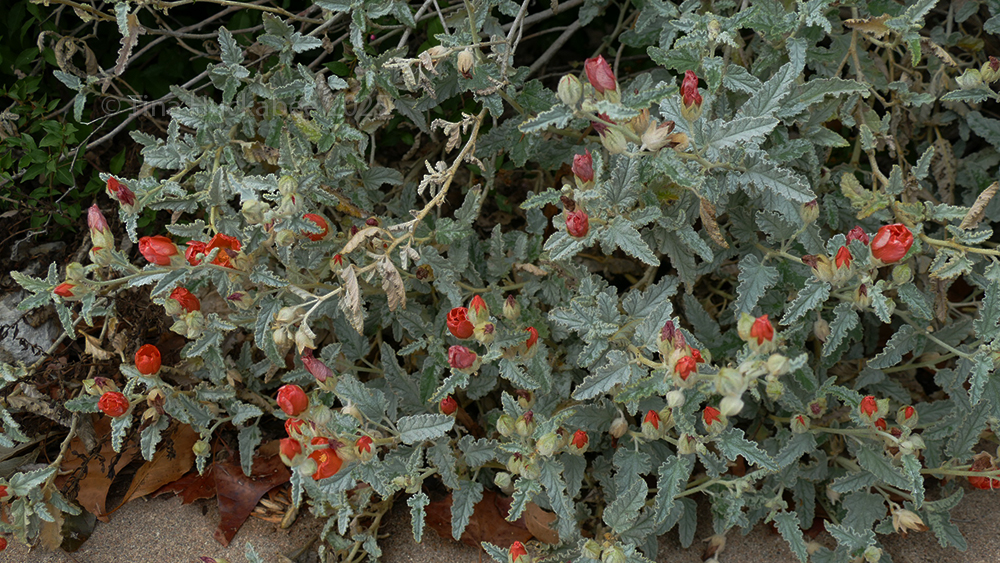
On warmer days, honeybees go all in–literally–working the blooms!

When our large freeze-damaged Arizona Ash was removed in 2021, it was the native grasses that I was most excited about adding to my garden as my garden space had never enjoyed enough sun to make native grasses happy and fulfilled. I now grow six Big Muhly, Muhlenbergia lindheimeri, their silvery blooms and graceful presence a signature of my fall garden.

I attempted to grow Gulf Muhly, Muhlenbergia capillaris, for years and failed miserably–there was no place in my gardens for the Texas sun to blast these grasses from sun-up to sun-down which is their preference. I now grow several of these pinky, plumy beauties. Mine still aren’t the head-turners like others I see around town, as they do live in a tiny bit of shade as the days shorten. But beggars cannot be choosers and I’ll take what loveliness they offer, especially when paired with Gregg’s Mistflower, Conoclinium greggi.

Honeybees are around, as they will be all winter, but native bees are done for the year, tucked in for winter or finished with their lives. It wasn’t a great year for butterflies; drought, I assume, took it’s toll. Monarchs have come through and are on their way to Mexico; it was a decent, though not great, migration.
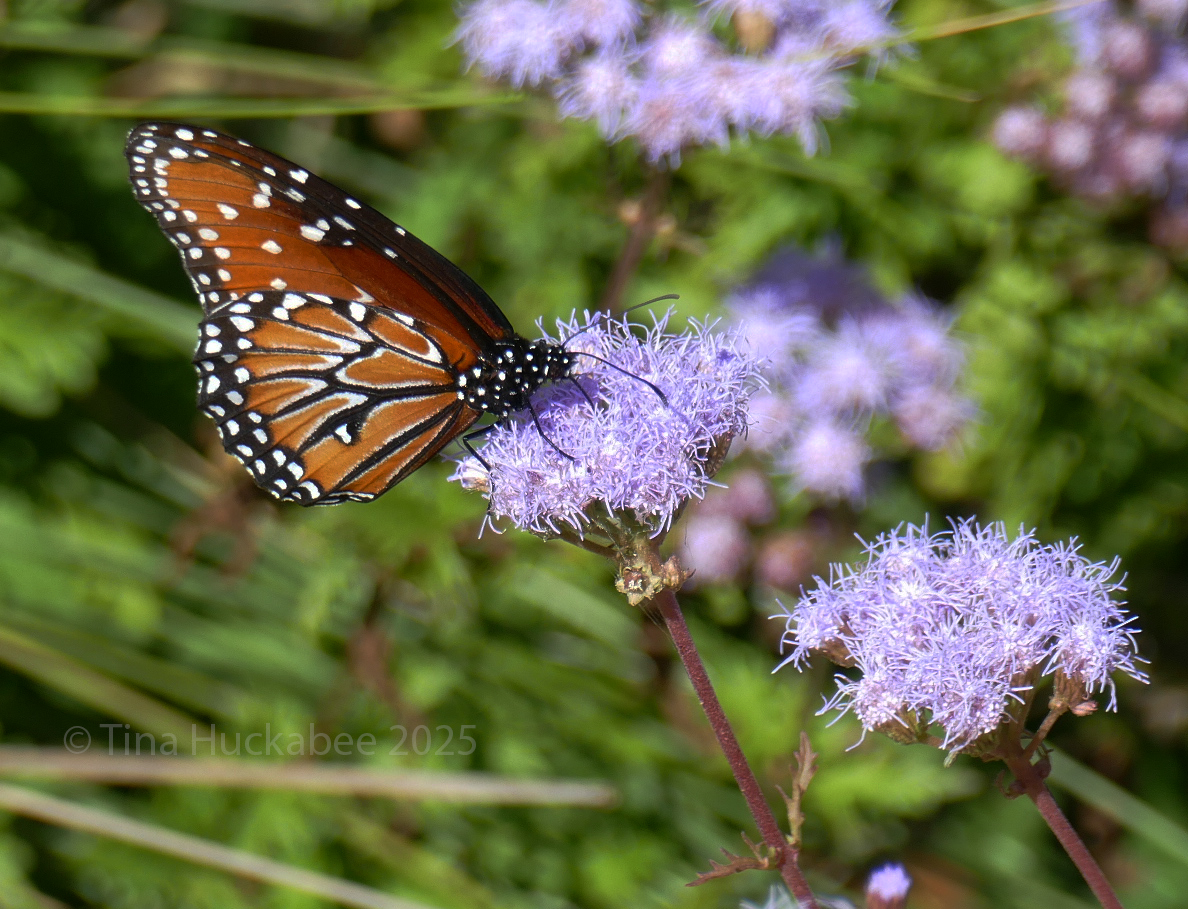
This day, a Queen butterfly (and several of its buddies) adore the sweet, fuzzy blooms of the Gregg’s Mistflower.
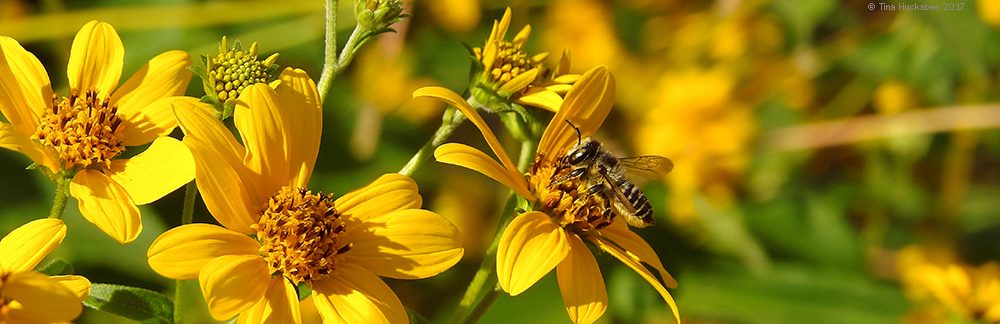
Plateau Goldeneye, Viguiera dentata, grows tall and wide throughout the season, a sprinkling of sunny flowers cheery gifts during the summer months. October and November see the shrubs explode yellow, the pollinators thrilled with their abundance. Once the flowers are done, various birds descend, the seeds delectable.
I like this shot: one bud on the right preparing to bloom, open flowers, spent bloom atop and to the sides, stripped seed husks surrounding.

Turk’s Cap, Malvaviscus arboreus var. drummondii, is long season bloomer, but it’s near time for them to sleep. This shrub showcases a few individual crimson delights, but it’s clear that some chilly nights have impacted the foliage, turning burgundy from lush green.

Rock Rose, Pavonia lasiopetala, another April to December flower-power plant, still blooms! Honeybees are happy to muck around in the bed of pollen!

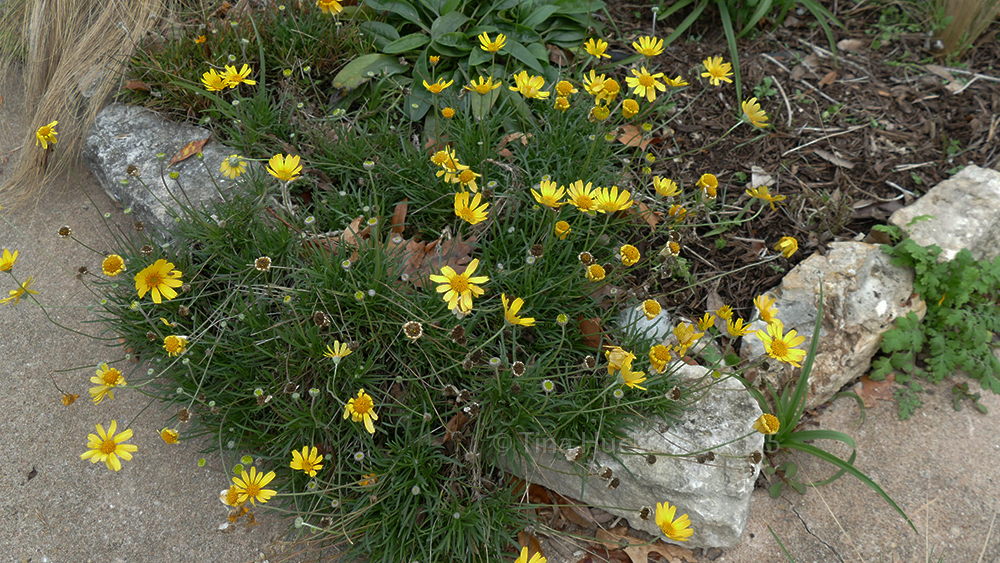
Four-nerve Daisy, Tetraneuris scaposa, grows happily in several spots of my front garden. Thriving in full sun, these plants rarely are without flowers. Even when this daisy freezes, within a couple of days, buds will appear, ready to yellow-up again. I guess you just can’t keep a good plant down!
Spring is already announcing its presence with a number of spring wildflower greens popping up and spreading out. This bit of Blue Curl, Phacelia congesta, greenery will grow through the next months, then unfurl its petite blue-purple blooms in April and May.

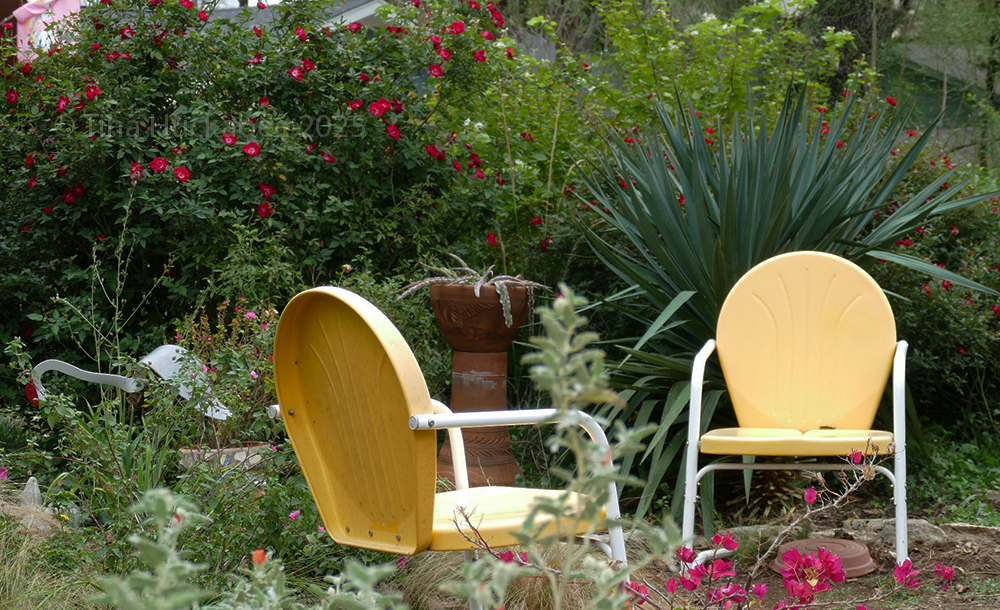
I’ve toured the garden and now it’s time for a break, to plop down and rest in the chairs, sip some nice Stash tea before the next cold front blows in. Thanks garden and plants and wildlife–you deliver joy and meaning.
 My Gardener Says...
Great photo of the honeybee in the Globe Mallow!
LikeLike
Thank you! I love it when bees cooperate!
LikeLiked by 1 person
We could say your “hot garden in the long summer months” is hot in a different way in November, namely rich in wildflowers, some continuing from earlier in the year (like pavonia mallow and Turk’s cap), others appearing for the first time in the year (like asters).
Among those late-in-the-year wildflowers, plateau goldeneye was still going strong in Great Hills Park six days ago. During a mild winter, I’ve seen some residual flowering in January.
LikeLike
It’s been a nice, flowery fall! Like you, I’m still seeing plenty of goldeneye blooms. Some of mine are totally in seed mode, others are in flowering mode. I rather like that, because it means the season is expanded.
LikeLike
I really enjoy your blog! Thanks for letting me share your garden joys.
Melinda
LikeLike
Thank you, Melinda!
LikeLike
Isn’t it nice when your garden can take care of itself when you are gone?
LikeLike
Lol–it really is!!
LikeLiked by 1 person
This is the time of year when I find individual bees on the boats, either sluggish or already expired. I used to be really concerned, and then I learned that they weren’t honey bees, but native bees, and no doubt at the end of their lives. I finally will have a chance to get out and about this weekend, and I’m eager to see what might still be in bloom, or in attractive decline. The mass of flowers in your garden suggests that I’ll find a good many. Various asters and blue mistflowers don’t seem to mind the cooler temperatures, and we’re heading back into the 70s anyway.
You really have put that newly sunny space to good use. Do you have plans to add anything there for next spring or summer?
LikeLike
Oh, I hope you find things still blooming, though seed heads are lovely too. I think the dry/warm October paused the plants and once that rain came in late October, it gave the autumn bloomers the green light. It’s been a pretty month.
I don’t really have plans to add anything, and mostly because there’s just no room unless something dies. I always spend some time in Oct/Nov moving things around after spending the hot summer months being annoyed at plant arrangements that didn’t work out like I thought they would: plants that have been covered up by other plants, mistakes I make that I want to rectify, rarely, a plant that’s died and I want to replace.
I don’t really buy plants anymore, with the exception of a Blackfoot Daisy that just croaked. They don’t live more than two years, I’ve never had one seed out (weird…) and I love those cute things. I’ll probably need to wait until early spring, but I’ll pop in to my one or two favorite nurseries from time-to-time and buy one if available. Otherwise, it’s my own seedlings that I’m always re-imagining, re-configuring, and re-planting.
It’s a life. 🙂
LikeLike
Wonderful to see the progress your garden has made, Tina. I love those grasses, mistflower and orange mallow. You’ve done a great job!👍🏼 🥰
LikeLike
Thanks, Eliza–labor of love sort of thing. I’m sure you get it!
LikeLiked by 1 person
Beautiful post! ❤️
LikeLike
Thank you!!
LikeLike
Pingback: Autumn in the Back Garden | My Gardener Says…