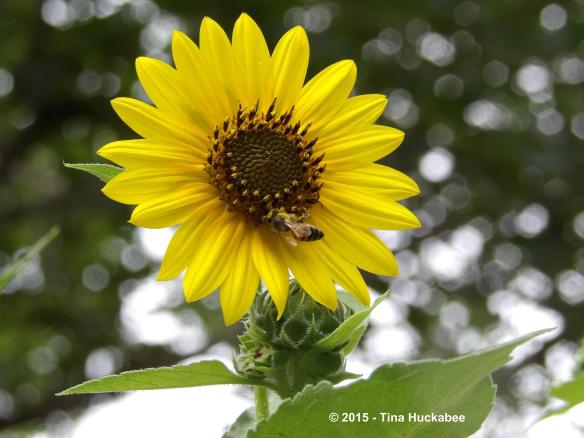
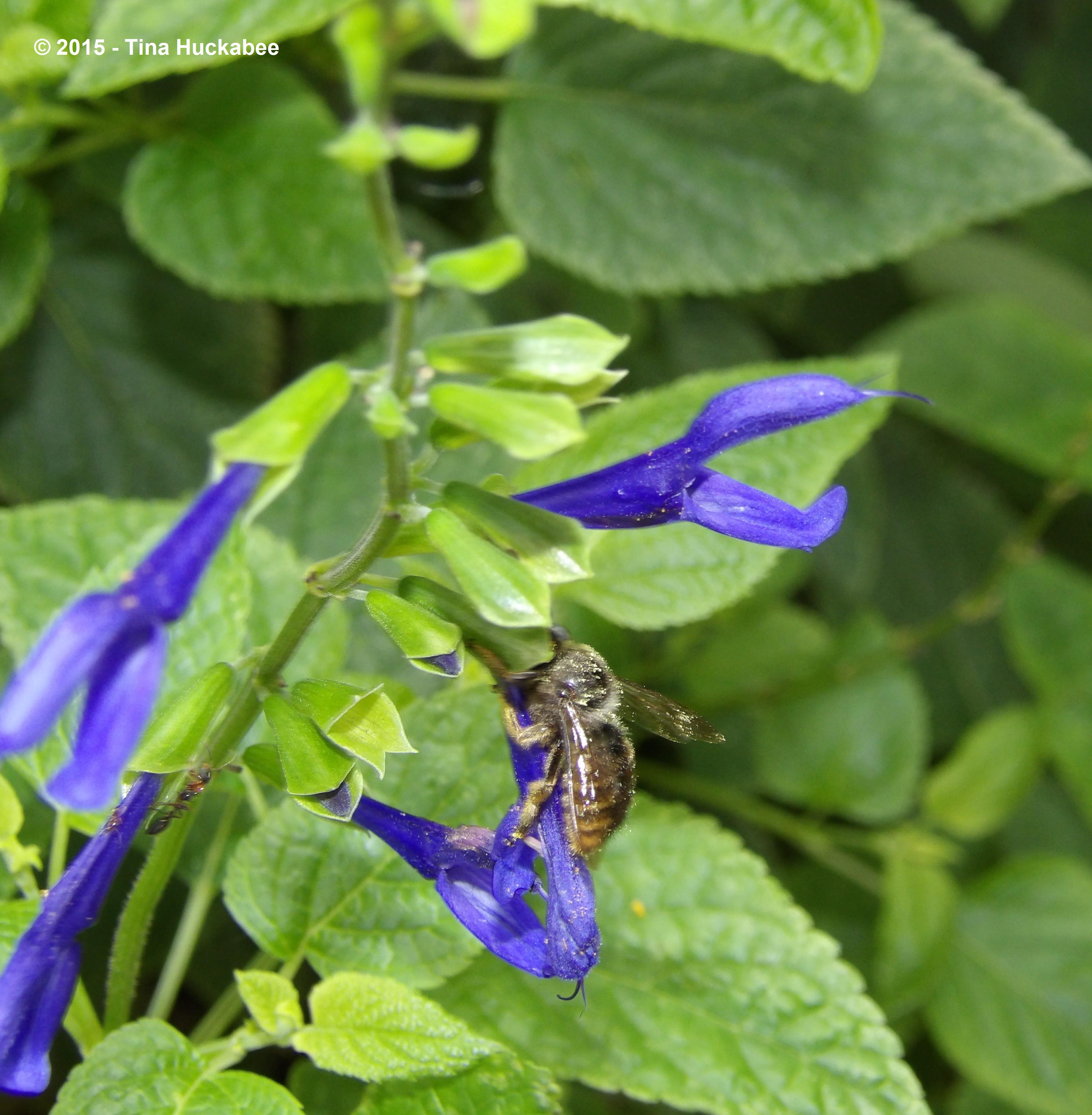
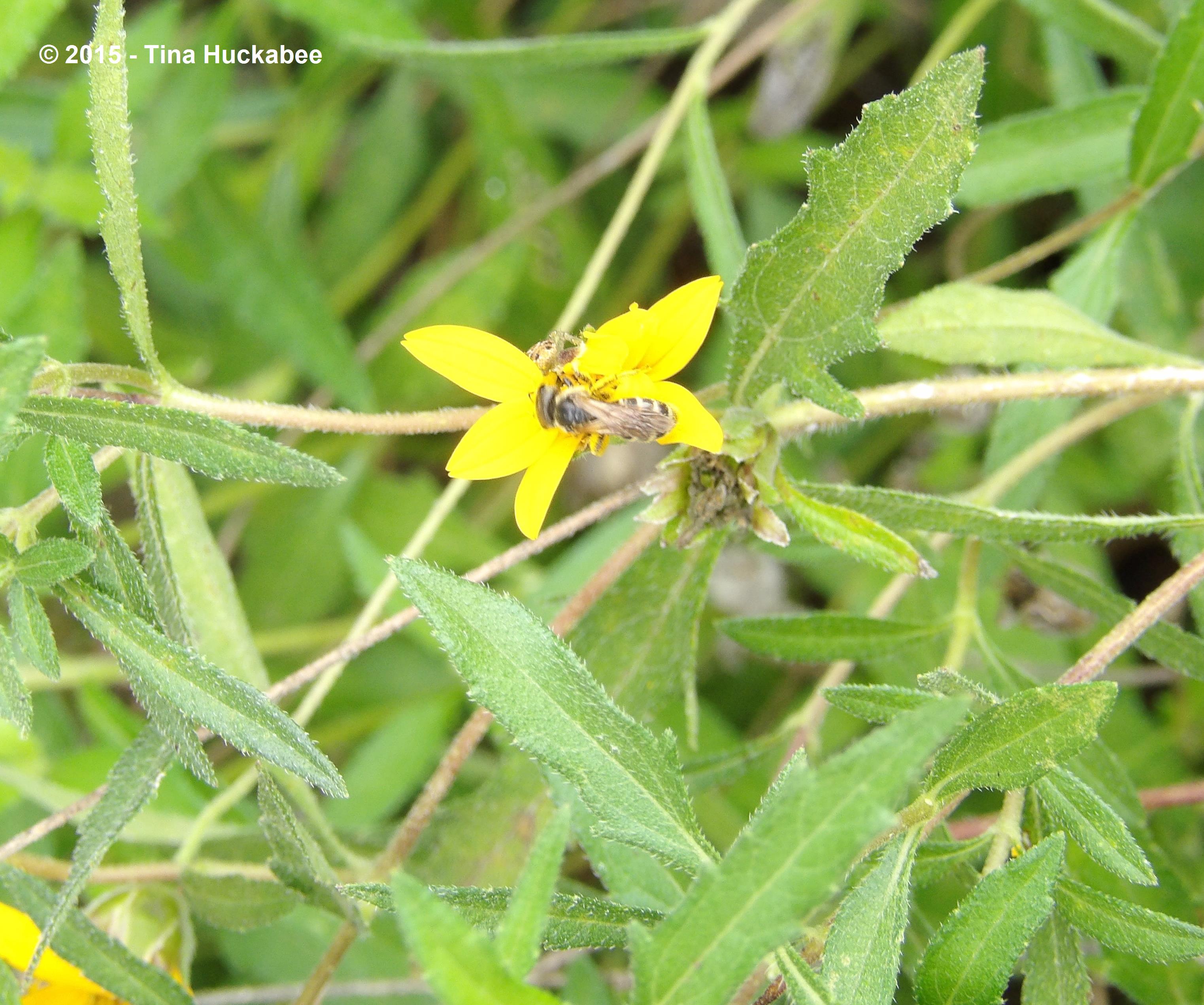
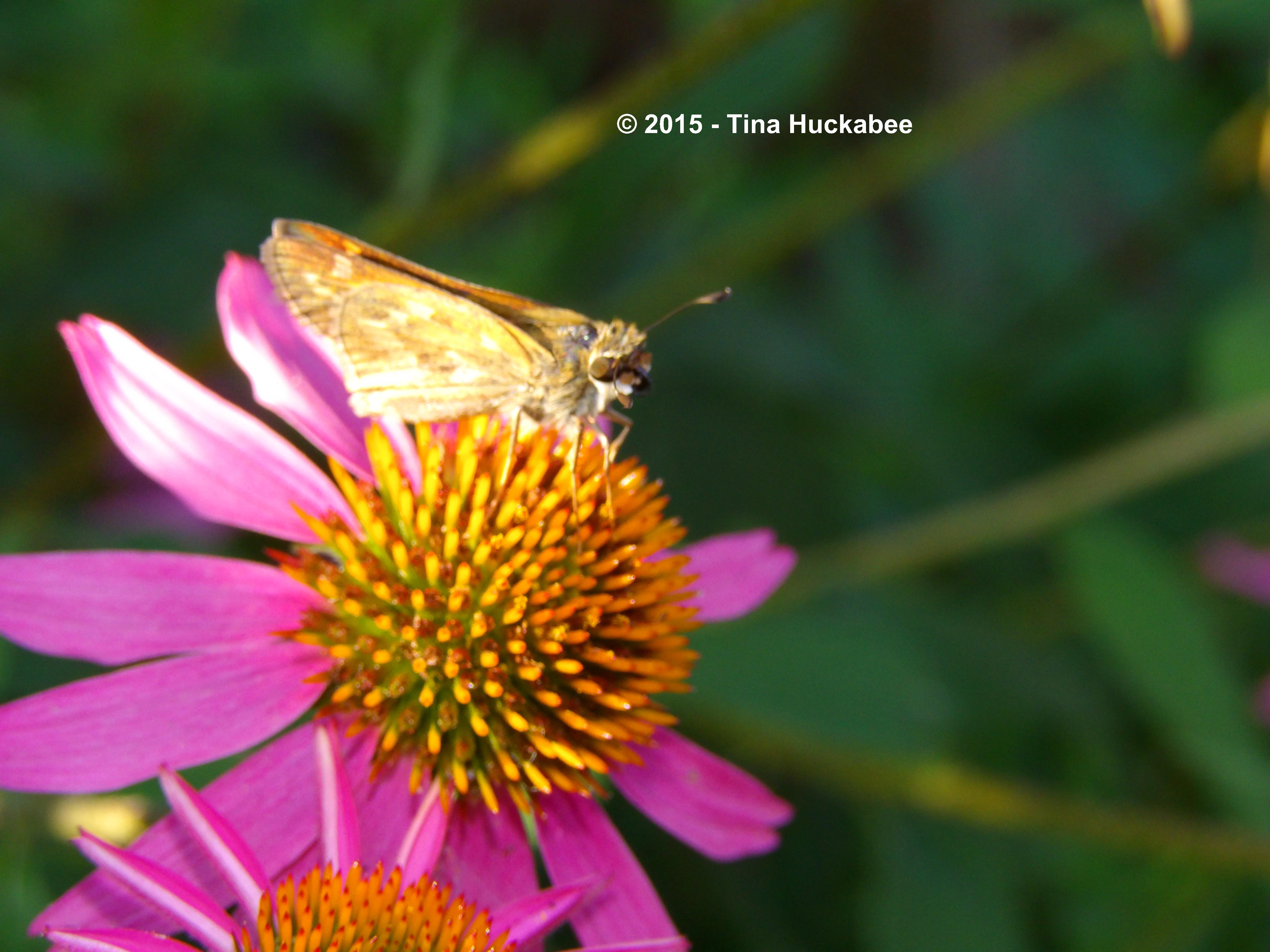
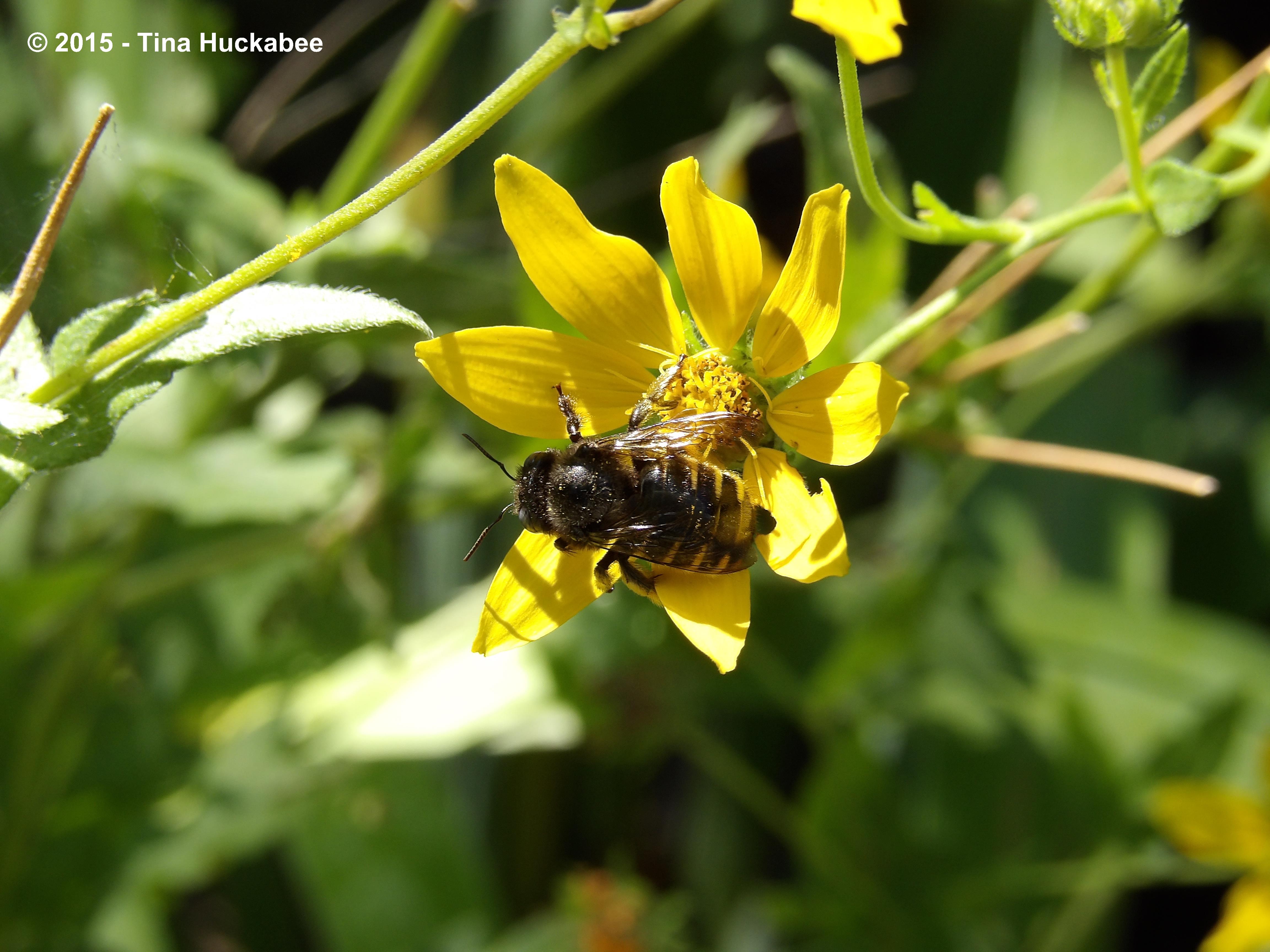
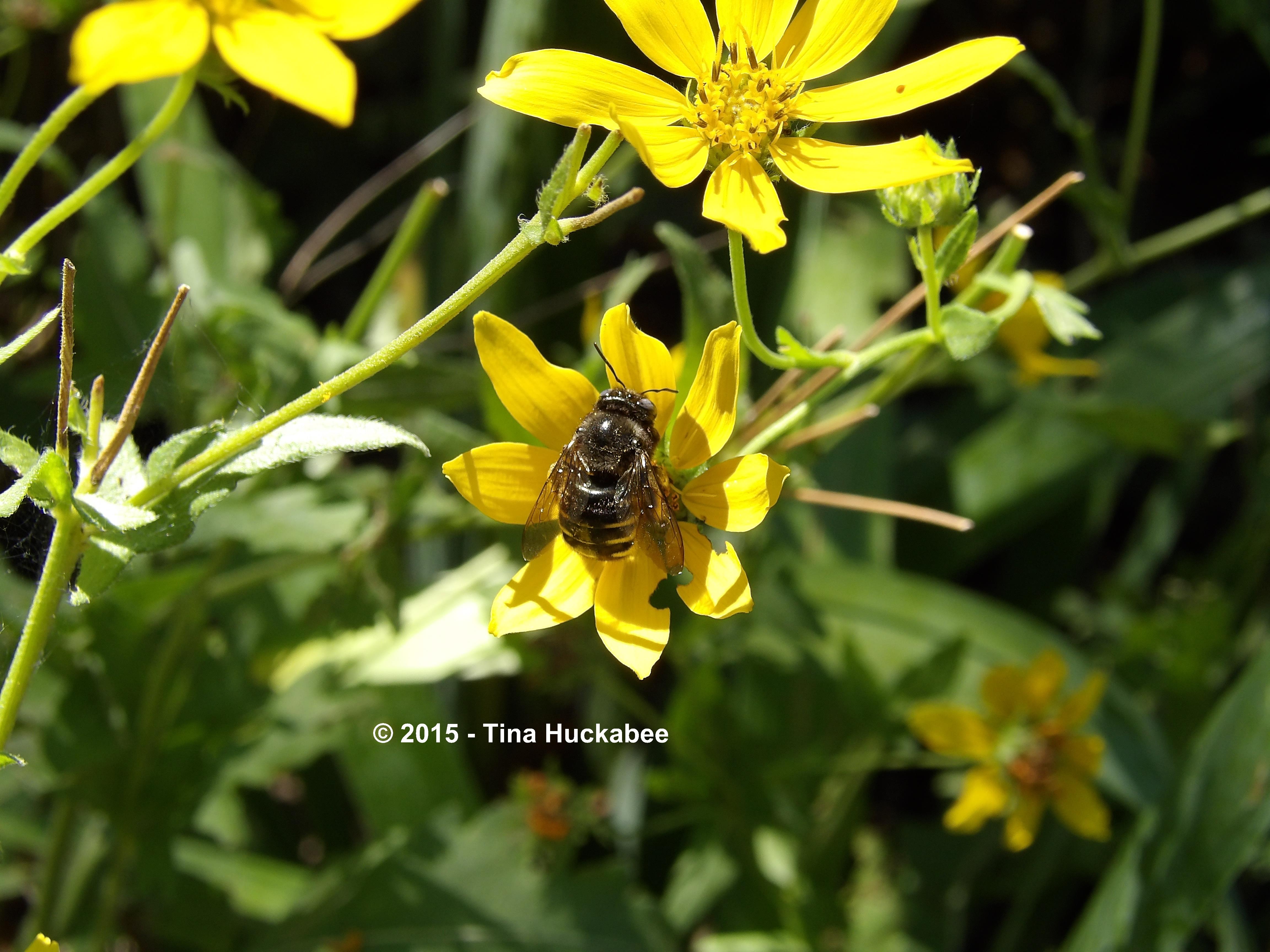
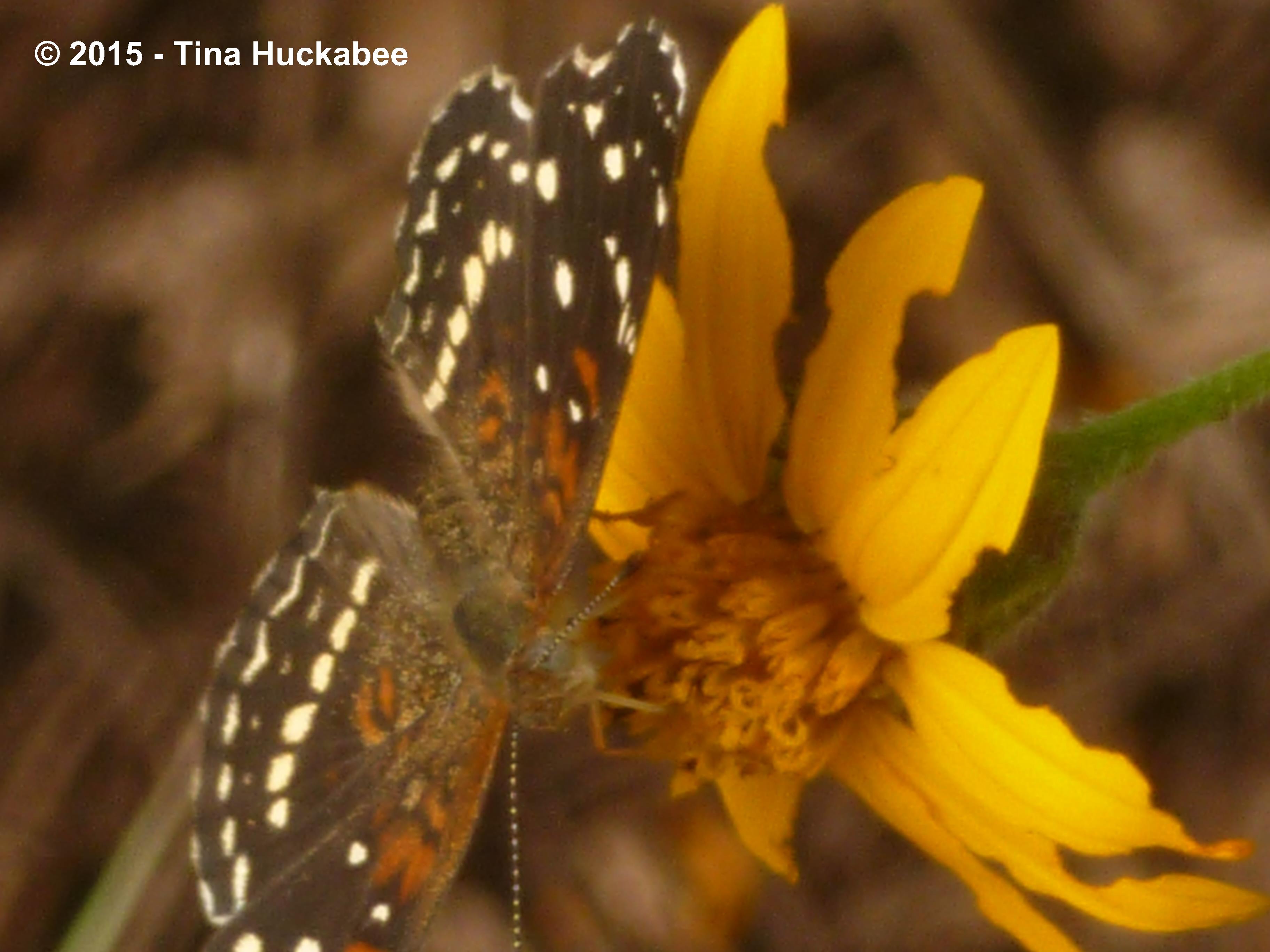
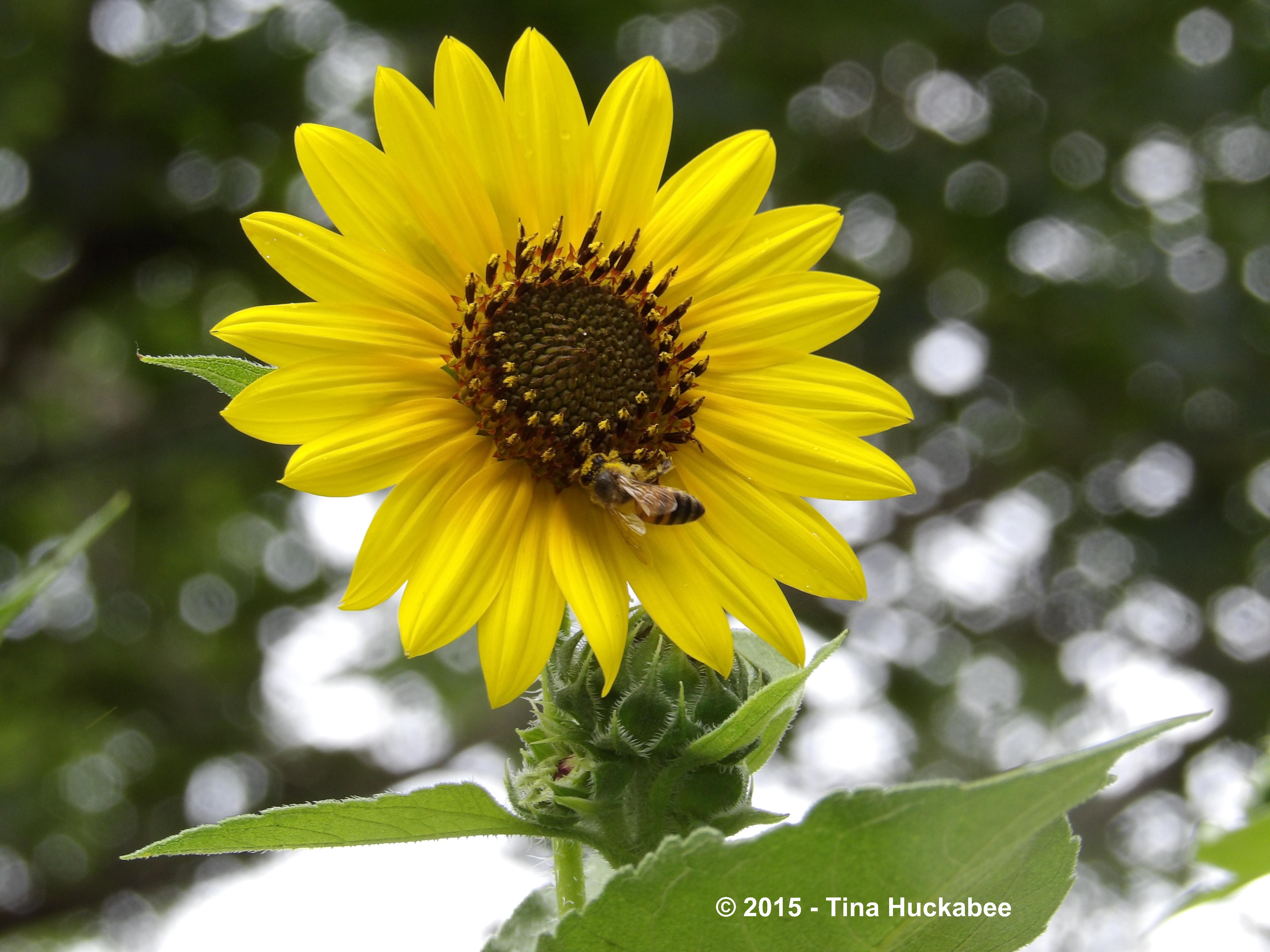
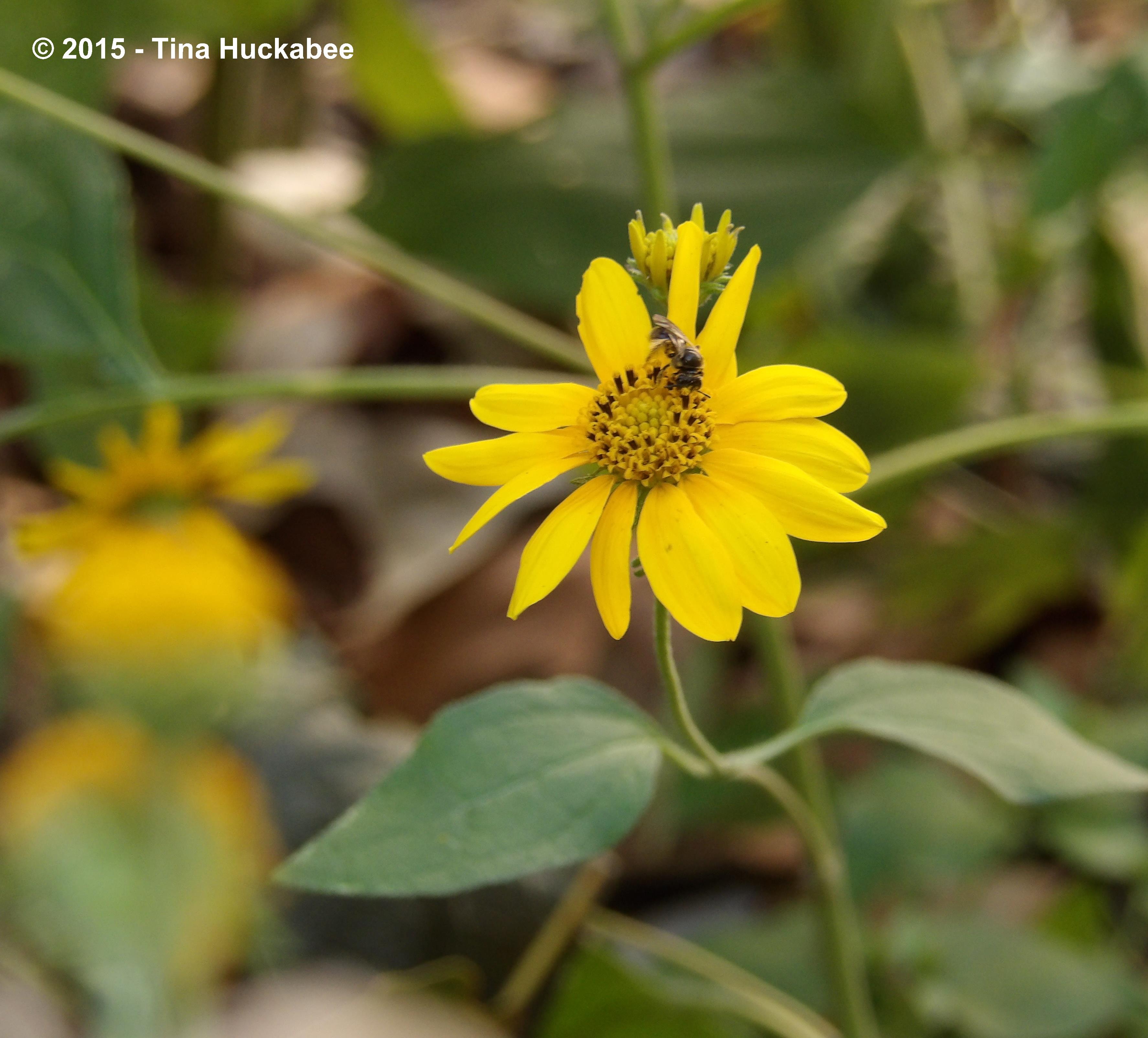
Pollinators aren’t just pretty things fluttering around our gardens and buzzing past as we hike on trails, they are critical to the health and survival of ecosystems throughout the world. Bees of a variety of species pollinate the plants that supply a large percentage of the world’s food supply and about 1,000 plants used by humans for food and other supplies are pollinated by bees and other pollinating animals. Additionally, 90% of wild plants are pollinated by wild bees of many species. Bats and birds contribute greatly to the pollination of wild plants and agricultural crops, while butterflies and moths pollinate flowering native plants in every ecosystem.

Habitat loss, over-reliance and misuse of pesticides and herbicides, invasive species, as well as disease and parasite infections are leading causes of the startling decline of all pollinator animals worldwide.
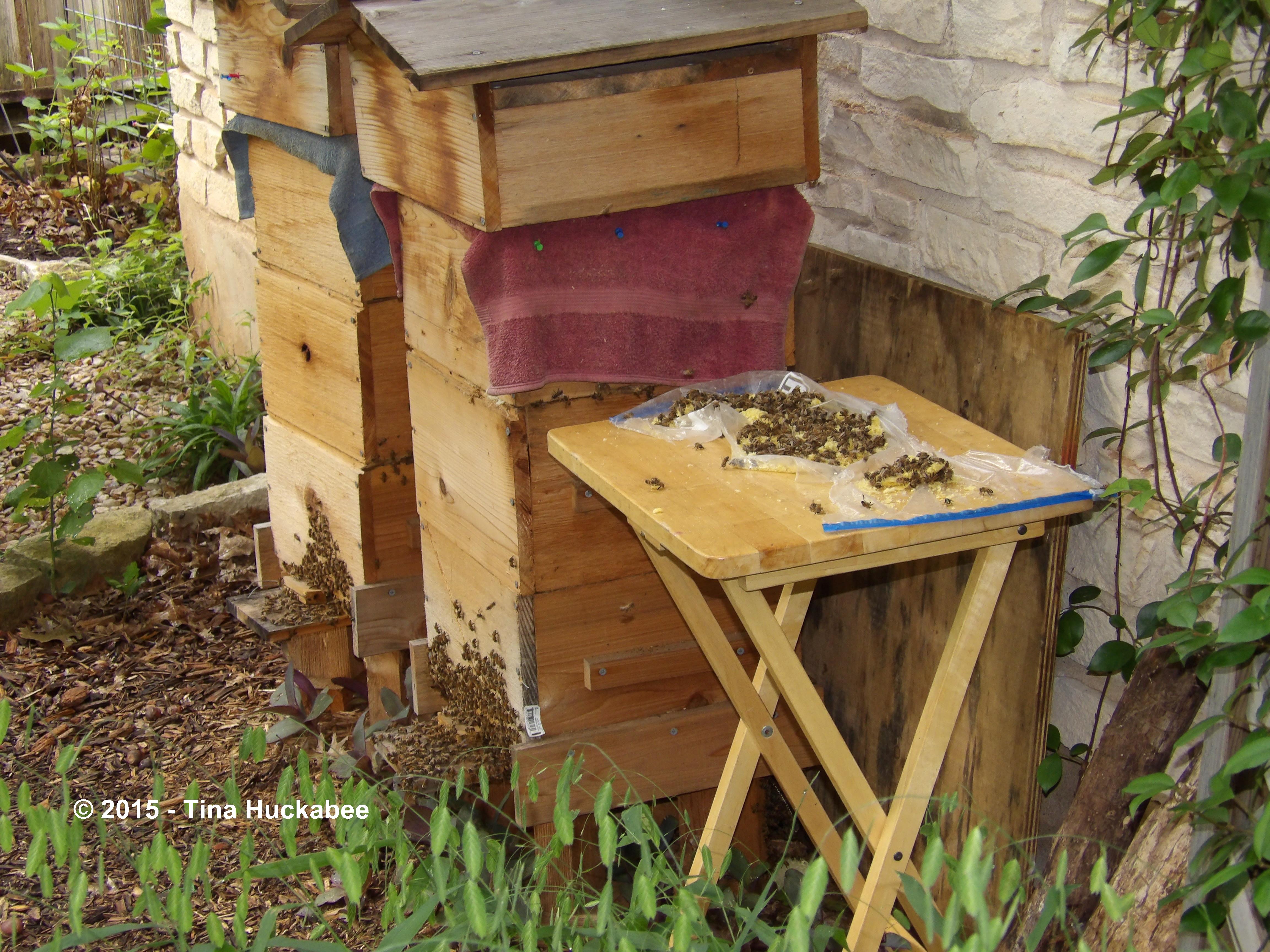
In the United States, over 40% of honeybee hives were lost last year.

Though wild bees haven’t been studied to the extent that honeybees have, nor do they suffer from the disease/parasite issues common to the honeybee, we know they are declining.

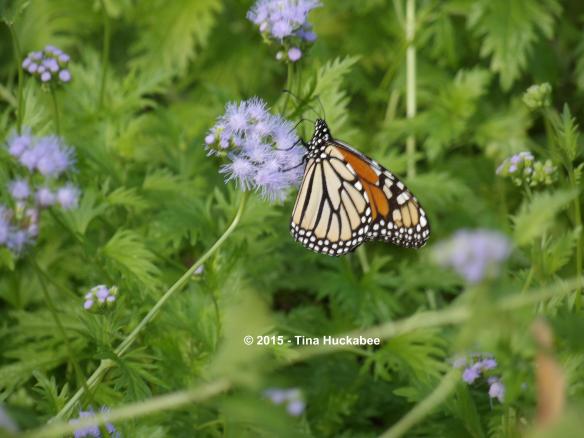
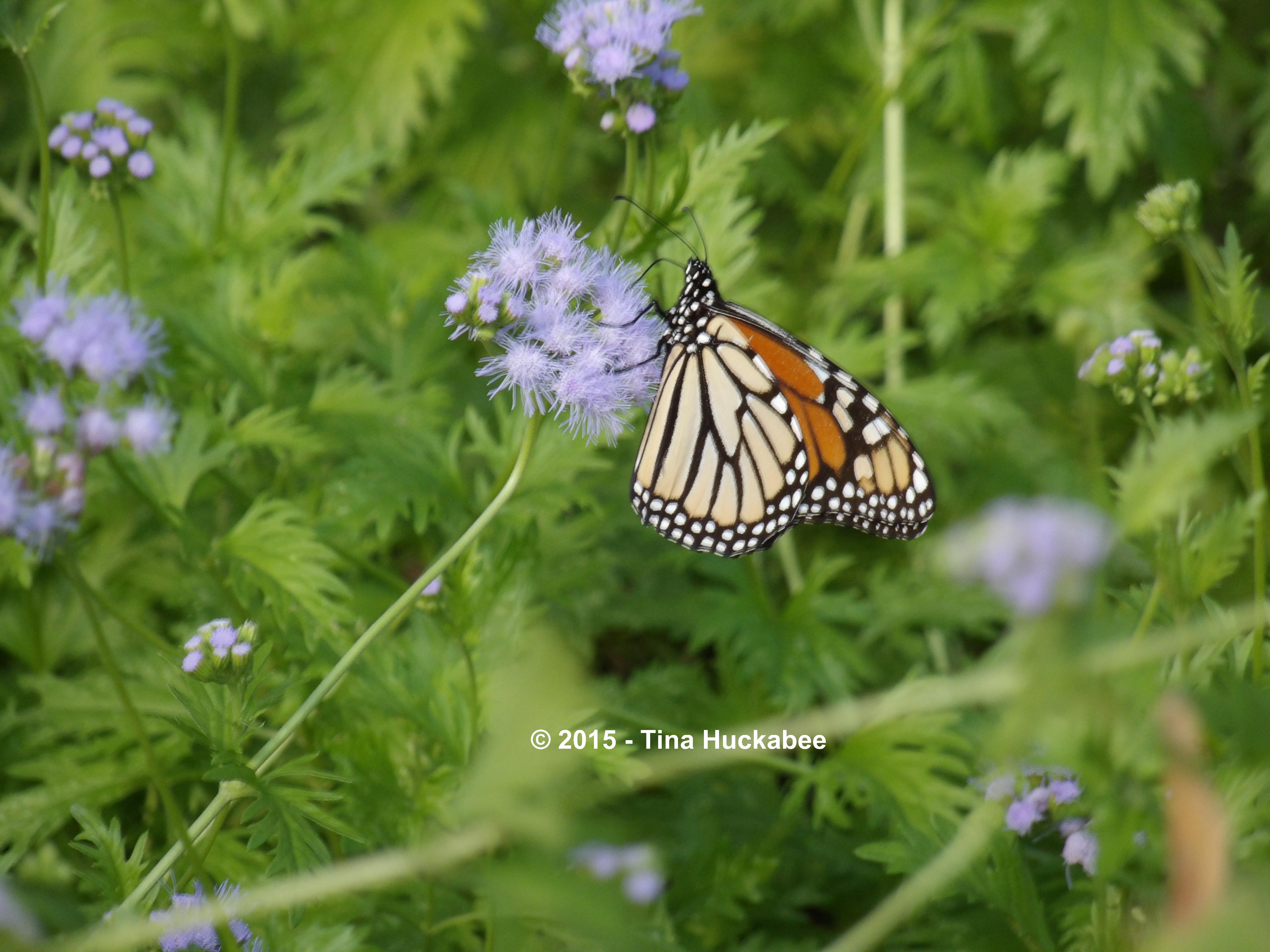
The beloved North American Monarch butterfly has declined by 90% in the past 20 years. The process to list the Monarch as an endangered species has started, with plans formulating for the expansion of its migration habitat, though unfortunately, no limits were placed on the use of the herbicide Roundup, which is the primary culprit in the decimated Monarch populations.
I could go on (and on) lamenting the problems that wildlife, and nature in general, are experiencing, but what the average gardener, homeowner, and citizen should know is that nothing in this world exists without balance. In all parts of the world, preservation of wild space is vital to all life.
Fortunately, understanding about the threats posed to pollinators is beginning to find way into the mainstream consciousness of people and their governments and perhaps it’s not too late to prevent a catastrophic decline in the pollinator partners whose work is requisite for human existence.

Pollinators should be appreciated for their contribution to a healthy and vibrant ecosystem, their role in plant preservation and evolution, and their beauty.

They deserve to exist.

As I was thinking about Pollinator Week and what I wanted to say, this lovely, simple, but profound post from Forest Garden popped up in my email.
I can’t add anything to this, in either text or visuals.
What to do?
Well, there are the usual things: walk, bike, carpool and take public transportation when you can–make that a lifestyle change to lessen your carbon impact. Recycle and reuse when possible–there’s enough junk in the world. Avoid the use of home chemicals and support companies/products that are cognizant of the dire consequences resulting from unfettered and irresponsible industrialization. Through volunteerism and/or donations, support the many organizations that are educating and lobbying for those who cannot speak for themselves.

Vote for public servants who are friendly to the idea that our society must set aside more public space for pollinators–and other wildlife. Whether it’s supporting the dedication of a swath of land bordering I-35 from Minnesota south to Mexico thus enabling the Monarchs to continue their remarkable migration, or setting aside more land as green space in cities and towns, or recovering and protecting natural habitats–of all sorts–support leaders who promote these endeavors with your time, money, and votes.

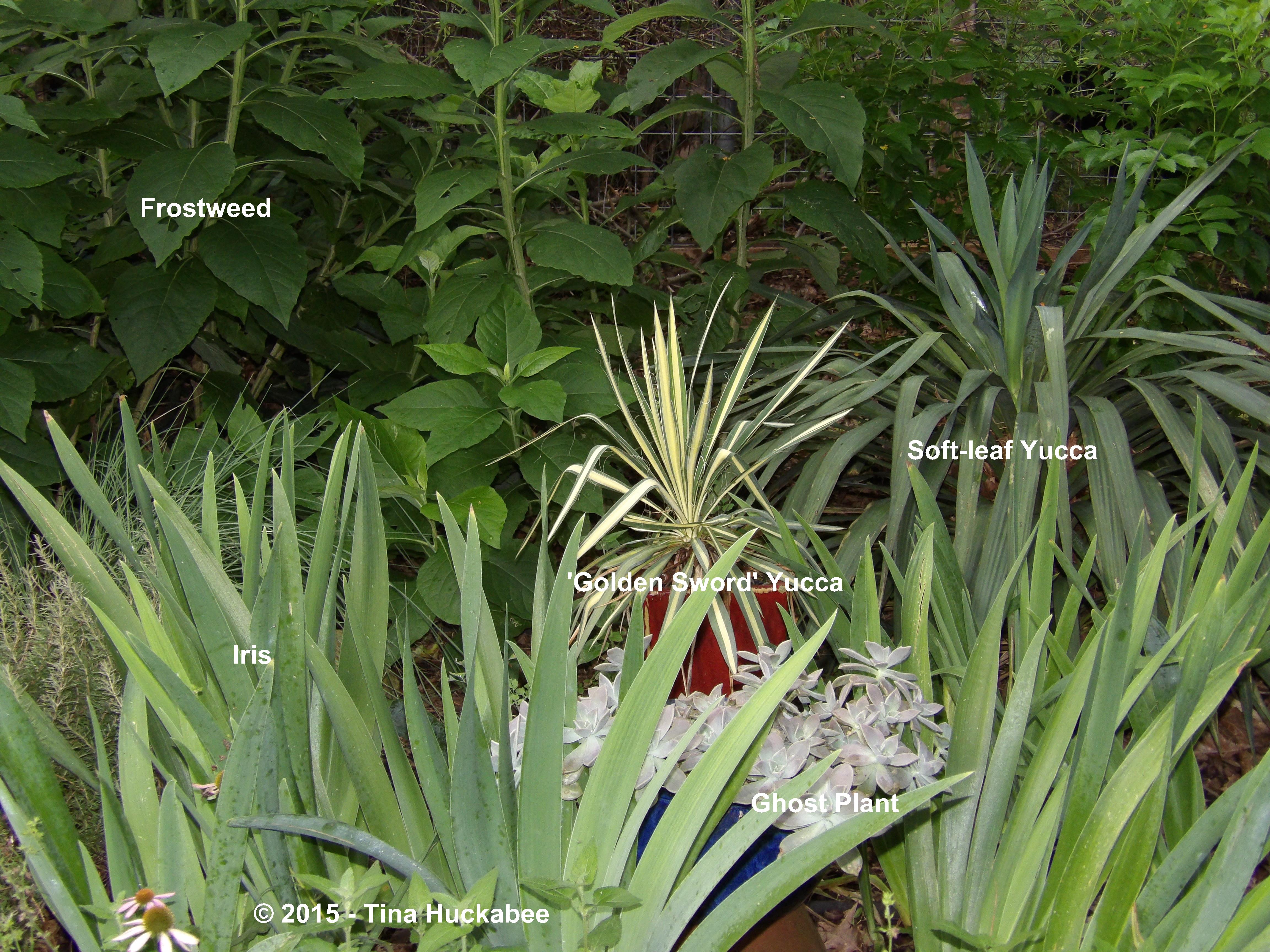
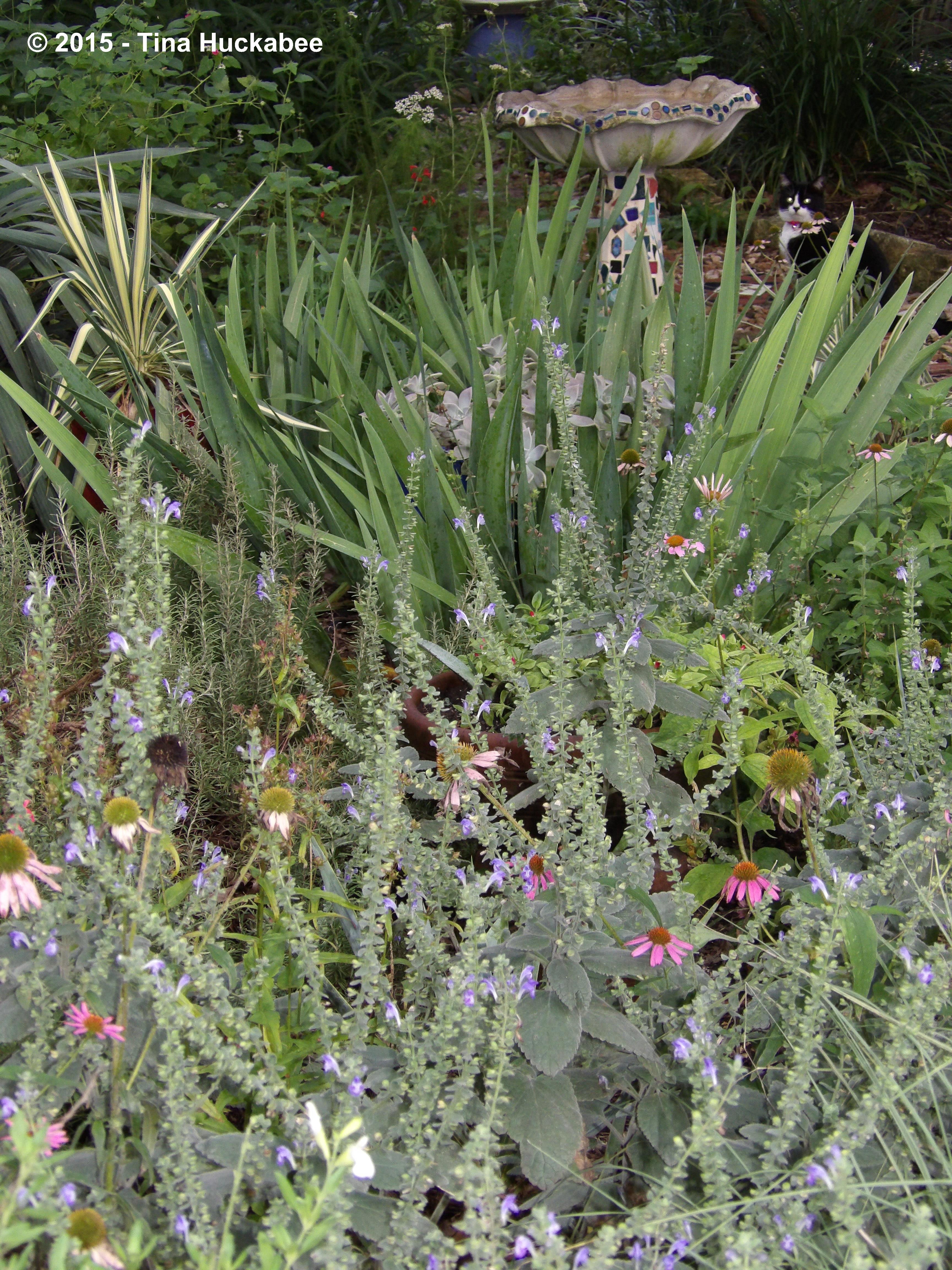
Also, if you own or rent a single family home, commit to removing that stretch of boring, wasteful, high-maintenance lawn and instead, prepare and install a wildlife friendly garden or pollinator garden. You won’t be sorry you did.

The American love affair of the lawn is baffling to me. Most people don’t even do anything with their lawn, except to walk on it when they mow. The traditional expanse of lawn feeds almost nothing, except for some grubs and other problematic insects. The lawn requires much watering, fertilizing and mowing and that is unsustainable. I guess one positive aspect to lawns is that the maintenance employs people.
To paraphrase: Love the mower, hate the mowing.
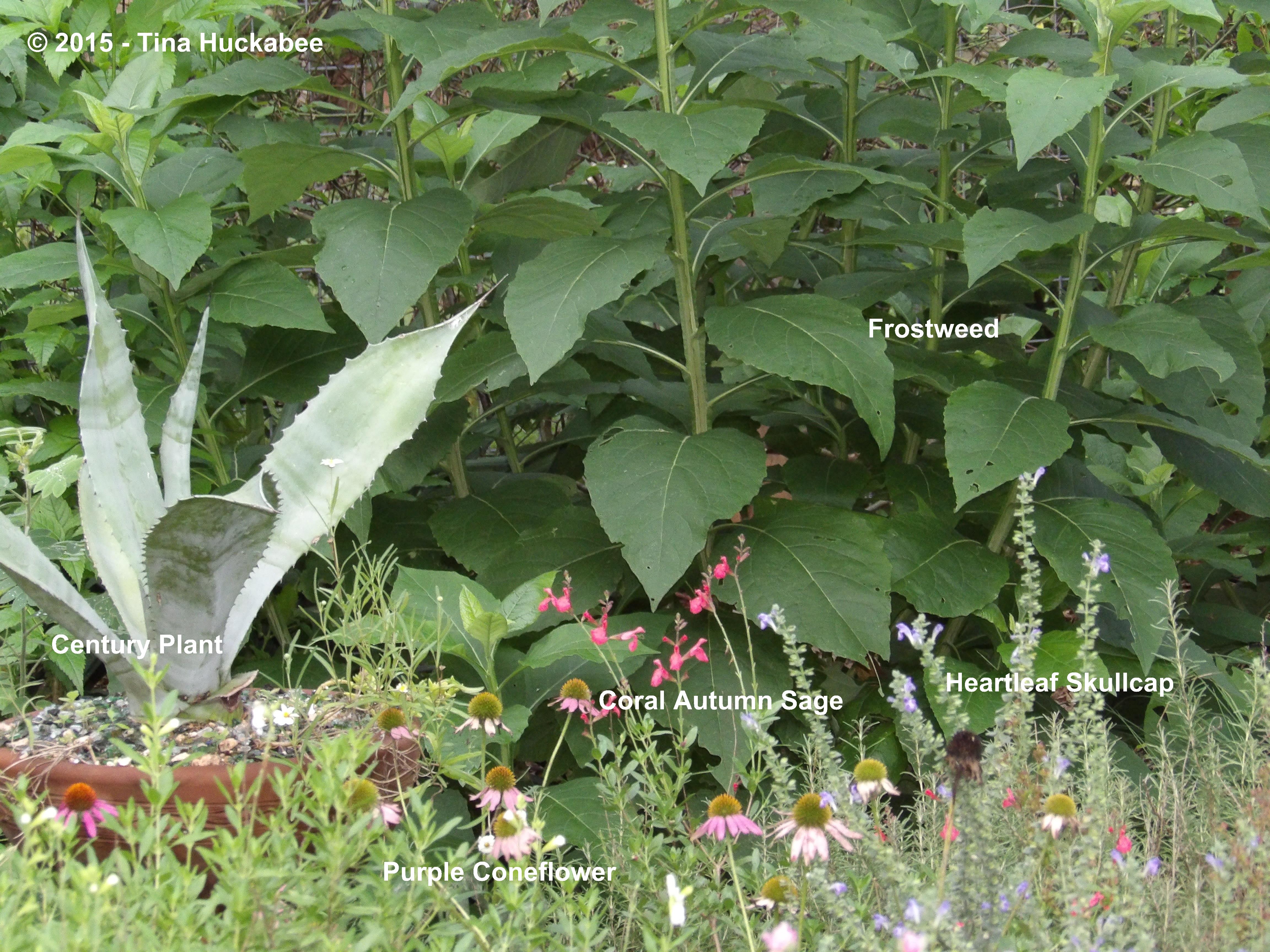
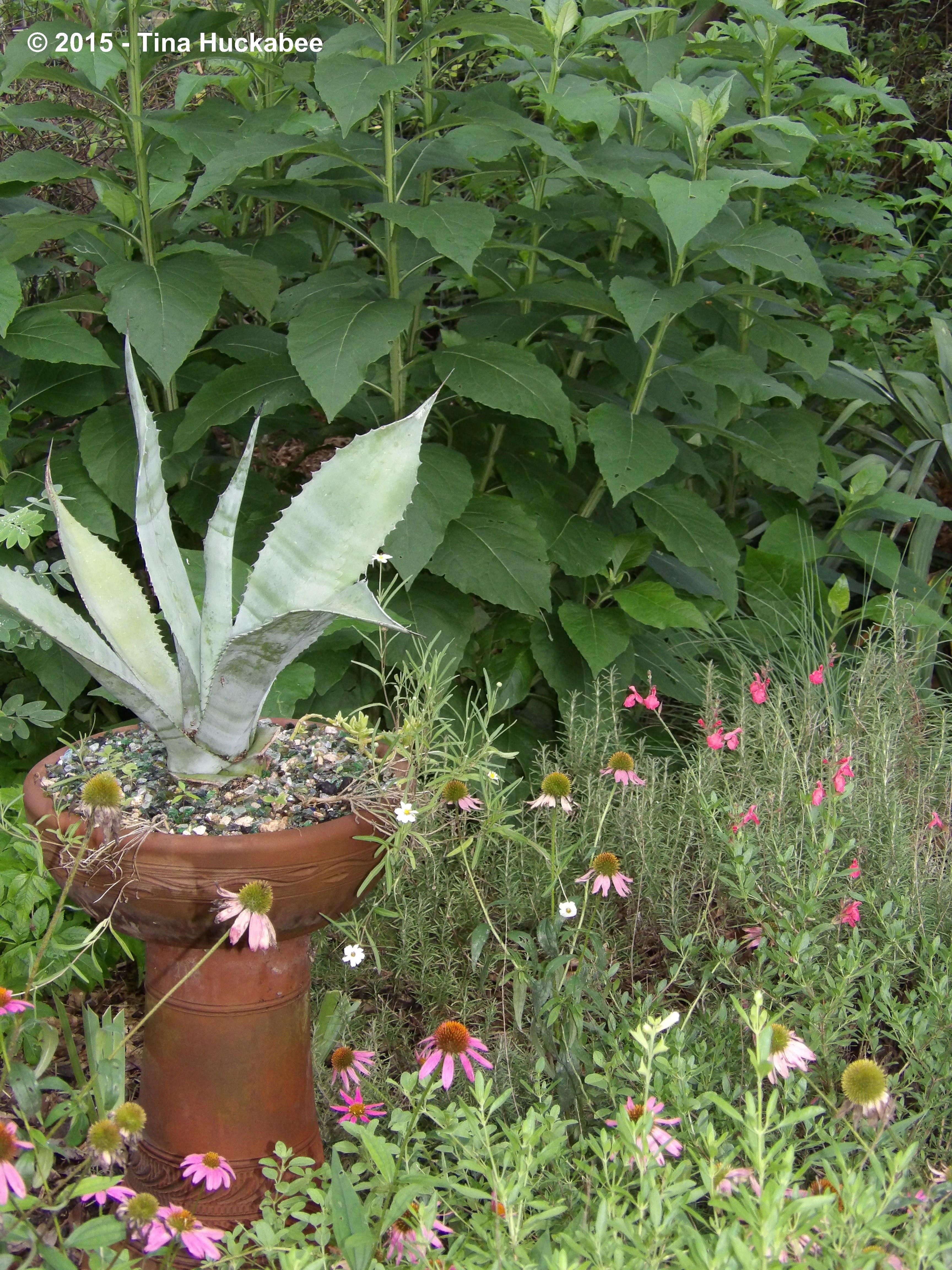
A more efficient, environmentally appropriate, and attractive use of outdoor space is to plant for pollinators and other wildlife. Nature isn’t over there, but indeed, should be welcomed and nurtured in your own backyard–and front yard. Additionally, a well-planned, established pollinator garden is not only more beautiful than a lawn, but also less work in the long run.


A wildlife or pollinator garden requires some planning and thought and like a good paint job, preparation is key. Dig out the existing grass and/or solarize, so that you begin your soon-to-be-stunning garden with a blank slate. If you have poor soil, some soil amendments are recommended; home-grown compost is probably the best thing you can add to a garden. If you’re gardening on thin soil with rock, you might build raised beds, either with rock, wood, or steel edging.


Some general design elements are practical to remember: addition of trees, large and small, are important, and larger plants are best placed toward the back, medium and smaller plants, toward the front of a garden.
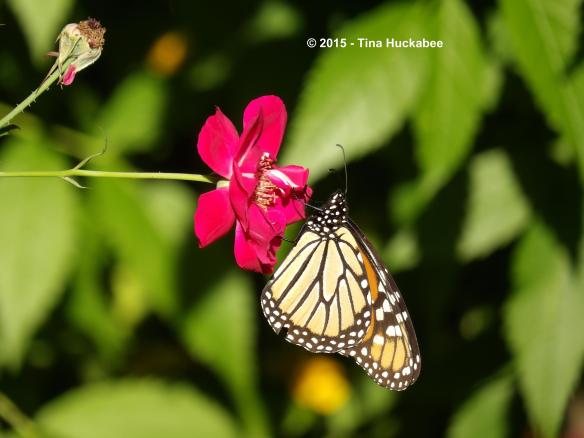
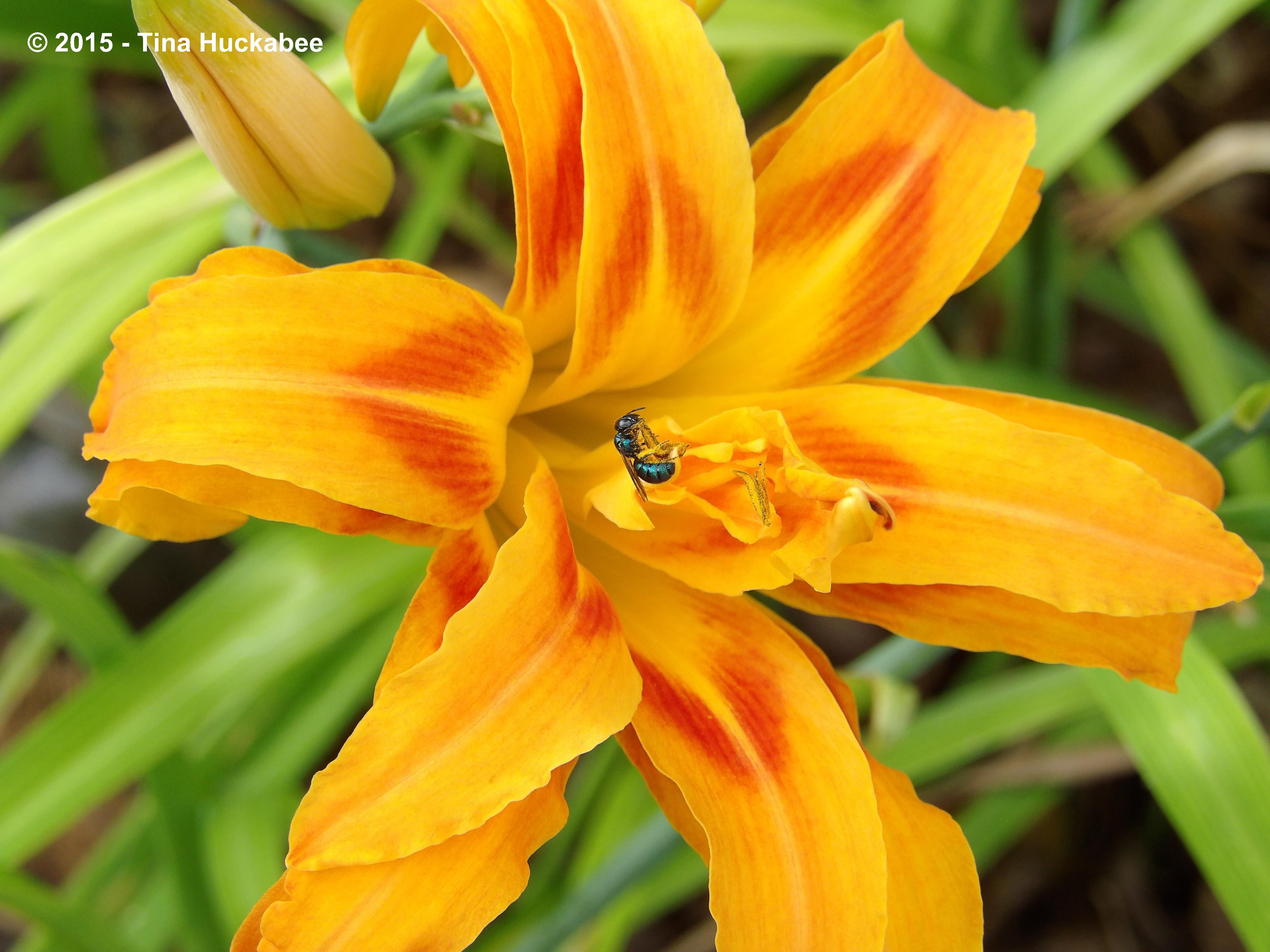
Planting for blooms throughout the year means choosing a variety of different plants. Mix reseeding annuals with perennials, if you like. Many plants can be purchased in four-inch pots and as seeds and that lessens the cost of a yard transformation. Share plants with friends and neighbors. If possible, choose plants that are native to your region. Native plants require less water and effort because they belong where you live and will attract the wild bees and other pollinators that you’re aiming to support. There is a direct link between native plants and their pollinators. Locally owned nurseries are usually at the front line of providing invaluable information for what to plant for your particular area. Also, check out the “Resources” tab on this blog to link to organizations such as the Lady Bird Johnson Wildflower Center and Wildseed Farms. Beloved plants such as roses, daylilies and the like can certainly be in the palette of the well-designed pollinator garden, so you don’t have to give up the plant that your grandparents grew and that you would love to add to your garden.
Finally, start small. You don’t have convert the entire landscape THIS YEAR. Add a bit of garden each year and before you know it, your space with be a living garden–full of life, color, pollinators, and all manner of beauty. Your outdoor space will be more enjoyable and less onerous to maintain than the grass that you removed.

If you live in an apartment, townhouse or condominium, encourage the owners and /or managers to do all of the above instead of having the mowing crew show up, once-per-week, spewing hydrocarbons and noise.
Most of us are granted only a small part in helping to heal the world. But if many step up, speak up, and change the “yard” maintenance paradigm from wasteful lawn to wildlife/pollinator habitat and garden, what a difference that could make.
Start small.

Spread the word.
Change the world, one garden at a time.
















 My Gardener Says...