Wildlife Wednesday, October 2015

September is over, fall migration through Texas is underway, and in my gardens? Well, it’s the usual wildlife suspects who rule the roost.  Hummingbirds gave great performances prior to their leaving;  they entertained the gardener, paid attention to the flowers, and fueled up for their long flights.  They are now off to winter in lovely, warm Mexico. Here’s wishing them plenty of tropical blooms, while the rest of North America chills out.
M0021552.new

IMGP0192.new

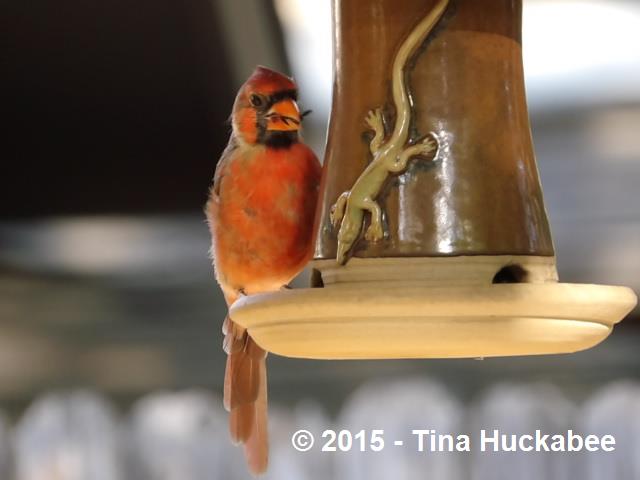
In September’s Wildlife Wednesday, I mentioned that a mottled and probably molting adolescent male Northern Cardinal, Cardinalis cardinalis, was a regular visitor to my garden.  I poked fun at him  because he looked so rangy and awkward–the geeky teen of the backyard bird world.
M0020454.new

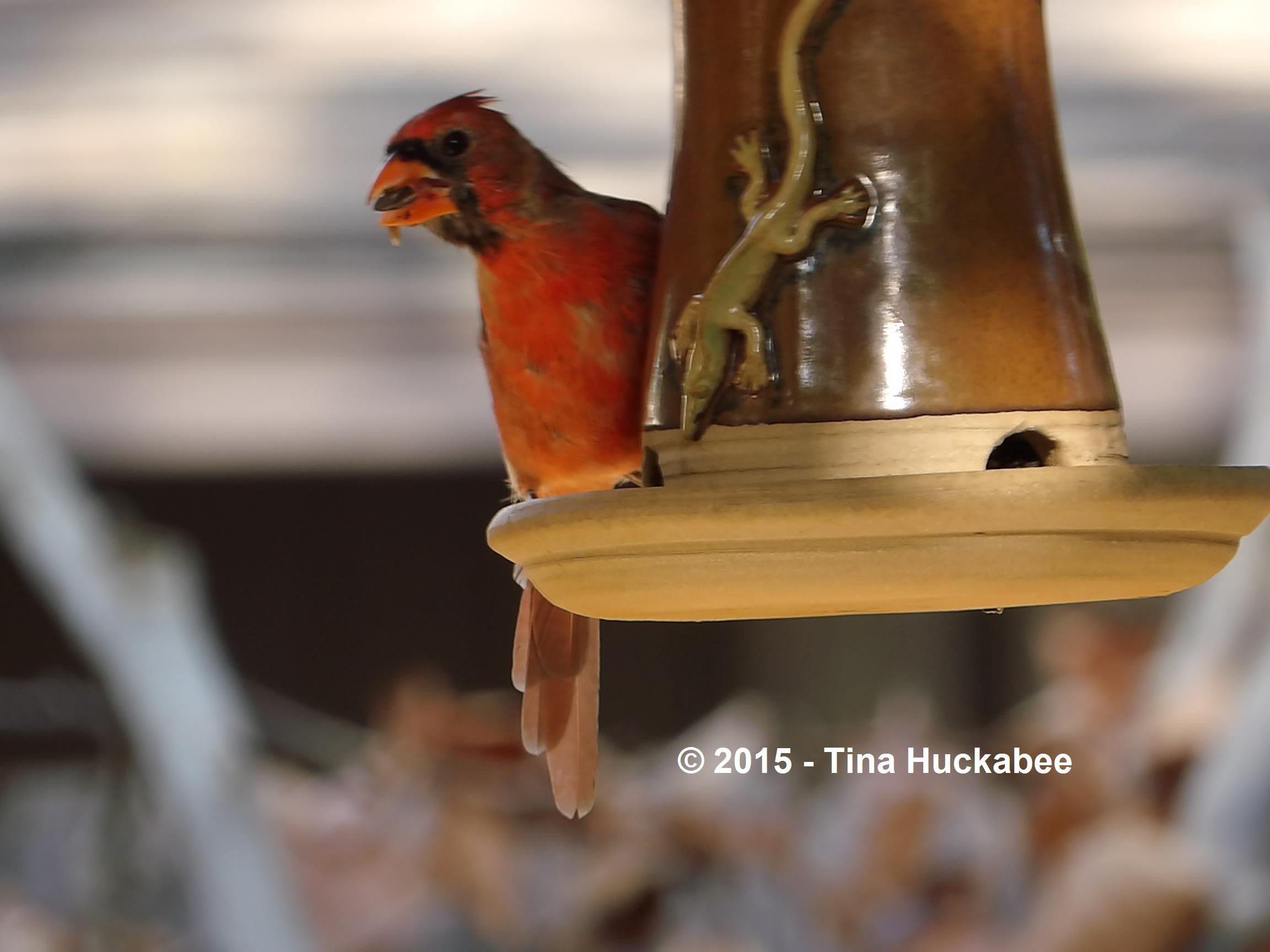
Well, shame on me.  I read this article about how tough molting is on birds and specifically as they undergo the preformative molt of the adolescent to adult feathers.  I raised a teen male to young adulthood and remember much angst (mine) and crankiness (his) during his human “molting”.  I guess I should have been more understanding and sympathetic about the changes the juvenile bird was undergoing. Sir Young Cardinal still hangs out, munching sunflower seeds from the feeder, molting, but less molty and, I believe, dressed more cardinal-like.
M0010405.new

Maybe it’s the better camera–my good one is out of the camera hospital.  Nonetheless, Young Cardinal on his way to scarlet beauty.

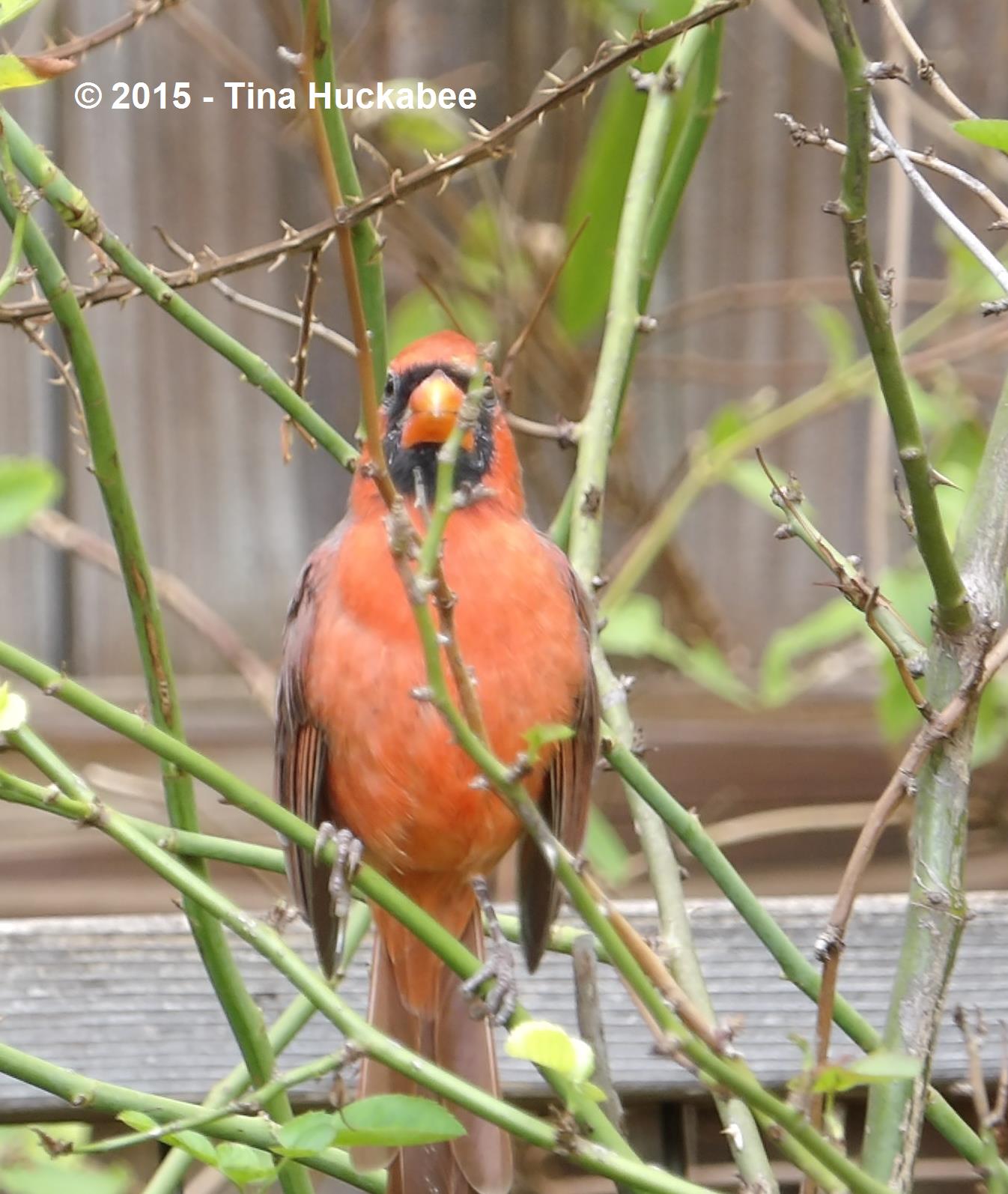
This adult male glances to the left,

IMGP1759.new

…then to the right,

IMGP1774.new

…and looks like he’s keeping claws crossed that the nutty gardener can’t see him  perched on the shrub.
M0011715_cropped_1346x1594..new

Maybe if I hold my wings really tight, she won’t see me.  

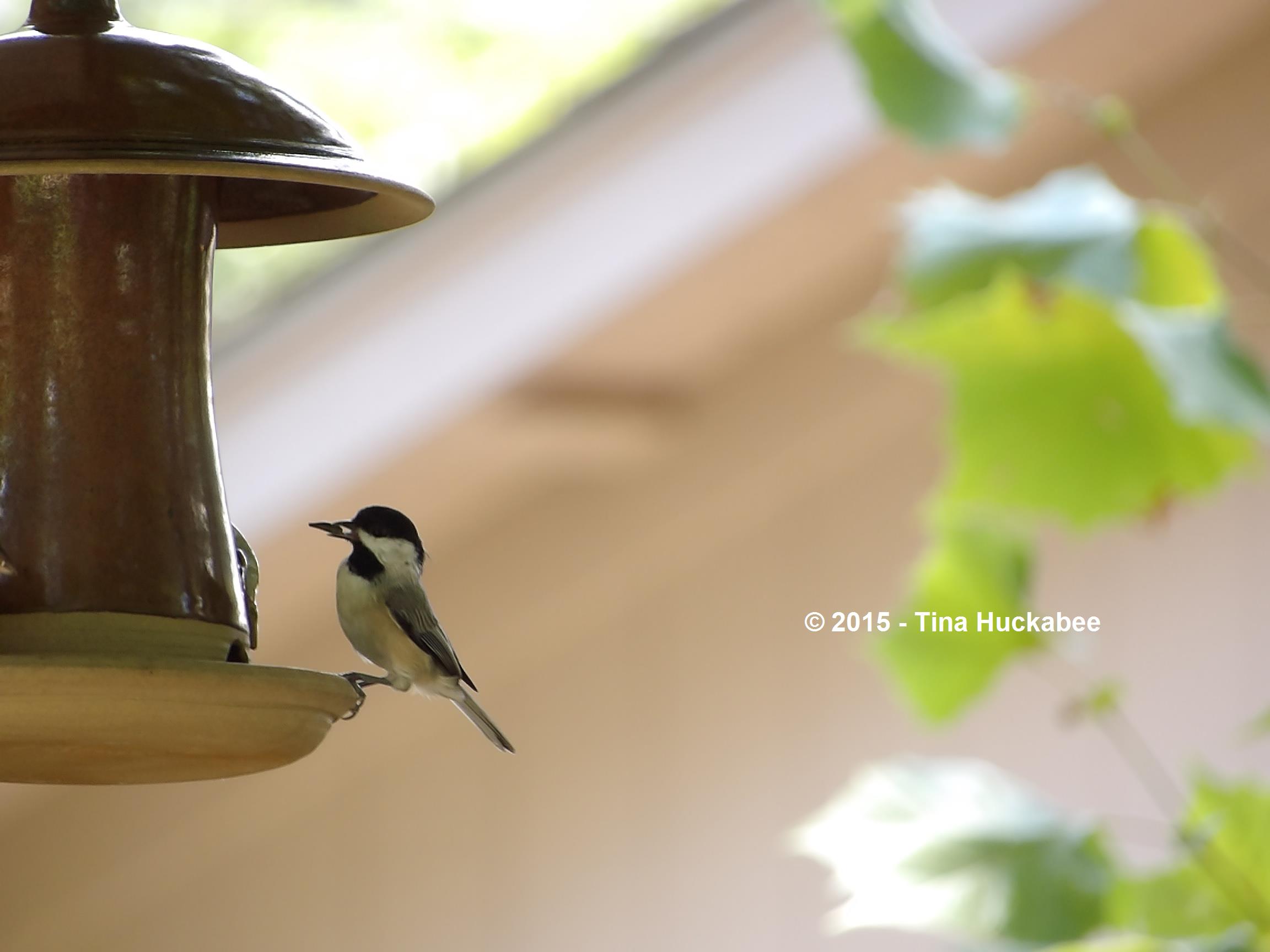
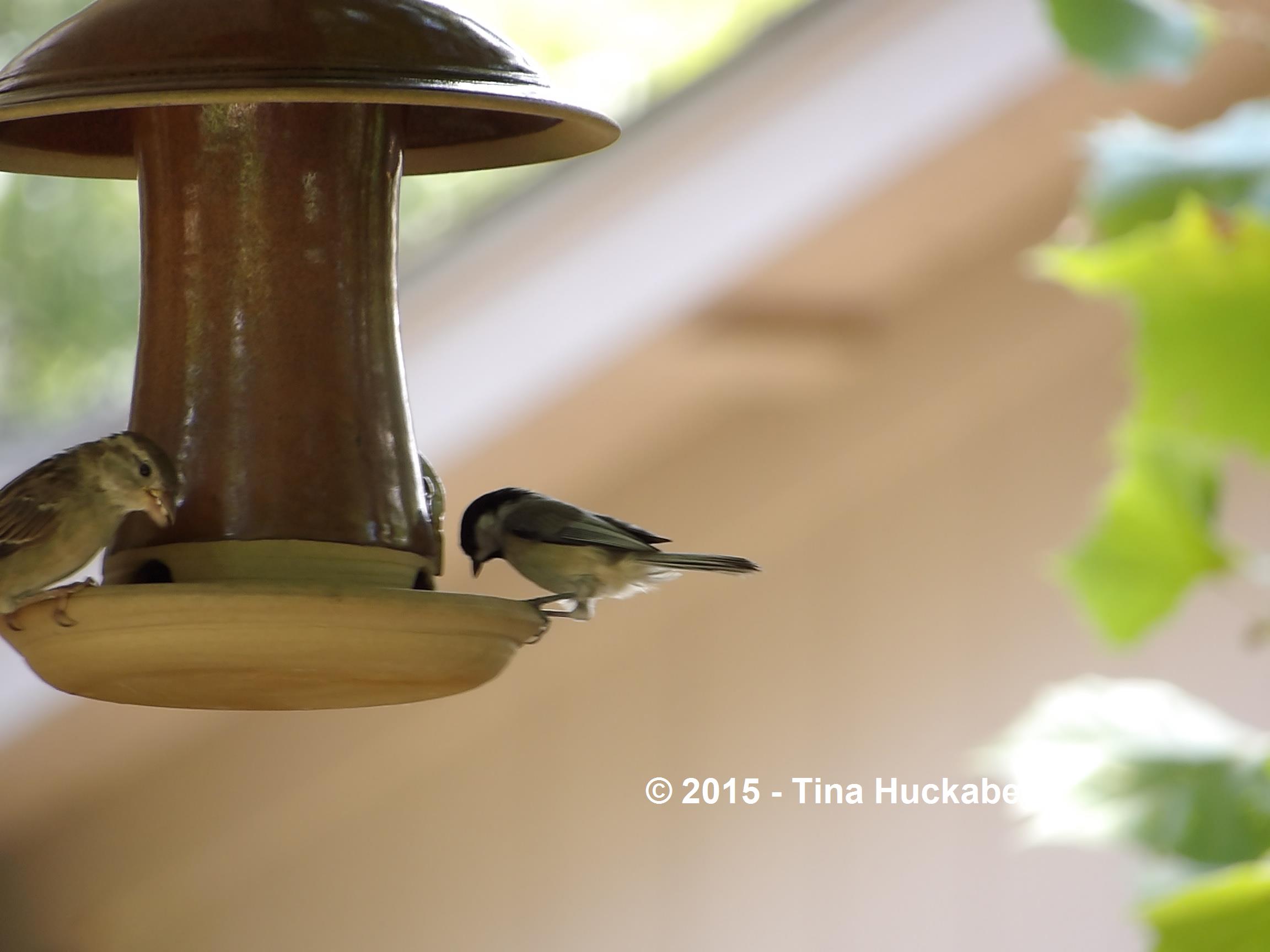
There are plenty of birds at the sunflower buffet, like this Carolina Chickadee, Poecile carolinensis.  
M0019994.new

M0010040.new

I’m especially fond of the Carolina Chickadee;  there is a mated pair that nests near, though not in, my gardens.  They appear in concert with a pair of Black-crested Titmice, though there are no photos of either of that pair for this month.      Both species have sweet verbalizations and I usually hear them before I see them.  That’s often how it is with birds.

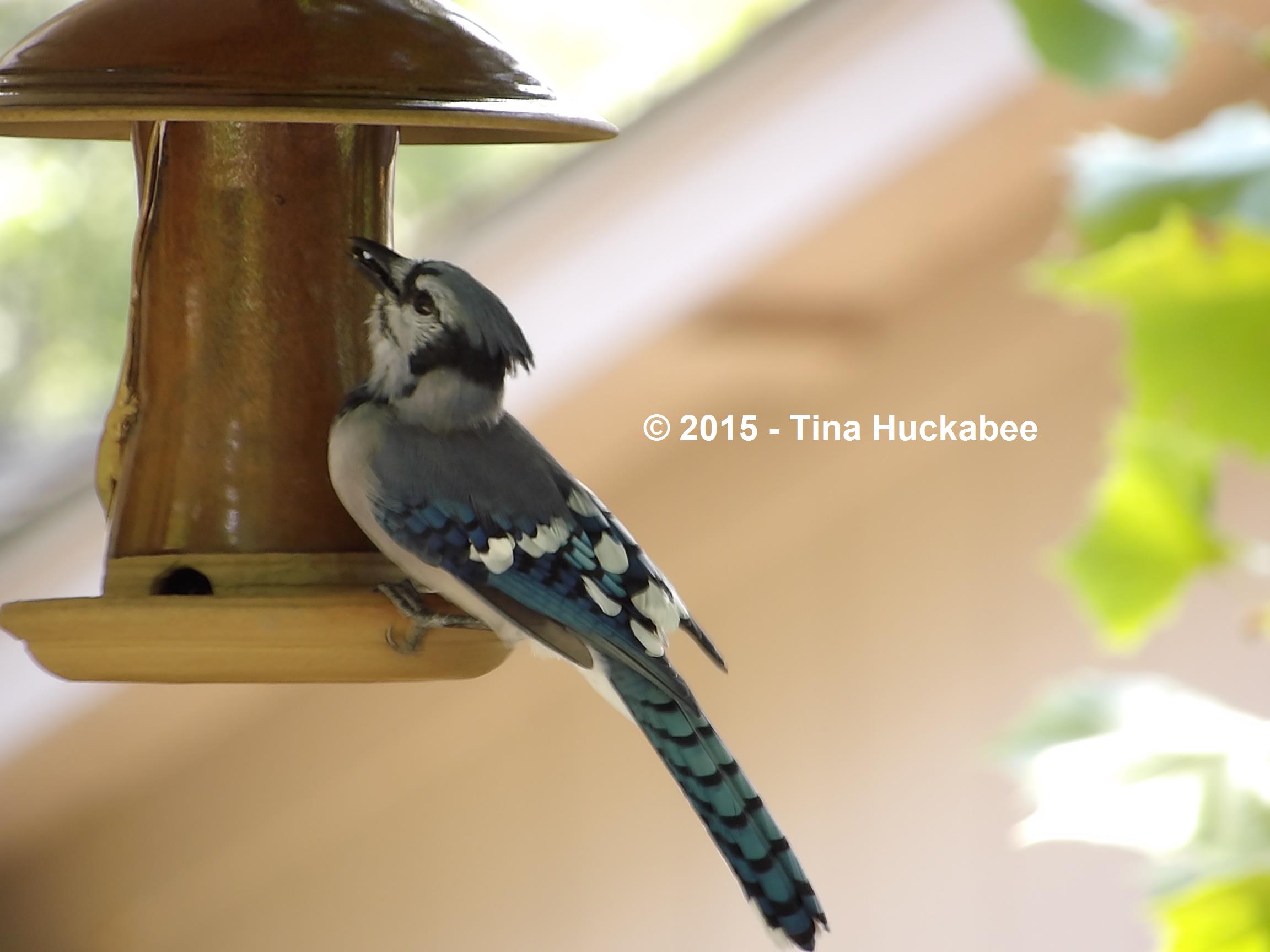
Raucous and beautiful Blue Jays like this one, are also regular visitors to my garden and feeder.
M0030106.new

Most evenings at sundown a group of them protest loudly at what I suspect is one or two Eastern Screech Owls perched in a neighbor’s tree.  I haven’t seen the owls, but have heard them on occasion in the last month or so.  The Blue Jays make lots of noise, but in the end they flap away for the night, returning to sound alarm(s) next day-and also, to eat at the feeder.

There should be more and varied birds through my garden in the next few weeks as they migrate southward.  Already I’ve seen several warblers flitting in the verge, though capturing by camera is tricky.  With good luck and some patience, I will have some success this month–to observe, to learn about, and to share for next month’s Wildlife Wednesday.

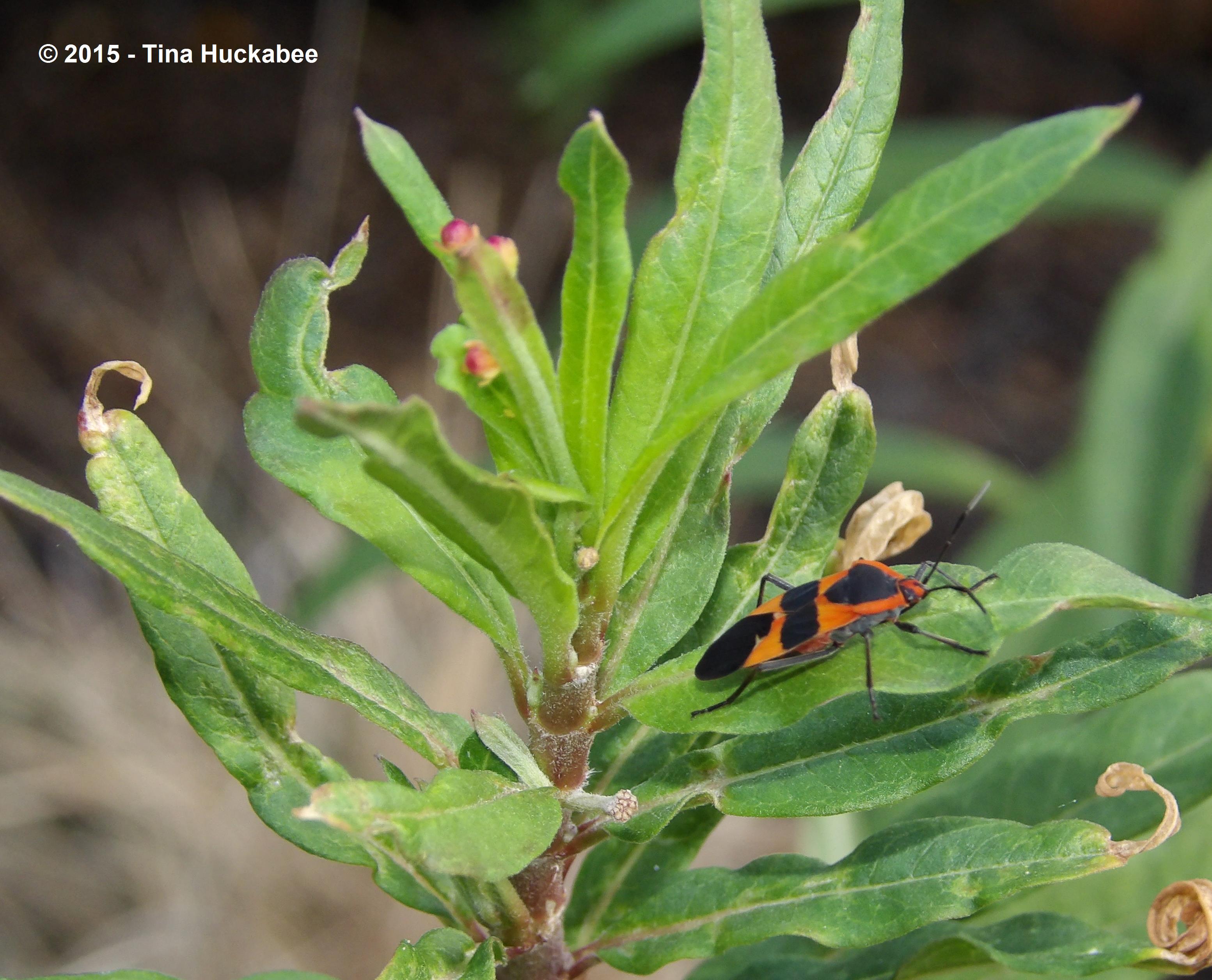
As for the insects, there are plenty of those and that’s mostly a good thing for the garden. This Milkweed BugOncopeltus fasciatus, is not such a beneficial bug in the garden, but apparently doesn’t do  that much damage to the leaves of Milkweed or Asclepias, plants.
IMGP0313_cropped_3107x2512..new

There were quite a few earlier in the summer, but their numbers have dwindled.

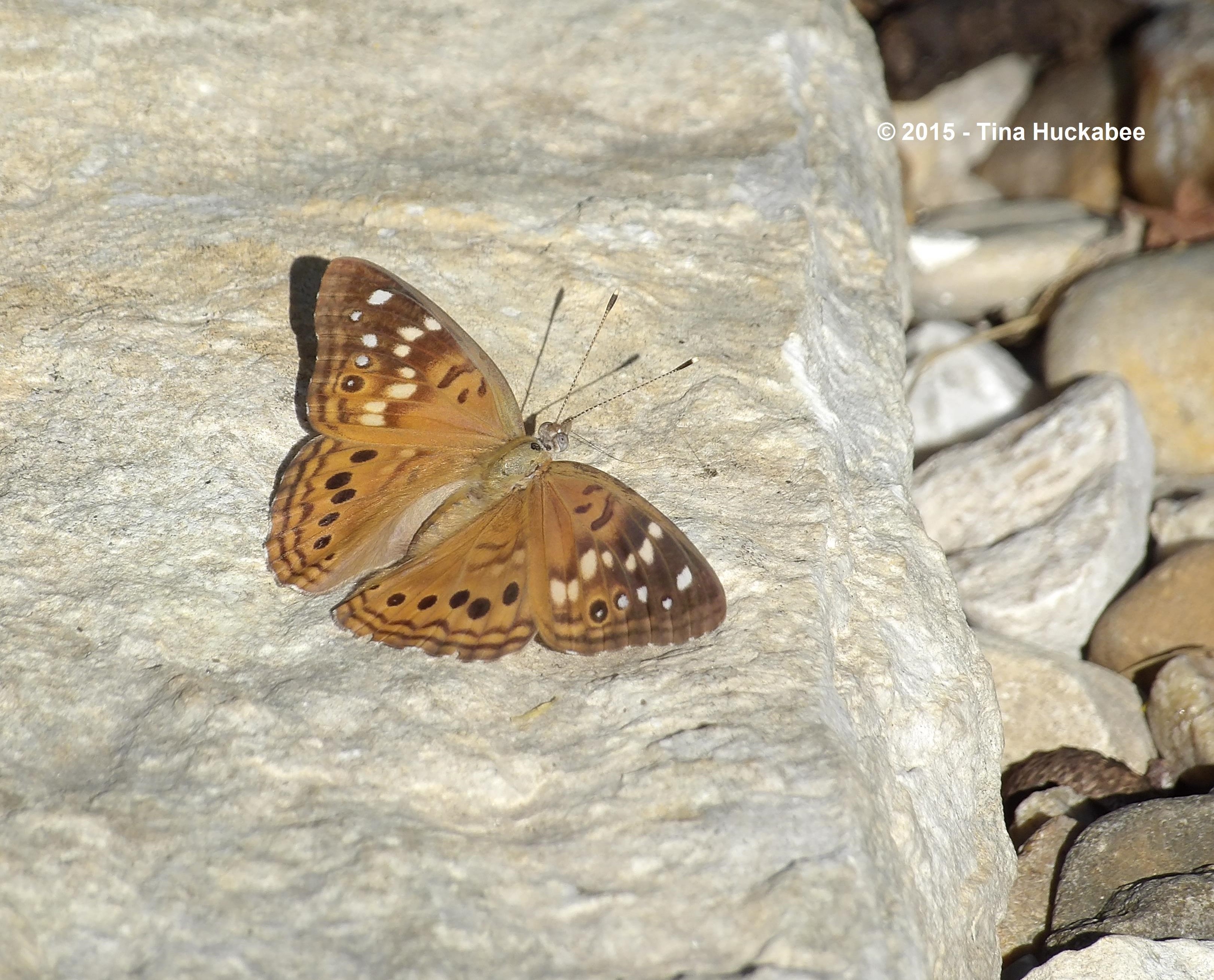
Butterflies and moths are making a comeback since we enjoyed a bit of rain not long ago.  I’ve seen this Hackberry EmperorAsterocampa celtis, sunning herself several times recently. 
IMGP1785_cropped_3244x2618..new

A good thing too, because this species flies so fast that I’ve never taken a clear photo of one around the garden, only in pathways as they bask and allow garden paparazzi to photograph their sunbathing.  Hackberry Emperors feed on dung and sap, so they don’t visit  flowers. The host plant for this butterfly is the much-maligned Texas native tree, Hackberry, Celtis laevigata.  A member of the Elm family, this is the tree that everyone loves to hate, myself included.  But Hackberry an excellent wildlife plant–providing berries that many birds species eat and hosting the nursery for this pretty butterfly.

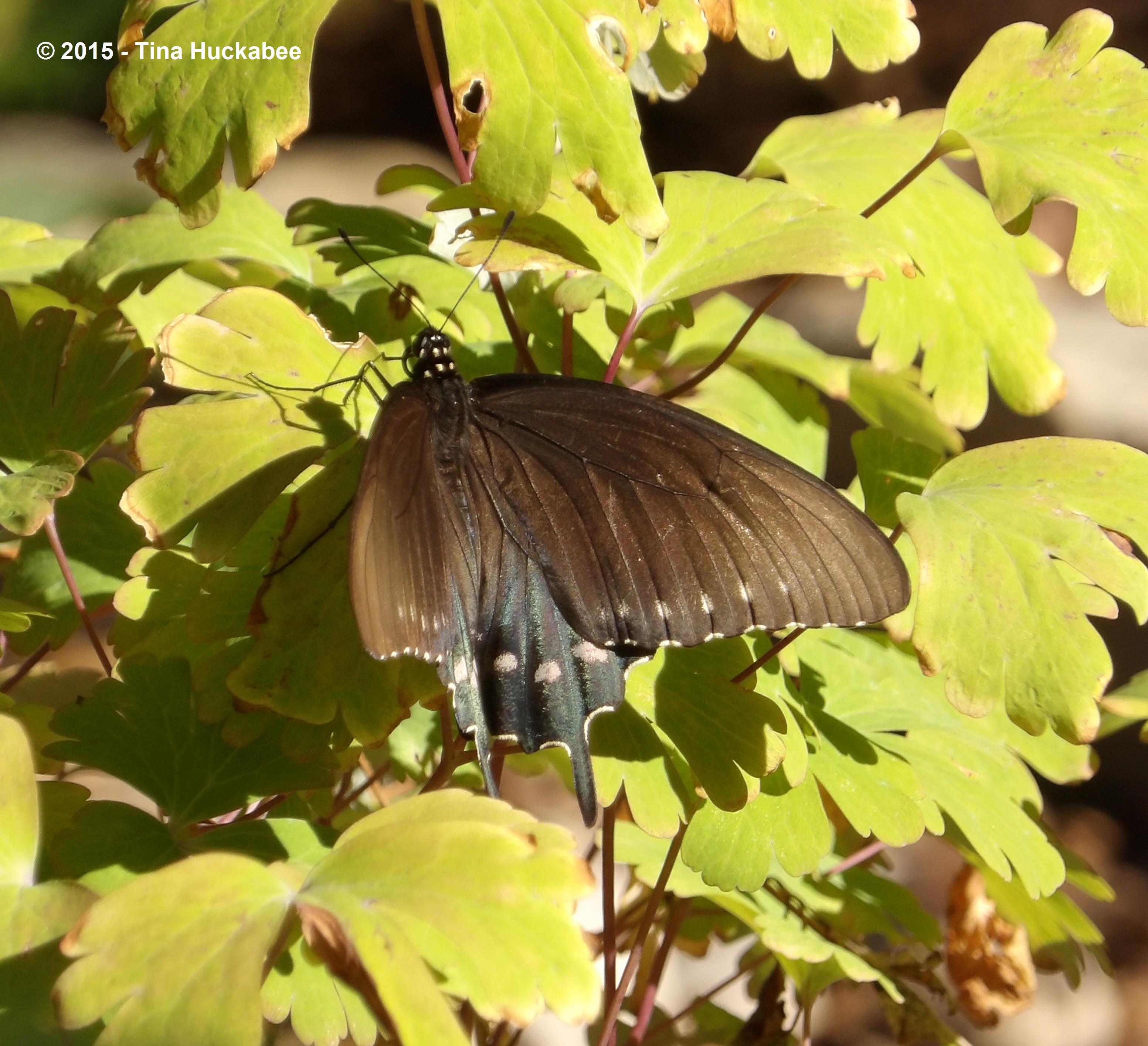
A   Pipevine SwallowtailBattus philenor, posed for me one afternoon with a backdrop of Columbine foliage.
IMGP1047_cropped_3106x2830..new

I often see one fly high through the garden when I’m outside in late afternoon.  The host plant for this beauty is pipevine, which I don’t grow (why not??), but I know there are several specimens in a neighbor’s garden–maybe that’s where this one grew up.

This Great Leopard MothHypercompe scribonia, rested on the trunk of my Shumard Oak one afternoon.

IMGP0627_cropped_3354x3064..new

IMGP0624.new

I see the larval form of this polka dot wonder throughout the summer months, but of course never think to get a shot for a blog post.  Large and fuzzy, the caterpillar is attractive enough, though I’m not sure much can beat the stunning pattern of the adult.

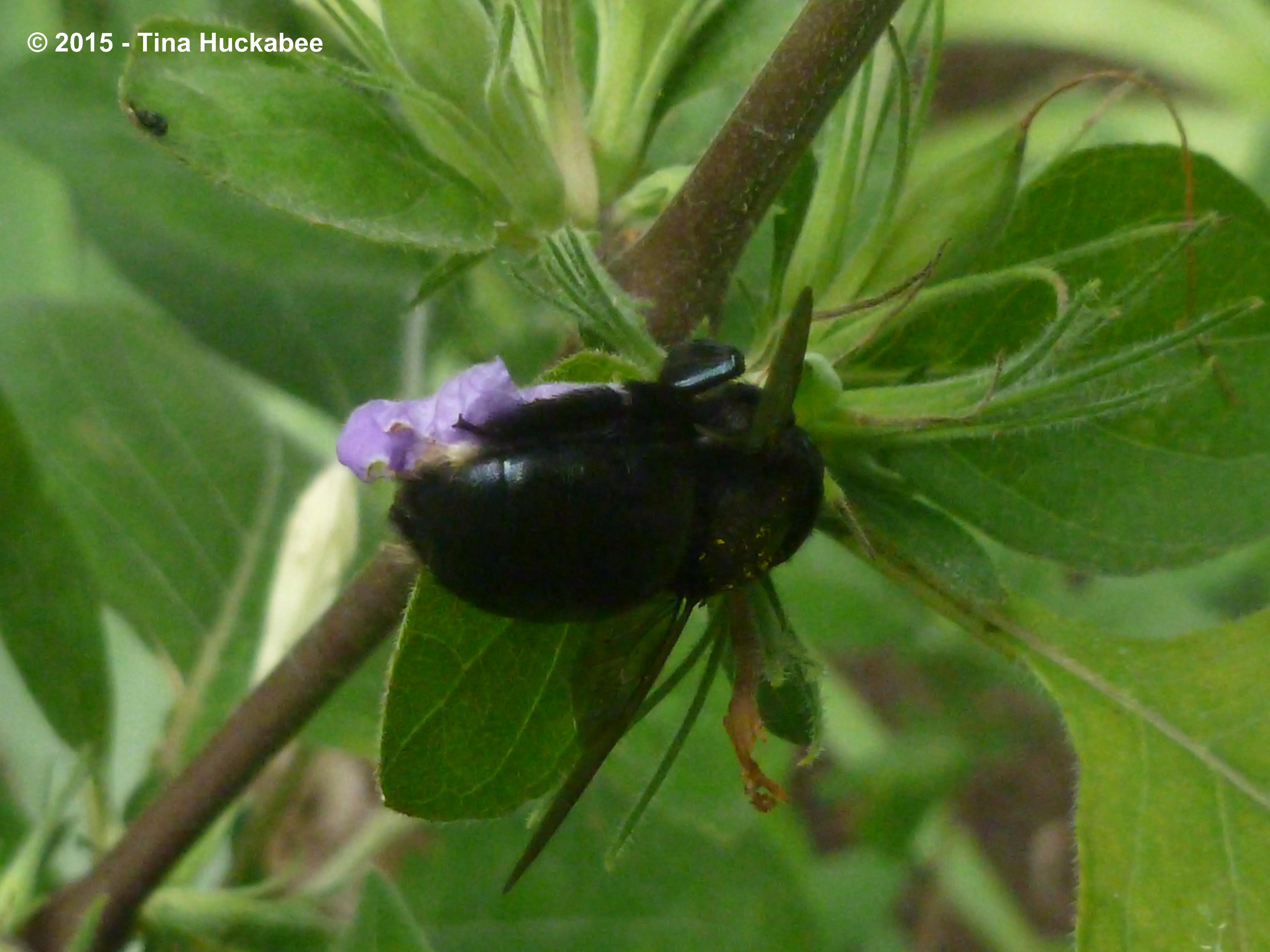
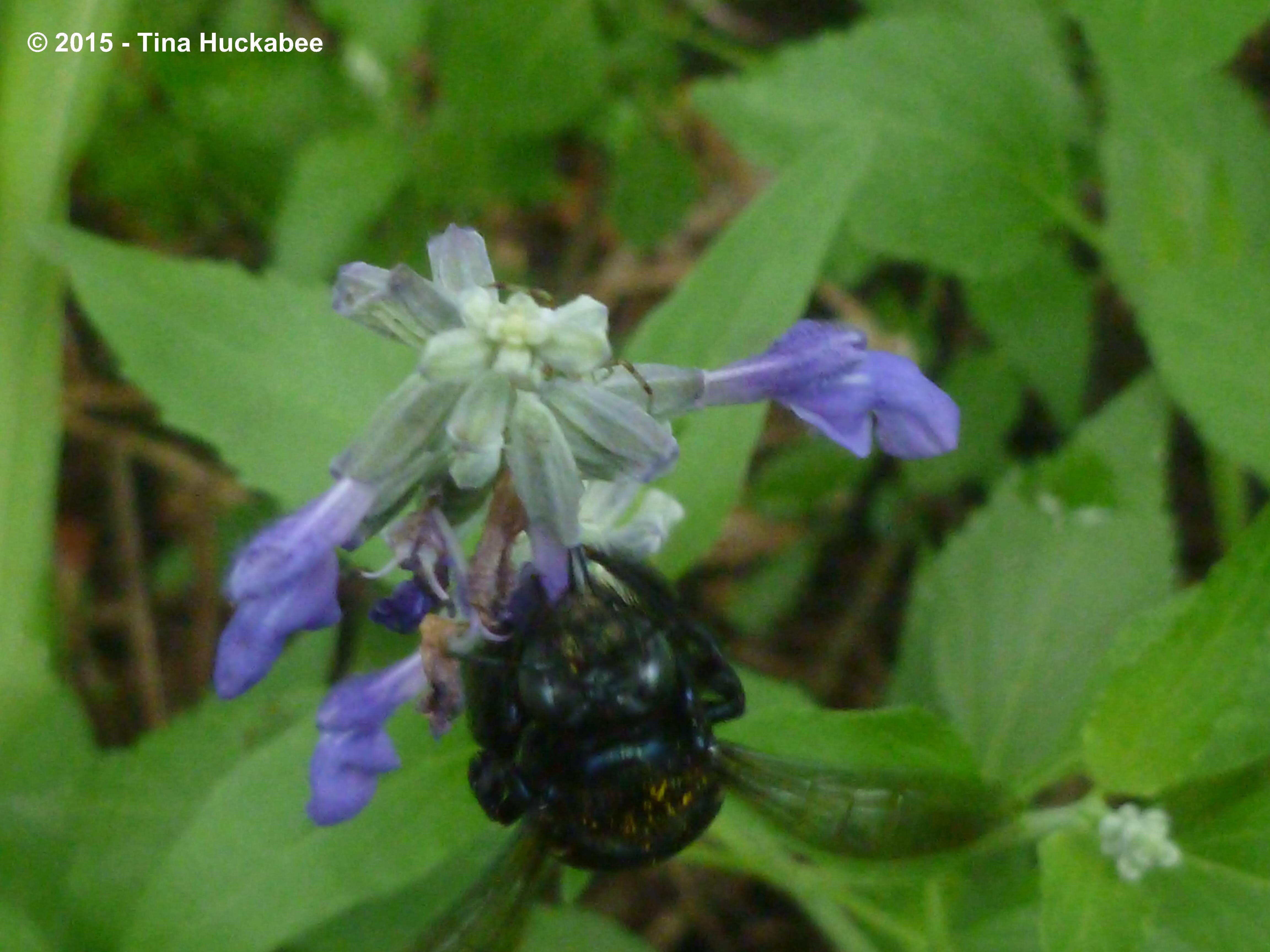
Eastern Black Carpenter bees, Xylocopa virginica,  Southern Carpenter BeesXylocopa micans, have nectared at and pollinated Henry Duelberg Sage, Salvia farinacea ‘Henry Duelberg’,
P1070846.new

…and Drummond’s Wild Ruellia, Ruellia drummondiana, 

P1070850.new

P1070847.new

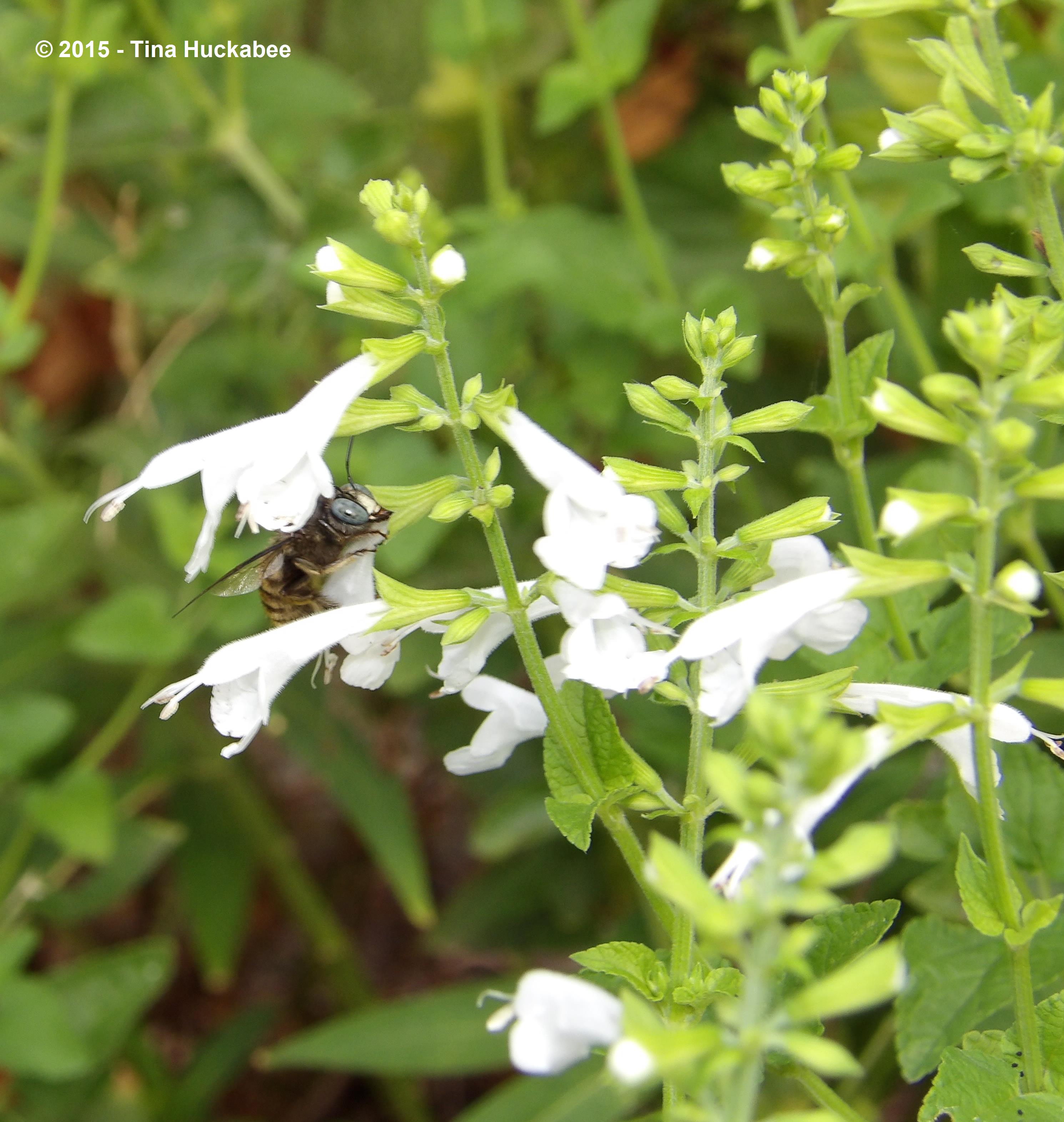
…as well as other flowers for weeks now.*   There are many  Horsefly-like Carpenter bees, Xylocopa tabaniformis, buzzing the flowers, too, like this one on a white Tropical Sage, Salvia coccinea.
IMGP0370_cropped_2981x3143..new

My garden is currently in full, fall bloom and those many flower choices are keeping the honey and native bees are quite busy. Pollinate away, girls!!

The Paper Wasp, Polistes exclamans, sips at the bird bath.

IMGP0171_cropped_2203x1903..new

The Neon Skimmer, Libellula croceipennis, surveys for prey.

IMGP0564.new.new

The Green Anole, Anolis carolinensis,  glares at the annoying camera lady.

IMGP1686.new

And the squirrel?  He/she relaxes after a tough afternoon of stealing birdseed and wrecking my container plants in the effort of burying treasures for winter snacks.

IMGP1689.new

Scamp!  Let’s make that plural–Scamps!  I don’t recall ever having so many in the garden and never have they been so destructive.  The Fuzzy-tailed Devils will not leave the container plants alone.   To dissuade their digging, I’m sprinkling cayenne pepper on a daily basis–not on the squirrels, mind you, just the plants.  And I’m yelling at them a lot.  Not the plants, just the squirrels.

Squirrels are part of the ecosystem, though an annoying part, and they provide lots of entertainment for the cats.

And that’s about it for this wildlife gardener.  So what wild thangs are in your garden? Please post for October Wildlife Wednesday–share the rare or mundane, funny or fascinating, beneficial or harmful critters you encounter. When you comment on my post, please remember to leave a link to your Wildlife Wednesday post so readers can enjoy a variety of garden wildlife observations.

Happy wildlife gardening!

*I misidentified the carpenter bee originally and now believe that the bees I’m observing are Southern Carpenter bees.*

It’s Fall, Y’all

Letting you know that it’s fall in Texas–thus, the y’all, y’all.  A conjunction of you + all, and common in the vernacular of the American South, it’s a friendly and practical  term for inclusion and invitation to a conversation.  This conversation is about the beginning of our second blooming season, so-named “Autumn” or “Fall” in most of the Northern Hemisphere. Here in Texas?  We usually refer to it as, I’m so glad summer’s over!!

While in most places plants are beginning the decline of growth and production in anticipation of winter, many of our tough customers are readying for their second spring. The days still reach into the low 90’s F, but nights and mornings are cool and lovely, and even the afternoon warmth feels different from the summer heat.  Or so I tell myself. Human rationalizations aside, with a smidge of rain and gentler temperatures becoming normative, every Texas gardener eagerly awaits the garden’s emergence from summer’s dormancy.

It’s about time!

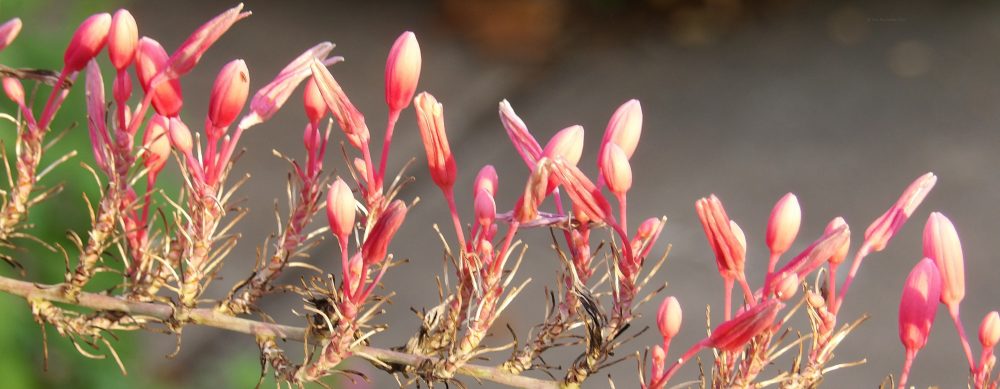
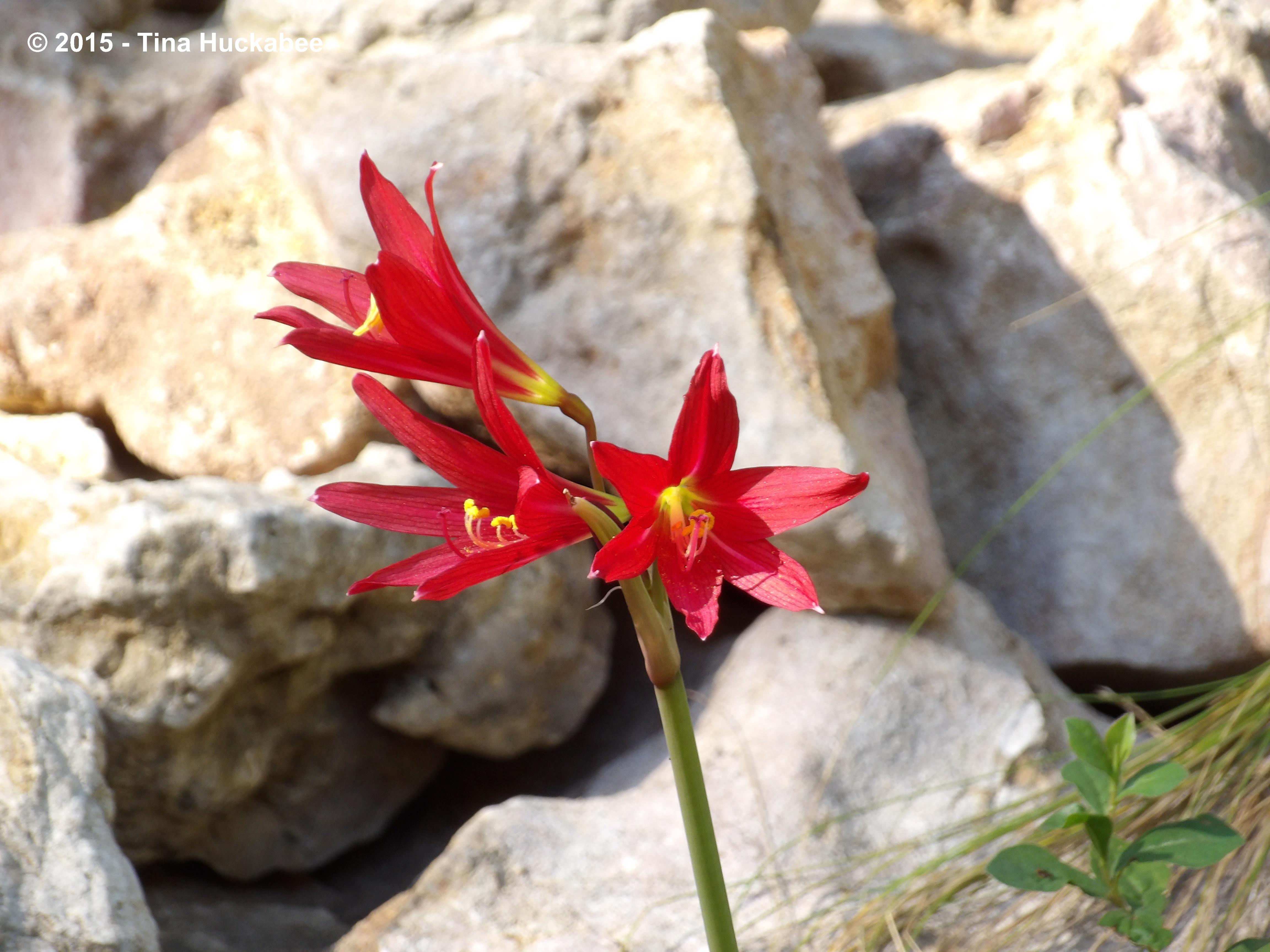
Native to Argentina but naturalized throughout much of Texas, Oxblood  or Schoolhouse Lily Rhodophiala bifida, in my garden have unfolded in a couple of waves this fall.

IMGP1078.new

IMGP1081.new

The stratification of blooming time has been a nice change.  Usually these individual bulbs jut out of the ground, stalk with buds, then blooms atop, bursting open with showy flowers, all with a few days of one another.  Oxblood fade away until the next September, leaving only foliage as a reminder–and not even that remains after winter.

And there’s a romance in the garden, too, this early fall.

IMGP1079.new

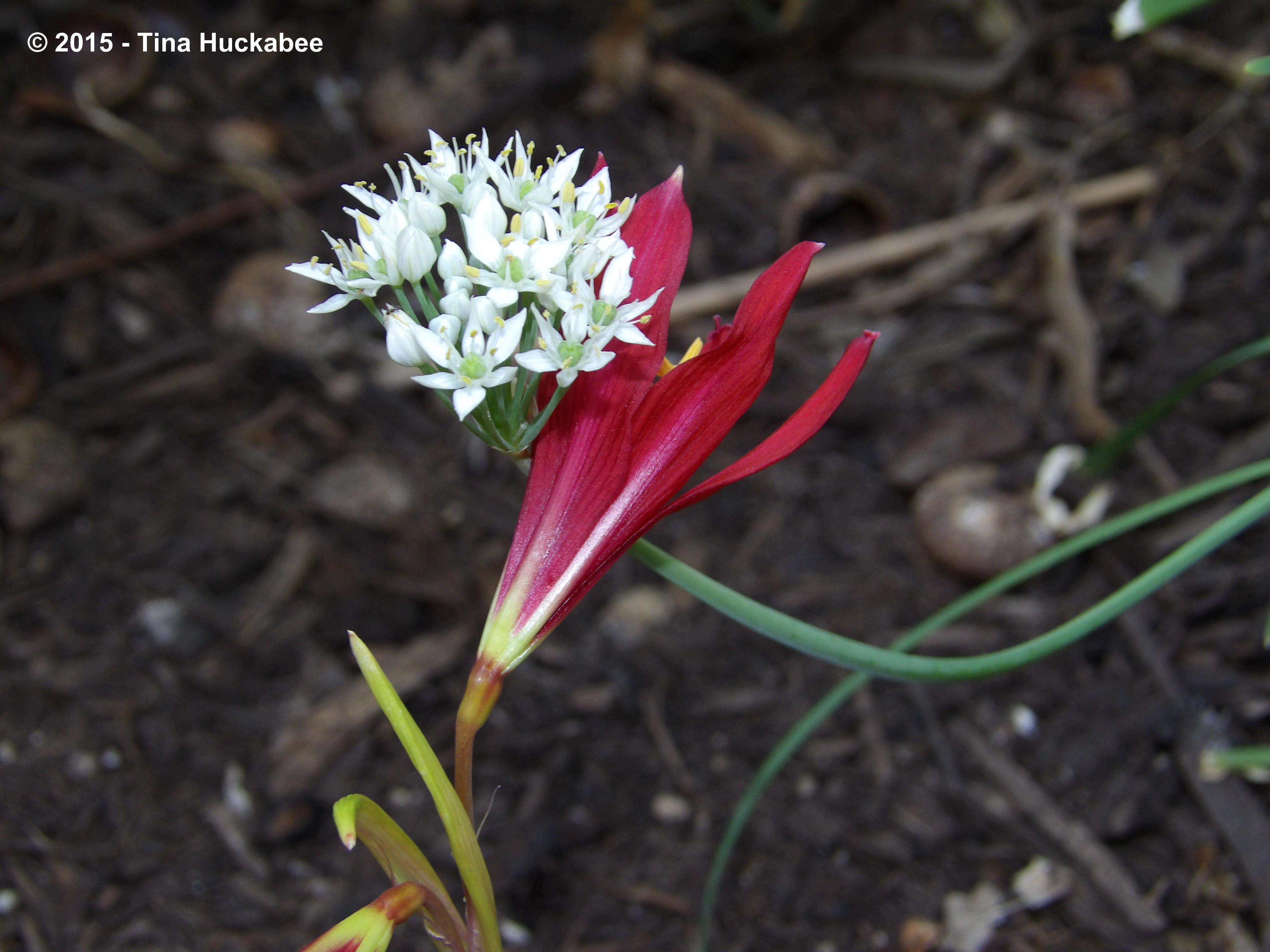
Hugs between this extrovert Oxblood and a reserved Garlic Chive, Allium tuberosum–I guess it’s true that opposites attract.

Another Garlic Chive waits alone, early in the morning,  for honeybee suitors.

IMGP1800.new

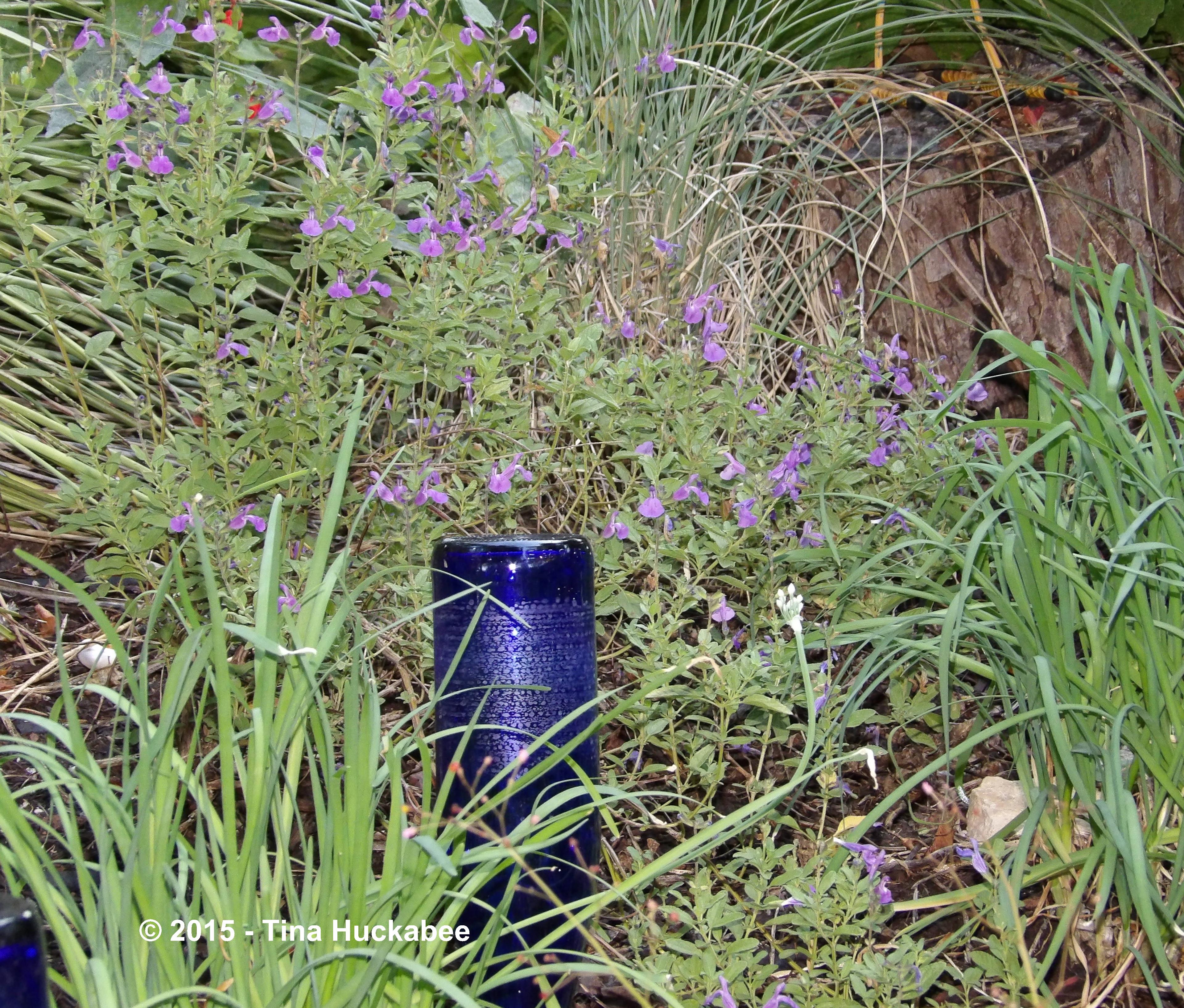
A new-ish bloomer for me is this purple grape juice colored Autumn SageSalvia greggii x Salvia microphylla.

IMGP1677_cropped_3839x3268..new

I purchased three plants from a locally owned nursery well over a year ago and am finally seeing clusters of blooms, though there were a smattering throughout summer.   The story told is that one of the employees of the nursery spied the mother plant, un-named and un-tagged,  at a big box store.  The plant was purchased, cuttings were taking, and now the big-box plant descendants are sold from time-to-time at that nursery, usually during summer.   It’s an attractive purple salvia, water-wise and tough, and beloved by my honey and native bees.

IMGP1799.new

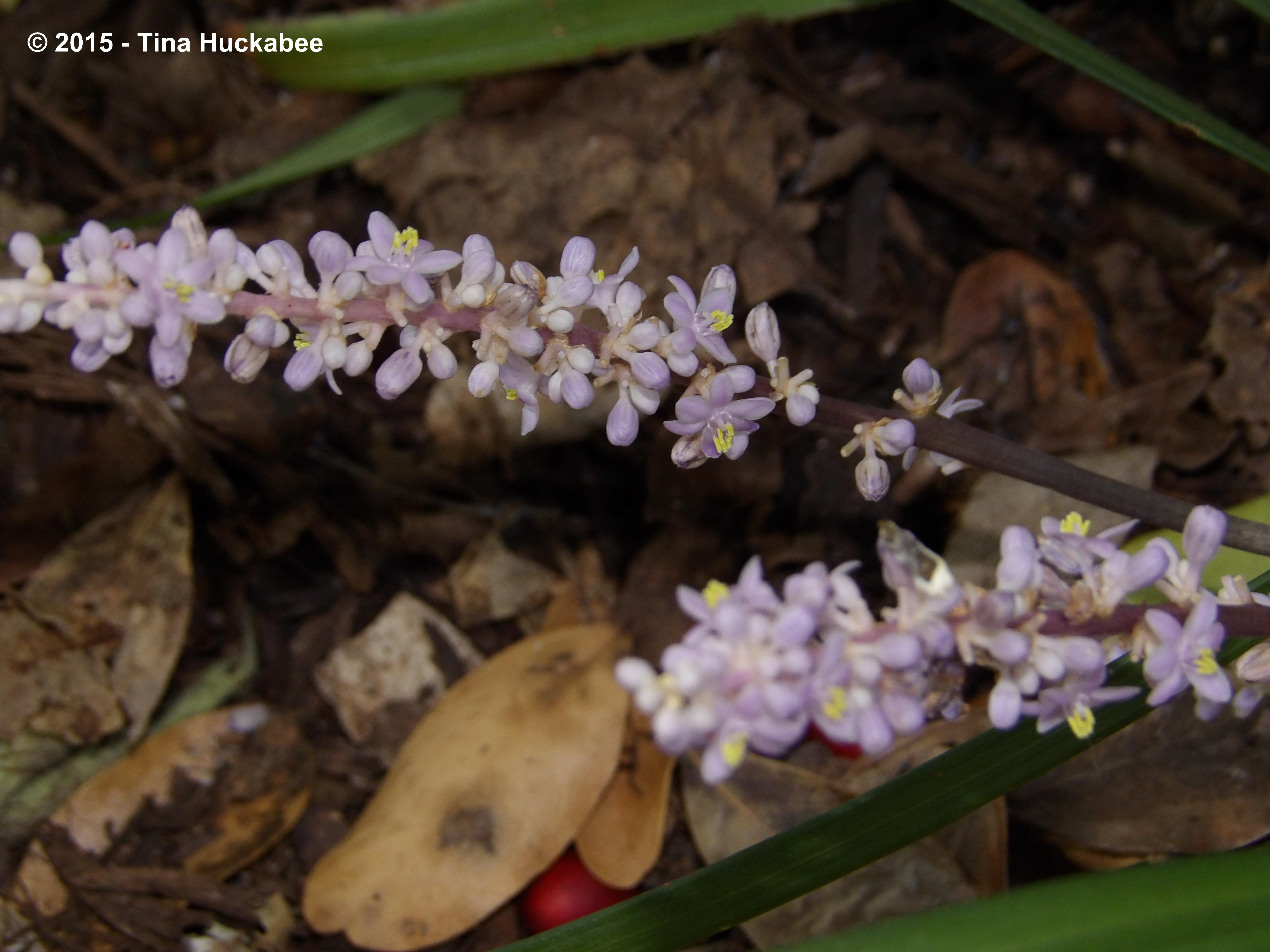
Stalking a honeybee as she worked, partially hidden in the grassy foliage of a Giant Liriope,  Liriope muscari  ‘Evergreen Giant’, I snapped shots of the pretty lavender bloom spikes.  If you look closely, you can see a little bee butt.

IMGP1681.new

These ornamental and drought-tolerant grasses don’t bloom often, though they are very welcomed when they do, usually in early fall.

IMGP1683.new

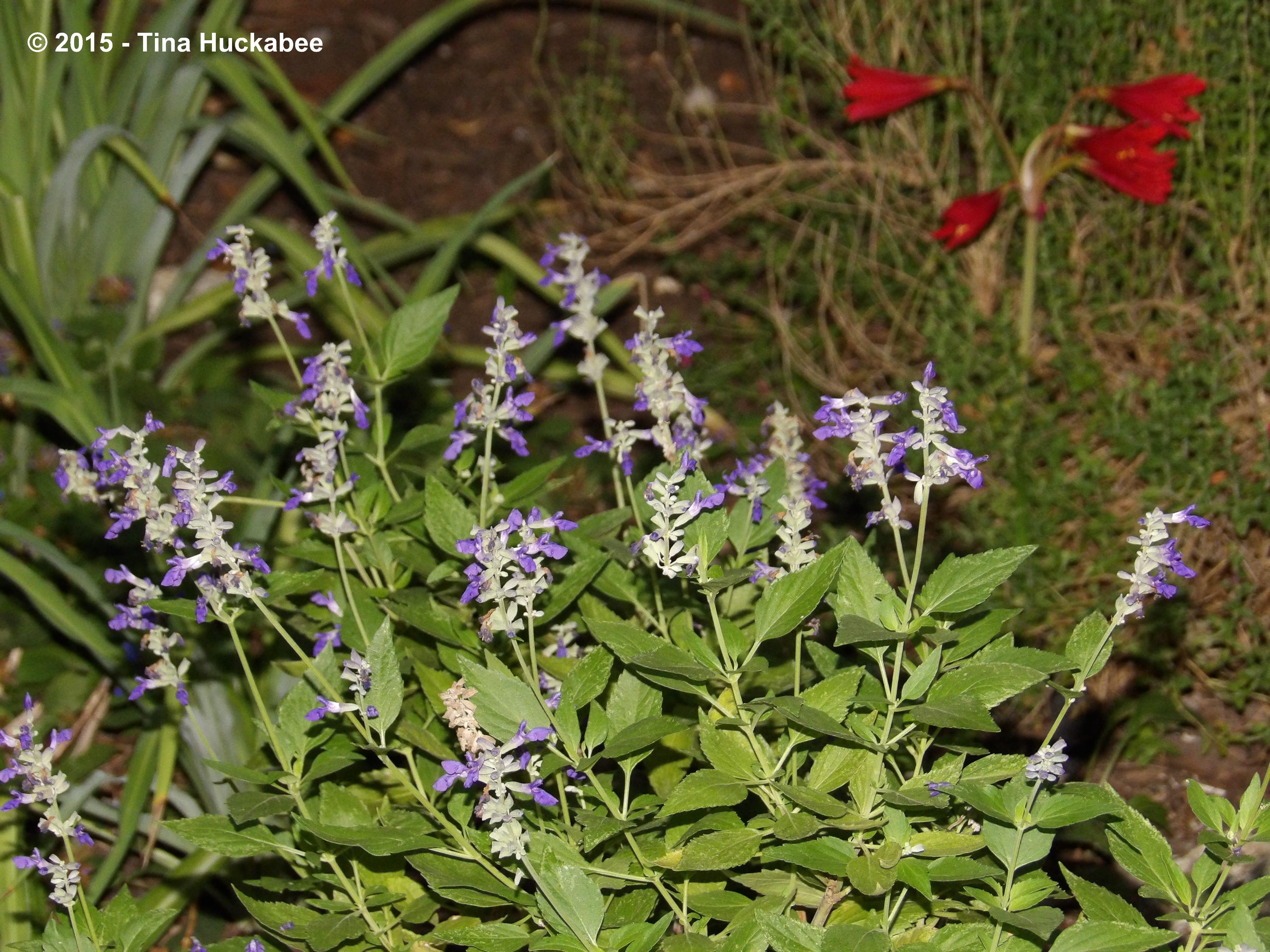
In late July I pruned the bountiful Henry Duelberg Sage, Salvia farinacea, ‘Henry Duelberg’, in preparation for fall blooms.  This beautiful native perennial is an excellent food source for wildlife–pollinators and seed-eaters–and provides a great fall (and spring/summer) flower show for me.

IMGP1694.new

IMGP1808.new

That show has begun and will not disappoint–either the pollinators or the gardener.


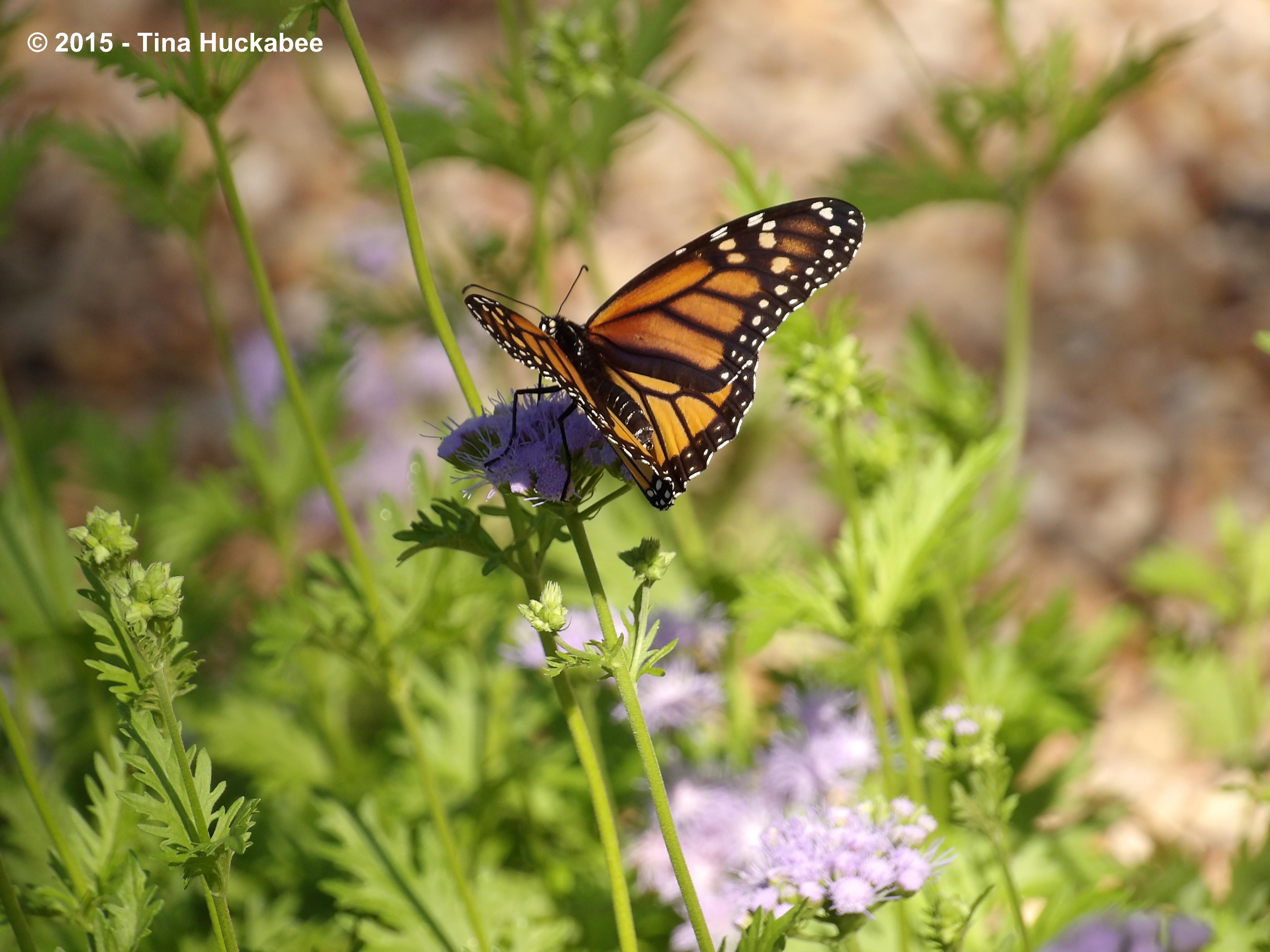
‘Henry’ is nice, planted in conjunction with the open-for-nectaring business, Gregg’s MistflowerConoclinium greggii, blooming just behind.

IMGP1810.new

I think this migrating Monarch butterfly,

IMGP1860.new

..and pollen-gathering, nectar-sipping honeybee,

IMGP1874.new

…would readily agree–huzzah for the fall bloomers!

The white and red Tropical SageSalvia coccinea, have blossomed for the past month or so, even before the moderate cooling.

IMGP1819.new


Mexican Butterfly Vine,  Mascagnia macroptera, are showcasing cheery yellow blooms,

IMGP1783.new

…and a few “butterfly” seedpods.

IMGP1867.new


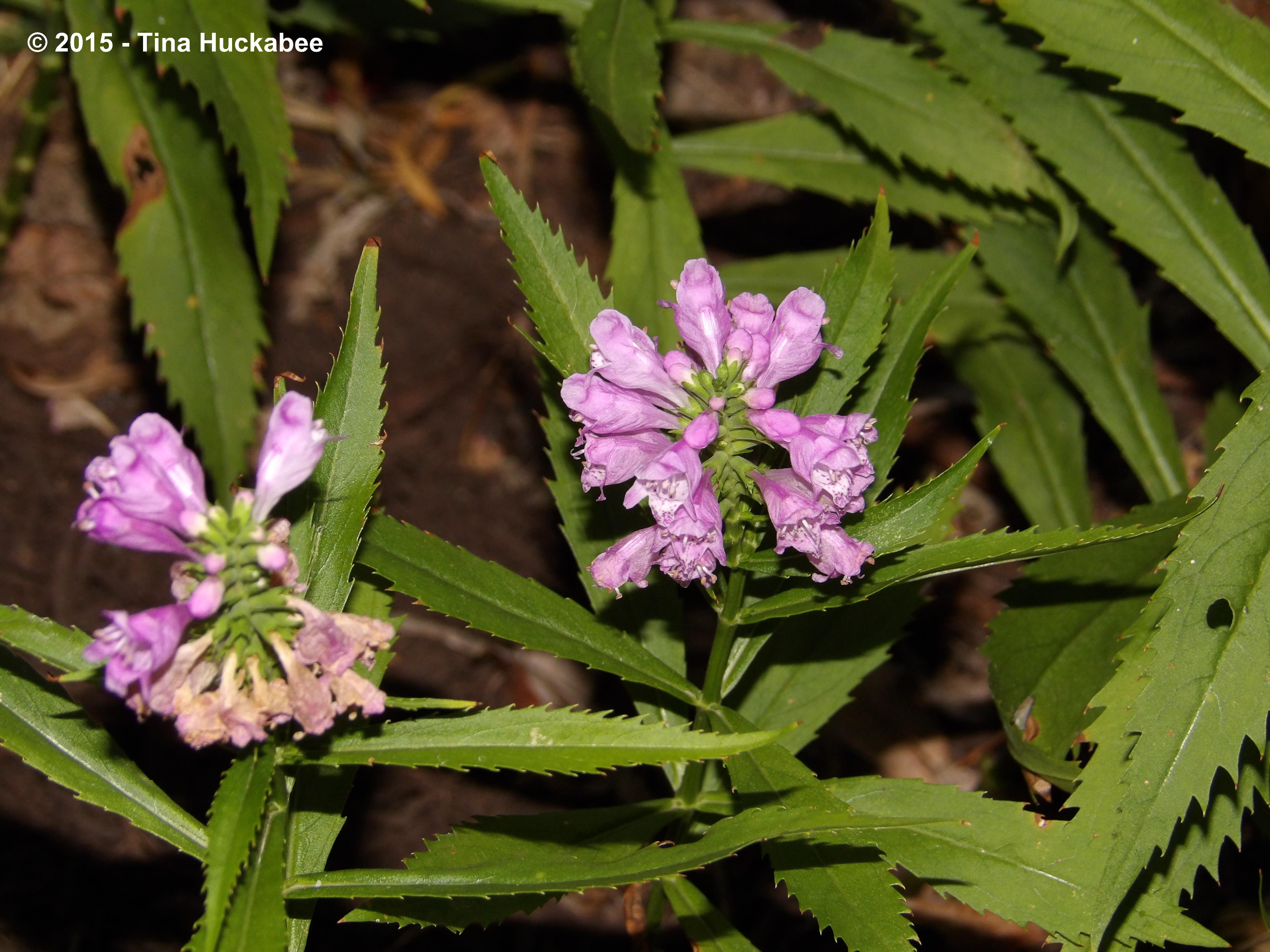
Fall Obedient, Physostegia virginiana, is a re-introduced perennial for me–I grew it many years ago.

IMGP1831.new

I’m happy to host this charming bloomer and tough native again.  How did I go so long without it??

FrostweedVerbesina virginica,

IMGP1792_cropped_3531x3148..new

GoldeneyeViguiera dentata,

IMGP1793.new

IMGP1833.new

IMGP1830.new

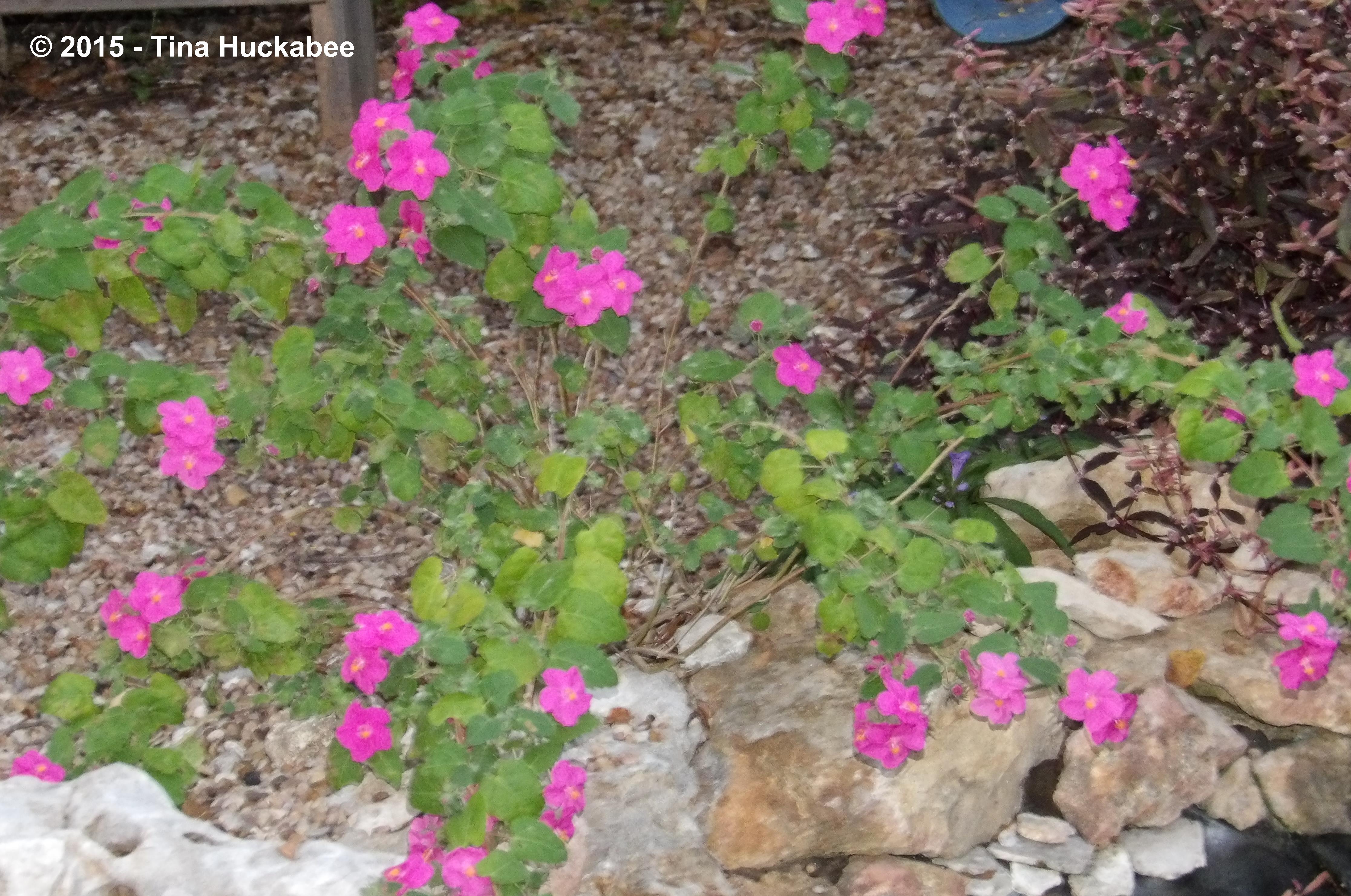
…and Rock RosePavonia lasiopetala, are full-flush with fall flowers.

IMGP1795_cropped_4466x2963..new

The Rock Rose blooms crinkle a wee bit against the afternoon heat, but are staying open-ish.  That’s a definite change from the summer xeric practice of shuttering the petals by mid-afternoon.

IMGP1872.new


Zexmenia,  Wedelia acapulcensis var. hispida, are also back in top form.

IMGP1796.new

IMGP1846.new

IMGP1844.new

All of these perennials are ready for visits from pollinators, and later for the seed-munching warblers, wrens and finches.

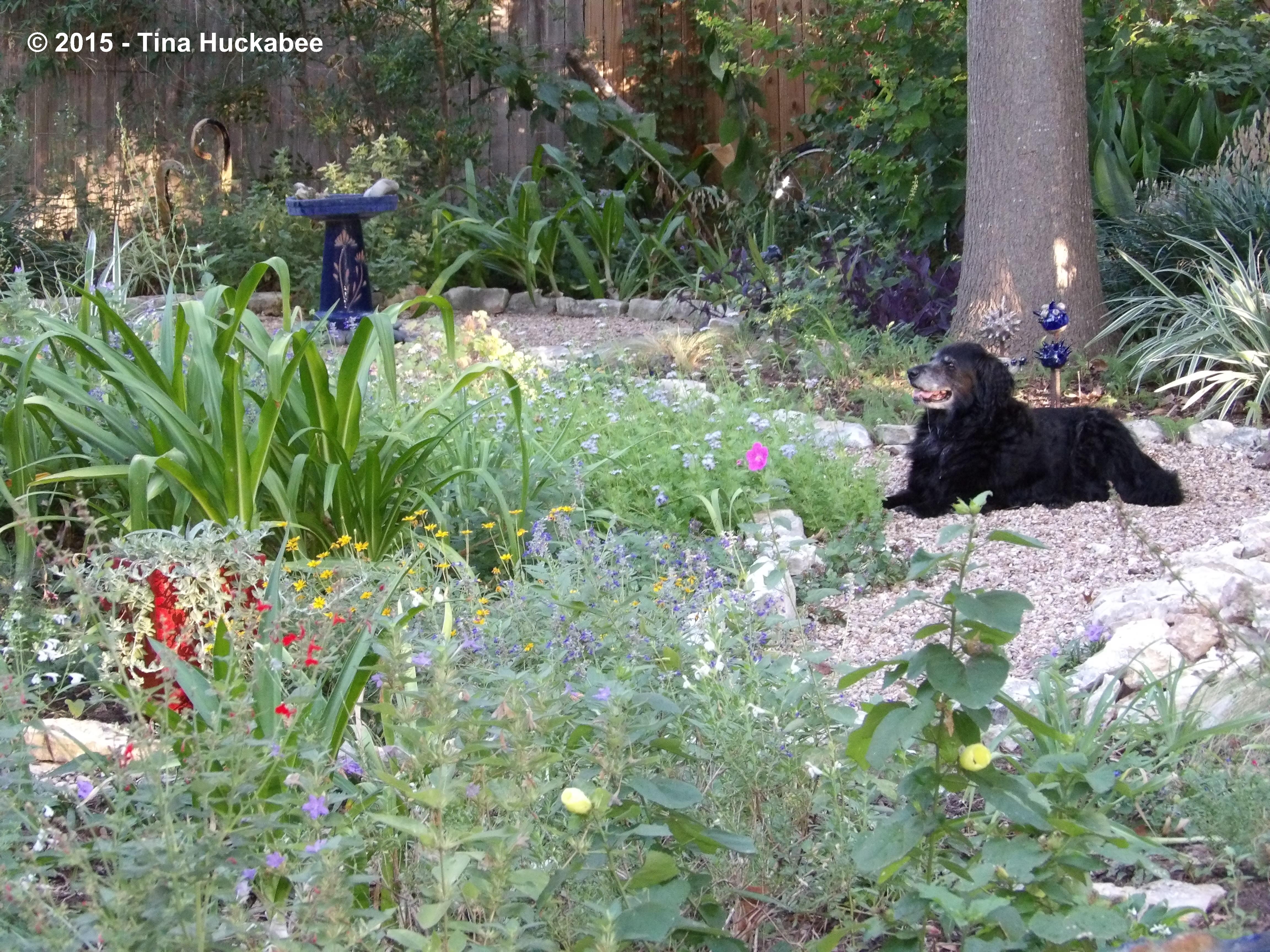
And my good friend,  sweet Asher-the-Dog?  He’s happy to rest on the cool pebbles, enjoying an early fall Texas morning.

IMGP1859.new

Happy Autumn, y’all!


Hummingbird Horseplay

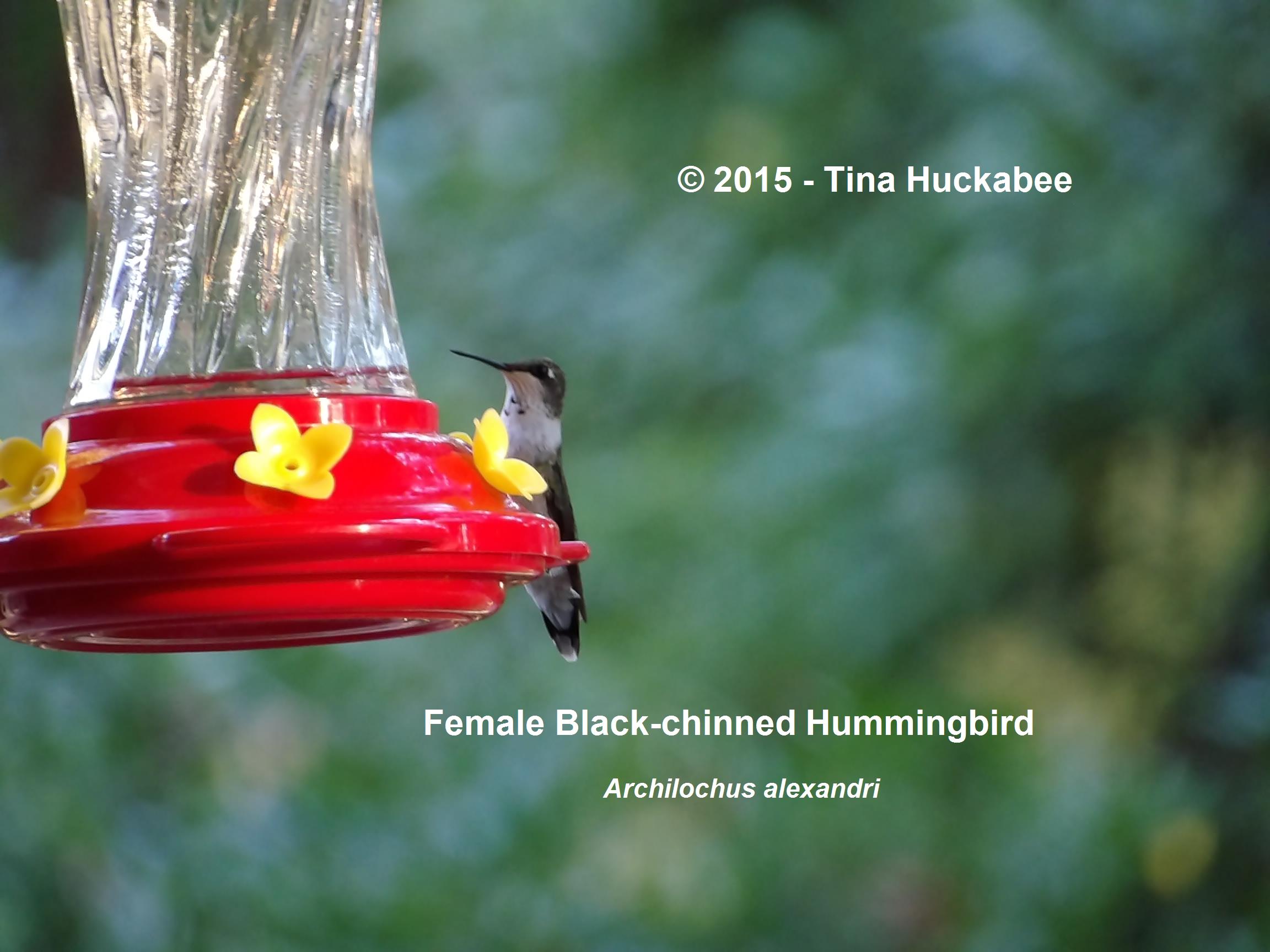
Hummingbird wars–that’s what I call the zooming, zipping, and general territory defending that the teensy winged wonders engage in, especially toward the end of their time here in Central Texas.  Hummingbirds are now preparing for their fall migration (some have already left), and their wintering in Mexico and Central America.  This summer, I’ve observed both a male and female Black-chinned Hummingbird, Archilochus alexandri, in my garden, though I was never able to get clear captures of either.  Here,

IMGP0190_cropped_2774x2599..new

IMGP0197_cropped_3682x2898..new

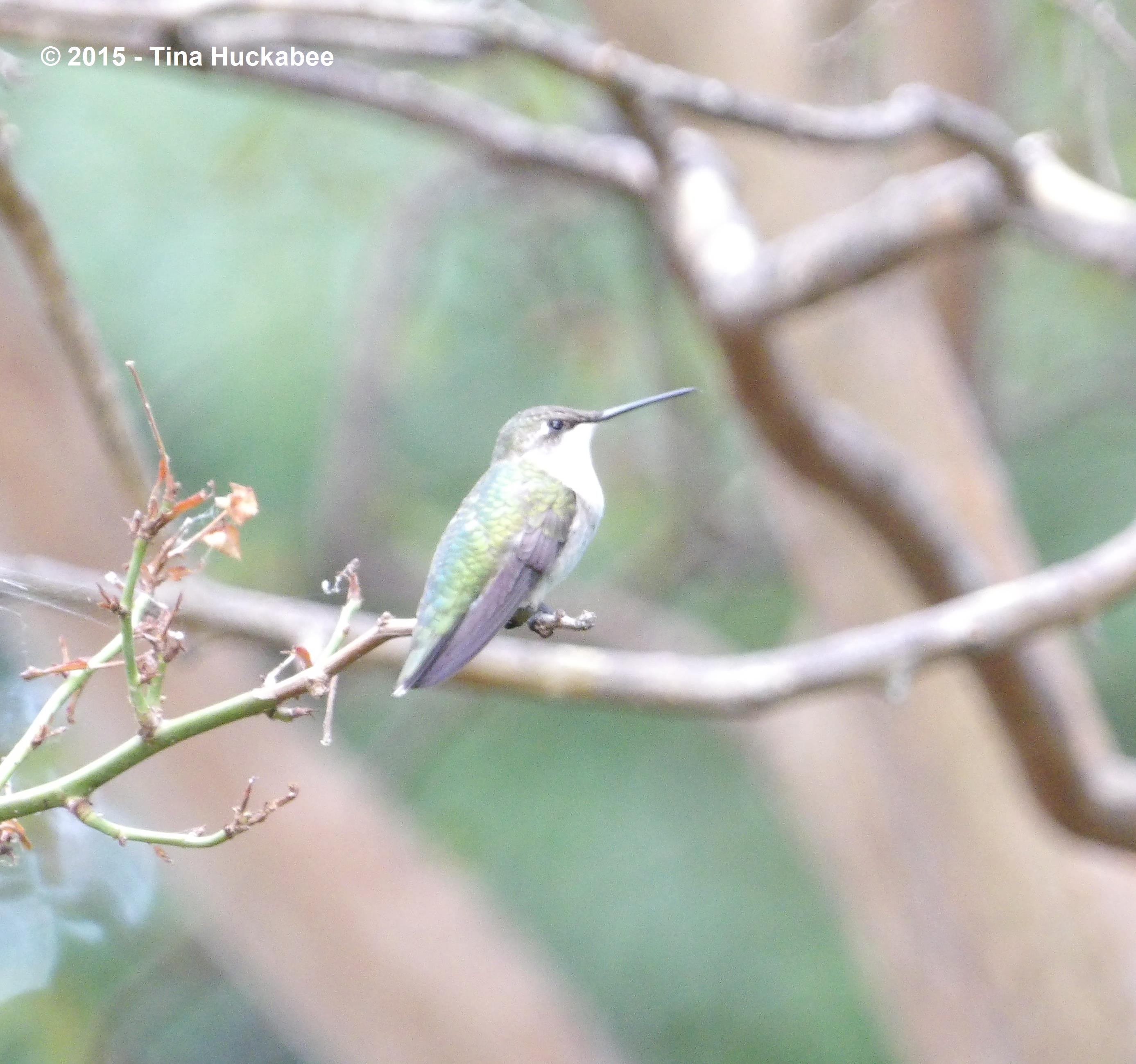
…a female Ruby-throated Hummingbird, Archilochus colubris, rests while surveying her territory, also known as my back garden.  The literature about the Ruby-throated suggests that the male is the main aggressor, defending his territory and food sources with great vim and vigor, but I’ve noticed that both genders appear enthusiastically antagonistic to encroachments by critters, especially when those critters are other hummingbirds. Though it isn’t always other hummers that are chased;  in July I witnessed a female chase a Carolina Chickadee around the garden–that was a hoot!

I employ in a bit of eye-rolling when I hear people exclaim how “mean” hummingbirds are, as if human beings can pass judgement on any other creature in the nastiness quotient.  I usually respond to the hummingbirds-are-mean comments with a you’d be mean too, if you were tiny and vulnerable, traveled alone for hundreds to thousands of miles, back and forth, attempting to locate enough food to survive and thrive while doing so.  The hummingbird’s migration is a feat that requires a certain level of courage and I’m certainly not going to pass judgement on any critter with that kind of chutzpah.

This is the same (?) or perhaps another, female Ruby-throated enjoying a quick junk-food snack of sugar syrup.

M0061343_cropped_1440x1564..new

I haven’t hung a hummingbird feeder for quite a few years, but bought one this year in a weak moment.  I grow lots of plants that hummers love:  Turk’s Cap, Malvaviscus arboreus,  is a huge favorite,

M0010689_cropped_1699x1698..new

…but they also love Yellow BellsTecoma stans, as well as most plants in the salvia family.  But when these adorable birds are feeding, they’re often far across the garden and not easily seen as they move about the shrubs and around the limbs of plants.  For purely selfish reasons, I hung a feeder on the back patio cover to better observe and enjoy their visits.  They chase one another from the feeder, buzzing past the astonished and thrilled gardener.  Hummers also demonstrate possessiveness with their favorite plants, too. Throughout August and into September, one male Ruby-throat claimed three Turk’s Cap shrubs in my back garden as HIS!  He spent lots of calories defending his particular nectar-loaded buffet.

To augment their liquid diet with protein, hummingbirds eat a variety of insects like mosquitoes (not nearly enough, if you ask me), flies and even aphids, which  are plucked off of plants.

The Ruby-throated is so named for the brilliant red feathers adorning the throat of the male of the species.   This male Ruby-throated Hummingbird, rested in my Desert WillowChilopsis linearis,

M0101420_cropped_1667x1310..new

…but wasn’t situated quite right for the show of scarlet feathers.  At off angles, the feathers appear rusty-brown to dull red.  After this photo was taken the bird flew away from the tree and toward me in hot pursuit of another hummer which I didn’t see at first. That ruby-red throat came directly at me, in brilliant, flashing color. You’ll  have to take my word for it because I wasn’t quick enough with the camera to capture a bird flying that fast.

Bummer.

As cool fronts move through Central Texas over the next few weeks, the remaining hummingbirds will wing their way south, surfing blustery winds.  I’ve notice fewer hummingbird antics this past week; Mr.That-Turk’s-Cap-is-mine-Mine-MINE!!  is no longer around and I think  one or two of the female visitors are gone. There are the occasional hummers who overwinter here, but mostly they reside in sunny Mexico until spring migration northward.  They’ll be back in my garden next spring for their courting, during summer for raising chicks, and in early autumn, careening around the garden, chasing each other and providing entertainment for this gardener and backyard birder.

And since I think the hummingbirds are looking good in my gardenI’m joining with Gillian at Country Garden UK and her new Looking Good in the Garden meme, which will be a regular Friday feature.   Pop on over to read about what’s looking good in her garden, as well as other gardens.