Look Who’s Moved In!

For several weeks now, I’ve heard the trilling of an Eastern Screech Owl, Megascops asio, in and around my back garden–either at dusk or in the wee hours before dawn.   Last week, I saw two owls sitting together just after sundown in my Retama, Parkinsonia aculeata, tree. Until then, I’d only spotted one at any particular time.  Early this morning, noticing an upset and noisy Blue Jay cawing into the owl nest box, I spied this sleepy and probably annoyed Screech, settled cozily in his/her box.

IMGP4665.new

It’s a nice neighborhood  and I hope this couple raises their little family successfully, as has happened for most of the last 8 years.

All the best to my new neighbors!

Goldeneye (Viguiera dentata): A Seasonal Look

In November 2015, I wrote about the golden glory that is Plateau GoldeneyeViguiera dentata, or as I usually call it–Goldeneye.

RICOH IMAGING

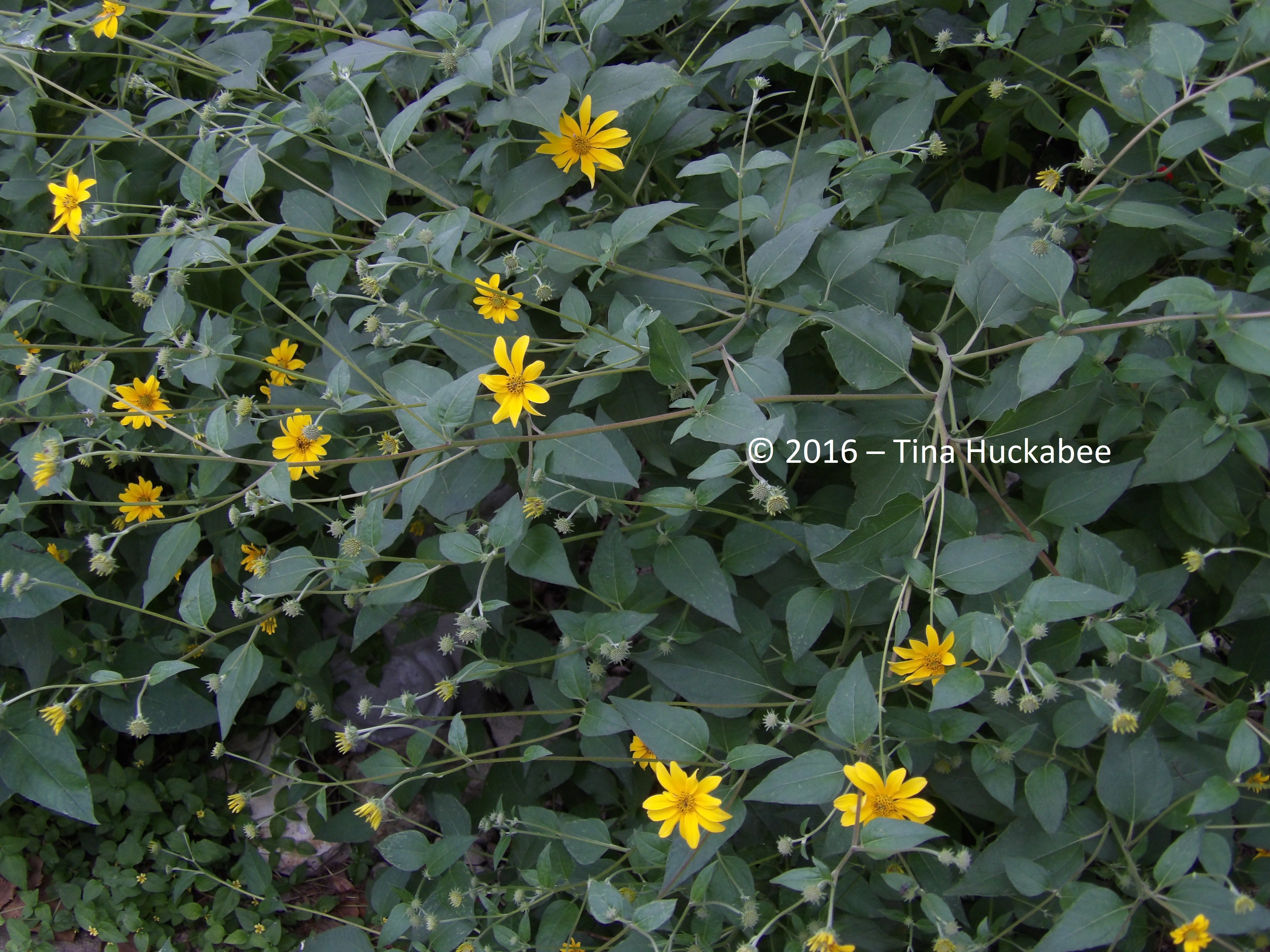
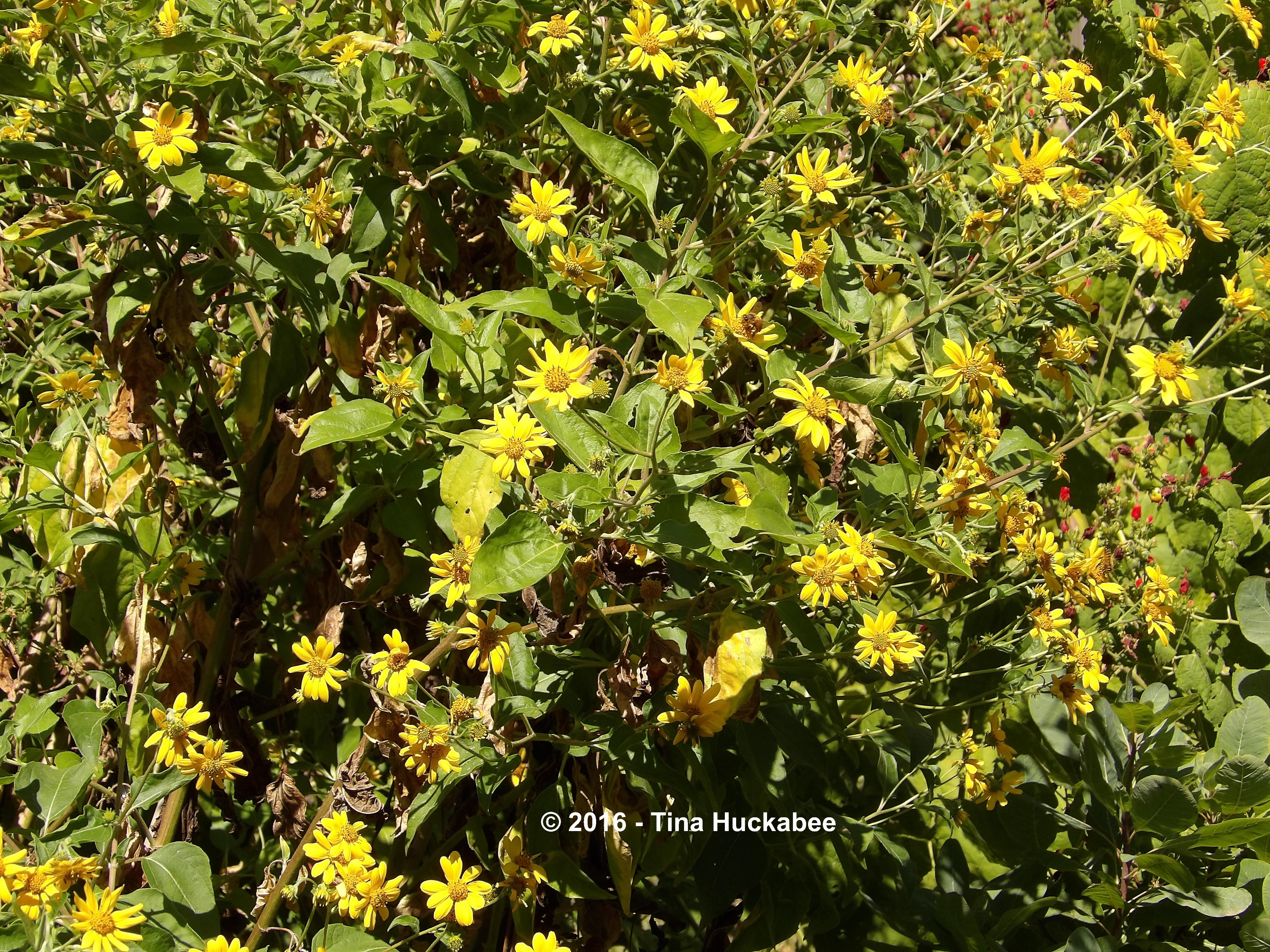
A native to the Southwestern U.S., specifically Arizona, New Mexico and Texas, Plateau Goldeneye is a bright and sprightly autumn bloomer which graces the likes of roadsides, plains and valleys, and home gardens equally.

IMGP2126.new

In profiling this perennial for A Seasonal Look, I realize that it has a limited area in which it grows naturally, but it’s an interesting plant and if you garden in its range, it’s one that dry-garden gardeners should grow, especially those who wish to attract a range of wildlife.

IMGP1896.new

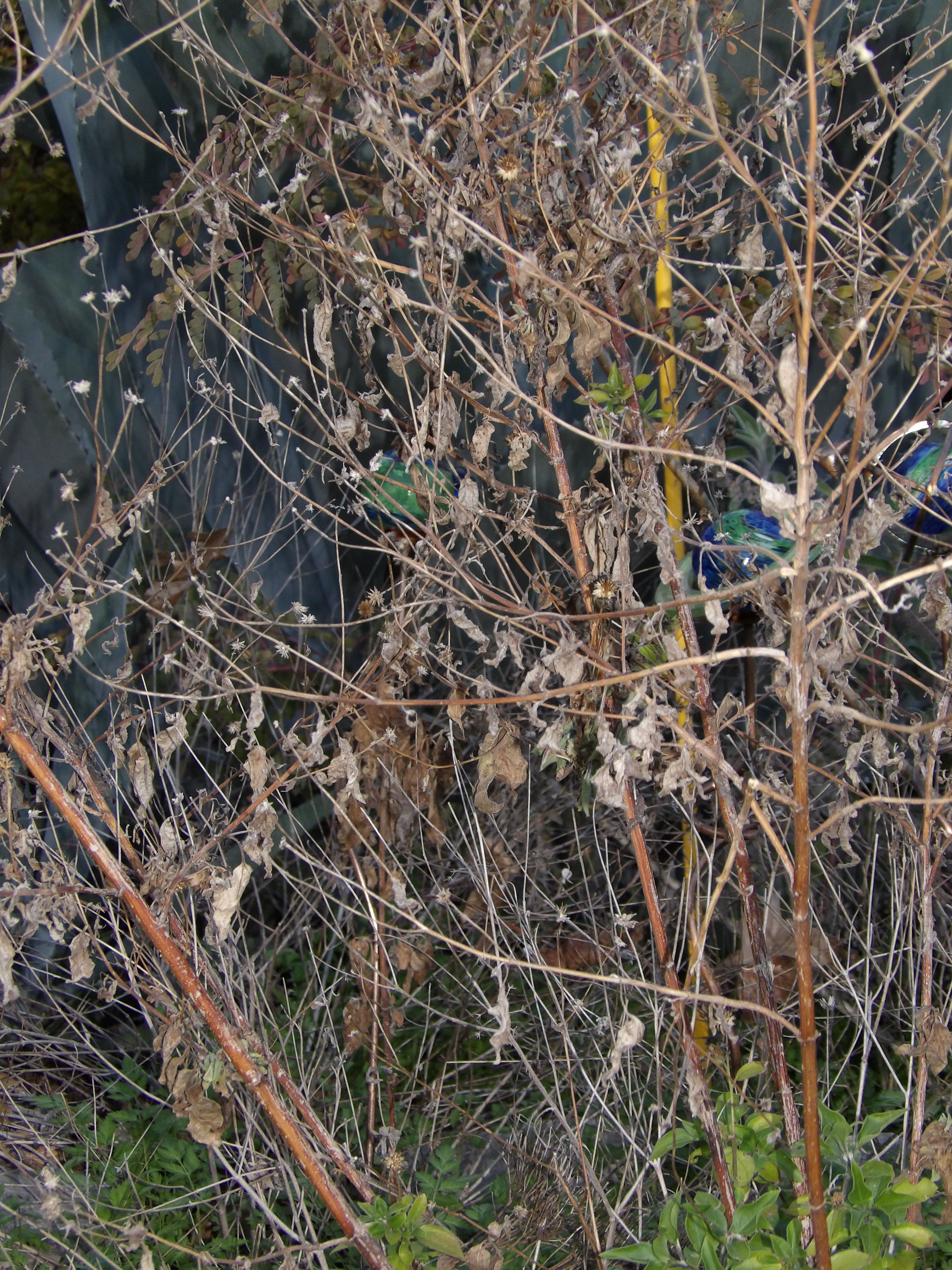
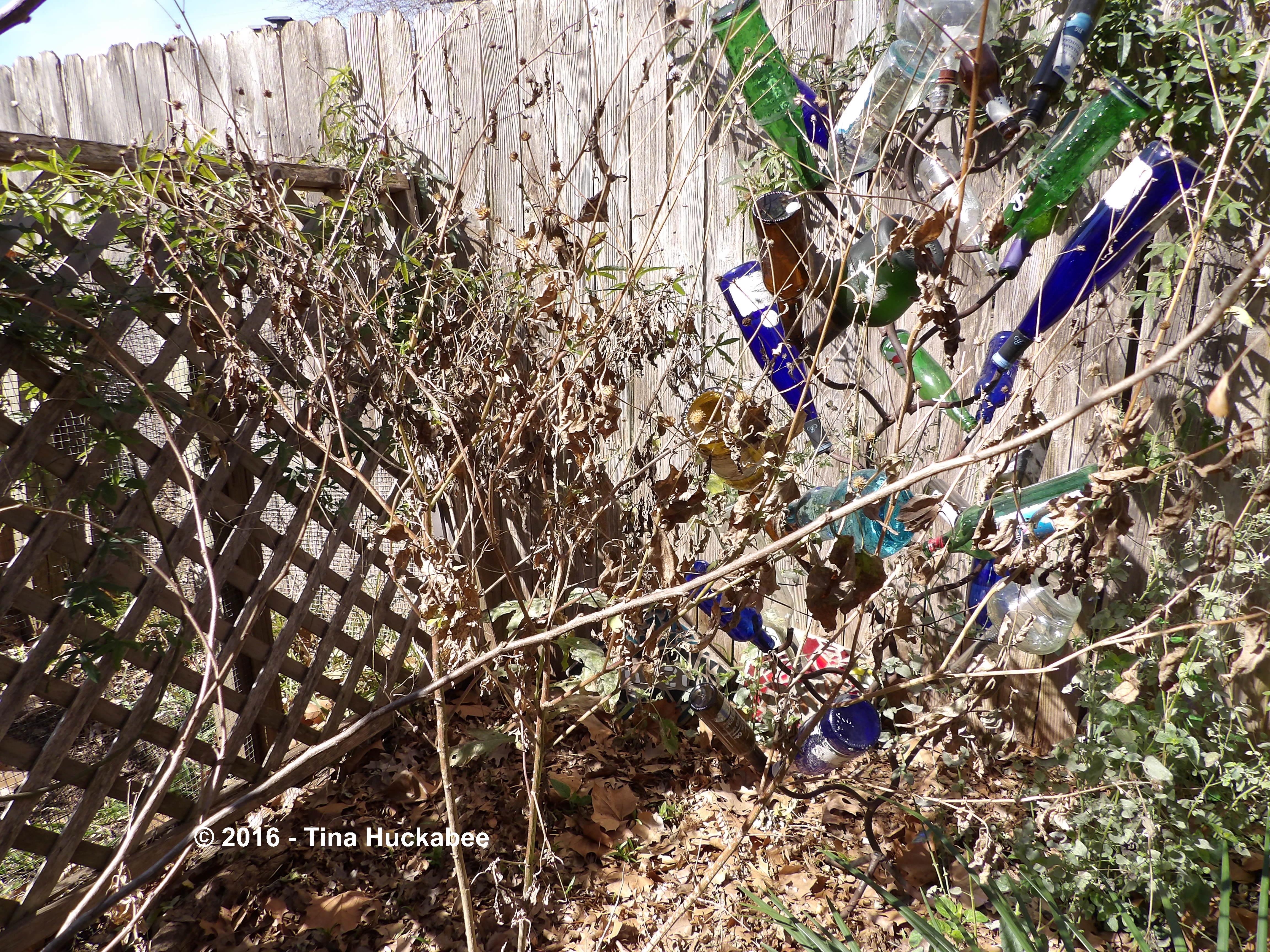
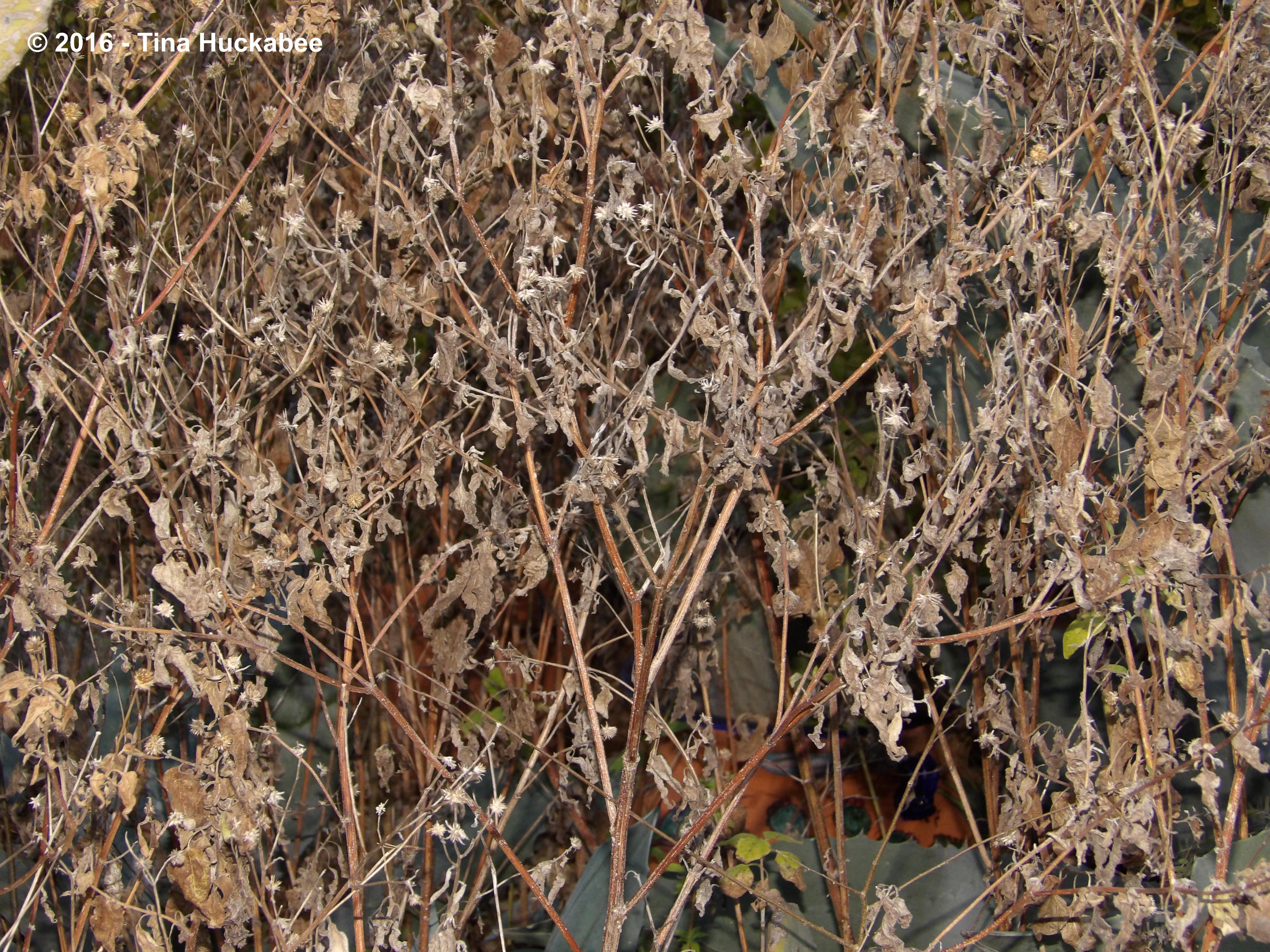
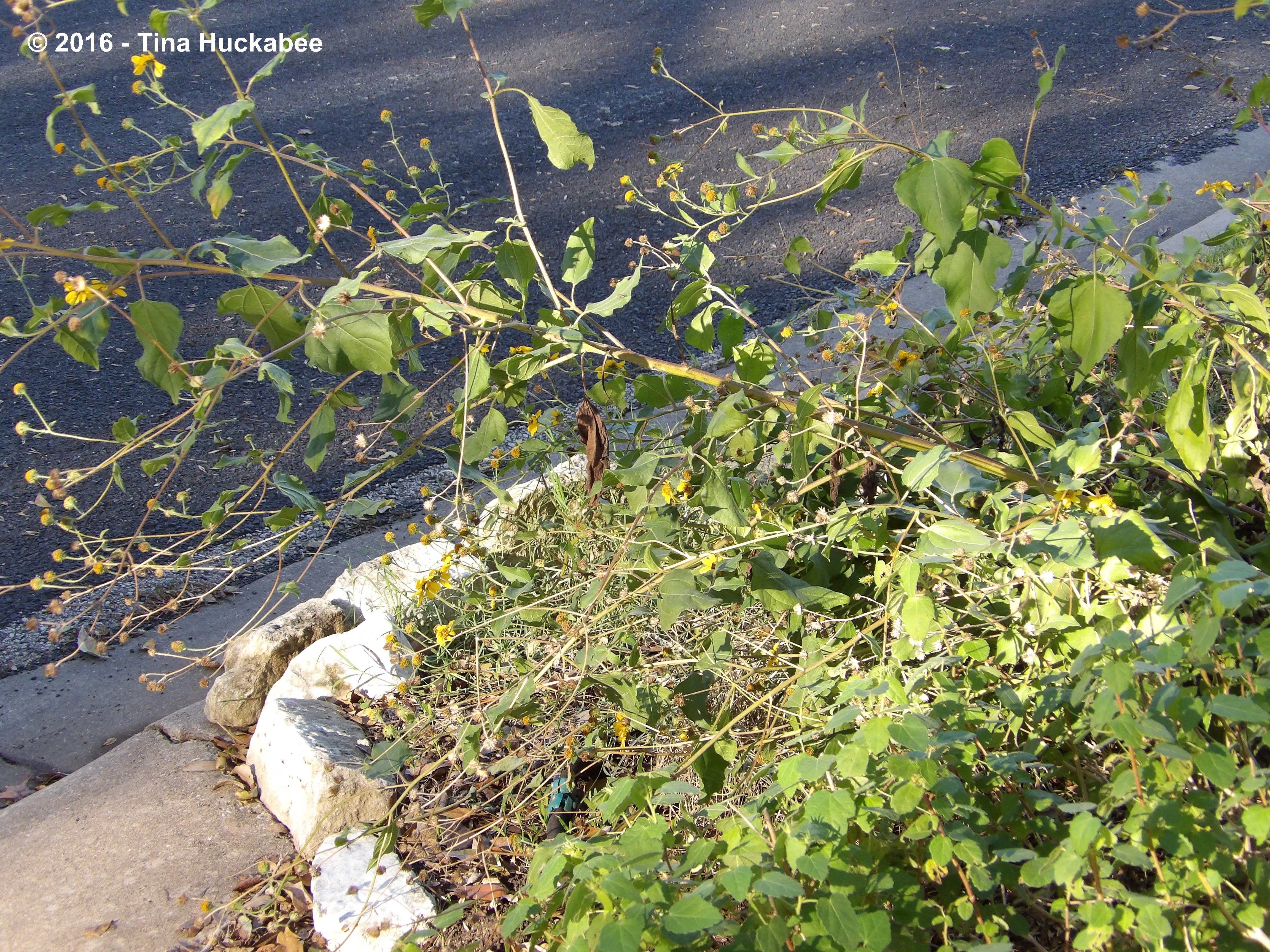
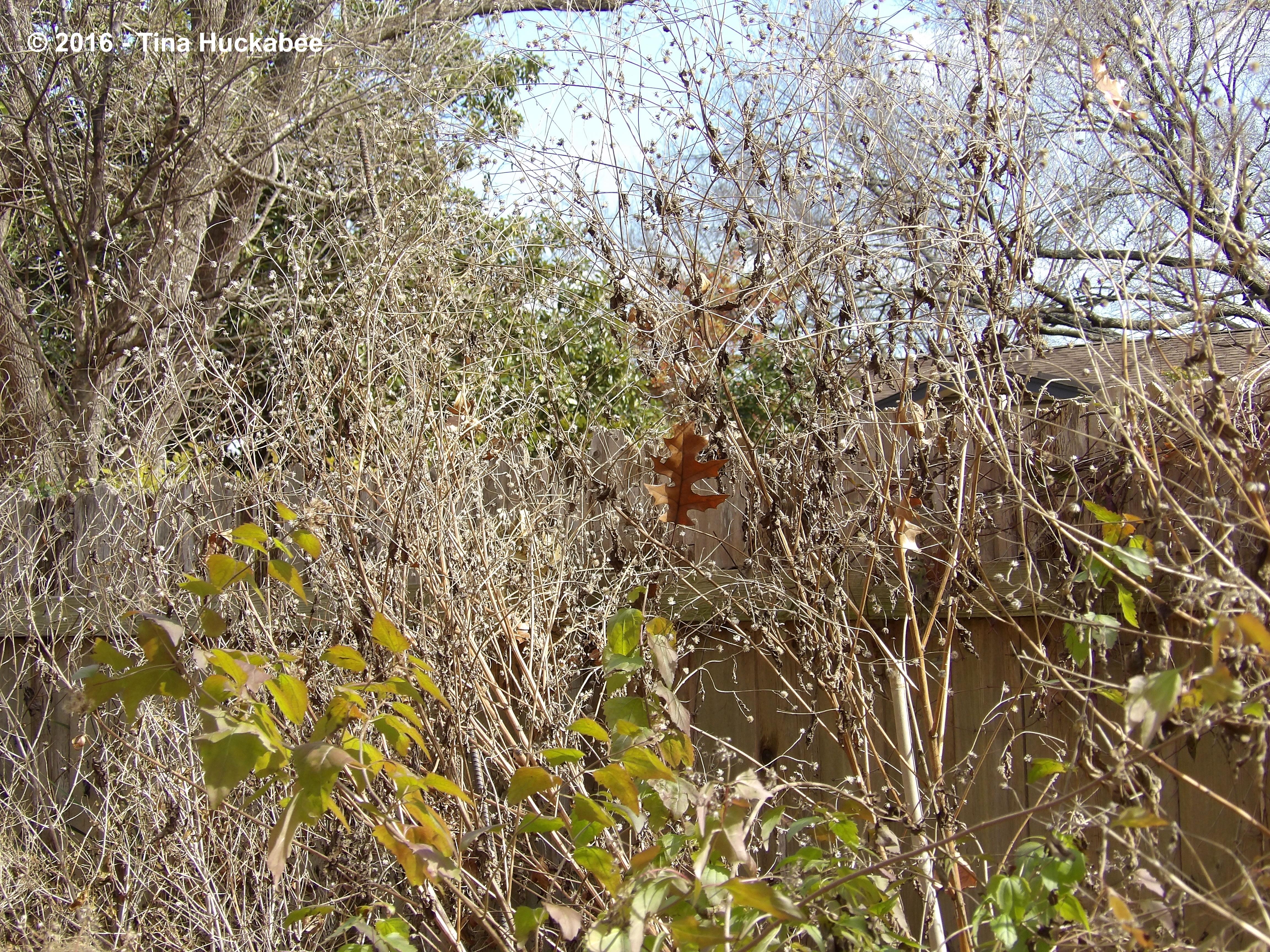
In winter after a  reasonable freeze, the plant is done for the year.

RICOH IMAGING

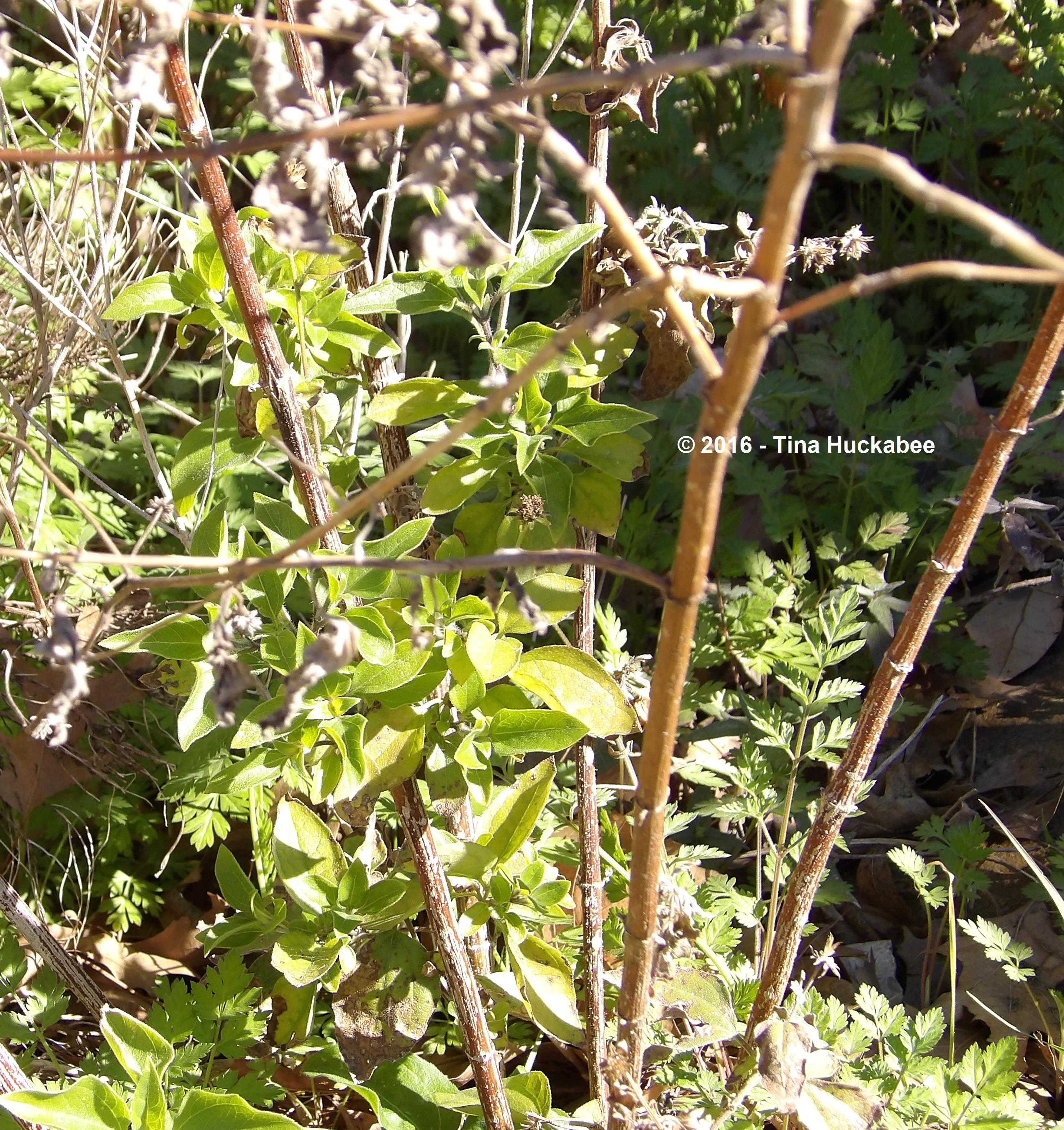
In milder winters (like that of 2016) there may still be some green leaves and canes,

IMGP4412_cropped_2958x3142..new

…and a flush of new growth in January or February.

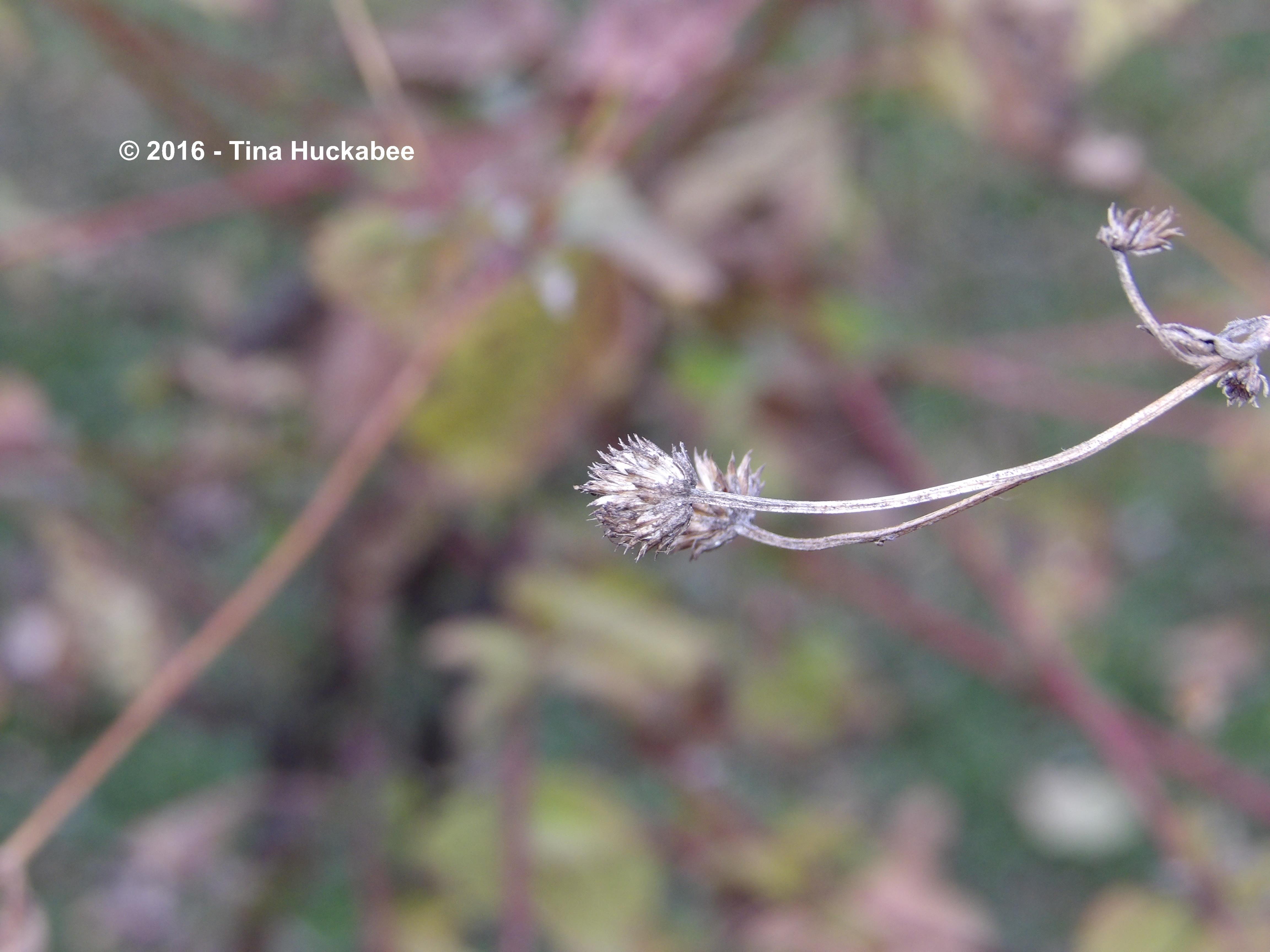
I typically  leave my Goldeneye for as long as possible because I’ve read that finches will take strips of leaves for their nests as they prepare for spring breeding season.  Also, there are often seeds available throughout much of winter for birds to snack on–and they do partake of those seeds.  So, in spite of its skeletal, freezer-burned appearance, I keep mine around until mid-to-late February, or as long as I can stand to look at them.

IMGP4278.new

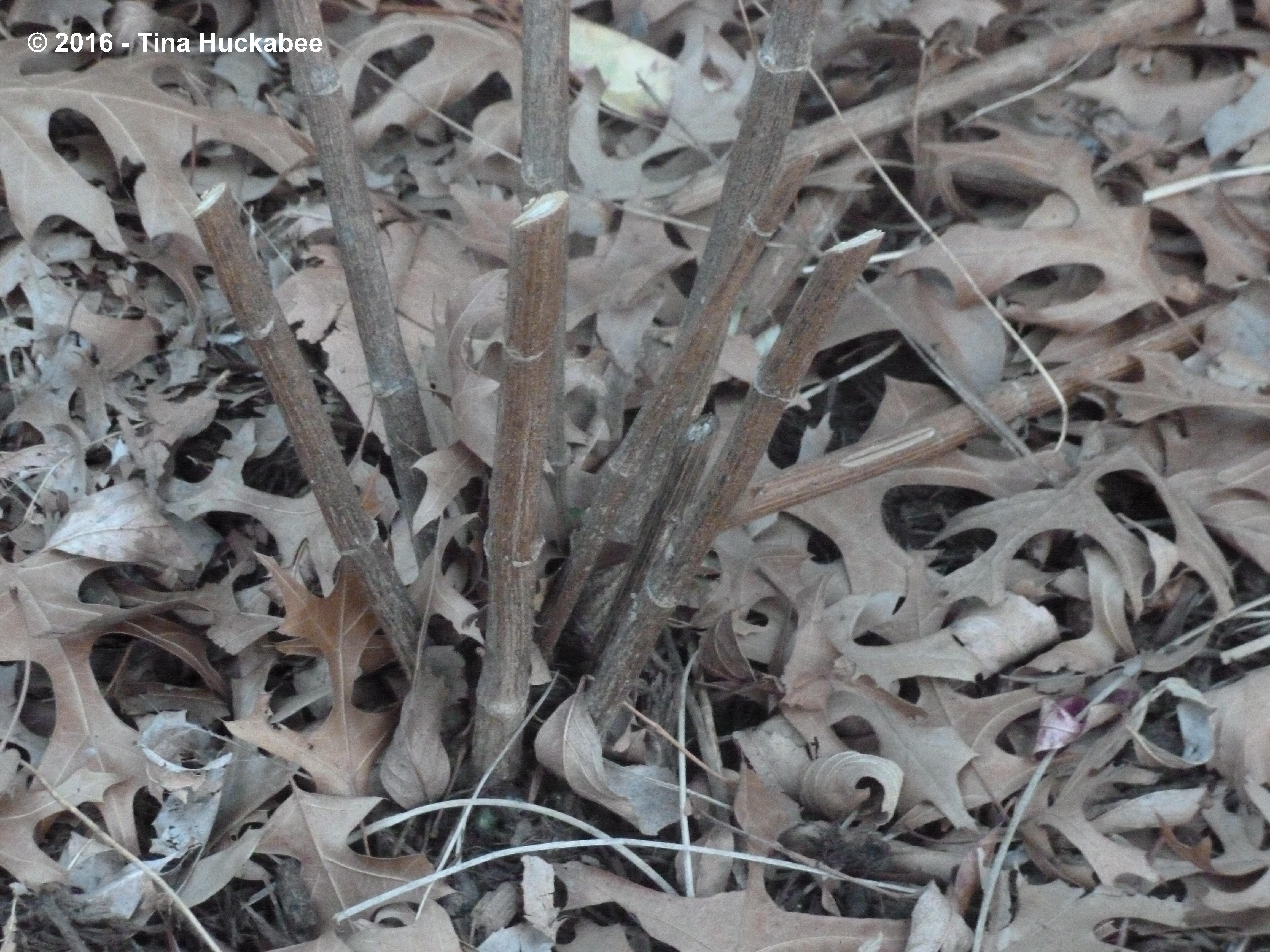
However, there arrives a day when it’s time to whack back the remains of the year’s growth.  And whack I do.

P1020761.new

Does that make me whackadoo??

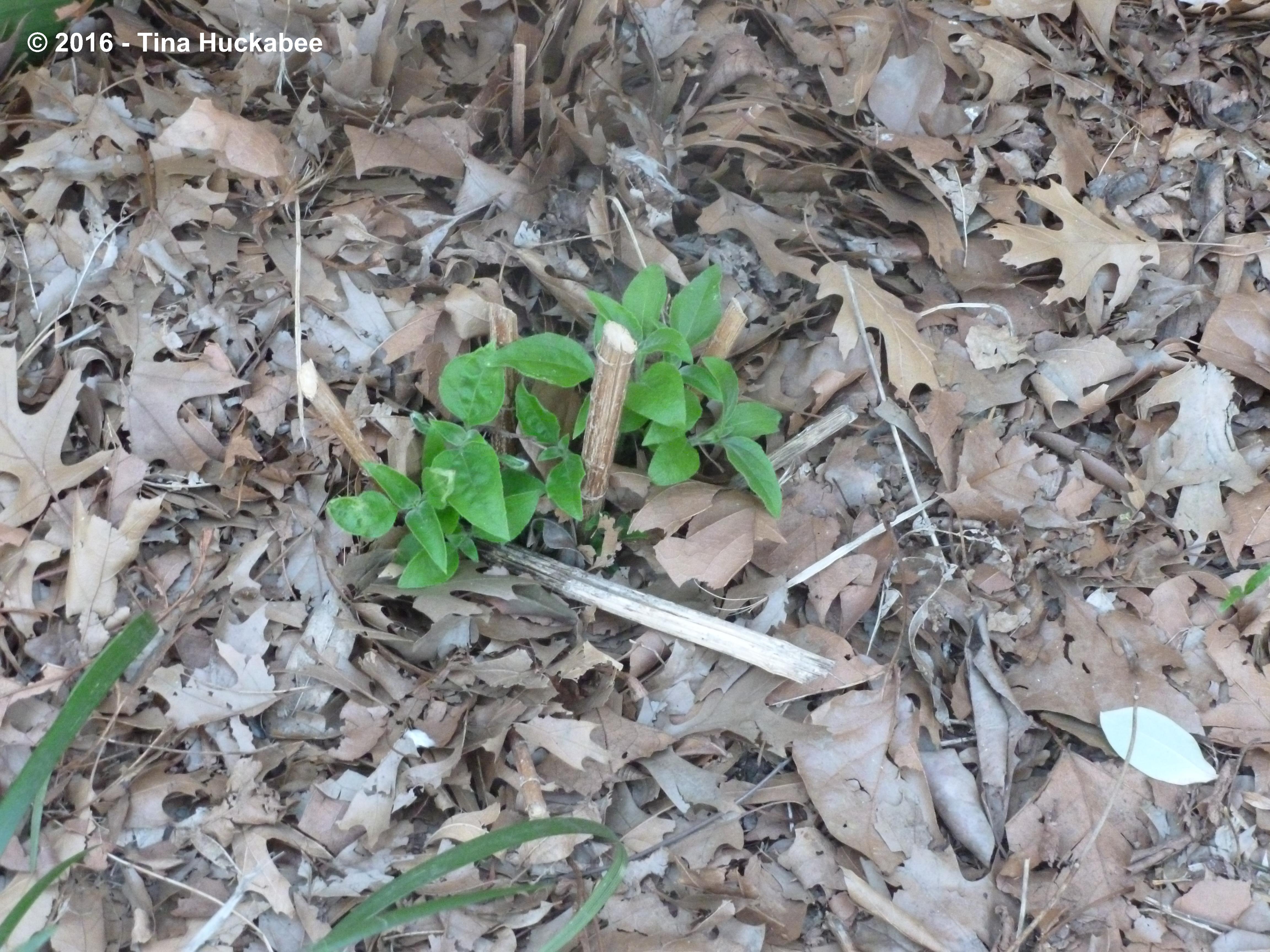
Here in Central Texas, in normal winters with regular freezes, Goldeneye remain dormant until March. It’s a nice garden design practice if planted with evergreens or more structural plants as companions, but the dormant period isn’t all that long. Once spring warmth envelops Central Texas, the arrival of Goldeneye foliage is not far behind.

P1020760.new

P1030351.new

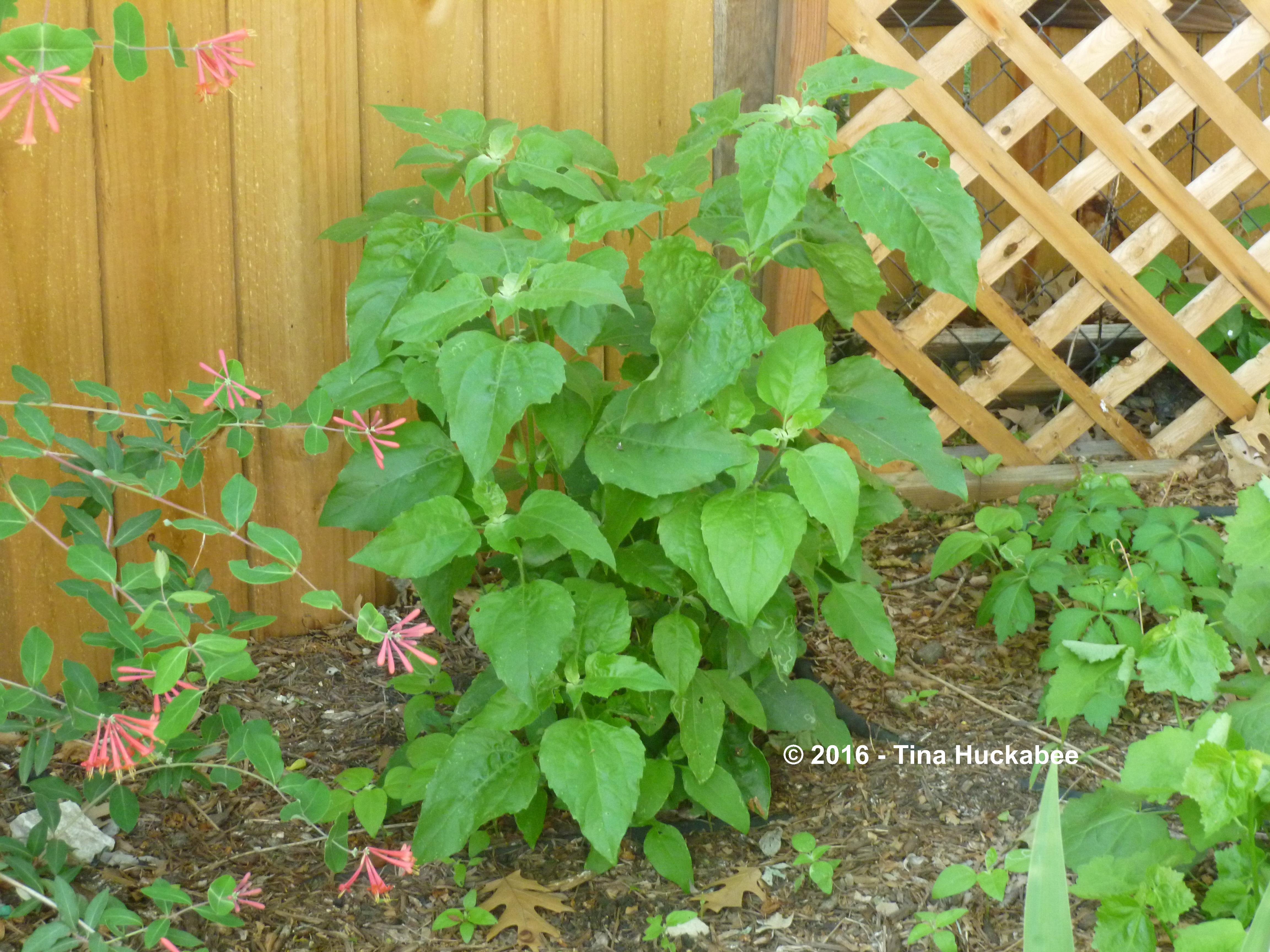
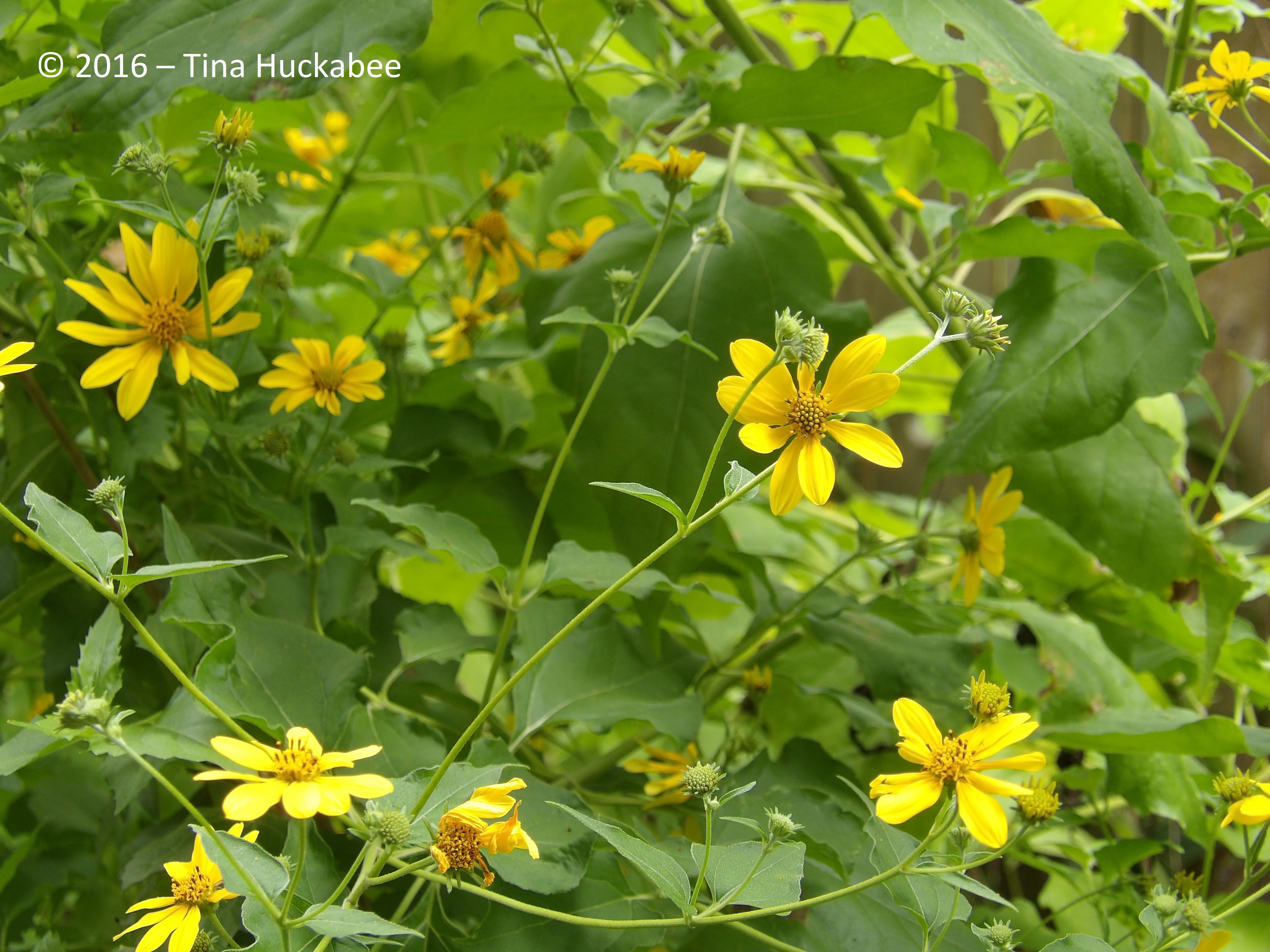
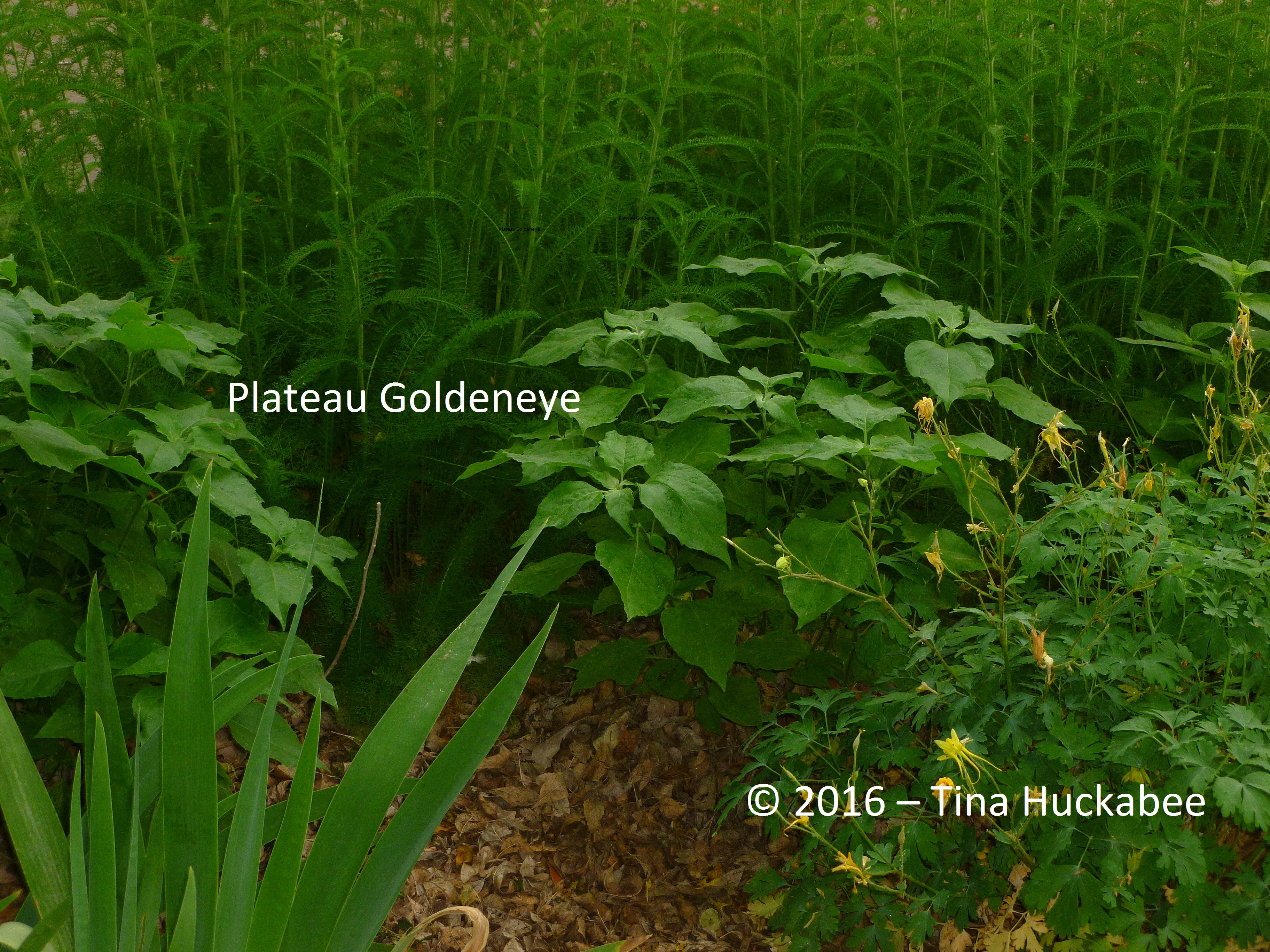
Plateau Goldeneye belongs to the Asteraceae family and shares the qualities of other sunflower-type perennials–lovely, cheery blooms coupled with  somewhat large, sand-papery leaves.The leaves are attractive for most of the growing season–they’re a rich green, especially in early spring, then border on grey/green later in the growing season.

RICOH IMAGING

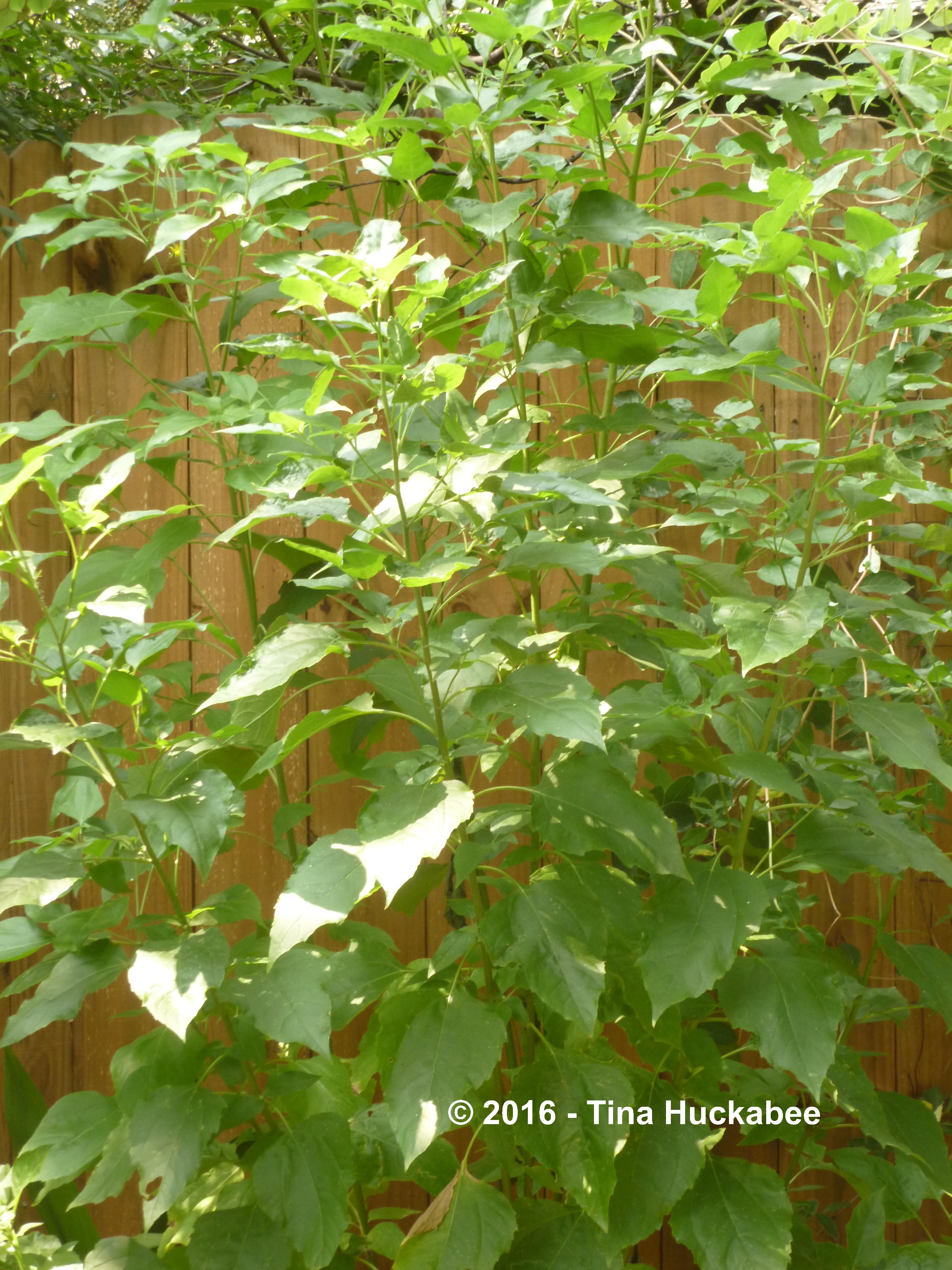
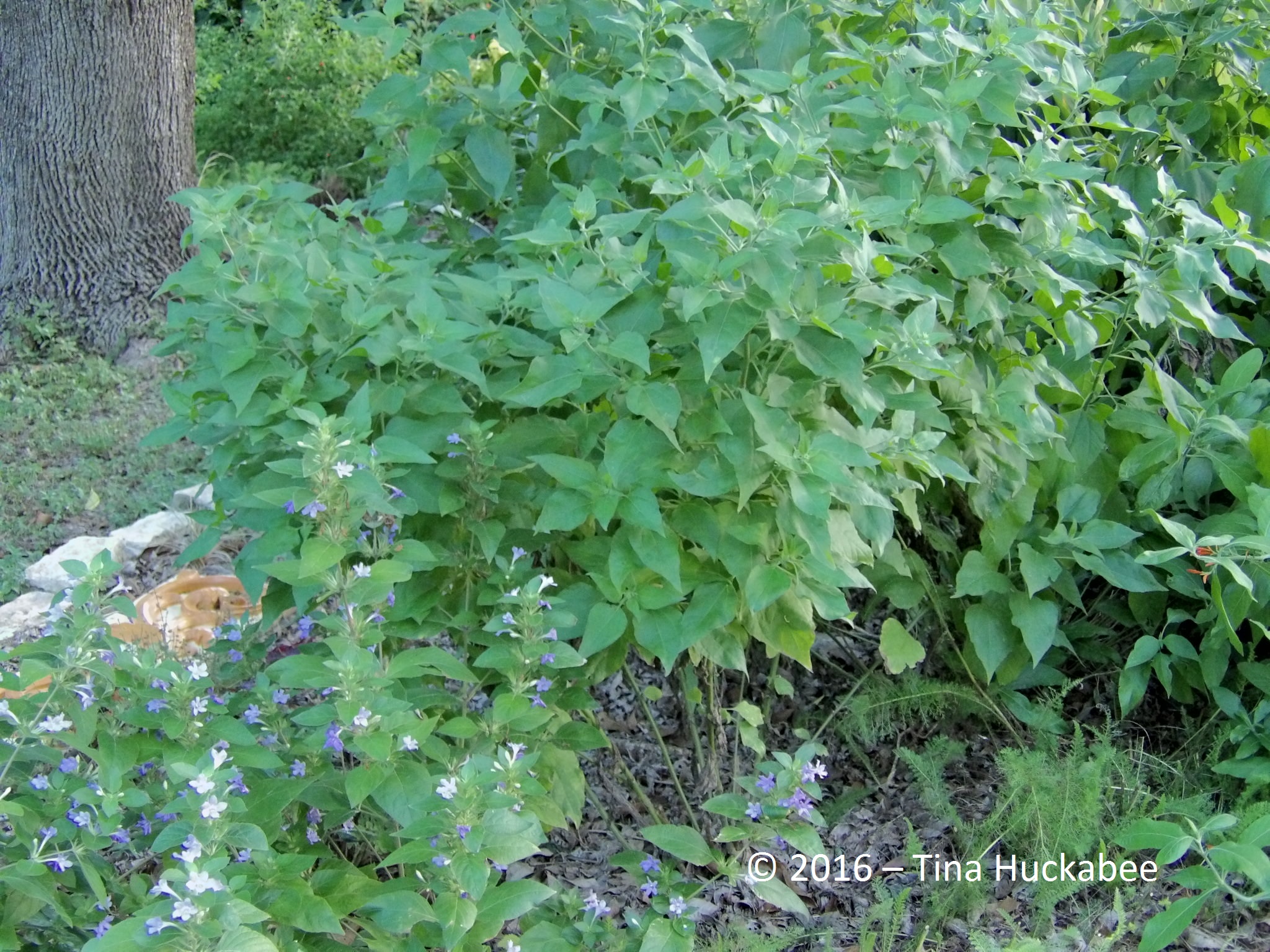
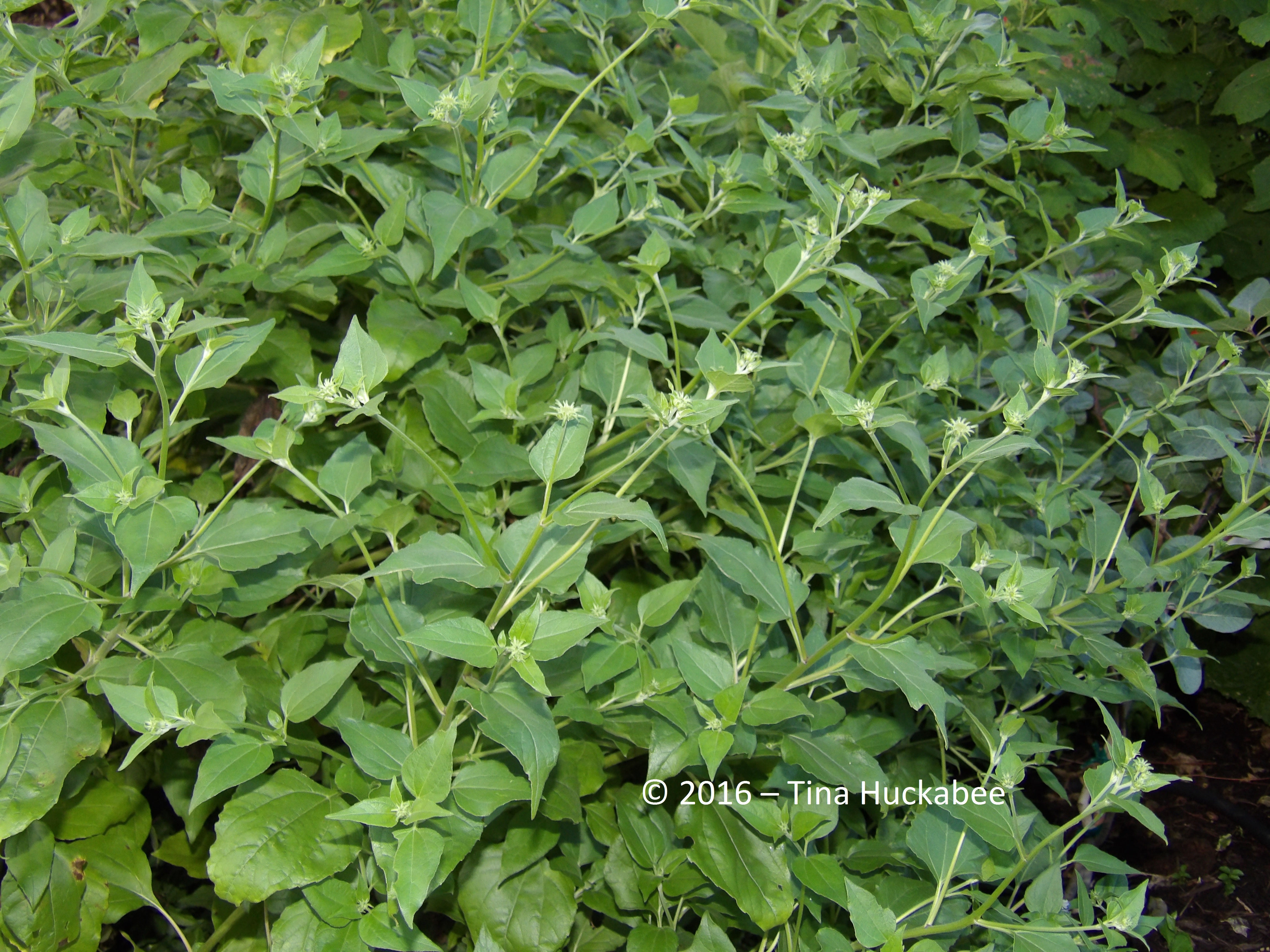
The leaves grow opposite and full along the stems of the plant, leading to a bushy, upright growth habit for the individual plant. Throughout spring and summer, the plant grows,

P1040416.new

P1060038_cropped_2320x3507..new

…and grows.

P1050982.new

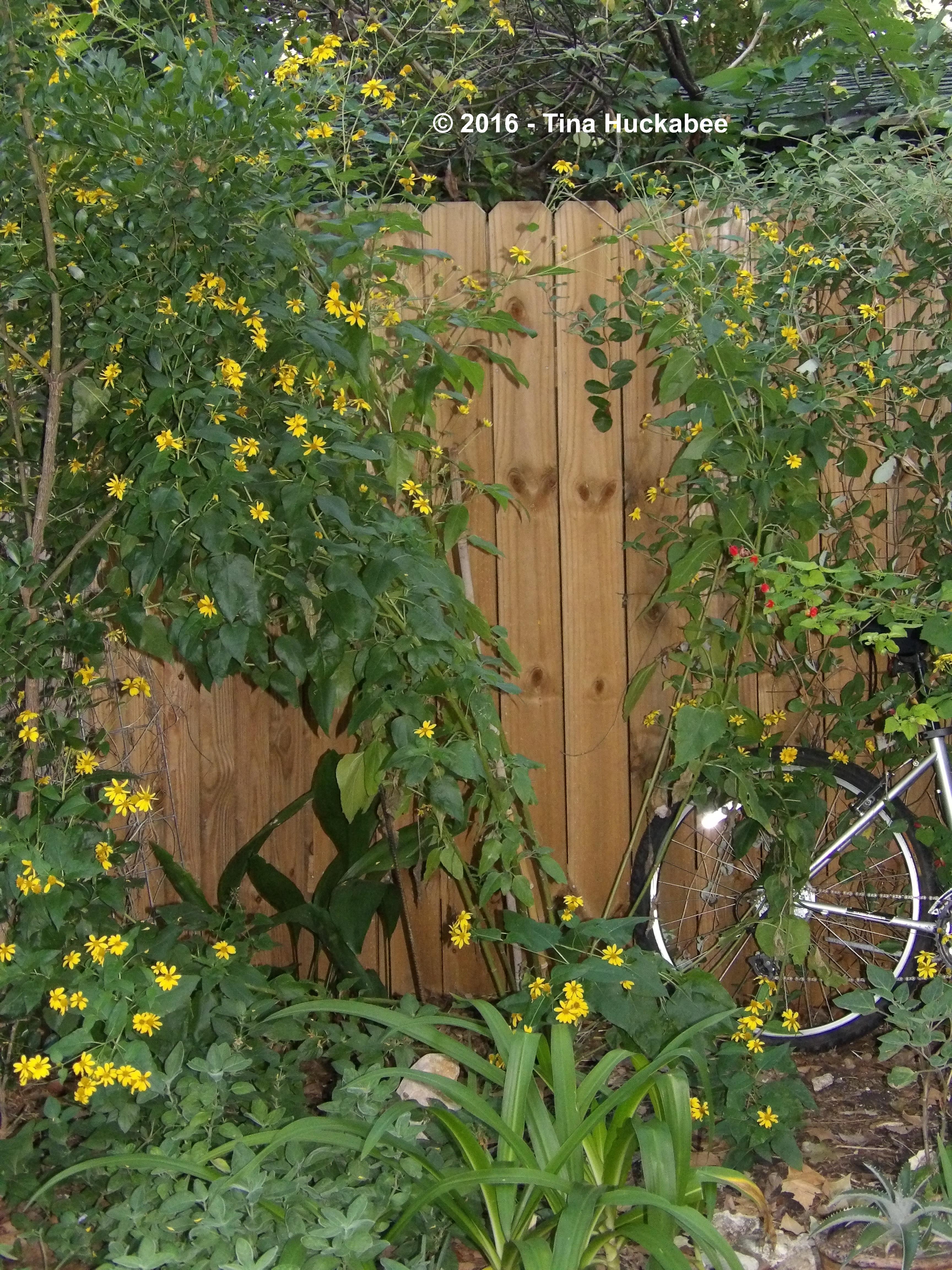
Goldeneye  plants  typically reach 3-4 feet tall in my gardens, but can grow as tall as 6 feet.

It’s exciting when I spy my first Plateau Goldeneye bloom, usually in August, but sometimes as early as June or July.

RICOH IMAGING

There are a smattering of blooms in summer, but only enough to hint at the beauty to come.RICOH IMAGING

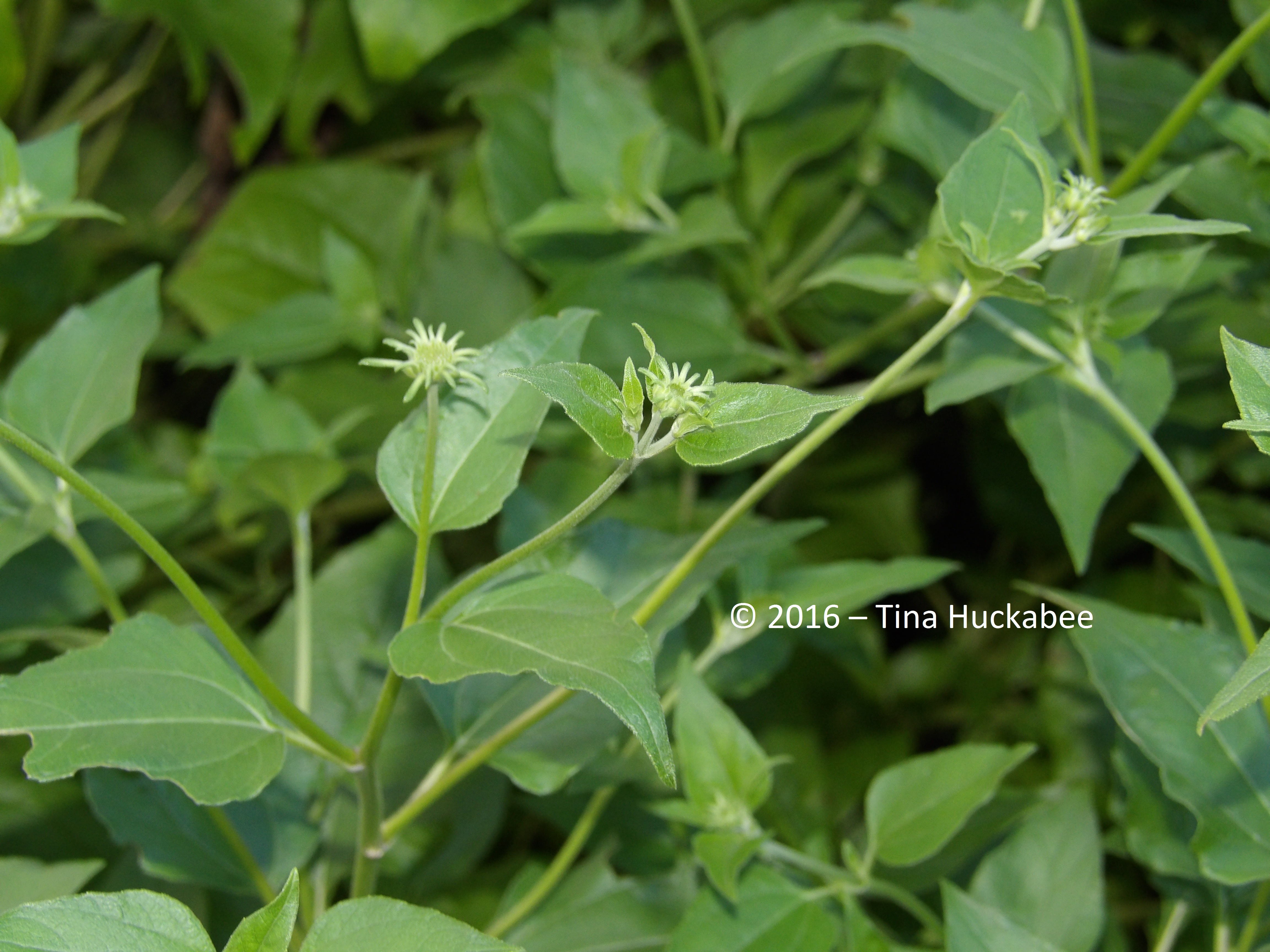
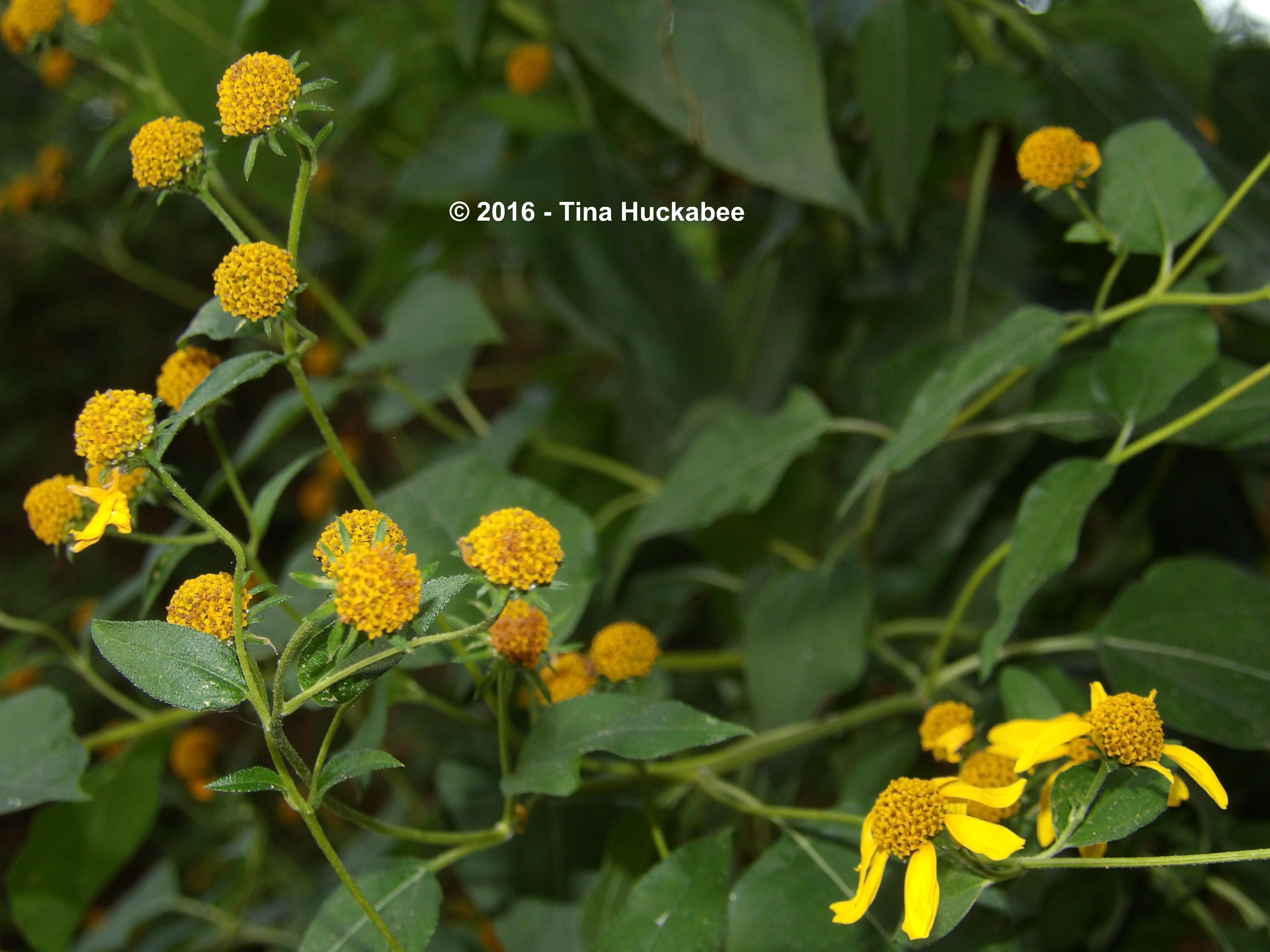
In September, though the days are warm, the light changes and the buds of Goldeneye form.

RICOH IMAGING

The anticipation of those shorter autumn days, combined with the flowering Goldeneye, are  just compensation for the long Texas summer. And well-worth waiting for!!

IMGP1248.new

RICOH IMAGING

RICOH IMAGING

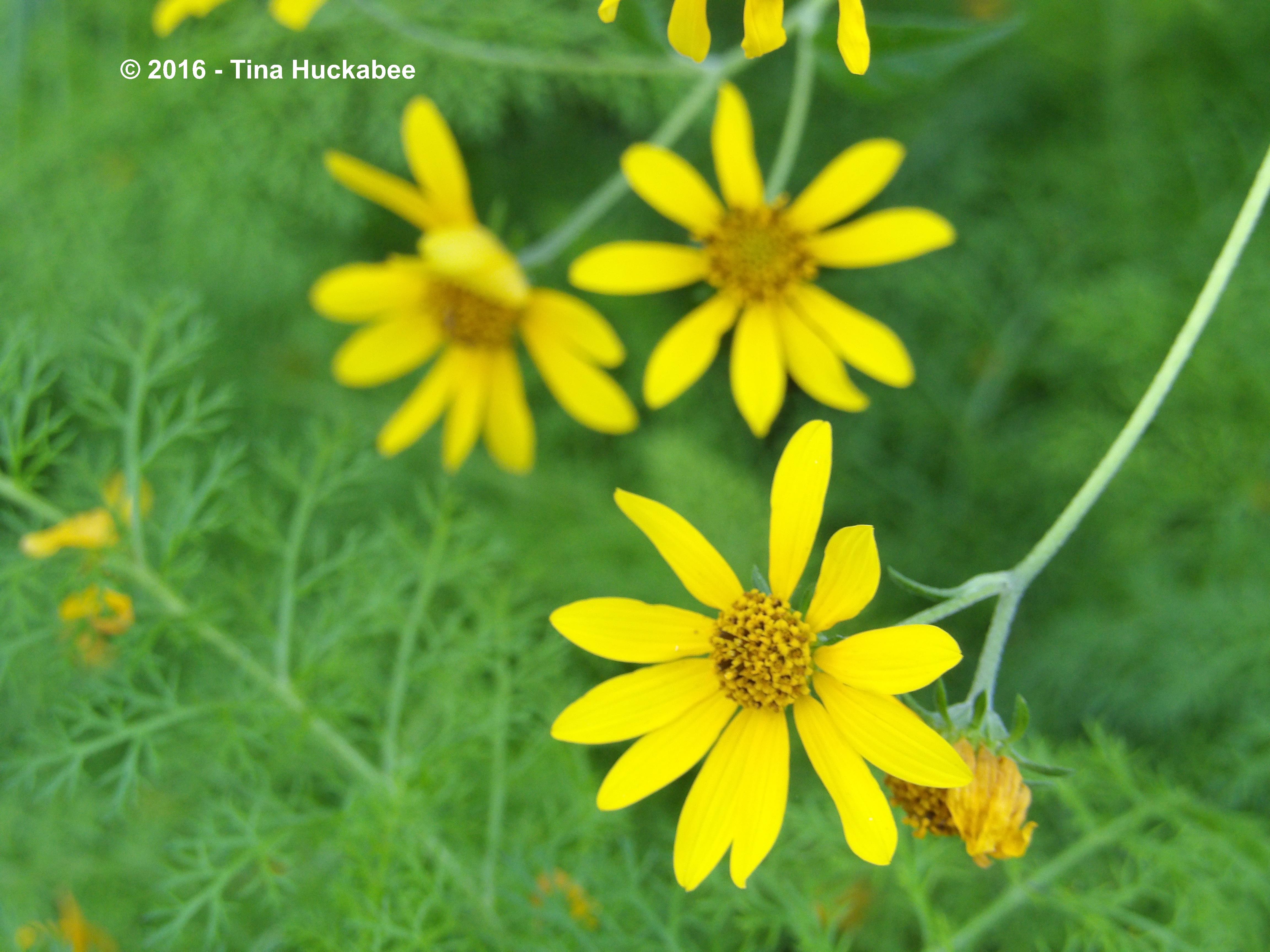
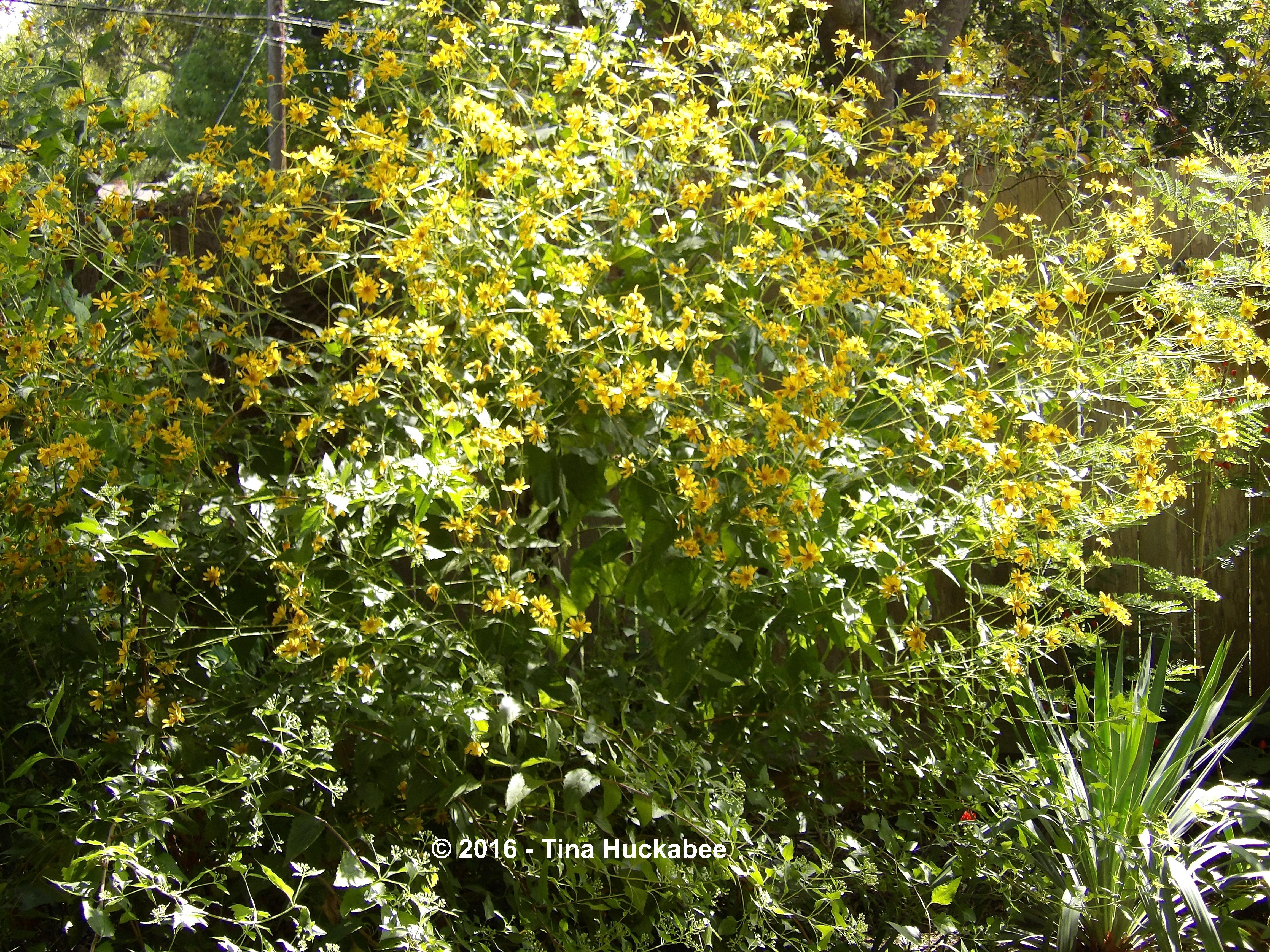
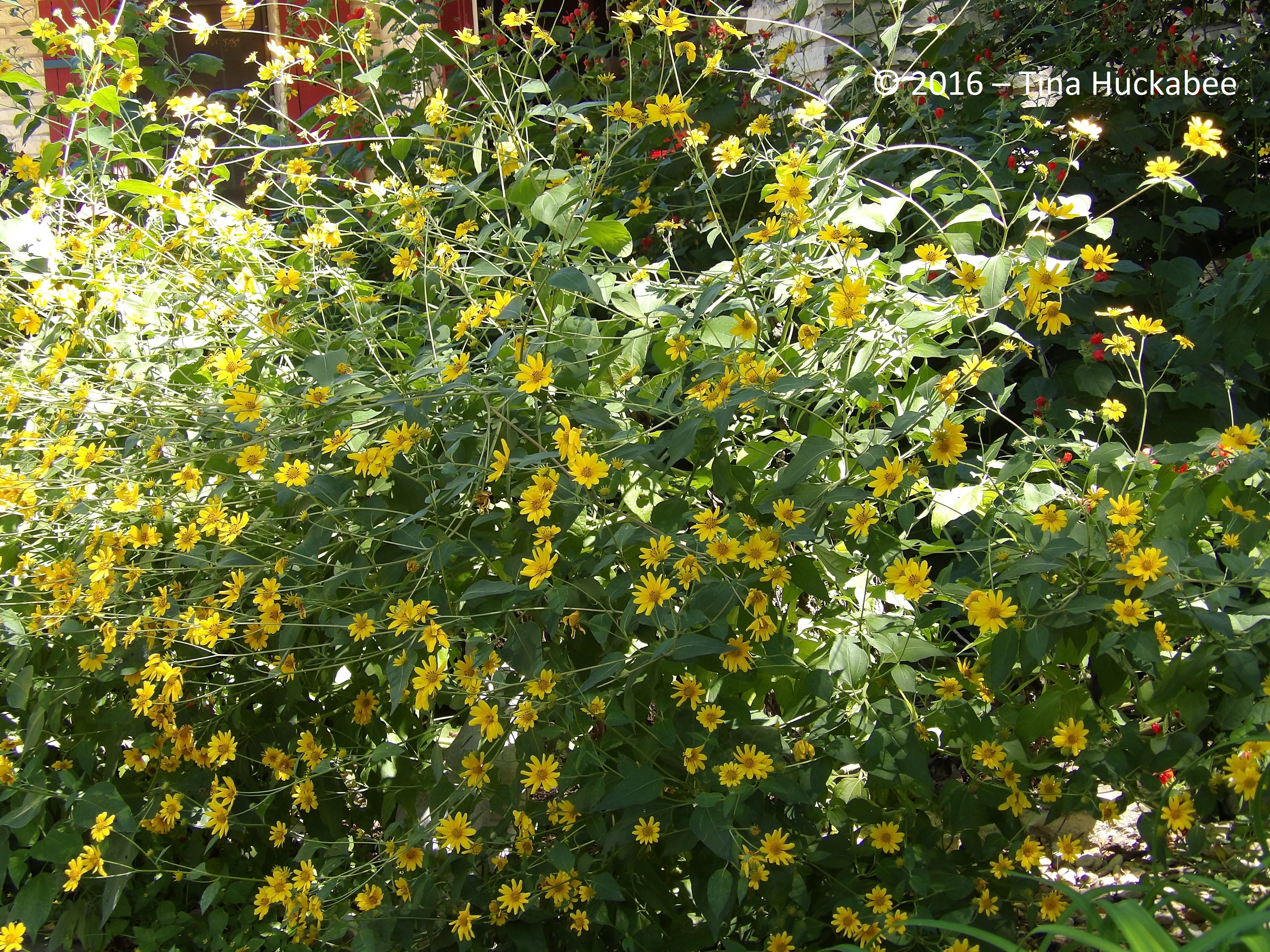
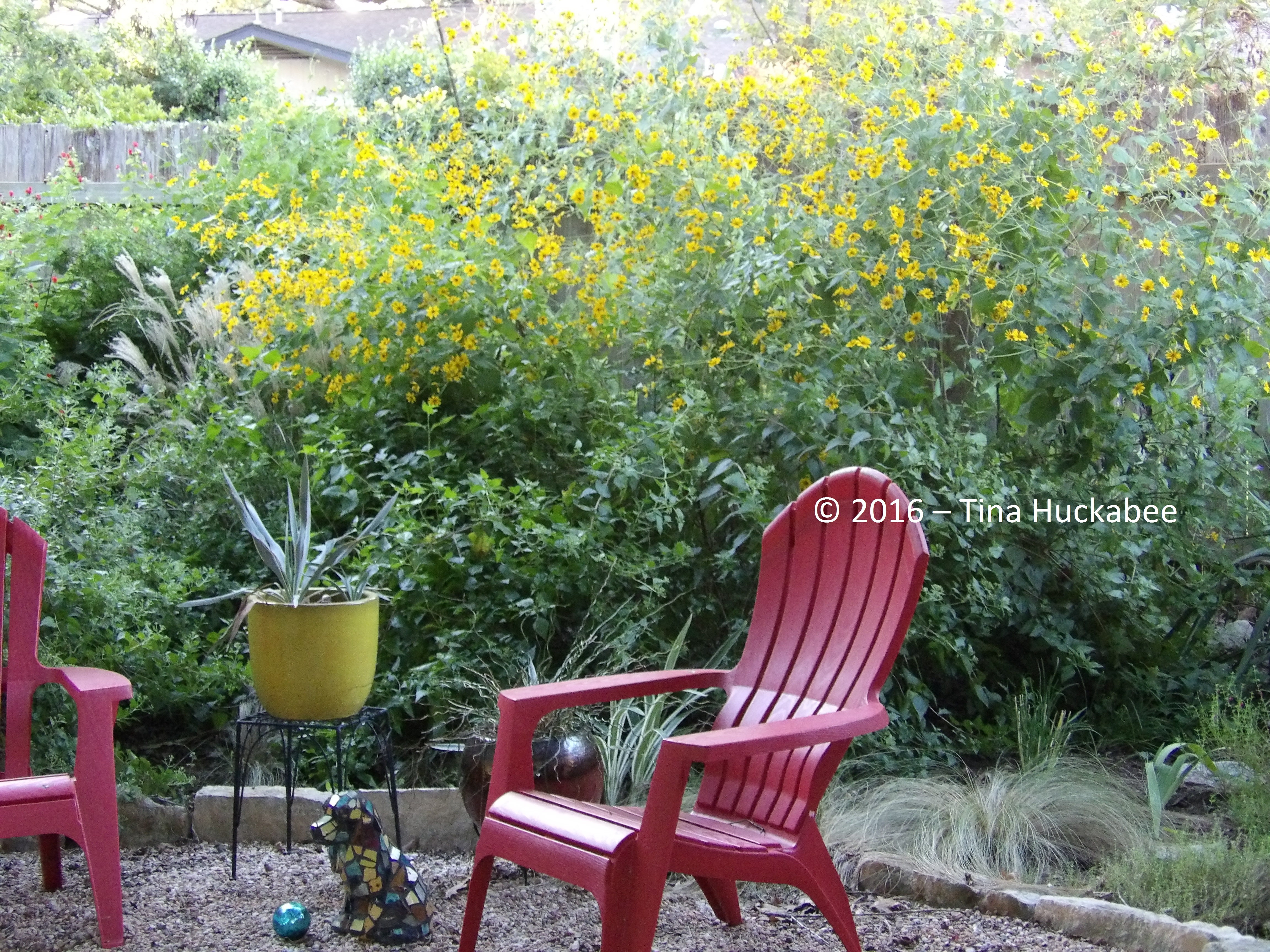
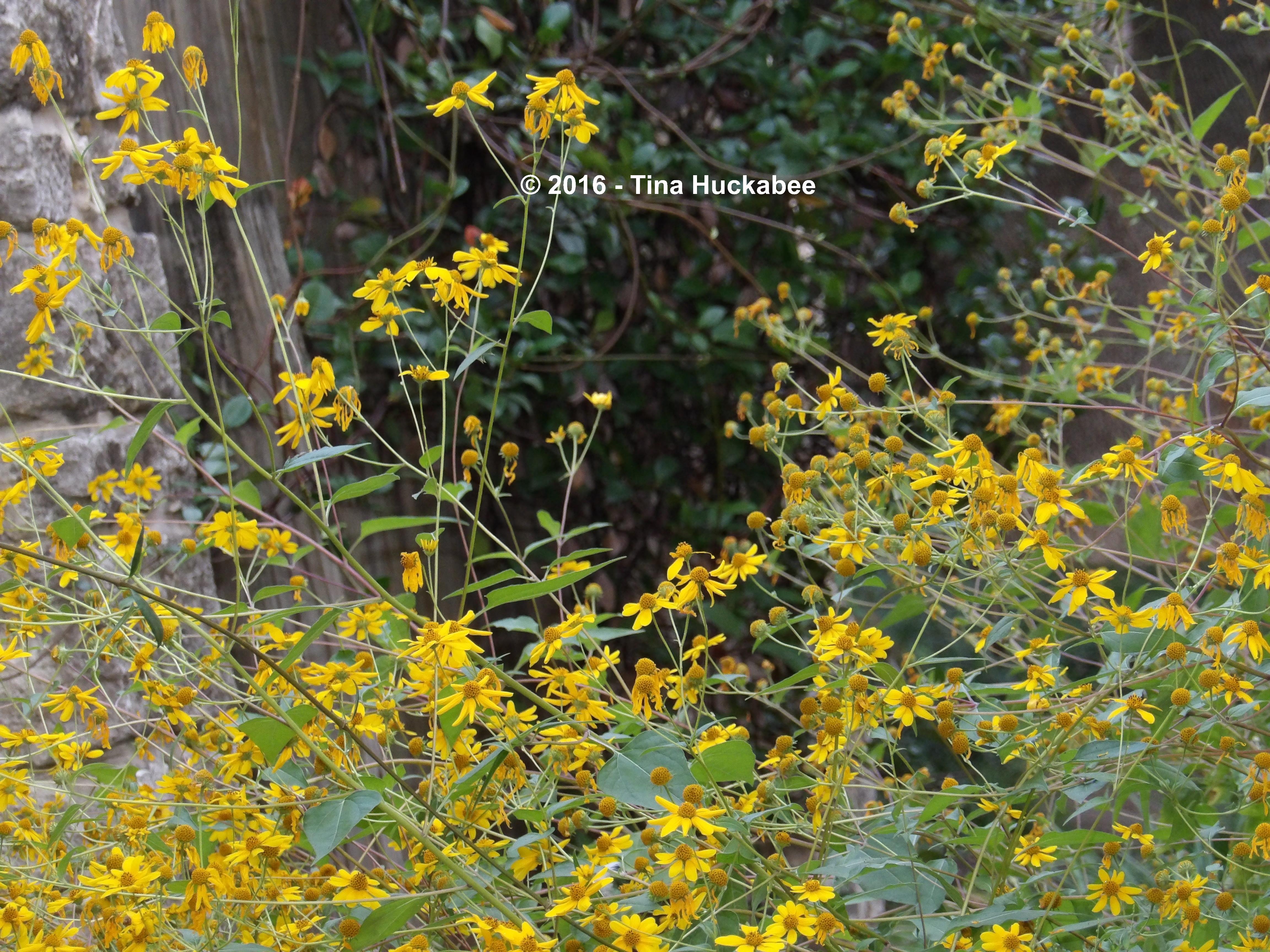
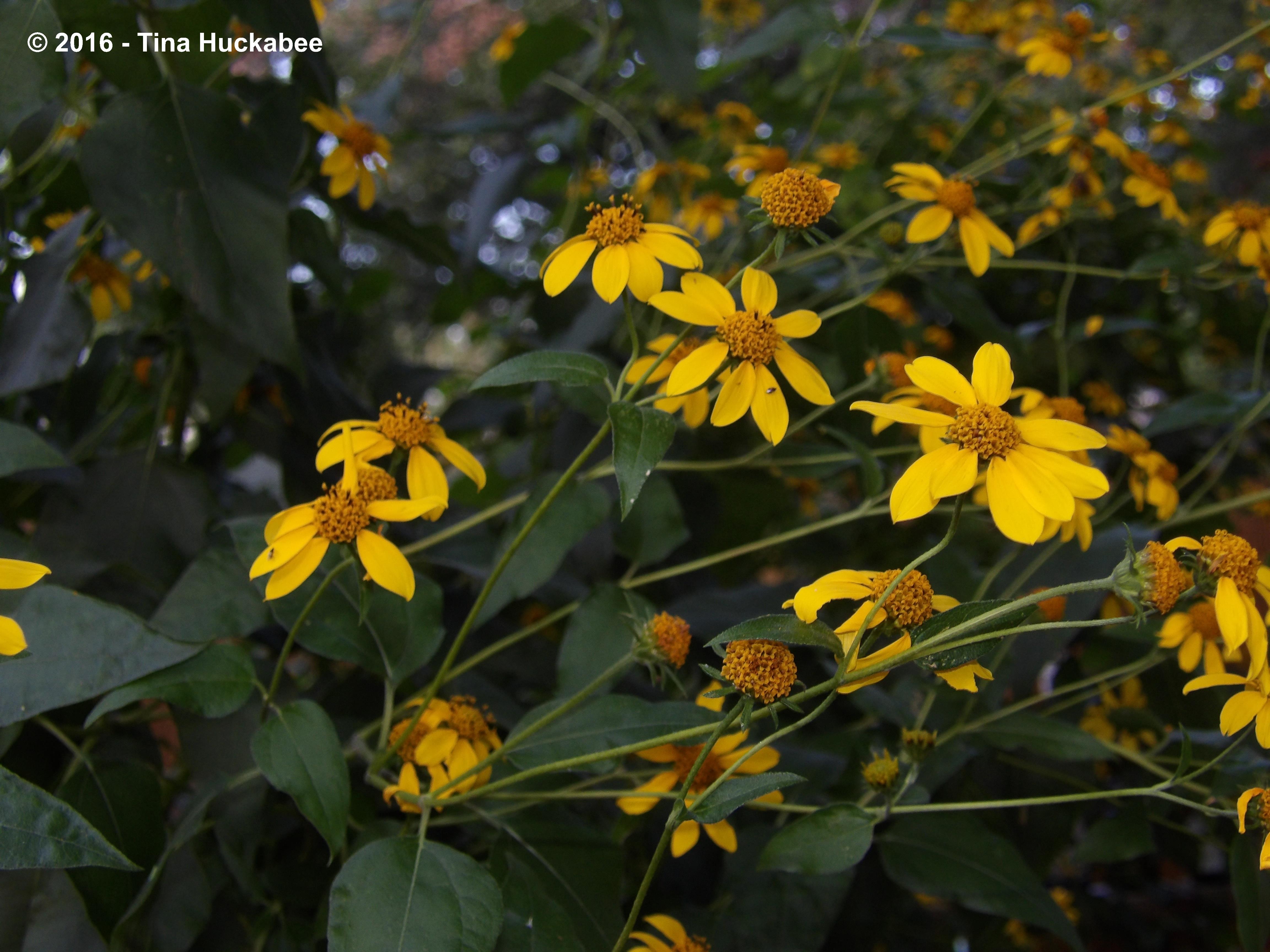
BOOM!!  Plateau Goldeneye flowers appear and brighten the world.

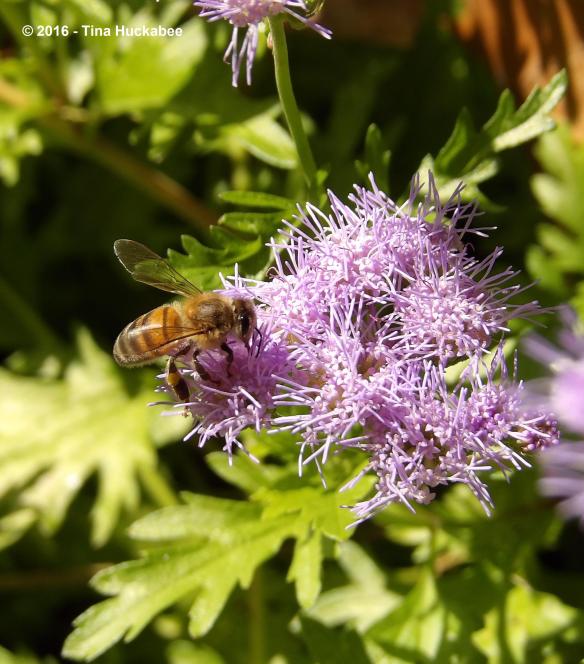
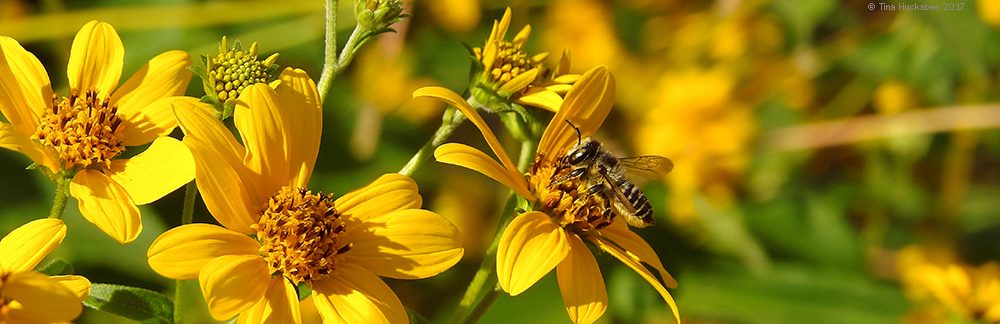
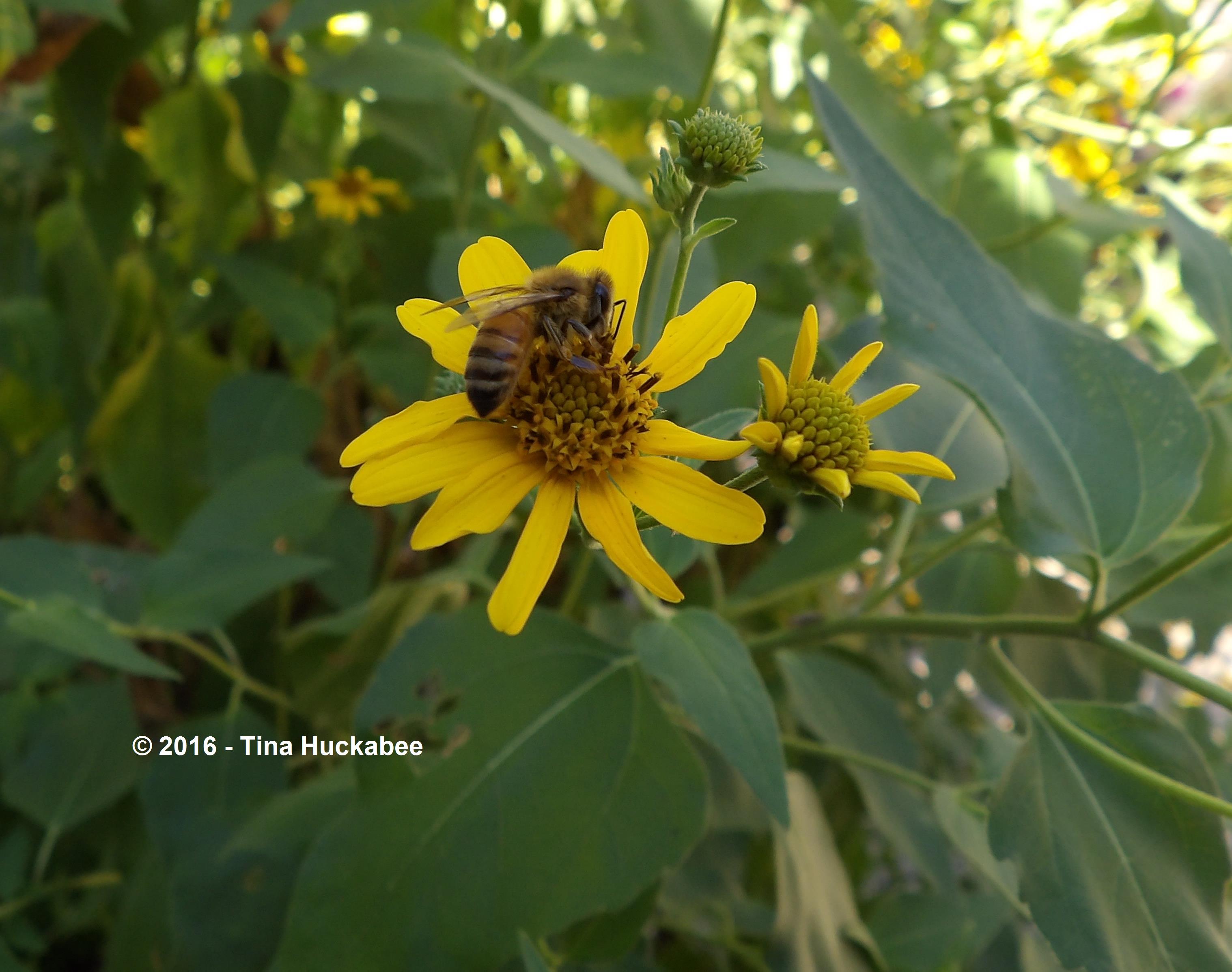
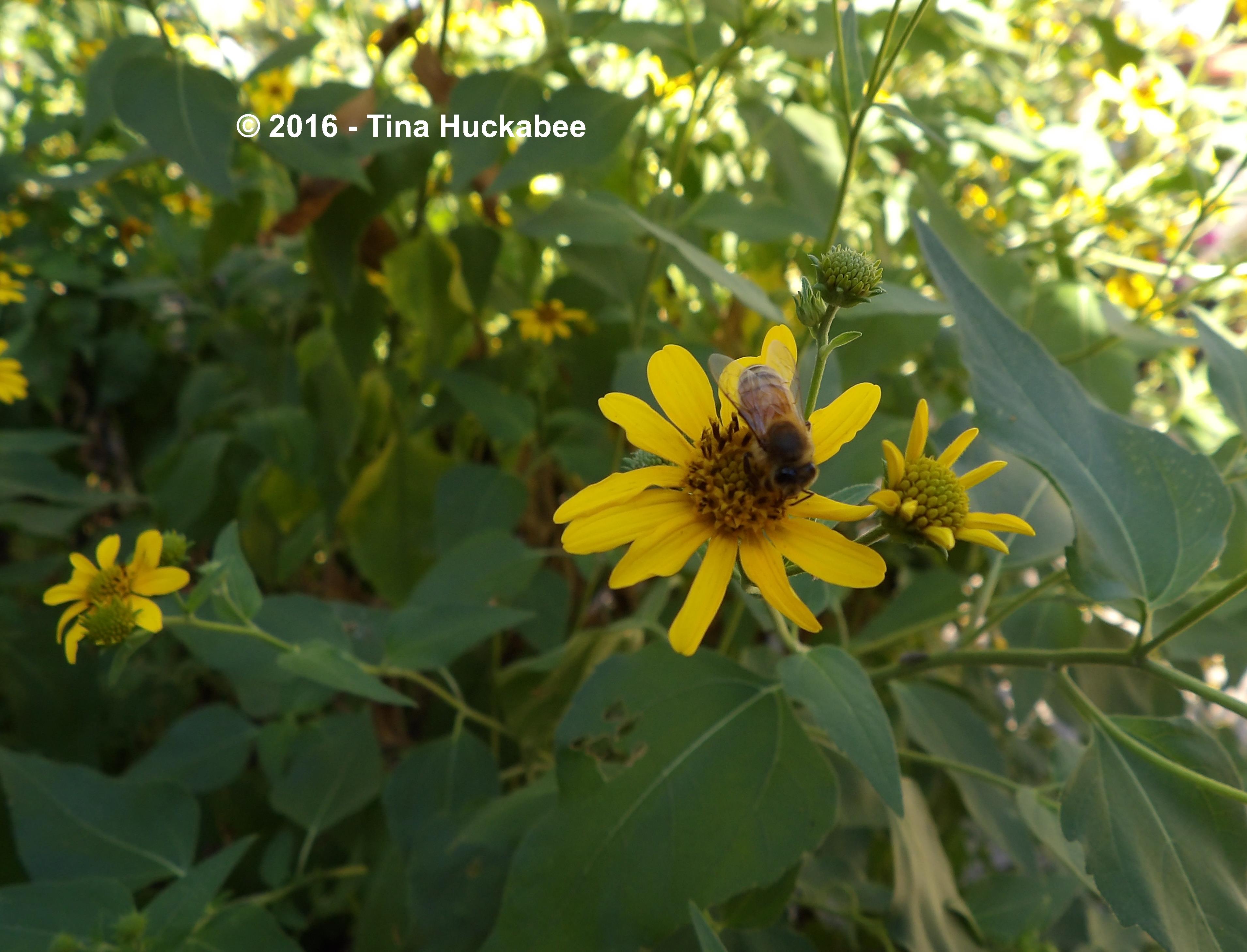
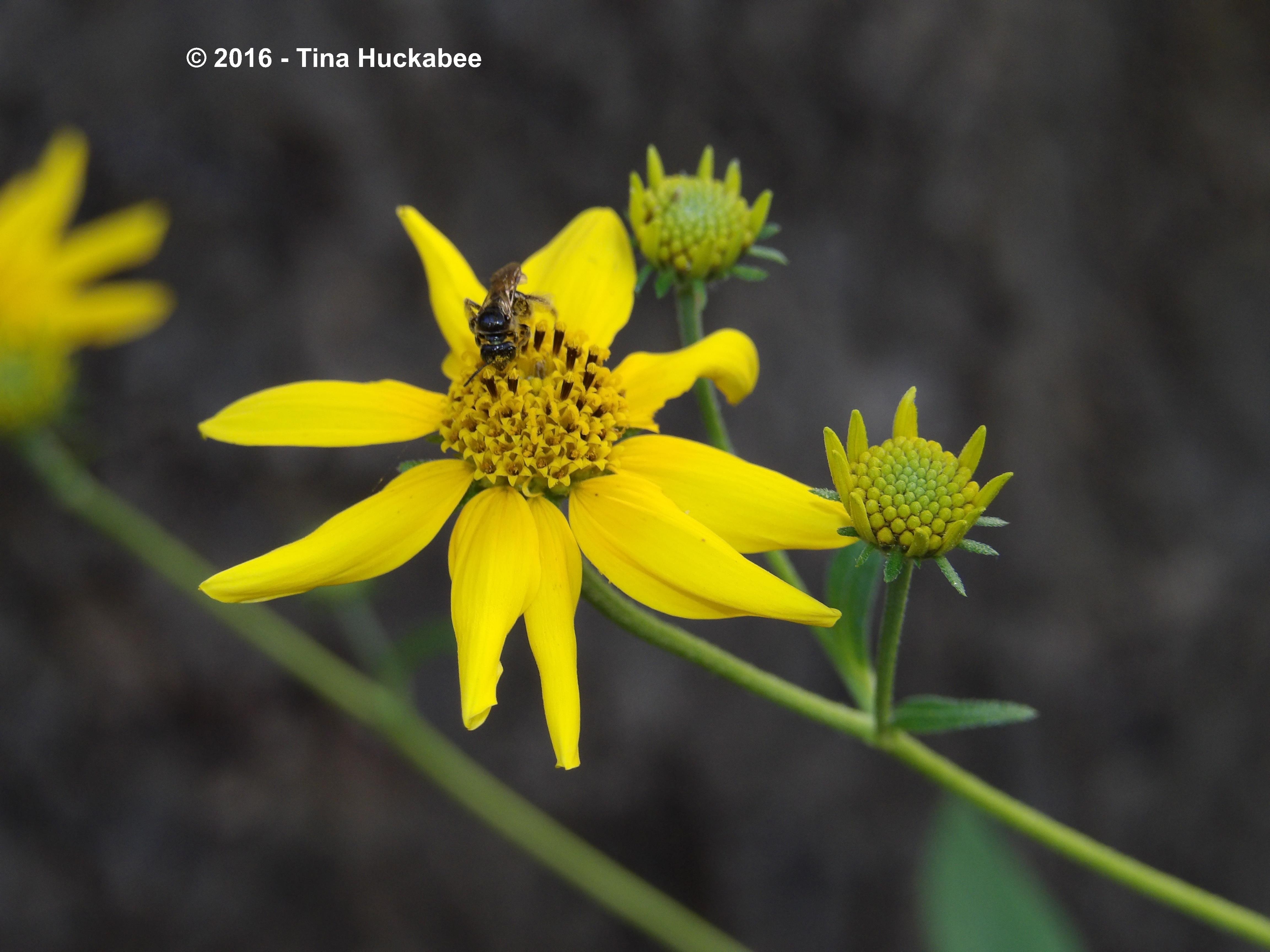
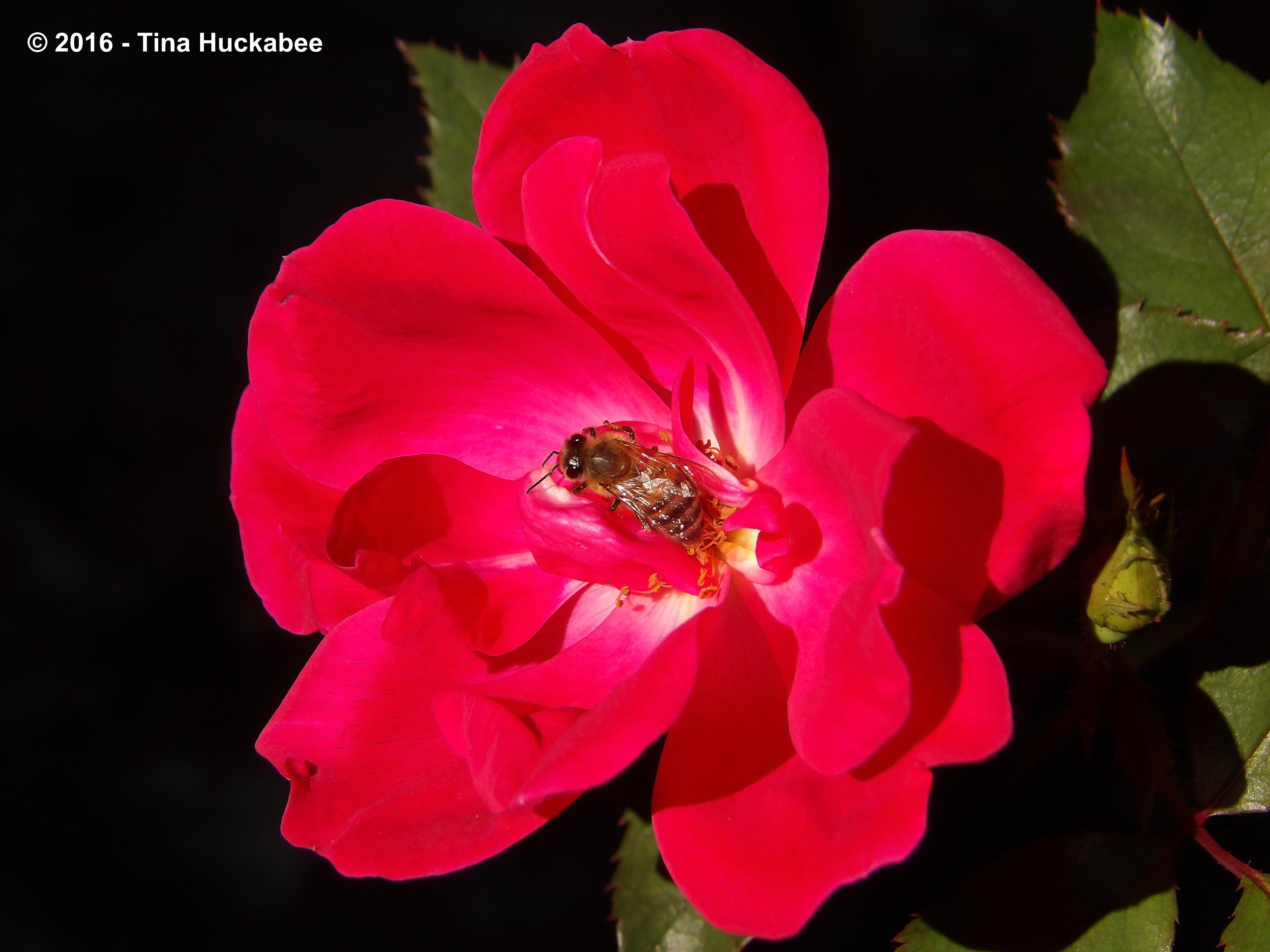
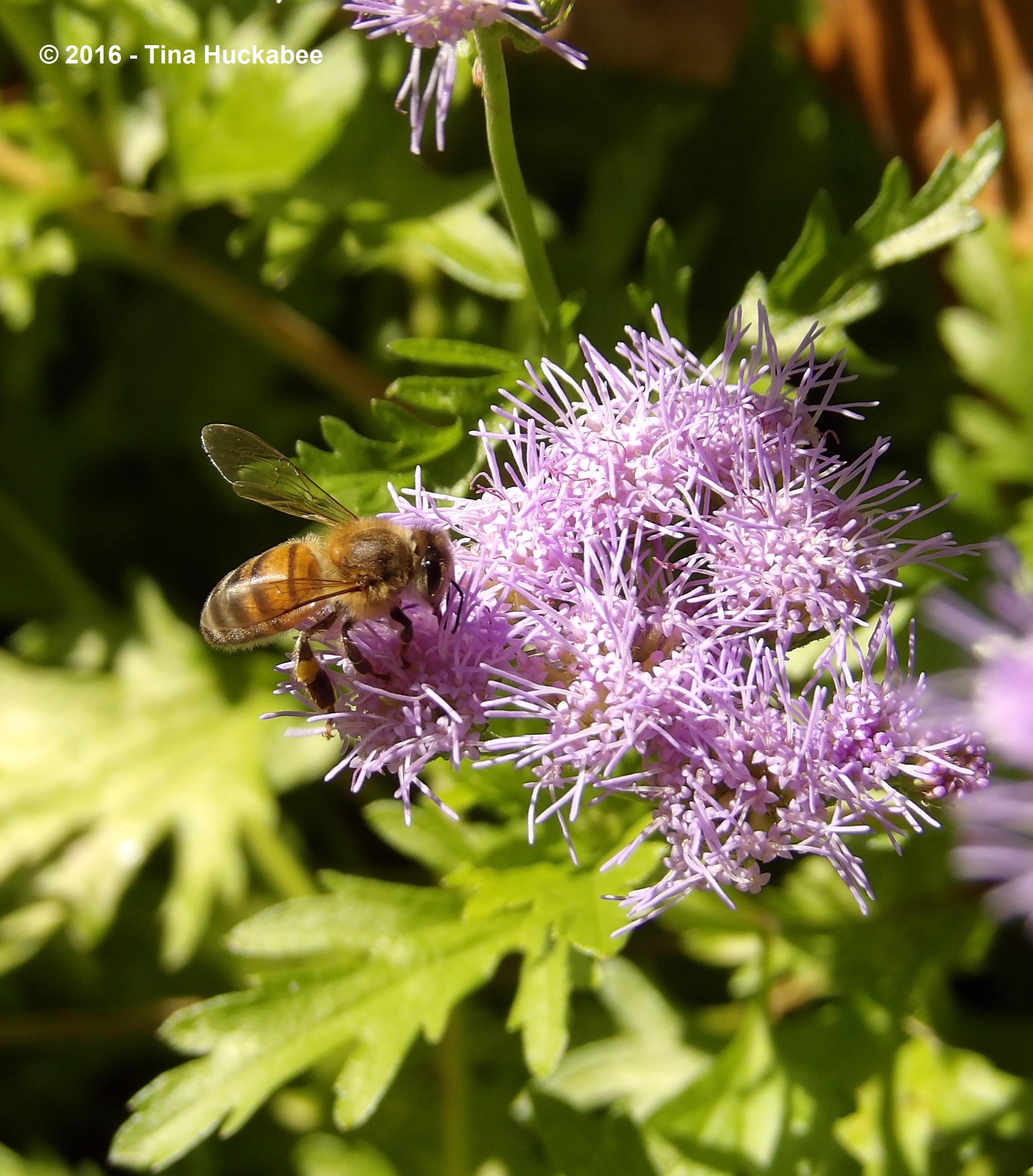
A variety of bees nectar and gather pollen from this nurturing plant.

IMGP2214_cropped_3036x2396..new

IMGP2213_cropped_3821x2917..new

Small carpenter bee, Ceratina sp., working a Goldeneye bloom.

Small carpenter bee, Ceratina sp., working a Goldeneye bloom.

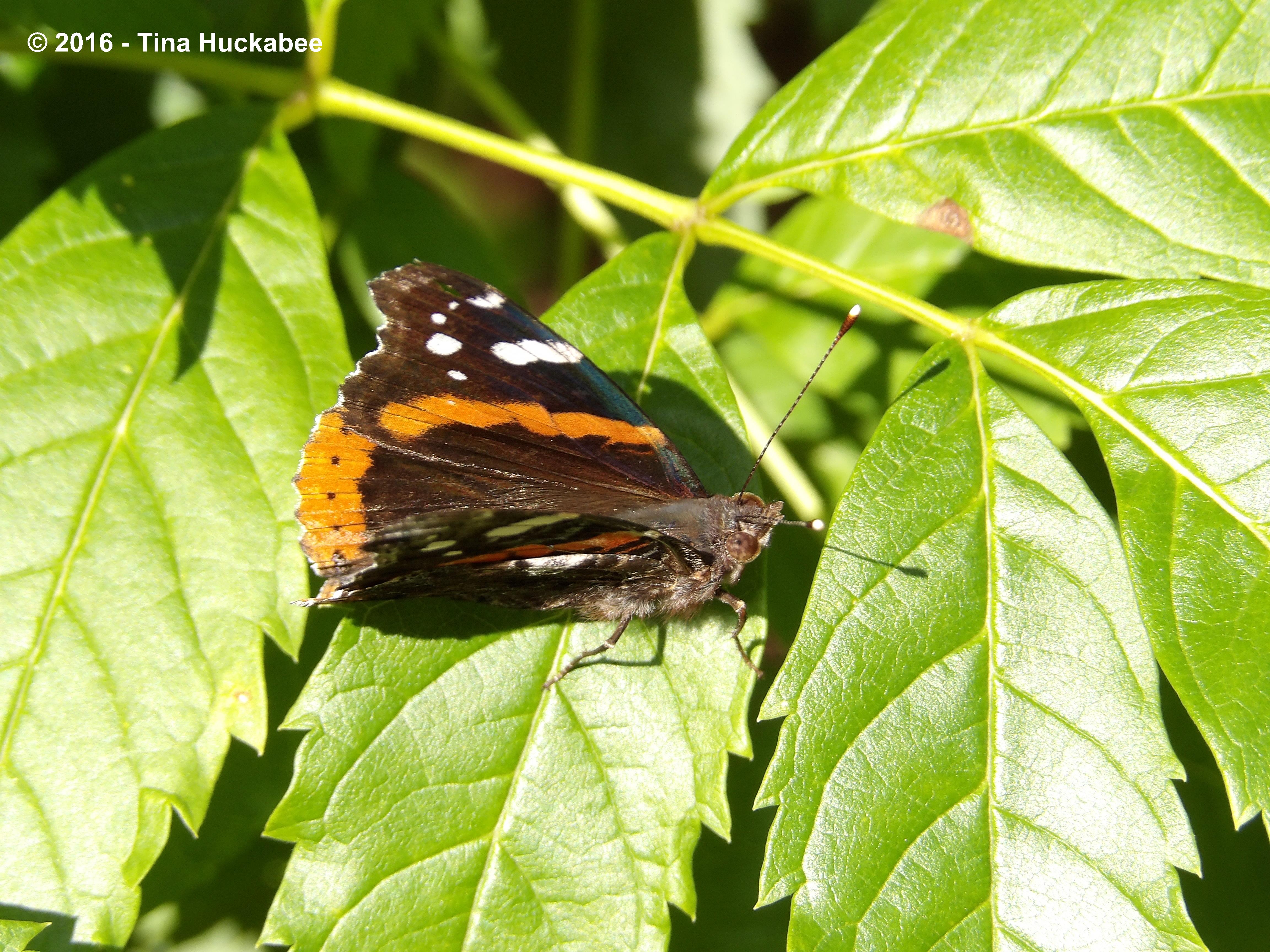
Goldeneye is also the host plant for two butterfly species, Cassius BlueLeptotes cassius and Bordered PatchChlosyne lacinia.  I’ve seen Bordered Patch butterflies and their eggs on Goldeneye, but never the Cassius Blue.  I’ve seen butterflies of many species working Goldeneye blossoms, but oddly, never took a photo. My bad.

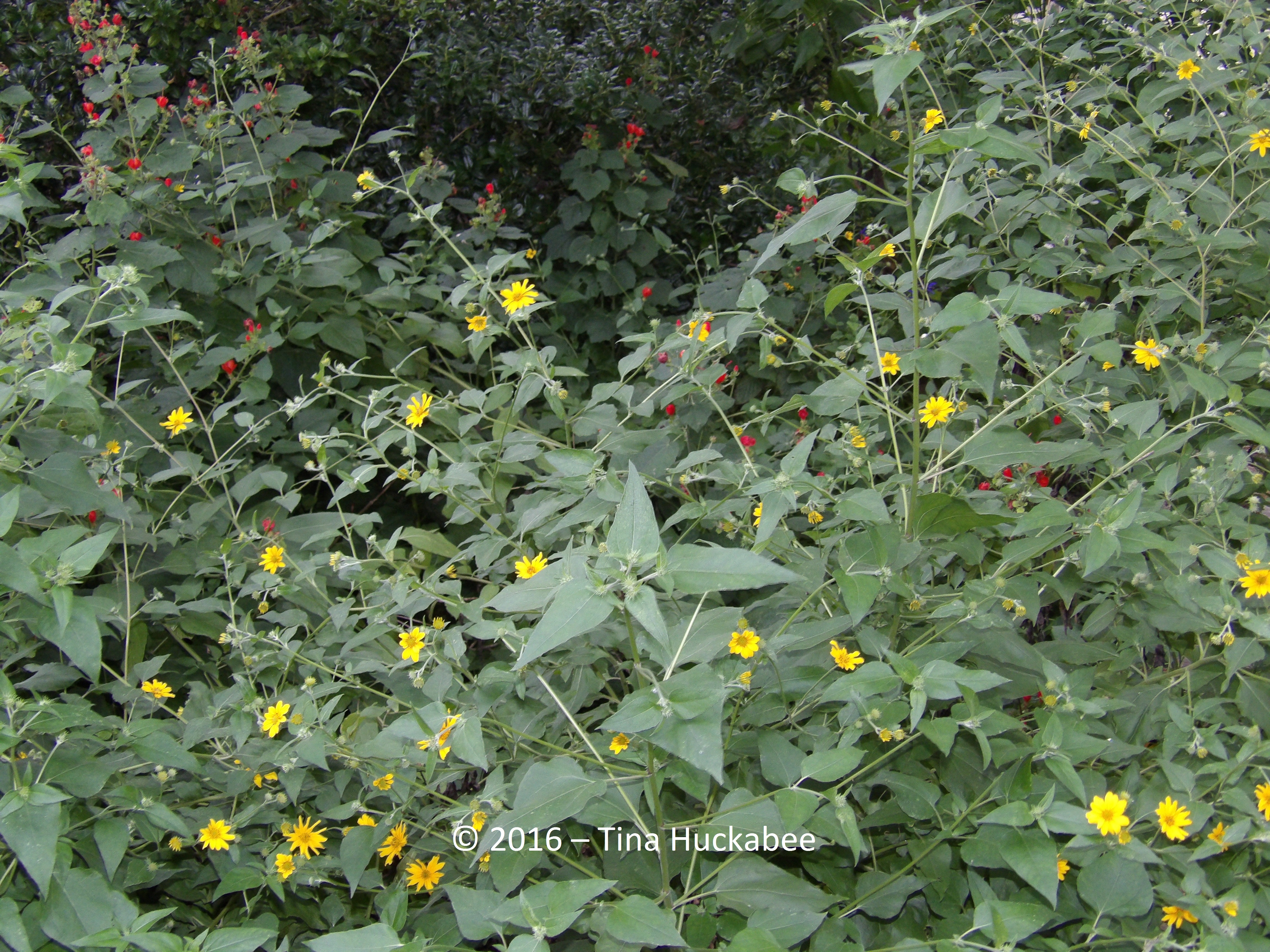
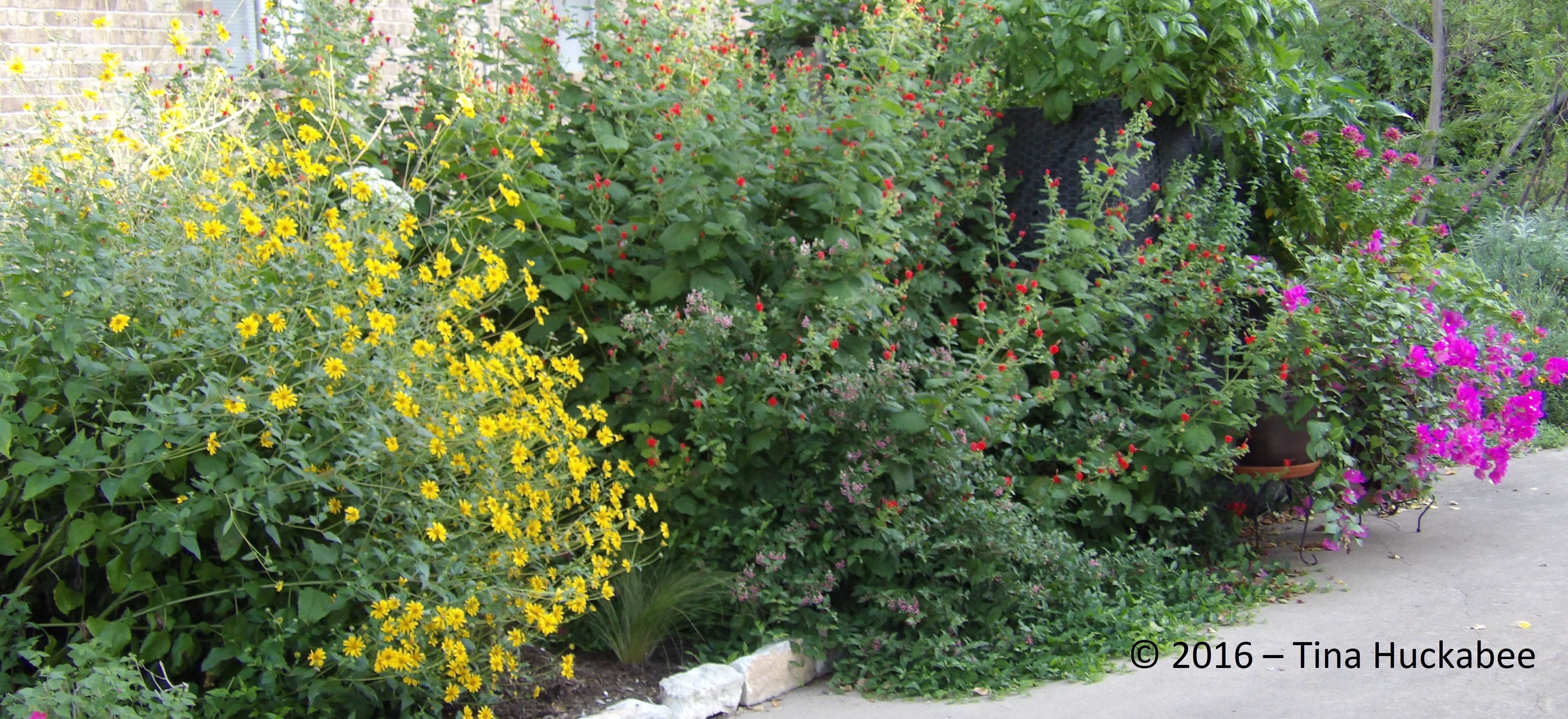
The Goldeneye sunshine show lasts for 4-6 weeks. It’s a plant that mixes well with other bloomers, too.

RICOH IMAGING

RICOH IMAGING

RICOH IMAGING

RICOH IMAGING

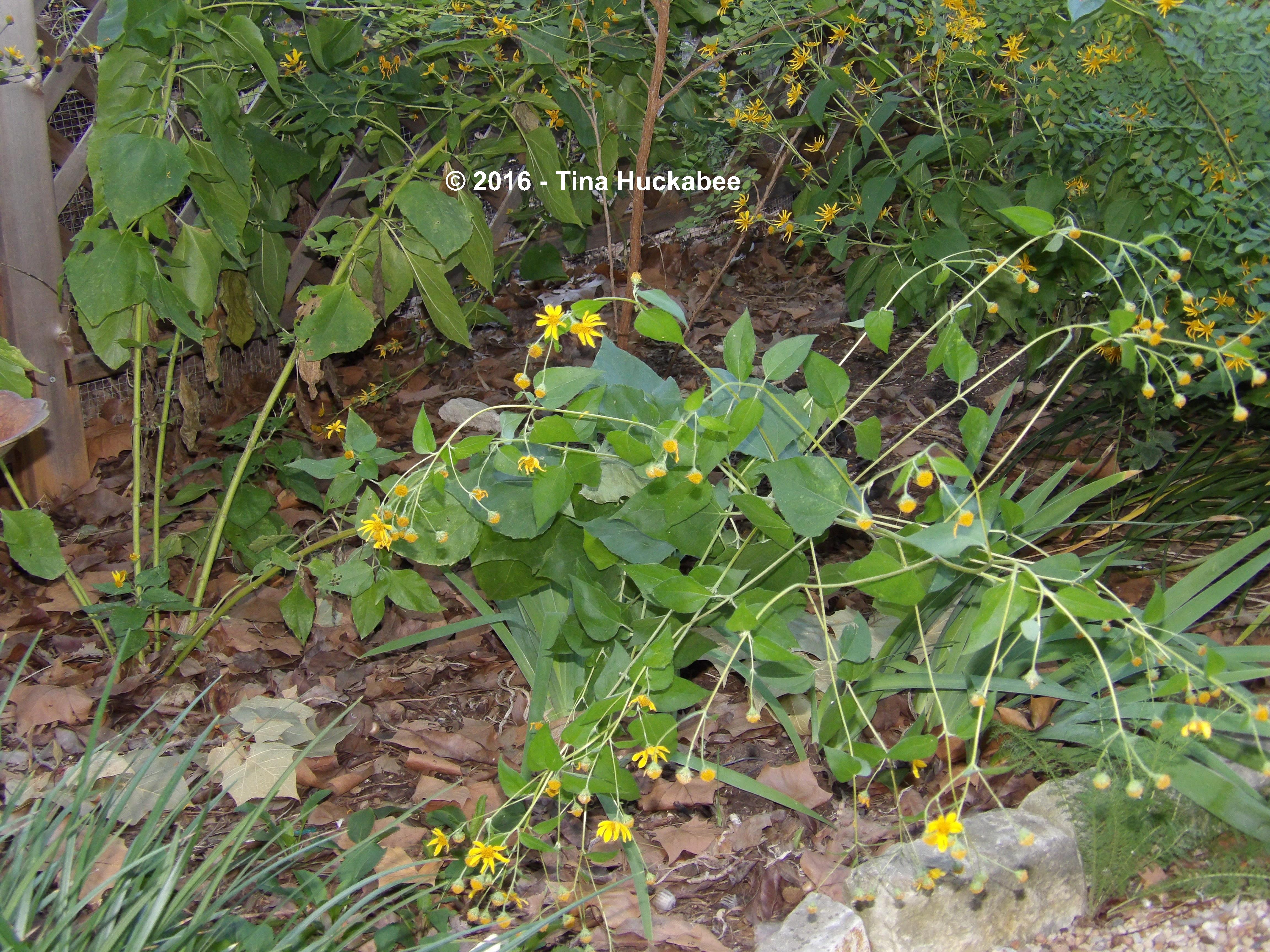
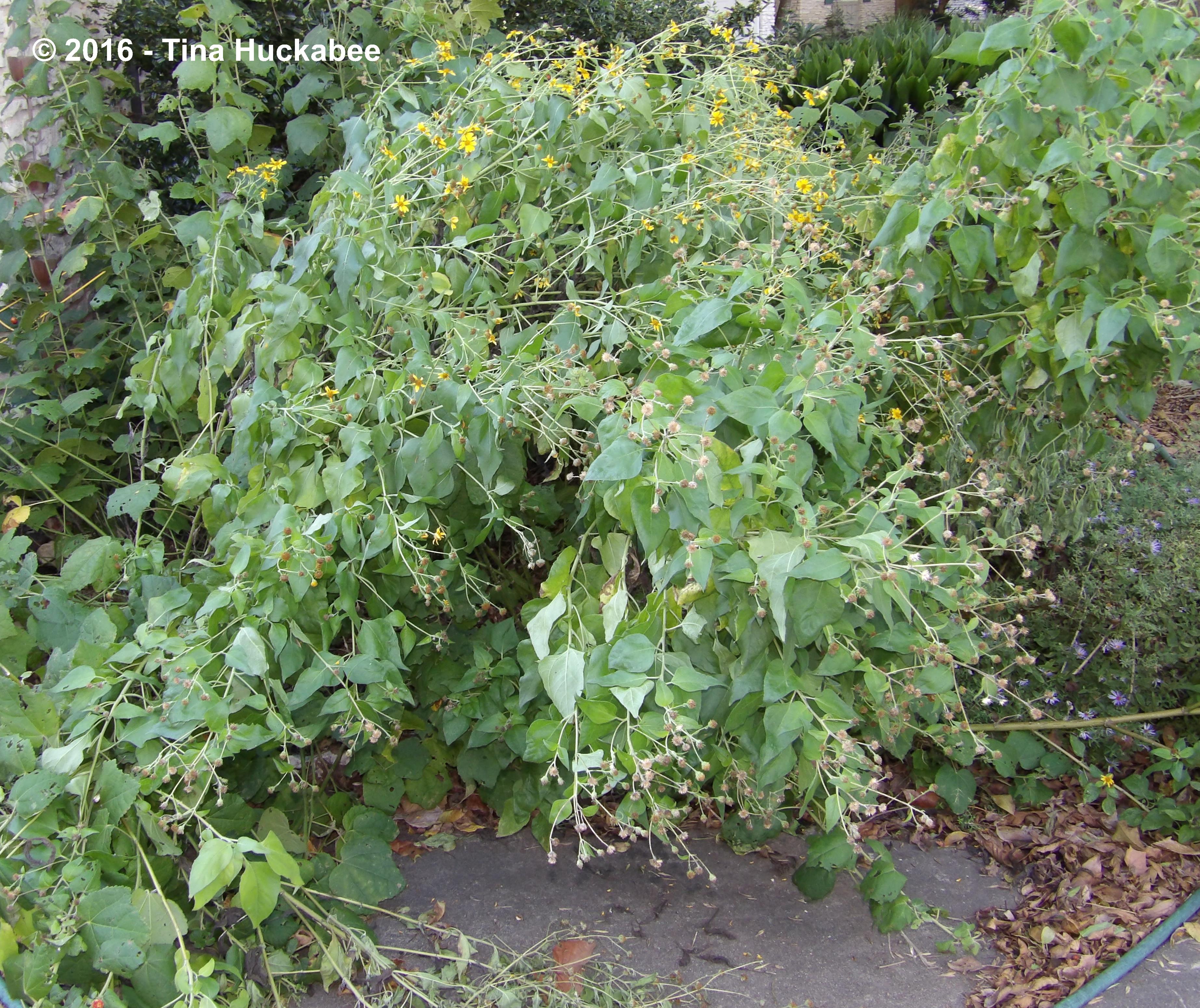
Sometimes my Goldeneye require staking, especially in a wetter-than-normal year. The bushy quality of Plateau Goldeneye lends itself to a lush, but well-appointed mien throughout summer, which is deceptive because once the fall growth spurt occurs and the masses of blooms develop and open, the weight of those blooms can cause the plants to lean over.

In more shade, the plants grow taller, thinner, and they lean more. In fuller sun, the plants remain upright and generally keep their form,  even when the flowers appear.

IMGP2137.new

IMGP2139.new

Pruning Goldeneye in July or August by about 1/3 is one method of preventing Goldeneye floppiness and sloppiness once the October explosion of yellow flowery joy happens.  After a light pruning, the plant continues growing, but more compactly and seemingly able to handle the onslaught of flowers.  But if there are heavy fall rains during the height of blooming (which happens here in Central Texas) the floral-laden Goldeneye stems tend to flop over and sometimes break at the base of the plant. I boost the stems by staking if I can and don’t fret about it if I can’t.    For those gardeners who want a totally tidy plant, you’ll need to prune in mid-to-late summer.  If you’re fine with some seasonal fall wonkiness, just let the plants do what they want.

IMGP2772.new

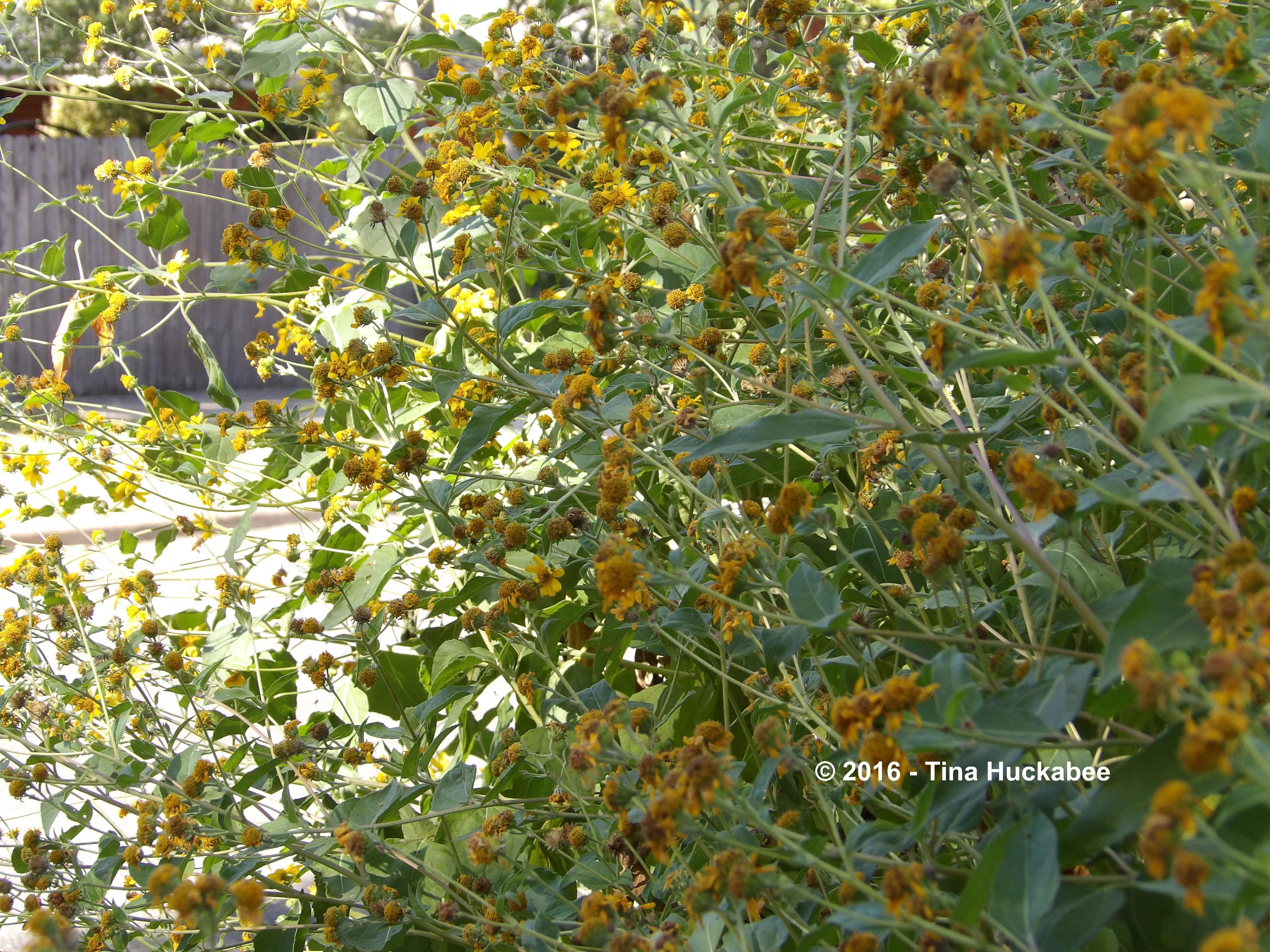
Every fall, the bloom decline seems sudden, though it’s probably because I enjoy the flowers so much that I’m sorry to see them go for the year.

IMGP2226.new

IMGP2277.new

IMGP2539_cropped_3691x3101..new

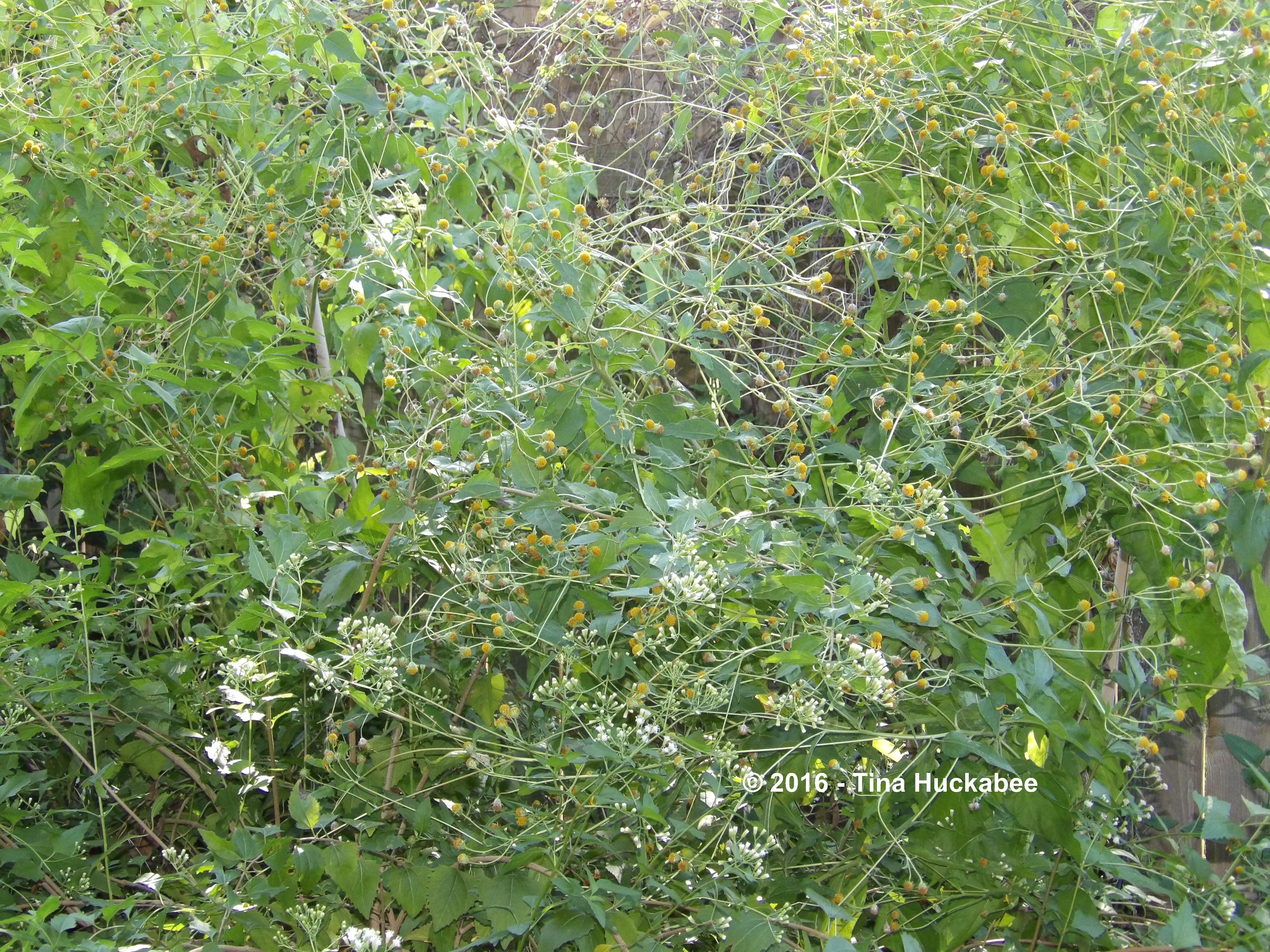
However, once seed development is in full swing,

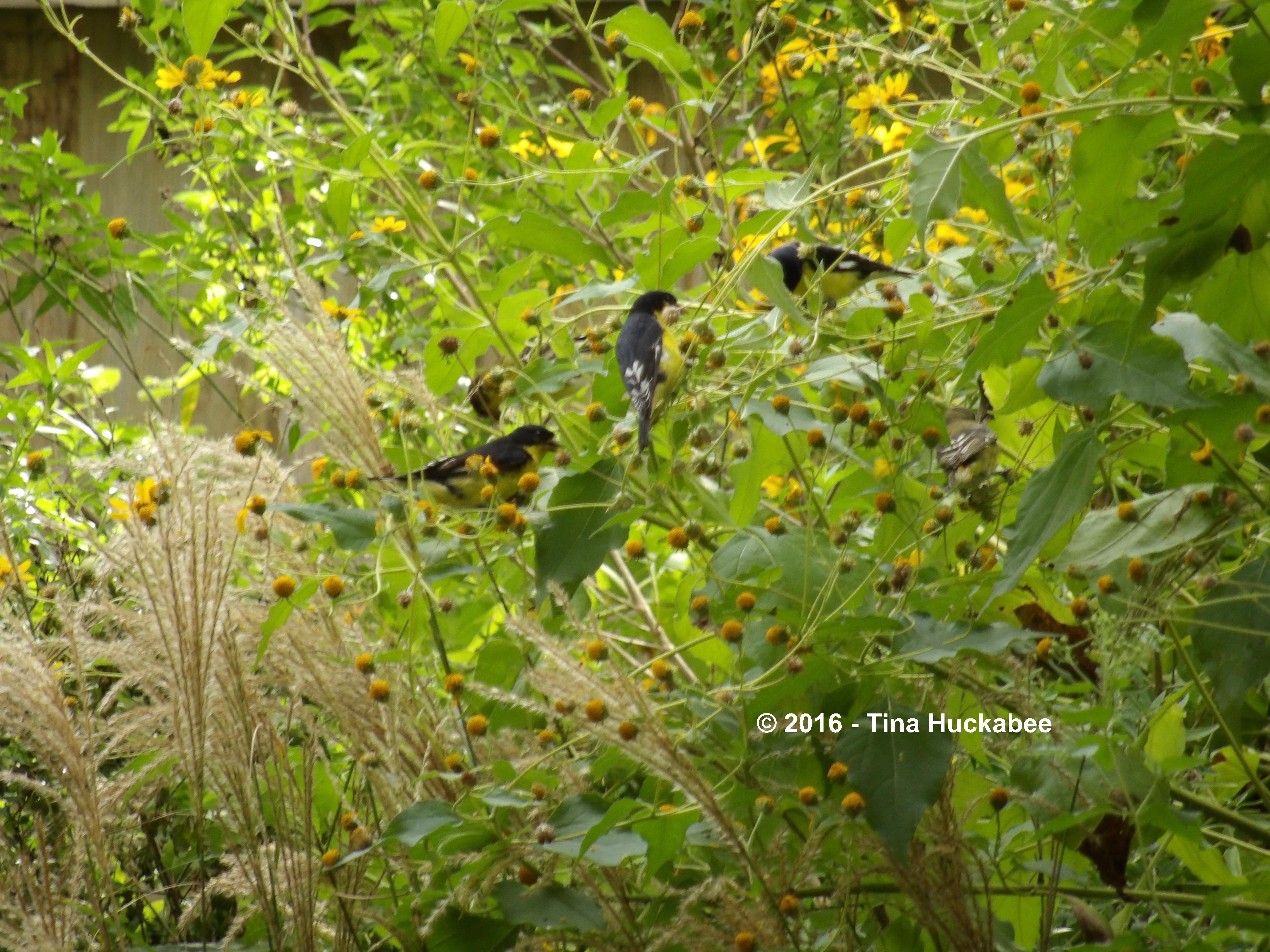
Male Lesser Goldfinches feeding on Goldeneye seeds.

Male Lesser Goldfinches feeding on Goldeneye seeds.

…a second wildlife performance is definitely worth watching.   Entertaining and biologically important, feeding finches of several varieties adore the seeds.  In my garden, it’s usually the Lesser Goldfinch, Spinus psaltria,  who are the main, though not the only, visitors of the Goldeneye food bar for weeks. Eventually, the finches clean out the seeds and/or move on to riper pickings and the plants are left to the whimsy of  colder temperatures.

The two major problems I find with Goldeneye is that they re-seed prolifically, especially in wet years, and the aforementioned flopping over once the blast of blooms appear.  I haven’t found the seedlings onerous to weed, and timely, judicious pruning mostly takes care of the wayward limbs.

IMGP2140.new

Plateau Goldeneye is an extremely drought tolerant plant–very appropriate for someone who doesn’t want a water-needy perennial.  Because it’s such an attractive plant for so many species of wild critters, it’s a must-have addition for a wildlife garden.  It’s casual growth habit could be an issue for those wanting a more formal garden,

RICOH IMAGING

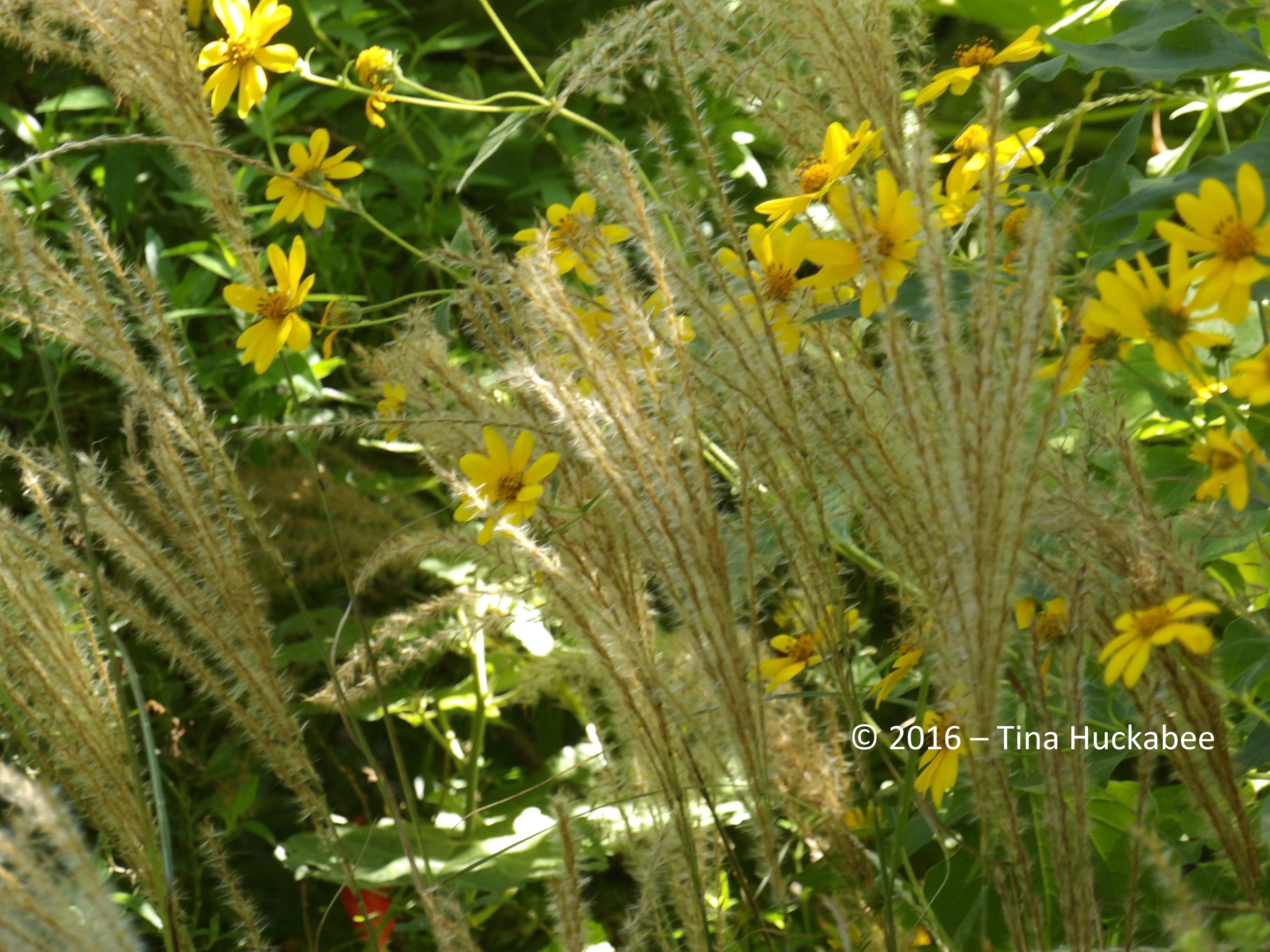
…but placing plants at the rear of a bed, fronted by other shrubs and perennials can solve the issue of their loosey-goosey growing nature.

According to the Lady Bird Johnson plant database, Goldeneye have only “minimal” deer resistance.

In Winter,

IMGP5112.new

RICOH IMAGING

IMGP4002.new

Spring,

20140508_37.new

Summer,

RICOH IMAGING

RICOH IMAGING

Autumn,

RICOH IMAGING

IMGP2228.new

IMGP2194.new

IMGP2120.new

…Goldeneye is a tough survivor, beautiful bloomer, and a valuable resource for wildlife.  If you live in its native range, try this perennial in your garden.    It grows easily by seed or transplants.  Commercially, you’re most likely to find seeds or seedlings at a locally owned nursery, or if you live near Austin, Goldeneye are usually on sale at the LBJ Wildflower Center’s fall or spring plant sale.  Goldeneye is also a common passalong plant in its native range.

IMGP1918.new

Plant and enjoy these gleeful blooms!

Wildlife Wednesday, January 2016: All About Birds

Welcome to a new year, with new beginnings, and new wildlife to observe and learn about.

How exciting!

In my gardens, this past month’s wildlife happenings have been all about the birds.
IMGP3020.new

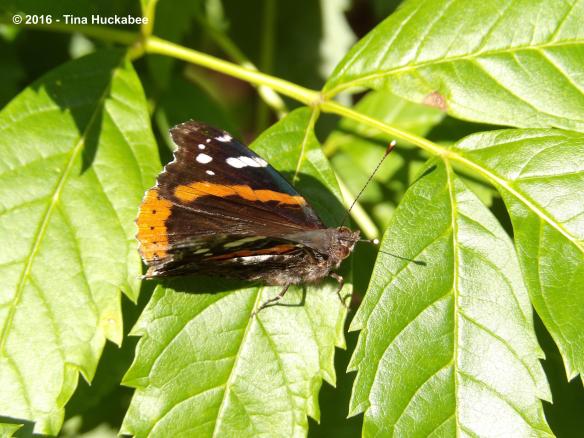
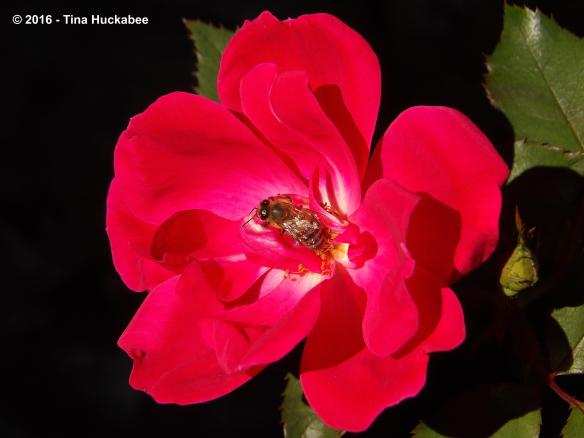
Yes, I know that’s not a bird.  Nor are these.
IMGP3082.new

IMGP3094_cropped_2608x2968..new


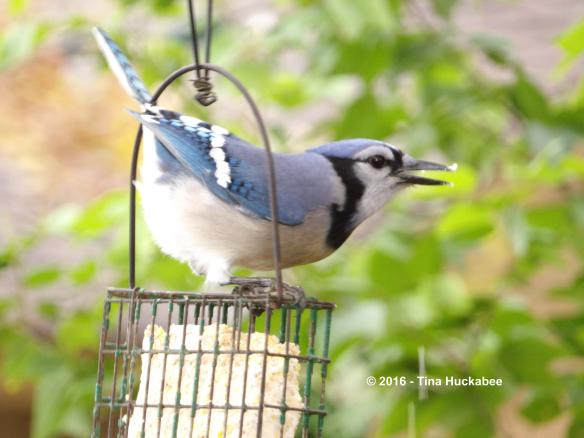
But this handsome devil is most definitely a bird!
IMGP3278.new

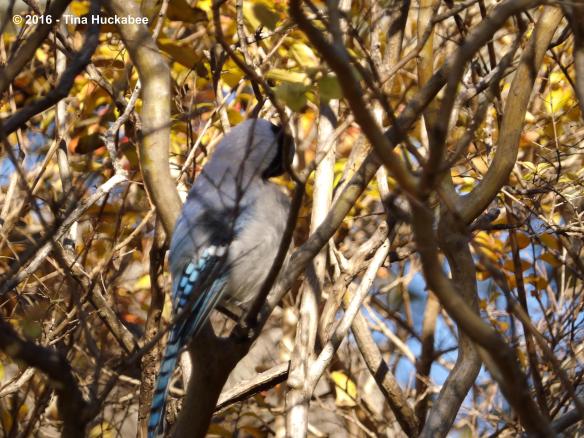
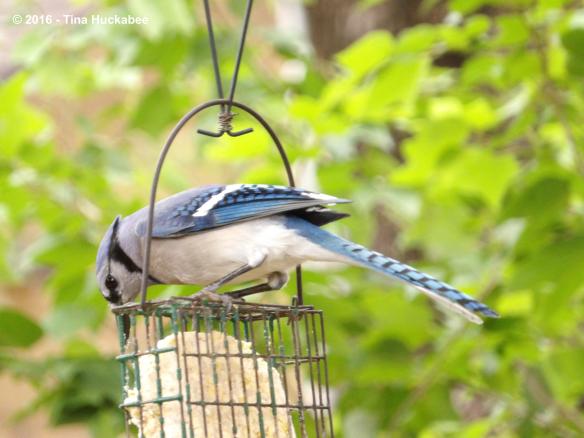
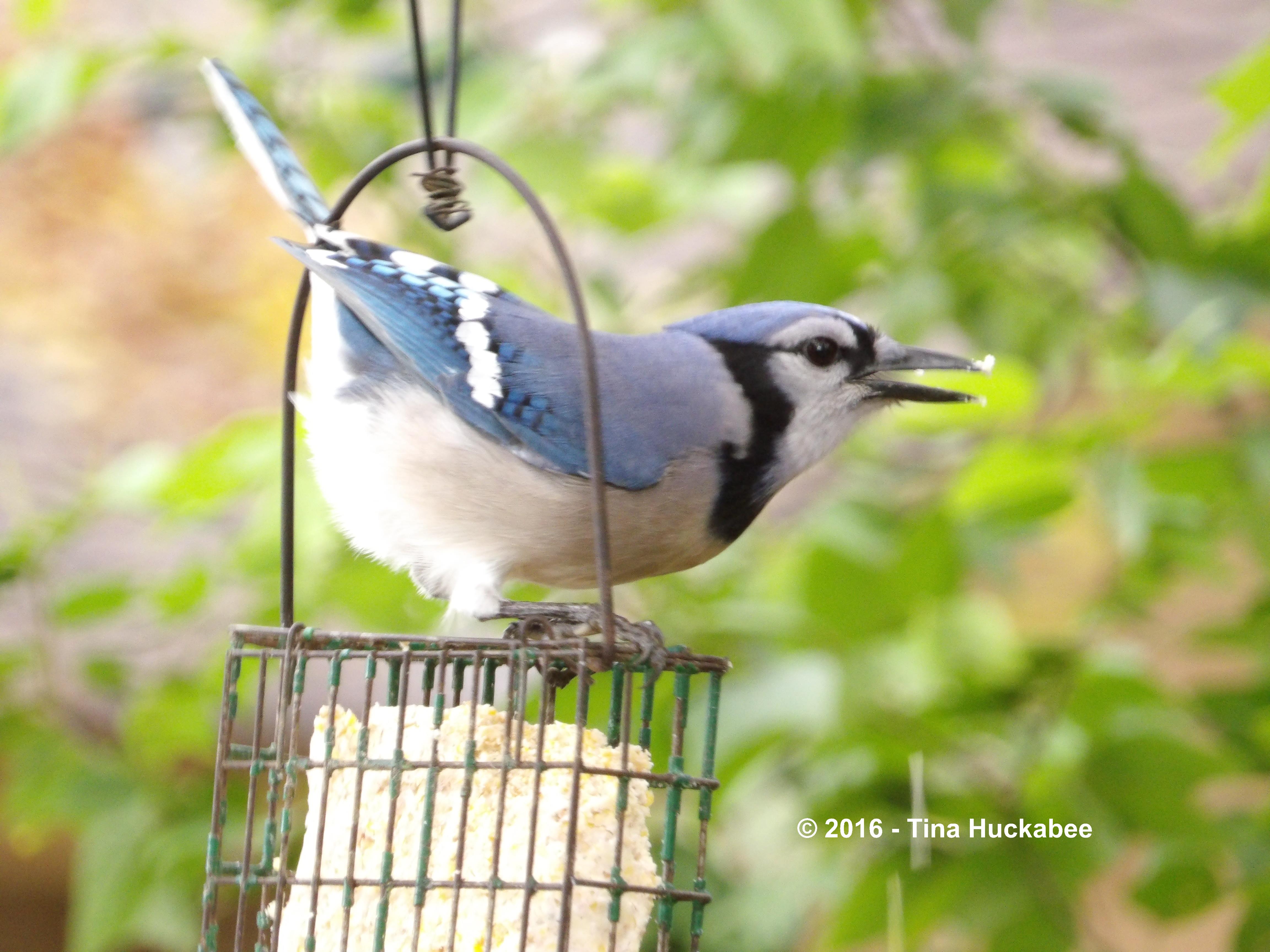
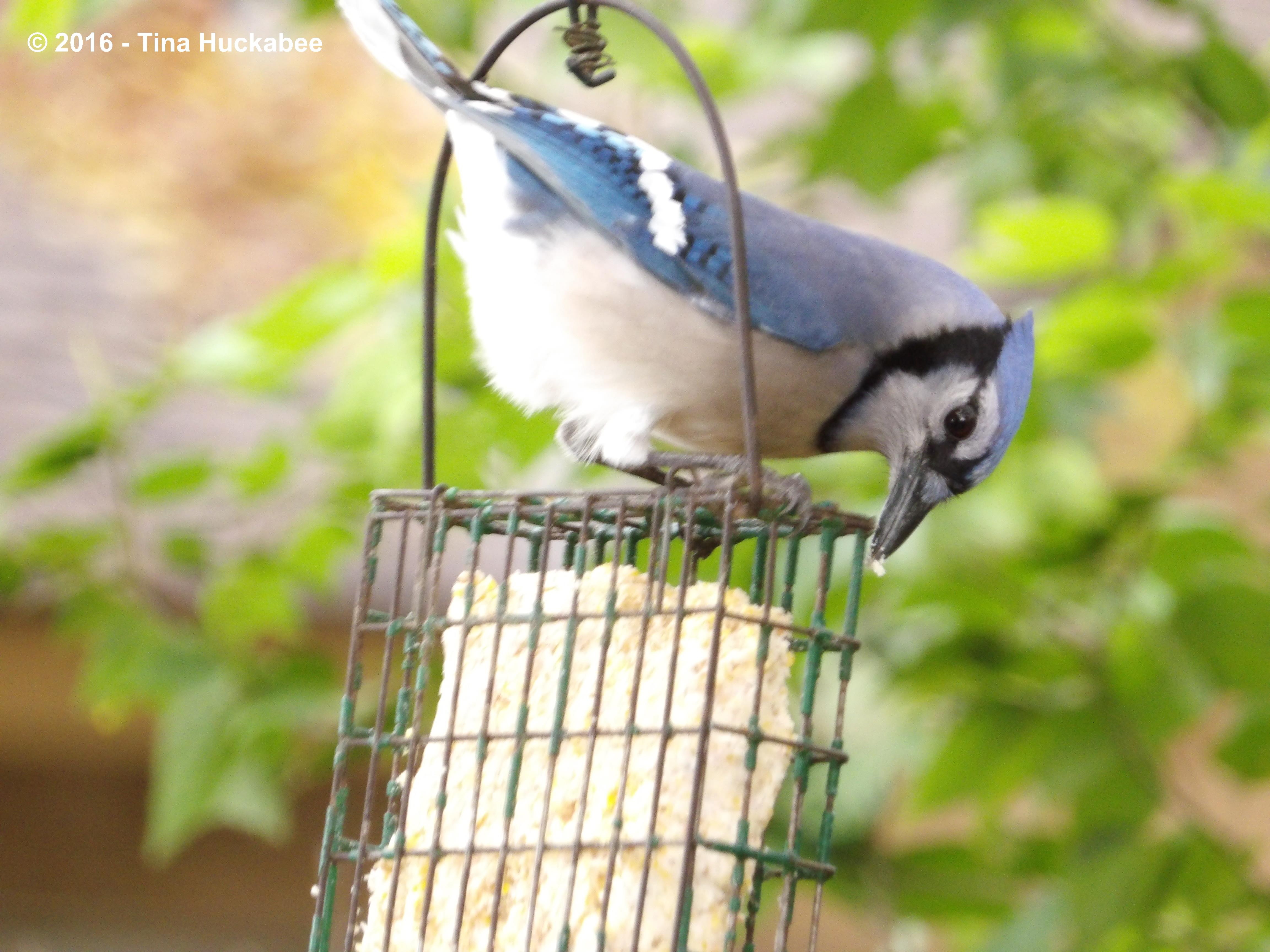
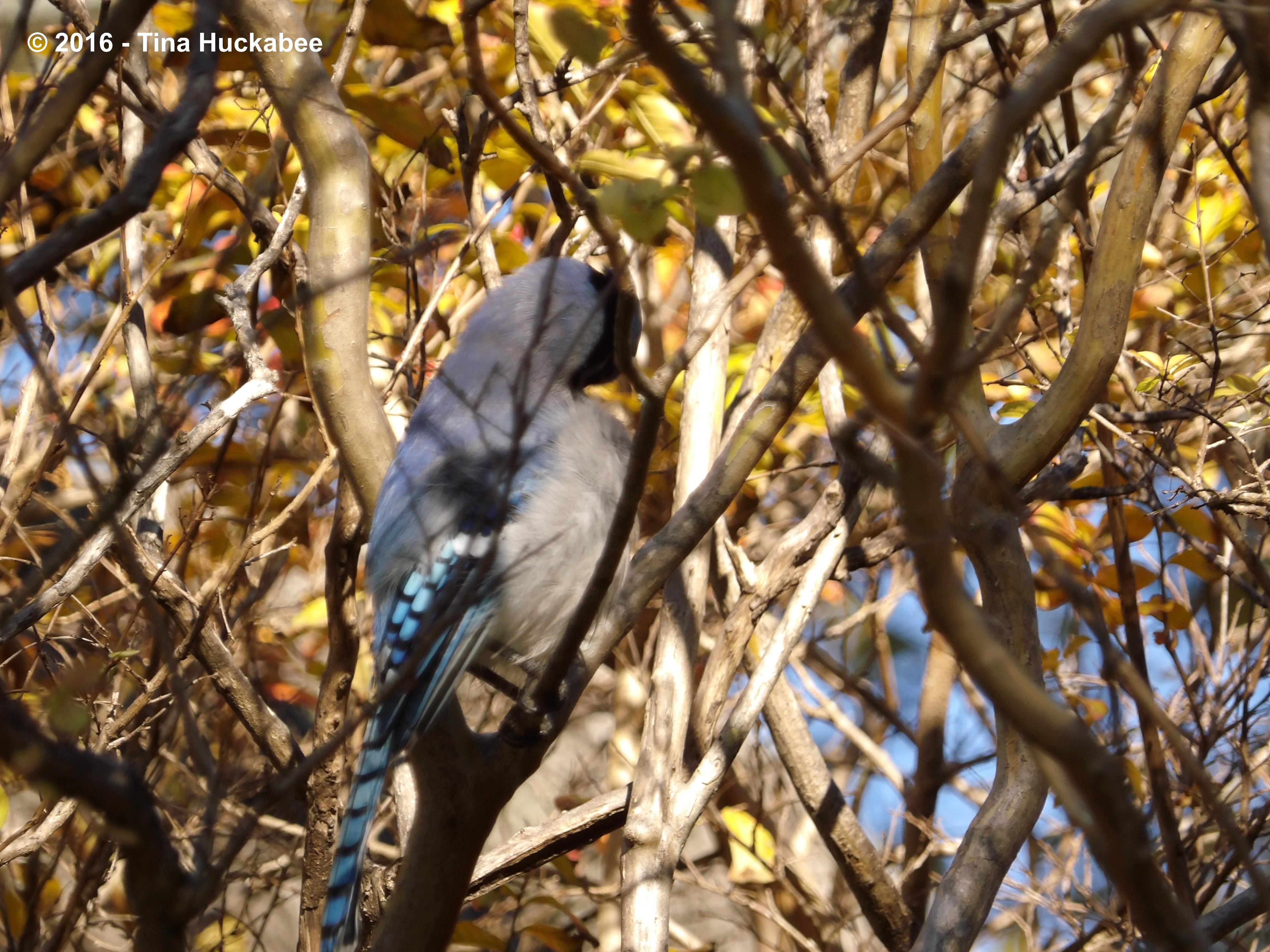
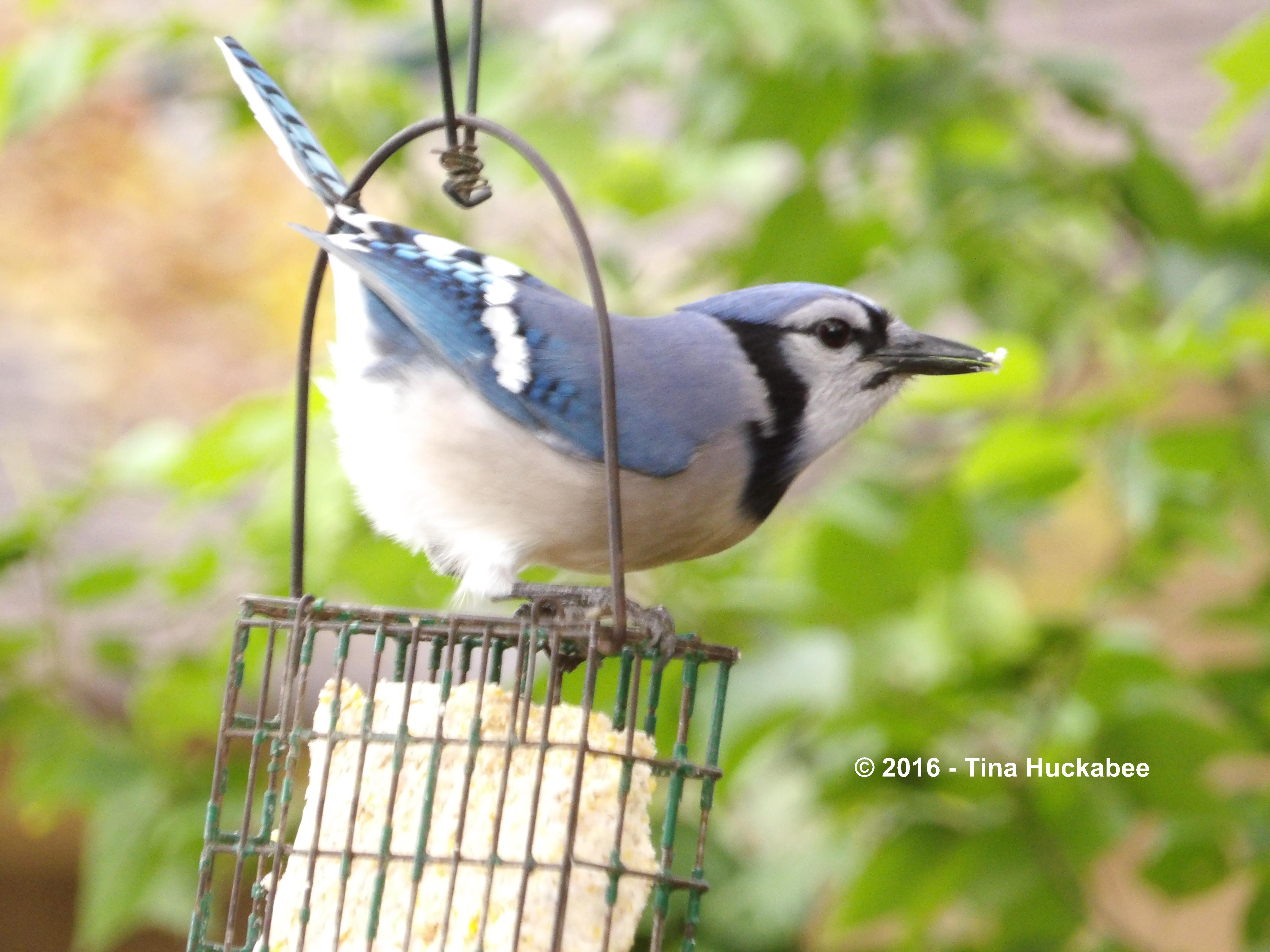
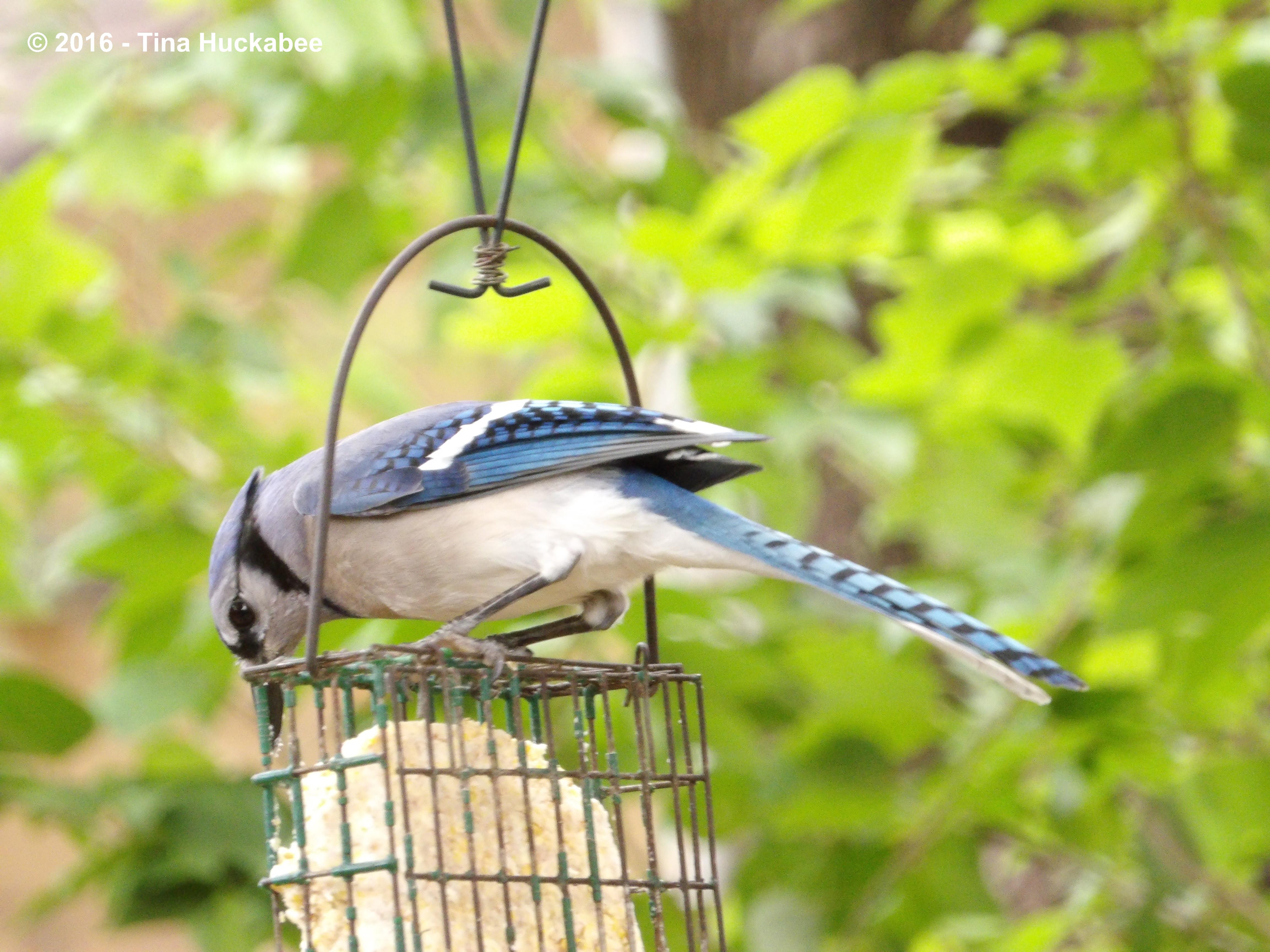
There are a number of native Blue Jay birdsCyanocitta cristata, who fly through my gardens, stopping on a regular basis to nosh,
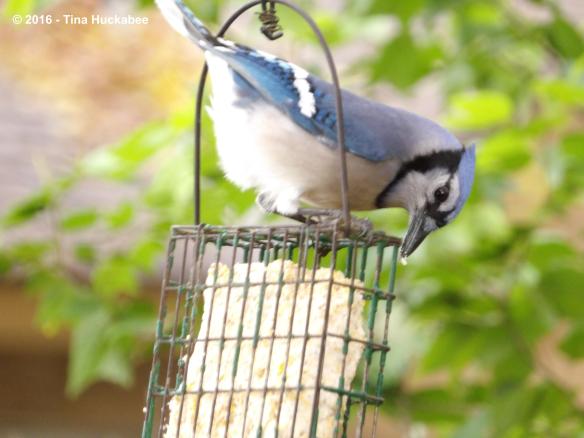
IMGP3283.new

…and preen.

IMGP3106.new

Beautiful birds, Blue Jay males and females are difficult to tell apart.  Their feathers have the pigment melanin, which is brown, but the blue that we see and admire happens because of scattered light through specialized cells along the feathers.

Lots of folks don’t like Blue Jays because they are assertive and noisy, but I’m quite fond of them; their cheeky personalities and gorgeous good looks always cheer me.  I miss the flash of blue when I haven’t seen one swoop through the garden in a day or two, though their not being part of the landscape is rare.  Blue Jays are intelligent birds with complicated family structures and there’s still much that ornithologists don’t quite understand about their family habits and migration patterns.

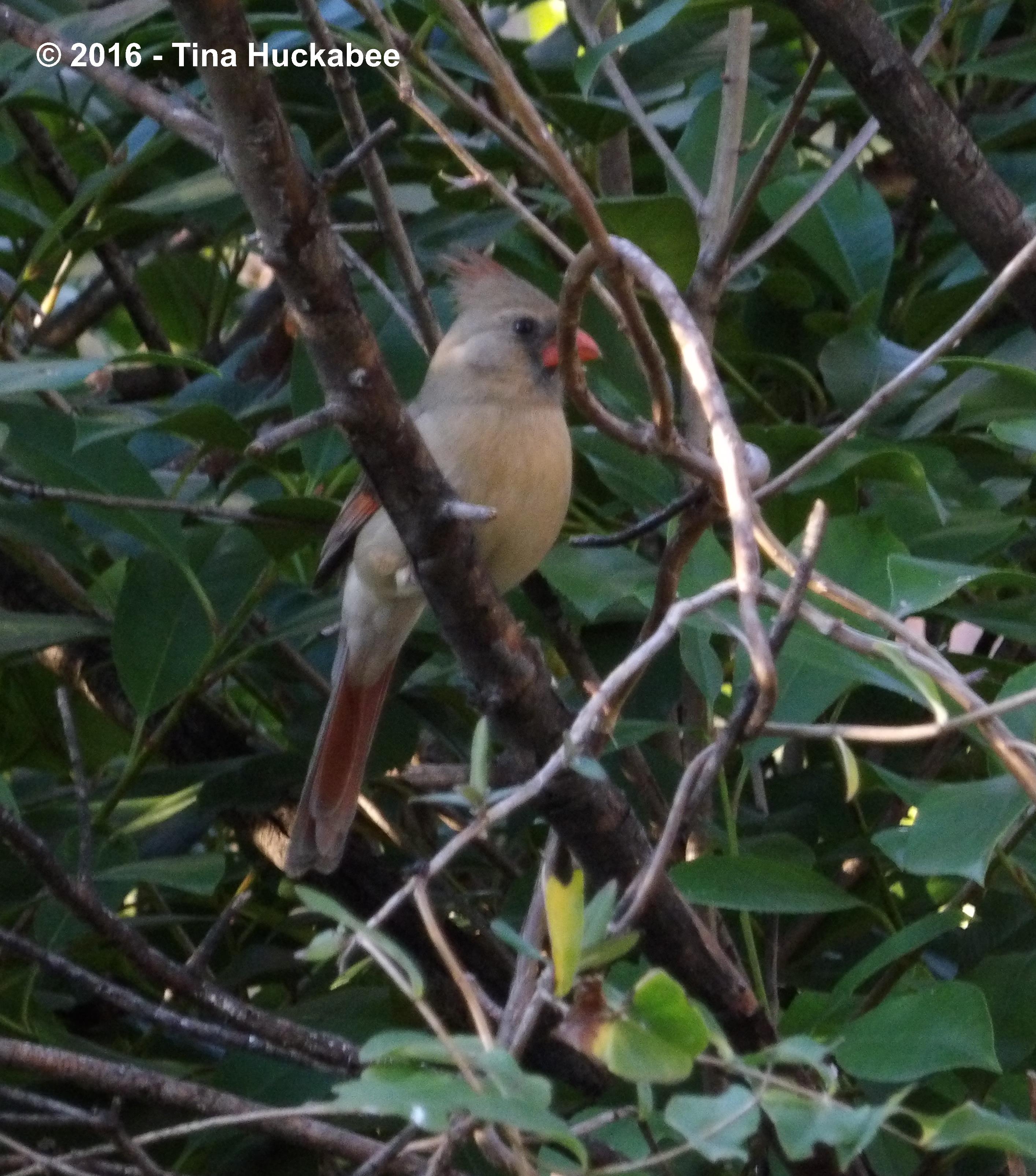
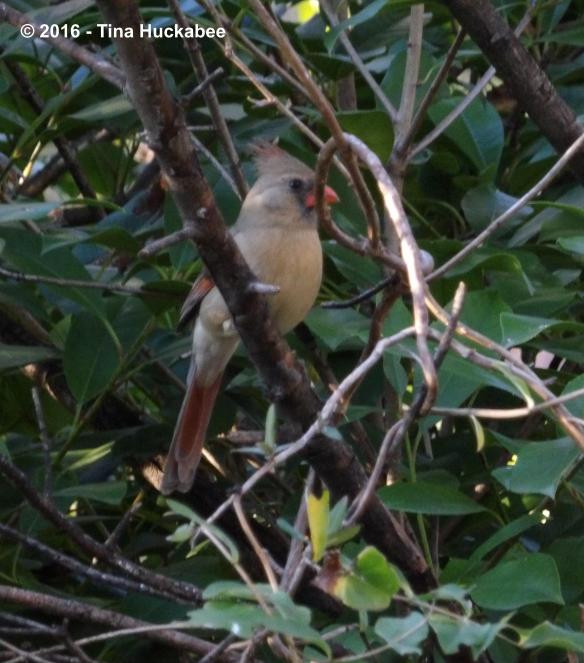
Occupying a different spot of the color wheel is this lovely girl,
IMGP3102_cropped_2829x3212..new

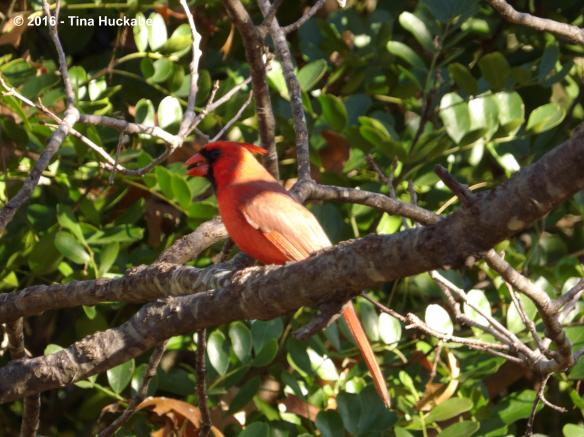
…and her male counterpart.

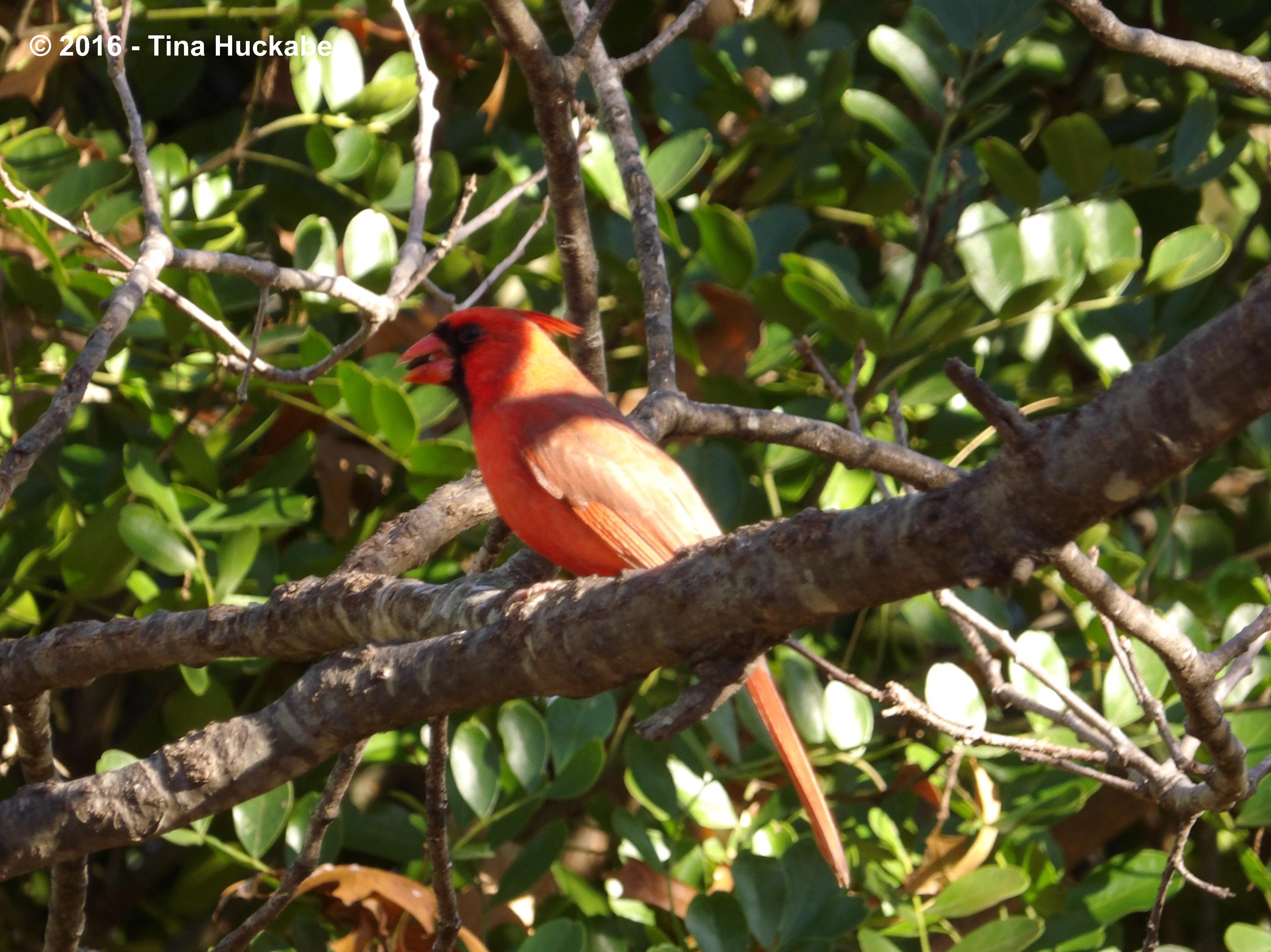
IMGP3613_cropped_4276x3203..new

Northern Cardinal,  Cardinalis cardinalis, birds  are common throughout  North America and adapt well to the backyard wildlife habitat.  There are two nesting pairs in my part of the neighborhood. They nest nearby and visit my gardens and feeders daily.  During summer, I’m likely to see dad training up his youngins’ on the best places to eat in the neighborhood and how to avoid the neighborhood cats.

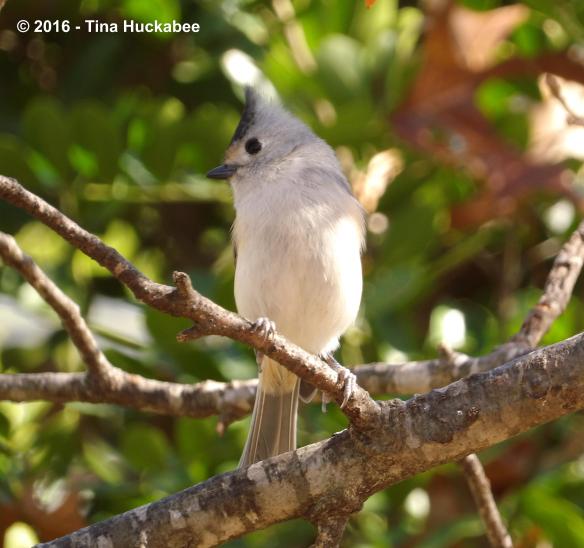
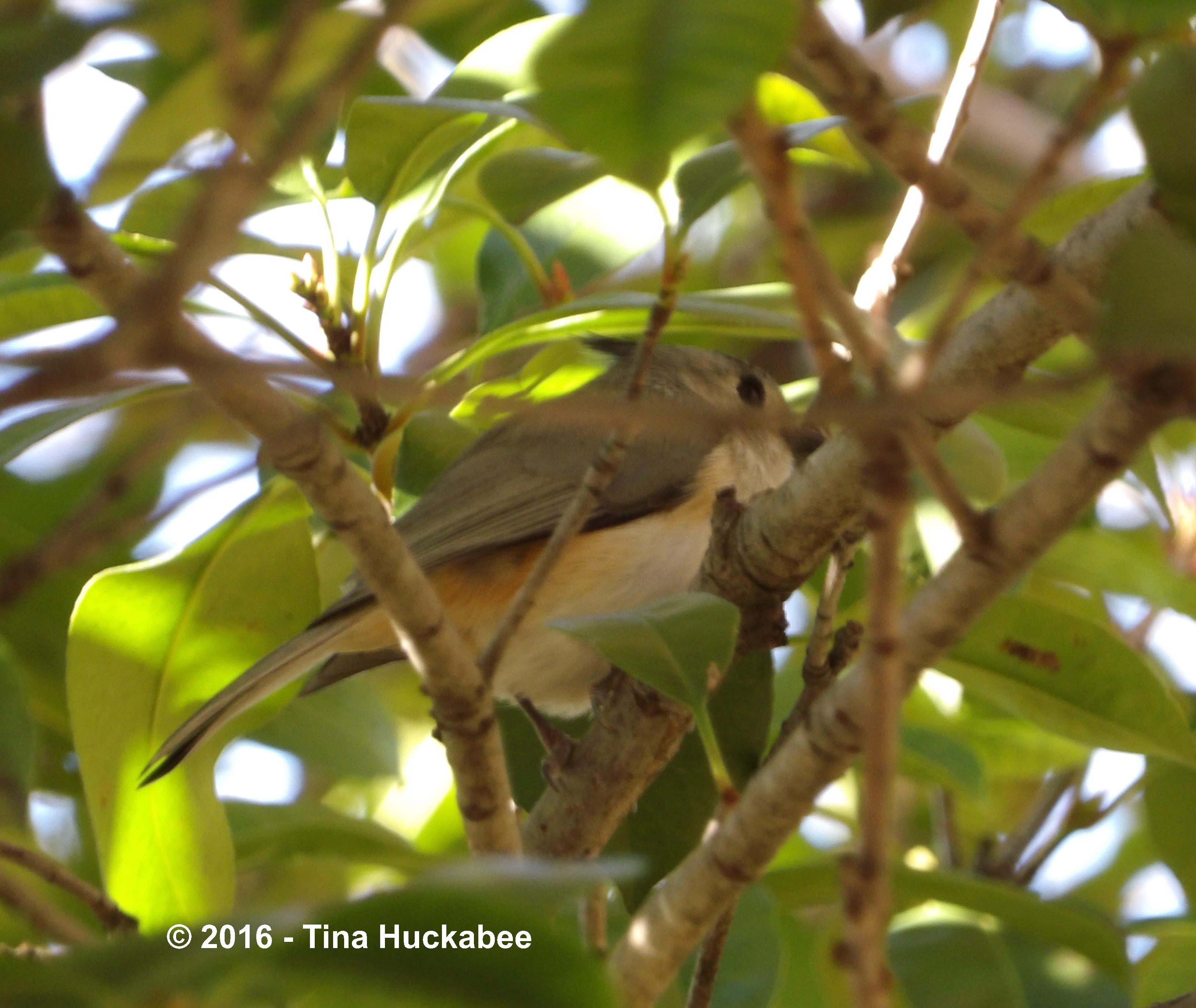
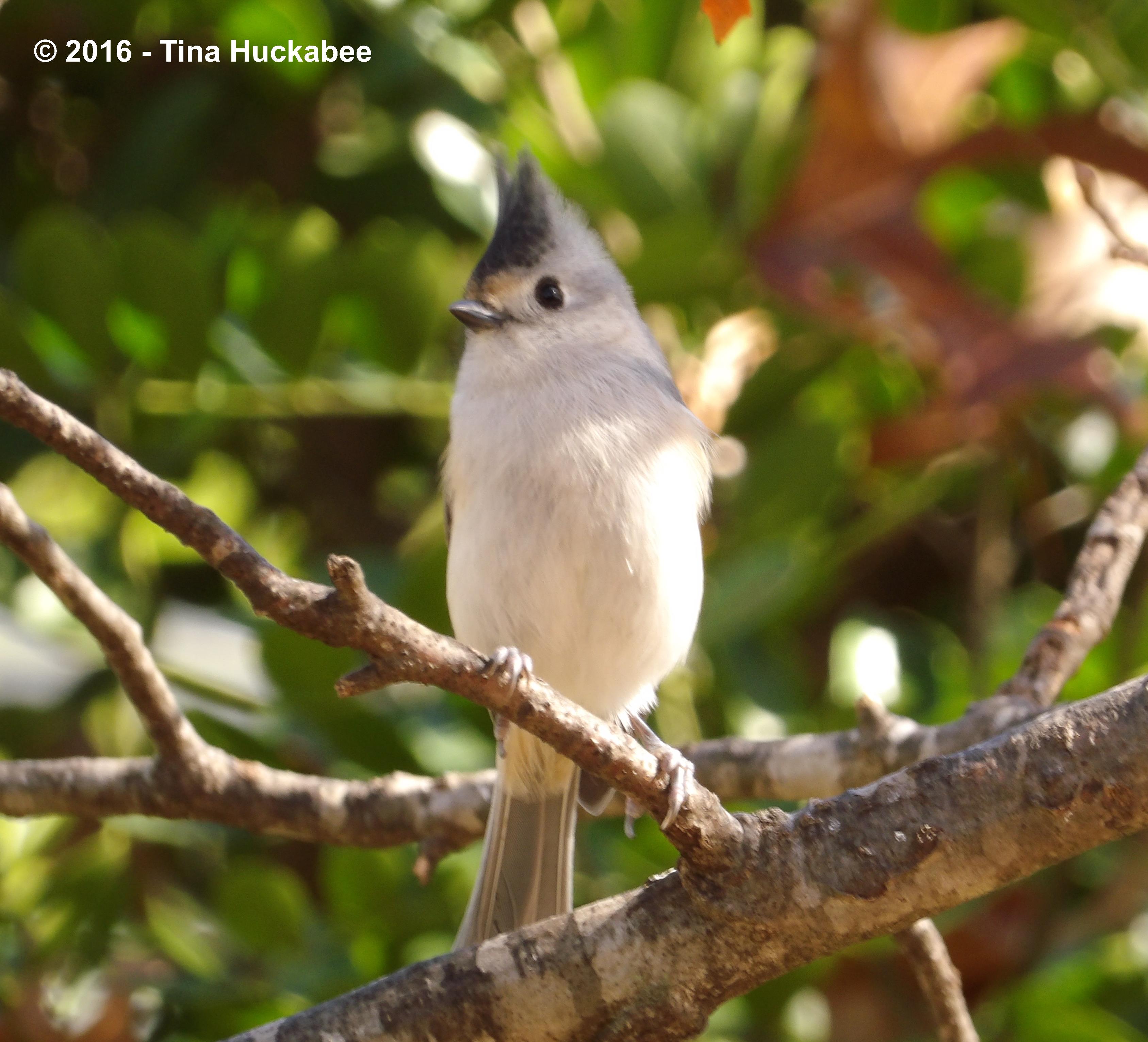
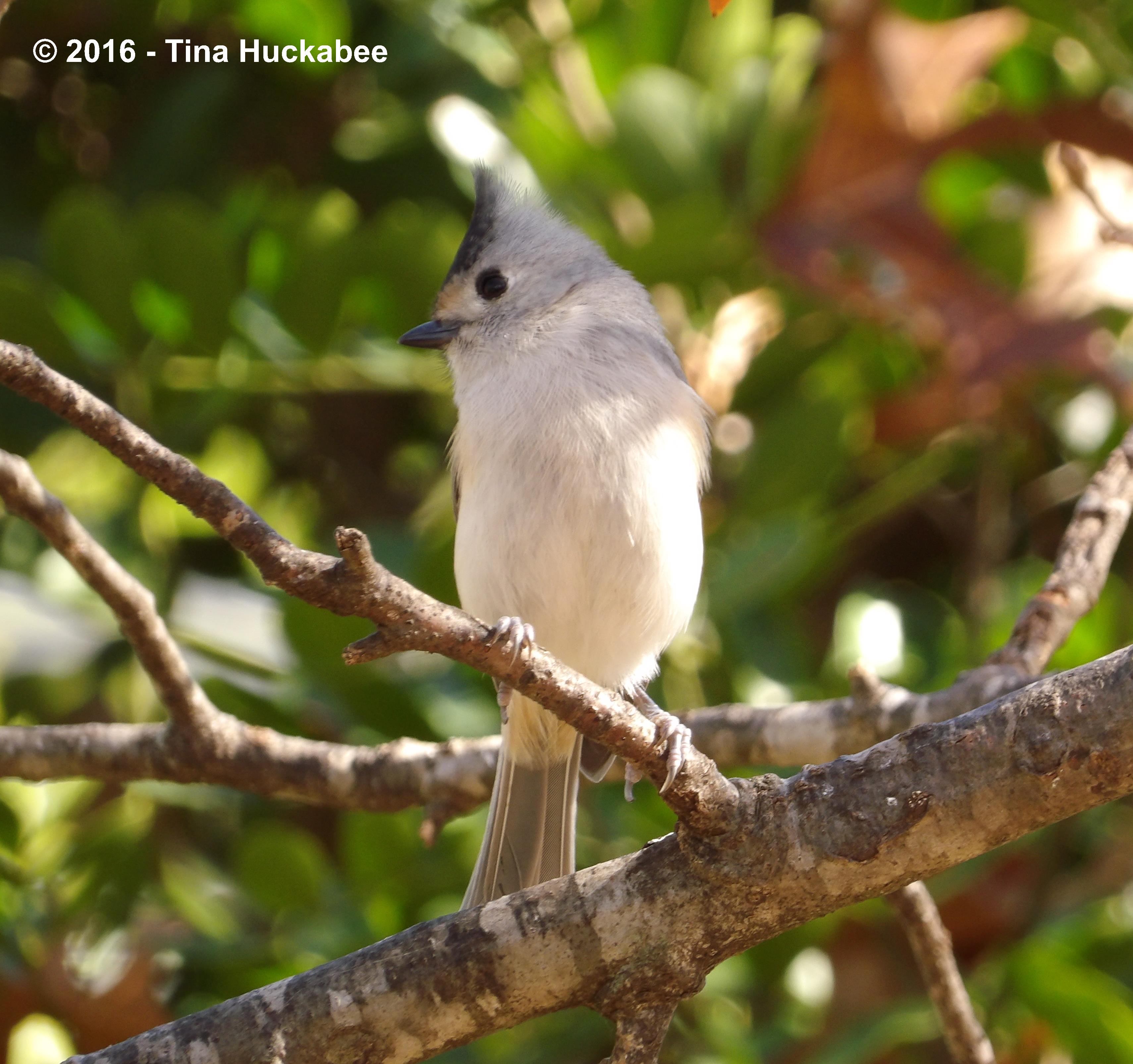
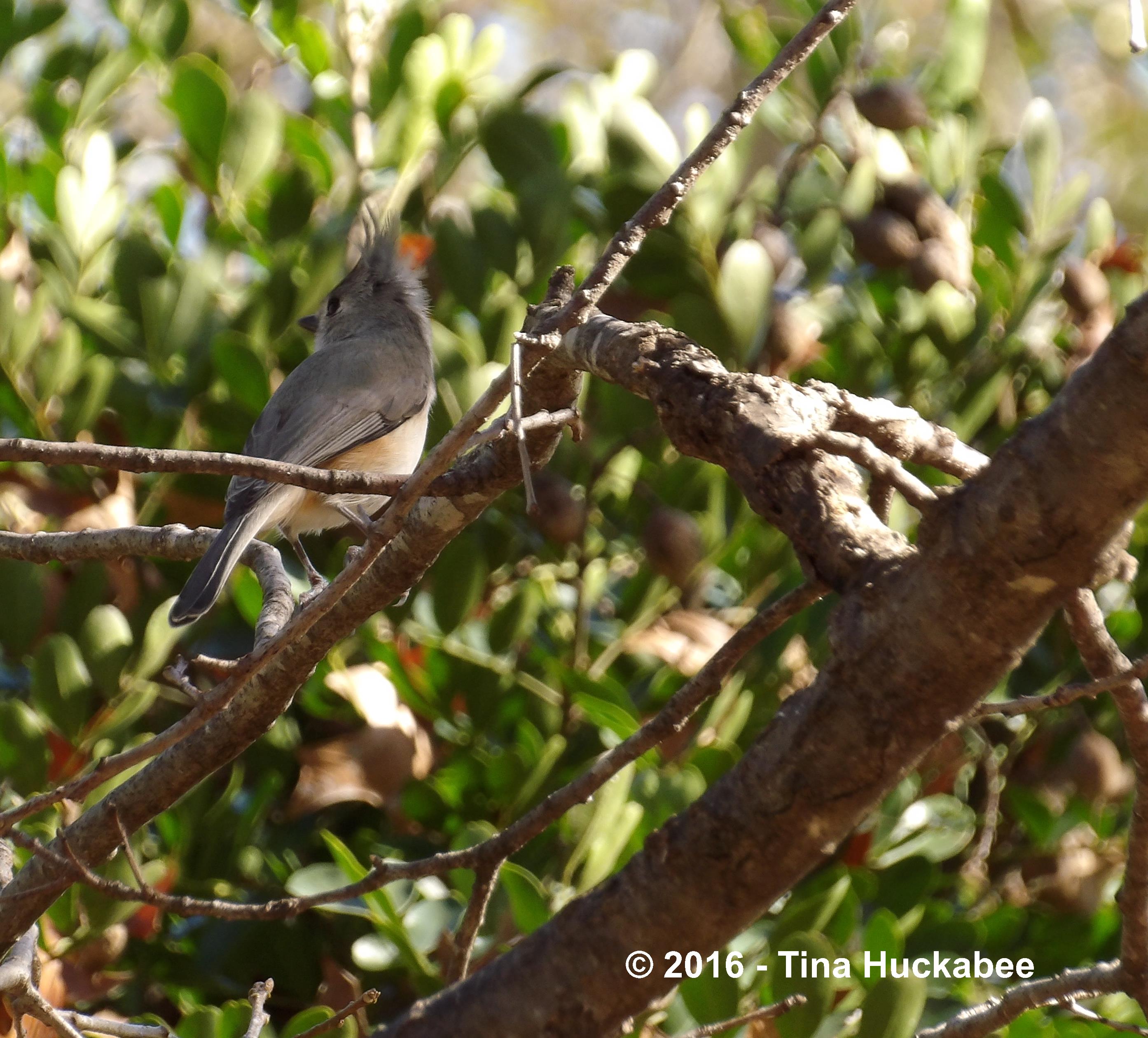
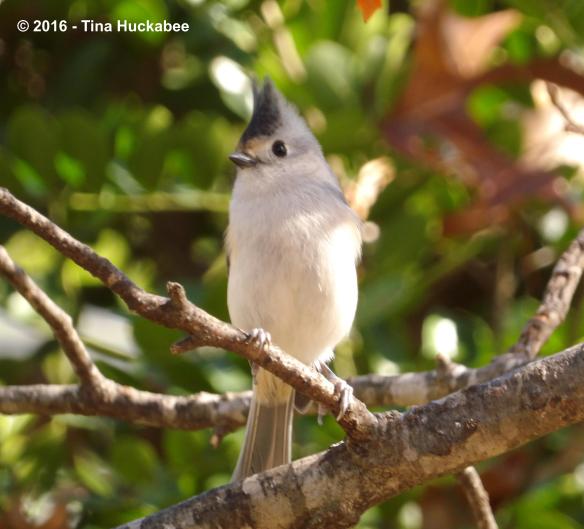
Last month, I attempted photos of the Black-crested Titmouse(s), Baeolophus atricristatus, who frequent my garden spaces. Their charming chirps allure, but their quick movements thwart photographic efforts–mine anyway.   Luckier this month, I captured some photos of some of these darling birds.  Resting between visits to a feeder,
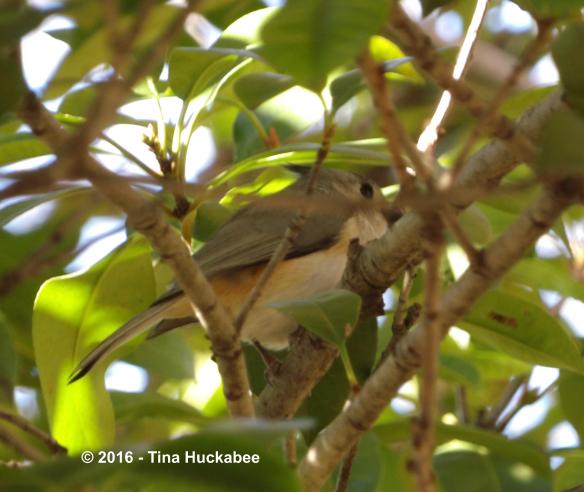
IMGP3315_cropped_3253x2742..new

…and simply resting and looking adorable.
IMGP3576_cropped_3374x3061..new

IMGP3571_cropped_3420x3213..new

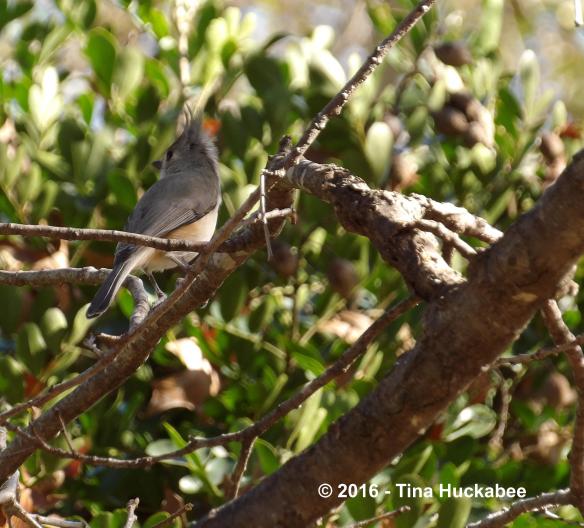
This one refused to turn around, smile and say “seeds!”  for the camera.
IMGP3542_cropped_2787x2521..new

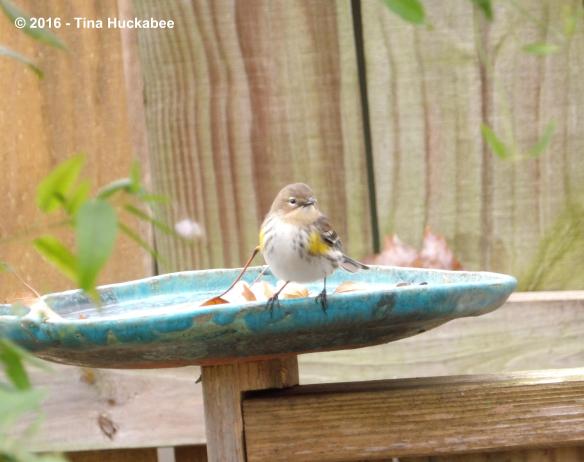
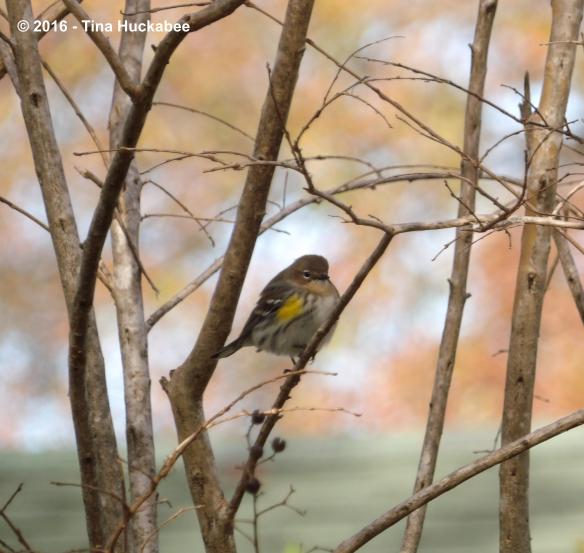
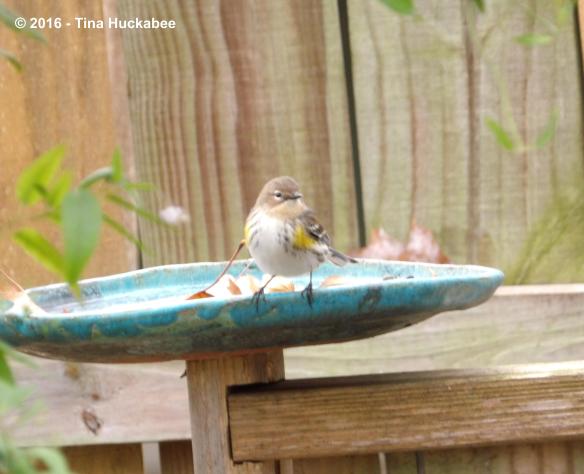
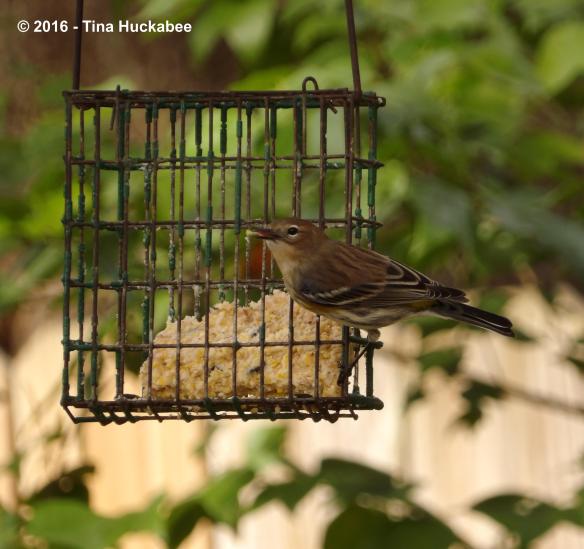
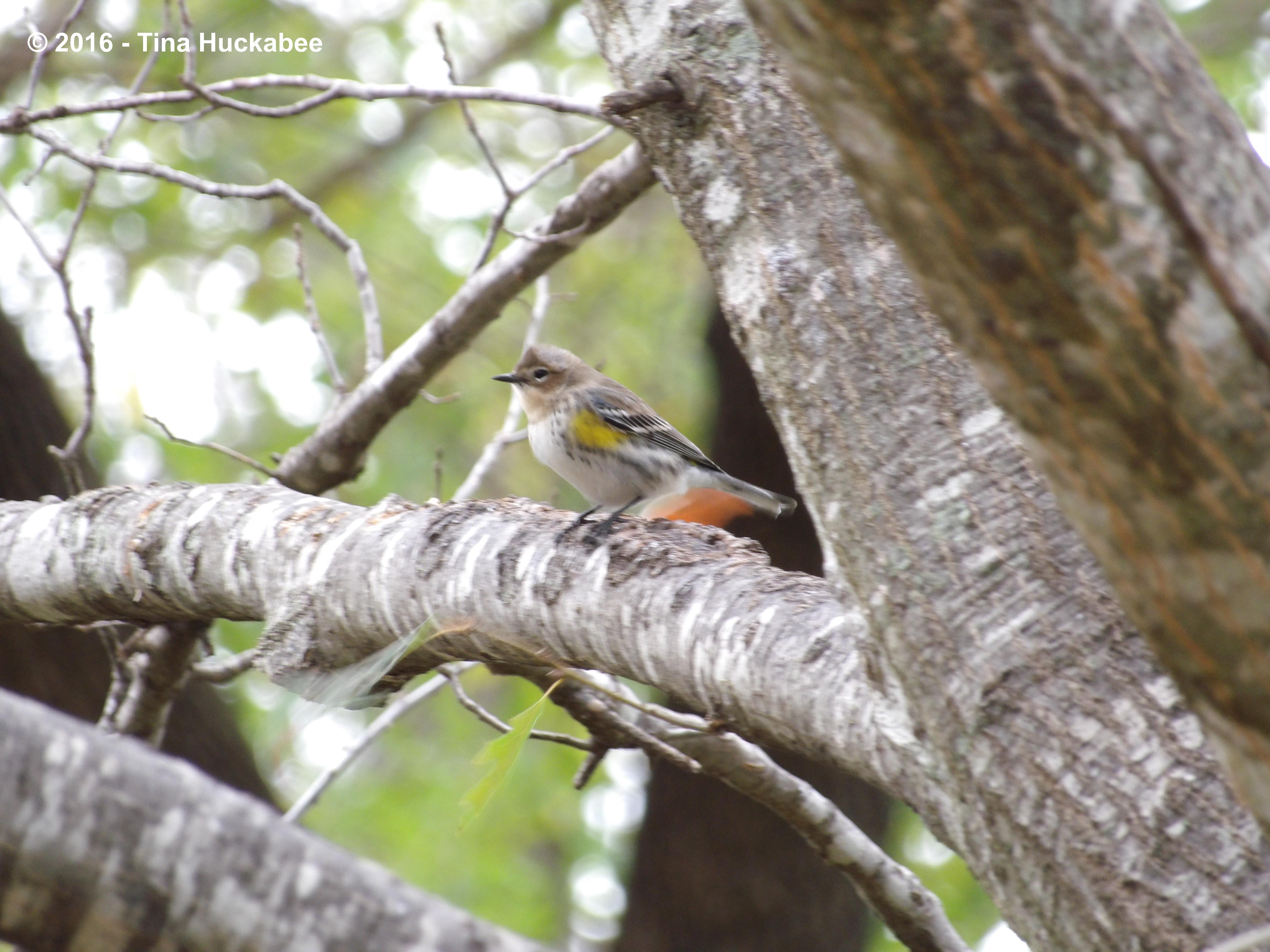
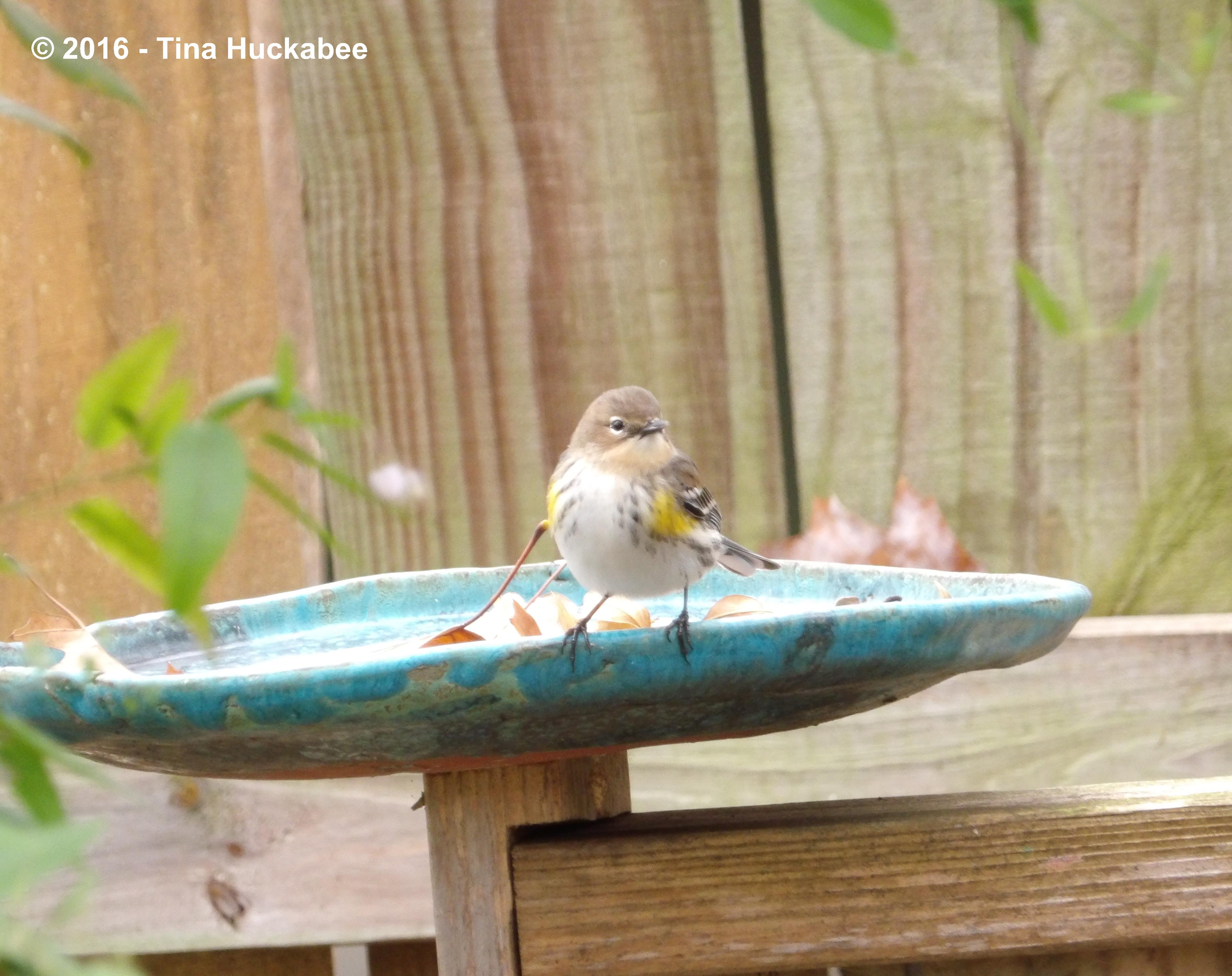
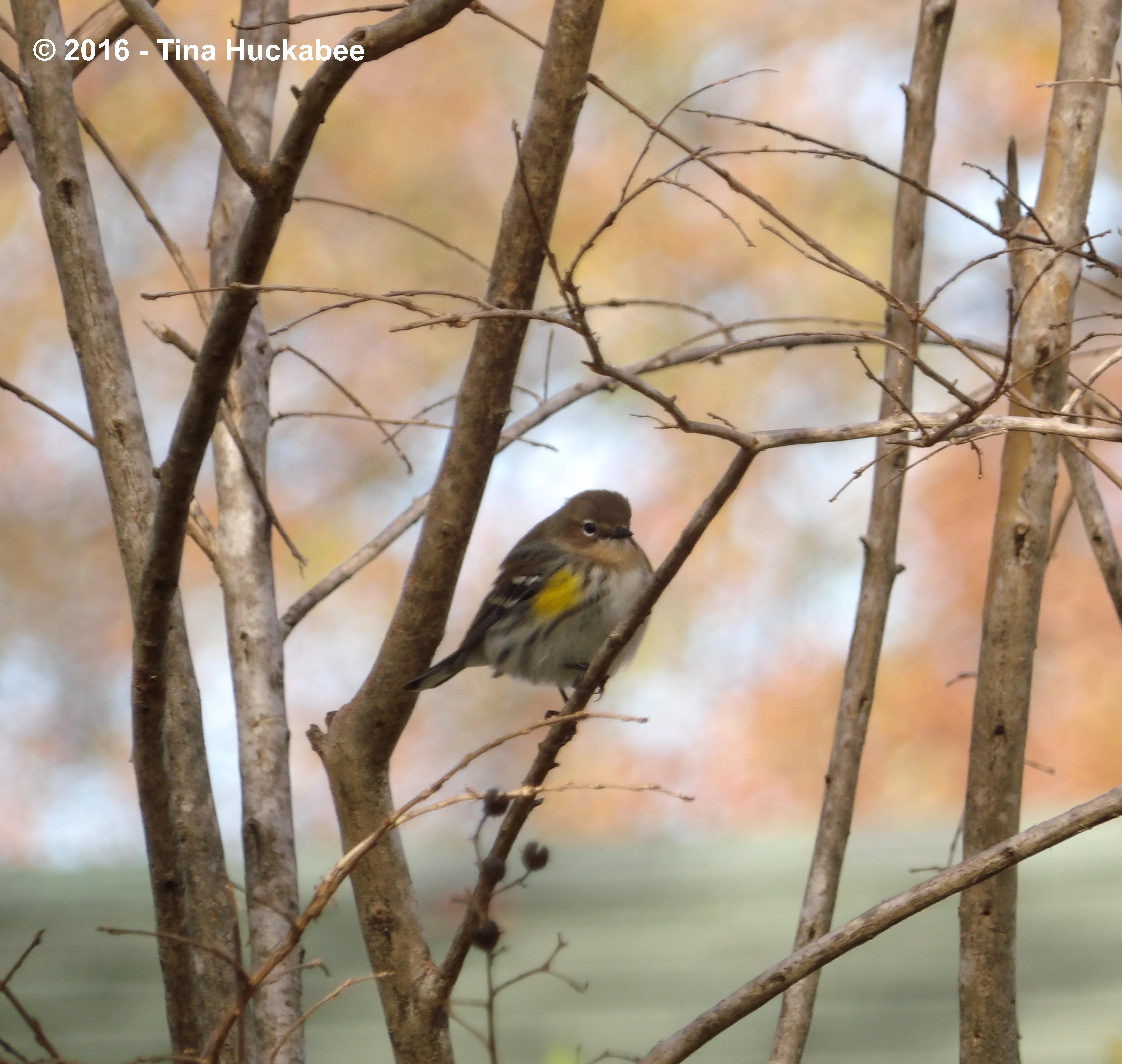
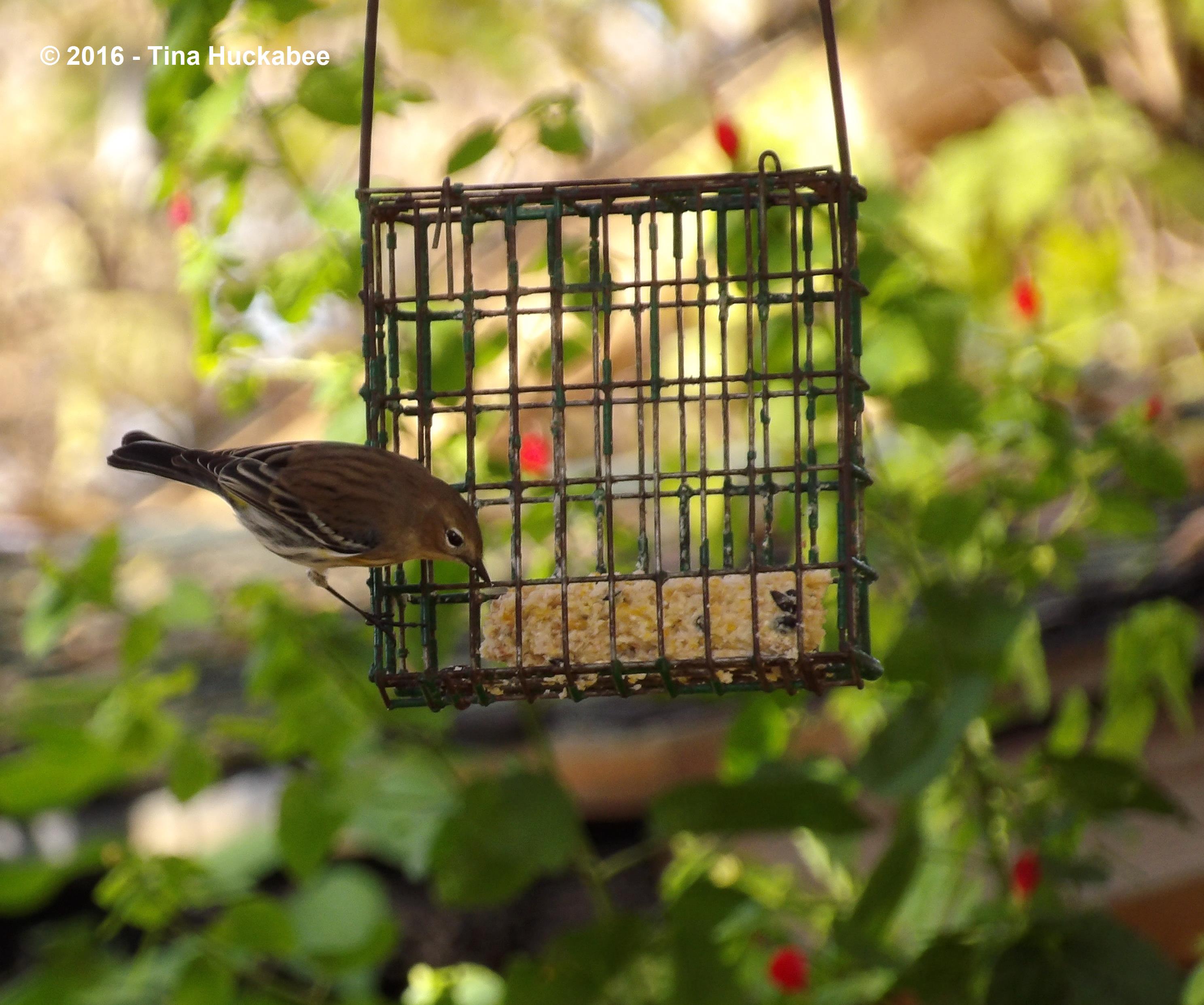
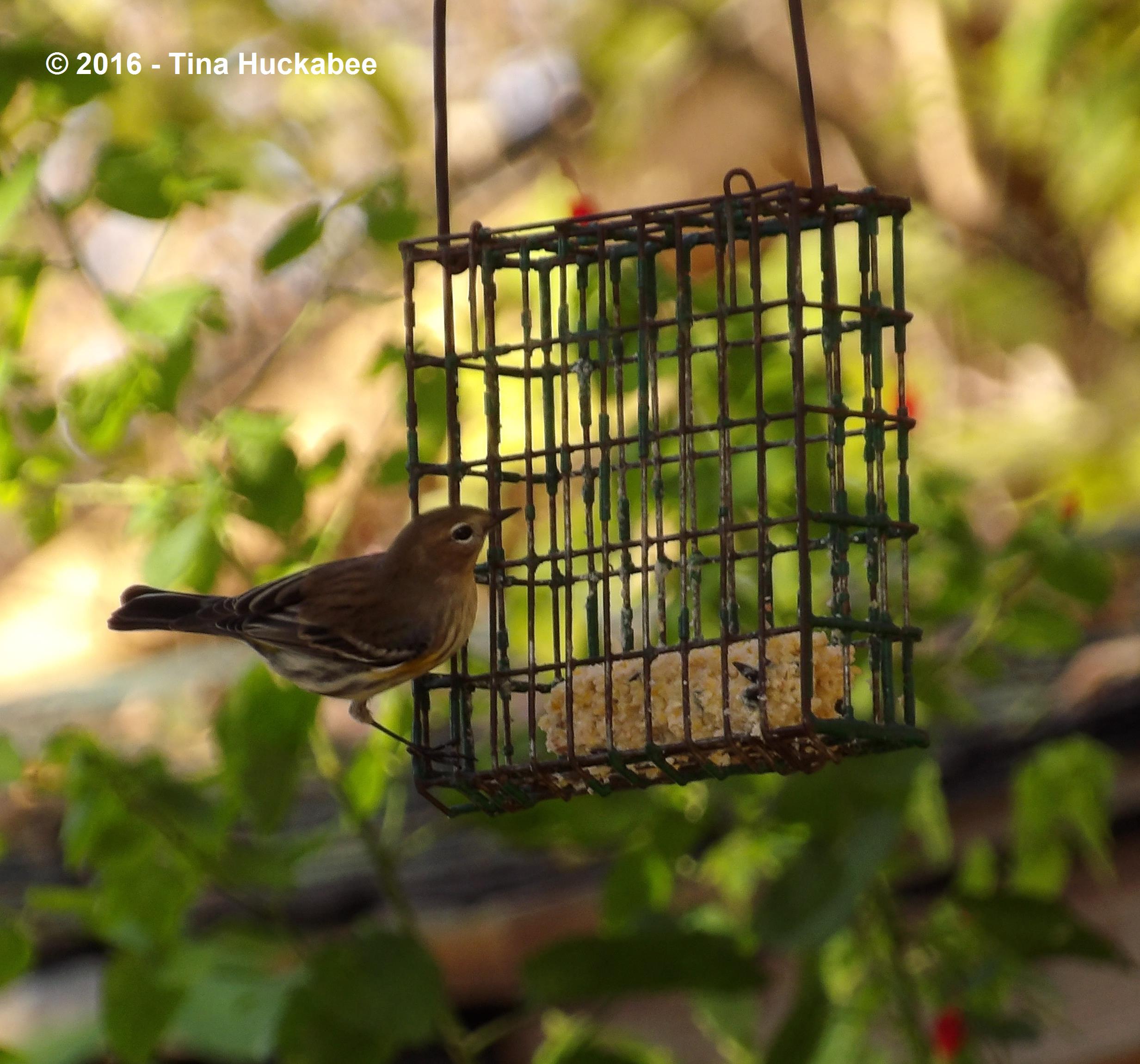
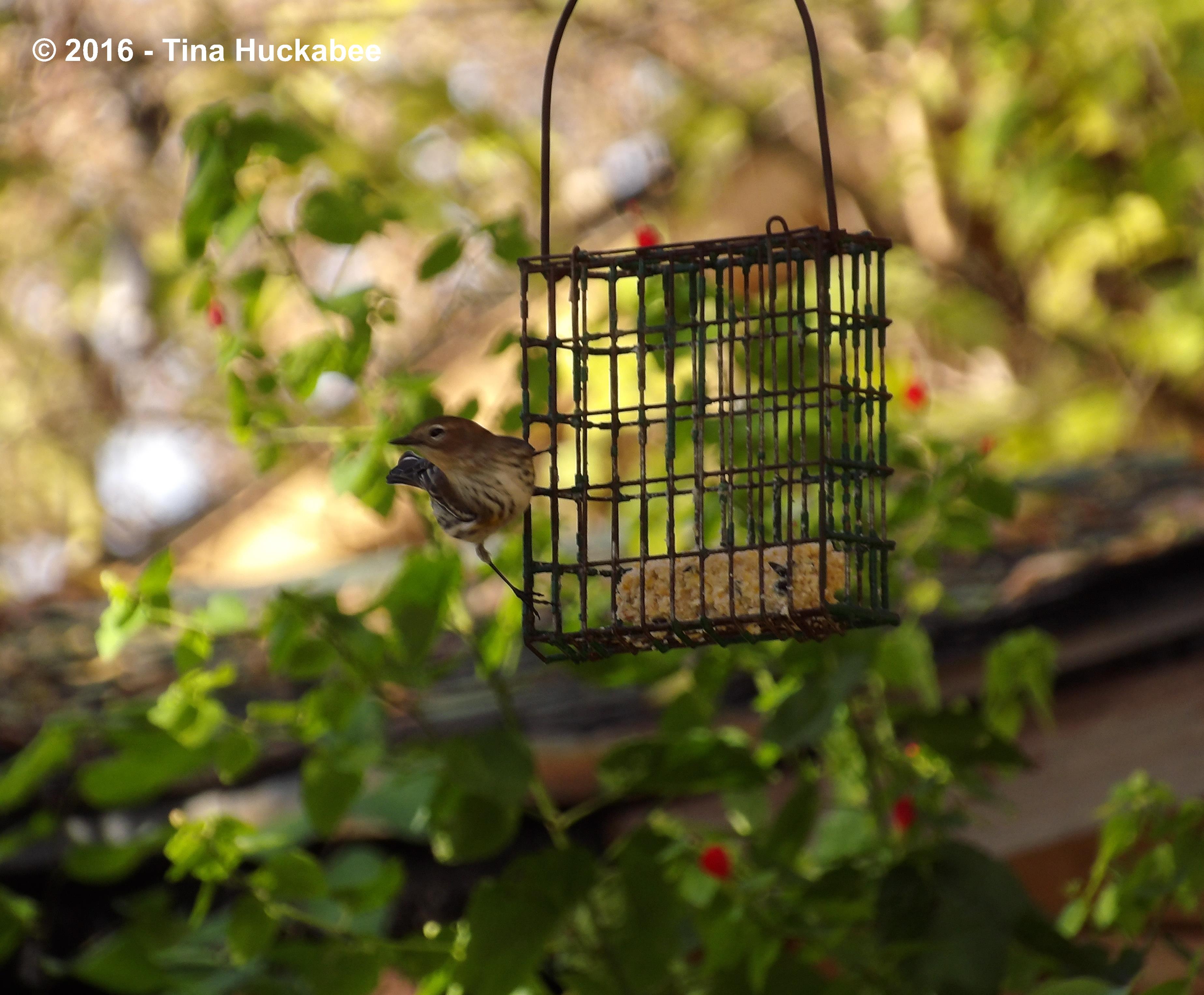
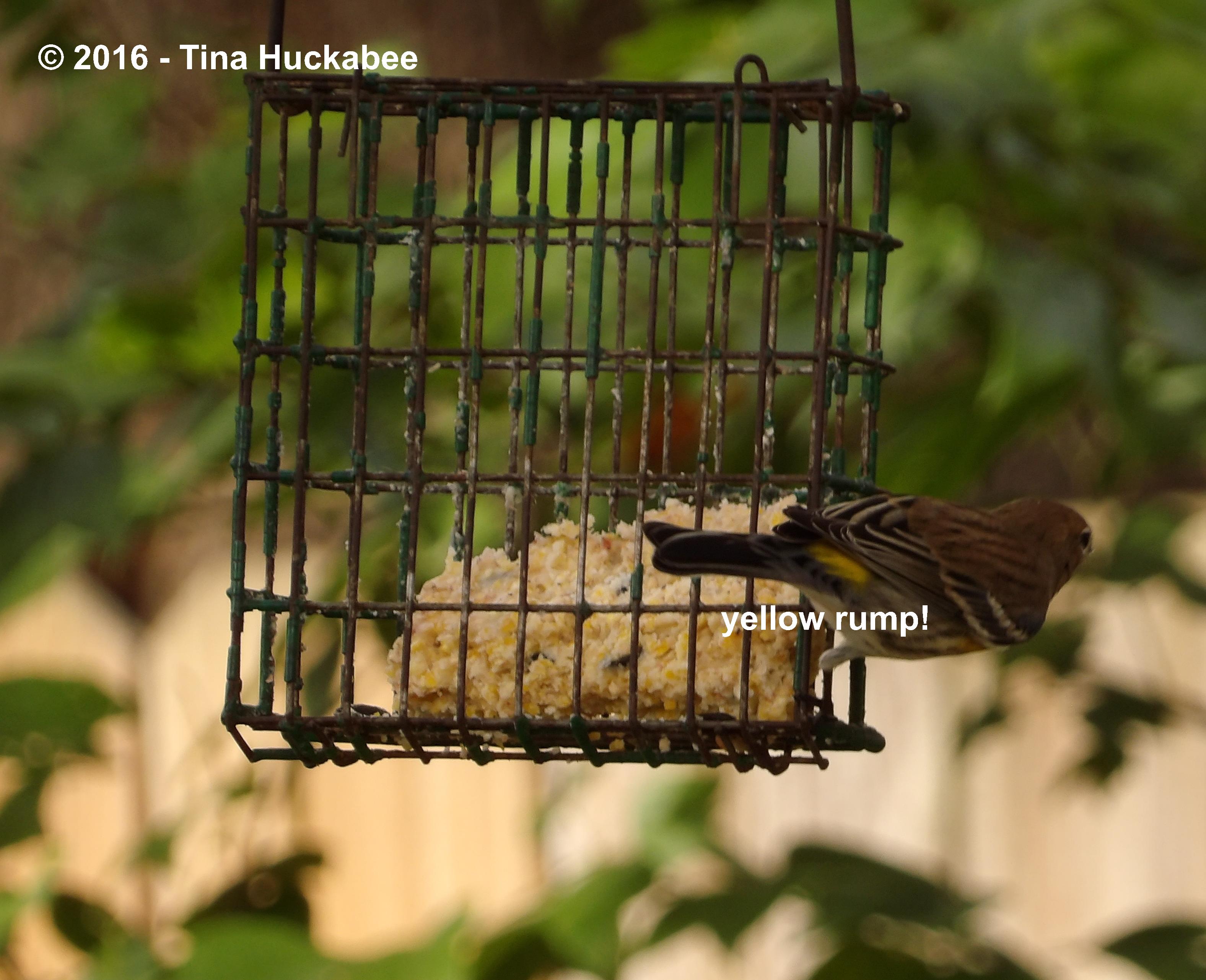
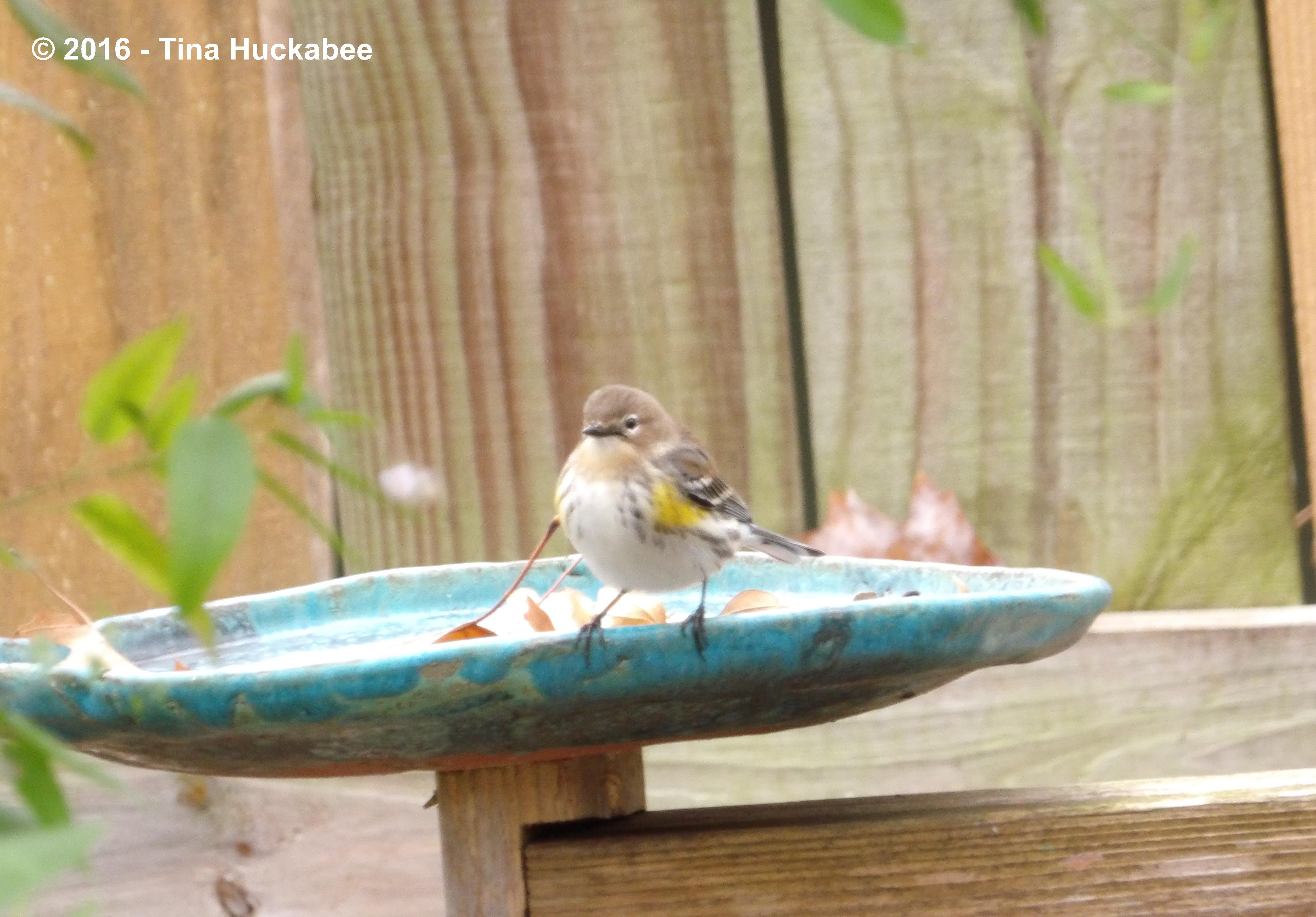
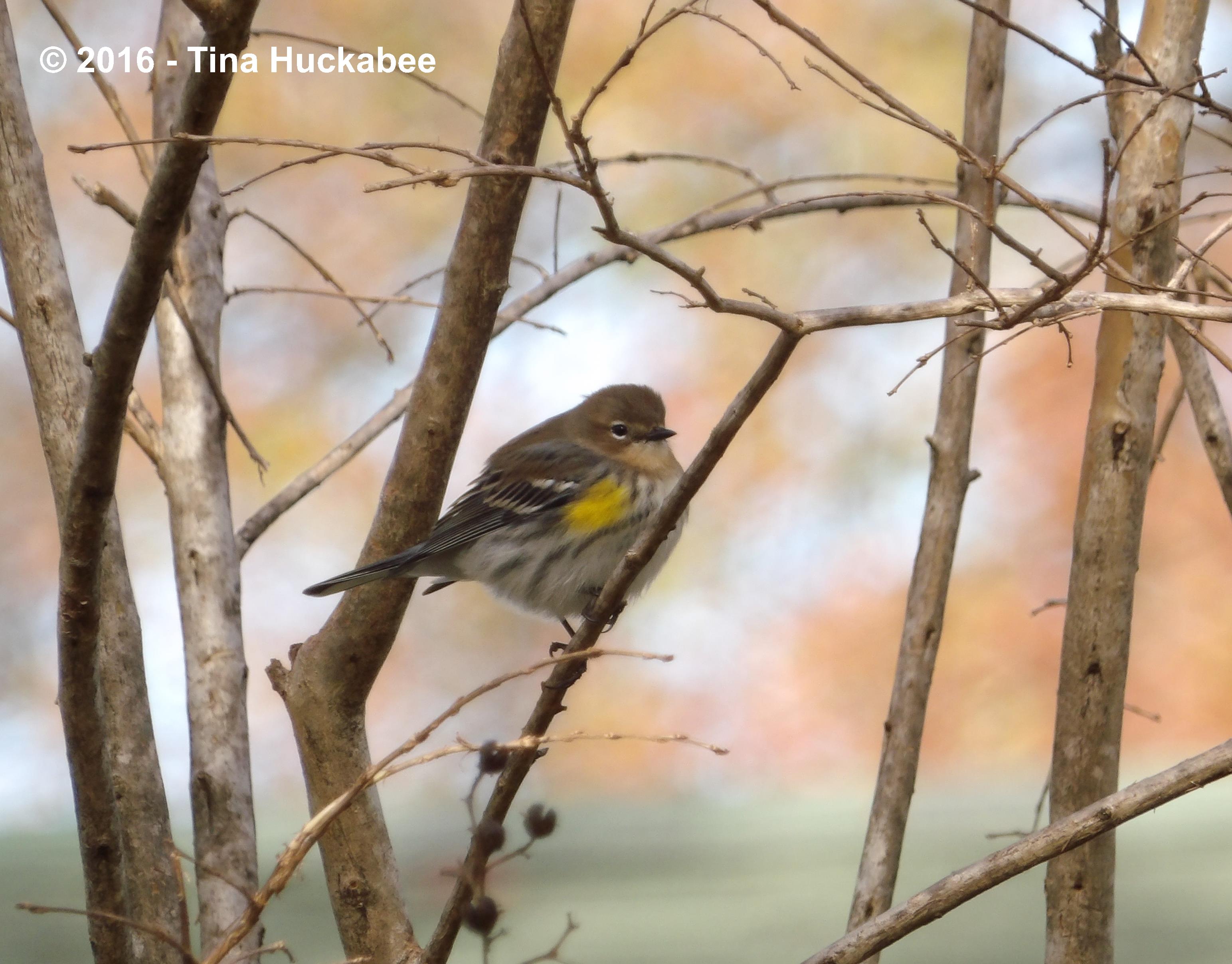
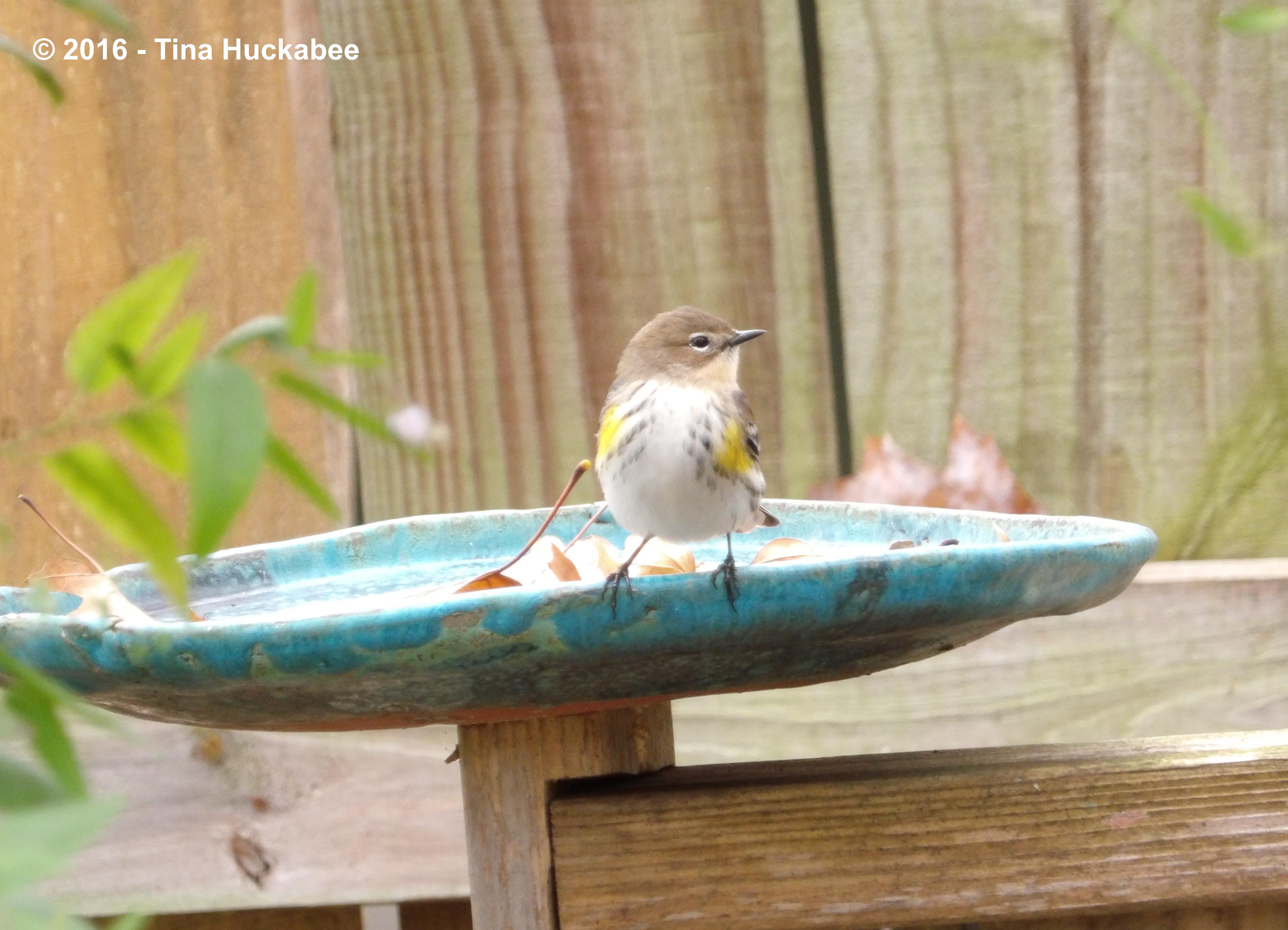
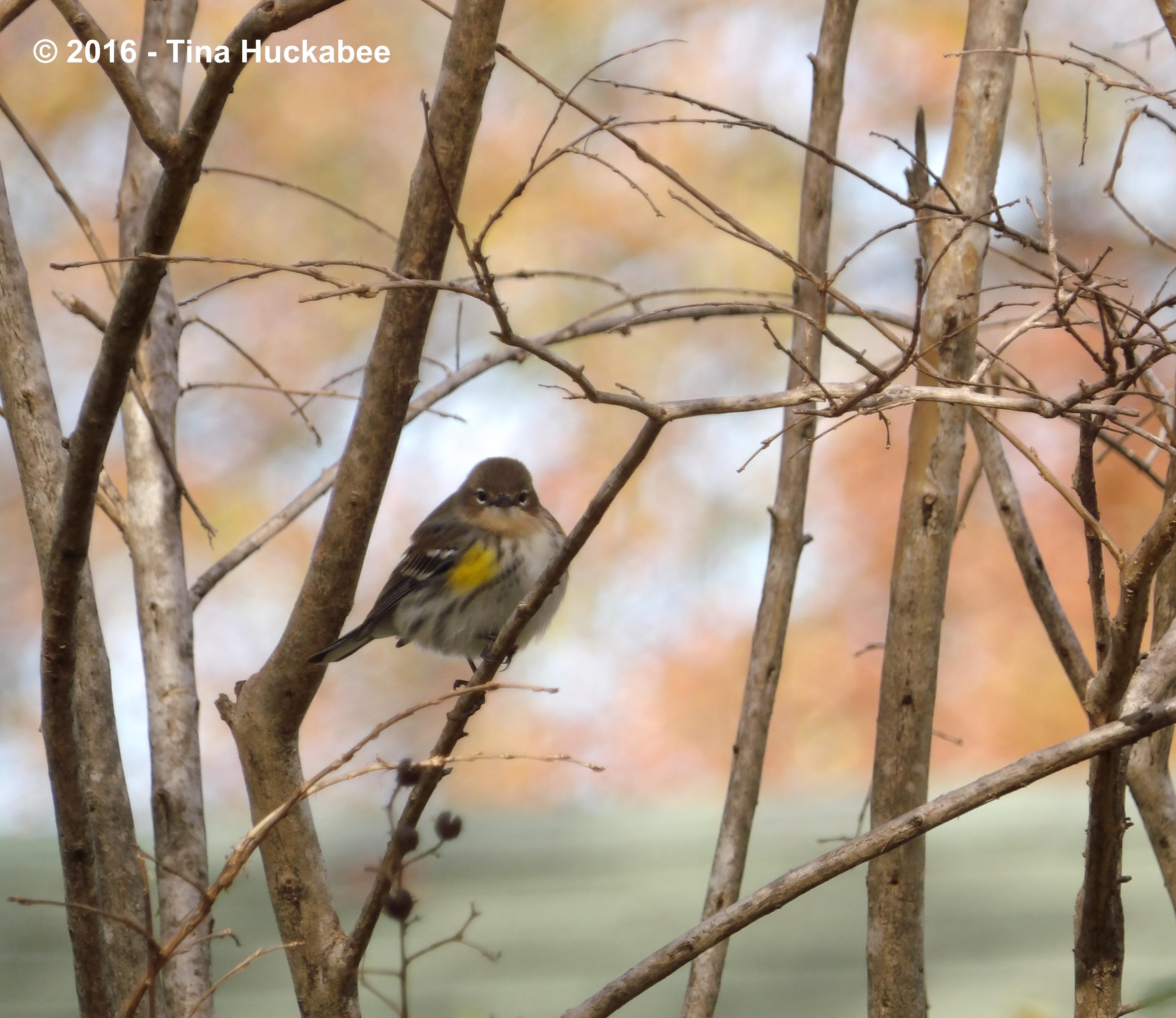
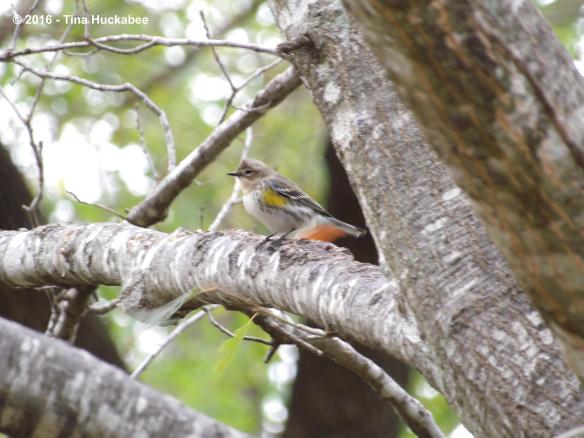
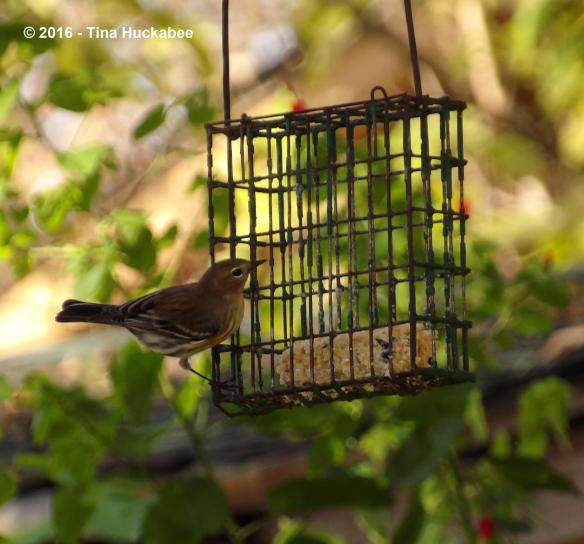
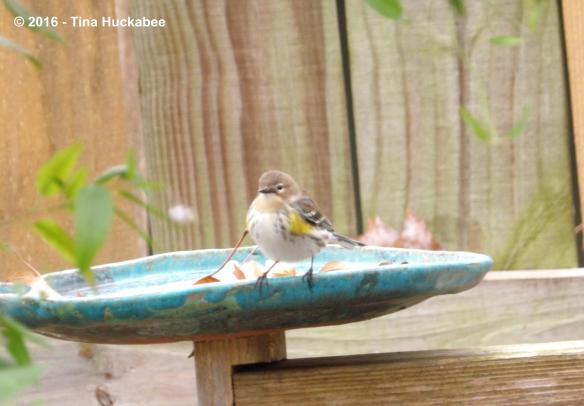
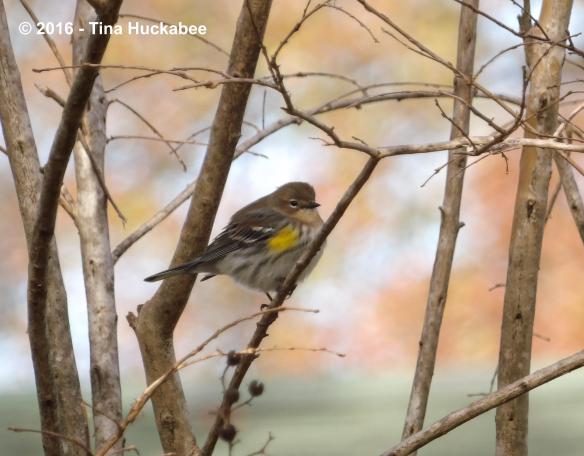
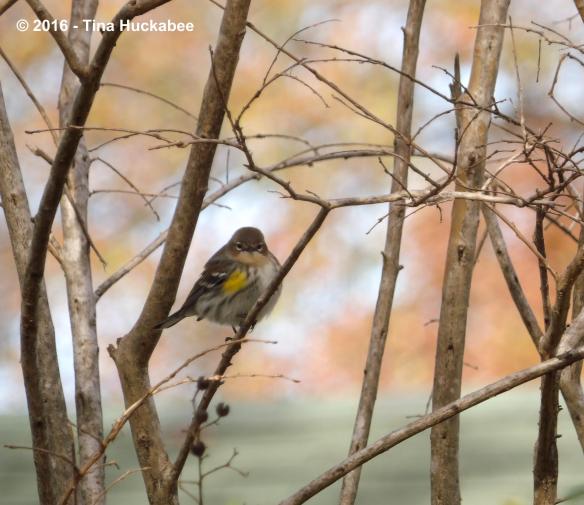
The birds I’m most excited about recently observing in my gardens are a couple of Yellow-rumped Warblers, Setophaga coronata.  This one is a male.
IMGP3508.new

IMGP3499_cropped_3922x3107..new

IMGP3389_cropped_3360x3185..new

Likely as not, I’ve seen this bird species before, because  it’s a common winter Texan.  As I’ve learned about birds, I’m becoming  aware that not all drab little birds are just more sparrows-of-some-sort.  I’m learning to discern their color patterns, size and beak differentiations, and vocalizations. The bird-learning curve is a steep one, to be sure.
IMGP3247_cropped_2976x2483..new

IMGP3235_cropped_2465x2300..new

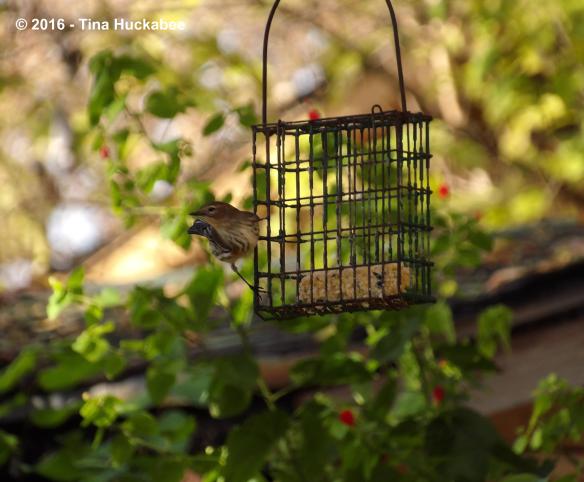
One must observe closely and (ahem) read a bit about birds to decipher the often subtle dissimilarities between the many species of warblers, finches, and sparrows.
IMGP3226_cropped_3696x3055..new

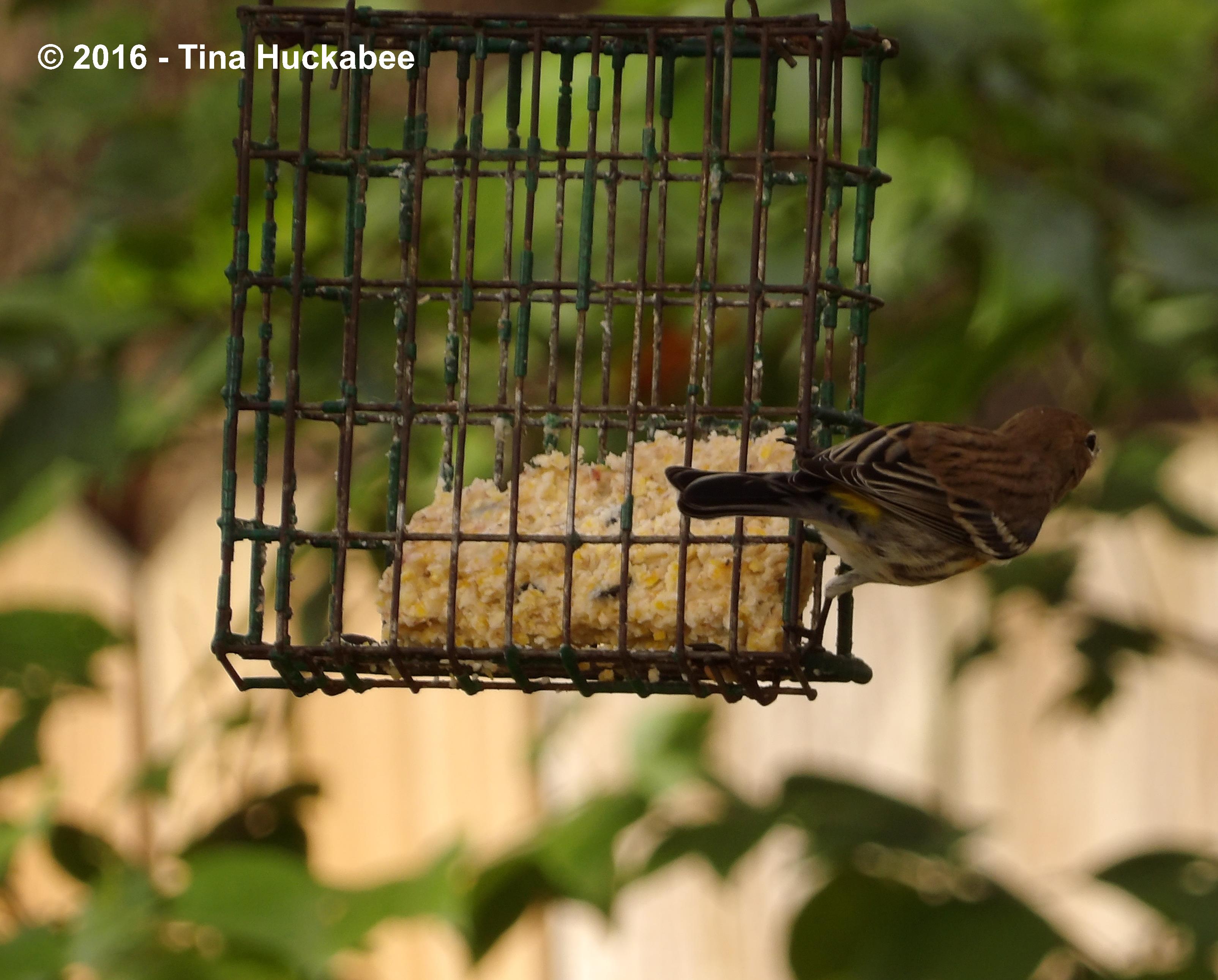
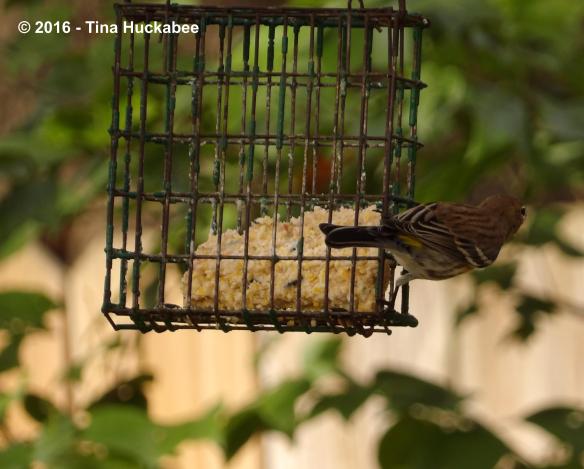
Most of the little “brown” birds sport colorful plumage here and there,
IMGP3186_cropped_3208x2581..new

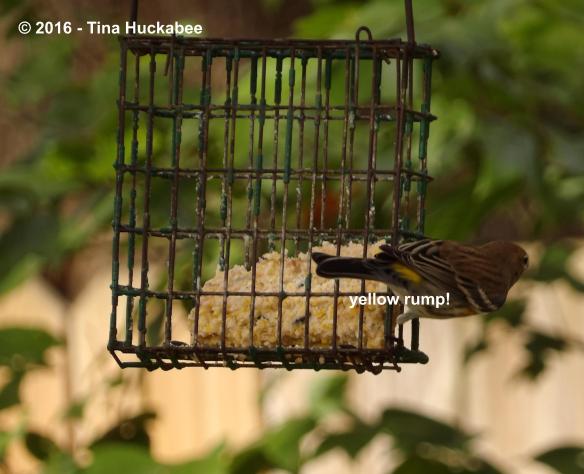
…including on their bums.   Can you see the yellow rump in the above photo?
IMGP3182_cropped_3153x2563..new

I took a lots of photos before I finally got that yellow in action. There are at least two Yellow-rumps visiting my gardens regularly. This male I see most often,
IMGP3496_cropped_4134x2881..new

IMGP3381_cropped_3087x2415..new


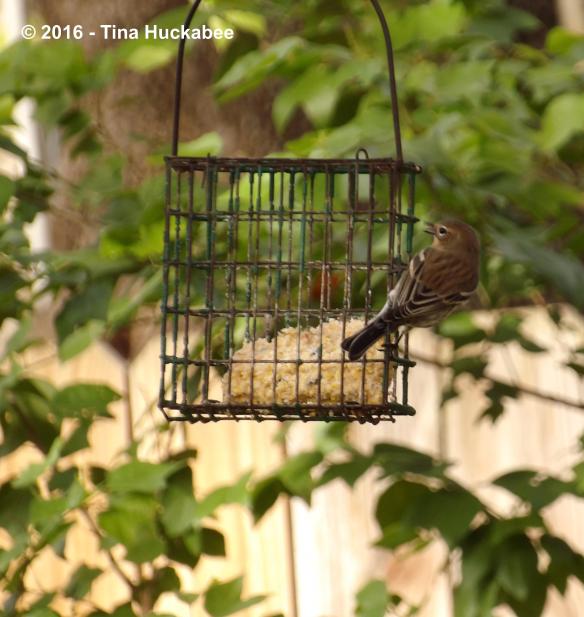
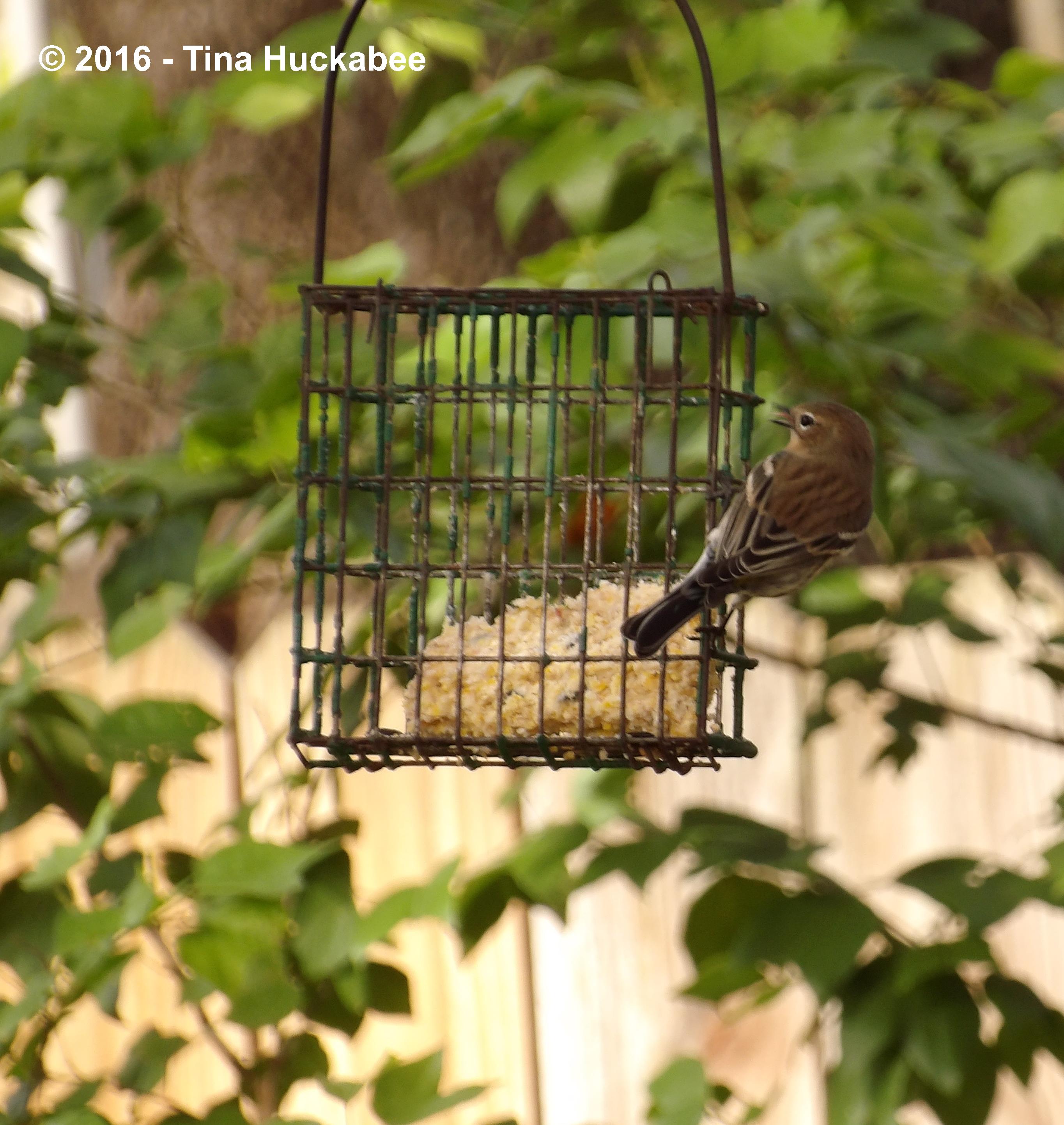
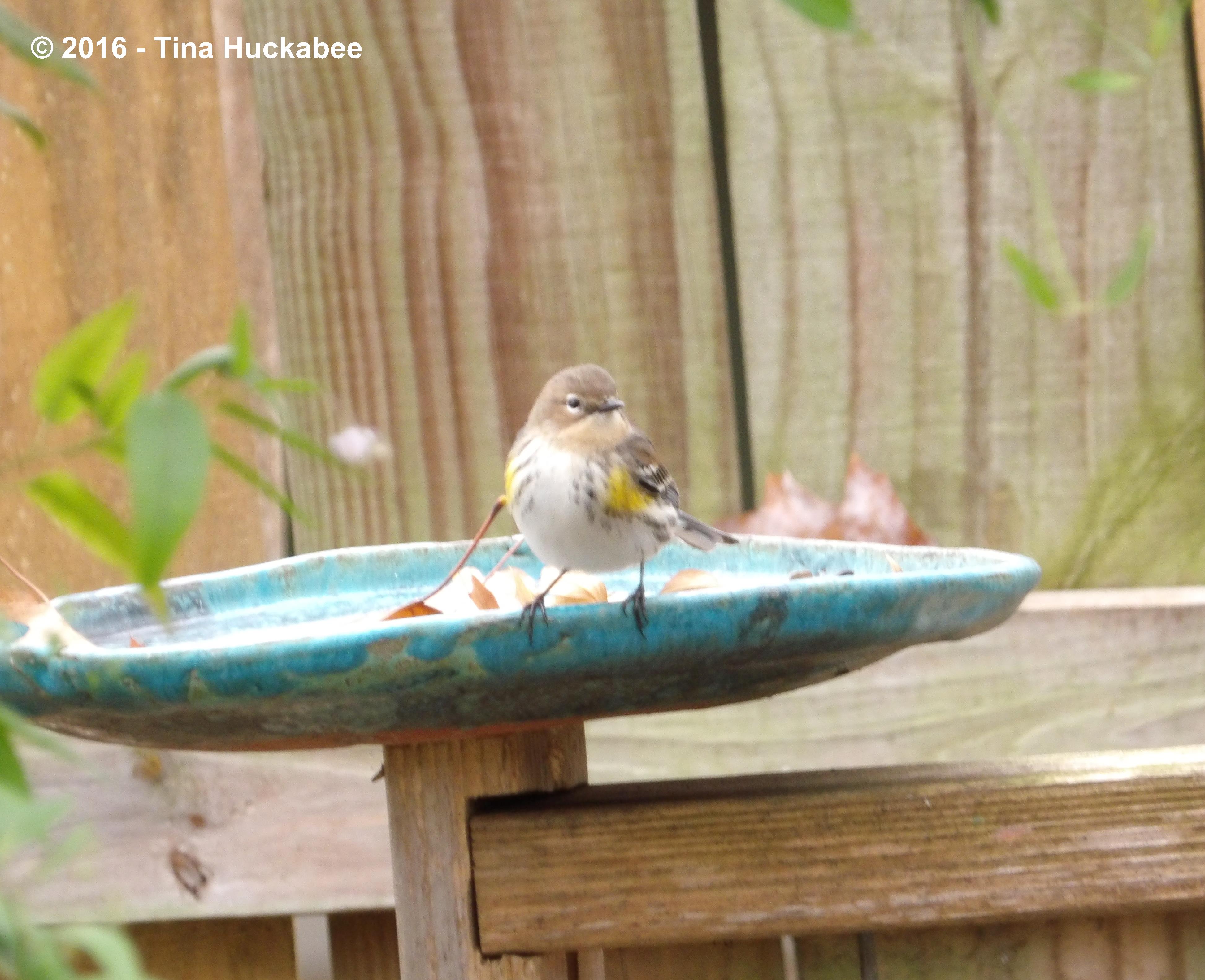
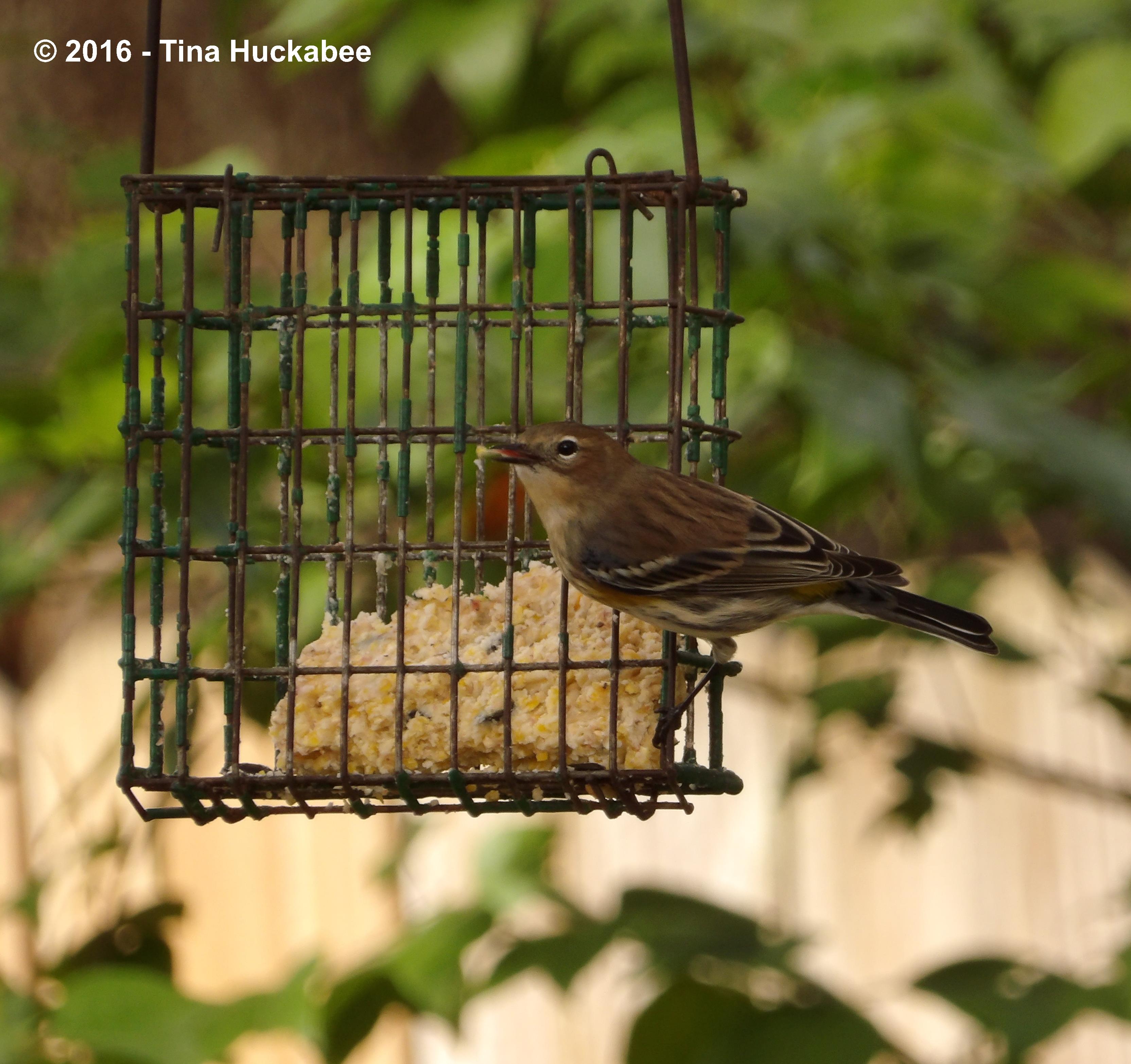
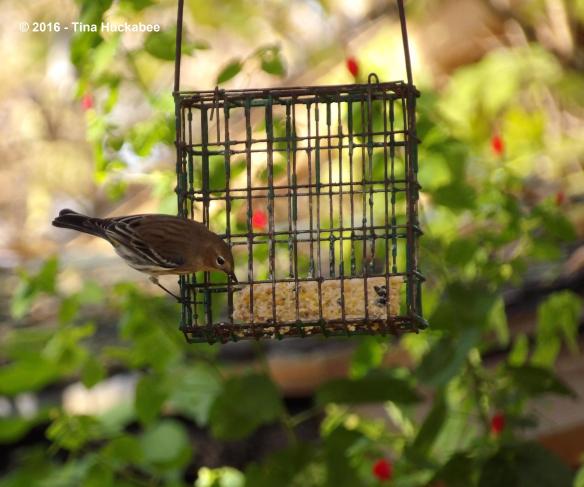
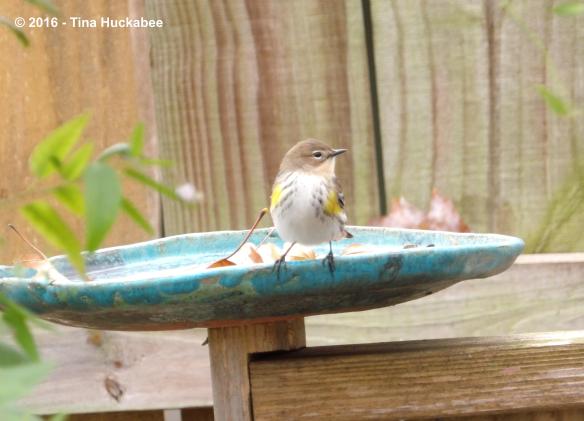
…and a female,  “myrtle” form.

IMGP3155_cropped_2729x2885..new

As it turns out, there are multiple sub-species related to this particular warbler and currently, I’m not nearly enough of a birder to adequately understand, much less explain, variations.  For the time being, I’m content to observe these shy little birds, all yellow rumped and sweet peeps, as they flit about my garden this winter.

While I secured a couple of decent butt shots of the female, I’m still working on a photo capture of the male’s cute yellow posterior. Heretofore, he’s been too busy showing  how pretty he is in other poses.
IMGP3504_cropped_3917x2829..new

IMGP3498_cropped_3893x3166..new


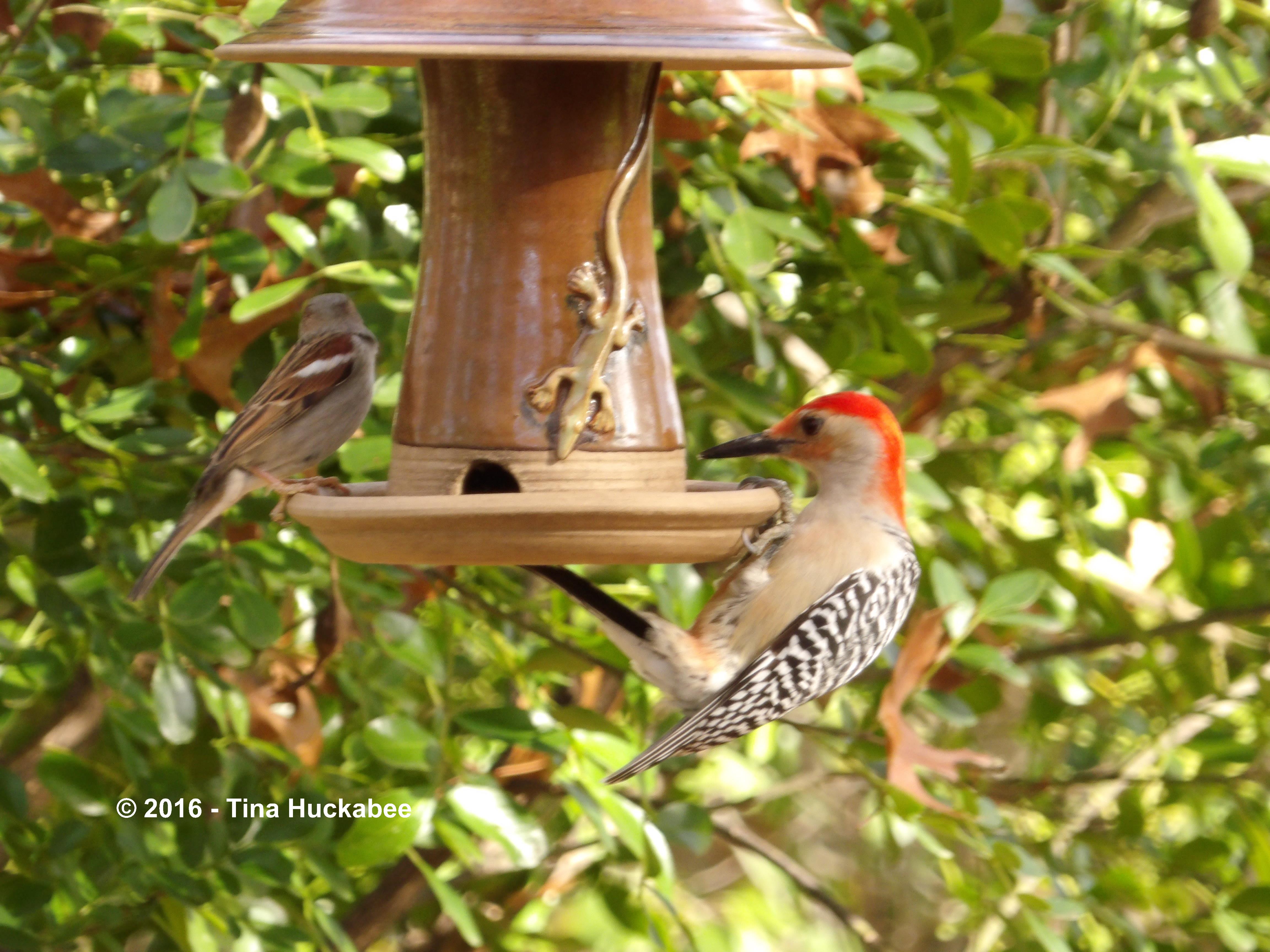
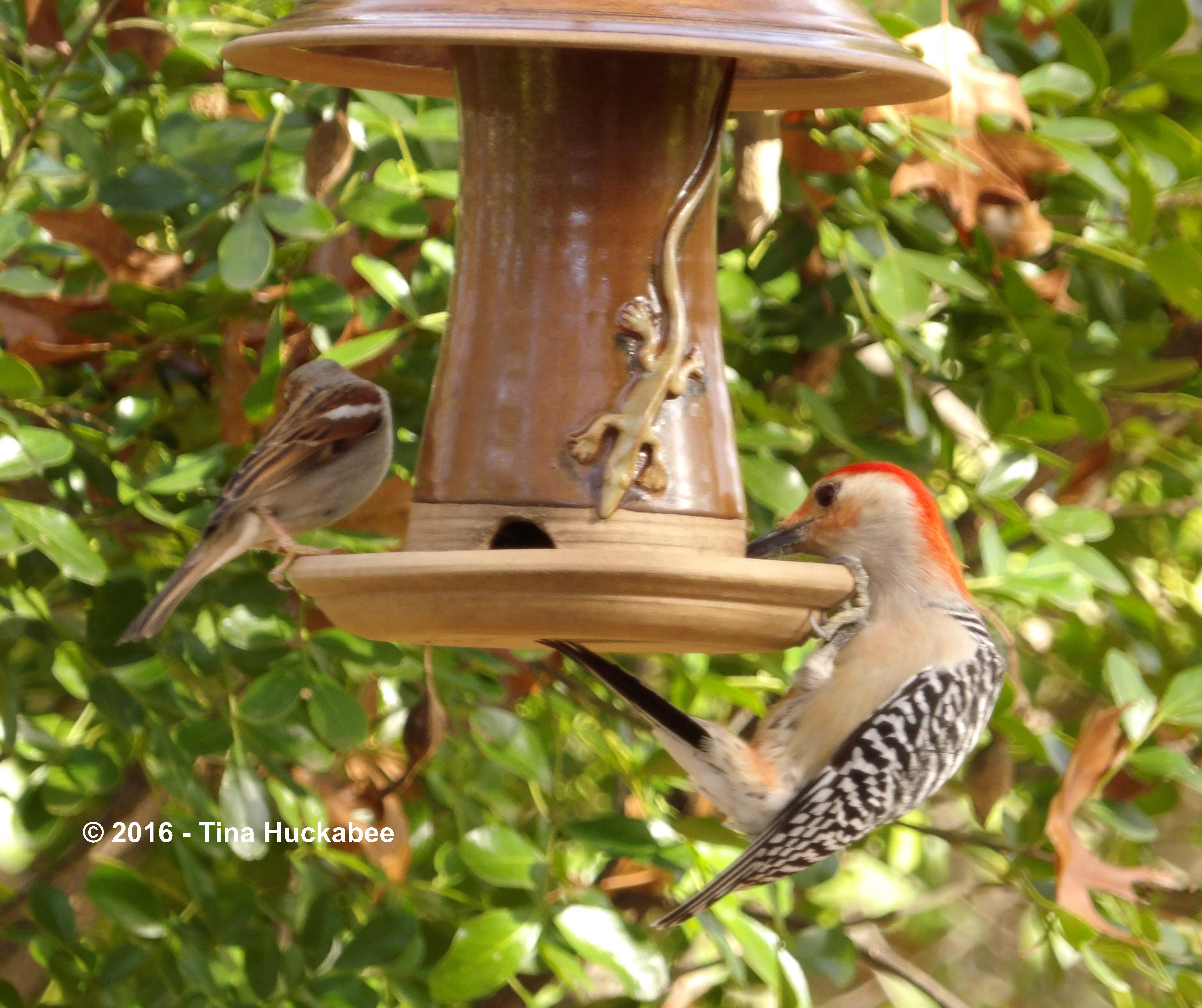
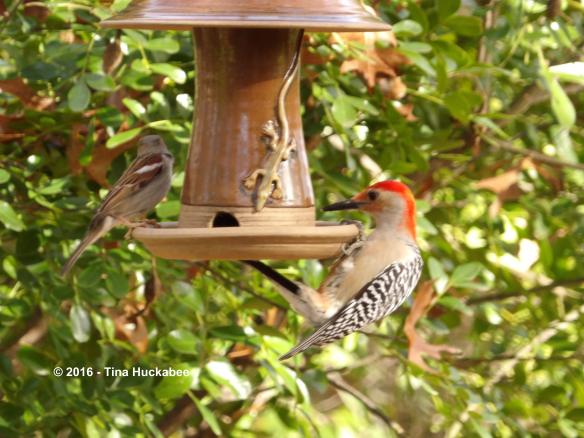
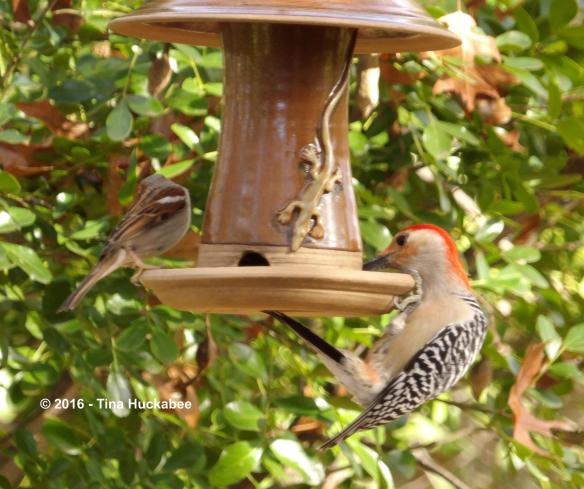
A Red-bellied Woodpecker,  Melanerpes carolinus, is another daily visitor to my feeders and up and down the oak trees.
IMGP3390.new

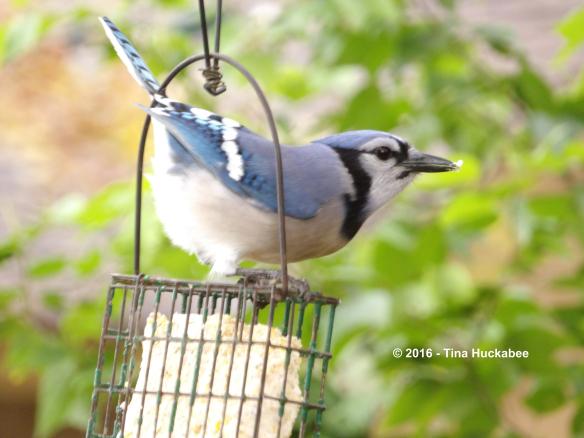
I love it when he is feeding at the suet and a Blue Jay flies toward and in no uncertain terms, the woodpecker lets the Blue Jay know that it’s NOT HIS TURN!

There’s plenty where that came from, so wait until Red-belly is finished, Mr. Jay.
IMGP3279.new

IMGP3261.new

At this feeder though, the Red-bellied Woodpecker doesn’t mind sharing the food bar with a House Sparrow, Passer domesticus.
IMGP3398_cropped_3830x3213..new

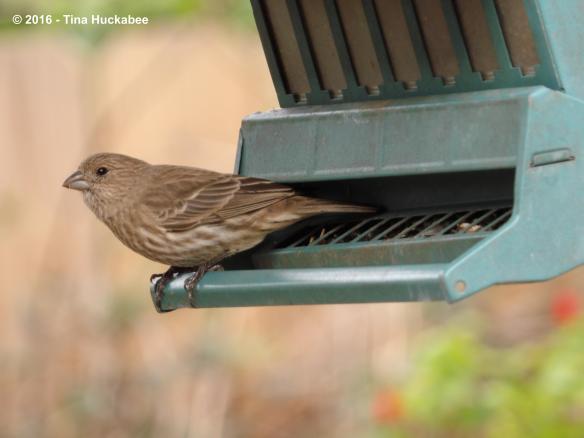
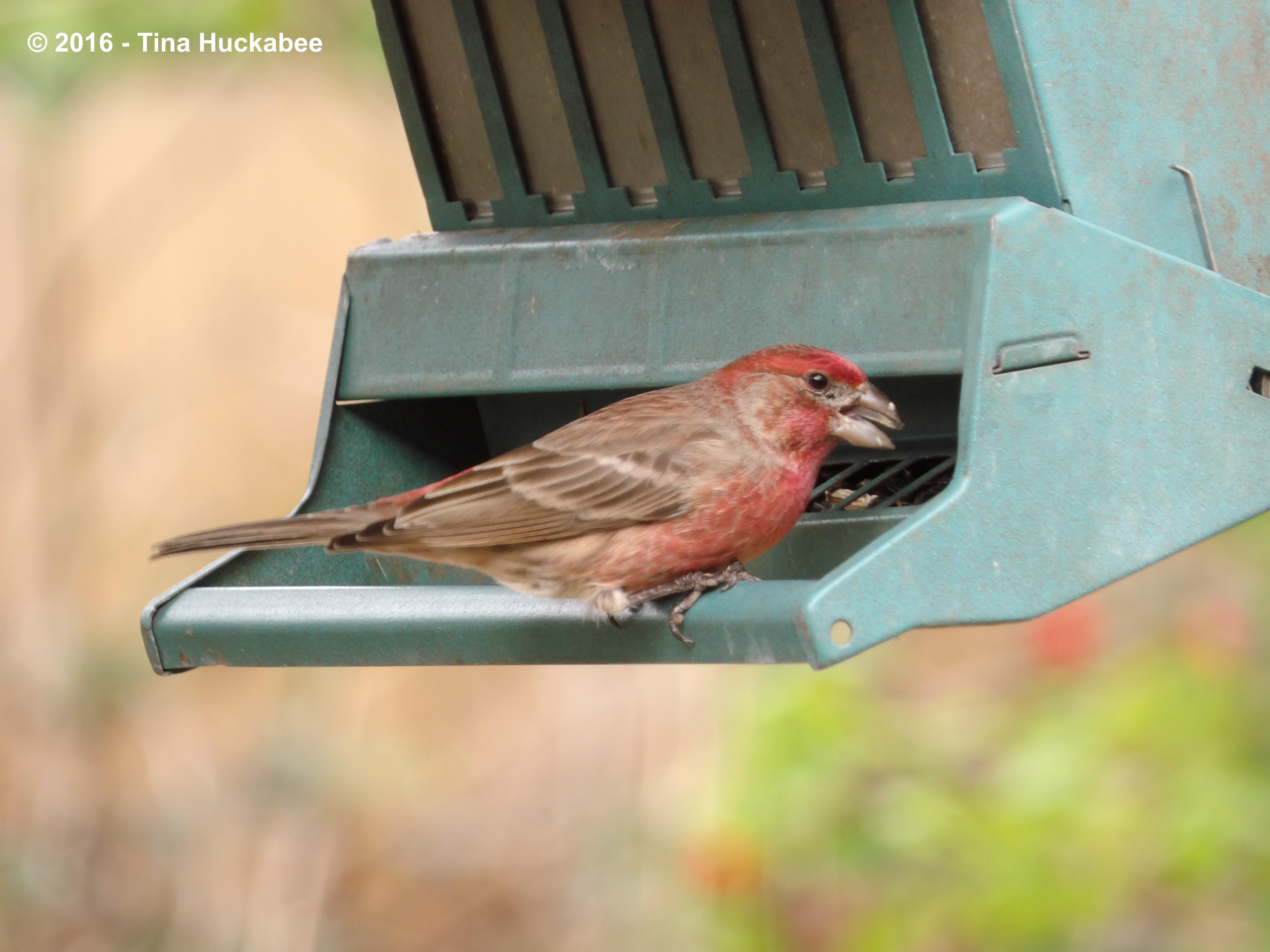
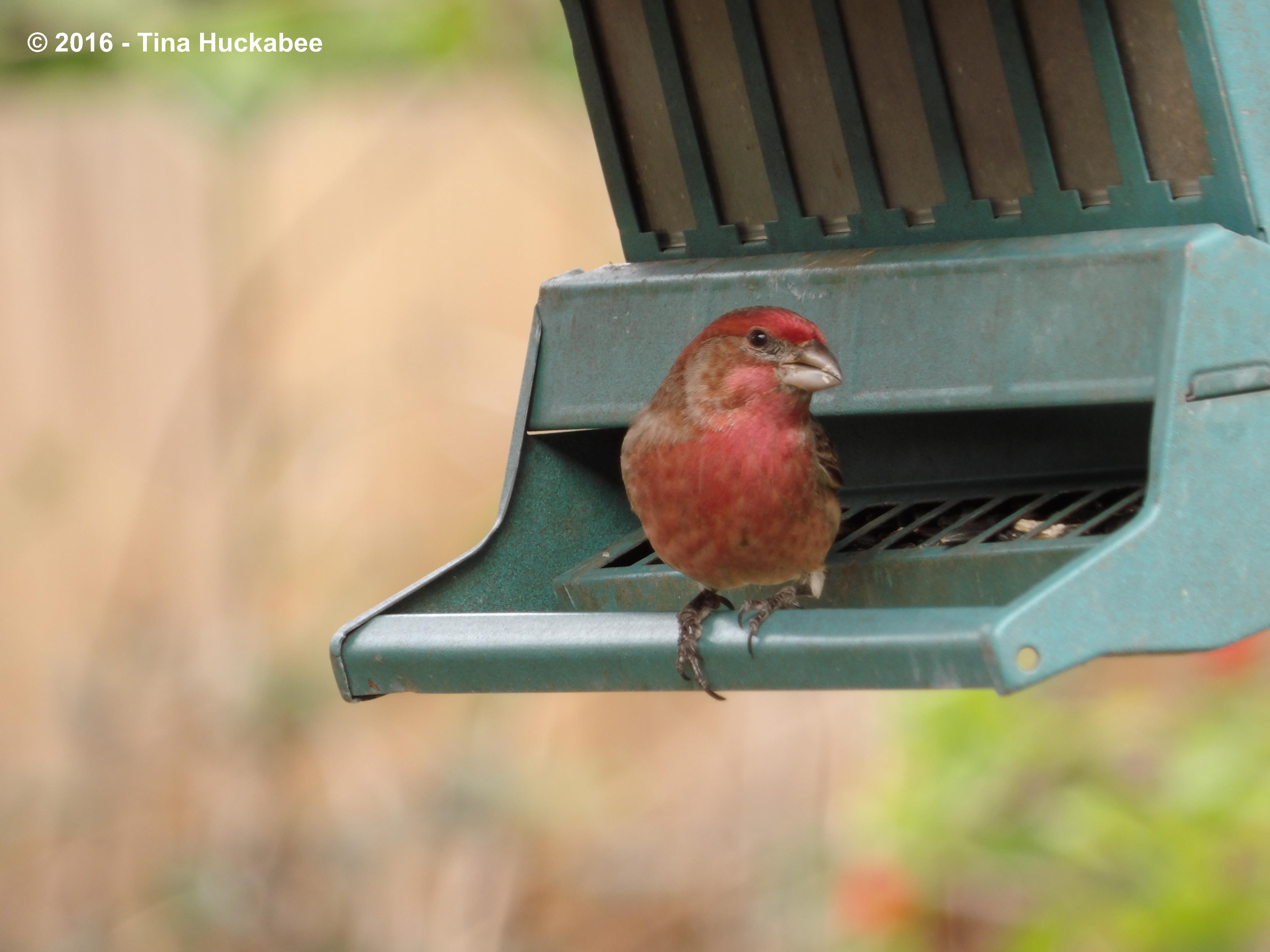
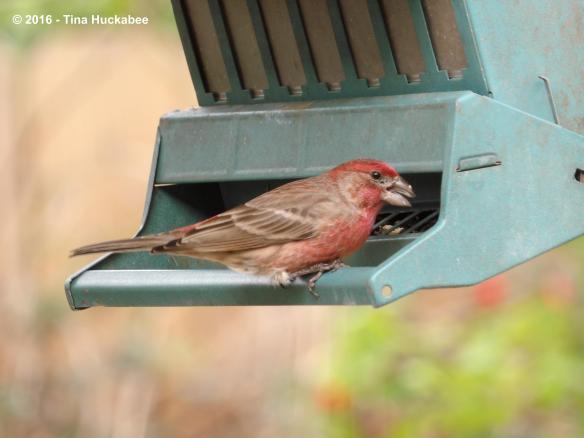
House Finches, Haemorhous mexicanus,   sit in the trees, on the ground, and at the feeders.  I love these chatty birds and I especially appreciate that they sit still, munching away contentedly for long enough to get good captures.  Usually, couples feed together, but at this particular moment, these two took turns–first him,
IMGP3633.new

IMGP3629.new

…then her.

IMGP3656.new

In November I signed up to participate in  Project FeederWatch, a yearly, months-long look at bird population trends organized by the Cornell Lab of Ornithology.  Mostly I did this because I felt the draw to participate in research on the status of North American birds, including migration and population  trends.  Also, I like the idea of being a citizen scientist.

 Snort.

Despite that trumped-up term, the information gleaned by the 200,000 participating volunteers throughout North America, is vital for research on how bird populations are trending up or down and, over time, whether native birds are declining, which, unfortunately, the project has documented.  Cornell Lab of Ornithology is all about the science of birds and through education, the conservation of our beloved and beleaguered native birds.  Cornell encourages concerned citizens to participate in this necessary research.

There are some rules and the counting method is specific and precise, though not difficult to understand or implement, even for novice bird watchers. Project FeederWatch spans November through April, book-ending the autumn and spring migration seasons, as well as the stable wintering population of your particular site. Ideally, observance is weekly, though there’s no penalty for skipping your count from time-to-time.  Cornell ornithologists are happy to get what information they can, when they can, to better understand how North American birds are faring.  Volunteers choose the same two consecutive days each week to observe and record what and how many birds are in the chosen area and for what length of time the area is observed.  Whether for one hour or many–it’s up to the volunteer–weather conditions are noted, and Cornell asks that particular rules of counting be followed to ensure no multiple counts of birds.  The process is well-tuned and the fine folks at Cornell Lab have done their utmost to make the activity easy to use and  educational. Data is either mailed in  hard copy form or entered directly into a user-friendly site; that’s my preferred method. Cornell requests an $18 participation donation for the starter kit, but  I think it’s well-worth that small amount to be part of a long-term scientific study and, like most scientific and educational organizations,  Cornell Lab of Ornithology can use all the moolah they can get.

It’s not too late to participate for this season; check out Project FeederWatch for more information.

Any excuse to watch the backyard birdies!

Oh dear.  I’m becoming one of them. Yeah, that’s right, my binoculars are on the shelf by the back door, ready and waiting.  Ready and waiting for that little female Downy Woodpecker who’s too quick in the oak trees for me to get much of a look, much less a decent photograph.

Oh well, there’s always preparation and photographs for  next month’s Wildlife Wednesday!

Did wildlife visit your garden this past month? Please post for January Wildlife Wednesday–share the rare or mundane, funny or fascinating, beneficial or harmful critters you encounter. When you comment on my post, please remember to leave a link to your Wildlife Wednesday post so readers can enjoy a variety of garden wildlife observations.

Happy wildlife gardening!
IMGP3385_cropped_3525x3051..new

IMGP3195_cropped_3328x3130..new