March to Spring!

Here in Austin, Texas (zone 8b), gardener giddiness is palpable.  Gardens and wild spaces are greening up and blossoming out.  It’s March!  Spring–visual and meteorological–is imminent, and daily garden evolution attests to that reality.  The first blooms in my garden have appeared and are set to lead the botanical charge for a new growing season.

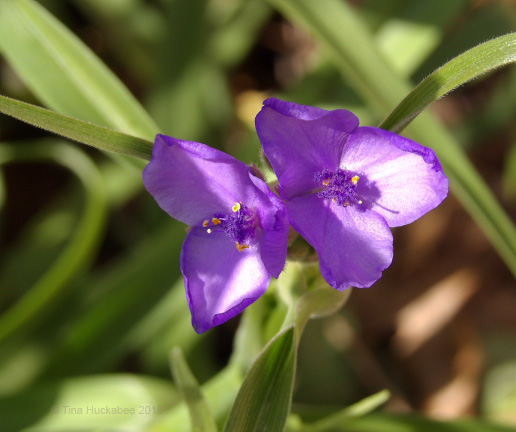
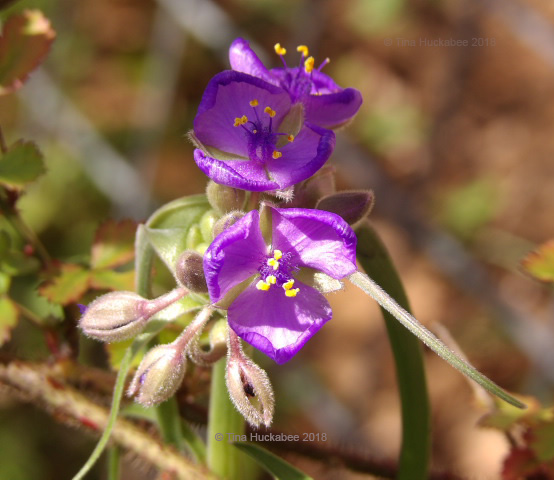
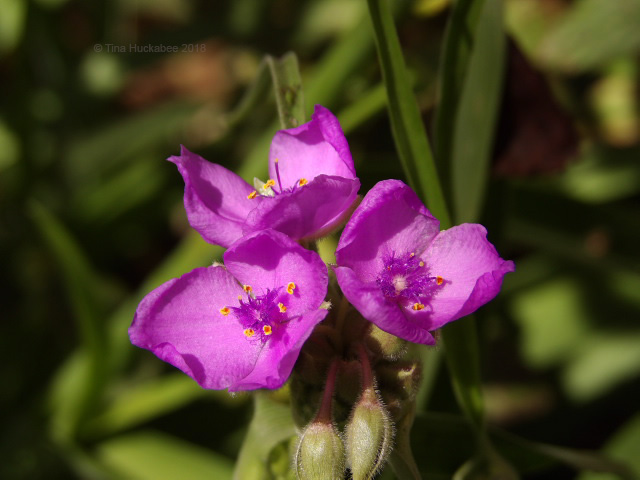
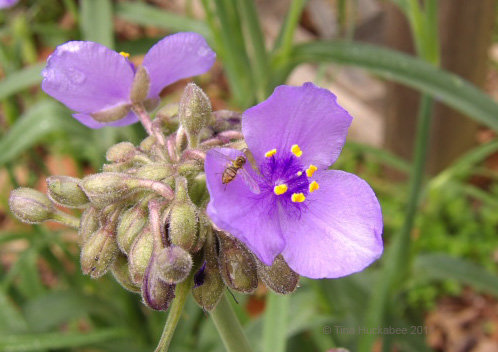
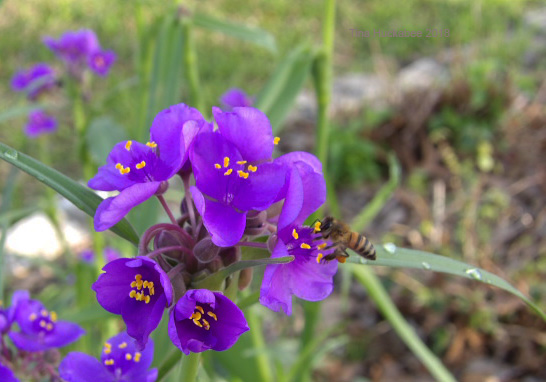
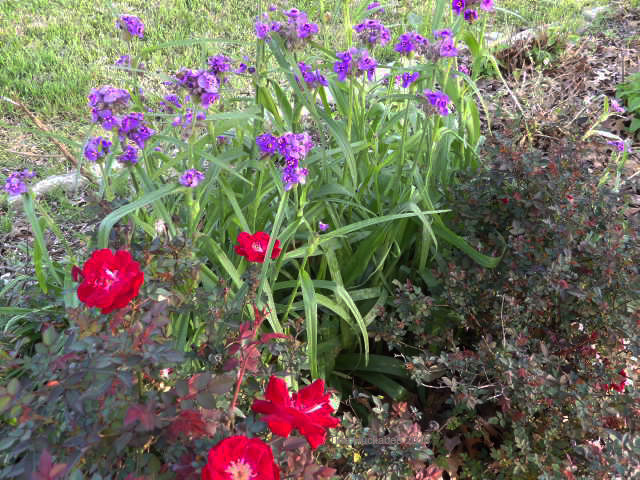
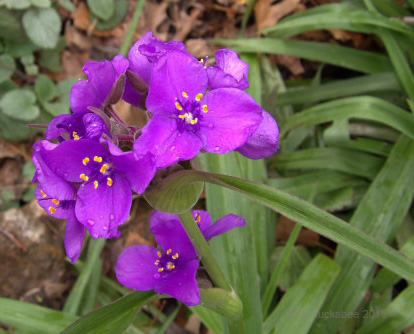
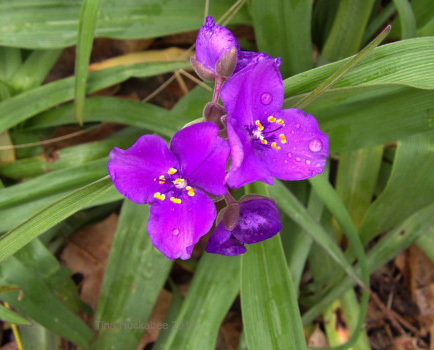
Giant spiderwort, Tradescantia gigantea, is a native wildflower and a reliable early bloomer.  Individual plants take their turns blooming, feeding pollinators, and setting seeds throughout the spring months.  Summer heat renders Spiderwort dormant.

Rainfall is welcome for new spring blooms.


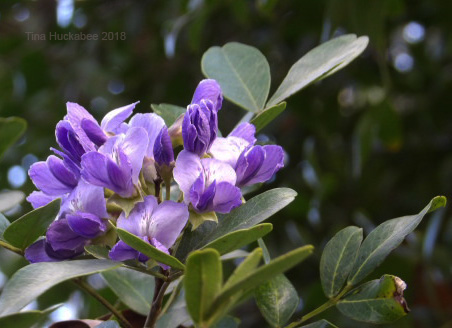
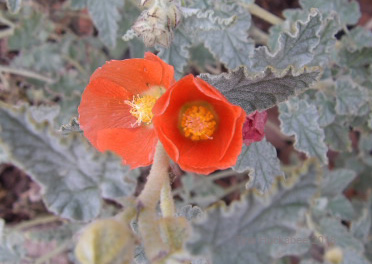
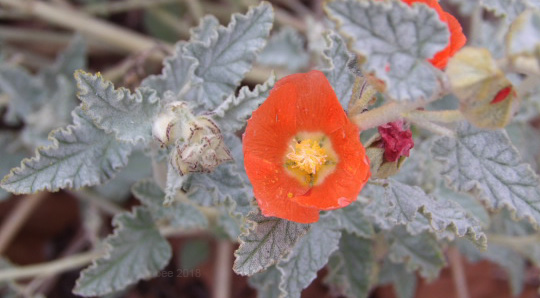
Globe mallowSpaeralcea ambigua, is not native to Central Texas, but instead, to points west.  In full sun and with good drainage, this gorgeous shrub is a cool season bloomer in Central Texas.

A hungry honeybee joined me in admiration of the blooms; I looked and admired, but she has more “wings” in the game.

When she flew off (to one of my backyard hives?), she was covered in pollen!

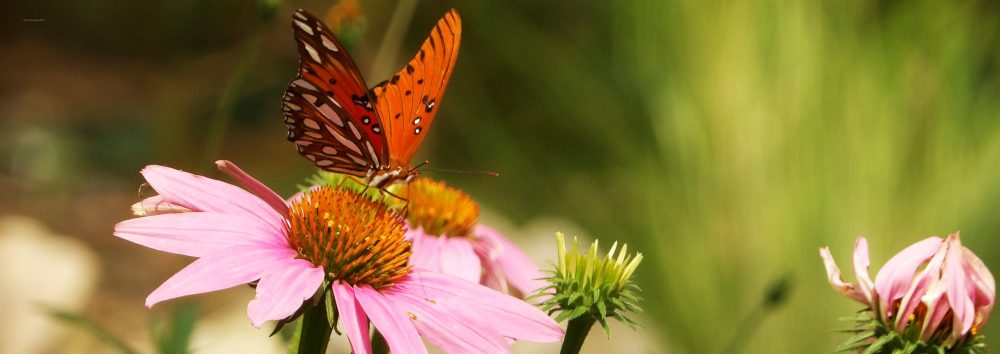
More blooming goodness is on the way–for honeybees and all other pollinators– awakening from winter and revving their pollinating engines.

Happy March! Happy Spring!

Rock rose (Pavonia lasiopetala): A Seasonal Look

If you’re a fan of pink, this is the post for you!

Rock rosePavonia lasiopetala, is a small shrub adorned with blooming Barbie-doll pink flowers through much of the growing season.  In my Austin garden, the first blooms appear in late April, with stragglers showing up as far into the calendar year as early December.  The charming hibiscus-like flowers,

…framed by fuzzy, scalloped foliage, are congenial and reliable garden partners.  A water-wise perennial shrub, Rock rose flowers are visited by many winged things:  butterflies, bees (both native and honey), and hummingbirds.  I guess all that pollination activity explains why they seed out so readily–I always have many seedlings to share.

Honeybees and several varieties of native bees regularly work the blooms. Most of the butterflies who visit Rock rose blossoms are smaller skippers and hairstreaks.

With its mallow blooms ranging from subtle, sweet pink,

…to garish, stopp’em-in-their-tracks pink,

…this shrub is a must-have for anyone gardening in Central Texas and southward into Mexico.

Masses of blooms

A single flower paired with blooms-about-to-happen. Rock rose isn’t a host plant for any insect that I’m aware of, but someone’s been nibbling at these leaves.


In winter, Rock rose retains some of its leaves, but definitely thins out;  I guess I’d label it as semi-evergreen.  I typically wait until late February to prune back  the shrubs to about 10-12 inches in height.  In fact, I just completed this winter chore.

Look closely to see the nearly naked limbs of February just-pruned Rock rose shrubs.  This garden boasts a cluster of Rock rose shrubs which border a walkway.

As with all things winter in my zone 8b garden, now is a good time to prune and clean out garden detritus which has accumulated.

The leaves of my American sycamore, Platanus occidentalis tangle in the web of Rock rose limbs.


Throughout March and April, the foliage will return–vigorous and verdant–ahead of the rosy charmers.

This is an April shot of several Rock rose shrubs bordering a walkway.

The first set of blossoms sprout in spring, blooming prolifically through summer, depending upon rainfall and /or irrigation.

Opening at dawn, the flowers remain available for critter pollinating and gardener viewing until afternoon, when they shutter their petals for the night.  As summer temperatures creep upwards, the blooms close earlier, often by mid-afternoon.  This is especially true of those growing in full sun. Well, why not??  It’s hot out there and closing the flower shop early in the day is how these plants conserve moisture during the dry, toasty summer months.

Because Rock rose produces masses of flowers, with heaps of seeds following, I typically prune a second time, by about one-third, sometime between  May and late June, depending upon rainfall.  I do this for two reasons: one–to limit seed dispersion after blooming (read: a good, old-fashioned “dead-heading”);  two–to shape the shrubs and encourage new growth.  Rock rose blooms on new wood, and if the gardener prunes the shrub 2-3 times in the growing season, the plants look tidier.  That said, I’ve seen many Rock rose shrubs go unpruned during the growing season and the worst result is that they’re leggy and floppy and produce multitudes of seeds, resulting in more Rock rose plants.

That’s not a bad thing.

Flowers open alongside developing and developed seeds.

Rock rose is a stellar summer bloomer, even during drought, but the flower show  declines unless there’s measurable rainfall.  In the driest period of summer, supplemental watering is appreciated, but Rock rose is a water-wise plant and thrives without much irrigation.

I  prune once more in late August, ahead of the autumn rains, shorter days, and the promise of cooler temperatures.  This readies the pink wonders for their autumn show!

As the temperatures cool in autumn, the flowers still open early, but  stay open until sundown.

I like Rock rose planted in groups of three, or more.  This maximizes visual impact in the garden and pollinators have plenty of pink to partake of.   It combines beautifully with other plants:

Rock rose paired with Katie’s Dwarf Ruellia.

One of my favorite combinations is rosy Rock rose planted with sunshine yellow Zexmenia (Wedelia acapulcensis var. hispida).

Rock rose, Zexmenia, and Purple coneflower (Echinacea purpurea) are a winning combo in spring and summer.


Rock rose performs best in full sun, but handles significant shade, with diminished flowering; I wouldn’t recommend it for deep shade. Shrubs growing in shade (and sometimes, those in sun) may develop mildew on the foliage.  Typically, the mildew resolves and other than temporary unsightliness, isn’t an issue, but it’s something the gardener should consider when choosing to plant this perennial.  When it happens, I prune offending shrubs and the foliage rebounds.

Another issue with Rock rose is its proclivity for seed production.  If you grow this shrub, you will have Rock rose babies each year.

A volunteer Rock rose beside the pond.

The Rock rose which border the raised bed are all volunteers. They’ve grown out of the crack between the retaining wall and the driveway.  Even in full, west sun, these Rock rose shrubs never wilt.  Who knew that concrete is such an effective mulch?

You can pull seedlings and compost, transplant them elsewhere in your garden, or give them away.  More than likely, you’ll do all three of those things.  The seed bounty of this native plant–while annoying–is a gift.

From left to right:  two open blooms, a bloom about to open, a newly closed bloom with developing seeds, and in the background, a seedhead with seeds nearly ready to disperse.

When my shrubs develop this many seedheads, I grab my Felco pruners and have at it!  I prune the branches as little as 4-5 inches to as much as 12 inches, all depending upon how big I’ve let my shrubs get (ahem!).  The goal is new stem growth and a new set of blooms.

The seeds in the middle of this photo are ready for dispersal.

Newly formed seeds (green) and mature seeds (brown).

As well as providing for pollinators, I have witnessed various finches nibbling at the seeds, so Rock rose’s worth for wildlife extends beyond the blooms.

For those gardening with deer guests, Rock rose is only mildly deer-resistant.

Rock rose is not a long-lived shrub.  I’ve read that individual plants live approximately 5 years.  I can vouch that some of my plants have died at around 5 years, but most have lived far longer.  If you notice foliage turning yellow and  withering as if needing water (and you’ve irrigated or have had rain), don’t try to save the plant–it’s done.  Your best bet is to yank it out and plant one of the many seedlings which have popped up in your garden.

Rock rose is a lovely, tough, blooming shrub providing plenty for pollinators and birds.  It requires some maintenance during the growing season in the form of regular pruning, but is otherwise an easy-peasy plant to grow, with rewards aplenty.

Spring:


Summer:

Fall:


Winter:

In mild winters, the foliage remains. In colder winters, more of that foliage will disappear.

Frost Fest

Everyone is talking about it!  It’s the plant of the week, the one everyone wants to know and hang out with!  My own blog statistics show a dramatic spike in views of past posts written about it!  What is this trending plant, the plant with the cool vibe?  Well, it’s more than cool, it’s cold–it’s FrostweedVerbesina virginica.  Of course!

Frostweed is an excellent wildlife perennial plant, native from all the way up in Pennsylvania to here in sunny–usually mild–Texas.  Its striking summer-to-autumn white blooms, which feed many, are quite enough for me to adore Frostweed, but it’s the transitory ice show, as seen during the first hard freeze of winter, that gives this summer and autumn blooming, pollinator-loving perennial its name.

Frostweed.

Luscious ice sculpture!

In the first winter hard freeze, this week, my Frostweed strutted its icy, frosty stuff for almost three full days, due to the temperatures dropping late Sunday and not reaching above freezing until mid-day Wednesday.  The first thing I thought about on Monday morning, January 1, 2018, (okay, second–the first was about coffee…), was Oooh, I need to check out the frostweed, I’ll bet they’ve all burst open!  

Indeed, burst open they had–and how!

The moisture from the stem blasts open the epidermis of the stalk.

Breaks through the stalk, with additional curling (upper left) of the ice, occurs as moisture, forming additional ice, moves outward.

The ice formations are delicate and transient–melting at touch or temperatures over freezing.  Ice forms as the plant draws moisture up from the ground.  The supercooled moisture breaks open the epidermis, freezing from the base of the plant and upwards along the stalk.

The resulting ice sculptures can furl (unfurl?), scroll-like, along the stalk, which is how my Frostweed usually behaves.

Monday morning.

Sometimes, the ice creates wavy, ice-taffy inspired forms.

Same plant, Wednesday morning as more moisture froze along the stalk when temperatures continued to drop.

A closer look.

Curly.  Groovy.  Icy.  Beauty.

This winter’s show was special because in Austin, and certainly in more northern parts of the state, temperatures stayed below freezing for longer than the typical fleeting hard freeze, thus allowing the ice sculptures to expand, and remain frozen for admirers to appreciate for longer than just one morning.

Other perennials demonstrate similar freeze-n-bust action, but none do it with the verve and style of Frostweed.

As the sun warmed Wednesday afternoon, so melted away the exquisite, frosty art.  The frost show ended, probably until next winter, but it was fun to see.  Frostweed will be back in spring, after winter’s pruning, for another year of blooms and bust.

Frostweed–a frosty delight.