Tree Following in March: A Whole Lotta Nuthin’

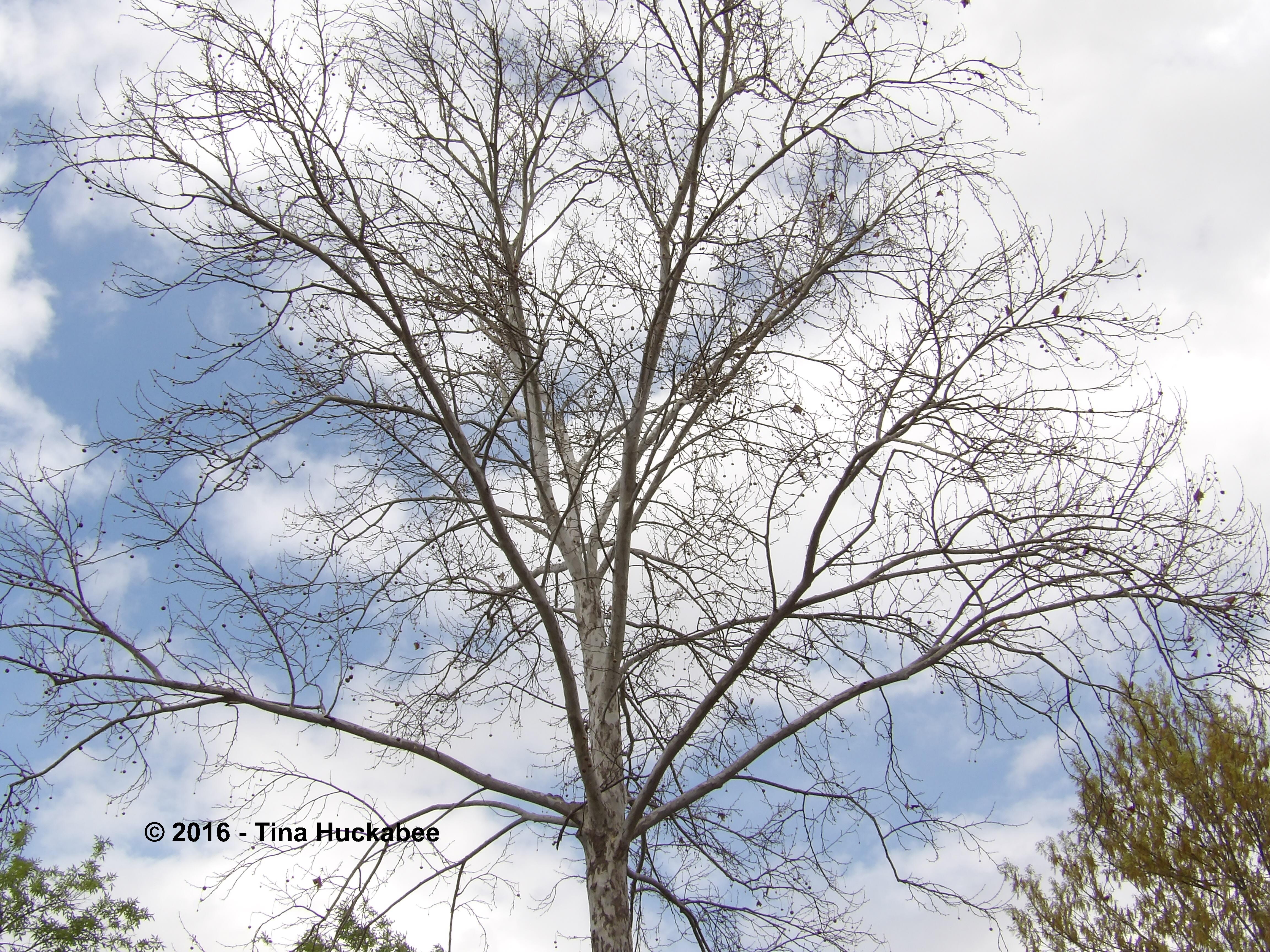
I suppose to suggest that there’s nothing going on with my American Sycamore,  Platanus occidentalis, would be erroneous. Truthfully, in its outward appearance, not much has changed since we last engaged in the monthly Tree Following musings.

IMGP4924.new

The American Sycamore stands stalwart and skeletal, beautiful in its simplicity.  It’s always one of the last trees to leaf out in my neighborhood, along with the native Pecan, Carya illinoinensis, trees.  I’m not seeing much, if any, thickening of bud development for ultimate leaf-making.

IMGP4763.new


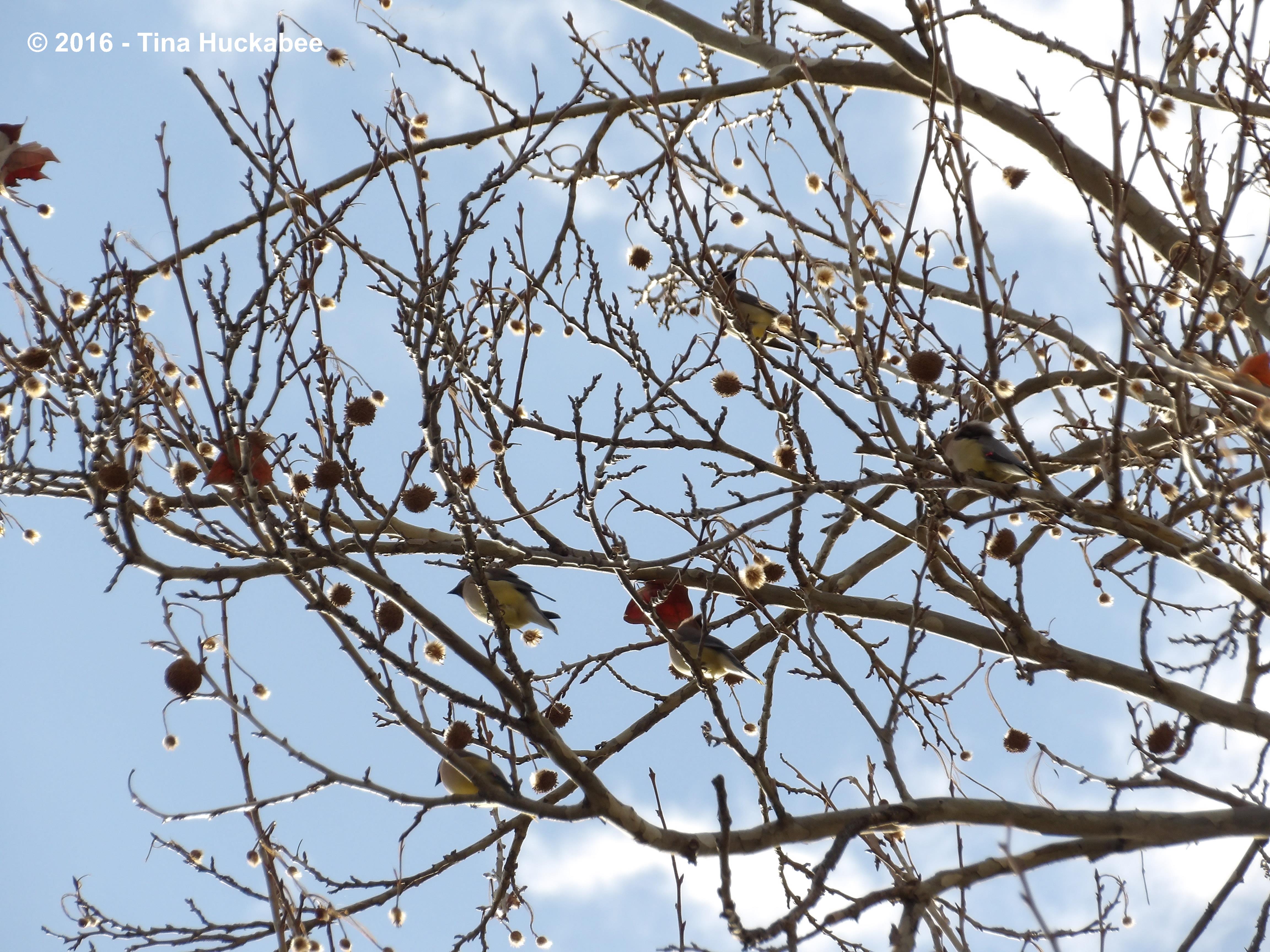
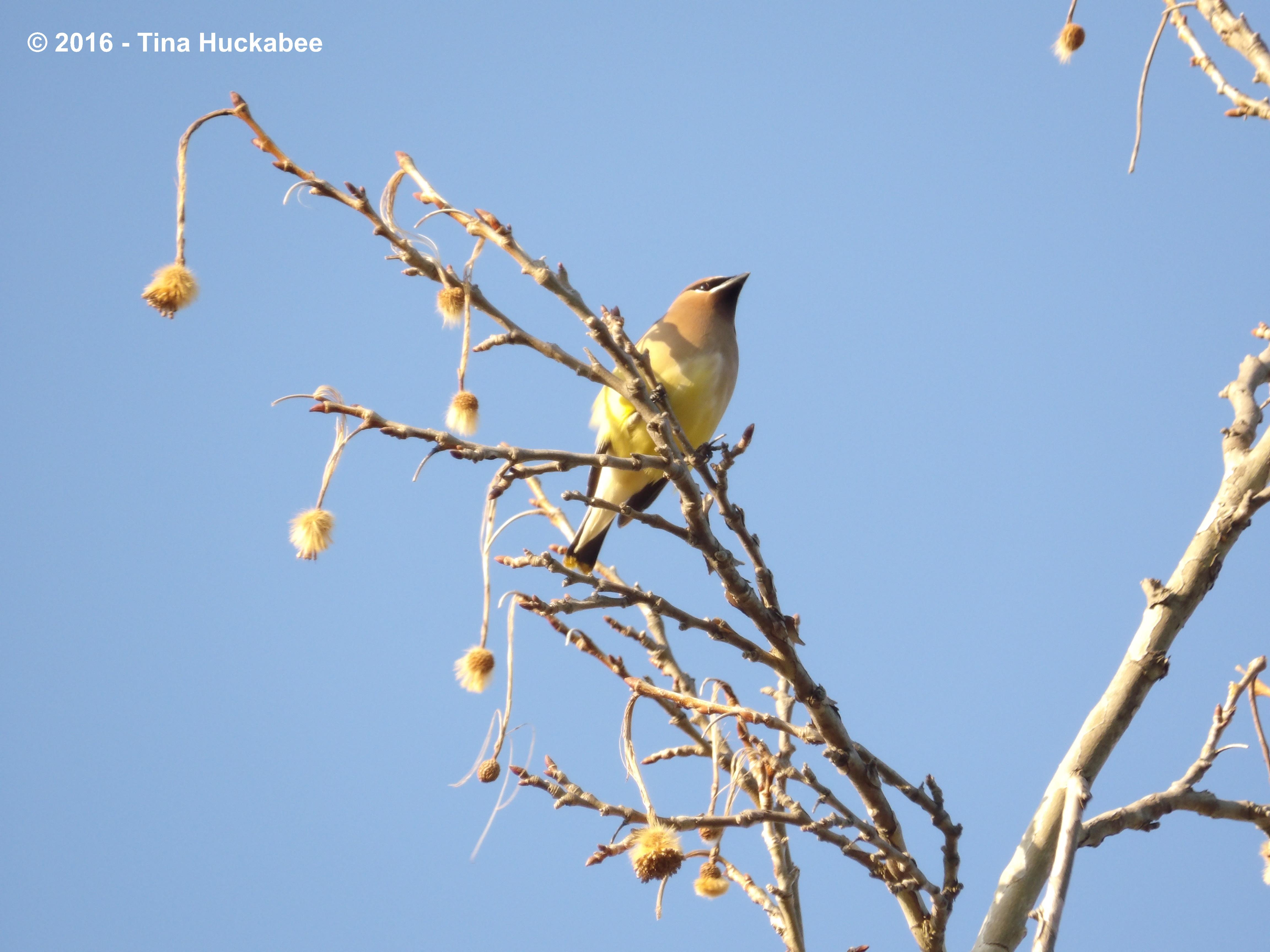
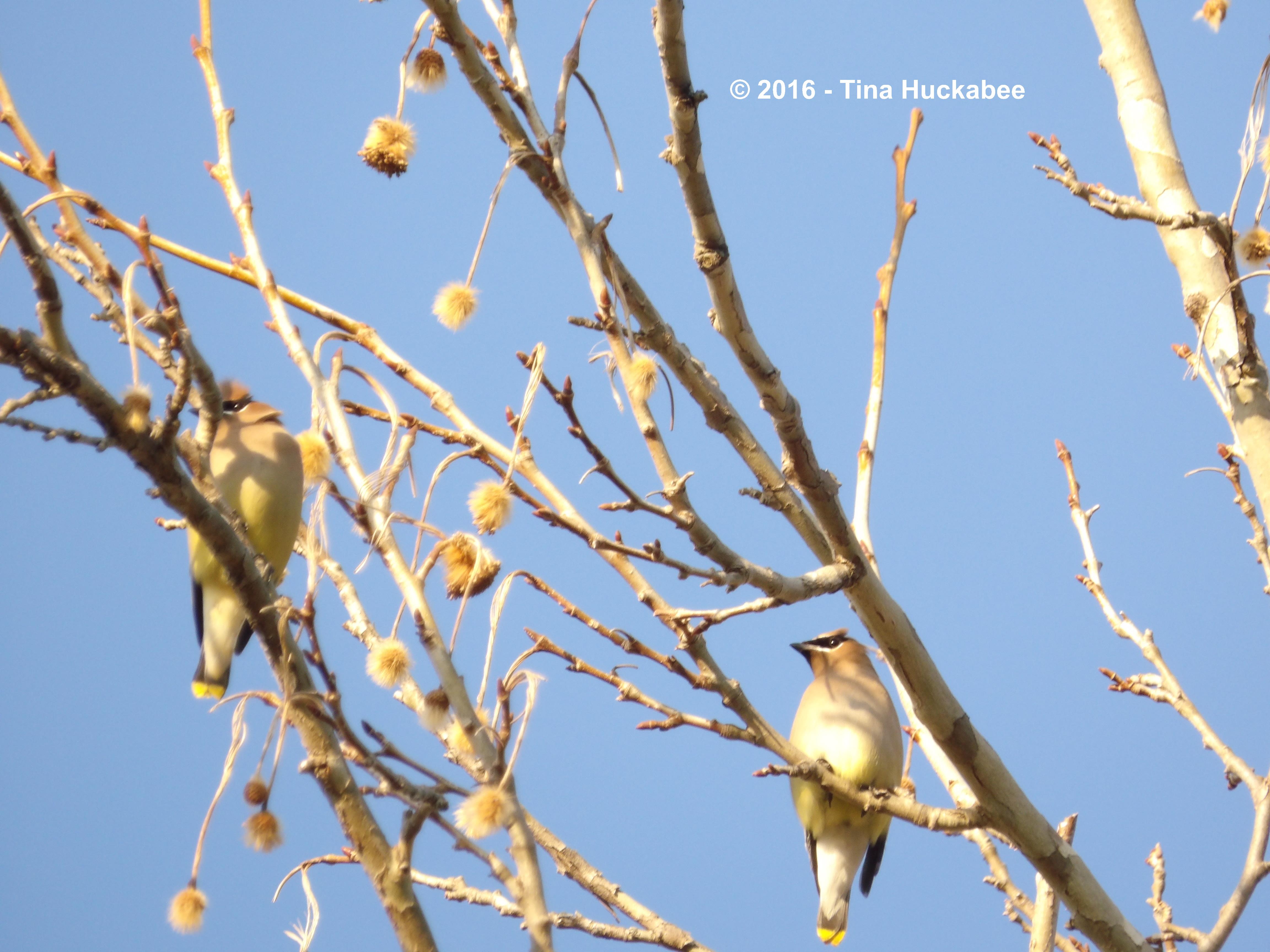
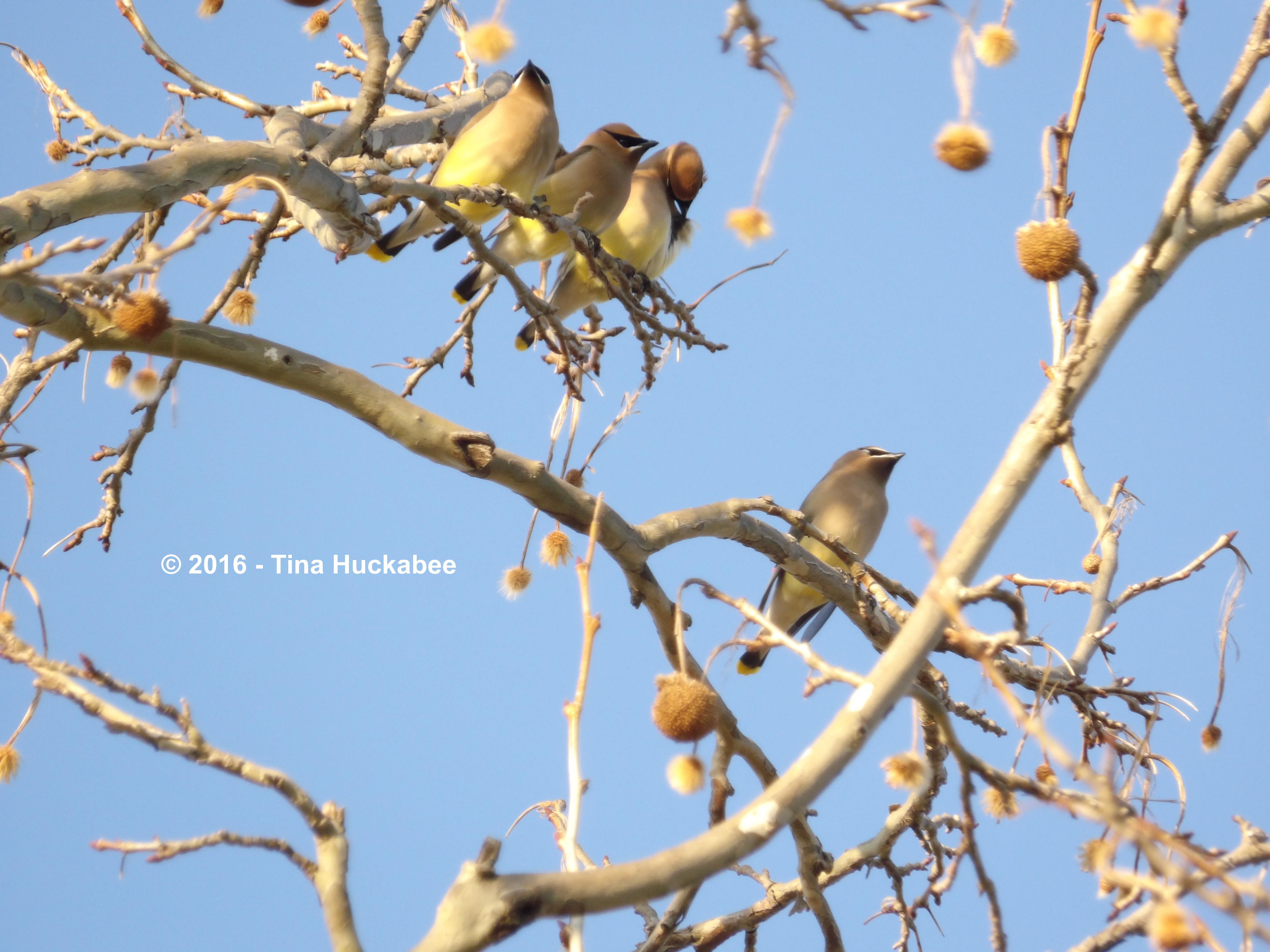
But there is some action in the goings-on of birds.  Cedar Waxwings,  Bombycilla cedrorum, rest and chatter on  the limbs.

IMGP4762.new

One,

IMGP4540.new

…two,

IMGP4611.new

…four,

IMGP4565.new

…four more,

IMGP4577.new


…and six.  Yes, there are six in the photo, though I cut the head off of one lad and another preens behind two full seed balls, to the amusement, or irritation, of a companion.

IMGP4568.new

There have been more birds at other times too, but on such windy days all that photographed was a smear.

The seed balls, or fruits, which never dangled in quite their usual numbers this year, are fewer on the tree now. Some are on the ground in my gardens, either whole or not.

IMGP4912.new

The Sycamore seed is an achene attached to hairy strands which help with seed dispersal.

The Sycamore seed is an achene attached to hairy strands which help with seed dispersal.

There have been days when I noticed a light snowfall of individual seeds floating on the wind, wafting to unknown destinations, but this year, there was no ticker-tape celebration of normal early spring wind dispersal.  The dispersal of seeds by wind is called anemochory, but American Sycamore seeds also disperse by water, called hydrochory.

IMGP4923.new

The Sycamore will leaf out during the next month.  The foliage will be lush, providing months-long shade for animals and people.

Thanking Pat of The Squirrelbasket for graciously hosting this fun meme about trees. Check out her blog for interesting information about trees from all over the world.

The Problem with Pollinators

On the heels of the Intergovernmental Science-Policy Platform on Biodiversity and Ecosystem Services (IPBES) report about the potentially catastrophic worldwide decline of pollinators, I’d like to offer some  gentle reminders to home gardeners and all others concerned about the health and maintenance  of our food supply and the natural world as a whole.   The report paints a dire prediction of decline and extinction of  pollinators–honeybees, wild bees, butterflies and moths, and all other pollinating animals who play a vital role in production of managed crops and propagation of native plants and trees.  I certainly hope that this report will bolster efforts to support educational and research organizations in their work toward encouraging local, state and federal authorities to set aside land for prairies, native grasslands, and wild space in general, and to manage that space in appropriate and sustainable ways.

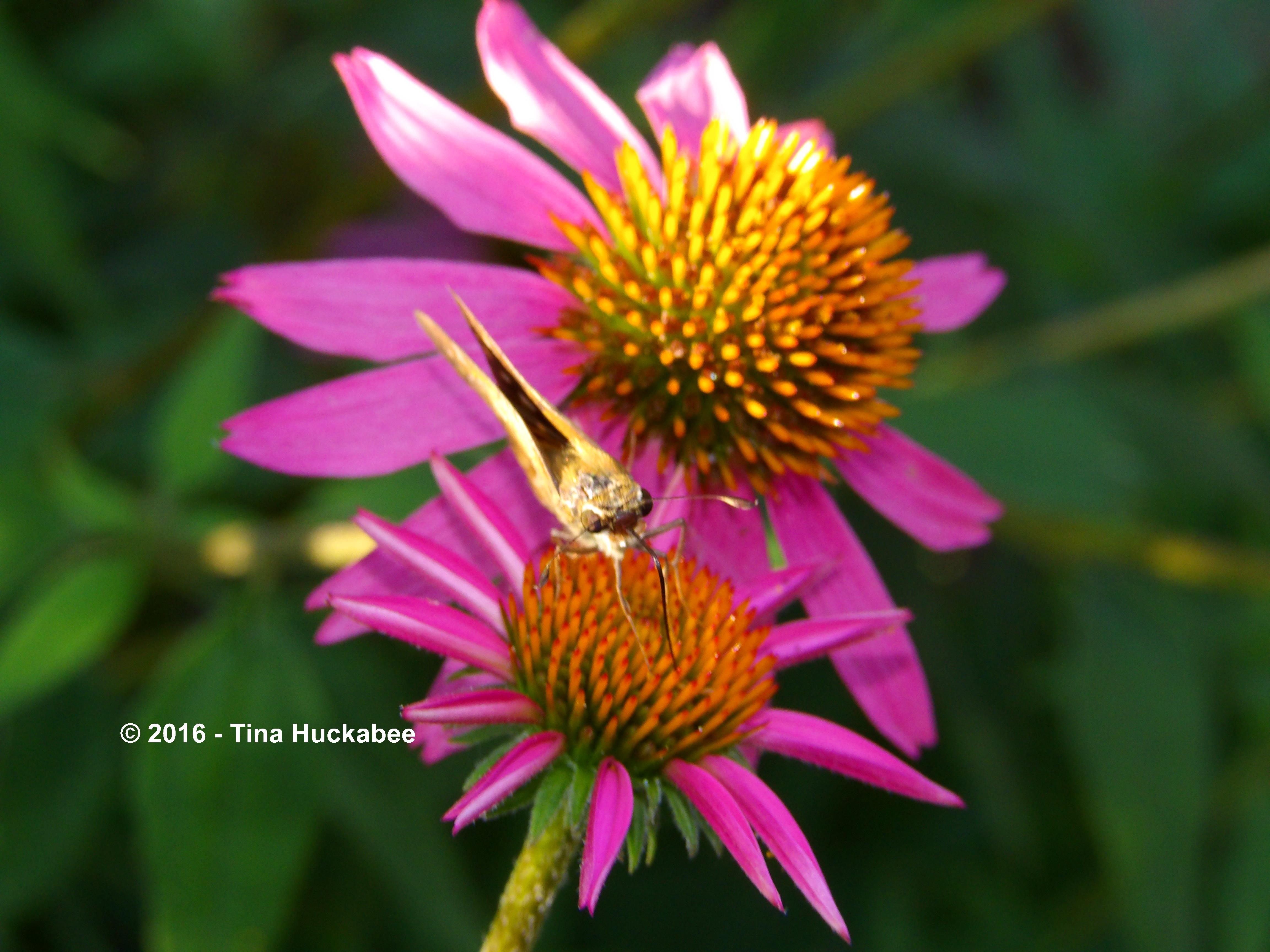
Skipper nectaring at Echinacea purpurea, Purple Coneflower.

Skipper nectaring at Echinacea purpurea, Purple Coneflower.

There are simple practices that the home gardener can engage to assure a safe haven for pollinators and all wildlife in general:

Refrain from pesticide and herbicide use.  Not only will abstaining from chemicals save you money and time, but usually, these chemicals create more problems than they fix. If you plant appropriately for your region, the need for chemicals in the garden decreases or disappears.

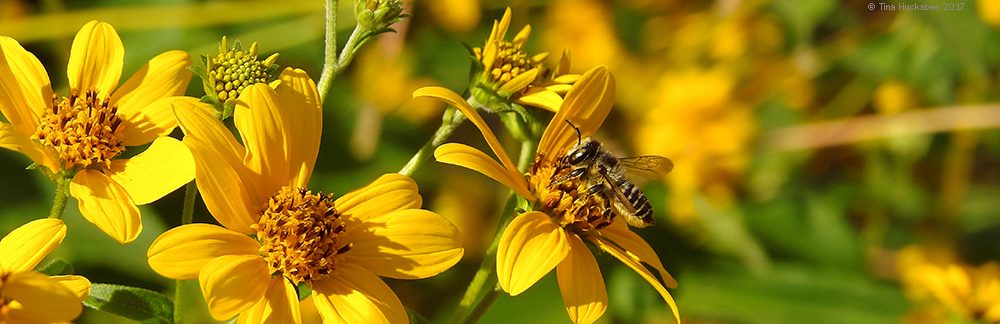
Osmia ribifloris (?), Megachilinae, sp. preparing nest in the mortar of the outside wall of a house.

Osmia ribifloris (?), Megachilinae, sp. preparing a nest in the mortar of the outside wall of a house.

IMGP4748_cropped_3230x2687..new

Use native plants!  There is no easier way to attract and sustain wildlife than to plant native plants–for pollinators, birds, bats, reptiles–every native critter will visit when their preferred food source is available.   Where native plants are hard to find, plant non-invasive, well-adapted pollinator-friendly perennials and annuals.   When replacing shade or ornamental trees, plant native trees; a large native tree is life-giving in so many ways.  Your locally owned nurseries and Agricultural Extension Agent offices and websites are excellent sources of information on appropriate plants.

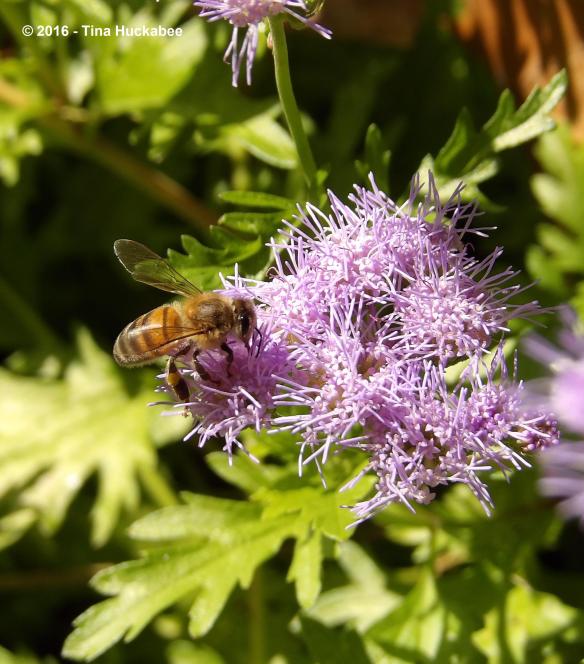
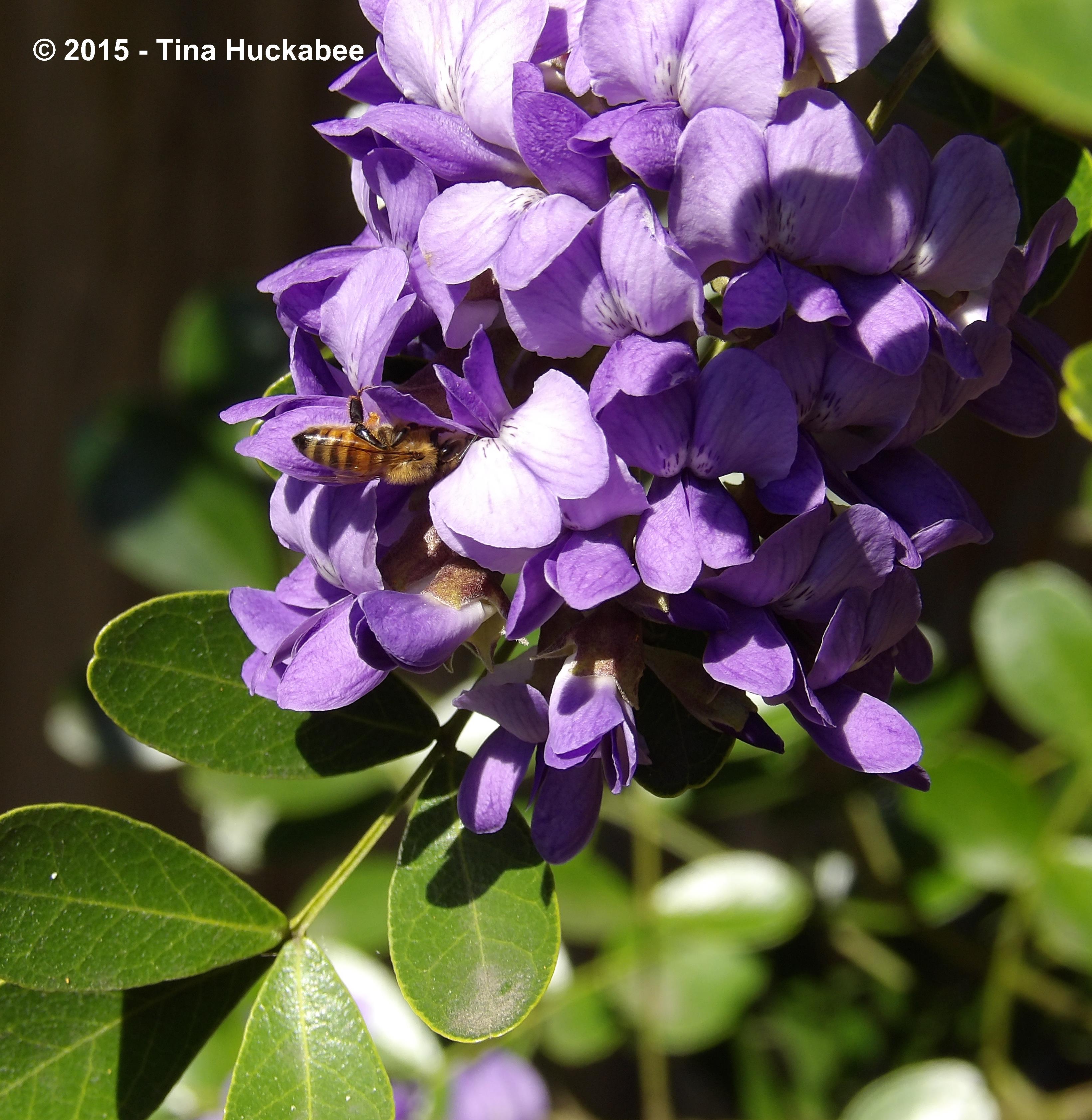
Honeybee working the blooms of a Sophora secundiflora, Texas Mountain Laurel.

Honeybee working the blooms of a Sophora secundiflora, Texas Mountain Laurel.

Allow some “nature” in your garden.   It’s perfectly fine to have a few leaves, branches, and garden detritus  in your garden for critters to use as cover and for nesting purposes. The 1950’s swath of lawn and scraped garden are so…yesterday.  A water-hogging, sterile lawn coupled with a few pristine, non-nectar producing plants (usually sold at big box stores) and placed solely at the foundation of a house, are antithetical to how nature exists and functions. Birds, mammals, amphibians, reptiles, and beneficial insects have no place to live and thrive in that kind of “garden.”

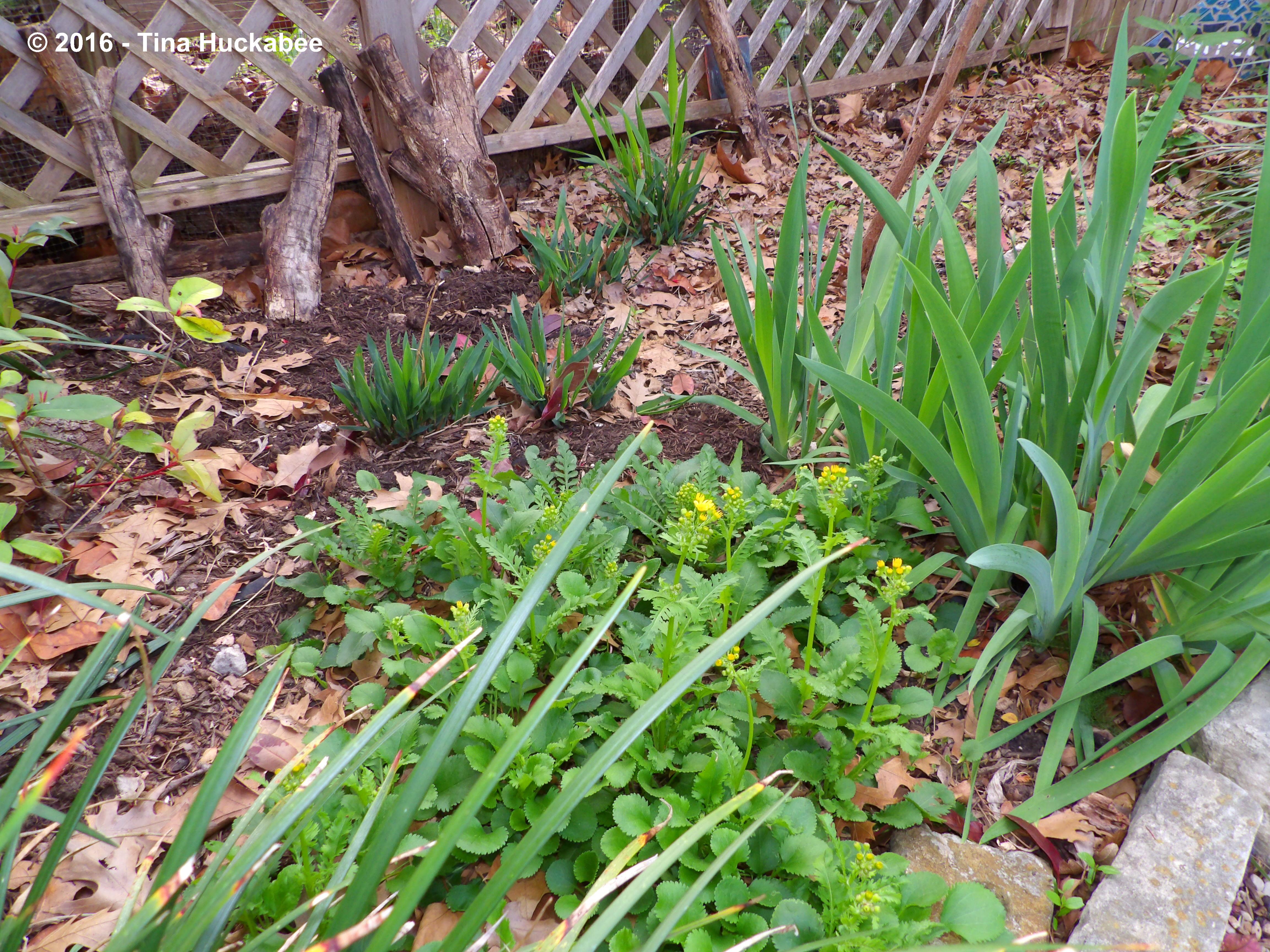
Leaf litter and rotting wood as part of the garden design and structure.

Leaf litter and rotting wood as part of the garden design and structure.

Your garden doesn’t have to be wild  to attract wild.  No matter what garden style the gardener appreciates and aspires to, incorporating plants that are beneficial to wildlife–those providing nectar, seeds, berries, and cover–is easily accomplished as time and budget allow. Whether in a formal or a cottage garden style–or anything in between–using wildlife-friendly plants, pruning after seed production, and refraining from chemical use is the ticket to a successful and life-nurturing garden.  And isn’t that what gardening and gardens are all about?  The creative endeavor of nurturing and sustaining life and beauty.

Provide water!   As simple as a bird bath or as complicated as a series of ponds with attached streams and waterfalls, water is a requirement for life and should be a part of any garden.  ‘Nuff said.

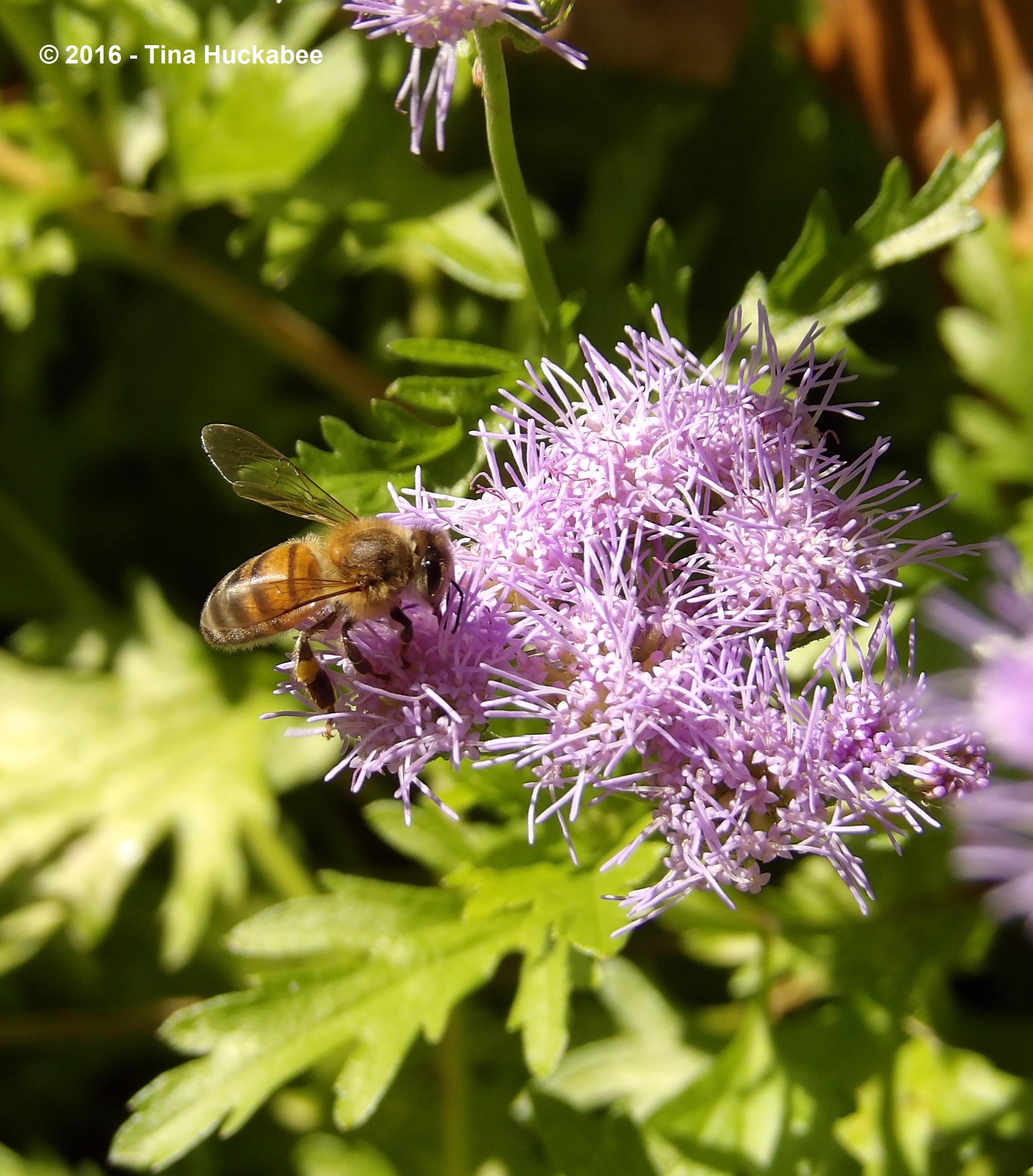
Honeybee drinking from a bird bath.

Honeybee drinking from a bird bath.

There are already places in the world where, because of mismanagement of land and misuse of chemicals, there are no pollinators available.  None.  They’re all dead.  Crops grown are hand-pollinated by people.  Surely this is not what we want worldwide, but that scenario is exactly where we are headed.  We can choose a different route and it doesn’t require great inventions or new technologies, but instead, thoughtful gardening and agricultural practices, as well as the political will to acknowledge and edit the environmental costs of industrialization.

Honeybee gathering pollen at Tradescantia gigantea, Spiderwort.

Honeybee gathering pollen at Tradescantia gigantea, Spiderwort.

Please consider the health of your local environment when you plan a garden.  Support private, municipal, and federal efforts to set aside land for wildlife.  Our survival, as well as the maintenance of the remarkable and diverse biology of the Earth, depends upon our acting NOW.  This is a solvable problem.  Let’s solve it.

Osmia ribifloris (?), Megachilinae, sp. flying into an insect hotel, preparing nest.

Osmia ribifloris (?), Megachilinae, sp. flying into an insect hotel, preparing a nest.

Pollinators are our friends and co-workers.  It’s in our interest to do right by them.

Xylocopa tabaniformis, Horsefly-like Carpenter Bee at a Salvia guaranitica, Blue Anise Sage.

Xylocopa tabaniformis, Horsefly-like Carpenter Bee, at a Salvia guaranitica, Blue Anise Sage.

Wildlife Wednesday, January 2016: All About Birds

Welcome to a new year, with new beginnings, and new wildlife to observe and learn about.

How exciting!

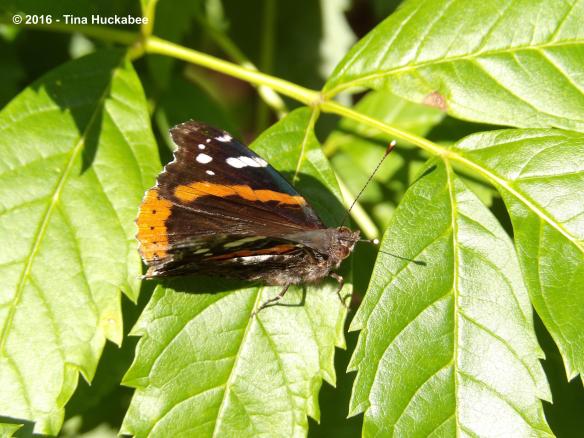
In my gardens, this past month’s wildlife happenings have been all about the birds.
IMGP3020.new

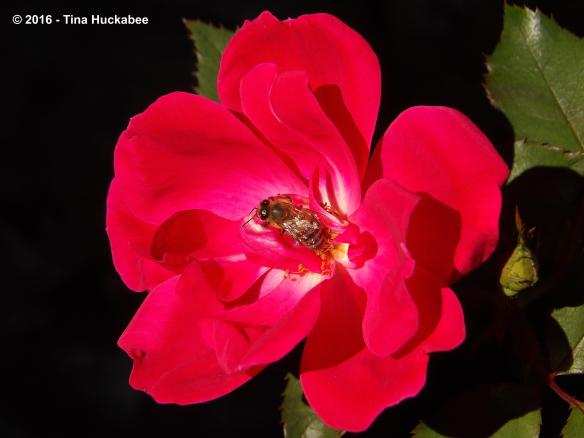
Yes, I know that’s not a bird.  Nor are these.
IMGP3082.new

IMGP3094_cropped_2608x2968..new


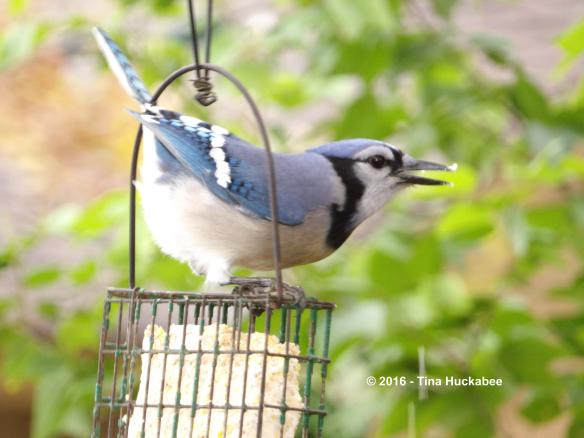
But this handsome devil is most definitely a bird!
IMGP3278.new

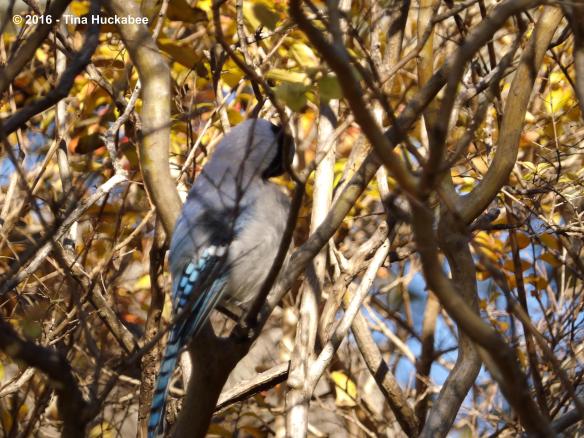
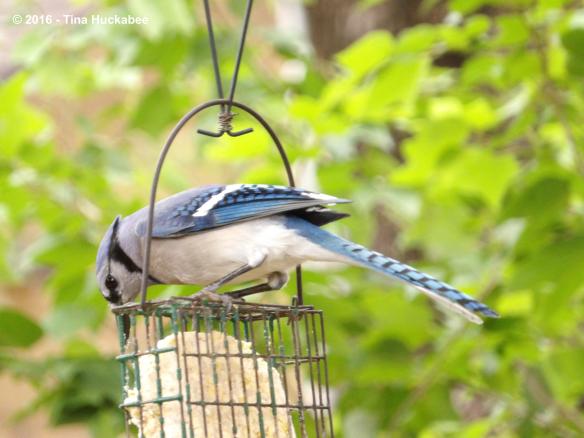
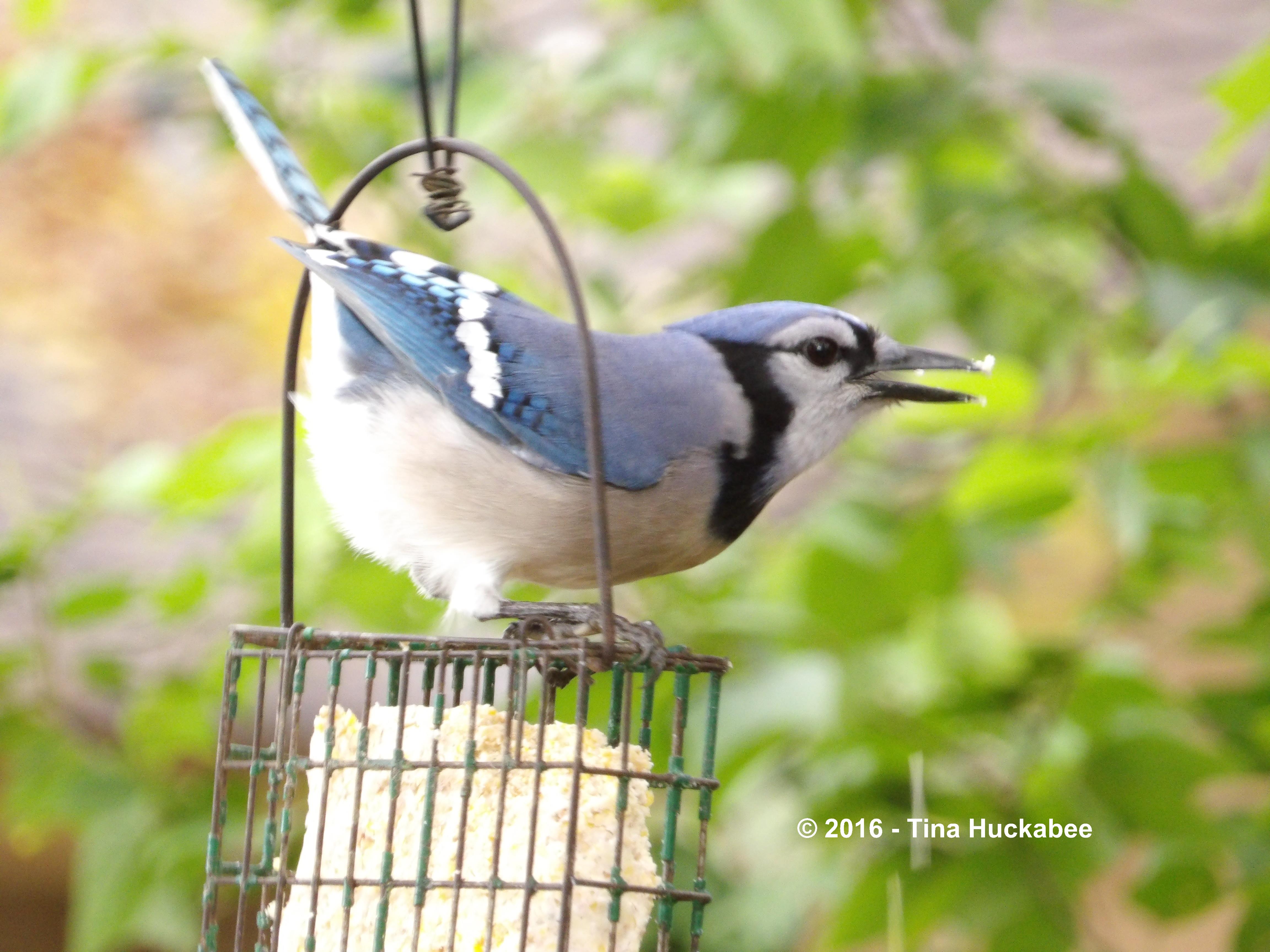
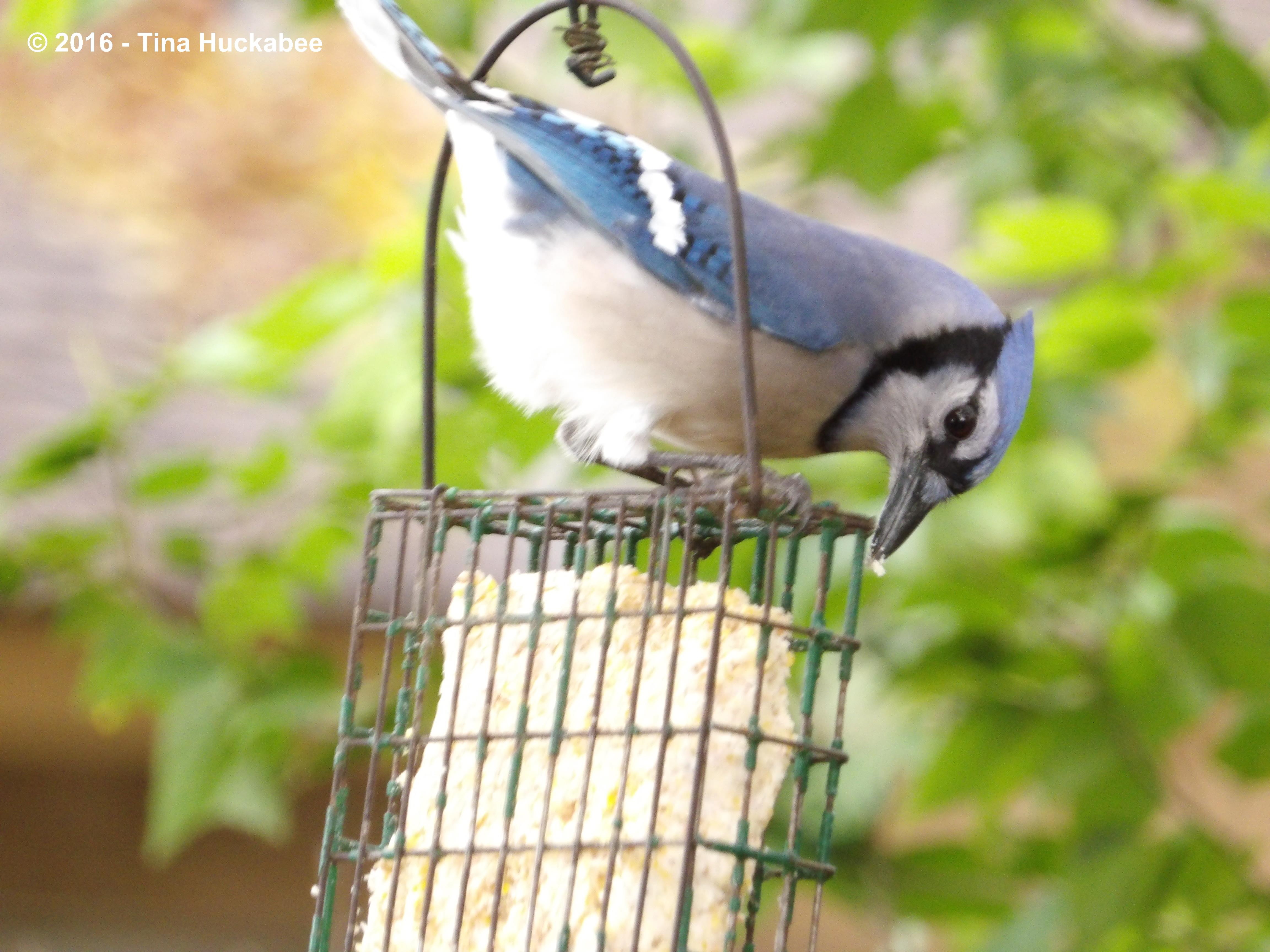
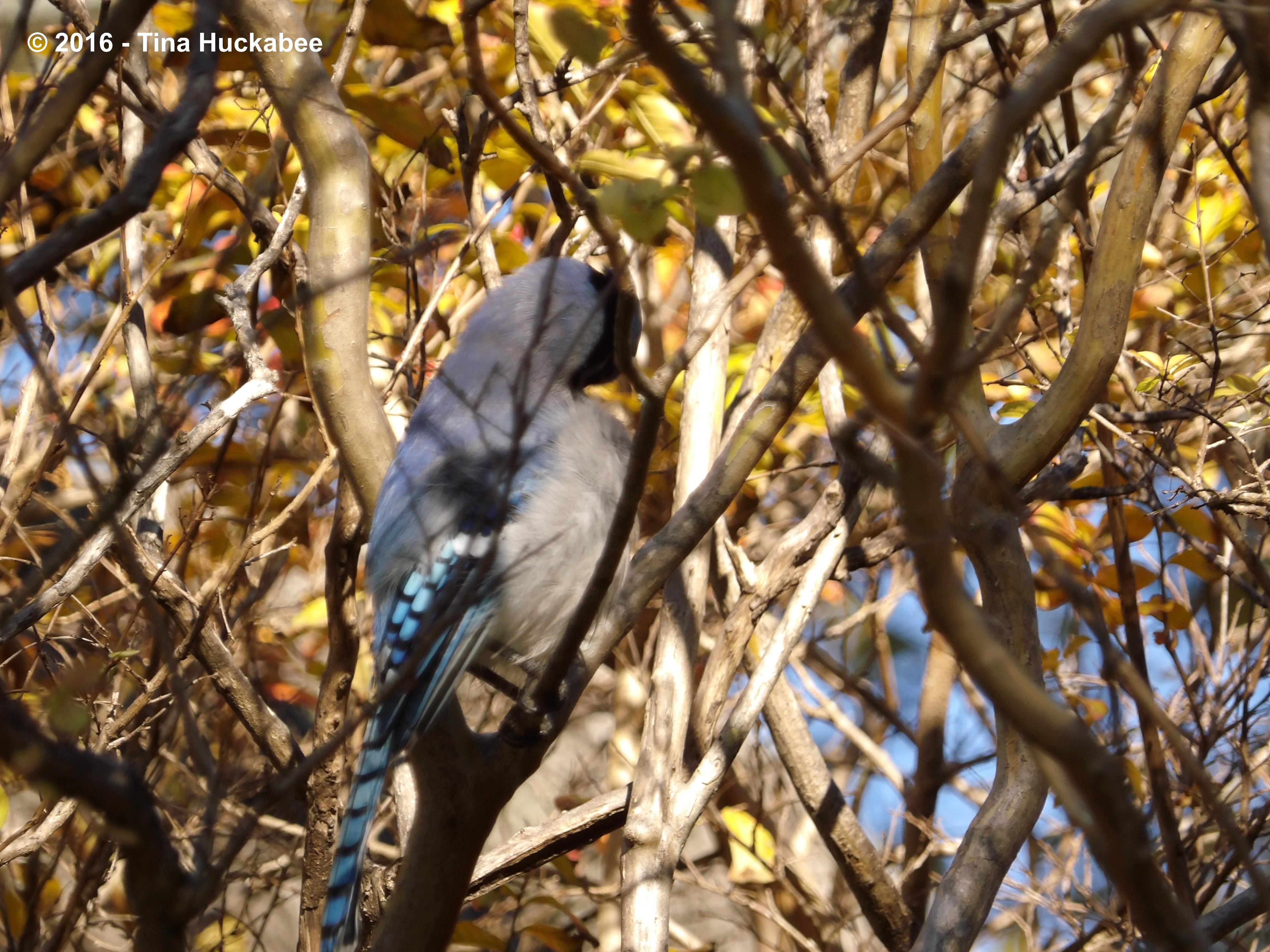
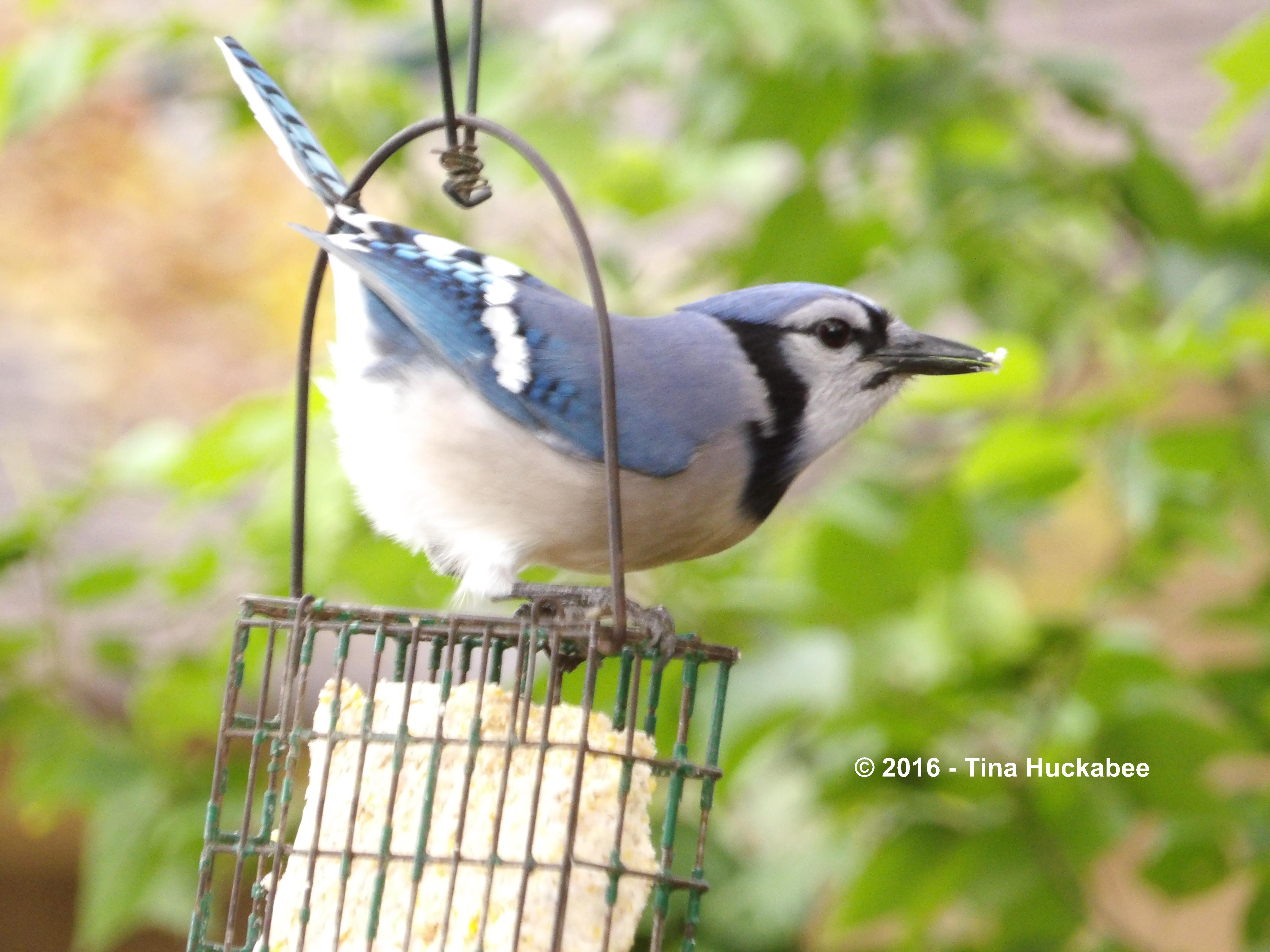
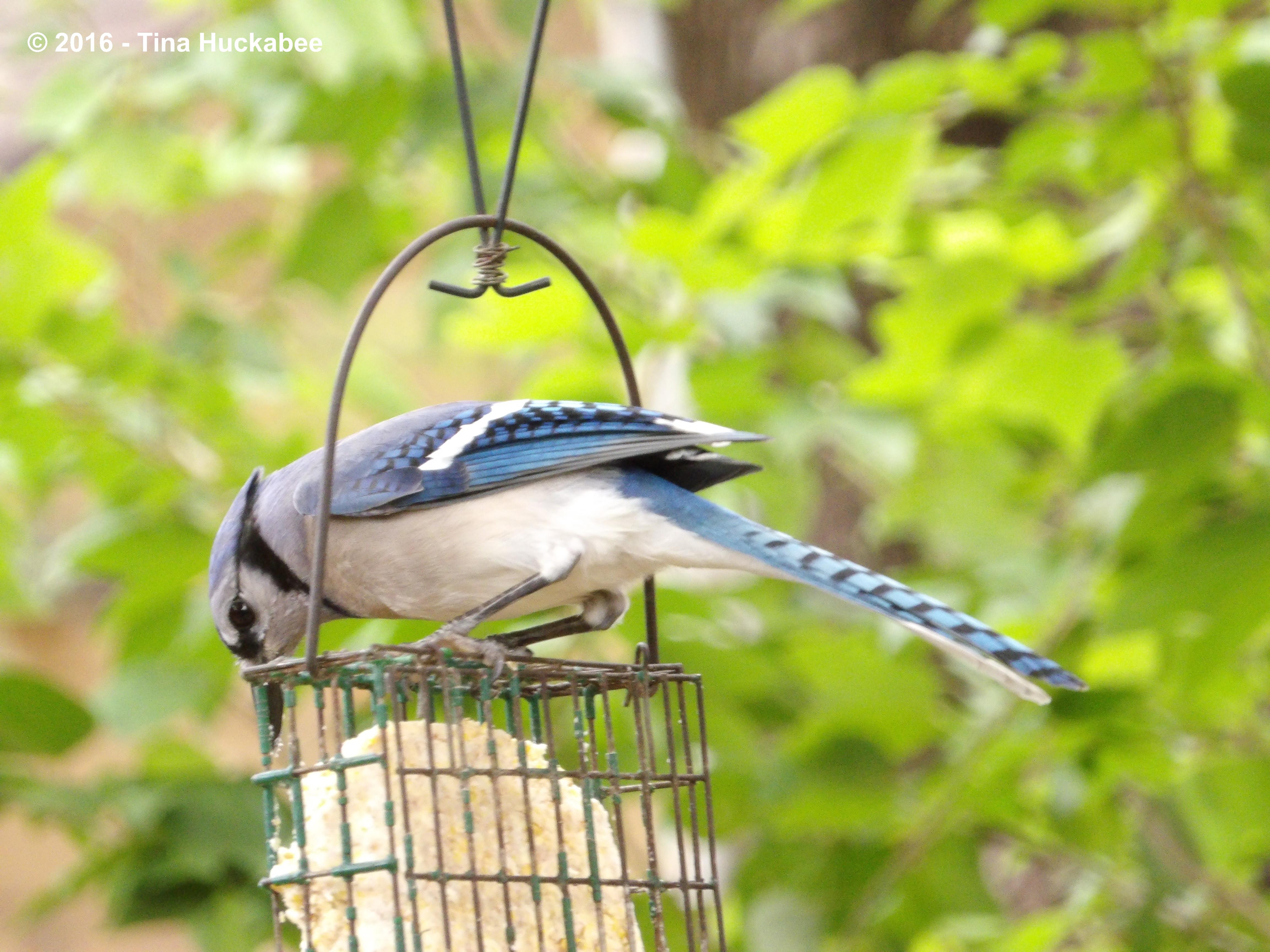
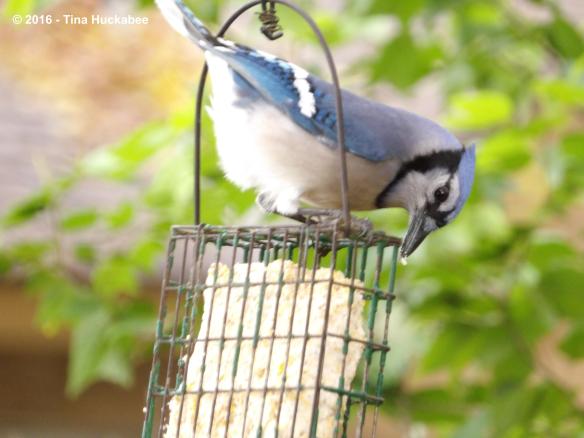
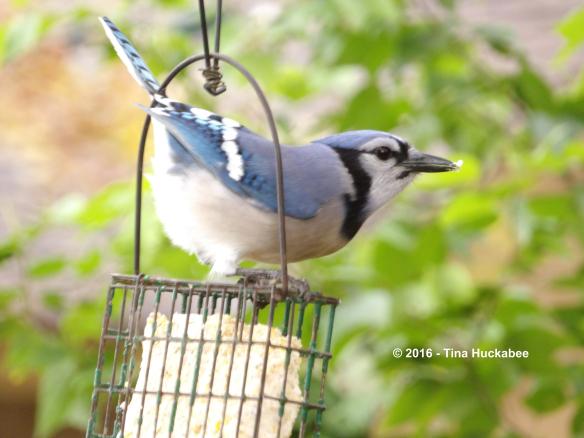
There are a number of native Blue Jay birdsCyanocitta cristata, who fly through my gardens, stopping on a regular basis to nosh,
IMGP3283.new

…and preen.

IMGP3106.new

Beautiful birds, Blue Jay males and females are difficult to tell apart.  Their feathers have the pigment melanin, which is brown, but the blue that we see and admire happens because of scattered light through specialized cells along the feathers.

Lots of folks don’t like Blue Jays because they are assertive and noisy, but I’m quite fond of them; their cheeky personalities and gorgeous good looks always cheer me.  I miss the flash of blue when I haven’t seen one swoop through the garden in a day or two, though their not being part of the landscape is rare.  Blue Jays are intelligent birds with complicated family structures and there’s still much that ornithologists don’t quite understand about their family habits and migration patterns.

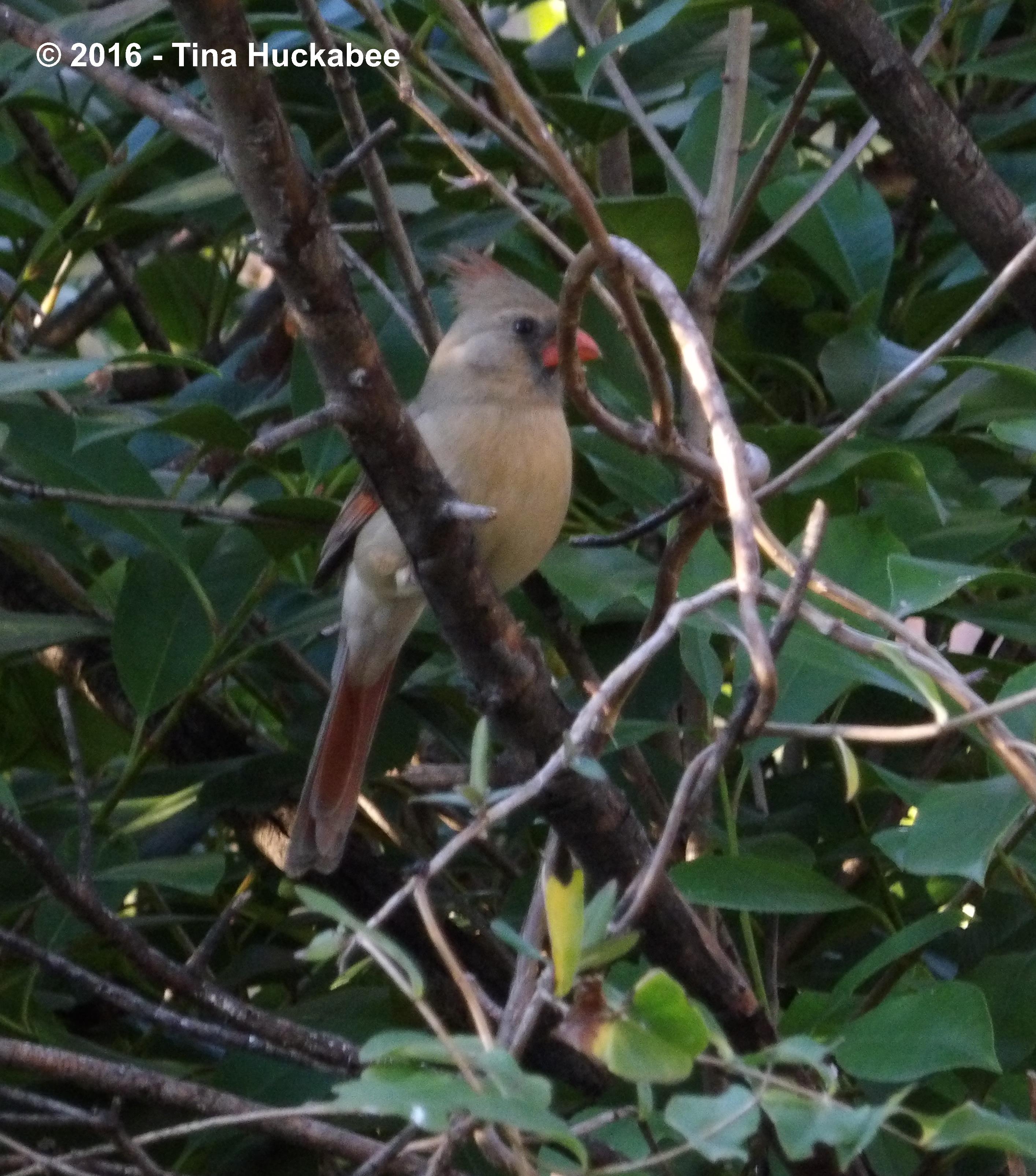
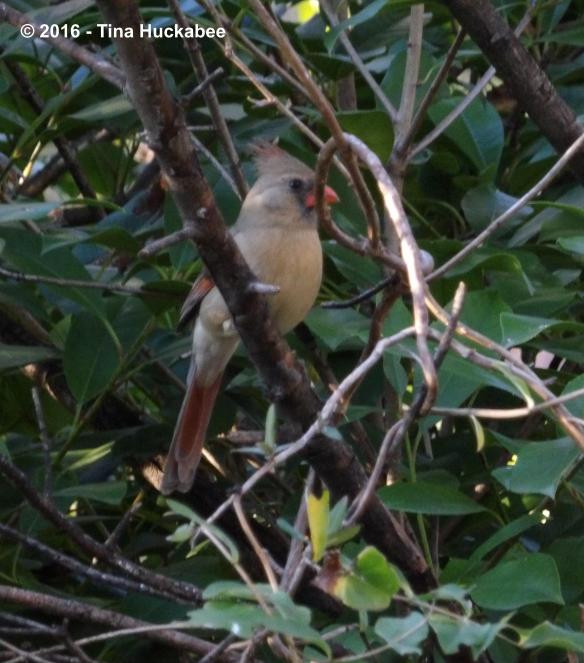
Occupying a different spot of the color wheel is this lovely girl,
IMGP3102_cropped_2829x3212..new

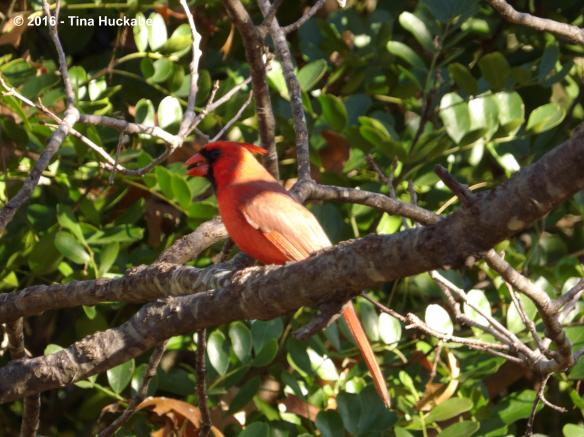
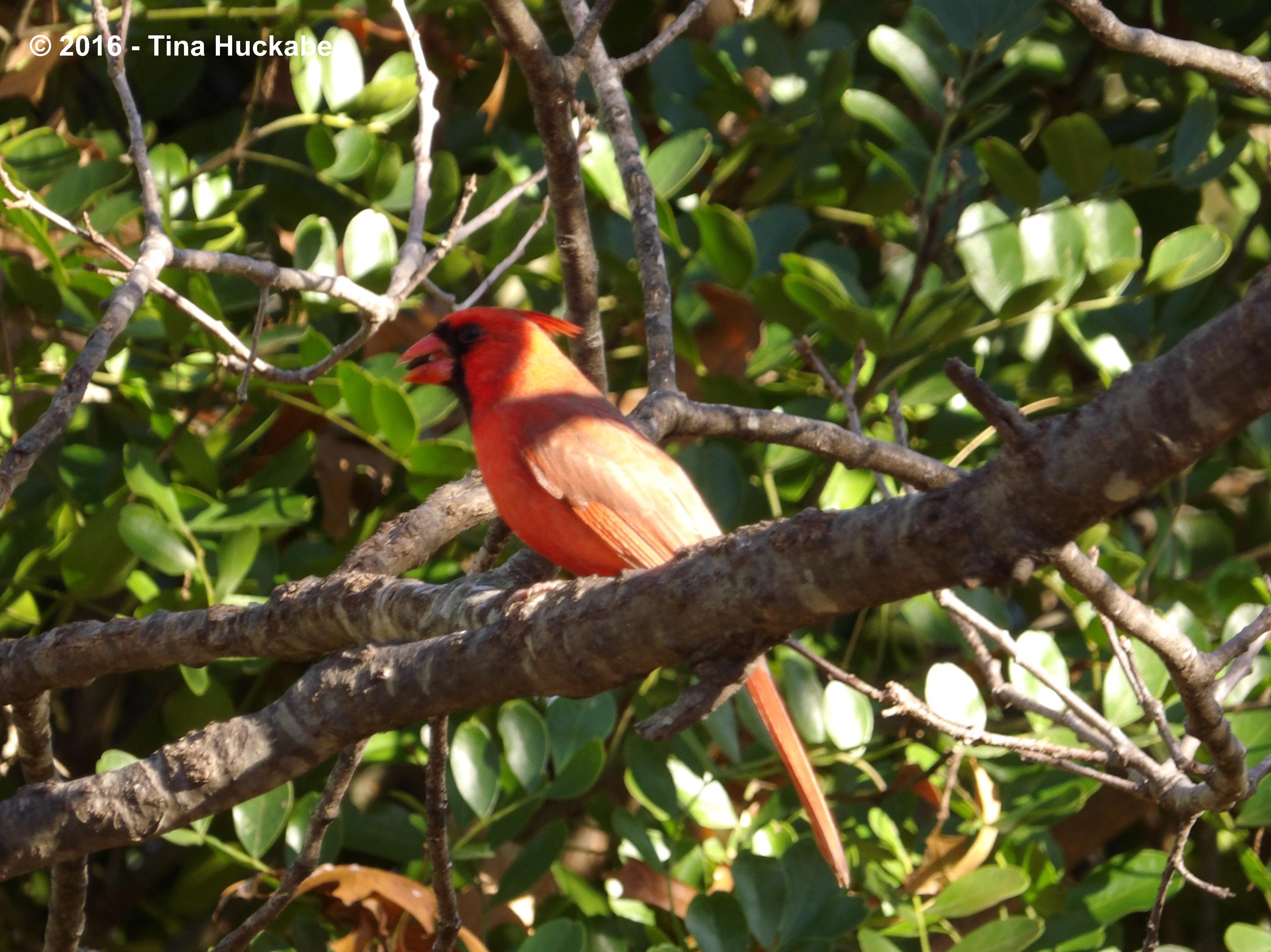
…and her male counterpart.

IMGP3613_cropped_4276x3203..new

Northern Cardinal,  Cardinalis cardinalis, birds  are common throughout  North America and adapt well to the backyard wildlife habitat.  There are two nesting pairs in my part of the neighborhood. They nest nearby and visit my gardens and feeders daily.  During summer, I’m likely to see dad training up his youngins’ on the best places to eat in the neighborhood and how to avoid the neighborhood cats.

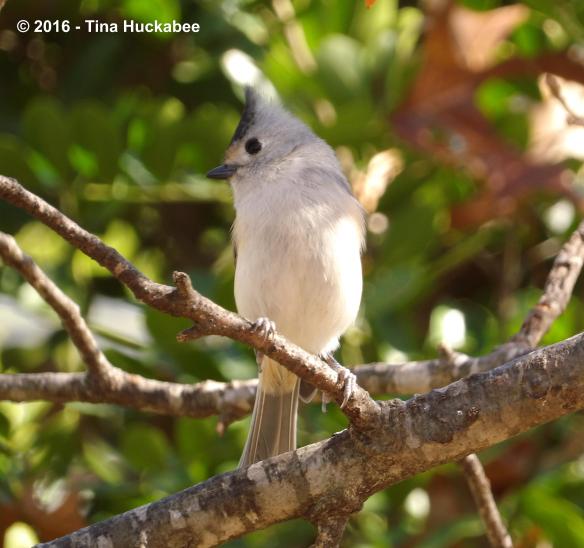
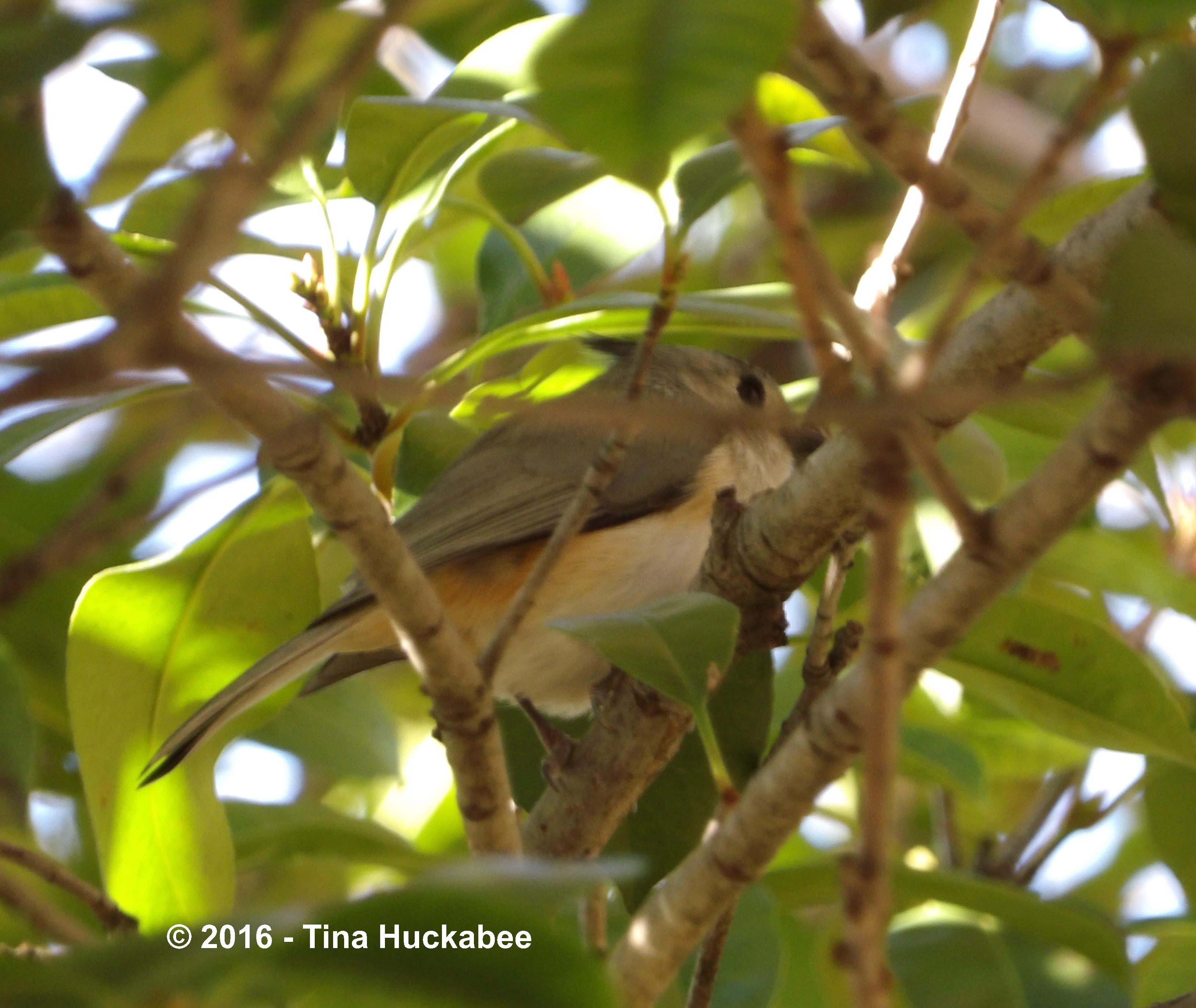
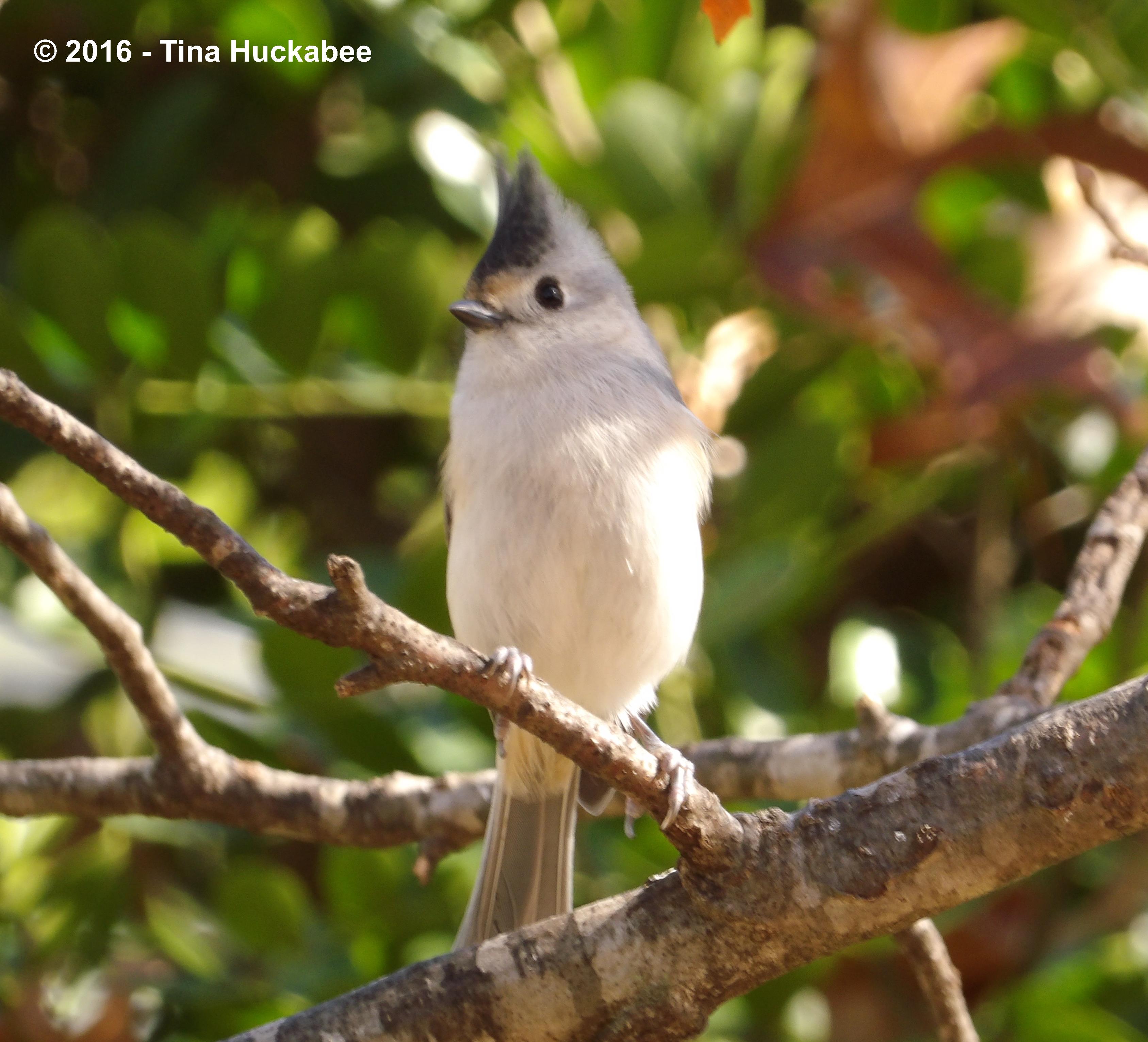
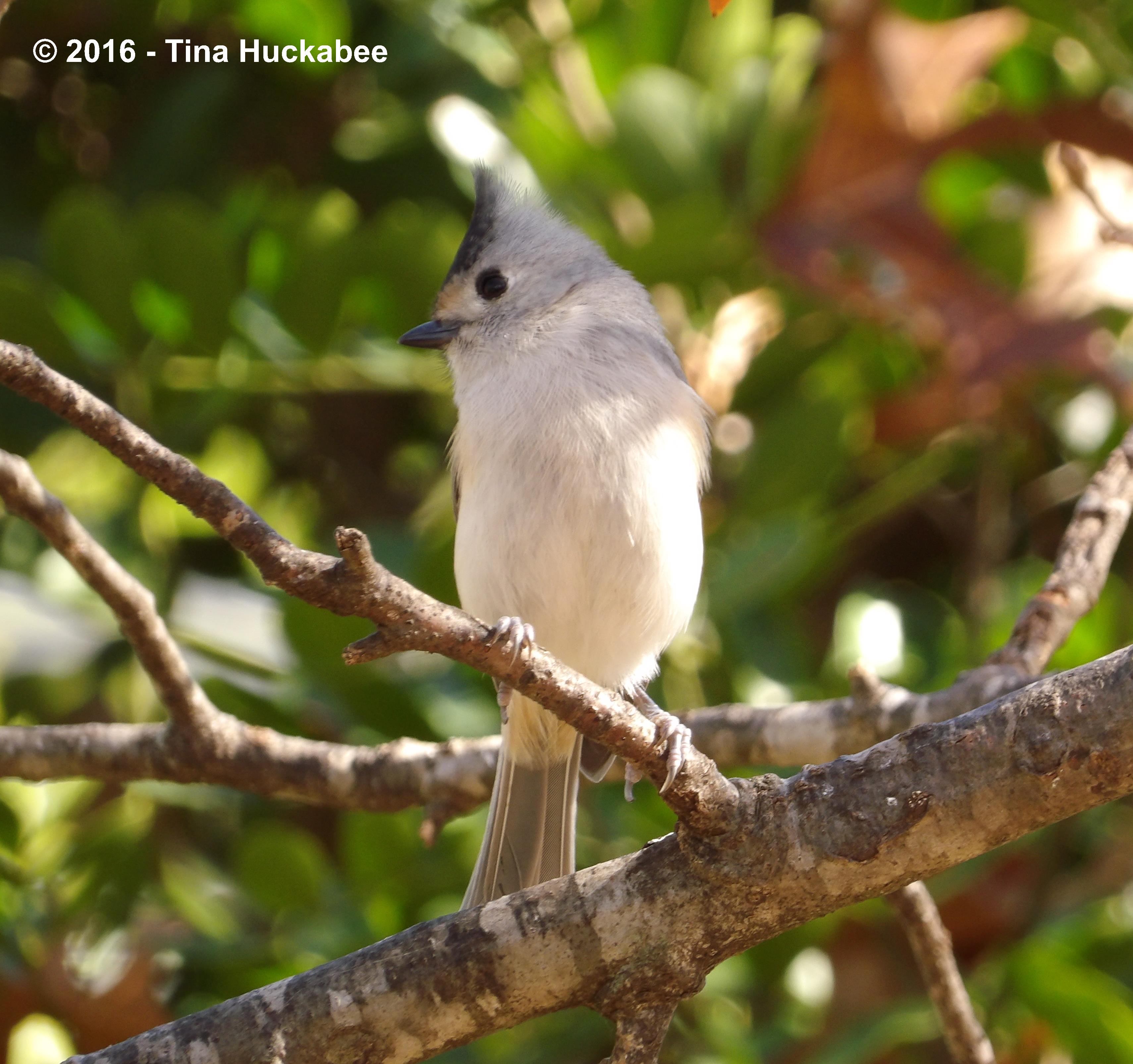
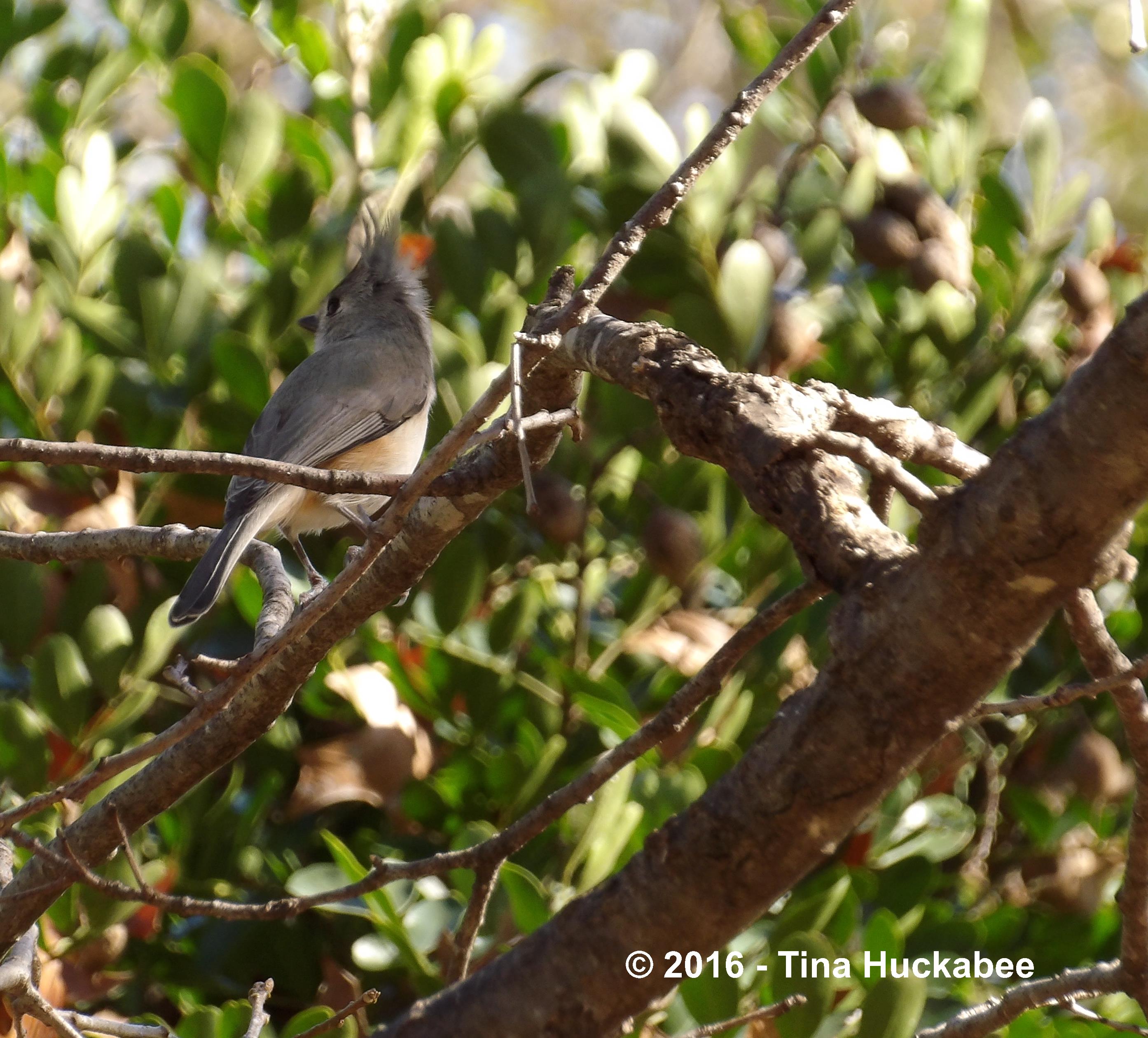
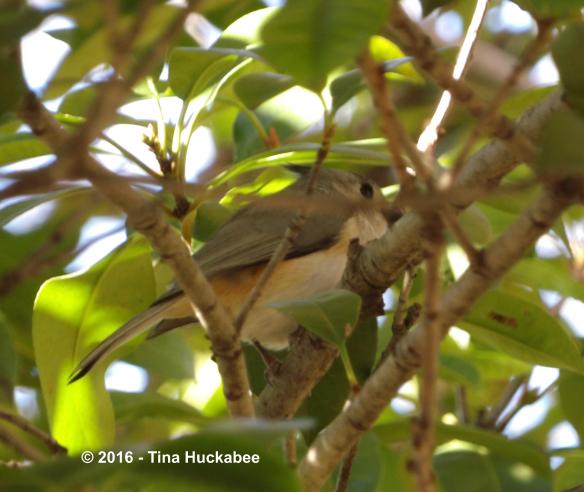
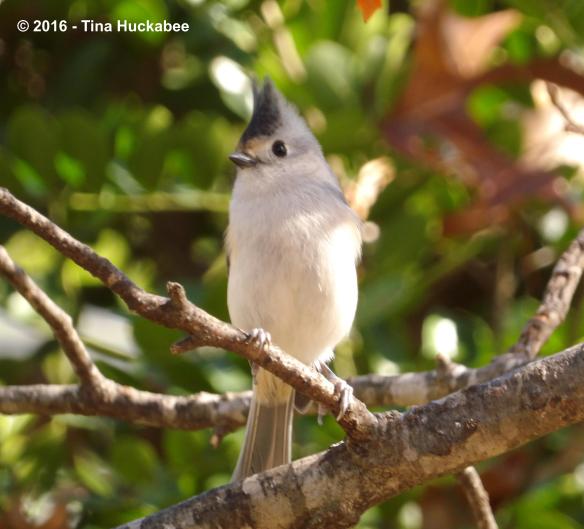
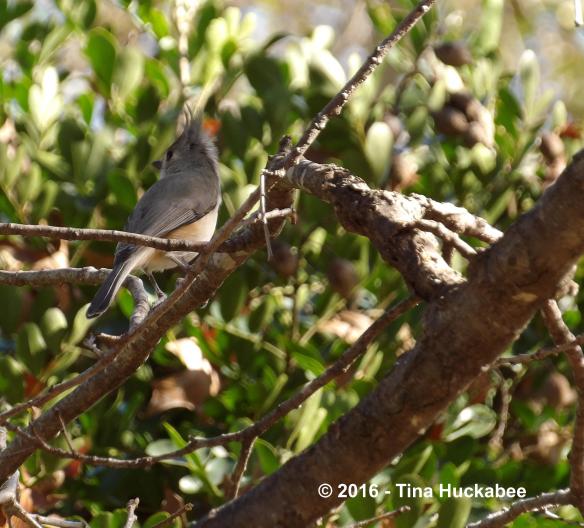
Last month, I attempted photos of the Black-crested Titmouse(s), Baeolophus atricristatus, who frequent my garden spaces. Their charming chirps allure, but their quick movements thwart photographic efforts–mine anyway.   Luckier this month, I captured some photos of some of these darling birds.  Resting between visits to a feeder,
IMGP3315_cropped_3253x2742..new

…and simply resting and looking adorable.
IMGP3576_cropped_3374x3061..new

IMGP3571_cropped_3420x3213..new

This one refused to turn around, smile and say “seeds!”  for the camera.
IMGP3542_cropped_2787x2521..new

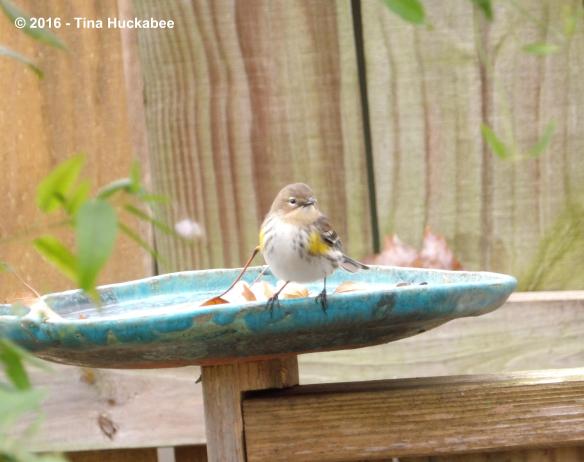
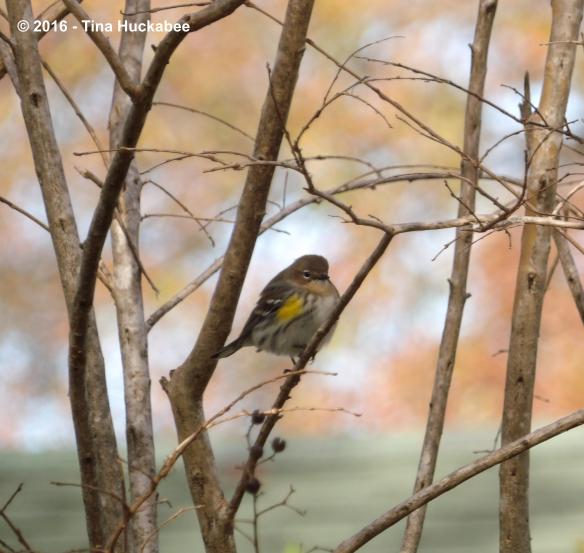
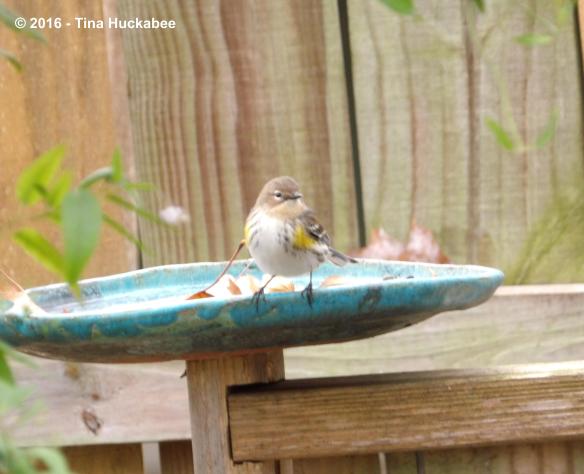
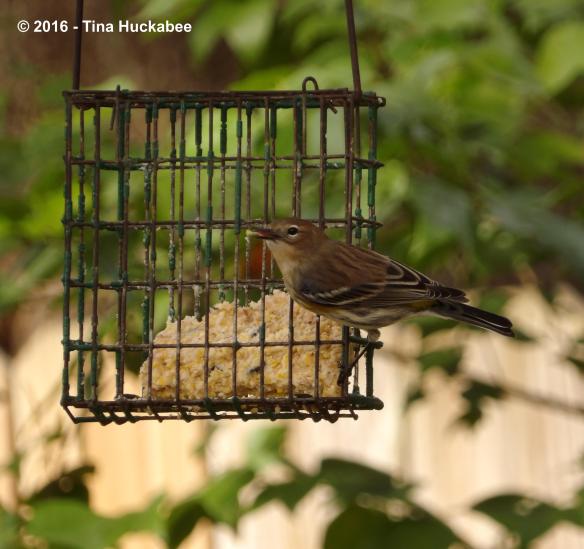
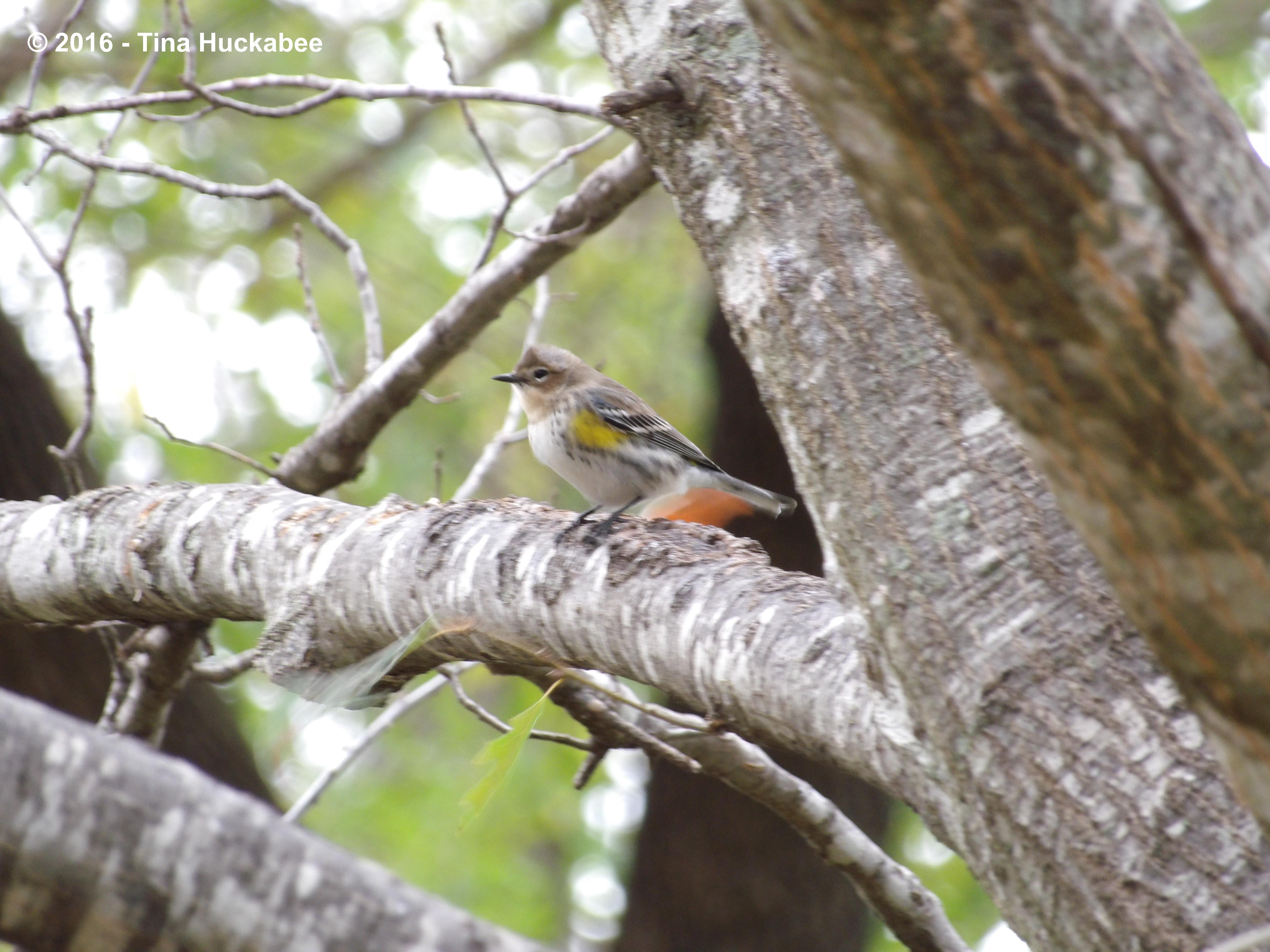
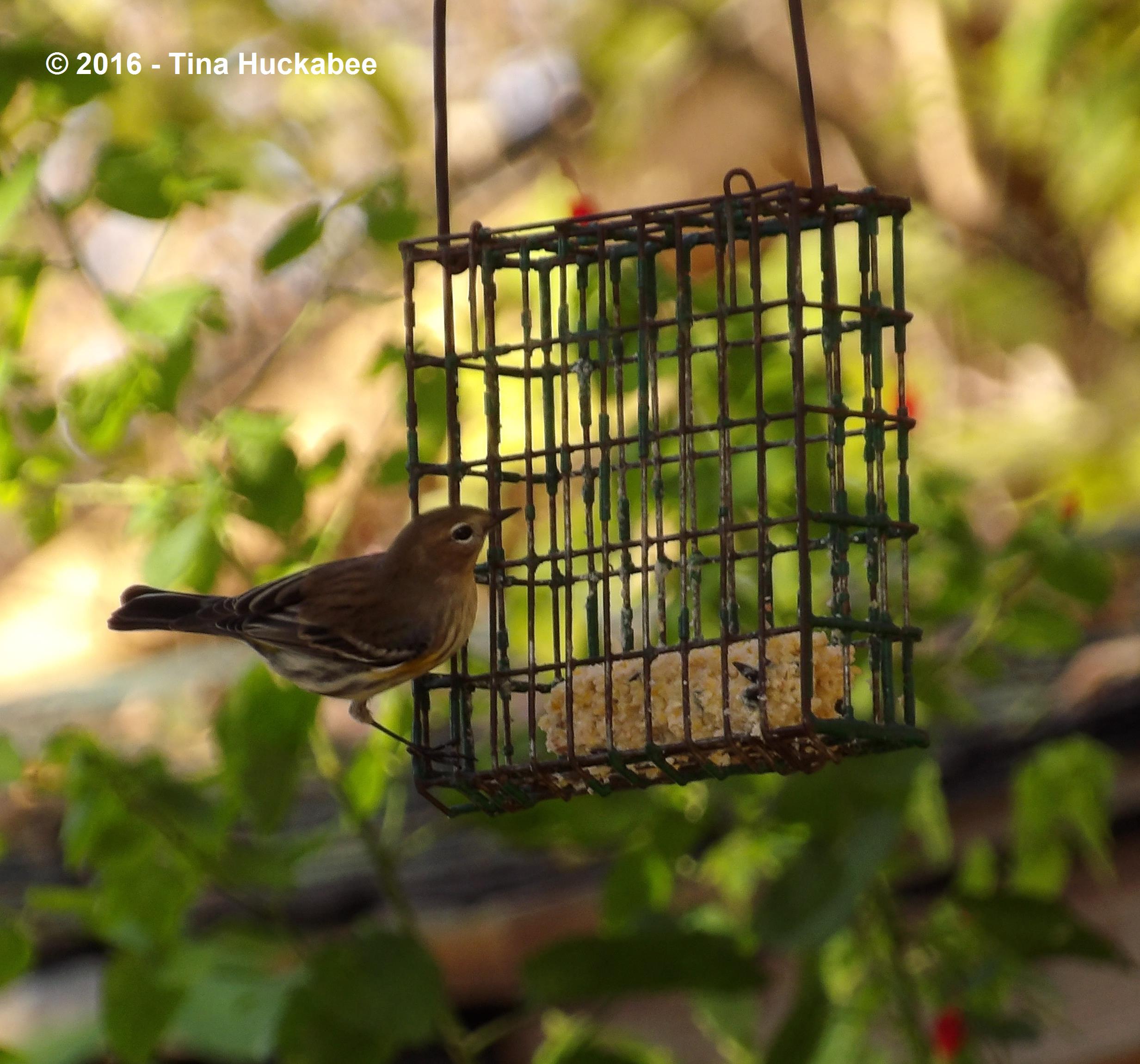
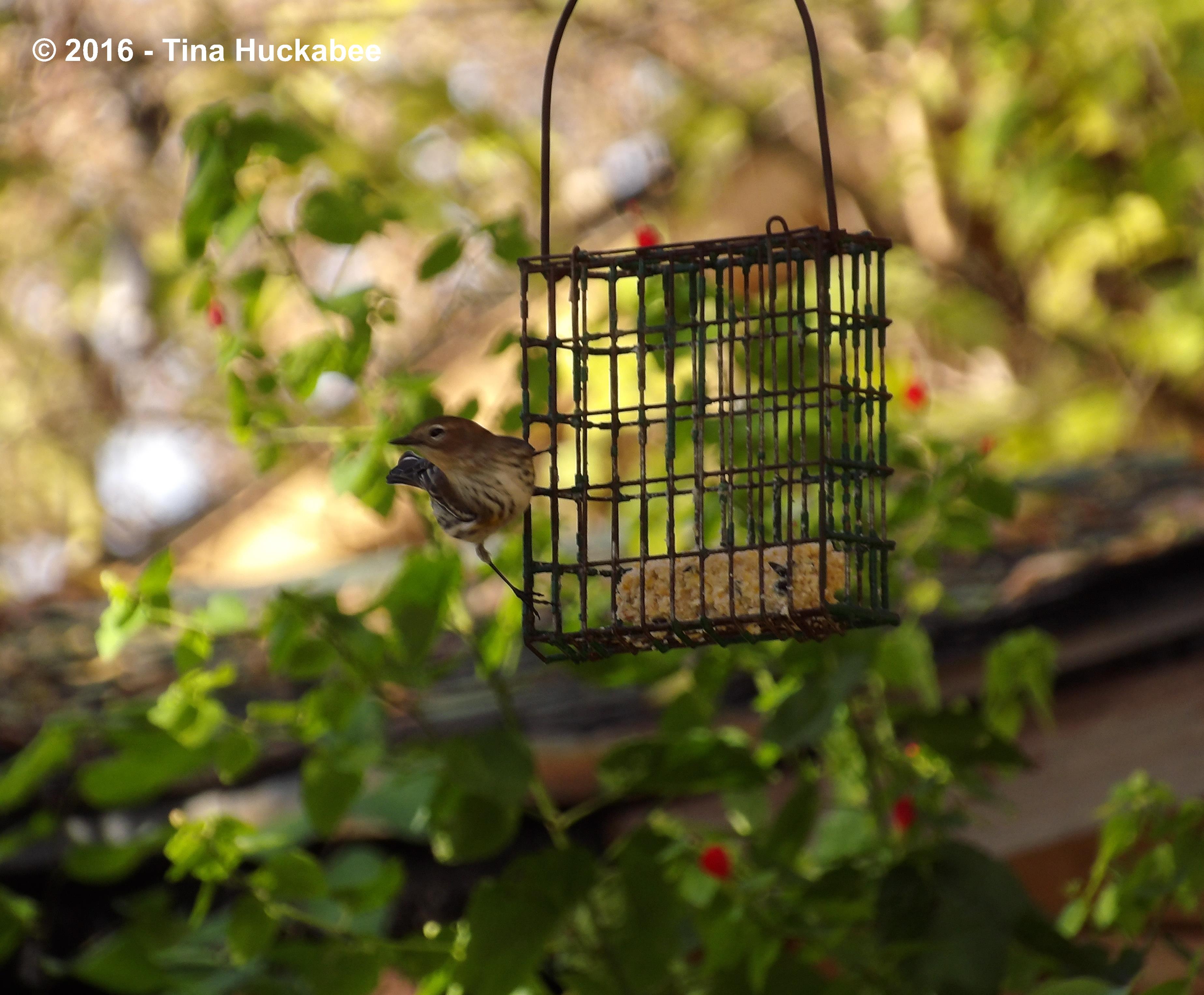
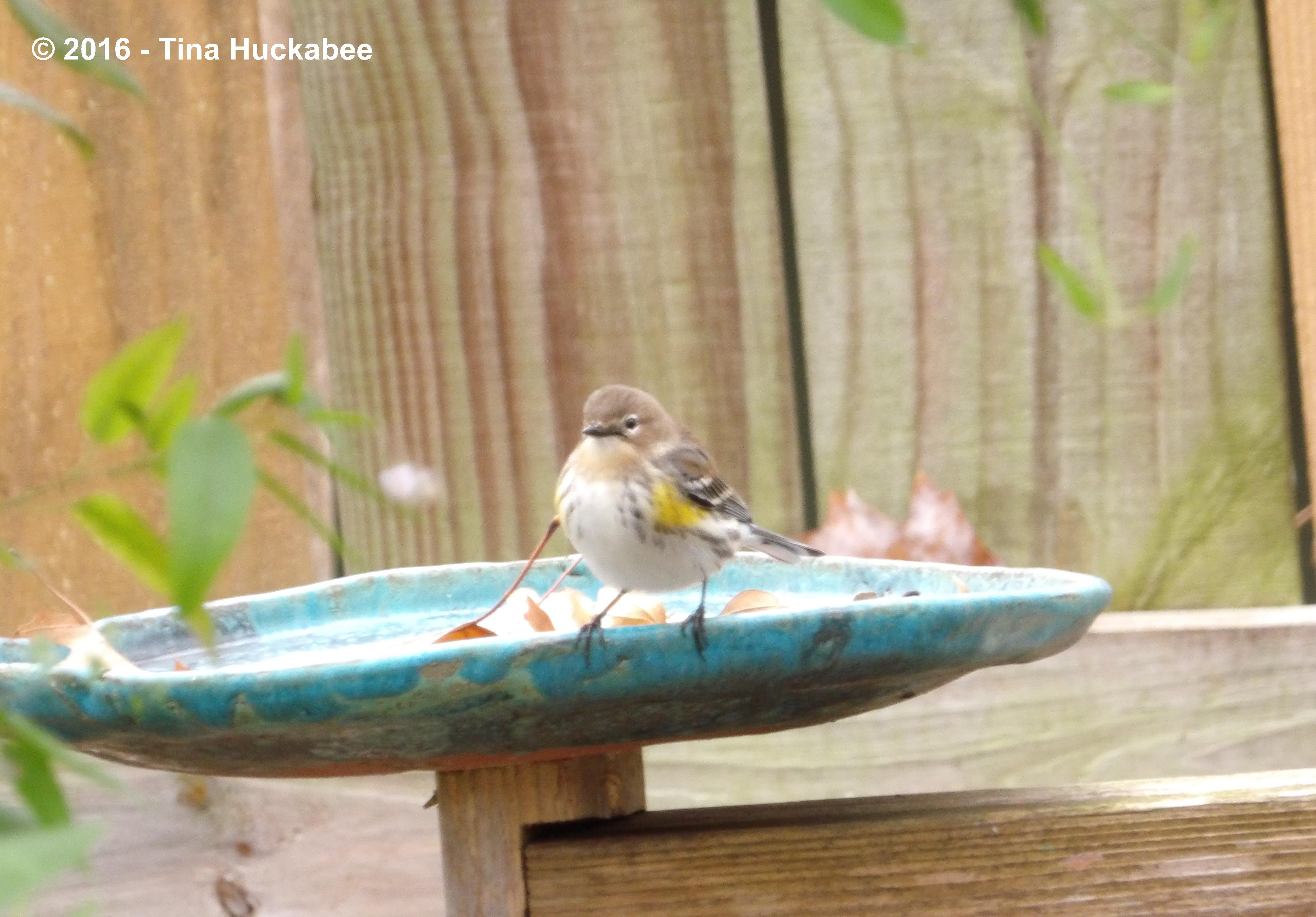
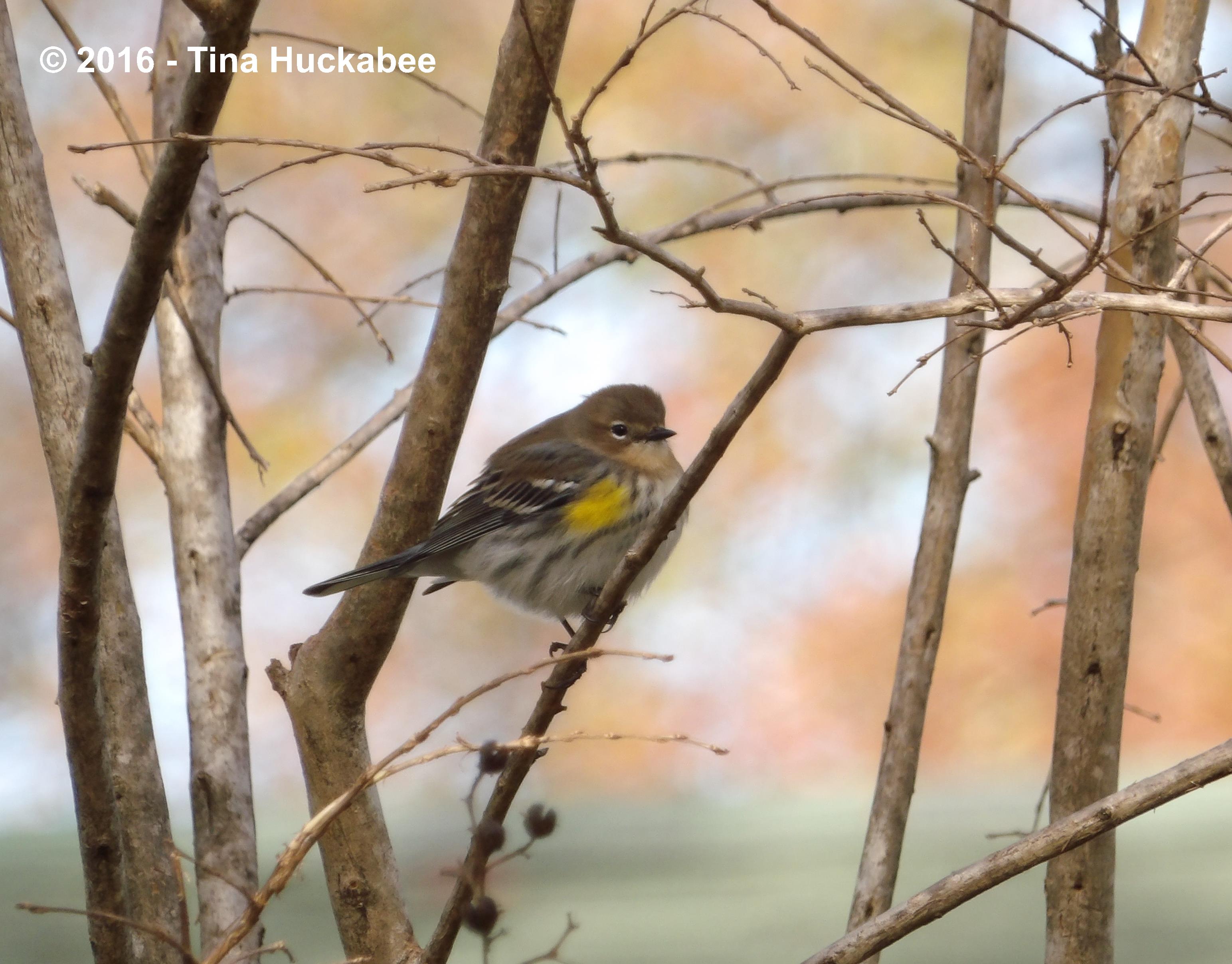
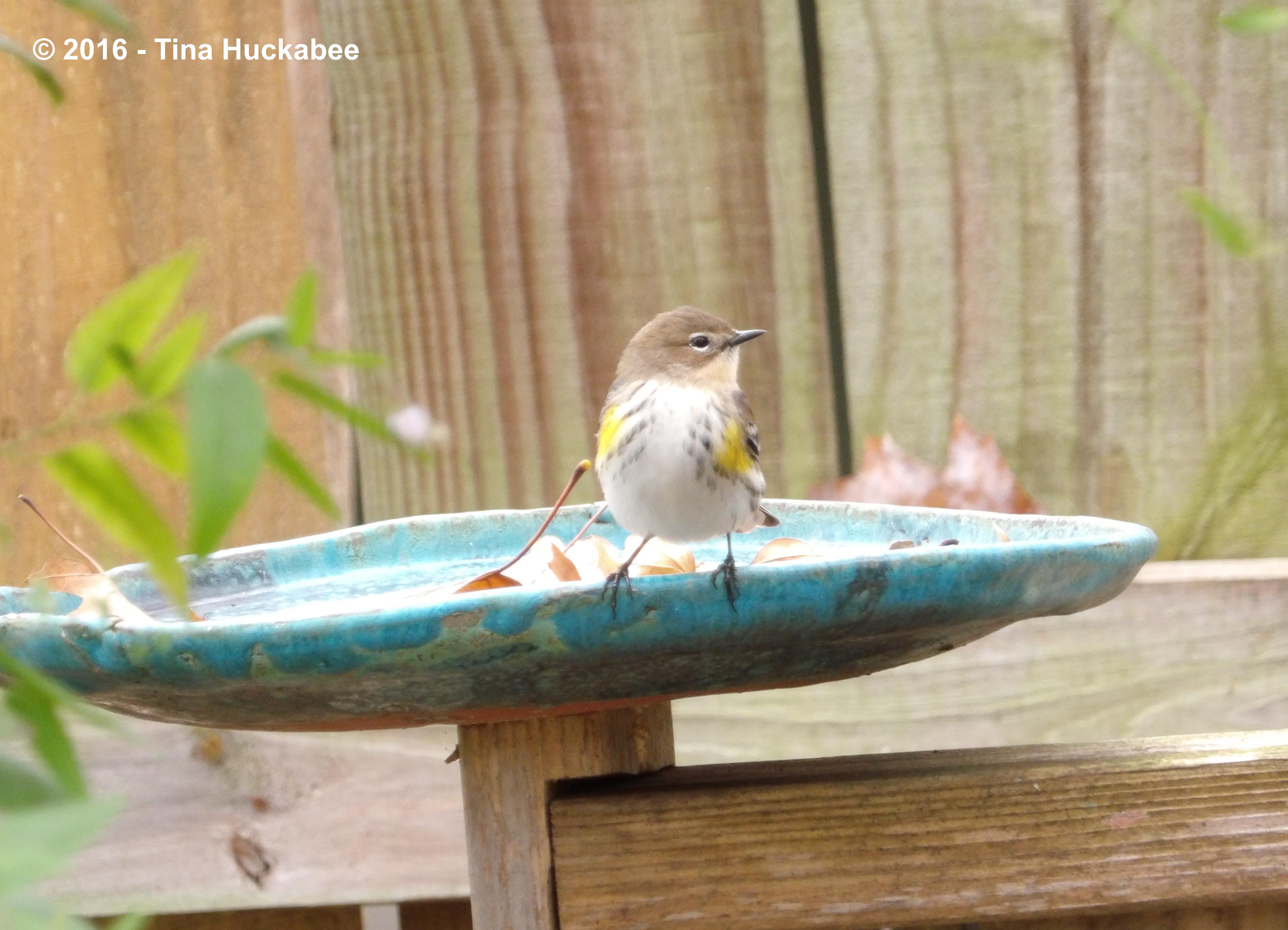
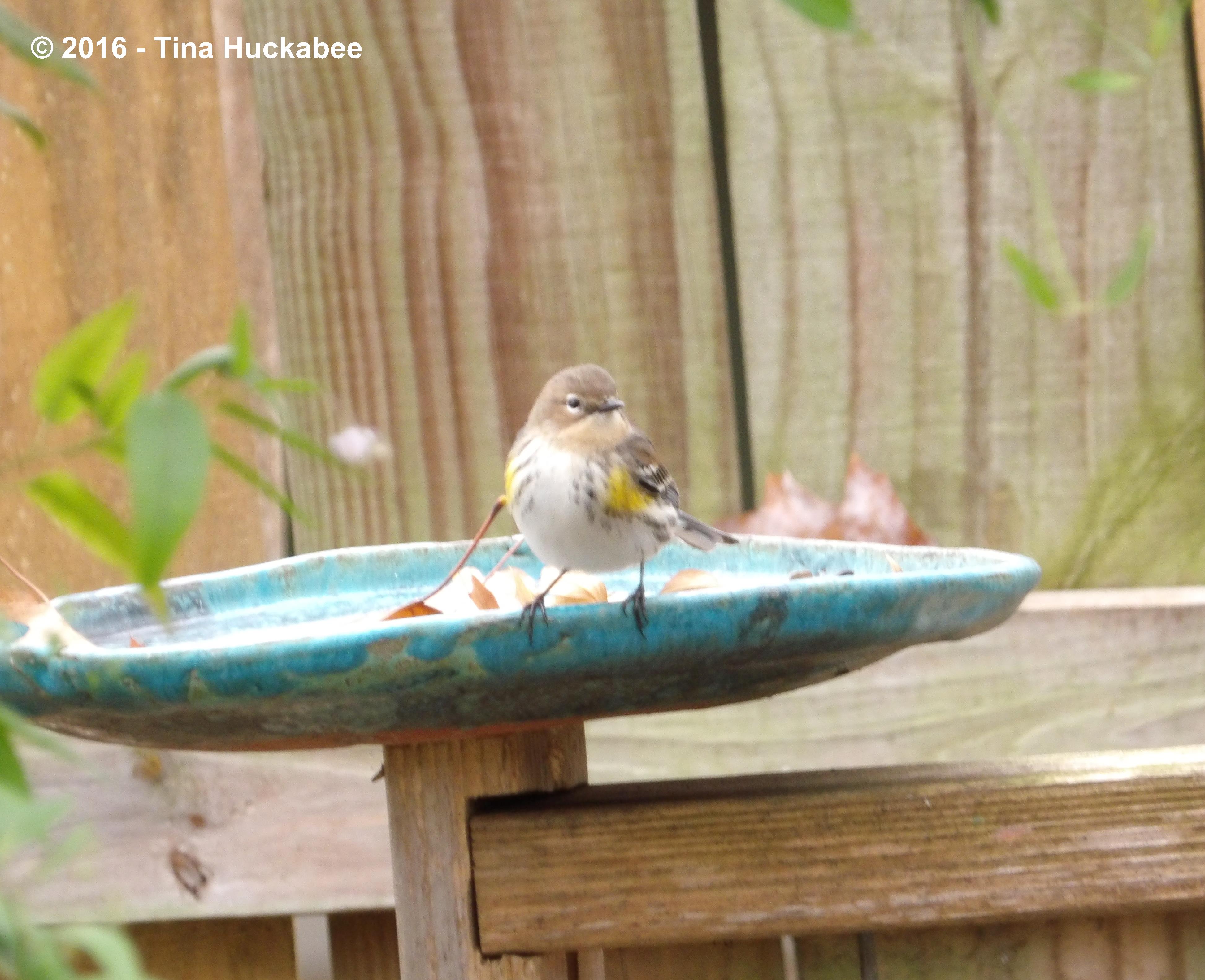
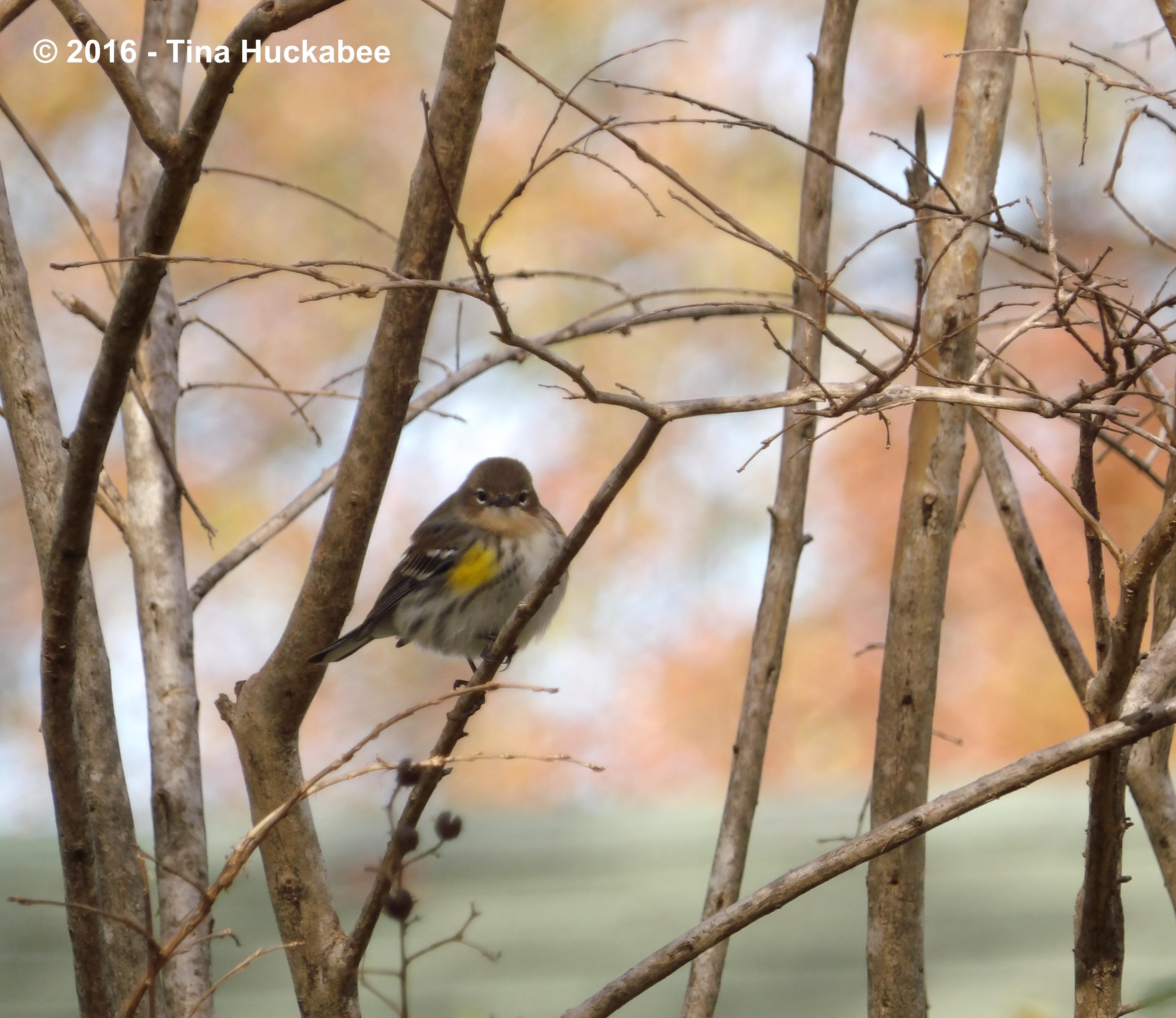
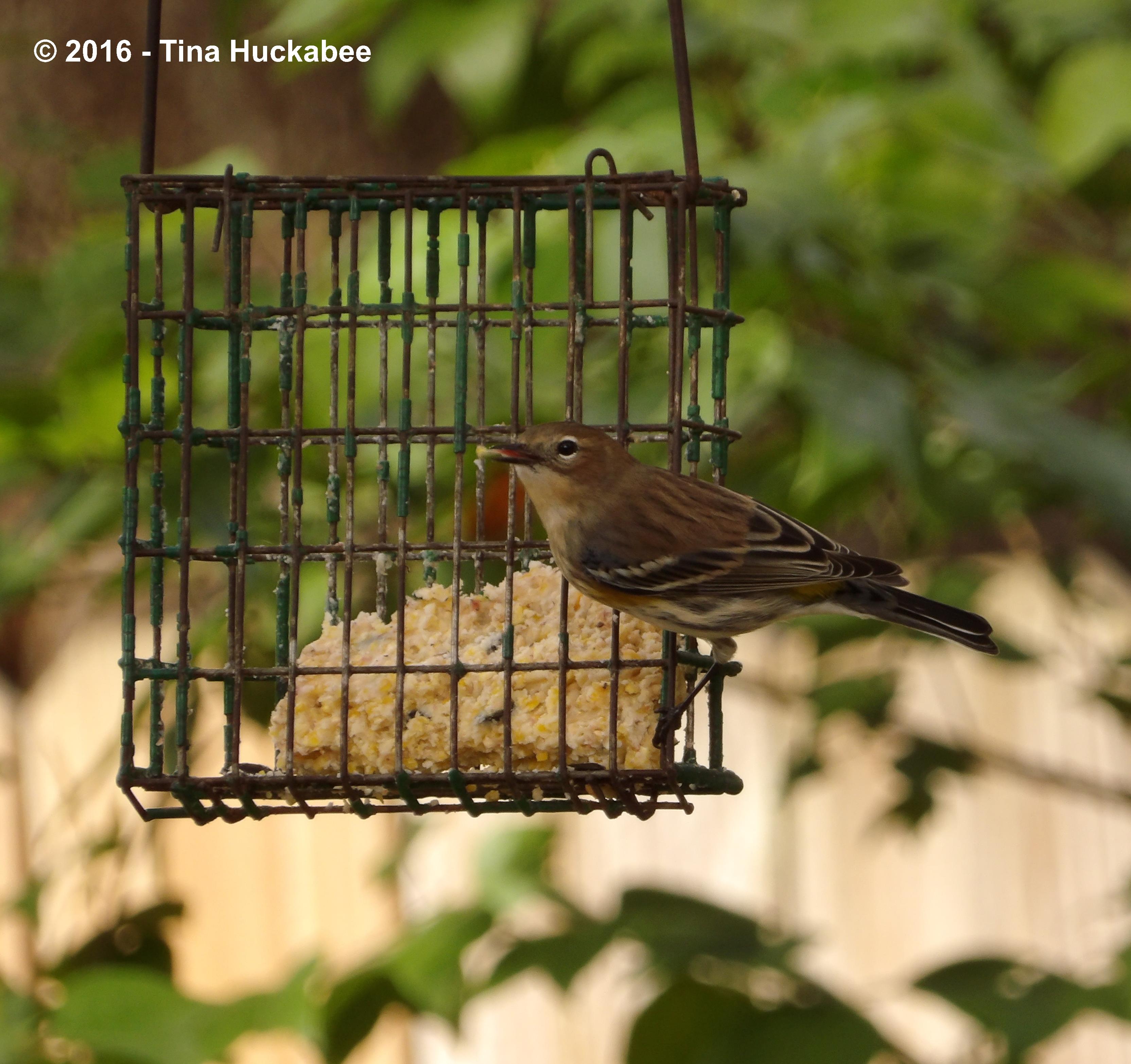
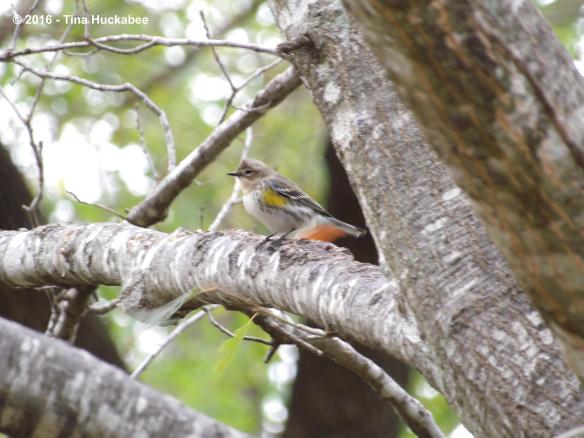
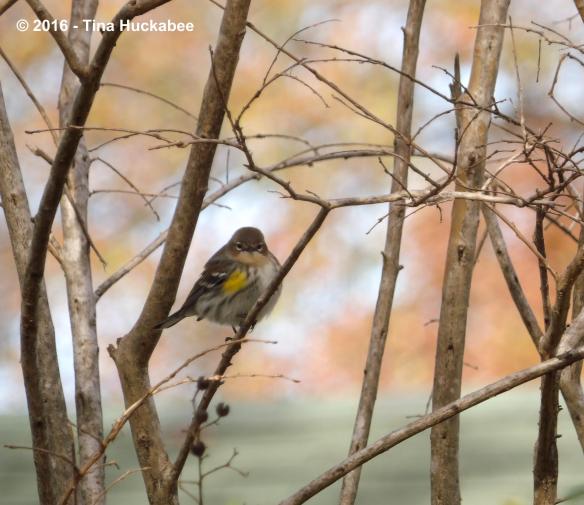
The birds I’m most excited about recently observing in my gardens are a couple of Yellow-rumped Warblers, Setophaga coronata.  This one is a male.
IMGP3508.new

IMGP3499_cropped_3922x3107..new

IMGP3389_cropped_3360x3185..new

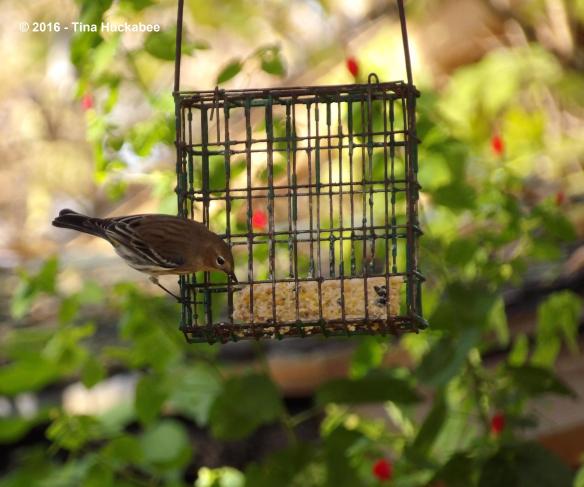
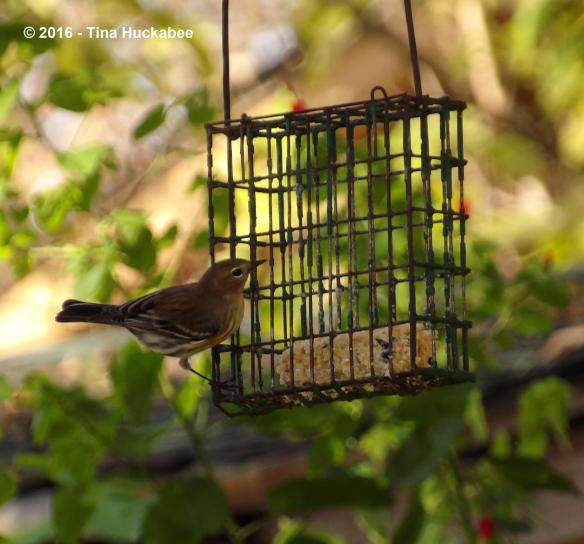
Likely as not, I’ve seen this bird species before, because  it’s a common winter Texan.  As I’ve learned about birds, I’m becoming  aware that not all drab little birds are just more sparrows-of-some-sort.  I’m learning to discern their color patterns, size and beak differentiations, and vocalizations. The bird-learning curve is a steep one, to be sure.
IMGP3247_cropped_2976x2483..new

IMGP3235_cropped_2465x2300..new

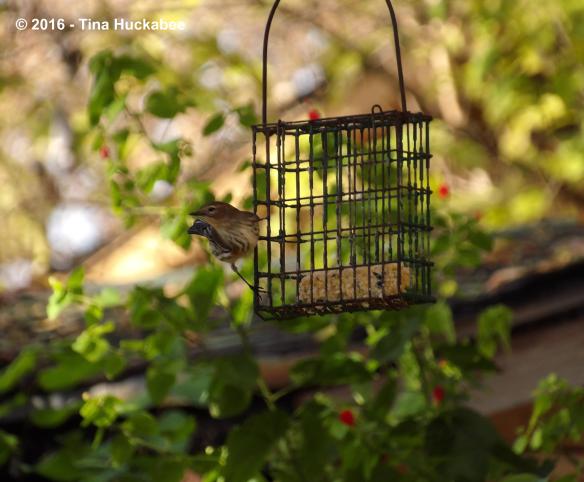
One must observe closely and (ahem) read a bit about birds to decipher the often subtle dissimilarities between the many species of warblers, finches, and sparrows.
IMGP3226_cropped_3696x3055..new

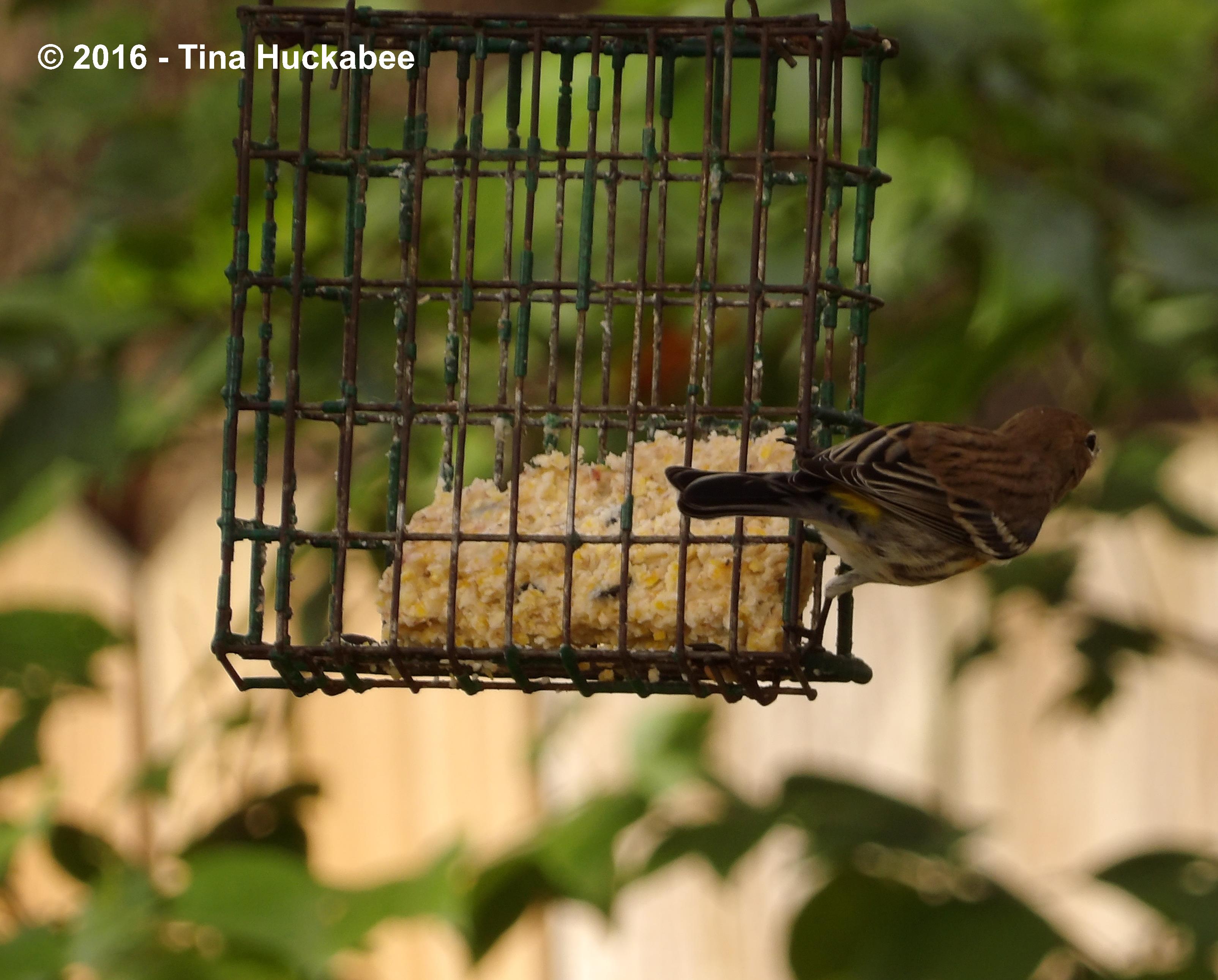
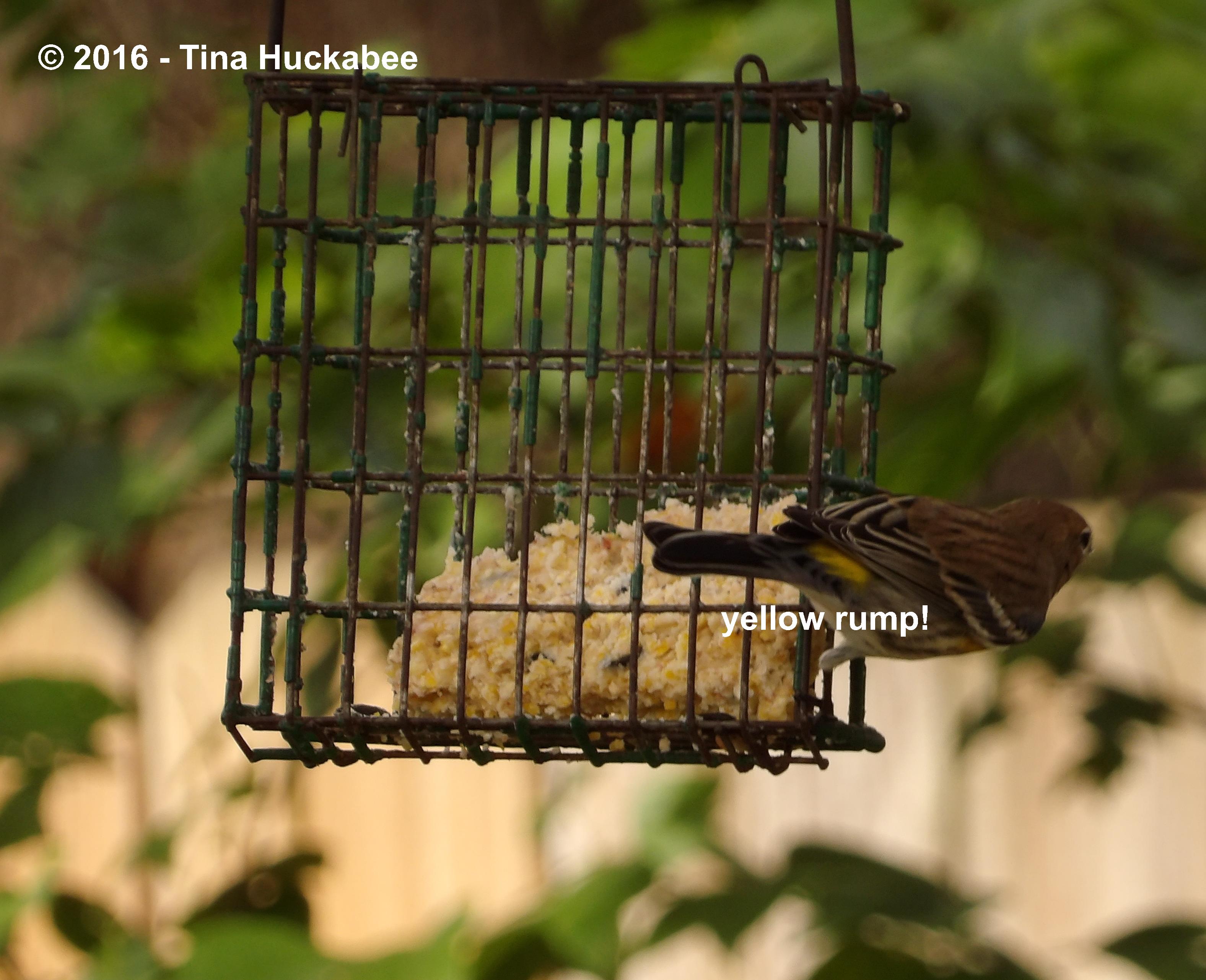
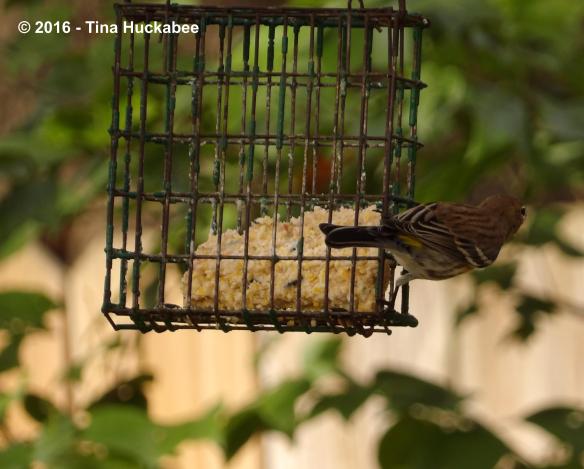
Most of the little “brown” birds sport colorful plumage here and there,
IMGP3186_cropped_3208x2581..new

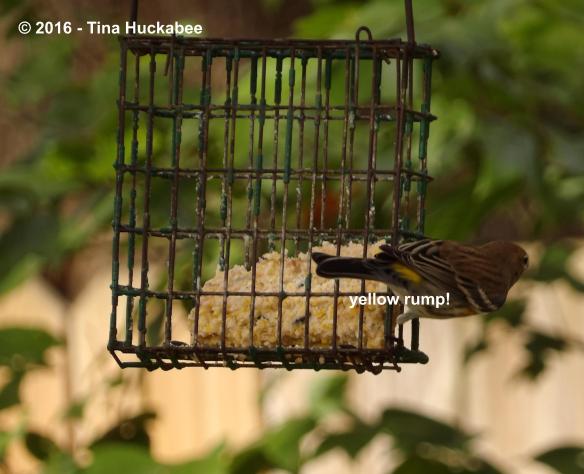
…including on their bums.   Can you see the yellow rump in the above photo?
IMGP3182_cropped_3153x2563..new

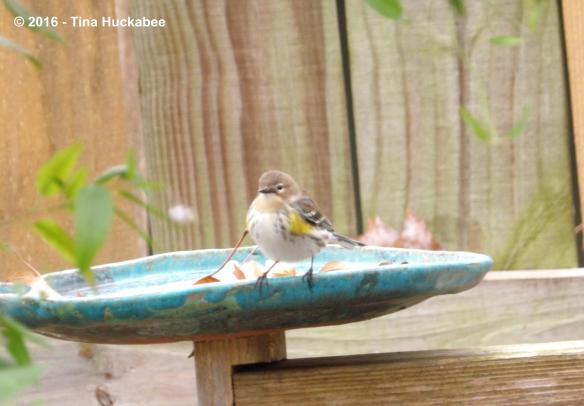
I took a lots of photos before I finally got that yellow in action. There are at least two Yellow-rumps visiting my gardens regularly. This male I see most often,
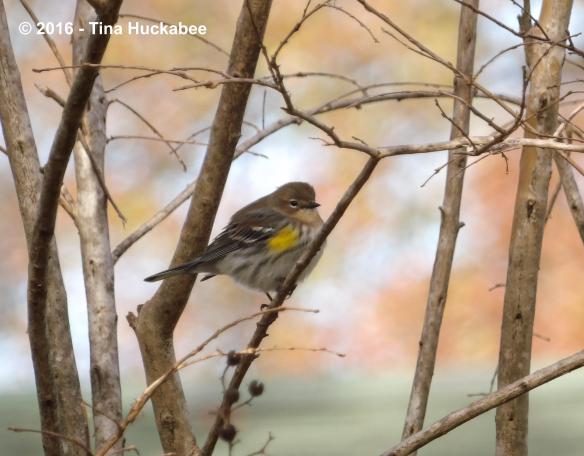
IMGP3496_cropped_4134x2881..new

IMGP3381_cropped_3087x2415..new


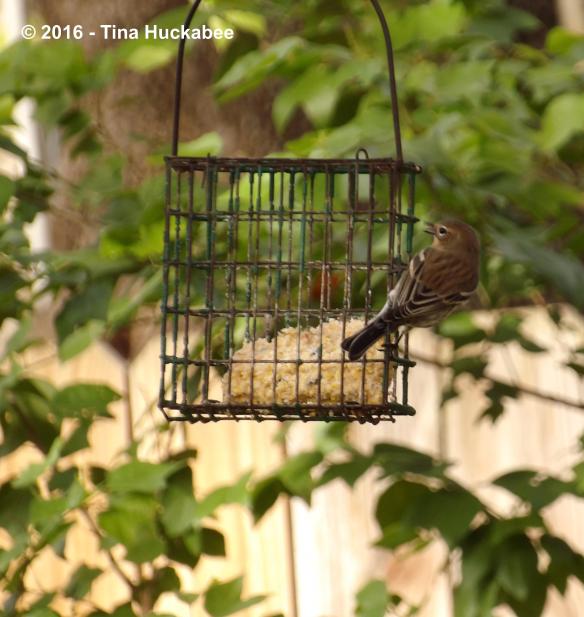
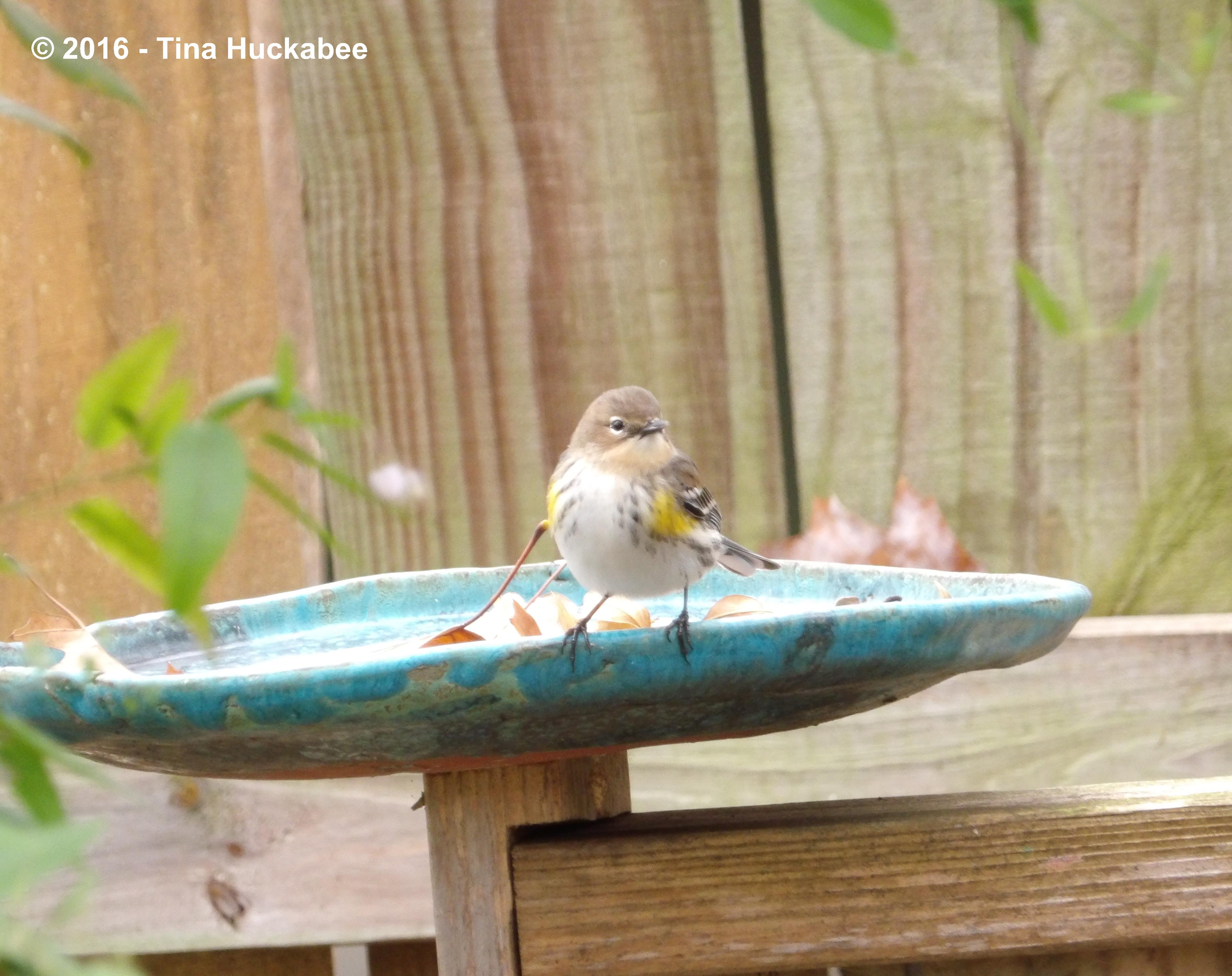
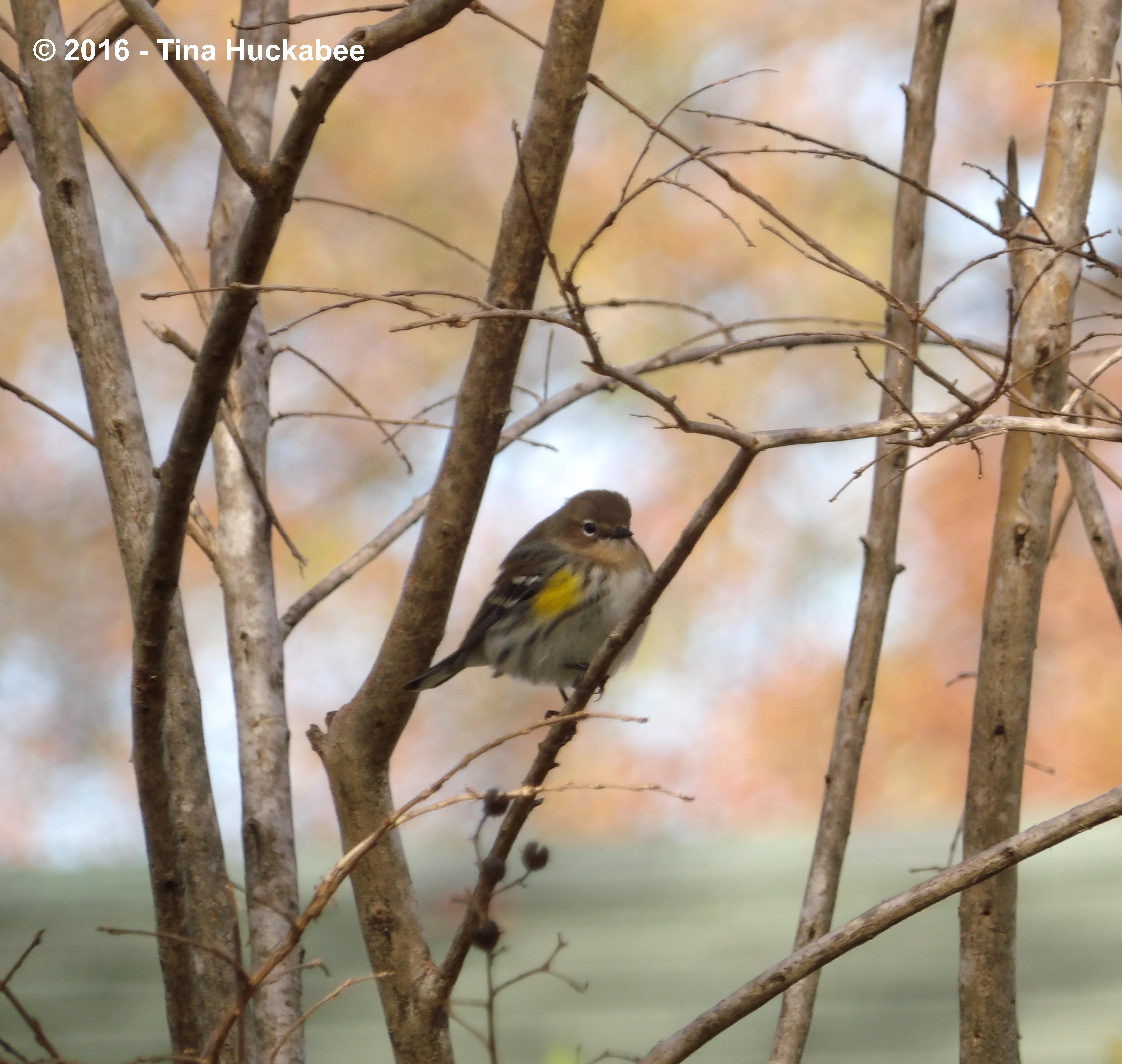
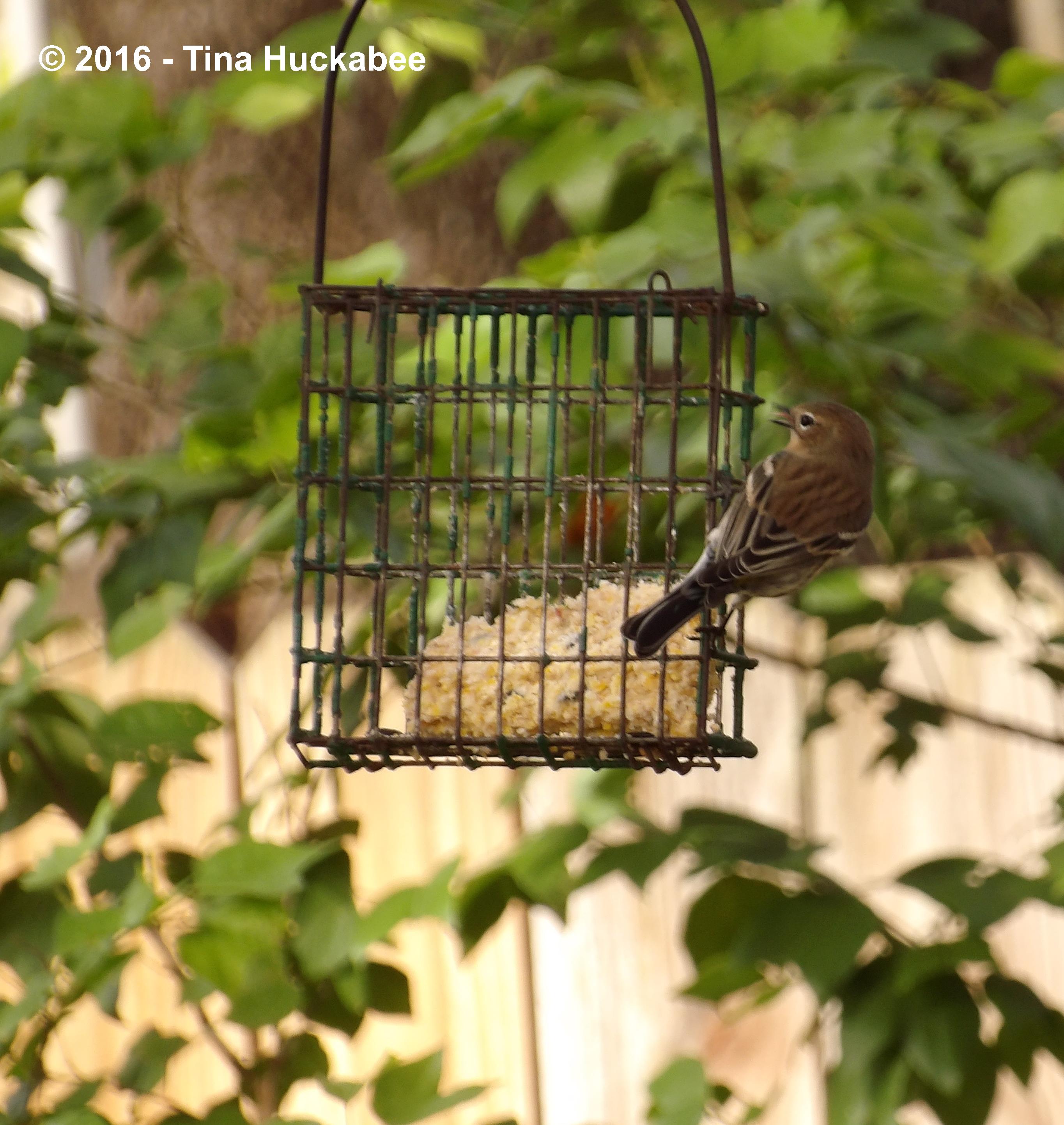
…and a female,  “myrtle” form.

IMGP3155_cropped_2729x2885..new

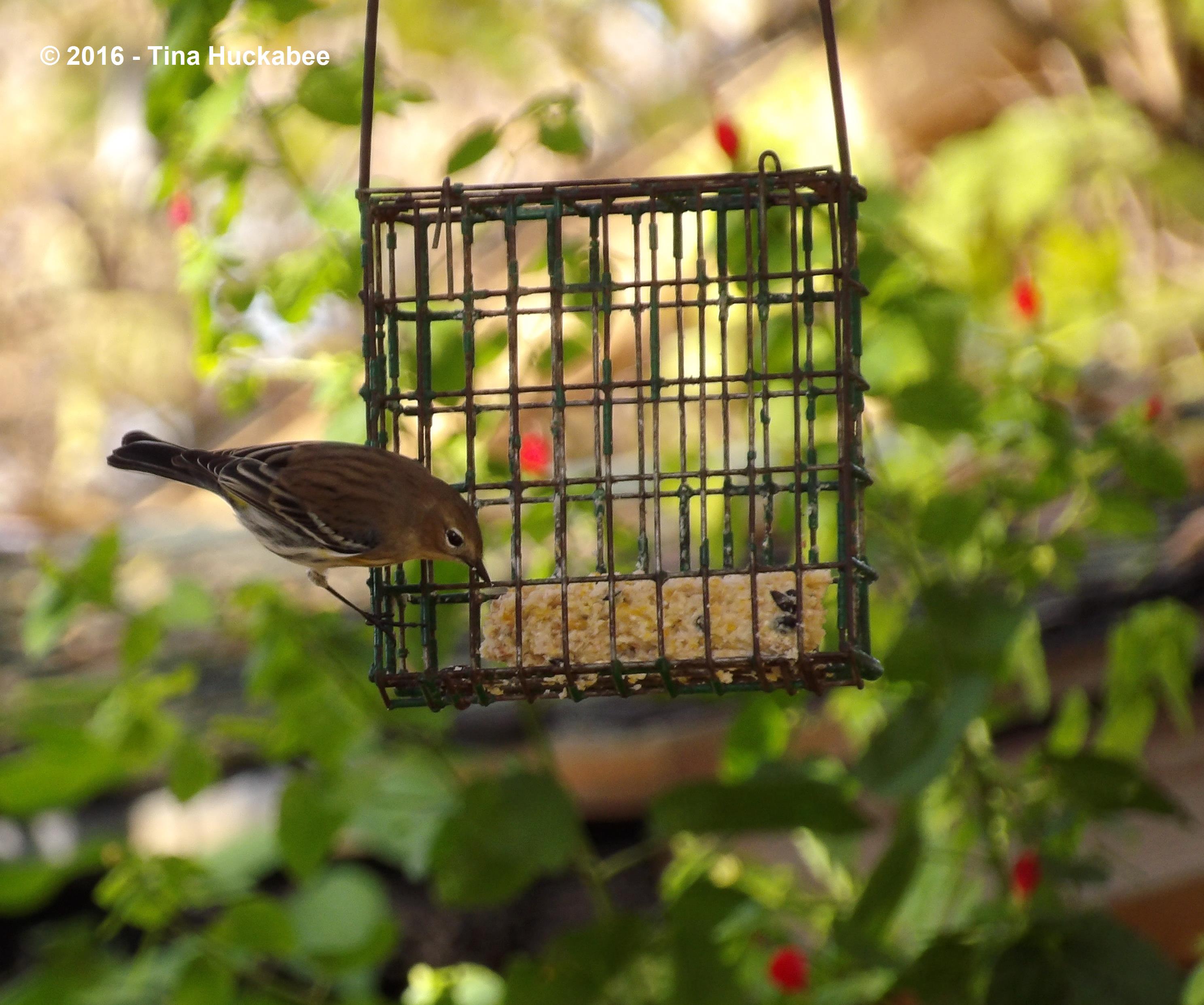
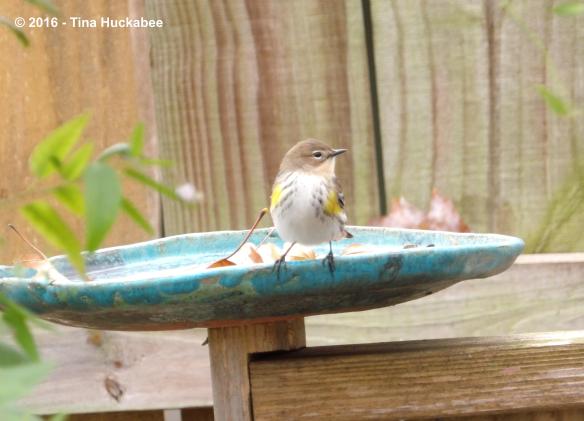
As it turns out, there are multiple sub-species related to this particular warbler and currently, I’m not nearly enough of a birder to adequately understand, much less explain, variations.  For the time being, I’m content to observe these shy little birds, all yellow rumped and sweet peeps, as they flit about my garden this winter.

While I secured a couple of decent butt shots of the female, I’m still working on a photo capture of the male’s cute yellow posterior. Heretofore, he’s been too busy showing  how pretty he is in other poses.
IMGP3504_cropped_3917x2829..new

IMGP3498_cropped_3893x3166..new


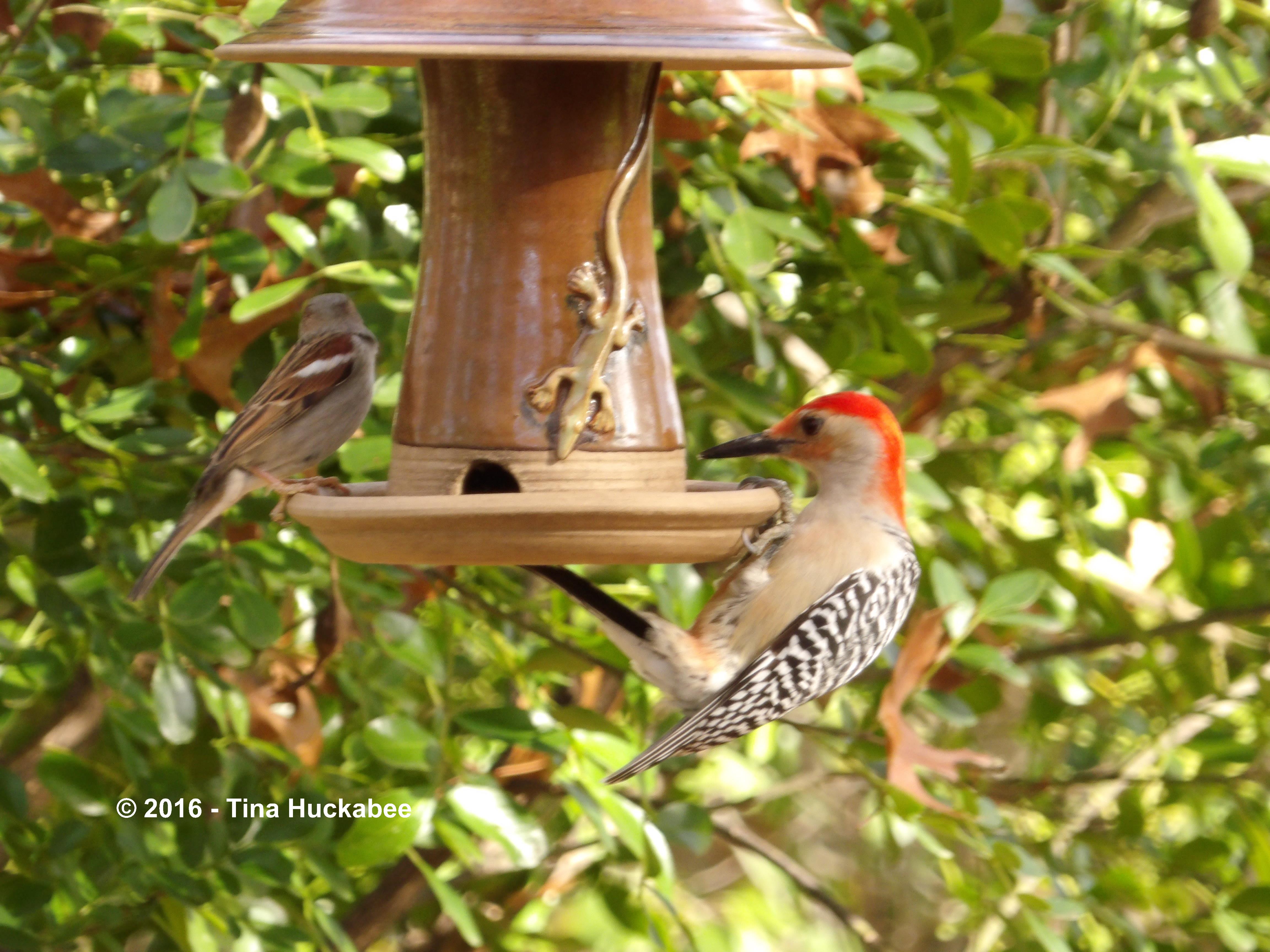
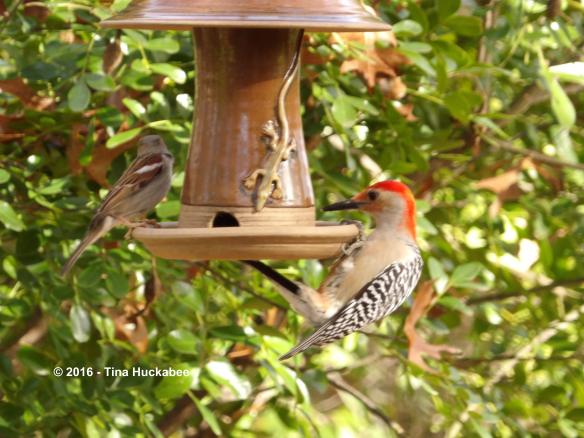
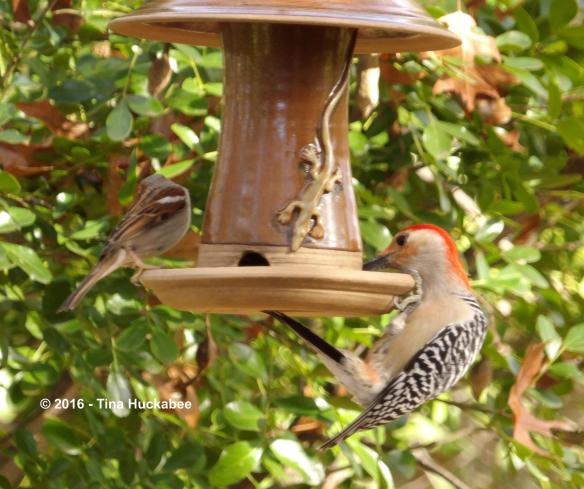
A Red-bellied Woodpecker,  Melanerpes carolinus, is another daily visitor to my feeders and up and down the oak trees.
IMGP3390.new

I love it when he is feeding at the suet and a Blue Jay flies toward and in no uncertain terms, the woodpecker lets the Blue Jay know that it’s NOT HIS TURN!

There’s plenty where that came from, so wait until Red-belly is finished, Mr. Jay.
IMGP3279.new

IMGP3261.new

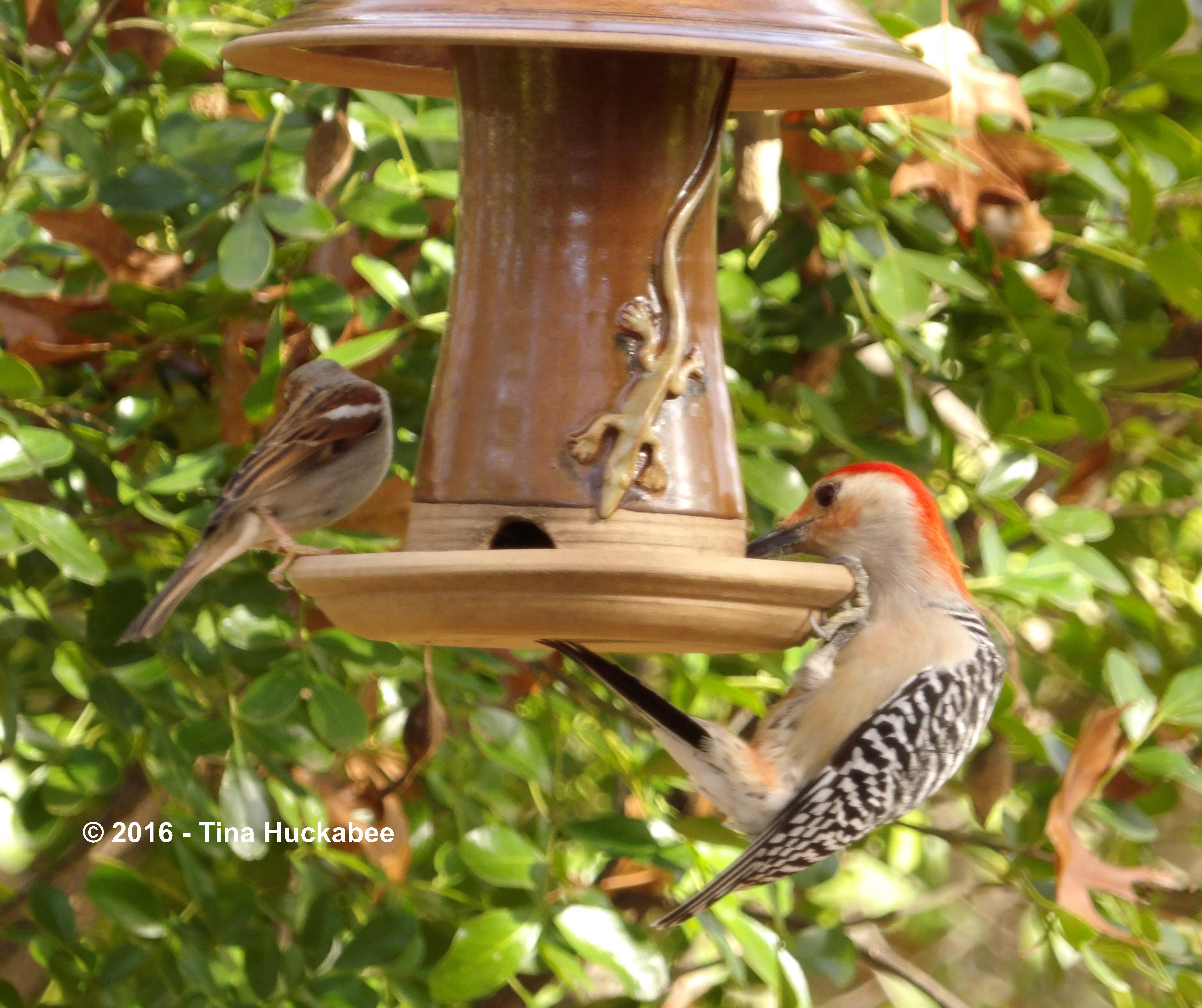
At this feeder though, the Red-bellied Woodpecker doesn’t mind sharing the food bar with a House Sparrow, Passer domesticus.
IMGP3398_cropped_3830x3213..new

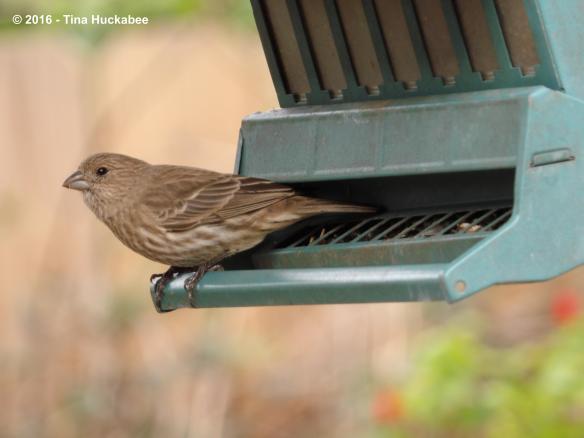
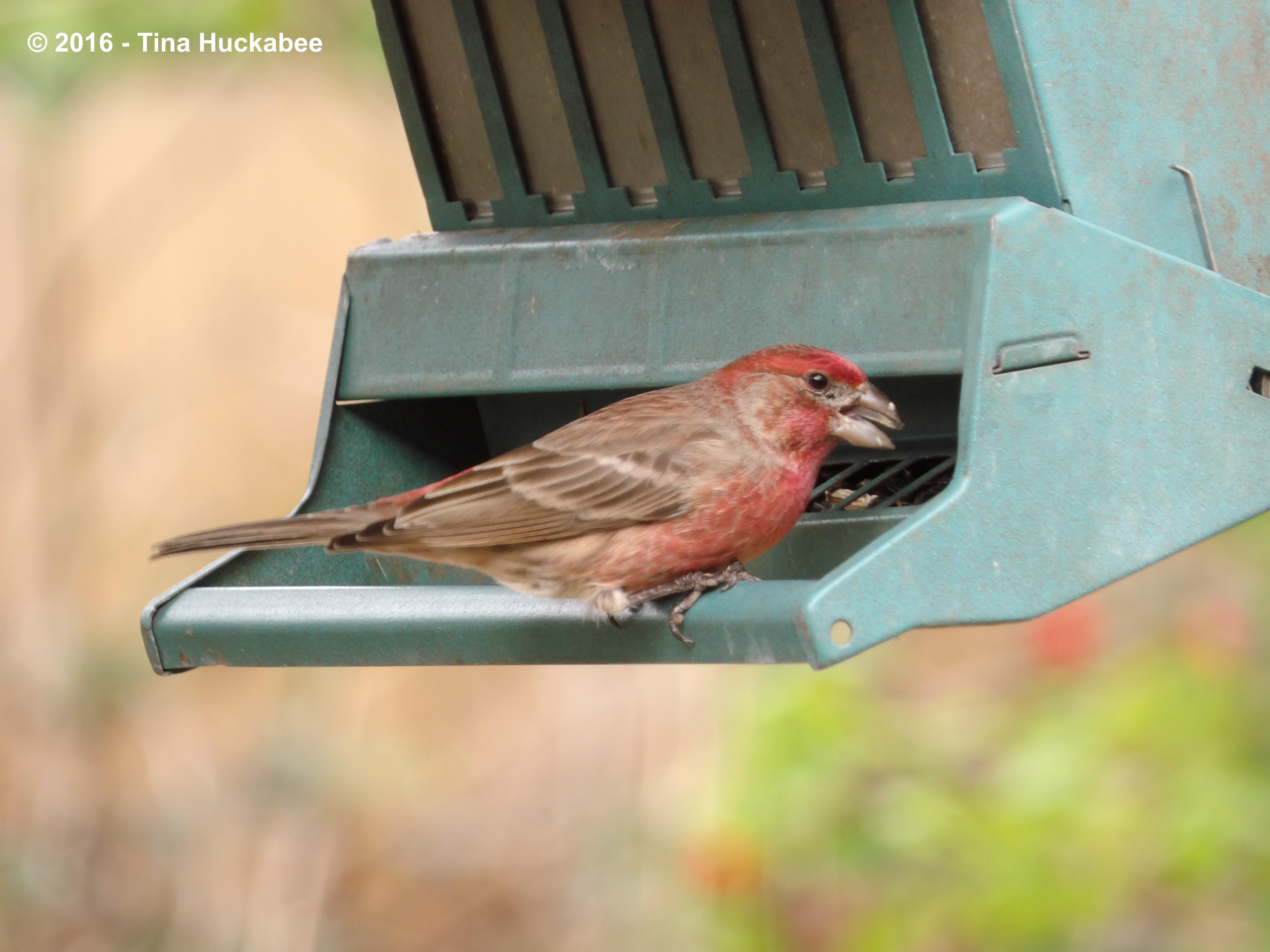
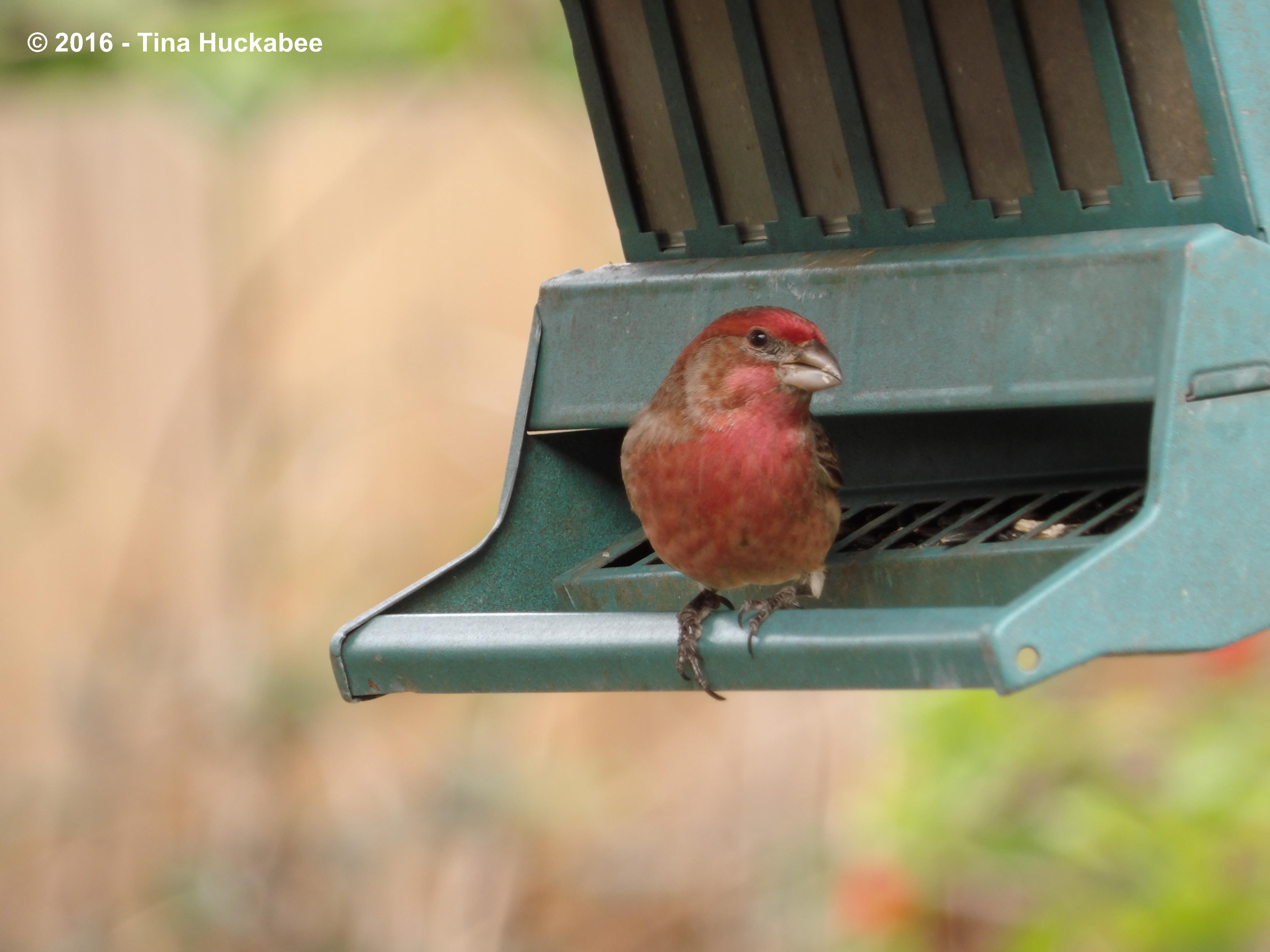
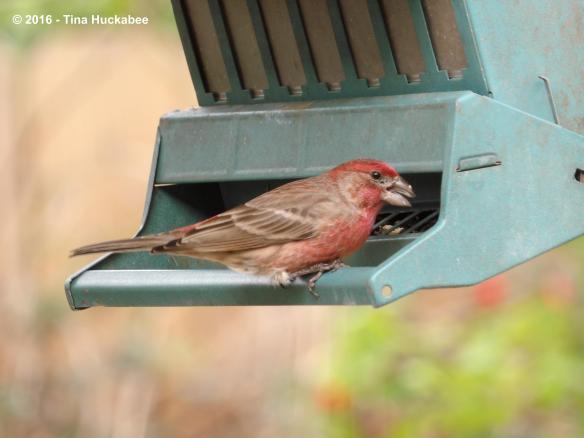
House Finches, Haemorhous mexicanus,   sit in the trees, on the ground, and at the feeders.  I love these chatty birds and I especially appreciate that they sit still, munching away contentedly for long enough to get good captures.  Usually, couples feed together, but at this particular moment, these two took turns–first him,
IMGP3633.new

IMGP3629.new

…then her.

IMGP3656.new

In November I signed up to participate in  Project FeederWatch, a yearly, months-long look at bird population trends organized by the Cornell Lab of Ornithology.  Mostly I did this because I felt the draw to participate in research on the status of North American birds, including migration and population  trends.  Also, I like the idea of being a citizen scientist.

 Snort.

Despite that trumped-up term, the information gleaned by the 200,000 participating volunteers throughout North America, is vital for research on how bird populations are trending up or down and, over time, whether native birds are declining, which, unfortunately, the project has documented.  Cornell Lab of Ornithology is all about the science of birds and through education, the conservation of our beloved and beleaguered native birds.  Cornell encourages concerned citizens to participate in this necessary research.

There are some rules and the counting method is specific and precise, though not difficult to understand or implement, even for novice bird watchers. Project FeederWatch spans November through April, book-ending the autumn and spring migration seasons, as well as the stable wintering population of your particular site. Ideally, observance is weekly, though there’s no penalty for skipping your count from time-to-time.  Cornell ornithologists are happy to get what information they can, when they can, to better understand how North American birds are faring.  Volunteers choose the same two consecutive days each week to observe and record what and how many birds are in the chosen area and for what length of time the area is observed.  Whether for one hour or many–it’s up to the volunteer–weather conditions are noted, and Cornell asks that particular rules of counting be followed to ensure no multiple counts of birds.  The process is well-tuned and the fine folks at Cornell Lab have done their utmost to make the activity easy to use and  educational. Data is either mailed in  hard copy form or entered directly into a user-friendly site; that’s my preferred method. Cornell requests an $18 participation donation for the starter kit, but  I think it’s well-worth that small amount to be part of a long-term scientific study and, like most scientific and educational organizations,  Cornell Lab of Ornithology can use all the moolah they can get.

It’s not too late to participate for this season; check out Project FeederWatch for more information.

Any excuse to watch the backyard birdies!

Oh dear.  I’m becoming one of them. Yeah, that’s right, my binoculars are on the shelf by the back door, ready and waiting.  Ready and waiting for that little female Downy Woodpecker who’s too quick in the oak trees for me to get much of a look, much less a decent photograph.

Oh well, there’s always preparation and photographs for  next month’s Wildlife Wednesday!

Did wildlife visit your garden this past month? Please post for January Wildlife Wednesday–share the rare or mundane, funny or fascinating, beneficial or harmful critters you encounter. When you comment on my post, please remember to leave a link to your Wildlife Wednesday post so readers can enjoy a variety of garden wildlife observations.

Happy wildlife gardening!
IMGP3385_cropped_3525x3051..new

IMGP3195_cropped_3328x3130..new