Foliage Follow-Up, December 2011–Chartreuse Collage Art

Honoring Foliage Follow-up, hosted by Pam of Digging, I’ll profile the results of drought, freeze and Fall.
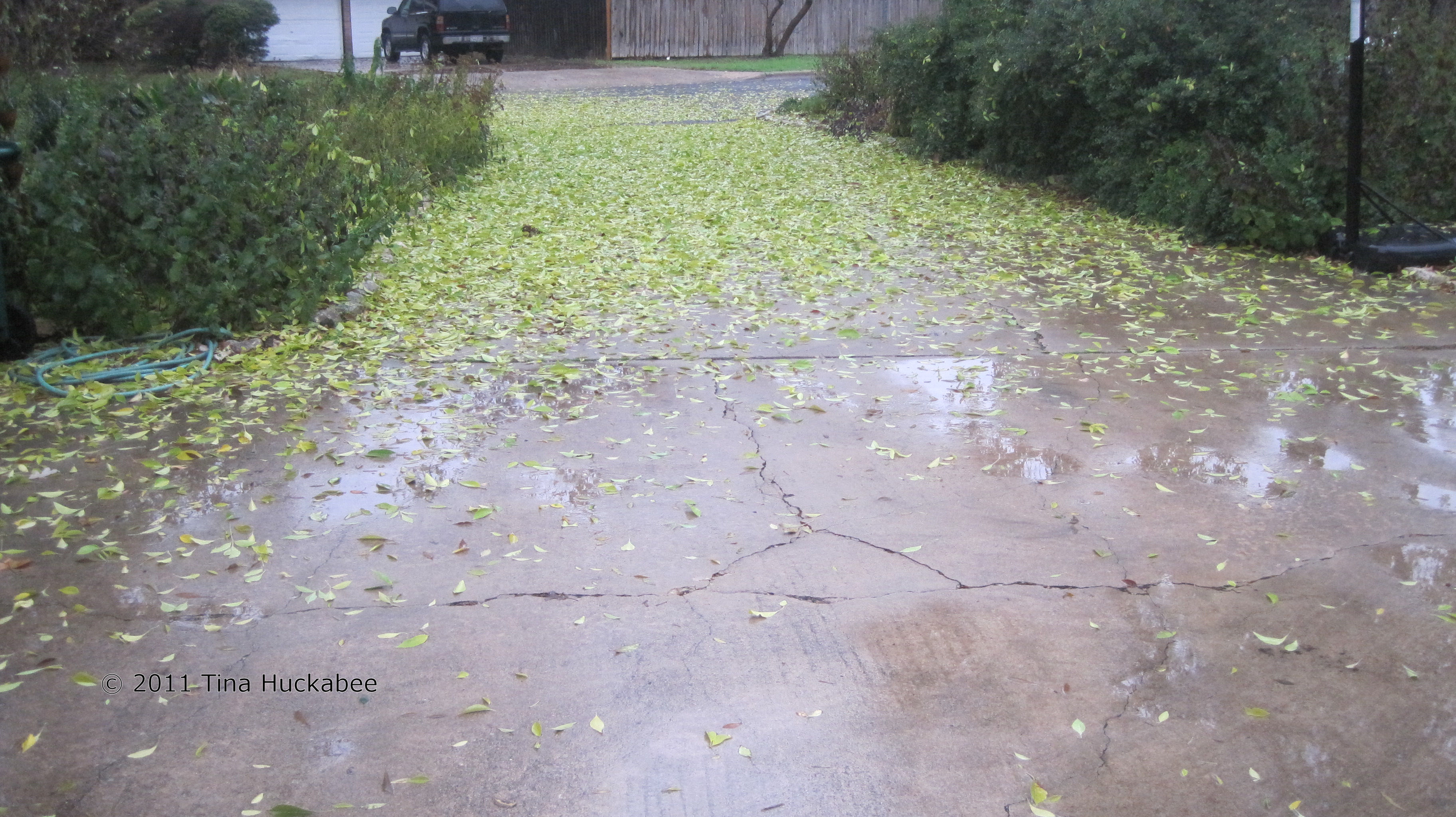
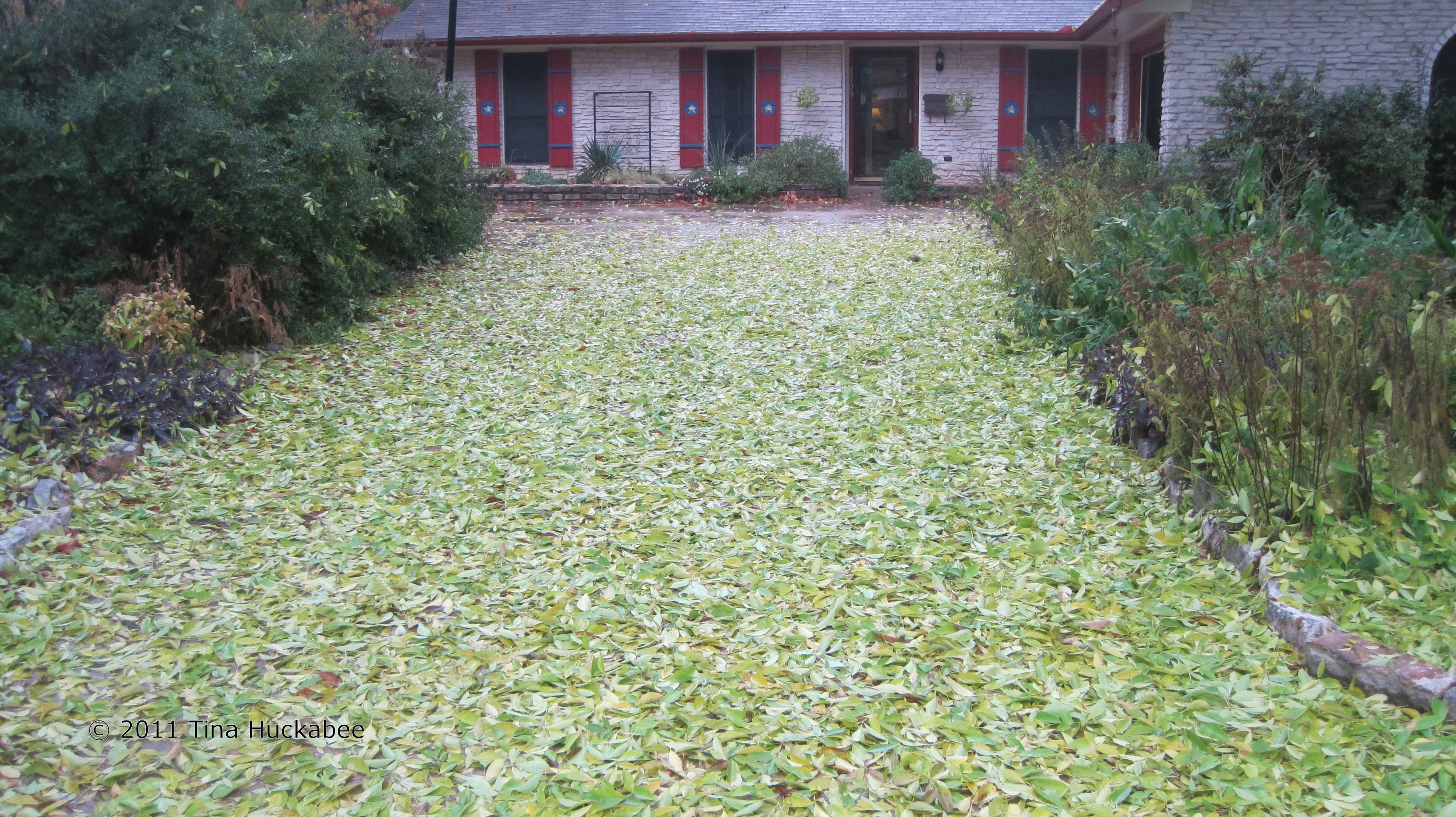
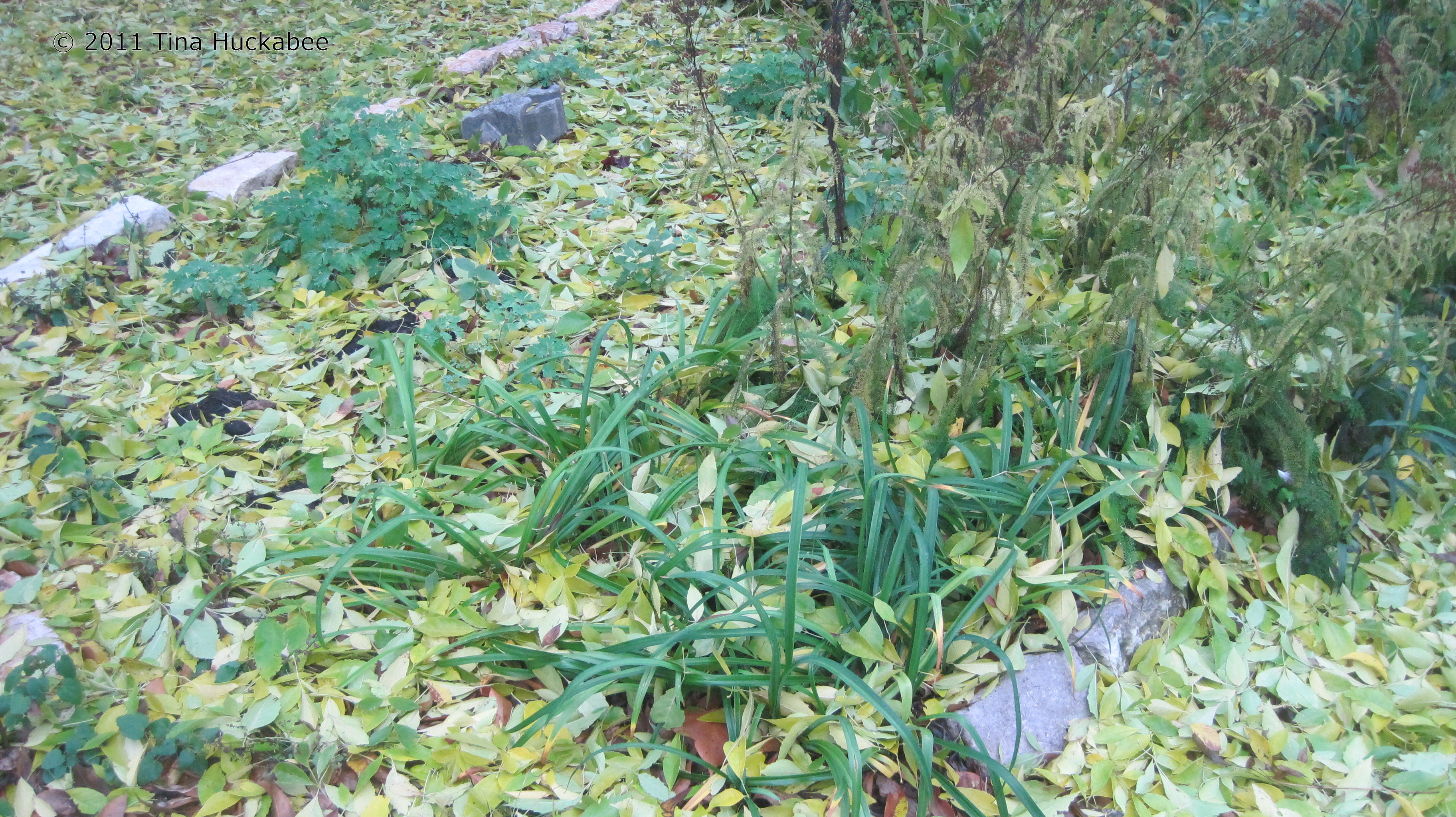
Since Tuesday, all the leaves on my non-native Arizona Ash tree (Fraxinus velutina) have dropped.  All of them.  I don’t recall this ever happening within such a short period of time.  Usually, the leaves waft down over a relatively long period of time.  It’s not a tree with particularly great fall color, but the leaves are usually yellow for a few days to a week before they begin their descent to the earth.

I don’t know what the hurry was this year.

I’m guessing the culprit for the dramatic drop is related to our exceptional drought.  The Arizona Ash is not a desired tree for Central Texas. We inherited this tree with the house and it’s not a tree I would plant, nor would I recommend it to others.    I’ll be interested to observe how this and other Arizona Ashes fair over the next year or two.

For now though, the downed leaves are nice.  Rather pretty, in fact. They remind me of the tissue collage art that my kids would make when they were very little–all charmingly glued together to give the art piece texture and color.
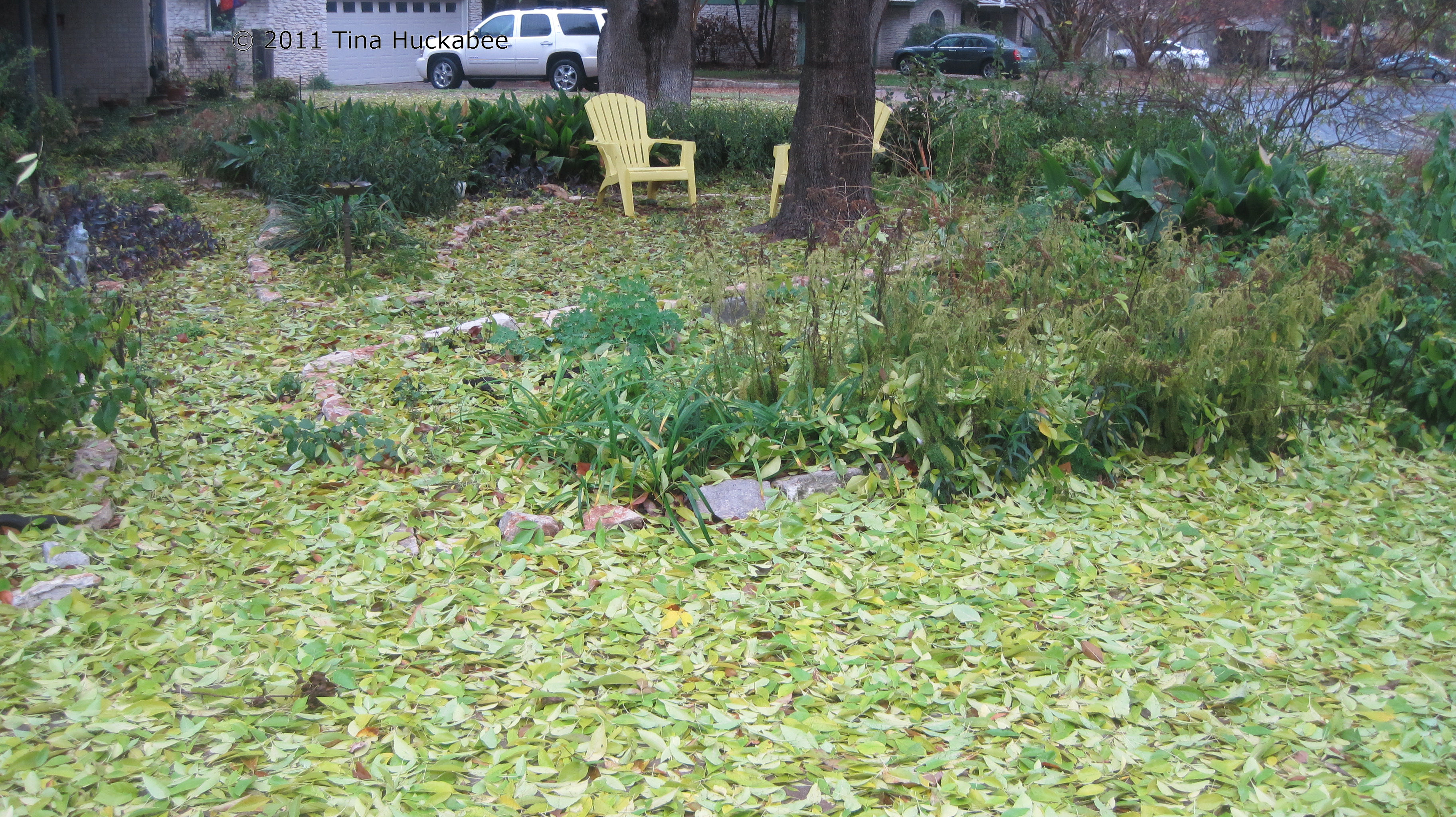
And like those obnoxious little pieces of paper, the leaves are everywhere.
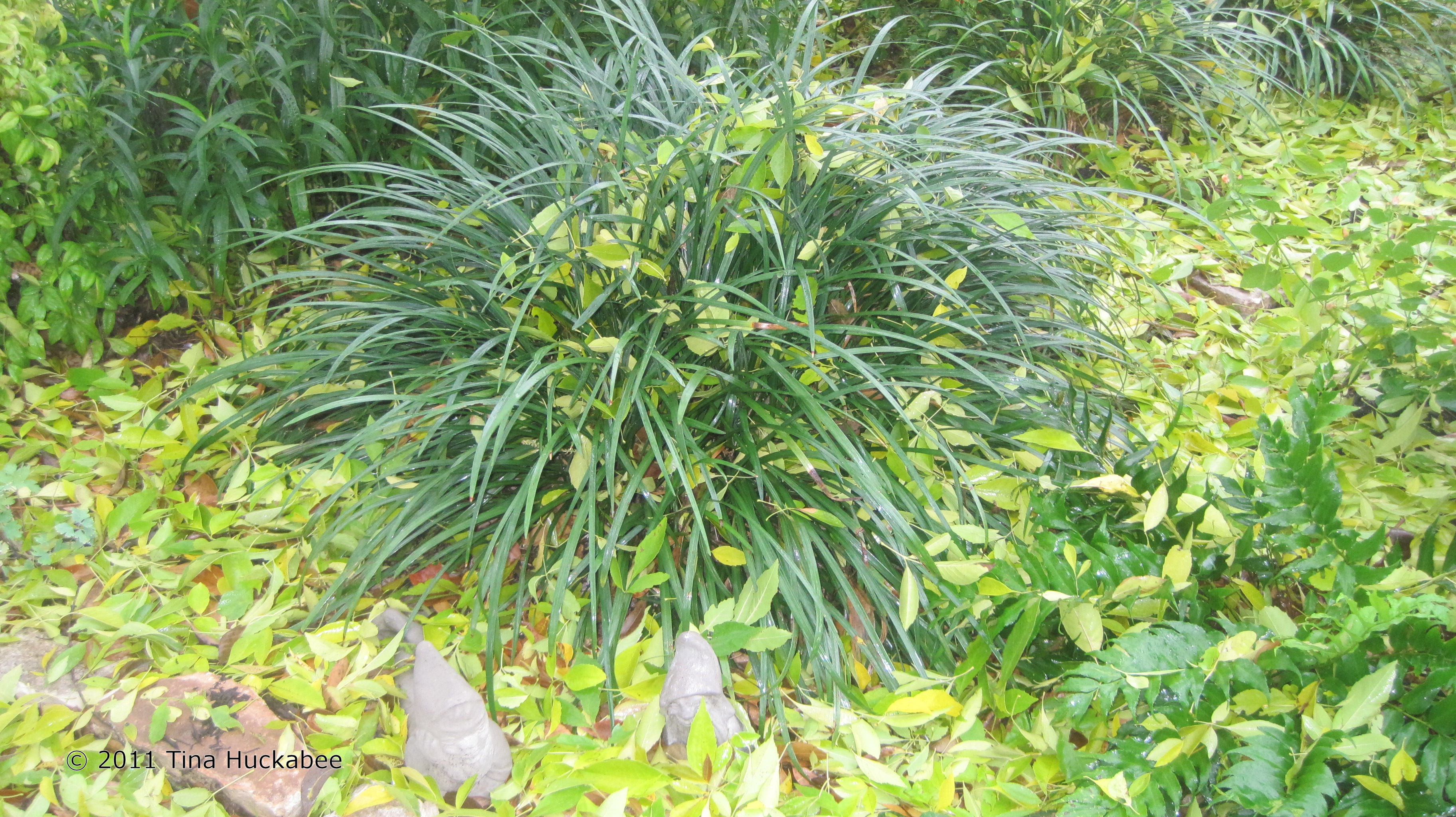
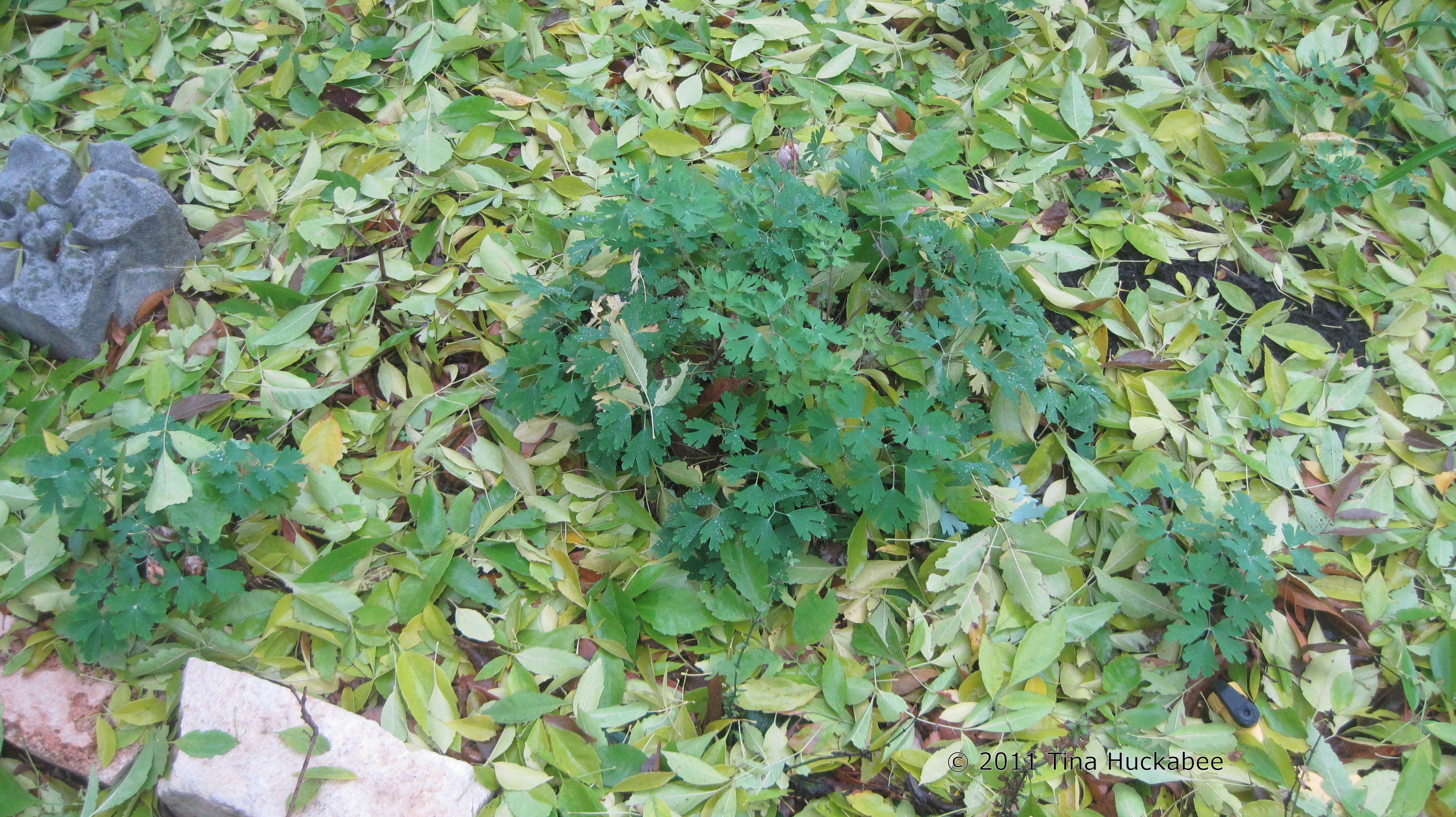
The dog tracks leaves in.  The cat tracks leaves in.  I track leaves in.

When the kids were little, they helped clean up their messes after their art projects.

Do you think I’ll be able to coax the teenager to use the rake on the leaves??  Or  vacuum leaves in the house??
Garden Bloggers’ Bloom Day–December 2011–After the Freeze

My garden endured its first significant freeze last week (28 degrees one night, 30 the next), thus limiting my bloom choices for this month. Well, it is autumn, transforming into winter.  So it goes.  Hosted by Carol at May Dreams Gardens, today is Bloggers’ Bloom Day for December 15, 2011.  Here are the current bloomers.

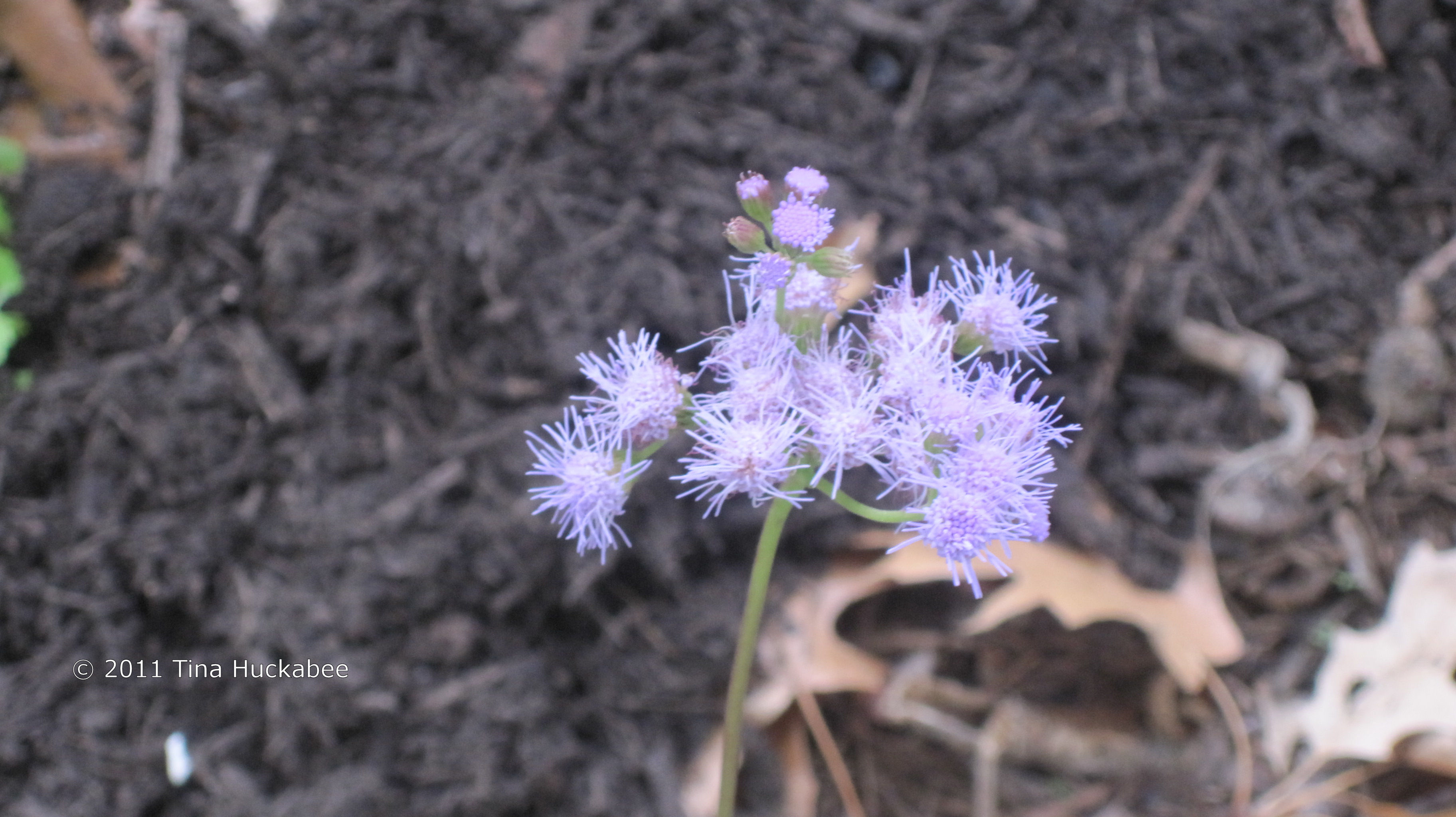
I still have a couple of Gregg’s Mistflower (Conoclinium greggii) in bloom.  I’m hoping this little group makes it through the winter as I only planted them in September.

I also found one small Blue Mistflower (Conoclinium coelestinum) still with us.  This Mistflower boasts  the longest bloom time–I’ve enjoyed them since early September.

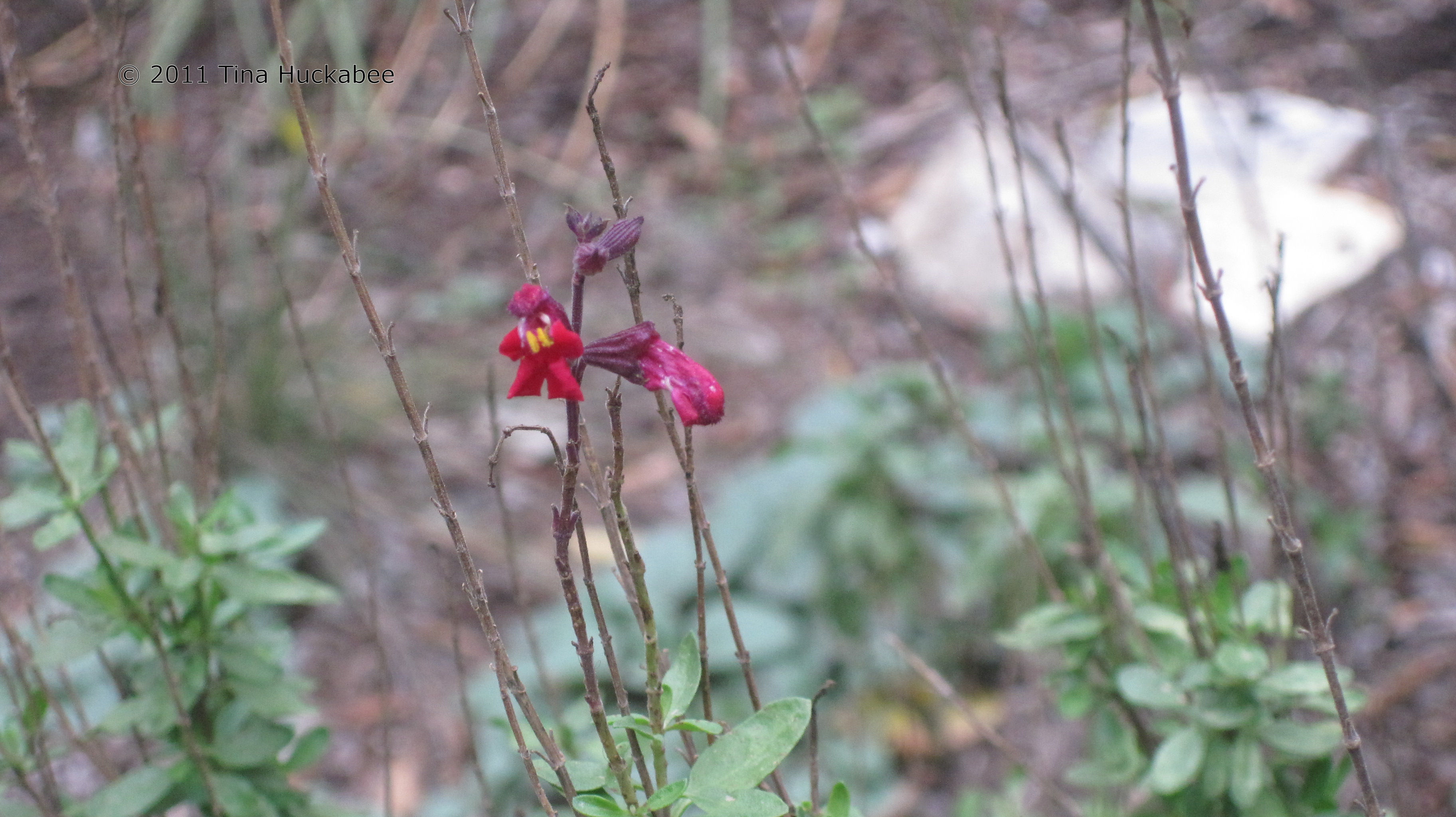
I found two healthy blooms on a Red Autumn Sage (Salvia greggii).  The one next to the healthy bloom is freeze damaged bloom.

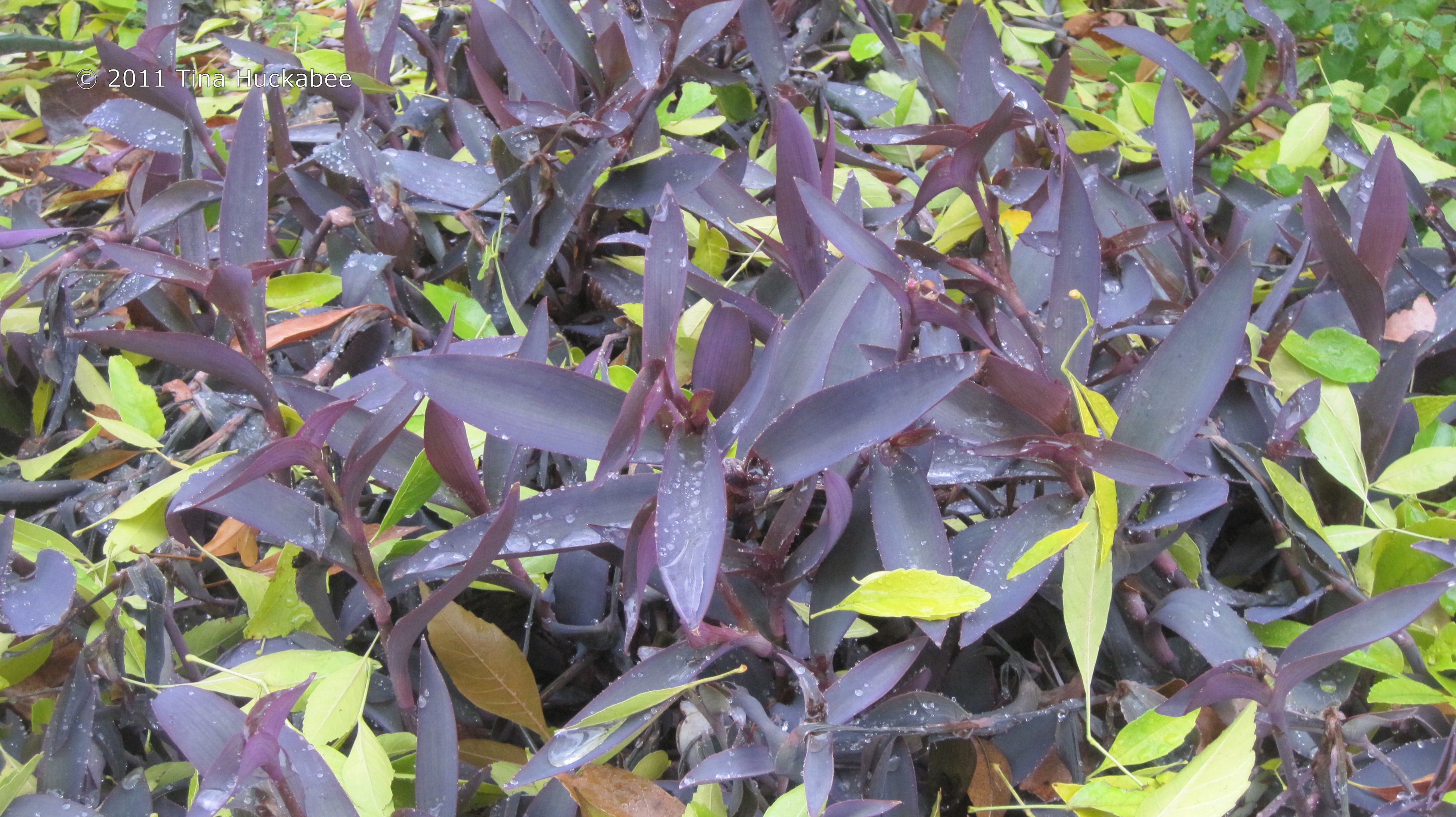
Amazingly, the Purple Heart (Tradescantia pallida), didn’t get zapped by the freeze too badly, so there are still a few blooms left.

Another surprise is that the Mexican Honeysuckle (Justicia spicigera) didn’t suffer at all.  It will eventually succumb to a harder freeze, but for now, there are still cheerful, bright orange blooms gracing the garden.

Purple Cone Flower (Echinacea purpurea) will sometimes bloom all winter in my gardens.  Currently, this is the lone group in bloom.  Actually, I pruned three other plants before the freeze to enjoy in the house, but I missed these little guys.  So glad I did.

I love Blackfoot Daisy (Melampodium leucanthum).  It blooms and blooms and blooms!

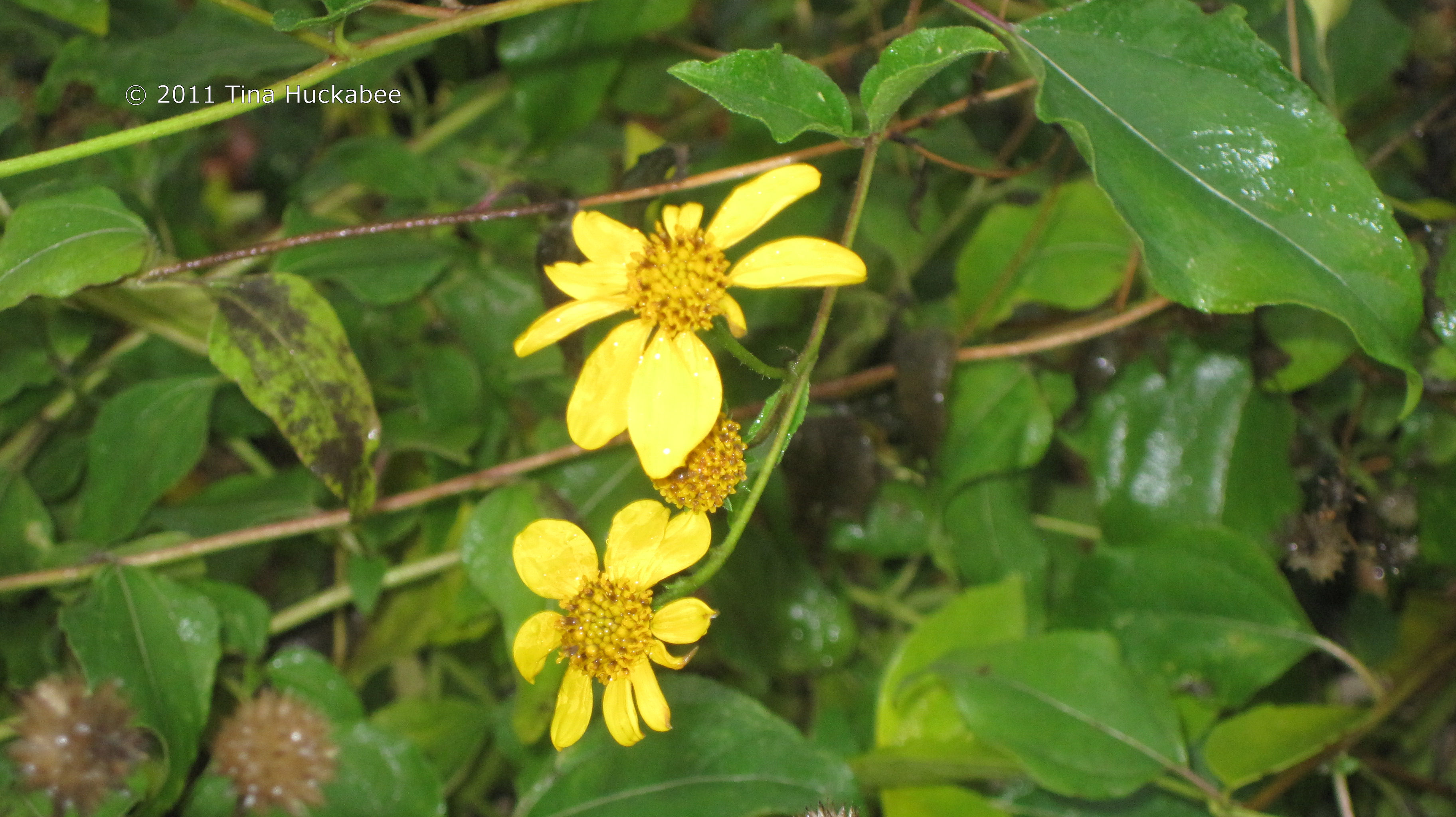
This particular group of Goldeneye (Viguiera dentata) have bloomed since September.  All the others of their kind have long gone to seed and provided food for the finches.

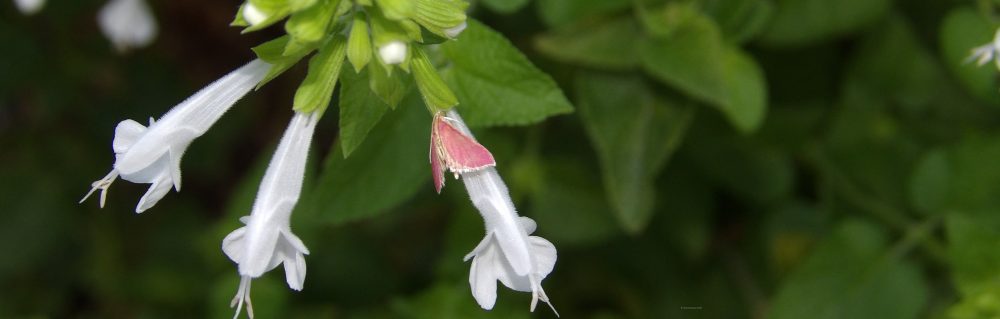
And, there are a few White Tropical Sage (Salvia coccinea) still happening in December.

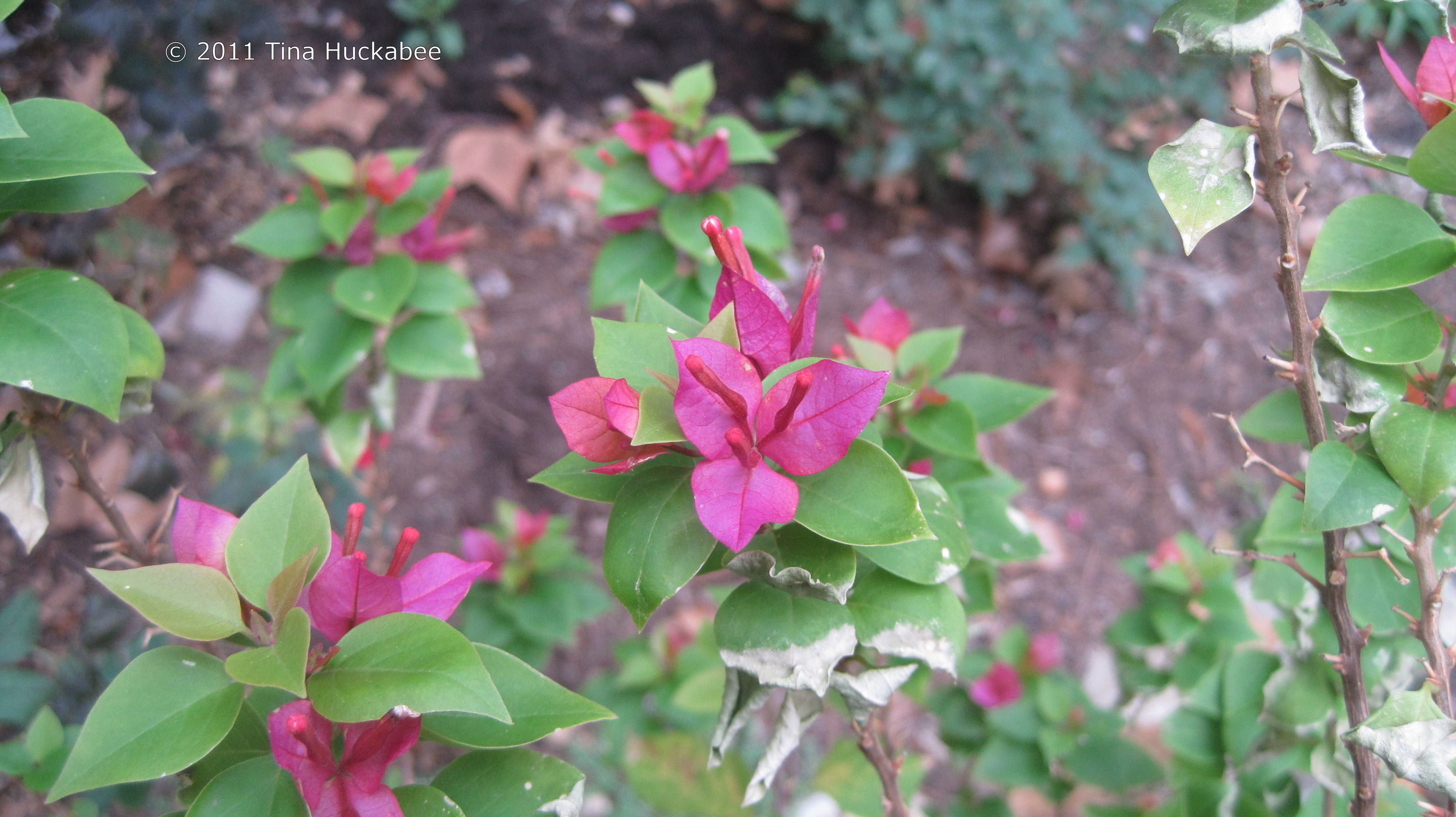
As a bit of a cheat, I have an upright Bougainvillea ‘Torch Glow’ in a container still blooming.  I hastily brought it into the house when I realized how cold it would get.

I cut back the other Bougainvillea that I have which are the more spreading variety and stuck them into the garage to sleep for winter.

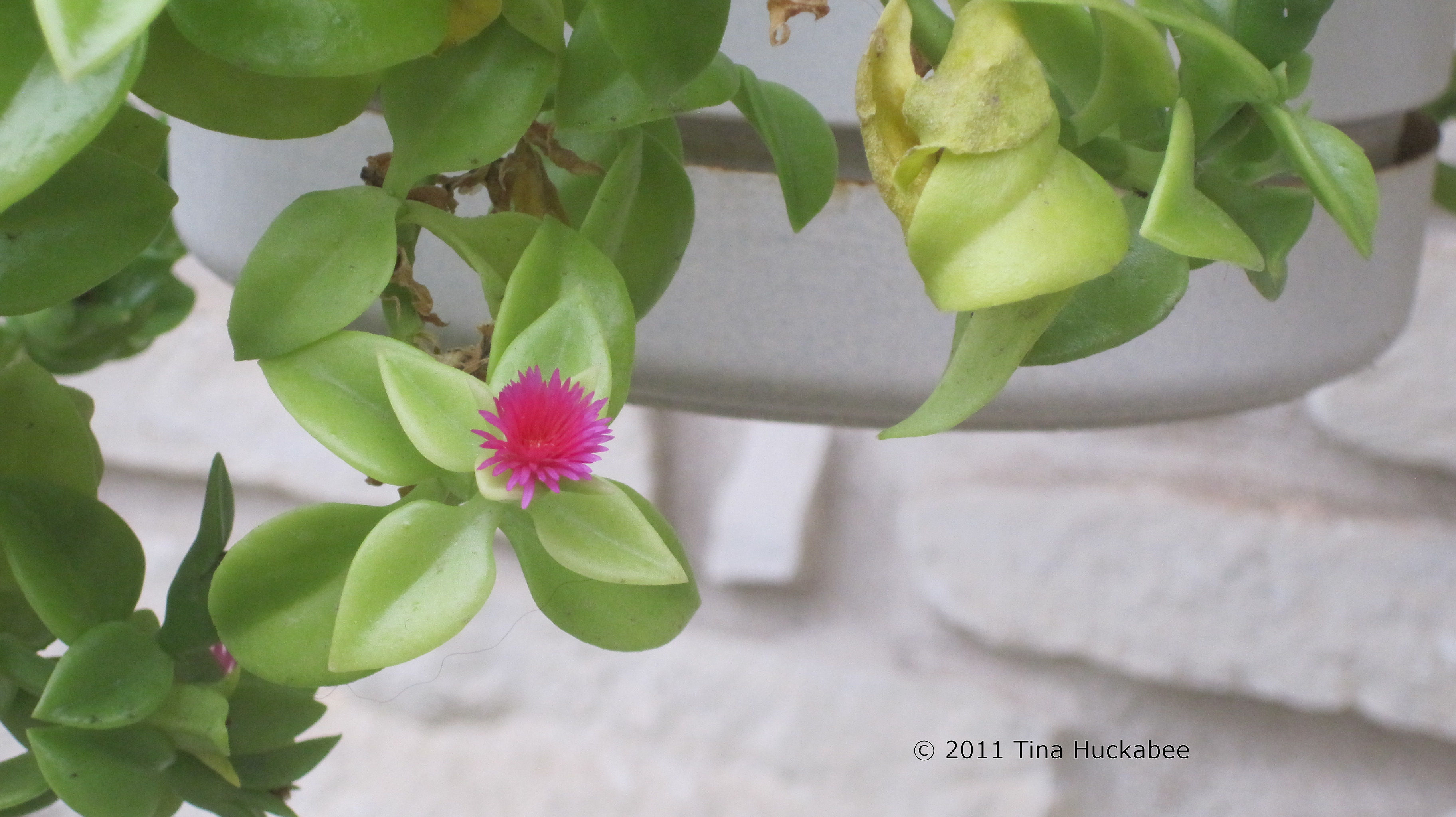
Another container plant, an Ice Plant (Delosperma cooperi), that I rooted from “pinches” taken from my father’s plant, bloomed well this year and is still in bloom.

I’ll leave it out except when it freezes, so maybe it’ll still be in bloom next month.

So, Can I Make Cookies From These?

Oats

Lots of oats.

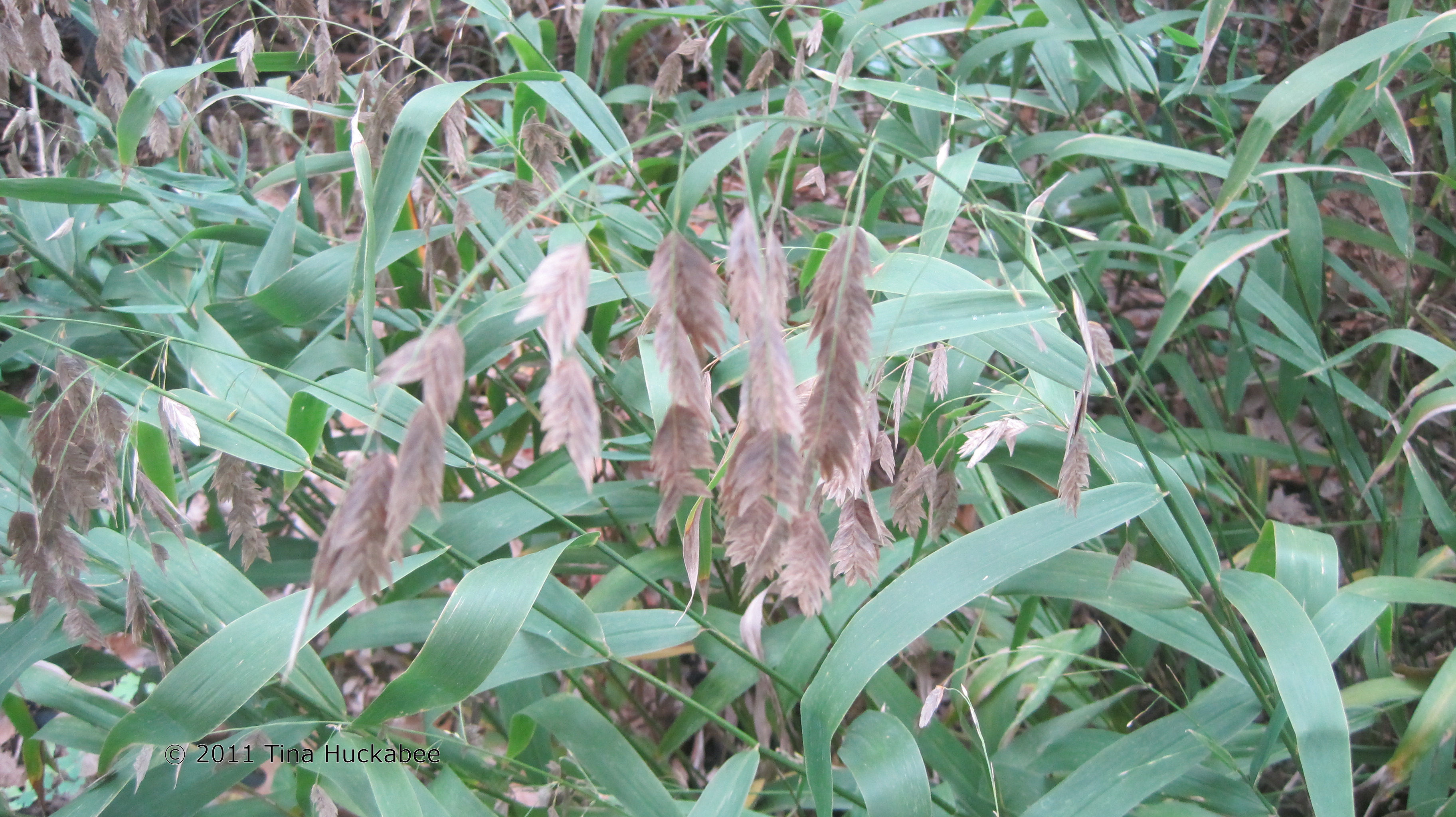
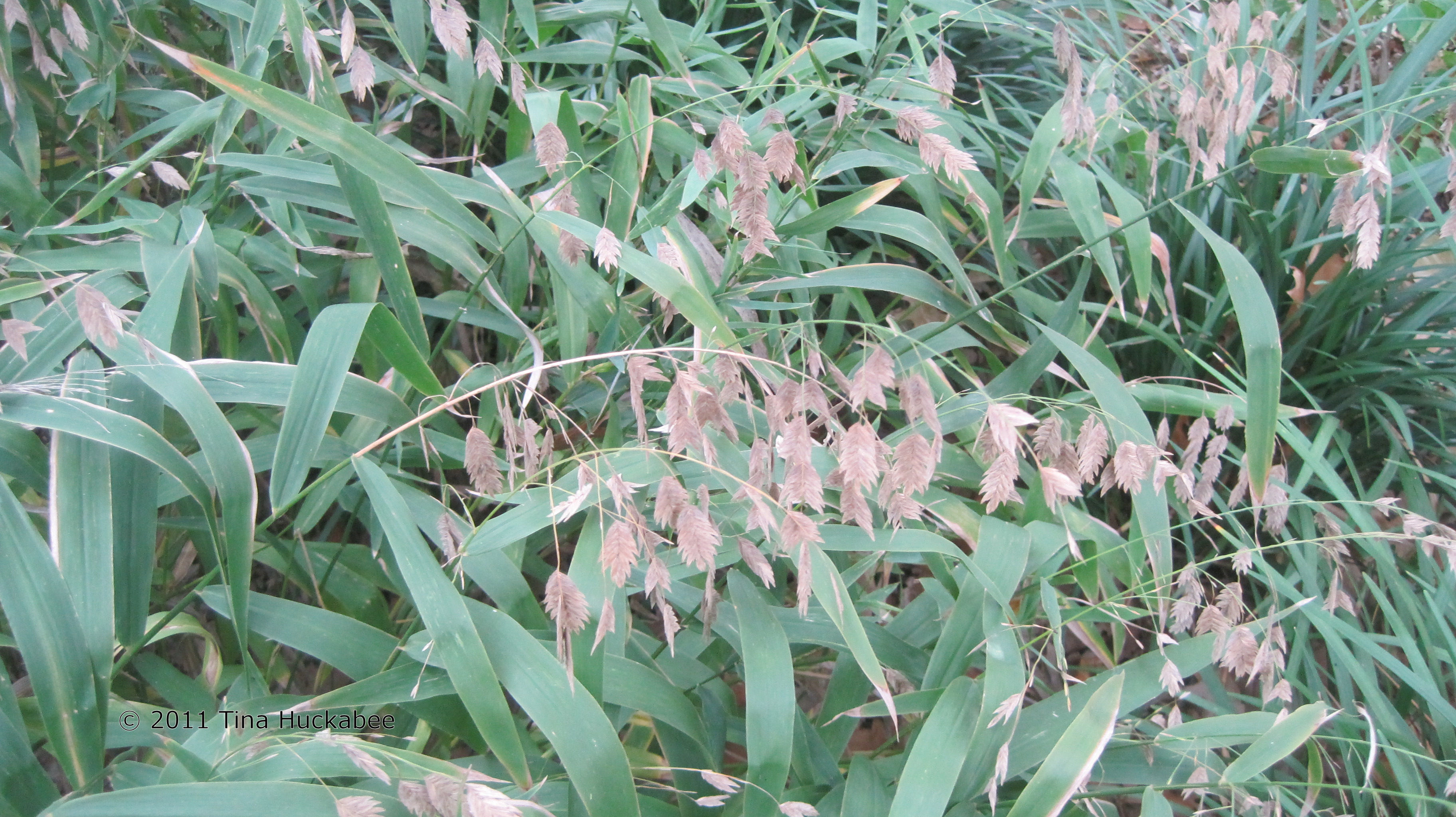
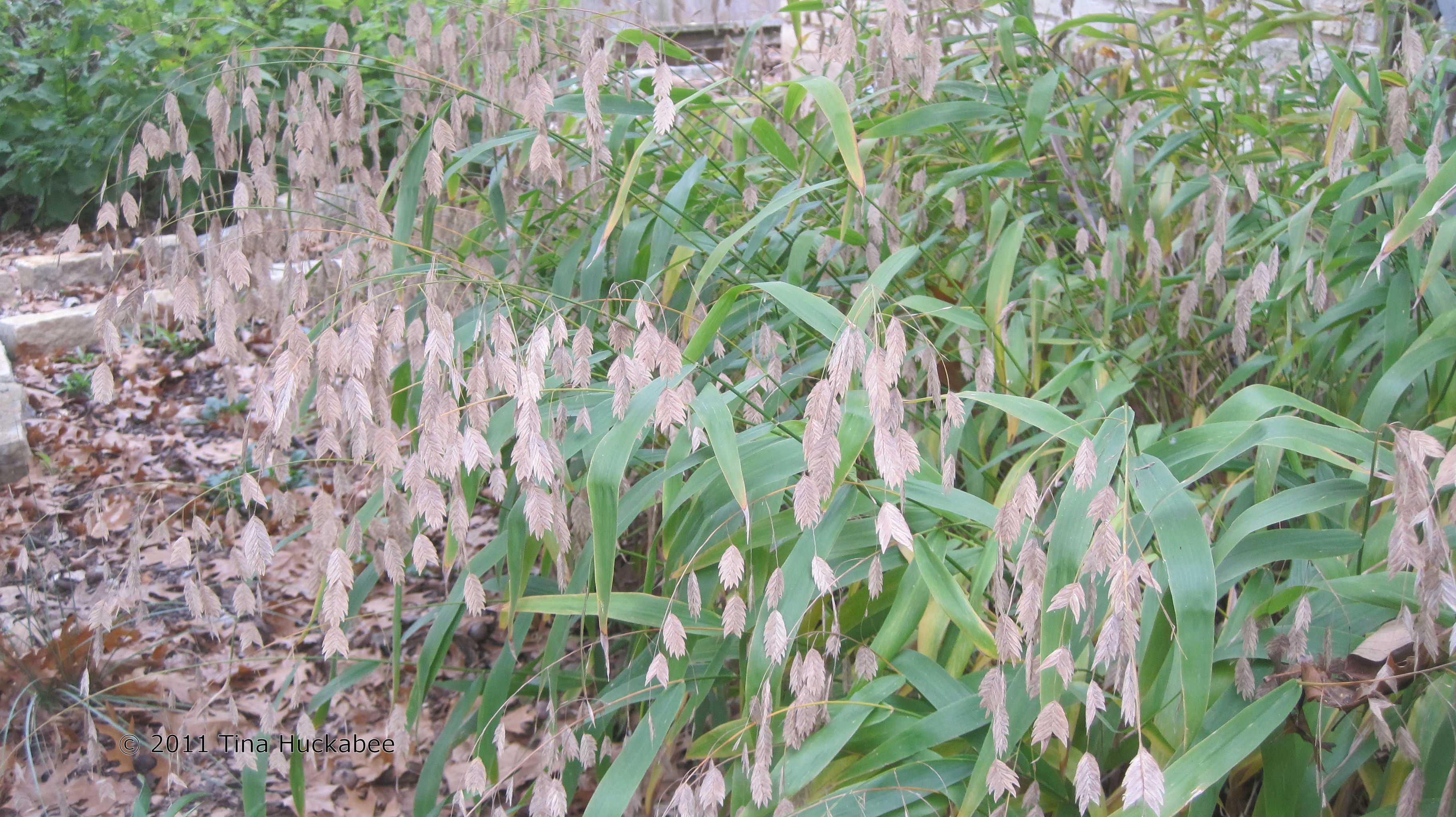
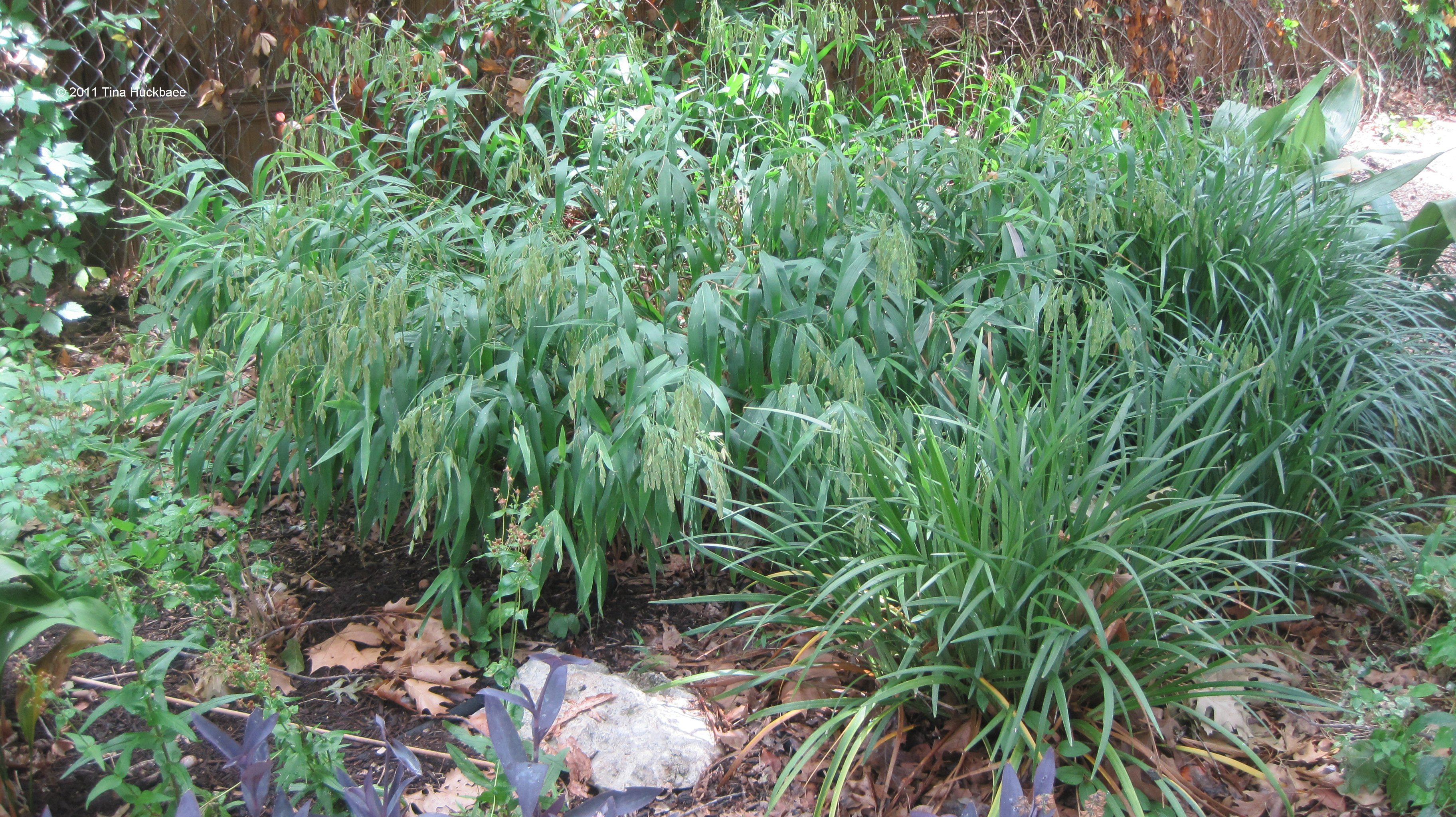
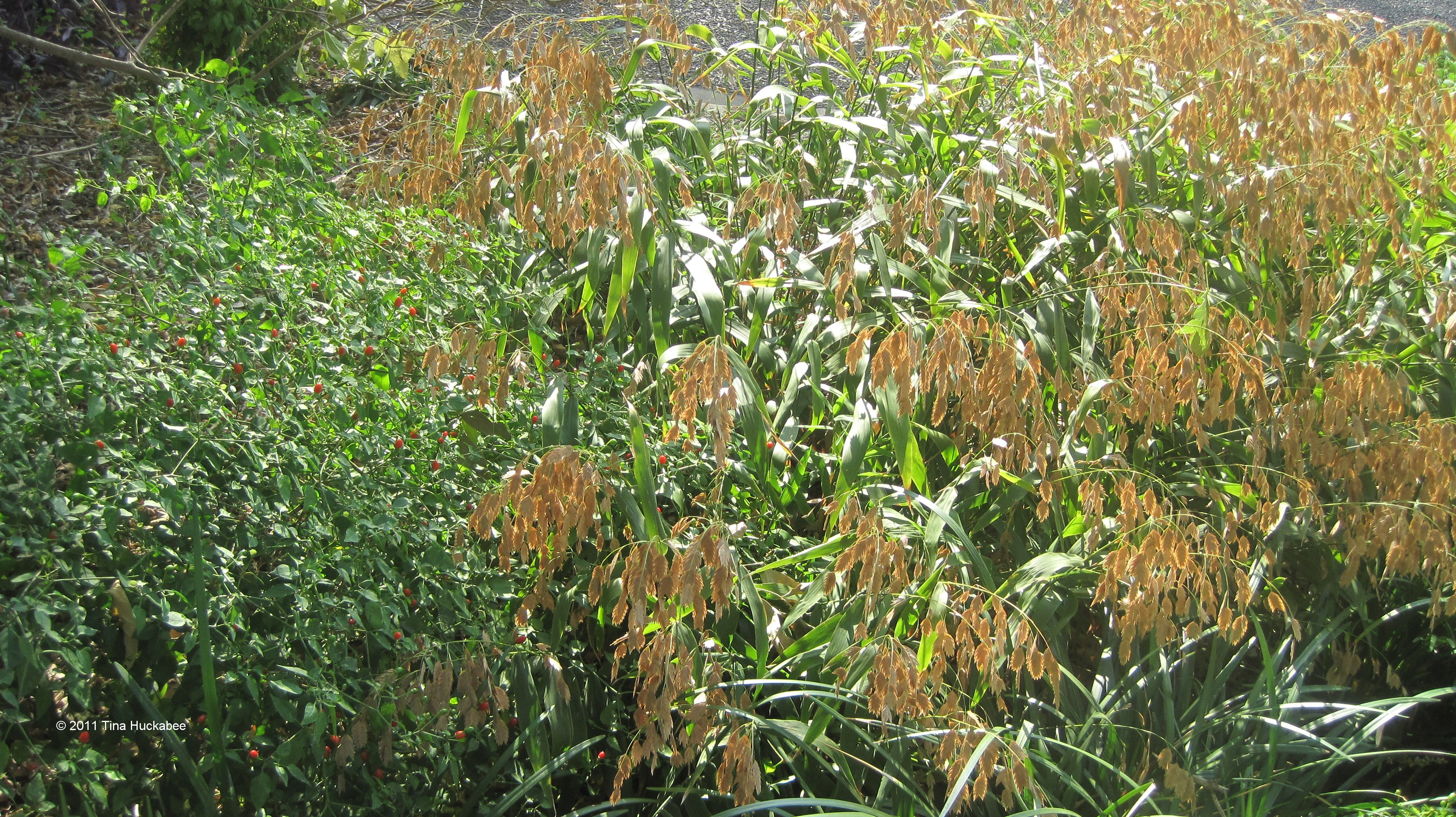
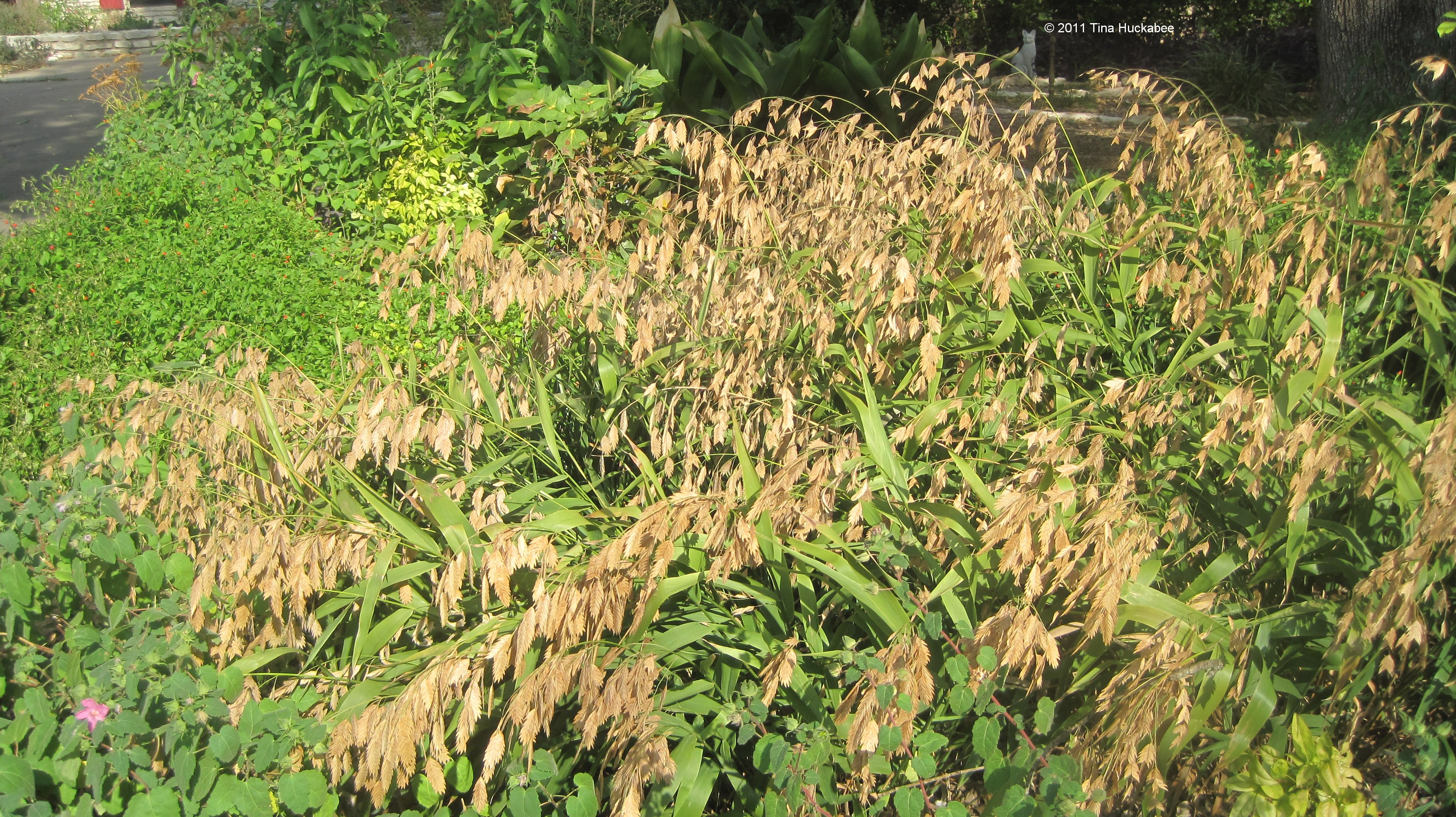
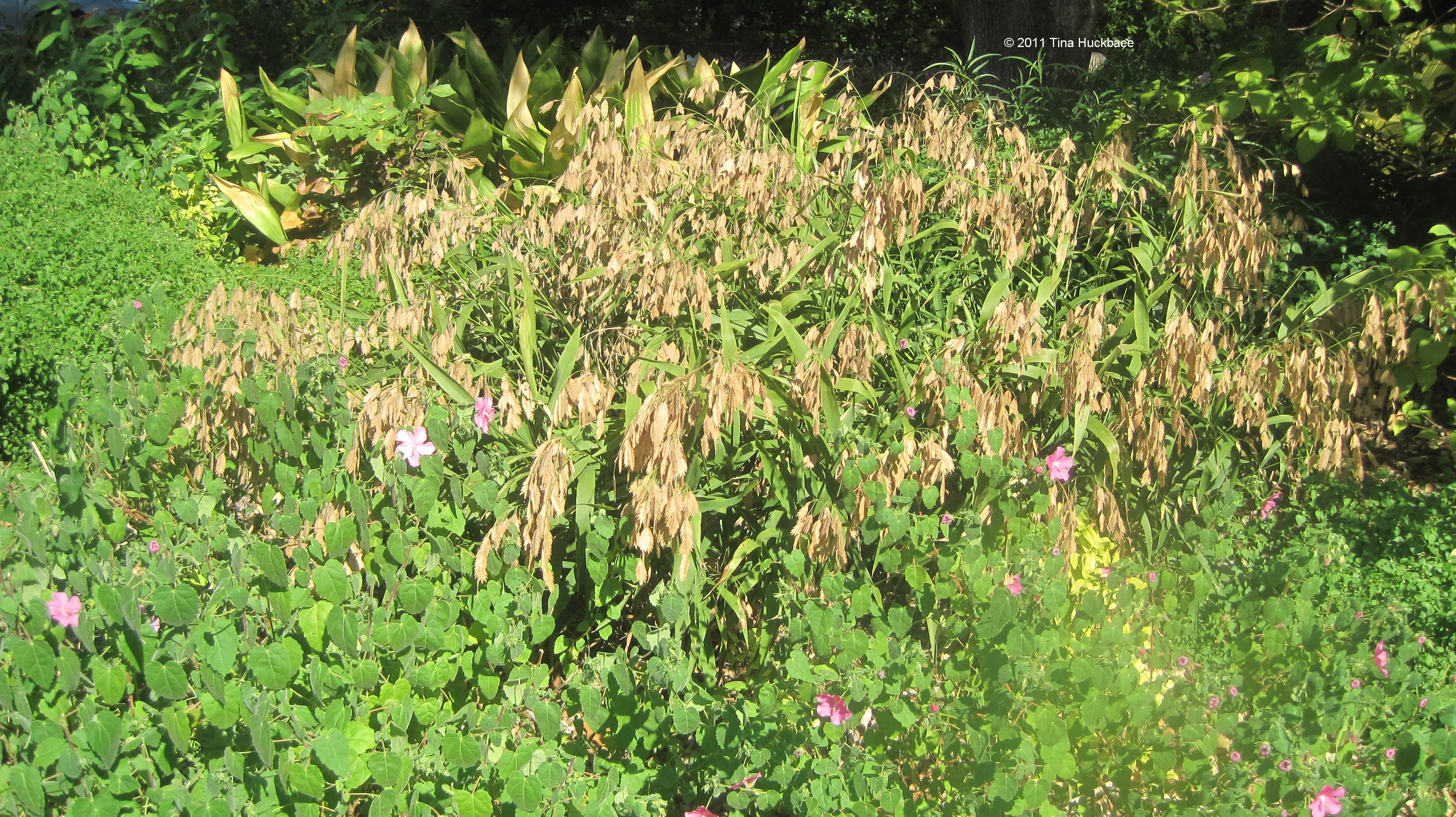
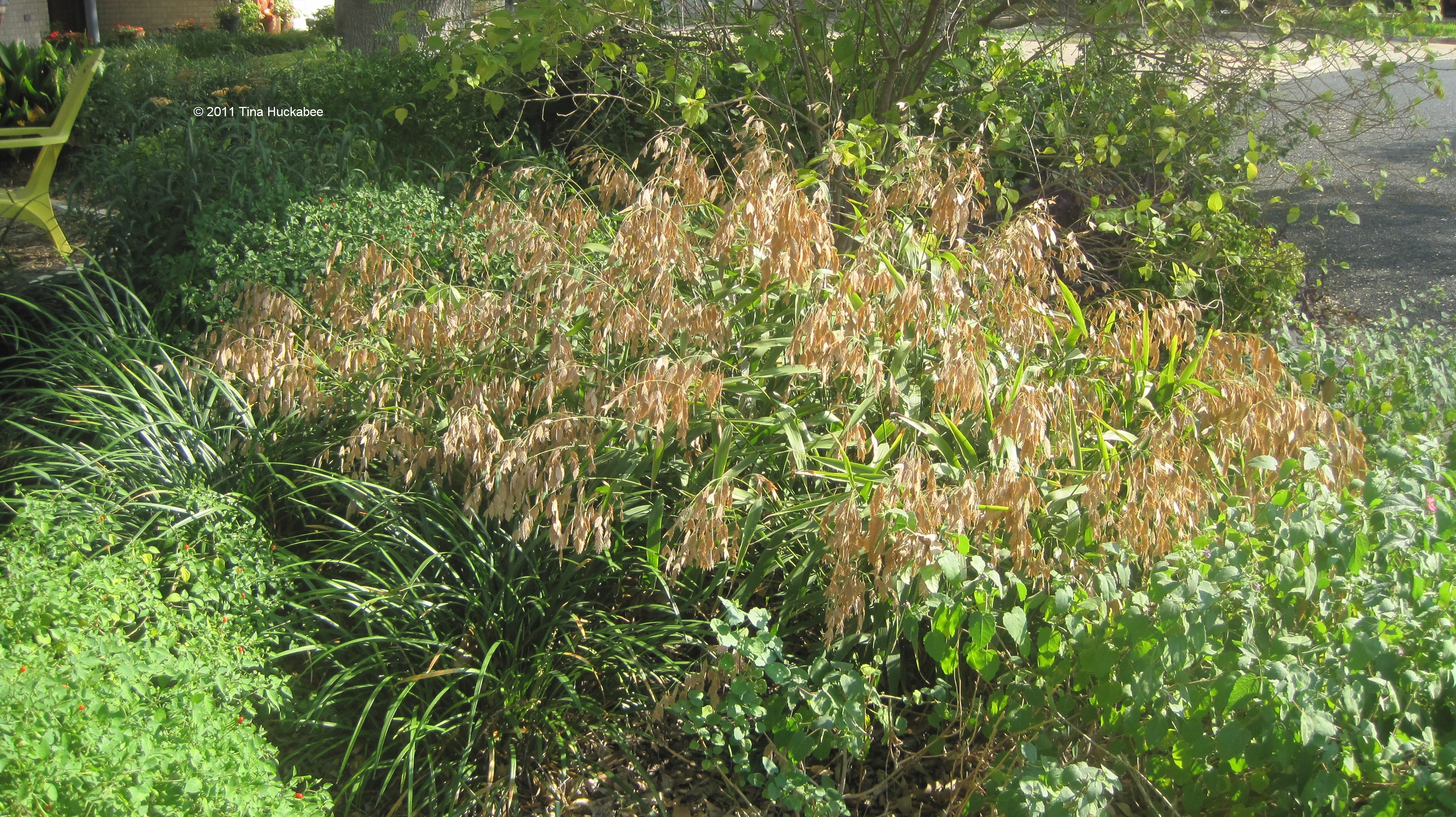
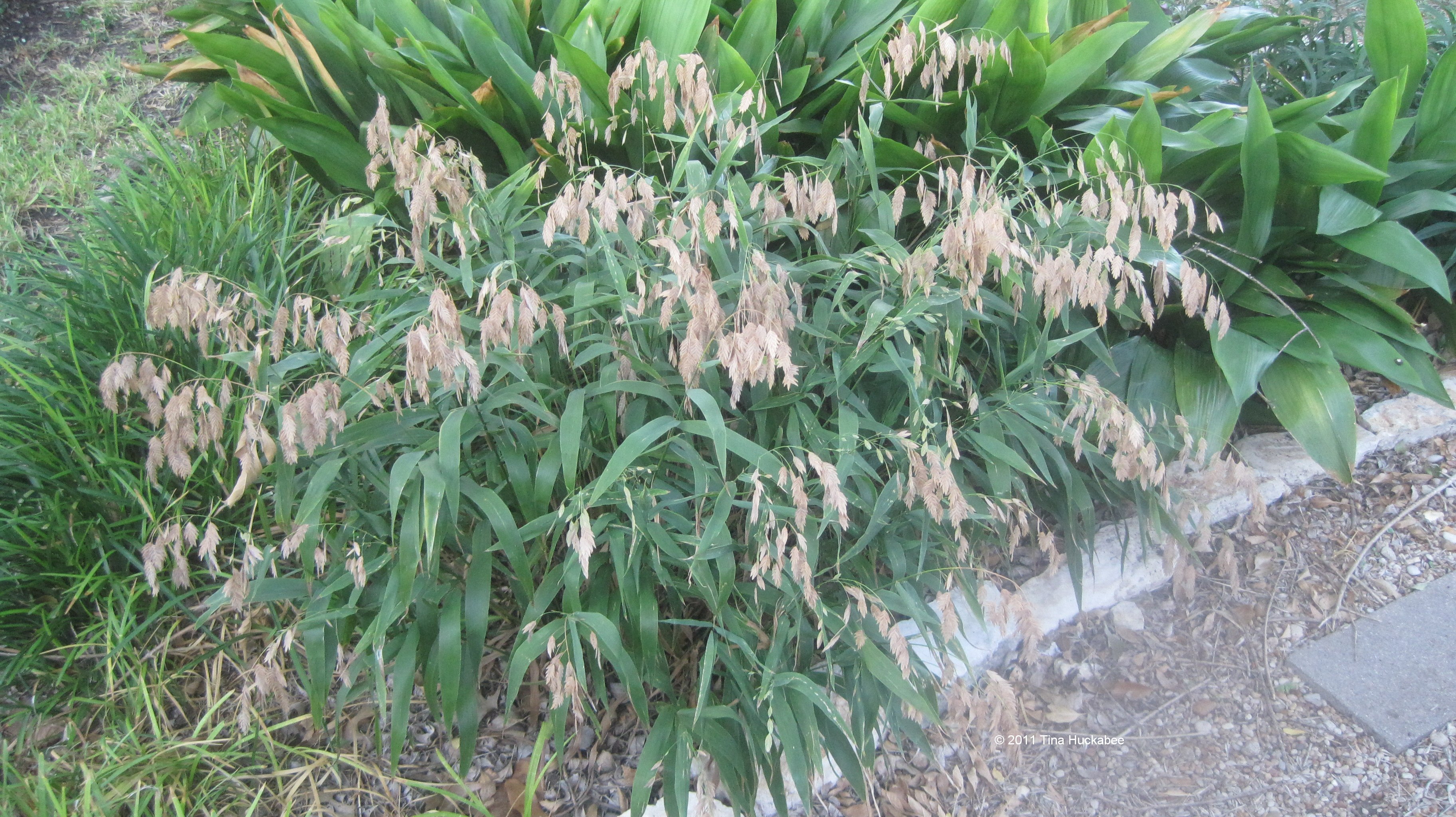
Inland Sea Oats  (Chasmanthium latifolium), to be precise. When you have one plant, you eventually will have many Inland Sea Oat plants. That said, I like this plant–it’s one of my favorites. I like the bright green shoots that appear in spring and I love the beautiful green seeds that develop in early summer atop the stems that give this plant its name.

I anticipate the change of the seeds from bright green to a warm, toasty brown in late summer and fall.

Inland Sea Oats is a graceful and elegant addition to any garden.

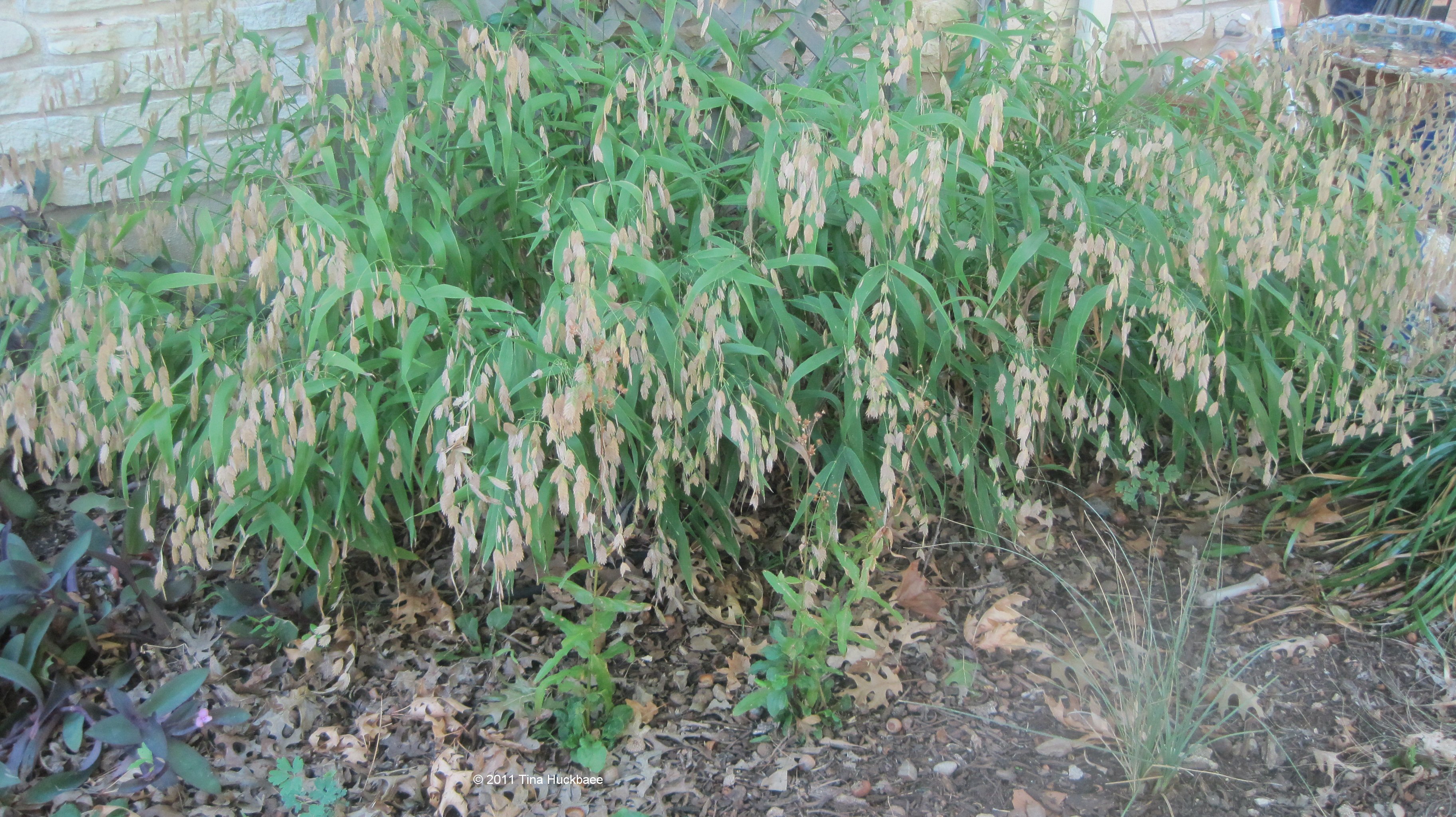
This plant is a native perennial grass, especially useful in dry, shady gardens.  It grows from a base rosette to about two feet in height.   It’s not particular about its soil requirements. It has no disease or insects problems and is deer resistant.  Inland Sea Oats is often used as an erosion control measure because of its ability to spread and its beauty when planted in masses.  Usually considered a shade appropriate plant, I’ve often seen it in full sun.  In one of my gardens, this  group gets the late afternoon west sun,

and these handle the shade-for-most-of-the-day, then blast of hot, west sun, beautifully.

I think they’re especially lovely in the autumn, late-day sun.

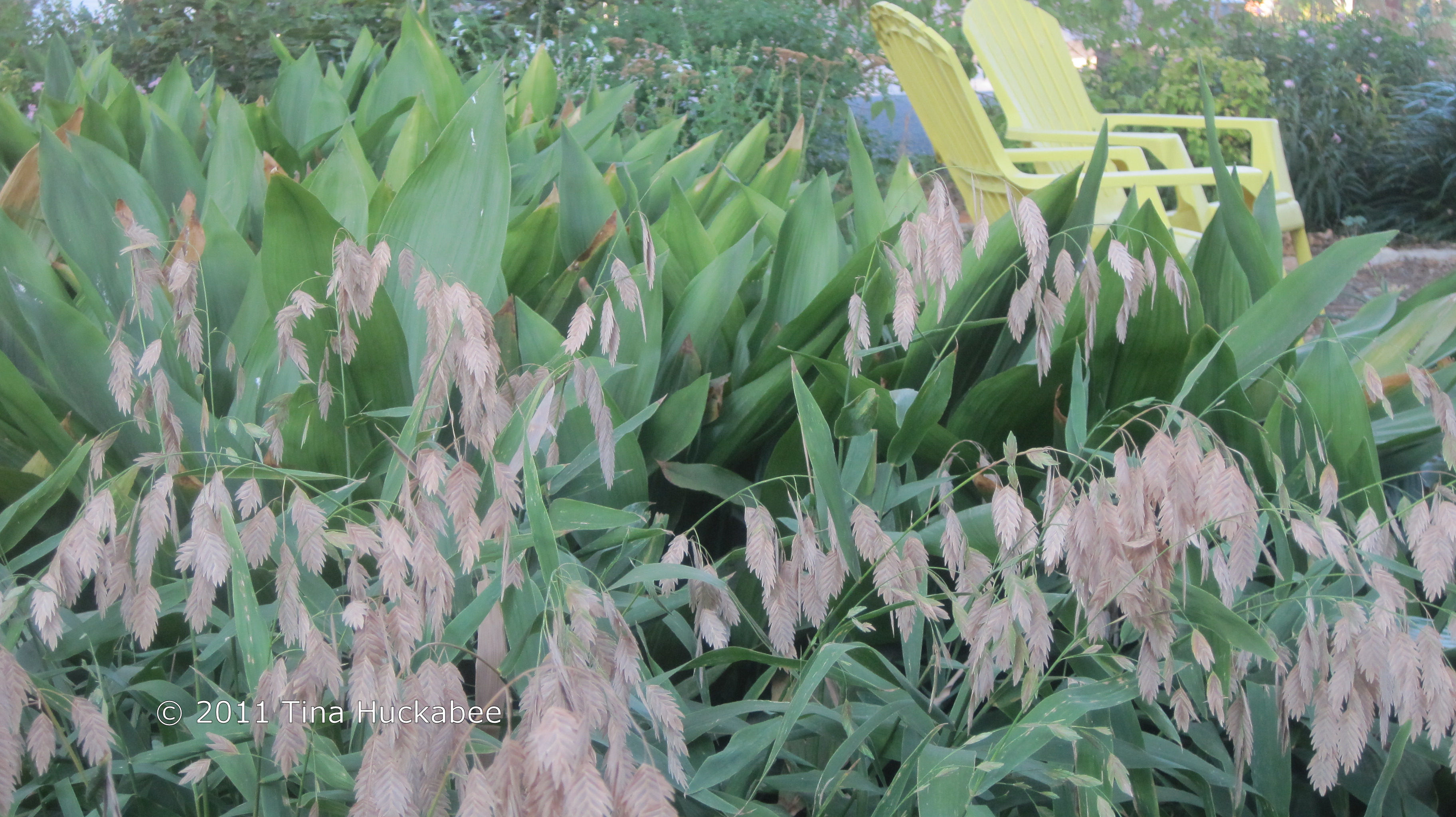
Inland Sea Oats pairs nicely with Cast Iron Plant (Aspidistra elatior),

and with Giant Lirope (Lirope muscari ‘Evergreen Giant’).
A word of caution though for this lovely, tough grass:  It can spread.  Profusely.  Especially if you have a sprinkler system and/or a moist climate.  I maintain a tight leash on the Inland Sea Oats in my gardens by yanking errant seedlings out of the ground when I see them.  Because I don’t over-water, I’ve not found this plant to be too troublesome for me to control–if you don’t let them reseed, they are manageable.  However, without management, Inland Sea Oats can be aggressive and invasive.  When I first started working as the gardener at Shay’s Green Garden at Zilker Botanical Garden, one the first goals I had for the gardens was to reduce the number of Inland Sea Oats plants.  This plant hadn’t been well-controlled for quite some time, so it was everywhere.   There are still many groups of Inland Sea Oats in the Green Garden, but fewer than before and by ridding the garden of the excess, it gave me the opportunity to plant other perennials that were not showcased in that garden.  I’m not sure I’d recommend this plant to someone who isn’t committed to weeding it thoroughly at the beginning of the growing season. 
Inland Sea Oats can be a marvelous addition to the urban landscape.  It’s a xeric, beautiful and mostly low-maintenance native grass.  It complements many plants, especially evergreens.  Its one drawback is a tendency towards aggressiveness over time and that can be remedied with good garden maintenance.