Foliage Follow-up, July Firecrackers!

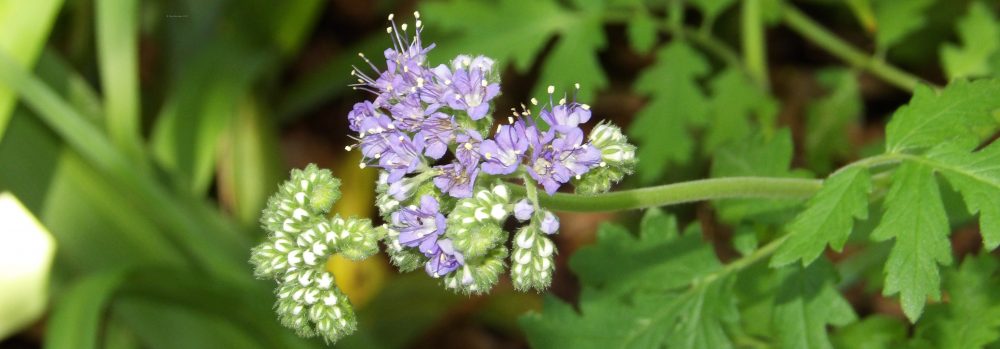
There are several plants with the term “firecracker” in the name, but none lovelier than Firecracker Fern (Plant),  Russelia equisetiformis. 

P1050535 - Copy.new

This beautiful  tropical shrub sports small, red, tubular shaped flowers at the terminal end of the branches–and I’m a sucker for red blooms!  The flowers give rise to one common name of the plant (to some, they look like little firecrackers). But  Firecracker Fern hosts other common names: Firecracker Plant, Firecracker Fern, Coral Plant, and Coral Fountain.

P1050925.new

P1050926.new

P1050946.new

P1050949_cropped_2539x3239..new

But it’s the “Fern” part of the equation that attracts me.  Though I think the blooms are fetching, the “foliage” of this plant is what I find most appealing.

P1050959.new

This herbaceous (in Austin) perennial forms multiple bright green, arching branches.  Firecracker Fern is a rush-like plant, with wiry, slender foliage,

P1050539.new

though small ovate leaves form along the main branches of the plant.

P1050929_cropped_1979x2640..new

P1050935.new

Firecracker Fern is  a tropical native to Mexico, but grows officially in USDA zones 9-12.  Here in Austin, Texas, zone 8b, it will die to the ground after a hard, sustained freeze.  The Firecracker Fern doesn’t grow as large here as it does in its native zones because of winter freezes. Most specimens I’ve seen, including my own, only grow to about 3 feet tall and 2-3 feet wide.  In the milder winters of the past 15 years, my Firecrackers often didn’t die back completely. This past winter all of mine died and I wondered if they would return.  Happily, all did and my garden is the better for it!

The specimen beside my pond gets morning to early afternoon sun,

P1050948.new

P1050951.new

and the foliage is always striking–I think Firecracker Fern is a good companion plant for a pond garden.   It doesn’t require much water from me, so it also fits nicely with my xeric garden.  While not a strong attractor of wildlife, I’ve seen hummingbirds sipping at the little red flowers.    Firecracker Fern is reportedly deer resistant, though, like many plants, that can depend on drought and situation.

This group of three in my front garden,

P1050930.new

receive morning sun, then dappled shade for the remainder of the day.  They bloom,

P1050931_cropped_3495x2160..new

though not as profusely as the pond Firecracker Fern. I dug these three out from the mother plant beside the pond.  Firecracker Fern will form roots when the branches touch the ground around the immediate area where an original plant is located. Firecracker Fern transplants easily, though I’d recommend transplantation in spring because of its sensitivity to winter freezes. If transplanted in the fall, root development might not be significant enough for winter survival. When I gardened in the Green Garden at Zilker Botanical Garden, there were excess  Firecracker Ferns in the garden because several mother plants had rooted out.   I moved those extra plants to different spots throughout that garden, some in shade and some in sun. I think the Green Garden Firecrackers procreated well because that garden received regular irrigation.  It’s an easy plant to pop into a small space and  I always found a home for new specimens.

In my home garden, I like this combination of Firecracker Fern with Mexican Feather Grass, Nassella tenuisima, and Soft-leaf Yucca, Yucca recurvifolia. 

P1050961.new

And in another view, the slender foliage Firecracker Fern contrasts  beautifully with the wider leafed Pickerel Rush, Pontederia cordata.

P1050963.new

P1050928.new

Though I’ve never grown it as such, Firecracker Fern is a beautiful container plant because of its arching qualities–well, also because of its foliage and blooms!  In a container, it would require more regular (several times per week) watering than it does when planted in the ground.  There are also cultivars of this perennial that bloom creamy white or a pale pink flowers.

Beautiful foliage,

P1050965.new

and stunning red flowers,

P1050964_cropped_2967x4012..new

Firecracker Fern is a great plant for many situations in the garden.

Thanks to Pam at Digging for hosting foliage fun for July.

Bloom Day, July 2014

The sun is blazing, everyday, all day.  It’s hot and it’ll be that way for a while. This gardener may be wilting, but her blooms are fresh and lovely.  Here is a quick view of a few heat-lovers in my garden this mid-summer in Austin, Texas.  Thanks to Carol at May Dreams Gardens for promoting this monthly bloom-palooza.

These daylilies that were  pass-alongs to me many years ago are reliable June-July bloomers.

P1050337.new

Double-blooms with a shorter scape than some other daylilies, I like them because they flower well in part shade.

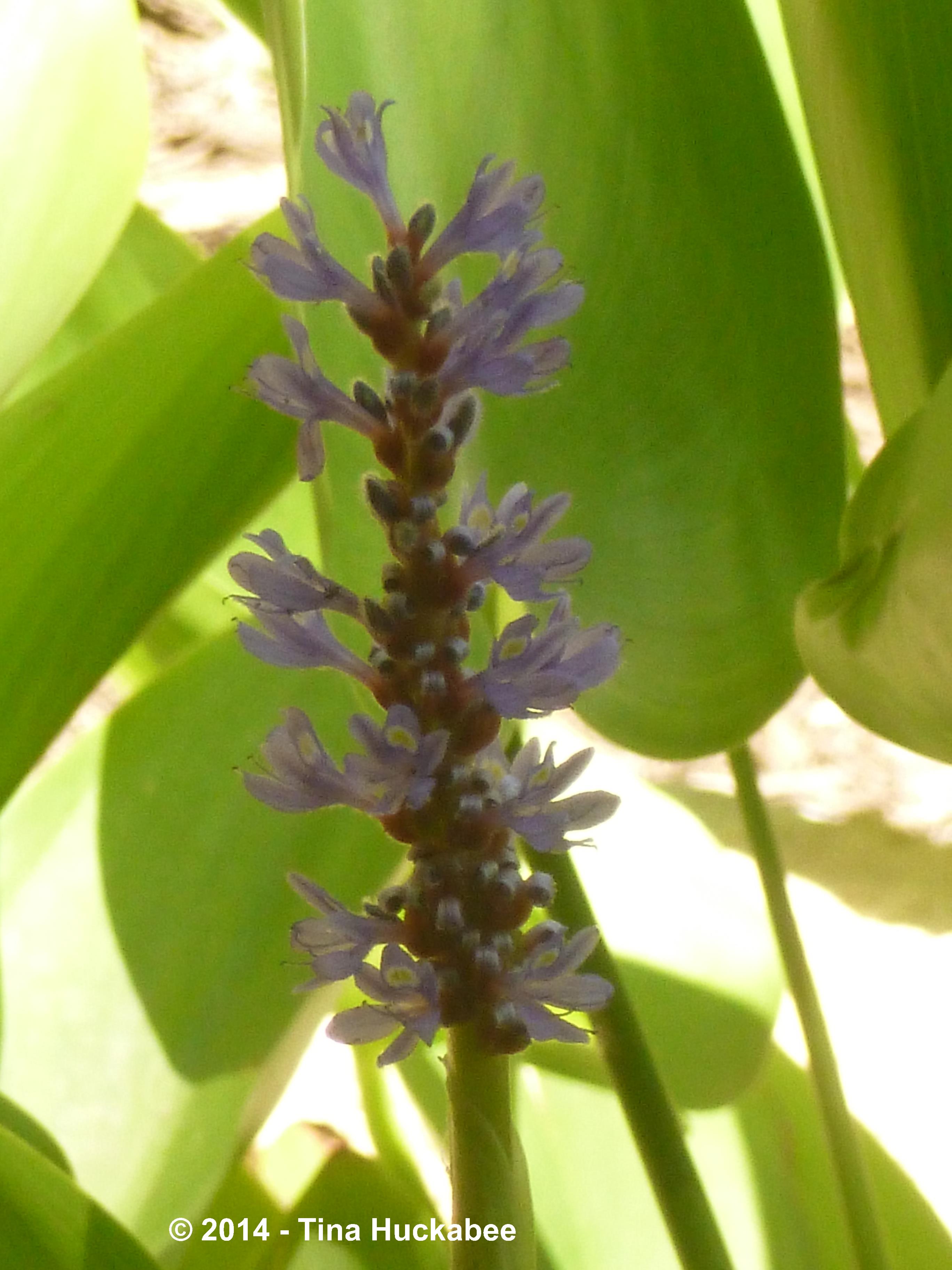
My pond plants flower well year-round, but are in full bloom-mode during the hot months of summer.  The native Pickerel Rush, Pontederia cordata, grows quickly  and produces lovely spikes of blue.

P1050534.new

P1050924.new

It’s a flower that dragonflies, butterflies and bees regularly visit.

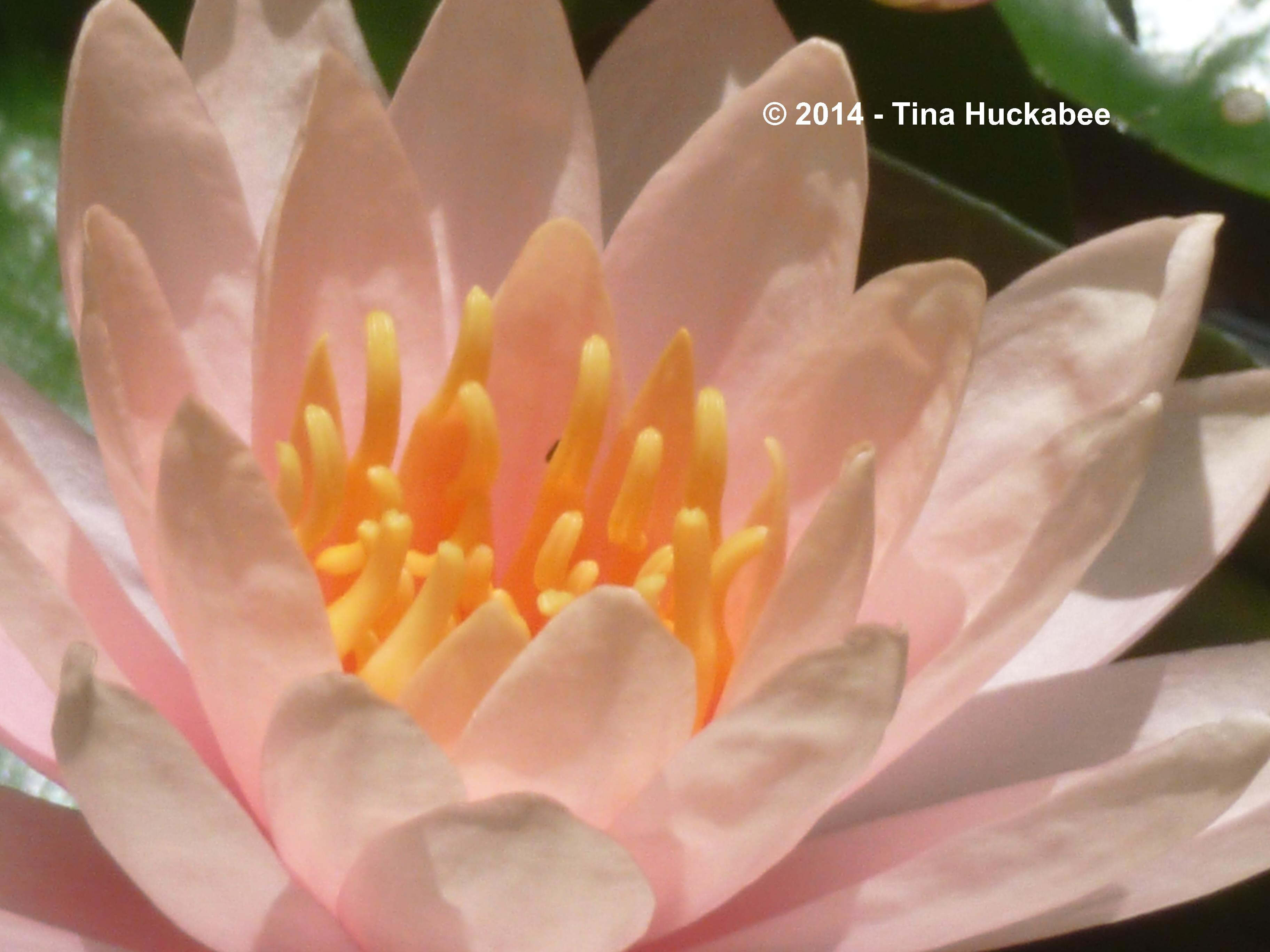
The Colorado pond lily, Waterlily Nymphaea ‘Colorado’ is a gorgeous lily for the pond garden.

P1050536.new

P1050538.new

As is another pond lily, the ‘Claude Ikins’ lily.  It blooms in tandem with the ‘Colorado’ during the long growing season.

P1050922.new

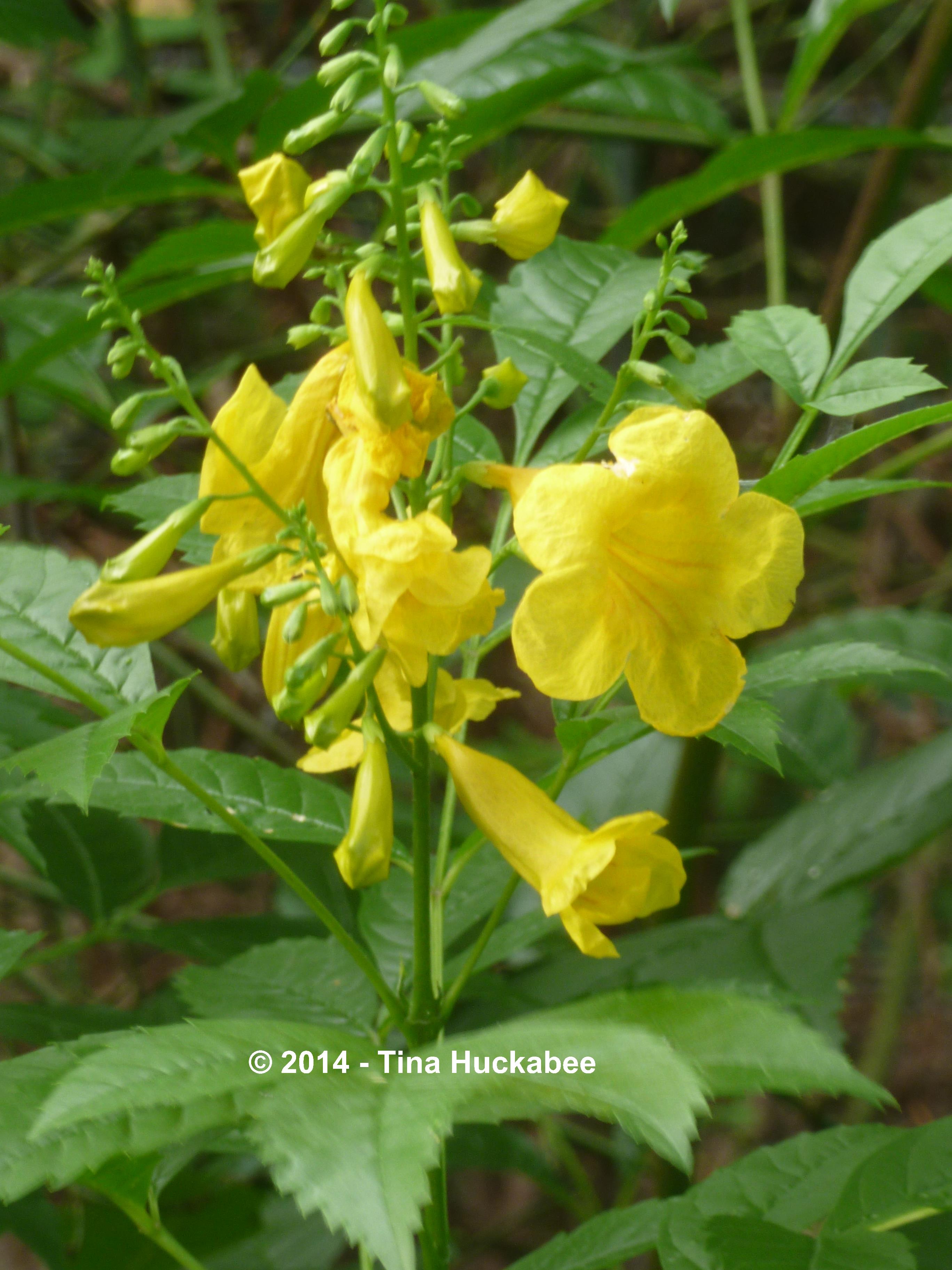
This particular specimen of Yellow Bells, Tecoma stans,  blossoms earlier in the growing season than any other of this species in my gardens.

P1050580.new

All of the Yellow Bells froze this past winter, so blossoms started a bit late this year.

A beautiful native tree, Retama, Parkinsonia aculeata, flowers throughout summer.

P1050586.new

Each bloom has four yellow petals, with one orange/red petal.  This is a very drought-tolerant small tree with few requirements from the gardener–except to enjoy.

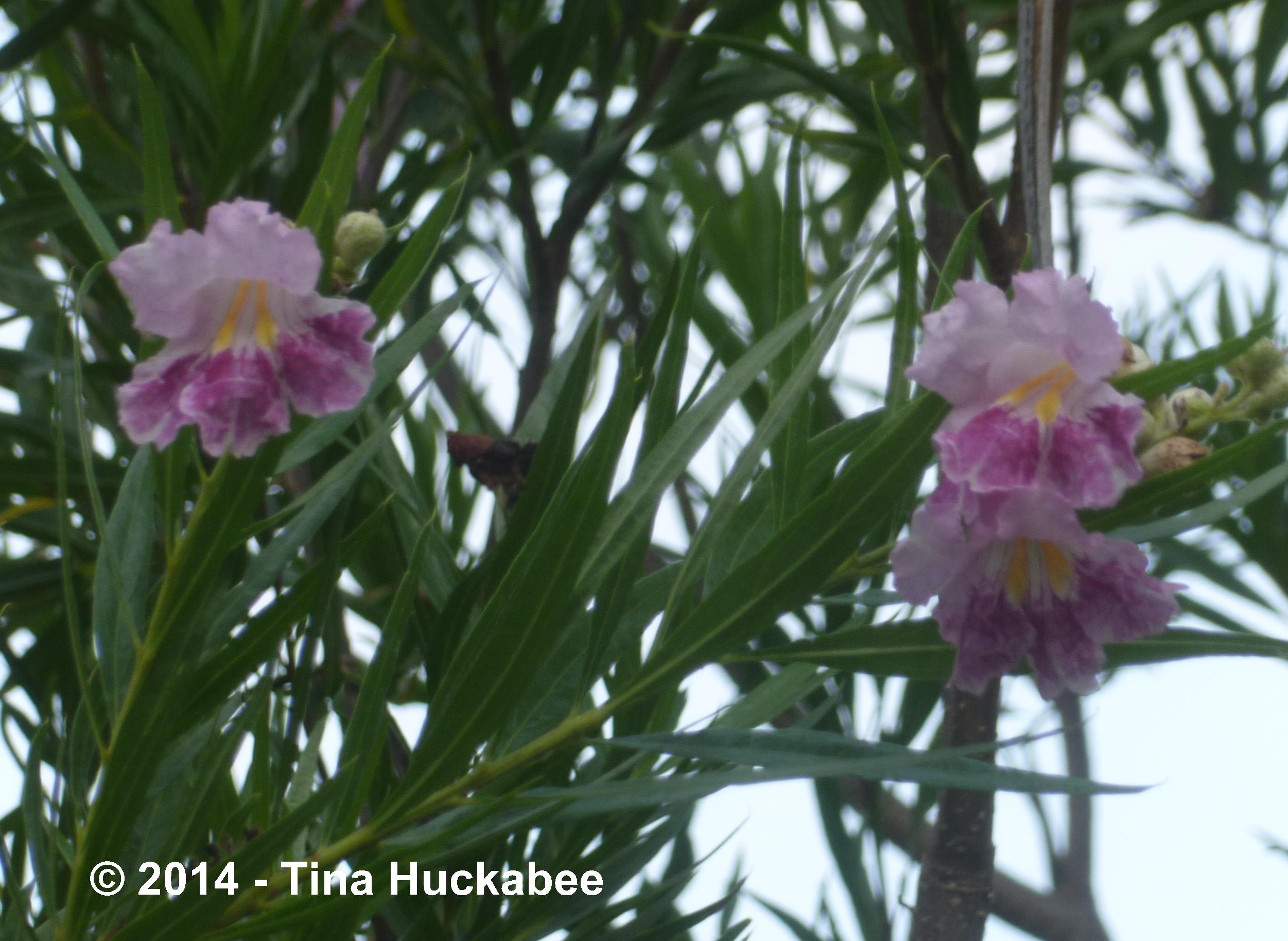
Another great small native tree is the Desert Willow, Chilopsis linearis.  Related to the Retama, it has an open, airy form with lush, trumpet-shaped flowers.

P1050606_cropped_2502x1827..new

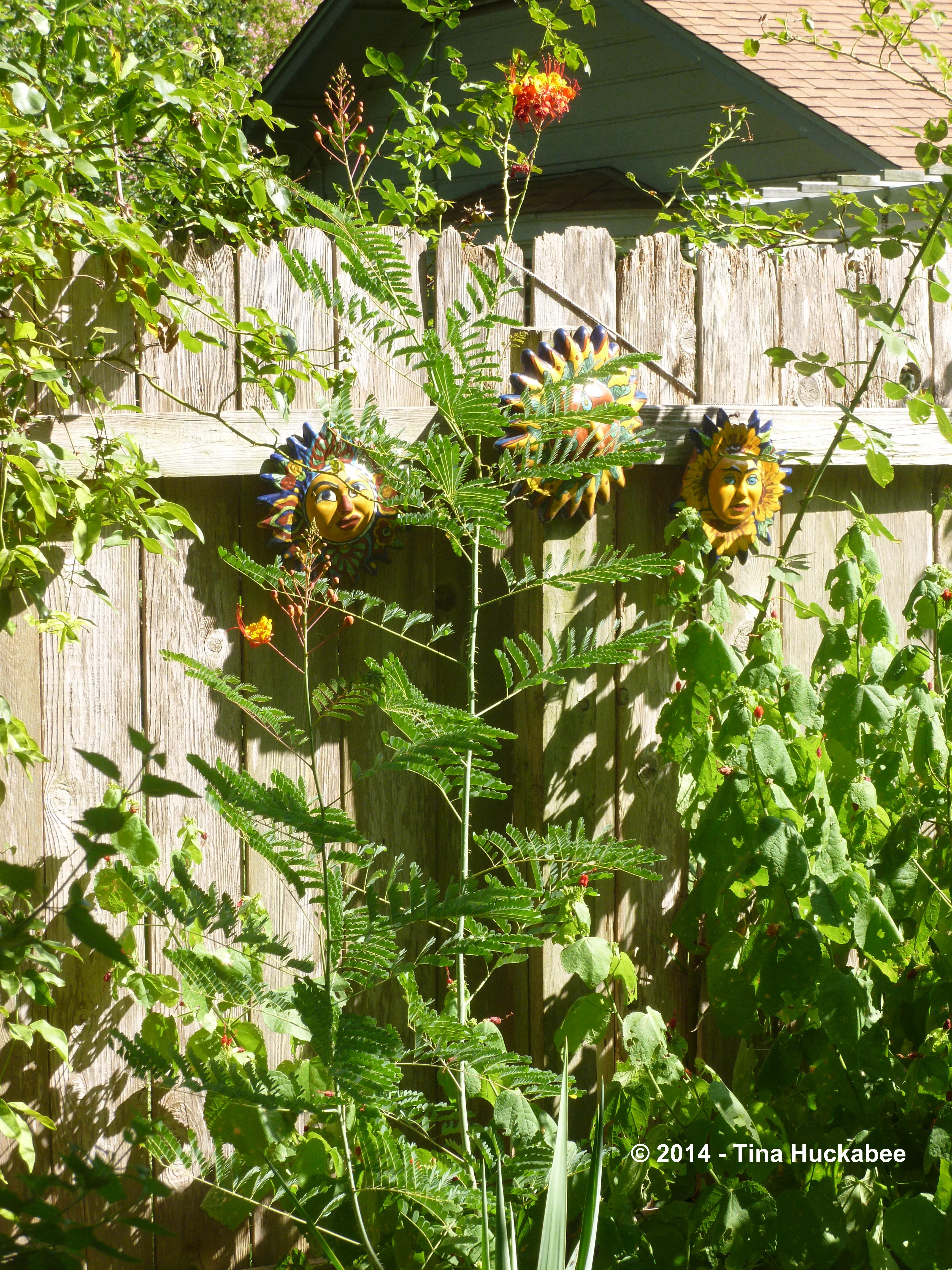
The Pride of Barbados or Dwarf Poinciana (which is what I grew up calling it), Caesalpinia pulcherrima, blooms magnificently in the hottest spots of any garden.

P1050793.new

I have two of these beauties, neither of which grows in full sun. Each one produces 2 or 3 stalks with attendant flower clusters,

P1050968.new

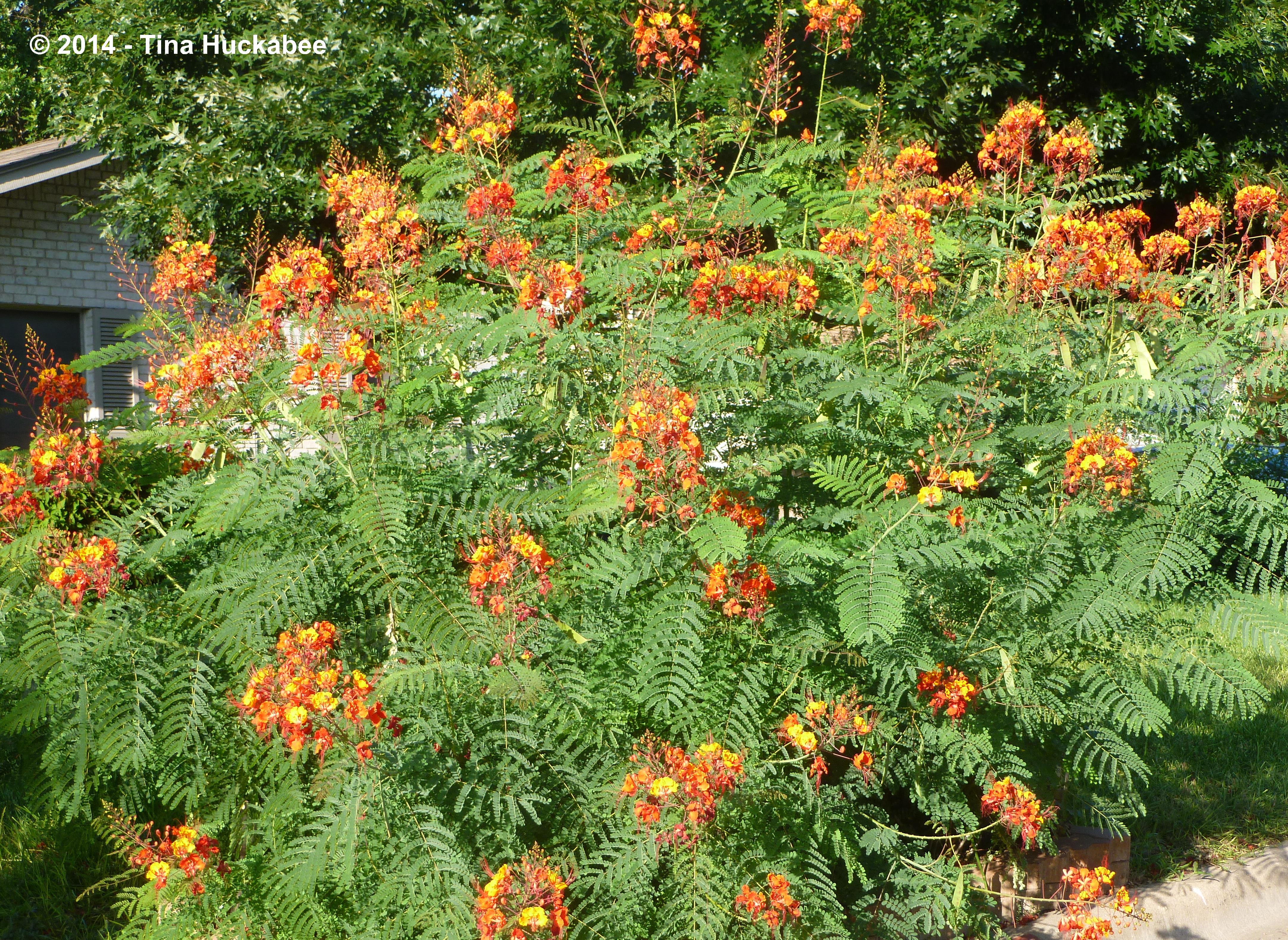
but the show is muted in comparison to Poinciana which grow in blasting sun.  Those Poinciana develop multiple branches with masses of blossoms–like this one.

P1050970_cropped_4332x3161..new

Wow!! That is an absolute showstopper!  My bit-part Poinciana are nothing compared to this diva. This one (and a partner Poinciana) star in the full-sun garden of some lovely neighbors who live down the street.

Sniff.

I have Poinciana envy.

P1050796.new

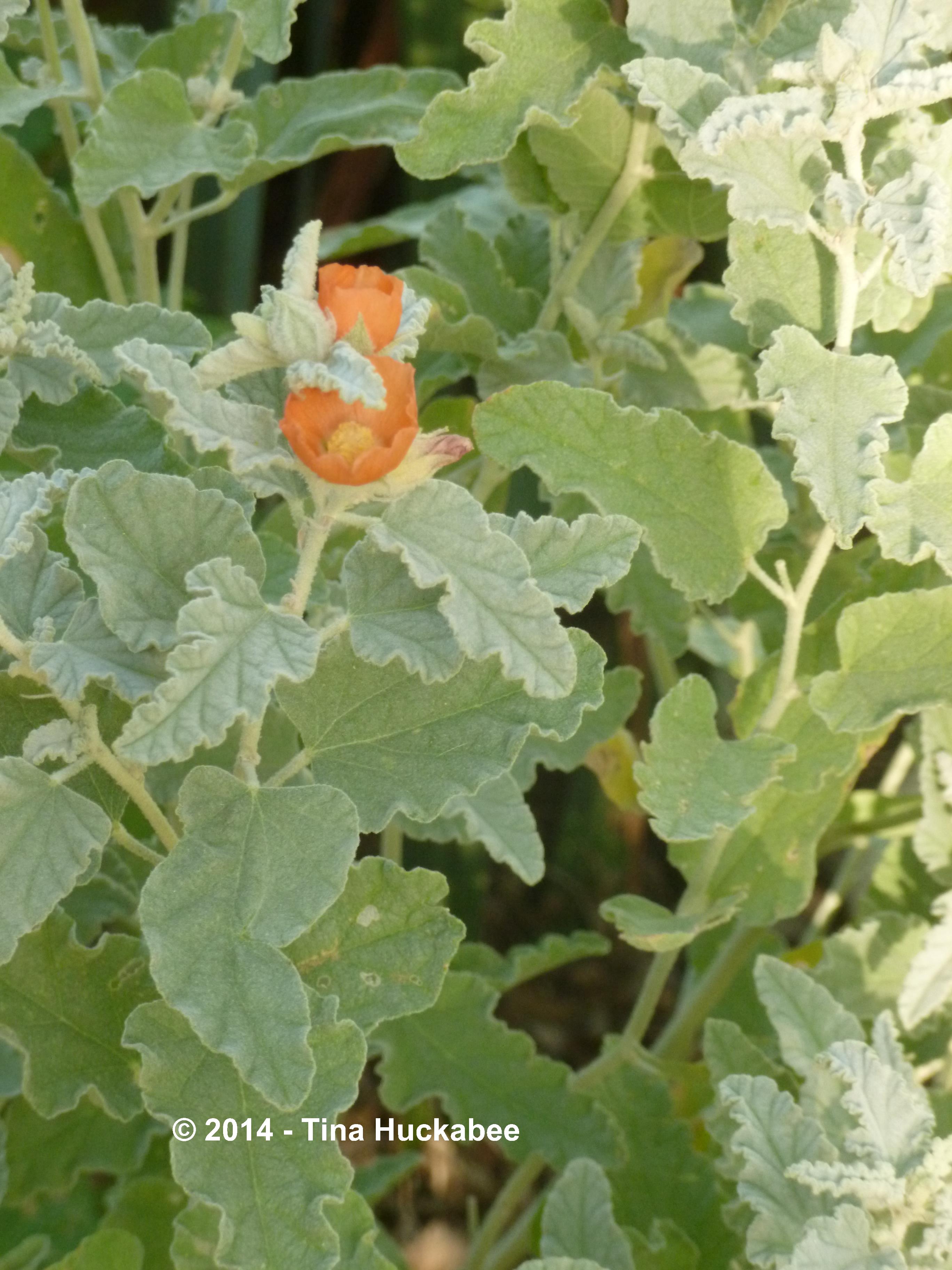
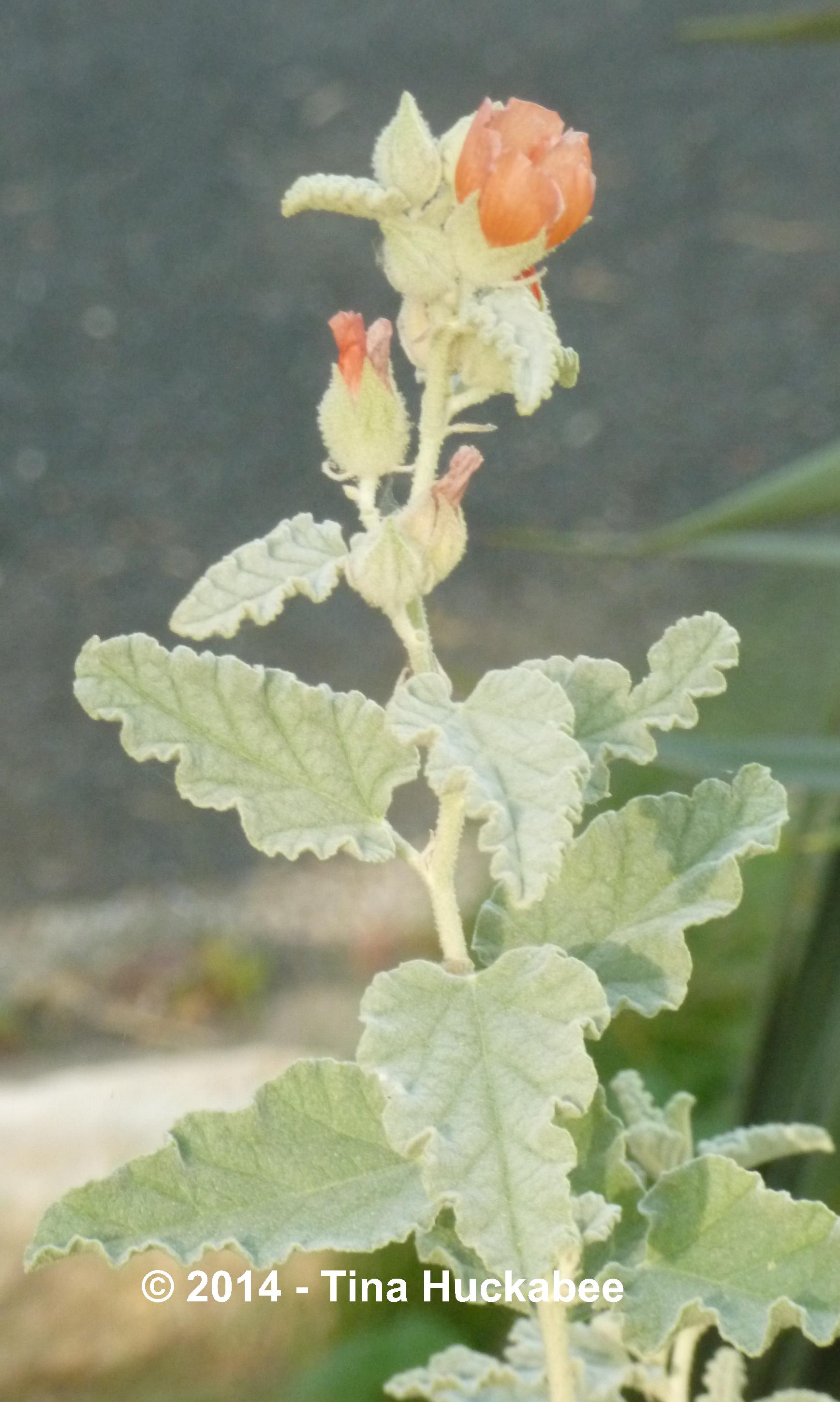
My Globe Mallow, Spaeralcea ambigua, sports blossoms this summer, which is unusual, but what a treat!

P1050870.new

Typically, this woody shrub blooms in spring and fall, taking a rest during the heat of the summer  months.  Flowers this July are likely due to our earlier summer rains.

P1050872_cropped_1737x2899..new

What’s blooming in your July garden? Share your bloom-palooza by visiting May Dreams Gardens for Bloggers’ Bloom Day!


Bee Mama Missive: Honey!

My bees make incredible honey.  It’s just amazing stuff.

P1050705.new

Because our bees were overcrowded in their hives, we recently removed one bar with drawn comb from each box and those bars were full of capped honey.  The other frames had some brood or were empty, so we didn’t remove those.  Removing the bars with honey lessens the amount of stored honey for the bees during winter, but we have a long growing season here in Austin and there is still time for the bees to replenish their supply, assuming the hive survives. Bees are excellent little foragers and they’ll rapidly make up the loss of honey.

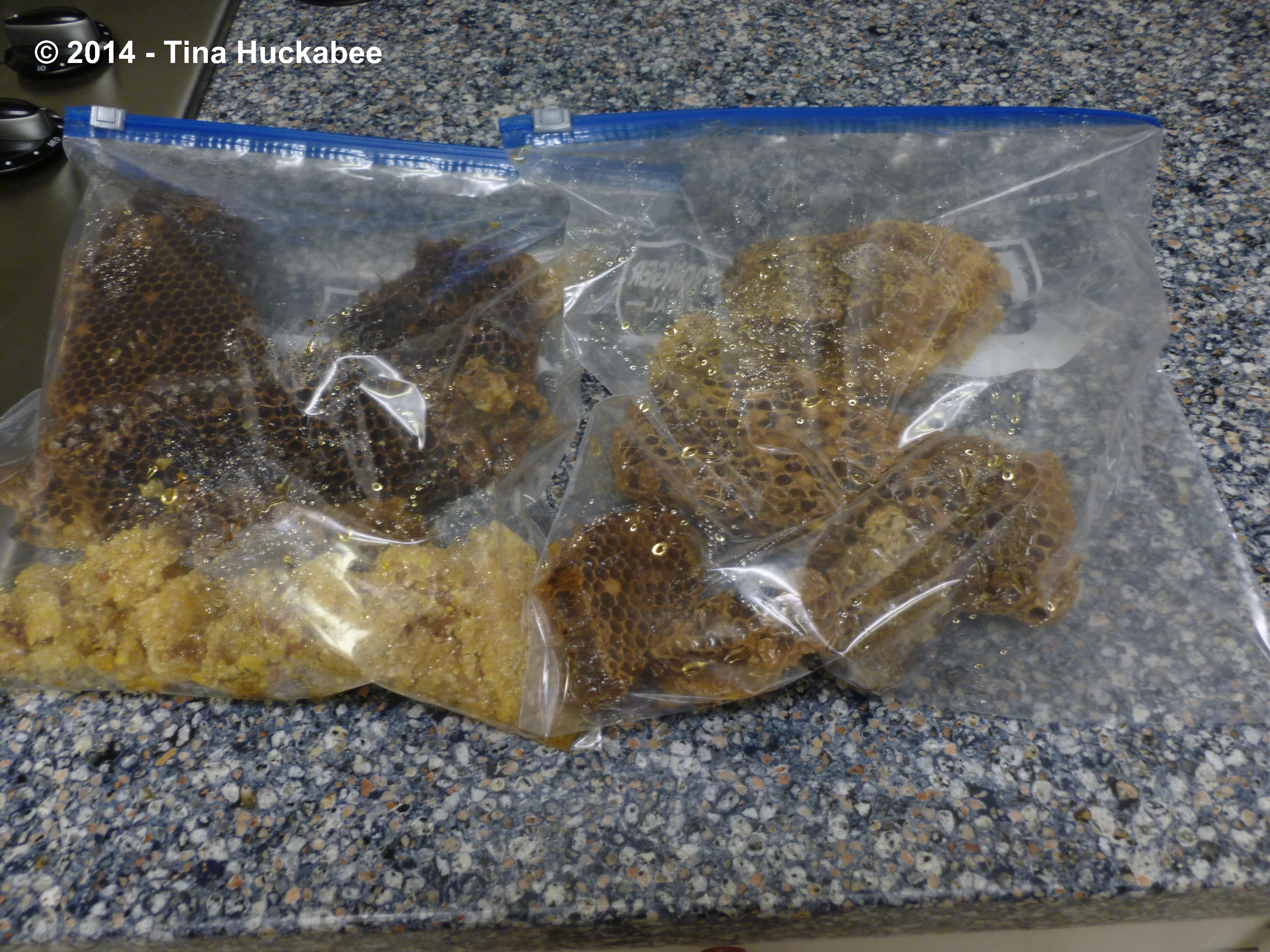
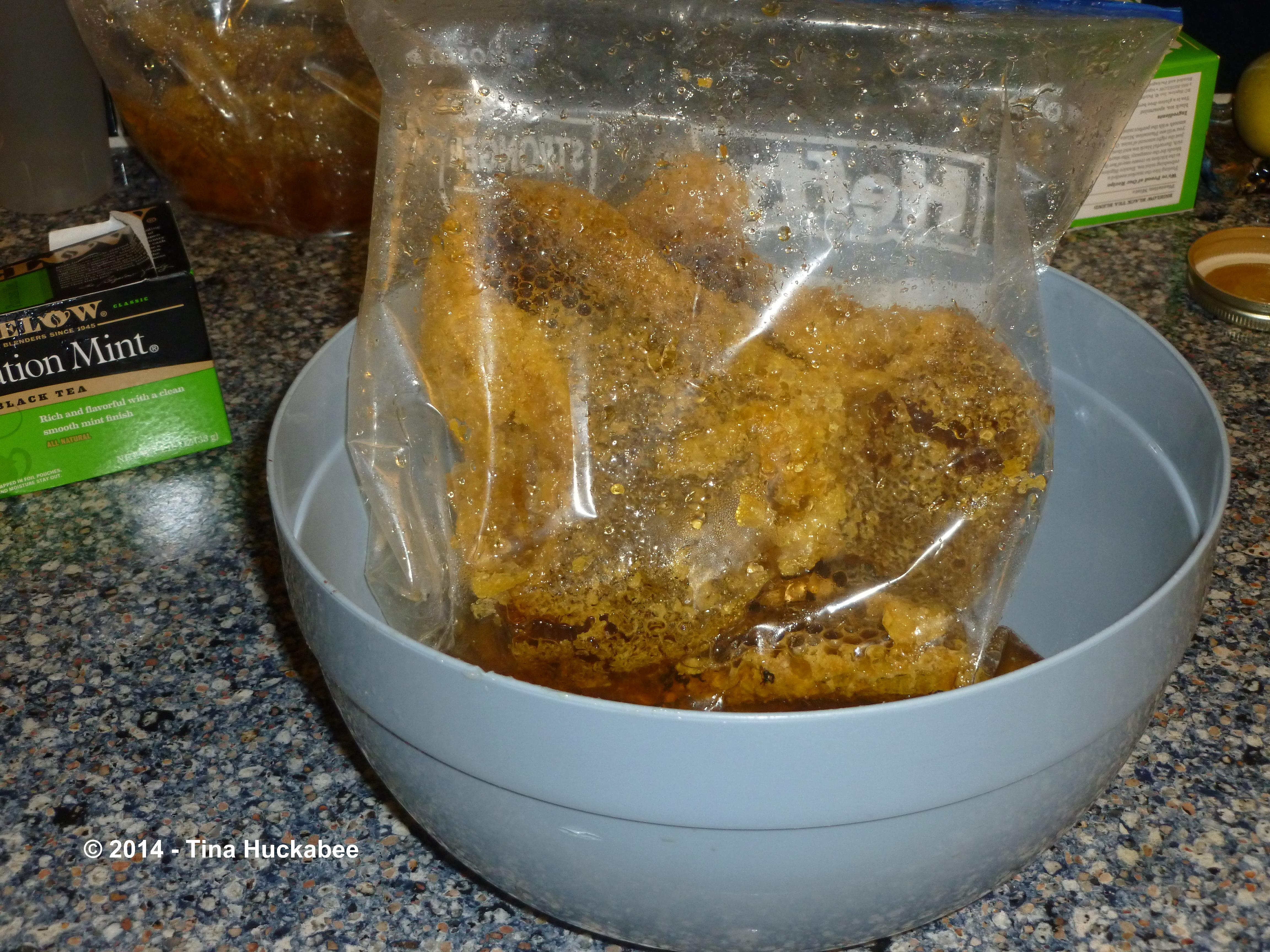
We were totally unprepared for the extraction of honey from our hives.   As we pulled out our chosen combs of honey, I bagged them in airtight plastic gallon bags and placed them into the freezer until I had time to remove the honey from the comb.

P1050701.new

P1050708.new

P1050709.new

I’m not sure there’s a need for expensive equipment to extract honey from a home bee hive.  It’s probably nice to have a professional extractor and if I’m ever serious about honey production, I’d consider investing in one.   But for this relatively small and unplanned job, we kept things low-tech.

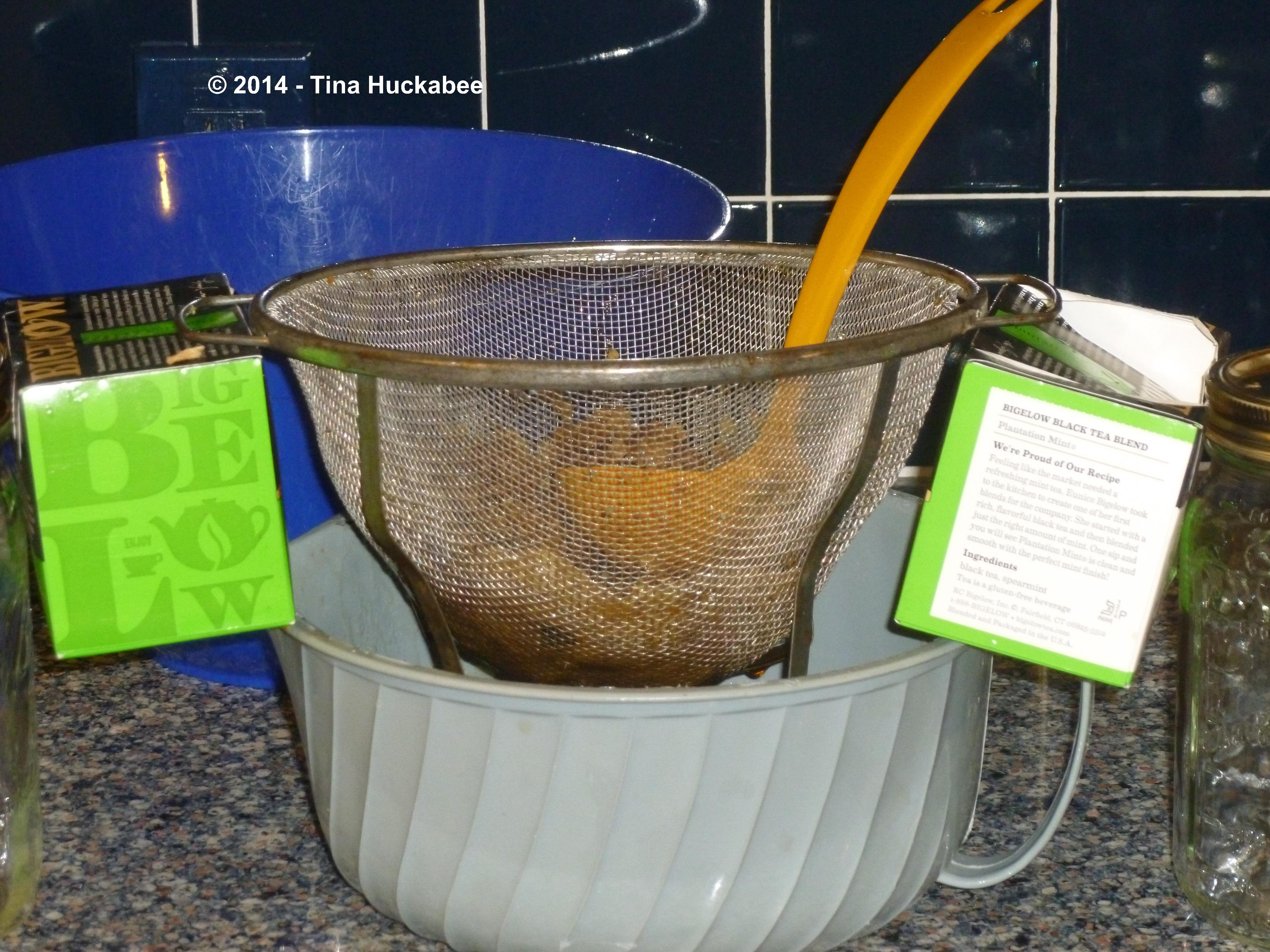
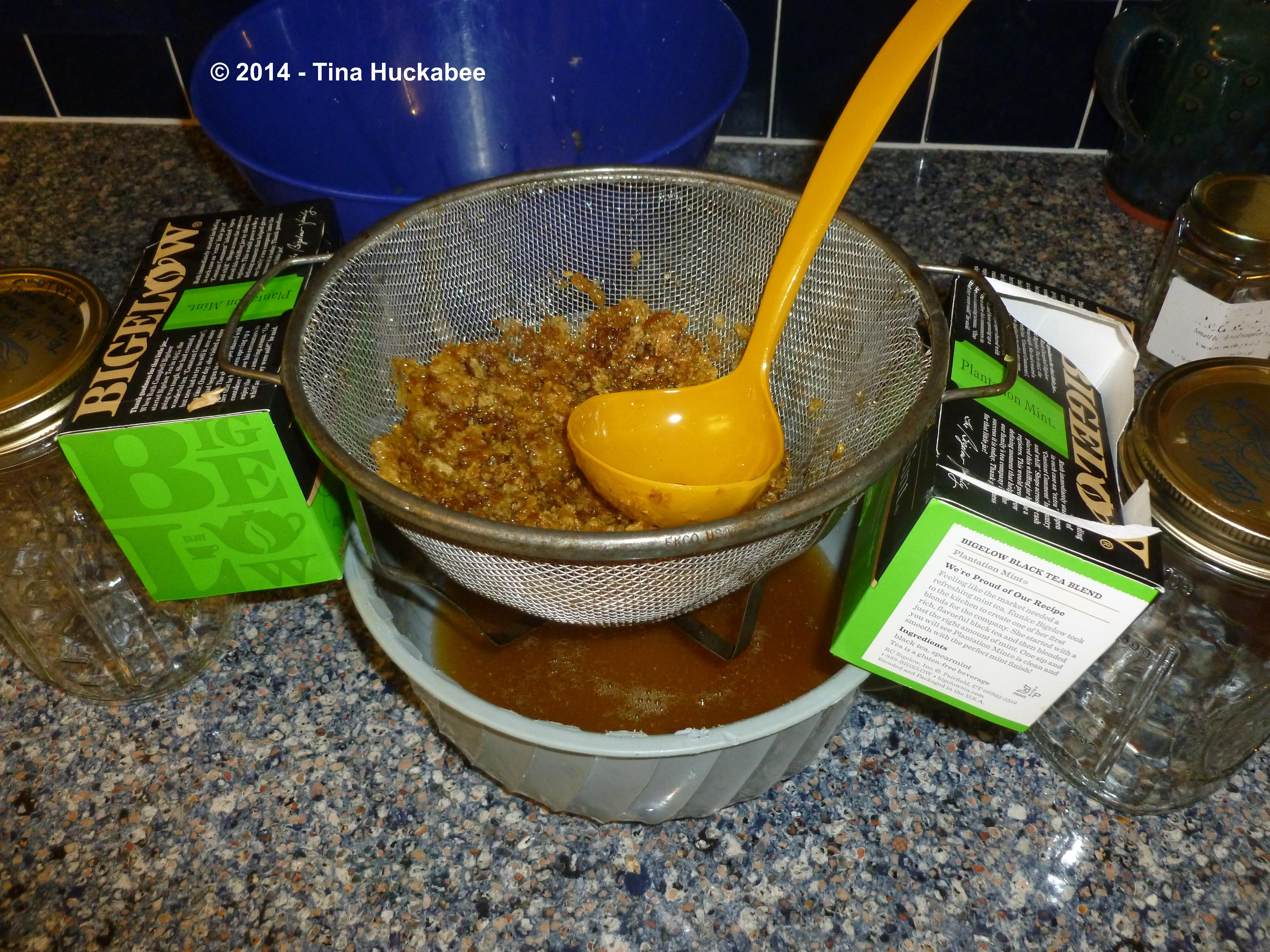
I emptied comb with honey into an old metal colander placed in a bowl.

P1050710.new

P1050711.new

Do you see how the colander is propped up?  Yeah, that’s right–with tea boxes strategically placed on the edges of the bowl, flanked by jars buttressing each side.  Didn’t I say it was a low-tech operation?

I crushed the comb with a heavy, large spoon and let the honey drip slowly into the bowl.  Bees make beautiful comb.  Perfect hexagons, with firm but malleable texture, honeycomb is a truly remarkable product.  I hated to crush the comb, but it there’s no way around squishing it up to get to the honey.

P1050700.new

I didn’t toss out the crushed comb, but stored in the freezer. Sometime in the future,  I’ll melt it down when (if?) I add other boxes to our hives.  We use top bars for the bees to comb-build on and if there is a strip of wax on the bar, like this,

P1030260.new

the bees use it as a guide for their comb-building.

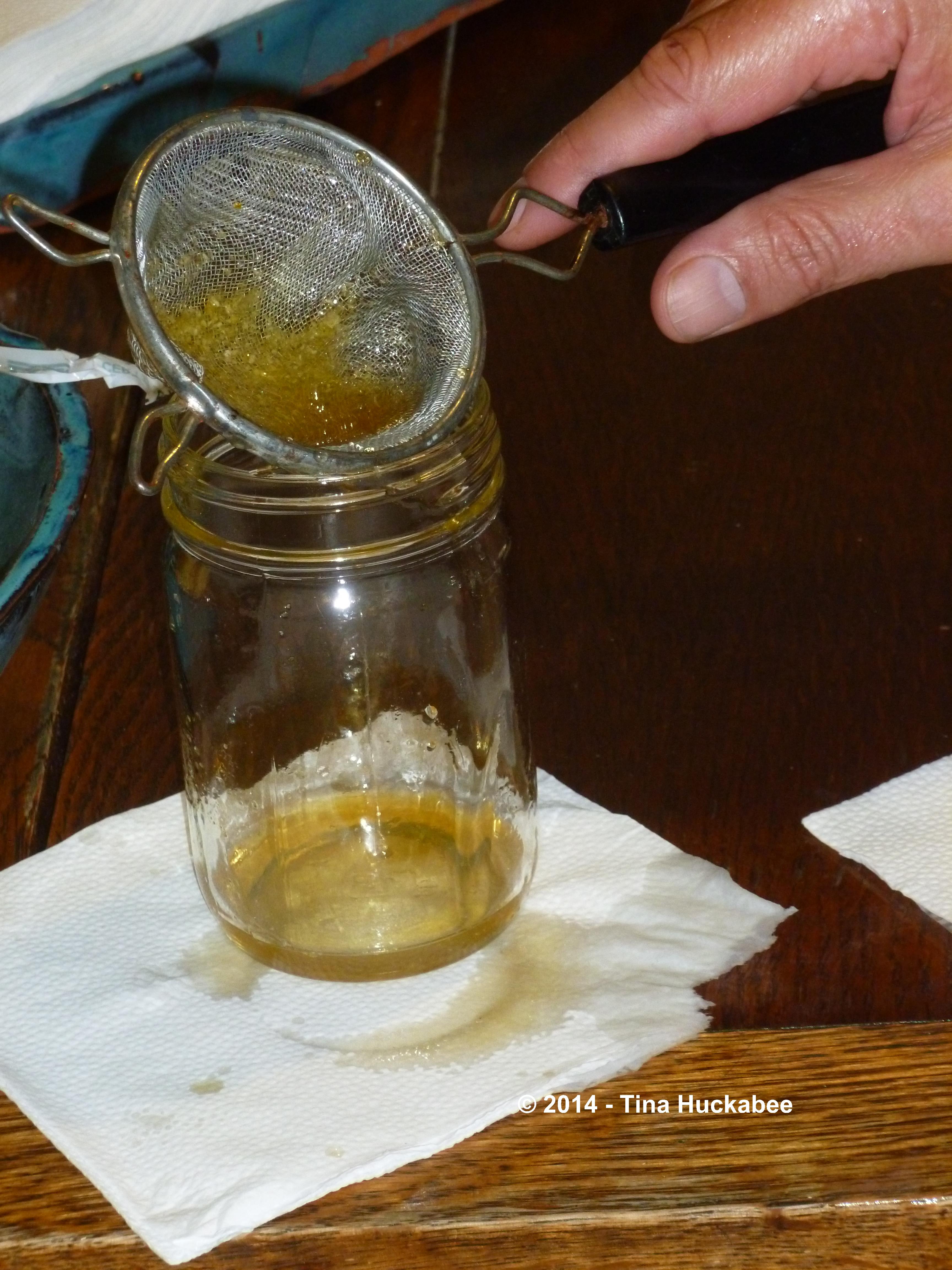
Once most of the honey was out of the comb and into the bowl, Bee Daddy poured the honey into a jar through a tea strainer.  The tea strainer caught  any extraneous materials (primarily wax) left in the honey from the first round with the colander.

P1050706.new

P1050707.new

It’s a messy job.   Sticky honey dripped onto the counters, floors, table–everywhere!  I never quite realized how water-soluble honey is though–it cleans up immediately.  So, while messy, this neat freak (yeah, I am, sorta) didn’t fret too much over the mess.

I washed each jar as we finished.

P1050702.new

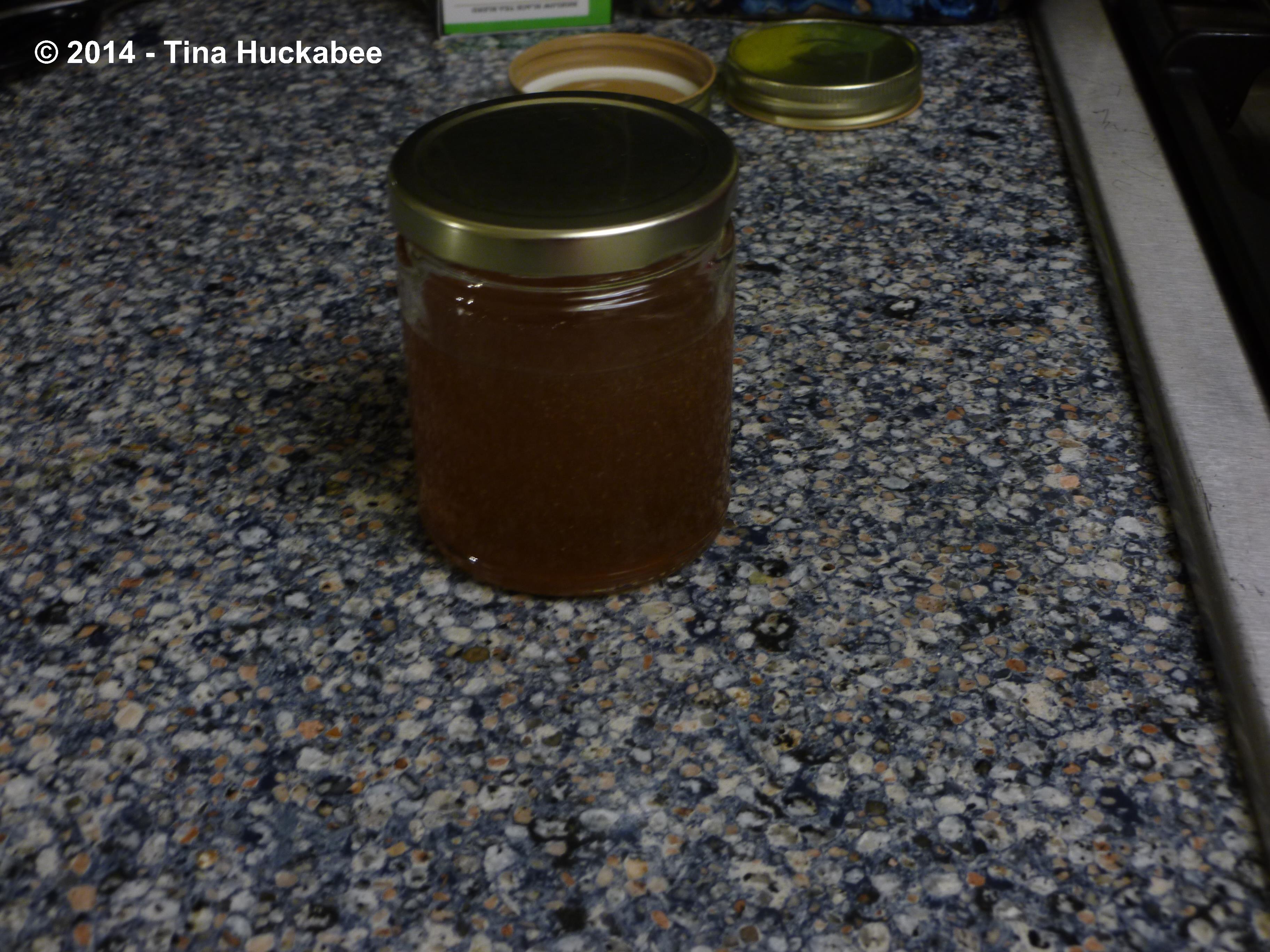
We bottled almost 7 cups of honey!  Wow!  Sweet, locally produced honey.  Our bees fly within a 3 mile radius of our home, so it doesn’t get more local than that.  We’ve shared  honey and will keep some for future use.  Several people who’ve tasted our bees’ honey think it tastes like peaches.  Interesting.  There are peach trees around, but peach pollen/nectar wouldn’t  comprise but a very small percentage of the honey.  Our bees produce honey that tastes better than any store bought honey that I’ve ever tried–that stuff is just not in the same category at all.

P1050703.new

With the deaths of our queens, our bees are struggling a bit.  I appreciate their hard work and am awed by their amazing abilities.  I hope this isn’t our last honey harvest, though I imagine we won’t get honey again for quite a long time.

P1050918.new

Thanks bees!  You’re the best!