Retama (Parkinsonia aculeata): A Seasonal Look

As I close out the year of learning about the Retama, Parkinsonia aculeata, for Tree Following at  Loose and Leafy, join me for year-round look-see at this fascinating native tree to parts of North and South America. Indigenous to Texas and westward to California, as well as to large areas of Central and South America, this beautiful small tree is a boon for wildlife and native plant/wildlife gardeners alike.

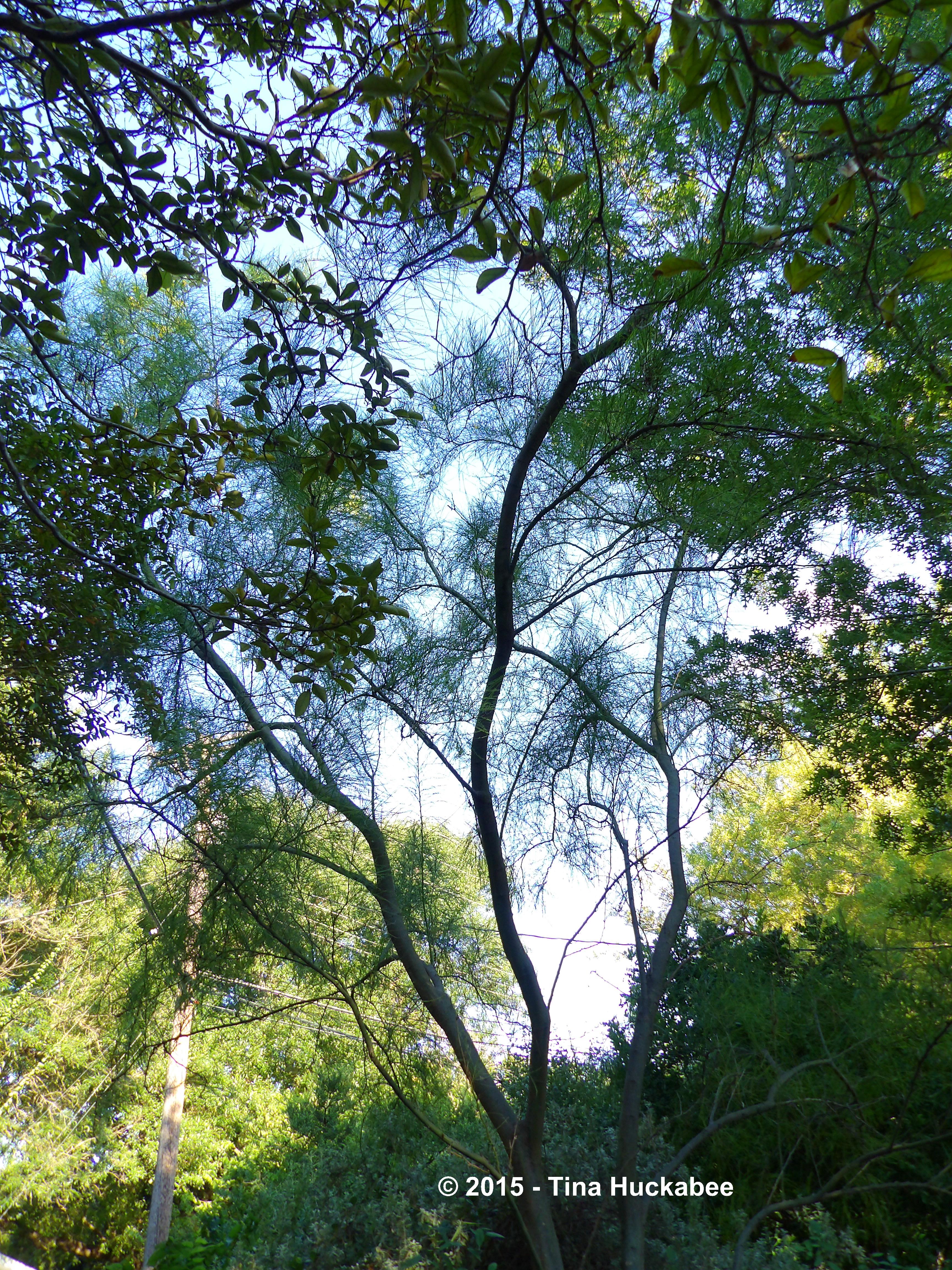
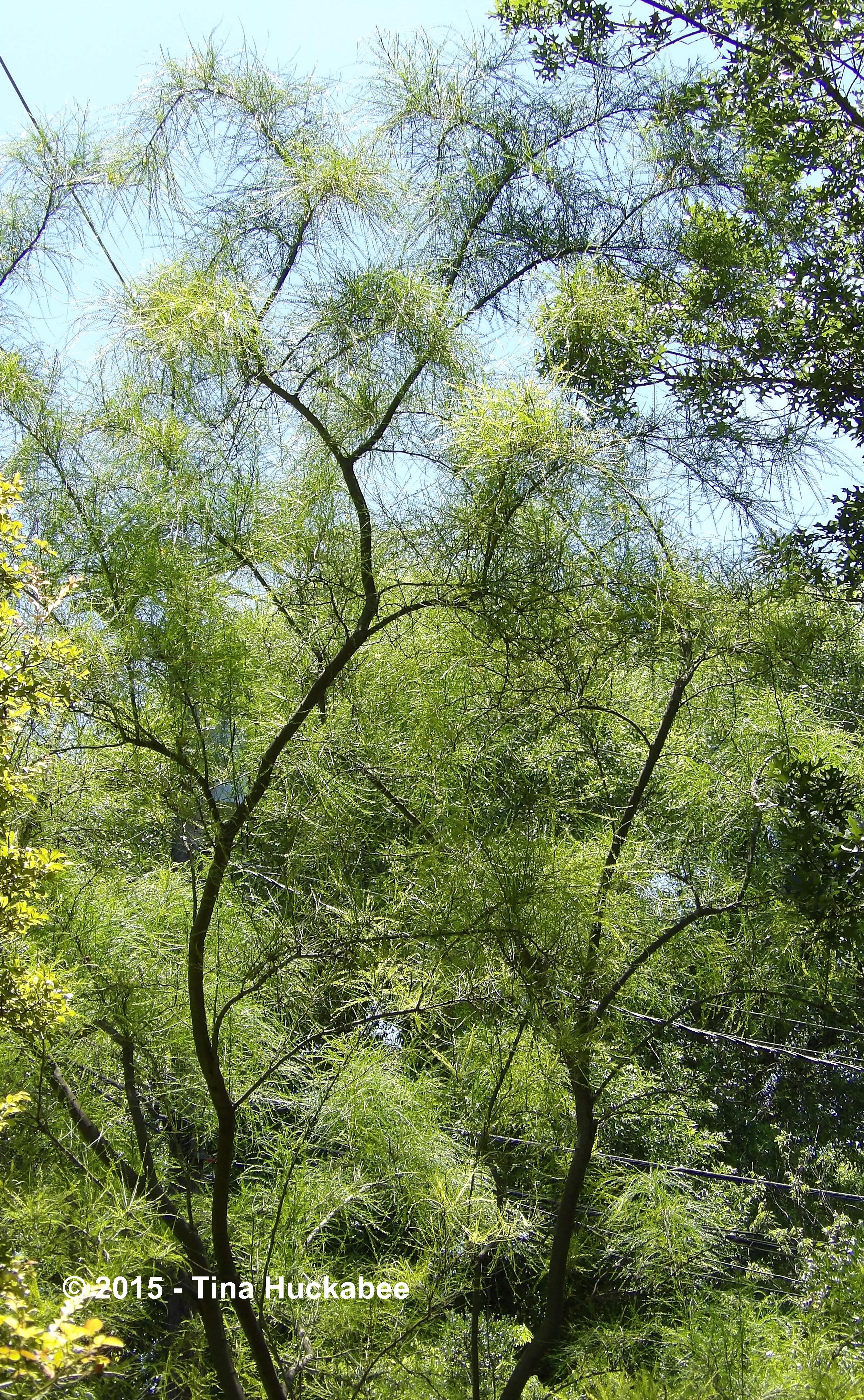
This October of 2015, my Retama tree is green, leafy, and full of life.

IMGP1939_cropped_2217x2816..new

There is little change from my September and August Tree Following posts, except that there are few flowers left to complement the feathery foliage.

IMGP0325.new

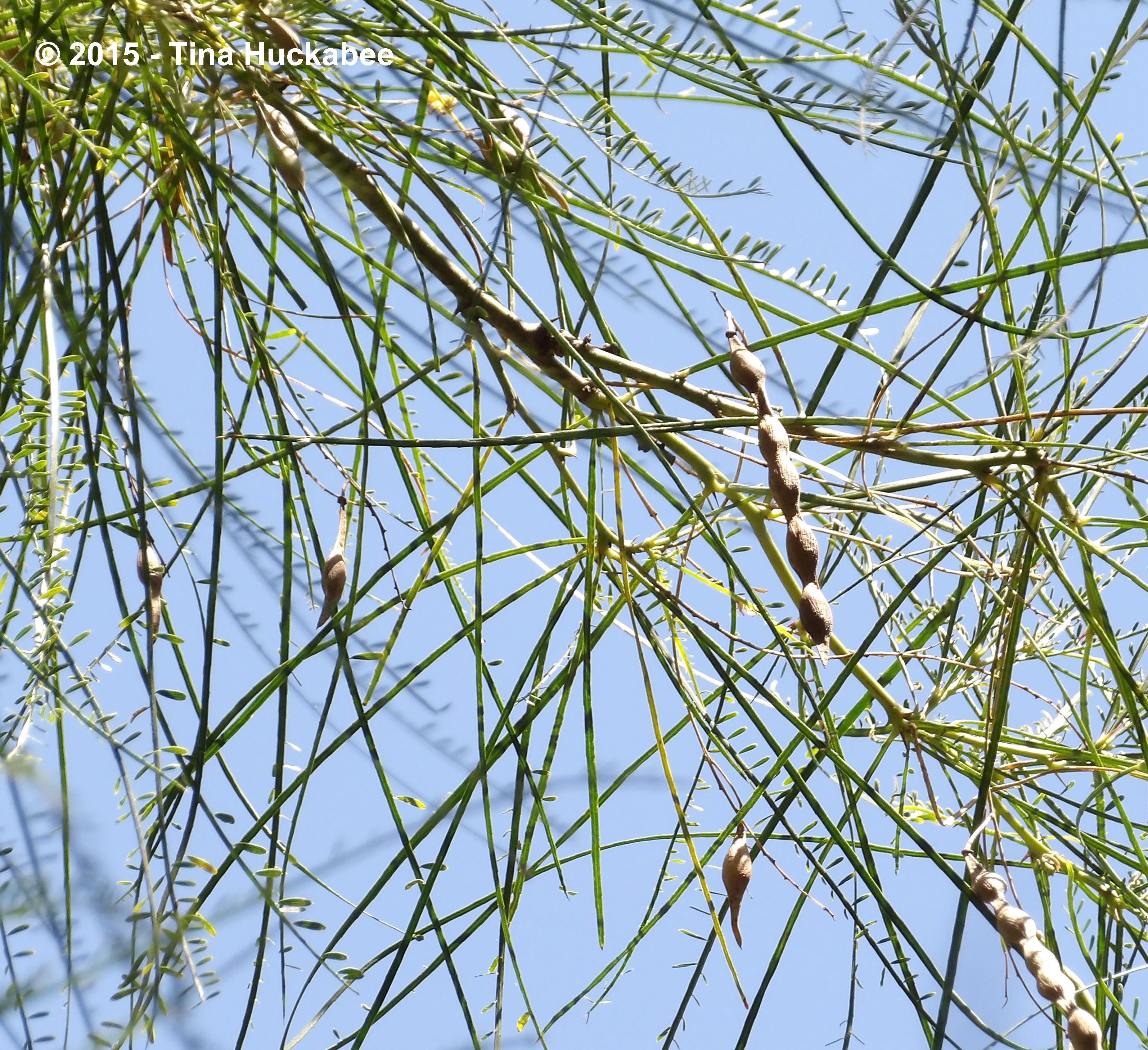
Interestingly, there aren’t many seed pods on my tree this year, either.  Seed development varies from year to year and I’m betting that there are fewer because the mass of late spring blooms were knocked of during our heavy May/June rains: fewer flowers, fewer seeds.

In October, with summer continuing its hold of warm (not hot!) afternoons, arid breezes, and no rain, the Retama presides, lush-n-lacy, over my back garden.
IMGP0326.new

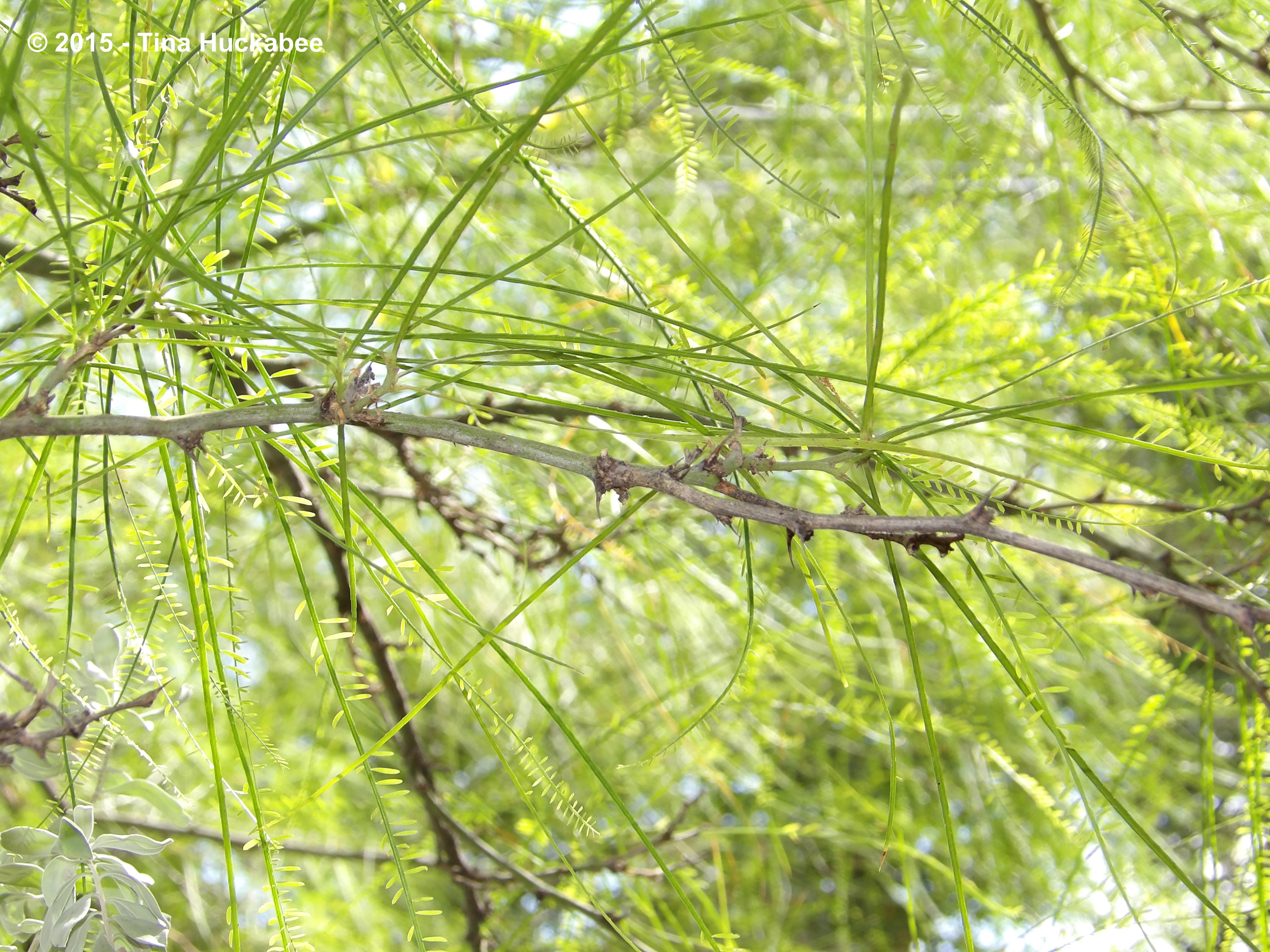
Retama foliage is a series of leaflets aligned opposite one another along paired leaf stalks.

As the days shorten and the temperatures cool significantly, the leaflets adorning the paired stalks begin dropping off.

IMGP2309_cropped_3147x3304..new

The stalks will be left, for a time, as a spidery remembrance of the elegant and unusual foliage.IMGP2883.new

If or when there is a hard freeze (after all, Retama flourishes in tropical and semi-tropical climates), all manner of Retama foliage–leaflets and stalks–vacate the tree, joining with other deciduous leaves–either on the ground as mulch, or in the compost bin for future soil nourishment.  Here in Austin, that will typically occur in late December and January.

IMGP2885.new

The limbs and trunk of the tree remain green throughout winter. This adaptation is valuable for survival  and stunning to observe.  The transfer of the photosynthesis process from foliage to limb allows Retama to continue feeding during times of drought, and to maintain vigor during the relatively short, but temperature variable, winter months.

IMGP2305.new

In the deep of winter (such that it is in the Southwest U. S. and other regions where Retama is native), the green of the limbs and trunk provide life-affirming color and are an attractive feature in the winter landscape.

IMGP5161.new

IMGP5156_cropped_3386x3723..new

IMGP4308.new

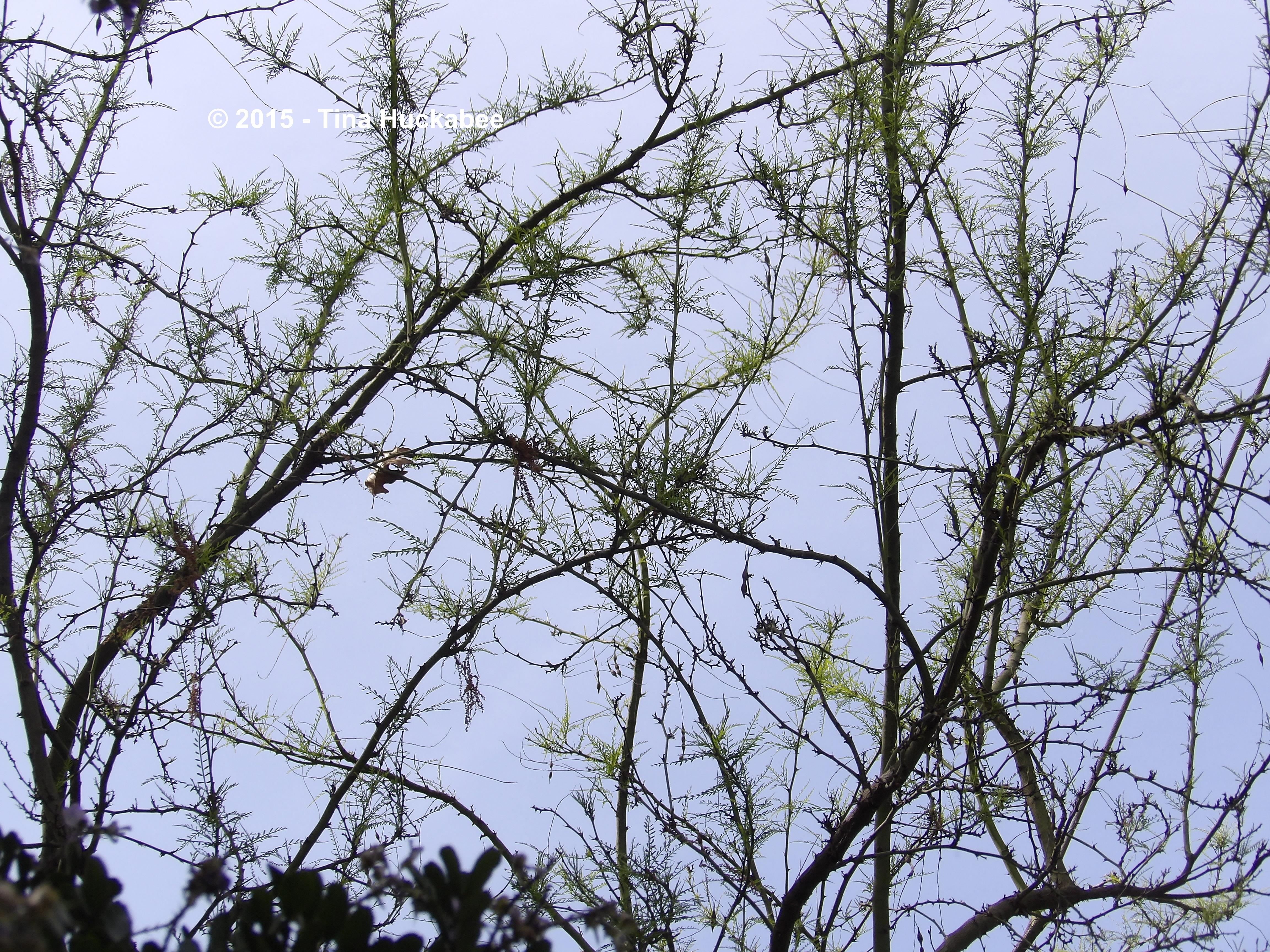
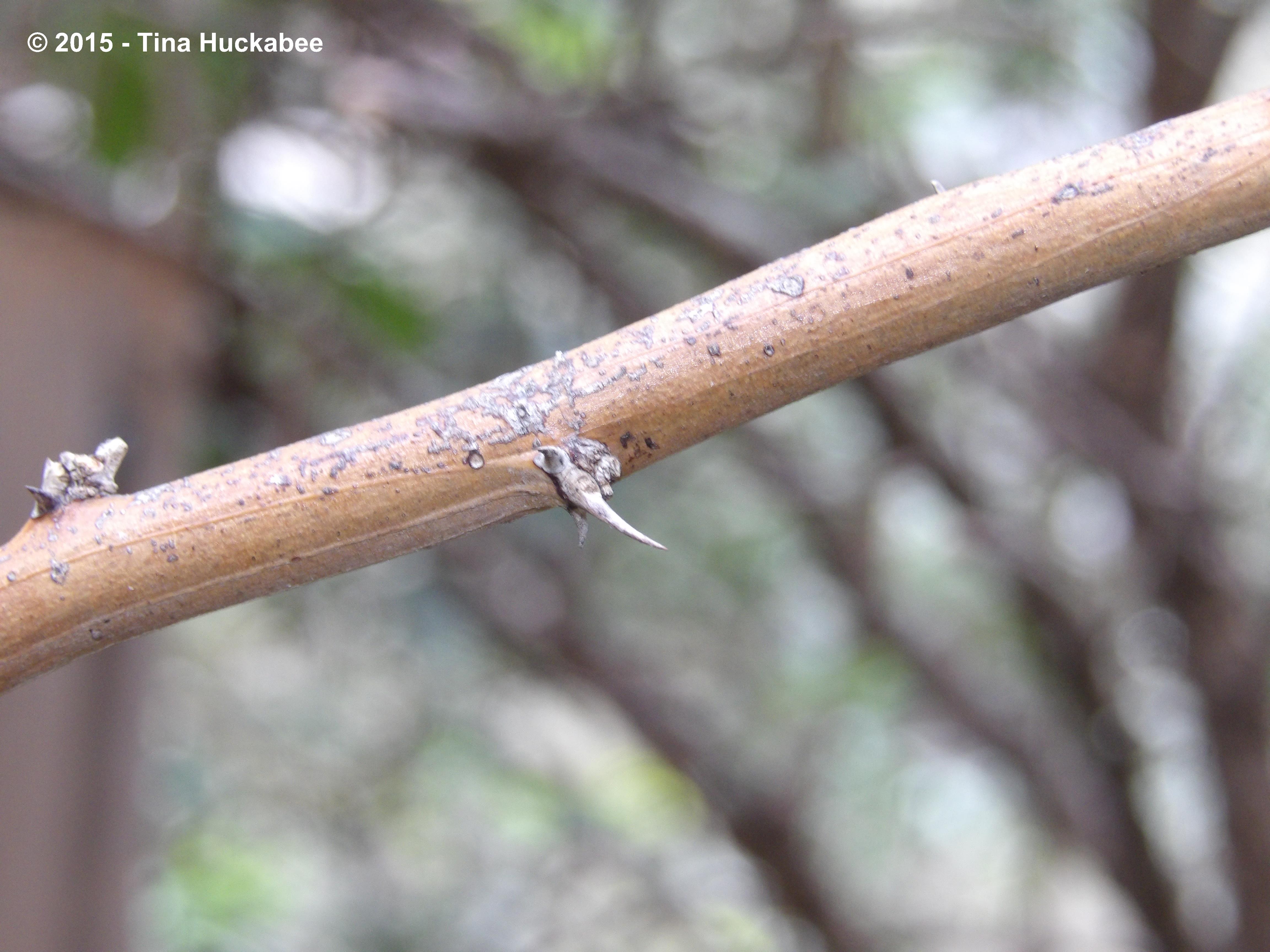
Without foliage, the thorns on the branches are more noticeable. Be careful, they bite!
IMGP2310.new

As spring approaches in March, the Retama responds with green,

IMGP6341.new

…green,

IMGP6757.new

…green foliage.

IMGP7555.new

Retama is a member of the Fabaceae, or legume family.  Other Fabaceae plants are nicknamed “broom”, if they sport slender stems with tiny leaflets.  The unusual leaf or “broom” arrangement of Retama lends a soft, verdant look to the tree throughout its growing season.

IMGP7353.new

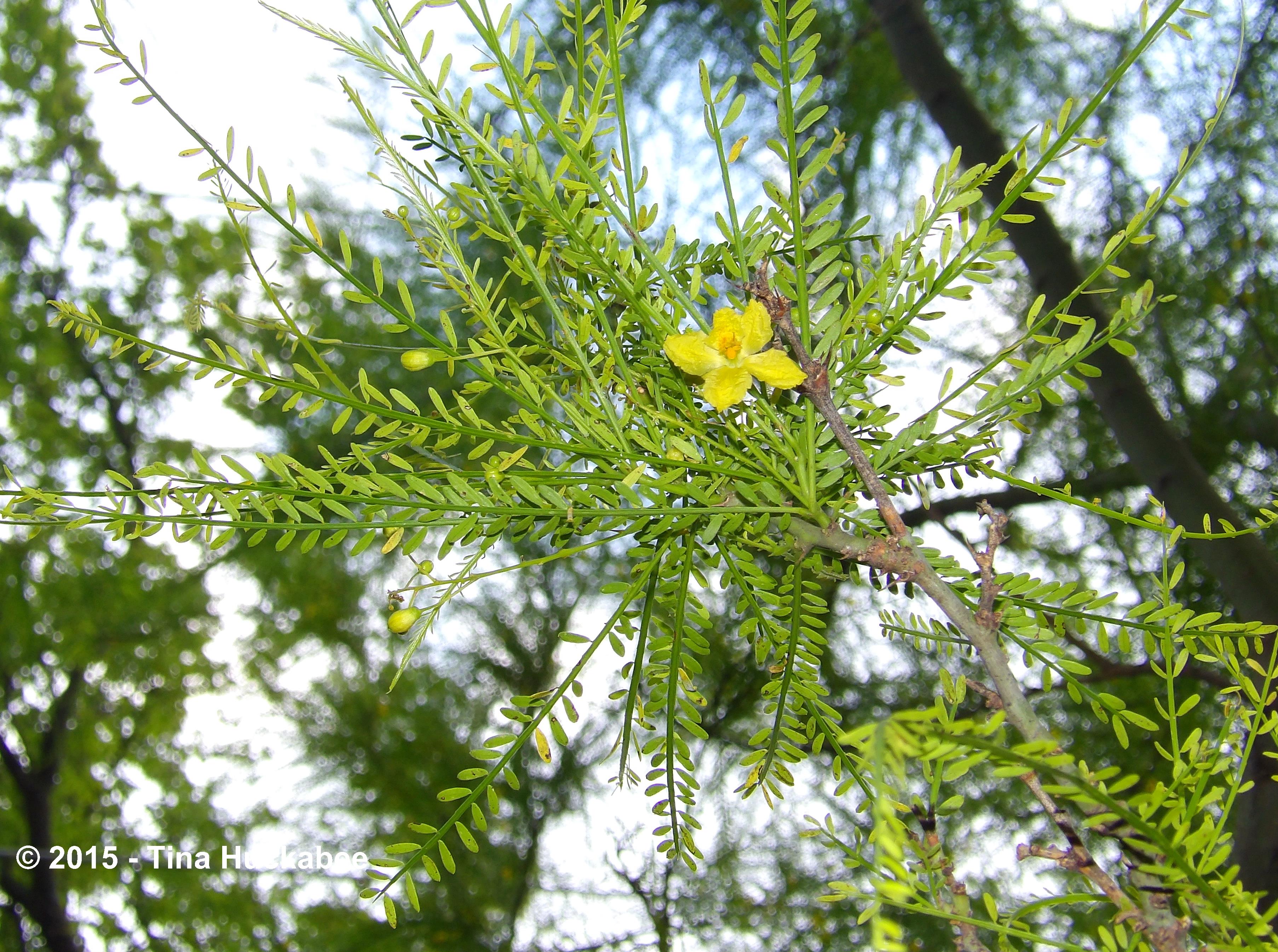
By May or June, clusters of bright yellow flowers form and  will flower continuously, causing pollinators  to visit regularly and, no doubt, eagerly.
IMGP7615_cropped_3612x2691..new

IMGP8088_cropped_3755x2244..new

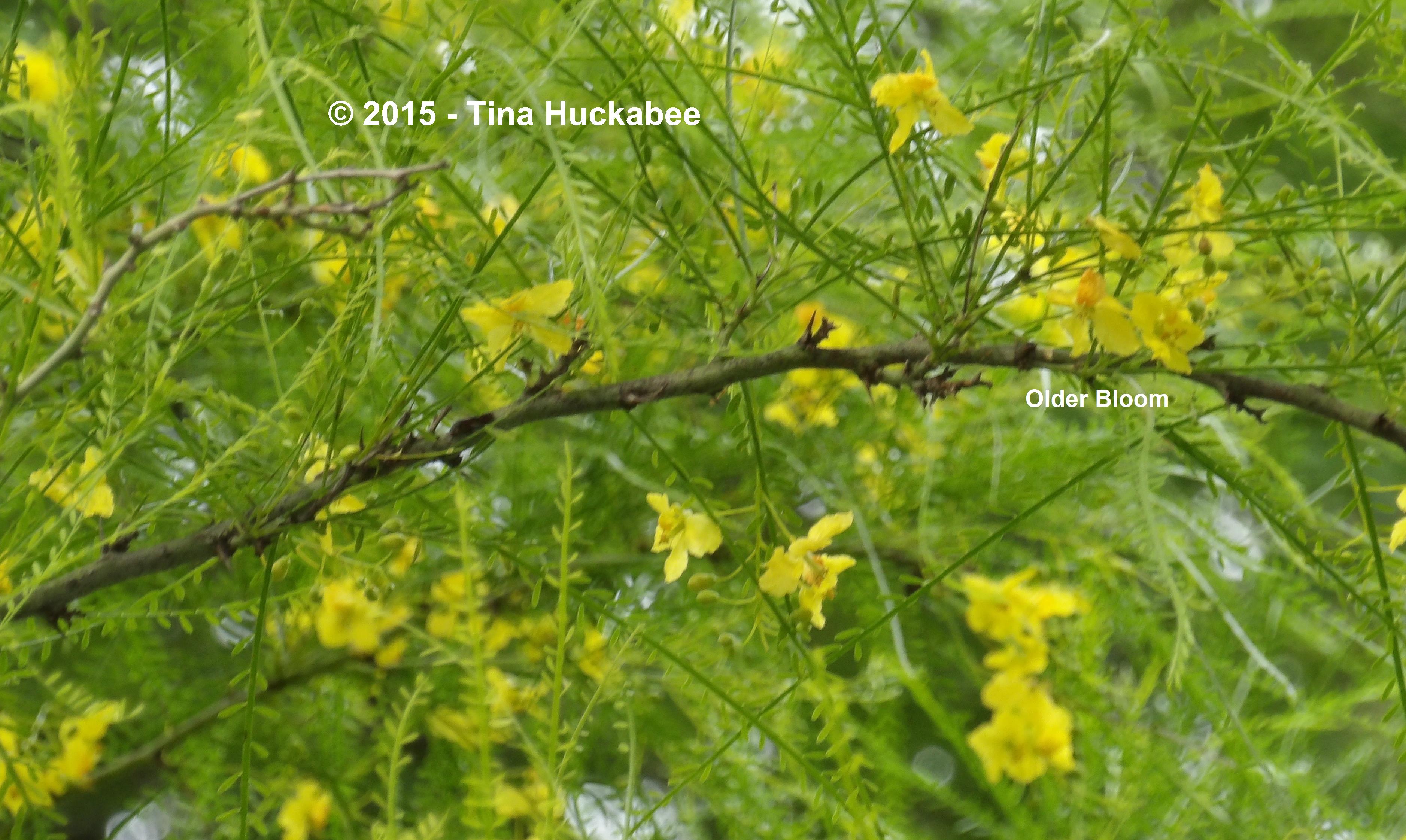
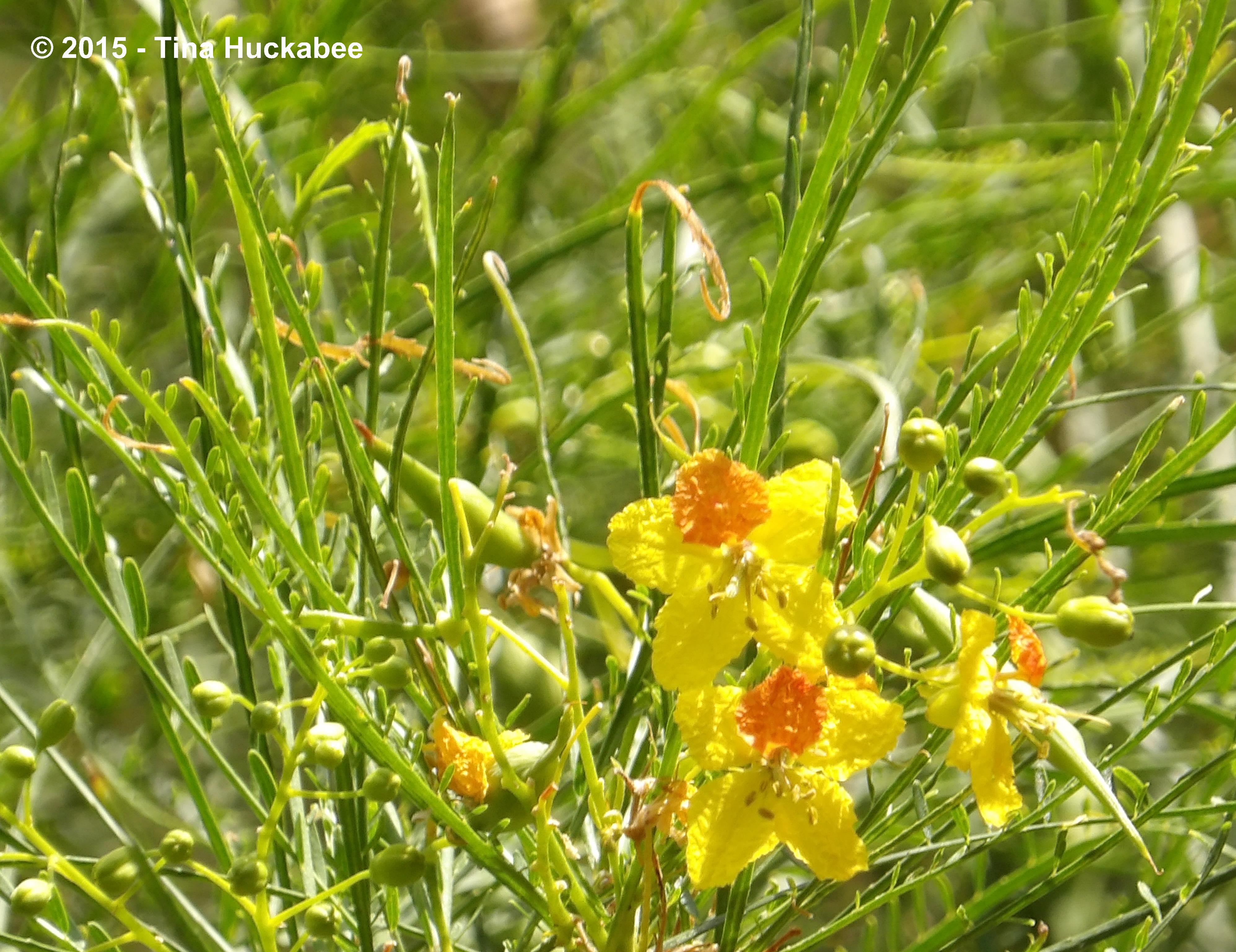
The Retama flower is an interesting one, because the petals are bright yellow, except for one which is called the “honey” petal. The honey petal is pale to deeper orange.

IMGP8491_cropped_2479x2041..new

IMGP0332_cropped_3991x3074..new

Once pollinated, the colored petal deepens and  remains on the tree longer than the other petals. The flowers adorn the plant in response to rainfall and can bloom for a long period of time–late spring, all through summer, and into the fall.  My particular Retama does not grow in full sun, so it’s never achieved the mass blooming that a Retama in blasting sun would produce.

In this year (2014-2015) that I’ve Tree Followed the Retama and profiled it for A Seasonal Look, the tree experienced a range of extremes–not that unusual here in Texas, as this is a land of extremes–but noteworthy.  We enjoyed a “normal” spring with mild temperatures and average rainfall.  However, in May and early June, we received nearly 20 inches of rain, temporarily halting an 8 year drought. Known as a “rain bomb,” that type of flooding has always occurred in Central Texas and is often, though not always, a drought-buster.   The Retama’s response to the heavy rains was to drop its first flush of glorious flowers that had opened in May.

IMGP8230_cropped_3623x2171..new

For the latter part of June and into July, my Retama was flower-less, but it did produce more clusters as the summer months progressed.   Once the rain stopped in early June and the Texas summer temperatures and dry conditions settled in for the duration (and duration and duration…), it took a little time for the tree to set out its signature bloom sprays. I didn’t water my gardens until mid-July and have only watered four times as of this post. After the flowers were pummeled by the May rains, the tree bloomed up again, much to the delight of the bees, butterflies and hummingbirds.

Oh, and the gardener too.

In more typical years,  the Retama is a solid bloomer during the toughest months of our growing season and with minimal rain or irrigation. After the wet spring and then with no rainfall until late August/early September (and not much then), many plants succumbed.  Even some native plants that are evolved to withstand the capriciousness of the Texas climate, struggled this summer.  The Retama? It flowered and foliaged along just fine, thank you very much:

In July,

IMGP9275.new

….August,

IMGP9887.new

IMGP9884.new

…and September.

IMGP0336.new

It was green, blooming and gorgeous. What’s not to love about that?

IMGP9898.new

Birds are constant companions of this tree.IMGP8518.new

IMGP9258_cropped_3442x3028..new

As the flowers fade and  the seed pods form, first green,

IMGP9820.new

…then brown,

IMGP1942_cropped_3189x2917..new

…the tree adds other delectables to the landscape besides pollen and nectar:  small mammals and birds (in particular) enjoy feeding on the seeds.  In areas of the world where Retama is invasive (parts of Africa, India and Australia), it is most likely birds who’ve spread Retama to problematic levels.  I don’t want to blame birds for Retama’s invasiveness–that’s squarely on people and lack proper management for introducing non-native and potentially harmful species to new areas without first experimenting with natural controls.  Where Retama is native, it’s an excellent plant:  water wise, wildlife friendly, and beautiful. Where it’s an introduced aggressor in the landscape, it’s proven a serious problem for indigenous flora and fauna, requiring great efforts to remove.  For example, Australia has banned the sale and planting of Retama.

Have I mentioned that it’s always best to plant native?

Here in Central Texas, the Retama is a plant which needs little, if any, supplemental watering.  It grows remarkably fast, reaching to “tree” height in a matter of a few years. I mulched it when it was a baby tree (I think I purchased it as in a one gallon pot), but I don’t mulch established trees.  Retama is commonly available at locally owned nurseries, especially in late summer and fall, which are good times of the year to plant perennials and trees here in Texas.  Retama has a graceful natural form and doesn’t require pruning, except if a branch dies–or perhaps if the gardener is weary of getting dinged on the head by a formidable Retama thorn.

Retama trees aren’t particular about soil types, so no amendments are necessary. If much irrigation or rainfall is the norm, Retama will seed out, but in its 12 or 13 years in my garden, I’ve only found a half-dozen seedlings from my tree.

If you live in Retama’s native range, you’d be hard-pressed to grow an easier or lovelier tree to accent  the southwestern garden.

In Spring,

IMGP6940.new

…Summer,

IMGP8088_cropped_3755x2244..new

IMGP8604_cropped_2672x4329..new

…Autumn,

IMGP0322_cropped_3109x3109..new

IMGP1603_cropped_3037x2903..new

…Winter,

IMGP4310.new

IMGP4156.new

…Retama is a stunning tree: hardy and reliable, wildlife friendly, and darned pretty to look at.  Who doesn’t want plants with those descriptors?
 

Wildlife Wednesday, October 2015

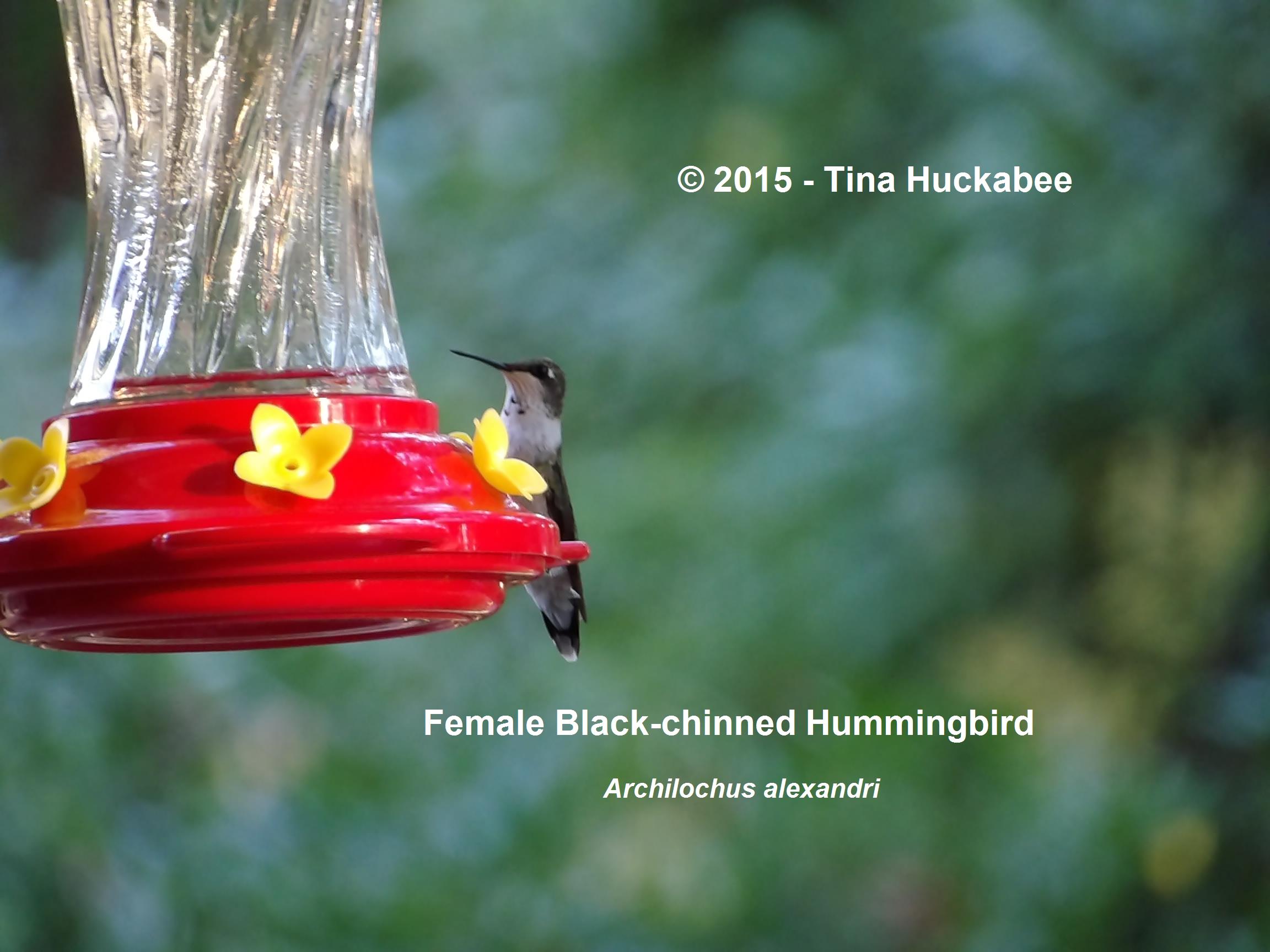
September is over, fall migration through Texas is underway, and in my gardens? Well, it’s the usual wildlife suspects who rule the roost.  Hummingbirds gave great performances prior to their leaving;  they entertained the gardener, paid attention to the flowers, and fueled up for their long flights.  They are now off to winter in lovely, warm Mexico. Here’s wishing them plenty of tropical blooms, while the rest of North America chills out.

M0021552.new

IMGP0192.new

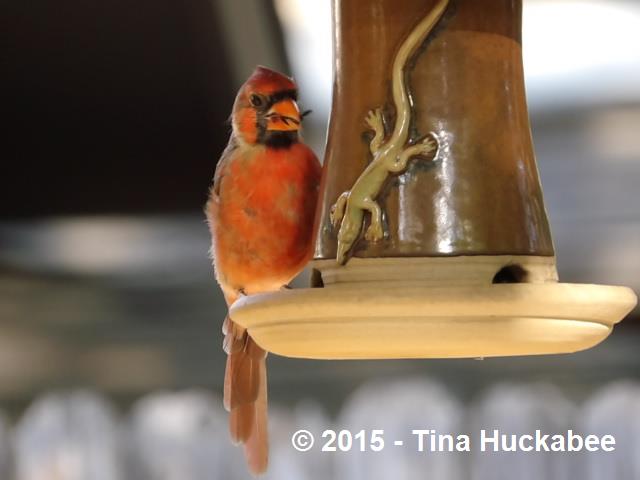
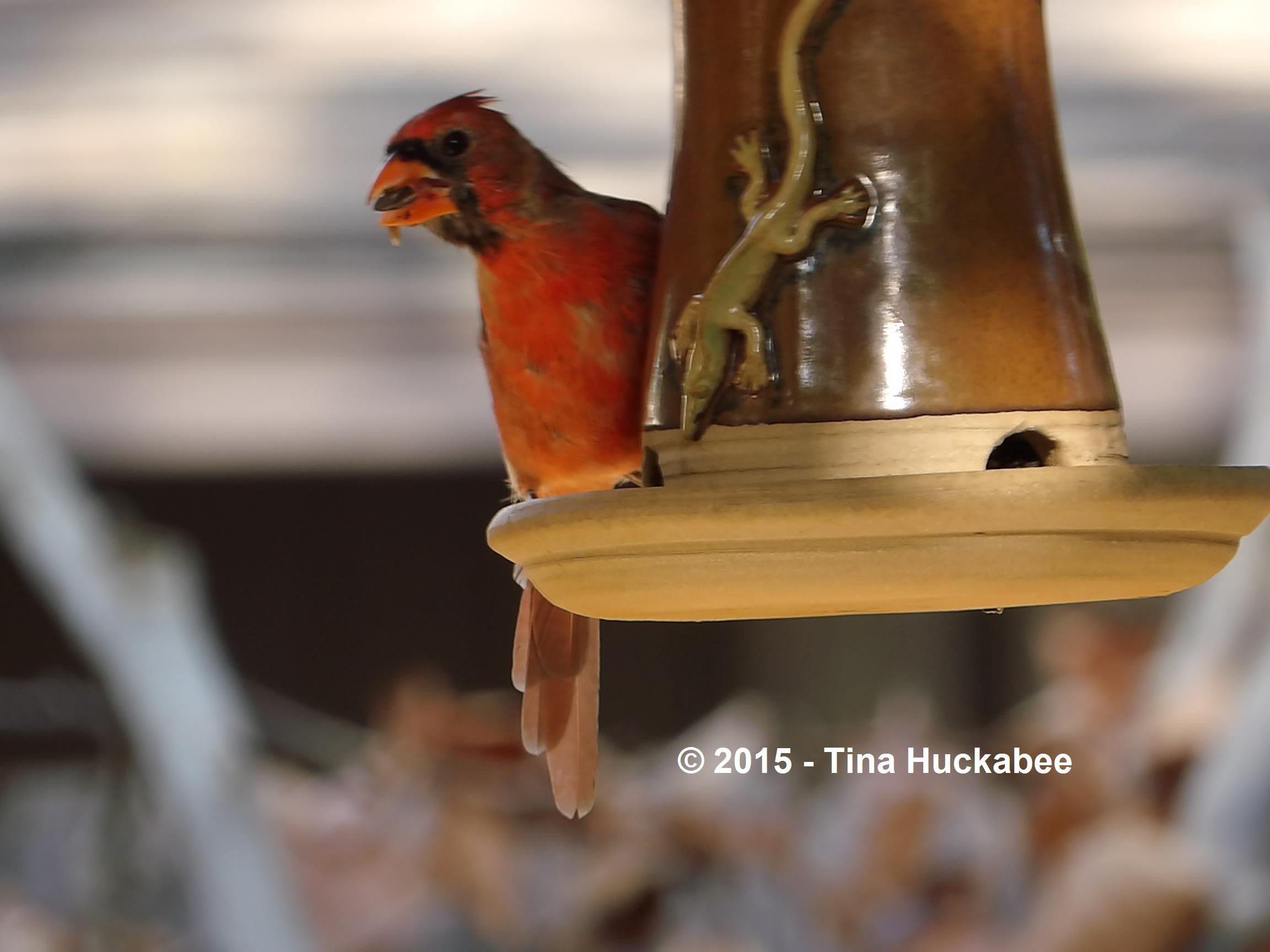
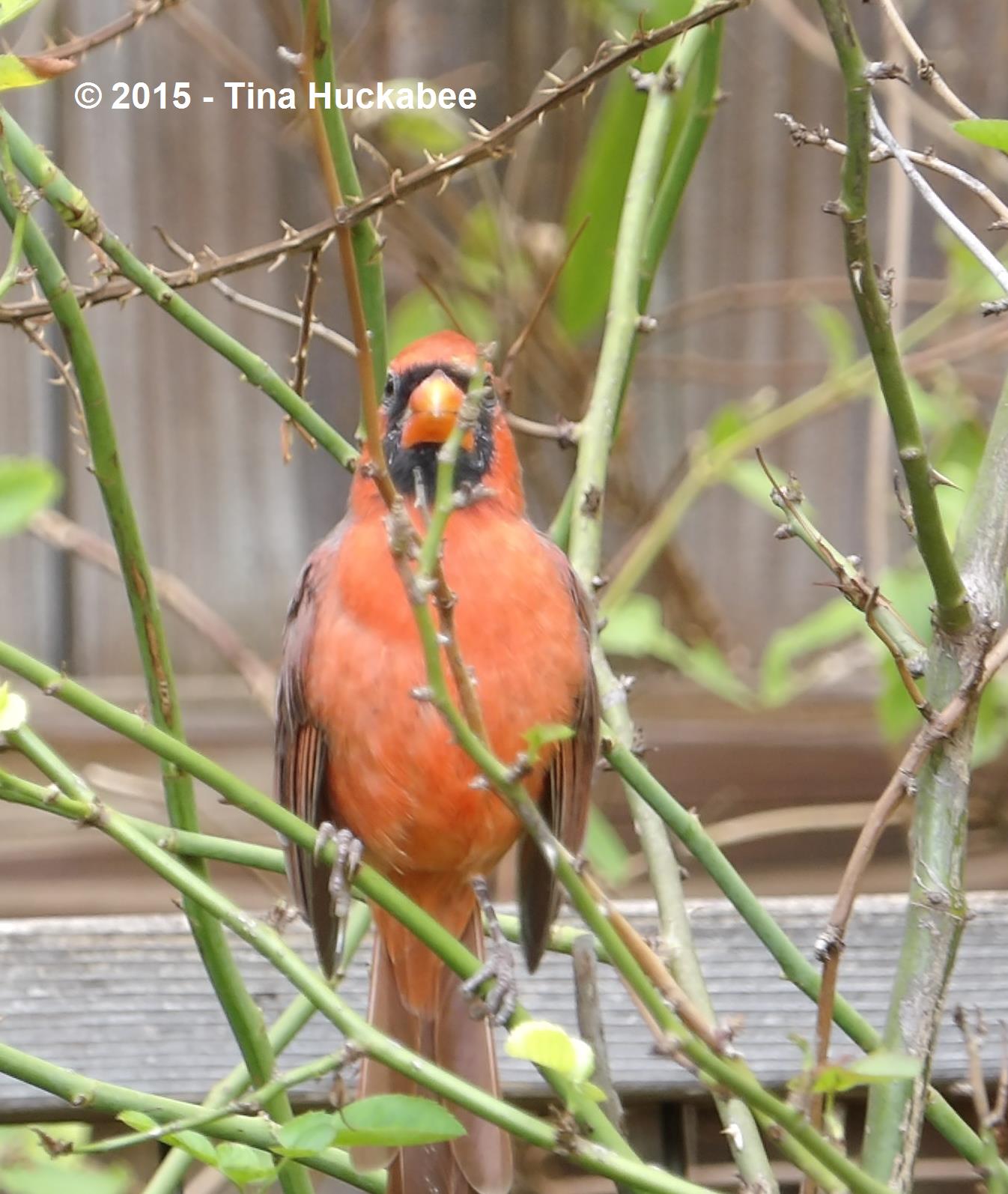
In September’s Wildlife Wednesday, I mentioned that a mottled and probably molting adolescent male Northern Cardinal, Cardinalis cardinalis, was a regular visitor to my garden.  I poked fun at him  because he looked so rangy and awkward–the geeky teen of the backyard bird world.

M0020454.new

Well, shame on me.  I read this article about how tough molting is on birds and specifically as they undergo the preformative molt of the adolescent to adult feathers.  I raised a teen male to young adulthood and remember much angst (mine) and crankiness (his) during his human “molting”.  I guess I should have been more understanding and sympathetic about the changes the juvenile bird was undergoing. Sir Young Cardinal still hangs out, munching sunflower seeds from the feeder, molting, but less molty and, I believe, dressed more cardinal-like.

M0010405.new

Maybe it’s the better camera–my good one is out of the camera hospital.  Nonetheless, Young Cardinal on his way to scarlet beauty.

This adult male glances to the left,

IMGP1759.new

…then to the right,

IMGP1774.new

…and looks like he’s keeping claws crossed that the nutty gardener can’t see him  perched on the shrub.

M0011715_cropped_1346x1594..new

Maybe if I hold my wings really tight, she won’t see me.  

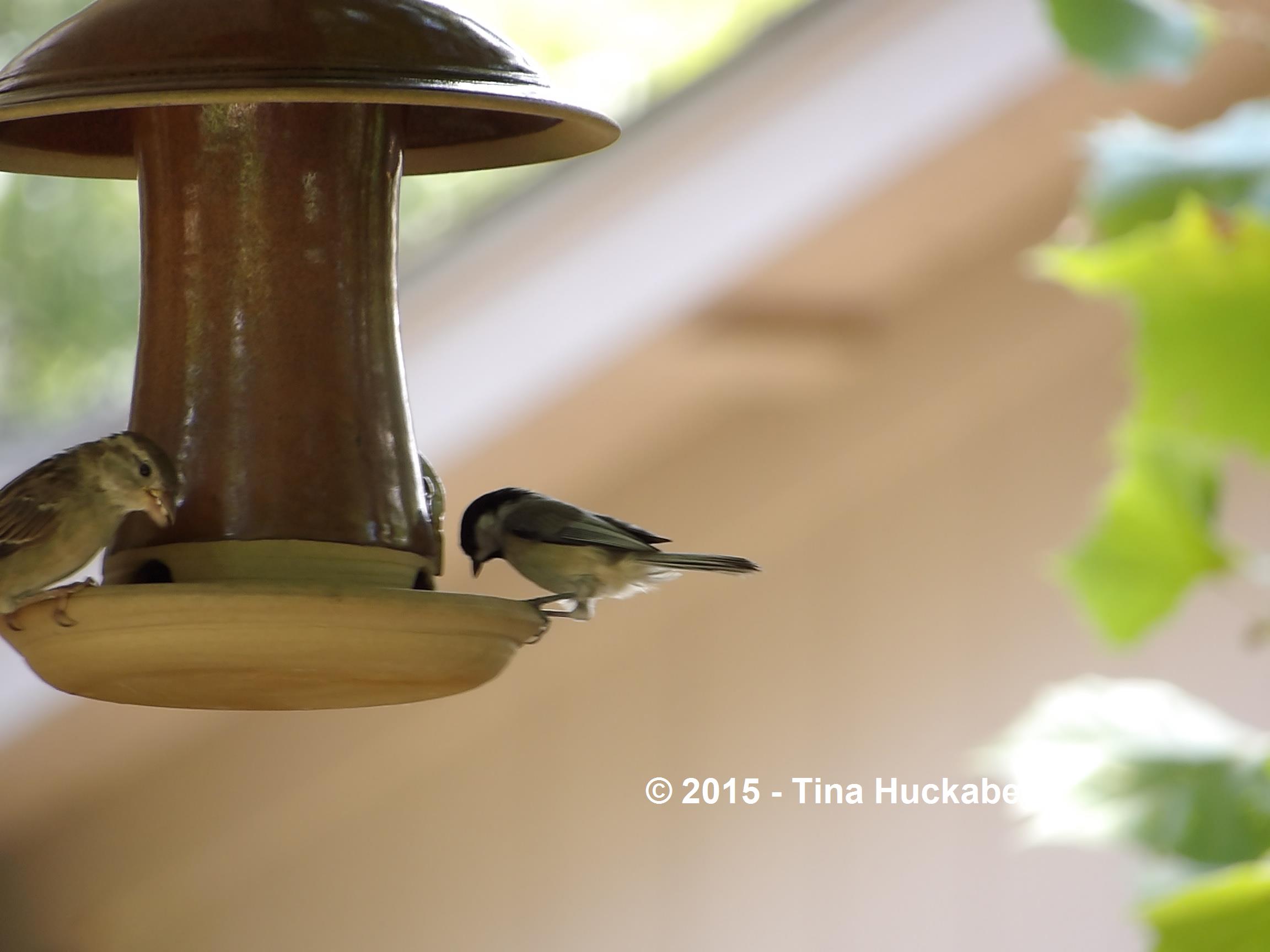
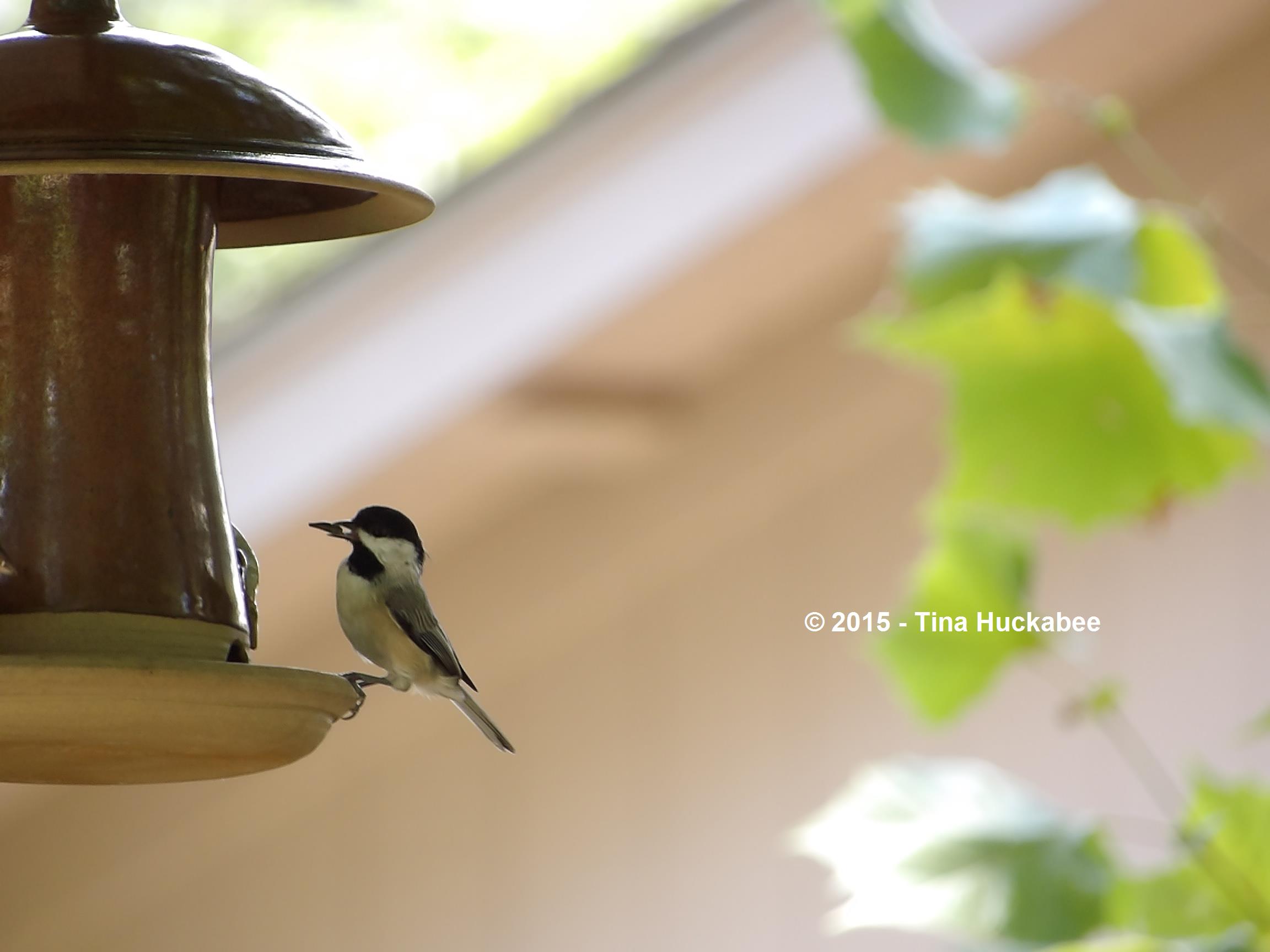
There are plenty of birds at the sunflower buffet, like this Carolina Chickadee, Poecile carolinensis.  

M0019994.new

M0010040.new

I’m especially fond of the Carolina Chickadee;  there is a mated pair that nests near, though not in, my gardens.  They appear in concert with a pair of Black-crested Titmice, though there are no photos of either of that pair for this month.      Both species have sweet verbalizations and I usually hear them before I see them.  That’s often how it is with birds.

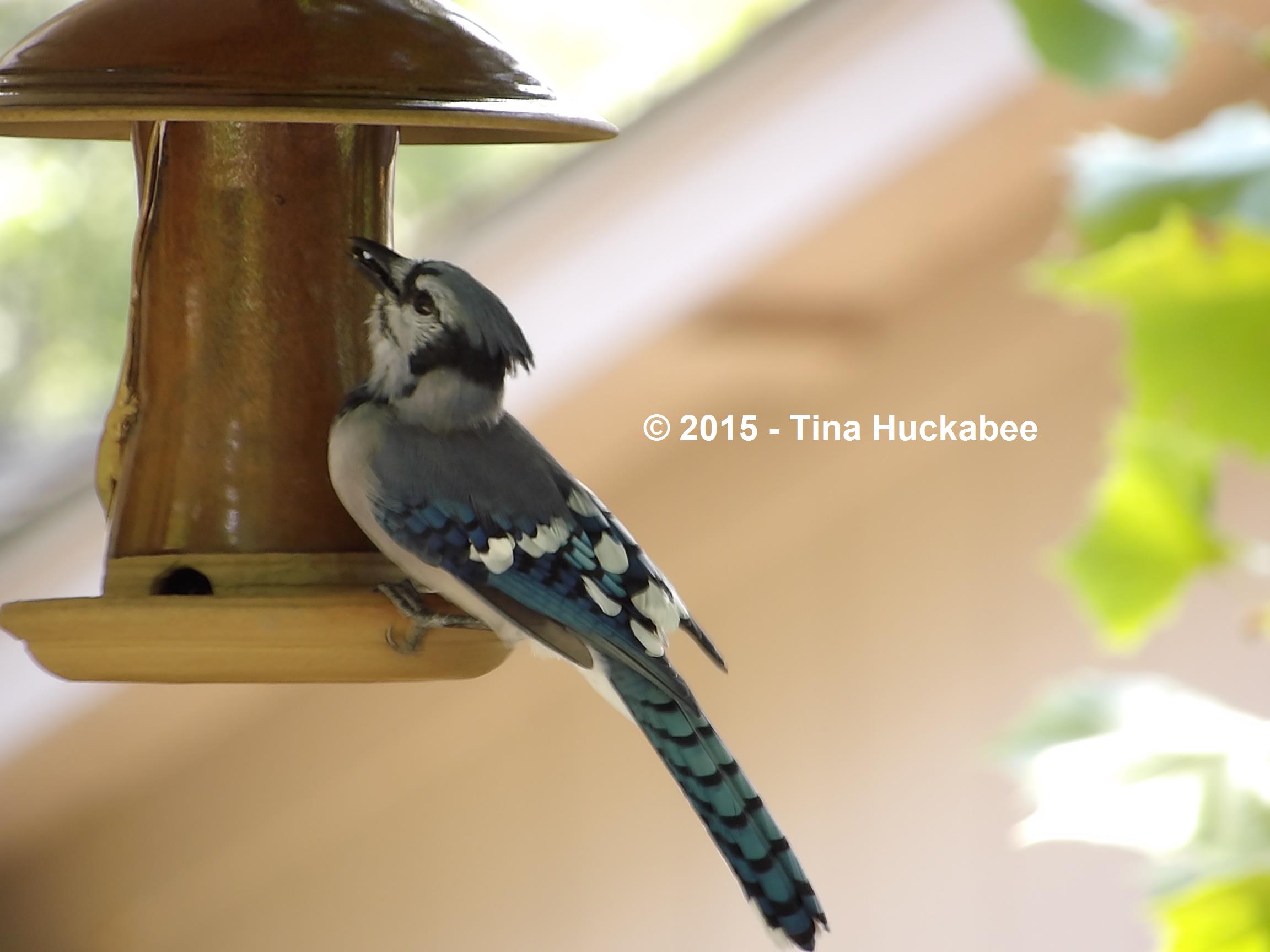
Raucous and beautiful Blue Jays like this one, are also regular visitors to my garden and feeder.

M0030106.new

Most evenings at sundown a group of them protest loudly at what I suspect is one or two Eastern Screech Owls perched in a neighbor’s tree.  I haven’t seen the owls, but have heard them on occasion in the last month or so.  The Blue Jays make lots of noise, but in the end they flap away for the night, returning to sound alarm(s) next day-and also, to eat at the feeder.

There should be more and varied birds through my garden in the next few weeks as they migrate southward.  Already I’ve seen several warblers flitting in the verge, though capturing by camera is tricky.  With good luck and some patience, I will have some success this month–to observe, to learn about, and to share for next month’s Wildlife Wednesday.

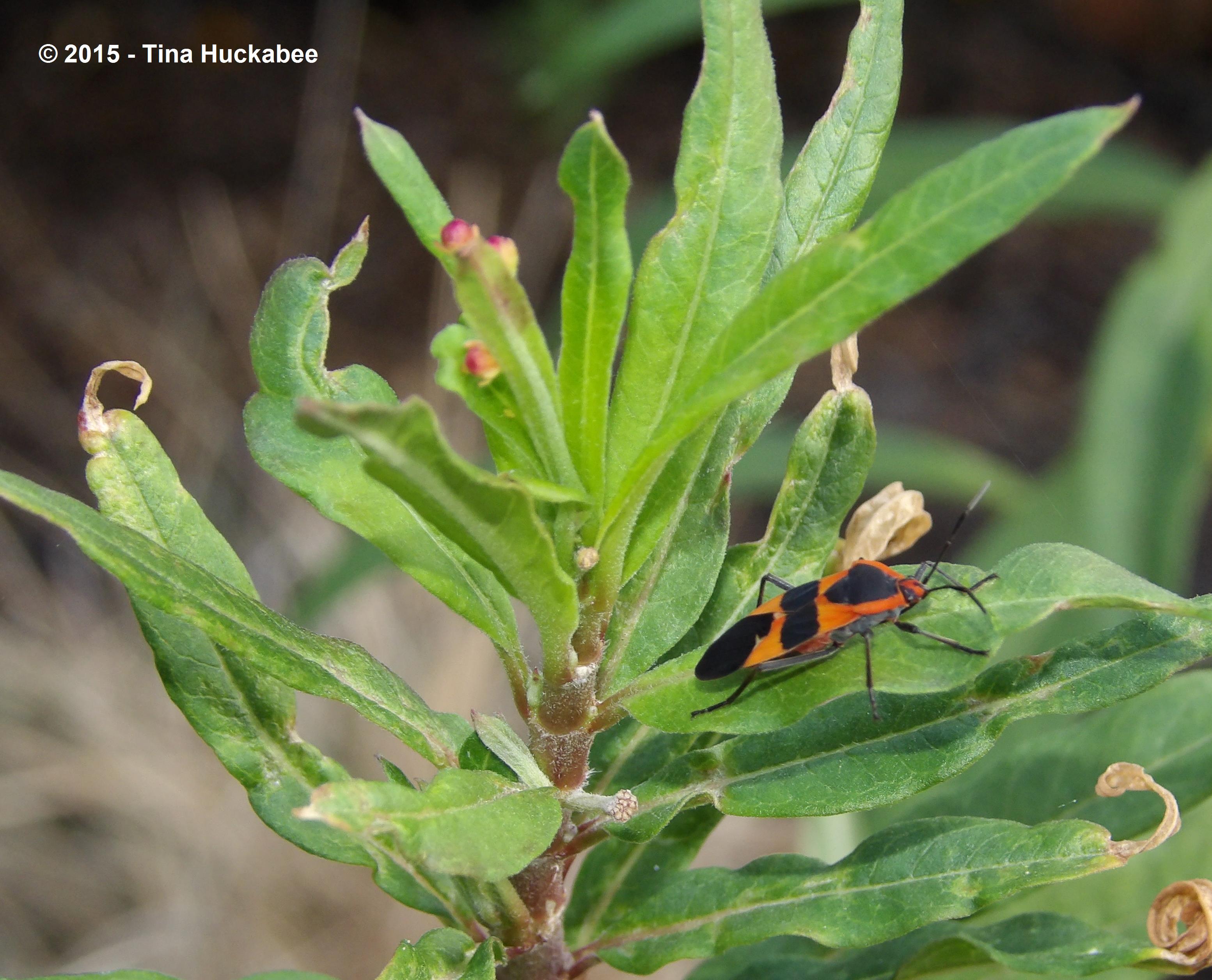
As for the insects, there are plenty of those and that’s mostly a good thing for the garden. This Milkweed BugOncopeltus fasciatus, is not such a beneficial bug in the garden, but apparently doesn’t do  that much damage to the leaves of Milkweed or Asclepias, plants.

IMGP0313_cropped_3107x2512..new

There were quite a few earlier in the summer, but their numbers have dwindled.

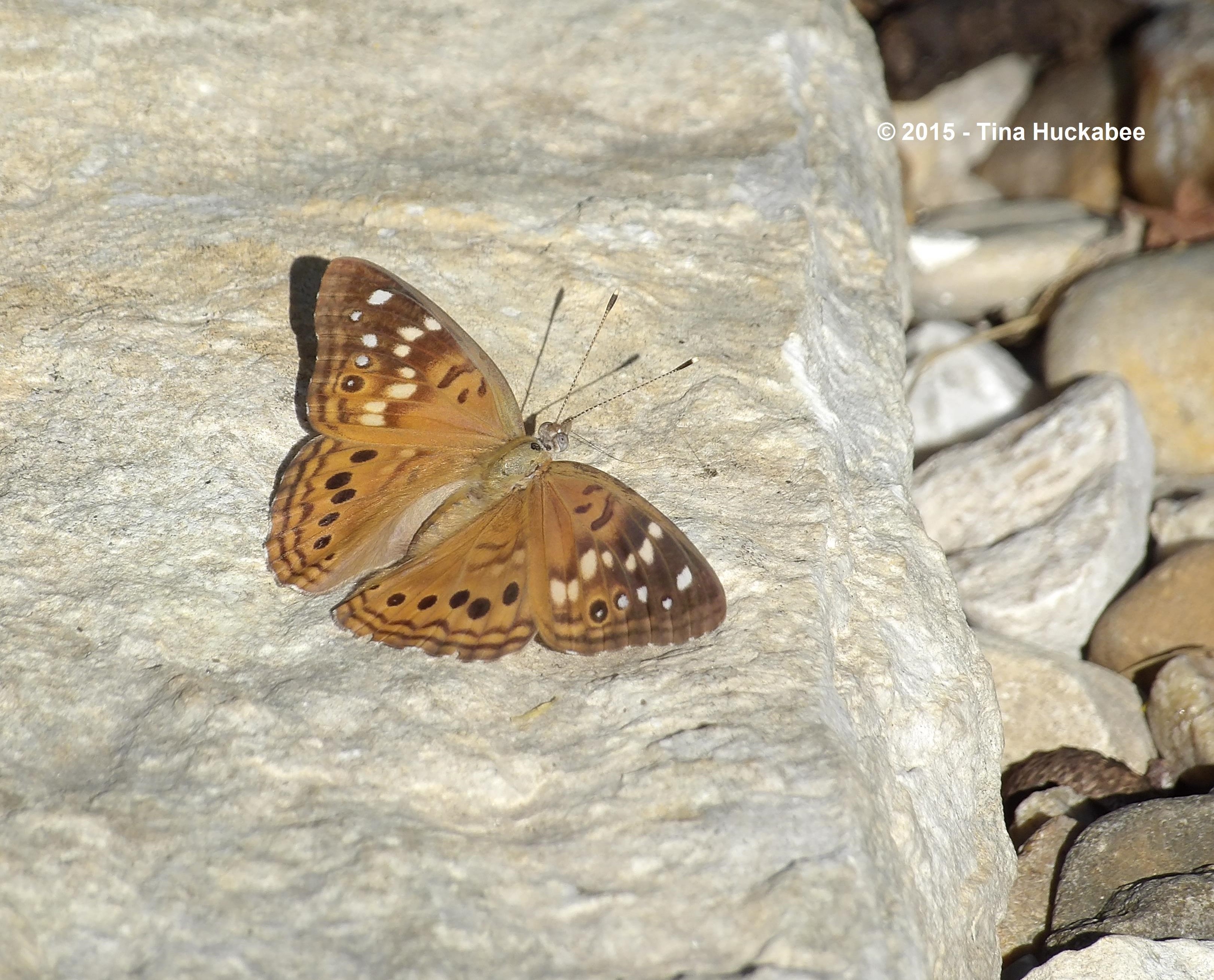
Butterflies and moths are making a comeback since we enjoyed a bit of rain not long ago.  I’ve seen this Hackberry EmperorAsterocampa celtis, sunning herself several times recently. 

IMGP1785_cropped_3244x2618..new

A good thing too, because this species flies so fast that I’ve never taken a clear photo of one around the garden, only in pathways as they bask and allow garden paparazzi to photograph their sunbathing.  Hackberry Emperors feed on dung and sap, so they don’t visit  flowers. The host plant for this butterfly is the much-maligned Texas native tree, Hackberry, Celtis laevigata.  A member of the Elm family, this is the tree that everyone loves to hate, myself included.  But Hackberry an excellent wildlife plant–providing berries that many birds species eat and hosting the nursery for this pretty butterfly.

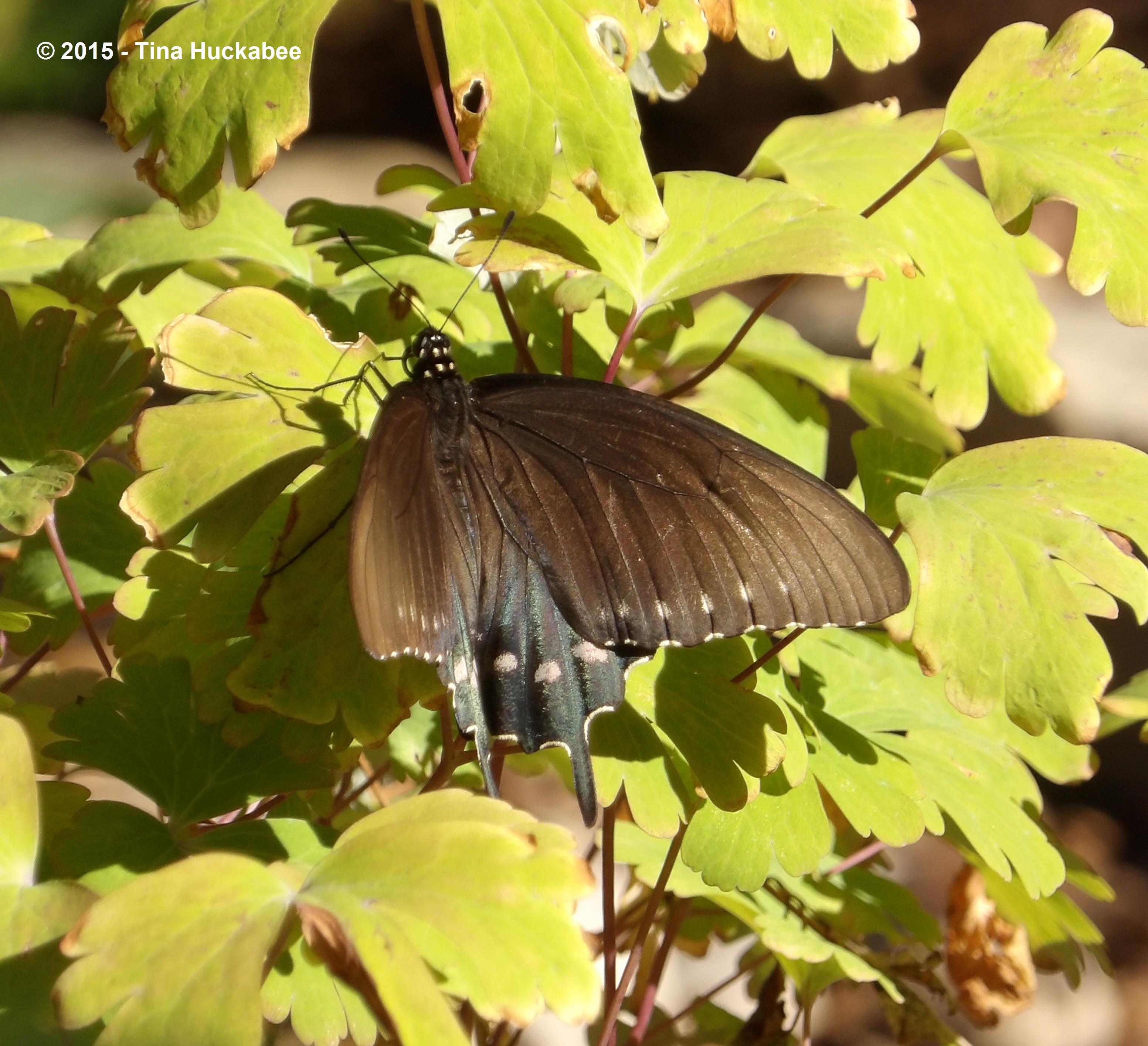
A   Pipevine SwallowtailBattus philenor, posed for me one afternoon with a backdrop of Columbine foliage.

IMGP1047_cropped_3106x2830..new

I often see one fly high through the garden when I’m outside in late afternoon.  The host plant for this beauty is pipevine, which I don’t grow (why not??), but I know there are several specimens in a neighbor’s garden–maybe that’s where this one grew up.

This Great Leopard MothHypercompe scribonia, rested on the trunk of my Shumard Oak one afternoon.

IMGP0627_cropped_3354x3064..new

IMGP0624.new

I see the larval form of this polka dot wonder throughout the summer months, but of course never think to get a shot for a blog post.  Large and fuzzy, the caterpillar is attractive enough, though I’m not sure much can beat the stunning pattern of the adult.

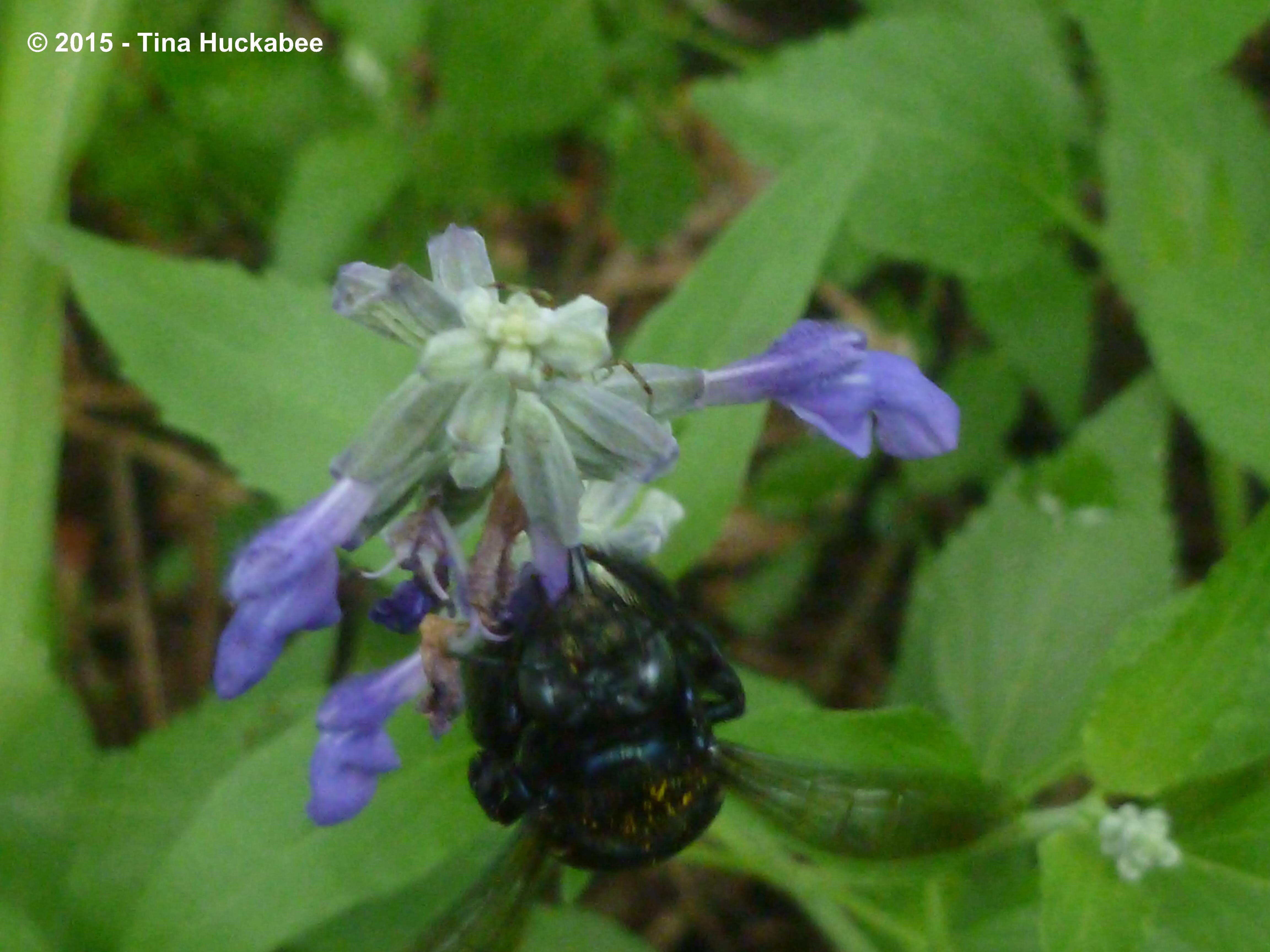
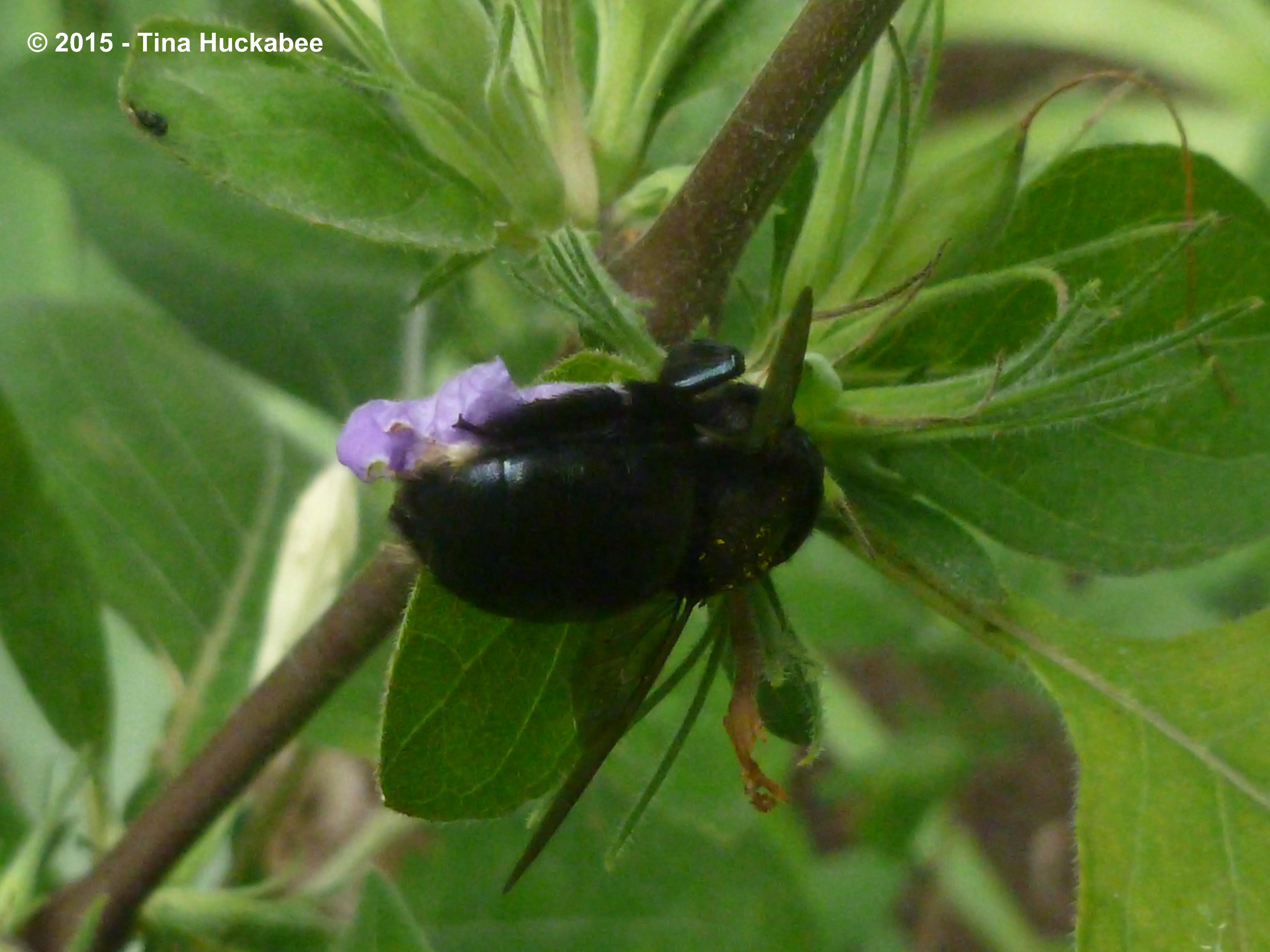
Eastern Black Carpenter bees, Xylocopa virginica,  Southern Carpenter BeesXylocopa micans, have nectared at and pollinated Henry Duelberg Sage, Salvia farinacea ‘Henry Duelberg’,

P1070846.new

…and Drummond’s Wild Ruellia, Ruellia drummondiana, 

P1070850.new

P1070847.new

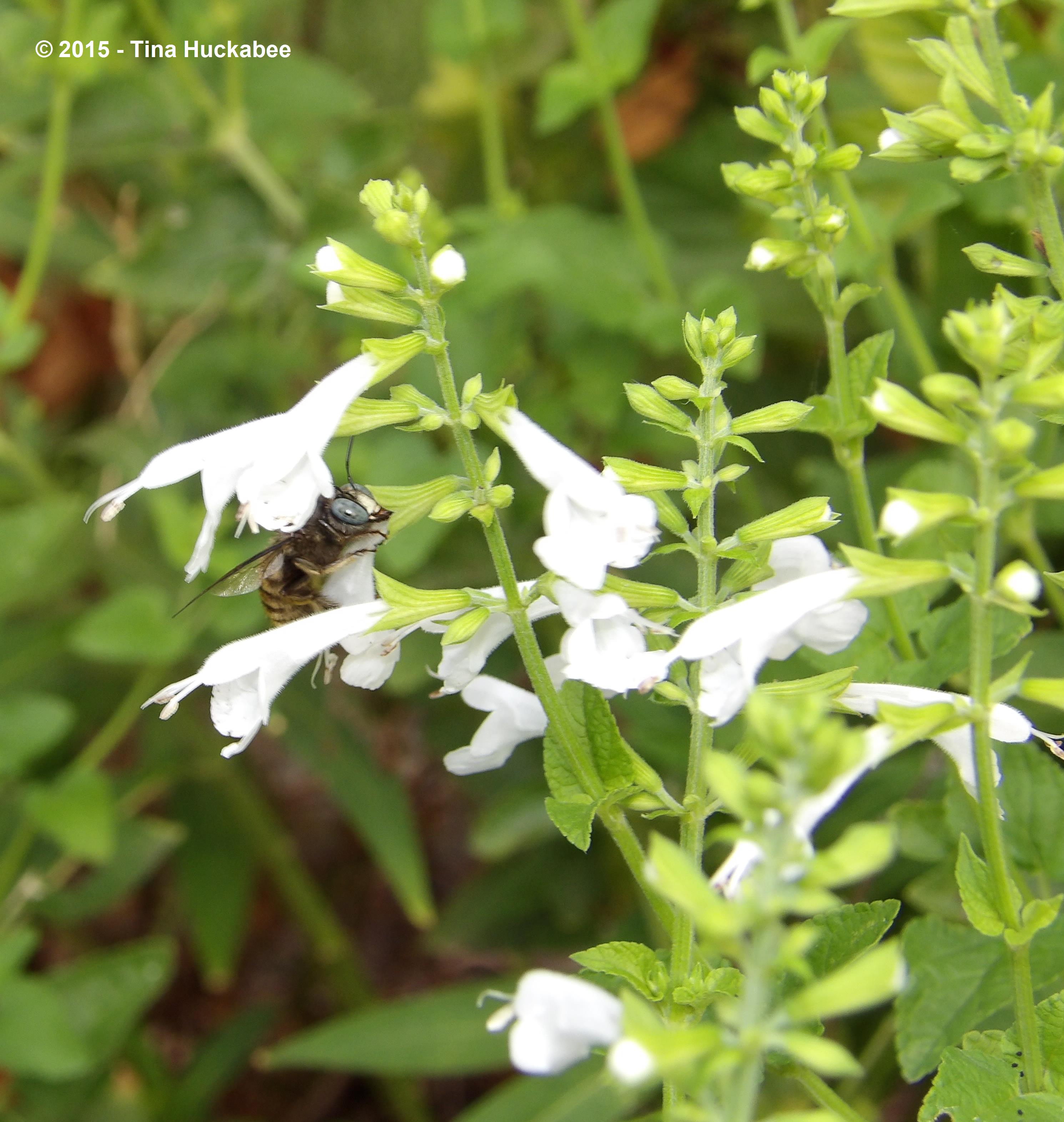
…as well as other flowers for weeks now.*   There are many  Horsefly-like Carpenter bees, Xylocopa tabaniformis, buzzing the flowers, too, like this one on a white Tropical Sage, Salvia coccinea.

IMGP0370_cropped_2981x3143..new

My garden is currently in full, fall bloom and those many flower choices are keeping the honey and native bees are quite busy. Pollinate away, girls!!

The Paper Wasp, Polistes exclamans, sips at the bird bath.

IMGP0171_cropped_2203x1903..new

The Neon Skimmer, Libellula croceipennis, surveys for prey.

IMGP0564.new.new

The Green Anole, Anolis carolinensis,  glares at the annoying camera lady.

IMGP1686.new

And the squirrel?  He/she relaxes after a tough afternoon of stealing birdseed and wrecking my container plants in the effort of burying treasures for winter snacks.

IMGP1689.new

Scamp!  Let’s make that plural–Scamps!  I don’t recall ever having so many in the garden and never have they been so destructive.  The Fuzzy-tailed Devils will not leave the container plants alone.   To dissuade their digging, I’m sprinkling cayenne pepper on a daily basis–not on the squirrels, mind you, just the plants.  And I’m yelling at them a lot.  Not the plants, just the squirrels.

Squirrels are part of the ecosystem, though an annoying part, and they provide lots of entertainment for the cats.

And that’s about it for this wildlife gardener.  So what wild thangs are in your garden? Please post for October Wildlife Wednesday–share the rare or mundane, funny or fascinating, beneficial or harmful critters you encounter. When you comment on my post, please remember to leave a link to your Wildlife Wednesday post so readers can enjoy a variety of garden wildlife observations.

Happy wildlife gardening!

*I misidentified the carpenter bee originally and now believe that the bees I’m observing are Southern Carpenter bees.*

It’s Fall, Y’all

Letting you know that it’s fall in Texas–thus, the y’all, y’all.  A conjunction of you + all, and common in the vernacular of the American South, it’s a friendly and practical  term for inclusion and invitation to a conversation.  This conversation is about the beginning of our second blooming season, so-named “Autumn” or “Fall” in most of the Northern Hemisphere. Here in Texas?  We usually refer to it as, I’m so glad summer’s over!!

While in most places plants are beginning the decline of growth and production in anticipation of winter, many of our tough customers are readying for their second spring. The days still reach into the low 90’s F, but nights and mornings are cool and lovely, and even the afternoon warmth feels different from the summer heat.  Or so I tell myself. Human rationalizations aside, with a smidge of rain and gentler temperatures becoming normative, every Texas gardener eagerly awaits the garden’s emergence from summer’s dormancy.

It’s about time!

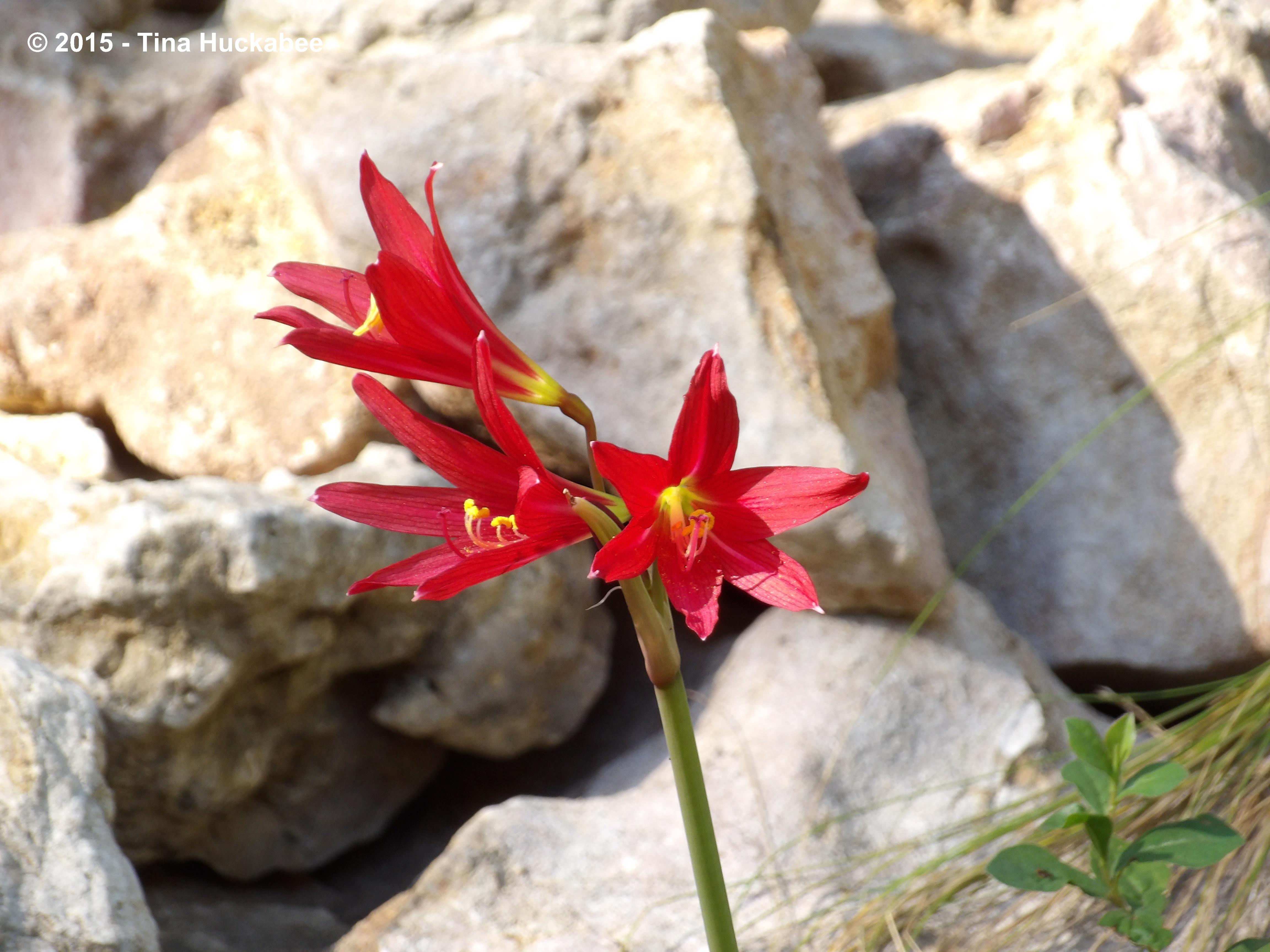
Native to Argentina but naturalized throughout much of Texas, Oxblood  or Schoolhouse Lily Rhodophiala bifida, in my garden have unfolded in a couple of waves this fall.

IMGP1078.new

IMGP1081.new

The stratification of blooming time has been a nice change.  Usually these individual bulbs jut out of the ground, stalk with buds, then blooms atop, bursting open with showy flowers, all with a few days of one another.  Oxblood fade away until the next September, leaving only foliage as a reminder–and not even that remains after winter.

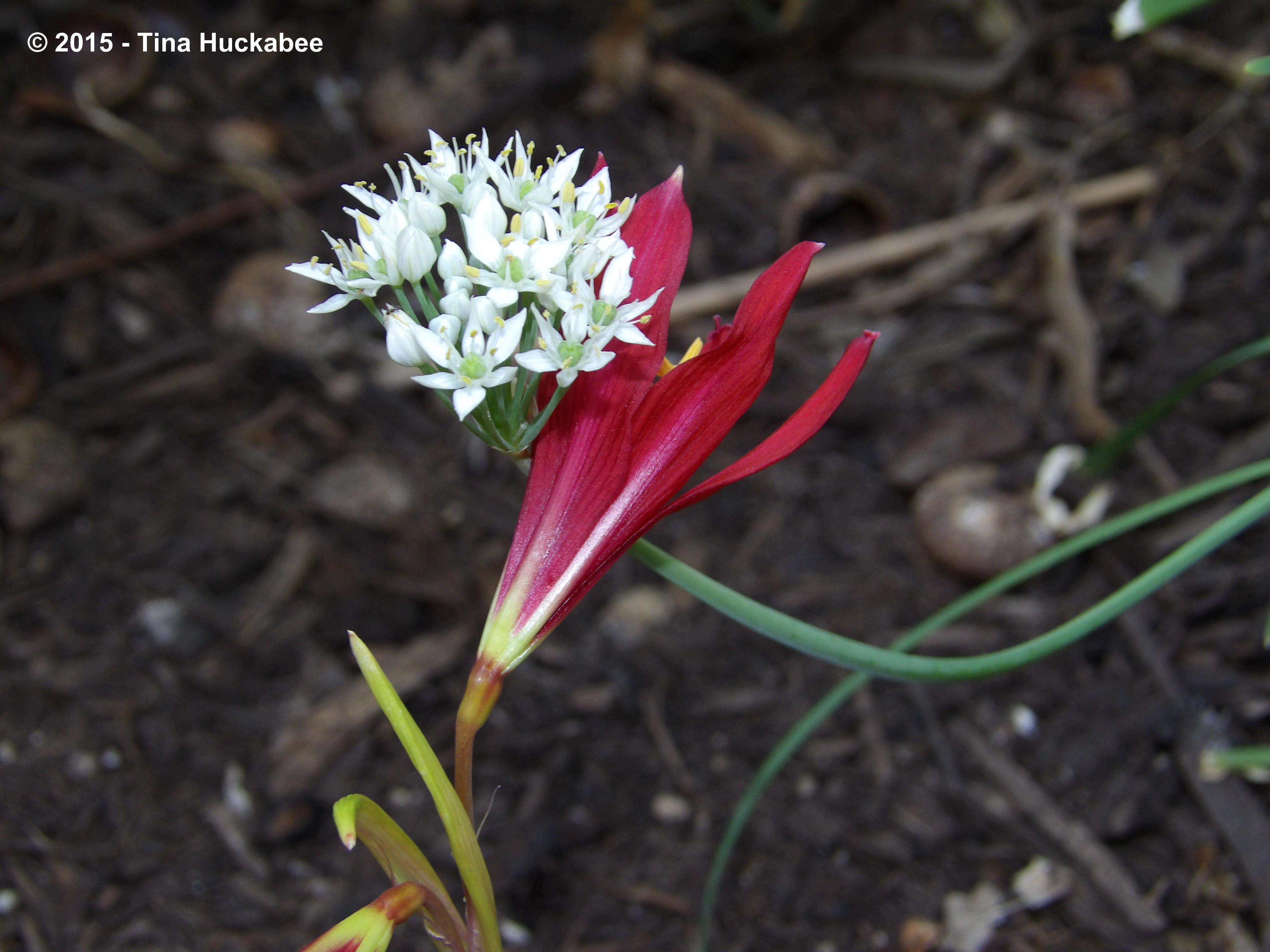
And there’s a romance in the garden, too, this early fall.

IMGP1079.new

Hugs between this extrovert Oxblood and a reserved Garlic Chive, Allium tuberosum–I guess it’s true that opposites attract.

Another Garlic Chive waits alone, early in the morning,  for honeybee suitors.

IMGP1800.new

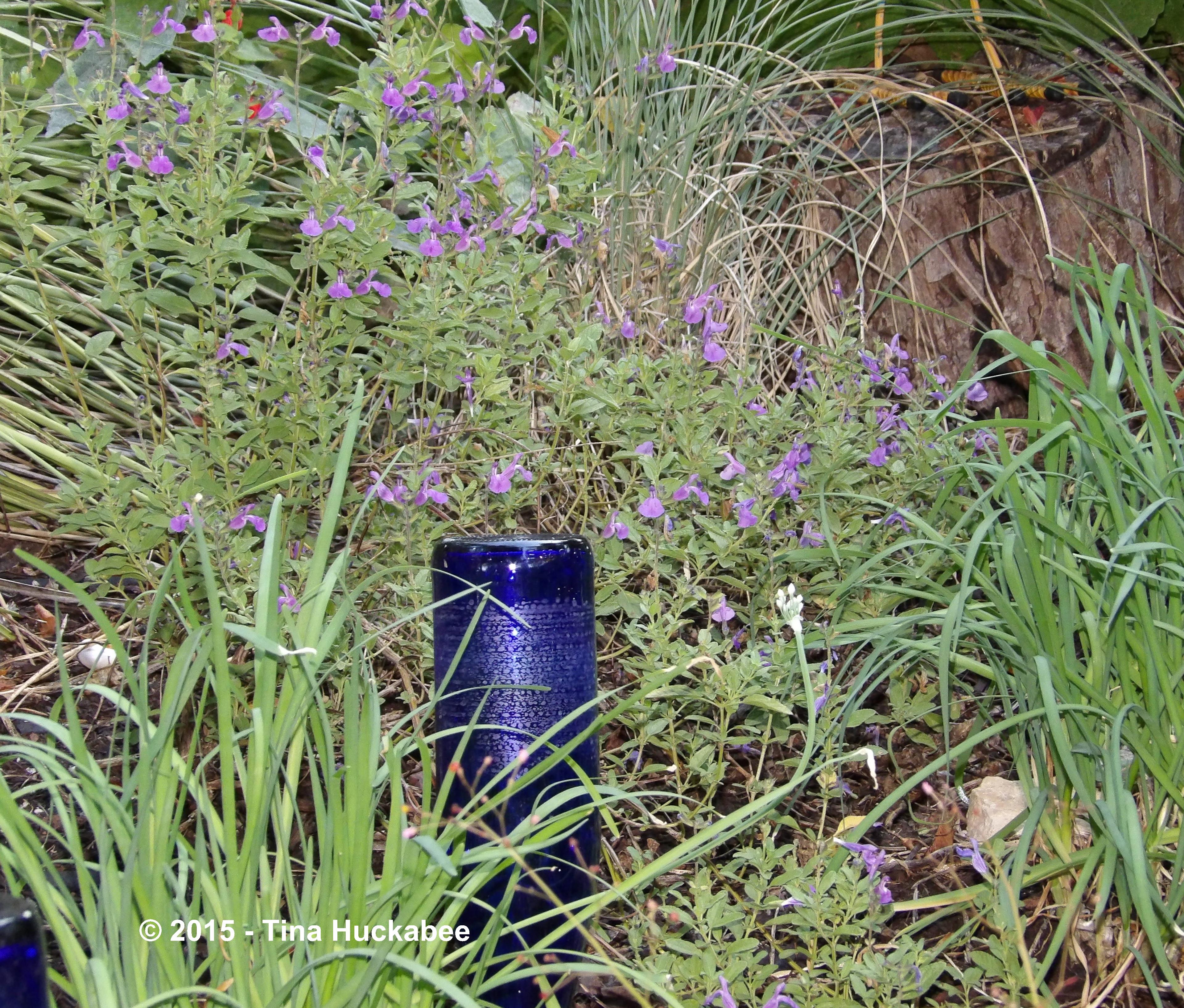
A new-ish bloomer for me is this purple grape juice colored Autumn SageSalvia greggii x Salvia microphylla.

IMGP1677_cropped_3839x3268..new

I purchased three plants from a locally owned nursery well over a year ago and am finally seeing clusters of blooms, though there were a smattering throughout summer.   The story told is that one of the employees of the nursery spied the mother plant, un-named and un-tagged,  at a big box store.  The plant was purchased, cuttings were taking, and now the big-box plant descendants are sold from time-to-time at that nursery, usually during summer.   It’s an attractive purple salvia, water-wise and tough, and beloved by my honey and native bees.

IMGP1799.new

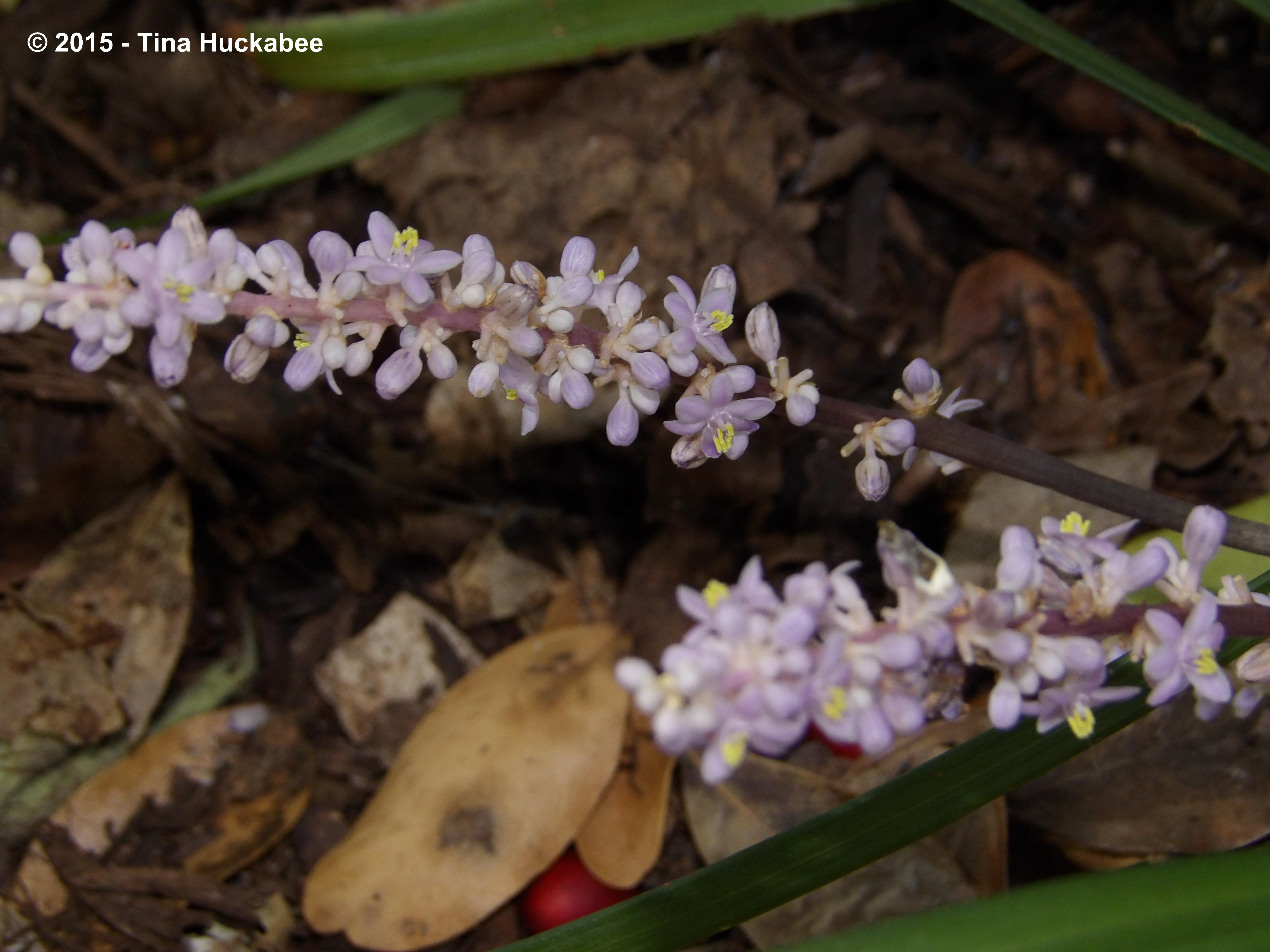
Stalking a honeybee as she worked, partially hidden in the grassy foliage of a Giant Liriope,  Liriope muscari  ‘Evergreen Giant’, I snapped shots of the pretty lavender bloom spikes.  If you look closely, you can see a little bee butt.

IMGP1681.new

These ornamental and drought-tolerant grasses don’t bloom often, though they are very welcomed when they do, usually in early fall.

IMGP1683.new

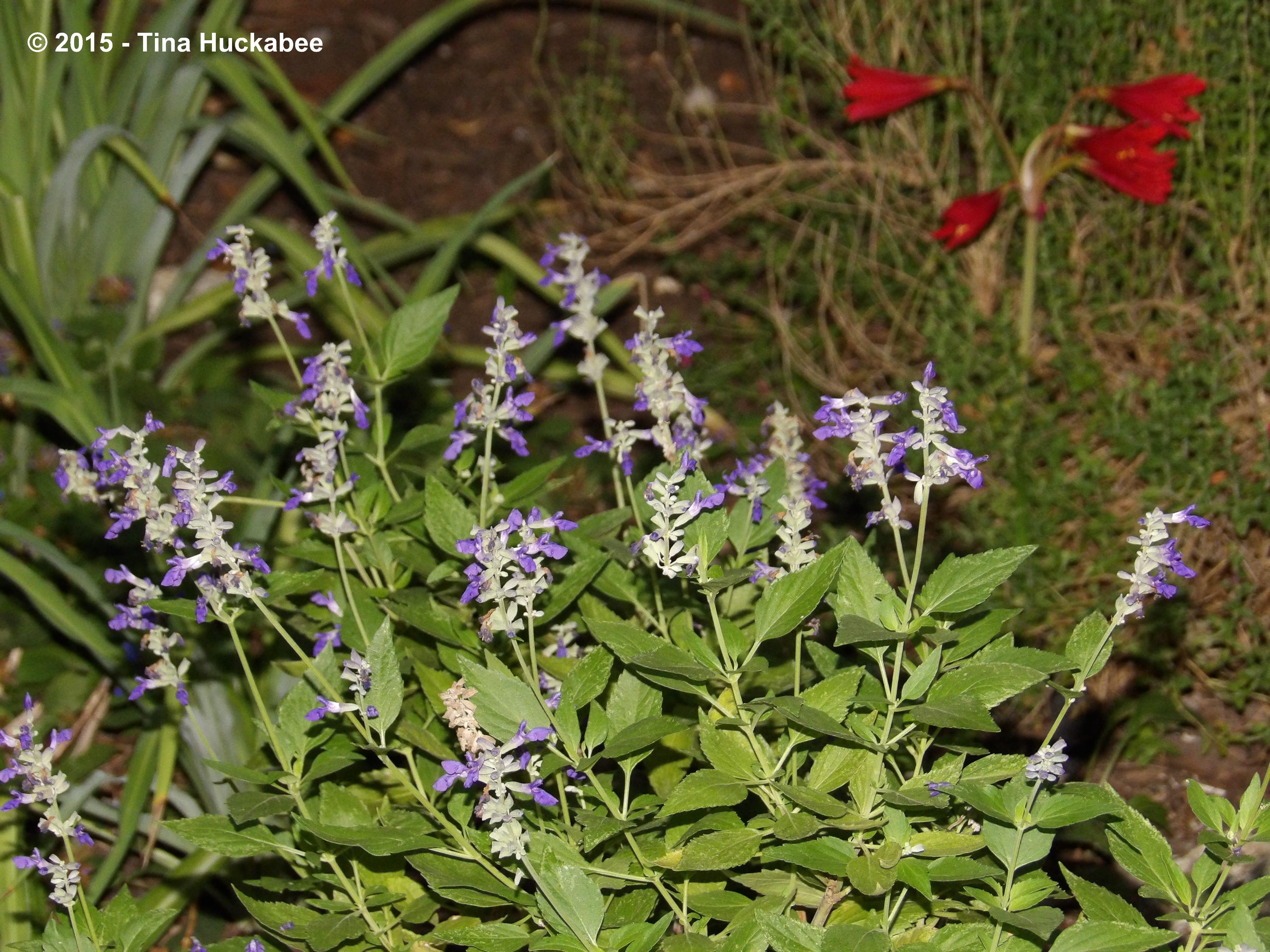
In late July I pruned the bountiful Henry Duelberg Sage, Salvia farinacea, ‘Henry Duelberg’, in preparation for fall blooms.  This beautiful native perennial is an excellent food source for wildlife–pollinators and seed-eaters–and provides a great fall (and spring/summer) flower show for me.

IMGP1694.new

IMGP1808.new

That show has begun and will not disappoint–either the pollinators or the gardener.


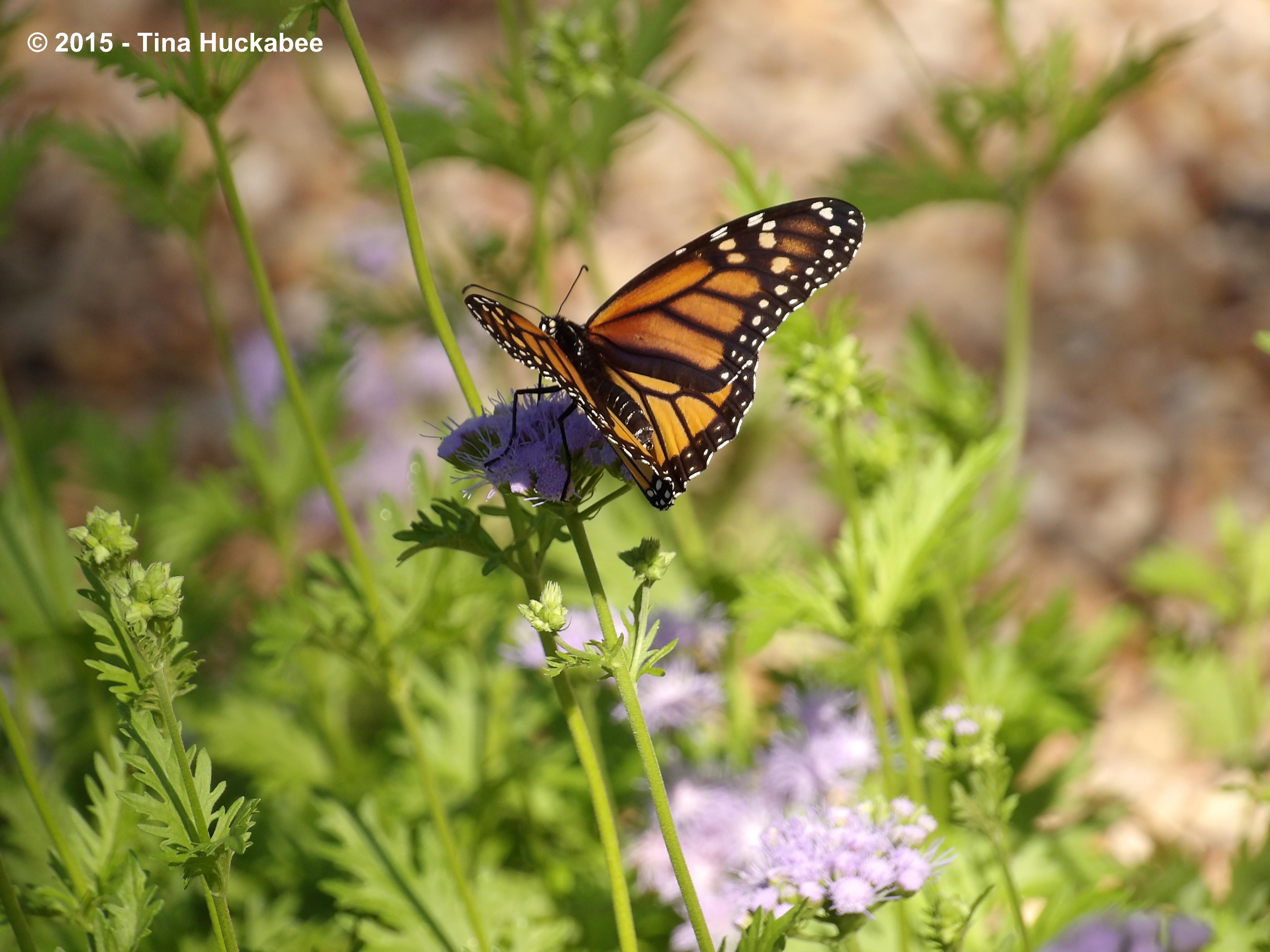
‘Henry’ is nice, planted in conjunction with the open-for-nectaring business, Gregg’s MistflowerConoclinium greggii, blooming just behind.

IMGP1810.new

I think this migrating Monarch butterfly,

IMGP1860.new

..and pollen-gathering, nectar-sipping honeybee,

IMGP1874.new

…would readily agree–huzzah for the fall bloomers!

The white and red Tropical SageSalvia coccinea, have blossomed for the past month or so, even before the moderate cooling.

IMGP1819.new


Mexican Butterfly Vine,  Mascagnia macroptera, are showcasing cheery yellow blooms,

IMGP1783.new

…and a few “butterfly” seedpods.

IMGP1867.new


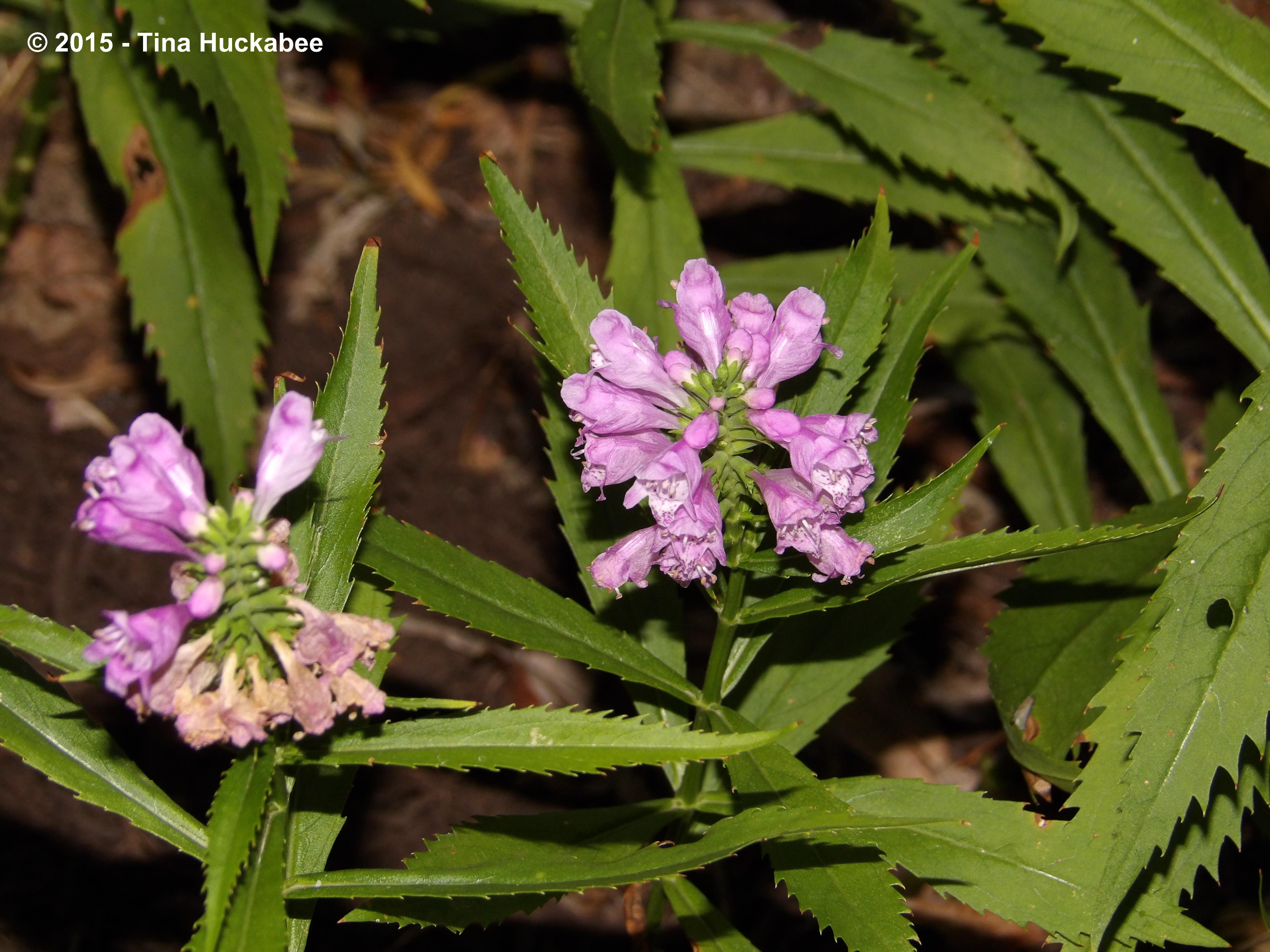
Fall Obedient, Physostegia virginiana, is a re-introduced perennial for me–I grew it many years ago.

IMGP1831.new

I’m happy to host this charming bloomer and tough native again.  How did I go so long without it??

FrostweedVerbesina virginica,

IMGP1792_cropped_3531x3148..new

GoldeneyeViguiera dentata,

IMGP1793.new

IMGP1833.new

IMGP1830.new

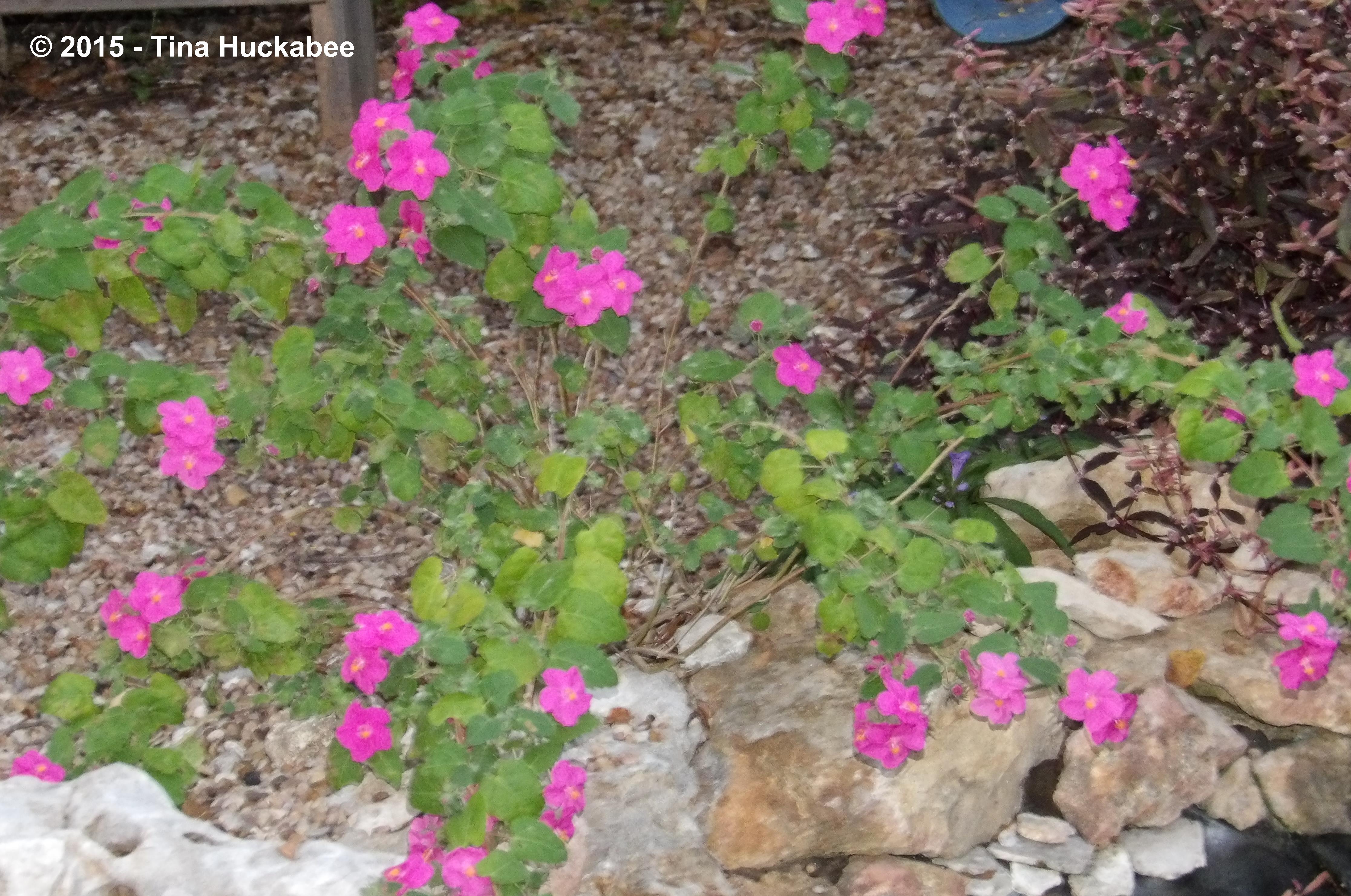
…and Rock RosePavonia lasiopetala, are full-flush with fall flowers.

IMGP1795_cropped_4466x2963..new

The Rock Rose blooms crinkle a wee bit against the afternoon heat, but are staying open-ish.  That’s a definite change from the summer xeric practice of shuttering the petals by mid-afternoon.

IMGP1872.new


Zexmenia,  Wedelia acapulcensis var. hispida, are also back in top form.

IMGP1796.new

IMGP1846.new

IMGP1844.new

All of these perennials are ready for visits from pollinators, and later for the seed-munching warblers, wrens and finches.

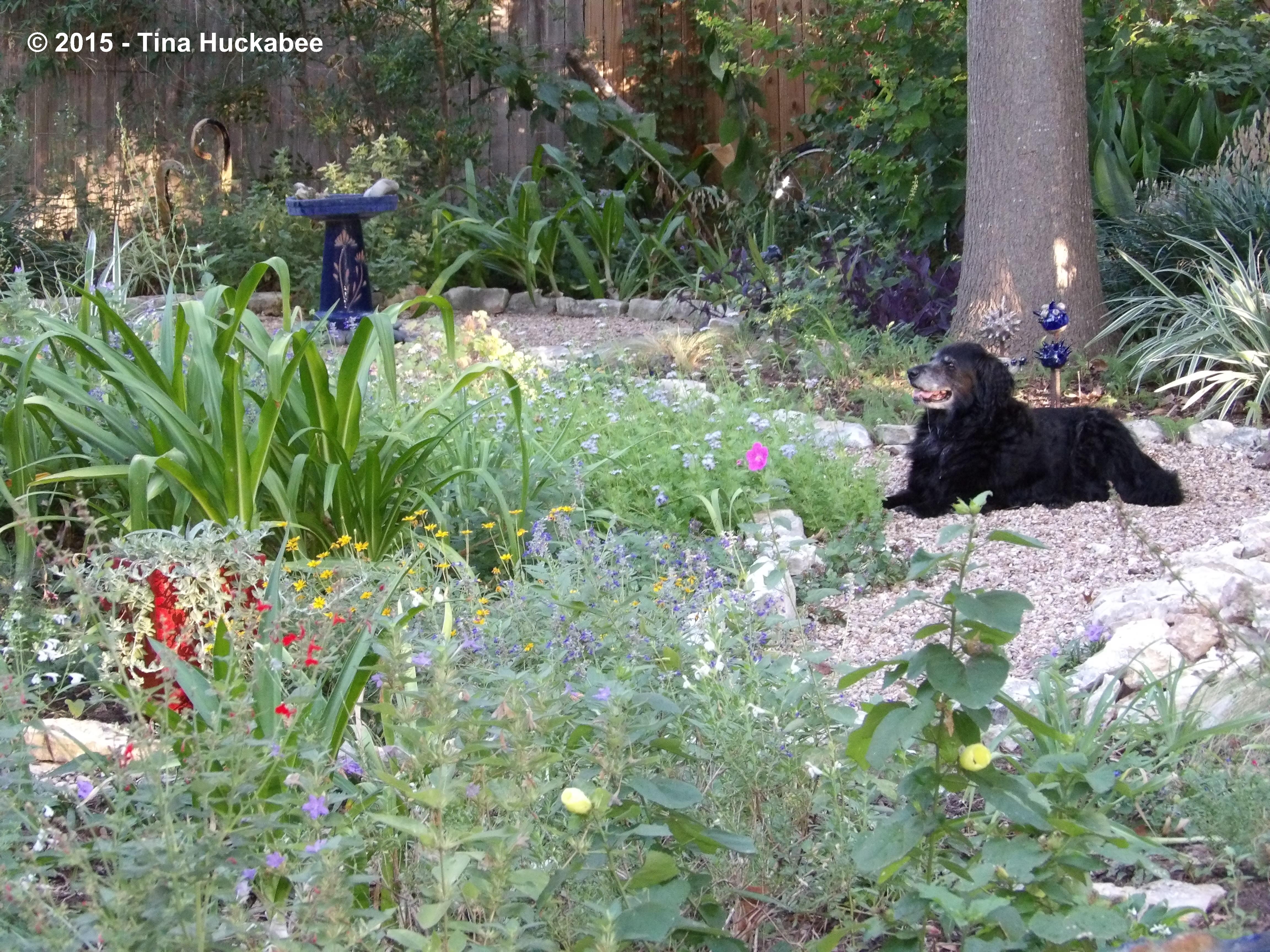
And my good friend,  sweet Asher-the-Dog?  He’s happy to rest on the cool pebbles, enjoying an early fall Texas morning.

IMGP1859.new

Happy Autumn, y’all!