Golden Glory

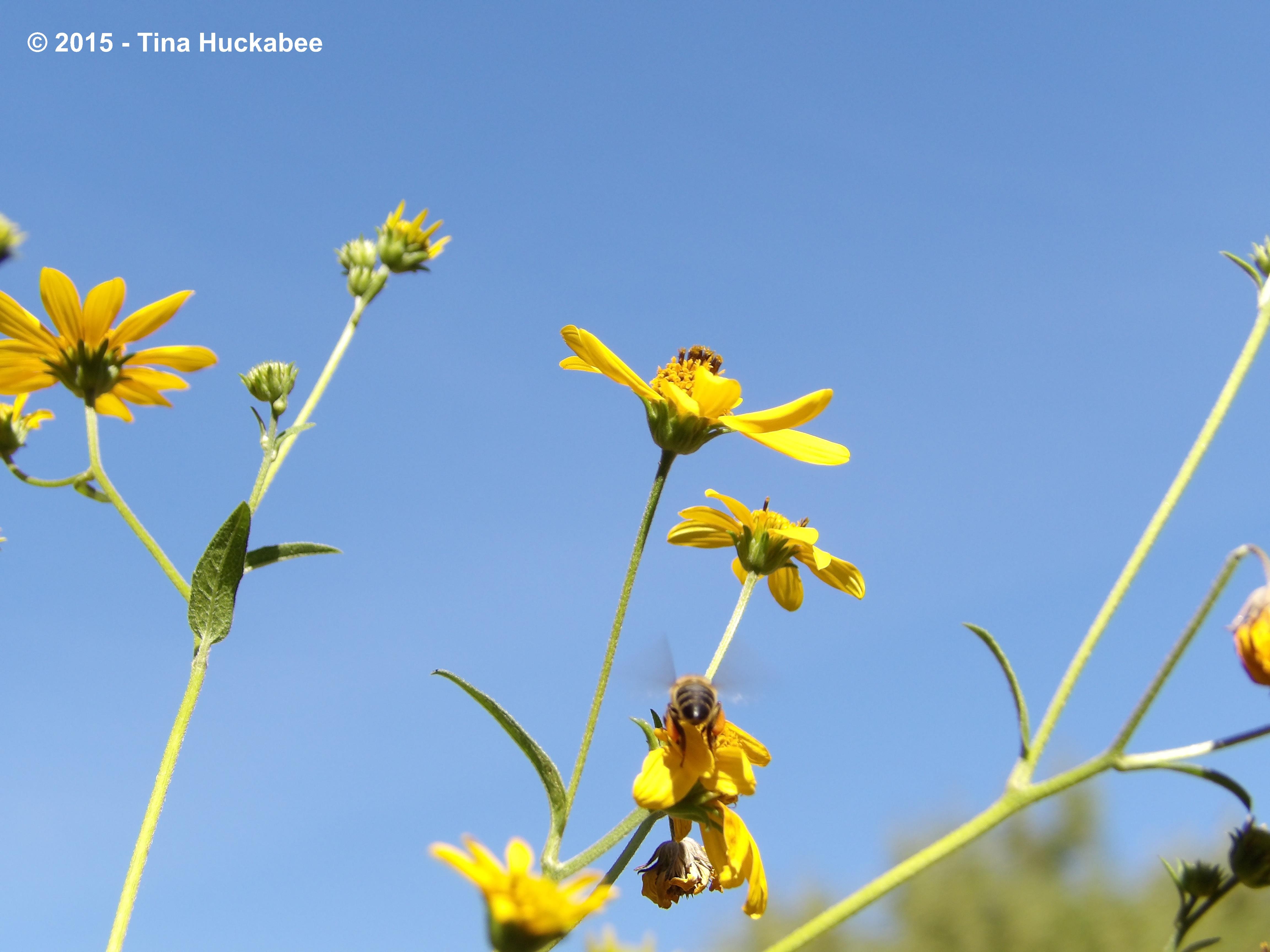
As its blooming season winds down, I’d like to give a blogging shout-out to a stunning native wildflower, Viguiera dentataalso known as Sunflower Goldeneye, Plateau Goldeneye, Toothleaf Goldeneye, and because I like to keep things simple, my personal favorite common name for this plant: Goldeneye.

IMGP1275.new

A most photogenic flower,

IMGP2222.new

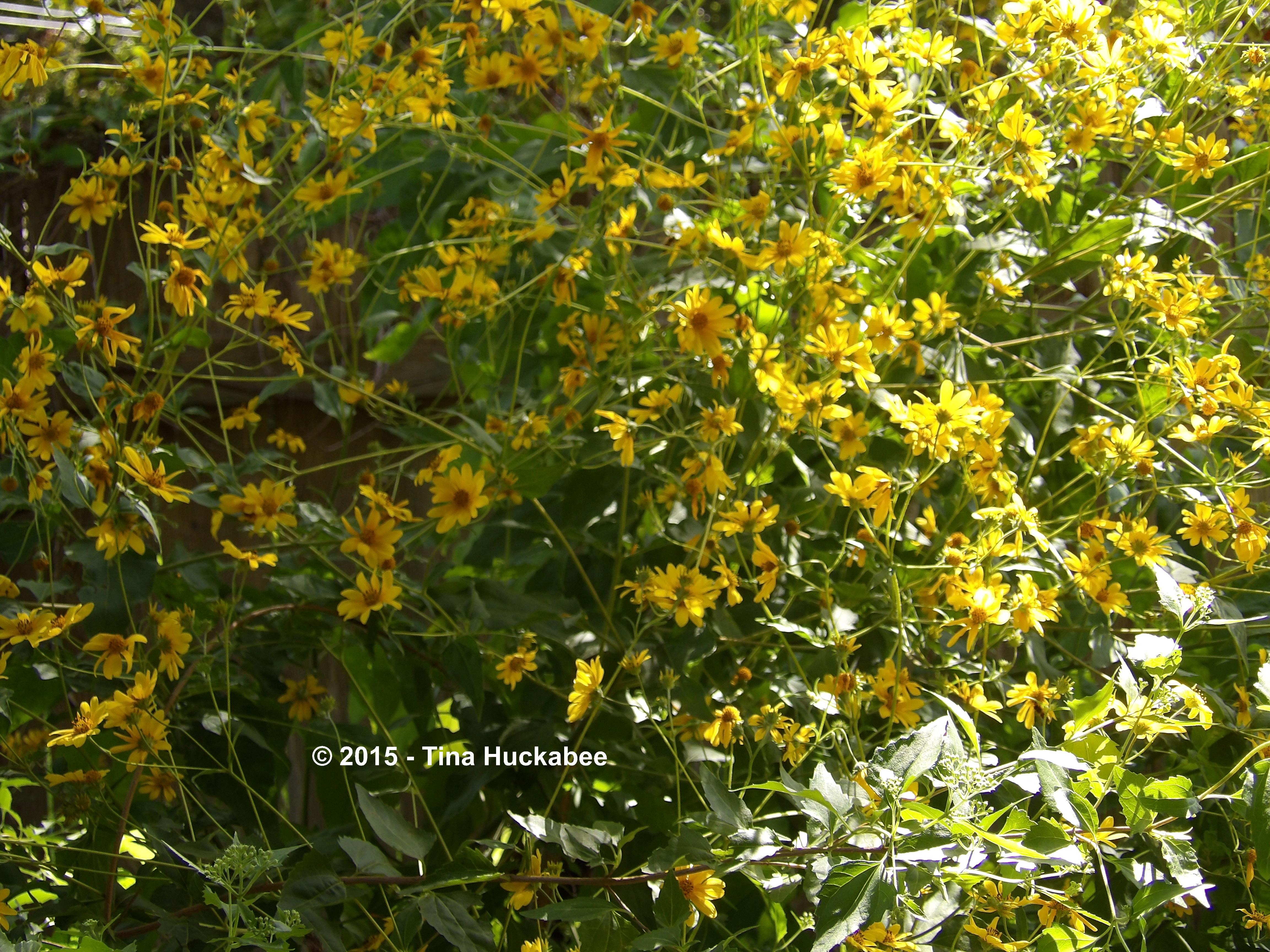
…the Goldeneye brightens the late summer and fall garden with masses of sunshine-cheery, little ray flowers adored by pollinators and gardeners alike.
IMGP2031.new

Growing as tall as  5-6 feet, this is a hardy native of Central Texas, but also grows westward to Arizona and southward into Mexico and Central America.   A favorite landscape and wildlife perennial of mine,
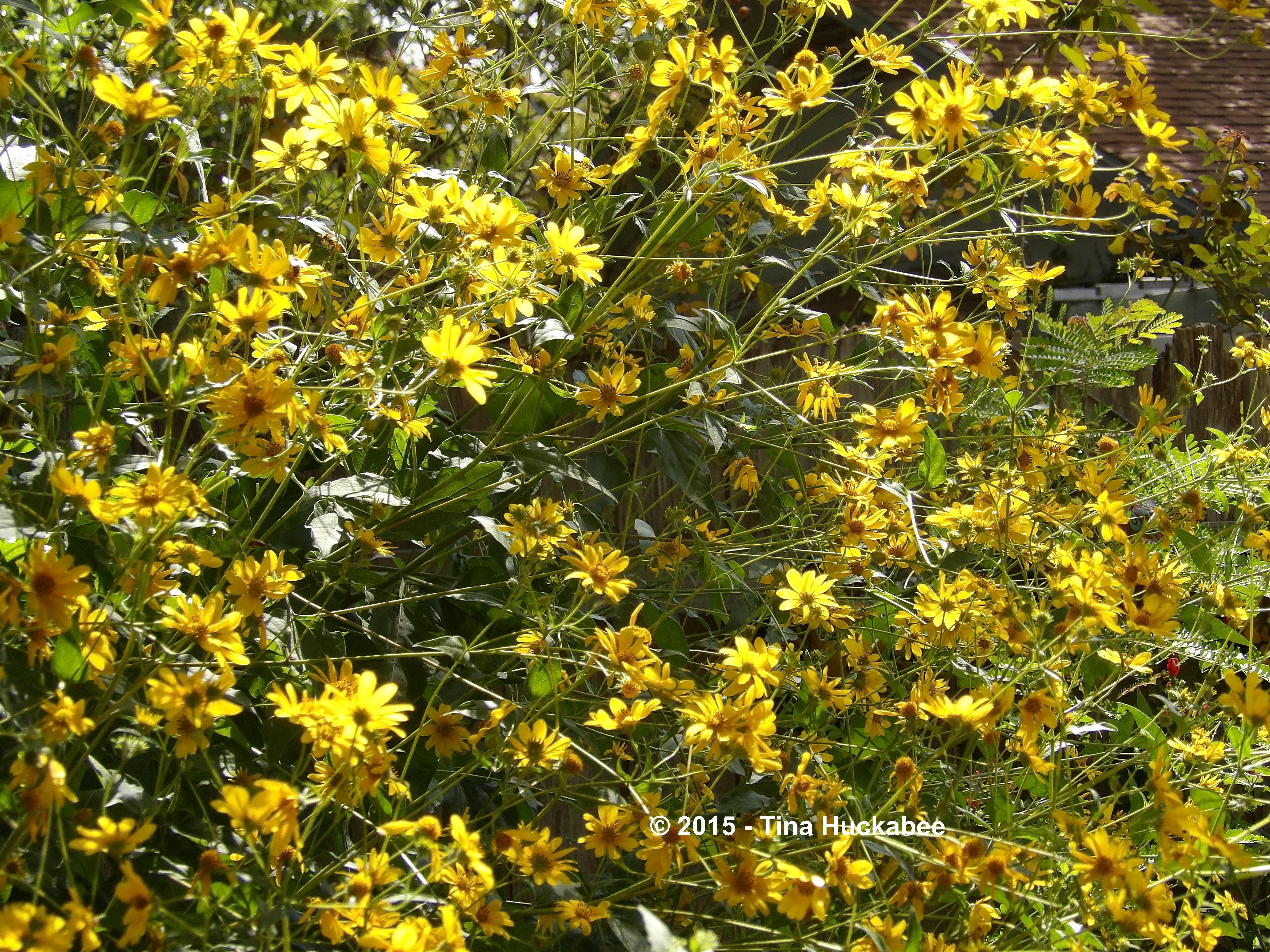
IMGP1236.new

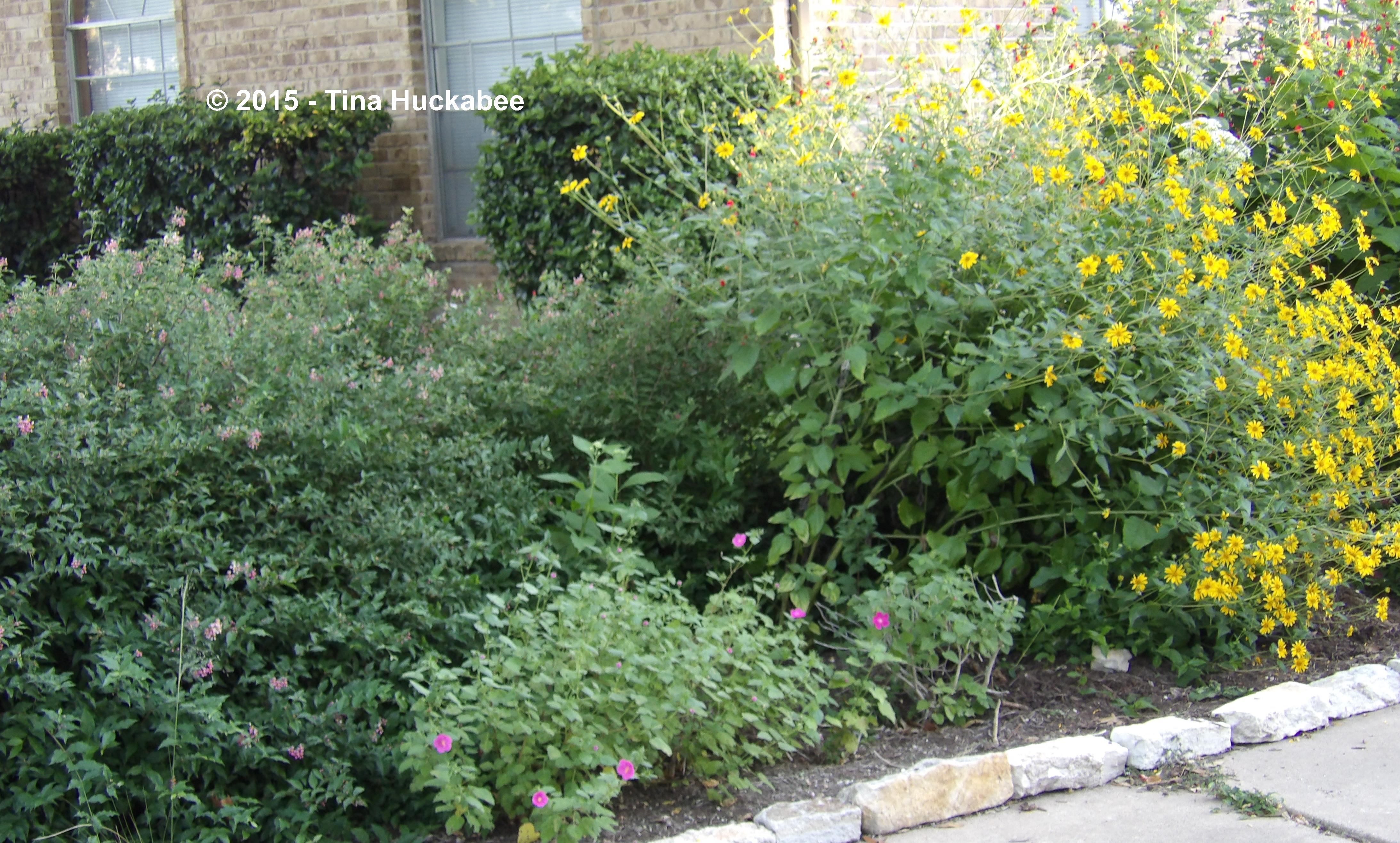
…Goldeneye should have a place in all Central Texas gardens. I grew my plants from a few seeds, which have in turn reseeded.
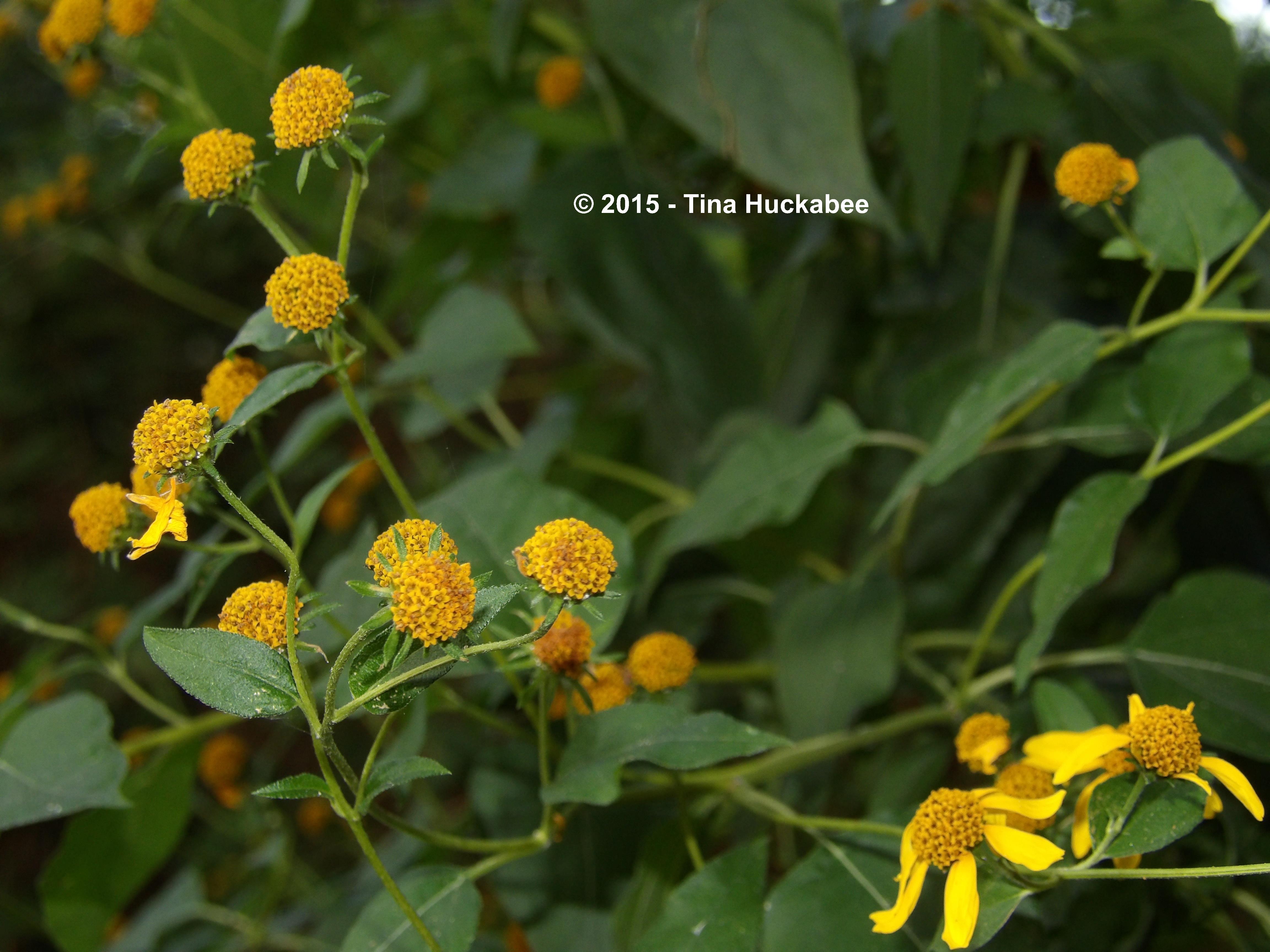
IMGP2278.new

I don’t mind.  I let them pop up, filling in spots where other things might not grow.  I transplant individuals where I want something that is low-to-no-maintenance and that will bloom beautifully, seed out, and provide food and cover for wildlife.  And if I don’t like where one plants itself (has that actually happened?), I can always pop it out and pass it along to another gardener.

IMGP2776.new

IMGP1039_cropped_4373x2632..new

The sprinkling of yellow flowers in late summer, followed by the blast of that same yellow in October, adds some fun and  whimsy to the garden.  And you want some fun and whimsy, don’t you??
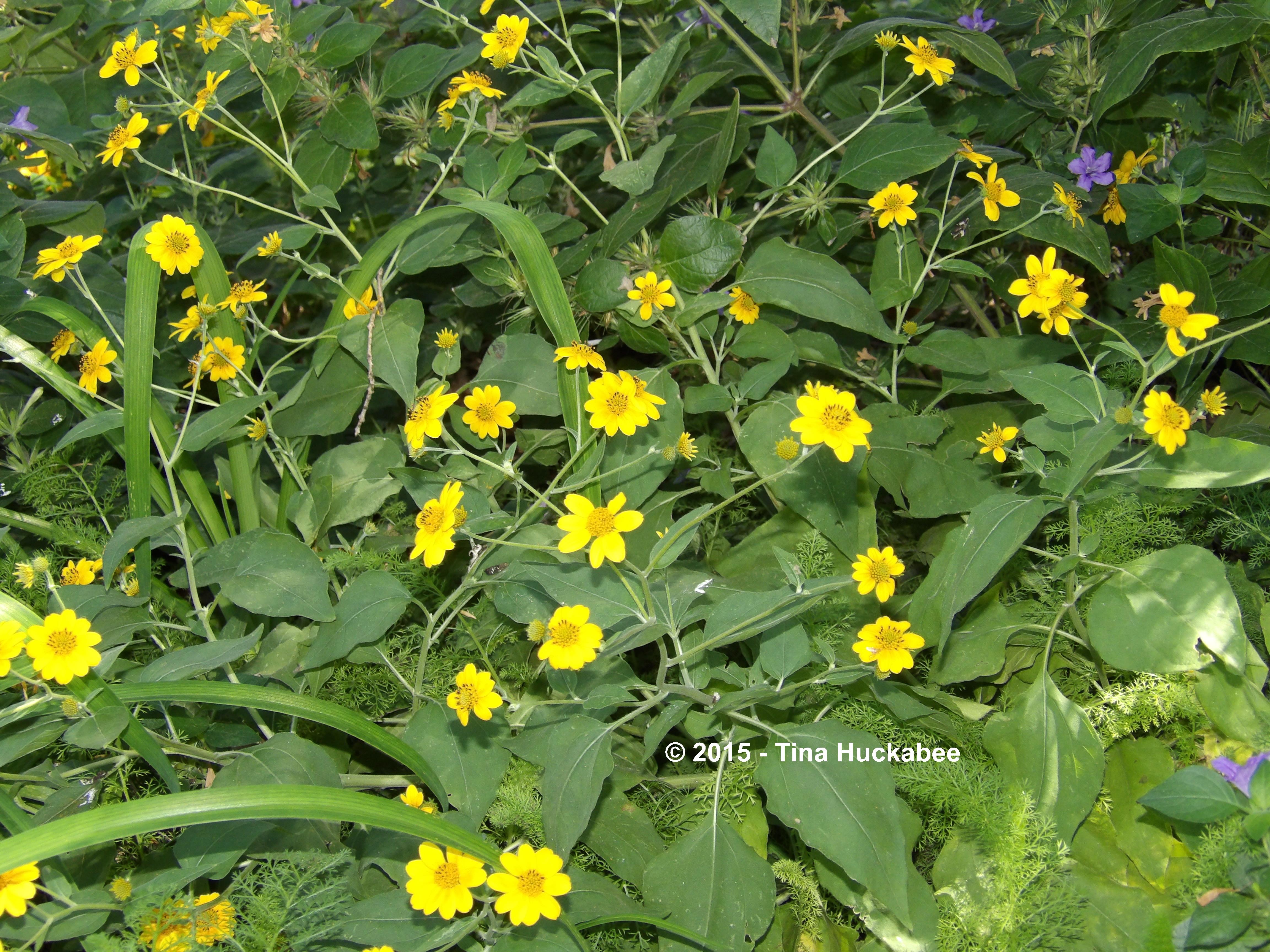
IMGP1118.new

IMGP1009.new

There is nothing like the joy of yellow sunflowers in the garden and this one is a real winner.

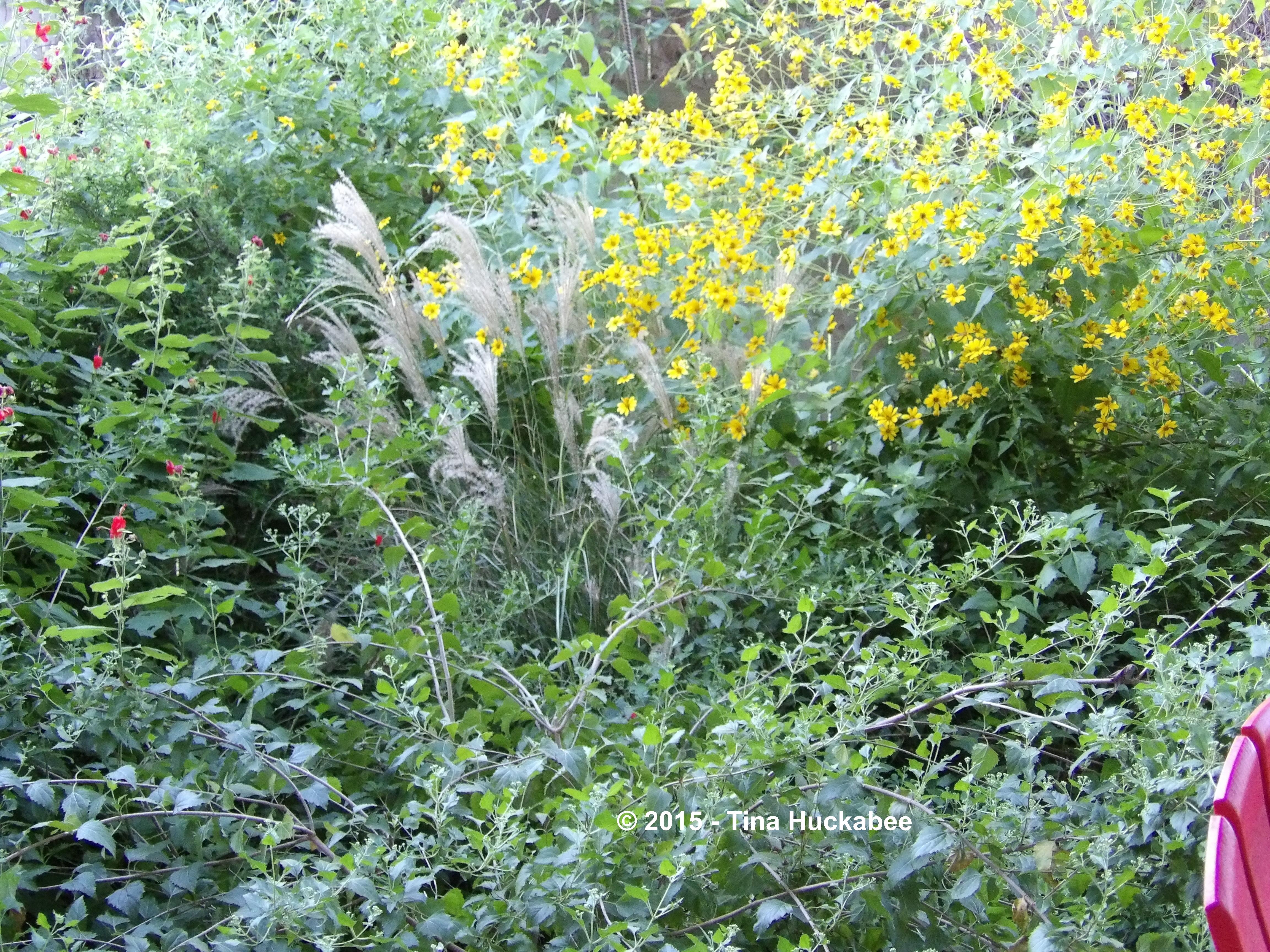
Goldeneye pair nicely with all other flowers, too.

IMGP1910_cropped_3480x3277..new

IMGP1234.new

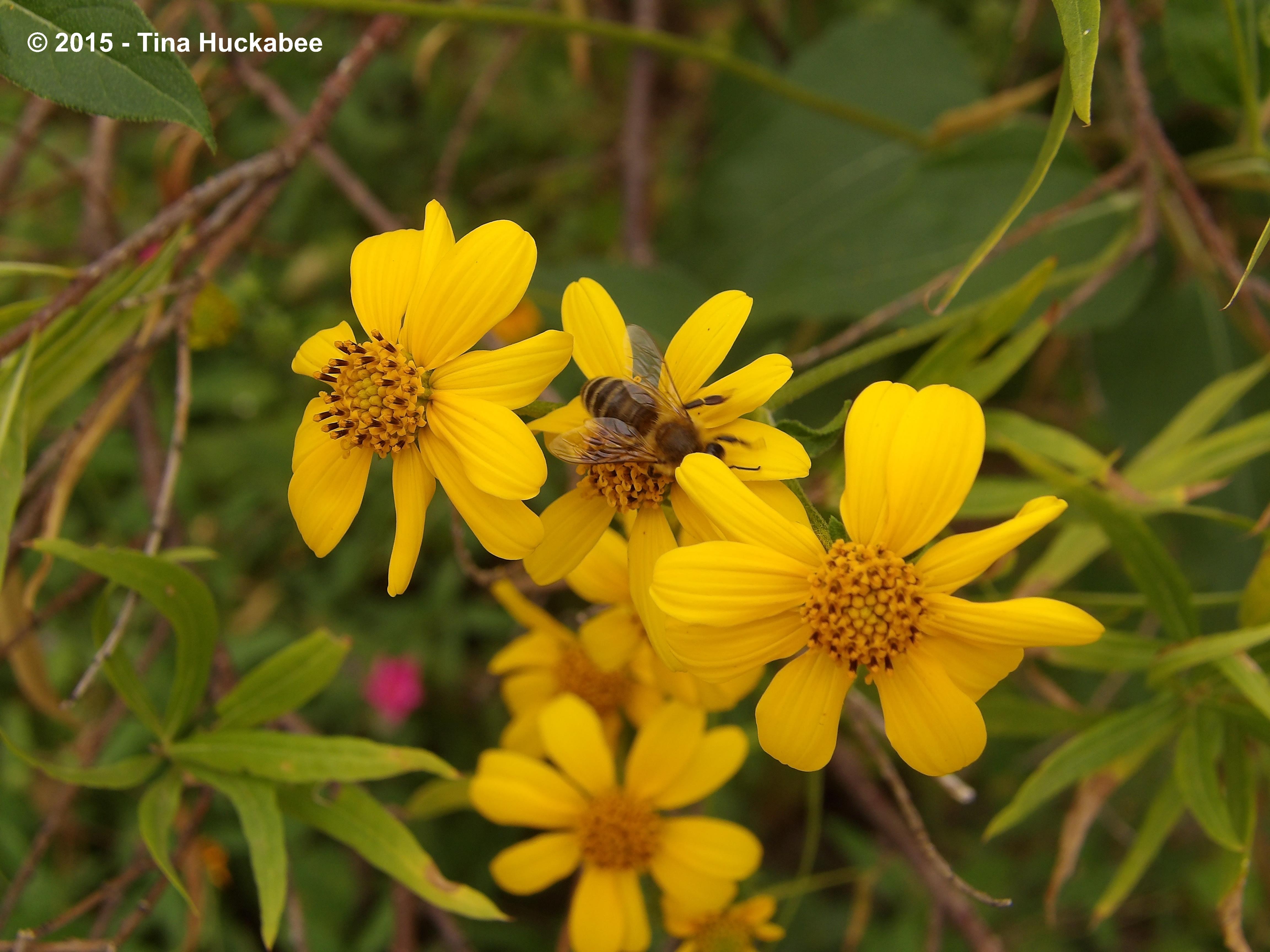
Not only do bees, honey and native,  like Goldeneye,
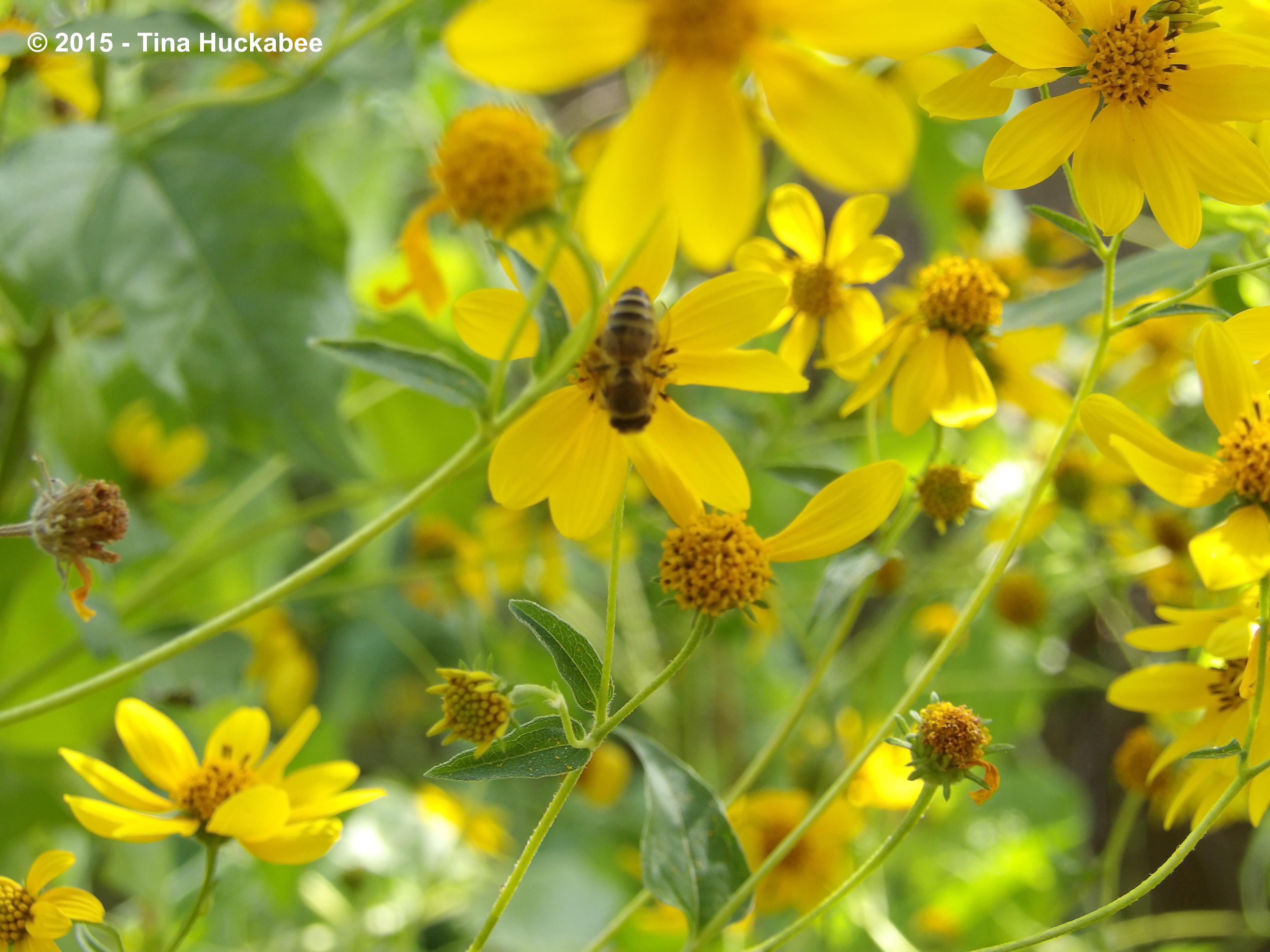
IMGP1246.new

IMGP2149_cropped_2857x3116..new

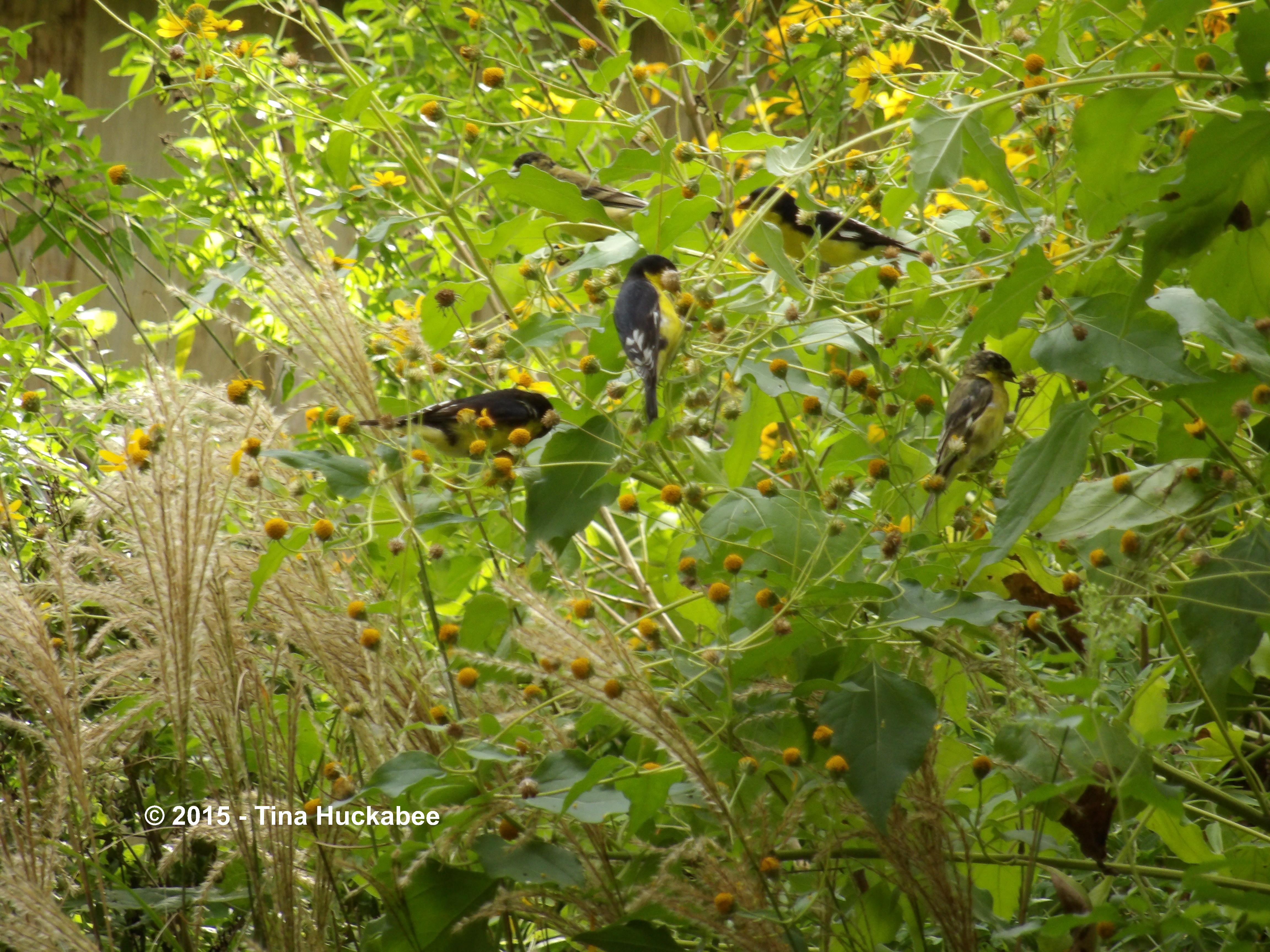
…but it’s a major source of seeds, winter food, and nesting material for the ever-darling Lesser Goldfinches.
IMGP1939.new

IMGP2800_cropped_3853x3286..new


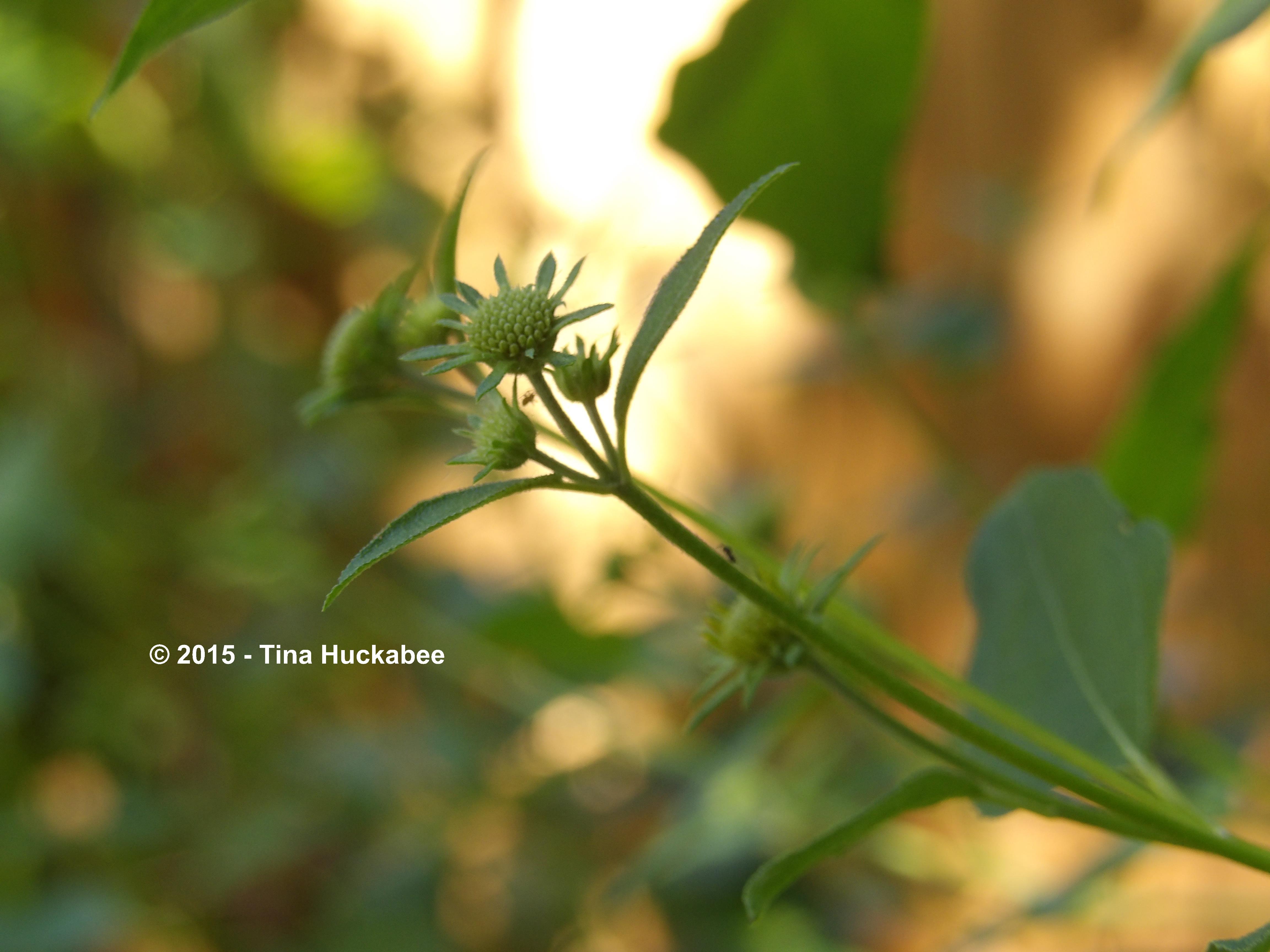
I’m always thrilled with the first buds appear in late summer.
IMGP1209.new

Conversely, I’m sorry as the flowers conclude their flower show.IMGP2225.new

..and go to seed.

IMGP2133.newIMGP2771_cropped_3461x2987..new

But of course, birds show up for the seeds and that means more Goldeneye are spread to far-flung places, or maybe just the neighbor’s house, plus I can look forward to more Goldeneye.

A certain amount of tolerance for rangy plant behavior is a requirement with this lovely wildflower because it does grow large and is top-heavy with bunches of blooms. But considering the garden show and the value to native wildlife, a too floppy plant  is certainly something that I can live with.

I plan a more comprehensive A Seasonal Look on Goldeneye in the not-too-distant future, but for now, enjoy!

IMGP1044.new

IMGP0836.new

I’m joining with Gail at clay and limestone who promotes natives and wildflowers for the home garden through her Wildflower Wednesday gardening meme. Thanks to Gail for hosting and teaching others about the importance and beauty of wildflowers.

For my American readers, I wish a happy and safe Thanksgiving holiday–full of love, family, and friends–and of course, pie.

IMGP2456.new

Foliage Day, November 2015

In my garden, the deciduous leaves haven’t yet engaged their autumnal transformation, but fall foliage is making its mark in the garden.  Thanking  Christina at Creating my own garden of the Hesperides and her Garden Bloggers’ Foliage Day focus on foliage, I’ll share a few leafy greens and leafy other colors happening in my little plot of the Earth.

Suggestive of the warmth of summer in a tropical garden–which mine is not–these unknown Crinum lily leaves are full and lush this November.

IMGP2707.new

These came from my parents’ garden, but I have no idea from where my mother (The Flower Grower) originally obtained them.  My Crinum lilies rarely bloom, though gorgeous when they do appear.  I’m content to enjoy and appreciate the clusters of strappy leaves which accent various parts of my garden.

Knock Out RoseRosa  ‘Radrazz’ has flushed out with new growth–tender and burgundy with a blush of green–and is beginning to set a few blooms.

IMGP2734.new

All of my roses are rushing to flush new floral and foliage growth, but this usually occurs in September and October.  That didn’t happen this year because of the toasty temperatures and dry conditions which lingered into our fall months.  After the heavy rains of late October and cooling temps, the rose bushes are making up for lost time, no doubt flowering up before the regularly cold temperatures set in.

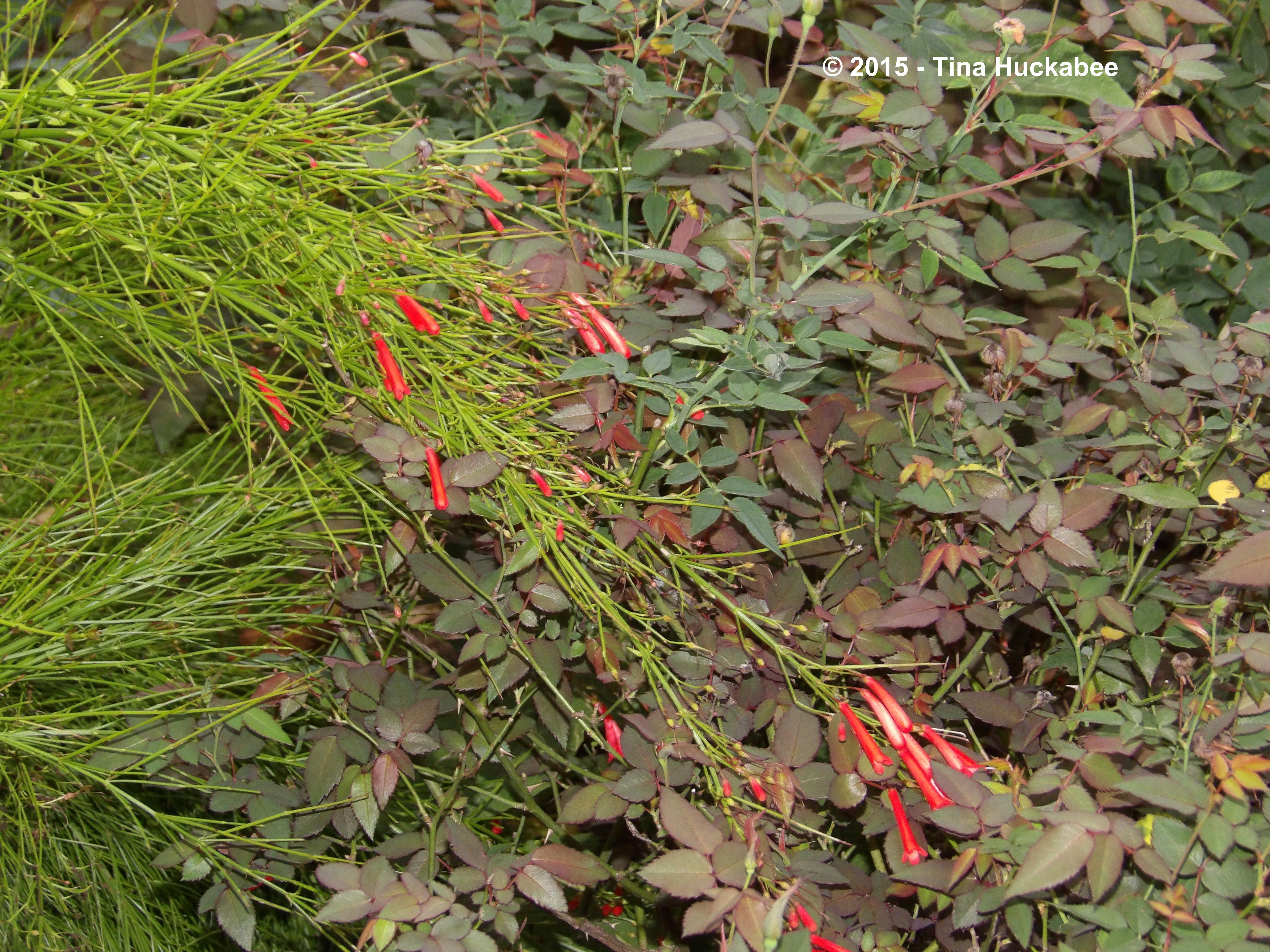
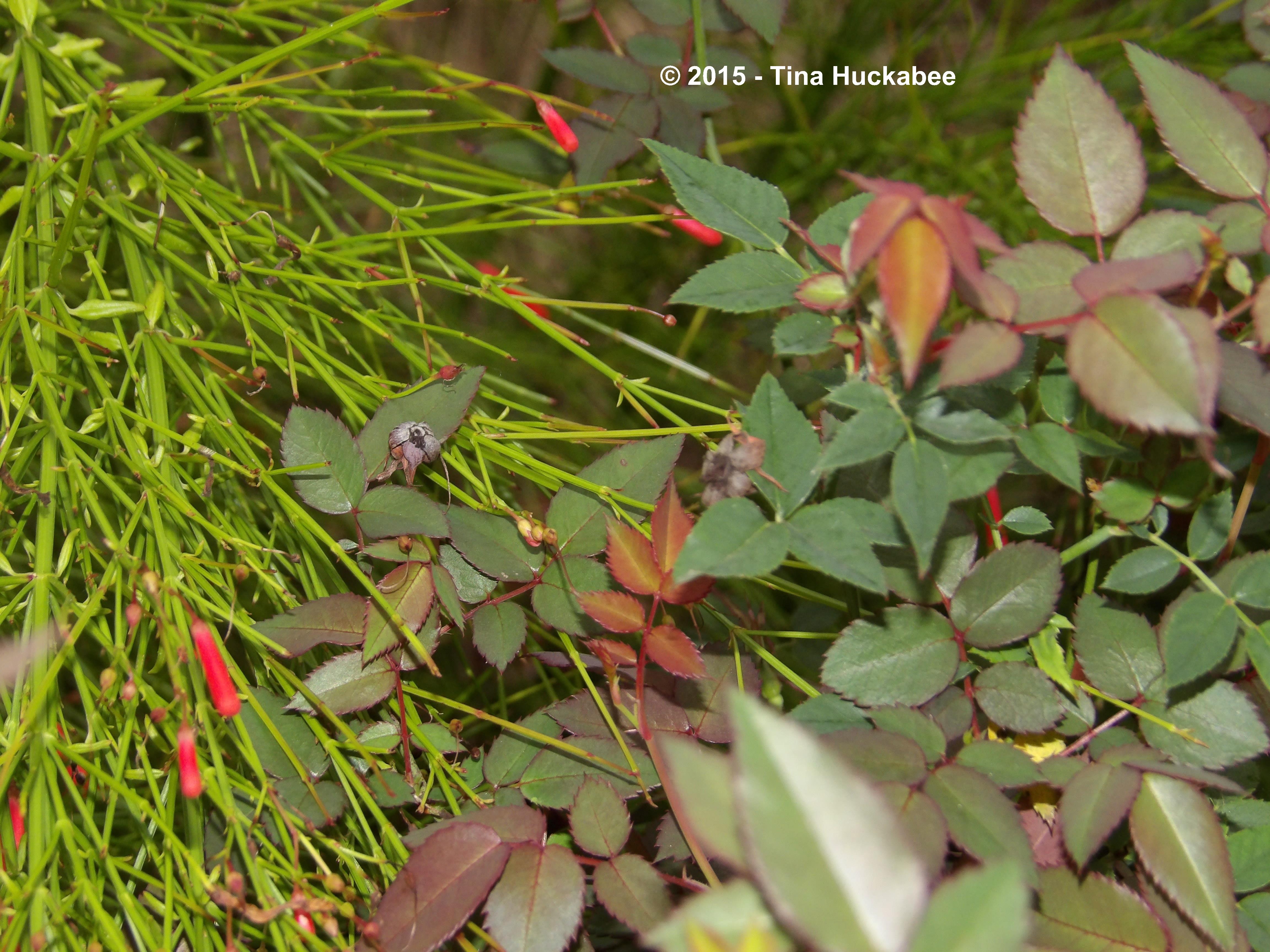
The Martha Gonzales Rose also sports a similar burgundy and green foliage dressing. It’s photobombed here by the long-blooming and fine-foliaged Firecracker Fern, Russelia equisetiformis.

IMGP2735.new

A closer look,

IMGP2736.new

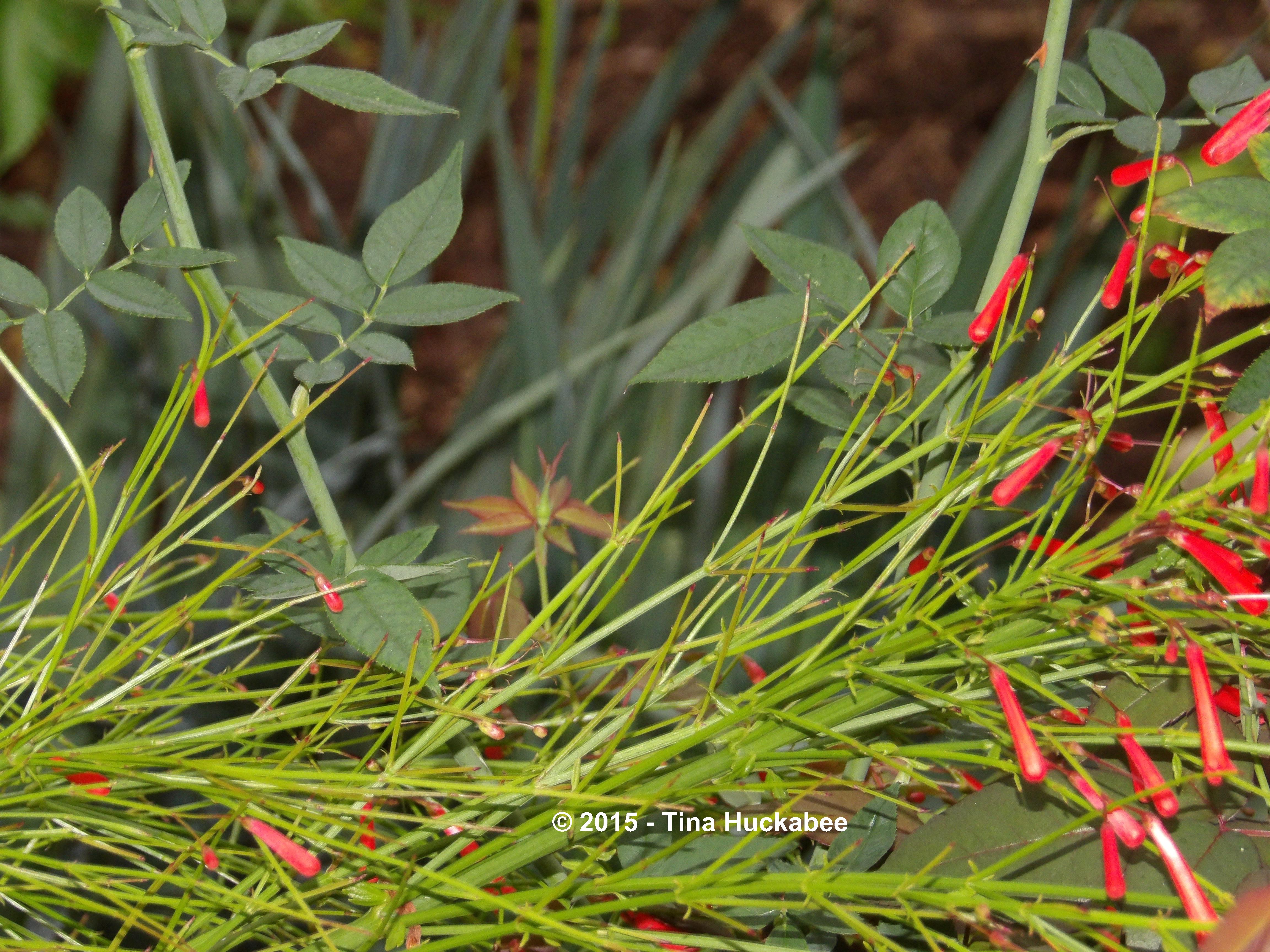
…or two.

IMGP2737.new

The Firecracker Fern is a non-stop bloomer throughout our long growing season.   But even if it wasn’t adorned with  those coral, tubular beauties, the bright green, wiry foliage would be a welcomed addition to my garden.

Behind the Firecracker Fern, stands the stalwart Softleaf YuccaYucca recurvifolia.

IMGP2738.new

IMGP2739.new

I like the juxtaposition of the neon-tropical green of the Firecracker Fern and the sedate grey-green of the Softleaf Yucca.

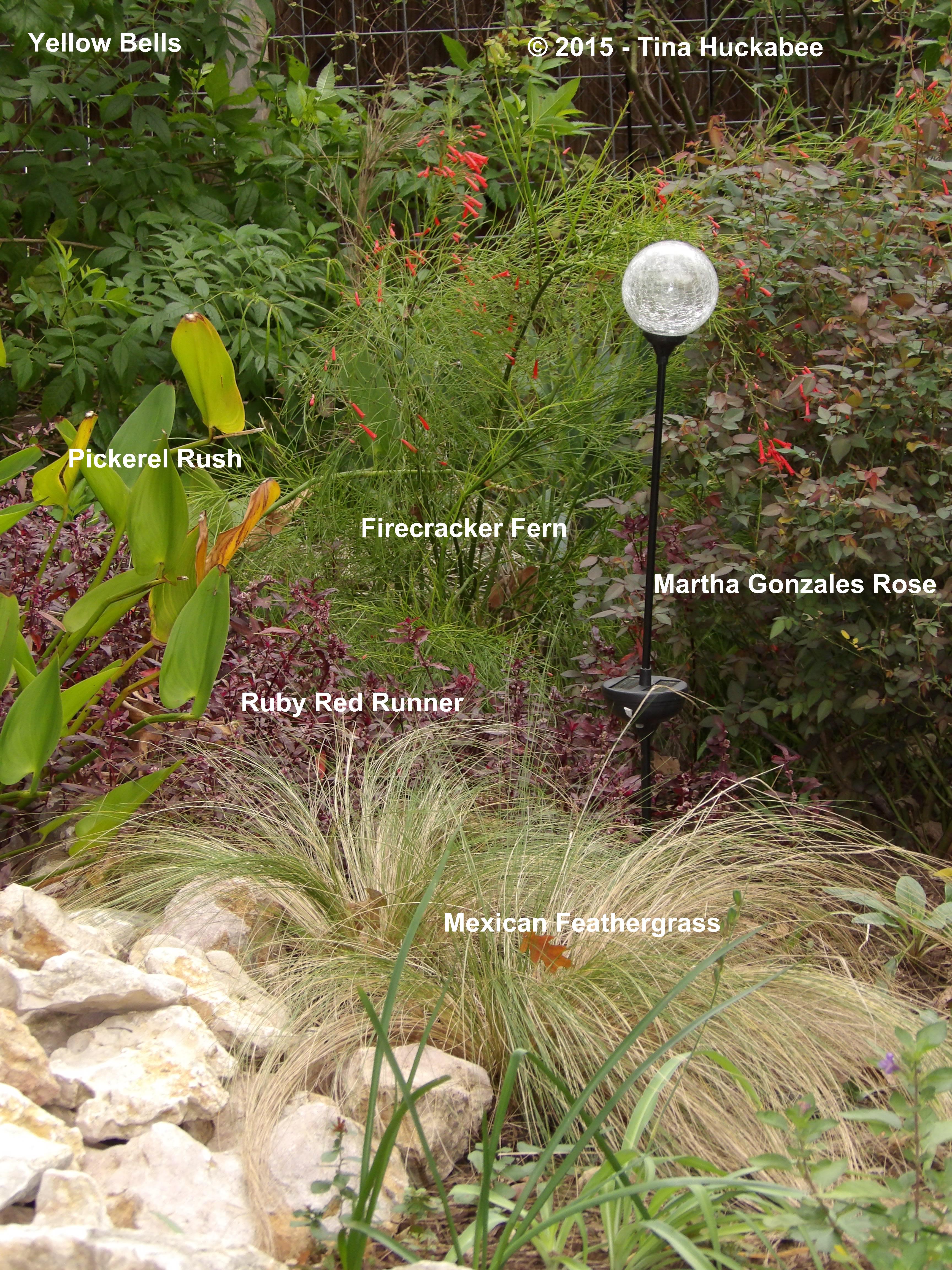
A wider view of this small section of my garden profiles a nice combination of colorful and varying textured autumn foliage.  Assuming that there is a hard freeze at some point,  Mexican Feathergrass, Martha Gonzales Rose and Softleaf Yucca (not visible in this shot) will be the evergreen structural specimens left to decorate this particular spot during our relatively short winter.

IMGP2763.new

Check out Creating my own garden of the Hesperides to enjoy a lovely tour of gardeners’ foliage choices from many places.

Foeniculum Funeral

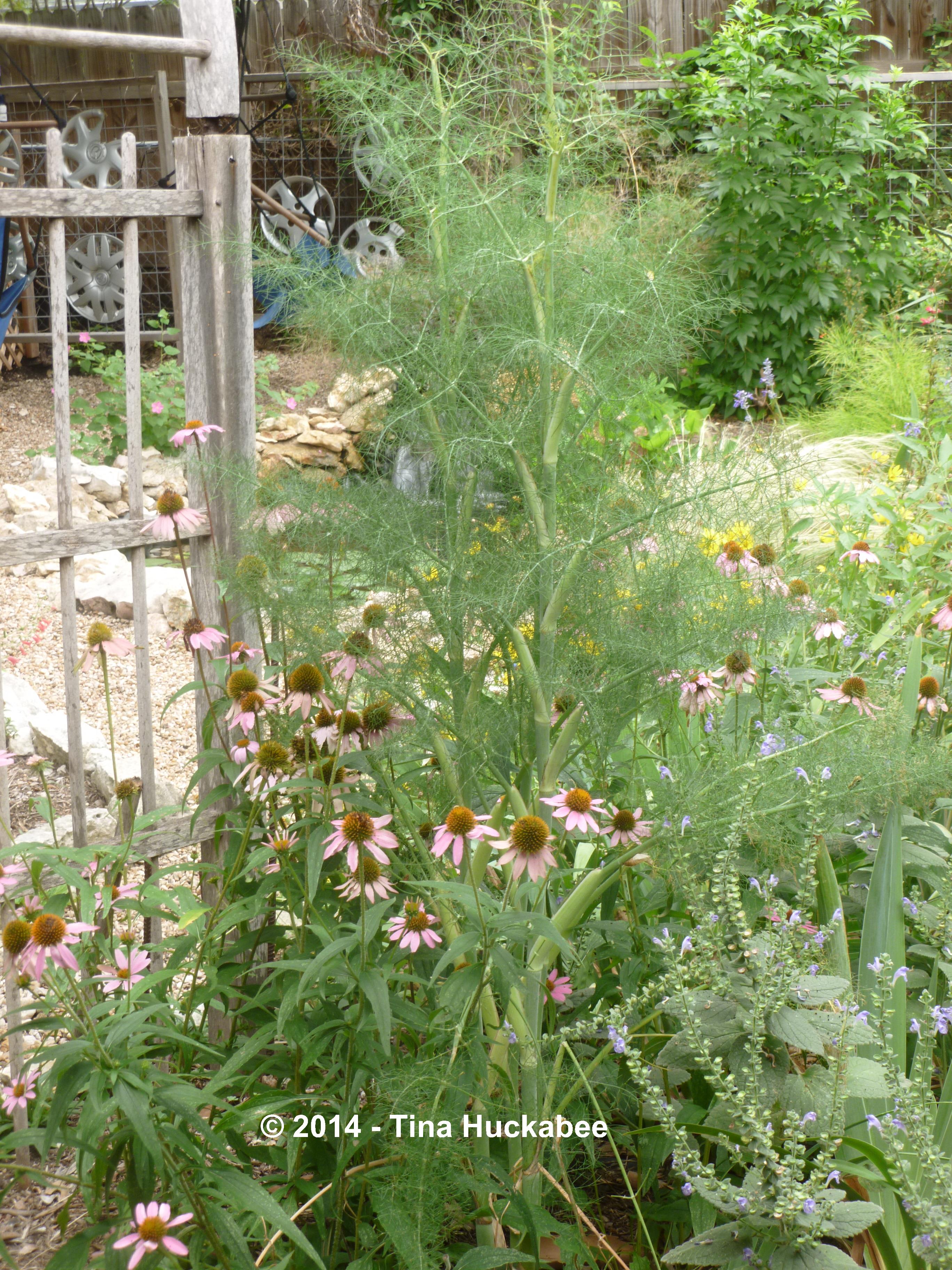
My Fabulous Foeniculum is no more.

IMGP1882.new

In June 2014, I wrote this post about a single Fennel plant, Foeniculum vulgare,  which was a couple of years old at that time. In addition to  its cloud-like, airy beauty in the garden,

P1050197.new

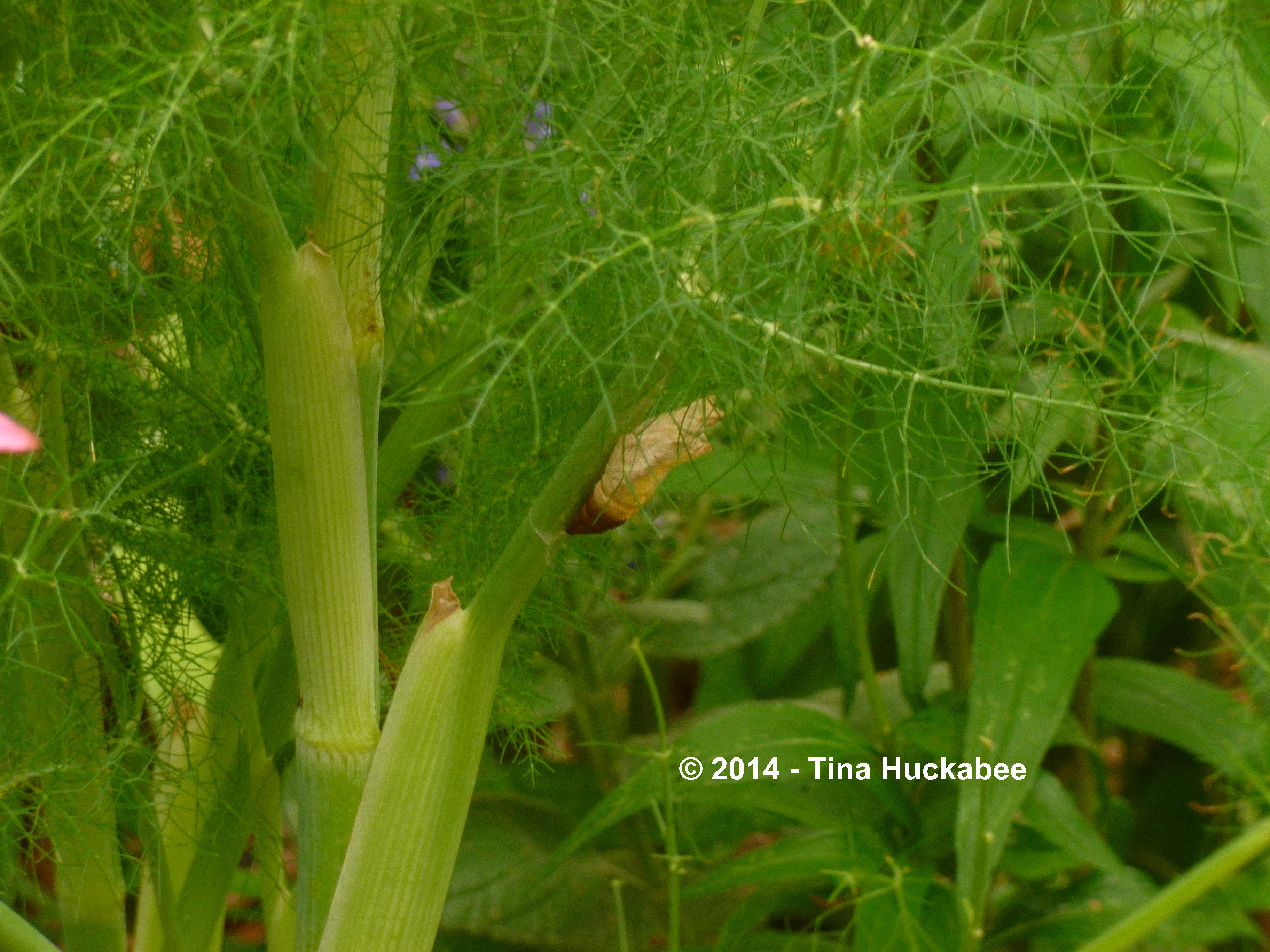
…it was the nursery and all-you-can-eat cafe for scores of Black Swallowtail butterfly caterpillars.

IMGP9940.new

P1040446.new

P1040687.new

This particular fennel plant was apparently very happy situated in this mostly morning sun spot.

P1050195.new

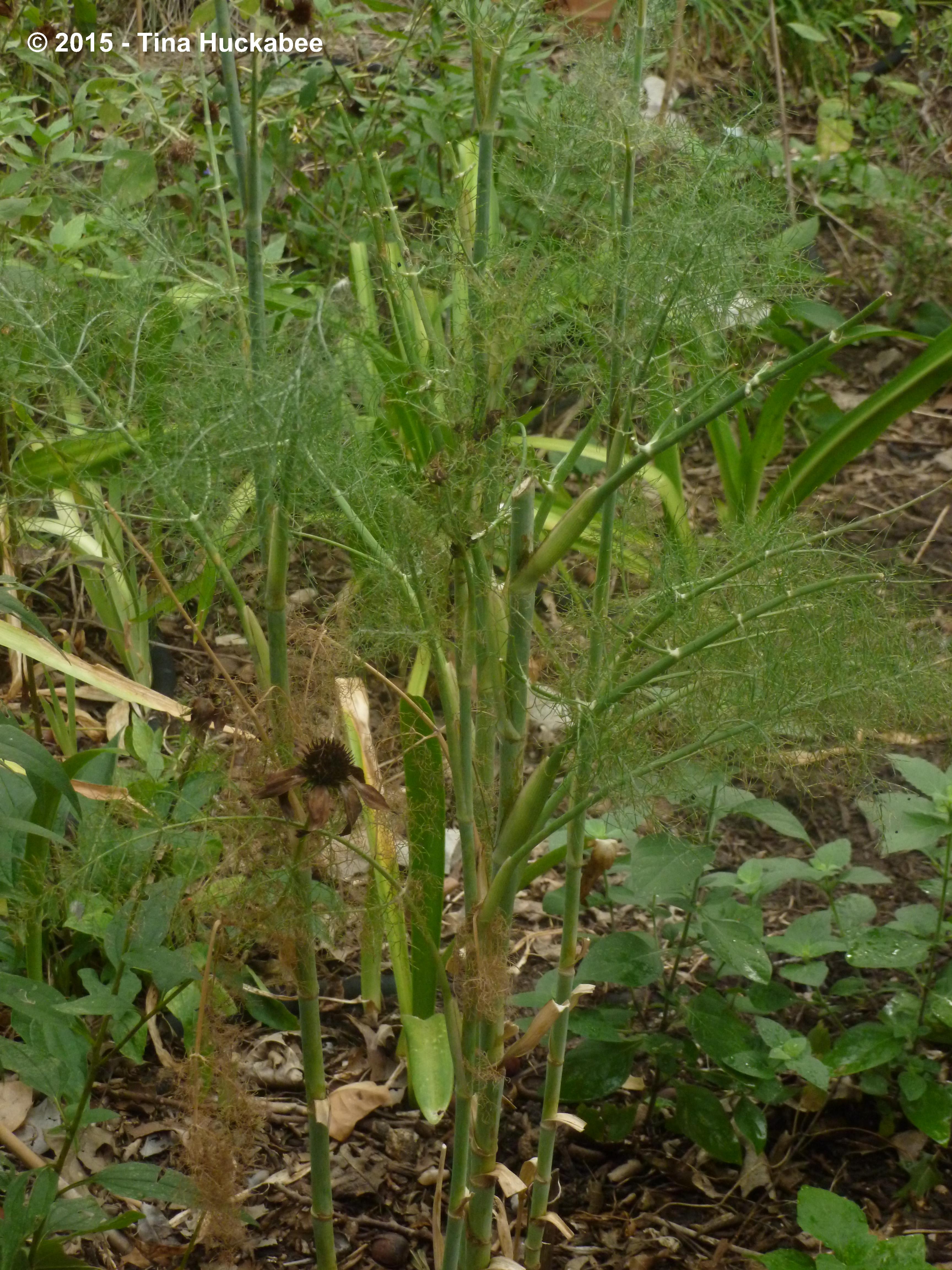
It not only withstood at least two full Central Texas summers and most of a third, but grew quite tall at  points during its life.

P1070536.new

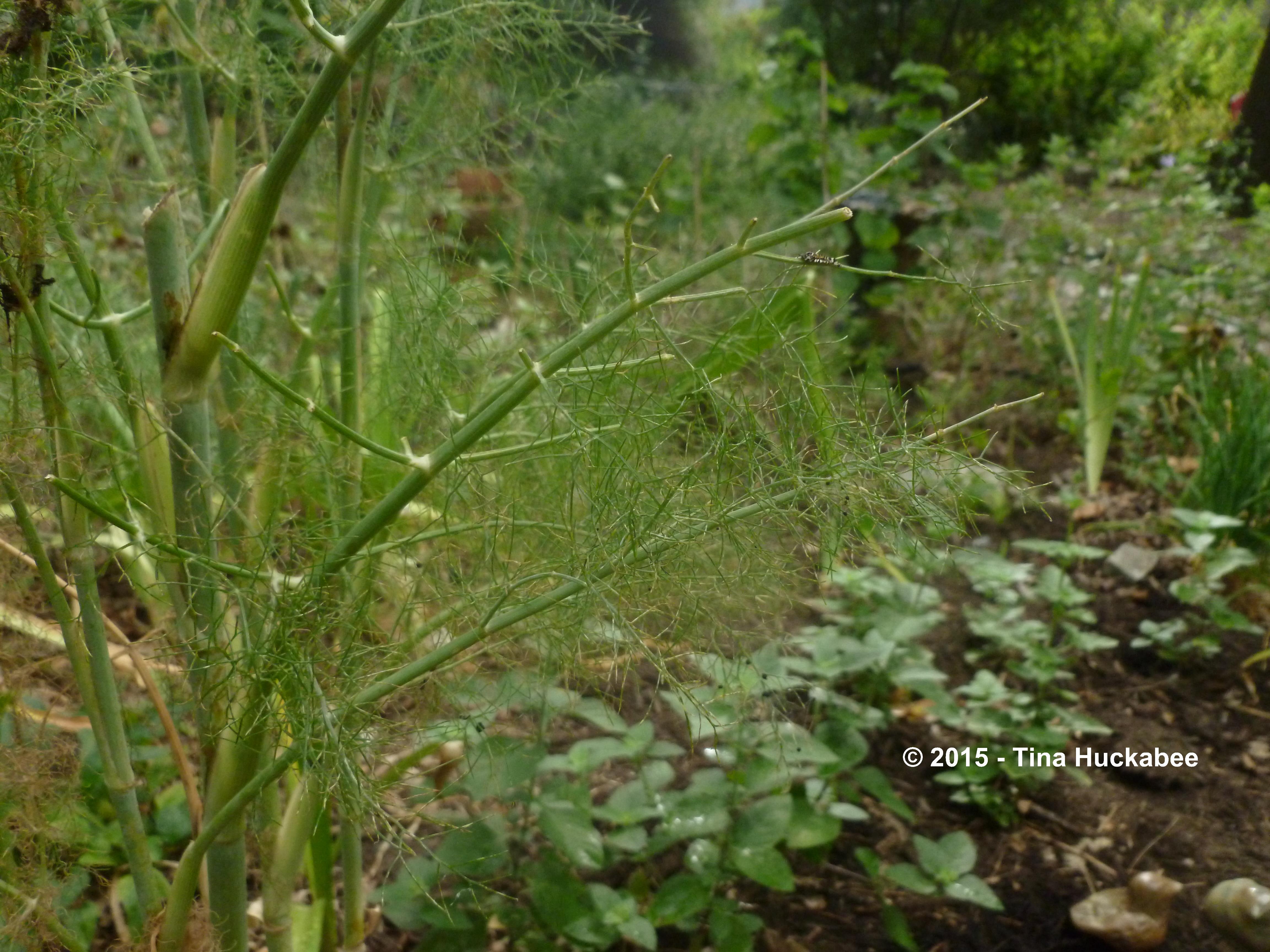
I named it Mega-Fennel. This past summer Mega-Fennel started off just fine: lush  and full of life and ready for the summer onslaught of butterfly larvae. But during July and August I began noticing fennel foliage die-off.

P1070532.new

I hoped, rather than believed, that if I pruned the dead and dying foliage, that somehow, miraculously,  Mega-fennel would rally and survive.

P1070531.new

Alas, it did not rally.   In September, Mega-Fennel was good and dead.  I dug it up and unceremoniously tossed the long-lived and butterfly life-giving fennel into my compost bin.

I held no funeral for the fab Foeniculum.

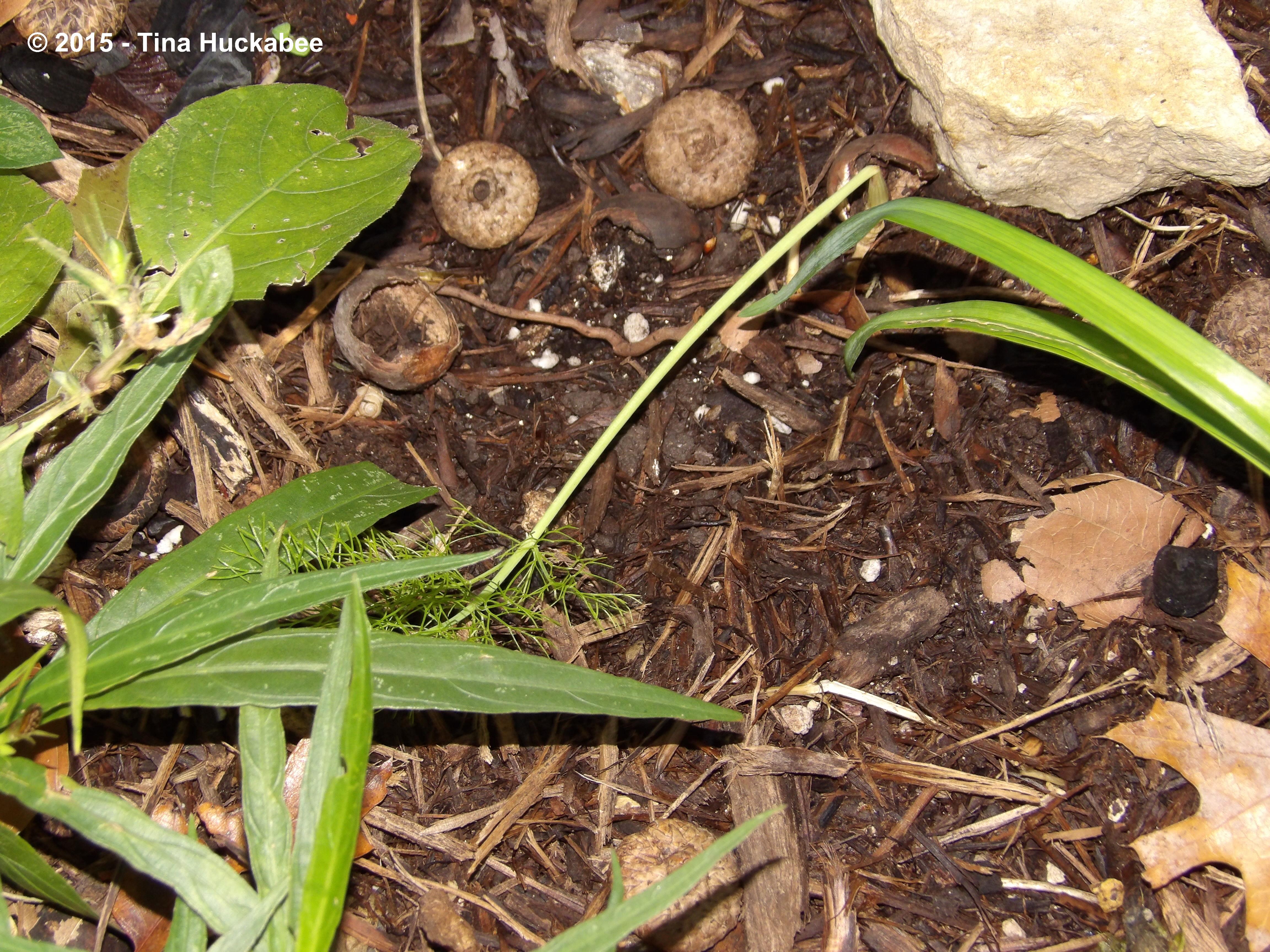
Once the temperatures cooled, local nurseries began carrying fennel again–they suspend selling the cool-season herb during our long summers–I purchased several.   I’ve replaced Mega-Fennel,

IMGP2765.new

IMGP2764_cropped_3125x2664..new

… from bronze to green, and have added others to my garden.   I prefer bronze fennel;

IMGP2767.new

I think it’s hardier than the more weak-stemmed green fennel.  Butterflies like both and lay their eggs equally on fennel, regardless of slight differences in foliage hue.

IMGP2768.new

IMGP2769.new

Only a few of the other fennel that I’ve grown have lasted more than one season and none as long as Mega-Fennel.   I’ve planted some fennel in full sun and they thrive in the cool months of October-May, but once the calendar flips over to June and summer heat settles in, full-sun fennel suffers under the death rays of the Texas sun.  I think Mega-Fennel’s grand success was due to its morning sun position. Going forward,  fennel planted in my garden will be placed in dappled light or morning sun.

I plant fennel to attract and feed butterflies, specifically the larval form of the  Black Swallowtail, Papilio polyxenes.  If you look at information about this gorgeous butterfly of the Americas, there’s no specific mention of fennel as a host plant.  Most insects prefer “host” plants that their larval forms feed on and usually, host plants and their insects evolved together. Native plants are intrinsic to the insects of a given region–they are partners in the wider food chain.  Historically, the  Black Swallowtail larvae wouldn’t have dined on fennel because it’s not a native plant to North America, but instead, an introduced Mediterranean herb. The Black Swallowtail larvae feed on plants from the Apiaceae, or Carrot Family. According to the Lady Bird Johnson Wildflower Center’s plant database, there are about 100 native North American plants in the Apiaceae family and just over half of those grow  here in Texas.  Some of these are perennials, some are annuals; most sport umbel inflorescence.  A few are water plants and many look like they’d be quite delicious added to a salad.  I have to assume (though I didn’t find specific information confirming this) that in unadulterated habitats, Black Swallowtails would use at least some of these plant hosts for their larvae.  Considering that wild space is now at a minimum and disappearing rapidly, what’s a Black Swallowtail to do?

I’m not sure I’ve ever seen native Texas Apiaceae plants for sale, though I’ll  bet seeds are available at Wildseed Farms or Native American Seeds. Because the native Apiaceae plants are not the commercially appealing landscape plants common in the retail nursery trade, the next best thing for the wildlife gardener is to plant an introduced  species which is a member of  the Apiaceae Family, that is regularly available for purchase, and that butterflies can adapt to.  And that’s exactly what has happened–in my garden and many others.

I’d rather grow native plants, but will make-do with appropriate non-natives if  necessary.  As long as the butterflies are happy, eating well and laying eggs, this gardener is happy.

Other introduced host plants of the Black Swallowtail are dill, carrot, and celery.  But for my garden and in hopes of hosting another Mega-Fennel, I’ll stick with fennel for my visiting swallowtails and their progeny.

P1070535.new