A Bird Tail

I adore Grackles.

You ask: what is a Grackle?–double-checking the header on your screen, because you were planning to peruse a gardening blog, but now you think you accidentally clicked on a blog about outer-space aliens.

The Grackle is a type of bird and the kind I know best and chuckle at is the Great-tailed Grackle, Quiscalus mexicanus.  My resident (or recently resident) Grackle is no longer of the great-tailed variety.

IMGP9531.new

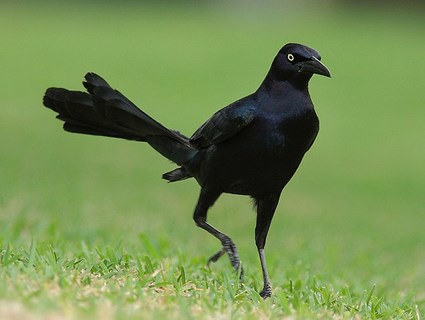
He’s done lost his tail!

Not all the Grackles have lost their tails, but this one has and he appears…unbalanced.

I keep expecting him to topple over because he is so lacking in tail feathers.  Would he topple beak first?  Beak-first, he would be thus impaled by his beak in the soil of the garden or perhaps along one of the cracks in the limestone patio.  But if the toppling came butt-side, well, he’d just look silly, sitting there without his tail feathers, skinny legs splayed and gnarly claws up in the air.

IMGP9498.new

Where are his tail feathers?  Those fine, fanned feathers probably fell victim to molting which occurs this time of year to many bird species.  (As an aside, when I check out the molting bird photos posted by bird enthusiasts on Facebook’s Birds of Texas group, I’m horrified at the  lack of pulchritude that formerly gorgeous birds, like Northern Cardinals, display. Molting birds are not pretty birds–they may be very nice birds and very interesting birds, but they are not attractive birds.)  For the record, my Northern Cardinals remain gorgeous.

And my Grackle–great-tailed or not–is still attractive, though he does appear molty in other parts of him besides his lack of tail–note his tatty head feathers.   Molting notwithstanding, one can appreciate the beautiful iridescence of his coloring–lovely black,  but so much more in blue and purple sheen.  His bright, discerning eyes suggest intelligence and cunning.

IMGP9513.new

IMGP9489.new

Grackles are clever birds, adjusting to myriad environments and increasing their range in North America because of their adaptability.  Native to Mexico, they’ve expanded their range throughout the 20th century and into the 21st.  They thrive in urban environments: pooping on cars, careening in front of those same cars along some roads, and squawking, squeaking, and beeping with conviction and importance,  especially in early morning and as they gather in groups just before sundown.   Grackles are omnivores–they’ll eat anything and I really mean anything.  Cheeky birds, they’re also fun to watch. When I still had turf that needed mowing, Grackles always accompanied me as I dutifully completed my chore, because while mowing, I flushed out crickets and other insects for their dining pleasure. Grackles were good companions in that despised homeowner’s responsibility. And there is no better show than watching a Grackle guy wooing a Grackle gal–it’s the stuff of urban legend.

I suppose if observed in flocks, queued-up along utility lines or strutting (and they do strut) around the parking lots of grocery stores, waiting for dropped, or better yet, spilled items, they can be disconcertingly…mob-like.  Grackles are loud and raucous–part of their charm, I think, and they’re big birds, too.  They could be considered slightly intimidating, as they single-mindedly scrounge for seeds, insects, or bits of dropped take-out.  They’re vociferous, but harmless–just always on the make for a snack.

My less-than-great-tailed Great-tailed Grackle will eventually grow his tail again. He’ll look like this one, perched high in my American Sycamore tree in April: sunning, stunning, and regally showing off for the ladies. And look at that great tail!

IMGP6198.new

Or check out this photo courtesy of Cornell Lab of Ornithology.  This has to be a definitive Great-tailed Grackle photo: a cocky, confident, Grackle-about-town.
© Kaustubh Deshpande, TX, Dallas, May 2009

This guy,

IMGP9489.new

…who could be the same guy in the Sycamore photo, will once again be a lovely specimen of an avian figure as autumn and winter arrive and when the courting season approaches. The more Grackles, the merrier, or at least funnier and noisier, the garden.

A worthwhile read for an amusing, and sweetly touching, homage to the Great-tailed Grackle, check out this article from Texas Monthly, by John Nova Lomax:  Eight Reasons Grackles Are Awesome

Grackles really are awesome.

Gardens are for Critters

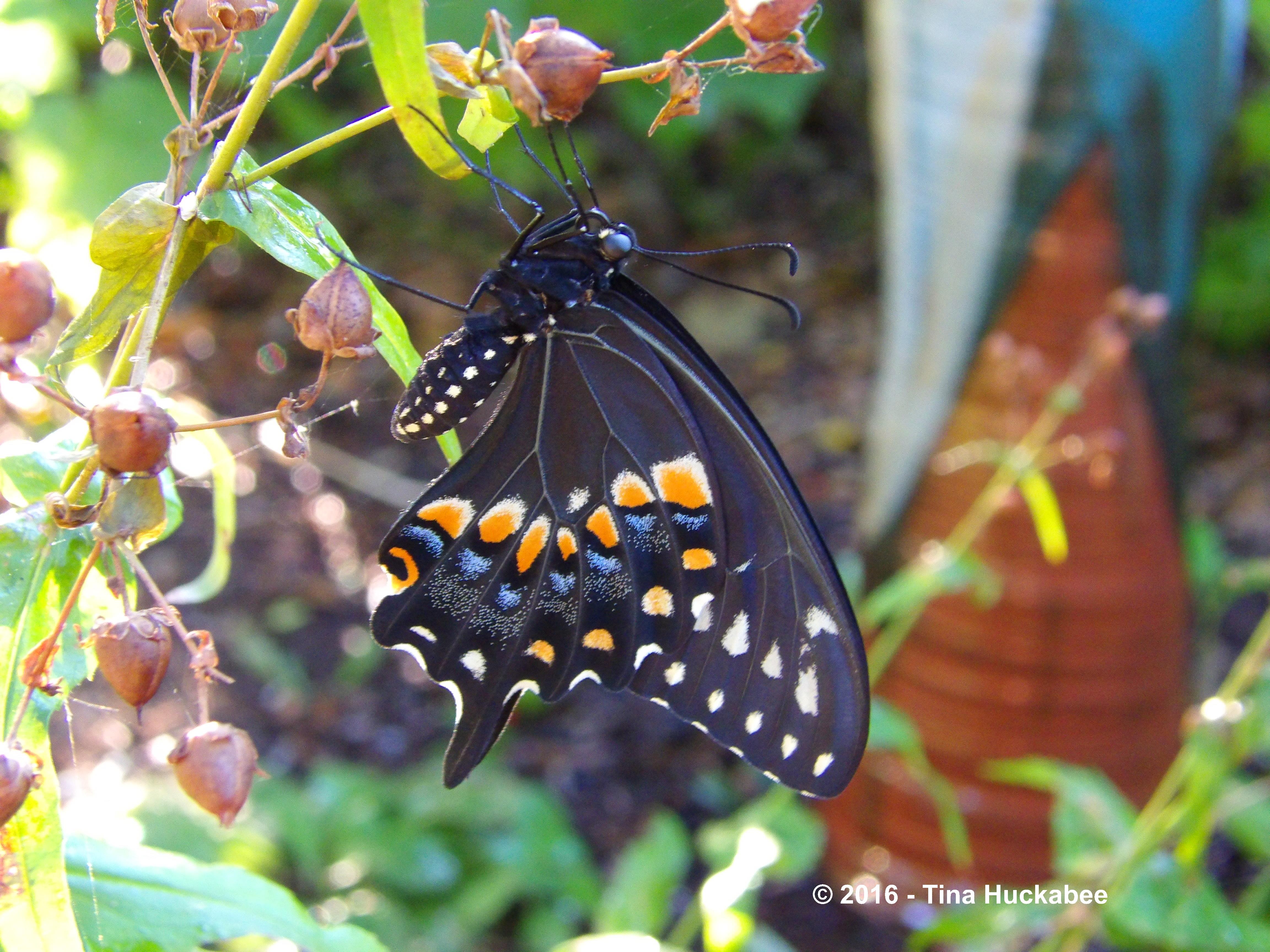
On a recent late summer pruning foray into the garden, I was reminded of the importance of looking before cutting.  Spring-blooming Gulf Coast PenstemonPenstemon tenuis, well beyond its flowering and even its seed production time, annoyed me with its messiness. With tidying in mind and Felco pruners in hand, I prepared to snip off the offending bloom stalks, when  I saw this stunning creature, a just emerged Black SwallowtailPapilio polyxenes, drying its wings.

IMGP9104_cropped_3612x3400..new

I often–though not always–look before cutting, so that I don’t destroy the home or nursery of some wild thing which has decided to rest or raise a family in the garden.  It seems an easy thing to do, this business of  wildlife awareness, but pressed for time, or hot and sweaty, the goal of garden clean-up easily becomes an obsessive one.  The beauty of the new pollinator,

IMGP9106.new

…transformed from the formerly green, yellow, and black caterpillar which slinks amongst the foliage,  to its winged and adult stage ready to take on the flowering world, focused my attention on the why that I garden, not the gardening itself.

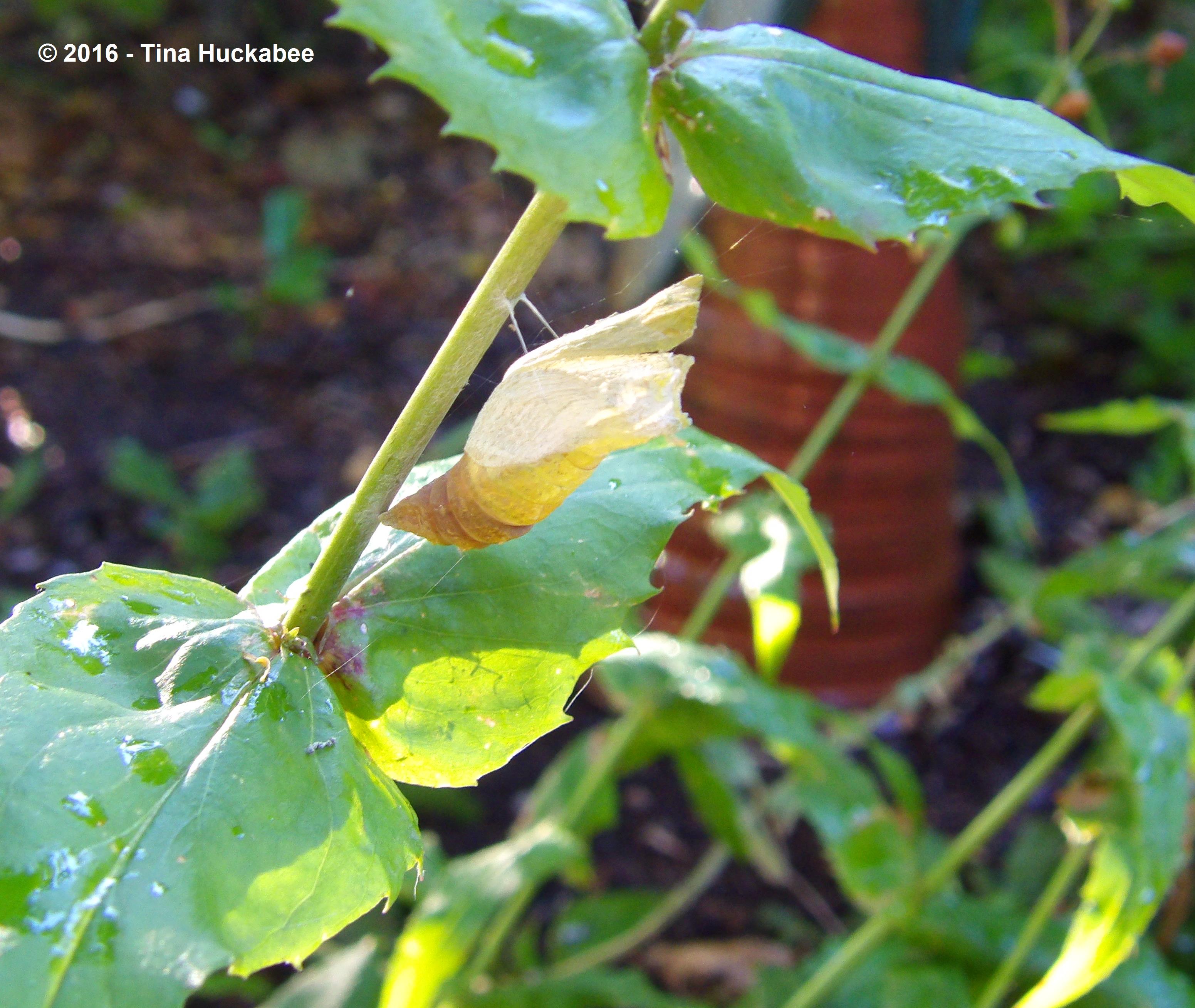
A  transformational home, newly abandoned,

IMGP9108_cropped_3102x2617..new

… and the knowledge that the “messy” plant provided a safe refuge for the morphing, are the  only reasons I require to continue gardening for wildlife.


Between Drops

The rare August cool fronts which have stalled over Central Texas in the past week or so have brought welcomed rain to the hot August days…and nights, (with apologies to 1972 Neil Diamond). Between the drips, drops, and gushes of rain, coupled with sparkles of Texas sun which has filtered through from time-to-time, foliage in my Austin, Texas garden is washed clean of summer’s dust and birds’ poop.

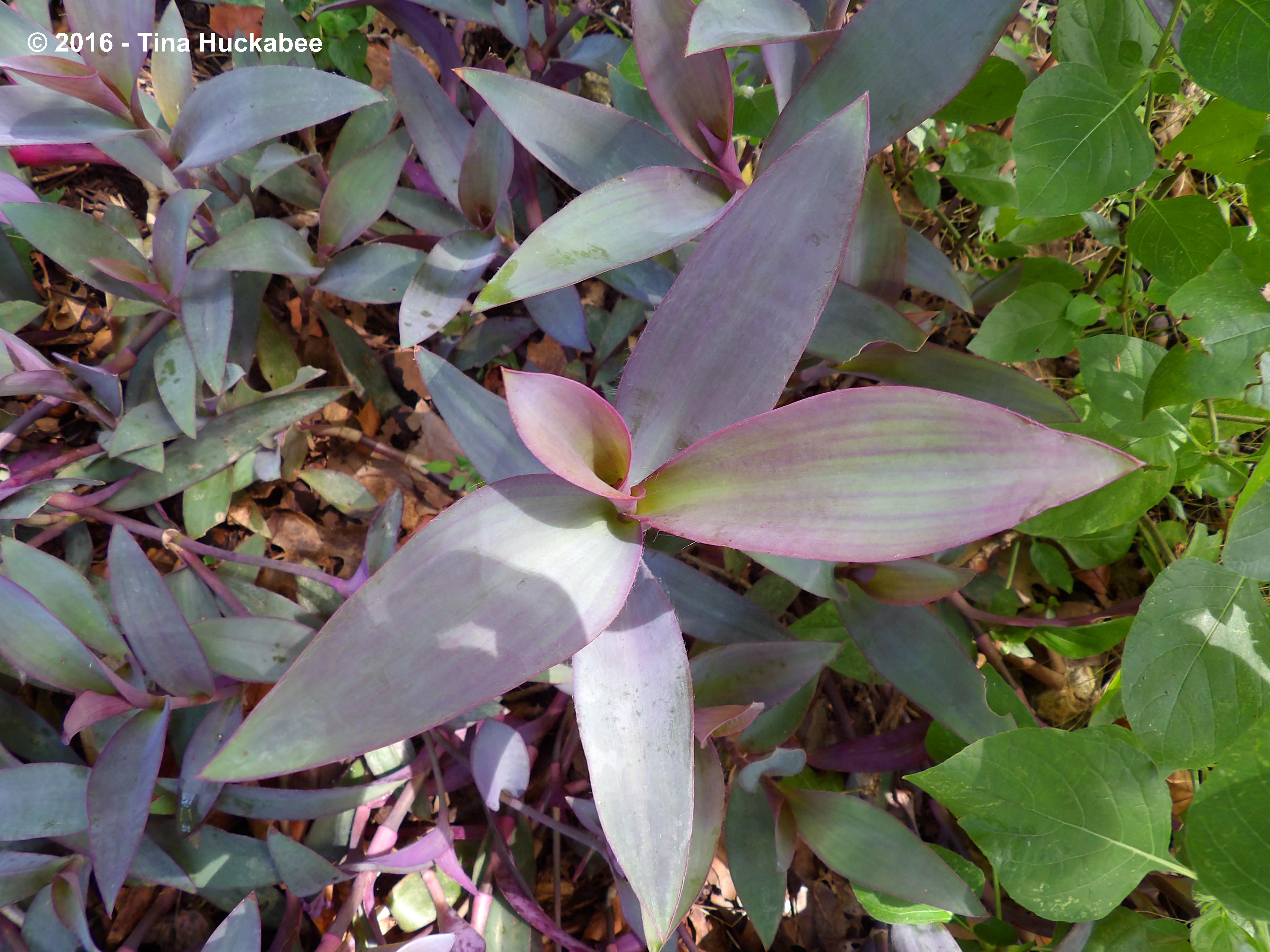
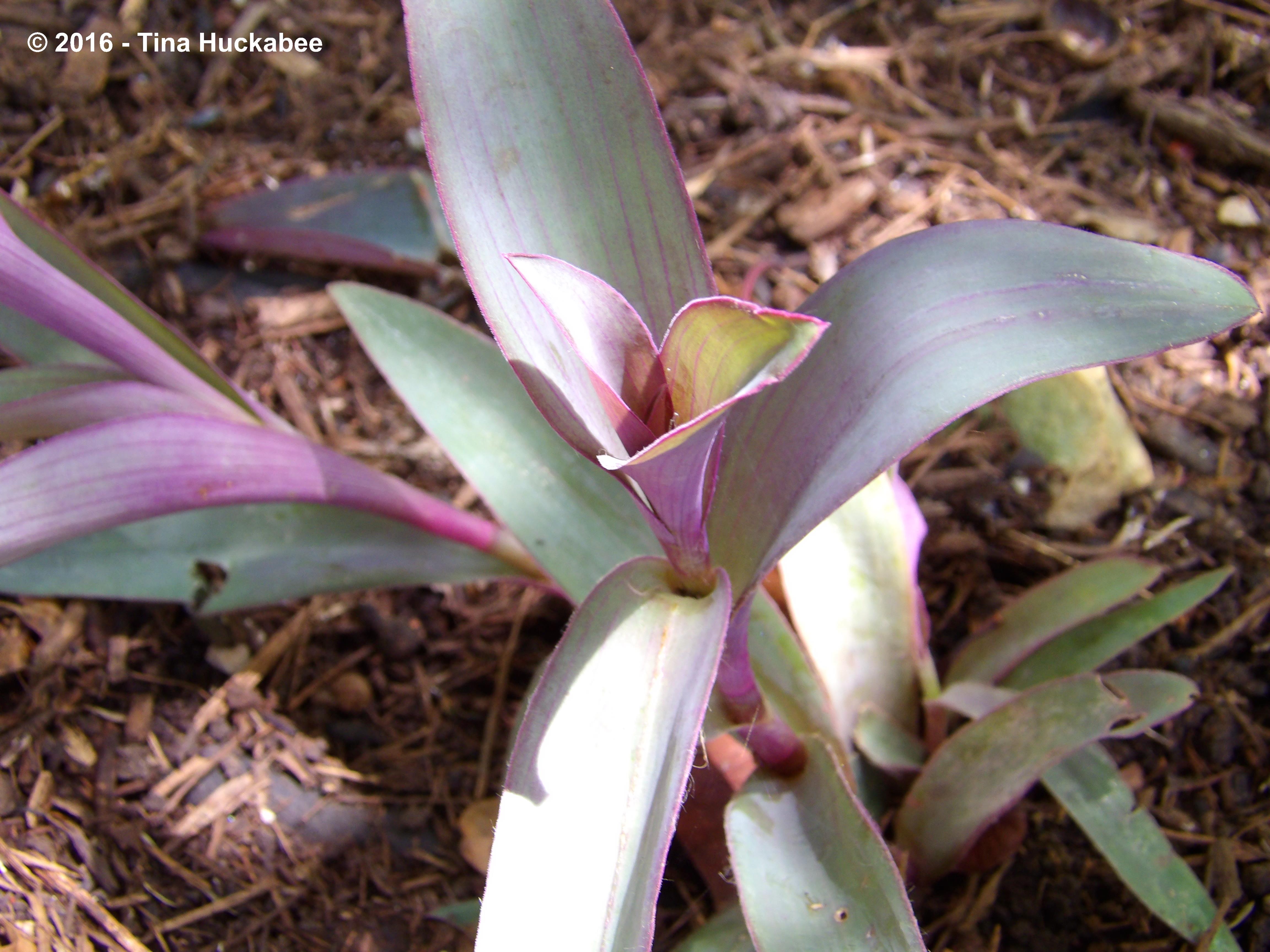
Purple heart plantSetcreasea pallida, is a native to Mexico, but a naturalized plant throughout much of the southern United States.

IMGP9334.new

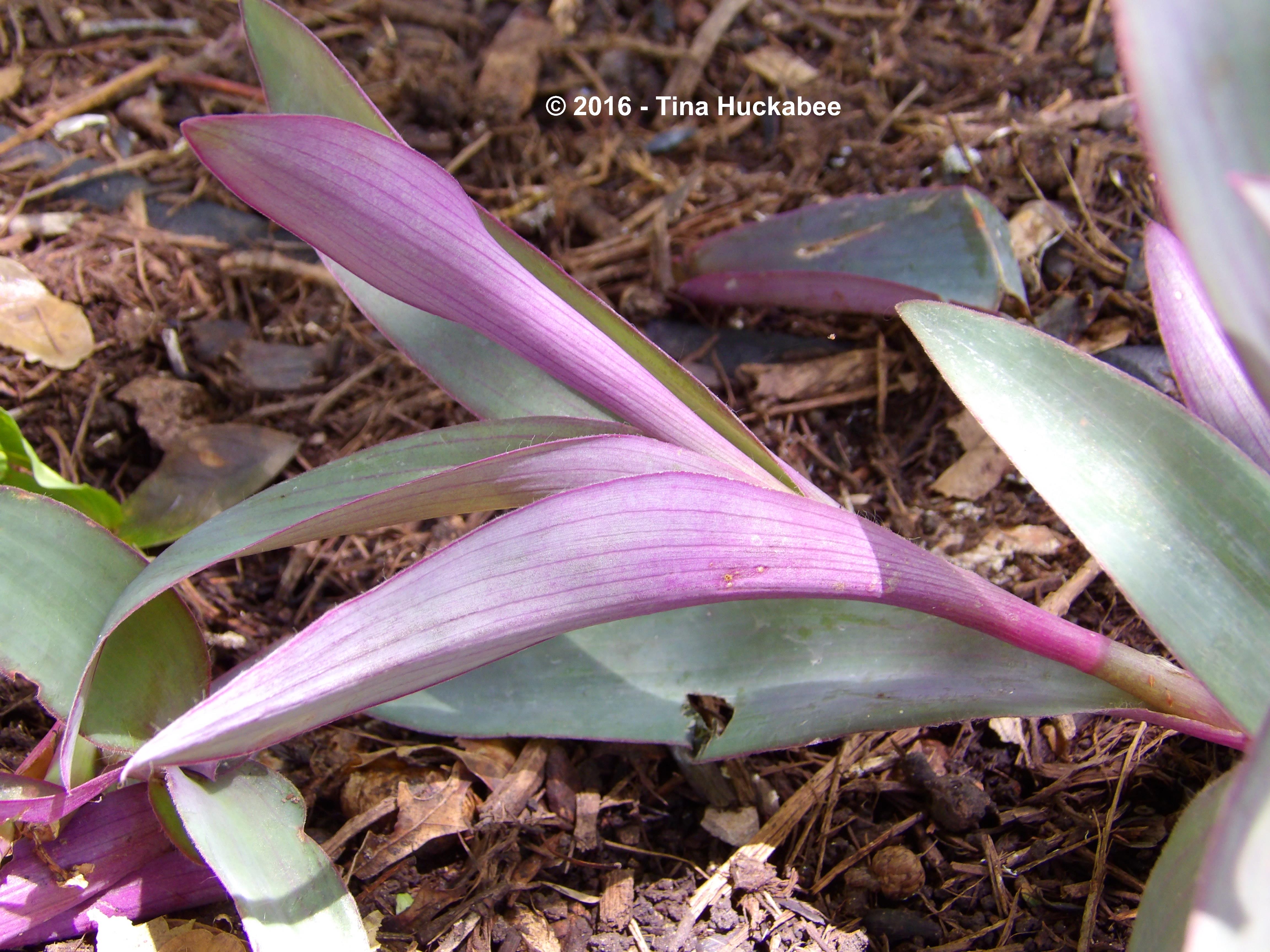
The foliage is of this shade and sun groundcover is purple, but other subtle coloring imbues the plant with opalescence.

IMGP9347.new

IMGP9348.new

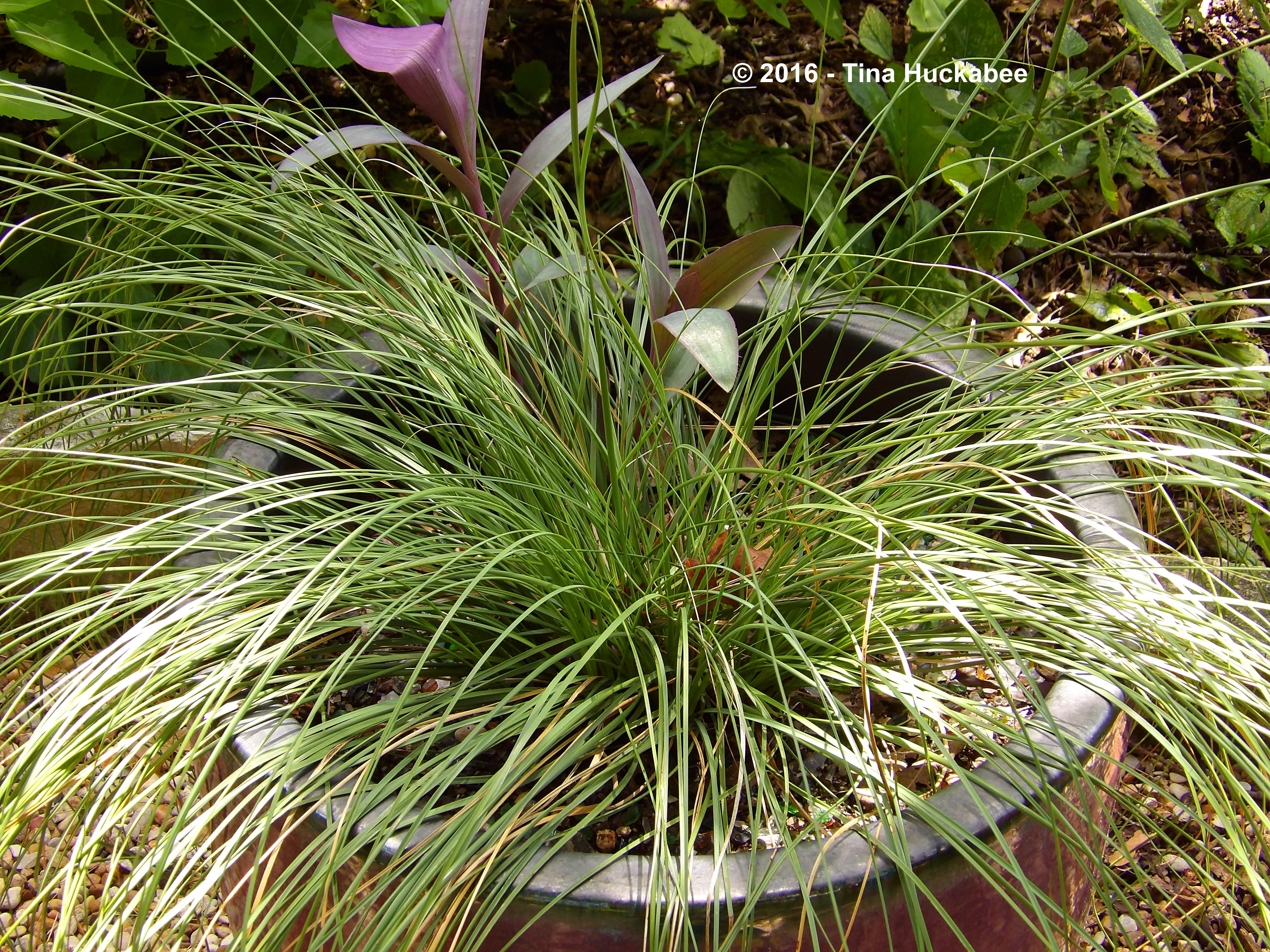
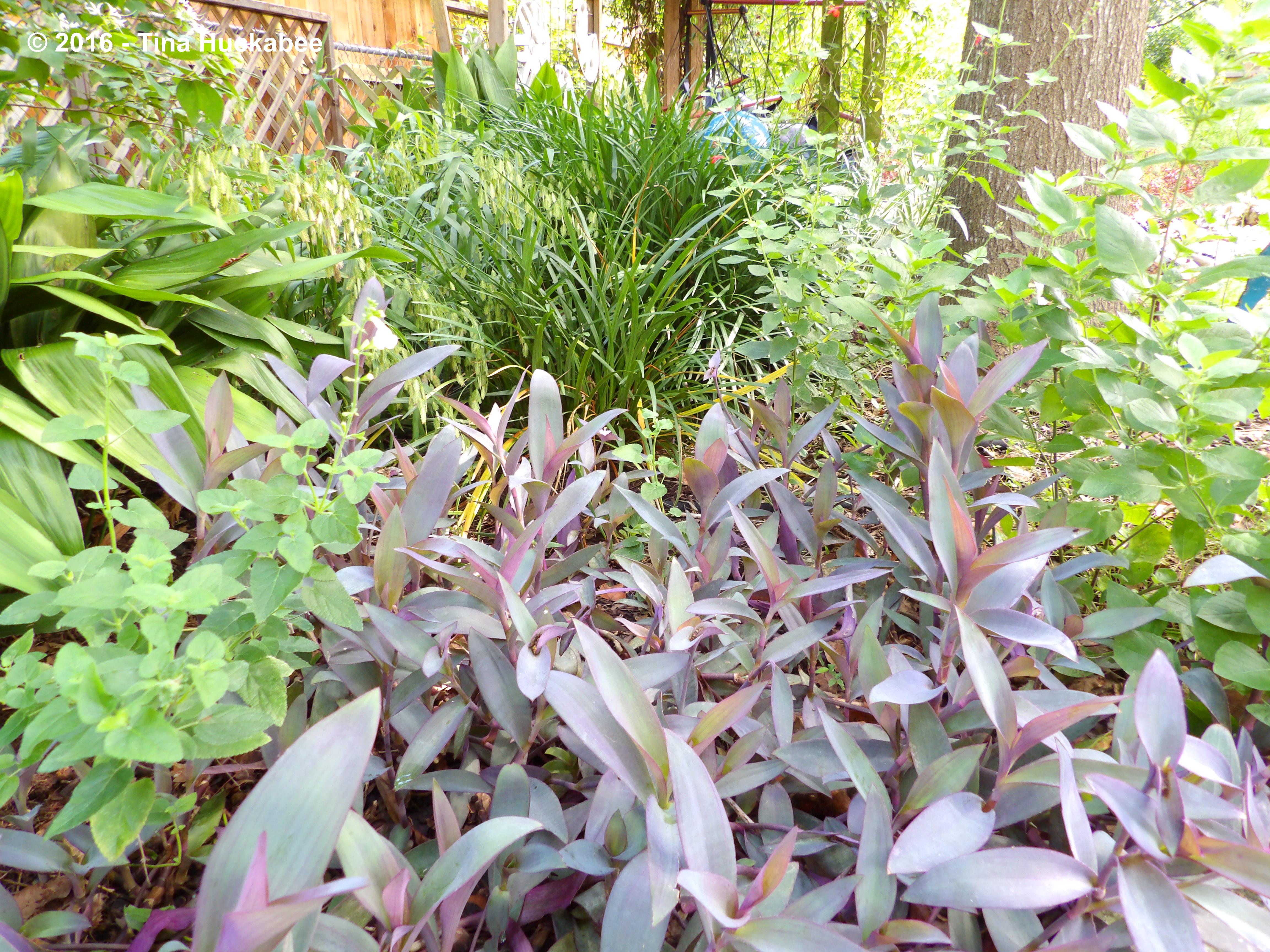
It’s a great ground cover for this area, one that withstands the capriciousness of our climate–drought, heat, flood, and freeze.  Once established, it spreads with glee and requires reining in on a seasonal basis.  It seeds out sometimes, like in this container of Texas beargrassNolina texana.  

IMGP9346.new

I’m pleased that the Purple heart chose a purple pot to settle in.

Purple heart is one of the few non-spiky, non-green, hardy perennial choices available for this region and adds purple pizzazz to any garden.

IMGP9336.new

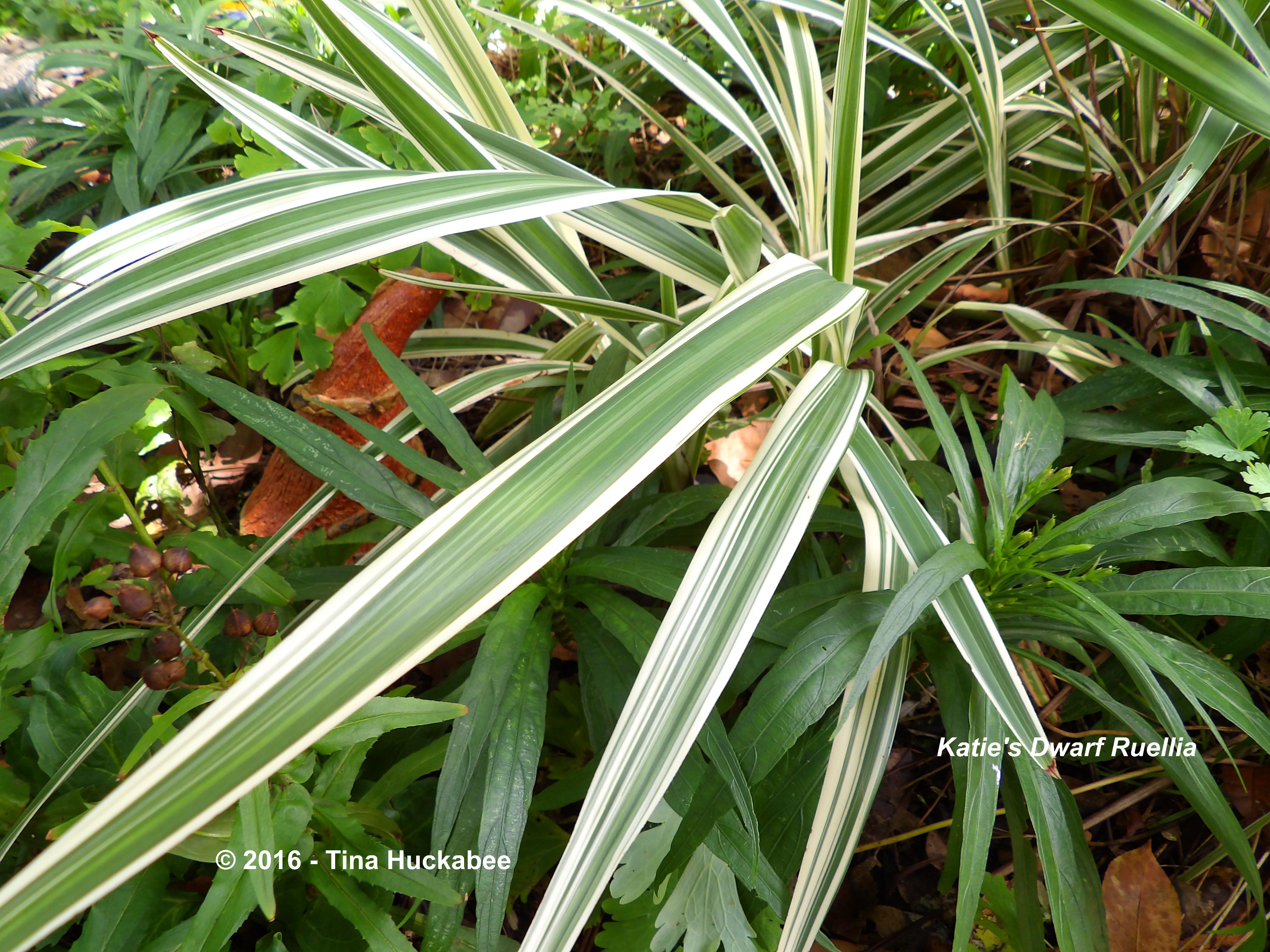
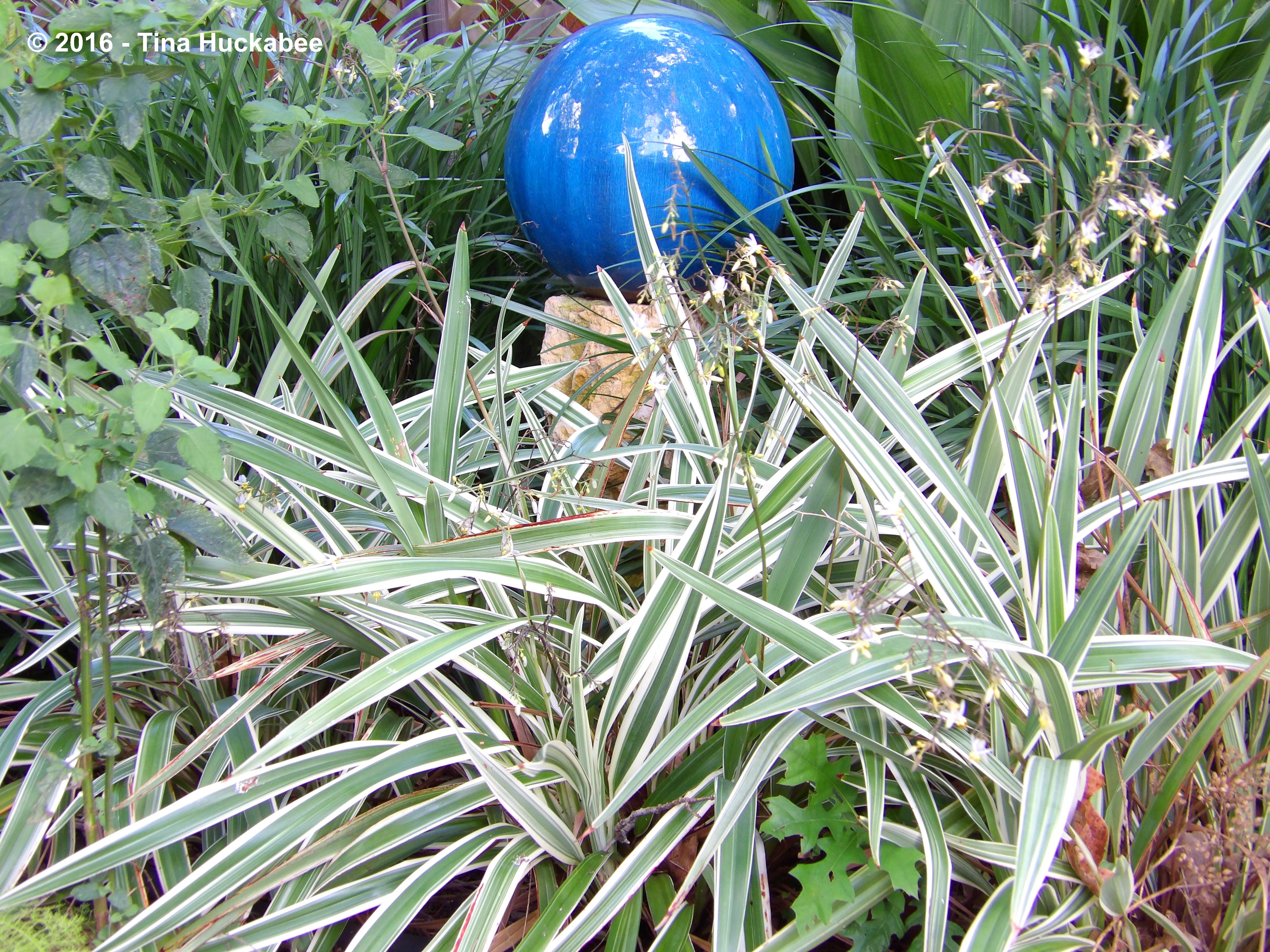
Tasmanian Flax Lily ‘Variegata’, or DianellaDianella tasmanica ‘Variegata’ is another non-native plant flourishing in my garden.

IMGP9333.new

Dianella pairs nicely with Katie’s Dwarf Ruellia

Dianella’s snazzy green and white foliage stripes cheer several spots in my garden and bring needed structure to predominately shrubby plant combinations.  I usually plant three or four together for a dramatic effect.

IMGP9337.new

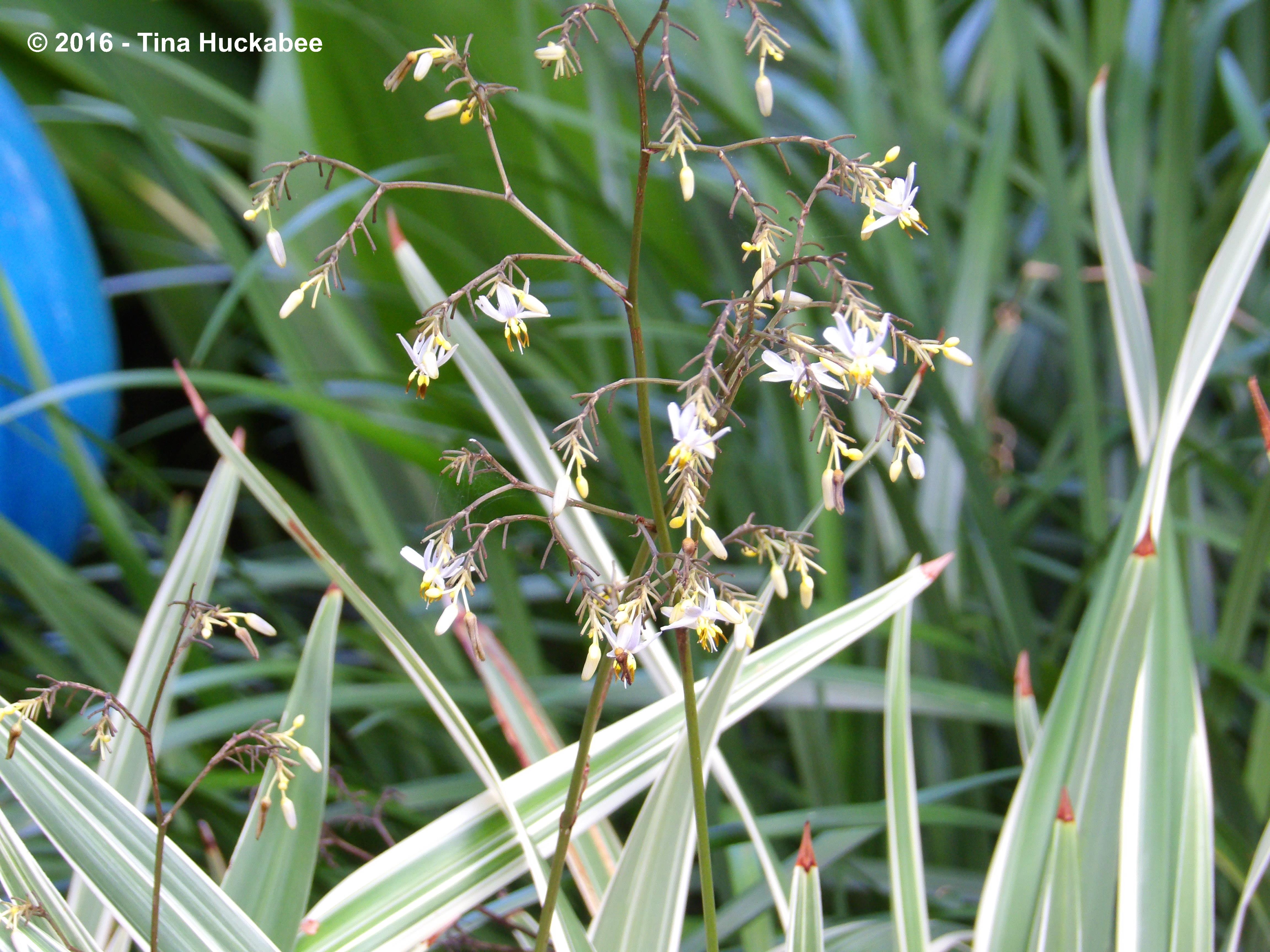
Dianella is water-wise and low-maintenance during our hot summers, though it needs covering during winter freezes.  I find this plant well-worth winter babying because it’s light and bright and complements other plants. Dianella also produces flower stalks with tiny blooms atop, though most gardeners plant it for its foliage.

IMGP9338.new

My honeybees visit the dainty blooms and I’ve also seen small native bees show an interest.  It’s a win-win for critters and gardeners alike.

A native member of the Liliaceae family, Texas CraglilyEcheandia texensis, is about to begin its blooming cycle, but the foliage is lush from late spring until frost.

IMGP9340.new

IMGP9341.new

I’ve planted a number of these over the years and enjoy their contribution to my garden.

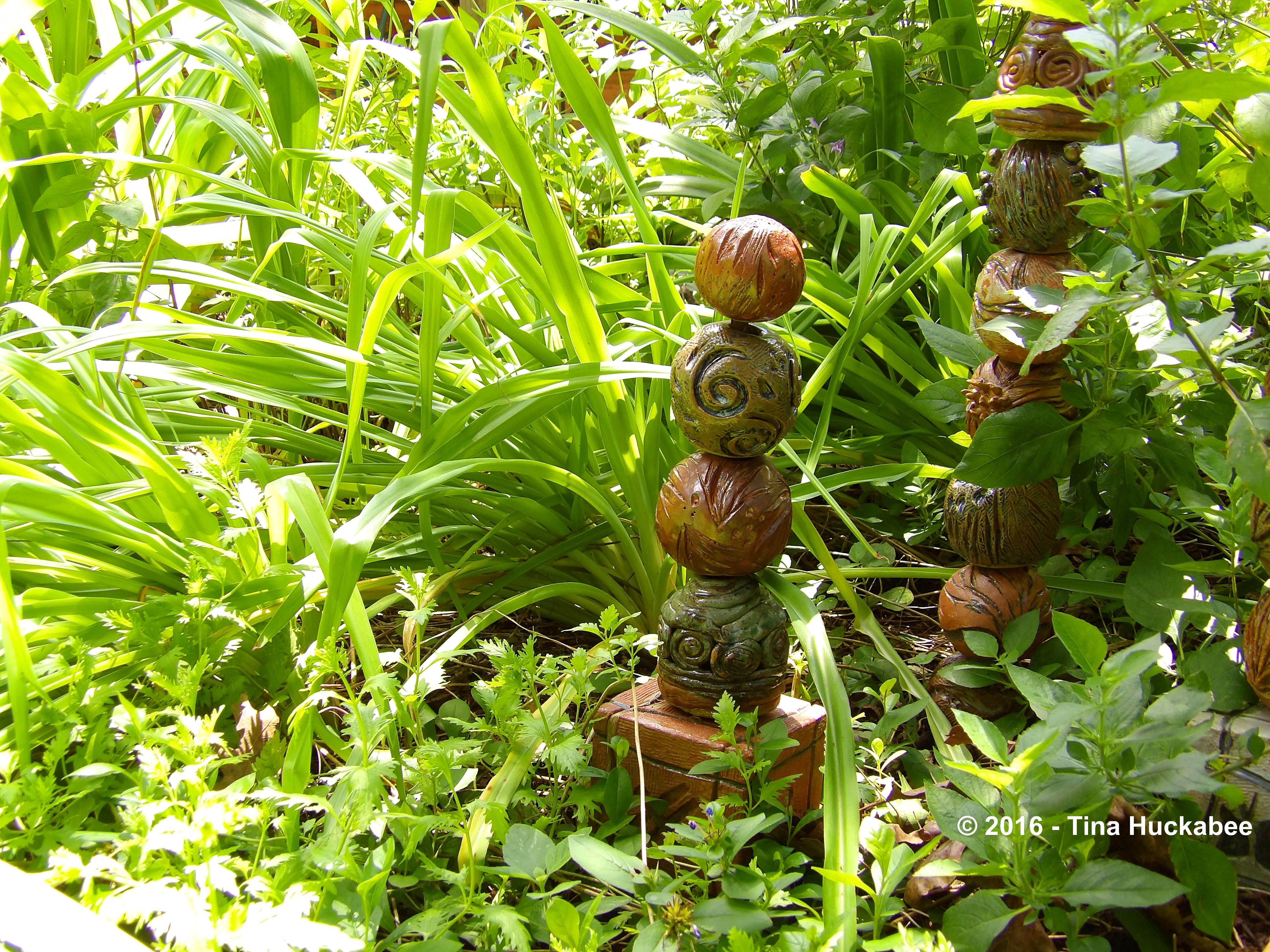
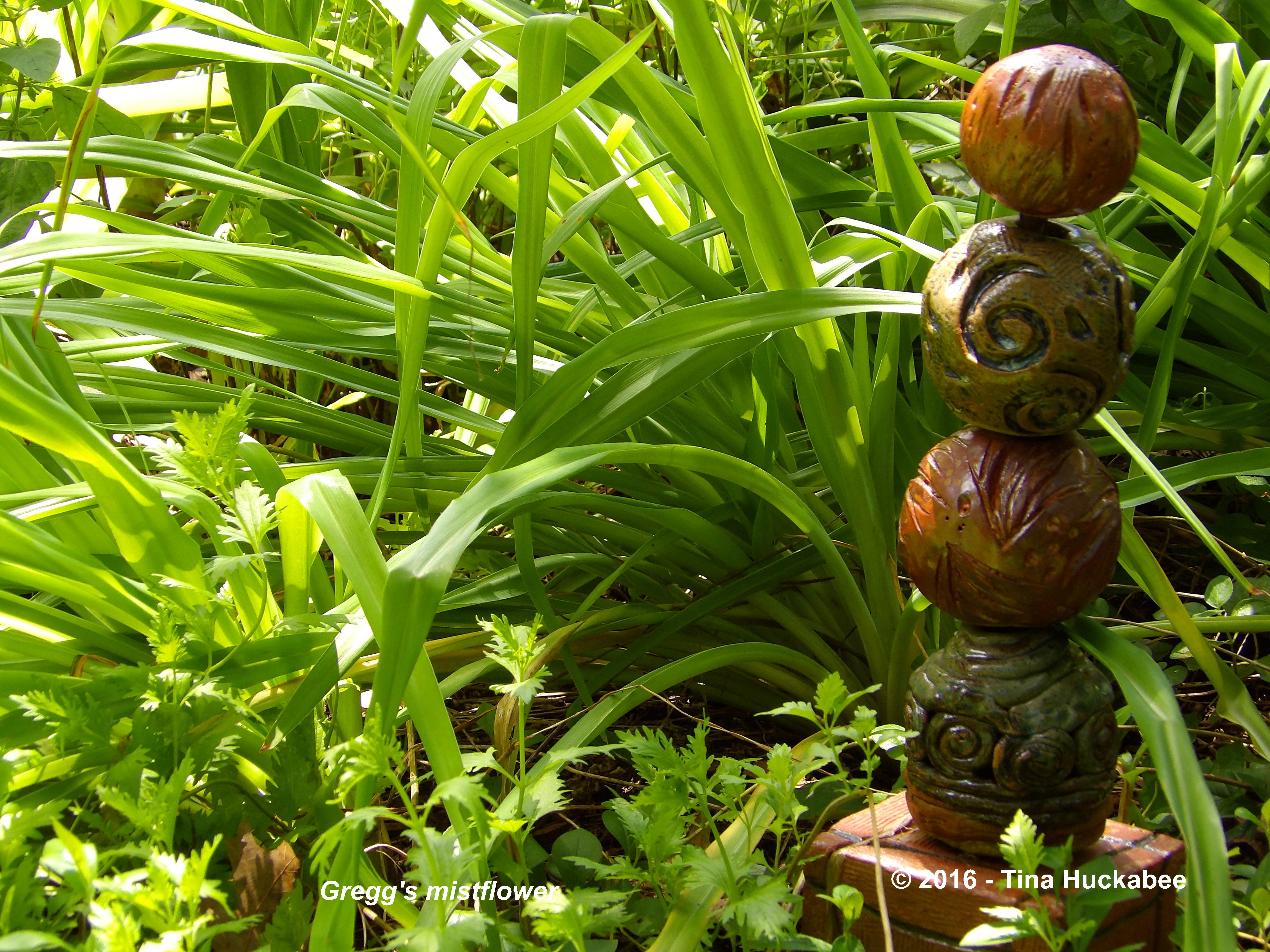
One group of Texas craglily is situated with the also fall-blooming Gregg’s mistflower, Conoclinium greggii, whose foliage inspires common names such as Palm-leaf mistflower and Palm-leaf thoroughwort because of the palmate shaped leaves.

IMGP9339.new

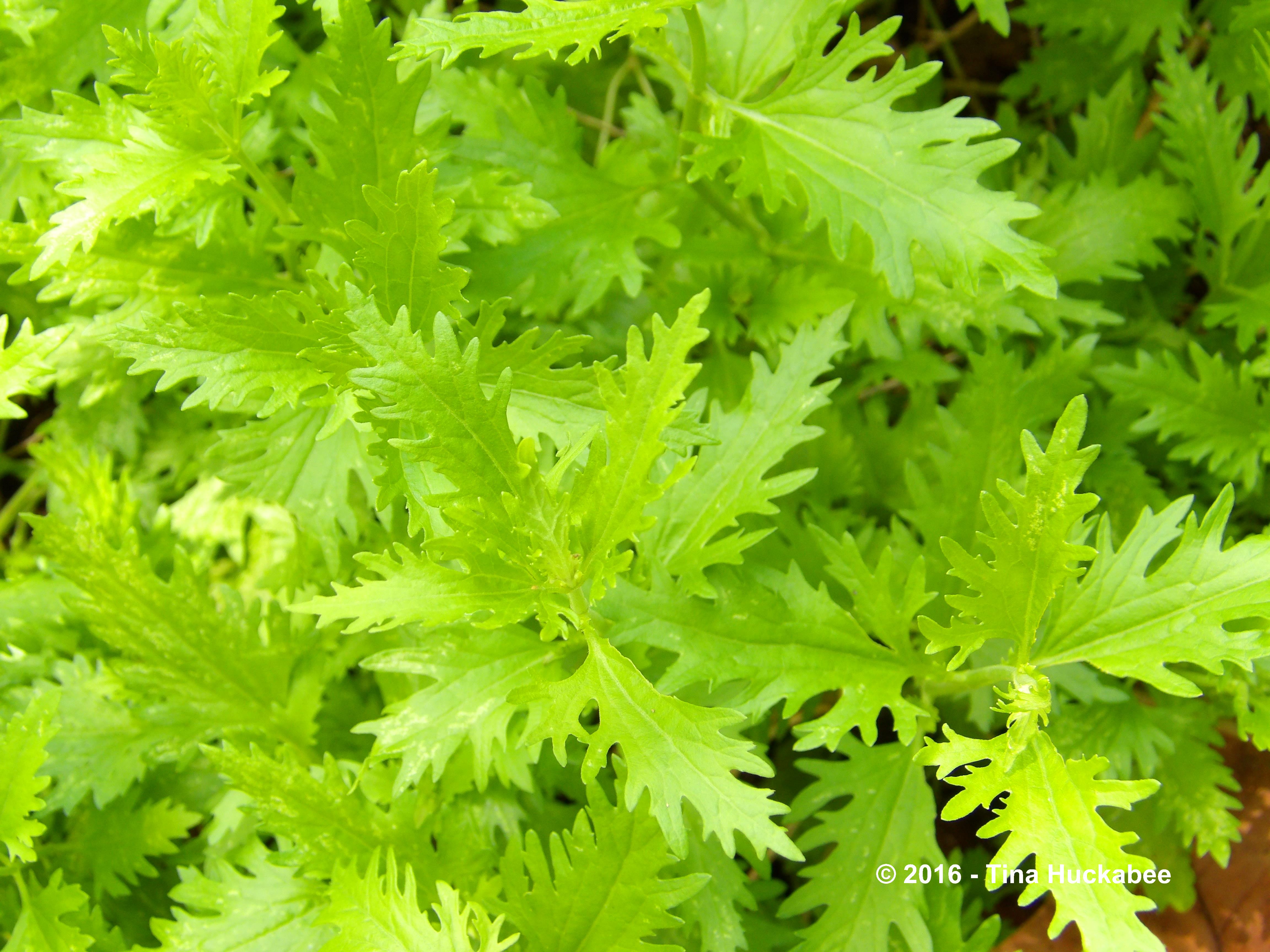
Deeply lobed and vivid green, Gregg’s mistflower foliage is attractive for the whole growing season.

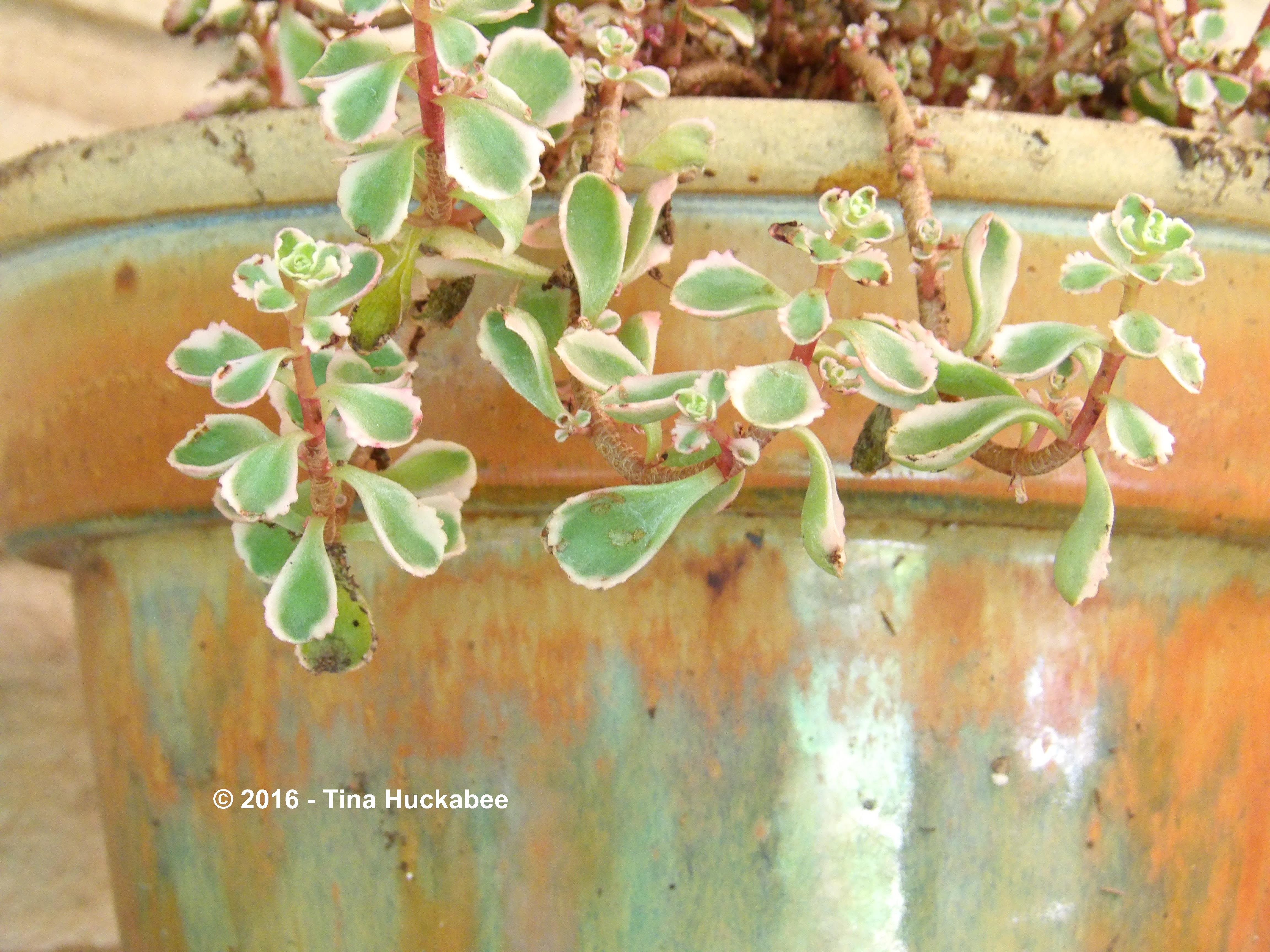
Pink-n-green-n-white is always a winning color combo, but especially so  in this recent impulse-purchased and potted Sedum spurium ‘Tricolor’.

IMGP9342.new

I’m hoping for a glorious draping here and to not over-water the pot.

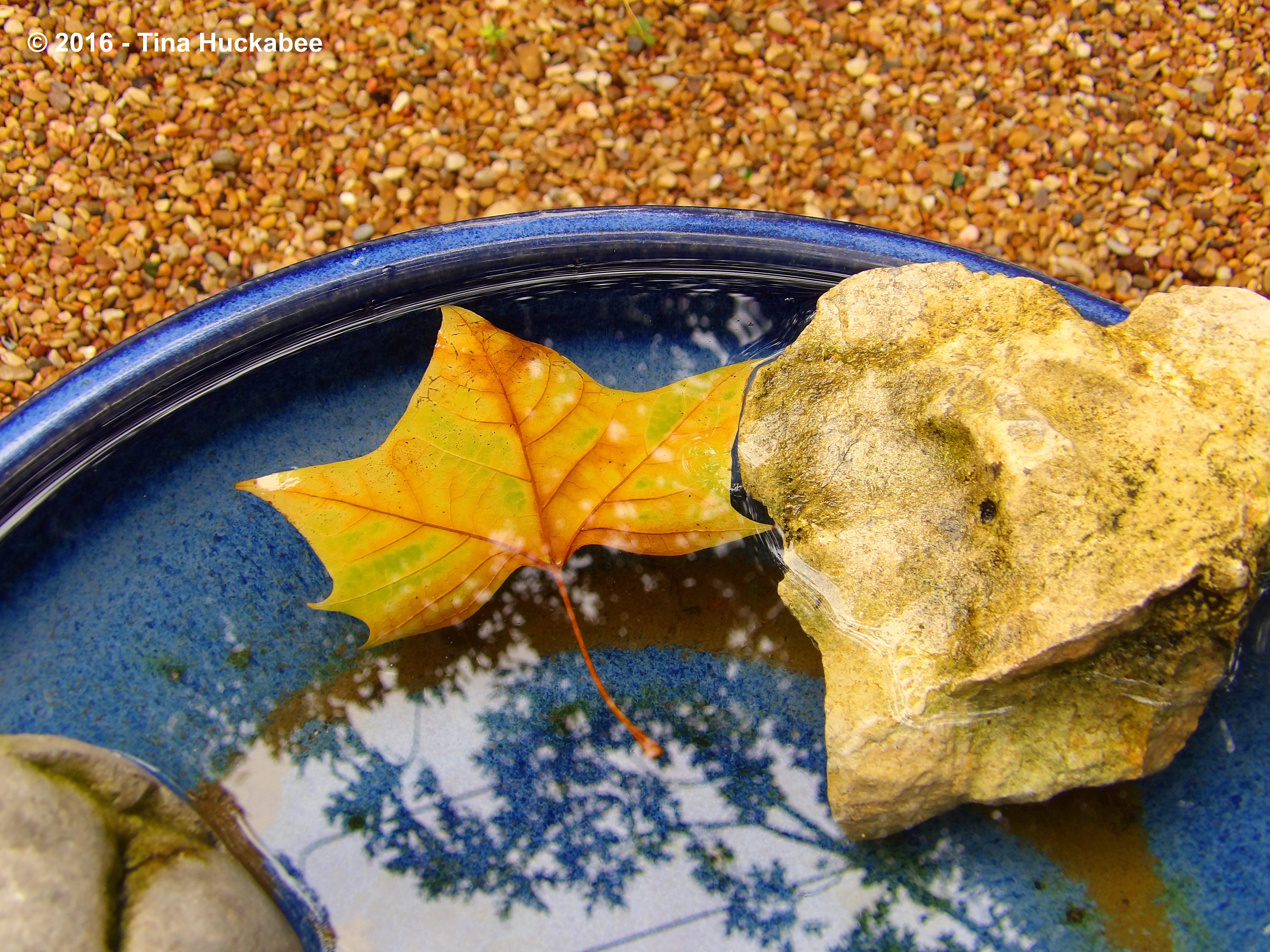
Finally, a capture of the harbinger of November’s autumn leaf change floating in a bird and bee bath.

IMGP9399.new

In November, foliage change in my garden will be about the less direct sunlight and cool temperatures. But this American sycamorePlatanus occidentalis leaf is probably a victim of the pre-rain Texas summer sun and heat.

Thanking Christina and her lovely Creating my own garden of the Hesperides for hosting, check out her Garden Bloggers’ Foliage Day post for a look at foliage in many gardens , from many places, and then share your leafy loveliness.