Garden Bloggers’ Bloom Day, March 2014

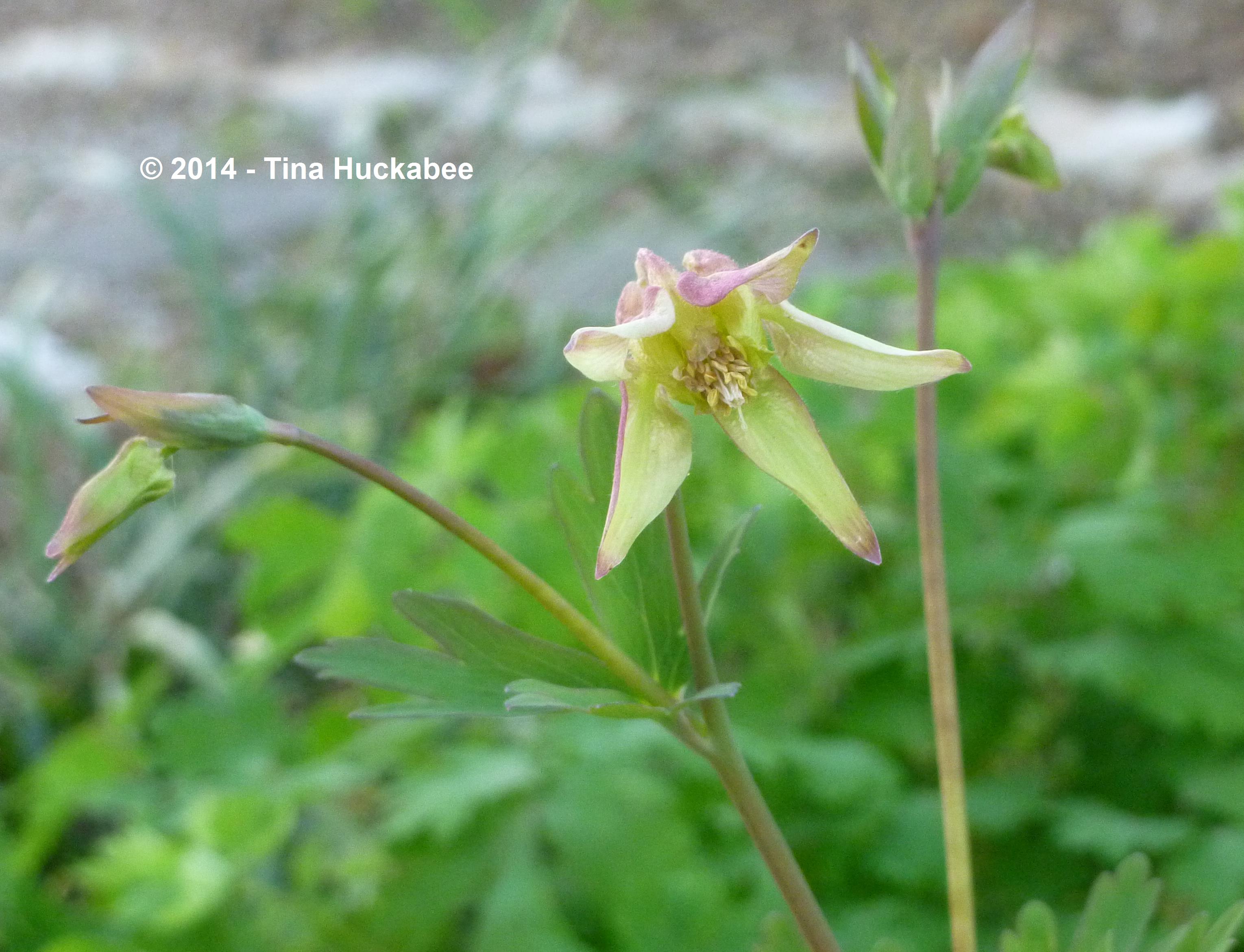
We appear done with our chilly winter winds here in Austin, Texas.  While our winter wasn’t the coldest, it was certainly one of the colder of the past 20 years.  All that’s blooming in my gardens are the earliest of the spring perennials.  The native Yellow Columbine ( Aquilegia chrysantha var. hinckleyana),  are beginning to open, though this one is probably a hybrid between my Yellow Columbine and my Red Columbine (Aquilegia canadensis)–there is a blush of pink that a Yellow Columbine wouldn’t have.P1020900_cropped_3059x2341..new
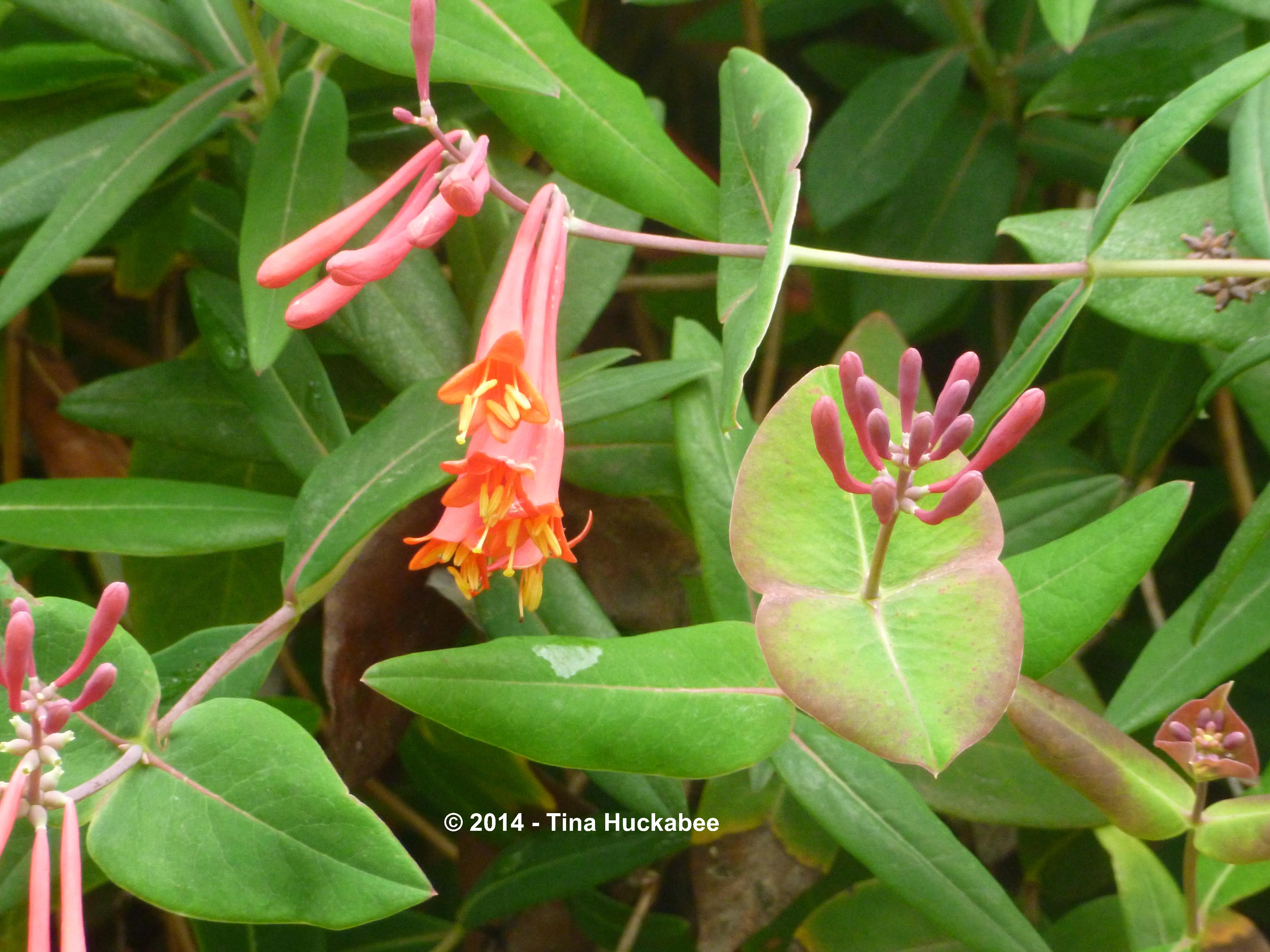
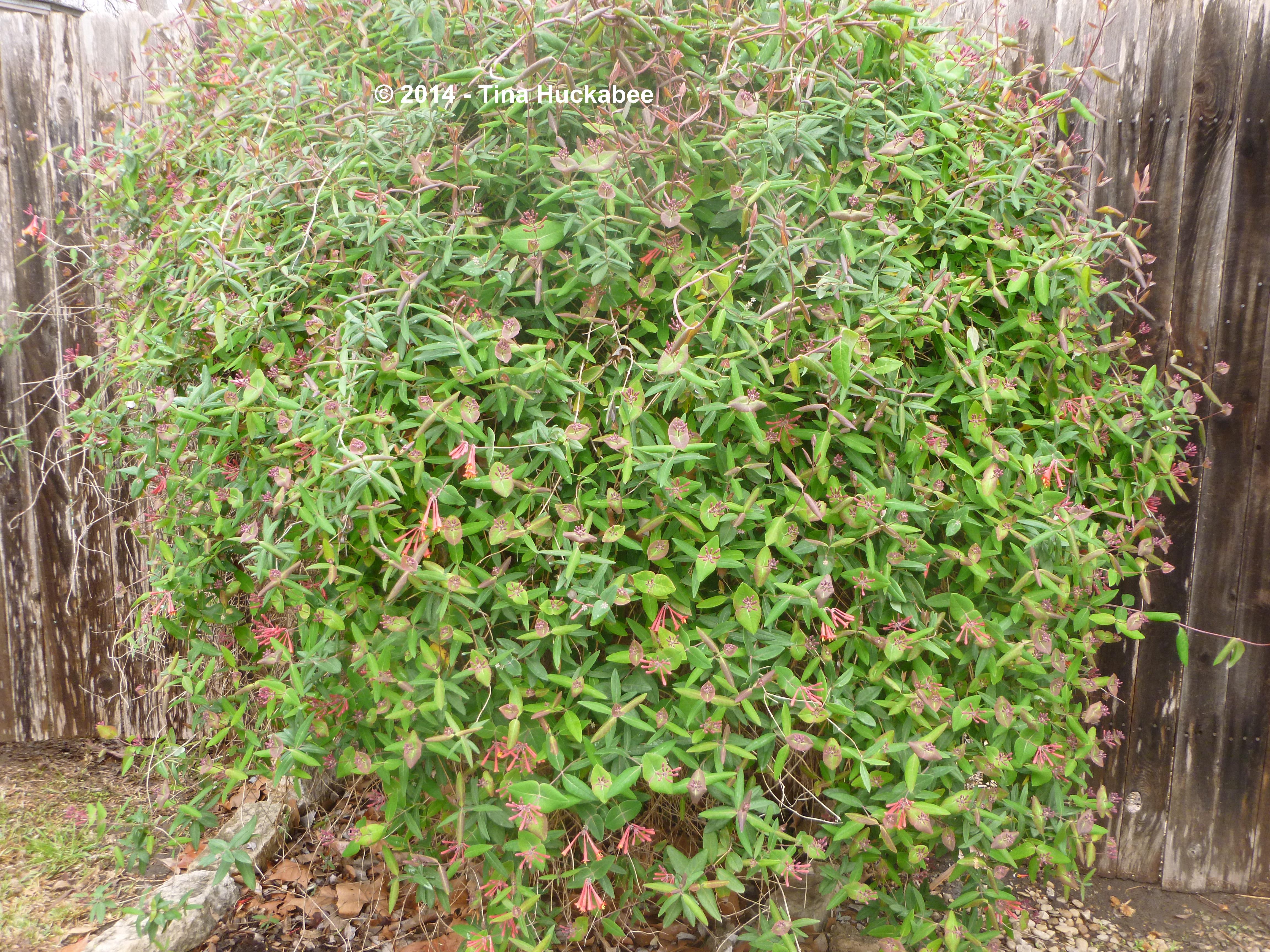
The native Coral Honeysuckle (Lonicera sempervirens) is full to bursting with blooms.
P1020871.new

P1020872.new

Starting its seasonal flush, these buds will open over the next 3-10 weeks and throughout the year.

Another vine, native Dewberry (Rubus trivialis? Not sure as it’s a pass-along plant), is blooming.  No doubt, the birds are anxiously awaiting the berries that follow.

P1020867.new

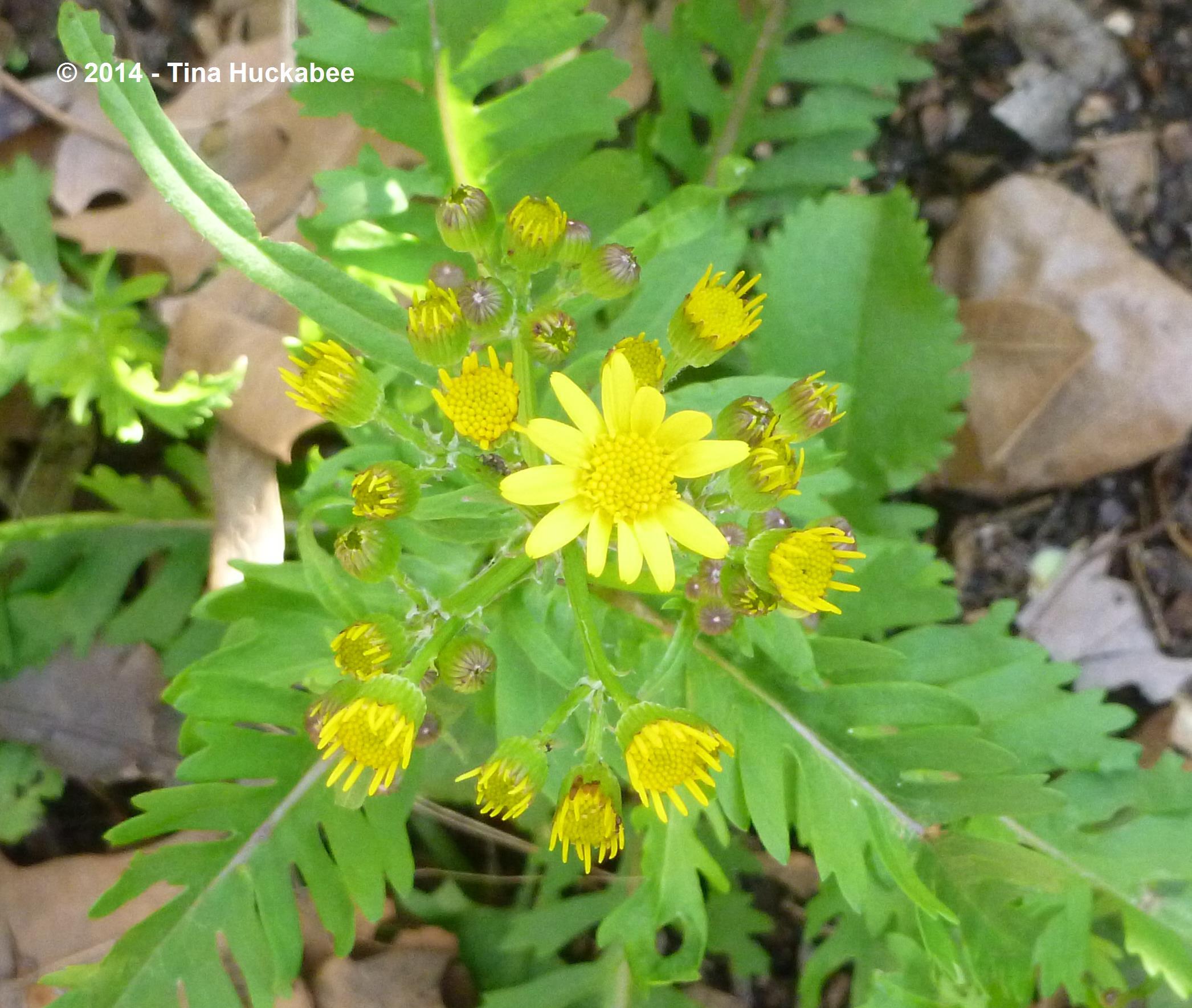
My tiny patch of Golden Groundsel (Packera obovata), showcases its first bloom.
P1020891_cropped_2092x1769..new

The shock of yellow punctuating a still muted landscape.

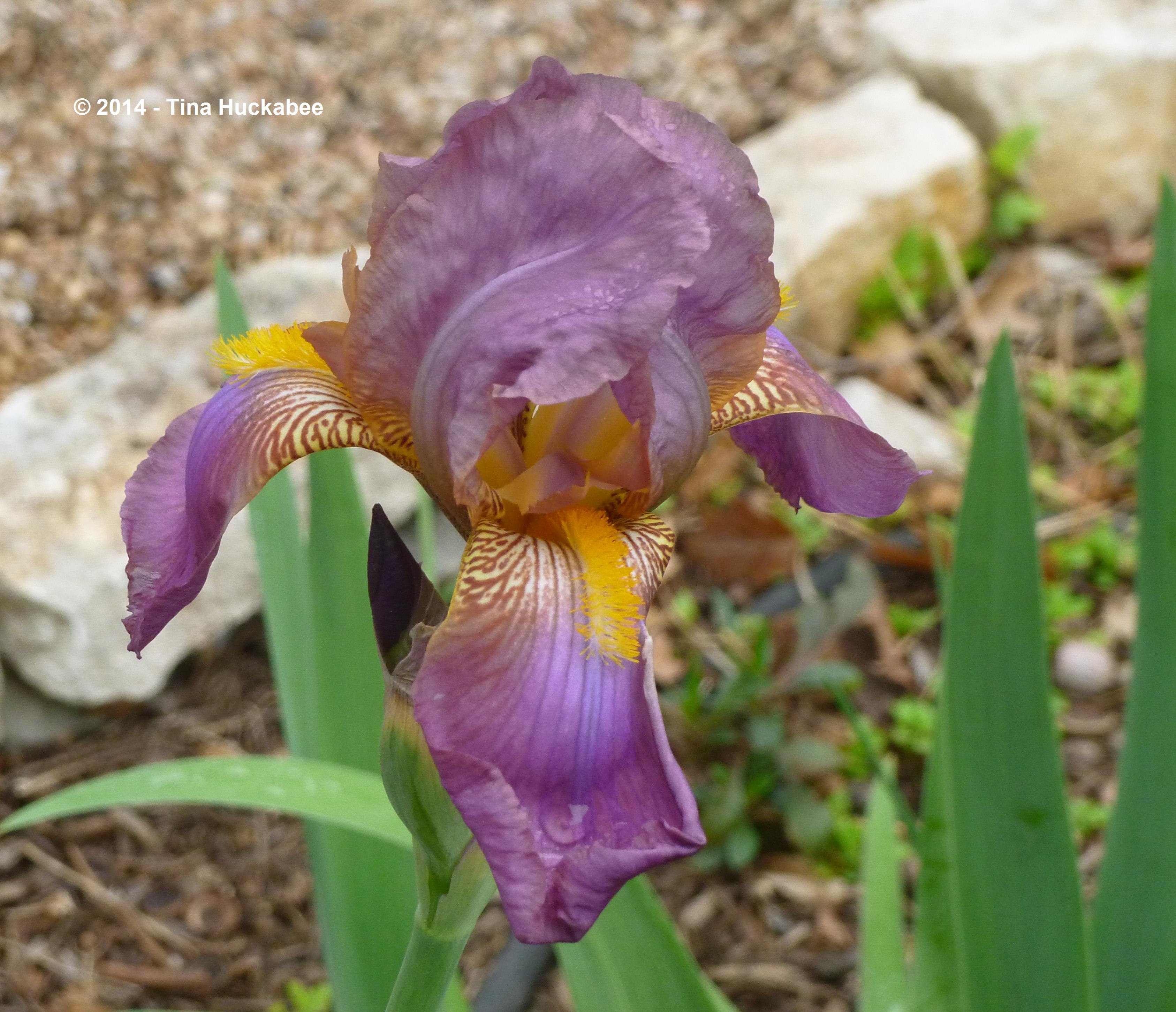
And I must post a photo of the first Iris to flower in my garden this year.
P1020811_cropped_3373x2903..new

This Iris is a common, tough bulb with a beautiful flower (maybe Iris altobarbata?).    It opened two weeks ago, days before our last and coldest freeze.  Nine bloom stalks appeared during a bout of warm weather and when the front hit, three flowers were blooming and all the stalks had developing buds.There was nothing I could do to prevent damage.

P1020861_cropped_2816x2806..new

Mush. They all became mush. I counted 30-plus buds that will never flower.  Sniff.  All I can hope is that my other Iris will bloom as we move through our spring growing season.

Thanks to Carol at May Dreams Gardens for hosting Bloom Day.

Game On, Spring

As February races toward its conclusion, this Austin garden is ready for spring.  I started pruning in late December, after the first of the freezes lay waste to the herbaceous  perennials in my gardens.  I’ve been pruning since.  Seven garbage cans full of garden detritus every week, for almost two months.

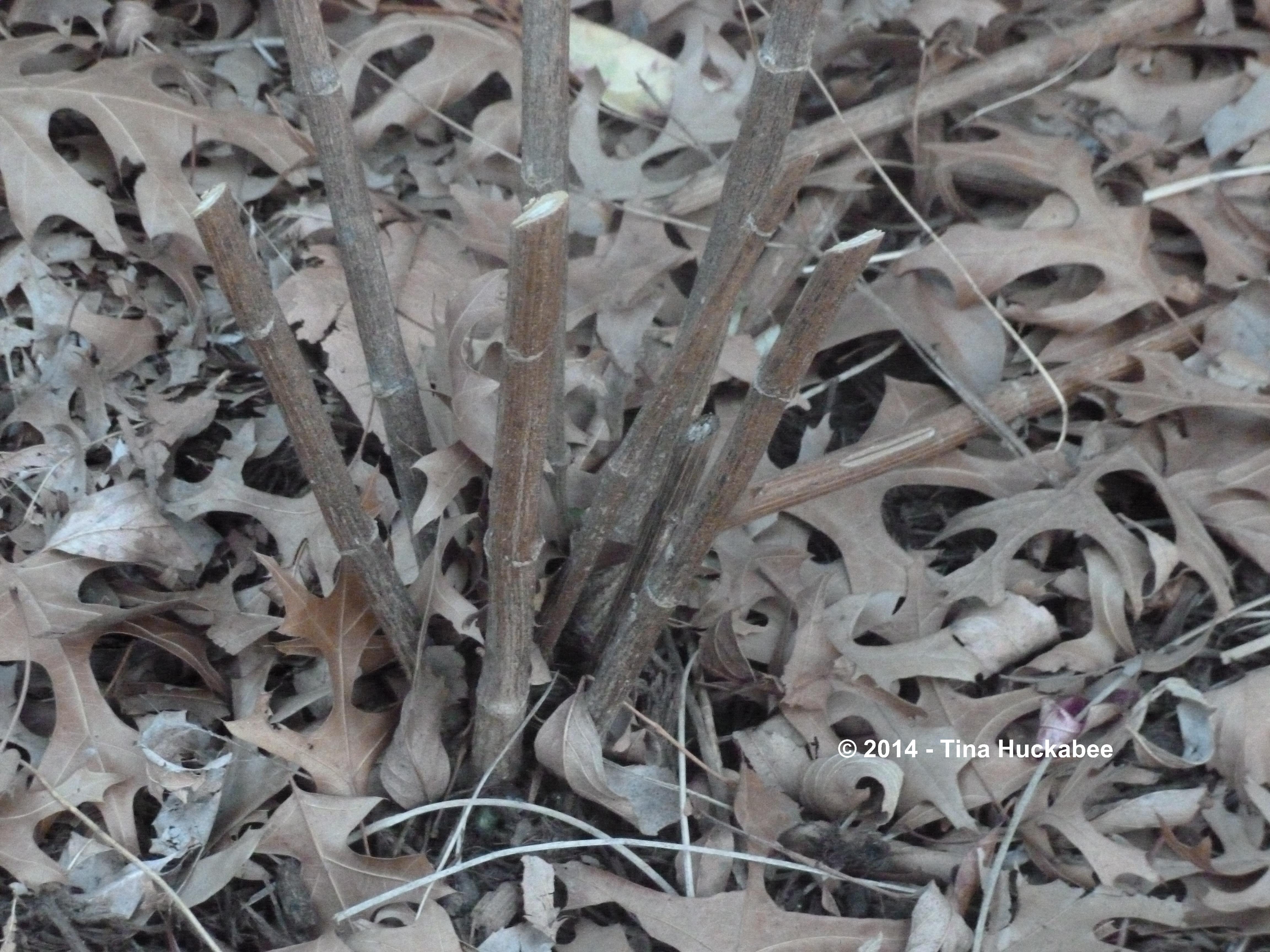
Plants like Turk’s Cap (Malavaviscus arboreus var. drummondii) are whacked.

P1020746.new

The luscious, sunny-blooming Goldeneye (Viguiera dentata)? Nary but sticks protruding from the ground.

P1020761.new

The Martha Gonzales Roses are reduced to a fifth of their full size.

P1020755.new

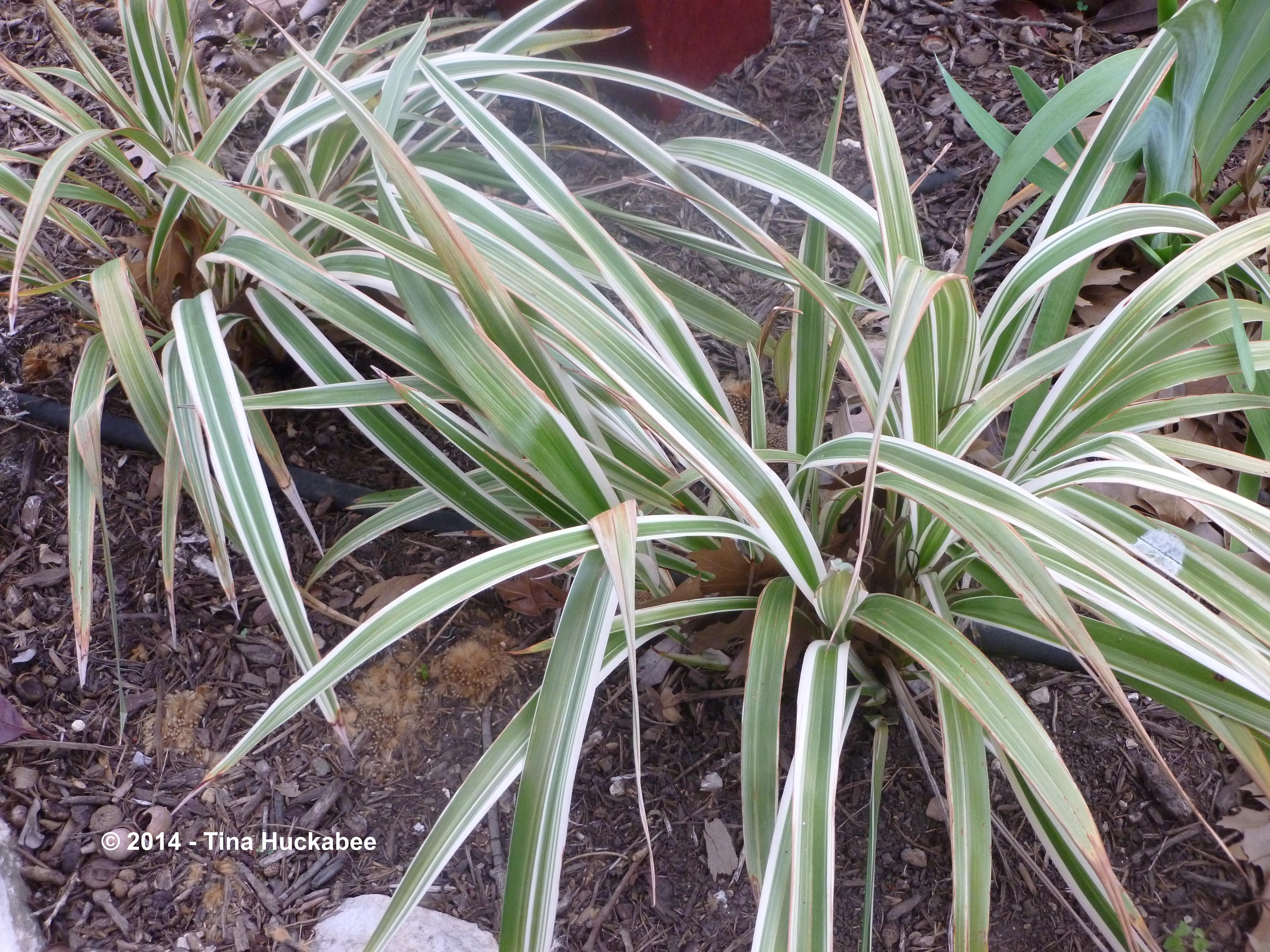
Some Variegated Flax Lily (Dianella tasmanica),

P1020668.new

fared better than others in my gardens.

P1020669.new

All I pruned from the Flax Lily were the freeze damaged straps.  It’s the one plant (I have four groups of them) that I dutifully covered with each freeze forecast into the 20s.

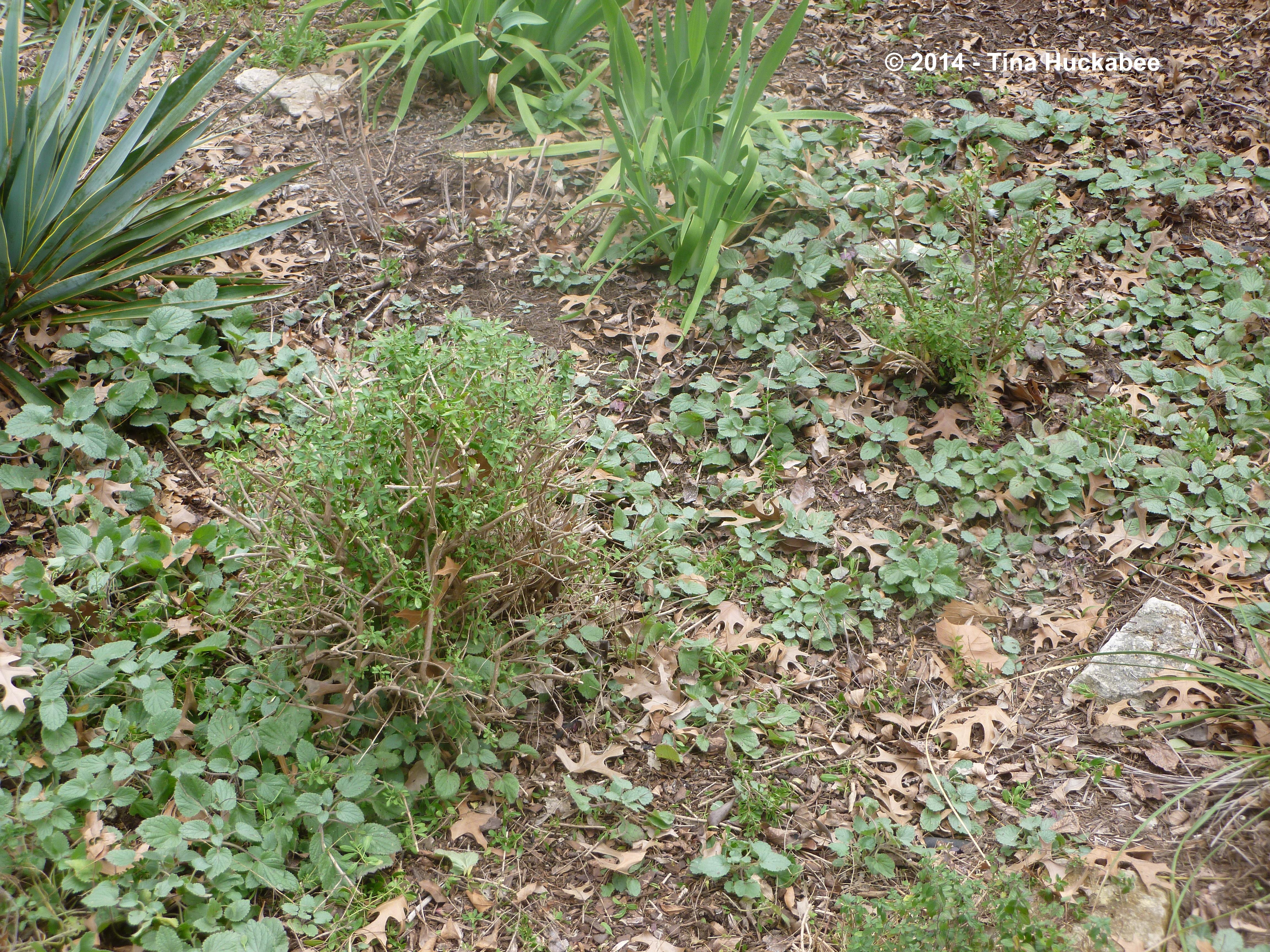
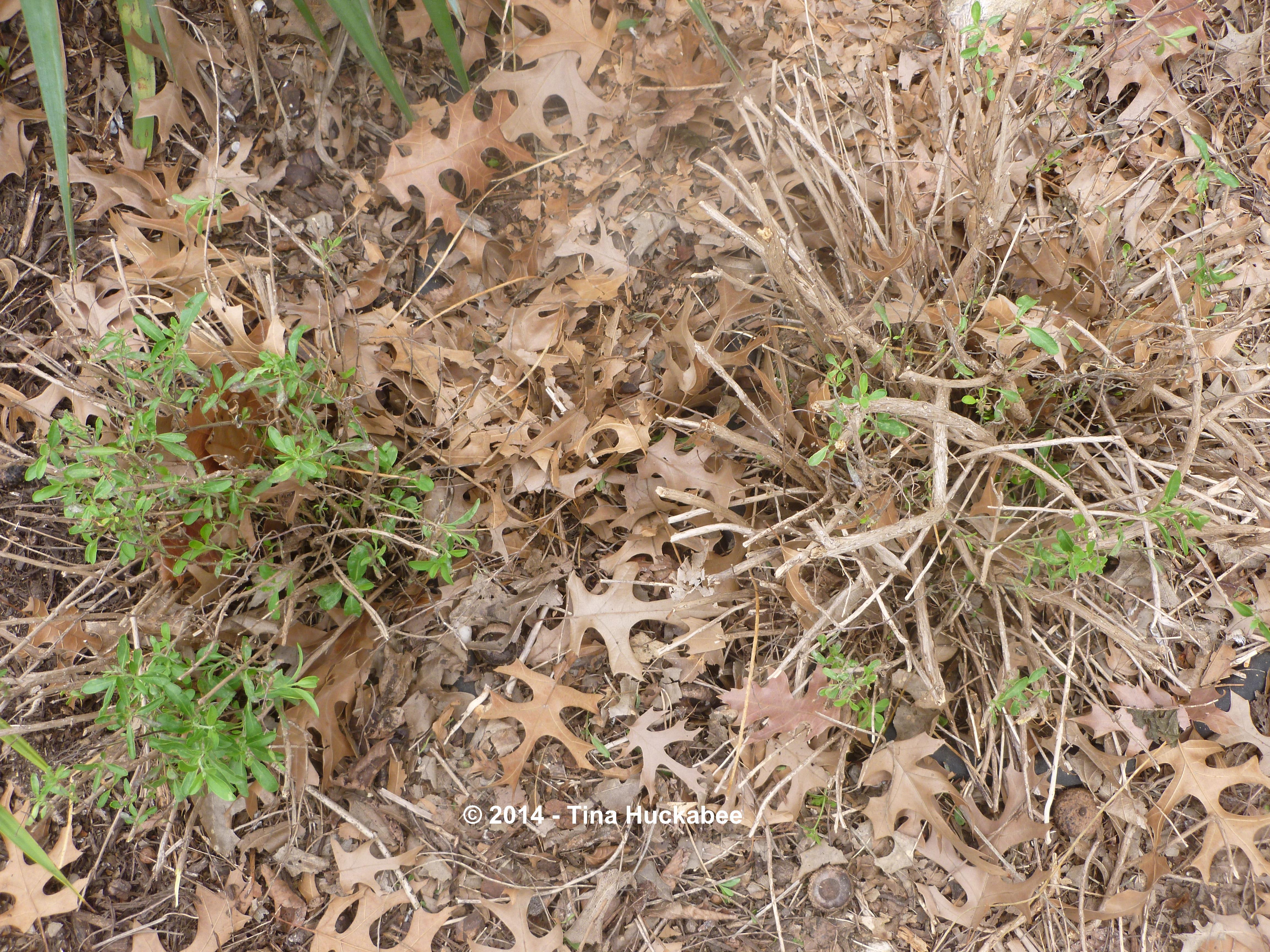
And the  Autumn Sage (Salvia greggii) and other evergreen native shrubby plants are pruned into tidy balls,

P1020708.new

or spindly bits of green perched on woody stems, waiting for the just right  light and breath of warm spring air to burst into new growth.

P1020711.new

I still have more to prune, but I’m almost finished for the year.

I didn’t lose any established plants this winter and that gratifies me and validates my garden choices.  I choose natives or hardy non-natives, with the occasional splurge for the newest, cheap thrill plant that everyone (okay, just gardeners) is talking about.

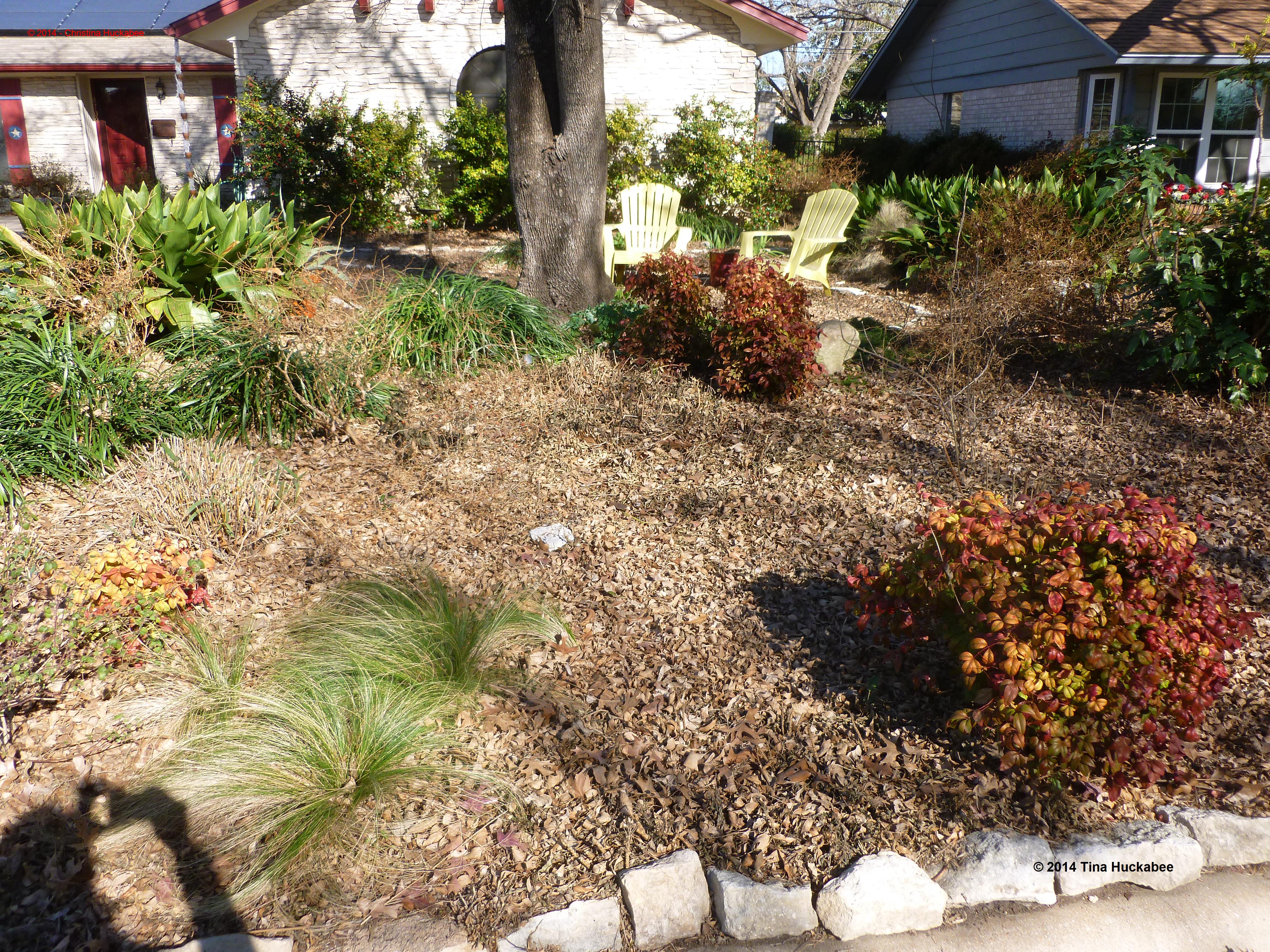
I always think of the winter landscape as barren, but it isn’t, even in this winter which was colder than any of the past 19 years.   With most of the flowering perennials in my front garden temporarily gone, I’m reminded how nice my ignored-most-of-the-year evergreens are during their winter concert on this sunny February day.

P1020562.newP1020564.new

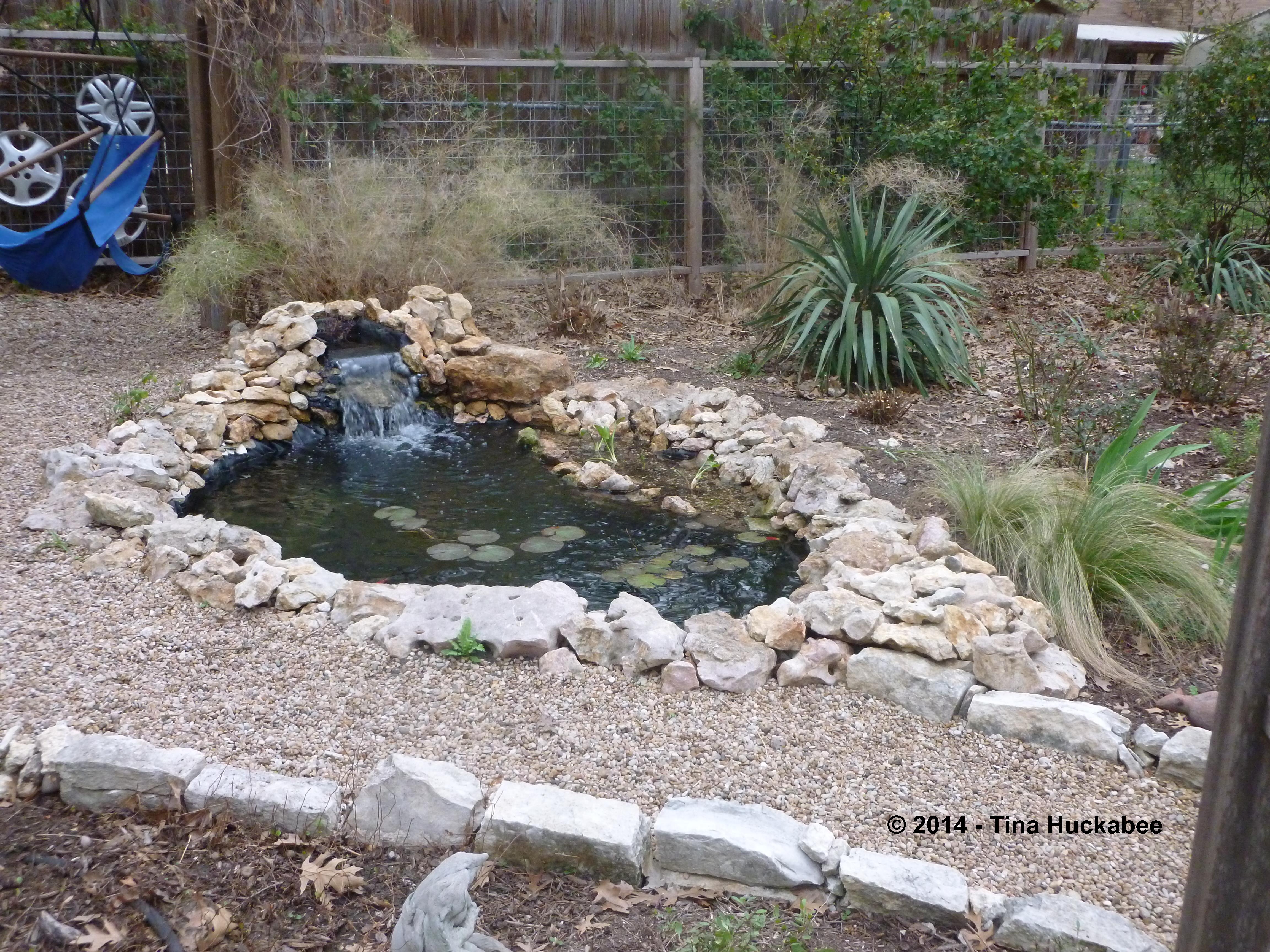
And in my back garden, I like the clearly defined garden and pathways.  The iris and yucca straps dominate,

P1020784.newP1020787.newP1020788.new

while the Heartleaf Skullcap (Scutellaria ovata ssp. bracteata) insinuates its soft green carpet anywhere allowed.

P1020786.new

I have a clean pond, which will make pond maintenance easier for the rest of the year and appeals to my aesthetic sense.  I don’t think the fish care whether I clean the pond or not.

P1020789.new

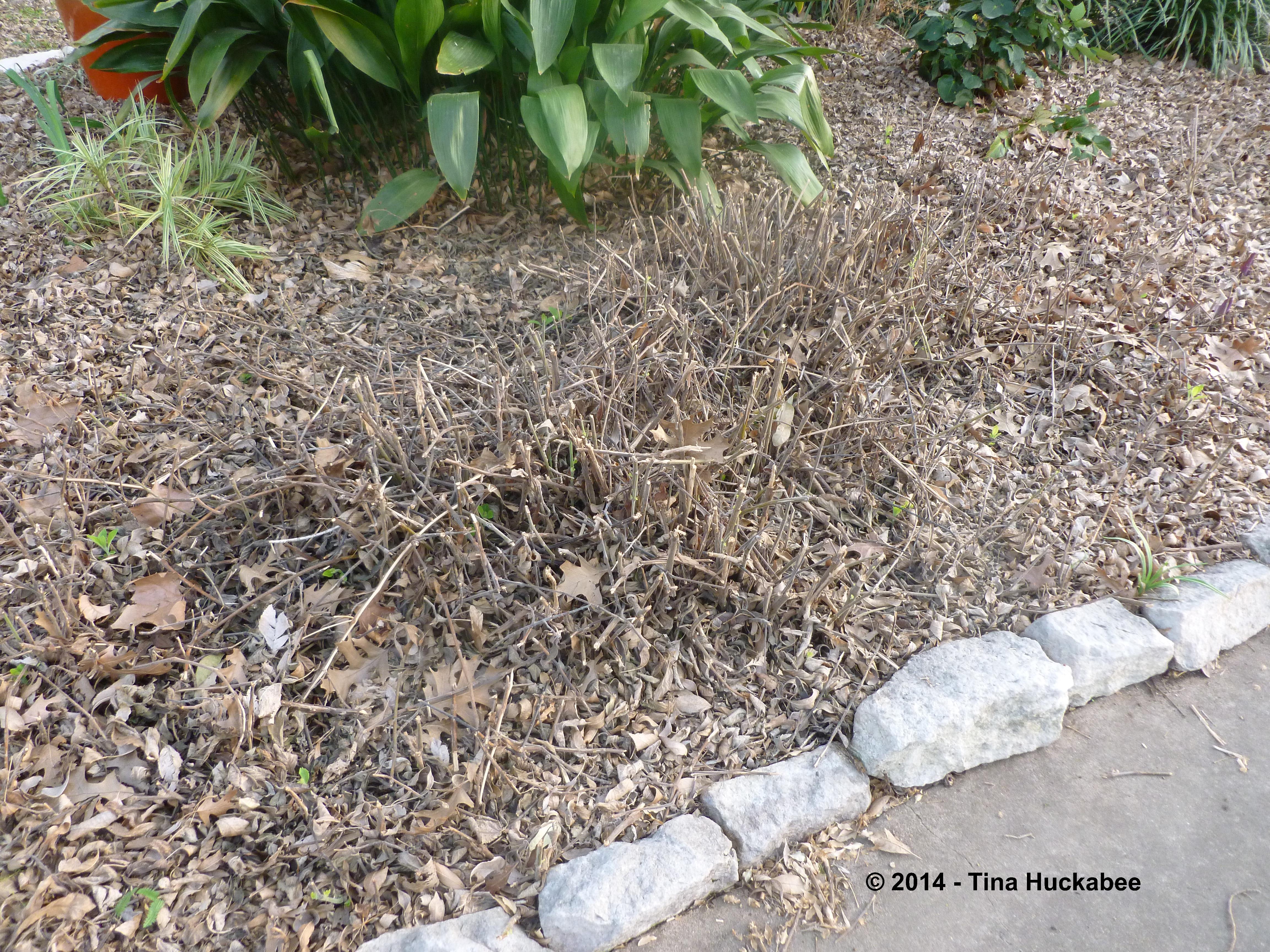
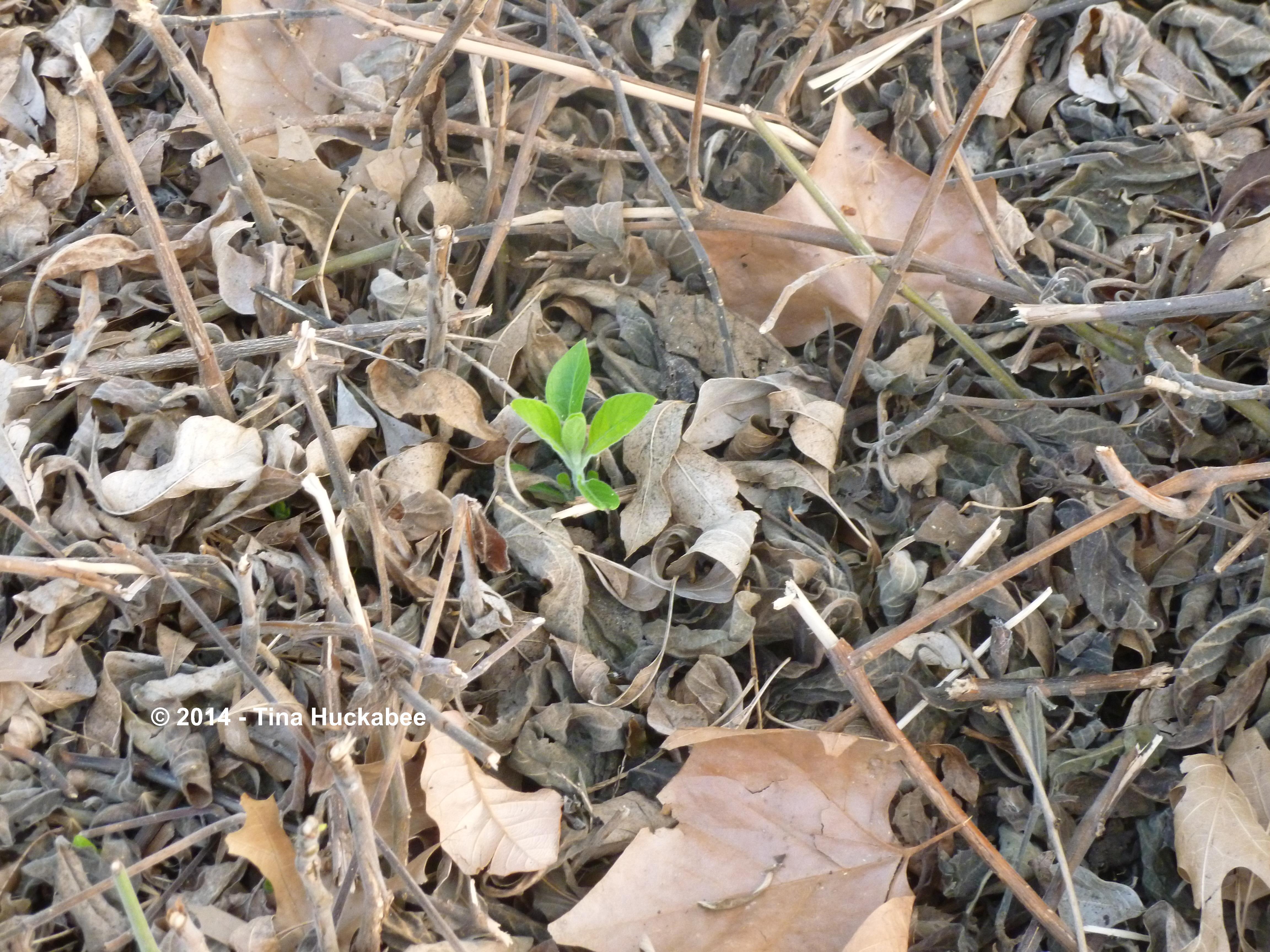
Spring is almost here.  The Mexican Honeysuckle (Justicia spicigera) is pruned to the ground

P1020790.new

but life begins anew.

P1020791.new

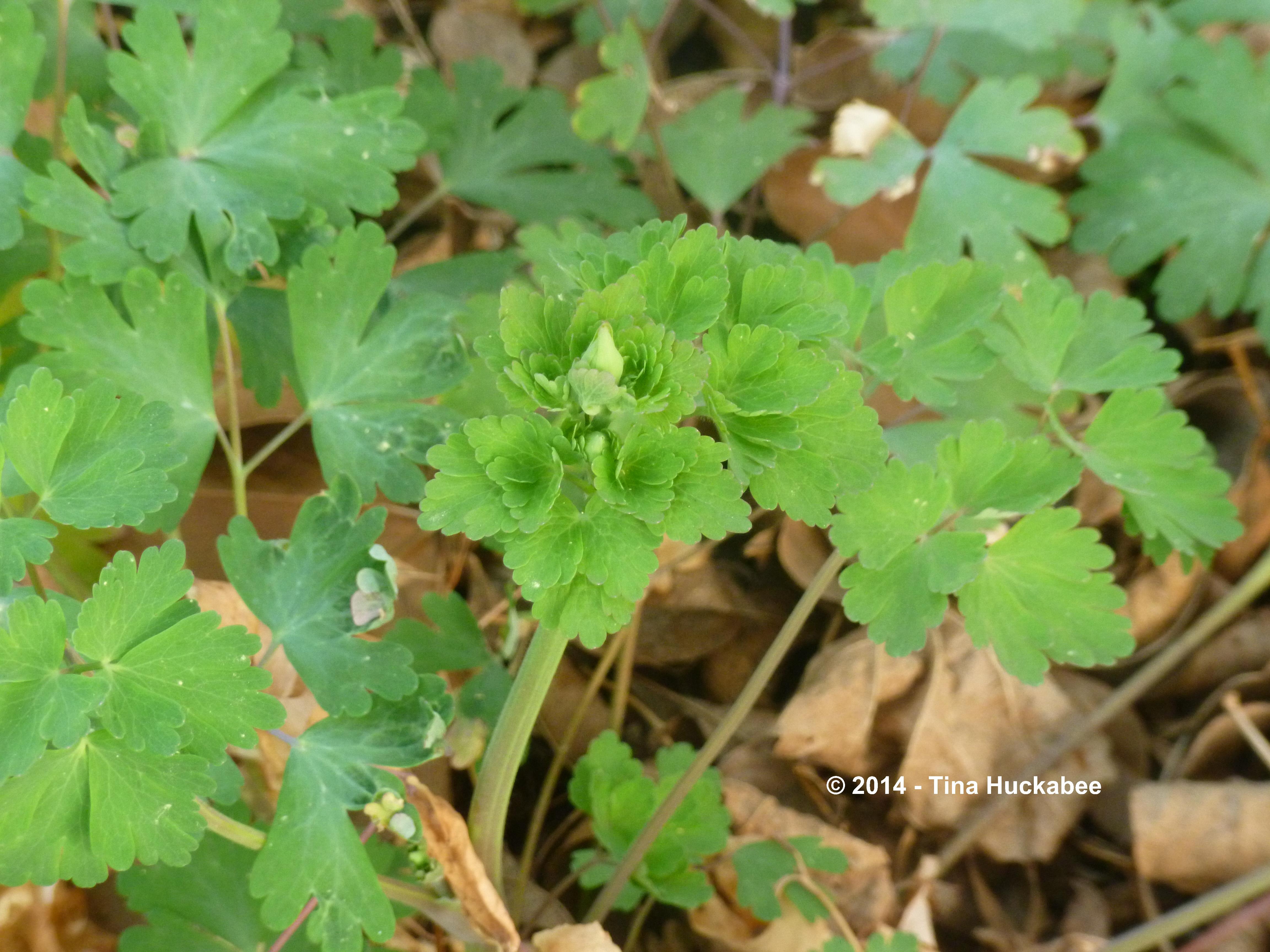
The Columbines (Aquilegia chrysantha var. hinckleyana) are lush,

P1020793.new

their first buds emerging.

P1020794.new

Bring it on, Spring.

Foliage Follow-Up, February 2014

This February I’m glad that my garden has enough interesting foliage to grace a gloomier-than-normal garden space. The Leatherleaf Mahonia (Mahonia bealei),

P1020601.new

remains a rich green, even with a thin coat of ice on the leaves.

I’ve fallen in love with ‘Sparkler’ Sedge  (Carex phyllocephala ‘Sparkler), a new addition to my gardens.

P1020604.new

I planted  three in the fall and they’ve performed well this winter.  I hope ‘Sparkler’ can handle the upcoming heat and accompanying dry summer without much babying from this gardener.

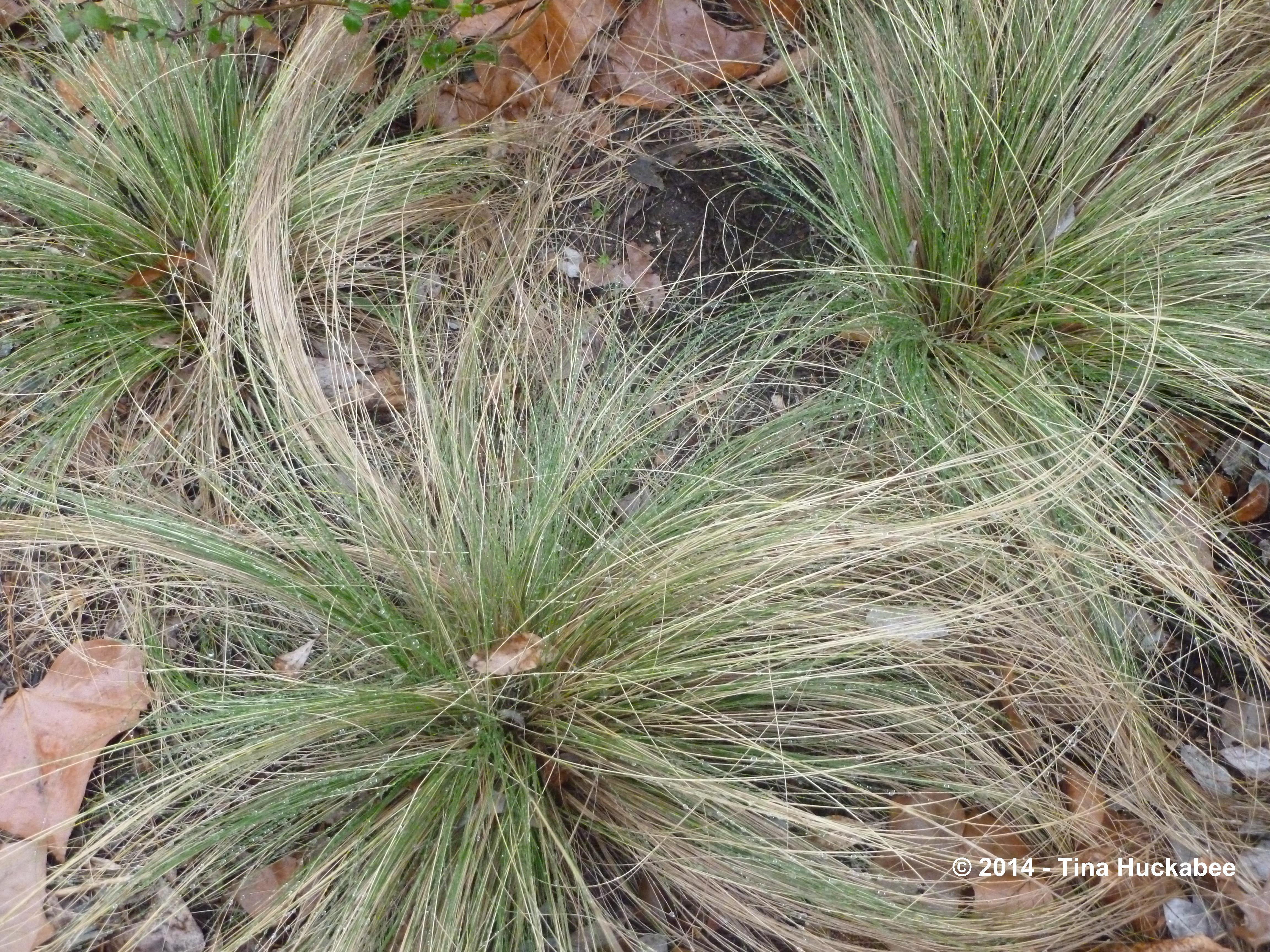
A favorite of mine all year round, the Mexican Feathergrass (Nassella tenuissima), is always graceful.

P1020607.new

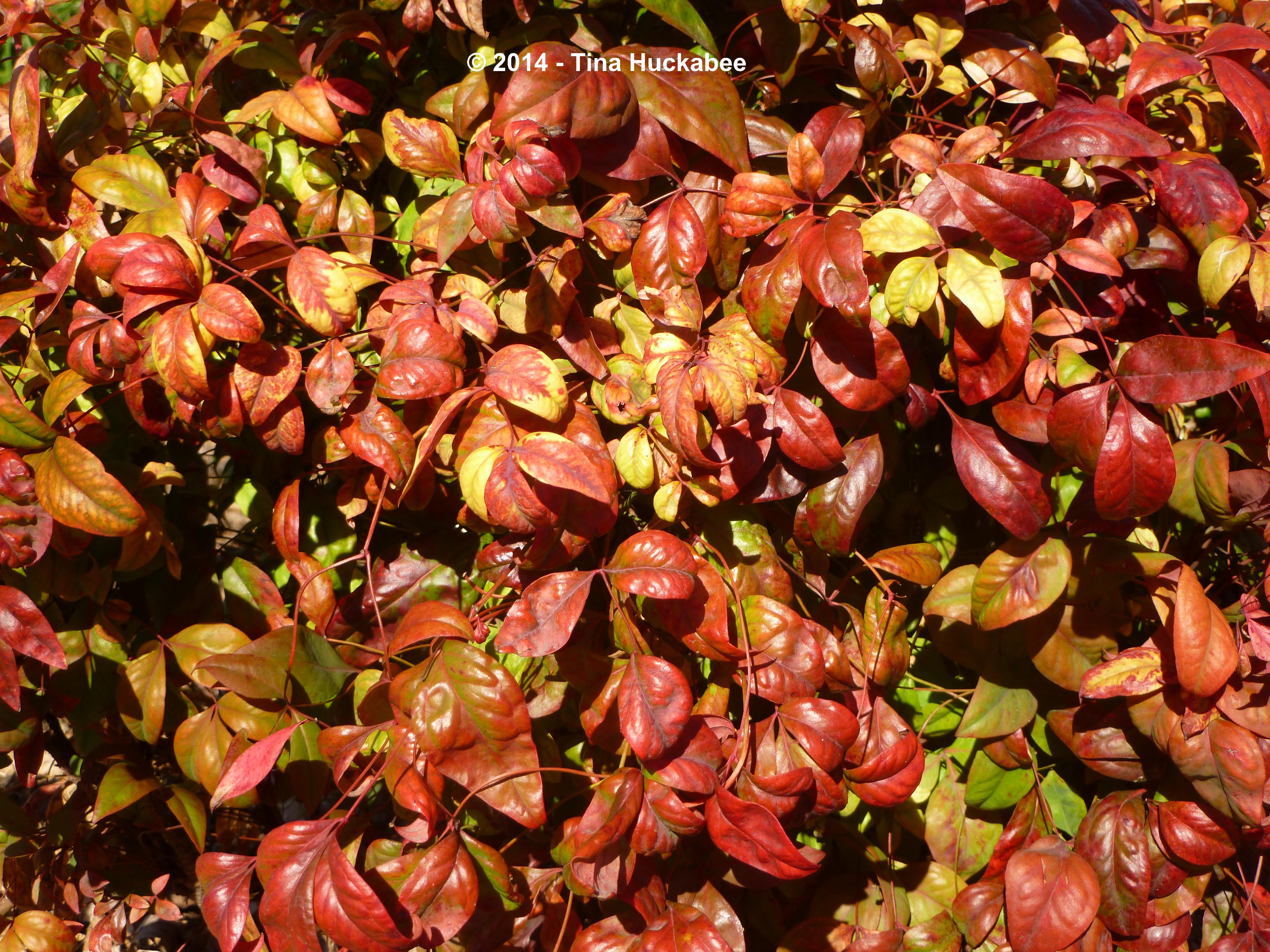
A trio of nice foliage plants.  The two larger shrubs, ‘Nana’ Nandina, display a remarkable mosaic of winter color.

P1020611.new

The ‘Nana’ are combined here with Yellow ‘Hinckley’ columbine (Aquilegia chrysantha var. hinckleyana) to the right and Berkeley sedge (Carex divulsa) on the left, at the bottom of the photo.

A closer look at the foliage of the ‘Nana’ Nandina, first on a cloudy day,

P1020631.new

then on a bright, shiny day.

P1020637.new

Either way, it  cheers up the winter garden.

Lastly, the Pale-leaf yucca (Yucca pallida),

P1020615.new

always lends texture to the garden.  I especially love the yellow/orange-yellow strips bordering the leaves.  And the grey-blue of those leaves is striking all year-long.

Thanks to Pam at Digging for hosting the tribute to foliage.