My Fabulous Foeniculum is no more.

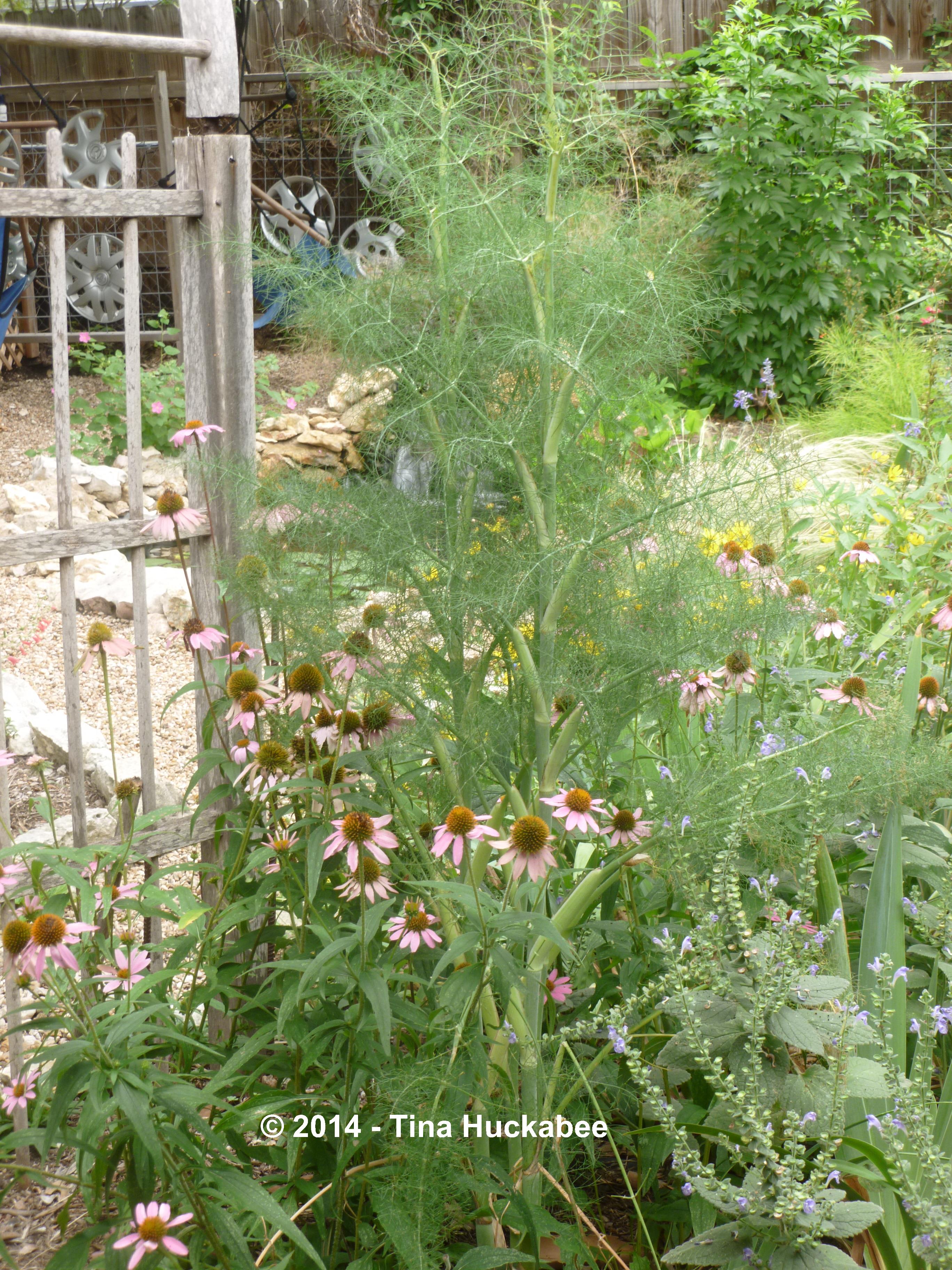
In June 2014, I wrote this post about a single Fennel plant, Foeniculum vulgare, which was a couple of years old at that time. In addition to its cloud-like, airy beauty in the garden,
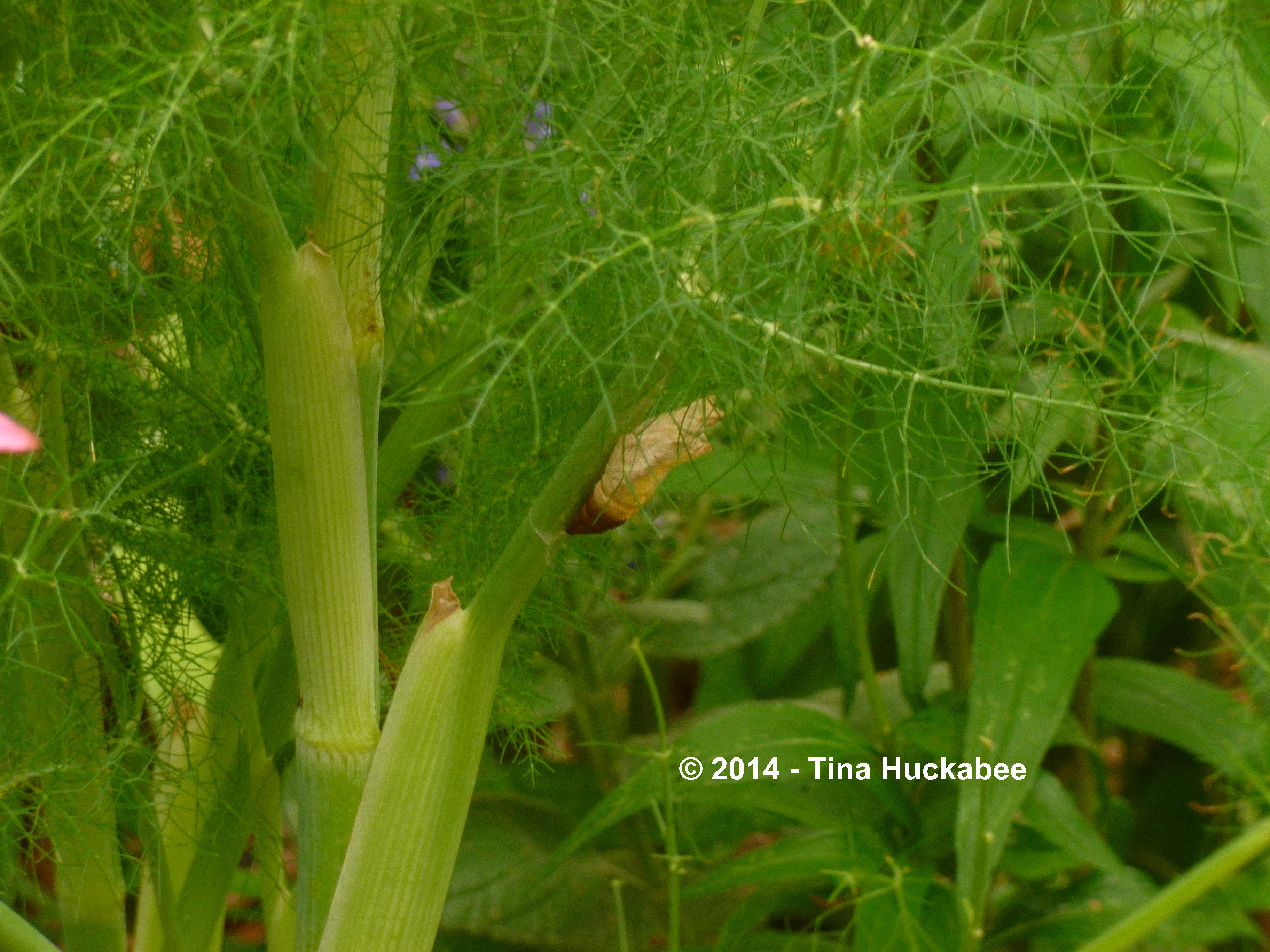
…it was the nursery and all-you-can-eat cafe for scores of Black Swallowtail butterfly caterpillars.


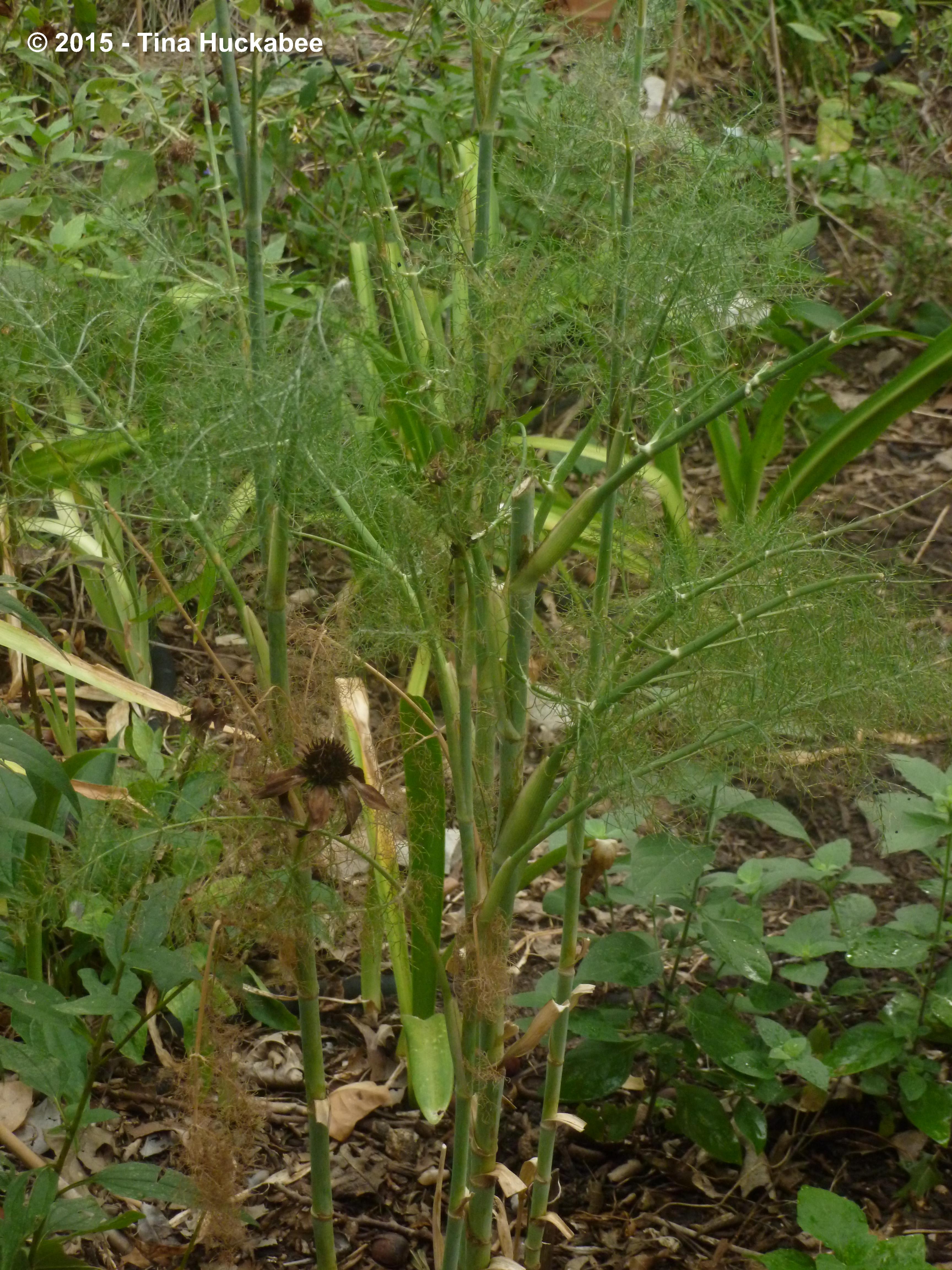
This particular fennel plant was apparently very happy situated in this mostly morning sun spot.

It not only withstood at least two full Central Texas summers and most of a third, but grew quite tall at points during its life.
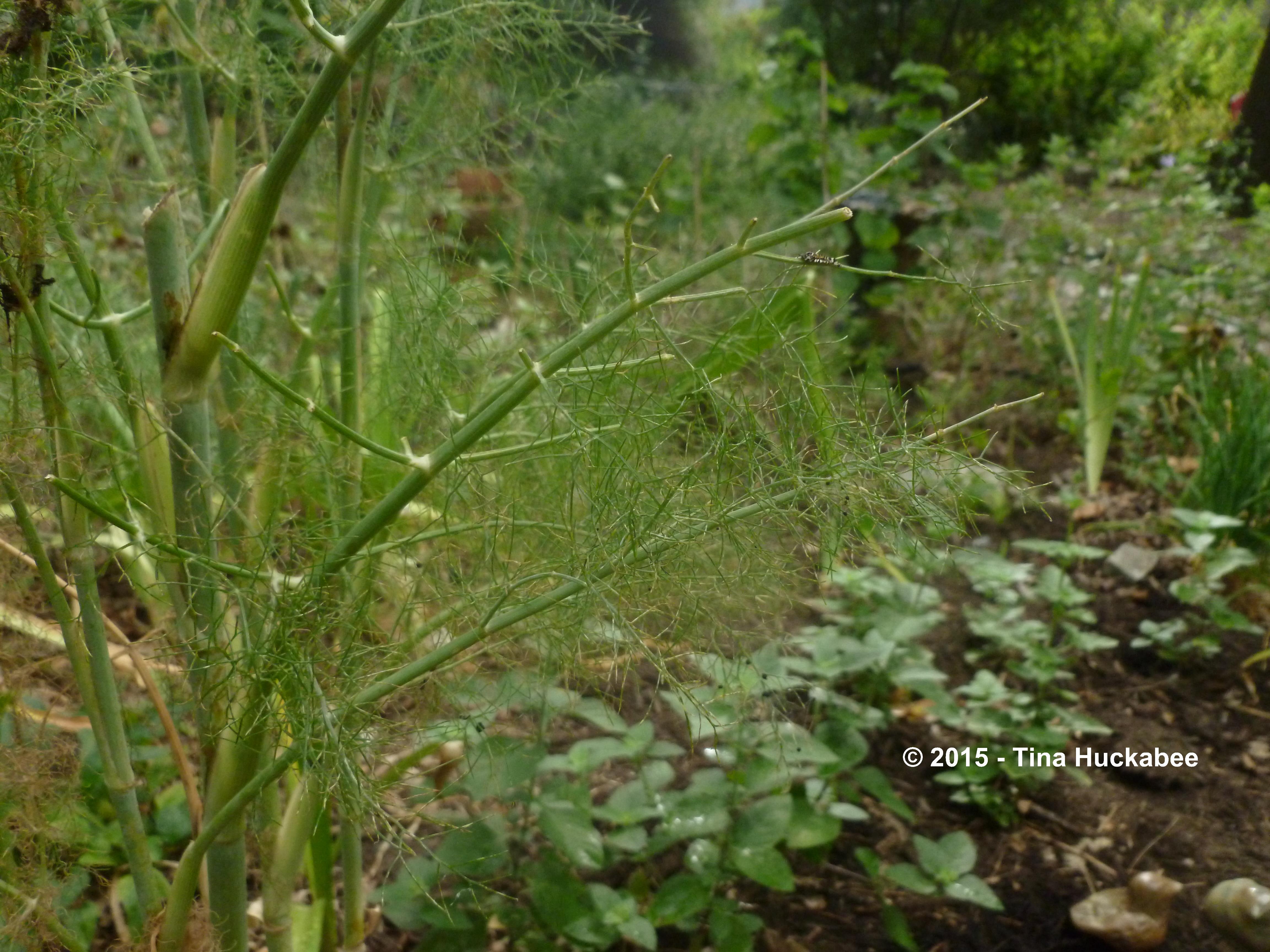
I named it Mega-Fennel. This past summer Mega-Fennel started off just fine: lush and full of life and ready for the summer onslaught of butterfly larvae. But during July and August I began noticing fennel foliage die-off.

I hoped, rather than believed, that if I pruned the dead and dying foliage, that somehow, miraculously, Mega-fennel would rally and survive.

Alas, it did not rally. In September, Mega-Fennel was good and dead. I dug it up and unceremoniously tossed the long-lived and butterfly life-giving fennel into my compost bin.
I held no funeral for the fab Foeniculum.
Once the temperatures cooled, local nurseries began carrying fennel again–they suspend selling the cool-season herb during our long summers–I purchased several. I’ve replaced Mega-Fennel,


… from bronze to green, and have added others to my garden. I prefer bronze fennel;

I think it’s hardier than the more weak-stemmed green fennel. Butterflies like both and lay their eggs equally on fennel, regardless of slight differences in foliage hue.
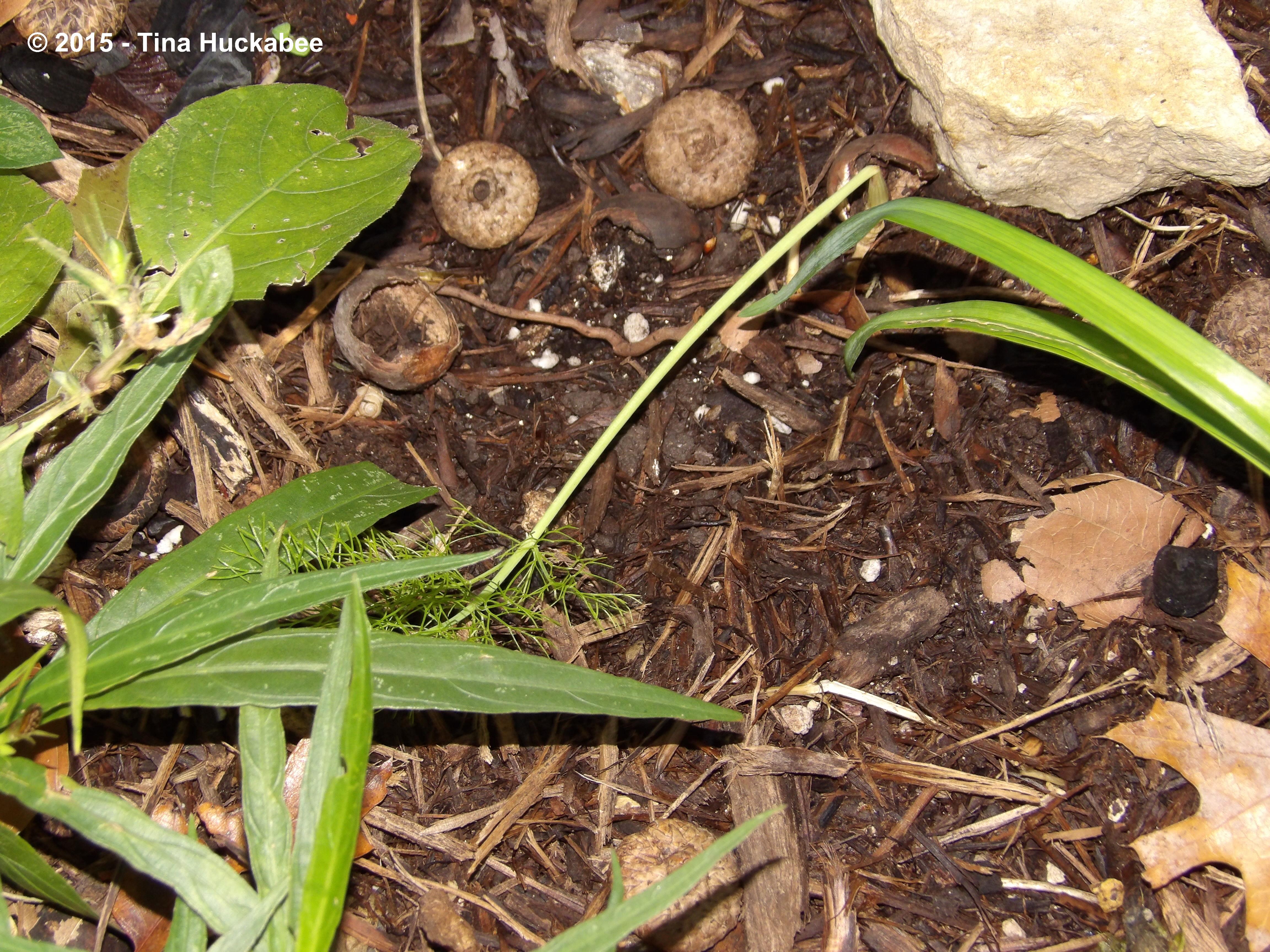
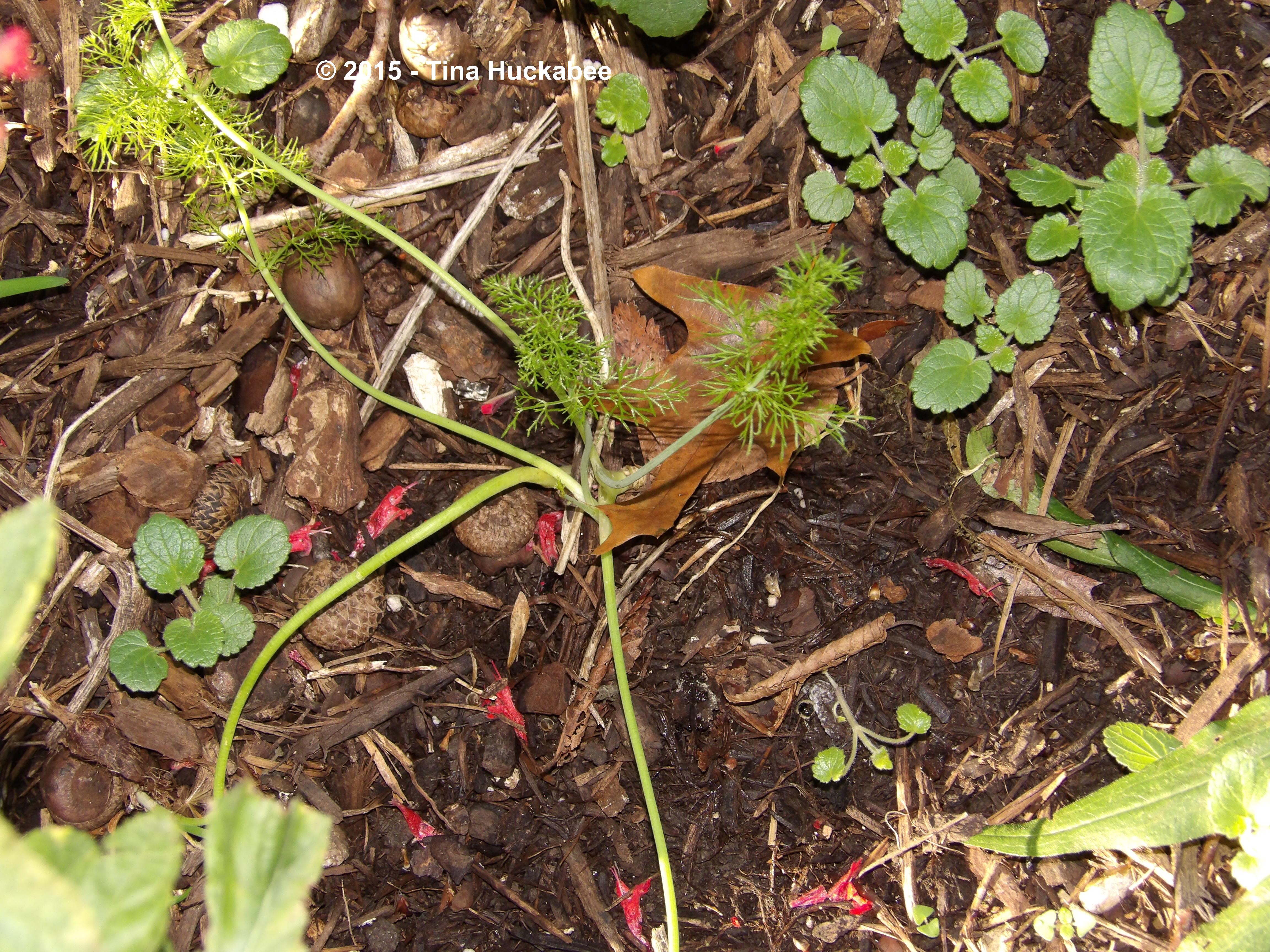
Only a few of the other fennel that I’ve grown have lasted more than one season and none as long as Mega-Fennel. I’ve planted some fennel in full sun and they thrive in the cool months of October-May, but once the calendar flips over to June and summer heat settles in, full-sun fennel suffers under the death rays of the Texas sun. I think Mega-Fennel’s grand success was due to its morning sun position. Going forward, fennel planted in my garden will be placed in dappled light or morning sun.
I plant fennel to attract and feed butterflies, specifically the larval form of the Black Swallowtail, Papilio polyxenes. If you look at information about this gorgeous butterfly of the Americas, there’s no specific mention of fennel as a host plant. Most insects prefer “host” plants that their larval forms feed on and usually, host plants and their insects evolved together. Native plants are intrinsic to the insects of a given region–they are partners in the wider food chain. Historically, the Black Swallowtail larvae wouldn’t have dined on fennel because it’s not a native plant to North America, but instead, an introduced Mediterranean herb. The Black Swallowtail larvae feed on plants from the Apiaceae, or Carrot Family. According to the Lady Bird Johnson Wildflower Center’s plant database, there are about 100 native North American plants in the Apiaceae family and just over half of those grow here in Texas. Some of these are perennials, some are annuals; most sport umbel inflorescence. A few are water plants and many look like they’d be quite delicious added to a salad. I have to assume (though I didn’t find specific information confirming this) that in unadulterated habitats, Black Swallowtails would use at least some of these plant hosts for their larvae. Considering that wild space is now at a minimum and disappearing rapidly, what’s a Black Swallowtail to do?
I’m not sure I’ve ever seen native Texas Apiaceae plants for sale, though I’ll bet seeds are available at Wildseed Farms or Native American Seeds. Because the native Apiaceae plants are not the commercially appealing landscape plants common in the retail nursery trade, the next best thing for the wildlife gardener is to plant an introduced species which is a member of the Apiaceae Family, that is regularly available for purchase, and that butterflies can adapt to. And that’s exactly what has happened–in my garden and many others.
I’d rather grow native plants, but will make-do with appropriate non-natives if necessary. As long as the butterflies are happy, eating well and laying eggs, this gardener is happy.
Other introduced host plants of the Black Swallowtail are dill, carrot, and celery. But for my garden and in hopes of hosting another Mega-Fennel, I’ll stick with fennel for my visiting swallowtails and their progeny.






 My Gardener Says...