Foliage Follow-up, April 2014

Spring has definitely sprung here in Austin and though blooms may be foremost for most garden lovers, foliage loveliness deserves a shout-out.   Here are my foliage favorites for April.

The summer and fall blooming Gregg’s Mistflower (Conoclinium greggiisports deeply lobed foliage, giving rise to one of the common names for this hardy ground cover, Palmleaf Mistflower.

P1030173.new


Yarrow (Achillea millefolium) has beautiful foliage year-round.  It’s delicate, fern-like and spreads well (sometimes too well).  Yarrow is evergreen, hardy and drought tolerant.

P1030174.new

It brightens this shady spot.

A perennial favorite of mine and one I’ve profiled before, Mexican Feathergrass (Nassella tenuisima) is at the zenith of beauty in the spring.

P1030180_cropped_4282x2843..new


P1030223_cropped_4055x3253..new

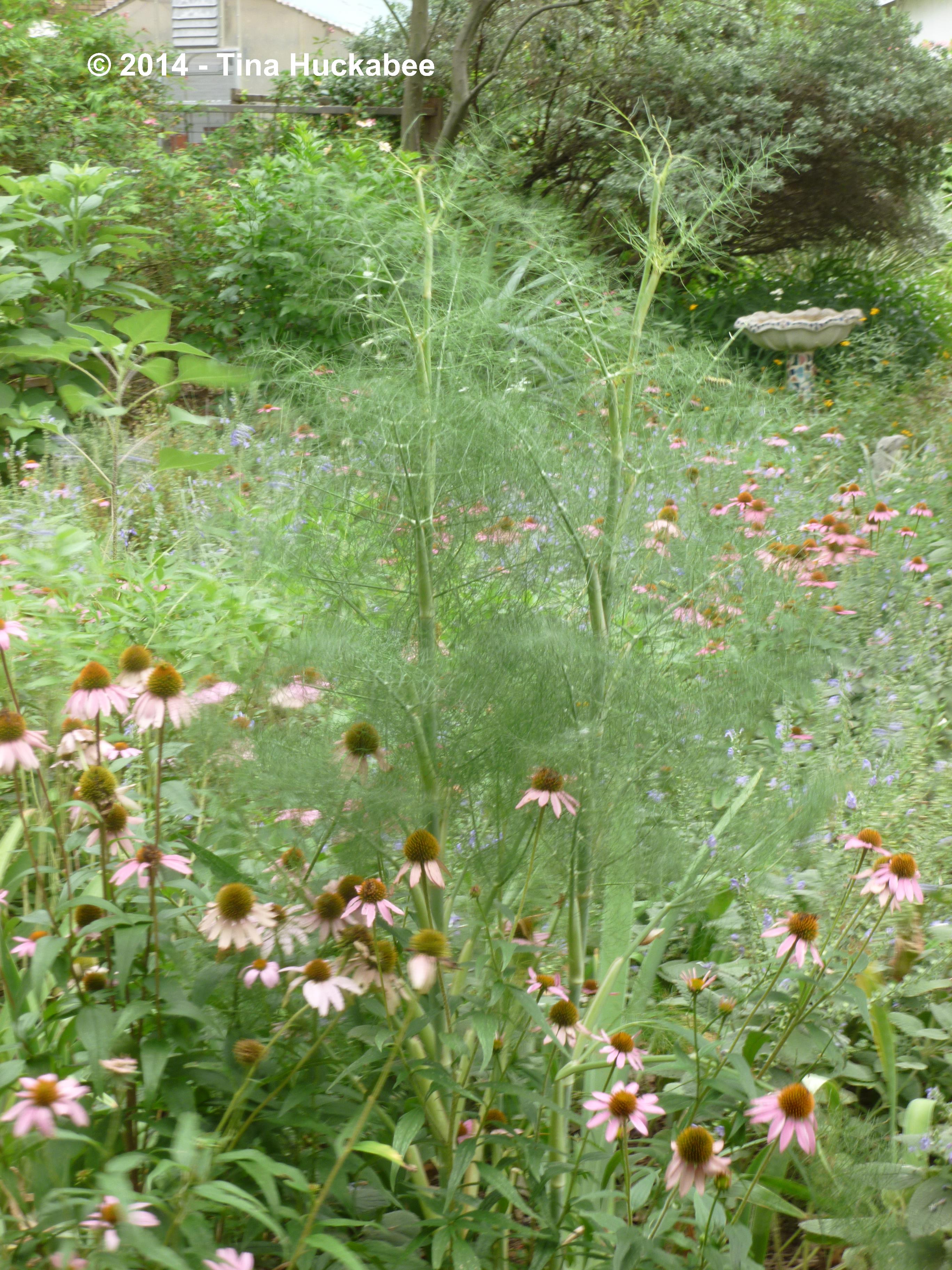
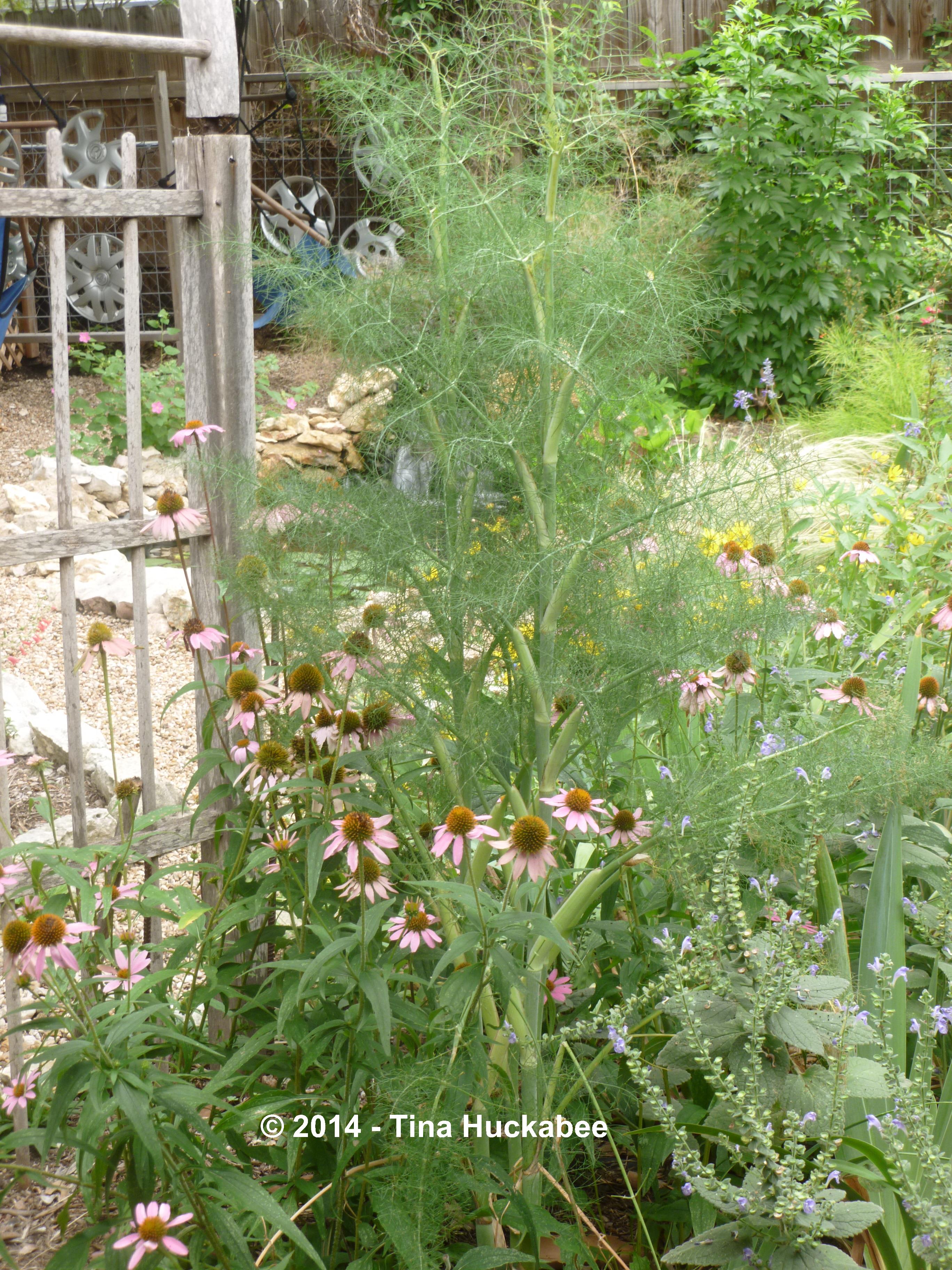
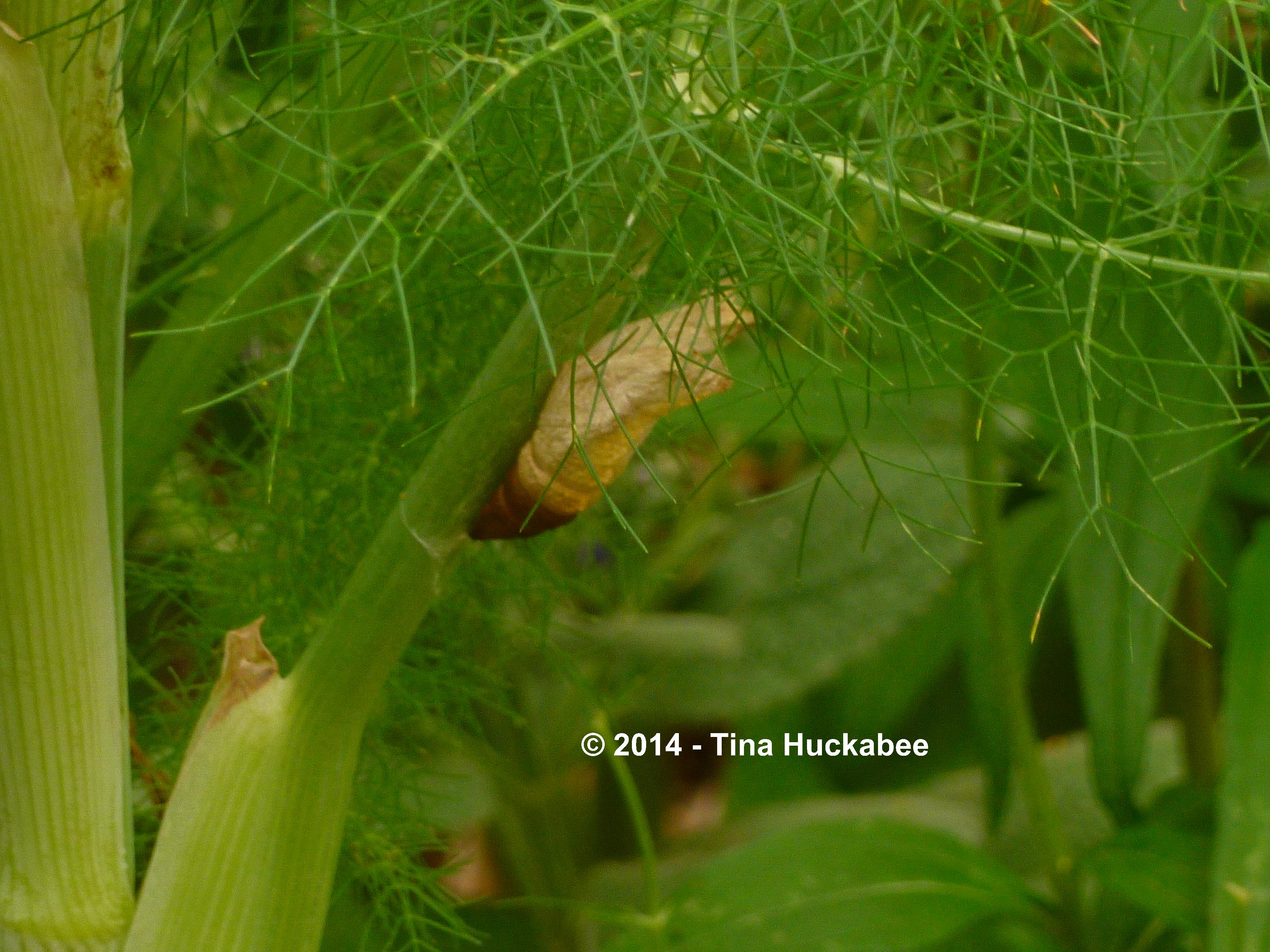
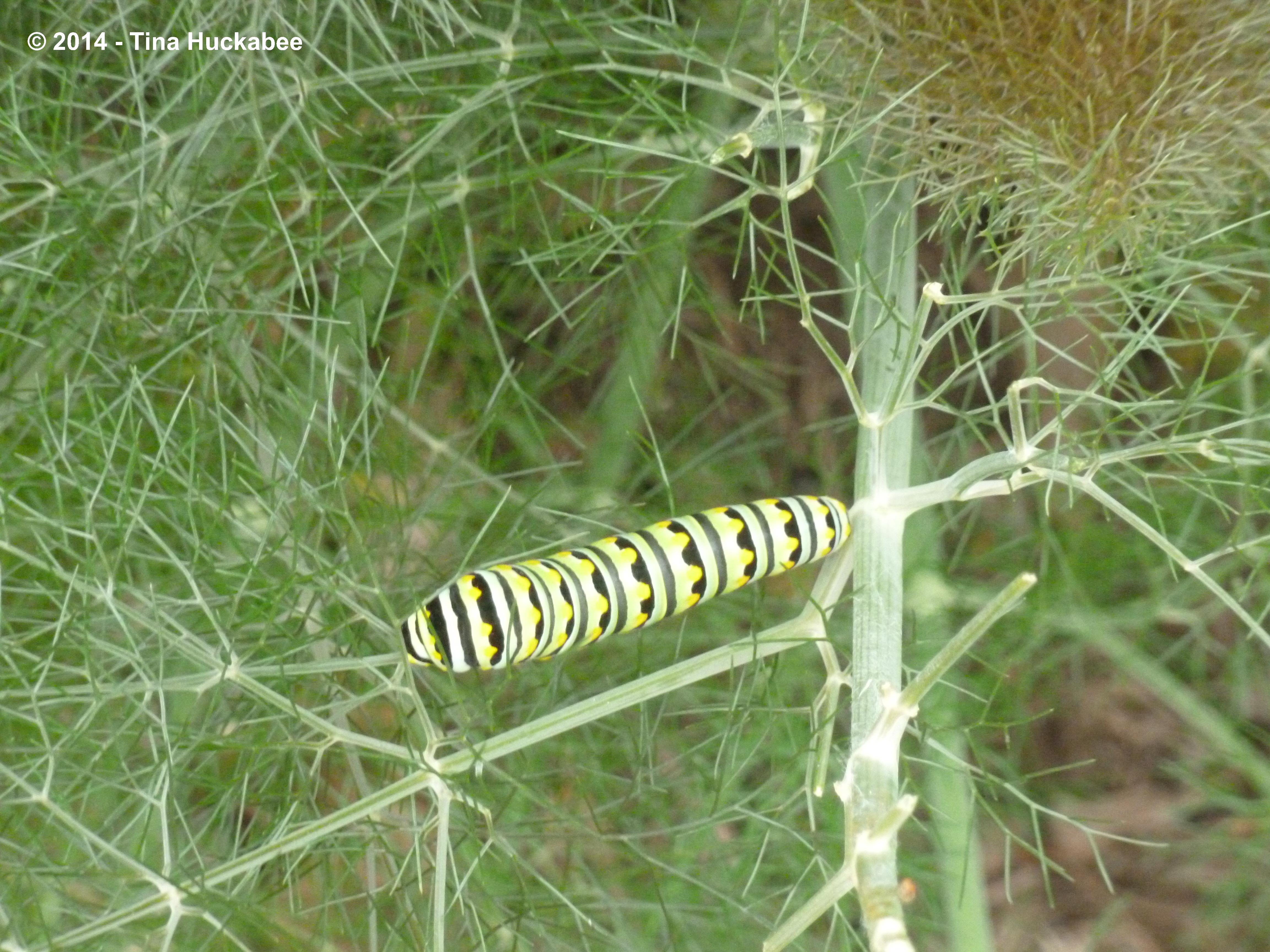
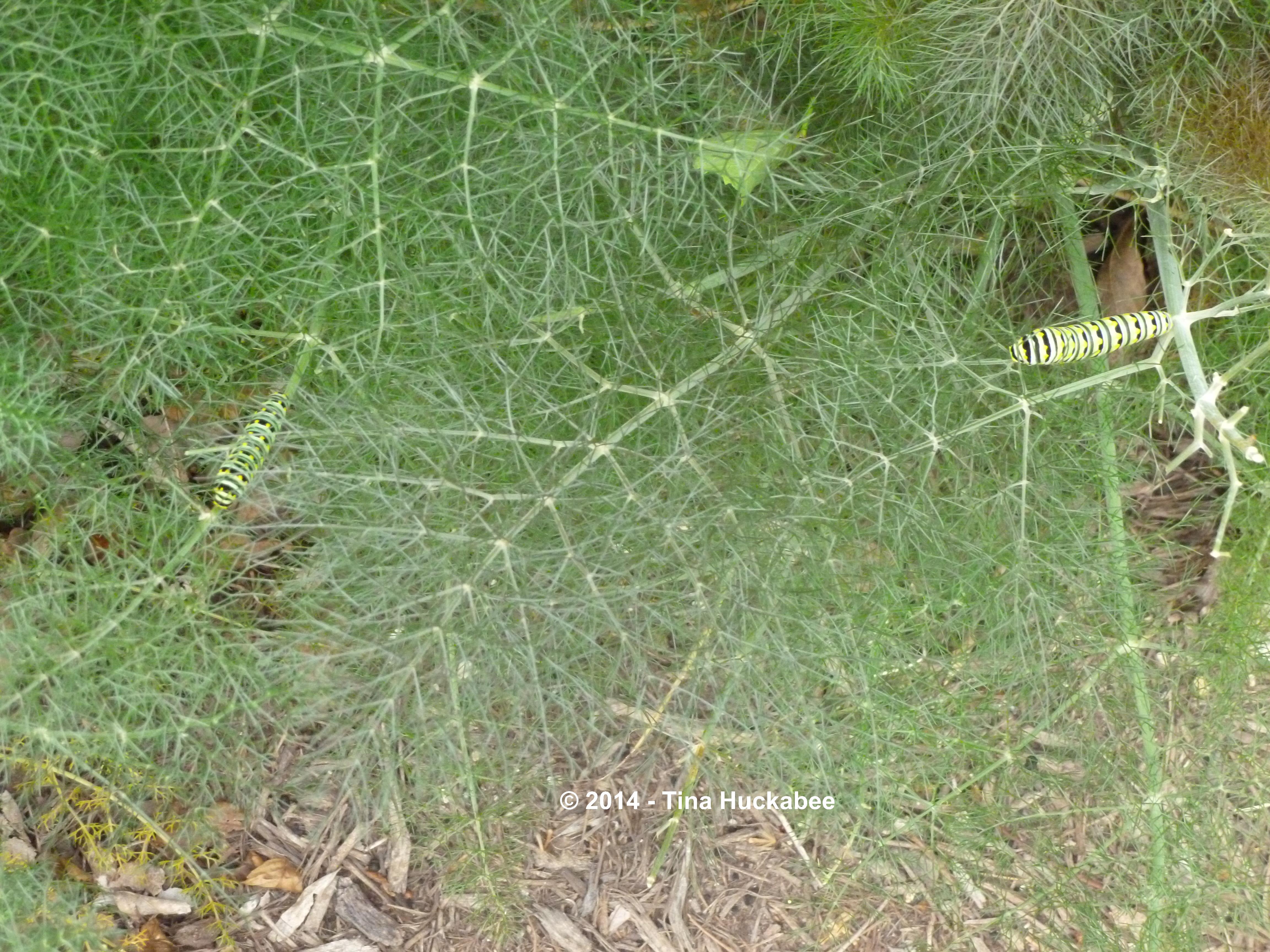
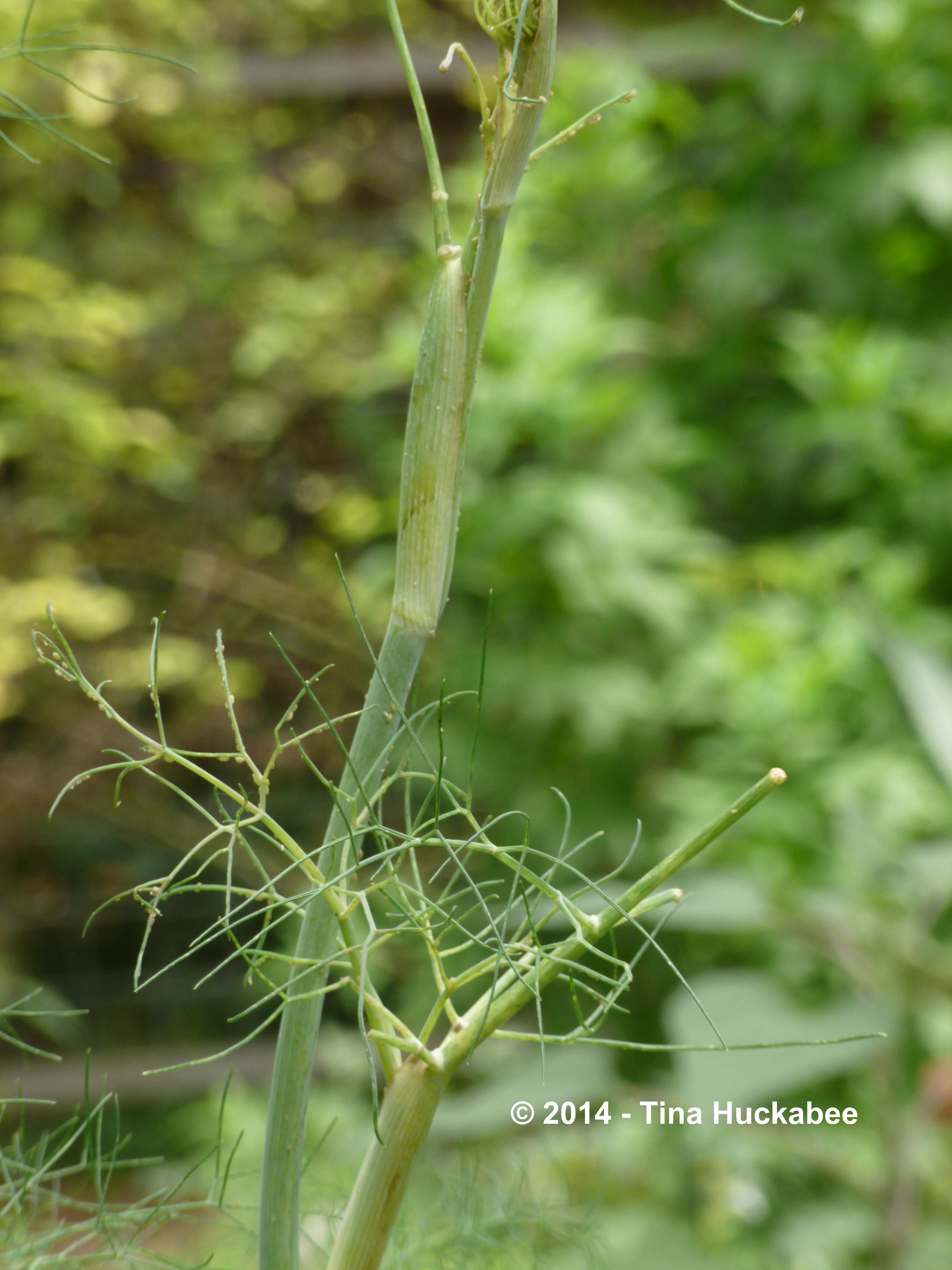
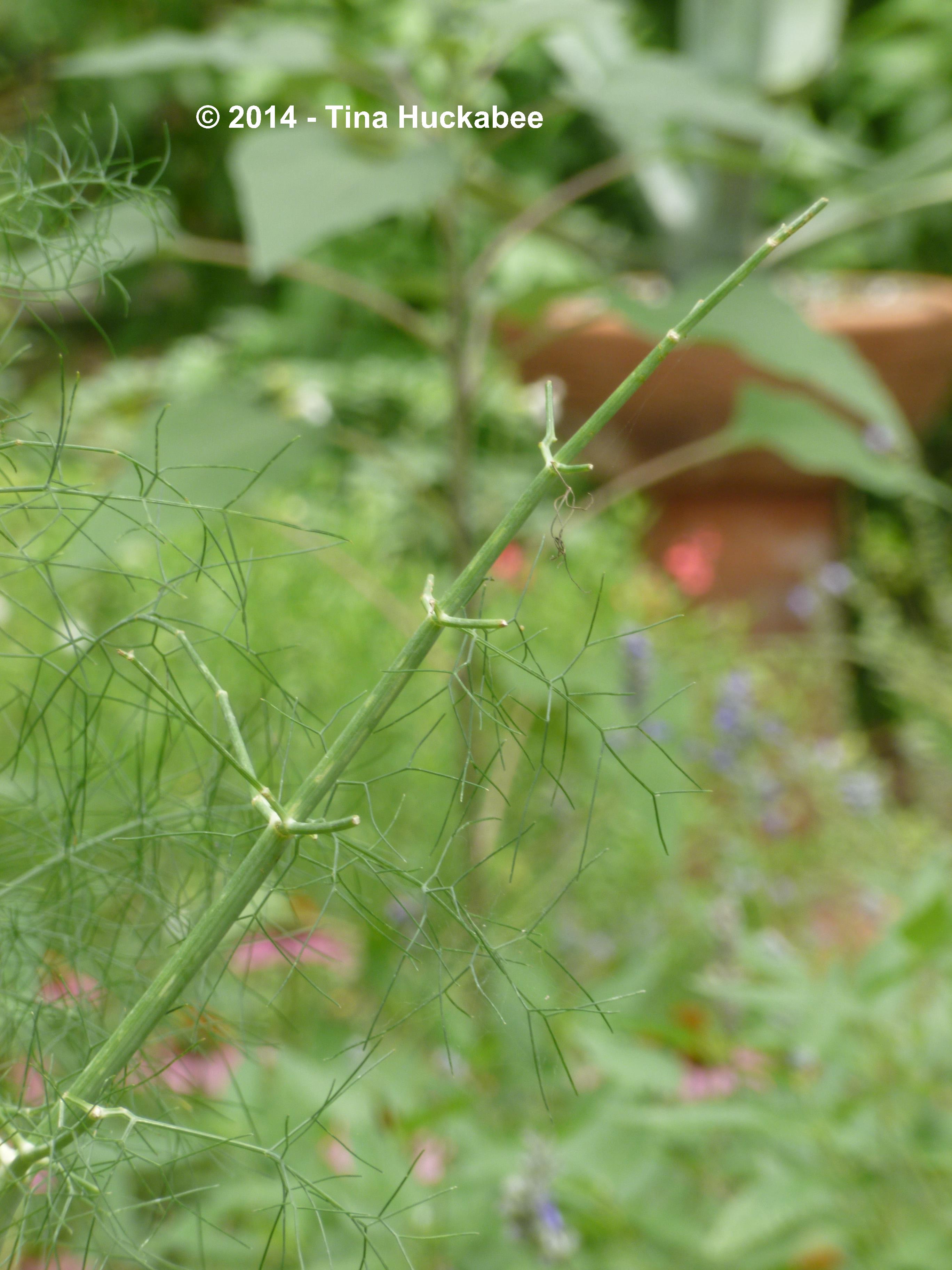
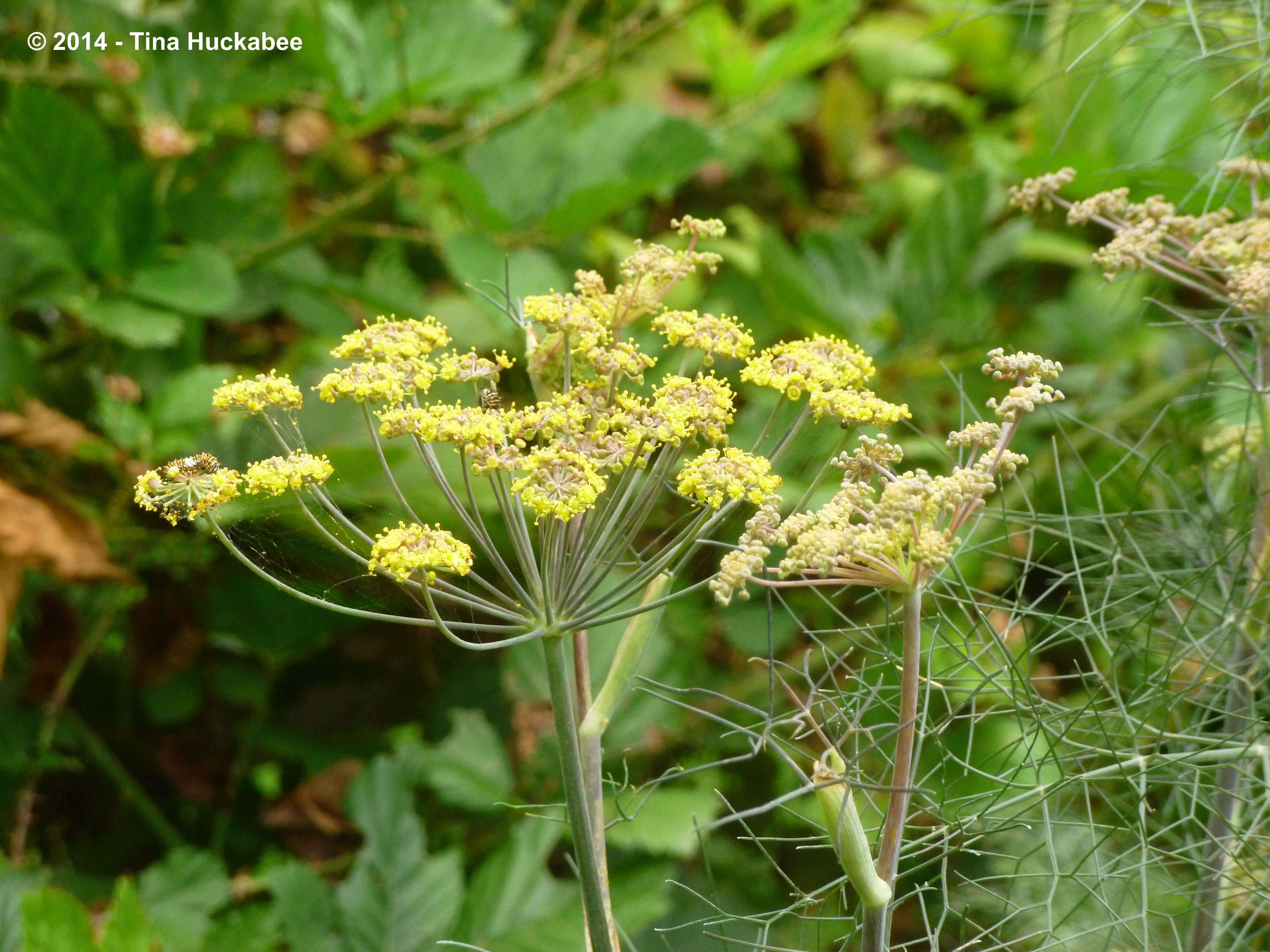
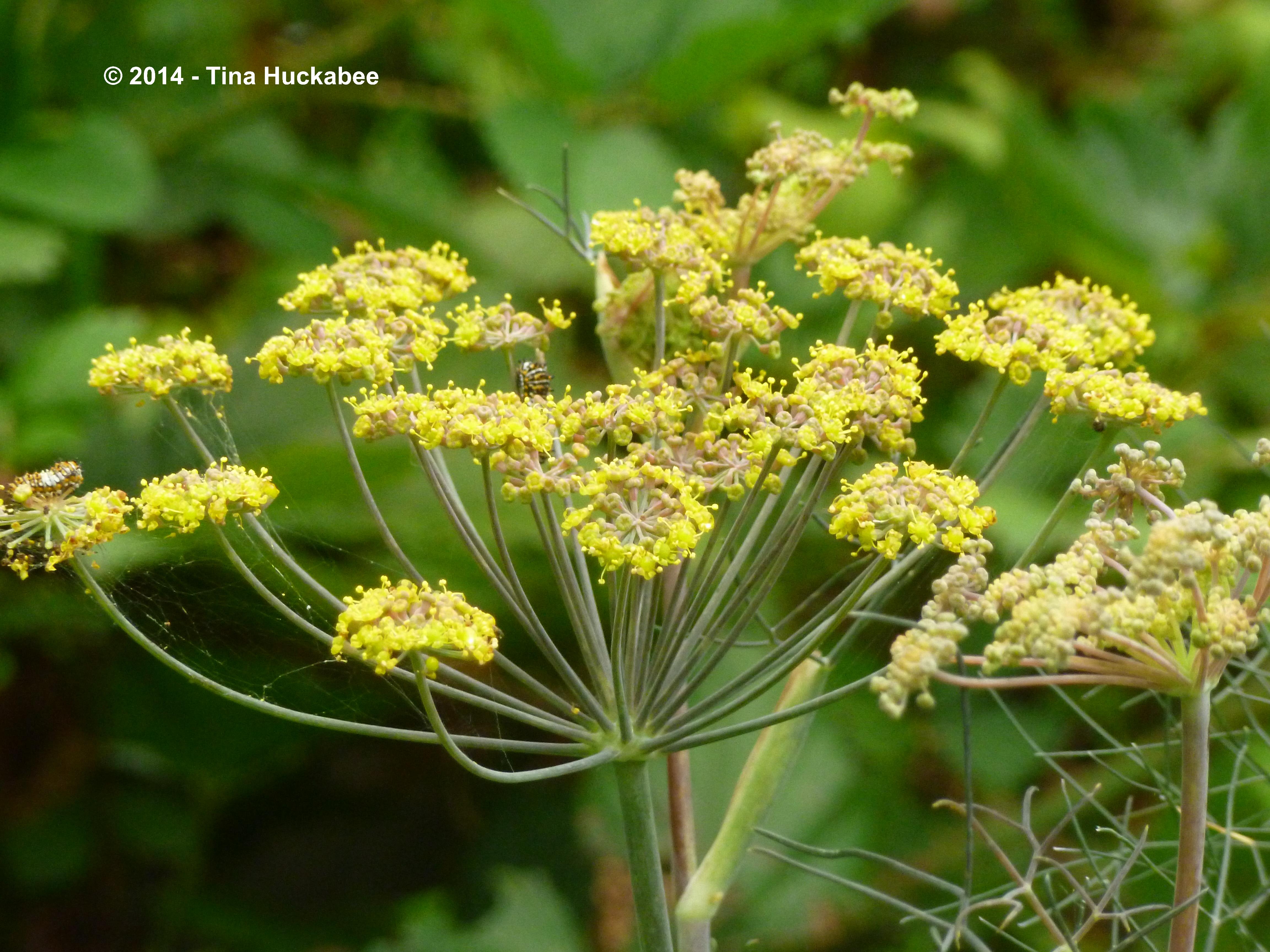
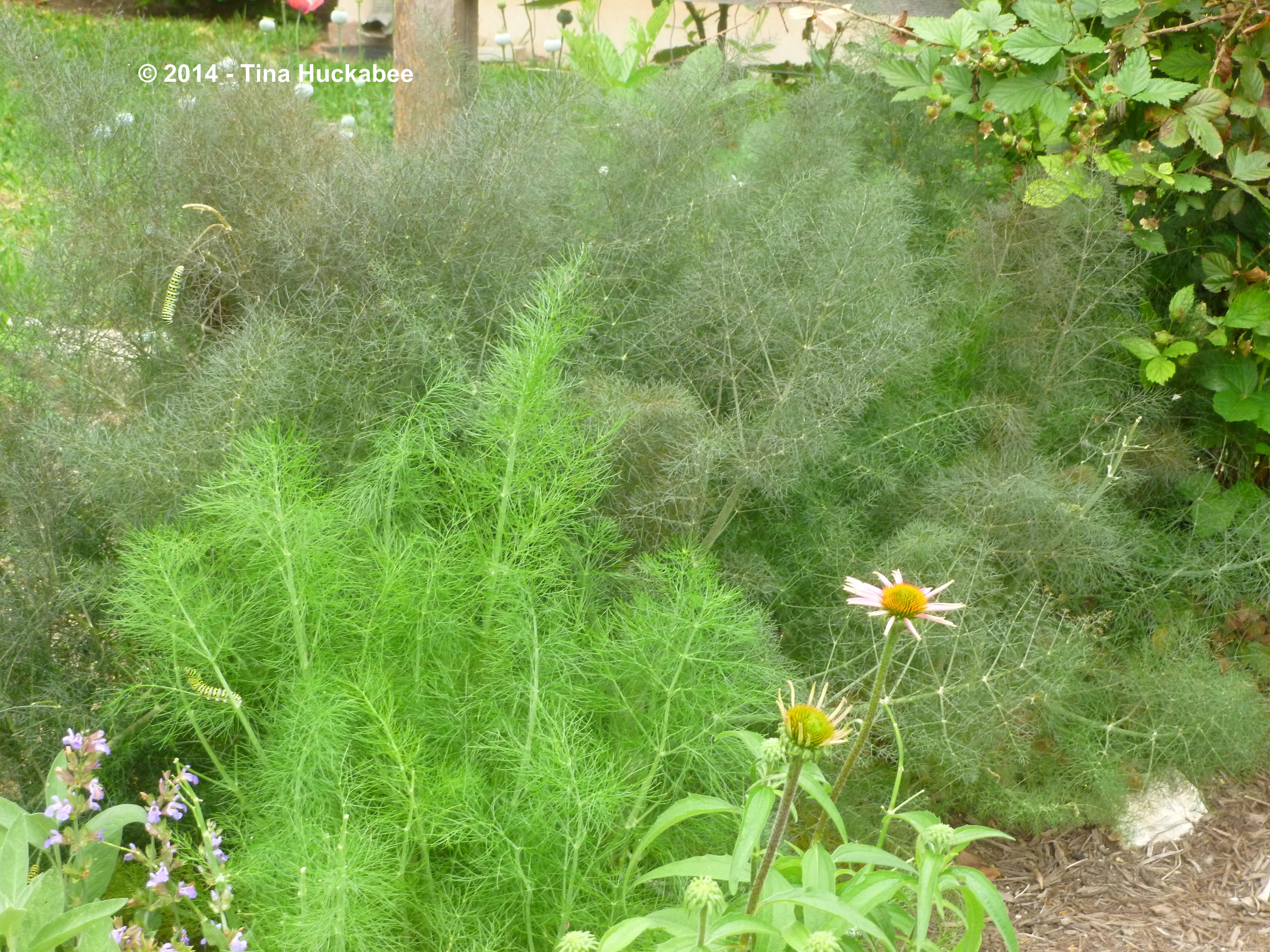
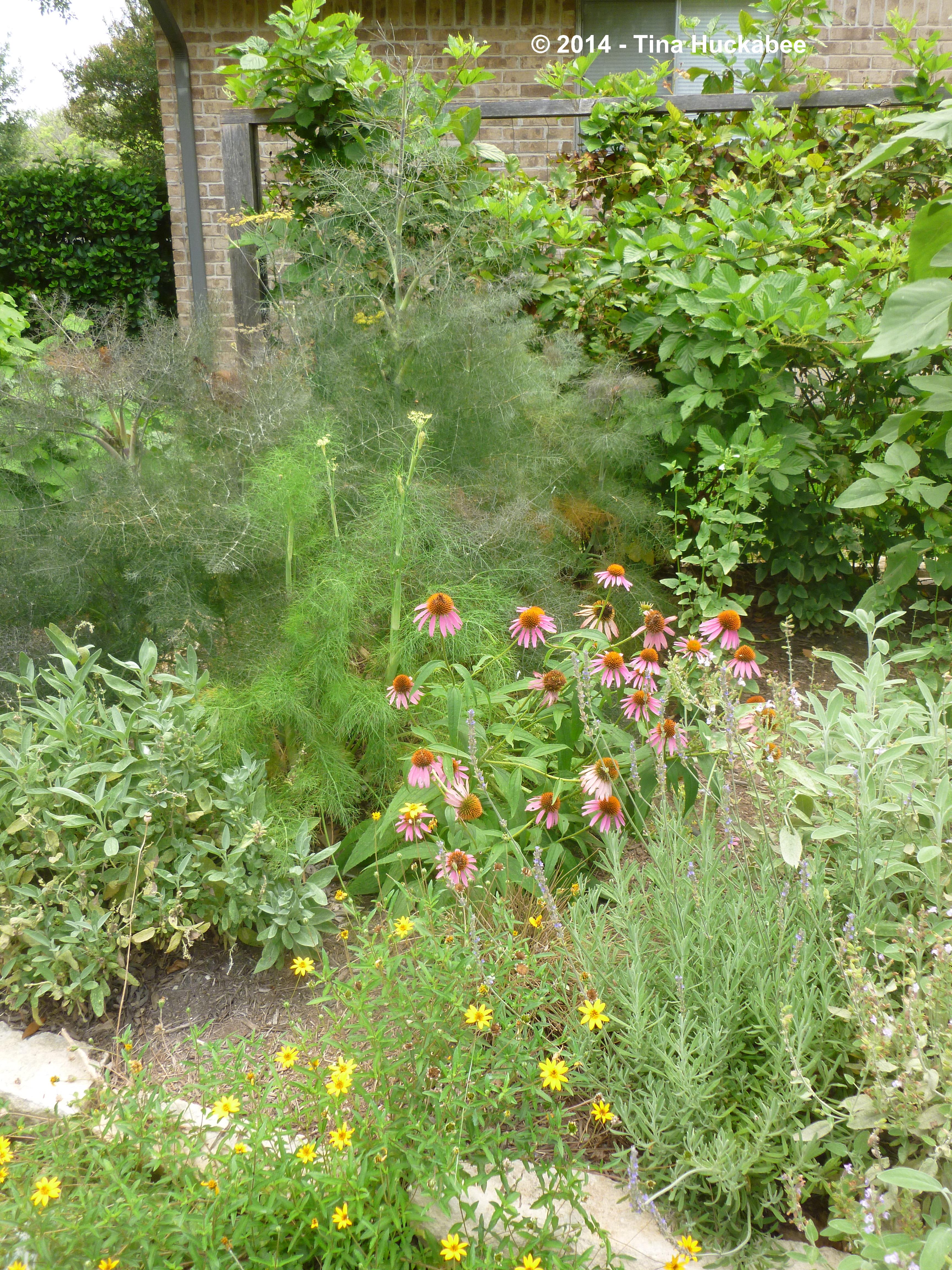
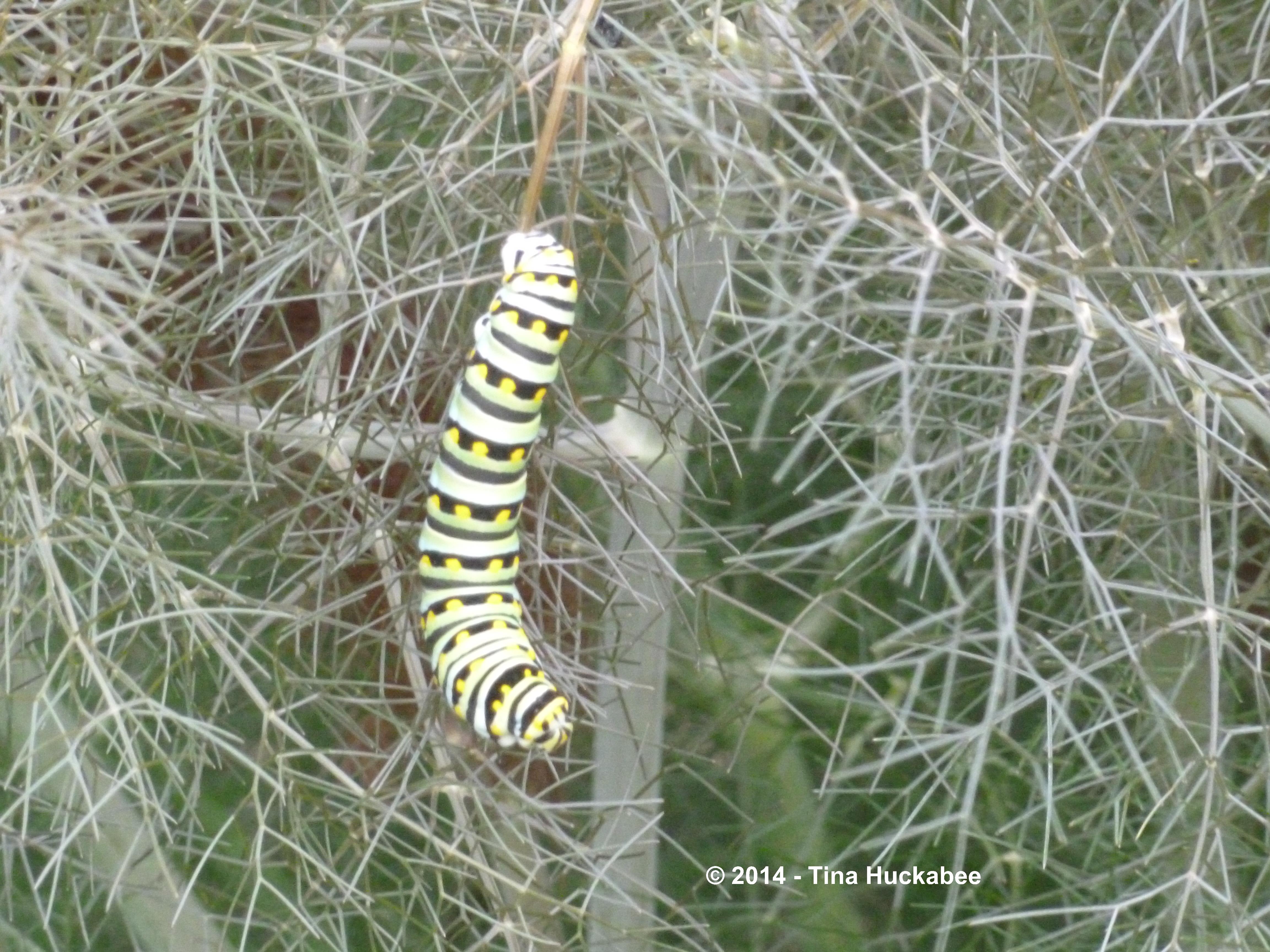
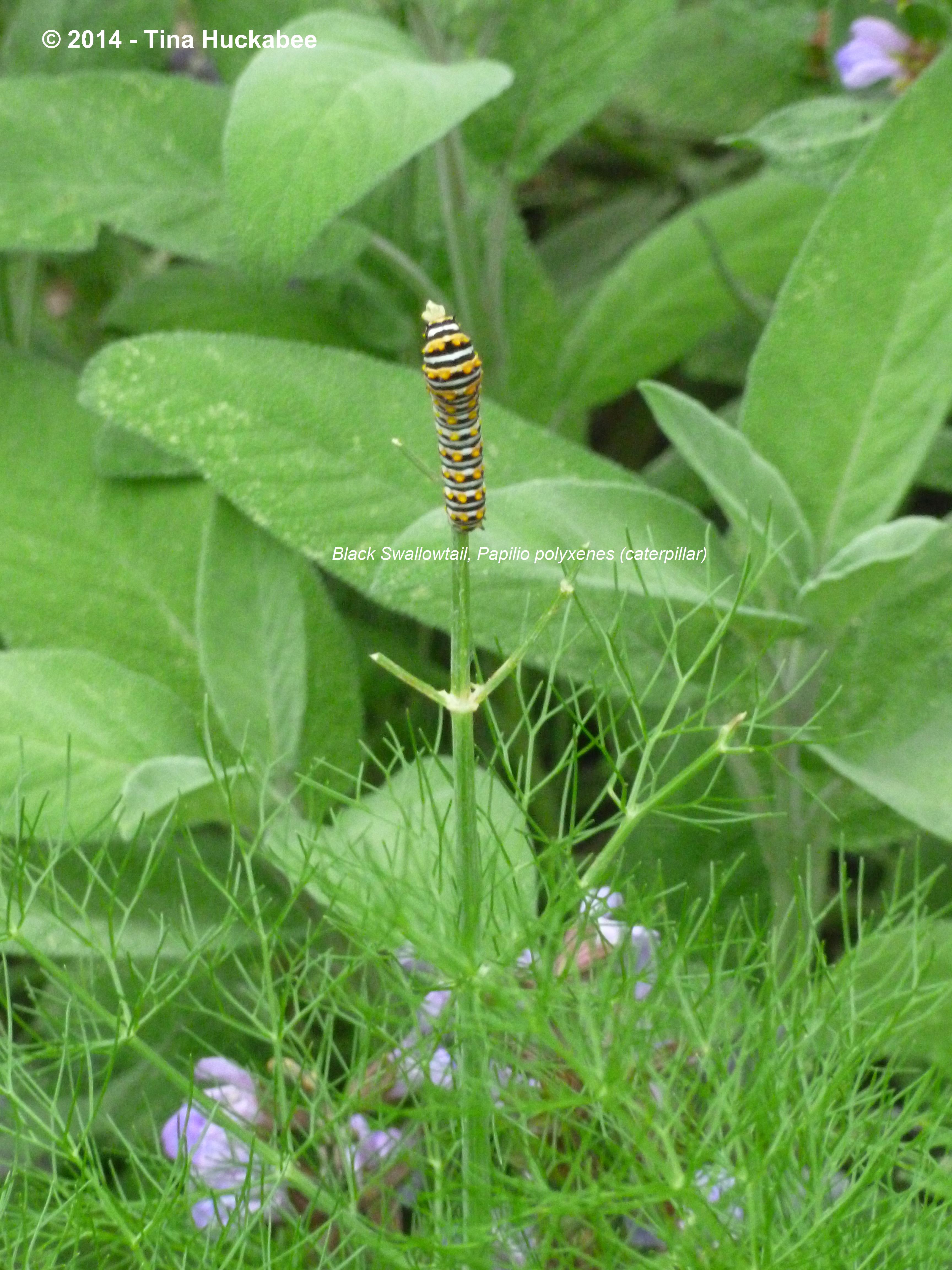
The lone green Fennel (Foeniculum vulgare)  in my back gardens apparently wasn’t decimated by butterfly larva last year.

P1030181.new

With soft, graceful foliage, it’s a wonderful addition to the mixed perennial garden.

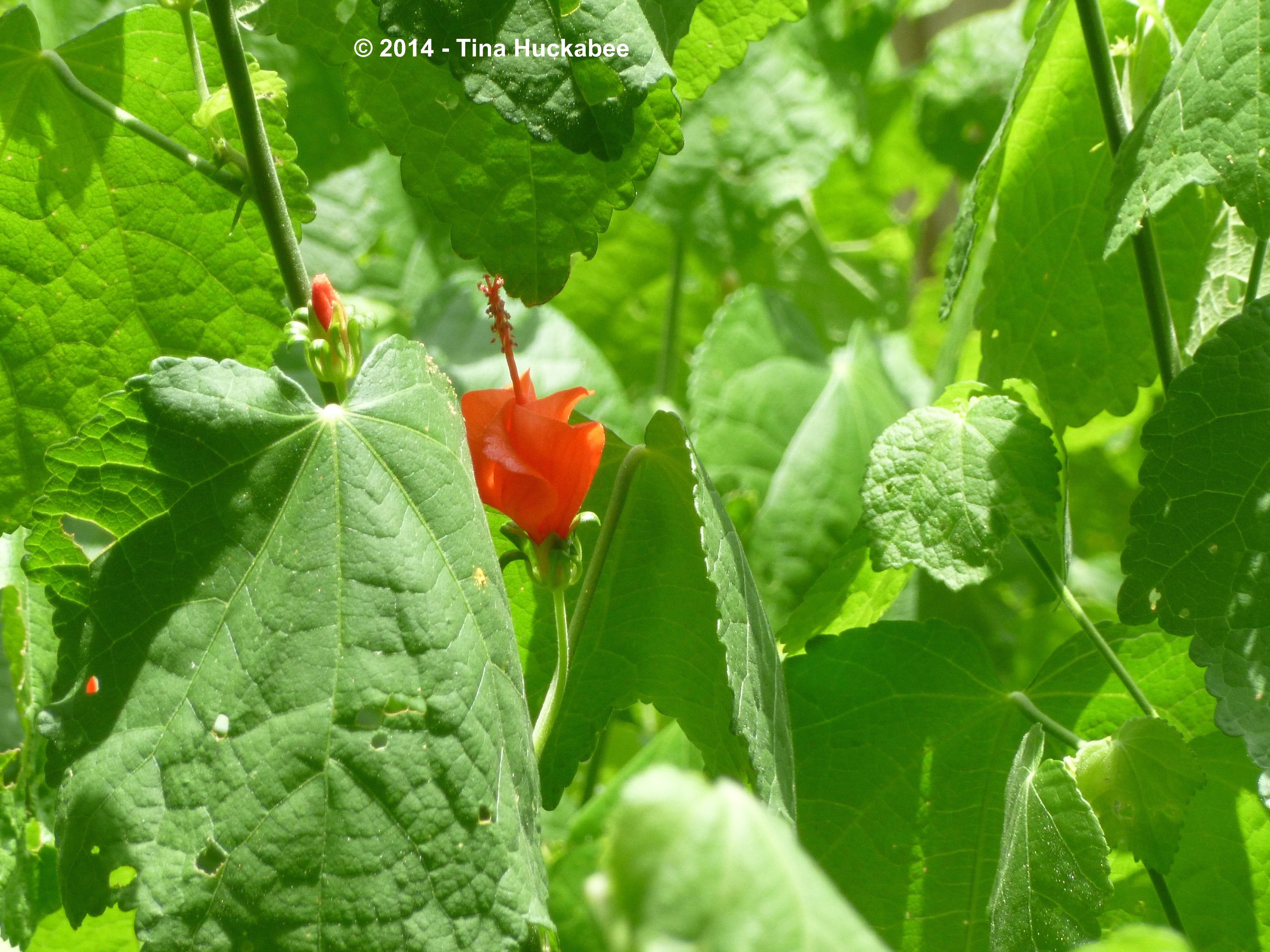
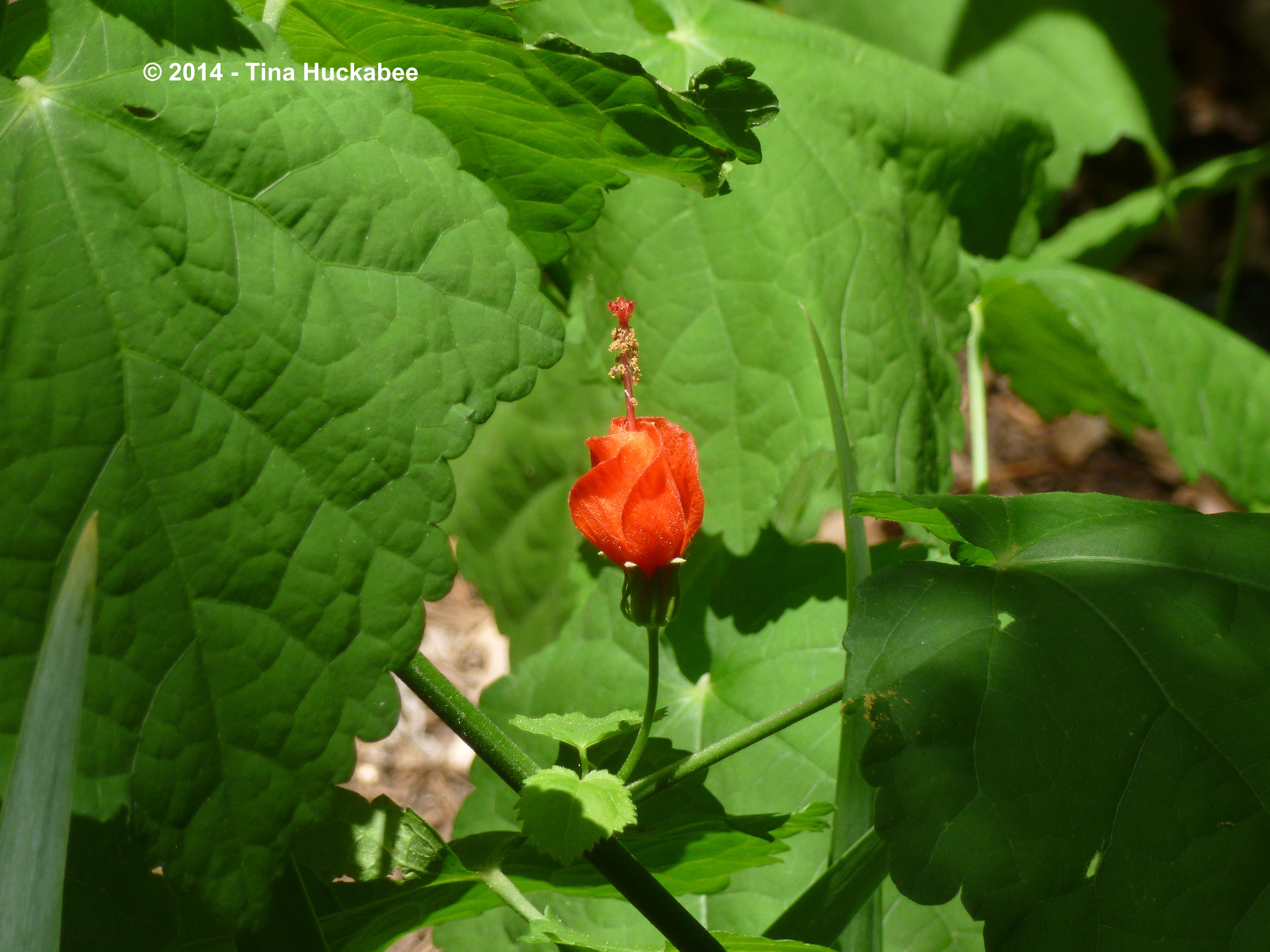
Globe Mallow (Spaeralcea ambigua)  is such a show-stopper with its combination of orange blooms and arresting, pale gray-green, fuzzy leaves.

P1030187.new

I like this combination of  Pale-leaf Yucca (Yucca pallida), Heartleaf Skullcap (Scutellaria ovata) and the bright green Autumn Sage (Salvia greggii).

P1030189.new

The Pale-leaf Yucca appears blue against the backdrop of the greener Skullcap ground cover  and the Autumn Sage’s is a bright green punctuation situated further in that same ground cover.

The Wild Red Columbine (Aquilegia canadensis) not only has beautiful blooms in spring, but interesting foliage year-round.

P1030206.new

New growth from a young American Smoke Tree (Cotinus obovatus), promises more beauty as it matures.

P1030126.new

Lastly, I can’t resist the photo of the Scarlet Tanager, Piranga olivacea, who has visited my garden this past week as he rests on the green branch of Retama (Parkinsonia aculeata).  Plumage and foliage–you can’t beat that!

P1030229_cropped_2397x2139..new

Thanks to Pam at Digging for hosting Foliage Follow-up for April.


Garden Bloggers’ Bloom Day, April 2014

Joining garden bloggers from around the world, here are my picks for Bloom Day, April 2014 from Austin, Texas.  The Hill Country Penstemon (Penstemon triflorus), thrust upward its bloom stalks during January, but waited until March to unfurl its fuchsia beauty.

P1030157.new

My Spiderwort (Tradescantia occidentalis) has bloomed this past month and shows no signs of slowing down, much to the delight of the honeybees.

P1030165.new


The  ‘Brazos’ Blackberry   is in full flower now, with berries to follow.  I can’t wait to eat the berries from the vine in May and June.

P1030183.new

A beautiful cool season bloomer here in Austin is the Globe Mallow (Sphaeralcea ambigua).

P1030188.new


And there are lots of Columbine this spring.  The Hinckley (or Yellow) Columbine (Aquilegia chrysantha var. hinckleyana) is in full glory.
P1030199.new

P1030185.new

P1030186.new

Blooming alongside another native Columbine, the Wild Red Columbine (Aquilegia canadensis),

p1030227_cropped_3207x3088..new

these two will  rampantly hybridize to create lovely variations of themselves over several seasons.

P1030184.new

P1030201.new

P1030202.new

P1030203.new

P1030205_cropped_4230x2769..new

P1030179.new

Lastly, the Crossvine (Bignonia capreolata) blooms are opening daily.

P1030208_cropped_3885x3378..new

Happy Spring!

P1030291.new

P1030406.new

And thanks to Carol at May Dreams Gardens for hosting Garden Bloggers’ Bloom Day.

Barbados Cherry (Malpighia glabra): A Seasonal Look

The debut for this seasonal look-see is Barbados Cherry (Malpighia glabra).  I love Barbados Cherry, but even I don’t think it’s a particularly sexy, exciting plant.  It’s rather a staple of sorts: the practical “nursing shoe” of plants versus its sexier “stiletto heel” exhibitionist kin.  Barbados Cherry is tough, reliable and in its steady way, beautiful.  Gardeners utilize it as a hedge, but it also produces a mass of blooms, at least a couple of times per year, with lush berries following.  It is extremely drought tolerant, growing well in shade, part shade and full sun.  Barbados Cherry is an excellent wildlife plant.  It develops into a thick shrub/thicket, so birds love it for protection and is a host/nectar plant for several butterflies.  For all that acclaim, Barbados Cherry is not a particularly fast grower and is not deer resistant.

Most of the year, Barbados Cherry presents as a green shrub, though individual plants can be shaped as a sphere or in  tree form.  I don’t care for overly pruned plants, preferring more natural growth patterns.  I’ve only pruned my B. Cherry to prevent overhanging the driveway too much. I planted my original five shrubs about 20 years ago, in a shade/part shade area, primarily as a privacy hedge.  Once established, B. Cherry like this most of the year.

IMG_0860.new

20111016_27.new

20110924_37_cropped_2385x1328..new

A disclaimer:  these photos were taken in autumn, but Barbados Cherry are green, rear-round, with some exceptions, noted later.

The photos illustrate a plant, while not heart-stopping, is green, lush and tough.  In the course of its life, my hedge of Barbados Cherry withstood bicycles, basketballs, soccer balls and all manner of kid destruction while demanding nothing from me,  serving its purpose well.

In spring and fall, reliably after rain, the Barbados Cherry will explode with ruffly clusters of pink, dainty flowers.

20110924_35

My experience is that the bloom cycle lasts up to about six weeks, once in the spring/early summer and then again in the fall.

20111105_5

20111105_8.new

During the bloom cycle, berries like this beauty develop.

20111105_4

Barbados Cherry is especially stunning when there are blooms and berries at the same time which typically occurs during both bloom cycles..

20120528_40.new

20120528_41.new

Many birds, but especially mockingbirds, favor the berries.  The berries are sweet, though a little seedy for my taste.

Depending upon the winter, Barbados Cherry exhibits differing responses.  To about 30 degrees for short periods of time, Barbados Cherry remains evergreen.  If temperatures remain in the low 30s for long periods or dip into the 20s, for more than 12-15 hours, some of the upper limbs will defoliate, though in a thick bramble, the rest will likely stay green.

P1020883

Not much green here, because of the freeze events of the 2013-14 winter.  Still, this group (different from the one in the photos above) isn’t completely frozen to the ground because it’s in a protected area. The branches will flush out with new growth once temperatures warm. There’s no need to prune further than where you can scratch the surface to find some green. In this photo, it’s just below the copyright.

P1020886.new

Because winter was colder than in the last 2 decades and the original, exposed stand of Barbados Cherry experienced a number of freezes well into the mid 20s, they froze completely to the ground.

I knew they were goners when I saw the trunks of the shrubs.

P1020558.new

P1020560.new

By early March, I’d cut all of the original stand of Barbados Cherry to the ground.

P1020882_cropped_2691x1903..new

So much for my privacy hedge!  Now, to wait until new growth from the roots. Finally, in late March, signs of life!!

P1020963_cropped_1649x1180..new

As of the end of March 2014, these individual plants are recovering slowly from the hard freezes of this past winter.

P1030044_cropped_3604x1751..new

In fact, B. Cherry is at its northern range in Austin.  According to the Native Plant Database of the Lady Bird Johnson National Wildflower Center, B. Cherry are native to South Texas, Mexico and into Central and South America.  So it is a tropical plant and not reliably evergreen in Austin.  I knew that when I planted, but was lulled to complacency by the abnormally mild winters we’ve experienced since the mid-to-late 1990s.   As of March 31, 2014 all of the Barbados Cherry are sprouting green from the trunks.  I’ll definitely keep them, but because the light requirements have changed for this garden, I am augmenting the garden by planting other native plants and will prune the B. Cherry more regularly.  This garden will no longer be a mono-culture hedge, but a more diverse native garden.