Plant Swap Time!

If you live in Austin and are in a plant-y sort of mood this coming Saturday,  April 16th, you might want to mosey over to Mother’s Cafe and Garden, 4215 Duval Street and E 43 Street, where the Hancock Native Plant Swap will be happening.   You’ll need to get there early because the plant geeks will be there between 8-9:30 am.  Plants, Habitat Stewards, and Master Gardeners will be in abundance!

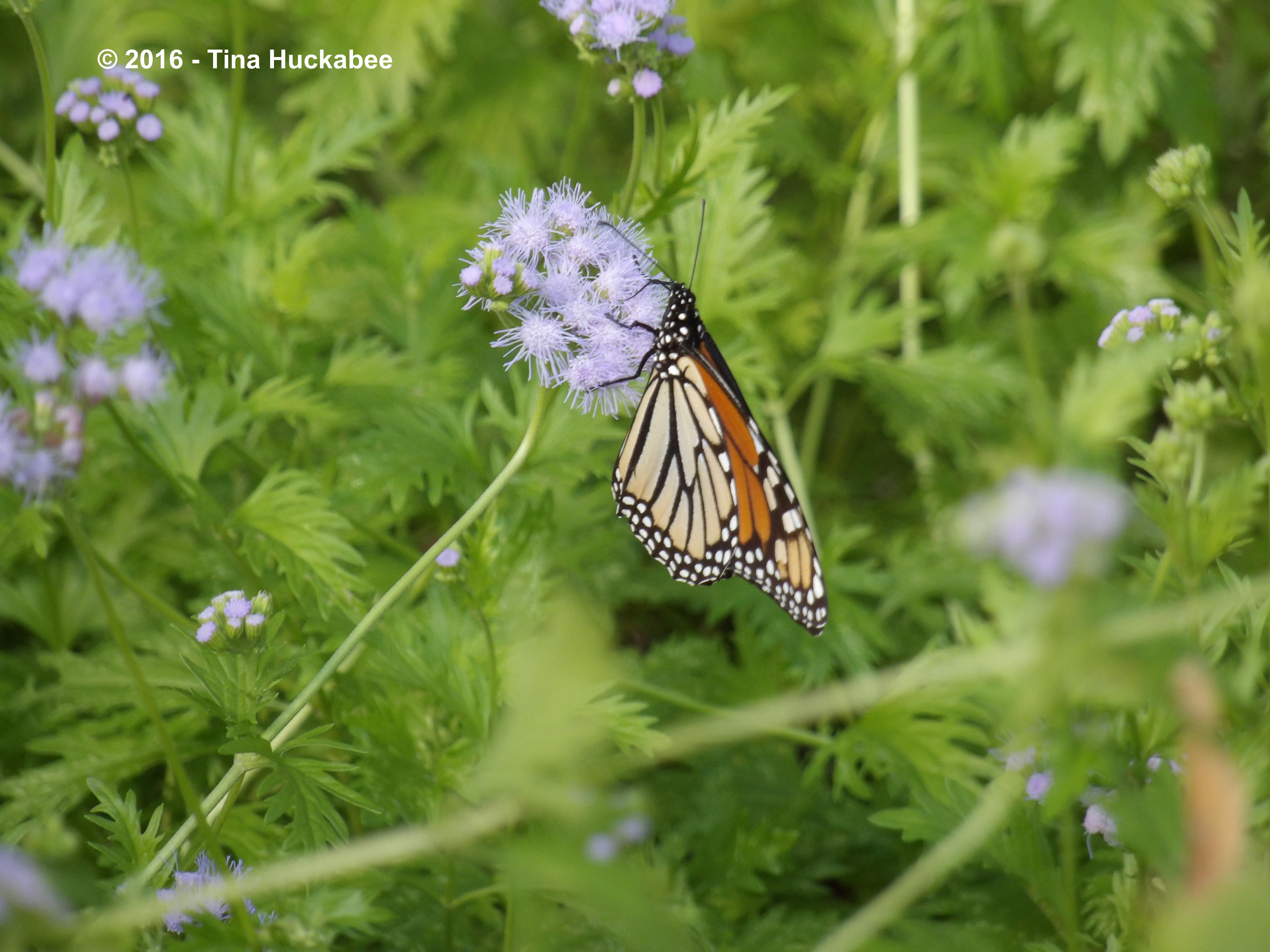
Some of the plants available for swapping include, but are not limited to, Gregg’s mistflower,  Conoclinium greggii,

IMGP1927.new

Monarch butterflies and their kin, Queen butterflies, LOVE Gregg's mistflower.

Monarch butterflies and their kin, Queen butterflies, LOVE Gregg’s mistflower.

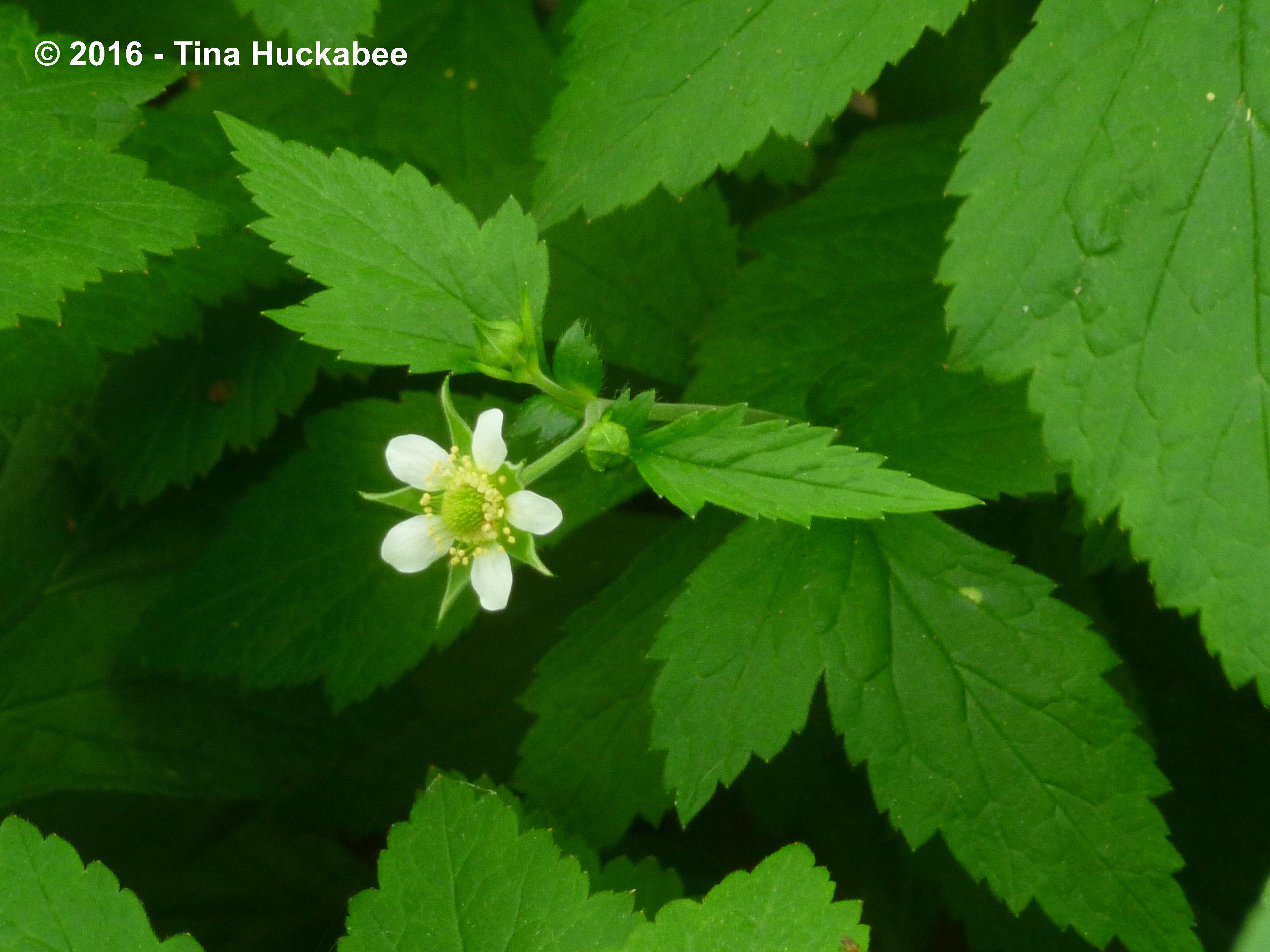
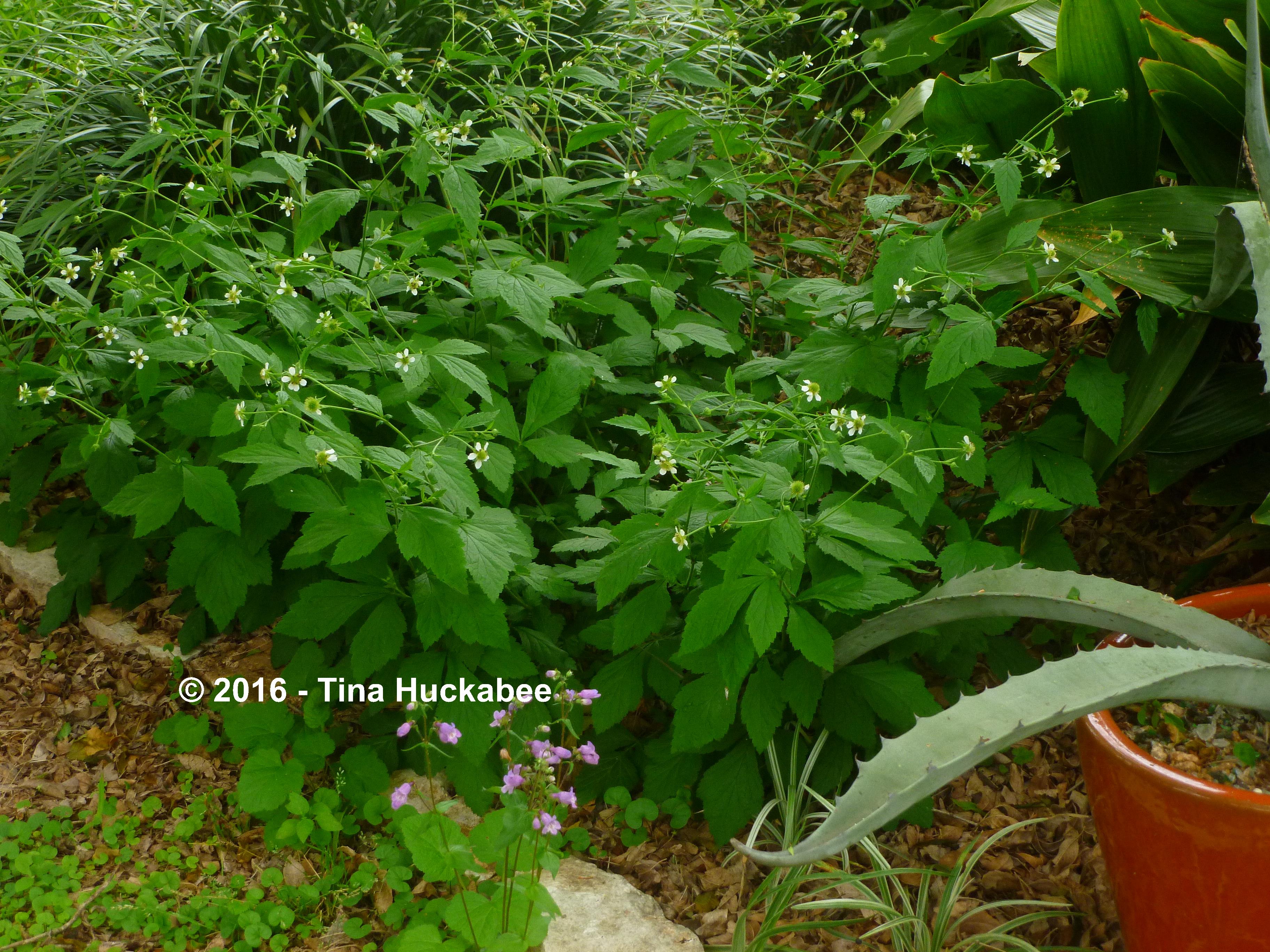
White avens,  Geum canadense,

P1030812.new

White avens is a pretty, evergreen shade-tolerant ground cover with sweet spring blooms.

White avens is a pretty, evergreen shade-tolerant ground cover with sweet spring blooms.


Rock rose,  Pavonia lasiopetala.

IMGP2404.new

A native shrub with a long blooming cycle, Rock rose blooms from May to November. Best in sun, it also works well part-shade.

A native shrub with a long blooming cycle, Rock rose blooms from May to November. Best in sun, it also works well in part-shade.


Some of the plants that will be for sale ($3 each) include, but are not limited to:

Four-nerve daisy or HymenoxysTetraneuris scaposa

These cheery daisies bloom in the cool season and sport a tidy evergreen foliage.

These cheery daisies bloom in the cool season and beyond,  and sport  tidy evergreen foliage.

IMGP5611.new


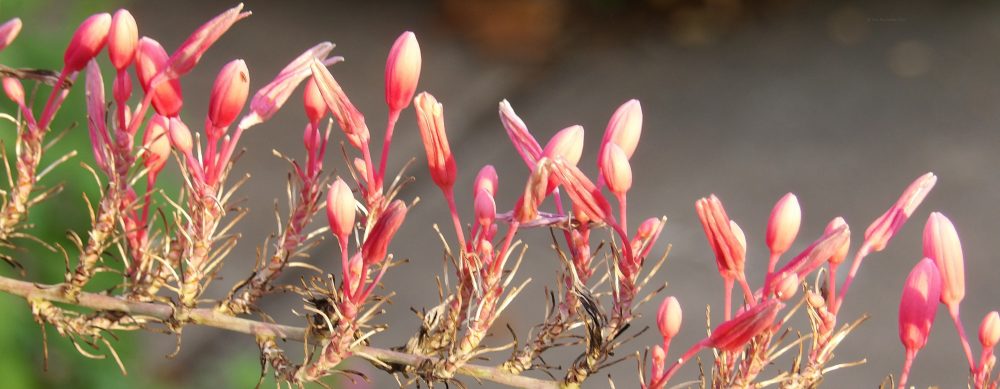
…and Flame acanthus, Anisacanthus quadrifidus var. wrightii.
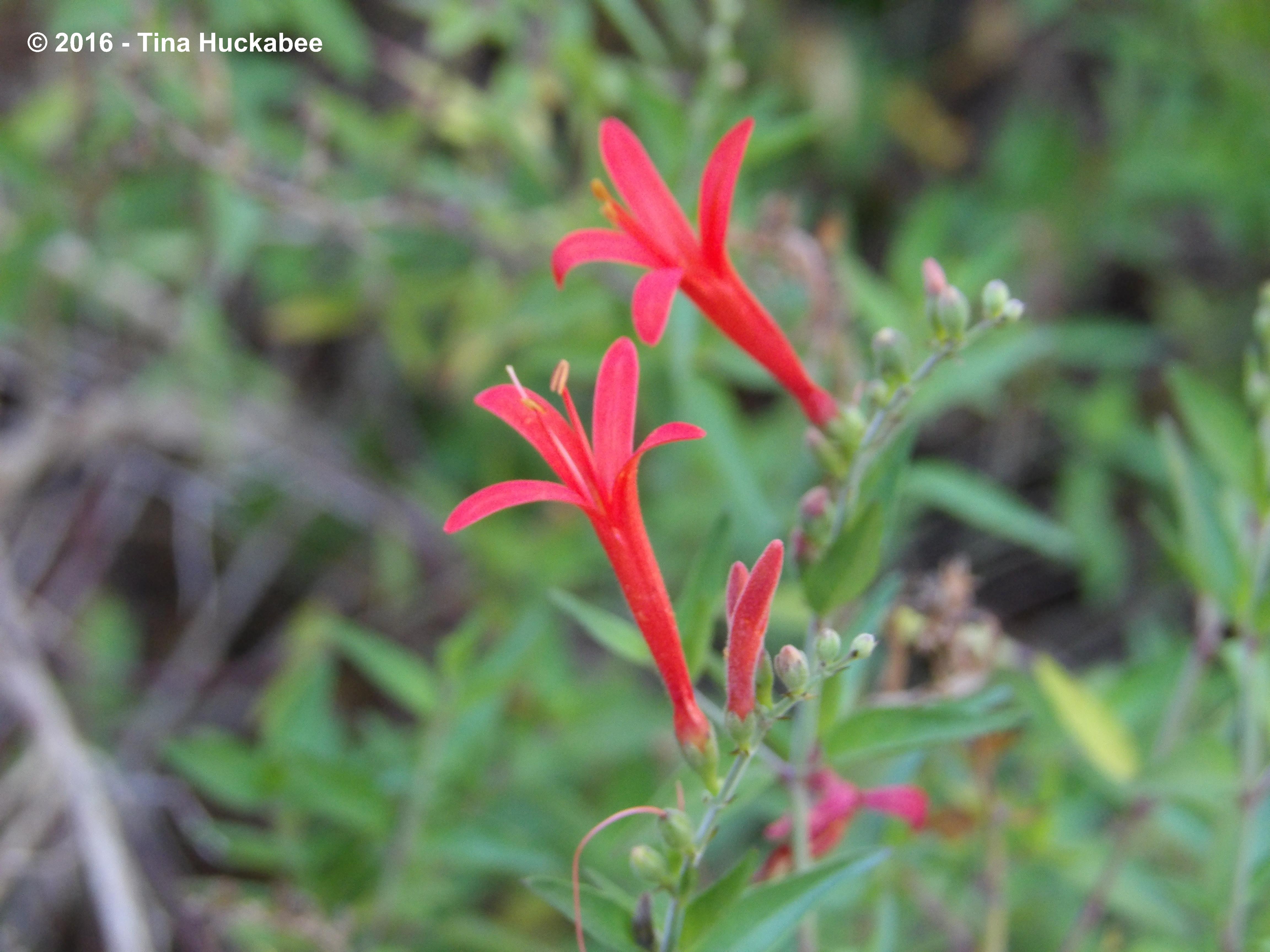
A pollinator magnet, this large, deciduous shrub is tough and hardy as well as pretty, pretty!

A pollinator magnet, this large, deciduous shrub is tough and gorgeous!

IMGP9767.new

All of the plants available are either water-wise or wildlife friendly–or both. The National Wildlife Federation’s Wildlife Habitat program promotes beautiful home gardens–big or small–that attract and support local wildlife.  The Hancock Native Plant Swap also supports the mission of making “yards more beautiful and easier to maintain, while consuming less water.”

Worthy and easily attainable goals, indeed!

Austin plant swappers-n-gardeners come on out  to Mother’s Cafe and Garden this Saturday between 8-9:30 am where you’ll find some lovely plants for your garden and meet some lovely people to hang out with for the morning.
The Camera Doesn’t Lie

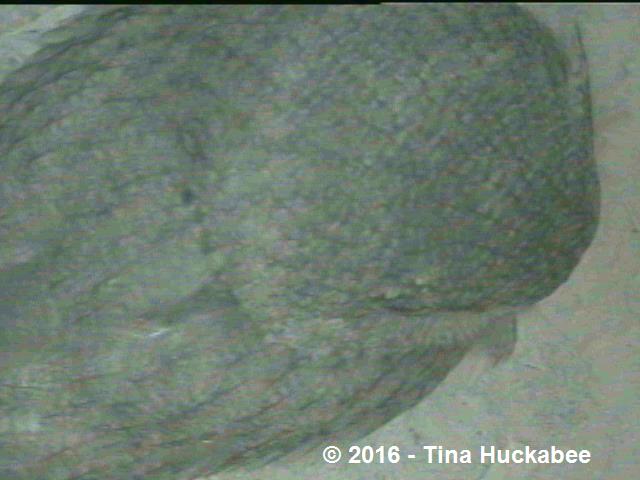
The camera may not lie, but it doesn’t work, either–more about that later.  Back in December, we installed a bird camera in the nesting box for “our” Eastern Screech Owl, Megascops asio, couple.

IMGP3660.new

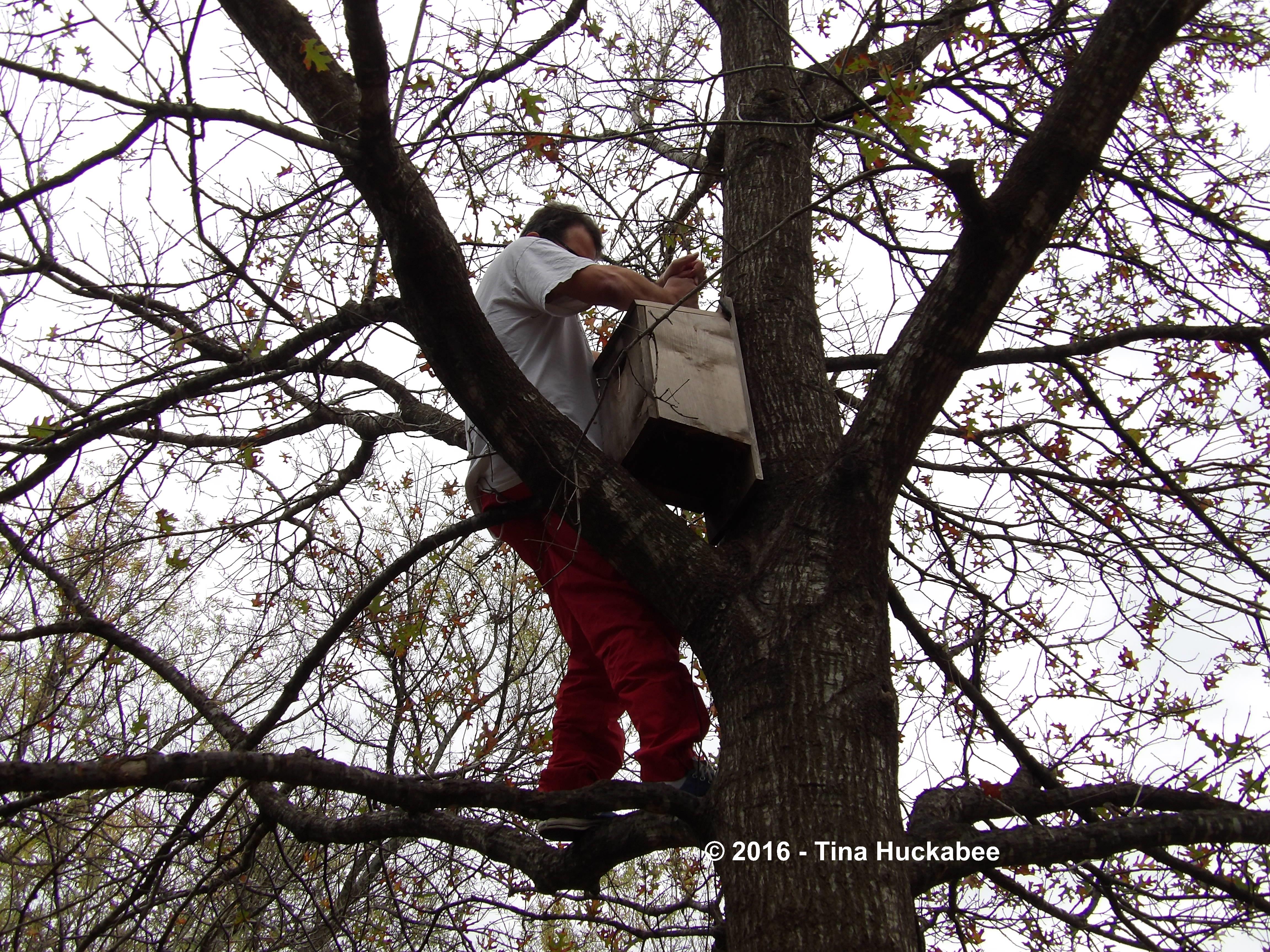
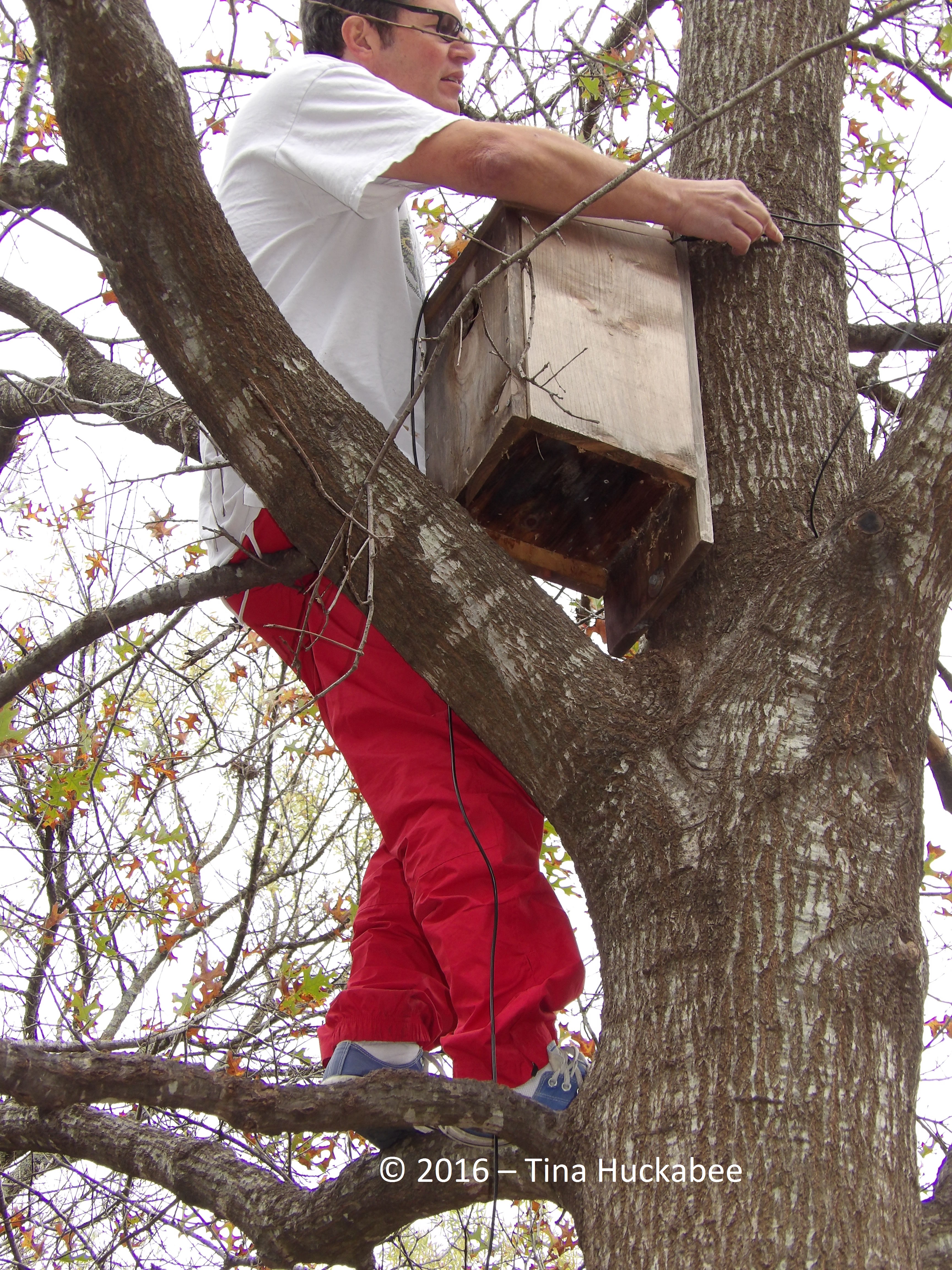
Bee Daddy perched precariously…

Wrapping the wiring around the tree...

Wrapping the wiring around the tree…

After The Bad Squirrel Incident in April 2015, we thought it wise to keep a third eye on our Screech Owl seasonal residents. This spring, with the camera up and transmitting to our desktop and Mama in the house on a regular basis, it was a fun, if not somewhat addicting, to watch her preen and rest in her little nest box.

uvs160309-001.new

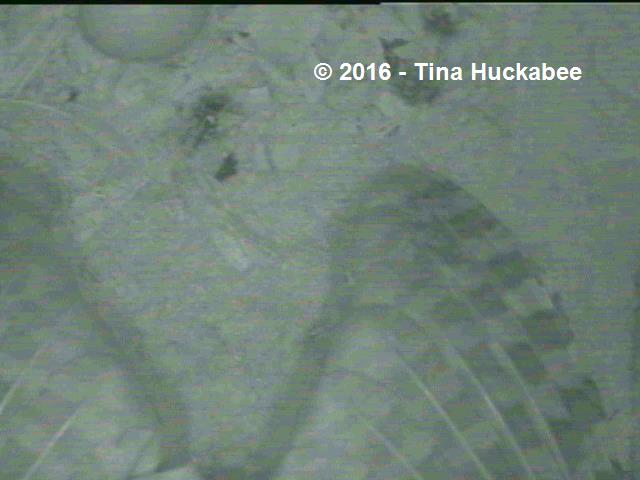
On Sunday, March 6, Mama laid her first egg.

uvs160307-001.new

Here, Mama is peering out of the box, with her wings ready for take-off early in the evening after a hard day’s egg-laying.

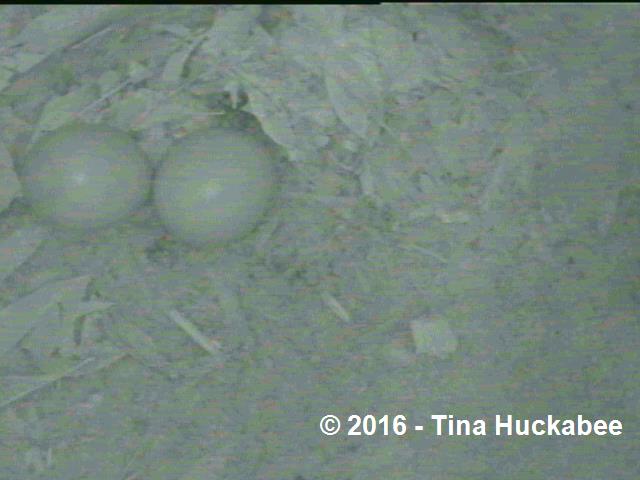
The  second egg came on Wednesday, March 9,

uvs160309-003.new

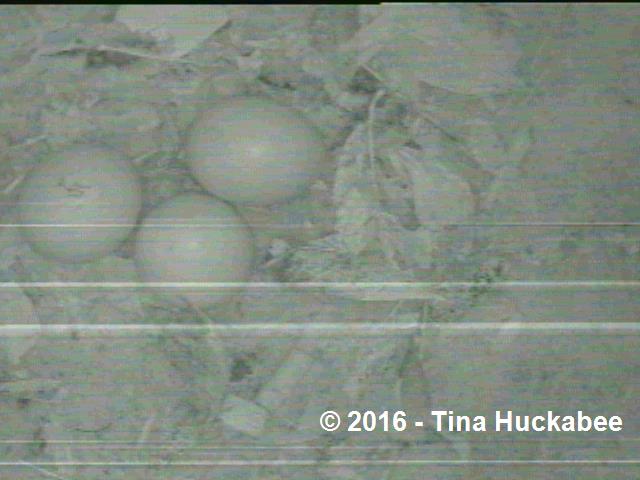
…the third,

uvs160311-001.new

Friday, March 11

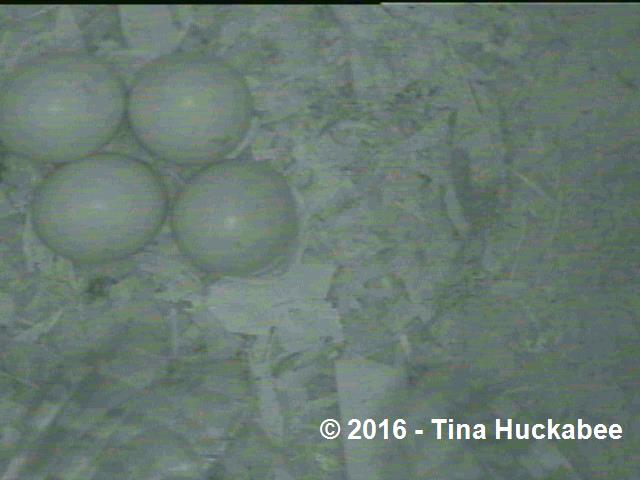
…fourth,

uvs160313-001.new

Sunday, March 13

…and fifth.

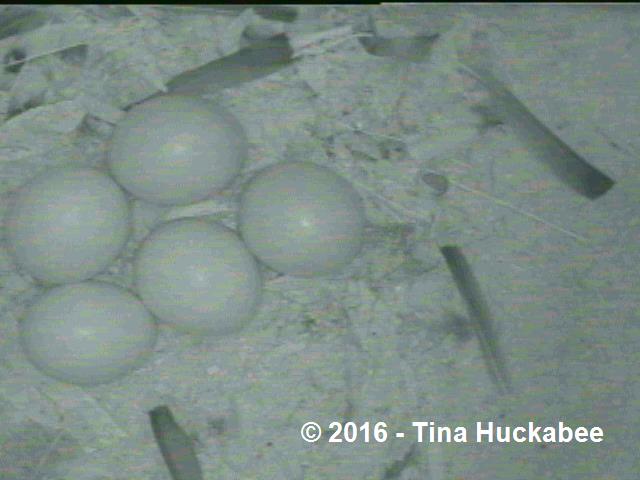
uvs160318-001.new

Wednesday, March 15

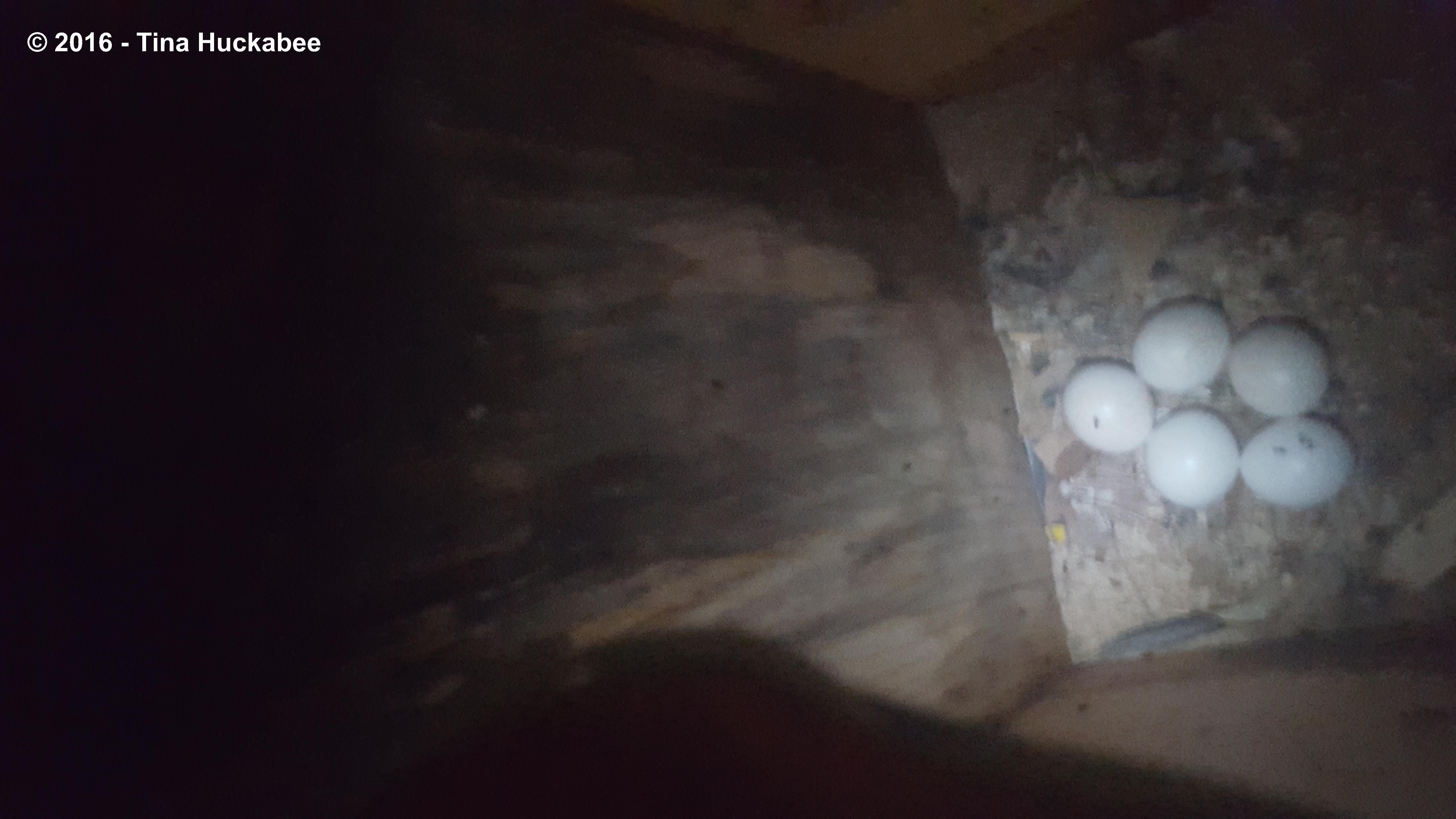
The eggs appeared on an every-other-day schedule and that is typical of how Screeches deliver. The egg photos were taken shortly after Mama left the house on each of those evenings.   You can imagine how exciting the prospect is of observing and chronicling the owl family as it grows and develops.  The gestation for Screech Owls is approximately 28 days, so by this post, if all are healthy, three owlets have hatched, with the other two hot on their heels–or shells.

Alas, there were some heavy winds here a couple of weeks ago and the camera went dark. Boo!  We’ve re-configured and manipulated all the connections and wires, opened up the house (when Mama flew out for her brief foray into the night) to diagnose the camera’s issue(s), and eventually removed the camera itself for further inspection.

It seems that  our bird camera has pooped out.

This photo was taken with Bee Daddy’s cell phone during his last scramble up the ladder and tree limbs to remove the camera permanently.

20160330_202000.new

Mama landed on the branch Bee Daddy straddled, just a few feet away, to keep her two big eyes on him. Once he removed the camera and we realized it’s not repairable, we decided not to interfere with the owls further this season.

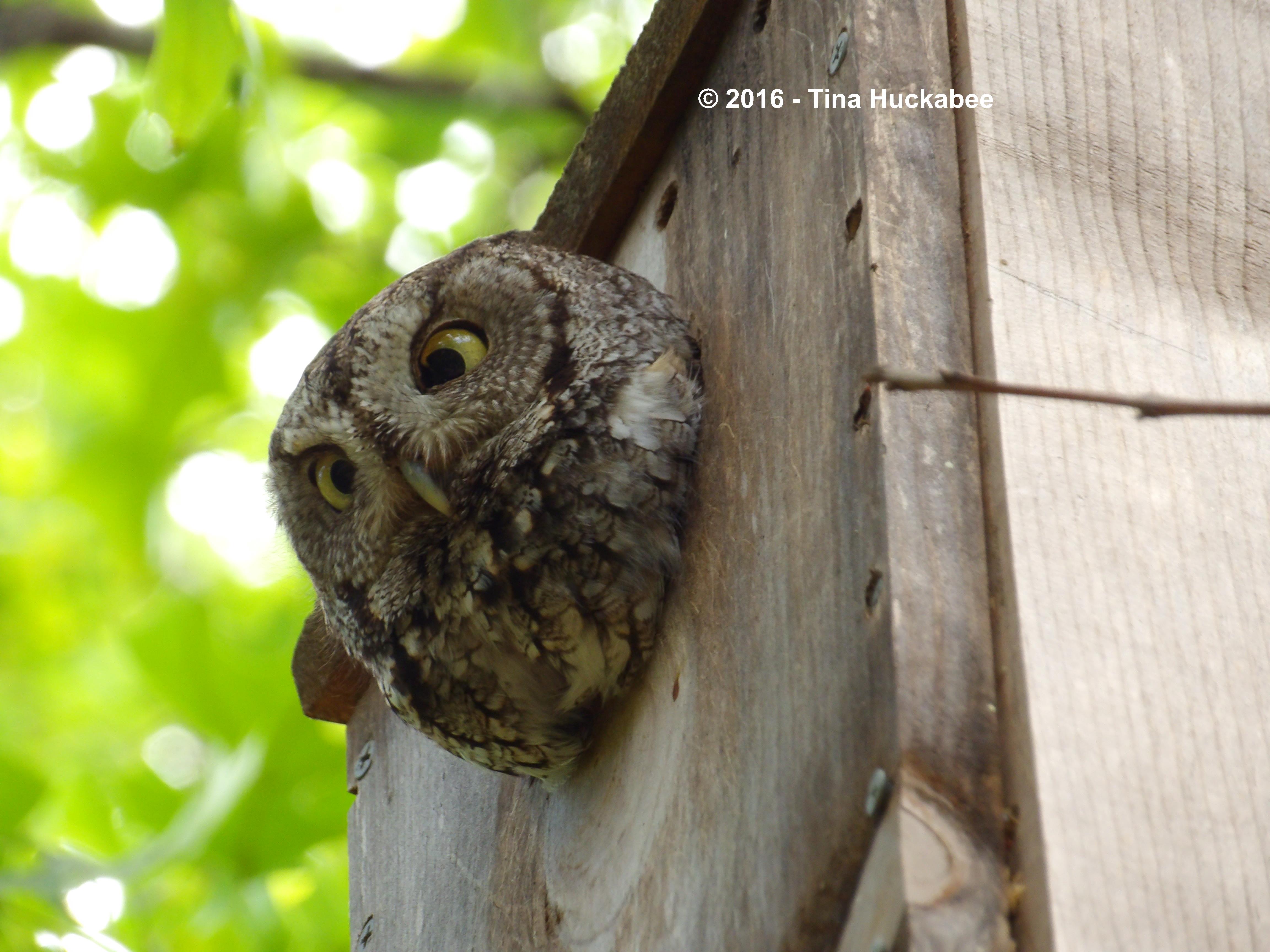
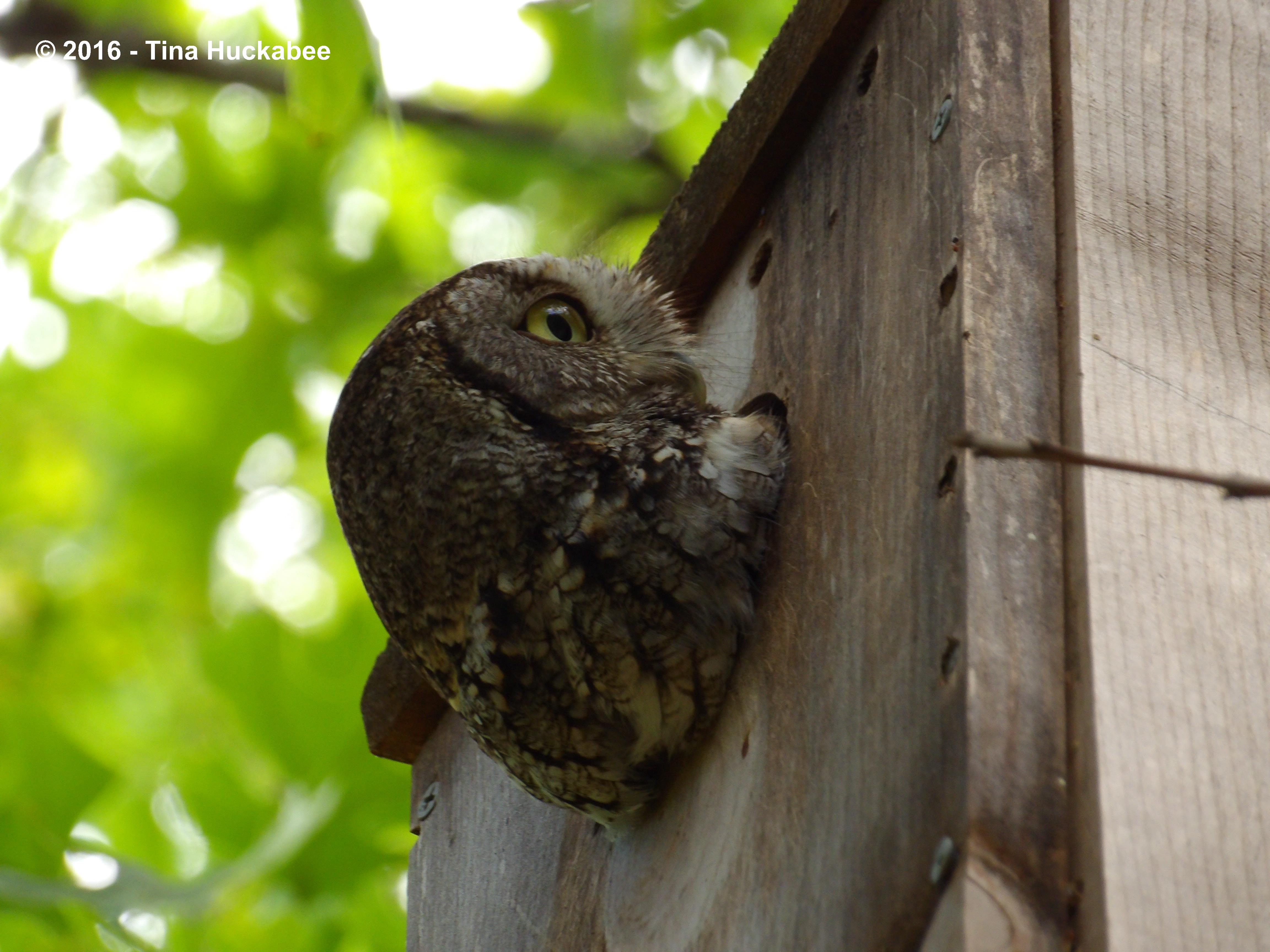
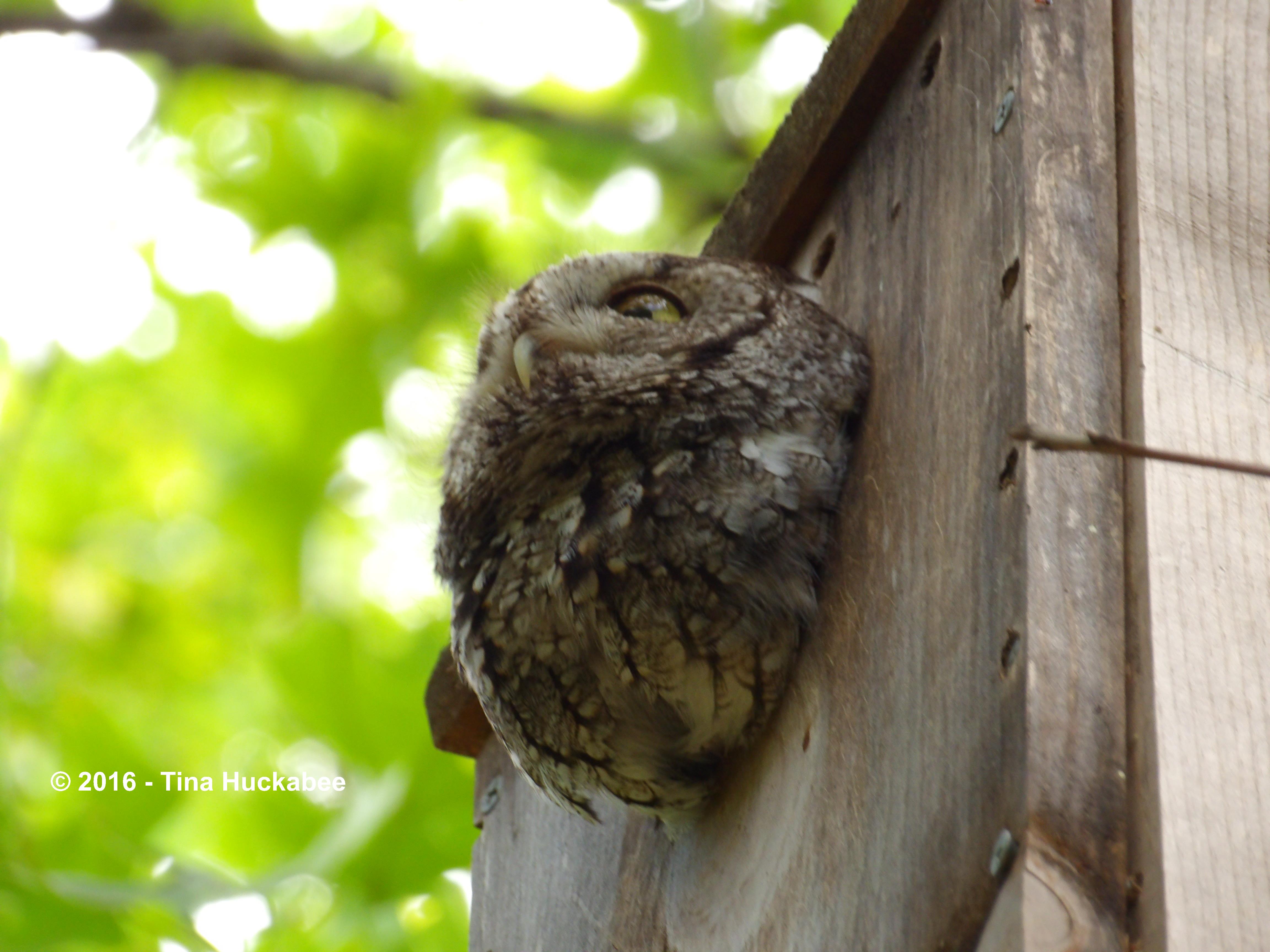
I still see Mama the old-fashioned way,

IMGP7109.new

IMGP7108.new

IMGP7107.new

…as she peeks out  for a breath of fresh air, weary, and momentarily away from those hungry beaks. Just after that series of shots, Mama yawned.  I don’t know if owls yawn, but that’s what it looked like to me.

Mommy-work is hard.

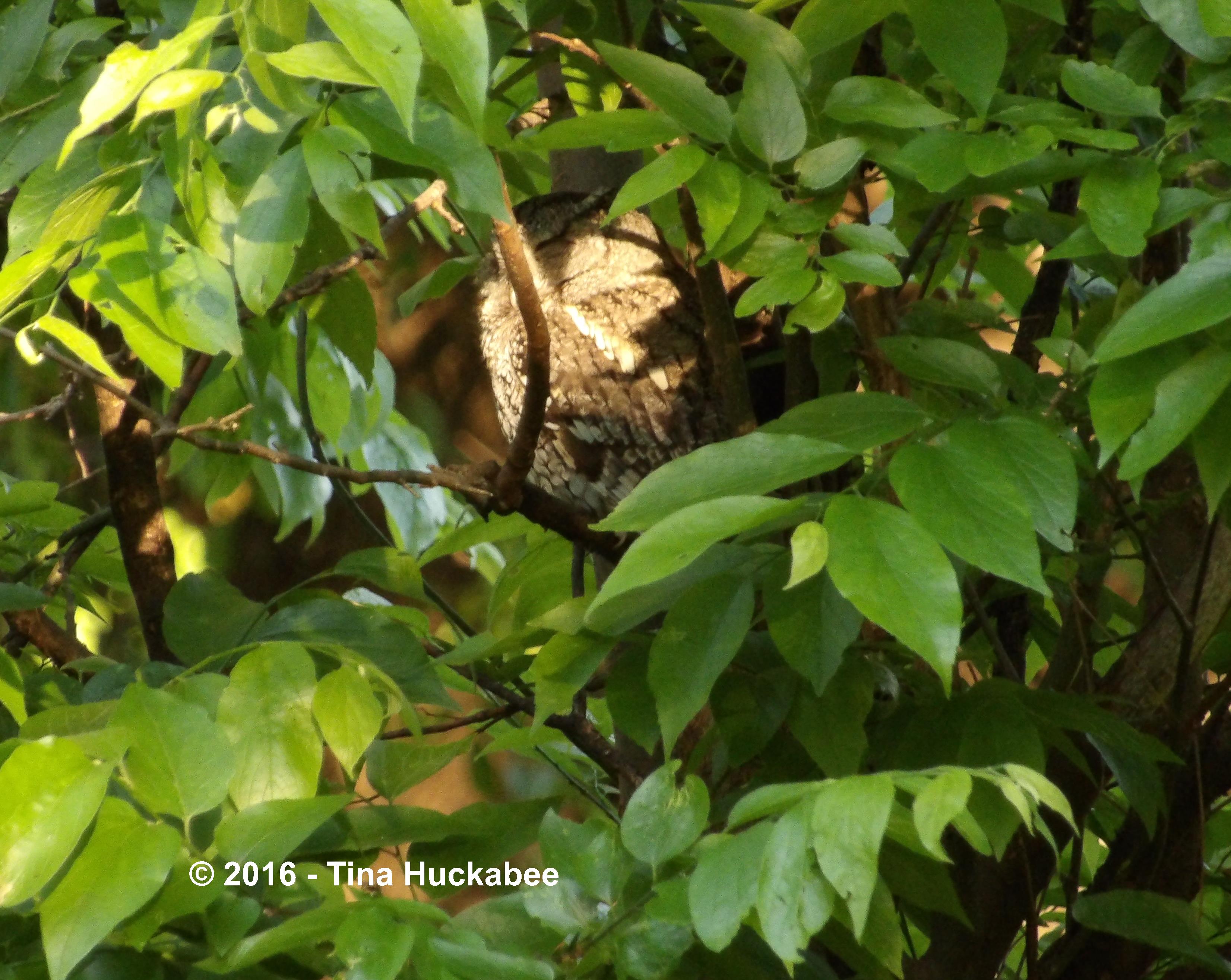
Dad Owl keeps a close watch each day, all day in a neighbor’s tree which is a quick swoop away if he’s needed.

Dad Owl snoozing in the last rays of afternoon sun.

Dad Owl snoozing in the last rays of afternoon sun.

Daddy-work is hard, too.

Five growing and  hungry owlets are a big responsibility.  A favorite food of Screech Owls are pond toads, which there are usually plenty of in our garden, but the toads haven’t noisily appeared this year, which is odd. Toads are a ready source of “big game” food that our owls hunt directly and since they’re not yet available, I imagine the owls’ menu is consisting mostly insects and the occasional rat, mouse, or bird from wherever Dad Owl can find them. He’ll do all of the hunting until the owlets are so large that Mama can’t stay in the box and then she’ll join in the meal runs for the little ones.

The owlets will fledge in May and we’ll see (hopefully) how many of the babies have survived to that point.

Green It Is: Tree Following in April

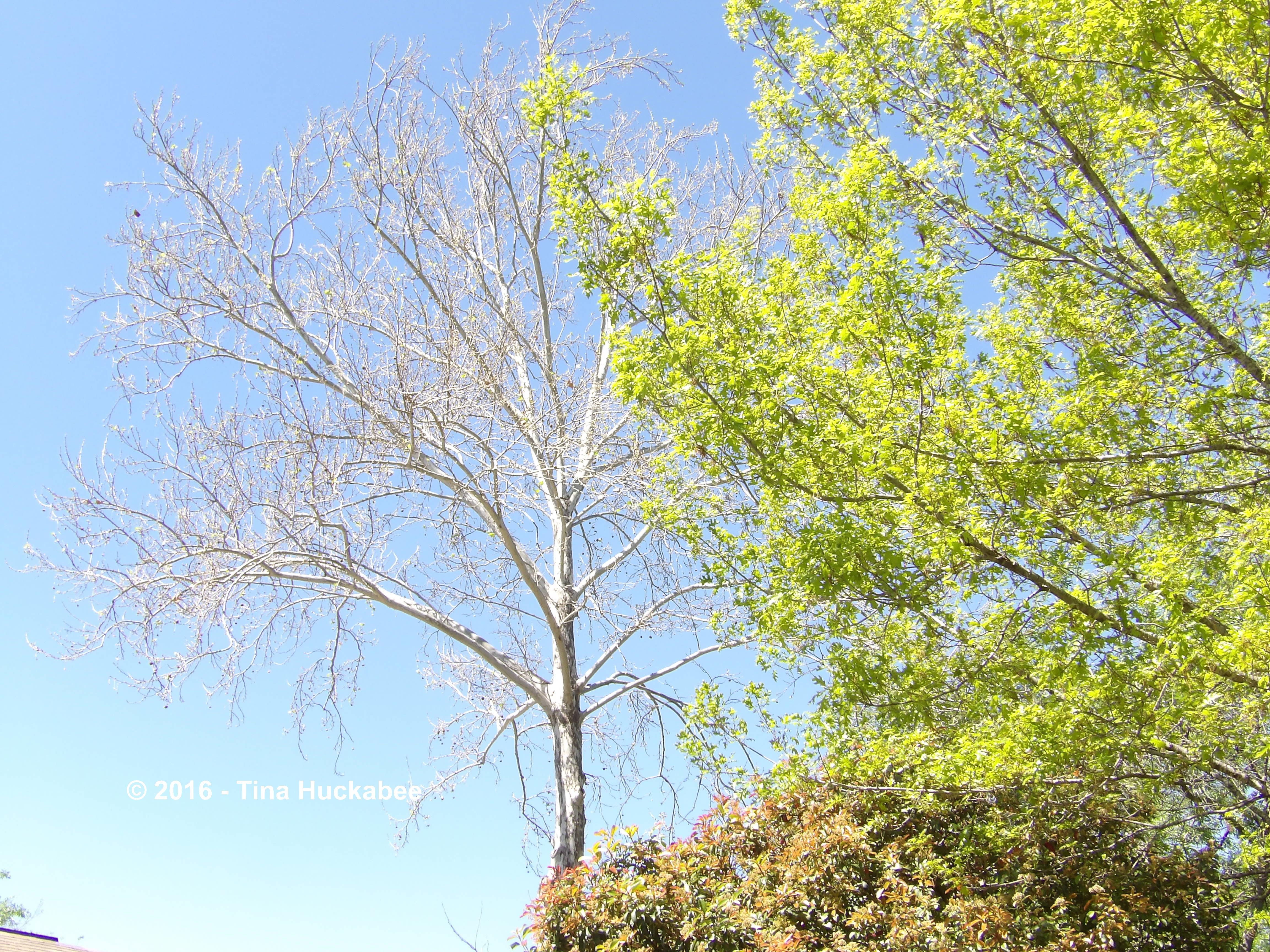
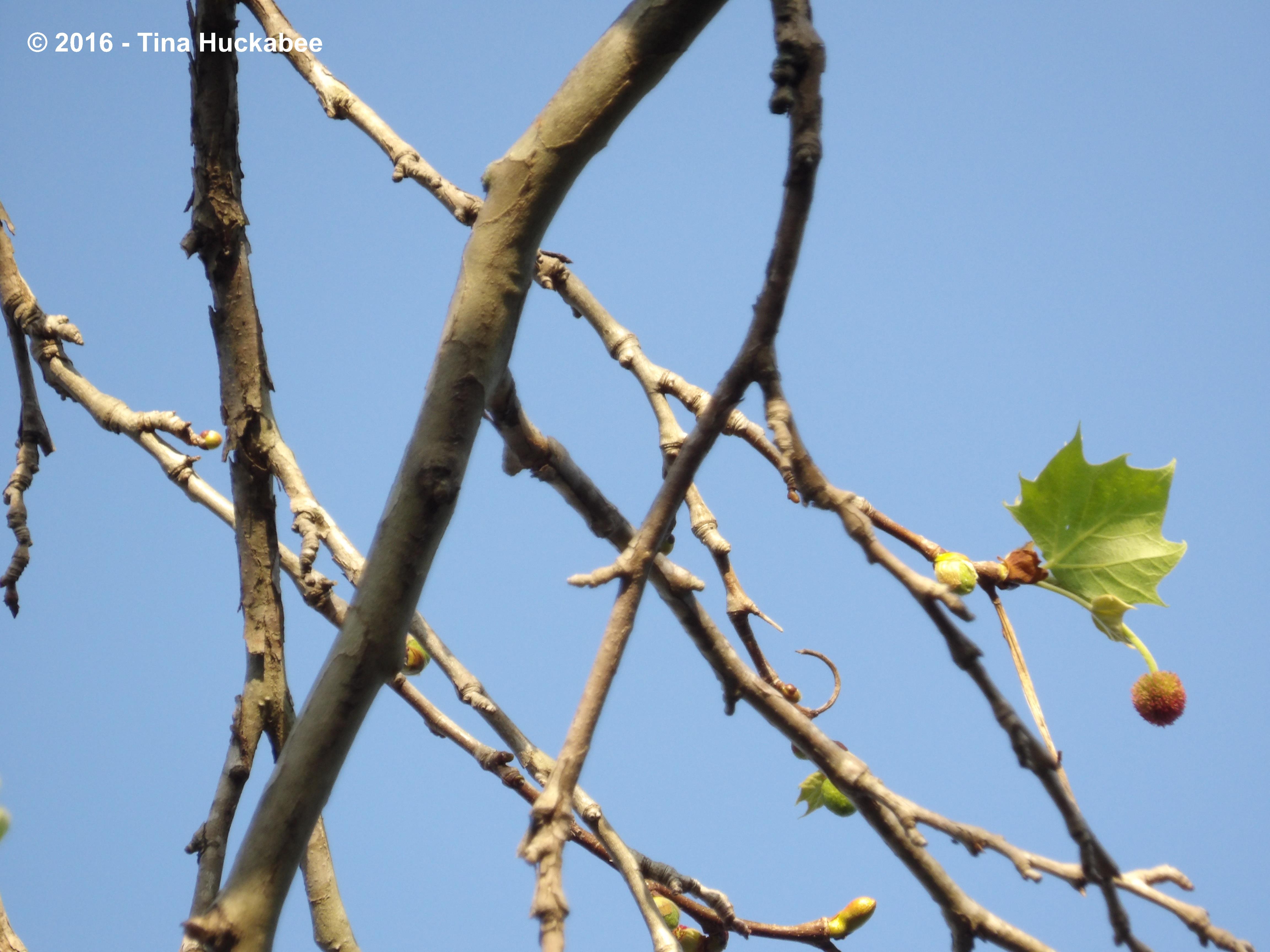
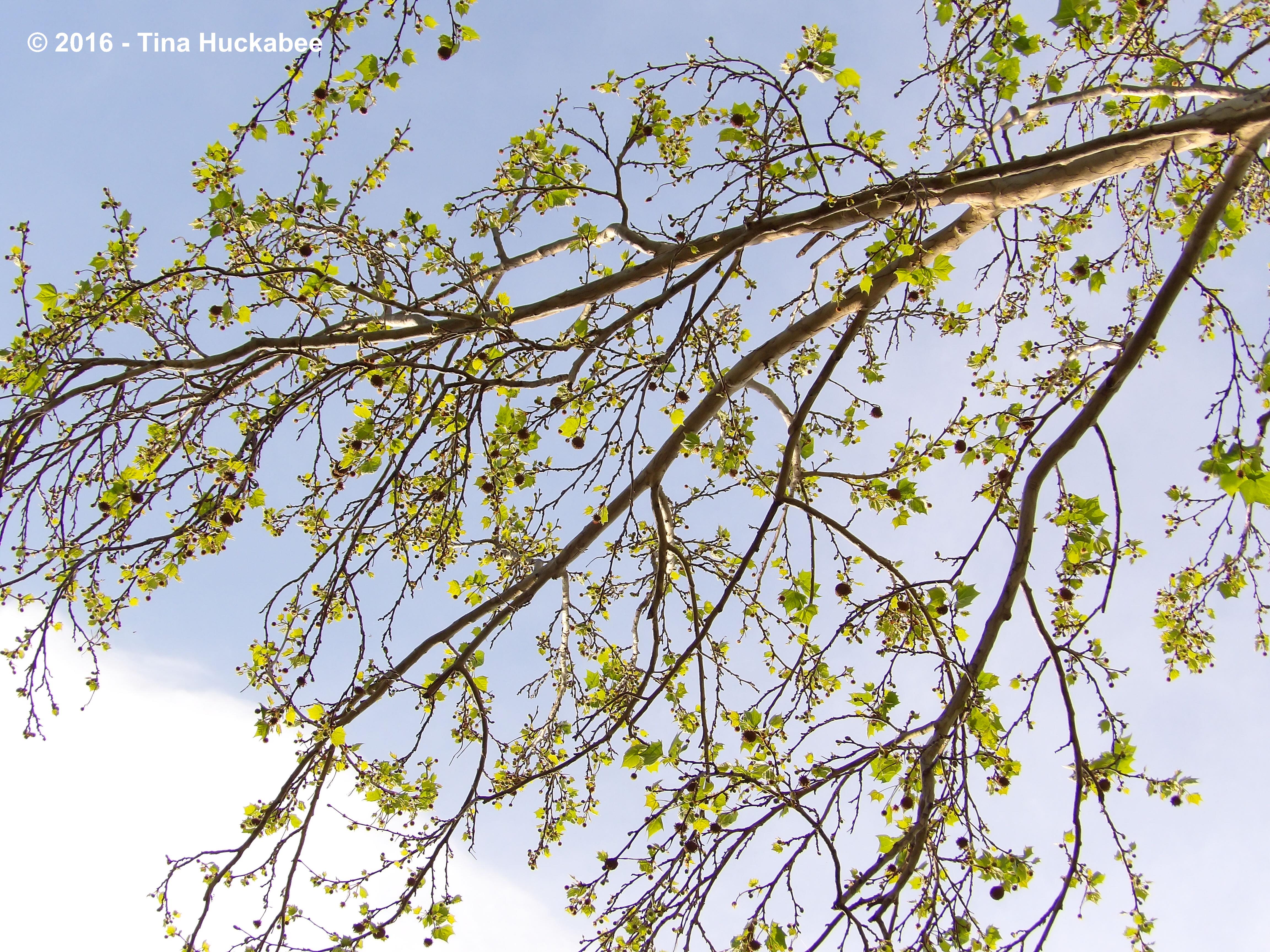
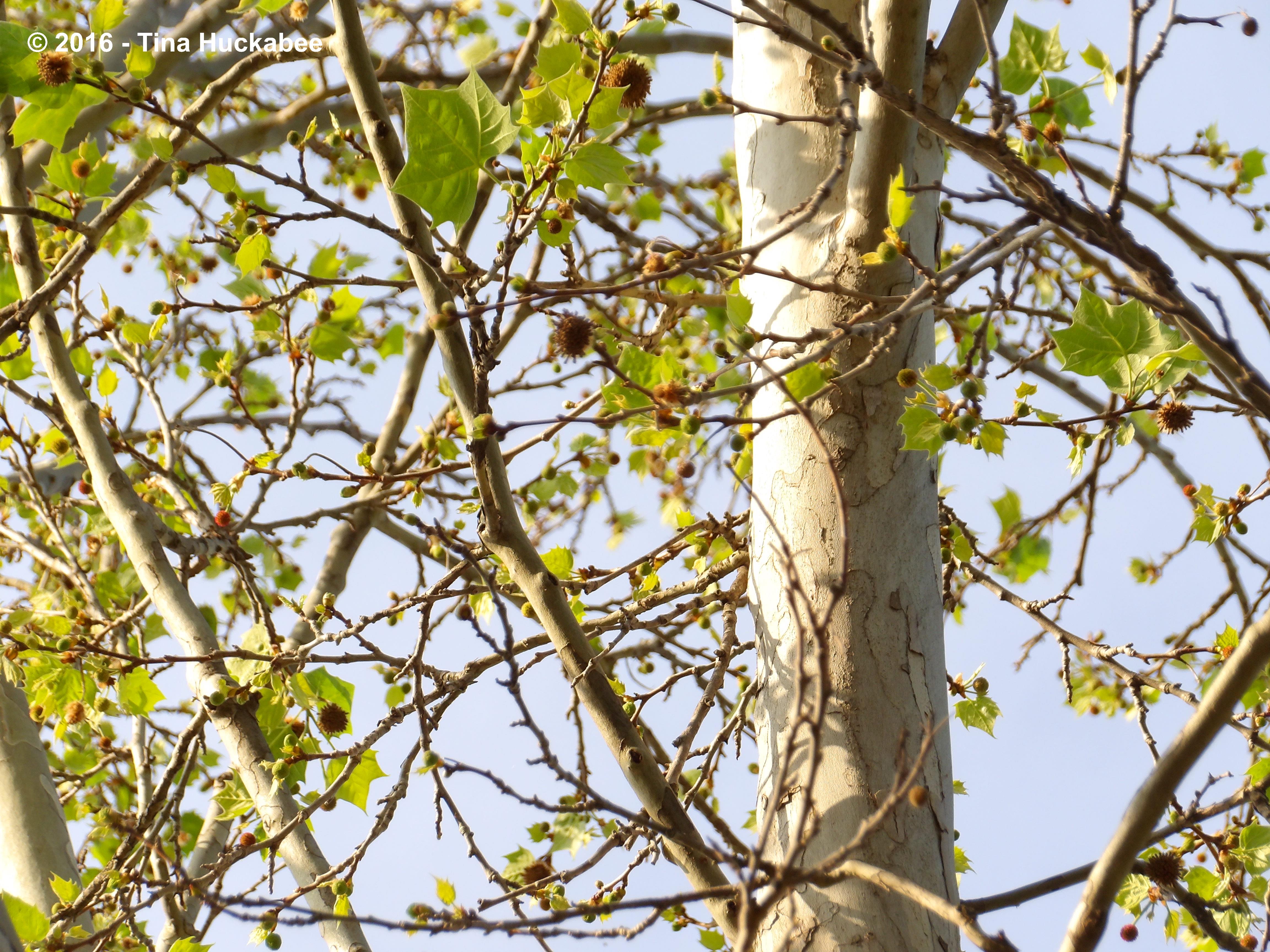
My  American SycamorePlatanus occidentalis, leafed out this past month.  It began the month in a  mostly leafless state.

IMGP5164.new

The Shumard Oak (Quercus shumardii), leafed out much earlier this spring, though it's always ahead of the Sycamore.

The Sycamore, at the center-left, leafs out later than the Shumard Oak (Quercus shumardii).

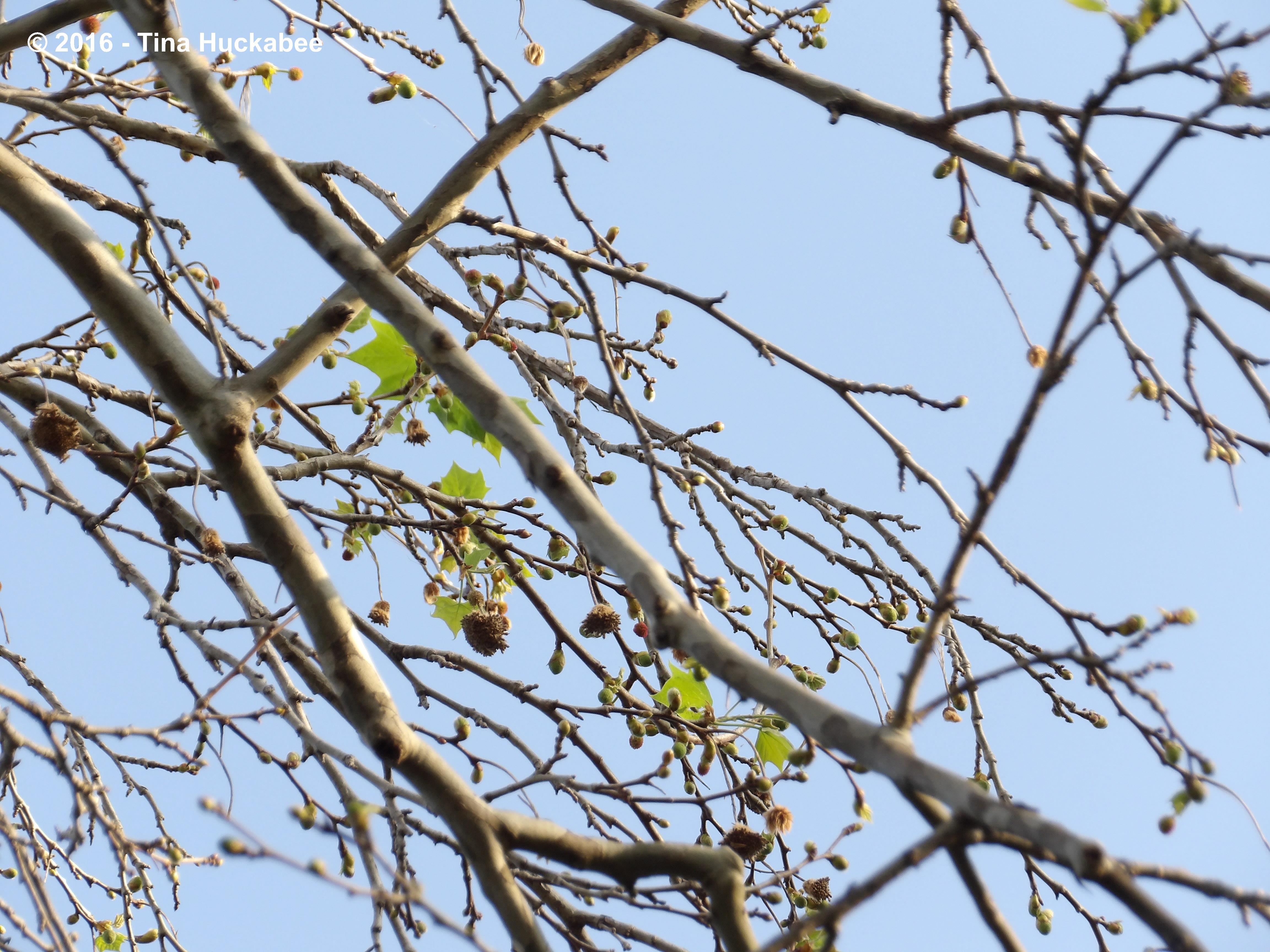
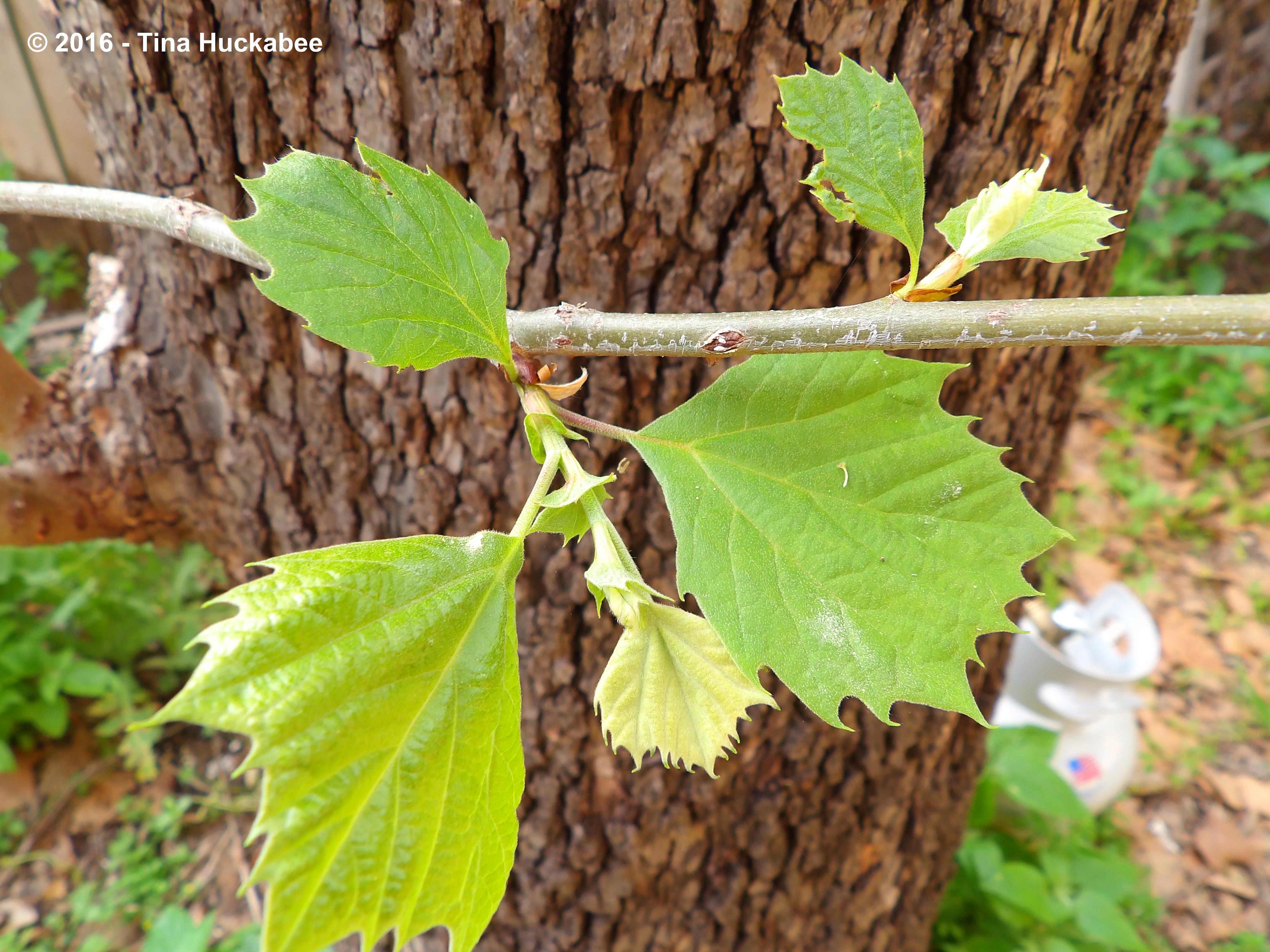
It wasn’t too far into March before dots of new green appeared.  I caught the beginning of the leafy action, snapped photos, then went on with my life.

IMGP5165.new

IMGP5158.new

This branch is the only one that is below the roof of my house and easily accessible. No, I'm not going to climb on my roof for my blog or for Tree Following.

This branch is the only one that is below the roof of my house and therefore, easily accessible. I have no plans to climb on top my roof to get photographs of leaves for this blog.

Sycamore, like most plants, is a monecious plant, which means that each tree has both female (pistillate) flowers and male (staminate) flowers.  As an aside, another way that plants function reproductively is by being dioecious–which means that the individual plants are either female or male.  Fewer plants are dioecious.

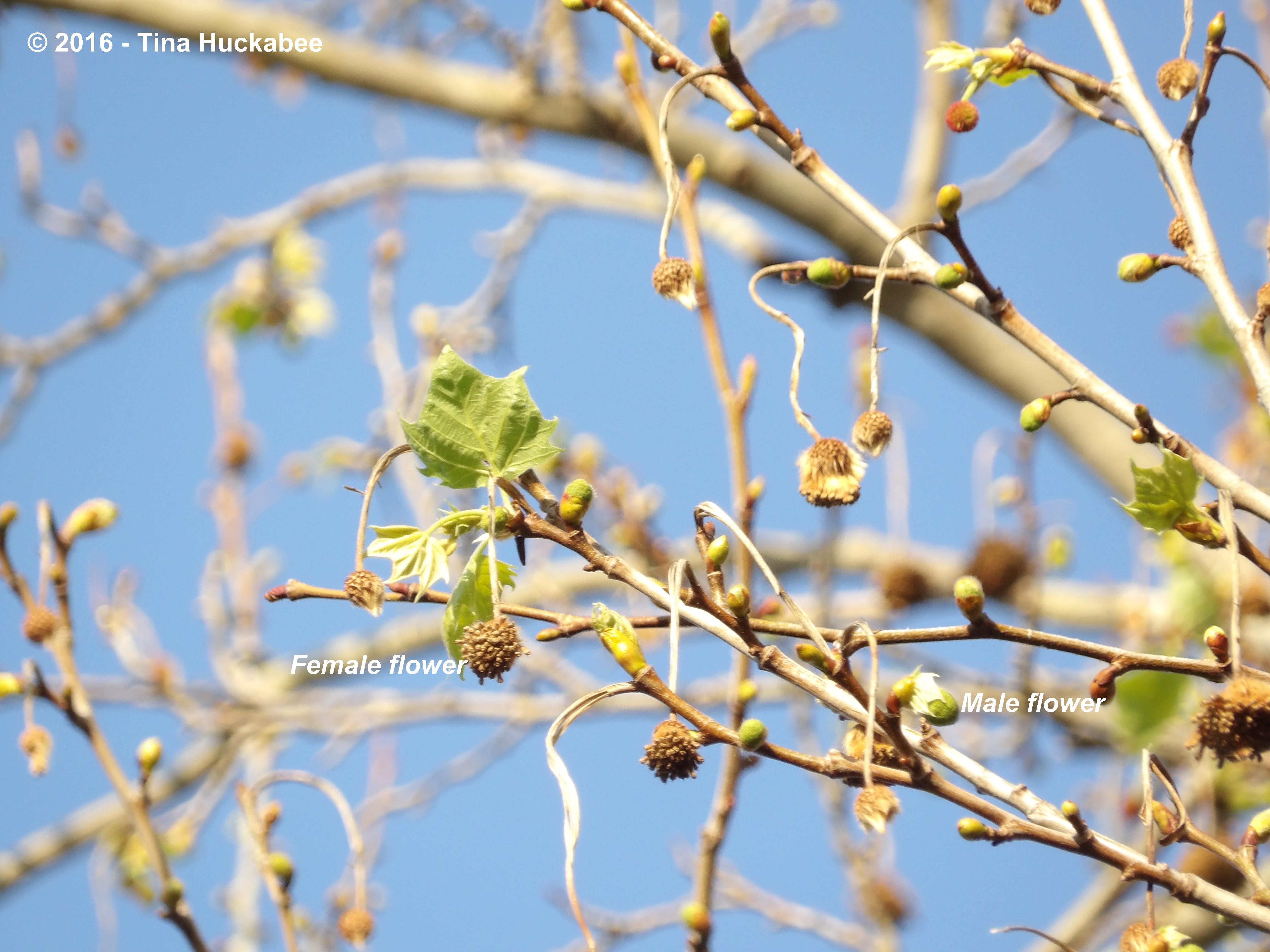
I knew that American Sycamores were monecious, but seeing that the tree is monecious is another thing entirely–and that’s the great thing about tree following: I notice these things because I’m paying attention. I assumed that because my tree is tall that I wouldn’t get a good photo of the male and female flowers.  Additionally, I wasn’t trying to get photos of the flowers.   But during in the photo-snapping session mentioned above, I caught both the male and female flowers.

IMGP5152.new

The male flowers grow on newer, shorter branchlets and the female flowers grow on older branchlets.

IMGP5154.new

The male flowers sport a sort nubby look along the branches, while the female flowers are fuzzier.  The male flower will break and release its pollen load, usually by wind, but also, by water.  If you recall from our March visit to the Sycamore, we learned about dispersal of seeds by wind, anemochory, and dispersal by water, called hydrochory.  The American Sycamore does both; it’s a good survival strategy to employ a couple of methods of reproduction–it certainly keeps the options open.

IMGP5156.new


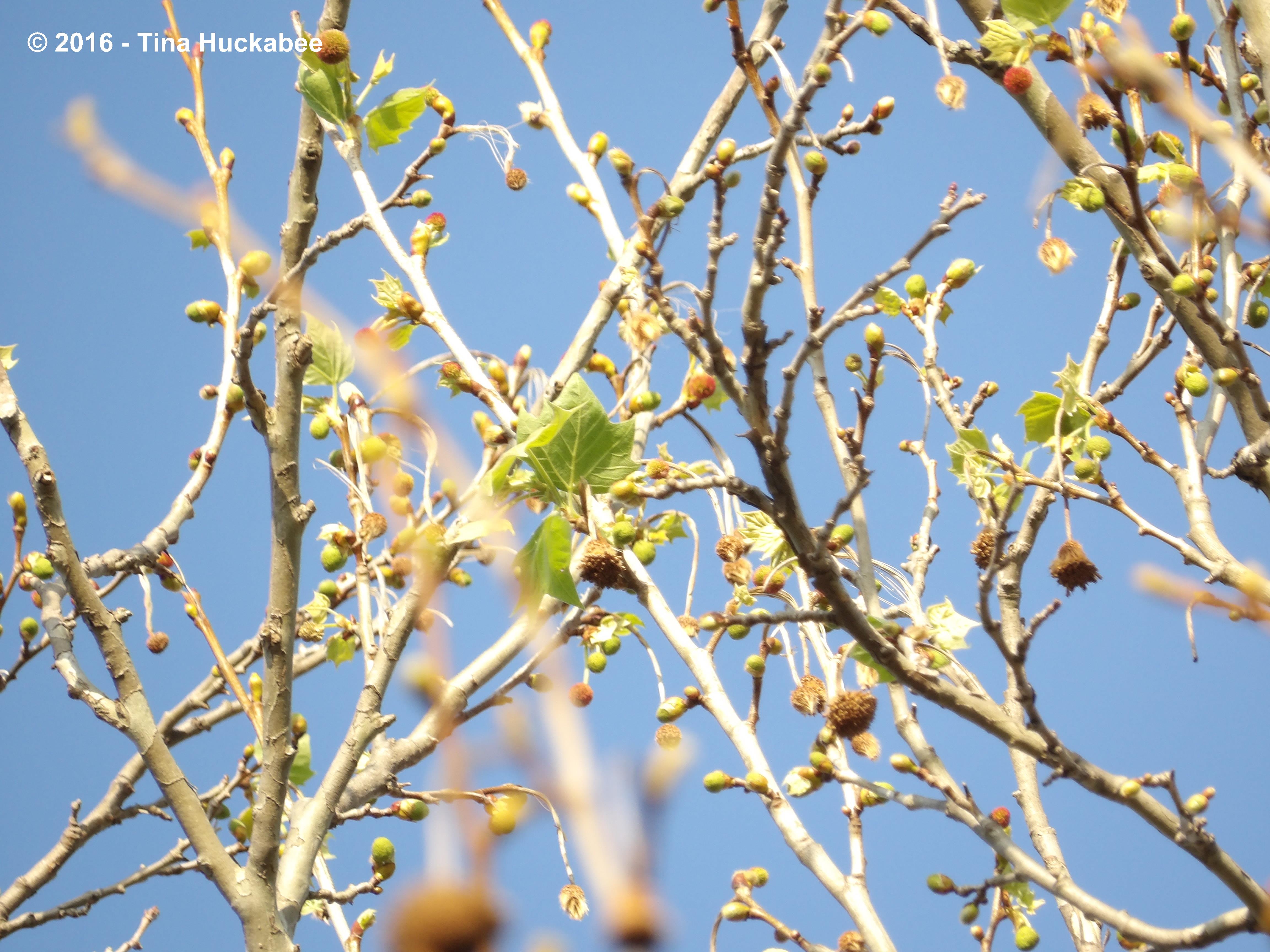
Sycamore leaf production soon overtakes any flower show, though.

IMGP6171.new

IMGP6169.new

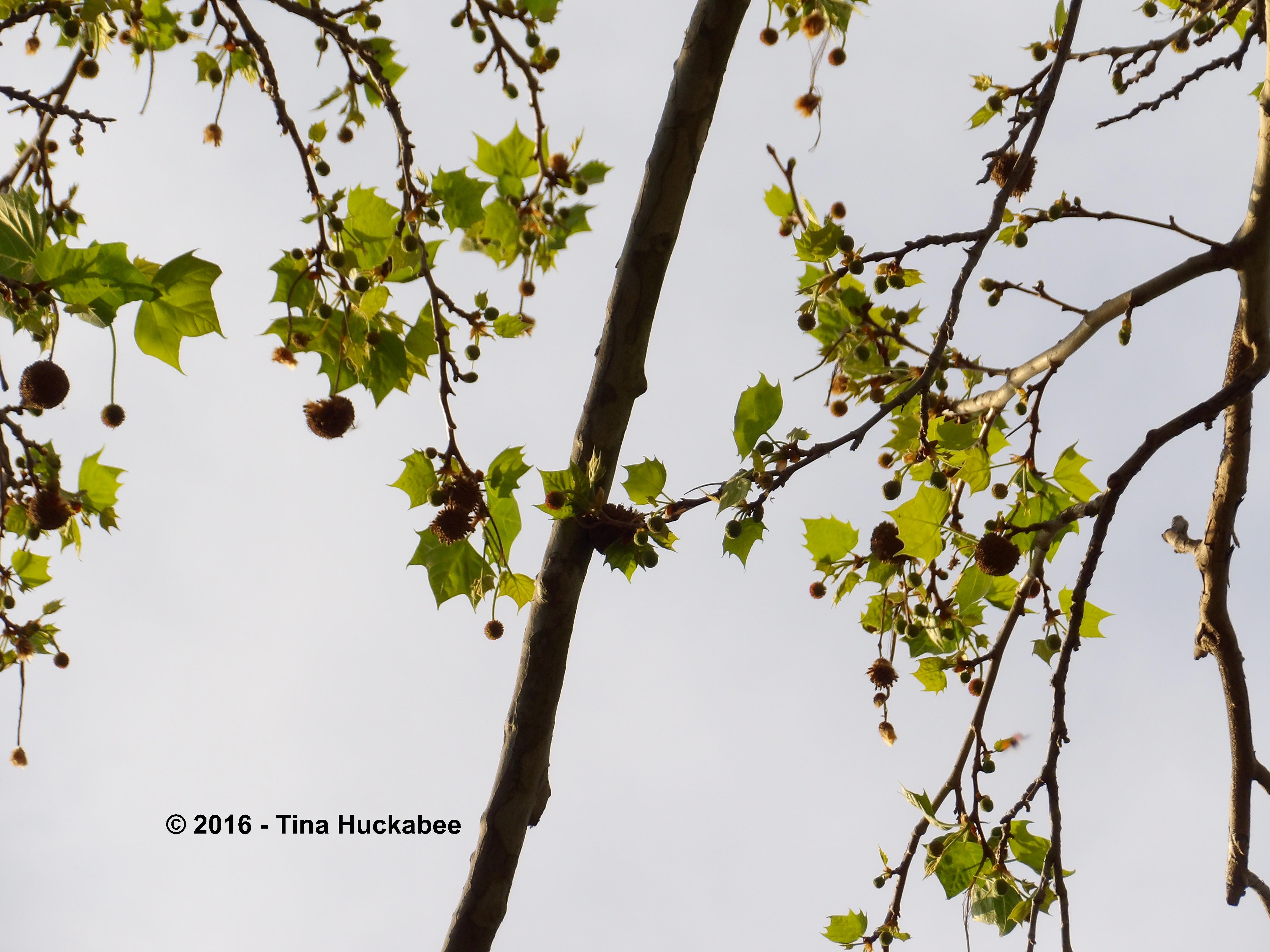
You can see that there are plenty of seed-balls for next year’s Sycamore seed dispersal.   For now, the new ones are spring green,

IMGP6170.new

…but eventually they’ll turn a toasty, autumn brown.

I’ve never seen a nest in the Sycamore, but it serves as a consistent resting spot for a variety of birds like this male Great-tailed Grackle,  Quiscalus mexicanus.                    .

IMGP6198.new

His glorious, purple-black plumage pairs well with the new leaves.  Other birds like White-winged Doves, House Sparrows, Blue Jays, and Cardinals, are year-round visitors to my Sycamore.  As the leaves grow larger and the foliage thickens, it will become more difficult to spot birds resting in the tree.

The foliage is now almost fully flushed out.  Sycamore is usually planted as a shade tree, but also as a tree for urban areas used to thwart air pollution.

IMGP6172.new

Maybe those big leaves will save us all.

IMGP6985.new

IMGP6988.new

IMGP6986.new

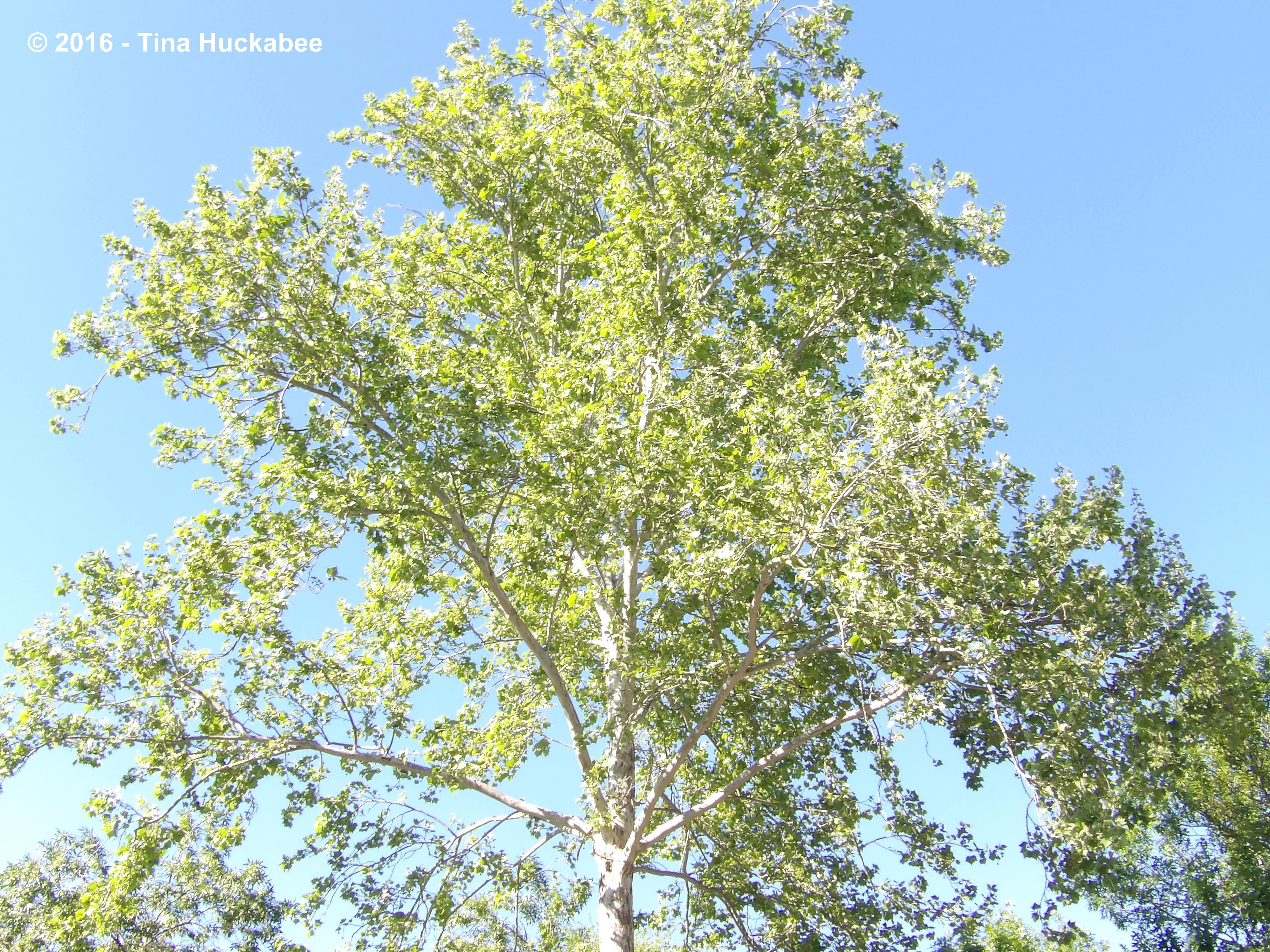
This is the American Sycamore as it enters late spring heading toward the summer months.

IMGP6982.new

Thanking Pat of The Squirrelbasket for graciously hosting this fun meme about trees. Check out her blog for interesting information about trees from all over the world.